Tsar’s Days in Ekaterinburg – 16/17 July 2026
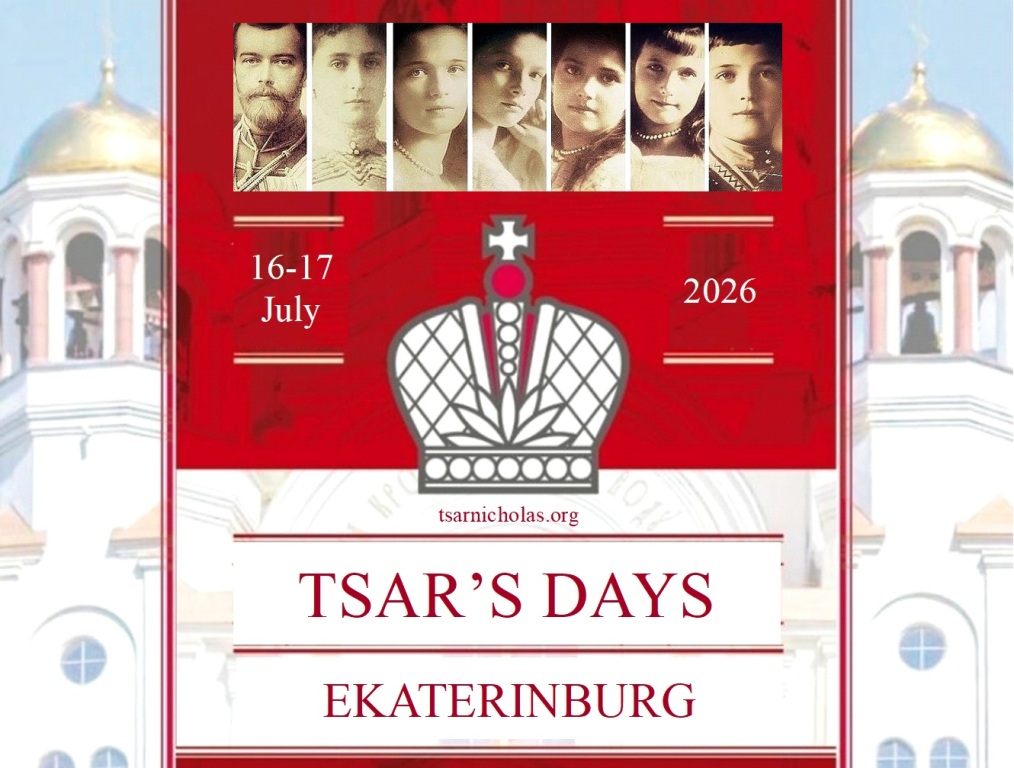
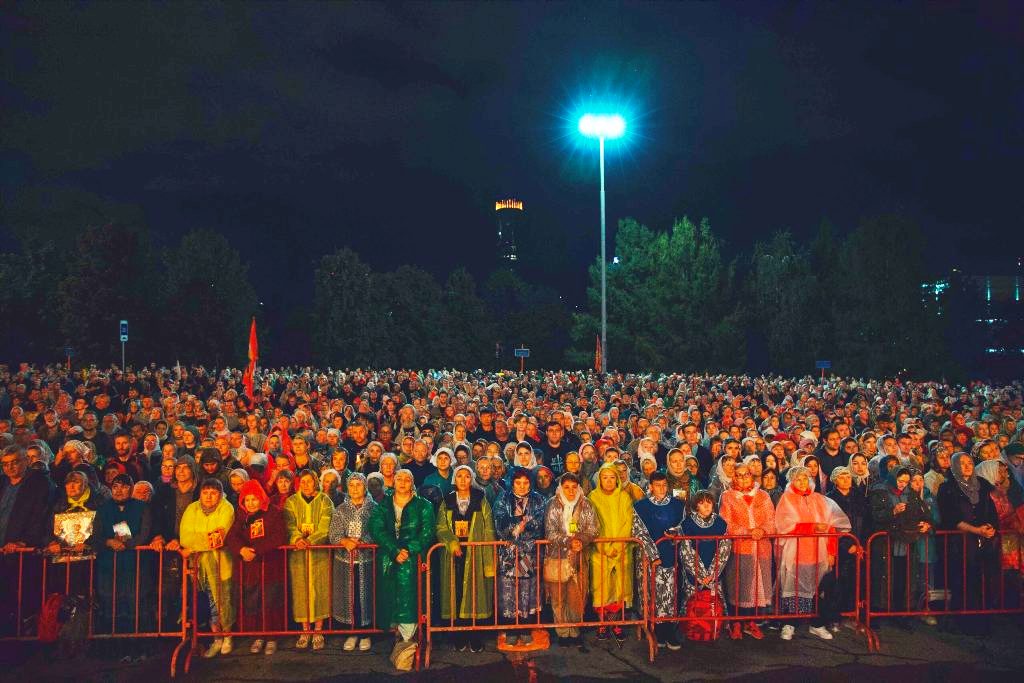
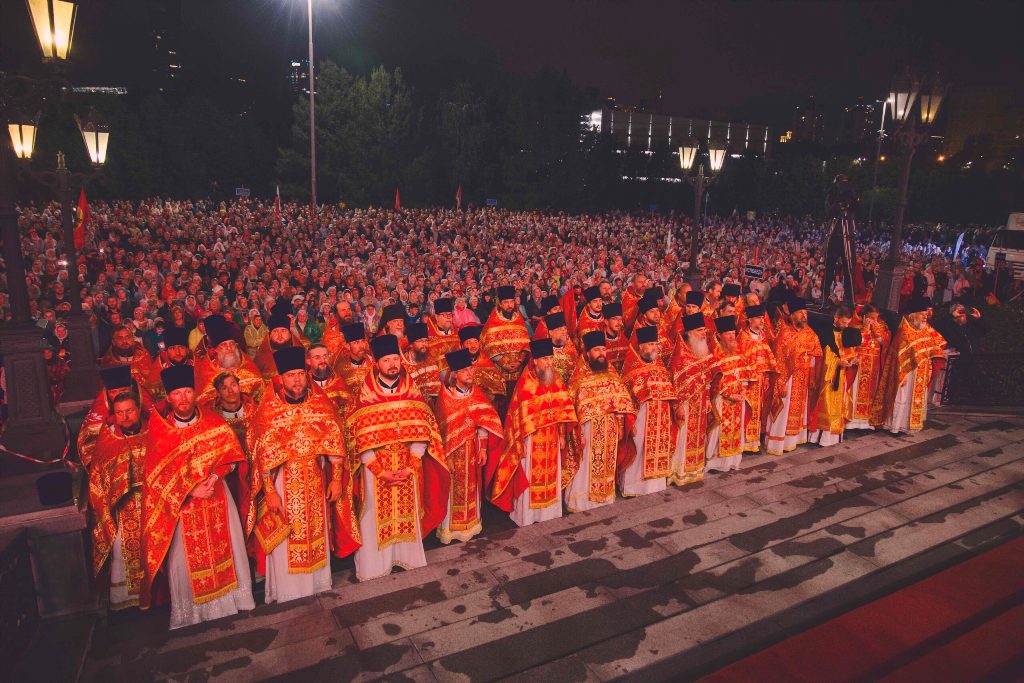
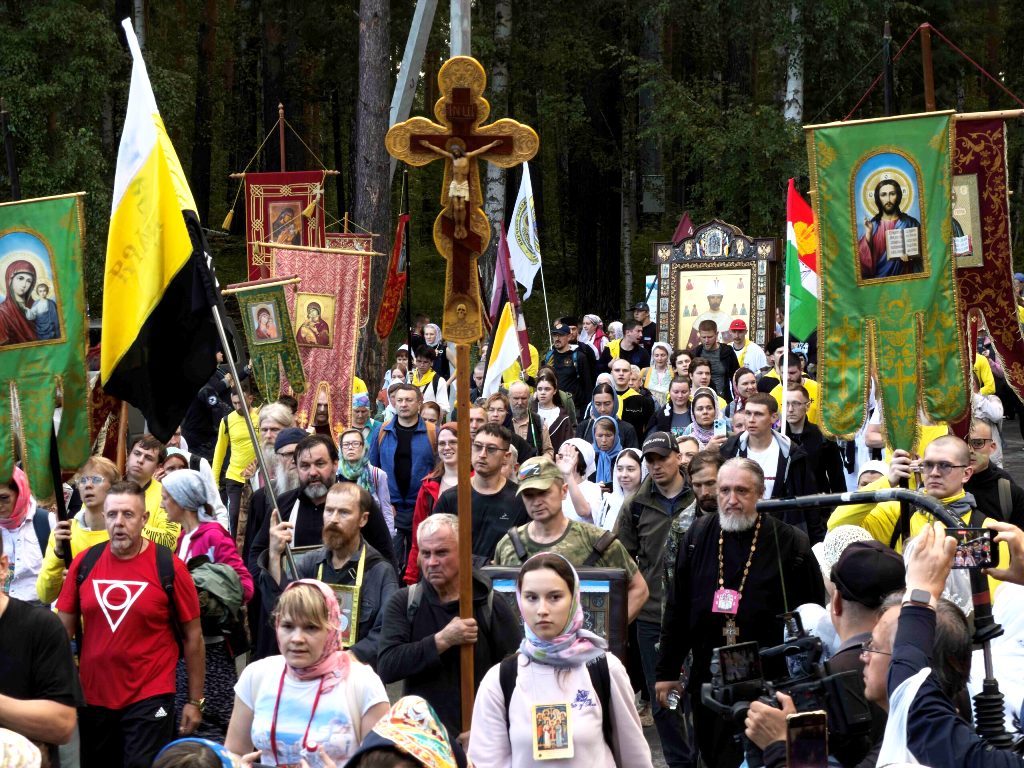
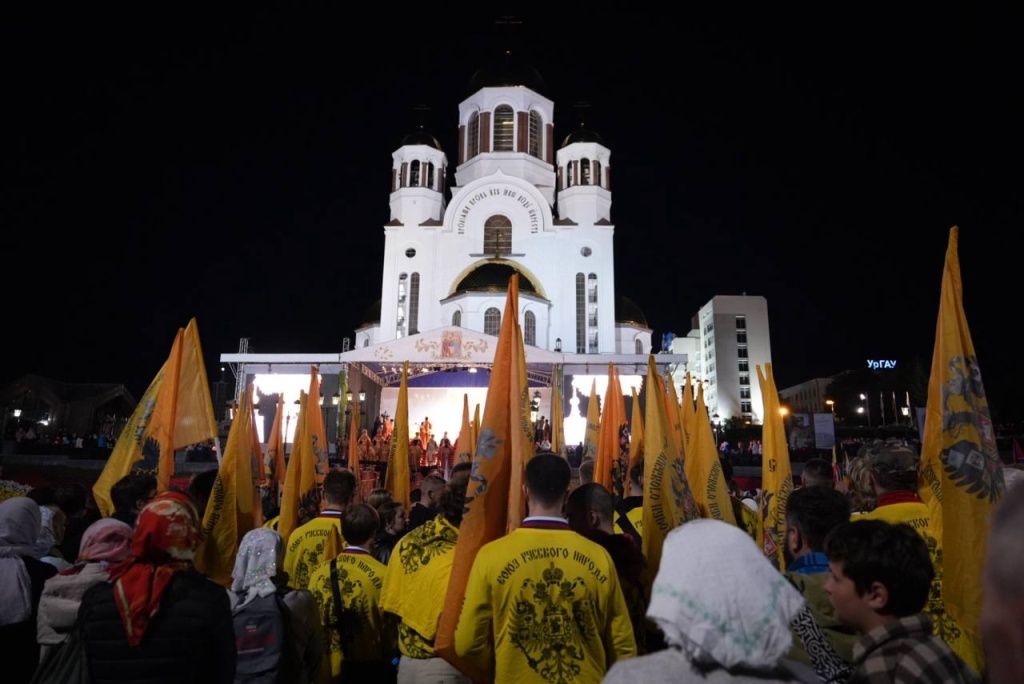
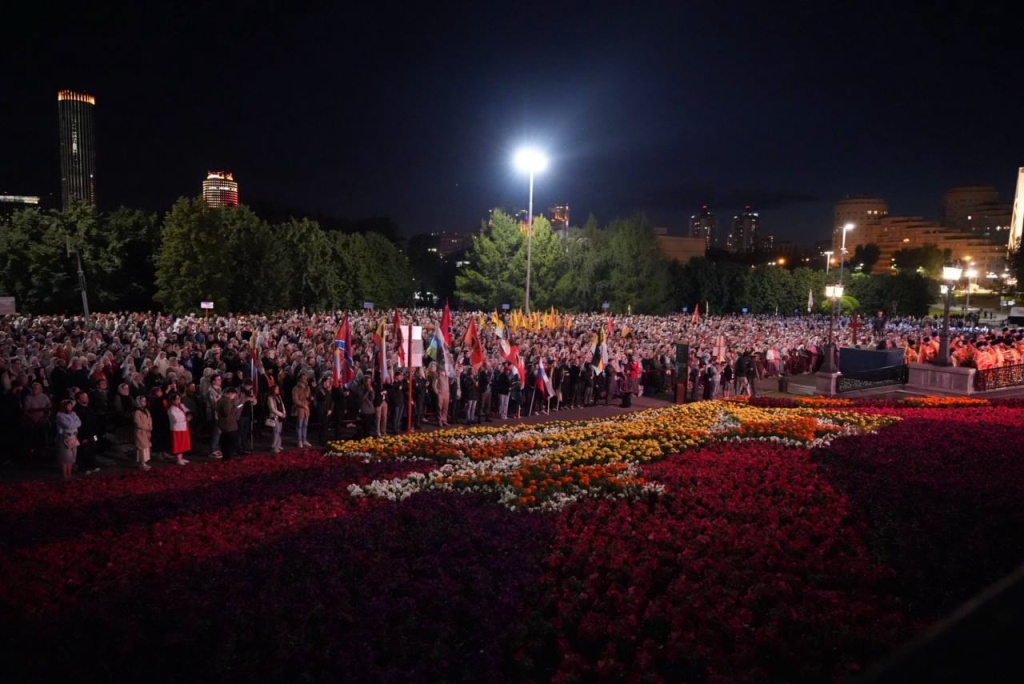
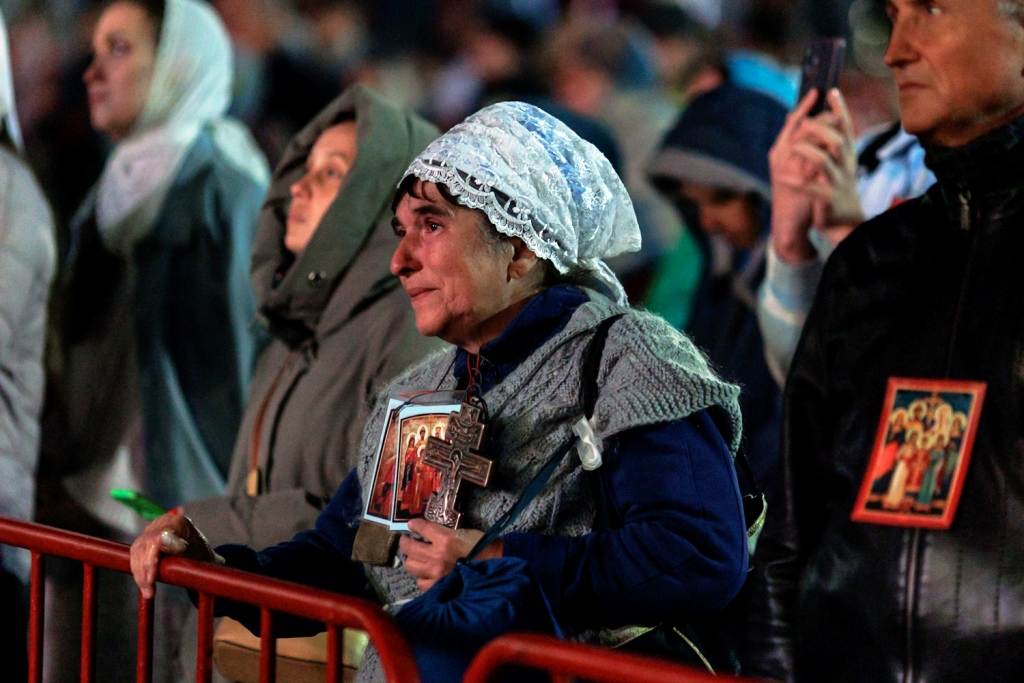
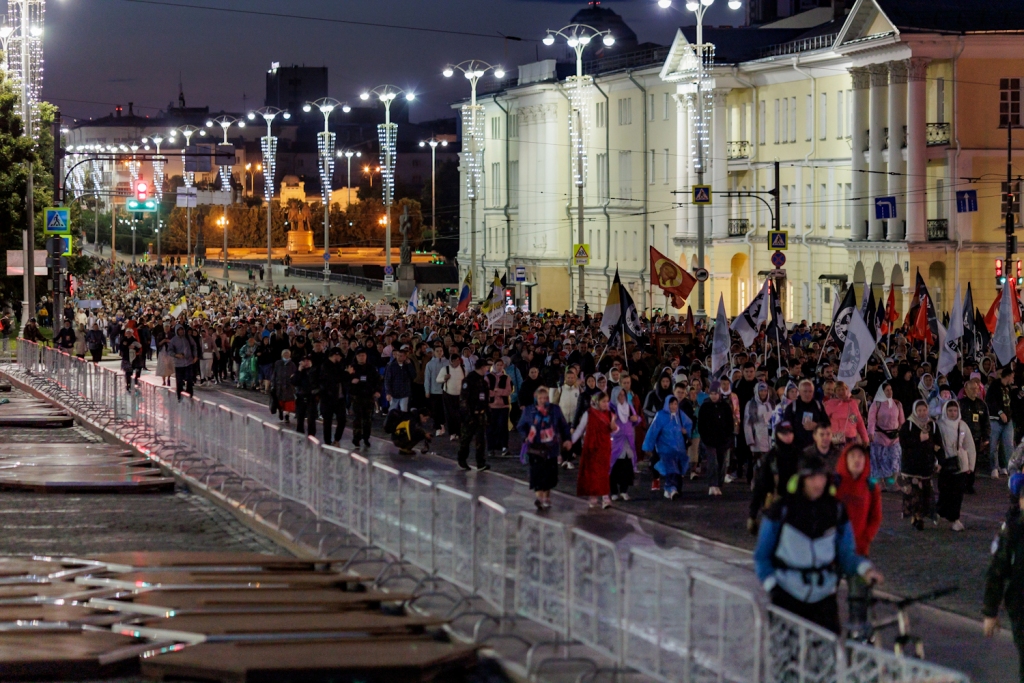
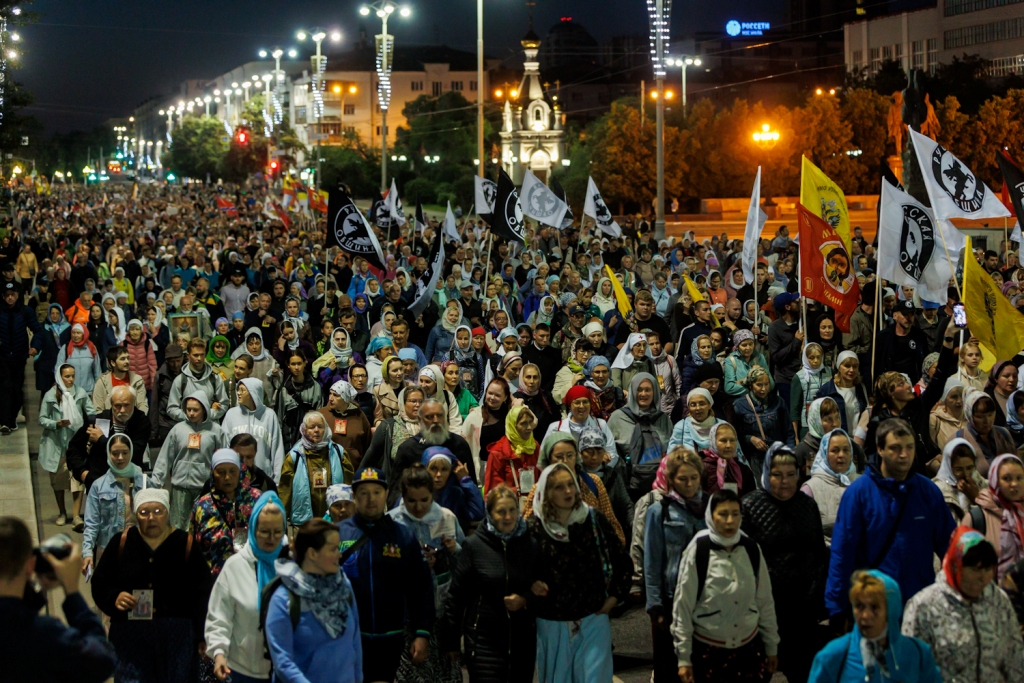
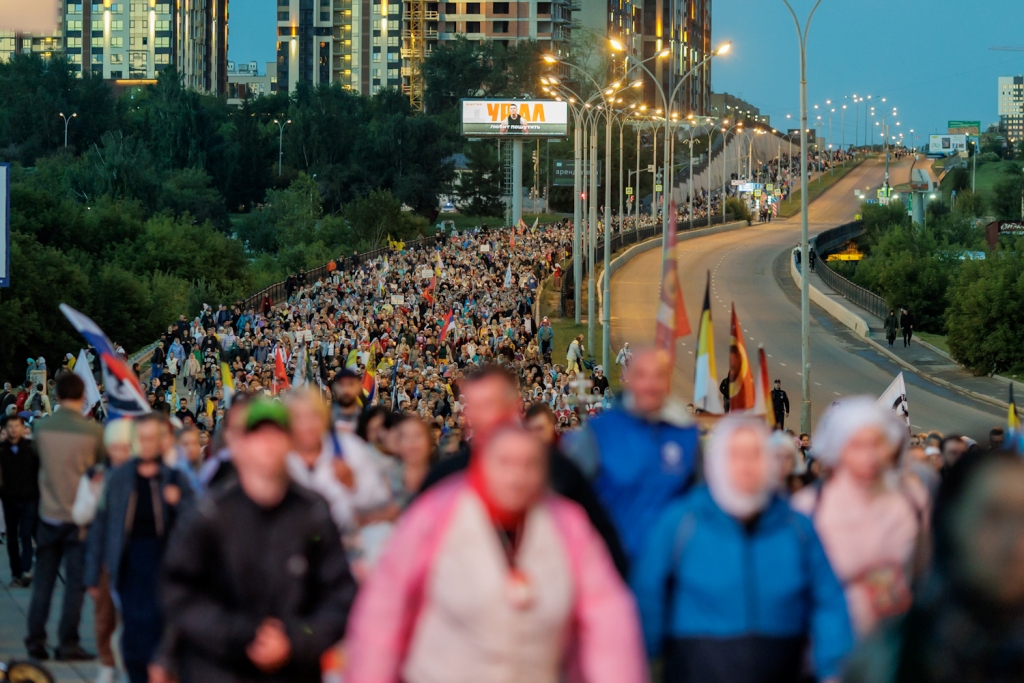
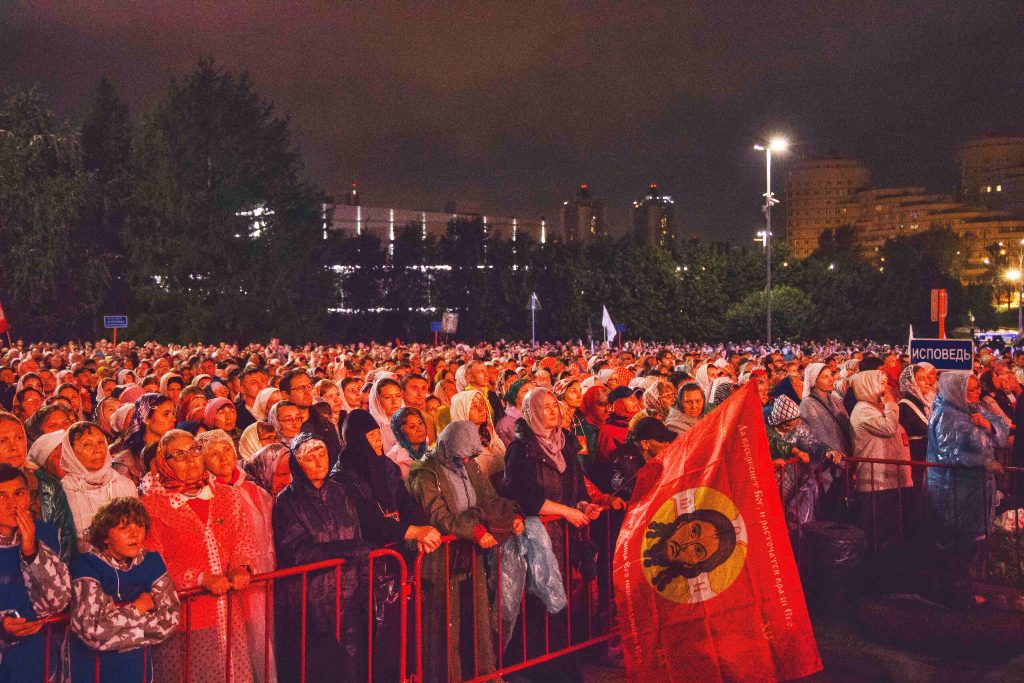
More than 44,000 pilgrims took part in this years’ Tsars Days in Ekaterinburg, marking the 108th anniversary of the death and martyrdom of Emperor Nicholas II, along with his family and their four faithful servants. The event culminated on the night of 16/17 July, with a nighttime Divine Liturgy at the Church on the Blood followed by a Cross Procession to the Monastery of the Holy Royal Passion-Bearers at Ganina Yama.

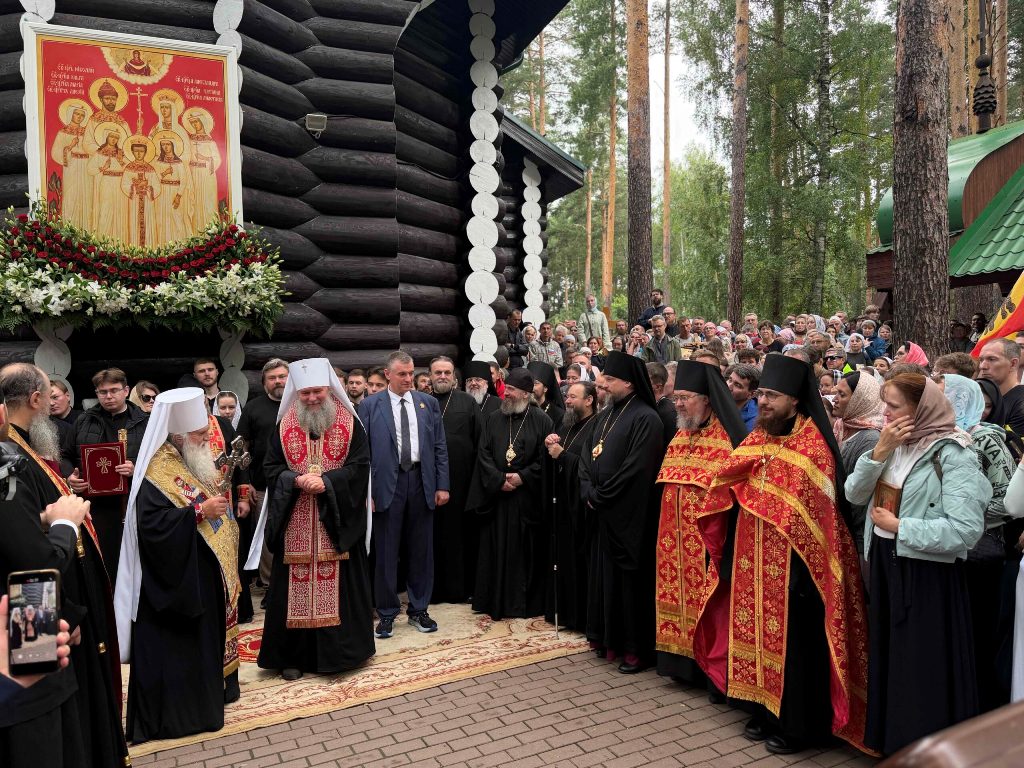
Divine Liturgy

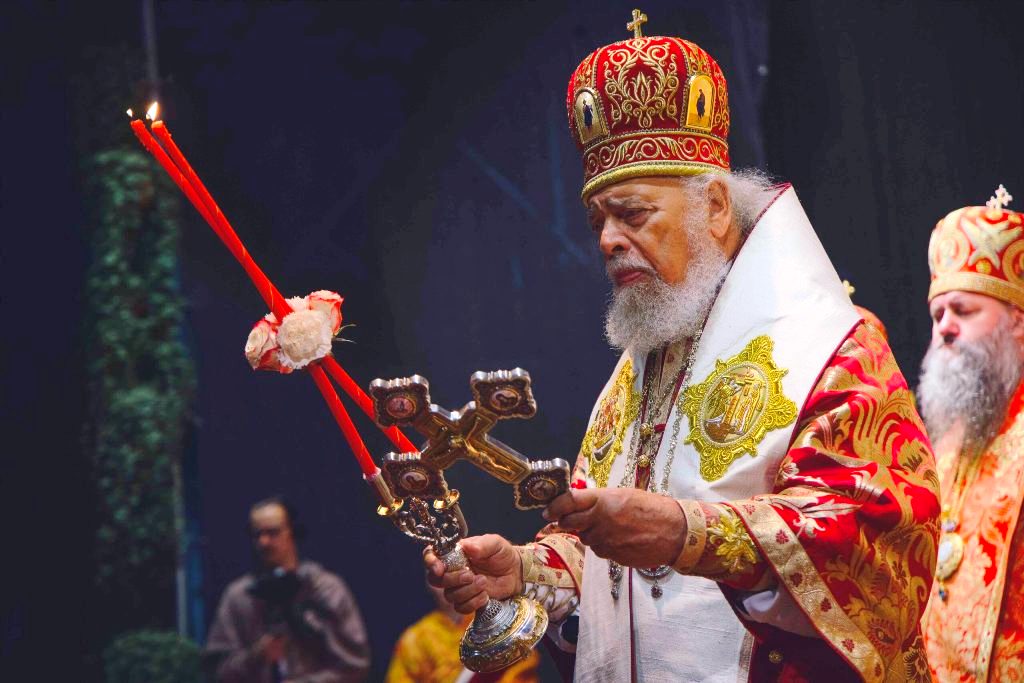
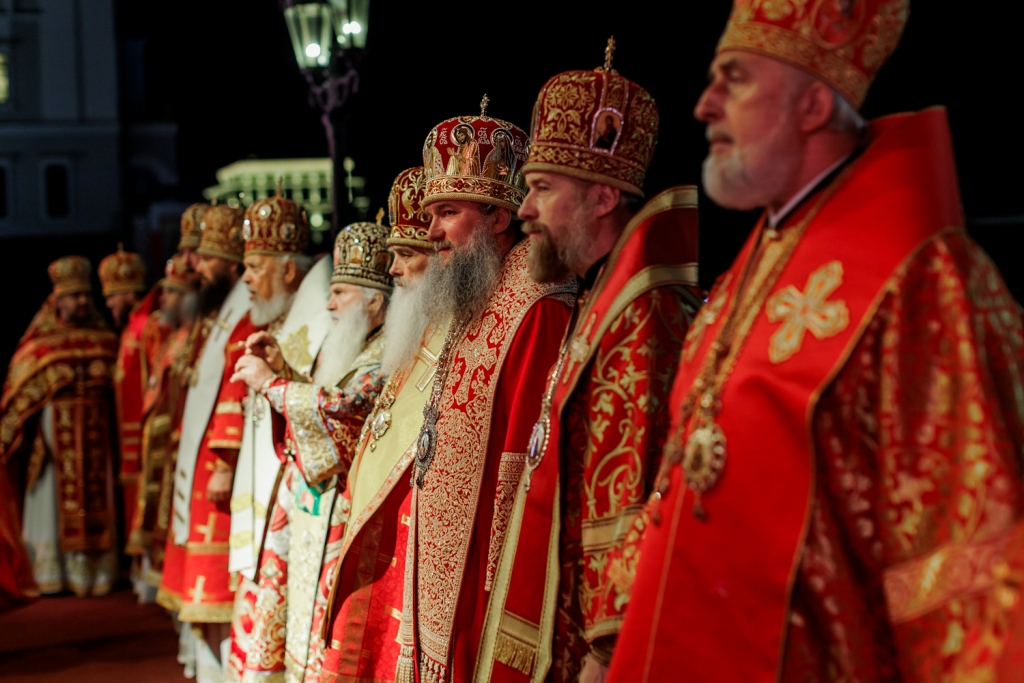
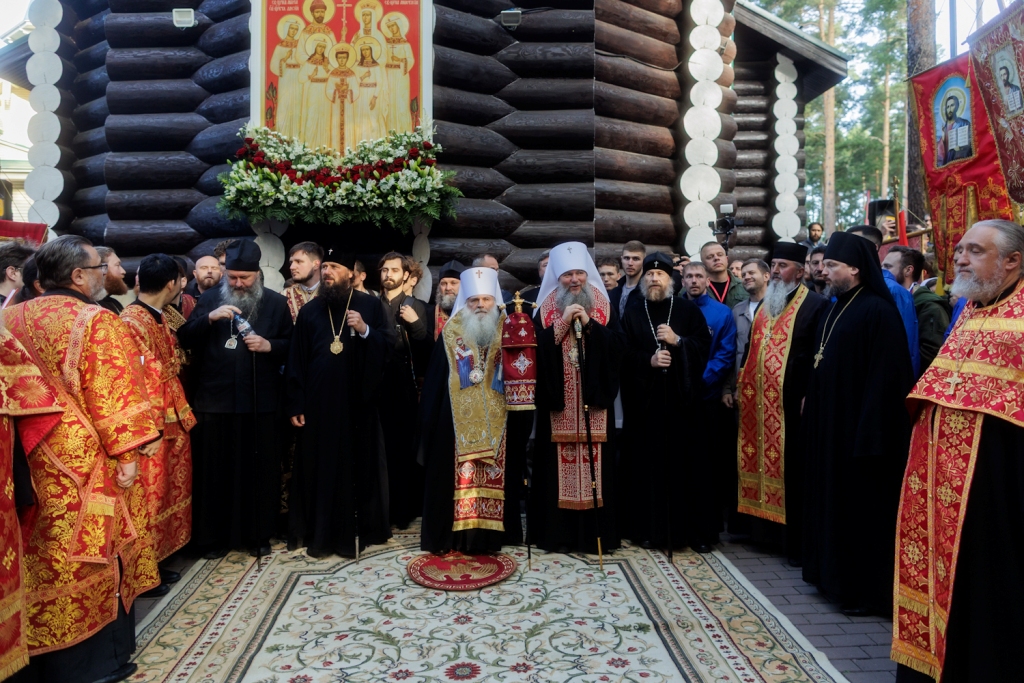
The Divine Liturgy was celebrated by 20 archpastors, led by His Eminence Metropolitan Vikenty of Tashkent and Uzbekistan, with bishops from throughout Russia, and the representatives of the Antiochian and Serbian Patriarchates in Moscow.

The hierarchs were assisted by local and visiting clergy, including representatives of the Church of the Czech Lands and Slovakia and the Orthodox Church in America.
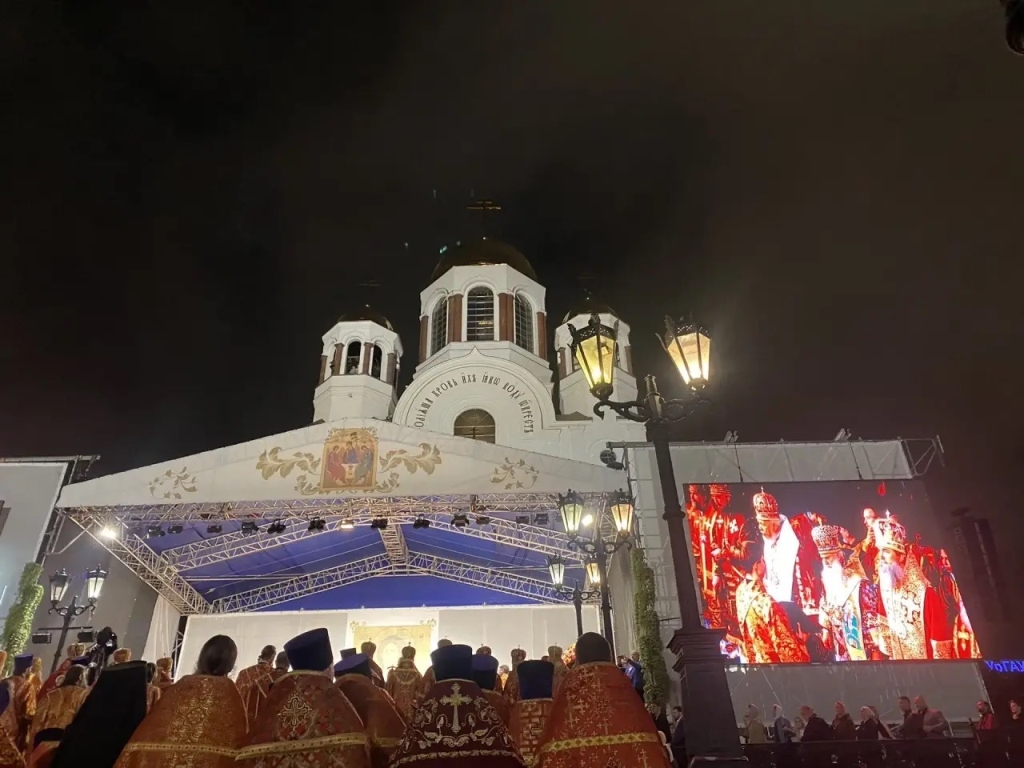
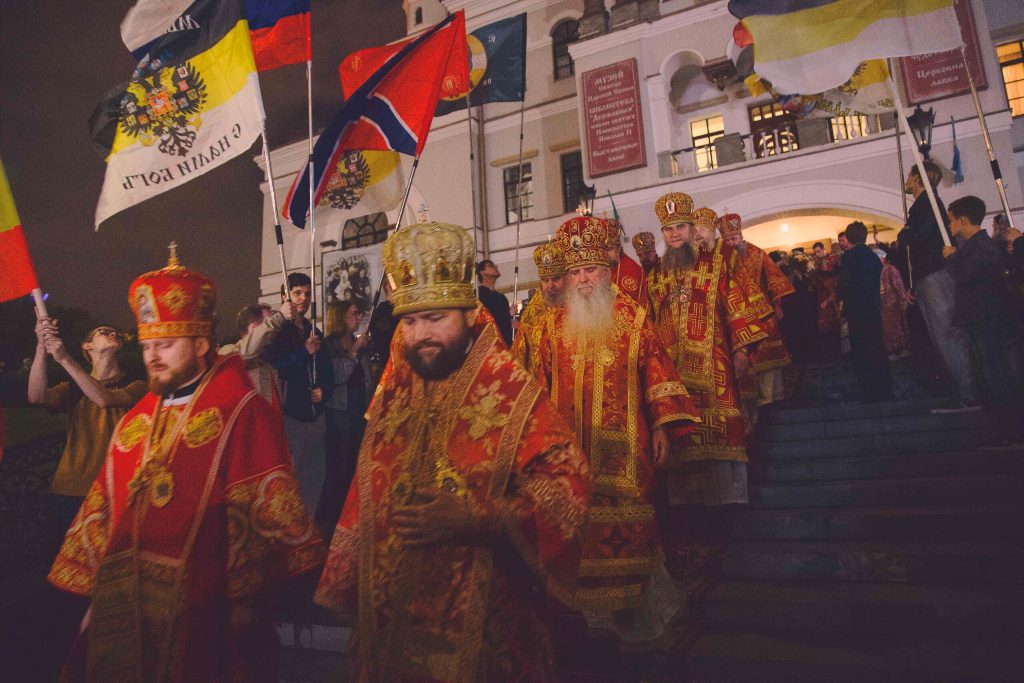
Prayers were offered in multiple languages, including Slavonic, Georgian, English, Arabic, Greek, and Serbian, with pilgrims present from Italy, France, Germany, the Netherlands, Serbia, Australia, New Zealand, Georgia, Uzbekistan, Belarus, and Ukraine, among other countries.

The Holy Gifts were distributed from more than 100 chalices.

During the service, Metropolitan Vikentiy conveyed a congratulatory message from Patriarch Kirill of Moscow and All Rus’ to Metropolitan Evgeniy on his name day. Metropolitan Niphon likewise conveyed greetings on behalf of the Antiochian, Serbian, and American Churches, recalling the historical ties between Emperor Nicholas II and the Church of Antioch.

Procession of the Cross

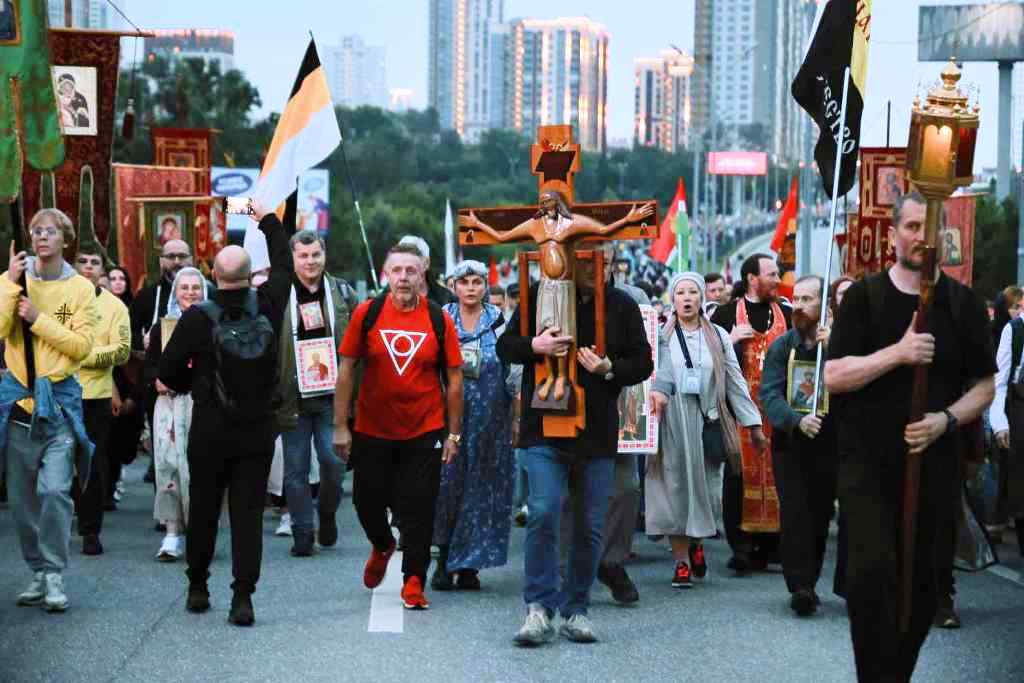
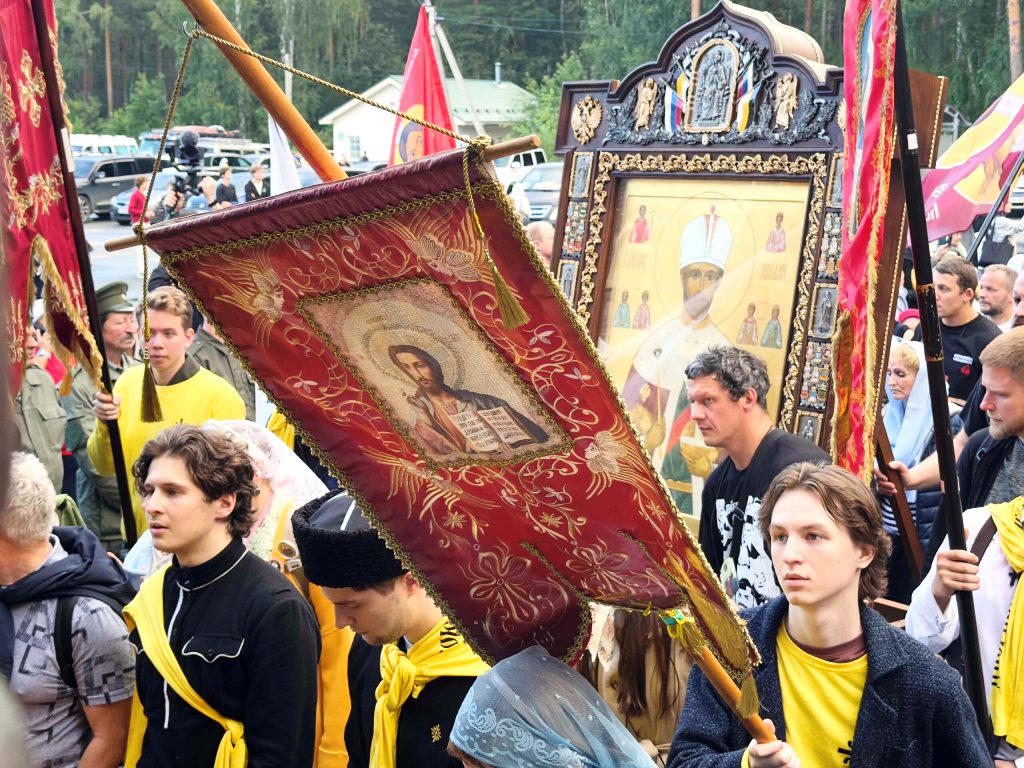
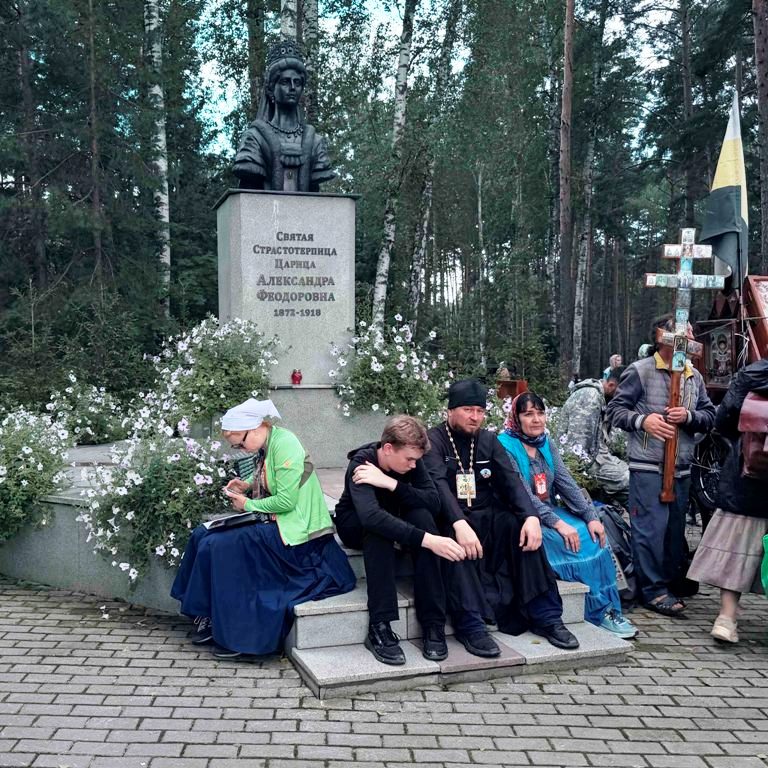
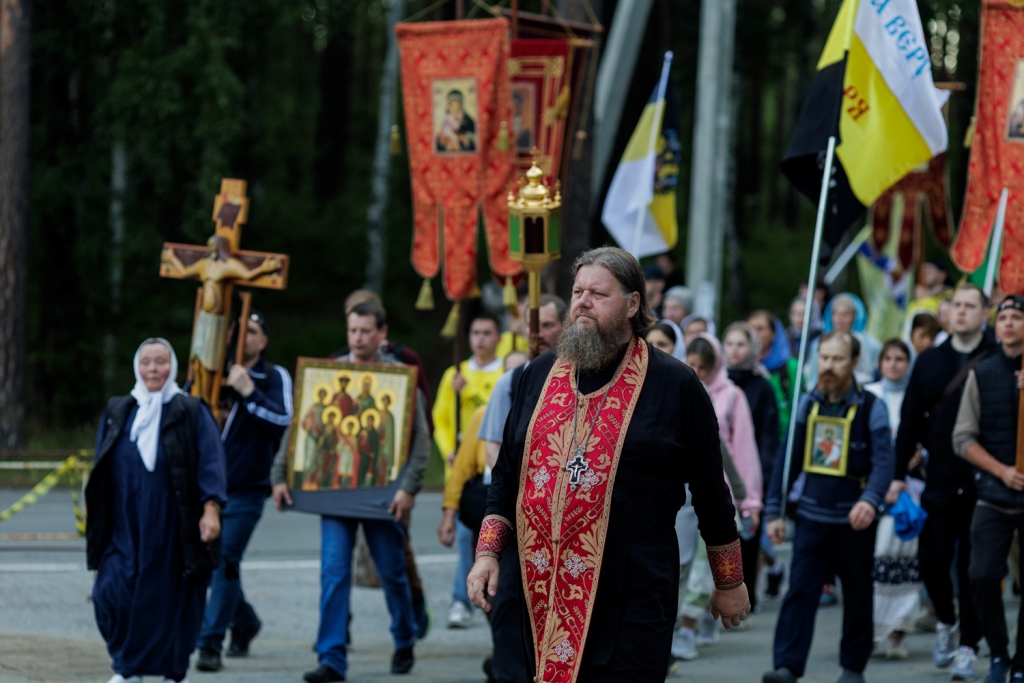
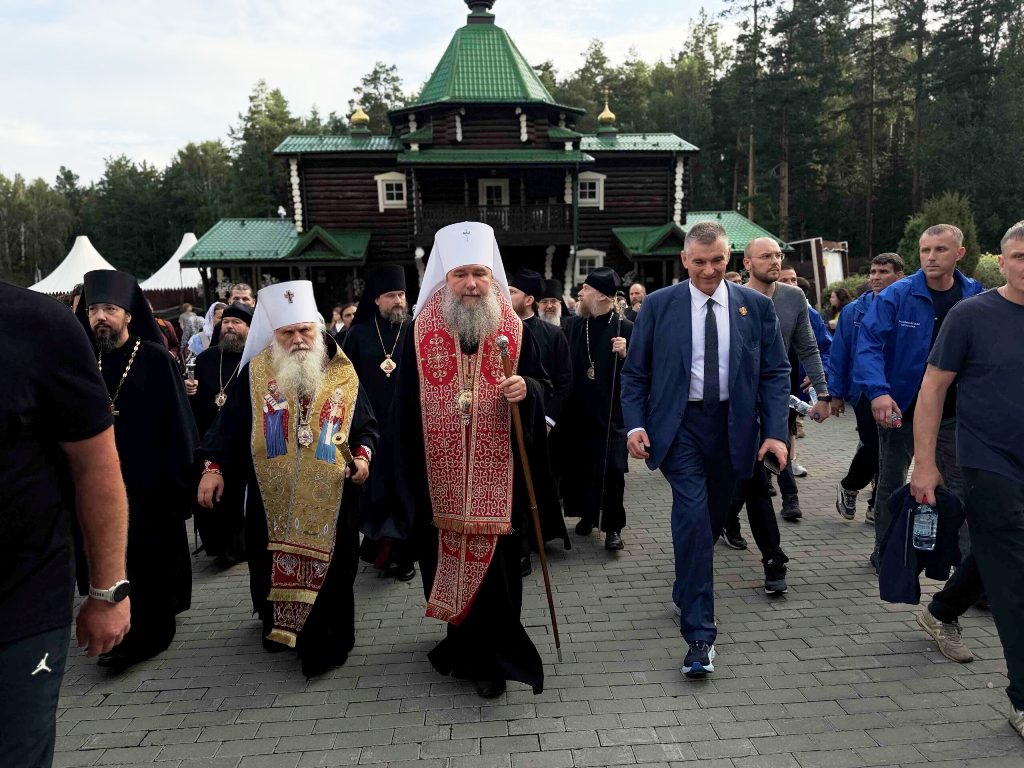
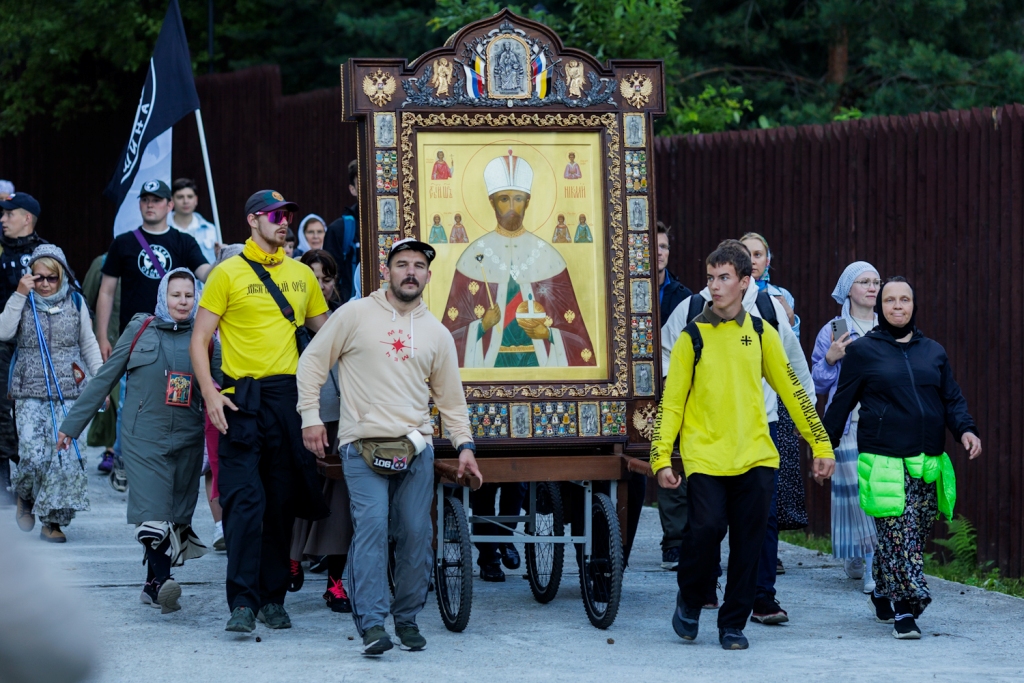
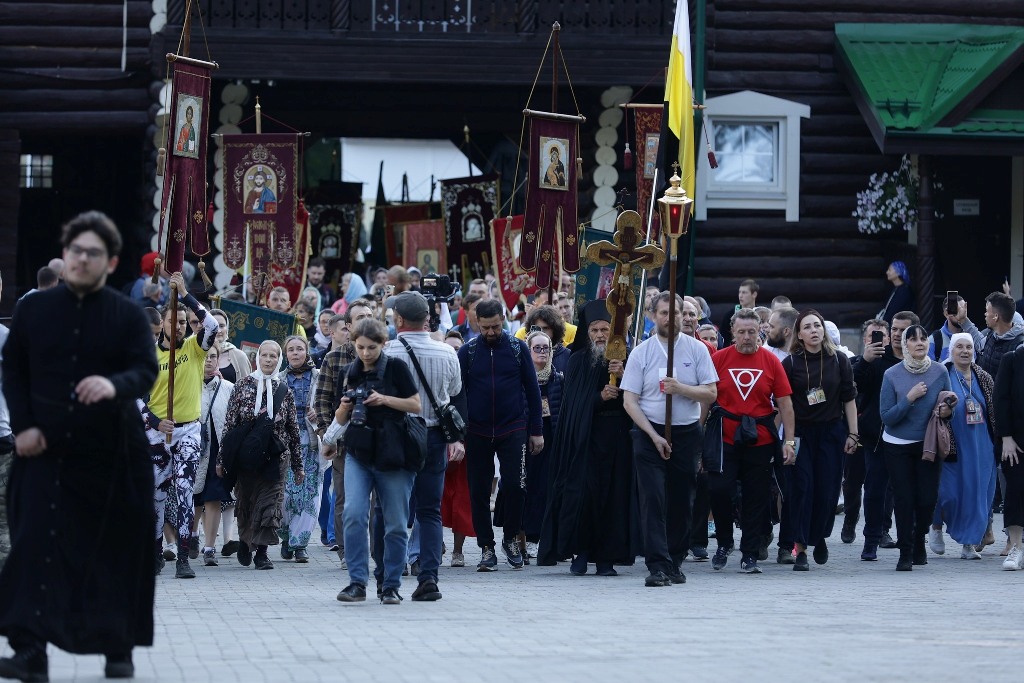
Following the Diving Liturgy, the Cross Procession began at about 2:30 am local time. The Procession was led by Metropolitan Vikenty and other hierarchs. To the penitential Jesus Prayer “Lord, Jesus Christ, Son of God, have mercy on us!”, thousands of believers – clergy and laity, walked on foot fromHoly the Church on the Blood to the Monastery of the Holy Royal Passion-Bearers at Ganina Yama. The 21-km (13-mile) journey took four hours.
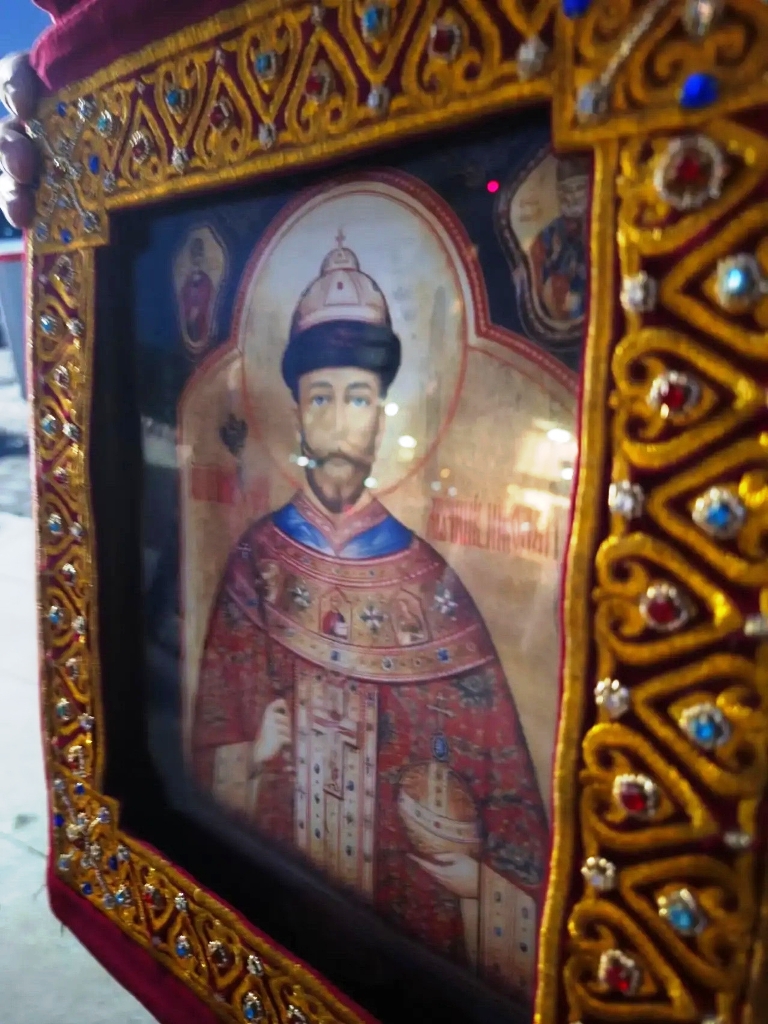
Mobastery of the Holy Royal Passion-Bearers

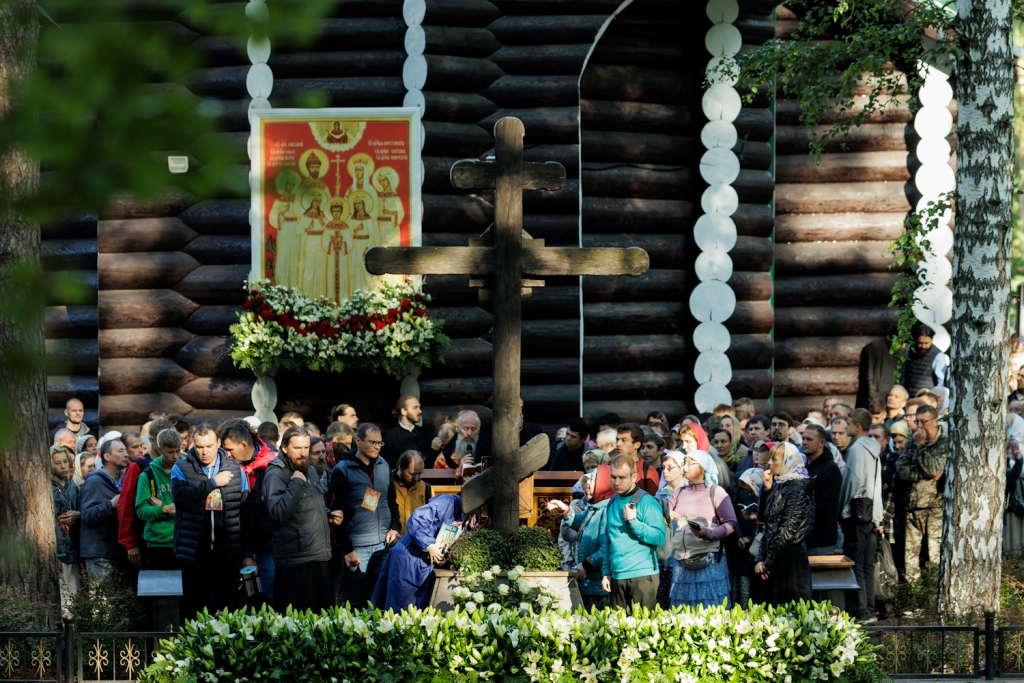
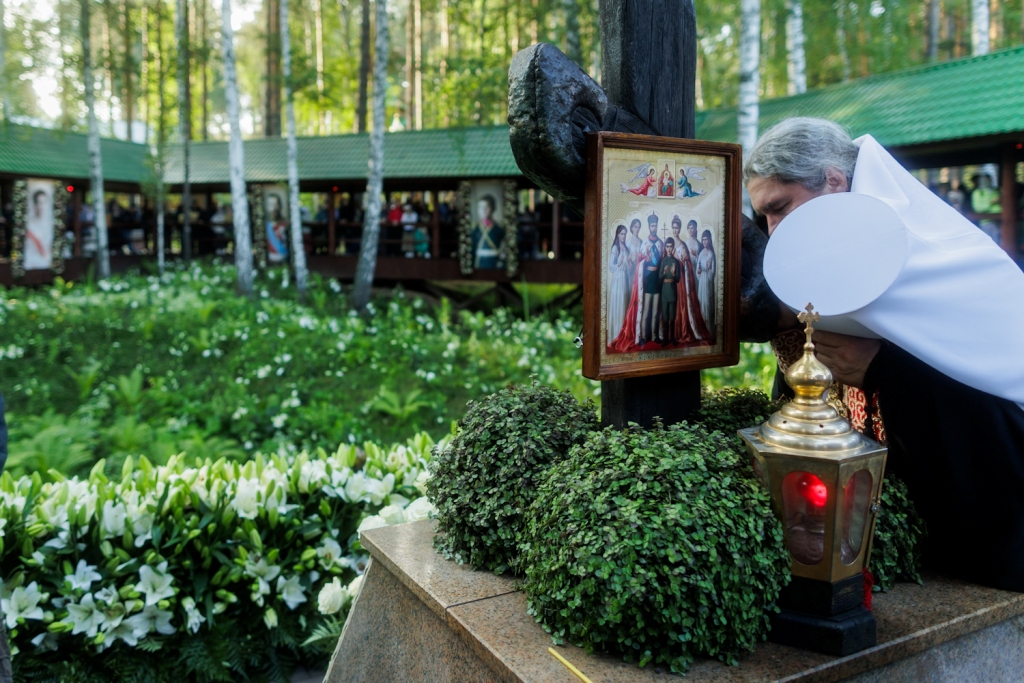
The Cross Procession concluded with a service at shaft No. 7, built on the site where the bodies of the Royal Martyrs were initially discarded by the regicides. They were exhumbed the following day, and moved, and reburied in two sepearate graves, in what is to what is today known as Porosenkov Log.

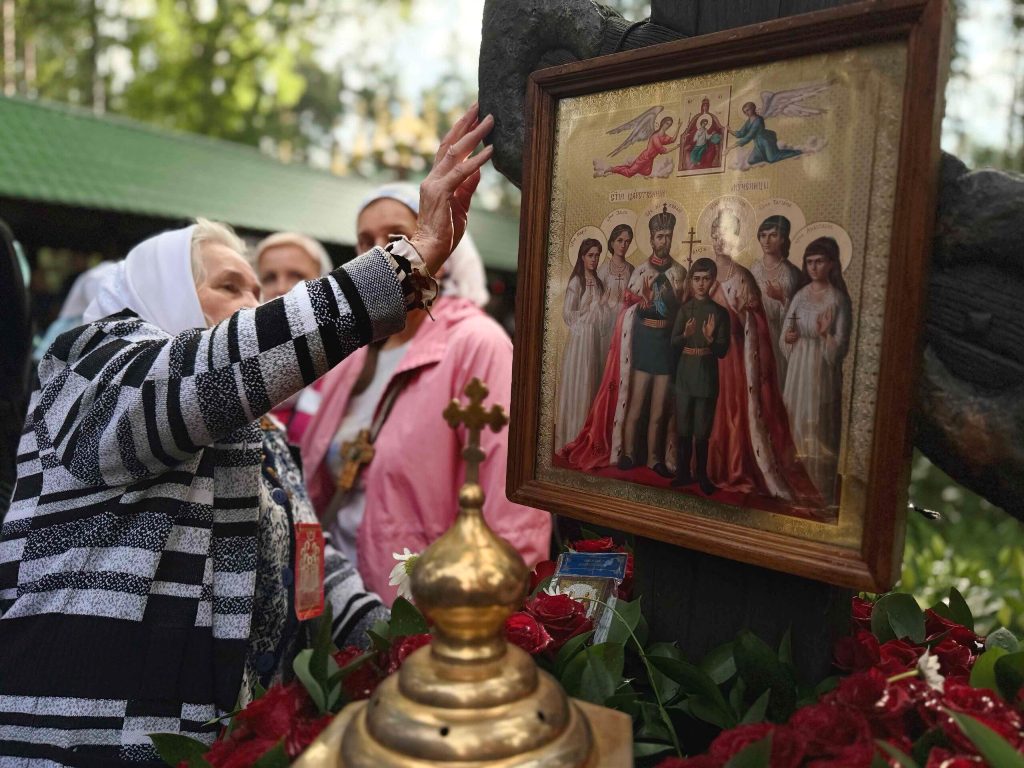
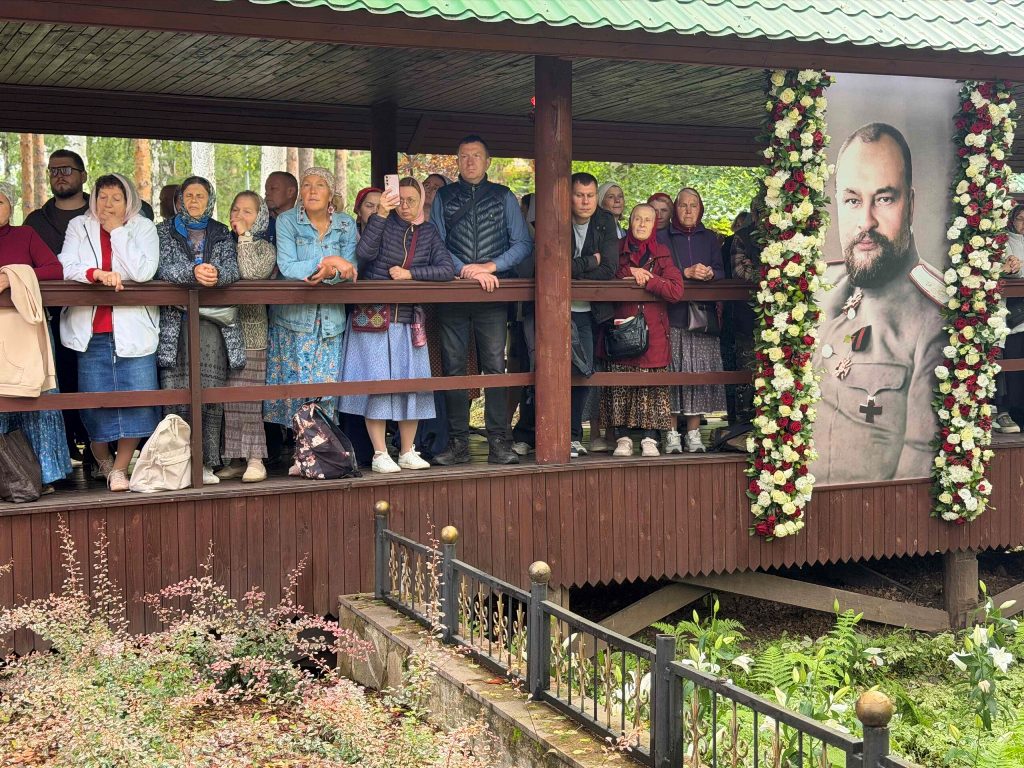
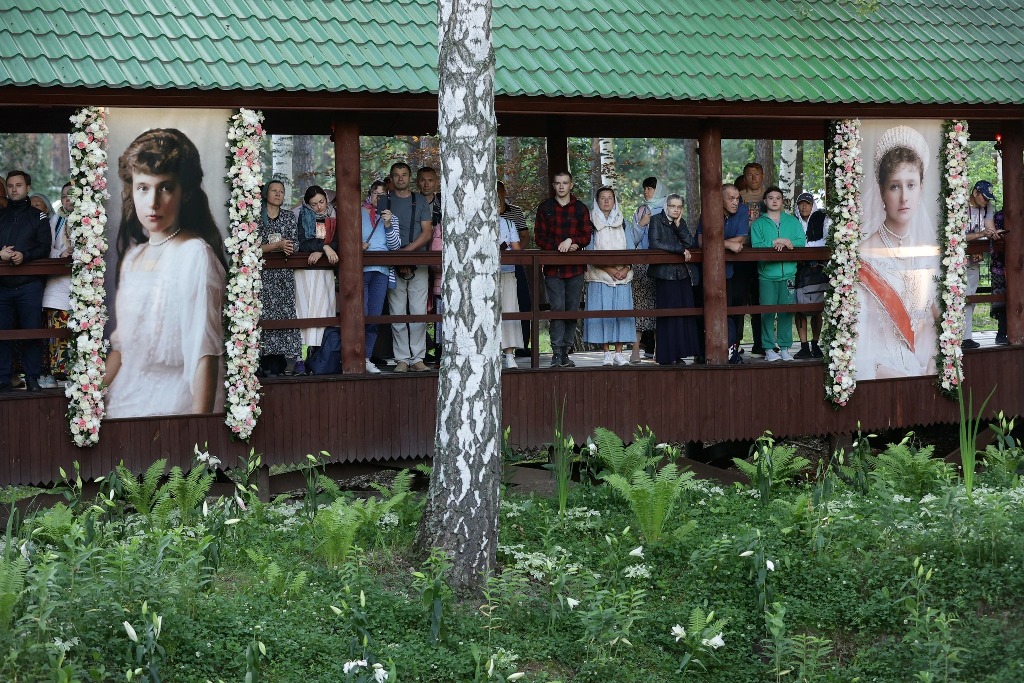
Metropolitan Vikenty thanked participants for their spiritual effort and also offered congratulations to the local hierarch His Eminence Metropolitan Evgeny of Ekaterinburg on his name day, the commemoration of the physician-martyr Evgeny Botkin. In his remarks, Metropolitan Evgeny noted that portraits of the Tsar and his Family and St. Evgeny had been decorated with white and red flowers by the monastery brethren, symbolizing purity and the shedding of blood in preserving that purity.

A moleben [a liturgical service of supplication or thanksgiving] with the reading of the Akathist to the Holy Royal Martyrs was held throughout the day at the monastery’s large Orthodox memorial cross.

The commemorations marked the anniversary of the deaths of Emperor Nicholas II, Empress Alexandra Feodorovna, and their children—Tsesarevich Alexei and Grand Duchesses Olga, Tatiana, Maria, and Anastasia—along with loyal servants Aloisy Trupp, Anna Demidova, Evgeny Botkin, and Ivan Kharitonov, who were all brually murdered on the night of 16/17 July 1918, in the basement of the Ipatiev House, where the Church on the Blood now stands.
Tsar’s Days and Porosenkov Log

Recall that the first Cross Procession in memory of the Holy Royal Martyrs, headed by Metropolitan of Ekaterinburg and Verkhoturye Kirill, took place in 2002, in which more than 2 thousand pilgrims and about 100 clerics participated. It has been held annually in the Ural capital ever since.

In 2018, the year marking the 100th anniversary of the death and martyrdom of the Imperial Family, more than 100, 000 people from across Russia and around the world attended the historic event, including the author of this article, who travelled from Canada to take part.

Once again, Porosenkov Log will not included in this year’s Cross Procession. Porosenkov Log is where the remains of the Imperial Family were exhumed in two separate graves in 1991 and 2007 respectively. Due to the fact that the Moscow Patriachate does not yet recognize the Ekaterinburg Remains as those of the Imperial Family. Their official recognition rests with the Bishops’ Council of the Russian Orthodox Church.

© Paul Gilbert. Sources: Orthodox Christianity and Ekaterinburg Diocese. 22 July 2026
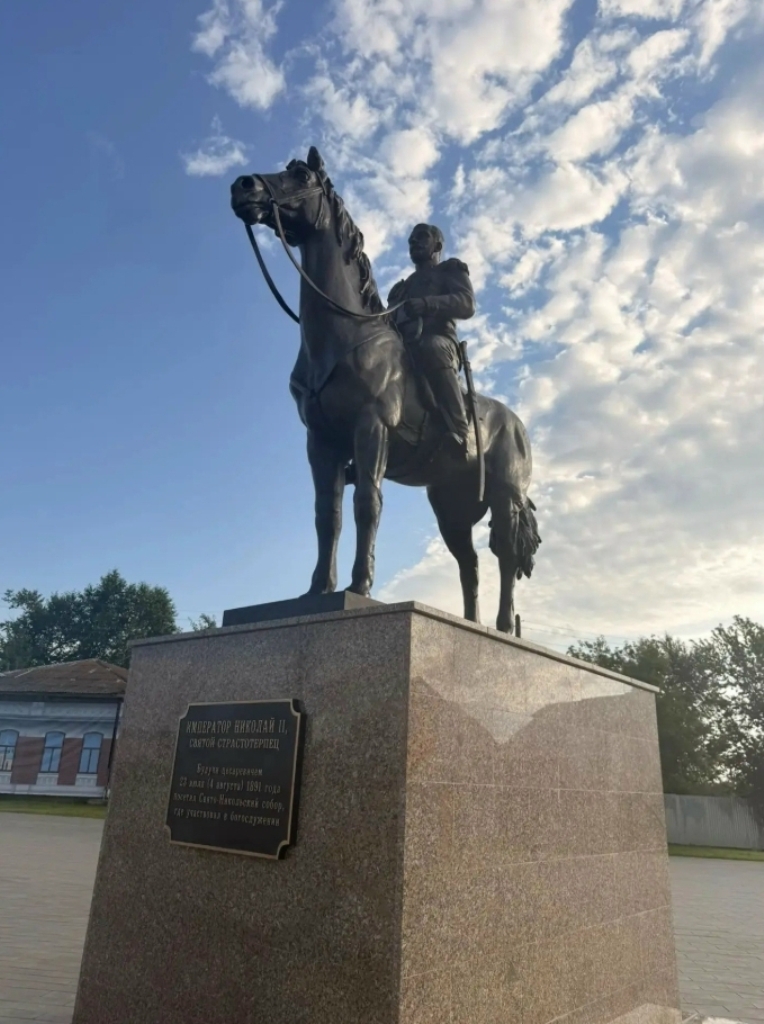
Russia’s 3rd equestrian monument of Nicholas II unveiled in in the Chelyabinsk region

On 16th July 2026, a new equestrian monument of Emperor Nicholas II was unveiled and consecrated on the grounds of the Cathedral of St. Nicholas the Wonderworker in the Ural city of Verkhneuralsk. The city is located on the left bank of the Ural River, 230 km south of Chelyabinsk and 450 km south of Ekaterinburg.

This is the 9th monument to Russia’s last Tsar installed in 2026, and Russia’s 3td equestrian monument of Nicholas II – the other 2 are located in Kulebaki and Moscow.

The monument is in memory of Tsesarevich Grand Duke Nicholas Alexandrovich [future Emperor Nicholas II] visit to Verkhneuralsk on 3-4 August (O.S. 22-23 July) 1891, during a trip across the Russian Empire following his Eastern Journey (1890-91).

It was at Verkhneuralsk, that 135 years ago the inhabitants of the Ural city met the future emperor. Tired from his long journey across the Russian Empire from Vladivostock, the Tsesarevich modestly ate his supper and retired, and in the morning the whole city turned out to get a glimpse of him. After a parade of local Cossacks, Nicholas Alexandrovich said: “Your regiment is excellent, excellent – thank you!”

In honour of this visit, the northern side-chapel was built in the name of the Intercession of the Most Holy Theotokos. It was built on benevolent donations in memory of the miraculous salvation of Tsesarevich Nicholas Alexandrovich, following an assassination attempt on his life in Otsu, Japan. The altar was consecrated on 18th November 1897.

In 2025, the Cathedral of St. Nicholas the Wonderworker marked it’s 150th anniversary. It is the only church in the city that survived the turbulent 20th century under the Bolsheviks and later Soviets, and still retained its grandeur.

The monument is the work of the South Ural sculptor Anna Shumakova. She is a native of Emanzhelinsk, has been engaged in sculpture for 25 years. Her works are installed in symbolic places in different cities of Russia, in recent years she has been working on the creation of compositions of warriors-defenders.

“The composition is dynamic and symbolic: the young Tsesarevich frozen in a tense, restrained pose, and his horse seems to be keenly listening to the road,” the Verkhneuralsk administration notes.

The weight of the life-size bronze sculpture featuring the Tsar on horseback is 3 tons, not including the pedestal.

The sculptor has paid particular attention to historical accuracy. On the uniform of the Tsesarevich, are details of the highest state awards, including the Order of St. Andrew the Apostle the First-Called and the Imperial Order of St. Prince Vladimir of the 4th degree.

© Paul Gilbert. 17 July 2026
Ekaterinburg prepares for Tsar’s Days 2026

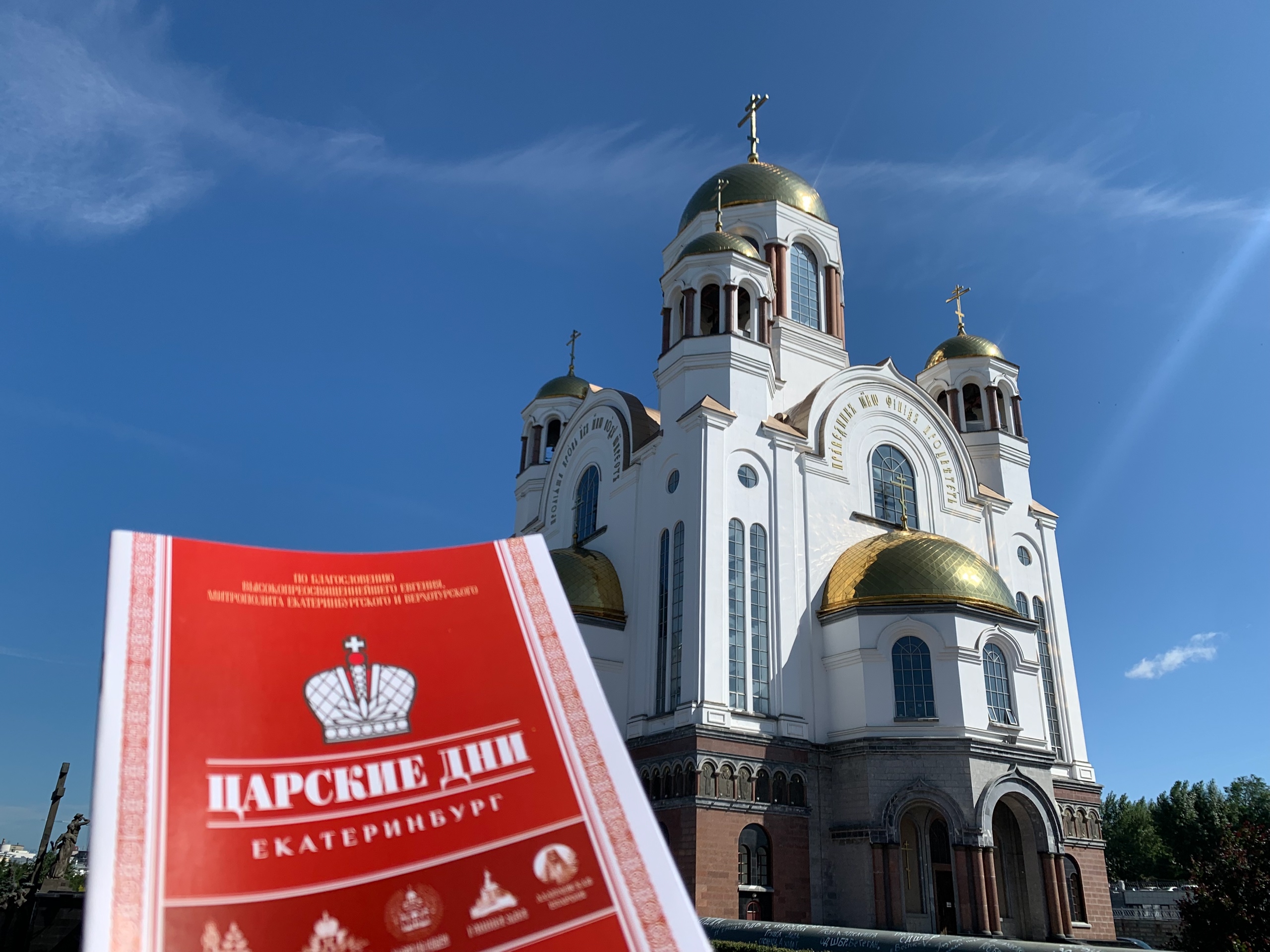
PHOTO: the Church on the Blood, Ekaterinburg

The Ekaterinburg Diocese are currently preparing for Tsar’s Days, which will be held in the Ural capital and in Alapaevsk from 11th to 21st July 2026.

This year marks the 108th anniversary of the death and martyrdom of Emperor Nicholas II, his family and their four faithful retainers on 17th July 1918. It also marks the 108th anniversary of the death and martyrdom of Grand Duchess Eliabeth Feodorovna and other Romanov family members in Alapaevsk on 18th July 1918.

Metropolitan Evgeny of Yekaterinburg and Verkhoturye noted the importance of the upcoming memorial events, which traditionally bring together tens of thousands of faithful from across Russia and abroad.

The central event of Tsar’s Days is the Divine Liturgy held on the night of 16/17 July, followed by a 21-km [13 miles] Cross Procession, from the Church on the Blood in central Ekaterinburg to the Monastery of the Holy Royal Passion-Bearers at Ganina Yama. for which “the whole of Russia gathers” in the Ural capital.

This years’ Tsar’s Days is part of the 25th International Festival of Orthodox Culture. Aside from divine services and religious processions, the festival will feature many events in honour of the Holy Royal Martyrs, including bell ringing, concerts and musical evenings, as well as exhibitions and conferences hosted by well-known historians, theologians and authors.

Preparations for the Tsar’s Days are being carried out by the Ekaterinburg Diocese with the support of the regional and city authorities.

Once again, Porosenkov Log will not included in this year’s Cross Procession. Porosenkov Log is where the remains of the Imperial Family were exhumed in two separate graves in 1991 and 2007 respectively. Due to the fact that the Moscow Patriachate does not yet recognize the Ekaterinburg Remains as those of the Imperial Family. Their official recognition rests with the Bishops’ Council of the Russian Orthodox Church.

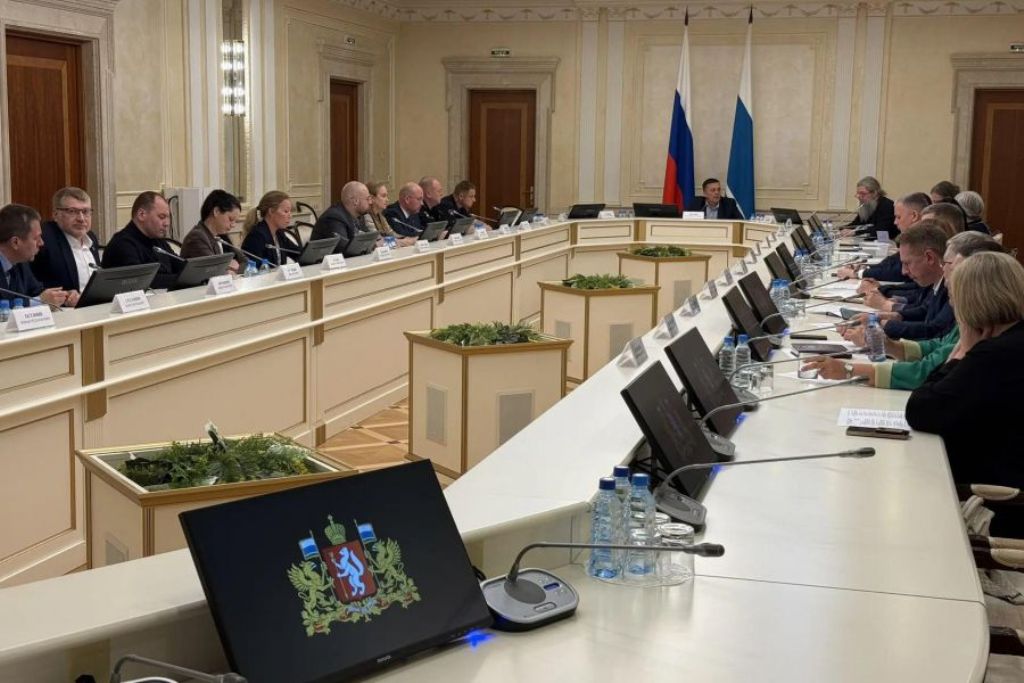
PHOTO: Vice-Governor of the Sverdlovsk Region Vasily Kozlov.

Sverdlovsk region makes preparations

On 30th June 2026, the organization of the festival was discussed at a working meeting chaired by the Vice-Governor of the Sverdlovsk Region Vasily Kozlov.

“For more than two decades, the “Tsar’s Days” have remained one of the largest spiritual events in the Middle Urals. The Government of the Sverdlovsk Region, together with the Yekaterinburg Diocese, local governments and relevant departments, is conducting comprehensive preparations so that all events are held at a high organizational level, and their participants feel comfortable and safe,” said Vasily Kozlov.

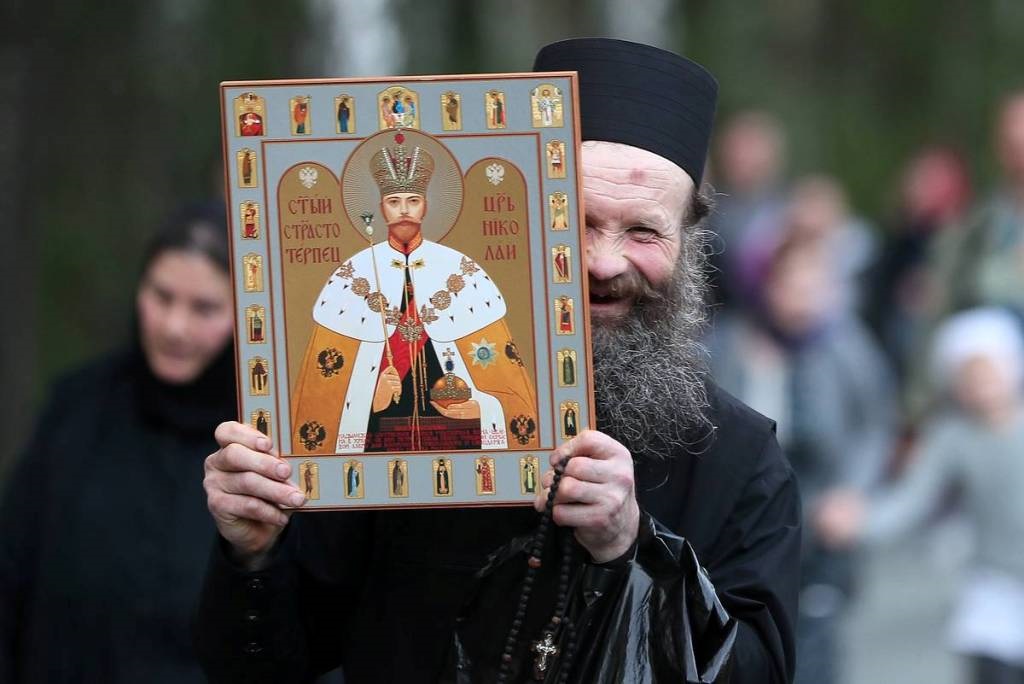
PHOTO: believers carry icons depicting the Holy Saint Tsar Nicholas II during the 21-km. Cross Procession from the Church on the Blood to Ganina Yama

The veneration of Nicholas II

The veneration of Nicholas II and his family actually began just days after their murder in July 1918. During the Soviet years, such activity would most certainly have been suppressed, forcing the faithful to honour the Holy Royal Passion-Beaers in secret.

After the fall of the Soviet Union in 1991, everything changed, when in 2000, some 300 faithful gathered at the sight of the Ipatiev House in Sverdlovsk [Ekaterinburg]. In 2002, the first Cross Procession in memory of the Holy Royal Martyrs was held in the Ural capitlal, attracting 3,000 faithful. The procession has been held every year since, the most important being in 2018, the year marking the 100th anniversary of the death and martyrdom of the Imperial Family.

FURTHER READING:

What is Tsar’s Days? + PHOTOS and VIDEO

“Ekaterinburg is my favorite Russian city” – Paul Gilbert + PHOTOS

© Paul Gilbert. 1 July 2026
Metropolitan Yevgeny invites believers to the “Tsar’s Days – 2026” in Ekaterinburg

PHOTO: Metropolitan Evgeny of Yekaterinburg and Verkhoturye

Metropolitan Evgeny of Yekaterinburg and Verkhoturye has extended an invitation to the faithful to participate in Tsar’s Days, which will be held in the Ural city of Ekaterinburg this year from 11th to 21st July.

A video message by the head of the Metropolia, published on the web site of the Yekaterinburg Diocese, is addressed to everyone who cherishes the Russian Church and the traditional values of the Fatherland:

“Time is rapidly approaching a special time of the year. We call it Tsar’s Days. The Day of Remembrance of the Imperial Family of Emperor Nicholas II, Empress Alexandra Feodorovna and their children Alexei, Olga, Tatiana, Maria, Anastasia, and four faithful servants.

“It has already become an annual tradition that on this day in Yekaterinburg, at the place where they completed their earthly journey, from where they ascended to the Kingdom of Heaven, we gather in order to be with them.

“Tens of thousands of people come to Yekaterinburg for Tsar’s Days, visit churches, and take part in the Cross Procession from the Church-on-the-Blood to the monastery at Ganina Yama. And, of course, all this is done not for the sake of satisfying curiosity, but for the sake of boldly asking our God, the Lord Jesus Christ, His Most-Pure Mother and, of course, the members of the Imperial Family who have pleased God, to help us in what we need very much now: to hear the Word of God, to repent for our sins, to be able to build up our families. our country and admonition in the errors in which we live.

“I invite all of you to share this prayer. You remember the words of the Saviour: “For where two or three are gathered together in My name, there am I with them.” Let us be with Him and with the Imperial Family. Let us stay close, talk to them, and receive help from them in these unbearable days, as it seems to some, circumstances, about which the Holy Tsar once prophesied.

“I think that the Tsar will inspire us to new labours, to correct our mistakes, and to make Russia holy again.

“I invite all of you to visit Yekaterinburg on July 16-17 this year and take part in the Cross Procession and walk the Tsar’s Path together!”

Metropolitan Evgeny of Yekaterinburg and Verkhoturye

FURTHER READING

What is Tsar’s Days + PHOTOS

© Paul Gilbert. 28 June 2026

New monument of Nicholas II unveiled in the Urals

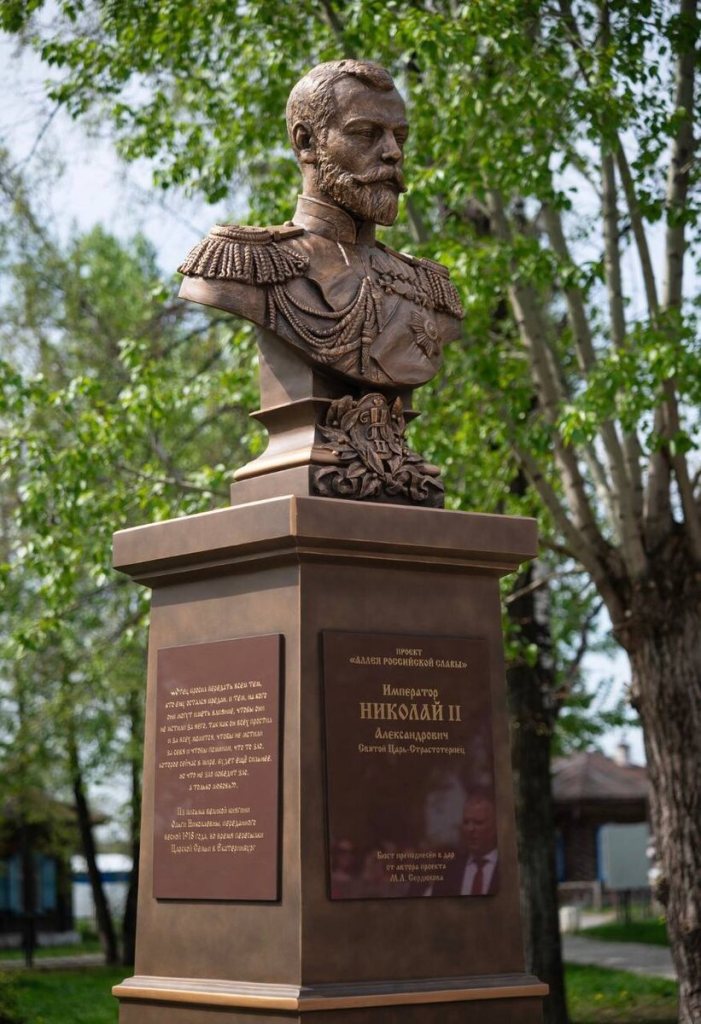
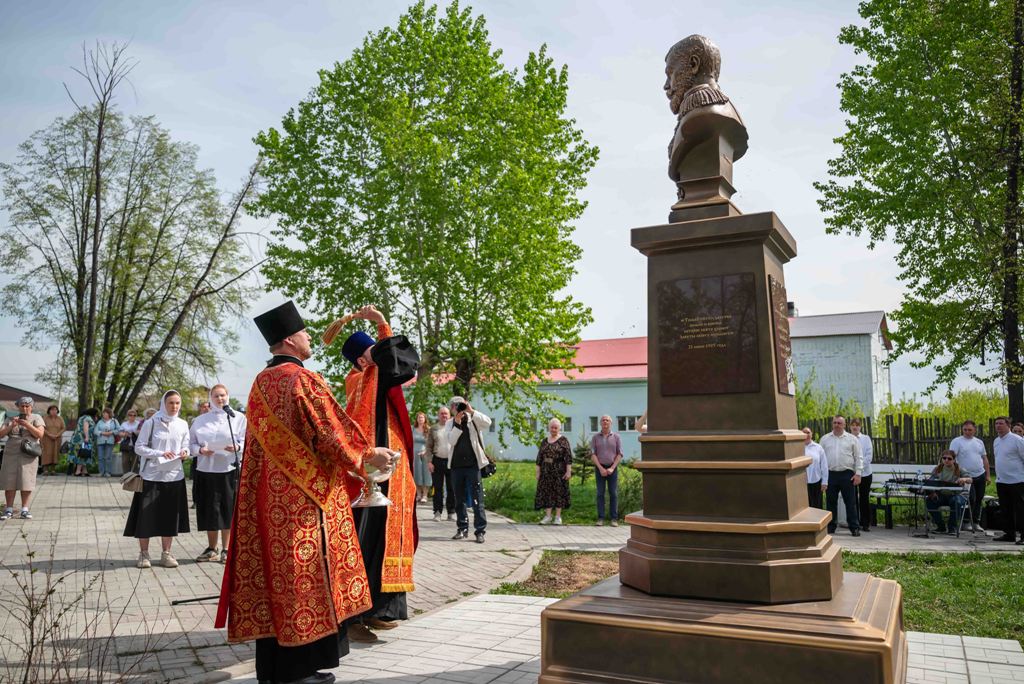
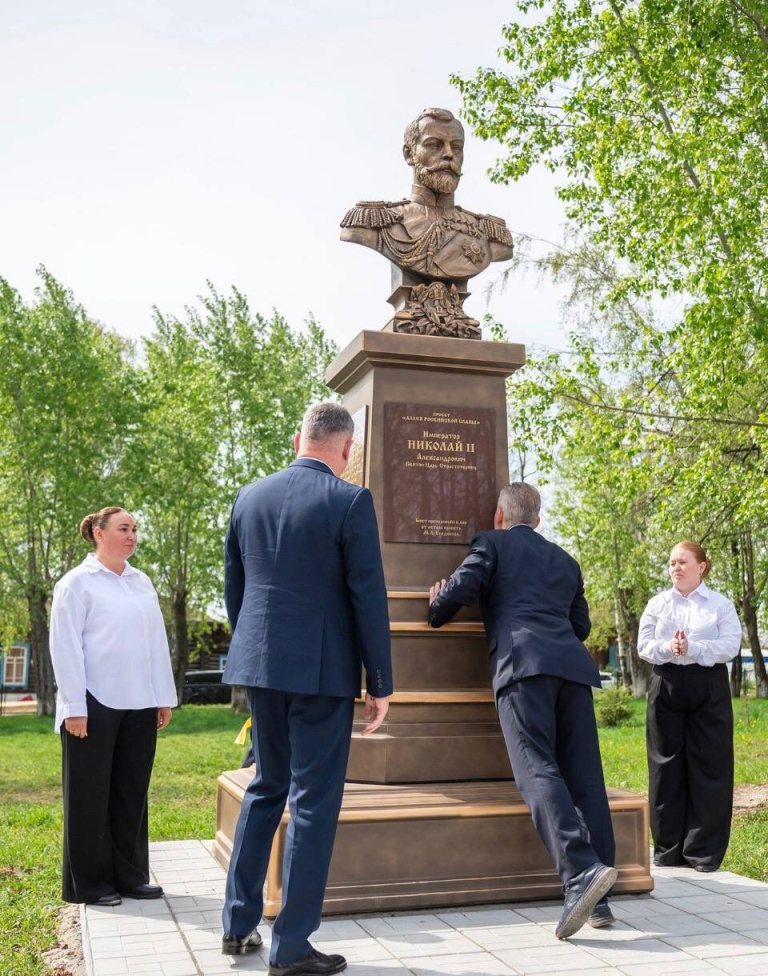
On 15th May 2026 – a new bust-monument of Emperor Nicholas II was unveiled and consecrated in the Ural city of Alapaevsk. The installation of the monument is timed to the 158th anniversary of the birth of Russia’s last Tsar on 19th (O.S. 6th) May.
Recall that on 18th July 1918, Grand Duchess Elizabeth Feodorovna, along with five additional members of the extended Russian Imperial family and two of their servants were murdered by the Bolsheviks near Alapaevsk. The horrific murders took place just one day after Emperor Nicholas II and his family were murdered in Ekaterinburg on 17th July.

The monument of the Holy Passion-Bearer Nicholas II was installed on Elizabeth Square, near the Alapaevsk City Hospital.

The opening ceremony was attended by the clergy of the Alapaevsk Diocese – the rite of consecration (see photo above) of the monuments was performed by the Secretary of the Alapaevsk Diocese, Priest Dimitry Yamshchikov, co-served by Hierodeacon Dionisy (Matrosov). The prayer hymns were sung by the choir under the direction of conductor Ustinya Alexandrovna Nikulina.

The installation of these monument in the city of Alapaevsk became possible thanks to: Pavel Alekseevich Astakhov – organizer, sponsor of the installation of monuments, TV presenter. Boris Vyacheslavovich Korchevnikov – General Director and Producer of the SPAS TV channel. Vasily Pavlovich Koshche – philanthropist and social partner of the Alapaevsk municipal district, as well as Denis Alexandrovich Abramov – General Director of Alapaevsk DOZ LLC and the company’s team.

Since the fall of the Soviet Union in 1991, more than 100 monuments, sculptures, busts and memorial plaques to Nicholas II have been installed in cities and towns across the Russian Federation.

© Paul Gilbert. 19 May 2026
Equestrian monument of Nicholas II to be installed in in the Chelyabinsk region

Further to my article New monument to Nicholas II to be installed in the Urals, published on 7th May 2025, I am pleased to provide an update on this new monument to Emperor Nicholas II.

A new equestrian monument of Emperor Nicholas II is to be installed in the Ural city of Verkhneuralsk, which is located about 230 km south of Chelyabinsk and 450 km south of Ekaterinburg.

The monument is in memory of Tsesarevich Grand Duke Nicholas Alexandrovich [future Emperor Nicholas II] visit to Verkhneuralsk on 3-4 August (O.S. 22-23 July) 1891, during a trip across the Russian Empire following his Eastern Journey (1890-91).

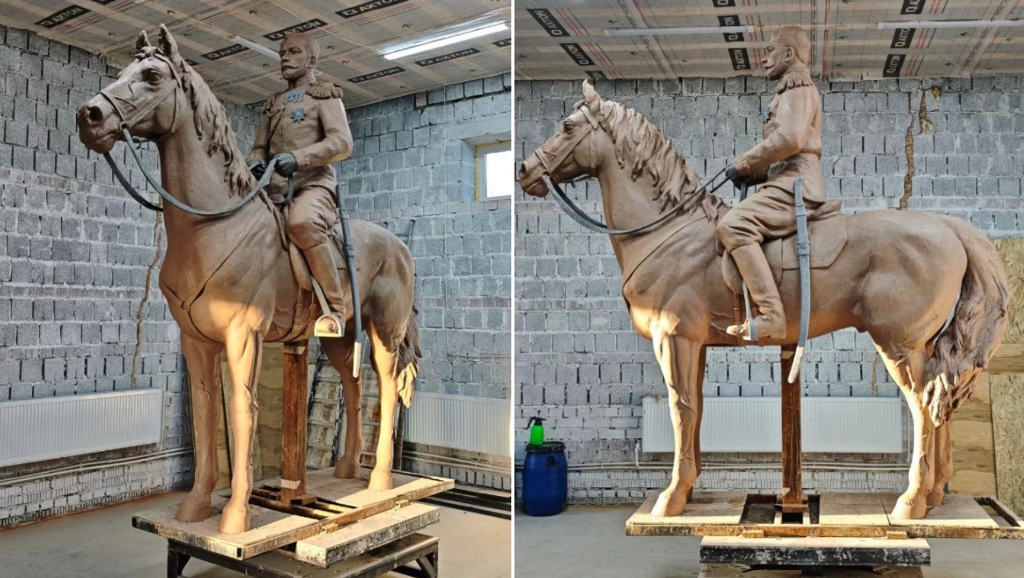
The model [seen in photos above] is already ready. It was made by the Chelyabinsk artist and sculptor Anna Shumakova.

“The composition is dynamic and symbolic: the young Tsesarevich frozen in a tense, restrained pose, and his horse seems to be keenly listening to the road,” the Verkhneuralsk administration notes.

The weight of the life-size bronze sculpture featuring the Tsar on horseback is 3 tons, not including the pedestal.

The sculptor has paid particular attention to historical accuracy. On the uniform of the Tsesarevich, are details of the highest state awards, including the Order of St. Andrew the Apostle the First-Called and the Imperial Order of St. Prince Vladimir of the 4th degree.

The monument is to be installed on the grounds of Cathedral of the St. Nicholas the Wonderworker [built in 1870] in Verkhneuralsk. The monument will be installed and consecrated upon completion of the landscaping and gardens. The grand opening of the monument is tentatively scheduled for the 19th (O.S. 6th) May [Nicholas II’s birthday]

© Paul Gilbert. 28 January 2026
Vintage train from Ekaterinburg, tells the story of Nicholas II’s last days

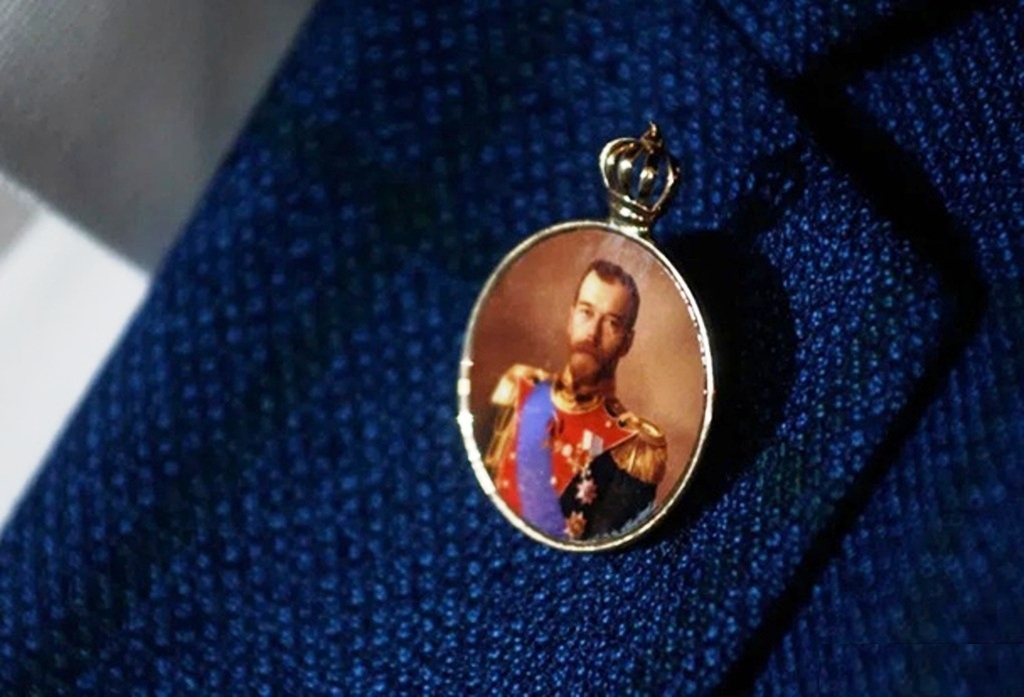
PHOTO: a pin – depicting the image of Nicholas II
– worn by conductors on the vintage train from Ekaterinburg.

In December 2022, a vintage train journey was initiated from Ekaterinburg, which tells passengers, the story of the last days of Nicholas II and his family in the Urals. The train runs from Ekaterinburg to the Shuvakish station and back, on Friday evenings, and also on Saturday and Sunday mornings.

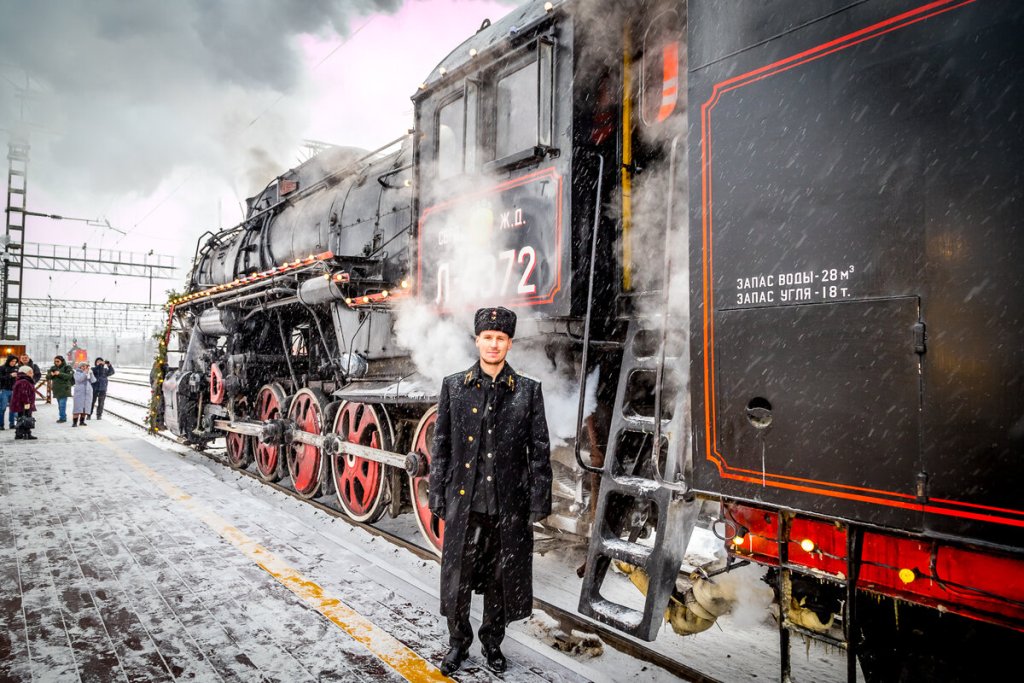
The locomotive (see photo below) is not from the Imperial times, but a 1963 steam engine, made in Czechoslovakia. The interiors, however, have been remodeled to resemble that of an early 20th century Russian train.

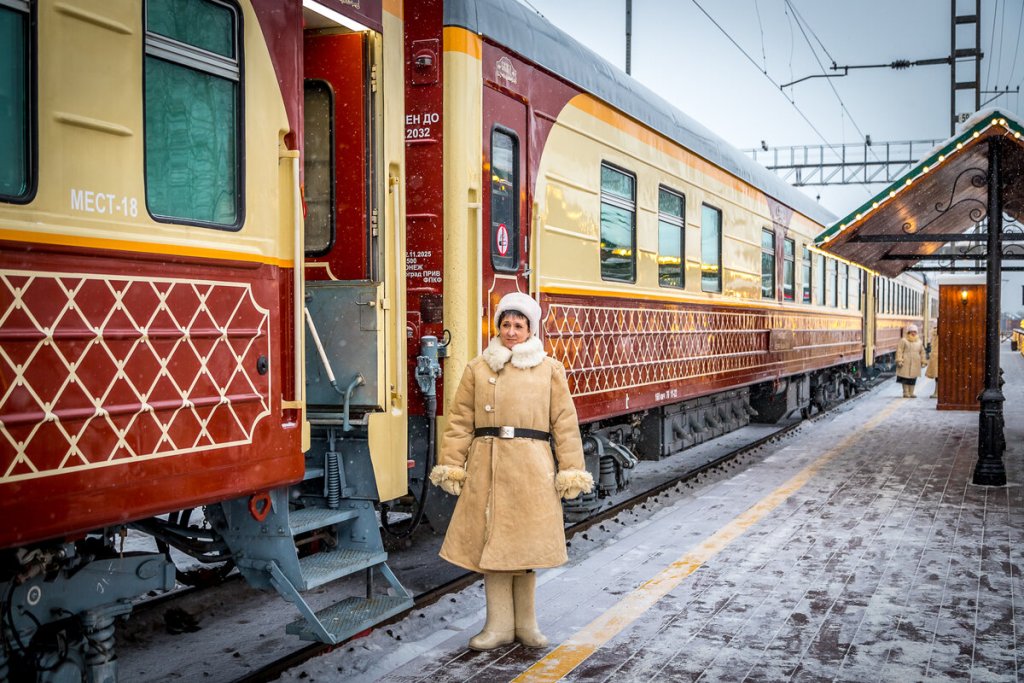
Passengers travelling on the vintage train are greeted on the platform by hospitable conductors wearing uniforms of early 20th century Imperial Russia-style, and white gloves (see photo below).

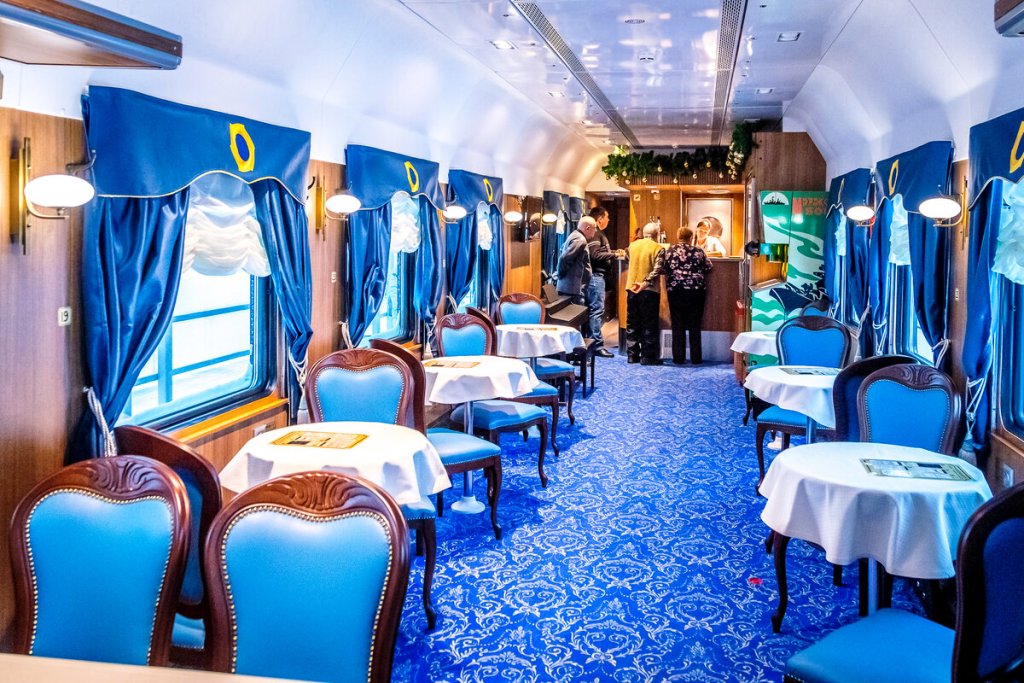
The train has four wagons: First Class, Economy Class, a dining car (see photo below) and a sightseeing car, which operates during the summer months. One compartment is decorated with framed photographs of the Imperial Family.

During the 3-hour train journey, passengers can sit back, relax and enjoy the view, while listening to an audio-guide, which tells the story of the last days of Russia’s last Tsar, his family and their four faithful retainers.

The audio begins with the Imperial Family’s train journey from Tsarskoye Selo to Tyumen, then by boat to Tobolsk, where they were held under house arrest in the former Governor’s House, from August 1917 to March 1918.

The story continues, with the transfer of the Imperial Family to Ekaterinburg, where they were held under house arrest in the Ipatiev House, from March to July 1918. The audio-guide further tells of their fate, their burial at what is today known as Ganina Yama, and the discovery of their remains, almost 100 years later on the Old Koptyaki Road.

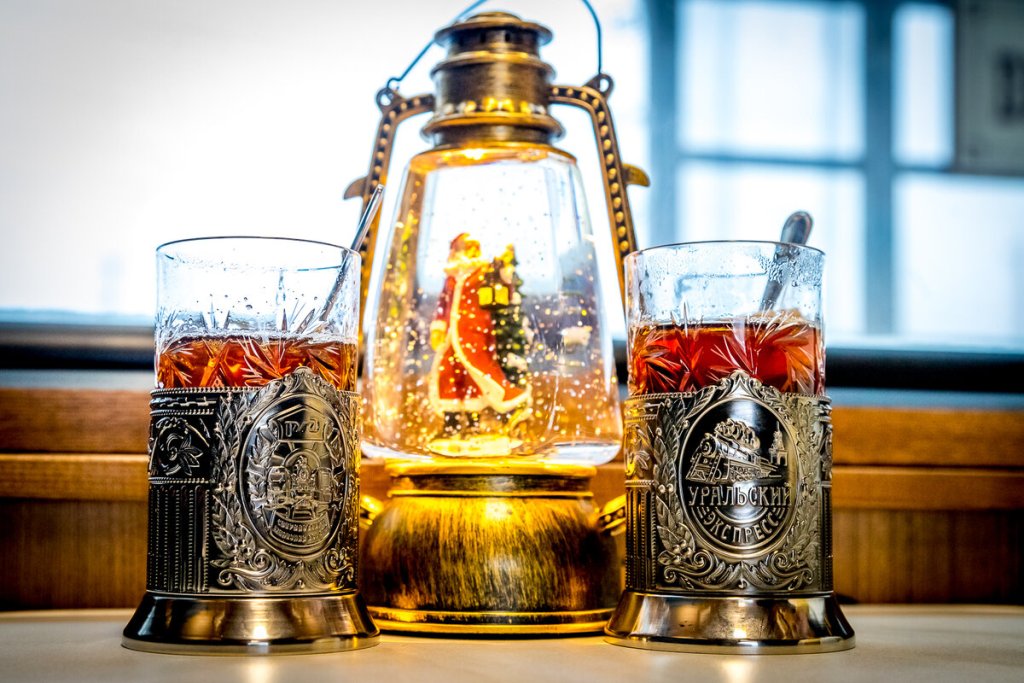
Tea is served to passengers from a traditional samovar. Conductors bring the tea in beautiful faceted glasses in iron cup holders, on which the Double-Headed Eagle of the Russian Empire is depicted.

The train stops at Shuvakish Station (Zheleznodorozhny district), where passengers are free to disembark the train to a wooden platform, decorated with benches, a bell and a manual semaphore signal. The stop lasts a little more than an hour.

Inside the wooden pavilion, passengers can enjoy music, which includes a variety of waltzes and melodies from the repertoire of Alexander Serov.

Passengers can also try on the uniforms of the White Guards, take photos, and enjoy a cup of hot tea, bagels and local berries.

PHOTO: tea is served at Shuvakish Station

***

*As I have noted in previous posts, I support any initiative – big or small – to help keep the memory of Nicholas II and his family alive in 21st century Russia – PG

© Paul Gilbert. 19 October 2025

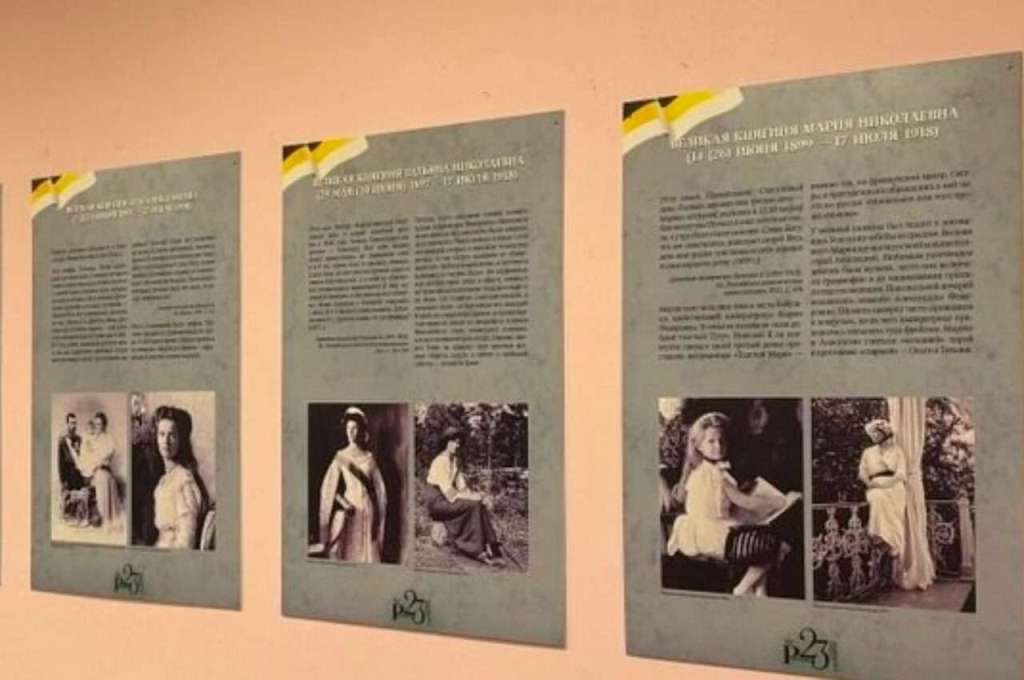
Photo exhibition “Romanovs: 23 Steps to Immortality” opens in Karabash

On 5th September 2025, a travelling photo exhibition The Romanovs: 23 Steps[1] to Immortality, opened at the Central City Library in the town of Karabash, situated in the south Urals. The collection of photographs of the Imperial Family was provided from the funds of the State Historical Museum of the South Urals. The exposition is timed to coincide with the 107th anniversary of the death and martyrdom of Russia’s last Tsar and his family.

On the night of 16/17 July 1918, Emperor Nicholas II, his wife Alexandra Feodorovna, Grand Duchesses Olga, Tatiana, Maria, Anastasia, Tsesarevich Alexei, as well as four servants were murdered in the basement of the Ipatiev House in Ekaterinburg.

The exhibition presents unique photographs of members of the Imperial Family, diary entries of Nicholas II, anecdotes from the memoirs of people who knew the Imperial Family intimately, as well as materials related to the abdication of the Emperor in March 1917, their private life in the Alexander Palace at Tsarskoye Selo, Tobolsk and Ekaterinburg. The exposition tells not only about the Romanov family, but also includes notes and memoirs of regicides, which allows visitors to look at the events from different angles.

The travelling exhibition The Romanovs: 23 Steps to Immortality was initially launched in 2018, the year marking the 100th anniversary of the death and martyrdom of Emperor Nicholas II and his family. It has since, toured towns and cities in the Urals, as well as other cities in the Russian Federation.

NOTES:

[1] Referring to the staircase – which consisted of 23 steps – in the Ipatiev House, in which, on the night of 16/17 July 1918, the Imperial Family and their four faithful retainers descended to their death and martyrdom in the Ipatiev House in Ekaterinburg.

There is a monument which depicts the Imperial Family descending 23 steps on the grounds of the Church on the Blood in Ekaterinburg.

***

*As I have noted in previous posts, I support any initiative – big or small – to help keep the memory of Nicholas II and his family alive in 21st century Russia – PG

© Paul Gilbert. 8 September 2025

Myrrh streams from icon of Nicholas II in Ekaterinburg

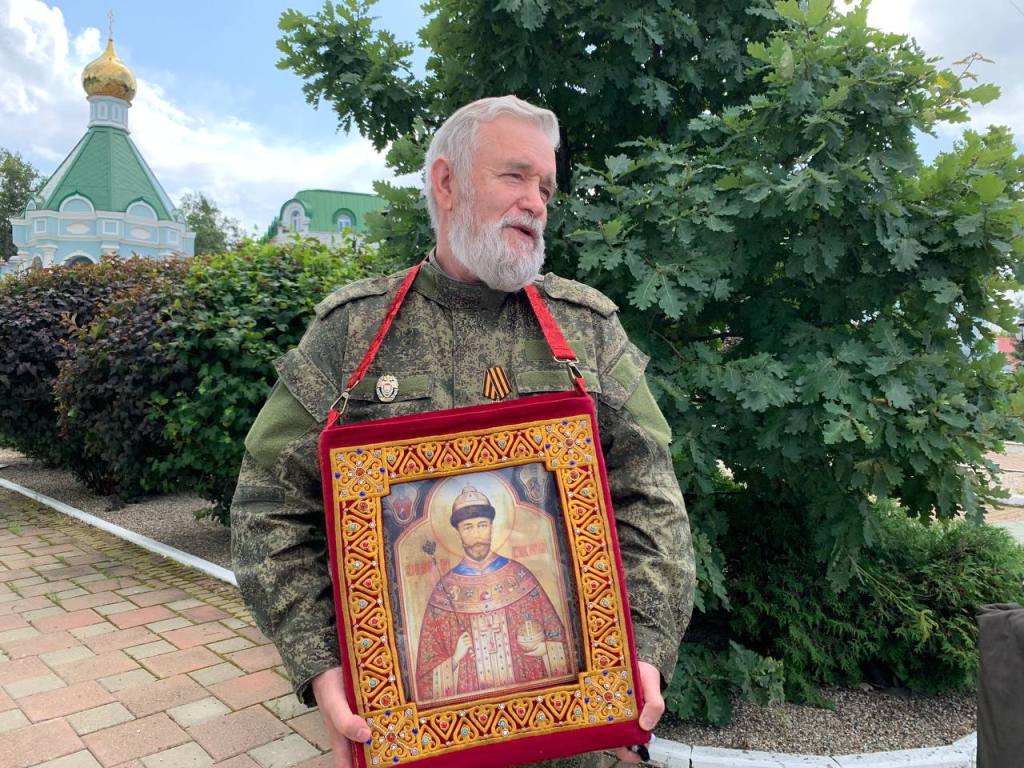
PHOTO: Alexander Feodorovich Chernavsky holding the
myrrh-streaming icon of the Tsar-Martyr Nicholas II

On 13th July 2025, the myrrh-streaming icon of the Tsar-Martyr Nicholas II arrived at the Church on the Blood in Ekaterinburg. The icon was brought from Moscow, by the head of the Orthodox Military Mission, Alexander Feodorovich Chernavsky.

According to Chernavsky, the icon has been streaming myrrh since 1998, and again, during this year’s Tsar’s Days in the Ural capital, drops of myrrh appeared in the shape of “diamonds” on the icon itself and on the frame.

It smells fragrant, it streams myrrh and inspires faithful Orthodox Christians with the fact that the Tsar is alive, he sees all our labours, hears our prayers, reacts to the impulses of our hearts, to our feelings, he believes in the future of Russia. The Imperial Family and other New Martyrs pray for us.”

Chernavsky brings the icon to the Ural city every year for events marking Tsar’s Days, namely the Divine Liturgy held on the night of 16/17 July, followed by a Cross Procession to the Monastery of the Holy Royal Martyrs in Ganina Yama.

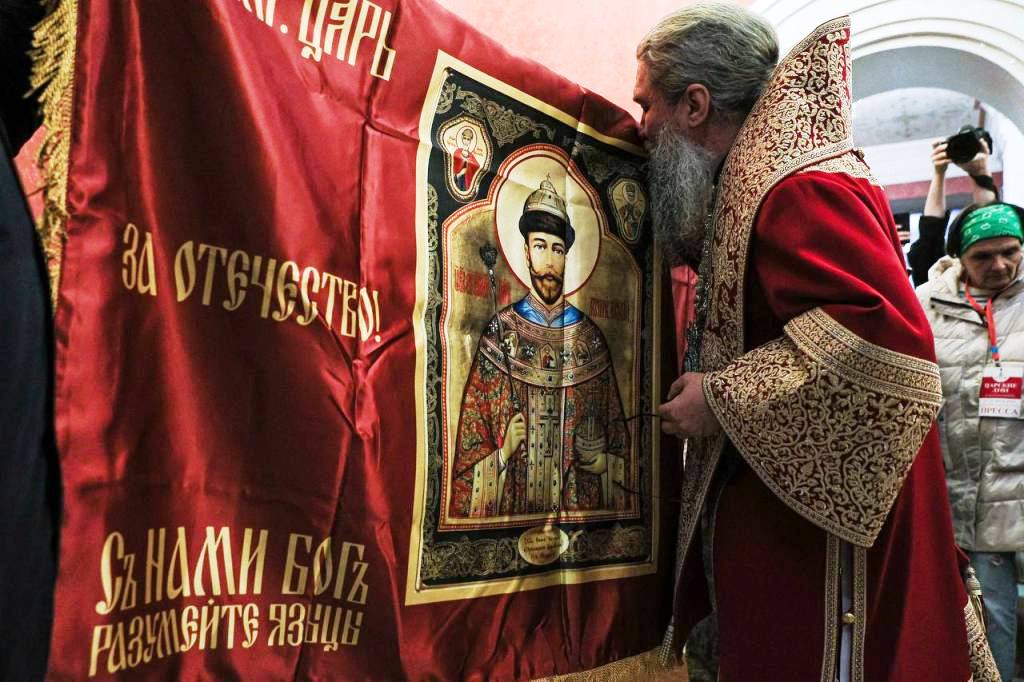
PHOTO: detail of the banner depicting the image of Tsar-Martyr Nicholas II

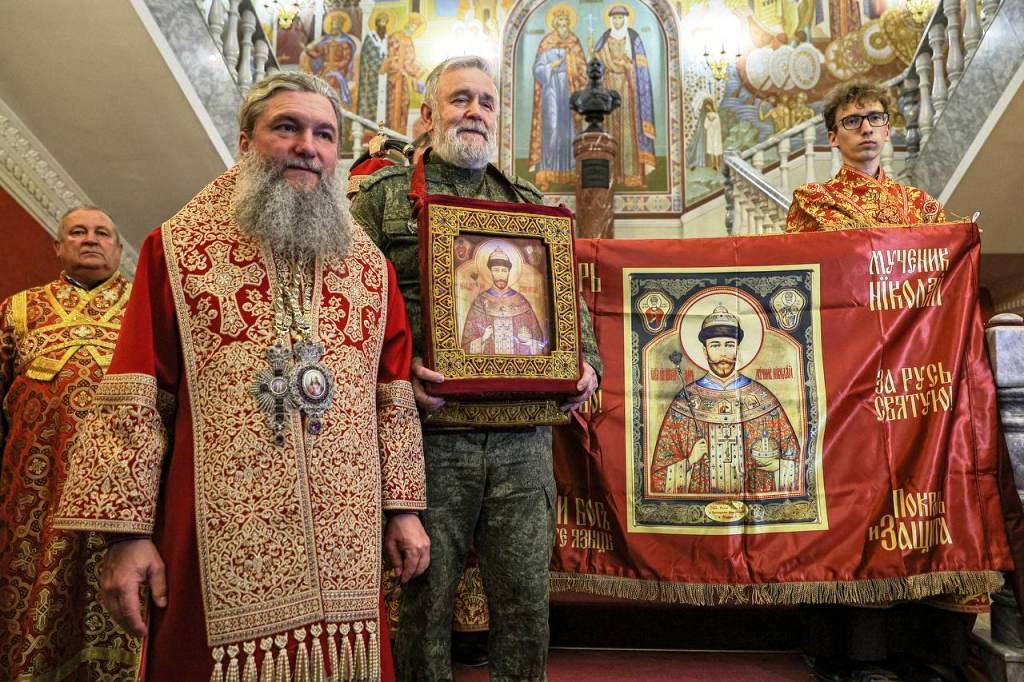
On 16th July 2025, Chernavsky presented Metropolitan Evgeny of Yekaterinburg and Verkhoturye with a banner depicting the image of Tsar Nicholas II. Such banners bearing the face of the Holy Royal Passion-Bearers are sent to Russian soldiers to inspire them by the feat of the Emperor, to embrace the Orthodox faith and become churchgoers.

In the early morning hours of 17th July, Chernavsky – carrying the icon of the Tsar-Martyr Nicholas II – joined tens of thousands of pilgrims, clergy and believers in the annual Cross Procession from the Church on the Blood to the Monastery of the Holy Royal Martyrs at Ganina Yama – a journey of 21-km (13 mile) on foot.

Chernavsky noted that during this year’s Cross Procession, he noticed many young people with banners and flags, which he believes “speaks of the affirmation of the Orthodox faith and the unity of the Russian people.”

PHOTO: Metropolitan Evgeny of Ekaterinburg and Verkhotursky (left) with Alexander Chernavsky holding the myrrh-streaming icon of the Tsar-Martyr Nicholas II, in the Patriarchal Compound of the Church on the Blood. At the top of the stairs behind, you can see a bust-monument to Nicholas II

Recall that the icon of the Tsar-Martyr Nicholas II was painted in the United States even before the glorification of the Tsar by the Moscow Patriarchate of the Russian Orthodox Church on 20th August 2000, after the Russian émigré Iya Dmitrievna Schmit[1], had a dream in which she saw an icon depicting the Tsar Martyr Nicholas II in 17th century grand ducal attire. She asked the iconographer Pavel Nikolaevich Tikhomirov, who lives in California, to paint the icon she had dreamt about.

At the end of 1997, colour lithographs of this icon were brought to Russia. In the St. Nicholas almshouse in the city of Ryazan, where the Church of the Tsar-Martyr Nicholas II is being built, a colour copy was made and placed in an icon case under glass.

On 7th November 1998, the icon began to stream myrrh. Since then, the icon has been traveling around Russia and around the world. But most importantly, the icons streams myrrh on the anniversary of the Tsar’s death and martyrdom, among other days associated with the memory of Russia’s much slandered Tsar.

NOTES:

[1] In 2000, Ija Schmit (1936-2018) gifted a copy of this icon to the author of this article.

© Paul Gilbert. 23 July 2025

Tsar’s Days in Ekaterinburg – 16/17 July 2025

On the night of 16/17 July 2025, tens of thousands of pilgrims, clergy and believers from across the Russian Federation and abroad, took part in the Divine Liturgy on the square in front of the Church on the Blood in Honour of All Saints Resplendent in the Russian Land in Ekaterinburg.

This year marks the 107th anniversary of the death and martyrdom of Emperor Nicholas II, his wife, their five children, and four faithful retainers, who were all brutally murdered in the Ipatiev House in the early morning hours of 17th July 1918.

According to the press service of the Ekaterinburg Diocese, this year’s Tsar’s Days was attended by residents of Ekaterinburg and the Sverdlovsk region, but also residents of different regions of Russia. In addition, were pilgrims from the Czech Republic, Uzbekistan, Serbia, Italy and other countries.

This year’s Divine Liturgy was led by 12 bishops of the Russian Orthodox Church, headed by Metropolitan Evgeny of Ekaterinburg and Verkhotursky. Communion of the Holy Mysteries of Christ was performed from 100 Chalices. The service was broadcast live by the First Orthodox TV channel “Soyuz” on YouTube, and Rutube-channels. 

This was followed by a 21-km (13 mile) Cross Procession from the Church on the Blood to the Monastery of the Holy Royal Martyrs at Ganina Yama, in which 40,000 people took part. The procession, which began in the early morning hours of 17th July, took about 4 hours to complete on foot.

“There is no such religious procession, peaceful Christian movement in either Russia, or any where else in the world,” proclaimed Doctor of Historical Sciences Pyotr Multatuli, a noted historian and author, who is considered Russia’s foremost authority on the life and reign of Nicholas II.

The Cross Procession concluded with a moleben [a liturgical service of supplication or thanksgiving] to the Holy Royal Passion-Bearers at Mine No. 7, which is now sacred ground of the Monastery of the Holy Royal Passion-bearers at Ganina Yama.

Tsar’s Days are traditionally held with the support of the Sverdlovsk regional government, the Ekaterinburg city administration and the St. Catherine’s Foundation, which helps in organizing the celebration and supporting pilgrims with water, food, and transport.

Divine Liturgy – Church on the Blood, Ekaterinburg

21-km (13 mile) Cross Procession to Ganina Yama

Monastery of the Holy Royal Passion-Bearers, Ganina Yama

Tsar’s Days

Recall that the first Cross Procession in memory of the Holy Royal Martyrs, headed by Metropolitan of Ekaterinburg and Verkhoturye Kirill, took place in 2002, in which more than 2 thousand pilgrims and about 100 clerics participated. It has been held annually in the Ural capital ever since.

In 2018, the year marking the 100th anniversary of the death and martyrdom of the Imperial Family, more than 100, 000 people from across Russia and around the world attended the historic event, including the author of this article, who travelled from Canada to take part.

© Paul Gilbert. 20 July 2025