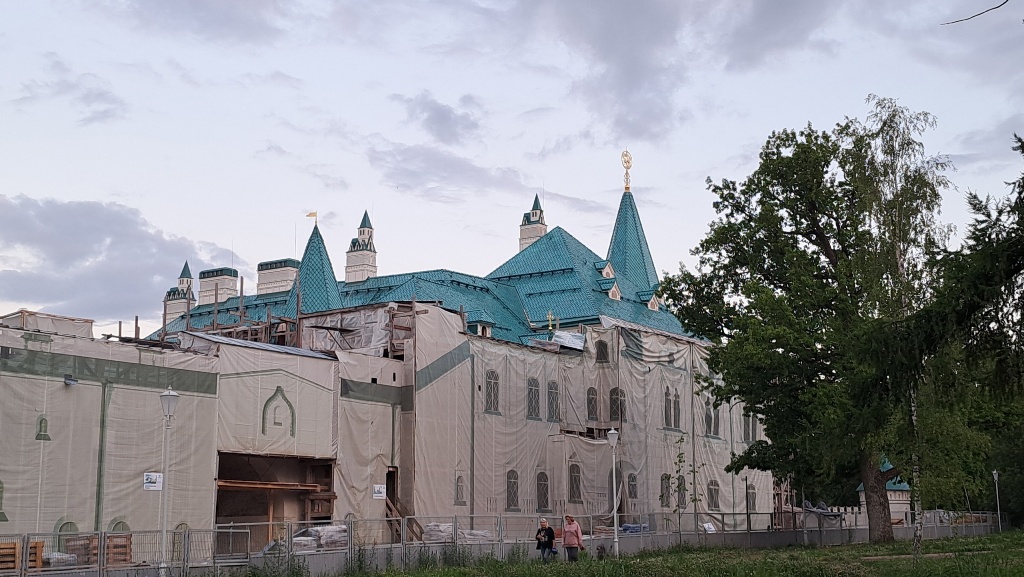
PHOTOS: view of the restoration work at the Feodorovsky Gorodok
After decades of neglect during the Soviet years. the historic Feodorovsky Gorodok [Town], situated near the Feodorovsky Sovereign Cathedral and the Alexander Palace in Tsarskoye Selo, is being returned to its former glory. The restoration of the complex – which consists of 7 buildings – has been ongoing for some years, and we are only now beginning to see the progress being made in this collection of new photographs.
The history of the Feodorovsky Gorodok began in 1905, when the family of Emperor Nicholas II decided to move from the Winter Palace in St Petersburg to the Alexander Palace in Tsarskoye Selo. Nicholas II ordered the construction of an ensemble of buildings in the Neo-Russian style. The sketches drawn up by the architect Stepan Samoilovich Krichinsky (1874-1923) were approved by Nicholas II in the summer of 1913, and included a railway station of the imperial branch linking St Petersburg – Tsarskoye Selo – Pavlovsk.
Next came the barracks of His Imperial Majesty’s Own Convoy, constructed on the lime avenue which led to the Imperial residence. A little later the Feodorovsky Sovereign Cathedral was built near the palace pond. The Emperor personally laid the foundation stone, and later attended the consecration with his family in 1912.
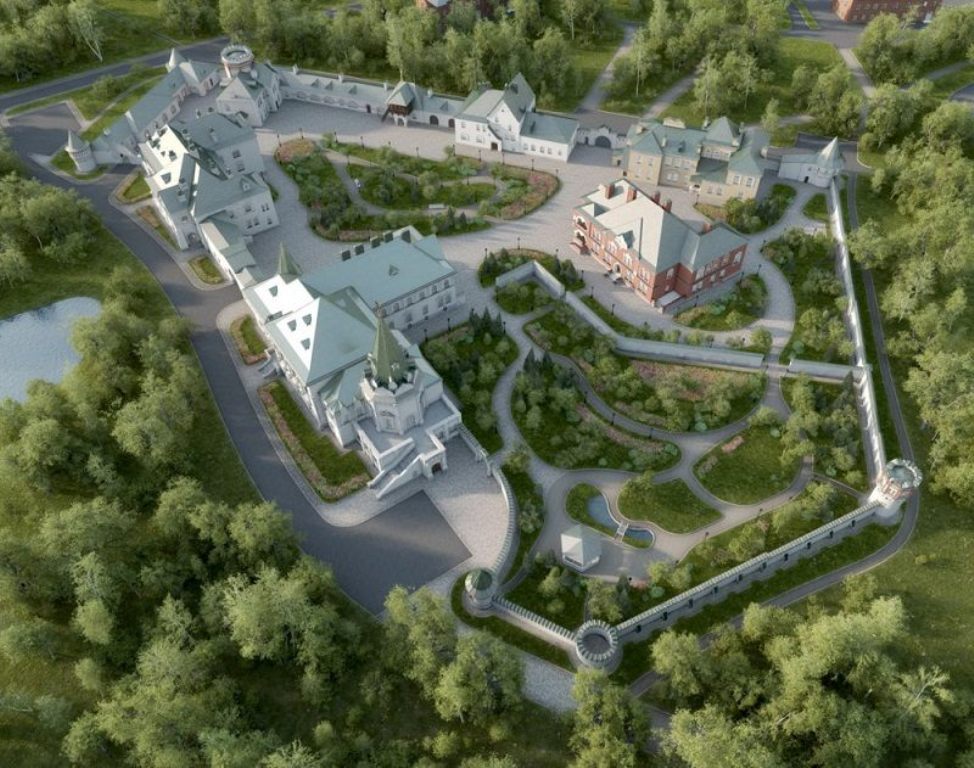
PHOTO: artist concept of the Feodorovsky Gorodok once the restoration has been completed
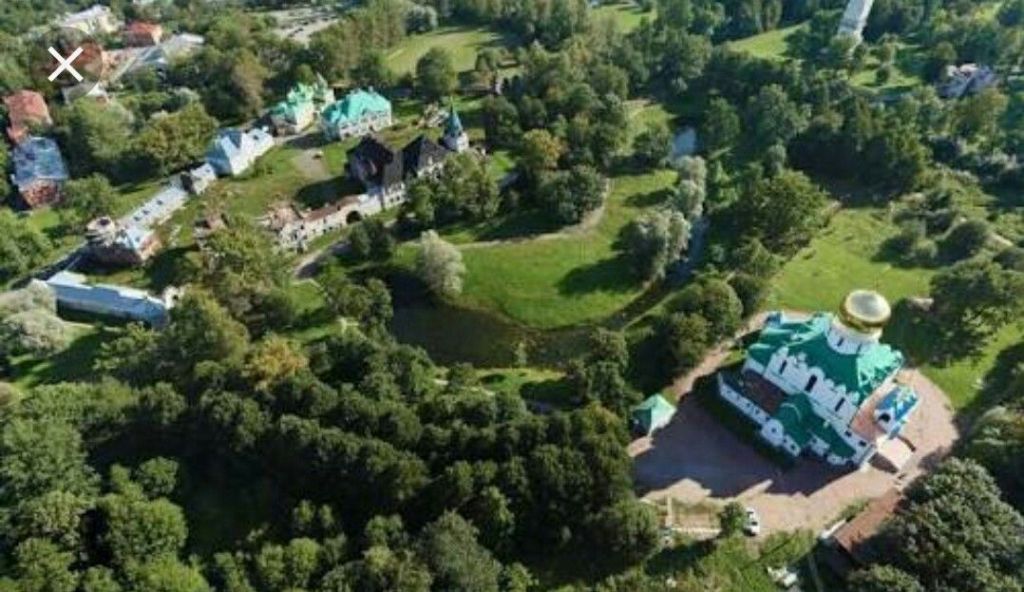
PHOTO: this aerial view of the Feodorovsky Gorodok (left) shows its proximity to the Feodorovsky Sovereign Cathedral (right) at Tsarskoye Selo
Opposite the cathedral, it was decided to build a town for the for the clergy of the Feodorovsky Sovereign’s Cathedral. Resembling a mini Kremlin, built in the Neo-Russian style, it was the last pre-revolutionary attempt to strengthen Russian statehood as a national idea. It became a masterpiece of atypical architecture for classical Petersburg.
During the First World War, an infirmary was located in the Gorodok. It was here that the Empress Alexandra Feodorovna, along with her daughters administered care for wounded Russian soldiers.
On 25th (O.S. 12th) February 1917, Emperor Nicholas II visited the Feodorovsky Gorodok and left a note in the visitor’s book: “On 12th February 1917, I inspected with pleasure the buildings at the Feodorovsky Gorodok and Cathedral. I welcome the good initiative in the revival of the artistic beauty of Russian everyday life. Thanks to everyone who worked hard. God help you all. Nicholas”
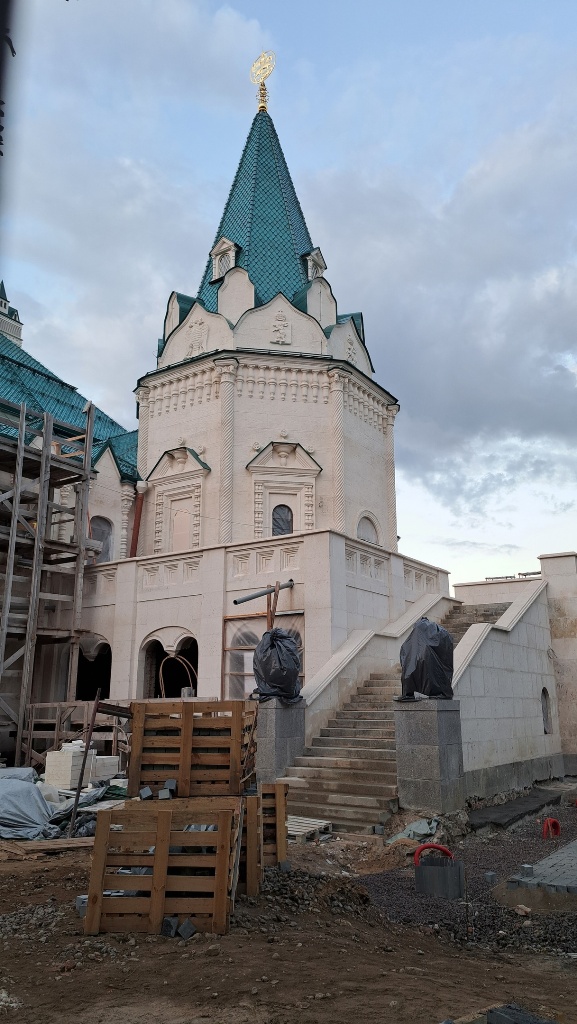
PHOTOS: 4 views of the restoration work at the Feodorovsky Gorodok
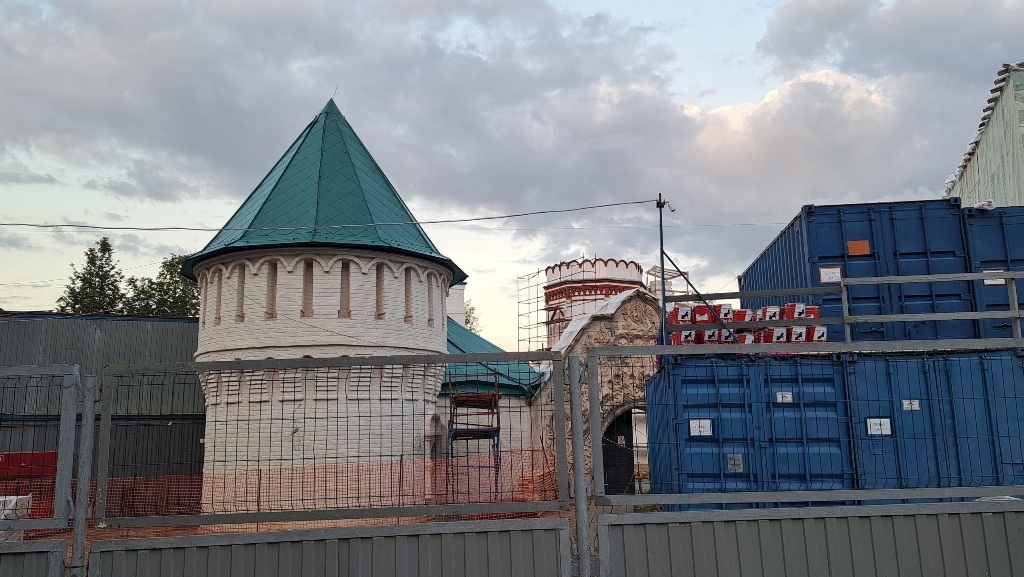
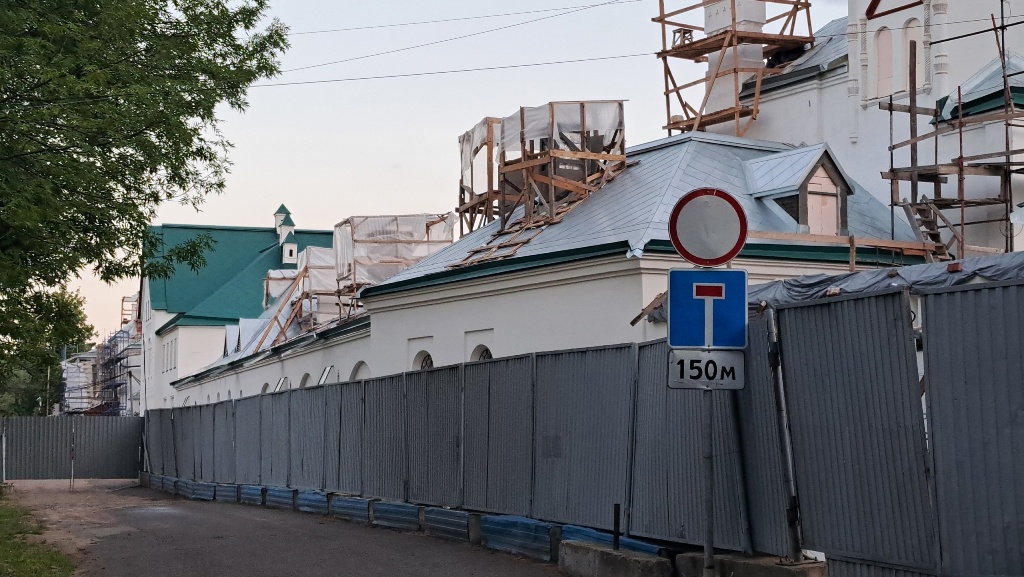
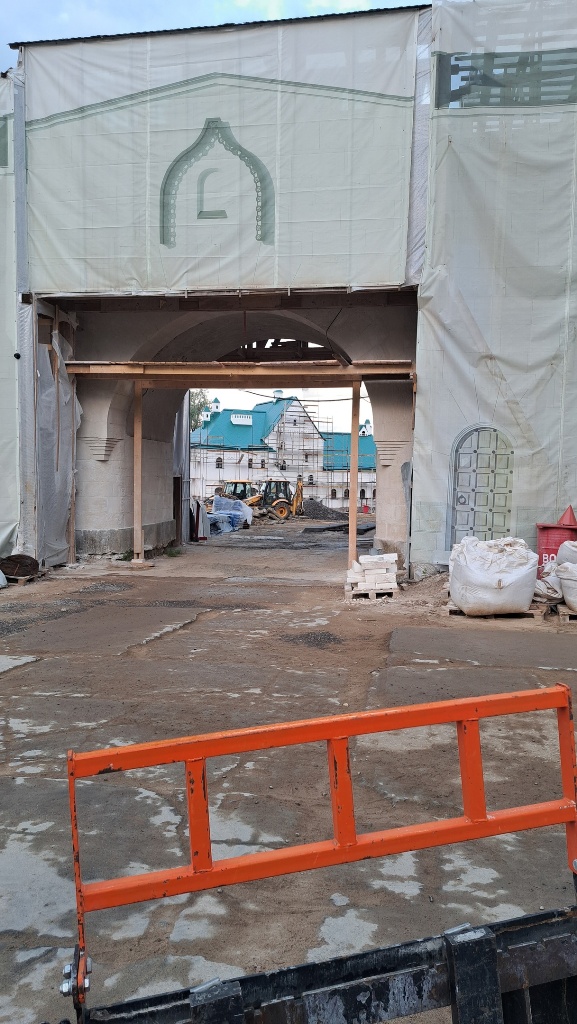
In 1994, the complex of the Feodorovsky Gorodok was transferred to the Russian Orthodox Church; in it, with the blessing of Patriarch Alexi II (1929-2008), a Patriarchal Metochion [an ecclesiastical embassy church within Eastern Orthodox tradition] was created, within the walls of which it was supposed to place: the residence of the patriarch; Museum of the History of the Russian Orthodox Church in the North-West Region of Russia; pilgrimage and training center; icon-painting workshops; and a hotel.
Due to lack of funding, restoration efforts were met with constant delays, which left the complex in a dilapidated state. In 2001, the architectural ensemble was registered as a monument of Russian cultural heritage, and protected by the Ministry of Culture of the Russian Federation. The restoration and reconstruction will not be financed by the Russian Orthodox Church, but by the management division of the Presidential Administration of the Russian Federation.
PHOTOS: 5 views of the restoration work at the Feodorovsky Gorodok
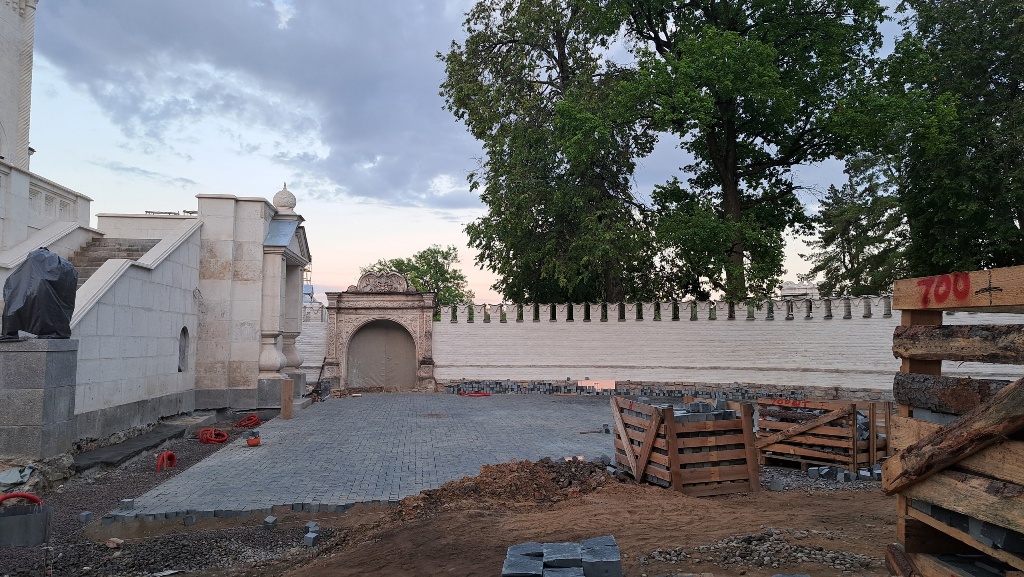
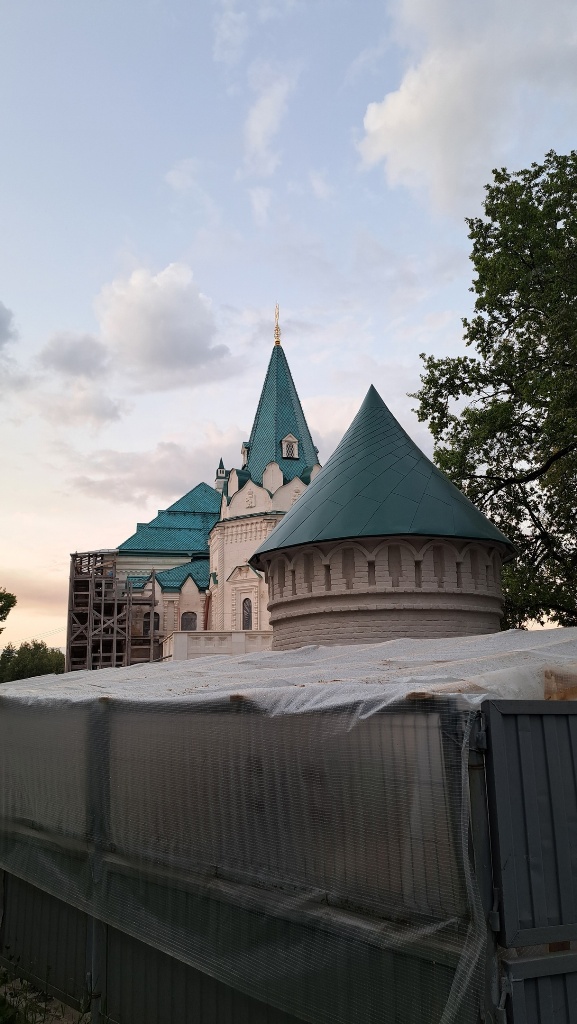
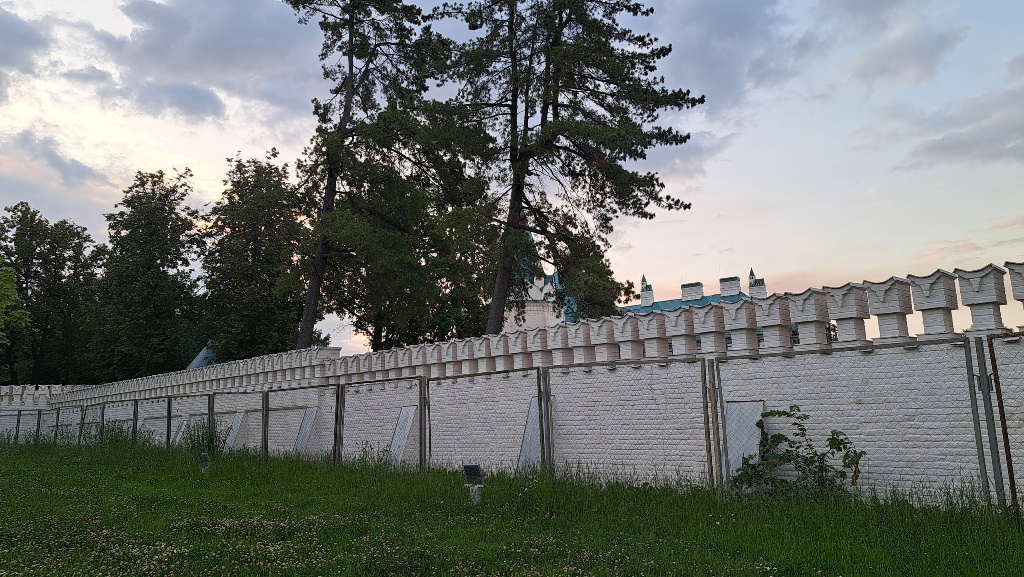
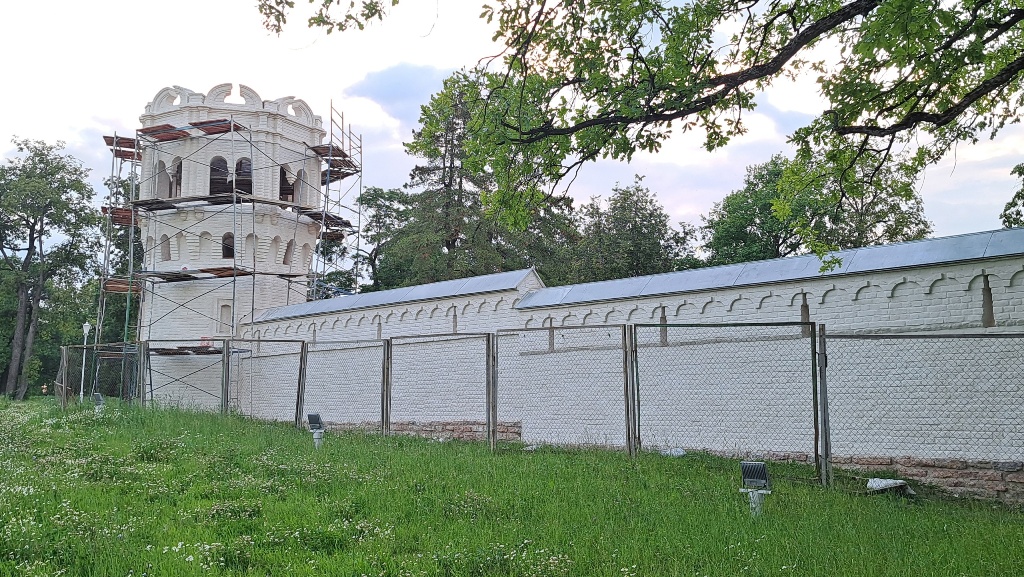
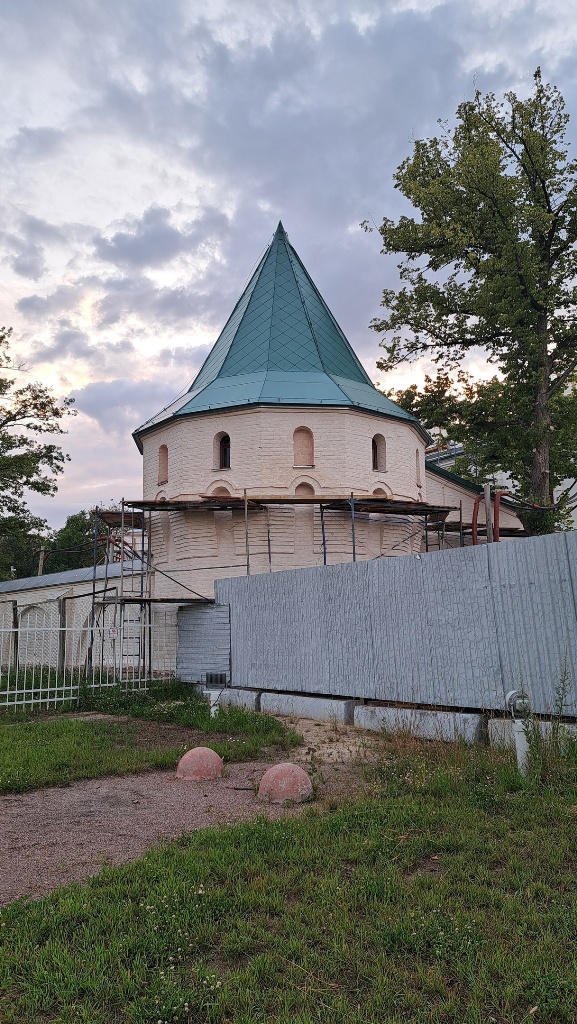
The management division of the Presidential Administration of the Russian Federation are now engaged in the restoration of the historic complex of buildings. The project’s plans were developed by the E. Yu. Merkuryeva Architectural Workshop LLC, a firm whose previous projects include the restoration of the Konstantin Palace (Strelna), and the Senate and Synod building (St Petersburg), which today house the Boris Yeltsin Presidential Library and the Constitutional Court.
The patriarch’s quarters will be housed in the Rose Chamber, while apartments for the nine permanent members of the Synod will be housed in the Belaya (White) Chamber. The project provides for the restoration of the historical appearance of the facades and interiors of all seven buildings, including the restoration of paintings and tiles, as well as landscaping and development of a park for guests.
The restoration of the Feodorovsky Gorodok was initially supposed to have been completed in 2019, however, lack of financing caused its delay. Project developers now speculate that it will be 2 or 3 years before the restoration of the complex is completed.
© Paul Gilbert. 14 August 2023
 Nicholas II
You must be logged in to post a comment.