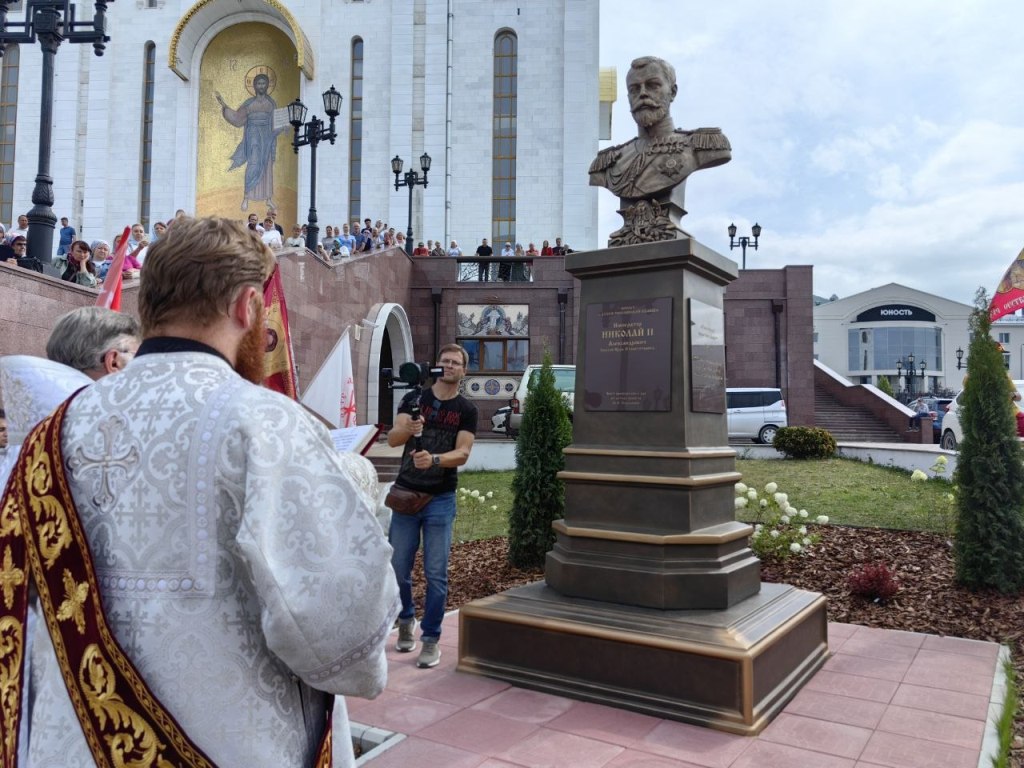
New monument to Nicholas II installed in Izhevsk

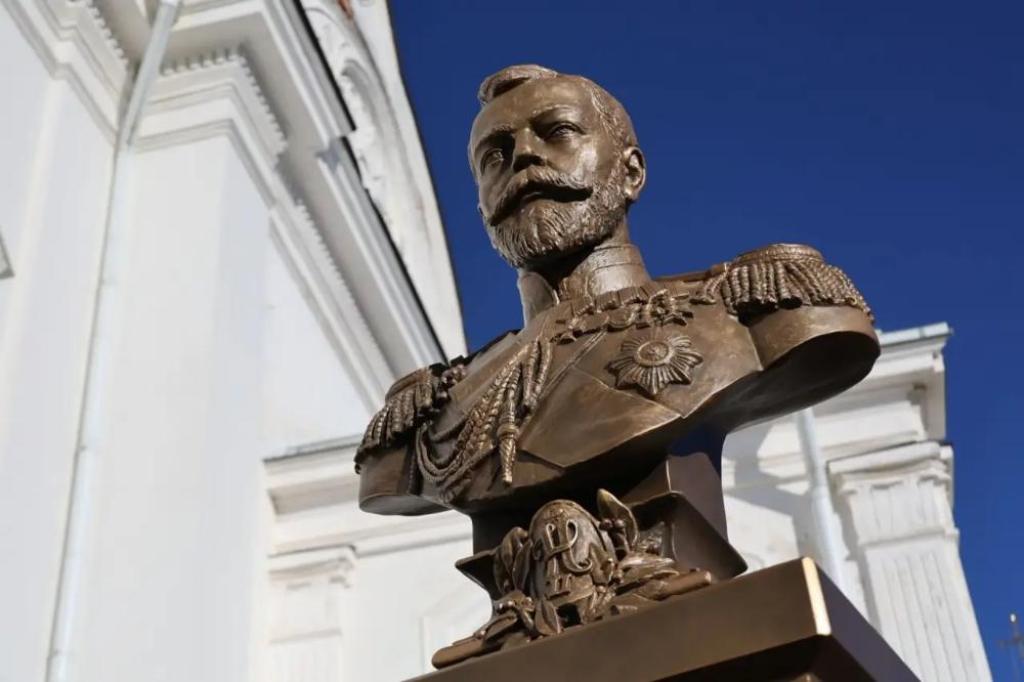
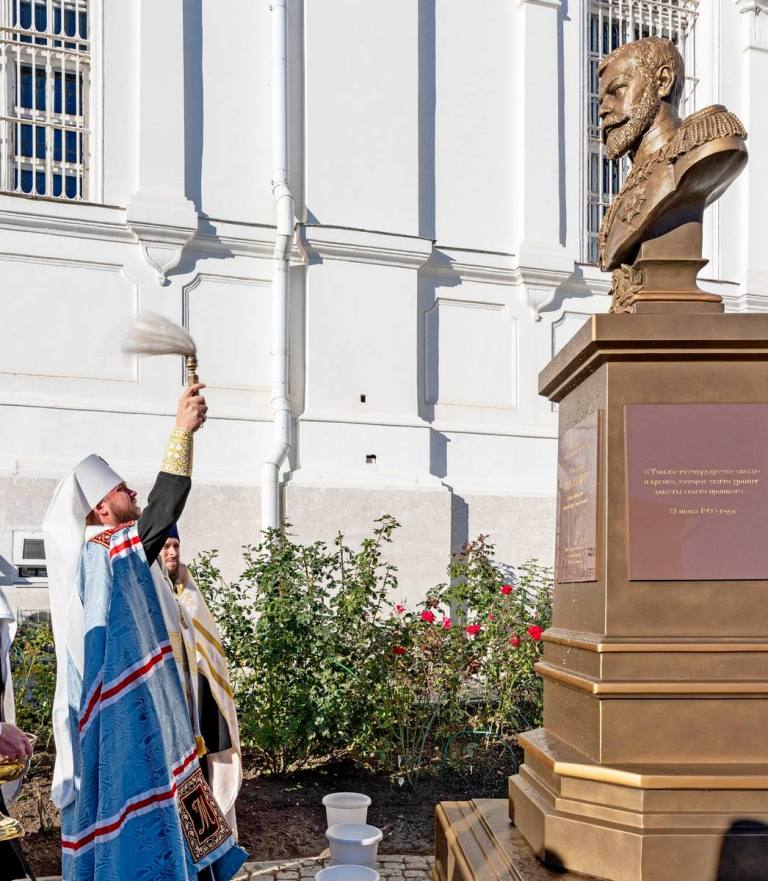
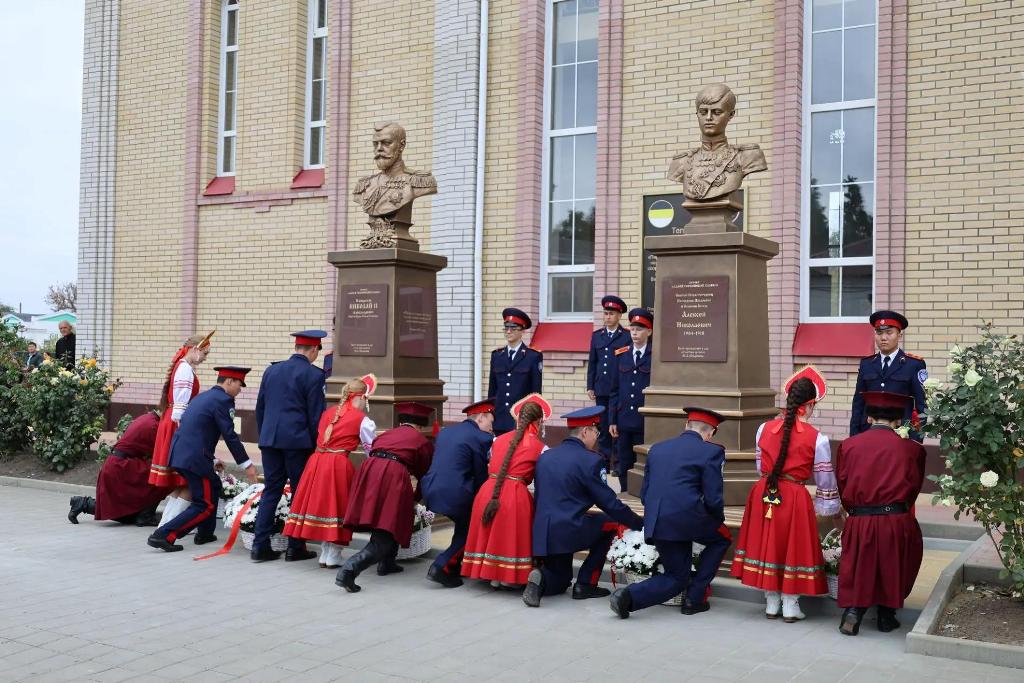
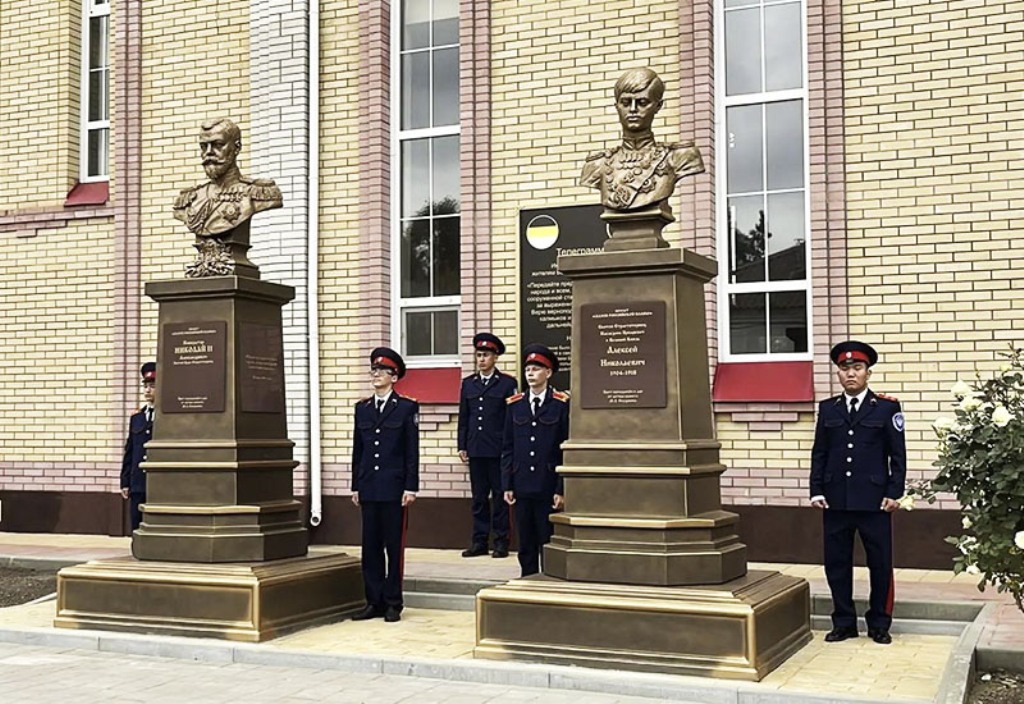
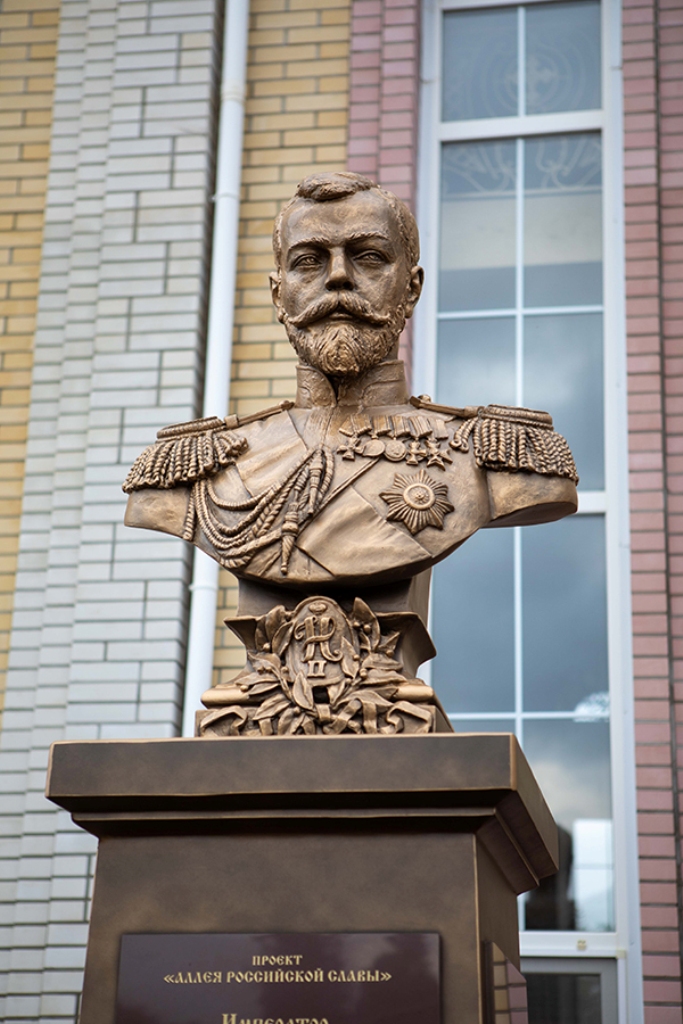
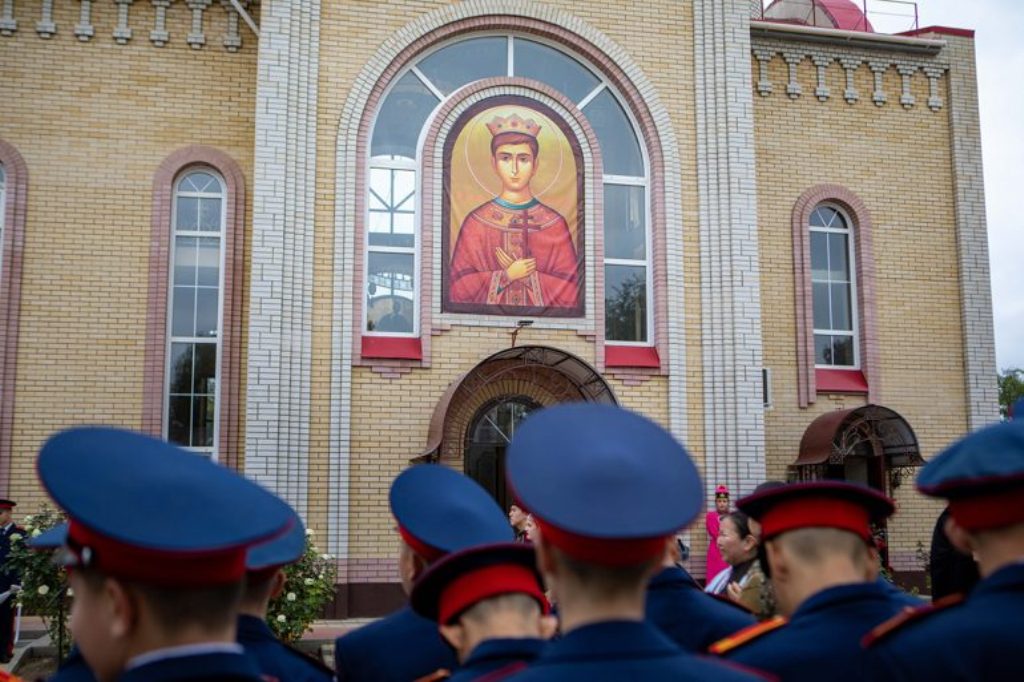
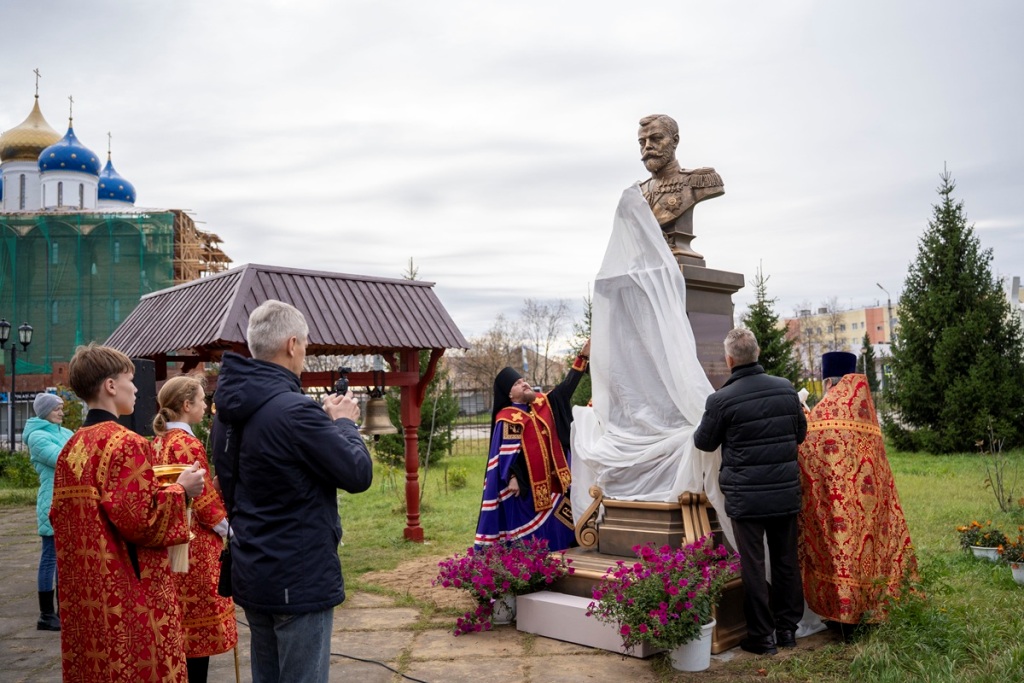
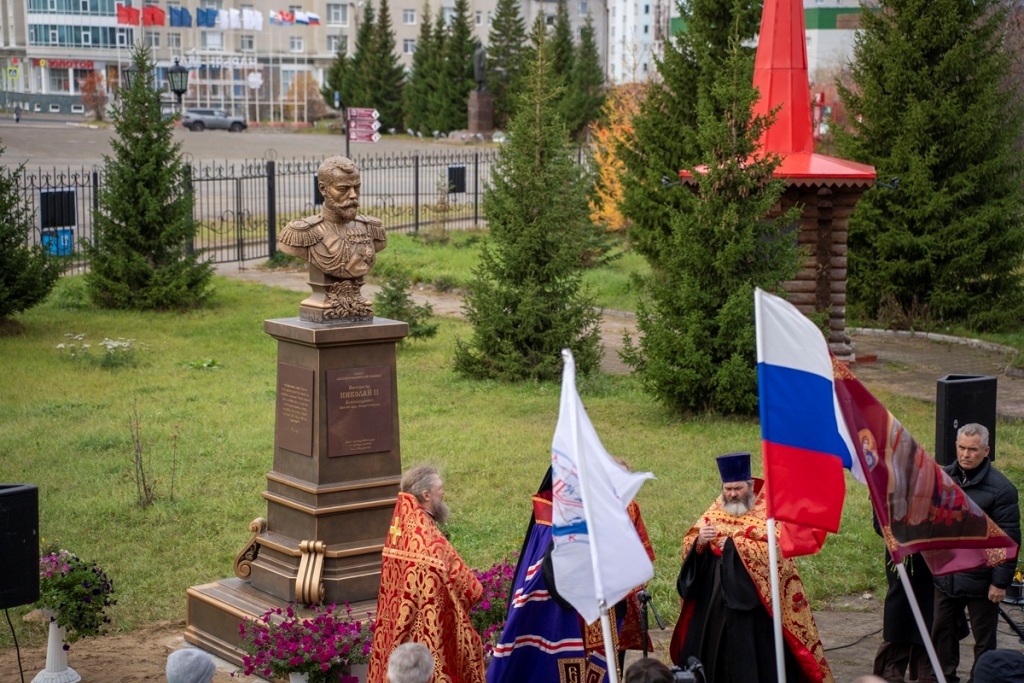
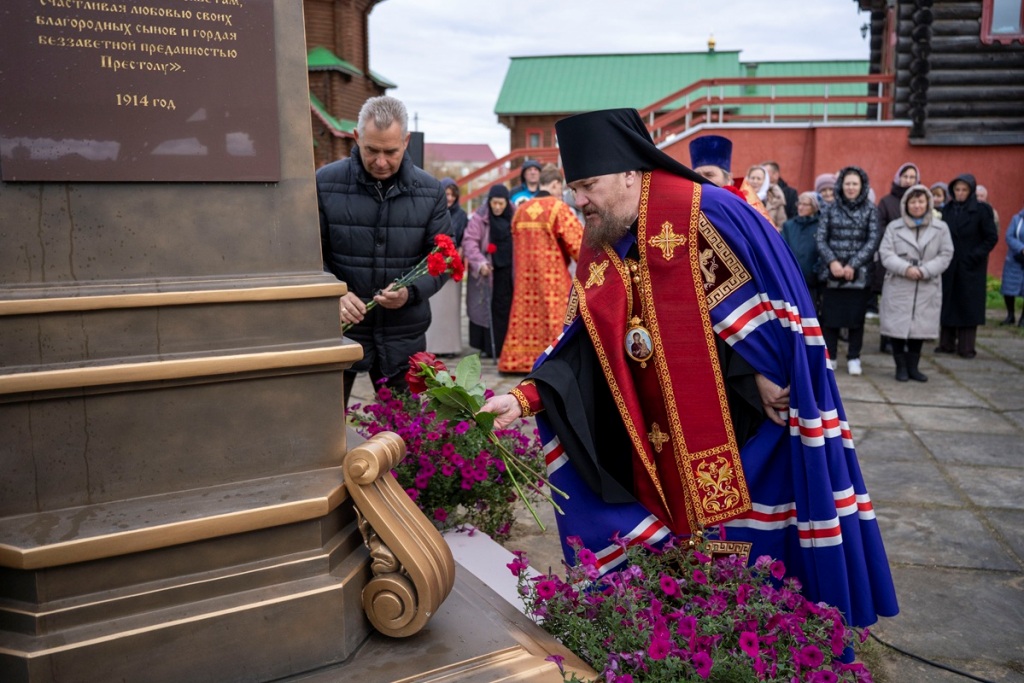
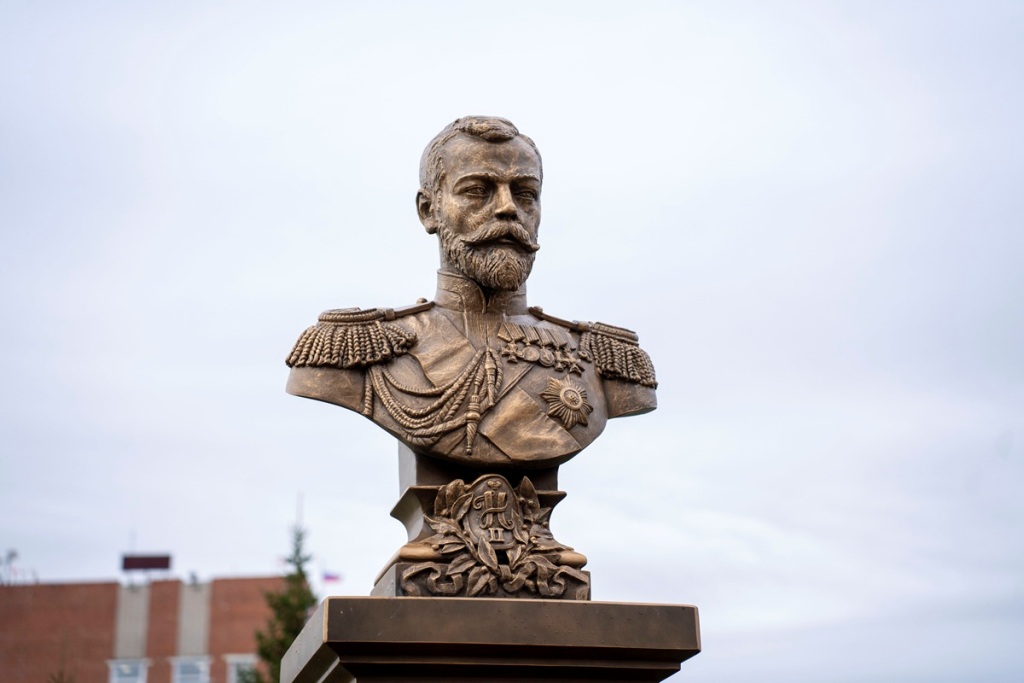
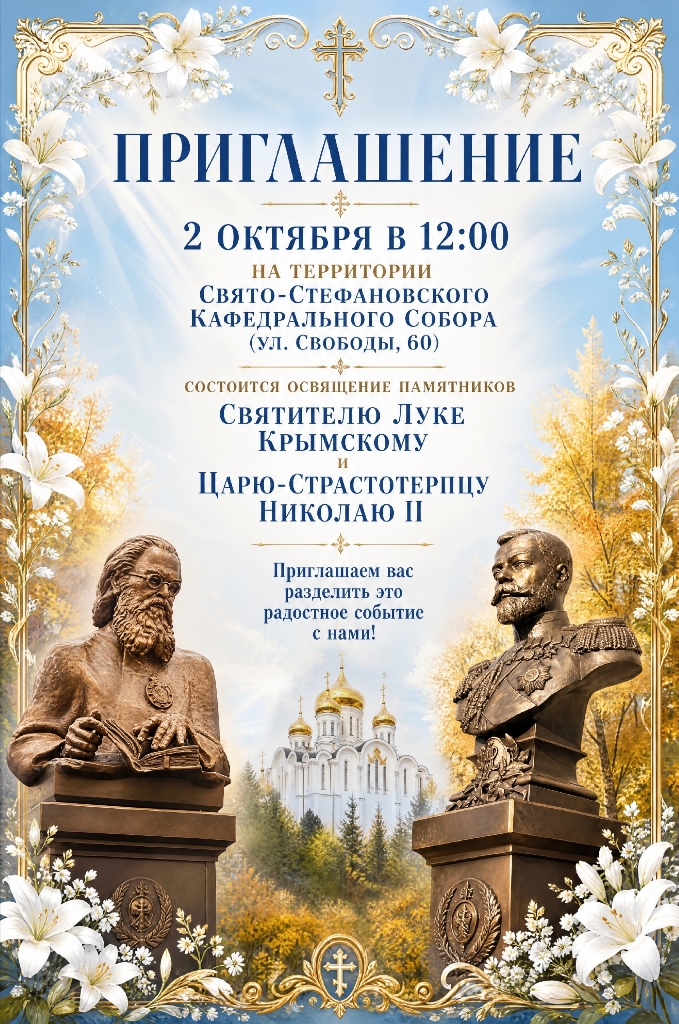
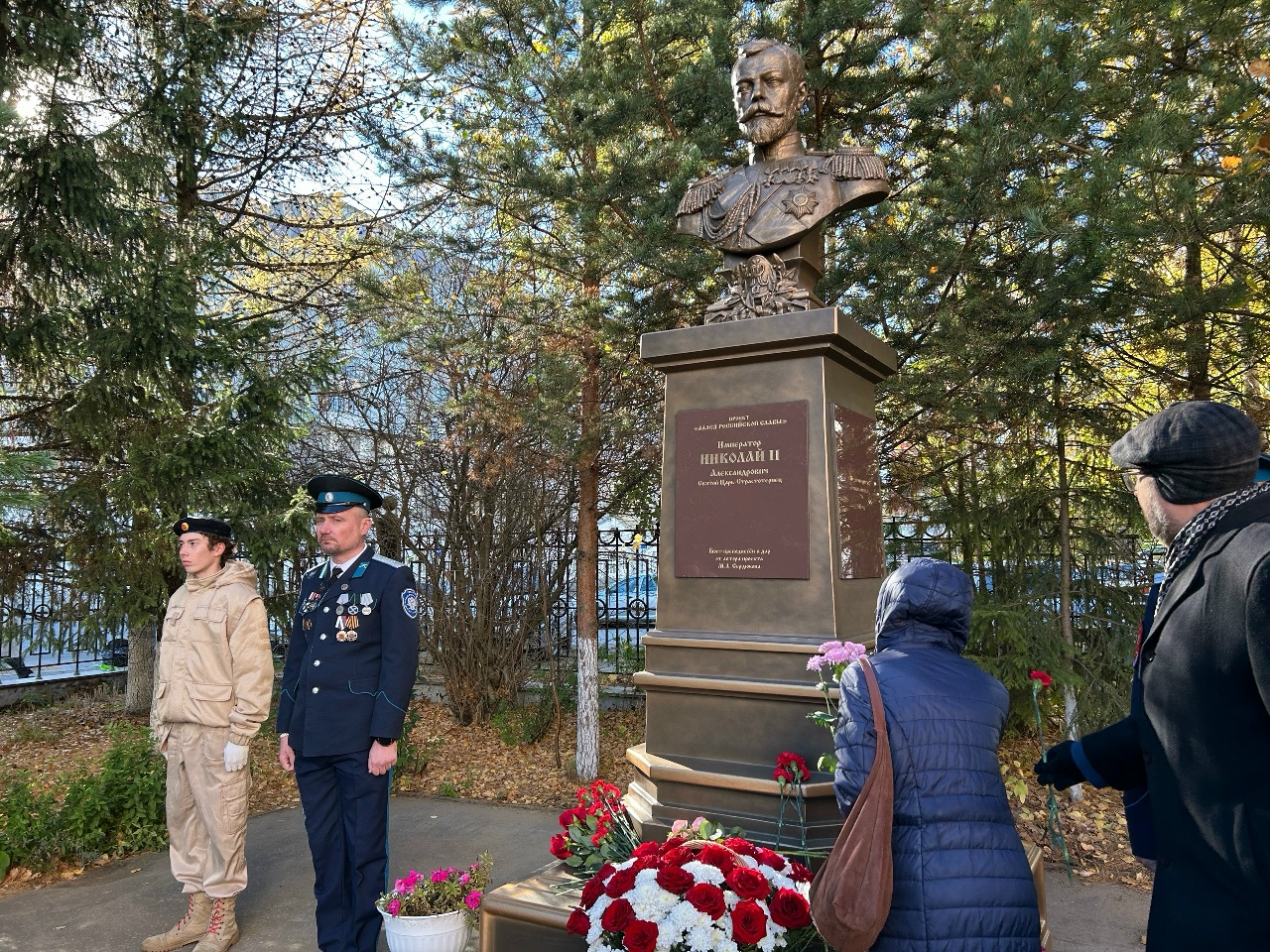
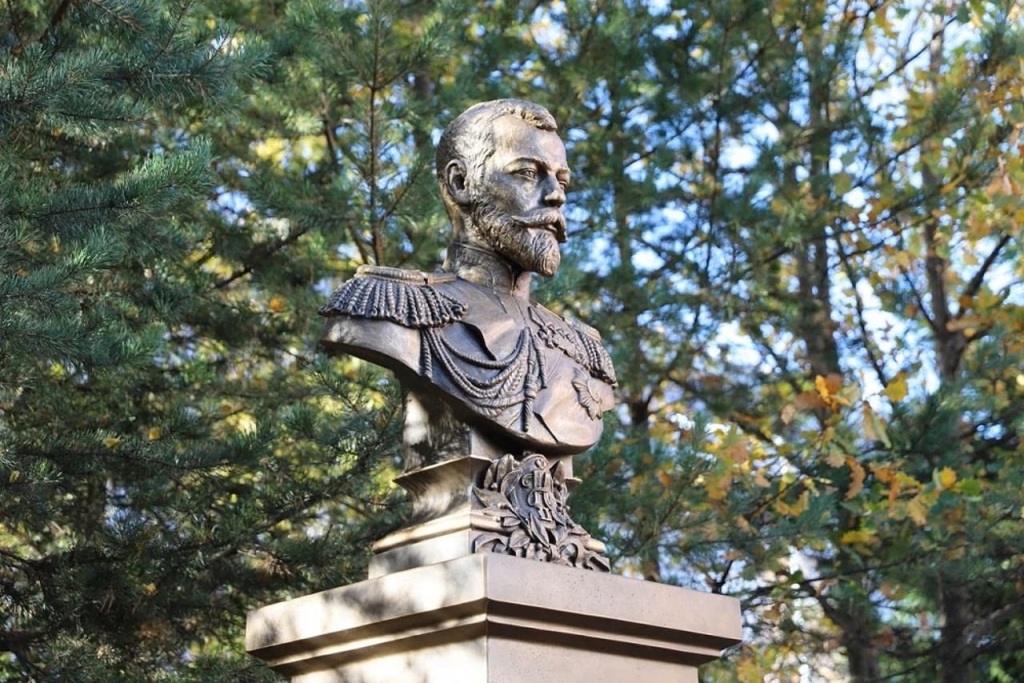
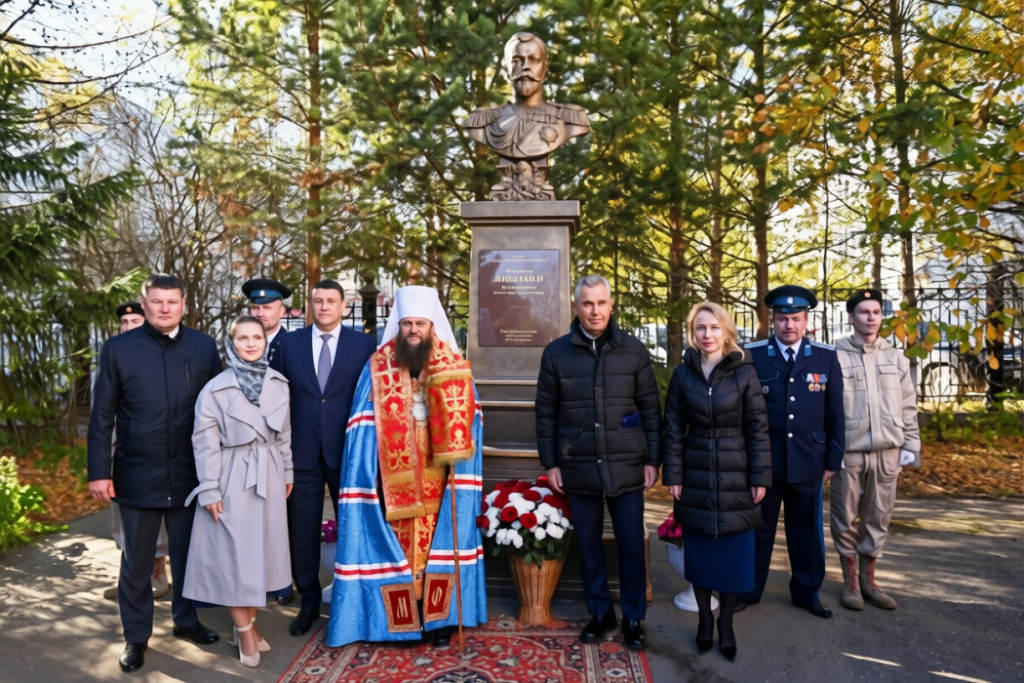
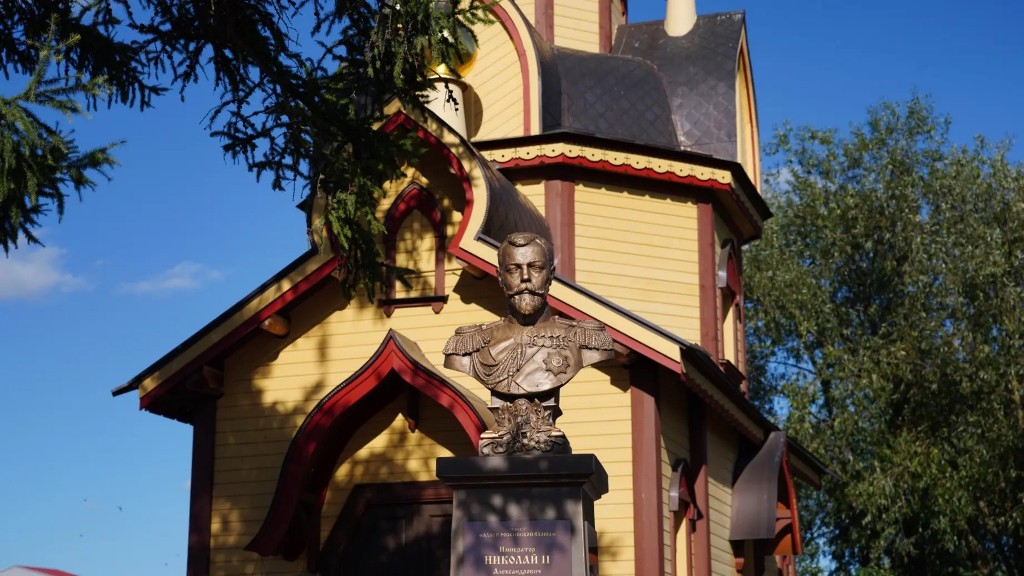
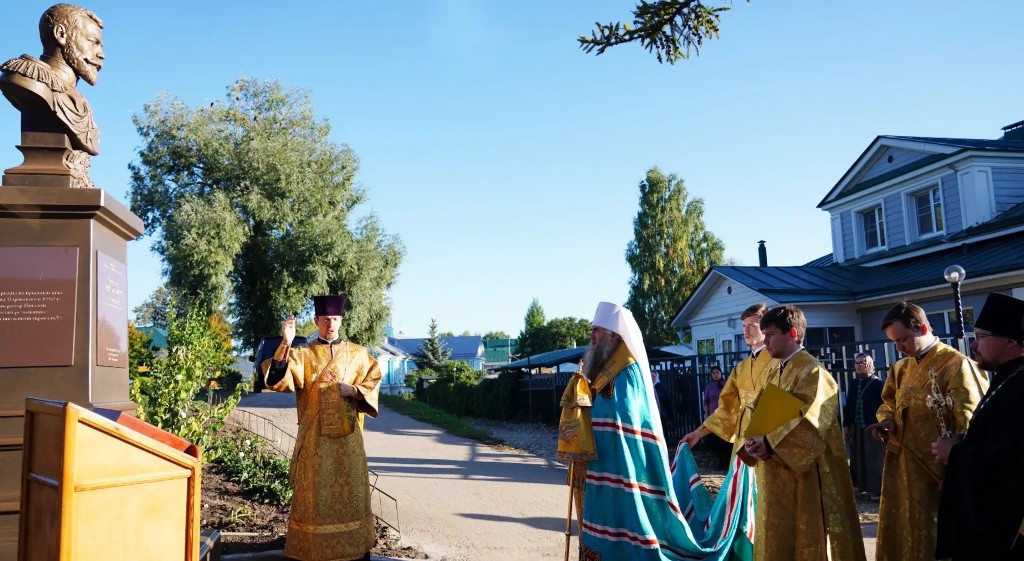
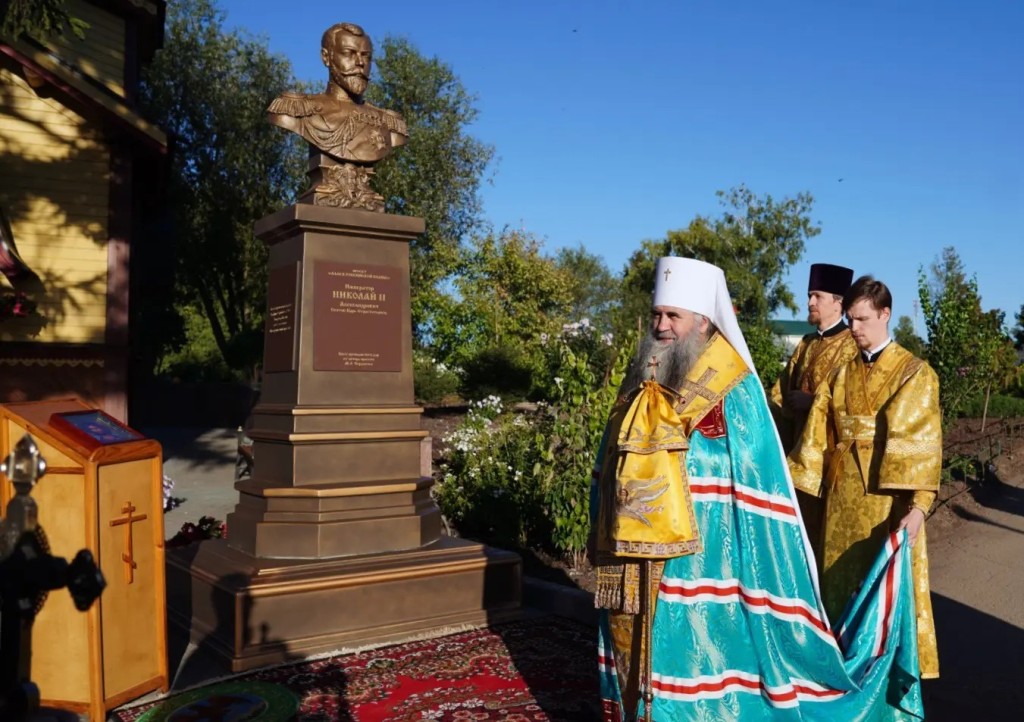
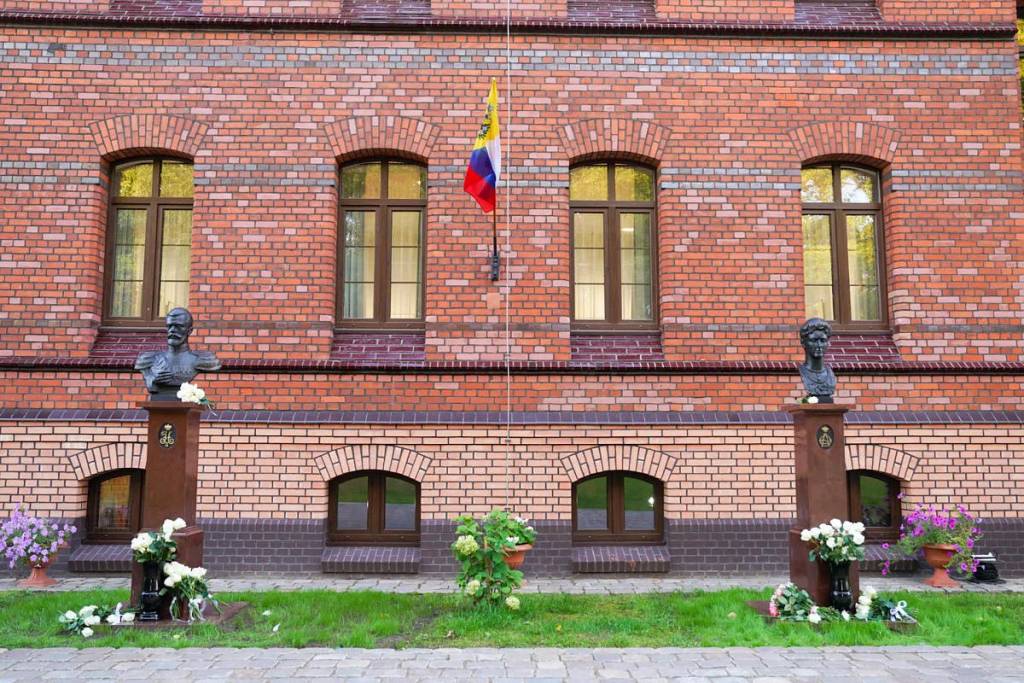
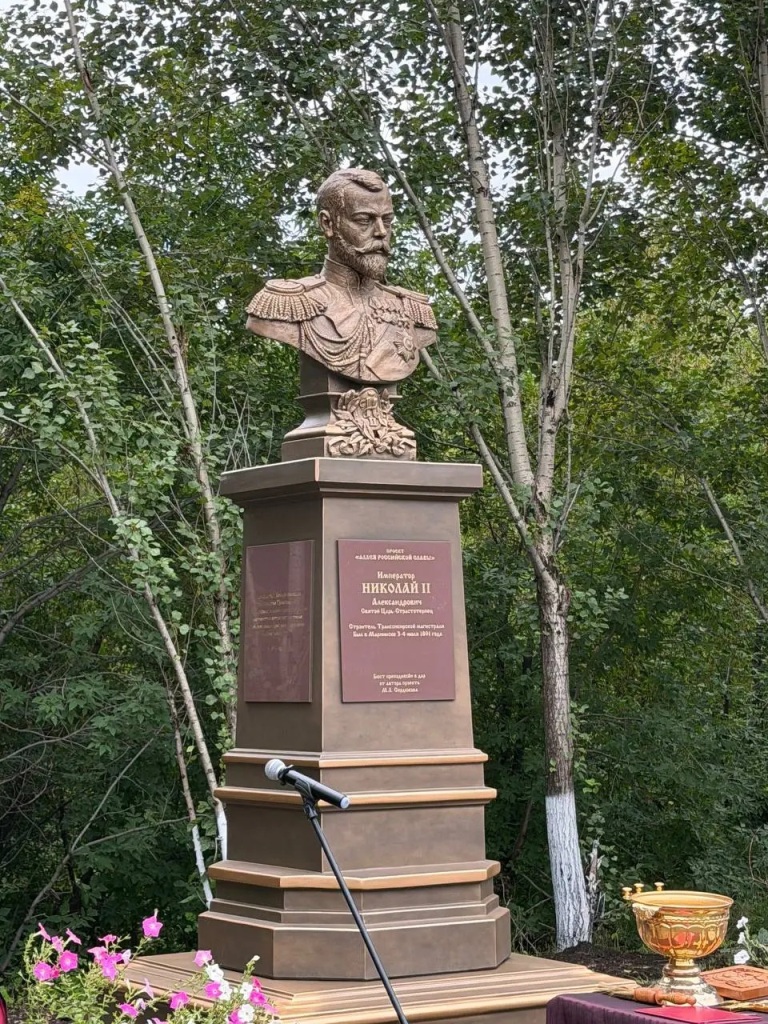
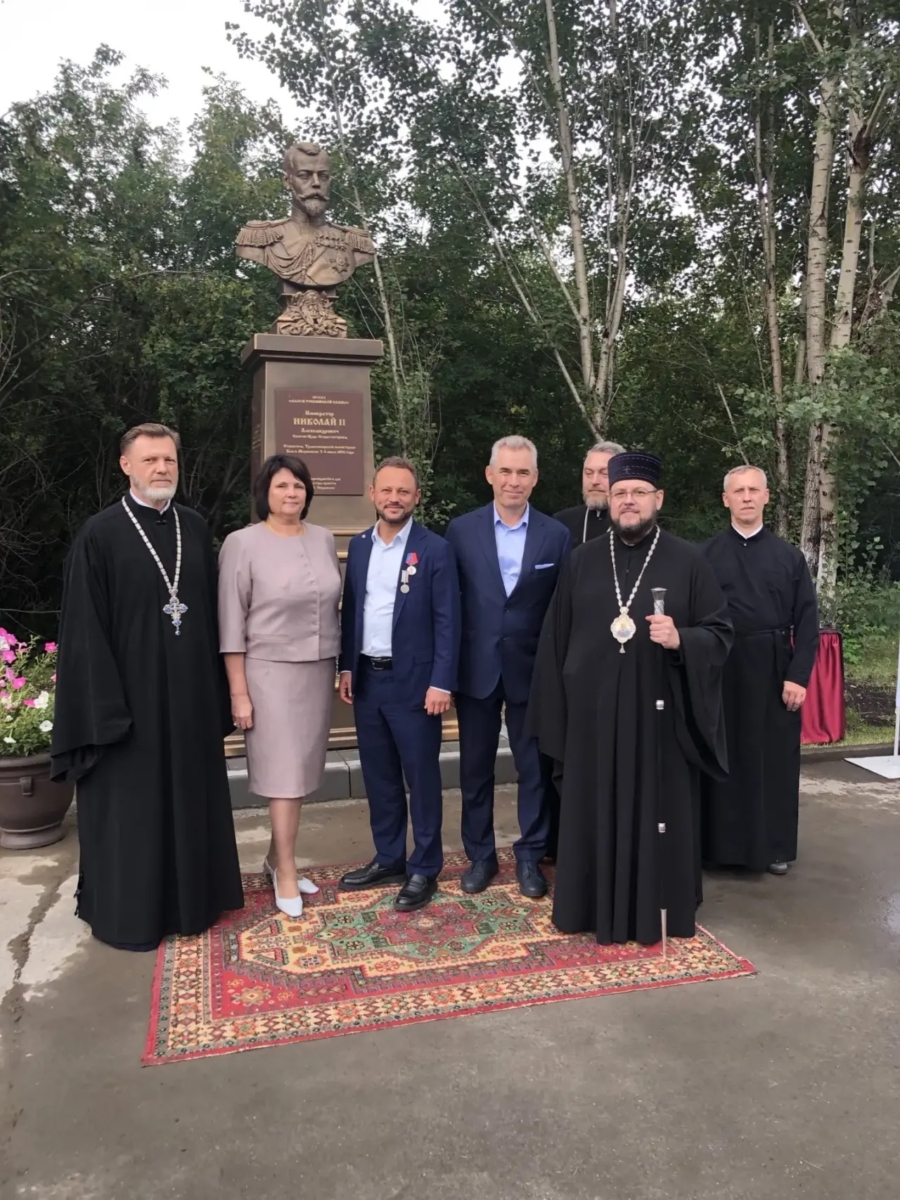
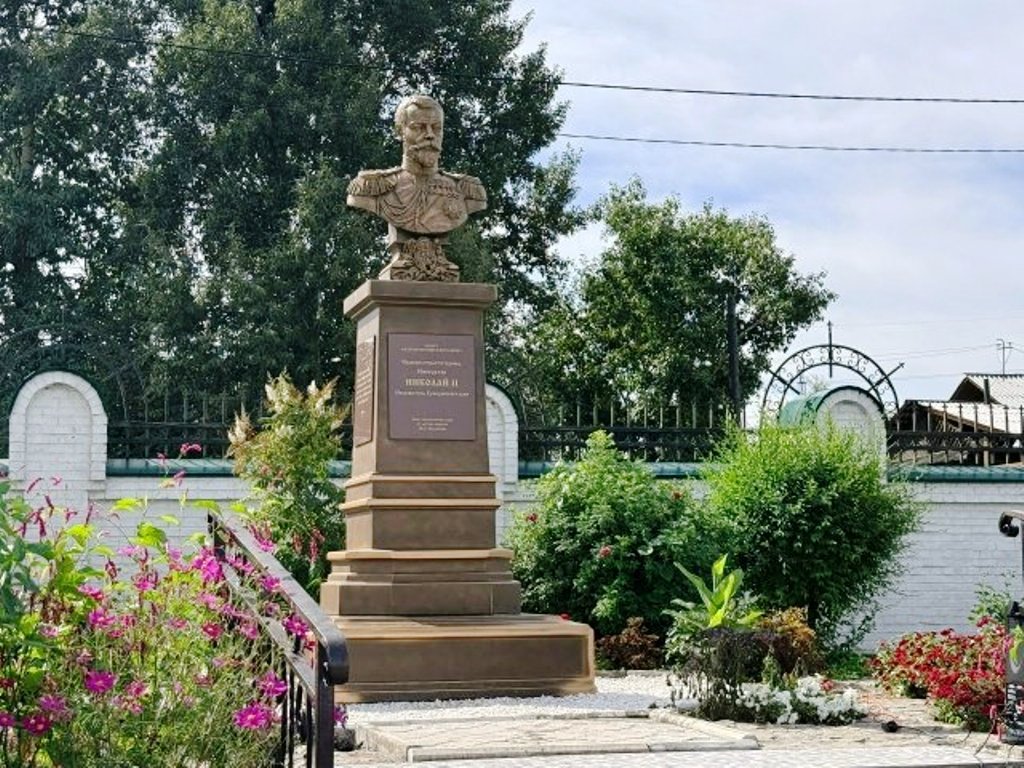
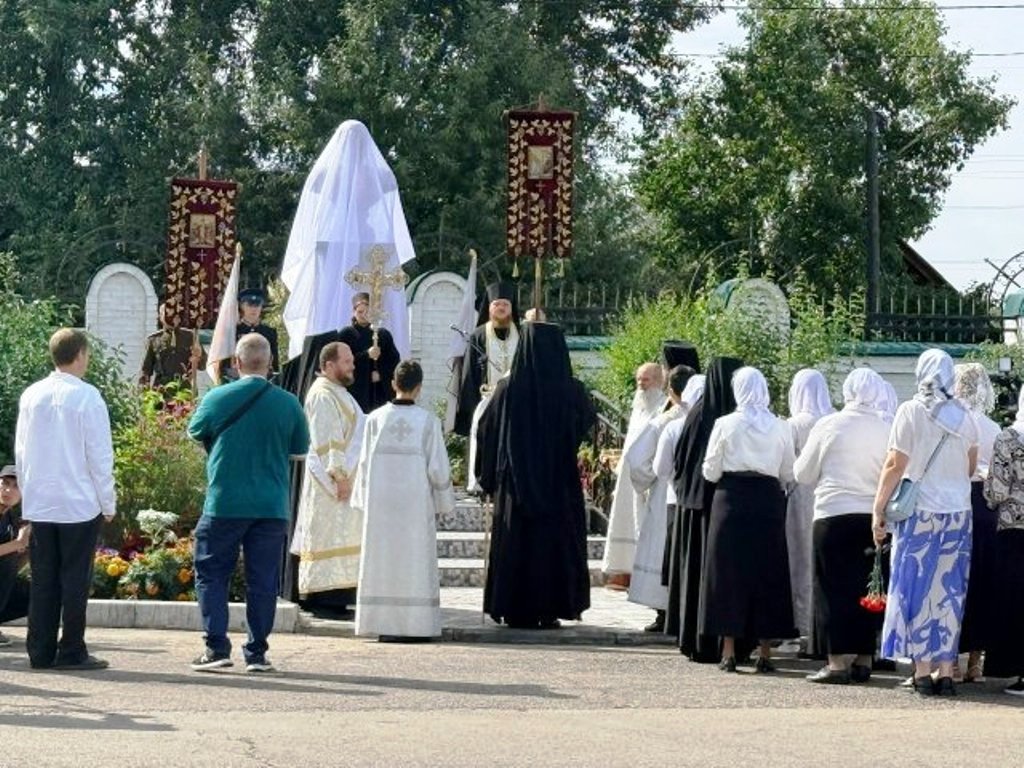
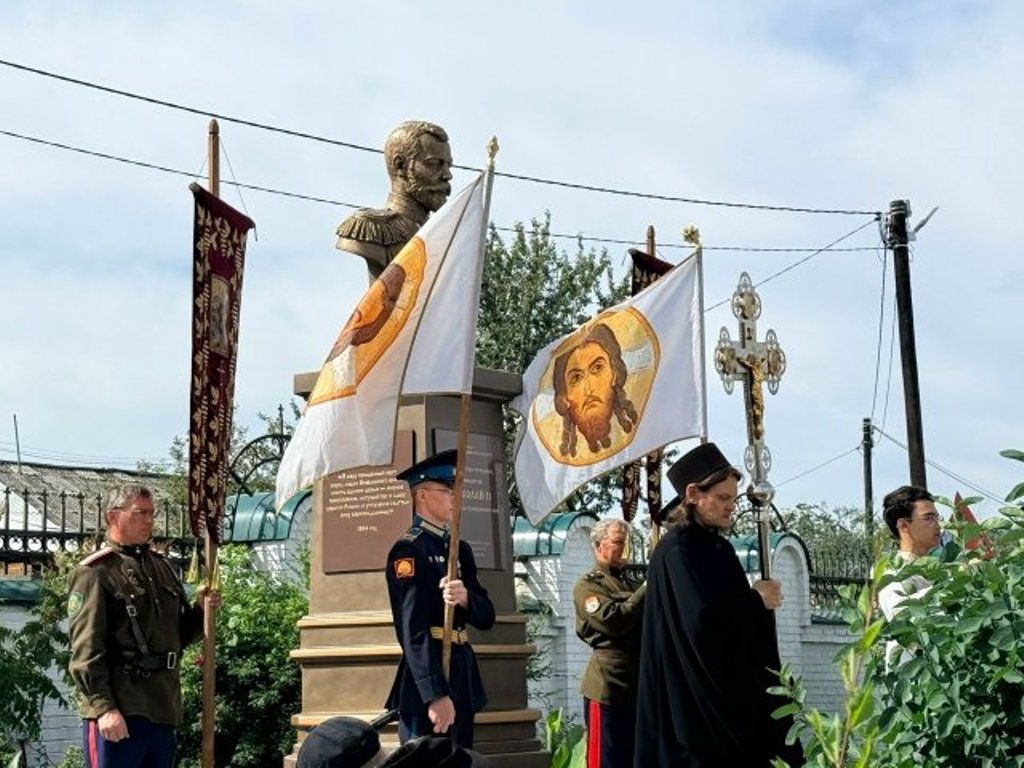
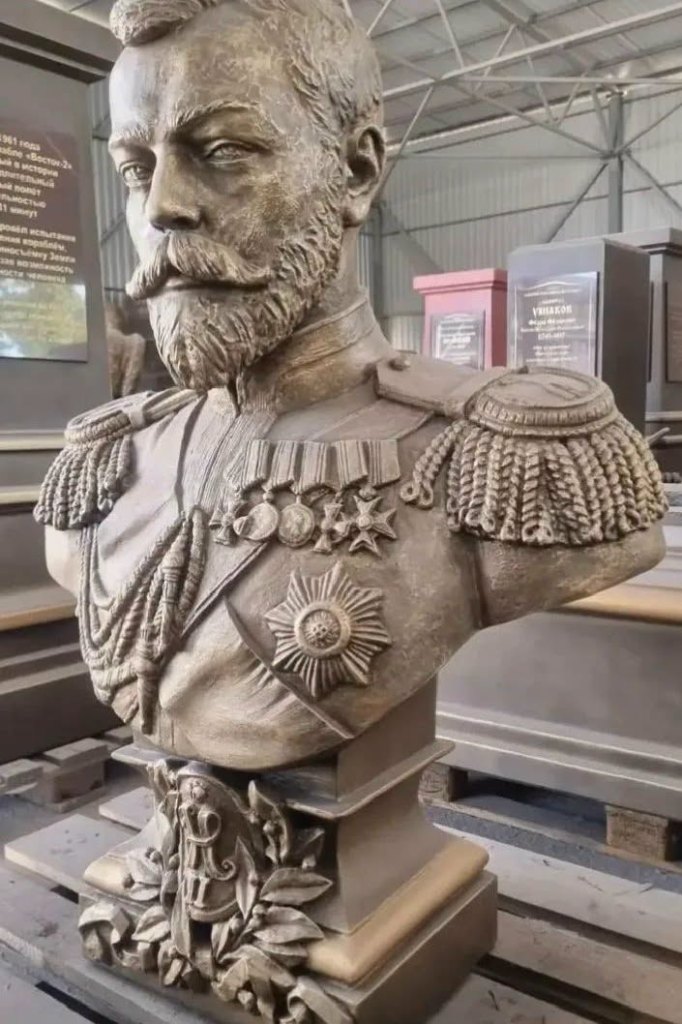
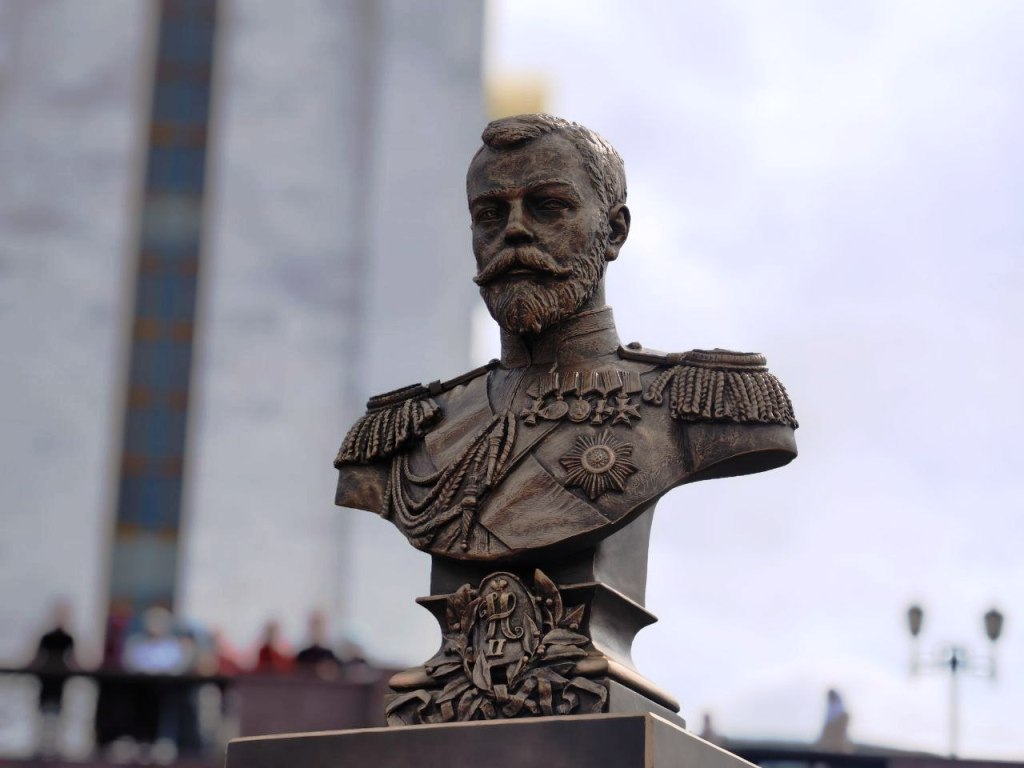
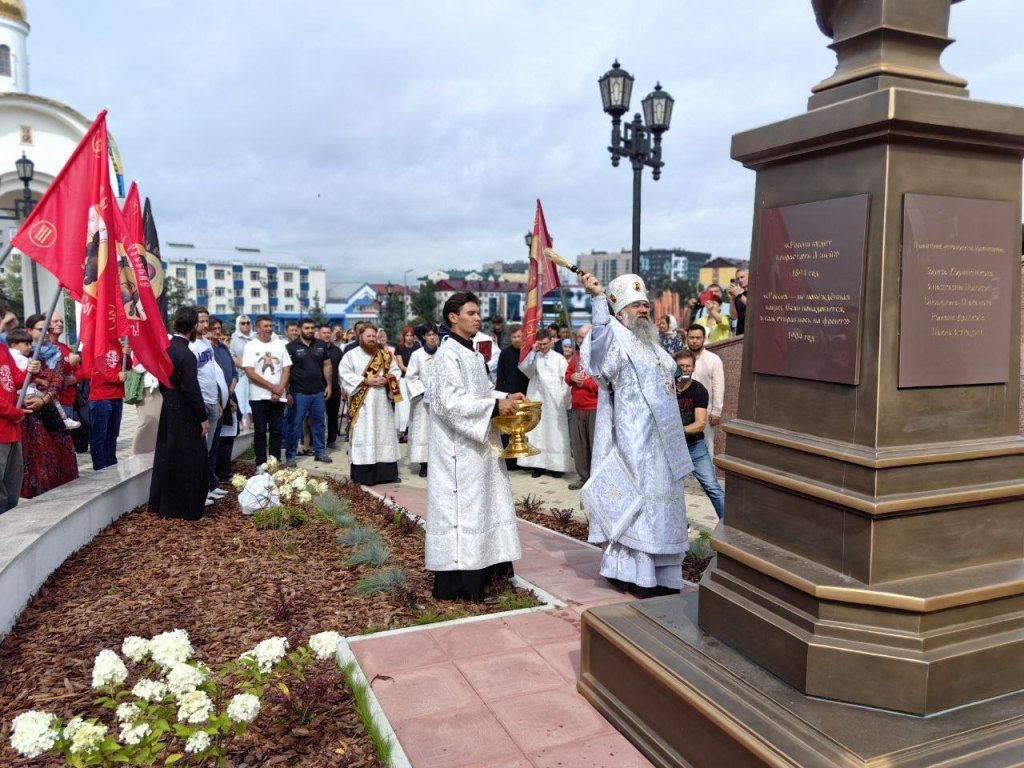
On 24th May 2026, a new bust-monument to Emperor Nicholas II, was unveiled and consecrated on the grounds of the Church of the Holy Royal Passion-Bearers in the Russian city of Izhevsk.

Izhevsk is located west of the Ural Mountains, about 486 km west of Ekaterinburg and 969 km east of Moscow. It is the 22nd largest city in the Russian Federation,

In the past few weeks, similar bust-monuments to Russia’s last Tsar have been installed in more than half a dozen cities across the Russian Federation. Their unveiling and consecration are timed to the 158th anniversary of Nicholas II’s birth on 19th (O. S. 6th) May and the 130th anniversary of his Holy Coronation in Moscow on 27th (O. S. 14th) May.

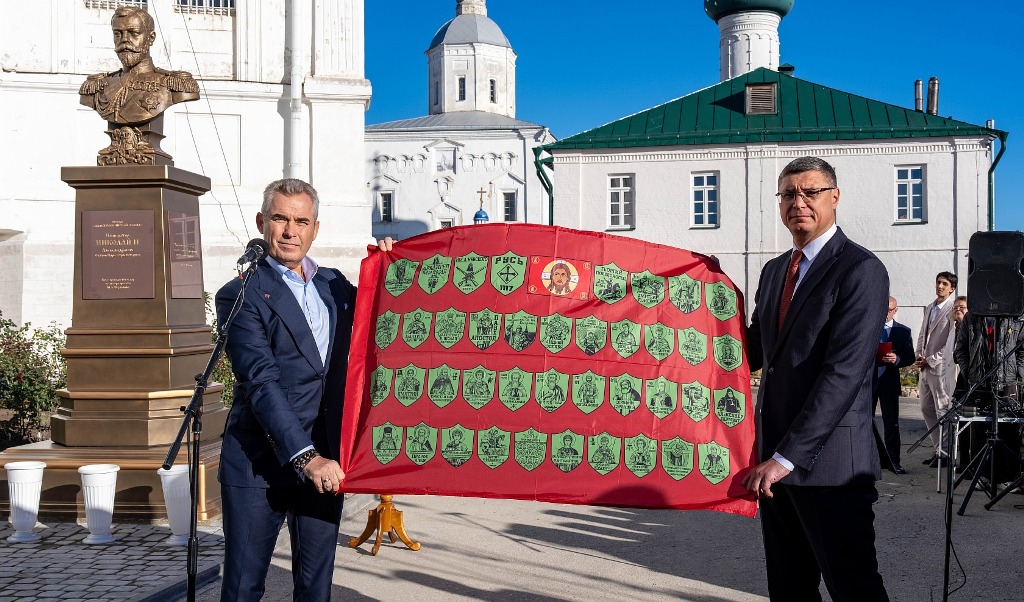
The ceremony was attended by Metropolitan Viktorin of Izhevsk and Udmurtia, the mayor of Izhevsk Dmitry Chistyakov, former Children’s Ombudsman Pavel Astakhov, Vice-President of the Orthodox Television Foundation, General Director of the SPAS TV channel Boris Korchevnikov, city officials, members of the clergy, parishioners of the church, and local residents.

“Tsar Nicholas II was the Commander-in-Chief of our army. Under him, steel production in the country increased 1.8 thousand times, and mechanical engineering – 44 times. He created a holy country by building 7.5 thousand churches,” said Boris Korchevnikov, one of the initiators of the project and the general director of the “Spas” TV channel. “This justifies the opening of this monument. During his reign, Izhevsk received special patronage as the defense and industrial heart of Russia.”

Bronze plaques were installed on each of the four sides of the pedestal. On one side, there is a quote from the address of Nicholas II to his subjects on the occasion of his accession to the throne in 1894:

“I take a sacred vow in the face of the Almighty to always have one goal – peaceful prosperity, power and glory of dear Russia, and the arrangement of the happiness of all loyal subjects.”

On another side of the pedestal there is an excerpt from the address of the former emperor – following his abdication – to the troops, made on 21st March 1917 (according to the new style):

“To you, my dearly beloved troops, I appeal with an urgent appeal to defend our native land from the evil enemy. Russia is bound to her valiant allies by one common desire for victory. The present unprecedented war must be brought to the complete defeat of the enemies. Whoever now thinks about peace and desires it is a traitor to his Fatherland. I know that every honest warrior understands and thinks this way. Do your duty as before. Defend our great Russia with all your might. Listen to your superiors. Any weakening of the order of service (discipline) only plays into the hands of the enemy. I firmly believe that the boundless love for the Motherland has not faded in your hearts. May the Lord God bless you for further feats and may the Holy Great Martyr and Victory-Bearer George lead you from victory to victory.”

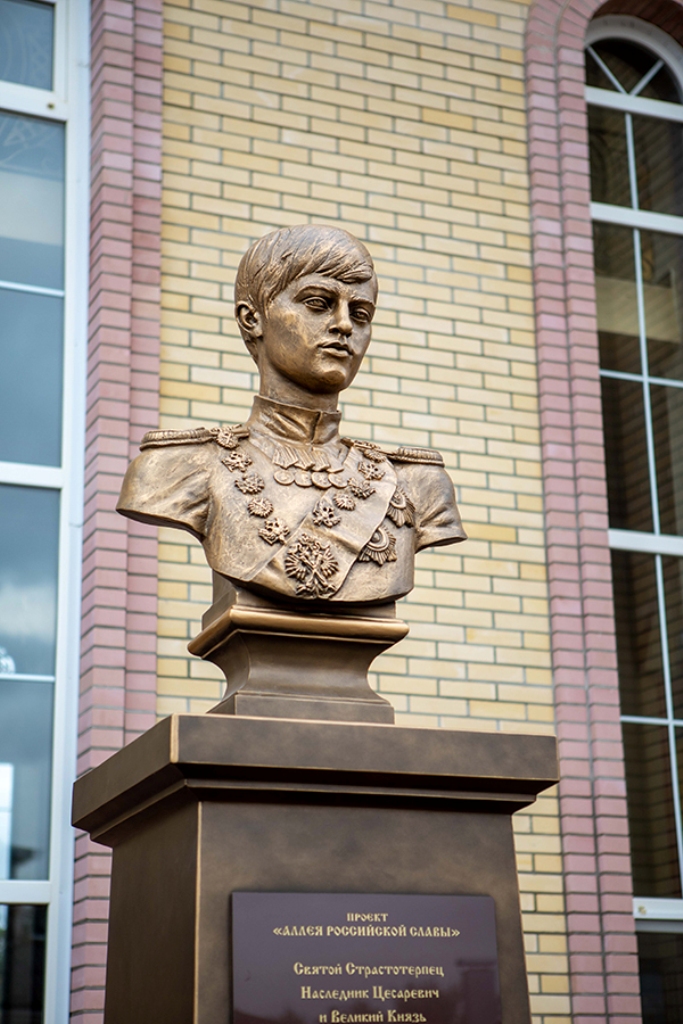
The monument was donated to the region as part of the “Alley of Russian Glory” educational project. The bust was donated to the church by the author of the project, entrepreneur Mikhail Serdyukov.

Since the fall of the Soviet Union in 1991, more than 100 monuments, sculptures, busts and memorial plaques to Nicholas II have been installed in cities and towns across the Russian Federation.

© Paul Gilbert. 26 May 2026

New monument of Nicholas II unveiled in the Urals

On 15th May 2026 – a new bust-monument of Emperor Nicholas II was unveiled and consecrated in the Ural city of Alapaevsk. The installation of the monument is timed to the 158th anniversary of the birth of Russia’s last Tsar on 19th (O.S. 6th) May.

Recall that on 18th July 1918, Grand Duchess Elizabeth Feodorovna, along with five additional members of the extended Russian Imperial family and two of their servants were murdered by the Bolsheviks near Alapaevsk. The horrific murders took place just one day after Emperor Nicholas II and his family were murdered in Ekaterinburg on 17th July.

The monument of the Holy Passion-Bearer Nicholas II was installed on Elizabeth Square, near the Alapaevsk City Hospital.

The opening ceremony was attended by the clergy of the Alapaevsk Diocese – the rite of consecration (see photo above) of the monuments was performed by the Secretary of the Alapaevsk Diocese, Priest Dimitry Yamshchikov, co-served by Hierodeacon Dionisy (Matrosov). The prayer hymns were sung by the choir under the direction of conductor Ustinya Alexandrovna Nikulina.

The installation of these monument in the city of Alapaevsk became possible thanks to: Pavel Alekseevich Astakhov – organizer, sponsor of the installation of monuments, TV presenter. Boris Vyacheslavovich Korchevnikov – General Director and Producer of the SPAS TV channel. Vasily Pavlovich Koshche – philanthropist and social partner of the Alapaevsk municipal district, as well as Denis Alexandrovich Abramov – General Director of Alapaevsk DOZ LLC and the company’s team.

Since the fall of the Soviet Union in 1991, more than 100 monuments, sculptures, busts and memorial plaques to Nicholas II have been installed in cities and towns across the Russian Federation.

© Paul Gilbert. 19 May 2026

New monument of Nicholas II unveiled in Siberia

PHOTO: the bust-monument of Emperor Nicholas II installed
on the grounds of Tomsk Polytechnic University

On 19th May 2026 – a new bust-monument of Emperor Nicholas II was unveiled and consecrated on the grounds of Polytechnic University (TPU) in the historic Siberian city of Tomsk. The installation of the monument is timed to the 158th anniversary of the birth of Russia’s last Tsar.

Recall that while Tsesarevich, the future Emperor Nicholas II visited Tomsk during his Eastern Journey in 1891. And it was Nicholas II who established the first technological institute in Tomsk beyond the Urals – the current Tomsk Polytechnic University.

The rite of consecration of the monument to Nicholas II was served by Metropolitan Rostislav of Tomsk and Asinovsky. The event was attended by the Governor of the Tomsk Region Vladimir Mazur, local government officials, members of the clergy, university staff, students and local residents.

PHOTO: the bust-monument of Emperor Nicholas II installed
on the grounds of Tomsk Polytechnic University

Founded in 1604, Tomsk is one of the oldest cities in Siberia. It has six universities, with over 100,000 students, including Tomsk State University, the oldest university in Siberia.

TPU was founded by the Ministry of National Education of the Russian Empire in 1896 as Tomsk Technological Institute of Emperor Nicholas II. In 1917, the institute was renamed into Tomsk Technological Institute.. 

Last week, workers cut down two large pruned poplars and several damaged weeds that did not survive the winter, to make way for the new bust-monument and pedestal. There are also plans to carry out cosmetic repairs of the façade of the building.

Once the bust-monument has been installed, the area surrounding the composition will be landscaped with large shrubs. In addition, four benches will be installed for students and residents to relax while admiring the bronze memorial to Russia’s last Tsar.

The rite of consecration of the monument to Nicholas II was
served by Metropolitan Rostislav of Tomsk and Asinovsky

Since the fall of the Soviet Union in 1991, more than 100 monuments, sculptures, busts and memorial plaques to Nicholas II have been installed in cities and towns across the Russian Federation.

© Paul Gilbert. 19 May 2026

New monument to Nicholas II installed in Rostov Veliky

PHOTO: a woman places a flower at the new bust-monument
of Emperor Nicholas II in Rostov Veliky

On 30th April 2026, a new bust-monument of Emperor Nicholas II was unveiled and consecrated near the Kremlin in the Russian city of Rostov Veliky [Rostov the Great].

The bust is one of four installed on the “Alley of the Russian Emperors”, leading directly to the entrance to the Kremlin in Rostov Veliky. The busts include four Russian Tsars Alexander l, Nicholas l, Alexander ll and Nicholas ll, all of whom visited the Rostov Kremlin during the 19th century and prayed at the relics of St. Dmitry of Rostov in the Spaso-Yakovlev Monastery. 

The “Alley of Russian Emperors” stand on Sovetskaya Square, the historical pre-revolutionary name of which is Rozhdestvenskaya.

PHOTO: a priest the rite of consecration of the monument of Emperor Nicholas II

PHOTO: cadets march past the new bust-monument
of Emperor Nicholas II in Rostov Veliky

The installation of the monuments is a joint project of the Legacy of the Empire Foundation and the Rostov Veliky city administration, who are dedicated to the great educational importance of restoring the link of times

It should be noted that the Legacy of the Empire Foundation has installed about 40 monuments, busts and memorial plaques in cities and towns throughout the Russian Federation. In addition, More than a dozen have been installed in Greece, Serbia and Bulgaria.

PHOTO: the the new bust-monument of Nicholas II is one of four Russian
emperors of the 19th century, leading to the Kremlin in Rostov Veliky

© Paul Gilbert. 6 May 2026

New monument to Nicholas II installed in Tver

On 1st May 2026, a new bust-monument to Emperor Nicholas II was installed and consecrated on the grounds of the Church of the Vladimir Icon of the Mother of God, in the Russian city of Tver.

The event was attended by Metropolitan Ambrose of Tver and Kashin and members of the clergy, the General Director and General Producer of the Orthodox TV channel “Spas” Boris Korchevnikov, trustees of the “Alley of Russian Glory” project, deputies of the State Duma of the Russian Federation, among others.

Recall that Nicholas II visited Tver on 21st April 1915. He was presented with donations from the city council and clergy, for the needs of the Russian army fighting in the First World War. It was on this day, that the Tsar visited the Transfiguration Cathedral (built in 1689-1696).

PHOTOS: Metropolitan Ambrose of Tver and Kashin performed the rite of
consecration of the monument to the Holy Passion-Bearer Emperor Nicholas II

Metropolitan Ambrose of Tver and Kashin first took part in the unveiling ceremony, and then performed the rite of consecration of the monument to the Holy Passion-Bearer Emperor Nicholas II. Before the consecration ceremony, Metropolitan Ambrose addressed the audience:

“Today in the city of Tver an event of deep spiritual meaning is taking place. We are unveiling and consecrating a monument to the Holy Passion-Bearer, the last sovereign of the Russian Empire, Nicholas II. The place for the installation of this monument was not chosen by chance. This Vladimir Church was built in the very years when Russia was under the sovereign scepter of Nicholas II. For his part, the emperor donated 40 thousand gold rubles for the construction of the church,” Metropolitan Ambrose noted in his speech. “For all of us, he (the Holy Passion-Bearer Nicholas – Ed.) showed a truly Christian attitude to the trials that befell him and in everything he strove to fulfill the will of God.”

The Church of the Vladimir Icon of the Mother of God was built by order of Emperor Nicholas II as one of the standard military churches for the lower ranks of the Russian Imperial Army. As previously noted, Emperor Nicholas II donated 40 thousand gold rubles for the construction of the church. The Great Consecration of the Church was held on 8th September 1904, it was attended by the representative of the Emperor – the Moscow Governor-General, Grand Duke Sergei Alexandrovich (1857-1905) with his wife, Grand Duchess Elizabeth Feodorovna (1864-1918)

Since the fall of the Soviet Union in 1991, more than 100 monuments, sculptures, busts and memorial plaques to Nicholas II have been installed in cities and towns across the Russian Federation.

© Paul Gilbert. 2 May 2026

Equestrian monument of Nicholas II to be installed in in the Chelyabinsk region

Further to my article New monument to Nicholas II to be installed in the Urals, published on 7th May 2025, I am pleased to provide an update on this new monument to Emperor Nicholas II.

A new equestrian monument of Emperor Nicholas II is to be installed in the Ural city of Verkhneuralsk, which is located about 230 km south of Chelyabinsk and 450 km south of Ekaterinburg.

The monument is in memory of Tsesarevich Grand Duke Nicholas Alexandrovich [future Emperor Nicholas II] visit to Verkhneuralsk on 3-4 August (O.S. 22-23 July) 1891, during a trip across the Russian Empire following his Eastern Journey (1890-91).

The model [seen in photos above] is already ready. It was made by the Chelyabinsk artist and sculptor Anna Shumakova.

“The composition is dynamic and symbolic: the young Tsesarevich frozen in a tense, restrained pose, and his horse seems to be keenly listening to the road,” the Verkhneuralsk administration notes.

The weight of the life-size bronze sculpture featuring the Tsar on horseback is 3 tons, not including the pedestal.

The sculptor has paid particular attention to historical accuracy. On the uniform of the Tsesarevich, are details of the highest state awards, including the Order of St. Andrew the Apostle the First-Called and the Imperial Order of St. Prince Vladimir of the 4th degree.

The monument is to be installed on the grounds of Cathedral of the St. Nicholas the Wonderworker [built in 1870] in Verkhneuralsk. The monument will be installed and consecrated upon completion of the landscaping and gardens. The grand opening of the monument is tentatively scheduled for the 19th (O.S. 6th) May [Nicholas II’s birthday]

© Paul Gilbert. 28 January 2026

New monument to Nicholas II installed in St. Petersburg

On 19th December 2025, a new monument to the Holy Royal Passion-Bearer Emperor Nicholas II, was unveiled and consecrated in the rotunda of the Khrulev Military Academy of Logistics in St. Petersburg. The event was timed to coincide with the feast day of St. Nicholas the Wonderworker.

Bishop Veniamin of Kronstadt, abbot of the Holy Trinity Alexander Nevsky Lavra, addressed the audience with a welcoming speech, in which, in particular, he drew attention to the aspect of sacrificial service for the good of the Fatherland and the contribution to the history of Russia of Russia’s last Tsar. Let this monument inspire the superiors, teachers and students of the Military Academy to imitate the Holy Emperor.

In addition, the Head of the Academy Ilgar Marish oglu Kahramanov, Deputy Head of the Administration of the Governor of St. Petersburg Olga Ivanovna Arishina and others addressed with welcoming words.

The final part of the ceremony was the rite of consecration, which was performed by Bishop Veniamin of Kronstadt. The deacon was headed by Senior Hierodeacon Elias (Vasiliev). The liturgical hymns were sung by the fraternal choir consisting of Hieromonk Tikhon (Voronov) and Hierodeacon Alexander (Urbanovich).

In 1900, the Holy Royal Passion-Bearer, Emperor Nicholas II, ordered the opening of the Quartermaster Course, which in the future was transformed into the Quartermaster Academy, the forerunner of the modern Khrulev Military Academy of Logistics.

On 17th April 1896, General of Infantry Nikolai Ivanovich Solovyov (1850-1907), was appointed the first head of the Quartermaster Course.

Since the fall of the Soviet Union in 1991, more than 100 monuments, sculptures, busts and memorial plaques to Nicholas II have been installed in cities and towns across the Russian Federation.

© Paul Gilbert. 23 December 2025

Russia’s ambassador to Britain laid flowers at the monument to Nicholas II on the Isle of Wight

PHOTO: Russia’s Ambassador to the UK Andrei Kelin
at the monument to Nicholas II on the Isle of Wight

On 4th November 2025 – on the occasion of National Unity Day – Russia’s Ambassador to the UK Andrei Kelin laid flowers at the monument to Nicholas II and his family on the Isle of Wight.

The granite monument with bronze relief portraits of the Imperial Family, was unveiled on 7th July 2018, by the Grand Duchess Elizabeth Romanov Society. The monumetn stands in Jubilee Green in East Cowes, close to Queen Victoria’s residence, Osborne House on the Isle of Wight, which is situated just off the southern coast of England.

The monument marking the 100th anniversary of the death and martyrdom of Emperor Nicholas II and his family was created by the renowned Moscow sculptor Elena Bezborodova. At its base there is a capsule with soil from the site, where the Imperial Family’s remains were found near Ekaterinburg.

“The Isle of Wight has a special connection with Russian history: Empress Alexandra Feodorovna and her sister Elizabeth Feodorovna spent time here as children with their grandmother, Queen Victoria. Nicholas II first visited the island in 1884 and visited it again in 1909, staying at the Barton estate,” said the Russian ambassador.

National Unity Day has been celebrated in Russia annually, on 4th November since 2005. The holiday commemorates the popular uprising which ended the Polish-Lithuanian occupation of Moscow in November 1612, and more generally the end of the Time of Troubles and turning point of the Polish intervention in Russia.

FURTHER READING:

Britain’s first memorial to the Russian Imperial Family + PHOTOS

© Paul Gilbert. 5 November 2025

Nicholas II monuments in and around Ekaterinburg

Since the fall of the Soviet Union in 1991, more than 100 monuments, busts and memorials have been installed in cities and towns across in Russia – six of which have been installed in Ekaterinburg. Recall that it was here, in the Ural capital, where the last Tsar and his family were held under house arrest and subsequently murdered.

Once a bastion of Bolshevism, Ekaterinburg has slowly shed its status as the “capital of atheism”. Since the fall of the Soviet Union in 1991, the Urals has experienced a revival of faith, with Ekaterinburg as the center of Orthodox Russia in the region.

It is important to add, that Ekaterinburg has done more to honour Russia’s last Tsar and his family than any other city in Russia. It is home to the Church on the Blood [built on the site of the Ipatiev House, where the Imperial Family were murdered]; the Monastery of the Holy Royal Martyrs at Ganina Yama; the Romanov Memorial at Porosenkov Log; three museums and no less than six monuments, dedicated to the Imperial Family.

Church on the Blood, Ekaterinburg

The Church on the Blood in Ekaterinburg, was built in 2000-2003m on the site of the Ipatiev House, where the Imperial family and their faithful retainers were all brutally murdered by members of the Ural Soviet on 17th July 1918.

The monument to Emperor Nicholas II and his family, created by the sculptor Konstantin Vasilievich Grunberg was installed in 2003 on the grounds of the Church on the Blood in Ekaterinburg. The Tsar is depicted carrying the invalid Tsesarevich Alexei in his arms.

The staircase on the left represents the 23 steps the Imperial Family and their four faithful retainers descended to their death and martyrdom in the Ipatiev House in the early morning hours of 17th July 1918.

The door seen in the lower right is the entrance to the Lower Church, sanctified in honour of the Holy Royal Martyrs in the Church, where the Imperial Room – built on the site of the murder room.

PHOTOS: two views (above and below) of the bust-monument to Emperor Nicholas II, in the Patriarchal Compound of the Church on the Blood

Several years back, a bronze bust on a marble pedestal of Emperor Nicholas II was installed at the top of the staircase leading to the Museum of the Holy Royal Family in the Tsarsky Cultural and Educational Center, situated in the Patriarchal Compound of the Church on the Blood.

In July 2023, the bust was replaced with a similar bust of the Tsar’s son and heir Tsesarevich Alexei Nikolaevich. The bust of the Emperor was temporarily moved to the new permanent exhibition The Romanovs in the Urals, located at the Poklevsky-Kozell House Museum of the Sverdlovsk Regional Museum of Local Lore in Ekaterinburg.

PHOTO: the bust-monument to Tsesarevich Alexei Nikolaevich, in the Patriarchal Compound of the Church on the Blood

Ekaterinburg museums

PHOTO: Bust of Emperor Nicholas II on display at the Hermitage-Ural Museum in Ekaterinburg – a branch of the State Hermitage (St. Petersburg)

PHOTO: a copy of the “The Night at the Ipatiev House” sculptural composition by Russian sculptor Zurab Tsereteli (1934-2025), greets visitors to the permanent exhibition ‘The Romanovs in the Urals‘ located in the Poklevsky-Kozell House Museum in Ekaterinburg.

***

Monastery of the Holy Royal Martyrs, Ganina Yama

Ganina Yama is the site of the Four Brothers mine situated near the village of Koptyaki, 15 km north from Ekaterinburg. It was here that in the early morning hours of 17th July 1918 the bodies of Tsar Nicholas II, his family and four servants were secretly transported to Ganina Yama and thrown into a 9′ deep pit. The murderers returned the following day, exhumed the remains and reburied them in two unmarked graves at Porosenkov Log, which is situated 3.8 km away.

In 2001, the Russian Orthodox Church constructed the Monastery of the Holy Royal Martyrs at the site in 2001. Between 2008-2011, three monuments to the Holy Royal Martyrs were installed on the grounds of the monastery:

The bronze bust (above) of Emperor Nicholas II was installed and consecrated on 19th (O.S. 6th) May 2008, the day marking the sovereign’s 90th birthday. A bas-relief (below) depicting Empress Alexandra Feodorovna and her five children, is located on the lower section of the monument to Emperor Nicholas II

The bronze monument (above) to Empress Alexandra Feodorovna was installed and consecrated in 2011.

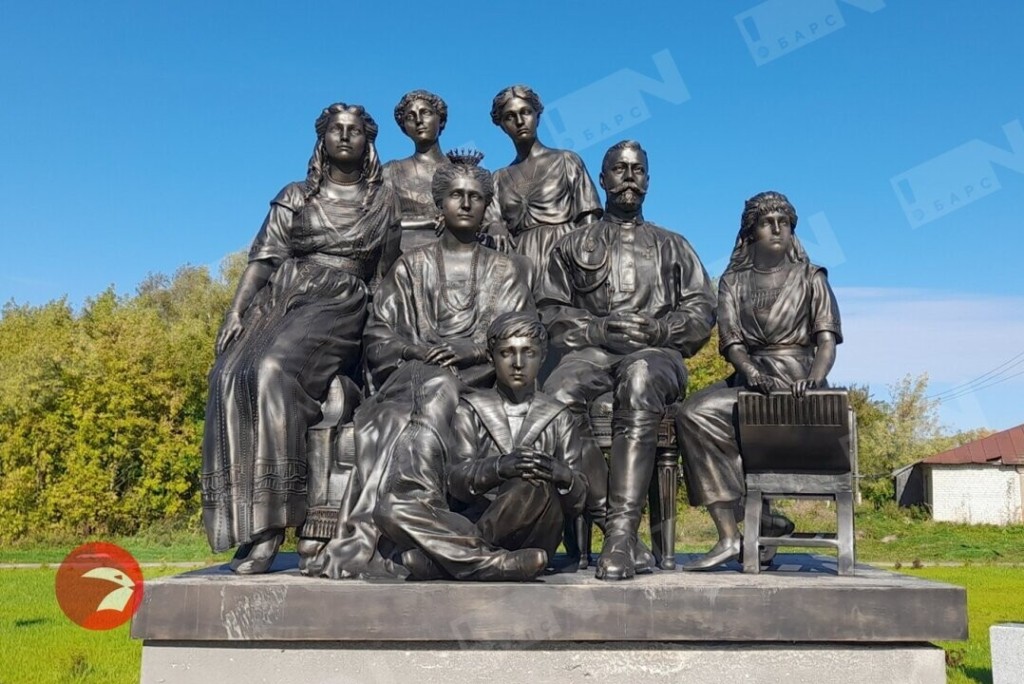
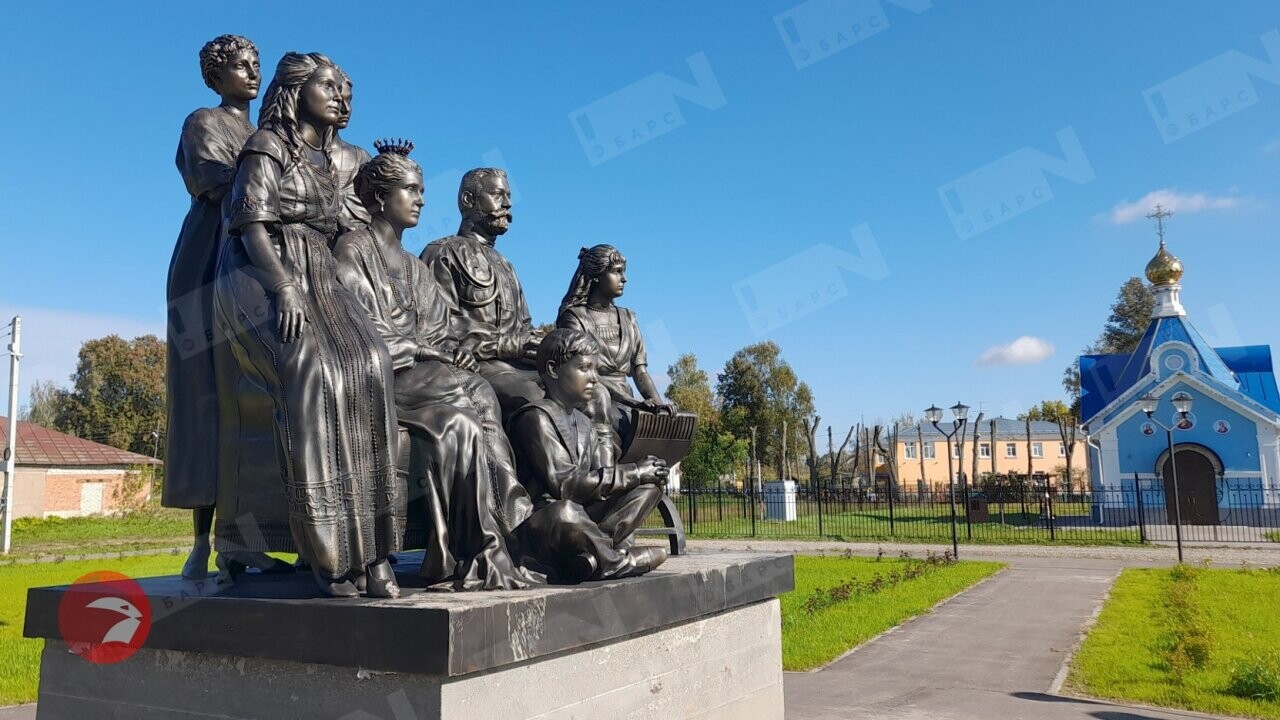
The bronze monument (above) of Grand Duchesses Olga, Tatiana, Maria, Anastasia and Tsesarevich Alexei, was installed and consecrated on the grounds of the Monastery of the Holy Royal Martyrs at Ganina Yama in 2011.

Sredneuralsk, Sverdlovsk Oblast

The Sredneuralsky Convent in Honour of the Icon of the Mother of God “The Conqueror of Bread”, is an Orthodox convent located on the outskirts of the city of Sredneuralsk, 15 km northwest of Ekaterinburg.

In 2014, the Trinity Church was consecrated in the monastery, which was built based on the ancient Russian architecture of the era of the formation of the Moscow kingdom. It is dedicated to the family of the last Russian Tsar Nicholas II. The basement of the Ipatiev House – where the Imperial Family were shot – was recreated in the lower part of the church. A large Poklonny cross dedicated to the Imperial Family, and a bust of Tsar Nicholas II were installed on the grounds of the monastery.

© Paul Gilbert. 13 October 2025

A new bust-monument of Nicholas II installed in Krasnodar

PHOTO: cadets from the Krasnodar Presidential Cadet School form a guard of honour during the opening ceremonies of a new monument to Emperor Nicholas II in the “Cossack city”

On 21st September 2025, a new bust-monument of Emperor Nicholas II was installed and consecrated on the grounds of the Presidential Cadet School In the Russian city of *Krasnodar. The bust is a copy created by the famous Russian sculptor is Alexander Alekseevich Apollonov (1947-2017).

*Krasnodar is known as the “Cossack city”. Founded in 1793 as a fortress city by the Black Sea Cossacks, it has a rich history tied to the Cossack culture. The city was originally named Yekaterindar, meaning “Catherine’s Gift,” and later renamed Krasnodar, which translates to “Red Gift,” reflecting the city’s imperial past and the Cossack identity. Today, Krasnodar retains its connection to the Cossacks through various historic sites and cultural events.

The opening ceremony was attended by the Lieutenant General of the Foreign Intelligence Service 
Leonid Reshetnikov, Vice-Governor of the Krasnodar Territory and Ataman of the Kuban Cossack Host Society Alexander Vlasov and Minister of Culture of the Krasnodar Territory Victoria Lapina.

Also in attendance were Chairman of the Elisabeth-Sergius Educational Society Foundation (ESPO) Anna Vitalievna, and representatives of the Heritage of the Empire movement, and the leadership of the Presidential Cadet School, city officials, among others.

PHOTO: a local Orthodox priest performs the act of consecration on the new monument to Emperor Nicholas II in Krasnodar

The bust was installed as part of the historical and cultural project Imperial Route, which the Krasnodar Territory joined in August 2025. The solemn event included the laying flowers at the monument and the school’s cadets taking part in a solemn march past the monument, along the parade ground.

The Imperial Route project now unites 32 regions of Russia and is aimed at popularizing the history of the House of Romanov. As part of the route, other memorial plaques and sites have also been unveiled in the Krasnodar Territory, including the recent commemoration of the visit of Emperor Nicholas I to Gelendzhik in 1837.

Alexander Vlasov noted the importance of the memory of Nicholas II, emphasizing his contribution to the development of the country and his connection with the Cossack troops. Representatives of the the Kuban Cossack Host Society and invited guests stressed the importance of preserving historical continuity and educating young people on national history.

“The opening of the bust of the last emperor is our tribute to the history of Russia, to the Imperial Family,” said Alexander Vlasov. – I will also remind you that, from 1904, the August Heir of Nicholas II, Tsesarevich Alexei, was the Ataman of all Cossack troops and the honorary chief of several Cossack regiments and schools.

The history of the Kuban and the Cossacks are closely associated with the Russian Imperial family . . .

“In 1888, Emperor Alexander III, along with the heir to the throne Nicholas Alexandrovich [future Emperor Nicholas II] and other members of the Imperial Family visited Yekaterindar. Today, a restored Triumphal Arch, located on the main street in Krasnodar, is a reminder of the historic visit.

PHOTO: cadets from the Krasnodar Presidential Cadet School form a guard of honour during the opening ceremonies of a new monument to Emperor Nicholas II in the “Cossack city”

Since the fall of the Soviet Union in 1991, more than 100 monuments, sculptures, busts and memorial plaques to Nicholas II have been installed in cities and towns across the Russian Federation.

In July, busts of Nicholas II and Tsesarevich Alexei were temporarily placed in the city of Uryupinsk, Volgograd Region, during a commemorative event. Plaster sculptures were installed on the Alley of Heroes, where a monument to Joseph Stalin was located during the Soviet period. After the ceremony, the busts were dismantled.

Russia’s most famous monument to Nicholas II is the monument by Vyacheslav Mikhailovich Klykov (1938-2006) in the village of Taininskoye in the Mytishchi district of the Moscow region. The monument depicts the Emperor wearing his ermine trimmed Coronation robe with regalia and is located on the site of the former travelling palace, next to the ancient near the Church of the Annunciation (1675-1677. The monument has been blown up twice by extremists, each time restored.

© Paul Gilbert. 22 September 2025