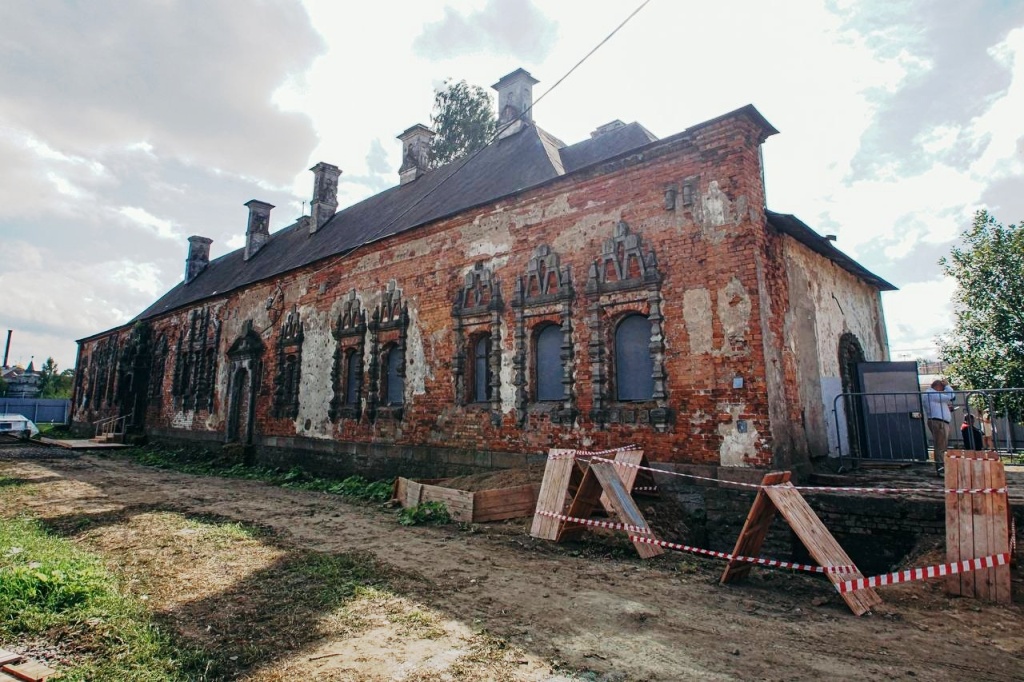
It’s official! After decades of delays and lack of funding, restoration of the Imperial Railway Pavilion to its original historic look in Pushkin (Tsarskoye Selo) is now underway. Having survived the revolution, war, vandalism and the elements, it is nothing short of a miracle that it has survived to the present day.
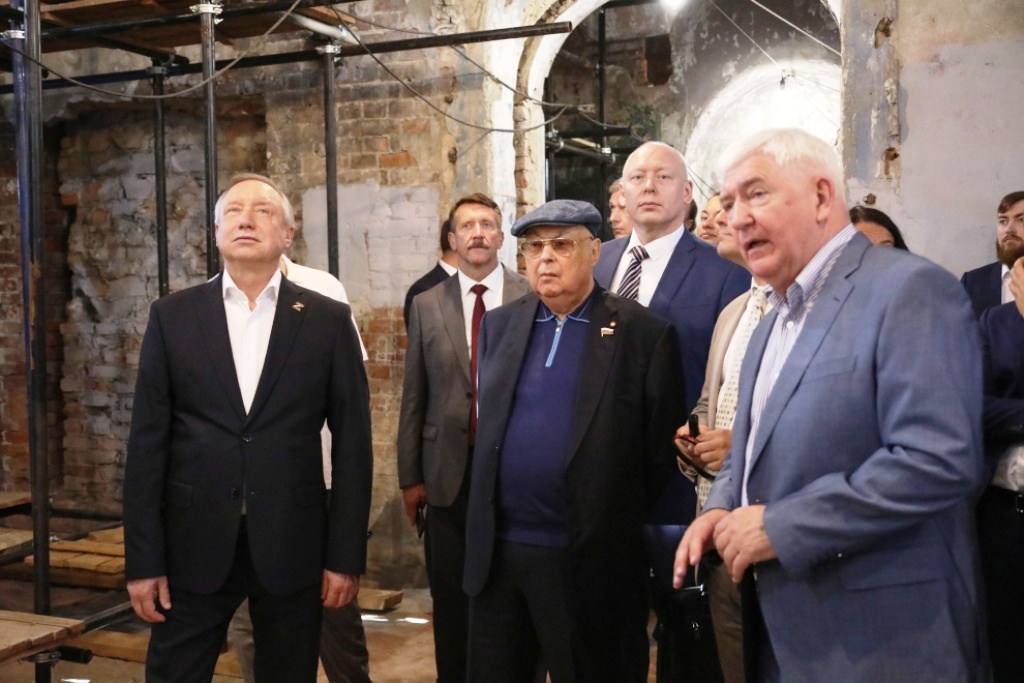
The project has some very high profile supporters, including the governor of St. Petersburg, Alexander Beglov and State Duma deputy Vladimir Resin. The official announcement was made during the first meeting of the Board of Trustees of the Tsarskoye Selo Station Foundation, which was held on 17th August in the Imperial Hall of the pavilion.
“We have created a special fund to restore the Imperial Railway Pavilion, the only imperial railway station in Russia. Ideas for the building’s use after the restoration has been completed are currently being developed. Funding will be provided at the expense of the city and federal budgets, as well as private and corporate donors,” Beglov said.
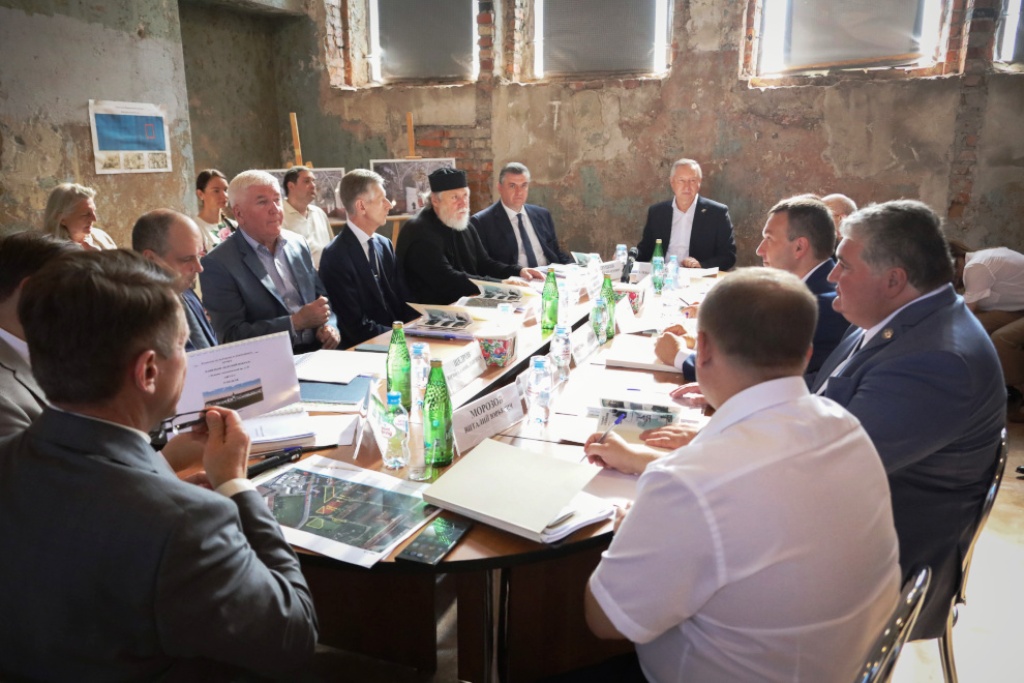
PHOTO: the first meeting of the Board of Trustees of the Tsarskoye Selo Station Foundation, was held on 17th August 2023, in the Imperial Hall of the pavilion
One of the finest examples of the Neo-Russian style
The construction of a special branch line from the Vitebsk Railway Station in St. Petersburg to the Alexander Palace in Tsarskoye Selo began in 1895. It was deemed a matter of security to provide safe transport links between the capital and the suburban residence for the Tsar and his family. The line was also convenient for government officials who arrived daily by train with their reports to the Tsar when he was in residence.
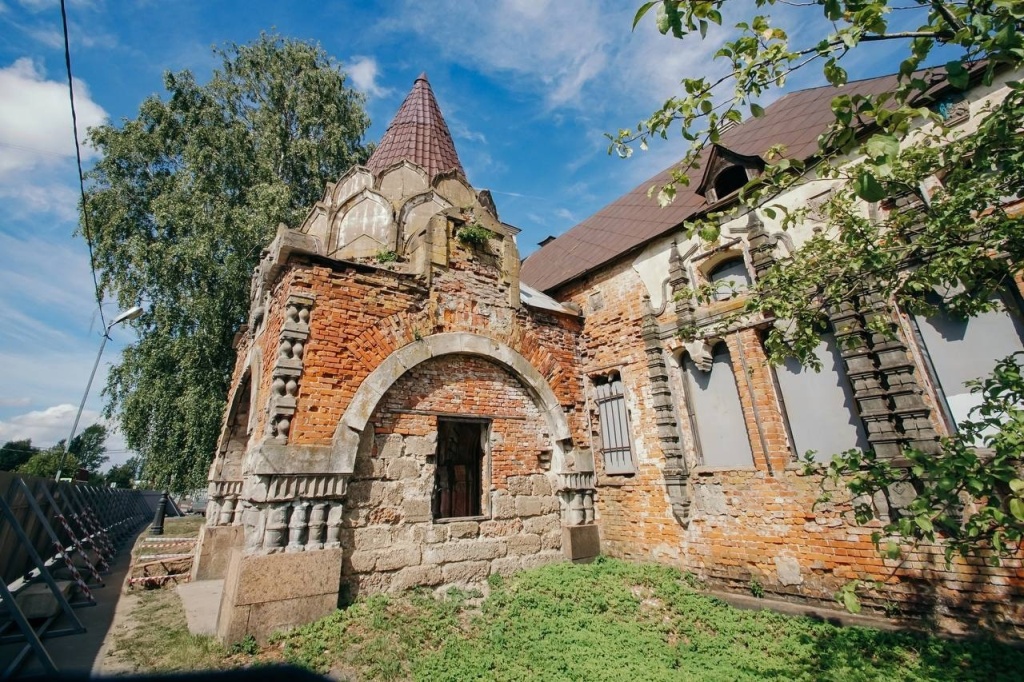
The original Imperial Pavilion was constructed of wood in 1895, however, it was destroyed by fire on 25th January 1911. A new stone pavilion designed by architect V.A. Pokrovsky, was constructed in the same Neo-Russian style as the buildings of the nearby Feodorovsky Gorodok [Town]. The Imperial Railway Pavilion served as a terminus for the Tsar’s Imperial Train. It was here that Emperor Nicholas II greeted many foreign dignitaries. A special road was laid from the station to the Alexander Palace.
The richly decorated interiors were stylized as chambers with heavy stone vaults. The decoration of the facades and interiors corresponded to the grand presentation of the station, being an example of a synthesis of architecture, monumental painting and decorative art, which successfully combined the forms of ancient Russian architecture of the 17th century. with construction technologies and materials characteristic of the modern era. The imperial chambers of the station were painted by the artist M. I. Kurilko, reflecting the chambers of the beloved suburban palace of Tsar Alexei Mikhailovich.
The fate of the Imperial Railway Pavilion during the Soviet years
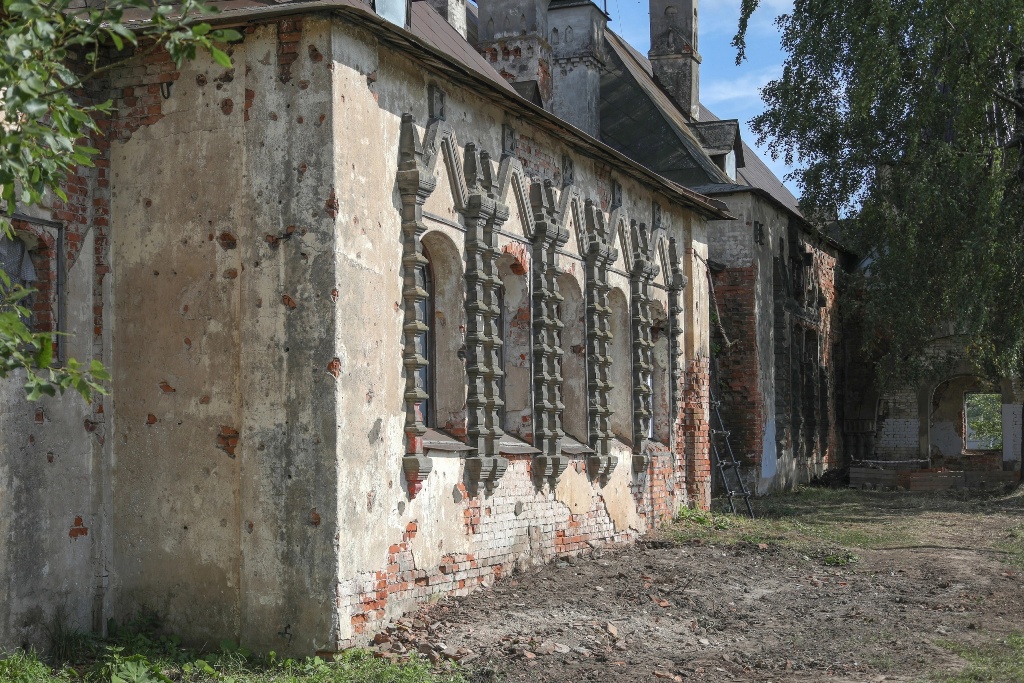
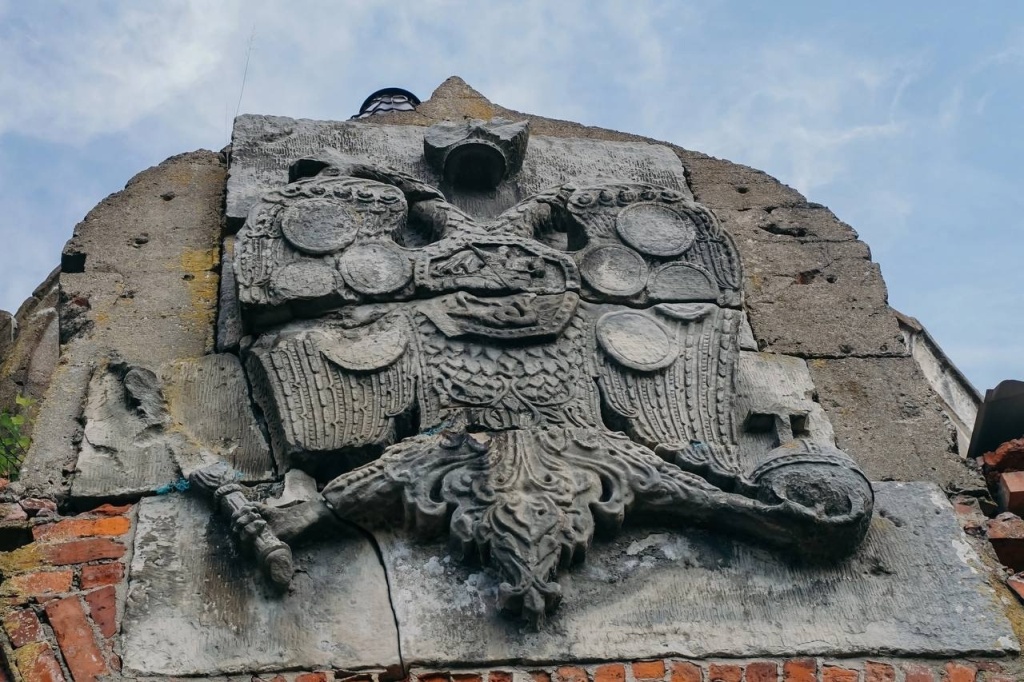
In 1918, the station was renamed the Uritsky[1] Pavilion and was used as a dormitory and canteen for workers of the Track Repair of the Mechanical Plant, created on the basis of the Imperial Railway Repair Depot. The Imperial emblems were removed and the building and adapted for housing. The rails and sleepers were dismantled and used for the construction of other railway lines. The 200-meter passenger platform was dismantled in the 1930s. The pavilion was badly damaged during the Great Patriotic War (1941-45).
The dormitory was moved in the 1970s, the former station closed and has not been used since. The former Imperial Railway Pavilion was declared an object of cultural heritage of Russia of federal significance, an act which saved the building from demolition.
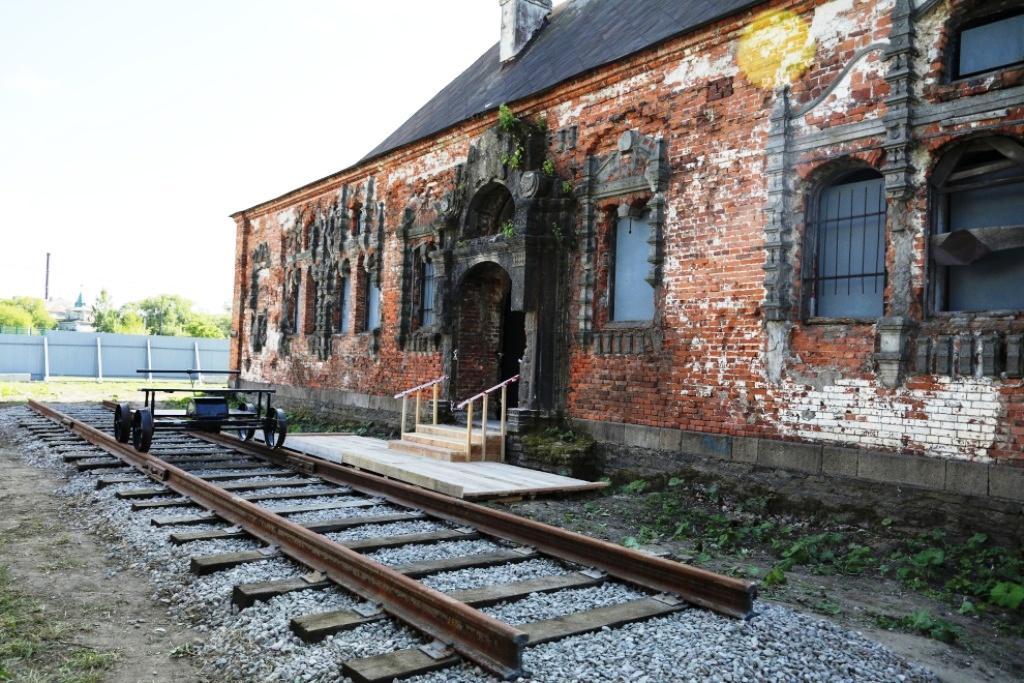
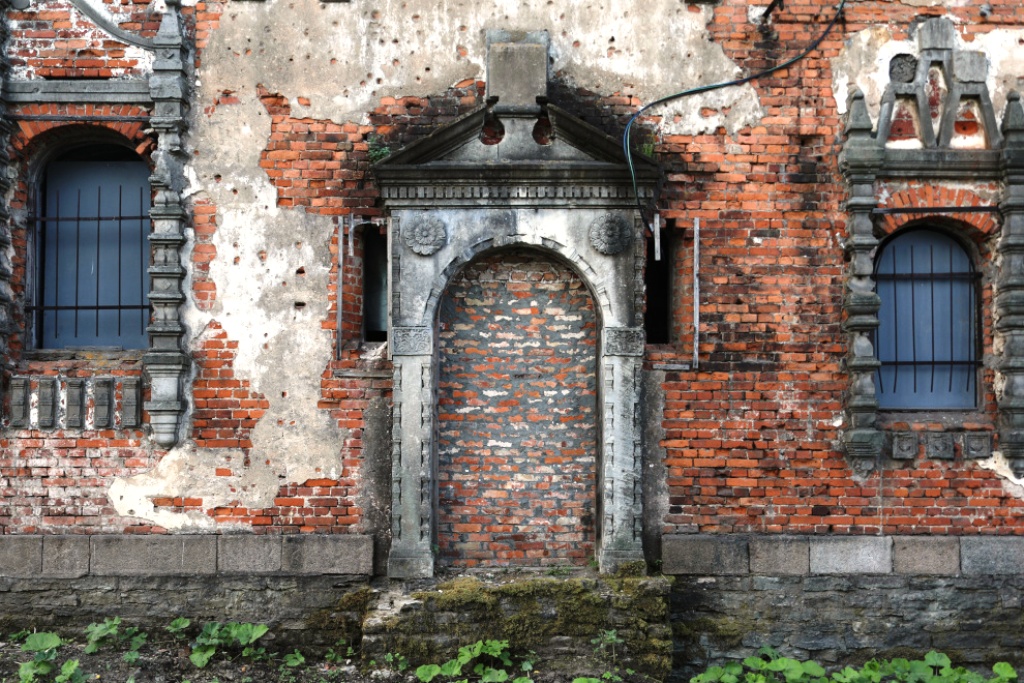

The rebirth of the Imperial Railway Pavilion
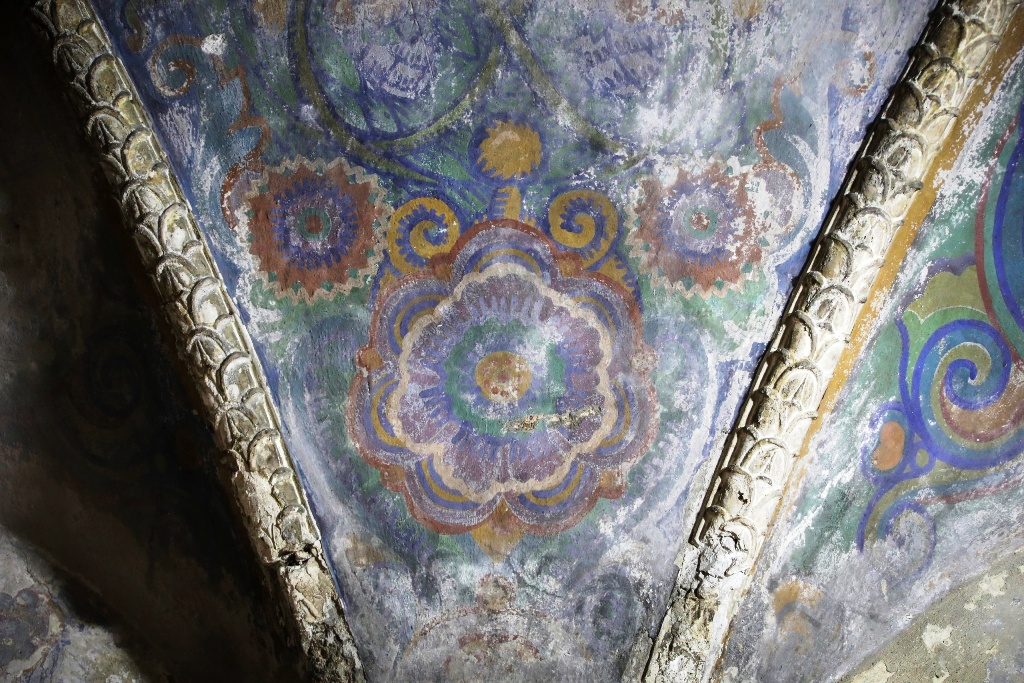
The Imperial Railway Pavilion in Tsarskoye Selo will be completely restored in its original form, including the terminal building, the platform and canopy, as well as the unique interior paintings, some of which have already been partially uncovered by restorers.
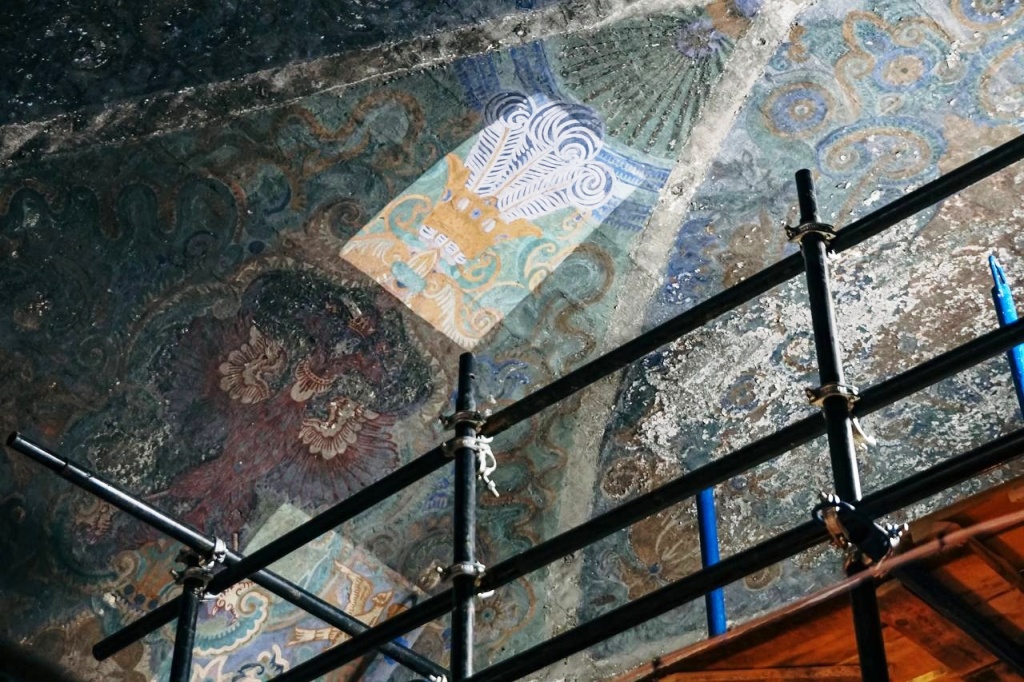
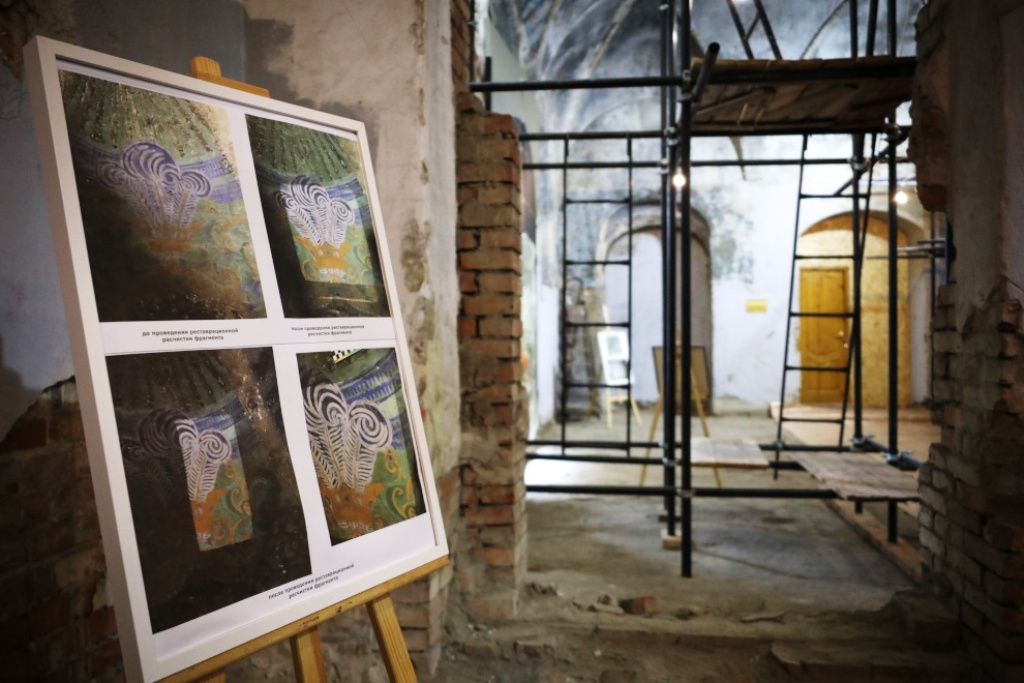
According to restorers, many of the building’s original details have surprisingly been well preserved. The historical painting of the dome of the main entrance to the Tsar’s Station has been miraculously preserved – see photos above, one of which shows an area which had been cleaned, revealing the colourful painting underneath. Early 20th century watercolours of the interiors – which have been preserved in archives – will be of great assistance to artists in their efforts to restore the once beautiful interior to its historic original.
The restoration of the Imperial Railway Pavilion will be one of the stages in the integrated development of the territory, which includes the Feodorovsky Gorodok (Town), Fermsky Park[2] and other facilities. This combined with the restoration of the Feodorovsky Sovereign Cathedral and the Alexander Palace will complete a revival of some of the most notable buildings associated with the life of Russia’s last Tsar, one which the Bolsheviks and Soviets failed to destroy.
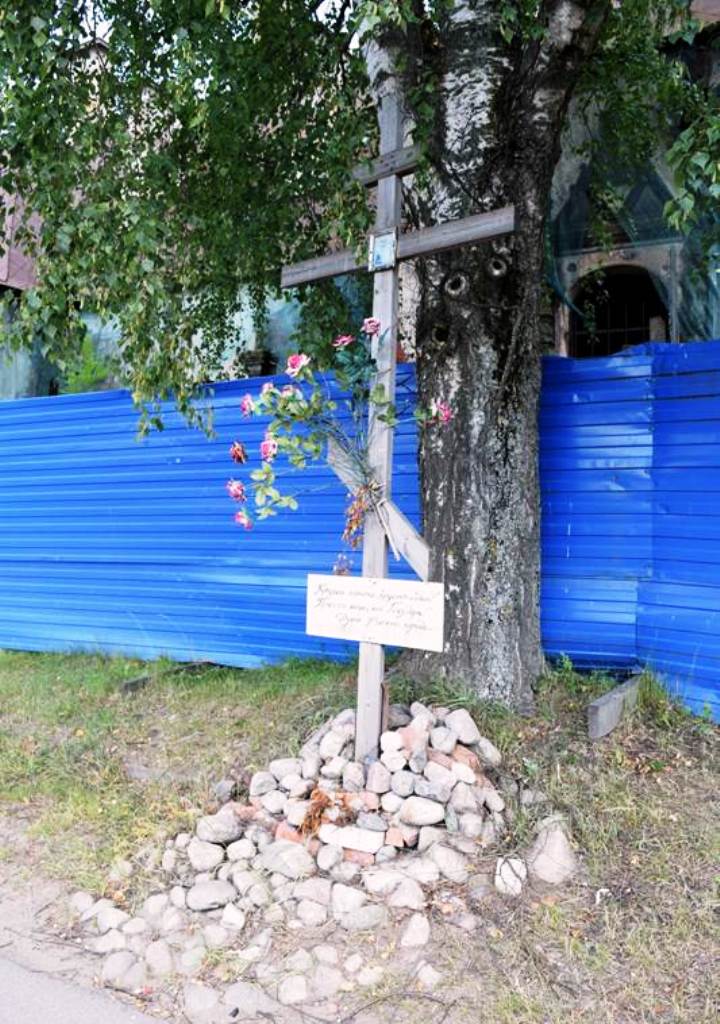
Several years ago, a wooden Orthodox cross – seen in above photo – was installed outside the Imperial Railway Pavilion at Tsarskoye Selo. The inscription on the plaque reads: “All around is betrayal and cowardice and deceit! Forgive us, sovereign” and signed: “The soul of the Russian people.”
NOTES:
[1] Moisei Solomonovich Uritsky (1873-1918) served as Chief of the Cheka of the Petrograd Soviet. After his assassination in 1918, Lenin initiated the first Red Terror on 20th September 1918.
[2] Fermsky Park is located near the Fedorovskiy Gorodok [Town] and Alexander Park. It was arranged by Adam Menelaws in 1818–1820 as a grazing area at the nearby imperial farm. A pond was dug in the park for watering.
FURTHER READING:
Update on the restoration of the Imperial Railway Pavilion at Tsarskoye Selo – published on 16th April 2024
Further to my August 2023 announcement that the Imperial Railway Pavilion at Tsarskoye Selo would be restored, I am pleased to provide the following update, which includes photos [taken in March 2024] of the progress being made on this important historic project, one which is closely connected to Emperor Nicholas II.
The sad state of the Imperial Railway Pavilion in Tsarskoye Selo includes 20 PHOTOS! – originally published on 29th December 2019
Imperial Railway Pavilions During the Reign of Nicholas II – originally published on 23rd October 2019
© Paul Gilbert. 18 August 2023
***
If you enjoyed this article, then please consider making a donation to my research, which helps me with the acquisition of documents from Russian sources and the cost of having them translated into English for the first time.
Not only do these documents give voice to the works of a new generation of Russian historian, they are of immense historic value in helping me with my efforts to clear the name of Russia’s much slandered Tsar.
Donations can be made in US dollars by credit card or PayPal.
Thank you for your interest and support of my work.
PAUL GILBERT
 Nicholas II
You must be logged in to post a comment.