250th anniversary of the Life Guards of His Majesty’s Cossack Regiment
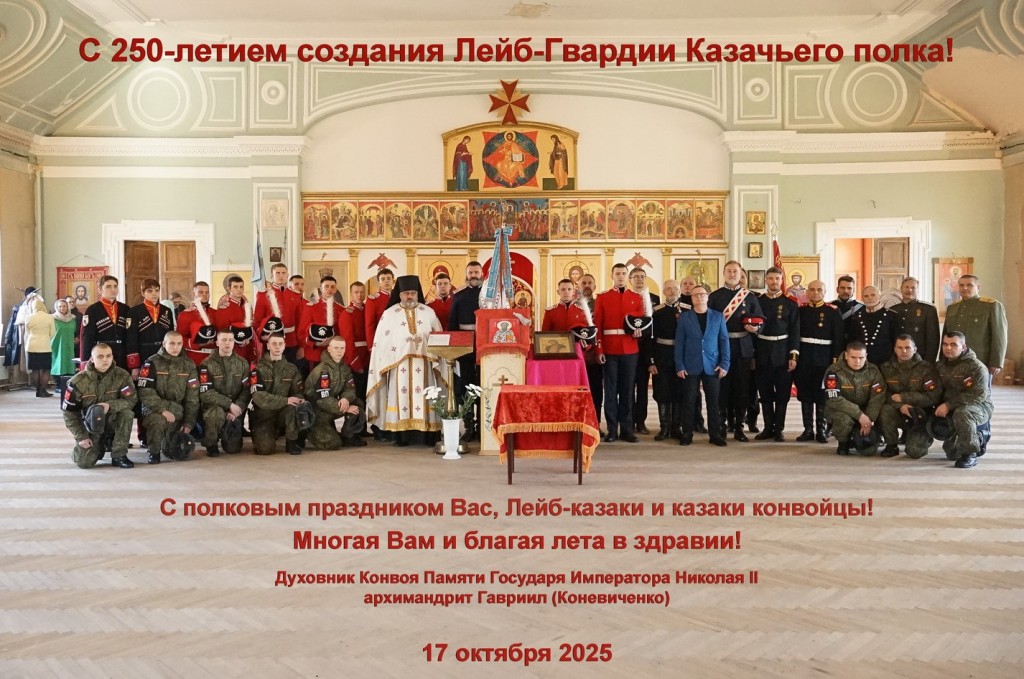
On 18th October 2025, solemn events dedicated to the 250th anniversary of the creation of the Life Guards of His Majesty’s Cossack Regiment were held in the Peter and Paul Fortress in St. Petersburg.

October 18th is the namesday of St. Tsesarevich Alexei Nikolaevich (1904-18), Sovereign Ataman[1] of All the Cossack Troops. His father, Emperor Nicholas II (1868-1918) served as Regimental-Colonel-in-Chief from 2nd November 1894 to 4th March 1917.

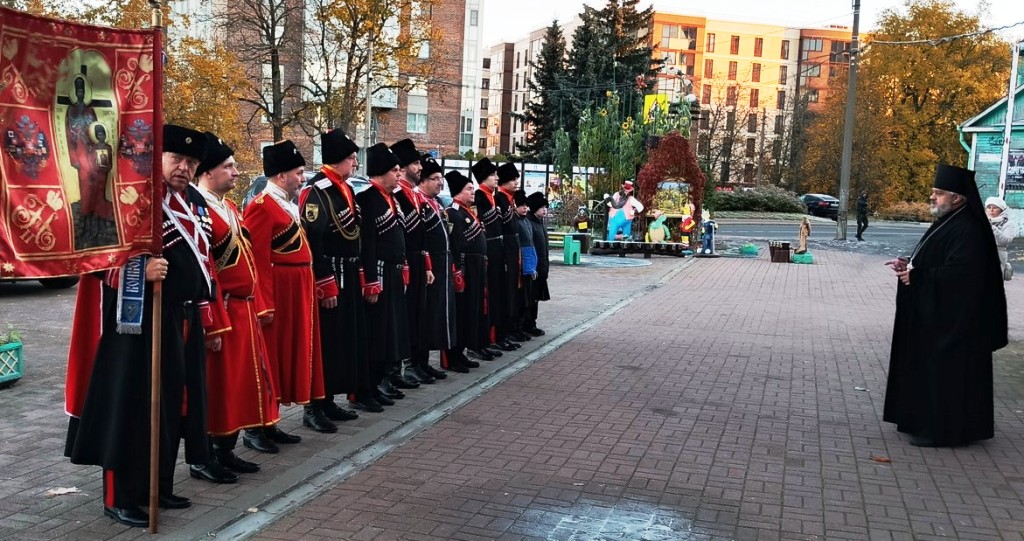
After a drill review on the square of the Spiritual and Educational Center at the Church of the Tikhvin Icon of the Mother of God in the city of Sestroretsk, the Cossacks of the Convoy in Memory of His Majesty Emperor Nicholas II went to St. Petersburg to the Peter and Paul Fortress to participate in the solemn events dedicated to the 250th anniversary of the creation of the Life Guards of His Majesty’s Cossack Regiment.
The commemorative ceremony brought together representatives of Cossack societies, the clergy of the Russian Orthodox Church, government officials and the military-historical community, from all across the Russian Federation.

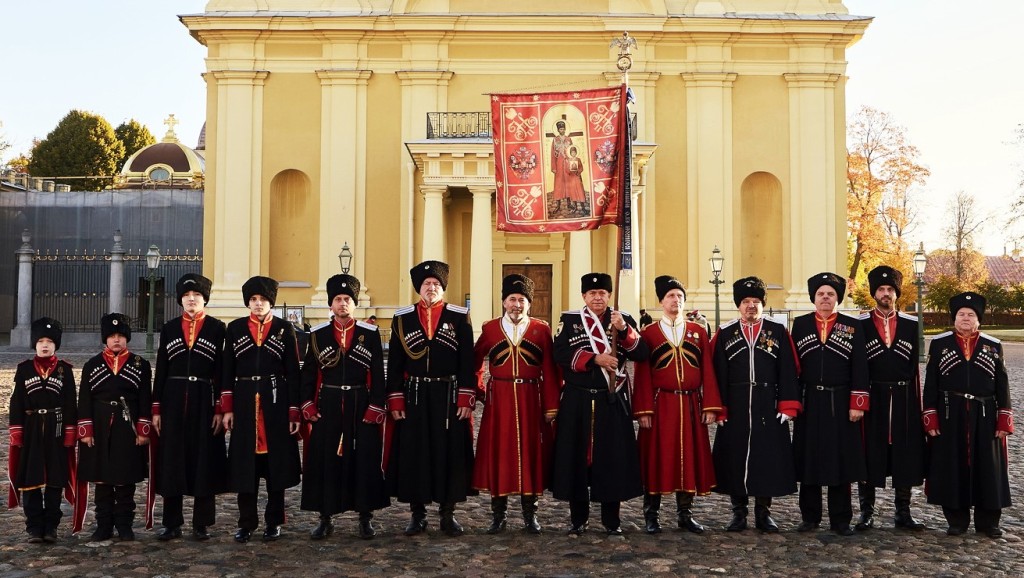
The participants were the Life Guards Cossack Division, the Platov Hundred of the Life Guards Cossack Regiment from Novocherkassk (NPI), the Convoy in Memory of Emperor Nicholas II, the Grebenskaya Embassy Stanitsa of the 1st Cadet Corps, the Cossacks of the St. Petersburg Cossack District, the Cadet Naval Brotherhood from the 245th School of the Admiralty District of St. Petersburg, the Military Historical Society in Memory of the Life Guards Ataman Regiment and a group of drummers of the Moscow Musical Cadet Corps.

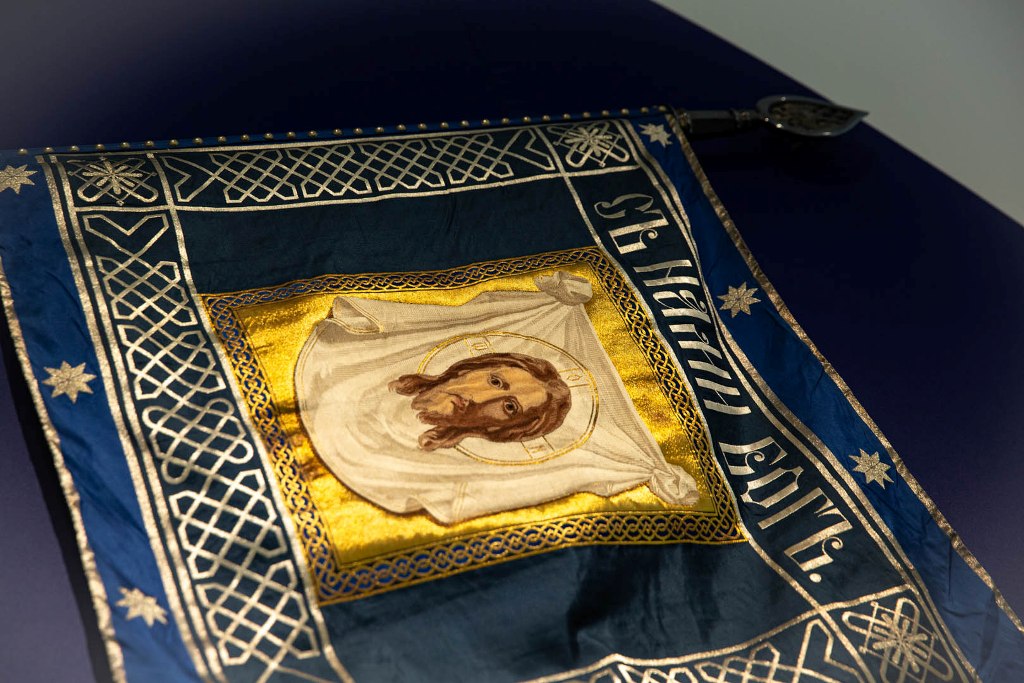
The day began with a solemn prayer service in the SS Peter and Paul Cathedral, which was led by the rector of the Church of the Holy Martyr Hierotheos at the Life Guards Cossack Units, Priest Alexei Egorov. He was concelebrated by Priest Timofey Chaikin and the clergy of the cathedral. During the service, the jubilee standard of the St. Petersburg Life Guards Cossack Division was consecrated.
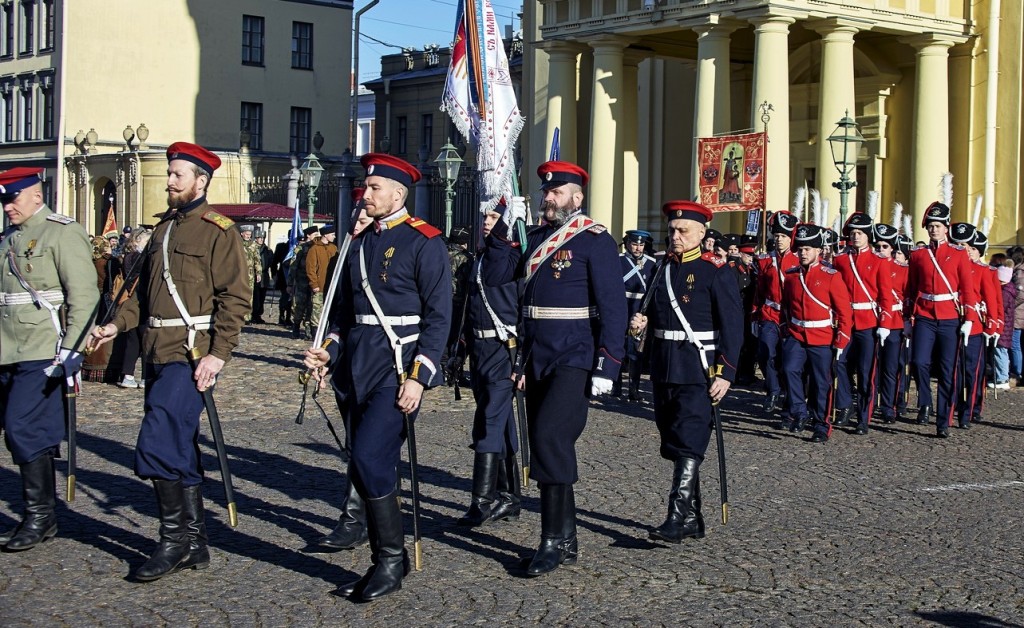
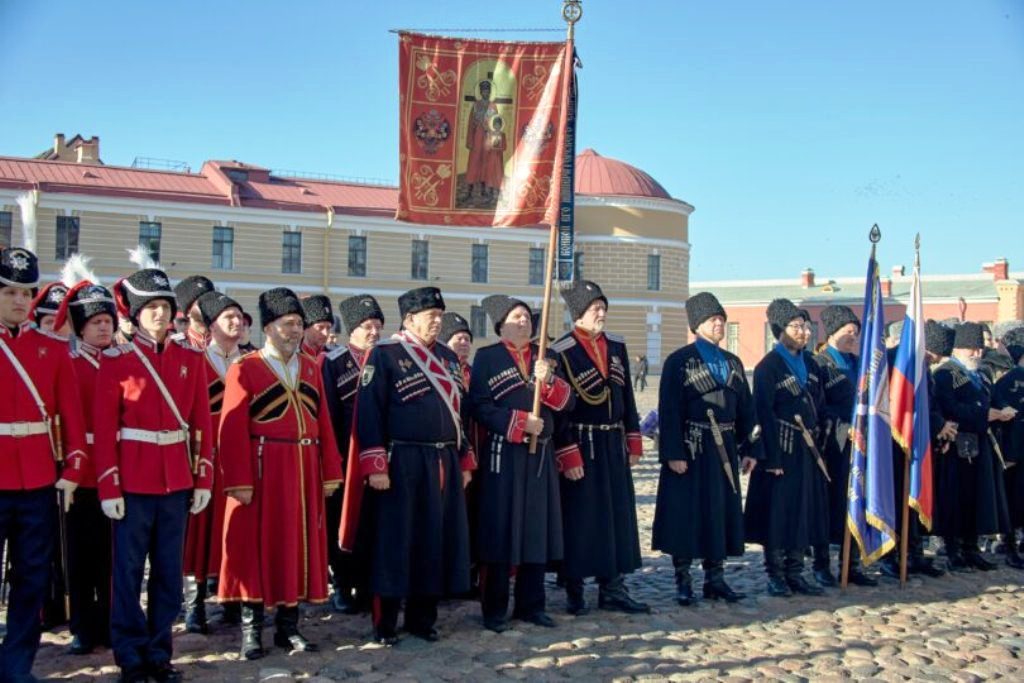
Flowers were laid by the Life Guards of the Cossack Division at the tomb of the founder of the Court Cossack regiments, Empress Catherine II, in the SS Peter and Paul Cathedral. This was followed by a solemn formation of the Cossack units on the Cathedral Square.

Representatives of the Government of St. Petersburg, clergy of the Russian Orthodox Church and atamans of Cossack organizations addressed those who attended the event.

On behalf of Oleg Kapitanov, Chairman of the Committee on Interethnic Relations and Implementation of Migration Policy in St. Petersburg, Sergey Domnin, Head of the Department of Interethnic Relations and Coordination of State Programs, read out a welcoming address to the participants of the ceremony.
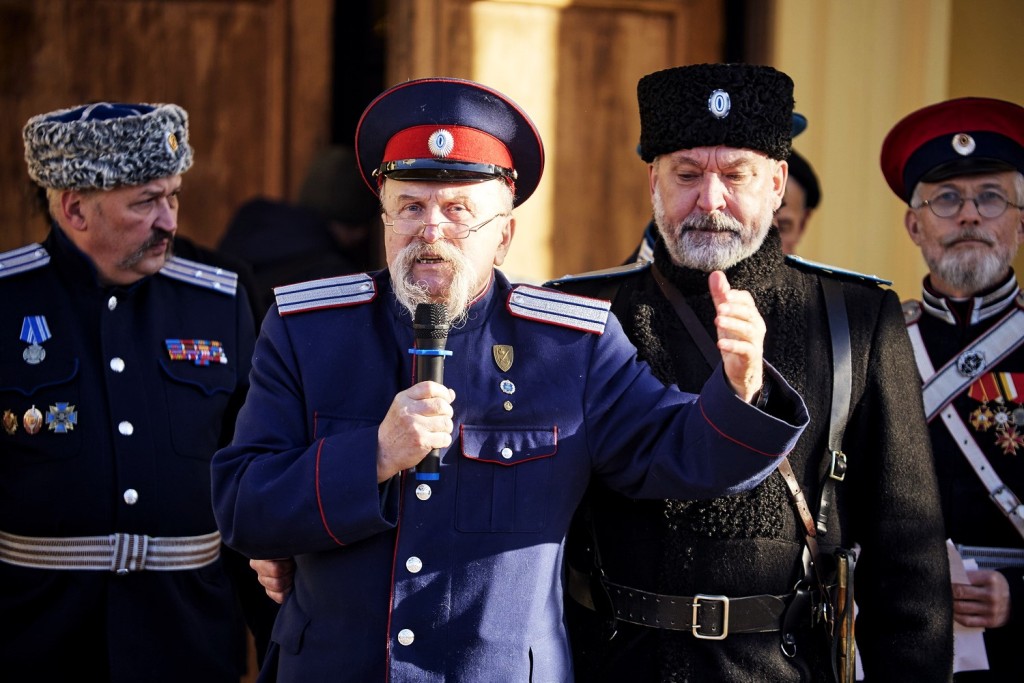
Executive Secretary of the Synodal Committee for Cooperation with the Cossacks, Rector of the Church of St. Priest Timofey Chaikin read out a congratulatory address from the chairman of the Synodal Committee for Cooperation with the Cossacks, Metropolitan Kirill of Stavropol and Nevinnomyssk.

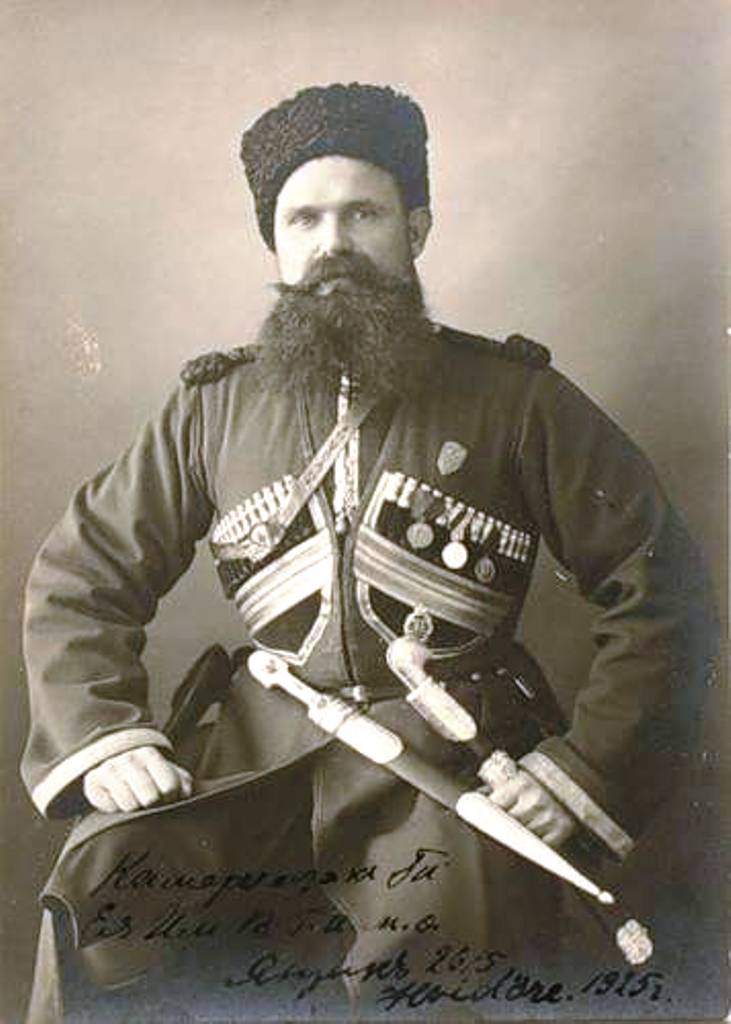
Welcoming speeches were made by: Vladimir Ivanov, Representative of the Governor of St. Petersburg for Cooperation with Religious Organizations; Prince Vladimir Trubetskoy, representative of the Imperial Guard Memory Association in Russia; Chairman of the Russian All-Military Union (ROVs) Igor Ivanov; the head of the choir of St. John of Damascus at the Church of the Vladimir Icon of the Mother of God, Irina Boldysheva; and the oldest ataman of the North-West, the ataman of the “Stanitsa Nikolskaya”, a Cossack of the Convoy in Memory of His Majesty Emperor Nicholas II Vyacheslav Polyakov, the great-grandson of the last Leib, the chamberlain of the Cossack of the Russian Empire Kirill Ivanovich Polyakov.

With the blessing of the rector of the Church of the Tikhvin Icon of the Mother of God in the city of Sestroretsk, the spiritual father of the Convoy in Memory of Emperor Nicholas II, Archimandrite Gabriel (Konevichenko), the commander of the St. Petersburg Life Guards Cossack Division, Cavalry Sergeant of the Convoy, Esaul Ilya Pivnik, presented the Order of the Emperor Nicholas II[2].
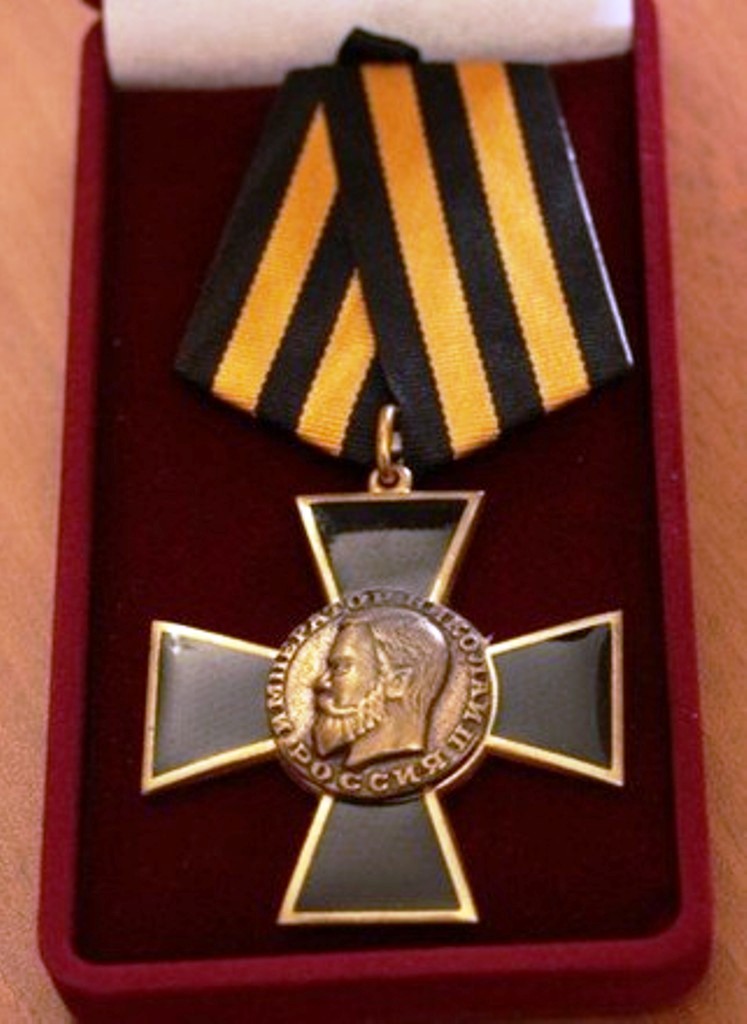
The Order of the Emperor Nicholas II – seen in above photo – was awarded to:

Ataman of the Grebenskaya stanitsa O. Zakharchenko, head of the Interregional Historical and Cultural Center “Healthy Life” M.O. Osadchenko, sergeant of the Platov hundred of the Life Guards Cossack regiment from Novocherkassk (NPI) A. Kovalev.

To the sounds of the historic regimental march of the Life Guards of the Cossack Regiment (Mendelssohn’s march), the column solemnly marched to the Naryshkin Bastion of the Peter and Paul Fortress. The procession was led by a platoon of the Guard of Honor of the Leningrad Military District, accompanied by a military orchestra.

This was followed by a performance of a group of drummers of the Moscow Musical Cadet Corps under the direction of Georgy Posnov took place.
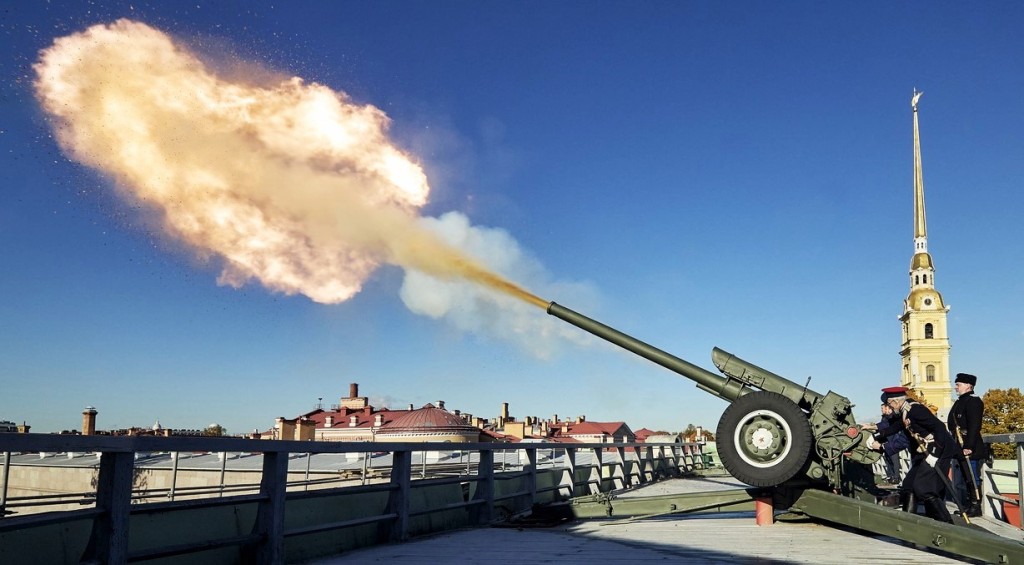
The culmination of the event was the traditional noon cannon shot, which was made by representatives of Cossack units.

At exactly 12:00 p.m., Colonel V.A. Polyakov and Esaul I.I. Pivnik fired a cannon shot from the Naryshkin Bastion of the Peter and Paul Fortress to the glory of the Life Guards of His Majesty’s Cossack Regiment.

Then there was a solemn separation of the company of the Guard of Honor of the Leningrad Military District.
NOTES:

[1] A Cossack leader.

[2] The Order of Emperor Nicholas II was made by order of the St. Petersburg public organization “Convoy in Memory of Emperor Nicholas II” for the following anniversaries:

  • 100th anniversary of the tragic death of the Russian Empire (2017)
  • -150th Anniversary of the Birth of Emperor Nicholas II Alexandrovich (2018)
  • 100th anniversary of the martyrdom of the Royal Family (2018))

It was on these dates that the “Convoy in Memory of His Majesty Emperor Nicholas II” established this award. The Order Badge “Emperor Nicholas II” is presented by co-workers and missionaries of the Spiritual and Educational Center of the city of Sestroretsk in St. Petersburg with the blessing of the spiritual father of the “Convoy in Memory of Emperor Nicholas II” Archimandrite Gabriel (Konevichenko) and signed by him for loyal feelings and love for the Tsar and His August Family.
© Paul Gilbert. 29 November 2025

A new bust-monument of Nicholas II installed in Krasnodar

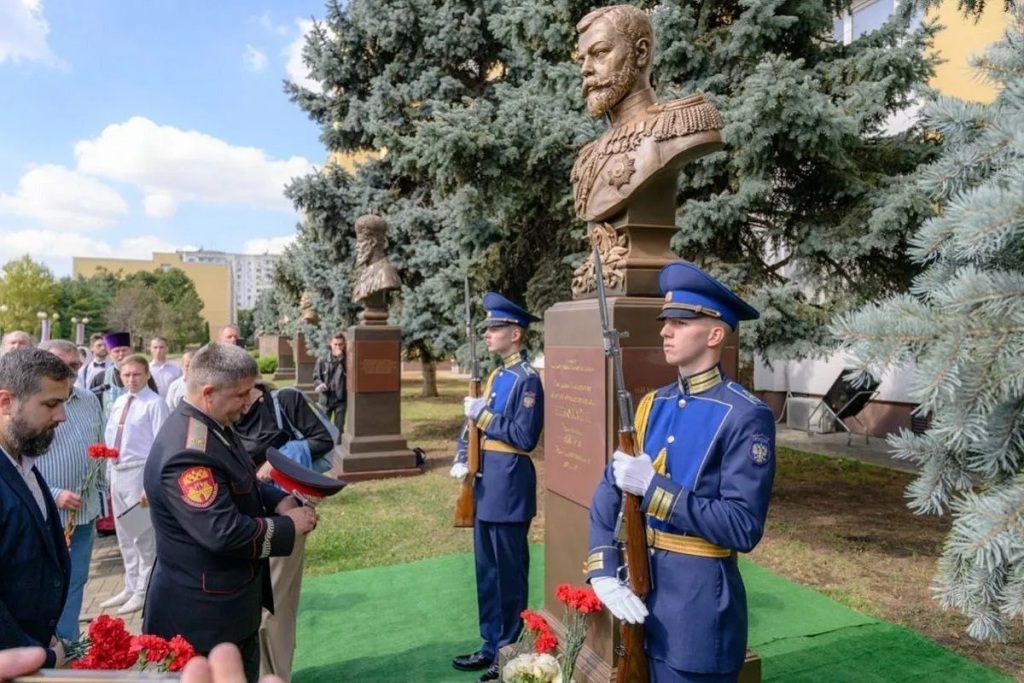
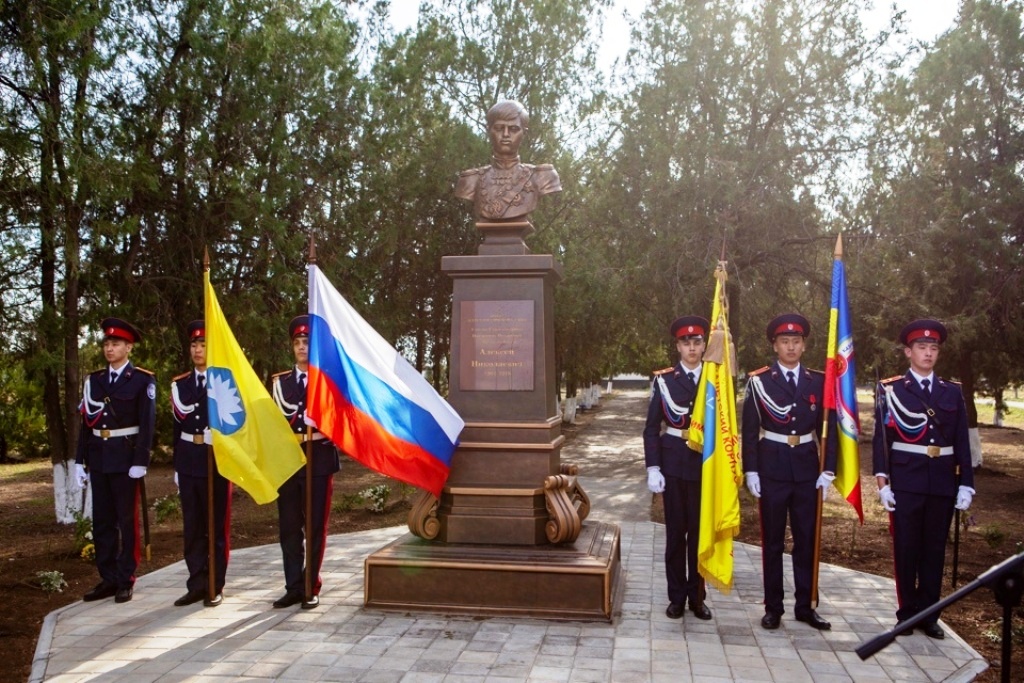
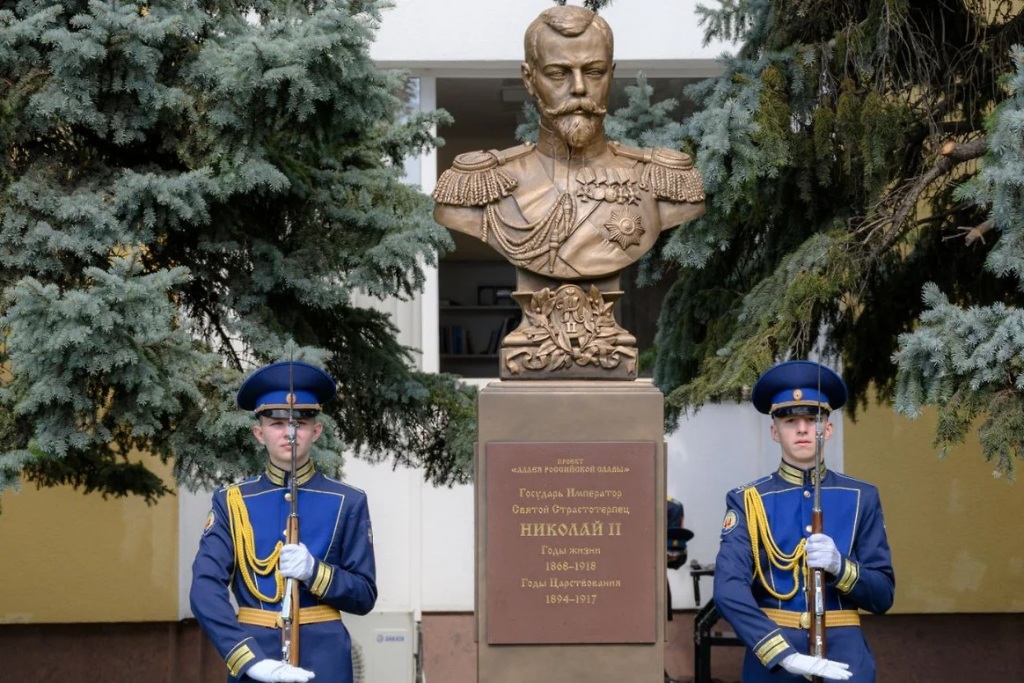
PHOTO: cadets from the Krasnodar Presidential Cadet School form a guard of honour during the opening ceremonies of a new monument to Emperor Nicholas II in the “Cossack city”

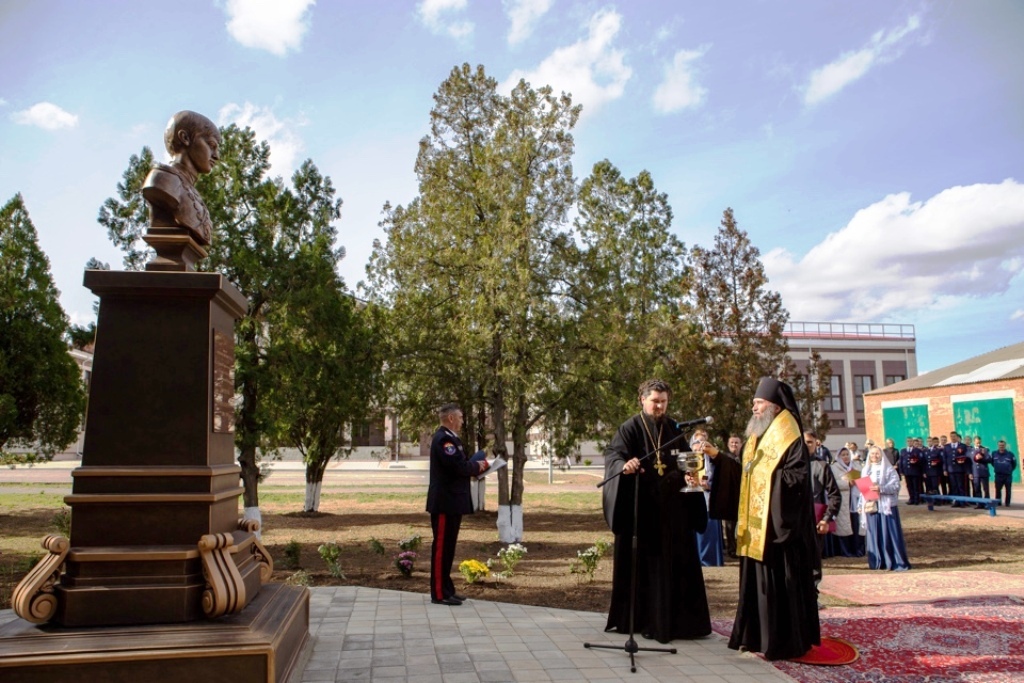
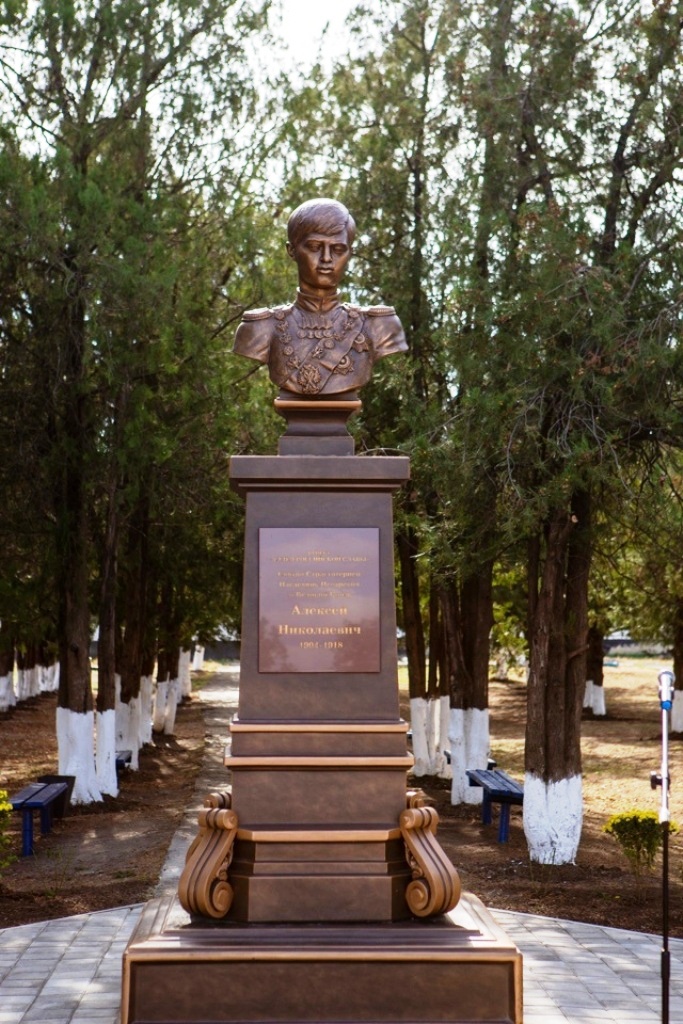
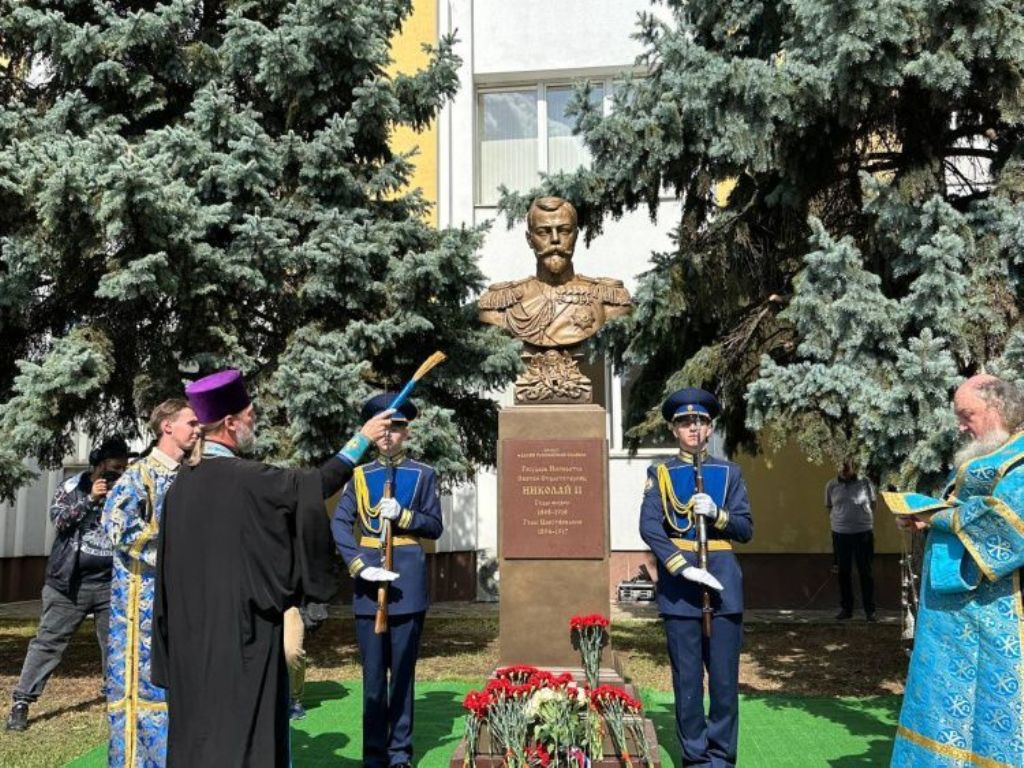
On 21st September 2025, a new bust-monument of Emperor Nicholas II was installed and consecrated on the grounds of the Presidential Cadet School In the Russian city of *Krasnodar. The bust is a copy created by the famous Russian sculptor is Alexander Alekseevich Apollonov (1947-2017).

*Krasnodar is known as the “Cossack city”. Founded in 1793 as a fortress city by the Black Sea Cossacks, it has a rich history tied to the Cossack culture. The city was originally named Yekaterindar, meaning “Catherine’s Gift,” and later renamed Krasnodar, which translates to “Red Gift,” reflecting the city’s imperial past and the Cossack identity. Today, Krasnodar retains its connection to the Cossacks through various historic sites and cultural events.

The opening ceremony was attended by the Lieutenant General of the Foreign Intelligence Service 
Leonid Reshetnikov, Vice-Governor of the Krasnodar Territory and Ataman of the Kuban Cossack Host Society Alexander Vlasov and Minister of Culture of the Krasnodar Territory Victoria Lapina.

Also in attendance were Chairman of the Elisabeth-Sergius Educational Society Foundation (ESPO) Anna Vitalievna, and representatives of the Heritage of the Empire movement, and the leadership of the Presidential Cadet School, city officials, among others.

PHOTO: a local Orthodox priest performs the act of consecration on the new monument to Emperor Nicholas II in Krasnodar

The bust was installed as part of the historical and cultural project Imperial Route, which the Krasnodar Territory joined in August 2025. The solemn event included the laying flowers at the monument and the school’s cadets taking part in a solemn march past the monument, along the parade ground.

The Imperial Route project now unites 32 regions of Russia and is aimed at popularizing the history of the House of Romanov. As part of the route, other memorial plaques and sites have also been unveiled in the Krasnodar Territory, including the recent commemoration of the visit of Emperor Nicholas I to Gelendzhik in 1837.

Alexander Vlasov noted the importance of the memory of Nicholas II, emphasizing his contribution to the development of the country and his connection with the Cossack troops. Representatives of the the Kuban Cossack Host Society and invited guests stressed the importance of preserving historical continuity and educating young people on national history.

“The opening of the bust of the last emperor is our tribute to the history of Russia, to the Imperial Family,” said Alexander Vlasov. – I will also remind you that, from 1904, the August Heir of Nicholas II, Tsesarevich Alexei, was the Ataman of all Cossack troops and the honorary chief of several Cossack regiments and schools.

The history of the Kuban and the Cossacks are closely associated with the Russian Imperial family . . .

“In 1888, Emperor Alexander III, along with the heir to the throne Nicholas Alexandrovich [future Emperor Nicholas II] and other members of the Imperial Family visited Yekaterindar. Today, a restored Triumphal Arch, located on the main street in Krasnodar, is a reminder of the historic visit.

PHOTO: cadets from the Krasnodar Presidential Cadet School form a guard of honour during the opening ceremonies of a new monument to Emperor Nicholas II in the “Cossack city”

Since the fall of the Soviet Union in 1991, more than 100 monuments, sculptures, busts and memorial plaques to Nicholas II have been installed in cities and towns across the Russian Federation.

In July, busts of Nicholas II and Tsesarevich Alexei were temporarily placed in the city of Uryupinsk, Volgograd Region, during a commemorative event. Plaster sculptures were installed on the Alley of Heroes, where a monument to Joseph Stalin was located during the Soviet period. After the ceremony, the busts were dismantled.

Russia’s most famous monument to Nicholas II is the monument by Vyacheslav Mikhailovich Klykov (1938-2006) in the village of Taininskoye in the Mytishchi district of the Moscow region. The monument depicts the Emperor wearing his ermine trimmed Coronation robe with regalia and is located on the site of the former travelling palace, next to the ancient near the Church of the Annunciation (1675-1677. The monument has been blown up twice by extremists, each time restored.

© Paul Gilbert. 22 September 2025

Large-scale Cossack exhibition opens in Tsarskoye Selo

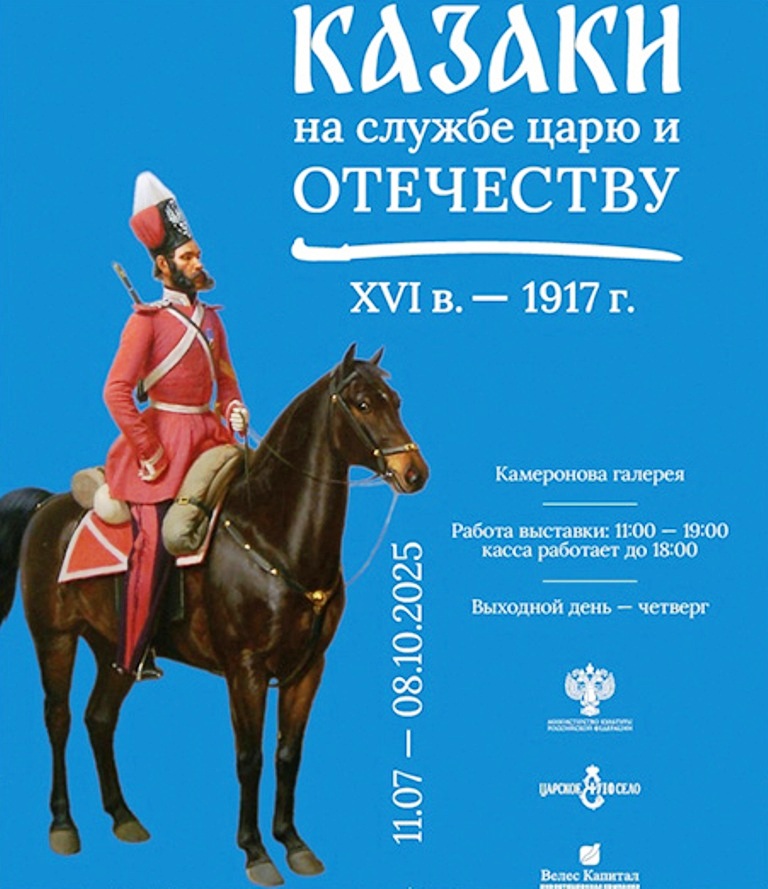
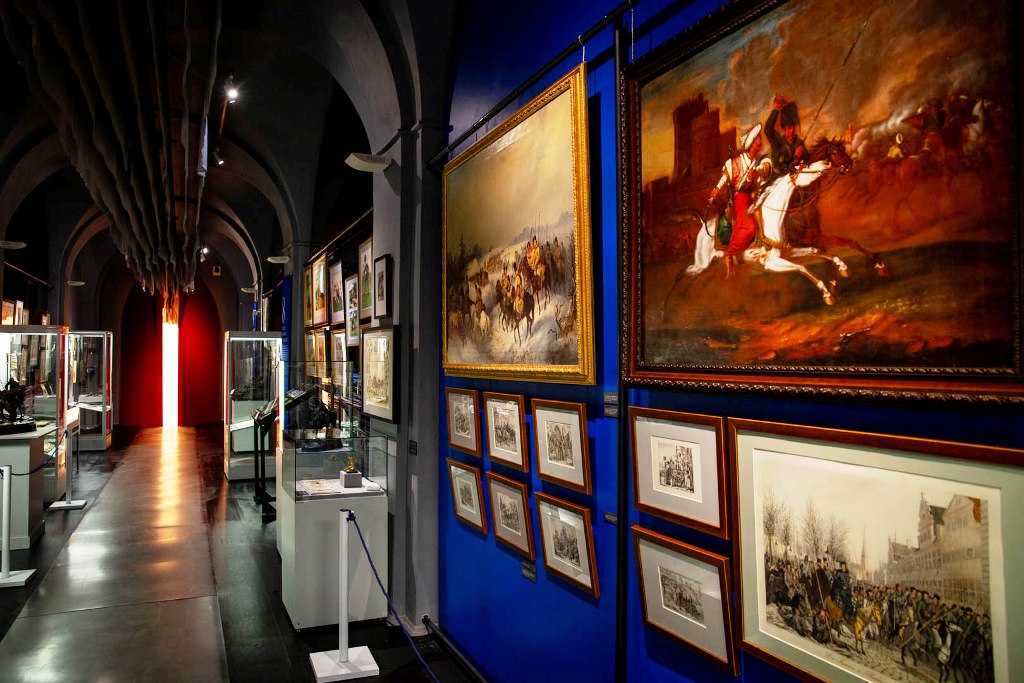
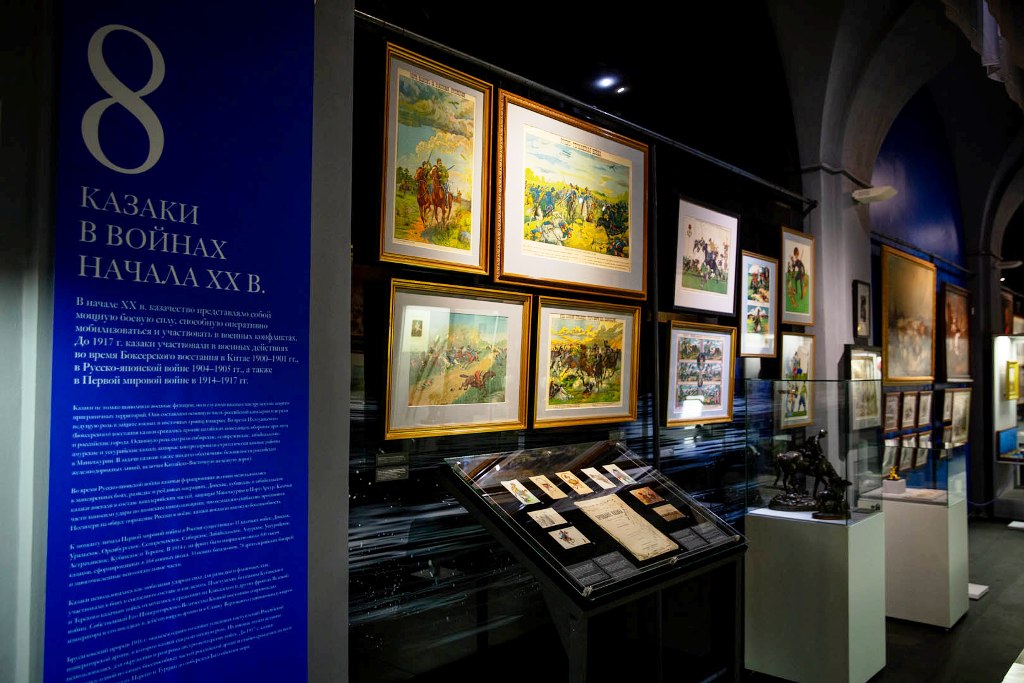
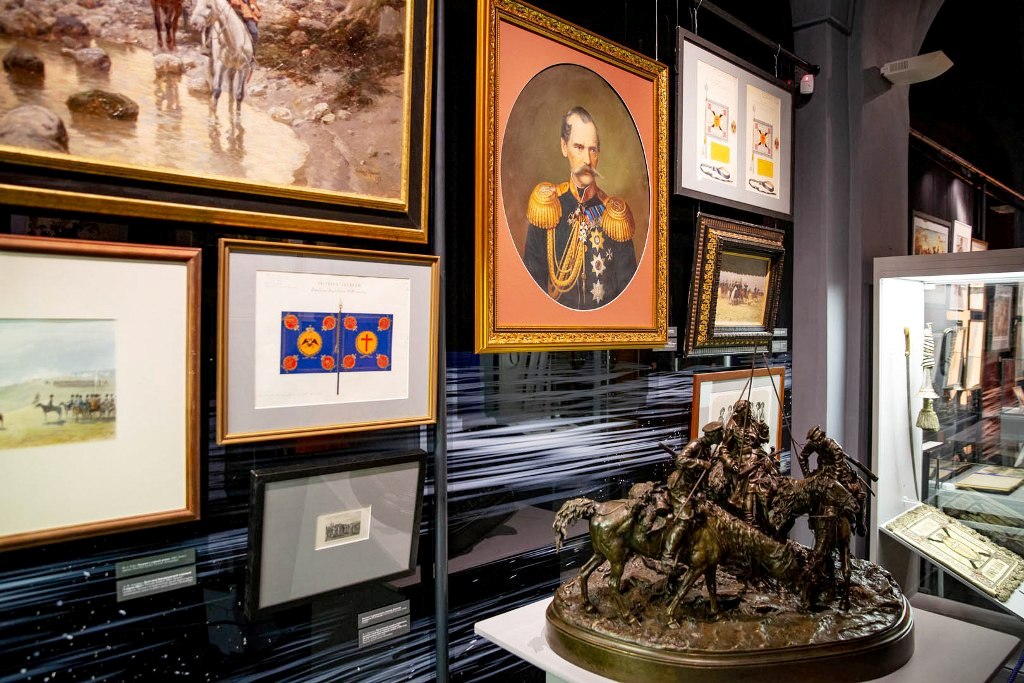
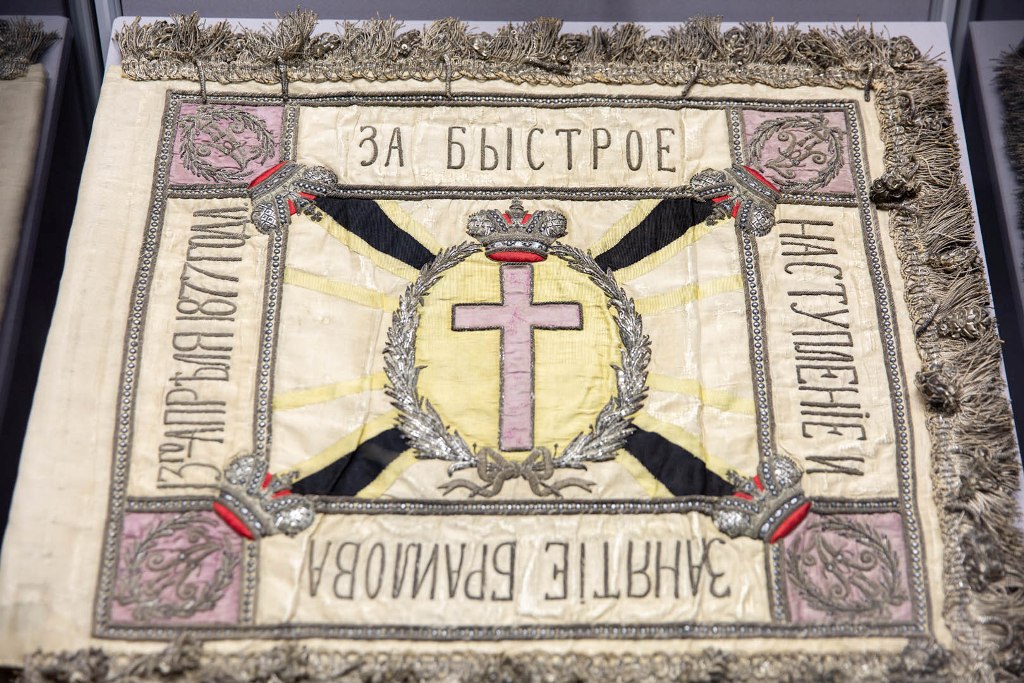
On 11th July 2025, the exhibition “Cossacks in the Service of the Tsar and the Fatherland. 16th Century – 1917” opened in the Cameron Gallery, which is adjacent to the Catherine Palace at Tsarskoye Selo.

The large-scale exhibition brings together more than 800 items from the collections of 13 museums and archives, as well as six private collections. Their geography covers almost all of Russia: Moscow, St. Petersburg, Gatchina, Novocherkassk, Ekaterinburg, Orenburg, Khabarovsk. Cossack troops and their units were stationed here for hundreds of years. Many of the items featured are being exhibited for the very first time.

Photo © Tsarskoye Selo State Museum

Photo © Tsarskoye Selo State Museum

Photo © Tsarskoye Selo State Museum

Visitors will learn about the origin of the life of the Cossacks during peacetime, their uniforms, equipment, the weapons and regalia of the Cossack troops, the Cossack guards, the august atamans and military leaders, the Cossacks at the Imperial Court, as well as the participation of the Cossacks during the wars of the 18th – early 20th centuries.

“We have been preparing this exhibition for more than two years. It is symbolic that it opens in the year of the 250th anniversary of the formation of the Don and Chuguev court convoy Cossacks, who were stationed in Tsarskoye Selo, served the Empress Catherine II and became the basis for the creation of the Life Guards Cossack Regiment, which guarded the Imperial Family until 1917,” said Dmitry Klochkov, head of the military-historical department of the Tsarskoye Selo State Museum.

Photo © Tsarskoye Selo State Museum

Photo © Tsarskoye Selo State Museum

Photo © Tsarskoye Selo State Museum

“The history of the Cossacks is a separate, unique world, inextricably linked with the fate of Russia. The service of the Cossacks covers several centuries, and at all times they stood on the most dangerous borders of the country. We hope that the exhibition will become not only a cultural, but also an educational event that will awaken interest in the history and exploits of the defenders of the Fatherland,” said Alexei Gnedovsky, CEO of VELES Capital, philanthropist.

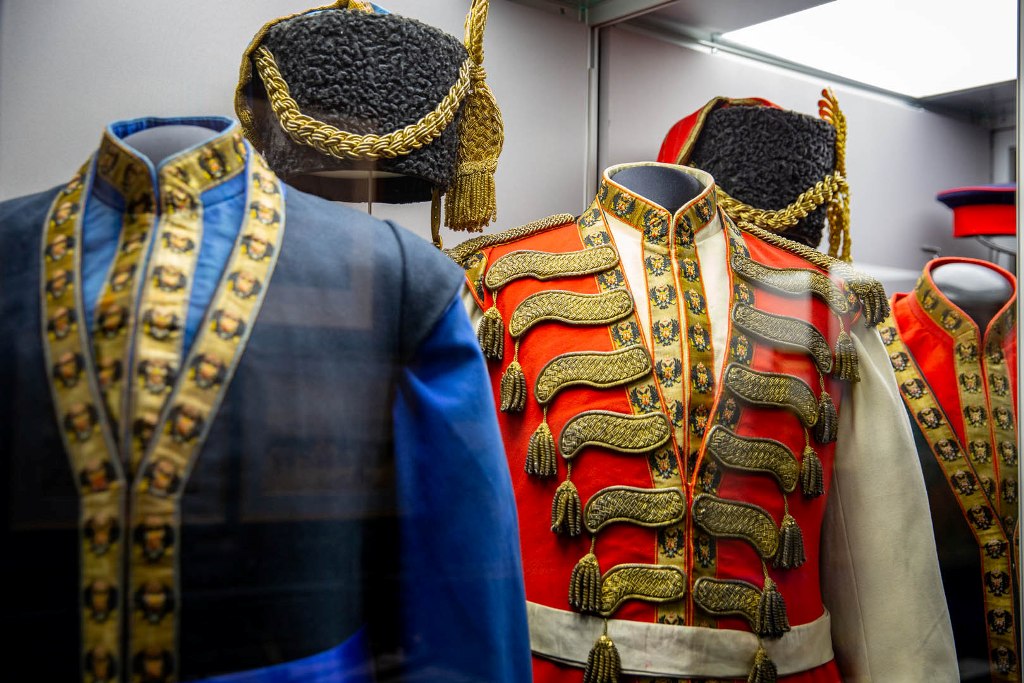
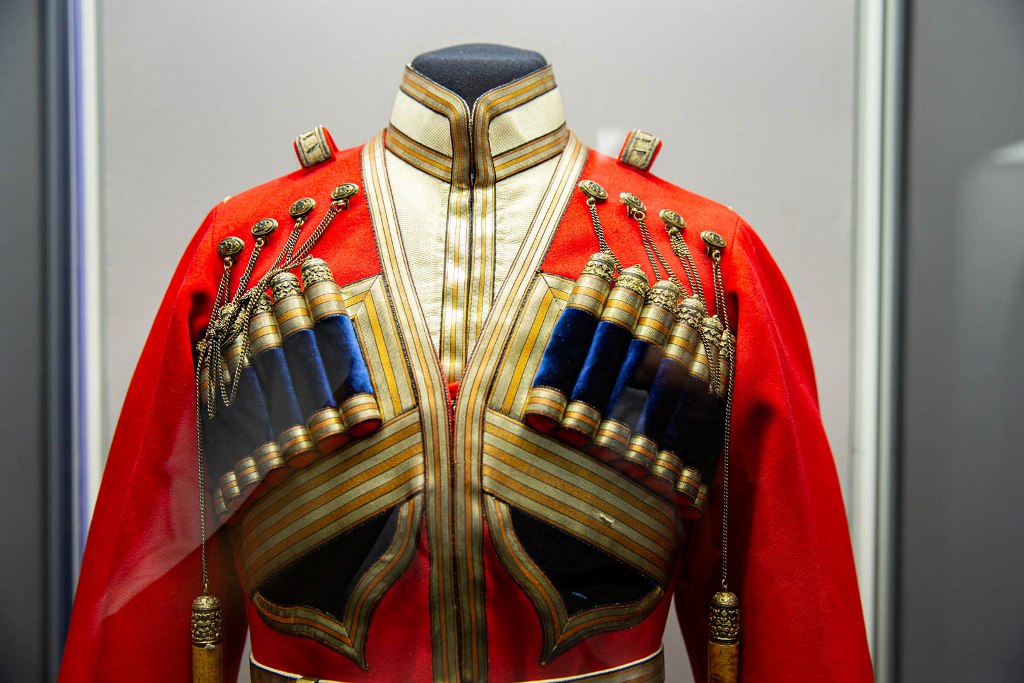
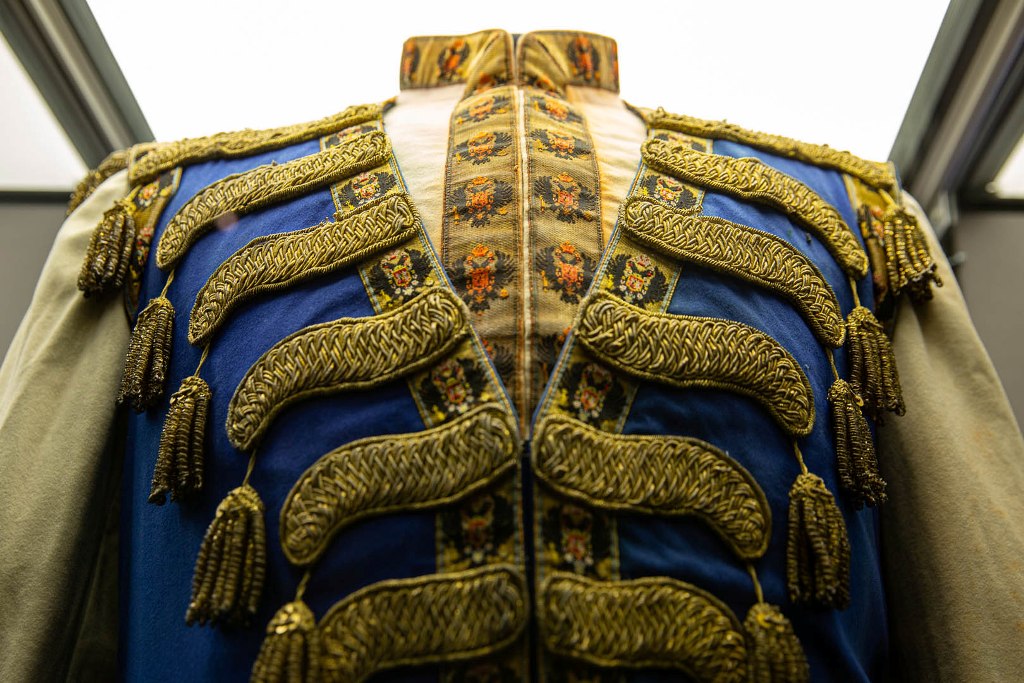
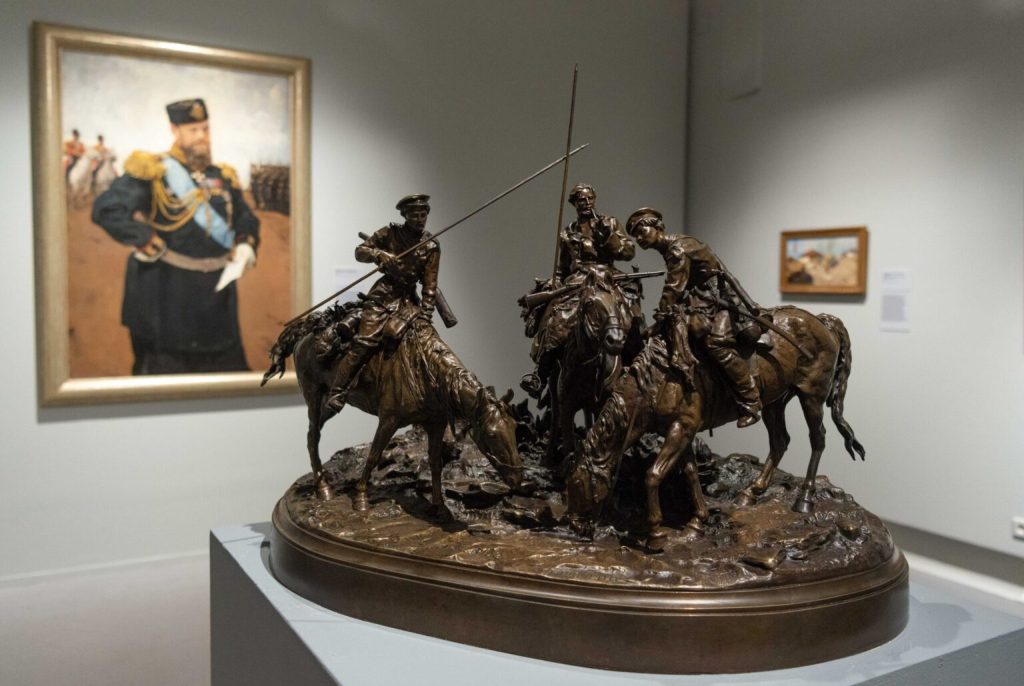
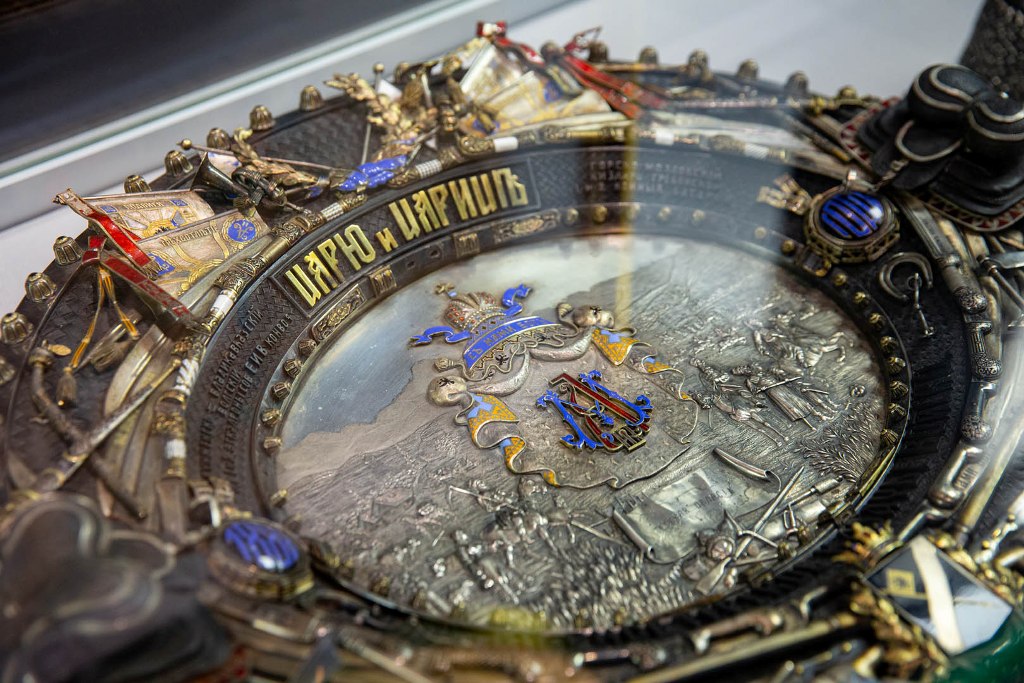
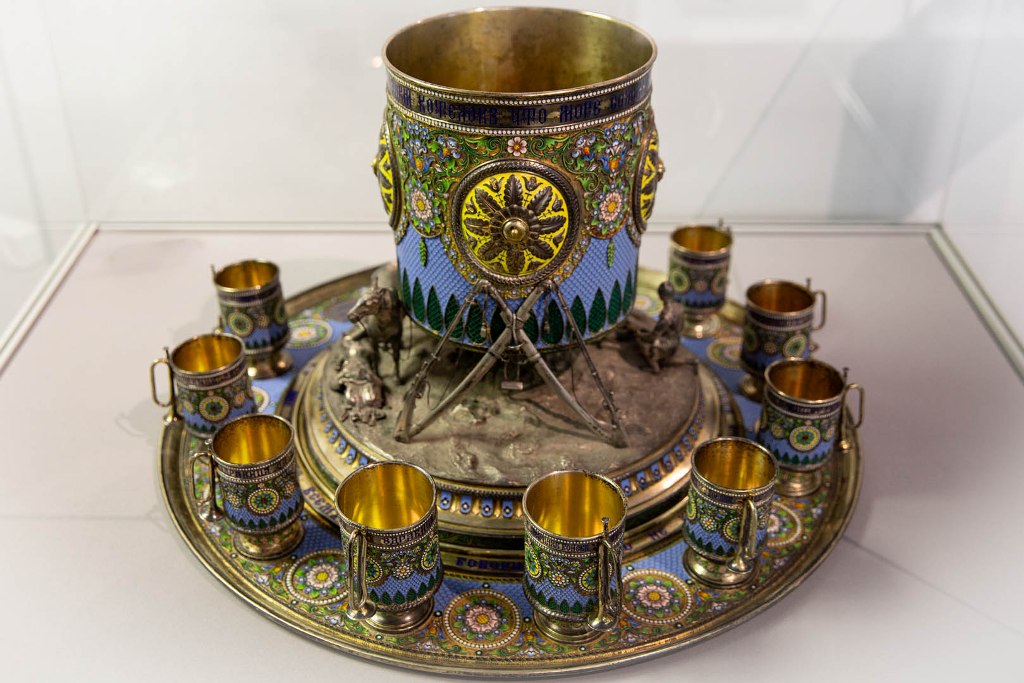
Among the exhibits are Cossack weapons (sabers, daggers, pikes and even cannons), exquisite uniforms, equipment, regalia (badges, banners, and maces, St. George trumpets, award weapons, bratins, prize cups), household items and costumes of Cossack wives, sculptures, paintings, drawings, engravings, lithographs, printed graphics, personal belongings and rare photographs. The events of the First World War on the Caucasian front are demonstrated by a large model-diorama “Plastuns in the Trebizond Operation in the Spring of 1916” specially created for the exhibition.

Photo © Tsarskoye Selo State Museum

Photo © Tsarskoye Selo State Museum

Photo © Tsarskoye Selo State Museum

The exhibition tells about the participation of the Cossacks in the annexation of Siberia. This subject is widely known thanks to Vasily Surikov’s 1895 painting “The Conquest of Siberia by Yermak” – sketches for the famous canvas from the collection of the State Russian Museum (St. Petersburg) are featured in the exhibition.

Among the rare exhibits are a rifle that belonged to the ataman of the Azov Cossack Army Osip (Yosip) Mikhailovich Gladky (c. 1789-1866) from the collection of the Military Historical Museum of Artillery, Engineers and Signal Corps (St. Petersburg); granted kovshs (ladles) of the 18th century for Cossack atamans and noble Cossacks, sabers granted from emperors and empresses from the collection of the State Historical Museum (Moscow); children’s Cossack toys from the collection of the Russian Museum of Ethnography (St. Petersburg); uniforms of the last ataman of all Cossack troops, Tsesarevich Alexei Nikolaevich, from the collection of the Tsarskoye Selo State Museum. One of the priceless relics is the jubilee banner with the Alexander ribbon of the 7th Orenburg Cossack Regiment from the collection of the State Hermitage Museum (St. Petersburg).

Photo © Tsarskoye Selo State Museum

Photo © Tsarskoye Selo State Museum

The exhibition “Cossacks in the Service of the Tsar and the Fatherland. 16th Century – 1917” runs until 8th October 2025 in the Cameron Gallery, which is adjacent to the Cather Palace at Tsarskoye Selo.

© Paul Gilbert. 10 July 2025

New monument to Tsesarevich Alexei installed in Kalmykia

PHOTO: Cossack youth stand at attention beside the bust-monument to Tsesarevich Alexei Nikolaevich

On 18th October 2023, a new bust-monument to Tsesarevich Alexei Nikolaevich was unveiled on the grounds of the O.I. Gorodovikov Cossack Cadet Corps Institution, situated in the city of Gorodovikovsk in Kalmykia – located in the North Caucasus region of Southern Russia. .

The installation and consecration of the bust-monument was timed to coincide with the name day[1] of the only son and heir of Emperor Nicholas II. The last official heir to the Russian throne is considered the patron saint of the Union of Cossack Youth of Russia. From the day of his birth – 12th (O.S. 30th July) August 1904 – Alexei became the August ataman of all the Cossack troops.

The unveiling of the monument was attended by Archbishop Justinian of Elista and Kalmyk, Ataman of the Kalmyk Cossack District of the Great Don Army Chimid Dzhangaev, Rector of the Gorodovikovsky Khurul Gelyung Gem Yamphi, Deputy Chairman of the Krasnodar Branch of the Imperial Orthodox Palestine Society, Secretary of the Krasnodar Branch of the World Russian People’s Council in the Krasnodar Territory, Rector of the Church of the Holy Martyrs John Kovsharov and Yuri Novitsky in Krasnodar Priest Vyacheslav Klimenko, Director of the O.I. Gorodovikov Cossack Cadet Corps Valery Abushinov.

PHOTO: detail of the bronze bust to Tsesarevich Alexei Nikolaevich

The ceremony was attended by cadets and teachers of the Cossack Corps, representatives of the parent community, clergymen of the Elista and Kalmyk diocese and Cossacks of the Kalmyk Cossack District of the Great Don Army.

Greeting the participants of the ceremony, Archbishop Justinian of Elista and Kalmyk stressed the importance of honoring the memory of the Holy Passion-Bearer Alexei, who during his earthly life was the chief of all the Cossack troops of the Russian Empire, and today is revered as the heavenly patron of Cossack youth.

He further noted: “A Cossack is not so much a blood belonging as a special disposition of mind and soul. A Cossack is free-willed, brave, preserves the faith and traditions of his ancestors, loves his Motherland, tries to protect the weak and defenseless. And God grant that the youth of the pupils of the Cossack Cadet Corps may pass under the patronage of the Holy Tsesarevich Alexei, so that they may prayerfully turn to him with their worries and sorrows, because he will understand their youth and help them!”

PHOTO: Archbishop Justinian of Elista and Kalmyk (right) performs the consecration ceremony

His Eminence expressed his gratitude to the abbot of the Nizhny Novgorod Ascension Monastery of the Caves, Archimandrite Tikhon (Zatyokin), for donating to Kalmykia a monument to Tsesarevich Alexei, created at the expense of the monastery.

His Eminence Justinian read a prayer and sprinkled the monument with holy water. Then the anthem of the Russian Federation, the anthem of the Republic of Kalmykia and “Glory” from the opera “Ivan Susanin” by M.I. Glinka were played.

This was followed by a concert and lecture in the assembly hall of the Cossack Corps. Local historians talked about the historical basis of the veneration of St. Tsesarevich Alexei Nikolaevich in Kalmykia.

PHOTO: full view of the bronze bust and pedestal to Tsesarevich Alexei Nikolaevich

People’s Artist of the Republic of Kalmykia, and Director of the Children’s Art School No. 2 in Elista, Arslan Shavgurov, recalled St. Tsesarevich Alexei’s passion for playing the balalaika and performed several works on this folk instrument in his memory.

Tsesarevich Alexei Nikolayevich was the August Chief of the Life Guards Ataman Regiment, in which more than 20 Kalmyks served at the beginning of the twentieth century. Subsequently, the heir was appointed chief of the 2nd Don Cossack Regiment, in which more than 30 Kalmyks served, and the Novocherkassk Cossack School from 1915, whose graduates were many Kalmyk officers.

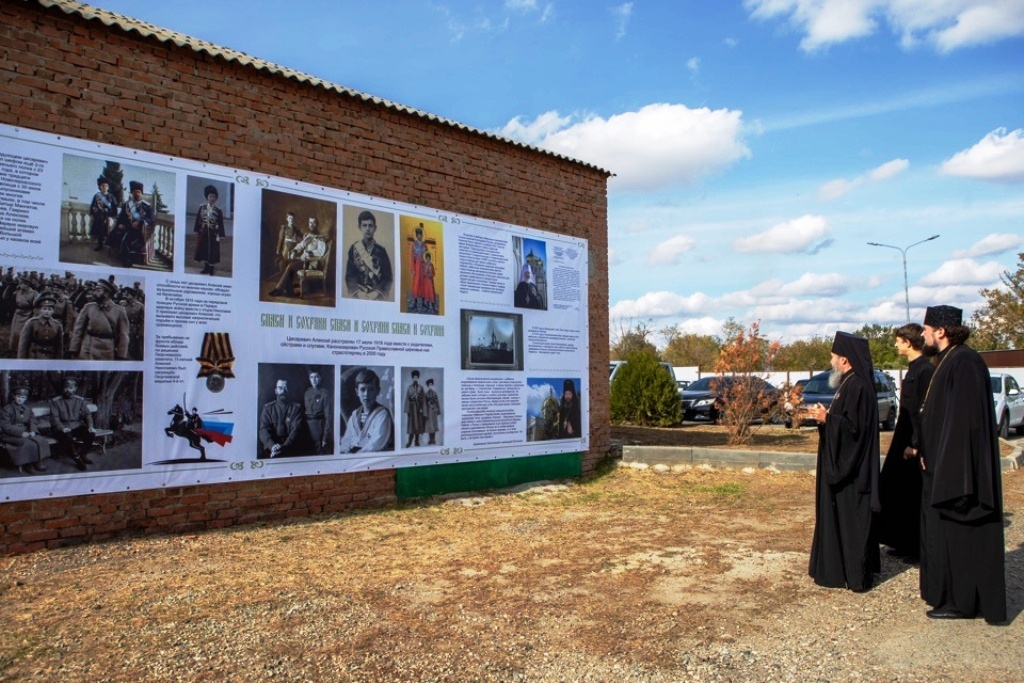
PHOTO: a permanent outdoor display tells about the life of the Tsesarevich and his position as chief of all the Cossack troops of the Russian Empire

In 1907, a khurul[2] was opened in the Kalmyk steppe in honor of Tsesarevich Alexei. In 1914, a church was consecrated in Gorodovikovsk in honour of the heavenly patron Heir of St. Alexis of Moscow.

At present, St. Alexis Church has been restored and consecrated in honor of the Holy Passion-Bearer Tsesarevich Alexis and St. Alexius, Metropolitan of Kiev, Moscow and All Russia[3].

NOTES:

[1] Russians celebrate name days separately from birthdays. Celebrations range from the gifting of cards and flowers to full-blown celebrations similar to birthday parties. Such a celebration begins with attendance at the divine services marking that day (in the Russian tradition, the All-Night Vigil and Divine Liturgy), and usually with a festive party thereafter. The Russian Imperial family followed a tradition of giving name-day gifts.

Before the October Revolution of 1917, Russians regarded name days as important as, or more important than, the celebration of birthdays, based on the rationale that one’s baptism is the event by which people become “born anew” in Christ.

[2]khurul is a Buddhist monastery.

[3] It was Robert K. Massie (among others), who have led us to believe that the only son of Emperor Nicholas II and Empress Alexandra Feodorovna, was named after Tsar Alexei Mikhailovich (1629-1676) . . . this is incorrect. This is incorrect. The long-awaited son and heir to the Russian throne was named Alexei, in honour of St. Alexius of Moscow.

Saint Alexius (1296–1378) was Metropolitan of Kiev and all Russia (from 1354). He was canonized by the Russian Orthodox Church in 1448 and is revered as one of the patron saints of Moscow.

© Paul Gilbert. 26 October 2023

Protecting the Tsar: how Nicholas II was guarded – Part I

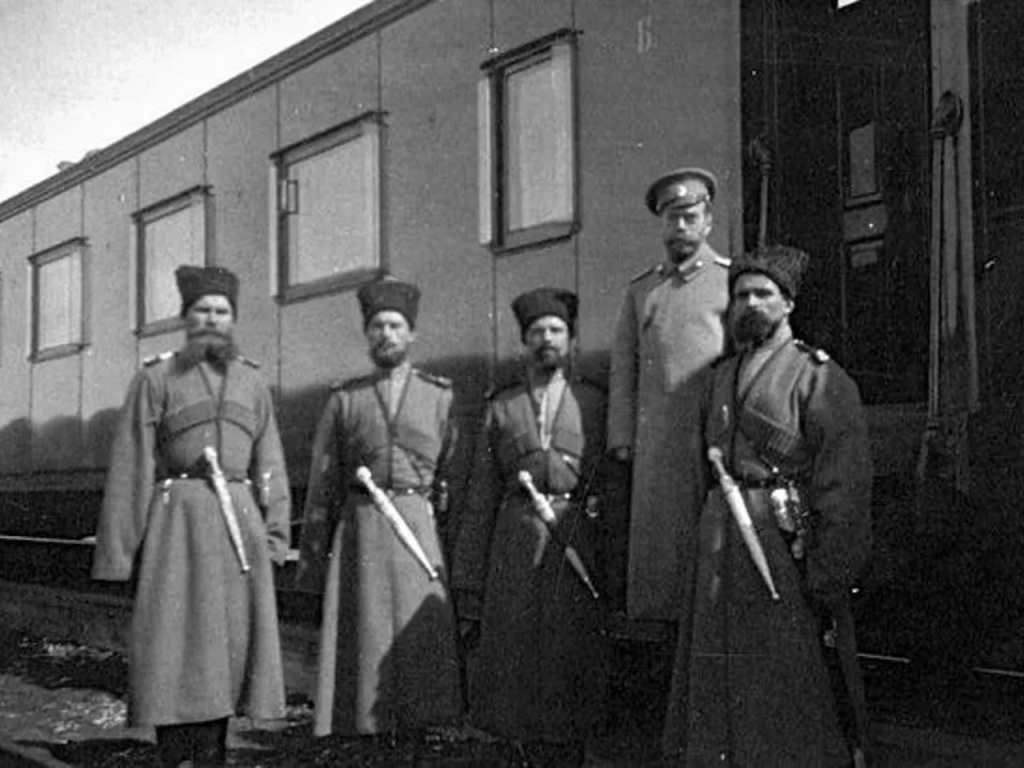
PHOTO: Emperor Nicholas II with members of His Imperial Majesty’s Own Convoy – the Cossack unit which served as the Tsar’s elite guard – set against the backdrop of the Imperial Train.

This is the first of a two-part article, which explored efforts to ensure the safety and security of Russia’s last Tsar. Click HERE to read Part 2: the security of Nicholas II in the Alexander Palace – PG

Fate entrusted the Russian Empire to Nicholas II during very troubled times – terrorists, political unrest, revolution and war. Under such conditions, the life of the sovereign was constantly in danger, and therefore his protection was a priority.

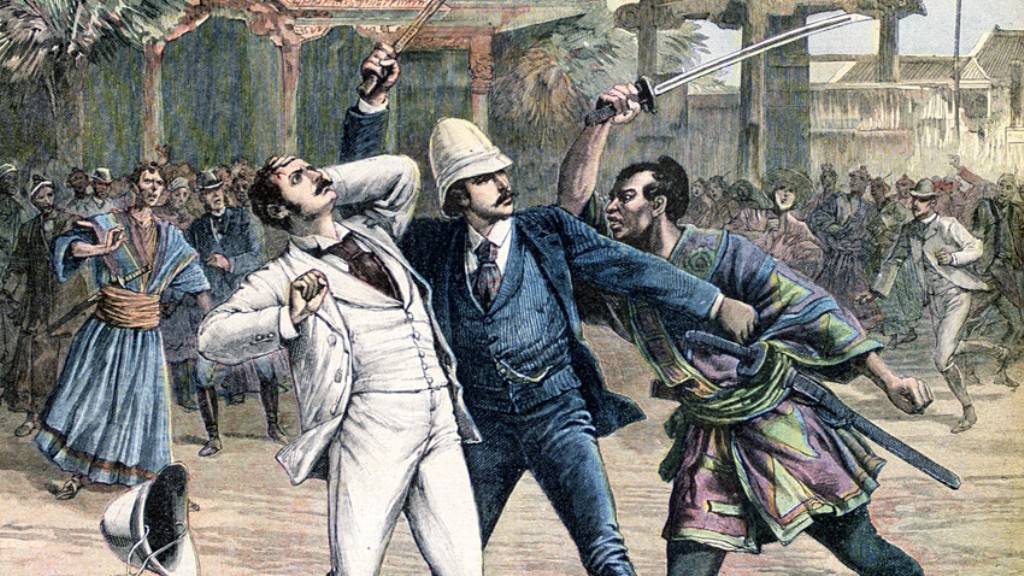
PHOTO: Tsuda Sanzo attacks the Tsesarevich in Otsu, Japan, on 11th May 1891

First of all – safety

While he was Tsesarevich [from 1881-1894], Nicholas Alexandrovich experienced first-hand the danger of not only being a member of the Imperial Family, but also as heir to the Russian throne. During a trip to Japan in 1891, he was attacked by one of his escorting policemen Tsuda Sanzō (1855-1891), who swung at the Tsesarevich’s face with a sabre, leaving a 9 cm. long scar on the right side of his forehead. The quick action of Nicholas’s cousin, Prince George of Greece and Denmark (1869-1957), who parried the assassin’s second blow with his cane, saved his life. While revolutionaries were constantly plotting to assassinate the Tsar during his reign [1894-1917], the incident in Otsu turned out to be the first and last attempt on his life.

In March 1881, Nicholas remembered all to well the risks of wearing the crown, as he stood at the bedside of his grandfather, Emperor Alexander II, who lay bleeding on a sofa in the Winter Palace—the victim of revolutionaries. This lesson of history had not been in vain. The Tsesarevich received his first guard in 1889, when he took command of a company of the Preobrazhensky Regiment. But after his accession to the throne in 1894, the safety of His Majesty’s life acquired special significance. The new Emperor used the well-established methods of protection which had developed under his father Alexander III, following an attempt on his life in 1887.

PHOTO: Emperor Nicholas II and Tsesarevich Alexei Nikolaevich with officers of His Imperial Majesty’s Own Convoy

Protection methods

During Nicholas II’s reign, his personal bodyguards were not enough to protect him from the political terror which was gaining strength in the country, therefore, a complex security system had to be developed, the main task of which was to prevent an attempt on the life of the Tsar. A Cossack convoy, an infantry company, a railway regiment, the Palace Police, a Special Security Detachment, as well as a large number of civilian agents were entrusted with the safety and security of the Imperial Family day and night.

Each of the security units formed their own methods to ensure the Tsar’s safety. Take the Palace Police. Within the Imperial Residences, they were posted in the palace corridors in such a way that members of the Imperial Family leaving their private quarters always fell into the field of view of the guards. If the Tsar embarked on a long walk, he remained within the field of view of a string of guards strategically placed along the route.

Moreover, specially trained dogs, German Shepherds and Dobermans, guarded the park areas, and additional guard posts were located along the perimeter of the palaces, dachas and hunting lodges. Anyone who came to the Imperial residence or its environs, when the Tsar was in residence, was required to report to the Registration Bureau within 24 hours to confirm their identity.

The men who served in the Imperial Guard were carefully selected. For example, before recruiting a Cossack into a convoy, the commanders traveled around the Kuban and Terek villages in the Caucasus, looking for the most suitable candidates. The following physical and personal qualities were required: a strong physique, height not less than 180 cm. [5 ft. 9 in.], a quick wit, devotion to the Tsar and the ability to get along with officers and fellow guards.

Service in the Imperial Guard was considered a very prestigious position, however, it came at a price. By the time of retirement, it was common that a former guard had developed a whole range of occupational diseases – rheumatism, tuberculosis, chronic broncitis or nerve disorders.

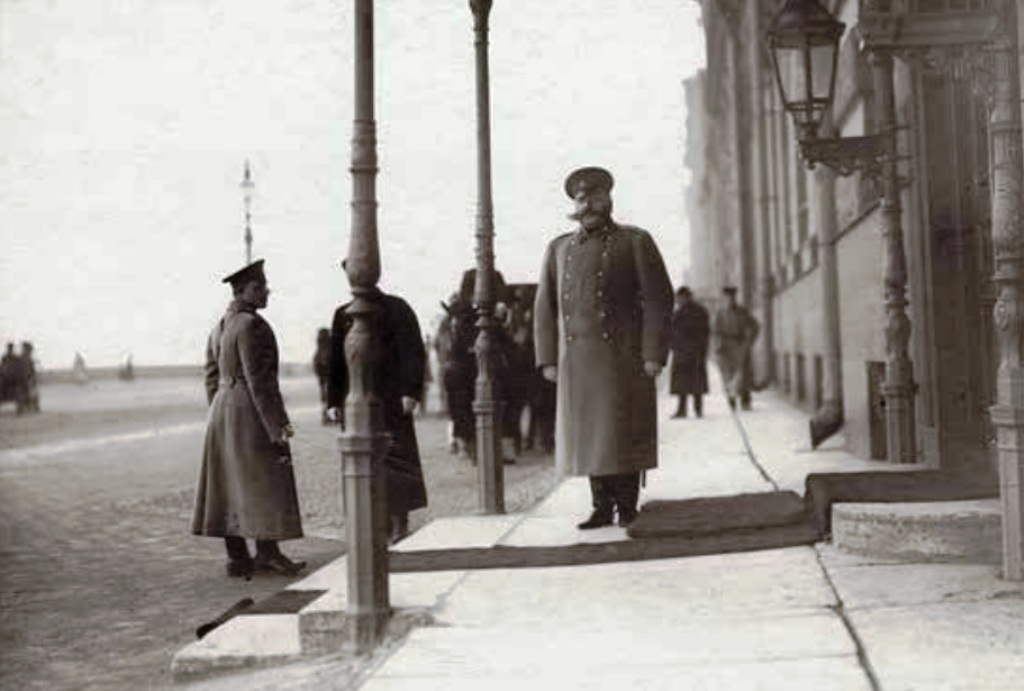
PHOTO: a group of policemen at the Small Entrance of the Winter Palace. Early 1900s.

Close to the person

Innate qualities were not enough to get enlisted into the ranks of the Palace Police – candidates were required to undergo extensive gendarmerie training. A specialist in the field of security and investigation, Alexander Ivanovich Spiridovich (1873-1952), had developed an excellent school of gendarmerie training.

Spiridovich, who served as the personal security chief for the Tsar and his family from 1906-1916, and who was also responsible for the security of the tsar’s residences. He is considered perhaps the most important figure who ensured the safety and security of Nicholas II.

The Palace Police could not always guarantee the safety of the Tsar, especially in the period which followed the 1905 Revolution. To accompany the Emperor on his trips in 1906, by order of the Palace Commandant Major General Dmitry Fedorovich Trepov, a Special Guard Detachment was created, headed by Spiridovich. Trepov died on 2nd September 1906, he was replaced by Vladimir Alexandrovich Dedulin.

The duties of the head of the Special Detachment included a detailed study of the proposed route to be taken by the Sovereign. Spiridovich sent his men ahead, making it very clear to make their presence along the route unnoticed by the Tsar – as he knew the negative attitude of Nicholas II to the obvious appearance of representatives of the Secret Police.

Spiridovich was also aware of the operational work of the Social Revolutionary terrorist groups. He acted calmly and prudently so as not to frighten away the most active and dangerous members. His most successful operation was the uncovering of a conspiracy to assassinate the Emperor. The terrorists intended to carry out a boldly bold plan – to detonate a bomb under the office of Nicholas II, but its result was the execution of the main instigators of the conspiracy.

The Emperor, treated Spiridovich with great respect and confidence. This is evidenced by a whole series of photographs taken by the head of the Special Detachment – he practically became the Imperial Family’s official photographer. In gratitude for his faithful service, Nicholas II awarded Spiridovich the rank of colonel.

PHOTOS: Major General Dmitry Fedorovich Trepov (left); Adjutant General Vladimir Alexandrovich Dedulin, commandant of the Winter Palace from 1906 to 1913 (center); Police chief of the Winter Palace I. A. Dobrovolsky (right)

“Personal”

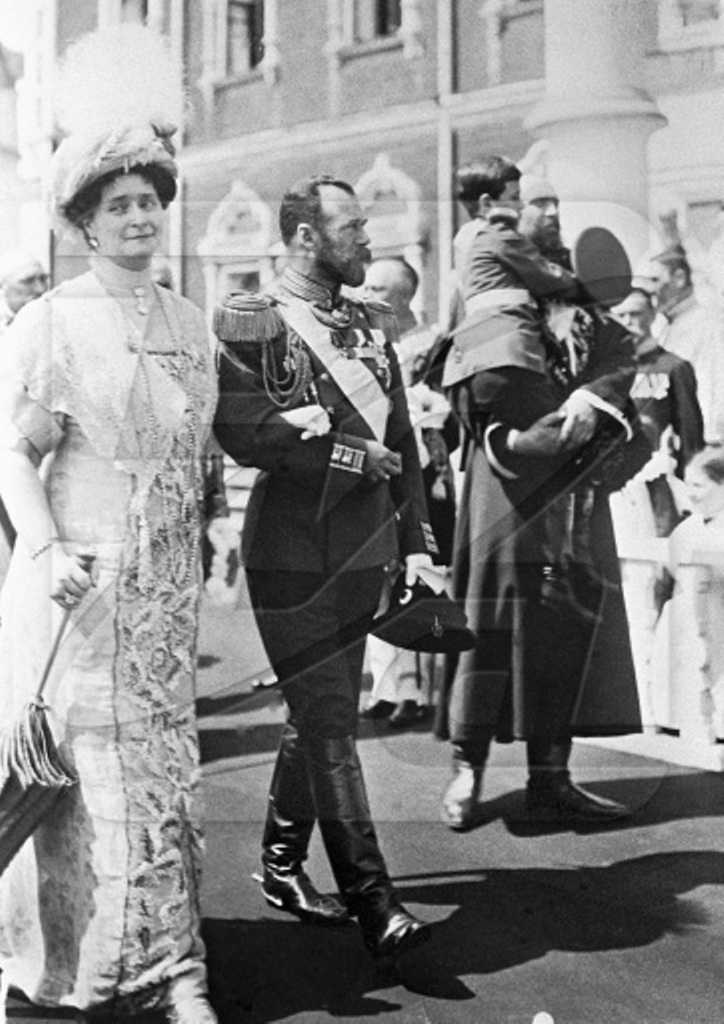
In a vintage newsreel, which depicts Nicholas II and Alexandra Feodorovna, during a procession in the Moscow Kremlin in 1912, one cannot fail to notice a tall Cossack, carefully carrying Tsesarevich Alexei in his arms. This is Alexei Petrovich Pilipenko (1887-????), who served in His Majesty’s Own Convoy, and was also an orderly and personal bodyguard of Nicholas II.

With the outbreak of the First World War, the devoted servant Pilipenko, along with a platoon of Cossacks, accompanied the Emperor when visiting Stavka the General Headquarters of the Imperial Russian Armed Forces. He turned out to be the last of the guards entrusted to protecting Nicholas II. From December 1916 he was constantly with the Emperor in the Alexander Palace at Tsarskoye Selo, but on 1st April 1917 – during the Tsar’s house arrest – they were destined to say goodbye forever.

Another well-known person protecting the Tsar was the Cossack and well-aimed shooter Timofey Ksenofontovich Yashchik (1878-1946), who for two years – from 1914 to 1916 – served and travelled with the Sovereign during the latters visits to the front-line. In early 1916, he became the personal bodyguard for the Dowager Empress Dowager Maria Feodorovna.

PHOTOS: Alexei Petrovich Pilipenko carrying Tsesarevich Alexei (left); Timofey Ksenofontovich Yashchik (center); Alexander Ivanovich Spiridovich (right)

“I’m not afraid of anything”…

After the abdication of the throne, Nicholas II did not lose his guard, but a guard of a completely different kind was assigned to him – their task was not so much to protect the former Tsar from assassination attempts, but to protect him from the raging and unpredictable crowds of the revolutionaries and their supporters.

With the advent of Soviet power, the main task of the guards was to prevent the release of the Tsar, which they feared could lead to the restoration of the monarchy. Once in 1905, Nicholas II was present at the fireworks at the Winter Palace, which was made from the guns of the Peter and Paul Fortress. The buckshot, which accidentally turned out to be loaded with one of the guns, landed next to the pavilion where the Emperor was standing. The clergy, retinue, guards, who were located near the Tsar, were quite shaken by the incident. Only the Emperor himself turned out to be imperturbable, saying: “I am not afraid of anything.” Surprisingly, with such fatalism, Nicholas II was absolutely calm about all the security measures taken during the period of his reign.

Further Reading

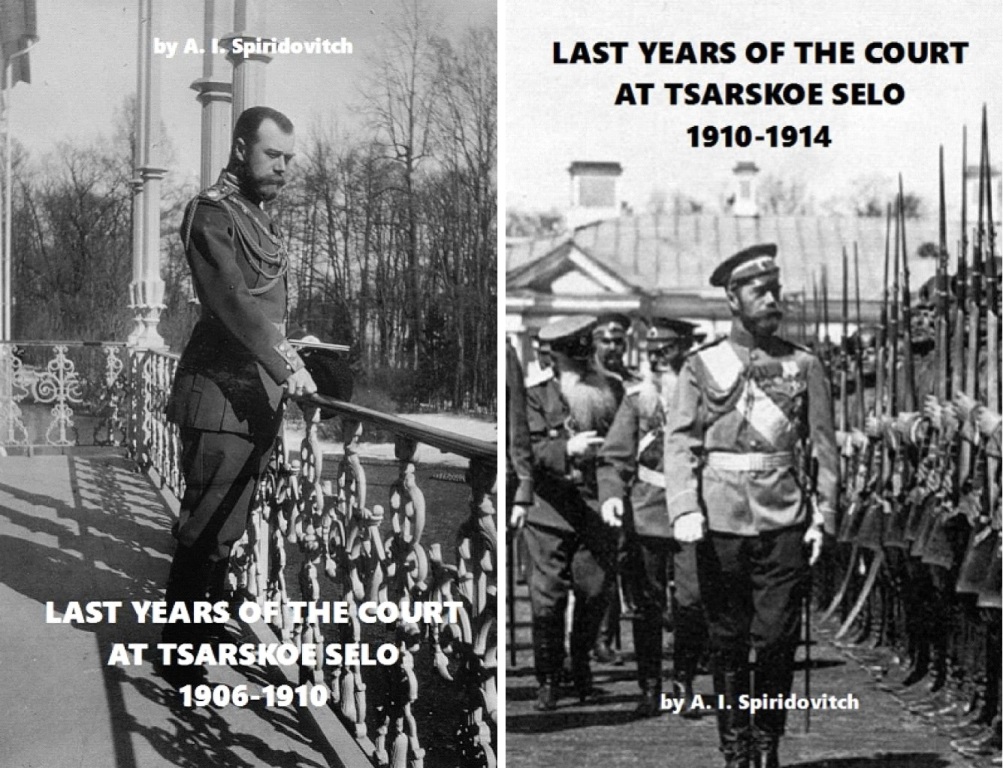
The most comprehensive study of the security of Tsar Nicholas II, his family, and the Imperial Residences, are the personal memoirs of Alexander Ivanovich Spiridovich (1873-1952), Last Years of the Court at Tsarskoe Selo, in two volumes. Copies of the first English translation of these volumes are avaailable from AMAZON – CLICK on the LINK(S) below for full details and to order copies:

Volume One, 1906-1910 and Volume Two, 1910-1914

© Paul Gilbert. 13 February 2022

Cossacks visit the Feodorovsky Sovereign Cathedral in Tsarskoye Selo

223a

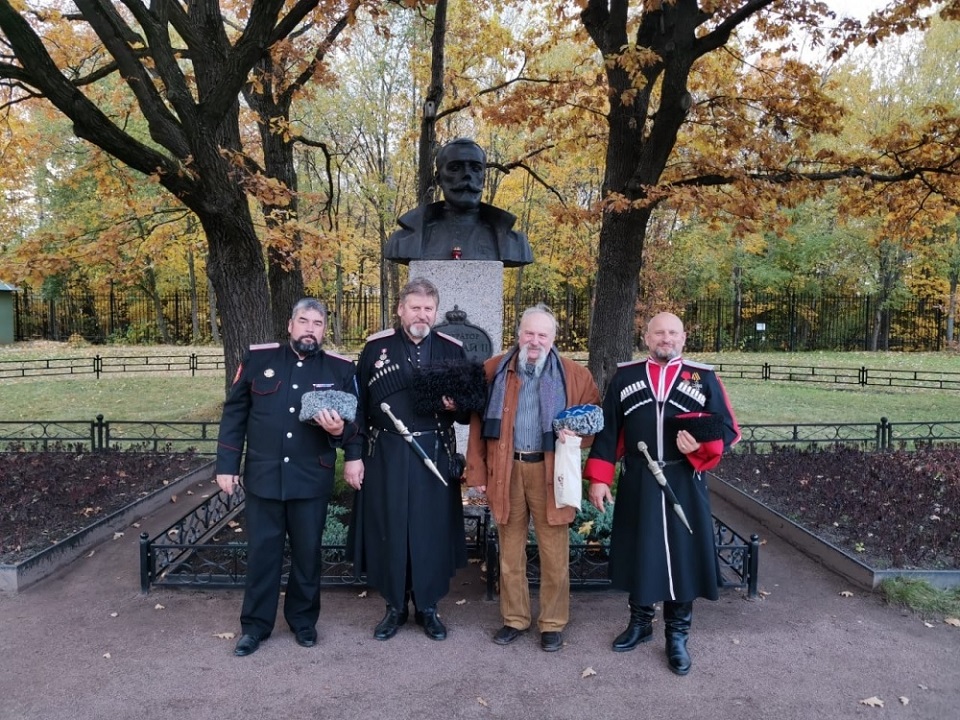
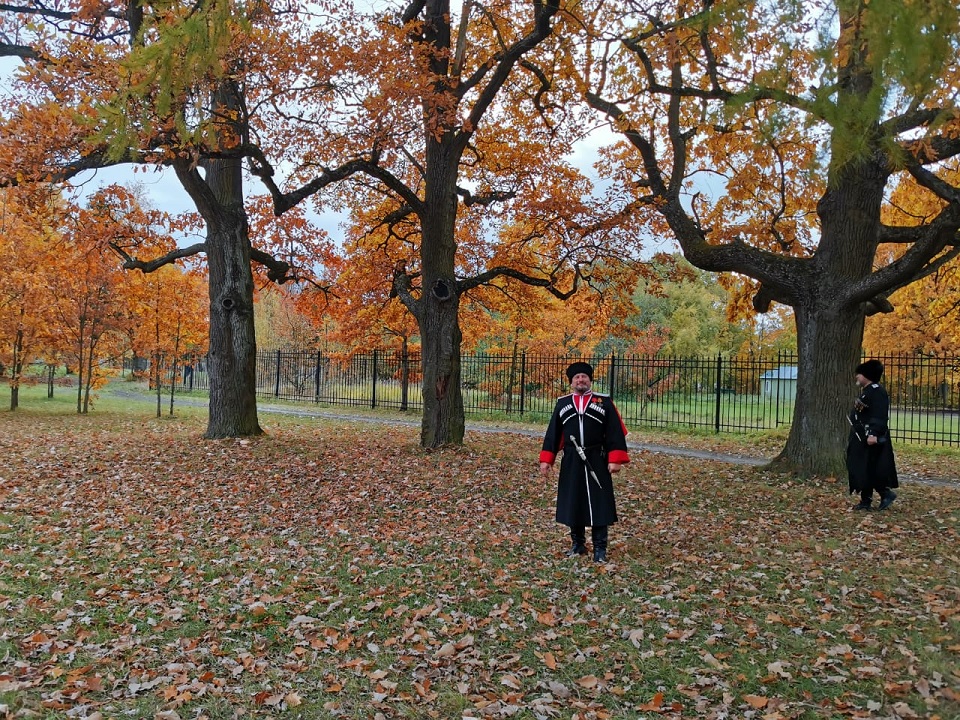
Members of the Cossack Convoy of the Holy Tsar Passion-bearer Nicholas II at the
Monument to Nicholas II on the grounds of the Feodorovsky Sovereign Cathedral
© Духовно-просветительский центр

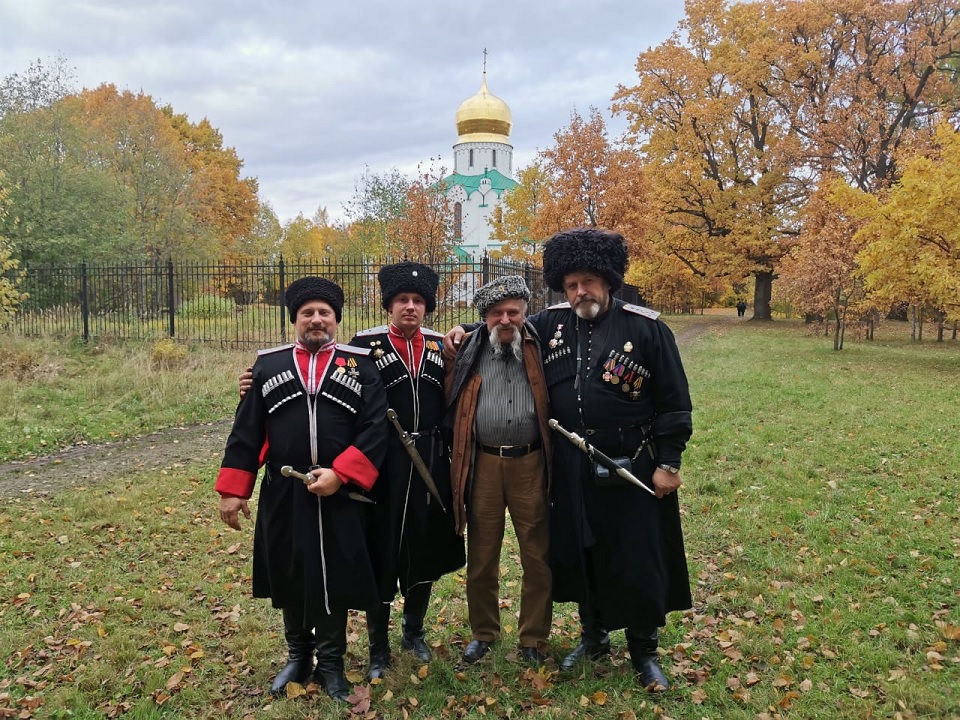
On 8th October 2019, members of the Cossack Convoy of the Holy Tsar Passion-bearer Nicholas II organized a tour of St. Petersburg and Tsarskoye Selo.

Among the places visited by the Convoy was the Feodorovsky Sovereign Cathedral, which is situated near the Alexander Palace in Tsarskoye Selo. The cathedral was constructed between 1909 – 1912 by order of Emperor Nicholas II to serve as the regimental church of His Imperial Majesty’s Own Convoy.

223k

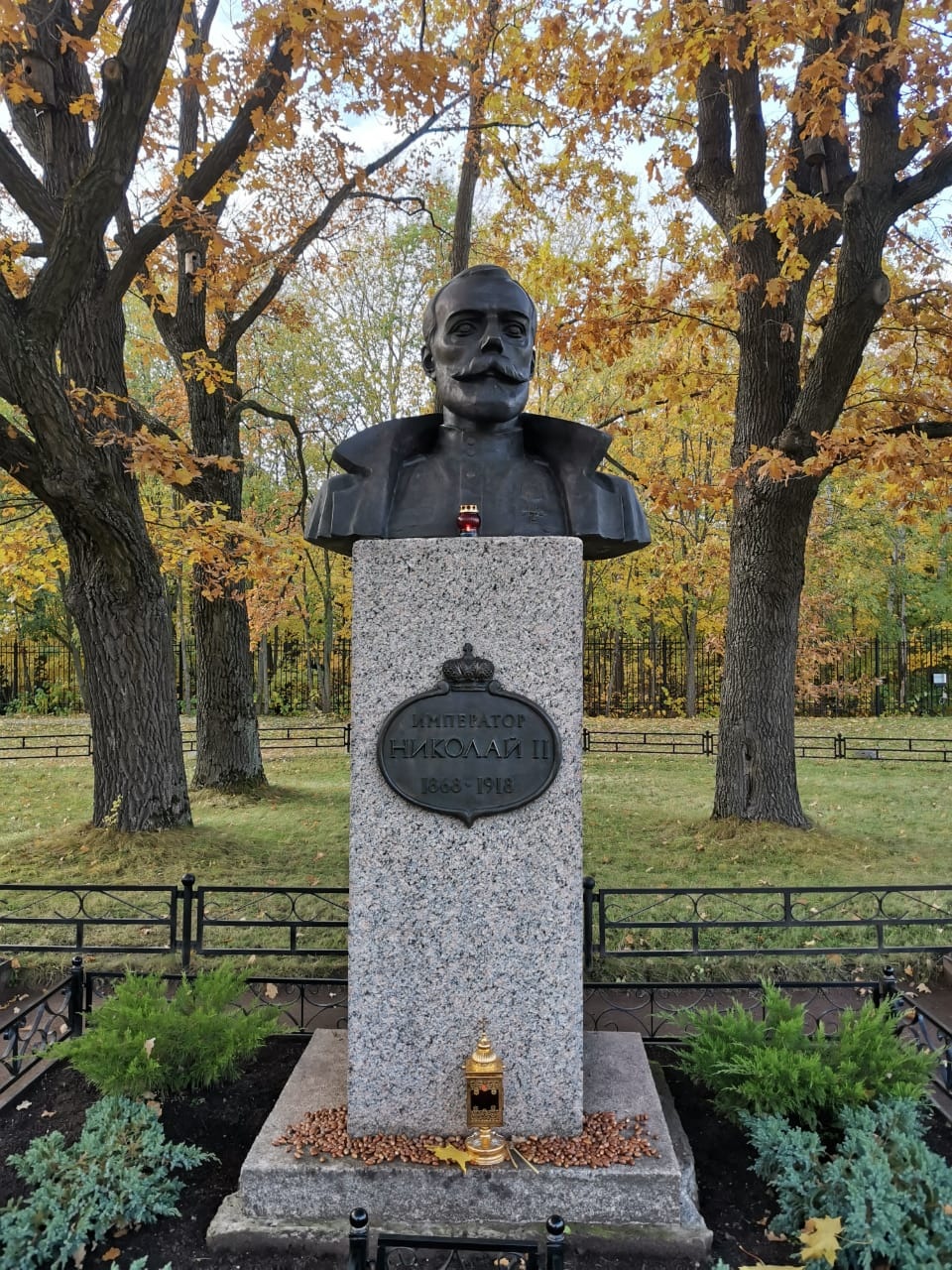
Russia’s first monument to Nicholas II by the sculptor V.V. Zaiko
© Духовно-просветительский центр

The Cossacks also visited Russia’s first monument to Nicholas II, which was established on the grounds of the Cathedral on 19th May 1993, and consecrated on 16th July 1993. The bronze bust was created by the sculptor Victor Vladimirovich Zaiko (born 1944).

223b

Trees planted by the Emperor and his family in 1909
© Духовно-просветительский центр

The bust was installed near a group of trees, planted by the Emperor and his family in 1909. Of the seven trees planted, only four have survived to the present day.

223h

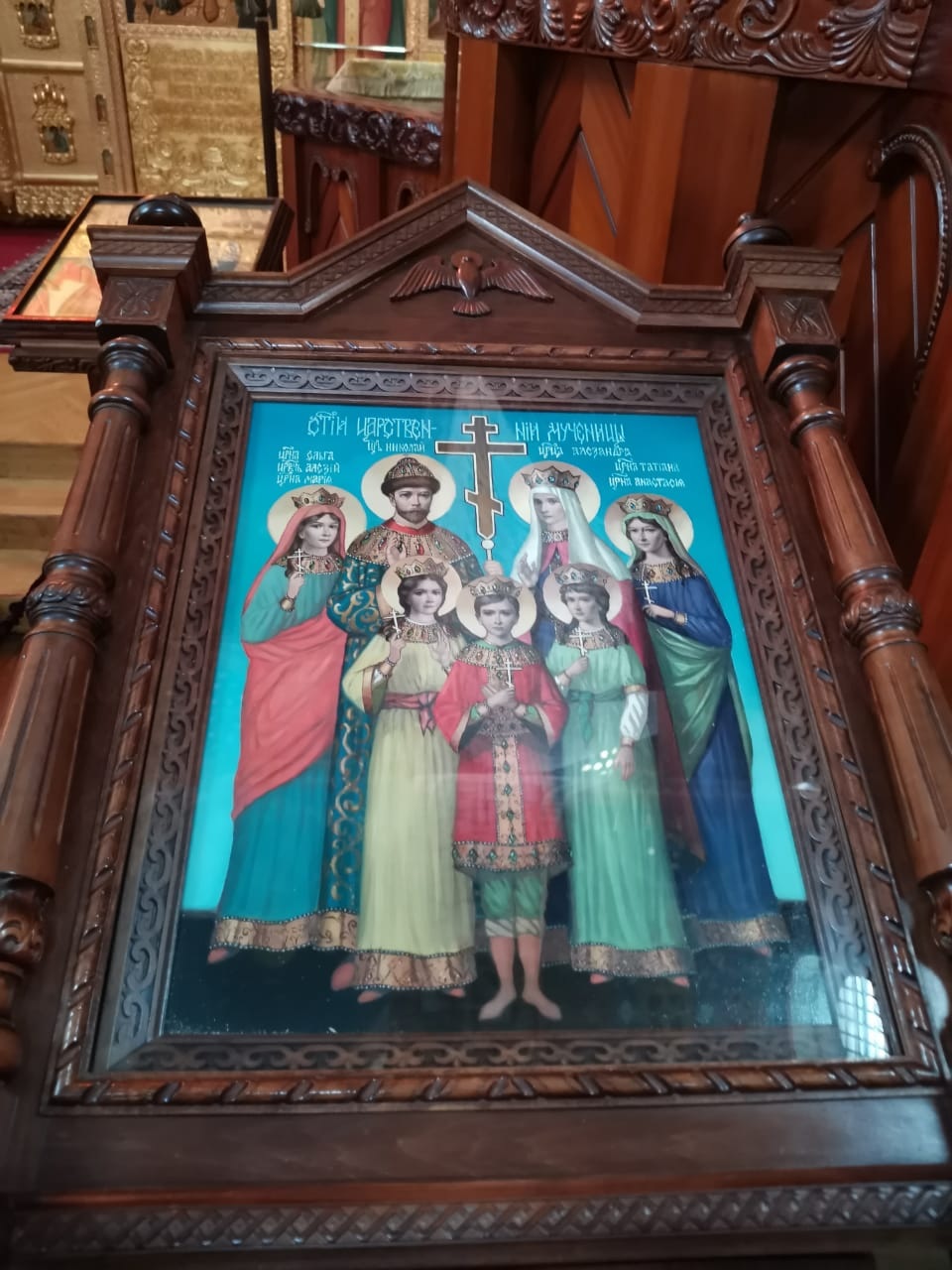
Icon of the Holy Royal Martyrs
© Духовно-просветительский центр

The Feodorovsky Sovereign Cathedral was closed from 1933 to 1991. When the building was transferred to the Russian Orthodox Church in the spring of 1991, it was in a terrible state of neglect and disrepair. It took more than 20 years to restore the Cathedral to its historic original, including the magnificent iconostasis in the Upper Church, and the Lower Church, where the Empress Alexandra Feodorovna came to pray.

223j

Members of the Cossack Convoy of the Holy Tsar Passion-bearer Nicholas II
© Духовно-просветительский центр

© Paul Gilbert. 20 January 2020