“I do not shake the hands of murderers” – General Zhukov to Yermakov
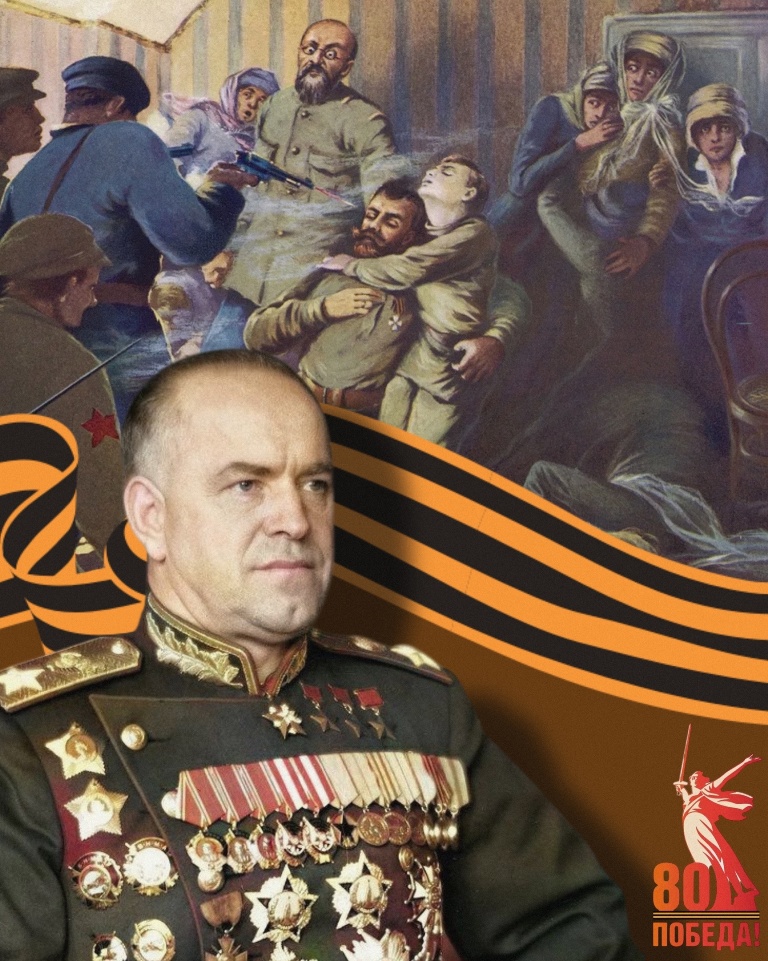
On 9th May 2025, Russia marked the 80th anniversary of the defeat of Nazi Germany. In recognition of this solemn day, I would like to draw attention to one of Russia’s most celebrated war heroes: Georgy Konstantinovich Zhukov (1896-1974).
Zhukov is among the many famous Soviet marshals and generals who impressed the world with their victories and heroism during the Great Patriotic War (1941-45). What many do not realize, is that they were once officers of the Russian Imperial Army – which from August 1915 to March 1917, was under the command of Emperor Nicholas II. Zhukov was awarded the St. George Cross twice for military merit, and promoted to the rank of non-commissioned officer for his bravery in battle. Following the war, Zhukov commanded the Ural Military District [the district headquarters was located in Sverdlovsk (Ekaterinburg].
According to his friends living in the Ural capital, Zhukov was fascinated by the history of Sverdlovsk [Ekaterinburg]. In particular, he took a great interest in the final days and subsequent execution of Russia’s last Tsar and his family. Zhukov’s friends claim that he was sympathetic to Nicholas II, and believed that the lives of the monarch and his family should have been spared.
Zhukov’s position was quite simple: he considered the regicide as “nothing short of a disgrace”. He was disgusted by the fact that local men had become executioners. After all, the Tsar posed no threat to the Bolsheviks, nor did he resist. As for the Ipatiev House, where the murders took place, Marshal Zhukov “despised it”.
According to Zhukov’s daughter, Margarita Georgievna Zhukova (1929-2010):
“Being the commander of the Ural Military District in Sverdlovsk, my father visited the “Ipatiev House”.
“This is how my elder sister Ella (1937-2009) recalls it . . . I remember the notorious Ipatiev House, where we were taken with special permission. The topic of the execution of the Imperial Family was forbidden in those years, and it was only during this visit that I learned about this tragedy for the first time. In the house at the entrance there was a small exposition with copies of some documents, red slogans and portraits of leaders hung on the walls. It was disgusting for my father to be there, surrounded by posters of Soviet propaganda whitewashing the murderers. Below, was the dreaded basement, where I did not want to go down. The atmosphere in the house was oppressive… I did not talk to my father about this.”
Source: M. G. Zhukova, “Маршал Жуков – мой отец / Marshal Zhukov – My Father“, Sretensky Monastery, 1999
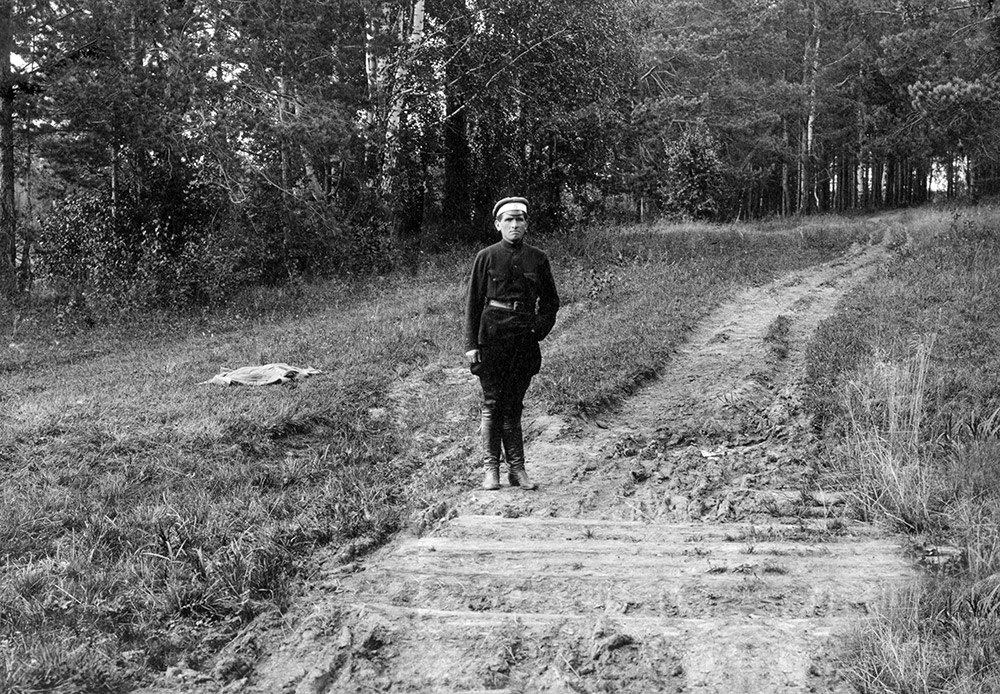
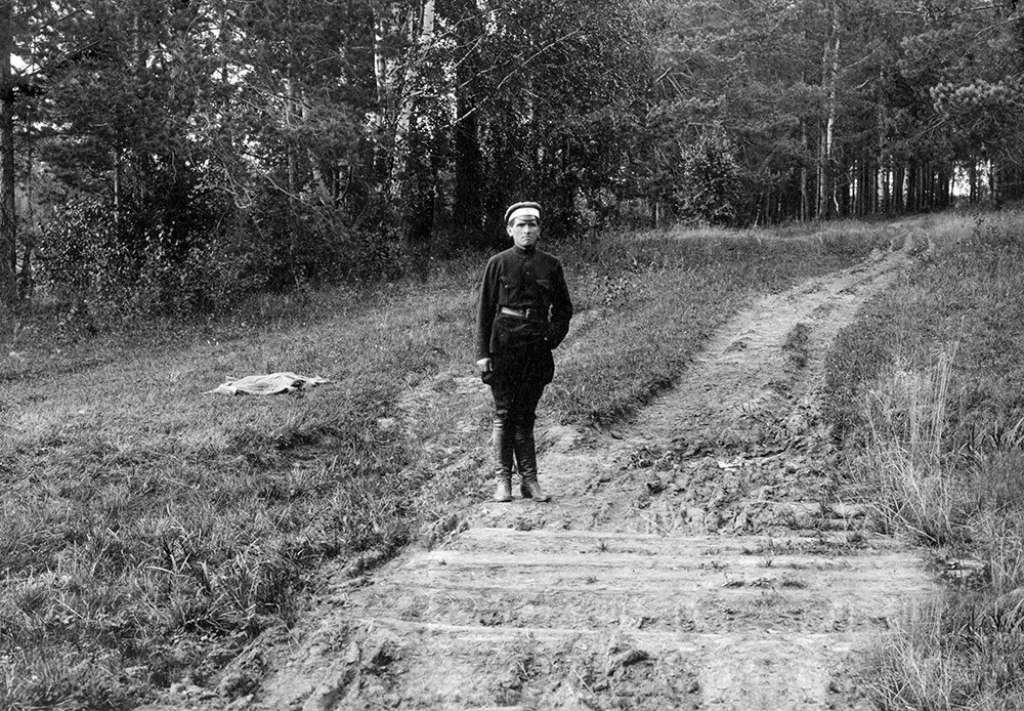
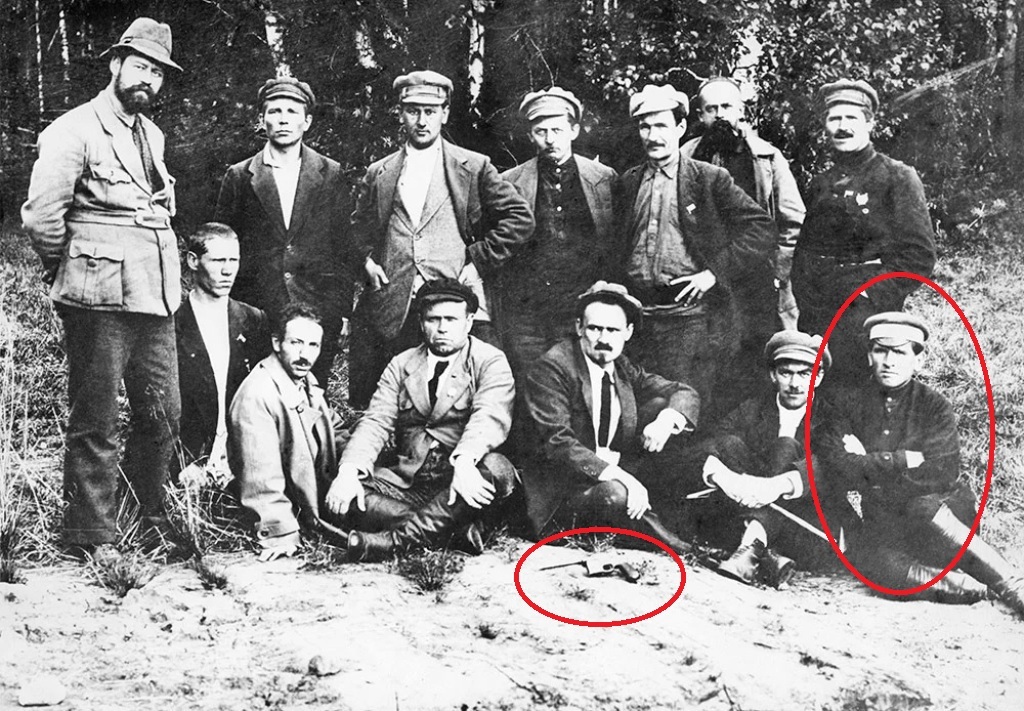
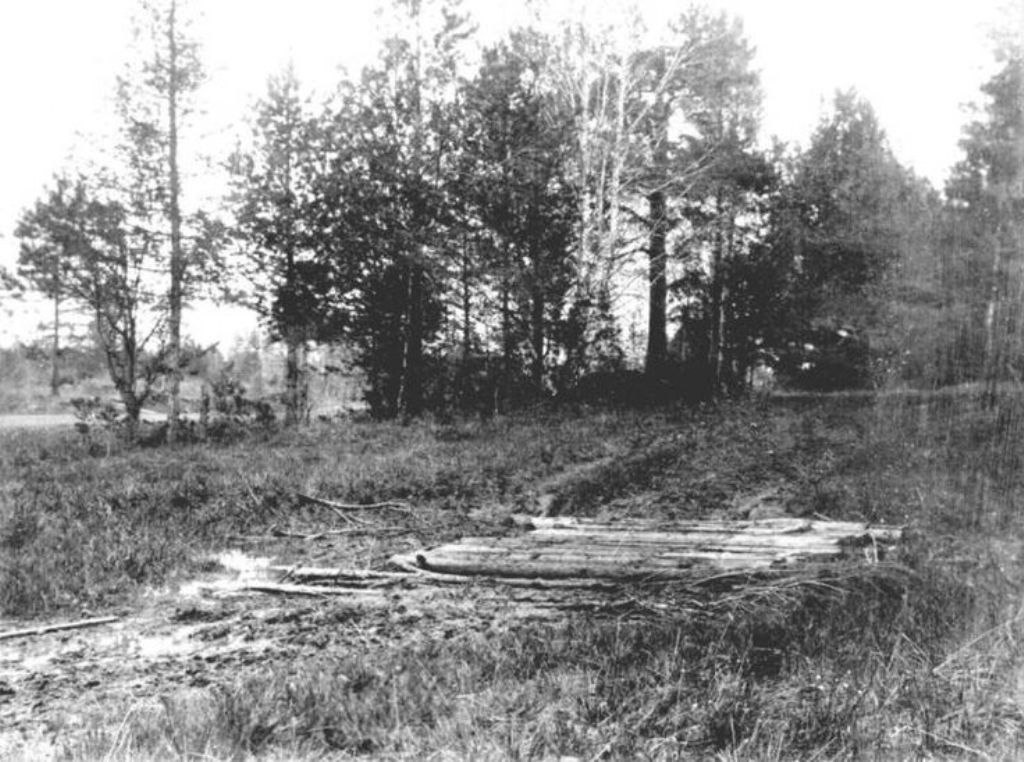
PHOTO: in the 1920s, the murderer Pyotr Yermakov returned to Porosenkov Log.
On the reverse of this photo, he wrote: “I am standing on the grave of the Tsar”.
“SHAME ON THE REGICIDE!”
It was also during Zhukov’s years as Commander of the Ural Military District, that he would come face to face with one of the regicides: Pyotr Zakharovich Yermakov (1884-1952).
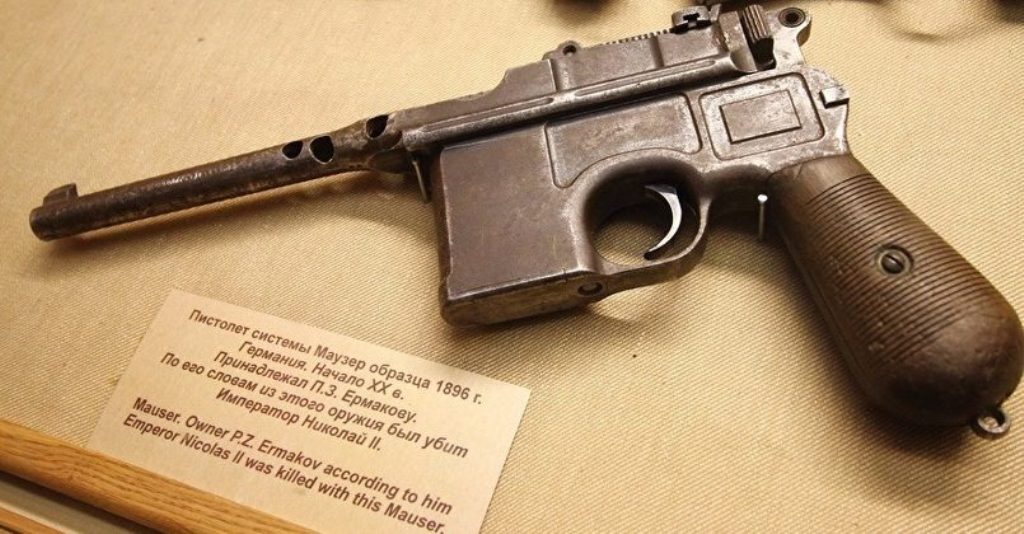
Zhukov had heard about Yermakov from the newspapers, and he looked at all these honours with disgust. He did not understand how a murderer could be so exalted. But at that time, Yermakov seemed to many to be a hero, a liberator. He regularly met with groups of workers and bragged about how he had taken part in the murders, and how he pulled the trigger of the gun, which killed the Tsar.
According to Zhukov’s daughter, Margarita Georgievna Zhukova (1929-2010), the meeting took place on 1st May 1951, when the May Day parade was being held in Sverdlovsk [Ekaterinburg].
“What was really going on in my father’s soul can be understood from an episode that occurred later. I was told about it during my trip to the Urals by old-timers. It was at a solemn reception, where the entire local party elite had gathered. Yermakov, as before, spoke about his “heroic feats”, and decided to approach my father to shake hands as equals. Introducing himself, he announced that he was the same Yermakov who participated in the execution of the Imperial Family, and stretched out his hand. He expected surprise, questions, delight, but Yermakov was surprised by my father’s response, who disgusted and gritting his teeth, said firmly: “I do not shake the hands with the murderers!”.
Source: M. G. Zhukova, “Маршал Жуков – мой отец / Marshal Zhukov – My Father“, Sretensky Monastery, 1999
Yermakov shrugged his shoulders and walked away. That was the end of the conversation. Zhukov was sure that he had said everything he wanted. Moreover, he wanted to believe that Yermakov had at least learned something from this meeting.
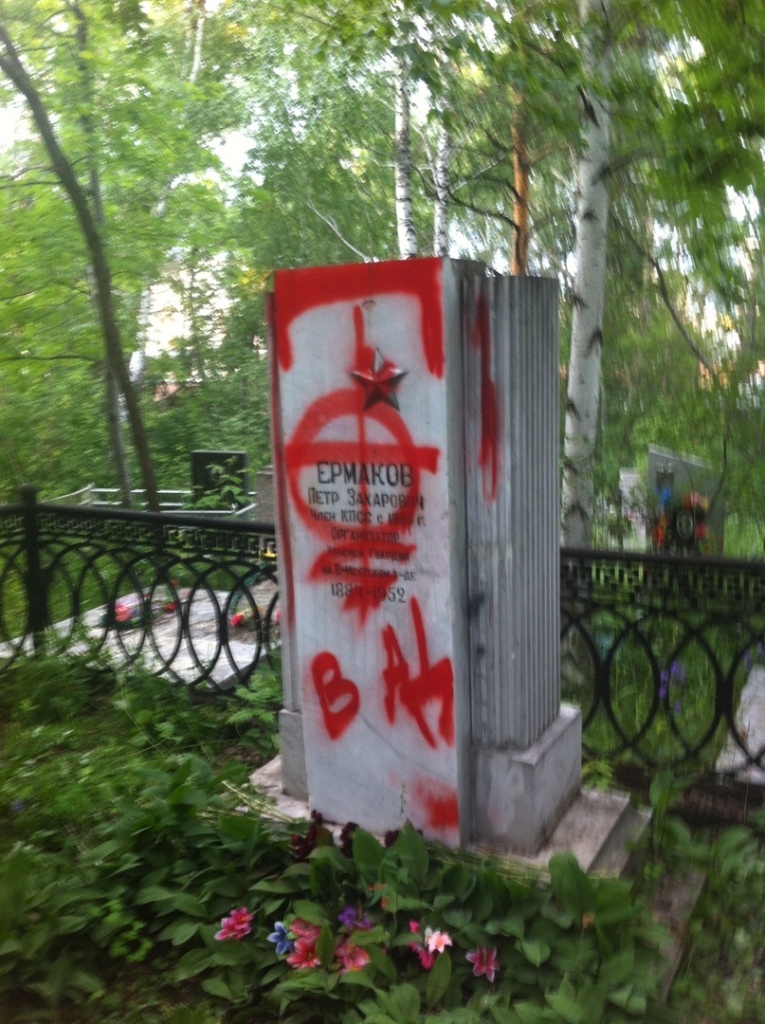
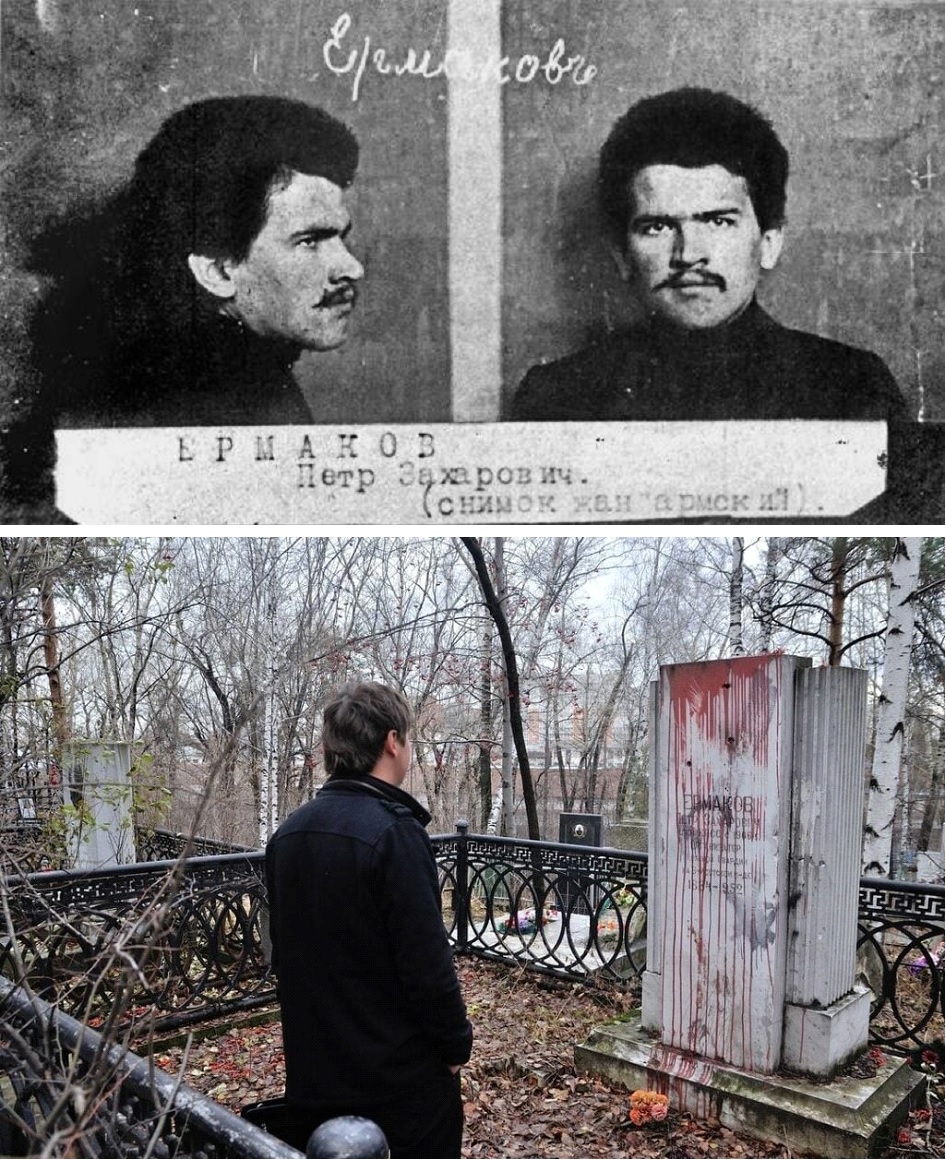
Yermakov died in Sverdlovsk on 22nd May 1952 from cancer at the age of 67, he was buried in Ivanovo Cemetery in Ekaterinburg. In the 1960s, a street was named after Yermakov in Sverdlovsk [Ekaterinburg], however, during the 1990s, the street was renamed Ulitsa Klyuchevskaya.
Every year, since the 1990s, Yermakov’s grave has been vandalized by local monarchists, who douse his gravestone with red paint, symbolizing the blood which this evil man spilled, and his involvement in the murder of the Holy Tsar Nicholas II and his family in 1918.
FURTHER READING:
The fate of the regicides who murdered Nicholas II and his family
NEW BOOK – Regicide in Ekaterinburg by Paul Gilbert
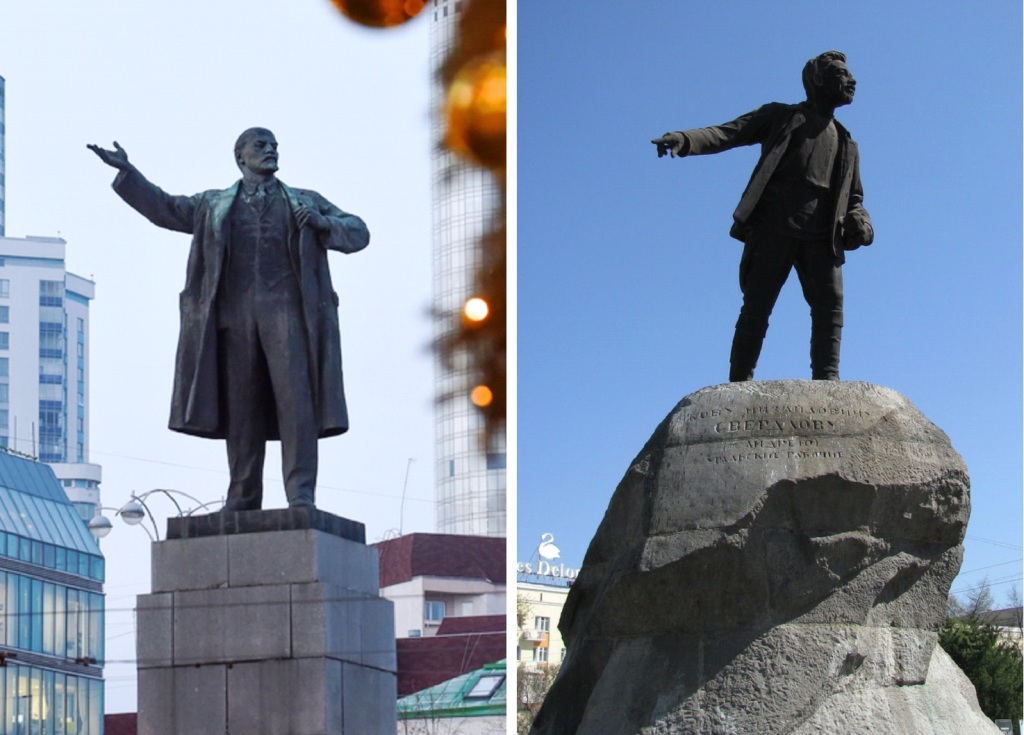
Russian sculptor proposes removal of monuments to Bolsheviks in Ekaterinburg
© Paul Gilbert. 13 May 2025


 Nicholas II
You must be logged in to post a comment.