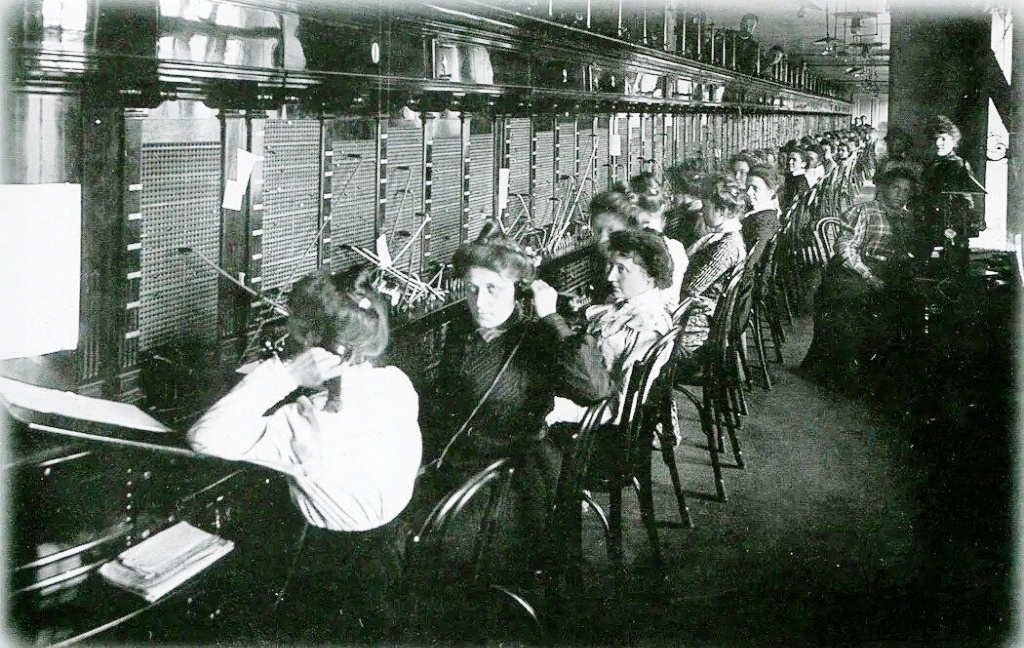
PHOTO: St. Petersburg City Telephone Exchange, 1914
During his 22+ year reign (1894-1917), Emperor Nicholas II attached great importance to the development of all forms of communication within Russia. This included the rapid development of postal, telegraph and telephone communications, all of which he believed contributed to economic development of the Russian State.
In 1892 – two years before Nicholas II ascended the throne – there were only 1,250 telephone subscribers in the Russian Empire, and by 1913, there were more than 244,000 subscribers! Some 71.3% of subscribers lived in cities, primarily St. Petersburg and Moscow, the remaining 28.7% lived in suburban and rural areas.
Telephone communications were being developed in cities and towns, which was a great boon for local businesses. In addition, internal telephone networks were being developed, long-distance and international lines were laid.
In 1906, the length of telephone wires in the Russian Empire was 236,000 km, and by 1913, the length had increased to over 1 million km. Thus, between the period from 1906 to 1913, more than 800,000 km of telephone wires had been laid throughout the Russian Empire.
In 1897, the first telephone factory opened in Russia, which produced thousands of telephones and several hundred switchboards annually. During the same year, telephone communication appeared in Vladikavkaz, in 1904 – in Omsk, in 1906 – in Novonikolaevsk (Novosibirsk). The development continued after 1910. In 1911, telephone communication came to Yakutsk and Asian Bishkek.
By 1910, a total of 314 cities located in various regions of the Russian Empire, from the Asian deserts and the Caucasus Mountains to the central regions and the Far North, were receiving telephone service.
Telephones in the Imperial Residences
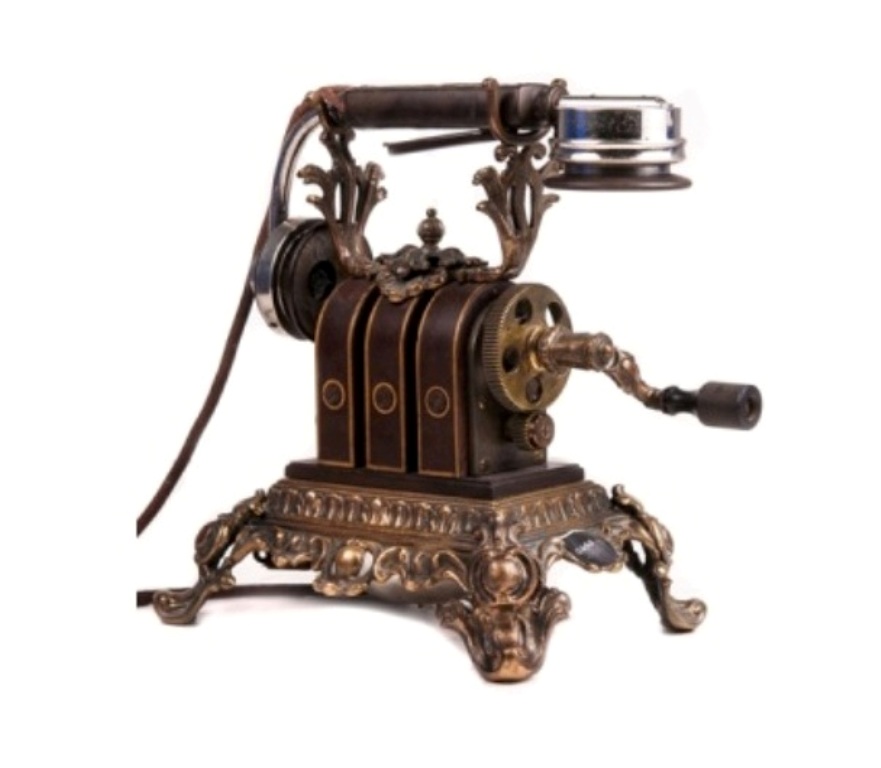
PHOTO: Mix & Genest, model No 5672. Germany. 1900s.
Belonged to Empress Alexandra Feodorovna, wife of Nicholas II.
The Alexander Palace, Tsarskoye Selo
In the 1890s, a telephone cable was laid into the Alexander Palace. Two rooms located in the basement of the palace were allocated for the palace telephone exchange.
Officers of the Palace Police were on duty at the telephone exchange, they listened to all telephone conversations. In addition, there were two telephone booths for personnel in the basement.
In total, there were about two dozen telephones in the Alexander Palace during the reign of Nicholas II. It is interesting to note that there were no telephones in either the Working Study and New Study of Nicholas II. The only telephone set in the Tsar’s chambers was in the valet’s room, which was located on the mezzanine, above the Emperor’s private rooms.
Empress Alexandra Feodorovna had several telephones – two in the Rosewood (aka Pallisandar) Drawing Room and one each in the Lilac (aka Mauve) Drawing Room and the Imperial Bedroom. The telephones in the Rosewood Drawing Room, were installed on a cabinet near the back wall.
The Empress could use the local St. Petersburg Telephone Exchange (see photo at top of page) to communicate directly with the Headquarters in Mogilev, where Nicholas II spent a long time during the First World War. It was in this room that on 8th March 1917, General Lavr Georgiyevich Kornilov placed Alexandra Feodorovna and her children under house arrest at the Alexander Palace.
On the second floor of the Alexander Palace, there was only one telephone, located in the passage hall leading to the children’s rooms. This telephone featured a bas-relief of a small child holding a phone on the receiver device. In 1917, the telephone was taken abroad by one of the courtiers of the Imperial Family.
In addition, telephones were installed in the Adjutant’s Wing, and the Commander of the Combined Guards Regiment. This indicates that great attention was paid to the issues of operational communication in the palace.
In 1904, the Pavilion on the Children’s Island, situated in a small lake near the Alexander Palace, was wired for electricity, a telephone was installed with a direct line to the palace.
With the outbreak of World War I, the Imperial Train became both a travelling residence for the Emperor, as well as a military field office, equipped with telephone and telegraph communications. A telephone network was installed for communication between all cars, each carriage having it’s own telephone.
From the summer of 1905 on, Anna Vyrubova centered her life on the Empress Alexandra and became a part of the Tsar’s family. In order to be closer to the family, Anna moved into a summer home at Tsarskoye Selo, just two hundred yards from the Alexander Palace, which included a telephone, which was connected directly to the palace switchboard.
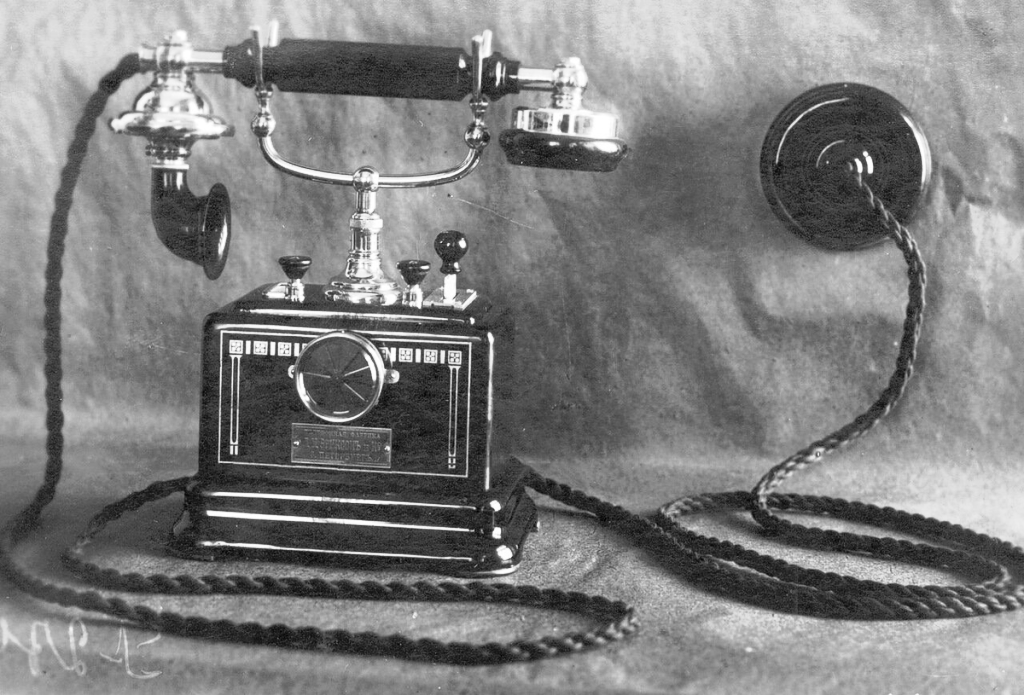
The Grand Kremlin Palace, Moscow
Nicholas II, like his father preferred the old Russian capital to the new capital. According to French historian Marc Ferro (1924-2021): “Nicholas II preferred Moscow to St. Petersburg because the old city embodied the past, whereas St. Petersburg represented modernity, the Enlightenment and atheism.”
In 1903, a pleasant surprise was prepared for Nicholas II’s arrival: the Swedish company of Mars Magnus Eriksson brought a telephone to Moscow. A switchboard for several dozen numbers was installed in the Grand Kremlin Palace, the Tsar’s official residence when he was visiting the old capital. It was here, that the Emperor was presented with a telephone set decorated with gold and ivory.
Subsequently, Ericsson reigned supreme in Russia almost unchallenged by other European or American firms, although after the revolution, Ericsson’s factory in Petrograd was nationalized and named “Red Dawn”.
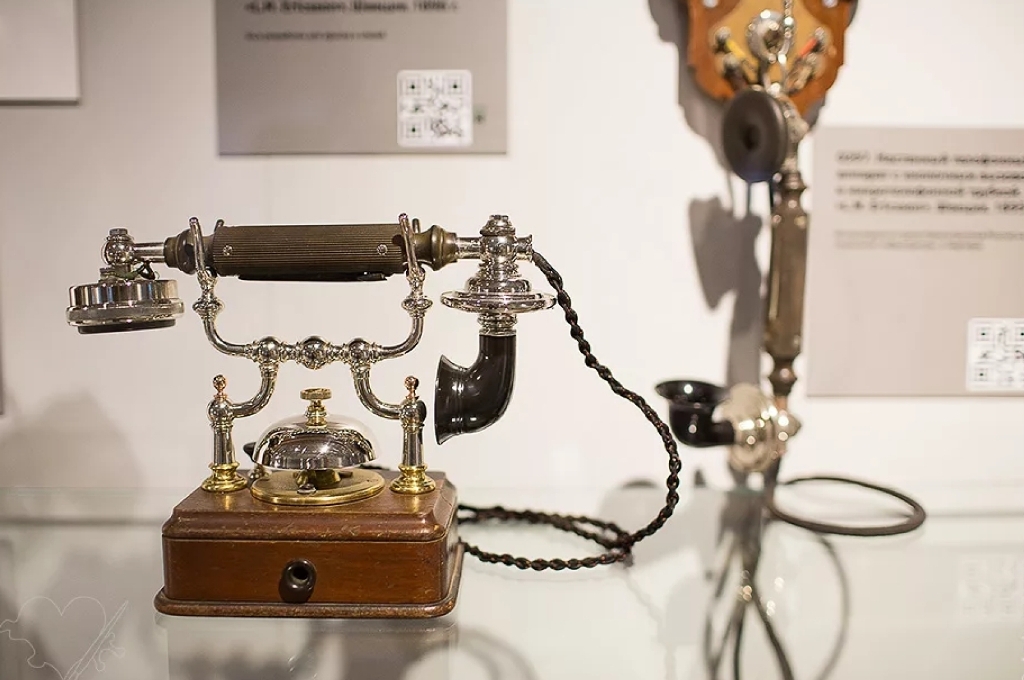
Nicholas II’s mobile phone sold at auction for $2 million
In March 2023, the Russian news agency Interfax reported that Sotheby’s had completed the “Romanov Week” auction, during which more than 100 items belonging to members of the Russian Imperial Family were auctioned.
The most expensive lot was a telephone belonging to Emperor Nicholas II, which sold for a staggering 2 million US dollars, almost five times over the estimate.
“This unique device was manufactured at the Russo-Baltic Carriage plant in Petrograd, in 1915. It was presented to the Tsar, who used it for communicating with his wife and children during his trips to the front,” said Sotheby’s representative Robert Jefferson.
After the February 1917 Revolution, the was seized by order of the Provisional Government from and handed over to the head of the Petrograd garrison “for safekeeping”.
In the course of riots that swept the capital of the Russian Empire in July 1917, the device was stolen, and after the Civil War, it was secretly taken to Europe.
© Paul Gilbert. 24 October 2024
***

Paul Gilbert’s Romanov Bookshop on AMAZON
I have published nearly 30 titles to date through AMAZON – featuring one of the largest selections of books on Nicholas II, the Romanov dynasty and the history of Imperial Russia.
Please CLICK on the BANNER or LINK above to review my current selection of titles in hardcover, paperback and ebook editions. Listings provide a full description for each title, pricing and a Look inside feature.
 Nicholas II
You must be logged in to post a comment.