New monument to Nicholas II to be installed in the Urals
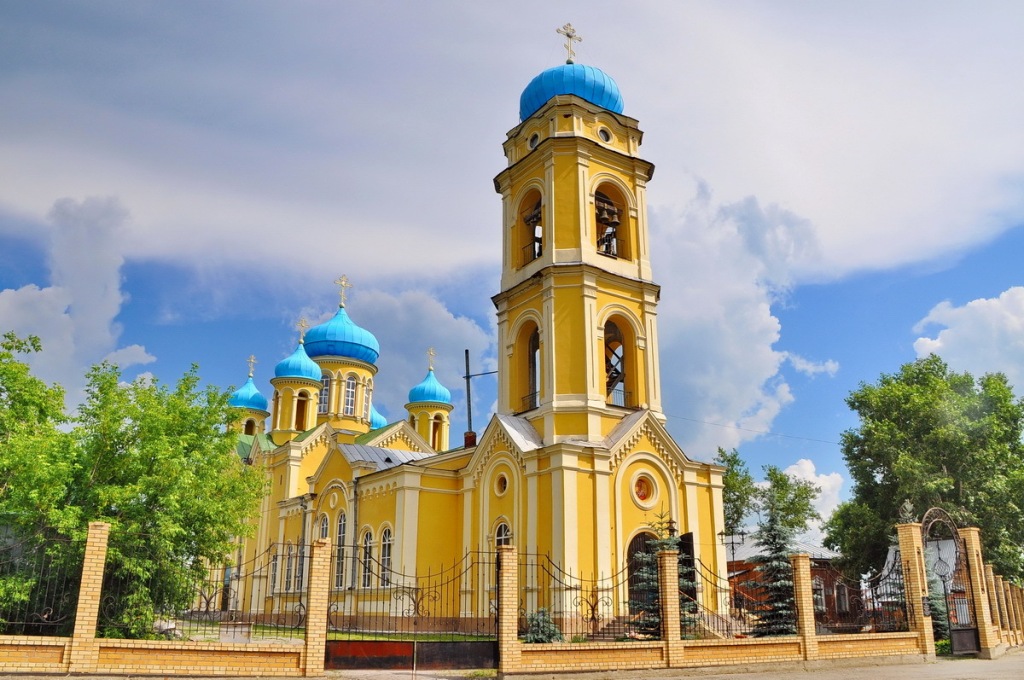
PHOTO: the Cathedral of St. Nicholas the Wonderworker in Verkhneuralsk

A new equestrian monument to Emperor Nicholas II will be installed and consecrated later this year, in the Ural city of Verkhneuralsk. The city is located on the left bank of the Ural River, 230 km south of Chelyabinsk and 450 km south of Ekaterinburg.

The monument will be installed in front of the Cathedral of St. Nicholas the Wonderworker – the only Orthodox church in Verkhneuralsk which survived the years of Soviet power. The grounds around the church are currently being developed. The monument will be installed and consecrated here upon completion of the landscaping and gardens.
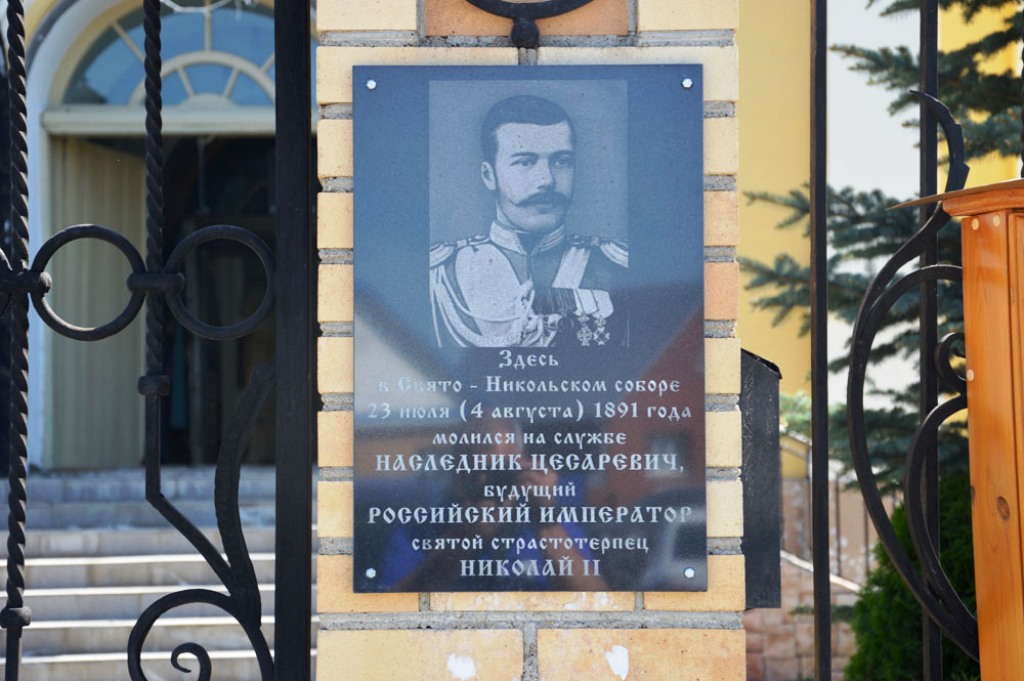
PHOTO: a plaque marks the visit of Tsesarevich and Grand Duke Nicholas Alexandrovich [future Emperor Nicholas II] to the Cathedral of St. Nicholas the Wonderworker in Verkhneuralsk, on 4th August (O.S. 23rd July) 1891.

The monument is in memory of Nicholas II’s visit to Verkhneuralsk on 4th August (O.S. 23rd July) 1891, during a trip across the Russian Empire following his Eastern Journey. The Eastern Journey (1890-1891) of Tsesearvich Nicholas Alexandrovich took him to Egypt, India, Ceylon, Siam, China, and Japan – where an assassination attempt was made on his life. The total length of the journey exceeded 51,000 kilometres, including 15,000 km of railway and 22,000 km of sea routes.

The Cathedral of St. Nicholas the Wonderworker was built in the Russian-Byzantine Style in 1870, and consecrated on 5th May 1875. The money for it’s construction was allocated by a local merchant Nikolai Petrovich Rytov (1818-1879), cost 6100 rubles. The church was erected according to the project of the famous Russian architect Konstantin Ton (1794-1881), who challenged classicism and established the Russian Style, which included outstanding palace and church architecture.
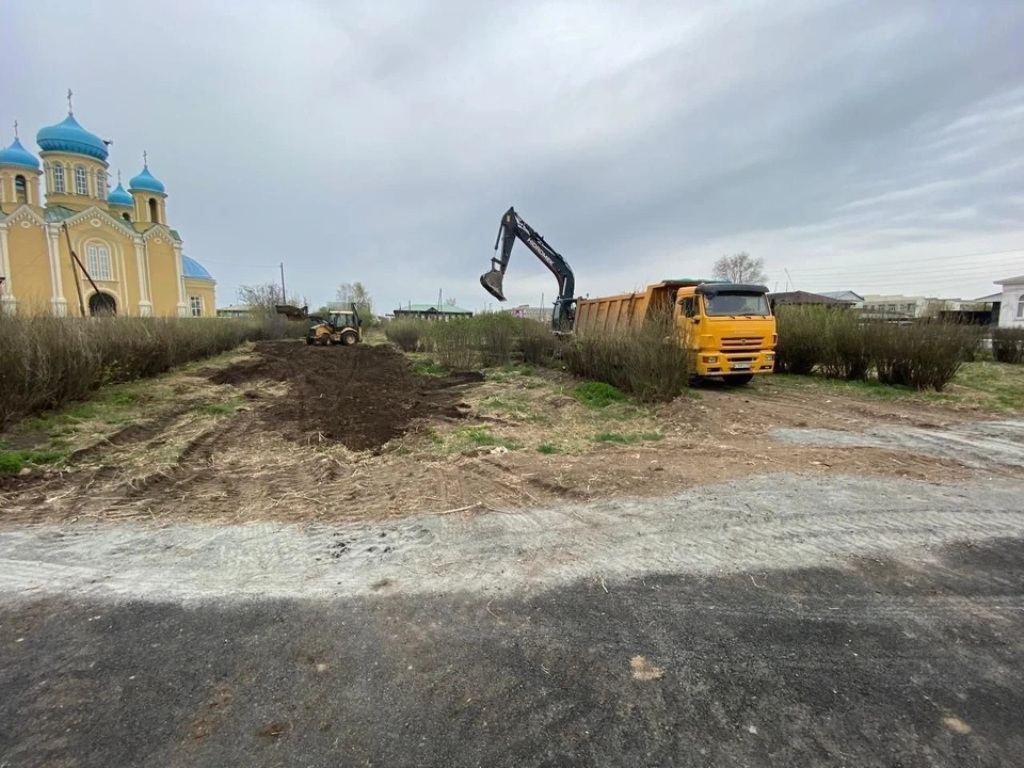
PHOTO: the grounds around the Cathedral of St. Nicholas the Wonderworker are currently being developed. The monument to Nicholas II, will be installed and consecrated here upon completion of the landscaping and gardens.

The northern altar of this cathedral – in the name of the Intercession of the Most Holy Theotokos – was built on benevolent donations in memory of the salvation of Tsesarevich Nicholas Alexandrovich, following an assassination attempt on his life in Otsu, Japan. The altar was consecrated on 18th November 1897.

In the 1930s, the church was closed and used as a grain warehouse, reopened in 1942. In the early 20th century, there were 7 Orthodox churches in Verkhneuralsk, however the Cathedral of St. Nicholas the Wonderworker, is the only one to have survived the years of Soviet power, the rest were destroyed.

It is interesting to note that in 1904, Emperor Nicholas II visited a number of Ural cities including Verkhneuralsk. He was accompanied by his brother Grand Duke Mikhail Alexandrovich.

© Paul Gilbert. 7 May 2025
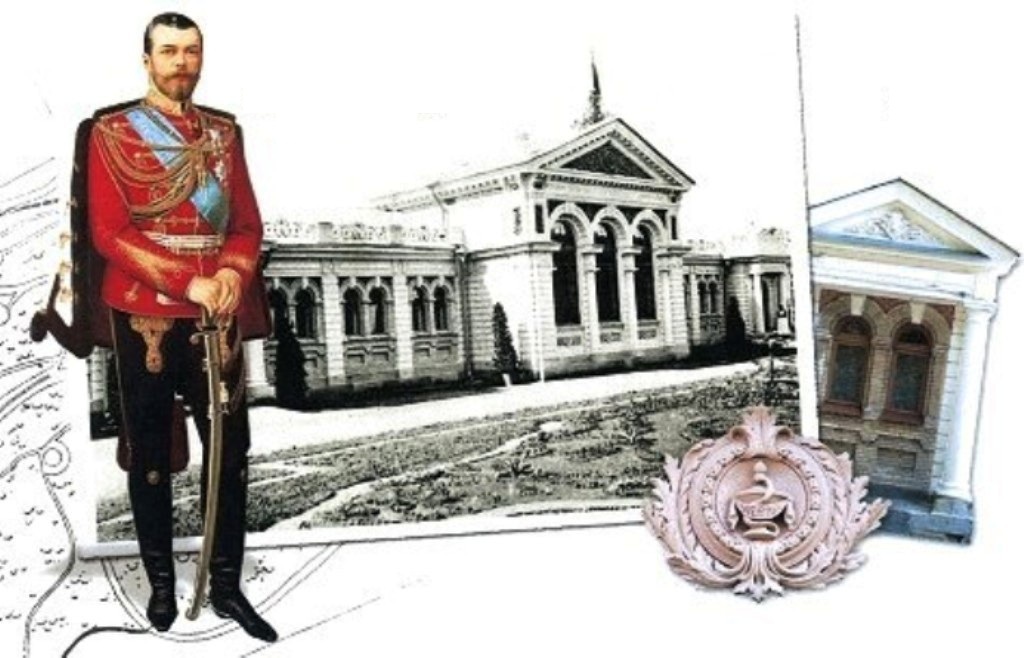
The Upper Nikolaev Baths, named after Nicholas II in Yessentuki

With the opening of the Mineralnye Vody-Kislovodsk railway line in May 1894, the flow of vacationers to the region in search of balneological treatments[1] increased significantly. In 1896, construction of the Upper Nikolaev [Nicholas] Baths, named after Emperor Nicholas II in Yessentuki [2] began.

The construction of the building began in October 1895 after the decree of the Administration of the Caucasian Mineral Waters, when the demand for mineral and mud baths greatly increased. The building was constructed according to the project of architect Nikolai Vsevolodovich Dmitriev (1856-1936)  and engineer B.K. Pravzdik.

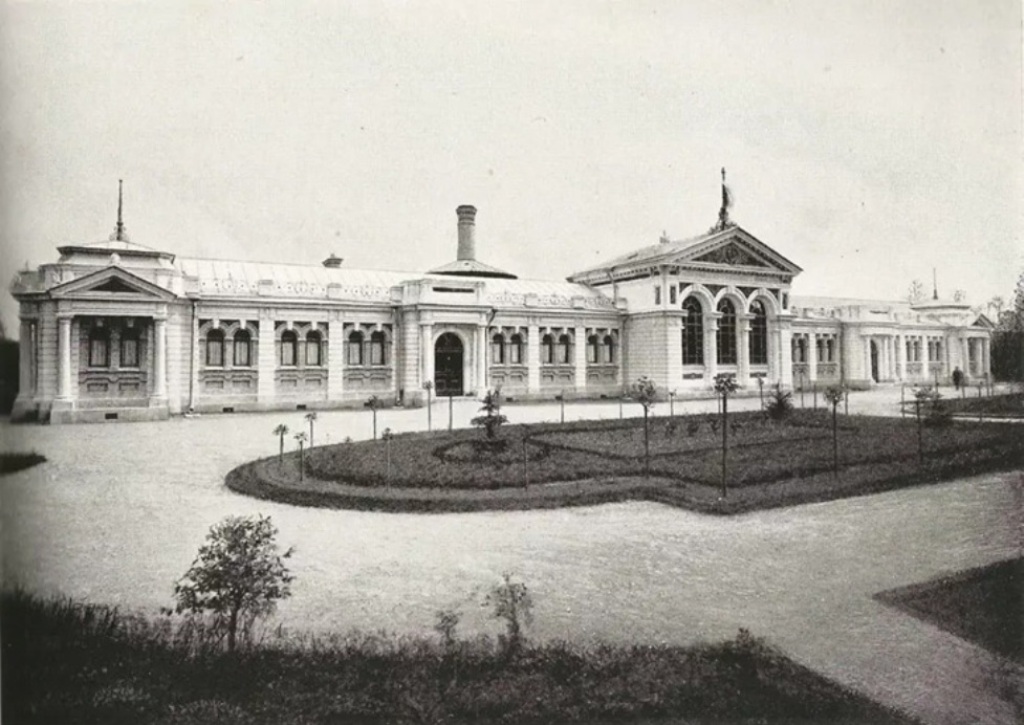
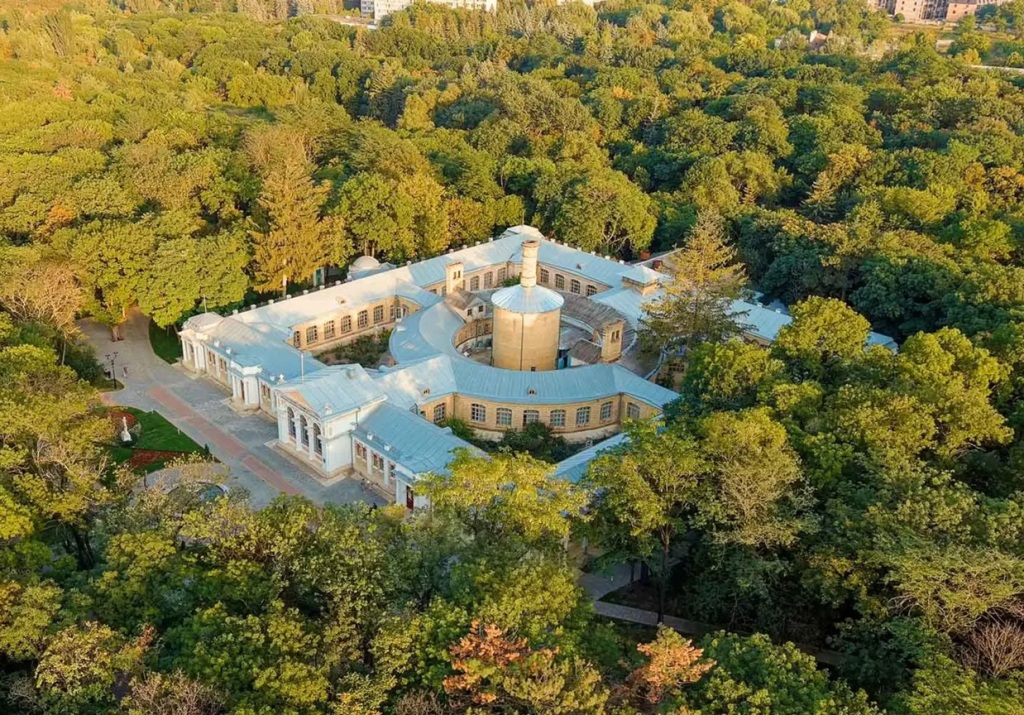
The one-story building – made of local light yellow brick – was constructed in late Russian Classicism Style with elements of Baroque. It is a square structure [see photo at the end of this post], with a ring-shaped pavilion in the courtyard, connected to the main building by four corridors.

PHOTO: early 20th century view of the Upper Nikolaev [Nicholas] Baths, Yessentuki

The entire square part of the building is divided into two parts: the right side is reserved for women, the left side is for men. Each of the halves has a separate entrance from the main façade, in the center of which there is a waiting room for procedures.

The baths catered to the wealthy aristocracy, so they met the highest standards. The interior decoration of the waiting and recreation halls were admired by their magnificence. The bathing tubs in the cabins were made of solid pieces of light gray Carrera marble, specially brought from Italy.

The courtyards were decorated with ancient Greek sculptures and beautiful flower beds, providing the perfect ambiance for rest and relaxation.

In the summer of 1898, the Upper Nikolaev Baths welcomed its first visitors.

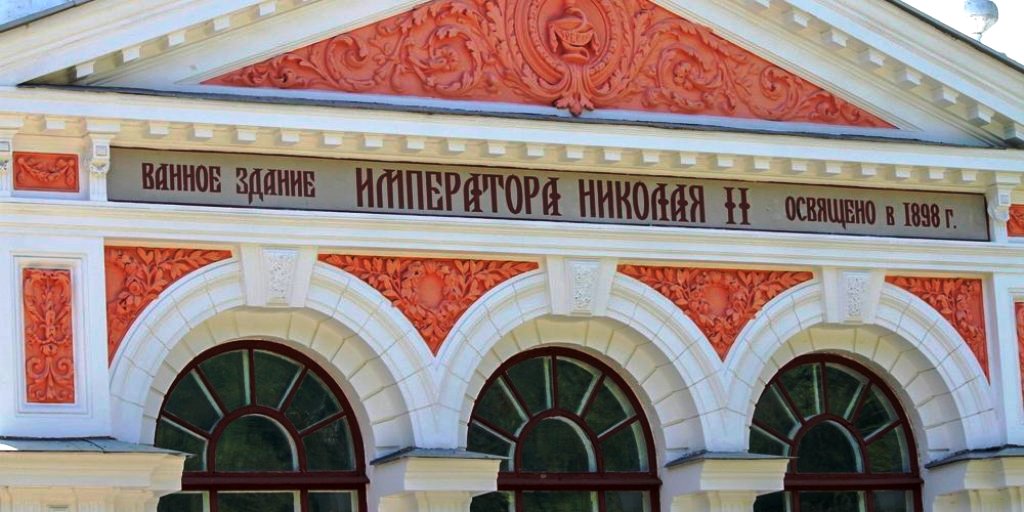
PHOTO: the Bath building of Nicholas II (Upper Baths) as it looks today
Above the entrance is written ‘Императора Николая II / Emperor Nicholas II’

The project provided for nineteen rooms allocated for balneological treatments [1], and fifteen (located in the circular part of the building) for mud bath treatments.

In terms of technical equipment, the Nikolaev Baths were in no way inferior to the most popular European spas, and the miraculous properties of local springs and mud made them unsurpassed.

Emperor Nicholas II was no stranger to the Caucasus region. In 1903, he had a hunting lodge built in the village of Krasnaya Polyana. It was during his visits to the region – particularly during World War One – that the Emperor and his entourage could enjoy the bath’s healing waters.

PHOTO: aerial view of the mineral springs at Yessentuki, the circular Bath building of Nicholas II (Upper Baths)

Today, the Upper Nikolaev Baths have retained much of it’s historical elements, and is recognized as an architectural monument of federal significance. It is part of the invaluable historical and cultural heritage of the Yessentuki resort, which dispense over 2000 treatments per day.

NOTES:

[1] Balneotherapy is a natural therapy that involves bathing in mineral-rich waters to treat various health conditions, improve circulation, and promote overall well-being. It is often used for pain relief, stress reduction, and the management of chronic skin and joint disorders.

[2] part of the resort region of the North Caucasus region.

© Paul Gilbert. 6 May 2025