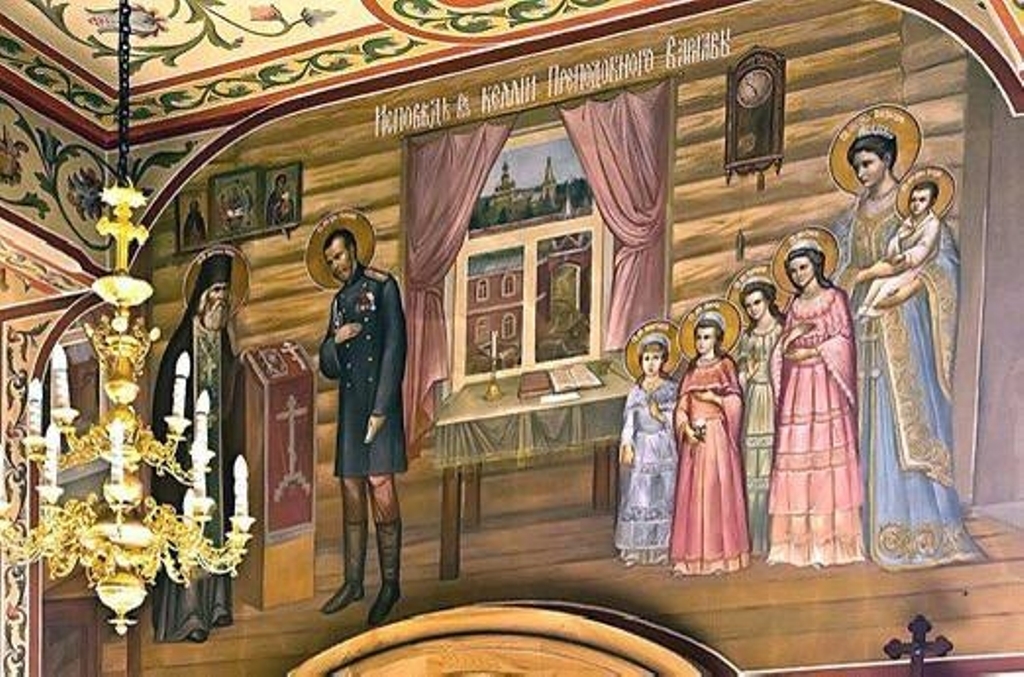
PHOTO: fresco depicting Emperor Nicholas II meeting the Elder Barnabas
Emperor Nicholas II was known for his piety and religiosity. During his 22-year reign, he loved to visit monasteries and speak with the elders. In early 1905, the Emperor visited the famous Elder Barnabas – shortly before the elder’s death – in the Gethsemane Skete near the Trinity-Sergius Lavra at Sergiev Posad.
Following the tragic events of Bloody Sunday in January 1905, Nicholas II’s visit itself was timely. Although the Tsar was not to blame for the tragedy, he wanted in conscience, to repent in the presence of the man of God and listen to his instruction and admonition.
It is known that the Elder Barnabas not only confirmed the prophecy already known to the Emperor about the fate that awaited him, but also gave him his blessing to accept this fate, strengthening in him the will to bear his cross when it pleased the Lord to lay this cross on him.
Nicholas was already aware of the prophecies of the monk Abel (1801) in 1901 and St. Seraphim of Sarov (1833) in 1903.
In 1909, during the Emperor’s visit to the ancient St. George Monastery near Sevastopol, two devout schema-monks, who never showed themselves to people from their cells, suddenly came out, approached the Sovereign, silently fell down in prostration, stood up, crossed themselves, and also silently departed.
Elder Barnabas died on 17th February 1906. The famous elder and ascetic, was officially canonized by the Moscow Patriarchate of the Russian Orthodox Church in 1995. He is celebrated for his spiritual wisdom, prophecies, and for serving as a confessor to Emperor Nicholas II in 1905.
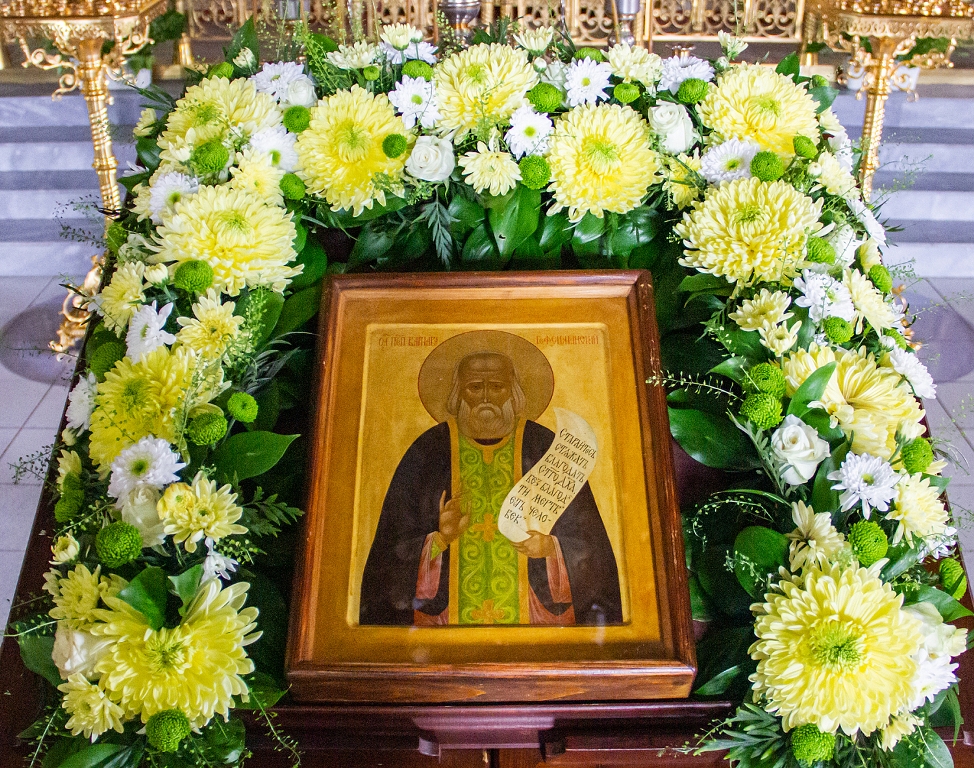
PHOTO: icon depicting St. Barnabas of Gethsemane
© Paul Gilbert. 24 February 2026
 Nicholas II
You must be logged in to post a comment.