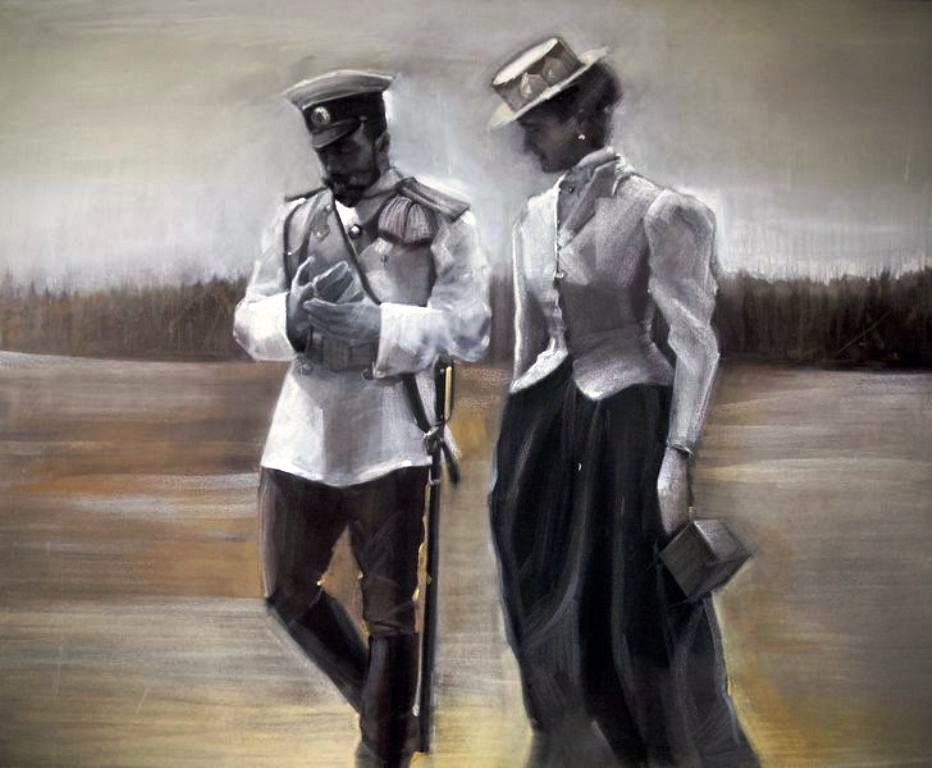
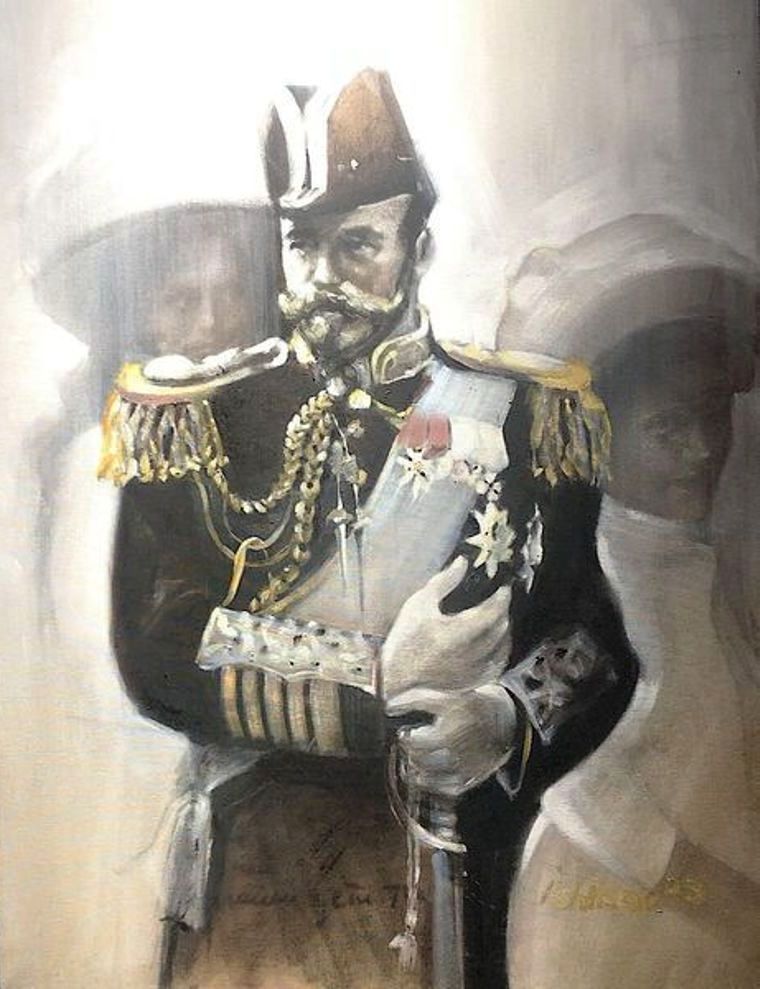
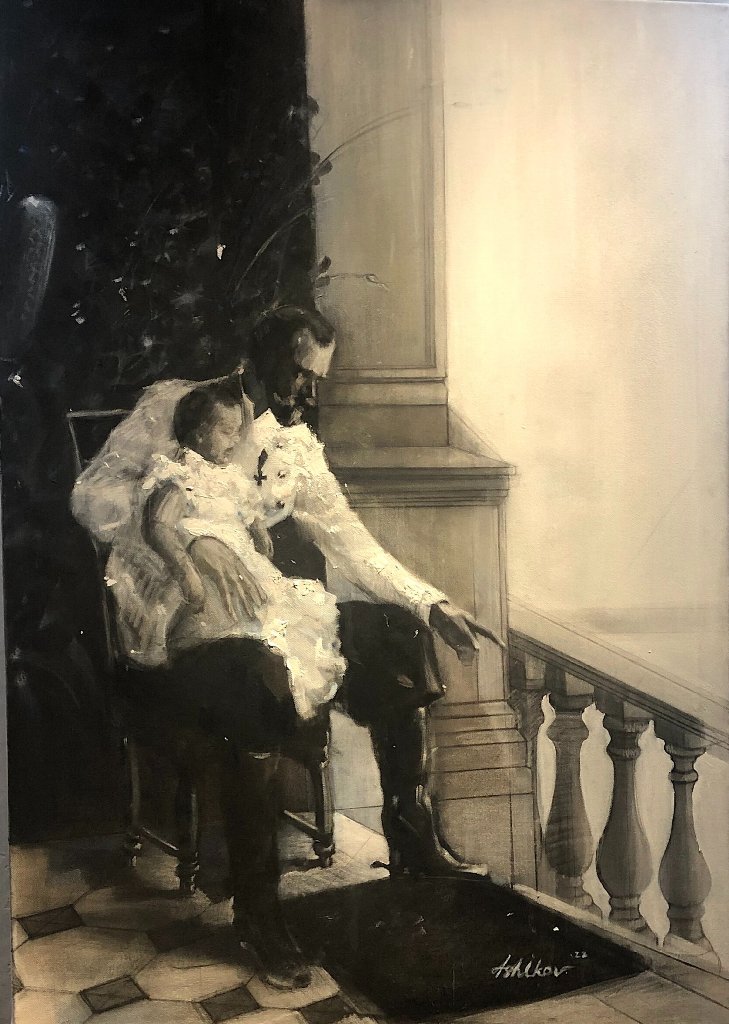
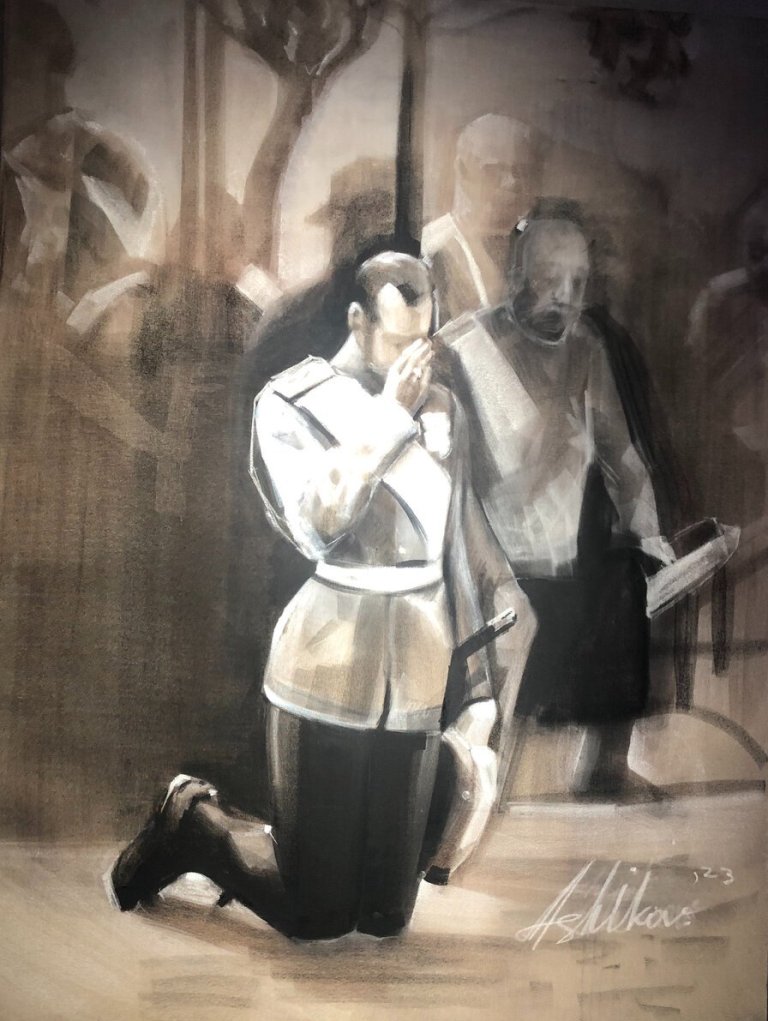
Portraits of Nicholas II by the contemporary Russian artist Yuri Ashikov

It is very rare for a new Romanov exhibition to escape my notice, however, I only just recently learned of a very interesting exhibition of a contemporary Russian artist’s portraits of Emperor Nicholas II, which was held in Moscow in the Spring of 2024.

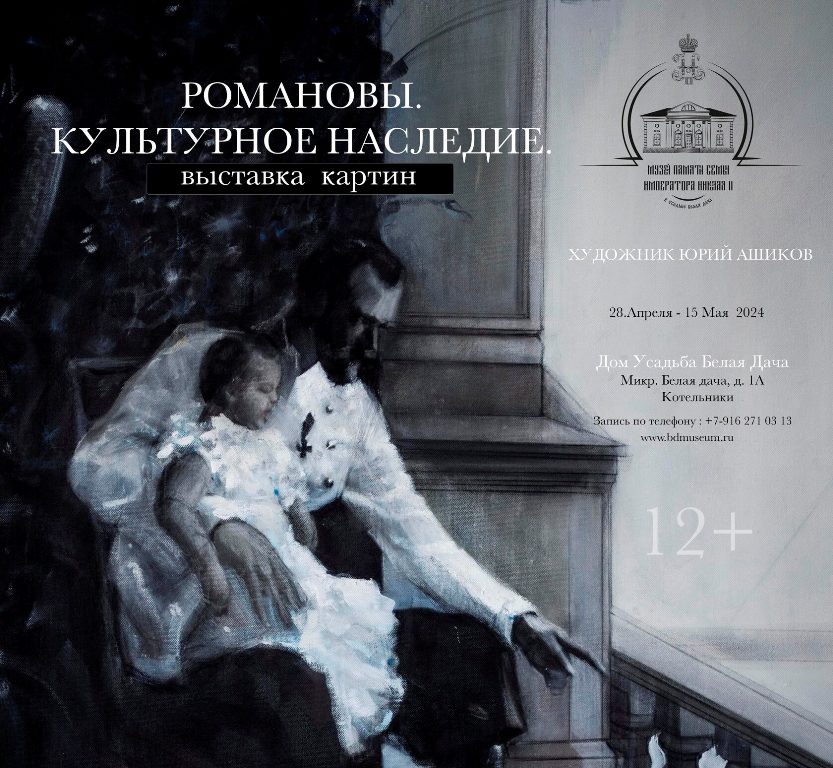
The Romanovs. Cultural Heritage exhibition showcased portraits of the last Tsar by Yuri Ashikov, a contemporary artist, who is virtually unknown of in the West. The exhibition was held from 28th April to 15th May 2024, in the Museum of Emperor Nicholas II in Moscow.

On display were the artist’s portraits of members of Emperor Nicholas II and his family, painted or drawn in the revived and almost lost, rare school of Russian realism in the portrait class, made popular during the late 19th and early 20th century by the famous Russian artist Valentin Alexandrovich Serov (1865-1911).

It is significant that Valentin Serov was the last artist to paint Emperor Nicholas II. In Yuri Ashikov’s paintings and drawings, you see the whole essence and beauty of the School of Russian Realism in a modern interpretation.

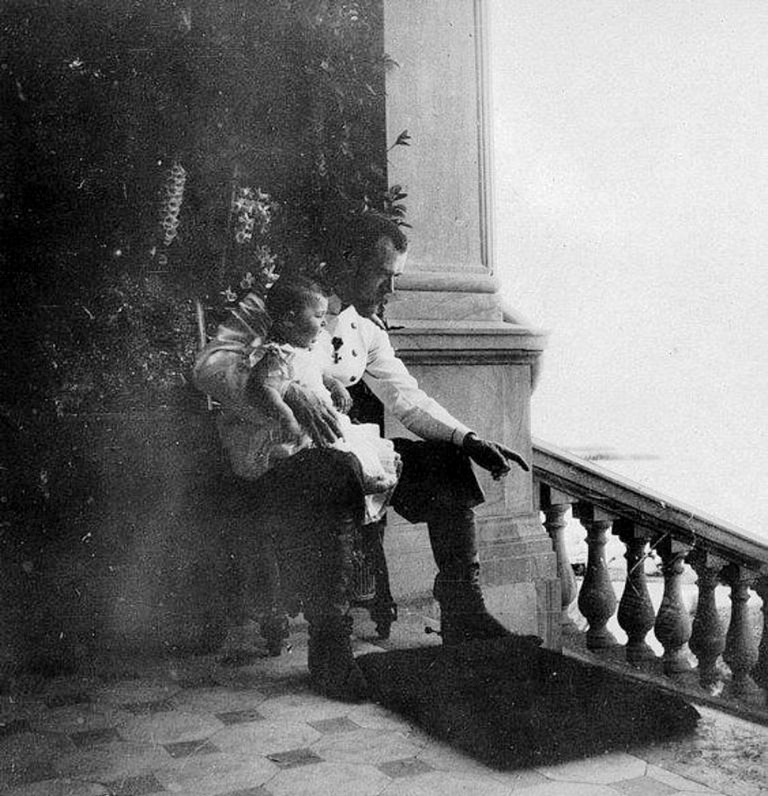
The culture of the late 19th century is directly and very closely related to the style in which the artist’s works are painted. Ashikov has managed to capture his August subject from iconic vintage photographs and paintings of the Tsar and his family. For instance, the portrait used for the exhibition poster (seen above) is based on a 1905 photograph of Nicholas II holding his infant son Alexei on his lap (see photo below) – it is truly beautiful beyond words!

I posted the above photo on my Facebook page several years ago, it was one of a series of four or five similar photos (though there are probably others?), but this one in particular, touched my heart.

This endearing image shows the Emperor Nicholas II seated on the porch of the Lower Dacha, Peterhof, while holding his infant son and heir Tsesarevich Alexei, c. 1905.

The Emperor is seen as a ‘proud papa’ pointing at something which has caught his eye in the garden, and he wants to share with Alexei.

Tsesarevich Alexei Nikolaevich was born in the Lower Dacha at Peterhof on 12th August (O.S. 30th July) 1904. He was named Alexei – in honour of St. Alexius of Moscow (1296–1378).

About the artist – Yuri Ashikov

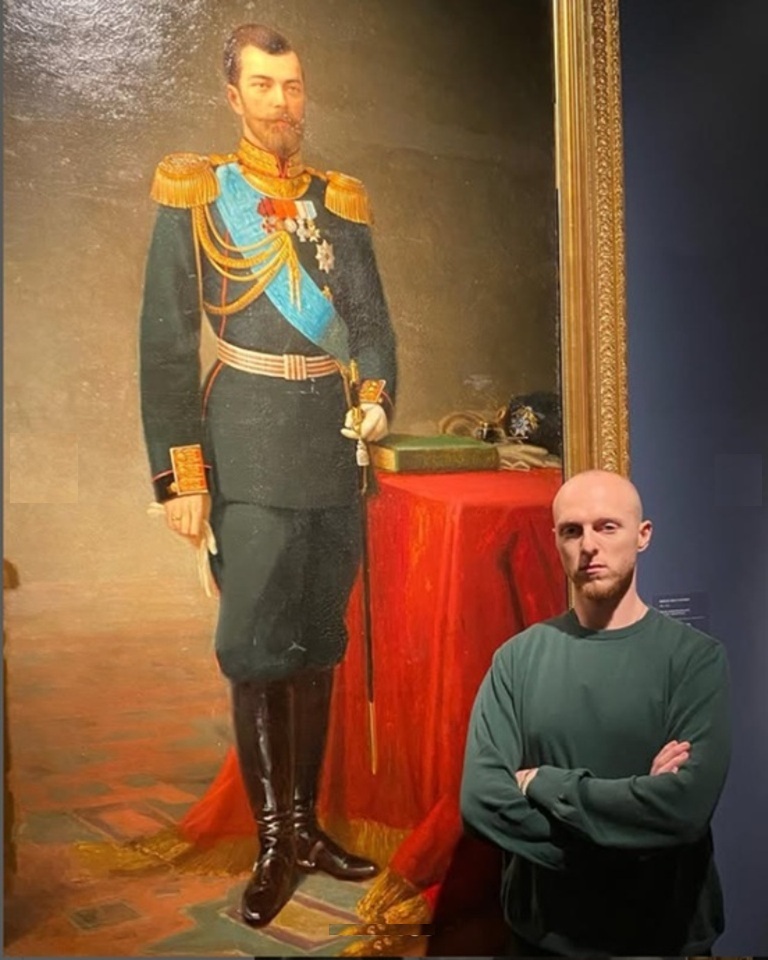
PHOTO: the contemporary Russian artist Yuri Ashikov visiting his “favourite museum”, while posing in front of a portrait of Emperor Nicholas II

Born in 1994, Yuri Ashikov is a contemporary Russian painter, photographer, sculptor, architect and art designer. He graduated, from the Stroganov School Faculty of Design in Moscow, trained in London and Japan, Latvia and Italy, studying not only drawing, but also design and architecture.

For three years, the artist worked on the “Romanov project”, creating a number of both paintings and charcoal drawings of the Tsar, his wife and children. Yuri wrote: “… I want the paintings to be alive, and each work to evoke emotions in the person… Each new project sets its own style, technique and materials. But most of my work I start in the traditional style – with charcoal.”

His exquisite paintings, which are recreated from iconic photographs and paintings of Russia’s last Tsar. They have been exhibited in cities across the Russian Federation, including Moscow and St. Petersburg.

Below, are some of Yuri Ashikov’s portraits of Emperor Nicholas II . . .

© Paul Gilbert. 11 September 2025

Directors of Museum of Nicholas II and Livadia Palace meet in Crimea

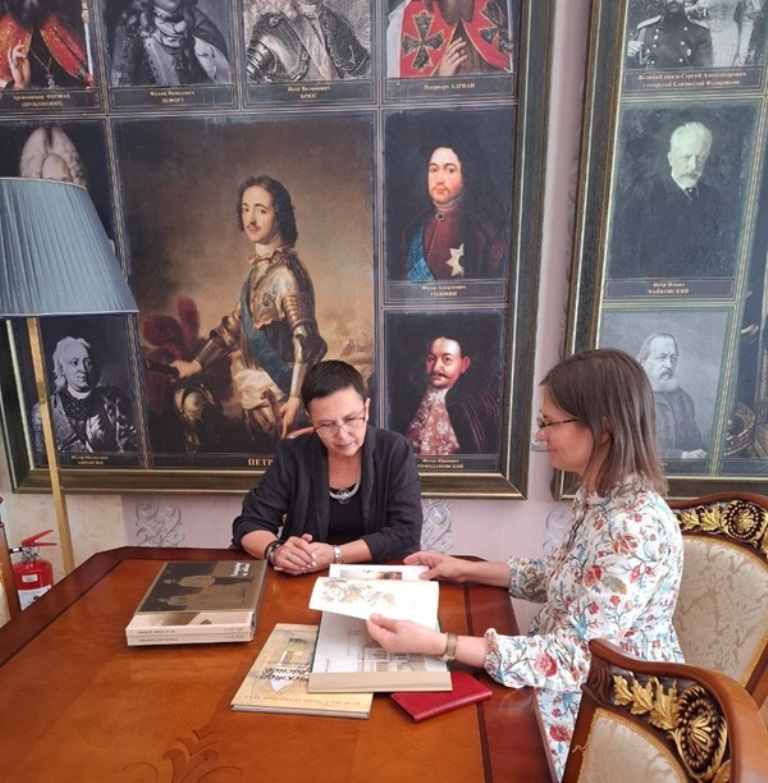
PHOTO: Larissa Kovalchuk and Anna Sadrieva at Livadia Palace

On 11th August 2025, Livadia Palace hosted a meeting between the new Director of the Livadia Palace Larissa Kovalchuk and the President of the Nicholas II Foundation, who also serves as the Director of the Museum of Emperor Nicholas II in Moscow, Anna Alexandrovna Sadrieva. Together, the two parties agreed on mutual cooperation and discussed plans for future joint exhibitions.

The Emperor Nicholas II Foundation was created on 21st May 2021, to support the Museum of Emperor Nicholas II (Moscow), as well as other initiatives to help restore and disseminate the historical truth about Russia’s much slandered Tsar. During the last 4 years, the Foundation have hosted dozens of events, offered hundreds of museum tours, while expanding their collection with new acquisitions.

The Museum of Emperor Nicholas II (includes VIDEO) is based on the unique collection of the famous Russian art historian Alexander Vasilyevich Renzhin, which was formed over the course of 35 years and contains more than 3.000 authentic objects dating from 1868 to 1918, including personal items which belonged to Emperor Nicholas II and members of his family.

Livadia was a favorite vacation spot for the Imperial Family, overlooking the Black Sea on the southern coast of Crimea. Here, among the dense greenery of the centuries-old park, in addition to other buildings of the former estate, the New Grand Imperial Palace, made under the direction of the architect Nikolai Petrovich Krasnov (1864-1939) for the last Russian Tsar, stands out.

Emperor Nicholas II spent about 4 million gold rubles on the palace. The palace contains 116 rooms, with interiors furnished in different styles. In November 1911 Grand Duchess Olga Nikolaevna celebrated her 16th birthday at Livadia. The Imperial family visited Livadia in the fall of 1911 and 1913 and in the spring of 1912 and 1914, often spending months at a time.

In 1922, the former Imperial Residence was opened to the public as a museum, however, it closed 5 years later due to a lack of visitors. On 30th April, 1918, German troops entered Livadia and immediately began to plunder the palace. After the end of World War II, Franklin Delano Roosevelt (1882-1945), the 32nd President of the United States, expressed an interest in buying Livadia Palace. In July 2022, Livadia Palace marked its 100th anniversary as a museum. Sadly, nearly all of the palace’s former furnishings were lost.

The beginning of discussions and cooperation between the two large museums dedicated to the life and reign of Emperor Nicholas II, and the everyday life of his family, is a step towards joint educational projects and exhibitions that will help immerse visitors in Imperial Russian history during the late 19th to early 20 centuries.

© Paul Gilbert. 12 August 2025

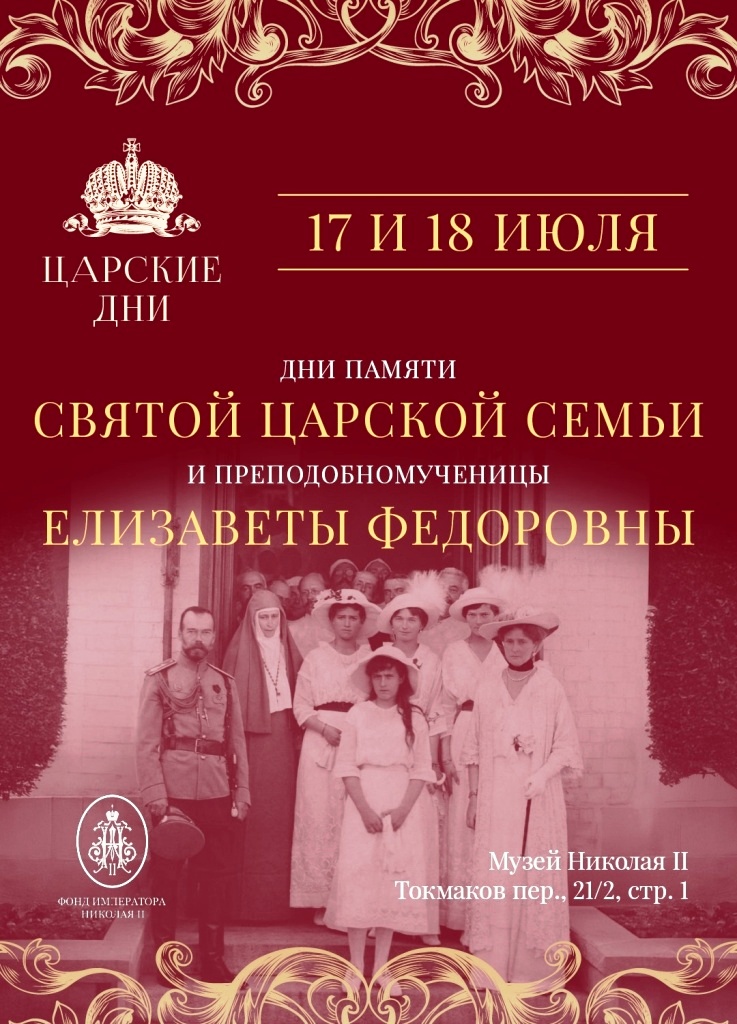
Emperor Nicholas II Foundation in Moscow prepares for Tsar’s Days

The Emperor Nicholas II Foundation in Moscow has prepared a program of events marking Tsar’s Days, 17th and 18th July 2025.

On 17th July – the day marking the death and martyrdom of the Imperial Family – at 08:00, a Divine Liturgy will be performed in the Church of the Ascension of the Lord on the Gorokhovoye Field, built in 1788-1793.

At 10:15 and 18:00 – a guided tour of the Museum of Emperor Nicholas II.

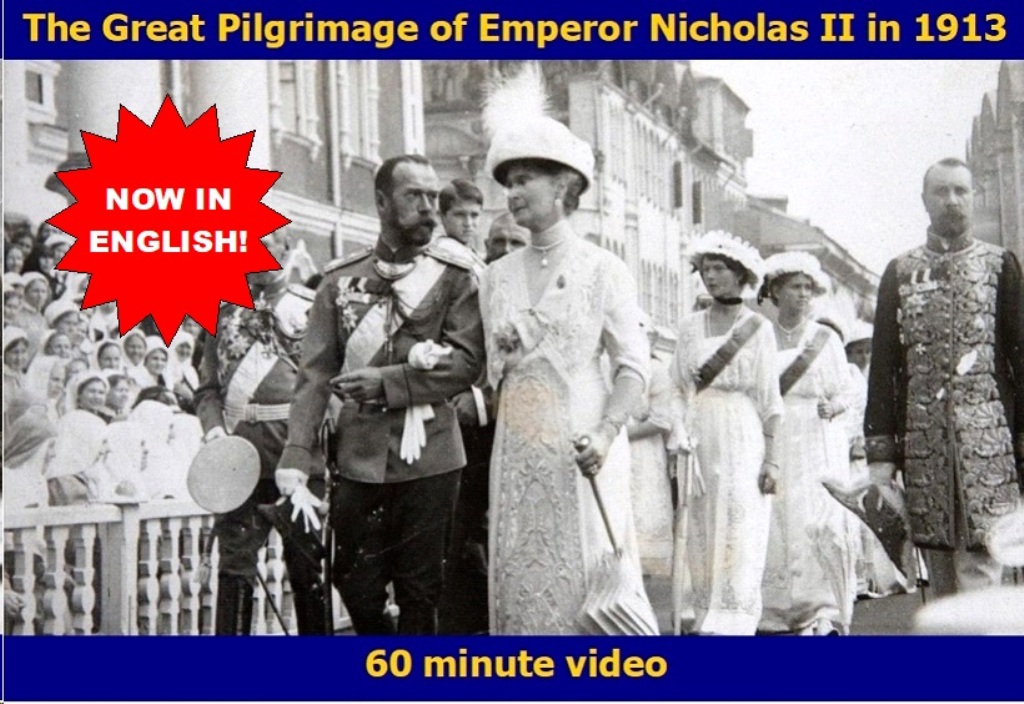
At 19:15 – a screening of the 2023 documentary film by historian and director K.G. Kapkov Великое паломничество императора Николая II 15-28 мая 1913 г / The Great Pilgrimage of Emperor Nicholas II.

Click HERE the above image to watch the documentary film “The Great Pilgrimage of Emperor Nicholas II“. Language: English. Duration: 1 hour

On 18th July – the day marking the death and martyrdom of Grand Duchess Elizabeth Feodorovna – at 08:00, a Divine Liturgy will be performed in the Church of the Ascension of the Lord on Gorokhovoye Field, built in 1788-1793.

At 18:00 – a guided tour of the Museum of Emperor Nicholas II.

At 19:30 – a screening of the 2016 documentary film directed by Elena Belova Белый ангел / White Angel – about the life and death of Grand Duchess Elizabeth Feodorovna.

FURTHER READING:

Emperor Nicholas II Foundation marks 4th anniversary + PHOTOS

Video tour of the Museum of Emperor Nicholas II in Moscow + VIDEO and PHOTOS

© Paul Gilbert. 9 July 2025

Emperor Nicholas II Foundation marks 4th anniversary

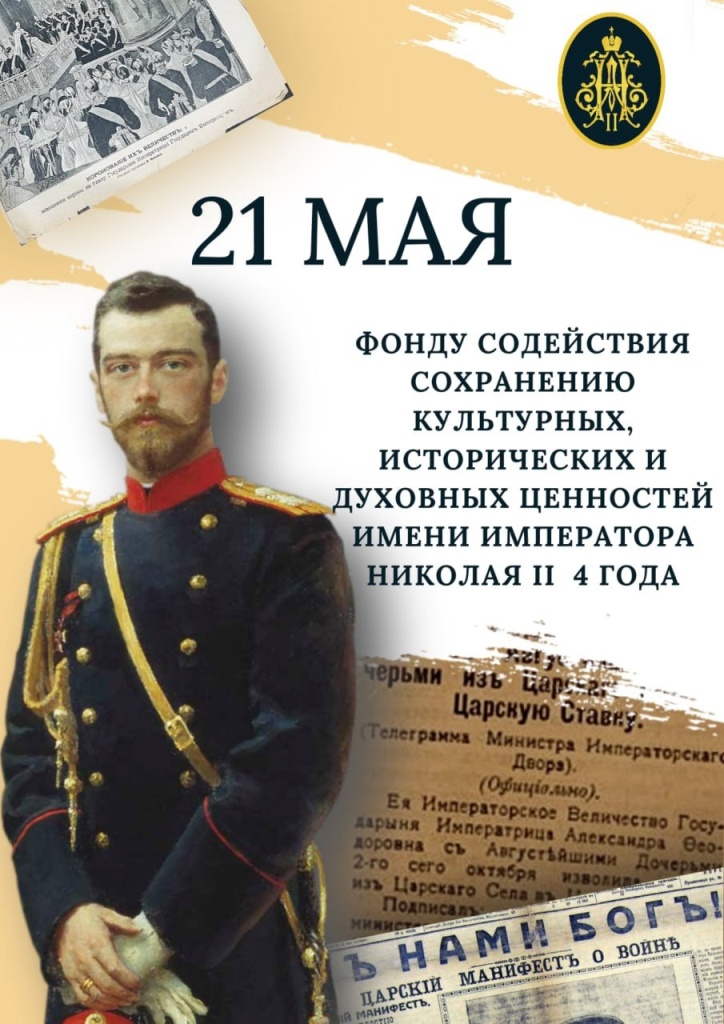
On 21st May 2025, the Emperor Nicholas II Foundation celebrated it’s 4th anniversary. The Foundation was created in 2021, to support the Museum of Emperor Nicholas II (Moscow), as well as other initiatives to help restore and disseminate the historical truth about Emperor Nicholas II and his era.

The Foundation is dedicated to the historical education of the Holy Sovereign Emperor Nicholas II and his family, and to the creation and prosperity of the Museum of Emperor Nicholas II Museum. During the last 4 years, the Foundation have hosted dozens of events, offered hundreds of museum tours, while expanding their collection with new acquisitions.

In addition, the Foundation has been involved in several Russian language publishing projects, such as Последний духовник Императора Николая II и его Семьи: тобольский протоиерей Владимир Хлынов / The last confessor of Emperor Nicholas II and his Family: Tobolsk Archpriest Vladimir Khlynov (2018).

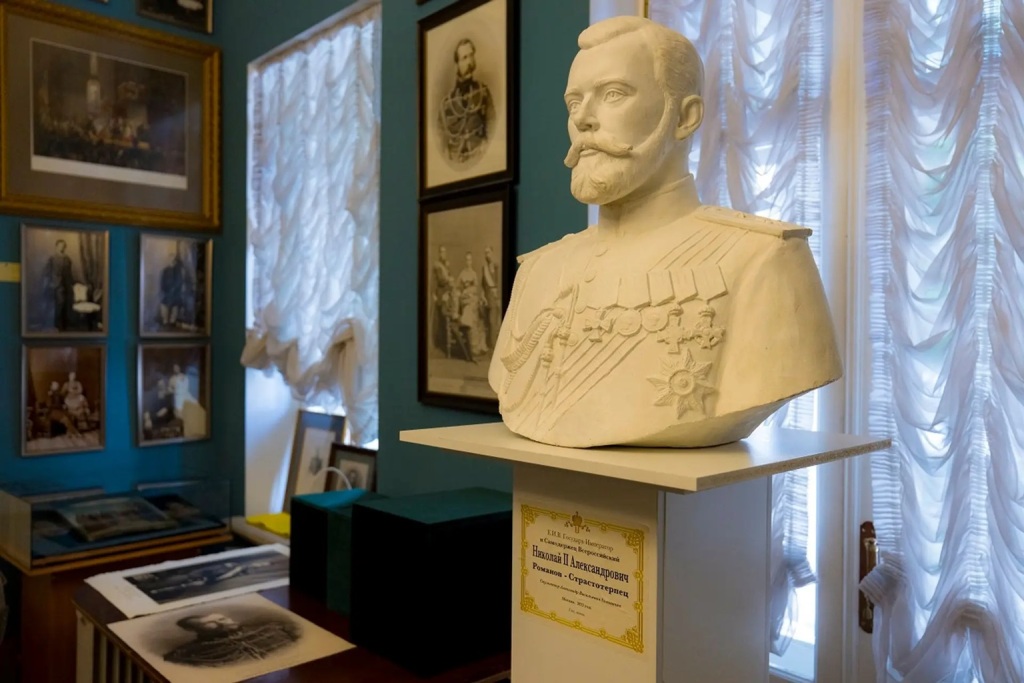
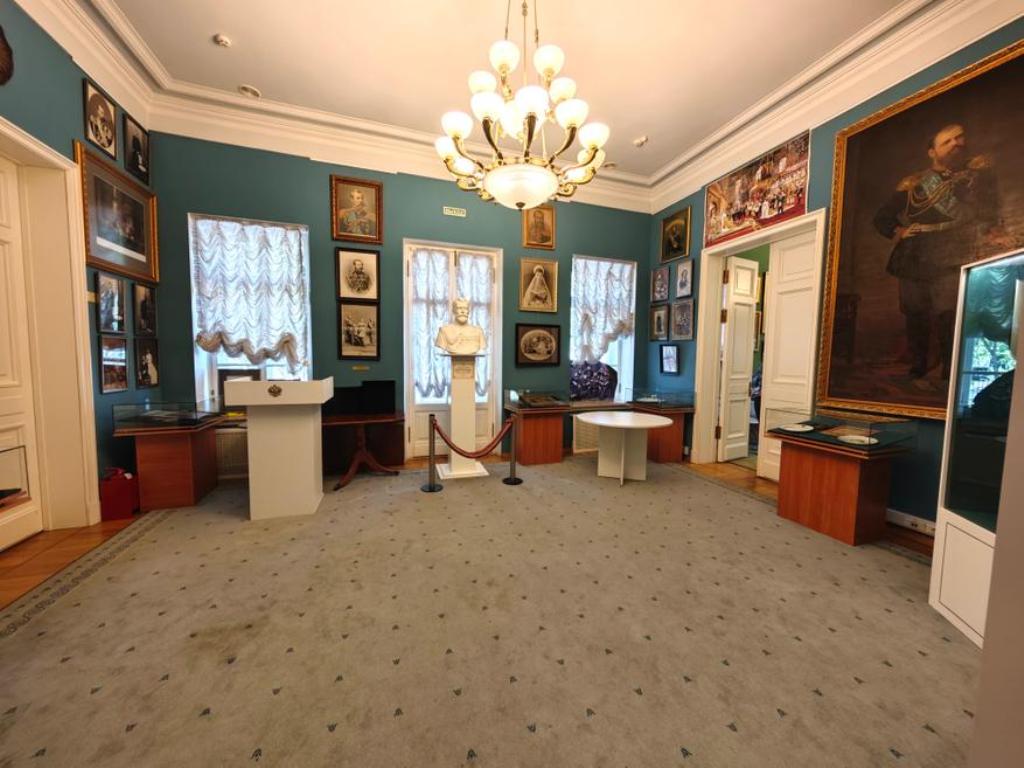
PHOTO: bust of Emperor Nicholas II on display in the Museum of Nicholas II

The Museum of Emperor Nicholas II is based on the unique collection of the famous Russian art historian Alexander Vasilyevich Renzhin, which was formed over the course of 35 years and contains more than three thousand authentic objects dating from 1868 to 1918, including personal items which belonged to the last Russian Emperor and his family: icons, church utensils, rare books, ceremonial portraits of Emperors Alexander II, Alexander III, Nicholas II, more than 500 original photographs, autographs, state documents, porcelain, glass and bronze, a unique collection of gifts from the 1896 Coronation, memorial items of the Romanov dynasty, a full set of state awards established by Nicholas II, postcards, chromolithography, engravings and much more.

***

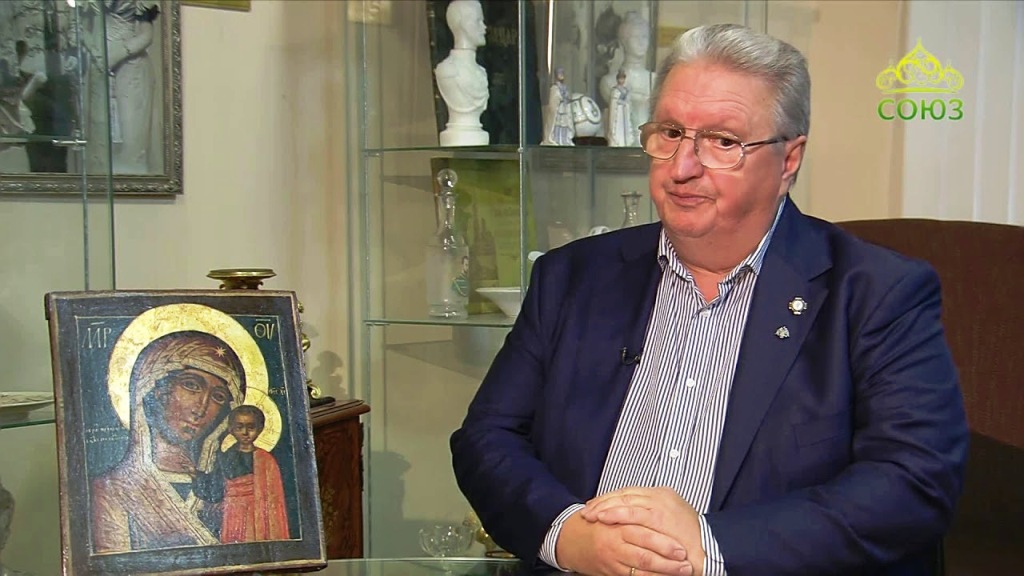
PHOTO: Alexander Vasilyevich Renzhin,
director of the Museum of Emperor Nicholas II in Moscow

The following is from an interview on 14th May 2024:

Russian art historian Alexander Vasilyevich Renzhin, and director of the Museum of Emperor Nicholas II, for many decades has been amassing a collection of personal items belonging to the last Russian Tsar and his family. Renzhin himself, could not have imagined that his collection of rare and unique items would form an exposition which reflect an important page in late 19th to early 20th century Russian history, one which would fill an entire museum.

— Alexander Vasilyevich, why did you start the museum.

“I had been living with the dream of opening a museum for many years. It so happened that I learned about the history of pre-revolutionary Russia, as they say, first-hand. Both of my grandfathers were simple peasants from the Vyatka province, they lived through the Great War, the 1917 Revolution, the Civil War, the Great Patriotic War and still, both lived to be 90 years old. And despite all the events which they experienced, they still retained the people’s love for the Sovereign, always referring to him in their memoirs as “Tsar-Father”. This absolutely respectful attitude towards the Tsar was deeply observed by the Russian people.

“Once a photograph of Emperor Nicholas II fell into my hands, which I remembered for the rest of my life. In it, the Emperor is depicted visiting a factory and talking to the workers. He does not look “official” or “superior”, but as if the workers are old acquaintances. So a completely new page in history began to open for me, which began with the memories that my two grandfathers shared with me. It was at this point in my life, that I started to collect books and objects related to the history of the Imperial Family.”

— Did you have like-minded people who helped open the museum?

“Yes, this would be Anna Vitalievna Gromova, a well-known public figure, historian and Chairman of the Elisabeth-Sergius Educational Society Foundation (ESPO). Thanks to her, we were able to acquire a building for our museum.”

— Are all the exhibits presented in the museum from your personal collection?

“Some things were given to us by people who kept them, often hidden away from even their closest friends and relatives. Our museum is direct evidence that not everything related to Nicholas II was destroyed, and that the Russian people did not forget the Tsar. During the 1920s and 30s, it was forbidden to be in possession of photographs or portraits depicting the Tsar. People who did so, risked losing everything, and even the risk of being shot. Nevertheless, people preserved these items to this day.

“They kept these items hidden in their chests and closets, hiding them from every one. One old woman who brought me a mug from the Tsar’s Coronation told me that her grandmother, when she invited them to visit her, opened a drawer, and showed this mug and said: “Look, this mug was held in the hands of the Tsar-Father.”

“She received it on the Khodynka Field from the hands of the Tsar himself (!). And now this rarity can be seen in our museum. Things related to the Tsar in one way or another were kept by these dear souls, who loved Russia, who loved their Tsar, as the most important treasure in life.

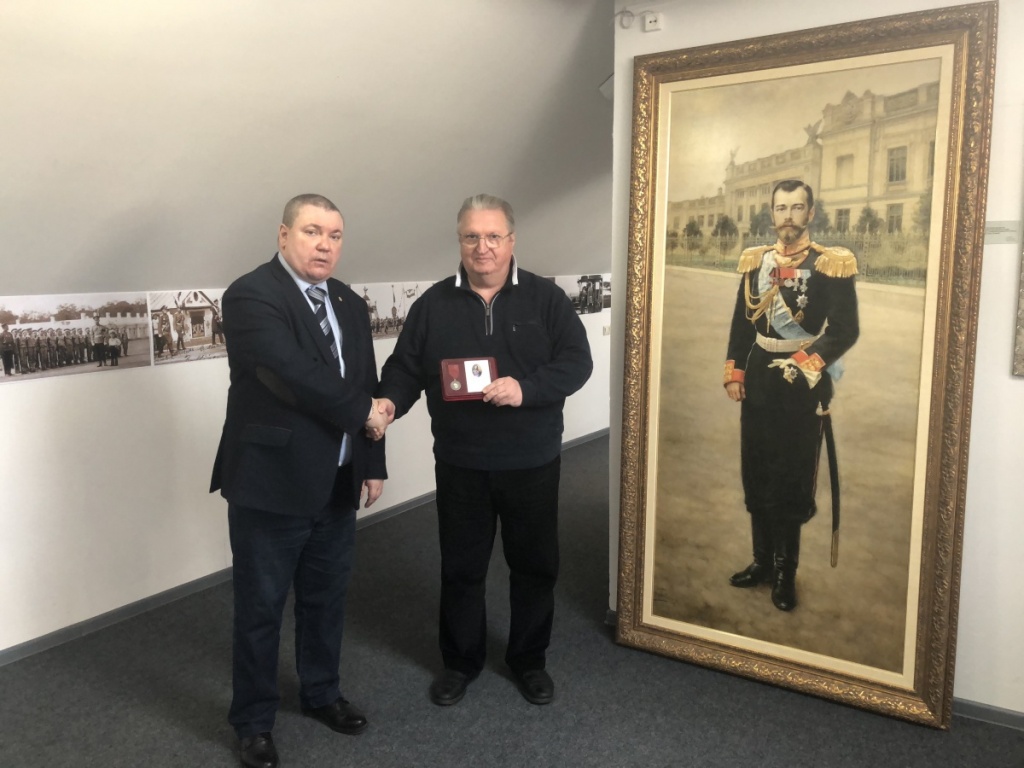
PHOTO: On 24th April 2018, the head of the Military Orthodox Mission Igor Evgenievich Smykov (left) visited the Museum of Emperor Nicholas II in Moscow. With the blessing of the First Hierarch of the Russian Orthodox Church Outside of Russia (ROCOR), Metropolitan Hilarion (1948-2022), he presented Alexander Renzhin (right) with a commemorative medal “In Memory of the Reign of St. Emperor Nicholas II Alexandrovich.”

– What kind of person, in your opinion, was Nicholas II?

“He was a creator. We see this in the fruits of his labours. He was very firm in his decision-making, that’s obvious. Each time he thought them over carefully, always trying to find an inner balance. Thanks to Nicholas II, 46,000 kilometers of railways were built during his twenty-two year reign.

“The plan for the electrification of the country was created in 1903 on his personal initiative, although the Bolsheviks later took credit for it. Some 118,000 educational institutions were opened. In 1894, only 24 percent of the population was literate, and in 1917 it was 67 percent. It was the Tsar who issued a decree on parochial schools. Even if a priest did not have the means to hire a teacher, he was obliged to teach himself. Primary education was offered at every church throughout the Russian Empire.

“Nicholas II was a man of very strong character, and no one ever saw him angry, always trying to remain calm, even during the many trials and tribulations of his reign. When in the company of officers, he could drink as much as the rest, but no one saw him drunk. His worst outburst of anger, as one of his retinue recalled, came during a conversation with an officer who had abandoned his soldiers on the front lines. The Tsar fell silent, turned his back to the officer, went to the windowsill and began to tap it with his fingers.

“Nicholas II was an exemplary father to his children and a father to his subjects. Suffice it to say that in the First General Census of the Population of the Russian Empire (1897), in the column “Occupation, position or trade” he wrote: “Master of the Russian land.”. That is, he felt like a master – an owner, responsible for everything and everyone.”

— What do you think visitors will learn during their visit to your museum?

“Judging by the reviews our visitors leave, for the majority, regardless of education or age, our museum is a discovery. Many people do not realize, that once Tsarist Russia was ruled by a just, honest man who loved our Fatherland with all his heart and gave not only his life for it, but also the lifves of his family, who, went with him to their death and martyrdom.

“Young people who come to our museum are very interested in history, their eyes shine while looking at the exhibits. This new generation is like a blank slate, and it is necessary to write on it, it is necessary to give them knowledge, genuine, real historical knowledge, on the basis of documents that have been preserved. When they see the fragments of the Russian Empire, they will understand what they should be striving for. They will understand what our ancestors cherished for a thousand years.”

© Paul Gilbert. 22 May 2025
Video tour of the Museum of Emperor Nicholas II in Moscow

CLICK on the image above to watch the VIDEO

Duration: 2 minutes, 57 seconds. Language: Russian

For English subtitles: please click on the closed captioning button [cc] and then use translate [i.e. Google]

NOTEl: at the beginning of the video, please note the bust of Emperor Nicholas II on a pedestal, situated to the left of the museum.

***

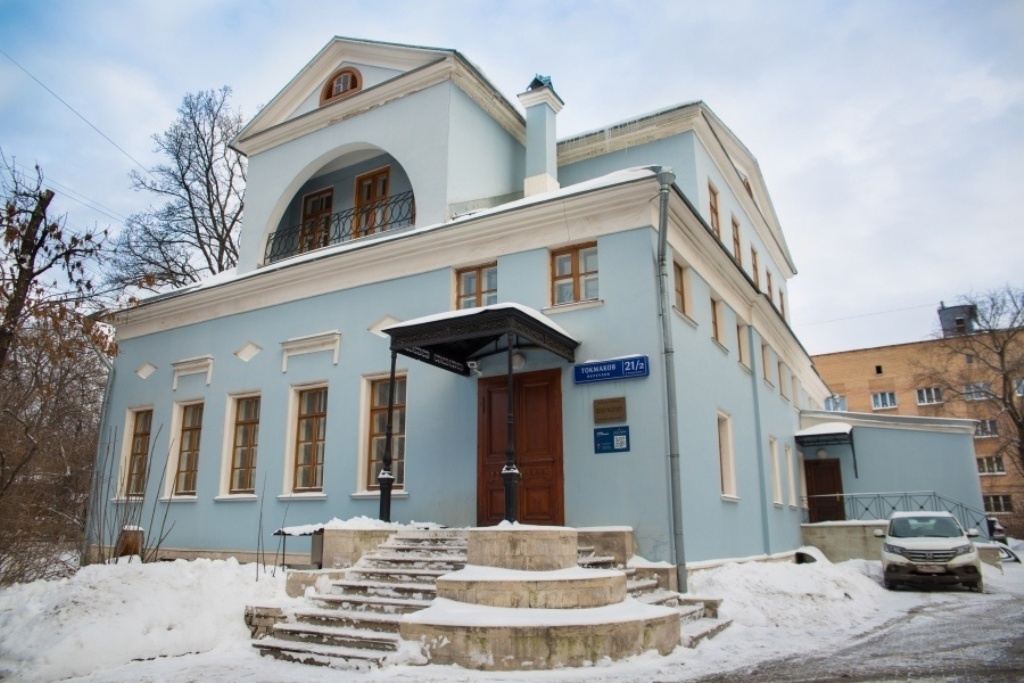
Situated in a quiet side street in the Basmanny district, situated in northeastern Moscow, is a small museum dedicated to Russia’s last Tsar. The Museum of Emperor Nicholas II, which is part of the Nicholas II Cultural Foundation was established in April 2018.

The Foundation was created to support the Museum of Emperor Nicholas II and his family, as well as other initiatives to restore and disseminate the historical truth about the life and reign of Emperor Nicholas II.

Both the Foundation and the Museum were fojnded by the famous Russian art historian Alexander Vasilyevich Renzhin. It was during the 1990s that Renzhin began to collect, bit by bit, everything related to Emperor Nicholas II and his family. During that time, he managed to amass a collection of more than 3,000 authentic items which reflect on the private lives of the Imperial Family from 1868 to 1918.

The museum’s collection includes sacred relics and unique icons that belonged to the Imperial Family: church utensils; rare books; ceremonial portraits of Emperors Alexander II, Alexander III, and Nicholas II; more than 500 original photographs; authentic autographs; state documents; porcelain and glassware; personal items of Nicholas II and Alexandra Feodorovna; memorial items of the Romanov dynasty; a complete set of state awards established by Nicholas II; postcards; chromolithographs; engravings and much more.

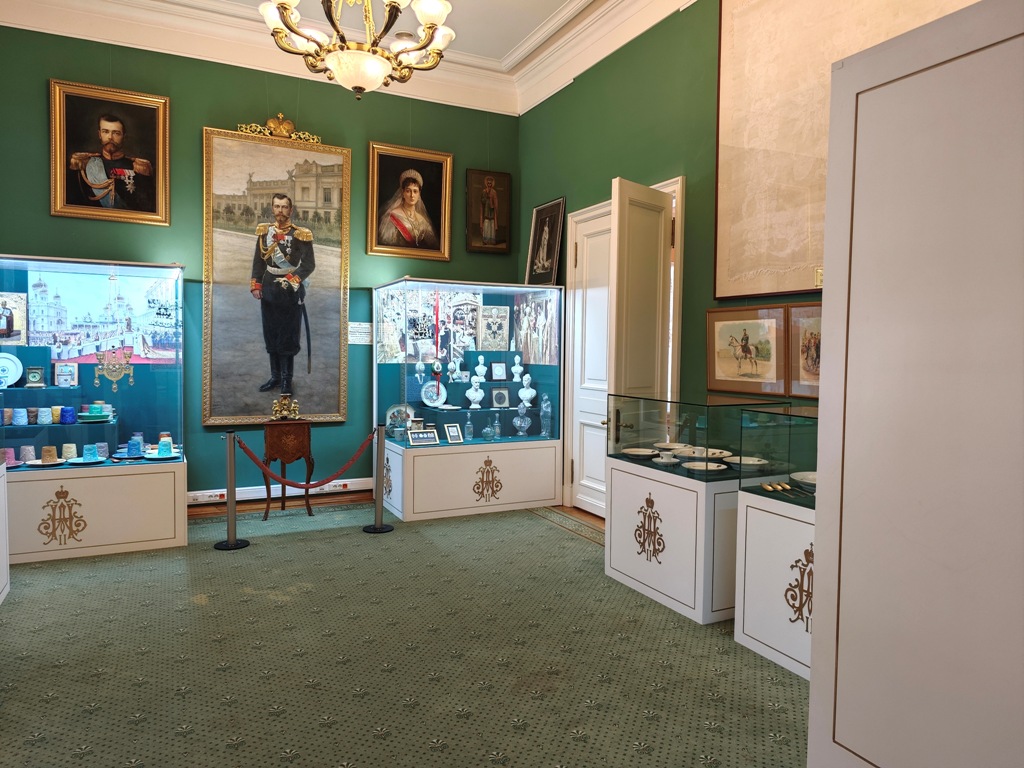
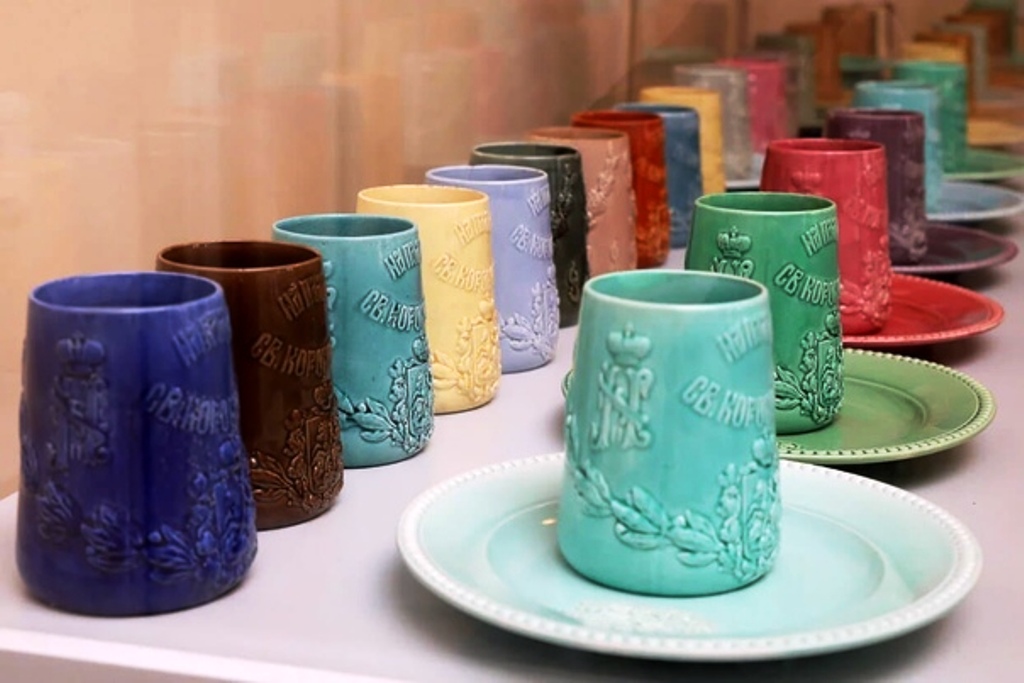
Of particular note is unique memorabilia from the Holy Coronation of Emperor Nicholas II in May 1896: earthenware glasses and plates decorated with the coats of arms and monograms H II [Nicholas II] and AF [Alexandra Feodorovna], miraculously preserved fine crystal glasses with engravings and paintings, cups, plates and saucers from the service with the new coat of arms introduced in 1856.

In the spring of 2008, Renzhin donated his collection as a gift to the Nikolo-Ugreshsky Monastery.

In February 2021, the Museum of Emperor Nicholas II was forced to close its doors, due to the COVID-19 pandemic, and the museum’s mounting debt of almost 9 million rubles (more than $13,000 USD) in arrears of rent.

A Russian oligarch Konstantin Malofeev, and founder of the Tsargrad TV channel, came to the rescue by providing Renzhin’s rare collection with a new venue in which to display his vast collection. The Museum of Emperor Nicholas II re-opened in the Museum of Russian Art, the former manor house of Nikolai Eremeevich Struisky (1749-1796) – situated in Moscow’s historical district – on 10th February 2021.

FURTHER READING:

The Great Pilgrimage of Emperor Nicholas II in 1913 + VIDEO

Museum of Emperor Nicholas II in Moscow + VIDEO

Museum of Emperor Nicholas II re-opens in Moscow + PHOTOS

© Paul Gilbert. 7 May 2024

The Great Pilgrimage of Emperor Nicholas II in 1913

NOTE: this page was updated on 9th November 2023, with an ENGLISH-language version – PG

The Museum of Emperor Nicholas II in Moscow have produced a new documentary to mark the 110th anniversary of the pilgrimage ofEmperor Nicholas II to ancient Russian cities during the Romanov Tercentenary in 1913.

The Great Pilgrimage of Emperor Nicholas II” is a one-hour documentary – featuring seven vintage newsreels filmed filmed between 15th to 28th May 1913, when Nicholas II and his family visited 12 ancient Russian cities, which included Vladimir – Suzdal – Bogolyubovo – Nizhny Novgorod – Kostroma – Yaroslavl – Rostov – Petrovsk – Troitskaya Sloboda – Pereslavl-Zalessky – Sergiev Posad – Moscow. * Watch the video located at the bottom of this post. CLICK on the [cc] for ENGLISH subtitles.

The film is based on the materials of the Russian State Archive of Film and Photo Documents (RGAKFD), the Russian State Historical Archive (RGIA), the State Archive of the Russian Federation (GARF) and the Library of Congress of the United States.

During the Soviet years, a significant part of the pre-revolutionary newsreels of the Imperial Family were destroyed, leaving only small fragments of most of the films. After the fall of the Soviet Union in 1991, the Russian State Archives of Film and Photo Documents carried out painstaking work to restore many of these. This was possible that some of newsreel fragments had been stored on different reels, making it possible to restore and edit many of these historic newsreels. In total, some 300 fragments were restored to their original.

The documentary is complemented by musical accompaniment recorded in in the early 20th century, including “God, Save the Tsar!”. The music for the documentary was taken from old gramophone records and wax rollers. They include segments of marches, hymns, waltzes, operas, folk songs, balalaika, bell ringing and church chants.

If you listen closely to the audio you will hear the voice of Nicholas II at [9:35] thanking the regiment as they march past him in Nizhny Novgorod.

Many detractors of Russia’s much slandered Tsar continue to spread the myth that Nicholas II was not popular with the Russian people. This nonsense is quickly debunked by the newsreel footage which shows thousands of people flocking to get a glimpse of the Tsar in each city visited. You can see them cheering and making the sign of the cross as the Tsar passes by.

CLICK on the image above to watch this video.
Duration: 60 minutes. Language: English

***

Numerous scenes depicts the Sovereign being greeted with the traditional bread and salt, meeting local dignitaries, kissing icons, visiting churches and monasteries, reviewing his troops, and much more.

NOTE: the numbers in the brackets [ ] below, correspond to their exact location in the newsreels – PG

The church seen in the opening of the film at [0:46] is Nicholas II’s favourite church at Tsarskoye Selo: the Feodorovsky Sovereign Cathedral .

16 May: Vladimir, Suzdal and and Bogolyubovo [1:12] – in this newsreel, is a splendid view of the Imperial Train.

17 May: Nizhny Novgorod [6:34] – at [7;57] we see the Tsar and his family taking part in a religious procession – at [9:35] if you listen closely to the audio you will hear the voice of Nicholas II thanking the regiment as they march past him.

19 & 20 May: Kostroma [10:51] – in this newsreel, we see the Ipatiev Monastery – the birthplace of the Romanov Dynasty – at [12:10] the Imperial Family arrive in Kostroma on the steamship “Mezhen“, where they see the riverbank lined with people, all of whom have come to get a glimpse of their Batushka Tsar. Many can be seen bowing and making the sign of the cross, some of them even wading into the river – at [15:32] the Imperial Family take part in a religious procession at the Ipatiev Monastery – at [15:46] Emperor Nicholas II and Empress Alexandra Feodorovna descend the staircase of the Trinity Cathedral – at [17:13] the Tsar leaves the Romanov boyar palace – at [17:38] Tsesarevich Alexei is carried in the arms of the Cossack Alexei Petrovich Pilipenko (1887-1972) .

21 May: Yaroslavl [25:41] – at [26:51 the Imperial Family arrive by boat at a specially made pier and pavilion at Yaroslavl.

22 May. Rostov [32:01] – at [35:22] once again, we see Alexei being carried in the arms of the Cossack Alexei Petrovich Pilipenko. He helps the Tsesareich into the awaiting carriage, and you can clearly see that he has trouble walking, and instead hops on one leg to seat himself – the Tsar sits next to him.

23 & 24 May. Petrovsk – Pereslavl-Zalessky – Troitskaya Sloboda – Sergiev Posad [38:33] – at [42:28] Empress Alexandra Feodorovna, Emperor Nicholas II, Tsesarevich Alexei, and one of his sisters get into a waiting carriage at the Trinity Lavra of St. Sergius – the spiritual center of the Russian Orthodox Church – in Sergiev Posad – at [42:57] the other three grand duchesses are joined by their aunt Grand Duchess Elizabeth Feodorovna in the second carriage.

24 to 27 May. Moscow [43:12] – at [43:46] Nicholas II enters Moscow on horseback through the Triumphal Arch – the same gate he entered the city for his coronation in 1896 – at [45:01] “God, Save the Tsar!” is performed – at [47:48] the Tsar and his family stop to pray at the Iverskaya Chapel at the Resurrection Gate, which leads into Red Square. Again, we see Alexei being carried in the arms of the Cossack Alexei Petrovich Pilipenko – at [48:27] Emperor Nicholas II crosses Red Square on horseback – he is greeted by thousands of Muscovites – at [49:26] the Tsar walks past St. Basil’s Cathedral, and enters the Kremlin on foot – at [50:09] is the famous procession seen in many English-language documentaries, of the Imperial Family, their relatives and entourage walking towards the Assumption Cathedral, where Nicholas II was crowned in 1896 – at 51:28] the Imperial procession walks past the Chudov Monastery – at [53:01] the Imperial Family visit the Chambers of the Romanov Boyars – at [55:05] the Imperial Family arrive at the Novospassky Monastery, taking part in a religious procession at [56:25] – Grand Duchess Elizabeth Feodorovna and Grand Duke Kirill Vladimirovich can be seen at [56:45].

© Paul Gilbert. 26 October 2023

Museum of Emperor Nicholas II in Moscow

PHOTO: Museum of Emperor Nicholas II in Moscow

In the spring of 2008, art historian Alexander Vasilyevich Renzhin donated his collection dedicated to Emperor Nicholas II, as a gift to the Nikolo-Ugreshsky Monastery. It was during the 1990s that Renzhin began to collect bit by bit everything related to Emperor Nicholas II and his family. During that time, he managed to amass a collection of more than 3,000 items: postcards and photographs, books and portraits, personal belongings and household items – which reflect on the private lives of the Imperial Family and their tragic deaths in July 1918.

In 1913, Russia solemnly celebrated the 300th anniversary of the House of Romanov. Renjin’s collection features many unique items created for the anniversary. Among them is a carved decorative panel with portraits of Tsar Mikhail Feodorovich, Emperor Nicholas II, Empress Alexandra Feodorovna, and their son Tsesarevich Alexei Nikolaevich and the date 1613-1913. The scene of the election of Mikhail Feodorovich Romanov in 1613 is depicted on a woven woolen carpet made by the Zavidov carpet factory. Candy boxes produced for the anniversary by the Einem confectionery factory with portraits of the Romanovs have been preserved.

Of particular interest are coronation memorabilia: earthenware glasses and plates decorated with the coats of arms and monograms H II [Nicholas II] and AF [Alexandra Feodorovna], miraculously preserved fine crystal glasses with engravings and paintings, cups, plates and saucers from the service with the new coat of arms introduced in 1856.

VIDEO: click on the image above to watch a 3-minute video tour of the museum at the Nikolo-Ugreshsky Monastery, before it was closed in February 2021, and moved to its current location in central Moscow

This service, made at the Imperial Porcelain Factory in St. Petersburg in 1882 specifically for the coronation of Emperor Alexander III, consisted of 19 thousand pieces. For the coronation of Emperor Nicholas II, the service was repeated, consisting of 47 thousand pieces. According to tradition, the Imperial table for the coronation dinner was served with a gold service, bearing the coat of arms. The service was complemented by snow-white damask linen napkins with the personal coat of arms and monogram of Nicholas II. The most important part of Renzhin’s collection are icons of St. Nicholas the Wonderworker and St. Alexandra – the heavenly patrons of the Emperor and Empress – painted for the coronation in1896.

In 1896, some 300 icons were ordered from the famous workshop of Osip Chirikov, of which Nicholas II and Alexandra Feodorovna presented to the most honoured guests at the coronation celebrations in the Kremlin.

Of particular value are historic documents bearing autographs collected by Renzhin: the petition of the Empress Maria Feodorovna addressed to the Minister of War V.A. Sukhomlinov dated March 10, 1914 on the transfer of the building of the Main Directorate of Military Educational Institutions to the Museum of Old Petersburg; a note from Empress Alexandra Feodorovna to Adjutant General F.V. Dubasov and a prayer memorandum signed by her to a soldier walking on the battlefield. Numerous photographs, postcards, prints, books testify to life in peacetime and during the First World War.

In February 2021, the Museum of Emperor Nicholas II was forced to close its doors, due to the COVID-19 pandemic, and almost 9 million rubles (more than $13,000 USD) in arrears of rent.

A Russian businessman Konstantin Malofeev, and founder of the Tsargrad TV channel, came to the rescue by providing Renzhin’s rare collection with a new venue in which to display his collection. The Museum of Emperor Nicholas II re-opened in the Museum of Russian Art, the former manor house of Nikolai Eremeevich Struisky (1749-1796) – situated in Moscow’s historical district – on 10th February 2021.

The Museum of Emperor Nicholas II is open daily to visitors.

© Paul Gilbert. 1 March 2023

Museum of Emperor Nicholas II re-opens in Moscow

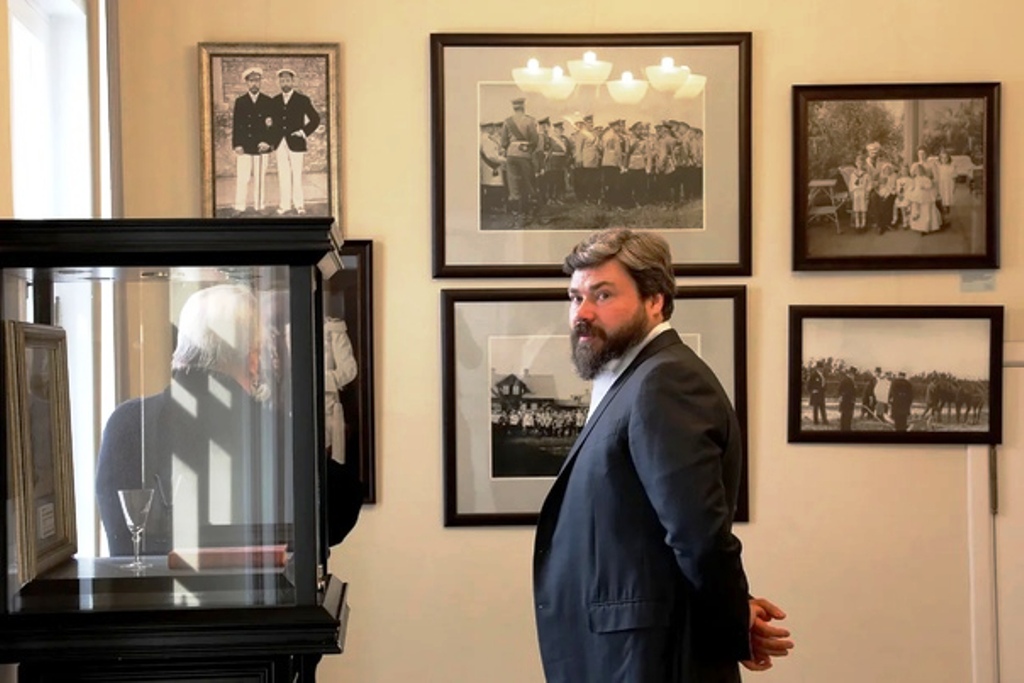
PHOTO: Konstantin Malofeev views the exhibits in the Museum of Emperor Nicholas II

On 16th February, I reported on my Facebook page, that the Museum of Emperor Nicholas II, situated in the center of Moscow, was closing. The little known was forced to close due to the COVID-19 pandemic, and almost 9 million rubles (more than $13,000 USD) in arrears of rent.

The museum – which was established in April 2018 – showcases the private collection of Alexander Vasilyevich Renzhin, who has amassed more than 3,000 authentic and memorial exhibits over the past 35 years, all of which belonged to Emperor Nicholas II and his family. It is indeed a unique and rate collection!

The Museum of Emperor Nicholas II was forced to close its doors permanently at the end of February.

PHOTO: multi-collared saucers and cups presented during the Coronation of Nicholas II

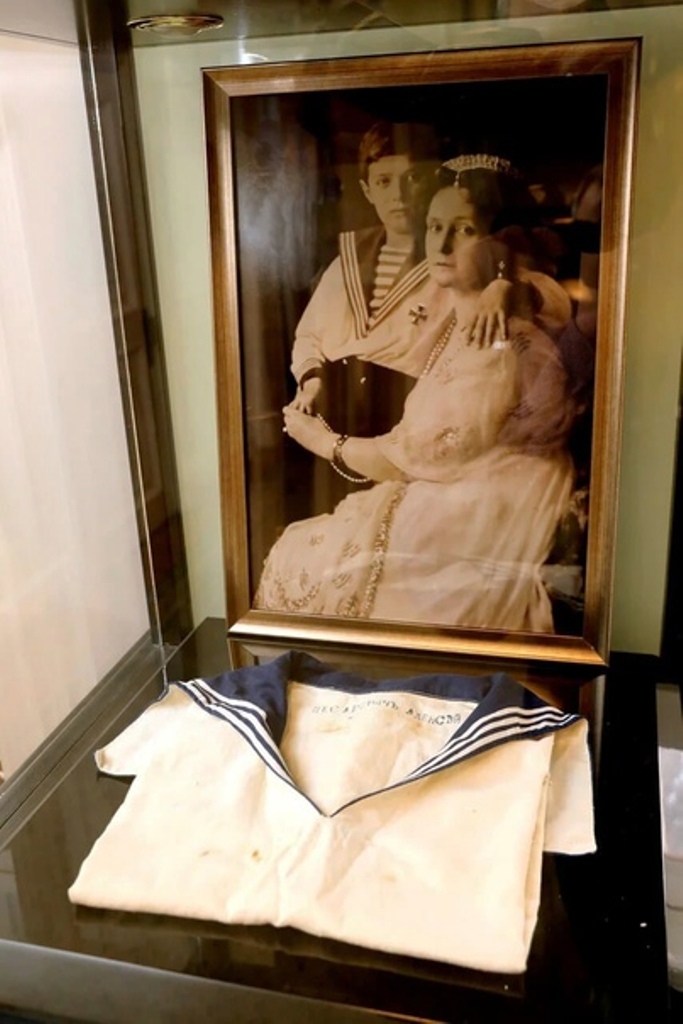
PHOTO: sailor’s suit worn by Tsesarevich Alexei Nikolaevich

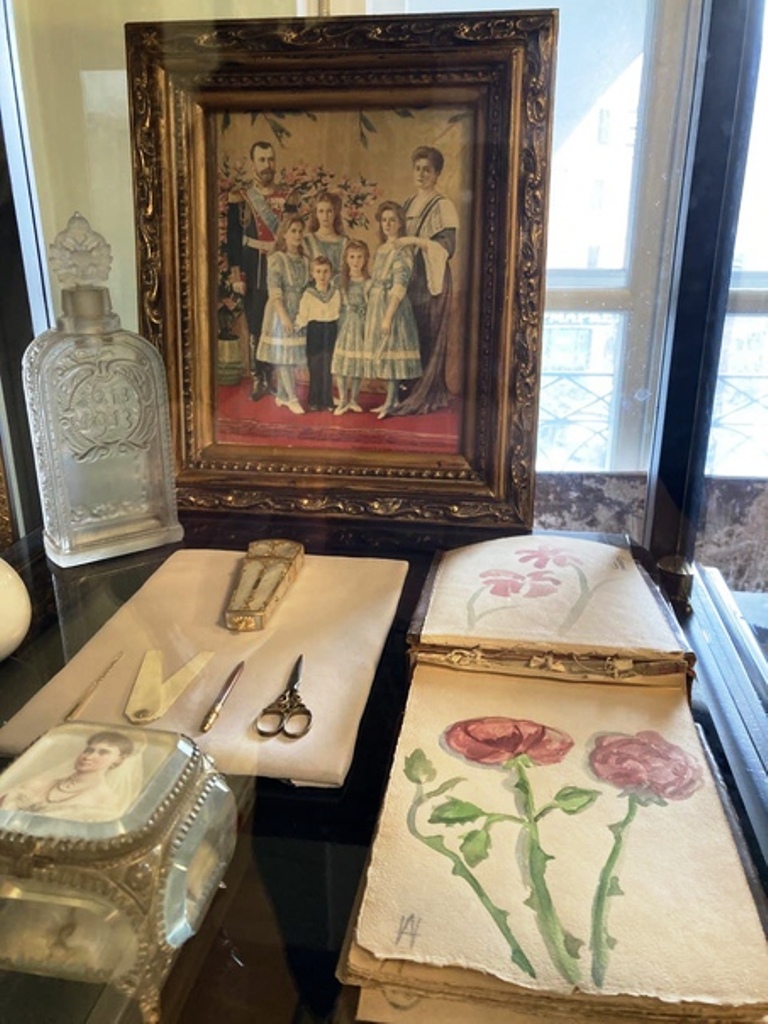
PHOTO: album with watercolours painted by Grand Duchess Anastasia Nikolaevna

Konstantin Malofeev, the founder of the Tsargrad TV channel, came to the rescue by providing Renzhin’s rare collection with a new venue in which to display his collection. The Museum of Emperor Nicholas II re-opened in the Museum of Russian Art, the former manor house of Nikolai Eremeevich Struisky (1749-1796) – situated in Moscow’s historical district – on 10th February 2021.

The museum showcases more than 3,000 rare exhibits, including a pearl tablecloth from the table of Nicholas II, multi-collared saucers and cups that were presented on the Khodynkha Field during the Coronation of Emperor Nicholas II in May 1896, a sailor’s suit worn by Tsesarevich Alexei Nikolaevich, an album with watercolour drawings, painted by Grand Duchess Anastasia Nikolaevna. Other items include a scarf embroidered by the Empress Alexandra Feodorovna herself, desk writing instruments belonging to Tsesarevich Alexei , and numerous personal belongings of Emperor Nicholas II – to name just a few!

“All items belonging to the Tsar’s family were carefully preserved by people” – said Konstantin Malofeev – “this shows the true popular reverence and love for the Tsar, even when he was under the absolute prohibition of godless power.”

© Paul Gilbert. 10 March 2021