Obituary: Elena Yakovlevna Kalnitskaya (1952-2025)

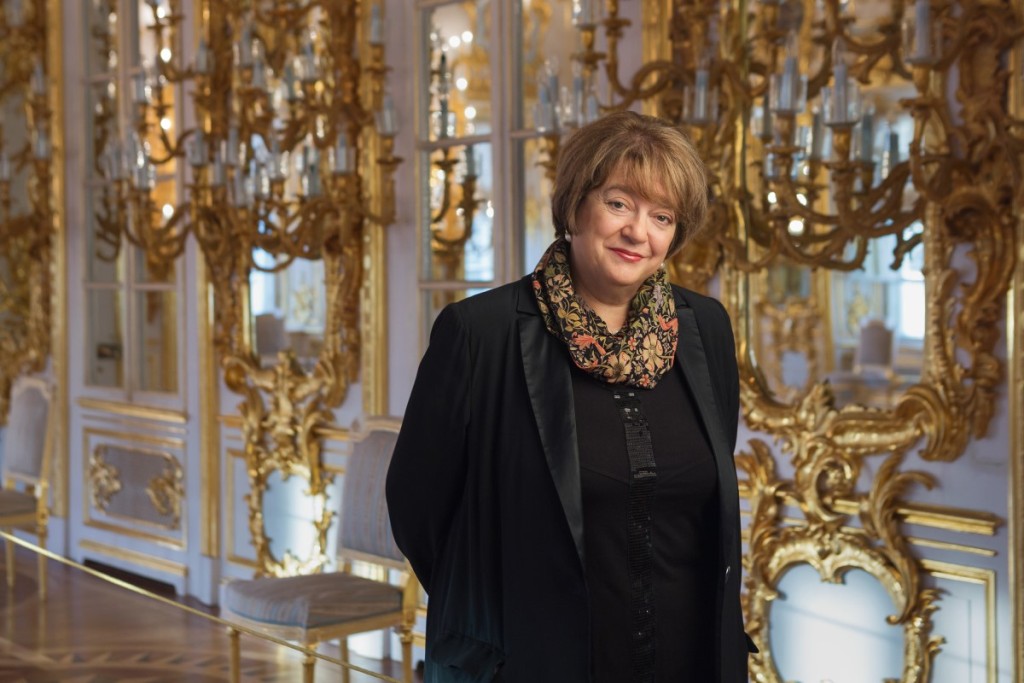
How very sad that my first article of the new year should be an obituary. I regret to announce the death of Elena Yakovlevna Kalnitskaya, who served as the highly respected Director General of the Peterhof State Museum for the past 13 years. She died on 2nd January 2025 after a long illness. She was 72 years old.

Elena Kalnitskaya was born in Leningrad (St. Petersburg) on 6th September 1952. A noted Eussian art historian, Elena Kalnitskaya served as the Director General of the Peterhof State Museum-Reserve since 2009. During her tenure as director, she organized large-scale restoration work in the palaces and parks of Peterhof and Oranienbaum. Among these projects were the restoration of the Farm Palace in the Alexandria Park and the recreation of the Lower Dacha, the latter of which remains on hold. She contributed to the implementation of a large-scale program for the development of the museum: holding major Russian and international exhibitions, organizing scientific conferences, and publishing the catalogues of the museum’s vast collection. She also authored over 200 scientific and popular publications dedicated to the history of the culture of the Russian Empire.

On 6th September 2022, Elena Yakovlevna celebrated her 70th birthday. In her honour, a noon volley was fired from the cannon of the Peter and Paul Fortress in St. Petersburg.

At the end of March 2023, Kalnitskaya was forced to step down as Director General of the Peterhof State Museum due to health problems.

Memory Eternal! Вечная Память! 

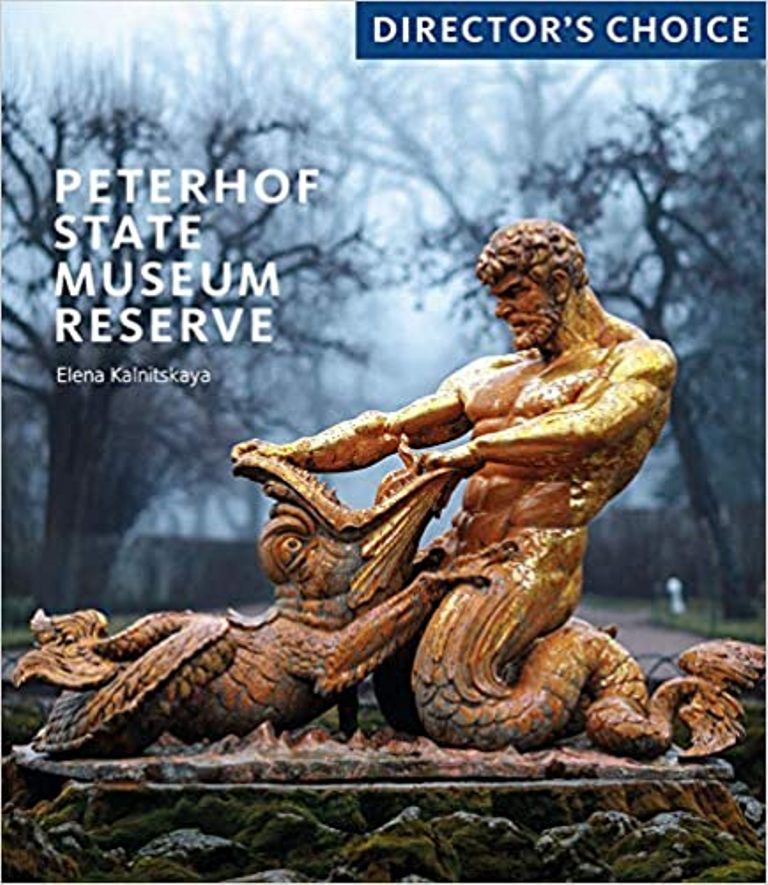
In October 2023, a new English-language book ‘Peterhof State Museum Reserve: Director’s Choice‘ by Elena Kalnitskaya, was published and made available on AMAZON. In this short 96-page book, Kalnitskaya presents a selection of her favorite palaces, monuments, and objects and their stories.

A description of her book reads as follows:

“The Peterhof State Museum-Reserve is one of the most visited and attractive museums in Russia, the “fountain capital” of a huge country. Uniting today more than 30 expositions located on the territory of Peterhof, Alexandria, Strelna and Oranienbaum, the museum acquaints its guests with the great past of Russia.

“The history of each Peterhof monument is deeply individual, but, being formed into single architectural ensembles, are an organic synthesis of history, art, architecture, human destinies. The planning structure of Peterhof skillfully combines regular and landscape parks, palaces of different architectural styles, small forms and fountains. The famous water supply system, which has no analogues in the world, keeps the memory of its creator – emperor Peter the Great.

“The Peterhof collections, collected by the crowned owners of the residence to decorate it, consist of a variety of museum items. “There is a soul in every museum object,” says Director Elena Kalnitskaya, and this is clear in each work of art presented in this book. Each object tells its own story, but also invites the reader to better understand the history of Russia.”

© Paul Gilbert. 2nd January 2025

On this day Tsesarevich Alexei Nikolaevich was baptized at Peterhof

PHOTO: Tsesarevich and Grand Duke Alexei Nikolaevich (1904-1918)

On this day – 24th (O.S. 11th) August 1904, His Imperial Highness Naslednik Tsesarevich and Grand Duke Alexei Nikolayevich, was baptized in the Church of the Holy Apostles Peter and Paul, which is adjacent to the Grand Palace at Peterhof.

Nicholas II, on the day of the baptism of his son, wrote in his diary: “August 11. Wednesday. The significant day of the baptism of our dear son.”

Nicholas II and Alexandra Feodorovna decided that their first-born son ought to be named in honour of Saint Alexei of Moscow (1296–1378), who served as Metropolitan of Kiev and all Russia (from 1354). He was canonized by the Russian Orthodox Church in 1448 and is revered as one of the patron saints of Moscow. The claim that Alexei was named after the son of Russia’s first Tsar, Alexei Mikhailovich who reigned from 1645 until 1676) is incorrect.

In accordance to ancient Orthodox custom the parents of the infant were obliged to leave before the baptism ceremony could begin, and thus allowing the godparents to carry out their ceremonial function.

Alexei’s godparents included Dowager Empress Maria Feodorovna, Emperor Wilhelm II, King Edward VII, King Christian IX, Grand Duke of Hesse, Princess Victoria of Great Britain, Ernest Louis Grand Duke Alexei Alexandrovich, Grand Duchess Alexandra Iosifovna, and Grand Duke Mikhail Nikolaevich.

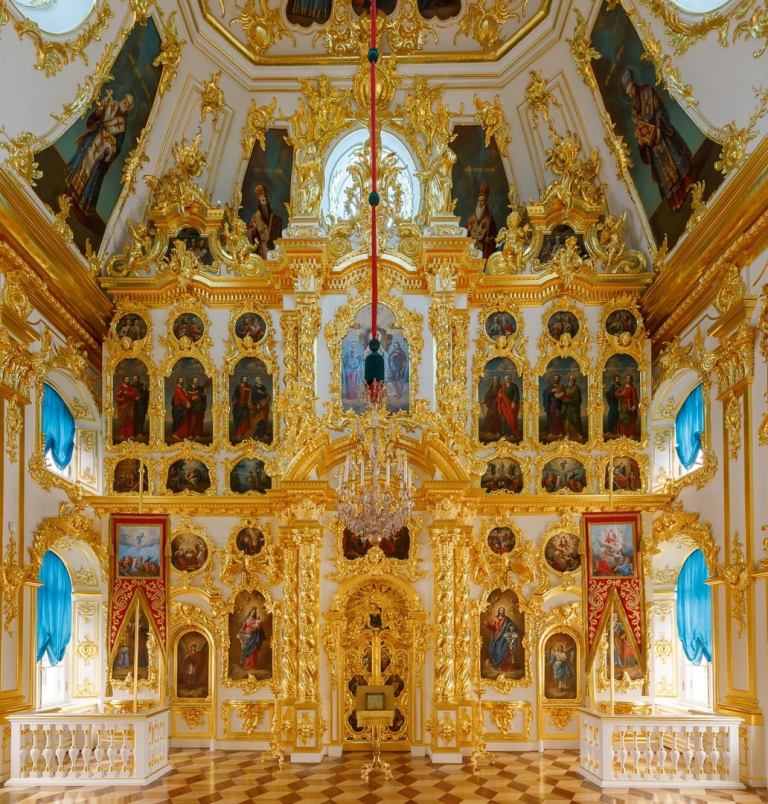
PHOTO: view of the iconostasis of the Church of the Holy Apostles Peter and Paul, adjacent to the Grand Palace, at Peterhof, as it looks today. It was here in this magnificent church, that Tsesarevich and Grand Duke Alexei Nikolaevich was baptized on 24th (O.S. 11th) August 1904

The baptism was performed by the confessor of the Imperial Family, Protopresbyter Ivan Yanishev (from 1883 until his death in 1910). The baby was carried to the font by the elderly Princess Maria Mikhailovna Golitzina (1834-1910), Mistress of the Robes. As a precaution, she had rubber soles put on her shoes to prevent her slipping and dropping him.

Countess Sophie Buxhoeveden (1883-1956) – lady in waiting to Empress Alexandra Feodorovna – recalled:

The baby lay on a pillow of cloth of gold, slung to the Princess’s shoulders by a broad gold band. He was covered with the heavy cloth-of-gold mantle, lined with ermine, worn by the heir to the crown. The mantle was supported on one side by Prince Alexander Sergeiovich Dolgorouky, the Grand Marshal of the Court, and on the other by Count [Paul] Benckendorff, as decreed by custom and wise precaution. The baby wept loudly, as might any ordinary baby when old Father Yanishev dipped him in the font. His four small sisters, in short Court dresses, gazed open-eyed at the ceremony, Olga Nicholaevna, then nine years old, being in the important position of one of the godmothers. According to Russian custom, the Emperor and Empress were not present at the baptism, but directly after the ceremony, the Emperor went to the church. Both he and the Empress always confessed to feeling very nervous on these occasions, for fear that the Princess might slip, or that Father Yanishev, who was very old, might drop the baby in the font.

In accordance with the statute of the Imperial Family, during the baptism ceremony, the newborn Grand Duke was conferred with five of the Russian Orders: St. Andrew the First-Called, St. Alexander Nevsky, St. Anna 1st Class, White Eagle, and St. Stanislaus 1st Class The august name of the Tsesarevich was entered in the lists of guards regiments and military units under the patronage of Emperor Nicholas II, Dowager Empress Maria Feodorovna and Empress Alexandra Feodorovna.

Please note that there were no photographs taken of the actual baptims ceremony, as photography was forbidden in Orthodox churches during baptisms, weddings, funerals, etc.

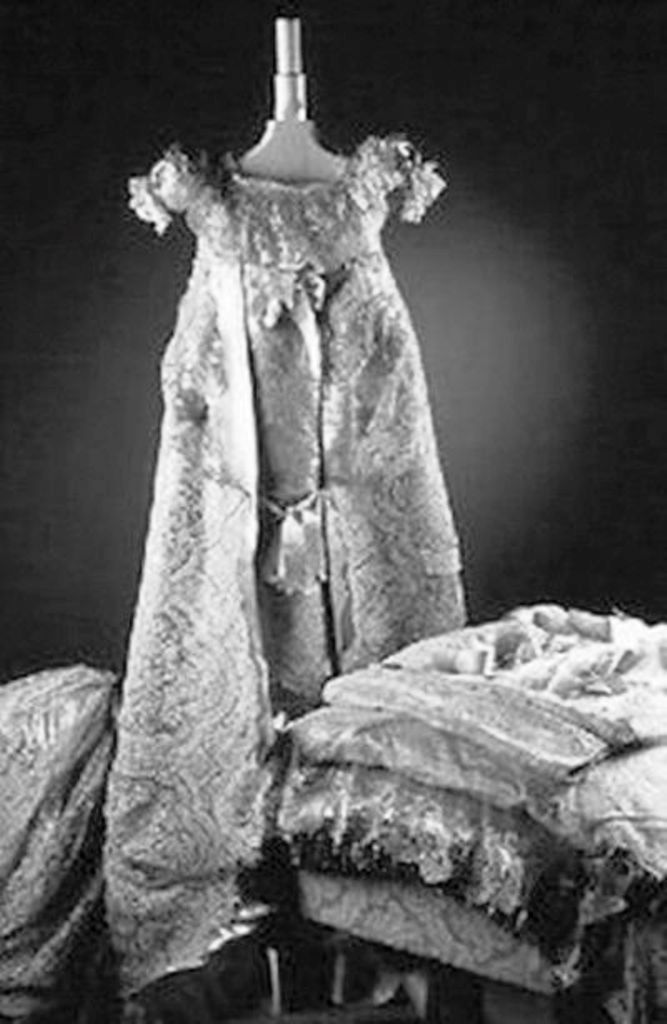
PHOTO: Tsesarevich Alexei Nikolaevich’s baptism shirt has surived to the present day, and is now on permanent display in the Church of the Holy Apostles Peter and Paul, which is adjacent to the Grand Palace at Peterhof

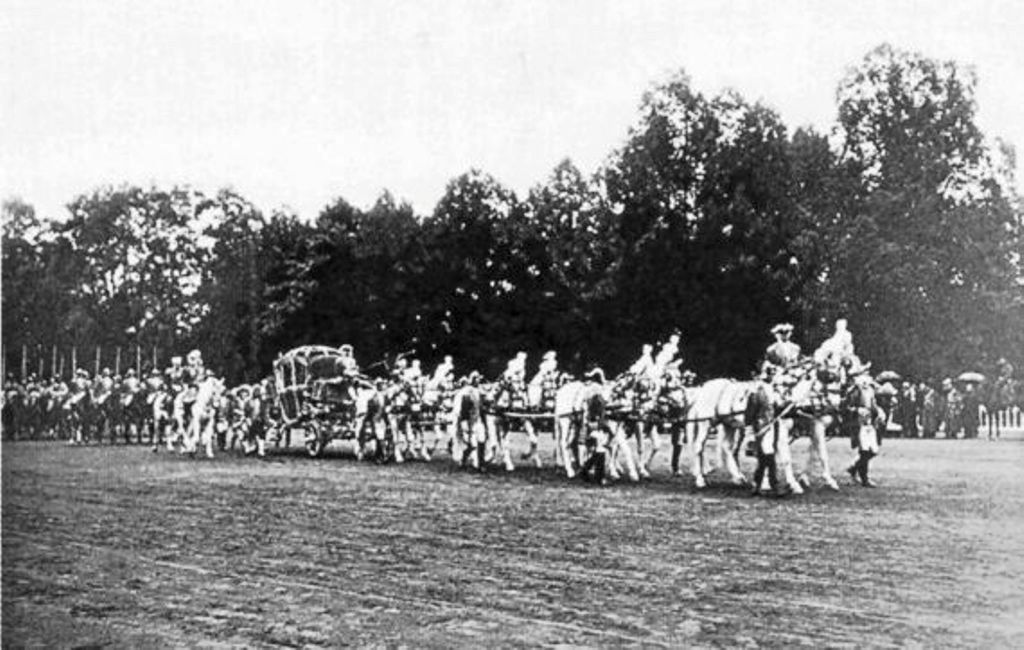
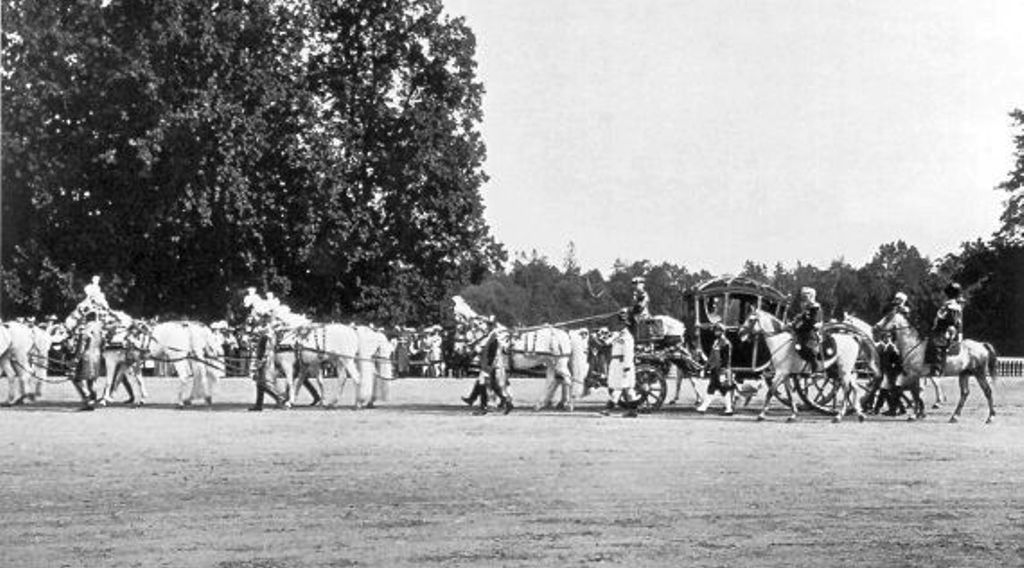
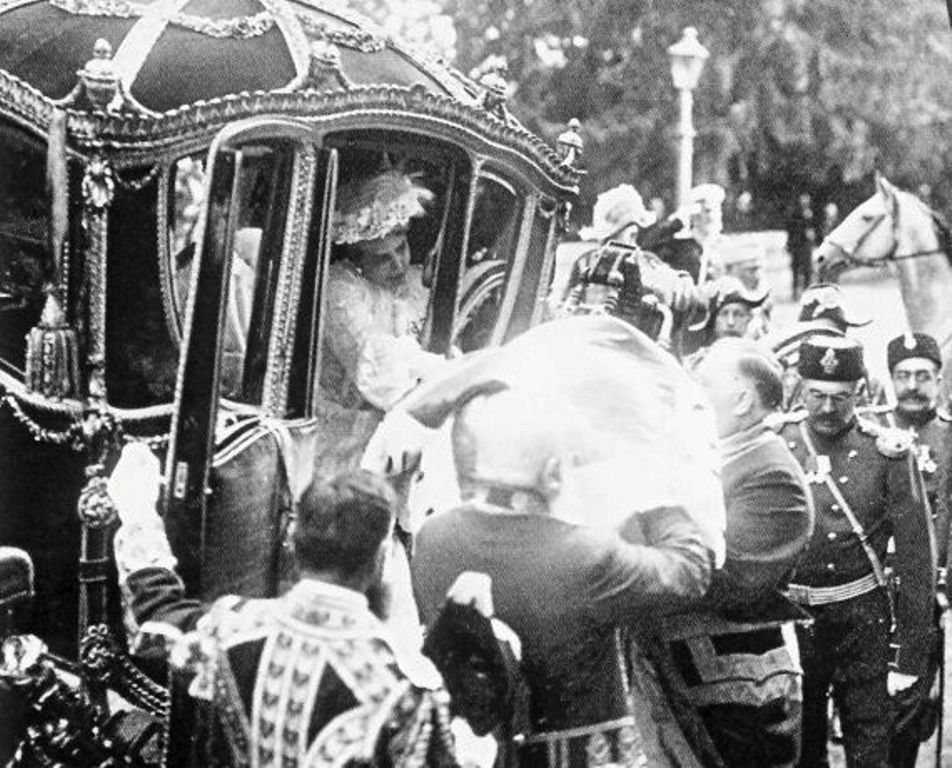
PHOTOS above and below: Gala procession on the day of the baptism of Tsesarevich Alexei Nikolaevich, who was transported in a gilded carriage pulled by 8 elegantly dressed white horses, from the Lower Dacha to the Grand Peterhof Palace, on 28th (O.S. 11th) August 1904

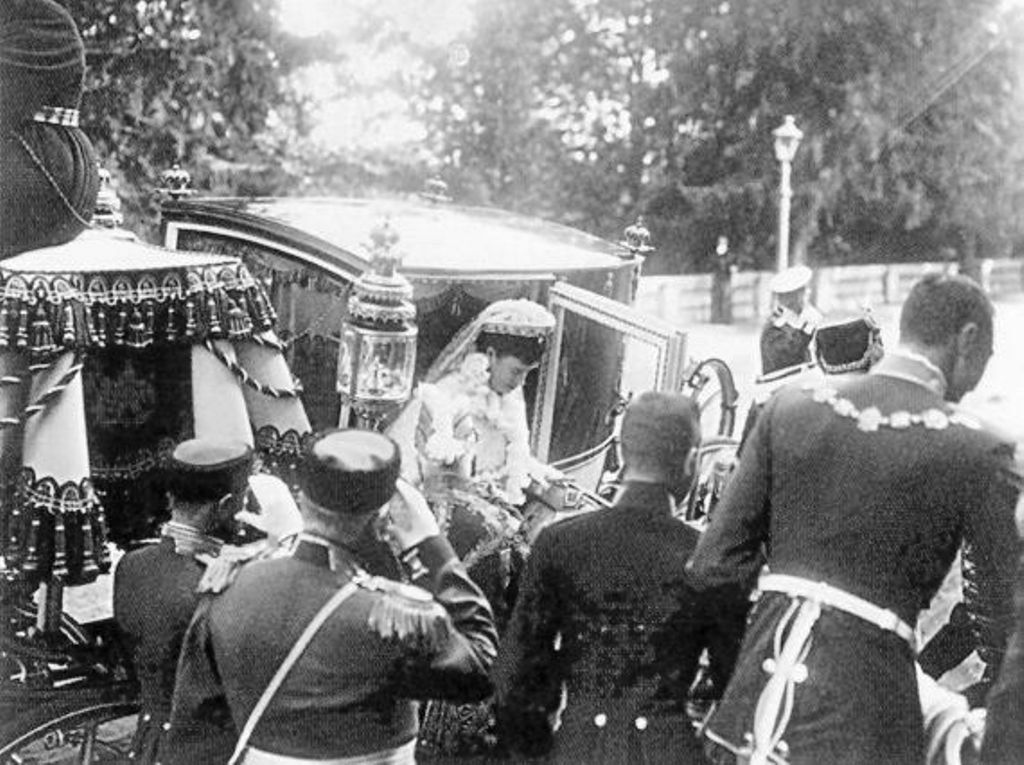
PHOTO: Dowager Empress Maria Feodorovna arrives at the Grand Peterhof Palace, for the baptism of her grandson Alexei, on 28th (O.S. 11th) August 1904

PHOTO: Empress Alexandra Feodorovna arrives at the Peterhof Palace, where Alexei is carefully taken in hand by officials, 28th (O.S. 11th) August 1904

Sadly, this joyous occasion was overshadowed by the fact that the proud parents were already aware that their son was afflicted with haemophilia. New evidence now proves that Alexei’s bleeding was noted the day following his birth.

© Paul Gilbert. 24 August 2024

The fate of Nicholas II’s Imperial Train

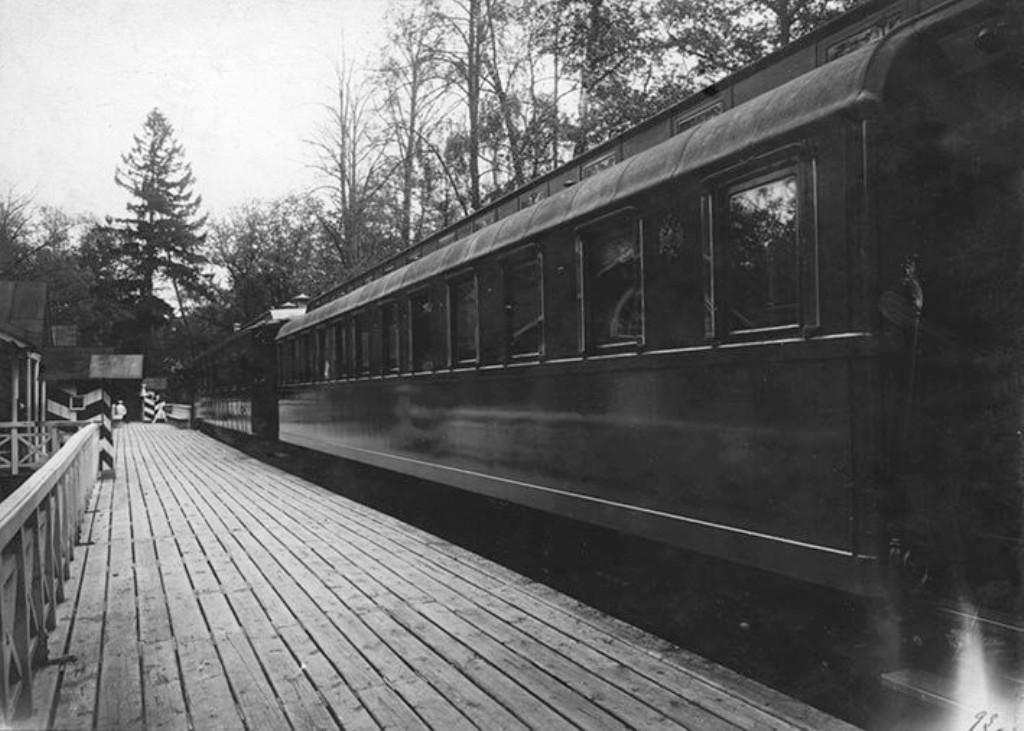
PHOTO: Two carriages of the Imperial Train on display in Alexandria Park, Peterhof. 1932
© Archive of the Peterhof State Museum-Reserve

In May 1917, the Imperial Train of Emperor Nicholas II was sealed and transferred to Moscow, where it remained mothballed on the side tracks for more than a decade.

In the fall of 1929, two railway carriages were slowly rolled along temporary tracks which were laid from the Novy Peterhof railway station through the Proletarsky (former Alexandria) Park in Peterhof, to a small clearing just south of the Cottage Palace, it was to be the final stop for the former Imperial Train of Emperor Nicholas II.

The history of the Imperial Train dates back to the 1890s. Construction on the first of two trains began in 1894 in the Alexandrovsky Mechanical Plant of the Nikolaev railway, and completed in February 1896. A few years later it was supplemented with three additional carriages manufactured in the St. Petersburg-Warsaw railway assembly workshops. By the early 1910s, the Imperial Train consisted of a total of eleven carriages.

Each of the carriages was painted dark blue with gold trim and gilded decorations in the form of the Imperial coats of arms mounted between the windows. The interiors featured panels, ceilings and furniture made of polished oak, walnut, white and gray beech, maple and Karelian birch. 

PHOTO: Workers move carriages to the Alexandria Park, Peterhof. 1929
© Archive of the Peterhof State Museum-Reserve

With the outbreak of World War I, the number of carriages was reduced to three, and the Imperial Train became a travelling residence for Nicholas II. Travelling back and forth between Tsarskoye Selo and General Headquarters at Mogilev, the train served as a military field office, equipped with telephone and telegraph communications. It was in the Salon Car of on this train that Emperor Nicholas II signed his signed his abdication on 2nd March 1917.

Subsequently, the former Tsar’s train was used by the ministers of the Provisional Government for several months. After the Bolsheviks came to power, the Imperial Train was used by the chairman of the Revolutionary Military Council Leon Trotsky (1879-1940).

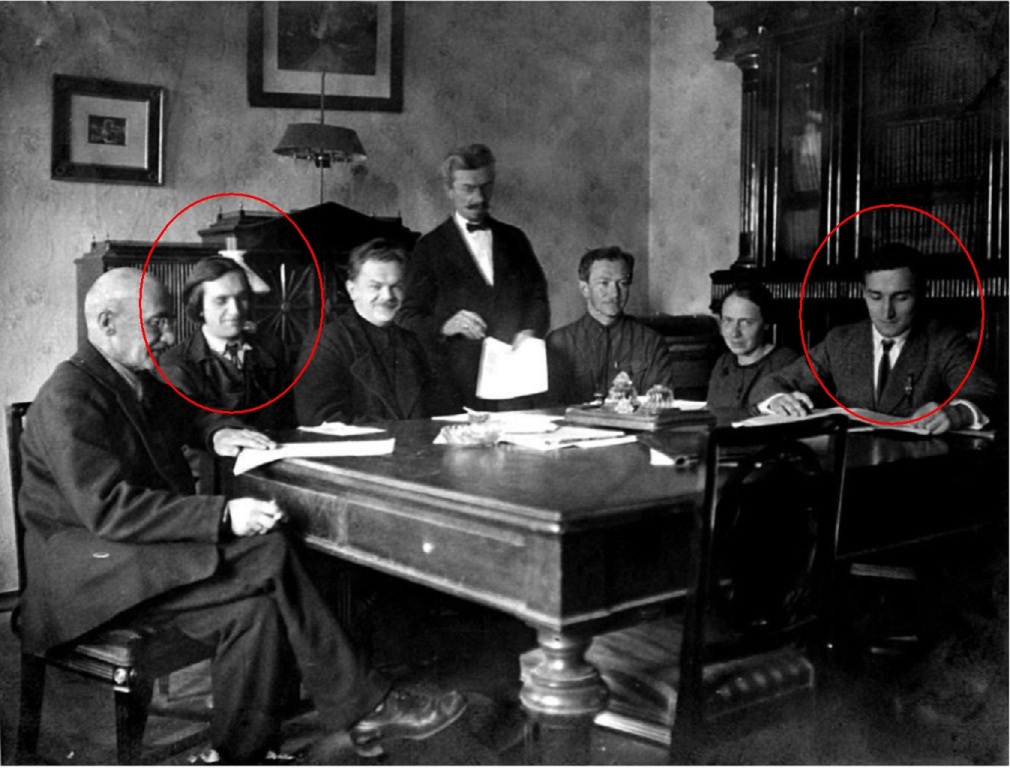
PHOTO: Semyon Geychenko (second from the left) and Anatoly Shemansky (far right)
© Archive of the Peterhof State Museum-Reserve

One can only speculate what the fate of the Imperial carriages would have been, had it not been for the efforts of two Peterhof museum workers, Semyon Geychenko and Anatoly Shemansky. It is largely thanks to their efforts, that two carriages from the Imperial Train were transferred from the People’s Commissariat of Railways to the Peterhof Museum in 1929.

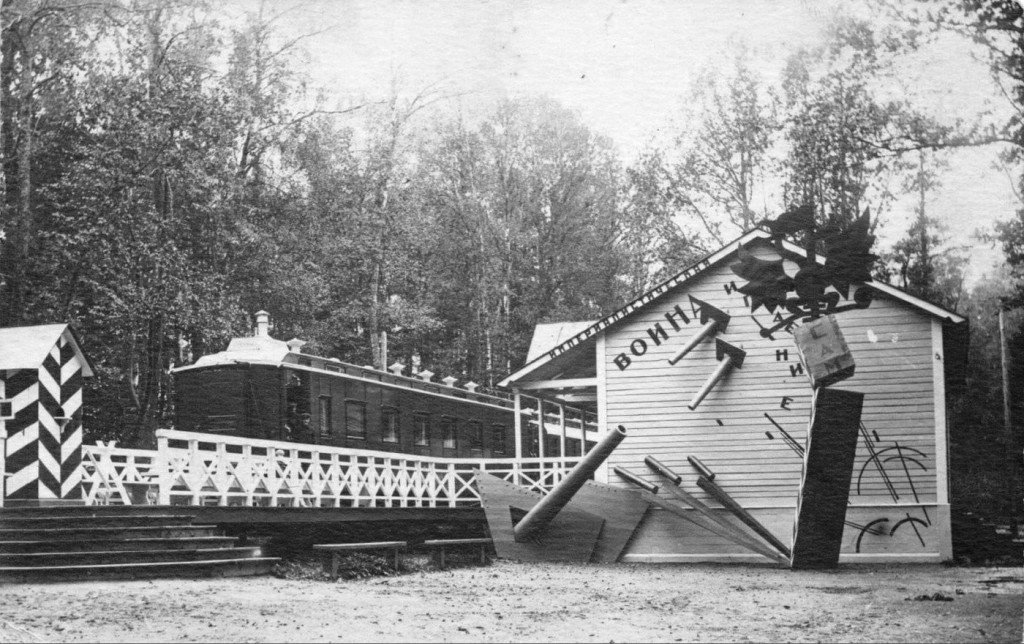
PHOTO: Carriages of the Imperial Train on display in Alexandria Park, Peterhof. 1930
© Archive of the Peterhof State Museum-Reserve

The following year, 1930, a permanent exhibition “The Carriages of the Former Tsarist Train” was opened in a small clearing just south of the Cottage Palace in the Proletarsky (Alexandria) Park. At the time of the opening of the exhibition, the interiors of the Tsar’s carriages had survived nearly intact. Near the carriages a platform and two wooden pavilions were built.

The pavilions housed the exposition “Imperialist War and the Fall of Autocracy,” which included four sections: “Causes of the World War”, “Russia in World War”, “The Collapse of Tsarism”, “The Final Journey of Nikolai Romanov from Tsarskoye Selo to Yekaterinburg.” The exhibit was supplemented with items from the Lower Dacha, the summer residence of Nicholas II and his family, located nearby on the shore of the Gulf of Finland.

The first carriage consisted of two parts: a dining room and a salon. In this car, the exhibition outlined the situation that had arisen before the February 1917 Revolution and the projects of the palace coup that preceded it. The dining car was used during the war for staff meetings with the Tsar’s participation.

The second carriage consisted of a maid’s compartment, the Empress’s bedroom, Nicholas II’s office and his valet’s compartment. The interior decoration, furnishings and decoration of the carriages resembled that of the Lower Dacha: Art Nouveau furniture made by Melzer’s firm, a comfortable leather cabinet, family photographs, and numerous icons in the bedroom.

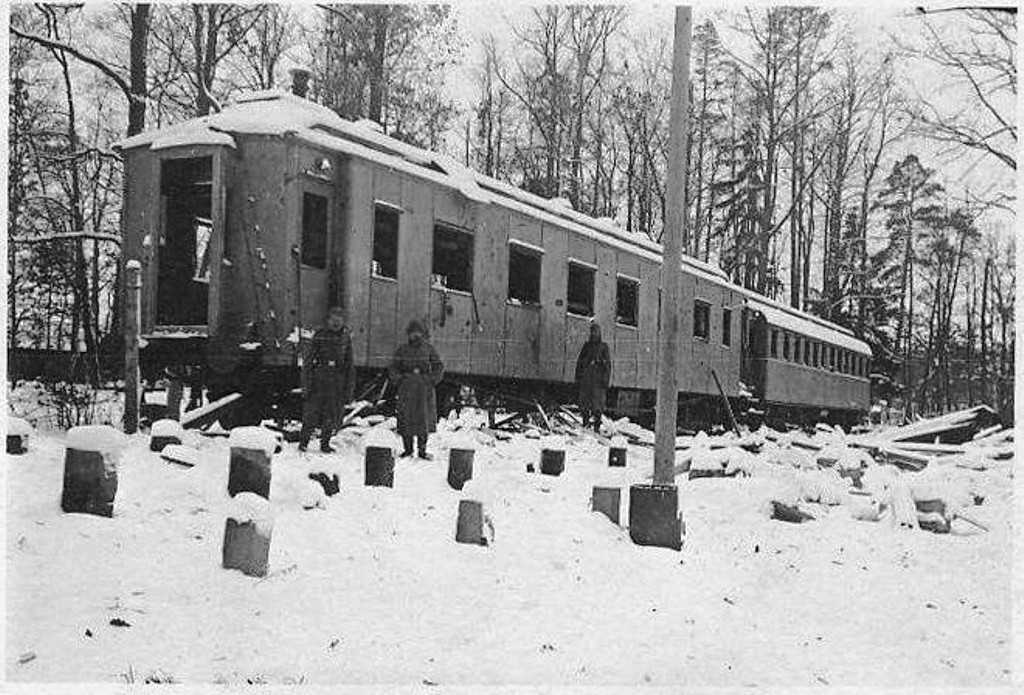
PHOTO: The Imperial Train can be seen through the trees during the years of occupation
© Private Archive

PHOTO: German soldiers stand at the gutted Imperial Train during the years of occupation
© Private Archive

Sadly, the fate of most of the luxurious carriages of the Imperial Train is a sad one, having been destroyed in a fire some time during the Russian Civil War (1917-1922).

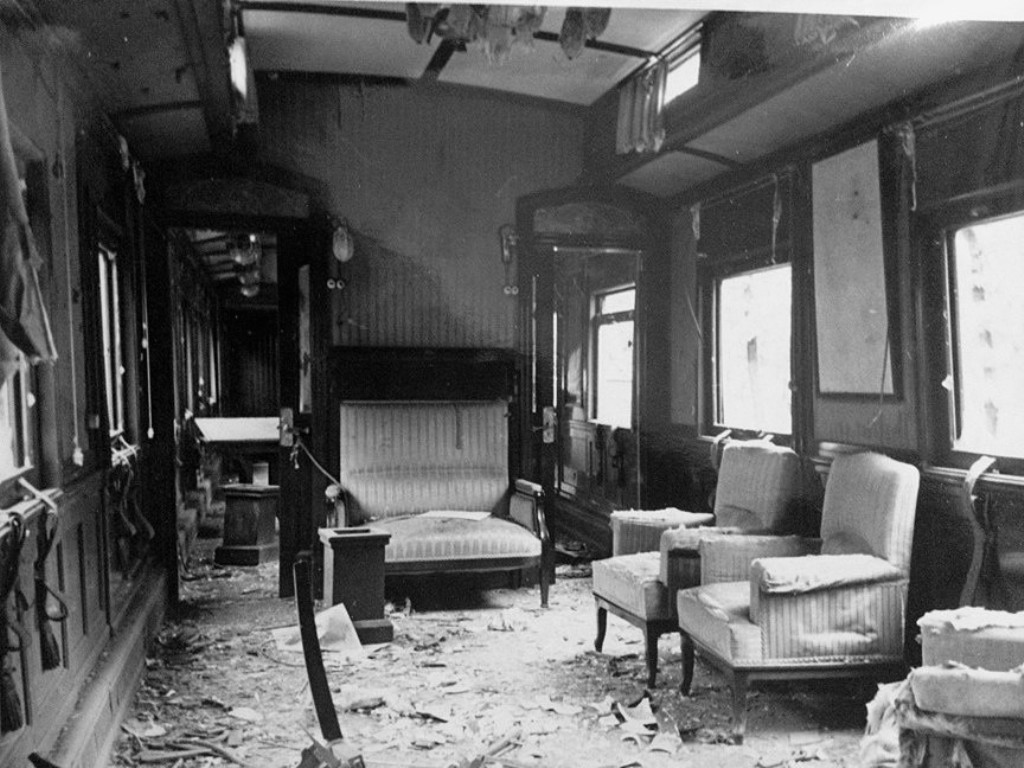
Equally sad, “The carriages of the Former Tsarist Train” exhibit at Peterhof was permanently closed in 1936. During the years of Nazi occupation of Peterhof (1941-44), the exhibition complex was virtually destroyed by the invaders: the platform and pavilions were destroyed, as well as the two remaining carriages and their historic interiors.

PHOTO: The salon of the Imperial Train, destroyed by the Nazis
© Archive of the Peterhof State Museum-Reserve

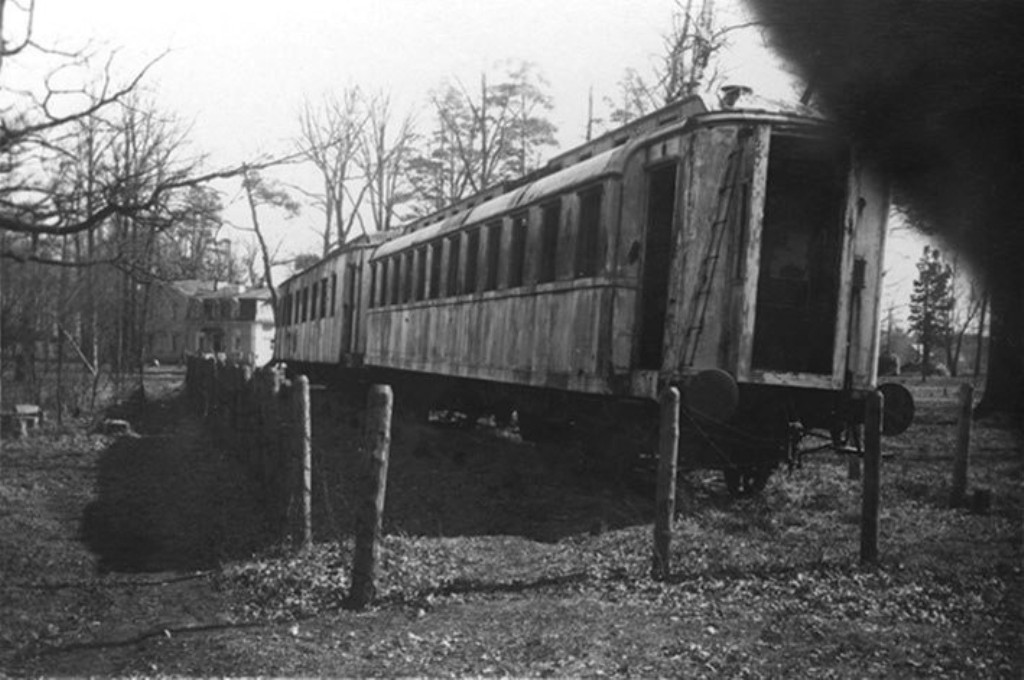
PHOTO: The sad state of the carriages of the Imperial Train as they looked in the 1950s
© Archive of the Peterhof State Museum-Reserve

In the first decade after the end of the Great Patriotic War, the question of the possibility of restoring the cars remained open. Nevertheless, the revival of the museum turned out to be unrealistic: on 18th February, 1954, a special commission of the October Railway ruled that due to the damage inflicted during the war years, the carriages of the Imperial Train  had become completely unserviceable and could not be restored.

In the summer of 1954, by order of the Department of Culture of the Executive Committee of the Leningrad City Council, the carriages were dismantled. Out of almost one thousand items and memorial items from the carriage interios, nearly all were destroyed or stolen. Today, only 55 items have been preserved in the funds of the Peterhof State Museum-Reserve, including writing utensils, furniture, and furnishings.

NOTE: I am currently preparing an article on the Imperial Train and its luxurious interiors. Stay tuned . . . PG

© Paul Gilbert. 12 January 2021

First tourist group visits Lower Dacha of Nicholas II in Peterhof

187a

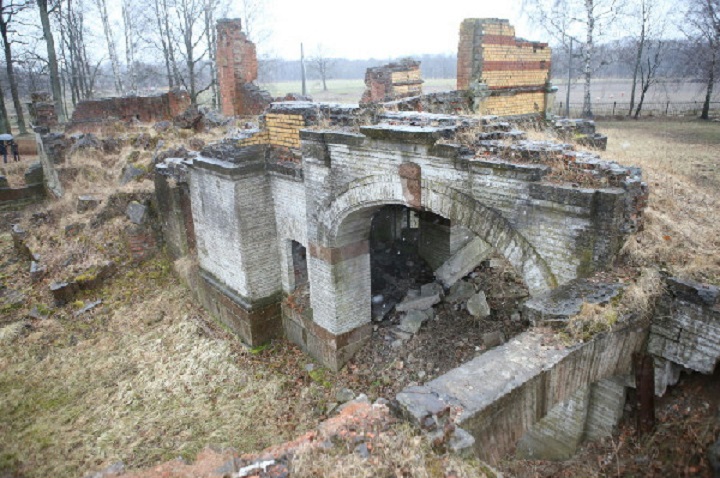
The ruins of the Lower Dacha, Alexandria Park, Peterhof

NOTE: All of the articles pertaining to Nicholas II and his family which were originally published in my Royal Russia News blog, have been moved to this Nicholas II blog. This article was originally posted on 2 May 2018 in my Royal Russia News blog – PG

Click HERE to watch a video (in Russian). Please note that the video is in two parts – the first part of the video shows the group visiting the ruins of the Lower Dacha, while the second part shows them visiting the interiors of the Farm Palace (opened in 2010), which is also situated in the Alexandria Park – PG

***

On 25th April, more than 50 participants of the Open City Project, which promotes cognitive walks around the sights of St. Petersburg, which are inaccessible to the general public, were the first group allowed to visit the Lower Dacha, situated in the Alexandria Park of Peterhof. Here they learned about the history of the park, about the life of its August residents, and the tragic fate of the Lower Dacha

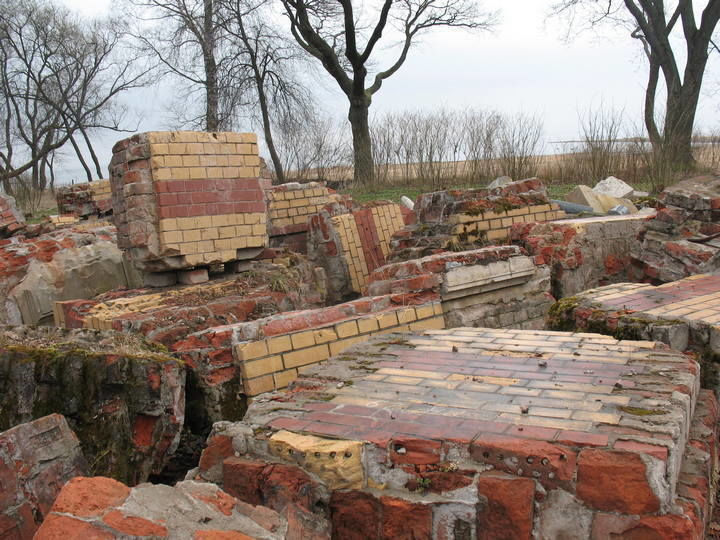
Together with the Chief Architect of the Peterhof State Museum Preserve Sergey Pavlov, the group visited the ruins of the Lower Dacha, which is currently in the process of restoration. The complex of the Lower Dacha, the favorite summer residence of the family of Nicholas II, suffered considerably during the Great Patriotic War. In the 1960s, the remaining ruins were blown up. The possibility of restoring this unique monument of history and culture has been discussed for several decades.

In 2016, the Peterhof State Museum received approval for the concept of restoration of the Lower Dacha, combining the conservation of the original fragments of the ruins with a partial reconstruction of the building. The first stage of the concept realization, the historical foundations and the preserved part of the first floor, are currently protected by a special ventilated canopy.

Recent archaeological surveys have uncovered unique items related to the period of the occupation of Peterhof in 1941-1943. Pavlov notes that excavations have already uncovered details of the building and its interiors, including original tile floors, iron grille work, fragments of pottery, carved stone decorations, all of which will be carefully preserved and become part of the new permanent exhibition.

***
187b

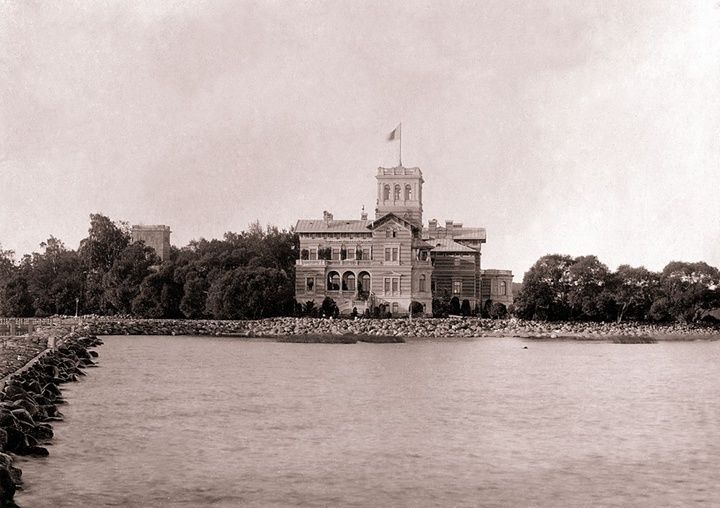
Early 20th century view of the Lower Dacha

The Lower Dacha – also known as the Lower Palace – was erected in the mid-1880s for the Tsesarevich Nicholas Alexandrovich (future Emperor Nicholas II) by the architect Anthony Osipovich Tomishko (1851-1900), the famous architect who also designed the famous Kresty Prison in St. Petersburg.

“The sovereign [Emperor Alexander III – Ed.] gave Tomishko carte blanche with the project – permitting the architect with spending, hiring contractors, and monitoring its construction – while making additional adjustments made by the emperor and especially his wife the Empress Maria Feodorovna. Despite this, Tomishko did not see the implementation of his project,” – said the chief architect of the Peterhof State Museum-Preserve Sergei Pavlov.

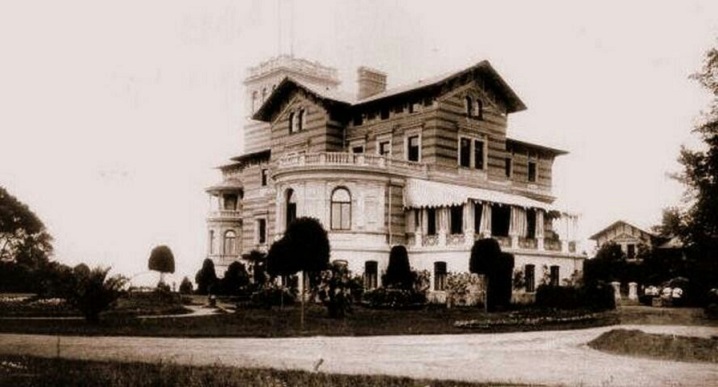
Despite all the difficulties, a four-story building made of bi-coloured bricks – yellow and red – was created on the shore of the Gulf of Finland in the Alexandria Park resembling an elegant Italian villa in the Neo-Renaissance style.

The remoteness of the Lower Dacha from Peterhof, which was completely inaccessible to outsiders made it a favorite residence for the emperor and his family. “The main beauty of the whole house is it’s proximity of the sea” – the Emperor wrote in his diary.

After their marriage in 1895, it was here that Nicholas II and Alexandra Feodorovna spent their first summer together. It was also here that three of their *five children were born, two daughters: Maria (1899), Anastasia (1901), as well as their only son and heir to the Russian throne, Tsesarevich Alexei Nikolaevich (1904). It was also at the Lower Dacha that in 1914, Nicholas II signed the Manifesto of Russia’s entry into the First World War. [*Olga (1895) was born in the Alexander Palace at Tsarskoye Selo; Tatiana (1897) was born in the Farm Palace at Peterhof – PG]

After the birth of their children in the 1890s, the house became too small and a second block was added to the original building, where children’s rooms were located.
187c

Early 20th century view of the Lower Dacha

***

According to Sergei Pavlov, the fate of the Lower Dacha was met by tragedy and destruction during the 20th century. This is confirmed by the history of the palace.

Shortly after the Revolution, the Lower Dacha was opened as a museum, in which the personal items of the Imperial family, including furnishings and children’s toys were displayed.

The anti-monarchist attitude of this museum and it’s Soviet caretakers is best described by the museum’s first director Nikolai Arkhipov, who referred to himself as “the keeper of the royal underpants.”

It is clear that such a museum could not exist for long, and in 1936 a recreation center for members of the NKVD (People’s Commissariat for Internal Affairs) was opened in the Lower Dacha. Then came the Great Patriotic War (1941-1945) and the occupation and destruction of the area by the Nazis.
187d

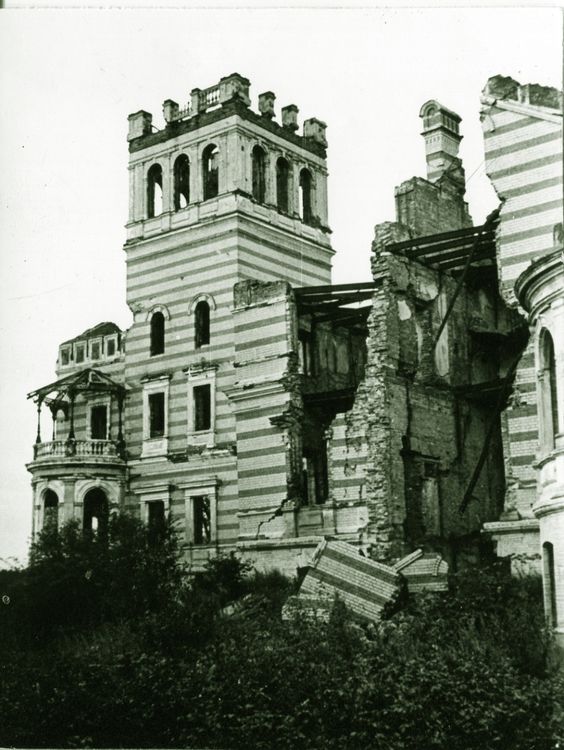
The Lower Dacha as it looked after the Great Patriotic War 1941-45

During the war, the Nazis used the former Imperial residence as a base for its coastal defence. The building survived the war, and stood until 1961 when it was blown up by the Soviets – the Lower Dacha was left in ruins.

Who and why the imperial summer residence was destroyed still remains a mystery. Documents in the archives have not been preserved.

According to a local legend, one of the sons of the then military hierarchy broke a leg while climbing on the ruins of the dacha. His angry father ordered that the building be “blown off the face of the earth.” Another popular theory was that the site had become popular with local Orthodox Christians and monarchists, who would often hold memorials at the ruins with candles and prayers.

There is also a more prosaic version. Many museum workers believe that the whole thing was based on Soviet ideology, who were alien to any relics associated with the last Tsar. As the museum experts note, the explosion was carefully orchestrated, one which could only be carried out by professionals.

***
187e

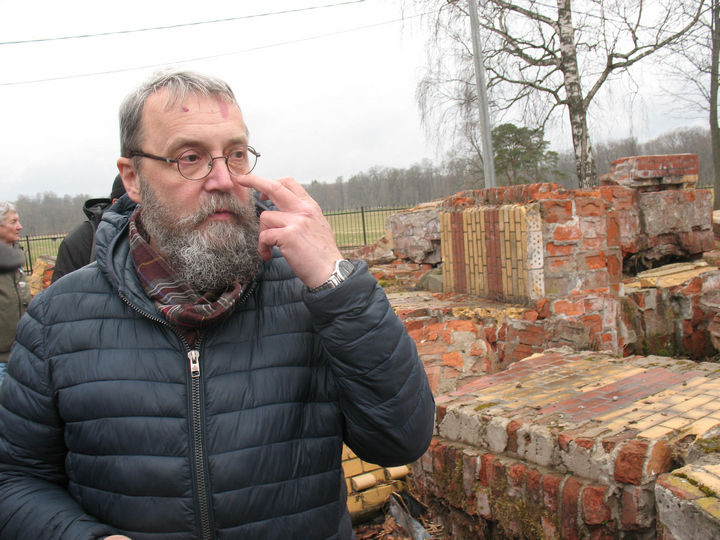
Chief Architect of the Peterhof State Museum Sergey Pavlov at the ruins of the Lower Dacha

“Then the question arose: what to do next?” – recalls Sergei Pavlov.

According to him, several options for the restoration of the monument were considered. The first suggested a complete historic recreation of the Lower Dacha, based on plans, documents and photographs which have been preserved in the archives.

“But when we analyzed this proposal further, we understood two fundamental problems. First, we had little to work with when compared to the ruins of the Great Palace – of which 60-70% of the building had survived, but only 7-10% of the Lower Palace had survived. So, how can this be recreated?” Sergei Pavlov asks.

Further, since the palace, although called imperial, in fact was very small, with modest rooms and narrow halls, which excludes all sightseeing activities by visitors and tour groups. In addition, there would be a problem with filling the exposition.

“There is a legend that Peterhof has a lot of things from the Lower Dacha. I can tell you that this is incorrect. In fact, we have in our collections, only 14 pieces of furniture and about 35 additional items from the dacha. To fill them all the exhibition space of the palace is simply impossible,” – explained the chief architect of Peterhof.

Another option considered was the conservation of the ruins. However, this idea was considered difficult to implement, simply based on the harsh conditions of the St. Petersburg climate. “We took a rather difficult, hard-won decision. We agreed to combine the preservation of the surviving fragments of the ruins to become incorporated into the partial reconstruction of the dacha,” explained Sergei Pavlov.

***
187f

The ruins of the Lower Dacha

There are plans for a reconstruction of the study of Nicholas II on the upper floor, in which we will fill with genuine items and objects of everyday life of that era. The lower floor will be used for both permanent and temporary exhibitions.

“In this way, we can utilize all the necessary living spaces, which we desperately need. For instance, we do not have a conference room, or a room for scientific study, nor is there is a laboratory, are library. All of these will be implemented into the new building, “- said Sergei Pavlov.

According to Pavlov, the first priority in the recreation of the Lower Dacha will be a memorial place to the family of Nicholas II. Secondly, the building will host an historical and cultural center, where there will be exhibitions and concerts, reflecting the spirit of this place.

The new multi-museum complex will preserve the unique panorama of Peterhof and the silhouette of the coastline, the reconstruction of which will be the second stage of a larger project.

Surviving fragments of boulder fortification and a boat canal through which a small yacht transferred the Imperial family to the Imperial yacht Standart (which was unable to dock at the pier, due to the shallow bay), will all be restored.
187g

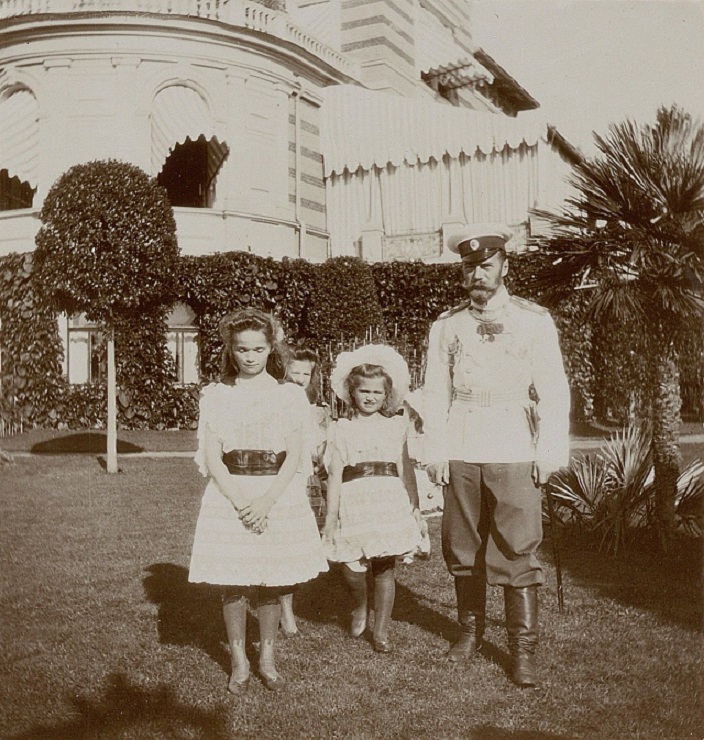
Nicholas II with his three eldest daughters at the Lower Dacha, 1905

Complete work on the reconstruction of the Lower Dacha is expected to be completed in 2025. And then the historical landscape of Alexandria Park will be fully restored.

© Paul Gilbert. 11 December 2019