Vintage train from Ekaterinburg, tells the story of Nicholas II’s last days

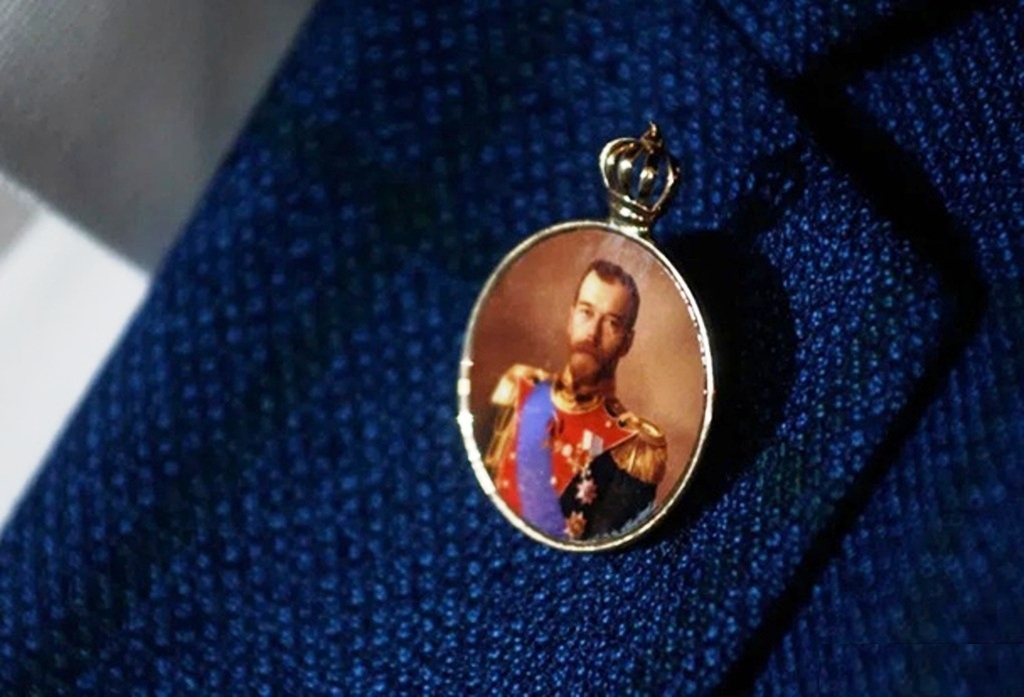
PHOTO: a pin – depicting the image of Nicholas II
– worn by conductors on the vintage train from Ekaterinburg.

In December 2022, a vintage train journey was initiated from Ekaterinburg, which tells passengers, the story of the last days of Nicholas II and his family in the Urals. The train runs from Ekaterinburg to the Shuvakish station and back, on Friday evenings, and also on Saturday and Sunday mornings.

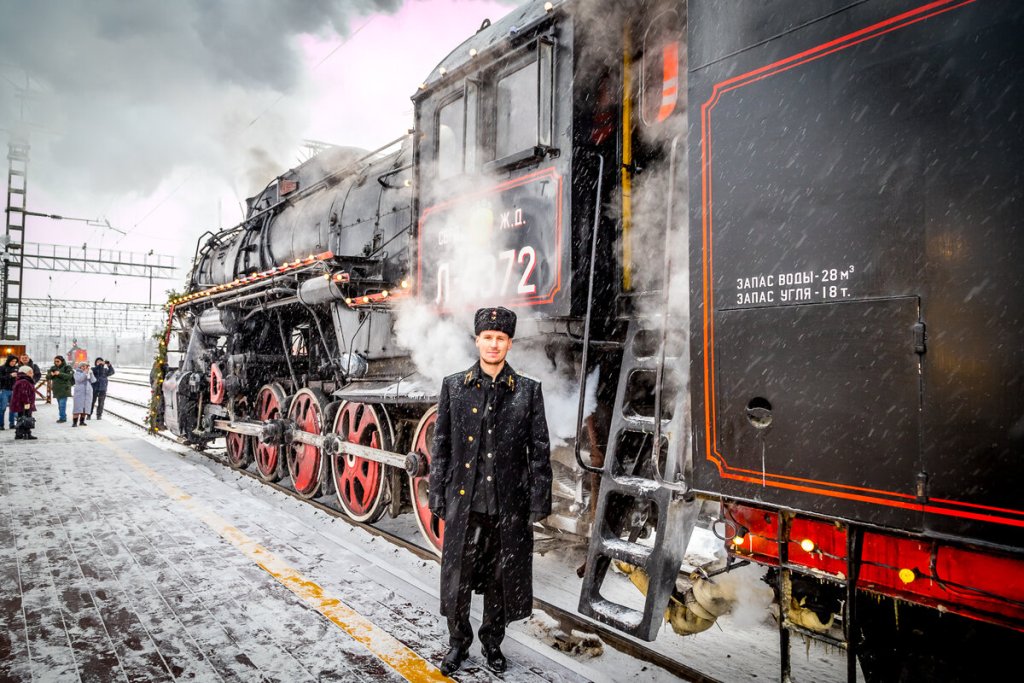
The locomotive (see photo below) is not from the Imperial times, but a 1963 steam engine, made in Czechoslovakia. The interiors, however, have been remodeled to resemble that of an early 20th century Russian train.

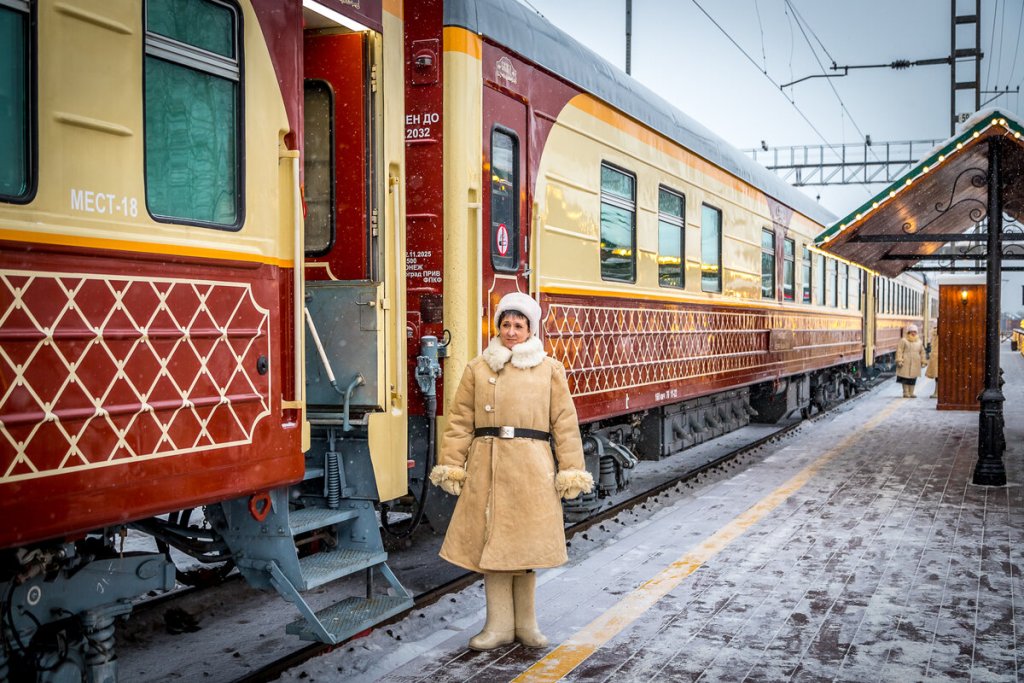
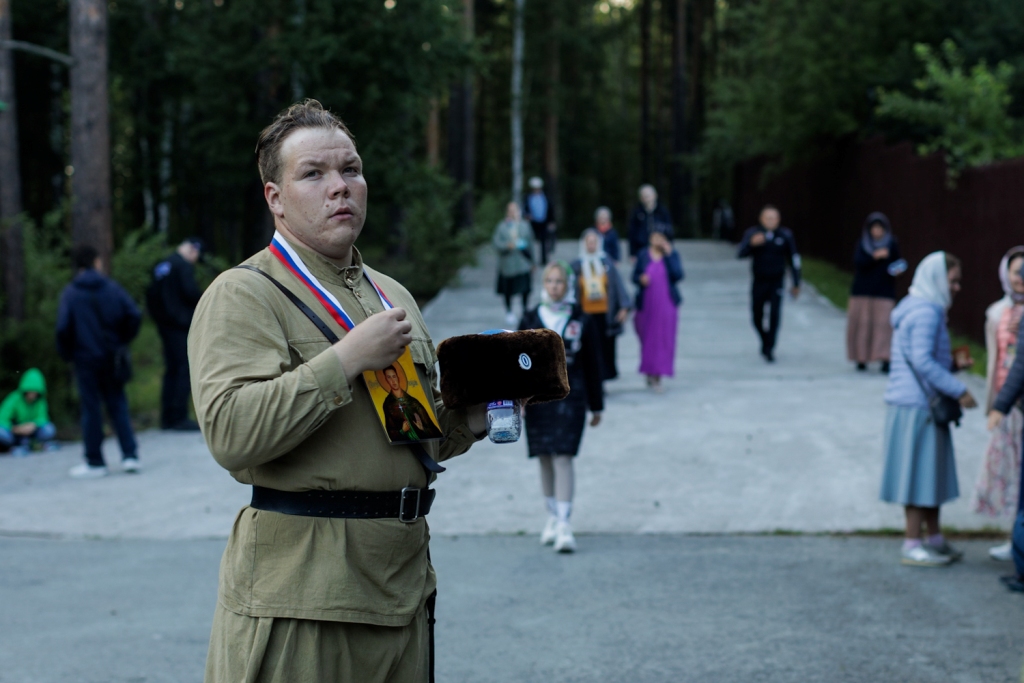
Passengers travelling on the vintage train are greeted on the platform by hospitable conductors wearing uniforms of early 20th century Imperial Russia-style, and white gloves (see photo below).

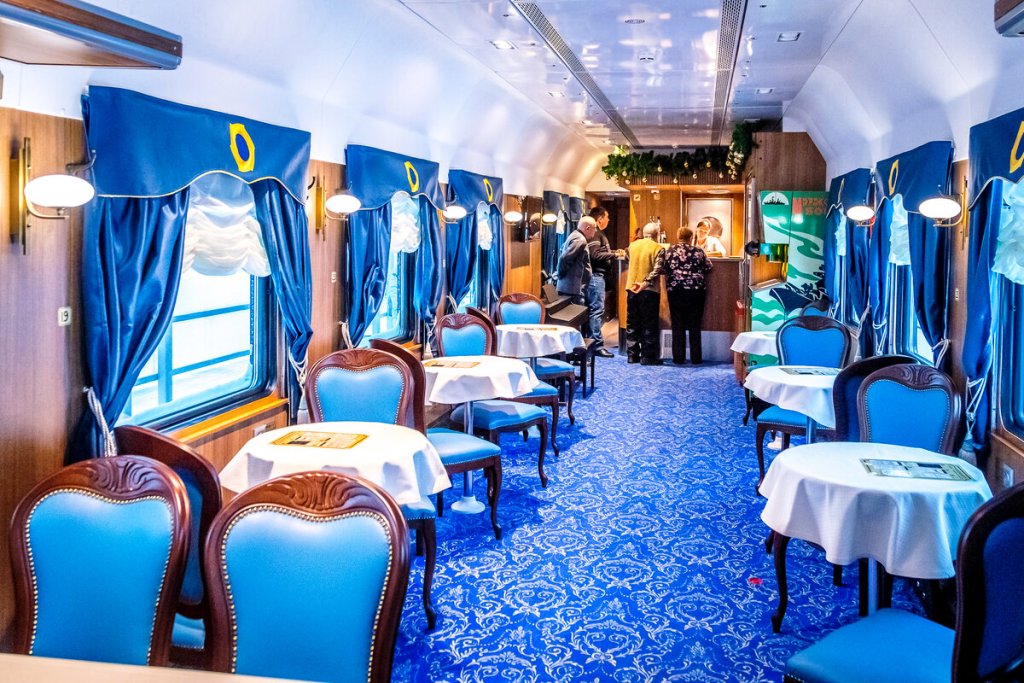
The train has four wagons: First Class, Economy Class, a dining car (see photo below) and a sightseeing car, which operates during the summer months. One compartment is decorated with framed photographs of the Imperial Family.

During the 3-hour train journey, passengers can sit back, relax and enjoy the view, while listening to an audio-guide, which tells the story of the last days of Russia’s last Tsar, his family and their four faithful retainers.

The audio begins with the Imperial Family’s train journey from Tsarskoye Selo to Tyumen, then by boat to Tobolsk, where they were held under house arrest in the former Governor’s House, from August 1917 to March 1918.

The story continues, with the transfer of the Imperial Family to Ekaterinburg, where they were held under house arrest in the Ipatiev House, from March to July 1918. The audio-guide further tells of their fate, their burial at what is today known as Ganina Yama, and the discovery of their remains, almost 100 years later on the Old Koptyaki Road.

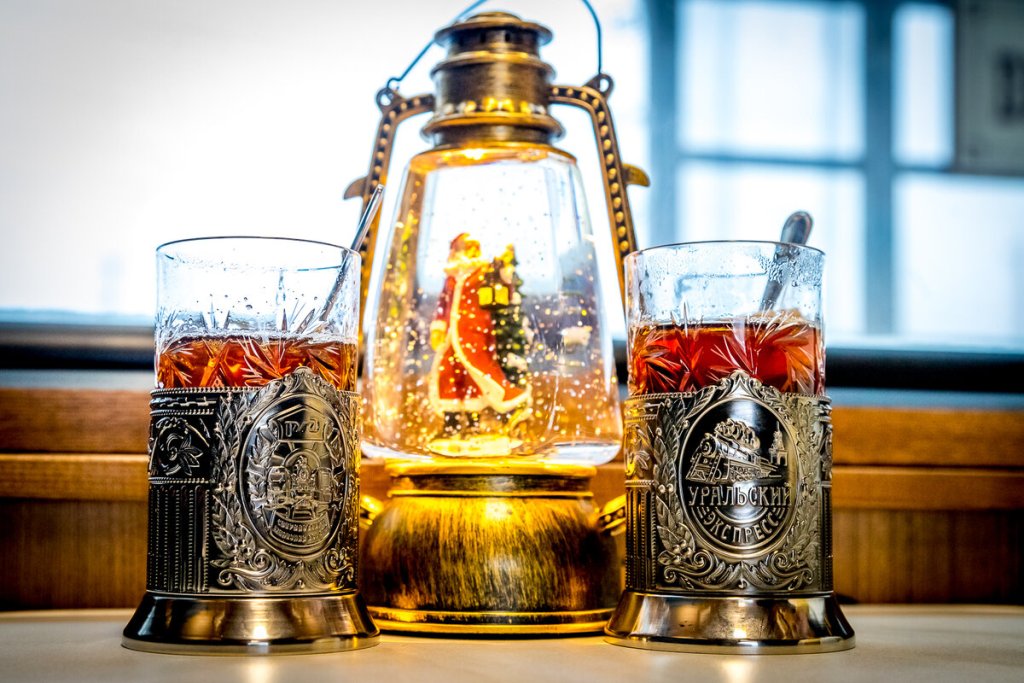
Tea is served to passengers from a traditional samovar. Conductors bring the tea in beautiful faceted glasses in iron cup holders, on which the Double-Headed Eagle of the Russian Empire is depicted.

The train stops at Shuvakish Station (Zheleznodorozhny district), where passengers are free to disembark the train to a wooden platform, decorated with benches, a bell and a manual semaphore signal. The stop lasts a little more than an hour.

Inside the wooden pavilion, passengers can enjoy music, which includes a variety of waltzes and melodies from the repertoire of Alexander Serov.

Passengers can also try on the uniforms of the White Guards, take photos, and enjoy a cup of hot tea, bagels and local berries.

PHOTO: tea is served at Shuvakish Station

***

*As I have noted in previous posts, I support any initiative – big or small – to help keep the memory of Nicholas II and his family alive in 21st century Russia – PG

© Paul Gilbert. 19 October 2025

Photo exhibition “Romanovs: 23 Steps to Immortality” opens in Karabash

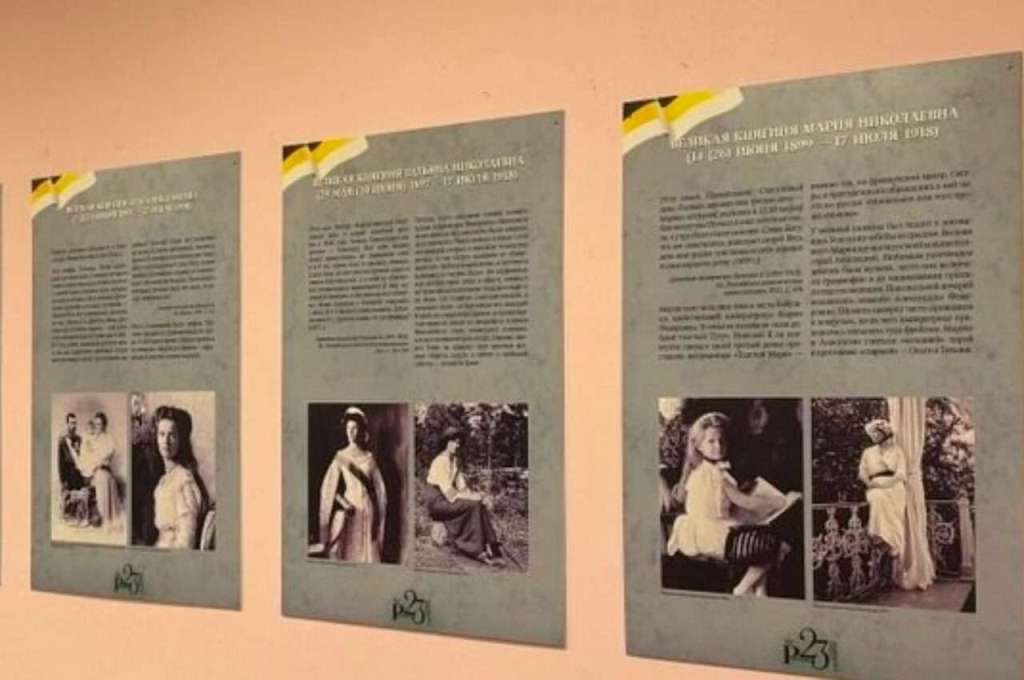
On 5th September 2025, a travelling photo exhibition The Romanovs: 23 Steps[1] to Immortality, opened at the Central City Library in the town of Karabash, situated in the south Urals. The collection of photographs of the Imperial Family was provided from the funds of the State Historical Museum of the South Urals. The exposition is timed to coincide with the 107th anniversary of the death and martyrdom of Russia’s last Tsar and his family.

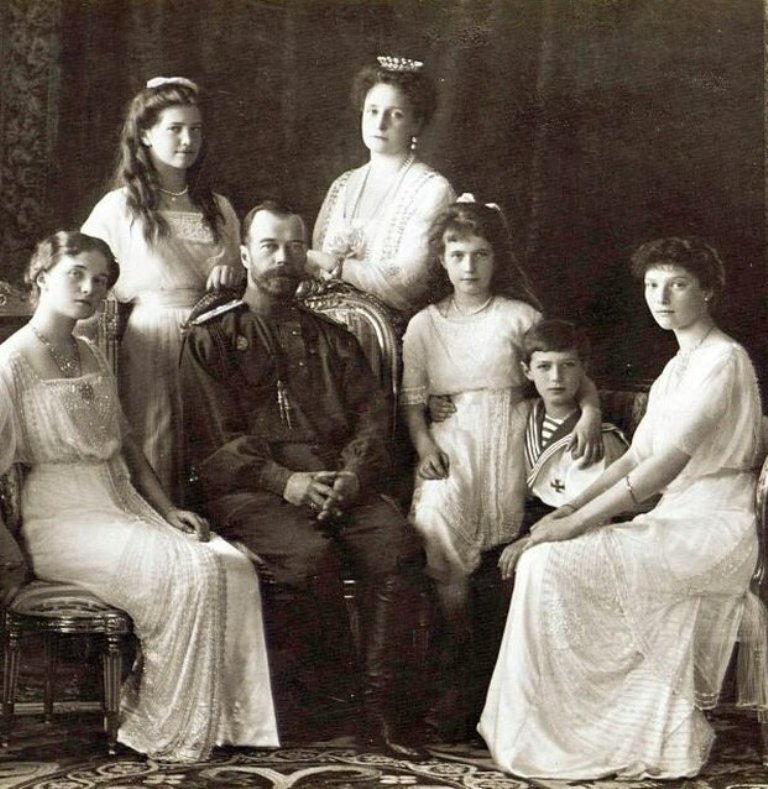
On the night of 16/17 July 1918, Emperor Nicholas II, his wife Alexandra Feodorovna, Grand Duchesses Olga, Tatiana, Maria, Anastasia, Tsesarevich Alexei, as well as four servants were murdered in the basement of the Ipatiev House in Ekaterinburg.

The exhibition presents unique photographs of members of the Imperial Family, diary entries of Nicholas II, anecdotes from the memoirs of people who knew the Imperial Family intimately, as well as materials related to the abdication of the Emperor in March 1917, their private life in the Alexander Palace at Tsarskoye Selo, Tobolsk and Ekaterinburg. The exposition tells not only about the Romanov family, but also includes notes and memoirs of regicides, which allows visitors to look at the events from different angles.

The travelling exhibition The Romanovs: 23 Steps to Immortality was initially launched in 2018, the year marking the 100th anniversary of the death and martyrdom of Emperor Nicholas II and his family. It has since, toured towns and cities in the Urals, as well as other cities in the Russian Federation.

NOTES:

[1] Referring to the staircase – which consisted of 23 steps – in the Ipatiev House, in which, on the night of 16/17 July 1918, the Imperial Family and their four faithful retainers descended to their death and martyrdom in the Ipatiev House in Ekaterinburg.

There is a monument which depicts the Imperial Family descending 23 steps on the grounds of the Church on the Blood in Ekaterinburg.

***

*As I have noted in previous posts, I support any initiative – big or small – to help keep the memory of Nicholas II and his family alive in 21st century Russia – PG

© Paul Gilbert. 8 September 2025

Myrrh streams from icon of Nicholas II in Ekaterinburg

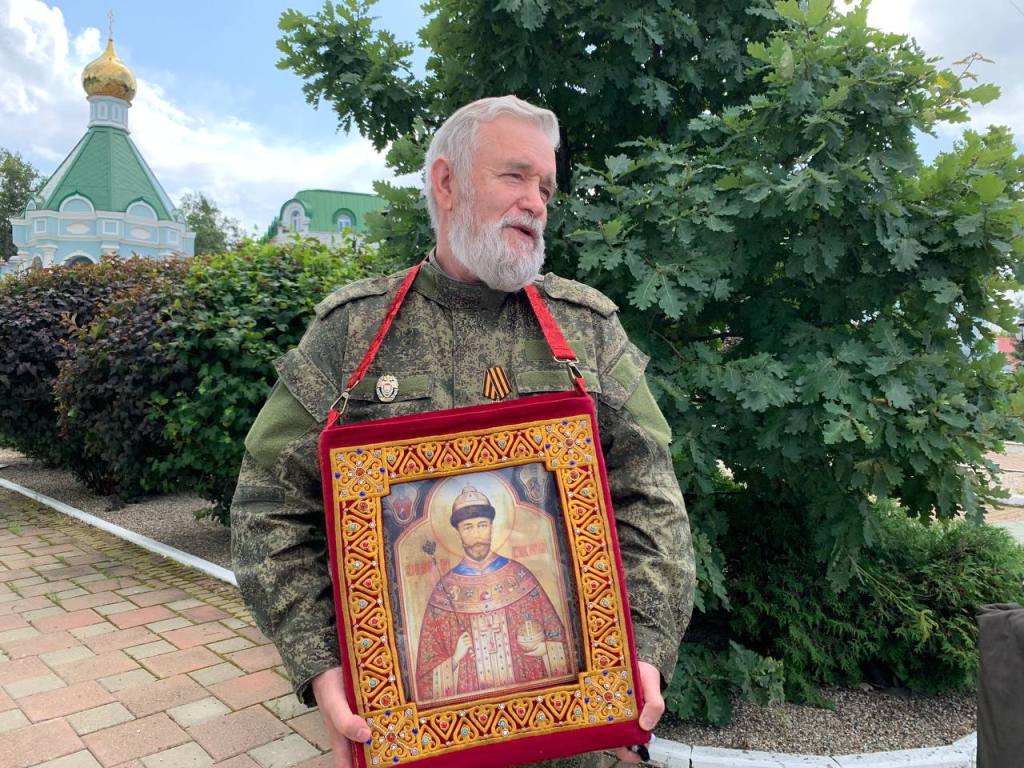
PHOTO: Alexander Feodorovich Chernavsky holding the
myrrh-streaming icon of the Tsar-Martyr Nicholas II

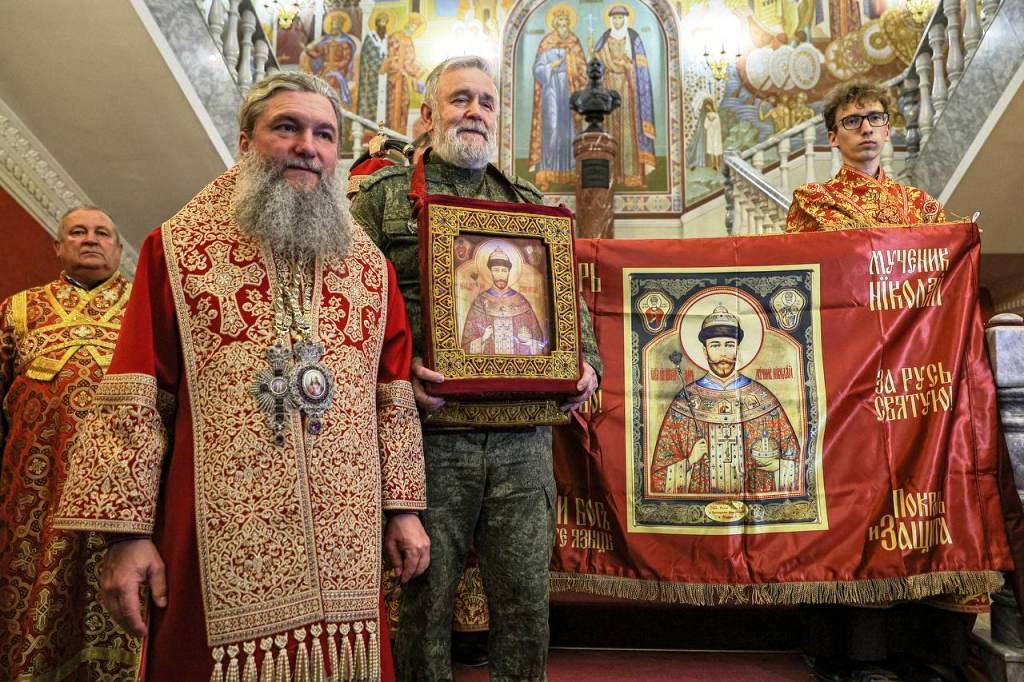
On 13th July 2025, the myrrh-streaming icon of the Tsar-Martyr Nicholas II arrived at the Church on the Blood in Ekaterinburg. The icon was brought from Moscow, by the head of the Orthodox Military Mission, Alexander Feodorovich Chernavsky.

According to Chernavsky, the icon has been streaming myrrh since 1998, and again, during this year’s Tsar’s Days in the Ural capital, drops of myrrh appeared in the shape of “diamonds” on the icon itself and on the frame.

It smells fragrant, it streams myrrh and inspires faithful Orthodox Christians with the fact that the Tsar is alive, he sees all our labours, hears our prayers, reacts to the impulses of our hearts, to our feelings, he believes in the future of Russia. The Imperial Family and other New Martyrs pray for us.”

Chernavsky brings the icon to the Ural city every year for events marking Tsar’s Days, namely the Divine Liturgy held on the night of 16/17 July, followed by a Cross Procession to the Monastery of the Holy Royal Martyrs in Ganina Yama.

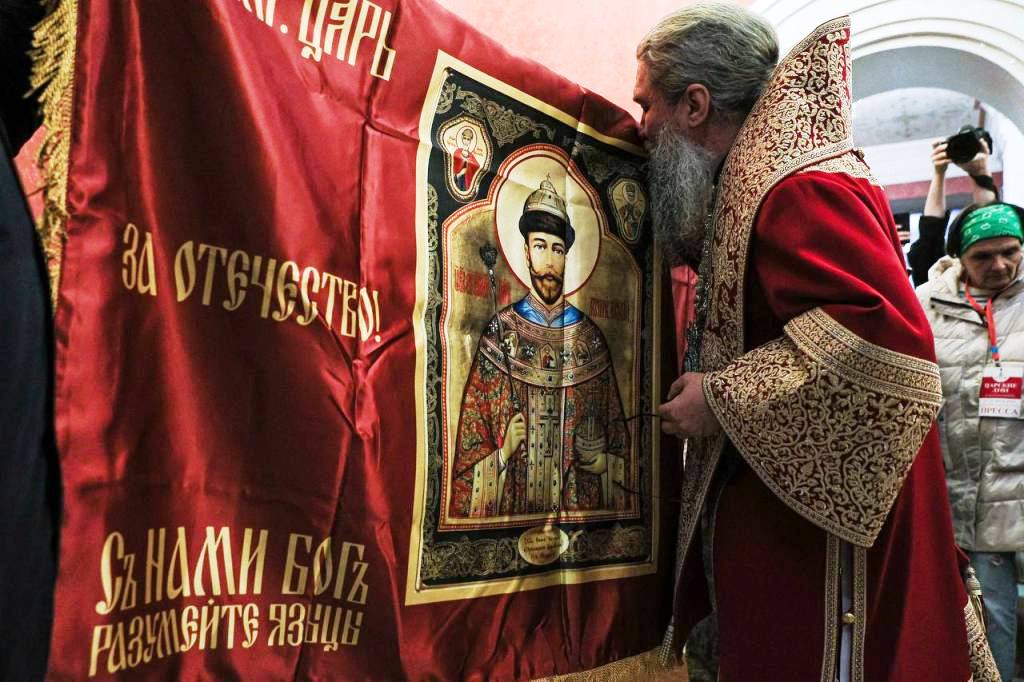
PHOTO: detail of the banner depicting the image of Tsar-Martyr Nicholas II

On 16th July 2025, Chernavsky presented Metropolitan Evgeny of Yekaterinburg and Verkhoturye with a banner depicting the image of Tsar Nicholas II. Such banners bearing the face of the Holy Royal Passion-Bearers are sent to Russian soldiers to inspire them by the feat of the Emperor, to embrace the Orthodox faith and become churchgoers.

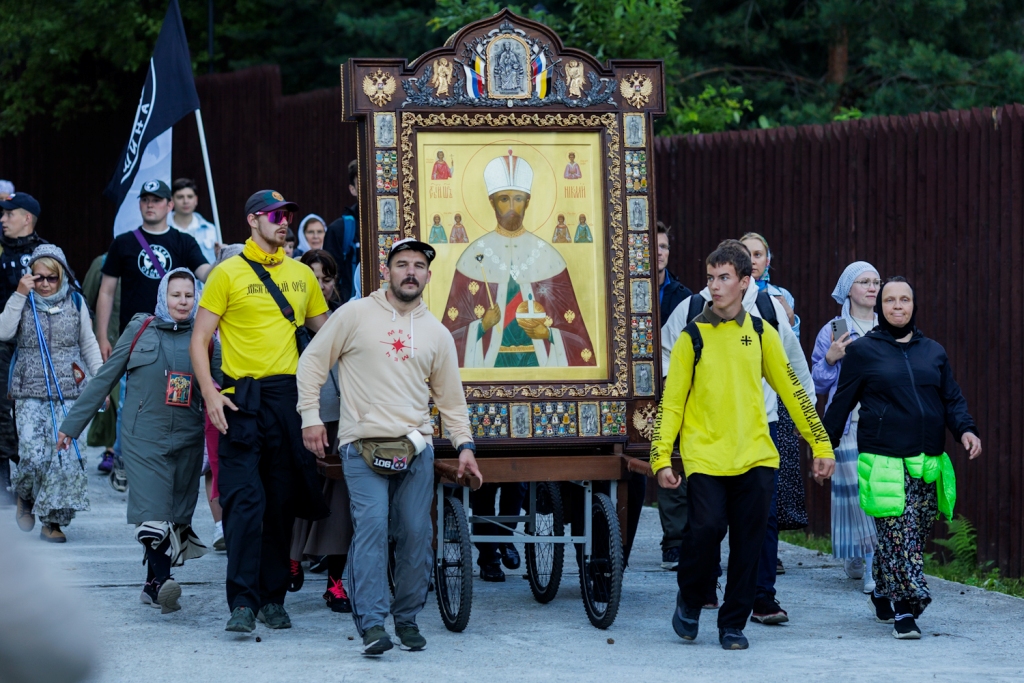
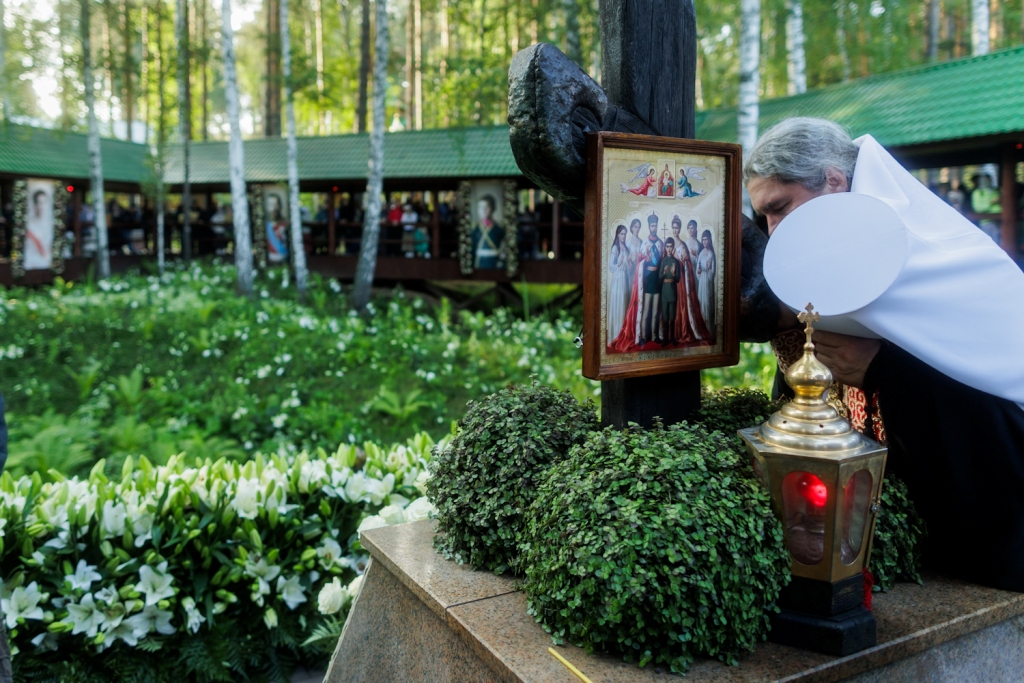
In the early morning hours of 17th July, Chernavsky – carrying the icon of the Tsar-Martyr Nicholas II – joined tens of thousands of pilgrims, clergy and believers in the annual Cross Procession from the Church on the Blood to the Monastery of the Holy Royal Martyrs at Ganina Yama – a journey of 21-km (13 mile) on foot.

Chernavsky noted that during this year’s Cross Procession, he noticed many young people with banners and flags, which he believes “speaks of the affirmation of the Orthodox faith and the unity of the Russian people.”

PHOTO: Metropolitan Evgeny of Ekaterinburg and Verkhotursky (left) with Alexander Chernavsky holding the myrrh-streaming icon of the Tsar-Martyr Nicholas II, in the Patriarchal Compound of the Church on the Blood. At the top of the stairs behind, you can see a bust-monument to Nicholas II

Recall that the icon of the Tsar-Martyr Nicholas II was painted in the United States even before the glorification of the Tsar by the Moscow Patriarchate of the Russian Orthodox Church on 20th August 2000, after the Russian émigré Iya Dmitrievna Schmit[1], had a dream in which she saw an icon depicting the Tsar Martyr Nicholas II in 17th century grand ducal attire. She asked the iconographer Pavel Nikolaevich Tikhomirov, who lives in California, to paint the icon she had dreamt about.

At the end of 1997, colour lithographs of this icon were brought to Russia. In the St. Nicholas almshouse in the city of Ryazan, where the Church of the Tsar-Martyr Nicholas II is being built, a colour copy was made and placed in an icon case under glass.

On 7th November 1998, the icon began to stream myrrh. Since then, the icon has been traveling around Russia and around the world. But most importantly, the icons streams myrrh on the anniversary of the Tsar’s death and martyrdom, among other days associated with the memory of Russia’s much slandered Tsar.

NOTES:

[1] In 2000, Ija Schmit (1936-2018) gifted a copy of this icon to the author of this article.

© Paul Gilbert. 23 July 2025

Tsar’s Days in Ekaterinburg – 16/17 July 2025

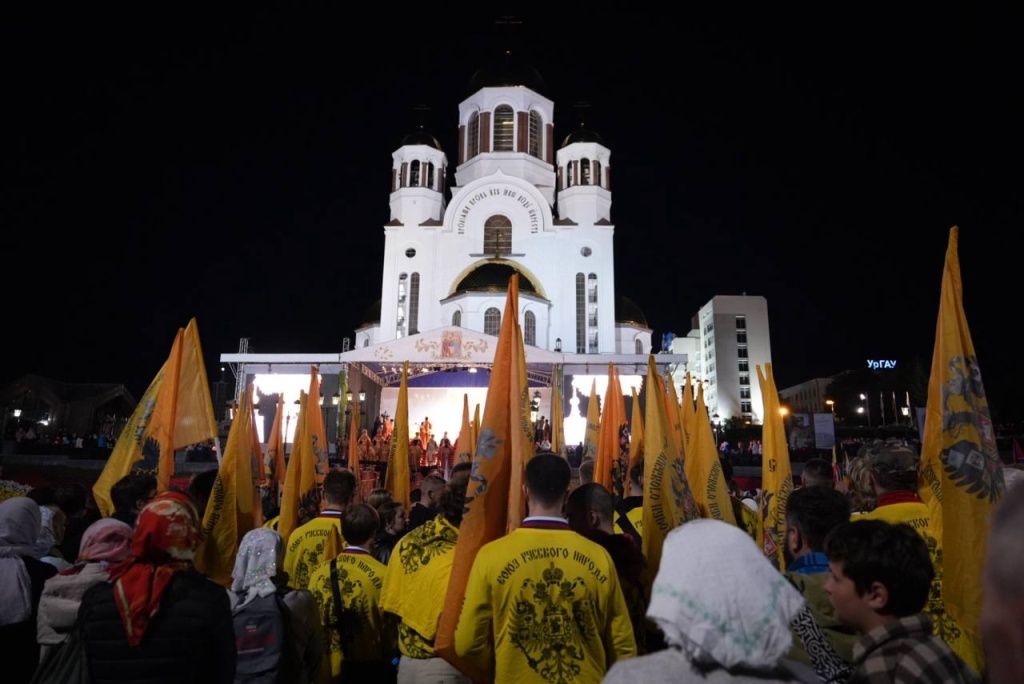
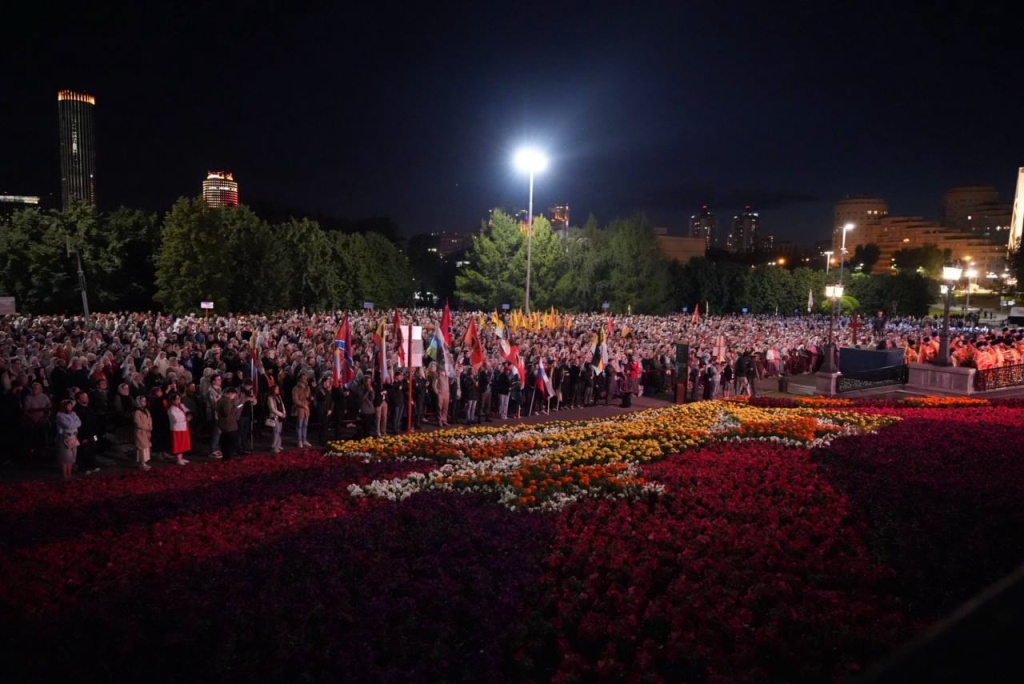
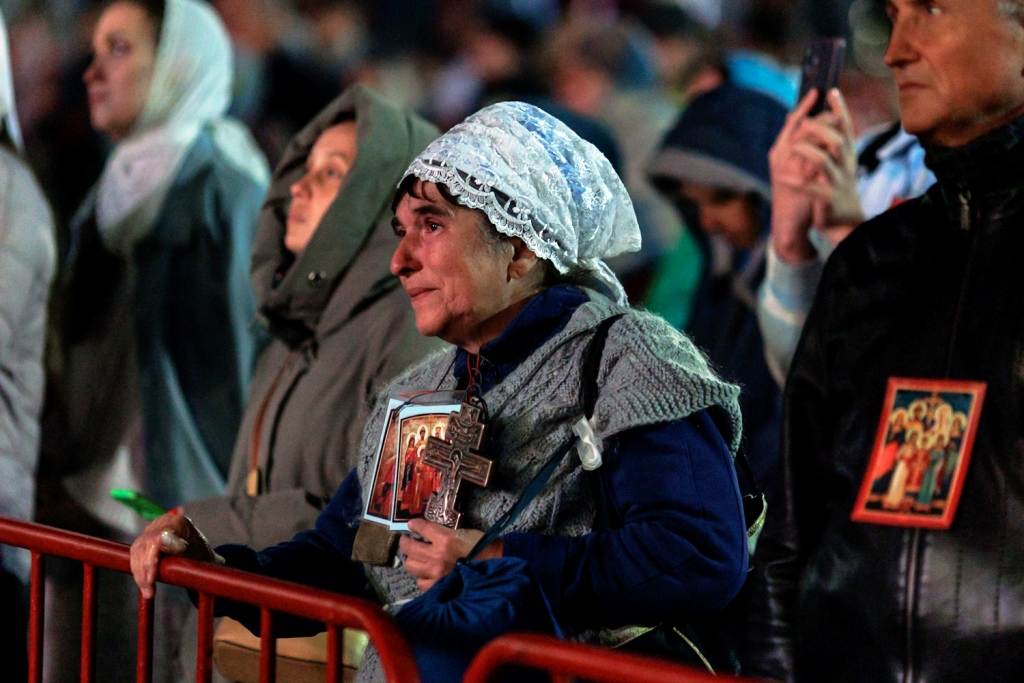
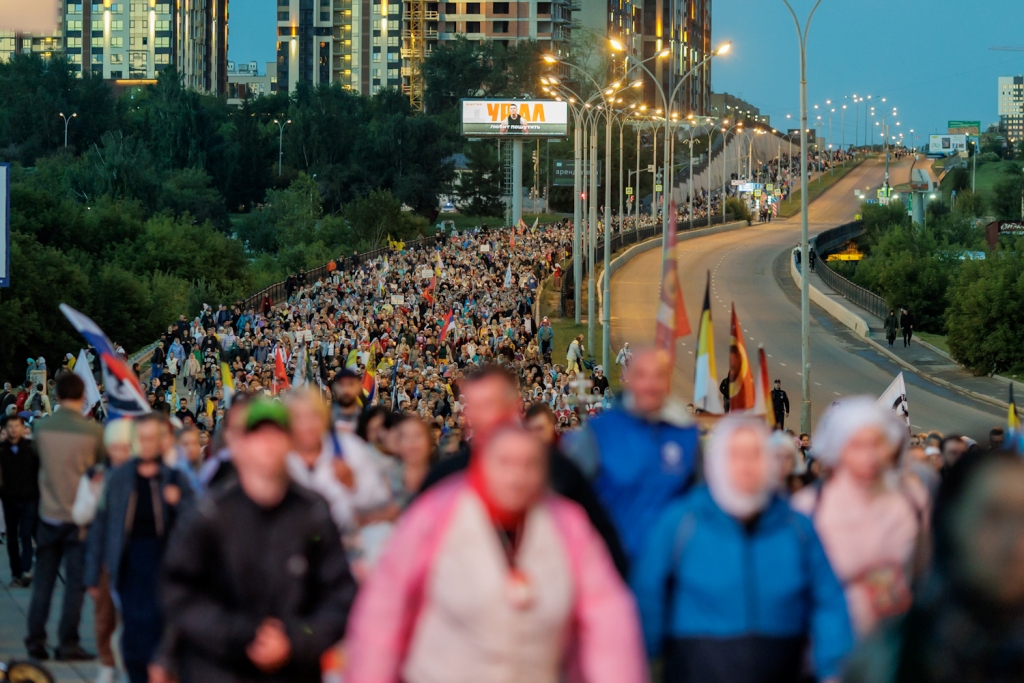
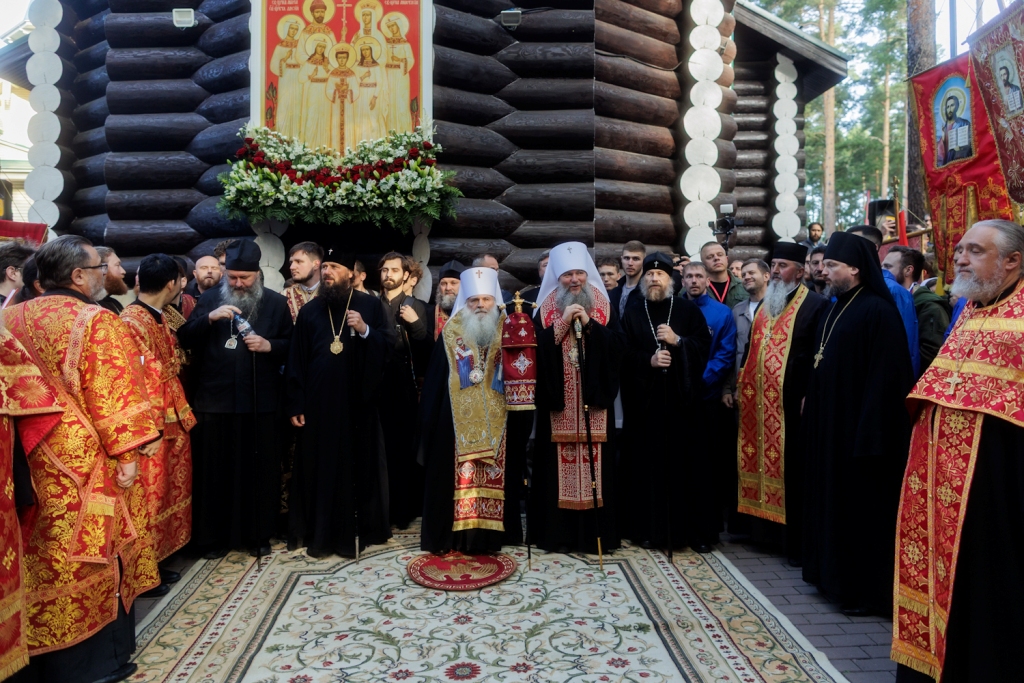
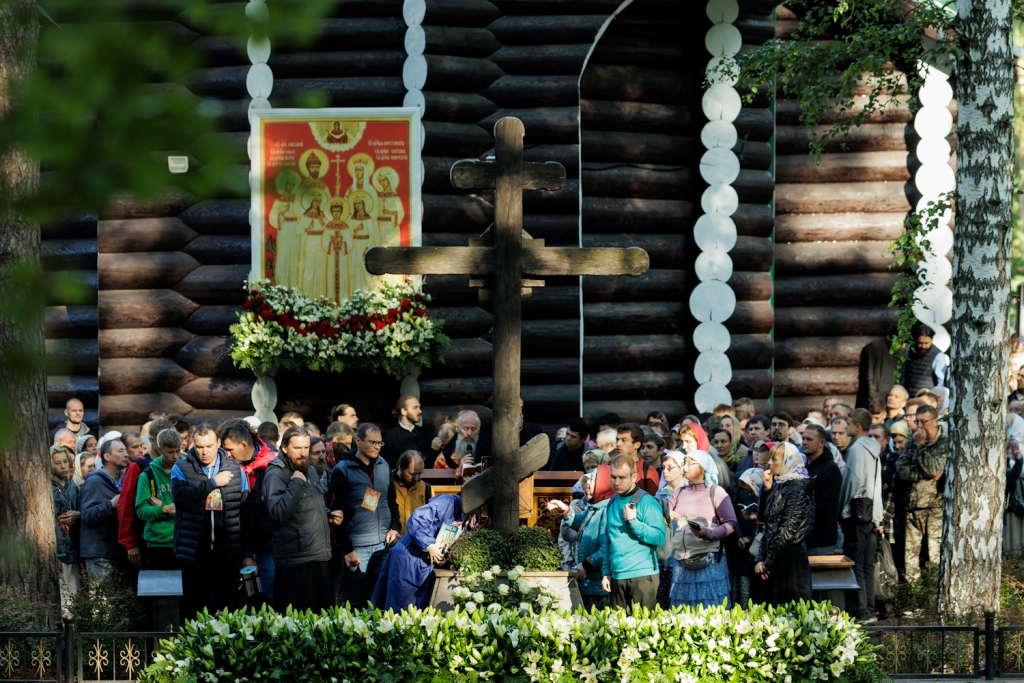
On the night of 16/17 July 2025, tens of thousands of pilgrims, clergy and believers from across the Russian Federation and abroad, took part in the Divine Liturgy on the square in front of the Church on the Blood in Honour of All Saints Resplendent in the Russian Land in Ekaterinburg.

This year marks the 107th anniversary of the death and martyrdom of Emperor Nicholas II, his wife, their five children, and four faithful retainers, who were all brutally murdered in the Ipatiev House in the early morning hours of 17th July 1918.

According to the press service of the Ekaterinburg Diocese, this year’s Tsar’s Days was attended by residents of Ekaterinburg and the Sverdlovsk region, but also residents of different regions of Russia. In addition, were pilgrims from the Czech Republic, Uzbekistan, Serbia, Italy and other countries.

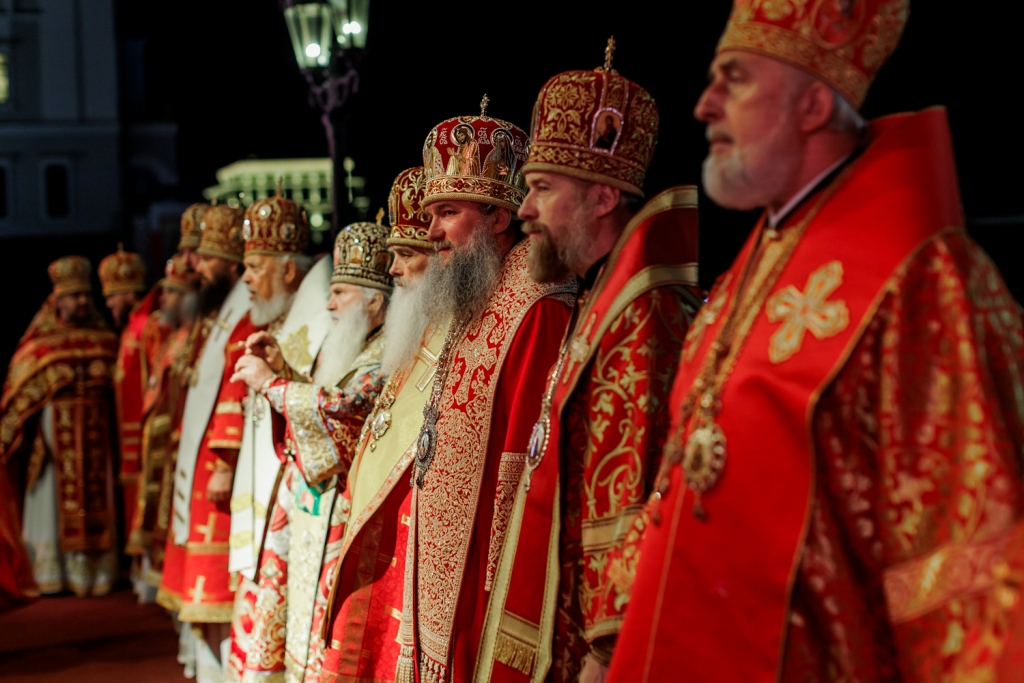
This year’s Divine Liturgy was led by 12 bishops of the Russian Orthodox Church, headed by Metropolitan Evgeny of Ekaterinburg and Verkhotursky. Communion of the Holy Mysteries of Christ was performed from 100 Chalices. The service was broadcast live by the First Orthodox TV channel “Soyuz” on YouTube, and Rutube-channels. 

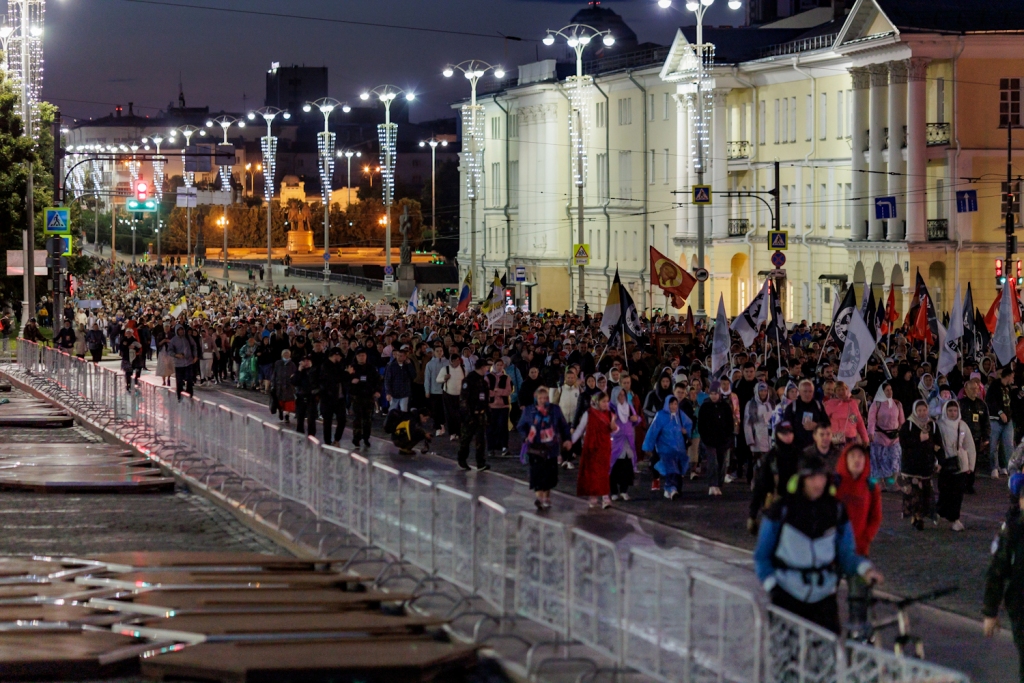
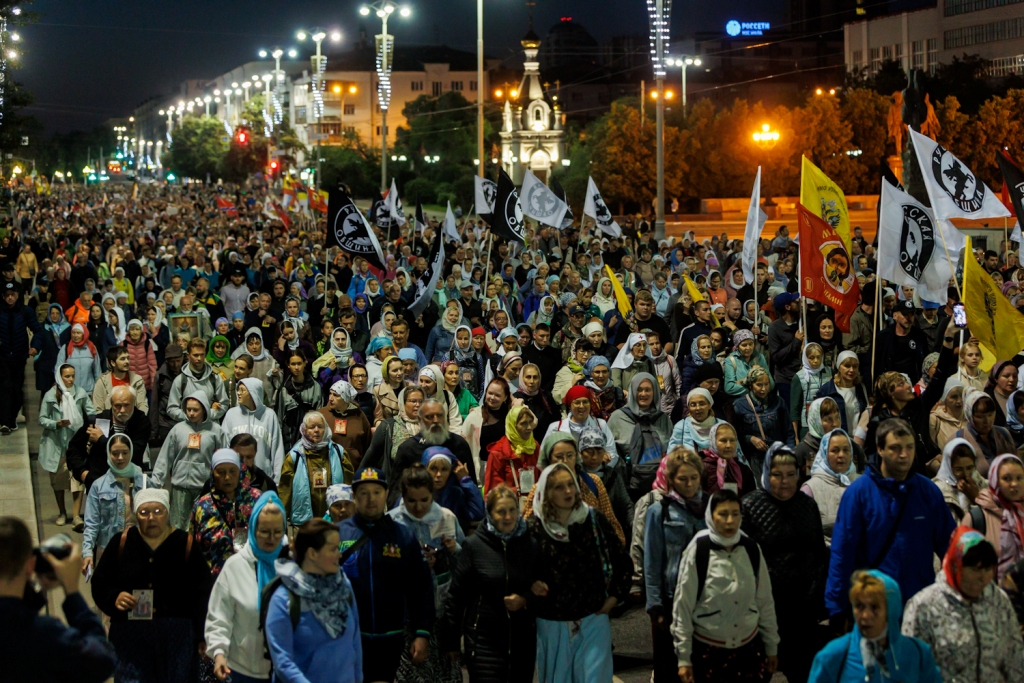
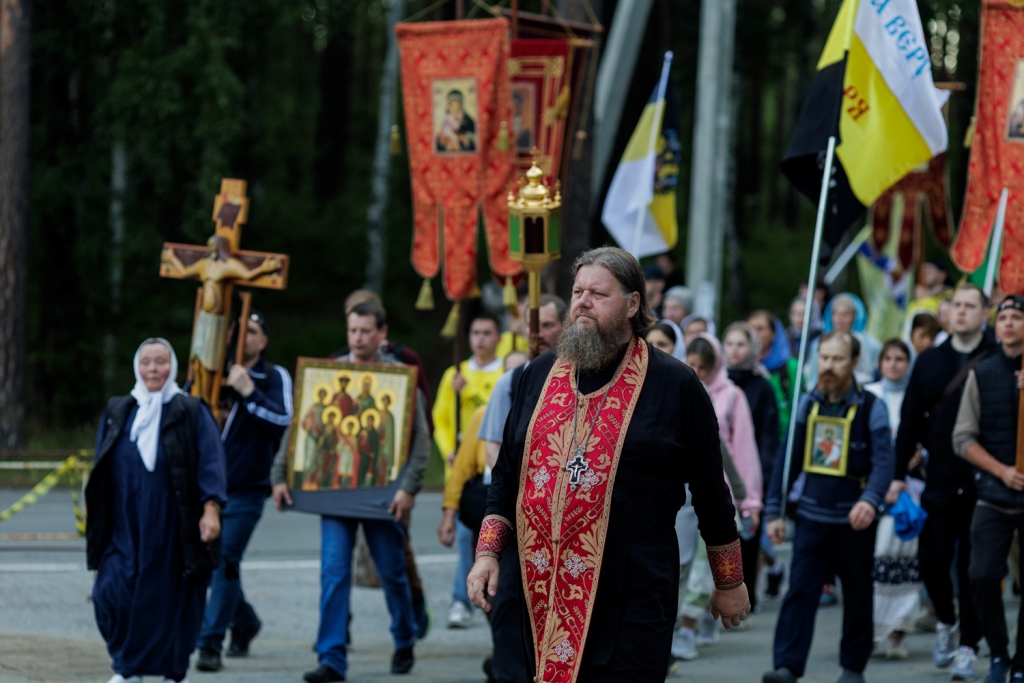
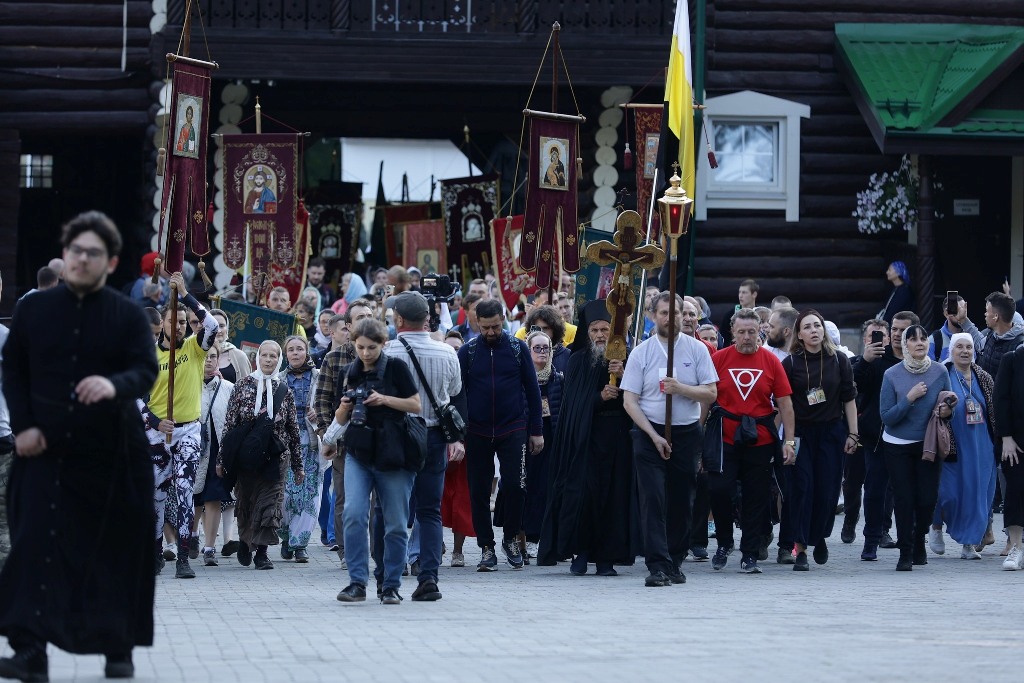
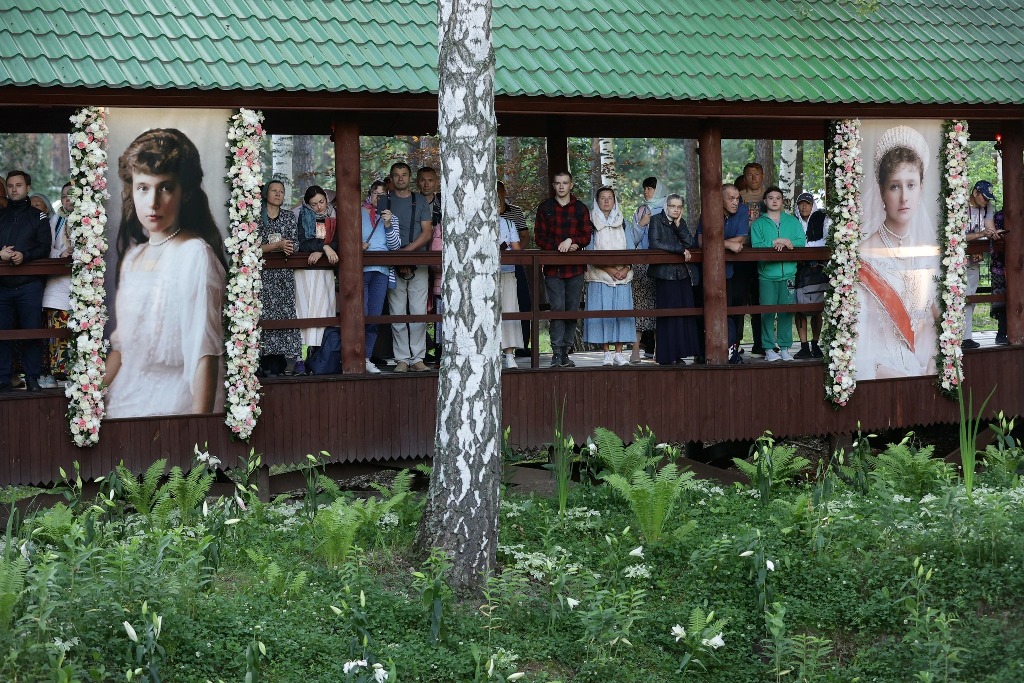
This was followed by a 21-km (13 mile) Cross Procession from the Church on the Blood to the Monastery of the Holy Royal Martyrs at Ganina Yama, in which 40,000 people took part. The procession, which began in the early morning hours of 17th July, took about 4 hours to complete on foot.

“There is no such religious procession, peaceful Christian movement in either Russia, or any where else in the world,” proclaimed Doctor of Historical Sciences Pyotr Multatuli, a noted historian and author, who is considered Russia’s foremost authority on the life and reign of Nicholas II.

The Cross Procession concluded with a moleben [a liturgical service of supplication or thanksgiving] to the Holy Royal Passion-Bearers at Mine No. 7, which is now sacred ground of the Monastery of the Holy Royal Passion-bearers at Ganina Yama.

Tsar’s Days are traditionally held with the support of the Sverdlovsk regional government, the Ekaterinburg city administration and the St. Catherine’s Foundation, which helps in organizing the celebration and supporting pilgrims with water, food, and transport.

Divine Liturgy – Church on the Blood, Ekaterinburg

21-km (13 mile) Cross Procession to Ganina Yama

Monastery of the Holy Royal Passion-Bearers, Ganina Yama

Tsar’s Days

Recall that the first Cross Procession in memory of the Holy Royal Martyrs, headed by Metropolitan of Ekaterinburg and Verkhoturye Kirill, took place in 2002, in which more than 2 thousand pilgrims and about 100 clerics participated. It has been held annually in the Ural capital ever since.

In 2018, the year marking the 100th anniversary of the death and martyrdom of the Imperial Family, more than 100, 000 people from across Russia and around the world attended the historic event, including the author of this article, who travelled from Canada to take part.

© Paul Gilbert. 20 July 2025

Unique icons associated with the Romanovs to be exhibited in Ekaterinburg

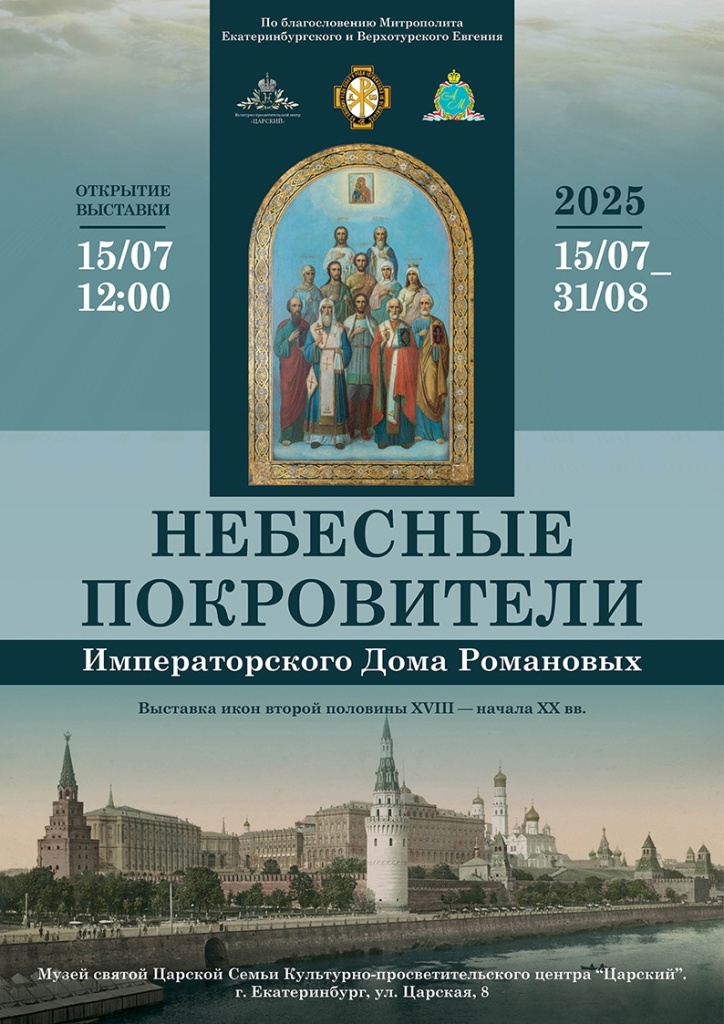
Emperor Nicholas II is well known for his piety and devotion to the Russian Orthodox Church. As part of the Tsar’s Days-2025, a collection of rare icons of the 17th to early 20th centuries, which are stored in church and private collections, will be brought to Ekaterinburg. The exhibition presents icons of the patron saints of the Romanov dynasty, which were commissioned by the Russian emperors.

The icons will be on display at the exhibition “Heavenly Patrons of the House of Romanov” which opens on 15th July 2025, to the Museum of the Holy Tsar’s Family, situated on the second floor of the Patriarchal Compound of the Church on the Blood.

This event was organized by the Altai Diocese together with the Ekaterinburg and Altai branches of the Imperial Orthodox Palestine Society and the Russian Academy of Arts. This is the first time that the Ural capital has hosted such an exhibition.

The organizers of the exhibition shared the history of the exposition:

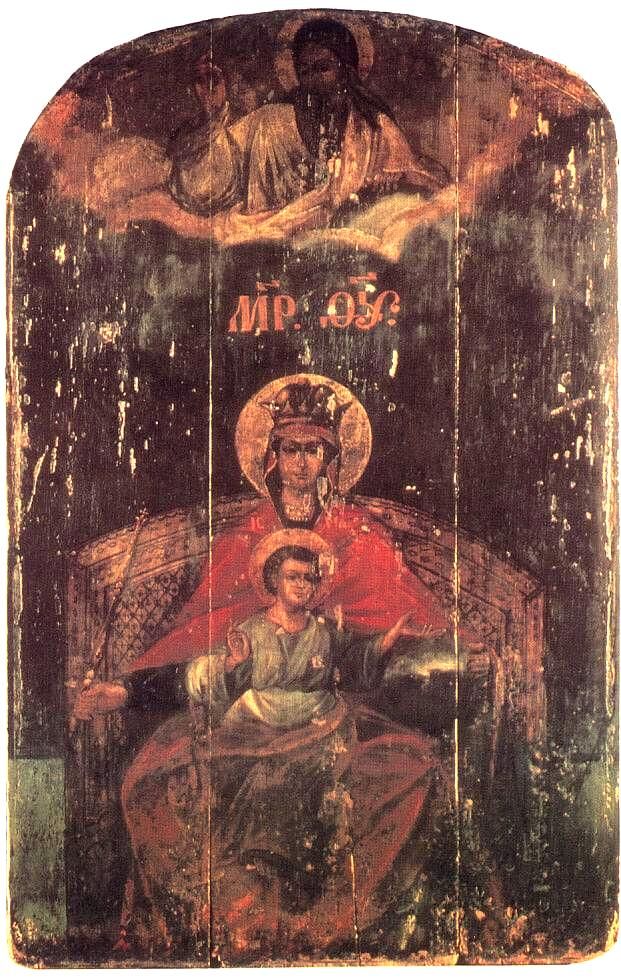
For more than three hundred years, Russia was under the rule of the Romanov dynasty. The Romanovs’ coming to power is associated with a prayer at the Miraculous Icon of the Mother of God “Feodorovskaya” and was marked by the overcoming of the Time of Troubles. Under the Romanovs, the country acquired the status of an Empire, profound political transformations were carried out, feudalism was replaced by capitalist relations, the peasantry gained freedom, economic and social reforms were implemented, and the population increased. The reign of the Romanovs ended with another time of troubles, in 1917. On 15th (O.S. 2nd) March 1917, the day of the abdication of Nicholas II , the Reigning Icon of the Mother of God was revealed to a peasant woman in Kolomenskoye. Many believe the reappearance of the icon was an indication that the Virgin Mary was displeased with Russia for dethroning Tsar Nicholas II during the February 1917 Revolution.

PHOTO: The original Reigning Icon of the Mother of God in the
Church of Our Lady of Kazan, Kolomenskoye (near Moscow)

According to Byzantine origins, the life of the Imperial Family in Russia was largely determined by Orthodox traditions. The Russian monarchs, following the Byzantine ones, were called God’s anointed. There was a corresponding rite of enthronement, which was performed in the main Assumption Cathedral of the Moscow Kremlin. Solemn events, anniversaries and other holidays of the Emperor’s family were interwoven into the church rites. In churches, Diving Liturgies, public prayers and bell ringing were performed. For these occasions, special icons were ordered, on which the patron saints of representatives of the Imperial Family were painted. Such icons were made for the birth of grand dukes, for the wedding of heirs to the throne, enthronement and anniversaries. If an assassination attempt or accident occurred, and the respective member(s) of the Imperial Family were spared, then praise was given to God throughout the country, thanksgiving prayers were served, chapels and churches were built, or appropriate icons with selected saints were ordered. Moreover, for most people, the tsar was God’s anointed, and therefore, there was a prayer for the well-being of the tsar and his family members. And what is prayer without an icon? This is how new images were born.

After 1917, the Church and the monarchy became the main enemies of the new Bolshevik and later Soviet governments. The heritage of Russia was destroyed with special zeal, and it is not surprising that today such icons have become a rarity, which makes the exhibition a unique event for the spiritual life of the Sverdlovsk region – once a bastion of Bolshevism – and for Russia. The exhibition encourages a new look at the pages of the history of the ruling House of Romanov, which has so significantly influenced the history and modernity of Russia.

In addition, visitors will see the icons of the Most Holy Trinity of the late 19th and early 20th centuries, selected saints, the Intercession of the Most Holy Theotokos, the image of Prince Vladimir Equal-to-the-Apostles of 1888, the version of which was painted specifically for the 900th anniversary of the Baptism of Rus. Particular attention should be paid to the long-suffering Job – he could have been a personal icon of the last Russian Tsar Nicholas II.

The exhibition “Heavenly Patrons of the Imperial House of Romanov” runs from 15th July to 31st August 2025, at the the Tsarsky Cultural and Educational Center, situated in the Patriarchal Compound of the Church on the Blood.

© Paul Gilbert. 11 July 2025

“I do not shake the hands of murderers” – General Zhukov to Yermakov

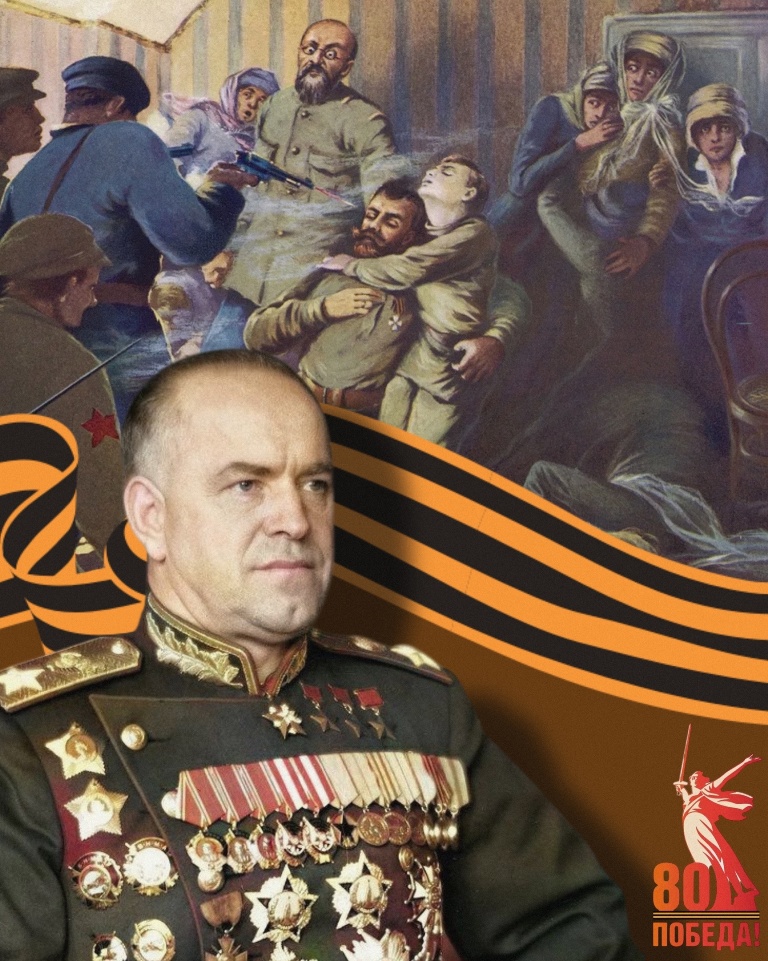
On 9th May 2025, Russia marked the 80th anniversary of the defeat of Nazi Germany. In recognition of this solemn day, I would like to draw attention to one of Russia’s most celebrated war heroes: Georgy Konstantinovich Zhukov (1896-1974).

Zhukov is among the many famous Soviet marshals and generals who impressed the world with their victories and heroism during the Great Patriotic War (1941-45). What many do not realize, is that they were once officers of the Russian Imperial Army – which from August 1915 to March 1917, was under the command of Emperor Nicholas II. Zhukov was awarded the St. George Cross twice for military merit, and promoted to the rank of non-commissioned officer for his bravery in battle. Following the war, Zhukov commanded the Ural Military District [the district headquarters was located in Sverdlovsk (Ekaterinburg]. 

According to his friends living in the Ural capital, Zhukov was fascinated by the history of Sverdlovsk [Ekaterinburg]. In particular, he took a great interest in the final days and subsequent execution of Russia’s last Tsar and his family. Zhukov’s friends claim that he was sympathetic to Nicholas II, and believed that the lives of the monarch and his family should have been spared.

Zhukov’s position was quite simple: he considered the regicide as “nothing short of a disgrace”. He was disgusted by the fact that local men had become executioners. After all, the Tsar posed no threat to the Bolsheviks, nor did he resist. As for the Ipatiev House, where the murders took place, Marshal Zhukov “despised it”.

According to Zhukov’s daughter, Margarita Georgievna Zhukova (1929-2010):

“Being the commander of the Ural Military District in Sverdlovsk, my father visited the “Ipatiev House”.

“This is how my elder sister Ella (1937-2009) recalls it . . . I remember the notorious Ipatiev House, where we were taken with special permission. The topic of the execution of the Imperial Family was forbidden in those years, and it was only during this visit that I learned about this tragedy for the first time. In the house at the entrance there was a small exposition with copies of some documents, red slogans and portraits of leaders hung on the walls. It was disgusting for my father to be there, surrounded by posters of Soviet propaganda whitewashing the murderers. Below, was the dreaded basement, where I did not want to go down. The atmosphere in the house was oppressive… I did not talk to my father about this.”

Source: M. G. Zhukova, “Маршал Жуков – мой отец / Marshal Zhukov – My Father“, Sretensky Monastery, 1999

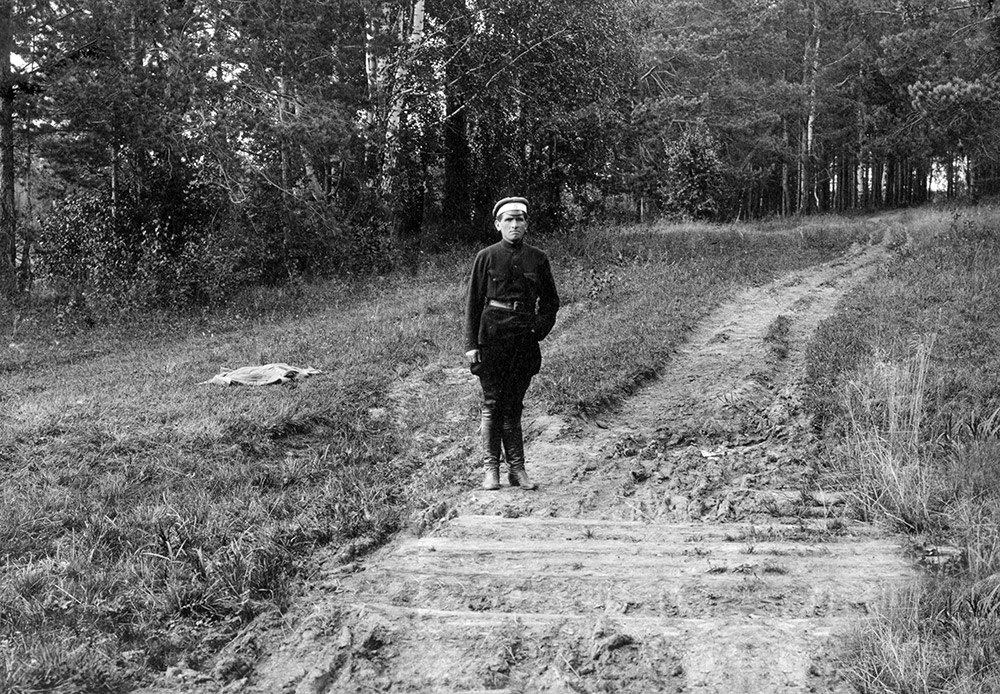
PHOTO: in the 1920s, the murderer Pyotr Yermakov returned to Porosenkov Log.
On the reverse of this photo, he wrote: “I am standing on the grave of the Tsar”.

“SHAME ON THE REGICIDE!”

It was also during Zhukov’s years as Commander of the Ural Military District, that he would come face to face with one of the regicides: Pyotr Zakharovich Yermakov (1884-1952).

Zhukov had heard about Yermakov from the newspapers, and he looked at all these honours with disgust. He did not understand how a murderer could be so exalted. But at that time, Yermakov seemed to many to be a hero, a liberator. He regularly met with groups of workers and bragged about how he had taken part in the murders, and how he pulled the trigger of the gun, which killed the Tsar.

According to Zhukov’s daughter, Margarita Georgievna Zhukova (1929-2010), the meeting took place on 1st May 1951, when the May Day parade was being held in Sverdlovsk [Ekaterinburg].

“What was really going on in my father’s soul can be understood from an episode that occurred later. I was told about it during my trip to the Urals by old-timers. It was at a solemn reception, where the entire local party elite had gathered. Yermakov, as before, spoke about his “heroic feats”, and decided to approach my father to shake hands as equals. Introducing himself, he announced that he was the same Yermakov who participated in the execution of the Imperial Family, and stretched out his hand. He expected surprise, questions, delight, but Yermakov was surprised by my father’s response, who disgusted and gritting his teeth, said firmly: “I do not shake the hands with the murderers!”.

Source: M. G. Zhukova, “Маршал Жуков – мой отец / Marshal Zhukov – My Father“, Sretensky Monastery, 1999

Yermakov shrugged his shoulders and walked away. That was the end of the conversation. Zhukov was sure that he had said everything he wanted. Moreover, he wanted to believe that Yermakov had at least learned something from this meeting.

Yermakov died in Sverdlovsk on 22nd May 1952 from cancer at the age of 67, he was buried in Ivanovo Cemetery in Ekaterinburg. In the 1960s, a street was named after Yermakov in Sverdlovsk [Ekaterinburg], however, during the 1990s, the street was renamed Ulitsa Klyuchevskaya.

Every year, since the 1990s, Yermakov’s grave has been vandalized by local monarchists, who douse his gravestone with red paint, symbolizing the blood which this evil man spilled, and his involvement in the murder of the Holy Tsar Nicholas II and his family in 1918.

FURTHER READING:

The fate of the regicides who murdered Nicholas II and his family

NEW BOOK – Regicide in Ekaterinburg by Paul Gilbert

Russian sculptor proposes removal of monuments to Bolsheviks in Ekaterinburg

© Paul Gilbert. 13 May 2025
New monument to Nicholas II to be installed in the Urals

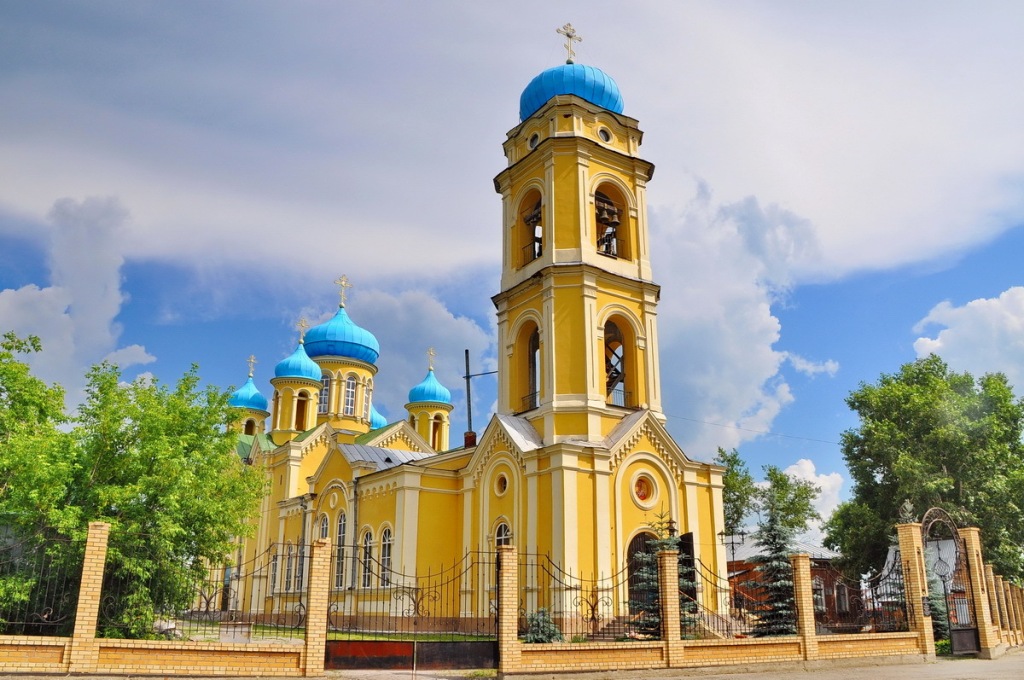
PHOTO: the Cathedral of St. Nicholas the Wonderworker in Verkhneuralsk

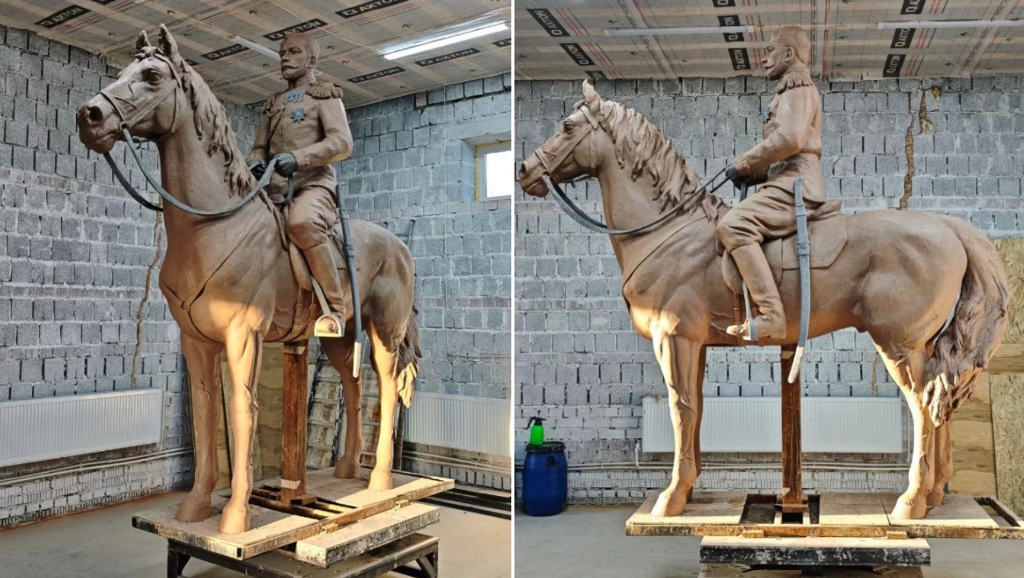
A new equestrian monument to Emperor Nicholas II will be installed and consecrated later this year, in the Ural city of Verkhneuralsk. The city is located on the left bank of the Ural River, 230 km south of Chelyabinsk and 450 km south of Ekaterinburg.

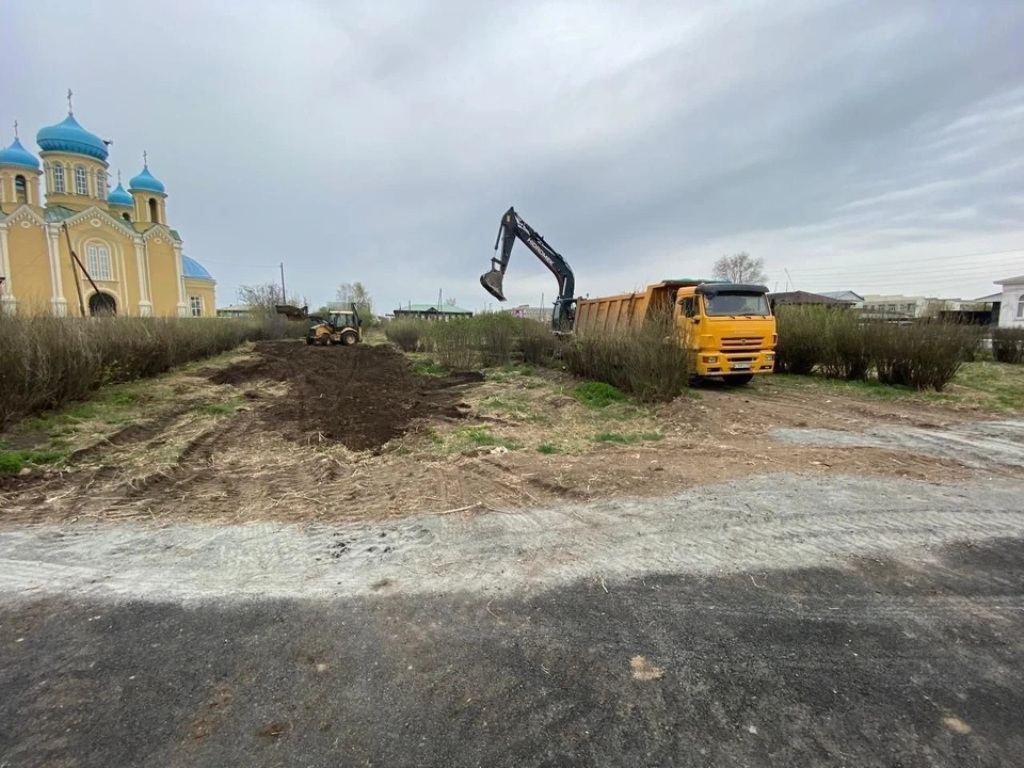
The monument will be installed in front of the Cathedral of St. Nicholas the Wonderworker – the only Orthodox church in Verkhneuralsk which survived the years of Soviet power. The grounds around the church are currently being developed. The monument will be installed and consecrated here upon completion of the landscaping and gardens.

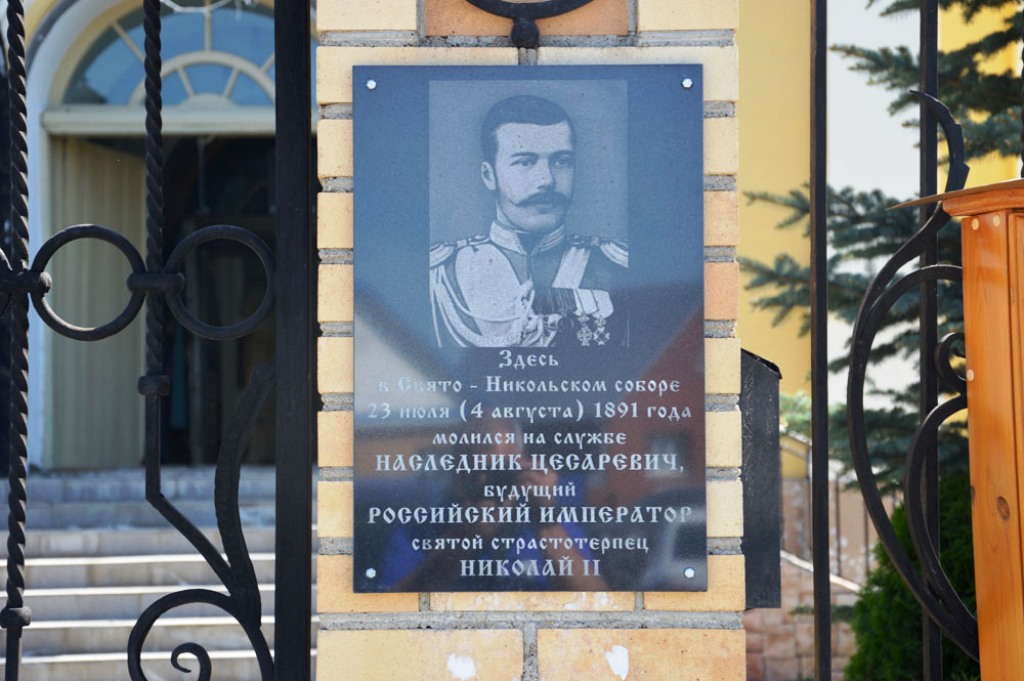
PHOTO: a plaque marks the visit of Tsesarevich and Grand Duke Nicholas Alexandrovich [future Emperor Nicholas II] to the Cathedral of St. Nicholas the Wonderworker in Verkhneuralsk, on 4th August (O.S. 23rd July) 1891.

The monument is in memory of Nicholas II’s visit to Verkhneuralsk on 4th August (O.S. 23rd July) 1891, during a trip across the Russian Empire following his Eastern Journey. The Eastern Journey (1890-1891) of Tsesearvich Nicholas Alexandrovich took him to Egypt, India, Ceylon, Siam, China, and Japan – where an assassination attempt was made on his life. The total length of the journey exceeded 51,000 kilometres, including 15,000 km of railway and 22,000 km of sea routes.

The Cathedral of St. Nicholas the Wonderworker was built in the Russian-Byzantine Style in 1870, and consecrated on 5th May 1875. The money for it’s construction was allocated by a local merchant Nikolai Petrovich Rytov (1818-1879), cost 6100 rubles. The church was erected according to the project of the famous Russian architect Konstantin Ton (1794-1881), who challenged classicism and established the Russian Style, which included outstanding palace and church architecture.

PHOTO: the grounds around the Cathedral of St. Nicholas the Wonderworker are currently being developed. The monument to Nicholas II, will be installed and consecrated here upon completion of the landscaping and gardens.

The northern altar of this cathedral – in the name of the Intercession of the Most Holy Theotokos – was built on benevolent donations in memory of the salvation of Tsesarevich Nicholas Alexandrovich, following an assassination attempt on his life in Otsu, Japan. The altar was consecrated on 18th November 1897.

In the 1930s, the church was closed and used as a grain warehouse, reopened in 1942. In the early 20th century, there were 7 Orthodox churches in Verkhneuralsk, however the Cathedral of St. Nicholas the Wonderworker, is the only one to have survived the years of Soviet power, the rest were destroyed.

It is interesting to note that in 1904, Emperor Nicholas II visited a number of Ural cities including Verkhneuralsk. He was accompanied by his brother Grand Duke Mikhail Alexandrovich.

© Paul Gilbert. 7 May 2025
Commission created to preserve memory of Imperial Family in Sverdlovsk region

Earlier this week, a new commission to preserve the historical memory of members of the Russian Imperial Family, who were murdered in the Urals was initiated in Ekaterinburg.

The decree was signed by the Governor of the Sverdlovsk Region Yevgeny Kuyvashev. The 22-member commission headed by the vice-governor of the Sverdlovsk region Sergey Bidonko, includes the heads of regional ministries and municipalities, representatives of universities, museums and the Russian Orthodox Church.

The commission will be engaged in preserving the memory of those members of the Russian Imperial Family, who were murdered in the Urals, through excursions, lectures, exhibitions and other events, as well as the promotion of the “Imperial Route” project, which is being implemented by the Elisabeth-Sergius Educational Society Foundation. The route includes Tyumen, Tobolsk, Ekaterinburg and Alapaevsk, among numerous other cities in Russia – see below.

Let us hope and pray that the commission will make changing the name of regional name “Sverdlovsk” their first order of business!

***

In 2019, plans were announced for the “Imperial Route” project in 20 regions of Russia. The aim of the route is to unite the historic places related to the life of Emperor Nicholas II and his family.

The route includes St. Petersburg, Moscow, Omsk, Tyumen, Tobolsk, Sverdlovsk / Ekaterinburg, Tomsk, Kostroma, Kaluga, Novgorod, Pskov, Kirov, Bryansk, Orel, Voronezh regions, Perm, Novosibirsk, Stavropol territories, Tatarstan and Crimea.

The project includes palaces, museums, churches, and other places, is a wonderful opportunity for both Russians and foreigners to learn the truth about the private world of Russia’s Imperial family.

© Paul Gilbert. 13 February 2021