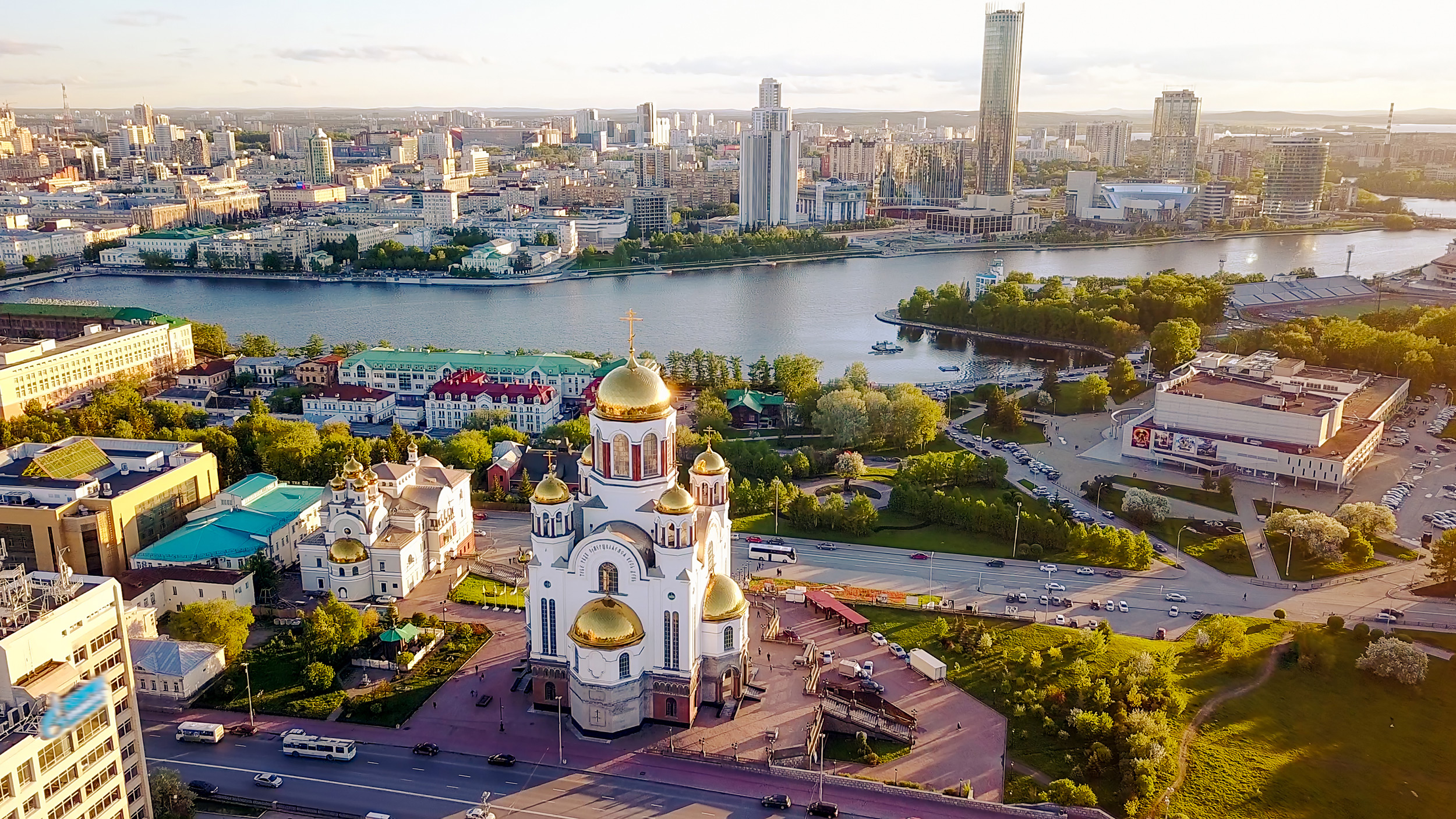
In the May 14th 2020 issue of ‘Forbes Magazine,’ travel writer Jared Ranahan named my favourite Russian city of Ekaterinburg as one of the ‘Five Underrated Russian Cities To Explore After Moscow’
Ranahan writes: “Though often overshadowed by its larger neighbours to the west, Yekaterinburg is a major cultural hub for the country, often referred to as the “third capital of Russia” as well as the “Window to Asia” thanks to its location on the eastern edge of the Ural mountain range. While the city is home to a truly impressive skyline featuring some of Russia’s tallest buildings, a major draw for tourists is the city’s rich cultural legacy. Of the many historic sites scattered throughout Yekaterinburg, one of the most significant is the Church of All Saints. This grand Russian Orthodox structure marks the location where Bolshevik forces executed Nicholas II, the last emperor of Russia, and his family.”
* * *
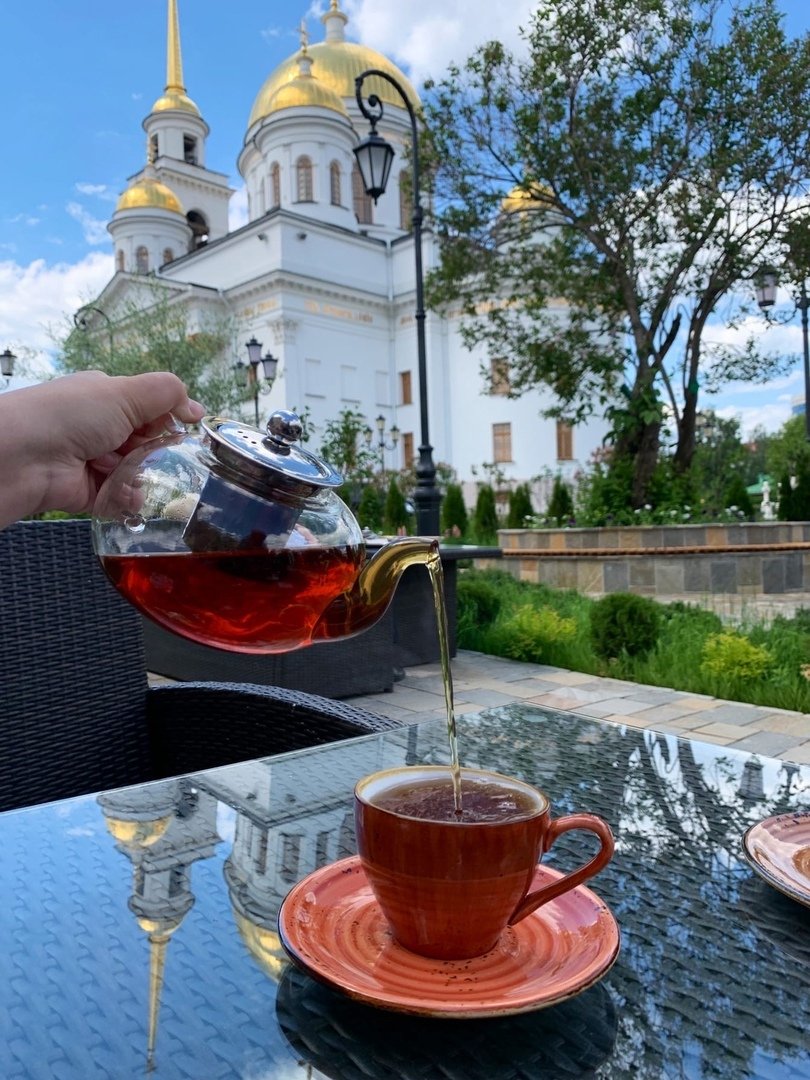
PHOTO: St. Alexander Nevsky Cathedral, Novo-Tikhvinsky Convent, Ekaterinburg
People often ask me “Why Ekaterinburg?” as opposed to the former Imperial capital of St. Petersburg and “Ekaterinburg has such a dark history.”
Once a bastion of Bolshevism, Ekaterinburg has slowly shed its status as the “capital of atheism”. Since the fall of the Soviet Union in 1991, the Urals has experienced a revival of faith, with Ekaterinburg at the into the center of Orthodox Russia in the Urals. Ekaterinburg has done more to honour Nicholas II and his family than any other city in Russia. Thanks to my visits to Ekaterinburg in 2012, 2016 and 2018, it is a city which I have grown to admire and love.
“On a spiritual level, Ekaterinburg is the last capital of the Russian Empire, because the residence of the Sovereign was always considered the capital in Russia. Peter the Great never officially transferred the capital from Moscow to St. Petersburg, but since he lived there, it was the capital,” says Russian historian Peter Multatuli .
He noted that in 1918, for 78 days, Emperor Nicholas II and his family lived in Ekaterinburg, and that is why the Ural capital can be considered the last capital of the Russian Empire. [It is important to note that many historians – myself included – firmly believe that the Tsar’s signing of the instrument of abdication, his status as Tsar remained inviolate and unassailable – PG]
“Petrograd and Moscow to one degree or another welcomed his overthrow, and they bear a greater responsibility in this than any other Russian city. No matter what anyone says, it was Ekaterinburg that served as the last Imperial residence, which, according to God’s special plan, became the Royal Golgotha,” added Multatuli.
According to him, in the near future, Ekaterinburg will play a great role in the history of Russia, because “the city named after St. Catherine and becoming the Royal Golgotha will be the city of Russian resurrection.”
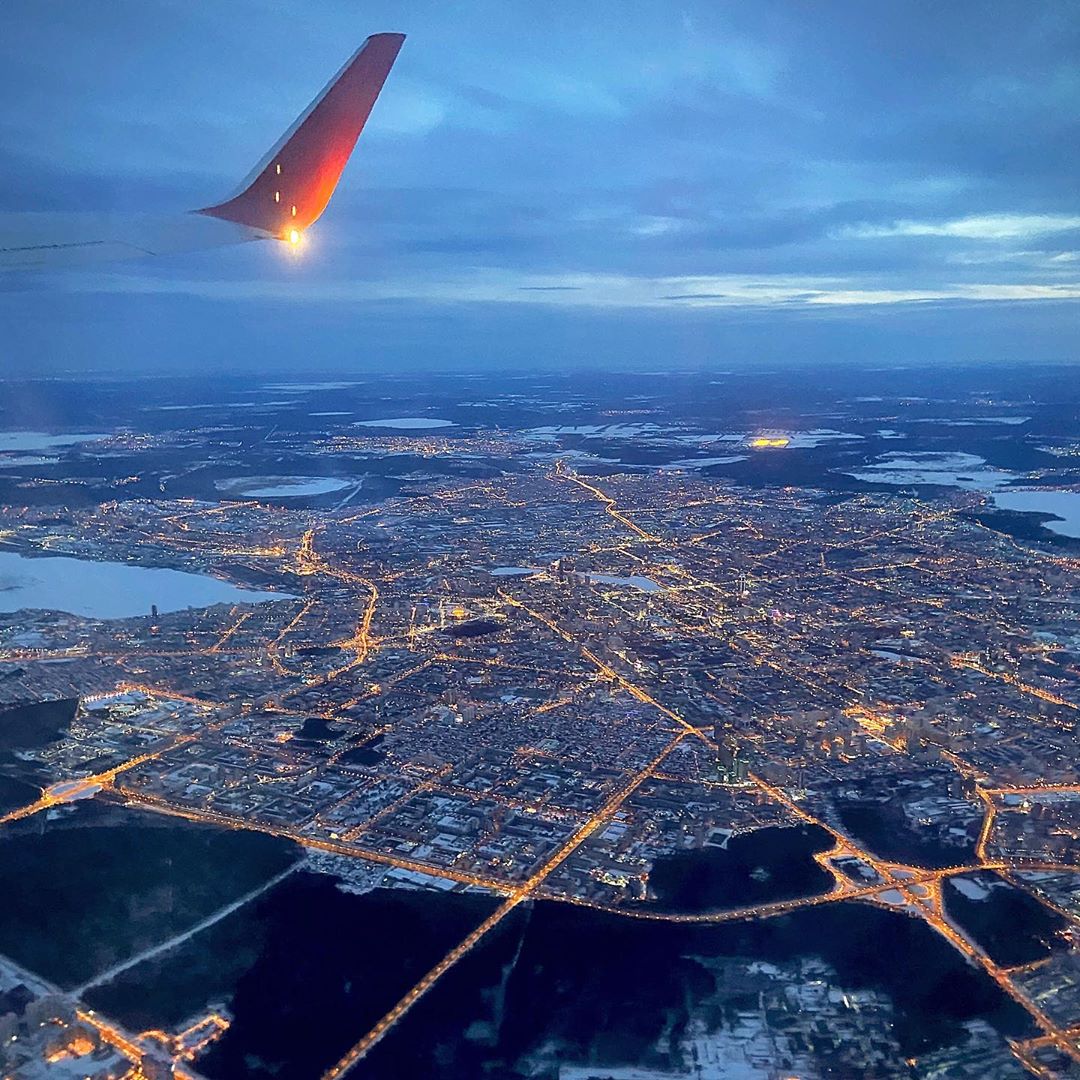
PHOTO: a stunning aerial view of Ekaterinburg lit up at night . . . beautiful!
© Paul Gilbert. 2 April 2026
 Nicholas II
You must be logged in to post a comment.