Nicholas II in the news – Spring 2024
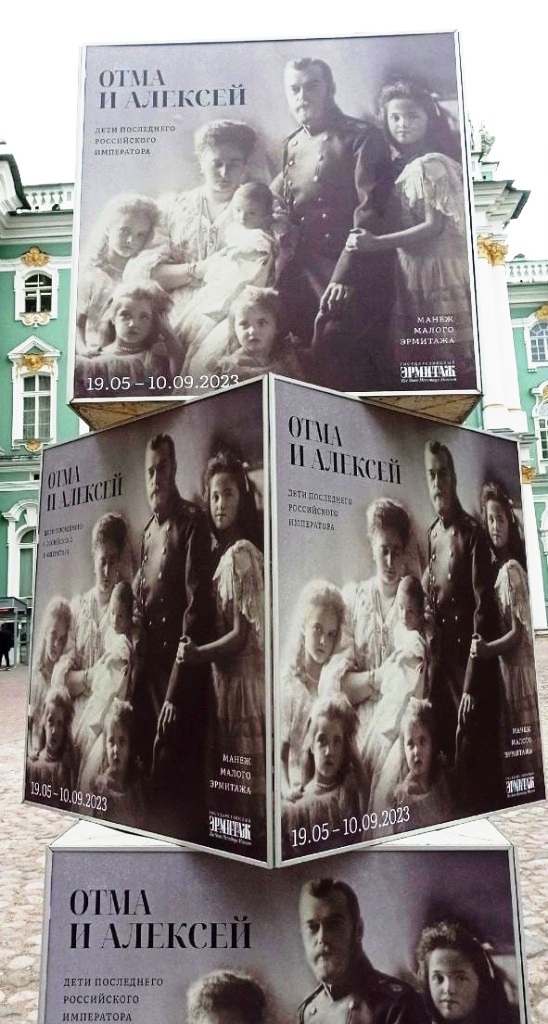
Russia’s last Emperor and Tsar Nicholas II, his family, the Romanov dynasty and the history of Imperial Russia, continue to be the subject of books, exhibitions and documentaries. In addition, they continue to generate headlines in the media.

The following 7 articles were published by American and British media services, in April, May and June 2024. Click on the title [highlighted in red] below and follow the link to read each respective article:
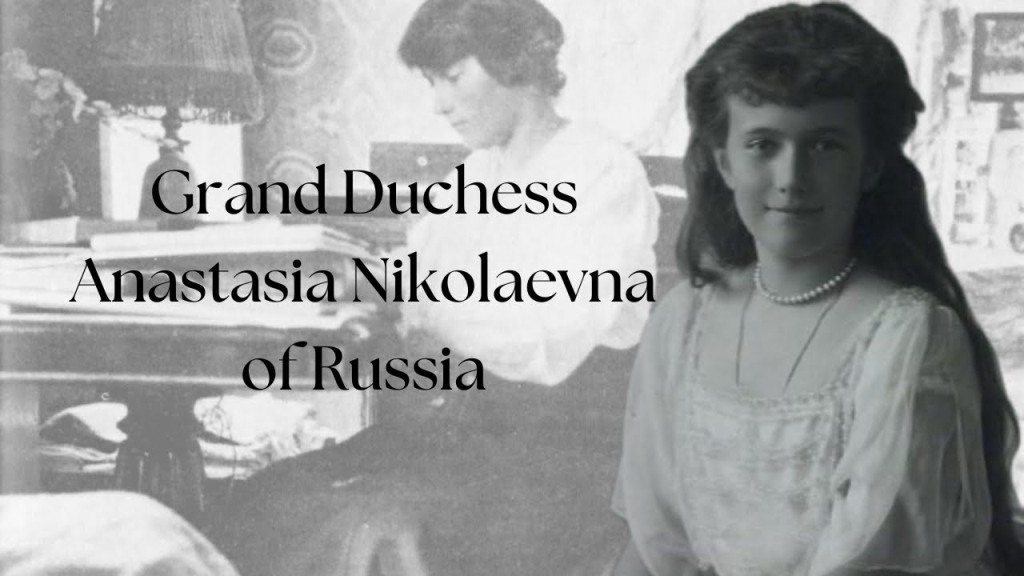
Holy Grand Duchess Anastasia Nikolaevna (1901-1918) + PHOTOS

June 18th (O.S. 5th June) marked the 123rd anniversary of the birth of the fourth daughter of Emperor Nicholas II and Empress Alexandra Feodorovna—Grand Duchess Anastasia Nikolaevna. In this article Maria Tobolova writes about Anastasia’s life, death and martyrdom.

Source: Orthodox Russia. 26 June 2024
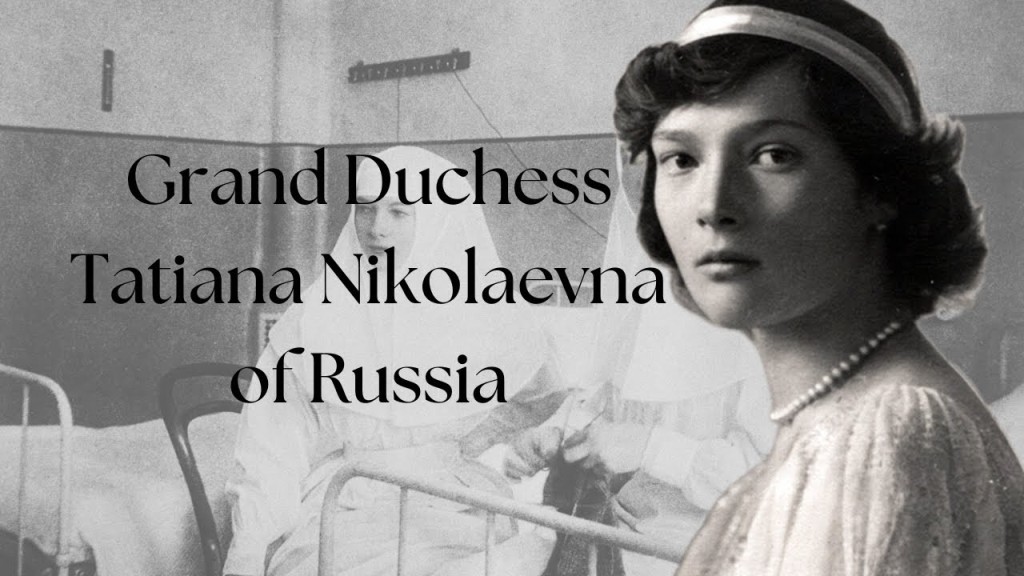
Holy Grand Duchess Tatiana Nikolaevna (1897-1918) + PHOTOS

June 11th (O.S. 29th May) marked the 127th anniversary of the birth of the second daughter of Emperor Nicholas II and Empress Alexandra Feodorovna—Grand Duchess Tatiana Nikolaevna. In this article Maria Tobolova writes about Tatiana’s life, death and martyrdom.

Source: Orthodox Russia. 17 June 2024
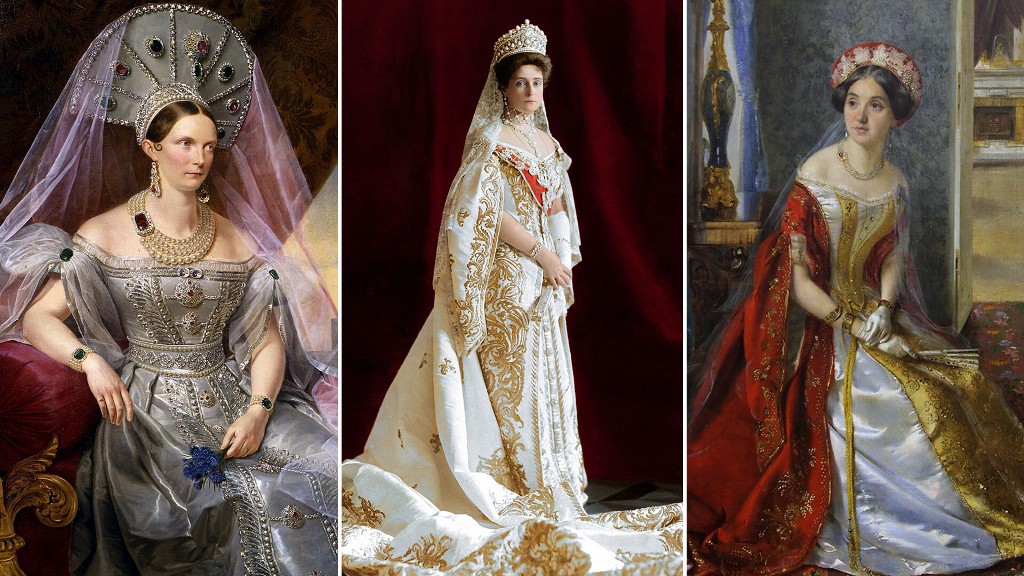
Women’s dress code at the tsar’s court: dresses in Russian style + PHOTOS

Empresses, grand duchesses, princesses and maids of honor wore kokoshniks with precious stones and ‘sarafans’ (sundresses) decorated with expensive lace. This was exactly what court etiquette demanded.

Source: Russia Beyond. 14 June 2024
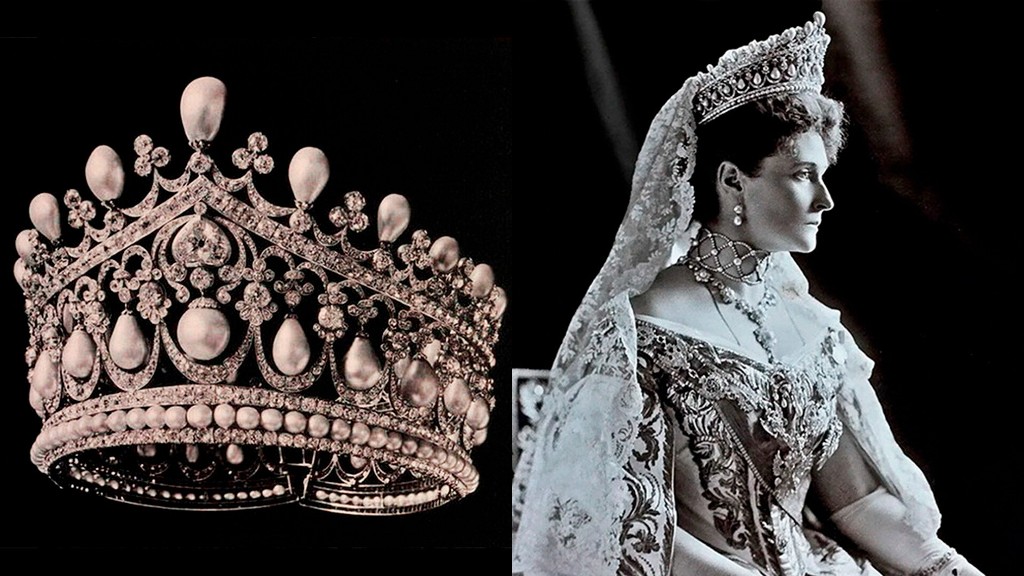
The most BEAUTIFUL tiaras of Russian empresses + PHOTOS

The Imperial Family’s casket contained many tiaras, some of which had huge diamonds and emeralds. What happened to them after the 1917 Bolshevik Revolution?

Source: Russia Beyond. 7 June 2024
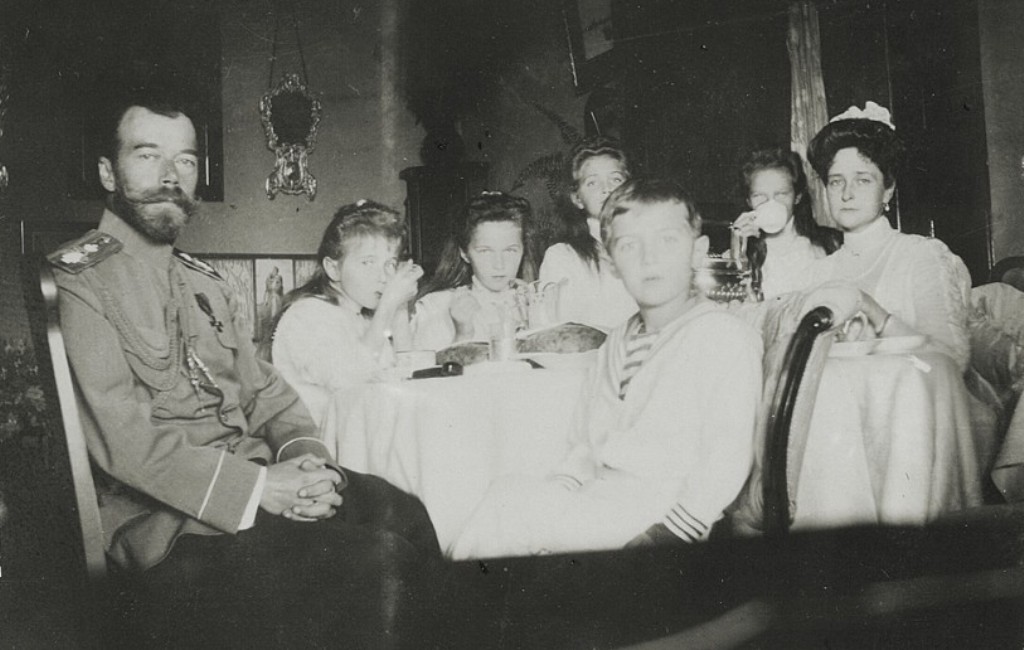
Russian Classes: How to refer to relatives

Get familiar with the Romanov family and learn Russian!

Source: Russia Beyond. 8 May 2024
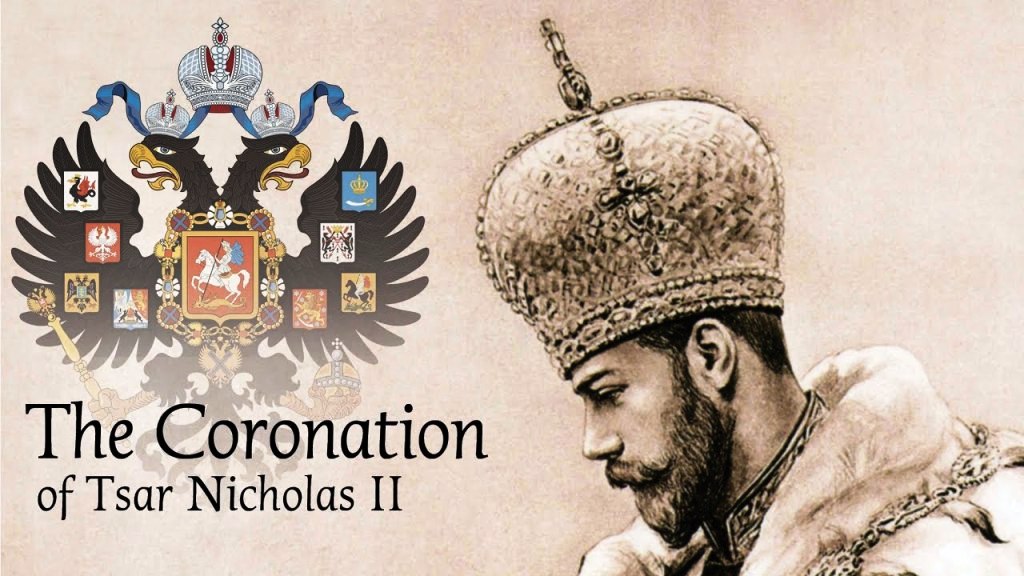
Imperial Splendor: Artifacts from Tsar Nicholas II’s Coronation + PHOTOS & VIDEO

The coronation of Tsar Nicholas II in May of 1896 was a spectacle of grandeur that was to be the last of its kind. The artifacts preserved from this historic event, housed at the Russian History Museum in Jordanville, NY, offer a tangible connection to the opulence and solemnity of that day.

The museum collection contains dozens of objects and documents relating to this occasion: books, photographs, programs, menus, porcelain, prints, and commemorative scarves and beakers. The following selection reflects the artistic trends of the time, but also encapsulates a significant moment before the fall of an empire.

Spurce: Russian Historical Museum
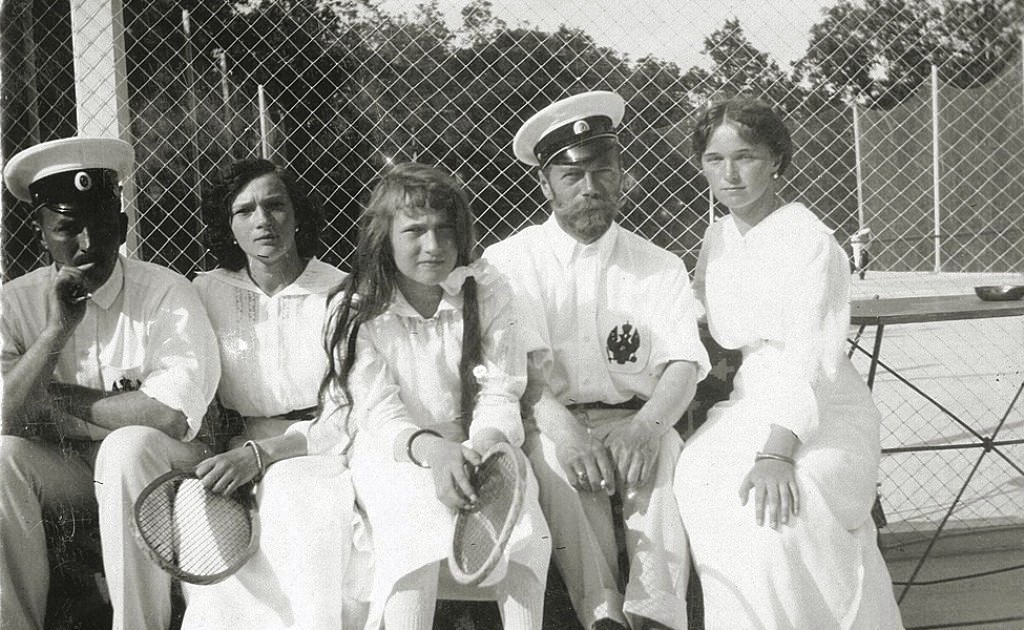
“Какие прекрасные лица”… “What Beautiful Faces” + 80 PHOTOS

Anton Pospelov has compiled a wonderful collection of more than 80+ vintage photographs of Nicholas II, Alexandra Feodorovna and their children, from their private family albums . . .

Source: Orthodox Russia. 28 March 2024

© Paul Gilbert. 30 June 2024

***

CLICK HERE TO REVIEW THE CATALOGUE

The fate of an icon gifted by the last Russian empress to Anastasia Hendrikova in October 1917

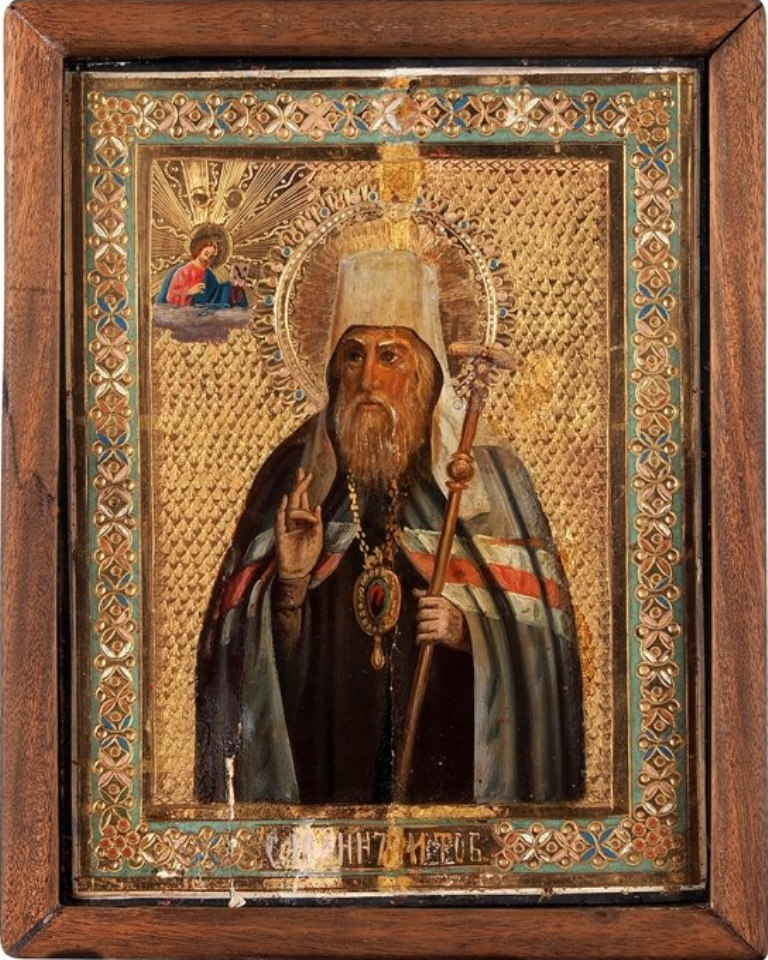
PHOTO: an icon depicting St. John of Tobolsk, gifted by Empress Alexandra Feodorovna to Anastasia Hendrikova in 1918, sold at a Paris auction to a private collector in 2021

The former lady in waiting to Empress Alexandra Feodorovna, Countess Anastasia Hendrikova (1888-1918) has been very much in the news of late. On 30th May 2024, the Perm Diocese announced that a forensic study confirmed the identity of Hendrikova’s remains, along with those of Ekaterina Schdeider, On 9th June 2024, a Funeral (Memorial) Litany was served in a Perm church. In recent days, yet another story about Hendrikova appeared in the Russian mdeia which deserves mention.

In August 1917, Anastasia Hendrikova voluntarily followed Emperor Nicholas II and his family into exile to Siberia, where they were held under house arrest for 8 months. During those difficult days, Hendrikova proved to be a great source of comfort to Empress Alexandra Feodorovna, to whom she was devoted. She helped the Empress endure the hardships of exile and imprisonment.

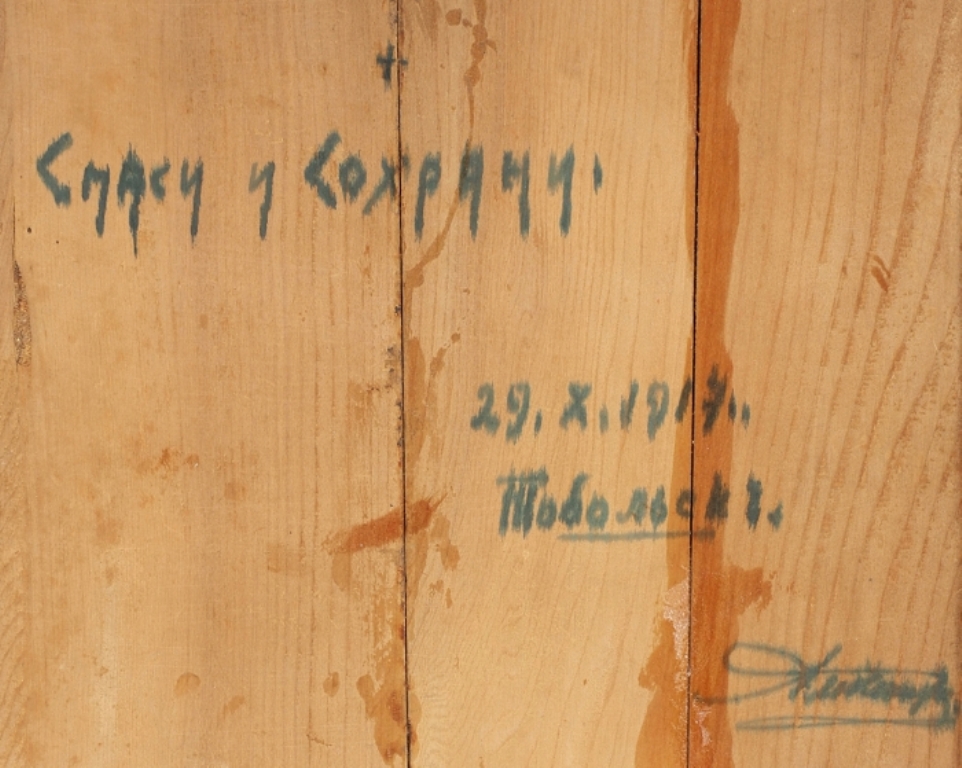
On 29th October 1917, the Empress presented her devoted maid of honour with an icon depicting the image of St. John (Maximovich) of Tobolsk[1]. On the back of the icon the Empress had written the inscription «Спаси и сохрани / 29.X.1917 / Тобольск / Александра» [“Save and Protect. 29.10.1917 / Tobolsk / Alexandra”]. The size of the icon measured 22.3×17.3 cm. In a wooden case — 25.3 × 20.3 cm. 

On the reverse of the icon case, there is a bronze engraved plate with the inscription “This icon was given by H.I.M. Alexandra Feodorovna, to maid of honour Countess Anastasia Vasilievna Hendrikova during the stay of the Imperial Family in Tobolsk.”

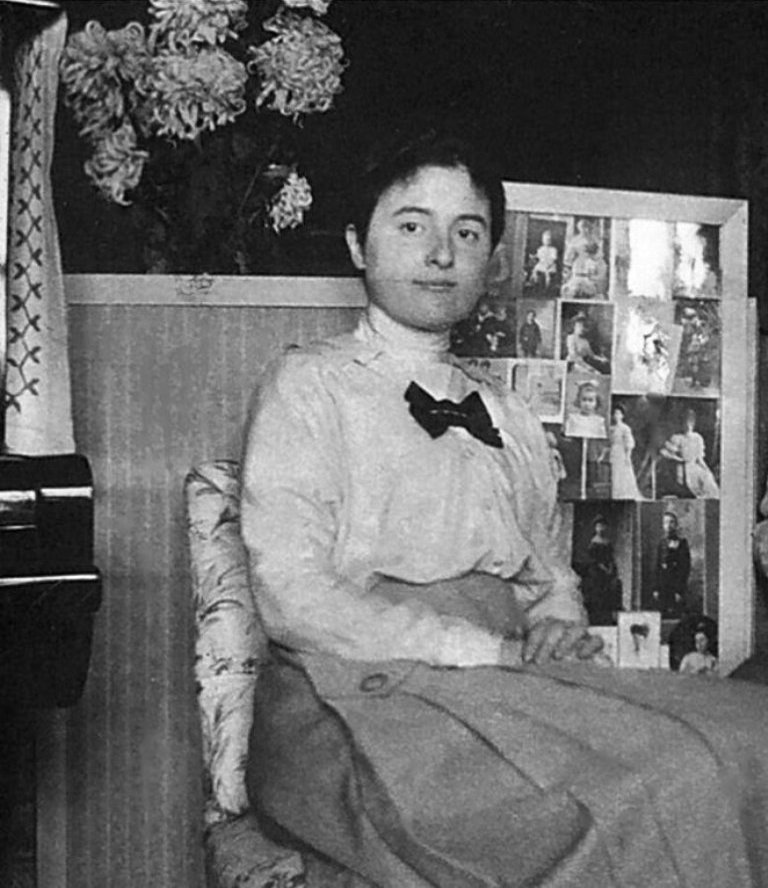
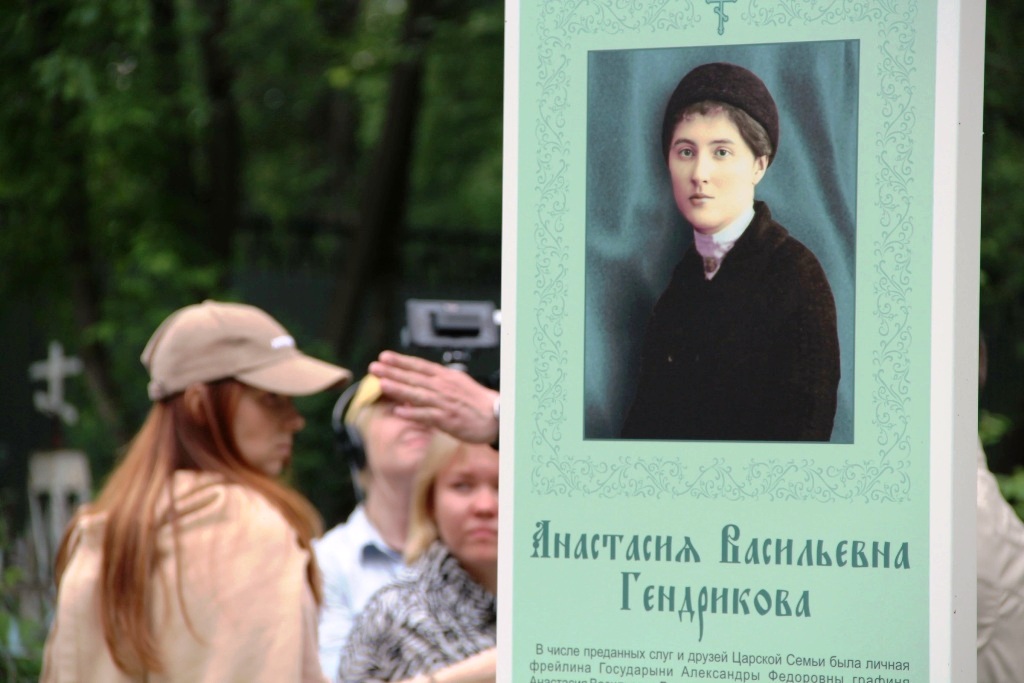
PHOTO: Countess Anastasia Hendrikova (1888-1918) 

On the part of the Empress, it was indeed a gift of great value and affection, a testimony of deep friendship in sharing the suffering of imprisonment. Countess Hendrikova was then 29 years old.

After her imprisonment in Perm and the murder of the Imperial Family, Countess Anastasia Hendrikova was taken from prison to the Cheka on 21st August 1918, where she was interrogated. One of the investigators asked her whether “she voluntarily followed the Romanovs to Tobolsk. She replied that she went voluntarily.

“Well,” he replied “since you are so devoted to them, tell us: if we were to let you go now, would you return to them again and continue to serve them?”

“Yes, until the last day of my life,” she replied. A few weeks later, Anastasia Hendrikova was shot by the Bolsheviks on the night of 3/4 September 1918 in Perm.

PHOTOS: (above) on the back of the icon Empress Alexandra wrote an inscription “Save and preserve / 29.X.1917”; (below) a bronze engraved plate with an inscription dedicated to Anastasia Hendrikova from the Empress.

After Hendrikova’s murder, the icon found it’s way into the hands of her brother Count Pyotr (Peter) Hendrikov[2]. For many years, he kept the icon as a family shrine and took it with him when he went to live in France. In his old age, he donated the icon to the orphanage church of the Russian Military Invalids situated near Paris.

But in 2001, the unexpected happened – the church and the orphanage were destroyed by fire. The ancient icon could have been lost forever, had it not for the priest Mikhail Gudkov, who found the precious relic among the burned out ruins of the church.

Father Mikhail cherished the historical value of the icon, and before his death he passed it on to his son.

In the autumn of 2021, the ancient icon, which has become a symbol of boundless love and loyalty, went under the hammer at a Moscow’s famous Litfond Auction House[3], as part of their “Relics of the House of Romanov” sale. The auction was held on 30th September 2021. The icon of St. John of Tobolsk was listed at 1.6 million rubles [$18,400 USD] and sold for 2.6 million rubles [$30,000 USD] to a private collector in Russia.

NOTES:

[1] In August 1915, Emperor Nicholas II sanctioned the canonization of St. John (Maximovich) of Tobolsk (1651-1715). The solemn glorification of John of Tobolsk took place the following year, on 10th June 1916. He was the last saint to be canonized during the reign of Russia’s last Tsar.

[2] Pyotr (Peter) Vasilyevich Hendrikov (1883-1942) died in Paris on 13th February 1942.

[3] The Litfond auction house is the undisputed leader among auction houses in Russia, occupying about 60% of the market. About 100 auctions are organized in Moscow and St. Petersburg each year.

© Paul Gilbert. 18 June 2024

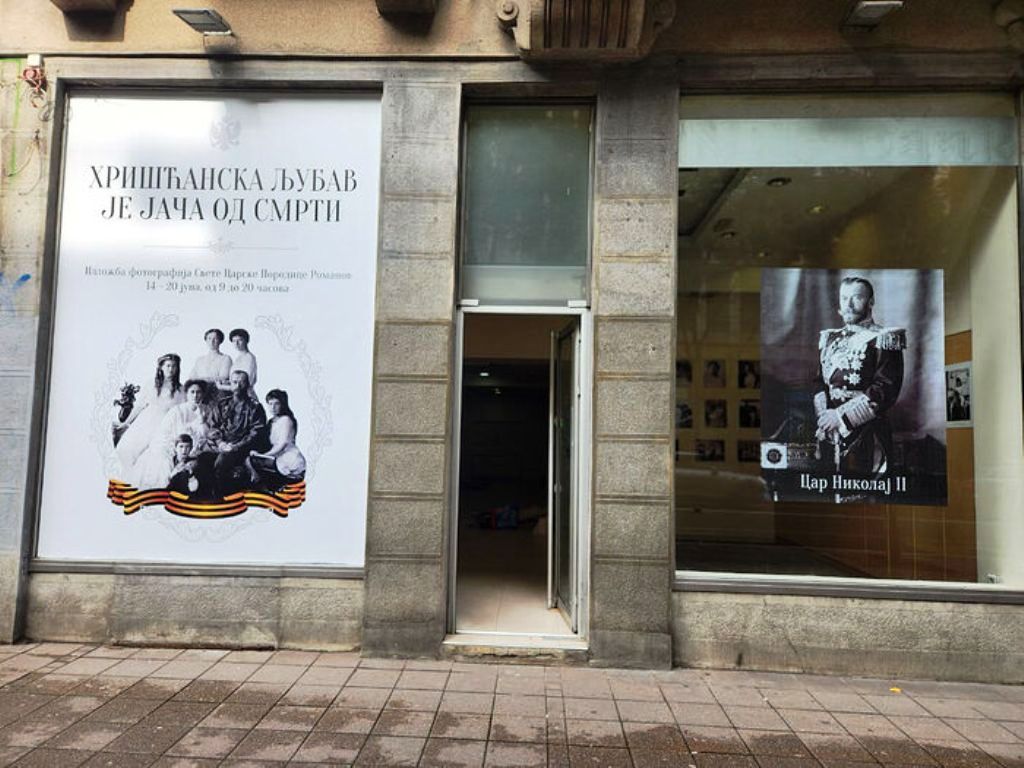
Photo exhibit dedicated to the Imperial Family opens in Belgrade

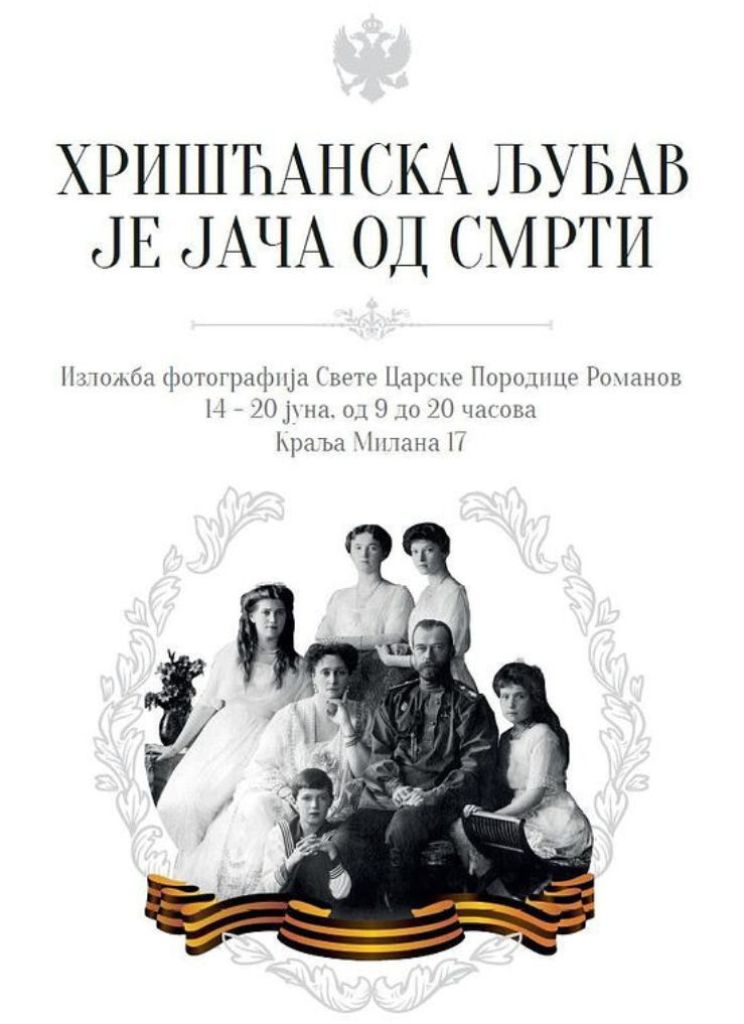
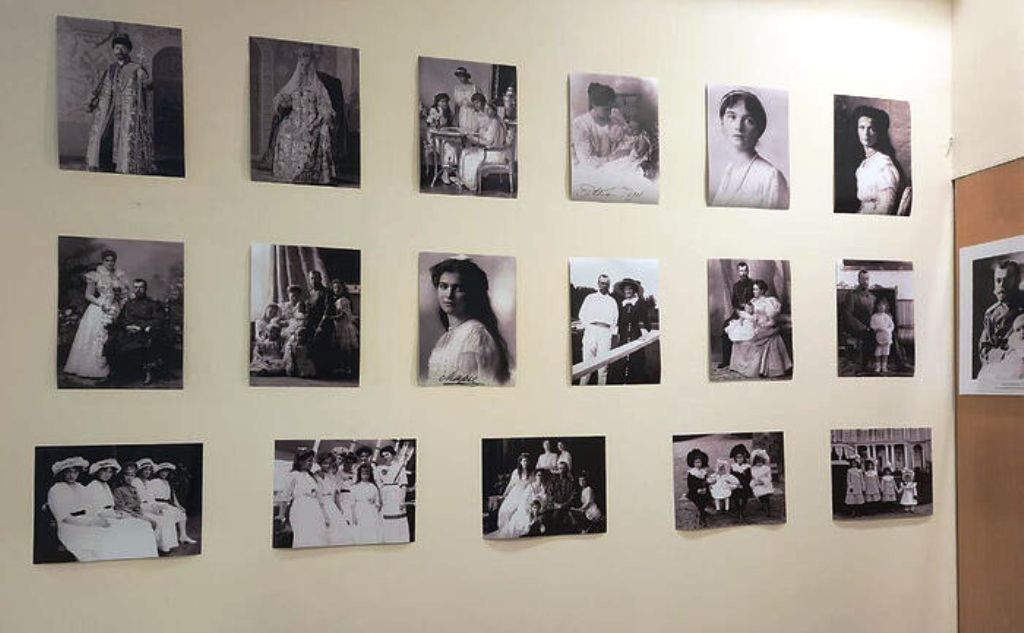
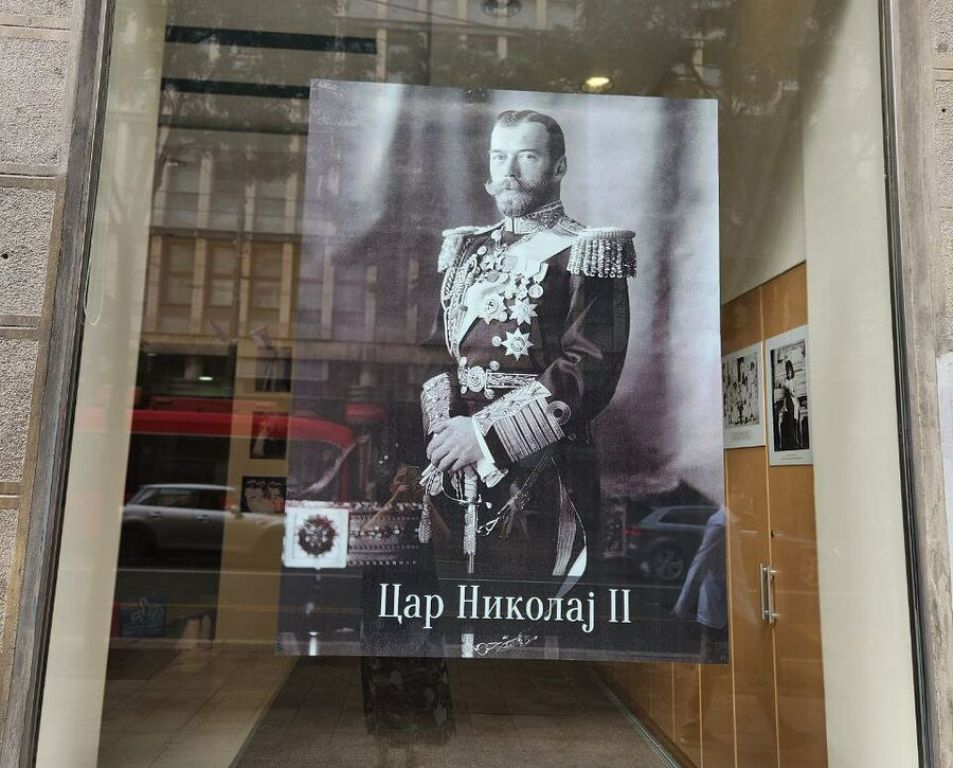
On 14th June 2024, a small photo exhibition dedicated to Emperor Nicholas II and his family opened in Belgrade, the capital of Serbia. The exhibition Christian Love Is Stronger Than Death features 100 vintage black and white photographs.

The exhibition project was created with the desire and goal of introducing the personalities and deeds of the last Russian Tsar and his family to the Serbian people. The exhibition’s organizers hope to awaken the memory of the Imperial Family, get to know more closely about the life and sacrificial service of the last Russian Tsar, his wife and their five children. In doing so, the organizers made an effort in selecting photos which reflect the beauty of the Imperial Family, their everyday life and service for the benefit of the Fatherland and its people.

The exhibition consists of black-and-white photographs from historical archives and personal albums of the Imperial Family. The exhibition is thematically divided into three sections. The first section features photos of Nicholas II and his family, taking part in events, such as parades and processions, etc. This section of photos reflect all the beauty of the Slavic character, and also provides insight into the fashion and style of clothing from the late 19th and early 20th centuries.

The second second section features photographs from the personal albums of the Imperial Family, all of whom were avid amateur photographers. It is well known that Nicholas II was especially fond of photography. Many of these images are informal and taken spontaneous, often capturing their subject in natural settings, carefree, laughing and enjoying their close knit family time. In these photographs, visitors will see members of the Imperial Family walking and resting in the Alexander Park at Tsarskoye Selo or Livadia, the August children playing games, taking part in their favourite outdoor activities, etc. These photos are considered rare, only because they were taken by family members and never intended for public display.

The third and last section of the exhibition features photos of military themes. They depict the Emperor blessing his troops before going to war, trying out new weapons used by his army, presenting orders and medals, and introducing his son and heir to the secrets of warfare.

This section also includes photos of the Empress and her four daughters engaged in humanitarian work. They visited the wounded, helped sick soldiers with deeds and kind words. From their diaries, it is known that they assisted even in the most difficult operations. Their acts of mercy are documented while nursing soldiers.

The collection of photographs of the Imperial Family was provided by Hieromonk Ignatius (Shestakov), a brother of the Sreten Monastery in Moscow, who is also one of the exhibitions organizers.

The Christian Love Is Stronger Than Death exhibition runs from 14th to 20th June 2024 at at 17 Kralja Milana Street (across from Belgradeanka) in the Serbian capital.

***

*As I have noted in similiar posts, I support any initiative – big or small – to help keep the memory of Nicholas II and his family alive in post-Soviet Russia – PG

© Paul Gilbert. 18 June 2024

Ekaterinburg prepares for Tsar’s Days

Preparations are underway for Tsar’s Days in Ekaterinburg. This year marks the 106th anniversary of the death and martyrdom of Emperor Nicholas II, his family and their faithful retainers in the Ural capital on 17th July 1918. The schedule of events in this years Tsar’s Days was discussed today at a conference attended by members of the Ekaterinburg Diocese headed by Metropolitan Evgeny of Yekaterinburg and Verkhoturye.

The archpastor noted the importance of the upcoming memorial events, which traditionally bring together thousands of faithful from across Russia and abroad.

The central event of Tsar’s Days is the Divine Liturgy held on the night of 16/17 July, followed by a 21-km [13 miles] Cross Procession, from the Church on the Blood in central Ekaterinburg to the Monastery of the Holy Royal Martyrs at Ganina Yama. for which “the whole of Russia gathers” in the Ural capital.

Tsar’s Days is part of the XXIII International Festival of Orthodox Culture, which will be held over a 10-day period from 11-21 July. Aside from divine services and religious processions, the festival will feature many events in honour of the Holy Royal Martyrs, including bell ringing, concerts and musical evenings, as well as exhibitions and conferences hosted by well-known historians, theologians and authors.

The veneration of Nicholas II

The veneration of Nicholas II and his family actually began just days after their murder in July 1918[1]. During the Soviet years, such activity would most certainly have been suppressed, forcing the faithful to honour the Holy Royal Martyrs in secret.

After the fall of the Soviet Union in 1991, everything changed, when in 2000, some 300 faithful gathered at the sight of the Ipatiev House. In 2002, the first Cross Procession in memory of the Holy Royal Martyrs was held in the Ural capitlal, attracting 3,000 faithful. The procession has been held every year since, the most important being in 2018, the year marking the 100th anniversary of the death and martyrdom of the Imperial Family.

NOTES:

[1] Gilbert, Paul. The Veneration of Nicholas II. Sovereign: The Life and Reign of Emperor Nicholas II, Summer 2024. pg. 63-70

© Paul Gilbert. 17 June 2024

Memorial Litarny and monument for Anastasia Hendrikova and Ekaterina Schneider in Perm

PHOTOl the coffins containing the relics of Sts. Anastasia Hendrikova and Ekaterina Schneider, lie in the Church of the Dormition of the Most Holy Theotokos in Perm

NOTE: this article was originally written under a different title and published on Sunday, 9th June 2024. It was partially revised on Friday, 14th June 2024, and updated with 12 new photographs – PG

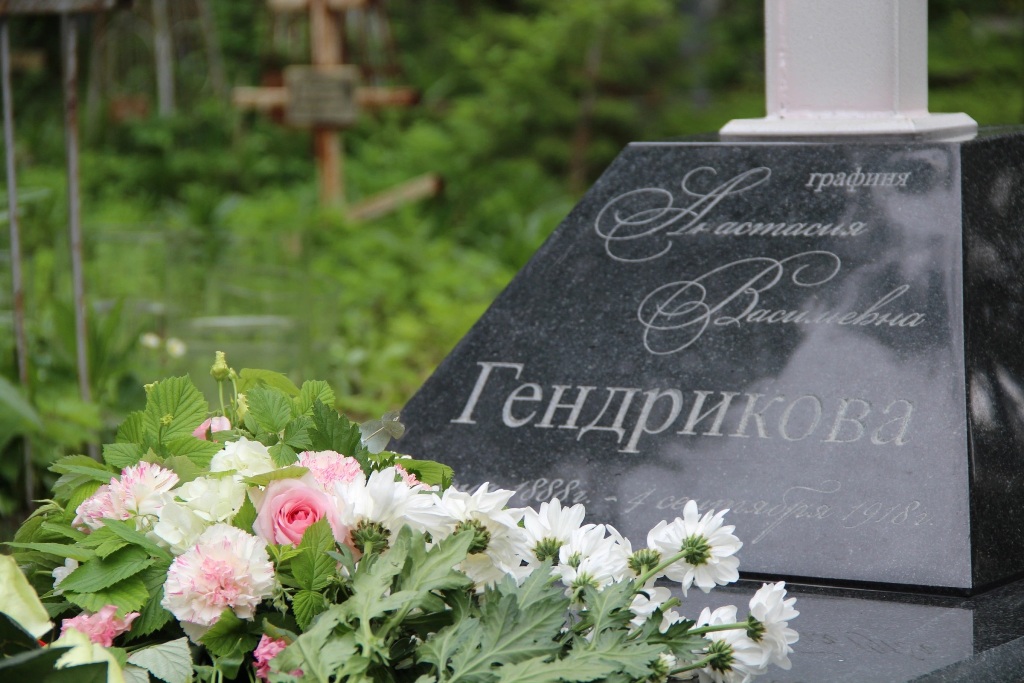
On Sunday, 9th June 2024, a memorial to two faithful servants of the Imperial Family, Anastasia Hendrikova and Ekaterine Schneider was installed near the Church of All Saints, situated at the site where they were buried in 1919, in the Old Yegoshikha Cemetery in Perm.

The service was attended by the Chairman of the Imperial Orthodox Palestinian Society (IOPS) Sergei Stepashin, Chairman of the Elisabeth-Sergius Educational Society Foundation (ESPO) Anna Vitalievna Gromova, clergy of the Perm diocese, local authorities, historians, academic, museum curators and parishioners.

The consecration ceremony was followed by a Funeral (Memorial) Litany, served at the coffins containing the relics of Sts. Anastasia Hendrikova and Ekaterina Schneider, by Metropolitan Methodius of Perm and Kungur in the Church of the Dormition of the Most Holy Theotokos.

At the end of the service, His Eminence Metropolitan Methodiy of Perm addressed the faithful with an archpastoral address, in which he noted the significance of the event for the Perm region, saying that by the grace of God, after the research and labours undertaken, the honest remains of faithful servants of the Imperial Family were discovered and identified.

Recall that on 30th May 2024, the head of the Publishing Department of the Perm Diocese Olga Troitskaya, announced that forensic tests confirmed the identity of the remains as those of Anastasia Hendrikova and Ekaterina Schneider, in Perm, where they were shot by the Bolsheviks in September 1918.

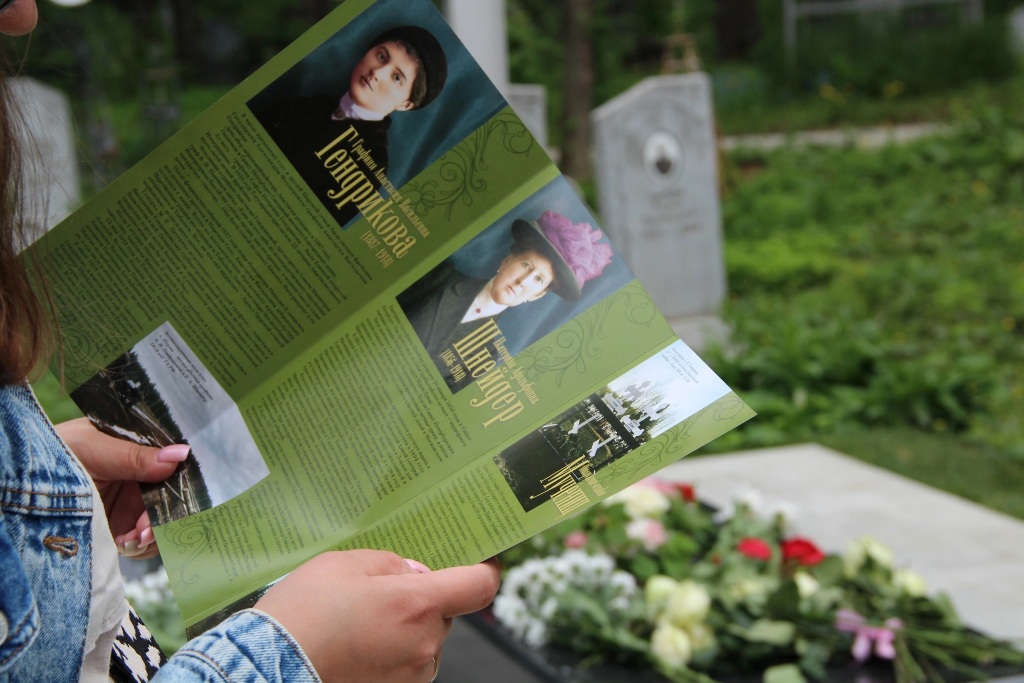
Countess Anastasia Vasilievna Hendrikova (1888-1918), served as a maid of honour to Empress Alexandra Feodorovna. Ekaterina Adolfovna Schneider (1856-1918) initially taught at the Moscow Nikolaev Orphan Institute. She also taught Russian to Grand Duchess Elizabeth Feodorovna. Later, Schneider became a devoted friend and confidant to Empress Alexandra Feodorovna.

***

In May 1918 Anastasia Hendrikova and Ekaterina Schneider arrived in Ekaterinburg from Tobolsk, however, they were not admitted to the Ipatiev House, but were instead, taken by train – along with 33 other prisoners – to Perm, where they were transferred to a local prison. They prayed fervently and tried to remain cheerful, although both were exhausted by the illnesses and burdens of imprisonment.

On the night of 3rd/4th September 1918, Hendrikova and Schneider were awakened and taken with 11 other prisoners outside the city to the irrigation fields situated on the 5th verst of the Siberian Highway, where they were all shot. According to the Whites investigation at the time, they were both shot at point blank range followed by a strong blow to the back of the head.

On 19th May 1919, the bodies of Hendrikova and Schneider were recovered by the Whites, who buried their remains in the Yegoshikha Cemetery in Perm. Their graves were marked with Orthodox crosses.

After the Bolsheviks had established power in the region, the graves of Hendrikova and Schneider were destroyed, and their location was lost. It was not until 2020, that the site where Hendrikova and Schneider’s remains were believed to be buried was established, thanks to a century-old photograph taken on the day of their burial – 16tj May 1919.

The remains of Hendrikova and Scehndier were exhumed on 8th September 2020, followed by a thorough forensic study, which lasted nearly four years. On 20th May 2024, an announcement was made, confirming that the remains were indeed those of Hendrikova and Schneider.

PHOTO: Sts. Anastasia Hendrikova (1888-1918) and Ekaterina Schneider (1856-1918)

On 1st November 1981, both Anastasia Hendrikova and Ekaterina Schneider were canonized by the Russian Orthodox Church Outside of Russia (ROCOR) as New Martyrs and Confessors of Russia. Schneider was canonized in spite of the fact she was a Lutheran, however, she has not been canonized by the Moscow Patriarchate due to her faith.

On 16th October 2009, the General Prosecutor’s Office of the Russian Federation decided to rehabilitate 52 persons of the Imperial family and their retainers who had been subjected to repression, including Hendrikova and Schneider.

The photographs posted with this article are courtesy of the Elisabeth-Sergius Educational Society Foundation (ESPO) and the Perm diocese.

© Paul Gilbert. 9 June 2024 – Revised 14 June 2024

NEW BOOK – Sovereign No. 13 (Summer 2024)

*You can order this title from most AMAZON outlets, including
the United States, United Kingdom, Canada, Australia,
France, Germany, Spain, Italy, Netherlands, Poland, Sweden and Japan
*Note: prices are quoted in local currencies

CLICK HERE TO ORDER THE PAPERBACK EDITION @ $20.00 USD

English. Large format 8-1/2″ x 11-1/2″. 130 pages. 132 Black & White photos

The No. 13 Summer 2024 issue of SOVEREIGNfeatures 20 articles about Russia’s last Tsar, his family, the Romanov dynasty and the history of Imperial Russia. These articles have been researched and written by independent historian and author Paul Gilbert. His works are based on new research from Russian archival and media sources.

In an effort to preserve his 30+ years of hard work, the author has reproduced a selection of the nearly 800 articles he has written for his blog in a printed format for the first time. The author has updated many of these articles with new facts and photos. In addition, this issue includes new works translated from Russian, and published in English for the first time.

The No. 13 issue, features 20 articles, richly illustrated with more than 130 photographs, English text. Many of the following articles have been reproduced from the author’s blog, and presented in a printed format for the very first time:

[1] Imperial Yacht Standart: Nicholas II’s palace on the sea

[2] The Soviet Navy’s use of the Imperial Yacht Standart during the Great Patriotic War

[3] Nicholas II, Wilhelm II and the 1905 Treaty of Bjorkö

[4] Traitors or Heroes? Nicholas II’s officers During the Great Patriotic War 1941-45

[5] Lost architectural monuments of the Moscow Kremlin

[6] Nicholas II attends opening of a sanatorium in Alupka, 1913

[7] Nicholas II and the Boy Scout Movement in Russia

[8] Update on the restoration of the Imperial Railway Pavilion at Tsarskoye Selo

[9] Healthcare reform under Nicholas II

[10] “Judge not, lest ye be judged” —In defence of the last Russian Empress

[11] The Veneration of Tsar-Martyr Nicholas II

[12] Nicholas II’s personal battle with typhoid in 1900

[13] Nicholas II records his memories of Pascha (Easter)

[14] On this day – 26th (O.S. 13th) April 1918 Nicholas II makes his final journey

[15] Nicholas II’s grave was an “open secret” in 1920s Soviet Russia

[16] Two new bust-monuments of Nicholas II Installed in Russia

[17] The Imperial Route: In the Footsteps of Nicholas II

[18] The myth that Nicholas II’s death was met with indifference by the Russian people

[19] The Romanovs in the Urals Ekaterinburg

[20] Putin’s negative assessment of Nicholas II

SOVEREIGN No. 12 (Winter 2024) – published January 2024

NOTE: The No. 14 issue of Sovereign is scheduled for publication in December 2024

***

#1 NEW RELEASE in AMAZON’S RUSSIAN HISTORY

On 14th June, less than 24 hours of its release on AMAZON, the No. 13 issue of SOVEREIGN was the ‘#1 NEW RELEASE in the RUSSIAN HISTORY‘ category!

THANK YOU to every one for supporting this important publishing project. 🙏

© Paul Gilbert. 13 June 202

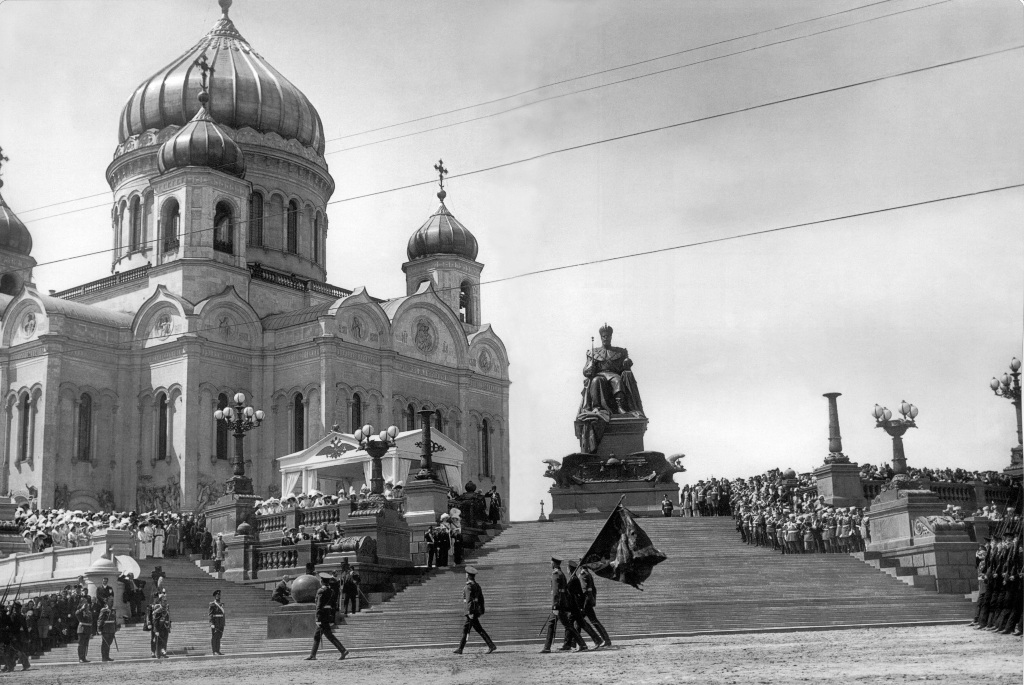
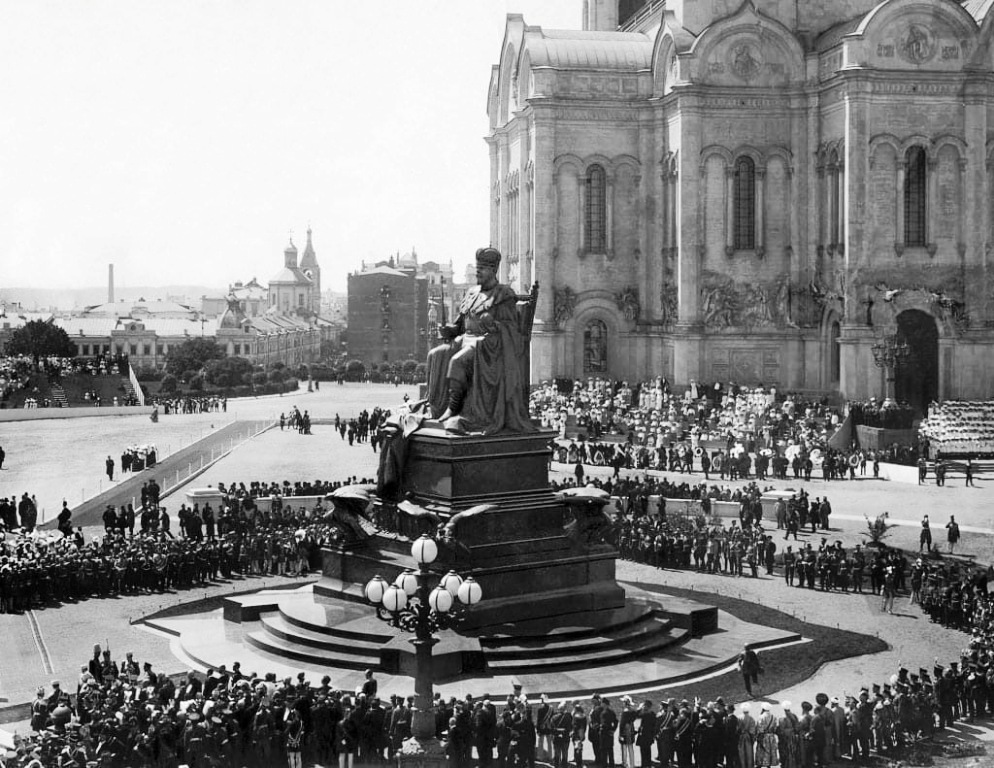
Nicholas II attends consecration of monument to his father in Moscow, 1912

PHOTOS: ceremonies marking the unveiling of a monument to Emperor Alexander III, in Moscow (1912)

On 12th June (O.S. 30 May) 1912, Emperor Nicholas II atteded the unveiling and consecration of a magnificent monument of his father Emperor Alexander III (1845-1894), in Moscow.

The monument made by the architect Alexander Pomerantsev and sculptors Alexander Opekushin and Artemy Ober, was installed on the Prechistenskaya Embankment at the southeast corner of the Cathedral of Christ the Saviour.

In December 1894, Emperor Nicholas II appointed his uncle Grand Duke Sergei Alexandrovich to head a committee to oversee the planning and construction of the monument. More than 2.5 million rubles were donated for the monument’s construction, which lasted from 1900 to 1912.

Made in the style of monumental realism, the bronze statue stood on a stepped red granite pedestal facing the Moscow River. Alexander III is depicted sitting on a throne in a mantle with an imperial crown on his head. In the hands of the emperor were a scepter and orb. The inscription the pedestal read: “To the most pious autocratic Great Sovereign, our emperor Alexander Alexandrovich of All Russia. 1881-1894.” At its corners stood bronze double-headed eagles with outstretched wings. The monument featured a low granite balustrade, and a staircase which descended to the river.

The grand opening of the monument took place on 12th June (O.S. 30th May) 1912, in the presence of Emperor Nicholas II and members of the Imperial Family. At 8 o’clock in the morning, five cannon shots sounded from the Taynitskaya Tower. At 10 o’clock at the entrance to the Cathedral of Christ the Saviour, a procession began, led by Moscow Metropolitan Vladimir, Emperor Nicholas II, his mother the Dowager Empress Maria Feodorovna and Empress Alexandra Feodorovna.

After 360 rounds were fired and the Preobrazhensky Regiment march, the veil was removed from the sculpture, Metropolitan Vladimir sprinkled the monument with holy water. Some 86 wreaths were placed at the monument, and an inspection of the monument by the Emperor and members of the Imperial family. In the evening, the city and the sculpture were illuminated. A 24-hour guard of honour comprised of war veterans stood guard at the monument.

PHOTO (above): Emperor Nicholas II and his mother the Dowager Empress Maria Feodorovna can be seen in the foreground, Empress Alexandra Feodorovna and members of the Russian Imperial Family are following behind.

Sadly, the monument did not survive for long – a little more than 6 years! Following the October 1917 Revolution, a decree was issued for the demolition of all monuments of the Tsarist era. The decree dated 12th April 1918 ordered that monuments of members of the Roamov dynasty be replaced by those honouring revolutionaries. The monument of Emperor Alexander III was one of the first monuments destroyed during this campaign.

The dismantling of the monument began on 17th July 1918 – the very same day in which Nicholas II and his family were murdered in Ekaterinburg. A plan to establish a monument to Liberated Labour was never realised. The pedestal was demolished along with the Cathedral of Christ the Saviour in 1931.

© Paul Gilbert. 12 June 2024

Faithful to the End: Eugene Sergeevich Botkin (1865-1918)

PHOTO: Eugene Sergeevich Botkin (1865-1918)

On this day – 9th June (O.S. 27th May) 1865 – Eugene Sergeevich Botkin, the chief physician of Emperor Nicholas II and his family, was born at Tsarskoye Selo.

Eugene was the fourth child born into the family of the famous Russian physician-therapist (who had served as the personal physician to Emperors Alexander II and Alexander III), professor of the Medical-Surgical Academy Sergei Petrovich Botkin (1832-1889) and Anastasia Alexandrovna Krylova (1835-1875).

As a child, he was known for his generosity, modesty and aversion to violence. His brother Pyotr (Peter) Sergeevich recalled: “He was infinitely kind. One could say that he came into this world for the sake of helping people.”

In 1878, on the basis of the education he received at home, he was admitted to the 5th grade of the 2nd Petersburg classical gymnasium (school). After graduating from high school in 1882, he entered the Physics and Mathematics Faculty of St. Petersburg University, however, having passed the exams for the first year of the university, he left for the junior department of the opened preparatory course of the Military Medical Academy. In 1889, Botkin graduated from the academy being awarded the title of doctor with honours.

In 1891, Eurgene married Olga Vladimirovna Manuilova (1872-1946), whom he divorced in 1910. The couple had 5 children: Sergei (who died at the age of 6 months); Dmitri (1894-1914); Yuri (1896-1941): Tatiana (1899-1986) and Gleb (1900-1969) – the defender of Anna Anderson, who claimed that she was the Grand Duchess Anastasia Nikolaevna.

PHOTO: Dr. Eugene Sergeevich Botkin (left) with Eperor Nicholas II (right)

In 1904, the Russian-Japanese war began, and Eugene volunteered for the Far East, where he was by decree of the Main Directorate of the Russian Red Cross Society, appointed assistant to the Chief Commissioner for the acting armies for the medical division. Occupying this rather high administrative position, Dr. Botkin was often at the forefront. During the war, Eugene not only showed himself to be an excellent doctor, but also showed great personal courage.

He wrote many letters from the front, of which a whole book was composed – “The Light and Shadows of the Russian-Japanese War of 1904-1905“. This book was soon published, and many, after reading it, discovered new sides of the St. Petersburg doctor: “his Christian, loving, infinitely compassionate heart and unshakable faith in God”.

Empress Alexandra Feodorovna, having read Botkin’s book, wished that Eugene become the personal doctor of the Imperial Family. On 13th April 1908 – Easter Sunday – Emperor Nicholas II signed a decree appointing Doctor Eugene Sergeevich Botkin as a physician of the Imperial Court.

Dr. Botkin was among the few confidants who voluntarily followed the Tsar and his family into exile to Tobolsk in Siberia. His letters from Tobolsk are striking in their truly Christian spirit: not a word of condemnation, discontent or resentment, but complacency and even joy.

In August 1917, Dr. Botkin voluntarily followed the Imperial Family into exile to Tobolsk in Siberia, where they lived under house arrest for 8 months. In April 1918, he again volunteered to accompany the Imperial couple to Ekaterinburg. On the night of 16/17 July 1918, the Imperial Family, their four faithful retainers, which included Dr. Botkin, were shot by members of the Ural Soviet in the basement of the Ipatiev House.

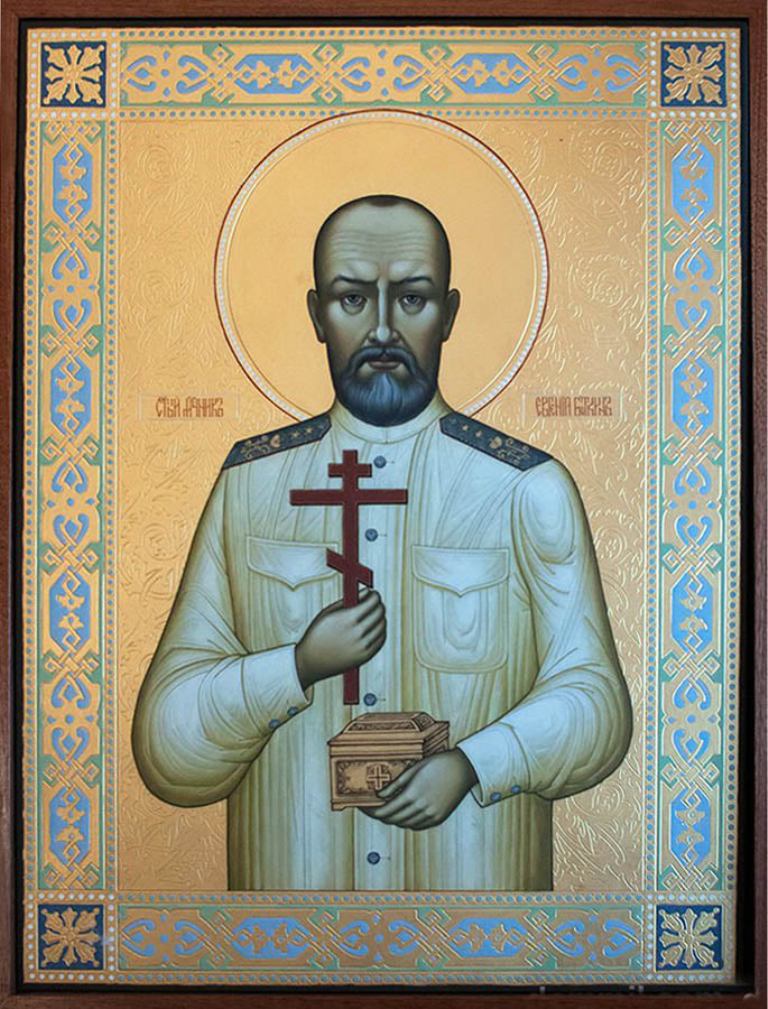
PHOTO: icon depicting the Righteous Passion-Bearer Yevgeny the Physician

In 1981, Botkin along with the Imperial Family, was canonized as a New Martyr by the Russian Orthodox Church Outside of Russia.

On 16th October 2009, the General Prosecutor’s Office of the Russian Federation decided to rehabilitate 52 persons of the Imperial family and their retainers who had been subjected to repression, including Dr. Botkin.

On 3rd February 2016, the Bishop’s Council of the Russian Orthodox Church canonized Botkin as Righteous Passion-Bearer Yevgeny the Physician.

© Paul Gilbert. 9 June 2024

June 1st marks 45th anniversary of discovery of the “Ekaterinburg remains”

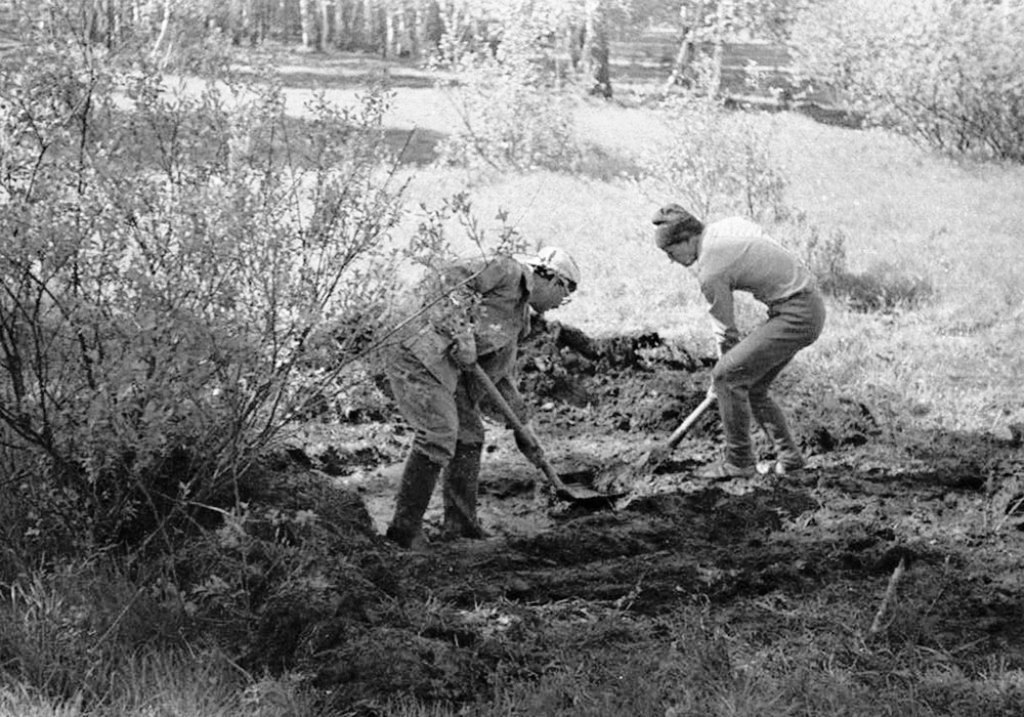
PHOTO: Geliy Ryabov (left) and Gennady Vasiliev (right) remove the wooden sleepers from the unmarked grave. 1st June 1979

NOTE: I have provided links (below) to other interesting articles + photos – PG

June 1st marked the 45th anniversary of the discovery of what would come to be known as the “Ekaterinburg remains”. It was on this day, that Geliy Trofimovich Ryabov (1932-2015) and Alexander Nikolaevich Avdonin (born 1932), discovered a shallow grave marked with railway ties on the Old Koptaki Road, situated about 22 km [13.7 m.] northeast of Sverdlovsk [Ekaterinburg], and 3.8 km from Ganina Yama.

Avdonin and Ryabov who were accompanied by their wives and colleagues V.A. Pesotsky and G.P. Vasiliev, found the second burial site containing the remains of Emperor Nicholas II, members of his family and their four faithful servants, all of whom were all murdered in the basement of the Ipatiev House in the Ural capitl in the early morning hours of 17th July 1918. This was preceded by many years of work in various archives and libraries, as well as the study of the area of Ganina Yama and Porosyonkov Log.

Further reading: Nicholas II’s grave was an “open secret” in Soviet Russia during the 1920s

Due to the political climate of the time, they were forced to close the grave until after the fall of the Soviet Union. It was not until July 1991, that Avdonin and a team of experts returned to the Old Koptyaki Road, where they exumed the remains of nine bodies. The remains were sent for forensic tests which identified the remains as those of Emperor Nicholas II, his wife Empress Alexandra Feodorovna, three of their daughters Grand Duchesses Olga, Tatiana, Anastasia Nikolaevna, as well as those of their four retainers. It was not until 2007, that the remains of Tsesarevich Alexei Nikolaevich and Grand Duchess Maria Nikolaevna were discovered in a separate grave, situated just meters from the main grave.

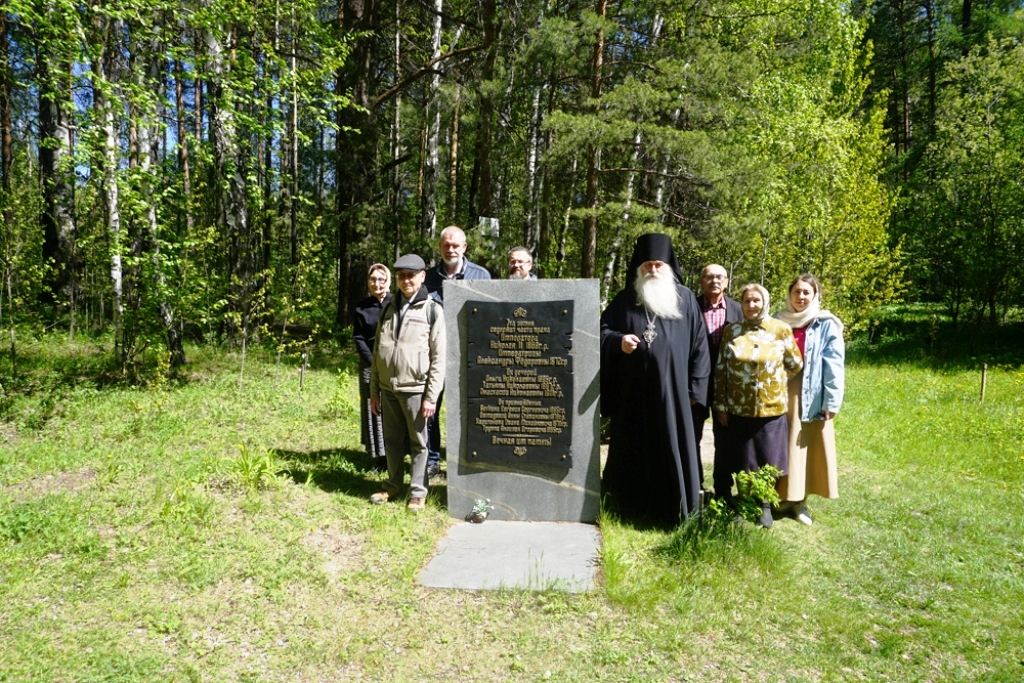
On 16th July 1999, the Romanov Memorial was opened on the site of the graves. The main grave is modestly decorated with wooden railway ties – a large metal Orthodox cross was erected above it. There is also a memorial stone (see last photo on this post) on which is written: “Here the remains of the Tsar’s Family and persons loyal to Them, murdered on 17th July 1918 in Ekaterinburg, were hidden.” A metal Orthodox cross was also erected at the second grave, where the remains of Alexei and Maria were found The Romanov Memorial is maintained at the expense of the Romanov Memorial in Porosenkov Log Charitable Foundation.

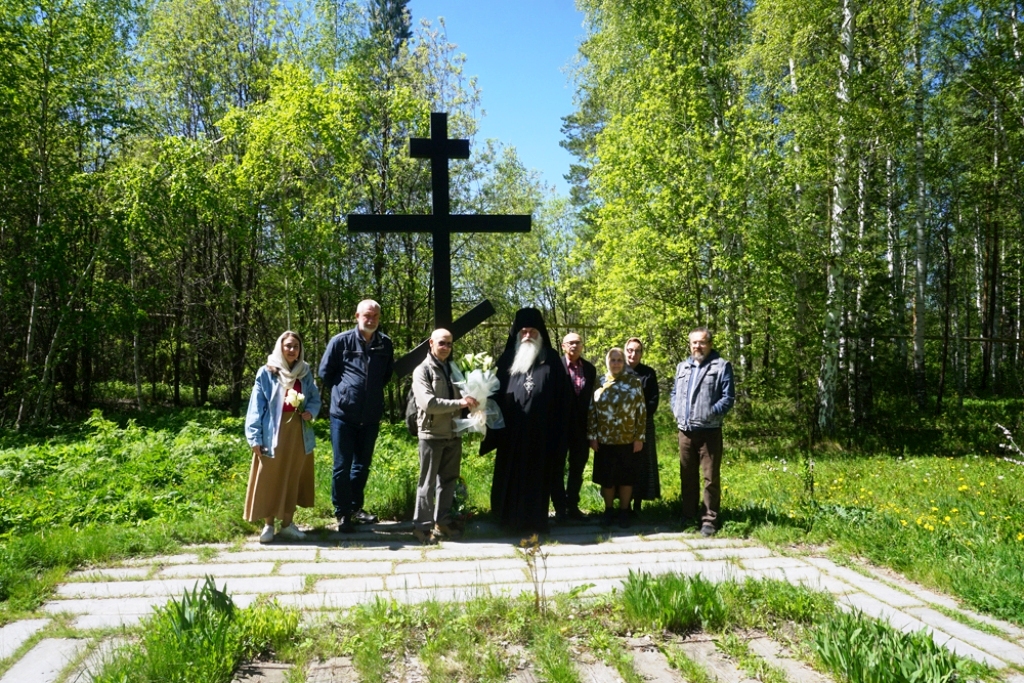
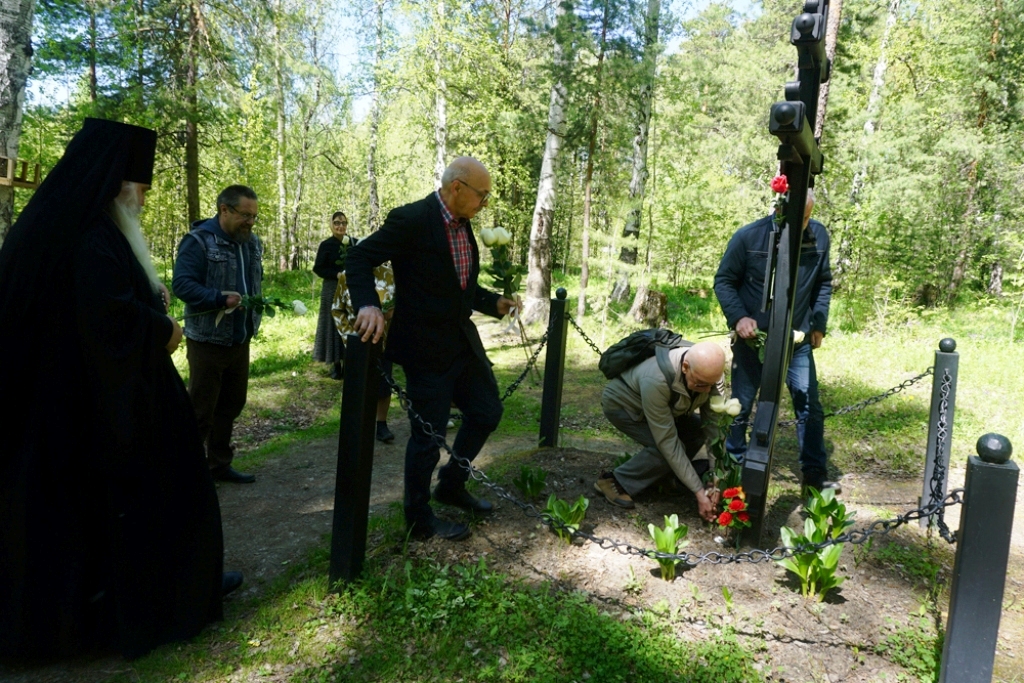
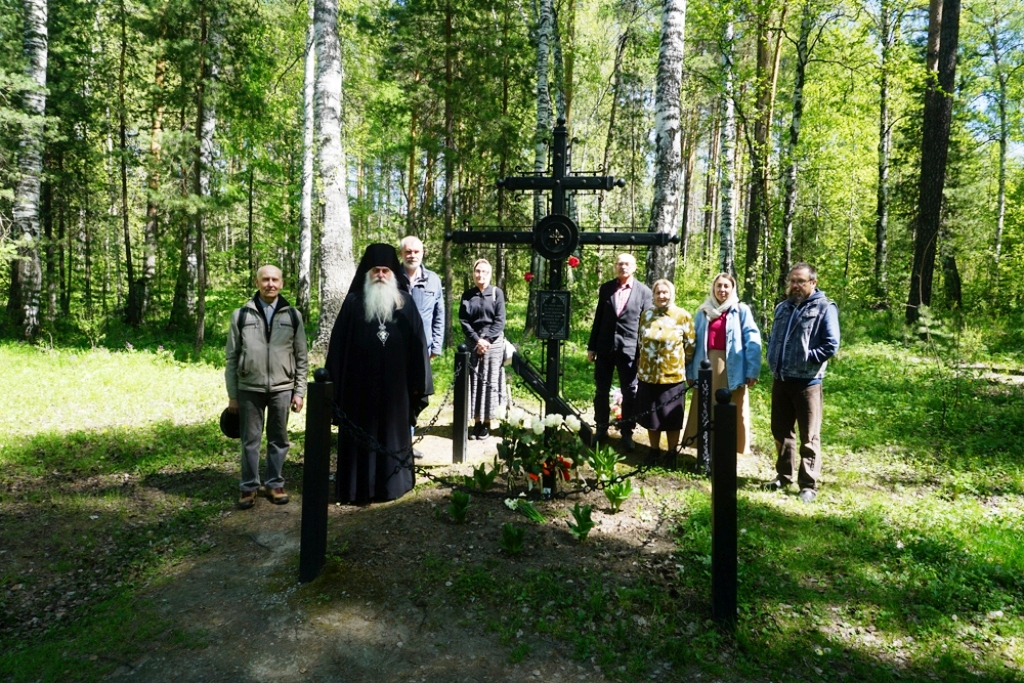
PHOTO: Archimandrite Tikhon (Zatekin) and participants standing at the main grave at Porosenkov Log:

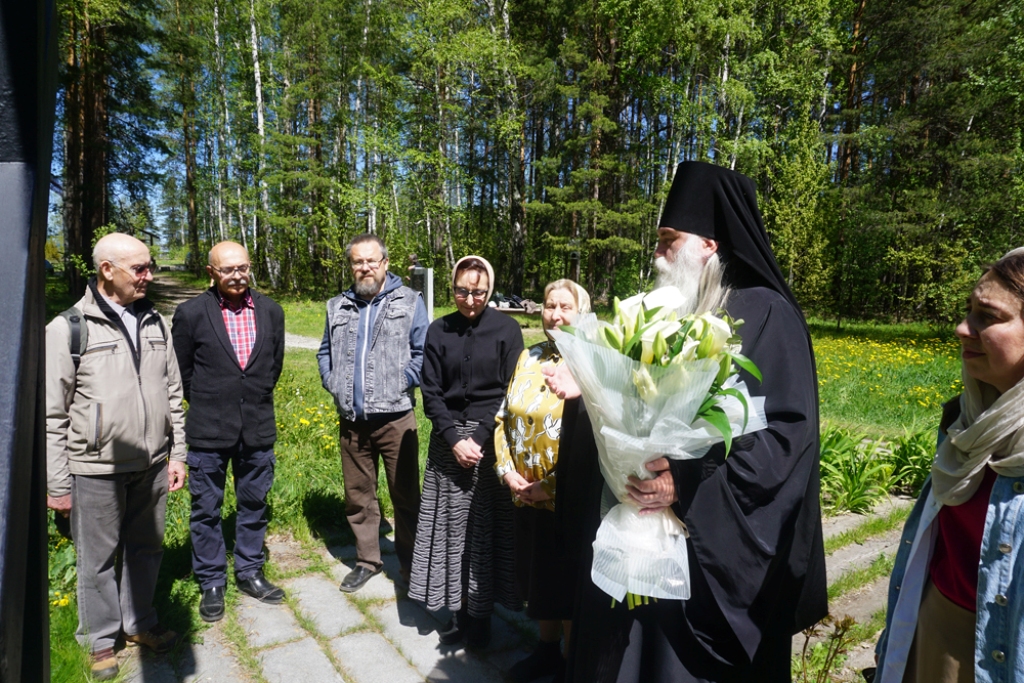
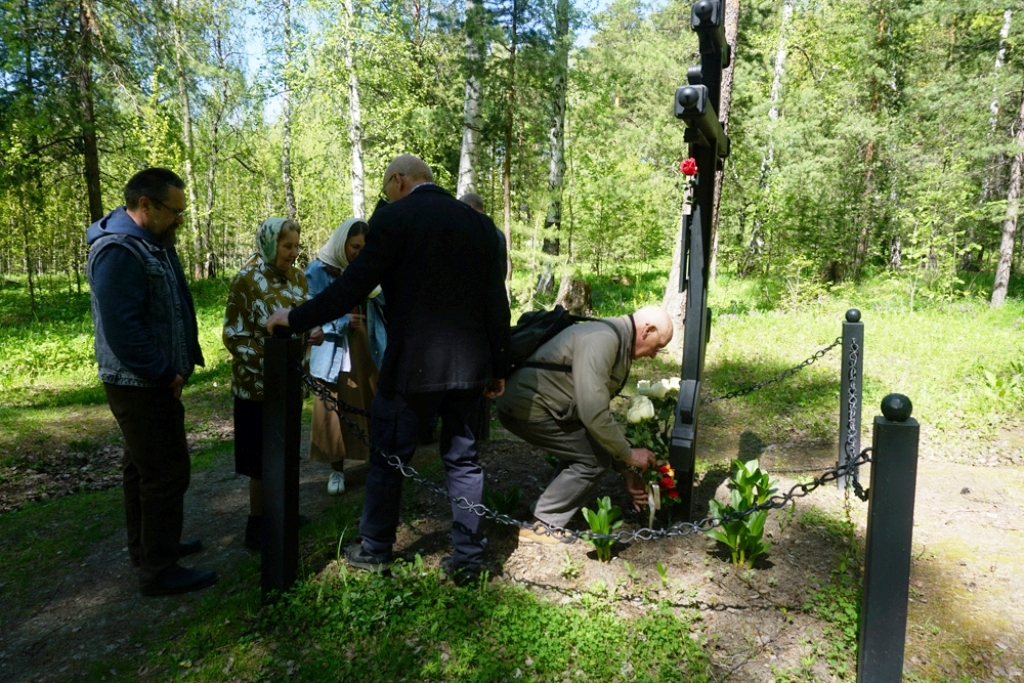
On 1st June 2024, a small group of Orthodox Christians and adherents to the memory of the Holy Royal Martyrs, gathered on the Old Koptyaki Road, where the Romanov Memorial is now located, at Porosenkov Log. Among those present, were participants who took part in the search for the remains of the Imperial Family and their servants – geophysicist G.P. Vasiliev, as well as participants in the search in 2007 for the remains of Tsesarevich Alexei and Grand Duchess Maria: L.G. Vokhmyakov, S.M. Vokhmyakova, N.B. Neuymin, A. Bobrov among others.

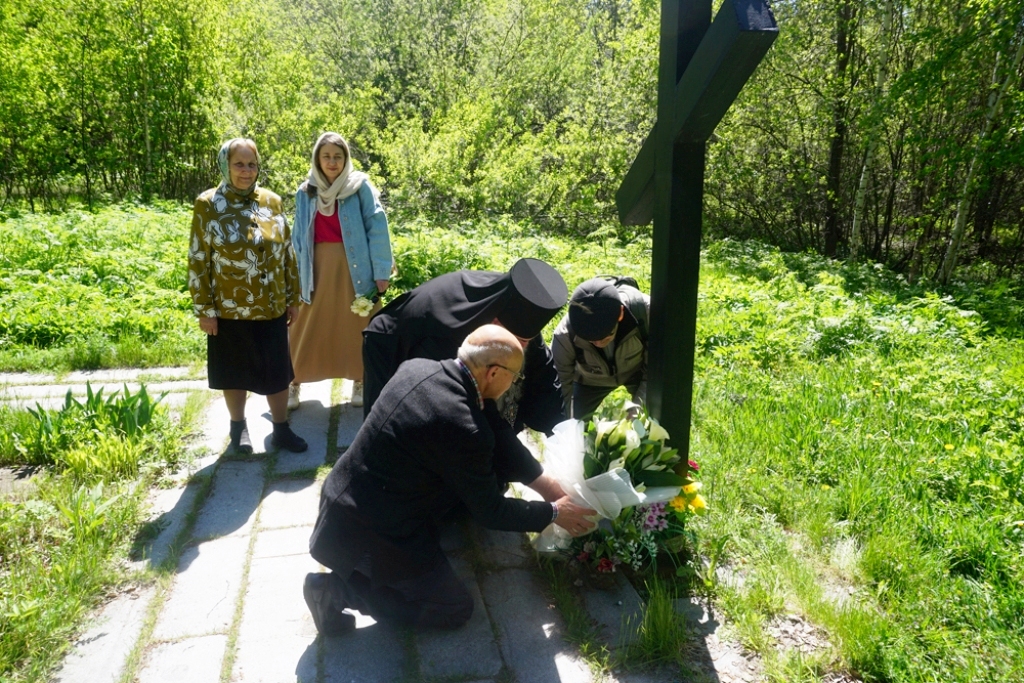
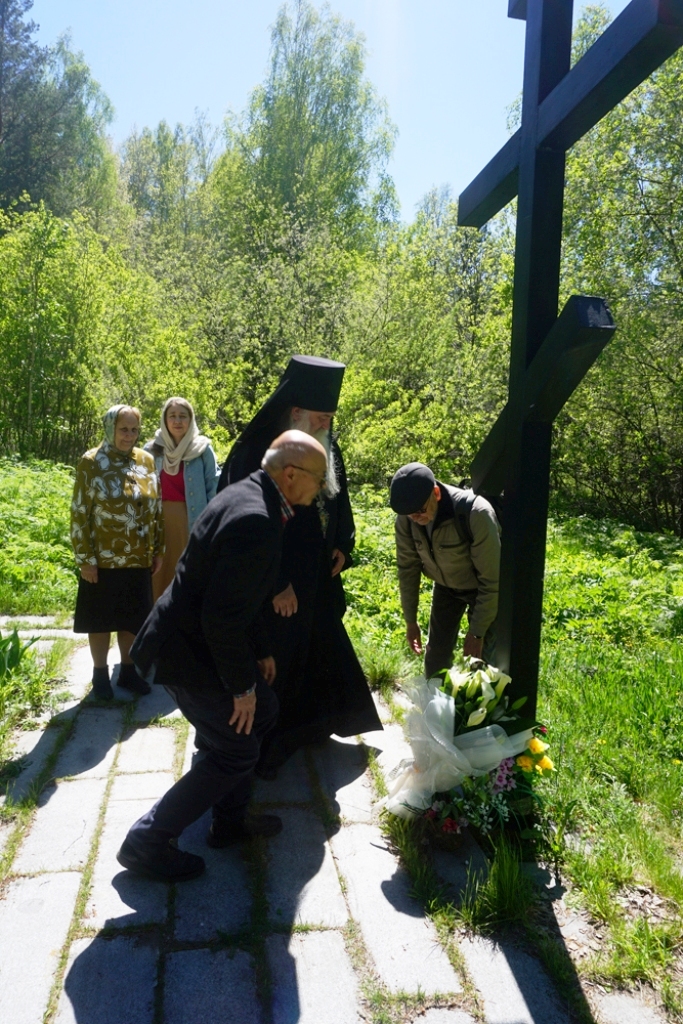
Archimandrite Tikhon (Zatekin), G.P. Vasiliev and L.G. Vokhmyakov laid a bouquet of white lilies[1] at the cross erected at the site where the Tsar’s remains were discovered in 1979, after which roses were laid at the cross, where the remains of Tsarevich Alexei and Grand Duchess Maria were found in 2007.

NOTE: The Moscow Patriachate of the Russian Orthodox Church believes that the Ekaterinburg remains found at Porosenkov Log are false relics, and that the bodies of the Imperial Family were completely destroyed at Ganina Yama by the regicides in 1918. The Church has not yet made a final decision on the question of whether these Ekaterinburg remains are genuine or not. The final decision rests with the Council of Bishops of the Russian Orthodox Church, who have been forced to postpone their convening to discuss the matter “indefinitely”, citing the current situation with Ukraine.

The members of the Romanov Family Association (which includes most of the living descendants) have all recognized the Ekaterinburg remains as those of Emperor Nicholas II, his family and their four retainers. The ONLY descendants who do NOT recognize the authenticiy of the Ekaterinburg are Princess Maria Vladimirovna and her son George.

PHOTOS (below) depict Archimandrite Tikhon (Zatekin) laying a bouquet of white lilies at the main grave at Porosenkov Log:

PHOTOS (below) depict L.G. Vokhmyakov laying a bouquet of roses at the second grave at Porosenkov Log:

PHOTOS (below) depict Archimandrite Tikhon (Zatekin) at the memorial stone at Porosenkov Log:

NOTES:

[1] The white lilies symbolize the unfading flower of virginity and purity of the Mother of God, to whom the Church sings: “You are the root of virginity and the Unfading Flower of purity.”

© Paul Gilbert. 6 June 2024

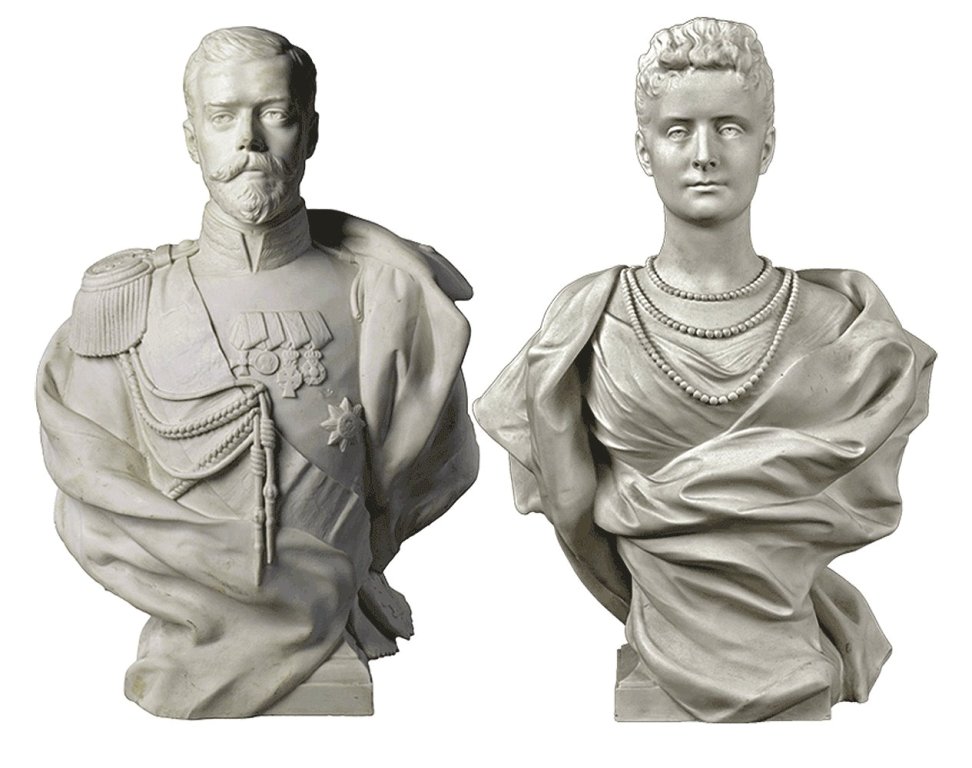
Léopold Bernstam’s busts of Nicholas and Alexandra (1895)

PHOTO: Biscuit Porcelain Busts of Emperor Nicholas II and Empress Alexandra Feodorovna. by the famous Russian sculptor Leopold Adolfovich Bernstam (1859-1939). From the Collection of the State Russian Museum in St. Petesburg.

Leopold Adolfovich Bernstam was born to a Jewish family in Riga, on 20th April 1859. At the age of 13, he studied under the famous Danish-Russian sculptor David Ivanovich Jensen (1816-1902). The following year, at the age of 14, Bernstam entered the Imperial Academy of Fine Arts in St. Petersburg, where he earned several awards.

From 1885 he lived in Paris where he worked as a sculptor at the Grévin Museum. He is credited with being the author of some 300 sculptures in his lifetime, including at least 5 monuments to Emperor Peter I of Russia.

In the early 1880s he temporarily moved to Russia, where he made about 30 busts of celebrated Russians, including authors, playwright and composers. In 1885 he settled in Paris, often returning to St. Petersburg. 

PHOTO: Leopold Adolfovich Bernstam (1859-1939)

In 1895 Léopold Bernstam received a commission to create portrait busts of members of the Imperial Family. Among them was the new Tsar and Tsarina, who were crowned in Moscow in May 1896.

In his diary, dated 20th September and 21st, 1895, Nicholas II wrote: “… after breakfast spent more than an hour sitting for Bernstam…” and on 21st September: “sat for the sculptor again”.

At the beginning of 1896, Bernstrom was invited to Tsarskoye Selo, where he completed busts of several members of the Tsar’s family in less than three weeks. Among them were a pair of marble busts depicting the August Couple, which served as excellent models for mass-produced copies, which were installed in the lobbies or foyers of all government buildings, as well as educational charitable institutes, hospitals, etc.

Bernstam’s last work in St Petersburg was a bust of Emperor Alexander III, which was installed in 1914, in the garden of the Russian Museum of His Imperial Majesty Alexander III [renamed State Russian Museum]. It was removed in 1918. 

Leopold Adolfovich Bernstam died at the age of 79, on 22nd January 1939, in Menton (France), a town located on the Mediterranean Sea at the Franco-Italian border.

© Paul Gilbert. 5 June 2024