Nicholas II in the News – Winter 2025
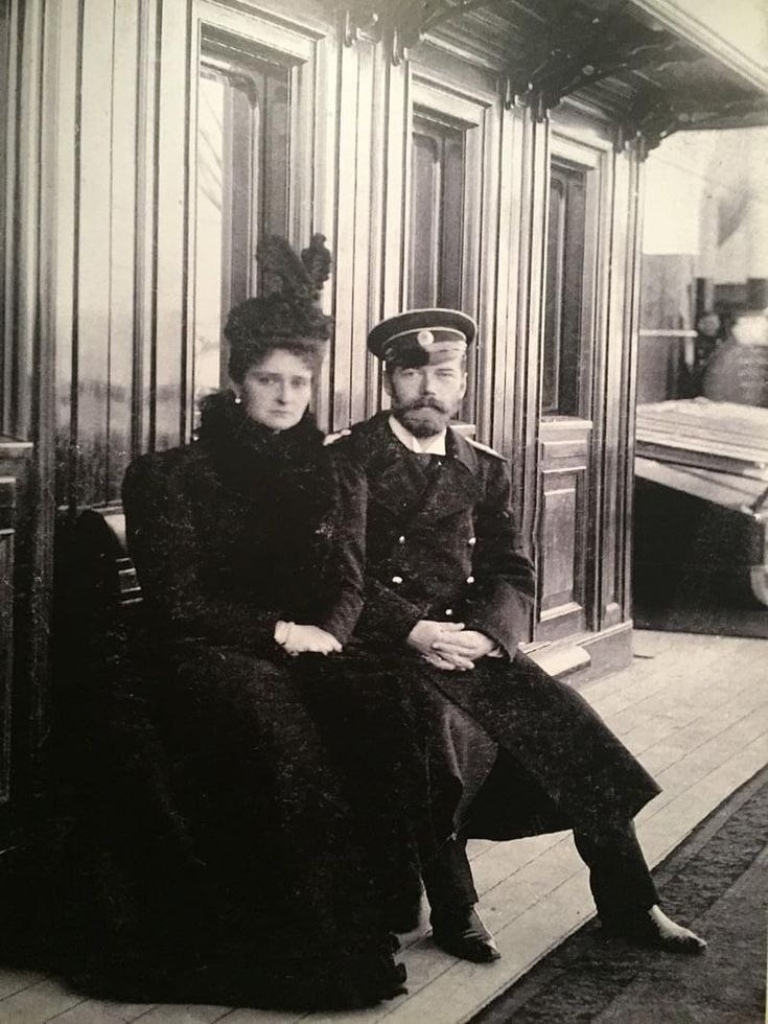
Russia’s last Emperor and Tsar Nicholas II, his family, the Romanov dynasty and the history of Imperial Russia, continue to be the subject of books, exhibitions and documentaries. In addition, the continue to generate headlines in the media.

The following articles were published by American and British media services, in January, February and March 2025. Click on the title [highlighted in red] below and follow the link to read each respective article:
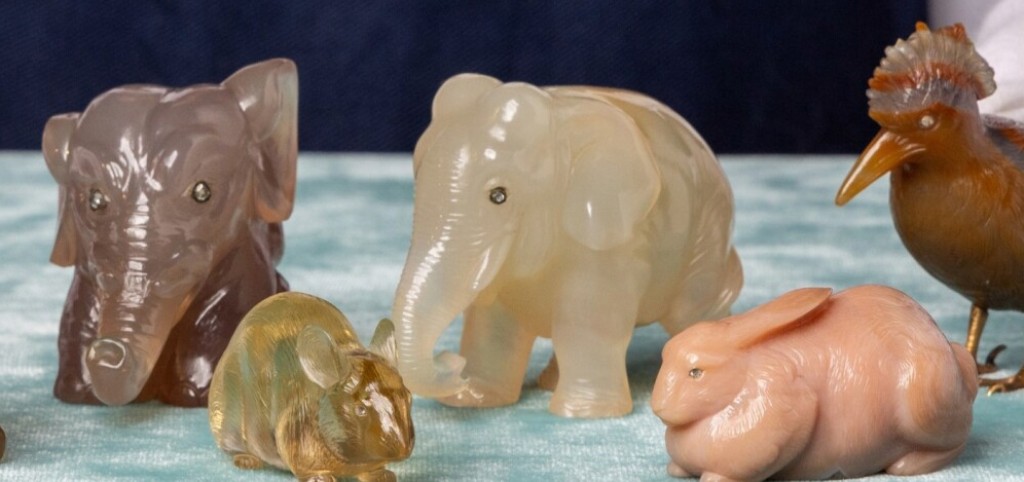
Fabergé, Gold Boxes & Vertu – Including the Castle Howard Collection + PHOTOS

On 6th May 2025, Sotheby’s (Geneva) will offers a menagerie of Fabergé Animals from Castle Howard (England). Some 30 rare and beautiful carvings, with proceeds to benefit the restoration of Castle Howard’s long-lost Tapestry Drawing Room.

Source: Sotheby’s. 13 March 2025
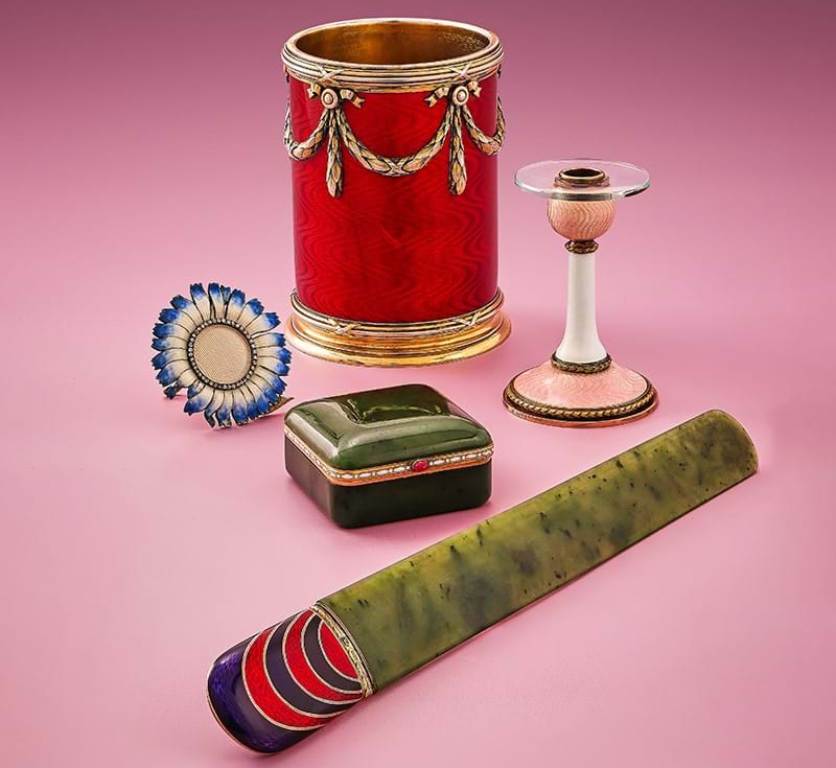
The Mastery of Fabergé, Jewellery and Objects of Vertu + VIDEO and CATALOGUE

On 19th March 2025, Dreweatts (Newbury, England) was the venue for a landmark sale of works by the renowned Russian jeweller Fabergé, featuring over 100 lots.

Source: Dreweatts (Newbury. 13 March 2025
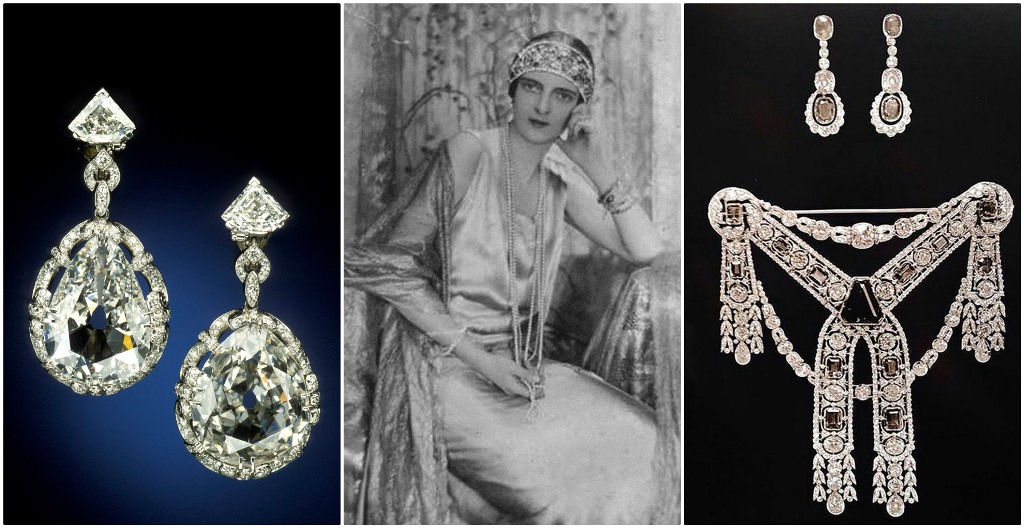
Jewellery of the Russian Empire’s WEALTHIEST dynasty + 19 PHOTOS

The Yusupov princes were one of the most influential families in Russia after the Romanovs. They owned lands, palaces, factories, art collections and a huge amount of jewellery.

Source: Gateway to Russia. 31 January 2025
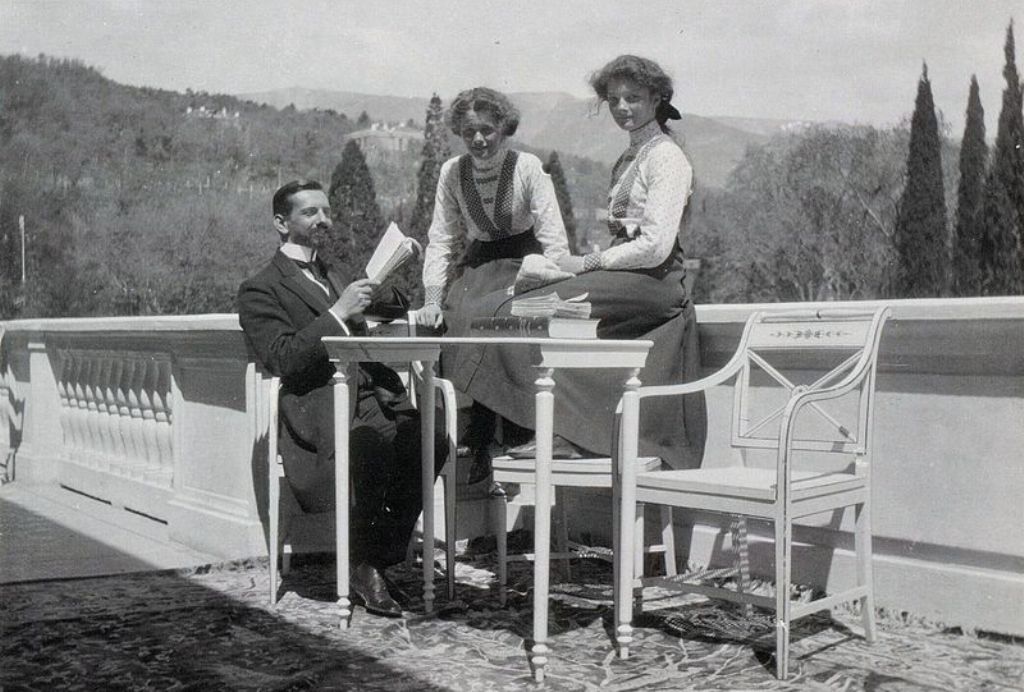
Pierre Gilliard (1879-1962)—the Teacher of the Tsar’s Children + PHOTOS

Pierre Gilliard, a citizen of Switzerland, served in the Court of Emperor Nicholas II for thirteen years as a tutor of French language to the Grand Duchesses and as a tutor to the Heir Alexei, thus living in close contact with the Tsar’s Family. He voluntarily followed the Tsar’s Family into exile, where he was one of its closest friends. He authored a book of memoirs called “Emperor Nicholas II and His Family” where the personality of the Tsar, Tsarina, and the entire august family are portrayed in the extraordinary beauty of their nobility, loftiness, and humility.

Source: Orthodox Christianity. 21 January 2025
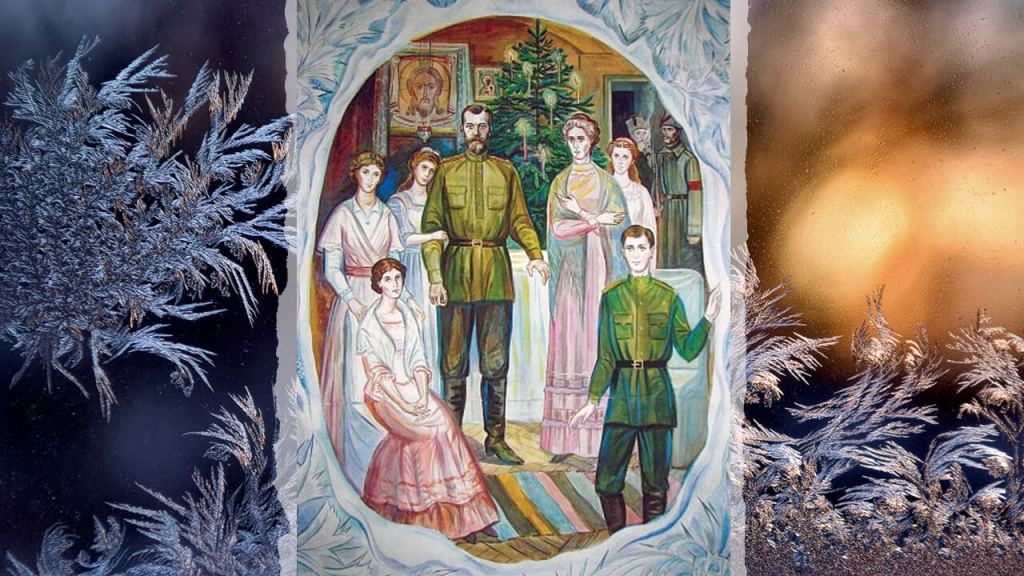
The Imperial Family’s Last Christmas + PHOTOS

In January, Orthodox Christians celebrated the birth of Christ, according to the Old Style Julian Calendar. The Nativity of Christ is traditionally a favorite feast of Orthodox Rus’. Everyone, both adults and children, prepared for it. In high society, the holiday was celebrated lavishly, with many gifts and a feast with all kinds of dishes for the guests, while in the lower strata it was celebrated more modestly. But everyone was united by the joy of the Christmas holidays.

Source: Orthodox Christianity. 13 January 2025

© Paul Gilbert. 31st March 2025

***

Paul Gilbert’s Romanov Bookshop on AMAZON

I have published nearly 50 titles to date through AMAZON – featuring one of the largest selections of books on Nicholas II, the Romanov dynasty and the history of Imperial Russia.

Please CLICK on the BANNER or LINK above to review my current selection of titles in hardcover, paperback and ebook editions. Listings provide a full description for each title, pricing and a Look inside feature.
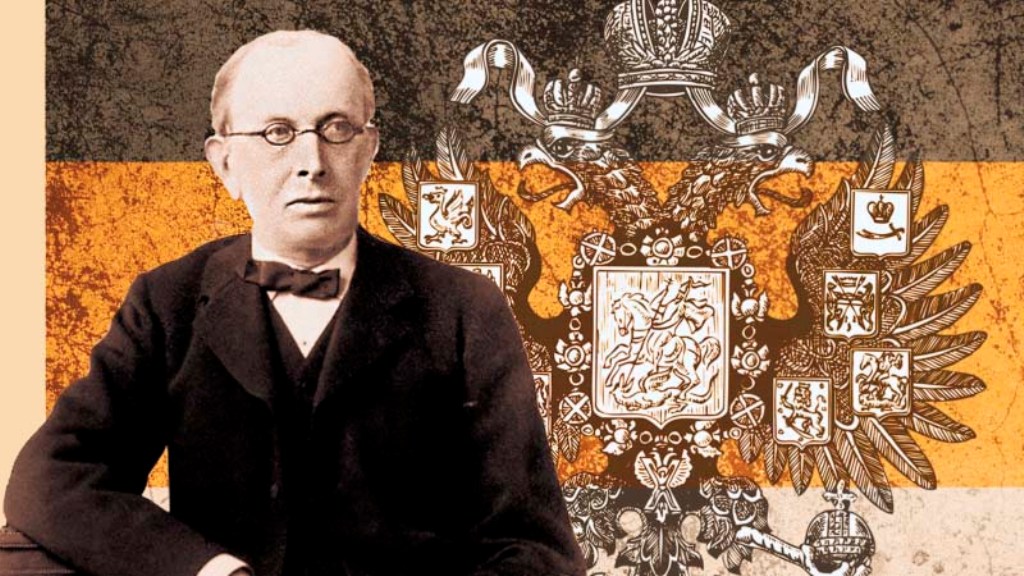
Konstantin Pobedonostsev: symbol of Russian monarchal absolutism

Konstantin Petrovich Pobedonostsev was born in Moscow on 30th (O.S. 18th) November 1827. He remains one of the most interesting, yet controversial persons from the life and reign of Emperor Nicholas II.

Pobedonostsev was a Russian jurist, statesman, and adviser to three Tsars: Alexander II, Alexander III and Nicholas II. Nicknamed the “Grand Inquisitor,” he came to be the symbol of Russian monarchal absolutism.

Pobedonostsev and Tsesarevich Alexander Alexandrovich [future Emperor Alexander III] remained very close for almost thirty years, through Alexander’s ascension as Tsar in 1881 and until his death in 1894.

During the reign of Alexander III he was one of the most influential men in the Russian Empire. He was the mastermind of Alexander III’s Manifesto of 29th April 1881, written about two months after the assassination of his father, Alexander II. ‘The Manifesto on Unshakeable Autocracy’ proclaimed that the absolute power of the Tsar was unshakable thus putting an end to Loris-Melikov’s endeavours to establish a representative body in the empire. The manifesto rejected the more liberal reforms of Alexander II (and some of his father’s ministers) in favor of “unshakable autocracy” which had been given to the tsars as a sacred duty from God. The document summed up Alexander’s counter reform policies, which were strongly influenced by Pobedonostsev.

PHOTO: Konstantin Pobedonostsev drinking tea in the garden of the Cottage Palace, the Peterhof residence of Dowager Empress Maria Feodorovna, July 1898

Pobedonostsev was the chief spokesman for reactionary positions. He was the “éminence grise” of imperial politics during the reign of Alexander III, holding the distinguished position of Chief Procurator of the Most Holy Synod, the non-clerical Russian official who supervised the Russian Orthodox Church [from 1880 to 1905].

In 1883, Emperor Alexander III appointed Konstantin Pobedonostsev, as chief tutor to his son and heir Nicholas Alexandrodovich [future Emperor Nicholas II].

Nicholas received a thorough training under the direction of the best teachers in Russia. Among his teachers, the one who exerted the greatest influence on him was undoubtedly the ultra-conservative Russian academic Konstantin Pobedonostsev, who was highly intelligent, widely read and very hardworking. Pobedonstsev believed that only the power and symbolism of an autocratic monarchy, advised by an elite of rational expert officials, could run the country effectively.

Pobedonostsev’s guidance and influence imbibed the principles of absolutism, dynasty, military greatness and the official religious tradition on the future Tsar. He constantly reminded Nicholas Alexandrovich that the Tsar was anointed by God and was a divinely inspired source of wisdom and order.

PHOTO: Emperor Nicholas II with Konstantin Pobedonostsev (far right). Empress Alexandra Feodorovna and Grand Duchess Olga Alexandrovna, both dressed in white (center) standing next to the Tsar. This photo was taken on the steps of the Cottage Palace, the Peterhof residence of Dowager Empress Maria Feodorovna, July 1898

Following the death of Alexander III on 1st November [O.S. 20 October] 1894, Pobedonostev remained an aide to Nicholas II, although he lost much of his influence. While the new Tsar adhered to his father’s Russification policy and even extending it to Finland, he generally disliked the idea of systematic religious persecution, and was not wholly averse to the partial emancipation of the Church from civil control.

In 1901, Nikolai Lagovski, a socialist, tried to assassinate Pobedonostsev, shooting through the window of Pobedonostsev’s office, but missing. Lagovski was sentenced to 6 years.

It was Pobedonostsev who ordered the excommunication of the great Russian writer Leo Tolstoy in 1901.

As the Chief Prosecutor of the Holy Synod – a position he held until 1905 – Pobedonostsev opposed the canonization of the Monk Seraphim of Sarov in 1903. Standing firm in his beliefs, Emperor Nicholas II ordered the canonization of Seraphim of Sarov.

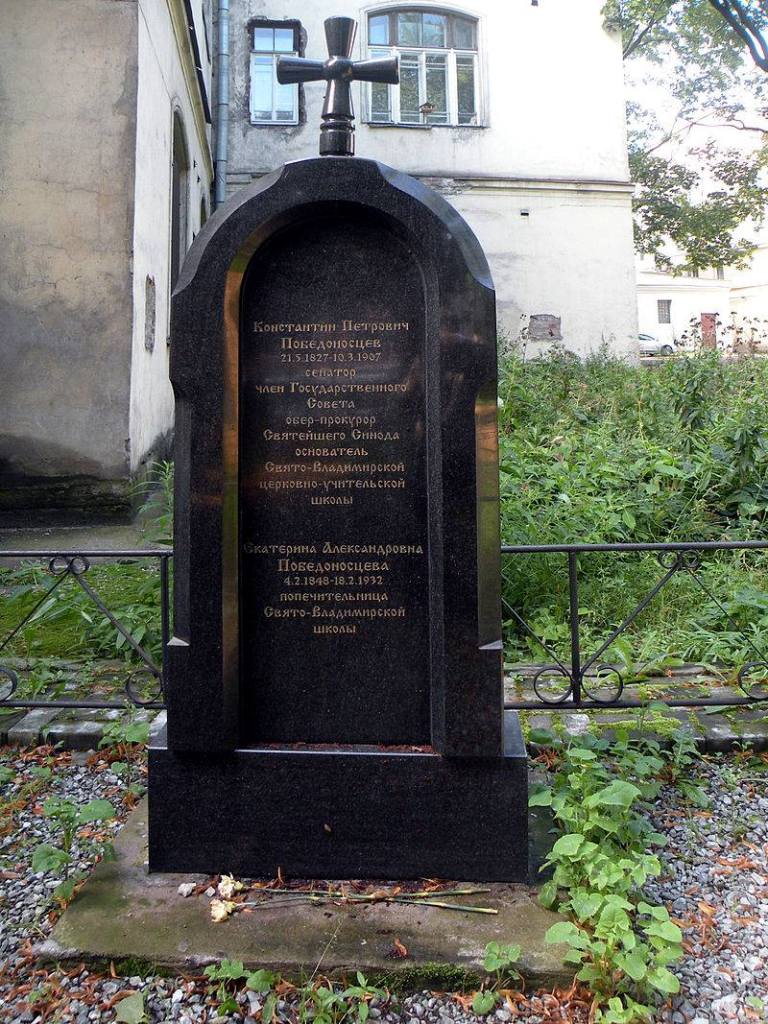
PHOTO: Konstantin Pobedonostsev’s grave, St. Vladimir Church in St. Petersburg

Konstatnin Pobedonostsev died in St. Petersburg on 23rd March (O.S. 10th March) 1907. He was survived by his wife Ekaterina Alexandrovna, née Engelhardt (1848-1932), and their adopted daughter Martha (1897-1964).

Pobedonostsev’s funeral took place on 26th March (O.S. 13th March) 1907 at the Novo-Devichsky Convent; members of the Imperial Family were not present. He was buried at St. Vladimir Church in St. Petersburg. The church has not survived, however, the grave has survived to the present day.

© Paul Gilbert. 14 December 2022 (Revised on 25th March 2025)

Nicholas II visiting Queen Victoria in 1896 + VIDEO

CLICK on the IMAGE above to watch the film-clip

The only known film-clip of Emperor Nicholas II and Empress Alexandra Feodorovna visiting Queen Victoria is available to view on YouTube. It is the earliest known film of the Tsar and Queen Victoria at Balmoral. The recording lasts only 1 minute and 10 seconds, but is of great historical value.

The film-clip featuring members of the British Royal Family and the Russian Imperial Family was shot on 3rd October 1896 at Balmoral Castle, a favourite residence of Queen Victoria in the Scottish Highlands. It was filmed by William Edward Downey (1829-1915) of W. & D. Downey Studios (London).

In the recording, Queen Victoria can be seen in an open carriage pulled by a pony. In her arms, the Queen holds her favorite Pomeranian “Turi”. The Queen is accompanied by numerous family members and relatives, including her granddaughter, Empress Alexandra Feodorovna [daughter of Princess Alice of Great Britain, later Grand Duchess if Hesse and by Rhine (1843-1878)], and her granddaughter’s husband, Emperor Nicholas II, dressed in a casual three-piece suit and a Homberg felt hat. The procession is completed by the Queen’s favorite, Abdul Karim (1863-1909), who served Her Majesty during the final fourteen years of her reign, gaining her maternal affection over that time.

William Downey showed the film to Queen Victoria at Windsor Castle on 23rd November 1896. For more than a century, the recording had been gathering dust in the archives, it was discovered and shown to the general public in 2013.

Pages from Princess Alexandra’s Photo Albums (1896)
CLICK on each image to enlarge and see photos in greater detail

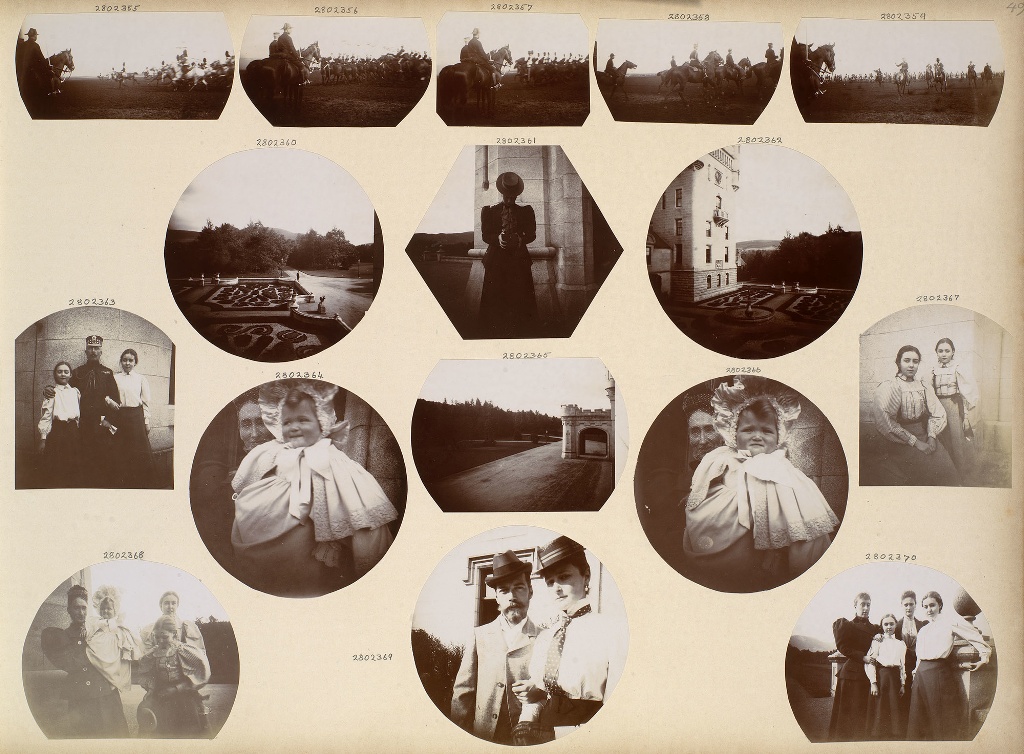
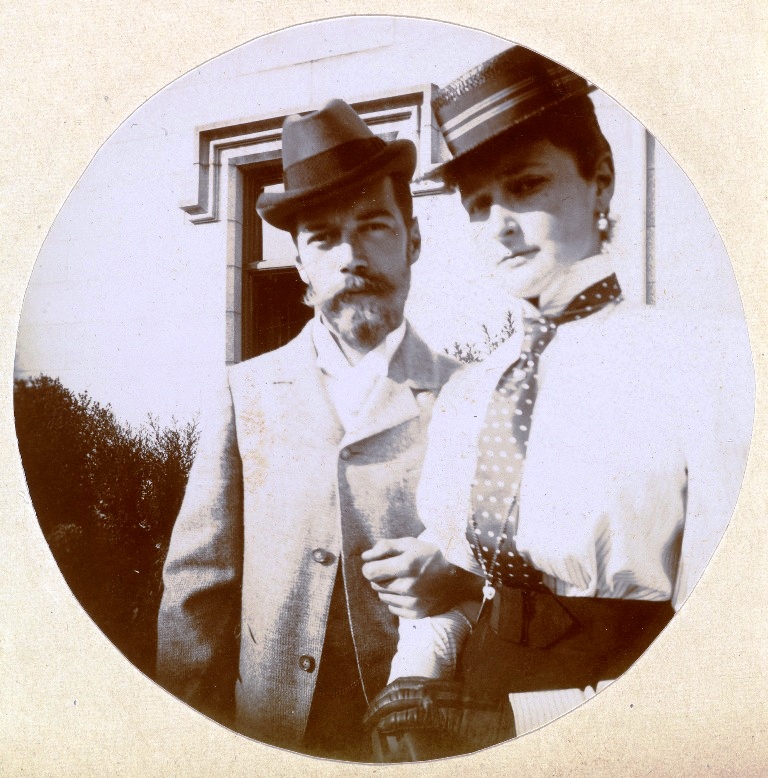
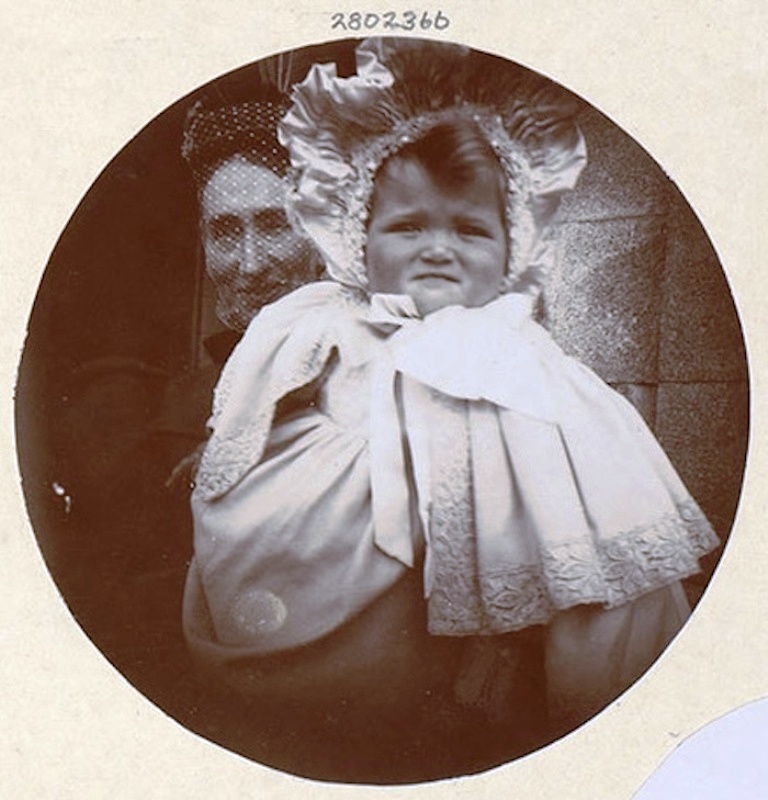
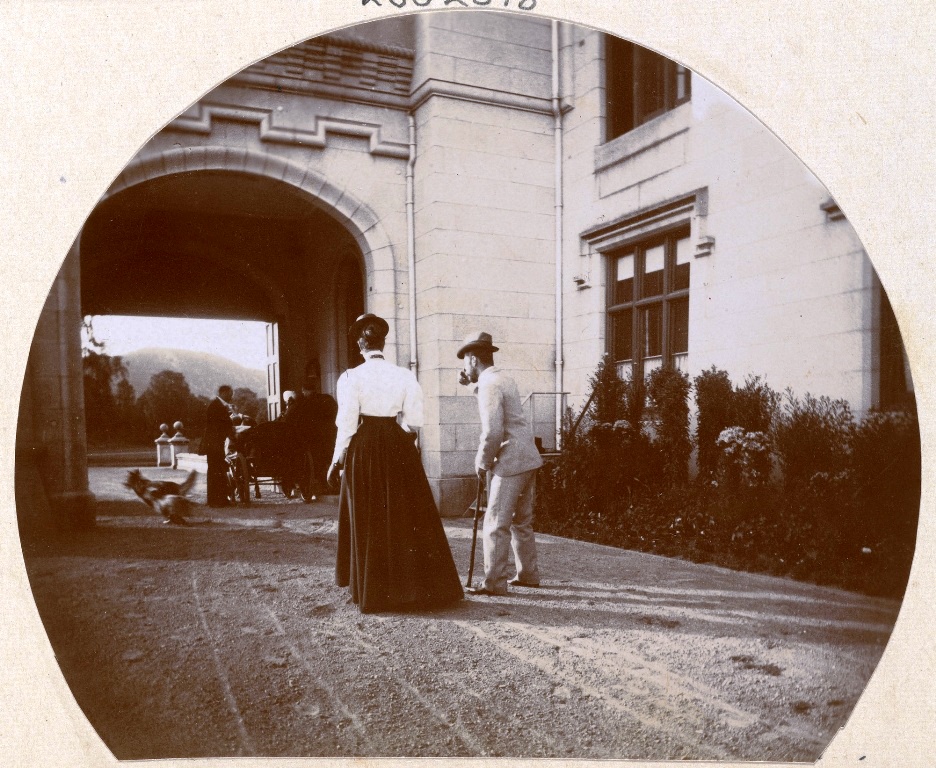
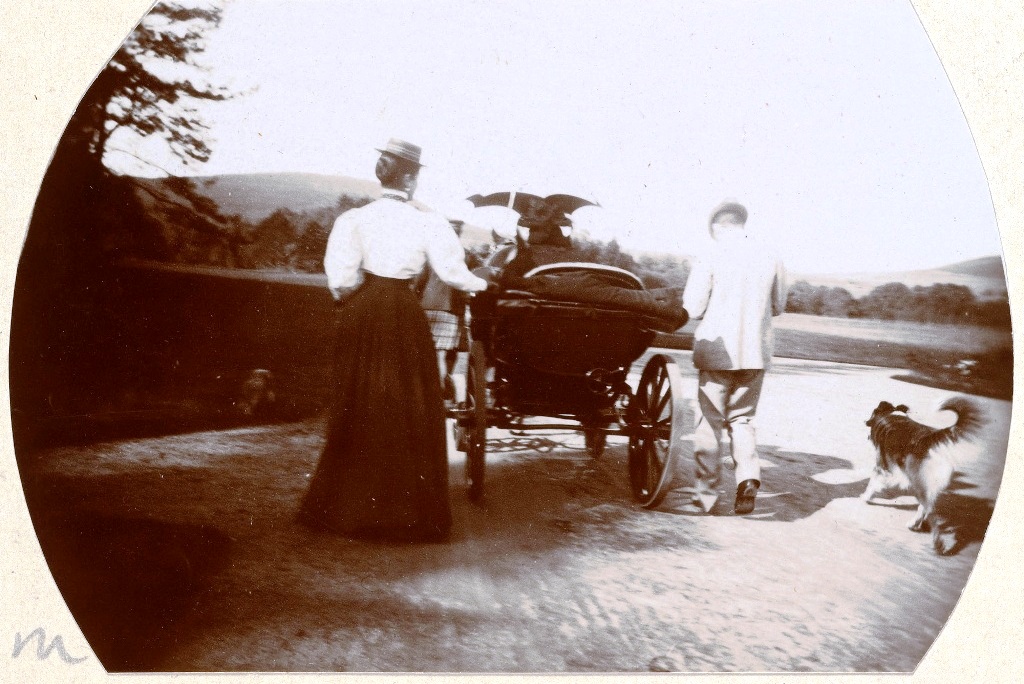
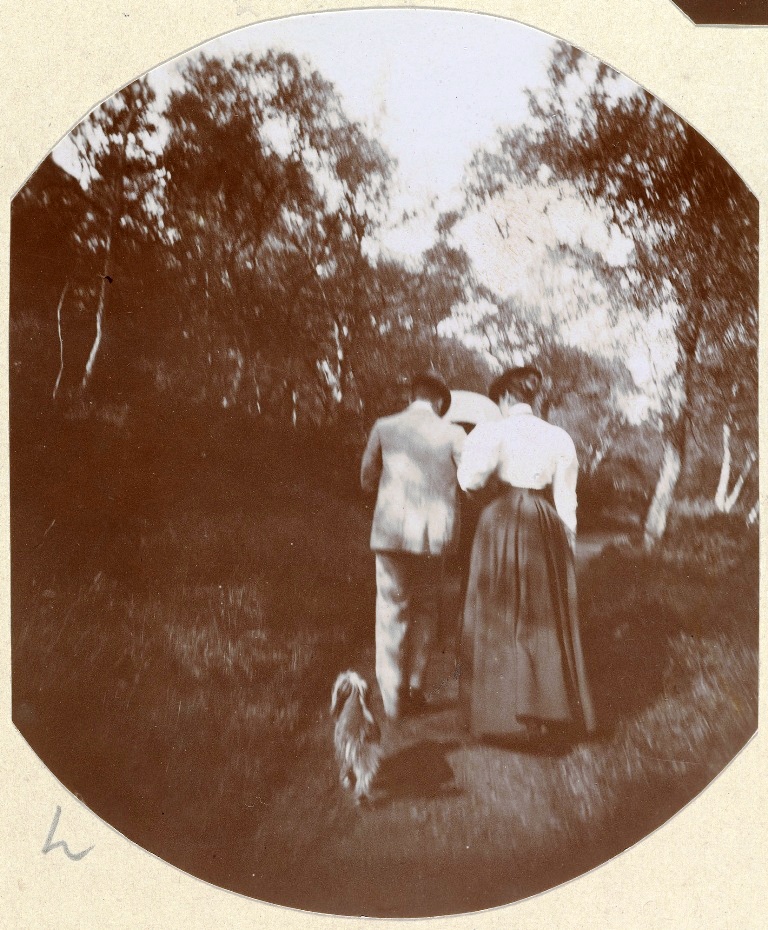
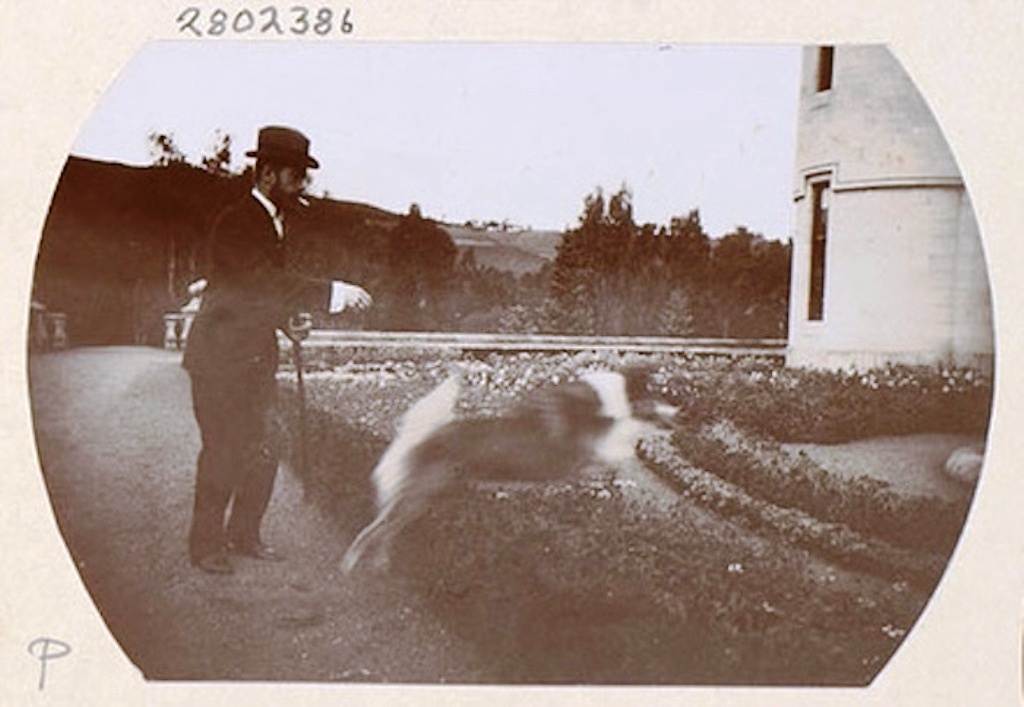
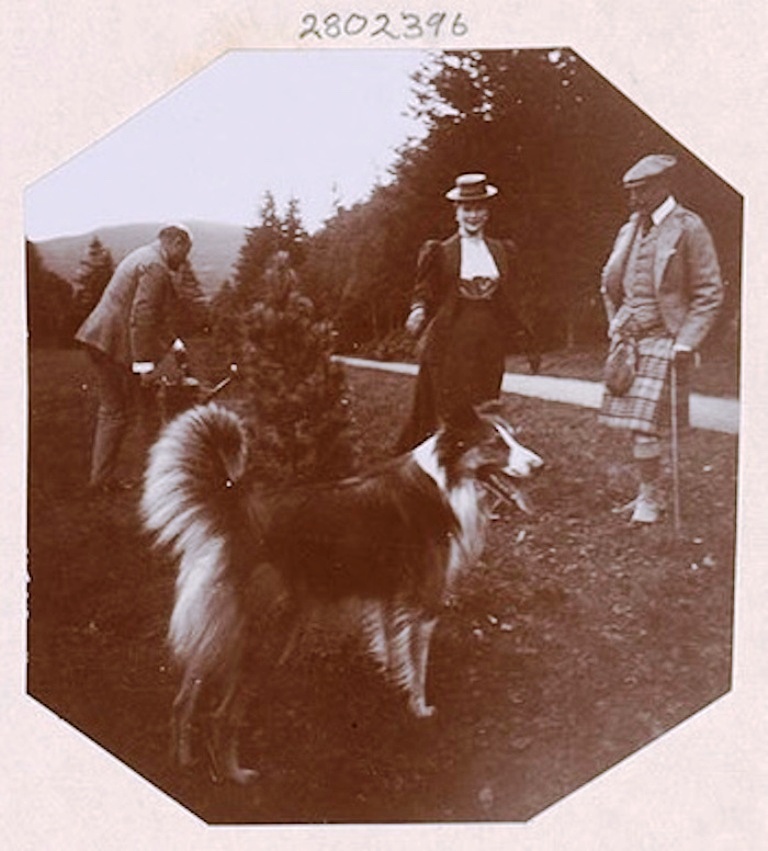
The Royal Foundation of Great Britain also published several pages from the album of Princess Alexandra of Wales [Alexandra of Denmark, 1844-1925] – the daughter-in-law of Queen Victoria and the maternal aunt of Nicholas II. Alexandra was fond of photography and made a detailed album on her nephew’s stay at Balmoral. The photos are round – this was the format produced by the first Kodak cameras.

In the pictures, we see the happy newlyweds and their newborn daughter Olga, about whom the queen said: “A beautiful child, and so big!”

Photos from Princess Alexandra’s Photo Albums (1896)
CLICK on each image to enlarge and see photos in greater detail

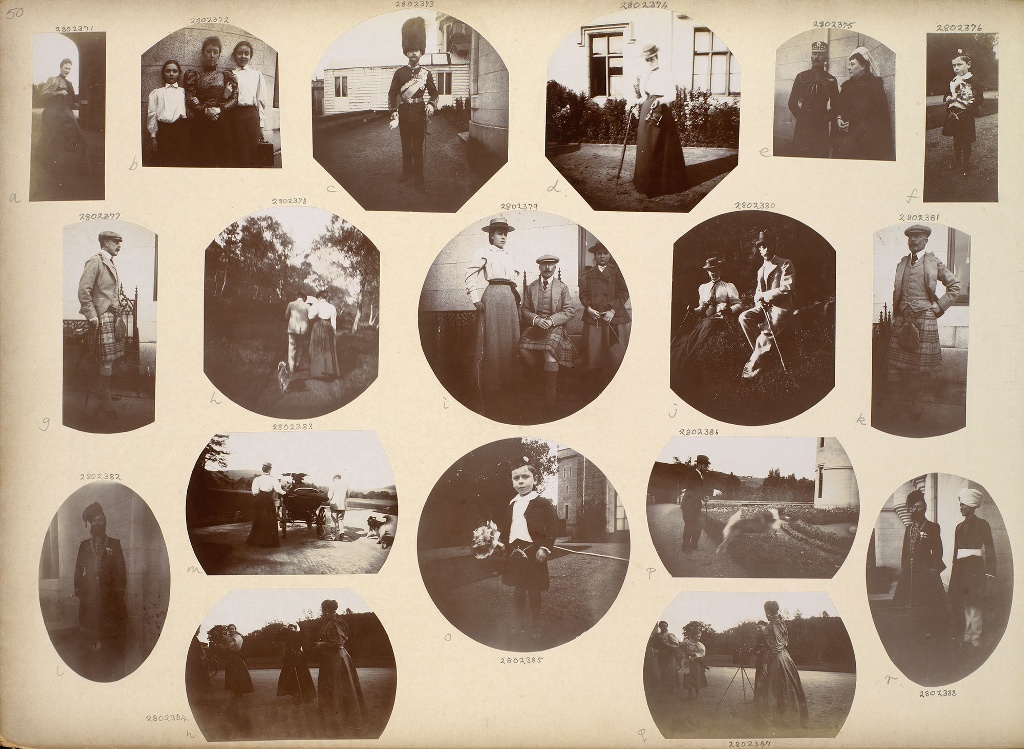
The Queen talked a lot with Nicholas II about politics, in particular, about the crisis in Turkey, where mass crimes against Armenians had taken place. Over a cup of tea, Nicholas II and Queen Victoria decided the fate of the Ottoman Sultan. And Alexandra Feodorovna told Granny Victoria about her new life in St. Petersburg and her worries about motherhood.

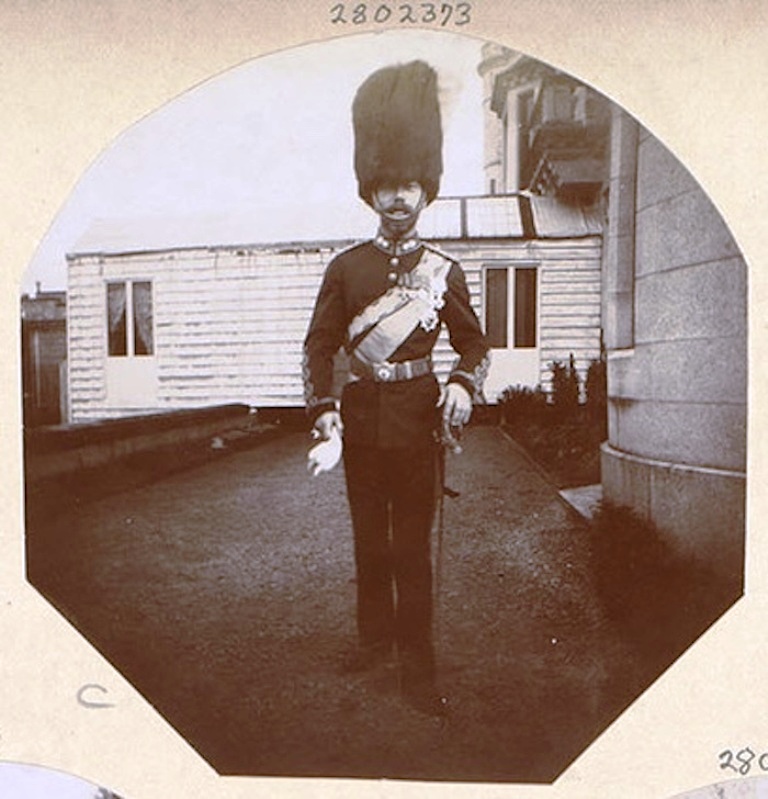
The Queen enjoyed watching the bathing of Olga, whom she described as “a cute fat baby, cheerful and full of life.” Newlyweds Nicholas and Alix walked with their dogs in Balmoral Park – without retinue and without worries. Another photo (see below) depicts Nicholas II in the uniform of Colonel-in-Chief of the 2nd Dragoons (Royal Scots Grays), bestowed upon him by Queen Victoria.

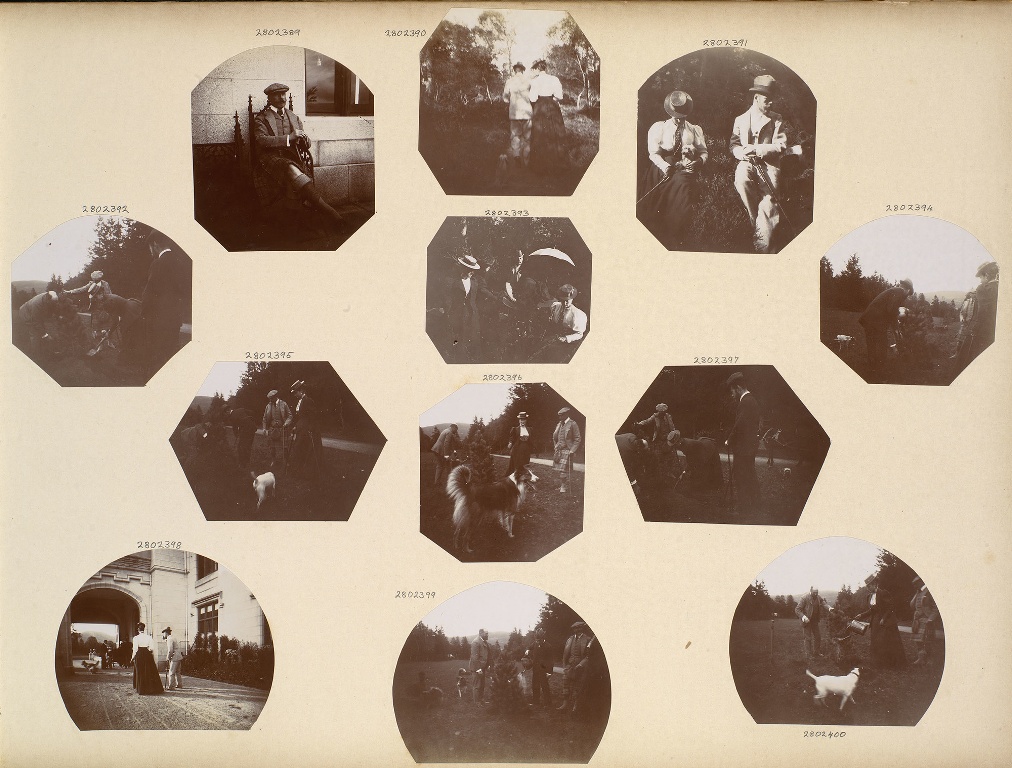
Photos from Princess Alexandra’s Photo Albums (1896)
CLICK on each image to enlarge and see photos in greater detail

They took photographs of each other in the courtyard of the castle. Alexandra Feodorovna also had her own camera, but her photos have not been preserved. But we can leaf through the diary of Nicholas II for their visit to Balmoral, in which the Tsar mainly describes his hunting excursions:

“At 9 1/2 we went on a round-up of the famous grouse [hazel grouse] in the mountains near Birkhall and Glenmuick. I killed only two of them, because shooting at these birds is very difficult. We had breakfast in the tent provided by the generosity of Lord Glenesk, where we drank tea in a large company after the hunt. We returned home at 7 1/2. I’m pretty tired of climbing mountains and standing for a long time on NoNo [numbers, i.e. designated positions] inside earthen towers!”

The day of 3rd October (O.S. 21st September) according to Nicholas’s diary was marked not only by a “whirling shooting”, but also by an important symbolic event. Nicholas and Alexander planted a pine tree each in Balmoral Park.

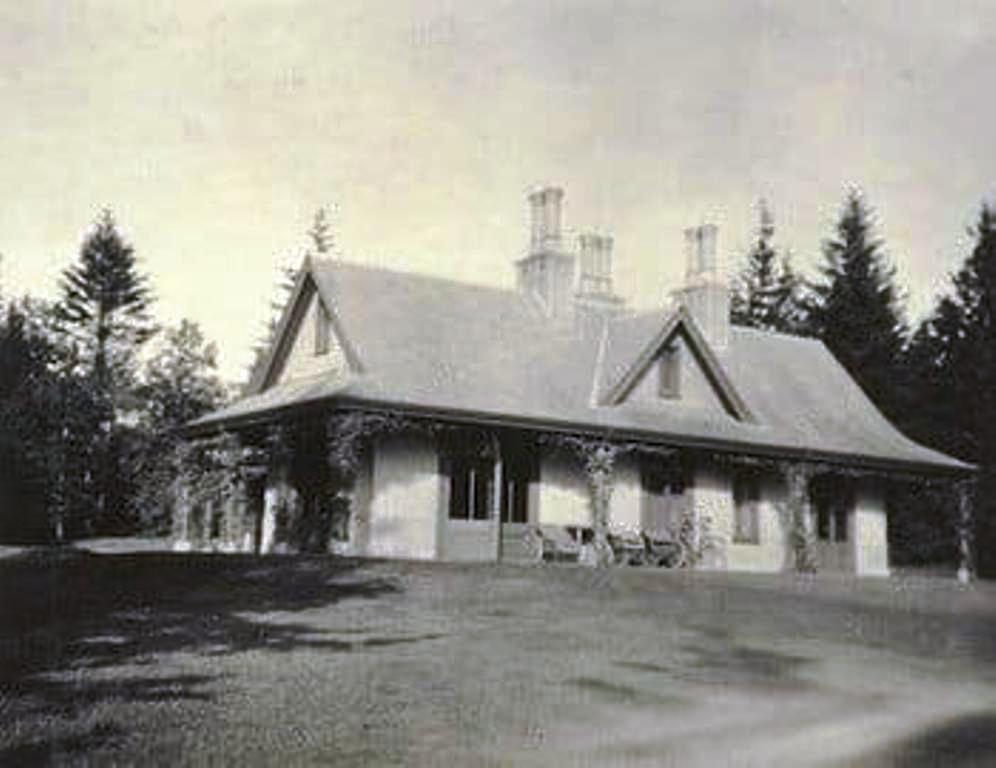
PHOTO: the Garden Cottage at Balmoral (1913)

The Emperor dug a hole with his own hands, covered the roots of the tree with earth and watered the pine tree. Since Balmoral has been carefully maintained and preserved over the years, it is safe to say that the pines more than likely have survived to the present day. There are no special plaques on the trunks, but the Queen wrote in her diary that Nicholas and Alexandra planted pine trees “not far from the Garden Cottage.”

© Paul Gilbert. 24 March 2025

Nicholas II memorial plaque unveiled in Sestroretsk

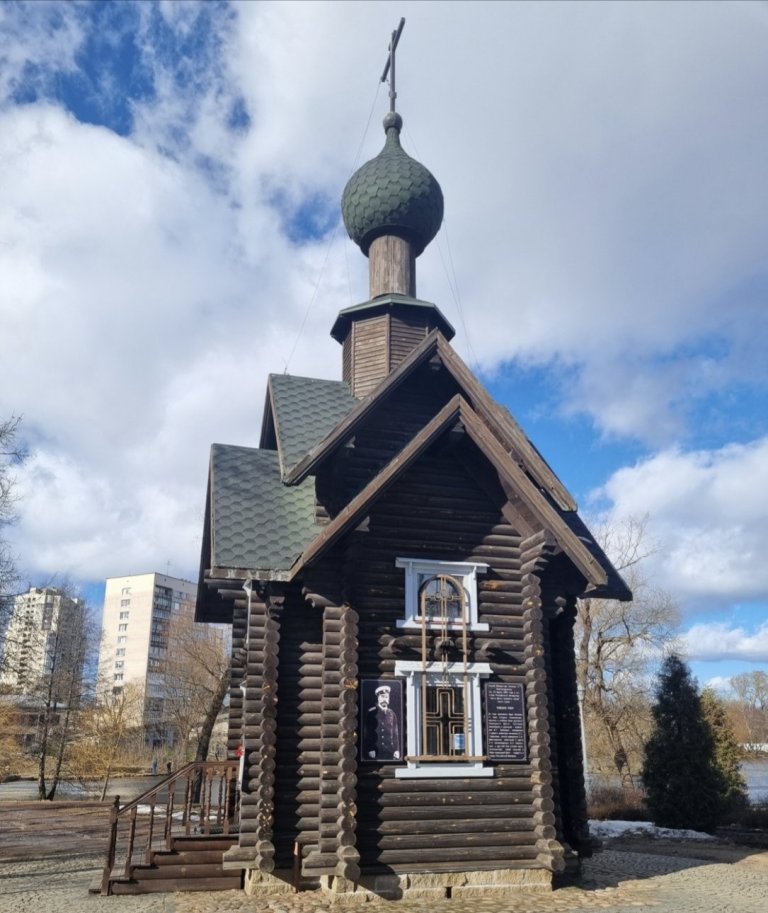
PHOTO: memorial plaque installed on the wall of the Chapel of St. Nicholas the Wonderworker in Sestroretsk, dedicated to Nicholas II, founder of the Russian submarine fleet

On 19th March 2025, on the day marking ‘The Day of the Submariner’ in the Russian Federation, two memorial plaques were installed on the walls of the Chapel of St. Nicholas the Wonderworker in Sestroretsk. The first IS a portrait depicting the Holy Emperor Nicholas II, the founder of the Russian submarine fleet.

The second features a text about the event of 19th March (O.S. 6th March) 1906, when by decree of Emperor Nicholas II, a new class of warship was created in the Imperial Russian Navy – a submarine fleet, which consisted of 10 submarines.

The chapel is located on the grounds of the Church of the Holy Apostles Peter and Paul. Situated on the shore of Lake Razliv, near St. Petersburg it is the birthplace of the submarine in Imperial Russia. It was here, in the presence of Emperor Peter I, that the first test of the “secret vessel” of the inventor of Russia’s first submarine Efim Prokopyevich Nikonov took place. Since 2001, it has been recognized as the spiritual and historical ensemble in honour of the Russian submarine fleet.

PHOTO: the Chapel of St. Nicholas the Wonderworker in Sestroretsk

The dean of the Kurortny District, the rector of the church, Archpriest Mikhail Petropavlovsky, served a Divine Liturgy in honour of all generations of submariners. Bells rang in memory of the Russian sailors who died while serving on submarines. A panikhida [prayer for the dead] was then served at the wall of memory inscribed with the names of all the sunken submarines and the names of the submarine heroes.

“As long as the Lord grants us life, we must lift up prayers of thanksgiving for the living and pray for those who died at sea – many of them have no graves, no relatives are alive, some are completely forgotten, but with God everyone is alive,” said Father Michael.

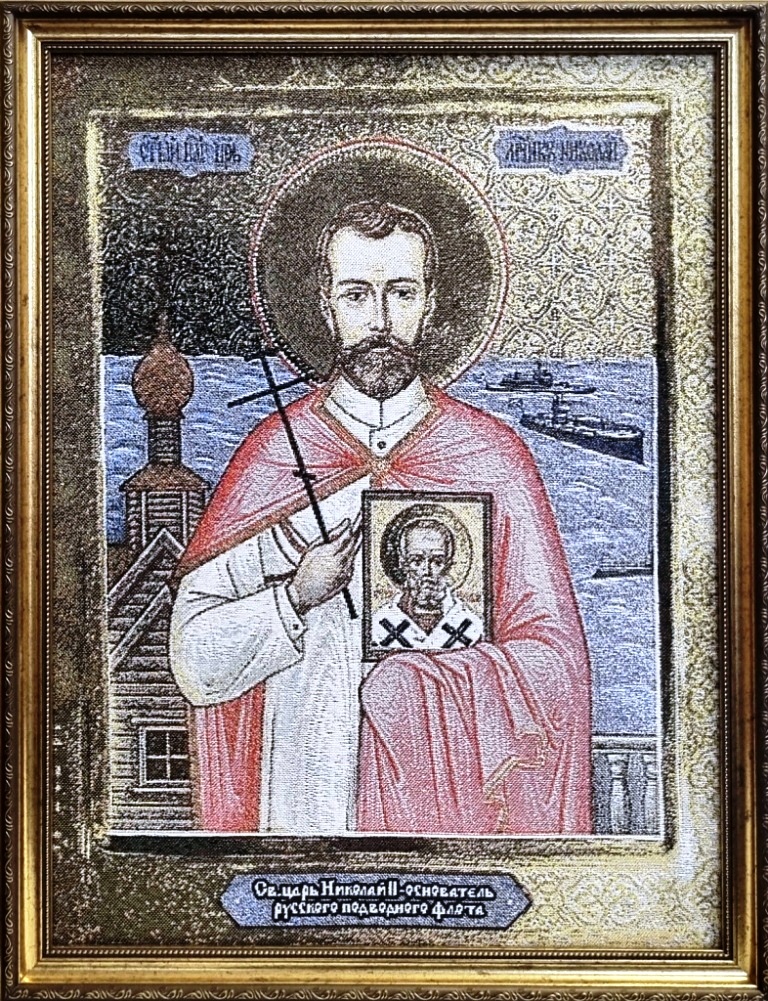
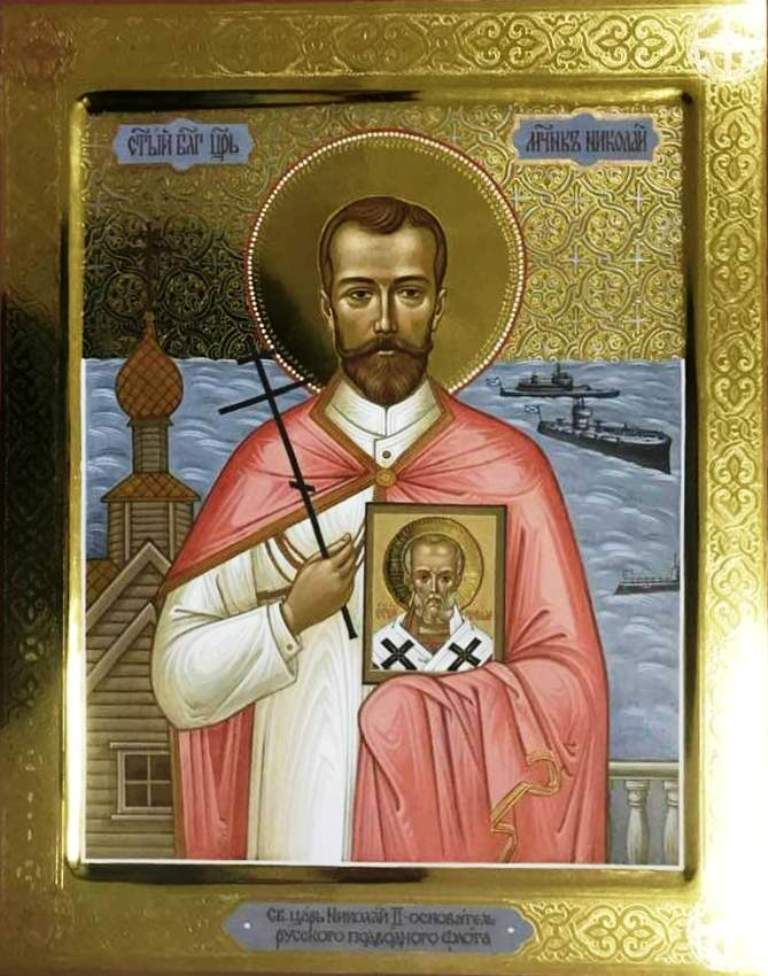
PHOTO: modern-day icon painted in St. Petersburg, by order of modern day submariners of the Russian Federation

The plaque installed on the wall of the Chapel of St. Nicholas the Wonderworker in Sestroretsk is based on the icon depicted in the above photo. It was painted in St. Petersburg, by order of modern day submariners of the Russian Federation.

Up until the October Revolution of 1917, ‘The Day of the Submariner’ was celebrated in Russia as a professional holiday, but abolished during the Soviet years. The holiday was revived almost eight decades later, in 1996, by order of the Commander-in-Chief of the Navy, Admiral of the Fleet Felix Gromov. Since then ‘The Day of the Submariner’ is once again celebrated on 19th March, by military personnel, veterans and civilian personnel of the submarine forces of the Navy of the Russian Federation.

© Paul Gilbert. 23 March 2025

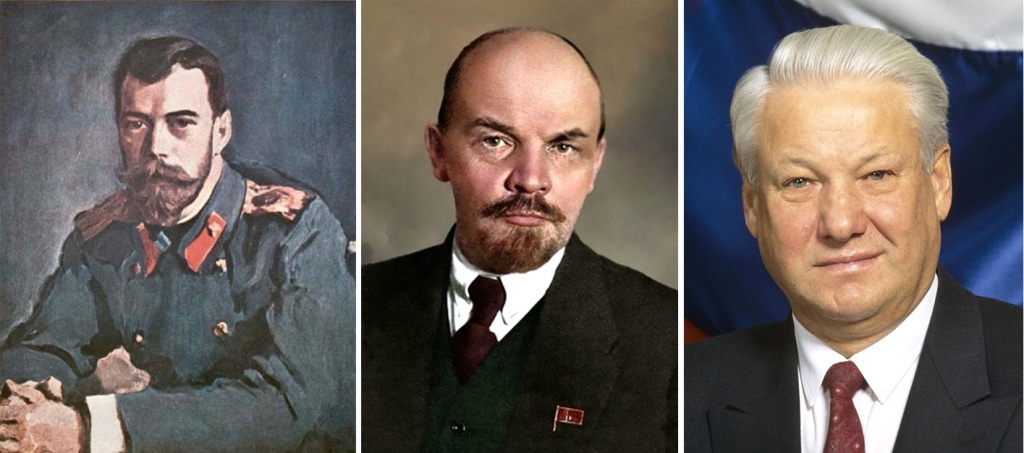
A joint monument to Nicholas II, Lenin and Yeltsin to be erected in Russia

PHOTO: Emperor Nicholas II, Bolshevik leader Vladimir Lenin
and Russian president Boris Yeltsin

This year – 2025 – marks the 155th anniversary of the birth of Vladimir Lenin, the 35th anniversary of the election of Boris Yeltsin as Chairman of the Supreme Soviet of the RSFSR and the 25th anniversary of the glorification of Tsar Nicholas II as a saint. In recognition of these three historical figures a joint monument entitled “The Great Three” will be erected in St. Petersburg.

The sculptors will create a bronze monument depicting the life-size figures of Nicholas II, Lenin and Yeltsin, which will be installed on the coast of the Gulf of Finland, opposite the flags of the Russian Empire, the USSR and the Russian Federation. They will be depicted holding each other by the shoulders and proudly looking towards the state symbols of the three eras.

The installation of the monument is supported by the Ministry of Culture, the Communist Party of the Russian Federation, the Russian Orthodox Church and the Yeltsin Center in Ekaterinburg. It is their hope that the monument will contribute to reconciliation in society and will become a symbol of the continuity of Russia’s national history.

Reconciliation is a noble ideal but Lenin’s hand on the last Tsar’s shoulder is somewhat disturbing. One simply cannot “reconcile” with the man who ordered the murder of Nicholas II and his family. The very idea of a monument depicting the Bolshevik leader standing next to the Tsar, with his hand on the Tsar’s shoulder is simply wrong!

The date and location of the installation of “The Great Three” monument has yet to be announced.

© Paul Gilbert. 20 March 2025

NEW BOOK – Of Princes and Palaces: A Romanov Miscellany

*This title is available from AMAZON in the USA, UK, Canada, Australia,
France, Germany, Spain, Italy, Netherlands, Poland, Sweden and Japan

CLICK HERE TO ORDER THE PAPERBACK EDITION @ $20.00 USD

English. 154 pages, with 46 black and white photos

British author and Romanov historian Coryne Hall presents a miscellany of essays on the Romanov’s and their palaces in five chapters with illustrations.

Learn about the life of Grand Duchess Anna Pavlovna the daughter of Emperor Paul I, who became Queen of the Netherlands; explore the history and fate of the Imperial Hunting Palaces at Bialowieza and Spala in Poland; read about the life of Grand Duchess Tatiana Konstantinovna, the first daughter of Grand Duke Konstantin Konstantinovich, who took the veil as Mother Tamara, in Switzerland in 1946; the last chapter explores Russia’s relationship with the Kingdom of Siam, King Chulalongkorn, and his son Prince Chakrabongse who who was enrolled in the Corps des Pages in St. Petersburg.

Illustrated with 46 black and white photographs

***

Other Books by Coryne Hall

CLICK on the LINK(S) BELOW FOR DETAILS ABOUT EACH TITLE

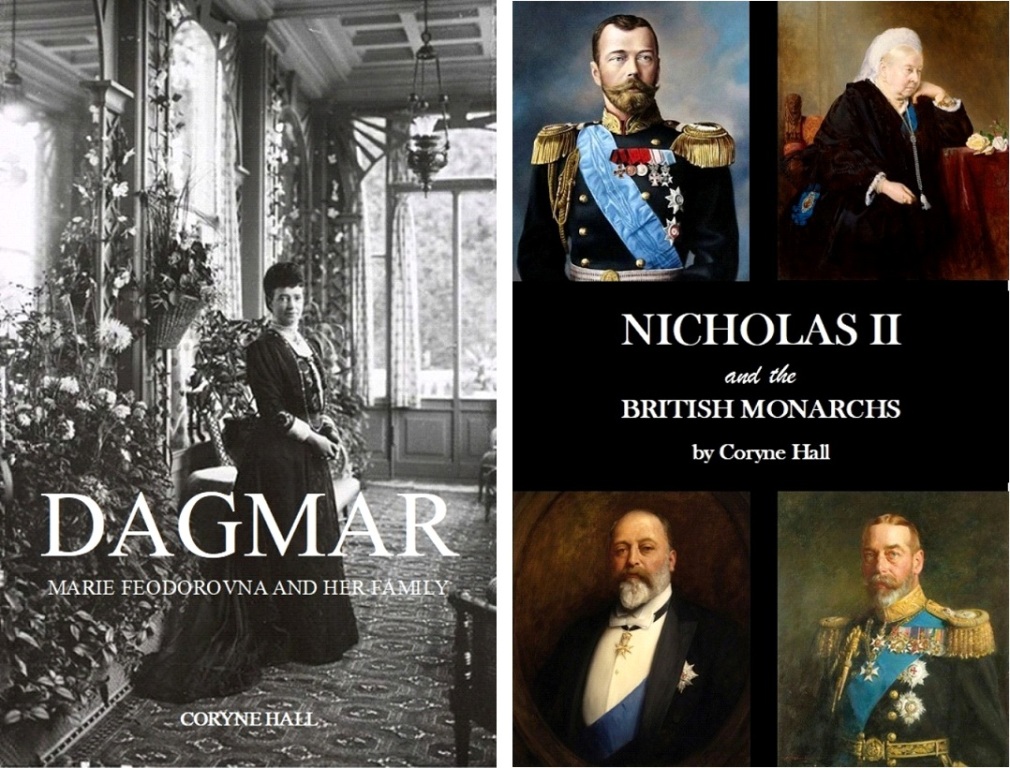
Dagmar: Marie Feodorovna and Her Family (2024)

Nicholas II and the British Monarchs (2023)

***

About the author

Coryne Hall is an historian, broadcaster and consultant specialising in the Romanovs and British and European royalty. She was born in Ealing, West London and developed a fascination for Imperial Russia in childhood when she learnt that her great-grandmother was born in St Petersburg, an almost exact contemporary of Nicholas II.

The author of ten books, she is a regular contributor to Majesty MagazineThe European Royal History Journal, Royal Russia, Sovereign and Royalty Digest Quarterly. She acted as consultant on the Danish television documentaries “A Royal Family” and “The Royal Jewels.”

Coryne has lectured at royalty conferences in England, Denmark, Russia and America. Her media appearances include Woman’s Hour, BBC South Today, the documentaries Russia’s Lost Princesses and 13 Moments of Fate, live coverage of Charles and Camilla’s wedding for Canadian television and co-hosting live coverage of Prince William’s wedding alongside John Moore for Newstalk 1010, Canada. She was also the last person to have a private audience with Queen Elizabeth The Queen Mother. She lives in Hampshire.

Coryne is the author of Little Mother of Russia and assisted Princess Olga Andreevna Romanoff in the writing of Princess Olga, A Wild and Barefoot Romanov. Her next book From Romanov to Windsor: King Charles III’s Romanov Blood is scheduled for publication in August 2025.

© Paul Gilbert. 15 March 2025

Nicholas II’s grave near Ekaterinburg under threat

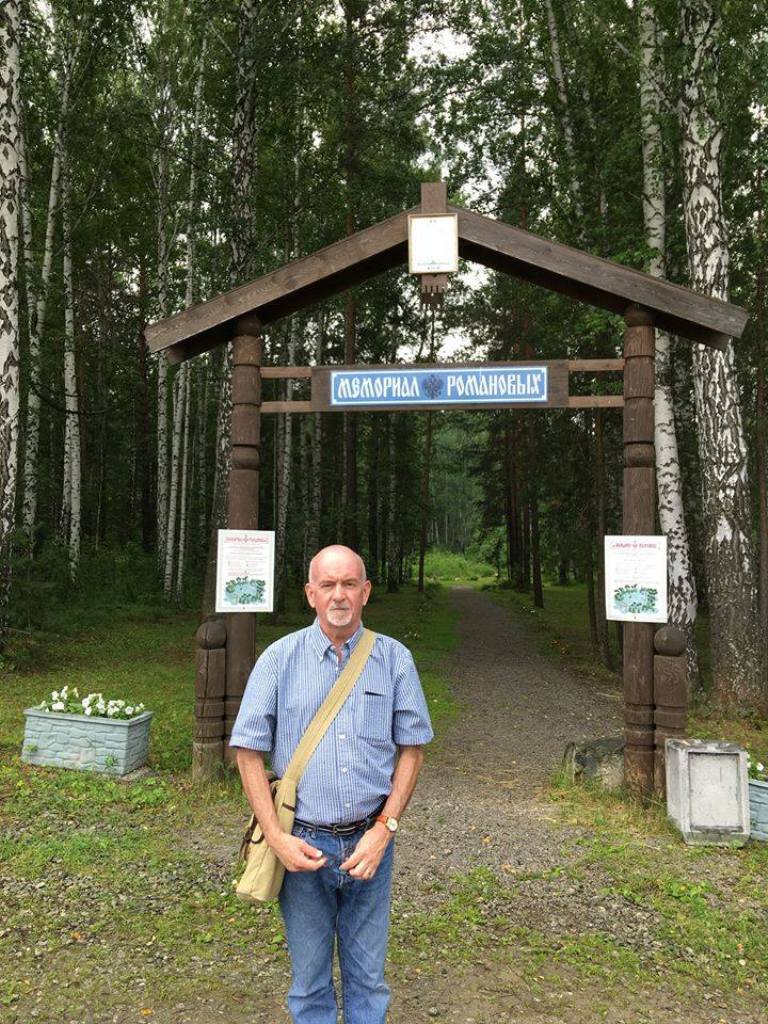
PHOTO: Paul Gilbert standing at the entrance to the Romanov Memorial in July 2018

On 10th March 2025, the head of the Ekaterinburg based Romanov Memorial Charitable Foundation Ilya Korovin, issued a press release expressing concern that the grave of Nicholas II, his family and four faithful retainers at Porosenkov Log is now under threat of development by the Russian Orthodox Church (ROC).

According to Kovovin, the Russian Orthodox Church will soon recognize the Ekaterinburg remains as those of the Imperial Family, and that such an announcement may very well threaten the Romanov Memorial at Porosenkov Log.

“If the Bishop’s Council of the ROC agree with the authenticity of the remains, then a serious question will arise about the fate of the Romanov Memorial,” said Kovovin. “This area has been preserved in its original form since 1918. It is the only place associated with Russia’s last Tsar in Ekaterinburg, which has survived to this day unchanged,” he added.

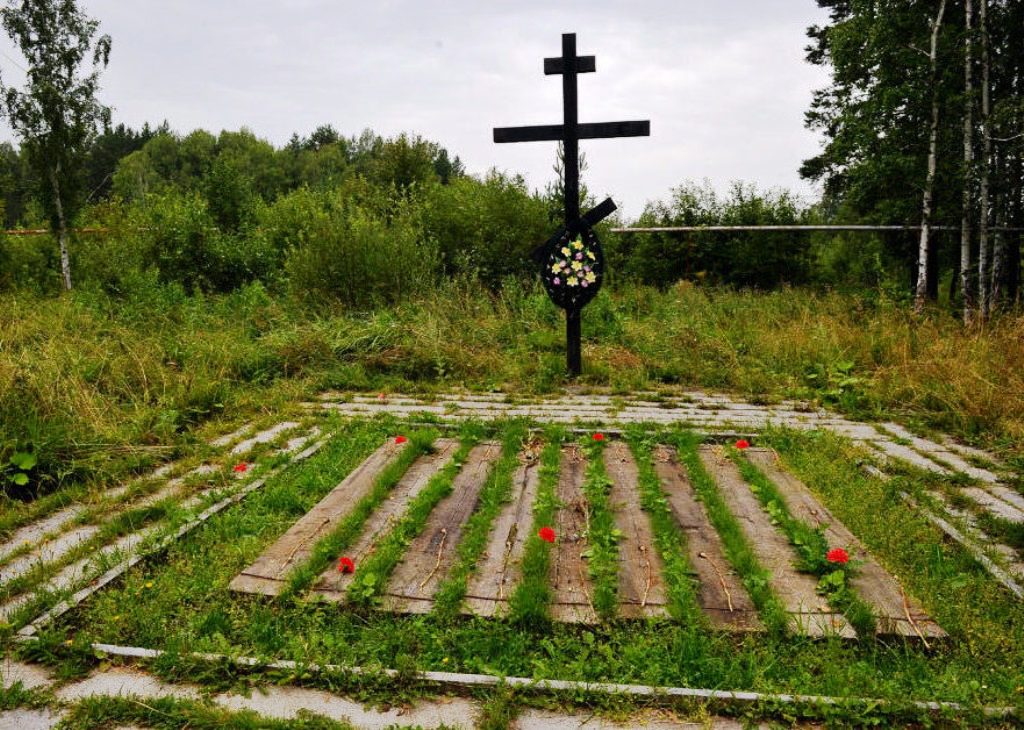
PHOTO: an Orthodox cross marks the place where Nicholas II, Alexandra Feodorovna, three of their children: Olga, Tatiana, Anastasia and their four faithful retainers were reburied by the regicides in July 1918. The remains of Alexei and Maria were buried in a second grave nearby.

Recall that it was at Porosenkov Log that the regicides buried the remains of the Imperial Family the day after they attempted to destroy their bodies at the Four Brothers Mine at Ganina Yama, situated 3.8 km [2.4 miles] down the road. The remains were initially discovered in June 1979 by Geliy Trofimovich Ryabov (1932-2015) and Alexander Nikolaevich Avdonin (born 1932). On 16th July 1999, the Romanov Memorial was opened on the site of the graves.

The land in and around the Romanov Memorial has been the subject of debate between Korovin and the ROC since 2021, after the Ekaterinburg Diocese requested the transfer of the land by the Sverdlovsk Region. The illegal drilling of wells was subsequently carried out, despite the fact that Porosenkov Log was recognized as an object of cultural heritage in 2014. 

In September 2024, the Department of State Protection of Cultural Heritage Sites (UGOOKN) excluded the Romanov Memorial from the list of protected monuments, which raises concerns for Torovin, who is now challenging the decision in court.

It is no longer a question of “if” but “when” the ROC recognizes the Ekaterinburg remains as those of the Imperial Family [the decision rests with the Bishops Council of the Russian Orthodox Church]. The church’s interest in the land in and around the Romanov Memorial may confirm their plans to construct another monastery – similar to that at Ganina Yama – or memorial church to glorify the Holy Royal Martyrs at Porosenkov Log. The Ekaterinburg Diocese has refused to comment on any possible development.

***

FURTHER READING:

ROC preparing to build memorial church at Porosenkov Log by Paul Gilbert 4th March 2023

The fate of Porosenkov Log and Ganina Yama by Paul Gilbert, 14th February 2022

104 years on, Orthodox Church still split over murdered tsar’s remains by Paul Gilbert 6th April 2021

Will the Bishops Council’s decision on the Ekaterinburg Remains cause a schism within the ROC? by Paul Gilbert, 20th September 2021

30th anniversary of the exhumation of the remains of Nicholas II and his family by Paul Gilbert, 7th July 2021

Bones of Contention: The Russian Orthodox Church and the Ekaterinburg Remains by Paul Gilbert, 23rd November 2021

© Paul Gilbert. 14 March 2025

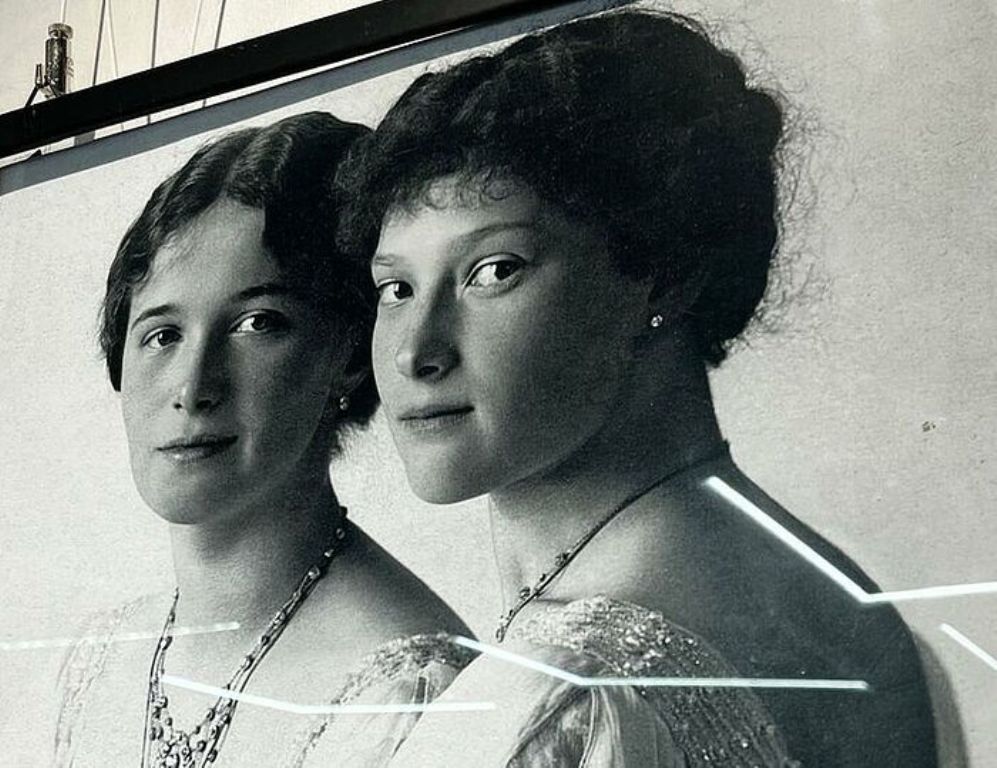
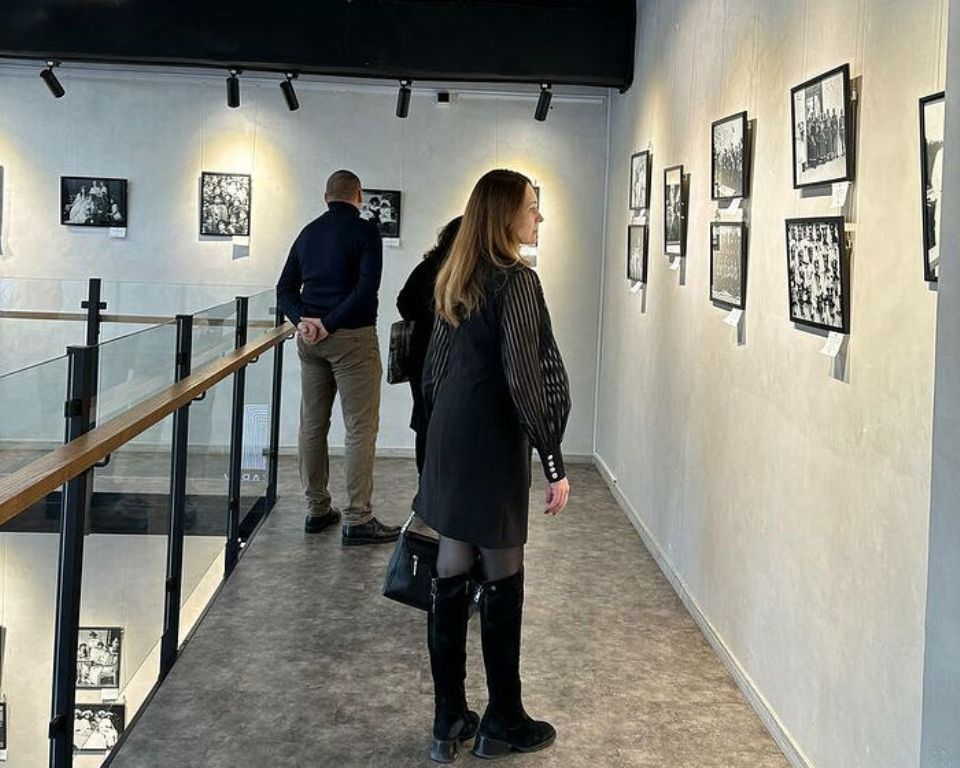
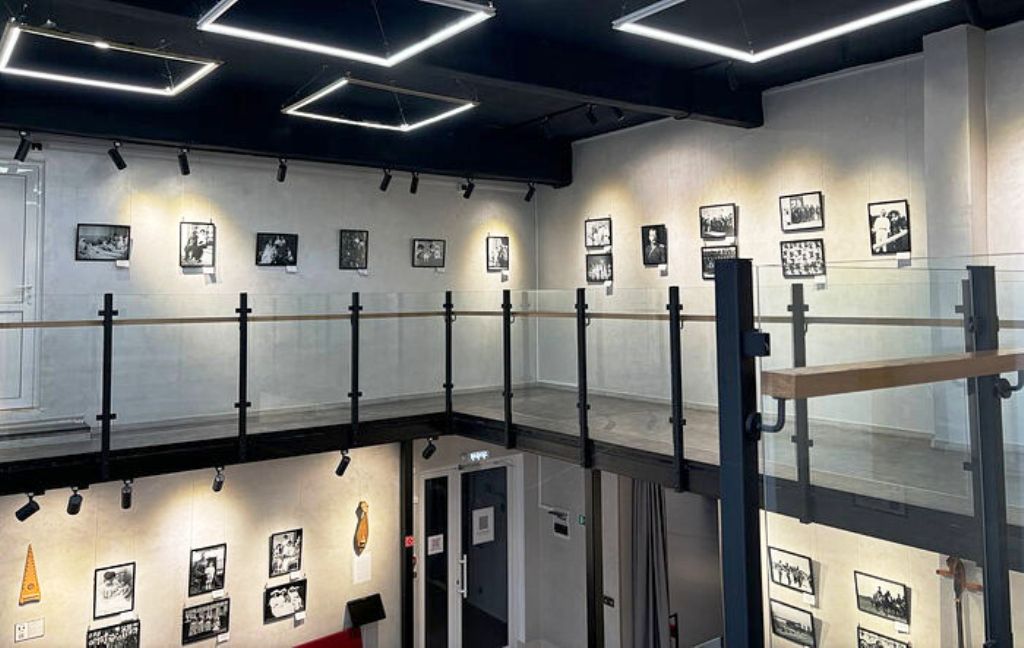
Blagoveshchensk hosts photo-exhibit dedicated to the Imperial Family

On 24th February 2025, The Tsar’s Family. Love and Mercy photo-exhibition, dedicated to Emperor Nicholas II and his family opened in the city of Blagoveshchensk, situated in the Amur region of Siberia, near the Chinese border. The exhibition runs until 6th April 2025 at the Pushkarev Art Gallery.

The exhibition presents more than 100 vintage photographs which tell about the close relationship within the family of the last Russian emperor. The photographs reflect many aspects of the life of the Tsar’s family during the late 19th and early 20th centuries, including the upbringing of the children, and the warm and loving relationship, which they shared with both their parents and each other.

In addition, the photo exhibition also shows the Tsar’s Family’s dedication to acts of charity and their service to the Fatherland, and a wonderful example of Russian family traditions and unshakable piety and spiritual values.

The exhibition has been held in various formats and in many Russian cities: Moscow, Voronezh, Kursk, Ryazan, Penza, Krasnodar, Belgorod, Velikiye Luki, Yalta, Livadia, Sevastopol, Novosibirsk, Lesosibirsk, Perm, Sayansk, Severomorsk, Pskov, Pavlovsk, Livadia, etc.

The photo project The Tsar’s Family: Love and Mercy was created in 2016 by the Sretensky Monastery in Moscow. The travelling exhibition has already been presented in Serbia, Germany, Italy, Canada, Argentina, New Zealand, South Africa, Romania, Croatia, Montenegro, Bosnia and Herzegovina, Macedonia, and the Czech Republic.

The Tsar’s Family. Love and Mercy photo-exhibition, runs until 6th April 2025 at the Pushkarev Art Gallery, Blagoveshchensk.

***

*As I have noted in previous posts, I support any initiative – big or small – to help keep the memory of Nicholas II and his family alive in 21st century Russia – PG

© Paul Gilbert. 13 March 2025

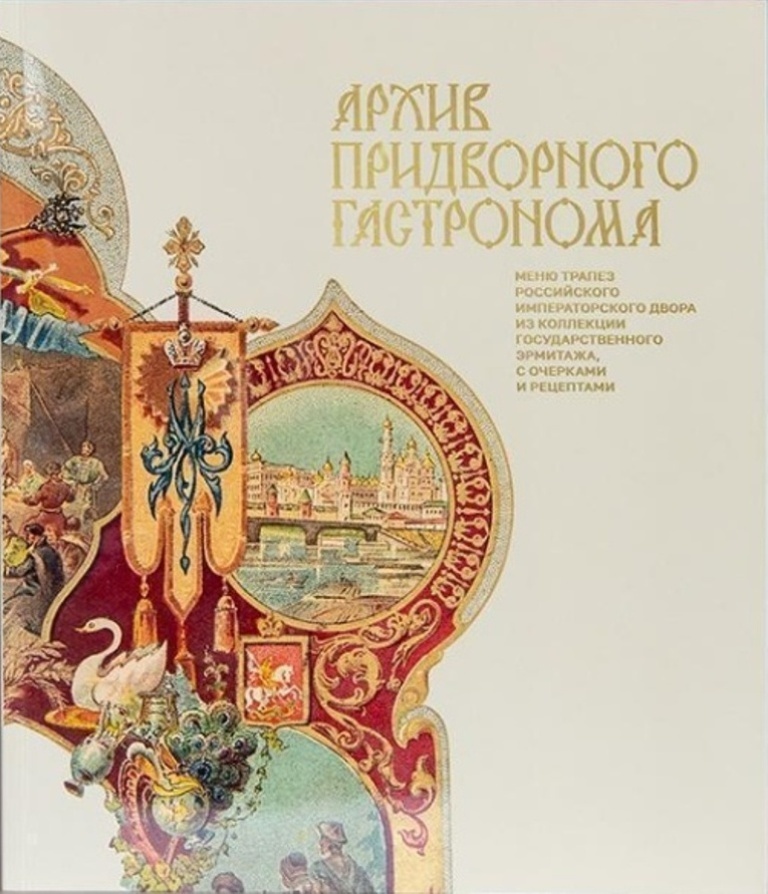
Court Gastronomist. Menus of the Imperial Court

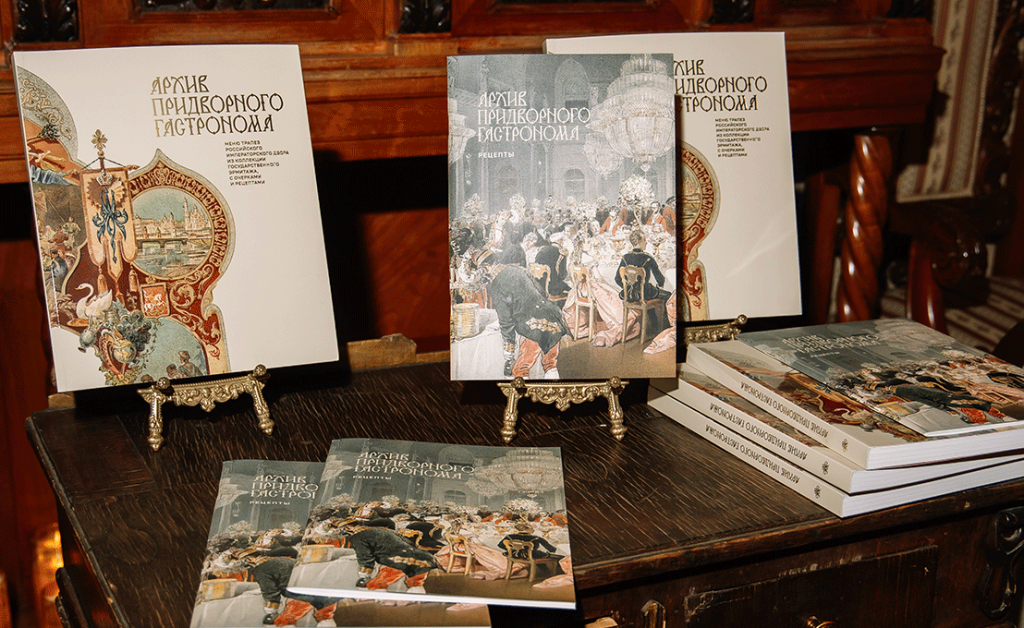
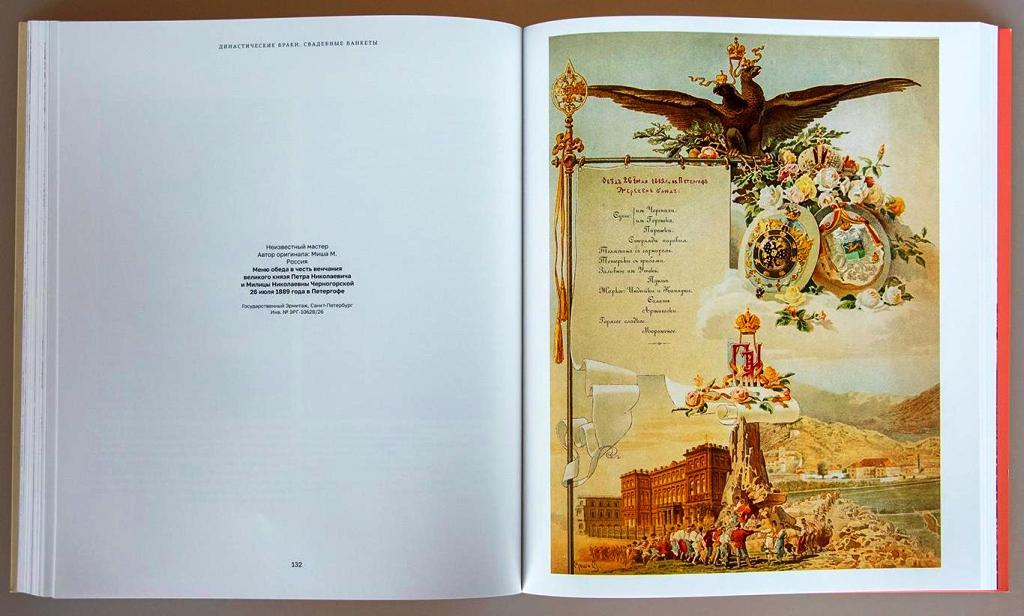
PHOTO: Архив придворного гастронома. Меню трапез российского императорского двора / The Archive of the Court Gastronome. Menus and Meals of the Russian Imperial Court and recipe supplement

NOTE: this post is for information purposes only. Due to the current Western economic sanctions against Russia, it is currently not possible to order this book from Russia. Nor do I know of any bookseller outside of Russia that offers this title for sale – PG

the State Hermitage Museum has issued a very interesting new book Архив придворного гастронома. Меню трапез российского императорского двора / The Archive of the Court Gastronome. Menus and Meals of the Russian Imperial Court. The publication of this book is a joint project of the State Hermitage Museum (St. Petersburg), the retail company Magnit and the Hermitage 21st Century Foundation.

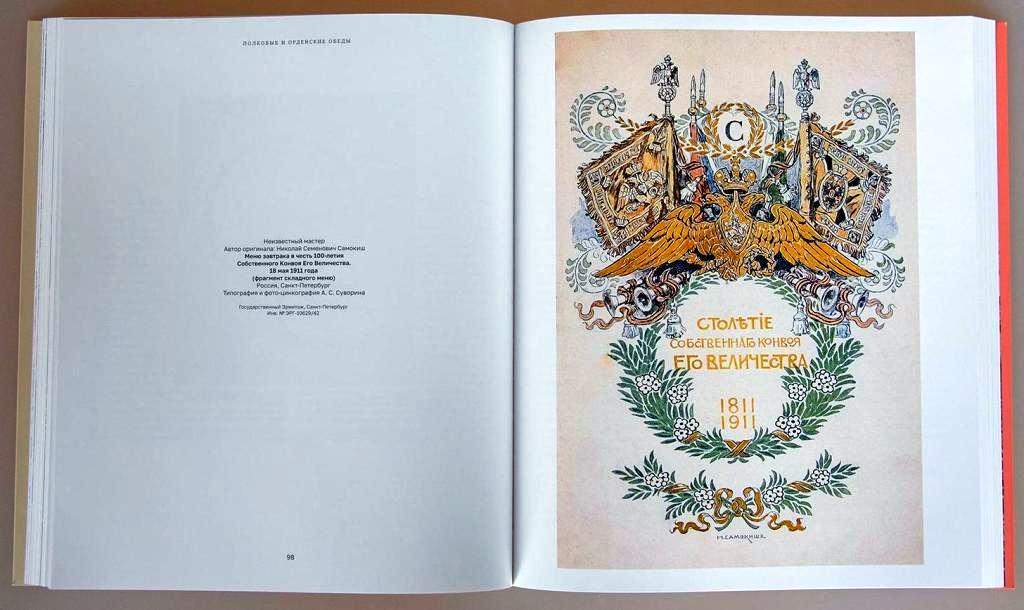
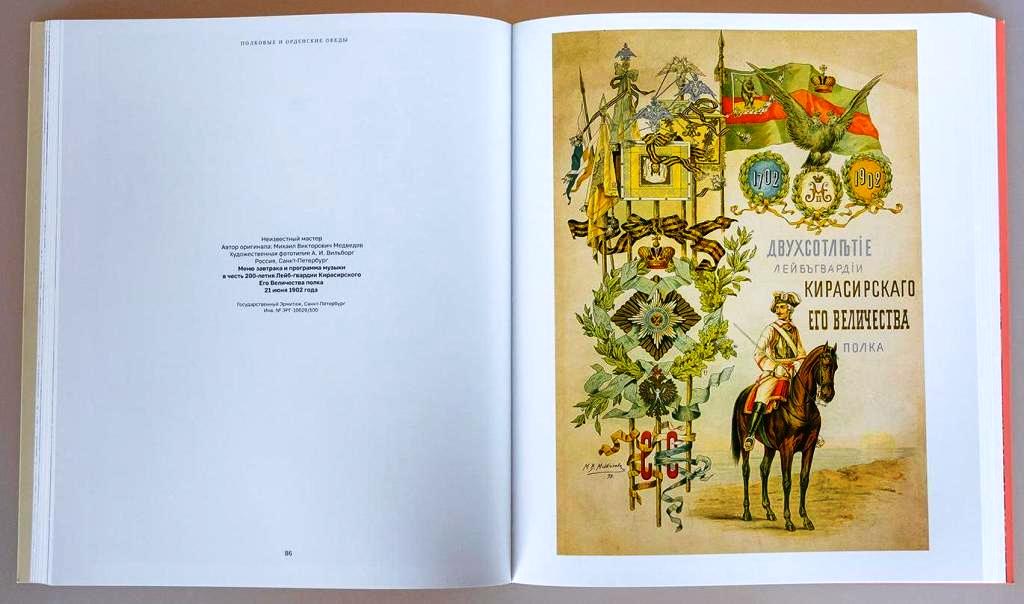
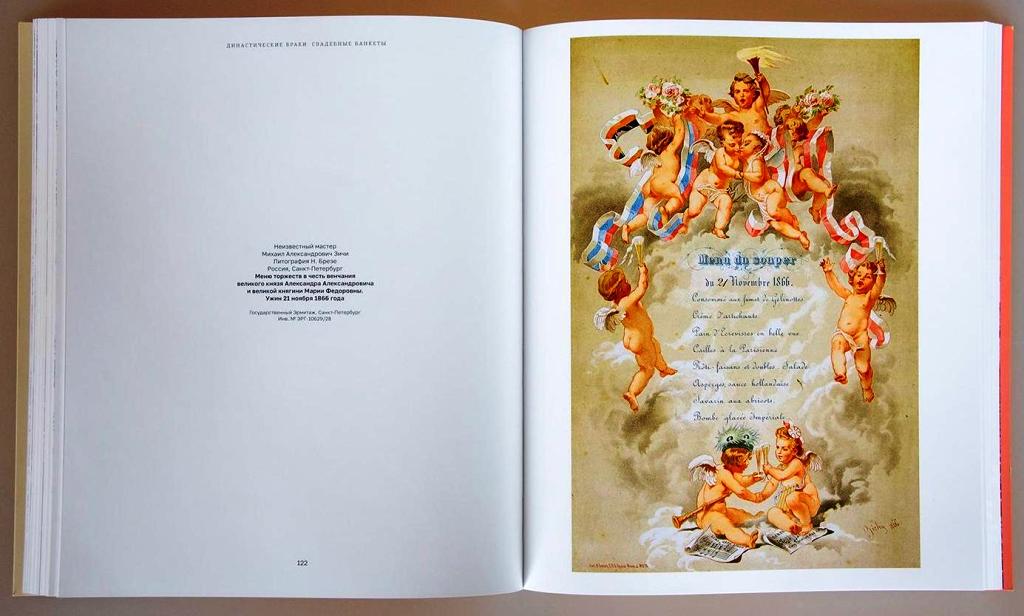
This title has been published in a limited edition printing of only 1,000 copies. It is only available in Russian, there is no English edition, nor is one planned. Below, are a small sampling of some of the beautiful menus of imperial banquets, created by outstanding Russian artists: Viktor Vasnetsov (1848-1926), Ivan Bilibin (1876-1942) and others.

The book contains several sections: coronation celebrations and major Russian holidays, regimental and order dinners, diplomatic receptions, wedding banquets, Orthodox feasts, hunting meals, yacht dinners. Each section contains a detailed description of the historical era and celebrations with colourful menus and illustrations.  

Leafing through the pages of the Archive of the Court Gastronome, readers will learn what privileged guests were served at the coronations of Emperors Alexander III and Nicholas II, how the tables were set for wedding celebrations of members of the Imperial Family, what was served during the gala dinner in honour of the 300th anniversary of the Romanov dynasty in 1913, as well attributes of meals served in the Imperial residences, hunting lodges, Imperial yachts and much more.

The authors of the book include: Yulia Vadimovna Sharovskaya – head of the Fine Art Sector of the State Hermitage’s Department of the History of Russian Culture; Irina Radikovna Bagdasarova – leading researcher in the Department of the History of Russian Culture.
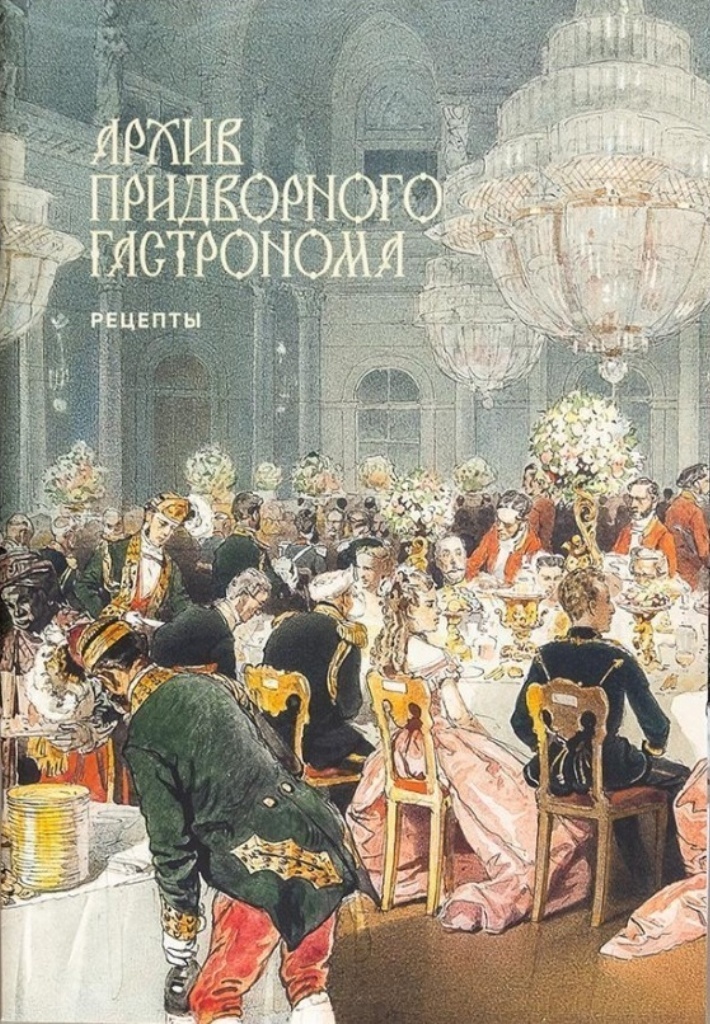
In addition, the publication has a special printed supplement with recipes. These are recipes which have been adapted to modern times, taken from pre-revolutionary cookbooks. The recipes were reproduced by the Gastronom.ru team in their own kitchens, using up-to-date ingredients and cooking methods.

Some of the recipes from this book can be found at the Gastronom.ru web site, as part of the Tsar’s Kitchen project. These recipes [in Russian only] provide an opportunity for food-lovers to taste some of the delicacies enjoyed by members of the Imperial Family and their guests more than a century ago.

© Paul Gilbert. 8 March 2025

30th anniversary of the return of the “Traitor Grand Duke” Kirill’s remains to Russia

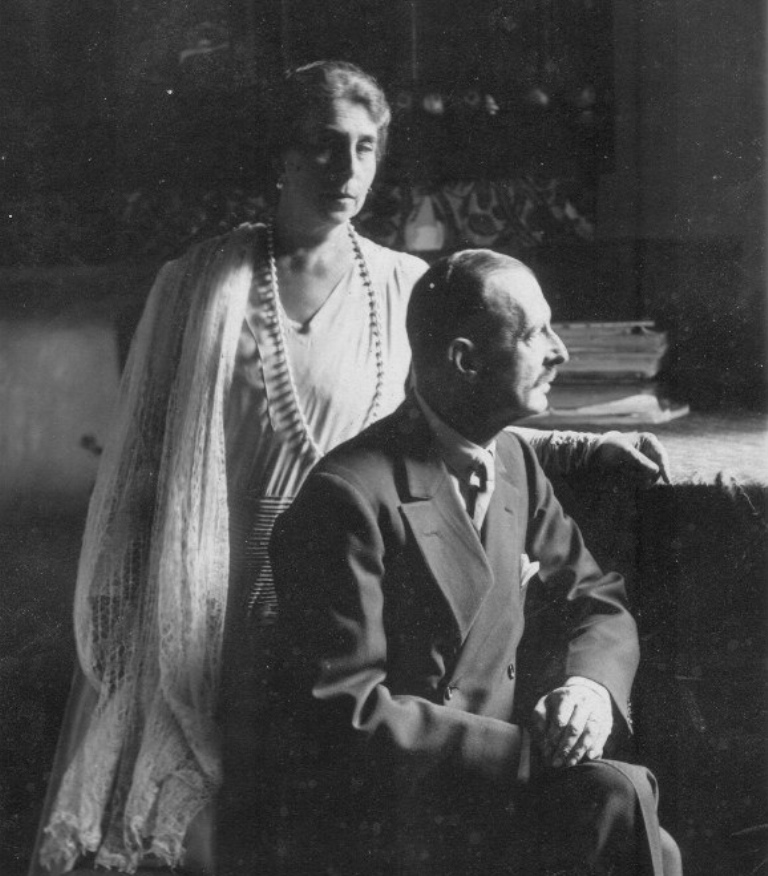
Grand Duke Kirill Vladimirovich and Grand Duchess Victoria Feodorovna. 1930.

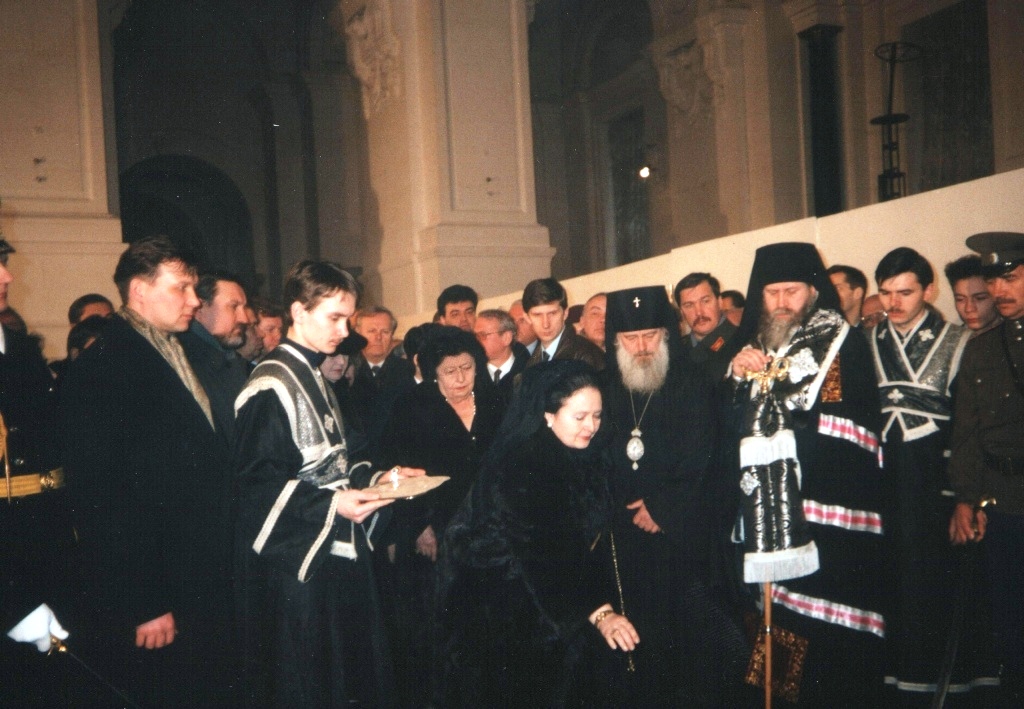
Today – 7th March 2025 – marks the 30th anniversary of the return of the remains of *Grand Duke Kirill Vladimirovich (1876-1938) and his wife *Grand Duchess Victoria Feodorovna (1876-1936) to Russia.

On 7th March 1995, the dying will of the traitor grand duke in exile – Kirill Vladimirovich and his wife Grand Duchess Victoria Feodorovna was fulfilled. Their remains, were exhumed from Coburg, Germany and transferred to St. Petersburg, where they were reinterred in the Grand Ducal Mausoleum of the Saints Peter and Paul Cathedral in the Peter and Paul Fortress.

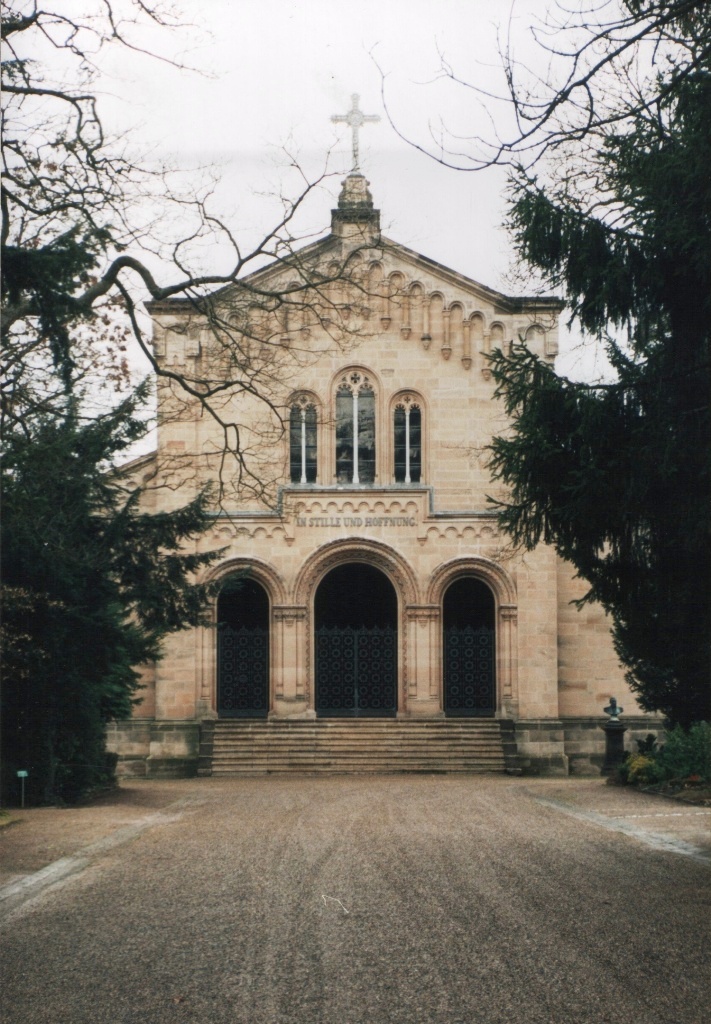
PHOTO: The Ducal Mausoleum, the burial place of members of the House of Saxe-Coburg-Gotha on the grounds of Glockenberg Cemetery in Coburg.

On 3rd March 1995, at 11:30 a.m., in the Tomb of the House of Saxe-Coburg and Gotha, in the presence of Princess Leonida Georgievna (1914-2010), the tombs of Kirill and Victoria were opened. After the removal of the tombstones, a niche with both coffins opened. Their outer plating had fallen into extreme disrepair and fell apart when touched. During the dismantling, metal crosses with lids and plates were found (one with the name, title and dates of the life of Victoria Feodorovna, and the other with the monogram of Kirill Vladimirovich). Then the inner coffins, in which the bodies rested, were brought to the surface. The remains of Victoria Feodorovna were the first to be examined. Her skeletonized remains were preserved in the same position in which the deceased had been laid in the coffin.
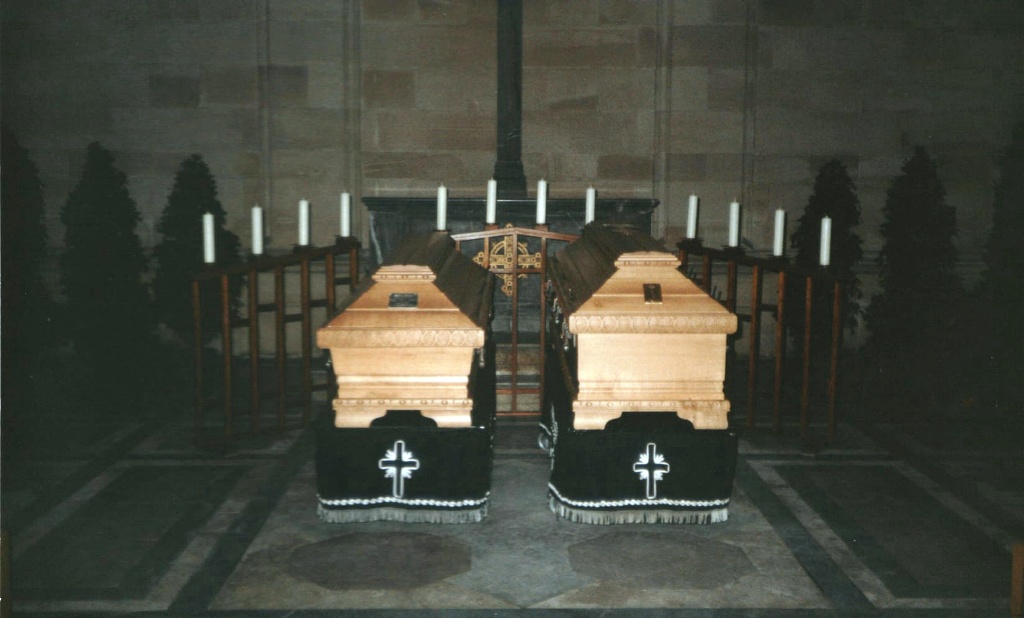
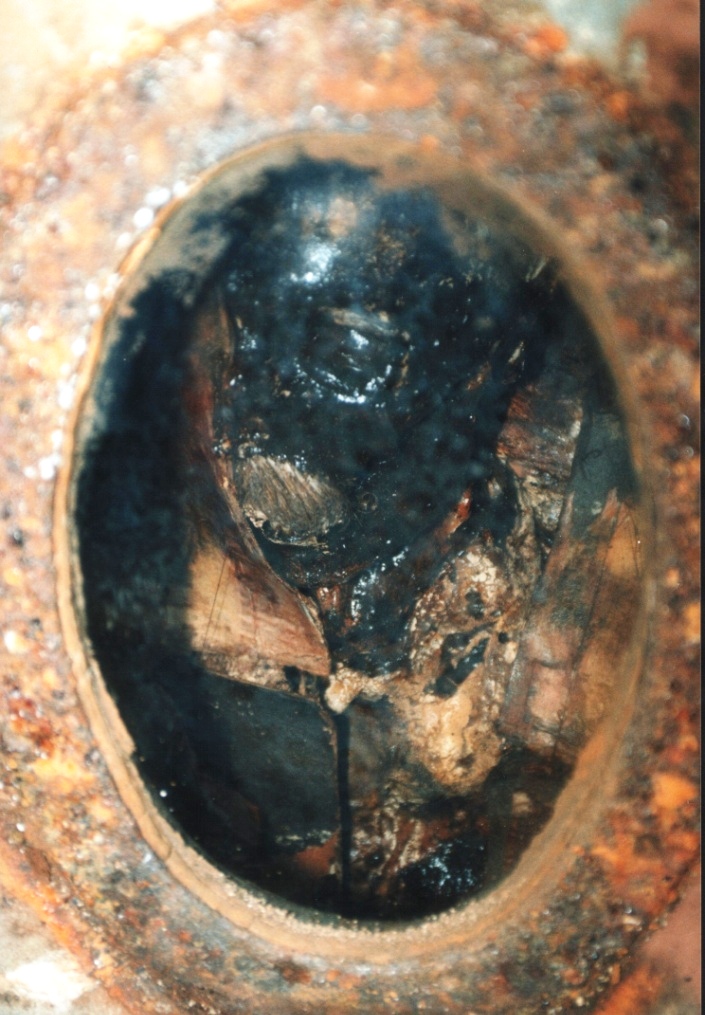
PHOTO: The coffins of Grand Duke Kirill I Vladimirovich and Grand Duchess Victoria Feodorovna before being transferred from Coburg to St. Petersburg.

After the transfer of the remains of Victoria Feodorovna to a new coffin, the exhumation of the body of her husband took place. The coffin of Kirill Vladimirovich had a glass window through which it was possible to see the face of the deceased. Looking through this window in 1995, those present at the exhumation were shocked: the decayed face of the grand duke was revealed. Its features had not changed much 57 years after his funeral in 1938.

PHOTO: a rather morbid photo depicting the decayed body of Grand Duke Kirill Vladimirovich in his coffin, taken in the Tomb of the House of Saxe-Coburg and Gotha during the exhumation, 3rd March 1995.

When the remains of Kirill and Victoria were placed in new coffins, Archbishop Feofan (Galinsky) of Berlin and Germany served a pannikhida [a liturgical solemn service for the repose of the deceased]. Finally, the lids are closed, the coffins are sealed and covered with national flags. After a heartfelt farewell to Vladyka Feofan, Princess Leonida Georgievna departed Coburg to escort the coffins to Russia on the ship Anna Karenina.

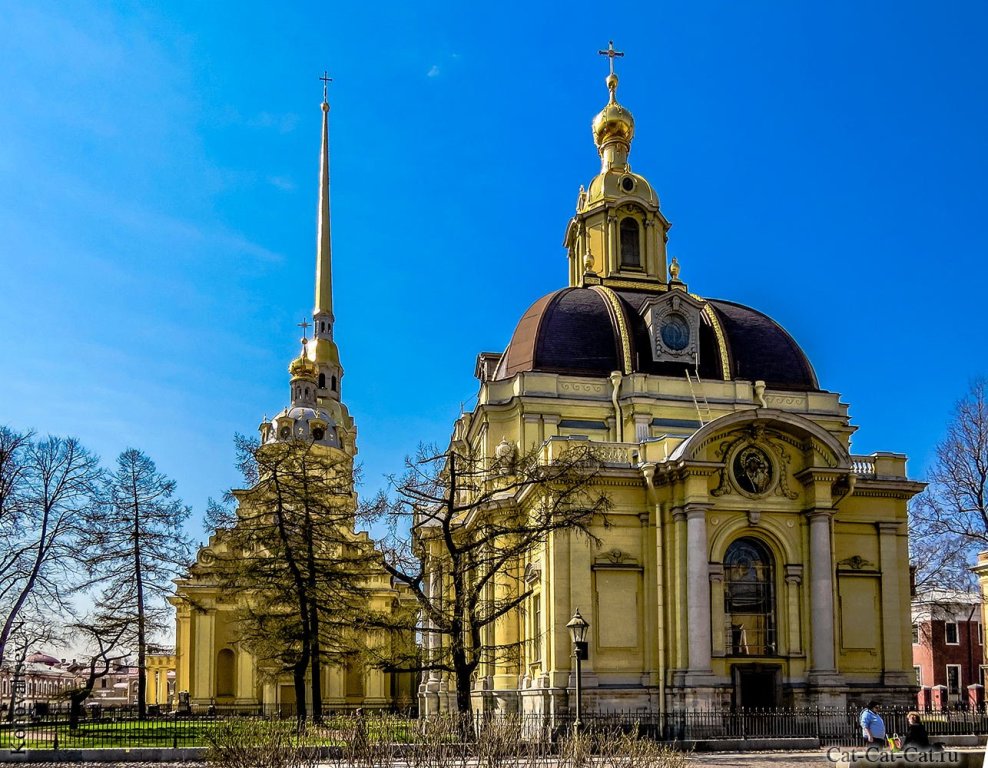
PHOTO: view of the Grand Ducal Mausoleum of the SS Peter and Paul Cathedral in the Peter and Paul Fortress, St. Petersburg, where Kirill and Victoria’s remains were reinterred in March 1995.

On 6th March, the first day of Great Lent, the Spanish-born Princess Maria Vladimirovna, arrived in St. Petersburg by plane with her son, Prince George Mikhailovich-Hohenzollern. The next day, early in the morning, the Anna Karenina arrived. From the port, the cortege proceeded to the Peter and Paul Fortress, where the coffins were carried into the Saints Peter and Paul Cathedral.

The burial ceremony was scheduled for 12-00. After the arrival of the Leonida, Maria and George, the clergy, Mayor of St. Petersburg Anatoly Sobchak (1937-2000) and representatives of the administration of St. Petersburg, a pannikhida was held, which was served by Bishop Lev (Tserpitsky) of Novgorod Bishop Simon (Getya) of Tikhvin. At the end of the pannikhida, the coffins were lowered into pre-prepared niches with military honours.

PHOTO: Princess Maria Vladimirovna pays her last respects to her grandfather and grandmother, Grand Duke Kirill Vladimirovich and Grand Duchess Victoria Feodorovna. The Grand Ducal Tomb of the Peter and Paul Cathedral, St. Petersburg, 7th March 1995.

Temporary slabs were installed on the graves (later they were replaced by permanent marble ones) and wreaths were laid. The traitor Grand Duke and his wife found eternal repose next to their son Prince Vladimir Kirillovich (1917-1992).

It was Kirill’s daughter-in-law Princess Leonida, who arranged for Kirill and Victoria’s reinterment in St. Petersburg. It was only due to her vast wealth, left to her by her first husband Sumner Moore Kirby. (1895-1945), a wealthy American businessman, and one of the heirs to the F.W. Woolworth fortune. The cost of new coffins, transport to Russia, two tombs with marble slabs must have been staggering!

Given Kirill’s lack of a moral compass and his act of treason against his Sovereign in March 1917, it is this author’s belief that Kirill and Victoria’s remains should have never left in Coburg – PG

***

Under no pretext can we admit to the throne those whose ancestors belonged to parties involved in the 1917 revolution in one way or another. Nor can we admit those whose ancestors, who betrayed Tsar Nicholas II. Nor can we ignore those whose ancestors who openly supported the Nazis. Thus, without any reservations, the right to the succession to the throne of the Kirillovich branch should be excluded!

Any person who supports this branch of the Romanov dynasty, dishonours the memory of the murdered Holy Tsar Martyr Nicholas II.

© Paul Gilbert. 7 March 2025