The day Serbia’s ambassador spat in Lenin’s face

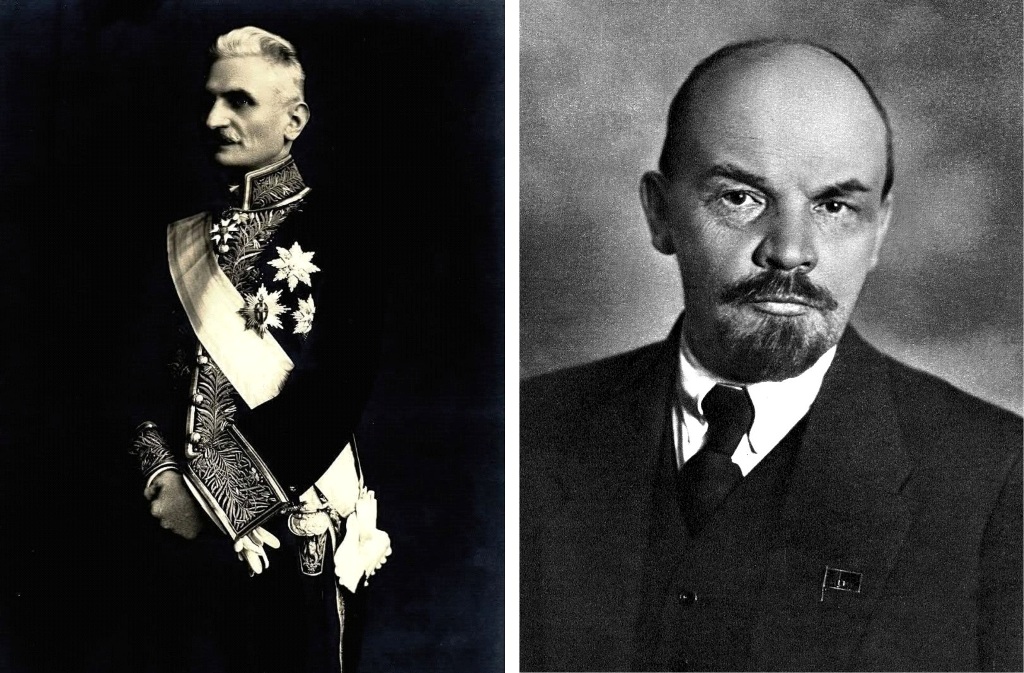
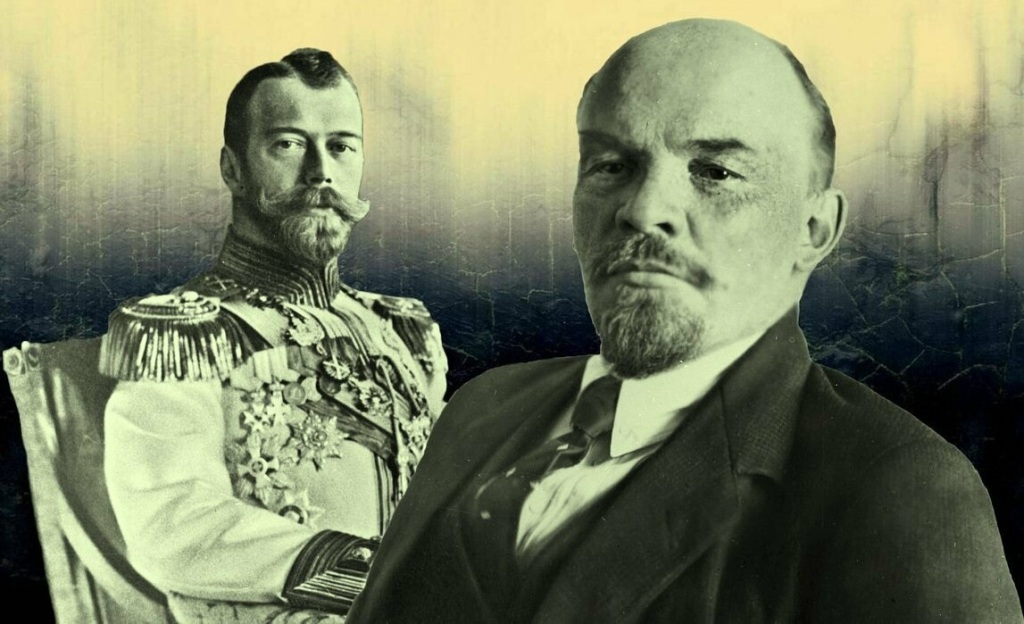
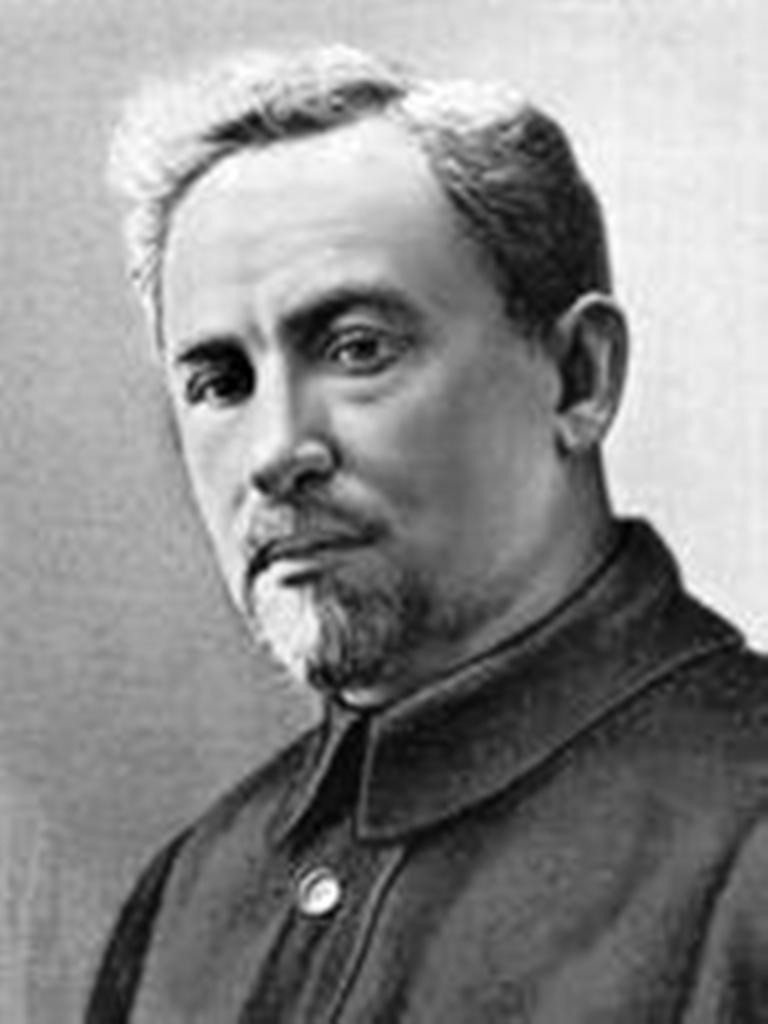
PHOTO: Serbian ambassador Miroslav Spalajković
and Bolshevik leader Vladimir Lenin

“He approached Lenin (1870-1924) and spat in his face,” said Prince Mikhail Grigorievich Trubetskoy (1873-1930) – regarding the incident of the Serbian ambassador Miroslav Ivanović Spalajković (1869-1951) with Lenin at a reception held in July 1918.

“Here I want to cite one fact, very interesting,,” said Trubetskoyt, “it was following the October 1917 Revolution, all the foreign diplomats remained in Petrograd [St. Petersburg]. Spalajković, who served as Serbia’s ambassador to Russia (1913-1919), also remained in Petrograd.

It was towards the end of July 1918, rumours began to circulate in Russia about the execution of the Imperial Family in Ekaterinburg.

Lenin periodically hosted receptions to which the foreign diplomats were invited. At the end of July, he arranged a small banquet. It was during this reception, that Lenin, said “despite the fact that Soviet power was now being pressed on all sides [by the Whites] from the north – by Yudenich, from the east by Kolchak, from the south by Denikin, that life was improving.”

He added that “at last, the capital was beginning to be swept and cleaned, new street lanterns were being installed, electric lighting was being improved, and a new shop had been opened for you, diplomats, where, I hope, you could buy absolutely anything.”

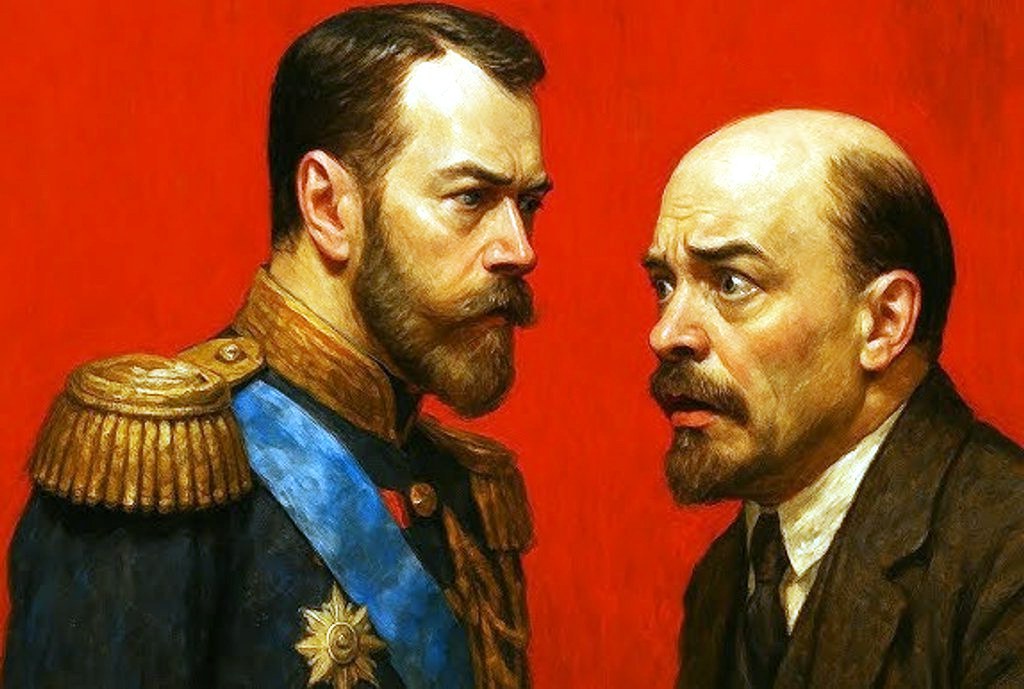
Lenin then stated: “Well, let’s go to the next room, where dinner has been prepared for you.” “Oh, yes,” Lenin suddenly recalled, “I had to tell you, but, in general, you all know this yourselves, that in view of the fact that Ekaterinburg was under attack by Kolchak’s army, we had to liquidate the the Tsar and his family. But you know very well about this, because rumours are circulating all over Petrograd and Moscow.”

Spalajković could not contain himself. He approached Lenin and spat in his face.… And silently with his secretaries, he left the hall, and the next day he left the Soviet Union, and returned to Belgrade.

“Discussion on this incident was immediately silenced,” said Trubetskoy. “The authorities concluded that Spalajković was mentally ill, an unrestrained and undoubtedly ill-mannered person. Despite this characterization, Spalajković was later a representative of the already large South Slavic state in Paris[1], where my father met him and asked if the incident with Lenin was true. Spalajković replied that he could not resist because he considered Lenin the greatest criminal of the century.”

To better understand the reasons behind Spalajković reaction towards Lenin. it is important to understand that for Serbians, Emperor Nicholas II is revered both as a saint and as a statesman, for his efforts in coming to Serbia’s aid during the First World War.

NOTES:

[1] In January 1919, a delegation from the Kingdom of Serbs, Croats, and Slovenes, better known as the Kingdom of SHS, arrived in Paris to seek recognition of its state at the international peace conference.

FURTHER READING:

Nicholas II through Serbian eyes + PHOTOS

“For us, Serbs, Nicholas II will be the greatest and most revered of all saints

Serbs honour Royal Martyrs with liturgy and procssion in Belgrade + VIDEO

© Paul Gilbert. 26 November 2025

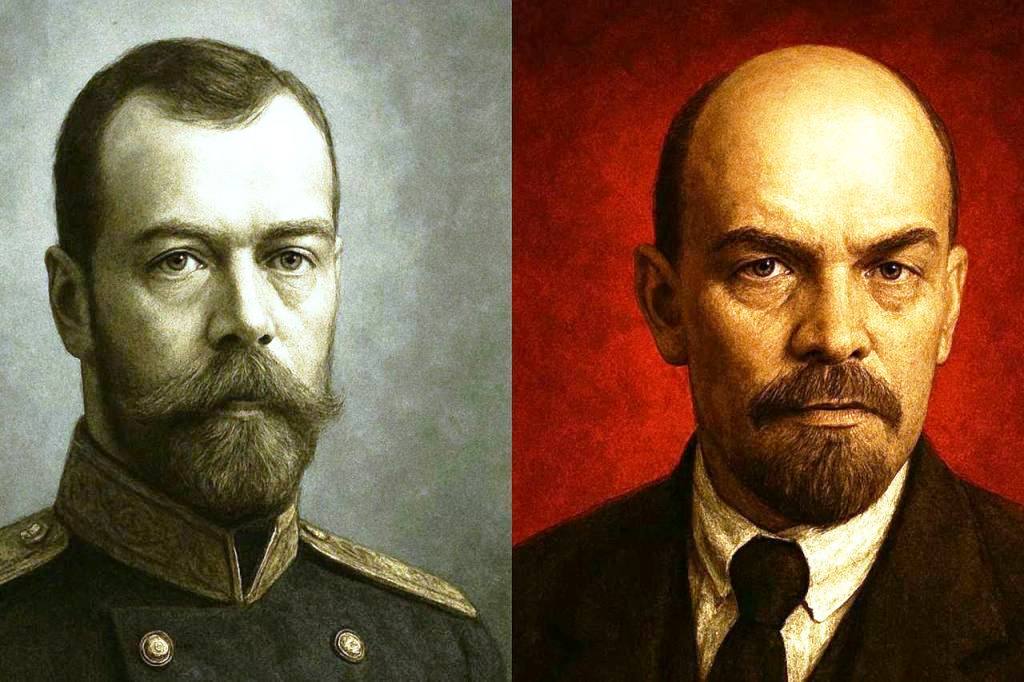
Nicholas II wanted reforms, Lenin wanted revolutions: who was right?

The question of whether Nicholas II was right with his desire for reform or Vladimir Lenin with his revolutionary ideology is at the heart of the debate about the fate of Russia in the early 20th century. Emperor Nicholas II, tried to modernize the country through gradual reforms, preserving its traditional foundations and monarchical system. Lenin, on the other hand, advocated a radical breakdown of the old order and the construction of a socialist society through revolution.

In this article, I argue that Nicholas II’s reform-based approach was more correct and patriotic, as he sought stability and prosperity for Russia, while Lenin’s revolutionary ideas led to chaos, civil war, and tragedy, including the deception and murder of the Imperial Family.

Nicholas II: Reforms for the Sake of Stability and Prosperity

Nicholas II, who ascended the throne in 1894, inherited an empire that faced the challenges of modernization, social tensions, and domestic and external threats. His reign was far from perfect, but the Tsar sincerely sought reforms that would strengthen Russia, preserving its national identity and unity.

Economic and social reforms

Under the leadership of Nicholas II, Russia experienced significant economic growth. At the beginning of the 20th century, the country was one of the world’s leaders in industrialization. The construction of the Trans-Siberian Railway linking the east and west of the Russian Empire was completed, promoting trade and mobility for Russians. Industrial production doubled, and Russia became the largest exporter of grain. These achievements show that the Tsar saw the future of the country in economic development and modernization.

The key reform was Pyotr Stolypin’s agrarian reform, which began in 1906. It was aimed at creating a class of independent peasant landowners, which would strengthen agriculture and social stability. Nicholas II supported these measures, realizing that a strong economy and a satisfied peasantry were the basis of a stable state. The reforms were gradual to avoid upheavals, which testifies the foresight of the Tsar.

Political transformations

Nicholas II, despite his commitment to autocracy, made political concessions after the revolution of 1905. The Manifesto of 17th October 1905 introduced the State Duma, laying the foundations of a constitutional monarchy. Although the Duma had limited powers, it was a step toward democratization, showing the Tsar’s willingness to adapt to new realities. His reforms were aimed at preserving the unity of the country, avoiding radical upheavals that could split society.

Protection of traditions and faith

Nicholas II saw Orthodoxy and traditions as the basis of Russian identity. He supported the construction of churches and monasteries, strengthening the spiritual unity of the people. His reforms did not seek to destroy the historical heritage, but on the contrary, used it as a foundation for modernization. This made his approach patriotic, as he cared about preserving the culture of Russia.

Peacekeeping

Nicholas II initiated the Hague Conference of 1899, which was the first step towards international norms of warfare. This demonstrated his desire for peace and stability, which was especially important in the context of growing global conflicts. His efforts earned him a nomination for a Nobel Peace Prize in 1901. Even during the First World War, the Tsar personally participated in the management of the army, showing devotion to duty and country.

Lenin: Revolution for the Sake of Utopia

Vladimir Lenin, on the contrary, advocated a radical destruction of the existing order. His Marxist ideology demanded a revolution that would destroy the monarchy, the church, and capitalism, replacing them with the dictatorship of the proletariat. However, his actions led to disastrous consequences, proving that the revolutionary path was wrong.

Destruction instead of creation

The October Revolution of 1917, led by Lenin, overthrew the Provisional Government and led to a civil war (1917-1922) which claimed millions of lives. The nationalization of industry and collectivization destroyed the economy, causing hunger and poverty. Unlike the reforms of Nicholas II, which strengthened the economy, Lenin’s policy led to devastation. For example, the surplus-appropriation plundered peasants, which caused mass discontent and uprisings, such as the Kronstadt uprising in March 1921.

Red Terror and deception

Lenin sanctioned the first Red Terror, aimed at the destruction of “class enemies.” Thousands of innocent civilians, were executed or sent to gulags. Nicholas II, on the contrary, sought to avoid mass repressions, even during the February 1905 Revolution. Moreover, Lenin played a key role in the tragedy of the last Tsar and his family. The Imperial Family were held under house arrest and then shot in Ekaterinburg in 1918 on the direct order of Lenin. In the Bolshevik leader’s mind, as long as the Tsar, or any member of his family were left alive, they posed a threat to the new order and their reign of terror and repression.

Loss of territories

The Brest-Litovsk Peace Treaty of 1918, signed by Lenin, was humiliating for Russia. Huge territories, including Ukraine and the Baltic states, were given to Germany, which weakened the country. Nicholas II, even during the First World War, fought to preserve territorial integrity. When he took command of the Russian armed forces in August 1915, no further Russian territories were lost to the enemy. Lenin, on the other hand, sacrificed national interests for the sake of preserving his power, which can hardly be called patriotic.

Destruction of traditions

Lenin, as an atheist, declared war on Orthodoxy, destroying churches and persecuting and murdering thousands of members of priests, monks and nuns. This undermined the spiritual foundations of Russia, which Nicholas II defended. Lenin’s revolution rejected the historical legacy, replacing it with a utopian ideology that did not take into account the cultural and national characteristics of the country.

Who was right?

Nicholas II’s reform-based approach was correct, as he sought to modernize Russia without destroying its foundations. His reforms in the economy, agriculture, and politics (among others) were aimed at gradual development that could have led to prosperity had it not been for the revolutionary upheavals of 1917 and 1918.

The Tsar cared about the people, traditions and international prestige of the country, which makes his actions patriotic. His love for Russia was so deep, that he abdicated the throne, in order to save both his family and Russia from further bloodshed. His actions clearly emphasized his sacrifice.

Lenin, on the other hand, chose the path of revolution, which turned into chaos, civil war and the death of millions of innocent victims. His policies destroyed the economy and culture, and the deception and murders of the Imperial Family became symbols of his immoral approach. Popular support for Nicholas II frightened Lenin, as it threatened his power, which led to the regicide in Ekaterinburg.

Lenin, by destroying everything for the sake of a utopian idea, led Russia to disaster. Blackmail, deception and murder of Russia’s last Tsar only confirm that his methods were not only erroneous, but also immoral. History has shown that Nicholas II’s reforms could have made Russia stronger.

© Paul Gilbert. 16 September 2025

The assassination attempt on Lenin’s life by Fanny Kaplan

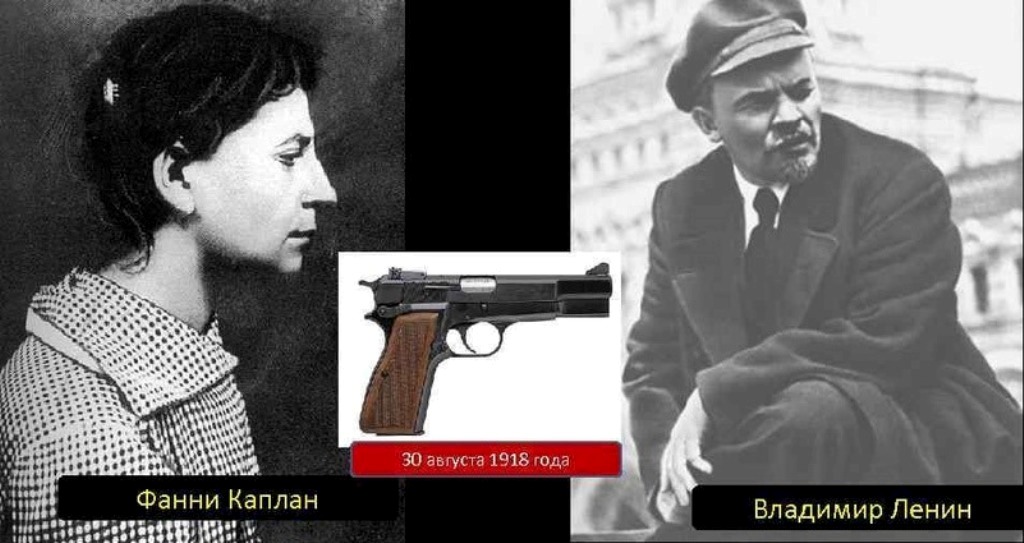
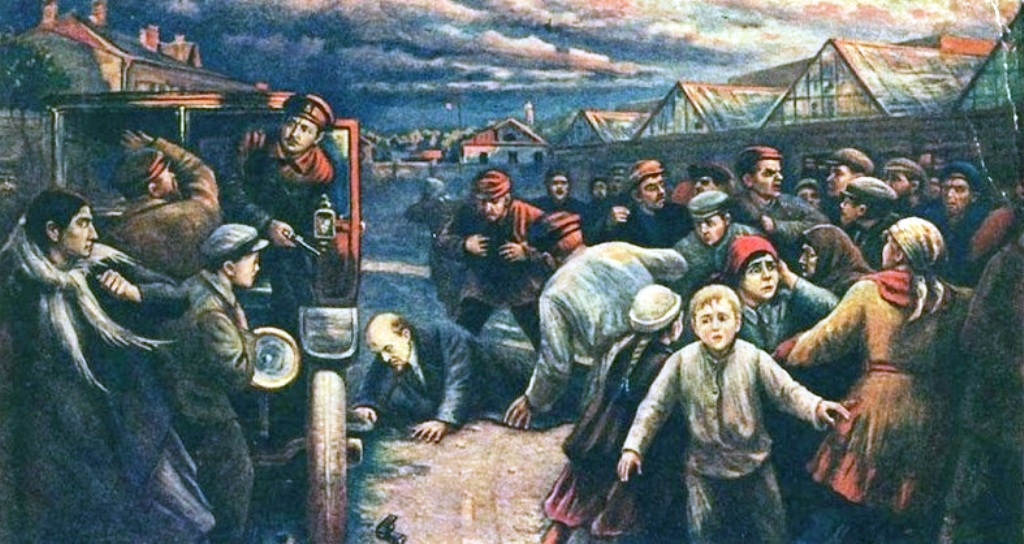
Several attempts are known to have been made on the life of Bolshevik leader Vladimir Lenin (1870-1924). The most famous of them was committed on 30th August 1918, by the Socialist Revolutionary Party member Fanny Kaplan [her real name was Feiga Haimovna Roytblat, 1890-1918], as a result of which Lenin was seriously wounded.

It was on that day, that Lenin gave a speech to workers at the Hammer and Sickle, a Michelson arms factory in south Moscow. As he was leaving the building and before he entered his motorcar, Kaplan called out to him. When Lenin turned towards her, she fired three shots with a Browning pistol. One bullet passed through Lenin’s coat, the other two struck him: one passing through his neck, puncturing part of his left lung, and stopping near his right collarbone; the other lodging in his left shoulder.

Lenin was taken back to his living quarters at the Kremlin. He feared there might be other plotters planning to kill him and refused to leave the security of the Kremlin to seek medical attention. Doctors were brought in to treat him but were unable to remove the bullets outside of a hospital. Despite the severity of his injuries, Lenin survived. However, Lenin’s health never fully recovered from the attack and it is believed the shooting contributed to the strokes that incapacitated and eventually killed him in 1924.

PHOTO: Soviet painting depicting the assassination attempt (1927)
Artist: Vladimir Nikolayevich Pchelin (1869-1941) 

Kaplan was arrested by the Cheka, during interrogation, she made the following statement:

My name is Fanya Kaplan. Today I shot Lenin. I did it on my own. I will not say from whom I obtained my revolver. I will give no details. I had resolved to kill Lenin long ago. I consider him a traitor to the Revolution. I was exiled to Akatuy for participating in an assassination attempt against a Tsarist official in Kiev. I spent 11 years at hard labour. After the Revolution, I was freed. I favoured the Constituent Assembly and am still for it.

Kaplan was executed in the Alexander Garden, which stretch along all the length of the western Kremlin wall, between the building of the Moscow Manege and the Kremlin. The order was carried out by the commander of the Kremlin, the former Baltic sailor Pavel Dmitrievich Malkov (1887-1965) and a group of Latvian Bolsheviks, on 3rd September 1918 with a bullet to the back of the head. Her corpse was bundled into a barrel, and set alight. The order came from Yakov Sverdlov who, just six weeks before, had ordered the murders of the Tsar and his family.

© Paul Gilbert. 30 August 2025

‘The Mummy’ – a film about Lenin premieres in Moscow

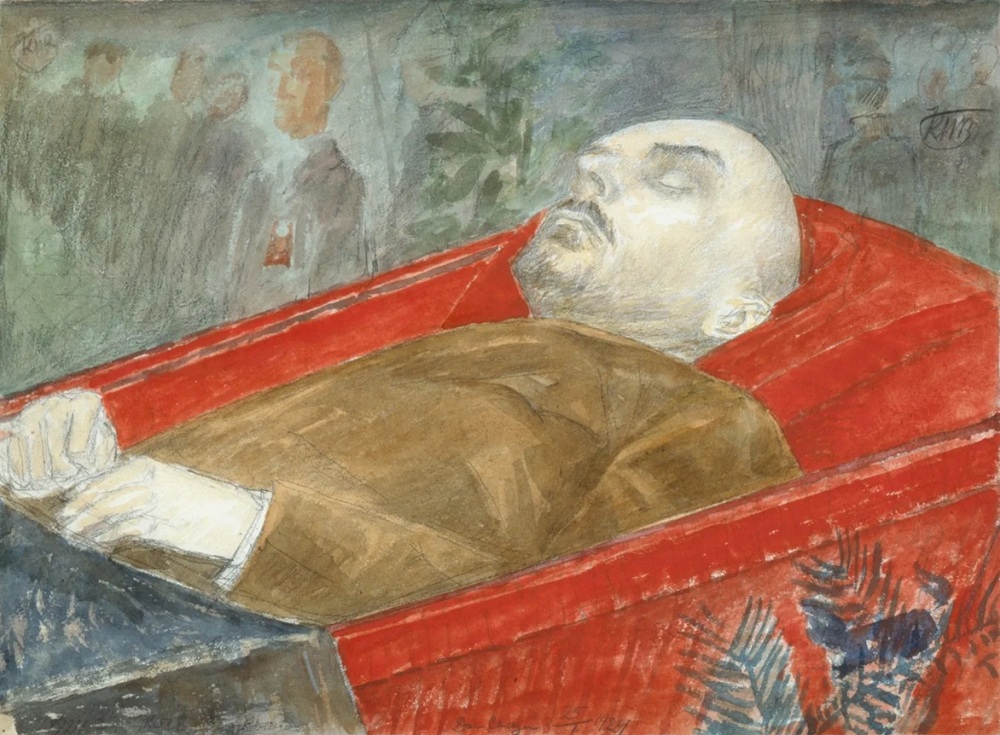
PHOTO: “V.I. Lenin in a coffin” (1924)
Artist: Kuzma Sergeyevich Petrov-Vodkin (1878-1939)

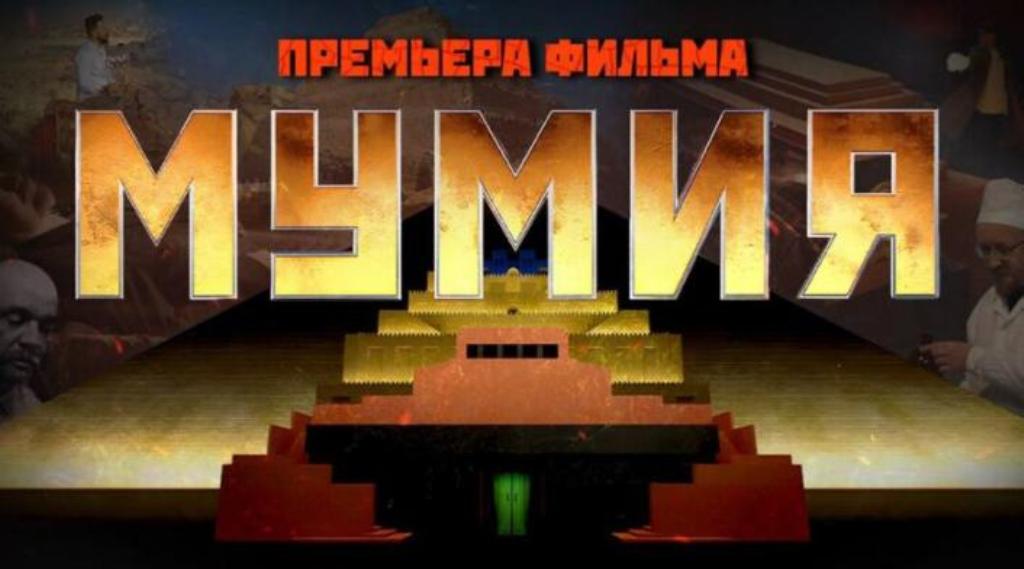
On 26th June 2025, the premiere of the documentary-film МУМИИ / The Mummy took place at the Oktyabr Cinema[1], located on Novy Arbat in Moscow. The film touches on a painful and controversial topic for modern-day Russian society: the unburied corpse of Vladimir Ilyich Ulyanov (Lenin).

Even before the premiere, the film provoked fierce protests from communists of all stripes, who accused the filmmakers of slandering the Bolshevik leader. Many people believe that it was Lenin, who ordered the murder of Nicholas II and his family, but who committed the monstrous crime of crashing the world’s most powerful nation and killing several million people.

The all-Russian premiere of the film МУМИИ / The Mummy will take place in other Russian cities from 27th to 29th June, with the support of the regional branches of the World Russian People’s Council. These screenings will be supported by a large-scale hours-long telethon live on the SPAS TV channel on Sunday, 29th June, where live broadcasts from all over the country are planned.

The famous historian, writer and TV presenter Felix Razumovsky, who was present at the Moscow premiere, shared his impressions of the film in his Telegram Channel:

МУМИИ / The Mummy premiered yesterday in Moscow at the Oktyabr Cinema. It is an important documentary about the Russian misfortune that has existed for more than a century – about the pagan temple of the communist quasi-religion standing on Red Square, the main square of Russia, the mausoleum with the mummy of Lenin.

The film is relevant, important, and necessary… For many Russians, the problem is a painful one and action on the issue is long overdue, and should have been resolved thirty years ago. The anti-Christian cult of the “eternally living” Bolshevik leader should have been dealt with and removed following the collapse of the Soviet Union in the early 1990s.

Of course, better late than never. For the revival of the country is impossible without deciding the fate of Lenin’s mummy, these “Bolshevik relics” which desecrate the Orthodox Russian pantheon of the Moscow Kremlin!

But over the past thirty years, the situation has changed, and not for the better. Today, the creators of the film МУМИИ / The Mummy go against the tide. In recent years, an active political campaign of re-Sovietization has been launched in the country. The internet and social media is filled with endless justifications for the “Lenin cause” and the obsessive idealization of “Comrade Stalin”. A disturbing plan of “monumental propaganda” is being implemented…

We are talking about the disruption of Russian awareness, about the erosion of Russian consciousness, primarily the consciousness of the Orthodox. The trend is not just dangerous, but truly suicidal for the nation.

***

МУМИИ / The Mummy producer Joseph Prigozhin announced that he is willing to provide his own personal funds for the burial of Vladimir Lenin. He considers it necessary to bury the body of the Bolshevik leader and statesman, referring to Orthodox traditions and respect for the memory of the deceased.

“I am ready to provide funds for his burial,” Prigozhin said in a recent interview. During the past thirty years, the question of the possible burial of Lenin has been raised again and again. In 1998, acting Russian president Boris Yeltsin had plans to demolish Lenin’s mausoleum, however, he was persuaded otherwise.

Proponents of the idea believe that the body should be buried in accordance with religious and ethical standards. Opponents, on the contrary, see the preservation of the mausoleum as an important part of the country’s historical and cultural heritage, whereas, more radical elements of Russian society would like to see the monument and Lenin’s mummy destroyed.

Vladimir Lenin died on 21st January 1924. His body was embalmed and placed in a mausoleum on Red Square, which has become one of the symbols of the Soviet era. At the end of May 2025, the Ministry of Culture of the Russian Federation announced the restoration of the mausoleum building, for which 20 million rubles [$250,000 USD] will be allocated from the state budget.

NOTES:

[1] On 29th October 2024, the Oktyabr Cinema in Moscow, was also the venue for the premiere of the documentary-film «Верные» / The Faithful. This 70-minute Russian language documentary explores the lives and fates of the faithful retainers who followed the Imperial Family into exile.

© Paul Gilbert. 27 June 2025

In 2007, General Wrangel’s grandson decried Bolshevism, Lenin and Stalin

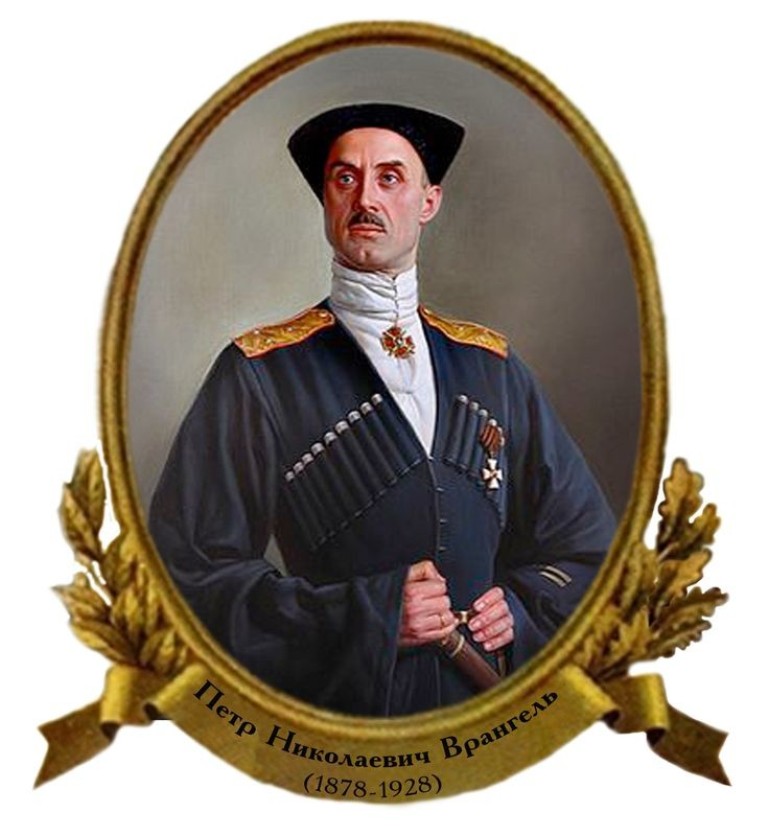
PHOTO: General Pyotr Nikolayevich Wrangel

General Pyotr Nikolayevich Wrangel (1878-1928) was a prominent military leader, who served under Emperor Nicholas II. Wrangel was an officer of the Tsarist army and rose to the rank of major general. He took part in the First World War, where he proved himself as a brave and talented military leader, for which he was awarded the Order of St. George, 4th Class. 

Unlike many other Tsarist generals, Wrangel did not play a role in the March 1917 conspiracy against Nicholas II. After the abdication of the Emperor and the outbreak of the Russian Civil War, Wrangel commanded the Volunteer Army and then the White Russian Army in the south of the country, which fought against the Bolsheviks. 

Pyotr Nikolayevich was a devout monarchist, and openly advocated the restoration of the monarchy. Wrangel believed that after the overthrow of the monarchy, Russia plunged into chaos, and only the restoration of the monarchy could restore order and greatness to the country. 

Wrangel, like many other members of the White movement, sought to overthrow the Bolsheviks and restore the old order in Russia, including the monarchy. For Wrangel, the monarchy was not only a form of government, but also a symbol of historical Russia, its culture and traditions.

Wrangel did not support the idea of absolute monarchy, he advocated a constitutional monarchy, where the power of the monarch would be limited by law.

Wrangel, having been defeated by the Red Army, was forced to leave Russia. His actions in the Civil War, which did not lead to the victory of the White movement, left a significant mark on 20th century history. In 1920, he took part in the Russian Exodus, in which more than 145,000 White Russian soldiers and civilians went into exile.

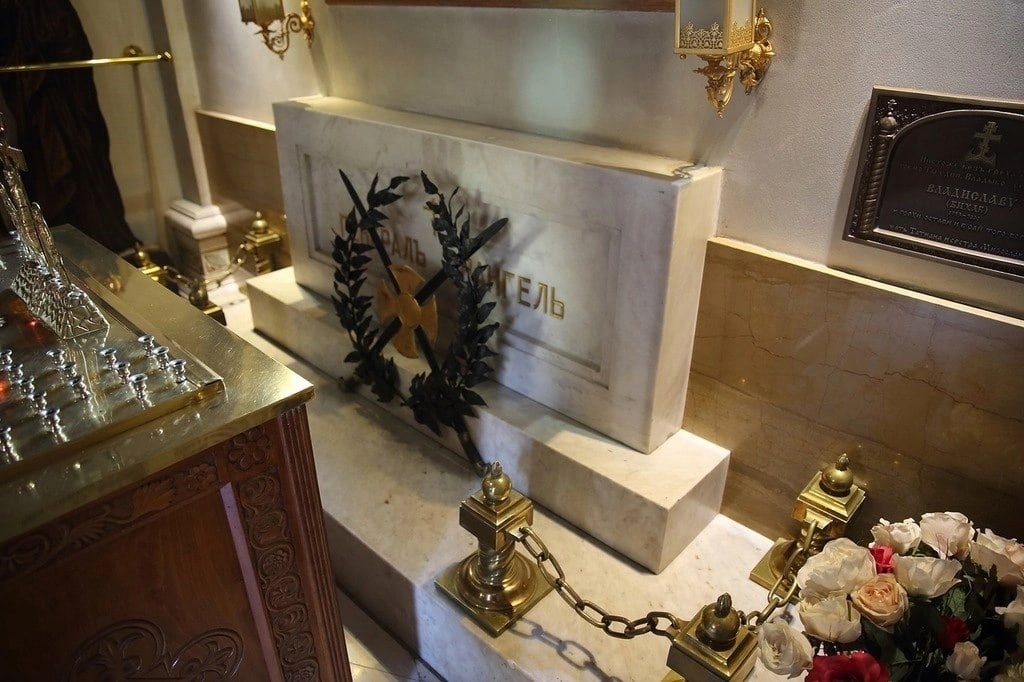
Wrangel first lived in Constantinople and then Serbia, where he came to be known as one of the most prominent White émigrés. In 1927 he relocated to Brussels and died a year later, at the age of 49. On 6th October 1929 his remains reinterred in the Church of the Holy Trinity,  the Russian church in Belgrade, Serbia, according to his wishes..

***

PHOTO: the grave of General Wrangel in the Church of the Holy Trinity, Belgrade

In 2007, Sergei Zuev, head of the Foundation for the Perpetuation of the Memory of the Victims of Political Repression in Moscow, sent a letter to General Wrangel’s grandson Pavel Bazilevsky, with a proposal to transfer the general’s remains to Russia. In response, Bazilevsky wrote a powerful and admirable letter, in which he decries the Russian Revolution and Bolshevism, noting that his grandfather’s remains will not be returned to Russia until such time as the remains of Lenin and Stalin’s are removed from the Kremlin walls.

Dear Sergey Sergeevich!

“Thank you for your letter of 29th January 2007 with a proposal to rebury the remains of General Baron Pyotr Nikolaevich Wrangel in the Donskoy Monastery in Moscow. Our family is deeply touched by your appeal and the realization that the desire of thousands of other Russian people support your proposal. Your proposal made us think about the meaning and expediency of such a step, weighing all the pros and cons in order to give a serious, reasoned answer and explanation.

“It is known that the main feature of General Wrangel’s character was his adherence to principles. He fought against Bolshevism and the vicious system it engendered, not out of a sense of class hatred, but out of a deep conviction that Bolshevism was an absolute evil, both for Russia and for humanity as a whole.

“Over the past two decades, there have been tremendous changes in the consciousness of Russians regarding the essence of Bolshevism and Soviet power. However, the main issue remains, and that is the condemnation of this evil at the state level. As a result, the ferment in people’s minds continues, the consequence of which is such a state of affairs that in public opinion polls in recent years, almost half of the population of Russia believe that Stalin remains a popular personality.

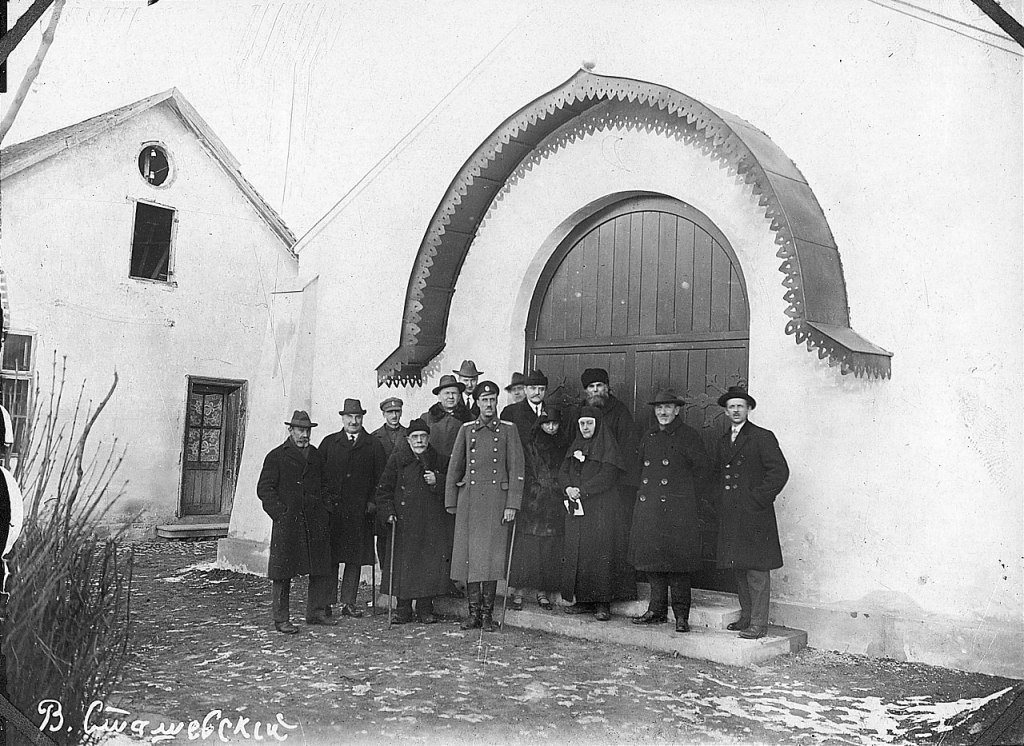
PHOTO: Wrangel outside the Church of the Holy Trinity, Belgrade. 1924

“General Wrangel died in Brussels in 1928, but more than a year later, by his own will, expressed during his lifetime, he was buried in the crypt of the Russian church in Belgrade. There he rests to this day, and not far away, in the cemetery, lie thousands of colleagues, ranks of his army, infinitely devoted to him, to whom he also gave his last strength. This mutual trust between the commander-in-chief and his subordinates has no limits – it is not limited either by his death or by the passage of time. Both in life and in death, he is in the ranks, together with his officers, soldiers and Cossacks. To transfer his remains now – alone – for reburial in Moscow, to take him from the ranks of his subordinates devoted to him (and their descendants devoted to his memory), is possible only for a very good reason. Had he lived, it is unlikely that he himself would have agreed to leave his army for the honour of being buried in Moscow, knowing that Lenin and Stalin still occupy an honourable place there next to the Kremlin.

“General Wrangel’s last words on Russian soil in 1920 were about his fulfillment of duty to the end. As the memory of General Wrangel lives in us, his descendants, so does the memory of his comrades-in-arms, to whom the duty and testament of the Commander-in-Chief of the Russian Army will not be fulfilled as long as the mausoleum on Red Square and the remains of the Red Executioners remain within the walls of the Kremlin.

I recall the funeral sermon of Archpriest Vasily Vinogradov, who said at his grave back in 1928, in Belgium: ‘Kissing his sacred remains, let us promise to kindle in ourselves the never-dying love for the destitute homeland and the sacred fire of irreconcilability to the satanic, atheistic regime, without making any compromises or agreements, no matter who they come from. One must live in peace, says St. Theodosius, with one’s enemies, but not with God’s.’

“Appreciating your sincere initiative, we regret with a heavy heart that the time for the reburial of General Wrangel in his homeland has not yet come. General Wrangel was and remains for many a symbol of an irreconcilable, principled struggle. For all their historical significance, neither [Anton] Denikin nor [Vladimir] Kappel is treated in such a way among his subordinates and even among his enemies as a general Wrangel, never was. To this day, the emigration honours his memory and the ideals for which he fought. His struggle is not over, and his premature reburial will only detract from the significance of the feat and sacrifices, both of Wrangel himself and of all the White warriors who gave their lives for the good of Russia.”

Pyotr A. Bazilevsky

© Paul Gilbert. 26 June 2025

What were Lenin’s plans regarding Nicholas II’s fate?

DISCLAIMER: the following article is based on the research of Russian historian and author Peter Multatuli, and does not reflect the opinion of the administrator of this blog, it is published here for information purposes only. Please read my comments at the end of this article – PG

To this day, the question of whether the execution of Emperor Nicholas II and his family was carried out on Vladimir Ilyich Lenin’s order or not, remains the subject of ongoing debate. Some historians argue that the leader of the proletariat did not intend to kill the Tsar, and that the “liquidation” of Nicholas II, his wife and their children came as a complete surprise to the Bolshevik leader.

“Take under your protection!”

According to Peter Multatuli, author of the book Император Николай II. Мученик (2018) [Emperor Nicholas II. Martyr], Lenin took the house arrest of the Tsar for granted. At least, the minutes of the meeting of the Council of People’s Commissars chaired by Lenin on 2nd May 1918 testify to the fact that shortly after Nicholas II was transferred to Ekaterinburg. Lenin was in Moscow at that time, and persistent rumors spread around the capital, fueled by the press, that the Tsar had already been killed. Lenin ordered his closest assistant and secretary, Vladimir Dmitrievich Bonch-Bruyevich (1873-1955), to send a telegram to Ekaterinburg with a request to confirm or deny these rumours.

Without waiting for an answer, Lenin sent the commander of the North-Ural-Siberian Front, Reinhold Iosifovich Berzin (1888-1938), to the Ipatiev House to check. Berzin reported that as of 21st June, all members of the Imperial Family including the Tsar himself were alive, and that he considered the various speculations about their murder to be provocations. As Russian historian and author Yuri Alexandrovich Zhuk writes in his book Гибель Романовых (2009) [The Death of the Romanovs], Lenin in turn ordered Berzin to “take the entire Imperial Family under his protection and prevent any harm against them.” And finally, Vladimir Ilyich added that Berzin would be responsible for carrying out the execution of this order with his own life. History of course has confirmed that such an order was not carried out.

Lenin’s plans

For what purpose did Lenin care so much about the fate of the Tsar? Viktor Kozhemyako in his book Деза. Четвертая власть против СССР (2012) [Deza. The Fourth Estate Against the USSR] cites the words of Mikhail Medvedev-Kudrin (1891-1964), one of the participants in the murder of the Imperial Family, who claimed that the revolutionary Philip Goloshchekin (1876-1941) went to Moscow to see Yakov Sverdlov (1885-1919) – nicknamed “the Black Devil”. However, he failed to obtain permission from the All-Russian Central Executive Committee to kill the Tsar and his family. Allegedly, Sverdlov assured Goloshchekin that he had consulted Lenin on this matter, who insisted that Nicholas II and his wife should be transported to Moscow in order to conduct a show trial, to be covered in the press.

As further evidence that Lenin really intended to organize a show trial of the Tsar, we can cite the fact that in March 1917, that is, almost the day after the abdication of Nicholas II, on the initiative of Lenin, the Supreme Extraordinary Investigation Commission was created, whose duties included investigating the activities of the supreme representatives of the former regime. As E. Gromova and L. Gromov write in the publication “Ural Scaffold” with reference to Alexander Kerensky, the leader of the Provisional Government who appointed the “talented and energetic” investigator Vladimir Mikhailovich Rudnev, who was given a specific goal – to find evidence of treason in the actions of the Tsar and his wife. The “talented and energetic” investigator failed to find any such evidence.

Evidence of Lenin’s intentions

The fact that Lenin really planned a show trial is also supported by a telegram in which the leader of the proletariat assures one of the Copenhagen newspapers that the Tsar was alive, and the rumours of his death are nothing more than the “intrigues of the capitalist press”. In fact, Lenin benefited more from a show trial than from the murder. After all, as Anatoly G. Latyshev notes in his book Рассекреченный Ленин [Declassified Lenin], the mother of Nicholas II, Dowager Empress Maria Feodorovna, was a Danish princess, and his wife Alexandra Feodorovna, her four daughters and sister Grand Duchess Elizabeth Feodorovna were all considered German princesses. There was absolutely no need for Lenin to aggravate relations with Germany.

But the allegation that it was Lenin who ordered the execution of the Tsar and his family was spread by Trotsky. At least, this is the version that appears in Elena Prudnikova’s book Последняя тайна Романовых [The Last Secret of the Romanovs]. In the 1930s, Trotsky wrote in his diary that he learned about the execution when he arrived from the front. Allegedly, Trotsky asked Sverdlov who made such a decision, and he, in turn, replied: “Lenin.”

© Paul Gilbert. 21 April 2025

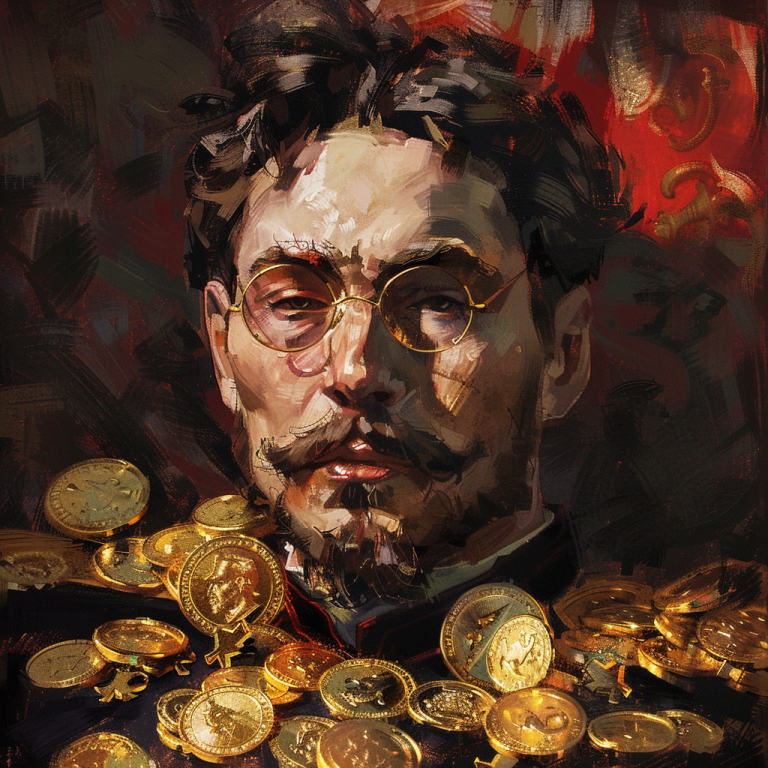
The hidden wealth of the Bolshevik devil Yakov Sverdlov

Note: the book titles mentioned in this article are translated from Russian – PG

Since the death of Yakov “Yankel” Sverdlov on 16th March 1919, the Russian revolutionary and Soviet politician has remained one of the most popular topics for debate among Russian historians. Yakov Mikhailovich Sverdlov (1885-1919) was a Bolshevik party administrator and chairman of the All-Russian Central Executive Committee.

Sverdlov, nicknamed “the Black Devil”, played a major role in the murders of Tsar Nicholas II and his family on 17th July 1918. According to Yuri Slezkine in his book The Jewish Century: “Early in the Civil War, in June 1918, Lenin ordered the killing of Nicholas II and his family. Among the men entrusted with carrying out the orders were Sverdlov, Filipp Goloshchyokin and Yakov Yurovsky“.

Sixteen years after Sverdlov’s death [he died on 16thth March 1919, age 33 of the Spanish flu, and was buried in the Kremlin Wall Necropolis], Kremlin employees discovered a fireproof safe that once stood in Sverdlov’s office. Genrikh Grigoryevich Yagoda (1891-1938), a Soviet secret police official who served as director of the NKVD, the Soviet Union’s security and intelligence agency, reported its contents to Stalin in an internal memo.

The Sverdlovs’ legacy

Klavdia [Claudia] Novgorodtseva (1876-1960), a Bolshevik activist and the second wife of Yakov Sverdlov, claimed that after the murder of one of the founders of the Communist Party of Germany, Karl Liebknecht, her son Andrei Yakovlevich Sverdlov (1911-1969) asked his father: “how will the bourgeoisie deal with me?” However, Sverdlov assured his son that such an outcome should not be feared. “When I die, I will leave you an inheritance greater than anything in the world. I will leave you the untarnished honour and name of a revolutionary,” Yakov said to Andrei. At least, this is the story described by Valery Shambarov in his book “Sverdlov“. As it turned out, the Sverdlov’s possessed a large amount of wealth.

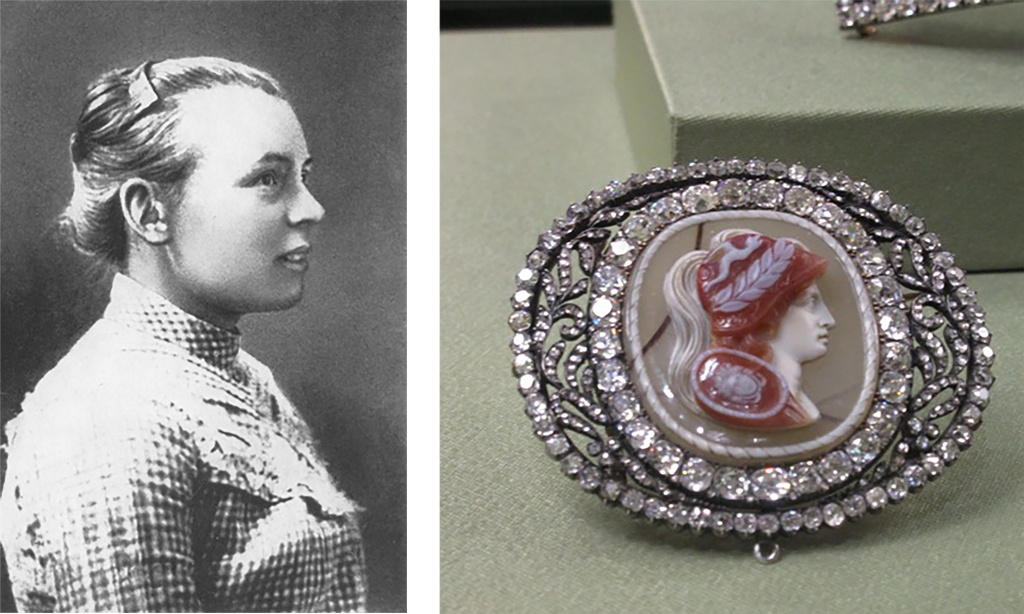
According to Boris Bazhanov, the author of the book “I Was Stalin’s Secretary“, in 1919, when Soviet power was hanging by a thread, the so-called “Politburo diamond fund” wasconfiscated. This fund was supposed to ensure the continued financial support of the revolutionaries in the event of the collapse of the Soviet Union. Claudia Novgorodtseva was appointed the keeper of the “diamond fund”. Even after the death of Yakov Sverdlov, his wife continued to keep precious stones at home in a desk drawer. Andrei Sverdlov once told Bazhanov about this. But Sverdlov Jr., then still a teenager, was sure that the diamonds he saw were fake.

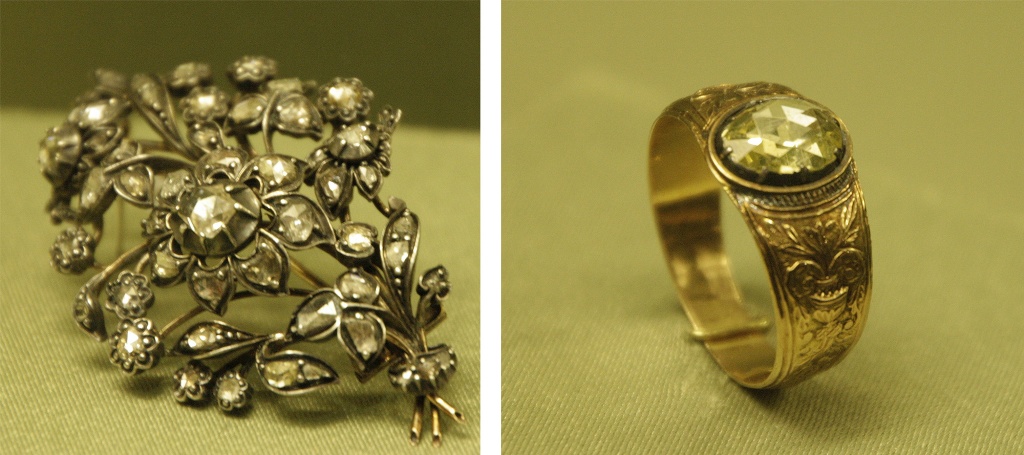
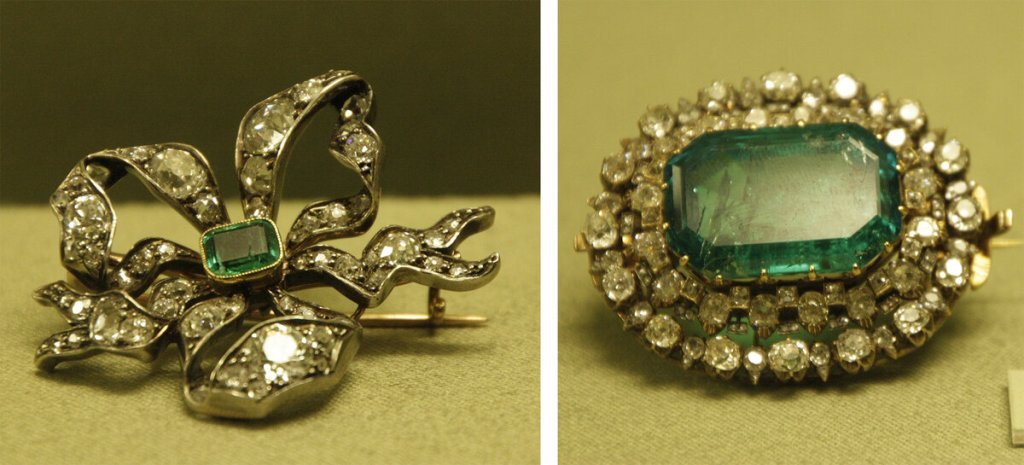
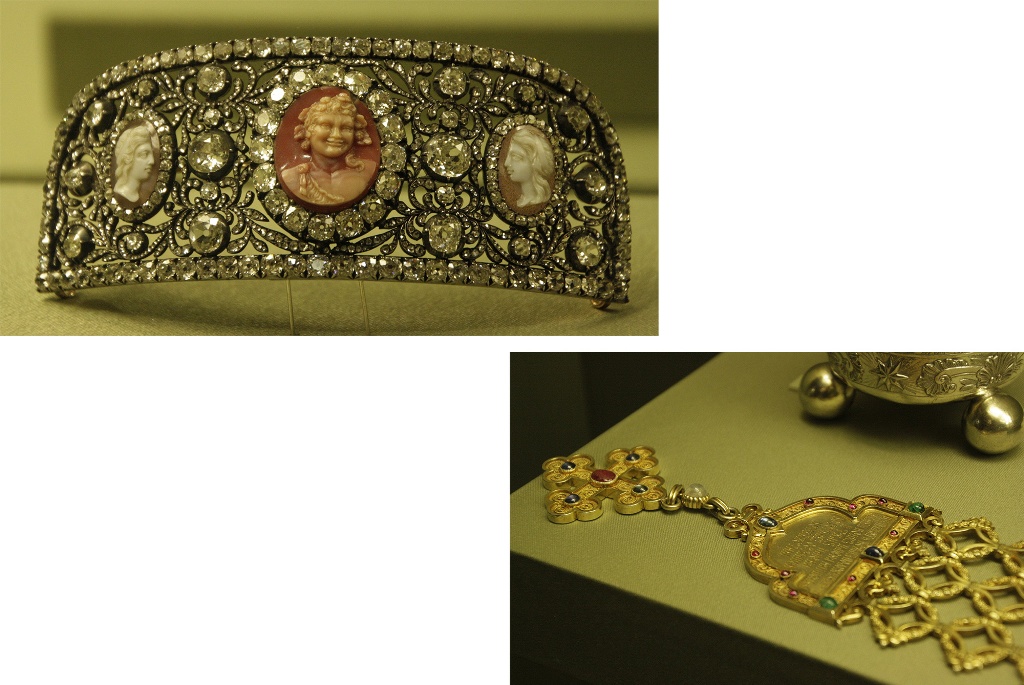
PHOTO: Yakov Sverdlov’s wife Claudia Novgorodtseva, and images
of some of the jewelry found in the “diamond fund of the Politburo”

Forgotten safe

As it turned out later, Andrei Sverdlov was wrong. Despite the fact that the “diamond fund of the Politburo” has remained one of the many mysteries of 20th century Russian history. Many historians do not doubt that it really existed, and that Yakov and Claudia Sverdlov were directly involved. One of the proofs of this statement is the contents of the fireproof safe, which was once in the office of Yakov Mikhailovich. According to Yevgeny Guslyarov, the author of the publication “Lenin in Life“, in 1919, when Sverdlov died, the safe could not be opened: the key was somehow lost. For 16 long years, the safe was gathering dust in one of the Kremlin warehouses.

In 1935, during the next inventory, the mysterious cabinet aroused keen interest among the Kremlin employees. This time, specialists were called in to open the safe. The wealth of Yakov Sverdlov is known today thanks to the surviving note of the People’s Commissar of Internal Affairs Genrikh Yagoda addressed to Joseph Stalin dated 27th July 1935. The text of it was published in a book by Nikolai Zenkovich “Leaders and Associates“. According to the note, “gold coins of tsarist mintage in the amount of 108,525 rubles, 705 pieces of jewelry, credit notes for 750 thousand rubles, as well as blank forms of tsarist-era passports and several passports under various names (including the name of Sverdlov himself)” were found in Sverdlov’s safe.

The Origin of Wealth

In the event of a collapse of the Bolshevik state, it is clear that Yakov Sverdlov and his relatives might need passports to escape. As mentioned above, in 1919 the position of the Soviet government was not yet stable. There is also no need to guess about the purpose of coins and jewelry, but their origin still raises more questions than answers. According to one version, the jewelry and other valuables belonged to members of the Russian nobility, as well as the Imperial Family, who were murdered on 17th July 1918, by the Bolsheviks in Ekaterinburg. Some of these jewels were appropriated by Yakov Sverdlov. In the “Collection of Documents Relating to the Murder of Emperor Nicholas II and His Family” there is information that the regicides Yakov Yurovsky and Grigory Petrovich Nikulin came to Moscow with a report on the liquidation of the Romanovs to Lenin and Sverdlov. They brought with them not only documents and letters, but the Imperial Family jewels, which included a bag of diamonds.

Author Alexander Sever writes in his book “How to Defeat Corruption“, that the jewelry could have been confiscated by Yakov Sverdlov from the relatives of those who ended up in the dungeons of the Cheka. In addition, there is information which claims that the jewels were bribes made to Sverdlov by members of the Cheka. According to Sever, further adds, that it is also possible that Yakov Mikhailovich received the valuables legally, but he did not return them to the State. Be that as it may, he never had a chance to use all this wealth.

FURTHER READING:

The Bolshevik sale of the Romanov jewels + PHOTOS

The fate of the regicides who murdered Nicholas II and his family + PHOTOS

95 years ago, Ekaterinburg was renamed Sverdlovsk

New revelations on Lenin’s order to murder the Tsar

Russian sculptor proposes removal of monuments to Bolsheviks in Ekaterinburg

© Paul Gilbert. 12 February 2025

The fate of the regicides who murdered Nicholas II and his family

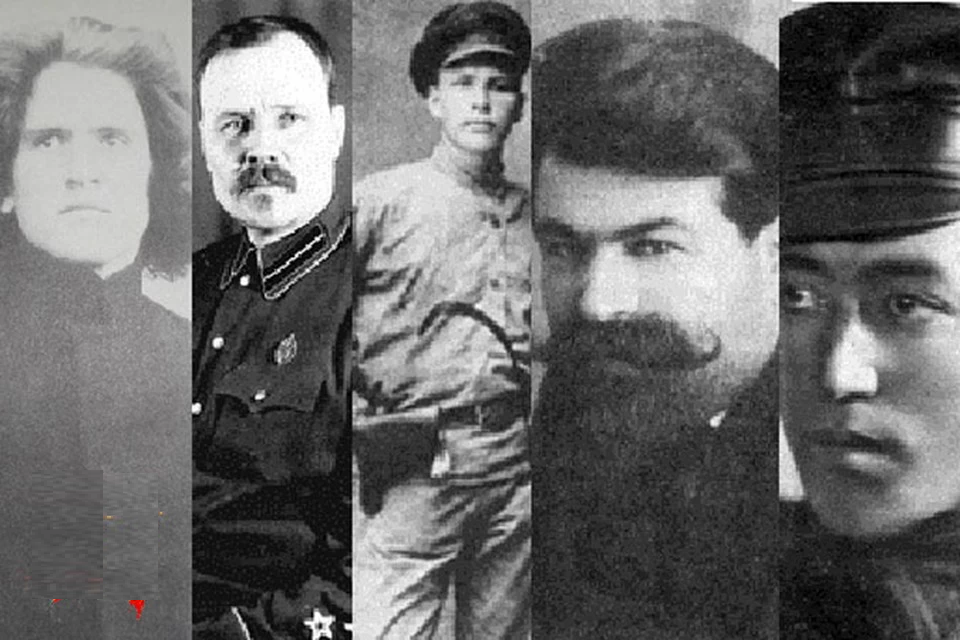
PHOTO: Pyotr Ermakov, Mikhail Medvedev-Kudrin,
Pavel Medvedev, Yakov Yurovsky and Grigory Nikulin

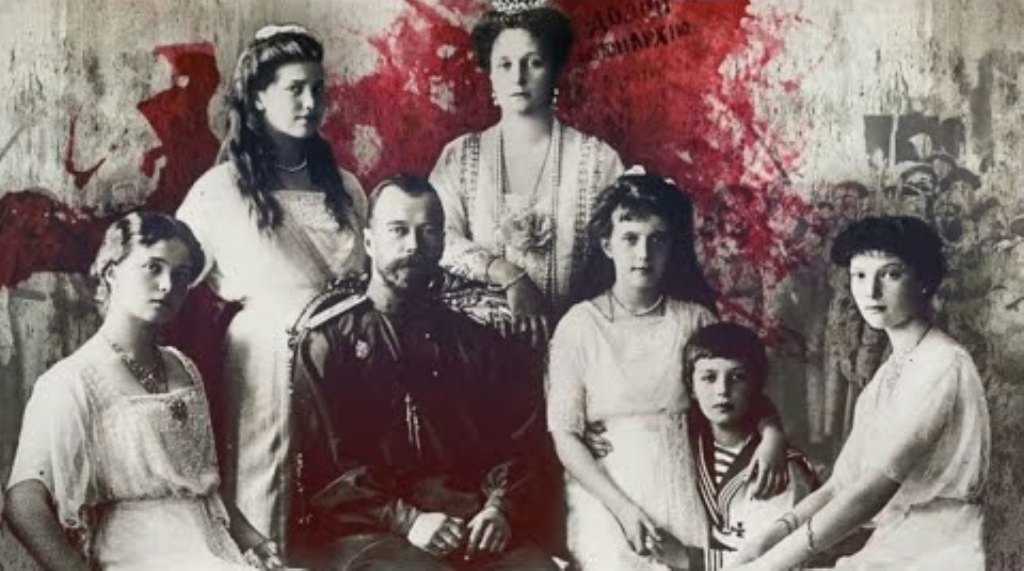
The murders of Emperor Nicholas II, his family and four faithful retainers in Ekaterinburg on 17th July 1918, remains one of the darkest pages in 20th century Russian history. To this day, historians and investigators are not entirely sure of all those who participated in the regicide, only the names of some of them are known – those who admitted that they were a participant in the regicide, or those of whom were identified by witnesses. The fate of many of these regicides also ended tragically, their lives being overtaken by disease or an equally violent death.

It is known that the direct leader of the liquidation of the Imperial family was Yankel Khaimovich, better known as Yakov Yurovsky. He lived until 1938 and died of a duodenal ulcer. In Soviet times, they said that his son was not responsible for his father’s crime, but the apple didn’t fall far from the tree in the Yurovsky family. The eldest son Alexander, ended up in the Butyrka prison in 1952, but was released a year later. The daughter Rimma was also arrested in March 1938. She served a sentence in the Karaganda forced labour camp until 1946. Yurovsky’s grandchildren were not spared either, dying under mysterious circumstances. Two died after falling from a roof, while the other two were burned to death in a fire. It is worth recalling that the blood of Tsar Nicholas II was spilled by Yurovsky. He himself recalled: “I fired the first shot and killed Nikolai on the spot.”

The leading Russian playwright and historian Edvard Radzinsky was most intrigued by the idea that there was photographic evidence of the murdered remains of the Imperial family.

PHOTO: Yakov Yurovsky

“Yurovsky was a professional photographer,” he says. “He confiscated a camera from the Tsarina. It was impossible for him to take pictures immediately after the execution — he was a little bit crazy, they continued to be alive, they continued to kill them. But afterwards, he had three days. He had an opportunity to take a camera to the grave. It is impossible for a man who likes pictures not to take such pictures.”

Could there be any truth to his idea, or did Radzinsky give birth to yet another Romanov conspiracy theory? Radzinsky is a playwright, and perhaps his creative imagination got the better of him, but who knows? Yurovsky had already proven what he was capable of, so anything was possible! There is also the possibility that Yurovsky took such photos to take with him when he left for Moscow after the murders, as evidence to Lenin and Sverdlov that the regicide had been carried out?

“IF” such photographs ever existed, we can surely assume that they would have been destroyed. Lenin was both crafty and careful not to leave a paper trail that would implicate him in dubious affairs – murder being one of them.

Click HERE to read my article Yakov Yurovskys’ ashes remain hidden from vandals in Moscow, published on 23rd November 2019

The personality of Pyotr Ermakov was no less significant in the murders of the Imperial family. According to his own recollections, it was he who killed the Empress Alexandra Feodorovna, the cook Ivan Kharitonov and the doctor Evgeny Botkin. He often boasted of his crime, without feeling any sense of remorse: “I shot the Tsarina who was seated only six feet away, I could not miss. My bullet hit her right in the mouth, two seconds later she was dead. Then I shot Dr. Botkin. He threw up his hands and half turned away. The bullet hit him in the neck. He fell backwards. Yurovsky’s shot knocked the Tsesarevich to the floor, where he lay and groaned. The cook Kharitonov was huddled over in the corner. I shot him first in the torso and then in the head. The footman Troupe also fell, I don’t know who shot him … ” Ermakov died of cancer on 22nd May 1952.

Since the 1990s, Ermakov’s grave in the Ivanovo Cemetery in Ekaterinburg. has been repeatedly vandalized by local monarchists, who regularly douse his gravestone with red paint.

The red paint symbolizes the blood which this evil man spilled, and his involvement in the brutal murder of Nicholas II and his family on 17th July 1918.

In 1951, at a reception, which gathered all the local Party elite in Sverdlovsk, Peter Ermakov approached Soviet Red Army General Georgy Zhukov and held out his hand. Frowning in disgust Zhukov looked Ermakov in the eye, and muttered, “I do not shake the hands of murderers.”

Every year on 17th July – the day marking the anniversary of the murder of Emperor Nicholas II and his family – the grave of the Bolshevik revolutionary Peter Ermakov, has been vandalized by local monarchists, who douse his gravestone with red paint.

Click HERE to read my article ‘You reap what you sow’ – Monarchists take revenge on the regicide Peter Ermakov, published on 17th January 2023.

He left a testimony regarding another regicide: “Stepan Vaganov dealt with the grand duchesses: they lay dying in a heap on the floor and groaned … Vaganov continued to shoot at Olga and Tatiana … I don’t think any of us shot the maid Demidova. She sank to the floor, shielding herself with pillows. Vaganov, later pierced her throat with his bayonet … ” Death found Vaganov in the same ill-fated year of 1918. When Kolchak’s army took Ekaterinburg, Vaganov did not escape, instead he hid in a basement, where he was found by relatives of those killed during the raids. They did not stand on ceremony for long – they killed him on the spot. Perhaps in vain, because he could have given interesting testimony, having fallen into the hands of the investigators who were engaged in clarifying the fate of the Imperial family. But the fact remains: Vaganov did not die of natural causes.

Pavel Medvedev turned out to be not just a murderer, but also a thief. He recalled: “Walking around the rooms, I found six 10-ruble credit tickets under the book Закон Божий (God’s Law), in one of them, and appropriated this money for myself. I also took some silver rings and some other knickknacks.” Medvedev, unlike Ermakov, fell into the hands of Kolchak’s troops. He fled from Ekaterinburg, but, was captured, and he was charged with “murder by prior conspiracy with other persons and the seizure of the property of the former Emperor Nicholas II, his wife Alexandra Feodorovna, the heir to Alexei Nikolaevich and Grand Duchesses Olga, Maria , Tatyana, Anastasia, as well as the physician Dr. Botkin, the maid Anna Demidova, the cook Kharitonov and the footman Troupe. “In 1919, Medvedev died in prison from typhus, however, his widow claimed that he was killed by White Guards.

PHOTO: Philip Goloshchekin

It was no coincidence that Sergei Broido ended up in the Ipatiev House, but he also took part in the murder of the Imperial family by order. Mikhail Medvedev-Kudrin, who also took part in the murders, recalled: “It is known that Broido, along with Ermakov and Goloschekin, arrived in a car at the Ipatiev House on the eve of the murder. It is believed that due to a lack of men to carry out the execution, he was recruited at the last minute by order of Yurovsky.” On 8th March 1937, Broido was first convicted under Article 58 of the RSFSR Criminal Code, for being a Trotskyist, and subsequently shot.

The youngest regicide was Viktor Netrebin. At the time of the crime, he was only 17 years old. Netrebin disappeared in 1935. The Latvian Jan Cemles also disappeared.

But there were also those who organized the murders of the Imperial family and their retainers. Among them was Shaya Itsikovich, known as Philip Goloshchekin, who is known to be one of the organizers. It was he who came up with the idea of ​​execution, even travelling to Moscow to discuss his plans with Lenin and Sverdlov. Goloshchekin was not present himself during the murders, but he took part in the removal and destruction of the remains. On 15th October 1939, Goloshchekin was arrested for sympathizing with the Trotskyists. Another fact from his biography is particularly noteworthy. After his arrest, and during interrogation the People’s Commissar of Internal Affairs Nikolai Yezhov, claimed that he had a homosexual relationship with Goloshchekin. On 28th October 1941, Goloshchekin was shot near Samara. A colleague and another organizer of the execution of the Imperial family, Yakov Sverdlov, described Goloshchekin as follows: “I stayed with Goloshchekin for several days, things are bad with him. He has become neurasthenic and becomes a misanthrope.” An interesting fact is that Sverdlov did not die of natural causes. According to the official version, he died of the Spanish flu, which raged after the First World War, but there is a second version, according to which the workers beat Sverdlov in Oryol and he died from the injuries he sustained.

Pyotr Voikov was also an organizer and participant in the murder of Nicholas II and his family. Diplomat-defector Grigory Besedovsky, who knew Voikov personally, recalled: “As commandant of the Ipatiev House, the execution of the decree was entrusted to Yurovsky. During the execution, Voikov was supposed to be present, as a delegate to the regional party committee. He, as a scientist and chemist, was instructed to develop a plan for the complete destruction of the bodies. Voikov was also instructed to read the decree on the execution to the Imperial family, with a motivation that consisted of several lines, and learned this decree by heart in order to read it out as solemnly as possible, believing that thereby he would go down in history as one of the main participants in this tragedy”. Voikov was killed in Warsaw in June 1927 by the Russian émigré Boris Koverda. During interrogation, Koverda stated about the motives of his act: “I avenged Russia, for millions of people.” Boris Koverda spent 10 years in Polish prisons and was granted amnesty. After his release in 1937, he lived another 50 years and died in Washington at the age of 79.

Not only did these men committed regicide, they also helped to drown Russia in blood. Today, streets, squares and even metro stations of Russia’s cities are named after some of them. Is this right? No! These men will forever, have their names inscribed in the history of Russia, not as scientists or engineers, but as murderers.

Holy Royal Martyrs, pray to God for us!
Святы Царственные мученики, молите Бога о нас!

***

The following NEW title was compiled and edited by independent researchers and Romanov historian Paul Gilbert was published in August 2024. 

This fascinating new study features 14 chapters on this tragic event, which include the memoirs of a British intelligence officer and journalist, and two First-English translations. In addition, 11 chapters were written by Paul Gilbert, based on new documents sourced from Russian archival and media sources over the past decade.

Please refer to the link provided for further details about the content of this new title . . .

CLICK HERE TO READ MORE ABOUT THIS TITLE

© Paul Gilbert. Originally published on 28 October 2020, updated on 18 July 2023

Boris Yeltsin Had Plans to Demolish Lenin’sMausoleum and Restore Monarchy

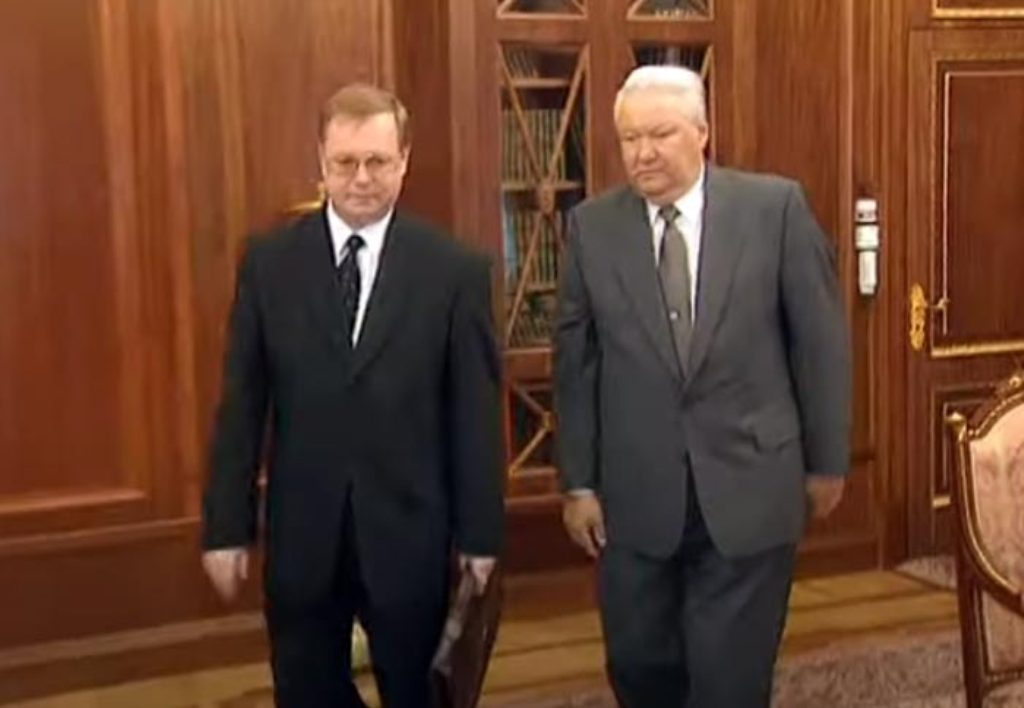
PHOTO: Sergei Stepashin (left) and Boris Yeltsin (right)

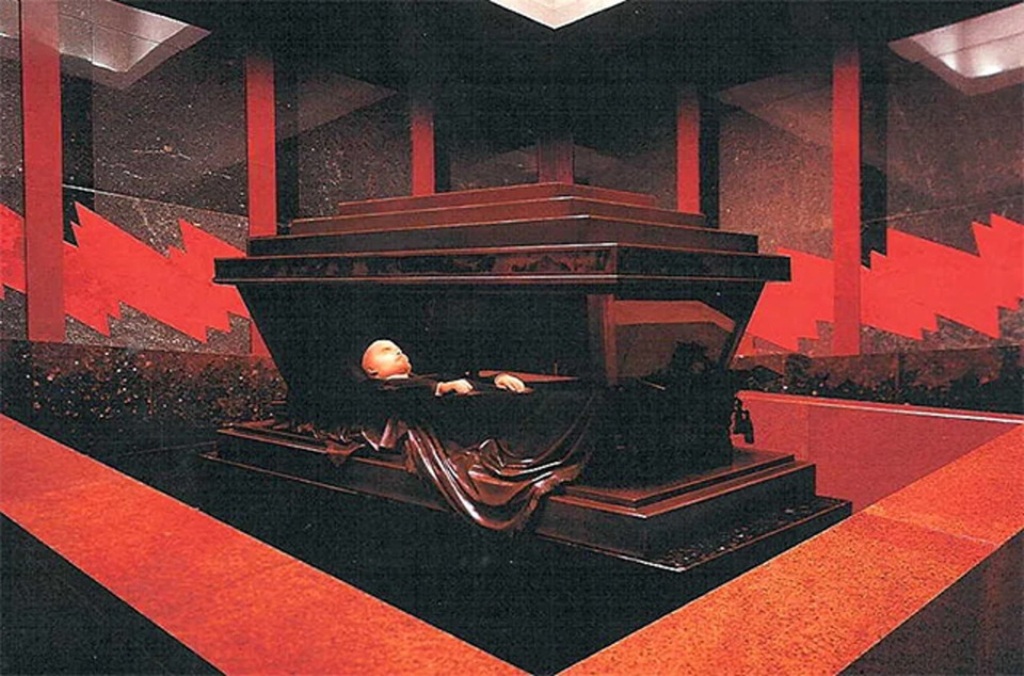
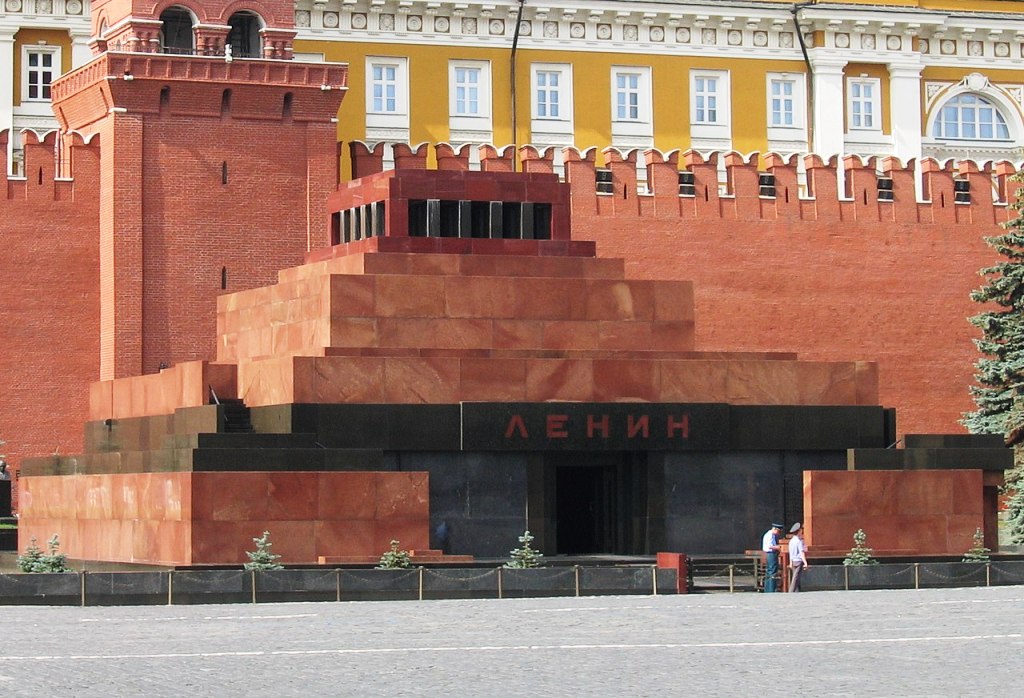
During an interview with Istorik magazine in April 2017, former Russian prime minister Sergei Vadimovich Stepashin, claims that in 1998 acting Russian president Boris Yeltsin gave him an order to demolish Lenin’s mausoleum in Moscow’s Red Square.

Stepashin chaired the Ministry of Interior from March 1998 to May 1999, and it was during his term in office that he made an official visit to England.

“When I came back, I went to his office and Yeltsin said:

“Sergei Vadimovich, I made a decision to demolish the mausoleum.” I told him: “Well, but how does it relate to the Ministry of Interior?” “The Ministry of Interior should secure order,” he answers.

“Well,” I said, “I am a minister and should fulfill orders of the Chief Commander, the only thing I can’t secure, Boris Nikolayevich, is that will you still be the president and will I still be a minister after such a decision?” – Stepashin recalled.

PHOTO: Lenin’s mausoleum on Red Square, Moscow

According to him, he started persuading Yeltsin not to demolish the mausoleum.

“If you trust me, then please listen to me, I tell you honestly, it is not the right time. From the Christian point of view, Lenin’s body should not be put on view. It is a sin. But it is not the right time to demolish the mausoleum. Don’t do it! Doesn’t it incommode you?”

Yeltsin grumbled, but listened to my arguments,” Stepashin said.

Since 2007 Stepashin is the head of the revived Imperial Orthodox Palestine Society (IOPS).

Yeltsin’s sympathetic interest in a restoration of the monarchy

In 1994, unconfirmed reports in the media suggested that Yeltsin also had plans to restore the monarchy in Russia. According to economist and strategist Vladimir Lvovich Kvint events would have taken the following turn: Parliament would vote for the restoration of the monarchy, or Yeltsin would organize a referendum, and the people, tired of the fighting among political leaders would agree. Yeltsin was not in favour of an absolute monarch, but a constitutional monarchy with more power than that of those in Britain and Europe. Once again, Yeltsin was persuaded not to pursue the idea any further.

© Paul Gilbert. 17 May 2023


Lost Orthodox Churches of Imperial Russia

PHOTO: On 5 December 1931, the Cathedral of Christ the Saviour in Moscow was dynamited and reduced to rubble

Unlike many of his predecessors, Emperor Nicholas was devoted to the Russian Orthodox Church. It was upon his ascension to the throne in 1894, that his devotion to the Holy Orthodox Church showed his greatest strength. It was during the reign of Russia’s last Tsar – 1894 to 1917 – that the Russian Orthodox Church reached her fullest development and power.

In 1914, the Russian Orthodox Church consisted of 68 dioceses, 54,923 churches, 953 monasteries, 4 theological academies, 185 religious schools, 40,530 schools and 278 periodicals. The clergy consisted of 157 bishops, 68,928 priests, 48 ​​987 clerics, 21,330 monks in monasteries and 73,229 nuns in convents.

The construction of new churches had the full support of the Emperor, who approved funding for the construction of over 7576 new churches and chapels, and the opening of 211 new monasteries. By the end of Nicholas II’s reign there were 57,000 churches in the Russian Empire.

PHOTO: the desecration and looting of Russian Orthodox Churches by Bolshevik thugs and criminals after the 1917 Revolution

Lost Orthodox Churches of Imperial Russia

The Decree on the Separation of Church and State was proclaimed by the Bolsheviks in January 1918. It declared all Church property to be the property of the state. Sanctioned by this licence, Bolshevik squads went round the country desecrating and looting churches and monasteries, mocking religion and religious people unmercifully, even murdering priests, monks, nuns and believers by the thousands.

During the Soviet years, three Anti-religious campaigns were carried out by the Bolsheviks and later the Soviets: 1917–1921; 1921–1928 and 1928-1941, which resulted in the destruction of thousands of cathedrals and churches. Many others were converted to secular use, whereby church buildings were transformed into warehouses, state institutions, cinemas, ice rinks and prisons

Between 1927 and 1940, the number of Orthodox churches in the Russian Republic fell from 29,584 to fewer than 500. In 1987, only 6,893 Orthodox churches and 15 monasteries remained in the USSR.

In this post, I have researched the fate of five randomly picked cathedrals and churches which were destroyed during the Soviet years. It is part of an important large-scale historic project which I have planned for 2023-24 and one, which goes hand-in-hand with my own personal journey to Orthodoxy.

No. 1 – Church of the Transfiguration of the Lord (Bezhitsa)

PHOTO: early 20th century view of the Church of the Transfiguration of the Lord

The Church of the Transfiguration of the Lord was built in 1880-1884 in Bezhitsa (now the region of Bryansk), according to the project of the Russian architect Alexander Groener. Construction was paid for by the workers of the Bryansk rail-rolling, iron-making and mechanical plant.

The church was five-domed and cruciform in plan. Its frame had been welded from iron rails and sheathed inside and outside with oak planks. The central part was crowned with a massive illuminated octagon under a tent with a dome. The interior decoration was distinguished by its magnificent splendour.

PHOTO: interior of the Church of the Transfiguration of the Lord in Bezhitsa, 1895.

In 1894, a parish school was built. In 1897 and 1909, two chapels were added.

On 20th April (old style) 1915, the church was visited by Emperor Nicholas II.

In 1929, the church was closed by the Bolsheviks and converted into a circus and later a cinema. In 1933-1935 it was destroyed.

In 1937, the former rector of the church, priest Athanasius Preobrazhensky and priest Simeon Krasovsky, were shot by the Bolsheviks. The former site of the Church of the Transfiguration of the Lord is now a wasteland. Only the building of the almshouse has been partially preserved to this day.

No. 2 – Church of Praise of the Most Holy Theotokos (Moscow)

PHOTO: the Cathedral of Christ the Saviour (left), the Church of Praise of the Most Holy Theotokos (right) and a monument to Emperor Alexander III (also left). Moscow, 1912.

The magnificent monument to Emperor Alexander III was created by the outstanding Russian sculptor Alexander Mikhailovich Opekushin (1838-1923) and opened in 1912 near the Cathedral of Christ the Saviour in Moscow.

Opekushin’s creation was to become one of the first victims of Bolshevik vandalism. The monument to the “Tsar-Peacemaker” was destroyed in 1918.

The fate of the Cathedral of Christ the Saviour in Moscow is well known. When Napoleon Bonaparte retreated from Moscow in 1812, Emperor Alexander I signed a manifesto declaring his intention to build a cathedral in honour of Christ the Saviour “to signify Our gratitude to Divine Providence for saving Russia from the doom that overshadowed Her” and as a memorial to the sacrifices of the Russian people. It was destroyed in 1931 on the order of Soviet leader Joseph Stalin.

PHOTO: early 20th century view of the Church of Praise of the Most Holy Theotokos

The Church of Praise of the Most Holy Theotokos is lesser known. Originally constructed in the 15th century, it was rebuilt several times. In 1705, the Russian nobleman Dementiy Bashmakov rebuilt a stone church at his own expense. The church was rebuilt with the same external and internal appearance: high, five-domed cupolas, a baroque decor and a rare six-tier iconostasis. The church featured a miraculous icon of St. Nicholas the Wonderworker, to which many pilgrims came to venerate.

The Church of Praise of the Most Holy Theotokos existed until 1932, when it to was demolished.

The demolition of both houses of worship was supposed to make way for a colossal Palace of the Soviets to house the country’s legislature, the Supreme Soviet of the USSR. Construction started in 1937 but was halted in 1941 when Germany invaded the Soviet Union during World War II. Its steel frame was disassembled the following year, and the Palace was never built. In 1960, an enormous outdoor swimming pool was built at the foundation site, which existed until 1994.

Following the dissolution of the Soviet Union, the Cathedral of Christ the Saviour was rebuilt on the site between 1995 and 2000. There are no plans to reconstruct either the Church of Praise of the Most Holy Theotokos or the monument to Emperor Alexander III.

No. 3 – Alexander Nevsky Cathedral (Vyatka)

PHOTO: the Alexander Nevsky Cathedral in Vyatka

The Alexander Nevsky Cathedral in Vyatka [renamed Kirov in 1934], was founded on 30th August 1839 in memory of the visit to the city by Emperor Alexander I (1777-1825) in 1824.

The construction of the cathedral was funded by voluntary donations in the amount of 120 thousand rubles, collected over 40 years. Work was carried out by the Russian architect of Swedish origin Alexander Lavrentievich Vitberg (1787-1855).

Completed and consecrated on 8th October 1864, the cathedral combined features of different styles: Romanesque of the Middle Ages, elements of Gothic, and the interior in the Old Russian and late Empire styles.

PHOTO: the main iconostasis of the Alexander Nevsky Cathedral in Vyatka

The construction of the main iconostasis was completed in 1858, the carving in 1859. The committee contracted Academician Gorbunov and artist Vasilyev from St. Petersburg to make the icons for the main iconostasis. The icons were brought to Vyatka in 1863, and the following year, in 1864, the main iconostasis was gilded.

In 1895, a large public garden was built around the cathedral, surrounded by a cast-iron lattice fence. Four gates to the cardinal points were named after four Russian emperors – Nicholas I, Alexander II, Alexander III and Nicholas II. In 1896, a bronze bust of Emperor Alexander III (1845-1894), cast in St. Petersburg, and mounted on a tall marble pedestal was installed in the northern part of the garden. In 1905, electric lighting was installed in the cathedral.

In June 1937, at the insistence of the Presidium of the City Council and the Regional Executive Committee, and permission of the All-Russian Central Executive Committee, the Alexander Nevsky Cathedral was removed from the list of architecture protected by the state and was blown up.

For thirty years the square of the cathedral sat empty, and it was only in the 1960s, that the Kirov Regional Philharmonic was constructed on the site of the once magnificent Alexander Nevsky Cathedral.

PHOTO: the Alexander Nevsky Cathedral in Warsaw

No. 4 – Alexander Nevsky Cathedral (Warsaw)

The Alexander Nevsky Cathedral in Warsaw was built on Saxon Square (later renamed Pilsudski Square) in the Kingdom of Poland (then part of the Russian Empire). The cathedral, designed by the distinguished Russian architect Leon Benois (1856-1928), was built between 1894 and 1912. Upon completion, the bell tower of the cathedral reached a height of 70 m [230 ft.], making it the tallest building in Warsaw at the time.

The idea of building a large Orthodox cathedral in Warsaw was expressed in a letter from the Governor General of Poland, Joseph Vladimirovich Gourko, to Emperor Alexander III (1845-1894). He indicated that the Orthodox churches in Warsaw at that time were able to accommodate less than one tenth of the city’s 42,000 Orthodox residents, who urgently needed a new place of worship.

Alexander III gave his approval to fund the cathedral, a significant part of the funds needed were raised by personal donations from almost every corner of the Russian Empire.

PHOTO: aerial view of Saxon Square in Warsaw and the Alexander Nevsky Cathedral

Work on the interior of the cathedral, designed by Nikolay Pokrovsky (1848-1917), continued for another 12 years. The frescoes were painted by Viktor Vasnetsov (1848-1926). The cathedral was decorated with 16 mosaic panels designed by Vasnetsov and Andrei Ryabushkin (1861-1904). The decorations of the cathedral used precious and semi-precious stones extensively, marble, and granite. The altar was decorated with jasper columns, donated by Emperor Nicholas II. The largest of the 14 bells was the fifth-largest in the Russian Empire.

The main chapel of the cathedral was solemnly consecrated on 20th May 1912, by the Metropolitan of Kiev and Galich Flavian (Gorodetsky) in the name of St. Prince Alexander Nevsky.

At the beginning of 1915, during the First World War, the Russian population was evacuated from the city along with the Orthodox clergy. The iconostasis and the most valuable details of the interior decoration were removed from the Alexander Nevsky Cathedral.

PHOTO: view of the Alexander Nevsky Cathedral after its demolition in the 1920s

The Alexander Nevsky Cathedral was demolished in 1924–1926 – along with all but two Orthodox churches in Warsaw – by the Polish authorities less than 15 years after its construction. The demolition itself was complex, and required almost 15,000 controlled explosions.

The negative connotations in Poland associated with Russian imperial policy towards Poland, was cited as the major motive for its demolition. The cathedral shared the fate of many Orthodox churches demolished after Poland regained its independence from Russia.

No. 5 – Alexander Nevsky Cathedral (Moscow)

PHOTO: architect’s drawing of the Alexander Nevsky Cathedral, 1904

The Alexander Nevsky Cathedral in Moscow was the largest of a series of cathedrals erected in Imperial Russia in commemoration of Alexander Nevsky, the patron saint of Emperors Alexander II and Alexander III.

The creation of the project was entrusted to the architect Alexander Nikonorovich Pomerantsev (1849-1918), who executed it in the Old Russian style according to the sketches of the artist Viktor Mikhailovich Vasnetsov (1848-1926), as a 70-metre-tall memorial to Alexander II’s Emancipation reform [the liberation of peasants from serfdom] in 1861.

In 1894, Emperor Nicholas II approved a plan to place the Alexander Nevsky Cathedral on Miusskaya Square on a site donated to him by the city authorities. The foundation stone of the votive church was laid in 1911, on the 50th anniversary of the Emancipation Manifesto, in the presence of Grand Duchess Elizabeth Feodorovna. Construction did not start until 1913, and the First World War impeded further progress.

The first chapel was dedicated to St. Tikhon of Voronezh in 1915, Divine Liturgies were performed here until 1920.

PHOTO: the abandoned Alexander Nevsky Cathedral as it looked in 1921

After the Russian Revolution, the huge 17-domed church [one unconfirmed source cites 21 domes] capable of accommodating more than 4,000 persons stood unfinished, while the Soviets debated whether to have it reconstructed into a crematorium or a radio centre. The building were used as a warehouse for storing the rolled up 115-meter canvas of the Borodino Panorama and parts of the dismantled Triumphal Arch.

The cathedral stood abandoned on Miusskaya Square for many years. The dilapidated concrete shell was eventually torn down in 1952. A Pioneers Palace was constructed – now the Palace of Creativity of Children and Youth – on the old foundation in 1960.

© Paul Gilbert. 26 January 2023