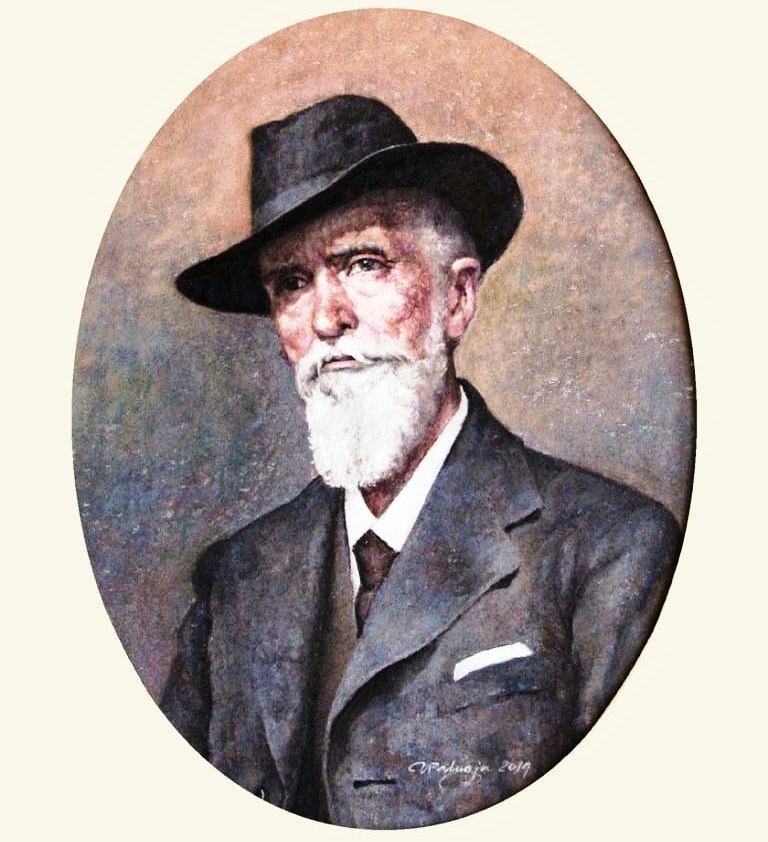
Peter Carl Fabergé (1846-1920)
Today – 24th September 2025 – marks the 105th anniversary of the death of Peter Carl Fabergé. He died on 24th September 1920, in Pully, near Lausanne, Switzerland, aged 74. This article is a tribute to his life and the Imperial legacy of his work.
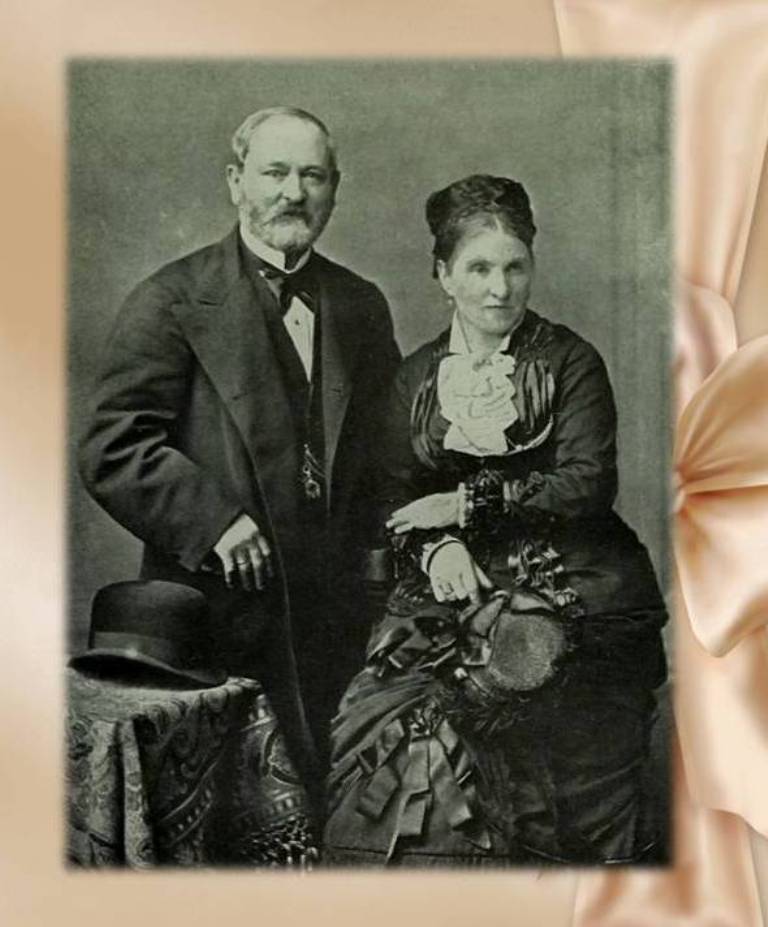
Peter Carl Fabergé was born in St. Petersburg, Russia on 30th (O.S. 18th) May 1846. Carl was one of four children born into the family of the Baltic German jeweller, Gustav Fabergé (1814-1893) and his wife Charlotte Maria Jungstedt (1820-1903).
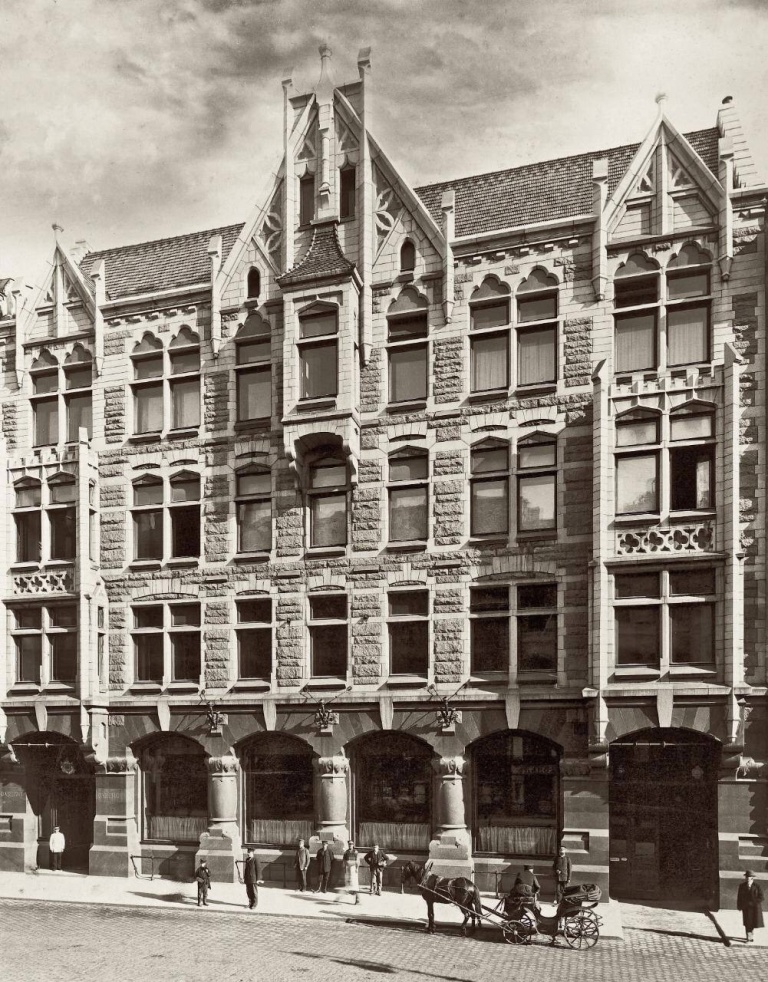
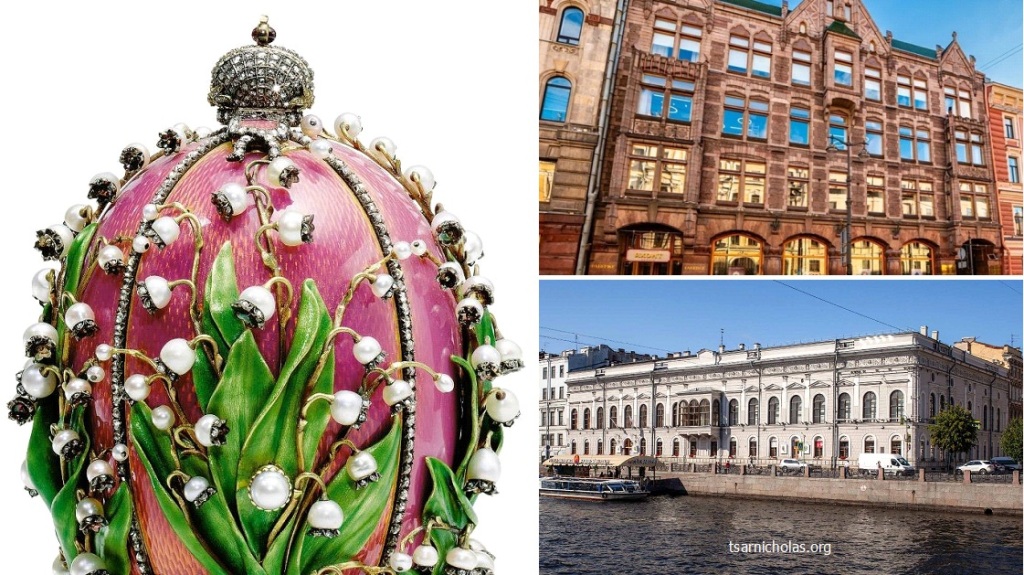
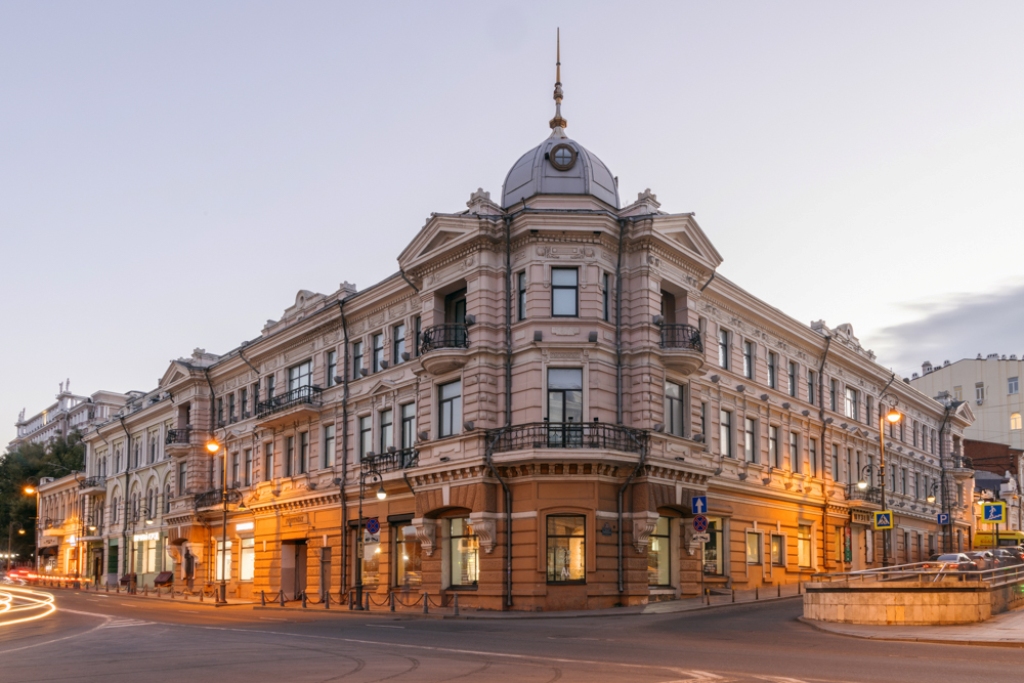
In 1842, Gustav Fabergé opened a jewelry store on at 24 Bolshaya Morskaya Street (see photo below), in St. Petersburg. In 1899-1900, the building was rebuilt by the architect and cousin of the jeweller Carl Schmidt.
In 1860, Carl’s family moved to Dresden, leaving the family business in the hands of trusted managers. In Dresden, Carl took courses at the city’s University of Fine Arts. In 1864, he set off on a Grand Tour of Europe. He completed his training with respected goldsmiths in Germany, France, Italy and England, while spending his free time exploring Europe’s finest galleries and museums. He continued his Grand Tour of Europe until 1872, when, at the age of 26, he returned to St. Petersburg. For the next ten years, the craftsman Hiskias Pendin, employed by his father, became his mentor and tutor.
It was also in 1872, that Carl married Augusta Julia Jacobs (1851-1925). The couple had five sons, four of whom lived to adulthood: Eugène (1874–1960), Agathon (1876–1951), Alexander (1877–1952), Nikolai (1881-1883), and Nicholas (1884–1939). Descendants of Peter Carl Fabergé live in mainland Europe, Scandinavia and South America.
PHOTO: Gustav Fabergé and his wife Charlotte Maria Jungstedt
In 1882, Carl Fabergé took sole responsibility for running the company. He was awarded the title Master Goldsmith, which permitted him to use his own hallmark in addition to that of the firm.
In 1882, Carl and his brother Agathon caused a sensation at the All-Russian Exhibition held in Moscow. Carl received the gold medal of the Exhibition and the medal of Saint-Stanislaus. It was during this exhibition, that Fabergé was first noticed by Emperor Alexander III (1845-1894). The Emperor was so impressed with the objects of the House of Fabergé, that he ordered such to be presented at the Hermitage as superb examples of contemporary Russian craftsmanship.
In 1884, Alexander III granted the House of Fabergé the privilege of being the supplier to the Imperial Court, placing the Russian jeweller in direct competition with the Swedish jeweller Bolin. It remained so under Nicholas II. He was also recognized by the courts of the United Kingdom, Thailand, Sweden and Norway.
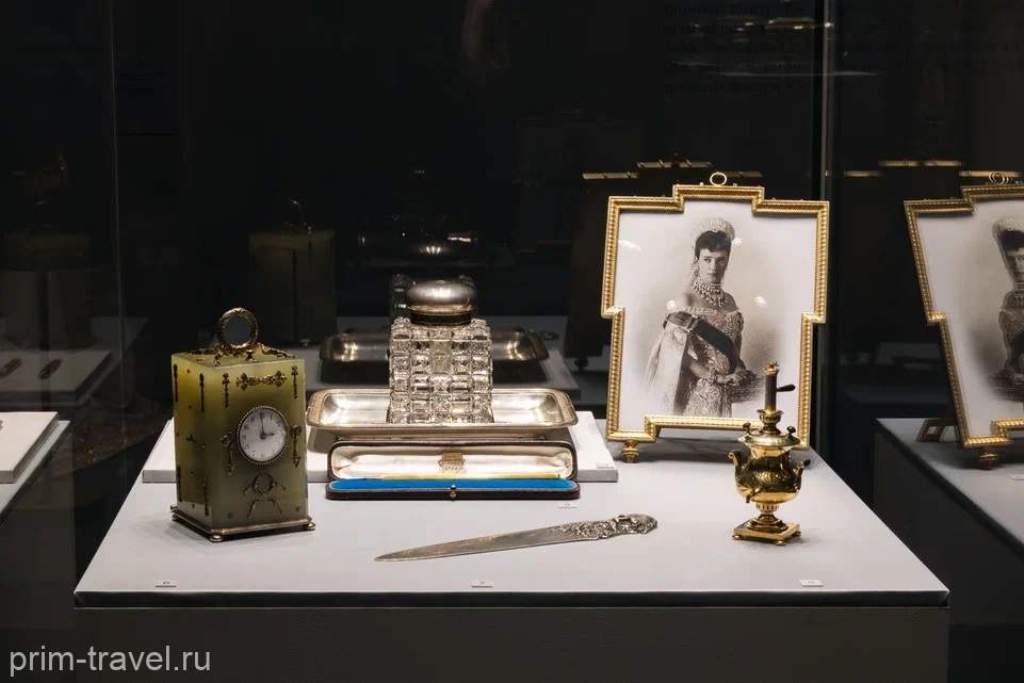
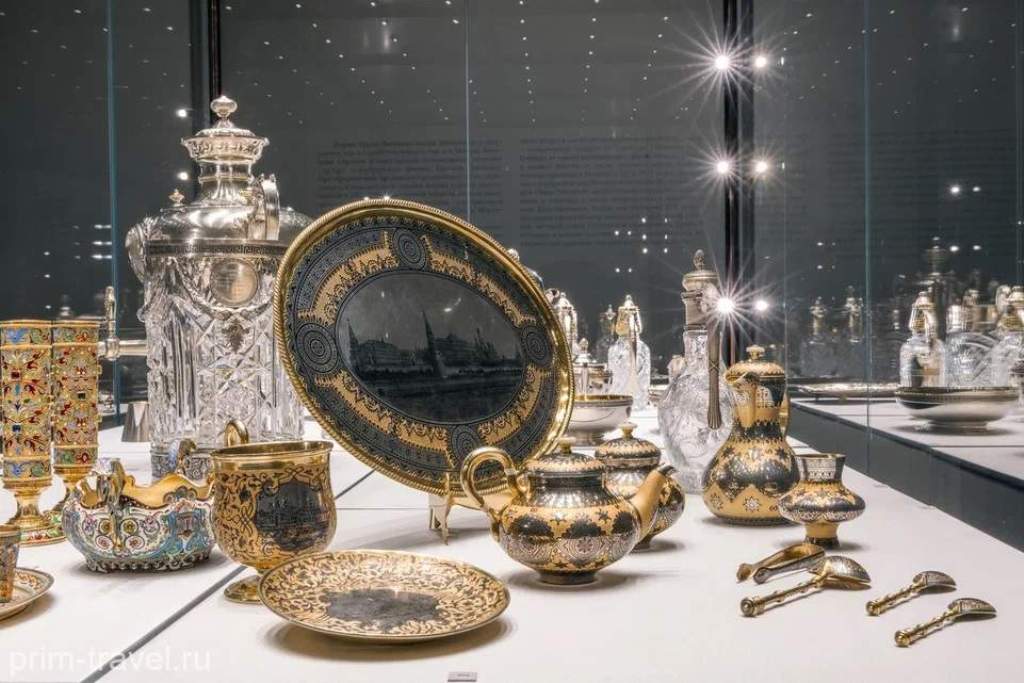
While Carl Fabergé was best known for the famous Imperial Easter Eggs, he also gained fame for many more objects ranging from silver tableware to fine jewelry which were also of exceptional quality and beauty.
At the turn of the 19th-early 20th century the Fabergé firm employed more than 500 people. Up until 1917, Fabergé’s company became the largest jewelry business in Russia. In 1916, the House of Fabergé became a joint-stock company with a capital of 3-million rubles. Between 1882 until 1917, the firm produced some 150,000 to 200,000 objects.
PHOTO: the main building of the Karl Fabergé firm in was located at Ulitsa Bolshaya Morskaya, 24., in St. Petersburg, and has survived to this day.
In order to cope with such volumes and manage not only the headquarters in the capital, but also branches within the Russian Empire and abroad, the company had rules for which workers must abide: Men were obliged to be respectful to women and girls working at the firm; All employees were forbidden to swear during working hours and conduct indecent conversations among themselves; Apprentices were forbidden to shout, swear, quarrel, fight and make any noise; Smoking was not permitted on the premises of the firm; All employees were forbidden to tell jokes during working hours; It was forbidden to gather in groups and talk about abstract topics.
The main building of the Carl Fabergé firm in was located at Ulitsa (Street) Bolshaya Morskaya, 24., in St. Petersburg, and has survived to this day. The firm also maintained branches in Moscow, Odessa, Kiev and London.
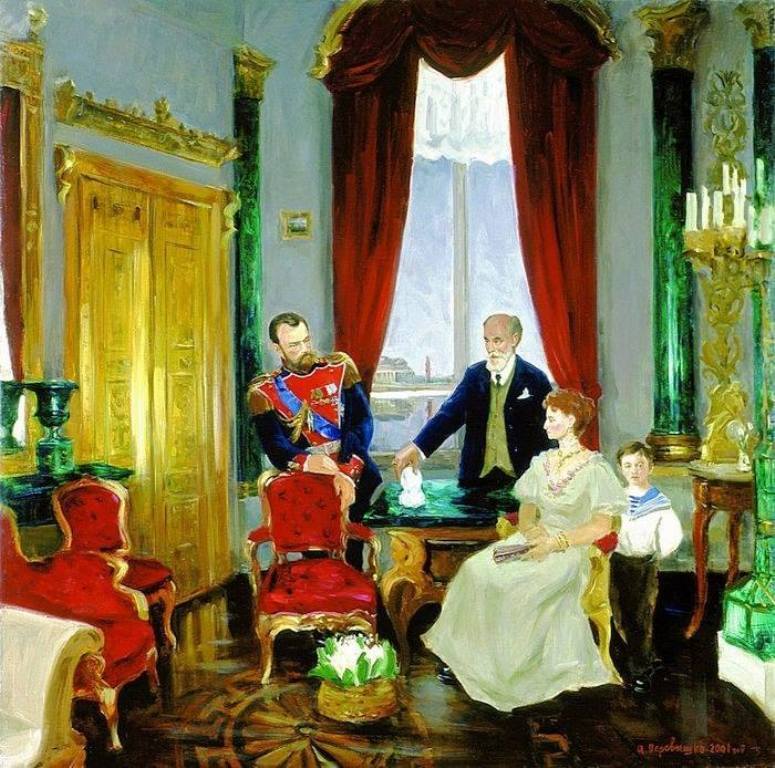
PHOTO: Carl Fabergé hands the Winter Imperial Easter Egg (1913) to Nicholas II, in the presence of the Empress Alexandra Feodorovna and their son Tsesarevich Alexei Nikolaevich. Painted in 2001, by the artist: Anatoly Ivanovich Perevyshko [b.1952]
Fabergé’s Imperial Easter Eggs
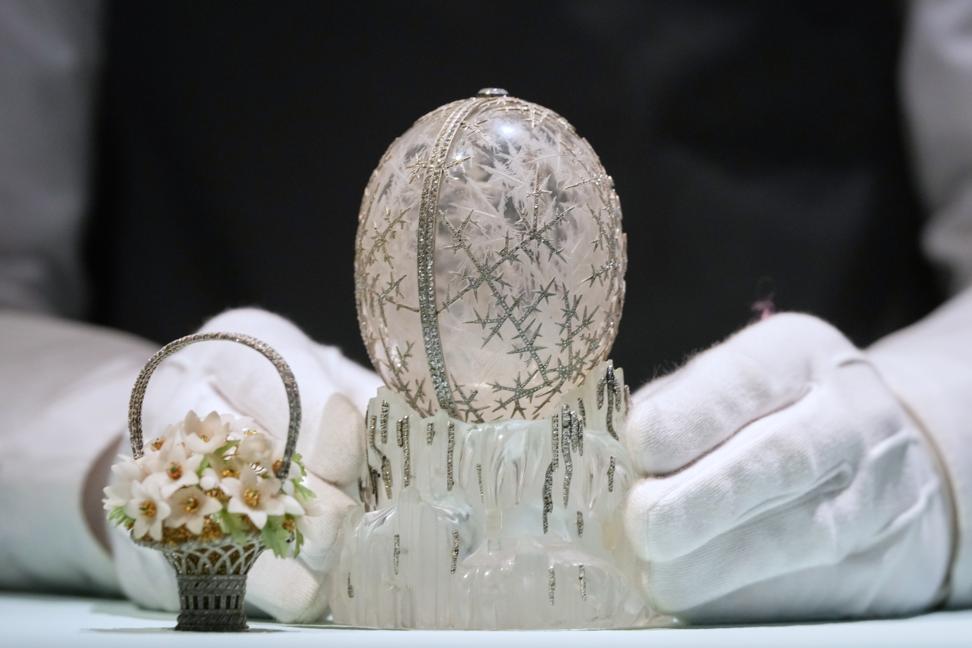
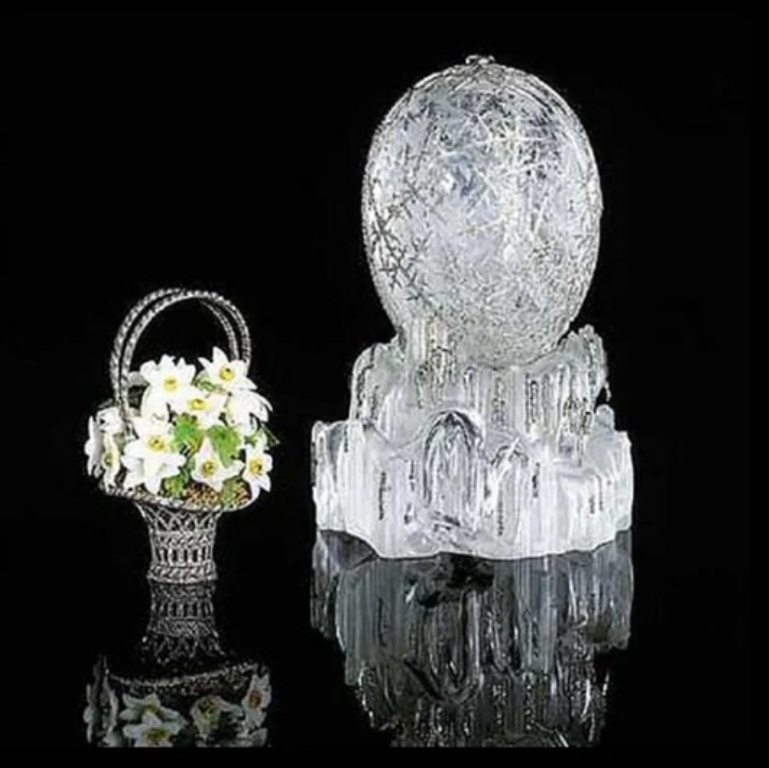
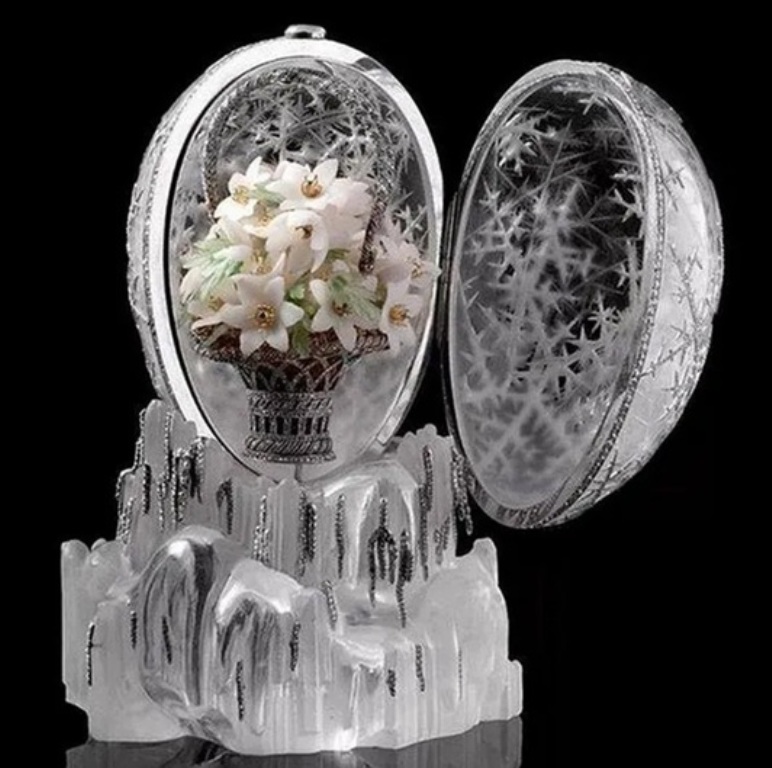
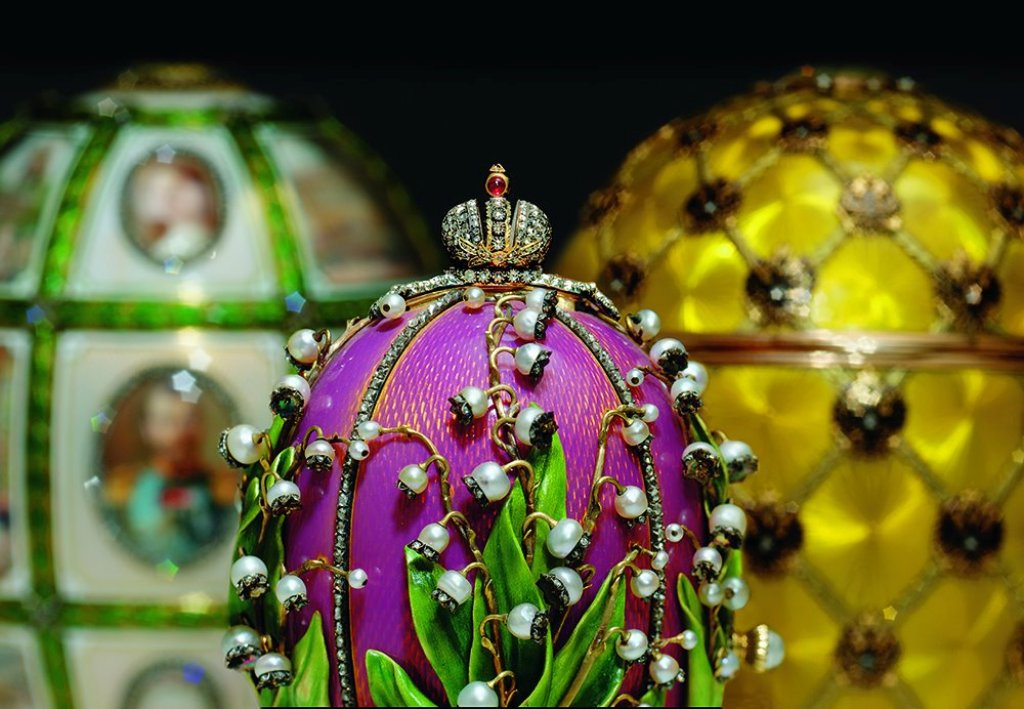
Carl Fabergé is perhaps best known for his Imperial Easter Eggs. They are at once exquisite works of art and fascinating relics of a vanished era. Some of the most valuable and prized treasures on earth, the jewelled eggs created by Peter Carl Fabergé for Emperors Alexander III and Nicholas II represent the zenith of the jeweller’s art. They helped secure Fabergé a monumental reputation and embody an era of opulence that came to a sudden, horrific end.
A total of 50 Imperial Easter Eggs were created: 10 for Alexander III and 40 for Nicholas II, as Easter gifts for Alexander’s wife and Nicholas’s mother Empress Maria Feodorovna, and Nicholas’s wife Empress Alexandra Feodorovna. After the death of his father in 1894, Nicholas II gifted one of Fabergé’s Imperial Easter Eggs to his mother as well.
Two more of Imperial Easter Eggs (bringing the total to 52) were designed but were unable to be delivered. One egg known as the Karelian Birch Egg, has confirmed sketches but is not confirmed to have actually been made, and the other, the Blue Tsesarevich Constellation Egg, only partially completed due to the Russian Revolution of 1917.
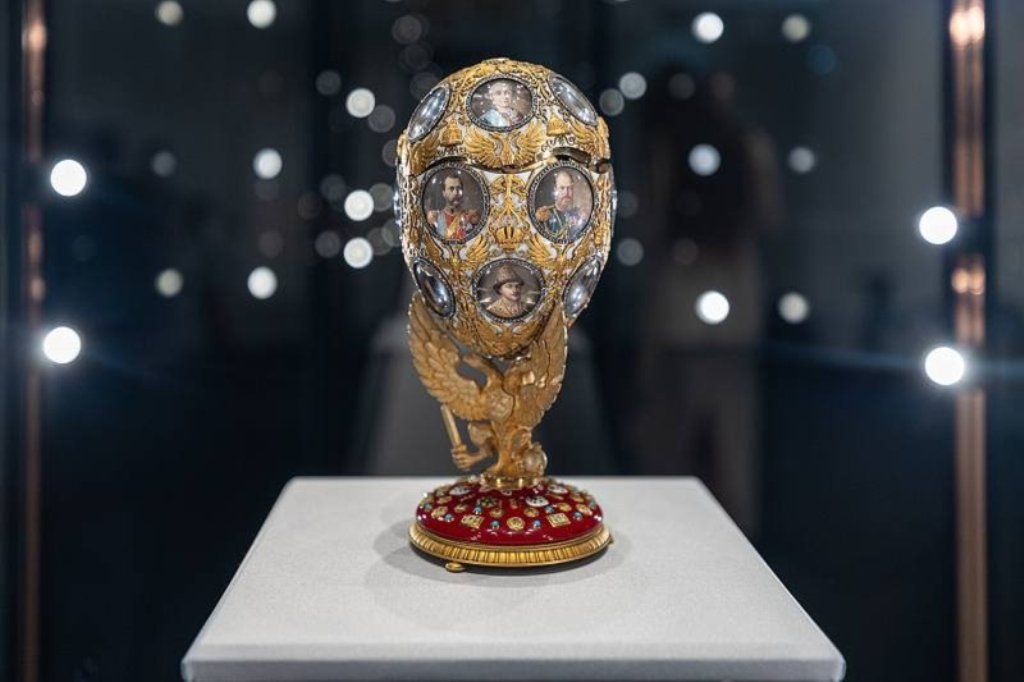
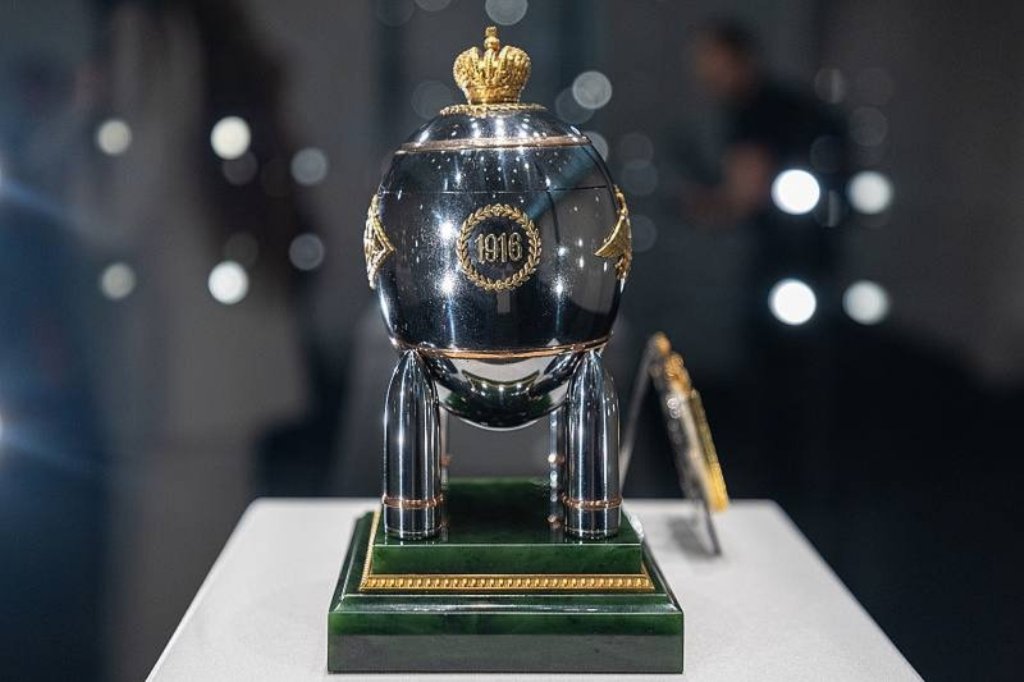
Of the 52 known Imperial Easter Eggs, 46 have survived to the present day. Ten of the imperial Easter Eggs are displayed at Moscow’s Kremlin Armoury Museum.
In 1918 The House of Fabergé was seized by the Bolsheviks. In early October the stock was confiscated. The House of Fabergé was no more.
After the nationalization of his business, Carl Fabergé left St. Petersburg on the last diplomatic train for Riga. In mid-November, the Revolution having reached Latvia, he fled to Germany and first settled in Bad Homburg and then in Wiesbaden. In June 1920, he went to Switzerland where other members of his family had taken refuge at the Bellevue Hotel in Pully, near Lausanne.
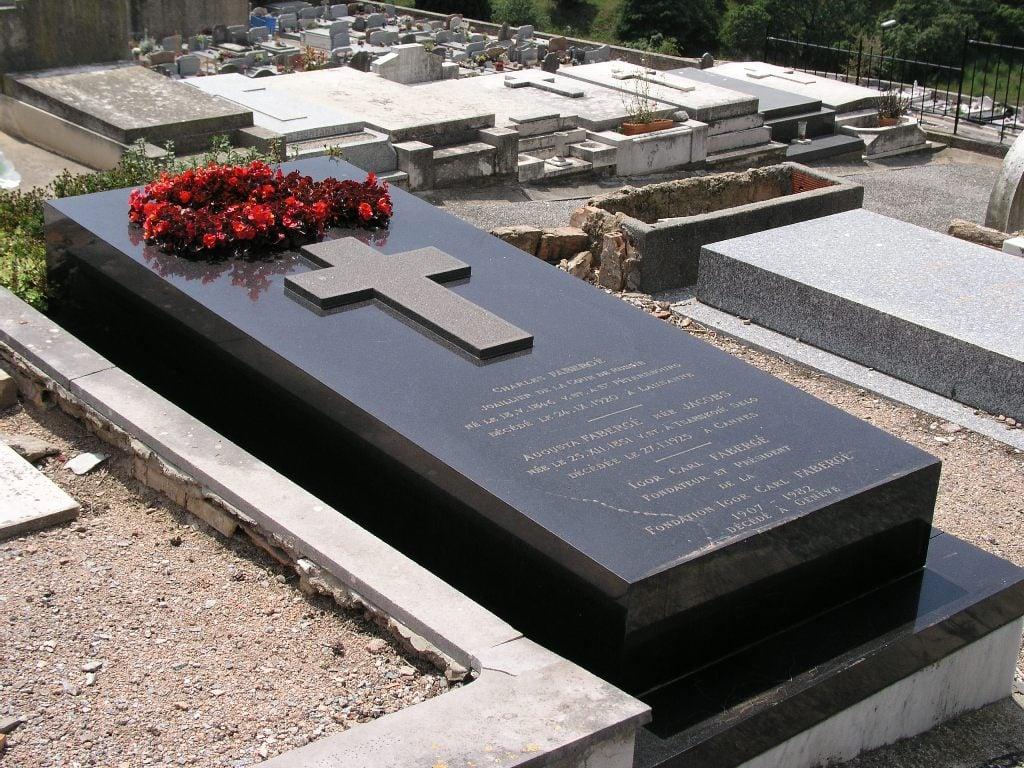
PHOTO: Grave of Peter Carl Fabergé
Peter Carl Fabergé never recovered from the shock of the Russian Revolution. He died in Switzerland on 24th September 1920. His family believed he died of a broken heart. His wife, Augusta, died in 1925. The two were reunited in 1929 when the couple’s son Eugène Fabergé took his father’s ashes from Lausanne and buried them in his mother’s grave at the Cimetière du Grand Jas in Cannes, France.
Memory Eternal! Вечная Память!
***
More than a century after his death, the legacy of Carl Fabergé prevails. His works have been the subject of countless exhibitions, books, documentaries and conferences, while auction houses continue to sell his jewels, objets d’art, and Imperial Easter Eggs at record breaking sums from buyers all over the world.
Fabergé family archive transferred to the Moscow Kremlin Museum
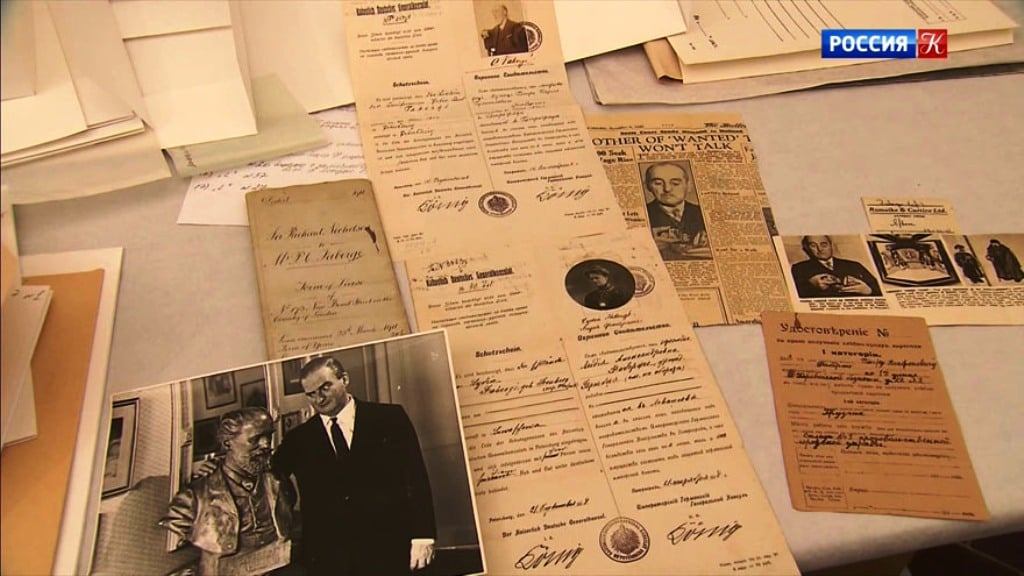
PHOTO: an archive of the Fabergé family, which include documents, jewellery sketches, and other various items was transferred to the Moscow Kremlin Museum
In October 2020, the Moscow Kremlin Museum received an archive of the Fabergé family, which included documents, jewellery sketches, and other various items.
According to Elena Gagarina, who heads the museum, “it is gratifying that such a collection ended up not in a private collection, but in a state museum. Now scientists can study it.”
The archive was transferred to the museum under the bequest of Tatiana Fabergé (1930-2020), the great-granddaughter of Carl Fabergé. ce. Culture Minister Olga Lyubimova is sure that the transfer of the archive is a sign of great trust. The archive will allow scientists to learn more about the family of the jeweller and his descendants.
The archive reflects the life of the Fabergé family over a century. Historical materials cover the period that begin even before the October Revolution. Among the documents are photographs, auction catalogues, business papers and personal documents of the descendants of Fabergé. The museum was also given a bust of Carl Fabergé, made during the life of the founder of the famous jewellery house. The archive also includes materials related to the Sheremetev family, the maternal relatives of Tatiana Fabergé.
After the emigration of the founders of the company, the history of Fabergé was not studied closely enough. The archive will open new pages in the life of the old family.
Fabergé Museum in St. Petersburg
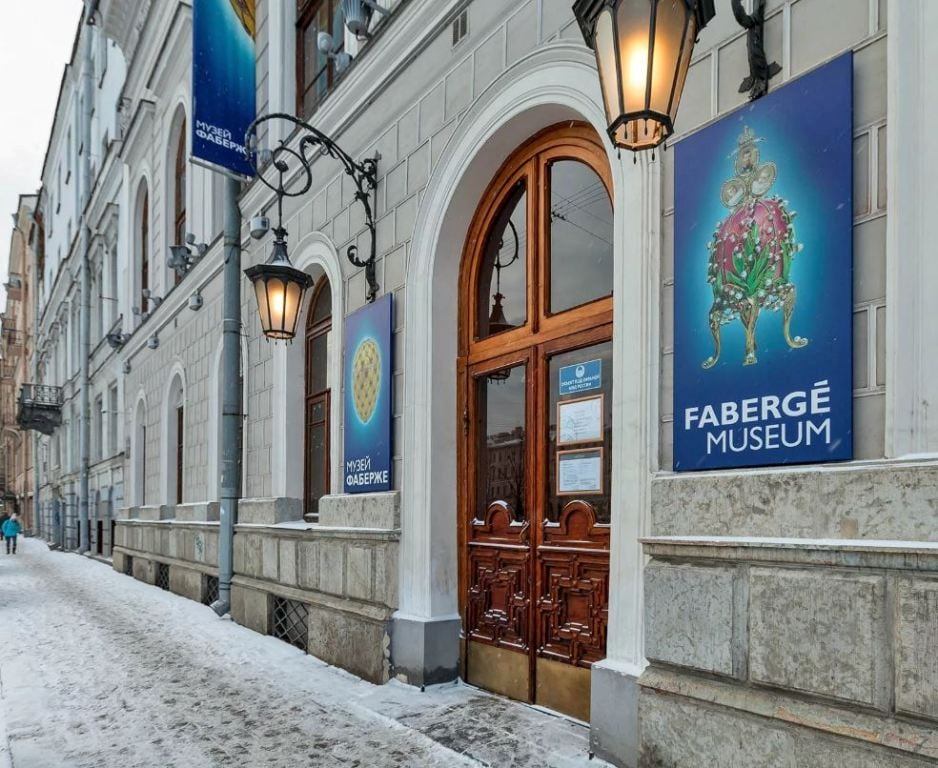
PHOTO: Main entrance to the Fabergé Museum located in the former Shuvalov Palace on the Fontanka River Embankment. in St. Petersburg
On 19th November 2013, the Fabergé Museum in St. Petersburg opened its doors.
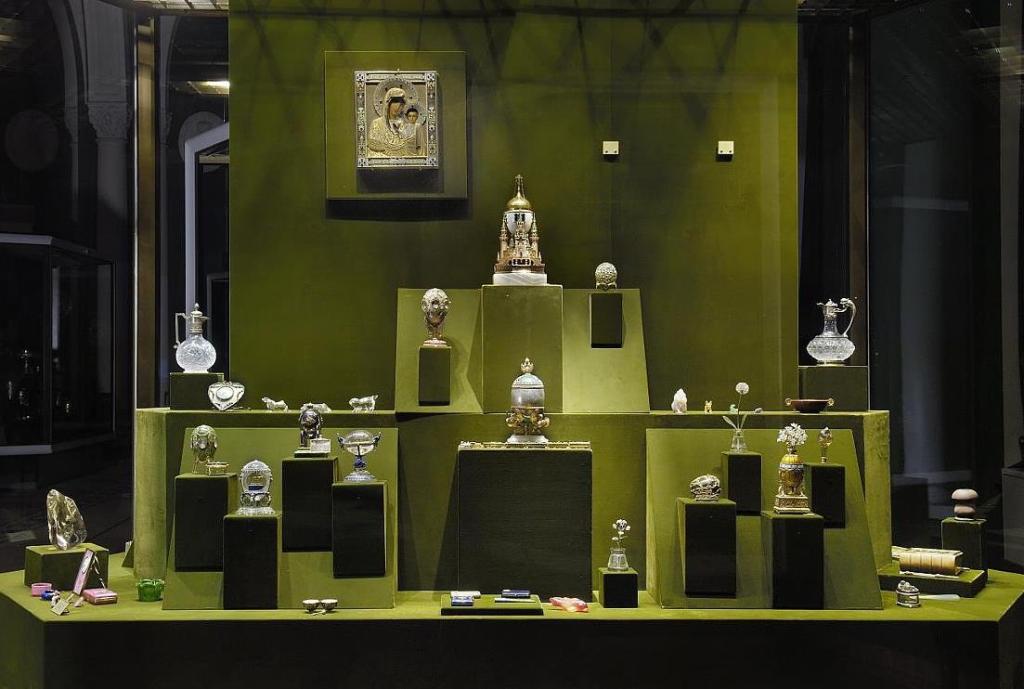
The Fabergé Museum is a privately owned museum which was established by Viktor Vekselberg and his Link of Times Foundation in order to repatriate lost cultural valuables to Russia. The museum, located in the former Shuvalov Palace on the Fontanka River Embankment. Today, it houses the world’s largest collection of pieces made by the famous Russian jeweller Peter Carl Fabergé (1846-1920).
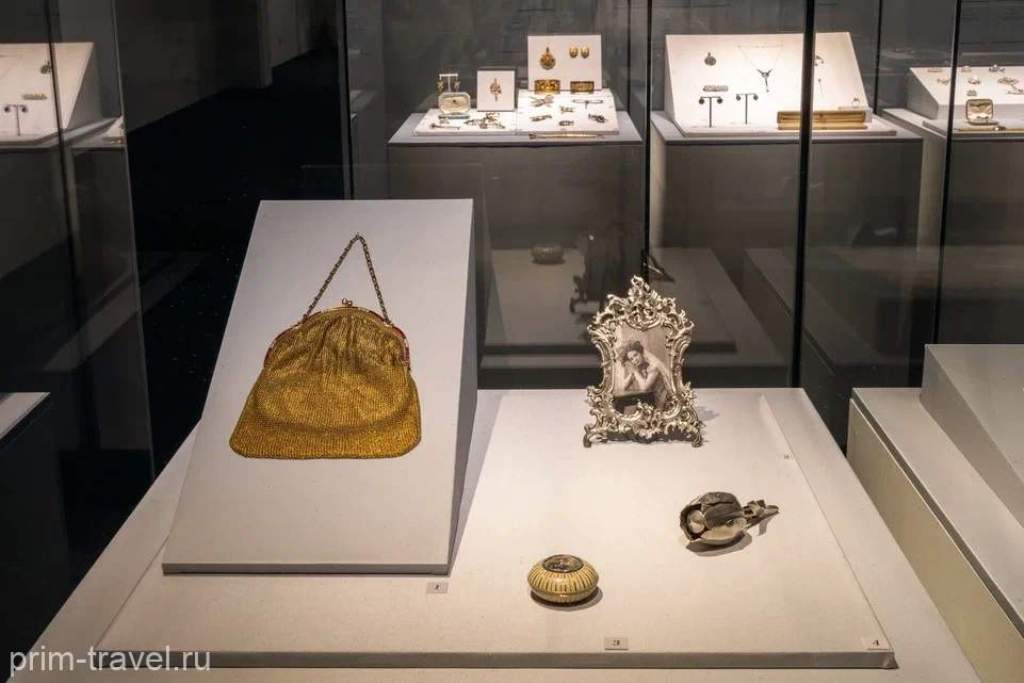
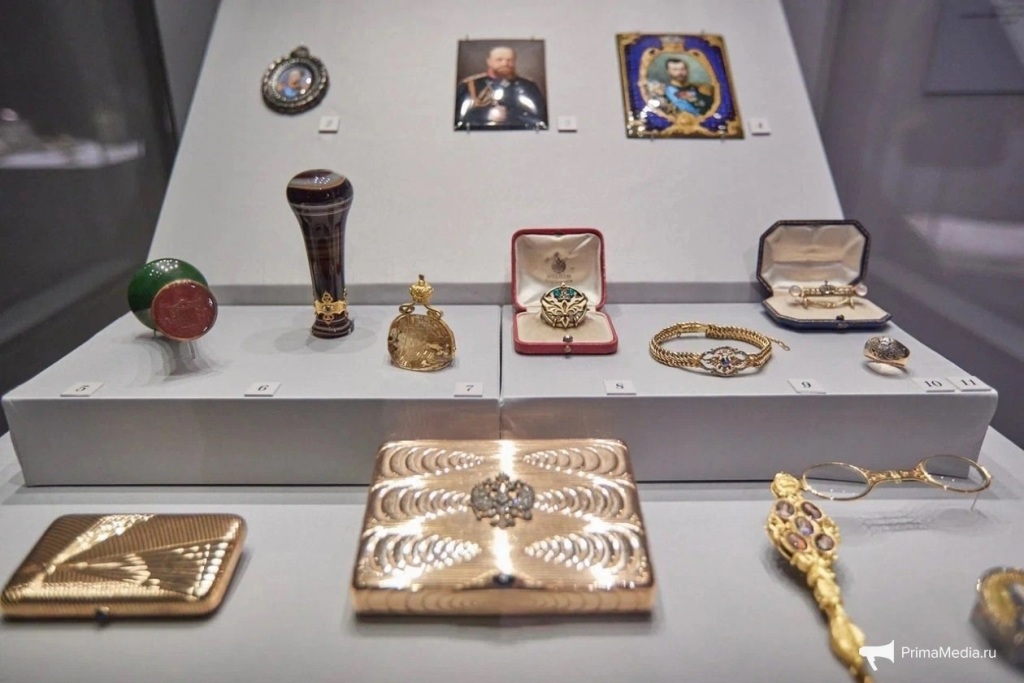
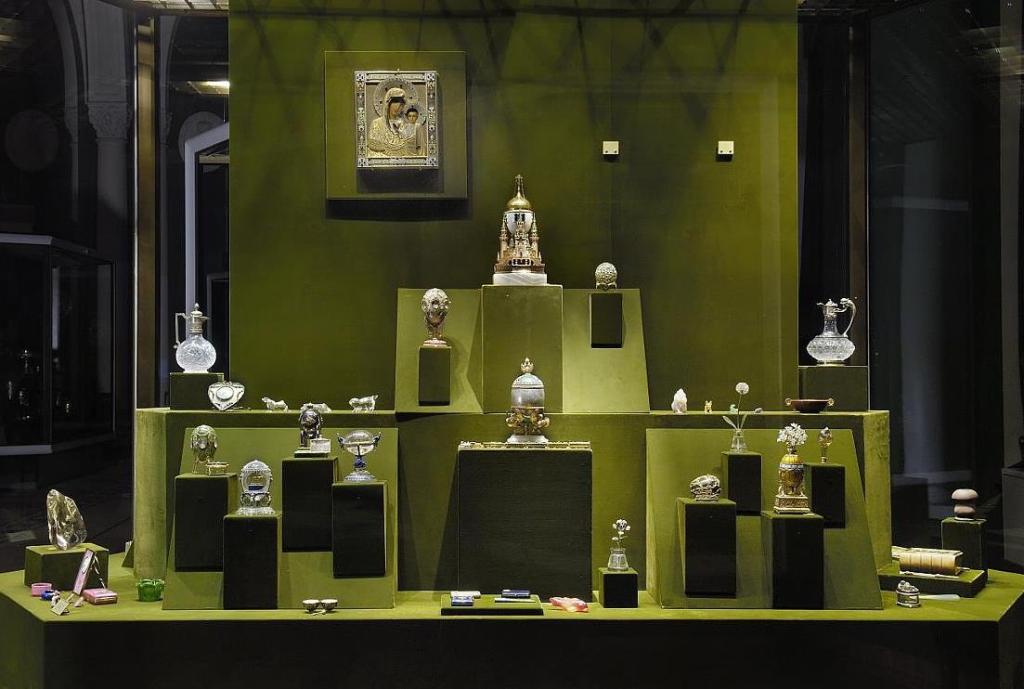
The museum’s collection contains more than 4,000 works (including the former collection of Malcolm Forbes ) of decorative applied and fine arts, including gold and silver items, paintings, porcelain and bronze. The highlight of the museum’s collection is the group of nine Imperial Easter eggs created by Fabergé for the last two Russian Emperors Alexander III and Nicholas II.
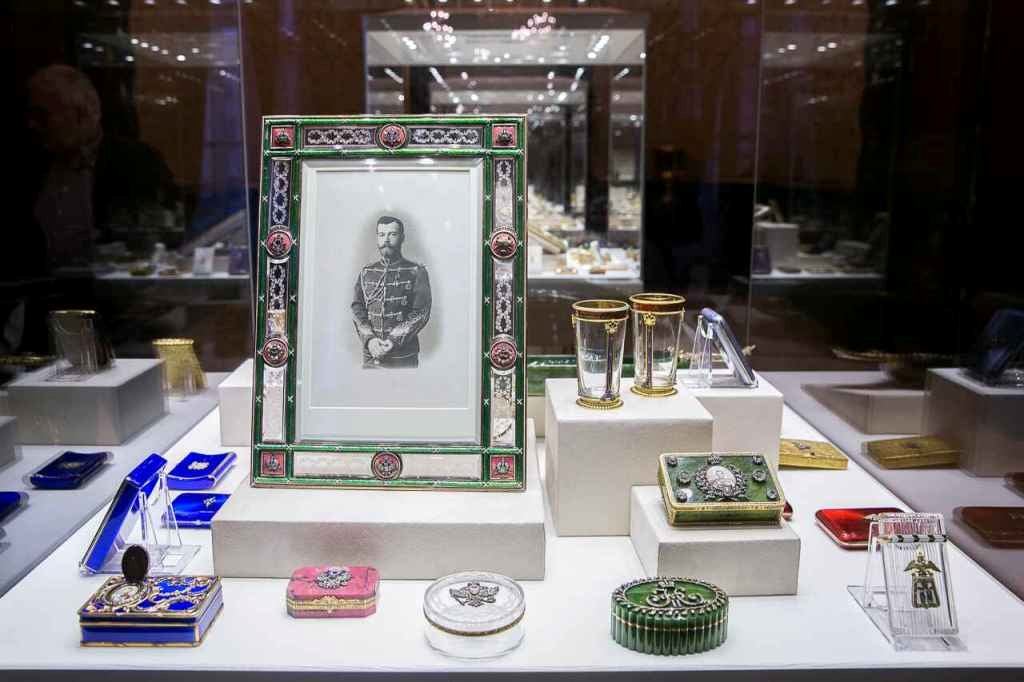
PHOTO: The Fabergé Museum’s collection contains more than 4,000 works including the former collection of Malcolm Forbes
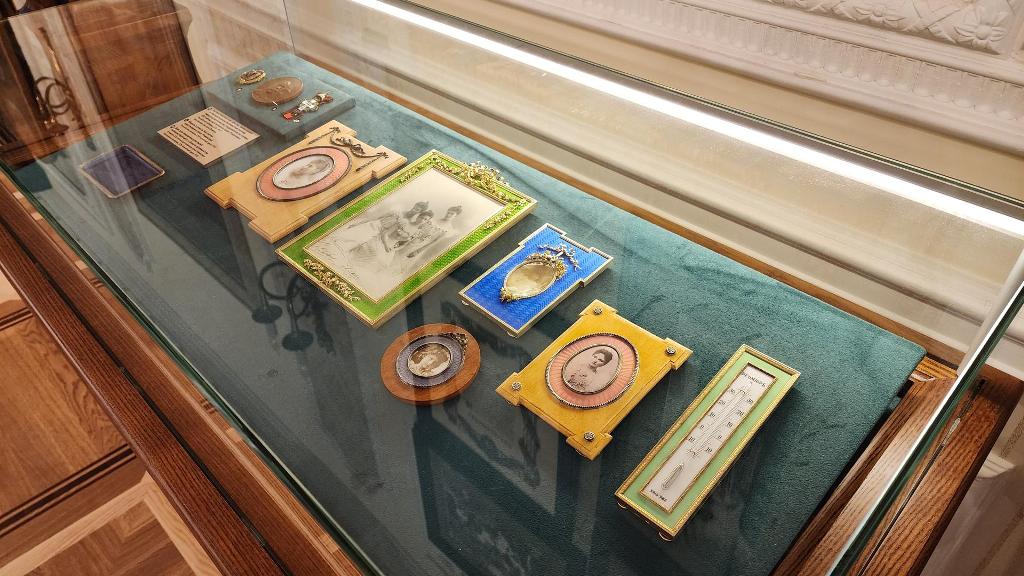
The handsome portrait of Emperor Nicholas II seen in the glass display case in the Fabergé Mseum, depicts Russia’s last Tsar in the uniform of the His Majesty’s Life-Guards Hussar Regiment.
The frame created by Fabergé was a gift to the Empress Maria Feodorovna. It is made of rock crystal, gold-rimmed with green guilloche enamel. Along the perimeter there is an ornament of intertwining laurel branches. Along the side there are pink guilloche-enamel medallions with images of the coat of arms, fittings, crowns, and in the central upper part – the monogram of Maria Feodorovna.
The frame was made by the chief craftsman of the company Mikhail Perkhin between 1898-1903.
Over the past seven years, the Fabergé Museum has become one of the most popular tourist sites in St. Petersburg. The author of this article, had visited the Fabergé Museum on two occasions and consider it one of the city’s finest museums – PG
Kremlin Fabergé collection to get new home in Moscow
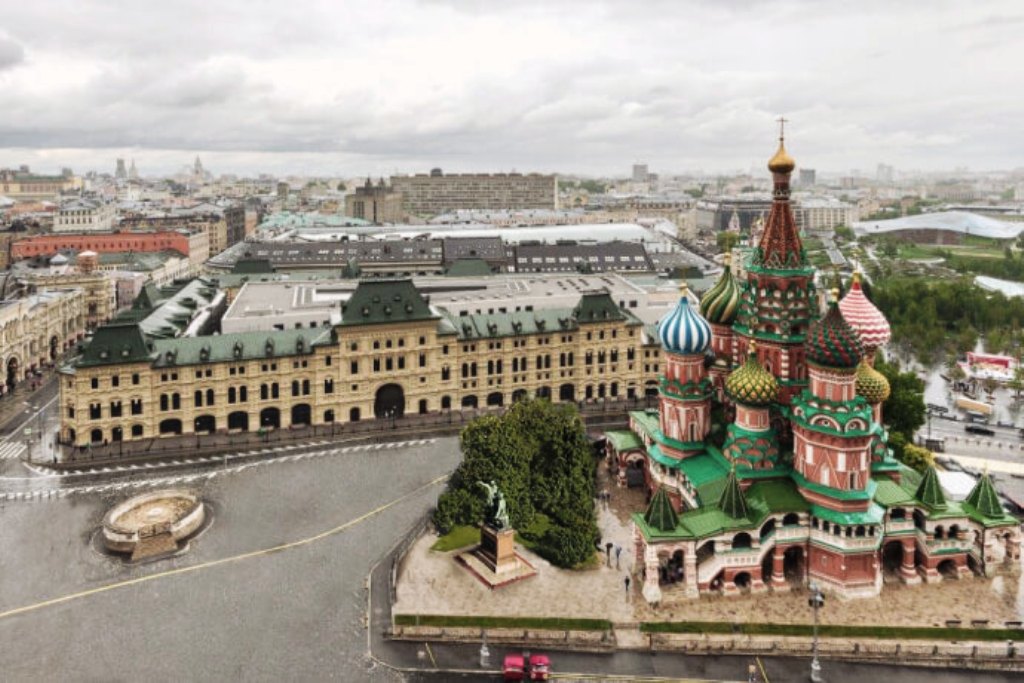
In July 2023, the Moscow Kremlin Museums announced that the museum’s Fabergé Collection, which is part of the Collection of the State Armoury Chamber Museum will be moved to a massive new museum complex located on Red Square.
The new K5 museum – which has been under construction for nearly a decade – will feature a “large Fabergé Hall” to showcase the 10 Imperial Easter Eggs and other Fabergé items from the museum’s collection. The new complex was scheduled to open in 2024, however, sanctions imposed by the EU have halted delivery of large glass display cases needed for the new museum.
Monuments to Peter Carol Fabergé
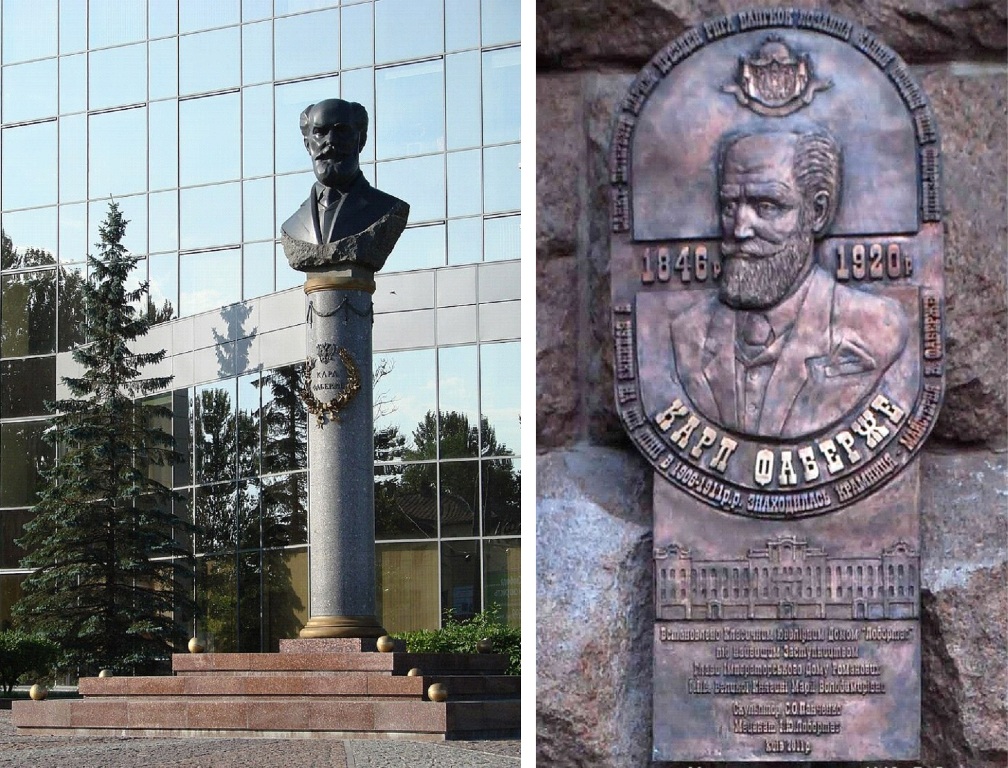
On the left, is a bust-monument to Carl Fabergé in St. Petersburg. The memorial was installed on Carl Fabergé Square, situated in he Krasnogvardeisky district of the former capital of the Russian Empire. The square remained nameless for years, and in the autumn of 1998, that it was named after the famous St. Petersburg jeweller.
Work began on the six-meter bust-monument in May 1996, by the St. Petersburg sculptors Valentin Ivanov and Leonid Aristov. The design and layout were carried out by architect Boris Grishko.
The bust of the jeweller is carved from the black gabbro stone. The base of the monument consists of three square slabs arranged in steps. They are decorated with a pattern and spherical lamps. A three-meter column of gray-pink granite is installed on the pedestal. On it there is a laconic inscription “Carl Fabergé”, decorated with axelbants, a wreath of roses and a double-headed eagle.
On 19th December 1997, Tatiana Feodorovna Fabergé (1930-2020), arrived from Geneva for the opening of the commemorative monument. The event was timed to coincide with the 150th anniversary of the founder of the jewellry dynasty, but took place one year later.
Two years after the solemn installation of the monument, thanks to the petition of the Russian Gems enterprise, the nameless square acquired its name. Since 7th September 1998, the square has proudly borne the name of Carl Fabergé.
On the right is a bronze memorial bas-relief plaque to Carl Fabergé, which was installed on 6th December 2011, on the façade of the building on Khreshchatyk Street, which during early 20th century housed the former Fabergé shop/workshop was located.
Given the current state of Russian-Ukranian relations, it is very likely that this plaque has been removed (or destroyed), like all other monuments, etc. related to the Russian tsars and Imperial Russian history.
Fabergé endures . . .
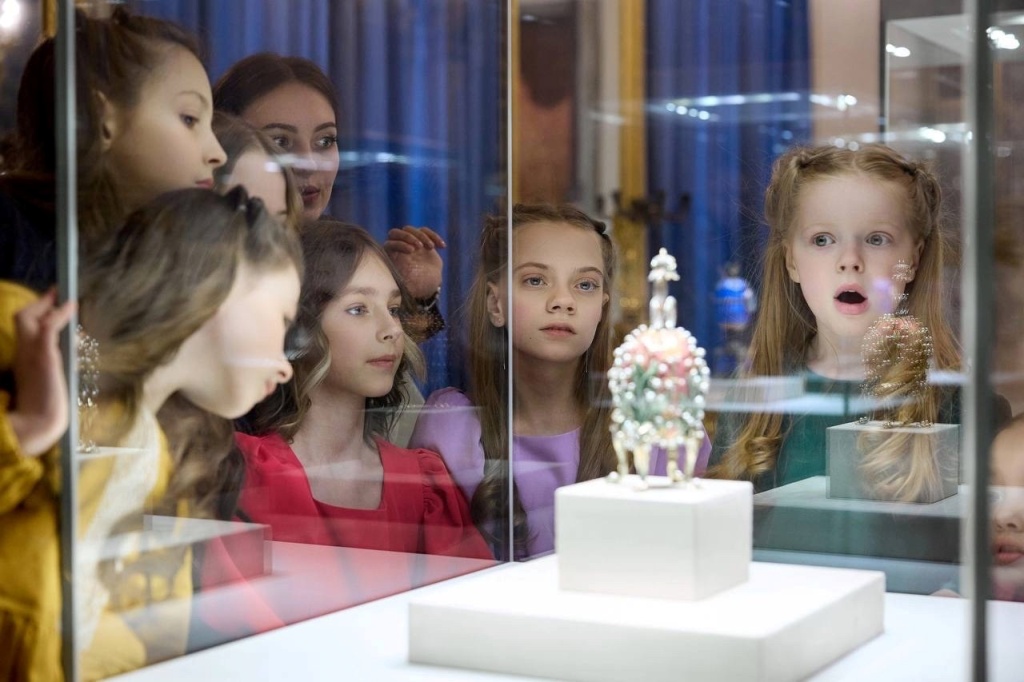
In the above photo, a group of Russian schoolchildren surround a glass display case containing the Lilies of the Valley Imperial Easter Egg, at the Fabergé Museum in St. Petersburg . . . their facial expressions says it all.
© Paul Gilbert. 24 September 2025
***
CLICK HERE TO VIEW THE CATALOGUE OF BOOKS

 Nicholas II
You must be logged in to post a comment.