What would have happened to Russia if Nicholas II had remained on the throne?
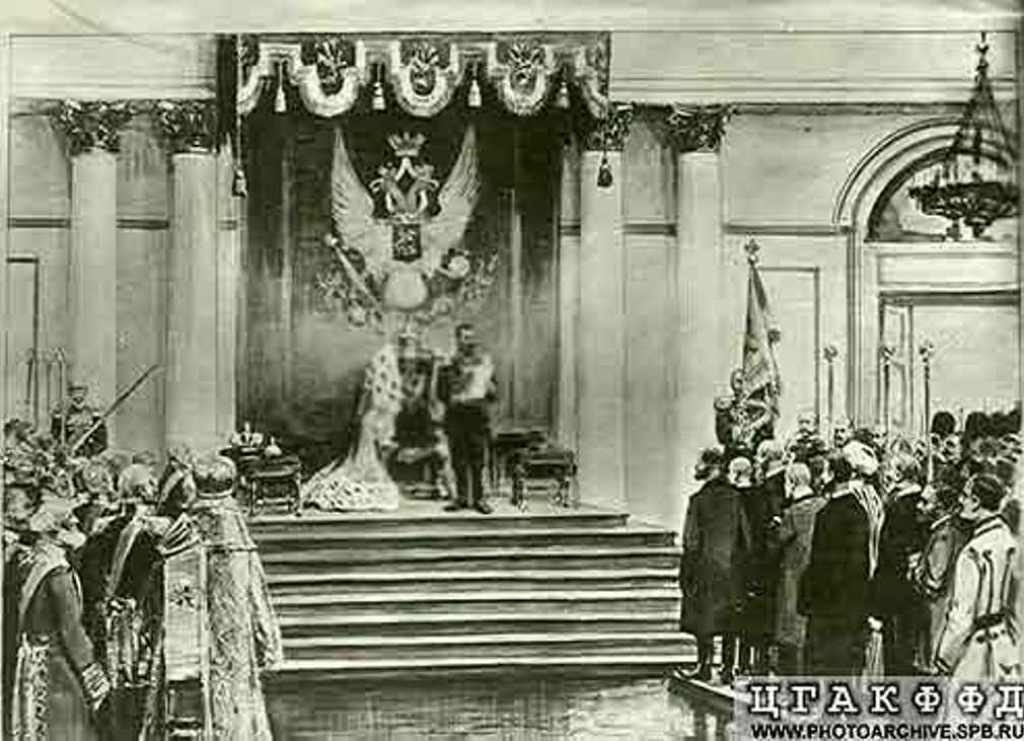
PHOTO: Emperor Nicholas II set against the backdrop of symbols of the Russian Empire and monarchy: the regalia, the throne and the double-headed eagle

Any one who shares an interest in the life and reign of Russia’s last Tsar, has more than likely asked themselves, “what if there was no revolution?”, “what if Russia had won the war against Germany?”, and more importantly, “what if Nicholas II remained on the throne?”. What would have happened to Russia?

This article shares the opinions of three prominent Russians: a journalist, a highly respected historian, and a publicist. Below, they share very different opinions about the successes and failures of Nicholas II and speculate what would have happened to Russia if he had remained on the throne, after the Great War ended – war which Russia was on the verge of victory.

***

More than a century after his tragic death, the last Emperor of Russia, continues to fascinate historians and the general public alike. Historians and writers in particular, tend to focus and debate Nicholas II’s failures as a ruler, while often ignoring his many achievements.

Academically lazy historians and writers overlook (or ignore) the fact that the reign of Nicholas II witnessed a vivacious and in some cases, unprecedented bourgeoning of political, social, economic and cultural activity whose diversity and richness are today being uncovered by specialized post-Soviet studies of the period. It is a credit to the diverse achievements of Nicholas II which resulted the advances of Imperial Russia in industry, agriculture, education, labour, and the creation of responsible, educated citizens who were gradually becoming constructive contributors to the government’s political activity.

Nicholas II was associated with several epithets reflecting the wide range of opinions about his reign, from extremely negative to revered. These labels were primarily used by his political adversaries and critics, particularly during and after the Russian Revolution. 

Critical epithets, such as “Nicholas the Bloody” or “Bloody Nicholas”, were the most common and enduring negative epithets. They arose after the Khodynka Tragedy at his coronation festivities in May 1896 and, more significantly, after the Bloody Sunday massacre in 1905.

To this day, Nicholas II’s detractors describe him as an “indecisive, weak-willed, and out-of-touch ruler”. Russian President Vladimir Putin described Nicholas II as an “erroneous and absurd ruler”, while Metropolitan Tikhon (1865-1925) remembered Nicholas as “one of the most successful and yet most tragic leaders of the Russian state”.
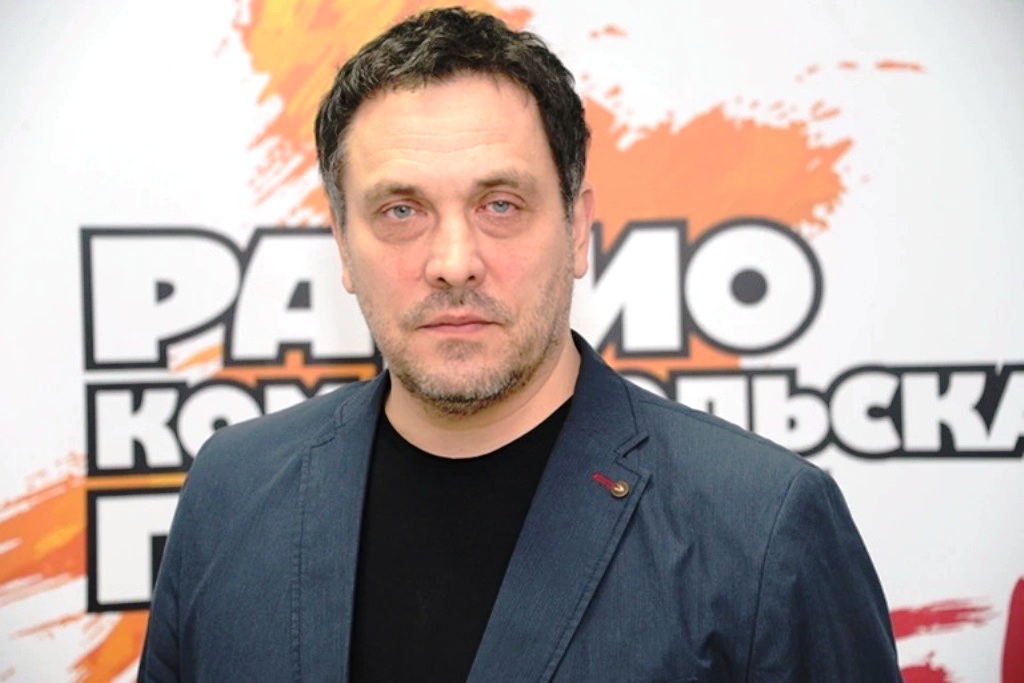
PHOTO: journalist and politician Maxim Shevchenko

During a recent Russian-language interview, journalist and politician[1] Maxim Shevchenko [b. 1966] referred to Nicholas II as “the worst ruler in the history of the country”. According to Shevchenko, for decades, a “lulling mythology” has been created around the Russian Empire: the film Адмиралъ / Admiral (2008) about Alexander Kolchak, the transfer of Anton Denikin’s ashes to the Donskoy Monastery in Moscow (2005), and the opening of a memorial plaque to Carl Gustaf Mannerheim in St. Petersburg (2016), as examples. The journalist believes that all these are nothing more than “beautiful fairy tales” about persons “allegedly close to Emperor Nicholas II. Each of whom was actually defeated,” rants Shevchenko, and they were swept away with hatred by their own people.”

In Shevchenko’s opinion, the last Russian Tsar was not worthy of canonization by the Moscow Patriachate in 2000. The journalist called Nicholas II “a criminal” for the fact that on his order a peaceful demonstration was brutally suppressed on 9th January 1905. He further accuses NIcholas II of the disaster of the Russian fleet near Tsushima and in general of the defeat of Russia in the war with Japan (1904-05). According to Shevchenko, the Romanov dynasty “drowned Russia in blood, the revolution and civil war are the consequences of the inept management of Russia by Nicholas II.”
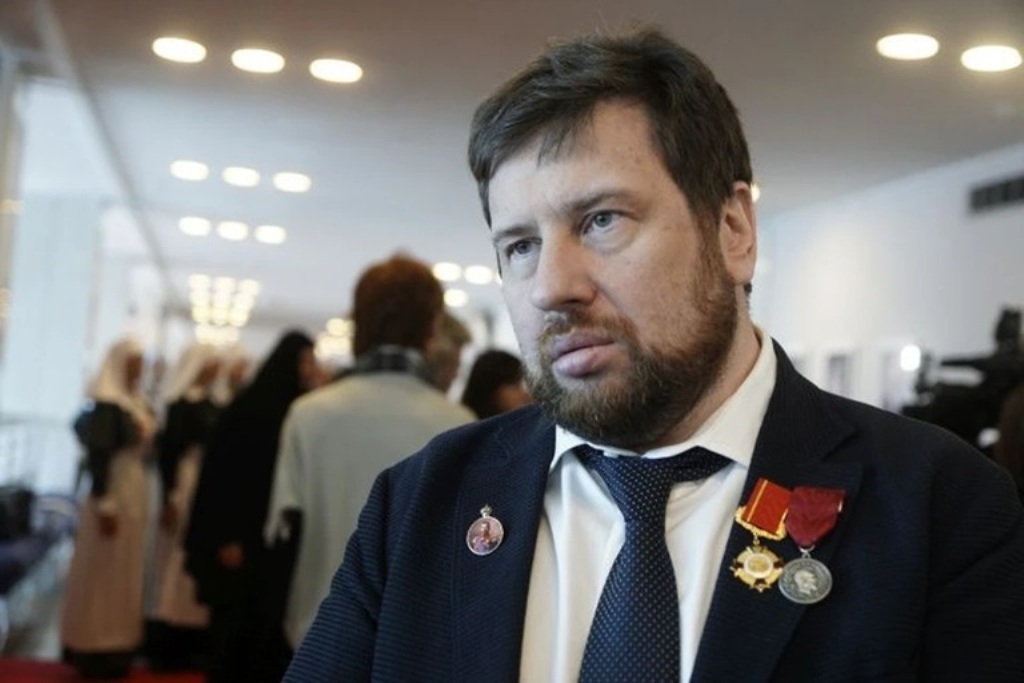
PHOTO: historian and author Pyotr (Peter) Multatuli

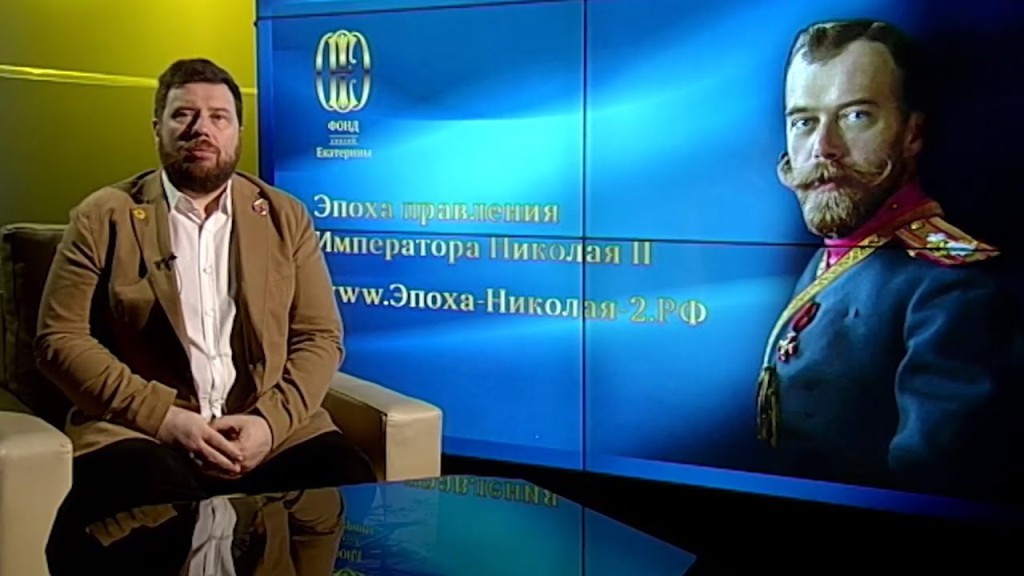
Russian Historian and author Pyotr Multatuli [b. 1969] fundamentally disagrees with Shevchenko. In his opinion, Nicholas II is a holy Tsar-martyr and a great reformer. According to Multatuli, more reforms were carried out under Russia’s last Tsar than under any of his predecessors. Under the last Emperor, 80% of the railways were laid, including the Trans-Siberian Railway. The historian believes that if this railway had not existed at that time, the consequences of the Russo-Japanese War would have been completely catastrophic, the Japanese could easily have reached Krasnoyarsk.

*CLICK on the following link, to read more about the reforms and accomplishments made during the 22+ year reign of Nicholas II – 70 facts about Emperor Nicholas II and his reign
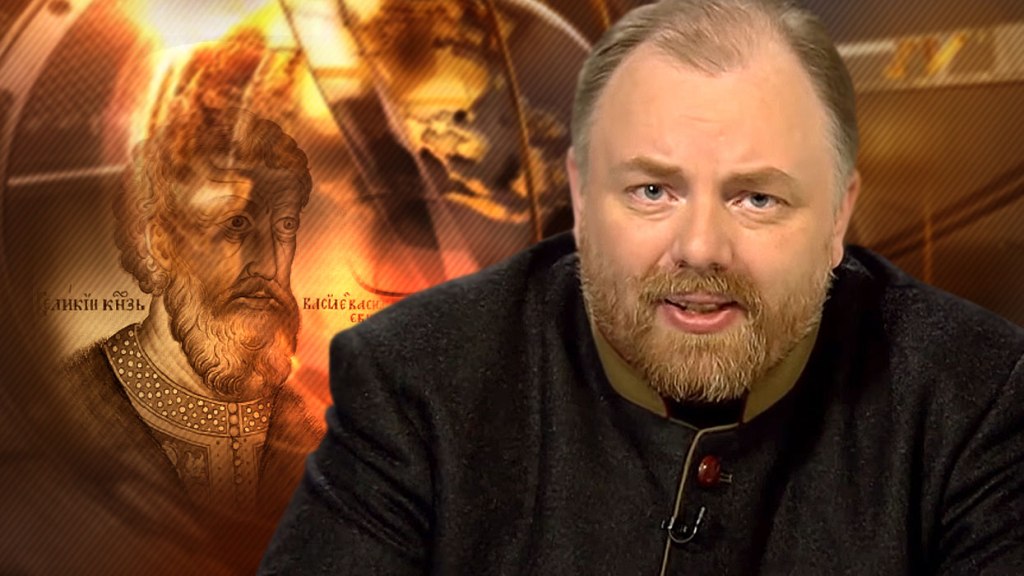
PHOTO: politician and publicist Yegor Kholmogorov

Russian politician and publicist Yegor Kholmogorov [b. 1975] drew attention to just two of the merits of Nicholas II. First were Nicholas II’s efforts and reforms to end hunger. Under Nicholas II, not a single crop failure led to the deaths of millions, as compared, for example to the famine in the Volga region in the first years of Soviet power.

Secondly, the industrialization of the country. Stalinist propaganda hushed up this undoubted merit of Alexander III and Nicholas II. Bolshevik and Western propaganda painted pre-revolutionary Russia as a backward agrarian country. The truth is that Russia at that time was pursuing a path of industrialization at an unprecedented pace, ahead of almost all developing nations, with the possible exception of the United States.

According to Kholmogorov, if the Emperor had remained on the throne, “Russia would have experienced significant prosperity”. Without revolutions and social upheavals, the country would experience an economic boom. Kholmogorov also believes that Nicholas II was not at all a weak and mediocre Tsar, as he is often presented. He was a smart ruler who understood the tasks of the country and knew how to bet on outstanding politicians, such as Pyotr Stolypin (1862-1911).

According to Kholmogorov, World War II could have been avoided, since in 1918 Germany would have been finally defeated. World War II is a consequence of the chain of events launched by the February 1917 Revolution and the overthrow of Nicholas II. That is, “all the victims of the first half of the 20th century are on the conscience of those who started and who carried out this revolution”, he concluded.

NOTES:

[1] Maxim Shevchenko s a Russian journalist, politician, public figure, publicist, human rights activist, radio host, TV presenter, and video blogger. He has served as leader of the Russian Party of Freedom and Justice since March 2021.

The Russian Party of Freedom and Justice (RPSS) is a Russian center-left political party. It was created as the Communist Party of Social Justice (CPSU) at the founding congress on April 8, 2012 and officially registered on May 28, 2012. According to the party charter, it declared the construction of a socialist state.

© Paul Gilbert. 15 December 2025

***

While my research is dedicated to clearing the name of Russia’s much slandered Tsar, I am also actively looking for articles and news stories on the Romanovs, from Russian archival and media sources, which may be of interest to my readers.

In exchange for this 18-page booklet, please consider making a small $5 or $10 donation in aid of my research. These donations are of great assistance in helping me offset the cost of obtaining and translating documents from Russian archival sources, which are often paid for out of my own pocket. It is these documents which help present new facts and information on the life and reign of Nicholas II. In addition, my research continues to debunking many of the myths and lies which exist more than a century after his death and martyrdom.

Please note, that there is NO obligation, thank you for your consideration!
CLICK HERE TO MAKE A DONATION

“The Holy Tsar prays for Russia at the Throne of God” – Pyotr Multatuli

PHOTO: historian and author Pyotr [Peter] Valentinovich Multatuli

In the year marking the 105th anniversary of the deaths and martydom of the Russian Imperial Family, Pyotr Multatuli took part in this years Divine Liturgy, which was celebrated on the night of 16/17 July, on the square in front of the Church on the Blood in Ekaterinburg.

During a press conference held in Ekaterinburg last month – Multatuli, who has been regular participant of Tsar’s Days in the Ural capital for more than a decade – was asked about the importance of Tsar’s Days in the history of the Russian Orthodox Church – the Urals in particular.

“Tsar’s Days is our repentance before the Holy Tsar-Martyr Nicholas II and his family. What is repentance? Repentance comes from the Greek word metanoia – changing one’s mind or a transformative change of heart; especially: a spiritual conversion . . . We must radically change our view, our attitude towards Emperor Nicholas II and his family, who were brutally murdered by the Bolsheviks, who, above all, were a kind, loving and charitable family.

Emperor Nicholas II did a lot for Russia, yet he continues to be slandered. Tsar’s Days are not only repentance for the brutal murder of the Imperial Family, but a radical change that must come to the people” – said Pyotr Valentinovich. — “If it does not come, if we do not have a radical change in our attitude towards the Sovereign, and our Lord will charge us for the absence of this repentance. That is why it is so important to be here in Ekaterinburg for the Divine Liturgy, to take part in the Cross Procession, and praying to the Holy Royal Family.

“It is impossible for me not to come to Ekaterinburg in during Tsar’s Days. Wherever I am: whether I am working or resting at home in Moscow – I always come here during these July days, I consider it my moral duty and responsibility to be here in the Urals.

“In addition, it was here in Ekaterinburg, that my great-grandfather Ivan Mikhailovich Kharitonov, the senior cook of the imperial kitchen, was murdered along with the Tsar and his family in the Ipatiev House, so for me, of course, I have a personal connection to Tsar’s Days.

Pyotr Multatuli also reflected on why the atrocity committed 105 years ago is today a feat of the Royal Martyrs for us.

“On the site where the Holy Royal Family were murdered, the beautiful Church on the-Blood now stands, where members of the Imperial Family are glorified as saints, and at Ganina Yama where the regicides threw the bodies of the Imperial Family into a mine shaft, a monastery today shines” – noted the historian. — “We see that the Church of Christ now stands on the blood of the martyrs. It is during Tsar’s Days that we must think not only about the atrocity which took place here more than a century ago, but more importantly about the feat of our Holy Tsar and his family. This is especially relevant now, when our Motherland is living through troubled times, and the Holy Tsar Nicholas Alexandrovich prays for Russia at the throne of God.

***

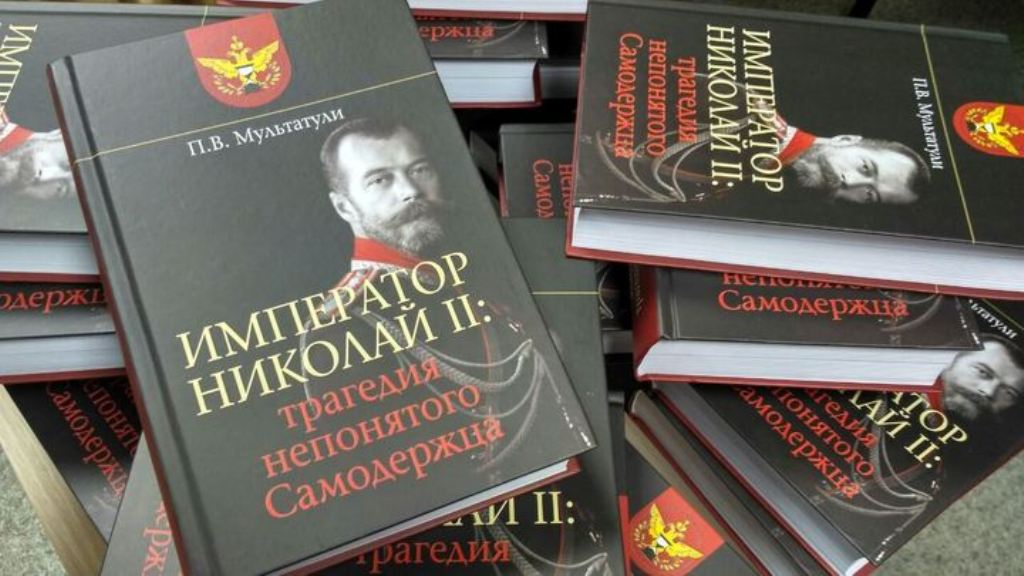
Peter Valentinovich Multatuli was born in Leningrad on 17th November 1969. He is a Russian journalist, historian and author. Multatuli is regarded as Russia’s foremost authority on the life and reign of Emperor Nicholas II. He is a prolific author of numerous books on Russia’s much slandered Tsar, and a regular guest and speaker on talk shows, documentaries and conferences.

He is the great-grandson of Ivan Mikhailovich Kharitonov (1872-1918), who served as the Head Cook of the Imperial family. He followed the tsar and his family into exile, and was murdered along with them in the Ipatiev House on 17th July 1918.

© Paul Gilbert. 14 August 2023

Video tour of the Museum of the Family of Emperor Nicholas II in Tobolsk

CLICK on the IMAGE above to watch VIDEO (in Russian ONLY). Duration: 13 minutes

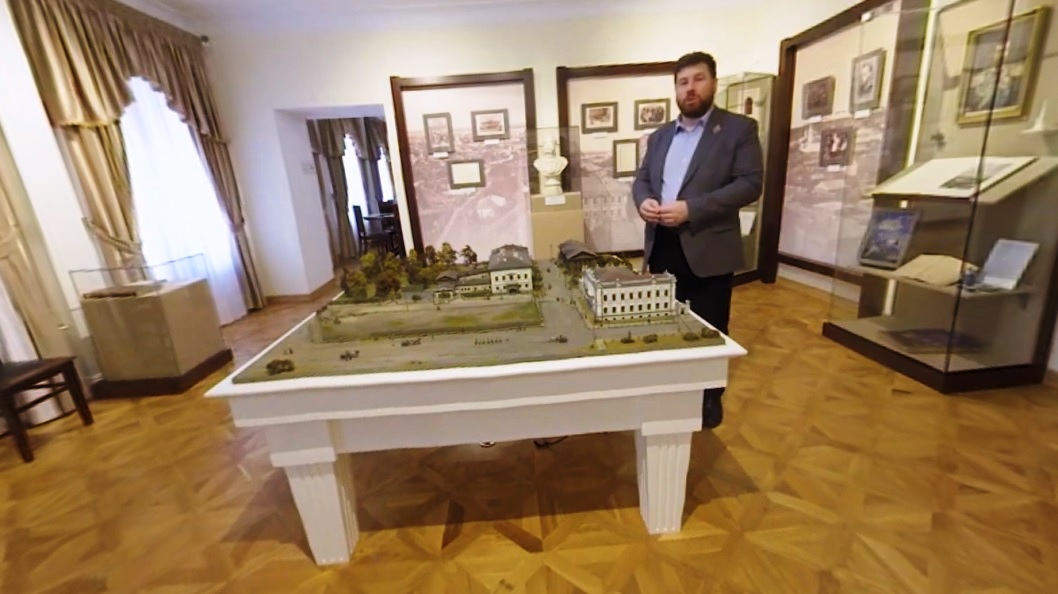
The Tobolsk Historical and Architectural Museum-Reserve have created a 13-minute video tour of the Museum of the Family of Emperor Nicholas II.

NOTE: this video is in Russian only, there is no English version. If you do not speak Russian, please do not allow this to deter you from watching this video. For those of you who will never have an opportunity to visit Tobolsk, this video is the next best thing, as it affords a virtual tour of the interiors of this very important museum, one which reflects the final years of Nicholas II and his family – PG

This virtual tour of the museum is presented in Russian by historian and writer Peter Valentinovich Multatuli, who was born in Leningrad on 17 November 1969. Multatuli is considered by many as Russia’s leading authority on the life and reign of Emperor Nicholas II.

He is the great-grandson of Ivan Mikhailovich Kharitonov (1872-1918), who served as the Head Cook of the Imperial family. He followed the tsar and his family into exile, and was murdered along with them in the Ipatiev House on 17th July 1918.

Multatuli takes viewers on a virtual tour of the former Governor’s House in Tobolsk, where Nicholas II, his family and entourage of those who followed the Imperial family into exile lived under house arrest from August 1917 to April 1918. Each room features unique exhibits from their daily life complemented with Multatuli’s vast knowledge of Russia last emperor and tsar.

NOTE: the large white circle located in the upper left hand corner of the video has 4 arrows, which allow you to move the camera to view the entire room and their respective displays – PG

The Museum of the Family of Emperor Nicholas II opened on 26th April 2018, in the former Governor’s Mansion in Tobolsk

PHOTO: Peter Multatuli in the Museum of the Family of Emperor Nicholas II, Tobolsk

***

Emperor Nicholas II and his family arrived in Tobolsk on 19th August (O.S. 6th August) 1917.

Upon arrival the Imperial family had to live for several days on the steamer Rus, waiting for the renovation of the “House of Freedom” – the former governor’s mansion – to be completed. They moved into the house on 24th August (O.S. 11th August).

Within a few days of their moving in, part of the square in front of the house was fenced off with a tall wooden fence, allowing for the family to take in fresh air and exercise. Some of the guards and those who accompanied the Imperial family into exile from Tsarskoye Selo were settled in the Kornilov house on the opposite side of the street.

In the beginning, the Imperial family were allowed to walk to the nearby Church of the Annunciation for worship, however, this was halted due to “concerns for their safety”. Despite this, the security regime in Tobolsk was more relaxed than in Tsarskoye Selo, allowing the family to lead a fairly calm life.

The Imperial family were housed in the former governor’s house until April, 1918, when they were transferred to Ekaterinburg, and subsequently murdered by the Ural Soviet on 17th July 1918.

© Paul Gilbert. 11 November 2020

What is Nicholas II’s correct date of birth?

0294

PHOTO: Russian historian Peter Valentinovich Multatuli

In recent years there has been much confusion by non-Orthodox Christians and Westerners with regard to the correct dates of important events (births, deaths, marriages, etc.) among members of the Russian Imperial Family, according to the New Style calendar.

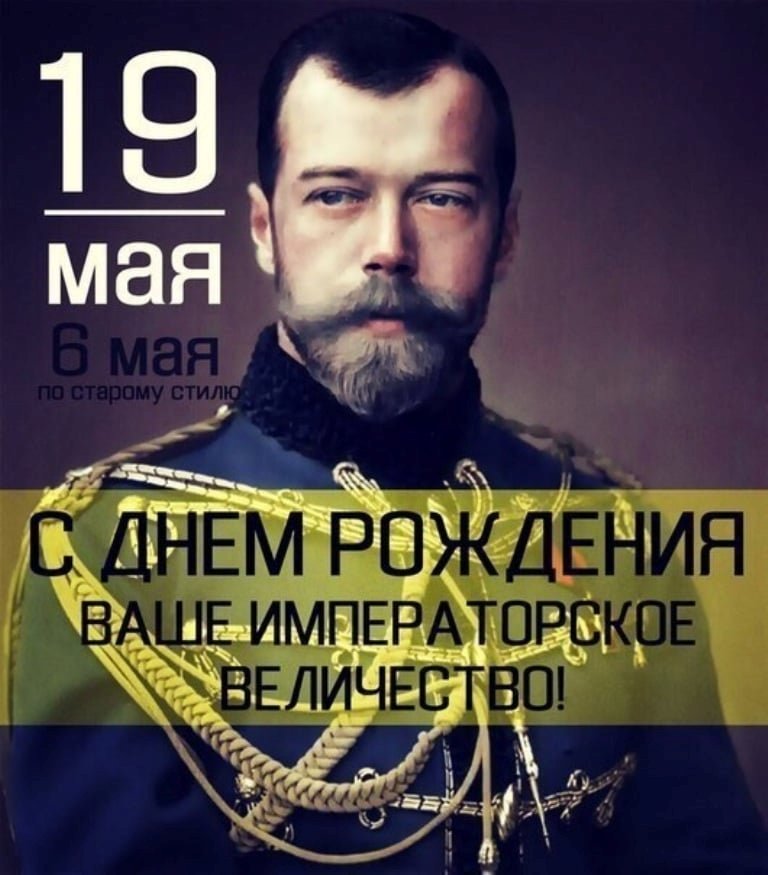
For instance, the anniversary of the birth of Nicholas II has been widely marked on the 18th of May in the Gregorian (New Style) calendar. This, however, is incorrect, it is in fact the 19th of May, an error which many historians (myself included) are guilty.

With the passage of every leap day that is on the Julian (Old Style) Calendar but not on the Gregorian Calendar, the difference between the two calendars grows another day. Currently, the Gregorian Calendar is 13 days ahead of the Julian Calendar. Beginning on 14th March 2100 (29th February 2100 Julian), the difference will be 14 days.

The Gregorian calendar was implemented in Russia on the 14th of February 1918 pursuant to a decree signed on 24th January 1918 (Julian) by Bolshevik leader Vladimir Lenin. Despite this, the Russian Orthodox Church continues to use the Julian Calendar.

Russia’s highly respected and prominent authority on the life and reign of Russia’s last emperor and tsar, Peter Valentinovich Multatuli reminds us of the true dates of the history of Russia and its Tsars!

n2bd

“The birthday of Sovereign Emperor Nicholas Alexandrovich should be celebrated on 19th May,” says Multatuli, “not the 18th as many English language books and websites note.” Further, he adds: “and the day of Nicholas II’s accession to the throne is on 2nd November. If the correct dates in the New Style are not followed, then these and other historical events are distorted.”

“Everyone knows that Emperor Nicholas II was born on St. Job of the Long Suffering. The church celebrates this day on 6th May, according to the Julian calendar. In the Gregorian calendar in the 19th century. this number corresponded to 18th May, but in the 20th and 21st centuries. this date falls on 19th May. Celebrating the birthday of the Emperor on 18th May, is not the day we celebrate the birth of St. Job! This is a sin!”

“The same is true with the death of Alexander III and accession to the throne of Nicholas II. This happened on the day of Saint Artemius the Great Martyr and the righteous youth Artemiy, on 20th October (2nd November). And if this day is celebrated on 1st November or 3rd, then we are not commemorating the memory of these saints. Do not rely on any dates on Wikipedia which often provide the incorrect dates of the Gregorian calendar for the 19th century.”

0294b

Peter Valentinovich Multatuli was born in Leningrad on 17 November 1969. He is a Russian journalist, historian and biographer. Multatuli is the author of numerous books and articles about the reign of Emperor Nicholas II.

He is the great-grandson of Ivan Kharitonov (1872-1918), who served as the Head Cook of the Imperial family. He followed the tsar and his family into exile, and was murdered along with them in the Ipatiev House on 17th July 1918.

© Paul Gilbert. 7 August, 2020

Ekaterinburg Hosts Public Forum for the Preservation of the Heritage of Emperor Nicholas II

VIDEO of the entire Forum (in Russian only) – duration 2 hours, 20 minutes

NOTE: All of the articles pertaining to Nicholas II and his family which were originally published in my Royal Russia News blog, have been moved to this Nicholas II blog. This article was originally posted on 20 May 2018 in my Royal Russia News blog – PG

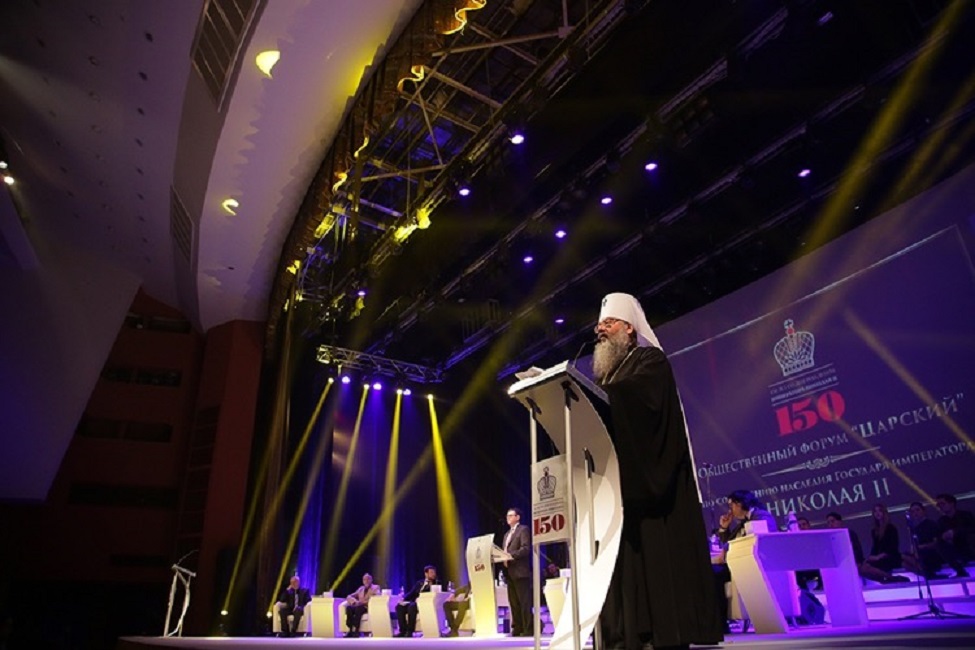
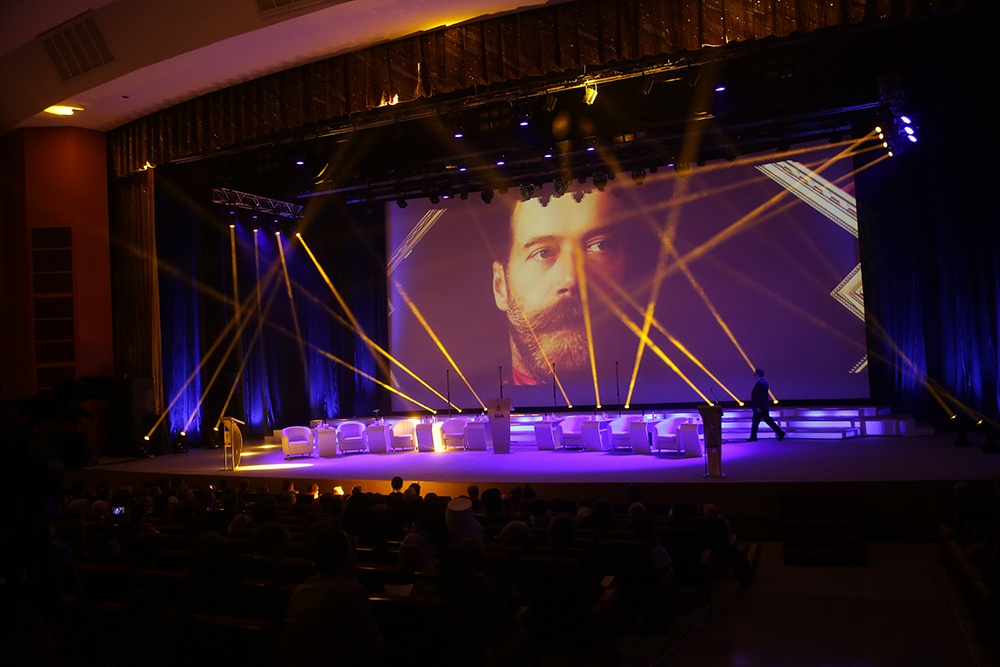
On 18th May 2018, on the eve of the 150th anniversary of the birth of the last Russian emperor, a public forum was held in Ekaterinburg to preserve the heritage of Tsar Nicholas II.

Scientists, historians and authors, along with representatives of the public, gathered to discuss the urgent issues of preserving the historical memory of the sovereign, including recognizing the merit of Nicholas II for the development of the Russian state and an assessment of the murder of the Tsar’s family committed a hundred years ago.

180a

Metropolitan Kirill of Ekaterinburg and Verkhoturye

Opening the forum was Metropolitan Kirill of Ekaterinburg and Verkhoturye, who noted that Ekaterinburg “has become a symbol of the tragedy of the Tsar’s family and, together with her, our Motherland.”

“Since these tragic events, which took place 100 years ago, tragedy befell Russia and it’s people. It is here, on the 150th anniversary of the birth of Emperor Nicholas Alexandrovich, that our holy cause is to gather and reflect on what the Russian Empire was during his reign, what was good about our great country, and what should we take from the past, what lessons, what edifications should we learn for our own lives” – said His Eminence.

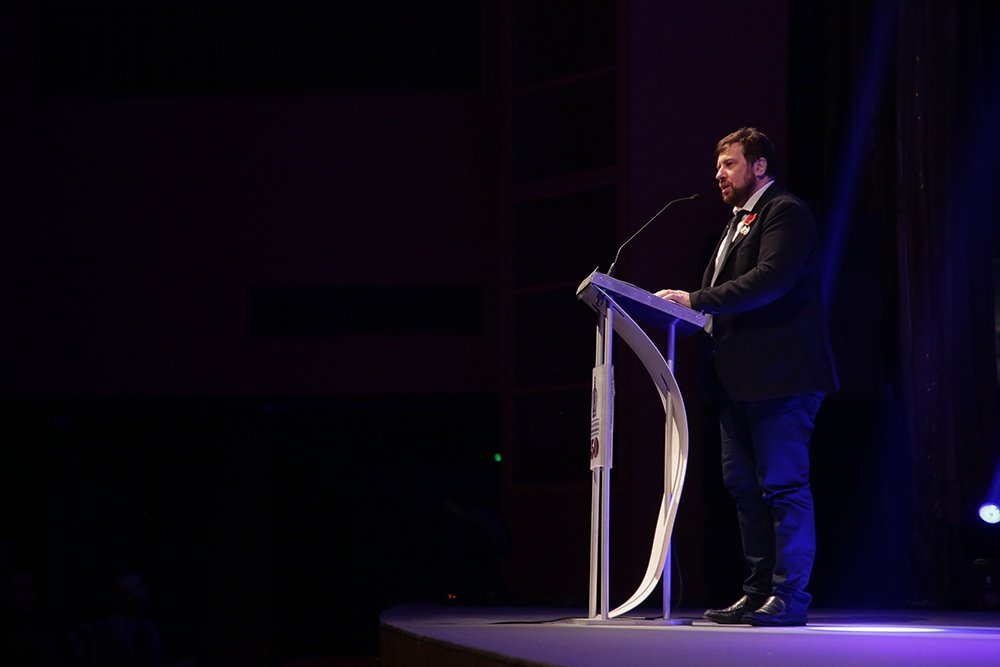
The special guest of the forum – the Chairman of the Double-Headed Eagle Society the media group Tsargrad Konstantin Valerievich Malofeev, noted “the triumph of the reign of Emperor Nicholas II, is unparalleled in the thousand-year history of Russia.

“During the history of the Russian Empire, it was the most powerful, the largest, the happiest during the reign of Nicholas II. We should not forget this, and our forum is dedicated to this, which we, the society of historical enlightenment Double-Headed Eagle Society, proudly hold together with the Ekaterinburg Metropolis where our local branch is working under the guidance of Metropolitan Kirill.”

180b

The stage is set for the Nicholas II Forum, held at the Cosmos Theater, Ekaterinburg

The forum was also attended by Bishop Evgeny of Nizhny Tagil and Nevyansky, Bishop of Serov and Krasnoturinsky Alexy, Minister of Education of the Sverdlovsk Region Yury Biktuganov, First Deputy Minister of Culture of the Sverdlovsk Region Vladimir Manturov, as well as representatives of the Double-Headed Eagle Society, the World Russian People’s Council, the Imperial Palestinian Orthodox Society, arriving from various regions of Russia.

Historians, philosophers, theologians, public figures from Russia (among them also experts from Moscow and St. Petersburg), Serbia and Bulgaria discussed issues related to the restoration and preservation of the historical memory of Nicholas II.

Within the framework of the forum, experts assessed the era of the reign of the last Russian emperor as a time, providing great breakthroughs in the development of the state and creating the foundations of socio-economic, including technological development for decades to come. Experts came to the conclusion that Nicholas II was one of the most effective Russian rulers and issued a number of initiatives to perpetuate the memory of Emperor Nikolai Aleksandrovich as an outstanding statesman.

180c

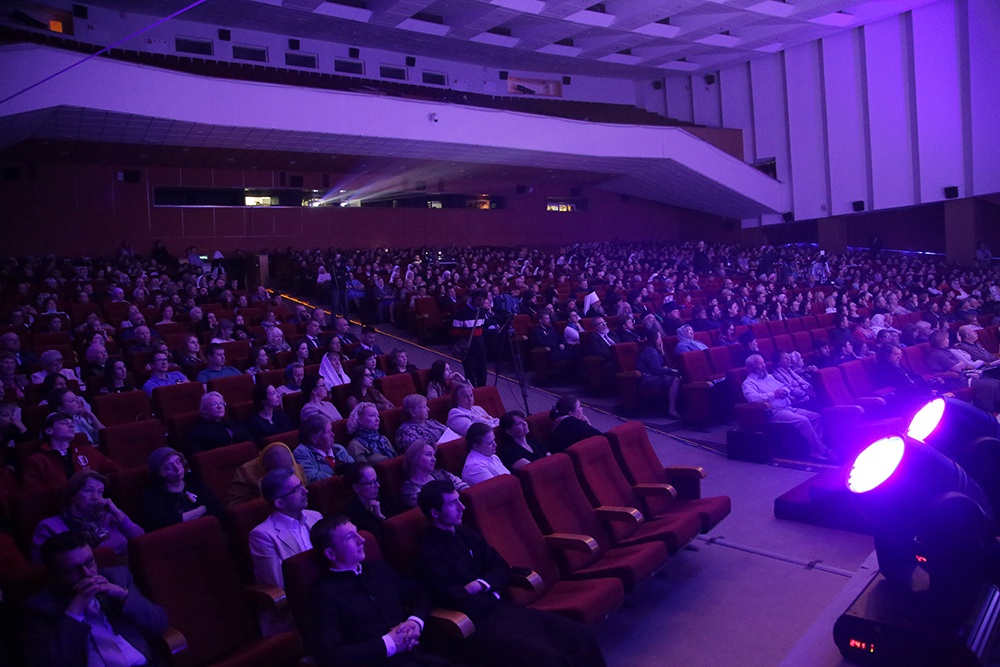
More than 2,000 people attended the Nicholas II Forum on 18th May

Among the proposals included in the final document of the forum is the need for a large-scale federal information and enlightenment campaign on Russia’s achievements in the era of Nicholas II, the development of textbooks and other scientific and educational literature on the basis of reliable scientific information on era, the state order for quality works of art in various fields of culture and art; importance of historical archival research and public dialogue among the scientific community and citizens interested in history; installation in the cities and towns of Russia monuments to the sovereign – an initiative put forward by a member of the Regional Public Chamber, chairman of the Ural branch of the Union of Russian Paratroopers Yevgeny Teterin.

An important topic of the forum was the discussion of the need for public evaluation of the murder of the Imperial Family and their faithful servants, which occurred a century ago in the Ipatiev House in Ekaterinburg. The tragedy of 1918, crowned with the feat of the Holy Royal Passion-Bearers, has not yet been properly evaluated at the state level.

The experts of the forum supported the initiative of Moscow colleagues – participants of a recent round-table hosted by the Parliamentary Newspaper (Парламентская газета) where representatives of the Russian Orthodox Church, State Duma deputies, jurists and political scientists condemned the murder of the Tsar’s family as an unacceptable and unjustifiable crime.

180d

Russia’s leading expert on Nicholas II, historian and author Pyotr Valentinovich Multatuli

During the forum on May 18, in Ekaterinburg, experts presented their views on the sovereign and the era at the forum by:

– Pyotr Valentinovich Multatuli, Russia’s leading expert on the life and reign of Nicholas II, candidate of historical sciences, member of the Council of the Society for the Development of Russian Historical Education of the Double-Headed Eagle Society, and regular commentator of the television channel “Tsargrad”;

– Vladimir Mikhailovich Lavrov, Doctor of Historical Sciences, Member of the Council of the Russian Historical Education Development Society of the Double-Headed Eagle Society, Academician of the Russian Academy of Natural Sciences, Chief Researcher of the Institute of Russian History of the Russian Academy of Sciences;

– Konstantin Valerievich Malofeev, chairman of the Society for the Development of Russian Historical Education of the Double-Headed Eagle Society.

– Yegor Stanislavovich Kholmogorov, publicist, blogger, editor-in-chief of the Russian Observer and New Chronicles sites, author and presenter of the 100 books website;

– Nikola Tanasich, teacher of the Faculty of Philosophy, Belgrade State University;

– Georgi Dimov, Doctor of Science, Senior Researcher of the Bulgarian Academy of Sciences;

– Dmitry Borisovich Grishin, chairman of the Sergievsky Memorial Society (Moscow).

Other participants of the forum were Vladislav Nikolayevich Mayorov, military journalist, expert on the history of Nicholas II and author of the “Royal Calendar”; Vladimir Ilyich Bolshakov, Doctor of Philosophy, Vice-Rector for Research of the Russian Academy of Painting, Sculpture and Architecture Ilya Glazunov (Moscow), as well as members of the Urals Association in Moscow and other experts.

180e

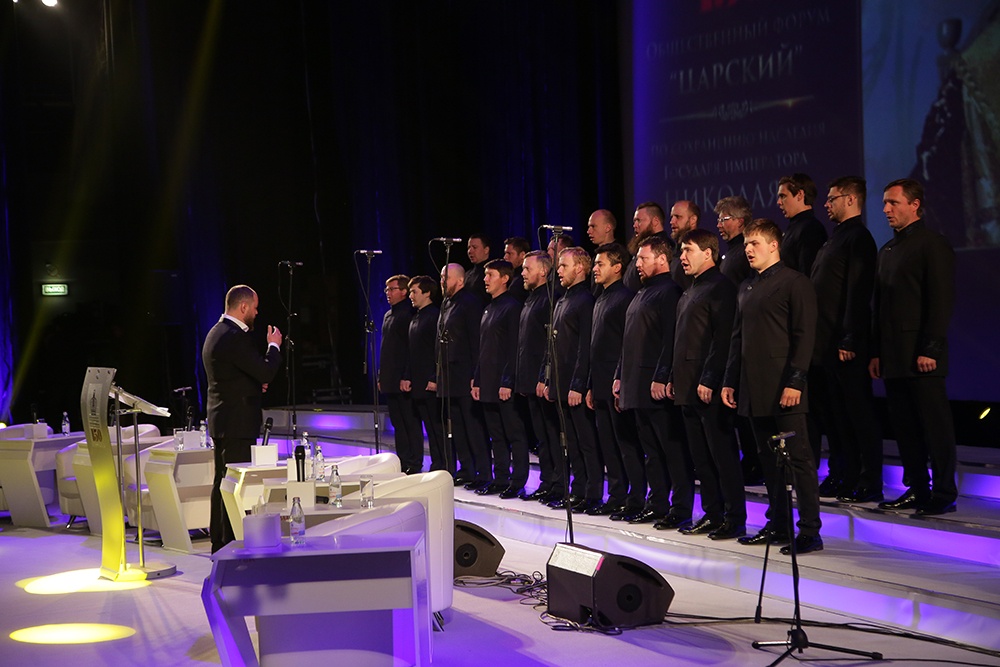
The Sretensky Monastery Choir

The Forum came to close with the singing of God, Save the Tsar and Glory! and A Life for the Tsar, performed by the Sretensky Monastery Choir – please take a moment to watch/listen at the end of the video posted at the top of this post – PG.

The Forum on the preservation of the historical heritage of the Emperor Nicholas II was held in the Kosmos Theater in Ekaterinburg. More than 2,000 people participated in the historic Forum. The event, which became a significant public event, was covered by the leading federal and regional media and was broadcast by the Orthodox television channel Soyuz to 82 countries with a multi-million audience.

© Paul Gilbert. 10 December 2019