Church of Tsar-Martyr Nicholas II under construction in Novosibirsk

203c

The Church of Tsar-Martyr Nicholas II in Novosibirsk

The Church of Tsar-Martyr Nicholas II, is now in the second phase of construction in the Siberian city of Novosibirsk, with the final phase due to be completed in 2020.

The Church of Tsar-Martyr Nicholas II is being built on the site of the Zakamensky Cemetery, which was destroyed by the Soviets in the middle of the 20th century. During construction of the stone church, liturgies are carried out in a temporary wooden building nearby, which is intended for the administration building. Construction has been slow, due to lack of funding, much of which has been collected by donations collected by local parishioners. 

203c

The consecration of the church dome and cross was performed by
Metropolitan Tikhon of Novosibirsk and Berd on 19th May 2018

The future church is based on the design of the Cathedral of the Spaso-Andronikov Monastery in Moscow. The temporary wooden church is a simple architectural design. It was consecrated on 23rd March 2007. In 2009, a belfry was built. It contains six bells cast at the Svetolitie enterprise, and an evangelist cast at the Litex Moscow plant in 2012. The temporary belfry is an architectural one-story building in the form of an octahedron crowned with a crown – a dome with a cross. The tier of ringing is with eight openings located on the cardinal points.

203b

Icon of the Holy Royal Martyrs in the temporary wooden church

The church is consecrated in honour of the Tsar-Martyr Nicholas II. A decision of the Council of Bishops of the Russian Orthodox Church of 14 August 2000, Emperor Nicholas II, Empress Alexandra Feodorovna, Tsesarevich Alexy, Grand Duchesses Olga, Tatiana, Maria and Anastasia were canonized as holy martyrs.

203d

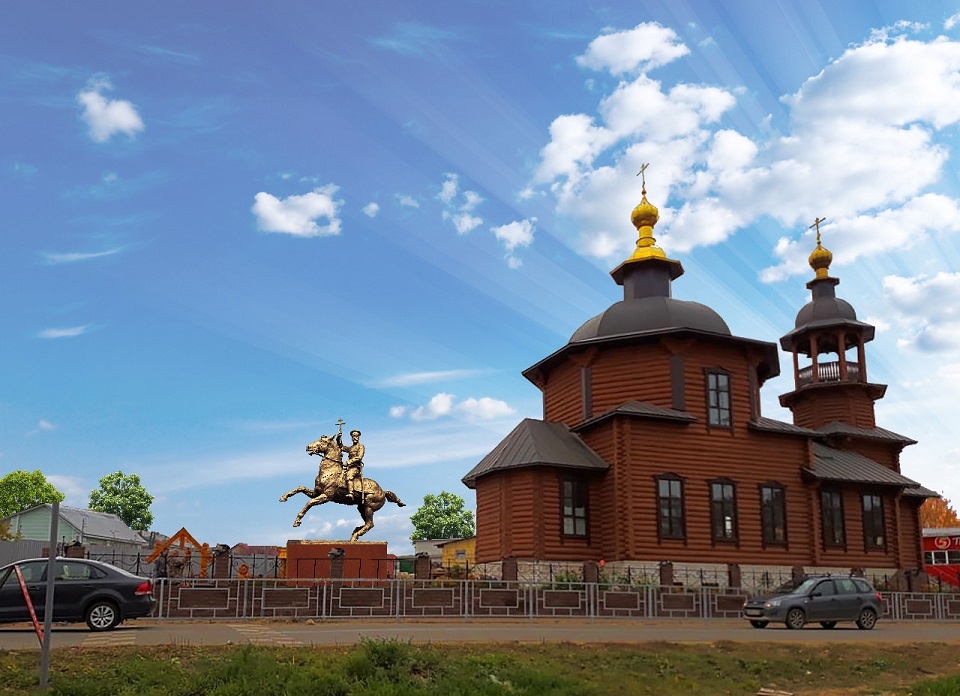
Monument of Emperor Nicholas II and Tsesarevich Alexei in Novosibirsk

A monument of Emperor Nicholas II with his son and heir Tsesarevich Alexei was established on 17th July 2017, on the grounds of the St. Alexander Nevsky Cathedral in Novosibirsk.

© Paul Gilbert. 20 December 2019
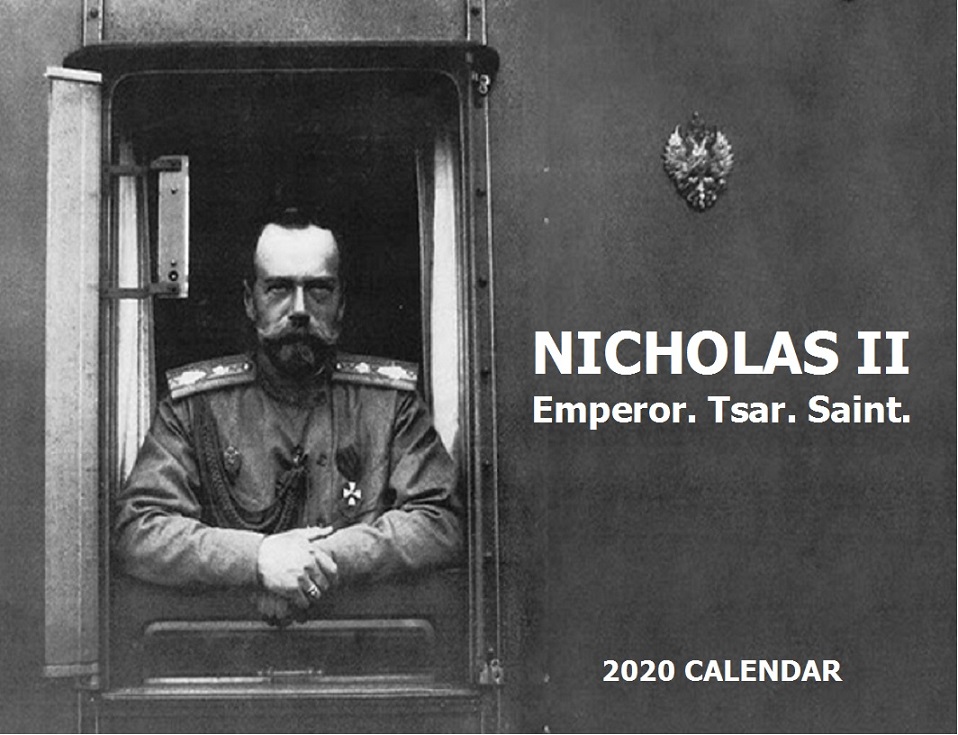
‘Nicholas II 2020 Calendar’ – only a few copies left!

2020a

CLICK ON THE IMAGE ABOVE TO ORDER MY 2020 CALENDAR

I am reaching out to friends and followers of my 25+ years of researching and writing about the Romanovs, and the history of Imperial and Holy Russia.

If you appreciate my efforts in keeping the memories of old Russia alive, please support me in the coming new year, by purchasing a copy of ‘Nicholas II 2020 Calendar‘ – only a few copies left!

Each month features an iconic full-page photograph of Nicholas II (see images below), printed on glossy stock.

Each month features an iconic full-page photo
of Nicholas II printed on glossy stock

Each month features an iconic full-page photo
of Nicholas II printed on glossy stock

The net proceeds from the sale of each calendar will go towards my research from Russian media and archival sources, including translation costs, and more.

The price is only $10 + postage. Payment can be made by credit card or PayPal online or by personal check or money order (order forms can be downloaded and printed from the order page at the link provided on this page)

THANK YOU to those of you who have already purchased a copy,
your interest and support of my research is much appreciated – PG

© Paul Gilbert. 19 December 2019
Memorial Bas-relief plaque of Nicholas II installed in Voronezh

204a

Memorial plaque to Emperor Nicholas II by the sculptor  Alexander Melnichenko

On 19th December 2019, a memorial plaque in memory of Emperor Nicholas II was unveiled in the Russian city of Voronezh, and consecrated by Metropolitan Sergiy of Voronezh and Liskinsky.

The date marks the 105th anniversary of the emperor’s visit to Voronezh on 19th December 1914. This was the second time Nicholas visited Voronezh, the first was in 1887, when he visited the city as heir to the throne, together with his father Alexander III.

The bas-relief plaque was made by the sculptor Alexander Melnichenko, and placed on the facade of the former Mariinsky Gymnasium (now the Youth House, situated on Revolution Avenue). During the First World War, the gymnasium served as a hospital for Russian soldiers, and it was here that the Emperor met with those who had been wounded. 

204b

The memorial plaque was consecrated by Metropolitan Sergiy of Voronezh and Liskinsky

Today, 19 December (O.S. 6 December) is also the day when the Orthodox Church honours the memory of St. Nicholas the Wonderworker, the patron saint of Nicholas II.

During Nicholas II’s visit to Voronezh on 19th December 1914, an arch to honour his visit was built near Petrovsky Square (which has not survived). The Emperor together with the Empress Alexandra Feodorovna and the Grand Duchesses Olga and Tatiana Nikolaevna, attended a Divine Liturgy held in the Annunciation Cathedral, after which, they visited the Mitrofanov Monastery, where the Emperor presented awards to wounded Russian soldiers.

204a

© Paul Gilbert. 19 December 2019
Exhibition: Imperial Yacht Standart and the Family of the Last Russian Emperor

200a

NOTE: All of the articles pertaining to Nicholas II and his family which were originally published in my Royal Russia News blog, have been moved to this Nicholas II blog. This article was originally posted on 15 February 2018 in my Royal Russia News blog – PG

The following exhibition ran from 26 January to 4 April 2018

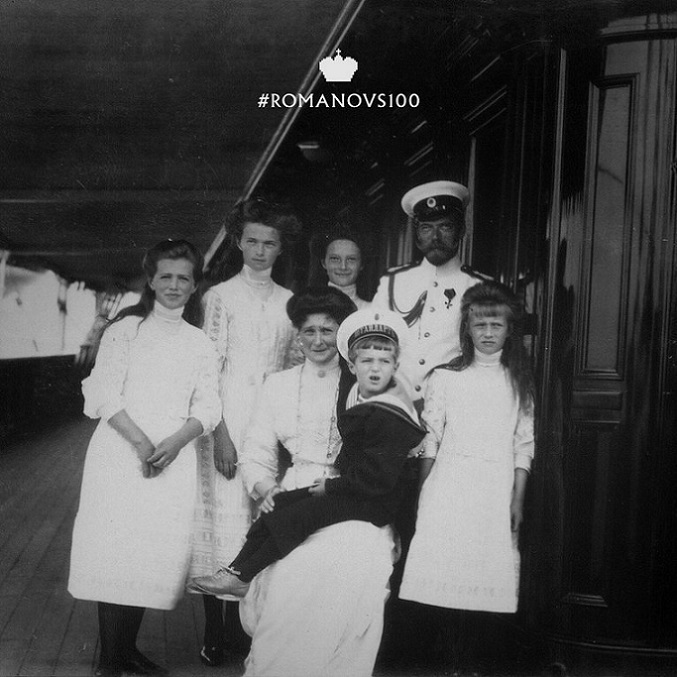
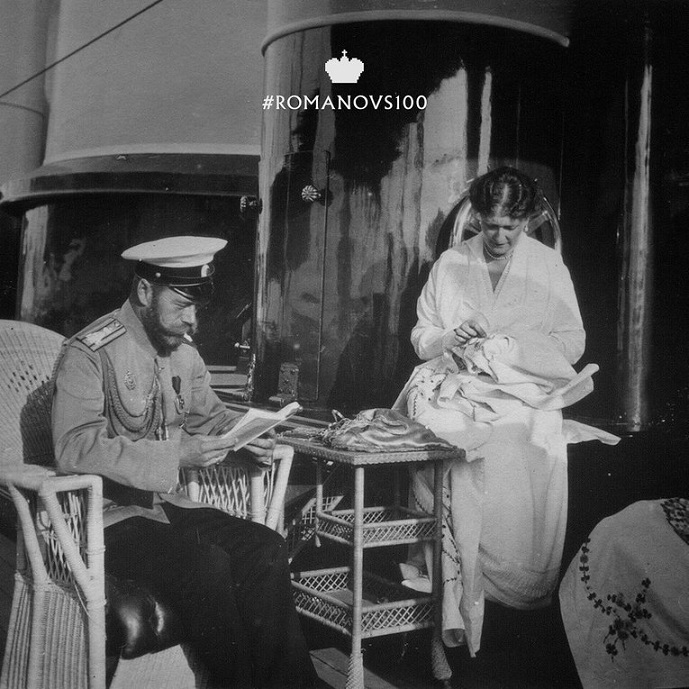
The exhibition Imperial Yacht Standart and the Family of the Last Russian Emperor, opened on 26 January at the Central House of Artists in Moscow. The exhibition is based on memories and original photographs from the personal archive of Captain 2nd Rank Nikolai Pavlovich Sablin (1880-1937), who served on the Imperial yacht Standart from 1906 to 1914.

A significant part of these historic images were photographed by the co-owner of the photographic studio “K. E. von Gan and Co., the famous Russian photographer AK Yagelsky, who had the title of Court photographer of His Imperial Majesty. Yagelsky also owned the right to conduct filming of the imperial family. The exposition includes photographs of the photographic studio K. E. Von Gan and Co., as well as unique newsreel footage taken on board the imperial yacht. In addition to the photographs, original letters of Emperor Nicholas II written on board the ship, watercolours and a collection of postcards dedicated to the Imperial yacht, a yacht logbook and a number of other unique documents will be on display.

The photos taken on board the yacht Standart are not widely known to the general public and are associated with the inner life of the royal family, moments not intended for an outsider’s eye and therefore very sincere and direct.

***

The exhibition was first shown at the State Museum and Exhibition Center ROSPHOTO in St. Petersburg, from 2 August to 24 September 2017 and in Smolensk from 18 October to 15 December 2017. Click on the VIDEO above to view highlights from the St. Petersburg venue.

The exhibition Imperial Yacht Standart and the Family of the Last Russian Emperor, runs until 4th April 2018, at the Central House of Artists in Moscow.

Click HERE to visit the ROSPHOTO site for more information and photographs of the Imperial Yacht Standart – in Russian only.

200b

© Paul Gilbert. 15 December 2019
#ROMANOVS100: Last Days of the Romanovs Recreated in Multimedia Project

194a

NOTE: All of the articles pertaining to Nicholas II and his family which were originally published in my Royal Russia News blog, have been moved to this Nicholas II blog. This article was originally posted on 9 April 2018 in my Royal Russia News blog – PG

Note: to access any of the 4 social media networks, please click on the appropriate link, all of which are highlighted in RED below – ENJOY!

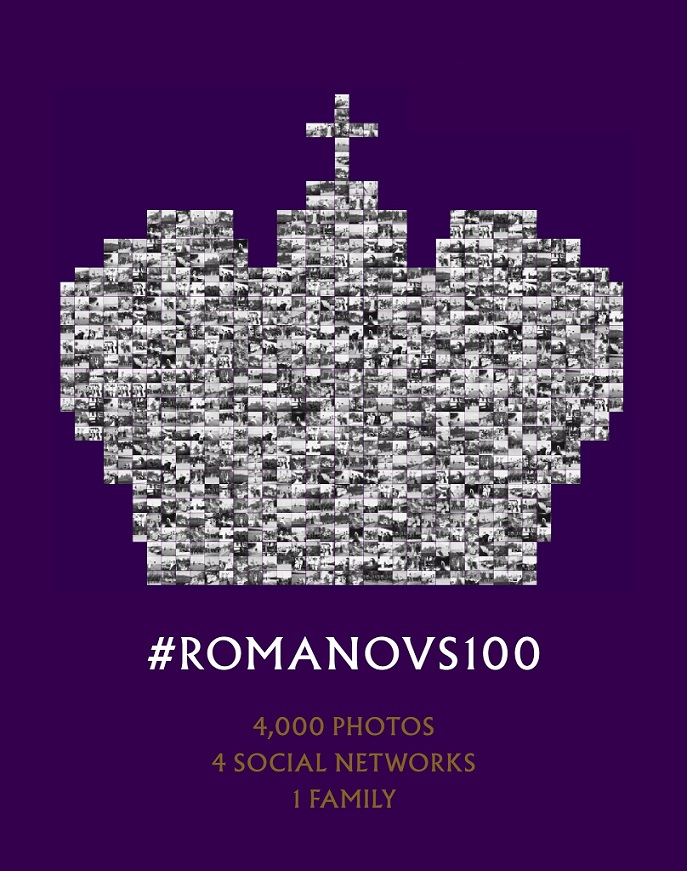
The Russian international television network Russia Today (RT) and its award-winning team behind #1917Live have launched #Romanovs100 to bring the story of Russia’s last royal family to life through thousands of Romanov family photographs recently unearthed from within the national archives. Working with nearly 4,000 original photos of the Romanovs – the largest media release of its kind – across four social media platforms, the project will retell the last decades of imperial Russia over 100 days leading up to the centenary of their execution on 17 July 2018.

In conjunction with the Russian State Archive, RT will publish the most complete collection of the Romanovs’ personal photos ever assembled across Facebook, Twitter, YouTube and Instagram, as a large-scale ‘digital photo-puzzle’.

194b

Kirill Karnovich-Valua, creative producer of the project at RT said:

“The Romanovs are deemed to be among the pioneers of photography – they had several cameras and recorded almost every meaningful event in their lives. The audience will be able to discover many sides of the Romanovs: last rulers of the Russian Empire, a devout loving family, passionate travelers, amateur tennis players, dog lovers, fans of breakthrough photography, and much more.”

Each of the four platforms will retell certain pieces of the family’s narrative using different formats and perspectives.

Mini-videos based on the Romanovs’ photo collection will be posted on YouTube, featuring historic aspects of the era in which the last Tsar’s family lived, as well as the little-known stories behind rarely seen photos. Photos from the family album featuring the most artistic and unusual images taken by the Romanovs will be published on Instagram. On Facebook, project followers will find high-quality panoramic photos in 180-degree format, and Russian composer and singer Peter Nalitch will record a special soundtrack to be integrated into lyrical videos for the project. On Twitter, individual accounts will tell first-person stories through personal photos.

In late 2016, RT launched one of the biggest-ever historical re-enactments on Twitter – #1917LIVE. The project has already been recognized by over a dozen international awards such as the New York Festivals, the Webby Awards, and the Shorty Awards, where it won five prizes, including one for “Best Twitter Partnership” for collaboration with world-renowned author Paulo Coelho.

194c

RT’s #Romanovs100 project ran for exactly 100 days – from 8 April to 17 July – the day which marks the 100th anniversary of the Romanovs’ tragic execution.

© Paul Gilbert. 15 December 2019
Russian Singer Has Chapel built in Honour of Nicholas II in Klin

198a

NOTE: All of the articles pertaining to Nicholas II and his family which were originally published in my Royal Russia News blog, have been moved to this Nicholas II blog. This article was originally posted on 15 February 2018 in my Royal Russia News blog – PG

Honoured Artist of the Russian Federation (2016), rock singer Olga Kormukhina has financed the construction of a chapel in honour of Emperor Nicholas II in Klin.

The Chapel-monument is situated on the M-10 Russia highway near the Tchaikovsky Museum-Reserve.

“Everything that I was looking for coincided here: the ancient city of Klin, the blessings of two elders, the music of Tchaikovsky, who was revered by the Imperial family, and the imperial route from Moscow to St. Petersburg,” said Kormukhina during an interview with the TASS News Agency.

Kormukhina explained that she had been looking for location to build a chapel for 15 years. It was Nikolay Guryanov (1901-2002), a highly respected spiritual figure within the Russian Orthodox Church and reputed myrrh-bearing starets and priest, and later the elder Elijah (Nozdryn), who turned her attention to this location. After visiting Klin, she agreed that it was here that the Tsar’s chapel should be erected. The city of Klin and the history of the Imperial family shared an important connection. “This was the location of the miracle-working icon of the Mother of God Klinskaya, which was especially honoured by the Romanov dynasty, and Peter Tchaikovsky, the favourite composer of Nicholas II and his family,” noted the singer.

198b

Mosaic bearing the image of Nicholas II

The features of the chapel include a mosaic icon bearing the image of Nicholas II, which is located inside, and a bas-relief in the form of a cross.

The chapel has already become a favourite place for both locals and visitors to Klin. People come here to pray, light candles, and in the evening the glow of light coming from within the white chapel, add a special beauty to its gilded dome. The local tourist office noted that it is included in a new tourist route, which runs from the station to the Tchaikovsky House. “It blesses all those traveling along the Moscow-Saint Petersburg highway,” – said Kormukhina.

The consecration of the chapel is scheduled to take place on Forgiveness Sunday, 18th February, with the blessing of Metropolitan Juvenaly of Krutitsy and Kolomna.

© Paul Gilbert. 14 December 2019
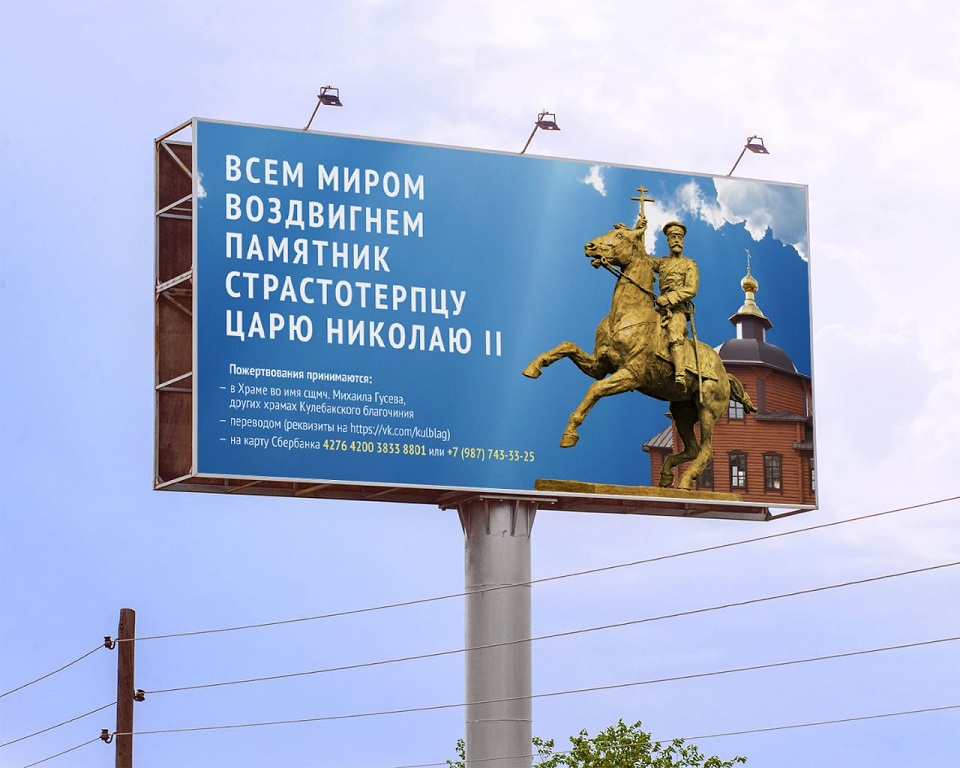
Nicholas II Equestrian Monument Planned for the Russian city of Kulebaki

201b

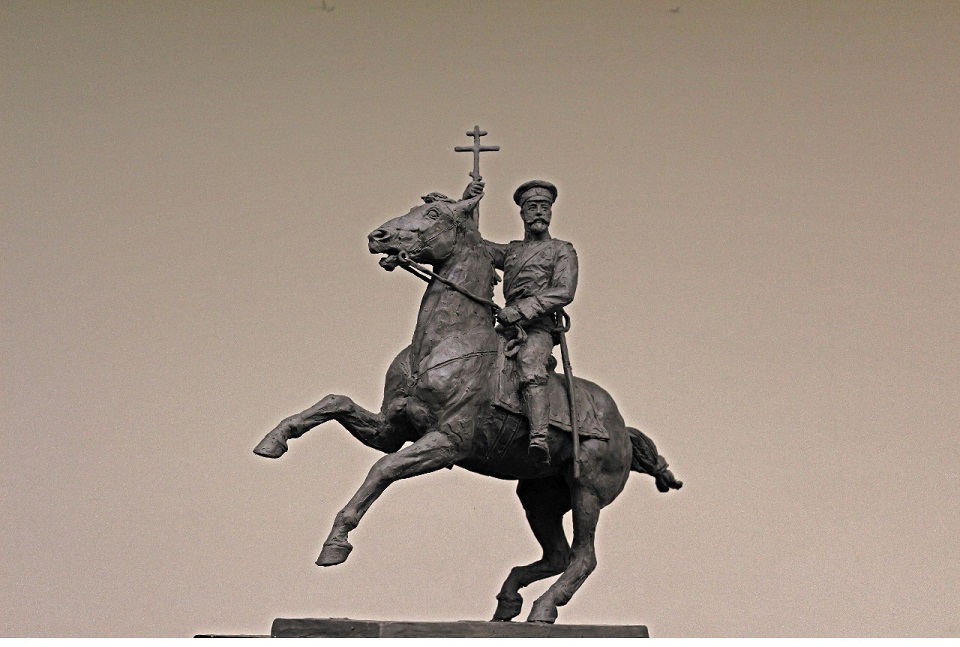
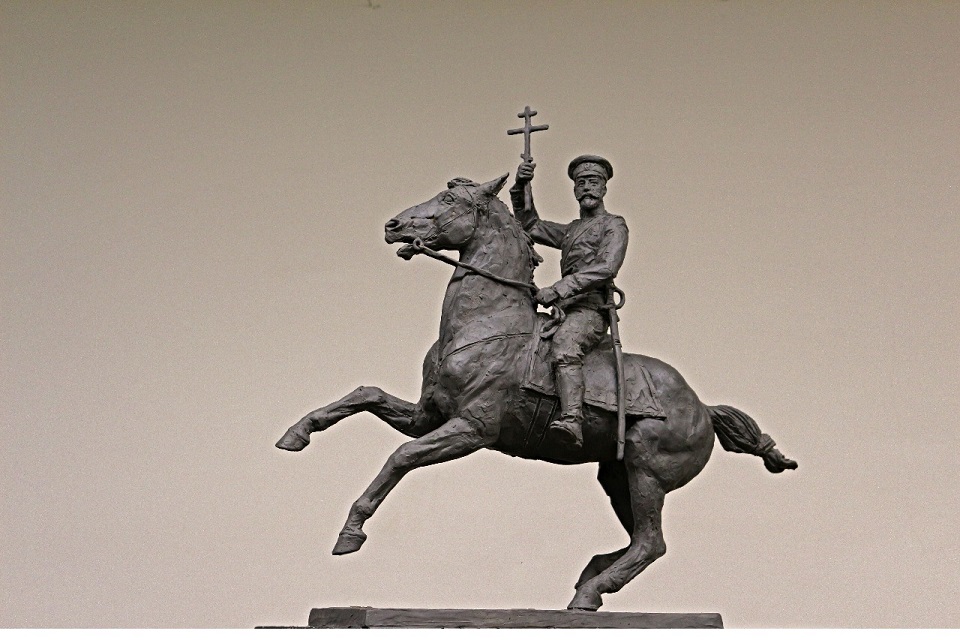
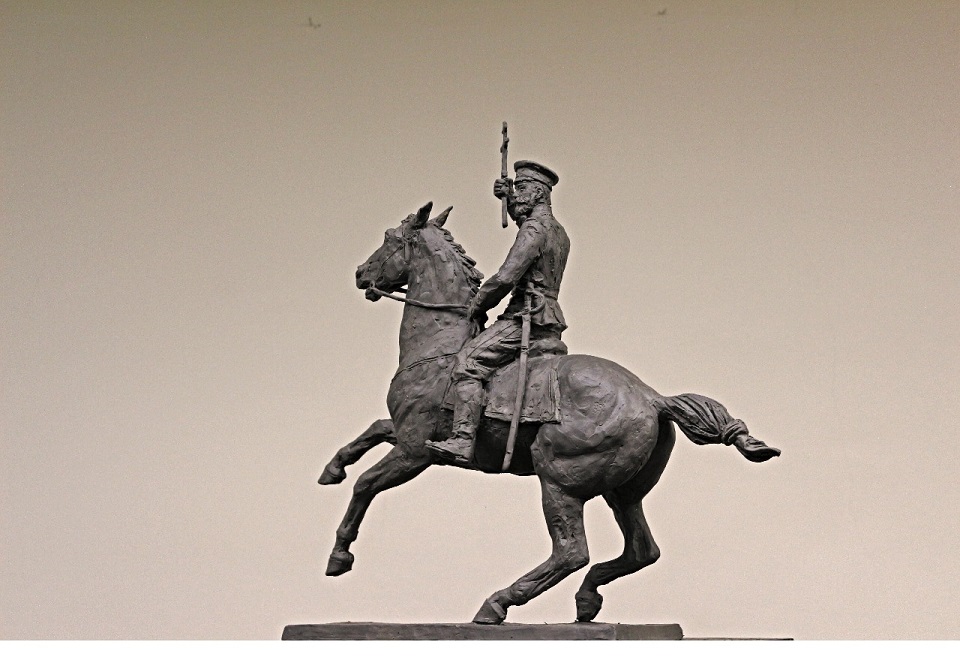
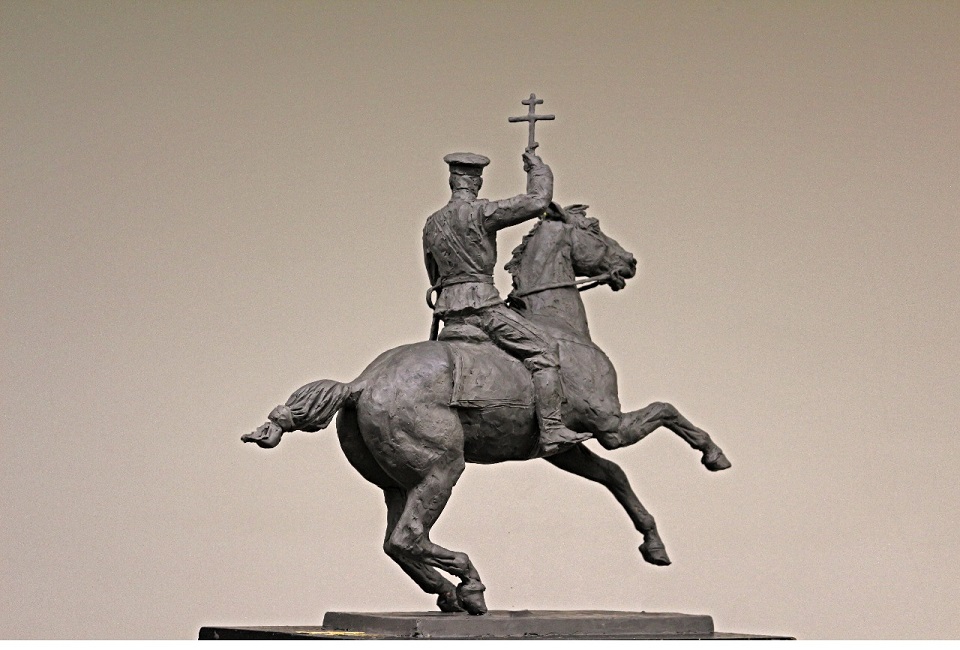
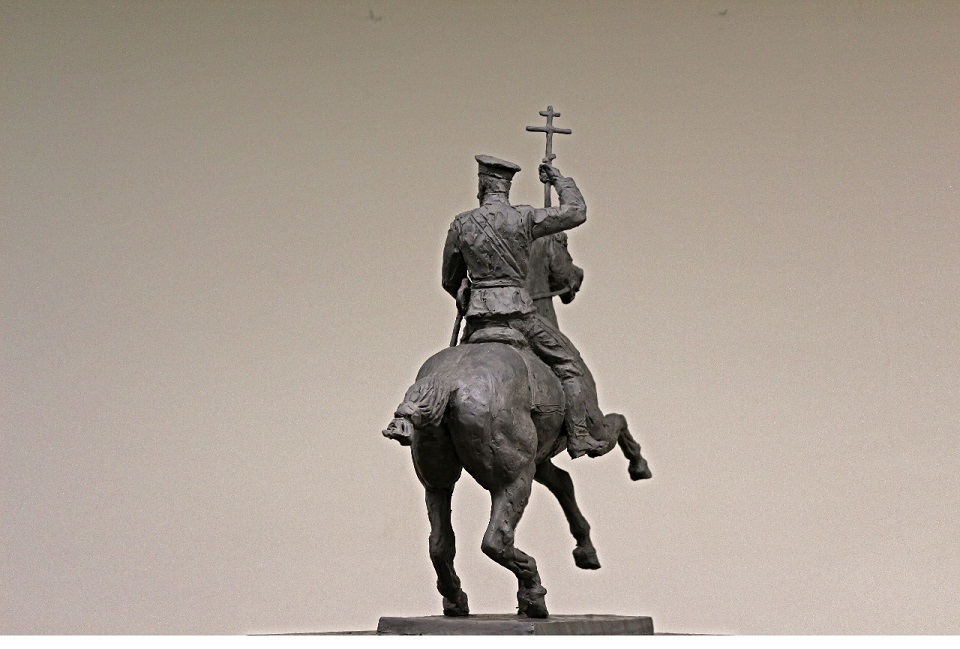
Artists concept of the equestrian monument to Tsar Martyr Nicholas II on the grounds of the
Church of the Holy Martyr Michael (Gusev), located on Admiral Makarov Street in Kulebaki

“The monument will be a symbol of universal repentance”

Donations are now being collected for a monument to Tsar Martyr Nicholas II, which which will be established in the Russian city of Kulebaki, in the Nizhny Novgorod region.

With the blessing of Bishop Vyksa and Pavlovsky Barnabas, the monument is to be installed on the grounds of the Church of the Holy Martyr Michael (Gusev), located on Admiral Makarov Street in Kulebaki.

According to the initiators of the project, the installation of the monument is planned for 17th July 2020, the day marking the murders of the Imperial Family. The cost of the monument is 5 million rubles ($80,000 USD). To date, more than 1 million has been raised. Work is already underway, which includes the metal frame for the monument.

The sculptor of the future monument is Irina Makarova, the same author of the monument to the Holy Royal Martyrs established in the St. Seraphim-Diveyevo Convent in July 2017. Makarova presents the Tsar on horseback, holding an Orthodox cross in the air – truly impressive!

The initiators are inspired by the famous dictum of the old man Nikolai Guryanov :

“The reason for the spiritual illness in Russia is the conciliar sin of treason against the Tsar, in allowing the slaughter of the Holy Royal Family and in the unrepentance of hearts … We lost the pure, strengthening grace that poured out on the sacred head of the Anointed One, and through him on all of Russia. By rejecting the Tsar, we raised a hand to everything holy and to the Lord. Without true repentance, there is no true glorification of the Tsar. There must be spiritual awareness. ”

201c

201d

201e

201f

201g

In an interview with the newspaper Kulebaksky Metallist, the rector of the church Archpriest Nikolai Boldyrev spoke about the Orthodox initiative:

“The reason for our troubles is the violation of the Cathedral Oath of 1613. The fact is that Russia (the church and the people), taught by the bitter experience of the Polish yoke, at the zemstvo-local Council of 1613 made a vow to God to faithfully serve his anointed, autocratic tsars from the Romanov dynasty, until the second coming of Christ,” recalls Father Nikolai.

“Having shot the Tsar and his family in 1918, the Russian people had broken their oath,” the priest claims. “We rejected and killed the Tsar anointed by God.”

According to Father Nikolai, in order to atone for this crime, “firstly, it is necessary to deeply comprehend and realize your sin, and secondly, to sincerely repent of it. Moreover, this applies to almost all classes, including the clergy, which lacked the wisdom and strength to stop the crime against both Divine and civil laws. We all need to embark on the path of repentance. Without it, nothing good awaits us. And this is the main problem. ”

“Thank God that much has changed in recent years,” noted Father Nikolai – “The glorification of the Holy Royal Martyrs has passed. At the place of their murder, the Church on the Blood was built, penitential prayers are underway, icons are painted, books are published. People began to see spiritually. The construction of this monument in our city is a sign of repentance. We repent with the whole world – both for our ancestors and for ourselves. The monument will be an eternal reminder not only of that terrible sin, but also a symbol of universal repentance. Passing by, anyone can say: “Forgive us, Sovereign, for our sins.”

Expressing hope, Archpriest Nikolai Boldyrev added – “The place, financial expenses, the Lit-Art company from the city of Zhukovsk, which plans to cast the monument in six months, were determined, the sculptor was chosen. Like churches, we will build a monument to the whole world. We hope that Kulebachans will respond to this good deed.”

201a

Billboard promoting the monument in Kulebaki

© Paul Gilbert. 13 December 2019
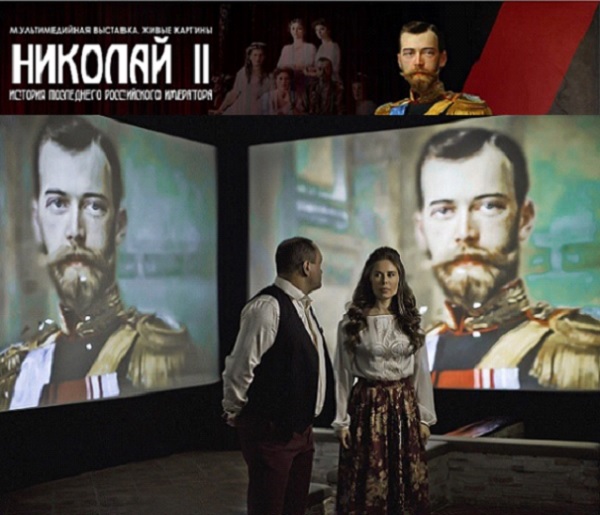
Multi-media Exhibition Dedicated to Nicholas II in Moscow

NOTE: All of the articles pertaining to Nicholas II and his family which were originally published in my Royal Russia News blog, have been moved to this Nicholas II blog. This article was originally posted on 17 March 2018 in my Royal Russia News blog – PG

197a

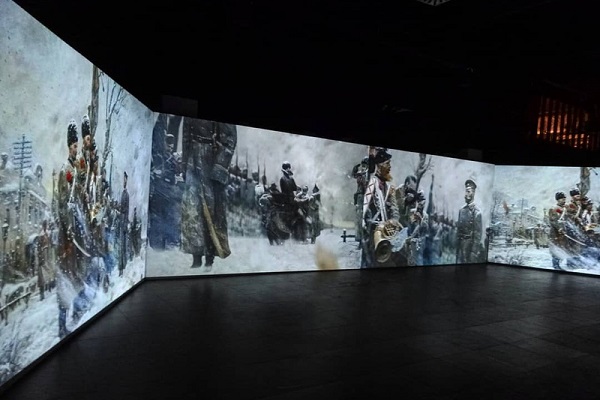
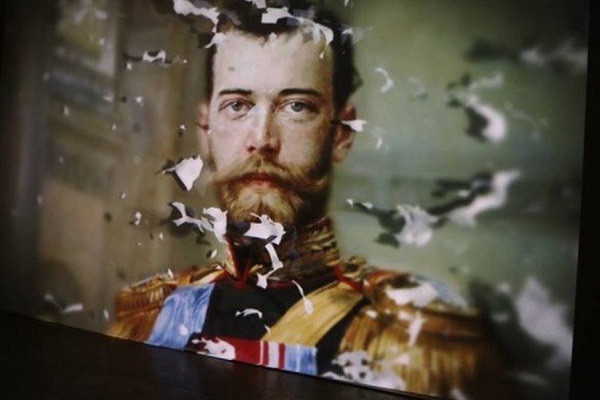
An exhibition dedicated to Russia’s last emperor and tsar has opened Kvadrats Gallery, situated in Sokolniki Park in Moscow.

Sokolniki Park is situated not far from the center of the city, near Sokolnicheskaya Gate. The park gained its name from the Sokolnichya Quarter, the 17th-century home of the tsar’s falconers (sokol is the Russian word for falcon). It was created by Tsar Alexei Mikhailovich (father of Peter the Great), a keen hunter who loved to go falconing in the area.

197b

197c

The multi-media exposition is timed to the tragic date in Russia’s history – the 100th anniversary of the death of Nicholas II, his wife Alexandra Feodorovna and their five children in Ekaterinburg on the night of 16/17 July 1918.

After their murders, Bolshevik and Soviet authorities did everything in their power to blacken the name of Nicholas II and forever erase the memory of his life, his reign and his service to Russia. During the past century, historians and biographers have shamefully been content to carry this negative image of Nicholas II in their books and documentaries. This is why the period of Nicholas II’s 22-year reign remains enveloped in all sorts of lies and myths, despite the release of new documents in Russian archives which challenge their often biased assessments of him.

197c

197d

The organizers of the multi-media exhibition project share facts about the life of Russia’s last emperor and tsar, with the hope of restoring the historical truth, and reminding the public that during the reign of Nicholas II the Russian Empire was one of the strongest, most powerful and prosperous countries in the world.

The exhibition includes a collection of “revived” paintings created by famous Russian masters of fine art from the late 19th and early 20th centuries. These are complimented with contemporary works, which include paintings by Orthodox artist Pavel Ryzhenko (1970-2014).

197f

© Paul Gilbert. 13 December 2019
State Russian Museum Establishes Monument to Founding Emperors

196a

NOTE: All of the articles pertaining to Nicholas II and his family which were originally published in my Royal Russia News blog, have been moved to this Nicholas II blog. This article was originally posted on 17 March 2018 in my Royal Russia News blog – PG

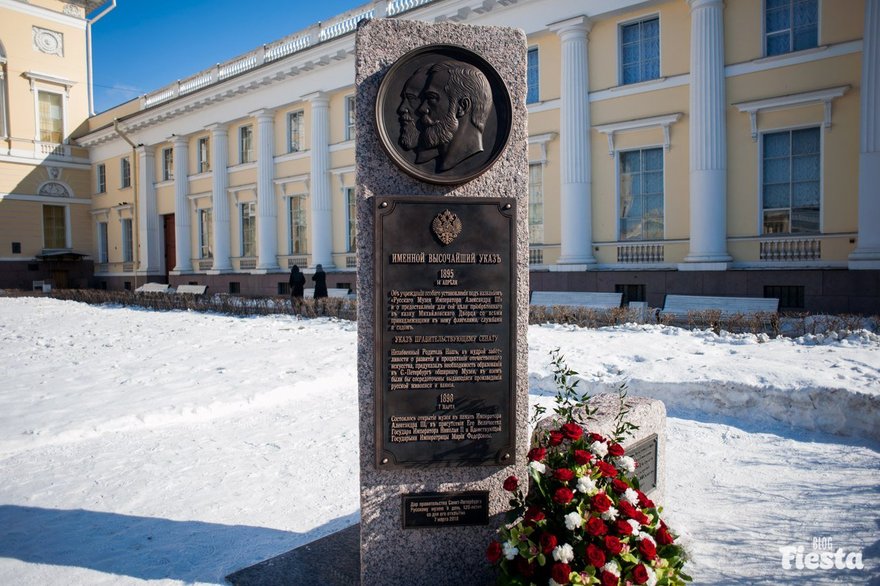
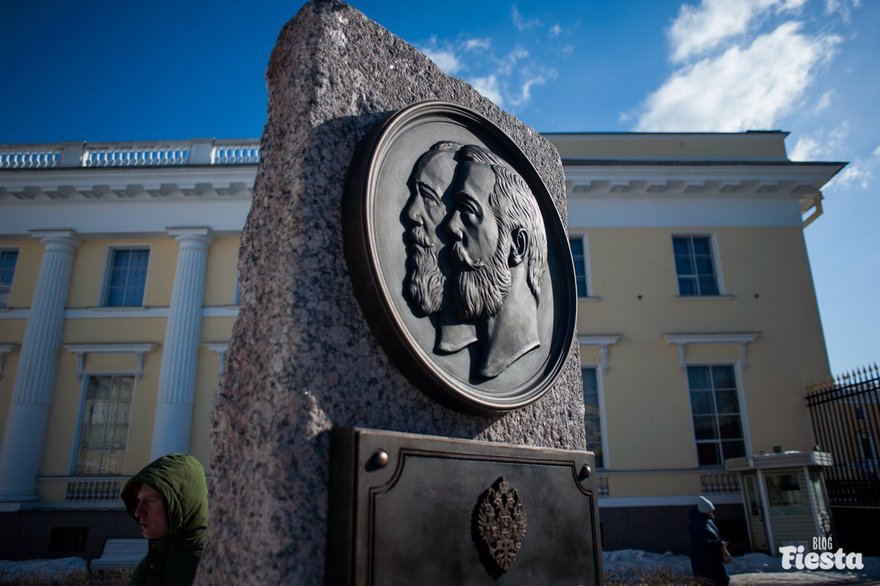
On 15th March 2018, the State Russian Museum in St Petersburg, established a monument to its two founding emperors Alexander III and Nicholas II.

The monument, which was established in the courtyard of the museum, was designed by the Russian sculptor Ilya Dyukov. It features a granite base with bronze portraits of the two emperors, and the text of the decree on the establishment of the museum, published in April 1895.

The monument was established on the eve of the 120th anniversary of the birth of the State Russian Museum. The main building of the museum is the former Mikhailovsky Palace, a splendid Neoclassical residence of Grand Duke Mikhail Pavlovich (1798-1849), constructed between 1819-1825. Upon the death of the Grand Duke the residence was named after his wife as the Palace of the Grand Duchess Elena Pavlovna, and became famous for its many theatrical presentations and balls.

196b

The museum was established on 25 (O.S. 13) April 1895, by Emperor Nicholas II and renamed the Russian Museum of Emperor Alexander III, in honour of his father, who was a great patron of Russian art. The museum was officially opened on 19 (O.S. 7) March 1898. The following day, the museum received its first visitors, and over time would acquire a rich collection of art and sculpture. After the 1917 Revolution, many private collections were nationalized and relocated to the renamed State Russian Museum.

Today it is the world’s largest depository of Russian art, a unique and beautiful architectural complex of palaces and gardens in the heart of St Petersburg, with a collection of more than 410 thousand items.

© Paul Gilbert. 13 December 2019
Historical Society Memorial Plaque with Nicholas II Established in St Petersburg

195a

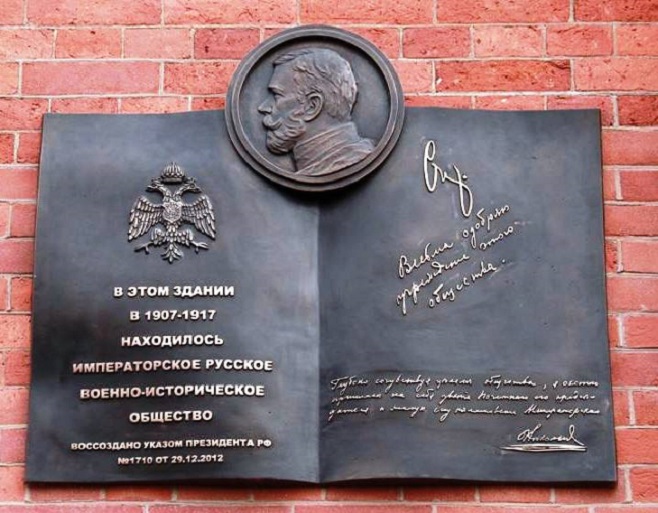
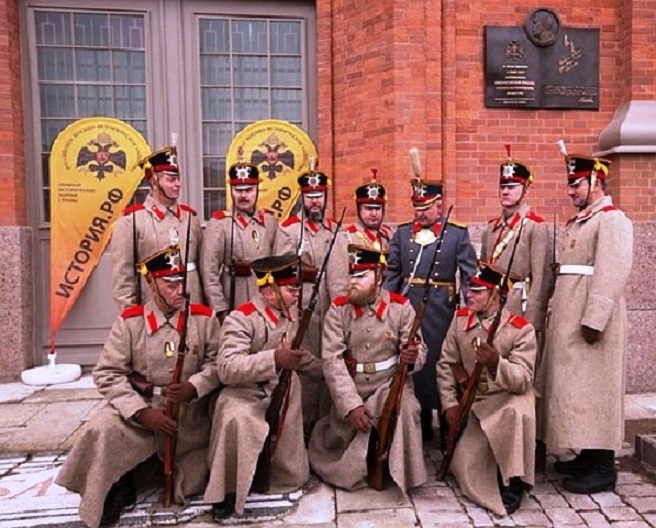
On 18th March 2018, the unveiling of a memorial plaque dedicated to the 110th anniversary of the creation of the Imperial Russian Military Historical Society (RVIO) was held in St Petersburg. The plaque was installed on the building of the Museum of Artillery, Engineering Troops and Signal Corps.

The opening ceremony was attended by the leadership of the Russian Military Historical Society, the delegation of RVIO branches from 68 regions of the country, as well as representatives of the Russian Defense Ministry.

For the first time in the last 100 years a commemorative plaque with a portrait and signature of Emperor Nicholas II was established in St. Petersburg, who in 1907 received the title of Honorary Chairman of the Russian Military Historical Society. From 1907 to 1917, the former Artillery Historical Museum (now the Museum of Artillery, Engineer and Signal Corps of the Ministry of Defense of Russia), housed the Council, the Chancellery and the repository of the main fund of the Imperial Russian Military Historical Society.

“Over the past five years, the Russian Military Historical Society has established more than 200 memorials and plaques. But this memorial plaque is special to us, because it emphasizes the connection of times between those people who created the society, and those who continue these traditions today,” – said Vladislav Kononov, Executive Director of RVIO.

195b

The opening ceremony was also attended by the descendants of the military dynasty of Skalon. In 1907, Major-General Dmitry Antonovich Skalon (1840-1919) was elected Chairman of the Council of the Imperial Russian Military Historical Society.

The plaque was designed by the Adviser to the Chairman of the Russian Military Historical Society Rostislav Medinsky, sculptor Denis Stritovich and the artist Timur Yurchenko .

The composition of the plaque features two inscriptions of Emperor Nicholas II, who in 1907 personally approved the Charter of the organization: “I agree. I highly approve of the establishment of this Society.” Later, Nicholas II accepted the title of Honorary Chairman of the Russian Military Historical Society, granting it the right to be called the Imperial Society: “Deeply sympathizing with the aims of the Society, I readily accept the Honour of its Honorary Chairman, and I salute him with the name “IMPERIAL”.

It is interesting to note that the Imperial Russian Military Historical Society, was one of the four Imperial Societies, along with the Russian Geographical Society, the Russian Historical Society and the Orthodox Palestine Society – created by the Decree of Emperor Nicholas II in 1907. All four societies ceased their activities after the 1917 Revolution.

© Paul Gilbert. 13 December 2019