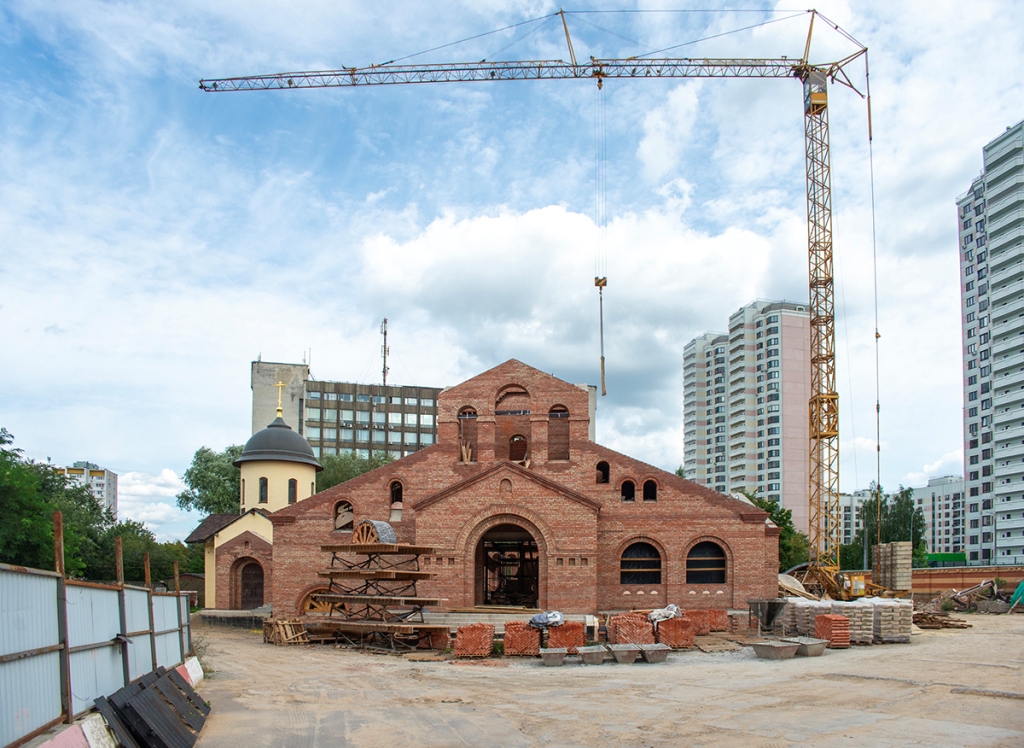
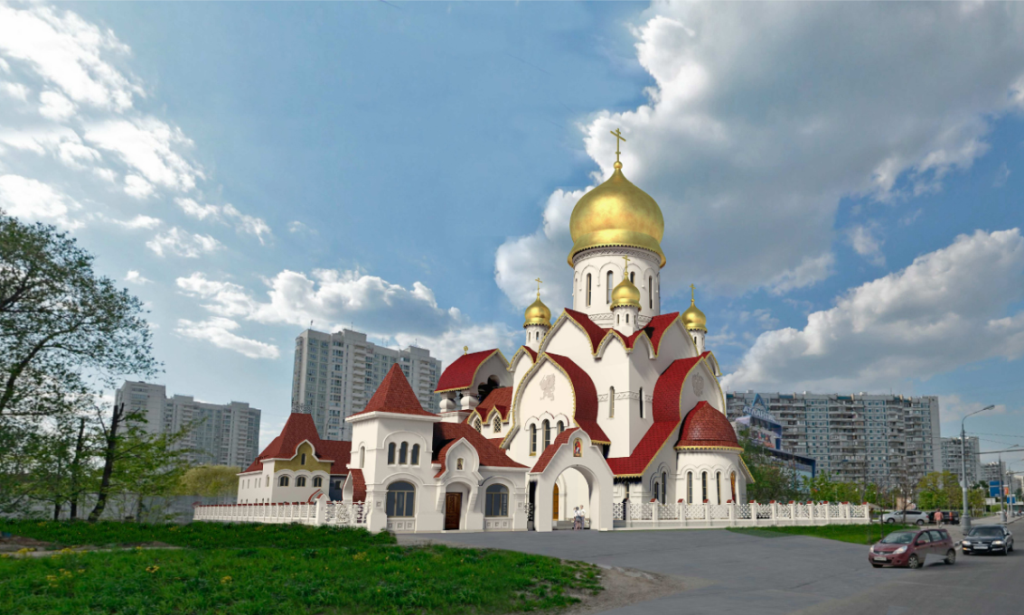
The first Moscow church in honour of the Tsar-Passion-Bearer Nicholas II is now being built in the capital’s Annino district, said Vladimir Resin, deputy of the State Duma of Russia, Patriarchal Adviser and curator of the Program for the Construction of New Churches in Moscow.
Vladimir Resin clarified that there are currently 22 churches and chapels in Russia, dedicated to the Tsar-Passion-Bearer, however, this will be the first such church to be constructed in Moscow. These do not include churches and chapels dedicated to the Holy Royal Passion-Bearers, which have been constructed across the Russian Federation, following the Imperial Family’s canonization by the Moscow Patriarchate in August 2000.
“Thanks to the support of His Holiness the Patriarch, donations from parishioners and a targeted patriarchal subsidy, we are confidently moving forward. I note that the project of this large church for 800 people was developed in the style of Russian Art Nouveau. The area of the prayer hall without an altar and a solea is over 400 square meters,” said the Patriarchal Adviser.
Artist concept of church in honour of the Tsar-Passion-Bearer Nicholas II, Moscow
The church complex is being built according to the project of the architect Fyodor Ivanovich Afuksenidi (b. 1961, Krasnaya Polyana), the author of more than 50 Orthodox churches and chapels, who died in 2019. For the creation of churches, he was awarded the Order of Sergius of Radonezh III Degree.
It is noted that thanks to the manufacturer, 20 tons of reinforcement bars were delivered to the construction site in June, and on June 7, the parish youth began to inscribe the names of the donors on the brick walls of the future church.
“By the end of the year, the builders intend to erect the frame of the building along with the installation of drums under the domes. The entire complex is expected to be complete in 2028,” added Vladimir Resin.
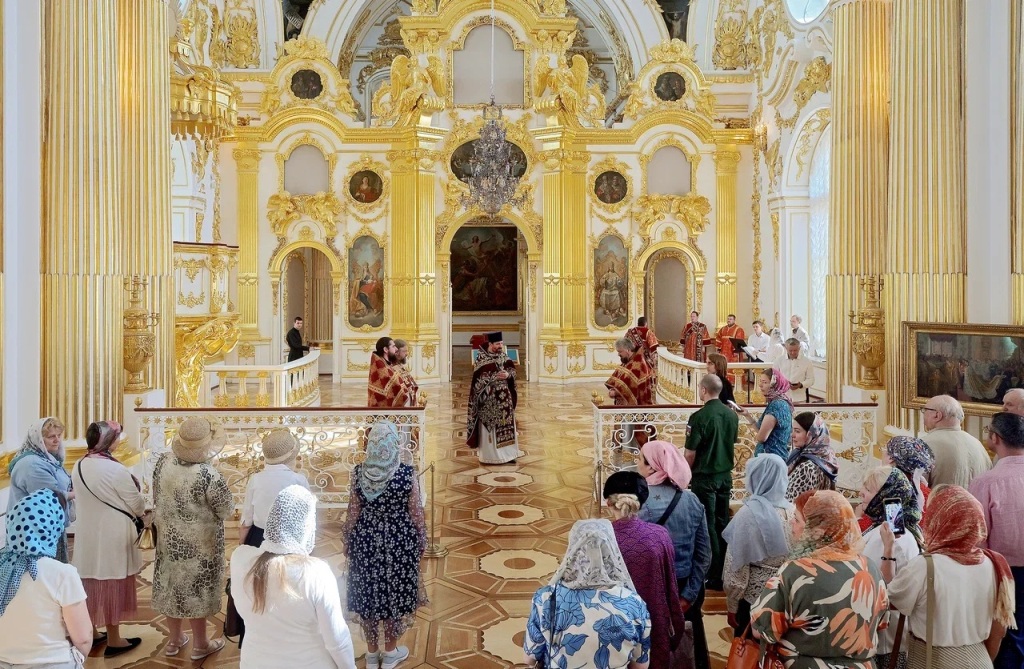
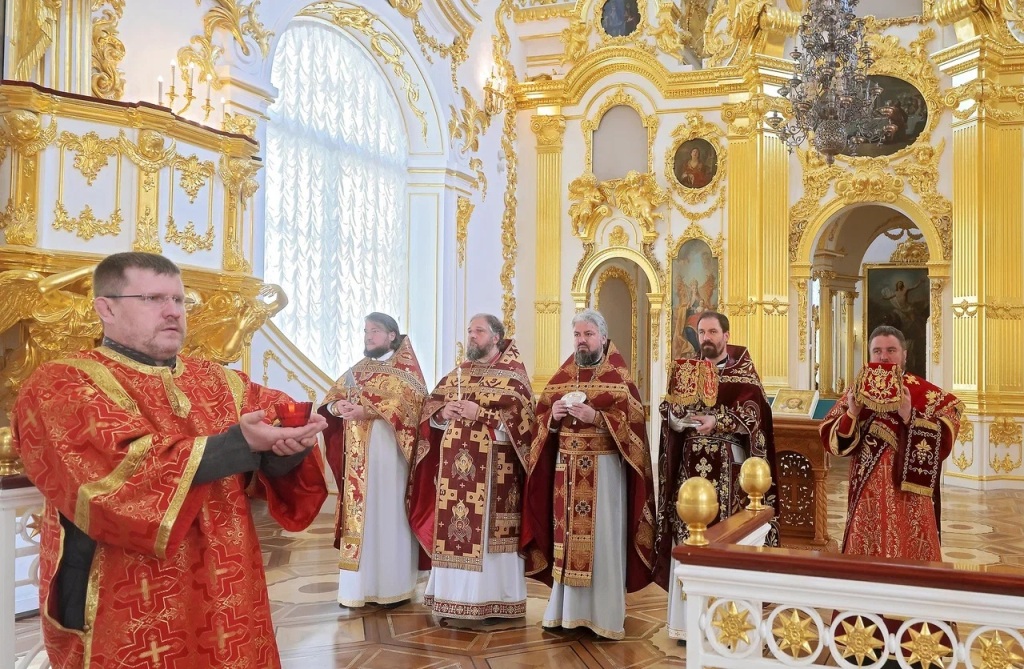
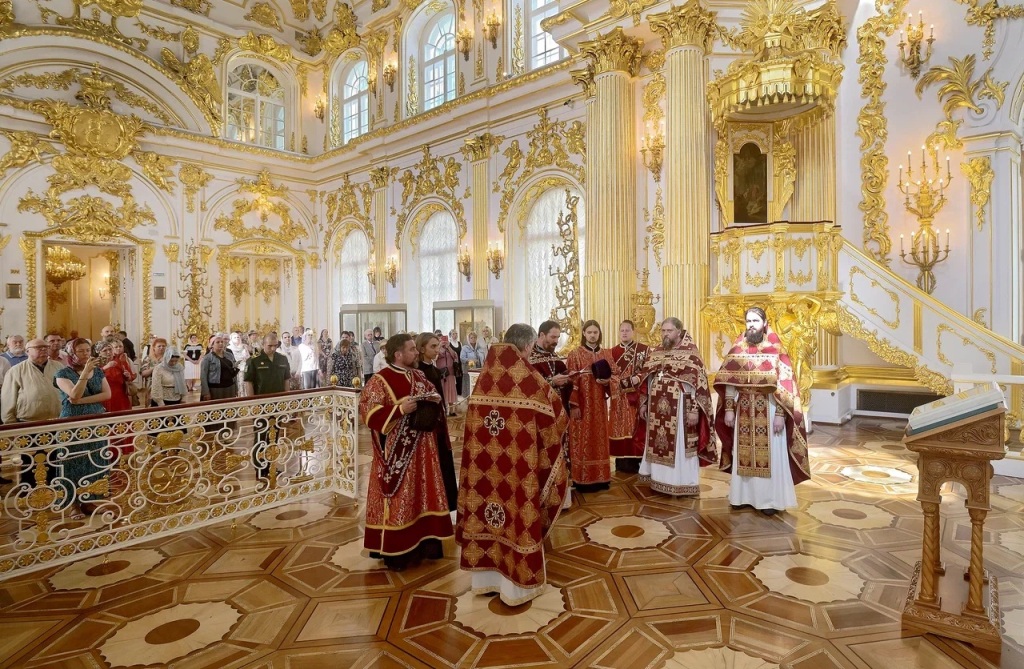
On 17th July 2025, Archpriest Nikita Zverev, the dean of the palace churches, performed the Divine Liturgy in the Church of the Saviour of the Image Not Made by Hands [aka the Great Church of the Winter Palace], situated in the State Hermitage Museum in St. Petersburg.
The service marked the 107th anniversary of the death and martyrdom of Russia’s much slandered Tsar, his family, and their four faithful retainers, all of whom were brutally murdered in Ekaterinburg by members of the Ural Soviet in July 1918.
Archpriest Nikita was co-served by Rector Hieromonk Mark (Svyatogorov), Hieromonk Tikhon (Voronov), Archpriest Maxim Kvasov, Priest Artemy Naumov, and Hierodeacon Ilya (Vasiliev). They were joined by the combined choir of singers of the St. Petersburg diocese.
Among the worshippers were the Director of the State Hermitage Museum in St. Petersburg, Mikhail Borisovich Piotrovsky, and museum staff.
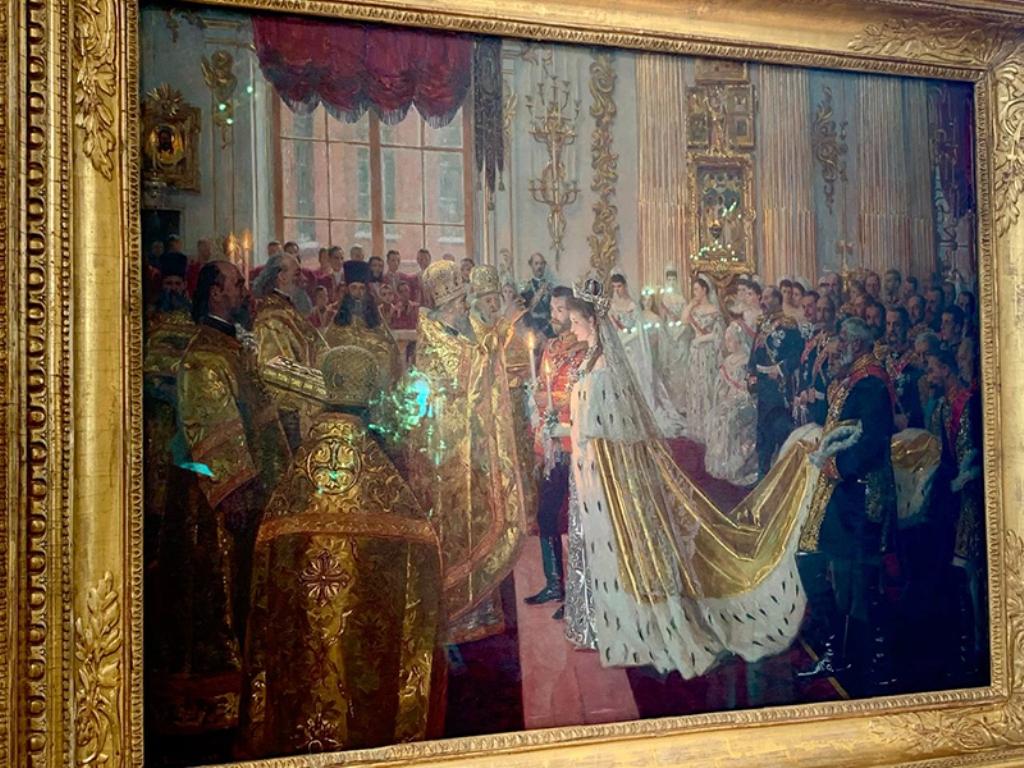
“Passing by the Winter Palace, it is a great happiness to see the dome of this church and to know that prayers are heard here again,” said Father Nikita. – “The history of Russia’s last Tsar and his family began with this church. Everyone who comes here sees on the right a picture depicting the wedding of Nicholas II and Alexandra Feodorovna [see below]. The sacraments were performed in this very church, . . . and now, many years later, we can stand and pray where they once prayed. This temple is of great historic importance, one which is associated with the fate of the Fatherland. I thank the museum staff who have preserved all this to this day. If we do not know our history, remember the tragedy that happened, there can be no happy future for Russia. Let us appreciate what we have, both sorrows and joys, and remember that the Lord will never leave us.”
Recall that the last Russian Emperor, Nicholas II, and his family were shot on the night of 16/17 July 1918, in the basement of the Ipatiev House in Ekaterinburg. On 1st November 1981, they were canonized as new martyrs by the Russian Orthodox Church Outside Russia (ROCOR), and on 20th August 2000, as passion bearers by the Moscow Patriarchate of the Russian Orthodox Church.
And let us not forget the four faithful retainers, who remained with the Imperial family during their house arrest in Tobolsk and Ekaterinburg, and who followed them to their deaths in the Ipatiev House, on 17th July 1918: the valet Aloysius Trupp (1856-1918); the maid Anna Demidova (1878-1918); the cook Ivan Kharitonov (1872-1918); and Dr. Eugene Botkin (1865-1918), canonized in 2016.
PHOTO: Wedding of Nicholas II and Alexandra Feodorovna Painted in 1895 by the Danish artist Laurits Tuxen (1853-1927) From the collection of the State Hermitage Museum, St. Petersburg
The Great Church of the Winter Palace was consecrated on 25th July 1763 by Archbishop Gabriel in the name of the image of the Saviour (painted by Theodot Ukhtomsky, 1693), which was located in the prayer room at the altar. After the 1839 renovation, it was consecrated again by Metropolitan Philaret. The Maltese shrines presented to Emperor Paul I were kept here, and every year they were transferred to the Pavlovsk Cathedral [the Cathedral of the Holy Apostle Paul] in Gatchina for a month.
In October 1917, the church was damaged during the storming of the Winter Palace by the Bolsheviks and was closed in 1918. On 9th December 2014, the Great Church of the Winter Palace was opened to visitors after restoration, and on 25th December of the same year, the first Divine Liturgy in 96 years was served.
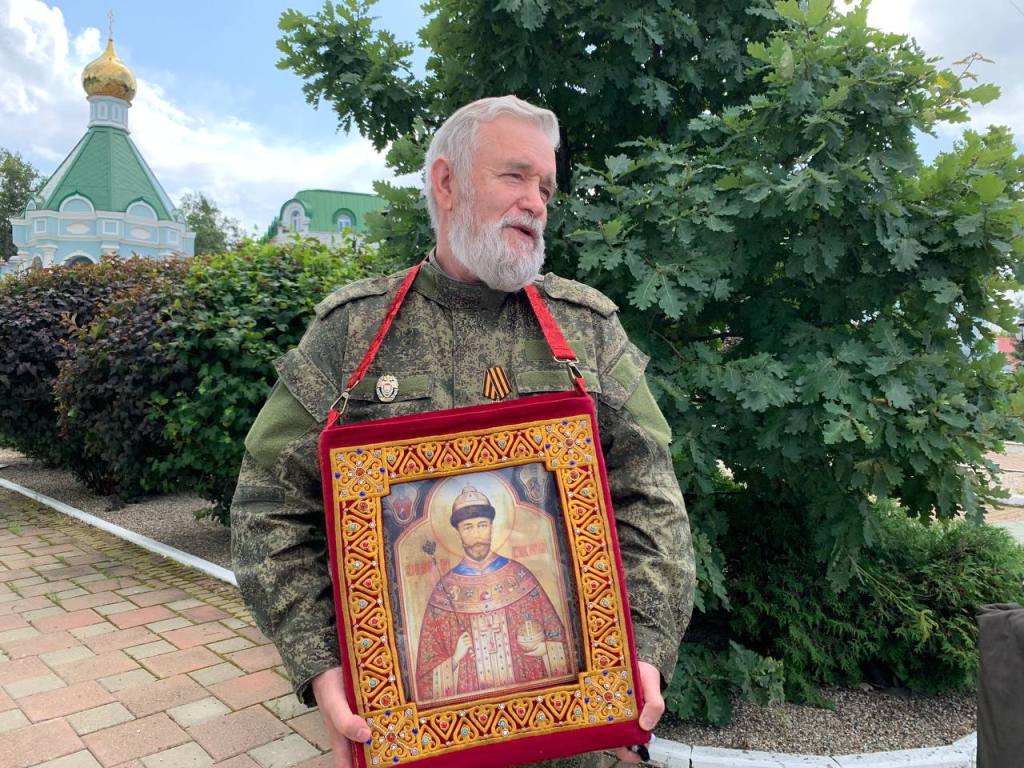
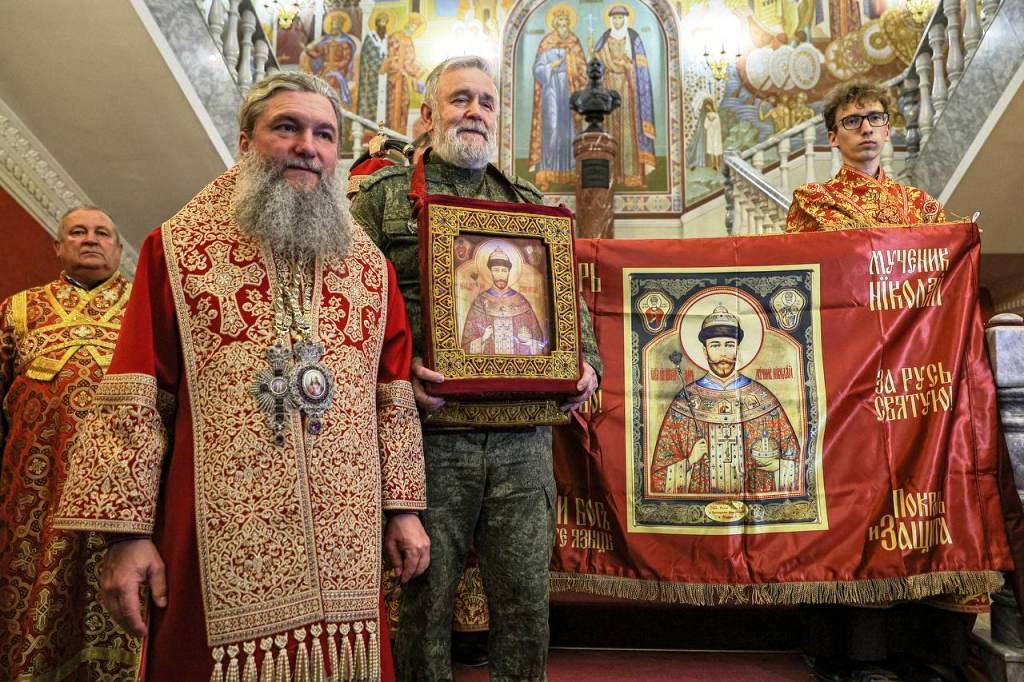
PHOTO: Alexander Feodorovich Chernavsky holding the myrrh-streaming icon of the Tsar-Martyr Nicholas II
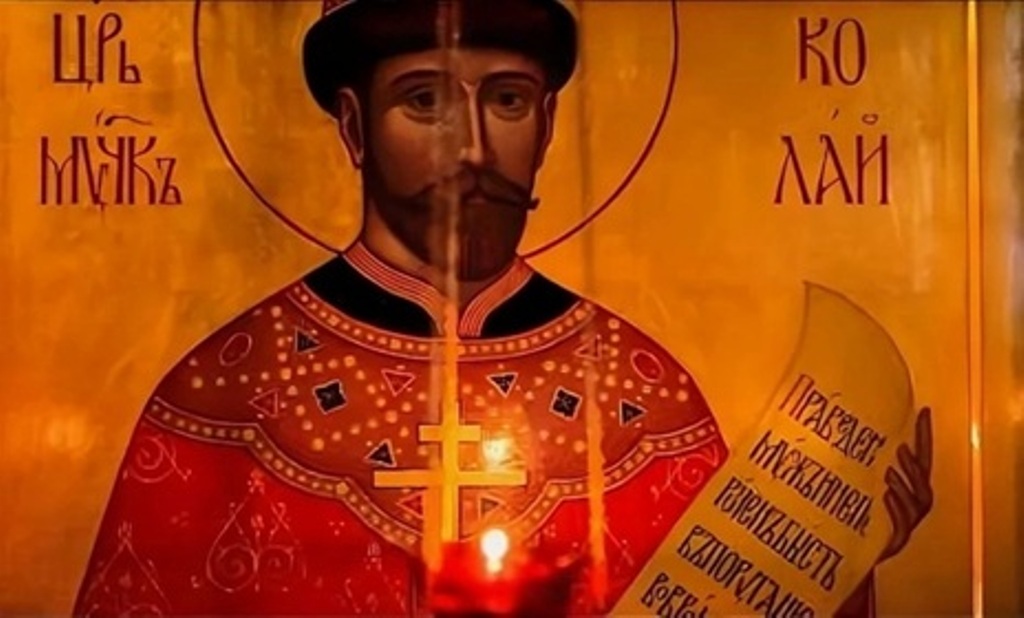
On 13th July 2025, the myrrh-streaming icon of the Tsar-Martyr Nicholas II arrived at the Church on the Blood in Ekaterinburg. The icon was brought from Moscow, by the head of the Orthodox Military Mission, Alexander Feodorovich Chernavsky.
According to Chernavsky, the icon has been streaming myrrh since 1998, and again, during this year’s Tsar’s Days in the Ural capital, drops of myrrh appeared in the shape of “diamonds” on the icon itself and on the frame.
“It smells fragrant, it streams myrrh and inspires faithful Orthodox Christians with the fact that the Tsar is alive, he sees all our labours, hears our prayers, reacts to the impulses of our hearts, to our feelings, he believes in the future of Russia. The Imperial Family and other New Martyrs pray for us.”
Chernavsky brings the icon to the Ural city every year for events marking Tsar’s Days, namely the Divine Liturgy held on the night of 16/17 July, followed by a Cross Procession to the Monastery of the Holy Royal Martyrs in Ganina Yama.
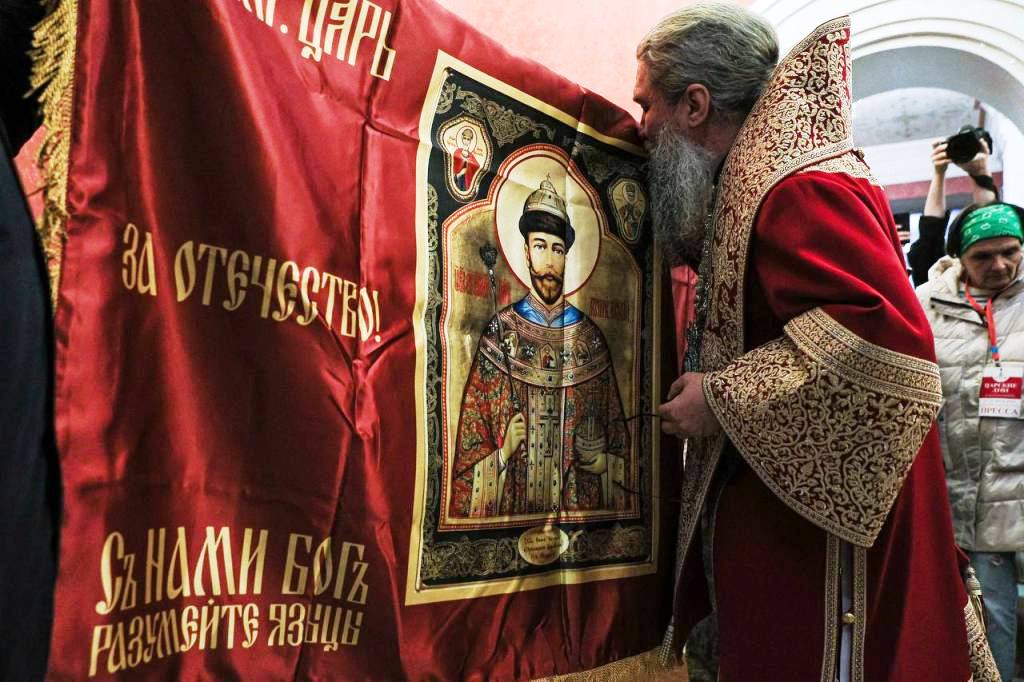
PHOTO: detail of the banner depicting the image of Tsar-Martyr Nicholas II
On 16th July 2025, Chernavsky presented Metropolitan Evgeny of Yekaterinburg and Verkhoturye with a banner depicting the image of Tsar Nicholas II. Such banners bearing the face of the Holy Royal Passion-Bearers are sent to Russian soldiers to inspire them by the feat of the Emperor, to embrace the Orthodox faith and become churchgoers.
In the early morning hours of 17th July, Chernavsky – carrying the icon of the Tsar-Martyr Nicholas II – joined tens of thousands of pilgrims, clergy and believers in the annual Cross Procession from the Church on the Blood to the Monastery of the Holy Royal Martyrs at Ganina Yama – a journey of 21-km (13 mile) on foot.
Chernavsky noted that during this year’s Cross Procession, he noticed many young people with banners and flags, which he believes “speaks of the affirmation of the Orthodox faith and the unity of the Russian people.”
PHOTO: Metropolitan Evgeny of Ekaterinburg and Verkhotursky (left) with Alexander Chernavsky holding the myrrh-streaming icon of the Tsar-Martyr Nicholas II, in the Patriarchal Compound of the Church on the Blood. At the top of the stairs behind, you can see a bust-monument to Nicholas II
At the end of 1997, colour lithographs of this icon were brought to Russia. In the St. Nicholas almshouse in the city of Ryazan, where the Church of the Tsar-Martyr Nicholas II is being built, a colour copy was made and placed in an icon case under glass.
On 7th November 1998, the icon began to stream myrrh. Since then, the icon has been traveling around Russia and around the world. But most importantly, the icons streams myrrh on the anniversary of the Tsar’s death and martyrdom, among other days associated with the memory of Russia’s much slandered Tsar.
In connection with this historic date, Orthodox churches throughout Russia and abroad performed Divine Liturgies in memory of Russia’s much slandered Tsar.
From the very beginning of his reign, Nicholas II treated the duties as Emperor and Tsar of the Russian Empire as a sacred duty. As God’s Anointed, he strongly believed that for the hundred million Russian people the Tsar’s power was and remained sacred.
The family of Emperor Nicholas II was imbued with the spirit of the Orthodox faith. They lived in accordance with the traditions of Orthodox piety. Obligatory attendance at divine services on Sundays and feast days, observing fasts were an integral part of their lives. The August couple not only visited churches and monasteries during their numerous trips, venerated miraculous icons and relics of saints, but also made pilgrimages, as was the case in 1903 during the glorification of St. Seraphim of Sarov.
The Emperor paid great attention to the needs of the Orthodox Church throughout his reign. Like all Russian emperors, Nicholas II generously donated from his own funds for the construction of new churches, including those outside Russia. During the 22+ years of his reign, the number of parish churches in Russia increased by more than 10 thousand, and more than 250 new monasteries were opened. The Emperor himself participated in the laying of new churches and other church celebrations.
The personal piety of the Tsar was also manifested in the fact that during the years of his reign more saints were canonized than in the two previous centuries, when only 5 saints were glorified. During Nicholas II’s reign, the following saints were glorified: St. Theodosius of Chernigov (1896), St. Seraphim of Sarov (1903), St. Joasaph of Belgorod (1911), St. Ermogen of Moscow (1913), St. Pitirim of Tambov (1914), St. John of Tobolsk (1916) were canonized, and the veneration of St. Princess Anna of Kashin was renewed (1909).
The Holy Emperor Nicholas II said: “If you see me calm, it is because I have the firm, the absolute conviction that the fate of Russia, my own fate, and that of my family is in the hands of God, Who has placed me where I am. Whatever happens, I will bow to His will, conscious of never having had a thought other than that of serving the country that He confided to me.”
In 2020, the Holy Monastery of St. John the Forerunner of Mesa Potamos in Cyprus invited me to research, write and narrate this 20-minute English-language VIDEO, within the framework of the project for the book “The Romanov Royal Martyrs: What Silence Could Not Conceal“, of which I was a project colleague. The VIDEO has been watched by more than 134,000 people to date!
A wonderful collection of vintage newsreels from the Russian State Documentary Film & Photo Archive at Krasnogorsk (RGAKFD).
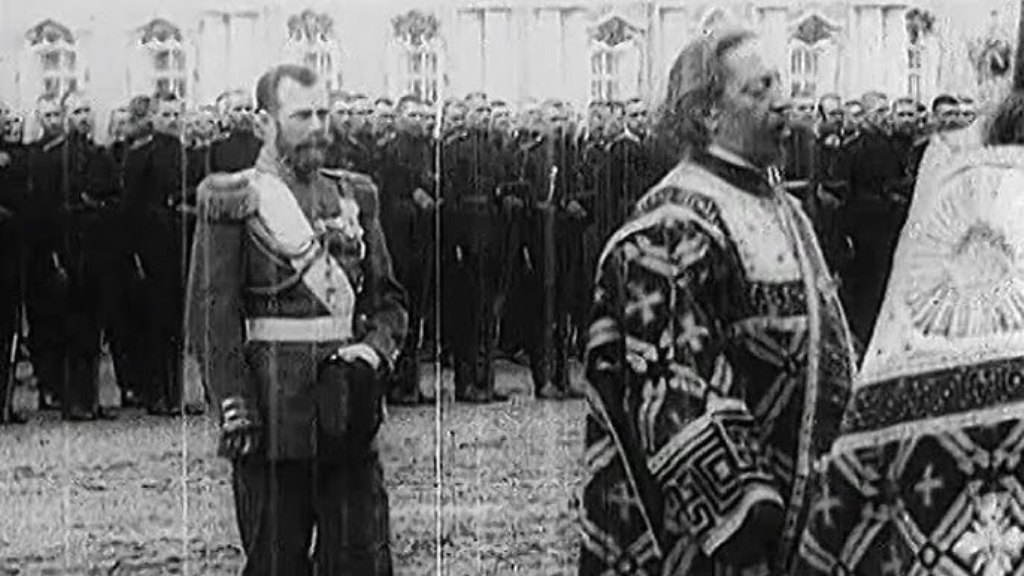
This newsreel has preserved for posterity those moments when Emperor Nicholas II together with his Family attend the divine services, kisses reverently the cross and the icons, blesses his troops, makes the sign of the cross, participates in the sacred processions and converses with the religious leaders.
Soundtrack: 1) Song «Tsar Nicholas» (written and composed by Gennady Ponomarev; sung by the famous Russian singer Zhanna Bichevskaya in 1999); 2) Fragment of the national anthem of the Russian Empire «God Save the Tsar» (another name: «The Prayer of Russians»; written by Vasily Zhukovsky in 1814, sung by Zhanna Bichevskaya).
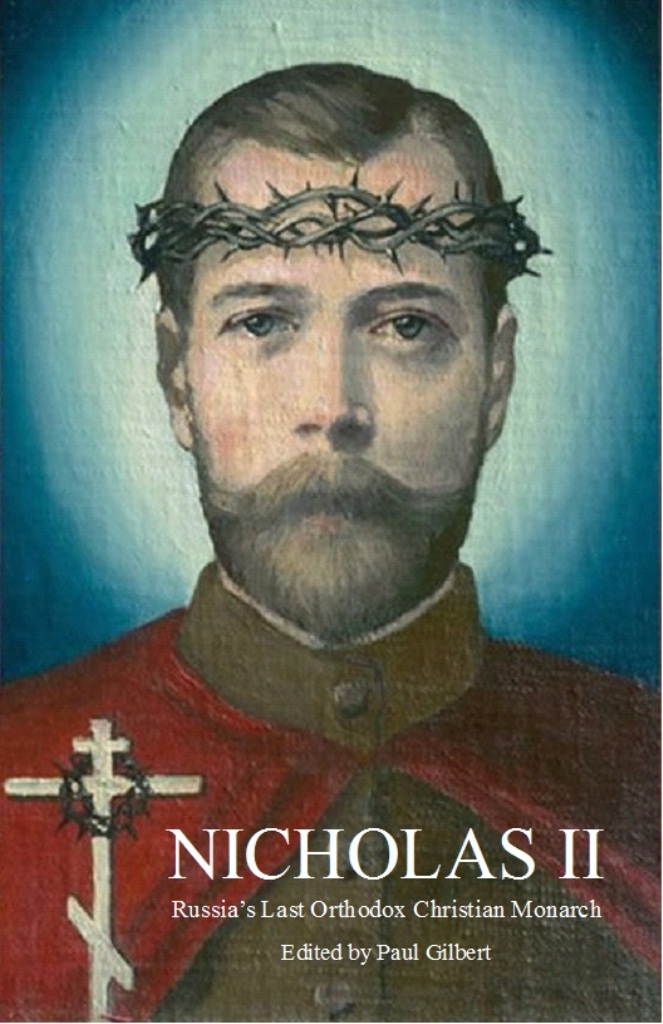
This book is not only for Orthodox and non-Orthodox persons, but for any one who shares an interest in the life, death, and martyrdom of the Holy Tsar-Martyr Nicholas II.
An illustrated Introduction by independent researcher Paul Gilbert explores the piety of Nicholas II, and his devotion to the Russian Orthodox Church, which reached its fullest development and power, during his 22-year reign.
This book further examines the trials and tribulations the Tsar endured, which later led to his canonization by the Russian Orthodox Church.
Paperback edition, with 134 pages + 23 black & white photographs
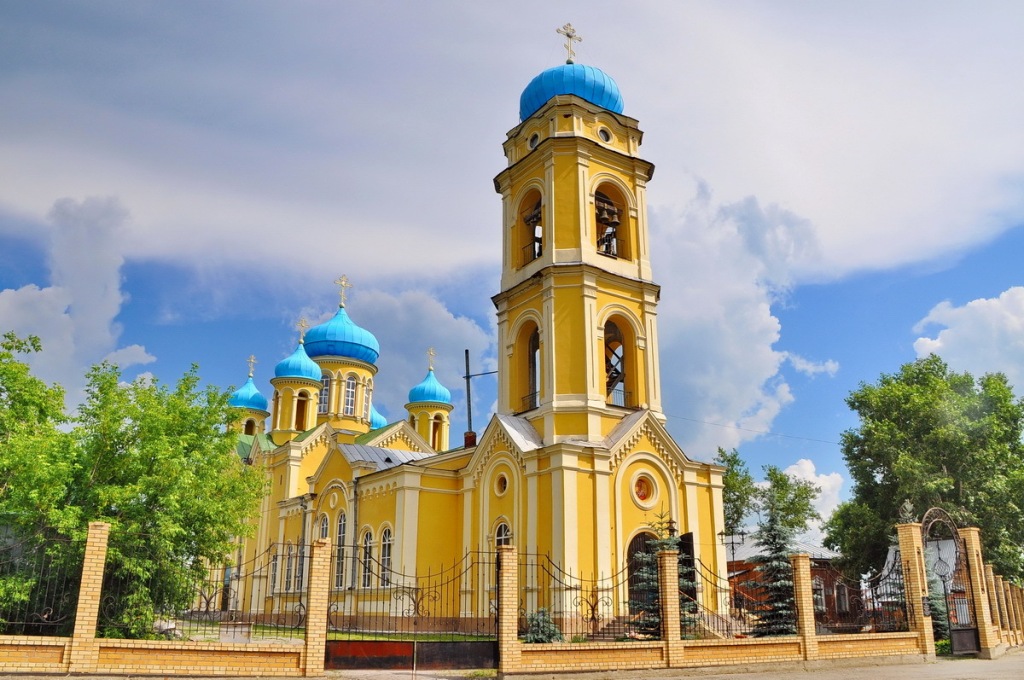
PHOTO: the Cathedral of St. Nicholas the Wonderworker in Verkhneuralsk
A new equestrian monument to Emperor Nicholas II will be installed and consecrated later this year, in the Ural city of Verkhneuralsk. The city is located on the left bank of the Ural River, 230 km south of Chelyabinsk and 450 km south of Ekaterinburg.
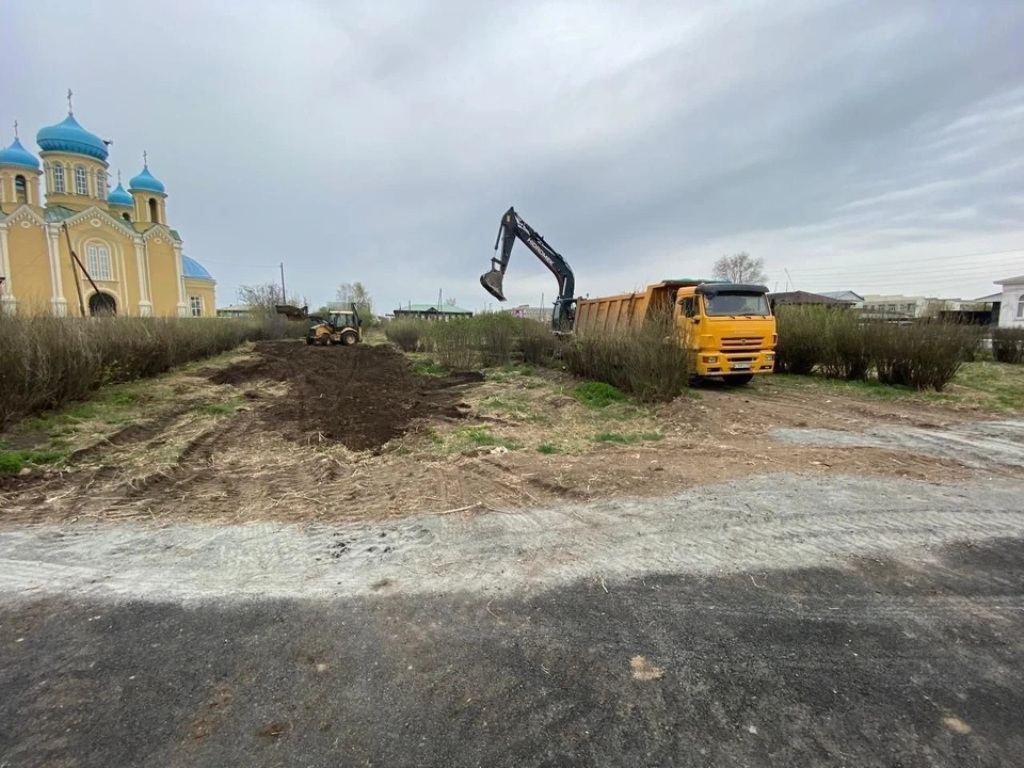
The monument will be installed in front of the Cathedral of St. Nicholas the Wonderworker – the only Orthodox church in Verkhneuralsk which survived the years of Soviet power. The grounds around the church are currently being developed. The monument will be installed and consecrated here upon completion of the landscaping and gardens.
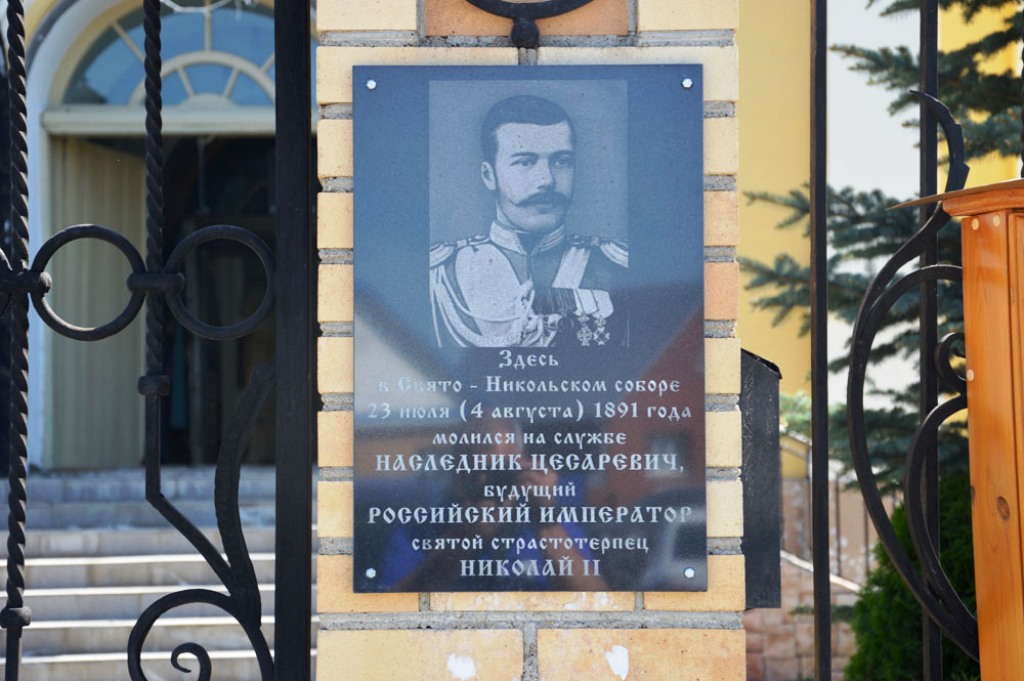
PHOTO: a plaque marks the visit of Tsesarevich and Grand Duke Nicholas Alexandrovich [future Emperor Nicholas II] to the Cathedral of St. Nicholas the Wonderworker in Verkhneuralsk, on 4th August (O.S. 23rd July) 1891.
The monument is in memory of Nicholas II’s visit to Verkhneuralsk on 4th August (O.S. 23rd July) 1891, during a trip across the Russian Empire following his Eastern Journey. The Eastern Journey (1890-1891) of Tsesearvich Nicholas Alexandrovich took him to Egypt, India, Ceylon, Siam, China, and Japan – where an assassination attempt was made on his life. The total length of the journey exceeded 51,000 kilometres, including 15,000 km of railway and 22,000 km of sea routes.
The Cathedral of St. Nicholas the Wonderworker was built in the Russian-Byzantine Style in 1870, and consecrated on 5th May 1875. The money for it’s construction was allocated by a local merchant Nikolai Petrovich Rytov (1818-1879), cost 6100 rubles. The church was erected according to the project of the famous Russian architect Konstantin Ton (1794-1881), who challenged classicism and established the Russian Style, which included outstanding palace and church architecture.
PHOTO: the grounds around the Cathedral of St. Nicholas the Wonderworker are currently being developed. The monument to Nicholas II, will be installed and consecrated here upon completion of the landscaping and gardens.
The northern altar of this cathedral – in the name of the Intercession of the Most Holy Theotokos – was built on benevolent donations in memory of the salvation of Tsesarevich Nicholas Alexandrovich, following an assassination attempt on his life in Otsu, Japan. The altar was consecrated on 18th November 1897.
In the 1930s, the church was closed and used as a grain warehouse, reopened in 1942. In the early 20th century, there were 7 Orthodox churches in Verkhneuralsk, however the Cathedral of St. Nicholas the Wonderworker, is the only one to have survived the years of Soviet power, the rest were destroyed.
It is interesting to note that in 1904, Emperor Nicholas II visited a number of Ural cities including Verkhneuralsk. He was accompanied by his brother Grand Duke Mikhail Alexandrovich.
PHOTO: Tsesarevich Alexei Nikolaevich and Archpriest Alexander Petrovich Vasiliev. Livadia, 1912
Alexander Petrovich Vasiliev (1868-1918), was an archpriest, tutor to the children of Tsar Nicholas II, confessor of the Imperial Family, and monarchist.
He was born into a peasant family in the village of Shepotovo, Smolensk Province. He was orphaned at an early age. He studied at the school of the famous pedagogue Sergei Aleksandrovich Rachinsky (1833-1902).
After graduating from school, Rachinsky facilitated Vasiliev’s admission to the Belsk Theological School, after which Alexander Petrovich entered the Bethany Theological Seminary, and then the St. Petersburg Theological Academy. In 1893, he graduated with the degree of Candidate of Theology.
While studying at the Academy, he married Olga Ivanovna. The couple had seven children.
On 19th July 1892, he was ordained to the priesthood and sent to St. Nicholas Church, where he served as rector, in the village of Yam-Izhora, Tsarskoye Selo District.
While studying at the Academy, and following the example of his first teacher S.A. Rachinsky, Vasiliev founded a temperance society. The first sermons on sobriety were delivered in the Church of the Righteous Prince Alexander Nevsky at the famous Vargunin paper mill in Maly Rybatskoye, a village located on the southeastern outskirts of St. Petersburg. Alexander Vasiliev’s sermons inspired the Vargunin workers to create a temperance society at the church. The first meeting was attended by 60 people, the second attracted 146 people.
PHOTO: Tsesarevich Alexei Nikolaevich with his tutors among others . . . from left to right: Assistant Chief of the Palace Police, Colonel N.P. Shepel; Alexei’s “sailor-nanny” A.E. Derevenko; French tutor Pierre Gilliard; Tsesarevich Alexei Nikolaevich; Russian language and literature tutor Pyotr Petrov and Archpriest Alexander Vasiliev. Spala 1912
In May 1894, he was transferred to the Church of the Presentation of the Lord in Polyustrovo, and from 7th September of the same year he combined his service in Sretensky Church with the rectorship of the Church of the Exaltation of the Holy Cross at the Holy Cross Community of Sisters of Mercy.
In 1910, Father Alexander was appointed spiritual father and tutor to the children of Emperor Nicholas II and Empress Alexandra Feodorovna.
According to eyewitnesses, members of the Imperial Family were very fond of the divine services performed by Father Alexander Vasiliev.
In his memoirs, Protopresbyter Georgy Ivanovich Shavelsky (1871-1951) reflected on Fr. Alexander Vasiliev: “Before his appointment to the Imperial Court, he enjoyed fame in St. Petersburg as an excellent public preacher, a practical teacher of law, and a beloved spiritual father. His excellent spiritual qualities, kindness, sympathy, simplicity, honesty, zeal for carrying out God’s work, and affability endeared him to both his disciples and his flock. …”
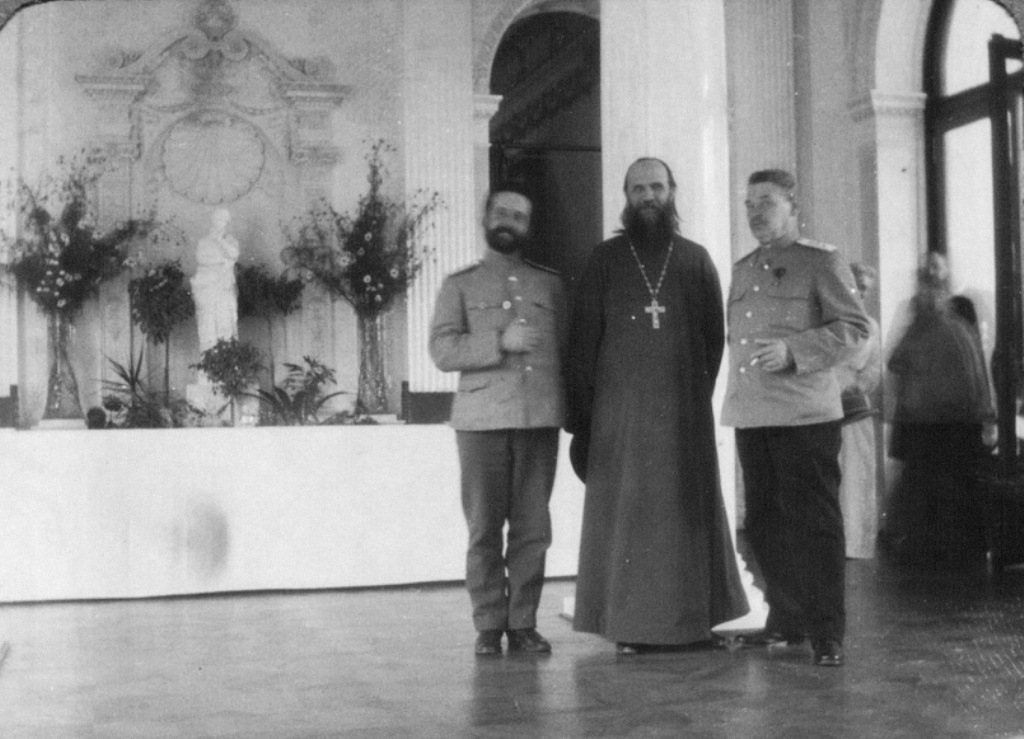
PHOTO: unidentified man (left), Archpriest Alexander Vasiliev (center) and Russian language and literature tutor Pyotr Petrov (right). Livadia Palace, Crimea. 1913
In 1913, he became an archpriest and first rector of the Feodorovsky Sovereign Cathedral in Tsarskoye Selo. In 1914, he was appointed as confessor to the Imperial Family.
He took an active part in the right-wing monarchist movement; in 1910 he was elected a member of the Russian People’s Union of the Archangel Michael (RNSMA). He attended the opening of the Conference of Monarchists, held in Petrograd on 21-23 November 1915.
In 1915, through the efforts of Father Alexander, a wooden church was built at the Tsarkoselskoye Brethren Cemetery, where soldiers of the Tsarskoye Selo garrison and soldiers who died in the hospitals of Tsarskoye Selo were buried.
On 7th September 1916, his son Sergei Alexandrovich, an officer of the Pavlovsk Regiment, died at the Front. Out of sympathy for her spiritual father’s grief, Empress Alexandra Feodorovna offered to transfer his other sons from combat units to the rear, but he refused, but his son’s death undermined his health.
PHOTO: Archpriest Alexander Vasiliev in Fedorovsky Gorodok in Tsarskoye Selo. 1916
Following the February 1917 Revolution and the abdication of Emperor Nicholas II, the head of the new Provisional Government Alexander Kerensky (1881-1970) decided to send the Imperial Family into exile to Siberia.
On the evening before their departure, Archpriest Alexander Vasiliev served a parting moleben before the Znamensky Icon of the Mother of God. With the departure of the Imperial Family to Tobolsk, the priest’s health began to deteriorate noticeably, and he began to experience severe pain in the heart.
In early 1918, he was appointed rector of the Church of St. Catherine the Great Martyr in Yekateringof. The monumental 5-domed church featured an altar and two side-chapels: the northern one dedicated to the Martyr Alexandra and the southern one to St. Nicholas the Wonderworker. The iconostasis was made by the Novgorod iconographer Chistyakov. The bell tower was built according to the project of the architect Vasily Dorogulin in 1871-1873. The church was destroyed by the Soviets in 1929.
On 29th August 1918, Father Alexander Vasiliev was arrested by the Cheka in Petrograd. On 5th September – the first day of the Red Terror – Archpriest Alexander Vasiliev was shot by a Bolshevik firing squad, along with the clergy of St. Catherine’s Church. Like so many victims of Lenin’s Red Terror, Vasiliev’s remains were most likely thrown into an unmarked mass grave and forgotten.
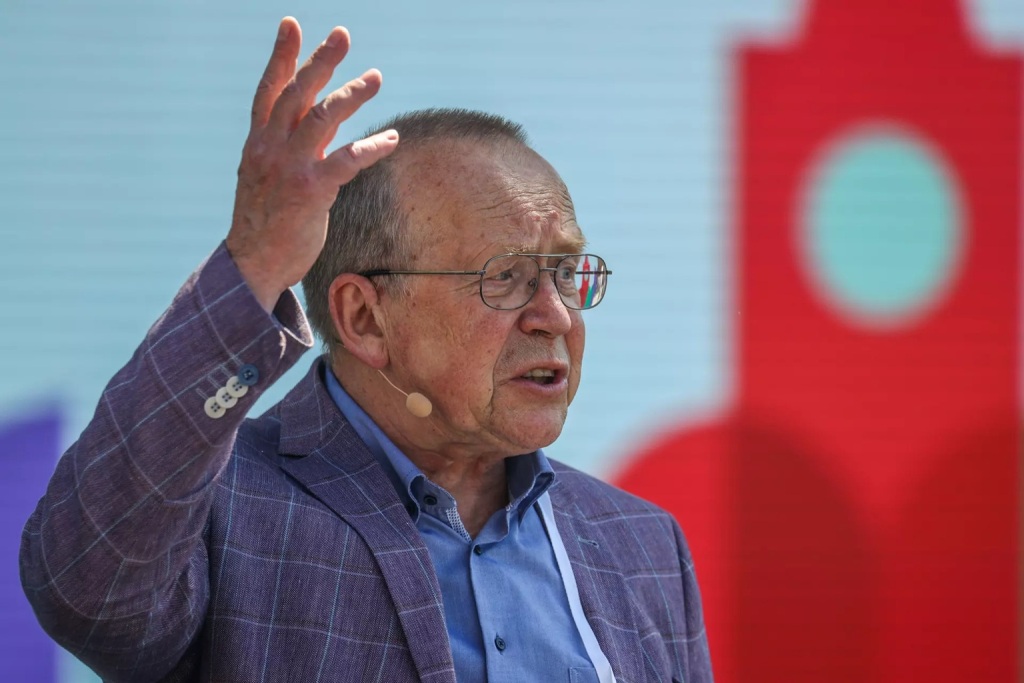
During a recent interview, the popular Russian journalist Yuri Vyazemsky[1], a member of the Patriarchal Council for Culture[2], recipient of numerous church and state awards[3], said that he would have personally shot the Holy Tsar-Martyr Nicholas II.
Vyazemsky, made the shocking statement during an interview on Умницы и умники [Smart Girls and Smart Guys], the television program which Vyazemsky has hosted since 1992.
“The Anointed of God was shot. But I would have shot him myself!” he raged. “Of course, I would not touch his family, but the Tsar deserved to be shot. He destroyed the Fatherland. He was a terrible ruler. He took over a prosperous country and was responsible for the terrible revolution, and a terrible war. Nicholas II made a lot of mistakes,” Vyazemsky vented during the program.
Archimandrite Raphael (Karelin), a hesychast[4], theologian, spiritual writer, reacted angrily to Vyazemsky’s words.
“These spiritual successors of the executioner [Yakov] Yurovsky[5] and those who turned monasteries into prisons and gulags, desecrated the altars of churches, made public toilets out of altars, now want to desecrate with their own dirt – the Tsar and his family,” Raphael wrote about Vyazemsky and his supporters. “They spit in the soul of the people, being confident in their impunity, and considered themselves the new masters of the land. They did not ask the people what they wanted and instead dictated their will and forced their evil plans upon them, and they ignored the indignation and protests . . .”
Vyazemsky’s comments have outraged many Orthodox Christians and monarchists, who are demanding that Vyazemsky’s membership in the Patriarchal Council for Culture be revoked, and that he be stripped of his numerous church and state awards.
NOTES:
[1] Yuri Pavlovich Vyazemsky, born 5th June 1951 in Leningrad, is a Soviet and Russian writer, philosopher, and TV presenter. Candidate of Historical Sciences, Professor, Head of the Department of World Literature and Culture of the Faculty of International Journalism of the Moscow State Institute of International Relations (MGIMO) of the Ministry of Foreign Affairs of the Russian Federation. Honored Worker of Culture of the Russian Federation.
[2] The Patriarchal Council for Culture is one of the synodal institutions of the Moscow Patriarchate of the Russian Orthodox Church. Founded in March 2010, the tasks of the Council include dialogue and interaction with state cultural institutions, creative unions, public associations of citizens working in the field of culture, and other similar organizations in the countries of the canonical space of the Moscow Patriarchate.
[3] On 5th June 2021, Vyazemsky was awarded the Order of Alexander Nevsky, a prestigious State Award of the Russian Federation “for his great contribution to the development of the media and many years of fruitful activity“.
[4] a member of a movement dedicated to contemplation, originating among the Orthodox monks of Mount Athos in the 14th century.
[5] The regicide and chief executioner of the Imperial Family Yakov Mikhailovich Yurovsky (real name and patronymic Yankel Khaimovich, 1878-1938).
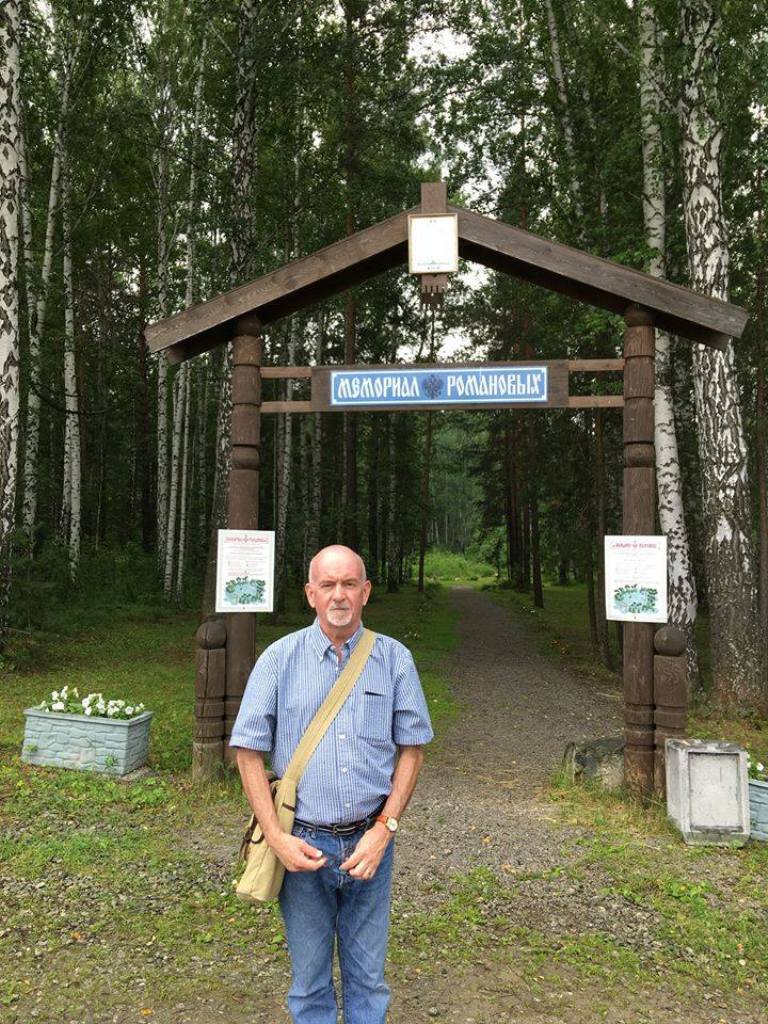
PHOTO: Paul Gilbert standing at the entrance to the Romanov Memorial in July 2018
On 10th March 2025, the head of the Ekaterinburg based Romanov Memorial Charitable Foundation Ilya Korovin, issued a press release expressing concern that the grave of Nicholas II, his family and four faithful retainers at Porosenkov Log is now under threat of development by the Russian Orthodox Church (ROC).
According to Kovovin, the Russian Orthodox Church will soon recognize the Ekaterinburg remains as those of the Imperial Family, and that such an announcement may very well threaten the Romanov Memorial at Porosenkov Log.
“If the Bishop’s Council of the ROC agree with the authenticity of the remains, then a serious question will arise about the fate of the Romanov Memorial,” said Kovovin. “This area has been preserved in its original form since 1918. It is the only place associated with Russia’s last Tsar in Ekaterinburg, which has survived to this day unchanged,” he added.
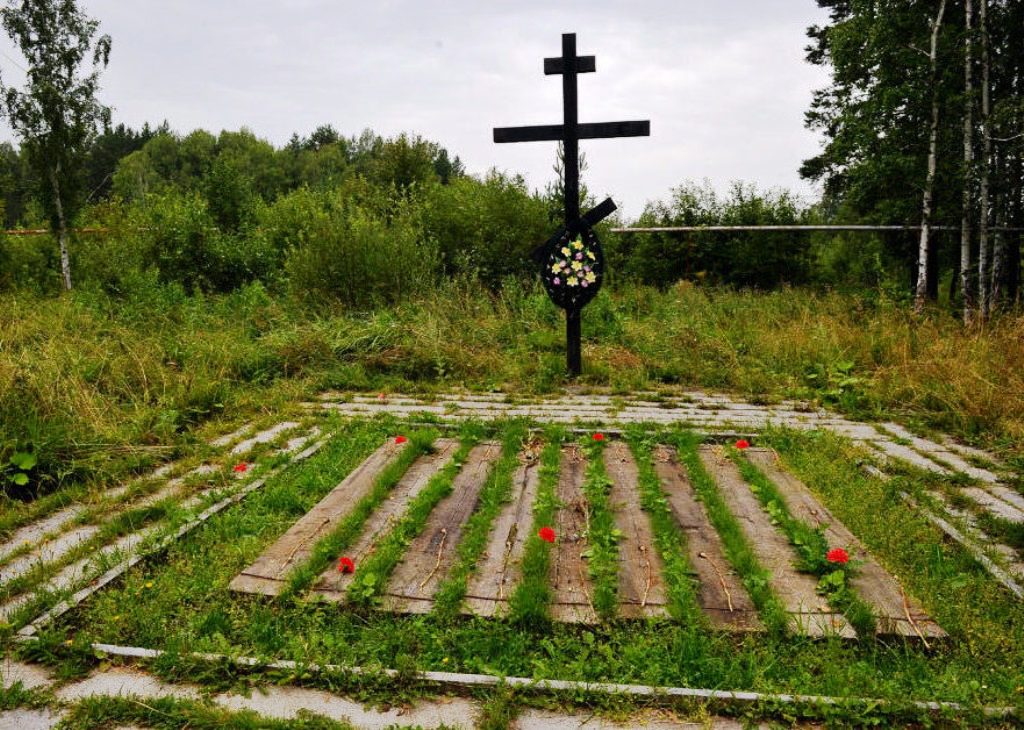
PHOTO: an Orthodox cross marks the place where Nicholas II, Alexandra Feodorovna, three of their children: Olga, Tatiana, Anastasia and their four faithful retainers were reburied by the regicides in July 1918. The remains of Alexei and Maria were buried in a second grave nearby.
Recall that it was at Porosenkov Log that the regicides buried the remains of the Imperial Family the day after they attempted to destroy their bodies at the Four Brothers Mine at Ganina Yama, situated 3.8 km [2.4 miles] down the road. The remains were initially discovered in June 1979 by Geliy Trofimovich Ryabov (1932-2015) and Alexander Nikolaevich Avdonin (born 1932). On 16th July 1999, the Romanov Memorial was opened on the site of the graves.
The land in and around the Romanov Memorial has been the subject of debate between Korovin and the ROC since 2021, after the Ekaterinburg Diocese requested the transfer of the land by the Sverdlovsk Region. The illegal drilling of wells was subsequently carried out, despite the fact that Porosenkov Log was recognized as an object of cultural heritage in 2014.
In September 2024, the Department of State Protection of Cultural Heritage Sites (UGOOKN) excluded the Romanov Memorial from the list of protected monuments, which raises concerns for Torovin, who is now challenging the decision in court.
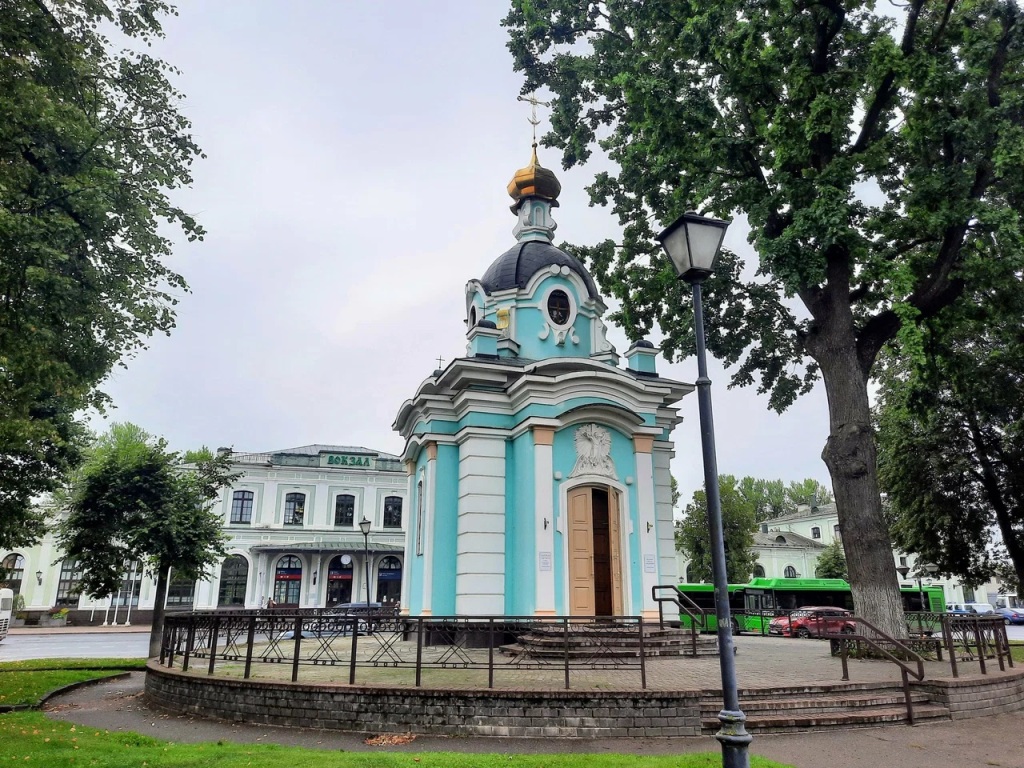
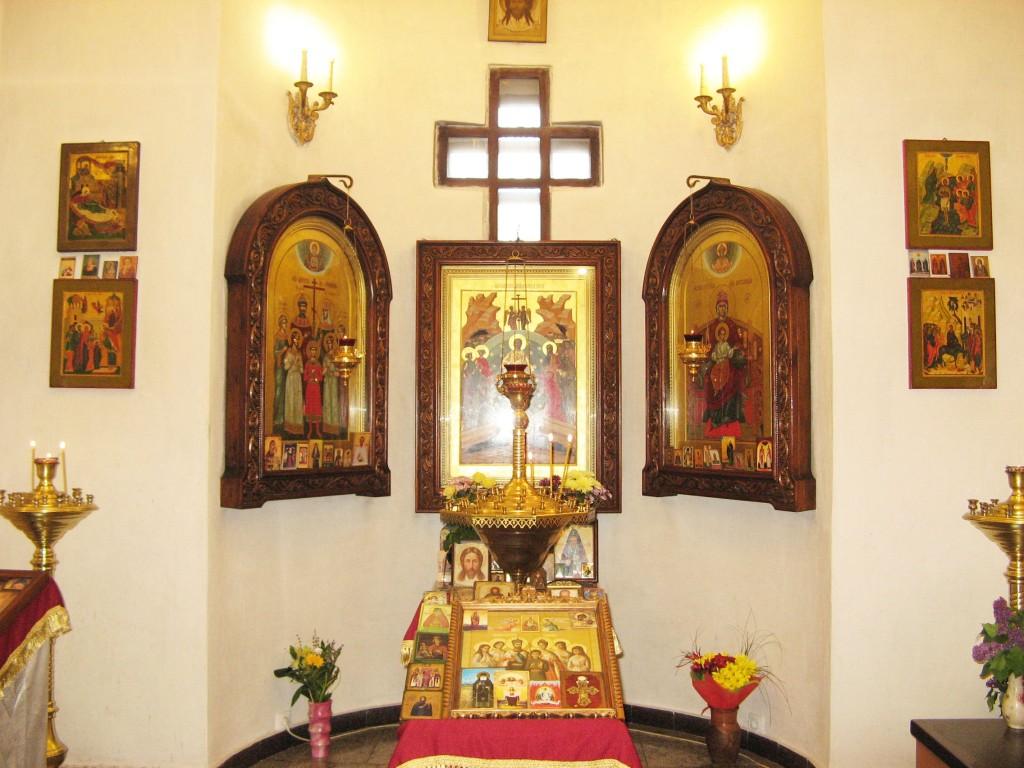
In 2003, a memorial chapel in memory of the abdication of Emperor Nicholas II was constructed on the square in front of the modern-day railway station in Pskov. The Chapel of the Resurrection of Christ was officially opened and consecrated on 17th July 2003.
Recall that on the night of 14/15 (O.S 2/3) March 1917, in a carriage of the Imperial Train, which was detained at the Varshavsky Railway Station in Pskov, the last Russian autocrat signed the act of abdication from the throne. The monarchy and the Russian Empire ceased to exist.
The Varshavsky Railway Station was built 140 years ago (on 9th September 1863) in connection with the opening of the St. Petersburg – Warsaw Railway. The two-storey station building, was restored anew for the 1100th anniversary of the city in 2003.
The chapel’s architect Sergei Nikolaevich Kondratiev, wanted to construct the chapel to correspond with the station building. He chose the architectural style of Imperial Russia, based on the famous examples of St. Petersburg, Oranienbaum and Peterhof.
The tiny chapel stands 17 meters [56 ft.] in height, it is crowned with a dome and a small cupola on which a gilded cross is installed. The dome is covered with sheet copper, the dome and the cross are made of a special alloy made at one of the defense plants in Chelyabinsk. The single colour scheme of the chapel’s facade is a combination of golden-brown, green and white.
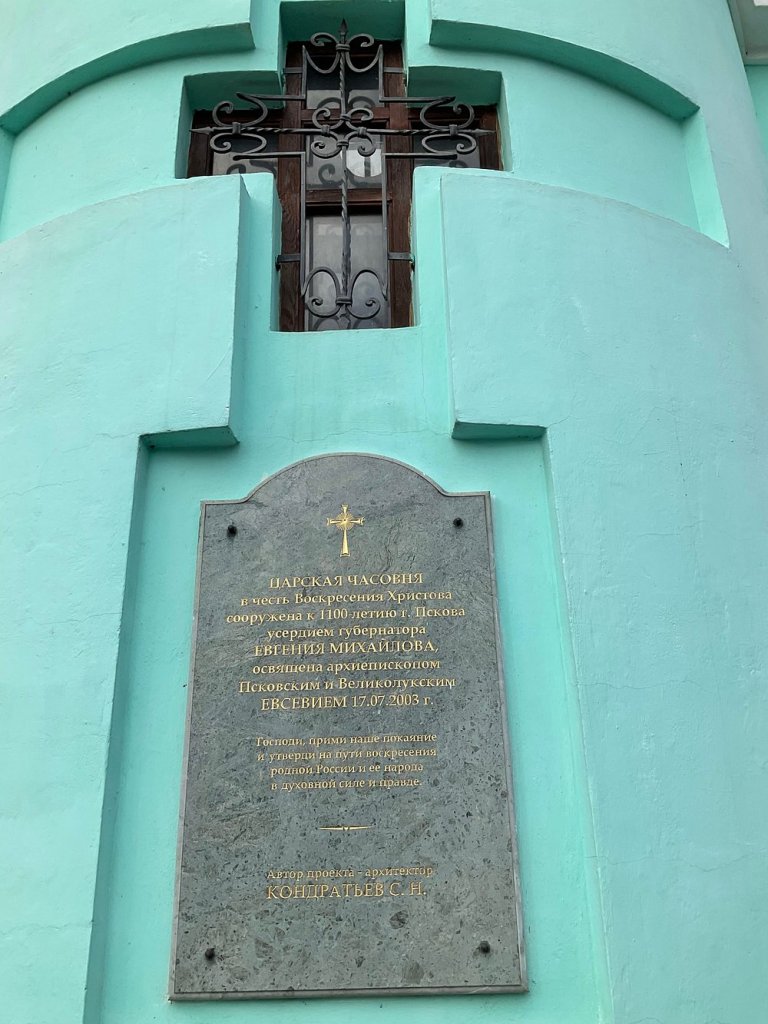
A marble plaque was installed on the side of the chapel, on which the inscription is engraved: “The Tsar’s Chapel was built in the year of the 1100th anniversary of Pskov as a repentance and deep sorrow of the people of Pskov over the tragic death of the last Russian Emperor Nikolai Alexandrovich Romanov.”
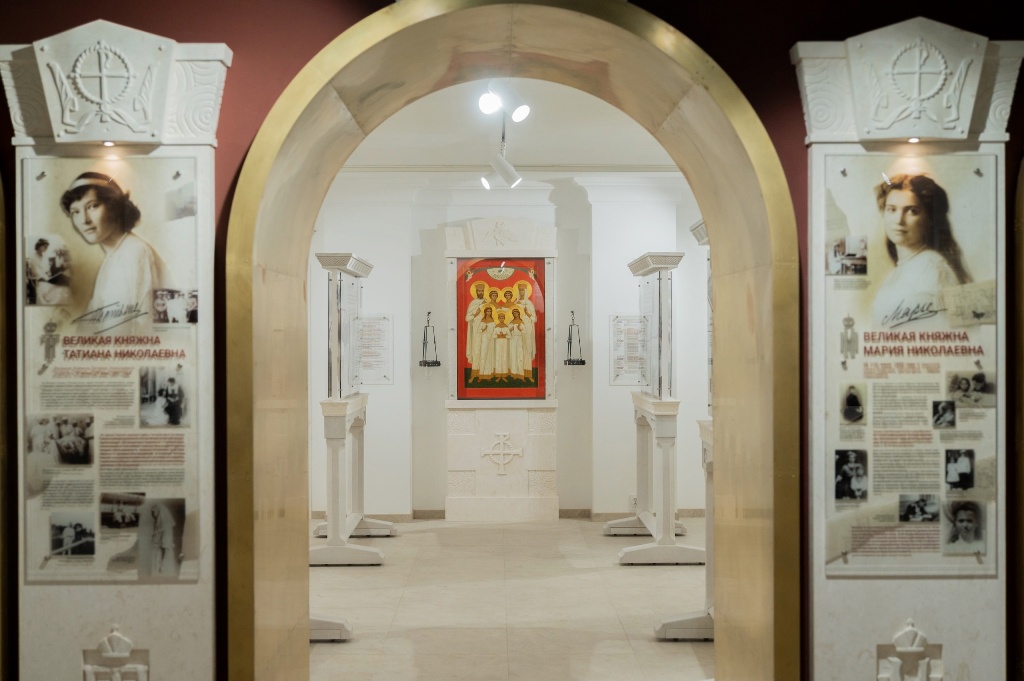
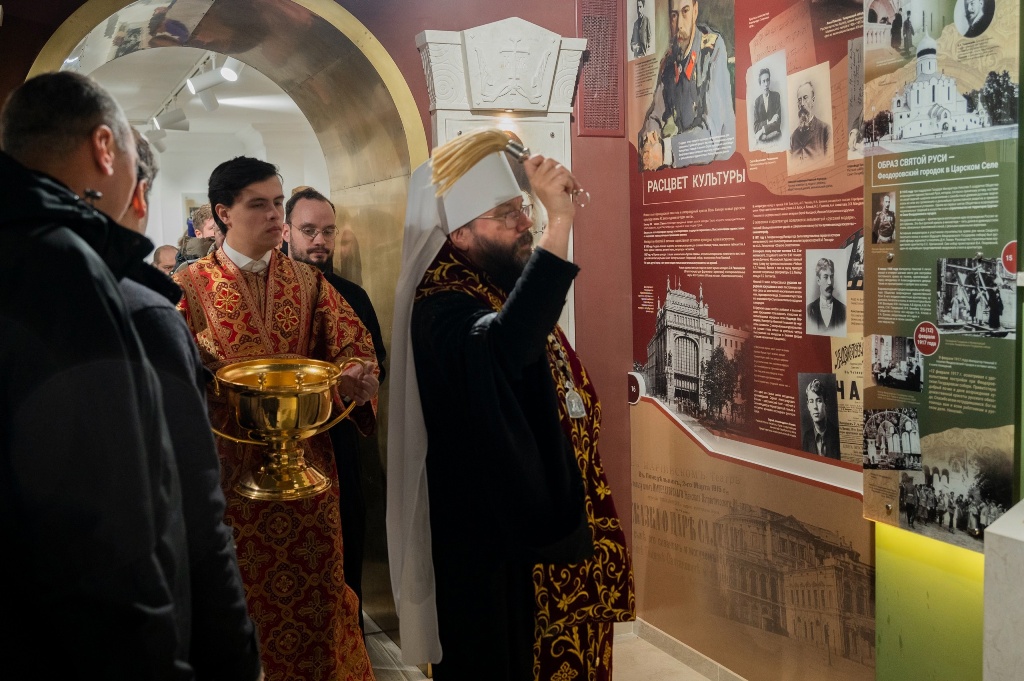
PHOTO: entrance to the exhibition which takes up the entire ground floor of the recently constructed Church of the Holy Royal Passion-Bearers in Dno
On 26th December 2024, a new museum dedicated to Emperor Nicholas II and his family was officially opened and consecrated in the Church of the Holy Royal Passion-Bearers in the Russian city of Dno, situated 114 km from Pskov.
Metropolitan Matthew of Pskov and Porkhov performed the rite of consecration of the museum to the Royal Passion-Bearers. The museum takes up the entire ground floor of the church. Admission to the museum is FREE to all!
PHOTO: His Eminance performs the rite of consecration of the museum to the Royal Passion-Bearers
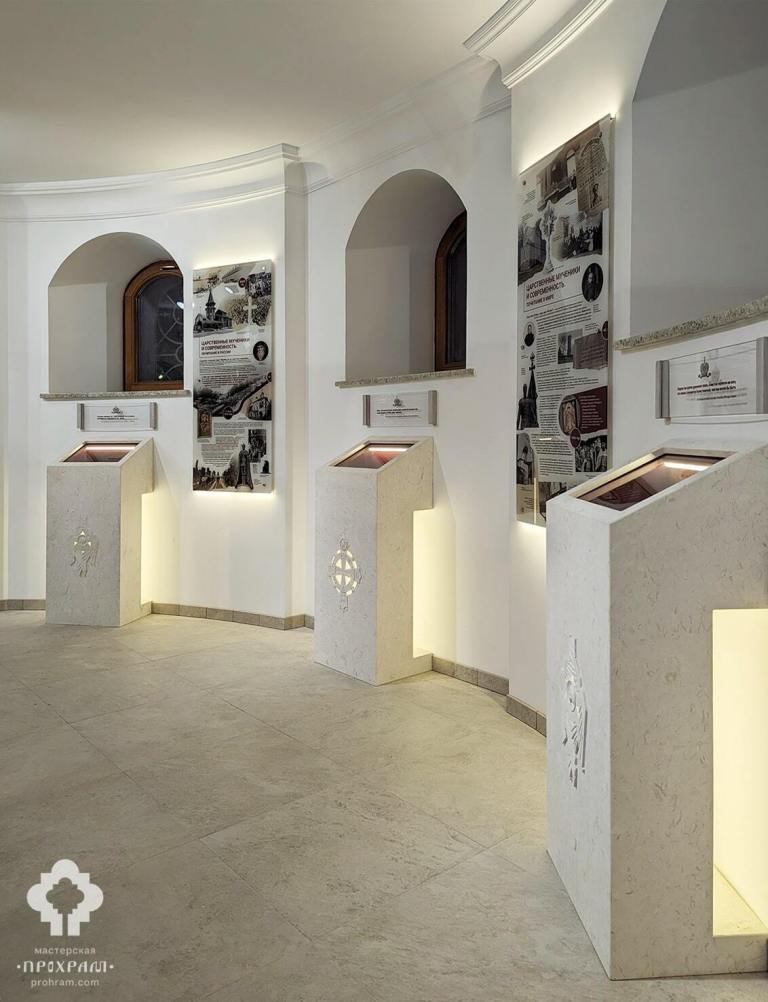
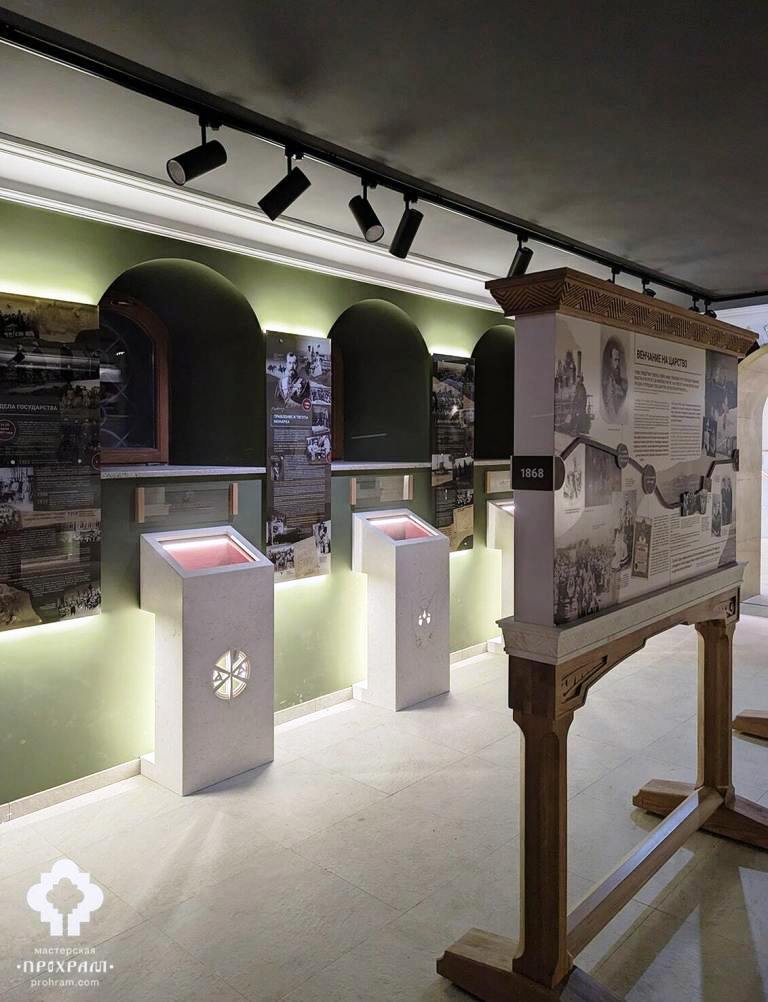
The interiors of the museum are a wonderful example of modern exhibition spaces, designed in the Neo-Russian Style [aka the Russian Revival Style], characteristic of the early twentieth century and beloved by Russia’s last Tsar.
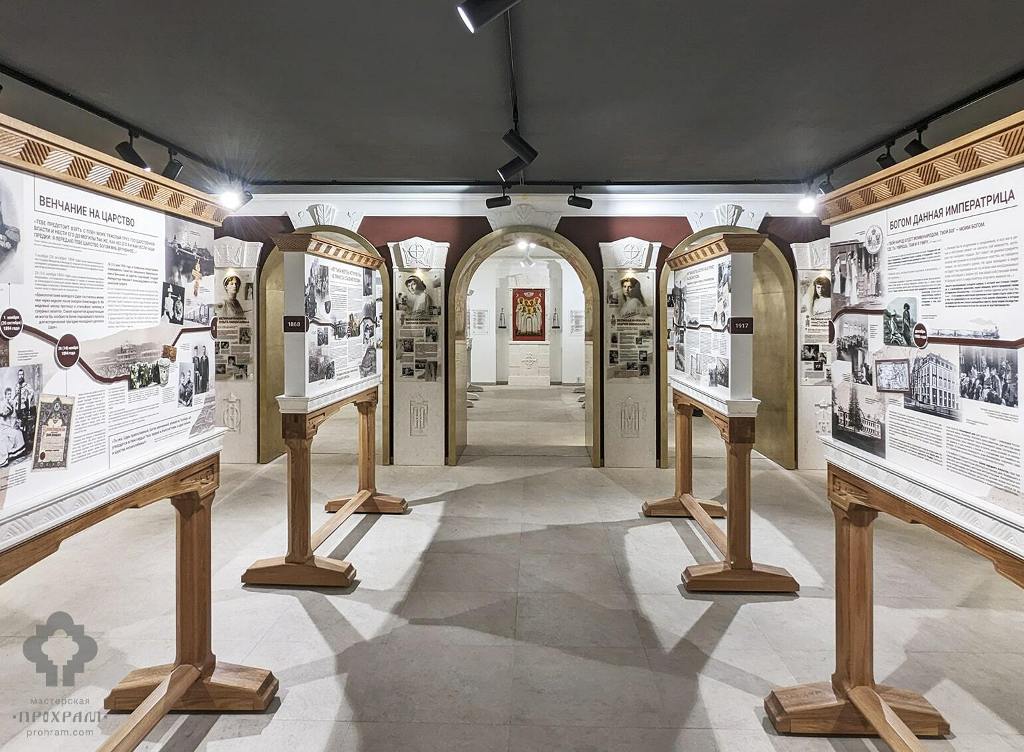
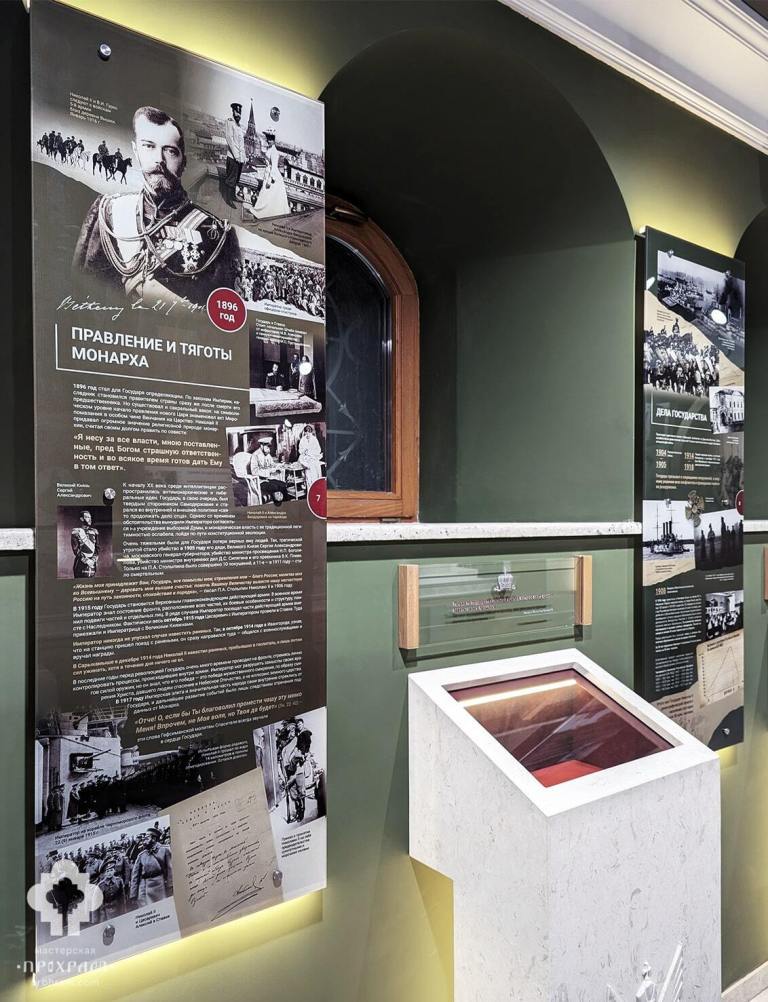
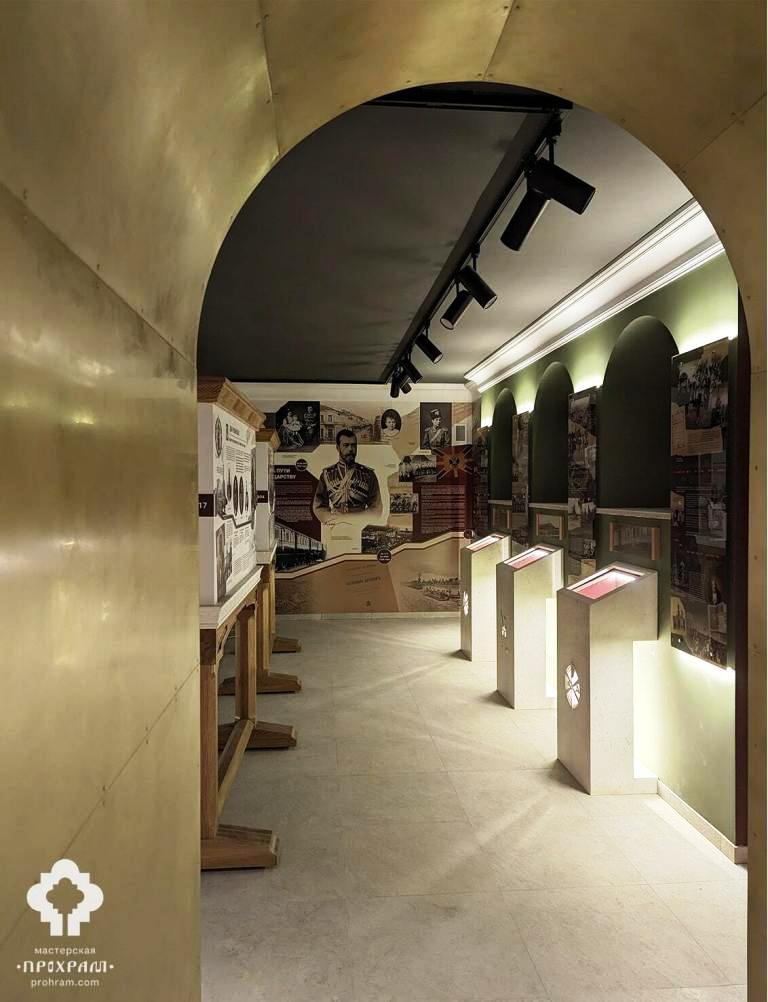
The museum is divided into two halls. The first hall, which is painted burgundy-green, combined with dim lighting. Burgundy is the colour of the Imperial Porphyry, green is the colour of the monk. In this hall, the exposition explores the life of the Imperial Family from Emperor Nicholas II’s and Empress Alexandra Feodorovna’s childhood to the tragic vents of 1917. Two stands describe the history of the House of Romanov – from the calling to the throne of Mikhail Feodorovich in 1613 and to the death and martyrdom of Nicholas II 305 years later.
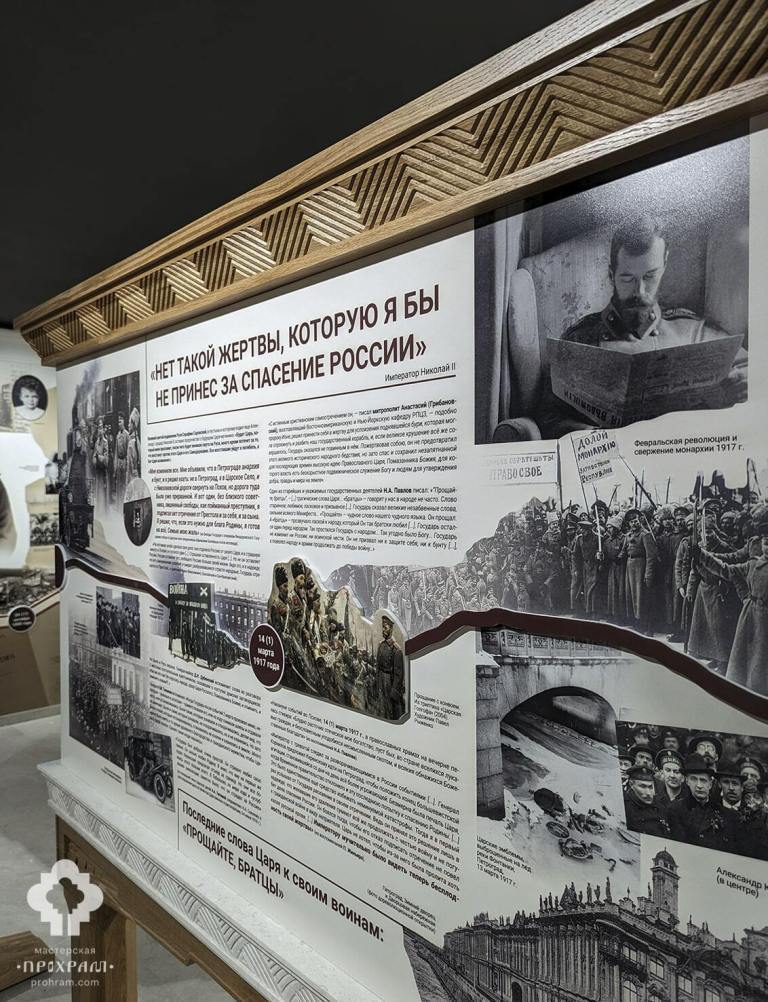
Archival photographs and documentary materials, diary entries, testimonies of contemporaries, statements by prominent public and church figures reveal in detail the life of the Imperial Family. They tell about their service to Russia, their close family relations, and the historical context of the events of the late 19th and early 20th centuries. In addition, the exposition explores the cultural, scientific, and political life of the Russian Empire during the era of Nicholas II.
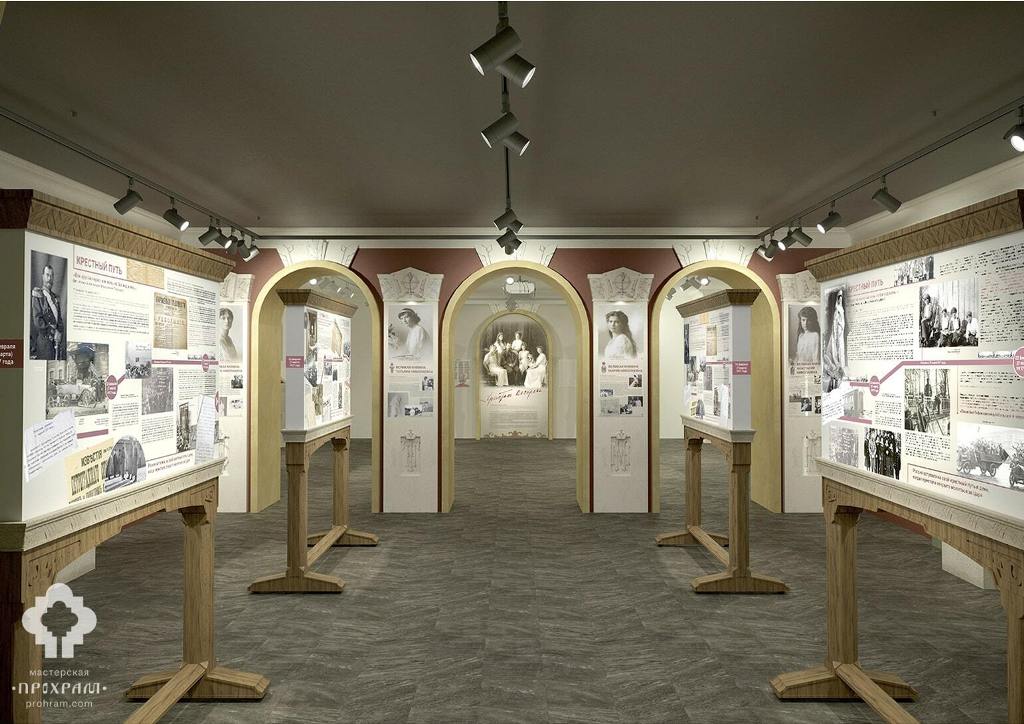
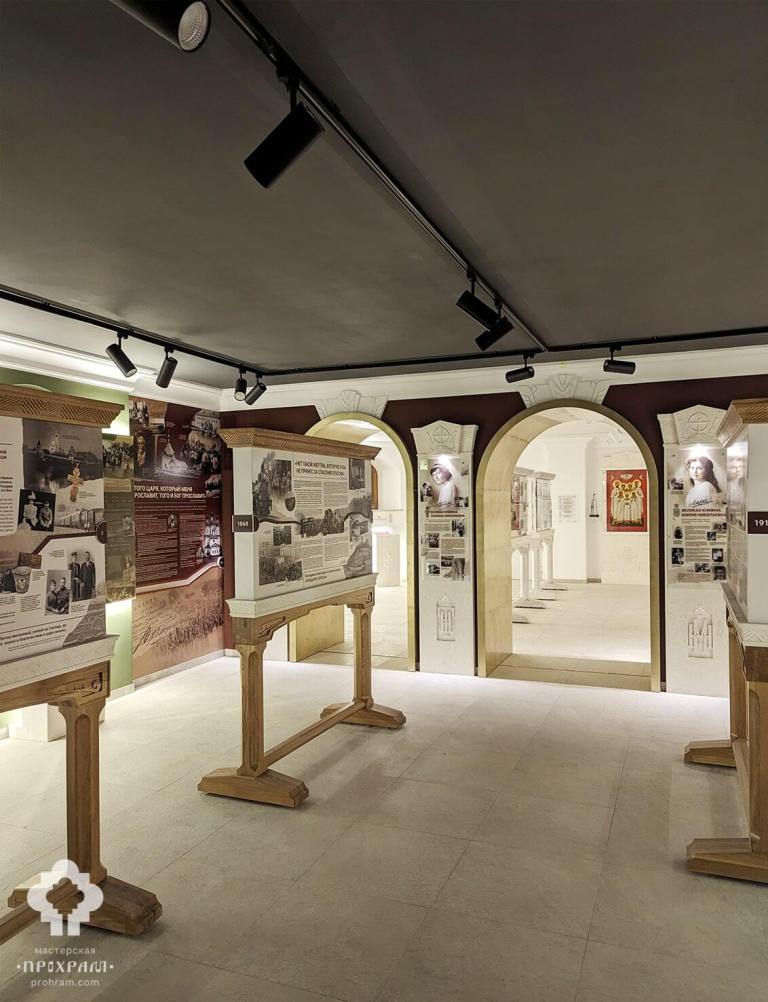
PHOTOS: four double-sided mobile stands display documents and photos which explore the life of Emperor Nicholas II and his family
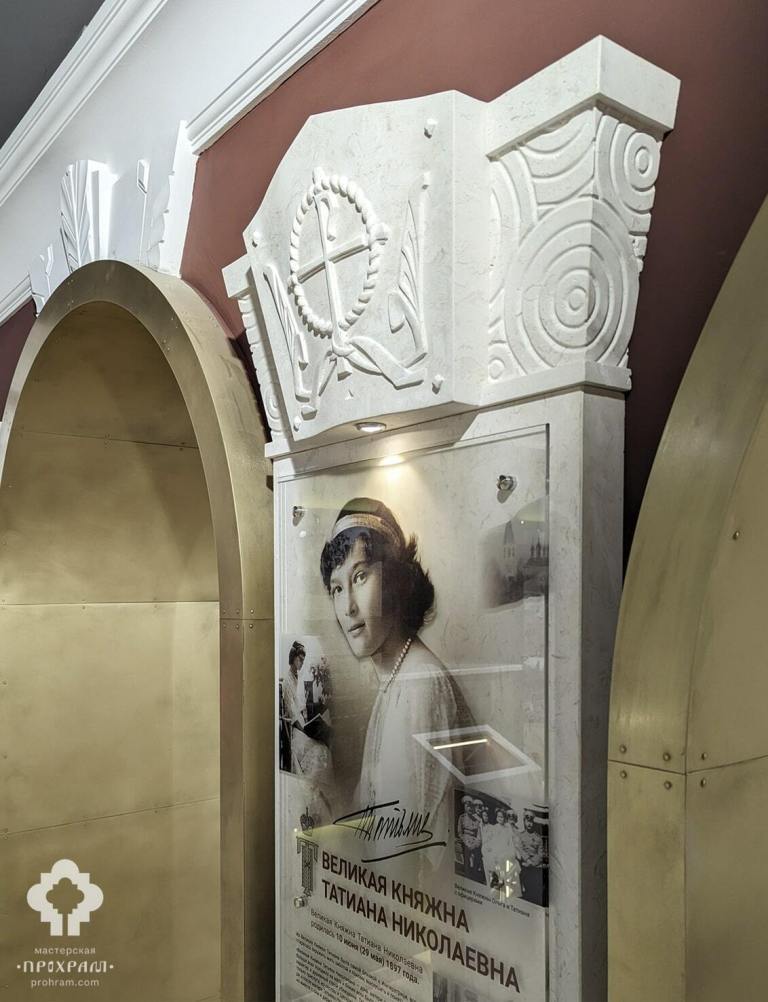
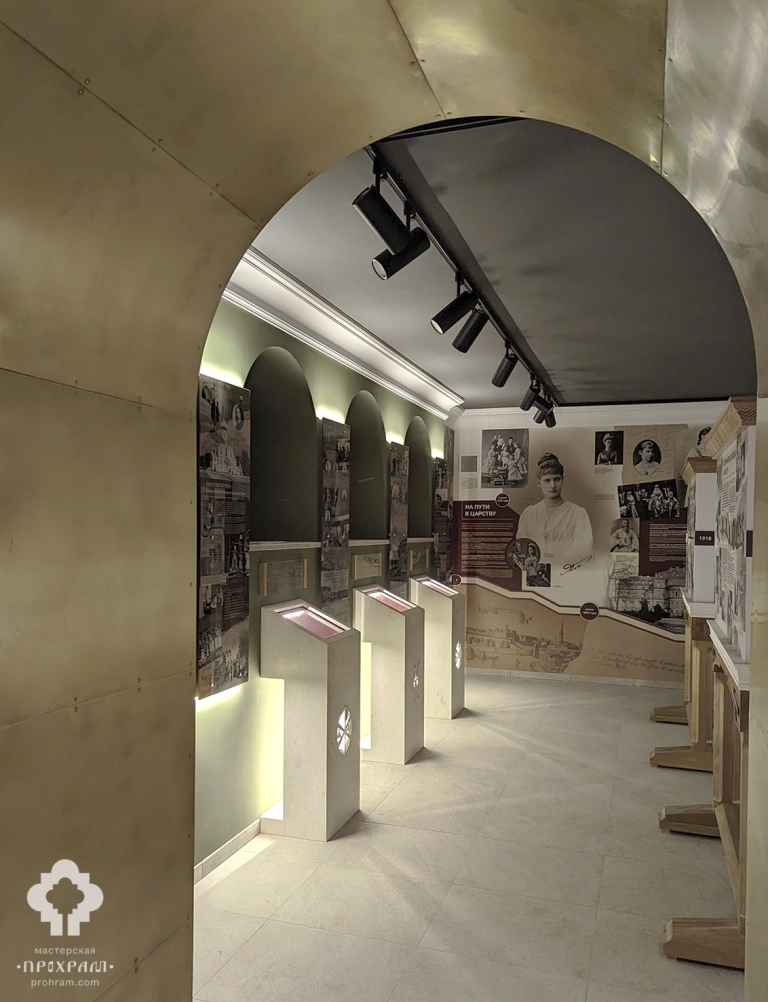
The photographs and documents are displayed on four double-sided mobile stands on small wheels with stoppers. At the northern and southern walls there are carved white-stone lecterns with carvings, under which relics of the era of Emperor Nicholas II are placed. In the eastern part of the hall there is a passage through three brass decorative arches which leads to the White Hall. Between the arches, there are four kiot stands made of white stone with carvings (initials), glass, lighting and a carved finial, dedicated to the Grand Duchesses Olga, Tatiana, Maria and Anastasia Nikolaevna. The ceiling is dark, with diffused and directional track lighting.
In the White Hall there is information about the Way of the Cross of the Imperial Family – the period from the events at the Dno station, the Tsar’s abdicated in March 1917, to the murder of Nicholas II and his entire family on 17th July 1918 in Ekaterinburg and the subsequent history of the veneration and glorification of the Imperial Family as saints. Extensive textual and illustrative material makes it possible to speculatively walk this path together with the Royal Passion-Bearers, to come into spiritual contact with the last year of their lives, to see the light of the Paschal victory in the darkness of the Ipatiev House.
CLICK on the photos below to enlarge and see in greater detail . . .
Also in the White Hall there are stands dedicated to the faithful retainers, who voluntarily followed the Imperial Family into exile and shared their sufferings, showing an example of loyalty to duty; stands dedicated to the Grand Duke Sergei Alexandrovich, the Venerable Martyr Grand Duchess Elizabeth Feodorovna, the Alapaevsk Martyrs, who were murdered by the Bolsheviks the day after the Imperial Family; two kiot stands dedicated to Tsesarevich Alexei Nikolaevich; and stands dedicated to the memory, glorification and modern veneration of the Holy Royal Martyrs.
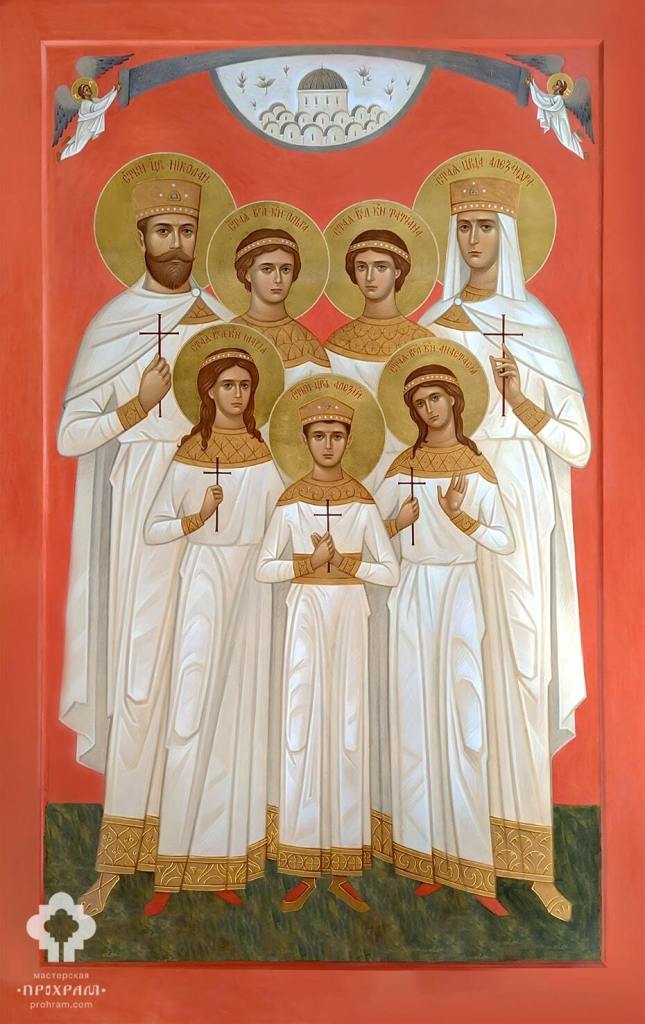
The hall is crowned by a large carved icon case with an icon of the Royal Martyrs, visible from the very entrance to the burgundy-green hall. The saints are depicted in white robes with a reference to the apocalyptic image of martyrs overcoming earthly sufferings and faithful to Christ (Revelations 6:9-12).
The White Hall is also used as a venue for small gatherings. The 4 white stands can be rrolled to the sides, thereby freeing up the central space of the hall. Attached to the ceiling in this room is a screen that can be opened in the eastern part of the hall, with a projector at the entrance to the burgundy-green hall. Folding chairs which are stored in the adjoining utility room, provide for guests attending lectures, films and other events.
CLICK on the photos below to enlarge and see in greater detail . . .
The museum is a project of love and deepest respect to the Holy Royal Martyrs and their feat on the Cross, which formed the basis of the feat of faith of all the New Martyrs and Confessors of the Russian Church and the preservation of the Holy Russian spirit in the 20th and early 21st centuries.
The opening of the new museum in Dno is the fourth such museum in Russia dedicated to Emperor Nicholas II and his family, the other three are the Museum of the Holy Royal Family in the Tsarsky Cultural and Educational Center, situated in the Patriarchal Compound of the Church on the Blood (Ekaterinburg); the Museum of the Family of Emperor Nicholas II (Tobolsk); and the Museum in Memory of Emperor Nicholas II and His Family (Kotelniki-Moscow).
PHOTO: icon of the Royal Martyrs in the White Hall



 Nicholas II
You must be logged in to post a comment.