The Tsar’s Pier Museum in Tyumen
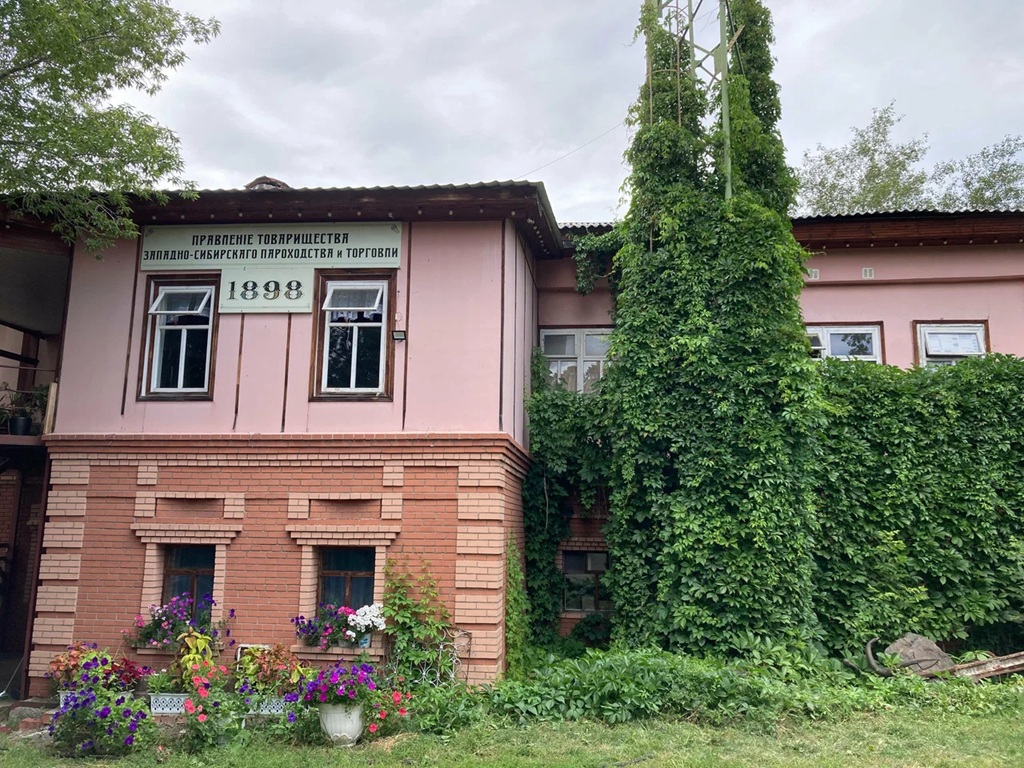
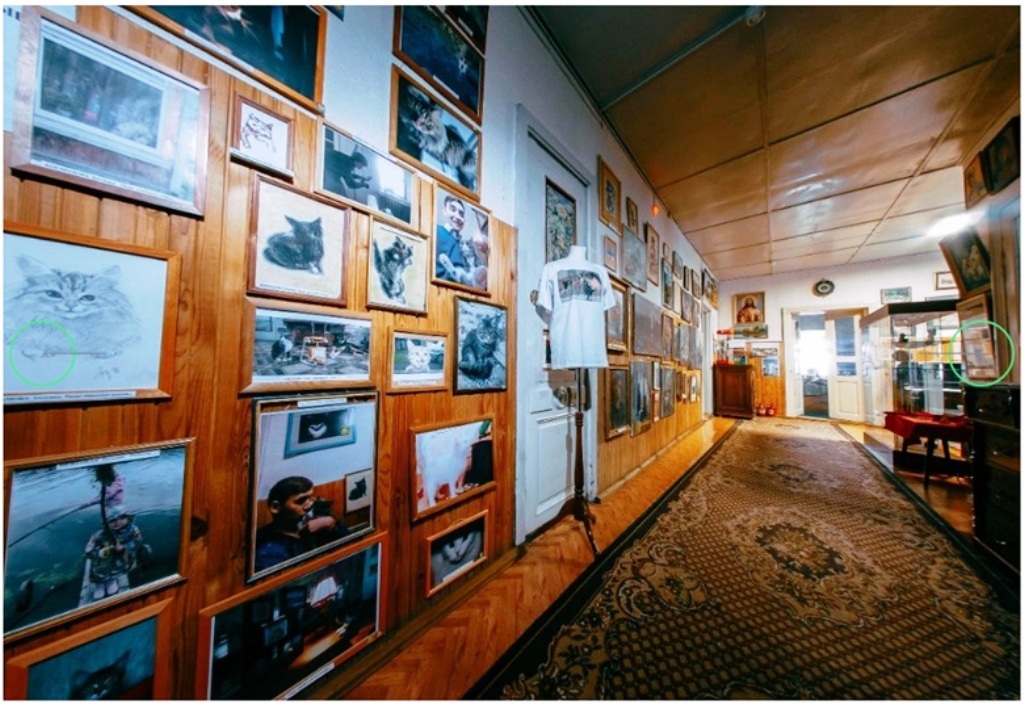
PHOTO: the Tsar’s Pier Museum in Tyumen

On this day – 17th August (O.S. 4th) August 1917 – the Imperial Family arrived in Tyumen, following a three day journey by train, their final destination was Tobolsk. Tyumen is situated just east of the Ural mountains.

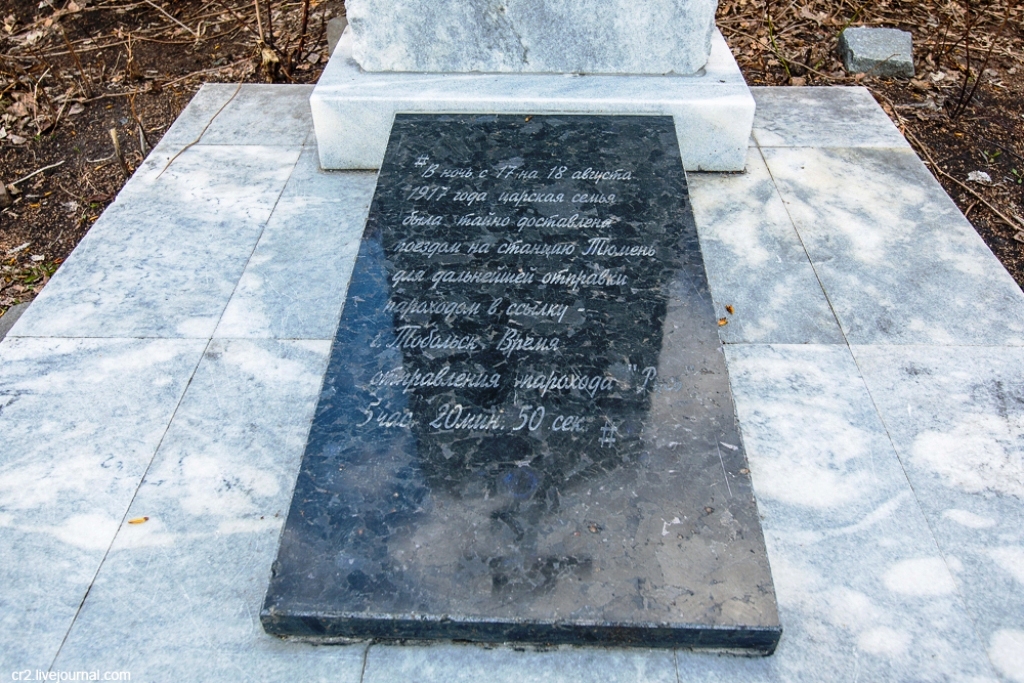
Two trains carrying Nicholas II, his family, and servants arrived in the evening at Tyumen, following a three-day journey from Tsarskoye Selo. The following day, they sailed up the rivers Tur, Tobol and Irtysh on the steamer ‘Rus’, to Tobolsk.

Nicholas wrote in his diary: “We advanced unbelievably slowly, in order to reach Tyumen late at night. There the train went right up to the jetty, so that we were able to get straight onto the steamer.

“Ours is called ‘Rus’! They started loading our things, which took all night. God only knows when poor Alexei got to bed again? The bustle and noise went on all through the night and prevented me from getting to sleep. We left Tyumen at about 6 o’clock.”

Upon arrival in Tobolsk, the Imperial Family were moved into the former Governors House, where they would be held under house arrest until April 1918, at which time they were transferred to Ekaterinburg, and subsequently murdered on the morning of 17th July 1918.

Today, there is a small museum dedicated to the Imperial Family in a building, formerly owned by a shipping magnate in Tyumen. While their stay was brief, their presence in Tyumen is of no less importance to the story of their lives in exile.
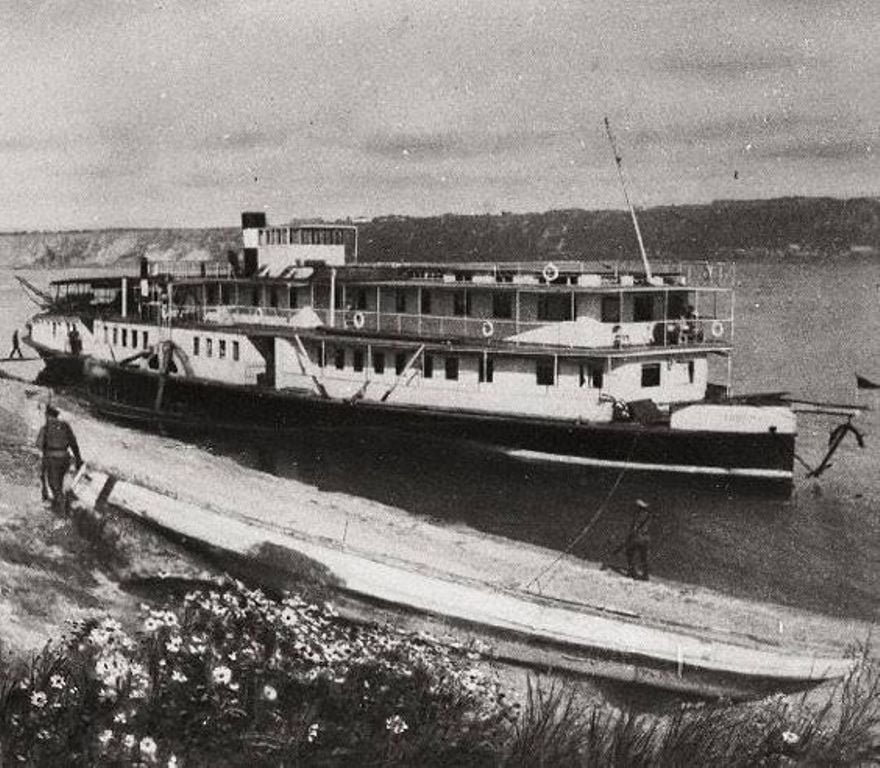
PHOTO: the steamer ‘Rus

History of the Tsar’s Pier

Before the 1917 Revolution, the board of the West Siberian Shipping Company was located in the building on the embankment in Tyumen. It was founded by a merchant and entrepreneur, an honourary citizen of Tyumen, the philanthropist Ivan Ivanovich Ignatov (1833-1914). Skillfully attracting private investors, Ignatov turned the enterprise into a major center of shipbuilding and river transportation.

In addition, he built the first local power plant in the city, illuminating the streets and embankment of the city. He laid a railway track along the Tura to the pier opposite the building of the shipping company.

More than a century later, the house was bought by another highly respected Tyumen resident V. Savchenko. With the help of city residents, the Tsar’s Pier is today a museum dedicated to the memory of Nicholas II and his family.
Why the Tsar’s Pier?

Local historians studied a lot of historical and archival documents and discovered that in August 1917, on the embankment opposite the building of the shipping company, the family and retinue of Emperor Nicholas II. Nicholas II spent the last night in Tyumen in the building of the shipping company.

In honour of this historic event, a memorial was laid. The pier was named ‘Tsarskaya Pier / Царская пристань’.

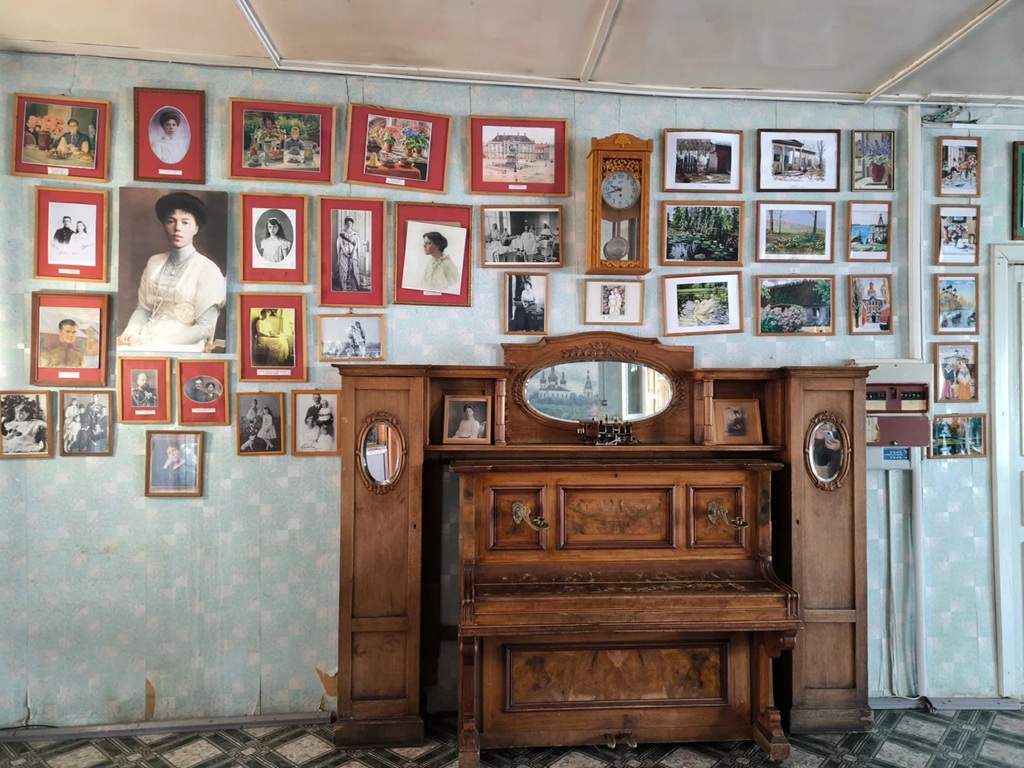
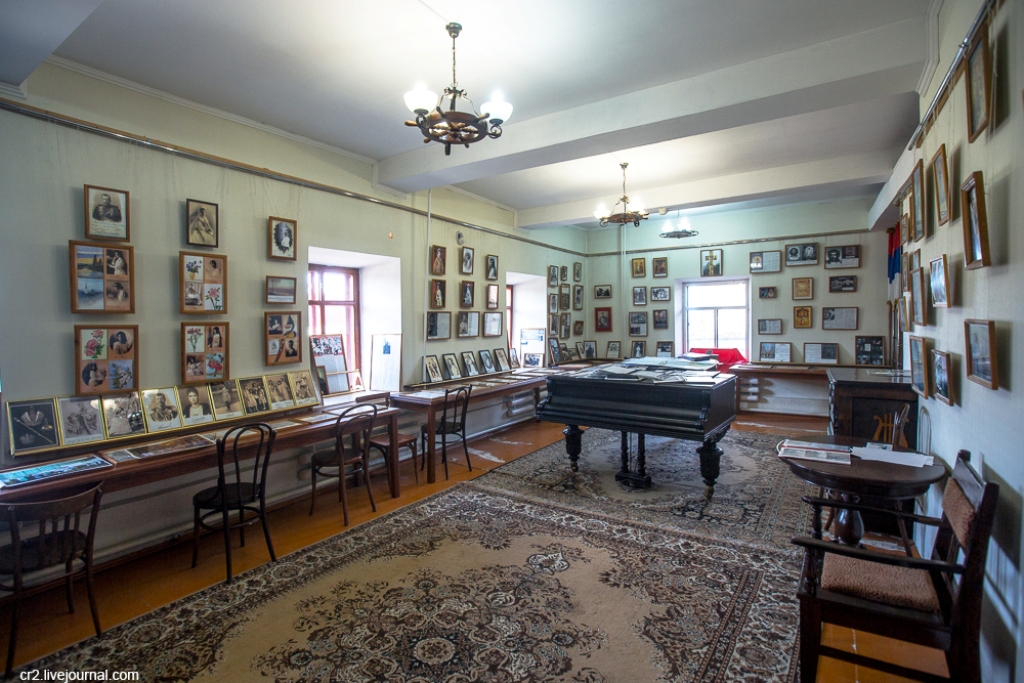
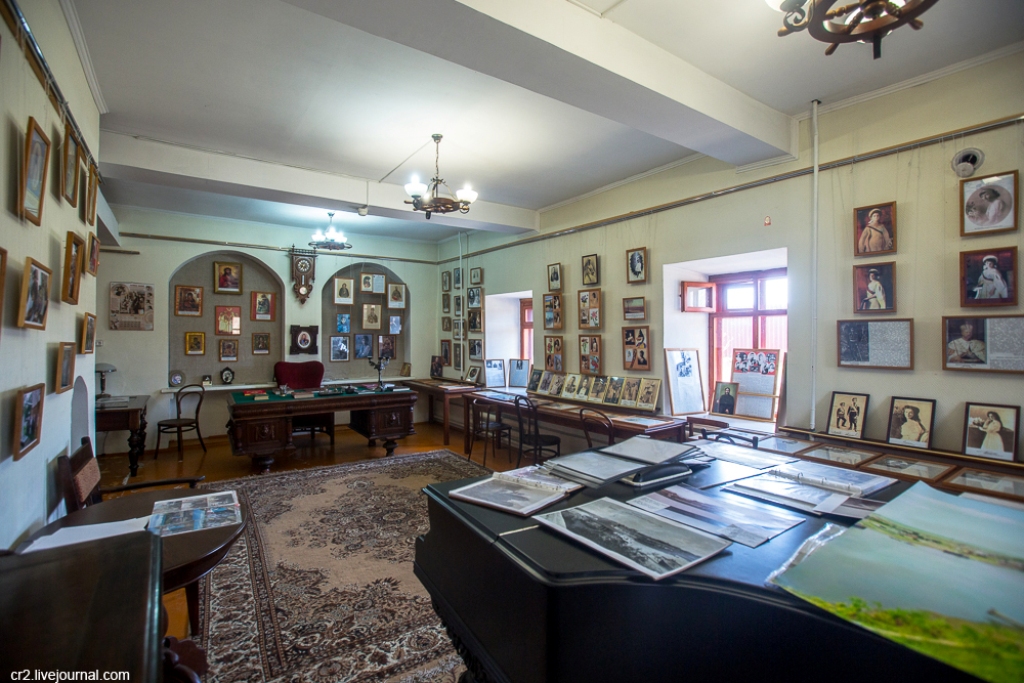
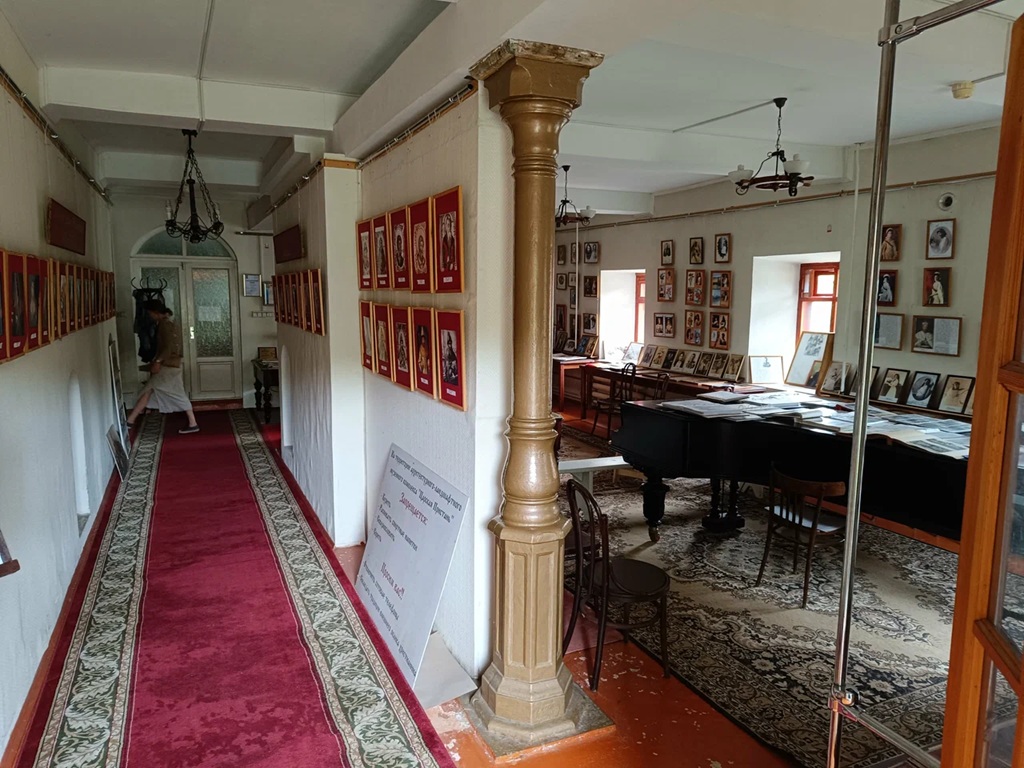
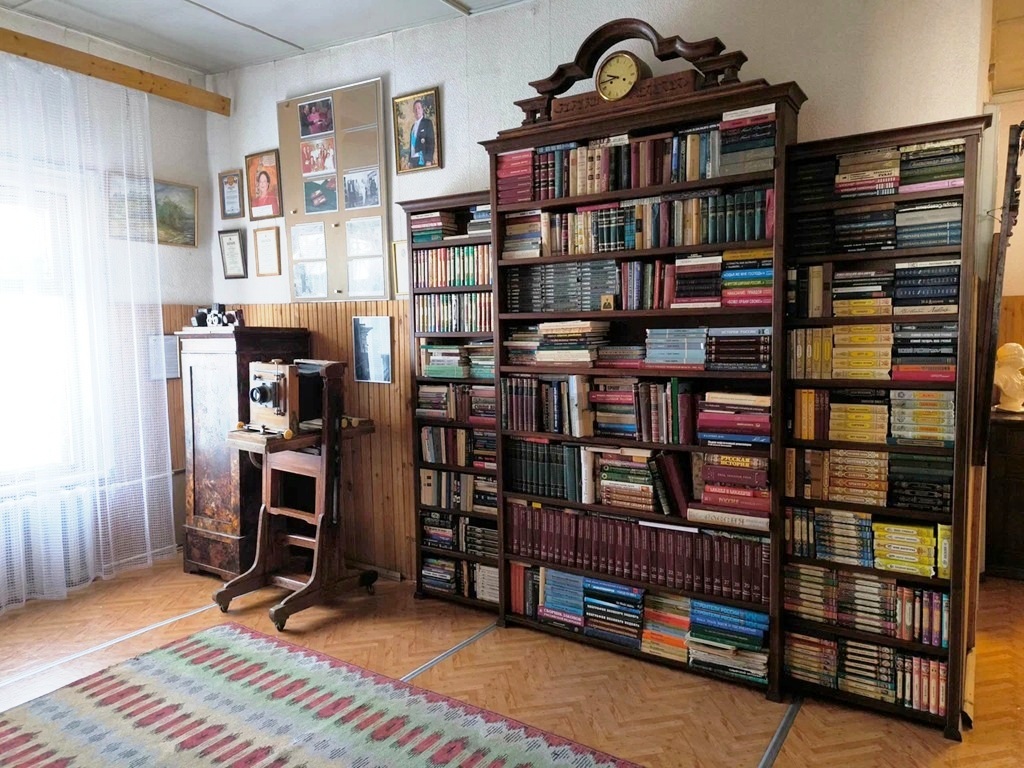
The exposition dedicated to the Imperial Family is located on the second floor. The exhibition presents: portraits, photographs, books, as well as household and interior items of the time. This room was named in honour of Olga Kulikovsky-Romanov (1926-2020), the widow of Tikhon Kulikovsky (1917-1993), the eldest son of Grand Duchess Olga Alexandrovna (1882-1960) – youngest sister of Nicholas II.
River Tyumen

Pre-revolutionary Tyumen and its environs were an important center of shipbuilding and a transshipment point, where food, building supplies, and agricultural goods were loaded and unloaded around the clock.

The permanent exhibition of the Tsar’s Pier Museum also features exhibits dedicated to these industries.

Visitors can familiarize themselves with the statutory document of the West Siberian Shipping Company Partnership, signed by Emperor Nicholas II. Archival photographs of pre-revolutionary Tyumen and its citizens, models of ships, shipping maps and much more are presented.
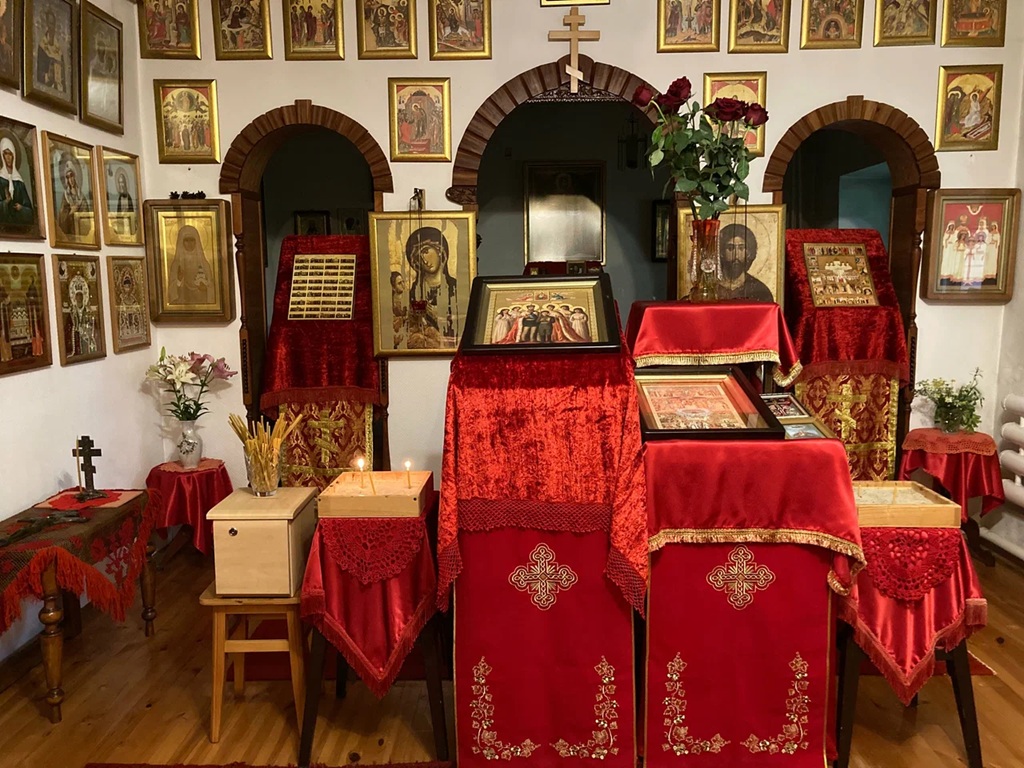
PHOTO: the chapel, located in the building of the Tsar’s Pier Museum

Some of the museum exhibits are located in the courtyard of the museum and on the embankment. These include ancient massive anchors raised from the bottom of the Tura.

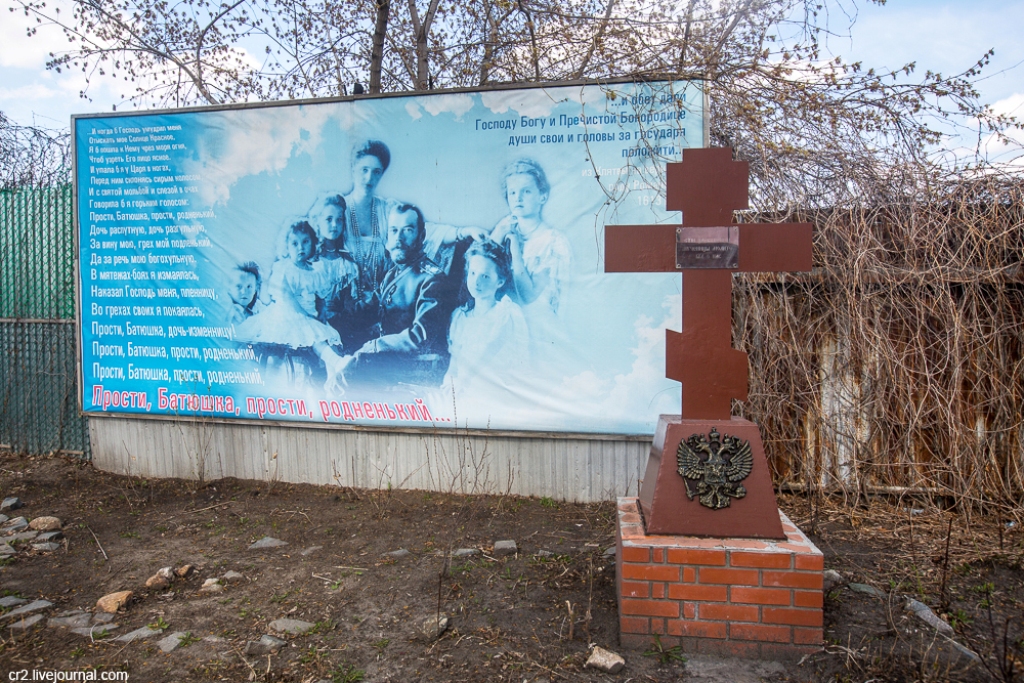
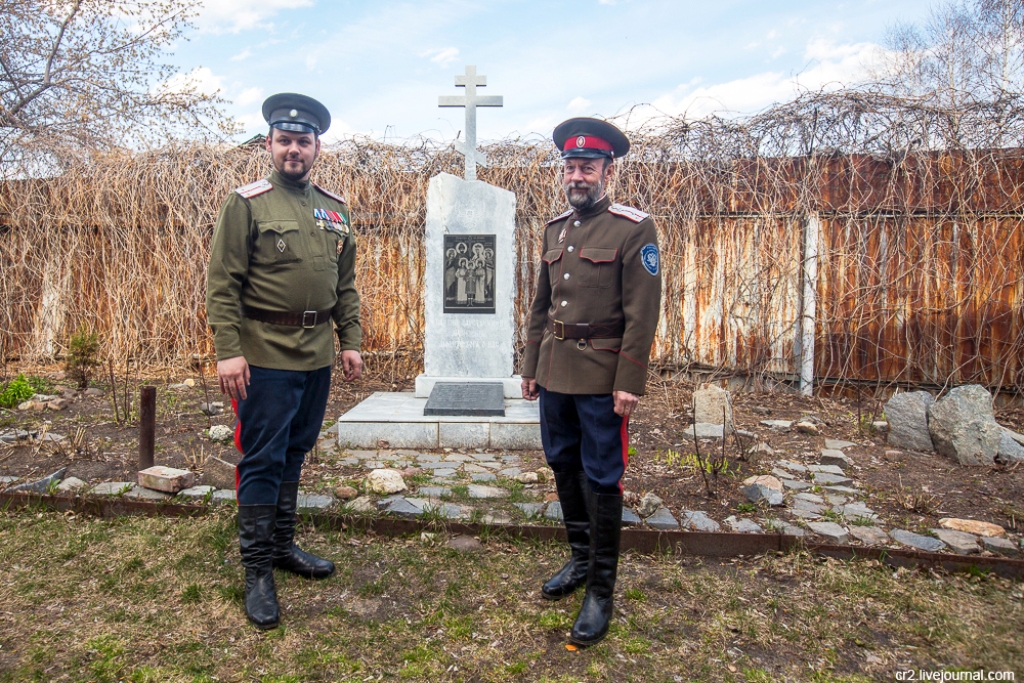
In addition, are two memorial crosses dedicated to Russia’s last Tsar and his family, including one installed by the Cossacks – see photo located at the end of this post.
***

*As I have noted in previous posts, I support any initiative – big or small – to help keep the memory of Nicholas II and his family alive in 21st century Russia – PG

© Paul Gilbert. 17 August 2025
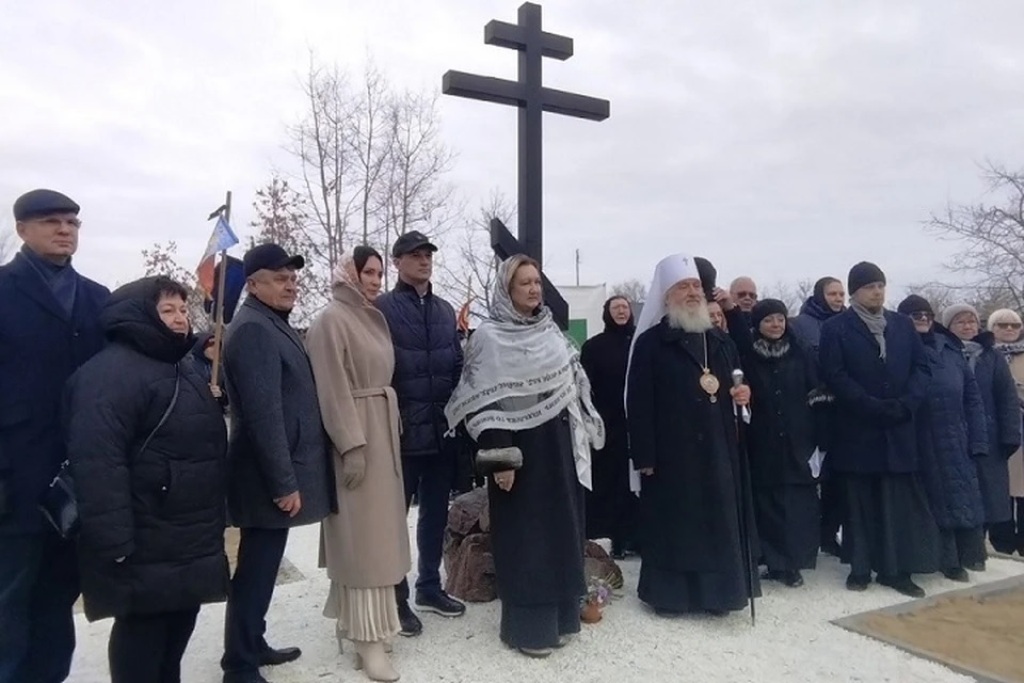
Orthodox cross consecrated in memory of Nicholas II and his family near Tyumen

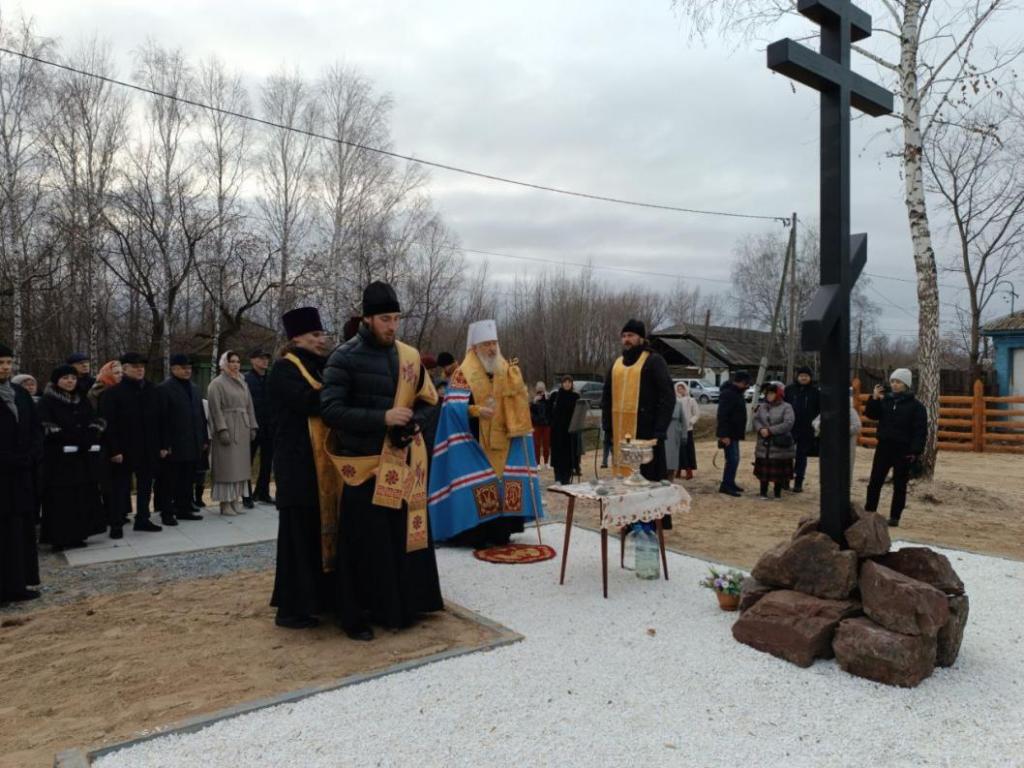
PHOTO: Chairman of the Elisabeth-Sergei Educational Society Foundation (ESPO) Anna Gromova and Metropolitan Dimitry of Tobolsk and Tyumen pose with parishioners, in front of the memorial cross in the village of Ievlevo

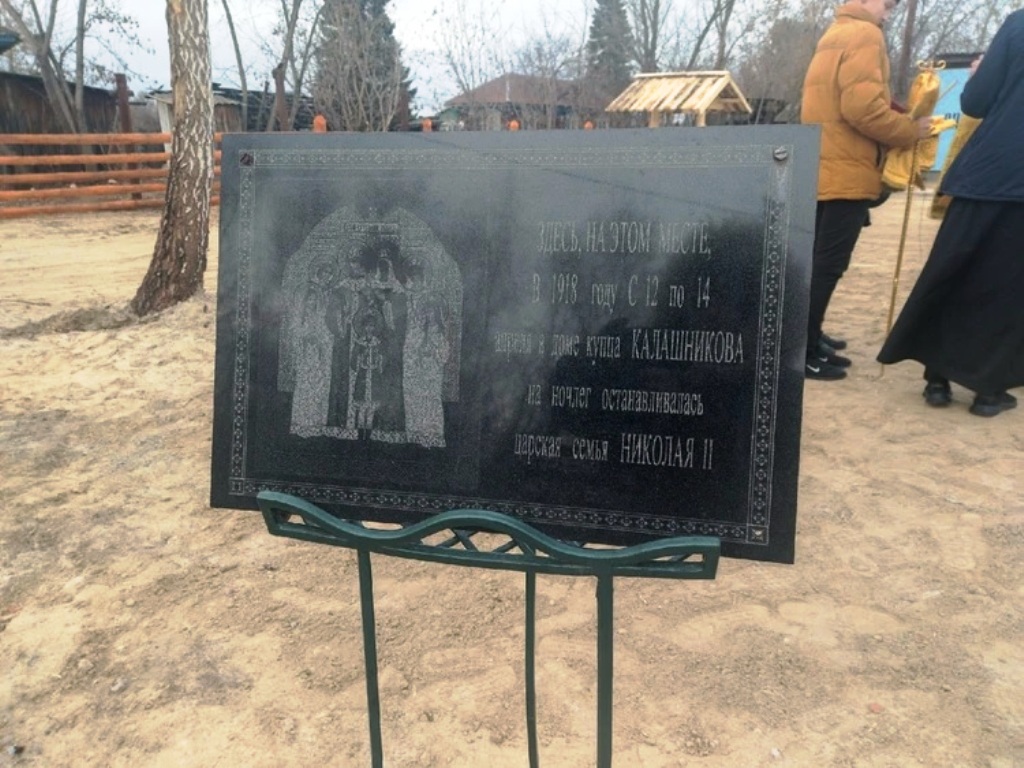
At 4 am on 26th (O.S. 13th) April 1918, Emperor Nicholas II, Empress Alexandra Feodorovna, along with their daughter Grand Duchess Maria Nikolaevna, and several retainers departed Tobolsk for their journey to Ekaterinburg. Their first stop enroute was at the village of Ievlevo, where they spent the night under the watchful gaze of a convoy of Bolshevik convicts and thugs.

On 31st October 2022, a memorial cross was installed and consecrated in the village of Ievlevo, situated in the Yarkovsky district near Tyumen. The consecration of the cross was performed by Metropolitan Dimitry of Tobolsk and Tyumen.

The cross and metal plaque were installed on the grounds of the future Church of the Archangel Michael, which is currently under. construction. Once completed, the Elisabeth-Sergei Educational Society Foundation (ESPO), has pledged to create a museum and a spiritual and educational pilgrimage center. The memorial cross and future museum will become part of the Imperial Route.

According to Deputy Governor of the Tyumen Region Andrey Panteleev, when Anna Gromova began work on the Imperial Route, Tyumen and Tobolsk were designated as the main locations, and the Museum of the Family of Nicholas II (opened in April 2018) became the pearl of the Imperial Route in the Tyumen Region.

“It is very important that the Imperial Route should include the places associated with the Holy Royal Martyrs were. Many regions across Russia are taking part in this unique project, which will allow both Russians and foreigners to learn about the life and times of the last Tsar and his family”, – added Panteleev.

The Tyumen Region currently features a number of museums and monuments to Emperor Nicholas II and his family: including the Monument to the Holy Royal Martyrs, established in Tyumen in 2017; and the Tsar’s Pier Museum, which includes one room dedicated to the Imperial Family, which includes photos, letters and more.

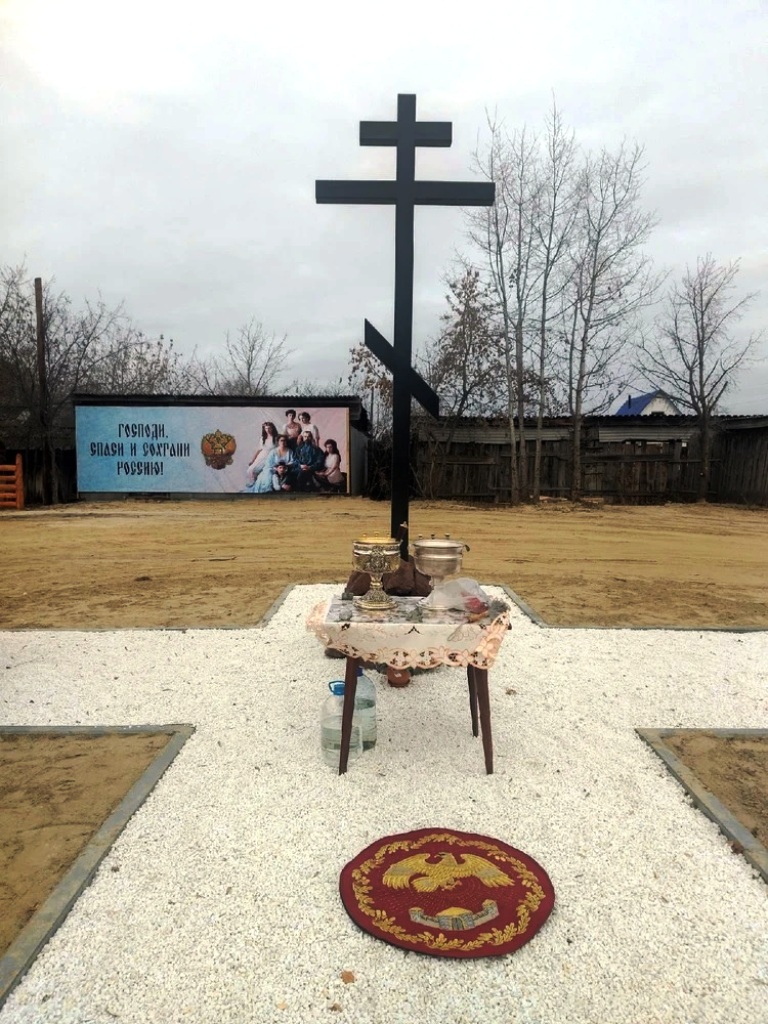
PHOTO: church utensils used for the consecration of the cross memorial

PHOTO: Metropolitan Dimitry of Tobolsk and Tyumen performs the consecration of the cross memorial

***

It was on 17th (O.S. 4th) August 1917, that the Imperial Family arrived in Tyumen, after being sent into exile from the Alexander Palace at Tsarskoye Selo, on 14th (O.S. 1st( August.

It was on this day that the two trains carrying Nicholas II, his family, and servants arrived in the evening at Tyumen. The following day, they sailed up the rivers Tur, Tobol and Irtysh on the steamer ‘Rus’, to Tobolsk.

Nicholas wrote in his diary: “We advanced unbelievably slowly, in order to reach Tyumen late at night. There the train went right up to the jetty, so that we were able to get straight onto the steamer.

“Ours is called ‘Rus’! They started loading our things, which took all night. God only knows when poor Alexei got to bed again? The bustle and noise went on all through the night and prevented me from getting to sleep. We left Tyumen at about 6 o’clock.”

Upon arrival in Tobolsk, the Imperial family were placed under house arrest in the former governors house until April 1918. On 30th (O.S. 17th) April 1918, Emperor Nicholas II, Empress Alexandra Feodorovna and Grand Duchess Maria were handed over to the Ural Soviets in Ekaterinburg.

PHOTO: a metal plaque informs pilgrims and visitors that the Tsar and his family stopped here for one night in April 1918, on their journey to Ekaterinburg, where they would meet a martyr’s death on 17th July

© Paul Gilbert. 31 October 2022

Monument to the Imperial Family installed in Tyumen

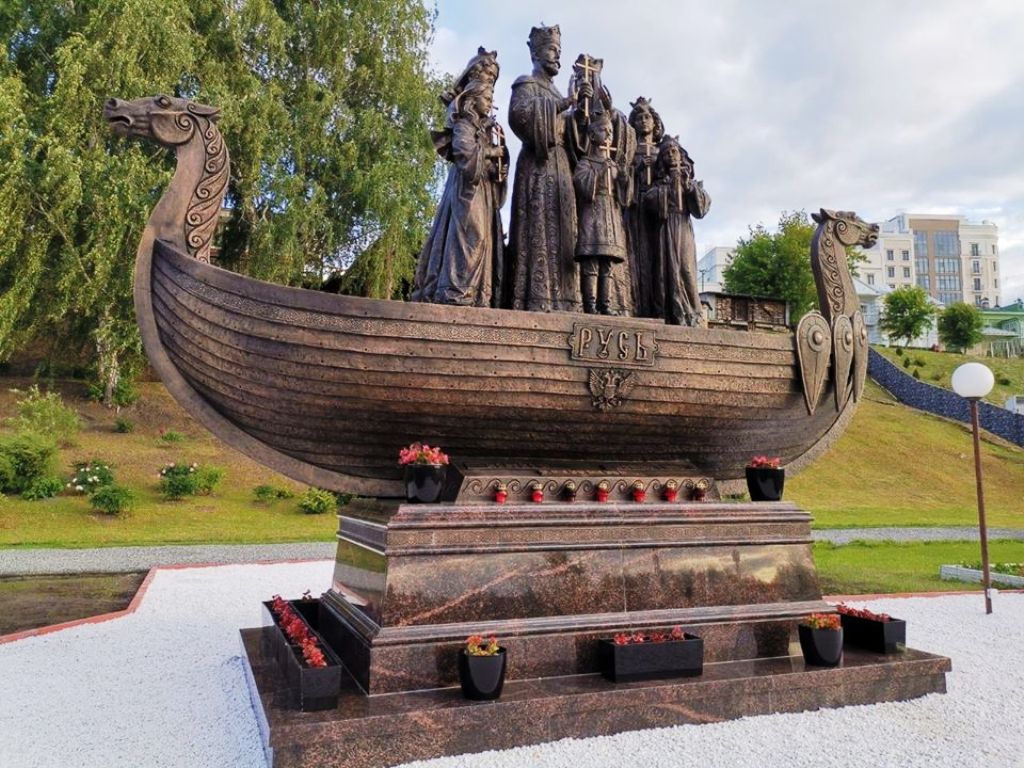
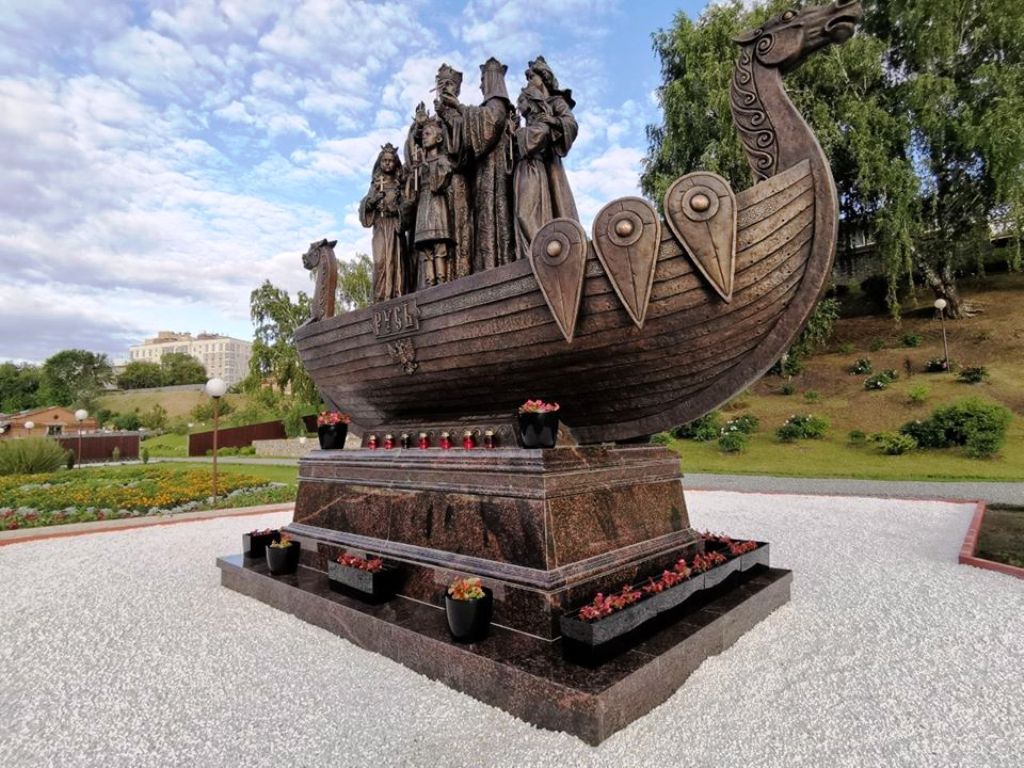
A new monument to the Holy Royal Martyrs was installed last month in the Siberian city of Tyumen. The monument depicting Emperor Nicholas II and his family was erected in the garden of the Mother of God-Nativity Convent, which is under the administration of the Tobolsk Diocese. The sculptor Irina Makarova posted a video (above) on YouTube on 31st May, which captures the process of production and installation of the monument. She noted that the Tobolsk Diocese had requested the order. The monument was made last summer in the town of Zhukovsky near Moscow.

“We took as a basis an existing monument to the Tsar’s family which was established in 2017 at the Holy Trinity-Saint Seraphim-Diveyevo Monastery. On the initiative of the head of the Tobolsk Diocese Vladyka Demetrius, an old Russian boat was added to the monument – this is a symbol of Tyumen. Inscribed on the side of the boat is “Русь“ (Rus) This is no coincidence as Nicholas II and his family were taken from Tyumen to Tobolsk  on the steamboat Rus,” said the sculptor.

0270a

0270b

According to Makarova, the monument was planned to be erected in Tobolsk, where the Romanov family were held under house arrest from August 1917 to April 1918, however “the locals were against it.” Therefore, they decided to install the monument on the grounds of the monastery, next to the former Tura railway station, where the Imperial family arrived by train from Tsarskoye Selo. The Tsar’s Pier Museum now stands next to the place from where the Imperial family were sent into exile to Tobolsk

She added that they had planned to open the monument on 8th June of this year, but because of the coronavirus pandemic, the official opening and consecration has been postponed indefinitely. The monastery notes the possibility of opening on 17th July, the day marking the death and martyrdom of Nicholas II and his familyy.

In August 1917, two trains arrived at the Tura station in Tyumen, carrying Nicholas II, his family, servants and other retainers, all of which were accompanied by Red Army soldiers. Here the last Russian emperor made a stop on his way into exile. The Imperial family did not spend long in the city, and on the morning of 5th August they set off on the steamer Rus to Tobolsk, where they lived under house arrest until April 1918. It was then that they were moved to the Ural city of Ekaterinburg. Nicholas II along with his family and four faithful retainers were shot on the night of 16/17 July 1918 in the Ipatiev House in Ekaterinburg.

© Paul Gilbert. 10 June 2020

Imperial Family seen through the eyes of children

219a

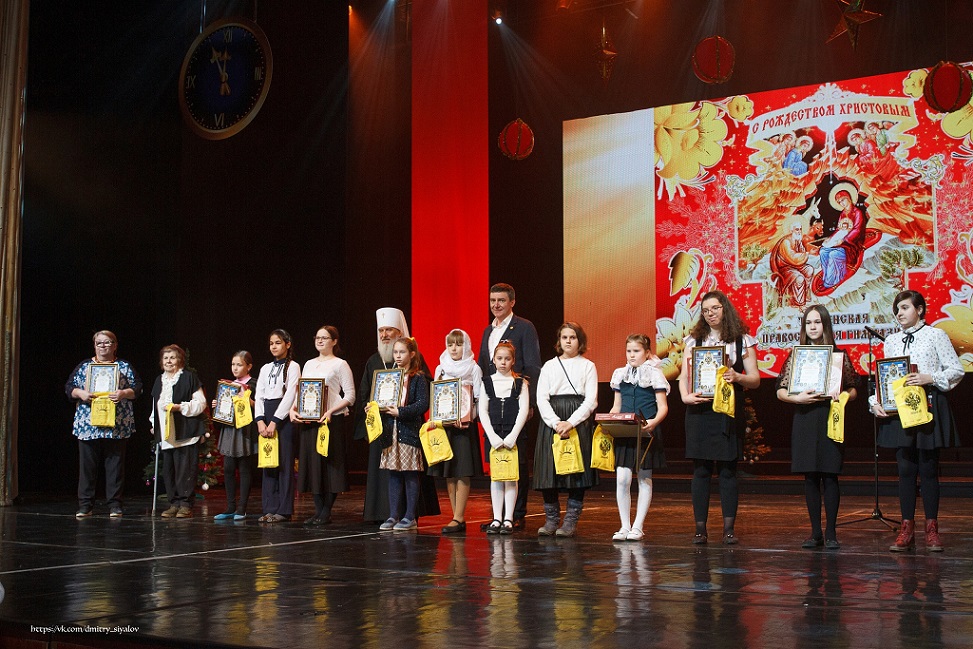
Metropolitan Demetrius of Tobolsk and Tyumen with the winners of the competition

In December 2019, The Holy Royal Martyrs in the History of Siberia was held in Tyumen, as part of the celebration of the 400th anniversary of the Tobolsk Metropolis. The events included a competition of paintings by children depicting Emperor Nicholas II and his family. 

More than 40 children participated in the competition. The ceremonial awarding of the finalists took place on 10th December as part of the Christmas holiday for students of the Tyumen Orthodox Gymnasium. Organizers noted that the children submitted “colourful, creative work”, distinguished by each child’s skill and dedication.

219b

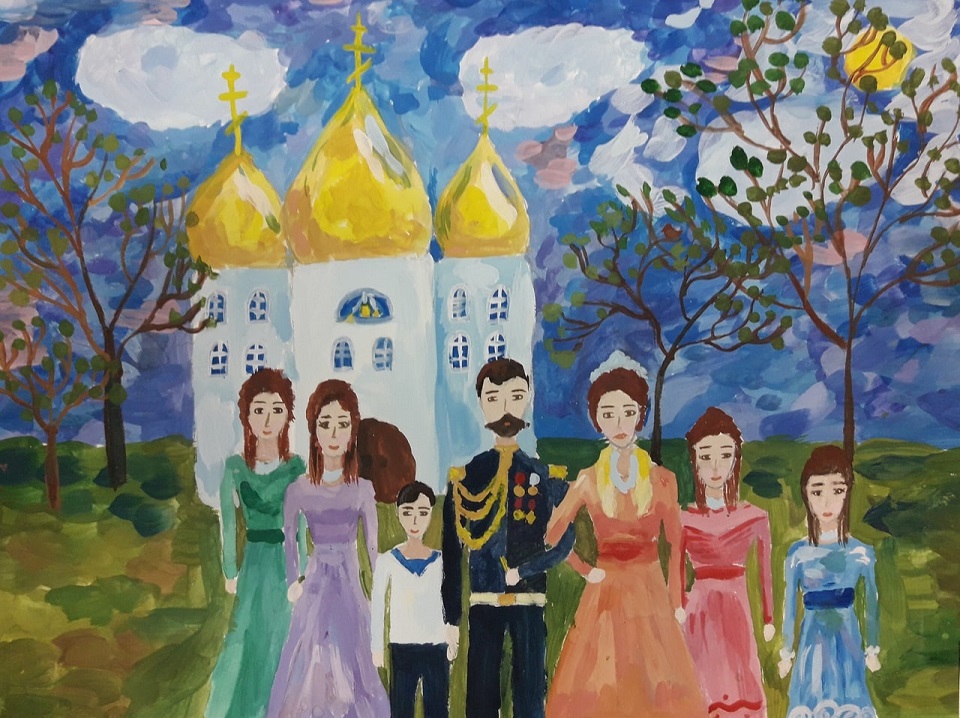
“The Imperial family out for a walk”

219c

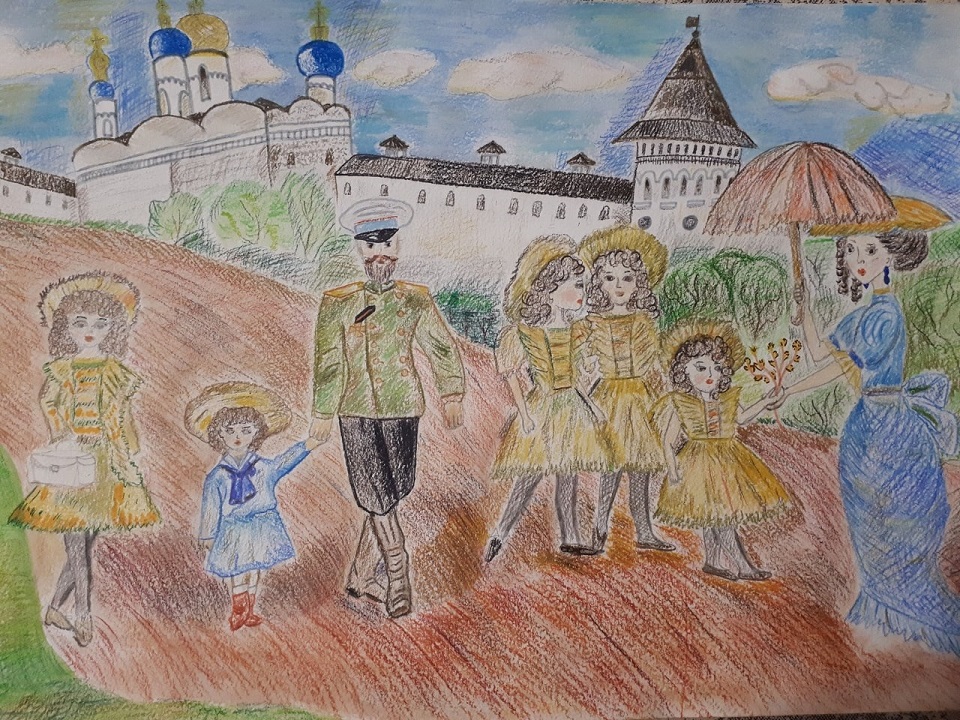
“The Imperial family out for a walk in Tobolsk”

219d

“From Tobolsk to Yekaterinburg”

219e

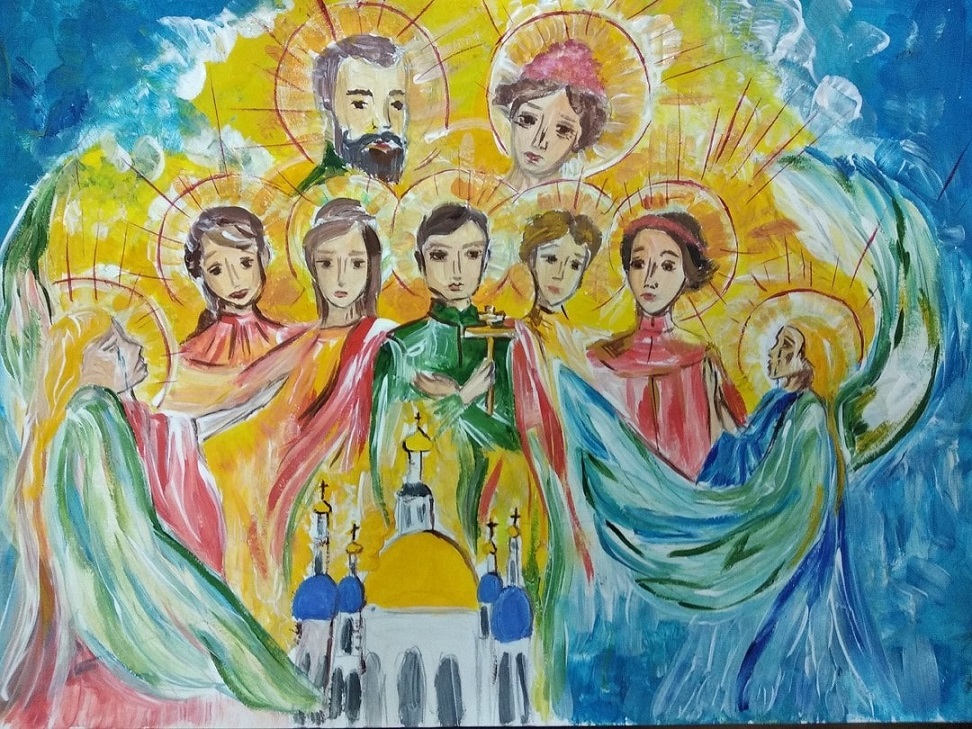
“In One Prayer”

Diplomas and gifts were presented to the best 10 colorful works, in addition to several other participants. The names of the paintings speak of the children’s involvement in the contest theme: “The Imperial family out for a walk”, “The Imperial family out for a walk in Tobolsk”, “From Tobolsk to Yekaterinburg”, “In One Prayer”. 

Metropolitan Demetrius of Tobolsk and Tyumen took part in the award ceremony and thanked the young people of Tyumen for their participation in the competition.

“It is gratifying that many participants reflected the most important essence, which is inherent in the title of the contest: the family of the last Emperor Nicholas II, the Royal Martyrs in the history of Siberia. Children approached the task responsibly, invested their souls, reflected the high moral and spiritual values ​​inherent in Nicholas II and his family,” noted Vladyka Dimitri.

© Paul Gilbert. 16 January 2020