NEW BOOK – Regicide in Ekaterinburg

*You can order this title from most AMAZON outlets worldwide, including
the United States, United Kingdom, Canada, Australia,
France, Germany, Spain, Italy, Netherlands, Poland, Sweden and Japan
*Note: prices are quoted in local currencies

CLICK HERE TO ORDER THE PAPERBACK EDITION @ $20.00 USD

Language: English. 308 pages with 70 Black & White photos

regicide: the crime of killing a king or queen;
a person who is guilty of this crime

Touch not mine anointed
Psalm 105:15

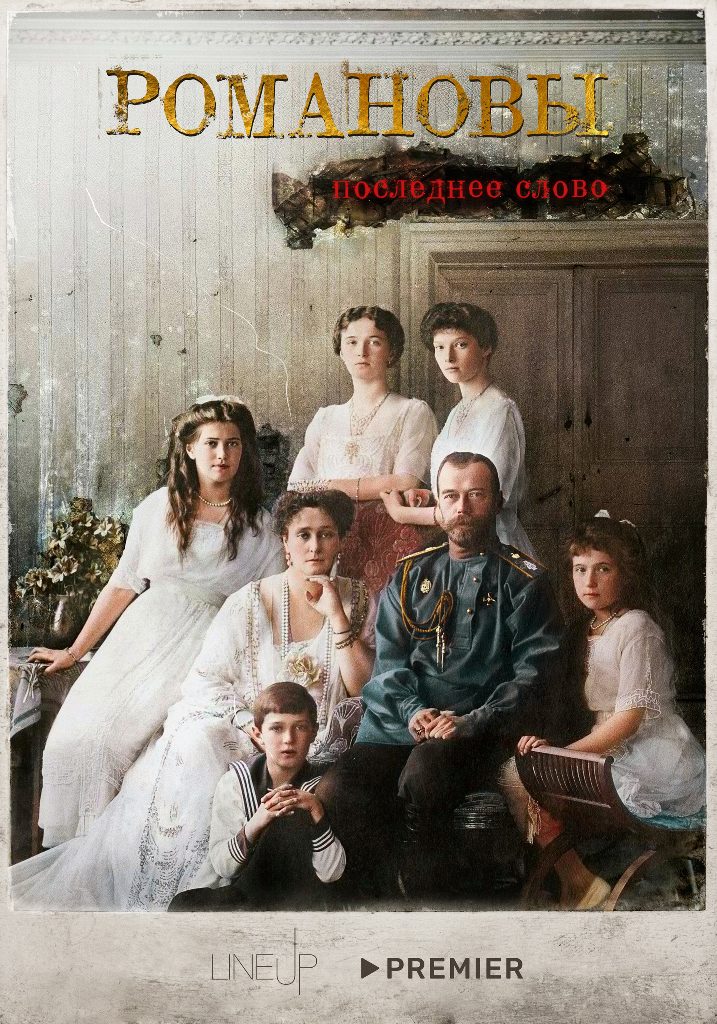
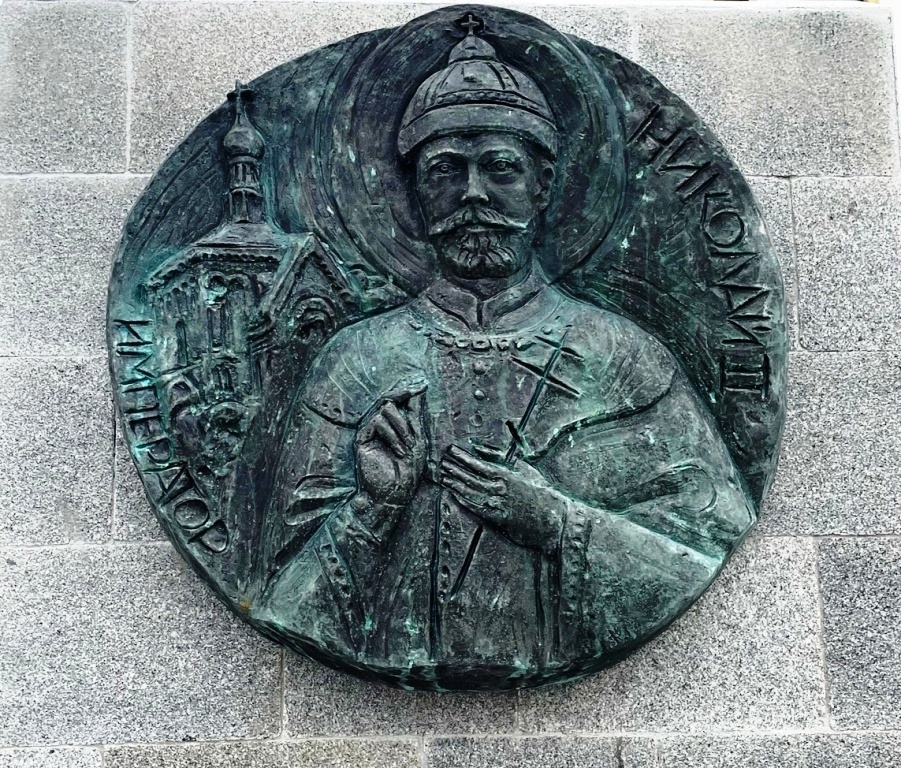
This year marks the 106th anniversary of the regicide in Ekaterinburg: the execution of Russia’s last Imperial Family, a heinous crime committed on the morning of 17th July 1918. The murder of God’s anointed, his pious wife, their five precious children and their four faithful retainers, remains one of the darkest pages in 20th century Russian history.

This book presents fourteen studies on this tragic event, eleven of which are based on new documents sourced from Russian archival and media sources over the past decade.

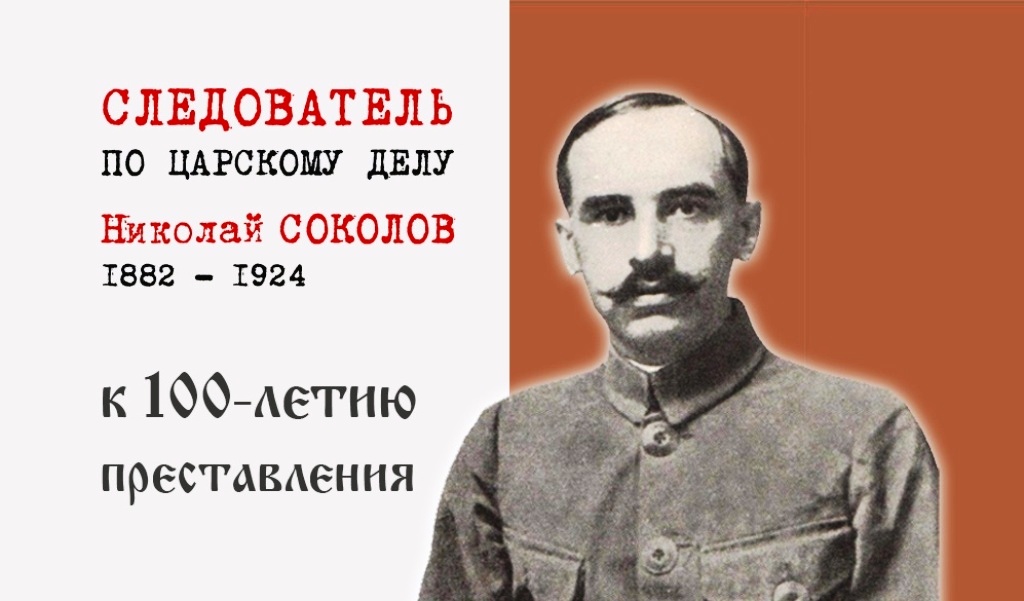
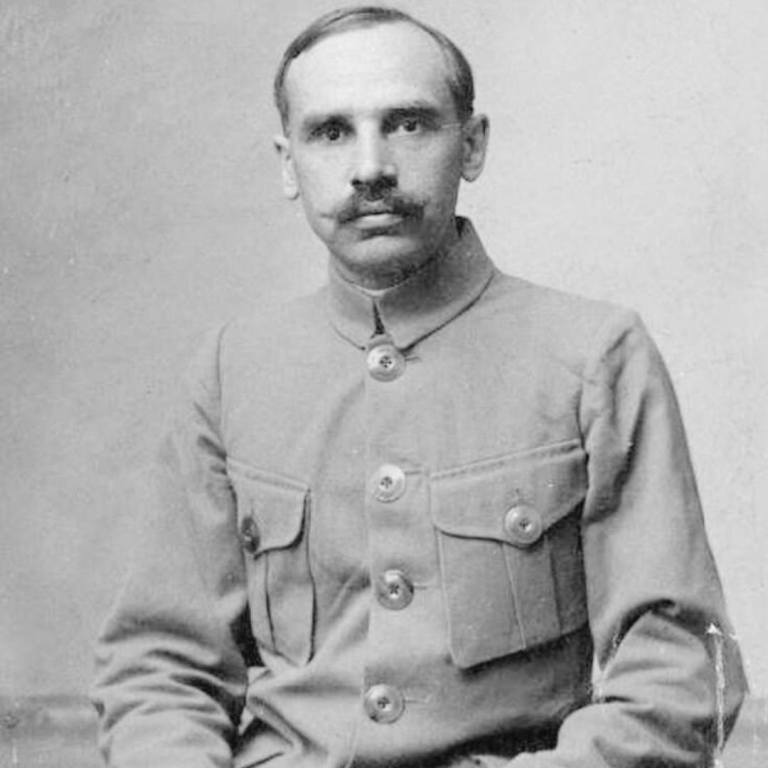
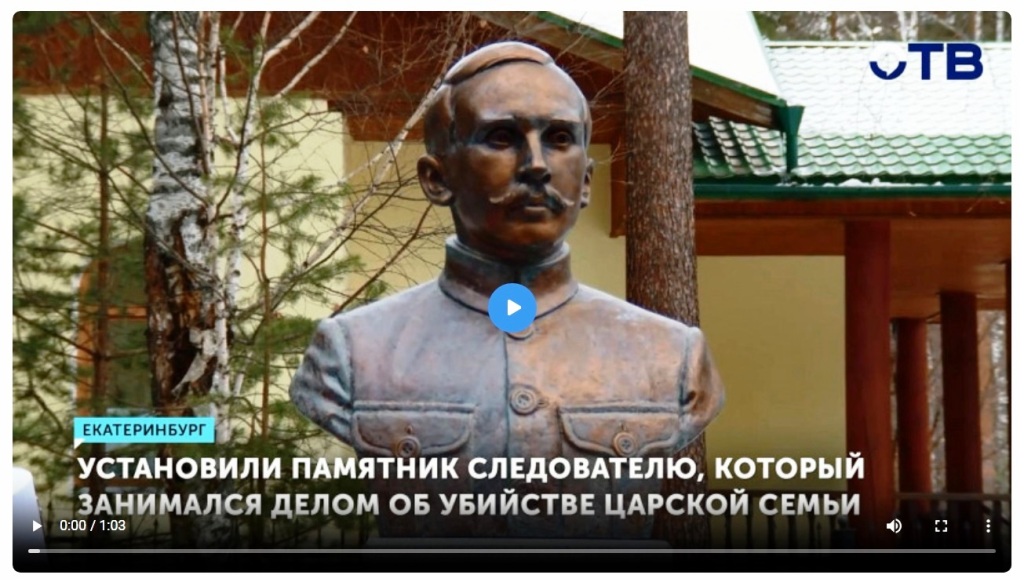
The first part of this book features the complete and unabridged account of a British Intelligence officer and journalist, who was in Ekaterinburg in the summer of 1918. He was one of the first to investigate the regicide, even before that of Nicholas Sokolov’s famous, yet incomplete investigation in 1919. He goes on to write about meeting Yakov Yurovsky, and shares his impressions of the chief executioner of the last Tsar and his family.

The second part features two previously unpublished, first English translations. The first is about those who came to the aid of the Imperial Family during their captivity, including Princess Helen of Serbia and the nuns of the Novo-Tikhvin Monastery. In addition is the testimony of the priest, who perfumed the last sacred service for the Imperial Family, days before their murders.

The third part features eleven chapters which shed light on a number of topics, such as who were the eight faithful retainers who survived the regicide; why did Boris Yeltsin demolish the Ipatiev House in 1977; what about the executioners themselves—who were they, and what were their fates?; plus eight additional chapters.

***

On 1st September 2024, my new book ‘Regicide in Ekaterinburg‘ received it’s first AMAZON review, from a reader in the United States who gave it a 5-star rating! Thank you 🙂

© Paul Gilbert. 26 August 202

On this day Tsesarevich Alexei Nikolaevich was baptized at Peterhof

PHOTO: Tsesarevich and Grand Duke Alexei Nikolaevich (1904-1918)

On this day – 24th (O.S. 11th) August 1904, His Imperial Highness Naslednik Tsesarevich and Grand Duke Alexei Nikolayevich, was baptized in the Church of the Holy Apostles Peter and Paul, which is adjacent to the Grand Palace at Peterhof.

Nicholas II, on the day of the baptism of his son, wrote in his diary: “August 11. Wednesday. The significant day of the baptism of our dear son.”

Nicholas II and Alexandra Feodorovna decided that their first-born son ought to be named in honour of Saint Alexei of Moscow (1296–1378), who served as Metropolitan of Kiev and all Russia (from 1354). He was canonized by the Russian Orthodox Church in 1448 and is revered as one of the patron saints of Moscow. The claim that Alexei was named after the son of Russia’s first Tsar, Alexei Mikhailovich who reigned from 1645 until 1676) is incorrect.

In accordance to ancient Orthodox custom the parents of the infant were obliged to leave before the baptism ceremony could begin, and thus allowing the godparents to carry out their ceremonial function.

Alexei’s godparents included Dowager Empress Maria Feodorovna, Emperor Wilhelm II, King Edward VII, King Christian IX, Grand Duke of Hesse, Princess Victoria of Great Britain, Ernest Louis Grand Duke Alexei Alexandrovich, Grand Duchess Alexandra Iosifovna, and Grand Duke Mikhail Nikolaevich.

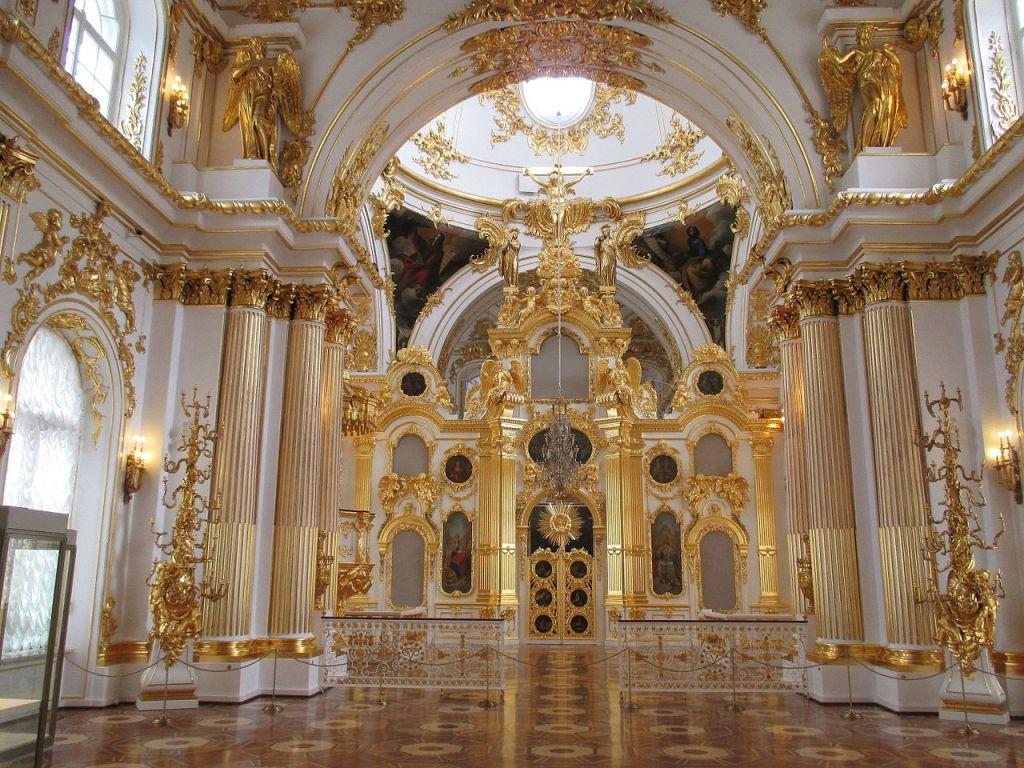
PHOTO: view of the iconostasis of the Church of the Holy Apostles Peter and Paul, adjacent to the Grand Palace, at Peterhof, as it looks today. It was here in this magnificent church, that Tsesarevich and Grand Duke Alexei Nikolaevich was baptized on 24th (O.S. 11th) August 1904

The baptism was performed by the confessor of the Imperial Family, Protopresbyter Ivan Yanishev (from 1883 until his death in 1910). The baby was carried to the font by the elderly Princess Maria Mikhailovna Golitzina (1834-1910), Mistress of the Robes. As a precaution, she had rubber soles put on her shoes to prevent her slipping and dropping him.

Countess Sophie Buxhoeveden (1883-1956) – lady in waiting to Empress Alexandra Feodorovna – recalled:

The baby lay on a pillow of cloth of gold, slung to the Princess’s shoulders by a broad gold band. He was covered with the heavy cloth-of-gold mantle, lined with ermine, worn by the heir to the crown. The mantle was supported on one side by Prince Alexander Sergeiovich Dolgorouky, the Grand Marshal of the Court, and on the other by Count [Paul] Benckendorff, as decreed by custom and wise precaution. The baby wept loudly, as might any ordinary baby when old Father Yanishev dipped him in the font. His four small sisters, in short Court dresses, gazed open-eyed at the ceremony, Olga Nicholaevna, then nine years old, being in the important position of one of the godmothers. According to Russian custom, the Emperor and Empress were not present at the baptism, but directly after the ceremony, the Emperor went to the church. Both he and the Empress always confessed to feeling very nervous on these occasions, for fear that the Princess might slip, or that Father Yanishev, who was very old, might drop the baby in the font.

In accordance with the statute of the Imperial Family, during the baptism ceremony, the newborn Grand Duke was conferred with five of the Russian Orders: St. Andrew the First-Called, St. Alexander Nevsky, St. Anna 1st Class, White Eagle, and St. Stanislaus 1st Class The august name of the Tsesarevich was entered in the lists of guards regiments and military units under the patronage of Emperor Nicholas II, Dowager Empress Maria Feodorovna and Empress Alexandra Feodorovna.

Please note that there were no photographs taken of the actual baptims ceremony, as photography was forbidden in Orthodox churches during baptisms, weddings, funerals, etc.

PHOTO: Tsesarevich Alexei Nikolaevich’s baptism shirt has surived to the present day, and is now on permanent display in the Church of the Holy Apostles Peter and Paul, which is adjacent to the Grand Palace at Peterhof

PHOTOS above and below: Gala procession on the day of the baptism of Tsesarevich Alexei Nikolaevich, who was transported in a gilded carriage pulled by 8 elegantly dressed white horses, from the Lower Dacha to the Grand Peterhof Palace, on 28th (O.S. 11th) August 1904

PHOTO: Dowager Empress Maria Feodorovna arrives at the Grand Peterhof Palace, for the baptism of her grandson Alexei, on 28th (O.S. 11th) August 1904

PHOTO: Empress Alexandra Feodorovna arrives at the Peterhof Palace, where Alexei is carefully taken in hand by officials, 28th (O.S. 11th) August 1904

Sadly, this joyous occasion was overshadowed by the fact that the proud parents were already aware that their son was afflicted with haemophilia. New evidence now proves that Alexei’s bleeding was noted the day following his birth.

© Paul Gilbert. 24 August 2024
Nicholas II’s uniforms on display in Tula

On 21st August 2024, a new exhibition The Forgotten War opened in Tula. The exhibition is dedicated to the 110th anniversary of the beginning of the First World War. The venue for the exhibit is the Tula branch of the State Historical Museum,

The exhibition is a joint project of the Tsarskoye Selo State Museum in Pushkin and the State Historical Museum in Moscow, showcasing about 200 items from the collections of the two museums.

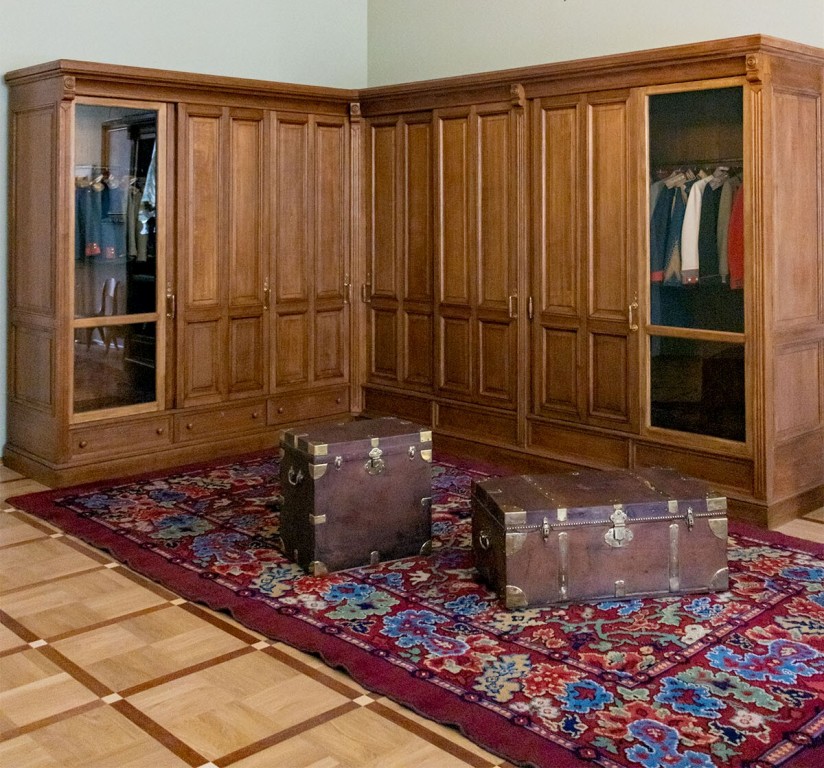
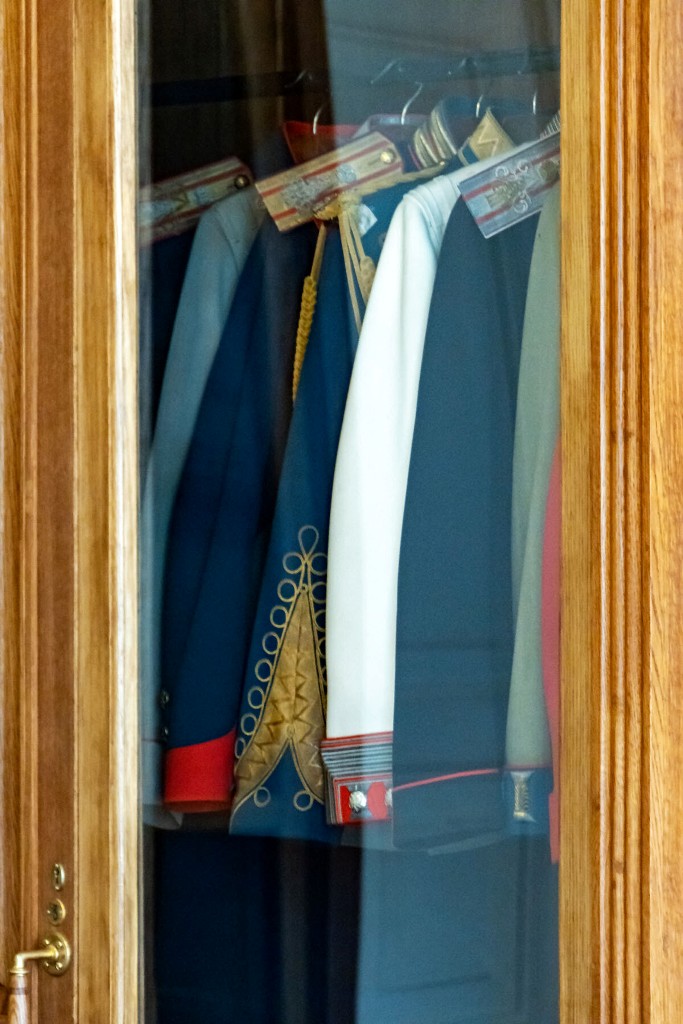
Of particular interest to visitors will be uniforms and portraits of Emperor Nicholas II and his son Tsesarevich Alexei Nikolaevich, on loan from the Sovereign’s Military [aka Military] Chamber in Tsarskoye Selo. Among the uniforms of Nicholas II is the Tsar’s cherkeska and beshmet of His Imperial Majesty’s Own Escort and pelisse of His Majestey’s Life-Guards Hussar Regiment. Other items on display include WWI vintage news reels, weapons, documents, photographs, awards and a tactile model of the Military Chamber.

The exhibition is divided into four sections: The War Image, The History of the Sovereign’s Military Chamber, The Imperial Family during WWI, and The St George’s Chevaliers Portraits.

The exhibition is designed to draw attention to the preservation of the historical memory of the military conflict, which for Russia has long been the “Forgotten War”. Recall that during the Soviet years, Russia’s contribution and sacrifices made during the First World War were neither discussed or commemorated. In destroying the tsars, the Bolshevik revolutionaries denounced the Great War as “imperialist”, thus robbing it of its potential for a popular legacy. It was not until 1st August 2013 that Russia marked Russian Soldiers’ World War I Remembrance Day for the first time.

The collections of the Sovereign’s Military Chamber – which includes the State Historical Museum on the First World War – are both part of the Tsarskoye Selo State Museum. The Sovereign’s Military Chamber was founded in May 1913.

Following the outbreak of hostilities in August 1914, it was decided to create a war museum, which included a gallery of portraits of the Knights of St. George among other exhibits. Some of the museum’s employees were sent to the Front. Subsequently, they returned with “trophies” which were added to the museum’s funds. Additional items were transferred from other museums and private collections, as well as items donated by the families of those who particpated in the Great War.

The dedicated employees of the Sovereign’s Military Chamber and the Historical Museum carefully preserved their collections even during the Soviet years. It is thanks to their efforts that this priceless collection of Russian World War One artifacts has been preserved to the present day.

The exhibition The Forgotten War. The Military Chamber and the Historical Museum: Keepers of Memory runs until 21st October 2024, at the Historical Museum, which is housed in the the former mansion (above photo) of the merchant Belolipetsky family in Tula, located 193 kilometers (120 mi) south of Moscow.

***

PHOTO: the Sovereign’s Military Chamber – which includes the State Historical Museum on the First World War – are both part of the Tsarskoye Selo Museum

PHOTO: Emperor Nicholas II’s uniforms on display in the Sovereign’s Military [aka Military] Chamber in Tsarskoye Selo. The uniforms were previously on display in the Alexander Palace, before the private apartments of Emperor Nicholas II and Empress Alexandra Feodorovna were recreated in the eastern wing of the palace between 2015 and 2021.

© Paul Gilbert. 21 August 2024
Russian court fines local communist for slandering Nicholas II

In an unprecedented move, a Russian court has fined a local communist for slandering Emperor Nicholas II. On 16th August 2024, the Vlasovsky District Court of the Saratov Region found a 72-year-old local resident guilty of “publicly disseminating knowingly false information” about Russia’s last Tsar.

According to the case file, in January 2024, the man published 4 messages on his VKontakte social media page, in which he referred to Nicholas I as “bloody” . . . “the worst ruler in the history of Russia” among other libelous insults.

“It was established that the citizen – a devout communist – deliberately slandered the Holy Emperor Nikolai Alexandrovich Romanov, although he was aware of the monarch’s achievements – industrialization, economic growth and the introduction of the gold ruble,” said prosecutor Vsevolod Bronin.

The accused fully admitted his guilt and asked the court for leniency, as he committed his illegal actions “under the influence of Bolshevik propaganda, which he was duped by while he was studying.” Taking into account the advanced age and repentance of the pensioner, the court decided not to deprive the offender of liberty and limit himself only to a fine of 100 thousand rubles [$1,118 USD].

Recall that on 1st October 2008, the Presidium of the Supreme Court of the Russian Federation granted the judicial rehabilitation of Emperor Nicholas II and his family. Ninety years after a Bolshevik execution squad gunned down the last Tsar and his family, the country’s supreme court declared the Imperial family as “victims of political repression.” The regicide was condemned, and that the false accusations against the Tsar, that he was an enemy of the people…were at long last proven to be false.

© Paul Gilbert. 18 August 2024
Serbian Crown Prince pays tribute to Nicholas II

PHOTO © Crown Prince Filip Karadjordjević of Serbia

On 16th August 2024, Crown Prince Filip Karadjordjević of Serbia visited the Saints Peter and Paul Cathedral in St. Petersburg, where he laid flowers at the base of the marble tombstone which marks the final resting place of Emperor Nicholas II, which is located in St. Catherine’s chapel, a side chapel of the cathedral.

“During my visit to St. Petersburg, one of the greatest cities in the world, I paid tribute to my courageous ancestor, His Imperial Majesty the Holy Emperor Nicholas II”, wrote the Crown Prince. “Holy Tsar Nicholas II, a devoted family man and staunch defender of Orthodox Christian values, was brutally murdered by the Bolsheviks along with his beloved family, marking a tragic and dark chapter in history. This was followed by a period of great suffering, when tens of millions of Christians were killed in the name of the vicious and destructive ideology of communism. The Russian Revolution should not be celebrated, but remembered as a grim reminder of extreme and misguided actions driven by a senseless system that defies our very nature. The love and devotion of the Holy Tsar Nicholas II to his family and to Orthodox Christianity stands in stark contrast to the tyranny and discord sown by those who set out to destroy them.”

PHOTO © Crown Prince Filip Karadjordjević of Serbia

PHOTO © Crown Prince Filip Karadjordjević of Serbia

PHOTO © Crown Prince Filip Karadjordjević of Serbia

***

For Serbians, Emperor Nicholas II is revered both as a saint and as a statesman, for his efforts in coming to Serbia’s aid during the First World War. Recall that it was Serbia – where thousands of White Russian emigrants were warmly received – and the veneration of Nicholas II as a saint was born. It was in Belgrade that the first museum of personal belongings of the Russian emperor appeared. The museum opened in the Russian House of Culture in the center of the Serbian capital in the 1930s. It was in Serbia, long before the emperor was glorified in the face of saints, his first images appeared in churches, and Belgrade is the only capital in the world where a street bears his name, something not found in either St. Petersburg or Moscow.

During the early 20th century, the October Revolution of 1917 and the subsequent Russian Civil War, each contributed to the mass resettlement of Russians in Serbia. In April 1919 and the early 1920s, the government of the Kingdom of Serbs, Croats and Slovenes, welcomed tens of thousands of anti-Bolshevik Russian refugees.

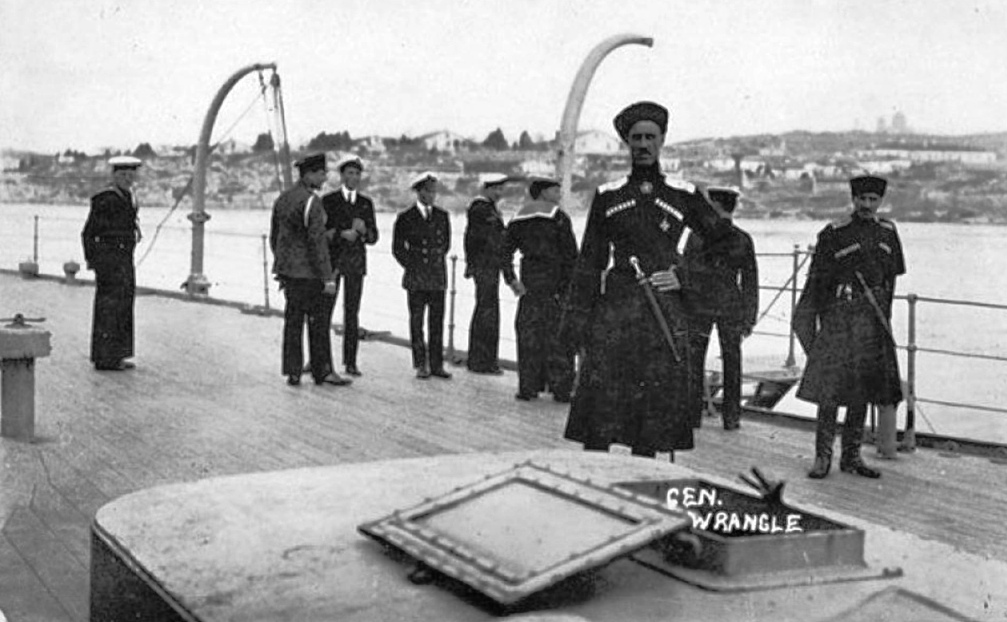
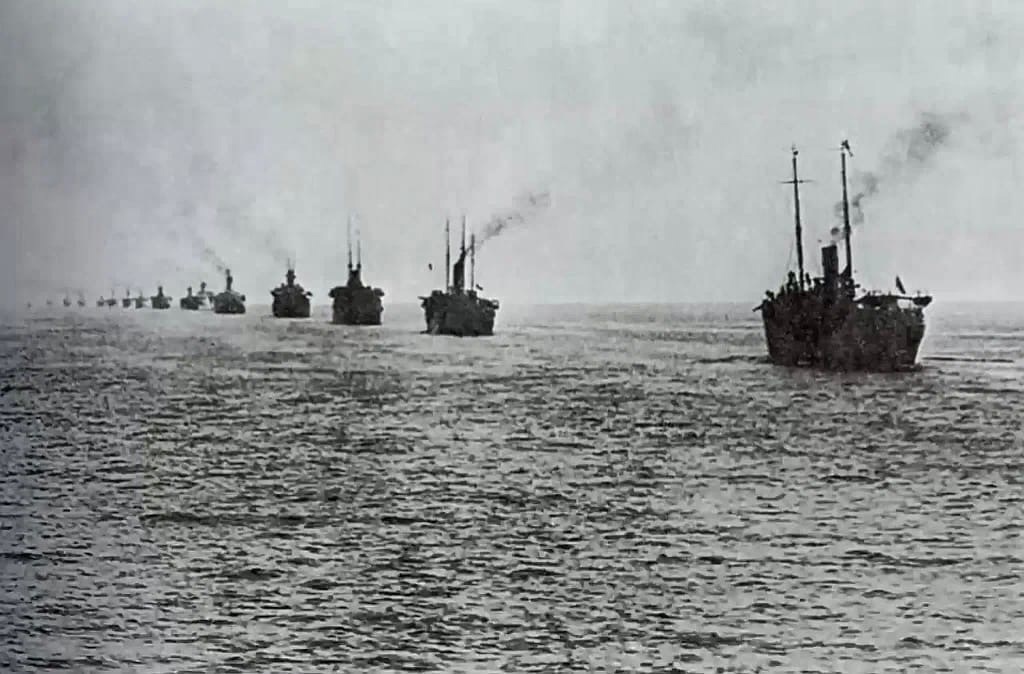
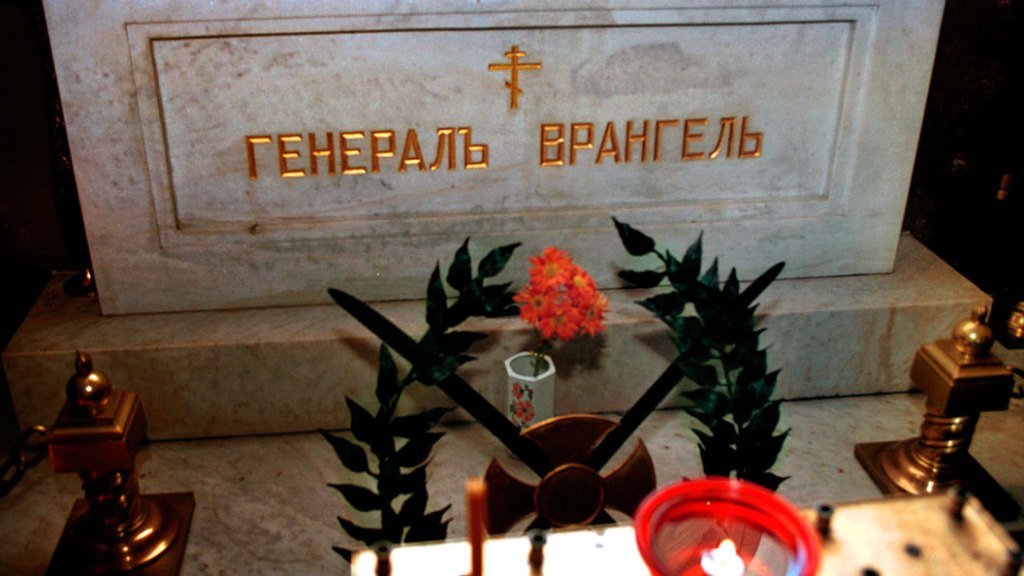
The defeat of the White Russian Army under General Pyotr Nikolayevich Wrangel (1878-1928) in Crimea, resulted in a third wave of emigration (November-December 1920), of another 20,000 emigrants.

The Kingdom extended its hospitality as gratitude to Russia for it’s intervention on the side of Serbia at the outbreak of World War I. Thus, the Kingdom of Serbs, Croats and Slovenes, became home for 40,000 exiles from the Russian Empire of Emperor Nicholas II. The mass exodus of refugees from war-torn Bolshevik Russia, prompted the founding of the State Commission for the Arrangement of Russian Refugees in Belgarde.

© Paul Gilbert. 17 August 2024
The Lost World of Imperial Russia: The Russian Empire During the Reign of Emperor Nicholas II

*This title is available from AMAZON in the USA, UK, Canada, Australia,
France, Germany, Spain, Italy, Netherlands, Poland, Sweden and Japan

CLICK HERE TO ORDER THE PAPERBACK EDITION @ $35.00 USD

CLICK HERE TO ORDER THE HARD COVER EDITION @ $50.00 USD

Large 8-1/2″ x 11″ format, 242 pages, featuring
400+ black & white photos

“Keeping the memories of Old Russia alive!”

This richly illustrated pictorial is a celebration of the beauty and splendour of a lost world: Imperial Russia during the reign of Emperor Nicholas II, from 1894 to 1917.
More than 400+ black and white photographs showcase Imperial residences, country estates and manor houses, dachas, churches, government buildings, hotels, restaurants, historic events, people and much more.

The Lost World of Imperial Russia, is a remarkable photographic record of one of the world’s greatest empires—one that both attracts and eludes description.

While many of the architectural gems of Imperial Russia have survived to the present day, many others have been lost to history: revolution, civil war, two world wars and 70+ years of Soviet dogma have each taken their toll on Russia’s rich architectural heritage. Many of the photographs in this album remain the only evidence of their existence.

Click HERE to read a REVIEW of this book by Mikhail Smirnov, published on the Russian Faith blog.

***

The Lost World of Imperial Russia. Volume II
NOW AVAILABLE FROM AMAZON

***

Paul Gilbert’s Romanov Bookshop on AMAZON

I have published nearly 30 titles to date through AMAZON – featuring one of the largest selections of books on Nicholas II, the Romanov dynasty and the history of Imperial Russia.

Please CLICK on the BANNER or LINK above to review my current selection of titles in hardcover, paperback and ebook editions. Listings provide a full description for each title, pricing and a Look inside feature.

© Paul Gilbert. 26 September 2022

Tsesarevich Alexei exhibition opens in Moscow

Clicke HERE to watch a VIDEO – Duration: 2 mins., 30 secs.

On 12th August 2024, a new exhibition dedicated to Tsesarevich Alexei Nikolaevich opened at the Museum of Military Uniforms in Moscow. The exhibition is timed to the 120th anniversary of his birth on 12th August (O.S. 30th July) 1904.

The exhibition “If one day I became Tsar…” was organized by the Russian Military Historical Society, the The Museum of Education (Moscow) and the State Archive of the Russian Federation (GARF), as well as from private collections..

Visitors to the exhibition will have an opportunity to see authentic items which belonged to Alexei Nikolaevich, including toys, drawings, and his personal belongings. In addition are photographs and documents. Of particular note are a series of watercolours depicting Alexei’s rooms in the Alexander Palace at Tsarskoye Selo.

The opening ceremony was attended by Andrei Kokhan, Deputy Executive Director of the History of the Fatherland Foundation:

“120 years ago, an heir was born in the Imperial Family. His birth marked a new era, which was to be happy for the Russian people. However, his death, which coincided with one of the darkest and most terrible events of our Fatherland, unfortunately extinguished these hopes and dreams,” said Kokhan.

“For many decades, the history of the Imperial Family was not considered in Russian historiography. It was, by and large, forgotten. Shortly after the fall of the Soviet Union in 1991, however, Russians took a keen interest in their past, the life and reign of Russia’s last Tsar and his family in particular. The Romanov archives, which were sealed during the Soviet years, revealed documents and photographs which helped reshape Russia’s history. The canonization of the Tsar and his family by the Moscow Patriarchate of the Russian Orthodox Church in 2000, helped present the lives of the Imperial Family in a whole new light. Today, Nicholas II and his family are the subjects of countless books, in addition to exhibitions, documentaries, films and conferences, among other events. I am sure that the exhibition opening today will make a great contribution to the study and rethinking of the events of late 19th to early 20th century Russian history,” he added.

The exhibition explores the short but important life about the boy whom everyone adored. Alexei combined unique qualities, none of which any of the Romanov grand dukes could boast of. “When I am Tsar, there will be no more poor and unfortunate! I want everyone to be happy,” he often repeated. Those who knew him personally were sure that with the Tsesarevich Alexei’s ascension to the throne, that the golden age of the Russian Empire would begin. Sadly, it was not to be.

The exhibition “If one day I became Tsar…” opens to the public on 13th August 2024 and runs until 16th February 2025, at the Museum of Military Uniforms in Moscow.

© Paul Gilbert. 14 August 2024

Two popular myths about Tsesarevich Alexei Nikolaevich

#

PHOTO: Tsesarevich Alexei Nikolaevich. 1913

In this article, I would like to address two popular held myths about the Tsesarevich Alexei Nikolaevich (1904-1918).

First, it was Robert K. Massie (among others), who have led us to believe that the only son of Emperor Nicholas II and Empress Alexandra Feodorovna, was named after Tsar Alexei Mikhailovich (1629-1676) . . . this is incorrect.

The long-awaited son and heir to the Russian throne was named Alexei, in honour of St. Alexei of Moscow.

Saint Alexius (1296–1378) was Metropolitan of Kiev and all Russia (from 1354). He was canonized by the Russian Orthodox Church in 1448 and is revered as one of the patron saints of Moscow.

Source: ‘Alexei. Russia’s Last Imperial Heir: A Chronicle of Tragedy’ by Margarita Nelipa. Published in 2015

Second, it has generally been accepted that Alexei began bleeding from his navel at the age of six weeks . . . this is also incorrect.

Two noted Romanov historians Margarita Nelipa and Helen Rappaport both tell us otherwise, that Alexei’s bleeding was noted the day following his birth. Their claim is based on two separate, yet reliable sources.

“One day after Alexei’s birth, Grand Duke Peter Nikolaevich (1854-1931) came to congratulate the Sovereign and stayed for lunch. Upon his departure, the Sovereign mentioned the presence of “blood on the diapers”. Returning to his Znamenka estate (in Alexandria), he repeated this detail to his wife [Grand Duchess Militza Nikolaevna (1866-1951)]who telephoned Nikolai II (before visiting Alix later that evening). During their conversation, he said that the doctors had confirmed that the atypical bleeding was indeed due to haemophilia.”

Source: ‘Alexei. Russia’s Last Imperial Heir: A Chronicle of Tragedy’ by Margarita Nelipa. Published in 2015

Grand Duke Peter Nikolaevich and his wife Grand Duchess Militza Nikolaevna (1866-1951) had driven over to the Lower Dacha the day Alexei was born . . . as their son Prince Roman Petrovich (1896-1978) later recalled in his memoirs [published in Danish].

“When they returned in the evening to Znamenka, my father remembered that . . . the Tsar had told him . . . That the doctors were concerned about the frequent splatters of blood in his swaddling clothes. . . .”

Grand Duke Peter telephoned the palace, “When the Tsar answered that they had hoped that the bleeding would soon stop, my mother took the receiver and asked if the doctors could explain the cause of the bleeding. When the Tsar could not give her a clear answer, she asked him with the calmest of voices she could manage: ‘I beg you, ask them if there is any sign of haemophilia’ . . . The Tsar fell silent on the phone for a long time and then started to question my mother and ended by quietly repeating the word that had staggered him: haemophilia.”

Source: ‘Four Sisters. The Lost Lives of the Romanov Grand Duchesses’ by Helen Rappaport. Published in 2014.

© Paul Gilbert. 14 August 2024

Update on the next Nicholas II Conference

I continue to receive emails and messages from people enquiring about another Nicholas II Conference. First of all, I would like to say how grateful I am for the interest and support shown for this event. In answer to all these queries, I can say that YES!, I am intend planning on organizing and hosting a second conference. I can also confirm that several discussions on the proposed event have already taken place.

Once this dreadful war is over, I have every intention of hosting a 2nd International Nicholas II Conference, which will most likely be held in the UK.

As some of you may recall, my initial plan to host the conference in May 2021 at the Holy Trinity Monastery in Jordanville, NY, was cancelled due to the COVID pandemic.

My second attempt to host the conference in September 2023 at St. John’s Orthodox Church in Colchester, England was also cancelled, due to the outbreak of hostilities between Russia and Ukraine.

So, will I have better luck the third time?

The number of people who have followed my work, since the 1st conference in October 2018, has grown substantially, especially in the UK, therefore, I am anticipating an even larger number of attendees at the next conference.

Stay tuned for further updates on dates, venue, speakers, topics, and much more.

PHOTO: this is the first of two 6-ft. banners, that I have
designed for the 2nd International Nicholas II Conference

***

1st International Nicholas II Conference
St. John’s Orthodox Church, Colchcester, England
27th October 2018

PHOTO: researcher and author Paul Gilbert presenting one of his two lectures on Nicholas II, at St. John’s Orthodox Church in Colchester, England. 27th October 2018

The 1st International Nicholas II Conference was timed to the 150th anniversary of the birth of Emperor Nicholas II in 1868, and the 100th anniversary of his death and martyrdom in 1918.

More than 100 people from nearly a dozen countries attended the event, which featured 5 speakers, who presented 7 lectures on the life and reign of Russia’s last Tsar, including Paul Gilbert, Archpriest Andrew Philips (ROCOR), Nikolai Krasnov, authors Frances Welch and Marilyn Swezey presented seven papers on Nicholas II.

In addition, the Grand Duchess Elizabeth Romanov Society UK provided a small exhibit, which generated much interest among those attending. Two stalls were set up during the conference, which offer an interesting selection of new book titles for sale. A light lunch was provided for those attending.

Click HERE to read more about the 1st International Nicholas II Conference in Colchester, England, which includes photos from the event.

© Paul Gilbert. 8 August 2024

Artist concept of Imperial Railway Pavilion restoration project at Tsarskoye Selo

CLICK on the above image to watch the VIDEO
Duration: 1 minute

The Tsarskoye Selo Railway Station Charitable Foundation has released a stunning video which presents the Foundation’s concept for the restoration of the Imperial Railway Pavilion at Tsarskoye Selo [now part of the town of Pushkin], which began in the summer of 2023.

According to the concept being developed, it is planned to restore the Pavilion building with the restoration of its historical appearance based on the surviving photographs, documents and research by specialists. During the restoration of the facades, it is planned to restore the plaster layer and decorative elements. Inside the Pavilion, it is planned to restore wall and ceiling paintings to their original colours, floor coverings and stucco, and restore lost stoves.

After the completion of the restoration, a museum space with access to the ceremonial rooms will be developed inside the station building. The reconstruction of the Tsar’s Station involves the construction of the lost metal frame of the landing stage (covered railway platform) – as seen in the artist’s drawings (below) and video.

Inside the openwork riveted trusses, it is planned to construct a building in the form of a railway passenger car. Work is also planned to develope the area surrounding the station building.

The former Imperial Railway Pavilion is located a short distance from the Alexander Palace, the Feodorovsky Sovereign Cathedral and the Feodorovsky Gorodok.

Tsarskoye Selo Railway Station Charitable Foundation © 2024

FURTHER READING:

Imperial Railway Pavilion in Tsarskoye Selo is being restored – published on 18th August 2023 – includes 13 colour photos

Update on the restoration of the Imperial Railway Pavilion at Tsarskoye Selo – published on 16th April 2024

The sad state of the Imperial Railway Pavilion in Tsarskoye Selo includes 20 PHOTOS! – originally published on 29th December 2019

Imperial Railway Pavilions During the Reign of Nicholas II – originally published on 23rd October 2019

© Paul Gilbert. 6 August 2024

***

COMING SOON!
Publication date to be announced

My book on the Imperial Train was scheduled to be published last year, however, I delayed it, and for good reason. Given that the Imperial Railway Station at Tsarskoye Selo was the main terminus for the Imperial Train, it only stood to reason, that I should devote a chapter to this historic building.

My forthcoming book is the first English language title to explore the history of the Tsar’s luxurious mode of transport on rails. It will include detailed descriptions – including vintage photos and floorplans – of the train’s interiors. My book also tells about the fate of the Imperial Train, the Imperial Railway Pavilions constructed solely for the use of the Imperial Train in Tsarskoye Selo, St. Petersburg and Moscow, and much more.

‘The Imperial Train of Emperor Nicholas II’ will be published in paperback edition, 150 pages, and richly illustrated throughout. It will be available on Amazon shortly after the completion of the restoration of the Imperial Railway Pavilion at Tsarskoye Selo has been completed – PG