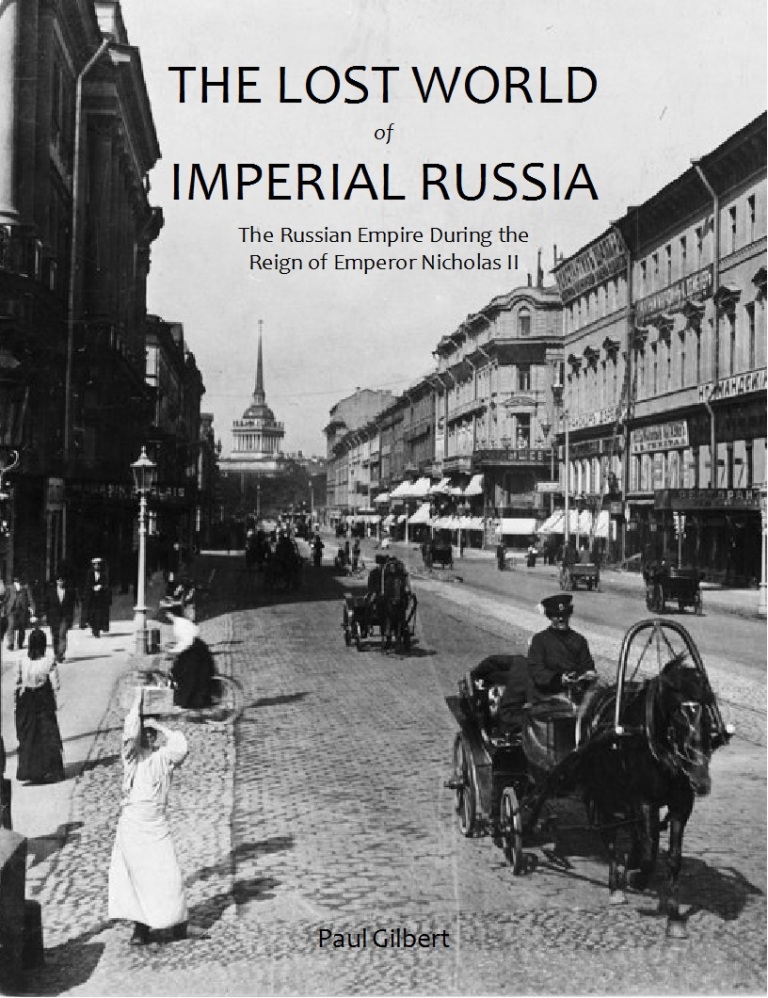
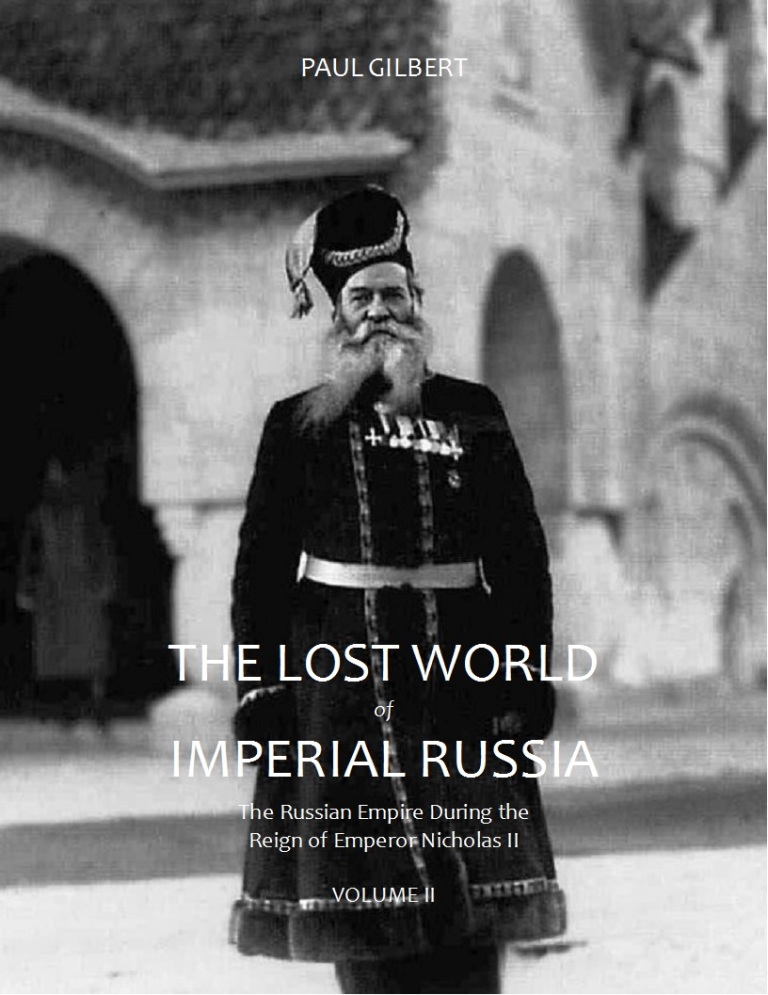
Large 8-1/2″ x 11″ format, 242 pages, featuring 400+ black & white photos
“Keeping the memories of Old Russia alive!”
This richly illustrated pictorial is a celebration of the beauty and splendour of a lost world: Imperial Russia during the reign of Emperor Nicholas II, from 1894 to 1917.
More than 400+ black and white photographs showcase Imperial residences, country estates and manor houses, dachas, churches, government buildings, hotels, restaurants, historic events, people and much more.
The Lost World of Imperial Russia, is a remarkable photographic record of one of the world’s greatest empires—one that both attracts and eludes description.
While many of the architectural gems of Imperial Russia have survived to the present day, many others have been lost to history: revolution, civil war, two world wars and 70+ years of Soviet dogma have each taken their toll on Russia’s rich architectural heritage. Many of the photographs in this album remain the only evidence of their existence.
Click HERE to read a REVIEW of this book by Mikhail Smirnov, published on the Russian Faith blog.
I have published nearly 30 titles to date through AMAZON – featuring one of the largest selections of books on Nicholas II, the Romanov dynasty and the history of Imperial Russia.
Please CLICK on the BANNER or LINK above to review my current selection of titles in hardcover, paperback and ebook editions. Listings provide a full description for each title, pricing and a Look inside feature.
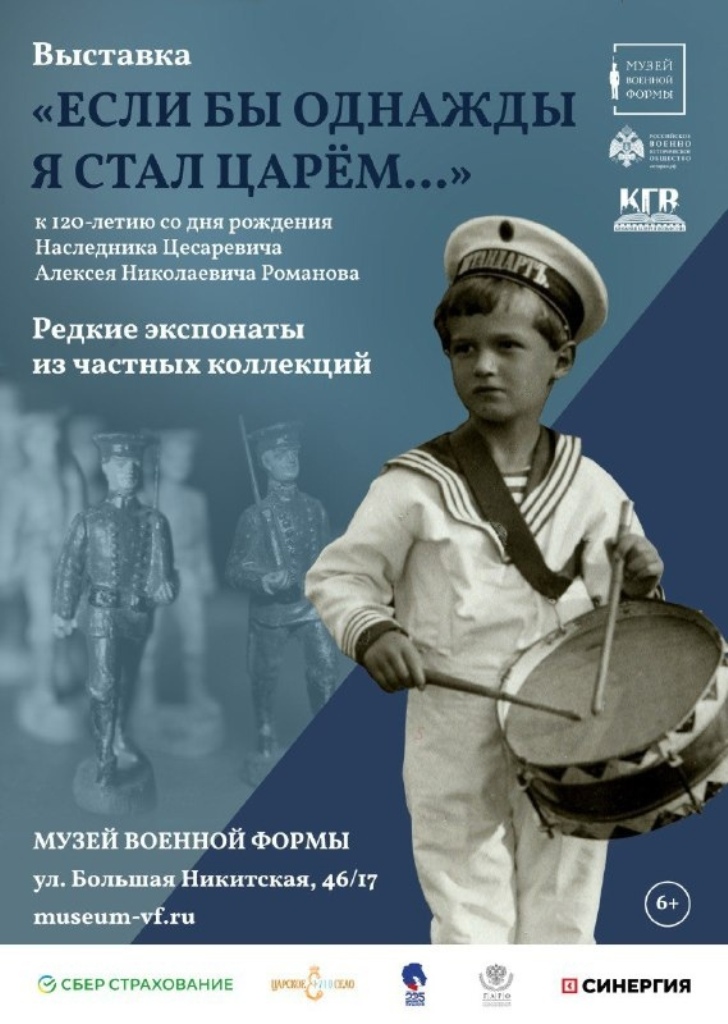
On 12th August 2024, a new exhibition dedicated to Tsesarevich Alexei Nikolaevich opened at the Museum of Military Uniforms in Moscow. The exhibition is timed to the 120th anniversary of his birth on 12th August (O.S. 30th July) 1904.
The exhibition “If one day I became Tsar…” was organized by the Russian Military Historical Society, the The Museum of Education (Moscow) and the State Archive of the Russian Federation (GARF), as well as from private collections..
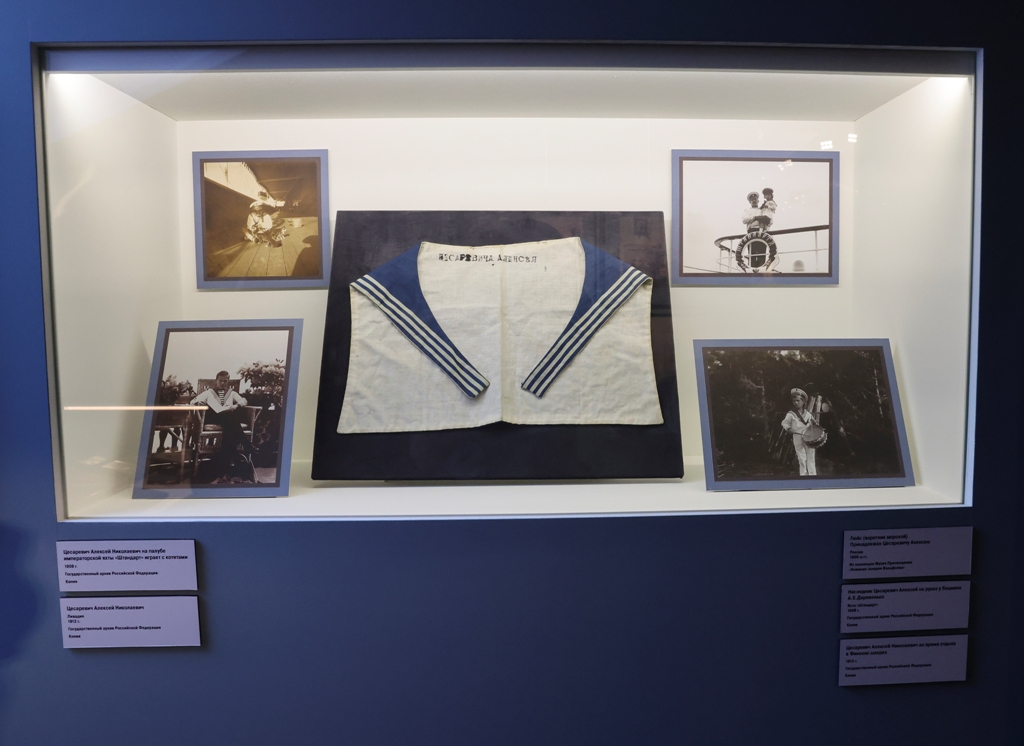
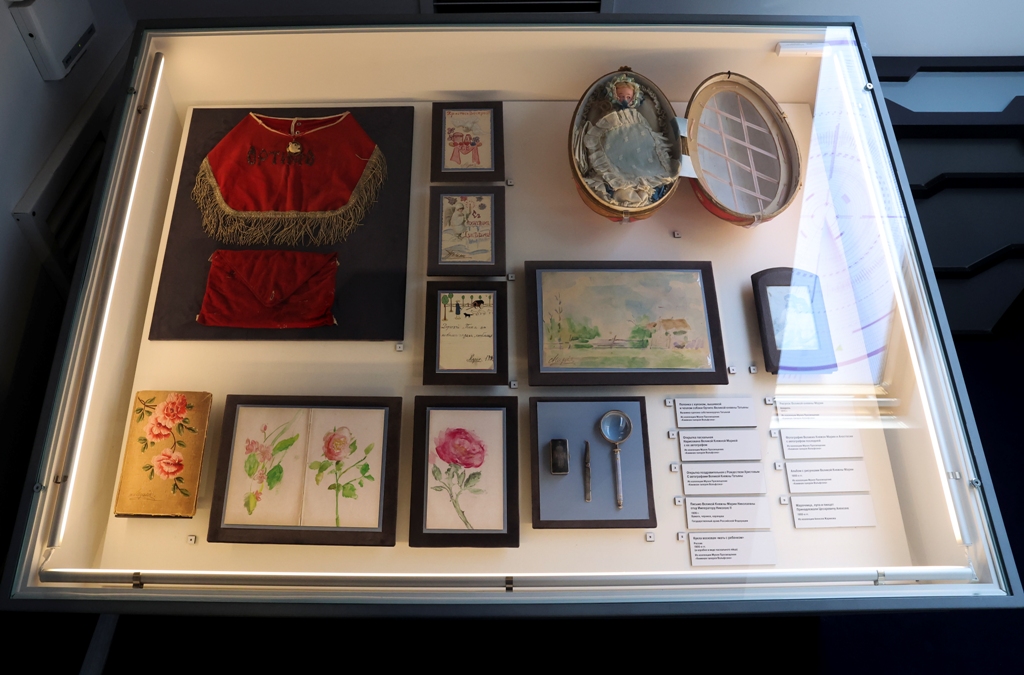
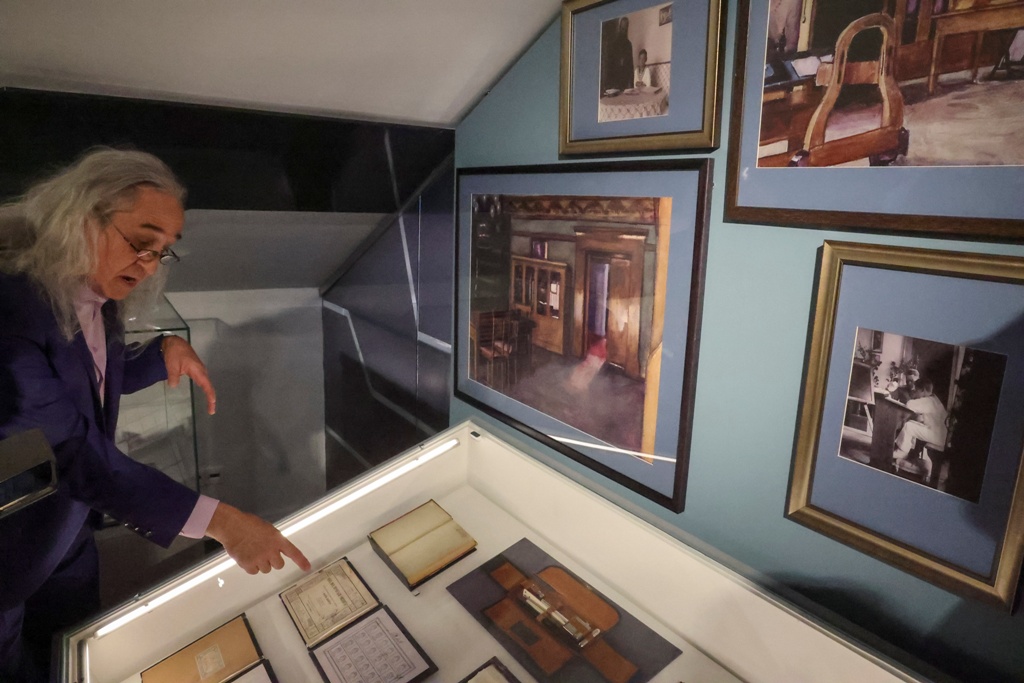
Visitors to the exhibition will have an opportunity to see authentic items which belonged to Alexei Nikolaevich, including toys, drawings, and his personal belongings. In addition are photographs and documents. Of particular note are a series of watercolours depicting Alexei’s rooms in the Alexander Palace at Tsarskoye Selo.
The opening ceremony was attended by Andrei Kokhan, Deputy Executive Director of the History of the Fatherland Foundation:
“120 years ago, an heir was born in the Imperial Family. His birth marked a new era, which was to be happy for the Russian people. However, his death, which coincided with one of the darkest and most terrible events of our Fatherland, unfortunately extinguished these hopes and dreams,” said Kokhan.
“For many decades, the history of the Imperial Family was not considered in Russian historiography. It was, by and large, forgotten. Shortly after the fall of the Soviet Union in 1991, however, Russians took a keen interest in their past, the life and reign of Russia’s last Tsar and his family in particular. The Romanov archives, which were sealed during the Soviet years, revealed documents and photographs which helped reshape Russia’s history. The canonization of the Tsar and his family by the Moscow Patriarchate of the Russian Orthodox Church in 2000, helped present the lives of the Imperial Family in a whole new light. Today, Nicholas II and his family are the subjects of countless books, in addition to exhibitions, documentaries, films and conferences, among other events. I am sure that the exhibition opening today will make a great contribution to the study and rethinking of the events of late 19th to early 20th century Russian history,” he added.
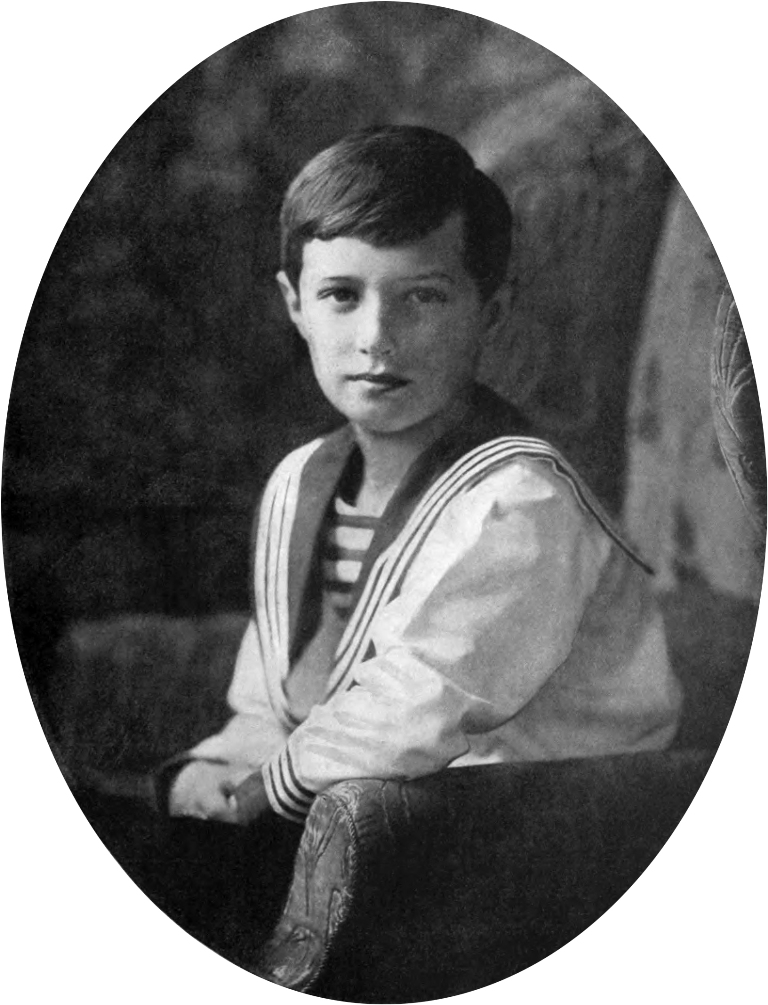
The exhibition explores the short but important life about the boy whom everyone adored. Alexei combined unique qualities, none of which any of the Romanov grand dukes could boast of. “When I am Tsar, there will be no more poor and unfortunate! I want everyone to be happy,” he often repeated. Those who knew him personally were sure that with the Tsesarevich Alexei’s ascension to the throne, that the golden age of the Russian Empire would begin. Sadly, it was not to be.
The exhibition “If one day I became Tsar…” opens to the public on 13th August 2024 and runs until 16th February 2025, at the Museum of Military Uniforms in Moscow.
In this article, I would like to address two popular held myths about the Tsesarevich Alexei Nikolaevich (1904-1918).
First, it was Robert K. Massie (among others), who have led us to believe that the only son of Emperor Nicholas II and Empress Alexandra Feodorovna, was named after Tsar Alexei Mikhailovich (1629-1676) . . . this is incorrect.
The long-awaited son and heir to the Russian throne was named Alexei, in honour of St. Alexei of Moscow.
Saint Alexius (1296–1378) was Metropolitan of Kiev and all Russia (from 1354). He was canonized by the Russian Orthodox Church in 1448 and is revered as one of the patron saints of Moscow.
Source: ‘Alexei. Russia’s Last Imperial Heir: A Chronicle of Tragedy’ by Margarita Nelipa. Published in 2015
Second, it has generally been accepted that Alexei began bleeding from his navel at the age of six weeks . . . this is also incorrect.
Two noted Romanov historians Margarita Nelipa and Helen Rappaport both tell us otherwise, that Alexei’s bleeding was noted the day following his birth. Their claim is based on two separate, yet reliable sources.
“One day after Alexei’s birth, Grand Duke Peter Nikolaevich (1854-1931) came to congratulate the Sovereign and stayed for lunch. Upon his departure, the Sovereign mentioned the presence of “blood on the diapers”. Returning to his Znamenka estate (in Alexandria), he repeated this detail to his wife [Grand Duchess Militza Nikolaevna (1866-1951)]who telephoned Nikolai II (before visiting Alix later that evening). During their conversation, he said that the doctors had confirmed that the atypical bleeding was indeed due to haemophilia.”
Source: ‘Alexei. Russia’s Last Imperial Heir: A Chronicle of Tragedy’ by Margarita Nelipa. Published in 2015
Grand Duke Peter Nikolaevich and his wife Grand Duchess Militza Nikolaevna (1866-1951) had driven over to the Lower Dacha the day Alexei was born . . . as their son Prince Roman Petrovich (1896-1978) later recalled in his memoirs [published in Danish].
“When they returned in the evening to Znamenka, my father remembered that . . . the Tsar had told him . . . That the doctors were concerned about the frequent splatters of blood in his swaddling clothes. . . .”
Grand Duke Peter telephoned the palace, “When the Tsar answered that they had hoped that the bleeding would soon stop, my mother took the receiver and asked if the doctors could explain the cause of the bleeding. When the Tsar could not give her a clear answer, she asked him with the calmest of voices she could manage: ‘I beg you, ask them if there is any sign of haemophilia’ . . . The Tsar fell silent on the phone for a long time and then started to question my mother and ended by quietly repeating the word that had staggered him: haemophilia.”
Source: ‘Four Sisters. The Lost Lives of the Romanov Grand Duchesses’ by Helen Rappaport. Published in 2014.
I continue to receive emails and messages from people enquiring about another Nicholas II Conference. First of all, I would like to say how grateful I am for the interest and support shown for this event. In answer to all these queries, I can say that YES!, I am intend planning on organizing and hosting a second conference. I can also confirm that several discussions on the proposed event have already taken place.
Once this dreadful war is over, I have every intention of hosting a 2nd International Nicholas II Conference, which will most likely be held in the UK.
As some of you may recall, my initial plan to host the conference in May 2021 at the Holy Trinity Monastery in Jordanville, NY, was cancelled due to the COVID pandemic.
My second attempt to host the conference in September 2023 at St. John’s Orthodox Church in Colchester, England was also cancelled, due to the outbreak of hostilities between Russia and Ukraine.
So, will I have better luck the third time?
The number of people who have followed my work, since the 1st conference in October 2018, has grown substantially, especially in the UK, therefore, I am anticipating an even larger number of attendees at the next conference.
Stay tuned for further updates on dates, venue, speakers, topics, and much more.
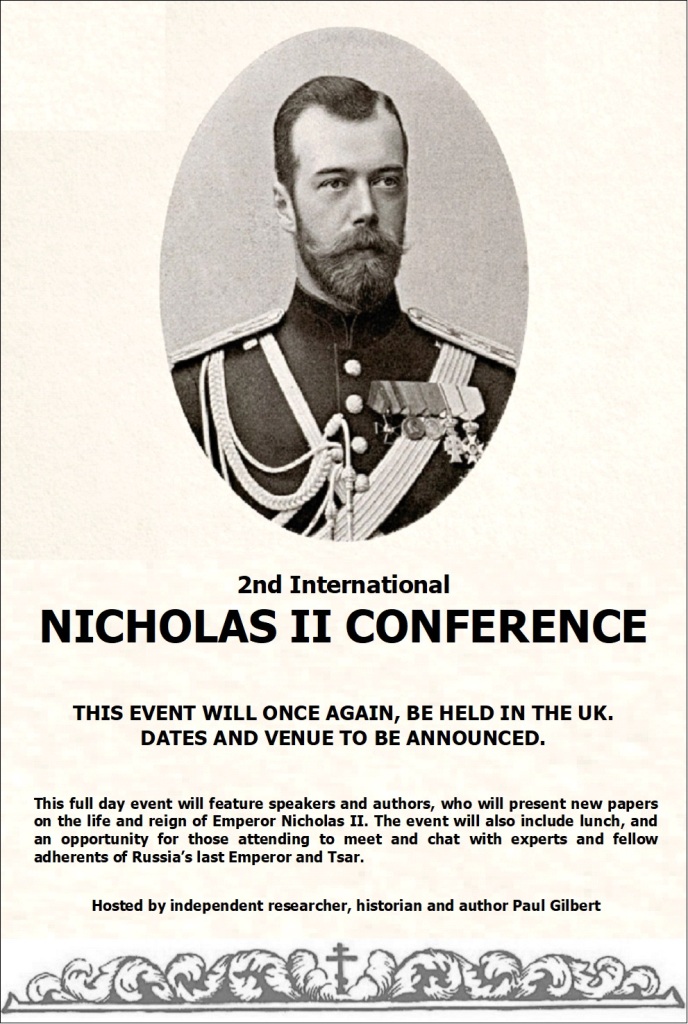
PHOTO: this is the first of two 6-ft. banners, that I have designed for the 2nd International Nicholas II Conference
***
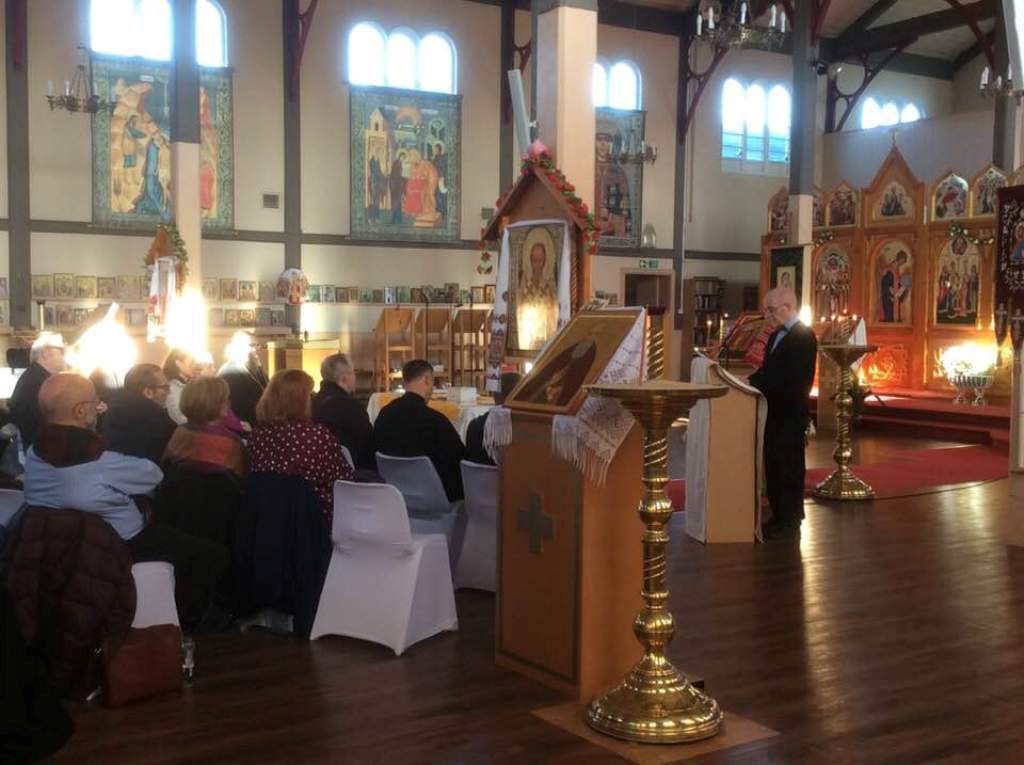
1st International Nicholas II Conference St. John’s Orthodox Church, Colchcester, England 27th October 2018
PHOTO: researcher and author Paul Gilbert presenting one of his two lectures on Nicholas II, at St. John’s Orthodox Church in Colchester, England. 27th October 2018
The 1st International Nicholas II Conference was timed to the 150th anniversary of the birth of Emperor Nicholas II in 1868, and the 100th anniversary of his death and martyrdom in 1918.
More than 100 people from nearly a dozen countries attended the event, which featured 5 speakers, who presented 7 lectures on the life and reign of Russia’s last Tsar, including Paul Gilbert, Archpriest Andrew Philips (ROCOR), Nikolai Krasnov, authors Frances Welch and Marilyn Swezey presented seven papers on Nicholas II.
In addition, the Grand Duchess Elizabeth Romanov Society UK provided a small exhibit, which generated much interest among those attending. Two stalls were set up during the conference, which offer an interesting selection of new book titles for sale. A light lunch was provided for those attending.
CLICK on the above image to watch the VIDEO Duration: 1 minute
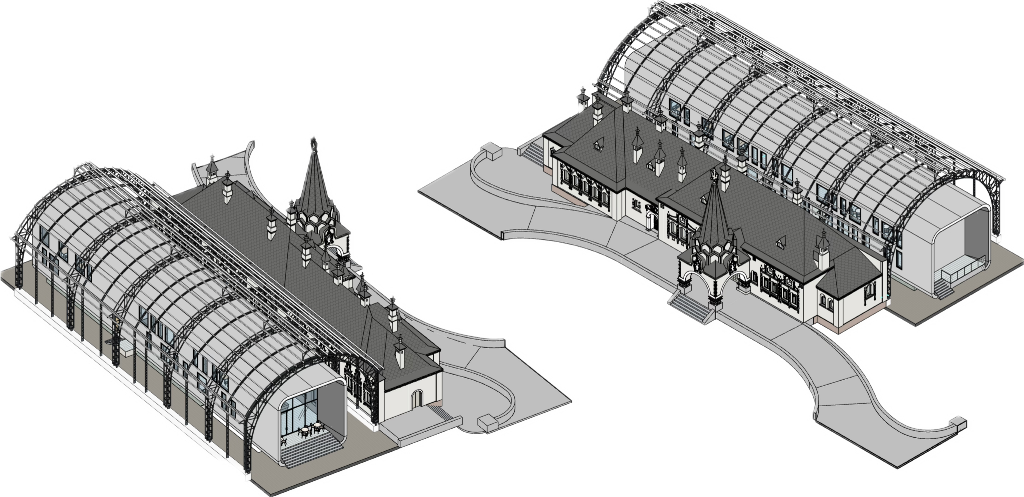
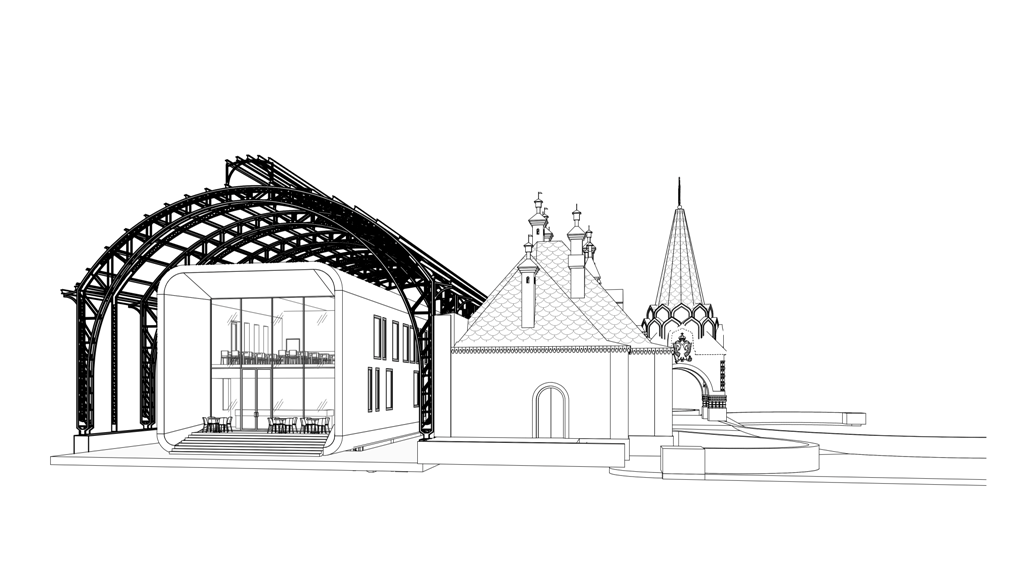
The Tsarskoye Selo Railway Station Charitable Foundation has released a stunning video which presents the Foundation’s concept for the restoration of the Imperial Railway Pavilion at Tsarskoye Selo [now part of the town of Pushkin], which began in the summer of 2023.
According to the concept being developed, it is planned to restore the Pavilion building with the restoration of its historical appearance based on the surviving photographs, documents and research by specialists. During the restoration of the facades, it is planned to restore the plaster layer and decorative elements. Inside the Pavilion, it is planned to restore wall and ceiling paintings to their original colours, floor coverings and stucco, and restore lost stoves.
After the completion of the restoration, a museum space with access to the ceremonial rooms will be developed inside the station building. The reconstruction of the Tsar’s Station involves the construction of the lost metal frame of the landing stage (covered railway platform) – as seen in the artist’s drawings (below) and video.
Inside the openwork riveted trusses, it is planned to construct a building in the form of a railway passenger car. Work is also planned to develope the area surrounding the station building.
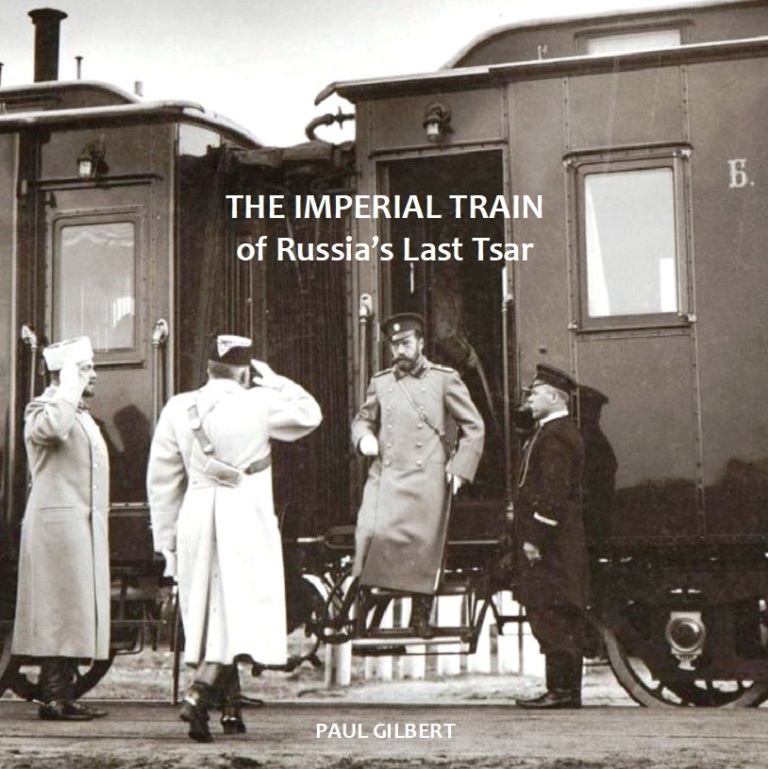
My book on the Imperial Train was scheduled to be published last year, however, I delayed it, and for good reason. Given that the Imperial Railway Station at Tsarskoye Selo was the main terminus for the Imperial Train, it only stood to reason, that I should devote a chapter to this historic building.
My forthcoming book is the first English language title to explore the history of the Tsar’s luxurious mode of transport on rails. It will include detailed descriptions – including vintage photos and floorplans – of the train’s interiors. My book also tells about the fate of the Imperial Train, the Imperial Railway Pavilions constructed solely for the use of the Imperial Train in Tsarskoye Selo, St. Petersburg and Moscow, and much more.
‘The Imperial Train of Emperor Nicholas II’ will be published in paperback edition, 150 pages, and richly illustrated throughout. It will be available on Amazon shortly after the completion of the restoration of the Imperial Railway Pavilion at Tsarskoye Selo has been completed – PG
CLICK on the above image to watch the VIDEO Researched, written and narrated by Paul Gilbert Duration: 20 minutes. Language: English
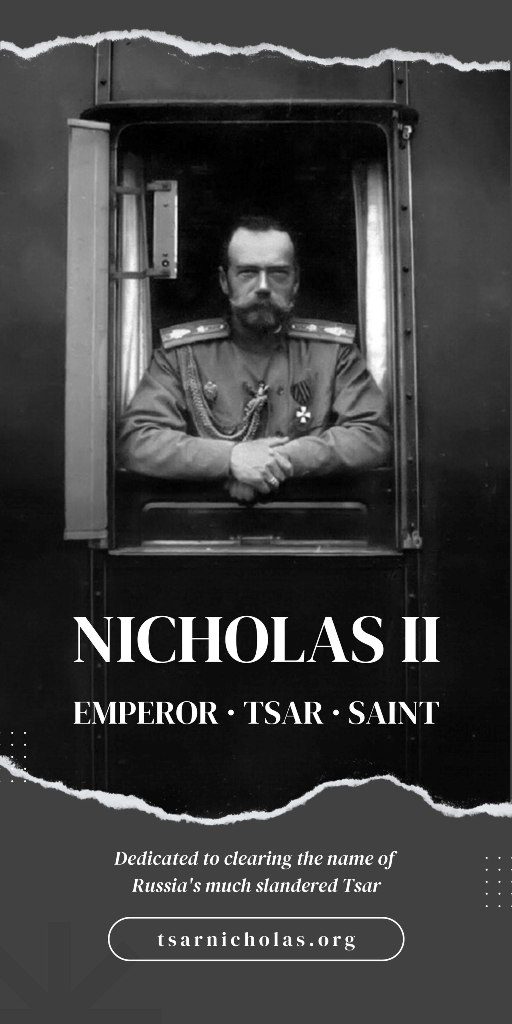
Emperor Nicholas II reigned for 22+ years – from November 1894 to February 1917. With his murder, the last Orthodox Christian monarch, along with the thousand-year history of thrones and crowns in Russia, ended, ushering in an era of lawlessness, apostasy, and terror, one which would sweep Holy Orthodox Russia into an abyss which would last more than 70 years.
This new video production is based on the research of project colleague and independent researcher Paul Gilbert, who also narrates this video.
In the first 24 hours of it’s release on YouTube, some 3,000 people had watched the video! Since it’s release in July 2020, it has been viewed by more than 134.000 people.
The creators have done a remarkable job of incorporating a wonderful collection of photos – both vintage B&W and colourized by Olga Shirnina (aka KLIMBIM) – historical newsreel film footage and music.
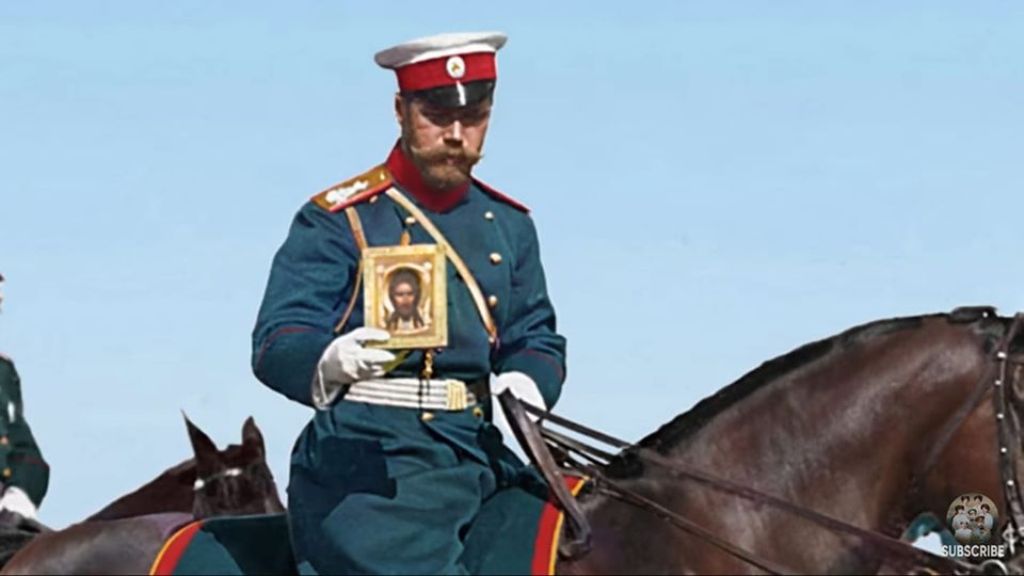
Vintage B&W photo of Nicholas II colourized by Olga Shirnina (aka KLIMBIM)
One viewer noted on social media: “Only 20 minutes long, this is the BEST portrayal of the last Tsar’s Orthodox faith I have ever seen. Very well-made, historical and moving.”
The crowning moment of this video is near the end, which shows film footage of the actual canonization ceremony of Emperor Nicholas II and his family, performed on 20th August 2000 by Patriarch Alexei II (1929-2008) in the Christ the Saviour Cathedral in Moscow. You can hear His Holiness calling out each of the names of the Imperial Family. The footage is extremely moving to watch.
This 20-minute video is presented in the framework of the production of the book The Romanov Royal Martyrs: What Silence Could Not Conceal published by Mesa Potamos Publications in 2019.
The Romanov Royal Martyrs is an impressive 512-page book, featuring nearly 200 black & white photographs, and a 56-page photo insert of more than 80 high-quality images, colourized by the acclaimed Russian artist Olga Shirnina (Klimbim), and appearing here in print for the first time.
I am truly honoured to be a research colleague of this important publishing project. I am most grateful to Father Prodromos Nikolaou and the Holy Monastery of St. John the Forerunner of Mesa Potamos in Cyprus for giving me the opportunity to be a part of this new video which tells the story about Russia’s last Orthodox Christian monarch.
NOTE: my name is now inscribed as a project colleague in the 2nd edition of this book, which also includes several corrections, which I suggested to the publisher after reading the 1st edition – PG
Below, is my second video produced within the framework of the production of the book The Romanov Royal Martyrs: What Silence Could Not Conceal published by Mesa Potamos Publications in 2019. My first video The Conspiracy Against Nicholas II was released in 2018 with more than 32,000 views to date:
CLICK on the above image to watch the VIDEO Researched, written and narrated by Paul Gilbert Duration: 7 min. 36 sec. Language: English
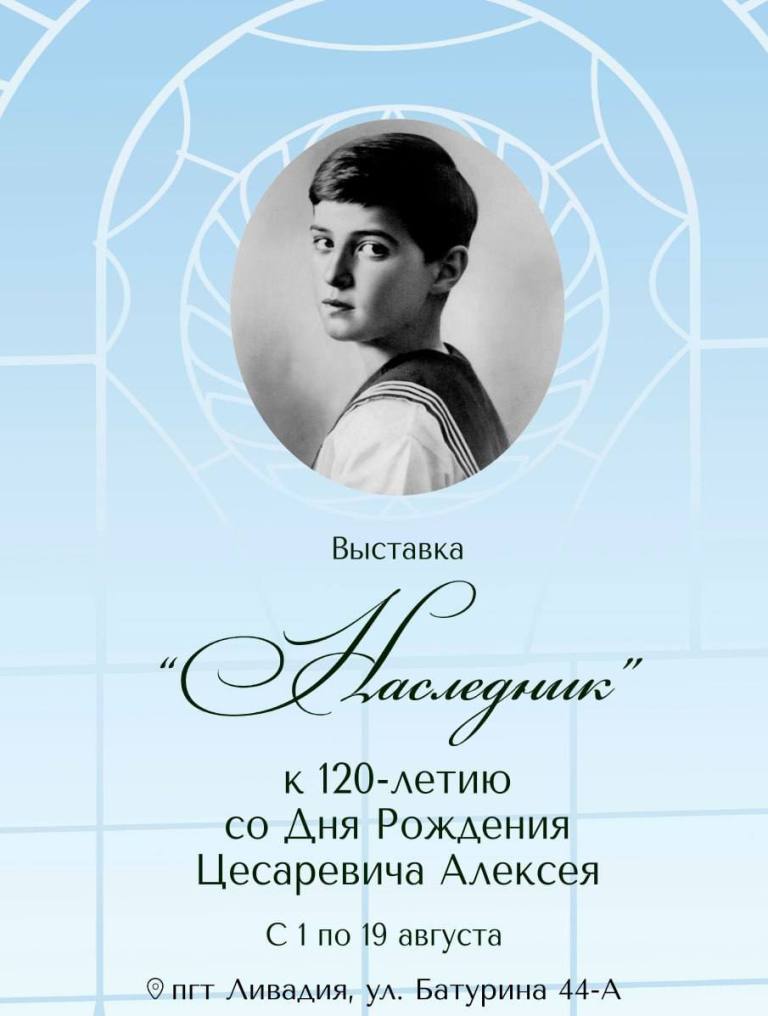
On 1st August 2024, a new exhibition dedicated to Tsesarevich Alexei Nikolaevich (1904-1918) opened at Livadia Palace in Crimea. The exhibition simply titled “Наследник / Heir” is timed to the 120th anniversary of the birth of Tsesarevich Alexei Nikolaevich, who was born on 12th (O.S. 30th July) August 1904.
The grand opening of the exhibition on 1st August was attended by those who received invitions and to members of the press. The exhibit opened to visitors the following day, in the Music Room, located on the second floor of the palace.
Visitors to the exhbition will see authentic items from Tsesarevich Alexei’s rooms, and which are now in the collection of the Livadia State Palace-Museum. Among these items are religious paintings and sketches, including a sketch entitled “Bayan” by the famous Russian artist Viktor Mikhaylovich Vasnetsov (one of Nicholas II’s favourite artists), and “The Tsar’s Family in Livadia” a watercolour by Elena Samokish-Sudkovskaya, as well as pieces of furniture, photographs, etc.
The exhibition explores Alexei’s short life [he was murdered just weeks before his 14th birthday], the long-awaited heir to the Russian throne, and beloved son of Emperor Nicholas II and Empress Alexandra Feodorovna. The exhibition looks at his hobbies, the close ties he shared with his parents, sisters and tutors, the piety of the family, and the happy times Alexei spent in Livadia. In addition, the exhibit looks at the First World War and Alexei’s visits and stays with the Tsar at Mogilev. In the last part of the exhibition, visitors will see rare artifacts associated with the tragic death of the Imperial Family in Ekaterinburg in July 1918.
The exhibition will be complemented by authentic items from the collection of the Yalta Historical and Literary Museum, the archive of the Livadia Church of the Exaltation of the Holy Cross as well as from private collections.
The exhibition “Наследник / Heir” is open to visitors in the Music Room of the Livadia Palace, from 2nd August to 19th August 2024.
CLICK on the IMAGE above to watch the VIDEO. Duration: 2 mins., 47 secs.
NOTE: the video is in Russian only, however, you can watch an English language version by clicking on the Closed Captioning [CC] button and adjusting Google Translate to English. ENJOY!
Visitors to the museum will see authentic items from the museum’s funds, once located in the rooms of the Tsarevich and other living rooms of the palace. Among them are engravings on religious subjects, the engraving “Bayan” from the painting by Viktor Vasnetsov, Elena Samokish-Sudkovskaya’s watercolor “The Royal Family in Livadia”, pieces of furniture, etc.
The exhibition will show the short life of the heir to the Russian throne, the most long-awaited child in the family of the last emperor – his hobbies, close ties with loved ones, the spiritual world of the family, happy times spent in Livadia. One of the topics will be the difficult period of the First World War and staying with the Tsar at headquarters. Also, visitors to the museum will see the rarest artifacts associated with the tragic death of the royal family in Yekaterinburg in 1918.
The exhibition will be complemented by authentic items from the collection of the Yalta Historical and Literary Museum, the archive of the Livadia Church of the Exaltation of the Holy Cross and private collections.
The opening of the exhibition “The Heir” will take place on August 1 at 12:00 in the Music Salon of the Livadia Palace. Admission by invitation.
The exhibition will be available to visitors from August 2 to August 19, 2024.
Emperor Nicholas II was all very fond of his residence in Livadia, a magnificent white limestone palace perched on a ledge overlooking the Black Sea on the southern coast of Crimea.
The old Large wooden palace[1] was demolished to make way for the new Imperial Residence. Construction on the new palace began on 21st January 1910, and after only 17 months, was inaugurated on 11th September 1911. The Tsar spent about 4 million gold rubles – from his own funds – to finance it’s construction. The palace had 116 rooms, with interiors furnished in different styles, and surrounded by beautifully landscaped gardens.
The Imperial Family stayed in the new Livadia Palace in the autumn of 1911 and 1913 and in the spring of 1912 and 1914, their visits lasting months at a time.
But, is it true that Nicholas II wanted to move the capital of the Russian Empire to Yalta?
PHOTO: Northern facade of the Livadia Palace Watercolour by Nikolay Petrovich Krasnov (1864-1939)
A diplomat, a Russian general, Alexander Mossolov[2], wrote in his diary, noting a conversation he had had with the Emperor, who told him about his idea of transferring the capital from rainy St. Petersburg to sunny Crimea.
According to Mossolov, while returning from Uchan-Su[3] along a path high above the highway with a beautiful view of Yalta, the Emperor noted that he was tied to the southern coast of Crimea and did not want to leave. And when Mossolov inquired whether the Emperor would have liked to transfer the capital to Yalta, Nicholas II replied: “This idea has flashed through my mind more than once.”
True, after a few minutes the Emperor admitted that it was impossible to do this.
“And if it were the capital, I probably would have stopped loving this place.” Some dreams, the diplomat quoted the emperor.
***
Any one who has ever visited Livadia, and stood at the windows on the balconies admiring the magnificent views of both the mountains behind and the Black Sea in front, can appreciate why this place was so loved by the Imperial Family.
Following the Tsar’s abdication in February 1917, the Imperial Family were held under house arrest in the Alexander Palace at Tsarskoye Selo, until the end of July. It was the decision of the Head of the new Provisional Goverment Alexander Kerensky who decided to send the Imperial Family into exile. Nicholas hoped that they would be allowed to settle in Livadia, where they would be far removed from the capital, however, Kerensky had other plans – he sent them to Tobolsk in Siberia.
Sadly, the Imperial Family’s “peace” would have been short lived. During the First World War, Crimea was occupied by German forces. On 30th April 1918, German troops entered Livadia, and immediately began to plunder the palace, many of its artefacts lost forever. The Imperial Family would have been forced to flee or be captured by the enemy.
NOTES:
[1] The Large or Grand Imperial Palace was constructed between 1862-66 by the famous Russian architect Ippolit Antonovich Monighetti (1819-1878) for Emperor Alexaander II, his wife Empress Maria Alexandrovna and their children. Emperor Nicholas II and his family resided in the nearby Small or Maly Palace (where Nicholas’s father Emperor Alexander III died on 2nd November (O.S. 20th October) 1894). from 1894 until 1911. The
[2] Lieutenant-General Alexander Alexandrovich Mossolov (1854-1939) served as Head of the Office of the Ministry of the Imperial Court. He was one of the few people of who remained faithful to Nicholas II. Mossolov is the author of ‘At the Court of the Last Tsar.’ The English language edition was published in 1935, the content of which is somewhat different from the Russian version.
[3] Uchan-Su is the highest (98 metres /322 ft) waterfall in Crimea, situated 7 km from Yalta, on the southern slopes of the Crimean Mountains.
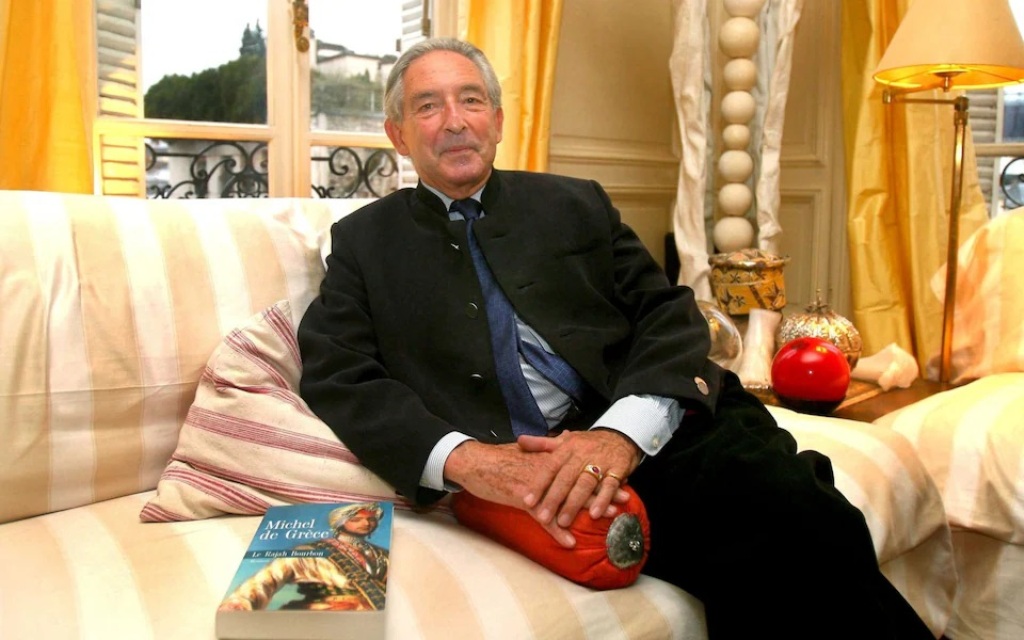
PHOTO: Prince Michael of Greece and Denmark (1939-2024)
On 28th July 2024, Prince Michael of Greece and Denmark died in Athens, Greece, at the age of 85. He was the last surviving grandchild of King George I of Greece (1845-1913) with a lineage to the House of Bourbon through his mother’s side of the family and the last surviving great-grandchild of King Christian IX of Denmark (1818-1906). In addition, he was a first cousin of numerous royals, including King Charles III of Great Britain.
Prince Michael was born on 7th January 1939, in Rome to Prince Christopher of Greece and Denmark (1888-1940) and his second wife, Princess Françoise d’Orléans (1902-1953). His godparents were his two first cousins Queen Helen, Queen Mother of Romania (1896-1982) and King George II of Greece (1890-1947).
Sadly, he had a very traumatic childhood, his father died a year after his birth and his mother died in 1953. Before she passed away, Francoise d’Oreleans settled her son in Spanish Morocco, alongside her brother, the Orleanist claimant to the French throne, Henri of Orléans, (1908-1999) and his wife Princess Isabelle Murat and their family of 11 children. Prince Michael would live with his uncle Henri after the death of his mother, returning to Paris once the royal banishment laws had been overturned, and moving into the Manoir du Cœur Volant estate near Versailles.
Spending his young adulthood in Paris, he studied political science and then re-patriated to Greece for military duty, serving a term in the Hellenic Coast Guard, discharged with the rank of Sub-lieutenant.
Prince Michael inherited from his mother a half-interest in the domain of the Nouvion-en-Thiérache, once the seat of the Dukes of Guise, from whom the Bourbon-Orléans inherited the vast property, which included a grand château and a petit château, in Aisne. The Comte de Paris owned the other half of the Nouvion. He and Michael sold the grand château in 1980, while the petit château was sold in 1986.
Prince Michael grew up to become a a renowned writer and historian under the pseudonym Michel De Grece. He penned several biographies about members of ruling dynasties, those about contemporaries often including accounts and anecdotes attributed to his royal relatives.
He also authored novels about historical royalty, distinguished for meticulous detail. He was also the author of several richly illustrated pictorials, including The royal house of Greece (1988), Imperial Palaces of Russia (1992), Nicholas and Alexandra: The Family Albums (1992), and Jewels of the Tsars (2006).
His book on Emperor Nicholas II and Empress Alexandra Feodorovna, was one of the first large format pictorials to be published on the last Tsar and his family. Featuring nearly 300 black and white photos from the State Archives of the Ryssuab Federaion (GARF), it remains a favourite among Romanophiles, and is highly sought after by collectors.
Michael married Marina Karella (born 17 July 1940) on 7th February 1965 in Athens. The marriage was held at the Royal Palace in Athens. This was a non-dynastic marriage, which obtained the legally required authorisation of King Constantine II (1940-2023) only after Michael renounced all rights of succession to the Greek throne for himself and his descendants. The couple had two daughters: Alexandra (b. 1968) and Olga (b. 1971).
Prince Michael died at a hospital in Athens, on 28th July 2024, at the age of 85. His funeral is to be held on 1st August 2024 at the Church of Saint Theodores in the First Cemetery of Athens, followed by burial in the Tatoi Royal Cemetery.
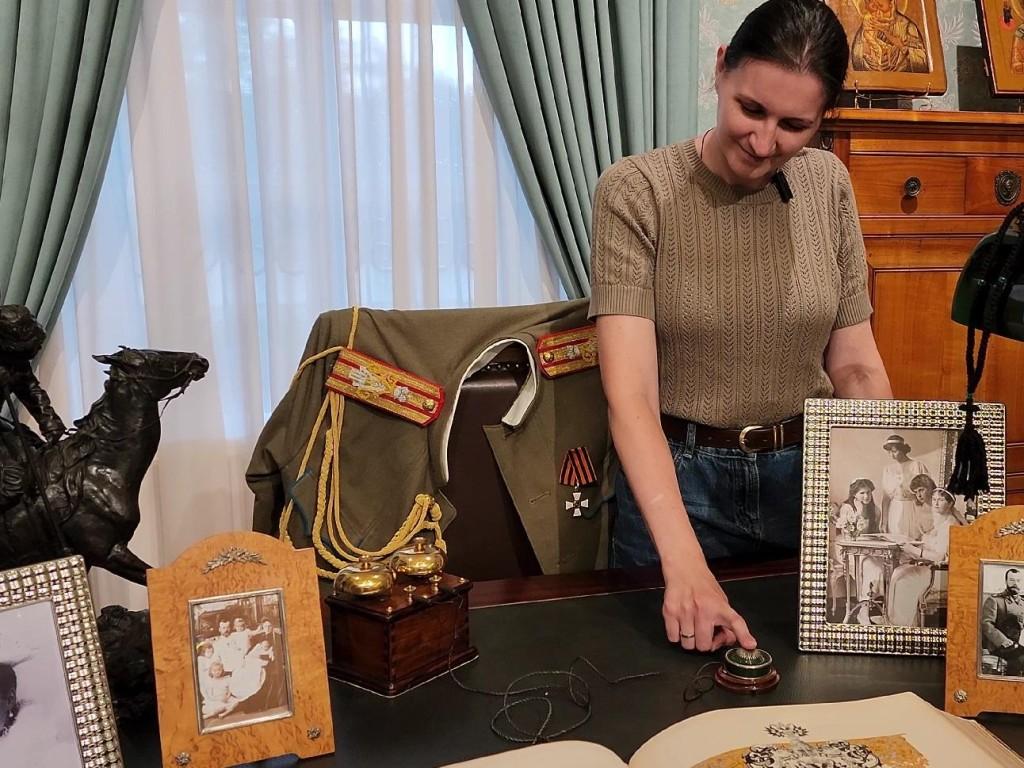
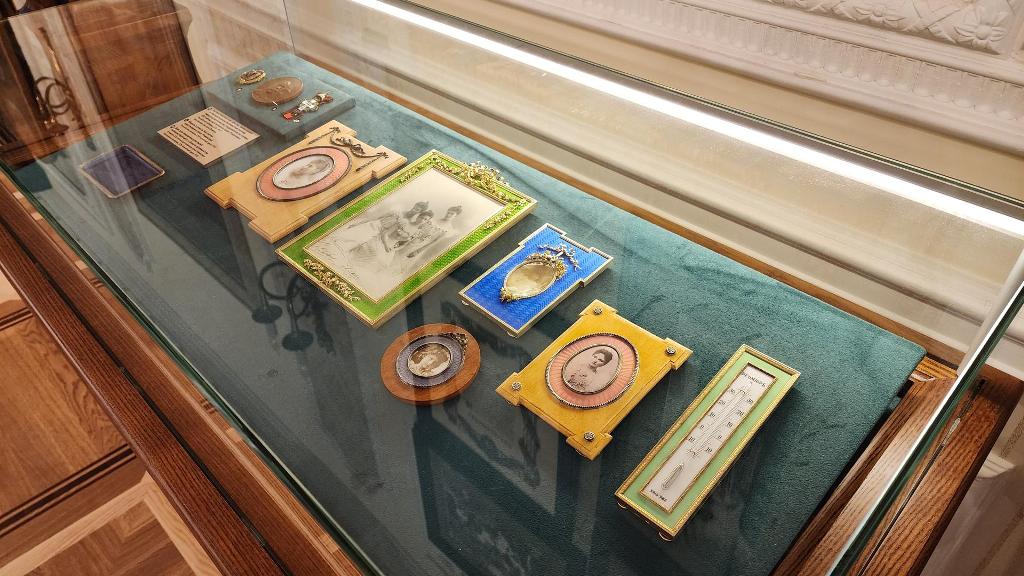
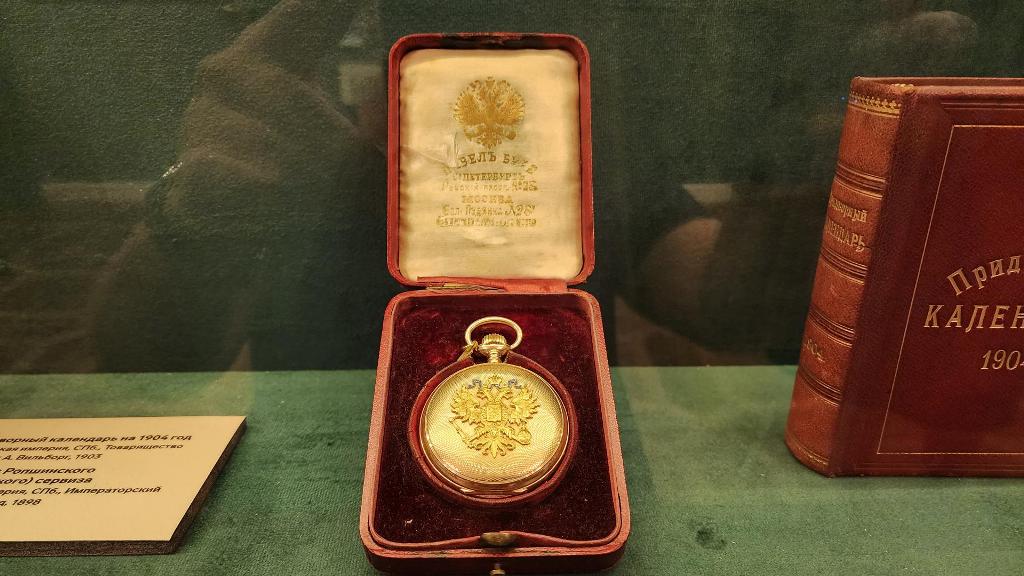
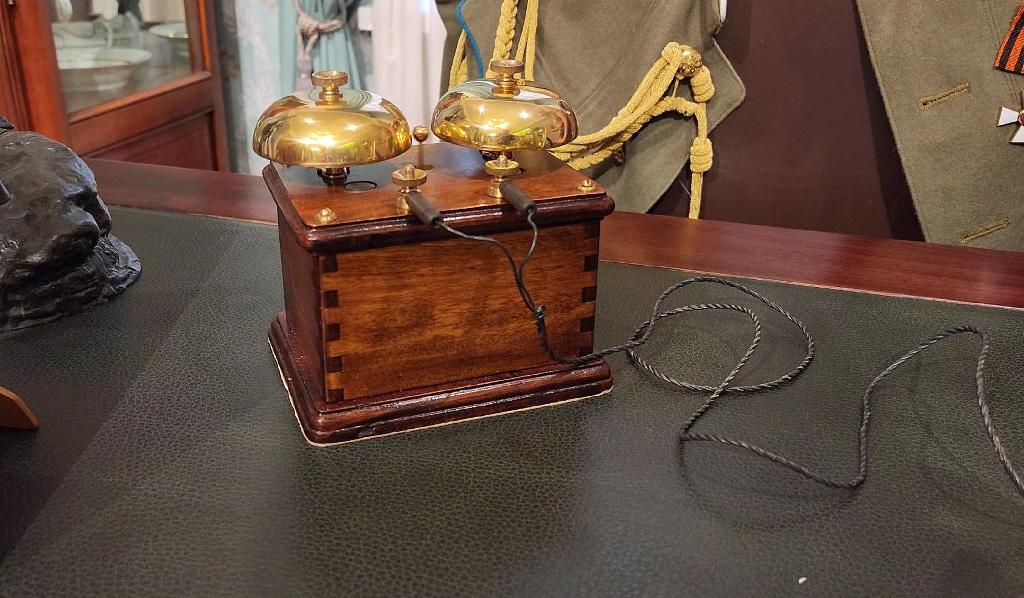
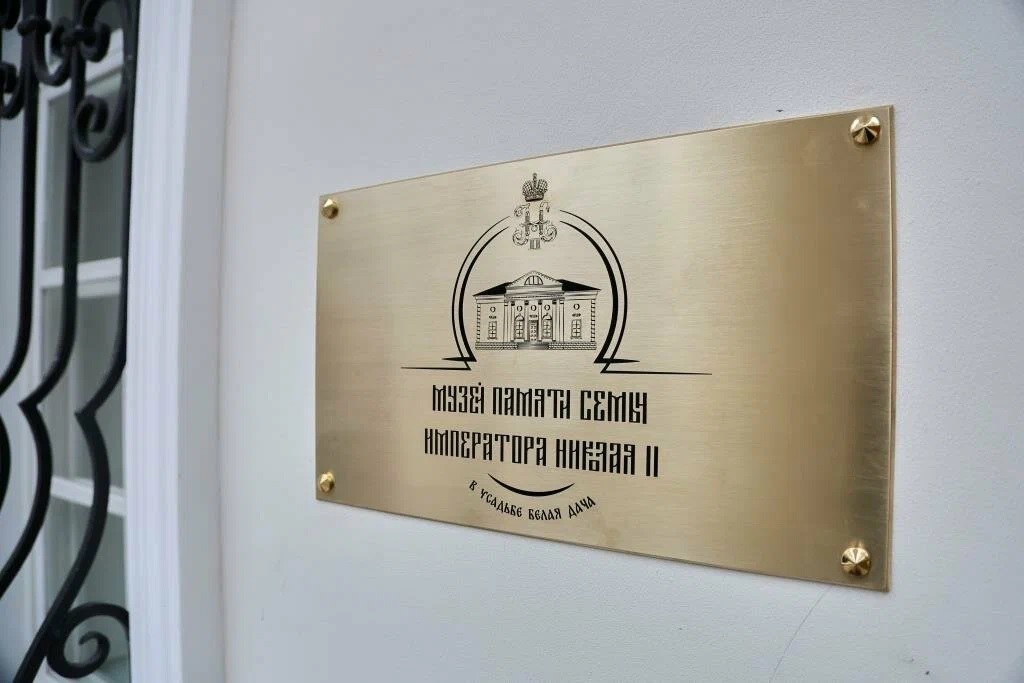
On 29th July 2024, the Museum in Memory of Emperor Nicholas II and his Family in Kotelniki (near Moscow), held a press conference, in which they presented a number of beautiful Fabergé items, which the museum recently added to their collection.
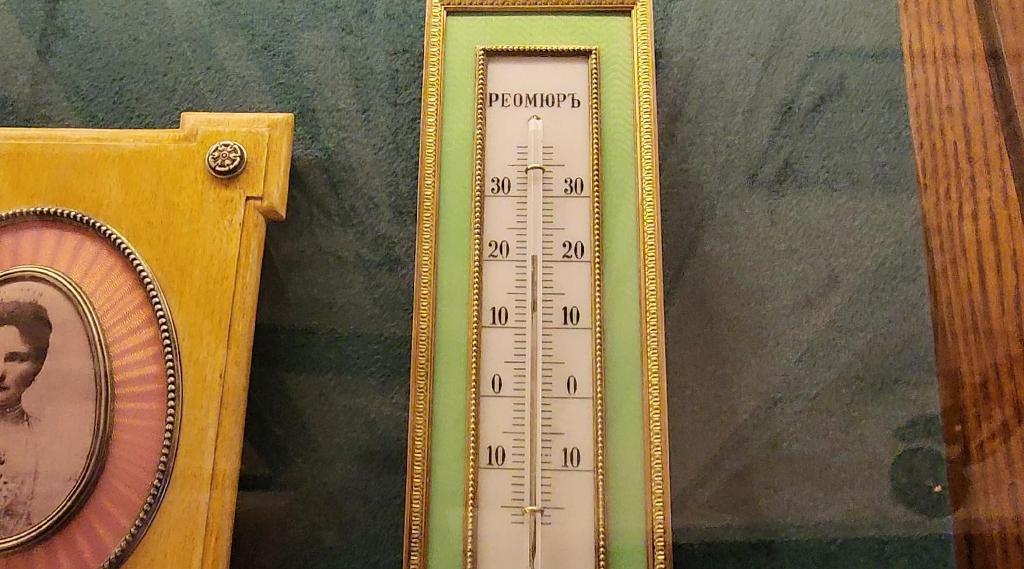
“Each item has its own unique story,” said Lyudmila Grosarchuk, curator of the museum. “While the famous jeweler Carl Fabergé is well known for his magnificent Imperial Easter Egg creations, he is less known for many household items for the Imperial Family. For example, a thermometer and a valet bell from his factory are now part of our collection. New additions also include several Fabergé photo frames. By the way, the Fabergé company still exists, it is located in France. And in our collection there are copies of his famous Imperial Easter Eggs[1], made at a modern factory in France,” she added.
Empress Alexandra Feodorovna loved modern things that made life easier for her servants in the Imperial residences: the Winter Palace in St. Petersburg, the Alexander Palace in Tsarskoye Selo, the Lower Dacha in Peterhof, and Livadia Palace in Crimea. One of these items turned out to be a room thermometer.
“Thermometers were made by the famous jeweler and were located in almost every room of the Imperial Family’s private apartments in the Winter Palace. Another interesting new item in our collection is an electric valet bell, which was a rarity at the beginning of the 20th century, it served to call a personal attendant to the Tsar or Tsarina. The bell came to our museum in bad condition, however, it has now been restore it to working order,” said Lyudmila Grosarchuk.
The museum also has two truly unique exhibits. The first is an altar cross with an icon of the Most Holy Theotokos of Akhtyrka, painted by Grand Duchess Olga Alexandrovna, sister of Nicholas II. The second exhibit is directly related to the last Emperor. This is a gold watch (see photo above) that Nicholas II presented to the best handicraftsman at the All-Russian Industrial and Art Exhibition of 1896, held in Nizhny Novgorod. The Emperor was so impressed by the skill of the handicraftsman, so he awarded him with a personalized gold watch.
“The museum is actively looking for more rarities to add to their funds, as well as the scientific study by the museum to establish the authenticity of each object which is acquired for their collection. The museum’s growing collection is the merit of our trustee Viktor Semyonov, who wants to show visitors something interesting, expanding their knowledge of the Imperial Family and opening the pages of our history with new facts,” Lyudmila Grosarchuk concluded.
NOTES:
[1] The Fabergé Museum in St. Petersburg, currently holds 9 Imperial Easter Eggs, while the Armoury Museum in Moscow has 10 Imperial Easter Eggs in it’s collection.
***
The Museum in Memory of Emperor Nicholas II and His Family
CLICK on the VIDEO above for a tour of the Museum in Memory of Emperor Nicholas II and his Family. Note the wonderful framed portraits of the Tsar hanging in the rooms of the museum. The VIDEO is in Russian only, however, do not allow that to stop you from enjoying what this unique museum has to offer visitors. Duration: 1 minute, 47 seconds.
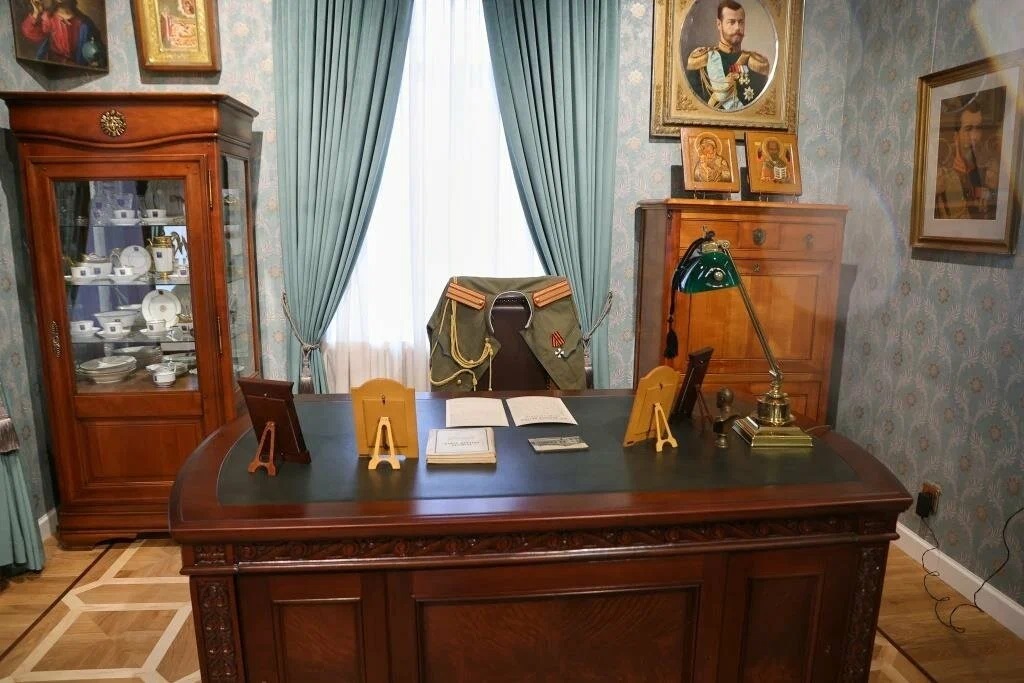
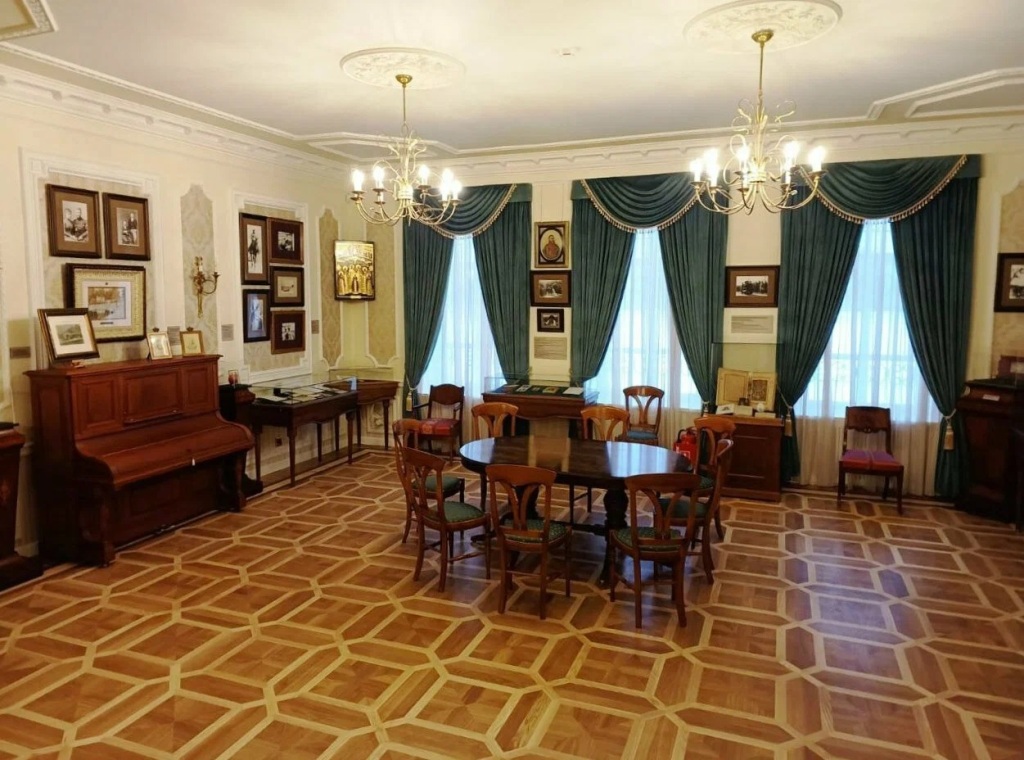
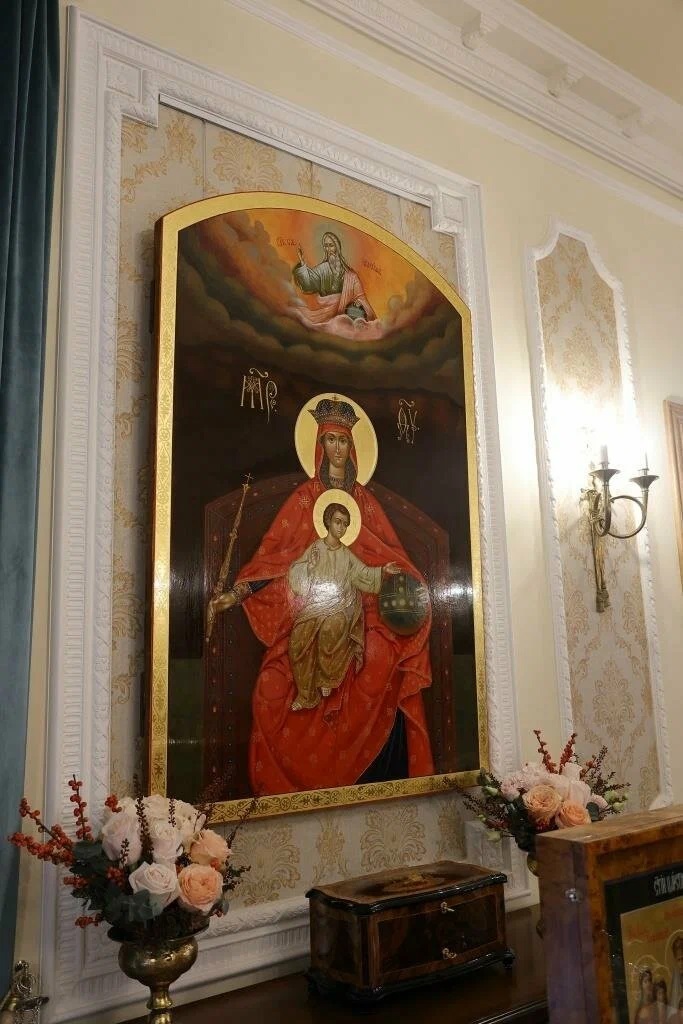
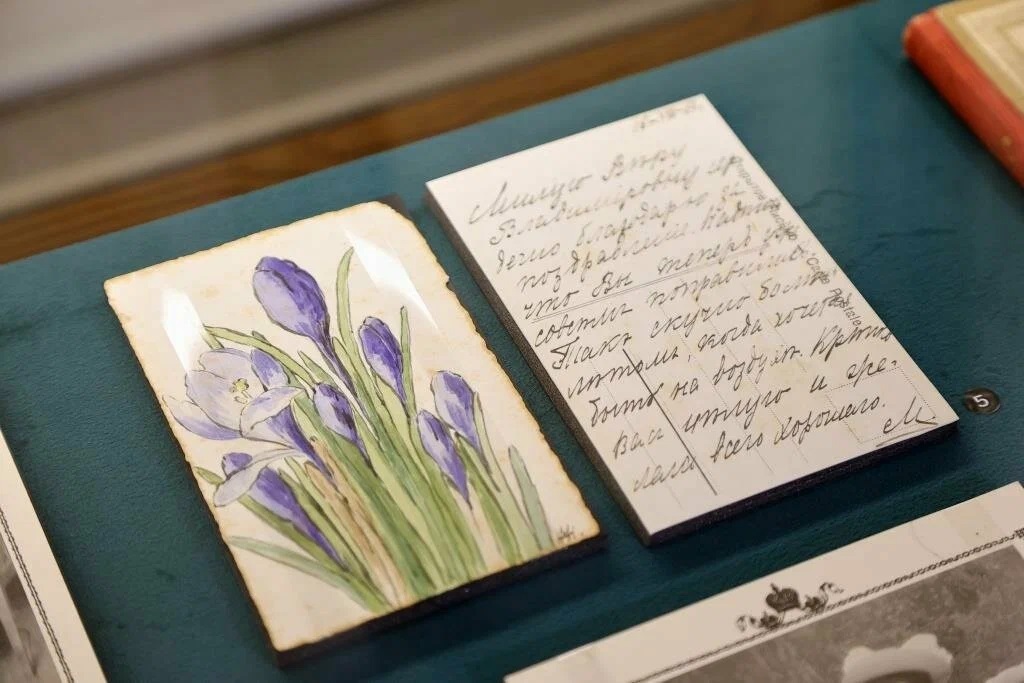
The little-known Museum in Memory of Emperor Nicholas II and His Family was established in November 2023, in the Belaya (White) Dacha Estate, which is located the former village of Kotelniki, now part of the Moscow region. It is the latest in a several museums dedicated to the last Tsar and his family to be established in recent years in the Russian Federation.
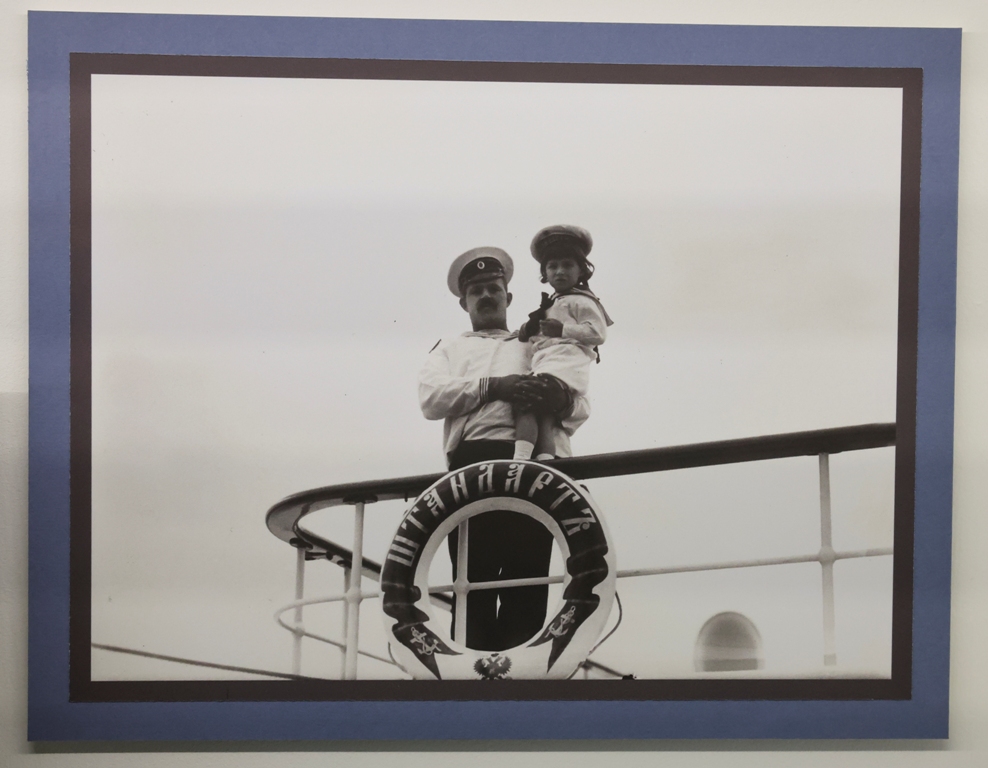
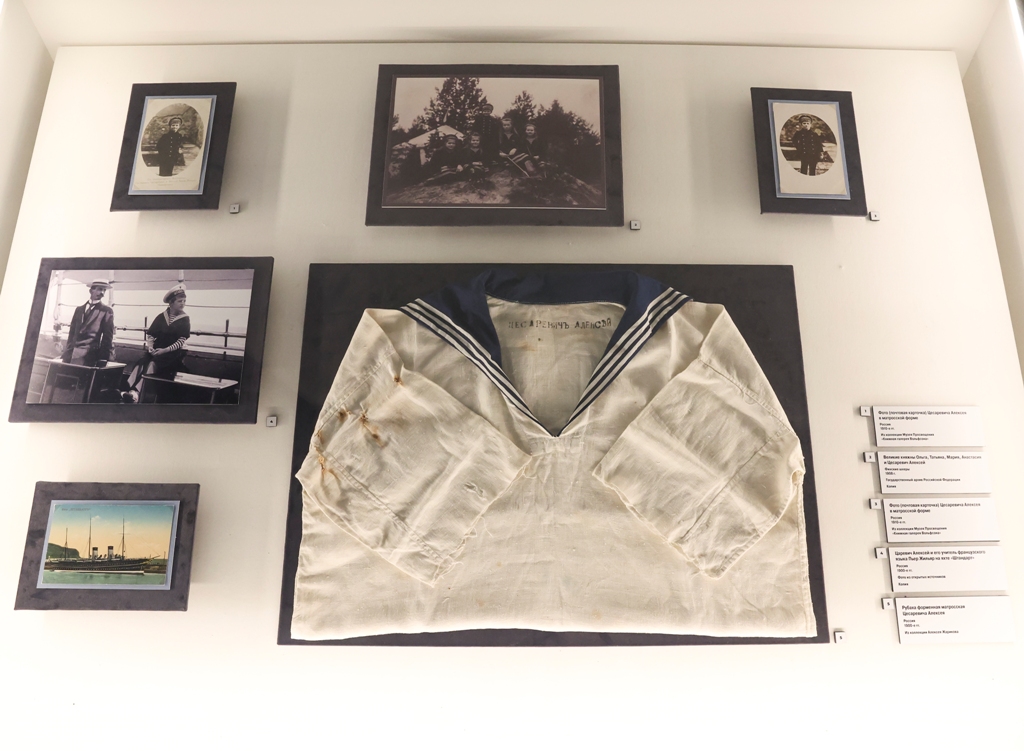
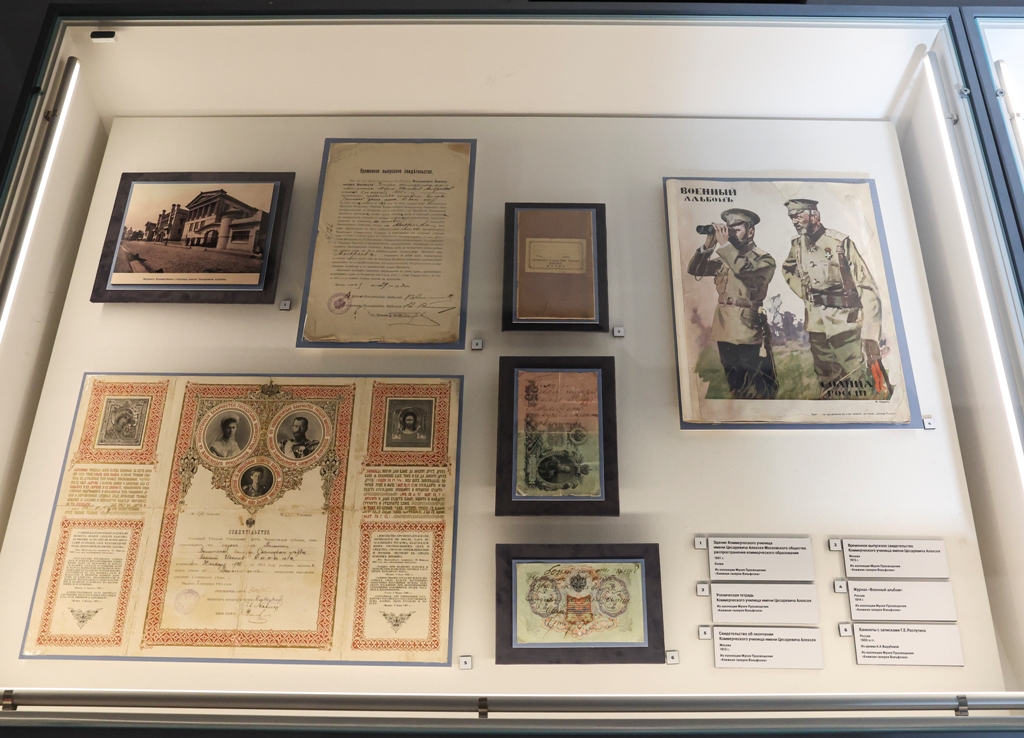
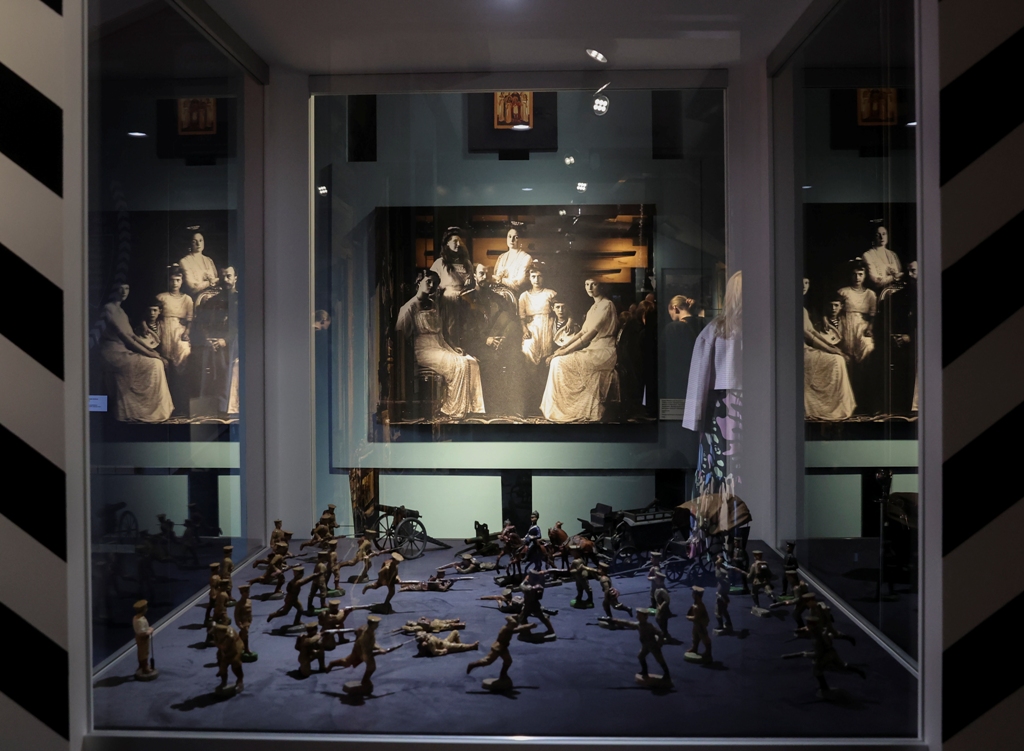
Below, are a selection of photographs which showcase some of the interiors of the museum, although the VIDEO above, shows them in greater detail, as well as the personal items and memorabiliar associated with Emperor Nicholas II and his family:


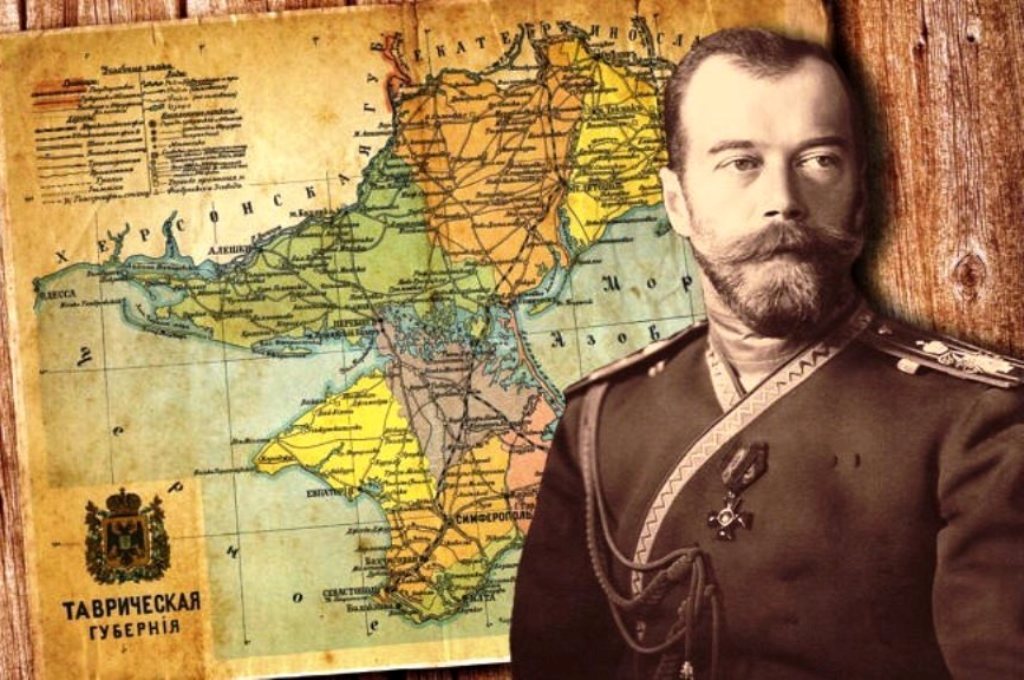


 Nicholas II
You must be logged in to post a comment.