Paul Gilbert: “Ekaterinburg is my favorite Russian city”
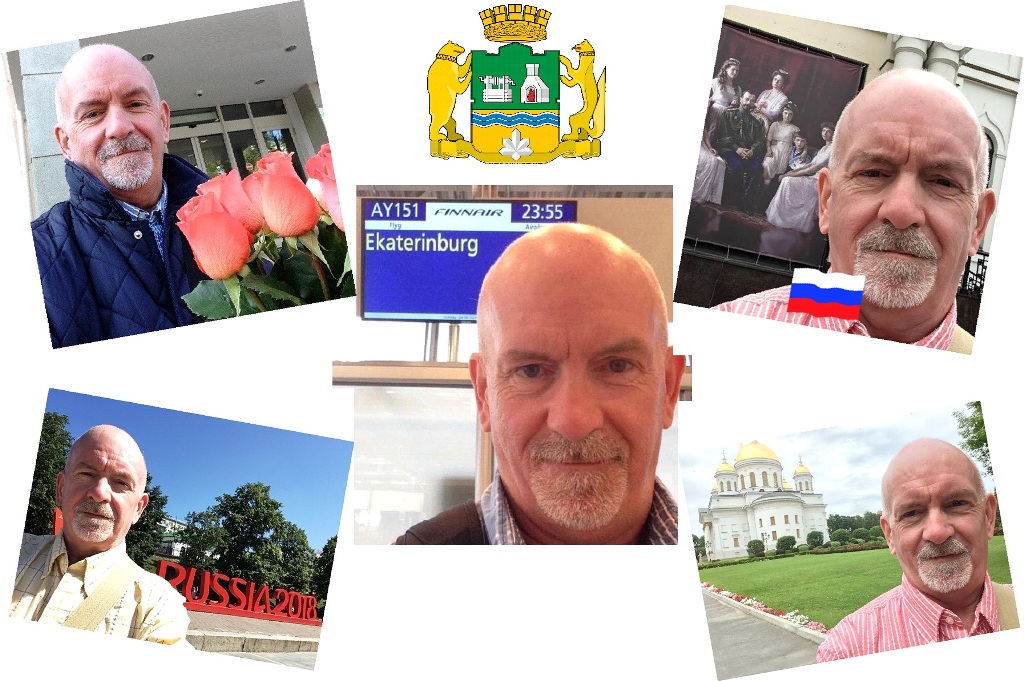
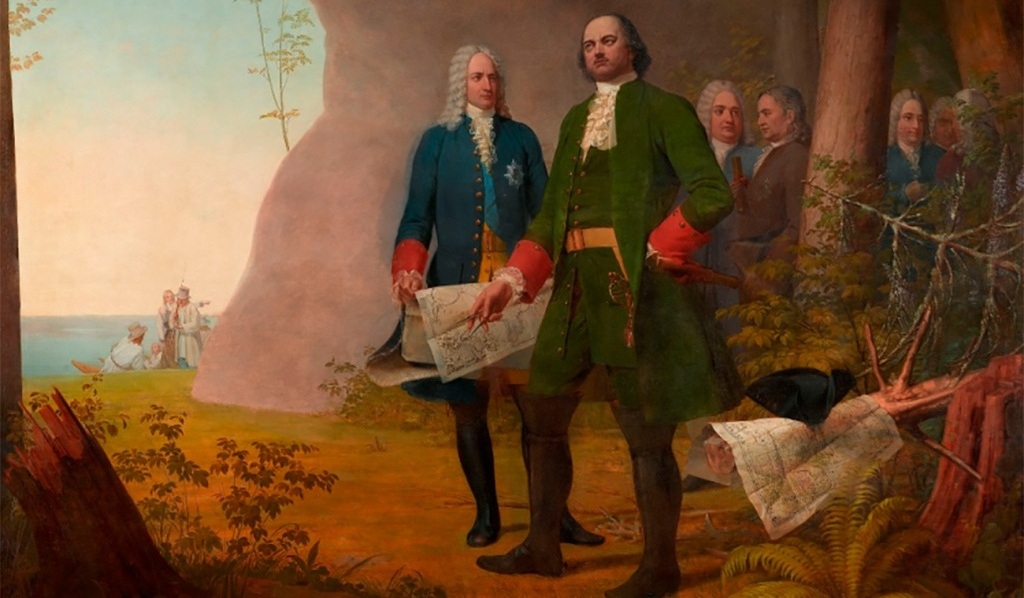
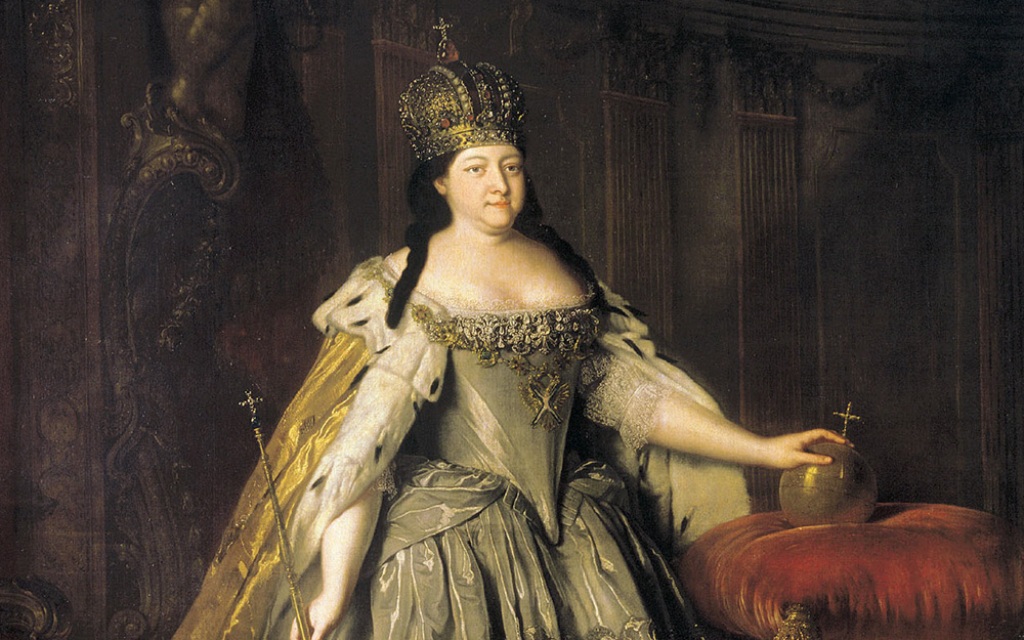
Ekaterinburg was founded on 18th November 1723, by decree of Emperor Peter I (1672-1725), however, its ‘City Day is officially celebrated on the third Saturday of August. The name of the city was given in honor of Empress Catherine I (1684-1727), the second wife of Peter the Great. The Ural city celebrated it’s 300th anniversary in 2023.
In 1924 Ekaterinburg was renamed Sverdlovsk – after the Bolshevik leader Yakov Sverdlov – and lived with the Bolshevik name for 67 years. It was during the Soviet years that Sverdlovsk was a “closed city”, particularly foreigners. Everything changed after the fall of the Soviet Union in 1991, when the city returned to its historical name of Ekaterinburg. Since that time, the city has boomed, attracting both business and tourism from across Russia, the former Soviet republics, Europe, the UK and the United States.
In the May 14th 2020 issue of ‘Forbes Magazine,’ travel writer Jared Ranahan named my favourite Russian city of Ekaterinburg as one of the ‘Five Underrated Russian Cities To Explore After Moscow’
Ranahan writes: “Though often overshadowed by its larger neighbours to the west, Yekaterinburg is a major cultural hub for the country, often referred to as the “third capital of Russia” as well as the “Window to Asia” thanks to its location on the eastern edge of the Ural mountain range. While the city is home to a truly impressive skyline featuring some of Russia’s tallest buildings, a major draw for tourists is the city’s rich cultural legacy. Of the many historic sites scattered throughout Yekaterinburg, one of the most significant is the Church of All Saints in Honour of All Saints Resplendent in the Russian Land [Church on the Blood]. This grand Russian Orthodox structure marks the location where Bolshevik forces executed Nicholas II, the last emperor of Russia, and his family.”
* * *
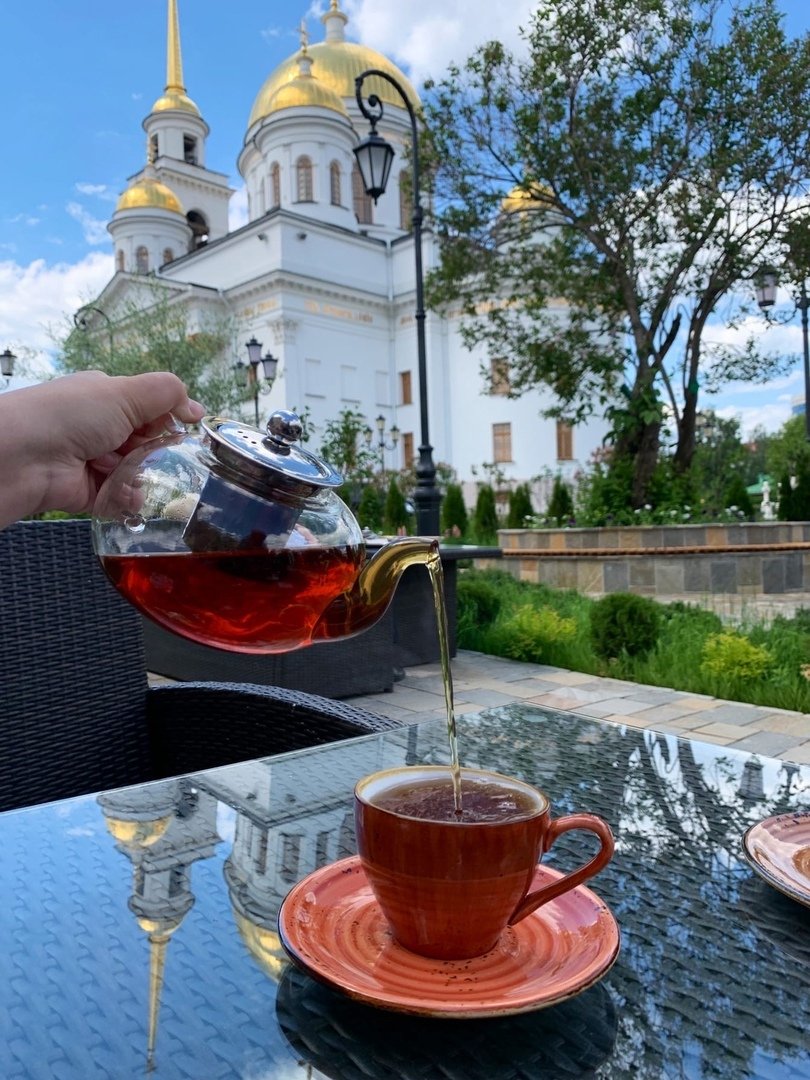
PHOTO: St. Alexander Nevsky Cathedral, Novo-Tikhvinsky Convent, Ekaterinburg
Why is Ekaterinburg my favourite city in Russia?
People often ask me “Why Ekaterinburg?” as opposed to the former Imperial capitals of St. Petersburg or Moscow and “Ekaterinburg has such a dark history.”
Ekaterinburg has done more to honour Nicholas II and his family than any other city in Russia. Thanks to my visits to Ekaterinburg in 2012, 2016 and 2018, it is a city which I have grown to love.
“On a spiritual level, Ekaterinburg was the last capital of the Russian Empire, because the residence of the Sovereign was always considered the capital in Russia. Peter the Great never officially transferred the capital from Moscow to St. Petersburg, but since he lived there, it was the capital,” says Russian historian Peter Multatuli.
Multatuli noted that in 1918, for 78 days, Emperor Nicholas II and his family lived in Ekaterinburg, and that is why the Ural capital can be considered the last capital of the Russian Empire. [It is important to note that many historians – myself included – firmly believe that the Tsar’s signing of the instrument of abdication, his status as Tsar remained inviolate and unassailable – PG]
“Petrograd and Moscow to one degree or another welcomed his overthrow, and they bear a greater responsibility in this than any other Russian city. No matter what anyone says, it was Ekaterinburg that served as the last Imperial residence, which, according to God’s special plan, became the Royal Golgotha,” added Multatuli.
According to him, in the near future, Ekaterinburg will play a great role in the history of Russia, because “the city named after St. Catherine and becoming the Royal Golgotha will be the city of Russian resurrection.”
Once a bastion of Bolshevism, Ekaterinburg has slowly shed its status as the “capital of atheism”. Since the fall of the Soviet Union in 1991, the Urals have experienced a revival of faith, with Ekaterinburg at the center of Orthodox Russia in the Urals.
Below, is a list of places associated with the last days of Nicholas II and his family, during their house arrest from April to July 1918, which are worth visiting. More than a century after his death and martyrdom, churches, monasteries, monuments, museums and exhibitions honour him and his beloved family. These are just some of the reasons “why” Ekaterinburg is my favourite city in Russia.
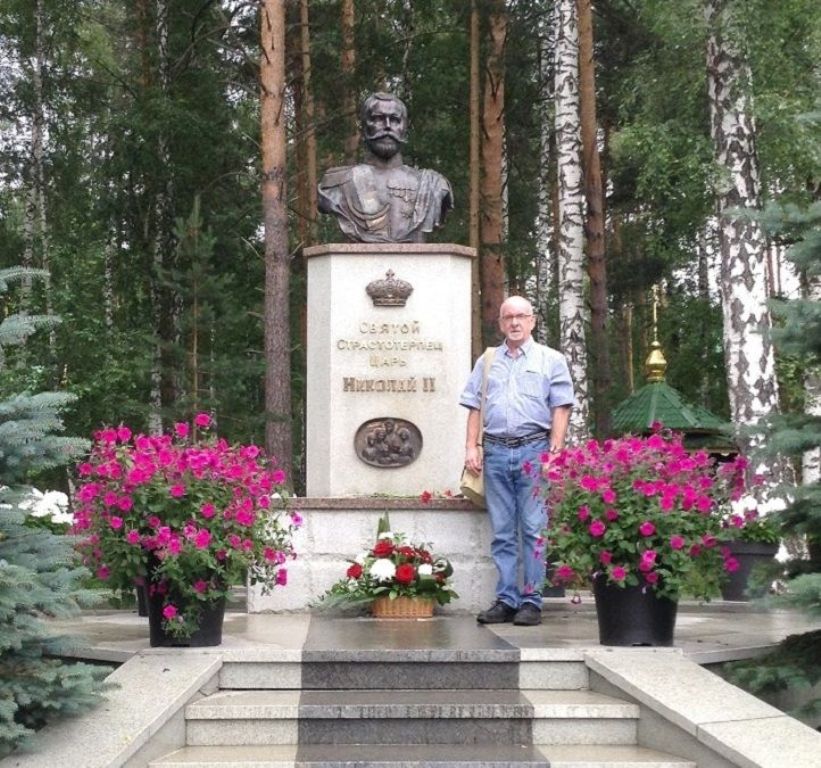
PHOTO: the author of this article standing next to the bust-monument to Tsar Martyr Nicholas II, located on the grounds of the Monastery of the Holy Royal Passion-Beaers at Ganina Yama. July 2018 – Tsar’s Days
Places in th Ekaterinburg worth seeing
Tsar’s Days – an annual event which marks the anniversary of the death and martyrdom of Emperor Nicholas II, his family and four faithful retainers. Each year it attracts tens of thousands of Orthodox Christians, monarchists and adherents of Russia’s last Tsar, from across Russia and around the world. In 2018 – the year marking the 100th anniversary of the regicide – more than 100,000 faithful attended. The event culminates on the night of 16/17 July, with an outdoor divine liturgy, followed by a a 21-km (13 mile) Cross Procession to the Monastery of the Holy Royal-Passion Bearers at Ganina Yama.
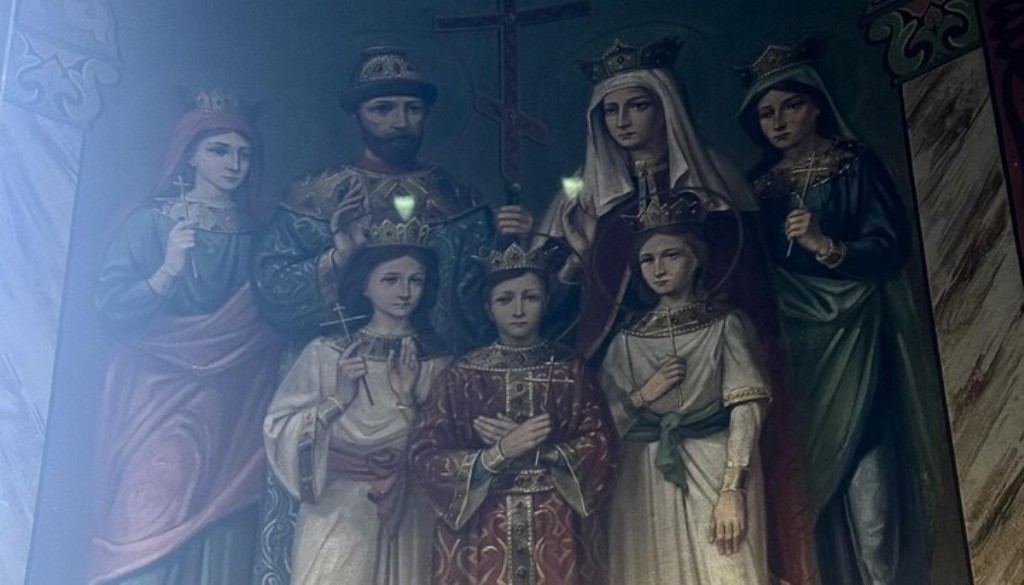
Church on the Spilled Blood – built in 2000-2003 on the site of the former Ipatiev House, which was demolished in 1977. The completed complex comprises two churches, a belfry, a patriarchal annex, and a museum dedicated to Nicholas II and his family. The altar, which is situated in the Lower Church is directly over the site where the Romanovs were murdered. A large monument to Nicholas II and his family stands outside the church. The staircase on the left of the monument represents the 23 steps the Imperial Family and their retainers descended to their death and martyrdom in the Ipatiev House in the early morning hours of 17th July 1918.
Patriachal Compound – situated on the square across from the Church on the Blood, the Patriachal Compound serves as the residence of His Holiness Patriarch Kirill, when he is visiting the region. The compound is also home to the Tsarsky Cultural Educational Center and the Museum of the Holy Royal Family. A bust-monument on pedestal of Emperor Nicholas II stands at the top of the stairs leading to the museum.
The Romanovs in the Urals – the permanent exhibition opened in the Poklevsky-Kozell House Museum of the Sverdlovsk Regional Museum of Local Lore in July 2023. Among the exhibits is the original cast iron fireplace (among other items), salvaged from the dining room of the Ipatiev House before its demolition in September 1977, and evolvers used by the regicides – including Peter Ermakov’s – to murder the Imperial Family in the Ipatiev House on 17th July 1918.
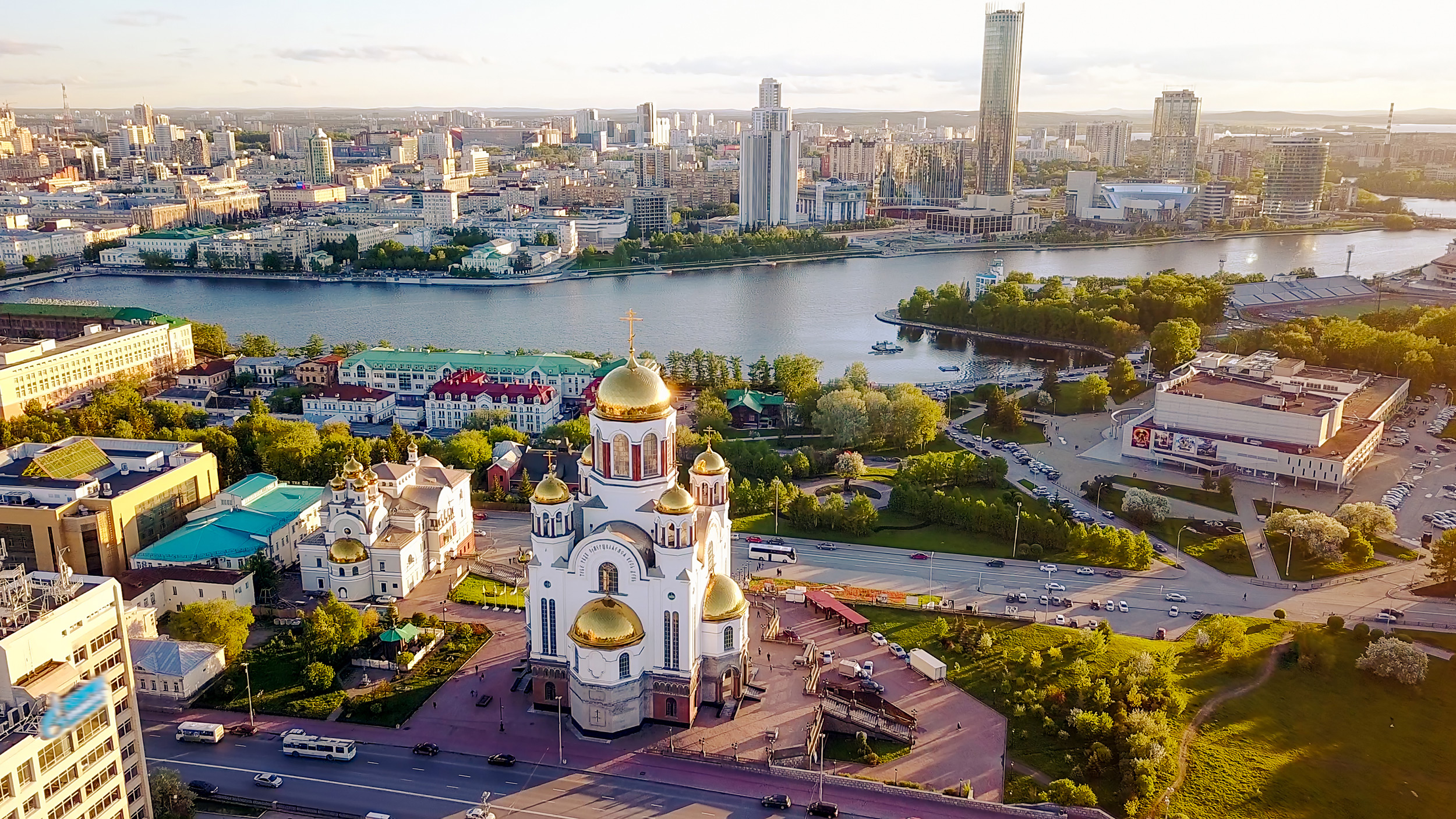
PHOTO: this splended view of Ekaterinburg is highlighted by the Churh on the Blood
Monastery of the Holy Royal Passion-Bearers – at Ganina Yama is the site of the Four Brothers mine, which is located near the village of Koptyaki, 15 km north from Ekaterinburg. It was here, on 17th July 1918, that the regicides tried to hide the remains of the Imperial Family. Seven wooden chapels were constructed around the site, one for each member of the Imperial Family. A tall Orthodox cross marks the edge of the mine shaft, visible by a depression in the ground. Several monuments can be found on the grounds of the monastery, including Emperor Nicholas II, Empress Alexandra Feodorovna, OTMAA (the children of Nicholas II) and Nikolai Sokolov, who in February 1919, launched an investigation into the murder of Nicholas II and his family. There is a permanent Romanov exhibit in the Museum and Exhibition Cente, located in the basement of Church of the Reigning Icon of the Mother of God.
Romanov Memorial at Porosenkov Log – situated about 3.8 km from Ganina Yama, it was here at Porosenkov Log that regicides reburied the remains of the Imperial family and their four faithful retainers in two separate graves. The remains of the Tsar, his wife, three of their five children, and four faithful retainers were discovered in 1978, then exhumed in 1991, while the remains of Alexei and Maria were discovered in 2007. It is the only place in Ekaterinburg, which is associated with Russia’s last Tsar, that has survived to this day unchanged.
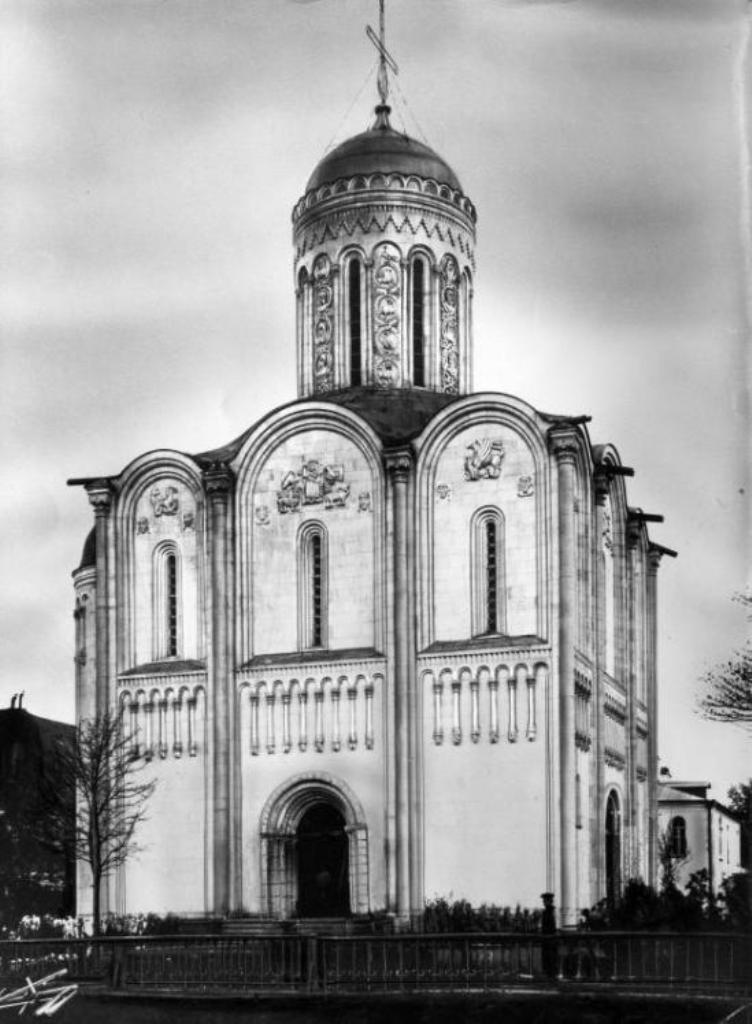
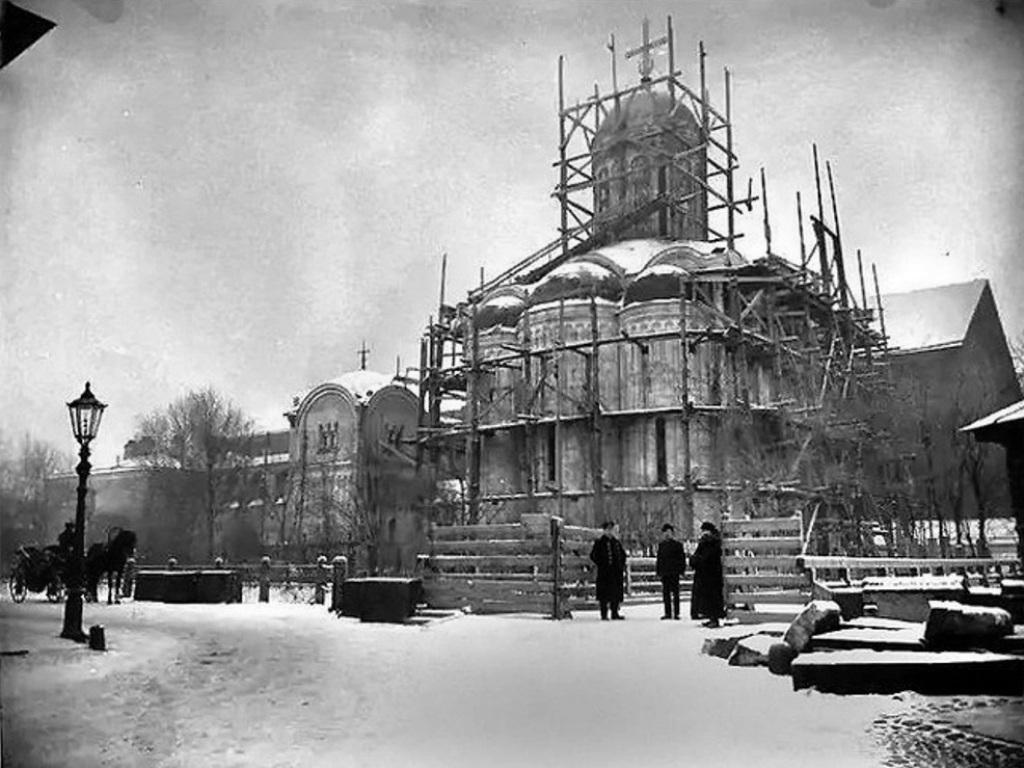
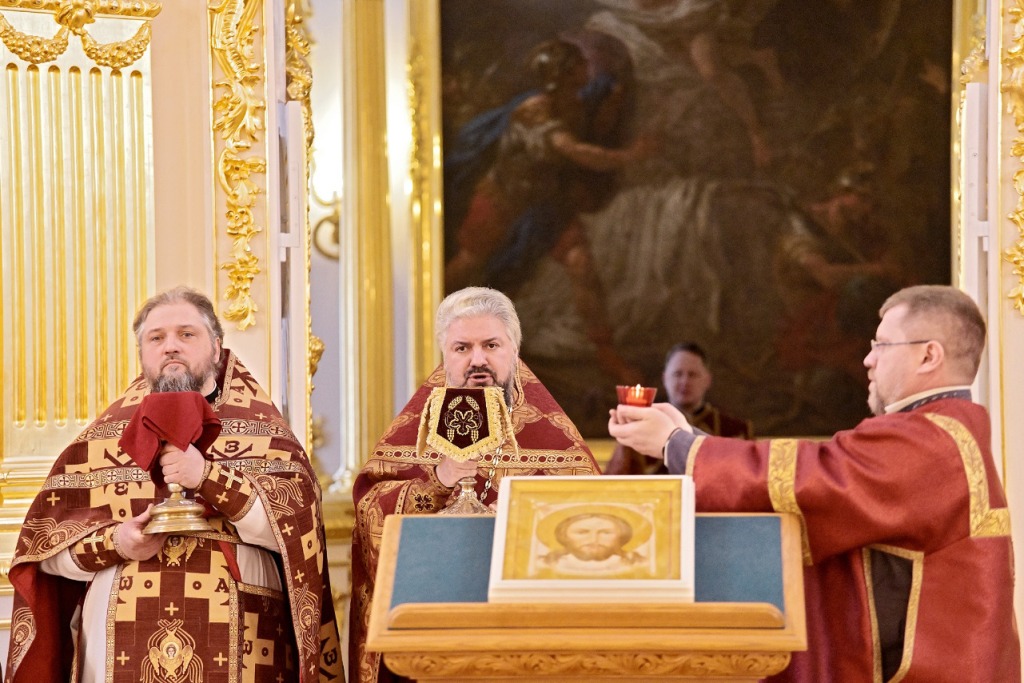
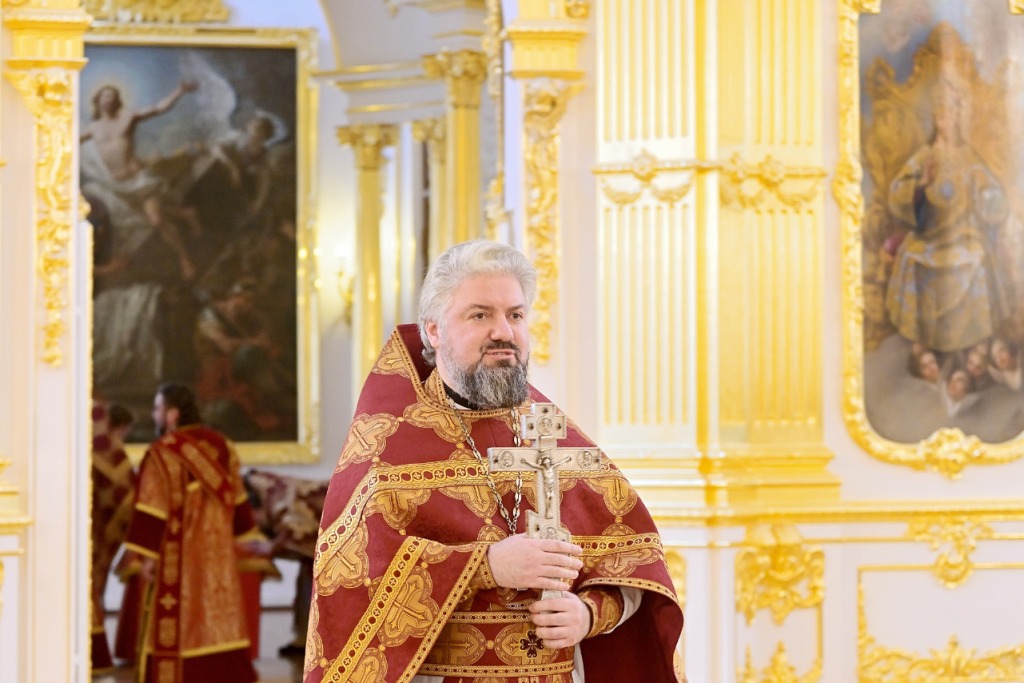
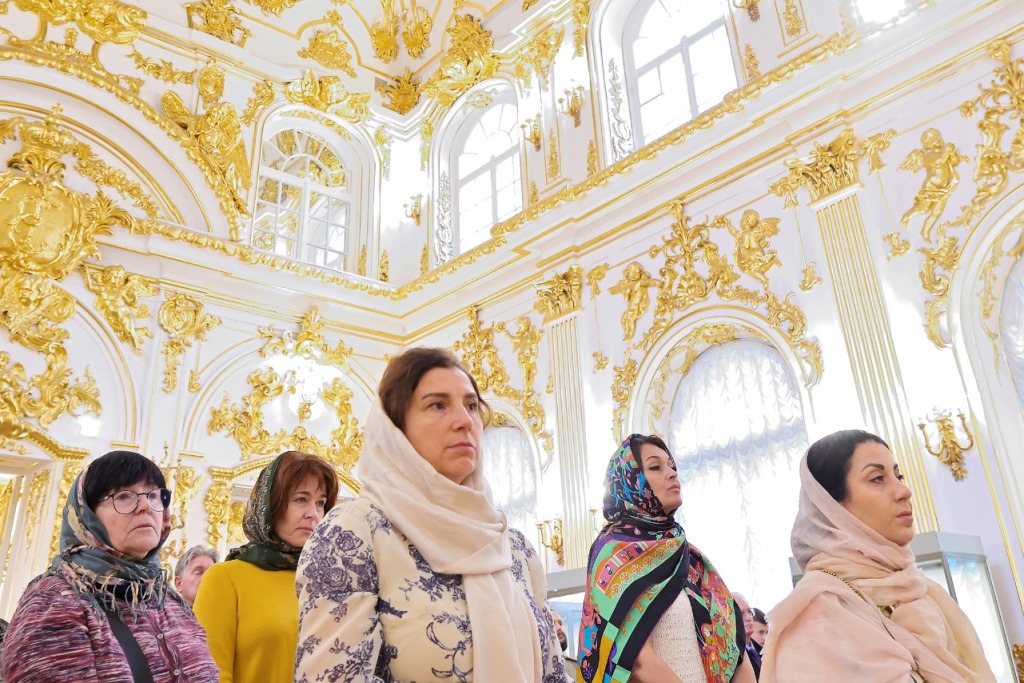
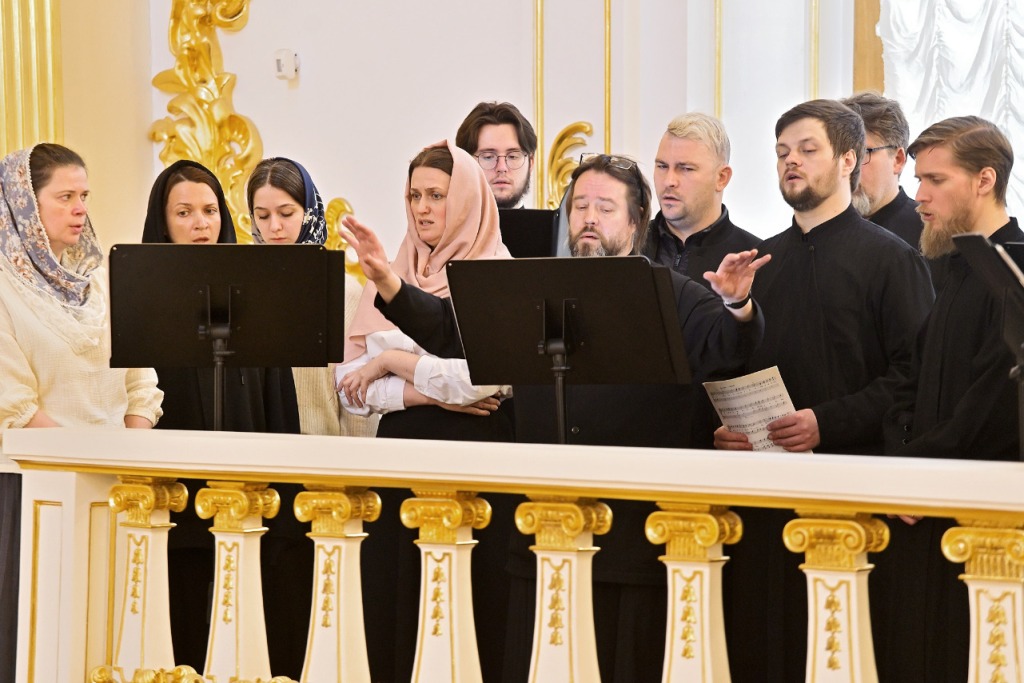
Novo-Tikhvinsky Convent – during their house arrest from April to July 1918, the sisters’ helped the Imperial Family by offering prayers, and through deeds: disregarding their own safety, they supported the Tsar and his family by passing over various foods to them through the guards on a daily basis. The Alexander Nevsky Cathedral is magnificent. The convent is a sanctuary for prayer and reflection in the beautifully landscaped gardens. In June 2022, a monument to four other faithful retainers of the Imperial Family was installed and consecrated in these gardens.
Sredneuralsky Monastery – in 2014, the Trinity Church was consecrated. It is dedicated to Nicholas II and his familyI. The Lower Church reproduces the interior of the basement of the Ipatiev House, where the Imperial Family were shot. Next to the church e is a huge worship cross dedicated to the Romanovs. In 2007, a bronze monument to Nicholas II was installed and consecrated on the grounds of the monastery.
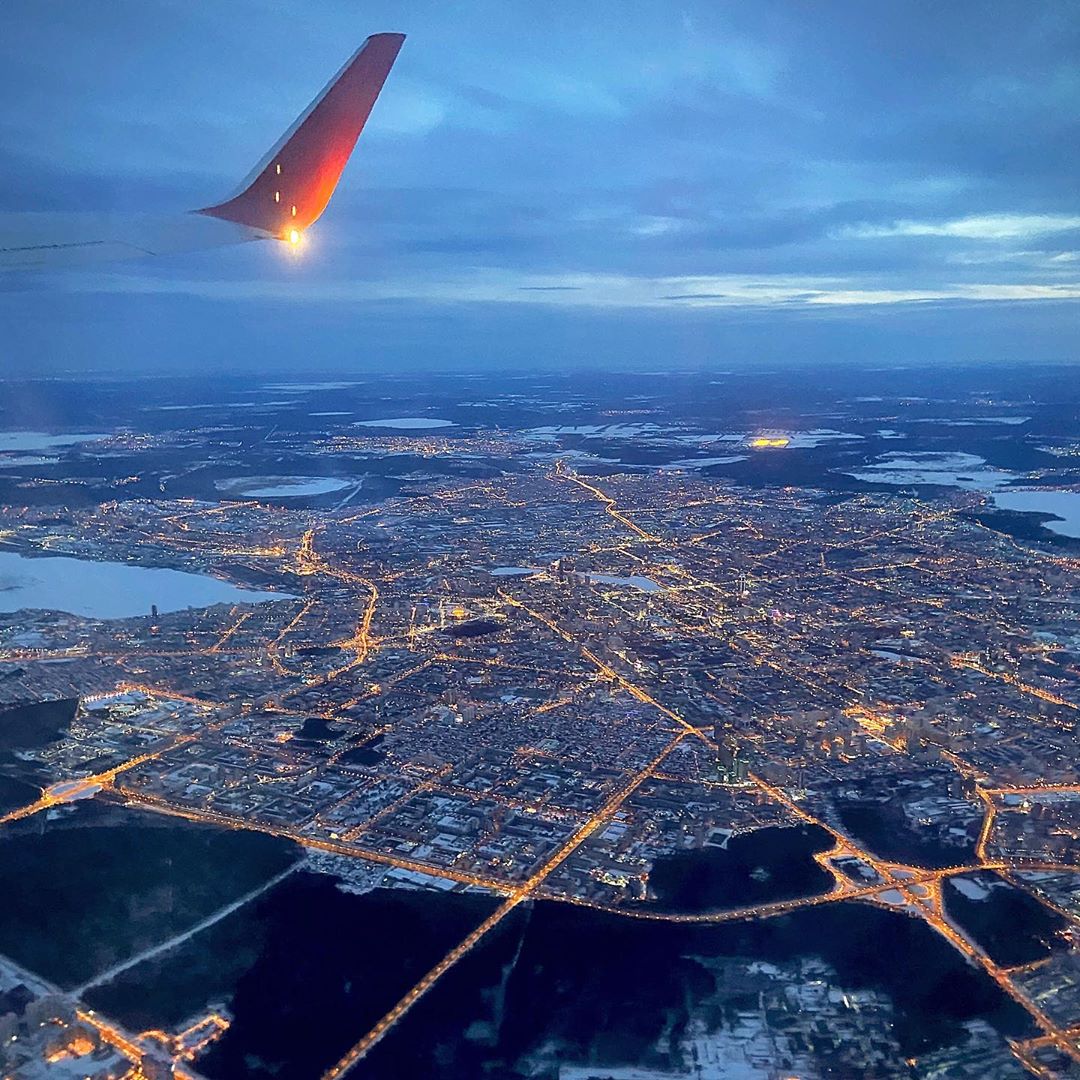
PHOTO: a stunning aerial view of Ekaterinburg lit up at night . . . beautiful!
FURTHER READING – ENGLISH LANGUAGE SOURCES
Pilgrimage to Ganina Yama – “for reflection and prayer” + PHOTOS
What is Tsar’s Days? + PHOTOS
Nicholas II monuments in and around Ekaterinburg + PHOTOS
FURTHER READING – RUSSIAN LANGUAGE SOURCES
Пол Гилберт: «Екатеринбург – мой любимый российский город»
Британский историк поддержал Средний Урал в продвижении «Императорского маршрута»
Как один британец борется с мифами о Николае II и царской семье
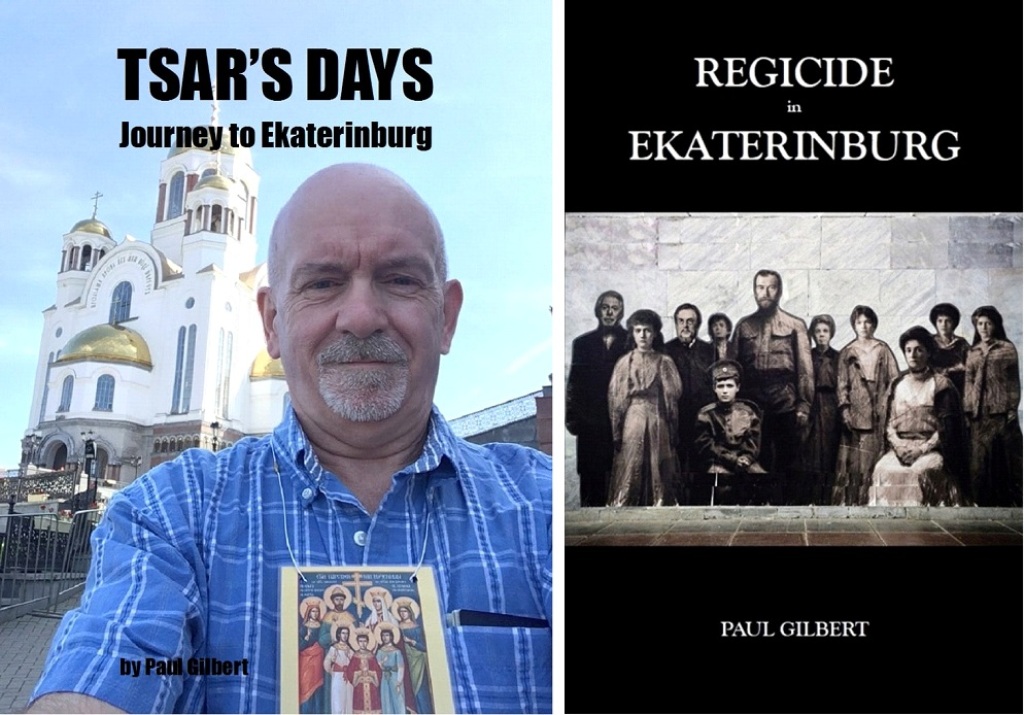
BOOKS ON EKATERINBURG
Tsar’s Days: Journey to Ekaterinburg
© Paul Gilbert. 4 April 2026
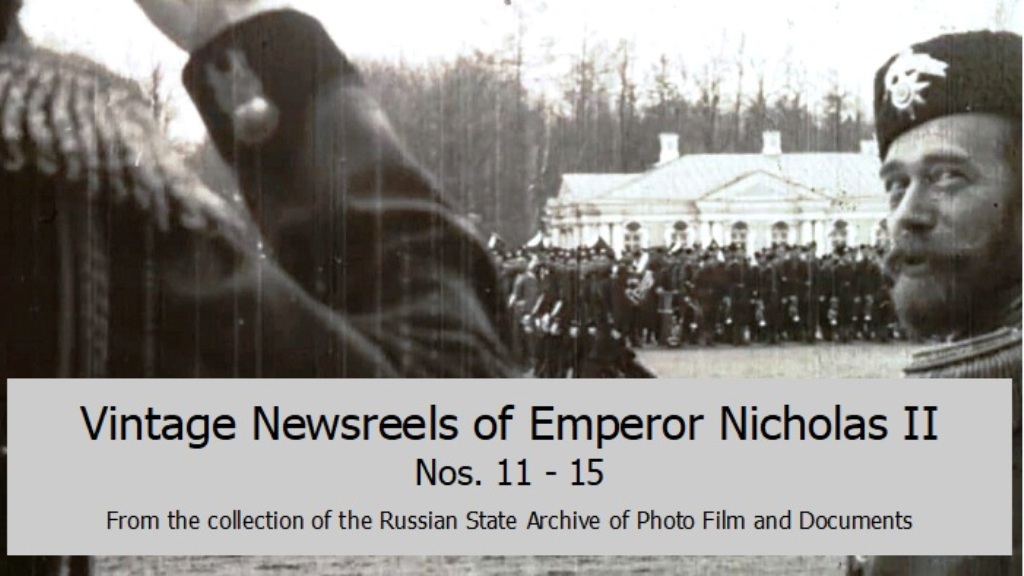
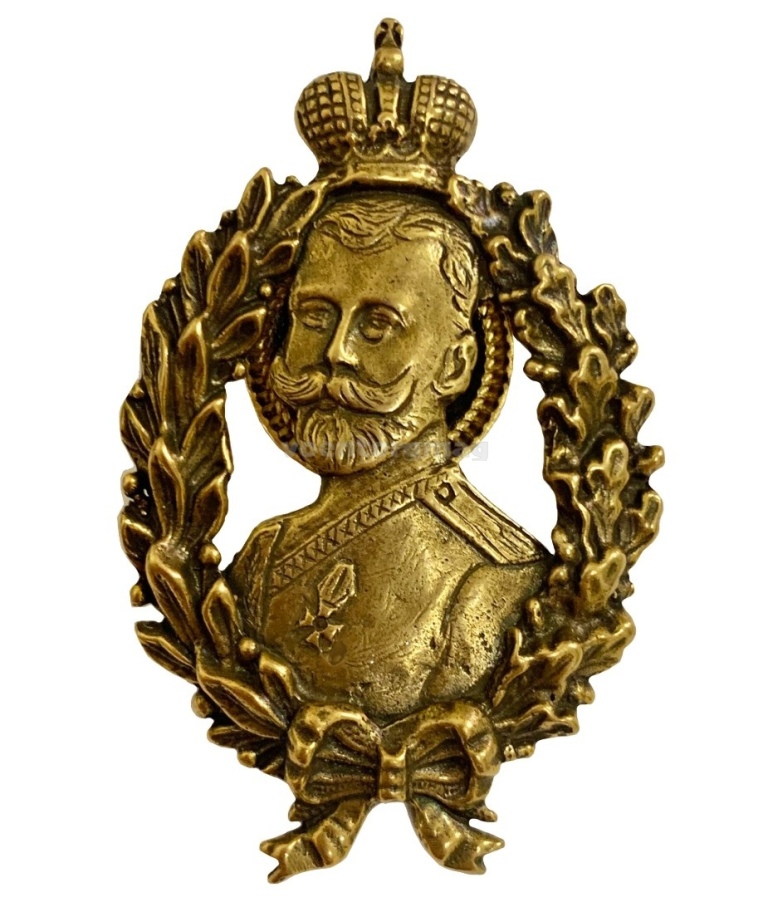
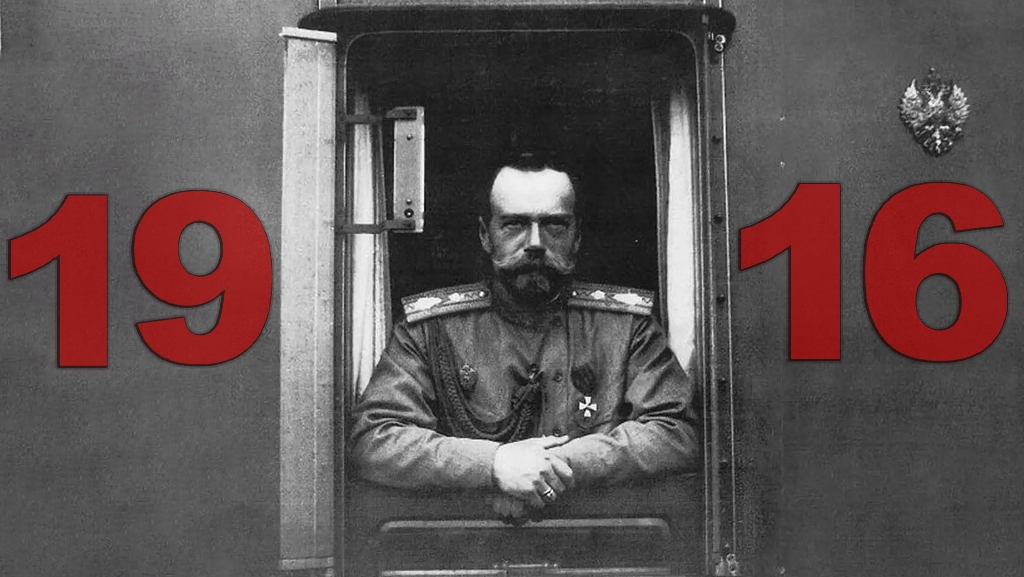
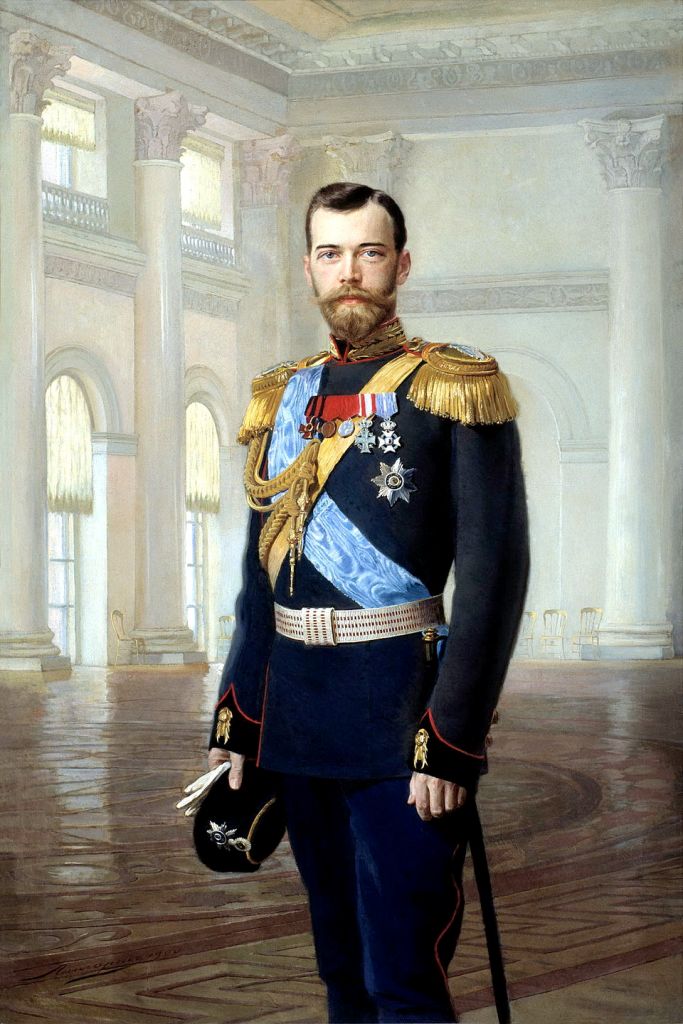
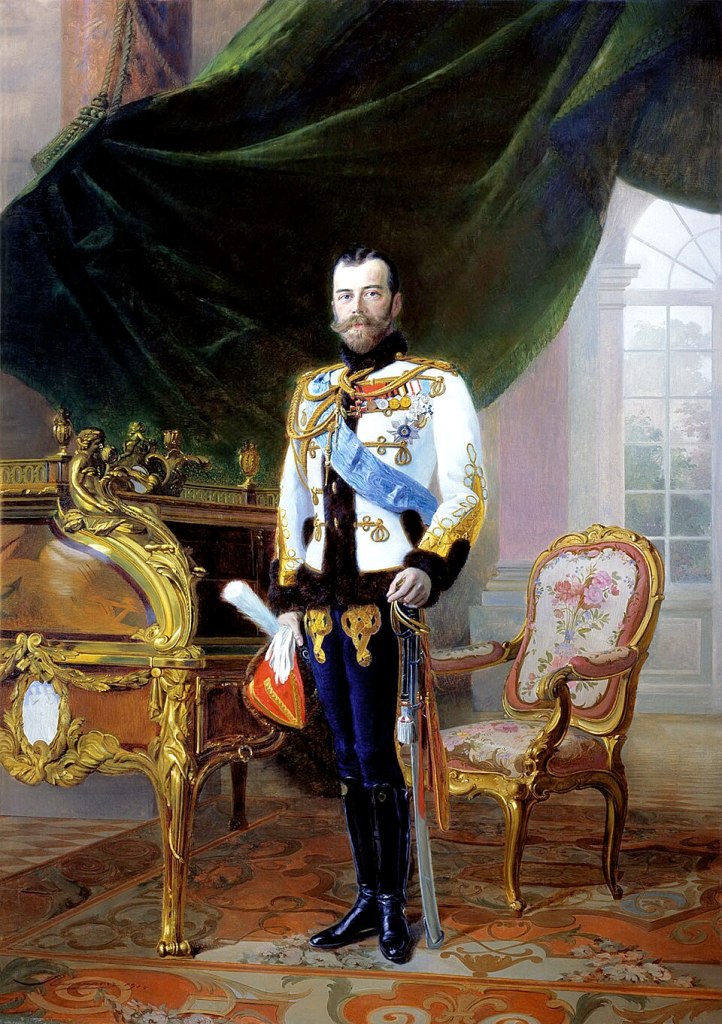
 Nicholas II
You must be logged in to post a comment.