A joint monument to Nicholas II, Lenin and Yeltsin to be erected in Russia

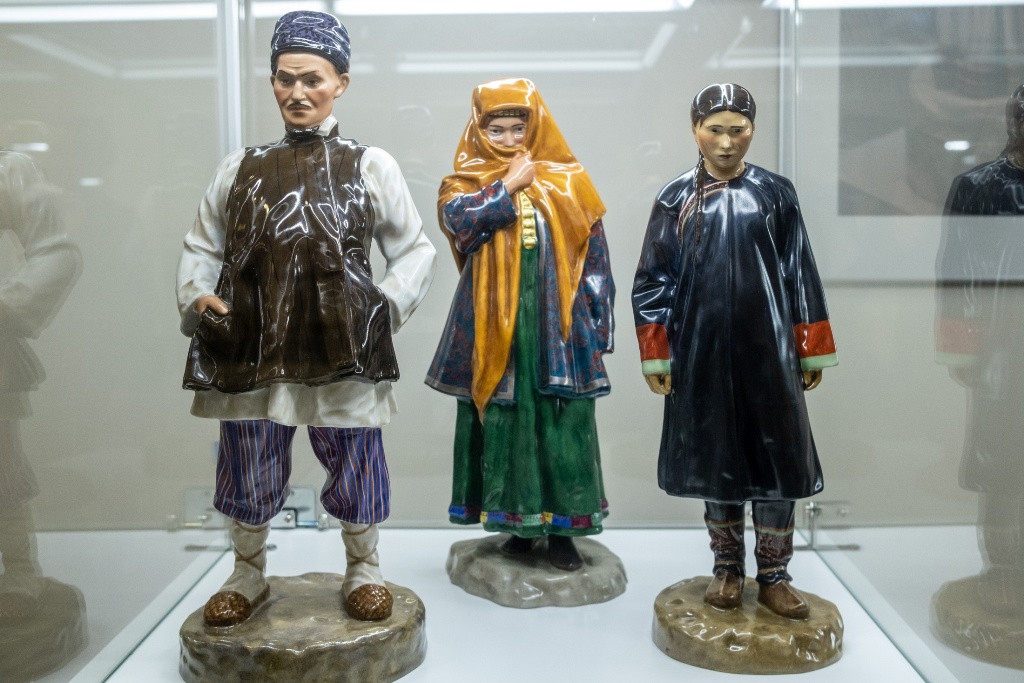
PHOTO: Emperor Nicholas II, Bolshevik leader Vladimir Lenin
and Russian president Boris Yeltsin

This year – 2025 – marks the 155th anniversary of the birth of Vladimir Lenin, the 35th anniversary of the election of Boris Yeltsin as Chairman of the Supreme Soviet of the RSFSR and the 25th anniversary of the glorification of Tsar Nicholas II as a saint. In recognition of these three historical figures a joint monument entitled “The Great Three” will be erected in St. Petersburg.

The sculptors will create a bronze monument depicting the life-size figures of Nicholas II, Lenin and Yeltsin, which will be installed on the coast of the Gulf of Finland, opposite the flags of the Russian Empire, the USSR and the Russian Federation. They will be depicted holding each other by the shoulders and proudly looking towards the state symbols of the three eras.

The installation of the monument is supported by the Ministry of Culture, the Communist Party of the Russian Federation, the Russian Orthodox Church and the Yeltsin Center in Ekaterinburg. It is their hope that the monument will contribute to reconciliation in society and will become a symbol of the continuity of Russia’s national history.

Reconciliation is a noble ideal but Lenin’s hand on the last Tsar’s shoulder is somewhat disturbing. One simply cannot “reconcile” with the man who ordered the murder of Nicholas II and his family. The very idea of a monument depicting the Bolshevik leader standing next to the Tsar, with his hand on the Tsar’s shoulder is simply wrong!

The date and location of the installation of “The Great Three” monument has yet to be announced.

© Paul Gilbert. 20 March 2025

NEW BOOK – Of Princes and Palaces: A Romanov Miscellany

*This title is available from AMAZON in the USA, UK, Canada, Australia,
France, Germany, Spain, Italy, Netherlands, Poland, Sweden and Japan

CLICK HERE TO ORDER THE PAPERBACK EDITION @ $20.00 USD

English. 154 pages, with 46 black and white photos

British author and Romanov historian Coryne Hall presents a miscellany of essays on the Romanov’s and their palaces in five chapters with illustrations.

Learn about the life of Grand Duchess Anna Pavlovna the daughter of Emperor Paul I, who became Queen of the Netherlands; explore the history and fate of the Imperial Hunting Palaces at Bialowieza and Spala in Poland; read about the life of Grand Duchess Tatiana Konstantinovna, the first daughter of Grand Duke Konstantin Konstantinovich, who took the veil as Mother Tamara, in Switzerland in 1946; the last chapter explores Russia’s relationship with the Kingdom of Siam, King Chulalongkorn, and his son Prince Chakrabongse who who was enrolled in the Corps des Pages in St. Petersburg.

Illustrated with 46 black and white photographs

***

Other Books by Coryne Hall

CLICK on the LINK(S) BELOW FOR DETAILS ABOUT EACH TITLE

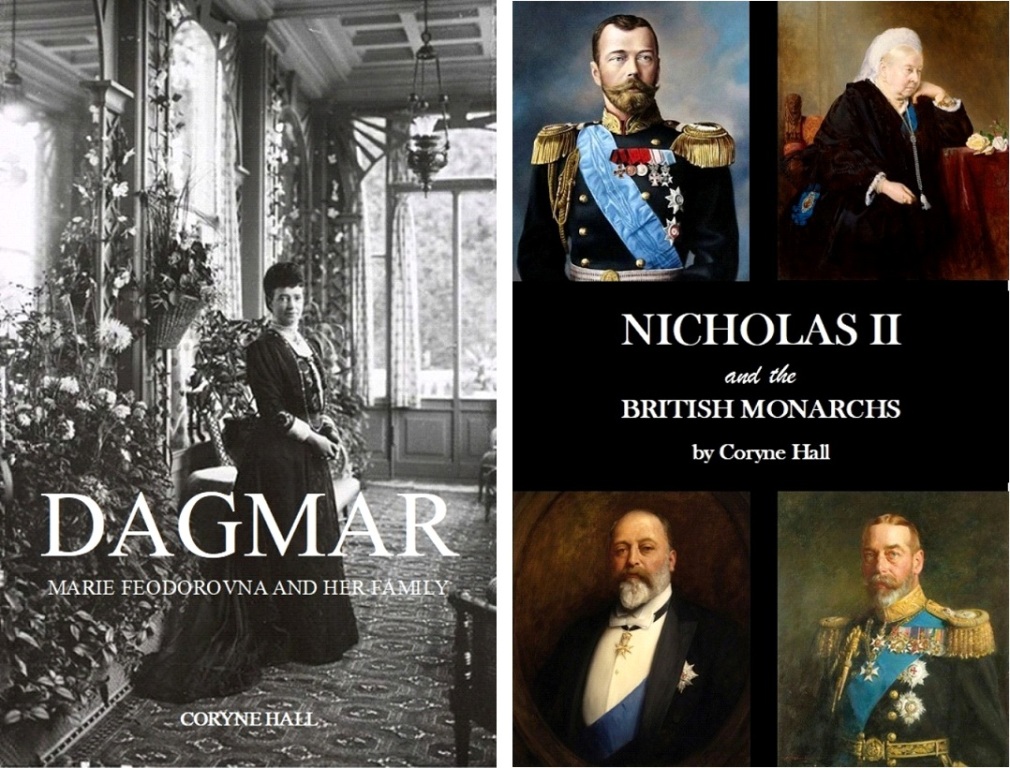
Dagmar: Marie Feodorovna and Her Family (2024)

Nicholas II and the British Monarchs (2023)

***

About the author

Coryne Hall is an historian, broadcaster and consultant specialising in the Romanovs and British and European royalty. She was born in Ealing, West London and developed a fascination for Imperial Russia in childhood when she learnt that her great-grandmother was born in St Petersburg, an almost exact contemporary of Nicholas II.

The author of ten books, she is a regular contributor to Majesty MagazineThe European Royal History Journal, Royal Russia, Sovereign and Royalty Digest Quarterly. She acted as consultant on the Danish television documentaries “A Royal Family” and “The Royal Jewels.”

Coryne has lectured at royalty conferences in England, Denmark, Russia and America. Her media appearances include Woman’s Hour, BBC South Today, the documentaries Russia’s Lost Princesses and 13 Moments of Fate, live coverage of Charles and Camilla’s wedding for Canadian television and co-hosting live coverage of Prince William’s wedding alongside John Moore for Newstalk 1010, Canada. She was also the last person to have a private audience with Queen Elizabeth The Queen Mother. She lives in Hampshire.

Coryne is the author of Little Mother of Russia and assisted Princess Olga Andreevna Romanoff in the writing of Princess Olga, A Wild and Barefoot Romanov. Her next book From Romanov to Windsor: King Charles III’s Romanov Blood is scheduled for publication in August 2025.

© Paul Gilbert. 15 March 2025

Nicholas II’s grave near Ekaterinburg under threat

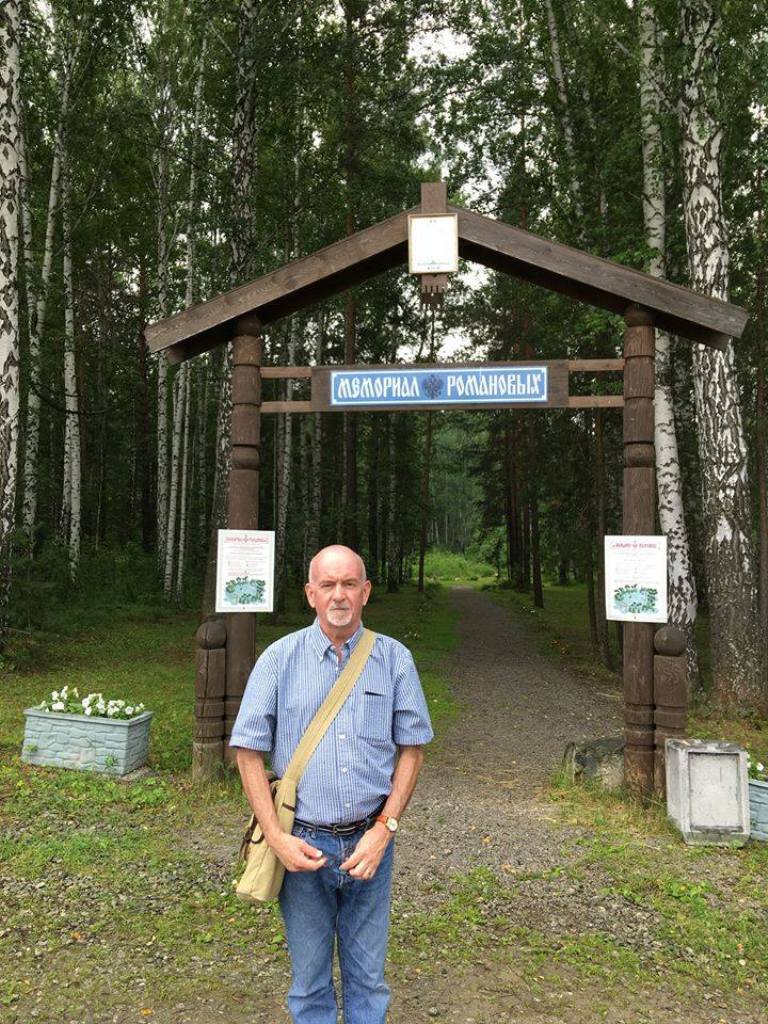
PHOTO: Paul Gilbert standing at the entrance to the Romanov Memorial in July 2018

On 10th March 2025, the head of the Ekaterinburg based Romanov Memorial Charitable Foundation Ilya Korovin, issued a press release expressing concern that the grave of Nicholas II, his family and four faithful retainers at Porosenkov Log is now under threat of development by the Russian Orthodox Church (ROC).

According to Kovovin, the Russian Orthodox Church will soon recognize the Ekaterinburg remains as those of the Imperial Family, and that such an announcement may very well threaten the Romanov Memorial at Porosenkov Log.

“If the Bishop’s Council of the ROC agree with the authenticity of the remains, then a serious question will arise about the fate of the Romanov Memorial,” said Kovovin. “This area has been preserved in its original form since 1918. It is the only place associated with Russia’s last Tsar in Ekaterinburg, which has survived to this day unchanged,” he added.

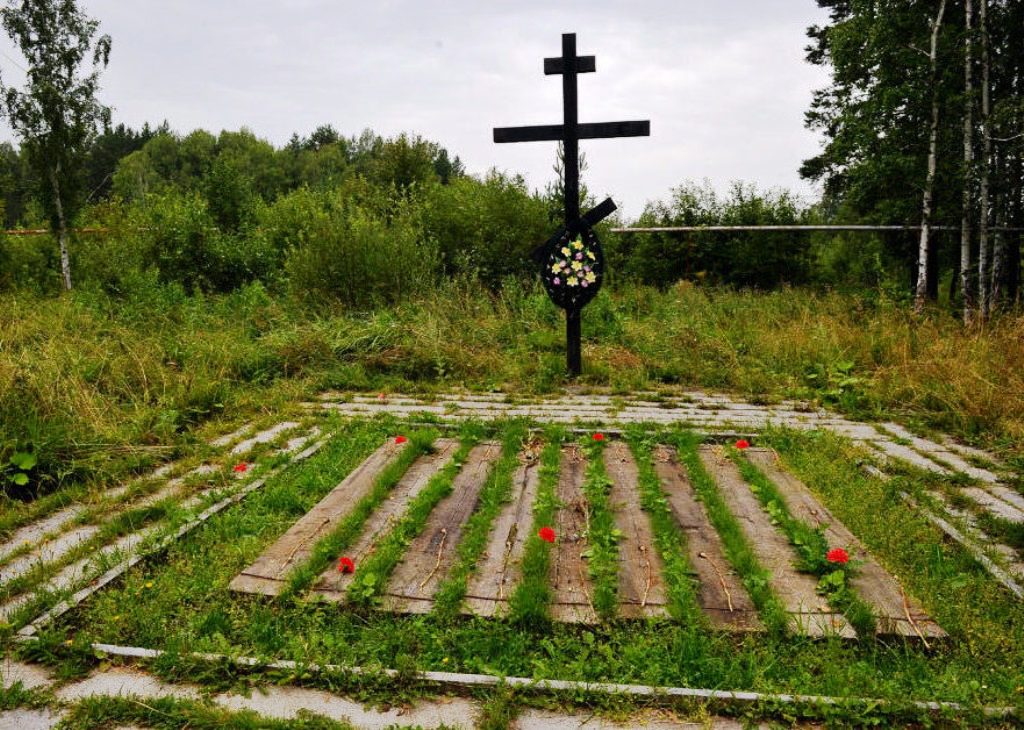
PHOTO: an Orthodox cross marks the place where Nicholas II, Alexandra Feodorovna, three of their children: Olga, Tatiana, Anastasia and their four faithful retainers were reburied by the regicides in July 1918. The remains of Alexei and Maria were buried in a second grave nearby.

Recall that it was at Porosenkov Log that the regicides buried the remains of the Imperial Family the day after they attempted to destroy their bodies at the Four Brothers Mine at Ganina Yama, situated 3.8 km [2.4 miles] down the road. The remains were initially discovered in June 1979 by Geliy Trofimovich Ryabov (1932-2015) and Alexander Nikolaevich Avdonin (born 1932). On 16th July 1999, the Romanov Memorial was opened on the site of the graves.

The land in and around the Romanov Memorial has been the subject of debate between Korovin and the ROC since 2021, after the Ekaterinburg Diocese requested the transfer of the land by the Sverdlovsk Region. The illegal drilling of wells was subsequently carried out, despite the fact that Porosenkov Log was recognized as an object of cultural heritage in 2014. 

In September 2024, the Department of State Protection of Cultural Heritage Sites (UGOOKN) excluded the Romanov Memorial from the list of protected monuments, which raises concerns for Torovin, who is now challenging the decision in court.

It is no longer a question of “if” but “when” the ROC recognizes the Ekaterinburg remains as those of the Imperial Family [the decision rests with the Bishops Council of the Russian Orthodox Church]. The church’s interest in the land in and around the Romanov Memorial may confirm their plans to construct another monastery – similar to that at Ganina Yama – or memorial church to glorify the Holy Royal Martyrs at Porosenkov Log. The Ekaterinburg Diocese has refused to comment on any possible development.

***

FURTHER READING:

ROC preparing to build memorial church at Porosenkov Log by Paul Gilbert 4th March 2023

The fate of Porosenkov Log and Ganina Yama by Paul Gilbert, 14th February 2022

104 years on, Orthodox Church still split over murdered tsar’s remains by Paul Gilbert 6th April 2021

Will the Bishops Council’s decision on the Ekaterinburg Remains cause a schism within the ROC? by Paul Gilbert, 20th September 2021

30th anniversary of the exhumation of the remains of Nicholas II and his family by Paul Gilbert, 7th July 2021

Bones of Contention: The Russian Orthodox Church and the Ekaterinburg Remains by Paul Gilbert, 23rd November 2021

© Paul Gilbert. 14 March 2025

Blagoveshchensk hosts photo-exhibit dedicated to the Imperial Family

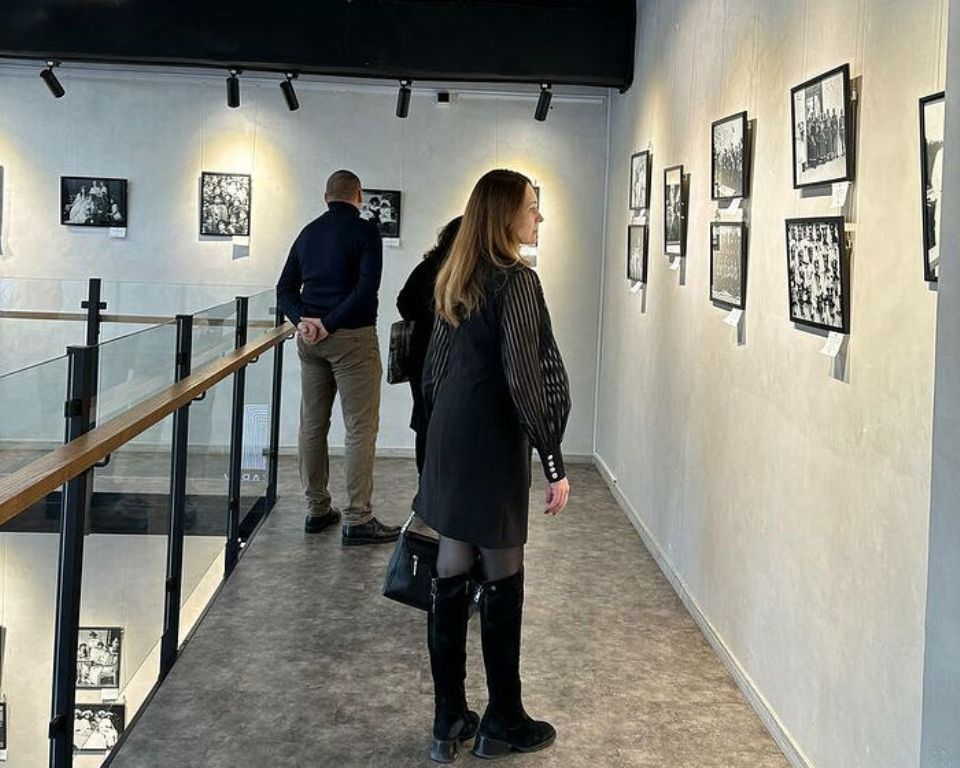
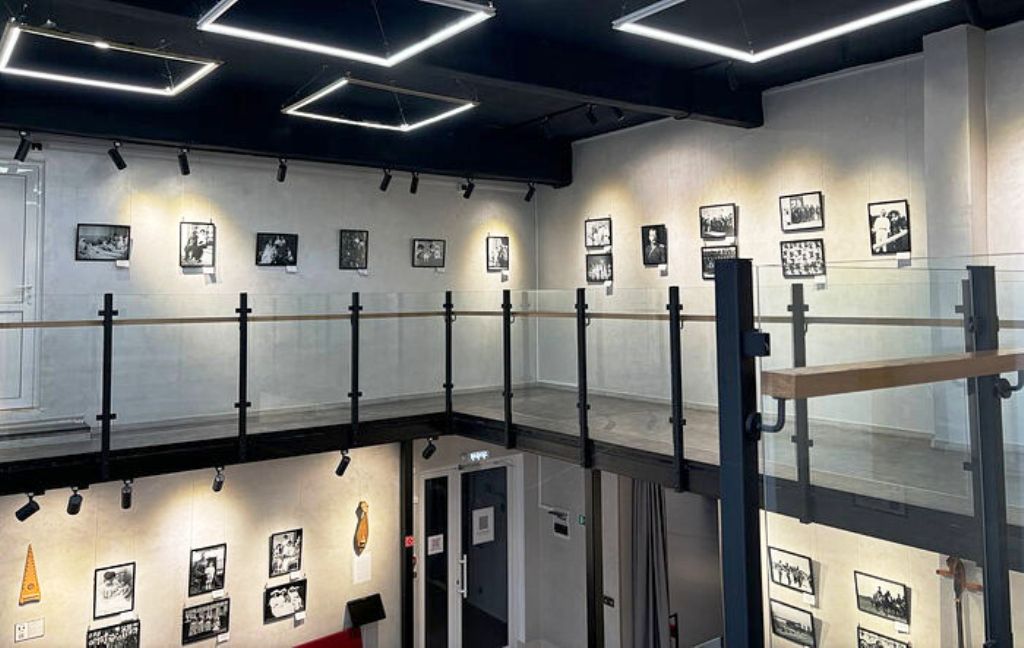
On 24th February 2025, The Tsar’s Family. Love and Mercy photo-exhibition, dedicated to Emperor Nicholas II and his family opened in the city of Blagoveshchensk, situated in the Amur region of Siberia, near the Chinese border. The exhibition runs until 6th April 2025 at the Pushkarev Art Gallery.

The exhibition presents more than 100 vintage photographs which tell about the close relationship within the family of the last Russian emperor. The photographs reflect many aspects of the life of the Tsar’s family during the late 19th and early 20th centuries, including the upbringing of the children, and the warm and loving relationship, which they shared with both their parents and each other.

In addition, the photo exhibition also shows the Tsar’s Family’s dedication to acts of charity and their service to the Fatherland, and a wonderful example of Russian family traditions and unshakable piety and spiritual values.

The exhibition has been held in various formats and in many Russian cities: Moscow, Voronezh, Kursk, Ryazan, Penza, Krasnodar, Belgorod, Velikiye Luki, Yalta, Livadia, Sevastopol, Novosibirsk, Lesosibirsk, Perm, Sayansk, Severomorsk, Pskov, Pavlovsk, Livadia, etc.

The photo project The Tsar’s Family: Love and Mercy was created in 2016 by the Sretensky Monastery in Moscow. The travelling exhibition has already been presented in Serbia, Germany, Italy, Canada, Argentina, New Zealand, South Africa, Romania, Croatia, Montenegro, Bosnia and Herzegovina, Macedonia, and the Czech Republic.

The Tsar’s Family. Love and Mercy photo-exhibition, runs until 6th April 2025 at the Pushkarev Art Gallery, Blagoveshchensk.

***

*As I have noted in previous posts, I support any initiative – big or small – to help keep the memory of Nicholas II and his family alive in 21st century Russia – PG

© Paul Gilbert. 13 March 2025

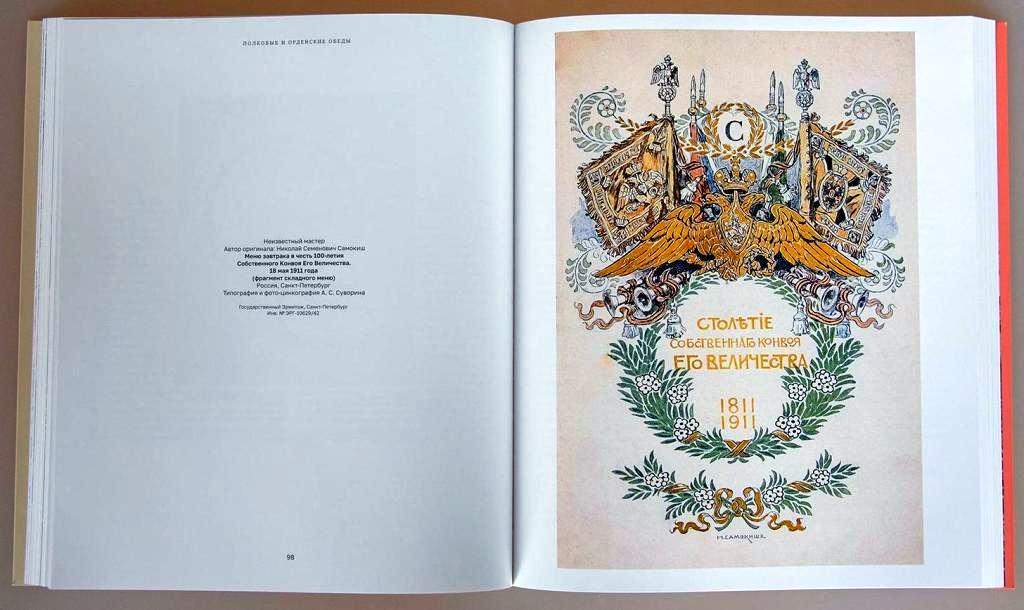
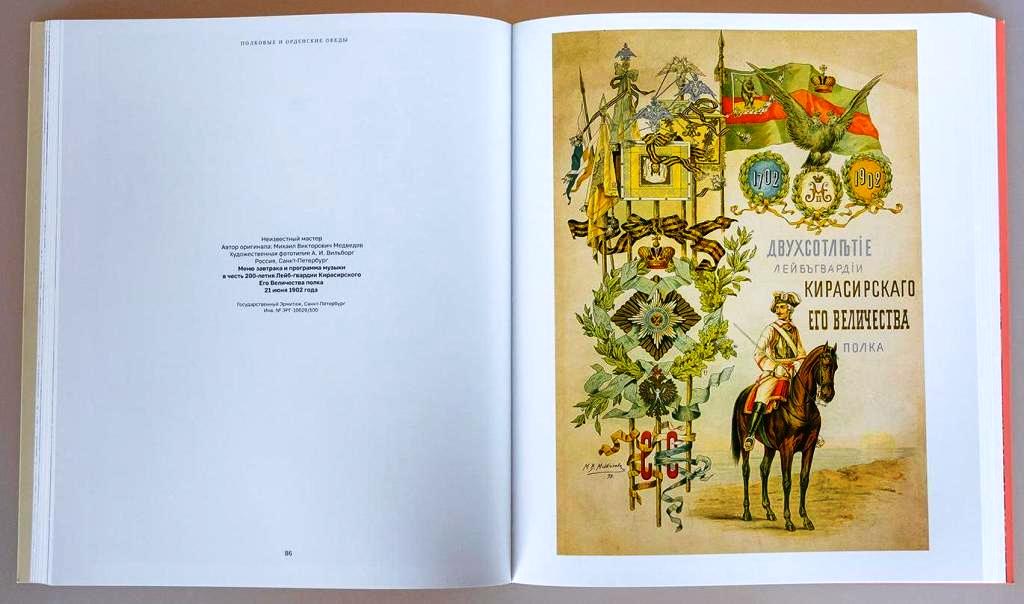
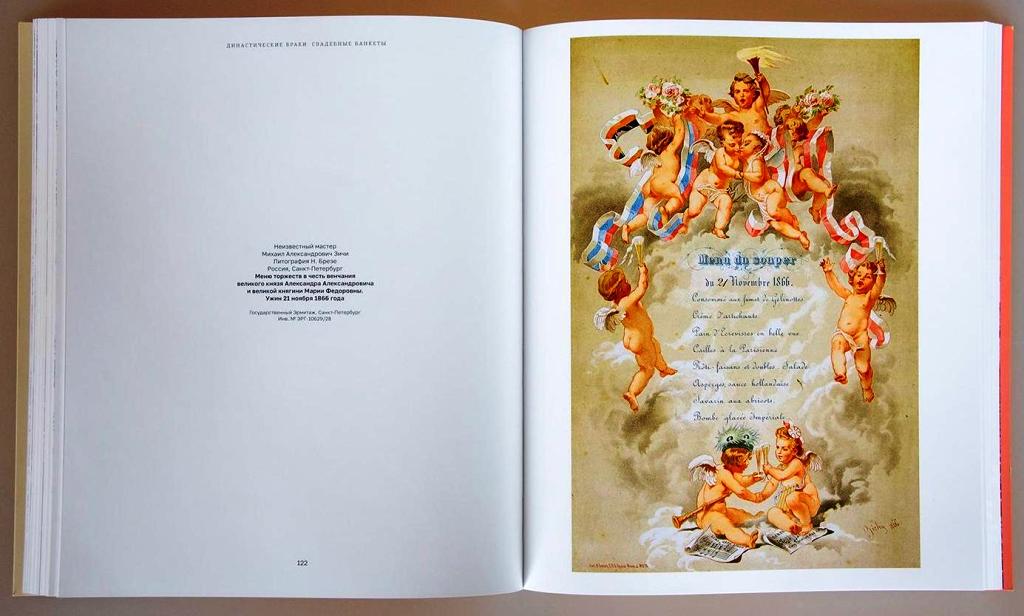
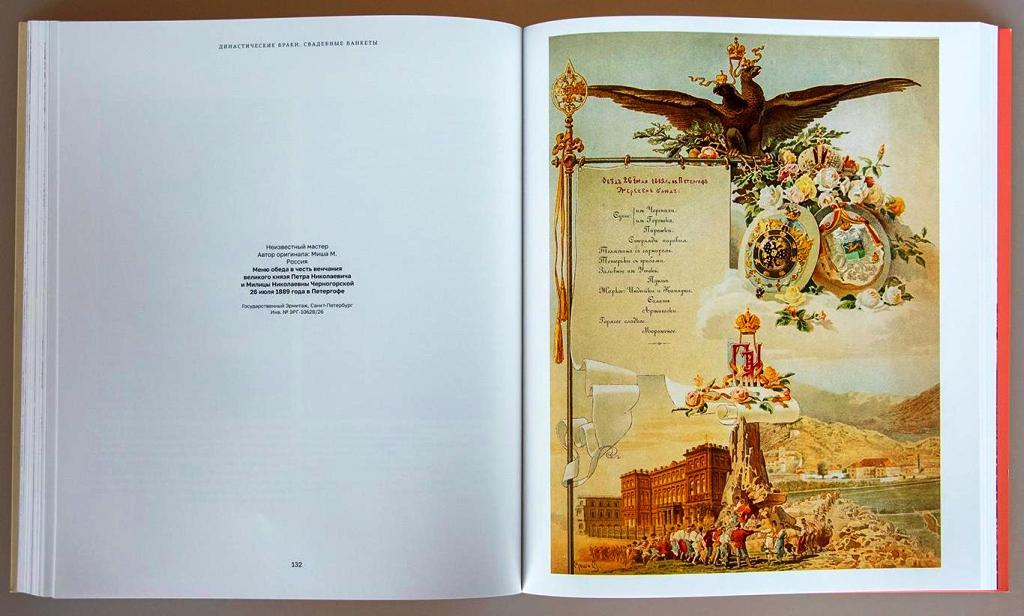
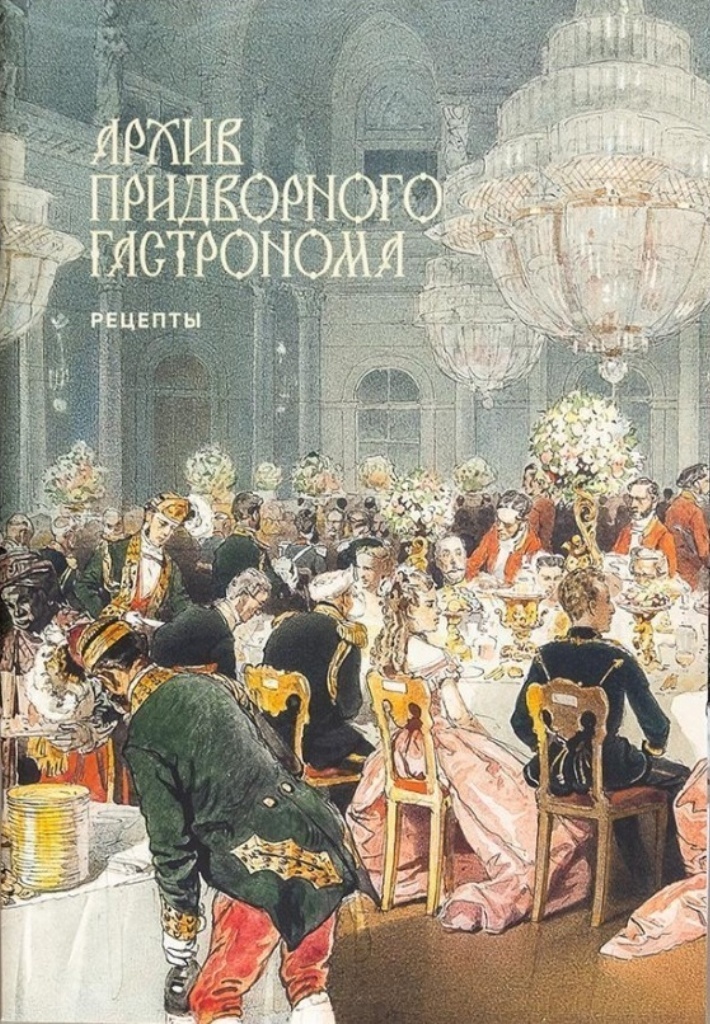
Court Gastronomist. Menus of the Imperial Court

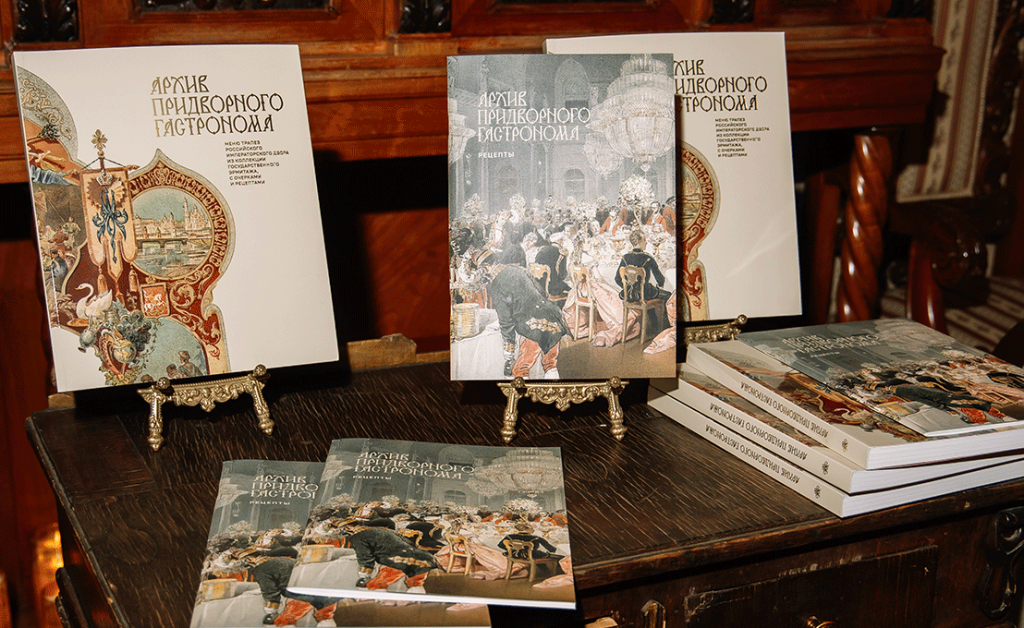
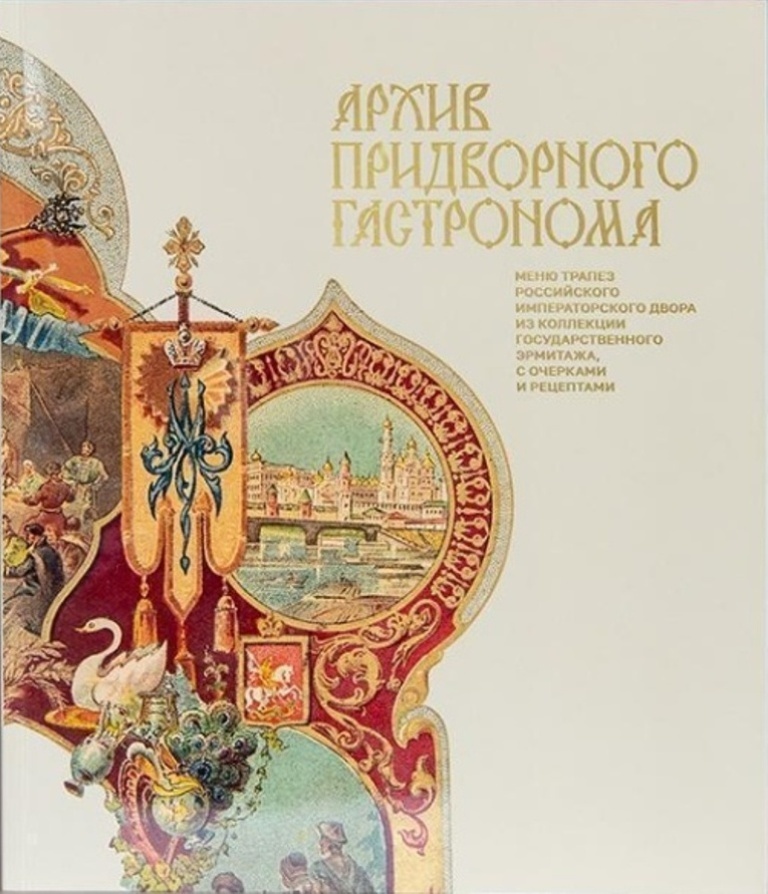
PHOTO: Архив придворного гастронома. Меню трапез российского императорского двора / The Archive of the Court Gastronome. Menus and Meals of the Russian Imperial Court and recipe supplement

NOTE: this post is for information purposes only. Due to the current Western economic sanctions against Russia, it is currently not possible to order this book from Russia. Nor do I know of any bookseller outside of Russia that offers this title for sale – PG

the State Hermitage Museum has issued a very interesting new book Архив придворного гастронома. Меню трапез российского императорского двора / The Archive of the Court Gastronome. Menus and Meals of the Russian Imperial Court. The publication of this book is a joint project of the State Hermitage Museum (St. Petersburg), the retail company Magnit and the Hermitage 21st Century Foundation.

This title has been published in a limited edition printing of only 1,000 copies. It is only available in Russian, there is no English edition, nor is one planned. Below, are a small sampling of some of the beautiful menus of imperial banquets, created by outstanding Russian artists: Viktor Vasnetsov (1848-1926), Ivan Bilibin (1876-1942) and others.

The book contains several sections: coronation celebrations and major Russian holidays, regimental and order dinners, diplomatic receptions, wedding banquets, Orthodox feasts, hunting meals, yacht dinners. Each section contains a detailed description of the historical era and celebrations with colourful menus and illustrations.  

Leafing through the pages of the Archive of the Court Gastronome, readers will learn what privileged guests were served at the coronations of Emperors Alexander III and Nicholas II, how the tables were set for wedding celebrations of members of the Imperial Family, what was served during the gala dinner in honour of the 300th anniversary of the Romanov dynasty in 1913, as well attributes of meals served in the Imperial residences, hunting lodges, Imperial yachts and much more.

The authors of the book include: Yulia Vadimovna Sharovskaya – head of the Fine Art Sector of the State Hermitage’s Department of the History of Russian Culture; Irina Radikovna Bagdasarova – leading researcher in the Department of the History of Russian Culture.

In addition, the publication has a special printed supplement with recipes. These are recipes which have been adapted to modern times, taken from pre-revolutionary cookbooks. The recipes were reproduced by the Gastronom.ru team in their own kitchens, using up-to-date ingredients and cooking methods.

Some of the recipes from this book can be found at the Gastronom.ru web site, as part of the Tsar’s Kitchen project. These recipes [in Russian only] provide an opportunity for food-lovers to taste some of the delicacies enjoyed by members of the Imperial Family and their guests more than a century ago.

© Paul Gilbert. 8 March 2025

30th anniversary of the return of the “Traitor Grand Duke” Kirill’s remains to Russia

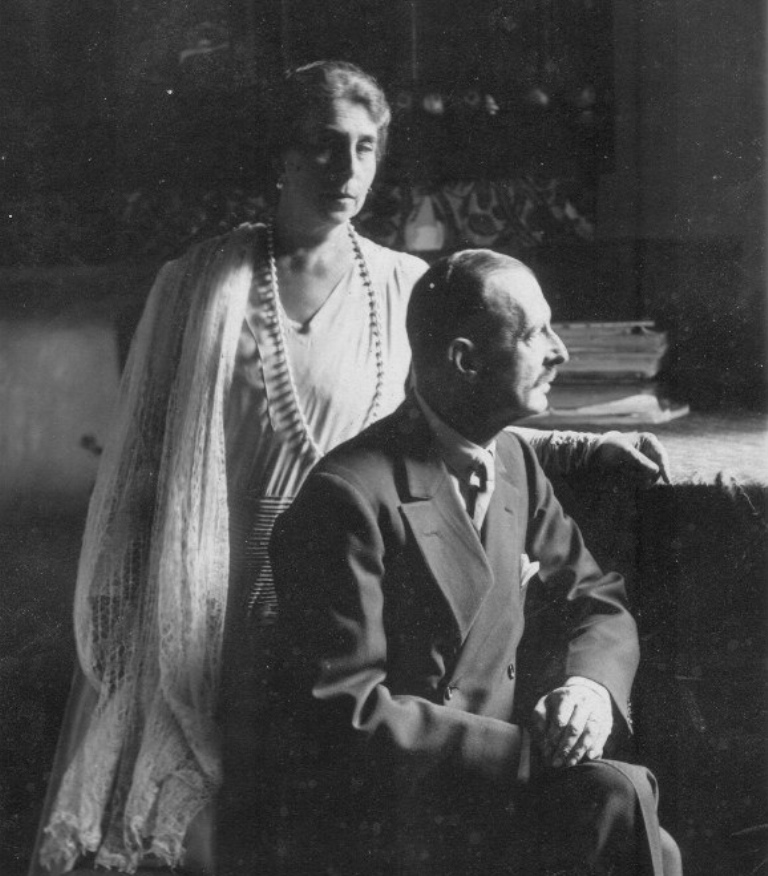
Grand Duke Kirill Vladimirovich and Grand Duchess Victoria Feodorovna. 1930.

Today – 7th March 2025 – marks the 30th anniversary of the return of the remains of *Grand Duke Kirill Vladimirovich (1876-1938) and his wife *Grand Duchess Victoria Feodorovna (1876-1936) to Russia.

On 7th March 1995, the dying will of the traitor grand duke in exile – Kirill Vladimirovich and his wife Grand Duchess Victoria Feodorovna was fulfilled. Their remains, were exhumed from Coburg, Germany and transferred to St. Petersburg, where they were reinterred in the Grand Ducal Mausoleum of the Saints Peter and Paul Cathedral in the Peter and Paul Fortress.

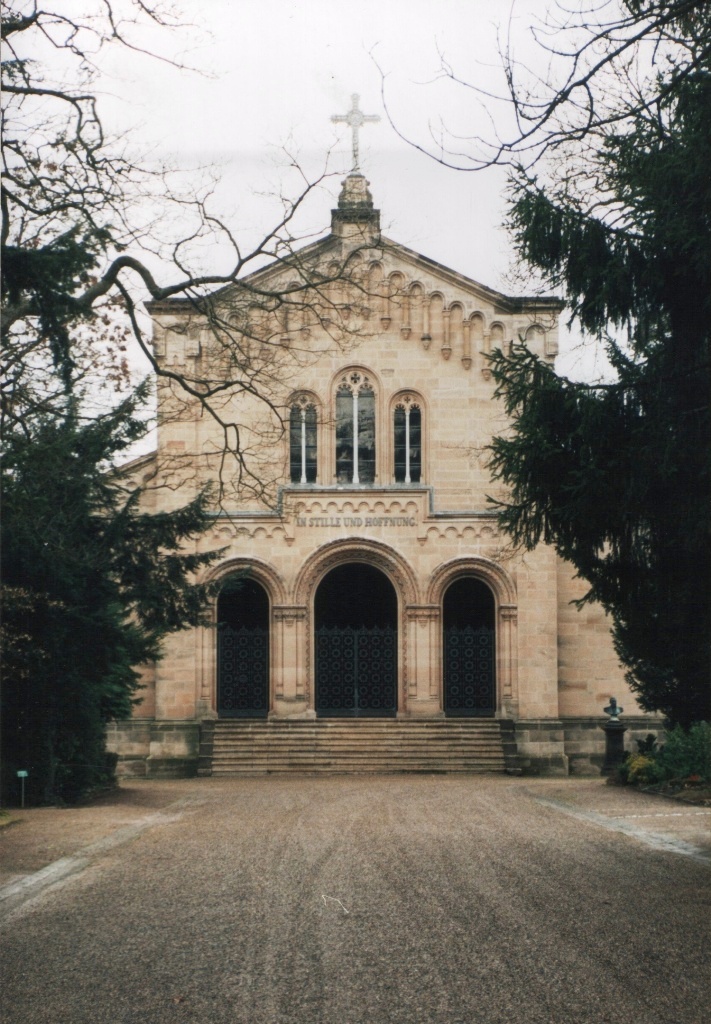
PHOTO: The Ducal Mausoleum, the burial place of members of the House of Saxe-Coburg-Gotha on the grounds of Glockenberg Cemetery in Coburg.

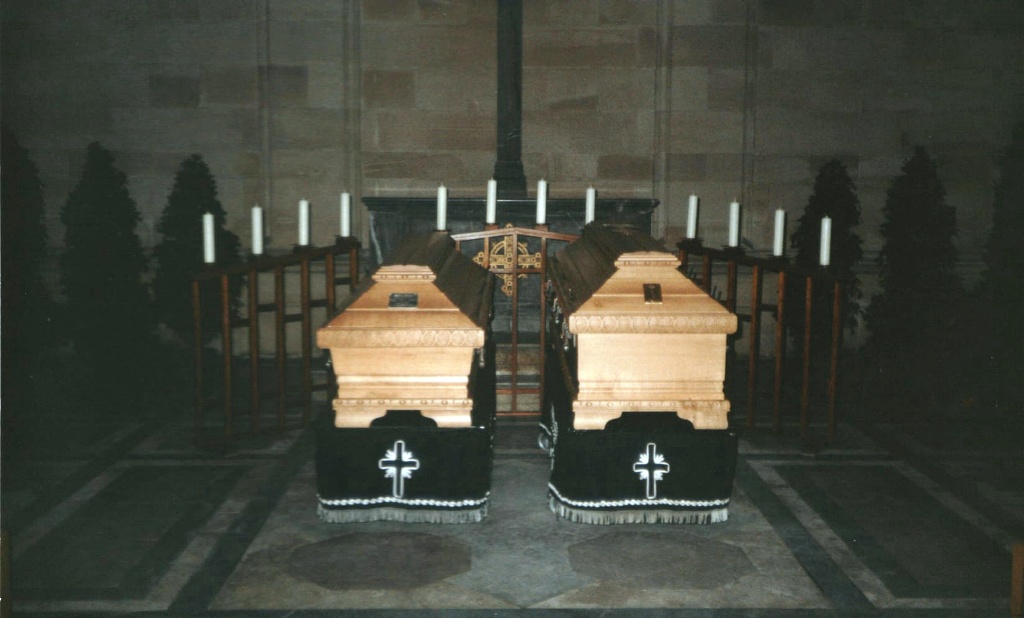
On 3rd March 1995, at 11:30 a.m., in the Tomb of the House of Saxe-Coburg and Gotha, in the presence of Princess Leonida Georgievna (1914-2010), the tombs of Kirill and Victoria were opened. After the removal of the tombstones, a niche with both coffins opened. Their outer plating had fallen into extreme disrepair and fell apart when touched. During the dismantling, metal crosses with lids and plates were found (one with the name, title and dates of the life of Victoria Feodorovna, and the other with the monogram of Kirill Vladimirovich). Then the inner coffins, in which the bodies rested, were brought to the surface. The remains of Victoria Feodorovna were the first to be examined. Her skeletonized remains were preserved in the same position in which the deceased had been laid in the coffin.

PHOTO: The coffins of Grand Duke Kirill I Vladimirovich and Grand Duchess Victoria Feodorovna before being transferred from Coburg to St. Petersburg.

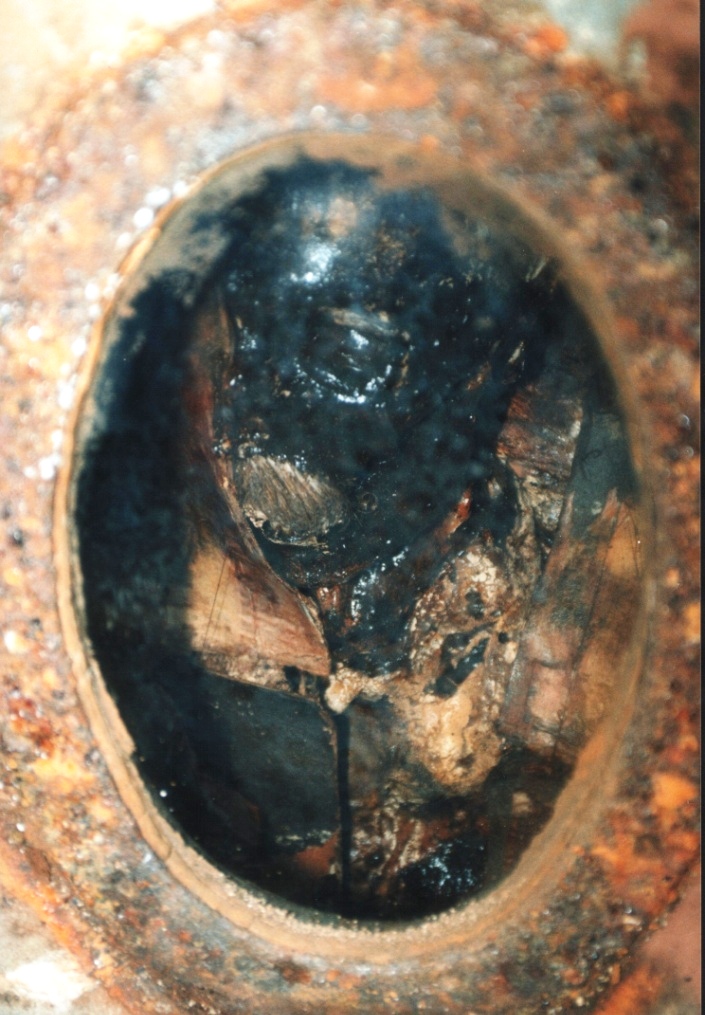
After the transfer of the remains of Victoria Feodorovna to a new coffin, the exhumation of the body of her husband took place. The coffin of Kirill Vladimirovich had a glass window through which it was possible to see the face of the deceased. Looking through this window in 1995, those present at the exhumation were shocked: the decayed face of the grand duke was revealed. Its features had not changed much 57 years after his funeral in 1938.

PHOTO: a rather morbid photo depicting the decayed body of Grand Duke Kirill Vladimirovich in his coffin, taken in the Tomb of the House of Saxe-Coburg and Gotha during the exhumation, 3rd March 1995.

When the remains of Kirill and Victoria were placed in new coffins, Archbishop Feofan (Galinsky) of Berlin and Germany served a pannikhida [a liturgical solemn service for the repose of the deceased]. Finally, the lids are closed, the coffins are sealed and covered with national flags. After a heartfelt farewell to Vladyka Feofan, Princess Leonida Georgievna departed Coburg to escort the coffins to Russia on the ship Anna Karenina.

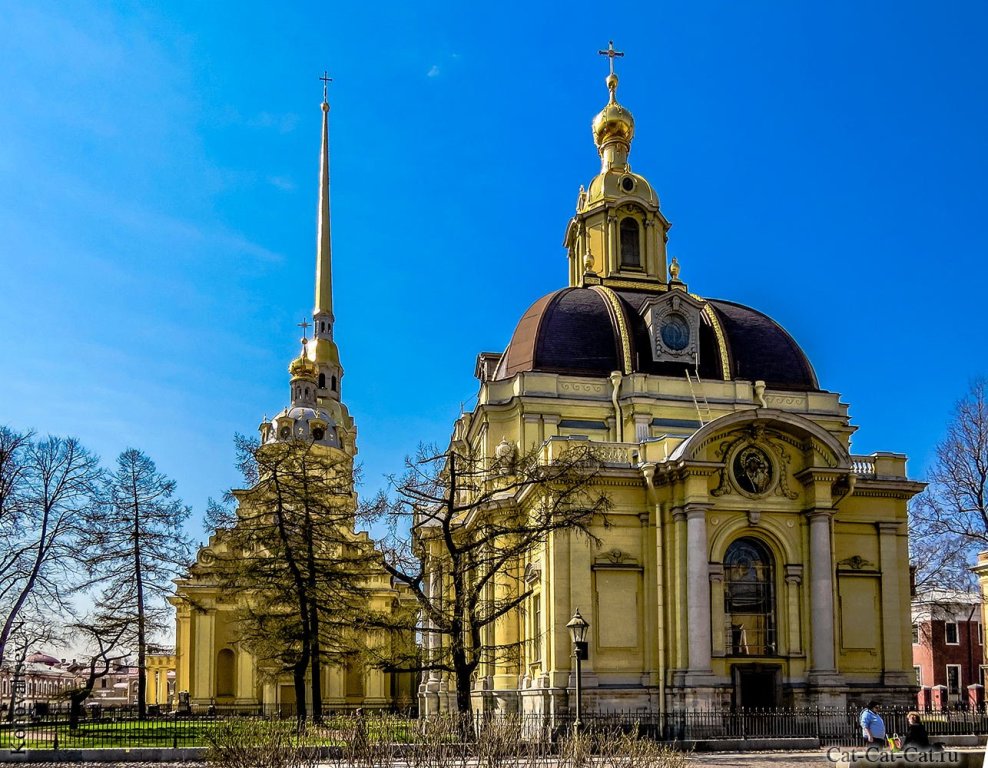
PHOTO: view of the Grand Ducal Mausoleum of the SS Peter and Paul Cathedral in the Peter and Paul Fortress, St. Petersburg, where Kirill and Victoria’s remains were reinterred in March 1995.

On 6th March, the first day of Great Lent, the Spanish-born Princess Maria Vladimirovna, arrived in St. Petersburg by plane with her son, Prince George Mikhailovich-Hohenzollern. The next day, early in the morning, the Anna Karenina arrived. From the port, the cortege proceeded to the Peter and Paul Fortress, where the coffins were carried into the Saints Peter and Paul Cathedral.

The burial ceremony was scheduled for 12-00. After the arrival of the Leonida, Maria and George, the clergy, Mayor of St. Petersburg Anatoly Sobchak (1937-2000) and representatives of the administration of St. Petersburg, a pannikhida was held, which was served by Bishop Lev (Tserpitsky) of Novgorod Bishop Simon (Getya) of Tikhvin. At the end of the pannikhida, the coffins were lowered into pre-prepared niches with military honours.

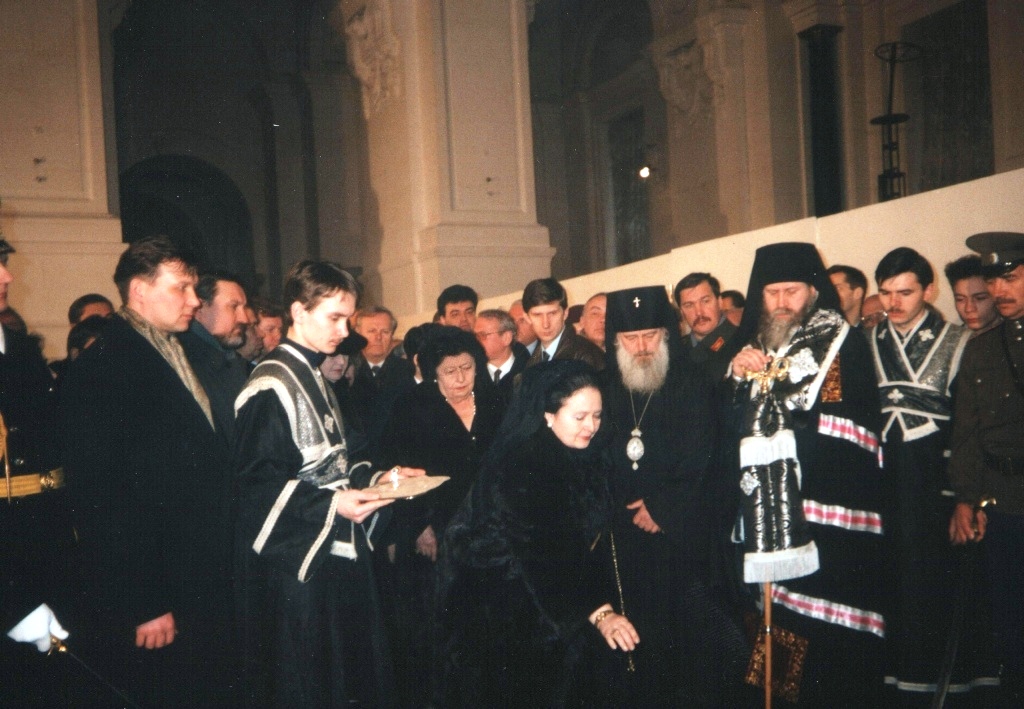
PHOTO: Princess Maria Vladimirovna pays her last respects to her grandfather and grandmother, Grand Duke Kirill Vladimirovich and Grand Duchess Victoria Feodorovna. The Grand Ducal Tomb of the Peter and Paul Cathedral, St. Petersburg, 7th March 1995.

Temporary slabs were installed on the graves (later they were replaced by permanent marble ones) and wreaths were laid. The traitor Grand Duke and his wife found eternal repose next to their son Prince Vladimir Kirillovich (1917-1992).

It was Kirill’s daughter-in-law Princess Leonida, who arranged for Kirill and Victoria’s reinterment in St. Petersburg. It was only due to her vast wealth, left to her by her first husband Sumner Moore Kirby. (1895-1945), a wealthy American businessman, and one of the heirs to the F.W. Woolworth fortune. The cost of new coffins, transport to Russia, two tombs with marble slabs must have been staggering!

Given Kirill’s lack of a moral compass and his act of treason against his Sovereign in March 1917, it is this author’s belief that Kirill and Victoria’s remains should have never left in Coburg – PG

***

Under no pretext can we admit to the throne those whose ancestors belonged to parties involved in the 1917 revolution in one way or another. Nor can we admit those whose ancestors, who betrayed Tsar Nicholas II. Nor can we ignore those whose ancestors who openly supported the Nazis. Thus, without any reservations, the right to the succession to the throne of the Kirillovich branch should be excluded!

Any person who supports this branch of the Romanov dynasty, dishonours the memory of the murdered Holy Tsar Martyr Nicholas II.

© Paul Gilbert. 7 March 2025
18th century Chandeliers returned to the Alexander Palace State Halls

PHOTO © Tsarskoye Selo State Museum-Reserve

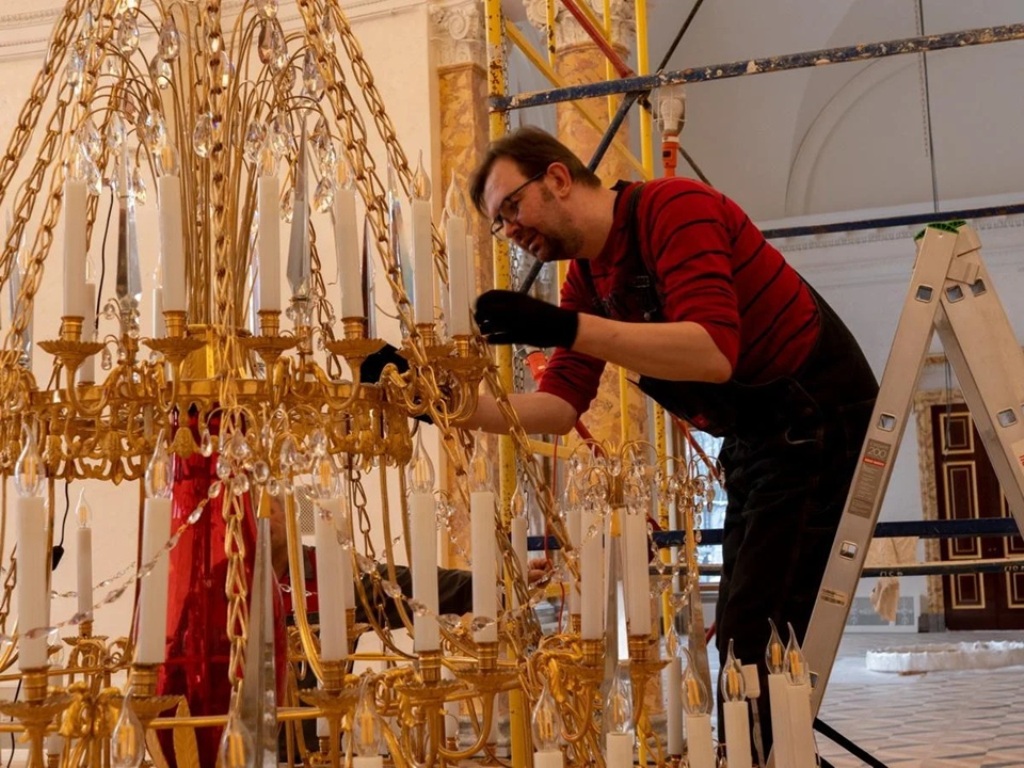
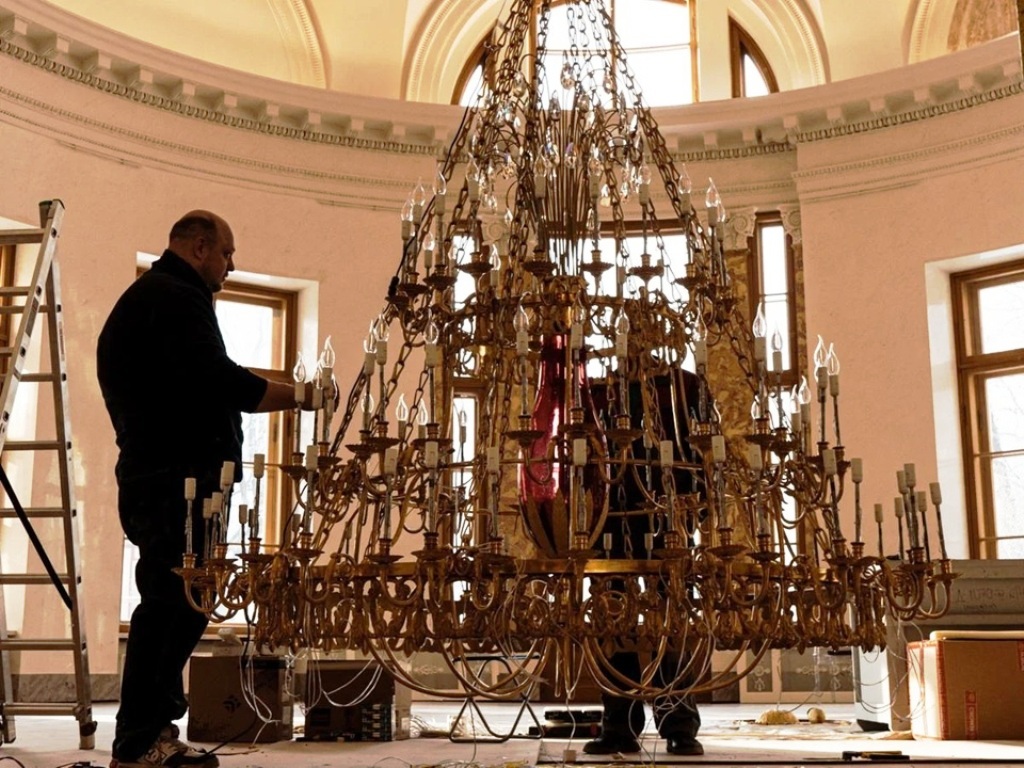
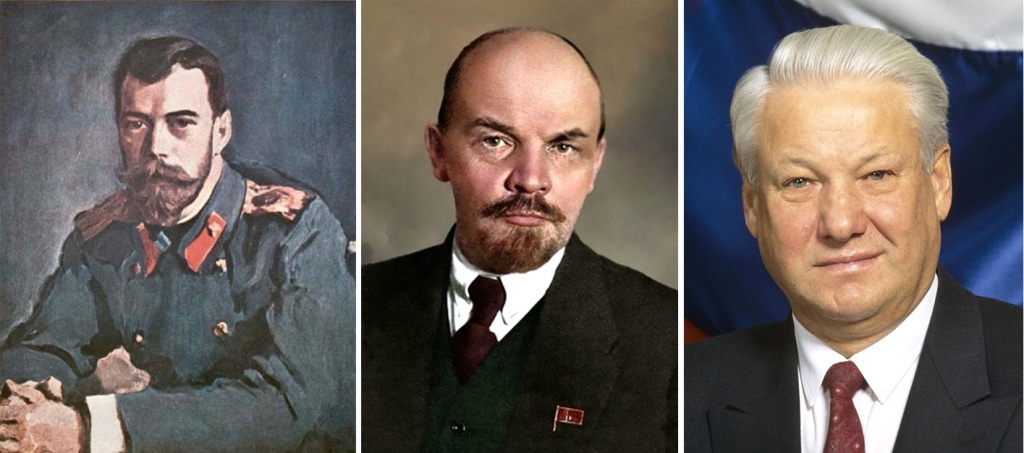
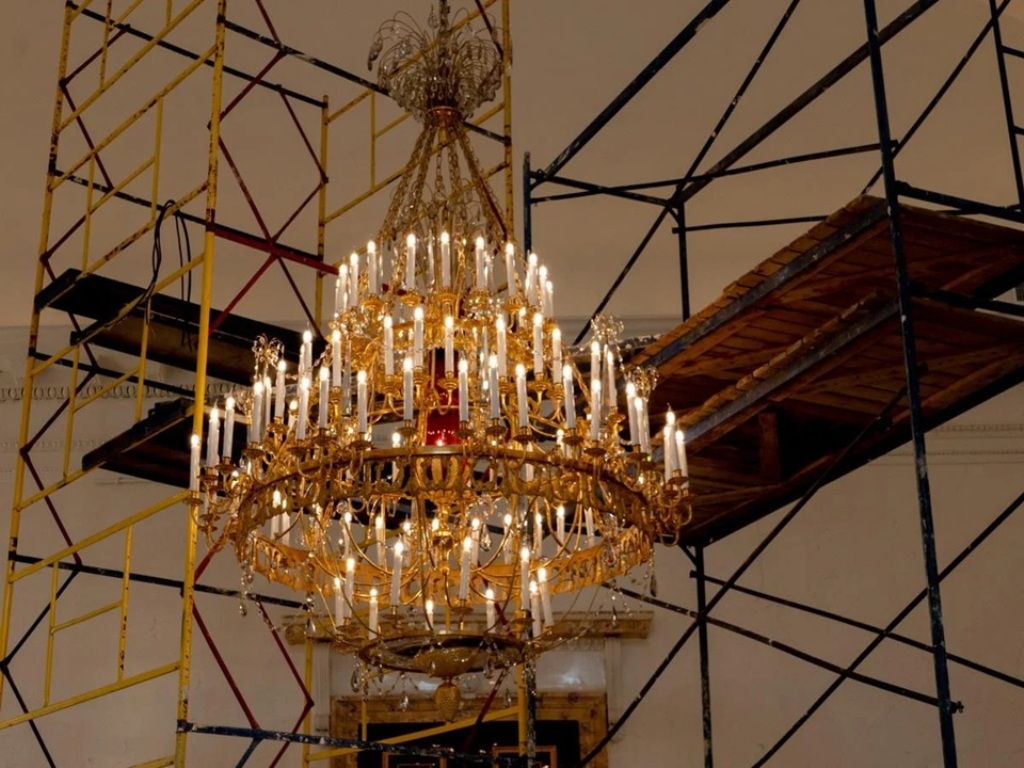
The restoration of the interiors of the Alexander Palace at Tsarskoye Selo continues . . . On 5th March 2025, three 18th century chandeliers were restored and returned to the palace’s beautiful ceremonial halls.

Recall that in 2012, “cosmetic repairs” were carried out in the Portrait Hall, the Semi-Circular Hall and the Marble (Billiard) Room. In June 2010, the State Halls, which are situated in the central part of the palace – between the east and west wings – were solemnly opened to visitors, as part of events marking the 300th anniversary of Tsarskoye Selo. However, despite the best efforts of curators, limited restoration funds, and dispersed collections, meant that the presentations were somewhat sparse and of varying quality. The State Halls were closed again in the Autumn of 2015 for additional restoration work, and reopened in 2021.

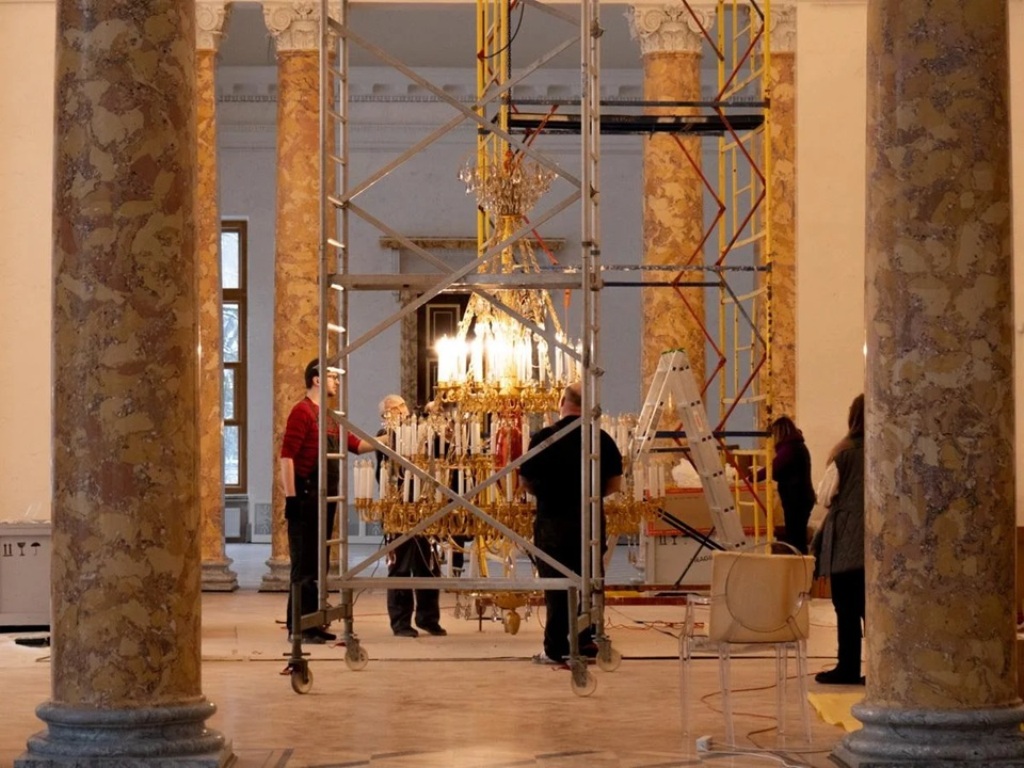
The three restored chandeliers were created according to a drawing by the famous Italian architect Giacomo Quarenghi (1744-1817), who constructed the Alexander Palace between 1792–96. The chandeliers were made of made of bronze, glass and crystal, and designed to hold 100 candles each. They are the largest and heaviest chandeliers in the museum’s collection and designed for such a large number of candles. Each chandelier stands 3.5 meters [11.5 ft.] high, and weighs more than 240 kilograms [530 lbs.]. The restoration work was carried out by specialists from the Yuzhakova Studio workshop in St. Petersburg.

PHOTOS © Tsarskoye Selo State Museum-Reserve

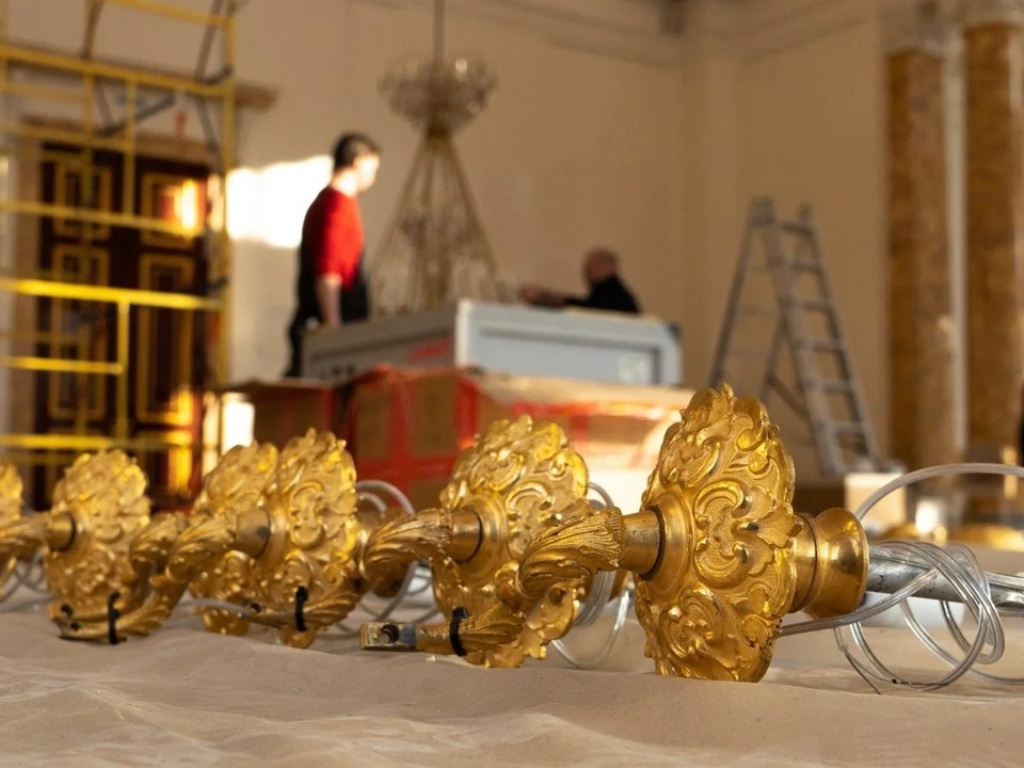
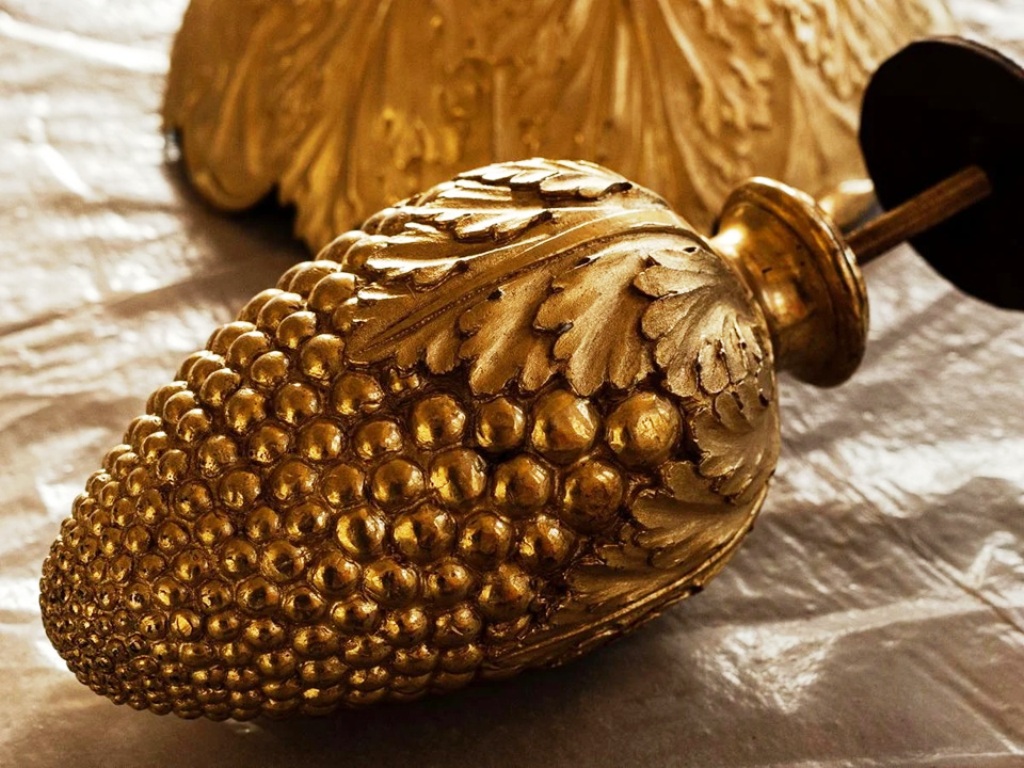
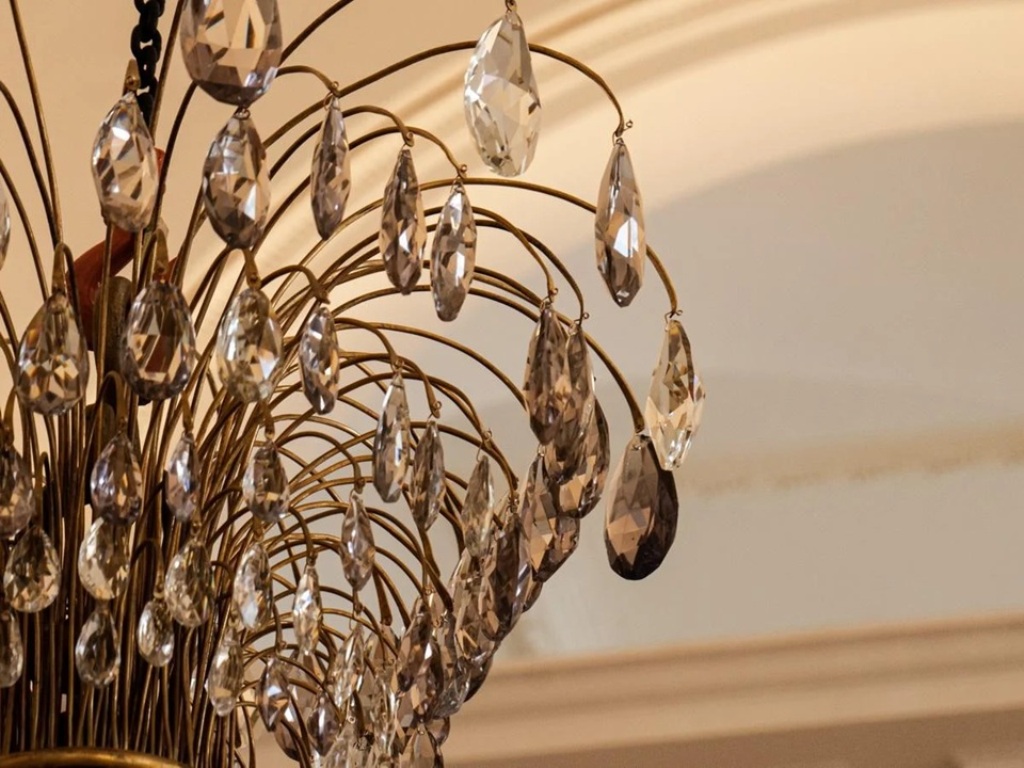
“In the process of work, the chandeliers were dismantled into parts and cleaned and polished. The restorers repaired bronze tears, cracks, caverns and filled in the areas of lost gilding. The missing parts were recreated according to existing analogues. If you look at these chandeliers, you will see that their crystal headdress is extremely rich and diverse – they are generously decorated with numerous garlands, pendants, obelisks of different sizes and faceted rosettes. The craftsmen also restored the chips and made up for the losses on the central bulb of ruby glass. Working with such a fragile material, especially in such a volume, requires the utmost delicacy and skill,” said Ekaterina Stadler, curator of the Museum Metal Collection.

The restorers also replaced the old electrical wiring, the final touch was the manufacture of milk glass tubes imitating candles.

Initially, the chandeliers were created for the St. George Hall of the Winter Palace, but they were not installed at the time. The initial order called for eight chandeliers, however, only three were made by the Johann Zech bronze foundry in St. Petersburg. At the time, the chandeliers were made to hold 50 candles each. After the death of Empress Catherine II, her son Emperor Paul I ordered the chandeliers to be installed in the halls of his new residence – the Mikhailovsky [aka Engineers] Castle in St. Petersburg. Following the death Emperor Paul, the chandeliers were returned to the Winter Palace.

PHOTOS © Tsarskoye Selo State Museum-Reserve

PHOTOS © Tsarskoye Selo State Museum-Reserve

The chandeliers were transferred to Tsarskoye Selo in 1830. Russia’s first Minister of the Imperial Court, Pyotr Mikhailovich Volkonsky (1776-1852), wrote: “His Majesty the Emperor [Nicholas I] deigned to repair the four large chandeliers that were in the Concert Hall of the Winter Palace, and then send three of them to Tsarskoye Selo to Lieutenant General Zakharzhevsky <… > where they should be hung in a large drawing room or a large hall.”

The compositional basis of the chandeliers is a massive openwork rim with a glass tray at the bottom and a central stem with ruby glass balusters. The entire structure is attached on chains converging to a socket with a bump topped with a “fountain” with pendants. The combination of gilded bronze and the glare of crystal, especially when candles were lit, created an unusually decorative visual effect.

PHOTOS © Tsarskoye Selo State Museum-Reserve

PHOTOS © Tsarskoye Selo State Museum-Reserve

The chandeliers were placed in three halls of the ceremonial enfilade of the New (Alexander) Palace – the Semicircular and Portrait Halls and the Marble Drawing Room. In 1848, by order of Empress Alexandra Feodorovna, born Princess Charlotte of Prussia (1798-1860), 50 candle horns on two newly made thin hoops were added, bringing a total of 100 candles to each chandelier for better lighting. In the early 1900s – during the reign of Emperor Nicholas II – the chandeliers were electrified. During the Great Patriotic War [1941-45], the chandeliers were evacuated: one chandelier to Novosibirsk, two to Sarapul.

Recall that the first 13 interiors of the Alexander Palace – the personal apartments of Emperor Nicholas II and his wife Alexandra Feodorovna – opened to visitors in August 2021. In February 2023, work was completed in the Marble Hall with a slide. The restoration of the palace and its adaptation to modern use continues. In 2025, the Western wing of the palace is scheduled to open to the public.

© Paul Gilbert. 6 March 2025
The favourite tunes of Nicholas II and his Family – Part 3

This third video features another tune, which was apparently a favourite of Emperor Nicholas II and his Family. Click on the image above to listen to Осенний сон / Autumn Dream, a waltz. [Duration: 3 minutes, 27 seconds].

The music of the waltz “Autumn Dream” was written by the English pianist and composer Archibald Joyce (1873-1963) in 1908, who wrote a whole series of waltzes loved by listeners and even received the unspoken title of “King of Waltzes”.

In 1909, he came to Russia where he performed concerts, after which “Autumn Dream” immediately gained popularity. A few years later, records were released in huge editions, and “Autumn Dream”, along with other popular works by Joyce, began to be referred to as “old Russian waltzes”.

Several attempts were made to write lyrics to this music. The first to do this was Prince Feodor Nikolaevich Kasatkin-Rostovsky (1875-1940), who dedicated poems to Baroness Olga Nikolaevna Taube. But they did not receive recognition among the public. In the pre-war years, other poets tried to write lyrics to this opera, but the most popular was the version of Vasily Ivanovich Lebedev-Kumach (1898-1949).

NOTE: the translation is not perfect, but it will give you the gist of the lyrics – ENJOY!

The autumn wind blows off the leaves,
All nature is full of sadness.
Only hope does not die —
The heart knows: spring will come.

And sorrows, and bad weather —
Everything will pass like autumn rain.
There will be joy, there will be happiness,
And the warm sun will rise!

You have had enough of crying, maples, birches,
You can’t collect old leaves.
It’s enough to shed big tears for you,
The spring day will come again.

Soon the autumn of separation will pass,
The green leaf will grow again,
Dear hands will embrace us again,
There will be joy, love will come.

Set against the background of this opera are a number of images (some of which have been photoshopped) depicting Emperor Nicholas II and Empress Alexandra Feodorovna set against the autumn colours of the Alexander Park at Tsarskoye Selo. In addition are vintage newsreels and photos of the Imperial Family.

The vocals of this waltz is performed by the famous Russian soloist Irina Krutova, who perform Russian romances and classical music, accompanied by soloists of the State Academic Russian Concert Orchestra. The video was created by Irina Koroteeva (Moscow).

NOTE: Stay tuned for additional videos, featuring more favourite tunes of Nicholas II and his family.

More favourite tunes of Nicholas II and his family:

Part 2 – Я ехала домой / I was on my way home

Part 1 – Утро туманное (Misty Morning)

© Paul Gilbert. 4 March 2025
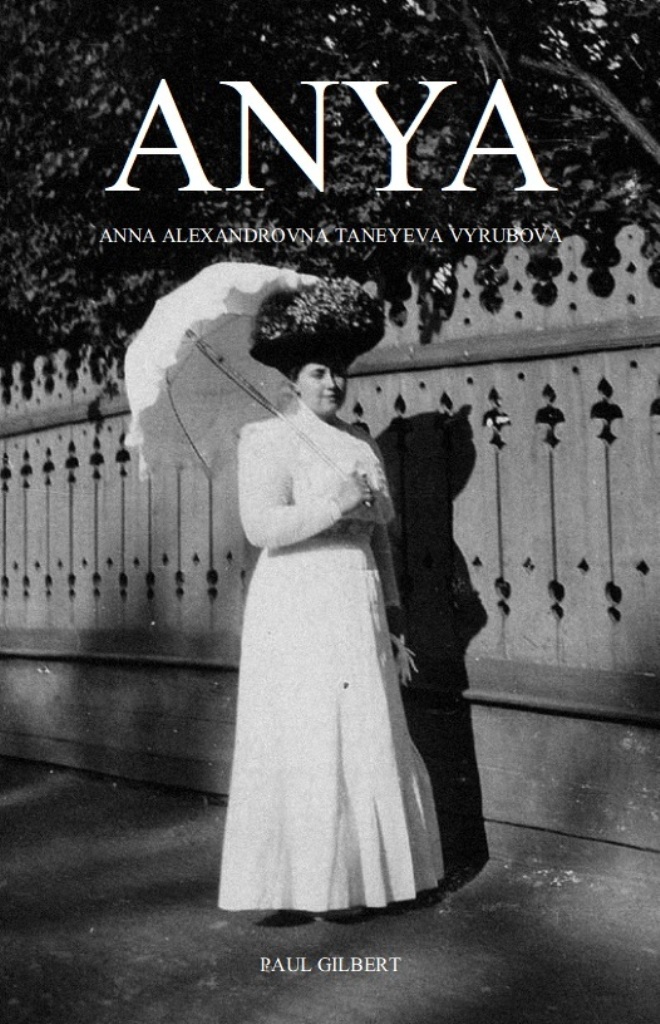
NEW BOOK – ‘Anya’: Anna Alexandrovna Tanyeva Vyrubova

*You can order this title from most AMAZON outlets worldwide,
Including the United States, Canada, United Kingdom and Australia.
*Note: prices are quoted in local currencies

CLICK HERE TO ORDER THE PAPERBACK EDITION @ $20.00 USD

Language: English. 204 pages. More than 70 black and white photos

This is the first English language study of Anna Alexandrovna Vyrubova (1884-1964), the famous lady-in-waiting to Russia’s last empress Alexandra Feodorovna, and devoted adherent of Grigorii Rasputin. She was known within the Imperial Family as “Anya”.

This new book features 7 chapters covering a wide variety of topics: the story of Anna’s life; a moral portrait of her memoirs – published in the 1920s and forgeries published – as a means to discredit her – during the Soviet years; Anna’s house in Tsarskoye Selo; a 1917 interview with Anna following her imprisonment; her life in exile in Finland and Sweden; the fate of her photo albums and efforts to have her canonized.

Vyrubova died in exile on 20th July 1964, at the age of 80. She was buried in the Orthodox section of Hietaniemi cemetery in Helsinki.

This volume features more than 70 black and white photographs, including images of her siblings, Anna in her wedding dress and rare photos of her life in exile in Finland.

***

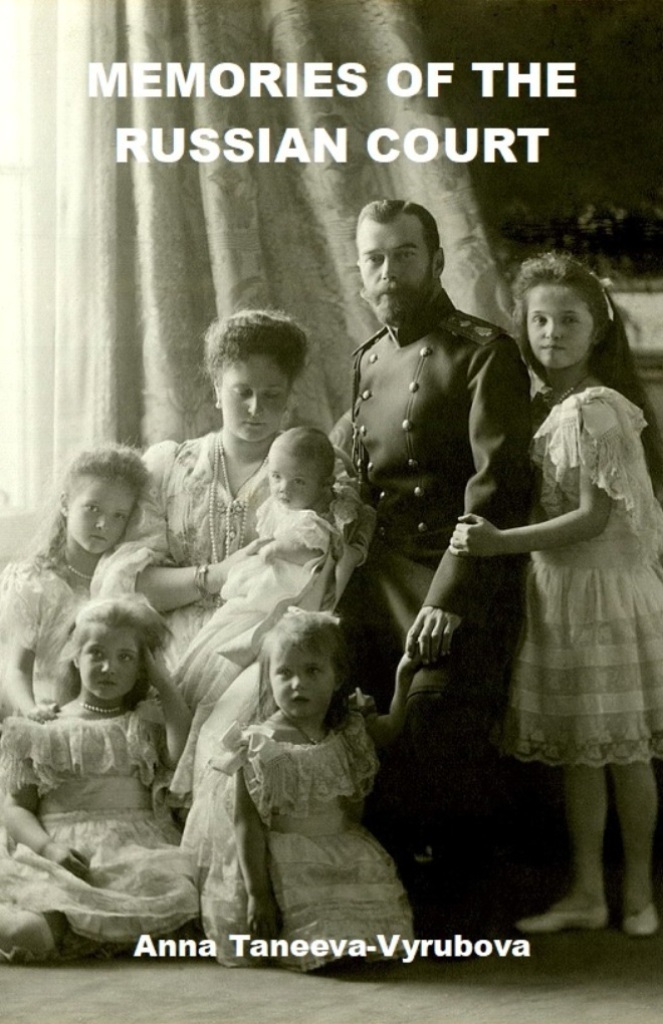
MEMORIES OF THE RUSSIAN COURT

The return of an old favourite . . . the first English language edition of ‘Memories of the Russian Court’ was published in 1923. This new edition is available in hard cover, paperback and eBook/Kindle editions. This popular classic is available in hard cover for the first time in more than 30 years! . . . . .

CLICK HERE FOR MORE DETAILS ABOUT THIS TITLE

© Paul Gilbert. 1 March 2025
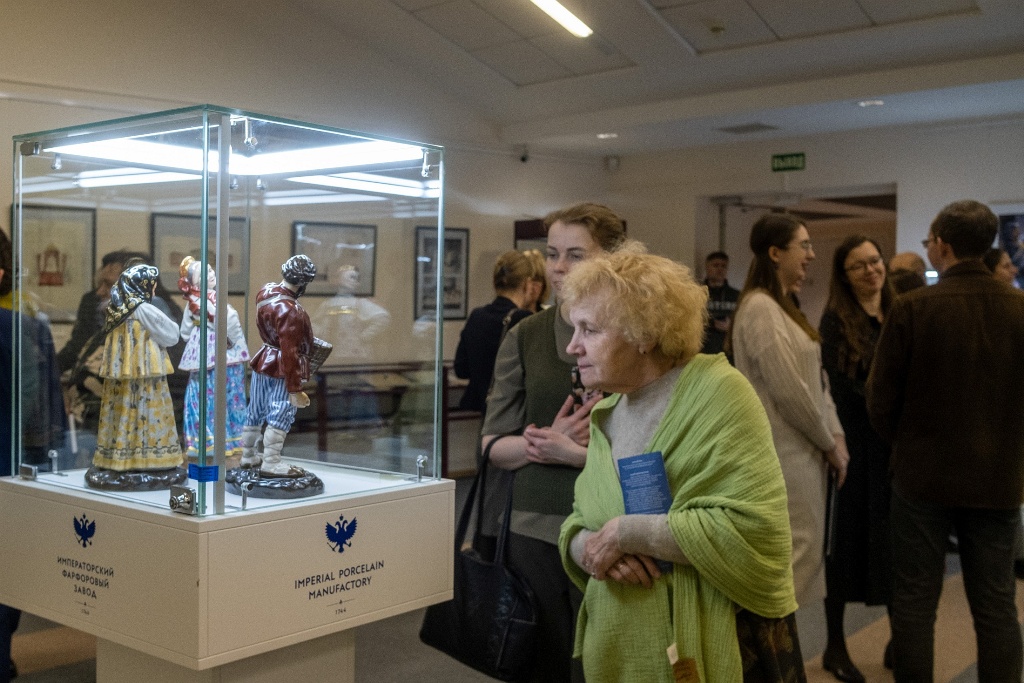
Nicholas II’s porcelain project presented in St. Petersburg

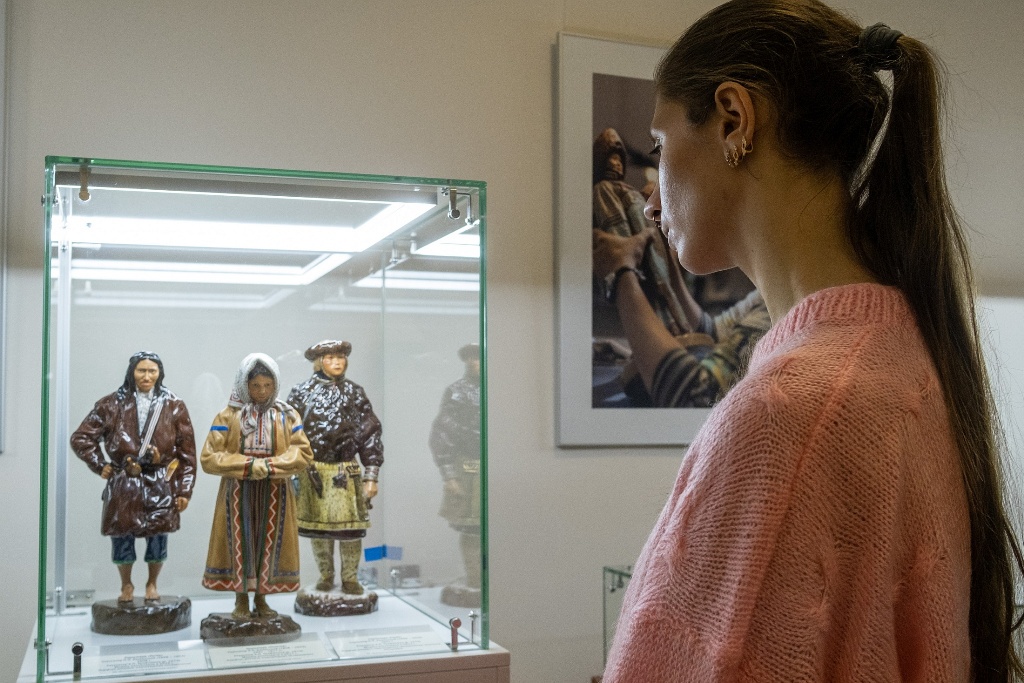
Earlier this week, a new exhibition opened in St. Petersburg, featuring items from the Imperial Porcelain Factory. The exhibition was organized by the Russian State Historical Archive (RGIA) in St. Petersburg and the Imperial Porcelain Factory [established in 1744].

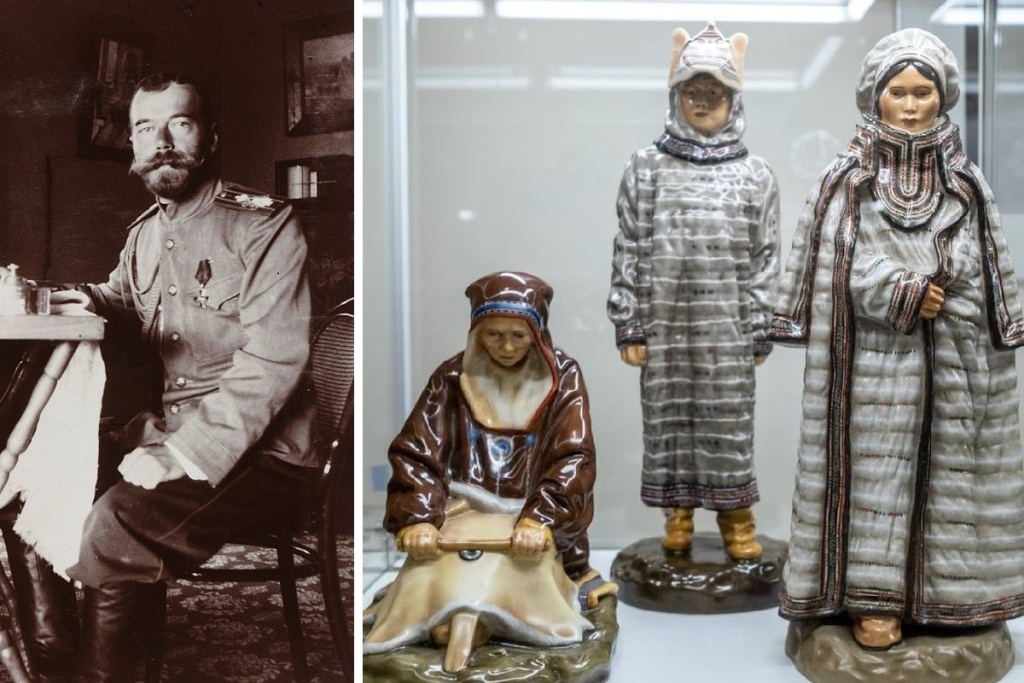
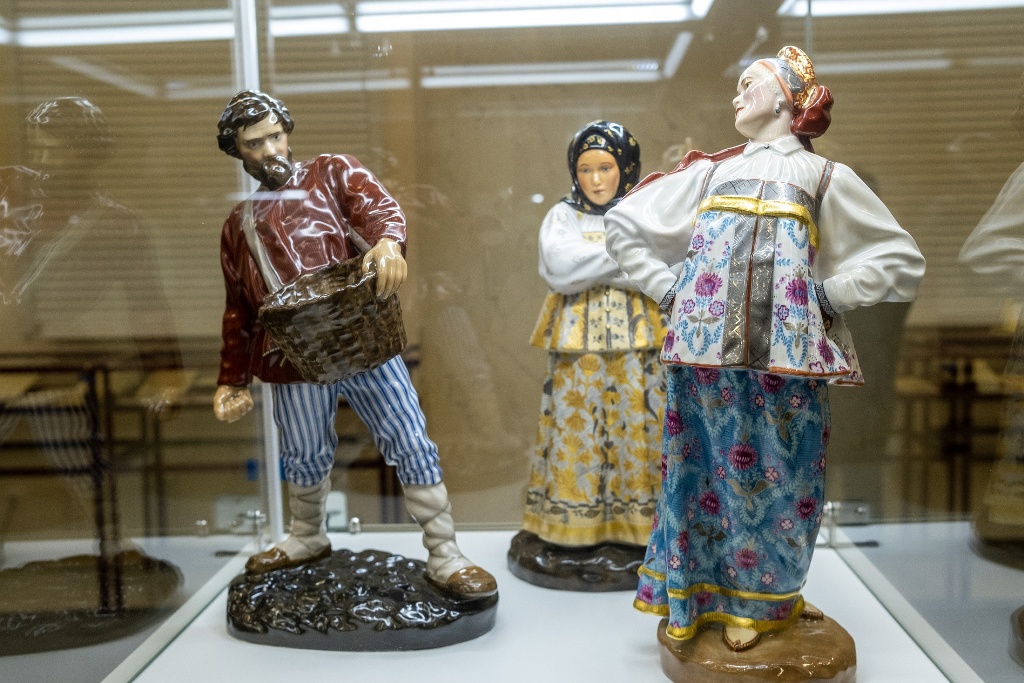
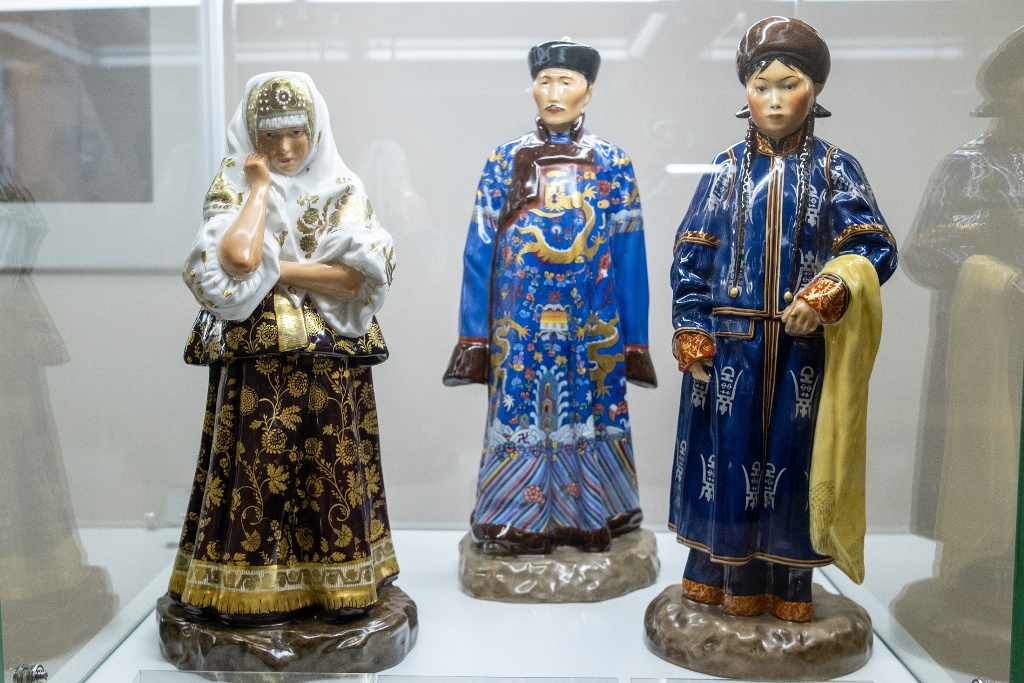
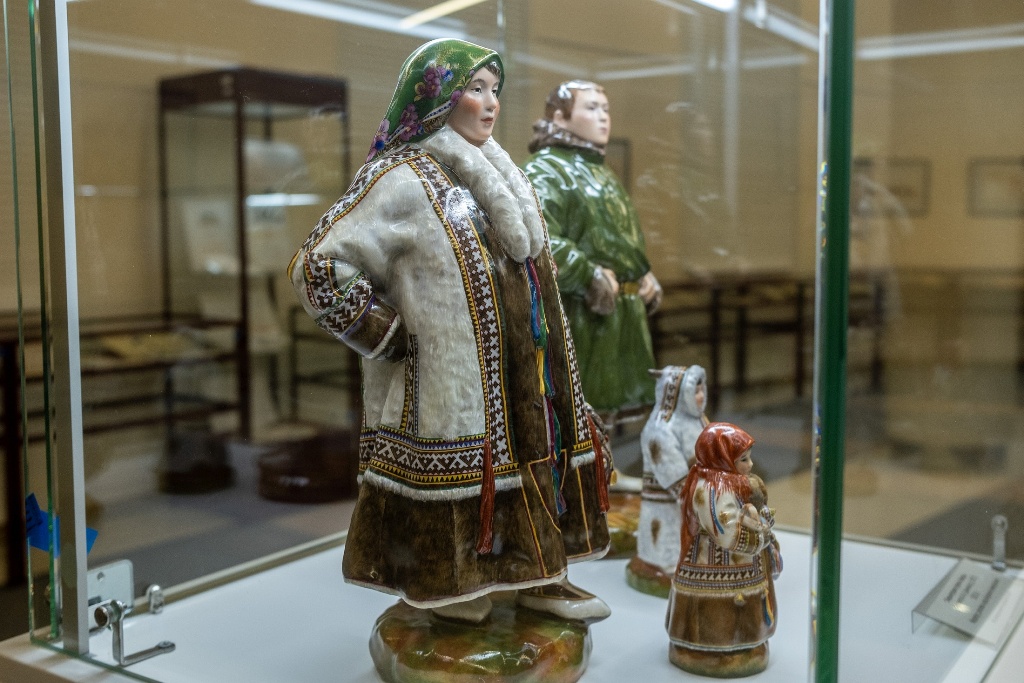
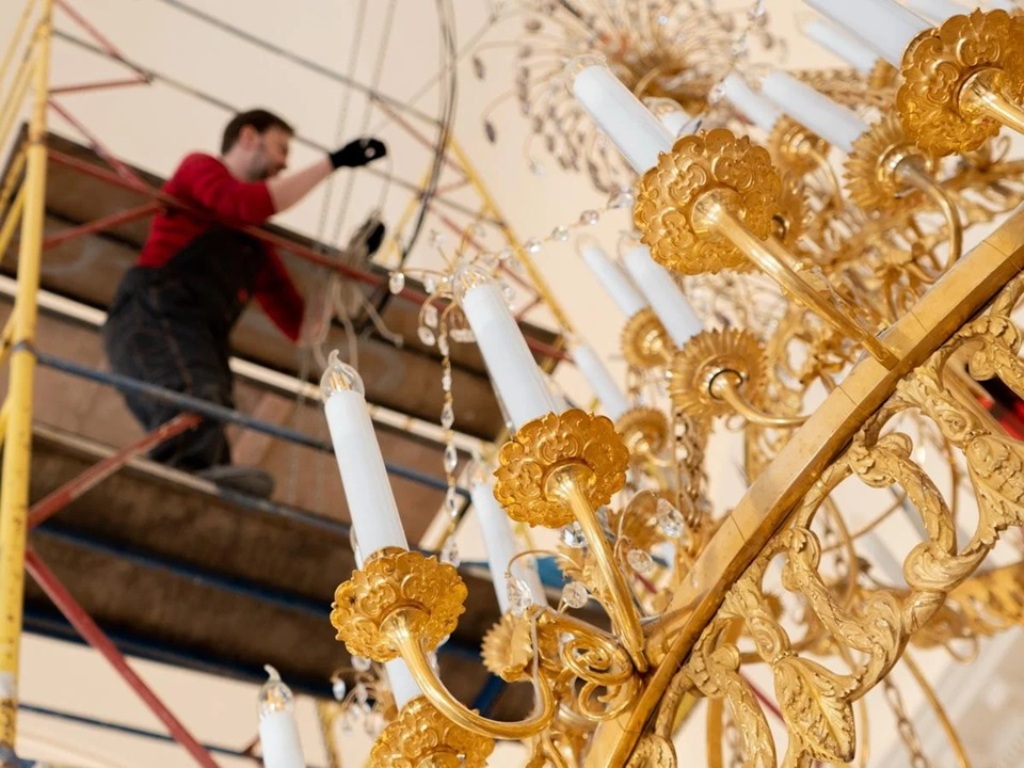
The highlight of the exhibition is a unique porcelain series “Peoples of Russia”, which represents the peoples of the former Russian Empire. The series was and remains the largest project in the history of the Imperial Porcelain Factory, created by the personal order of Emperor Nicholas II.

In addition, are more than 200 archival documents dedicated to the history of the Imperial Porcelain Factory and the author of the “Peoples of Russia” series, sculptor Pavel Pavlovich Kamensky (1858-1922). The documents include Kamensky’s personal files, letters, and documents on the procedure for making the porcelain series. Many of these documents are exhibited for the first time.

The “Peoples of Russia” series of porcelain figurines was created between 1907-1917 by order of Emperor Nicholas II. The series was created to mark the celebration of the 300th anniversary of the Romanov Dynasty in 1913. The series represents the 73 nationalities of the Russian Empire, according to the results of the first General Population Census of 1897.

Kamensky managed to create over 150 figures, depicted in their respective national costumes. The sculptor relied on a wide range of historical, ethnographic and anthropological materials from the collections of the Kunstkamera and the Museum of Alexander III [State Russian Museum].  He was assisted by a team of molders and painters – Anatoly Lukin, Pavel Shmakov, Ivan Zotov, Andrei Dietrich, Lyudmila Midina and others.

Nicholas II personally evaluated the new statuettes of the series. Every year before the Christmas holiday from 1907 to 1914, several new figures were brought to the Alexander Palace at Tsarskoye Selo, and shown to the Emperor.

The majority of the original “Peoples of Russia” figurines are today in Collection the Porcelain Museum of the State Hermitage in St. Petersburg. In addition, there are 47 figurines in the collection of the Russian Museum of Ethnography in St. Petersburg.

Copies of these beautiful figurines are still manufactured at the Imperial Porcelain Factory in St. Petersburg, and available to purchase by collectors.

© Paul Gilbert. 28 February 2025