Alexander Palace hosts ‘Romanovs in the Crimea’ exhibition

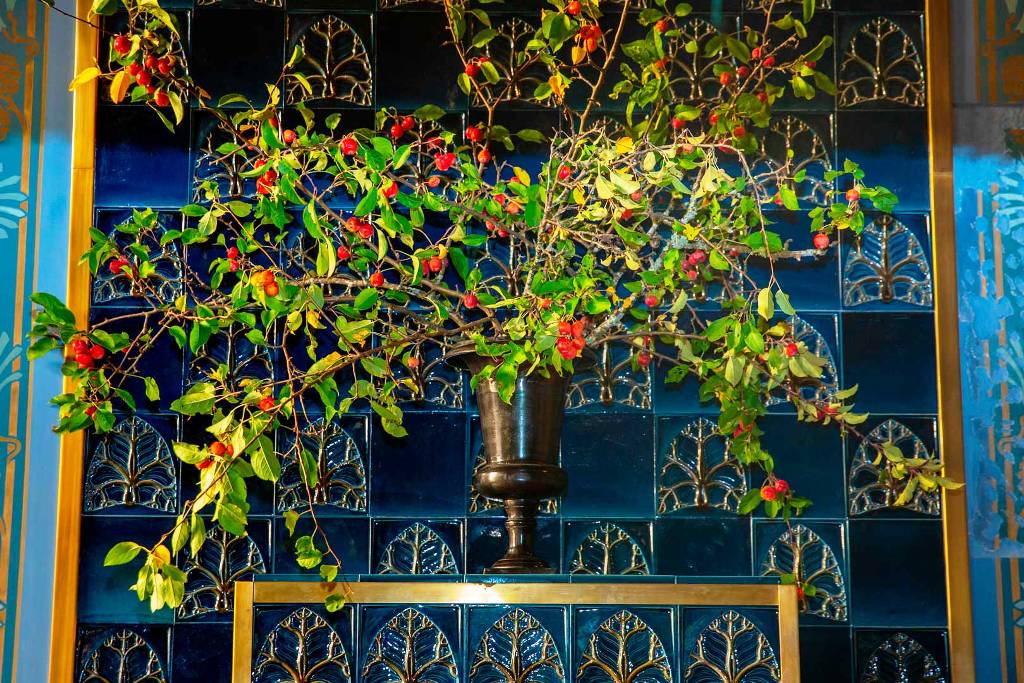
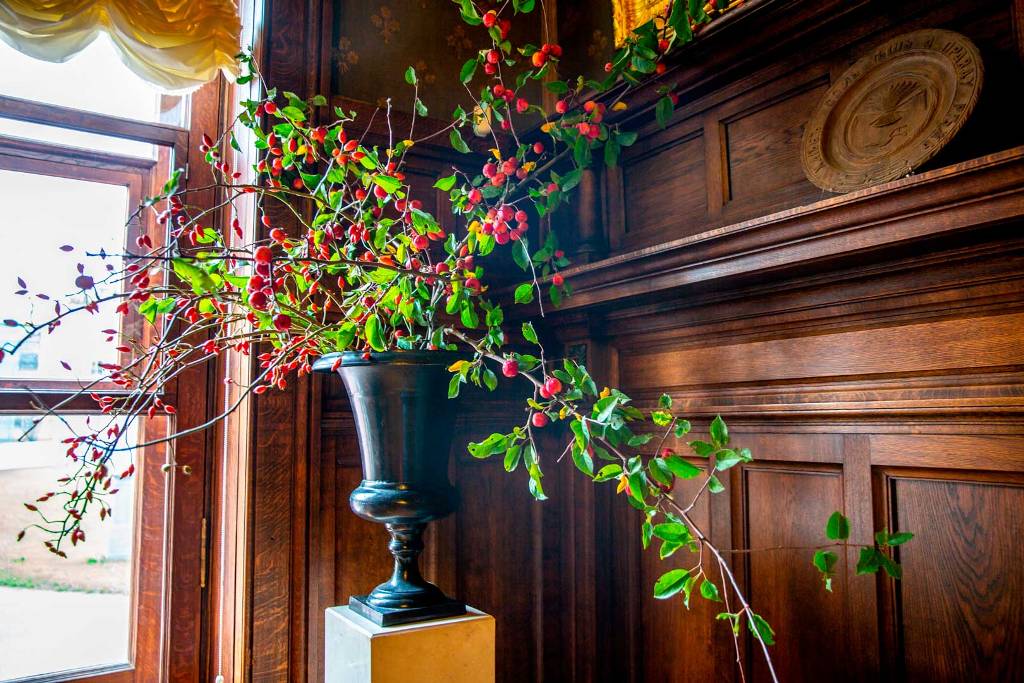
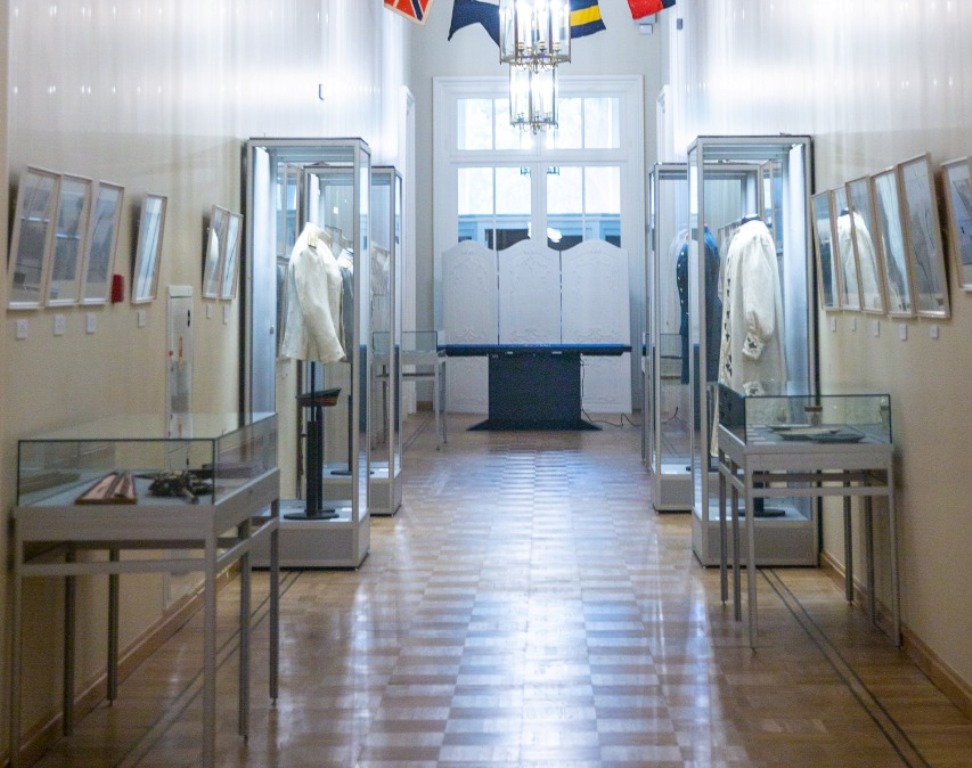
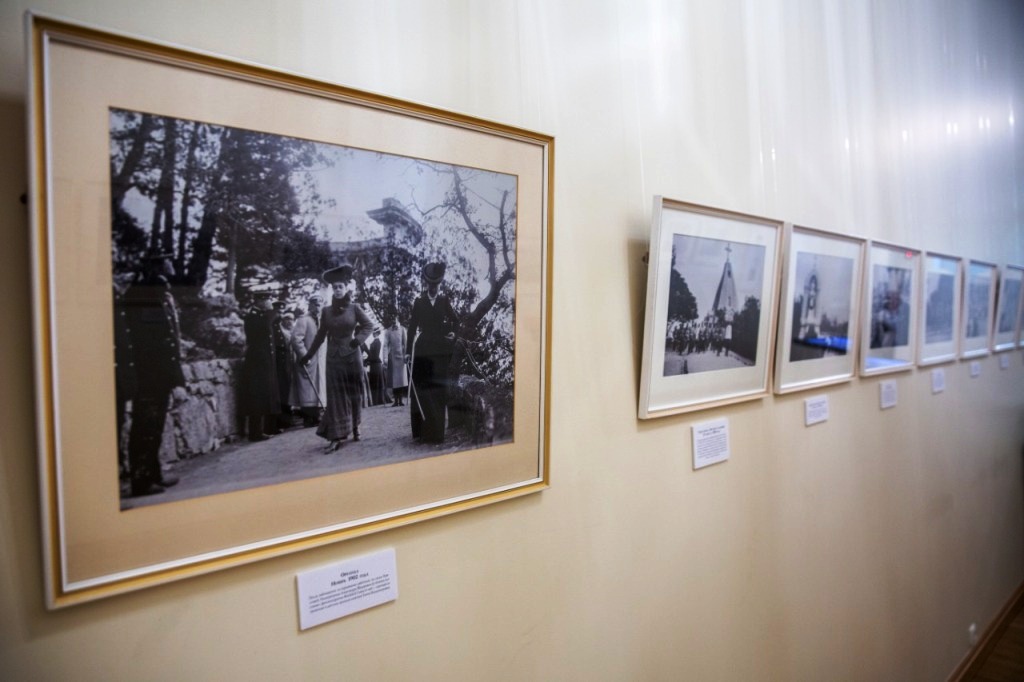
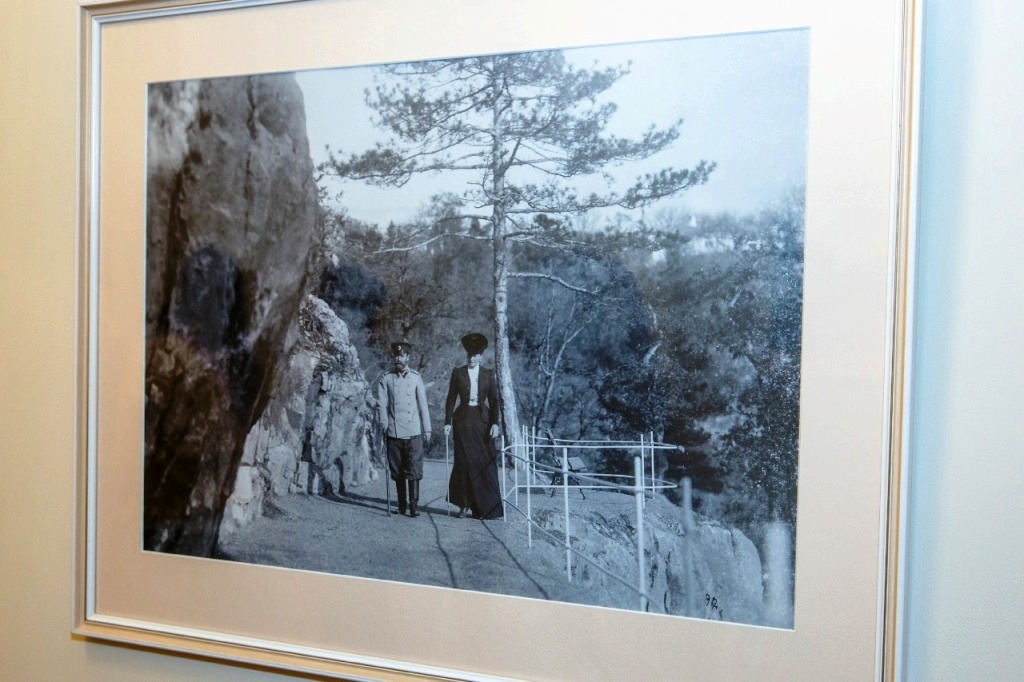
On 21st September 2023, a new exhibition ‘Imperial Visits to the Crimea: 1900, 1902, 1909‘ opened in the Alexander Palace at Tsarskoye Selo.

NOTE: during their visits to Crimea, Nicholas II and his family stayed in the Small (Maly) Palace, until 1911, when the iconic white stone palace was constructed on the site of the Large (Bolshoi) Palace, by the Russian architect Nikolai Krasnov (1864-1939).

The Small Palace survived until the Great Patriotic War (1941-45). While there is no exact information about the destruction of the palace, some say it was the work of the Nazis, while others cite evidence from local eyewitnesses that it was the Soviets who set fire to the historic wooden palace – PG

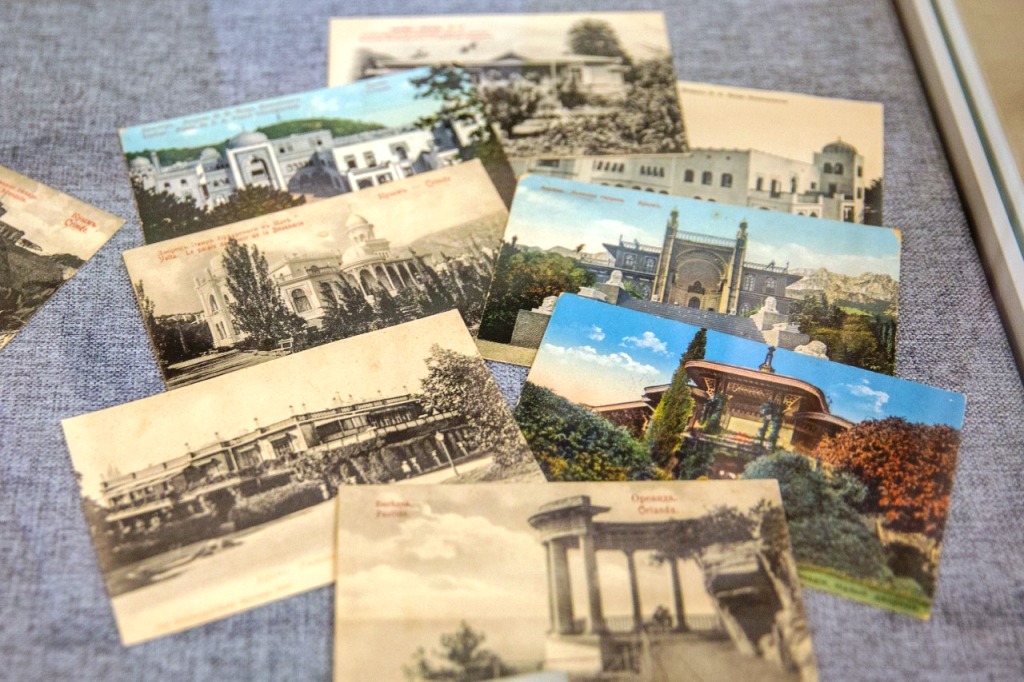
PHOTO: early 20th century postcards depicting palaces along the Black Sea coast, including the wooden palaces at Livadia – the Large (Bolshoi) and Small (Maly) Palaces are depicted above the photo of the Rotunda at Oreanda (bottom)

The exhibit is a joint project of the Tsarskoye Selo State Museum and the Alupka Palace Museum (Crimea), which showcases photographs from the private albums of Emperor Nicholas II and his family, as well as imperial memorabilia from the Tsarskoe Selo collection.

The albums with photographs capturing Emperor Nicholas II and his family during their visits to the Crimea in 1900-1909 were made for the Romanovs by K.E. von Gan & Co., a famous photography atelier in the town of Tsarskoye Selo, who were licensed to photograph the imperial family.

Their photographer and cinematographer Alexander Karlovich Yagelsky (1861-1916) used a then-innovative approach by printing still frames from film reels and thus getting more real, ‘live’ photos instead of stiff, staged shots. 

The photographs on display show the Imperial Family in Livadia, Yalta, Oreanda and Sebastopol, visiting infirmaries, regimental celebrations, the ship Rostislav and cruiser Pamiat’ Merkuria (Memory of Mercury), meeting with veterans and sisters of mercy of the Crimean War, as well as walking around or playing ball and lawn tennis. 

“This is not just a series of photographs from beautifully designed albums with impeccable artistic taste. Before us are documents of the era that allow us to look into the past and see the people and events of the early 20th century through the eyes of the last Tsar and his family,” said Iraida Bott, Deputy Director for Research at the Tsarskoye Selo State Museum-Reserve.

An interactive touch table at the exhibition gives access to other over 130 digitized photos from the imperial albums.

Among the items of imperial memorabilia on display are Tsesarevich Alexei’s hat of a lower-rank officer from the imperial yacht Standart, Emperor Nicholas II’s jacket of a Naval Captain 1st rank, Empress Alexandra Fiodorovna’s dress, worn during their visits to Crimea in the early 20th century.

The exhibition runs until 20th November 2023.

***

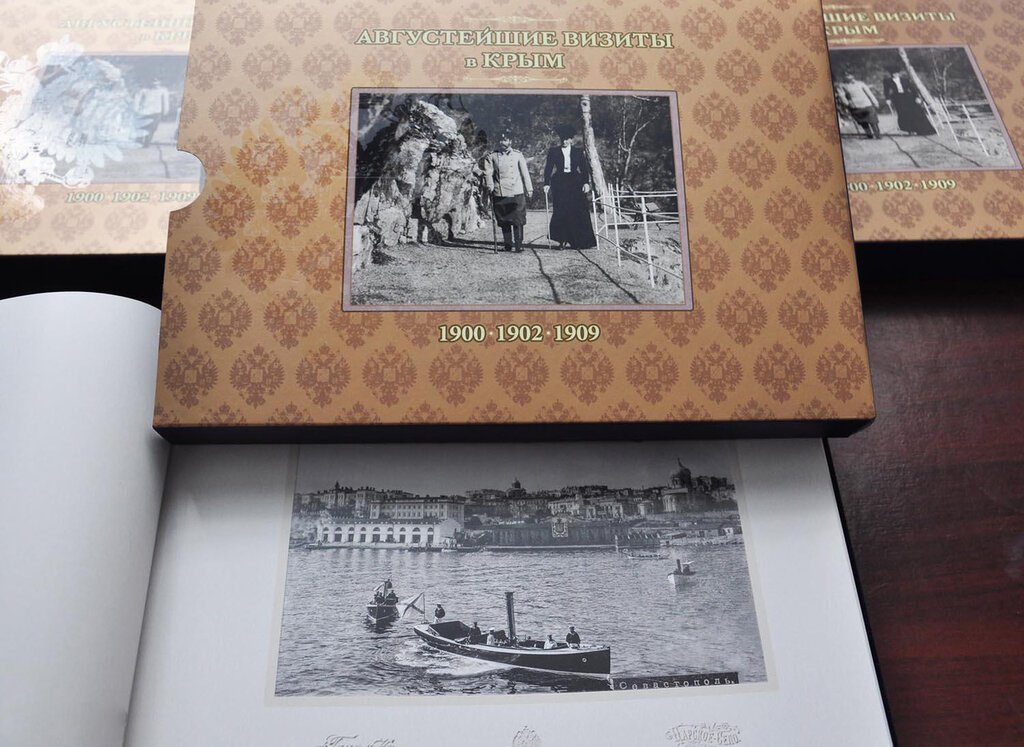
In 2013, the photographs from this exhibition were published in a large 240-page hardcover album – *Августейшие визиты в Крым. 1900, 1902, 1909 (Imperial Visits to Crimea. 1900, 1902, 1909). Only 1000 copies were printed.

*I regret that I do not know how to obtain copies, or where copies can be obtained. Current financial sanctions imposed on Russia by the West, it is impossible to order from Russian booksellers in the Russian Federation – PG

© Paul Gilbert. 27 September 2023

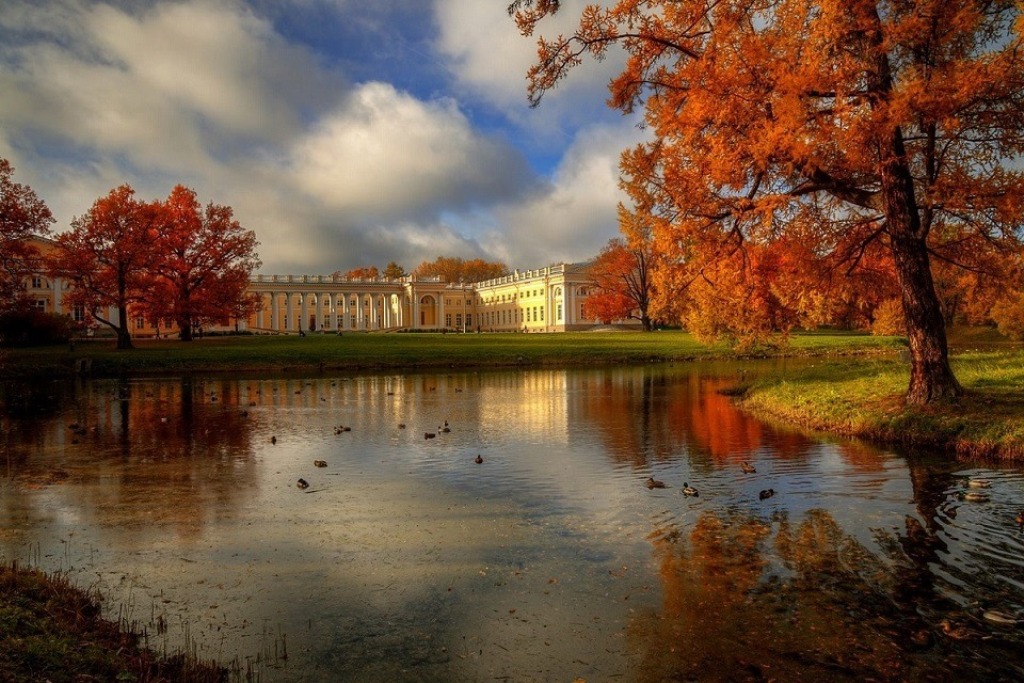
Alexander Palace marks it’s second anniversary

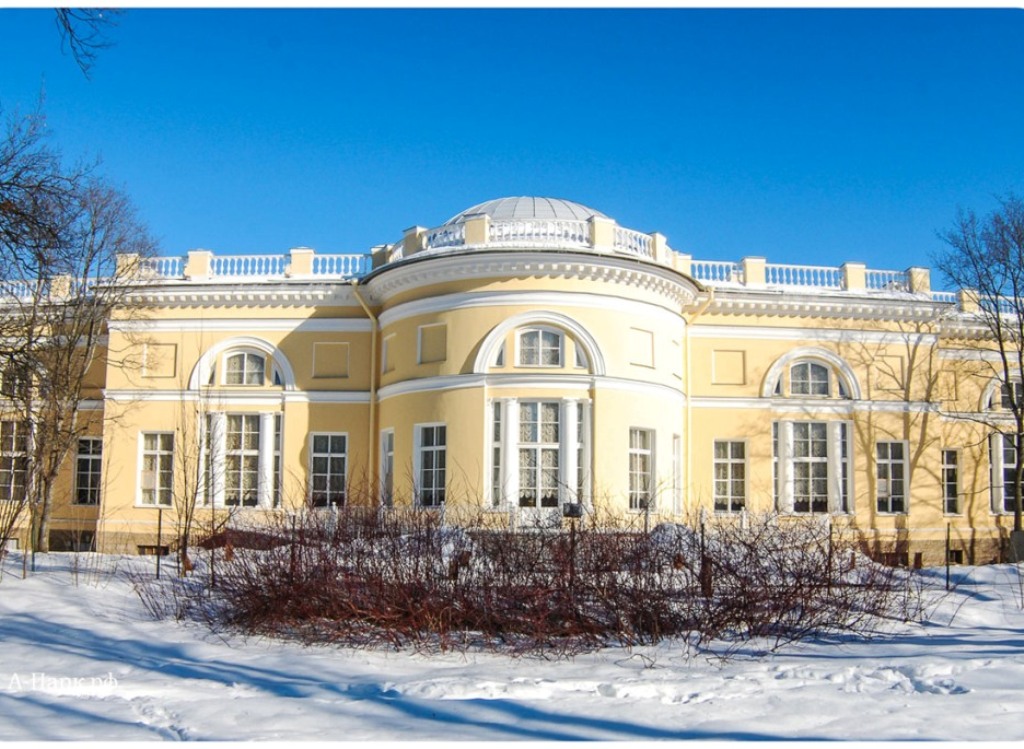
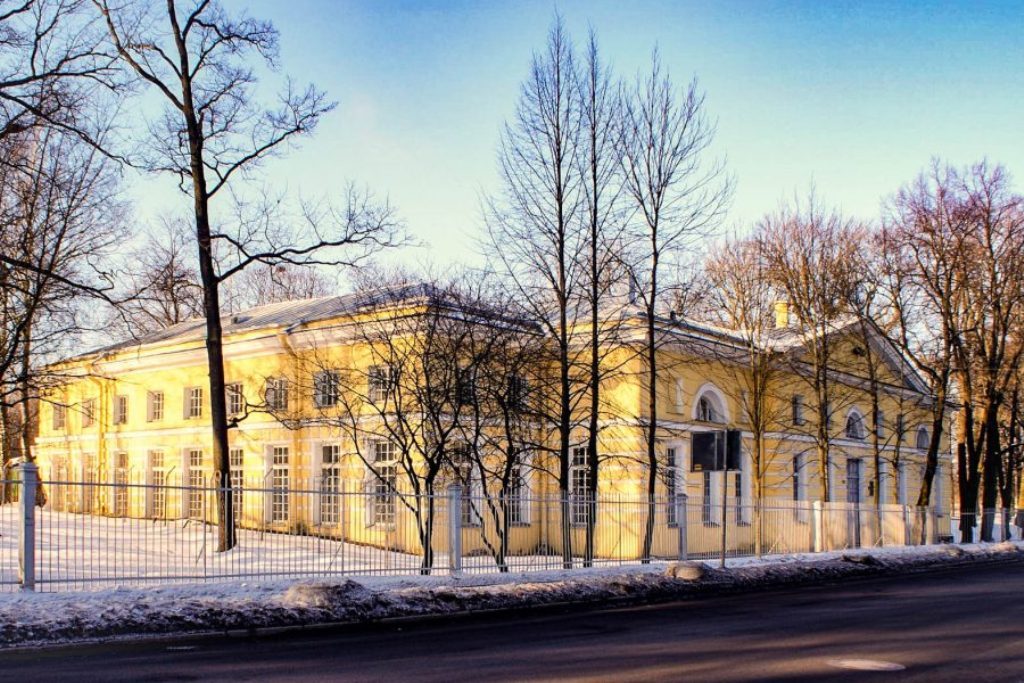
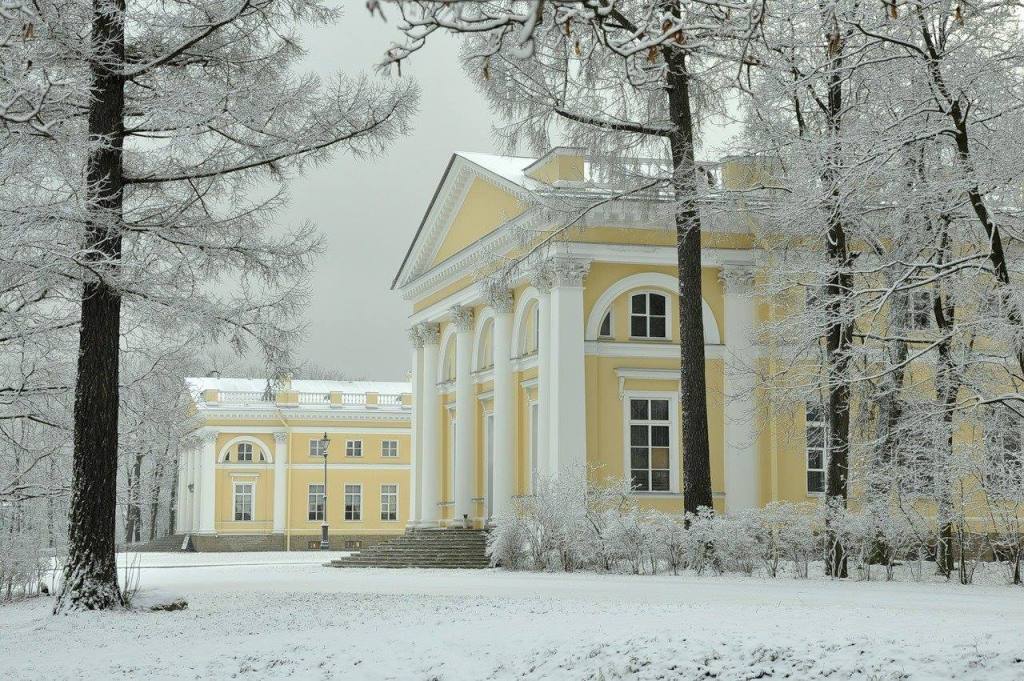
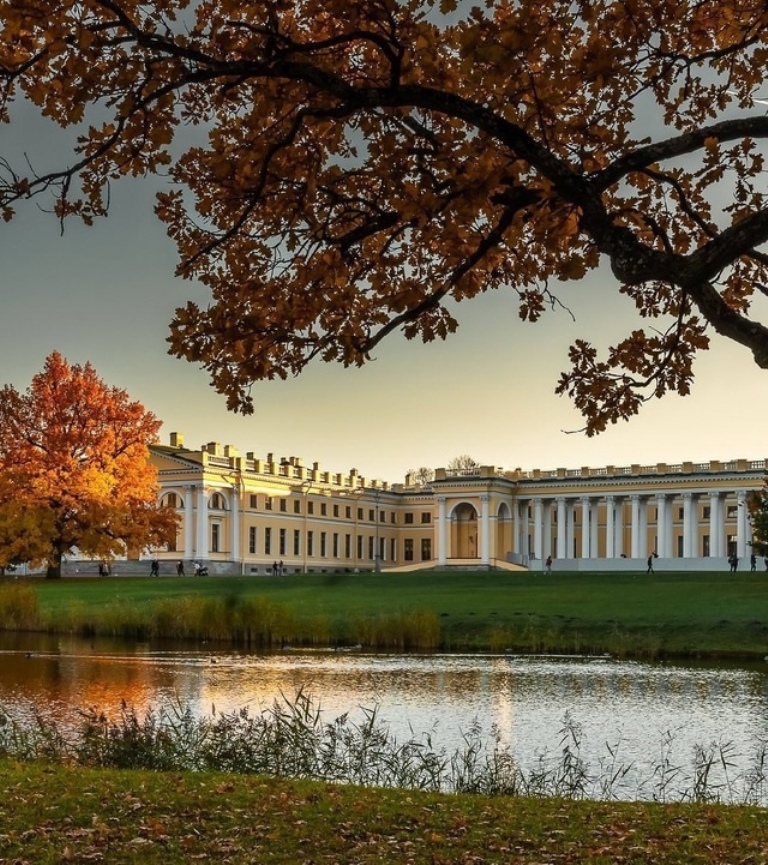
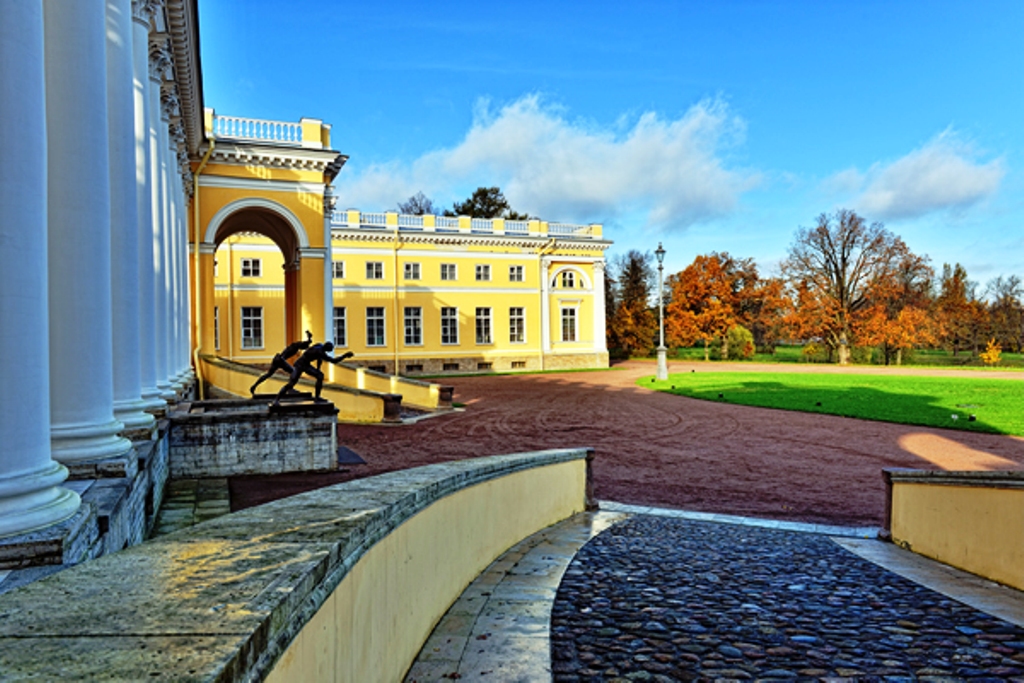
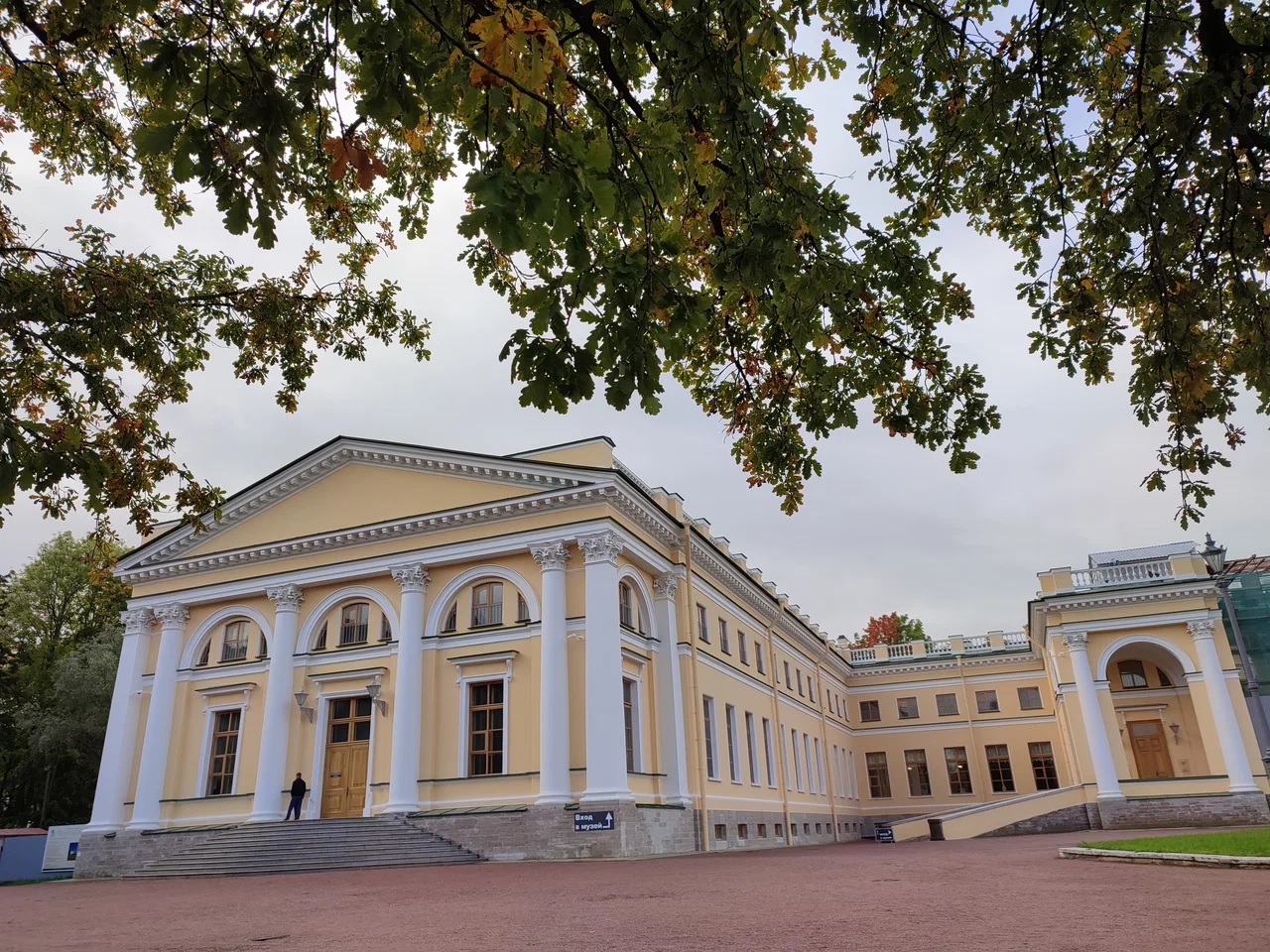
PHOTO: view of the eastern wing of the Alexander Palace

On this day – 13th August 2021 – the Alexander Palace at Tsarskoye Selo reopened, after an extensive restoration which began in the autumn of 2015. The Russian media were invited to tour the recreated apartments of Emperor Nicholas II and Empress |Alexandra Feodorovna, located in the eastern wing of the Alexander Palace. The palace welcomed its first visitors the following day on 14th August.

During the past 2 years, the Tsarskoye Selo State Museum restored one additional interior and recreated a number of items lost from the Alexander Palace during the Second World War . . .

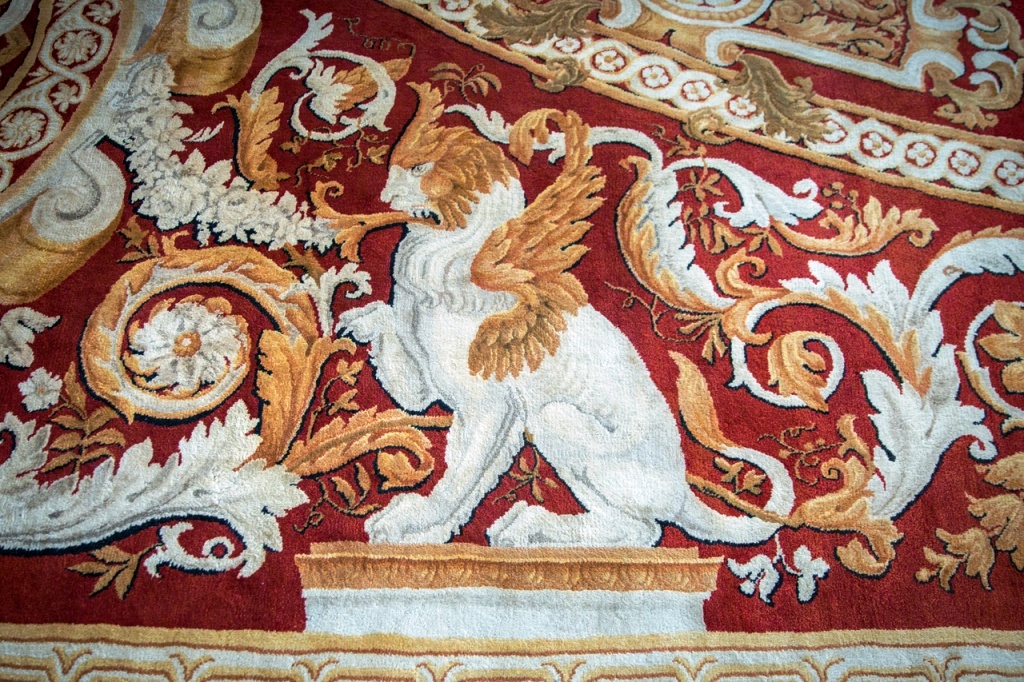
In September 2022 – a luxurious 100 square meter French-made Savonnerie carpet was recreated for Empress Alexandra’s Corner Reception Room.

In February 2023 – the Marble [Mountain] Hall – which is part of the ceremonial enfilade – officially opened it’s doors to visitors for the first time in 80 years. The restored interior also includes the recreated wooden slide, which was enjoyed by members of the Russian Imperial Family.

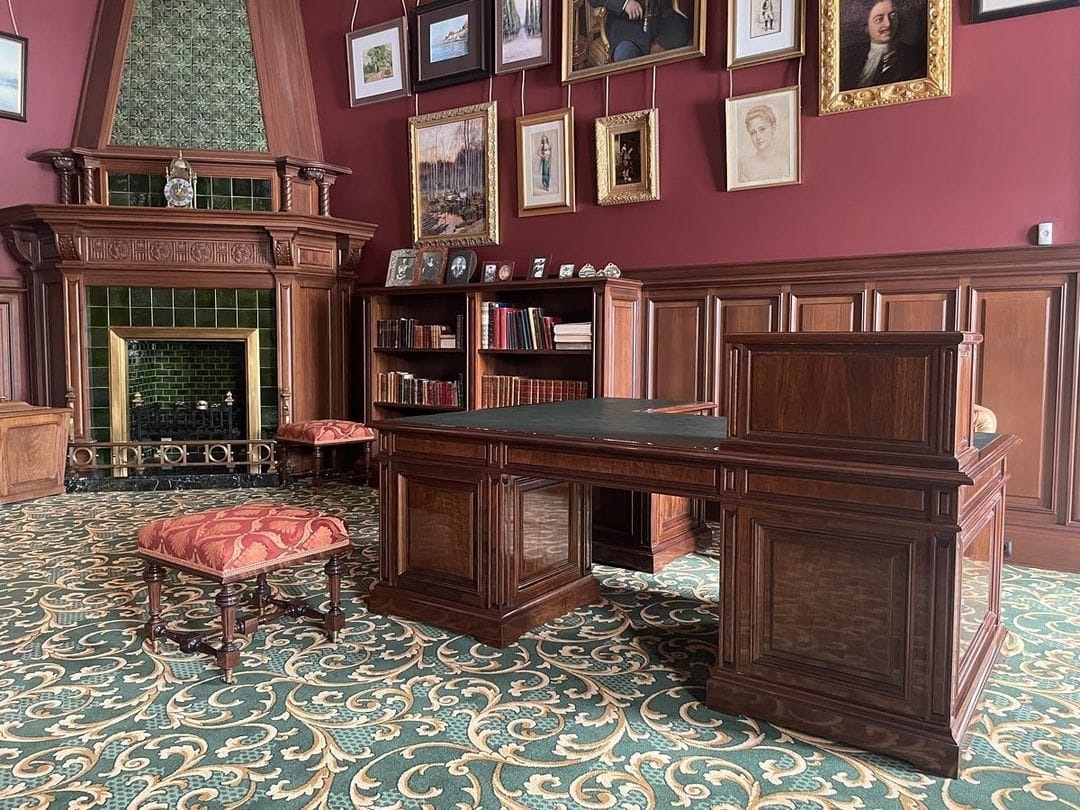
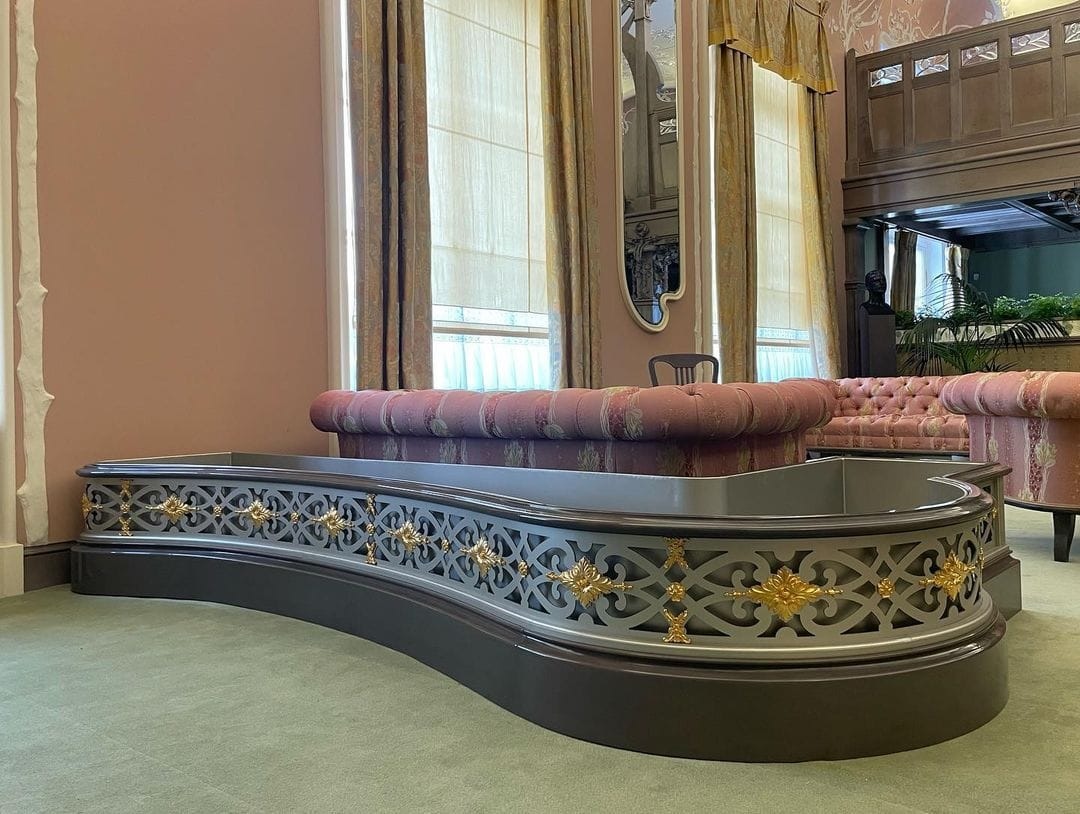
In May 2023 – a large stand for palm tree and other large plants was recreated for the Maple Drawing Room. In addition, an L-shaped desk and ottoman were recreated for the Working Study of Nicholas II.

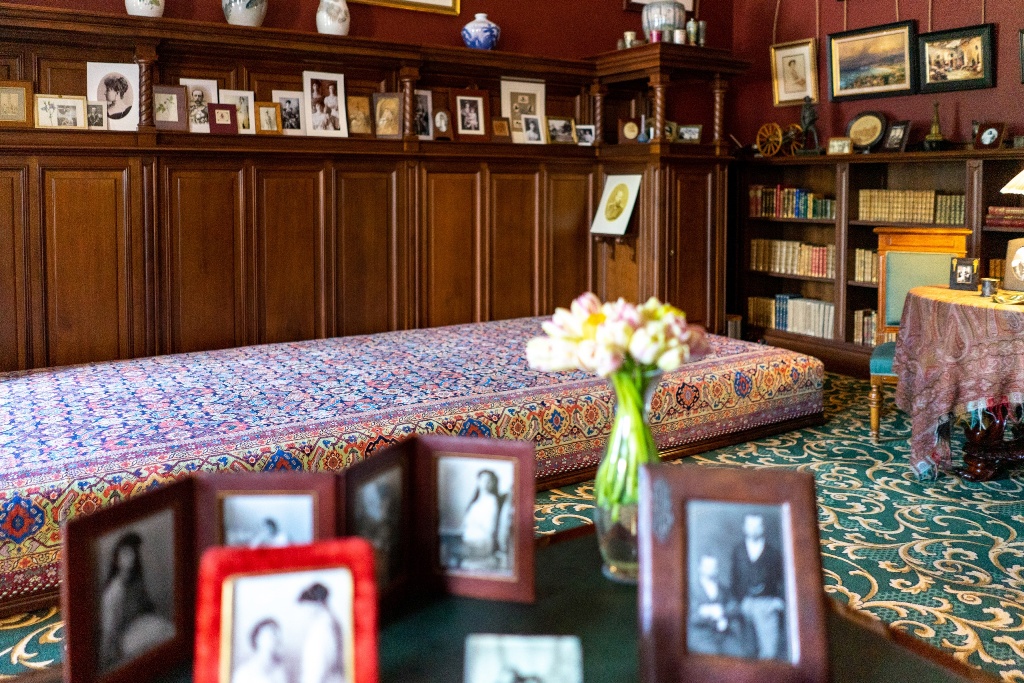
In June 2023 – an ottoman was recreated for the Working Study of Emperor Nicholas II. The large Persian Farahan carpet has been recreated by modern Iranian craftsmen using traditional technologies.

The price tag for the first stage of the Alexander Palace restoration was $30 million USD. The project is the result of the colossal work of hundreds of people, including designers, architects, restorers, museum workers and dozens of organizations.

The Western wing is scheduled for completion no earlier than 2024. After the completion of the work, the Alexander Palace will become a multifunctional museum complex, which will include exhibition halls, halls for temporary exhibitions, halls for research work and conferences, as well as a library and a children’s center. The basement floor will house a ticket booth, a museum shop, a café, a cloakroom, a tour desk, as well as technical and ancillary facilities.

© Paul Gilbert. 13 August 2023

***

Dear Reader: I have written more than 100 articles and news updates on the history and restoration of the Alexander Palace at Tsarskoye Selo. If you have enjoyed all my updates, then please help supvport my research by making a donation in US dollars – donations can be made by PayPal or credit card. Click HERE to make a donation. Thank you for your consideration – PG

Photo album belonging to Tsesarevich Alexei Nikolaevich returned to Alexander Palace

Photo © Tsarskoye Selo State Museum

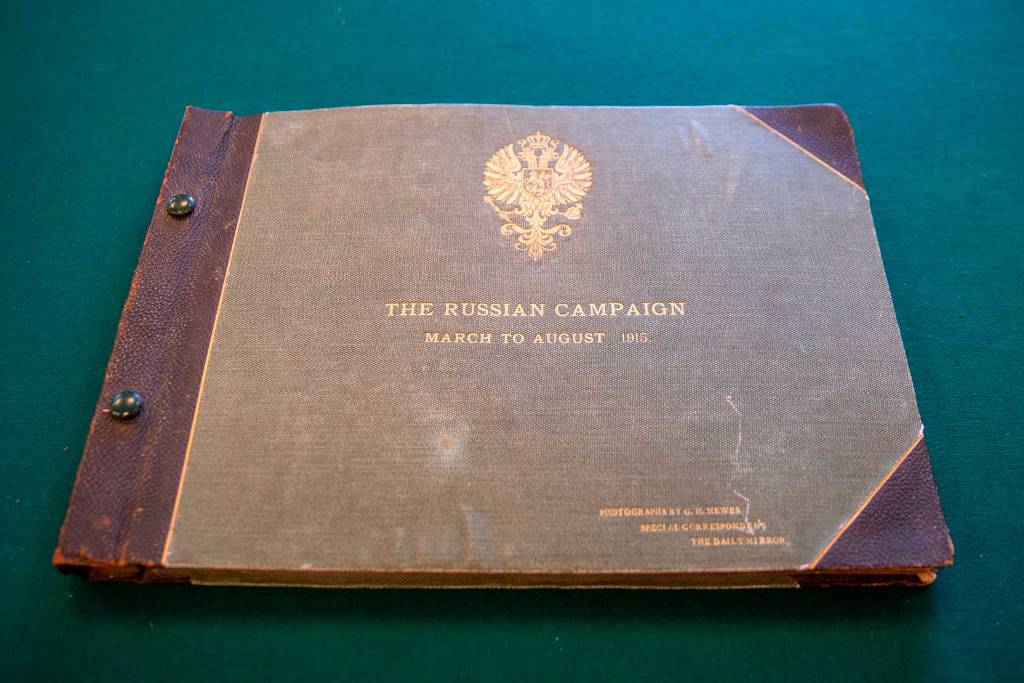
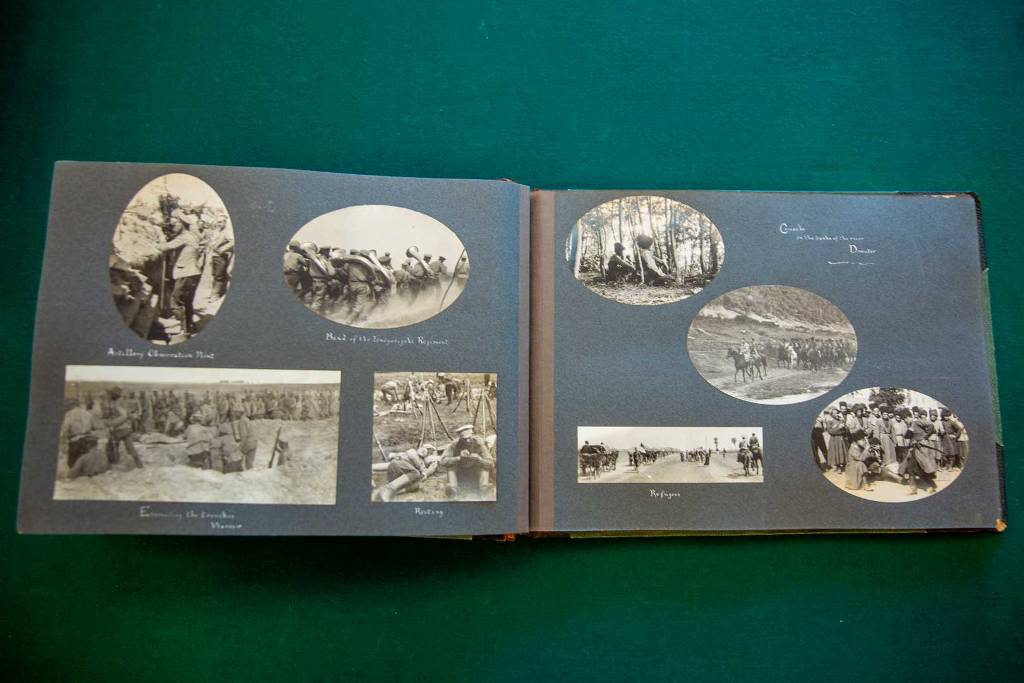
A rare photo album “The Russian Campaign. March to August 1915”, which belonged to Tsesarevich Alexei Nikolaevich and was kept in the Alexander Palace, has been returned to the Tsarskoye Selo State Museum.

The album was one of several rarities purchased at foreign auctions and donated to the museum by the philanthropist and long-term friend of the museum, Mikhail Karisalov. The other items include two paintings by Karl Friedrich Schultz, and a plate from the famous Raphael service, manufactured in 1903 at the Imperial Porcelain Factory. The paintings and plate were originally from the Catherine Palace.

In total, the museum’s collection now includes 226 items donated by Mikhail Karisalov or acquired with his financial support. It is thanks to the kindness and generosity of this man, that the museum has been able to recoup many of its treasures which were lost or stolen during the Nazi occupation of Pushkin [Tsarskoye Selo] in 1941-44. 

The photo album “The Russian Campaign. March to August 1915” consists of 168 photographs taken during the Russian campaign of the First World War – from March to August 1915. The photographs were taken by British photographer George H. Mewes, who was appointed official photographer to the Russian Imperial Army. Hewes took photographs for a number of prominent British newspapers and magazines, including The Daily Mirror, The Times History of the War, Field Notes from the Russian Front and The Russian Campaign.

Similar albums about the military campaigns of the Russian Imperial Army during the First World War were presented as gifts to Tsesarevich Alexei Nikolaevich, the son and heir of Emperor Nicholas II. Museum researchers believe that the albums were kept in the Tsesarevich’s Classroom, which was located on the second floor of the Eastern Wing of the Alexander Palace. “We can only assume that “The Russian Campaign. March to August 1915″ album, among many other items, was seized from the Alexander Palace during the 1930s or 1940s,” says Victoria Plaude, curator of the museum’s photograph fund.

On the flyleaf of the album is a museum label. The inscription in ink reads: “Alexander./palace/floor. nasl-ka/class/No. 683”. This clearly indicates that the photo album was in the Alexander Palace in Alexei’s Classroom. The label found on the album is identical to those on other items from the Alexander Palace, and now in the Collection of the Tsarskoye Selo State Museum.

Photo © Tsarskoye Selo State Museum

The photo album was made in London by Jonson & Sons. Photos of different sizes are pasted on sheets of gray cardboard. On the top cover of the album is an embossed gold inscription: “Photographs by G. H. Mewes, special correspondent of the Daily Mirror”.

The pictures are accompanied by captions in English. On the flyleaf of the album there is an inscription: “It has been the aim of the correspondent to illustrate for the British public the heroic part performed by their Russian Allies in the Great War”.

The photographs are only a small selection of about two thousand photographs taken by Mewes for the Russian Imperial Army, which were reproduced in illustrated magazines around the world.

British photographer George Mewes and American journalist Stanley Washburn were on the Russian front in 1914-1915. In addition to periodicals, these photographs were later featured in Washburn’s book “The Russian Campaign. April to August, 1915”.

© Paul Gilbert. 13 July 2023

Ottoman recreated for Working Study of Emperor Nicholas II in the Alexander Palace

PHOTO: view of the ottoman recreated for the Working Study of Emperor Nicholas II in the Alexander Palace. Photo © Tsarskoye Selo State Museum Reserve

The Tsarskoye Selo State Museum continue to recreate items lost from the Alexander Palace during the Second World War . . . the latest addition is the beautiful ottoman, recreated for the Working Study of Emperor Nicholas II.

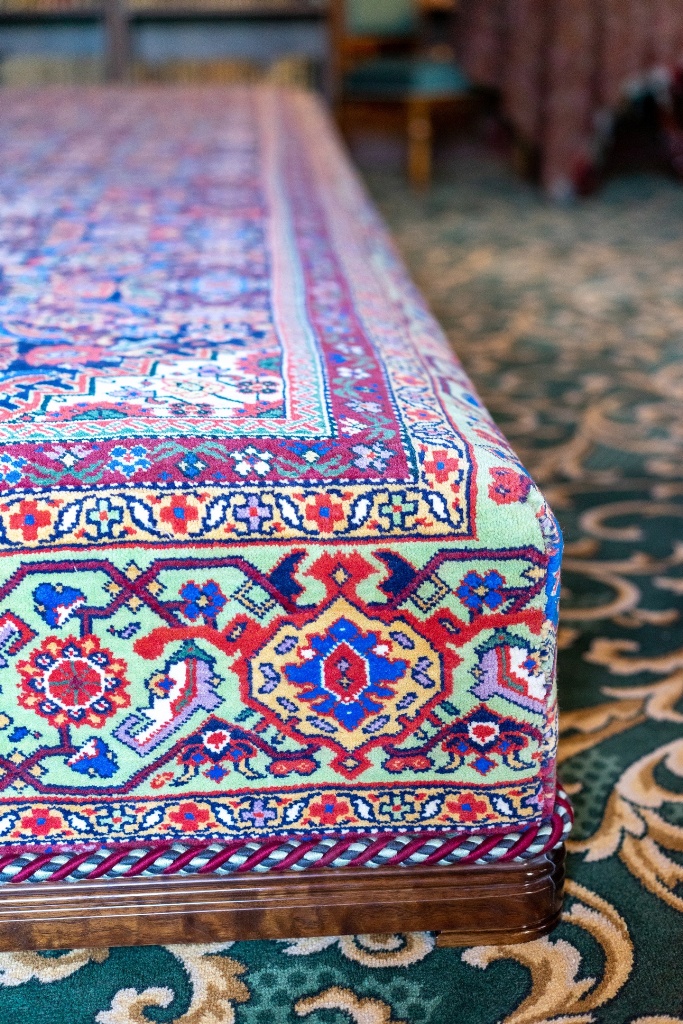
The large Persian Farahan carpet has been recreated by modern Iranian craftsmen using traditional technologies. The soft velvet upholstery features a variegated pattern of stylized plants on a dark blue background in the middle, and a border along the edge, with variegated figured medallions and stylized flowers on a light green background; edged along the plinth with a variegated cord. This description has been preserved in the museum’s inventory records.

PHOTO: detail of the ottoman recreated for the Working Study of Emperor Nicholas II in the Alexander Palace. Photo © Tsarskoye Selo State Museum Reserve

The recreation of the ottoman was made possible by archival photographs dating back to the 1930s, when the Alexander Palace was a museum. In the photographs, however, the details of the pattern of the central part of the carpet are not clearly visible, which made it difficult to recreate. Anna Tarkhanova, a senior researcher at the Tsarskoye Selo State Museum, conducted a study, the result of which it became obvious that a Farahan carpet made in the 1880s was used to upholster the ottoman of Nicholas II in 1896. Thus, a historical analogue for making a copy was of a carpet from the collection of Muranovo, the country estate of the famous Russian poet and diplomat Fyodor Ivanovich Tyutchev (1803-1873).

According to this museum model, a copy for the Alexander Palace was made in accordance with the traditional Persian technology of hand weaving. The order of the Farahan carpet made in Iran, was organized by Janusz Szymaniak, General Director of the Renaissance Restoration Workshops for the Reconstruction of Ancient Monuments, a long-time partner of the Tsarskoye Selo State Museum.

Persian carpets, which were usually presented as diplomatic gifts, traditionally decorated the interiors of the Alexander Palace. In addition, Russian Oriental style carpets based on Caucasian and Turkmen designs, also decorated the palace.

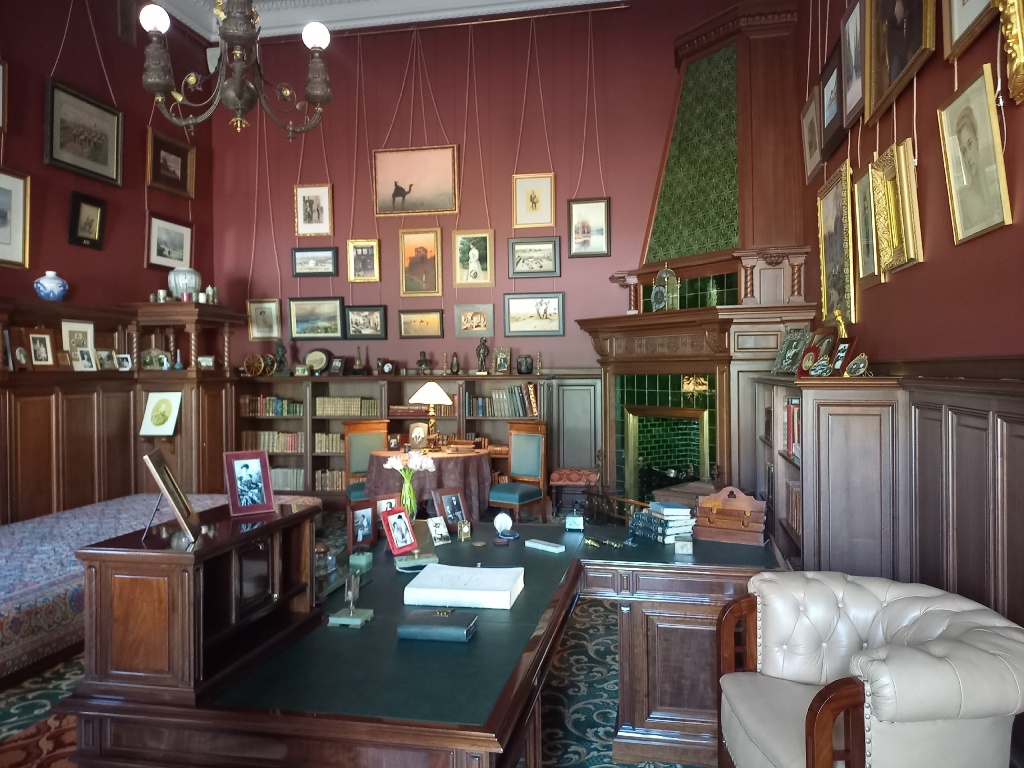
PHOTO: view of the Working Study of Emperor Nicholas II in the Alexander Palace as it looks today – the recreated ottoman can be seen on the left

The Farahan district of Persia, which has a long history of carpet weaving, is located in the central part of Iran, about 580 km south of Tehran. Active production of carpets was established in the region of Saruk, famous for its craftsmen. The export of Farahan carpets to Europe began in the 19th century. Similar Persian carpets are now represented in the largest Russian and foreign museum collections.

Until now, Farahan carpets are made by hand, by knotted weaving (160,000 knots per square meter) from woolen threads dyed with natural paints of mineral origin. This allows you to achieve identity when copying old samples.

When creating the carpet for the Alexander Palace, Iranian craftsmen used sheep wool with the addition of camel, from natural dyes – oak bark, fruit trees, lemon leaf, dates.

Among connoisseurs, such carpets are highly valued for their rich dark blue background and green shades of pattern elements resembling green copper. This colour is is represented in the carpet which has been recreated for the ottoman in the Working Study of Emperor Nicholas II.

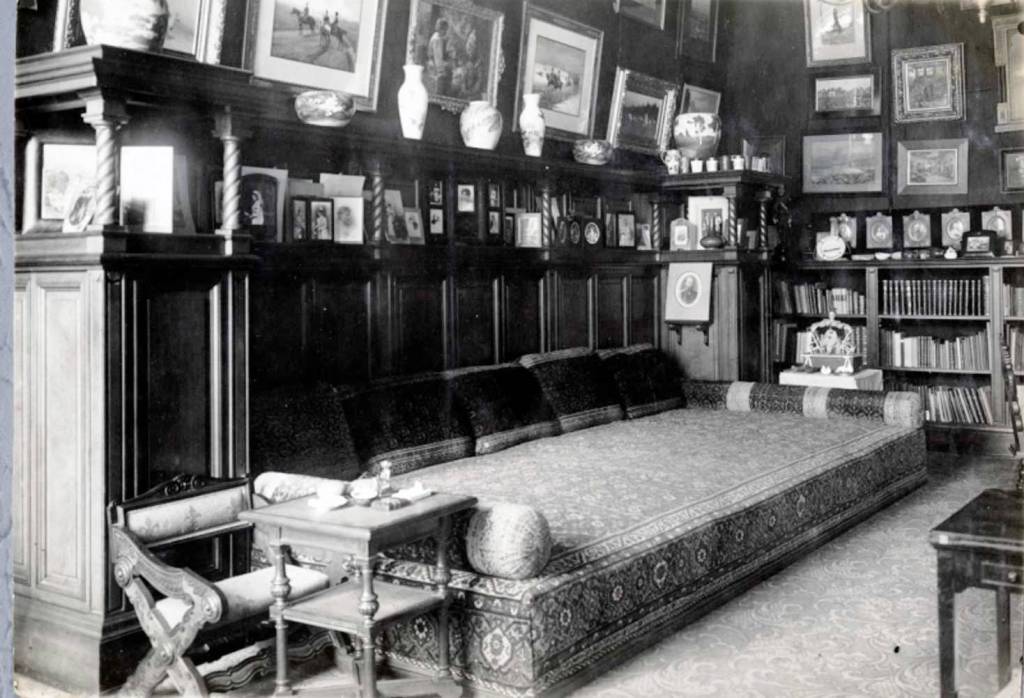
PHOTO: view of the original ottoman in the Working Study of Emperor Nicholas II in the Alexander Palace, c. 1930s

Nicholas II often used the ottoman to rest when his work dragged on until nightfall or when he returned to Tsarskoye Selo from St. Petersburg late and preferred not to disturb his family.

Click HERE to read my article The History and Restoration of the Working Study of Nicholas II in the Alexander Palace, published on 2nd December 2020

© Paul Gilbert. 28 June 2023

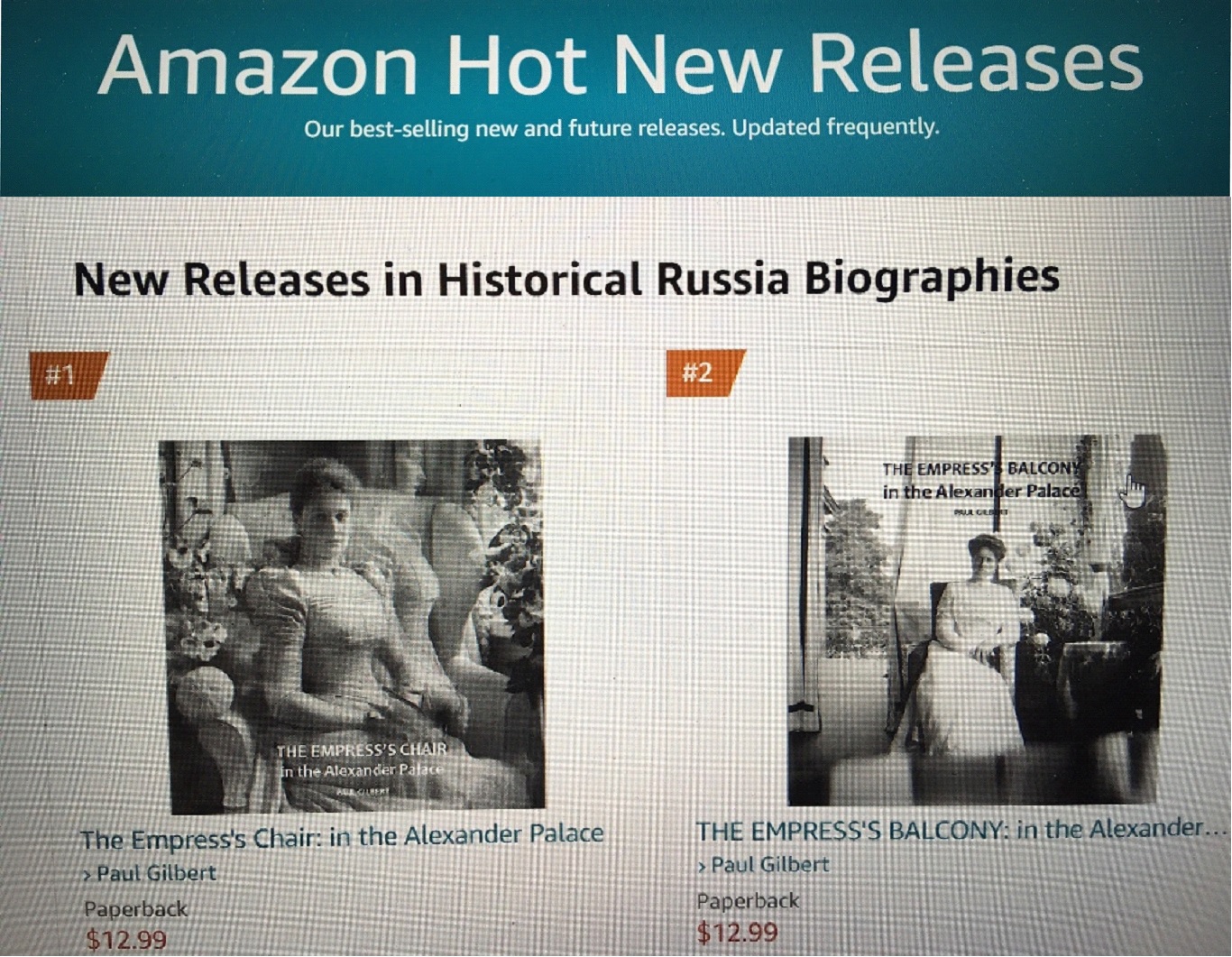
‘The Empress’s Balcony’ and ‘The Empress’s Chair’ become bestsellers on AMAZON

On 16th June 2023, ‘The Empress’s Balcony in the Alexander Palace‘ and ‘The Empress’s Chair in the Alexander Palace‘ claimed the No. 1 and No. 2 positions on Amazon’s ‘New Releases in Historical Russia Biographies’ Bestseller list. My two latest books held these spots for 10 consecutive days in a row – setting a new record for any of my previously published books.

Based on the number of posts on my Facebook page, both titles have been well received and enjoyed by readers from all over the world. One Australian reader wrote: “Who would have thought a chair and balcony could be the subject of a book, but you did it!”

Each richly illustrated pictorial features a new 8-1/2″ x 8-1/2″ paperback format with glossy cover. The price is $12.99 USD, both titles are available from AMAZON in the United States, Canada, Great Britain, Australia, France, Germany, Italy, Spain, Netherlands, Sweden, Poland and Japan.

The Empress’s Balcony – 110 pages – is a unique pictorial dedicated to the famous balcony where the Imperial Family spent so much time together and a favourite spot for family photographs.

The text on pages 3 to 14 explores the history and restoration of the Maple Drawing Room, which led out onto the balcony. It explains the construction of the iron grille balcony in 1896, and why it was dismantled between 1947-49 by the Alexander Palace’s new Soviet caretakers. The selection of nearly 100 vintage photographs presented in this album, are all we have left of this once happy and peaceful sanctuary for the Imperial Family while they were in residence at Tsarskoye Selo. Click HERE to order.
The Empress’s Chair – 120 pages – explores yet another iconic spot found in Empress Alexandra Feodorovna’s favourite room: the Mauve Boudoir.

The text on pages 3 to 14 explores the history and restoration of the Mauve Boudoir. More than 100 black and white photographs record nearly 30 members of the Imperial Family, their relatives and guests, all posing in the iconic corner chair. Neither the Mauve Boudoir of the Empress’s chair survived, however, both have recently been recreated. Click HERE to order.

© Paul Gilbert. 28 June 2023

Vsevolod Yakovlev: first curator of the Alexander Palace

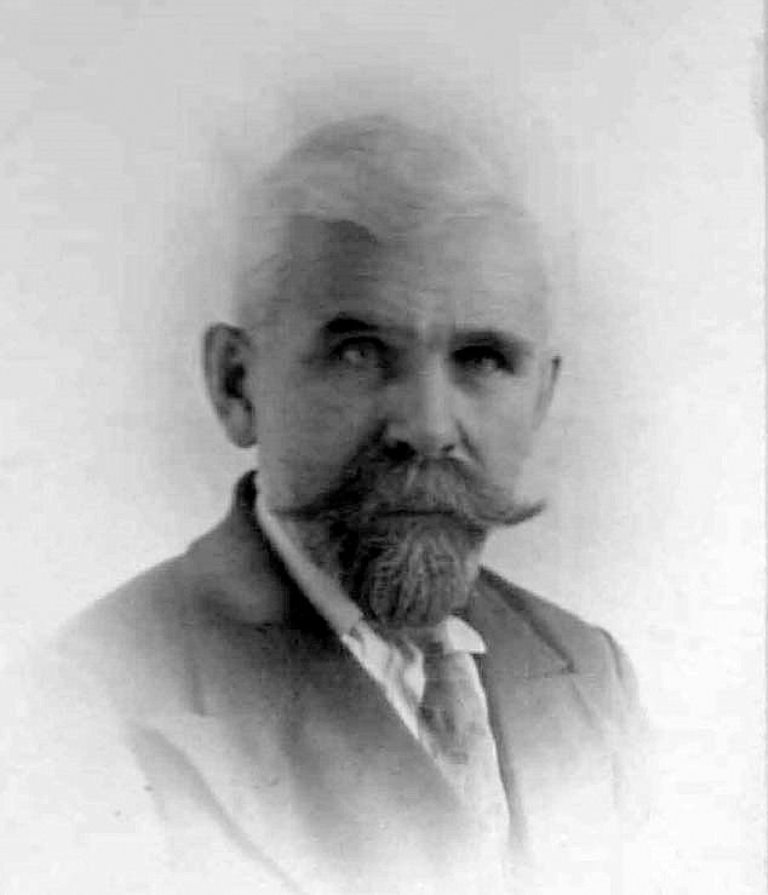
PHOTO: Vsevolod Alexandrovich Yakovlev (1884-1950)

Between April and July 1918, Emperor Nicholas II and his family were living under deplorable conditions in the Ipatiev House in Ekaterinburg. It was during the final days of the their house arrest in the Ural city, that their favourite residence, the Alexander Palace was opened to the public as a museum.

The palace was opened in two stages: the first on 23rd June 1918, when the State Halls were opened to visitors; the second, five years later, in 1923, when the private apartments of Emperor Nicholas II and Empress Alexandra Feodorovna became part of the museum.

The first curator of the Alexander Palace was Vsevolod Alexandrovich Yakovlev (1884-1950), a noted Russian and Soviet architect, artist, art critic, and museum worker.

Yakovlev was born in St. Petersburg on 21st January (O.S.) 1884. In 1901 he graduated from the drawing school of the Imperial Society for the Encouragement of Artists. In 1904 he entered the architectural department of the Higher Art School at the Imperial Academy of Arts in St. Petersburg. In 1912 he was awarded the title of artist-architect.

From 1914 he worked as an architect in St. Petersburg and Tsarskoye Selo. In 1918 he was appointed director of the Museum of Palaces and Parks of the Detskoye (Children’s) Selo (formerly Tsarskoye Selo), a position he held until 1931.

Yakovlev, a man of great enthusiasm and energy, carried out his duties during the most difficult of the post-revolutionary years. It was thanks to his efforts that the contents of the Alexander Palace were not destroyed by the Bolsheviks.

“We will fulfill our duty only when we make superhuman efforts to save these exceptional monuments in the name of progress, in the name of a beautiful and happy future not only for the citizens of great Russia, but also for the peoples of the world,” Vsevolod Alexandrovich wrote.

During his tenure as director, Yakovlov meticulously catalogued every item in the Alexander Palace. Not only did he save thousands of pieces of objects d’art, furniture, artwork, porcelain, books and documents from destruction, he also helped to lay the foundations for the future of the Tsarskoye Selo palace-museums.

Yakovlev was the author of a number of Russian-language books, including Охрана царской резиденции (Protection of the Tsar’s Residences (1926) – 169 pg.

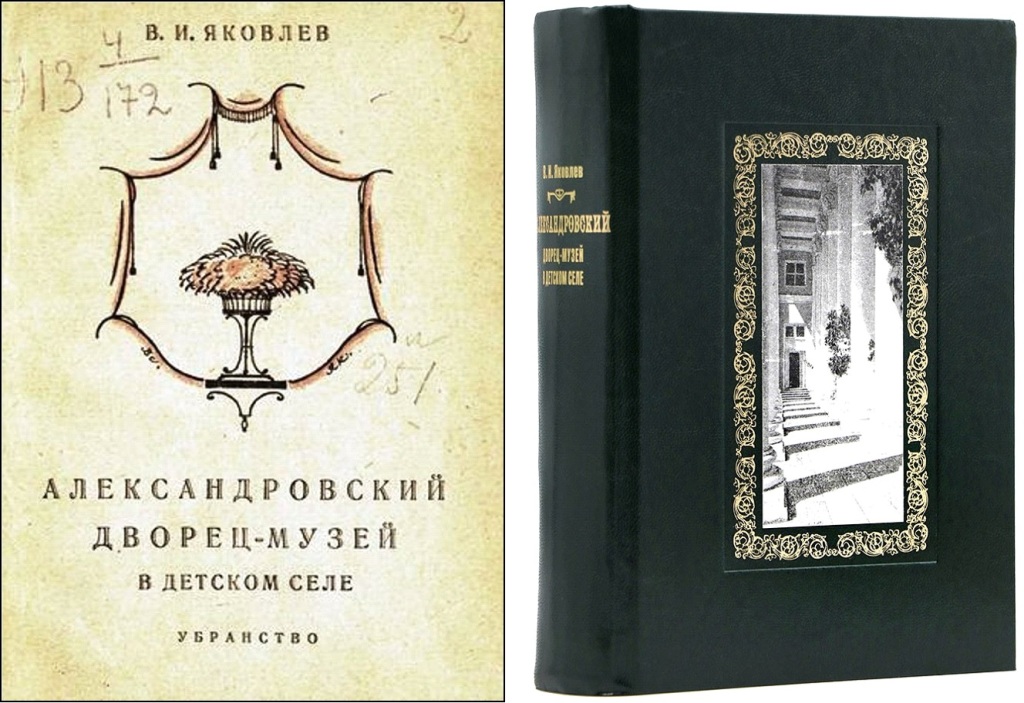
His most popular work, however, is лександровский дворец-музей в Детском селе (Alexander Palace-Museum in the Children’s Village (1927) – 211 pg. [above left]. The following year, he published a companion volume, dedicated to the palace interiors – 560 pg., which featured a comprehensive catalogue of the interiors and the thousands of items of each room of the Alexander Palace. In the 1990s, both titles were reissued in a handsome one-volume hard cover edition – 794 pg., with the original photographs and illustrations [above right].

In addition he wrote numerous articles for Soviet magazines and newspapers, on the history of architecture, providing detailed descriptions of the interiors, art collections and valuables stored in the palaces of Tsarskoye Selo, Pavlovsk and Peterhof. 

In 1931, he was arrested,  but thanks to the intercession of George Kreskentievich Lukomsky (1884-1952), chairman of the Commission for the Acceptance and Registration of Property of the Tsarskoye Selo Palace Administration, he was released a month later. He was not permitted to return to his old job, so from 1931 to 1933, he worked as an architect of GIPROGor in Leningrad. He then switched to pedagogical work in Leningrad. In 1947 he was awarded the degree of Doctor of Architecture.

In the autumn of 1949, Vsevolod Alexandrovich Yakovlev was diagnosed with terminal cancer. He died on 10th June 1950, aged 66, and was buried at the Volkovskoye cemetery in Leningrad (St. Petersburg).

***

Upon the outbreak of the Great Patriotic War in 1941, the Alexander Palace Museum was closed. Sadly, a number of the palace’s interiors were lost during the Nazi occupation of Pushkin (Tsarskoye Selo).

In the spring of 1946, the Leningrad Executive Committee issued an order for the transfer of the Alexander Palace to the Institute of Russian Literature of the USSR Academy of Sciences. This provided the palace with some degree of protection from being abandoned or demolished.

In 1947–1949 the Alexander Palace became a literary museum and a repository of the priceless manuscript collection of the Pushkin House. It was during this time that a number of changes were made to the interiors, including the removal of Empress Alexandra Feodorovna’s famous balcony. In addition the Maple Drawing Room was divided into two rooms.

In 1951, by a government decree, the Alexander Palace was transferred to the Ministry of Defense. The Naval Department used the building as a top-secret, submarine tracking research institute of the Baltic Fleet. As a result, the former palace would be strictly off-limits to visitors for the next 45 years.

It was not until October 2009, according to the order of the Federal Property Management Agency, that the Alexander Palace was placed under the administration of the Tsarskoye Selo State Museum Reserve.

In 1997, the first museum exposition “Memories in the Alexander Palace” was opened in the east wing of the Alexander Palace. Since almost all the historic interiors of Nicholas II and his family were lost, large floor to ceiling photos depicting the original look of each room, served as backdrops, against which items of furniture were displayed.

In 2009, the Alexander Palace was transferred to the administration of the Tsarskoye Selo State Museum-Reserve. In June 2010, the year marking the 300th anniversary of Tsarskoye Selo, the Portrait, Semi-Circular and Billiard Halls were opened to the public after an extensive restoration.

The Alexander Palace reopened to visitors on 14th (O.S. 1st) August 2021, marking the 104th anniversary since the Imperial Family left the palace for the last time. Visitors can now see thirteen reconstructed and restored interiors of the private apartments of Emperor Nicholas II and Empress Alexandra Feodorovna located in the eastern wing of the palace.

© Paul Gilbert. 27 June 2023

Two NEW books on the Alexander Palace

I cannot think of a better way to kick off the summer than the release of two NEW titles on the Alexander Palace at Tsarskoye Selo: The Empress’s Balcony and the Empress’s Chair.

I have compiled two unique pictorials dedicated to two of the most iconic spots in the former residence of Russia’s last Imperial Family, both of them favourite spots for the rest and relaxation of Empress Alexandra Feodorovna.

The Empress’s famous balcony and the corner chair in her Mauve Boudoir served as the settings for hundreds of iconic photographs of herself, the Tsar, their children, as well as extended family members and those close to the Imperial Family.

Each of these pictorials feature more than 100 full-page black-and-white photos. The accompanying text explores the history of both the balcony and chair, as well as the history and recreation of the Maple Drawing Room and Mauve Boudoir. While the balcony was demolished during the Soviet years, the Empress’s chair has recently been recreated for the recreated interior of her Mauve Boudoir, which opened to the public in 2021.

Each of these charming pictorials will be a welcome addition to any one who shares an interest in the Alexander Palace and its Imperial residents during the late 19th to early 20th centuries.

***

*This title is available from AMAZON in the USA, UK, Canada, Australia,
France, Germany, Spain, Italy, Netherlands, Poland, Sweden and Japan

CLICK HERE TO ORDER THE PAPERBACK EDITION @ $12.99 USD

English. 110 pages, 98 black & white photos

Between 1896-1898 – the Court architect Silvio Danini carried out the reconstruction of the eastern wing of the Alexander Palace, which included the personal apartments of Nicholas II and Alexandra Feodorovna.

In addition, he installed the famous L-shaped iron balcony for the Empress, which was accessed via the Maple Drawing Room.

The Empress’s balcony became a favourite setting for taking family photographs, taken by the Empress and her children, all of whom were avid amateur photographers. More than a century later, these iconic images provide us with a rare glimpse into the private world of the Imperial Family.

The photographs presented in this pictorial, have all been selected from the private albums of the Empress and her children, and that of Alexandra’s friend and lady-in-waiting Anna Vyrubova.

The balcony was dismantled between 1947-49, with no plans to restore it. In the meantime, we have to content ourselves with the selection of vintage photographs which have survived to this day, and are presented in this pictorial.

*This title is available from AMAZON in the USA, UK, Canada, Australia,
France, Germany, Spain, Italy, Netherlands, Poland, Sweden and Japan

CLICK HERE TO ORDER THE PAPERBACK EDITION @ $12.99 USD

English. 120 pages, 107 black & white photos

Between 1896-1898 – the Court architect Silvio Danini carried out the reconstruction of the eastern wing of the Alexander Palace, which included the personal apartments of Nicholas II and Alexandra Feodorovna.

Among the Empress’s quarters was the Mauve Boudoir, which would become her favourite room. According to legend, the Empress gave Alexnder Meltzer a lilac branch, her favourite flower, so that he could choose the colour scheme for the decoration of the room.

Among the most notable pieces of furniture in this room was a corner chair, which became a popular spot for family photographs, taken by the Empress and her children, all of whom were avid amateur photographers. More than a century later, these iconic images provide us with a rare glimpse into the private world of the Imperial Family.

Like many other rooms in the Alexander Palace, the Mauve Boudoir suffered a sad fate – the decoration and the interior were lost during the Great Patriotic War. The room has since been reconstructed and restored to its original historic look, as has the Empress’s famous chair.

© Paul Gilbert. 31 May 2023

New additions to the interiors of the Alexander Palace

Photo © Tsarskoye Selo Restoration Workshop

It has been almost two years since the Alexander Palace at Tsarskoye Selo opened its doors to visitors after an extensive restoration and reconstruction which began in the autumn of 2015. This extensive and costly project brought new life to the former private apartments of Emperor Nicholas II and Empress Alexandra Feodorovna, situated in the eastern wing of the palace.

Since that time, additional interiors – the Marble (Mountain) Hall – have opened while recreated furniture and other decorations continue to be added to the interiors.

In late March, new additions were added to the Maple Drawing Room and the Working Study of Nicholas II:

PHOTO: a large stand for palm tree and other large plants is the latest addition to the Maple Drawing Room

Photo © Tsarskoye Selo Restoration Workshop

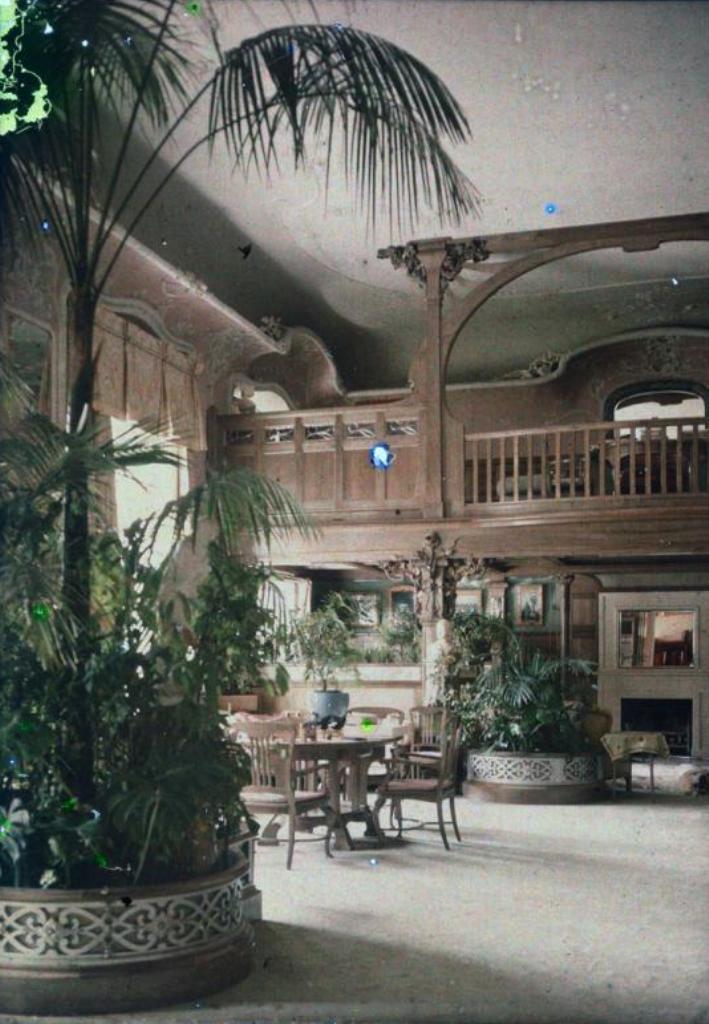
In the Maple Drawing Room, one of several large stands or tubs has been recreated. Empress Alexandra Feodorovna would have them filled year-round with palm trees and other large plants – as seen in the photo below taken shortly after the Imperial Family were sent into exile in August 1914. 

PHOTO: colour autochrome of the Maple Drawing Room. 1917

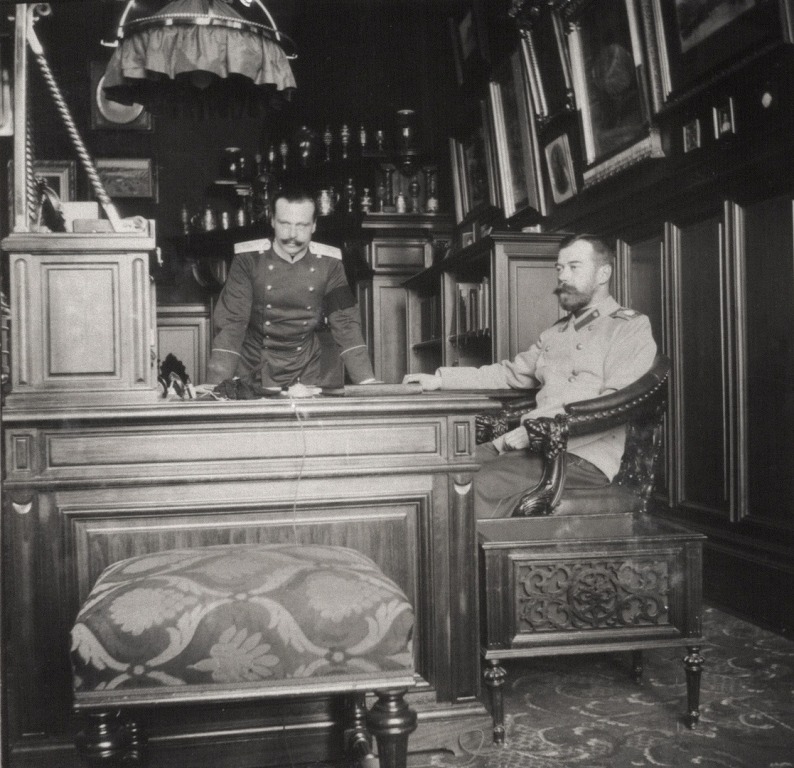
PHOTO: the Tsar’s desk and ottoman have been recreated for the Working Study of Nicholas II

Photo © Tsarskoye Selo Restoration Workshop

In the Working Study of Nicholas II, an L-shaped desk and ottoman have been recreated.

The Working Study of Emperor Nicholas II was decorated in 1896-1897 in the English Style by Roman Meltzer (1860-1943) and furniture master Karl Grinberg. It was in this room that the Emperor read papers, including numerous correspondence, received foreign ministers and dignitaries and listened to reports.

PHOTO: Emperor Nicholas II with his brother-in-law Ernest Louis, Grand Duke of Hesse, in the Tsar’s Working Study. 1901

© Paul Gilbert. 5 May 2023

On this day – 22nd March 1917 – Nicholas II and family are placed under house arrest in the Alexander Palace

243c

Iconic image of Emperor Nicholas II in the Alexander Park at Tsarskoye Selo

On this day – 22nd March (O.S. 9th March) 1917 – the Provisional Government decreed that Emperor Nicholas II, his wife and five children should be held under house arrest in the Alexander Palace at Tsarskoye Selo.

At eleven in the morning, the Imperial Train pulled into the Imperial Railway Pavilion at Tsarskoye Selo. Nicholas emerged wearing a Caucasian fur cap and soldier’s greatcoat. Behind him the members of his suite began to jump off the train – like rats abandoning a sinking ship – and run down the platform. Not looking back – they fled.

According to Count Paul Benckendorff (1853-1921), the Emperor’s motorcar arrived at the gate of the Alexander Palace and was stopped by the sentry, who summoned the Commandant. The Commandant went down the steps and asked in a loud voice who was there. The sentry cried out, ‘Nicholas Romanov’. ‘Let him pass,’ said the officer.

During his captivity, the Tsar was subject to constant harassment and humiliation from the soldiers – most of whom were thugs – stationed in and around the Alexander Palace.

According to Pierre Gilliard: “The Emperor accepted all these restraints with extraordinary serenity and moral grandeur. No word of reproach ever passed his lips.”

243d

Nicholas II and Alexandra Feodorovna sitting in the Alexander Park, June 1917

On Alexander Kerensky’s order, Nicholas and Alexandra were kept apart in the palace for a period of 18 days. They were permitted to see each other only during meals, and only in the presence of soldiers. It was during this time that Kerensky conducted an investigation of the Imperial couple’s documents and letters. He failed to find any evidence which would incriminate either of them.

Kerensky interviewed Alexandra regarding her involvement in state affairs and Rasputin’s involvement in them through his influence over her. She answered that as she and her spouse kept no secrets from each other, they often discussed politics and she naturally gave him advice to support him; as for Rasputin, he had been a true holy man of God, and his advice had been only in the interest of the good of Russia and the imperial family. After the interview, Kerensky told the Tsar that he believed that Alexandra had told him the truth and was not lying.

243b

Nicholas II working in the vegetable garden behind the Alexander Palace in 1917

The Imperial Family had total privacy inside the palace, but walks in the grounds were strictly regulated. Members of their domestic staff were allowed to stay if they wished and culinary standards were maintained.

Even in the Alexander Park, their movements were restricted. The photo below, show the prisoners at the frontier of their domain. They were not permitted to cross the bridge which led them to the big park, to the outside world and freedom.

Colonel Eugene Kobylinsky was appointed to command the military garrison at Tsarskoye Selo, which increasingly had to be done through negotiation with the committees or soviets elected by the soldiers.

243a

Nicholas II and his family under guard in the Alexander Park, August 1917

The Imperial Family were held under house arrest until 14th (O.S. 1st) August 1917, it was on this day that Nicholas II and his family left the Alexander Palace for the last time. They exited from the Semicircular Hall of the palace, and travelled by car to the Alexandrovskaya Station where they were sent into exile to Tobolsk. 

For an eye witness account of Nicholas II and his family under house arrest in the Alexander Palace, please refer to the following book The Romanovs Under House Arrest: From the 1917 Diary of a Palace Priest, the memories of Archpriest Afanasy Belyaev, who served as priest and confessor to the Russian Imperial family.

© Paul Gilbert. 22 March 2023

Watercolours by Pavel Shipov returned to Alexander Palace

Watercolours by Pavel Dmitrievich Shipov (1860-1919)
Photo © Tsarskoye Selo State Museum

A pair of watercolours by Pavel Shipov – believed to have been lost during the Great Patriotic War (1941-45), have been returned to the Tsarskoye Selo State Museum. Up until 1941, these works hung in the Working Study of Emperor Nicholas II in the Alexander Palace, which at the time was a museum[1].

During the Nazi occupation of Tsarskoye Selo (1941-44), the Alexander Palace was used as headquarters for the German military command. Following the Nazi retreat in 1944, many items from the palace were destroyed, lost of stolen[2].

The provenance of Shipov’s watercolors are confirmed by the inventory numbers on the works (A-2033, A-2035), which match those found in the inventory book of museum items of the Pushkin Palaces-Museums of 1940.

The watercolours were in the possession of Björn Kohler-Svendsen, who received them from Horst Kohler-Svendsen, a relative who was in the Pushkin [Tsarskoye Selo] during the Nazi occupation. It was during the German retreat from Pushkin, that Horst discovered the watercolours and took back them to Germany. The watercolours were presented to the Russian Embassy in Berlin, who subsequently arranged for them to be returned to Tsarskoye Selo.

Both watercolours are pasted on cardboard and edged into frames, while on the reverse side there are inscriptions written in German with a ballpoint pen.

The watercolor seen on the right in the above photo depicts the presentation of the deputation of the Vologda province to Emperor Nicholas II on 29th January 1910, which features three members of the deputation, two of whom are holding icons. In the center of the composition the Tsar is depicted, leaning forward to kiss the icon. Two officers are depicted standing behind the Tsar.

On the back of the frame, Horst wrote: “I brought this painting from the city of Pushkin near Leningrad. It was lying on the floor of the Alexander Palace when the palace was destroyed by grenade explosions. I survived, and brought it with me in 1941.”

The second watercolor seen on the left in the above photo depicts a private of the Life-Guards 4th The Imperial Family’s Rifle Regiment. The artist has signed his name P. Shipov in the lower right corner, and in the lower left corner is written Tsarskoye Selo / 29 Jan. 1910.

On the back of the frame, Horst wrote: “This picture fluttered in the wind when, in the winter of 1941, the Catherine/Alexander Palaces in Pushkin, Russia (Leningrad) was bombed and damaged. I picked it up, and brought it with me.”

Pavel Dmitrievich Shipov (1860-1919)

Pavel Dmitrievich Shipov (1860-1919) served as Lieutenant General in both the Russian-Japanese and First World Wars. On 21st February 1908, he was appointed Wing-Adjutant to the Retinue of His Imperial Majesty Emperor Nicholas II, with the post of commander of the regiment. 

He was also an artist, educated at the Imperial Academy of Arts in St. Petersburg. During the war, he specialized in military portraiture, making pencil sketches and watercolor portraits of soldiers and officers, observing them in battles and on leave.

Shipov was shot by the Bolsheviks on 23rd July 1919, although according to other sources he was shot in 1923.

These two watercolours now bring a total of five works by this artist in the collection of the Tsarskoye Selo State Museum. Both watercolors will be returned to their historical place in the Working Study of Nicholas II in the Alexander Palace.

NOTES and FURTHER READING:

[1] In June 1918, the Alexander Palace was established as a museum and opened to the public. It was closed in 1941.

[2] The fate of the contents of the Alexander Palace in the 20th century

© Paul Gilbert. 16 March 2023