The Tsesarevich’s Mentor. The Story of Charles Sydney Gibbes

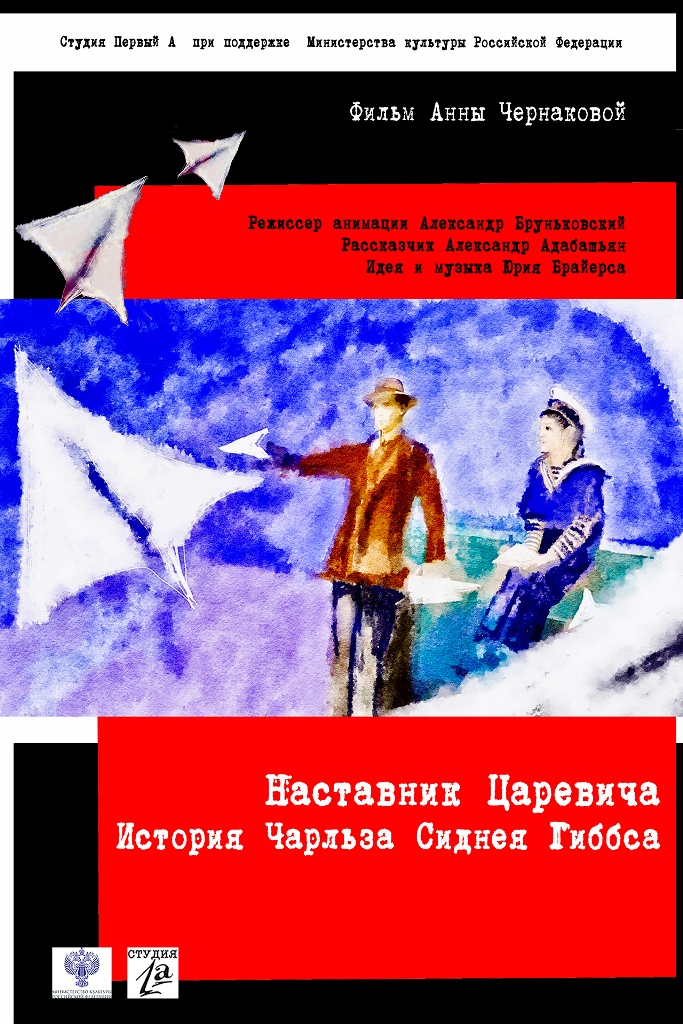
On 29th May 2025, the premiere of a new Russian-language documentary-film entitled The Tsesarevich’s Mentor. The Story of Sydney Gibbes, will be shown in the Courtyard of the Sovereign Military Chamber, situated near the Alexander Palace at Tsarskoye Selo.

The film tells the story of Englishman Charles Sydney Gibbes (1876-1963), a Cambridge graduate who arrived in Russia in 1901. Gibbes lived and worked in St. Petersburg, and from 1908 he served as an English teacher for the children of Emperor Nicholas II – first for the Grand Duchesses, and later for Tsesarevich Alexei.

In August 1917, Gibbes voluntarily followed the Imperial Family into exile to Tobolsk. And after their tragic death in July 1918, he left Russia and returned to England, where he converted to Orthodoxy several years later. Gibbes was later ordained a priest, becoming Father Nikolai, and founded an Orthodox parish in Oxford, which still exists today.

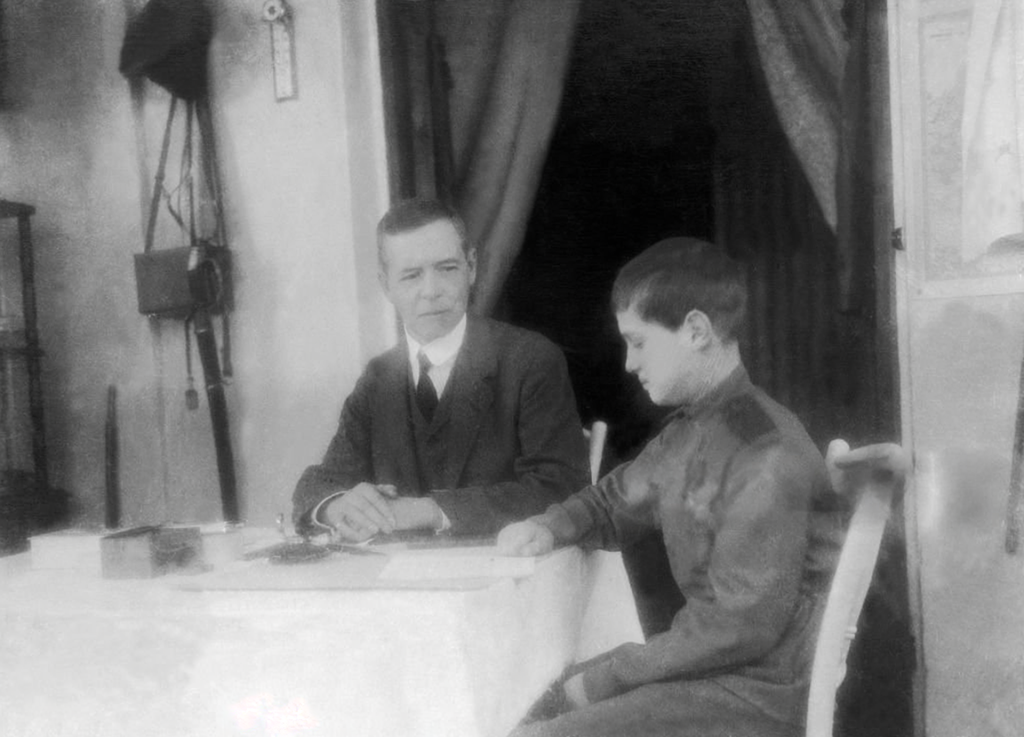
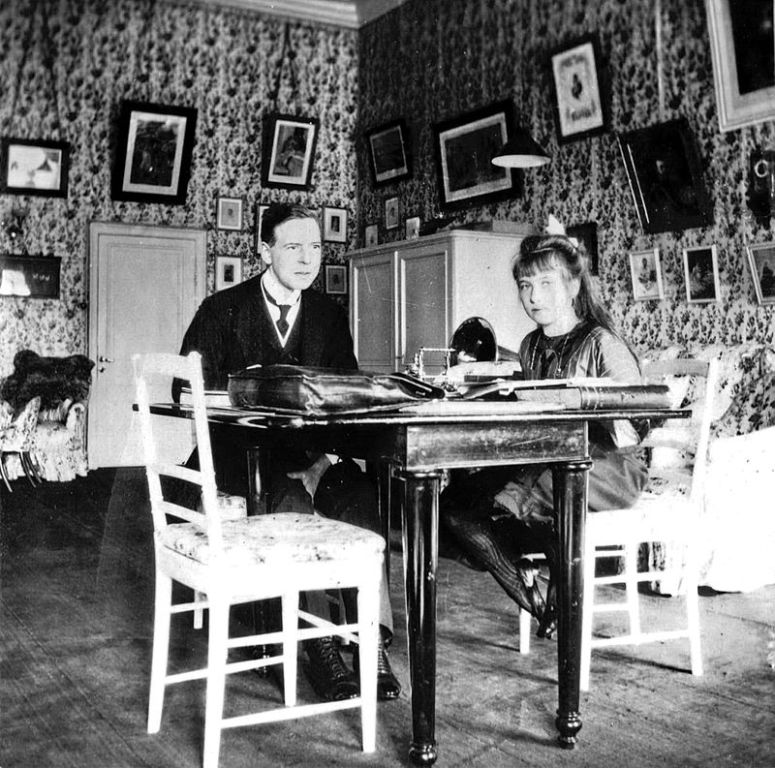
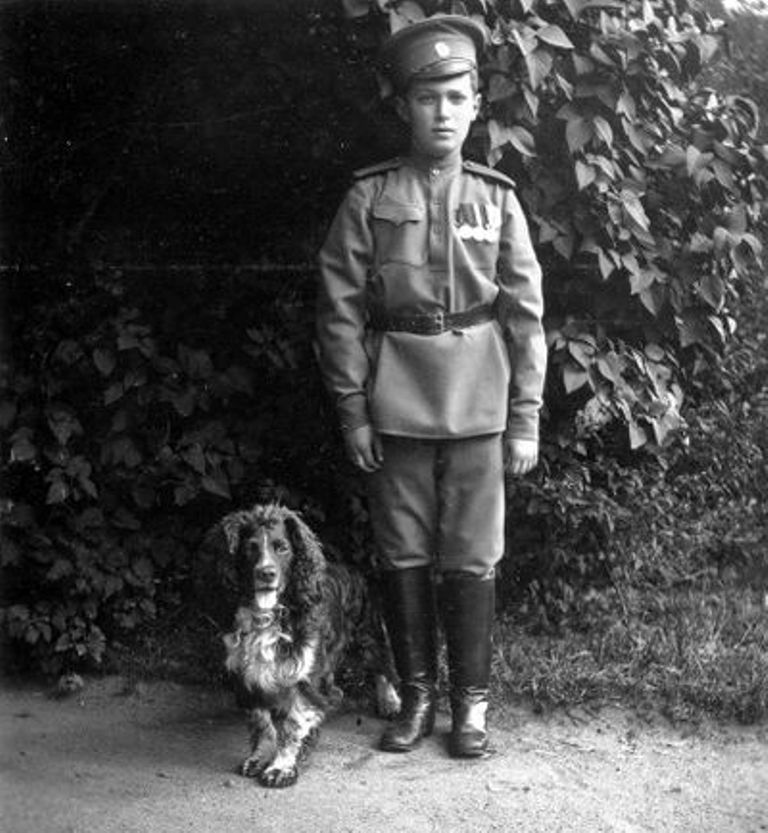
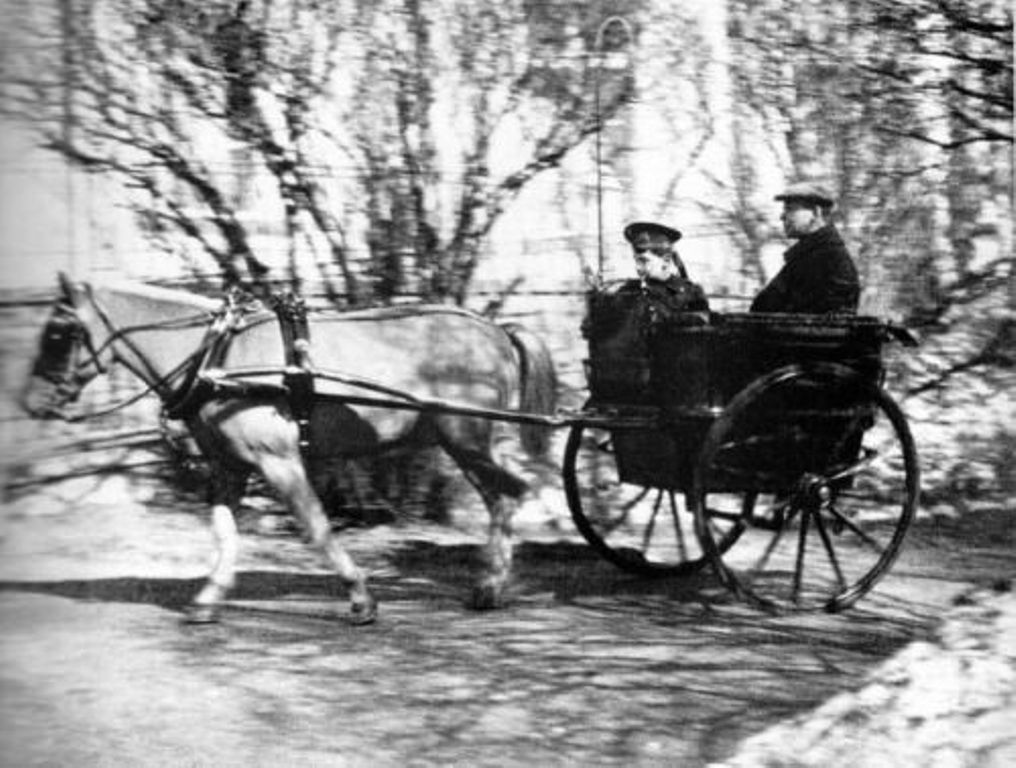
PHOTO: Charles Sydney Gibbes and Tsesarevich Alexei Nikolaevich (circa 1914-16)

The documentary-film The Tsesarevich’s Mentor. The Story of Charles Sydney Gibbes was filmed by Studio First A with the support of the Ministry of Culture of the Russian Federation. Director-producer Anna Chernakova, animation director Alexander Brunkovsky, script by Alexander Adabashyan and Yuri Bryers, composer Yuri Bryers.

The film uses documentary materials from Russian and British archival sources, with additional film segments filmed in the UK.

On a personal note, a documentary about Charles Sydney Gibbes is long overdue, and while I commend and support this Russian-language documentary about his life and service to the Imperial Family, it also begs the question . . . WHY has there never been a British-made documentary about Gibbes? – PG

© Paul Gilbert. 23 May 2025

The ghost of Anna Anderson continues to haunt us

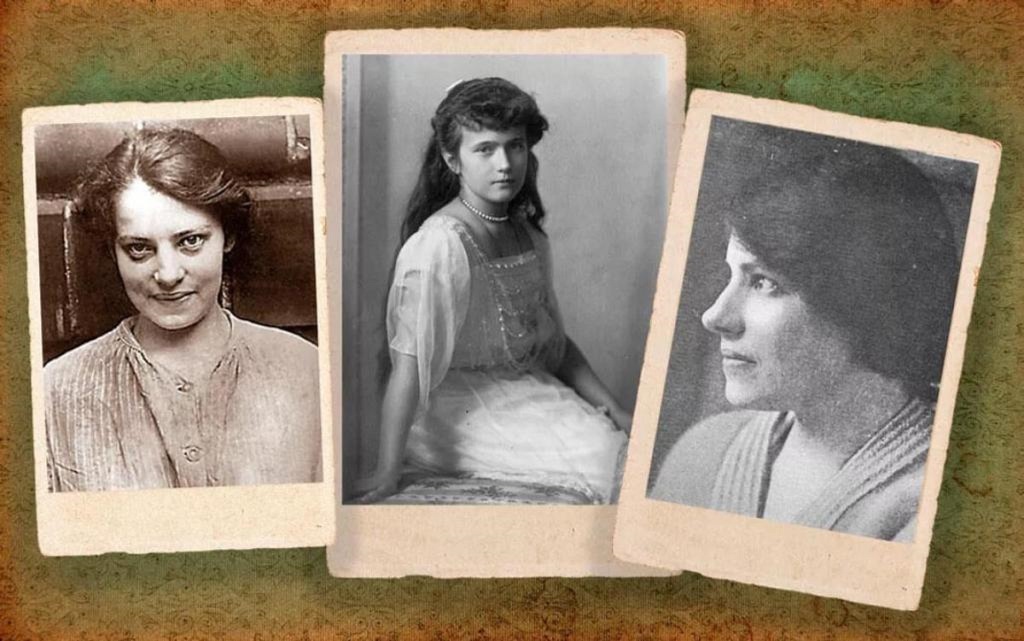
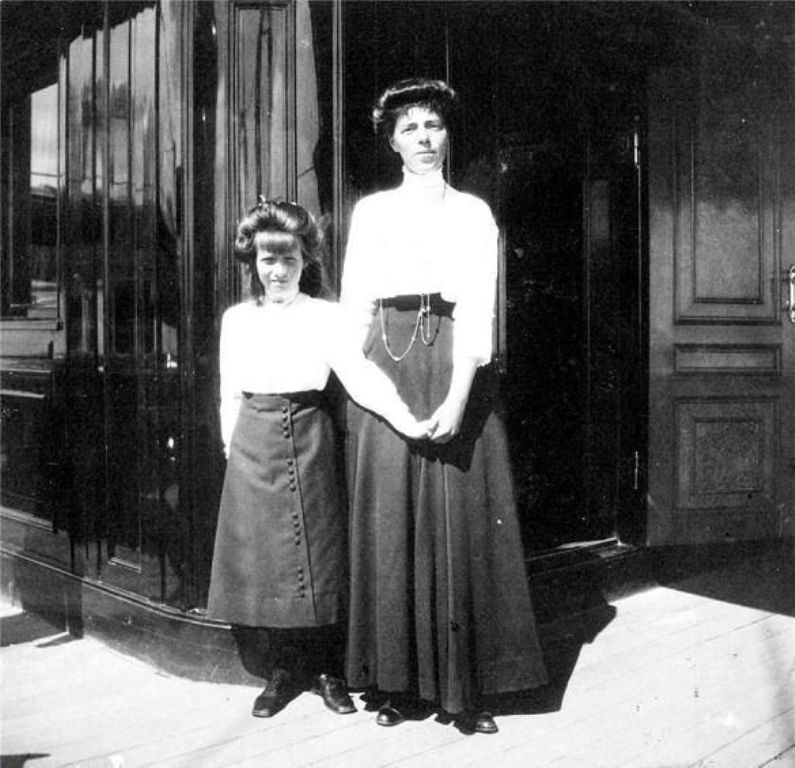
PHOTO: Grand Duchess Anastasia Nikolaevna (center) and Anna Anderson (left and right)

Today – 12th February – marks the 40th anniversary of the death of Anna Anderson, a Polish factory worker who, for decades, duped the world into believing that she was the youngest daughter of Eussia’s last Tsar. The proceedings of her claim would become the longest-running lawsuit in German history.

This article includes testimony from two of the people closest to Grand Duchess Anastasia Nikolaevna: her aunt Grand Duchess Olga Alexandrovna and her tutor Charles Sydney Gibbes, both of whom dismissed Anna Anderson’s claim – PG

***

Russian historian and author Robert K. Massie coined it best when he wrote: “The mysterious disappearance of the Russian Imperial Family in July 1918 created fertile soil for the sprouting of delusion, fabrication, sham, romance, burlesque, travesty and humbug,” when he referred to the “long, occasionally colourful, frequently pathetic line of claimants and imposters” that has glided and stumbled across the last century.

It was a US lab who confirmed the true identify of one of history’s greatest impostors: Anna Anderson, who claimed to be Grand Duchess Anastasia Nikolaevna. Thanks to DNA technology, however, science was able to prove that she was not the youngest daughter of Emperor Nicholas II, but that of a Polish peasant girl Franziska Schanzkowska.

A sample of Anderson’s tissue, part of her intestine removed during her operation in 1979, had been stored at Martha Jefferson Hospital, Charlottesville, Virginia. Anderson’s mitochondrial DNA was extracted from the sample and compared with that of the Romanovs and their relatives. It did not match that of the Duke of Edinburgh or that of the bones [Ekaterinburg Remains], confirming that Anderson was not related to the Romanovs.

The sample, however, matched DNA provided by Karl Maucher, a grandson of Franziska Schanzkowska’s sister, Gertrude (Schanzkowska) Ellerik, indicating that Karl Maucher and Anna Anderson were maternally related and that Anderson was Schanzkowska. Five years after the original testing was done, Dr. Terry Melton of the Department of Anthropology, Pennsylvania State University, stated that the DNA sequence tying Anderson to the Schanzkowski family was “still unique”, though the database of DNA patterns at the Armed Forces DNA Identification Laboratory had grown much larger, leading to “increased confidence that Anderson was indeed Franziska Schanzkowska”.

Similarly, several strands of Anderson’s hair, found inside an envelope in a book that had belonged to Anderson’s husband, Jack Manahan, were also tested. Mitochondrial DNA from the hair matched Anderson’s hospital sample and that of Schanzkowska’s relative Karl Maucher, but not the Romanov remains or living relatives of the Romanovs.

Many of us were relieved that this case had finally been put to rest. It was hoped that science would appease Anna Anderson’s supporters and thus bringing closure to this popular conspiracy theory. It was not to be . . .

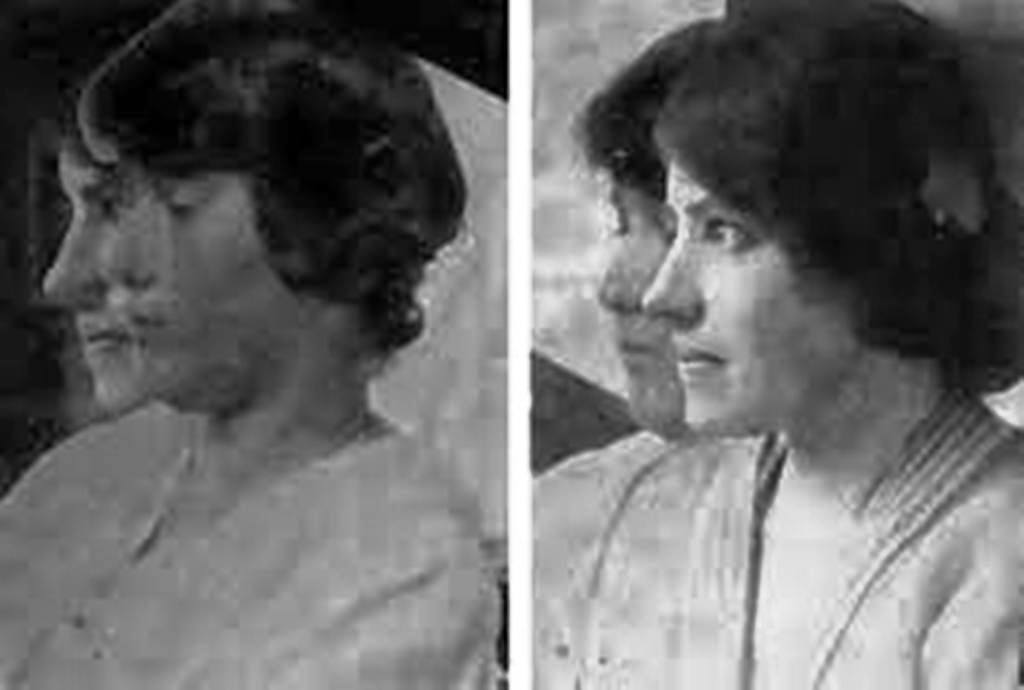
PHOTO: this comparison on the side profiles of Grand Duchess Anastasia Nikolaevna and Anna Anderson, created by Pierre Gilliard, provide evidence that they were two different women

The claimants

Over the past 30+ years, I have been contacted by Anna Anderson’s supporters who insist that she was the real Anastasia. They argue the same “facts” from books on the subject written by Peter Kurth, Greg King and Penny Wilson, Michel Wartelle among others. In addition there have been numerous imposters claiming to be the children or grandchildren of either Nicholas II or one of his five children. In the 1990s I received a parcel from a man in Vancouver, who claimed that he was the son of Tsesarevich Alexei Nikolaevich. The box was filled with photocopied documents, letters and photographs, the cover letter read: “Mr. Gilbert, I dare you to prove me wrong!”

And if that wasn’t enough: during a lecture which I hosted in Chicago in 1997, an American man showed up insisting that he was the “reincarnation” of Emperor Nicholas II. He even grew a beard and trimmed it to the likeness of that of the Tsar. Still to this day, I receive emails from people who demand a DNA test to prove their “Romanov ancestry”.

Anna Anderson became the subject of films, documentaries and countless books – even in post-Soviet Russia. In 2014, Candidate of Historical Sciences Georgy Nikolaevich Shumkin released his book Кто Вы, госпожа Чайковская? К вопросу о судьбе царской дочери Анастасии Романовой:архивные документы 1920-х годов [Who are you, Mrs. Tchaikovskaya? On the fate of the tsar’s daughter Anastasia Romanova], in which the Ural scientists tries to unravel the mystery of the false daughter of Nicholas II. The book proved so popular, it was reprinted in 2022.

Testimonials by those who personally knew the real Anastasia . . .

Grand Duchess Olga Alexandrovna – aunt of Grand Duchess Anastasia Nikolaevna

Grand Duchess Olga Alexandrovna cherished her connection to her brother Tsar Nicholas II’s four daughters. She especially took a liking to the youngest of Nicholas’s daughters, her god-daughter Grand Duchess Anastasia Nikolaevna. “My favourite god-daughter she was indeed! . . . Anastasia or Shvipsik (“little one”), as I used to call her. . . . She was such a generous child,” recalled Olga.

In 1925, Grand Duchess Olga travelled to Berlin to meet Anna Anderson in person. She was met by Pierre Gilliard and his wife who accompanied her to the Mommesen Nursing Home where Anna was being treated for tuberculosis. Olga also said she was dismayed that Anderson spoke only German and showed no sign of knowing either English or Russian, while Anastasia spoke both those languages fluently and was ignorant of German, a language which was never spoken in the Imperial Family.

“My beloved Anastasia was fifteen when I saw her for the last time in the summer of 1916. She would have been twenty-four in 1925. I thought Mrs. Anderson looked much older than that. Of course, one had to make allowances for a very long illness and the general poor condition of her health. All the same, my niece’s features could not possibly have altered out of all recognition. The nose, the mouth, the eyes were all different.”

The Grand Duchess remarked that the interviews were made all the more difficult by Mrs. Anderson’s attitude. She would not answer some of the questions put to her, and looked angry when when those questions were repeated. Some Romanov photos were shown to her, and there was not a flicker of recognition in her eyes. It was obvious that she greatly disliked M. Gilliard and little Anastasia had been devoted to him. The Grand Duchess had brought a small icon of St. Nicholas, the patron saint of the Imperial Family. Mrs. Anderson looked at so indifferently that it was obvious the icon said nothing to her.

“That child was as dear to me as if she were my daughter. The spiritual bond between my dear Anastasia and myself was so strong that neither time nor that ghastly experience could have interfered with it.

But although the Grand Duchess put no credence in Mrs. Anderson’s story, she was deeply sorry for the woman.

“Somehow or other she did not strike me as an out-and-out impostor. Her brusqueness warred against it. A cunning impostor would have done all she could to ingratiate herself with myself. But Mrs. Anderson’s manner would have put anyone off. My own conviction is that it all started with some unscrupulous people who hoped they might lay their hands on at least a share of the fabulous and utterly non-existent Romanov fortune. . . . I had a feeling she was ‘briefed,’ as it were, but far from perfectly. The mistakes she made could not all be attributed to lapses of memory. For instance, she had a scar on one of her fingers and she kept telling everybody that it had been crushed because of a footman shutting the door of a landau too quickly. And at once I remembered the real incident. It was Maria, her elder sister, who got her hand hurt rather badly, and it did not happen in a carriage but on board the Imperial Train. Obviously someone, having heard something of the incident, had passed a garbled version of it to Mrs. Anderson.”

The Grand Duchess spent nearly four days by Anna Anderson’s bed. Hour by hour, Olga went on searching for the least clue to establish the woman’s identity. “I had left Denmark with something of a hope in my heart. As soon as I sat down by that bed in the Mommsen Nursing Home, I knew I was looking at a stranger. I left Berlin with all hope extinguished,” she told her biographer Ian Vorres.

Source: The Last Grand Duchess. Her Imperial Highness Grand Duchess Olga Alexandrovna. by Ian Vorres. Charles Scribner & Sons (1964)

Charles Sydney Gibbes – tutor to the Imperial Children, including Grand Duchess Anastasia Nikolaevna

It was in April 1928, when Charles Sydney Gibbes heard from a friendly journalist about a woman taken very seriously in America as Grand Duchess Anastasia Nikolaevna, the youngest daughter of the late Tsar, and even by some members of the Imperial Family. In December 1928, Gibbes wrote from Oxford to Grand Duke Alexander Mikhailovich in Paris, about his impressions of the claimant:

“In my opinion, there is, unfortunately, no room for doubt that the Grand Duchess Anastasia perished at Ekaterinburg at the same time as the Emperor, the Empress, the Tsarevich, and her three sisters, the Grand Duchesses Olga, Tatiana, and Marie, with Mlle Demidova, and the rest. This fact, of itself, disposes of the claim now made by Mme Tchaikovsky [Anna Anderson]. Additional facts of refutation are now wanting, but the essential point is found in the sad fact of the Grand Duchess’s death . . .

“As soon as the way was open, after the retreat of the Bolshevik Government, I hastened to Ekaterinburg. Nothing beyond vague rumour, however, could be learned. It was not until the following summer, 1919, when a full investigation was made by Mr Sokolov, that the extent and horror of the tragedy was learnt. I visited the clearing in the forest outside Ekaterinburg and saw what had been recovered. Months of toil were involved in pumping out and washing the contents of the deep mine shaft into which the remains from the bonfire had been thrown . . . All who actually took part in the investigation and inspected the remains were obliged to abandon hope that anyone had survived.

“Only a few, of course, were able to form an opinion under these conditions which presented all the facts of the case. There were, however, plenty of interested persons who had nothing but rumour and garbled accounts to build upon. Among these the most extraordinary tales were circulated. Various Pretenders actually appeared while I was still in Siberia. Not being obsessed by any great faith in themselves, these people’s courage quickly failed and they were easily confuted and exposed.

“The first legends concerning the Imperial children were in circulation as early as 1917 while we were still all living together in Tobolsk. At the end of that year the Daily Graphic printed a fantastic paragraph stating that the Grand Duchess Tatiana, one of the Tsar’s daughters, had gone to America, etc., etc.; she was then actually sitting with me in a drawing-room in Tobolsk reading the news of herself. If such things happened in creditable newspapers in 1917, while they were still alive, what could not happen with credulous people after they were dead?

“I have not had the advantage of seeing Mme Tchaikovsky in person but her photographs failed to invoke in me the slightest belief in her story, however much I wish that it were true. The evidence supplied by Mons. Bischoff is one of irrefutable force to anyone who has intimately known the Grand Duchess Anastasia Nikolaevna. There is one point, however, in which I can speak with paramount knowledge and authority. Mme Tchaikovsky has affirmed that I limp. Had I been dead, it might have been difficult to prove, but being yet alive and happily in full possession of both my legs, I am able to demonstrate that I limp only in the imagination of Mme Tchaikovsky.”

Source: The House of Special Purpose: An Intimate Portrait of the Last Days of the Russian Imperial Family. Compiled from the Papers of their English Tutor Charles Sydney Gibbes by J. C. Trewin (1975)

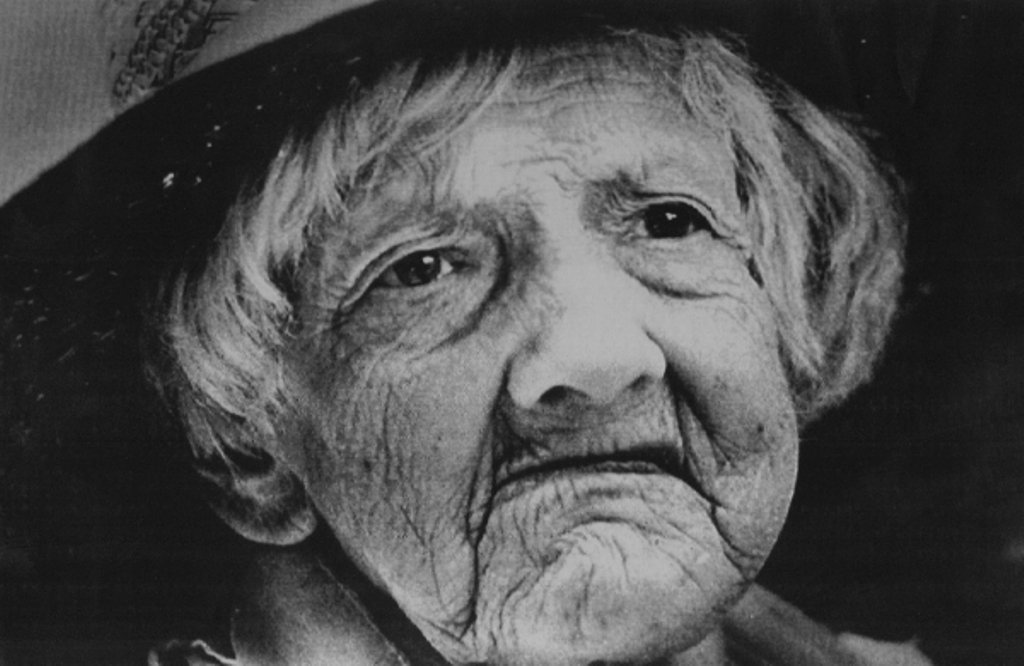
PHOTO: Anna Anderson in old age

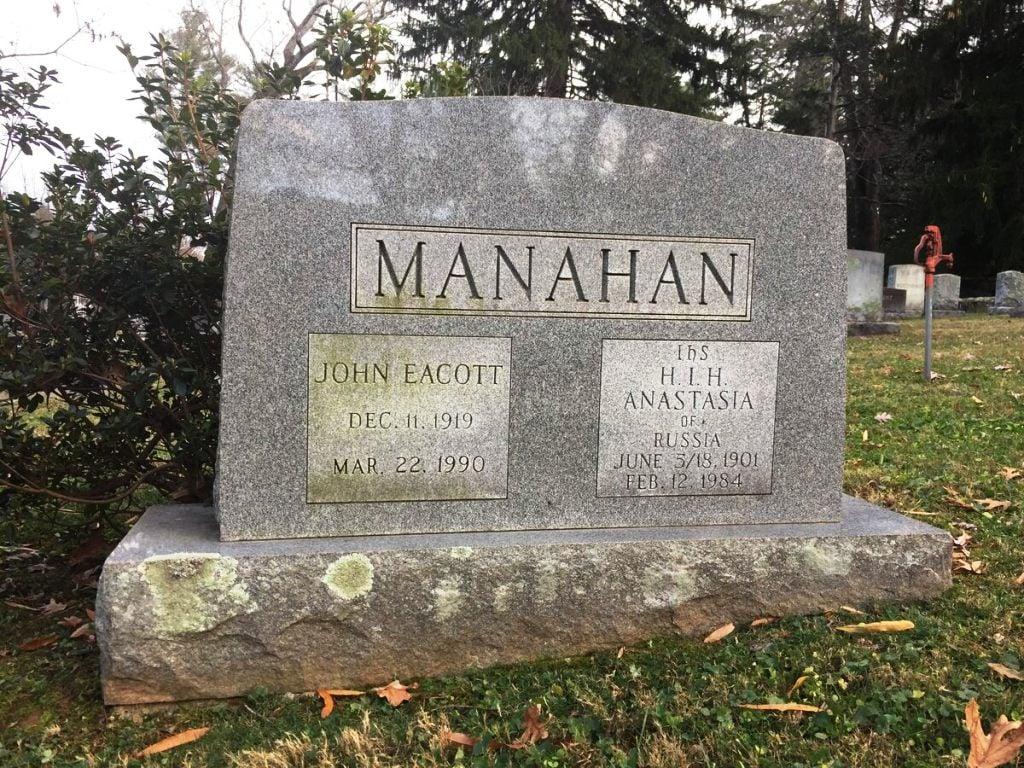
PHOTO: Anna Anderson was cremated on 12th February 1984, and her ashes were buried in the churchyard at Castle Seeon in Bavaria, Germany on 18th June 1984. Her husband John Eacott Manahan died on 22nd March 1990, and was buried with his wife. Note that Anna Anderson’s tombstone reads “H.I.H. Anastasia of Russia”.

For the record . . .

Emperor Nicholas II, his wife Empress Alexandra Feodorovna, their four daughters Grand Duchesses Olga, Tatiana, Maria, Anastasia Nikolaevna, and their only son and heir to the Russian throne Tsesarevich and Grand Duke Alexei Nikolaevich were ALL brutally murdered by the Bolsheviks in the basement of the Ipatiev House in Ekaterinburg on 17th July 1918.

There were NO survivors! There were NEVER any sons and daughters born to any member of the Imperial Family, let alone any grandchildren. Surely, it is time to let these Holy Martyrs rest in peace.

© Paul Gilbert. 12 February 2024

***

I am committed to clearing the name of Russia’s much slandered Tsar. In exchange for this 18-page booklet, please consider making a small $5 or $10 donation in aid of my research. These donations are of great assistance in helping me offset the cost of obtaining and translating documents from Russian archival sources, which are often paid for out of my own pocket. It is these documents which help present new facts and information on the life and reign of Nicholas II. In addition, my research continues to debunking many of the myths and lies which exist more than a century after his death and martyrdom.

Please note, that there is NO obligation, thank you for your consideration!

CLICK HERE TO MAKE A DONATION

Ekaterinburg: the Survivors

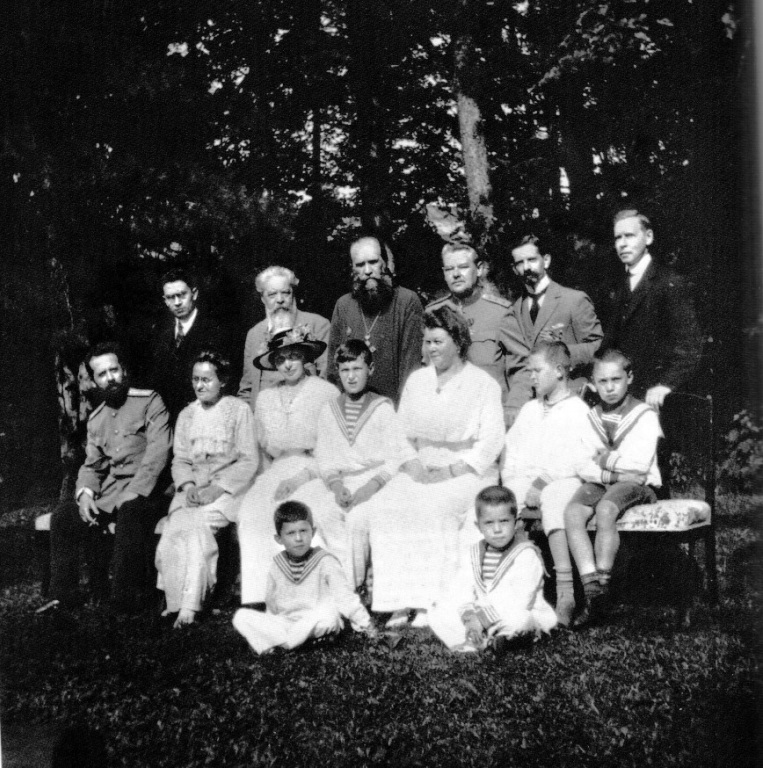
PHOTO: a number of those who survived the Ekaterinburg massacre are depicted in this photo taken at Tsarskoye Selo in 1916, including Terentiy Chemodurov (2nd from left, back row); Pierre Gilliard (2nd from right, back row: Charles Sydney Gibbes (far right, back row); and Alexandra Tegleva (3rd from left, front row and seated next to Tsesarevich Alexei Nikolaevich)

Following the transfer of the Imperial Family to Ekaterinburg in the Spring of 1918, the remaining servants and retainers living in the Kornilov House in Tobolsk were free to leave. A number of them, however, wanted to make the journey to Ekaterinburg with the hope of reuniting with the Tsar and his family. Their captives warned them that any one who went with the former Tsar and his family to Ekaterinburg would remain at liberty, at worse, they would not even be permitted to live in the same house with the Imperial Family but tossed in the local jail.

Despite the warning, a number of faithful retainers made the journey to the Ural capital, and, sure enough were imprisoned and later murdered by the Bolsheviks. Among them were Prince Vasily Dolgorukov, Ilya Tatishchev, Ekaterina Schneider, Anastasia Hendrikova, Klimenty Nagorny and Ivan Sednev

In addition, let us not forget the four faithful retainers, who remained with the Imperial family who followed the Imperial Family to their deaths in the Ipatiev House, on 17th July 1918: Dr. Eugene Botkin (1865-1918), the maid Anna Demidova (1878-1918), the cook Ivan Kharitonov (1872-1918), and the valet Aloysius Trupp (1856-1918).

As foreign nationals, the Swiss tutor Pierre Gilliard, along with his Russian born wife and nursemaid to the Tsar’s children Alexandra Tegleva and the English language tutor Sydney Gibbes were set free. So were a number of others with no explanation and amid rumours that they had abandoned the Imperial Family, sold a few secrets and begged for their lives.

The Empress’s Lady-in-Waiting Baroness Sophie Buxhoeveden attributed her unexpected release by the Bolsheviks to her “foreign” surname – it was Danish by origin – however, the even more foreign name of “Catherine Schneider” did not prevent the poor woman from being shot.

It was nothing short of a miracle that Nicholas II’s valet Terentiy Ivanovich Chemodurov; Assistant cook Leonid Ivanovich Sednev – not to be confused with his uncle with his uncle Ivan Dmitrievich Sednev – and the valet Alexei Andreyevich Volkov managed to escape from being shot by the Bolsheviks.

These men and women must never be forgotten for remaining faithful to Emperor Nicholas II and his family. Below, is a brief summary of each of them, and their respective fates following the regicide in Ekaterinburg:

Pierre Gilliard (1879-1962)

Pierre Gilliard was a Swiss academic who initially came to Russia in 1904 as a French tutor to the family of Duke George of Leuchtenberg, a cousin of the Romanov family. From 1905 to 1918 he served as the French language tutor to the children of Emperor Nicholas II.

He grew fond of the Tsar and family and followed them into exile to Tobolsk, Siberia, following the October 1917 Revolution. The Bolsheviks prevented Gilliard from joining his pupils when they were moved to the Ipatiev House in Ekaterinburg in May 1918.

Gilliard remained in Siberia after the murders of the family, for a time assisting White Movement investigator Nicholas Sokolov. In 1919, he married Alexandra Alexandrovna Tegleva, who had served as a nursemaid to the Tsar’s children.

Gilliard and Tegleva fled Bolshevik Russia in early November 1919, arriving in Vladivostok in early April 1920. They then travelled on an American ship to San Francisco, and from there travelled by ship along the Pacific coast, through the Panama Canal, across the Atlantic Ocean and the Mediterranean Sea to Trieste. From here, they travelled through Italy to Switzerland, and in August 1920 they reached his parents’ home in Fiez, which Gilliard had left 16 years before.

He became a French professor at the University of Lausanne and was awarded the French Legion of Honour. In 1921, he published a book entitled Thirteen Years at the Russian Court, which described the last days of the Tsar and his family, and the subsequent investigation into their deaths.

In 1958, Gilliard was severely injured in a car accident in Lausanne. He never fully recovered and died four years later on 30 May 1962.

Alexandra Alexandrovna Tegleva (1884-1955)

Alexandra Alexandrovna Tegleva was a Russian noblewoman who was educated at the Smolny Institute of Noble Maidens in St Petersburg. Tegleva served as a nursemaid and governess to Grand Duchesses Olga, Tatiana, Maria and Anastasia Nikolaevna, and Tsesarevich Alexei Nikolaevich. While many of the attendants in the service of the Empress spoke English, Tegleva was instructed to speak Russian with the children.

Following the Imperial Family’s house arrest in 1917, she lived with the family in the Alexander Palace at Tsarskoye Selo. In August of that year, she followed them into exile in Tobolsk, but was ultimately prevented from staying with them during their house arrest in Ekaterinburg. Tegleva was detained with Pierre Gilliard, Charles Sydney Gibbes, and Baroness Sophie Buxhoeveden in a separate residence from the imperial family in Yekaterinburg. She was almost killed by the Bolsheviks in Tyumen but was freed by the White Army.

In exile in Switzerland, Tegleva worked with her husband to investigate and debunk the claims made by Anna Anderson, a Romanov impostor who pretended to be Grand Duchess Anastasia Nikolaevna. Following two personal meetings with Anderson, Tegleva and her husband believed Anderson to be a fraud.

Alexandra Alexandrovna Tegleva died in Switzerland on 21 March 1955.

Charles Sydney Gibbes (1876-1963)

In 1901 Charles Sydney Gibbes travelled from England to St Petersburg, as tutor to the Shidlovsky family and then the Soukanoff family. By 1907 he was qualified as vice-president and committee member of the St Petersburg Guild of English Teachers. He came to the attention of Empress Alexandra Feodorovna and in 1908 was invited as a tutor to improve the English accents of the Grand Duchesses Olga and Tatiana; and subsequently Maria and Anastasia. In 1913 he became tutor to Tsesarevich Alexei.

Gibbes voluntarily followed the Imperial Family into exle, arriving in Tobolsk in October 1917, shortly before the Provisional Government fell to the Bolsheviks. In May 1918 the Imperial family was moved to the Ipatiev House in Ekaterinburg, and neither Gibbes, nor most other servants were allowed to enter. A number of servants stayed in the railway carriage which had brought them to the city.

After the fall of Ekaterinburg to the White Army on 25th July. Gibbes and Gilliard were early visitors to the scene of the regicide at the Ipatiev House and were both involved in the subsequent enquiries carried out by Ivan Alexandrovich Sergeiev and later by Nicholas Alexievich Sokolov.

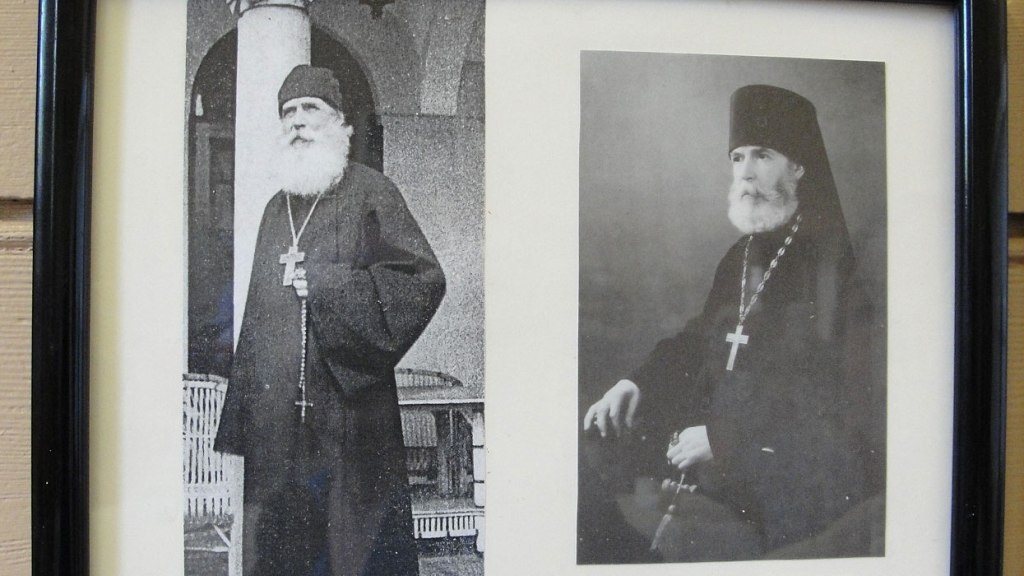
In January 1919, he retreated eastwards as Siberia was captured by the Red Army. In Harbin, China on 25th April 1934 he was received into the Orthodox church by Archbishop Nestor (Anisimov) of Kamchatka and Petropavlovsk who was there in exile. Gibbes took the baptismal name of Alexei in honour of the former Tsesarevich. He was tonsured a monk on 15th December, ordained deacon on 19th December and priest on 23rd December, taking the name Nicholas in honour of the former Tsar. In March 1935 he became an Abbot. He again returned to England in 1937 and was established in a parish in London.

At the time of the Blitz he moved to Oxford where in 1941 he established an Orthodox chapel in Bartlemas. In 1949 he bought a house at 4 Marston Street, subsequently known as the Saint Nicholas House.

Gibbes died at St Pancras Hospital, London, on 24 March 1963. His open coffin was displayed in the cellar (or crypt) of Saint Nicholas House before his funeral. He is buried in Headington cemetery, Oxford, Oxfordshire, England.

Terenty Ivanovich Chemodurov (1849-1919)

From 1891 to 1908, Terenty Ivanovich Chemodurov served in the Guards Crew. On 14th (O.S. 1st) December 1908, he was appointed personal valet to Emperor Nicholas II. He resided in the Alexander Palace at Tsarskoye Selo, where he received an annual salary of 360 rubles, as well as room and board.

In August 1917 he voluntarily followed the Imperial Family into exile, first to Tobolsk and then to Ekaterinburg. He lived in the Ipatiev House until 24th May (O.S. 11th) 1918, from where he was removed due to illness and transferred to a prison hospital in Ekaterinburg. He was replaced by the footman Alexei Troupe. Nicholas II wrote in his diary that day: “I decided to let my old man Chemadurov go for a rest and take on Troupe during his absence.”

Despite the fact that the Tsar released Chemodurov from service, the local Soviet authorities arrested him. As it turned out, the person in the next cell turned out to be another servant – Alexei Andreevich Volkov – the valet of Empress Alexandra Feodorovna.

It is believed while that in prison he was forgotten by the Chekists and on 25th July 1918, he was released by the Czechoslovaks who occupied Ekaterinburg. In 1919, he was involved as a witness in the case of the murder of the Imperial Family.

Chemodurov himself explained his salvation from execution by a miracle – according to him, a list of persons to be shot was sent to the prison. The list was large and did not fit on one page, which is why Chemodurov’s surname was written on the back of the sheet. Due to the negligence of the prison authorities, who failed to check the additional inscriptions on the back of the page, Chemodurov was not summoned from his cell to be shot. He was subsequently rescued from prison by the Czechs, who liberated Ekaterinburg from the Red Army.

In exile, Chemodurov spoke of the Emperor in the following way: “During my almost 10-year service under the Sovereign, I had opportunity to study his habits and inclinations in his private life, and in good conscience I can say that the Tsar was an excellent family man.” With regard to the last days of the Imperial Family, Chemodurov said: “He [the Tsar] seemed to be petrified but did not betray his fears, the Empress, however, suffered and prayed fervently”.

Leonid Ivanovich Sednev (1903-1941)

Leonid Ivanovich Sednev was a chef’s assistant who, together with his uncle Ivan Dmitriyevich Sednev, served Emperor Nicholas II and his family during their exile in Tobolsk and Ekaterinburg from 1917 to 1918.

Six hours before the Imperial family and their four retainers were murdered in the cellar of the Ipatiev House on the night of 16/17 July 1918, Sednev was taken to a neighboring house, where he was held until 20th July. Officials from the Ural Regional Soviet then shipped him off to live with relatives in Kaluga.

In her final diary entry on 16th July 1918, Empress Alexandra Fedorovna noted: “… Suddenly Lenka [Leonid’s nackname] Sednev was fetched to go and see his uncle and flew off – wonder whether it’s true and we shall see the boy back again! …”

There are conflicting accounts of his ultimate fate; according to one report, he was shot in 1929 in Yaroslavl on charges of participating in a counter-revolutionary conspiracy, while other evidence suggests that he was killed during the Battle of Moscow in 1941; however, according to the obd-memorial.ru (CAMO) web site, he was executed on the verdict of the tribunal of the Bryansk Front for an unspecified crime on 17 July 1942, exactly 24 years to the day the Tsar and his family were murdered.

In 2004, author Robert Alexander wrote The Kitchen Boy, an historical novel which recreates the final days of the Tsar and his family as seen through the eyes of Leonid Sednev.

Alexei Andreyevich Volkov (1859-1929)

As a young man, Alexei Andreyevich Volkov entered the Russian Imperial Army and rose through the ranks. He was on guard and witnessed the assassination of Emperor Alexander II in 1881. Later he served as a military instructor to the future emperor Nicholas II. From 1886, he was in service to Grand Duke Paul Alexandrovich. In 1910 he was appointed valet at the court of Nicholas II. In addition, he was Empress Alexandra Feodorovna’s personal servant and often pushed her wheelchair.

In August 1917, Volkov followed the Tsar and his family into exile to Tobolsk, but was later separated from them at Ekaterinburg and imprisoned at Perm. There, he heard that the Emperor had been murdered by the Bolsheviks, though he was unaware that the Empress and their children had also been shot.

On 4th September 1918, he was taken from his prison cell in the middle of the night and led to the prison office, where he saw lady-in-waiting Anastasia Hendrikova and the elderly tutor Catherine Schneider. They were joined by eight other prisoners, and an escort of twenty-two guards.

Volkov asked a guard where they were being taken and was told they were being taken “to the house of arrest.” Hendrikova, who had been in the washroom, asked a guard the same question when she came out. She was told they were being taken “to the central prison.” Hendrikova asked him, “and from there?” The guard replied, “Well! to Moscow.” Hendrikova repeated this conversation to her fellow prisoners and made the sign of the cross with her fingers. Volkov took her gesture to mean “they will not shoot us.”

The prisoners were lined up in the street in rows of two, the men in front and the women in back. The group walked all the way to the edge of town and onto the Simbirsk road. Volkov asked another prisoner where the central prison was and was told they had long passed it. Volkov realized they were being taken into the woods to be shot. He broke from the group and ran for his life at the first opportunity. A bullet whizzed past his ear. Behind him he heard gunshots as the other prisoners in the group were shot and killed.

Volkov eventually joined other refugees at the White Army headquarters in Omsk and made his escape from Russia through Vladivostok and the Far East. In 1922, he settled in Estonia. He later lived in Denmark, where he was highly respected in the émigré community because of his lifelong loyalty to the Tsar and his family.

During his years in exile, he wrote his memoirs about his time at the Court of Nicholas II and his escape. These include his experience of events such as the Khodynka Tragedy.

Alexei Andreevich Volkov died on 27th February 1929, in Yuryev (Tartu), Estonia.

Baroness Sophie Buxhoeveden (1883-1956)

Sophie Freiin von Buxhoeveden, also known as Baroness Sophie Buxdoeveden, was the daughter of Baron Karlos Matthias Konstantin Ludwig Otto von Buxhoeveden (1856-1935), the Russian minister in Copenhagen, Denmark during World War I.

In her youth, Sophie was a part of the social life of St. Petersburg. In 1904, she was chosen as an honorary Lady in Waiting to Empress Alexandra Feodorovna, and became an official Lady in Waiting in 1913. She often accompanied the Empress and her four daughters to official duties.

She followed the Imperial Family into exile to Tobolsk. After being refused permission to join the Imperial family in the Ipatiev house, Sophie, along with the foreign tutors, tried to find a way to help the family.

Sophie spent many months on the run across Siberia, with other members of the Imperial household. She was only allowed safe passage out of Russia when she made it to Omsk, with the help of the British military, namely General Alfred Knox, who got her safe passage on a military train.

In exile, Buxhoeveden lived first in Copenhagen with her father, then at Hemmelmark in northern Germany, before finally settling in England, where she faithfully served as lady-in-waiting to Empress Alexandra Feodorovna’s older sister Victoria, Marchioness of Milford Haven.

During her years in exile, the Baroness wrote three books that are considered to give one of the best accounts of the Romanov family’s life and final days. They were Life and Tragedy of Alexandra Feodorovna (1928); Left Behind: Fourteen Months in Siberia During the Revolution (1929); and Before the Storm (1938).

Baroness Sophie Buxhoeveden died in England on 26 November 1956, in grace and favor rooms granted to her by th the Queen.

Dr. Vladimir Nikolaevich Derevenko (1879-1936)

Vladimir Derevenko was born on 28th (O.S. 15th) July 1879, into the family of the Russian nobleman Nikolai Dmitrievich Derevenko and his wife Varvara Ivanovna Badimo. After graduating from the 1st Chisinau Gymnasium in 1899, he entered the Imperial Military Medical Academy. In 1904, he completed his studies, earning a doctor’s diploma with honours.

In 1904-05 he was called up for active military service during the Russo-Japanese War, of which he served as junior doctor of the Kerch Fortress Artillery and head of the eye and venereological departments of the Kerch Infirmary. He also participated in hostilities at the Front, providing assistance to the wounded.

In October 1912, Derevenko was summoned to Spala to assist with Tsesarevich Alexei’s near fatal injury, as a result of his haemophilia. It was following the heir’s recovery that Dr. Derevenko was appointed Alexei’s personal physician. His son Kolya, became Alexei’s playmate.

During the First World War, Derevenko participated in the daily work of the infirmaries which had been founded by the Empress Alexandra Feodorovna in Tsarskoye Selo.

After the February 1917 Revolution, and the Tsar’s abdication, the Imperial Family were held under house arrest in the Alexander Palace at Tsarskoye Selo. The Provisional Government issued an order to the family’s servants and retinue to choose between staying with the prisoners or leaving them. Both physicians, V. N. Derevenko and E. S. Botkin, opted to stay with the Imperial Family.

Derevenko and his family followed the Imperial Family into exile to Tobolsk, where they settled in the Kornilov House, situated opposite the Governor’ House, where the Tsar and his family were held under house arrest. Derevenko was permitted access to the latter to administer any necessary medical treatment.

When the Bolsheviks came to power in October 1917, the situation for the captives changed. In April 1918, the Bolshevik commissar Yakovlev arrived in Tobolsk, and took charge. The Imperial Family and their faithful retainers were transported to Ekaterinburg in two groups. Dr. Derevenko remained with the second group in Tobolsk to attend to Alexei who was ill. Following the heir’s recovery in May 1918, they were sent Ekaterinburg to be reunited with the rest of the family.

During the Ekaterinburg period of Derevenko’s life, he was admitted to the Ipatiev House, but only to provide medical treatment to Alexei, whose health was deteriorating. During such visits, the doctor was forbidden to speak with any member of the Imperial Family.

Derevenko was fortunate to have survived the massacre in the Ipatiev House. In December 1918, the doctor and his family moved to Perm, which was occupied at the time by the Whites. It was here that he began to work in the surgical clinic of Perm University. When the Red Army units approached Perm in July 1919, together with some of the teachers, staff and students of Perm University, Derevenko was evacuated to Tomsk, where he worked as a surgeon in the Tomsk military hospital, where he continued working after the establishment of Soviet power in the region in December 1919.

In 1920, he returned to Perm and headed the Department of the Surgical Clinic of Perm University. In 1923, he was elected professor and head of the General Surgery Clinic of the Ekaterinoslav University.

Derevenko later moved to Dnepropetrovsk, where in January 1931, he was arrested on charges of attempting to overthrow the Soviet government by armed force and participating in the secret counter-revolutionary organization Union for the Liberation of Russia. He pleaded guilty, for which he was sentenced to 5 years of “restriction of liberty”, but was not subjected to imprisonment. After serving his sentence, he was exiled to Lugansk, where he worked as a doctor.

In 2003, shortly before his death, in his only interview, Derevenko’s son Nikolai said that his father died in the spring of 1936 in Dnepropetrovsk (now Ukraine) and was buried at the Sevastopol Cemetery.

JoyTsesarevich Alexei’s spaniel

The faithful canine companion to Tsesarevich Alexei Nikolaevich was the only member of the Imperial Family who survived the massacre which took place in the Ipatiev House on the night of 16/17 July 1918.

“The Czechs [Czechoslovak Corps in the Russian Army], seizing Ekaterinburg, found a poor little animal, half-starved, running around the yard of the Ipatiev House. The dog seemed to be looking for his master all the time and his absence made him so sad and depressed that he barely touched his food, even when he was affectionately cared for,” wrote Baroness Sophie Buxhoeveden in her memoirs.

Alexei’s beloved King Charles spaniel Joy was taken by General Mikhail Dieterikhs, head of the White Army investigation into the death of the Tsar and his family. Joy was eventually homed with Colonel Pavel (Paul) Rodzianko, who was serving with the British Expeditionary Force in Siberia.

The British were expelled from Russia by the Bolsheviks and Rodzianko had grown so fond of Joy that he took him back to England.

Joy died at Windsor, however not at the royal court, but at Colonel Rodzianko’s small estate of Sefton Lawn, whose park adjoined the royal park.

“Every time I walk past my garden at Windsor, I think of the little dog’s grave in the bushes with the ironic inscription ‘Here rests Joy’. For me, this little stone marks the end of the empire and way of life,” Pavel Rodzianko wrote in Tattered Banners.

Sadly, both the garden and Joy’s modest grave is now believed to have been concreted over as a car park. 

© Paul Gilbert. 14 June 2023

***

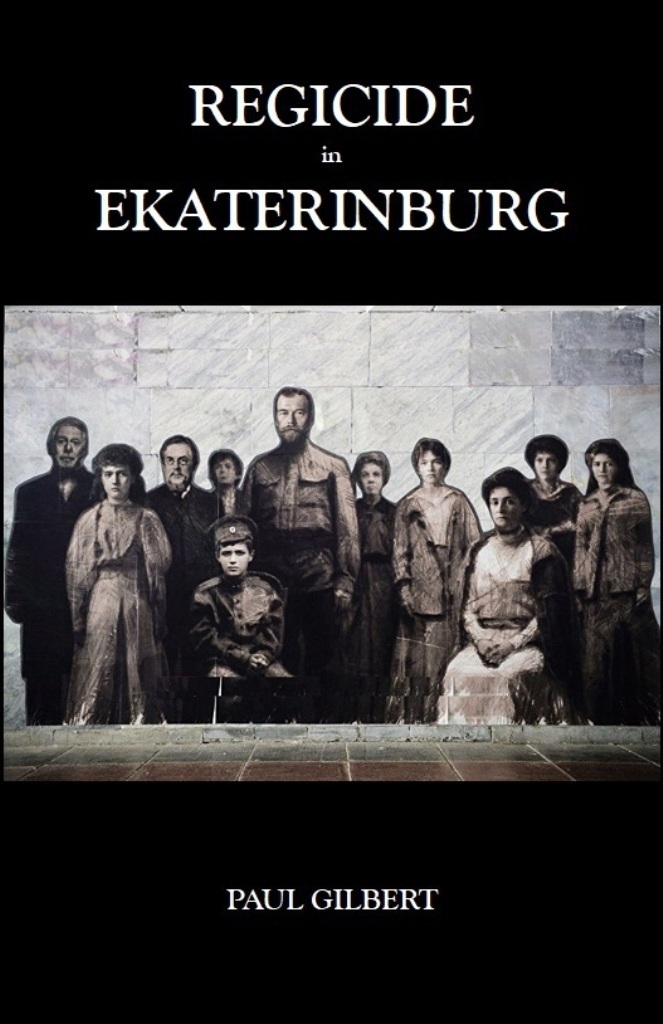
The following NEW title was compiled and edited by independent researchers and Romanov historian Paul Gilbert was published in August 2024. 

This fascinating new study features 14 chapters on this tragic event, which include the memoirs of a British intelligence officer and journalist, and two First-English translations. In addition, 11 chapters were written by Paul Gilbert, based on new documents sourced from Russian archival and media sources over the past decade.

Please refer to the link provided for further details about the content of this new title . . .

CLICK HERE TO READ MORE ABOUT THIS TITLE

Romanov archives of Charles Sydney Gibbes

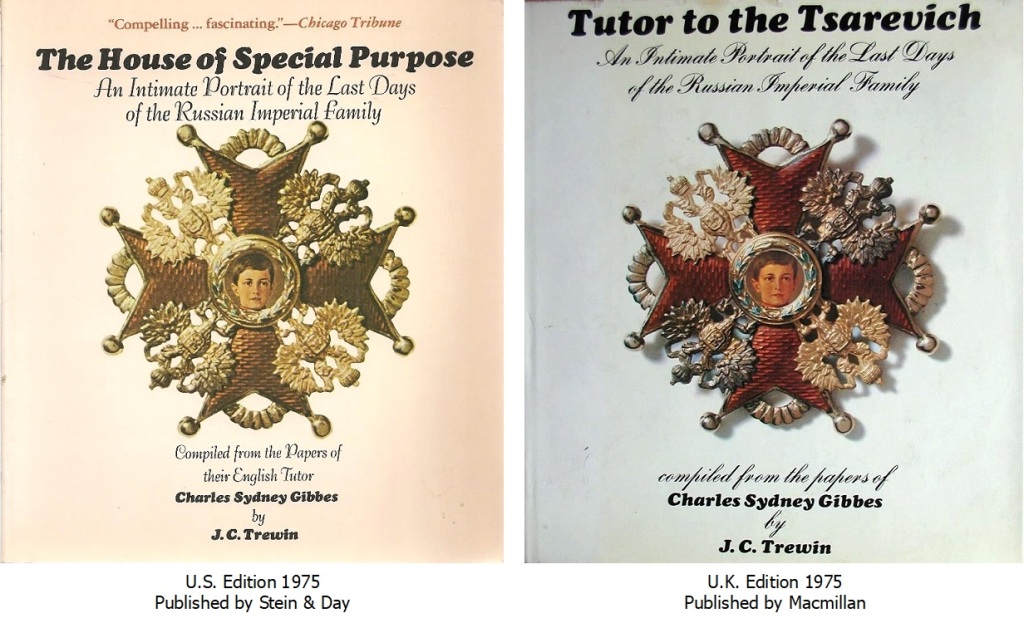
It has been almost 50 years since the publication of The House of Special Purpose by John Courtenay Trewin was published in 1975 by the US publisher Stein & Day. It was also published the same year in the UK by Macmillan, but under a different title Tutor to the Tsarevich.

Trewin’s book is a collection of letters, journal entries, photographs and memorabilia diligently kept by the English tutor to the Russian Imperial Family – Charles Sydney Gibbes (1876-1963). Described as “An Intimate Portrait of The Last Days of the Russian Imperial Family compiled from the papers of their English Tutor” this carefully produced record is also an enchanting, touching glimpse into the private world of Emperor Nicholas II and his family.

Gibbes story really began on 9th June 1908, during a meeting of the Russian Imperial and British Royal families in Reval [today Tallinn, Estonia]. The historic meeting marked the first visit to Russia by a British monarch: King Edward VII. It was during this visit that the King remarked to Empress Alexandra Feodorovna that neither of her elder daughters possessed a very good English accent. This prompted the Empress to get an English tutor for the girls and shortly thereafter Charles Sydney Gibbes found himself, most unexpectedly, appointed English tutor to the Tsar’s children.

For ten years, from the autumn of 1908 until their deaths in July 1918, Charles Sydney Gibbes was a member of the household of Emperor Nicholas II and his family. During much of that period, Gibbes served as the English tutor to the Tsesarevich Alexei Nikolaevich, as well as teaching his sisters, the Grand Duchesses Olga, Tatiana, Maria and Anastasia Nikolaevna..

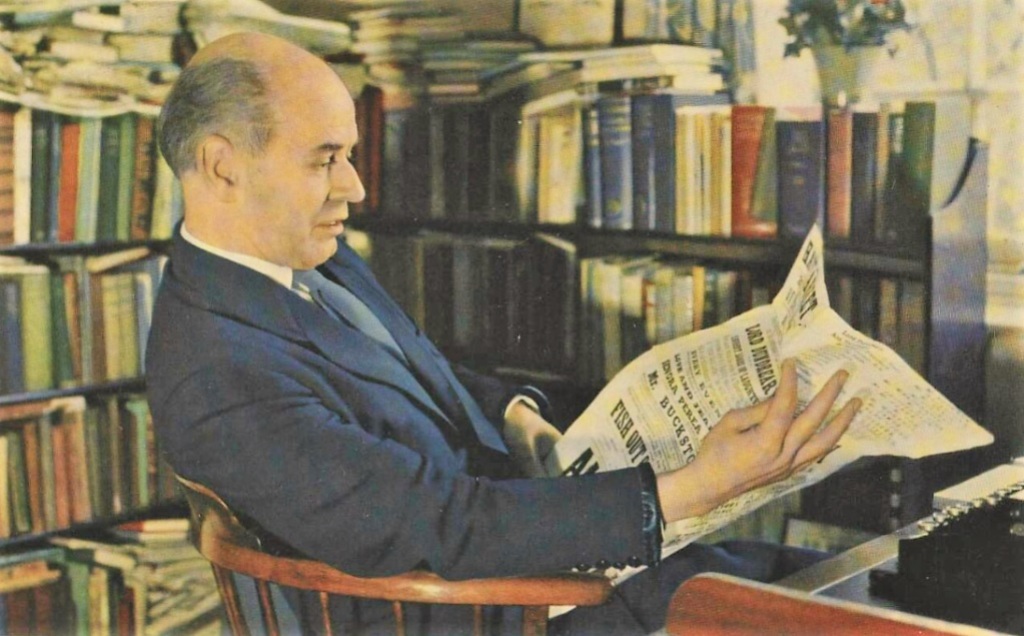
PHOTO: John Courtenay Trewin —photograph published in The Illustrated London News (London, England) of Saturday 11th January 1958

Gibbes became an intimate friend of the family, first in the Alexander Palace at Tsarskoye Selo, and then during the family’s exile to Tobolsk from August 1917 to April 1918. He followed them to Ekaterinburg, where he was separated from them before they were brutally murdered by the Ural Soviet in the early morning hours of 17th July 1918. Their death and martyrdom would have a profound effect on him, he honoured their memory until the end of his life

During his years spent with the Imperial Family, Gibbes kept notes and diaries recording the Tsesarevich’s illness, the books which the children read and the plays which they acted during their time in exile. He collected a mass of souvenirs, exercise books, menus, letters, sketches, official permits and other documents, from all of which British journalist, writer and drama critic John Courtenay Trewin (1908-1990) has constructed a fascinating and highly personal narrative. This book was written from Gibbes’ surviving archives of letters, photos and other memorabilia relating to the last Imperial family of Russia which are now kept in Oxford.

Gibbes managed to preserve it all throughout his extraordinary subsequent career, first as an Inspector of the Chinese Maritime Customs at Harbin and latterly as a priest, and finally as an archimandrite, in the Russian Orthodox Church in Oxford, where he left his remarkable collection to his adopted son George Gibbes[1], who provided the material for this fascinating book.

Gibbe’s depositions form an important part of the official reports on the fate of the Imperial family, but none of the rest of this material has been published before, nor even been consulted by writers on the subject.

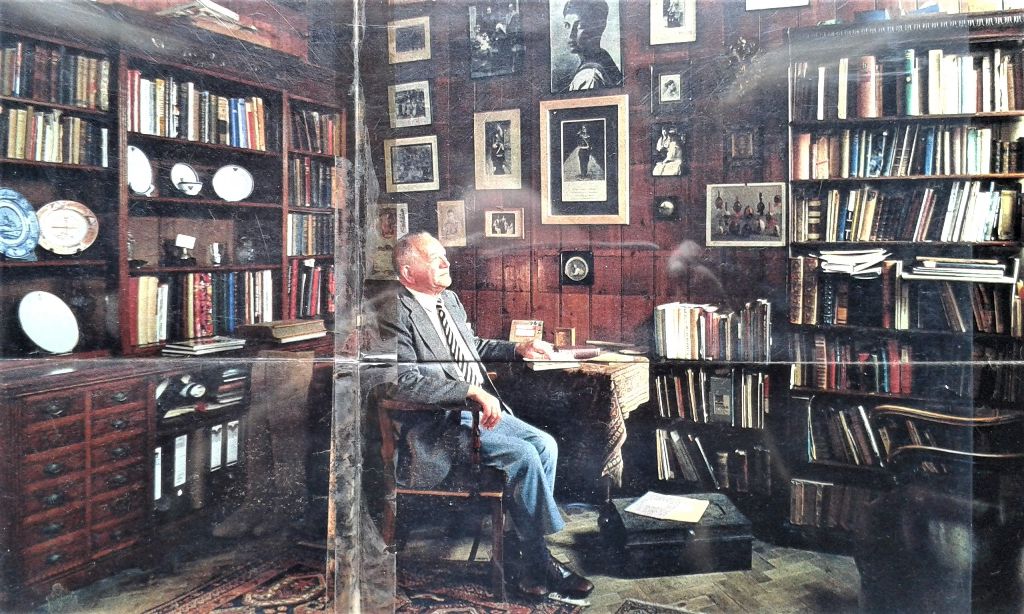
PHOTO: Charles Sydney Gibbes collection of Russian possessions were left with his adopted son, George, in Oxford. In this photo we see George Gibbs at this home surrounded by photos of the Imperial Family.

A year after the regicide, Gibbes found himself at the “House of Special Purpose” [Ipatiev House] where the tragedy took place, and he was at the Four Brothers where he assisted Nikolai Sokolov in his investigation into the deaths of the Emperor and his family. He witnessed the recovery of numerous items from the mine, which belonged to members of the Imperial Family, and assisted in getting them safely out of Russia in a sealed blue box[2].

In addition, the collection of precious Romanov artifacts that Gibbes brought back with him from Russia – including an icon from the Tsaritsa, a pair of Nicholas II’s felt boots, the Tsesarevich’s pencil case and exercise books belonging to his sisters Maria and Anastasia, and the beautiful Italian Murano glass chandelier of red and white lilies that he retrieved from the Grand Duchesses’ room of the Ipatiev House in Ekaterinburg were later on display at his chapel dedicated to St Nicholas the Wonderworker in Oxford.

Following his death in 1963, Gibbes’ collection of Russian possessions were left to his adopted son, George, in Oxford, and George subsequently donated them to the museum at Luton Hoo[3]. A small chapel was built there to house the collection, consecrated by Metropolitan Anthony of Sourozh. The museum was later moved from Luton Hoo to the Wernher Collection in Greenwich. Sadly, the collection was sold and is now in the hands of a private collectior, including the Murano glass chandelier, which is now in the private collection of the Butters Family in England.

In 1986, George Gibbes, sold off two of the most important Romanov pieces in his father’s collection made by Fabergé: a pair of monogrammed cufflinks given to Gibbes by the tsar’s eldest daughter, Grand Duchess Olga Nikolaevna, and a miniature gold Easter egg pendant with a diamond in the A note, that belonged to Anastasia.  The latter was bought by film maker Steven Spielberg as a gift for his then wife, Amy Irving, when she finished filming at TV mini series in which she played the role of Grand Duchess Anastasia Nikolaevna.

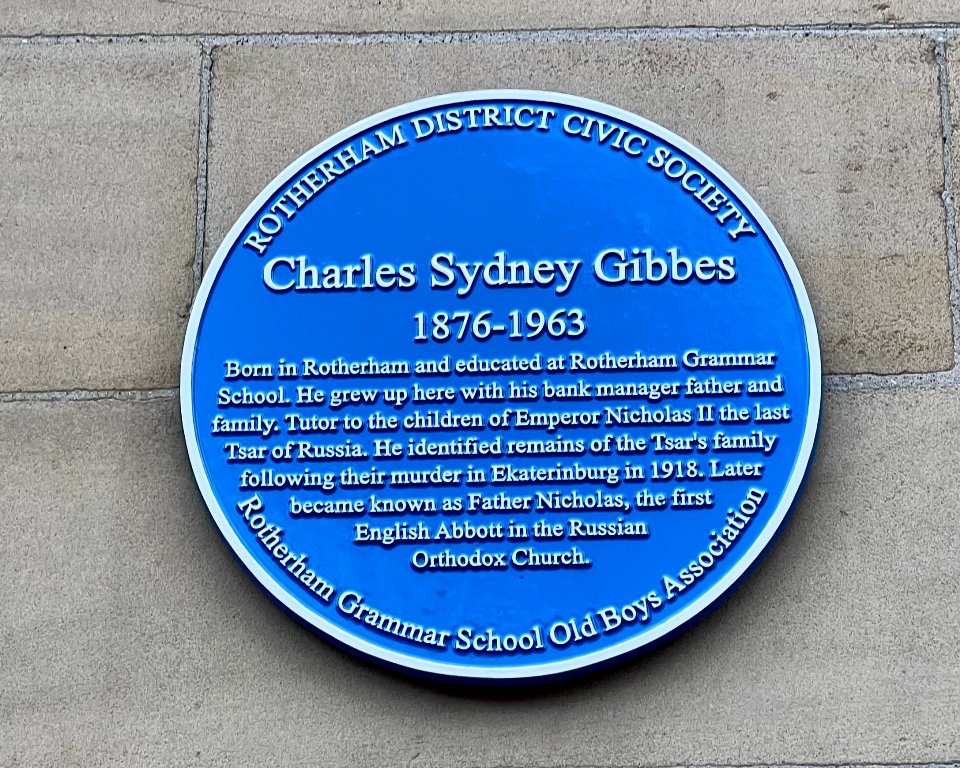
PHOTO: in 2022, a blue plaque was unveiled in Rotherman, which incorrectly notes that Gibbes “identified remains of the Tsar’s family following their murder in 1918”. As Trewin records in his book, Gibbes took part in Sokolov’s investigation and helped identify relics belonging to the Imperial Family found at the Four Brothers Mine, near Ekaterinburg, in 1919

Charles Sydney Gibbes died at St Pancras Hospital, London, on 24th March 1963. His open coffin was displayed in the cellar (or crypt) of Saint Nicholas House in Oxford before his funeral. He is buried in Headington cemetery, Oxford, Oxfordshire, England.

A blue plaque, unveiled in 2022, marks Gibbes’ father John’s workplace at the former Sheffield and Rotherham bank, where he worked as the manager, from 1870 until around 1901. The plaque was organised by The Rotherham District Civic Society, and funded by the Rotherham Grammar School Old Boys Association, where Charles Sydney Gibbes was educated.

Bernard Fletcher, of the Rotherham Civic Society said that the process had taken about 18 months, and that he is “relived and glad” the plaque is up to commemorate the life of Mr Gibbes.

In his speech during the plaque unveiling, Tim Mumford, president of the Rotherham Grammar School Old Boys Association paid tribute to Gibbes: “He was born here, he went to Grammar School, we think in the late 1880s, and left there about 1895.

NOTES:

[1] In 1922, during his stay in Harbin, China, Charles Sydney Gibbes met a 16-year-old orphan, Georges Paveliev [born 16th June 1906], whom he adopted. In the early 1990s, I had the pleasure of corresponding with George Gibbs in whose letters he shared numerous anecdotes about his father. The regular exchange of letters came to a stop, and it was only after making enquiries that I learn of George’s death on 11th May 1993.

[2] During his investigation, Sokolov discovered a number of personal items at the Four Brothers Mine, which belonged to the Imperial Family, including a severed finger believed to be that of the Empress. Today, the box is stored in the Russian Orthodox Church of Saint Job in Uccle, Brussels.

[3] On a personal note, I am very grateful that I had an opportunity to visit Luton Hoo in the 1990s, and had an opportunity to see with my own eyes the Gibbes collection. I was delighted, yet again, to see the Murano glass chandelier on display at The Last Tsar: Blood and Revolution exhibition in September 208 at the Science Museum in London, England – PG.

© Paul Gilbert. 5 March 2023

Charles Sydney Gibbes (1876-1963)

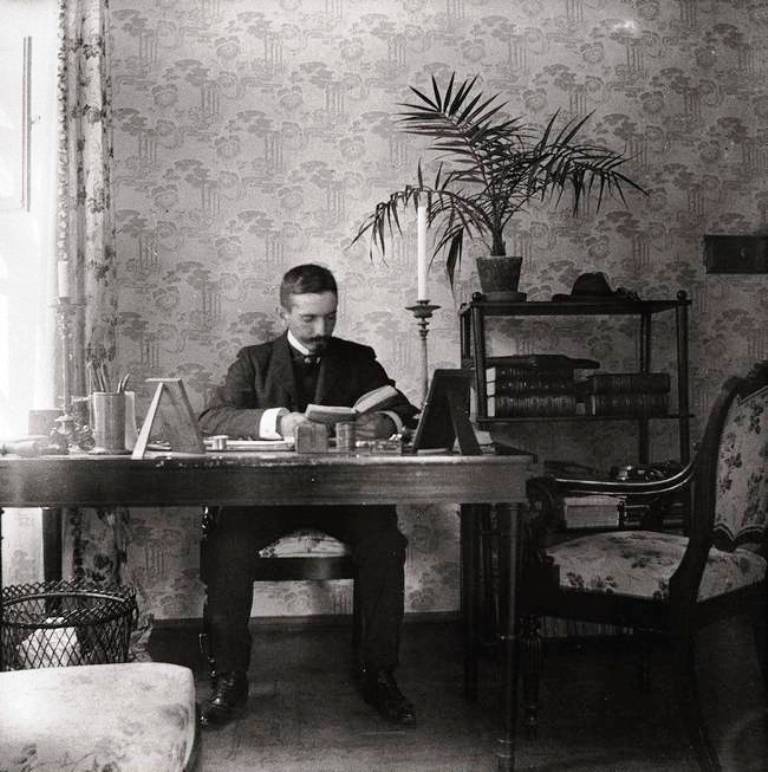
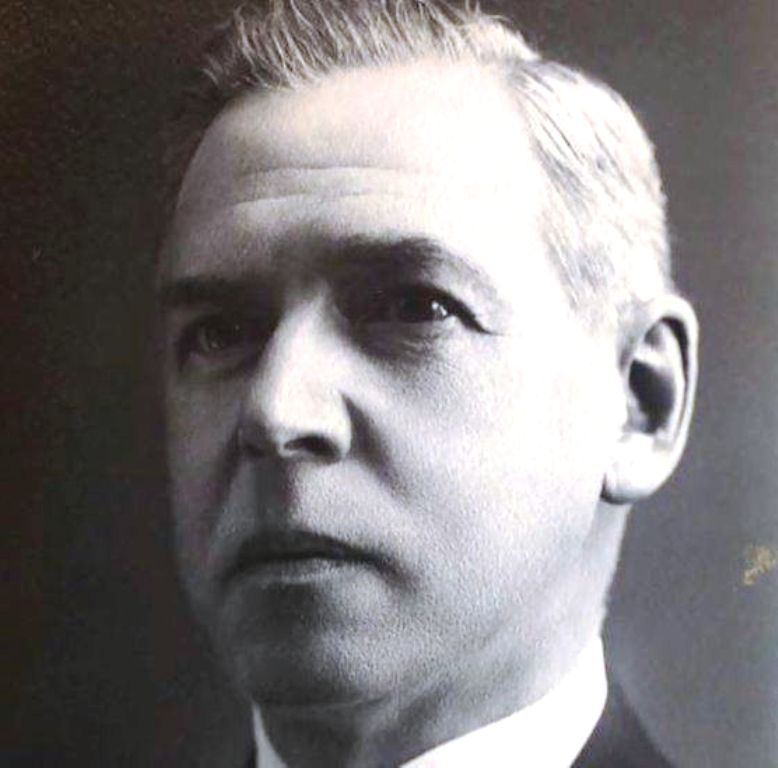
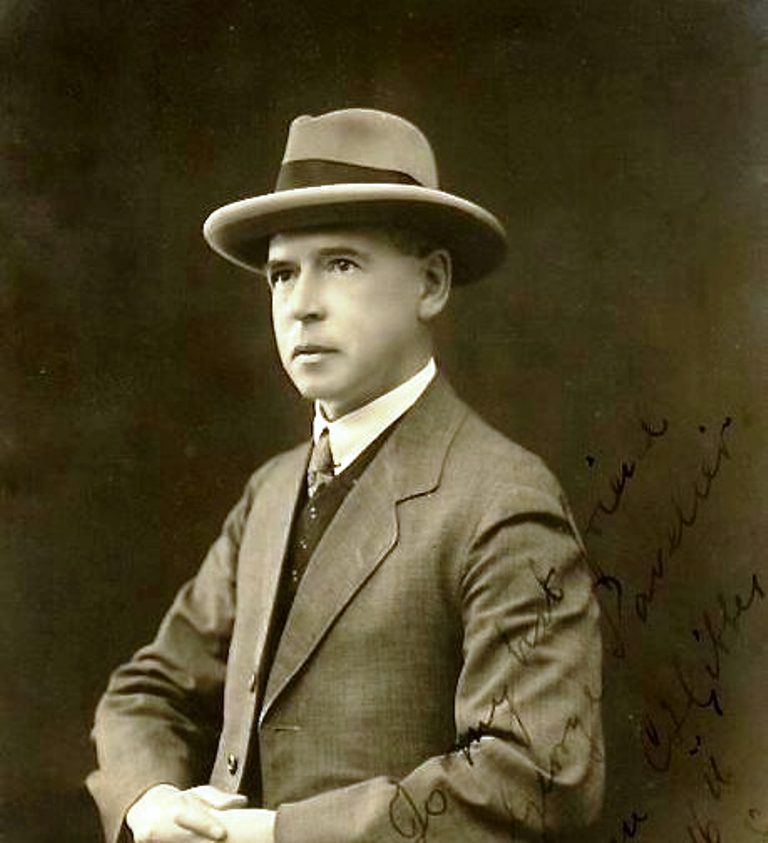
PHOTO: Charles Sydney Gibbes

This article [sourced from Wikipedia] is a general introduction to Charles Sydney Gibbes (19 January 1876 – 24 March 1963). Gibbes was a British academic who from 1908 to 1917 served as the English tutor to the children of Emperor Nicholas II. When Nicholas abdicated the throne in March 1917 Gibbes voluntarily accompanied the Imperial family into exile to the Siberian city of Tobolsk. After the family was murdered in 1918 Gibbes returned to the United Kingdom and eventually became an Orthodox monk, adopting the name of Nicholas in commemoration of Nicholas II. He died in 1963, and is buried at Headington cemetery, Oxford, Oxfordshire, England.

There is little which is new that I could write about Gibbes, therefore, to compliment this article, I have provided a list of books and articles written about Gibbes which I trust will provide readers with a much more comprehensive understanding of one of the most devoted and beloved persons associated with the Russian Imperial Family – PG

***

BIOGRAPHY

Charles Sydney Gibbes was born in Rotherham, Yorkshire, England on 19 January 1876. He was the youngest surviving son of John Gibbs, a bank manager, and Mary Ann Elizabeth Fisher, the daughter of a watchmaker. Whilst at the University of Cambridge, Charles Sydney added the ‘e’ to the spelling of his own name. He entered upon theological studies in Cambridge and Salisbury in preparation for holy orders but realised that he had no religious vocation. Sydney is described as: severe, stiff, self-restrained, imperturbable, quiet, gentlemanly, cultured, pleasant, practical, brave, loyal, honourable, reliable, impeccably clean, with high character, of good sense and with agreeable manners. He could also be stubborn, use corporal punishment freely, that he could be very awkward with others, and he is recorded as having quite a temper, at least in his younger years.

Having some talent at languages, he decided to teach English abroad. In 1901 he went to Saint Petersburg, Russia, as tutor to the Shidlovsky family and then the Soukanoff family. He was then appointed to the staff of the Imperial School of Law, and by 1907 he was qualified as vice-president and committee member of the Saint Petersburg Guild of English Teachers. He came to the attention of the Empress Alexandra and in 1908 was invited as a tutor to improve the accents of the Grand Duchesses Olga and Tatiana; and subsequently Maria and Anastasia. In 1913 he became tutor to Tsesarevich Alexei. The children referred to him as Sydney Ivanovich.

PHOTO: Gibbes with Grand Duchess Anastasia Nikolaevna. 1910

Gibbes’ career as court tutor continued until the February Revolution of 1917, after which the Imperial family was imprisoned in the Alexander Palace in Tsarskoye Selo. He was in St Petersburg at the time, and immediately after returning to Tsarskoye Selo was forbidden from seeing the Imperial Family. He was only allowed to recover his possessions after the Imperial Family had been sent into exile to Tobolsk in Siberia. Gibbes voluntarily followed the family, arriving in the village in October 1917 shortly before the Provisional Government fell to the Bolsheviks. In May 1918 the Imperial family was moved to the Ipatiev House in Ekaterinburg, and neither Gibbes, French tutor Pierre Gilliard, nor most other servants were allowed to enter. A number of servants stayed in the railway carriage which had brought them to the city.

PHOTO: Gibbes with Tsesarevich Alexei Nikolaevich. Alexander Park, spring 1914

This carriage became part of a refugee train on 3rd June and the tutors were in Tyumen but returned to Ekaterinburg after the murder of the Imperial family on the night of 16/17 July 1918 and the fall of the city to the White Army on 25th July. Gibbes and Gilliard were early visitors to the scene of the regicide at the Ipatiev House and were both involved in the subsequent enquiries carried out by Ivan Alexandrovich Sergeiev and later by Nicholas Alexievich Sokolov.

As the Bolsheviks took Perm and closed in on Ekaterinburg, enquiries were abandoned and Gibbes and Gilliard left for Omsk. Gibbes was appointed as a secretary to the British High Commission in Siberia in January 1919, retreating eastwards as Siberia was captured by the Red Army. He was briefly employed at the British Embassy in Beijing and then became an assistant in the Chinese Maritime Customs in Manchuria.

There was a large White Russian refugee community in Harbin and it was there in 1922 that he met an orphan, Georges Paveliev, whom he adopted. He established George in 1934 on a fruit farm at Stourmouth House in East Stourmouth in Kent.

PHOTO: images of Father Nicholas. St. John’s Orthodox Church, Colchester, England

RETURN TO ENGLAND AND CONVERSION TO ORTHODOXY

Gibbes returned to England in 1928 and enrolled as an ordinand at St Stephen’s House, Oxford, but again decided that ordination in the Church of England was not to be his vocation.

In Harbin, China on 25th April 1934 he was received into the Orthodox church by Archbishop Nestor (Anisimov) of Kamchatka and Petropavlovsk who was there in exile. Gibbes took the baptismal name of Alexei in honour of the former Tsesarevich. He was tonsured a monk on 15th December, ordained deacon on 19th December and priest on 23rd December, taking the name Nicholas in honour of the former Tsar. In March 1935 he became an Abbot. He again returned to England in 1937 and was established in a parish in London.

At the time of the Blitz he moved to Oxford where in 1941 he established an Orthodox chapel in Bartlemas. In 1949 he bought a house at 4 Marston Street, subsequently known as the Saint Nicholas House. The house was built circa 1890 by a charity founded to distribute free medicine to the poor. During the war the building became the central ‘Air Raid Protection’ telephone exchange and there is still a ‘bomb proof’ concrete partition between the ground and first floor. Gibbes kept a chapel dedicated to St Nicholas the Wonderworker within the property. This chapel was home to several icons and mementos of the Imperial family which he brought with him from Yekaterinburg, including a chandelier from the Ipatiev House. The house was divided into flats in the 1960s, and the chapel was converted into a flat in the late 1980s.

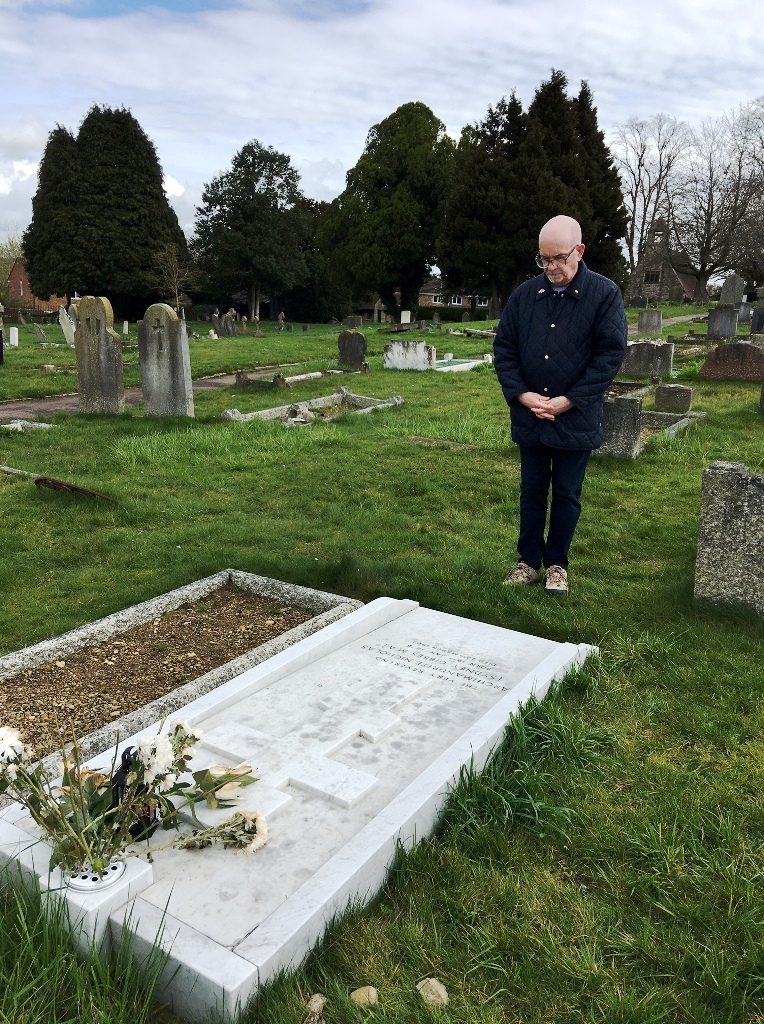
PHOTO: Paul Gilbert standing at the grave of Charles Sydney Gibbes
(later Father Nikolai), Headington Cemetery, Oxford, England. April 2023
.

DEATH

Gibbes died at St Pancras Hospital, London, on 24 March 1963. His open coffin was displayed in the cellar (or crypt) of Saint Nicholas House before his funeral. He is buried in Headington cemetery, Oxford, Oxfordshire, England.

His collection of Russian possessions were left with his adopted son, George, in Oxford, and George subsequently donated them to the museum at Luton Hoo. A small chapel was built there to house these memorabilia, consecrated by Metropolitan Anthony of Sourozh. The museum has been moved from Luton Hoo and is now a part of the Wernher Collection in Greenwich.

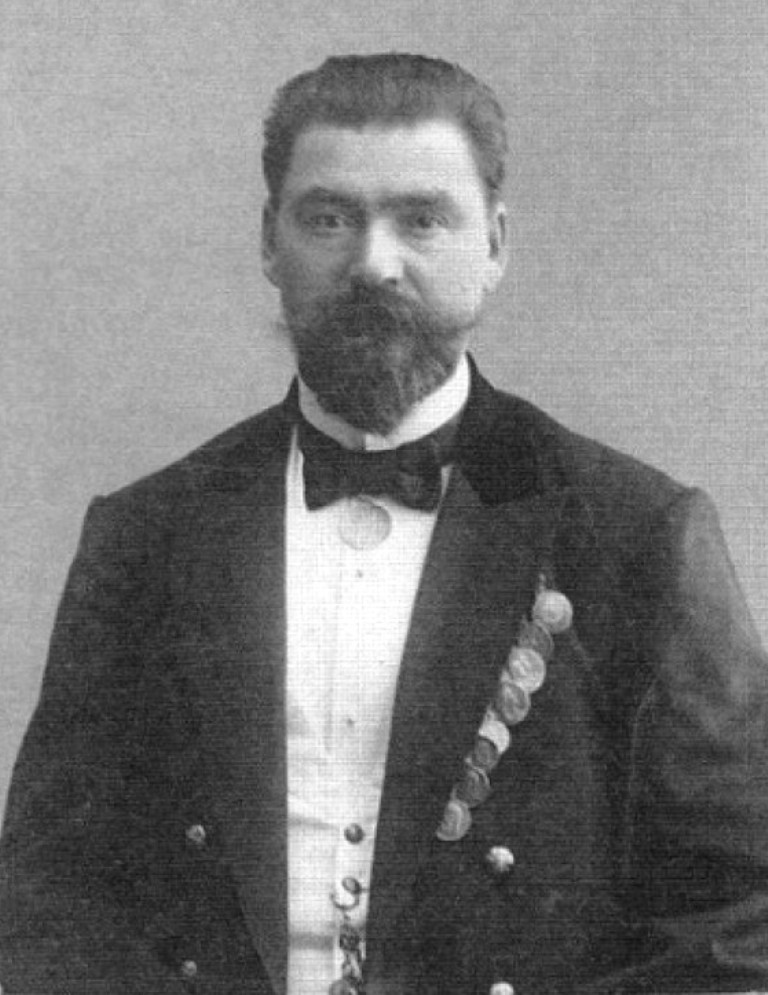
PHOTO: Charles Sydney Gibbes (1876-1963)

LEARN MORE ABOUT CHARLES SYDNEY GIBBES

It was generally believed that Gibbes did not write his memoirs, however, it is now known that among the documents stored in his archive, housed at the University of Leeds Special Collections, is his typescript Ten Years with the Russian Imperial Family (unpublished). I regret that I do not know the number of pages, nor can I confirm if it was ever completed.

In addtition, there is a vast collection of books and articles written about Gibbes, for which I have provided links below:

Archimandrite Nicholas Gibbes: From the Russian Orthodox Church in Exile to the Moscow Patriarchate by Nicholas Mabin

Fr. Nicholas Gibbes: The first English disciple of Tsar Nicholas II and the first English priest of the ROCOR by Archpriest Andrew Phillips

From Romanov tutor to Orthodox missionary: The life of Charles Gibbes by Alexandra Kulikova

The Last Days of Sydney Gibbes, English Tutor to the Tsarevich by Helen Rappaport

Russian Revolution: The tutor who witnessed the downfall of the Romanovs

BOOKS

Benagh, Christine (2000) An Englishman in the Court of the Tsar. Ben Lomond, California: Conciliar Press.

Trewin, J. C. (1975) Tutor to the Tsarecvich – An Intimate Portrait of the Last Days of the Russian Imperial Family compiled from the papers of Charles Sydney Gibbes. London: Macmillan

Welch, Frances (2005) The Romanovs & Mr Gibbes: The Story of the Englishman Who Taught the Children of the Last Tsar. UK: Short Books

VIDEOS

The English Tutor Who Became a Monk. The Last Years of Sydney Gibbes narrated by Helen Rappaport [Duration: 18 min., 20 sec.]

The Winter of 1962/3 was one of the coldest ever experienced in Britain. At St Pancras Hospital in London, the death rate was very high. Fifty-five years later there is one death that still sticks in the mind of nurse Anne Scupholme. His name was Charles Sydney Gibbes, but since 1934, when he had taken his vows as a Russian Orthodox priest, he had been known as Father Nicholas. He had been English tutor to the five children of Russia’s last Tsar and Tsaritsa, and during that time had developed a very close relationship with the young tsesarevich, Alexei.

© Paul Gilbert. 23 May 2021