Conference: “Emperor Nicholas II and Dialogue with the Islamic World”

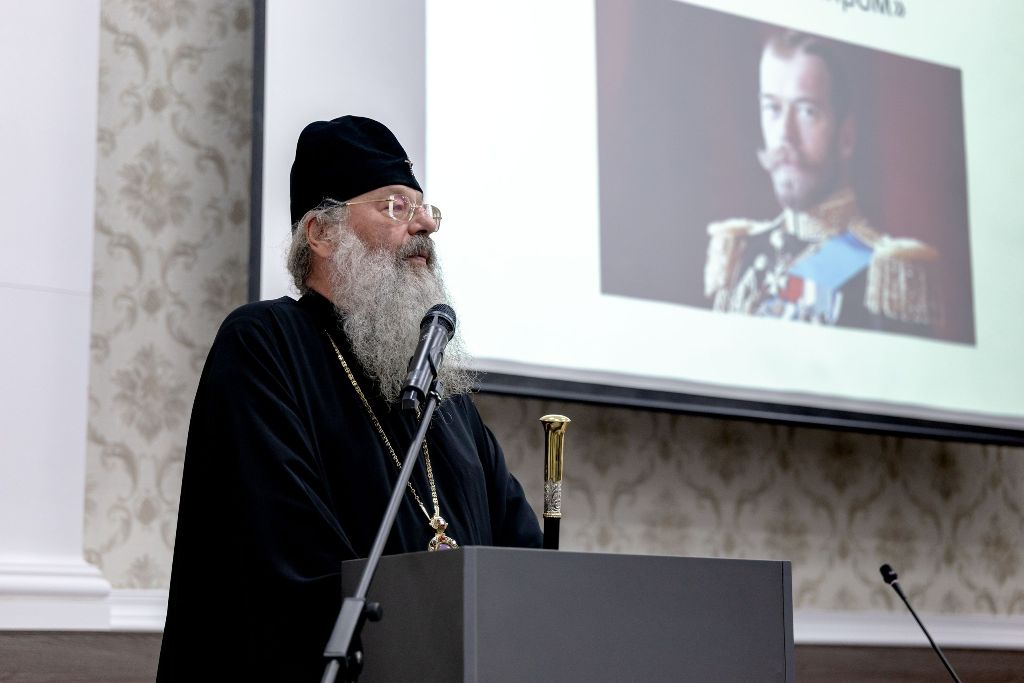
PHOTO: Metropolitan Kirill of Kazan and Tatarstan

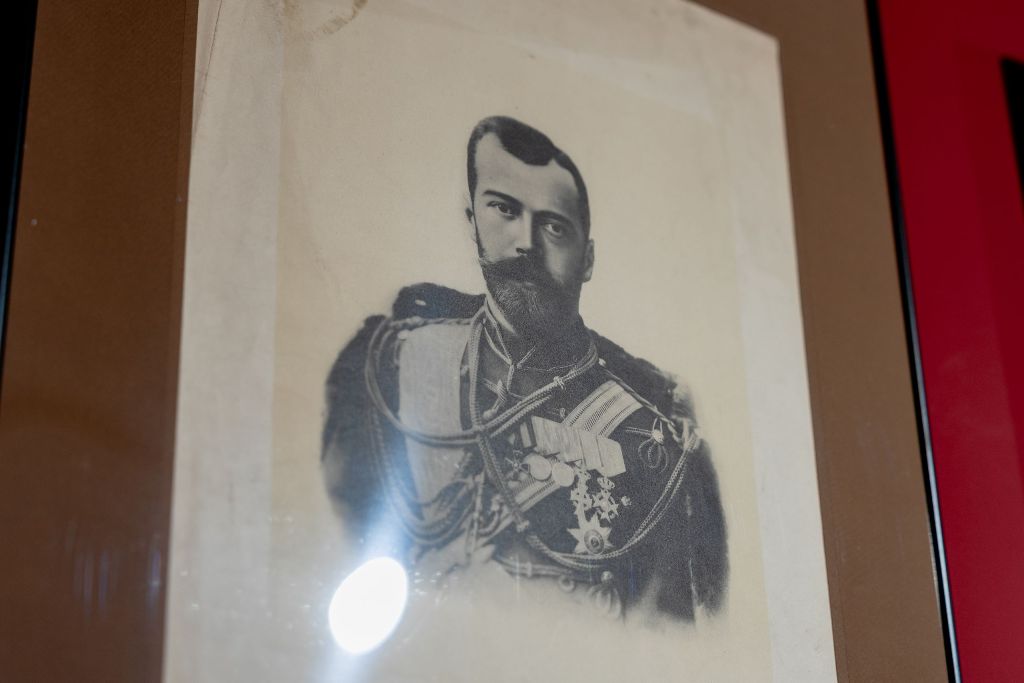
On 19th May 2026, a scientific and practical conference Emperor Nicholas II and Dialogue with the Islamic World was held at the Diocesan Pilgrim Center in the Russian city of Kazan. The event was timed to the 158th anniversary of the birth of Russia’s last Tsar.

The conference was attended by historians and public figures of Tatarstan, clergymen of the Kazan diocese, representatives of the Spiritual Administration of Muslims of the Republic of Tatarstan, media representatives, students and those interested in the history of Russia. Admission was FREE.

The meeting was moderated by the head of the diocesan missionary department, Father Alexander Ermolin.

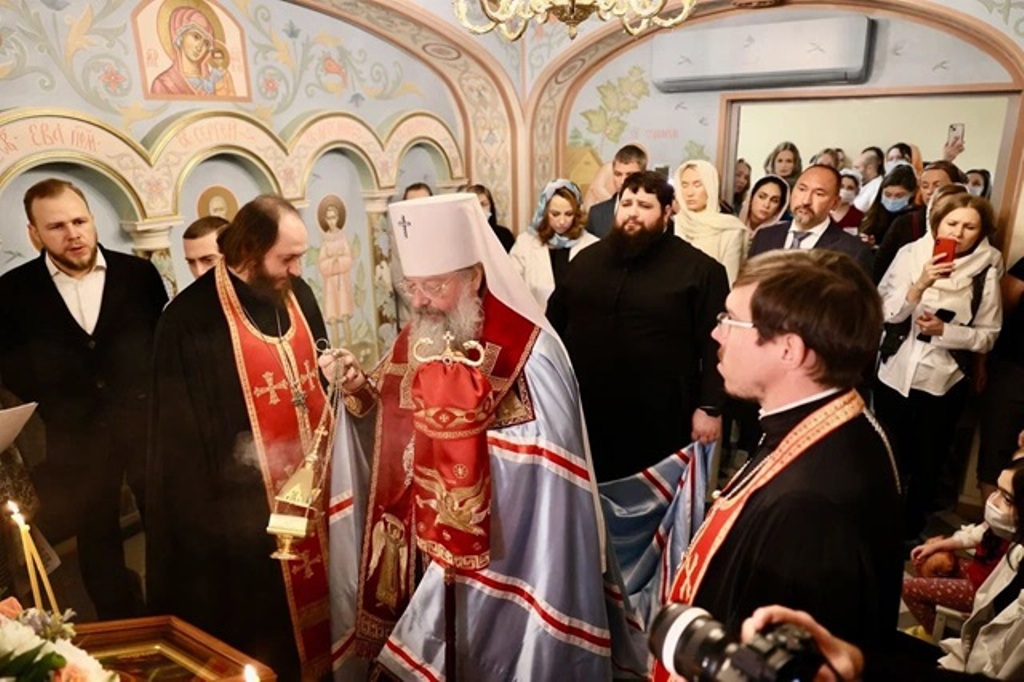
Metropolitan Kirill of Kazan and Tatarstan addressed the audience with a welcoming speech:

Dear friends, brothers and sisters!

Today we celebrate the 158th anniversary of the birth of the Holy Tsar-Passion-Bearer Nicholas II. As is known, he visited Kazan on numerous occasions to meet with his spiritual mentor, Elder Gabriel of Sedmiezerny, and expressed his wish that a church be founded at the place where the miraculous image of the Queen of Heaven was found. In 1913, the church was built and consecrated in honour of the Nativity of the Blessed Virgin Mary.

During the reconstruction of the Kazan Cathedral, the Cave Church was also restored. It was consecrated by Vladyka Feofan of blessed memory and Metropolitan Mark of Berlin in February 2020.

It is gratifying that today’s conference is attended by professionals who have a deep knowledge of the topic to which this scientific forum is dedicated. We are pleased to welcome Pyotr Valentinovich Multatuli, Doctor of Historical Sciences and great-grandson of Ivan Mikhailovich Kharitonov, who was with the Tsar to the last and died with him in the basement of the Ipatiev House. We also warmly welcome Yuri Sergeevich Pyltsin, Candidate of Historical Sciences, one of the founders of the group of historical parks “Russia is My History”, employee of the Museum of the Tsar’s Family in Yekaterinburg.

It must be said that the historical figure of Emperor Nicholas II is one of the most slandered in our society and state. Unfortunately, many people cannot assess the scale of the sovereign’s personality, because for various reasons they do not have reliable knowledge of what was done for the benefit of the people during the 22 years of his rule.

Today, here in Kazan, we would like not only to tell about the Tsar and his life, about the achievements of the Russian Empire, to share new facts, but also to touch upon the important and interesting topic of the relationship between the Tsar-Passion-Bearer and the Islamic community.

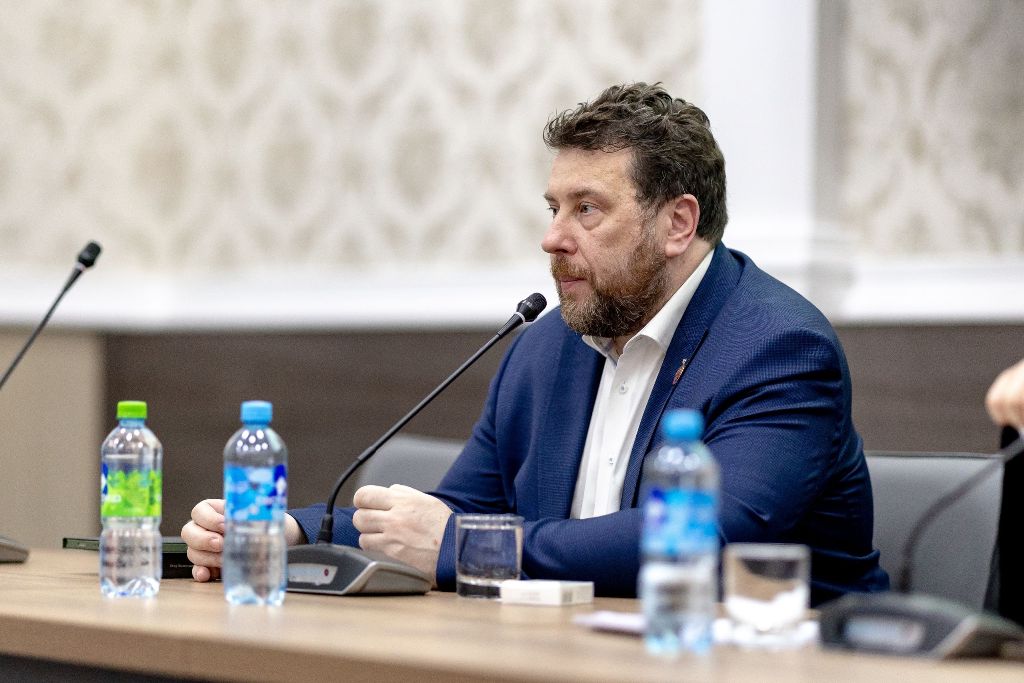
PHOTO: Pyotr [Peter] Multatuli

Rishat Hazrat Khamidullin wgi, who serves as Deputy Mufti of the Republic of Tatarstan for Information Policy and General Director of the Huzur Publishing House, was also a guest speaker at the conference. In his talk, he stressed that the topic of Emperor Nicholas II’s relations with the Muslim world is key to understanding Russia as a multinational and multi-religious state. He recalled that at the beginning of the 20th century, more than 30 million Muslims lived in the Russian Empire. Rishat Hazrat noted that the era of the reign of Emperor Nicholas II can be called a time of active development of Muslim public life and education, as well as interreligious relations.

During the forum, papers were presented on a wide range of topics. Below is a full list of the topics discussed at the Emperor Nicholas II and Dialogue with the Islamic World conference on 19th May 2026:

– Dialogue between Emperor Nicholas II and the Muslims of the Russian Empire;

– the service of the modern Russian nobility;

– monarchist sentiments of the Cossaks of the Caucasus during the Civil War;

– the contribution of the Kazan province to the defense of Russia in the First World War;

– Traditions of mercy and acts of charity of the Imperial Family;

– Tatar noble families during the era of Nicholas II;

— the spiritual roots of the Russian Time of Troubles.

The Emperor Nicholas II and Dialogue with the Islamic World conference provided an opportunity for participants to comprehend the historical experience of interreligious dialogue and service to the Fatherland.

© Paul Gilbert. 20 May 2026

Nicholas II exhibition opens in Kazan

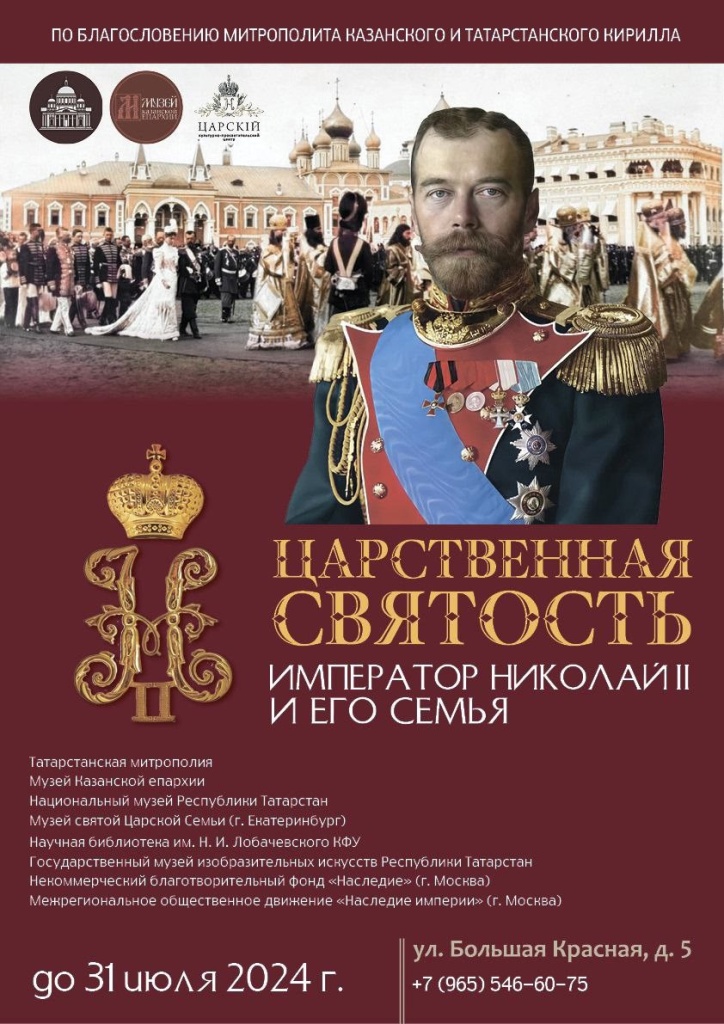
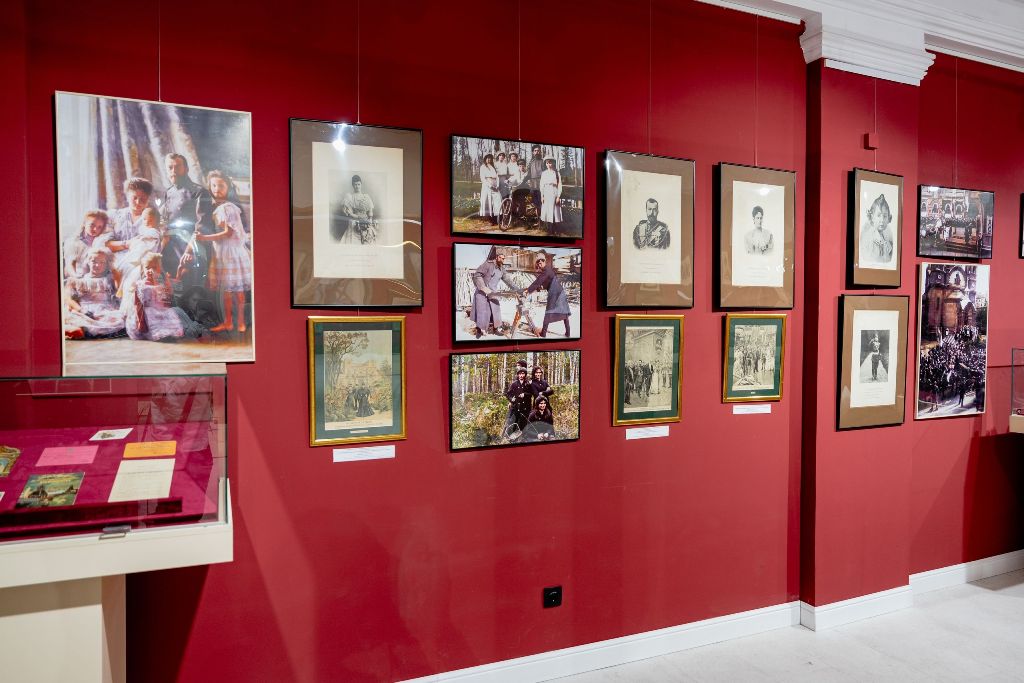
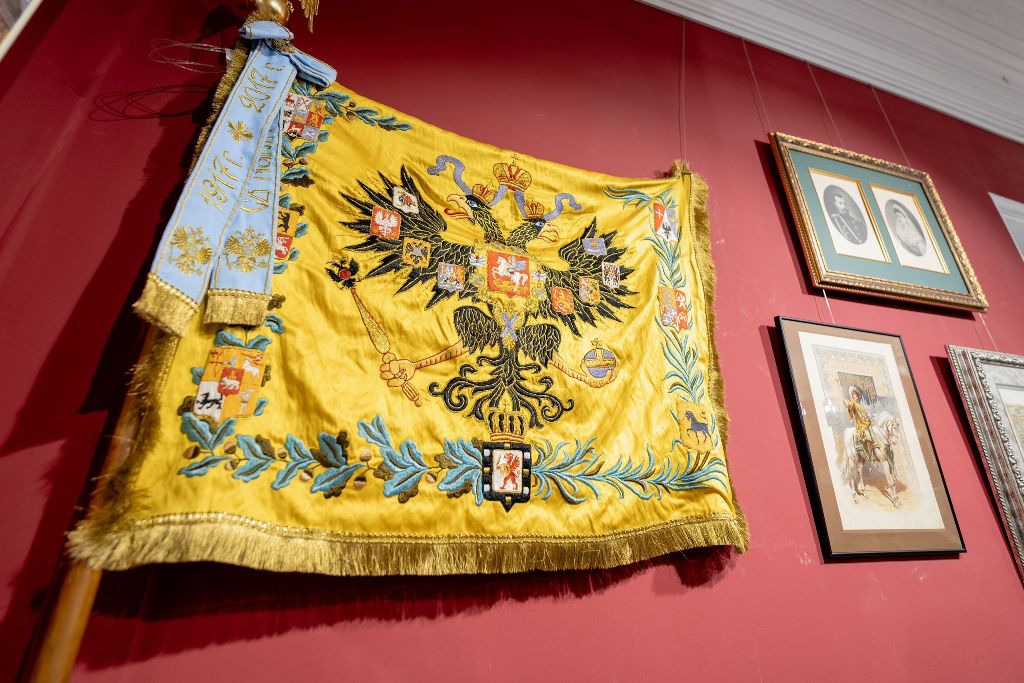
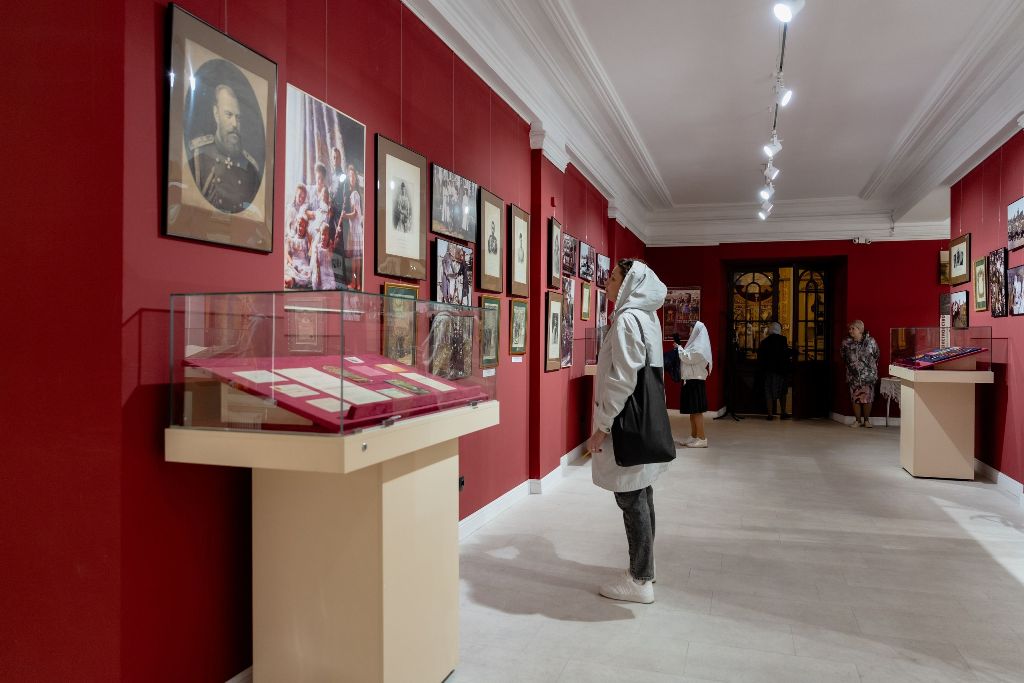
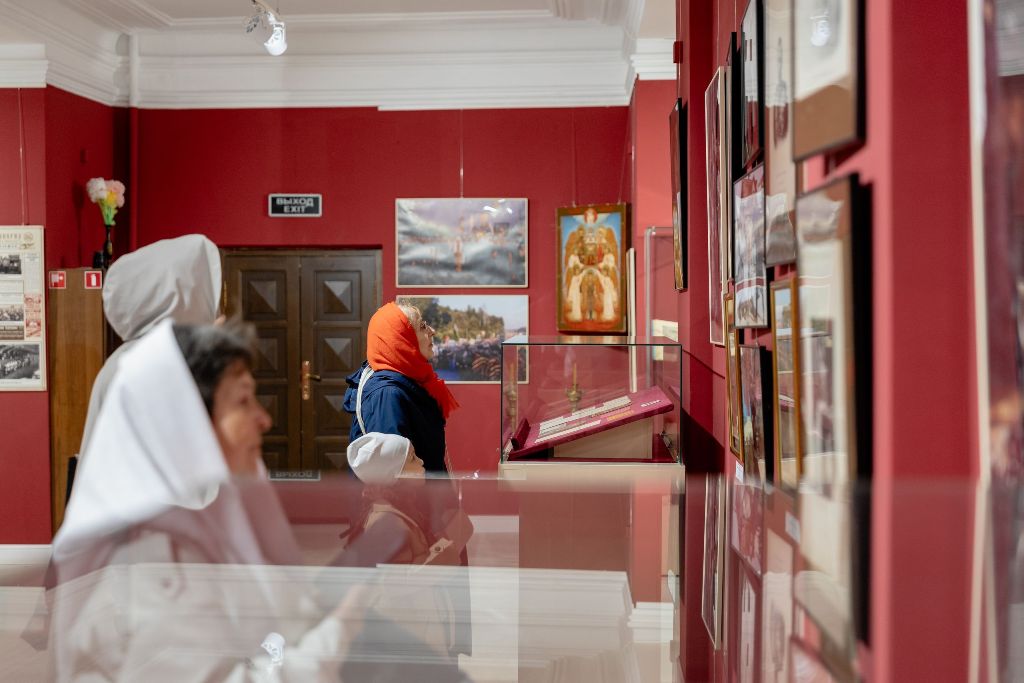
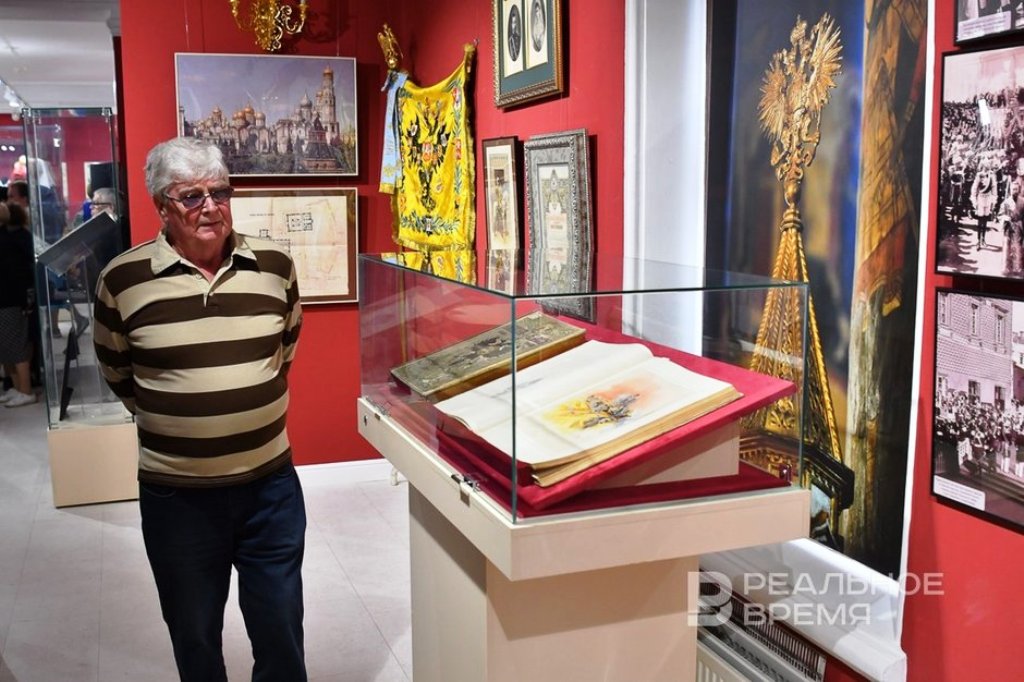
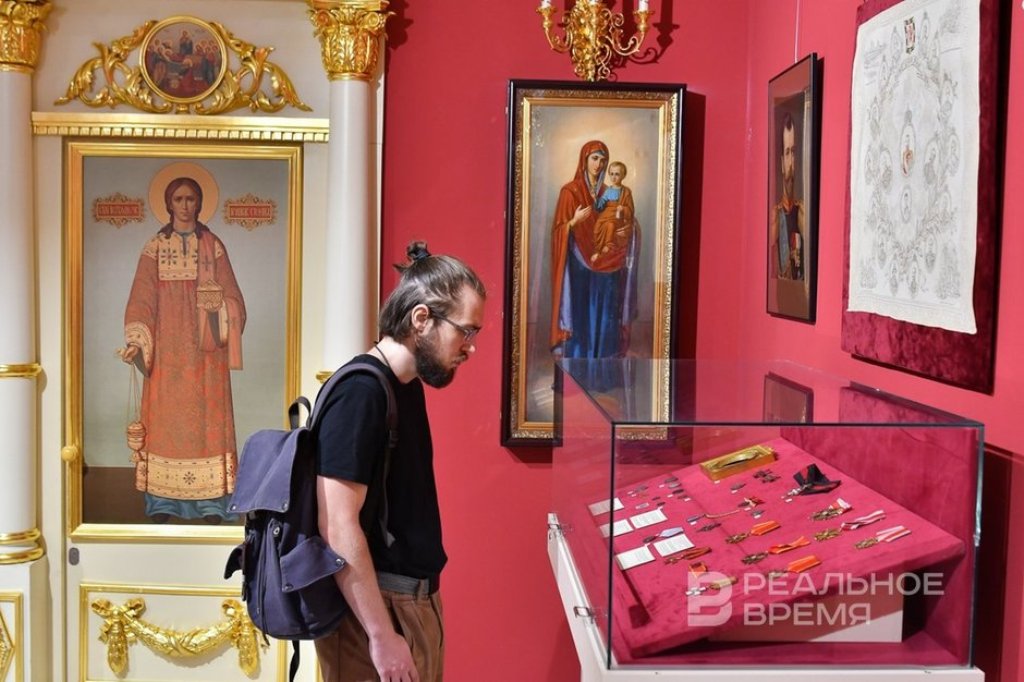
On 22nd May 2024 – the Feast Day of the transfer of the relics of St. Nicholas the Wonderworker [Nicholas II’s patron saint] from Myra to Bari, the Royal Holiness: Russian Emperor Nicholas II and His Family exhibition, opened at the Museum of the Kazan Diocese in the city of Kazan. Tatarstan.

The exhibition was organized by the Museum of the Kazan Diocese with the participation of the Museum of the Holy Royal Family in Ekaterinburg, the Museum of Emperor Nicholas II in Moscow, the Scientific Library of the Lobachevsky Kazan Federal University, the National Museum of the Republic of Tatarstan, the State Museum of Fine Arts of the Republic of Tatarstan, and the Heritage of the Empire Foundation in Moscow.

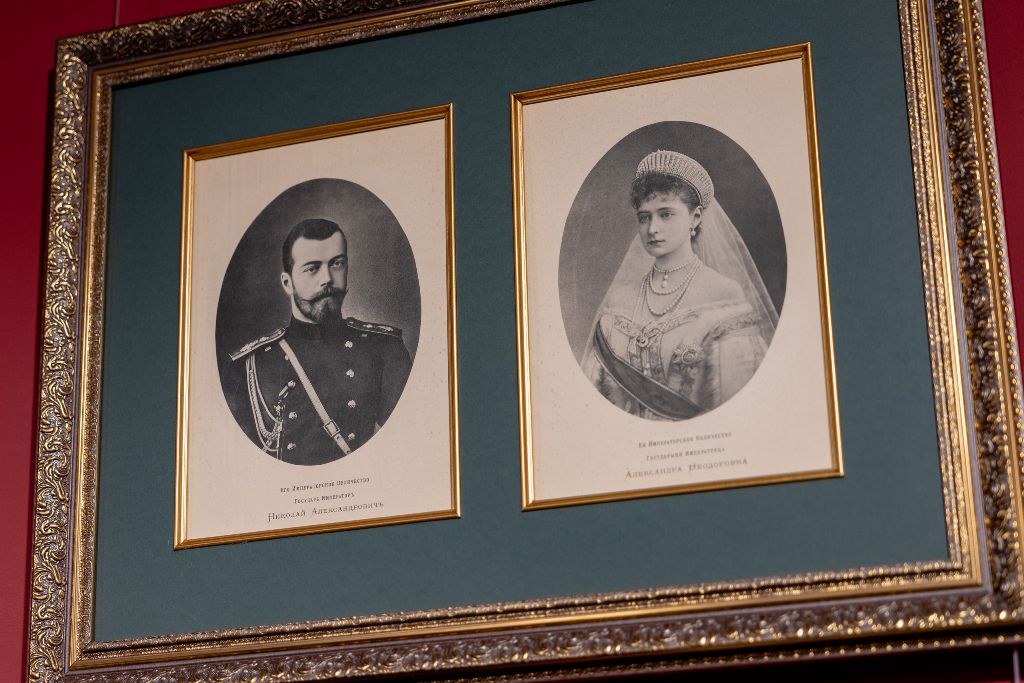
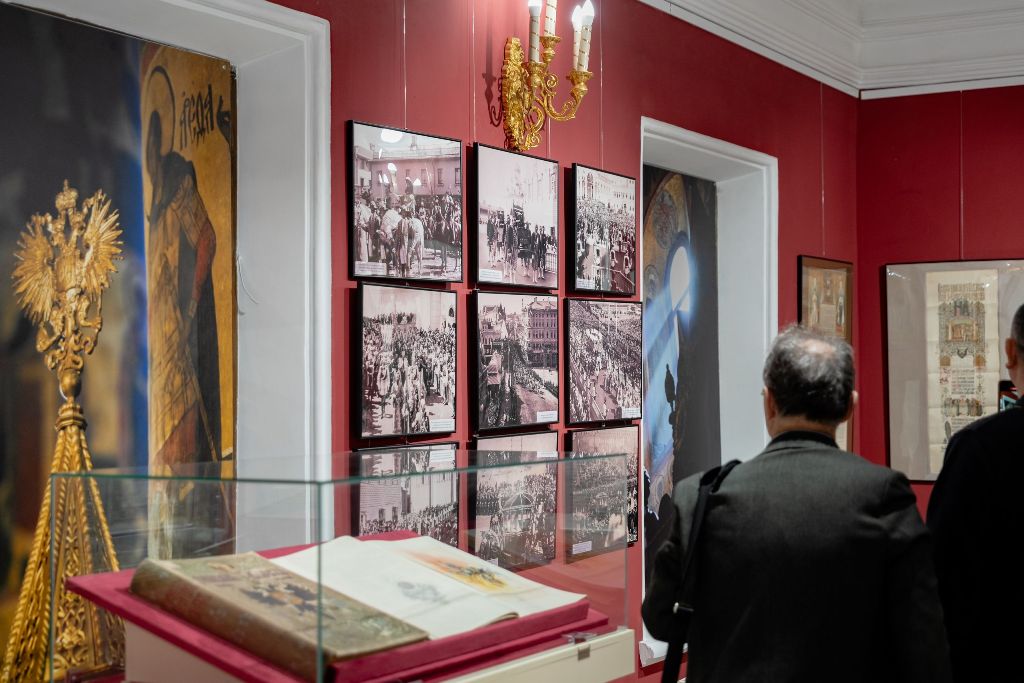
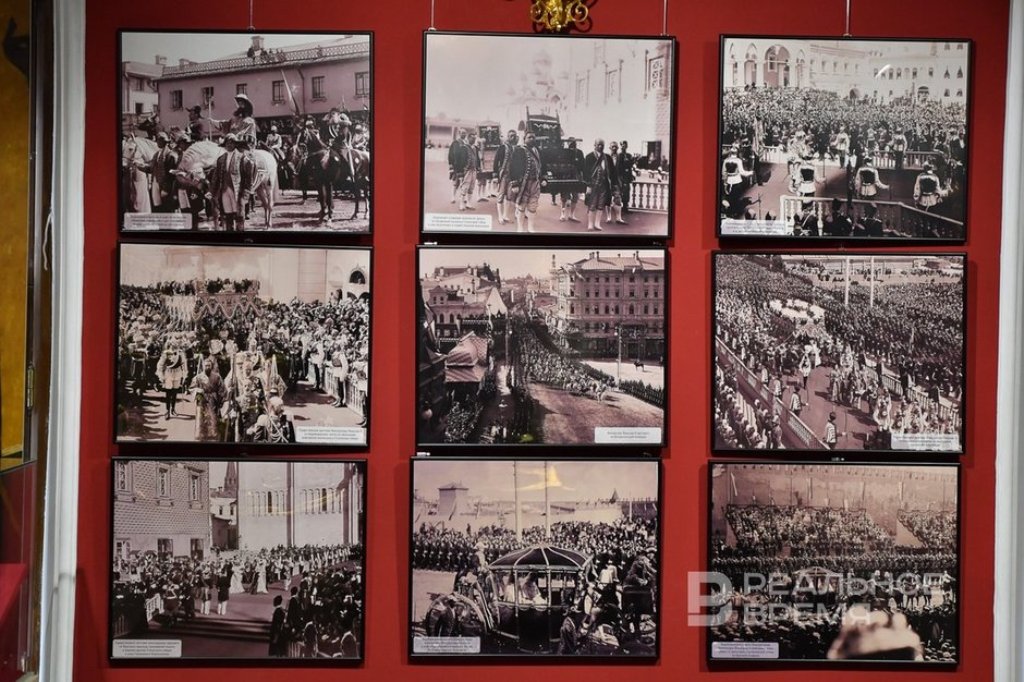
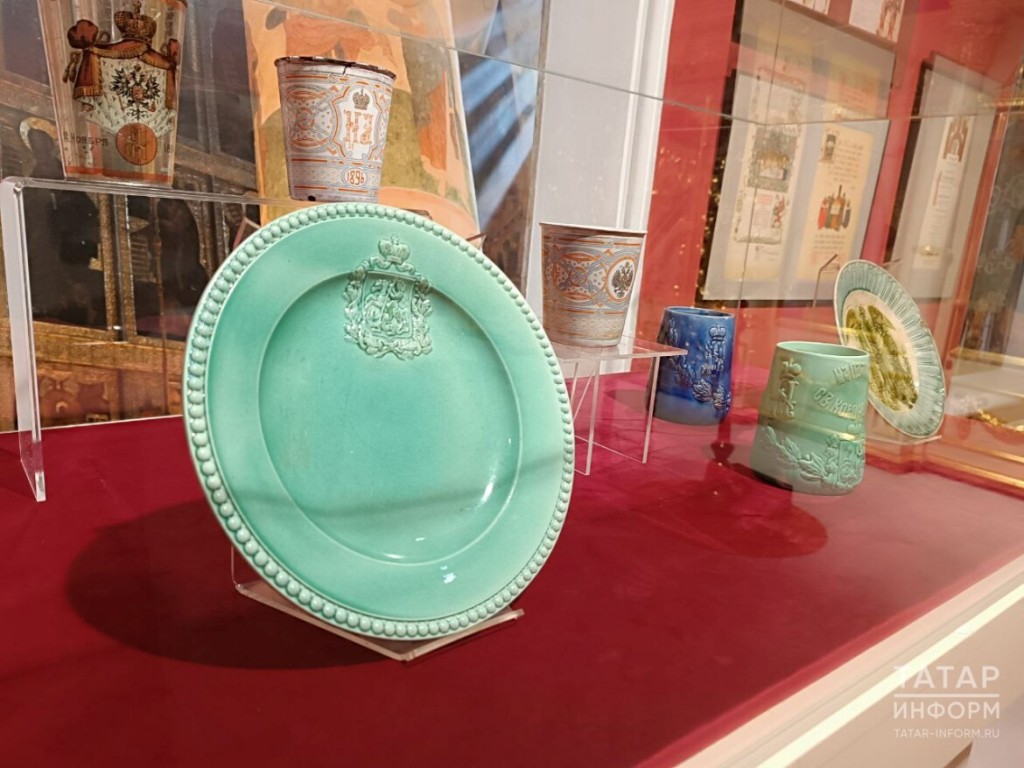
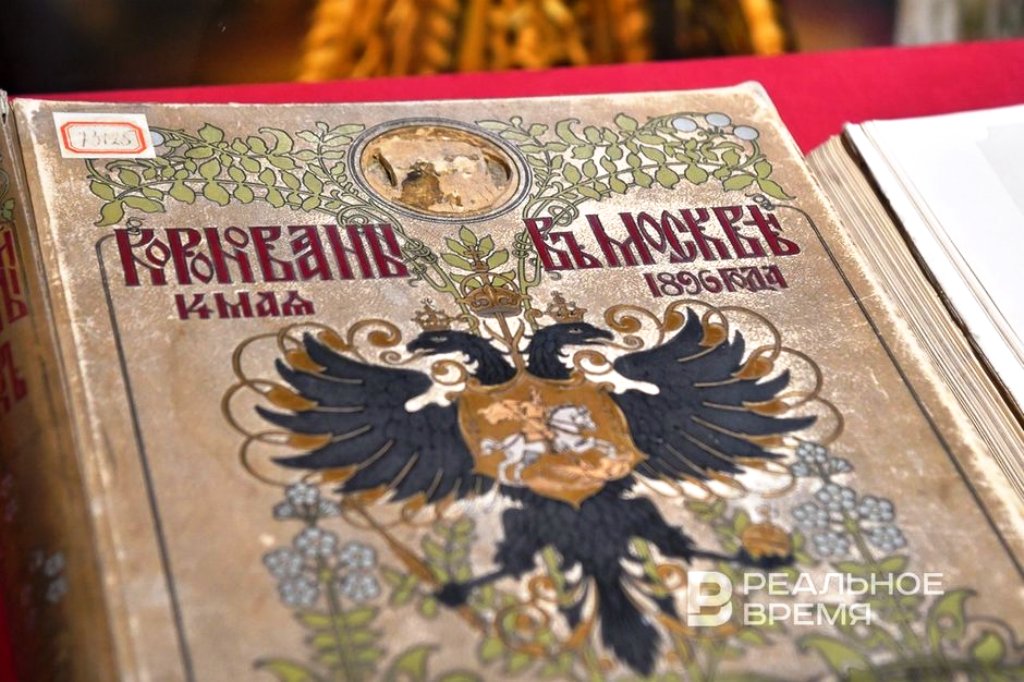
The exhibition features many photographs depicting the private and public life of Russia’s last Tsar and his family, video materials, unique historical documents, including a copy of the Coronation Albums, as well as invitations to the ceremonies, menus, souvenirs and posters of the Coronation celebrations, held in Moscow in May 1896.

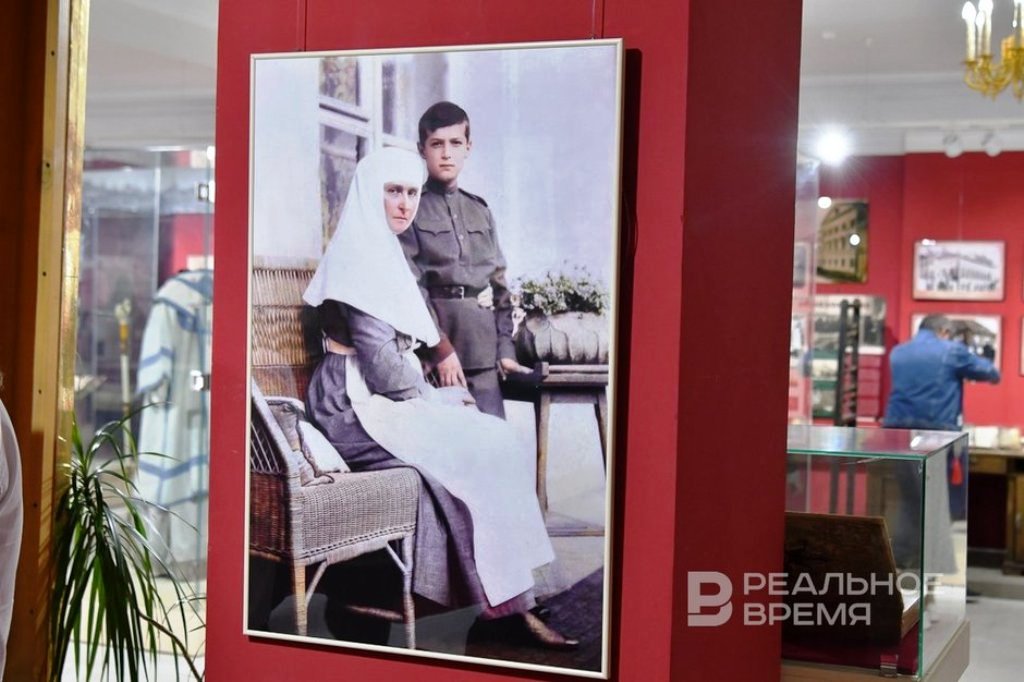
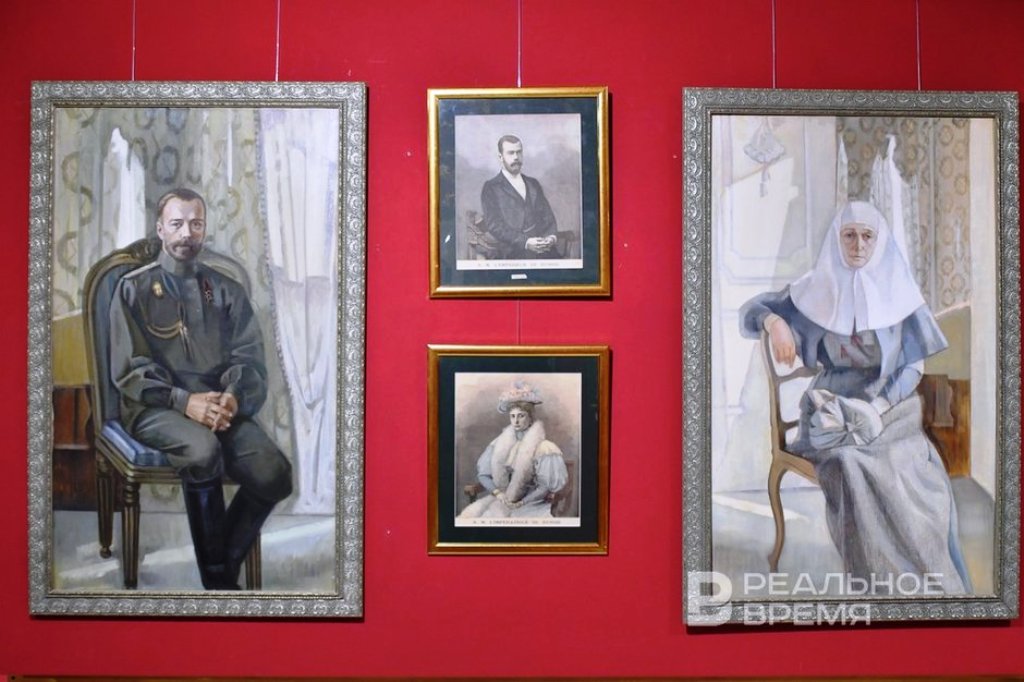
The exhibition also covers the topics of the unity of the Imperial Family, the Christian upbringing of the August children, Nicholas and Alexandra’s devotion to one other and to their children, as well as the influence of faith on the Tsar’s political decision-making.

The exhibition was opened by Metropolitan Kirill of Kazan and Tatarstan. Honoured guests included Chairman of the Heritage of the Empire Foundation Lieutenant General L.P. Reshetnikov, politicians and cultural figures from Moscow, Kazan and Ekaterinburg, and members of the clergy of the Kazan Diocese.

After the opening ceremony, a concert of choirs of the Kazan Diocese took place – a male choir under the direction of the Honored Artist of the Republic of Tatarstan Denis Rogov, a mixed choir under the direction of Marina Litvinenko, and the choir of the Kazan Theological Seminary.

The Royal Holiness: Russian Emperor Nicholas II and His Family exhibition will run from 23rd May to 31st July 2024, at the Museum of the Kazan Diocese, which is located at the Kazan Monastery of the Mother of God of the Kazan Diocese of the Russian Orthodox Church.

***

*As I have noted in similiar posts, I support any initiative – big or small – to help keep the memory of Nicholas II and his family alive in post-Soviet Russia – PG

© Paul Gilbert. 23 May 2024

Prayer Room in Honour of Tsesarevich Alexei opens in Kazan

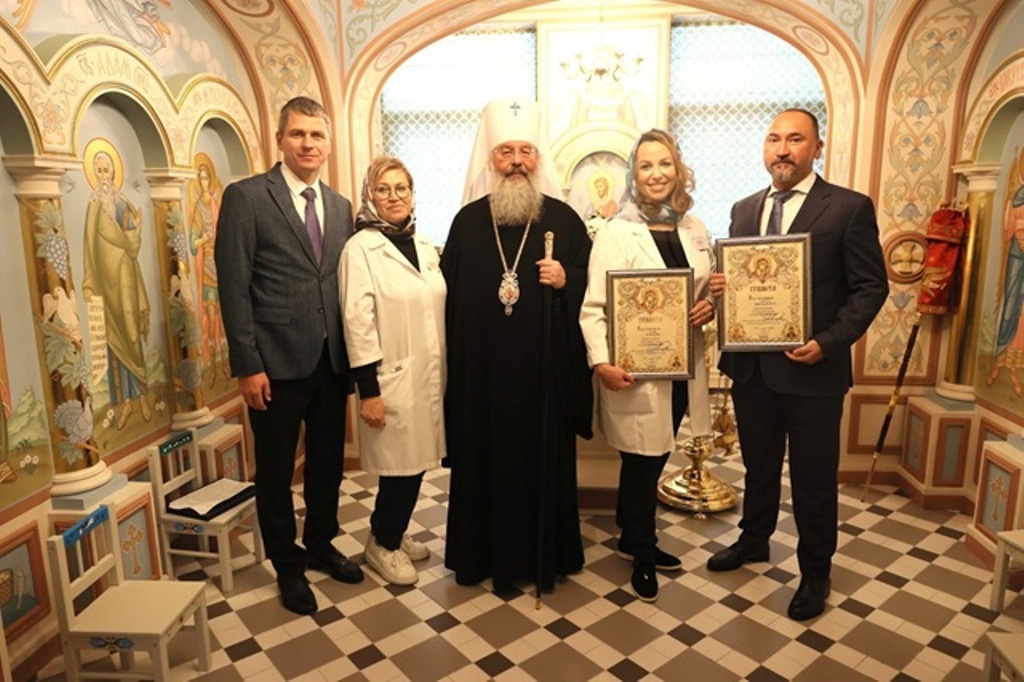
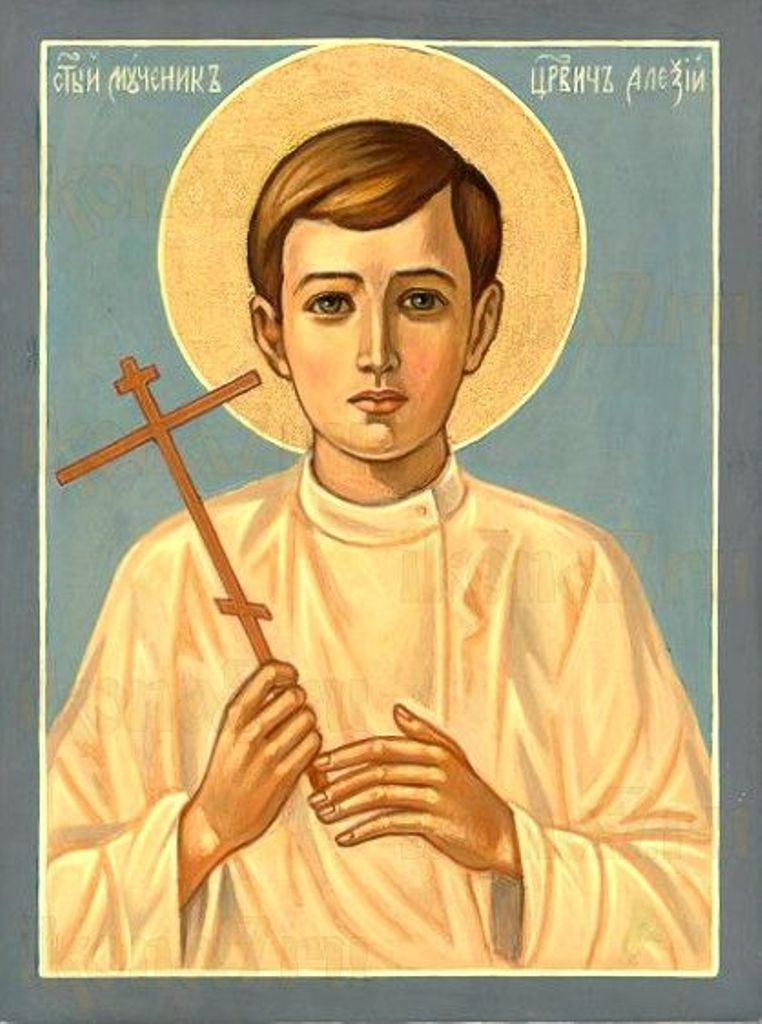
On 22nd November 2023, an Orthodox prayer room in honour of the Holy Royal Martyr Tsesarevich Alexei Nikolaevich, was opened at the At the Center for Pediatric Oncology, Hematology and Surgery of the Children’s Republican Clinical Hospital (DRKB) in Kazan.

In honor of the opening, Metropolitan Kirill of Kazan and Tatarstan performed a Divine Liturgy service and consecrated the room, which is located in a quiet place on the fifth floor of the Center.

Medical staff, parents whose children are undergoing long-term treatment, and their relatives will be able to request assistance and prayers from the Holy Royal Martyrs at any time.


The Metropolitan addressed all those present with wishes and prayers for a speedy recovery, and the doctors with fortitude for the healing of their young patients.

“There is no such thing as too much happiness, just as there is no such thing as too much health and success. There is always a need to turn for help to each other, to our loved ones, to our elders, for help to our Creator and the Saints to whom we can pray,” Metropolitan Kirill said.

“Here, in this prayer room, children, their parents and staff can find such comfort. You can come here and pray to God for health, for salvation, for help for all of us, and for those sorrows that weigh heavily on our hearts. Most of all, we would all like our children to be healed, their health restored, and to bring joy to their parents,” the head of the Tatarstan Metropolia added.

Holy Royal Martyr Alexei Nikolaevich .
please pray to God for us!

© Paul Gilbert. 21 November 2023

Colour Autochromes of the Alexander Palace in 1917 Presented in Kazan

162a

NOTE: All of the articles pertaining to Nicholas II and his family which were originally published in my Royal Russia News blog, have been moved to this Nicholas II blog. This article was originally posted on 8 August 2018 in my Royal Russia News blog – PG

The following exhibition ran from 17 July to 17 August 2018

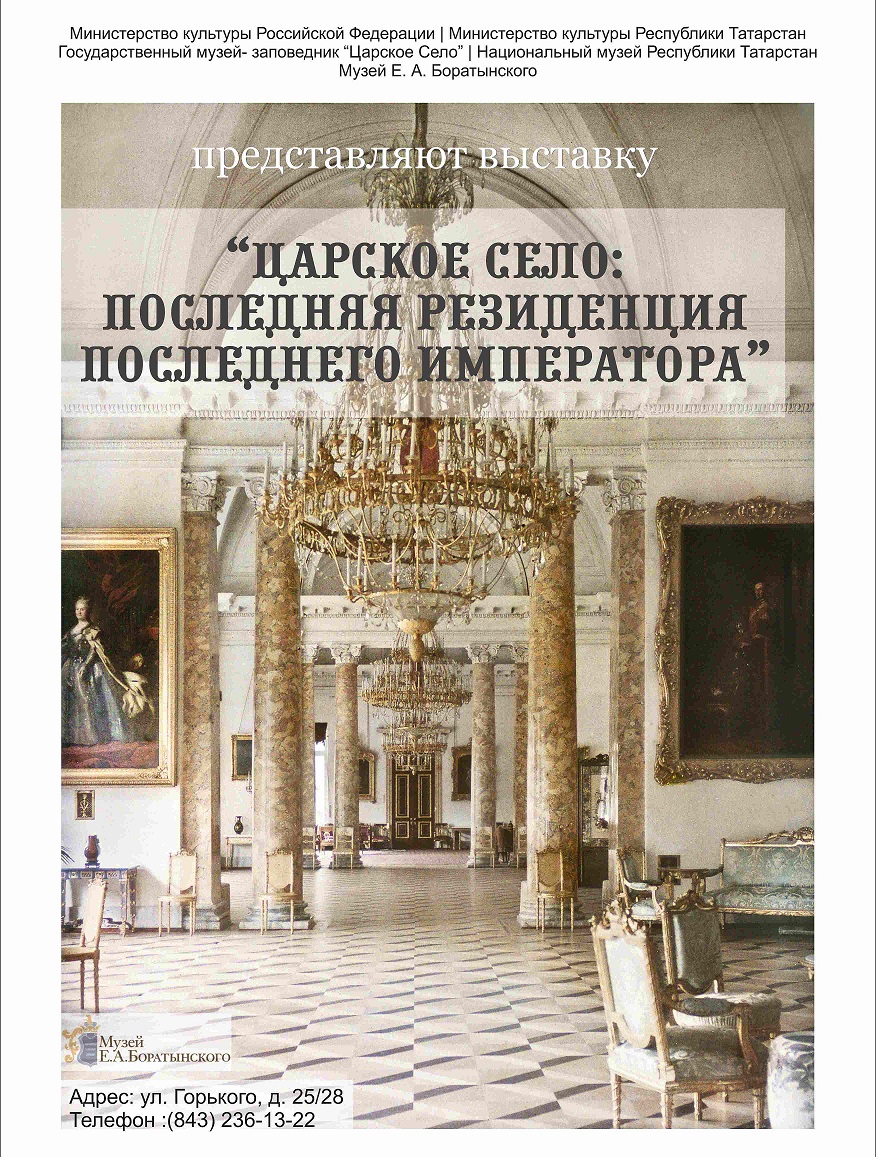
On 17th July, the exhibition Tsarskoye Selo: the Last Residence of the Last Emperor, opened in the E.A. Boratynsky Museum (a branch of the National Museum of the Republic of Tatarstan) in Kazan. The exhibition presents unique autochromes from the collection of the Tsarskoye Selo State Museum-Reserve. The exhibition is timed to mark the 100th anniversary of the murder of Russia’s last Imperial family in 1918.

The life of the last Russian Emperor Nicholas II is closely connected with Tsarskoye Selo: on 18th May (6th May in the old style) in 1868, he was born in the Alexander Palace. From 1905, Nicholas II made the palace his permanent residence, in which he spent the last 12 years of reign. After his abdication on 15th March [O.S. 2nd March] 1917, the Emperor spent the first months of his house arrest in the palace. On 1st August 1917, the Emperor and his family left the Alexander Palace for the last time, his family was sent into exile to Tobolsk.

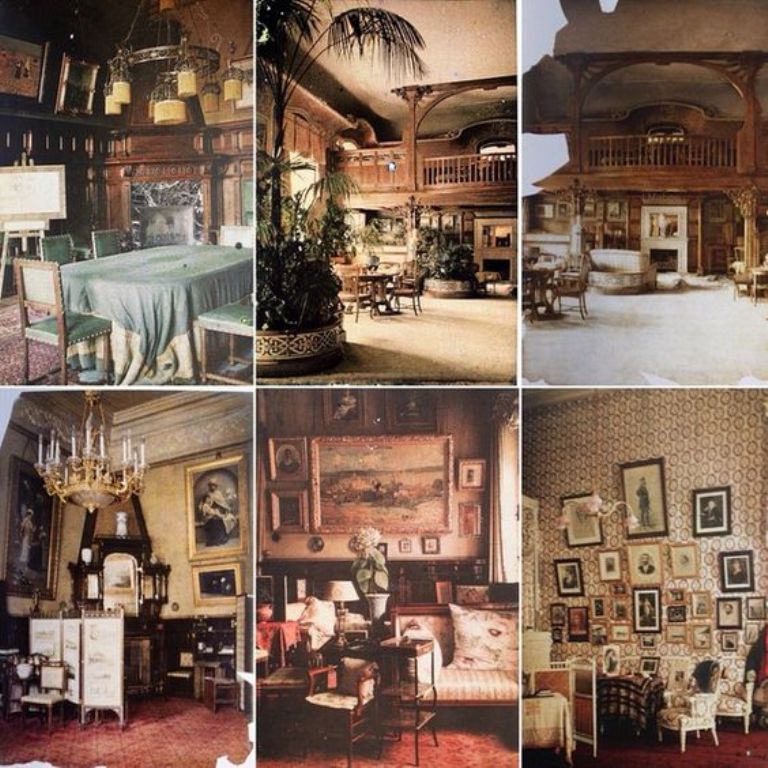
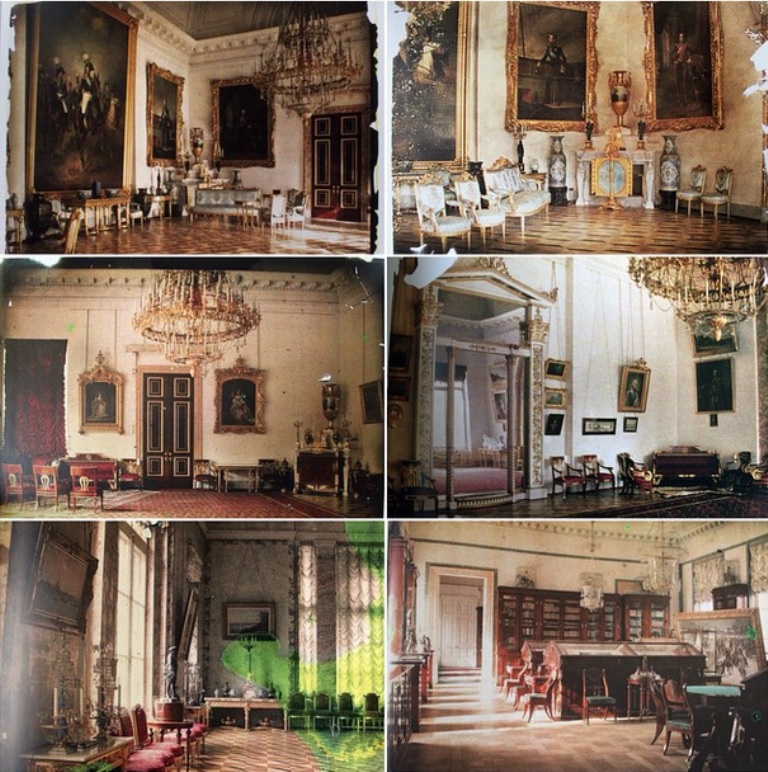
Immediately after the departure of the imperial family, the Kunsthistorico-Historical Commission, headed by Georgy Lukomsky, began work in the Alexander Palace. Photographer Andrey Zeest took 140 colour autochromes of the palace interiors.

162b

Colour autochromes of the Alexander Palace taken in 1917
© Tsarskoye Selo State Museum Reserve

162c

The fate of this unique collection is interesting. In November 1918, 843 images from black and white negatives and 83 color transparencies (autochrome) were transferred to the Kopeyka Publishing House. The pictures were supposed to be transferred to the Detskoye Selo department of artistic property, however, the transfer never took place.

Now the collection of the Tsarskoye Selo State Museum-Reserve now consists of 93 autochromes, shot by Zeest in 1917. Thirty-three autochromes were acquired by the museum in 1968, from the heirs of a photographer, twelve – in 1958, from a British tourist from Oxford, England. In 2013, members of the Friends of the Tsarskoye Selo State Museum-Reserve Club Michael Piles and Mikhail Karisalov, financed the acquisition of another 48 autochromes at an auction in Paris.

The exhibition is complemented by documents relating to the links of Georgiy Lukomsky with Kazan, from the funds of the National Museum of the Republic of Tatarstan, and printed editions issued for the coronation of Nicholas II from the Kazem-bek family collection courtesy of the Department of Manuscripts and Rare Books of the Lobachevsky Libraries.

The exhibition Tsarskoye Selo: the Last Residence of the Last Emperor marks the beginning of cooperation between the National Museum of the Republic of Tatarstan and the Tsarskoye Selo State Museum-Reserve.

The exhibition Tsarskoye Selo: the Last Residence of the Last Emperor, ran from 17th July to 17th August 2018, in the E.A. Boratynsky Museum (a branch of the National Museum of the Republic of Tatarstan) in Kazan.

© Paul Gilbert. 6 December 2019