PHOTO: Prince George Mikhailovich Romanov-Hohenzollern and his Italian fiancée Rebecca Virginia Bettarini were greeted on the steps of St. Isaac’s Cathedral in St. Petersburg, by a Russian military honour guard in full dress and sabres drawn
On 6th October, Russian Defence Minister Sergei Shoigu took disciplinary action against his subordinates in St. Petersburg for sending an honour guard to what was falsely reported as the country’s “first Romanov wedding in over a century”.
On 1st October, Prince George Mikhailovich Romanov-Hohenzollern and his Italian fiancée Rebecca Virginia Bettarini were greeted on the steps of St. Isaac’s Cathedral in St. Petersburg, by a Russian military honour guard in full dress and sabres drawn. Upon leaving the cathedral, the honour guard formed a sabre arch for the newly married couple.
Following the media publication of the wedding, journalists and social media users began to ask why military personnel were present at a private event.
According to the press service of the Western Military District, a separate rifle company “provides the guard of honour for important events, such as the greeting and departure ceremonies of official state, government and military delegations, garrison and other events with the participation of troops in St. Petersburg and the North-West region of the country.”
Other events, which the Guard of Honour are used: laying wreaths at the graves of soldiers who died in battle; rituals for paying military honours at the opening of monuments, memorials and funerals, and also participates in the military-patriotic education of young people and other socially significant events.
Citing unnamed Defence Ministry sources, the state-run TASS and RIA Novosti news agencies reported that the ministry’s Western Military District had violated regulations by sending honour guard personnel to the Romanov’s wedding.
“An official investigation established violations of governing documents by individual officials,” one of the sources was quoted as saying.
PHOTO: Russian Defence Minister Sergei Shoigu
The reports did not indicate what type of disciplinary action was brought against the Western Military District or who exactly was targeted. The district itself did not comment on the reprimand.
The so-called “Russian Imperial House” wasted little time in damage control, stressing that the honour guard’s participation was legally sanctioned.
“The wedding organizers agreed with every authority — state, church, military — in accordance with the procedure established by law,” said Maria Vladimirovna’s senior mouthpiece Alexander Zakatov, who serves as director of Maria’s “chancellery” in Moscow. This, however, is not true:
“On behalf of the Russian Defence Minister, disciplinary action has been taken against responsible persons, for violation of regulations and statutory documents governing the appointment of the guard of honour,” another source added.
“I have no doubt that those responsible will be held accountable. The commandant subdivision of the Russian Armed Forces is not a firm or a company catering to wedding banquets or other functions for individuals.
“Thank God that Russia’s Minister of Defence, Hero of Russia Sergei Shoigu is a man of honour and duty, one who teaches his subordinates to protect the honour of a serviceman and the honour of his uniform, and not to participate in a funny show of these impostors!”
PHOTO: Lyudmila Narusova (left), chatting on her mobile in St. Isaac’s Cathedral
The Kremlin played down the significance of the Romanov wedding. No Russian government officials were reported among the 1,500 guests at the St. Isaac’s Cathedral ceremony, with the exception of Foreign Ministry spokeswoman Maria Zakharova and senator Lyudmila Narusova, the widow of St. Petersburg’s ex-Mayor Anatoly Sobchak – who was photographed showing the utmost disrespect by talking on her mobile during the wedding ceremony in St. Isaac’s Cathedral.
George Mikhailovich Romanov with his bride Rebecca Bettarini
On 1st October, the wedding of George Mikhailovich Romanov [a Spanish citizen] to his fiancé Rebecca Bettarini [a citizen of Italy] was held in St. Isaac’s Cathedral in St. Petersburg.
More than 1,500 guests crammed the historic cathedral. Guests refused to wear protective masks or practice social distancing, despite the record number of daily COVID-19 cases and deaths in Russia[1].
The Russian and some Western media outlets hailed the event as both the Romanov “wedding of the century” and the “first Romanov to marry in Russia”, since the fall of the Romanov dynasty in 1917. Neither are correct.
PHOTOS: guests crammed the historic cathedral, defying protection from COVID
PHOTOS: guests crammed the historic cathedral, defying protection from COVID
For the record . . .
George Mikhailovich is “NOT” the first Romanov to marry in Russia since 1917, despite what the misinformed media are reporting! In fact, a total of six Romanov weddings have been held in Russia since 1917. It is interesting to note that the so-called “Russian Imperial House” headed by George’s mother Princess Maria Vladimirovna, has made no effort to correct this faux pas!
Between 1917 and 1920, five marriages among the members of the Russian Imperial House were concluded in Russia:
On 22nd April 1917, Prince Gabriel Konstantinovich (1887-1955) married Antonina Rafailovna Nesterovskaya (1890-1950) in Petrograd.
On the same day Prince Alexander Georgievich Romanovsky, Duke of Leichtenberg (1881-1942) married Nadezhda Nikolaevna Karelli (1883-1964) in Petrograd.
On 25th April 1917, Princess Nadezhda Petrovna (1898-1988) married Prince Nikolai Orlov (1891-1961).
On 18th July 1917, Princess Elena Georgievna Romanovskaya, Duchess of Leichtenberg (1892-1971) married Count Stefan Tyshkevich (1894-1976) in Yalta, Crimea.
On 25th November 1918, Prince Andrey Alexandrovich (1897-1981) married Duchess Elizabeth Sasso-Ruffo (1887-1940), in Ai-Todor, Crimea.
After being widowed in 1989, Prince Dimitri Romanovich (1926-2016) married Dorrit Reventlow (born 1942) in Kostroma on 28 July 1993. His second marriage was the “FIRST” time a Romanov had been married in Russia in more than a century.
Through his paternal lineage, Prince Dimitri was a great-great grandson of Emperor Nicholas I (1796–1855), who founded the Nikolaevich branch of the Russian Imperial Family. At his death on 31 December 2016, the male line of the Nicholaevich branch of the Romanov family died out.
Maria Vladimirovna and her half sister Helen Louise Kirby
An unimpressive guest list
In the weeks leading up to the wedding, Maria Vladimirovna’s public relations team issued press releases, detailing an impressive list of royals and dignitaries who would attend her son’s nuptials, in reality, however, none of them attended.
Prominent on the guest list was Queen Sofia of Spain, who was present at George’s christening, but she failed to attend. None of the many Romanov descendants scattered around the world were even invited, as Maria and her son, both look down their noses at them.
The guest list was unimpressive to say the very least, which included a few petty Russian politicians, although the Chairman of the Communist Party Gennady Zyuganov sent the couple a congratulation!
There were no reigning kings or queens of the European royal houses or ambassadors to represent them. The only “royals” in attendance, were a few princes and princesses and members of numerous, now defunct European royal houses.
In addition, the groom’s father Prince Franz Wilhelm of Prussia was notably “absent”. The wedding was also attended by Maria Vladimirovna’s half sister Helen Louise Kirby [born 1935], whose attendance, according to the Russian media, marked Helen Kirby’s first public appearance in 10 years.
Kirby is the daughter of Leonida Georgievna Bagration (1914-2010) and her first husband Sumner Moore Kirby (1895–1945), a wealthy American businessman, and one of the heirs to the F.W. Woolworth fortune.
Maria Vladimirovna is the daughter of Leonida Georgievna Bagration (1914-2010) and her second husband Vladimir Kirillovich Romanov (1917-1992). It is through her mother’s marriage to Kirby, that Maria enjoys a lavish lifestyle to this day, with homes in Madrid and Paris.
Despite the hoopla, those who gathered outside the cathedral were few and far between, many were there, simply out of curiosity.
It should also be noted, that no live broadcast of the wedding was conducted on any federal or regional TV channel in Russia. So much for the “Romanov wedding of the century!”
Russian President Vladimir Putin
Kudos to Russian president Vladimir Putin
The Interfax News Agency reported that while Russian President Vladimir Putin, who had been invited to the wedding of George Mikhailovich to Victoria Bettarini in St. Petersburg, would not be attending.
Putin also stated that he would not be congratulating the newlyweds either, Kremlin spokesman Dmitry Peskov told reporters in response to the relevant question on Friday.
“No, the president is not planning to congratulate the newlyweds in any way. Once again, this wedding has absolutely nothing to do with our agenda,” Peskov said.
This is a clear indication that Putin does NOT recognize the current descendants – Maria Vladimirovna and her son George Mikhailovich, as anything more than Russian citizens.
In addition, the Interfax News Agency does not identify Maria and George by their self-adopted and false titles, “Grand Duchess” or “Grand Duke”.
The truth about Nicholas II
Why is this article relevant?
I am dedicated to clearing the name of Russia’s much slandered Tsar. This includes identifying those who broke their personal oath to Nicholas II, including George Mikhailovich’s great-grandfather Grand Duke Kirill Vladimirovich (1876-1938), a member of the Russian Imperial Family, who not only lacked a moral compass, but openly defied his Sovereign, culminating in committing treason against Him in 1917.
Under no pretext can we admit to the throne those whose ancestors belonged to parties involved in the 1917 revolution in one way or another. Nor can we admit those whose ancestors betrayed Tsar Nicholas II. Nor can we ignore those who ancestors openly supported the Nazis. Thus, without any reservations, the right to the succession to the throne of the Kirillovich branch should be excluded.
Any one who supports this branch of the family, dishonours the memory of the Holy Tsar-Martyr Nicholas II.
NOTES:
[1] Russia has confirmed 7,612,317 cases of coronavirus and 210,801 deaths, according to the national coronavirus information center. On 1st October Russia recorded its highest coronavirus death toll for a fourth day running of 887 deaths. On 4th October, 25,781 new coronavirus cases and 883 deaths were recorded.
PHOTO: Prince George Mikhailovich and Princess Maria Vladimirovna
On 1st October, a descendant of the Romanov dynasty, Prince George Mikhailovich, will marry the daughter of an Italian diplomat Rebecca Bettarini in St. Isaac’s Cathedral in St. Petersburg. The couple’s upcoming nuptials have generated much attention by Russia’s media, one of which hailed the event as the “wedding of the century”, which of course is utter nonsense.
The announcement of the couple’s marriage in January of this year, once again reopened the century long debate about the Kirillovich branch of the Romanov family and their hotly disputed claim to the non-existent Russian throne, and restoration of the monarchy.
According to historian Alexander Chausov, “the practical implementation of the idea of the revival of the Russian monarchy seems extremely doubtful. In modern times, the return of the monarchy to any country entails a change in the entire logic of the work of the institutions of power. Even if it is a constitutional monarchy. No matter how we relate to Russia, it is today a democratic republican state,” – says Alexander Chausov.
The historian believes that religion in any monarchy is an essential component. Monarchy is the legitimization of power through the sacred, that is, through religious attributes. How in Russia, where freedom of conscience and religion is declared at the constitutional level with the legally enshrined equality of confessions and religious movements, will they choose the religious denomination that should perform the rite of anointing this particular monarch? It is clear that Russia is a country with an strong Orthodox culture, and George Romanov himself is Orthodox. But if the ceremony is performed by the Russian Orthodox Church, not only will it cause dissatisfaction with other religious confessions, but also with political factions [the Communist Party in particular] of the country. “The tsar in the state is the bishop for earthly affairs, as the Byzantine emperors were called. When introducing a monarchy, one will have to forget that in Russia the church is separated from the state,” noted Chausov.
In addition, the historian is sure that for the revival of the monarchy in Russia, it will be necessary to return the class division of society. In order to establish a monarchy in Russia, it is necessary to hold a nationwide referendum. If the absolute majority votes in favor, it will be necessary to hold a certain Zemsky Sobor – by analogy with the one at which Mikhail Romanov was elected tsar in Russia in 1613 . Now the right of the descendants of the Kirillovich branch of the Romanov family to occupy any throne seems very doubtful. But the Zemsky Sobor is not a referendum; it presupposes, at least, the division of the estate of society and the official revival of the nobility. Modern society is simply not motivated by the processes of the revival of the monarchy, the historian is sure.
The idea of restoring monarchy in post-Soviet Russia is not popular with most Russians. In the summer of 2019, a poll conducted by REGNUM of some 35,000 Russian citizens showed that only 28% supported the idea of restoring the monarchy, more than half (52%) of which would NOT support placing a “Romanov” on the throne!
PHOTO: Father Afanasy Selichev
Has no right to the throne
According to the abbot of the Archangel Michael Monastery of the Alexander Diocese of the Russian Orthodox Church, Father Afanasy Selichev, there were cases of morganatic marriages in the history of the Kirillovichs [among other male members of the Imperial Family during the reign of Nicholas II], and this deprived George Romanov of the right to occupy any throne.
George’s great-grandfather, the Grand Duke Kirill Vladimirovich (1876-1938), lost his right to succession to the throne when he entered into an incestuous marriage [forbidden by the Russian Orthodox Church] with his first cousin Princess Victoria-Melita of Saxe-Coburg and Gotha (1876-1936), the daughter of the Duke of Edinburgh (1844-1900) and Grand Duchess Maria Alexandrovna (1853-1920). According to the Russian Orthodox Church, his marriage deprived him and his descendants of any rights to the Russian throne. During the February 1917 Revolution, Kirill Vladimirovich, commanding a guards naval crew in Petrograd, recognized the Provisional Government and walked around with a red bow. “His record says something,” – said Father Afanasy.
In addition, Kirill’s son Vladimir (1917-1992) in 1948 secretly entered into a morganatic marriage with the divorced Mrs. Kirby, nee Princess Leonida Georgievna Bagration-Mukhranskaya (1914-2010). This marriage, according to the laws of the Russian Empire, denied any rights to the throne to his offspring.
“At best, they are the lordly princes. Moreover, the last Romanov is not Romanov at all: he is Hohenzollern. He was given a Russian passport by President Boris Yeltsin, added the priest.
Georg Hohenzollern or George Romanov?
George is the son of the Prussian Prince Franz Wilhelm of Hohenzollern and legitimately a German prince. But George, albeit very conditional, is still Romanov on the female side, it is absolutely unrealistic to imagine that Russia, would accept him.
George Romanov is the great-grandson of Emperor Wilhelm II, and has much more rights to the German throne than that of Russia. Thanks to the efforts of his mother Maria Vladimirovna, he is currently part of her public relations blitz to make her son more familiar and likeable to the Russian people.
According to Alexander Chausov, George has repeatedly stated that he never wanted to become a Russian tsar, they say, this is all my mother’s idea.
According to historian Mikhail Diunov, the wedding of George to Rebecca Bettarini may affect his right to take any throne. Bettarini is not of a ruling house, which is the basic condition for marriage under the 1797 succession law, she is not even a noblewoman.
“Earlier this year, Maria Vladimirovna made a cunning move,” says Mikhail Diunov – “Rebecca’s father, diplomat Roberto Bettarini, was “awarded” the Order of St. Anne of the First Degree and thanks to this formally became a nobleman of the Russian Empire. But everyone understands that this is nothing more than a farce.”
It is very important to note, that Maria Vladimirovna never had or has any authority to hand out titles or awards as she is not and never has been a ruling monarch. Despite this, Maria actively, and completely illegally distributes orders, medals and even titles of the Russian Empire. While many orders and awards of the Russian Empire have been officially restored in the modern Russian Federation, an ordinary civilian, and not a representative of the state, distributes the same order in appearance and name to her supporters on behalf of the “Imperial House”!
According to Diunov, having chosen Rebecca Bettarini as his wife, George eliminated his offspring from among those who may be eligible to the succession to the throne in the event of a theoretical revival of the monarchy in Russia.
PHOTO: George Mikhailovich with his fiancé Rebecca Bettarini
I am publishing the following English translation of an article by Anatoly Dmitrievich Stepanov, editor-in-chief of Русская Народная Линия [Russian People’s Line], chairman of the Russian Assembly, and supplemented it with my own additional comments.
For those of us, who honour the memory of Emperor Nicholas II, under no pretext can we admit to the throne those whose ancestors belonged to parties involved in the 1917 revolution in one way or another. Nor can we admit those whose ancestors betrayed Nicholas II. Nor can we ignore those whose ancestors openly supported the Nazis. Thus, without any reservations, the right to the succession to the throne of the Kirillovich branch should be excluded.
In addition, if the monarchy is ever to be restored in 21st century Russia, it is up to the citizens of Russia to make that decision, no one else.[1]
I do not support the Legitimists and their support of these usurpers. I truly regret the day I ever supported any of them and their agenda – PG
A wedding is scheduled for 1st October in St. Isaac’s Cathedral in St. Petersburg. The lavish, no expenses spared wedding will no doubt be a media frenzy for the very unpopular descendants of Grand Duke Kirill Vladimirovich, and nothing short of a three ring circus!
It recently came to my attention that following the couples announcement of their nuptials back in January of this year, Maria Vladimirovna[3] and her son George Mikhailovich hired the services of a public relations firm in Moscow to not only help promote the event but also to make them more “appealing” to the Russian public”. As a result, George and his fiancé are in the Russian media almost daily, from televised interviews to glossy magazine photo shoots.
The upcoming wedding was presented to the whole world, as the “event of the century”, of which “Russia has not seen the likes of for more than a hundred years”. The wedding was even cynically compared with the marriage of Emperor Nicholas Alexandrovich and Princess Alix of Hesse [Empress Alexandra Feodorovna], which took place on 27th (O.S. 14th) November 1894.
The bride to be Rebecca Bettarini, who, after joining the Orthodox Church, received the name Victoria Romanovna. Rebecca is the daughter of an Italian diplomat, whom the mother of George Mikhailovich, Princess Maria Vladimirovna, awarded an order giving his daughter the right to call herself a noblewoman.
The false “nobility” of Bettarini was created by Maria Vladimirovna herself, who has no right to do so. Maria actively, and completely illegally distributes orders[4], medals and even titles of the Russian Empire. While many orders and awards of the Russian Empire have been officially restored in the modern Russian Federation, an ordinary civilian, and not a representative of the state, distributes the same order in appearance and name to her supporters on behalf of the “Imperial House”!
PHOTO: Princess Maria Vladimirovna
According to Anatoly Dmitrievich Stepanov[5], the marriage of Prince George Mikhailovich, who turned 40 this year (his bride is 39), is a significant event, which is not restricted to high society gossip. For the Russian monarchist movement, it has, one might say, epochal significance, an event which means the end of Legitimism.
Even if Rebecca Bettarini became a Russian noblewoman through Maria Vladimirovna’s simple manipulations, this wedding means only one thing – Prince George Mikhailovich Romanov is entering into a morganatic marriage![6]
In any other case, it would not really matter. The act of Emperor Paul I, according to which the order of succession to the throne was carried out in Russia, and one of the points of which was the requirement for a potential heir to the throne to marry an equal wife, was adopted at the end of the 18th century (in 1797) and was clearly outdated already in the 20th century, when monarchies in Europe began to crumble, and Europe itself turned its back on Christianity.
However, for the descendants of Grand Duke Kirill Vladimirovich, who declared himself emperor in exile in 1924, adherence to this principle was one of the main conditions justifying their right to inherit the Russian throne. Kirill Vladimirovich’s supporters called themselves Legitimists, i.e. fulfilling the norm of Paul Petrovich’s act of succession to the throne.
Prince Vladimir Kirillovich[7] married Leonida Georgievna,[7] although she was divorced (her first husband was the American banker Sumner Kirby, for whom this was his third marriage), but also representative of the Royal House of Bagration-Mukhransky. Princess Maria Vladimirovna married Prince Franz Wilhelm of Prussia[8], who converted to Orthodoxy and became Mikhail Pavlovich. Although there is a lot of gossip around this short-term marriage, it was considered by Legitimists as equal. But now, George Mikhailovich is about to enter into a morganatic marriage.
It is interesting to note, that for decades, members of the Romanov family who entered into morganatic marriages in exile, were shunned by Grand Duke Kirill, his son Vladimir and to this day Maria Vladimirovna. This family statute, however, was amended by Maria herself, so that her own son could enter into a morganatic marriage.
“This is a blow to the very foundations of Legitimism”, says Stepanov. “I remember hearing from one of the respected clergymen that the Kirillovichs should be respected for the fact that they voluntarily assumed a kind of penance not to enter into morganatic marriages, and this is a serious restriction in modern times. This is true. The restriction is serious not only in modern times. Already at the beginning of the twentieth century, morganatic marriages of the sovereign’s brother, Grand Duke Mikhail Alexandrovich, and his uncle, Grand Duke Paul Alexandrovich, became a problem for the autocracy, which dealt a serious blow to the prestige of the monarchy.
Thus, Prince George Mikhailovich’s morganatic marriage thus buries Legitimism. And along with it and the special status and special rights of the so-called “Russian Imperial House”, which can now be headed, in theory, by any of the living descendants of the Romanovs, and not just representatives of the Kirillovich branch.
In discussions between Legitimist-Monarchists and Conciliarist-Monarchists, the first ones appealed precisely to the Act of Emperor Paul Petrovich, as an authoritative document on the issue of succession to the throne, and refused to listen to arguments that this act ceased to operate together with the disappearance of the Russian Empire. Now their leader, Prince George Mikhailovich, deprives them of this argument.
Legitimism is dying. Will this lead to changes in the monarchist movement in Russia? Regardless, the Legitimist movement will no doubt do what they have always done since 1917, and that is to rewrite the laws of succession in a way that will both solidify and justify Maria and George’s agenda.
NOTES:
[1] In the summer of 2019, a poll conducted by REGNUM of some 35,000 Russian citizens showed that only 28% supported the idea of restoring the monarchy, more than half (52%) of which would NOT support placing a Romanov on the throne!
[2] George Mikhailovich is a Prince, not a Grand Duke. Many self-proclaimed monarchists recognize George as a Hohenzollern, NOT a Romanov! The last grand duke of Russia was Andrei Vladimirovich, who died in 1956. Nor is George Mikhailovich Tsesarevich. The last Tsesarevich of Russia was Nicholas II’s son Alexei Nikolaevich, who was murdered on 17th July 1917, in Ekaterinburg.
[3] Maria Vladimirovna is a Princess, not a Grand Duchess. The last grand duchess of Russia was Nicholas II’s younger sister Olga Alexandrovna, who died on 24th November 1960, in Toronto, Canada
[4] When a person is nominated for an Order, he or she is presented with a Gramota – the actual document signed by Maria Vladimirovna investing you into the respective Order. The actual Orders, however, are not handed out freely, one must pay for them, the more prestigious the Order, the more one pays. In addition, recipients are also offered lapel pins, even coat-of-arms – all at an additional cost!
[5] Anatoly Dmitrievich Stepanov, editor-in-chief of Russian Narodnaya Liniya, chairman of the Russian Assembly
[6] Morganatic marriage, legally valid marriage between a male member of a sovereign, princely, or noble house and a woman of lesser birth or rank
PHOTO: Grand Dukes Kirill Vladimirovich and Nicholas Mikhailovich
Grand Duke Nicholas Mikhailovich (1859-1918), who was known affectionately within the Imperial Family as “Uncle Bimbo” was the eldest son of Grand Duke Michael Nikolaevich and Grand Duchess Olga Fedorovna, a first cousin of Emperor Alexander III, and a great uncle of Emperor Nicholas II.
“Bimbo” was considered a troublemaker and a radical free-thinker. He was the most vocal and radical opponent of Nicholas II from among the grand dukes. In 1916-17, he openly opposed the course pursued by the tsar and his government. He was also involved in the plot to murder Grigory Rasputin.
Worried about the various actions carried out by the Russian government, Nicholas Mikhailovich addressed a letter to the Tsar in which he advised him to deprive his wife of all power. Horrified by the actions of the government of the time, “Bimbo” publicly denounced them. After so much criticism, Nicholas II ended up losing patience and exiled the Grand Duke to his estate Grushevka, which he fulfilled on 1st January 1917.
He returned to Petrograd two months later on 1st March 1917, following the outbreak of the February Revolution. He gladly accepted the revolutionary events and recognized the authority of the new Provisional Government.
Following the February 1917 Revolution, the Grand Duke approached the then Minister of Justice of the Provisional Government Alexander Kerensky, with an idea to persuade the grand dukes to voluntarily surrender their annual allowances, their lands and their rights to the throne.
On 9th March 1917, he wrote the following letter to Kerensky:
“As of today I have received consent to renounce the throne and to surrender specific lands from the Grand Dukes Kirill Vladimirovich (easily), from Dmitry Konstantinovich (with difficulty) and from the Princes Gabriel and Igor Konstantinovich. I also sent a telegram to my brother Alexander to convince Paul Alexandrovich, my brother George, who lives with Mikhail Alexandrovich in Gatchina, and my brother Sergei, who is in Mogilev.
The whereabouts of Nicholas and Peter Nikolaevich, Boris Vladimirovich and Prince Konstantin Konstantinovich are unknown.”
This important letter confirms that Grand Duke Kirill “willingly” renounced his rights to the throne, without a struggle!!
In June 1917, Grand Duke Kirill fled Russia with his pregnant wife and their two daughters to Finland. His departure was “illegal”, as Kirill was still in active duty, serving as a rear admiral in active military service in a country at war, thus abandoning his honour and dignity.
It is interesting to add, that the Kirillovich were the only branch of the Imperial Family who managed to escape the Bolsheviks, without losing any family members.
PHOTO: Grand Duke Kirill’s renouncement of his rights to the throne, signed in 1917
In addition, and also never mentioned by the “Legitimists” is Grand Duke Kirill’s post-February written statement,[1] in which he renounces his rights to the throne:
“Regarding our rights, and in particular mine, to the succession to the throne, I, passionately loving my Motherland, fully subscribe to the thoughts expressed in the act of refusal of the Grand Duke Mikhail Alexandrovich.”[2]
Following Kirill’s death in 1938, his son and “heir” Vladimir Kirillovich denied the existence of this document, and yet here it is, preserved in the Russian States Archives of the Russian Federation (GARF) in Moscow.
This evidence further proves that Grand Duke Kirill Vladimirovich’s descendants: his son Prince Vladimir Kirillovich; his granddaughter Maria Vladimirovna and her son George Mikhailovich, have NO claim to the non-existent Russian throne.
[1] GARF, f. 601, op. 1, unit xp. 1263, l. 3.
[2] Kirill was referring to Grand Duke Michael’s declaration: “. . . I have taken the firm decision to assume the supreme power only if and when our great people, having elected by universal suffrage a Constituent Assembly to determine the form of government and lay down the fundamental law of the new Russian State, invest me with such power. . . .”
PHOTO: Grand Duke Kirill Vladimirovich (1876-1938)
It is a well known fact, that under the command of Grand Duke Kirill Vladimirovich (1876-1938), the Marine of the Guard, the most loyal and elite troops of the Alexander Palace, had marched to the Tauride Palace to declare their allegiance to the Provisional Government. At the Tauride Palace, two revolutionary organs had formed under one roof in a single day: the Provisional Committee of the State Duma and the Executive Committee of the Petrograd Soviet of Workers Deputies.
In the Winter 2017 issue of Royal Russia, I published my 18-page interview with Princess Maria Vladimirovna [1], which consisted of 20 questions, one of which addressed her grandfather’s [Grand Duke Kirill Vladimirovich] alleged betrayal of Emperor Nicholas II. Prior to the interview, I was required to submit my questions to one of her legal advisors, who expressed doubt that she would answer this question, BUT she did!
PG: “Your grandfather, Kirill Vladimirovich, was accused of disloyalty and treason against Emperor Nicholas II. His detractors claim that in 1917, he swore allegiance to the new Provisional Government and that he wore a red armband on his uniform, even though he firmly denied these accusations in his memoirs [2]. Can you comment on these accusations?
MV: “Slander has always been one of the most effective weapons of the unprincipled politician.
“There are no authoritative witnesses or reliable evidence of any of the alleged actions some claim my grandfather took during the Revolution.
“My grandfather and his uncle, Grand Duke Paul Alexandrovich, in February and March 1917. . . that they together strove “with all their strength and in every way possible to preserve Nicky [that is, Emperor Nicholas II] on the throne.”
“Neither my grandfather nor Grand Duke Paul Alexandrovich served the Provisional Government. They resigned their official positions and offices after the illegal arrest of the Imperial Family [3].
“This fiction about the “red armband” and other slanderous claims began to spread only after my grandfather assumed the responsibilities that he legally inherited for the fate of the dynasty in exile [4].”
Vladimir Nikolaevich Voeikov, writes in his memoirs[5]:
The sailors in the Marine of the Guard, which at that time formed part of the security troops [for the Alexander Palace, where Empress Alexandra Feodorovna and her five children were in residence], began to evaporate. In the end, only officers remained, and the deserting sailors headed off to Petrograd to their barracks, where on the morning of March 2 they held a meeting to which they invited their commander, who at that time was Grand Duke Kirill Vladimirovich.
The grand duke explained to the sailors the import of the events taking place. The result of his explanation was not the return of the deserting sailors to fulfill their duty but a decision to replace their highly esteemed banner with a red rag, under which the Marine of the Guard followed their commander into the State Duma.
Grand Duke Kirill Vladimirovich with his tsarist monogram on his epaulettes and a red ribbon on his shoulders, appeared on March 1, at four-fifteen in the afternoon, at the State Duma, where he reported to Duma Chairman M.V. Rodzianko. “I have the honour of appearing before Your Excellency, I am at your disposal, as is the entire nation. I wish Russia only good.” Then he stated that the Marine of the Guard was at the complete disposal of the State Duma . . . In reply, M.V. Rodzianko expressed confidence that the Marine of the Guard would help them deal with their enemy (but he didn’t explain which one).
Inside the State Duma, the grand duke was received quite graciously, since even before his arrival at the commandant’s office in the Tauride Palace it was generally known that he had sent notes to the heads of the units of the Tsarskoye Selo garrison announcing:
“I and the Marine of the Guard entrusted to me have fully allied ourselves with the new government. I am certain that you, too, and the unit entrusted to you will also ally yourselves with us.”
“Commander of the Marine of the Guard, His Highness, Rear Admiral Kirill.”
PHOTO: Grand Duke Kirill (left) with officers and sailors of the Guards crew
Following the October 1917 Revolution, no member of the Romanov family living in exile made any claim to the title of heir to the throne of the Russian Empire; rather, they shared the view once expressed by the Dowager Empress Maria Feodorovna and Grand Duke Nicholas Nikolaevich, that the final arbiter of whether there is a monarchy in Russia, and who would reign, must be the Russian people.
The Association of the Family of the Romanovs found themselves in conflict with the fifth branch of the Romanov family, the Vladimiroviches. The source of the conflict goes back to the 1920s, when Grand Duke Kirill Vladimirovich, who illegally[3] left Russia in mid-1917, declared himself the “guardian of the Russian throne” on August 8, 1922 and “Emperor of All the Russias” on September 13, 1924, thereby causing not merely a scandal, but a schism in monarchist circles of the Russian emigration. Opposing him were the most active members of the emigration, who had retreated from Russia with weapons in hand and who had united around the former supreme commander, Grand Duke Nicholas Nikolaevich. They accused Kirill Vladimirovich of abandoning his honour and dignity. The Dowager Empress Maria Feodorovna, her daugthers Grand Duchesses Xenia and Olga Alexandrovna, among other Romanov family members also opposed Grand Duke Kirill. Grand Duke Peter Nikolaevich supported his brother Nicholas, as did others. Eventually, the Association of the Family of the Romanovs was formed, which opposes the claims of the Vladimiroviches to this day. Nearly a century has passed, and yet no end to the schism is in sight.
The issue of the Vladimiroviches is ambiguous and multi-layered. According to Emperor Paul I’s “establishment,” when an emperor dies and his brother and his son also die in short order, the eldest of his male cousins becomes the heir to the throne. Indeed, the eldest male cousin of Nicholas II was Kirill Vladimirovich. Had this happened during ordinary times, and had the eldest cousin been someone other than Kirill Vladimirovich, he would have been recognized as heir to the throne without objections. However, in 1924 there was neither empire nor throne, and it was not appropriate to demand an “automatic” succession without taking into account the opinions of the empire’s defenders.
On March 1, 1917, before the emperor’s abdication, Grand Duke Kirill Vladimirovich was one of the first Russian officers to commit an act of betrayal to his oath of loyalty and to his dynastic duty. While commanding the Marine of the Guard, which was responsible for guarding the Imperial Family at Tsarskoye Selo, Kirill Vladimirovich marched them into Petrograd to declare their allegiance to the Duma. If this does not qualify as treason, then his emigration in June 1917 when he was a rear admiral in active military service in a country at war cannot be called anything but desertion. It is not difficult to understand why military men may have refused to recognize a man of such high “valour” as their monarch.
NOTES:
[1] Maria Vladimirovna is a Princess, not a Grand Duchess. The last grand duchess of Russia was Nicholas II’s younger sister Olga Alexandrovna, who died on 24th November 1960, in Toronto, Canada
[2] My Life in Russia’s Service – Then and Now, London: Selwyn & Blount, published posthumously in 1939
[3] In June 1917, Grand Duke Kirill was the first Romanov to flee Russia with his pregnant wife and their two children. Not only was his departure “illegal”, Kirill who was serving as a rear admiral in active military service in a country at war, had thus abandoned his honour and dignity. It is interesting to add, that the Kirillovich were the only branch of the Imperial Family who managed to escape the Bolsheviks, without losing any family members.
PHOTO: Emperor Nicholas II and Major General Vladimir Nikolaevich Voeikov at the Headquarters of the Commander-in-Chief in Mogilev. c. 1915
[5] Vladimir Nikolaevich Voeikov (1868-1947) was a member of His Imperial Majesty’s Retinue, and served as Palace Commandant from 1913 to 1917. During his years in exile, Voeikov wrote his memoirs “С царём и без царя: Воспоминания последнего дворцового коменданта» (With and Without a Tsar: Memories of the Last Palace Commandant”, published in in Helsinki in Russian in 1936.
Under no pretext can we admit to the throne those whose ancestors belonged to parties involved in the 1917 revolution in one way or another. Nor can we admit those whose ancestors betrayed Tsar Nicholas II. Nor can we ignore those who ancestors openly supported the Nazis. Thus, without any reservations, the right to the succession to the throne of the Kirillovich branch should be excluded
In mid-July 2015, descendants of the Romanov dynasty were caught in the spotlight of the Russia media. Journalists reported that the “descendants of the imperial dynasty [Maria Vladimirovna and her son George Mikhailovich] intend to appeal to the Russian authorities with a request to grant official status to the Russian Imperial House and provide them with a residence in Moscow.” The message received conflicting responses.
Representatives of the Russian nobility Nikita Lobanov-Rostovsky, Alexander Trubetskoy, Pyotr Sheremetev and Sergey Kapnist took an irreconcilable position in relation to granting special status to the so-called “heirs to the throne”. In their letter to the President of Russia, they stated that Maria Vladimirovna had no right to call herself the Head of the House of Romanov, also drawing to attention of the close ties both her father Vladimir Kirillovich and paternal grandparents Grand Duke Kirill Vladimirovich and Grand Duchess Victoria Feodorovna with Adolf Hitler and the Nazis.
In the years leading up to the Second World War, a number of representatives of the European royal houses also courted Fascist regimes. Even Mussolini proved in practice the possibility of combining a fascist dictatorship and the monarchy. King Victor Emmanuel III of Italy, in turn, was a staunch supporter of the Duce regime. After the war, all male members of the House of Savoy were required to leave the country. The British monarch King Edward VIII did not hide his open sympathies for Hitler either, nor did Prince Bernard, the husband of Queen Juliana of the Netherlands, who was both a member of the Nazi Party and the SS. Until the end of his life Bernard was forced to make excuses for his “uncomfortable episodes of his anxious youth.”
Of course, the scions of the German royal families, easily found themselves in various posts in the Hitlerite state. The Romanovs were no exception, many of whom openly supported the “brown movement”, naively hoping that Hitler would help them defeat the Bolsheviks and restore the monarchy in Russia.
From the moment of the revolution and the abolition of the monarchy in Russia in 1917, numerous representatives of the Russian Imperial House who found themselves in exile had heated debates among themselves over the possession of what was now a non-existent throne [the Russian Imperial House ended with the murder of Emperor Nicholas II on 17th July 1918].
At the time of the 1917 Revolution, Kirill was next in line to the throne, however, in exile, the sympathies of the majority of Russian refugees tended to favour Grand Duke Nikolai Nikolaevich (1856-1929), the former Supreme Commander-in-Chief of the Imperial Army. Naturally, he was fully supported by such an influential organization of the Russian diaspora as the Russian General Military Union (ROVS). However, in connection with the death of Nikolai Nikolaevich in January 1929, those in the pursuit of a “revived Russian Empire” passed to the Grand Duke Kirill Vladimirovich (1876-1936), and then to his descendants.
It is important to note that those members of Nicholas II’s family who managed to flee Russia following the revolution, did NOT support Grand Duke Kirill’s claim. Among those were the Tsar’s mother Dowager Empress Maria Feodorovna (1847-1928); and his sisters Grand Duchesses Xenia (1875-1960) and Olga Alexandrovna (1882-1960). They never forgave Kirill for his premature recognition of the Provisional Government, nor did they support his claim as “Emperor” to the non existent Russian throne, as it carried “no dynastic validity”.
Opponents of the “Kirillovichs” fiercely disputed this branch of the Romanovs any rights as claimants to the defunct Russian throne. Among the arguments were often accusations of support by Kirill, his wife Victoria, as well as their children – primarily the Grand Duke Vladimir (1917-1992) – of German National Socialism.
Historian Vasiliĭ Ivanovich Alexeev (1906-2002) further adds in his book The Great Revival: the Russian Church Under German Occupation (1976): The Nazis despised Christianity in general and Russian Orthodoxy in particular. “…Hitler recognized that Christianity ‘can’t be broken so simply. It must rot and die off like a gangrened limb.’ As far as Russians and the Russian Orthodox Church were concerned, Hitler was not interested in saving the Slavic untermenschen from the “gangrene of Christianity.” This is the same Hitler embraced by the Kirill Kirilloviches!!
PHOTO: Grand Duke Kirill with his wife Grand Duchess Victoria and their children Kira and Vladimir. St. Briac. 1930s
Red-brown challenge
Kirill was born on 12th October 1876 in Tsarskoye Selo. He was considered one of the brightest and most extravagant representatives of the Russian Imperial Family. At the same time, his behaviour (both in secular life and in the naval service) were a constant thorn in the side of the dynasty. Kirill, a regular at the most fashionable cafes in St. Petersburg, was noted for his haughty and nasty demeanour towards senior officers, often neglecting his official duties.
Kirill created a real scandal when he entered into an incestuous marriage with his first cousin – Princess of Saxe-Coburg-Gotha Victoria Melita (1876-1936). The latter was married to Grand Duke Ernst Ludwig of Hesse (1868-1937), brother of Empress Alexandra Feodorovna. In 1901, their marriage was dissolved, and on 8th October 1905, Victoria and Kirill got married in the Bavarian resort town of Tegernsee, where the Grand Duke was undergoing treatment for nervous depression.
Their marriage, however, was in violation of the house law which forbid the marriage of any member of the Imperial Family without the advance permission of the Tsar. Kirill’s marriage also violated the canon of the Russian Orthodox Church prohibiting marriages between cousins.
As a result, the Tsar stripped Kirill of his imperial allowance and title of Imperial Highness, his honours and decorations, his position in the navy and then banished him from Russia. In 1907 Nicholas II took mercy and, after Victoria converted to Orthodoxy, legalized the scandalous wedding by a personal decree. The tsar restored Kirill Vladimirovich and Victoria Fedorovna to the rights of members of the Imperial House, including the right to the throne.
In the same year, Victoria and Kirill had a daughter, Maria, in 1909, Kira, and in 1917, a son, Vladimir.
During the revolutionary events of February 1917, Kirill broke his oath of allegiance to the Tsar and thereby committed high treason. Putting on a red bow, he arrived at the State Duma at the head of the Guards crew and reported it to its chairman, Mikhail Rodzianko: “I have the honour to appear to Your Excellency. I am at your disposal, like the rest of the people.” It is interesting to note, that by doing this, Kirill Vladimirovich protected himself from arrest, which many other members of the Russian Imperial Family had already been subjected to.
Shortly thereafter, Kirill and his family wasted little time in making arrangements to get out of Russia. In March, they illegally left for Finland, eventually settling in Victoria’s family estate in Coburg, Germany, where Victoria Fedorovna’s cousin, Karl Edward Duke of Saxe-Coburg-Gotha (1884-1954) lived. In 1922, the Duke took a direct part in organizing the Day of the Nation in Coburg. Among the most honoured guests at this event was Adolf Hitler and his supporters.
It is interesting to note that during the Third Reich, Karl Edward, in gratitude for his financial support of the Nazis in the 1920s, was appointed Gruppenfuehrer of the Storm Troops, the Reich Commissioner for Transport, a Reichstag deputy and the President of the German Red Cross.
He later joined the Nazi Party as well as the Sturmabteilung (SA, or Brownshirts), in which he reached the position of Obergruppenführer. Charles Edward served in a number of positions in Nazi Germany in the 1930s and 1940s, including President of the German Red Cross from 1933–45
PHOTO: Grand Duke Kirill Vladimirovich and Grand Duchess Victoria Feodorovna, living in exile. Saint-Briac, France 1930s
The union of the double-headed eagle and the swastika
Kirill and Victoria settled quite freely in Germany, where they enjoyed an enthusiastic following, who were primarily radical Russian emigrants. In the first years following the 1917 revolution an unusually powerful stream of Russian refugees poured into Germany. By the early 1920s, about half a million exiles from the Land of the Soviets settled here.
At first, Kirill was hesitant to lay claim to his place as “future emperor of Russia”. However, the ambitious strong-willed Victoria and numerous ultra-right Russian monarchists encouraged him. As a result, in 1922, Kirill declared himself “the guardian of the throne”, and in 1924 proclaimed himself “Emperor of Russia Kirill I.” It is curious that almost everyone who at that time was in the circle of those close to the “august person” was also closely associated with the activities of the nascent Nazi party.
In general, in the first years of the existence of the NSDAP [Nazi Party], many emigrants from Russia, mainly Baltic Germans, helped to swell its ranks. Among them were included aristocrats, army officers and politicians, who fought on the side of the Whites. They were seized by the idea that the revolution in Russia was staged by the Jews and that the same thing was about to happen in Western Europe.
PHOTO: Otto von Kurzel (1887-1967) a Russian-born nobleman
Russian Germans, who were equally fluent in Russian and German, formed an intermediate link between the right flank of the Russian diaspora and the Nazis. Among them were many people who remained loyal to the House of Romanov in the person of Kirill. One of the most famous was Otto von Kurzel (1887-1967), a well-known Nazi artist, a member of the NSDAP, who founded the Russian Monarchist Union in Munich.
Influenced by Russian émigrés – the former Black Hundreds – the Nazi Party became fashionable with the expressions “Jewish Bolshevism” and “Soviet Judea”, and soon the stereotype of “Jewish Bolshevism” became the central point of the National Socialist image of the enemy.
Konrad Heiden, the author of a classic study on the early history of Nazism, noted that White Russian émigrés, who stood under the swastika banners, “were eager to involve Germany in the campaign against Lenin … It would be an exaggeration to call early foreign policy of National Socialism tsarist. But in fact, its spiritual origins are in tsarist Russia, in the Russia of the Black Hundreds and the Union of the Russian people”.
The activities of Russian émigrés were published in the central party newspaper, Völkischer Beobachter, and spoke at Nazi meetings. According to one version, the Nazis bought the newspaper itself partly with the money of Russian monarchists. The main ideologist of the party and also a native of the Russian Empire, Alfred Rosenberg, writes in his memoirs that “the most wealthy financial support was provided to the party by White Russian émigrés, who at any cost wanted to get their anti-Soviet propaganda out.”
PHOTO: General Vasily Viktorovich Biskupsky (1878-1945)
One of the main sponsors of Völkischer Beobachter, was General Vasily Viktorovich Biskupsky (1878-1945), a radical monarchist and confidant of Kirill Vladimirovich. It is known that Victoria gave Biskupsky money for the needs of the Nazi Party. Kirill’s enemies at the time claimed that the general and the Grand Duchess were involved in an intimate relationship, which was recorded in police reports.
Despite his reputation as an adventurer, Biskupsky served as Kirill and Victoria’s plenipotentiary representative in Germany. The Grand Duke told his personal secretary, Harold Karlovich Graf (1885-1966), that “in times of trouble you should not be afraid to get your white gloves dirty and rely only on people with an impeccable reputation, usually of little use in political struggle.”
PHOTO: Max Erwin von Scheubner-Richter (1884-1923)
An early figure in the unification of the Nazis and radical Russian monarchists was Max Erwin von Scheubner-Richter (1884-1923). He was born in Riga, and participated in the suppression of revolutionary uprisings in 1905-1907, and in December 1910 he moved to Munich, where he became an engineer. It was here that the nucleus of the “Russian-Baltic group” had already formed, which later, almost in its entirety, joined the NSDAP. In December 1917, Scheubner-Richter was appointed as an intelligence officer under the commander-in-chief of the Eastern Front in the Baltic States. He actively participated in the struggle against the Bolsheviks, and in 1919 he returned to the Bavarian capital, where through Alfred Rosenberg he established contacts with Russian emigrants.
In November 1920, Scheubner-Richter joined the NSDAP and quickly entered the closest circle of Adolf Hitler. By this time, he was already a member of Kirill’s intimate circle, and his wife Matilda was a close friend of Victoria Feodorovna. At the same time, Scheubner-Richter organized the Russian-German “Renaissance” (Aufbau) Society, the purpose of which was to unite all White Russian émigré forces under the command of Grand Duke Kirill and in alliance with the National Socialists. The plans of the society included the organization of an anti-Bolshevik “crusade”, as a result of which Soviet power would be overthrown and the nationalists would assume power in Russia, Ukraine and the Baltic states. Vasily Biskupsky became the deputy of Renaissance.
Biskupsky never broke with the Nazis. After the failure of the Beer Hall Putsch on 9th November 1923 (in the course of these events, Scheubner-Richter died, after which his organization ceased to exist), he sheltered Adolf Hitler in his apartment. At the same time, he continued to play an important role in Grand Duke Kirill’s entourage, being appointed to the post of Minister of War in Kirill’s “government in exile.” Biskupsky welcomed the triumph of the NSDAP in January 1933 and went to Berlin, where he met with various high-ranking party leaders. In May 1936, with the support of the SS and the Ministry of Propaganda, he was appointed head of the Bureau of Russian Refugees.
His task included organizational accounting, control and “nazification” of all Russian emigrants living in Germany. Biskupsky’s closest associates were Pyotr Nikolaevich Shabelsky-Bork (1893-1952) and Sergei Vladimirovich Taboritsky (1897-1980), both former members of the Renaissance Society, who were responsible for the murder of Vladimir Dmitrievich Nabokov (1869-1922) – the father of the famous Russian writer. With the outbreak of the war, Biskupsky’s department actively cooperated with the SS and the Abwehr [German military intelligence for the Reichswehr and Wehrmacht from 1920 to 1945] in the field of attracting emigrants for the needs of the German army (and in particular intelligence) as translators and agents.
PHOTO: Grand Duchess Victoria Feodorovna with Adolf Hitler. September 1923
But back to the early 1920s. At this time, Kirill and Victoria made no attempts to hide their sympathy for the Nazi movement. Generous sums for the needs of the party were transferred by them, as a rule, through Biskupsky, as well as through General Erich Friedrich Wilhelm Ludendorff (1865-1937), at that time an ally of Hitler. According to one source the grand ducal couple gave 500 thousand gold marks for the “solution of the German-Russian national question”. In addition, Victoria attended the teachings of the Stormtroopers and sometimes took her young son Vladimir with her.
PHOTO: Boris Lvovovich Brazol (1885-1963)
During the crisis of the first half of the 1920s, Kirill and Victoria suffered significant financial losses. Nevertheless, Biskupsky continued to find and channel significant funds to the Nazis until Hitler came to power. He received most of this money from Victoria. It is not entirely clear where Kirill and Victoria got their financial resources after the 1923 crisis. It is only known that Boris Lvovovich Brazol (1885-1963), who was attracted by Scheubner-Richter to Vozrozhdenie as an anti-Semitic publicist, became president of the Russian Monarchist Club in New York.
During his stay in the United States, Brazol was an ardent supporter of the restoration of the monarchy in Russia and was the official representative of Grand Duke Kirill Vladimirovich in the United States. States. He was one of the founders of the Order of the Russian Imperial Union. Several historians associate Brazol’s name with the first American edition of the Protocols of the Scholars of Zion.
Brazol was able to establish contacts with Henry Ford, the richest American automobile industrialist and a rabid anti-Semite. In 1924, when Victoria visited America, Ford allocated a large sum of money for Kirill. Brazol continued to act as an intermediary between Ford and Kirill into the 1930s.
It is important to note, that from 1957, Brazol was in charge of the Central Committee for the Collection of Funds for the Treasury of Grand Duke Vladimir Kirillovich [Kirill’s son].
Over time, the attitude of the Nazis towards the Russians underwent drastic changes. The growing strength of the NSDAP no longer needed the support of the Russian monarchists. After the death of Scheubner-Richter, no one in the party leadership spoke of the possibility of reviving the monarchy – neither in Germany, nor even more so in Russia. Kirill, in turn, also gradually distanced himself – at least outwardly – from the ultra-right radicals.
PHOTO: Home of Grand Duke Kirill Vladimirovich in Saint-Briac, France
The Tsar and the Soviets
Since the authorities of the Weimar Republic, not wanting to spoil relations with the USSR, forbade Kirill to engage in political activities, the “Court” moved to Saint-Briac, France at the end of the 1920s . During this time, ties between the Kirillovich and Germany continued as before.
In 1925, Kirill’s first daughter, Maria (1907-1951), married Prince Karl of Leiningen (1898-1946). He served in the naval forces of the Third Reich, at the end of the war he was captured by Soviet soldiers and died in 1946 of typhus. In 1938, Kirill’s second daughter, Kira (1909-1967), married Louis Ferdinand Prince of Prussia (1907-1994), who served as an officer in the Luftwaffe.
As for the “emperor” Kirill, from the moment he moved to France, on the advice of Biskupsky, he began to draw himself closer to Alexander Lvovich Kazem-Bek (1902-1977), who served as head of the Union of Young Russians emigrant organization.
Calling themselves “national revolutionaries”, the Young Russians proclaimed the goal of creating a “social monarchy” that would combine the features of autocracy with the Soviet system. The older generation of Russian émigrés accused Kazem-Bek of sympathizing with Bolshevism (and, as it turned out later, not without reason).
It was at this time that Kazem-Bek invited Kirill’s son Vladimir Kirillovich to most of the organizations major events.
PHOTO: Alexander Lvovich Kazem-Bek (1902-1977)
PHOTO: Vladimir Kirillovich (center) with Alexander Lvovich Kazem-Bek (right), taking part in a Union of Young Russians rally. December 1930
The popular slogan of the Young Russians at the time, was “The Tsar and the Soviets.” Much in the ideology and external attributes of the Young Russians was taken directly from Italian fascism. Kazem-Bek was the only major Russian émigré politician who received a personal audience with Mussolini. The Young Russians learned from their black-shirt colleagues the principles of one-man management, hierarchy, and class solidarity. The Young Russians greeted their leader with a characteristic raise of their right hand and an exclamation of “Chief!”
However, by the mid-1930s, the Young Russians began to swing to the left, their press began to publish more and more materials that heralded the “Soviet experience”. They even began to call themselves “the second Soviet party”. A scandal occurred when in the summer of 1937 Kazem-Bek was found in one of the Parisian cafes engaged in secret talks with the famous Soviet general Alexei Alekseevich Ignatiev (1877-1954) who had arrived from the USSR.
The leader of the Young Russians was openly accused of being an agent of the Bolsheviks, after which Kirill broke off all relations with him. After the war Kazem-Bek returned to the Soviet Union and until the end of his life worked for the journal of the Moscow Patriarchate.
Friend of the invaders
Meanwhile, hopes for the revival of the monarchy were rapidly dwindling. Therefore, after the death of Kirill in 1938 (Victoria died a year and a half before that, during a visit to Nazi Germany), his son and “heir to the throne” Vladimir Kirillovich made a decision to not declare himself “emperor”, as his foolish father had done.
Generally speaking, Vladimir was much less involved in politics than his father, preferring to lead a secular life. However, this did not save him from reproaches for sympathizing with the Nazis. In 1938, he even made an official statement in which he emphasized that he “never met the German Chancellor,” which was not true, since little Vladimir knew Hitler as the leader of the party which had not yet come to power.
When German troops occupied France, Vladimir Kirillovich chose to stay in Saint-Briac. His relationship with the Germans, was apparently carried out “in an atmosphere of complete mutual understanding.” A few days after the establishment of the “new order” in France, Vladimir was summoned to Paris, to the German ambassador to occupied France Heinrich Otto Abetz (1903-1958). He was very courteous, but warned Vladimir about the need to observe complete loyalty to the Reich. Vladimir Kirillovich adhered to this “line” until the very end of the Second World War.
PHOTO: Grand Duke Kirill with his secretary Harold Karlovich Graf. St. Briac. 1930
It was following this meeting, that Vladimir fired the long-term head of the personal office of the “Imperial House” Harold Karlovich Graf and broke off all relations with him. When the Germans placed the latter under arrest, the Grand Duke made no attempts to try to alleviate the fate of his father’s faithful assistant. [In emigration, Graf converted to Orthodoxy and received the name George]
Graf himself later wrote with bitter regret in his memoirs: “The Grand Duke [Vladimir] fell completely under the influence of the Germans. In addition, the Germans who surrounded him usually belonged to the Gestapo. Most of them are Russian émigrés who serve as German agents and for the French police (Schutzmannschaft, the collaborationist auxiliary police) in a very bad way. Even the restaurants that the Grand Duke visits with them belong to those that are in bad favour with the police and would have long been closed if it were not for the help of the Germans …
“On the Grand Duke’s last visit to Paris, he was sitting in a restaurant, while German songs were sung at his table. From the French point of view, such closeness of the Grand Duke to the occupiers greatly compromised him and should have led to the fact that when the occupation of France was over, he would have to leave.”
PHOTO: Yuri Sergeevich Zherebkov (left) and Colonel V. I. Boyarsky (right)
At this time, the notorious Yuri Sergeevich Zherebkov (1908-1980), a former ballet dancer and the son of a Cossack general, became extremely close to Vladimir Kirillovich. In 1941, he headed the Committee for Mutual Assistance of Russian Emigrants in France, created by the Nazis, an analogue of the German bureau of General Biskupsky. Zherebkov was one of the most implacable anti-Semites and a fierce supporter of the Nazis.
In 1946, a Paris court sentenced Zherebkov to 5 years of “national dishonour”, and in 1948, for aiding in the deportation of Russian Jews, to forced labour for life (however, by that time, the former collaborator had already escaped to Franco’s Spain, where he died at the end 1970s).
It was Zherebkov, following the instructions of his German curators, who was responsible for Vladimir’s “political behaviour”. The most famous result of his activity was Vladimir’s “Appeal”, published on 26th June 1941, on the occasion of the outbreak of the war between Germany and the USSR. It was a direct call to cooperate with the Nazi occupiers. Here is its full text:
Address by the Head of the Russian Imperial House, Grand Duke Vladimir Kirillovich
In this terrible hour, when Germany and almost all the peoples of Europe have declared a crusade against communism-Bolshevism, which has enslaved and oppressed the people of Russia for twenty-four years, I appeal to all the faithful and devoted sons of our Motherland with an appeal: to contribute as much as possible and opportunities for the overthrow of the Bolshevik government and the liberation of our Fatherland from the terrible yoke of communism.
Vladimir Saint-Briac, June 26, 1941
However, the Nazis were by no means interested in such an “ally.” They stopped the spread of Vladimir’s appeal and threatened him that if he tried to play some independent political role, he would go straight to the concentration camp.
PHOTO: Prince of the Imperial Blood Gabriel Konstantinovich (1887-1955)
For the sake of objectivity, it should be noted that Kirill Vladimirovich, Victoria Feodorovna and Vladimir Kirillovich were by no means the only representatives of the Russian Imperial Family who openly supported the Nazis. For example, Prince of the Imperial Blood Gabriel Konstantinovich (1887-1955) – the son of Grand Duke Konstantin Konstantinovich (1858-1915) – also admired the success of the Fuhrer. On 12th August 1940, in a letter to Lieutenant General Nikolai Golovin (1875-1944), he wrote: “Yesterday in the cinema we saw the ceremonial meeting of the Reichstag and the triumphant return of the troops to Berlin. A stunning picture. I had tears from excitement … The arrival of “him” [Hitler] at the Reichstag is amazing. Wonderful cars, sparkling with cleanliness, enthusiastic crowd. Himself, the very simplicity, no imagination, while greatness and strength.”
Gabriel Konstantinovich also expressed satisfaction with the successes of the fascists in other European countries. On 16th October 1940, he wrote to the same addressee: “I am very glad that the Romanian King Karol was asked to leave. He is a very weak type and God knows what he was doing in Romania in community with his Jewess Lupescu … It seems to me that good has won out over evil and the time of light has now begun in the world.”
For the pretenders to the Russian throne, however, the “time of light” had not yet come. The Nazis made it clear that they had no plans at all to provide any part of Russia they had conquered with any independent form of government, let alone a monarchical one.
Moreover, in March 1941, in the diary of the headquarters of the operational leadership of the High Command of the Wehrmacht, an entry was made regarding the goals of the occupation regime on the territory of the USSR. Among other things, the document noted: “Socialist ideas in today’s Russia can no longer be eradicated … The Jewish-Bolshevik intelligentsia, which is the oppressor of the people, must be removed from the scene. The former bourgeois-aristocratic intelligentsia, if it still exists, primarily among the emigrants, should also not be allowed to power. It will not be accepted by the Russian people, and, moreover, they are hostile towards the German nation.”
So, the Nazis used Vladimir without promising him anything in return. With this state of affairs, he seems to have resigned himself. It is ironic that at the very beginning of the Great Patriotic War (1941-1945), Soviet propaganda actively exploited the topic of the potential revival of tsarism by the Nazis in Russia. On one of the posters of 1941, for example, read: “The excitement in the German convoy is not in vain, – / The Nazis are taking the tsar for Russia. / He sits, swaying on a skinny horse, / And he sees himself drunk in Moscow – in a dream …”
PHOTO: Edward Raczyński and Aleksandr Bogomolov
In an article, published in International Affairs, [Vol. 42, January-February 1996, No.1] Envoy Extraordinary and Plenipotentiary Yury Vasilyevich Ivanov, reveals a different scenario.
In a letter dated 28th October 1941, Polish Minister Edward Bernard Raczyński (1891-1993) wrote to Soviet Ambassador to France Aleksandr Efremovich Bogomolov (1900-1969): “Referring to our conversation yesterday concerning contacts between Hitler and Grand Duke Vladimir [Kirillovich], I take the liberty of sending you information on this count, enclosed herein, which was recently received from a reliable source.”
“In early September this year an agreement was concluded between [Nazi] Germany and Russian Grand Duke Vladimir whereby Germany gave its consent to establish to the restoration of monarchy of the Romanovs. That state should establish a national-socialist or fascist regime. The non-Russian countries of the Soviet Union would be associated into a new Russia within a single union. The grand duke would renounce all claims to Poland. In execution of this agreement, the grand duke issued guidance to the White émigrés to collaborate with countries that are at war with the USSR.” In conclusion the document said: “The émigré community received this agreement with the hope that the ‘Whites’ would remain masters of the country also in the event of a German defeat.”
In addition to having fun in Parisian restaurants, Vladimir Kirillovich took part in financing France’s “eastern battalions” that were deployed in the middle of the war on the Western Front.
On the Eastern Front, perhaps, only one attempt is known to form a collaborationist Russian monarchical unit. In 1943, Nikolai Ivanovich Sakhnovsky, an activist of the “Russian Imperial Union-Order” organization, with twenty like-minded people living in Belgium, volunteered for the Wallonia SS assault brigade. As part of the brigade, Sakhnovsky created a detachment of Soviet prisoners of war, called the “Russian people’s militia”. Upon arrival in the occupied territory of the USSR, in the Korsun-Shevchenkovsky district, Sakhnovsky tried to deploy monarchist propaganda among the local population, which, however, did not have any noticeable response.
The “militias” wore a chevron on the sleeve in the form of an Orthodox eight-pointed cross with the inscription “Victory by this symbol.” The only combat operation in which the “militia” took part occurred during an accidental collision with the advancing Soviet infantry. Most of the soldiers died, the rest, along with the Walloon SS men, were withdrawn to the rear and disbanded. Some of them remained in the ranks of the formed 28th SS Grenadier Division “Wallonia” under the command of Leon Degrel, the rest were demobilized.
As for Vladimir, who then, seriously fearing for his life, before the liberation of France, managed to evacuate to Amorbach, Germany. At the very end of the war, fleeing from the advancing Soviet troops, he found himself in Tyrol in the company of Zherebkov. In the first days of May, they joined the column of the retreating pro-Axis collaborationist First Russian National Army, under Major General Boris Holmston-Smyslovsky (1897-1988). The latter was a career German intelligence officer of Russian-Finnish origin and, having enlisted the support of the Americans, brought to the West valuable cadres of Russian collaborationist saboteurs.
It is interesting that along with Vladimir and Zherebkov were the leaders of the French pro-Nazi Vichy regime – Marshal Henri Petain and Pierre Laval.
On the night of 2 to 3 May 1945, Smyslovsky’s army crossed the border of the neutral principality of Liechtenstein. It was here that the Russian Nazi accomplices were interned and subsequently escaped extradition to the USSR. As for the French and Vladimir, the authorities of the principality flatly refused to provide them with asylum – they were all extradited to representatives of the 1st French army of Marshal Jean de Latre de Tassigny (1889-1952).
PHOTO: Prince Vladimir Kirillovich in Madrid, Spain. 1950s
Laval and Petain, as well as Zherebkov, were handed over to the French by Vladimir Kirillovich himself – in exchange for his own immunity and permission to fly to Spain. There he was greeted by the Queen of Spain [Princess Victoria Eugenie of Battenberg, wife of King Alfonso XIII, who was waiting for him.
Vladimir’s escape to Francoist Spain undoubtedly saved him from possible retribution for his collaborationist activities. For almost ten years, he did not dare to travel outside of Spain.
Despite the damning evidence against Vladimir Kirillovich and his parents Grand Duke Kirill and Grand Duchess Victoria, Maria Vladimirovna and George Mikhailovich’s followers, the so-called “Legitimists” continue to argue that the evidence is nothing more than lies. So be it . . .
“Truth does not mind being questioned. A lie does not like being challenged“
Source: Романовы и Гитлер. Как Романовы поддерживали Гитлера by Dmitry Zhukov and Ivan Kovtun. Originaally published on 6th August 2015. This is the first English translation of their work, which has been updated with additional information from a variety of Russian archival and media sources – PG
PHOTO: Rebecca Bettarini, George Mikhailovich and Maria Vladimirovna
Earlier this month, a group of seventeen descendants of Russian aristocrats penned an open letter to the President of the Russian Federation Vladimir Putin, regarding the illegal claims from the descendants of the Russian Imperial House – Maria Vladimirovna Romanova and her son George Mikhailovich [of Prussia].
Dear Vladimir Vladimirovich!
On behalf of the many zealots of the history of Russia, as well as the descendants of the historical families of Russia, we appeal to you, to bring to your attention the falsification of the history of our country.
On 20th January 2021, on the website of the so-called “Russian Imperial House”, an announcement was made regarding the upcoming wedding of the so-called “Grand Duke George Mikhailovich” and a certain “hereditary noblewoman” Miss Rebecca Bettarini. The upcoming wedding was presented to the whole world, as the “event of the century”, of which Russia has not seen the likes of for more than a hundred years.
At the same time, the upcoming event is cynically compared with the marriage of the last Russian Emperor Nicholas Alexandrovich and Empress Alexandra Feodorovna, Holy Royal Martyrs, which took place in 1894.
It is painful to see how before our very eyes there is again an attempt to legitimize the rights of the descendants of the Kirillovich branch of the Romanov family to the throne – rights that they do not have and cannot have.
For 30 years now, various supporters of the so-called “Russian Imperial House” have been trying to obtain a special status from the state for Maria Vladimirovna and her son George Mikhailovich, shamelessly falsifying both the history of the Imperial House and the history of Russia itself.
We firmly declare that we do not recognize any special rights for Maria Vladimirovna and her son George of Prussia, who according to all dynastic laws belongs not to the Russian Imperial, but to the Prussian Royal House.
The great-grandfather of George of Prussia, Grand Duke Kirill Vladimirovich, due to an unauthorized marriage with a divorced cousin by the Emperor, was deprived of the right to the throne by Emperor Nicholas II.
Kirill Vladimirovich himself de facto renounced his rights in the days of the February Revolution, when on 1st March 1917 (before the abdication of Nicholas II) he marched with the Guards crew to the Duma and swore allegiance to the revolutionary authorities.
PHOTO: Grand Duchess Victoria Feodorovna with Adolf Hitler. September 1923.
George’s great-grandmother, Grand Duchess Victoria Feodorovna was an honorary guest at party congresses of the NSDAP [Nazi Party], where she was photographed with Hitler. Her son, George’s grandfather, Vladimir Kirillovich, after the outbreak of war in June 1941, openly supported Nazi Germany, in a special appeal urging the Russian emigration to rally under her banners.
After the war, fearing retaliation, Vladimir Kirillovich tried to hide in Liechtenstein, but the local authorities did not let him in. He then fled to Spain, where he settled under the protection of Franco.
In 1948, Vladimir Kirillovich secretly married the divorced Mrs. Kirby, nee Princess Leonida Georgievna Bagration-Mukhranskaya, entering into a morganatic marriage, which, according to the laws of the Russian Empire, denied any rights to the throne to his offspring.
The daughter of this marriage, Maria Vladimirovna, married Prince Franz Wilhelm of Prussia, a direct descendant of the German Emperor Wilhelm II, who, as you know, declared war on Russia in 1914.
Franz Wilhelm’s father, that is, George’s own grandfather, Prince Karl Franz of Prussia during the Second World War served as a lieutenant in the armoured division of the Nazi Wehrmacht. For military distinctions on the Polish front, he was awarded the Iron Cross.
Vladimir Kirillovich arbitrarily granted his son-in-law the title of Grand Duke, and Franz Wilhelm himself converted to Orthodoxy before marriage, becoming “Mikhail Pavlovich.” The marriage ended in divorce in 1985, and “Mikhail Pavlovich” returned to his Lutheran faith. From this marriage, a son, George, was born, who, according to all laws, belongs to the Prussian Royal House. However, in 1992, at the request of the Russian ambassador to Paris, Yuri Alekseevich Ryzhov, who did not understand the situation, George received a Russian passport with the surname Romanov, while according to German and French documents, his surname appears as Prussian.
Not finding a bride supposedly “equal” to his status, Prince George of Prussia decided to marry an Italian citizen Rebecca Bettarini, who unexpectedly became a “hereditary noblewoman” and, having converted to Orthodoxy in the Peter and Paul Cathedral in St. Petersburg, became known as Victoria Romanovna.
The false “nobility” of Bettarini was created by Maria Vladimirovna herself, who has no right to do so. Maria actively, and completely illegally distributes orders, medals and even titles of the Russian Empire. While many orders and awards of the Russian Empire have been officially restored in the modern Russian Federation, an ordinary civilian, and not a representative of the state, distributes the same order in appearance and name to her supporters on behalf of the “Imperial House”! How can we not call them fake?
Maria Vladimirovna “awarded” the Italian diplomat Roberto Bettarini with the Order of St. Anne of the 1st degree, thanks to which his daughter turned out to be a “hereditary noblewoman of the Russian Empire”!
This whole story – the history of the Kirillovich branch of the Romanovs and their descendants in the 20th century – is a series of betrayals, lies, deceit, scams and forgeries. And now they are trying to present another forgery to the people under the guise of “Imperial House” and “Imperial wedding”.
Moreover, it has already been announced that the wedding of George of Prussia and his bride should take place in St. Isaac’s Cathedral in St. Petersburg, the former cathedral of the Russian Empire!
Suffice it to say that in this cathedral, when it was still made of wood, only one of the Russian sovereigns, Peter the Great, was married there! And now the self-styled heir to the Russian throne, the self-styled Grand Duke and Tsarevich, the great-grandson of the one who betrayed the oath, the grandson of the one who called on the Russian emigration to fight Russia on the side of Nazi Germany, and the man whose ancestors fought in the ranks of the Wehrmacht and before that the First World War was unleashed—will now take place there! It is impossible to imagine a greater mockery of Russian history.
We declare that neither Maria Vladimirovna nor George of Prussia have the slightest right to be considered members of the Russian Imperial Family and heirs to the Russian throne. Another adventure of this family causes irreparable damage to Russia and plays into the hands of the forces trying to discredit the great history of our country.
With deep respect and faith in the triumph of truth!
Natalya Aleksandrovna Vinokurova – Deputy Head of the Department for Relations with Political and Public Organizations and the Media of the Permanent Mission of the Republic of Crimea to the President of the Russian Federation.
Vladimir Nikolaevich Grekov – Chairman of the Association in memory of His Majesty’s Life Guards Cossack Regiment.
Nikolai Nikitich Dobrynin is a member of the Society for the Memory of the Imperial Guard.
Lidia Vladimirovna Dovydenko – editor-in-chief of the Berega magazine, secretary of the Russian Writers’ Union, candidate of philosophical sciences.
Igor Vasilievich Zhuravkov is a full member of the Russian Geographical Society.
Count Sergei Alekseevich Kapnist – Chairman of the Main Directorate of the Russian Red Cross Society of the old organization.
Alim Alimovich Krylov is a member of the Association for the Memory of His Majesty’s Life Guards Cossack Regiment.
Prince Nikita Dmitrievich Lobanov-Rostovsky is an honorary member of the presidium and co-founder of the International Council of Russian Compatriots, an honorary member of the Russian Academy of Arts.
Gleb Borisovich Lukyanov is a member of the St. Petersburg branch of the All-Russian Society for the Protection of Historical and Cultural Monuments.
Dmitry Dmitrievich Lobkov – Chairman of the Regional Coordinating Council of Russian Compatriots in America, New Zealand and Australia.
Ivan Yurievich Matveev – Deputy Chairman of the Imperial Society of Zealots in Memory of Emperor Paul I.
Princess Julia Romanova is the widow of Prince Mikhail Andreevich, an honorary member of the Association of members of the Romanov family.
Anton Andreevich Skirda – Chairman of the Council of the Federal Building Association of Consumer Society “OUR DOM”.
Prince Alexander Alexandrovich Trubetskoy – Chairman of the Society for the Memory of the Imperial Guard, Chairman of the Franco-Russian Alliance Association, member of the International Coordinating Council of Russian Compatriots.
The Marquis Ivan Farache di Villaforesta is the grandson of Prince Ioann Konstantinovich, an honorary member of the Association of the members of the Romanov family.
Ekaterina Sergeevna Fedorova – Doctor of Culturology, Professor of Lomonosov Moscow State University.
Count Pyotr Petrovich Sheremetev – Chairman of the Russian Musical Society in Paris and Rector of the Paris Russian Conservatory named after Sergei Rachmaninoff. Honorary Chairman of the Presidium of the International Coordinating Council of Russian Compatriots.
Earlier this month, I announced that I was severing ties with the Russian Imperial House. My post on Facebook generated nearly 700 “LIKES” and more than 200 comments, and remains the No. 1 most widely read post on my Nicholas II blog for 2021. In addition, I received dozens of emails in support of my decision. One letter in particular stood out amongst all the rest. It came from a descendant of the Galitzine family, one of the largest noble houses of Russia.
Dear Mr. Gilbert,
I always admired your many articles and pictures that you have shared over the years with your readers, but it was a problem for me for a long time in regard to your former stance on Princess Maria Vladimirovna. The whole Kirillichivi line committed acts of treason against the late Emperor Nicholas II from the start. Even during the reign of Emperor Nicholas II, that branch of the family was malicious and constantly fetching plots to undermine the Emperor. After the revolution, the disgraceful actions of the Kyrillichi continued. My mother’s great uncle, Prince Dimitri Galitzine Mouravline who was very close to Emperor Nicholas II, initially supported Grand Duke Kirill, but eventually broke all ties with this family line. In the European emigration, the larger half of the Russian emigrants did not support the Kirillichi. No other Grand Duke or Prince pretended to be heir to the Russian throne. They lived their lives humbly and normally.
You are absolutely correct to say that the Russian Imperial House ended with the murder of Emperor Nicholas II, and there are absolutely no eligible candidates alive today to ascend to the non-existent Russian throne. Should Russia decide to elect a new monarch, they will need to convene a new Zemsky Sobor as was done in 1613 and find a suitable candidate. Emperor Nicholas II had the authority to change the Pauline Laws of Succession, but he chose not to. Thus, to recognize these self serving nobodies as claimants to the throne is like casting a stone against the sainted Emperor Nicholas II. This is a bad farce that is being perpetuated by simple con artists, and it is so sad to say that Maria Vladimirovna was nee a Romanova.
Maria Vladimirovna never had or has any authority to give out titles or awards as she is not and never was a ruling monarch. According to the Pauline Laws, no woman could ascend to the throne in Russia. After Emperor Peter the Great, the Romanov line ended. The Holstein-Gottrop line commenced with Emperor Peter III, and annexed the Romanov name to continue the “legitimate claim” for the throne. However, due to the disputed paternal identities of who fathered who in those days, the only thing that can be ascertained for sure is that the DNA indicates a direct descendant relationship from Emperor Nicholas I to Emperor Nicholas II.
According to stories of those who witnessed the trip of Emperor Nicholas II and his family to Diveevo, the Emperor received a letter from St. Seraphim of Sarov that was written over a 100 years before the last Imperial Family’s visit. The letter foretold of the demise of Russia and of their fate. The family was very saddened and depressed after having read the letter. They lived in fear for many years prior to the revolution, but Emperor Nicholas II (regardless of his short comings or what people said of him) never left Russia or abandoned his post. He met his fate head on and died for his people. He demonstrated great strength and courage to be martyred as did his family. He was a very kind person and I know of things that he did for people near him that showed his compassion and love for them. He also viewed himself as being morally responsible for his family and relatives and as such he exiled and or punished his relatives periodically, but eventually forgave them. This was perceived to be a “weakness” for which certain family members and people mocked him. He was a fun loving, gentle soul who feared God. He did not possess a personality that would have rendered him a despot, so he stayed true to his faith while others took advantage of him.
Being Orthodox and having knowledge about the rulers of Russia, I can say that the 2 key words that best describe the last Russian monarch are “atonement” and “forgiveness”. Emperor Nicholas II believed he had a responsibility to atone to God for the sins of his people and forgive those who would bring harm to him and his people. Most people do not understand this. There could not be a better last Emperor who will remain a Russian Emperor in Eternity other than St. Emperor Nicholas II. This is not to say that he was perfect or was loved by all, or accepted as a martyr, because he like all of us, was a sinner and had many weaknesses. However, God chose him to show His favor on him. God allowed him to be martyred and that says it all.
People are delusional and short-sighted. This is the sad case of Maria Vladimirovna. May God have mercy on her! All must be done for the Glory of God, not for self-serving purposes. Her actions reveal who she really is. Congratulations to you on seeing the Truth.
For privacy reasons, I have withheld the writer’s name – PG
For the record, I hereby announce that I am cutting all ties with the Russian Imperial House. I no longer support Maria Vladimirovna and her son George Mikhailovich. Further, I am severing all ties with the Russian Legitimists and their cause.
Today, I have returned by mail the Order of St. Stanislaus 3rd Class (2013), and the Order of St. Anna 3rd Class (2016), and also withdraw my oath of allegiance to Maria and her son, dated and signed 03/14/16.
During the February Revolution of 1917, Maria’s grandfather Grand Duke Kirill Vladimirovich (1876-1938), marched to the Tauride Palace in Petrograd at the head of the Naval Guards bearing a red armband and swore allegiance to the Russian Provisional Government. In 1926, Kirill proclaimed himself emperor-in-exile, but his claims were contested by a number of grand dukes, grand duchesses, princes and princesses of the Imperial Blood in exile, as well as monarchists in a division that continues to this day.
Many monarchists (including myself) and those faithful to the memory of Tsar-Martyr Nicholas II, believe that Kirill’s act of treason in 1917, should eliminate the Vladimir branch of the Russian Imperial Family from any further consideration.
I no longer wish to involve myself in the dynastic squabbles which continue to this day between Legitimists and those monarchists who dispute Maria’s claim as Head of the Russian Imperial House.
While I am a devout monarchist, I do not recognize any person as the claimant to the now defunct throne of Russia. I believe that the Russian monarchy ceased to exist upon the abdication of the Sovereign Emperor Nicholas II on 15th (O.S. 2nd) March 1917 and the murder of both the Tsar and his family on 17th July 1918. If the monarchy is ever to be restored in 21st century Russia, it is up to the citizens of Russia to make that decision, no one else.
I will continue to devote my time to researching and writing about the life and reign of Nicholas II, and committing myself to clearing his much slandered name.

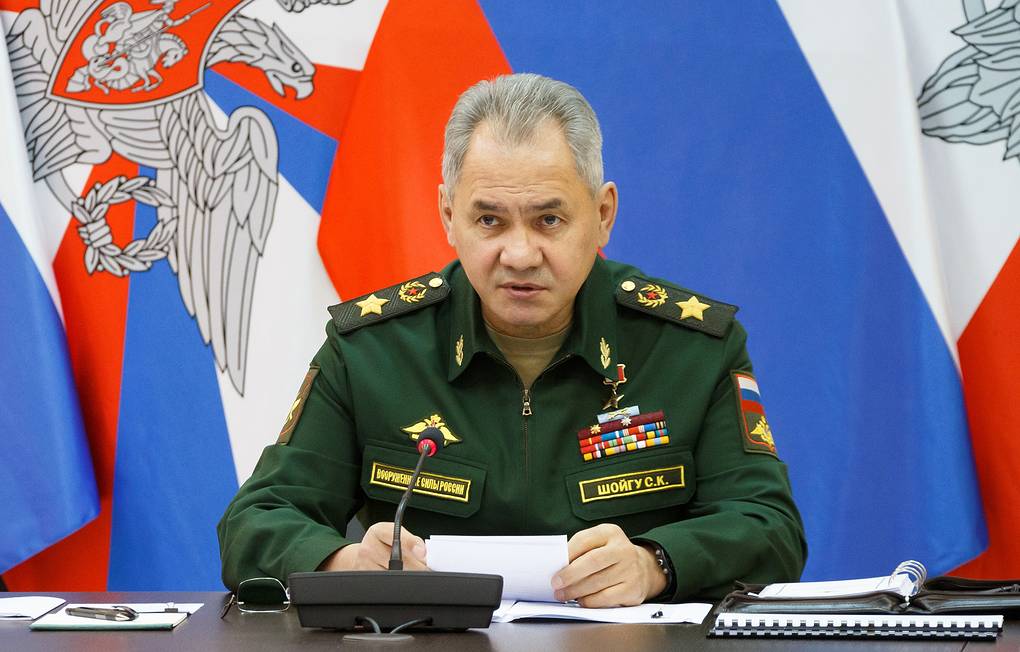
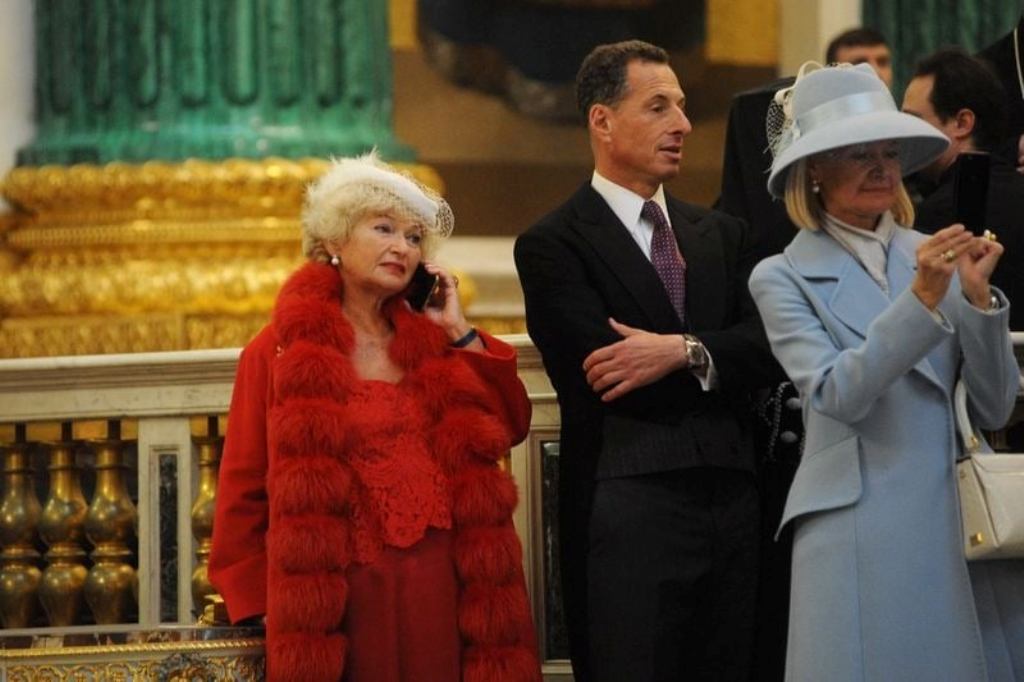
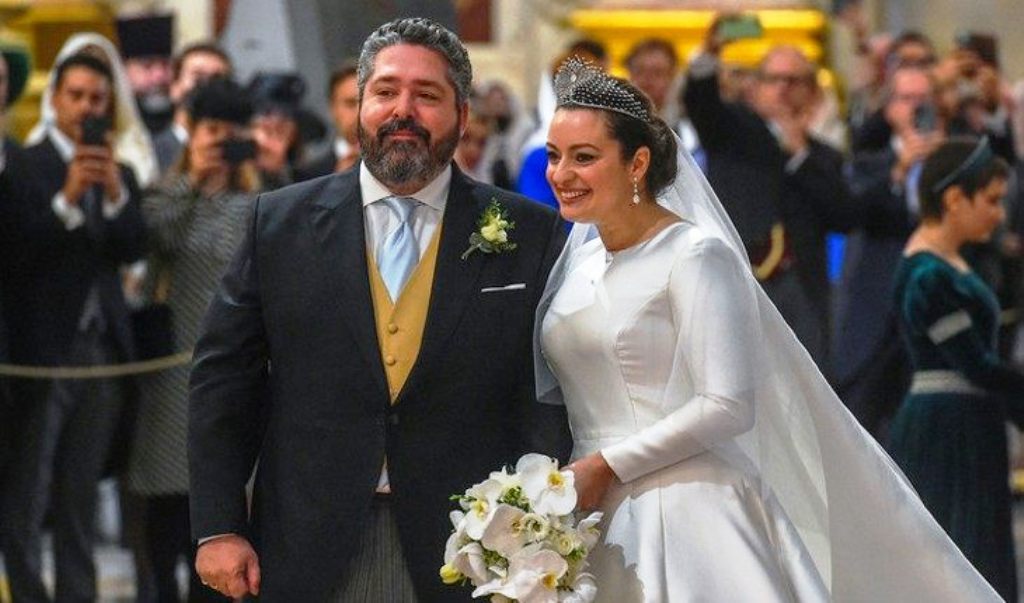
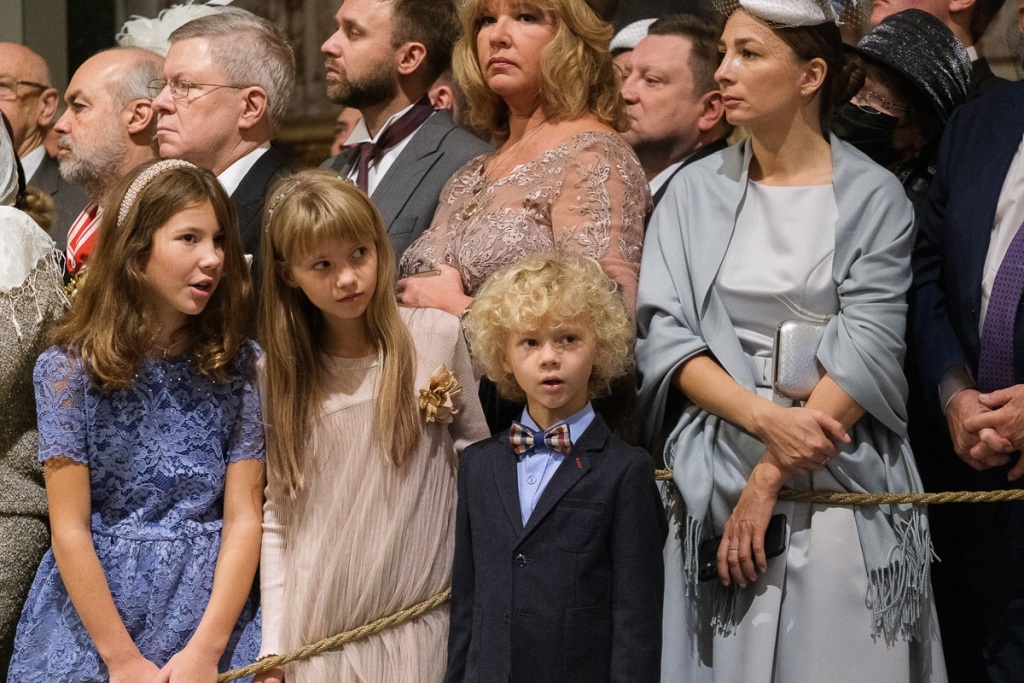
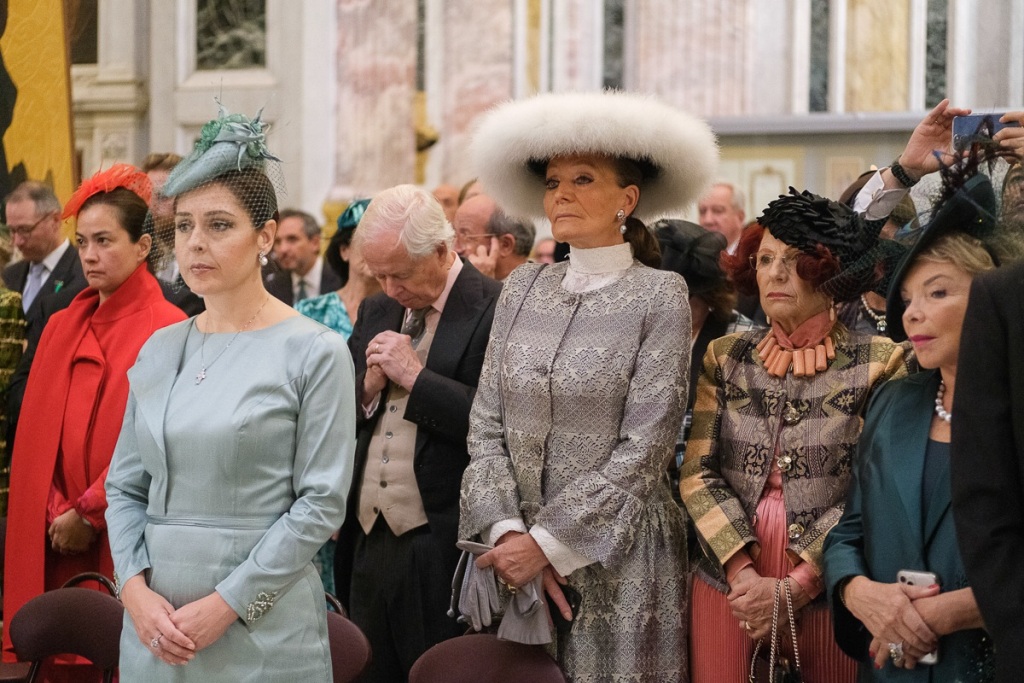
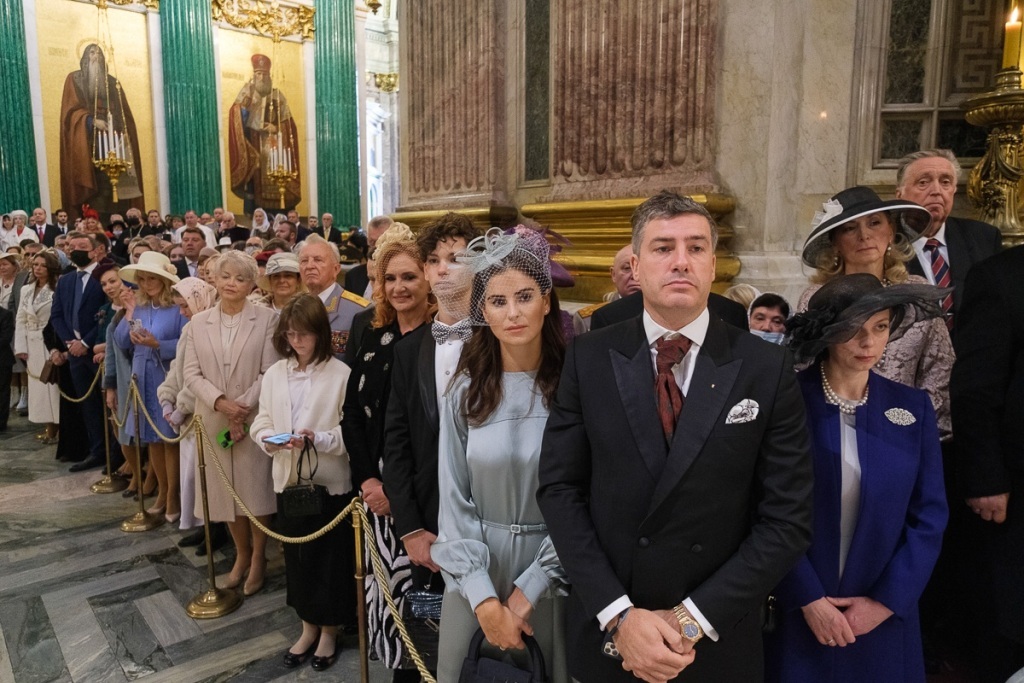
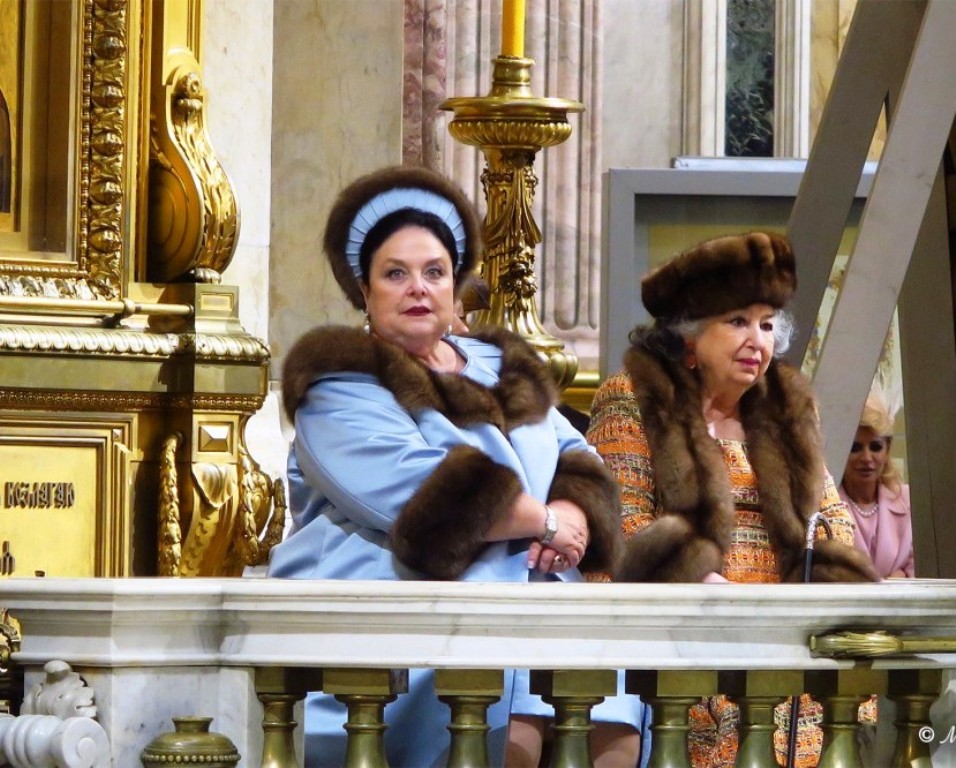
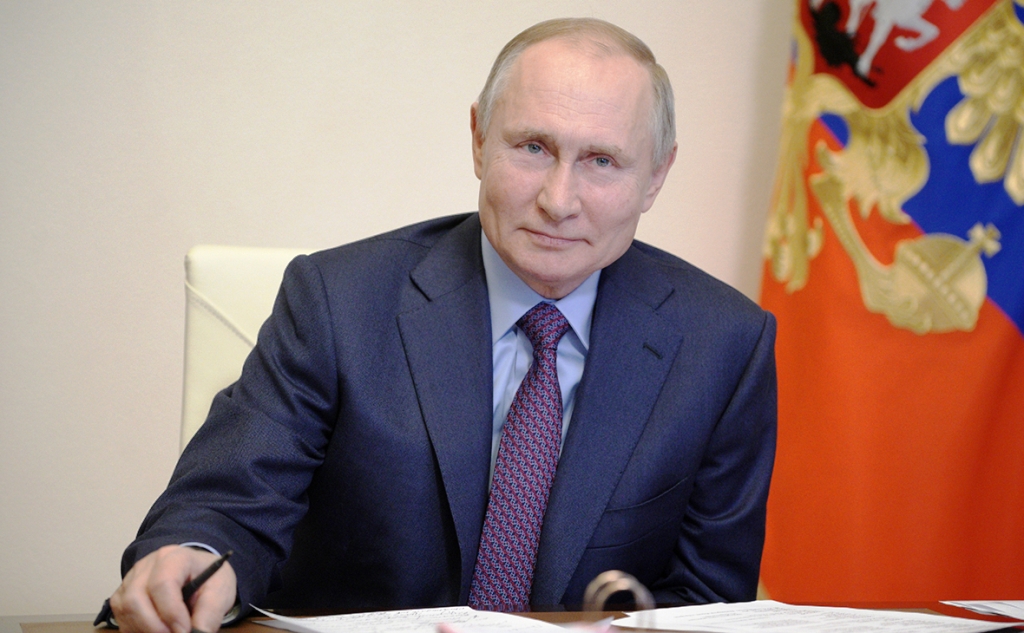
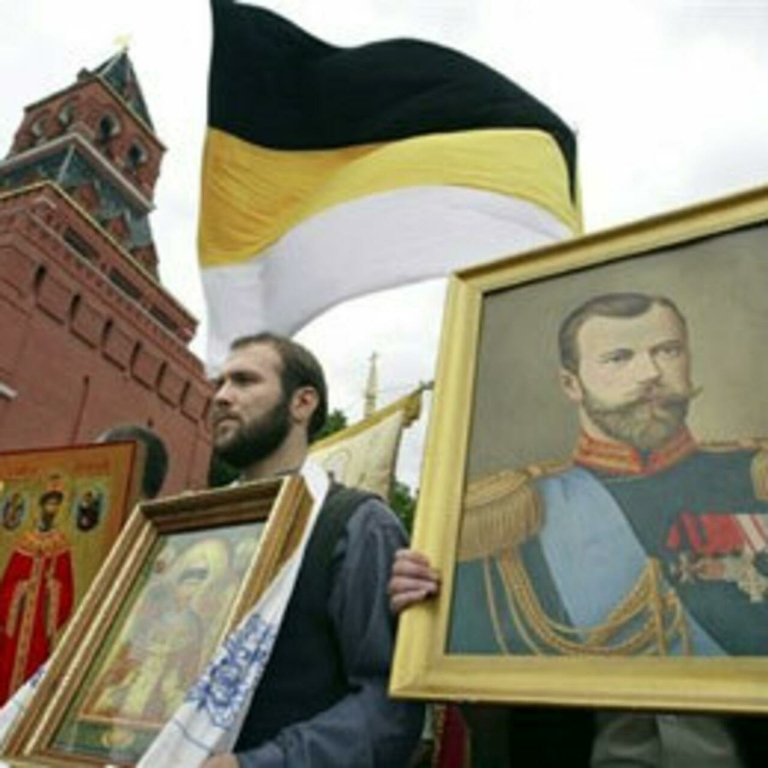
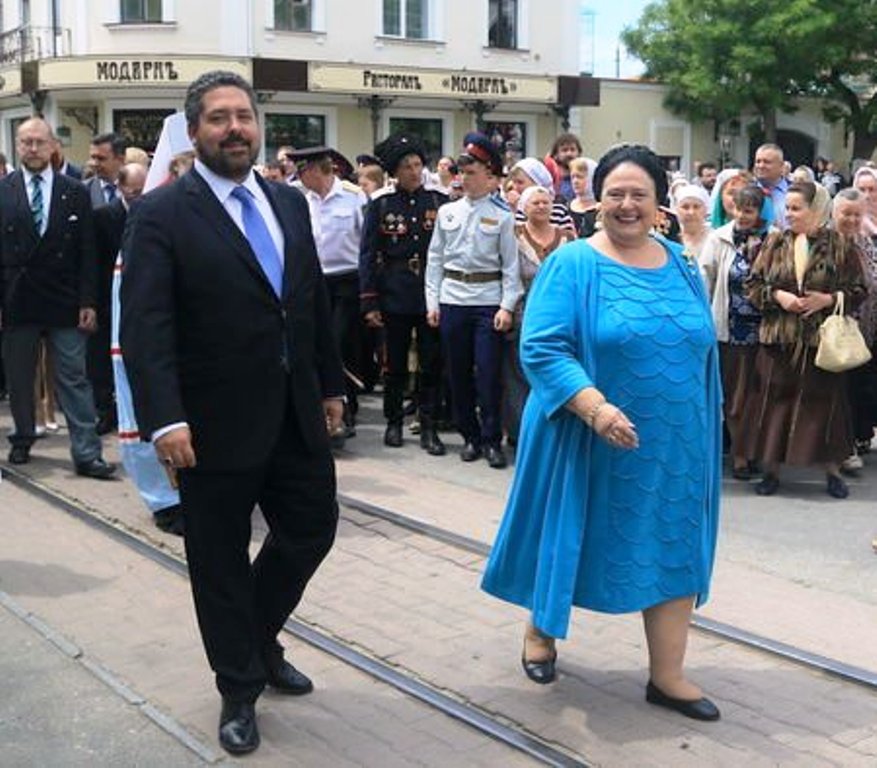
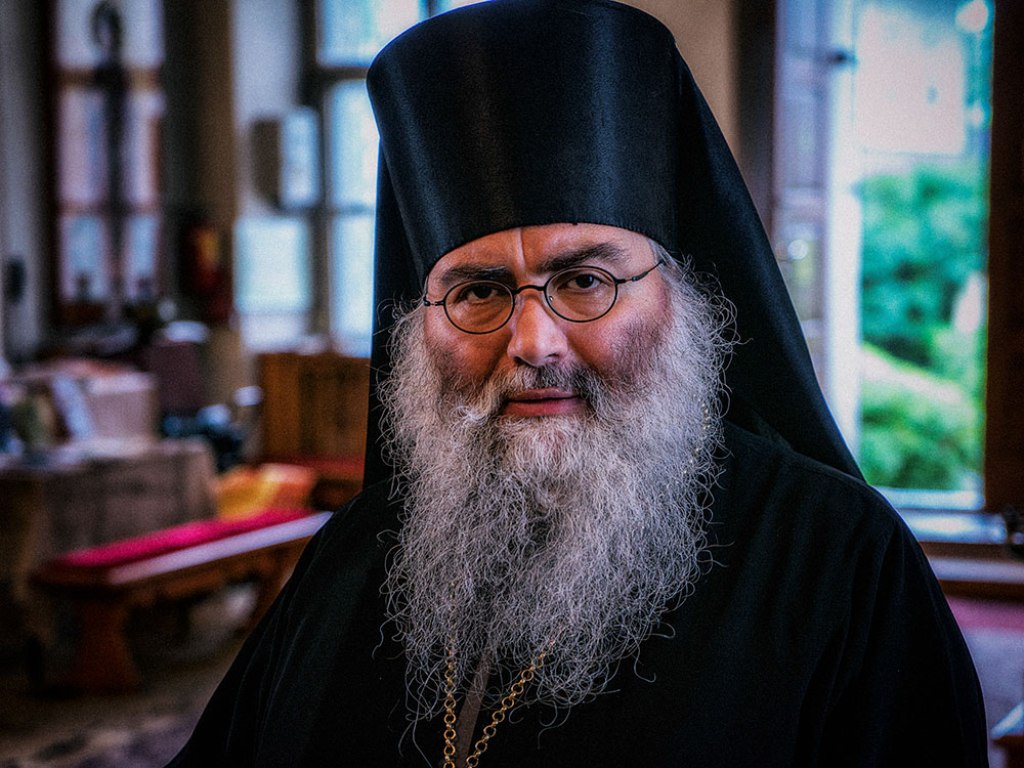
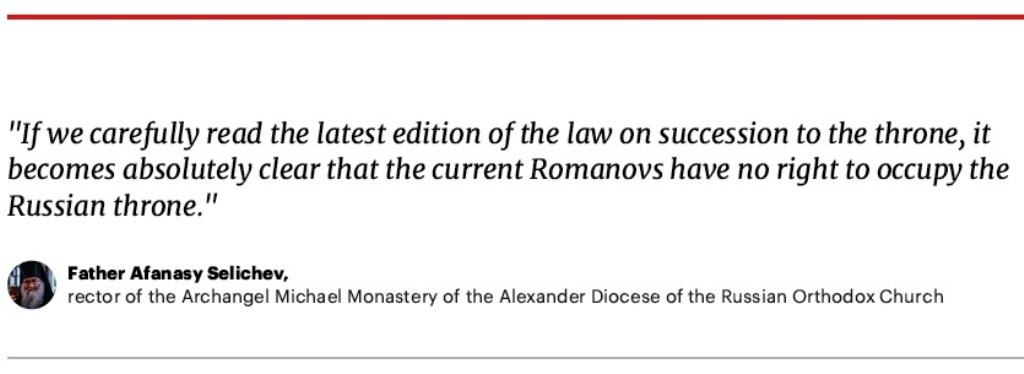
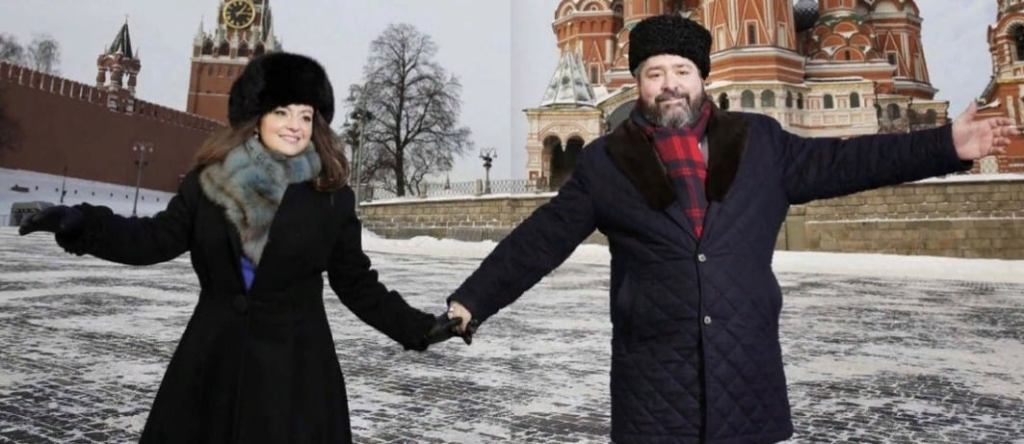
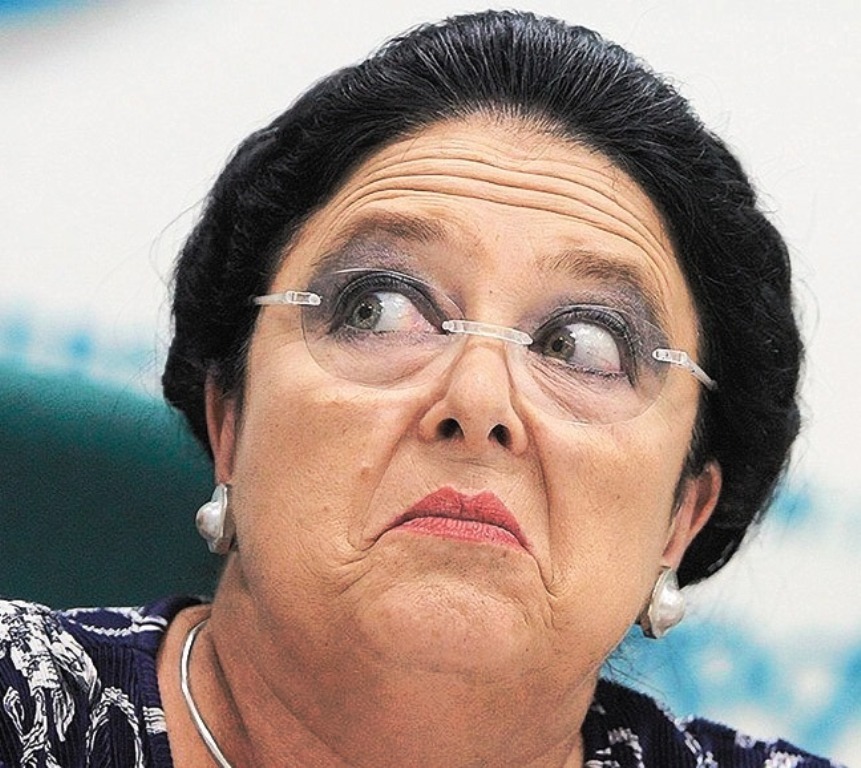

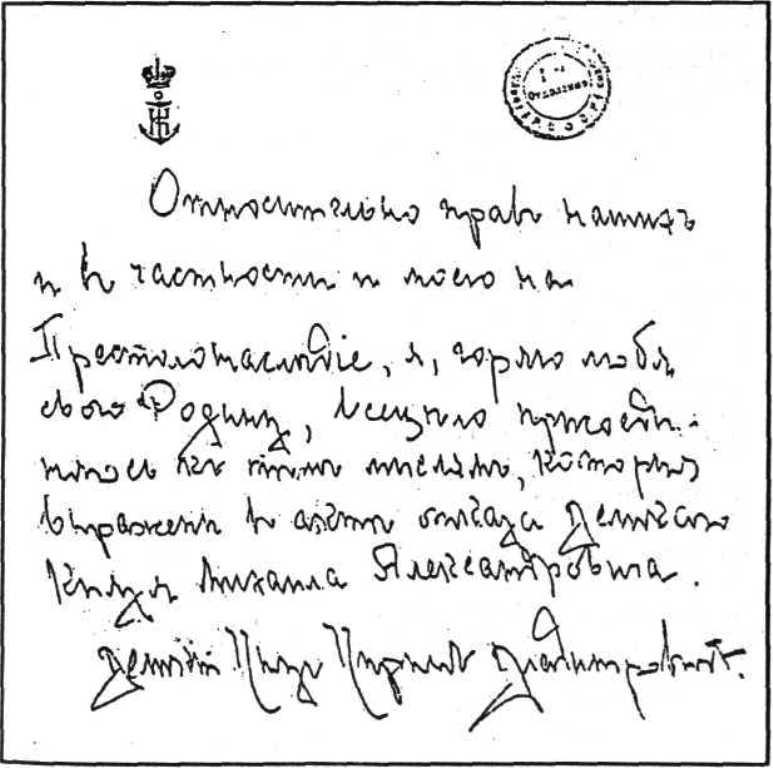

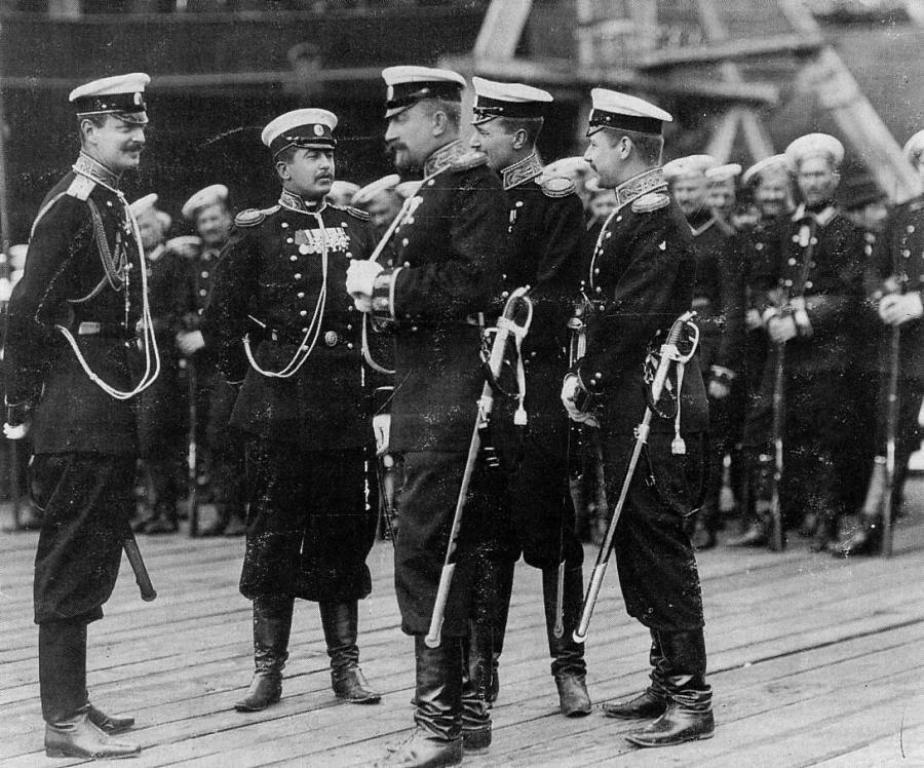
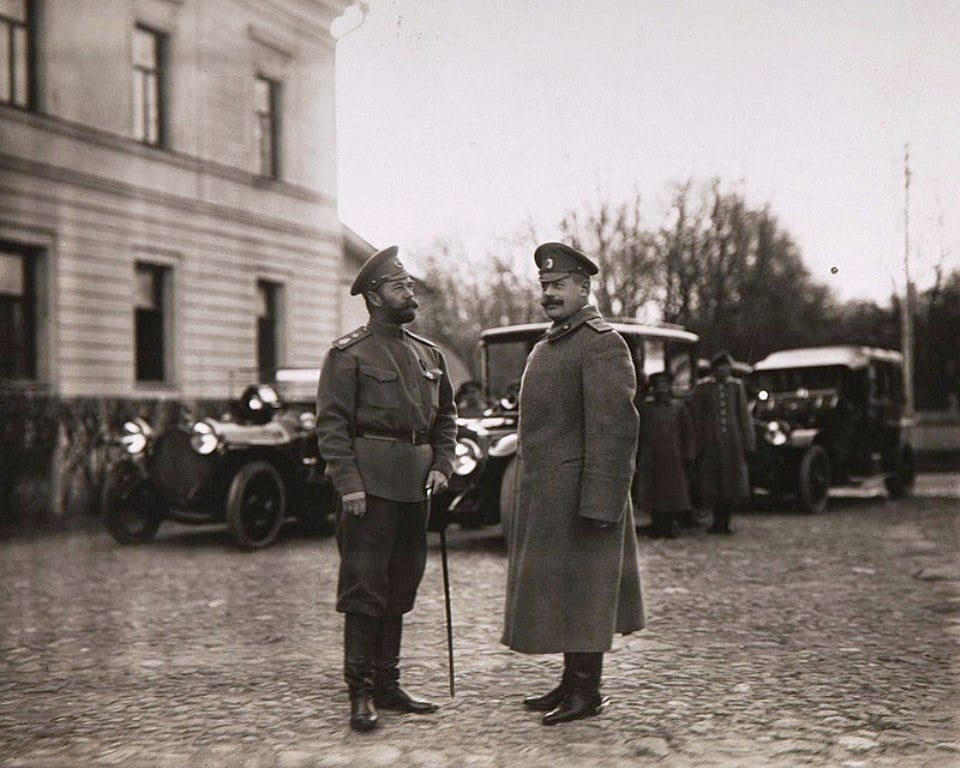
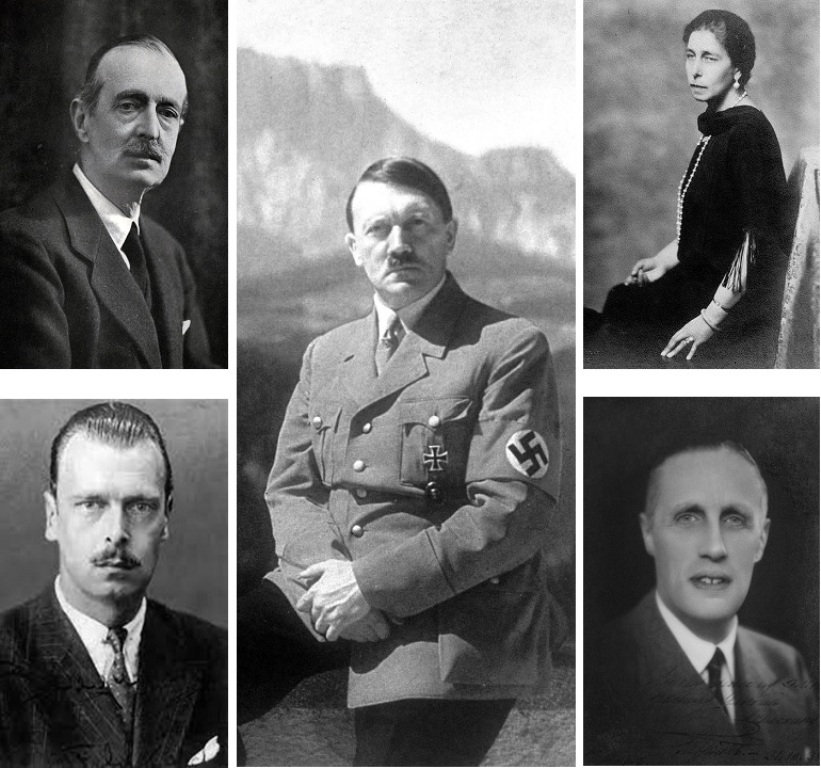
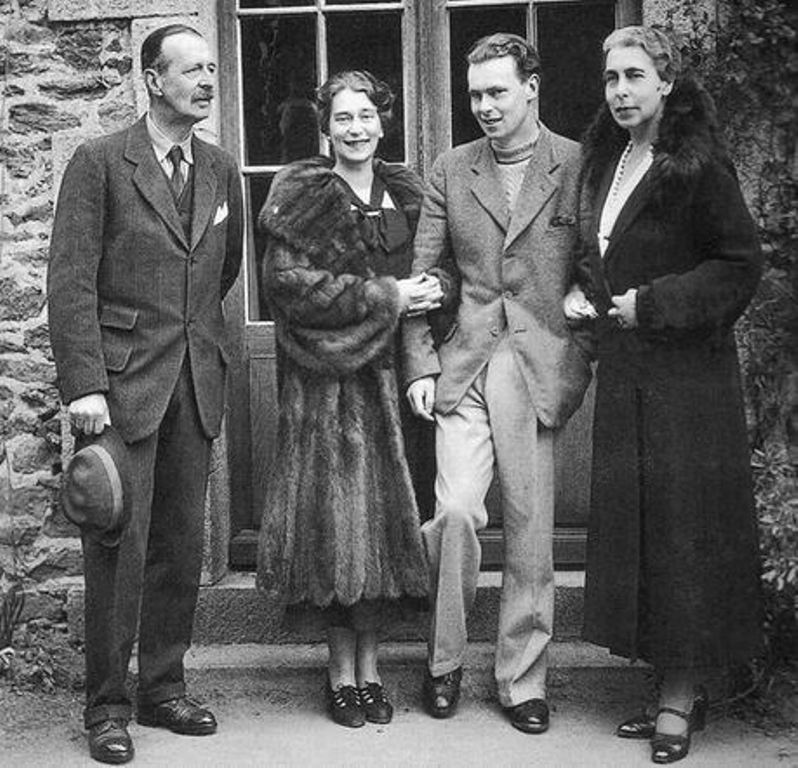
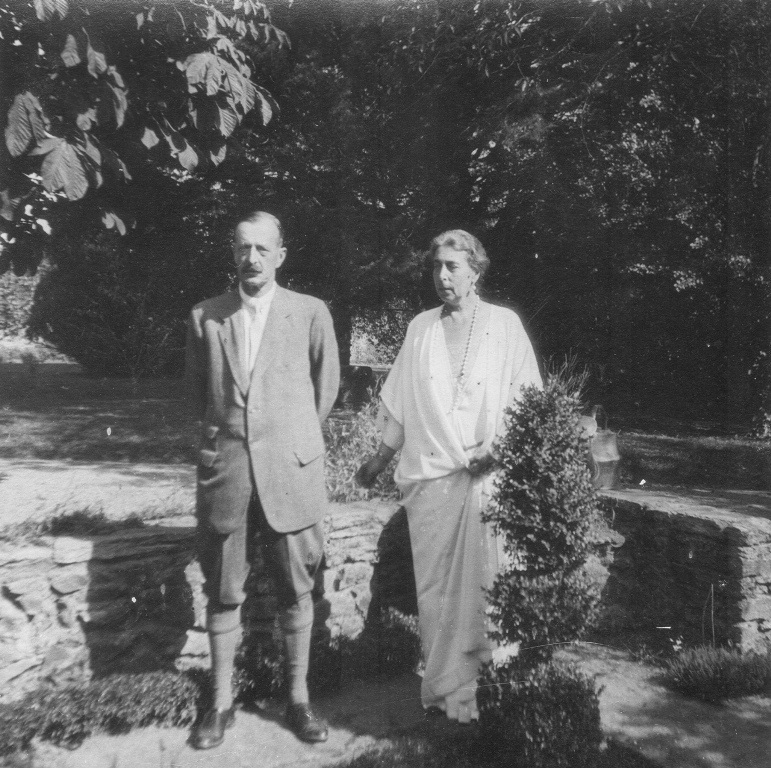
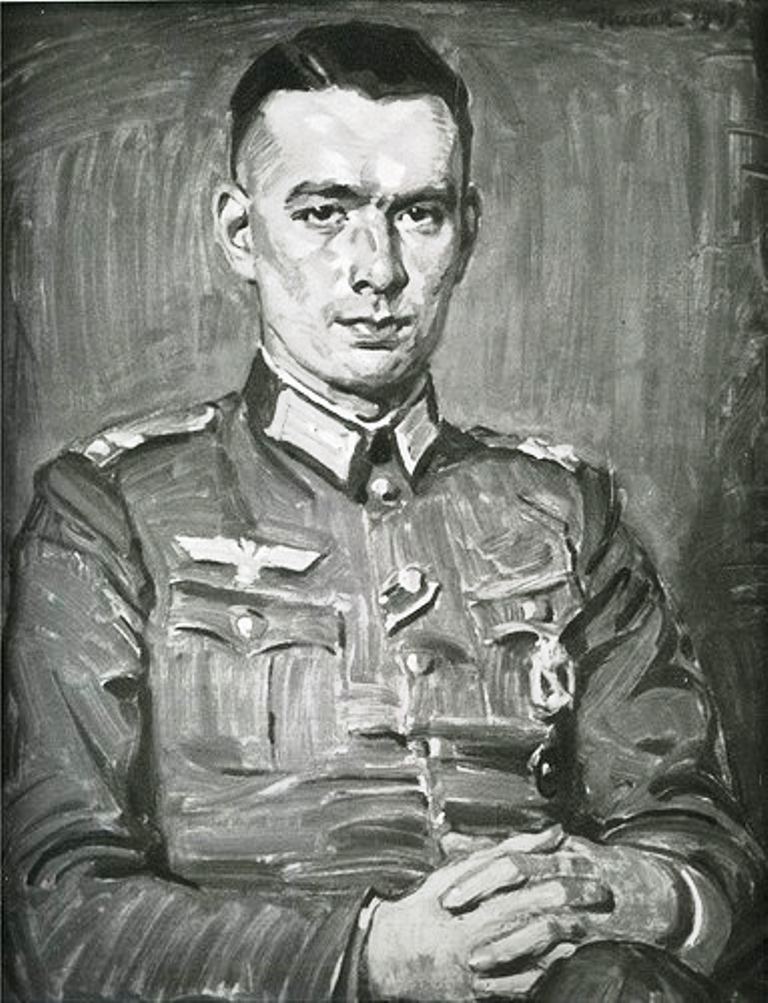
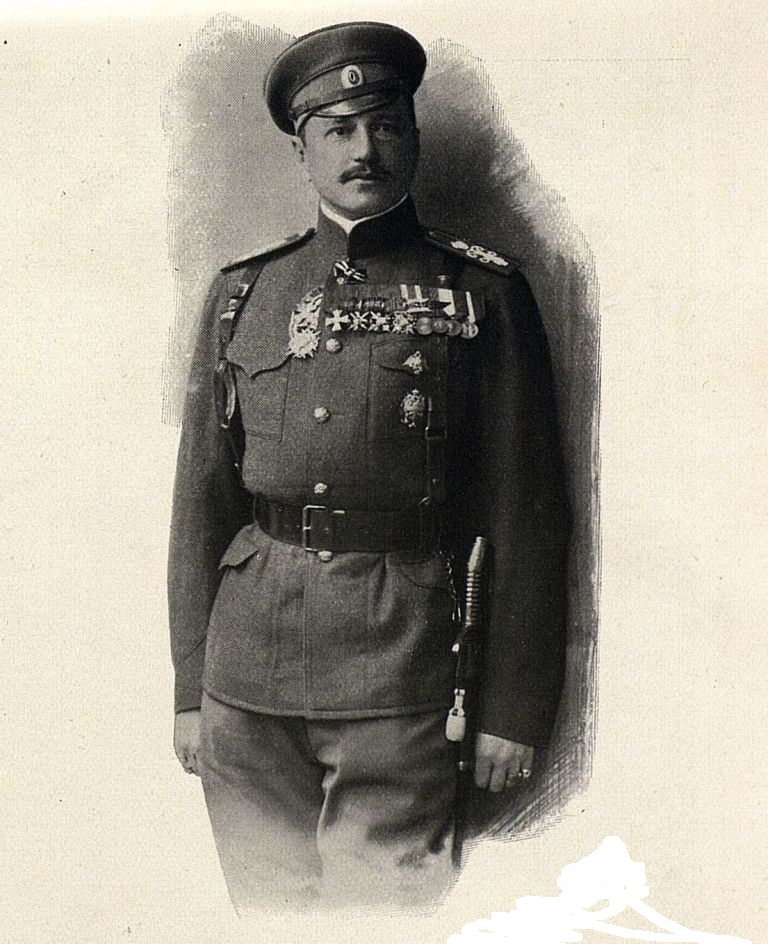
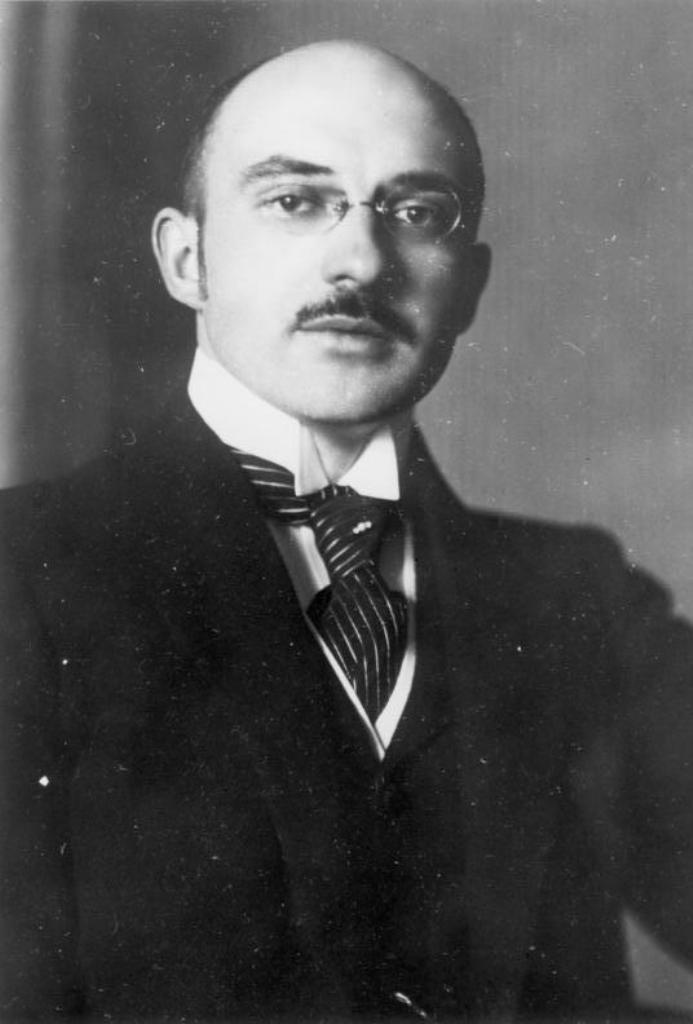
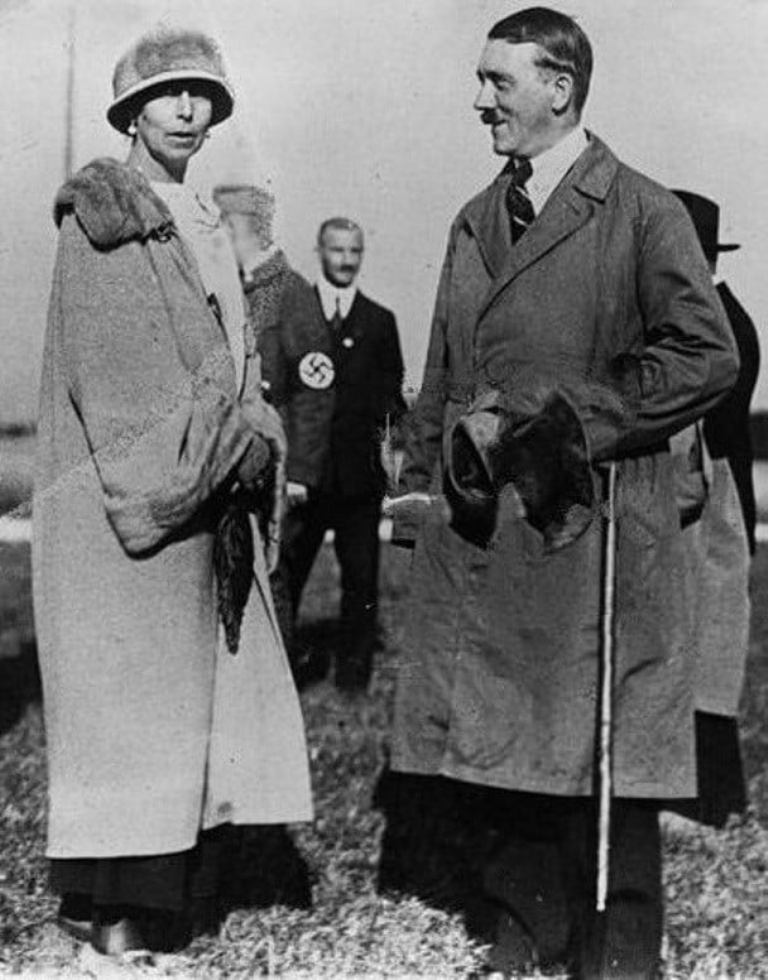
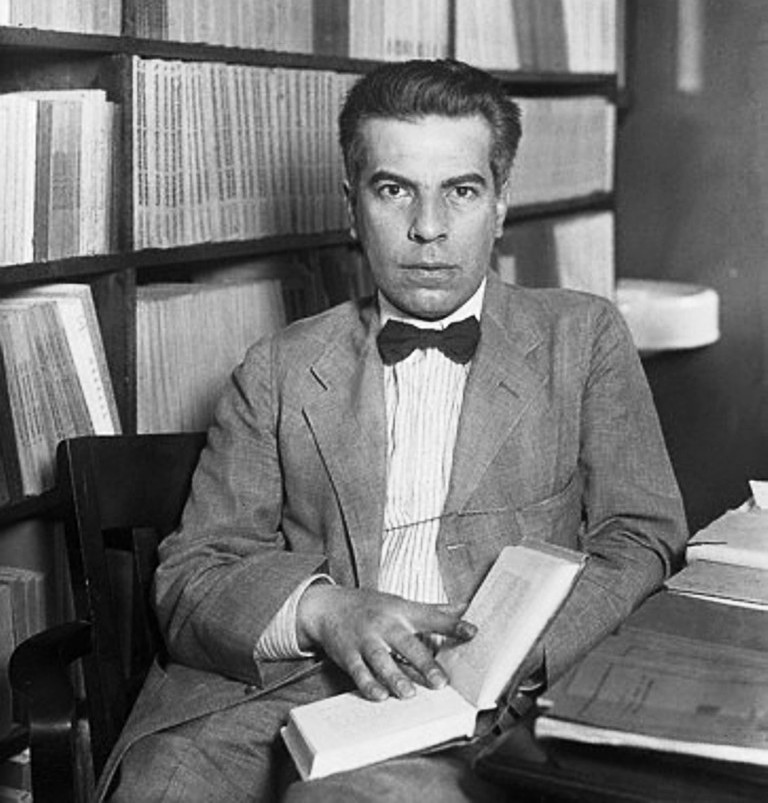
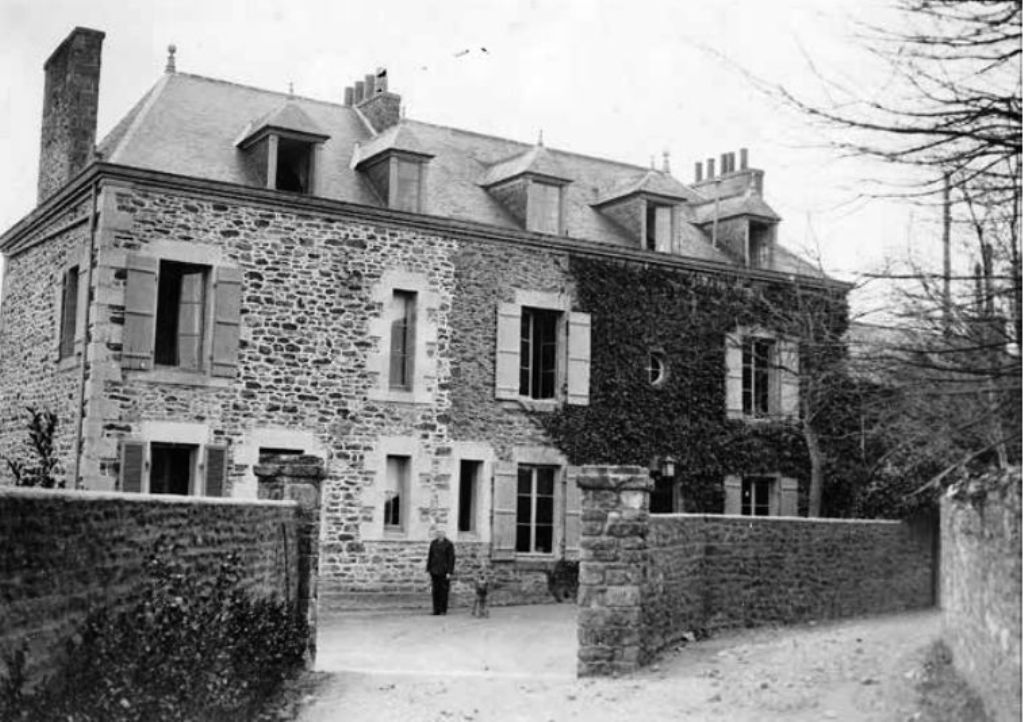

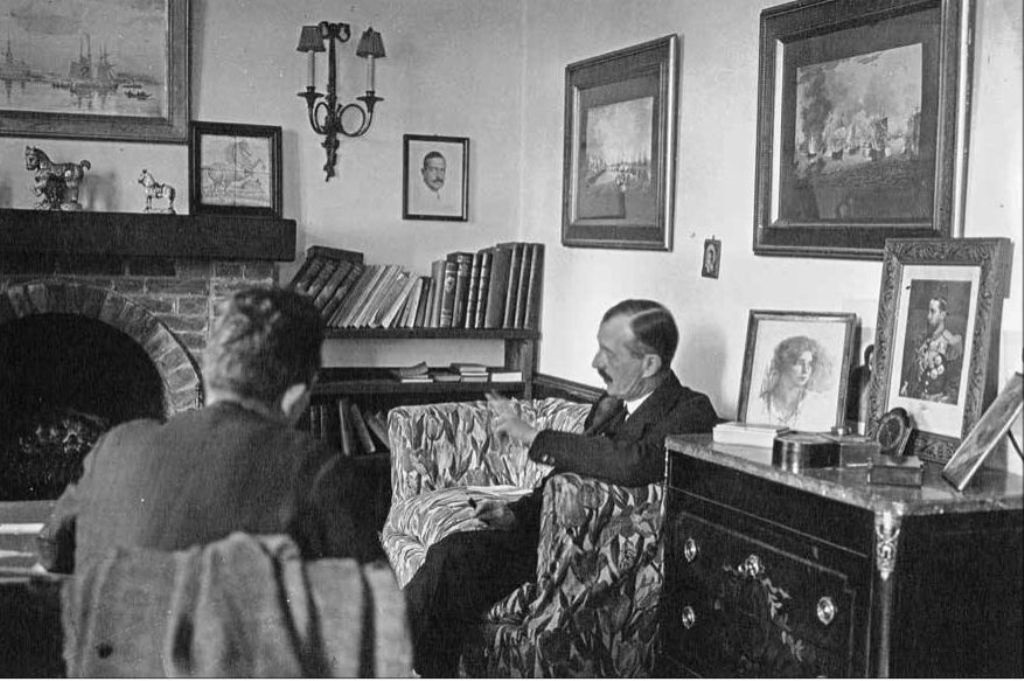
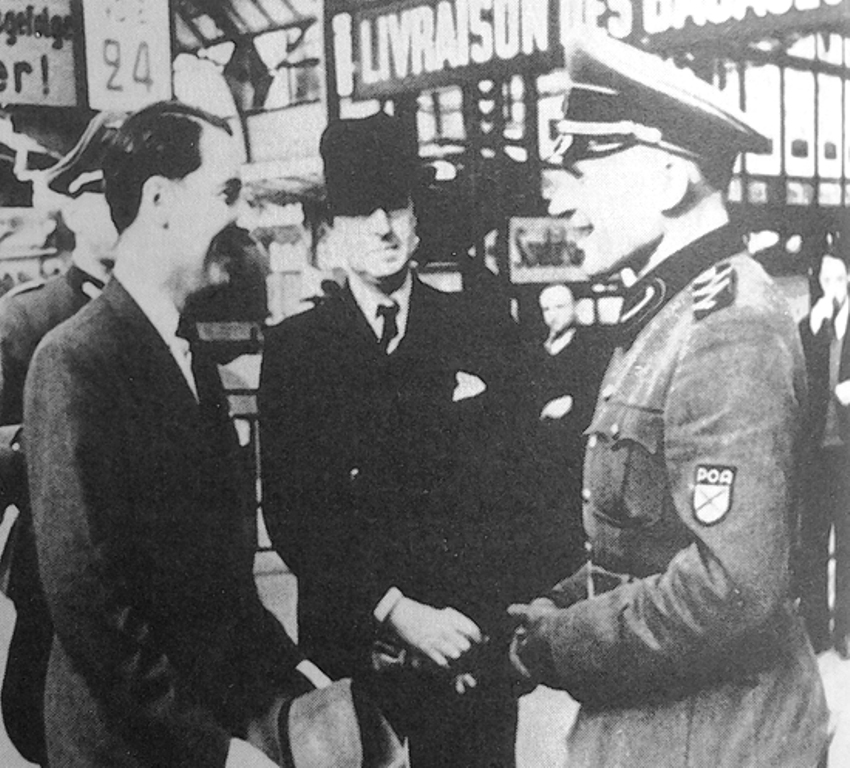

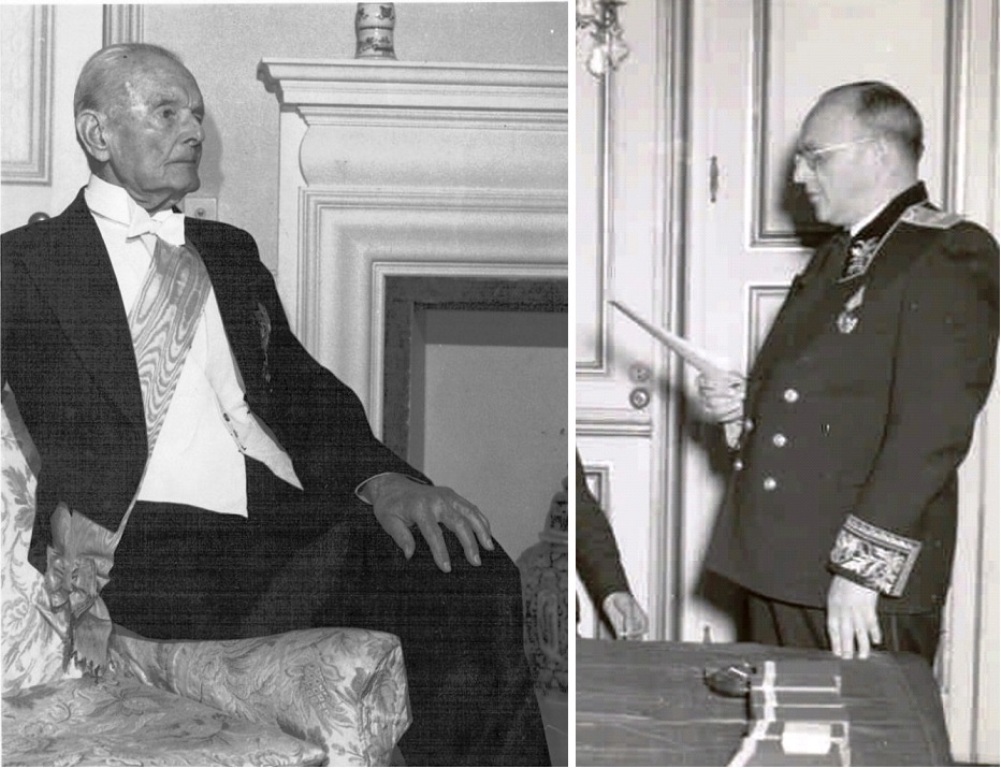


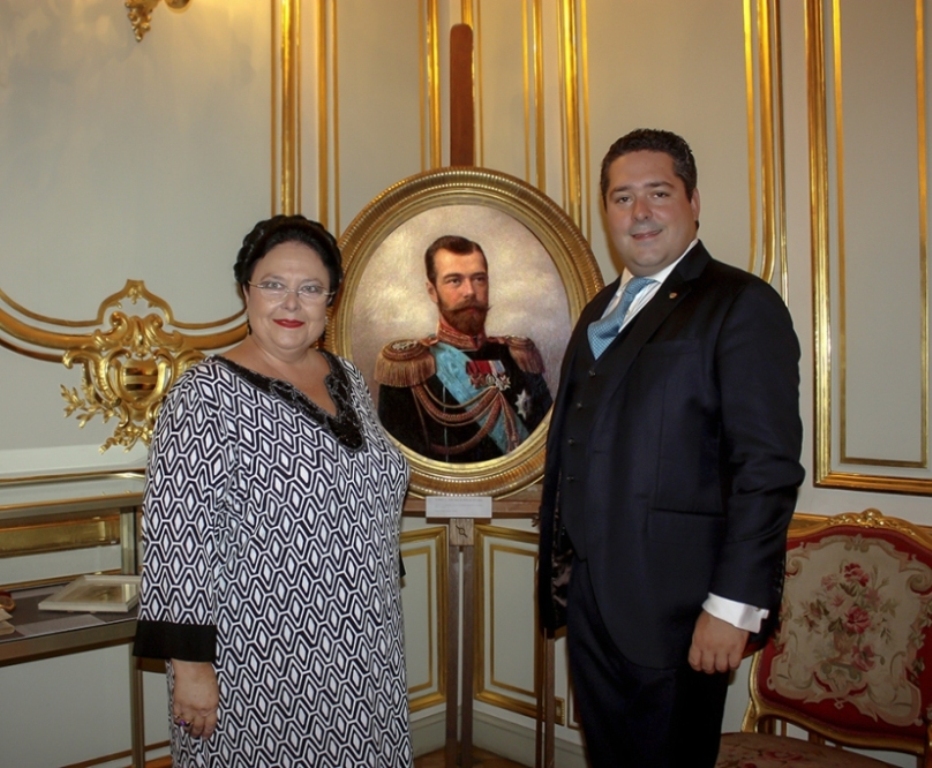
 Nicholas II
You must be logged in to post a comment.