Monument to Nicholas II in Archedinskaya

164

NOTE: All of the articles pertaining to Nicholas II and his family which were originally published in my Royal Russia News blog, have been moved to this Nicholas II blog. This article was originally posted on 2 August 2018 in my Royal Russia News blog – PG

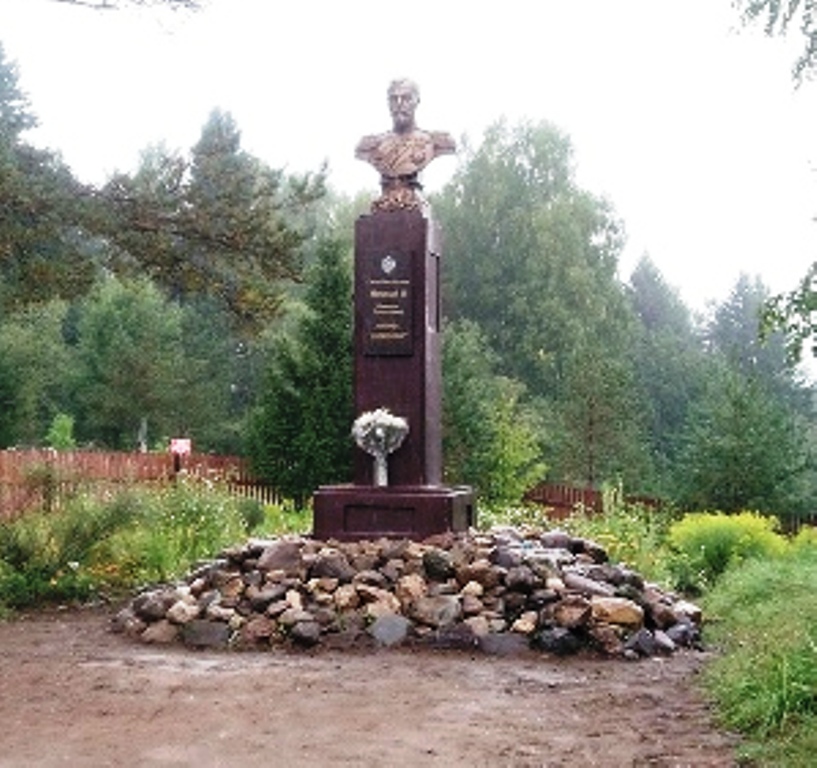
On 17th July 17 2018, on the day marking the 100th anniversary of the murder of the Imperial Family, a bust of Emperor Nicholas II was was established on the grounds of the Church of the Assumption of the Most-Holy Mother of God in the Russian village of Archedinskaya, situated in the Volgorad region. The bronze bust is a copy of an original work by the famous Russian sculptor Vyacheslav Mikhailovich Klykov (1939-2006).

A capsule containing earth from the mines at Ganina Yama and Alapaevsk – where the Bolsheviks attempted to dispose of the bodies of the murdered members of the Imperial family – was placed inside the bust of the Emperor. The bottle of Holy water for consecration was brought from the Church on the Blood of Ekaterinburg. A honourary guard made up of members of the Don Cossacks participated in the event.

After the Divine Liturgy, the consecration of the monument was performed by the Bishop of Uryupinsk and Novoanninsky Elisha.

The bust of the Emperor was made according to a project of the Russian sculptor Vyacheslav Mikhailovich Klykov, who died in 2006. Copies of his sculptures of Nicholas II have been are installed in Mytishchi, Vladivostok, Simferopol, Russia, and Melbourne, Australia.

© Paul Gilbert. 7 December 2019

Colour Autochromes of the Alexander Palace in 1917 Presented in Kazan

162a

NOTE: All of the articles pertaining to Nicholas II and his family which were originally published in my Royal Russia News blog, have been moved to this Nicholas II blog. This article was originally posted on 8 August 2018 in my Royal Russia News blog – PG

The following exhibition ran from 17 July to 17 August 2018

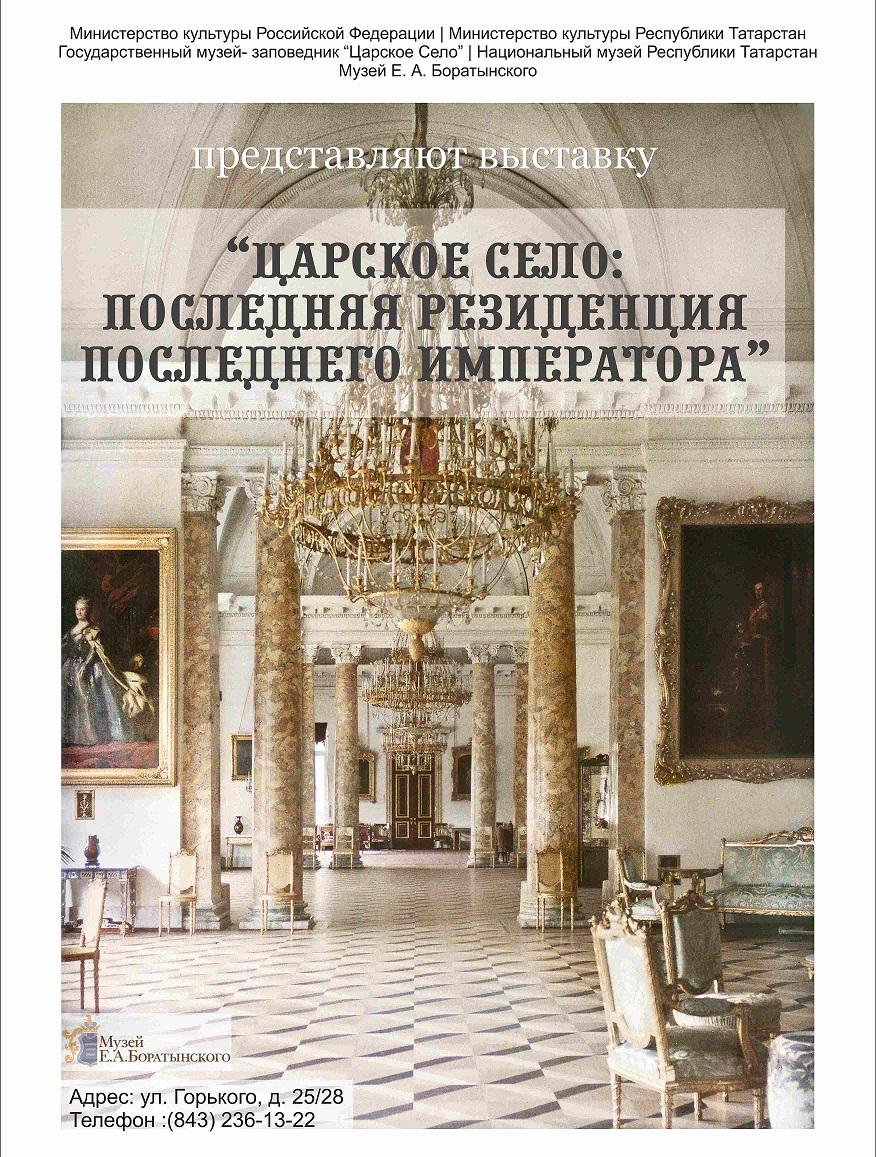
On 17th July, the exhibition Tsarskoye Selo: the Last Residence of the Last Emperor, opened in the E.A. Boratynsky Museum (a branch of the National Museum of the Republic of Tatarstan) in Kazan. The exhibition presents unique autochromes from the collection of the Tsarskoye Selo State Museum-Reserve. The exhibition is timed to mark the 100th anniversary of the murder of Russia’s last Imperial family in 1918.

The life of the last Russian Emperor Nicholas II is closely connected with Tsarskoye Selo: on 18th May (6th May in the old style) in 1868, he was born in the Alexander Palace. From 1905, Nicholas II made the palace his permanent residence, in which he spent the last 12 years of reign. After his abdication on 15th March [O.S. 2nd March] 1917, the Emperor spent the first months of his house arrest in the palace. On 1st August 1917, the Emperor and his family left the Alexander Palace for the last time, his family was sent into exile to Tobolsk.

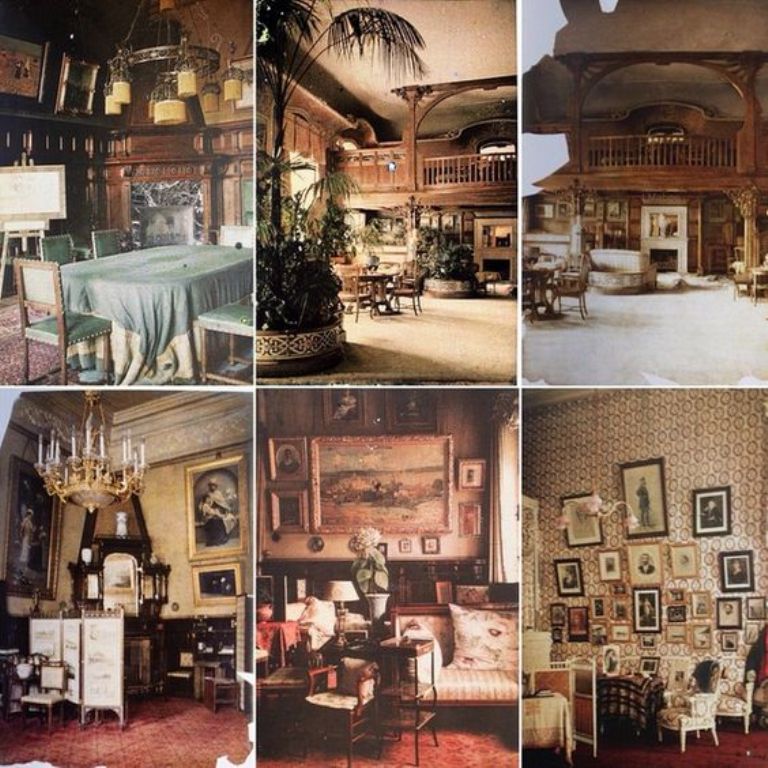
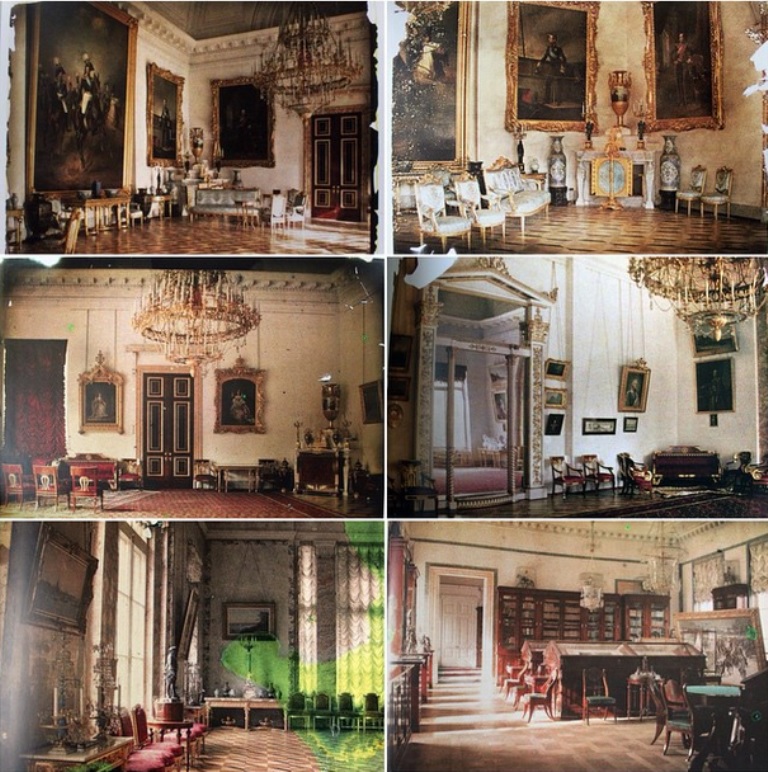
Immediately after the departure of the imperial family, the Kunsthistorico-Historical Commission, headed by Georgy Lukomsky, began work in the Alexander Palace. Photographer Andrey Zeest took 140 colour autochromes of the palace interiors.

162b

Colour autochromes of the Alexander Palace taken in 1917
© Tsarskoye Selo State Museum Reserve

162c

The fate of this unique collection is interesting. In November 1918, 843 images from black and white negatives and 83 color transparencies (autochrome) were transferred to the Kopeyka Publishing House. The pictures were supposed to be transferred to the Detskoye Selo department of artistic property, however, the transfer never took place.

Now the collection of the Tsarskoye Selo State Museum-Reserve now consists of 93 autochromes, shot by Zeest in 1917. Thirty-three autochromes were acquired by the museum in 1968, from the heirs of a photographer, twelve – in 1958, from a British tourist from Oxford, England. In 2013, members of the Friends of the Tsarskoye Selo State Museum-Reserve Club Michael Piles and Mikhail Karisalov, financed the acquisition of another 48 autochromes at an auction in Paris.

The exhibition is complemented by documents relating to the links of Georgiy Lukomsky with Kazan, from the funds of the National Museum of the Republic of Tatarstan, and printed editions issued for the coronation of Nicholas II from the Kazem-bek family collection courtesy of the Department of Manuscripts and Rare Books of the Lobachevsky Libraries.

The exhibition Tsarskoye Selo: the Last Residence of the Last Emperor marks the beginning of cooperation between the National Museum of the Republic of Tatarstan and the Tsarskoye Selo State Museum-Reserve.

The exhibition Tsarskoye Selo: the Last Residence of the Last Emperor, ran from 17th July to 17th August 2018, in the E.A. Boratynsky Museum (a branch of the National Museum of the Republic of Tatarstan) in Kazan.

© Paul Gilbert. 6 December 2019

‘The Conspiracy Against Nicholas II’, with Paul Gilbert

CLICK ON THE IMAGE ABOVE TO WATCH VIDEO

The Conspiracy Against Nicholas II is a short seven minute interview with researcher Paul Gilbert, produced by the Monastery of St John the Forerunner Mesa Potamos in Cyprus.

Paul speaks about the Emperor’s abdication on 15th March [O.S. 2nd March] 1917, and the ‘treachery, cowardice and deceit’ which surrounded him.

He further discusses the main plots which aimed to overthrow Nicholas II from his throne, by his ministers, and even members of his own family. He then discusses some of the myths regarding Nicholas’ II alleged weakness as a ruler, and allegations that his death was met with indifference by the Russian people.

The video includes coloured pictures of the Romanovs and other historical figures, by acclaimed Russian colourist Olga Shirnina, from the forthcoming book The Romanov Royal Martyrs: What Silence Could Not Conceal, published in 2019.

The Conspiracy Against Nicholas II is the fifth of a special multi-episode tribute featuring exclusive interviews with Mesa Potamos Monastery research colleagues: Helen Azar, Helen Rappaport, Nicholas B.A. Nicholson and Paul Gilbert. Click HERE to view ALL six episodes.

memorial

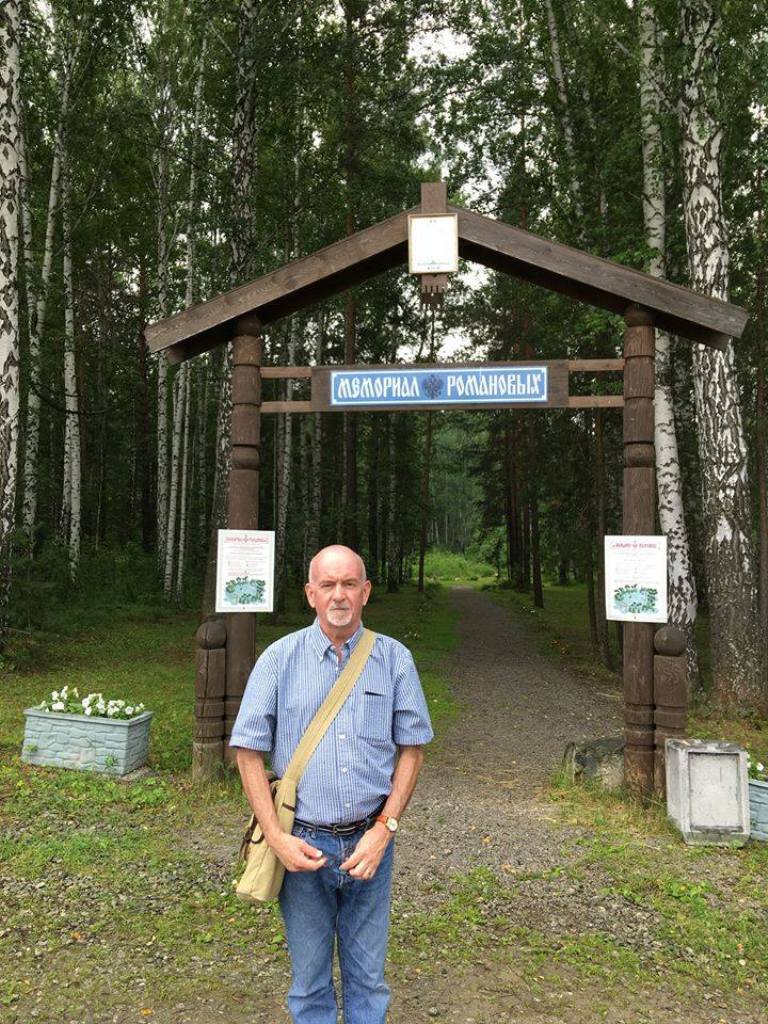
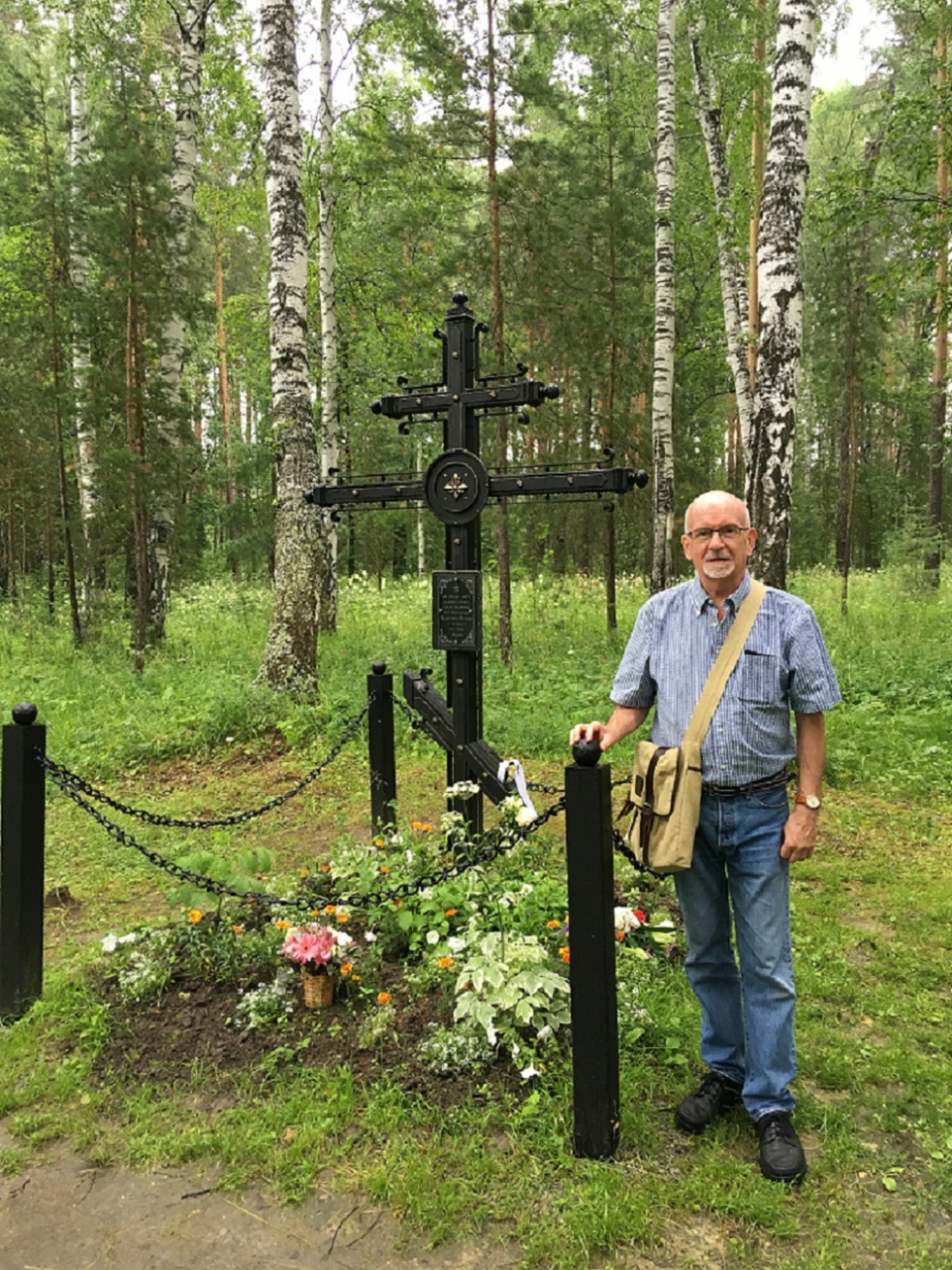
PHOTO: Paul Gilbert at the Romanov Memorial, Porosenkov Log. July 2018.

Paul Gilbert is an independent researcher specializing in the life, reign and era of Emperor Nicholas II, and who is dedicated to clearing the name of Russia’s much slandered Tsar through his news blog Nicholas II. Emperor. Tsar. Saint., his semi-annual journal Sovereign, and Conferences. The 1st International Nicholas II Conference was held on 27th October 2018, in St. John of Shanghai Church in Colchester, England.

© Paul Gilbert. 6 December 2019

Documentary: ‘Regicide. A Century of Investigation’

160

“We have shown all the stage of the investigation of the Royal Family’s murder” – Elena Chavchavadze on the new Russian language documentary, Цареубийство. Следствие длиною в век / Regicide. A Century of Investigation.

In 2015, a new investigation was launched into the murder of Tsar Nicholas II, Tsarina Alexandra, and their children and servants. This was instigated by the “Ekaterinburg remains”, which some are convinced are those of the Royal Martyrs. The Russian Orthodox Church has not yet come to a final conclusion, and the detective work goes on.

The new documentary, Regicide. A Century of Investigation, premiered in the evening of November 24, 2019, on the “Russia” TV channel. Its creator, Elena Nikolaevna Chavchavadze, talked to Yegor Andreev on what this film is about, how it was created and what revelations it has led to.

At the end of the interview, Chavchavadze is asked, “In conclusion, what would you wish to the viewers who will watch the film? How should they watch it? What should they get ready for?”

“Watch it without bias” – she replies – “If you feel your responsibility before God, then you shouldn’t pass any judgment before you are convinced of the truth yourself and hear the voice of the Church in this case. This is something we are waiting for, too.”

On a personal note, I would like to add that this is a very interesting interview, and a MUST for those of you who are following the ongoing investigation of the Ekaterinburg remains, and awaiting its conclusion by the Russian Orthodox Church – PG

Click HERE to read Yegor Andreev’s interview (in English) with documentary creator Elena Chavchavadze, translated from Russian by Dmitry Lapa, and published on the Pravoslavie.ru web site 5th December 2019.

You can watch the documentary Цареубийство. Следствие длиною в век / Regicide. A Century of Investigation by clicking on the image above. The video’s duration is 1 hour, 42 minutes and is in Russian only:

© Paul Gilbert. 6 December 2019

Russian Orthodox Church in Dispute Over Porosenkov Log

159a

At Porosenkov Log, during my visit to Ekaterinburg, July 2018

Back in March 2016, I reported that Metropolitan Kirill of Yekaterinburg and Verkhoturye had made a request to the Sverdlovsk regional government to transfer the land in and around Porosenkov Log (3.7 hectares) to the Ekaterinburg Diocese. The territory is simultaneously claimed by the Sverdlovsk Regional Museum of Local History in Ekaterinburg. My report was followed up by a second article on the dispute in July 2017 (see links below for both articles – PG).

Since the events marking the 100th anniversary of the death and martyrdom of Emperor Nicholas II and his family last month, the subject is again making headlines in the Urals media.

According to a document signed by the head of the regional forestry department Oleg Sandakov, as early as 2016, Metropolitan Kirill of Yekaterinburg and Verkhoturye made a request to the regional government to transfer Porosenkov Log to the diocese “for gratuitous urgent use for religious activities.” Scans of the relevant documents (see below) were published last week on the Memorial of the Romanovs Facebook page.

In June 2014, a request was made to recognize Porosenkov Log as a cultural heritage site. Then, the regional ministry of culture planned to transfer the Romanov Memorial site to the Sverdlovsk Museum of Local History. The official opening of the memorial was planned to coincide with the 100th anniversary of the deaths and martyrdom of the Holy Royal Martyrs in July 2018.

In 2016, however, the Ekaterinburg Diocese began to interfere with the plans. In February of the same year, Metropolitan Kirill of Ekaterinburg and Verkhoturye sent an appeal to the Governor of the Sverdlovsk Region Evgeny Kuyvashev, in which he asked to declare invalid the document on the transfer of the site to the museum. The governor granted the Metropolitan’s appeal, with the regional ministry of culture subsequently putting the project on hold.

“Due to the historical and spiritual significance of the territory, and in order to avoid any disagreements between secular and religious parties, an official note was sent to the governor of the Sverdlovsk region on the expediency of organizing a discussion on the development of the territory as a cultural heritage site with all interested parties,” said the head of the regional department of forestry Oleg Sandakov.

159d

At the second grave where the remains of Alexei and Maria where discovered in 2007

On the eve of the Tsar’s Days held in Ekaterinburg last month, the Russian Investigative Committee confirmed that genetic examinations on the remains found at Porosenkov Log belong to the murdered Imperial family. It was hoped that Patriarch Kirill would officially recognize the remains during his visit to Ekaterinburg, however, this did not happen. An estimated 100,000 people took part in the pilgrimage from the Church on the Blood to the Monastery of the Holy Royal Martyrs at Ganina Yama, where once again the final prayer service was held, which is still considered by the ROC to be the final burial place of the bodies of the royal martyrs. Porosenkov Log was not included in the pilgrimage.

Despite the fact that the authenticity of the “royal remains” has not been recognized by the ROC, the Ekaterinburg Diocese is unlikely to back away from its plans. It can not be ruled out that the dispute over the site will be put on hold until the time when the church changes its position.

It is believed that not “if” but “when” the Moscow Patriarchate officially recognize the “Ekaterinburg remains”, that a new monastery in honour of the Holy Royal Martyrs, similar to the one situated 3.8 km down the road at Ganina Yama, will be constructed at Porosenkov Log.

© Paul Gilbert. 5 November 2019

Memorial Cross to the Holy Royal Martyrs in London

157

NOTE: All of the articles pertaining to Nicholas II and his family which were originally published in my Royal Russia News blog, have been moved to this Nicholas II blog. This article was originally posted on 22 August 2018 in my Royal Russia News blog – PG

On 13th July 2018, the day after the Feast of the Holy Apostles Sts Peter and Paul, a new memorial Cross to the Holy Royal Martyrs was erected on the grounds of the Diocesan Cathedral of the Mother of God and the Royal Martyrs in London.

The memorial Cross, which has been commissioned to mark the centenary of the martyrdom of the Imperial Family, was carved of red granite by special commission of the parish. The lower Altar of the Cathedral is dedicated to the honour of the Holy Royal Martyrs, and it seemed fitting to the faithful of the community to pay homage to the holy intercessors by erecting a Cross in their honour, to serve as a perpetual monument to the God-pleasing lives of these saints.

The initial erecting of the Cross will be followed by landscaping of the nearby territory to accommodate the new monument, which will be formally blessed on the day of the Cathedral’s full consecration on the Feast of the Nativity of the Theotokos, 21st September 2018.

The Divine Liturgy for the Feast of the Holy Royal Martyrs took place at the London Cathedral at 9.00 a.m. on Tuesday, 17th July 2018 (n.s.), served in the Lower Church. It was celebrated by His Grace Bishop Irenei together with clergy of the Cathedral, Diocese, and guests from the surrounding areas. The new memorial Cross was visited as part of the Cross Procession of the Altar Feast.

© Diocese of Great Britain and Ireland (ROCOR). 5 November 2019

Nicholas II memorial plaque in Nikolsk-Ussuriysk

NOTE: All of the articles pertaining to Nicholas II and his family which were originally published in my Royal Russia News blog, have been moved to this Nicholas II blog. This article was originally posted on 27 August 2018 in my Royal Russia News blog – PG

On 17th July 2018 a memorial plaque in honour of Tsesarevich and Grand Duke Nicholas Alexandrovich (future Emperor Nicholas II) was unveiled on the northern facade of the Church of the Intercession of the Holy Virgin in the Far-eastern Russian city of Nikolsk-Ussuriysk.

The memorial plaque was established in honour of the August visit of Nicholas Alexandrovich on 3-4 June 1891, as part of his Eastern Journey, and the construction of the Ussuri section of the Trans-Siberian Railway. The memorial also marks the 120th anniversary of the granting of the status of the city with the name Nikolsk-Ussuriysk on 16th April 1898, by the will of the Sovereign Emperor Nicholas II to Nikolsky, and, subsequently – the city coat of arms.

The work on the preparation of the memorial plaque was initiated by a group of historians, parishioners and residents of the city. The project was agreed and approved, with the blessing of Metropolitan Veniamin of Vladivostok and Primorye.

Associate Professor of the Far Eastern Federal University Yaroslav Popov, who headed the group, said that exactly at this place, in the wooden St. Nicholas Church (Nikolsk-Suifunsky), the Tsesarevich Nicholas Alexandrovich prayed during his visit in 1891. After the Liturgy, the Tsesarevich addressed the soldiers of the Nikolsk fortress, Russian residents and settlers, representatives of local peoples, Chinese and Korean diasporas, thanking everyone for their warm welcome.

The Divine Liturgy held on 17th July 2018 was attended by the mayor of Ussuriysk, Evgeny Evgenevich Korzh and the head of the Ussuriisk urban district Nikolai Nikolayevich Rud. After the consecration of the memorial sign, the choir of the parishioners of the church performed the hymn of the Russian Empire “God Save the Tsar”.

This was followed by the reading of the poems of the famous Russian poet Sergei Sergeivich Bekhteev (1879-1954), who escaped Russia after the Revolution. Bekhteev’s poems are full of love for the Motherland, the monarchy and the Holy Royal Martyrs. Countess Anastasia Hendrikova managed to pass five of Bekhteev’s poems to the Tsar’s family during their house arrest in Tobolsk. Emperor Nicholas II, was so moved by Bekhteev’s poem “God Save the Tsar”, that he shed a tear and asked to convey his gratitude to the poet for sharing his loyal feelings.

© Paul Gilbert. 5 November 2019

Film: Assassin of the Tsar

155a

Watch ‘The Assassin of the Tsar’

Click on the image above to watch the English version
of the film in it’s entirety. Duration: 1 hour, 40 mins.

The Assassin of the Tsar is a 1991 Soviet drama film, starring the English actor Malcolm McDowell and the Soviet/Russian actor Oleg Yankovsky (1944-2009). It was entered into the 1991 Cannes Film Festival. There are two versions. One is filmed in English which later was dubbed over the Russian actors, and one in Russian.

Timofyev (Malcolm McDowell) is a patient in an asylum who claims to be the man who assassinated Tsar Alexander II in 1881, and his grandson Tsar Nicholas II in 1918. Doctor Smirnov (Oleg Yankovsky) decides to apply a peculiar therapeutic method on him, but things go in an unexpected way.

A good portion of the film depicts the last days of the Russian Imperial Family in Ekaterinburg, largely narrated by Timofyev’s voice-over from the perspective of Yakov Yurovsky, the chief guard and ultimately executioner of the family. In the scenes, Yurovsky is impersonated by Timofyev (McDowell) and Tsar Nicholas II by Dr. Smirnov (Yankovsky). Other members of the family function merely as background, with few or no lines.

PHOTOS: Soviet/Russian actor Oleg Yankovsky as Tsar Nicholas II; the
Imperial family in Crimea; and Malcolm McDowell as Yakov Yurovsky

The cast includes:

Oleg Yankovsky — Dr.Smirnov / Tsar Nicholas II
Malcolm McDowell — Timofyev / Yakov Yurovsky
Armen Dzhigarkhanyan — Alexander Yegorovich, Smirnov’s superior
Olga Antonova — Empress Alexandra
Dariya Majorova — Olga Nikolaevna
Evgeniya Kryukova — Tatiana Nikolaevna
Alyona Teremizova — Maria Nikolaevna
Olga Borisova — Anastasia Nikolaevna
Aleksei Logunov — Alexei Nikolaevich
Yury Belyayev — Alexander II of Russia
Anastasiya Nemolyaeva — nurse
Anzhelika Ptashuk — Marina, Smirnov’s mate

Of particular interest in this film are the recreation of the facade and the haunting interiors of the Ipatiev House, where the Imperial family where all murdered on the night of 16/17 July 1918, by a Bolshevik firing squad.

PHOTOS: The facade and interiors of the Ipatiev House were recreated for this film

© Paul Gilbert. 5 November 2019

Monument to Nicholas II Established Near St. Petersburg

154a

NOTE: All of the articles pertaining to Nicholas II and his family which were originally published in my Royal Russia News blog, have been moved to this Nicholas II blog. This article was originally posted on 3 September 2018 in my Royal Russia News blog – PG

On 2nd September 2018, a new monument to Emperor Nicholas II, was unveiled in the village of Efimovsky, situated in the Boksitogorsky district of the Leningrad region. The opening of the monument is timed to the 100th anniversary of the martyrdom of the Imperial Family.

The monument was established on the grounds of the church in the name of the Holy Prophet Elijah. The church was constructed in 1908, for which half of the necessary sum for its construction was paid by Nicholas II from his personal funds.

A large area was arranged for the monument. It is situated at the end of a wide avenue, lined with flower beds. The monument is situated between an old pine tree, which symbolizes the glorious past of the House of Romanov, and a very young birch tree, which symbolizes hope for the future restoration of the tsar’s throne in Russia. The bust of the Sovereign is turned to face the church, which he helped build.

The bust is mounted on a high granite pedestal, standing on a pile of collapsed Golgotha ​​stone. The inscription on the monument reads: “Holy Tsar-Martyr Nicholas II, Emperor of All Russia. In gratitude for the building of the church of the holy prophet Elijah of God. In memory of the 100th anniversary of the martyr’s death.”

The opening of the monument was attended by the head of the local administration Sergei Ivanovich Pokrovkin, which gave the event a state status. The consecration of the monument was performed by the priest of the church, Fr Mikhail Lomakin and Archpriest Father Gennady Belovolov. After the consecration, a prayer was offered to the Holy Royal Martyrs at the monument. The ceremony ended with the singing of the former national anthem “God, Save the Tsar”, to the accompaniment of the accordion.

154b

Father Mikhail thanked the head of the Alley of Russian Glory Foundation Mikhail Leonidovich Serdyukov for the charity donation of the bust. Serdyukov made busts of Tsar Nicholas II and Tsesarevich Alexei specially for the 100th anniversary of the martyrdom of the Tsar’s Family, and is willing to donate them to those who wish to establish them in significant places in Russia.

This event is important not only for the village of Efimovsky, but also for the whole of Russia. The fact is that in this year of this tragic year marking the 100th anniversary of the death and martyrdom of Russia’s last emperor and tsar, virtually no events were held at the state level, a program for the memorialization of the memory of the Holy Royal Martyrs was not realized, and very few monuments were established to the Tsar-Martyr.

Such monuments are very necessary for Russia, since the monuments are considered by some as a “public canonization” to the memory of the Holy Royal Martyrs. Although the Moscow Patriarchate canonized the Imperial family 18 years ago, there still remains great disagreement among many Russians with regard to the reign of the last Russian Tsar, a lack of understanding of his deed and service, condemnation and denigration of his image.

Thanks to such monuments, we return the name of Nicholas II to our public consciousness, we affirm the tsar’s idea among the people, we conclude the tragic century, which lived without a tsar on the Russian throne.

© Paul Gilbert. 5 November 2019

Tribute to Robert K. Massie, 1929-2019

147

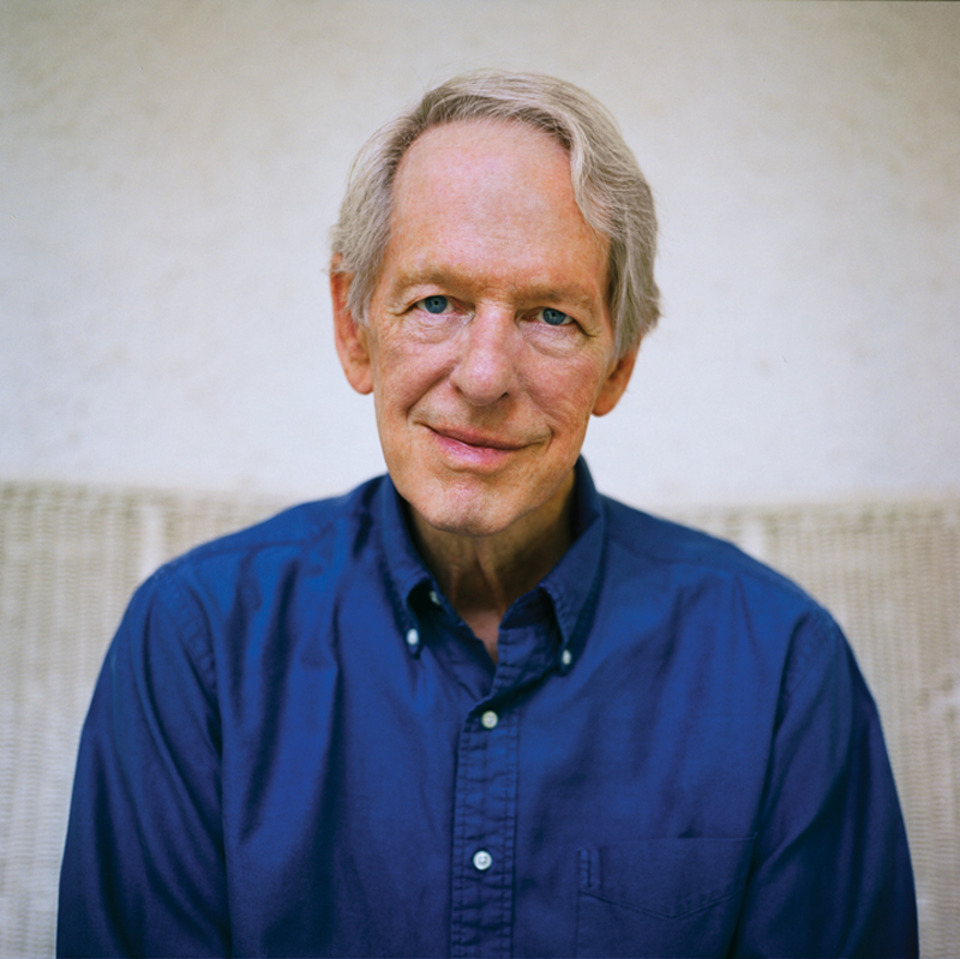
On 2nd December 2019, Robert K. Massie, best known as author and historian of pre-Revolutionary Russia, passed away at his home in Irvington, New York at the age of 90. The cause of death was complications associated with Alzheimer’s Disease.

Life, Education and Career

Robert Kinloch Massie III was born in Versailles, Kentucky on 5 January 1929. He later grew up in Nashville, Tennessee, graduated from Yale University, and was a Rhodes Scholar at Oxford University where he read Modern History. For four years, he served as an air intelligence officer aboard aircraft carriers in the Mediterranean and the Pacific. 

Mr. Massie was on the staff of Newsweek from 1959 to 1962, where he was a book reviewer, foreign news writer, and United Nations Bureau Chief. His writing has also appeared in The New Yorker, Vanity Fair, The New York Times, Architectural Digest, and other publications. Over the years, he worked as an historical adviser to, and has made frequent appearances on, a number of national television programs and documentaries.

Massie was married twice. His first wife, Suzanne Rohrback (from 1954 to 1990), an author whose books about Russian culture (Land of the Firebird: The Beauty of Old Russia in 1980 and Pavlovsk: The Life of a Russian Palace in 1990),  brought her to the attention of Ronald Reagan and into international politics.  The couple had a son and two daughters. In 1992, Massie remarried his literary agent Deborah Karl. The couple had a son and two daughters.

Books: Nicholas and Alexandra

Robert K. Massie, spent almost half a century studying Tsarist Russia, his personal interest in the last Imperial family was triggered by the birth of his eldest son Robert Jr., who was born with hemophilia, a hereditary disease that also afflicted Tsar Nicholas II’s son, Alexei.

His first book, Nicholas and Alexandra (1967), which remained on the New York Times Bestseller List for 46 weeks, was translated into seventeen languages, and made into a film that was nominated for numerous Academy Awards. Though nearly 1,000 pages long, it sold more than 4.5 million copies and is regarded as one of the most popular historical studies ever published. Praised in The New York Times as a long-needed and balanced account of the last tsar and his family. In his study, Nicholas comes across not as the “stupid, weak or bloodthirsty” monarch, as he is often been portrayed by his Western counterparts.

Nicholas and Alexandra made Massie a celebrity, phoned by strangers who invited him for lunch, and a magnet for relatives and alleged relatives of the Romanovs. He discussed hemophilia with the Duke and Duchess of Windsor, and with Earl Mountbatten of Burma, a grandson of Queen Victoria.

It was Massie’s now classic study of Emperor Nicholas II and Empress Alexandra Feodorovna, which presented the most comprehensive study of Russia’s last Imperial family in a whole new light, but it was far from perfect.

During his research for Nicholas and Alexandra, Massie did not have complete information because the Soviet government would not permit him access to the Romanov archives. During the Soviet years, access to these files were restricted solely for propaganda purposes only. It was only in 1991, when the Soviet Union was dissolved and the Romanov archives were open, did Massie complete their story, writing a continuation, The Romanovs: The Final Chapter (1995)

Film: Nicholas and Alexandra (1971)
147b

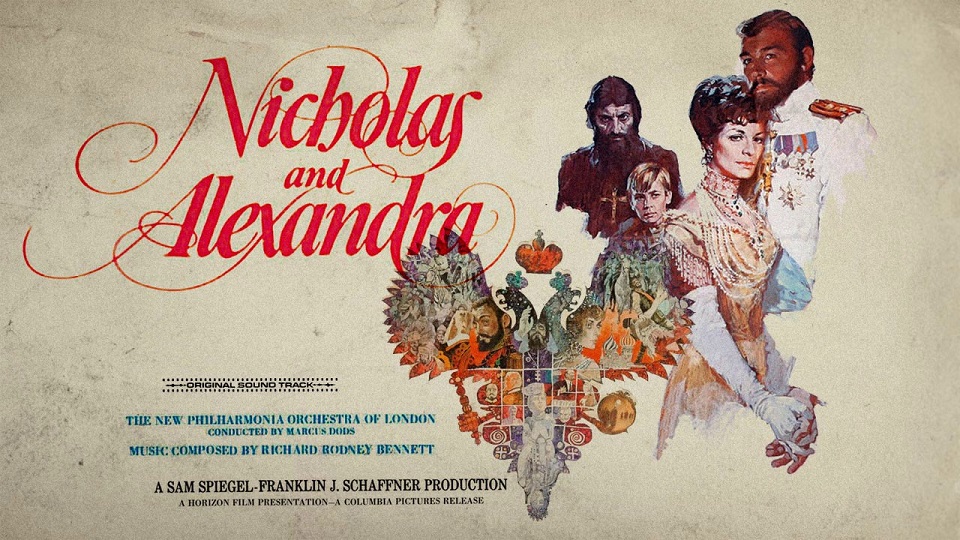
In 1971, Massie’s bestseller was made into a British biographical film directed by Franklin J. Schaffner, written by James Goldman, and starring Michael Jayston as Emperor Nicholas II and Janet Suzman as Empress Alexandra Feodorovna.

The film won Academy Awards for Best Art Direction-Set Decoration and Best Costume Design and was nominated for Best Actress in a Leading Role (Janet Suzman), Best Cinematography, Best Music, Original Dramatic Score and Best Picture.

Despite the detailed production design, photography and strong performances from the cast, Nicholas and Alexandra failed to find the large audience it needed to be a financial success.

It is interesting to note that aside from its historical inaccuracies, not a single scene was filmed in Russia. This of course is due to the fact that in 1971 Russia was still the Soviet Union, and the discussion or promotion of the last tsar was still taboo. Instead, the film was shot entirely in Spain and Yugoslavia.

Other Books
147c

Massie penned two additional books on the Romanov dynasty: Peter the Great: His Life and World (1981), which won a Pulitzer Prize. His biography led to the production of Peter the Great (1986) which became a major network miniseries, winning three Emmy Awards.

Two decades later he wrote, Catherine the Great (2011), which was awarded the Andrew Carnegie Medal for Excellence in Nonfiction by the American Library Association.

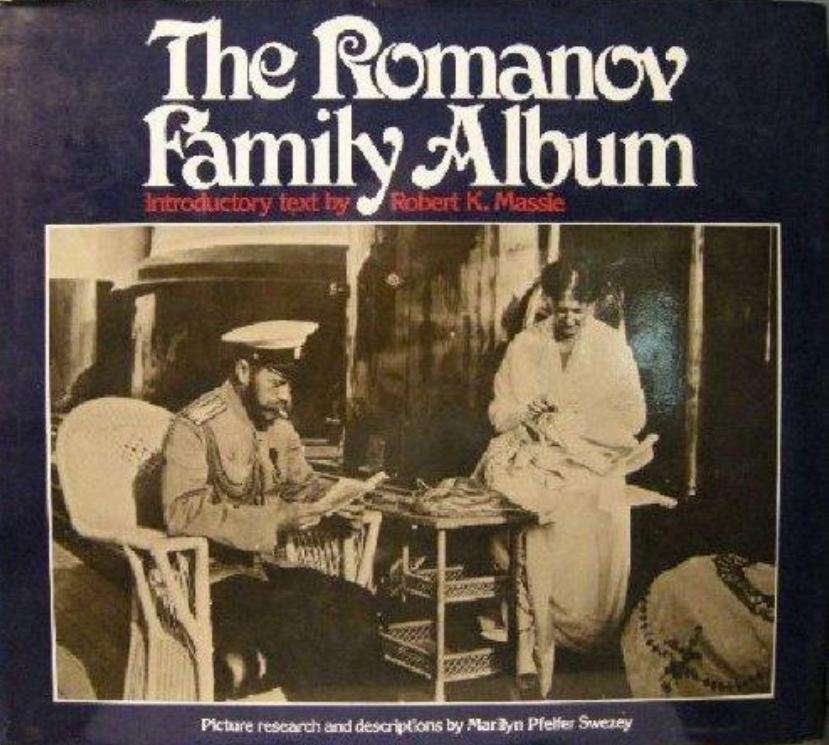
And we cannot forget two additional pictorials for which Massie wrote the introductory text: Last Courts of Europe: Royal Family Album, 1860–1914 (Vendome Press, 1981) and The Romanov Family Album (Vendome Press, 1982), the latter of which is highly sought after by collectors to this day.

His other works include Journey (1975), Dreadnought: Britain, Germany and the Coming of the Great War (1991),  and Castles of Steel: Britain, Germany and the Winning of the Great War at Sea (2004), among others.

While Massie’s books have sold more than 6 million copies, however, he will always be remembered for Nicholas and Alexandra, which captivated a whole new generation with detailed accounts of Nicholas II and his family. For many it was Massie’s now classic study which launched their personal interest in the Imperial family, leading them on a quest for for accurate and truthful information. For that alone, we owe Robert Massie an immense debt of gratitude.

Robert K. Massie is survived by his second wife Deborah Karl, their son, Christopher, and two daughters Sophia and Nora Massie; and his son Bob Jr., and two daughters, Susanna Thomas and Elizabeth Massie, from his first marriage; as well as seven grandchildren and one great-grandson.

Memory Eternal! Вечная Память!

© Paul Gilbert. 4 December 2019