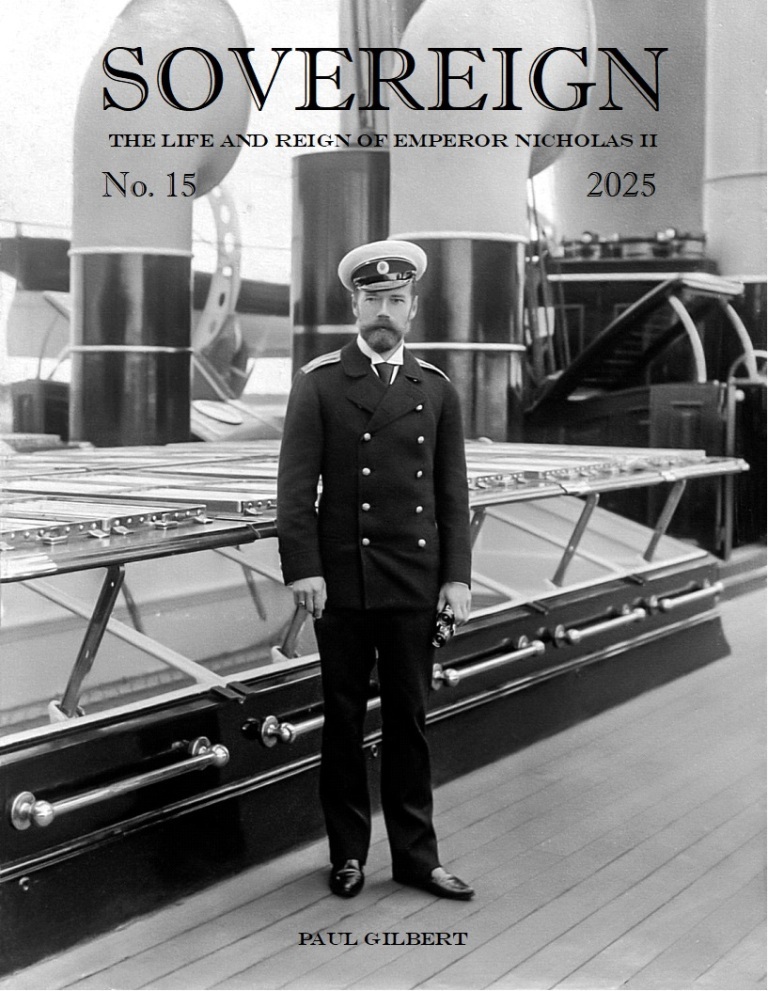
NEW BOOK – Sovereign No. 15 (Summer 2025)

*You can order this title from most AMAZON outlets, including
the United States, United Kingdom, Canada, Australia,
France, Germany, Spain, Italy, Netherlands, Poland, Sweden and Japan
*Note: prices are quoted in local currencies

CLICK HERE TO ORDER THE PAPERBACK EDITION @ $20.00 USD

English. Large format 8-1/2″ x 11-1/2″. 130 pages. 131 Black & White photos

The No. 15 Summer 2025 issue of SOVEREIGN features more than 20 articles about Russia’s last Tsar, his family, the Romanov dynasty and the history of Imperial Russia. These articles have been researched and written by independent historian and author Paul Gilbert. His works are based on new research from Russian archival and media sources.

In an effort to preserve his 30+ years of research, the author has reproduced a selection of the nearly 900 articles he has written for his blog. They are made available in a printed format for the first time. The author has updated many of the articles in this issue with additional information and photos. In addition, this issue features one new First English translation.

The No. 15 issue features the following 23 articles:

[1] Film Review: Nicholas and Alexandra

[2] Smoking: the Tsar’s bad habit

[3] St. Catherine’s Chapel. The Final Resting Place of Nicholas II

[4] What were Lenin’s plans on Nicholas II’s fate?

[5] The “Imperial Palace” of Emperor Nicholas II in Paris – October 1896

[6] The hidden wealth of the Bolshevik devil Yakov Sverdlov

[7] In 1897 Nicholas II approved the Winter Palace to be painted red

[8] Romanov archives of Charles Sydney Gibbes

[9] The Tsar’s Railway Pavilion in Nizhny Novgorod

[10] Ministers of Foreign Affairs During the Reign of Nicholas II

[11] Nicholas II’s little known third brother: Alexander (1869-1870)

[12] Nicholas II’s Diaries 1894-1918

[13] God, Save the Tsar! Боже, Царя храни!

[14] Emperor Nicholas II Foundation Marks 4th Anniversary

[15] Serov Portrait of Nicholas II to be exhibited in London

[16] Faithful to the Tsar and His Family: Pierre Gilliard (1879-1962)

[17] Portrait of Nicholas II returned to Russia from America

[18] What is Nicholas II’s correct date of birth?

[19] New museum dedicated to Nicholas II and his family opens in Pskov region

[20] Reconstruction of the Imperial Train Pavilion at Tsarskoye Selo

[21] The human side of the Tsar

[22] Father Vasiliev: Confessor to the Imperial Family

[23] Obituary: Zurab Konstantinovich Tsereteli (1934-2025)

***

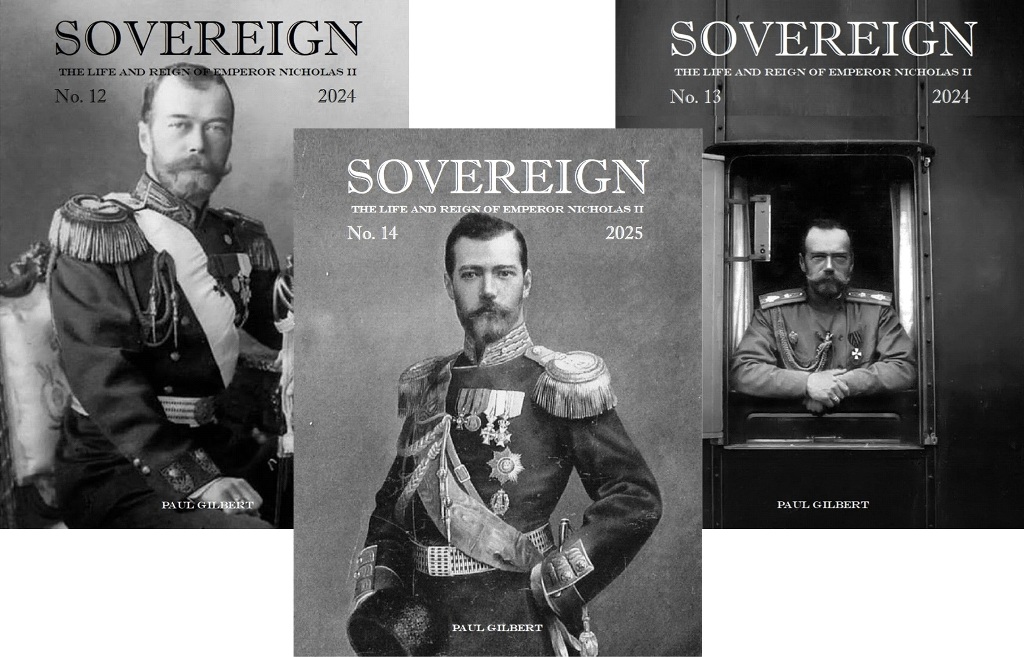
Back issues of SOVEREIGN

No. 14 Winter 2025

No. 13 Summer 2024

No. 12 Winter 2024

NOTE: back issues of Nos. 1 to 12 are now out of print.
Second-hand copies are available on AMAZAON eBay
.

© Paul Gilbert. 1 June 2025

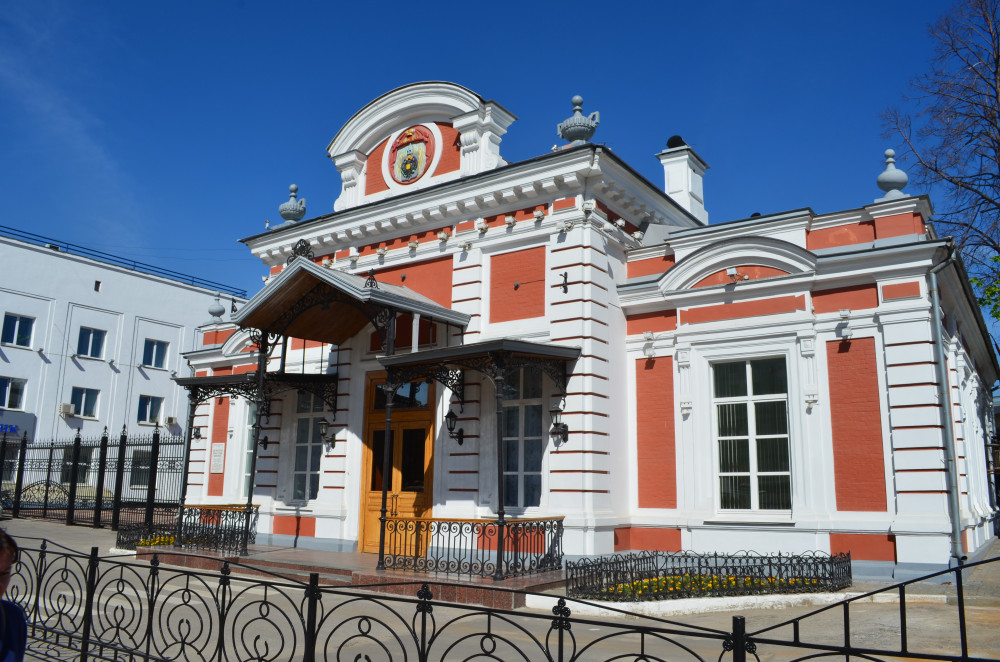
Rare glimpse inside the Tsar’s Railway Pavilion in Nizhni Novgorod

On 17th May 2025, the Tsar’s Railway Pavilion in Nizhni Novgorod opened it’s doors to visitors for a rare glimpse inside to view the building’s historic interiors. The pavilion, which dates back to Tsarist times, has survived to the present day, with many of it’s original elements preserved.

The Pavilion is rarely open to visitors, however, the Gorky Railway opted to take part in this years’ Night of Museums[1]. The Pavilion was only open for four hours, from 19:00 to 23:00. Admission was free. Visitors were admitted in groups of 15 persons at a time. As they entered, they were warmly greeted by harpsichord and harp music, performed by local musicians in the main hall of the building. 

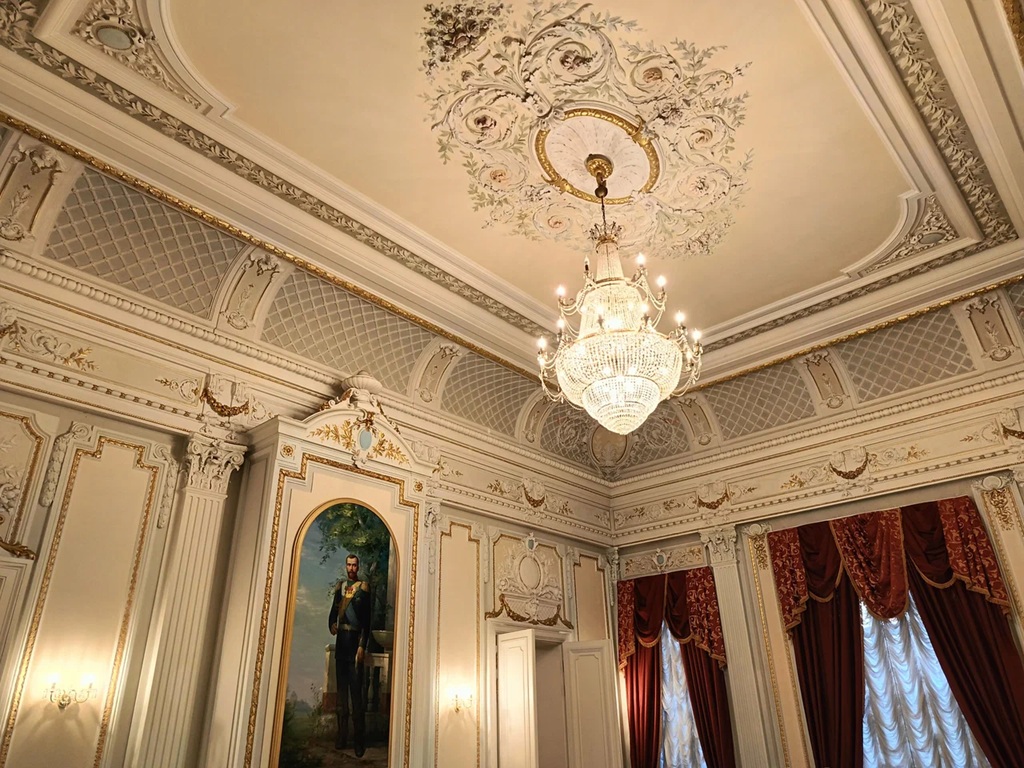
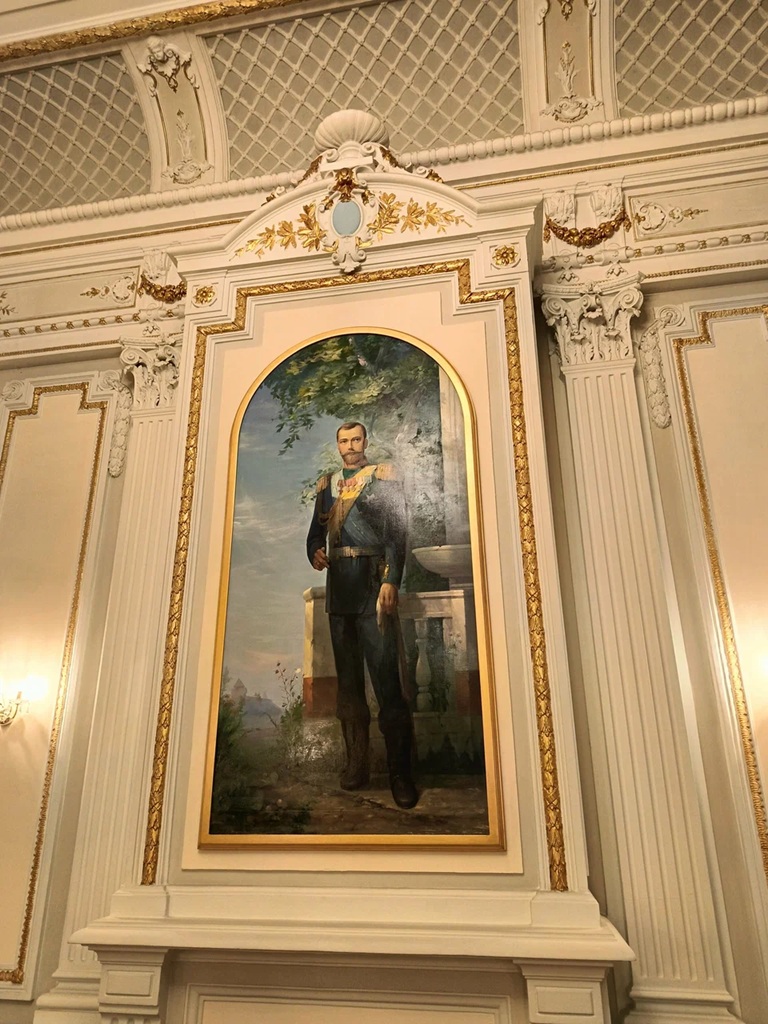
PHOTO: the Main Hall of Tsar’s Railway Pavilion in Nizhni Novgorod
is dominated by a portrait of Emperor Nicholas II (artist unknown)

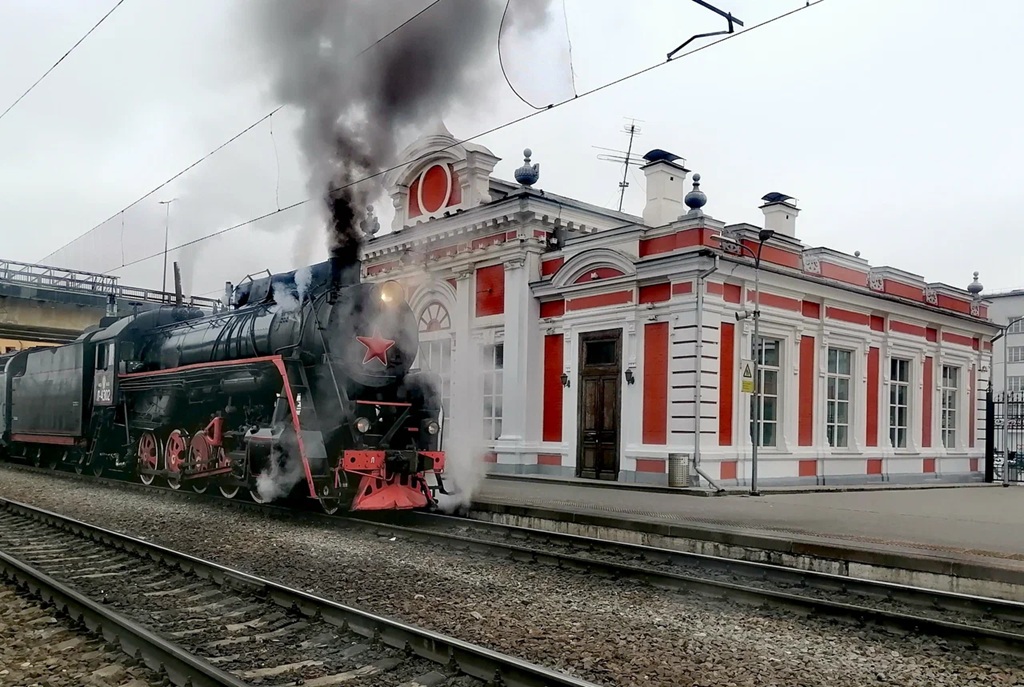
The elegant one-story building is located on Vokzalnaya Square [renamed Revolution Square in 1967] next to the Nizhny Novgorod railway station. It was constructed between 1891-94, by the Russian architect Dmitry Chichagov (1835-1894) on the initiative of merchants of the All-Russia Industrial and Art Exhibition, an event which showcased the achievements of the industrial development in Russia.

The pavilion offered a place to rest for members of the Imperial Family and the reception of honoured guests, who arrived in Nizhny Novgorod by rail to attend the famous fair. The All-Russia Industrial and Art Exhibition was held from 9th June (O.S. 28th May) to 13th (O.S. 1st) October 1896. The 1896 exhibition was the largest pre-revolution exhibition held in the Russian Empire and was organized with money allotted by Emperor Nicholas II.

During his 22+ year reign, the Tsar’s Railway Pavilion in Nizhny Novgorod welcomed Emperor Nicholas II on two occasions: on 17th July 1896, during the All-Russia Exhibition, he was met by Governor Nikolai Mikhailovich Baranov and Mayor Dmitry Nikolaevich Delvig. His second visit was on 17th May 1913, to mark the events associated with the 300th anniversary of the Romanov dynasty.

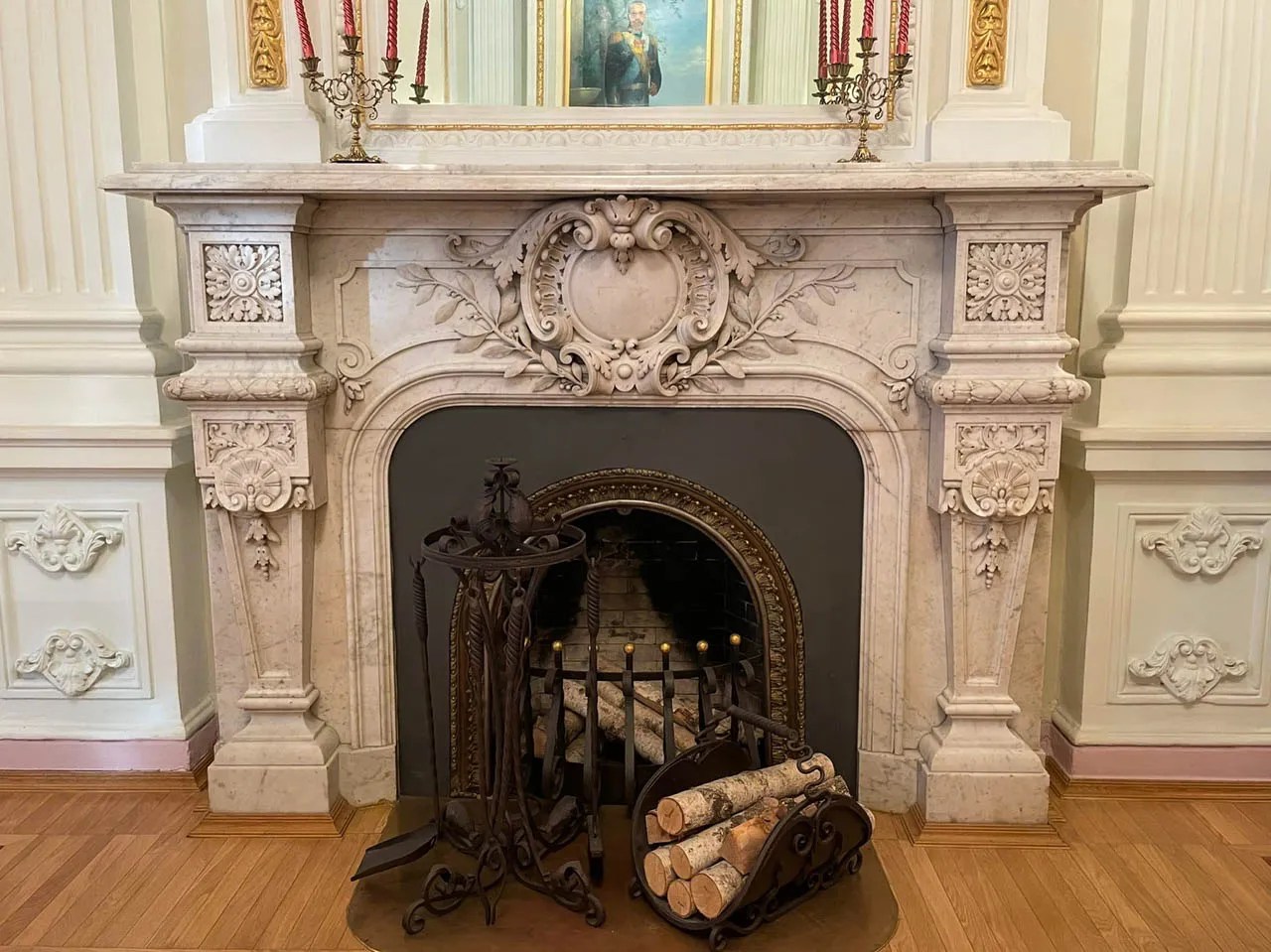
PHOTO: the original carved fireplace made of white Italian marble in the Main Hall

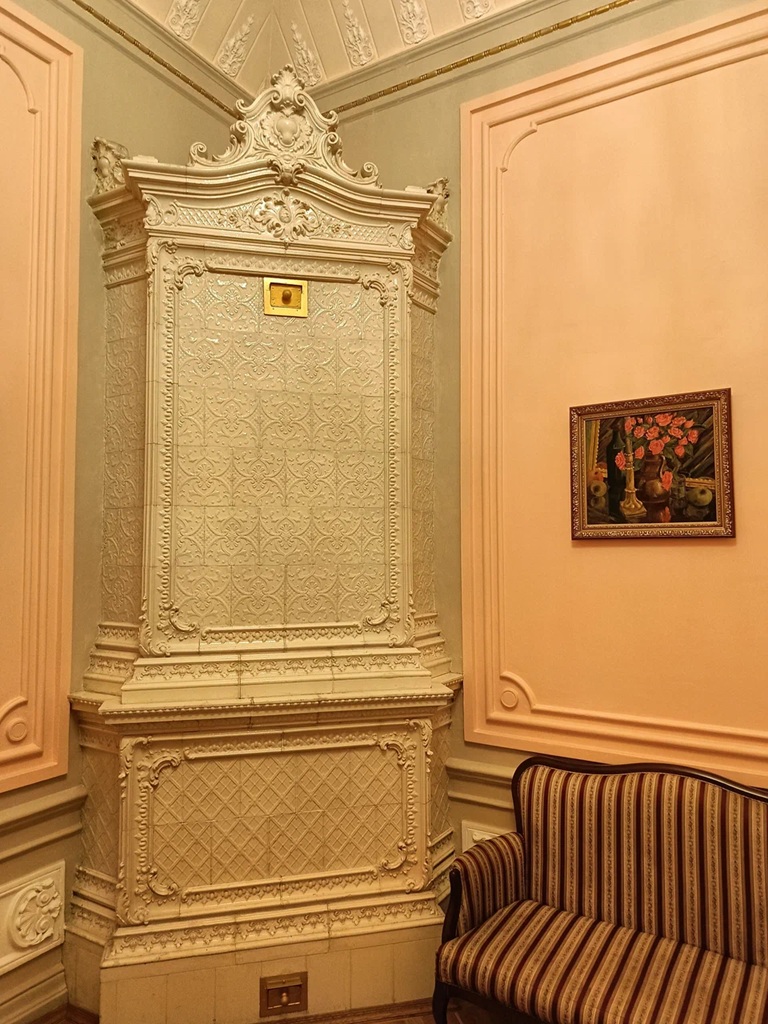
PHOTO: late 19th century tiled stoves heated the interiors of the Pavilion

The pavilion was divided into eight rooms: a heated vestibule and a spacious central hall, which was decorated with a carved fireplace made of white Italian marble, a mirror in a plaster frame and a large portrait of Nicholas II (artist unknown).

Separate studies for the Emperor and Empress were decorated with Renaissance and the Louis XV style furniture, made by the Moscow workshop of Mikhail Kutyrin. The walls of the Emperor’s Study were upholstered with silk fabric, which was chosen by the architect D.N. Chichagov. Unfortunately, this element of the interior has not been preserved. In the center of Study was a large table, whereby the Emperor listened to the reports of Nizhny Novgorod officials on the state of affairs in the province. A telephone was installed in this room.

The ceilings and walls of the eight interiors were decorated with stucco Renaissance style elements, the rooms were heated by stoves lined with majolica tiles. In addition, were rooms for the suite and separate water closets were designed for His and Her Imperial Majesties, decorated in mahogany.

PHOTO: an old Soviet-era steam engine at the Tsar’s Railway Pavilion, this is the track where the Imperial Train would have stopped when bringing Nicholas II to Nizhny Novgorod in 1896 and 1913

Despite its century-old history, the building itself has never been rebuilt and has retained almost all of its historic appearance to this day. What happened to the original interiors is not known for sure, however, some local historians believe that they suffered during the December 1905 armed uprising, when workers seized and held the station building.

In 2005, on the initiative of the Gorky Railway, restoration work was carried out in some rooms of the Tsar’s Pavilion. These include the vestibule, central hall with a fireplace, the Emperor and Empress’s Study’s, and a water closet have been restore to their historical original. 

NOTES:

[1] The Night of Museums is an annual event that takes place on the night of 17/18 May, coinciding with the International Museum Day. This event is organized by the Ministry of Culture of Russia and the portal Culture.RF and aims to make art more accessible and popular among the public. Russia’s museums offer guided tours, lectures, workshops and other events. Visitors can enjoy free entry to museums, art galleries, art spaces, and libraries, making it a great opportunity to explore and learn about various cultural and historical aspects of Russia

© Paul Gilbert. 27 May 2025

Pensioner’s Stable Pavilion and Horse Cemetery at Tsarskoye Selo to open end of 2025

Photo: Press Service of the Tsarskoye Selo State Museum-Reserve

The Tsarskoye Selo State Museum-Reserve have announced plans to complete the restoration of the Pensioner’s Stable Pavilion and Imperial Horse Cemetery, situated in the Alexander Park. The opening is scheduled for the end of 2025.

“This is a unique place where you can study the history of horses that served the Russian emperors and empresses. We managed to research the names of the horses, and we will recreate nameplates for each of the graves. For the first time, the current generation will see this place as it looked during Tsarist times,” said the director of the museum Olga Taratynova.

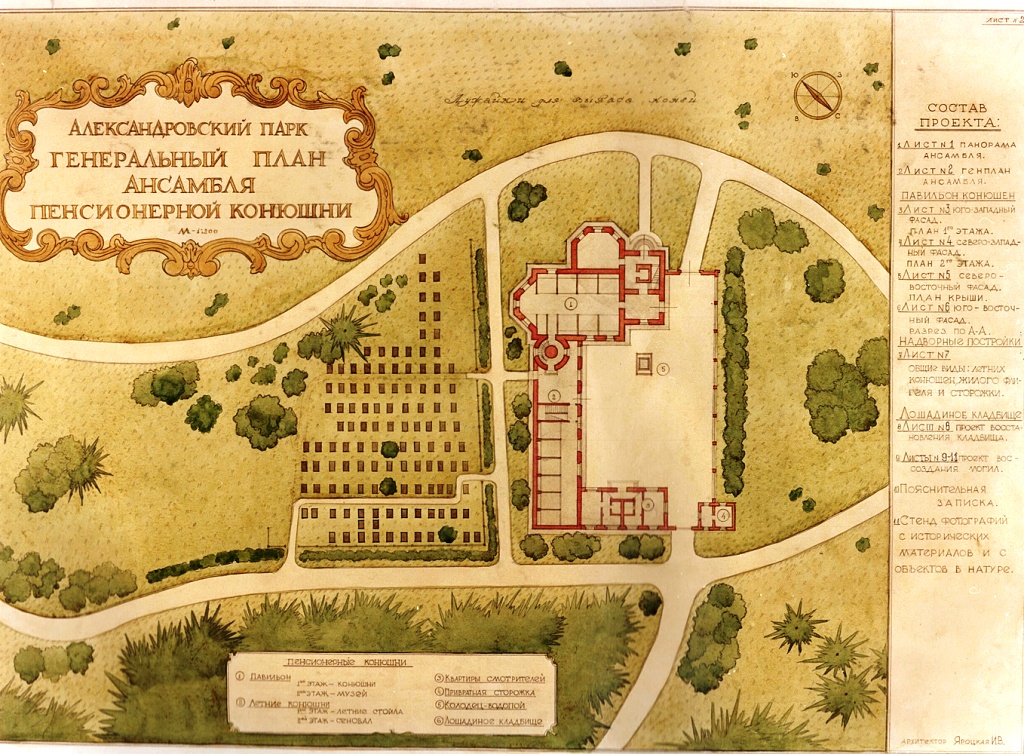
The idea for an equine graveyard was conceived by Emperor Nicholas I (1796-1855) when he commissioned the Scottish-born architect and landscape designer Adam Menelaws (1753-1831), to build a retirement home for his favourite horses in 1826.

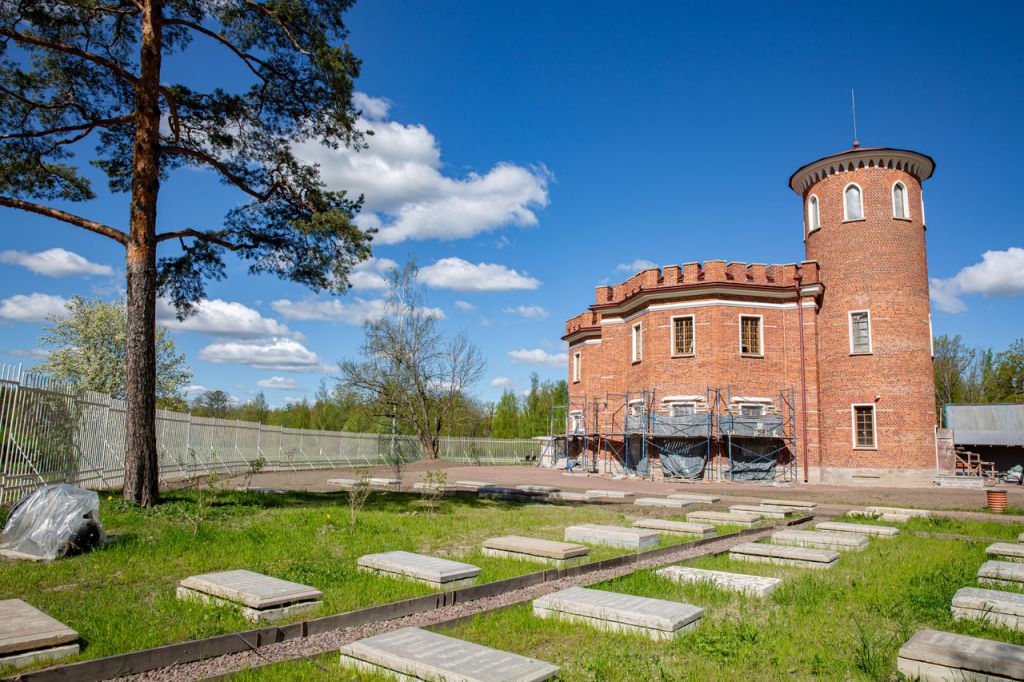
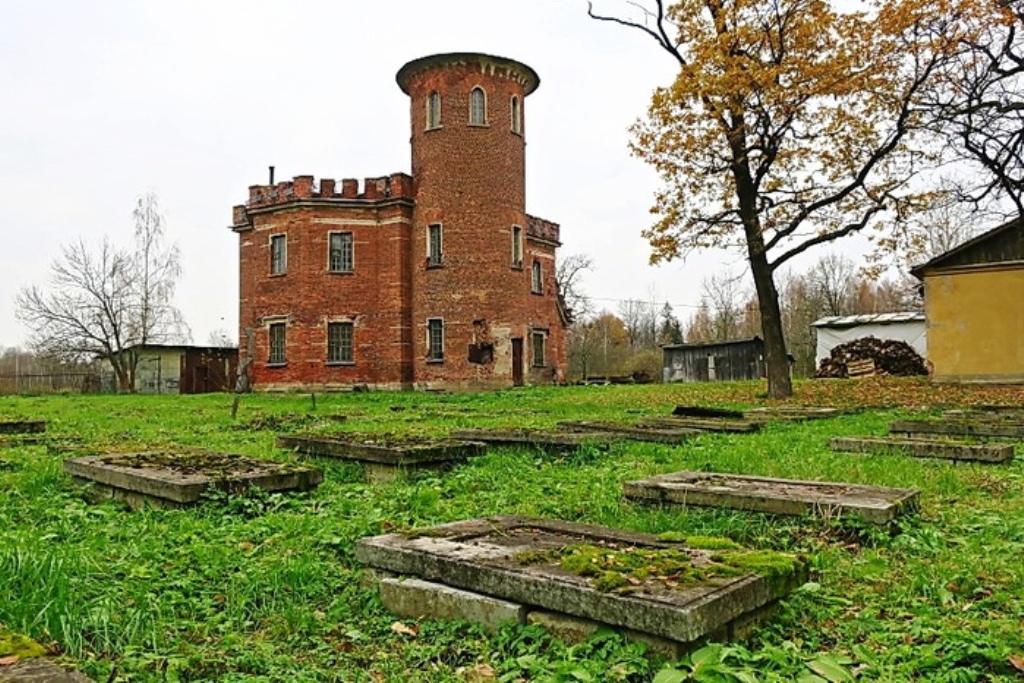
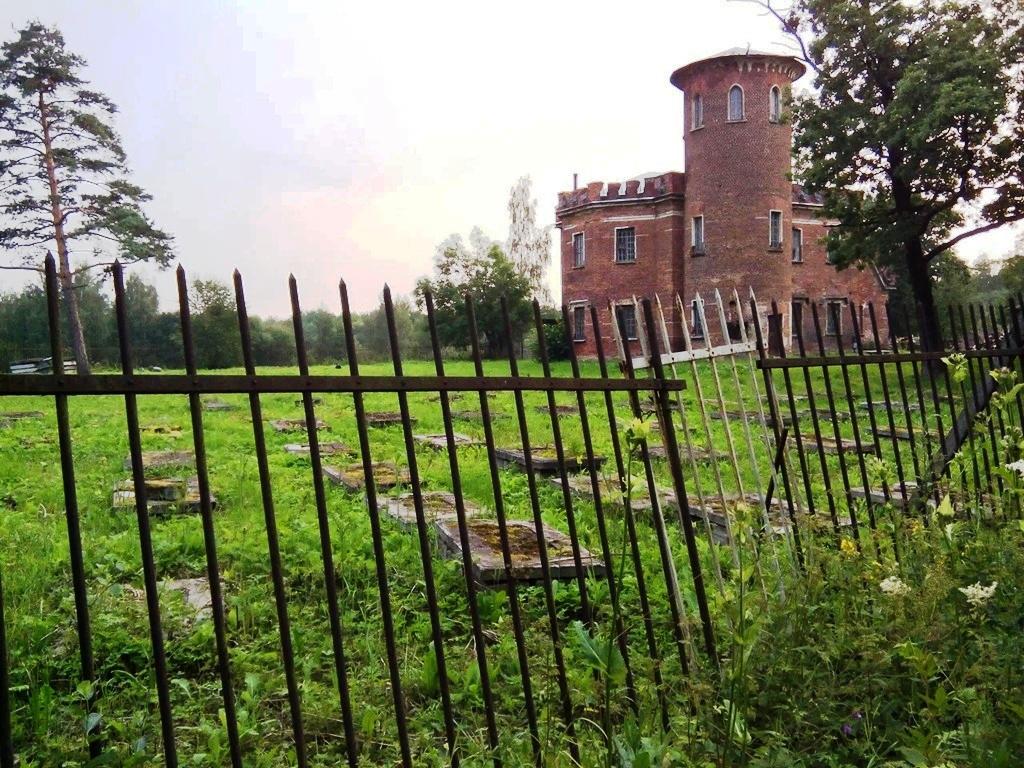
Between 1827-1830, Menelas constructed a red-brick gothic fantasy in an English style quite out of keeping with the baroque and Russian-style buildings found throughout the Alexander and Catherine Parks. The Pavilion included a single tower with rooms for the stable boys, and low, arched windows in the stables, through which the elderly horses could peer. There was room for eight horses to live out their pension years in peace. The old horses were allowed to walk about in the meadow during summer.

It was upon the death of his wife Empress Alexandra Feodorovna’s (1798-1860) beloved horse “Beauty”, which belonged to her for 24 years, that Emperor Nicholas I issued an imperial edict stating that the horse should be buried there. The cemetery became the final resting place for the horses of Emperors Alexander I, Nicholas I, his wife Alexandra Feodorovna, Alexander III and Nicholas II.

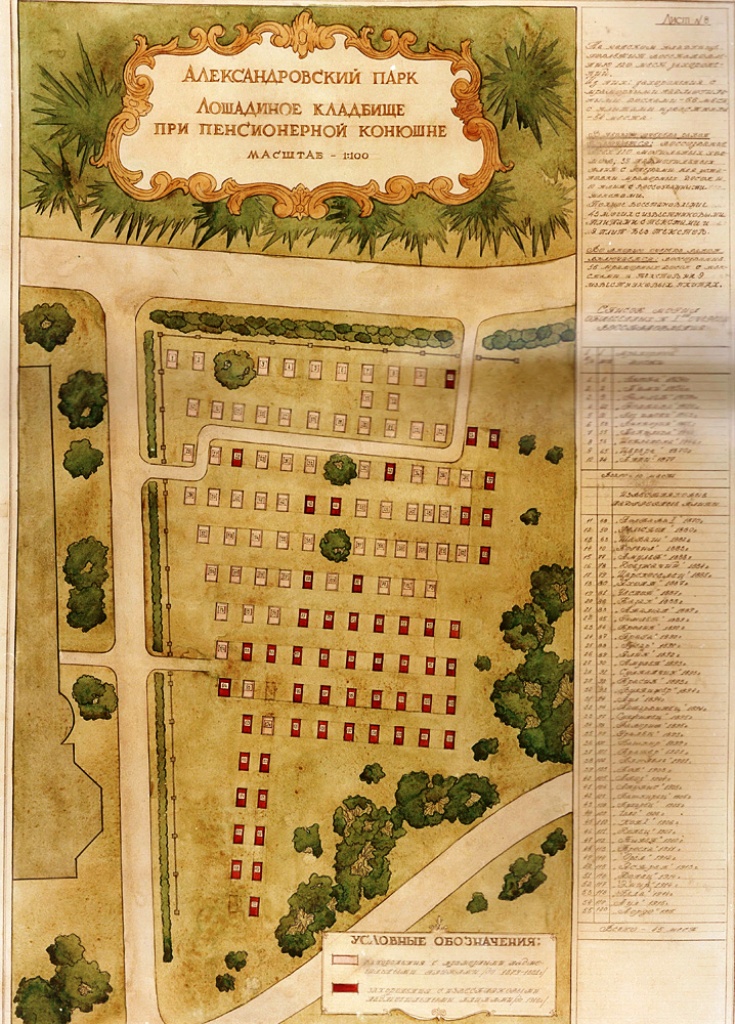
PHOTOS: 19th century drawings of the layout of the Pensioner’s Stable Pavilion and Imperial Horse Cemetery. The bottom drawing shows the graves (filled in red, with a number), the list on the lower right, gives the name of the horse buried in each grave.

Marble slabs mark the final resting places of the favorite horses of the Russian emperors and empresses. Here lies “L’Ami”, the horse on which Emperor Alexander I rode triumphantly into Paris at the end of the Napoleonic wars; “Flora”, the horse that carried the Emperor Nicholas I during the Siege of Varna in 1828; and “Cob” the horse, which the Emperor Alexander III used to ride, when he reviewed his troops.

In 1901, Emperor Nicholas II’s favourite horse “Bluebell”, from 1875, died at the age of 30. After her death, Nicholas II issued an edict for “Bluebell” to be buried in the Imperial Horse Cemetery. 

In total, there are more than 110 graves in the cemetery. Each slightly larger than a human grave, the plots were originally decorated with gold leaf lettering. But the gilt paste has long since washed away as the headstones disintegrated over the years, due the harsh elements and from neglect.

PHOTOS: For decades, the gravestones were barely visible beyond heaps
of crumpled junk metal, through a haze of long grass and spring flowers.

Following the 1917 Revolution, the Bolsheviks used the Imperial Horse Cemetery for propaganda purposes, citing the exaggerated nonsense – which the Bolsheviks were famous for – that the Romanovs treated their horses better than they did the peasants.

During the Great Patriotic War (1941-45), the stable building was slightly damaged, and over time it fell into disrepair. For decades, the gravestones were barely visible beyond the broken iron fences, heaps of crumpled junk metal, and through a haze of long uncut grass and weeds. There were calls for the pavilion and cemetery’s restoration, but with so many of the city’s more mainstream museums in desperate need of funding, the Pensioner’s Stable Pavilion and horse cemetery was not considered a priority.

In 2001, work began on the excavation of some of the graves. Money had been raised abroad by French writer Jean-Louis Gouraud [b. 1943], who was so intrigued by the cemetery when he first saw it that he dedicated himself to campaigning for its restoration. Nearly $400,000 USD was raised. “It is an incredibly important historical site because it tells us so much about the Imperial Family, who loved their horses,” he said.

Work was temporarily halted, due to lack of funds, however, work resumed in 2019, when a comprehensive restoration project funded by the museum began. The facades of Pensioner’s Stable Pavilion were restored, general construction work was carried out, utilities and joinery elements were recreated.

In 2025, the restoration of the layout of the Imperial Horse Cemetery and tombstones began, as well as the recreation of marble nameplates with inscriptions for each grave will be completed.

After the restoration is completed, a new museum dedicated to the Imperial Horse Stable and Cemetery will open in the Pensioner’s Stable Pavilion. Among the exhibits will be a decorative harness and its festive trimmings for a donkey and cart presented to Tsesarevich Alexei Nikolaevich, by the Italian King Victor Emmanuel III (1869-1947) and his wife Queen Elena (1873-1952), during the visit of Nicholas II to Italy in October 1909.

© Paul Gilbert. 24 May 2025

The Tsesarevich’s Mentor. The Story of Charles Sydney Gibbes

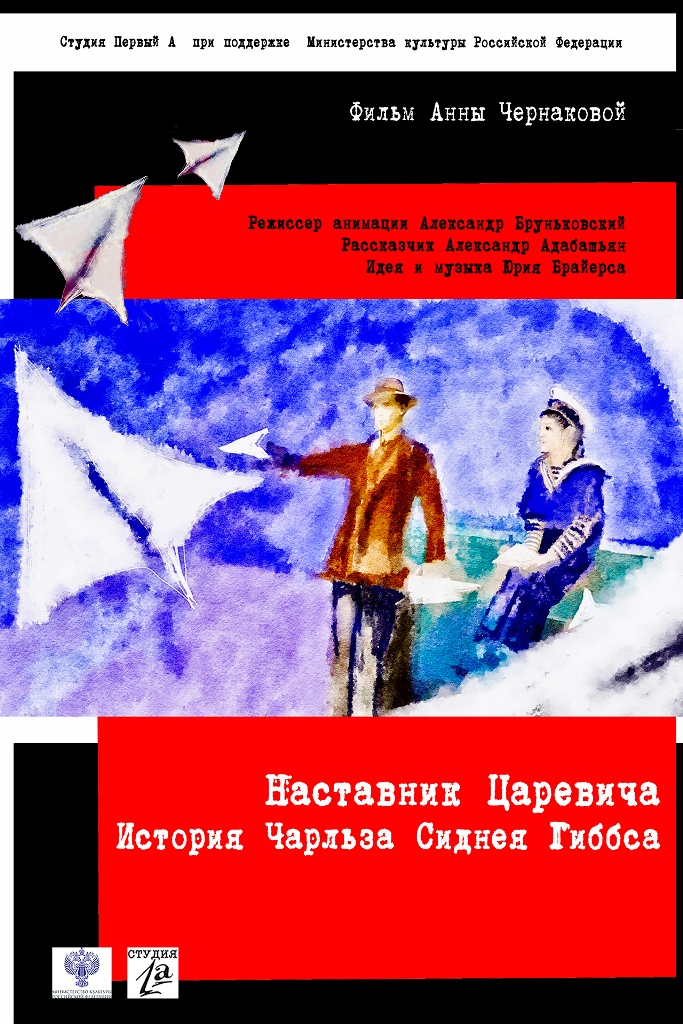
On 29th May 2025, the premiere of a new Russian-language documentary-film entitled The Tsesarevich’s Mentor. The Story of Sydney Gibbes, will be shown in the Courtyard of the Sovereign Military Chamber, situated near the Alexander Palace at Tsarskoye Selo.

The film tells the story of Englishman Charles Sydney Gibbes (1876-1963), a Cambridge graduate who arrived in Russia in 1901. Gibbes lived and worked in St. Petersburg, and from 1908 he served as an English teacher for the children of Emperor Nicholas II – first for the Grand Duchesses, and later for Tsesarevich Alexei.

In August 1917, Gibbes voluntarily followed the Imperial Family into exile to Tobolsk. And after their tragic death in July 1918, he left Russia and returned to England, where he converted to Orthodoxy several years later. Gibbes was later ordained a priest, becoming Father Nikolai, and founded an Orthodox parish in Oxford, which still exists today.

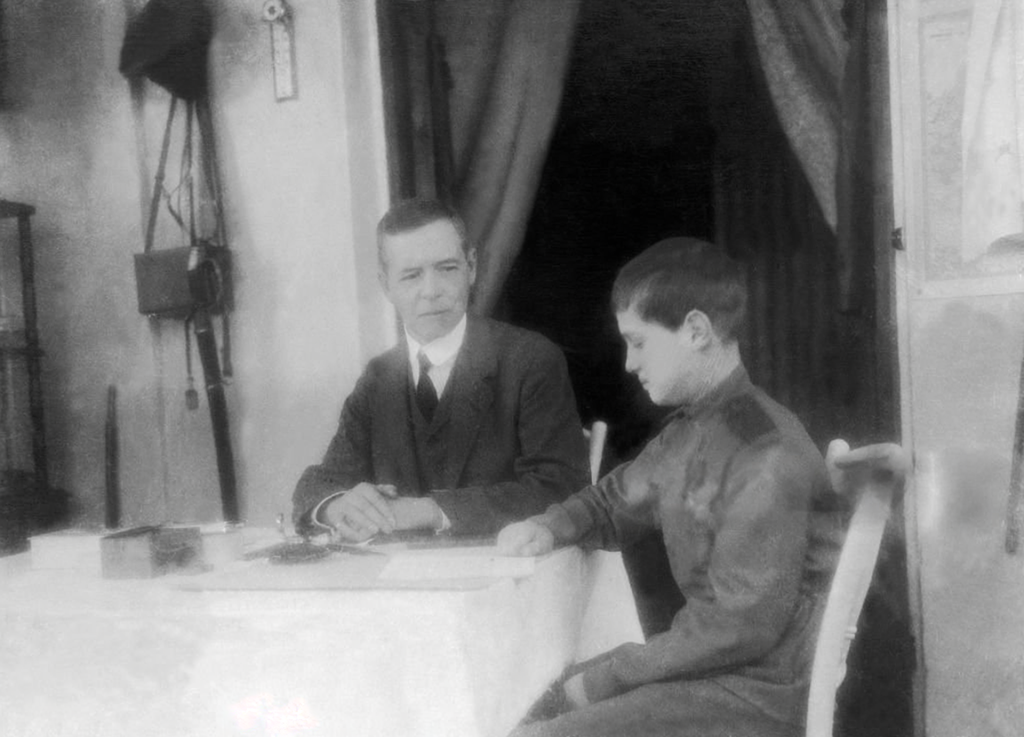
PHOTO: Charles Sydney Gibbes and Tsesarevich Alexei Nikolaevich (circa 1914-16)

The documentary-film The Tsesarevich’s Mentor. The Story of Charles Sydney Gibbes was filmed by Studio First A with the support of the Ministry of Culture of the Russian Federation. Director-producer Anna Chernakova, animation director Alexander Brunkovsky, script by Alexander Adabashyan and Yuri Bryers, composer Yuri Bryers.

The film uses documentary materials from Russian and British archival sources, with additional film segments filmed in the UK.

On a personal note, a documentary about Charles Sydney Gibbes is long overdue, and while I commend and support this Russian-language documentary about his life and service to the Imperial Family, it also begs the question . . . WHY has there never been a British-made documentary about Gibbes? – PG

© Paul Gilbert. 23 May 2025

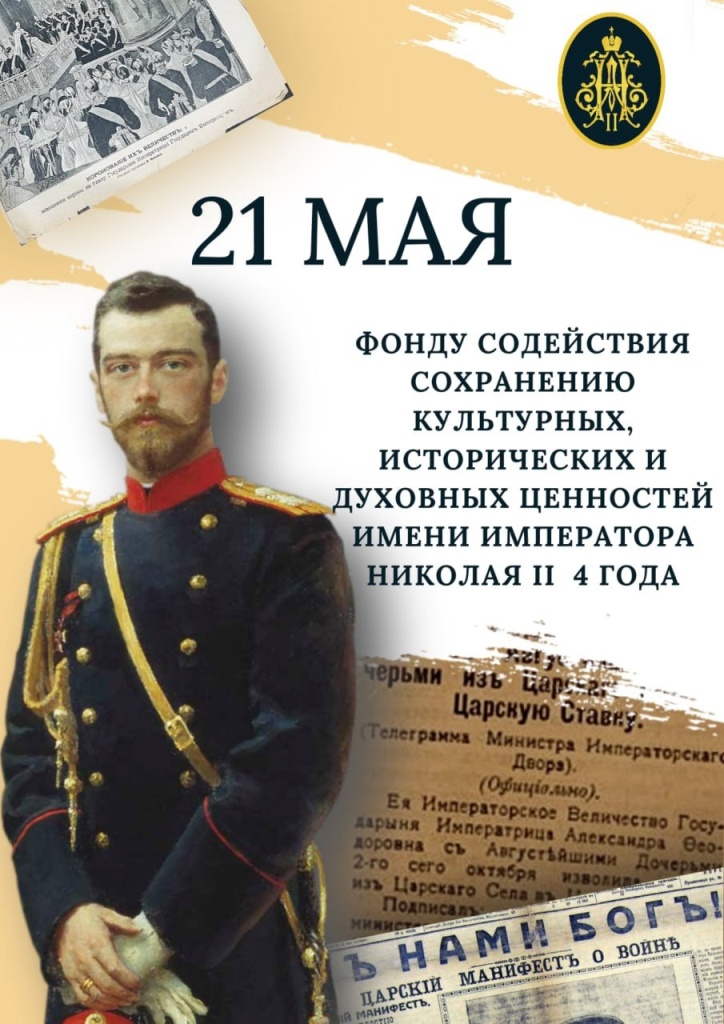
Emperor Nicholas II Foundation marks 4th anniversary

On 21st May 2025, the Emperor Nicholas II Foundation celebrated it’s 4th anniversary. The Foundation was created in 2021, to support the Museum of Emperor Nicholas II (Moscow), as well as other initiatives to help restore and disseminate the historical truth about Emperor Nicholas II and his era.

The Foundation is dedicated to the historical education of the Holy Sovereign Emperor Nicholas II and his family, and to the creation and prosperity of the Museum of Emperor Nicholas II Museum. During the last 4 years, the Foundation have hosted dozens of events, offered hundreds of museum tours, while expanding their collection with new acquisitions.

In addition, the Foundation has been involved in several Russian language publishing projects, such as Последний духовник Императора Николая II и его Семьи: тобольский протоиерей Владимир Хлынов / The last confessor of Emperor Nicholas II and his Family: Tobolsk Archpriest Vladimir Khlynov (2018).

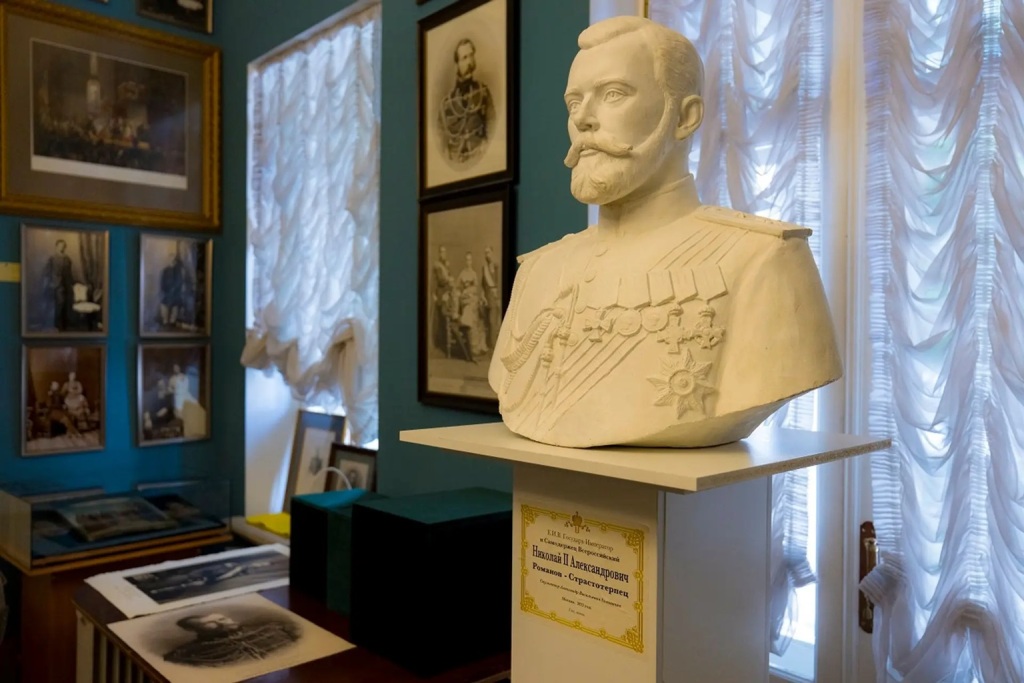
PHOTO: bust of Emperor Nicholas II on display in the Museum of Nicholas II

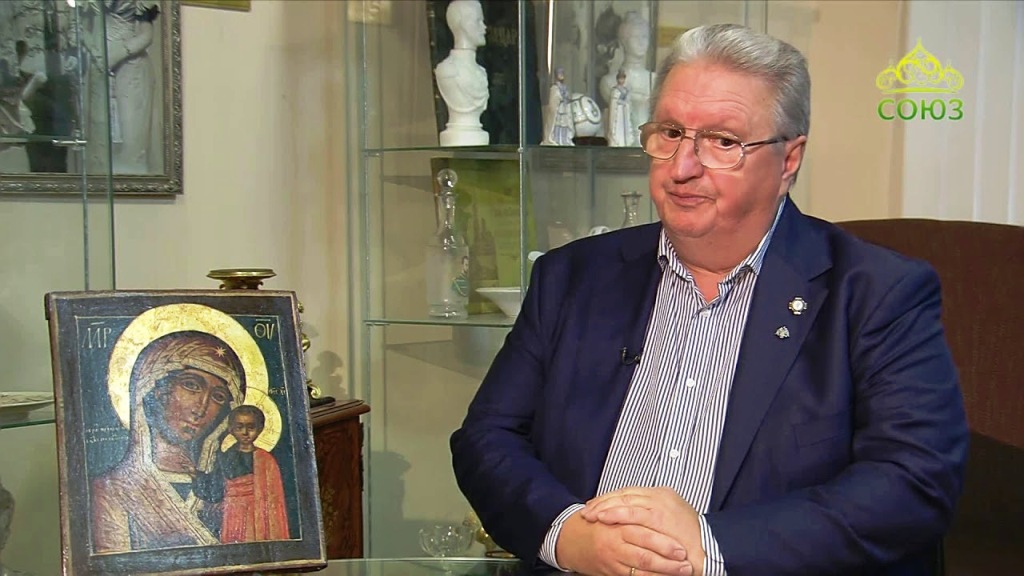
The Museum of Emperor Nicholas II is based on the unique collection of the famous Russian art historian Alexander Vasilyevich Renzhin, which was formed over the course of 35 years and contains more than three thousand authentic objects dating from 1868 to 1918, including personal items which belonged to the last Russian Emperor and his family: icons, church utensils, rare books, ceremonial portraits of Emperors Alexander II, Alexander III, Nicholas II, more than 500 original photographs, autographs, state documents, porcelain, glass and bronze, a unique collection of gifts from the 1896 Coronation, memorial items of the Romanov dynasty, a full set of state awards established by Nicholas II, postcards, chromolithography, engravings and much more.

***

PHOTO: Alexander Vasilyevich Renzhin,
director of the Museum of Emperor Nicholas II in Moscow

The following is from an interview on 14th May 2024:

Russian art historian Alexander Vasilyevich Renzhin, and director of the Museum of Emperor Nicholas II, for many decades has been amassing a collection of personal items belonging to the last Russian Tsar and his family. Renzhin himself, could not have imagined that his collection of rare and unique items would form an exposition which reflect an important page in late 19th to early 20th century Russian history, one which would fill an entire museum.

— Alexander Vasilyevich, why did you start the museum.

“I had been living with the dream of opening a museum for many years. It so happened that I learned about the history of pre-revolutionary Russia, as they say, first-hand. Both of my grandfathers were simple peasants from the Vyatka province, they lived through the Great War, the 1917 Revolution, the Civil War, the Great Patriotic War and still, both lived to be 90 years old. And despite all the events which they experienced, they still retained the people’s love for the Sovereign, always referring to him in their memoirs as “Tsar-Father”. This absolutely respectful attitude towards the Tsar was deeply observed by the Russian people.

“Once a photograph of Emperor Nicholas II fell into my hands, which I remembered for the rest of my life. In it, the Emperor is depicted visiting a factory and talking to the workers. He does not look “official” or “superior”, but as if the workers are old acquaintances. So a completely new page in history began to open for me, which began with the memories that my two grandfathers shared with me. It was at this point in my life, that I started to collect books and objects related to the history of the Imperial Family.”

— Did you have like-minded people who helped open the museum?

“Yes, this would be Anna Vitalievna Gromova, a well-known public figure, historian and Chairman of the Elisabeth-Sergius Educational Society Foundation (ESPO). Thanks to her, we were able to acquire a building for our museum.”

— Are all the exhibits presented in the museum from your personal collection?

“Some things were given to us by people who kept them, often hidden away from even their closest friends and relatives. Our museum is direct evidence that not everything related to Nicholas II was destroyed, and that the Russian people did not forget the Tsar. During the 1920s and 30s, it was forbidden to be in possession of photographs or portraits depicting the Tsar. People who did so, risked losing everything, and even the risk of being shot. Nevertheless, people preserved these items to this day.

“They kept these items hidden in their chests and closets, hiding them from every one. One old woman who brought me a mug from the Tsar’s Coronation told me that her grandmother, when she invited them to visit her, opened a drawer, and showed this mug and said: “Look, this mug was held in the hands of the Tsar-Father.”

“She received it on the Khodynka Field from the hands of the Tsar himself (!). And now this rarity can be seen in our museum. Things related to the Tsar in one way or another were kept by these dear souls, who loved Russia, who loved their Tsar, as the most important treasure in life.

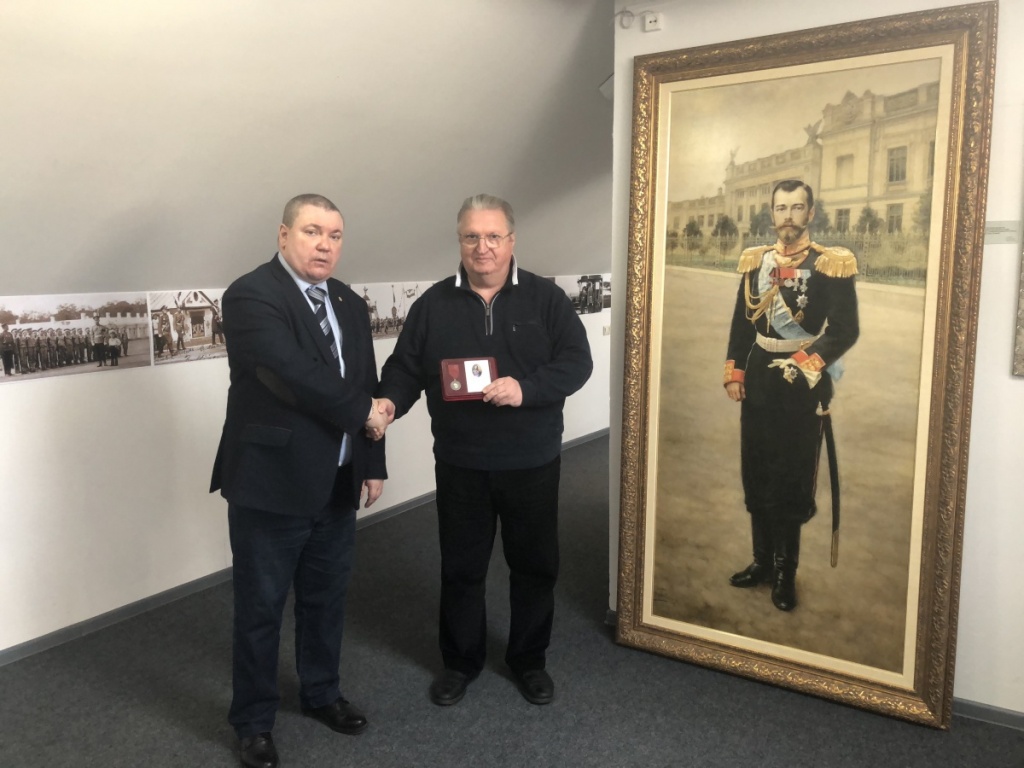
PHOTO: On 24th April 2018, the head of the Military Orthodox Mission Igor Evgenievich Smykov (left) visited the Museum of Emperor Nicholas II in Moscow. With the blessing of the First Hierarch of the Russian Orthodox Church Outside of Russia (ROCOR), Metropolitan Hilarion (1948-2022), he presented Alexander Renzhin (right) with a commemorative medal “In Memory of the Reign of St. Emperor Nicholas II Alexandrovich.”

– What kind of person, in your opinion, was Nicholas II?

“He was a creator. We see this in the fruits of his labours. He was very firm in his decision-making, that’s obvious. Each time he thought them over carefully, always trying to find an inner balance. Thanks to Nicholas II, 46,000 kilometers of railways were built during his twenty-two year reign.

“The plan for the electrification of the country was created in 1903 on his personal initiative, although the Bolsheviks later took credit for it. Some 118,000 educational institutions were opened. In 1894, only 24 percent of the population was literate, and in 1917 it was 67 percent. It was the Tsar who issued a decree on parochial schools. Even if a priest did not have the means to hire a teacher, he was obliged to teach himself. Primary education was offered at every church throughout the Russian Empire.

“Nicholas II was a man of very strong character, and no one ever saw him angry, always trying to remain calm, even during the many trials and tribulations of his reign. When in the company of officers, he could drink as much as the rest, but no one saw him drunk. His worst outburst of anger, as one of his retinue recalled, came during a conversation with an officer who had abandoned his soldiers on the front lines. The Tsar fell silent, turned his back to the officer, went to the windowsill and began to tap it with his fingers.

“Nicholas II was an exemplary father to his children and a father to his subjects. Suffice it to say that in the First General Census of the Population of the Russian Empire (1897), in the column “Occupation, position or trade” he wrote: “Master of the Russian land.”. That is, he felt like a master – an owner, responsible for everything and everyone.”

— What do you think visitors will learn during their visit to your museum?

“Judging by the reviews our visitors leave, for the majority, regardless of education or age, our museum is a discovery. Many people do not realize, that once Tsarist Russia was ruled by a just, honest man who loved our Fatherland with all his heart and gave not only his life for it, but also the lifves of his family, who, went with him to their death and martyrdom.

“Young people who come to our museum are very interested in history, their eyes shine while looking at the exhibits. This new generation is like a blank slate, and it is necessary to write on it, it is necessary to give them knowledge, genuine, real historical knowledge, on the basis of documents that have been preserved. When they see the fragments of the Russian Empire, they will understand what they should be striving for. They will understand what our ancestors cherished for a thousand years.”

© Paul Gilbert. 22 May 2025

Divine Liturgies celebrated on the anniversary of the birth of the Holy Emperor Nicholas II

On 19th May 2025, the Russian Orthodox Church marked the anniversary of the birth of Tsesarevich and Grand Duke Nicholas Alexandrovich – the future Emperor Nicholas II – who was born on 19th (O.S. 6th) May 1868 – the day when St. Job of the Long Suffering was born..

In connection with this historic date, Orthodox churches throughout Russia and abroad performed Divine Liturgies in memory of Russia’s much slandered Tsar.

From the very beginning of his reign, Nicholas II treated the duties as Emperor and Tsar of the Russian Empire as a sacred duty. As God’s Anointed, he strongly believed that for the hundred million Russian people the Tsar’s power was and remained sacred.

The family of Emperor Nicholas II was imbued with the spirit of the Orthodox faith. They lived in accordance with the traditions of Orthodox piety. Obligatory attendance at divine services on Sundays and feast days, observing fasts were an integral part of their lives. The August couple not only visited churches and monasteries during their numerous trips, venerated miraculous icons and relics of saints, but also made pilgrimages, as was the case in 1903 during the glorification of St. Seraphim of Sarov.

The Emperor paid great attention to the needs of the Orthodox Church throughout his reign. Like all Russian emperors, Nicholas II generously donated from his own funds for the construction of new churches, including those outside Russia. During the 22+ years of his reign, the number of parish churches in Russia increased by more than 10 thousand, and more than 250 new monasteries were opened. The Emperor himself participated in the laying of new churches and other church celebrations.

The personal piety of the Tsar was also manifested in the fact that during the years of his reign more saints were canonized than in the two previous centuries, when only 5 saints were glorified. During Nicholas II’s reign, the following saints were glorified: St. Theodosius of Chernigov (1896), St. Seraphim of Sarov (1903), St. Joasaph of Belgorod (1911), St. Ermogen of Moscow (1913), St. Pitirim of Tambov (1914), St. John of Tobolsk (1916) were canonized, and the veneration of St. Princess Anna of Kashin was renewed (1909).

The Holy Emperor Nicholas II said: “If you see me calm, it is because I have the firm, the absolute conviction that the fate of Russia, my own fate, and that of my family is in the hands of God, Who has placed me where I am. Whatever happens, I will bow to His will, conscious of never having had a thought other than that of serving the country that He confided to me.”

VIDEO: Nicholas II: The Last Orthodox Tsar of Russia
with Paul Gilbert (in English)

In 2020, the Holy Monastery of St. John the Forerunner of Mesa Potamos in Cyprus invited me to research, write and narrate this 20-minute English-language VIDEO, within the framework of the project for the book “The Romanov Royal Martyrs: What Silence Could Not Conceal“, of which I was a project colleague. The VIDEO has been watched by more than 134,000 people to date!

CLICK on the LINK to watch the VIDEO: Nicholas II: The Last Orthodox Tsar of Russia

VIDEO: Piety of His Imperial Majesty Sovereign Emperor Nicholas II
Duration: 11 minutes, 24 seconds

A wonderful collection of vintage newsreels from the Russian State Documentary Film & Photo Archive at Krasnogorsk (RGAKFD).

This newsreel has preserved for posterity those moments when Emperor Nicholas II together with his Family attend the divine services, kisses reverently the cross and the icons, blesses his troops, makes the sign of the cross, participates in the sacred processions and converses with the religious leaders.

Soundtrack: 1) Song «Tsar Nicholas» (written and composed by Gennady Ponomarev; sung by the famous Russian singer Zhanna Bichevskaya in 1999); 2) Fragment of the national anthem of the Russian Empire «God Save the Tsar» (another name: «The Prayer of Russians»; written by Vasily Zhukovsky in 1814, sung by Zhanna Bichevskaya).

CLICK on the LINK to watch the VIDEO: Piety of His Imperial Majesty Sovereign Emperor Nicholas II

© Paul Gilbert. 21 May 2025

***

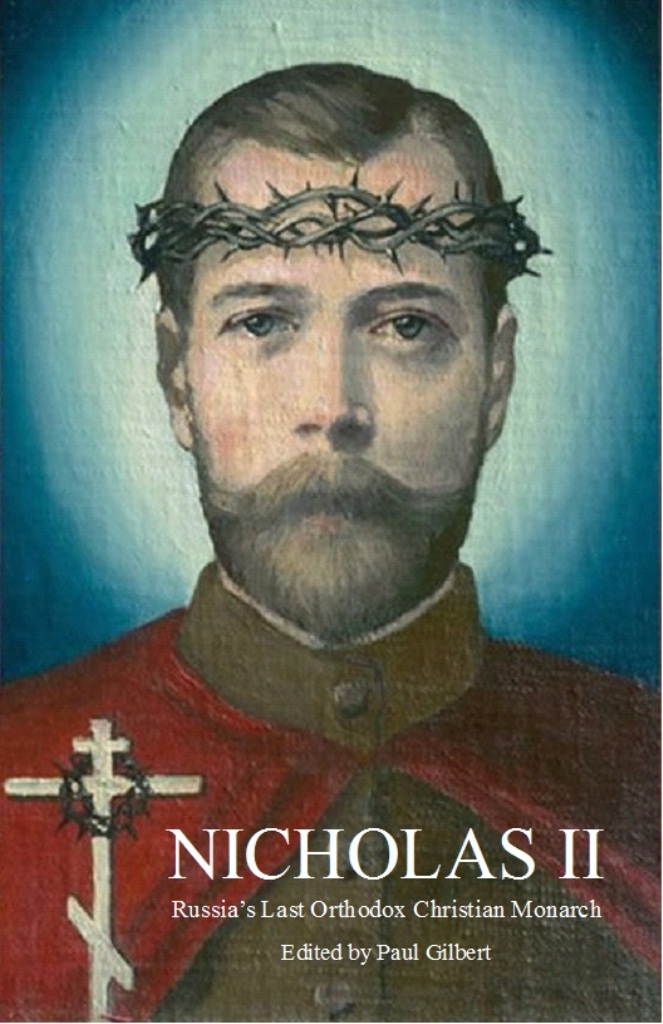
NICHOLAS II: RUSSIA’S LAST ORTHODOX CHRISTIAN MONARCH

CLICK ON THE LINK BELOW TO ORDER FROM AMAZON

PAPERBACK EDITION – PRICE $10.99

E-BOOK EDITION – PRICE $9.99

BOOK DESCRIPTION

This book is not only for Orthodox and non-Orthodox persons, but for any one who shares an interest in the life, death, and martyrdom of the Holy Tsar-Martyr Nicholas II.

An illustrated Introduction by independent researcher Paul Gilbert explores the piety of Nicholas II, and his devotion to the Russian Orthodox Church, which reached its fullest development and power, during his 22-year reign.

This book further examines the trials and tribulations the Tsar endured, which later led to his canonization by the Russian Orthodox Church.

Paperback edition, with 134 pages + 23 black & white photographs

Exhibition showcases children’s drawings of Nicholas II’s family

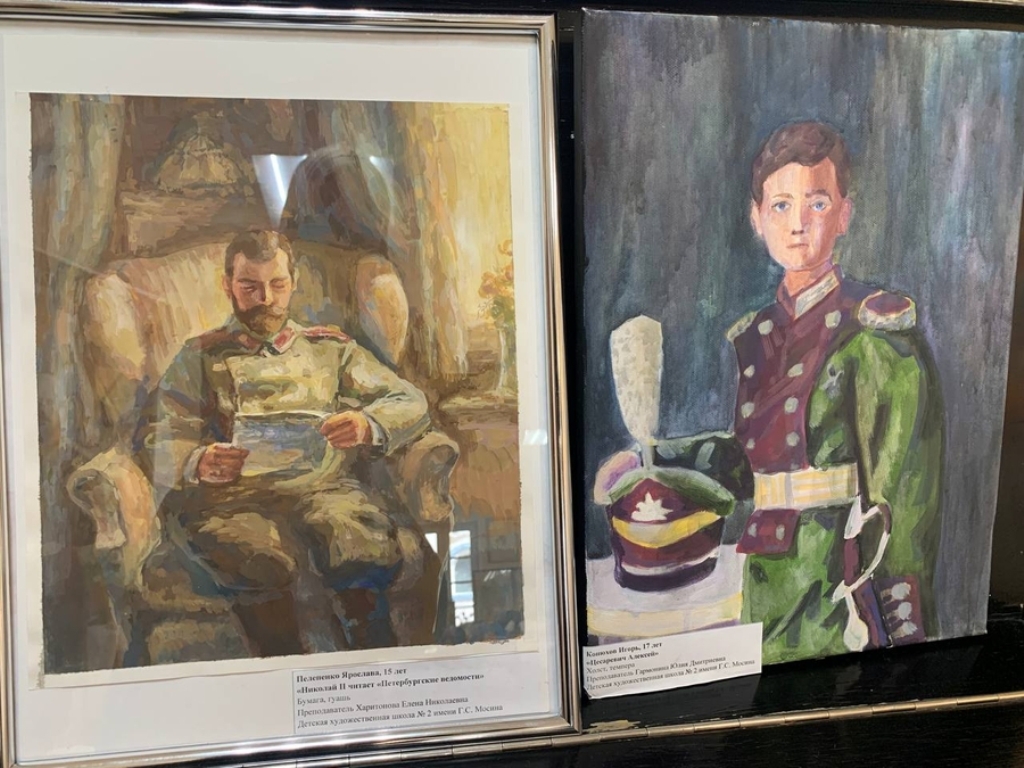
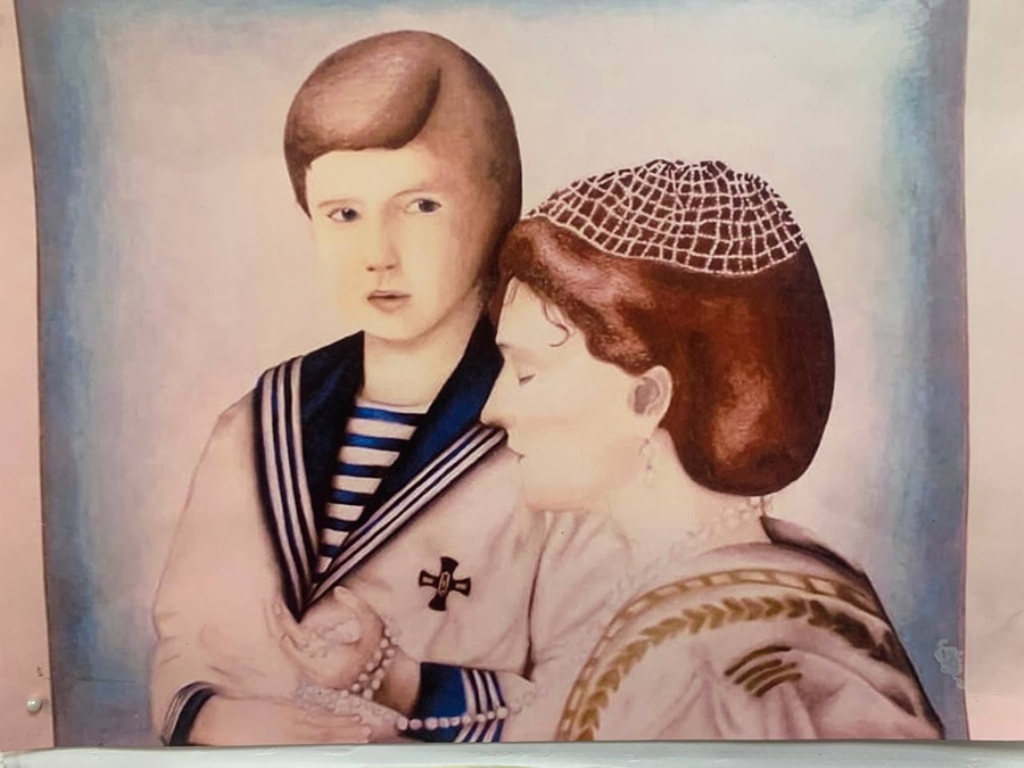
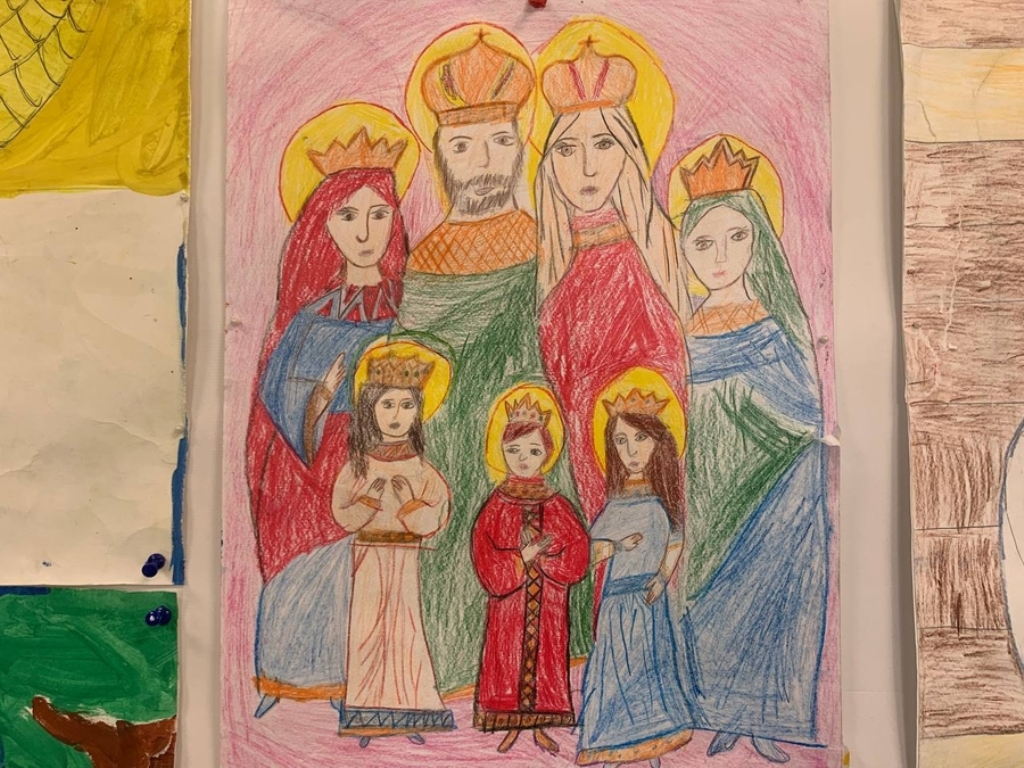
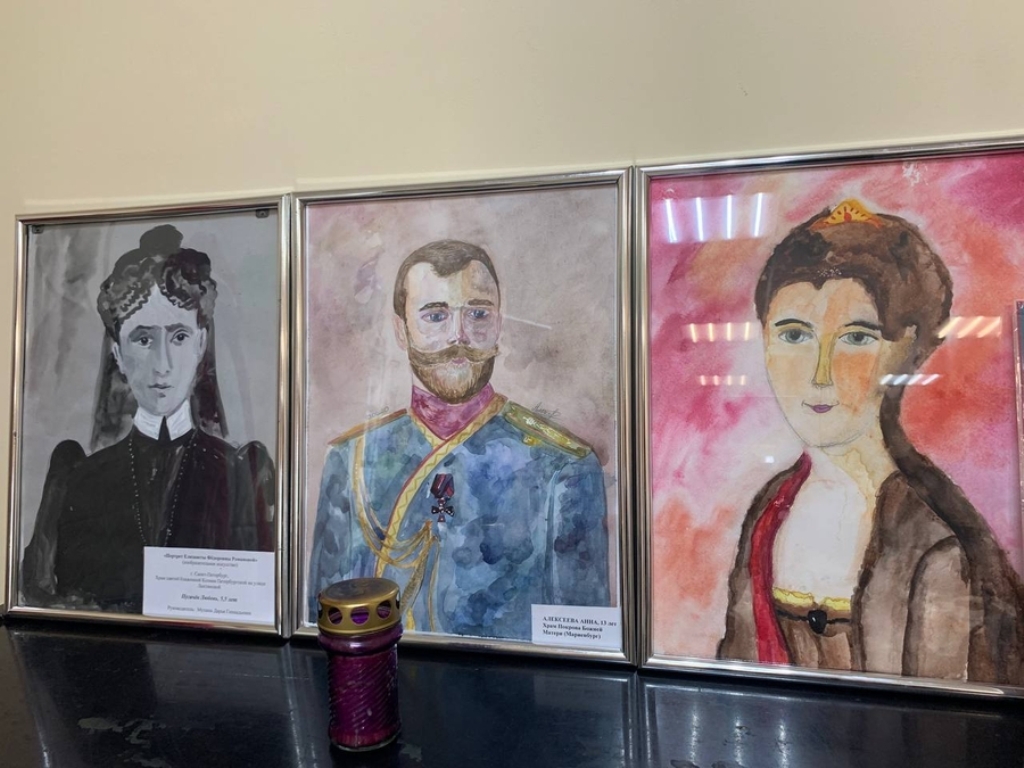
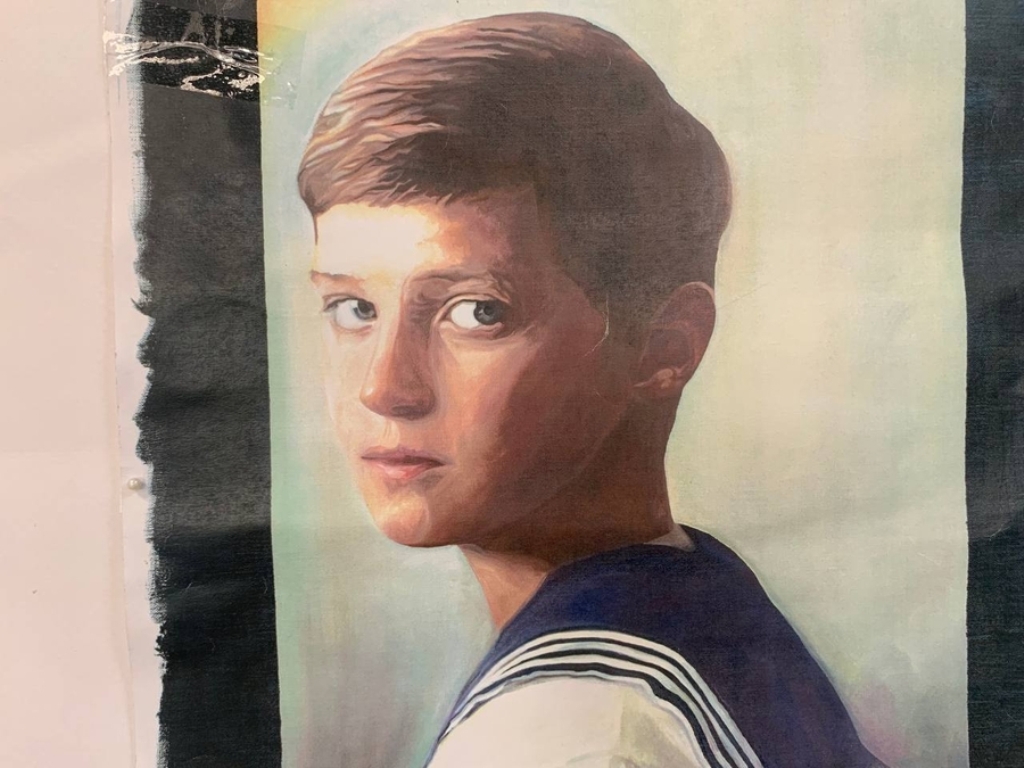
On 19th May 2025, with the blessing of Bishop Mitrofan of Gatchina and Luga, a traveling international exhibition of children’s drawings and watercolours opened at the Spiritual and Educational Center of the Cathedral of the Intercession in Gatchina, near St. Petersburg.

The exhibition showcases drawings and watercolours of Tsesarevich Alexei Nikolaevich and the Holy Tsar’s Family, as part of a program, launched 5 years ago by the Union of Russian Communities of St. Petersburg and the Leningrad Region.

The event coincides with the day of remembrance of the Holy Righteous Job the Much-Suffering – the Heavenly patron of the Holy Emperor Nicholas II, and the 157th anniversary of the birth of the Holy Emperor Nicholas II on 19th (O.S. 6th) May, 1868.

Last year, on 12th August 2024, the day which marked the 120th anniversary of the birth of the last Heir to the Russian throne, only drawings by Italian children, were featured in the exhibition. They were presented to the parish by the Italian opera singer Elvis Fanton, who converted to Orthodoxy that same day, taking the name Alexei. The drawings and watercolours were exhibited in the Church of the Passion-Bearer Tsesarevich Alexei in Znamenka (Peterhof). Gradually, the exhibition has been supplemented with entries from St. Petersburg, Gatchina, Marienburg, Peterhof, Ryazan and Ekaterinburg.

© Paul Gilbert. 20 May 2025

Faithful to the Tsar and his family: Pierre Gilliard (1879-1962)

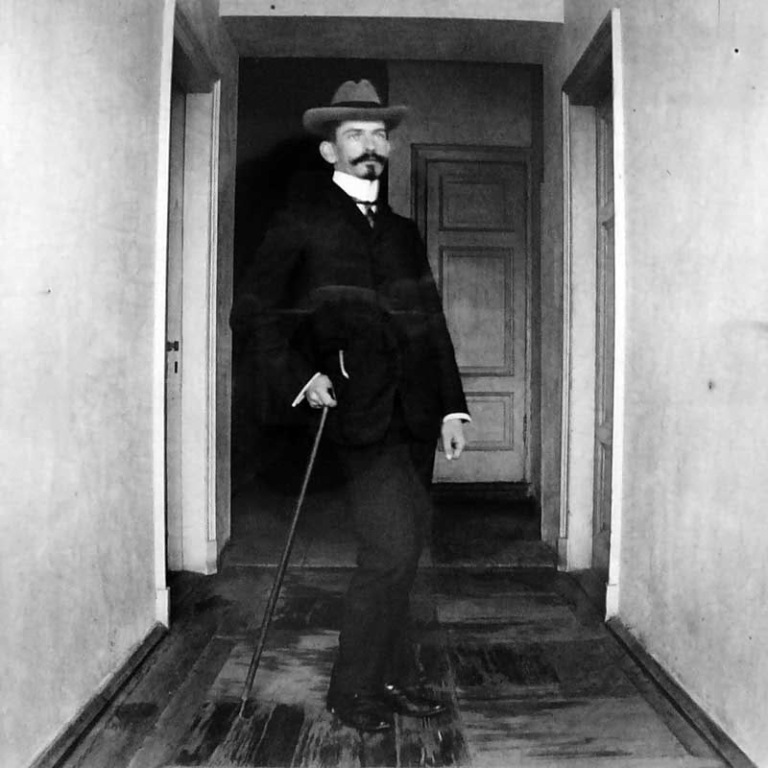
PHOTO: Pierre Gilliard (1879-1962)

Pierre Gilliard was born near Lausanne, Switzerland on 16th May 1879. He was one eight children born to the landowner-winemaker Edmond André David Gilliard and Marie Gilliard-Malherbe (1848-1911). In total, there were six sons and two daughters, but it was Pierre who is most famous for entering the inner circle of the Russian Imperial Family, and sharing many happy years as tutor to the August children of Emperor Nicholas II and Empress Alexandra Feodorovna.

After graduating from the University of Lausanne in 1904, he was invited to Russia to teach French to the children of Prince Sergei Georgievich Romanowsky, 8th Duke of Leuchtenberg (1890-1974). The young teacher had established himself, not only as an excellent tutor, but also as a modest, decent and noble person.

In September 1905, he was invited to teach French to Grand Duchesses Olga and Tatiana Nikolaevna – the eldest daughters of the Russian tsar. The two elder sisters were later joined by the two younger daughters: Maria and Anastasia, and Tsesarevich Alexei. This is how Pierre Gilliard, who was affectionately called “Zhilik” in the family, described his students:

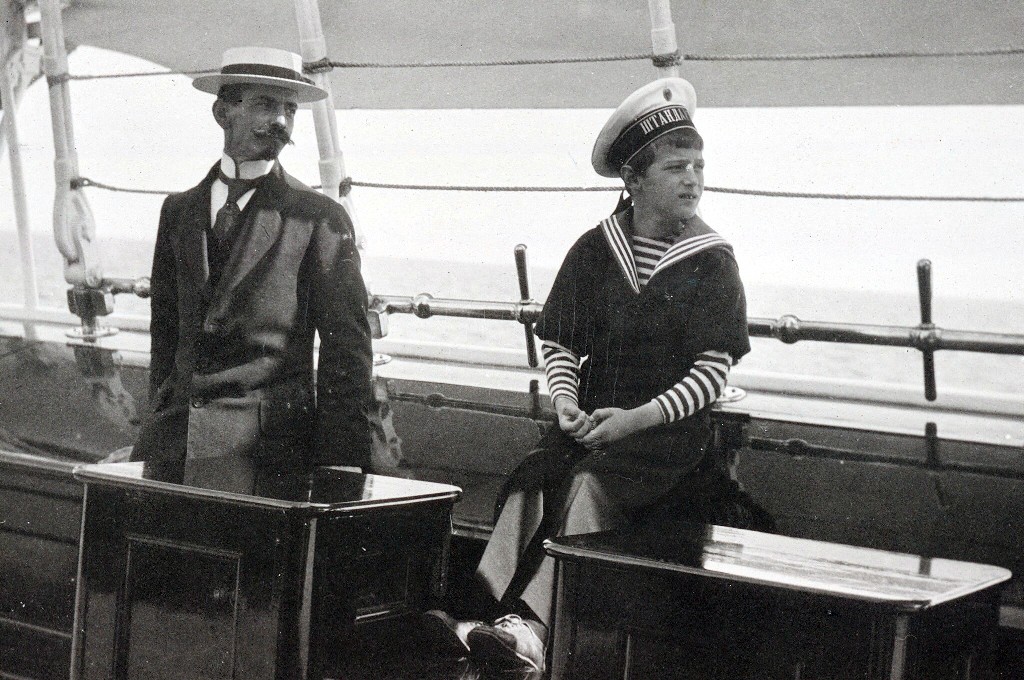
PHOTO: Pierre Gilliard with Tsesarevich Alexei Nikolaevich, on the deck of the Imperial Yacht ‘Standart‘. 1914

“Alexei Nikolayevich was the centre of this united family, the focus of all its hopes and affections. His sisters worshipped him and he was his parents’ pride and joy. When he was well the palace was, as it were, transformed. Everyone and everything seemed bathed in sunshine. Endowed with a naturally happy disposition, he would have developed quite regularly and successfully had he not been kept back by his infirmity.. <… >

” He was rather tall for his age. He had a long, finely chiselled face, delicate features, auburn hair with a coppery glint in it, and large blue-grey eyes like his mother’s. He thoroughly enjoyed life – when it let him – and was a happy, romping boy. Very simple in his tastes, he extracted no false satisfaction from the fact that he was the Heir – there was nothing he thought about less <… >

“The Grand-Duchesses were charming – the picture of freshness and health. It would have been difficult to find four sisters with characters more dissimilar and yet so perfectly blended in an affection which did not exclude personal independence, and, in spite of contrasting temperaments, kept them a most united family. With the initials of their Christian names they had formed a composite Christian name, Otma, and under this common signature they frequently gave their presents or sent letters written by one of them on behalf of all.

“In short, the whole charm, difficult though it was to define, of these four sisters was their extreme simplicity, candour, freshness, and instinctive kindness of heart.”

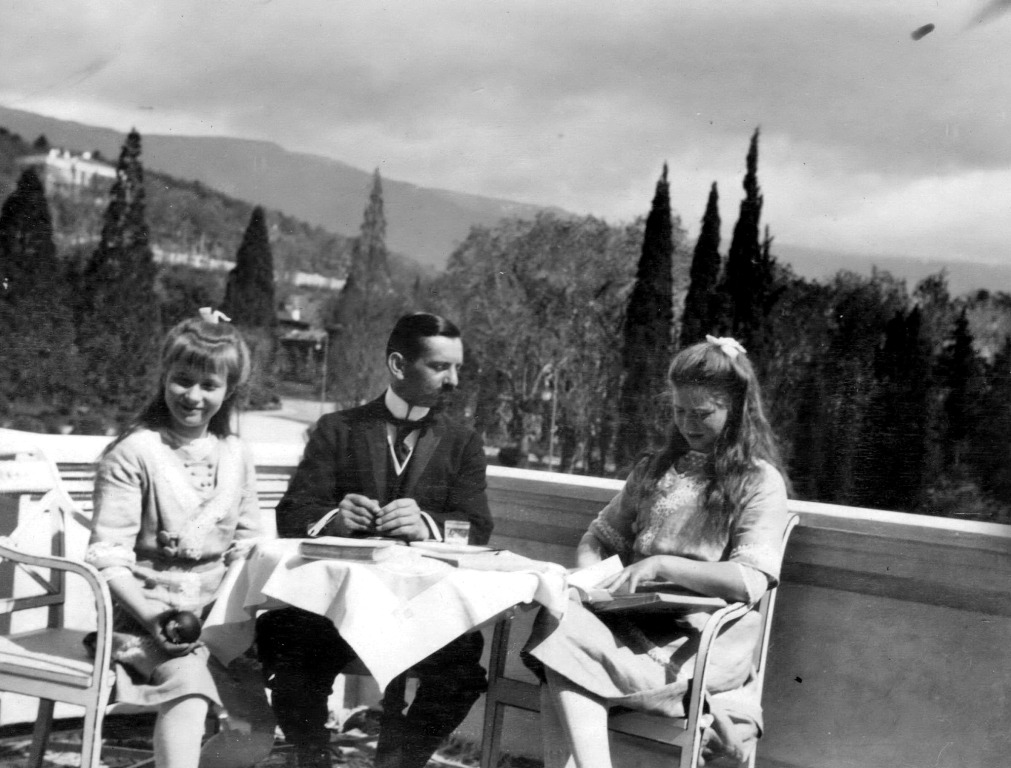
PHOTO: (above) Pierre Gilliard with Grand Duchesses Olga (left) and Tatiana (right) Nikolaevna, on the balcony of the Livadia Palace, Crimea. 1911; (below) Gilliard with Grand Duchesses Anastasia (left) and Maria (right) Nikolaevna, on the balcony of the Livadia Palace, Crimea. 1912.

From 1905 to 1918, Pierre Gilliard served not just as a tutor for the August Children, but also as a friend and mentor. He became a part of the Imperial Family’s inner circle, and was invited to join them on their journeys onboard the Imperial Yacht ‘Standart‘ to Crimea, where they stayed at their white limestone palace of Livadia. Gilliard shares his impressions of Crimea:

“In the spring of 1914 the Imperial Family went to the Crimea, as in preceding years. We arrived at Livadia on April 13th, a bright, sunny day. In fact, we were almost dazzled by the sunshine, which bathed the high, steep cliffs, the little Tartar villages half buried in the bare sides of the mountains, and the staring white mosques which stood out sharply against the old cypresses in the cemeteries. The contrast with the landscapes we had just left was so striking that, although this new country was familiar, it seemed quite fairylike and unreal in its wondrous beauty under this halo of sunshine.

“These spring days in the Crimea were a delicious relief after the interminable St. Petersburg winter, and we looked forward to them months before they came.”

In the autumn of 1914, the First World War broke out, which resulted in the death of millions of people, revolutions and the overthrow of monarchies in Germany, Austria-Hungary and Russia. After the February Revolution of 1917, Emperor Nicholas II was forced to abdicate.

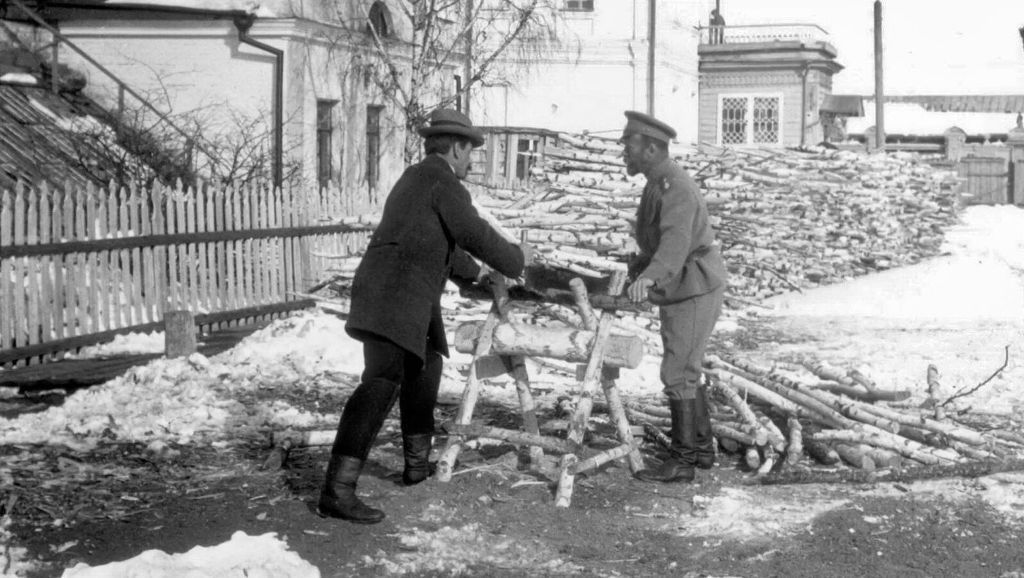
PHOTO: Pierre Gilliard and Nicholas II saw wood during their house arrest in Tobolsk. Winter 1917-18

During the fiery whirlwind of historical events which unfolded, Pierre Gilliard did not abandon the Imperial Family. To the best of his ability, trying to preserve the same daily routine, he continued to teach French to the August Children. In August 1917, he voluntarily went into exile with the Imperial Family to Tobolsk, where they were held under house arrest from August 1917 to April 1918. Gilliard endured the same hardships as those of the Tsar and his family, he supported the prisoners, still continuing with his lessons.

Gilliard was prevented from living in the Ipatiev House and was forbidden to visit the Imperial Family. He left Ekaterinburg some time later for Tyumen, where he was arrested on his arrival, but was released shortly afterwards.

It was only his foreign citizenship which saved him from sharing the same horrible death in the basement of the Ipatiev House in Ekaterinburg on the morning of 17th July 1918.

On 20th July 1918, the Czechs captured Tyumen. Gilliard then came out of hiding and discovered an official communiqué plastered on the walls around the city: “The death sentence against the ex-Emperor Nicholas Romanov was carried out on the night of 16/17 July, the Empress and the children were evacuated and transferred to a safe place.” Gilliard hurried to Ekaterinburg to find the Imperial Children whom everyone at the time believed to still be alive. His efforts were in vain.

On his arrival in Ekaterinburg in August 1918 – where he offered his assistance to the investigator Nikolai Sokolov – Gilliard visited the Ipatiev House, and recalls his impressions:

“I entered the room in which perhaps–I was still in doubt–they had met their death. Its appearance was sinister beyond expression. The only light filtered through a barred window at the height of a man’s head. The walls and floor showed numerous traces of bullets and bayonet scars. The first glance showed that an odious crime had been perpetrated there and that several people had been done to death. But who? How?

“I became convinced that the Tsar had perished and, granting that, I could not believe that the Tsarina had survived him. At Tobolsk, when Commissary Yakovlev had come to take away the Tsar, I had seen her throw herself in where the danger seemed to her greatest. I had seen her, broken-hearted after hours of mental torture, torn desperately between her feelings as a wife and a mother, abandon her sick boy to follow the husband whose life seemed in danger. Yes, it was possible they might have died together, the victims of these brutes. But the children? They too massacred? I could not believe it. My whole being revolted at the idea.” <… >

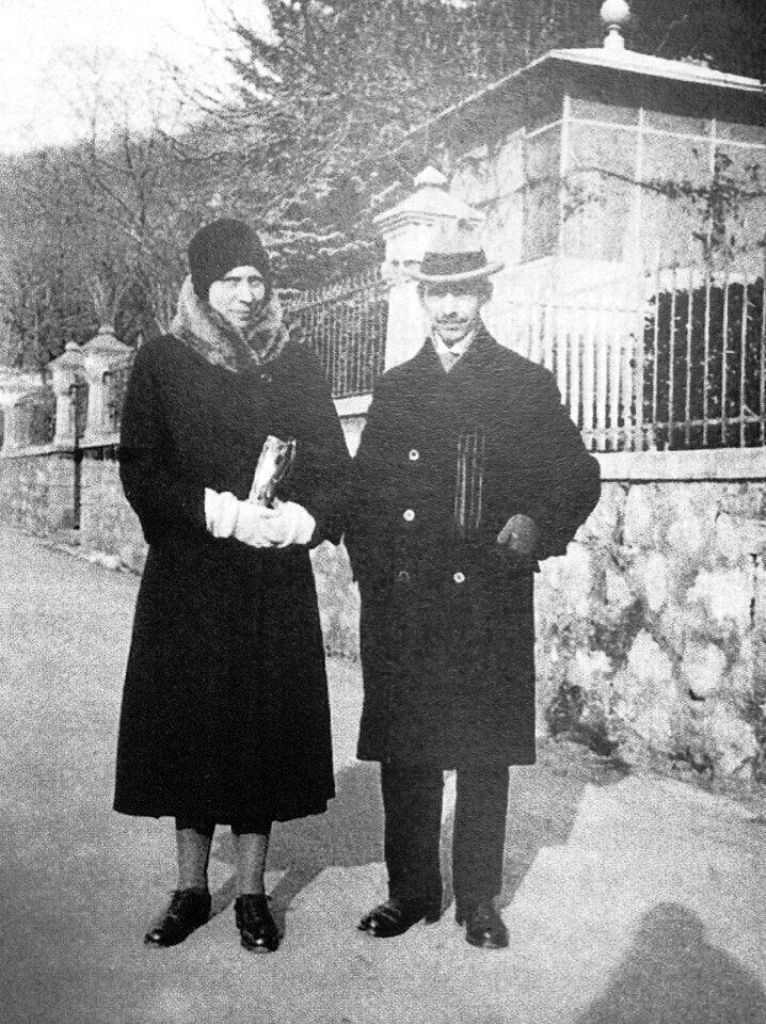
PHOTO: Pierre Gilliard and Alexandra Tegleva. Switzerland, 1922

In 1919, Gilliard married Alexandra Tegleva and in November of the same year, along with thousands of other people, including ministers and government officials of the old regime, they fled Siberia and headed east on the Trans-Siberian Railway. In April 1920, after a six-month journey, they arrived in Vladivostok. They then sailed on an American ship to San Francisco, and from there traveled by boat along the Pacific coast, through the Panama Canal, across the Atlantic Ocean and the Mediterranean Sea to Trieste. In August 1920, they returned to his parents’ home in Switzerland, which he had left some sixteen years earlier

Upon his return to his native Switzerland, Pierre Gilliard resumed his studies, which he had interrupted in 1904. In 1925, he obtained a degree in literature in Lausanne and from 1926, he taught French at the School of Modern French of the Faculty of Arts of the University of Lausanne, which he then became it’s director until 1949, and finally honourary professor in 1950.

PHOTO: Pierre Gilliard. taken shortly before his death in 1962

In 1921, Gilliard published in Paris, Le tragique destin de Nicolas II et de sa famille, and in 1929 his second work, La Fausse Anastasie, histoire d’une alleged Grand-Duchesse de Russie. He was made a Knight of the Legion of Honour and winner of the Marcelin-Guérin Prize for his book on Nicholas II.

His book Thirteen Years at the Russian Court: A Personal Record of the Last Years and Death of the Czar Nicholas II and his Family was first published in English i 1921. It was initially published by Hutchinson & Co in London. The book was translated by F.A. Holt. 

Alexandra Alexandrovna Tegleva died in Switzerland on 21st March 1955. In 1958, Pierre Gilliard was severely injured in a car accident in Lausanne. He never fully recovered and died four years later on 30th May 1962, at the age of 83. His remains were cremated in the privacy of his family at the Bois-de-Vaux Cemetery in Lausanne. According to the burial service of the city of Lausanne there is no grave or burial in his name. His ashes were probably scattered elsewhere.‎

Gilliard was a keen photographer and he took hundreds of images while in Russia, including many informal photographs of the Imperial Family. These are now held by the Musée de l’Élysée, a photography museum in Lausanne. In 2005 Daniel Girardin, an art historian who worked at the Musee de l’Elysee as a curator until 2017, published a pictorial biography of Gilliard’s time in Russia based on his works in the museum’s collection. It is titled Précepteur des Romanov – Le destin russe de Pierre Gilliard [Tutor of the Romanovs: The Russian Destiny of Pierre Gilliard].

He lived a long life, was eyewitness to events which changed Russia dramatically and violently, and his name will forever remain inscribed in the pages of history next to the names of the Imperial Family, for whose sake he put his life in danger and whom he loved so much.

FURTHER READING:

Ekaterinburg: the Survivors

St. Petersburg hosts one-day exhibit of Pierre Gilliard’s photographs of the Tsar’s family

Documentary: the Return of Pierre Gilliard

© Paul Gilbert. 16 May 2025
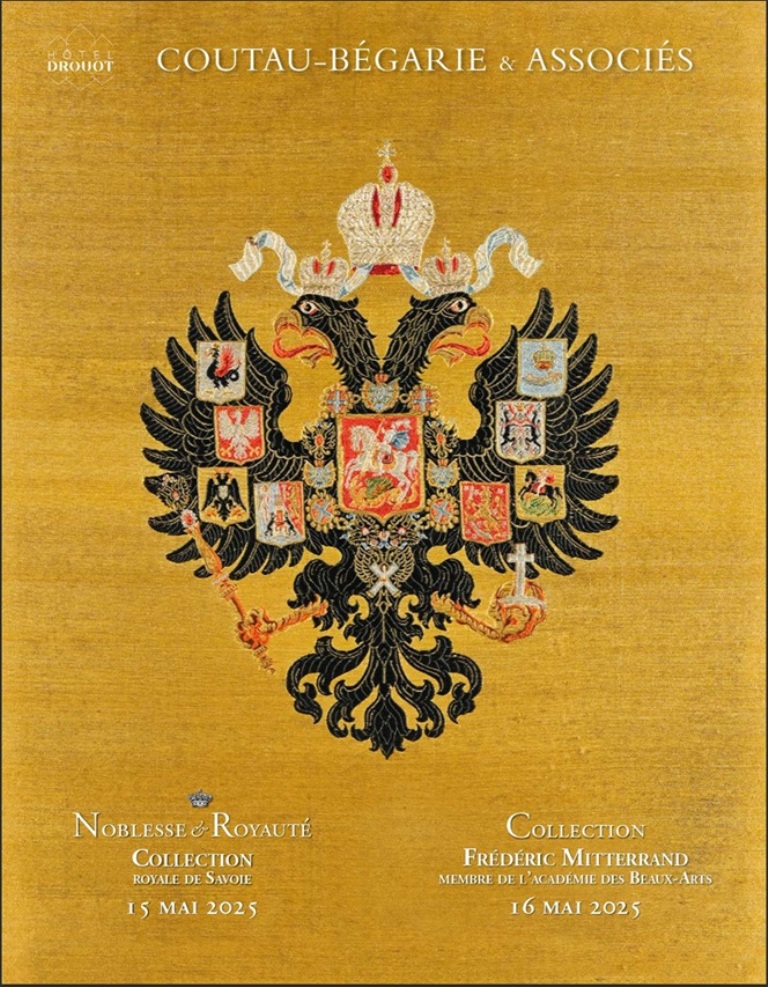
Auction: Tatiana Botkin Collection – 15 May 2025
VIEW CATALOGUE – 29 pages. 79 lots.

On 15th May 2025, the Coutau-Bégarie Auction House (Paris) will hold one of the most interesting Romanov auctions in recent memory: the Tatiana Botkin Collection (1898-1986). The auction will feature valuable historical memories of the Russian Imperial Family during their captivity in Tobolsk, preserved by the daughter of the Tsar’s private physician, Dr. Eugene Sergeyevich Botkin (1865-1918).

The auction offers 79 lots, including photographs of the Botkin family and the family of Emperor Nicholas II; correspondence of Tatiana Botkina; transcripts from Tatiana’s book of reminiscences of the Tsar’s family and their life before and after the Revolution; personal items of the Botkin family, including beautiful objets d’art; icons; Gleb Botkin’s watercolours and more!

The catalogue is published in French only, the Tatiana Botkin Collection consists of 29 pages. It can be viewed – as a PDF document only – by clicking on the link above.

***

Tatiana Evgenievna Botkina (1898-1986)

Tatiana Evgenievna Botkina was born in Vladivostock on 28th August 1898, she was the fourth child and only daughter of Dr. Eugene Sergeyevich Botkin and his wife Olga Vladimirovna Botkina (1872-1945). She had four brothers Sergei (1892-1893), Dmitri (1894-1914), Yuri (1895-1941), and Gleb (1900-1969). Her parents divorced in 1910 under the strain of her father’s devotion to the Imperial Family and the long hours he spent at court and her mother’s affair with a German tutor. Eugene Botkin retained custody of the children following the divorce. Tatiana’s older brother Dmitri was killed in action during World War I.

Tatiana and her brothers spent their early childhood in St. Petersburg. After their father’s appointment as a court physician, they moved to Tsarskoye Selo, first to the Catherine Palace and then to Sadovaya Street, very close to the Alexander Palace Park. She received a good education and spoke four languages fluently: English, French, German and Russian.

The Botkin children were sometimes received at the Alexander Palace, where they became playmates of the imperial children, of whom they were the same age.  They first met the imperial children in 1911 and, thereafter, sometimes played with them when they were on vacation in the Crimea. 

Following the outbreak of the First World War in August 1914, Tatiana’s father supervised the hospitals that the Empress had opened at Tsarskoye Selo to treat the seriously wounded. In addition, he transformed his house into a hospital for convalescents, where Tatiana served as a nurse. 

In August 1917, Dr. Botkin followed the Imperial Family into exile to Tobolsk in Siberia. Tatiana and her brother Gleb later joined their father, moving into the Kornilov House, situated opposite the Governor’s House where the Imperial Family where being held under house arrest. They were not allowed to visit the Imperial Family, so instead Tatiana wrote notes, which her father smuggled to the grand duchesses in his overcoat.

When the Imperial Family was transferred from Tobolsk to Ekaterinburg in April 1918, the Botkin children were not permitted to accompany their father. As a result, the Botkin children decided to remain behind in Tobolsk. Tatiana regretted this decision all her life.

On 17th July 1918, the Tsar and his family, along with Dr. Botkin and three other faithful retainers were murdered by members of the Ural Soviet in the basement of the Ipatiev House in Ekaterinburg. Several years later, when Tatiana heard the conclusion of the Sokolov Report, that the Tsar, his family and their servants had been killed, her sole consolation was the fact that her father had died trying to shield the Tsar.

The murder of her father and the Imperial Family caused her inconsolable pain. In 1941, her brother Yuri was imprisoned by the Nazis and then executed. Her mother died of malnutrition in Berlin in 1945.

In the fall of 1918, Tatiana married Konstantin Semenovitch Melnik (1893 – 1977), an officer of the 5th Siberian Rifle Regiment, who was wounded in battle and was treated in the Tsarskoye Selo infirmary, where he met the Botkins. The couple had three children: Elena (1921-2005), Konstantin (1927-2014) and Evgeny (year of birth and death unknown).

In 1919, during the retreat of the Eastern Front, Melnik took Tatyana and her brother Gleb to Vladivostok. From here, they escaped Russia, settling first in Dubrovnik, Yugoslavia. In 1920, they moved to France, where they settled in Rives, a town near Grenoble. Tatiana divorced her husband and moved to Nice, where she raised her children alone.

In later years, Tatiana, along with her brother Gleb, were staunch supporters of Anna Anderson’s claim that she was the surviving Grand Duchess Anastasia Nikolaevna, the youngest daughter of Tsar Nicholas II.

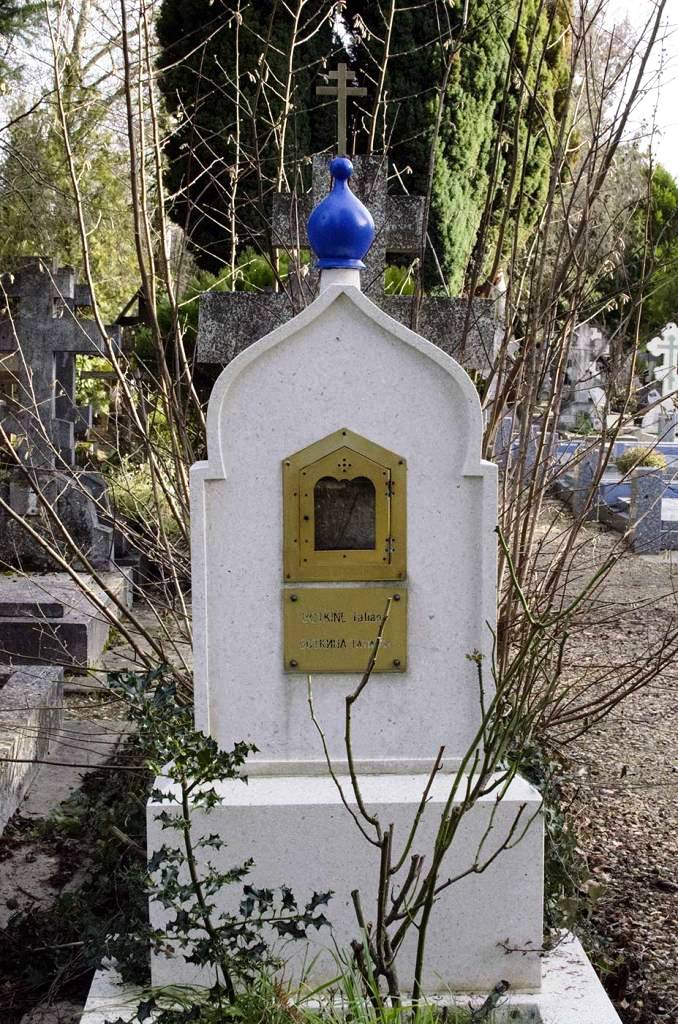
PHOTO: Tatiana Botkina’s grave in the Russian Orthodox cemetery, in Sainte-Geneviève-des-Bois

Tatiana eventually settled near Paris, where she lived the rest of her life. A few years before her death, with the help of her granddaughter Catherine Melnick-Duhamel, she wrote her memoirs entitled Au temps des Tsars (1980), followed by a second: Anastasie retrouvée (1985).

She died on 1st April 1986, at the age of 88. She was buried at the Russian Orthodox cemetery, in Sainte-Geneviève-des-Bois, situated in the southern suburbs of Paris, France.

© Paul Gilbert. 14 May 2025
***

CLICK TO VIEW CURRENT CATALOGUE

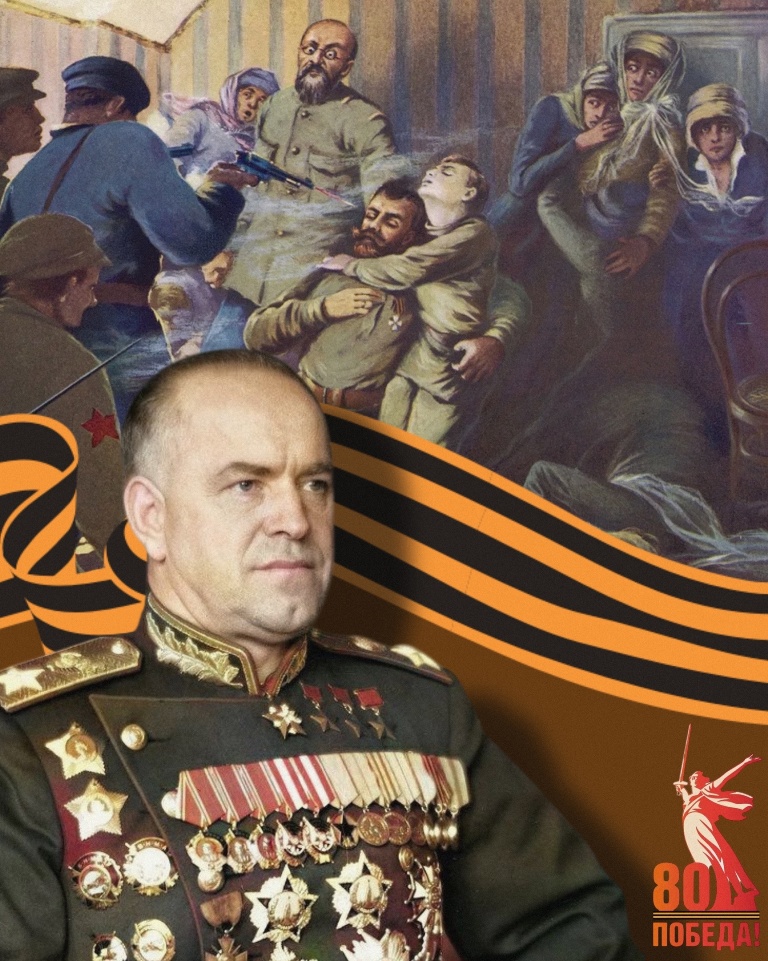
“I do not shake the hands of murderers” – General Zhukov to Yermakov

On 9th May 2025, Russia marked the 80th anniversary of the defeat of Nazi Germany. In recognition of this solemn day, I would like to draw attention to one of Russia’s most celebrated war heroes: Georgy Konstantinovich Zhukov (1896-1974).

Zhukov is among the many famous Soviet marshals and generals who impressed the world with their victories and heroism during the Great Patriotic War (1941-45). What many do not realize, is that they were once officers of the Russian Imperial Army – which from August 1915 to March 1917, was under the command of Emperor Nicholas II. Zhukov was awarded the St. George Cross twice for military merit, and promoted to the rank of non-commissioned officer for his bravery in battle. Following the war, Zhukov commanded the Ural Military District [the district headquarters was located in Sverdlovsk (Ekaterinburg]. 
According to his friends living in the Ural capital, Zhukov was fascinated by the history of Sverdlovsk [Ekaterinburg]. In particular, he took a great interest in the final days and subsequent execution of Russia’s last Tsar and his family. Zhukov’s friends claim that he was sympathetic to Nicholas II, and believed that the lives of the monarch and his family should have been spared.

Zhukov’s position was quite simple: he considered the regicide as “nothing short of a disgrace”. He was disgusted by the fact that local men had become executioners. After all, the Tsar posed no threat to the Bolsheviks, nor did he resist. As for the Ipatiev House, where the murders took place, Marshal Zhukov “despised it”.

According to Zhukov’s daughter, Margarita Georgievna Zhukova (1929-2010):

“Being the commander of the Ural Military District in Sverdlovsk, my father visited the “Ipatiev House”.

“This is how my elder sister Ella (1937-2009) recalls it . . . I remember the notorious Ipatiev House, where we were taken with special permission. The topic of the execution of the Imperial Family was forbidden in those years, and it was only during this visit that I learned about this tragedy for the first time. In the house at the entrance there was a small exposition with copies of some documents, red slogans and portraits of leaders hung on the walls. It was disgusting for my father to be there, surrounded by posters of Soviet propaganda whitewashing the murderers. Below, was the dreaded basement, where I did not want to go down. The atmosphere in the house was oppressive… I did not talk to my father about this.”

Source: M. G. Zhukova, “Маршал Жуков – мой отец / Marshal Zhukov – My Father“, Sretensky Monastery, 1999

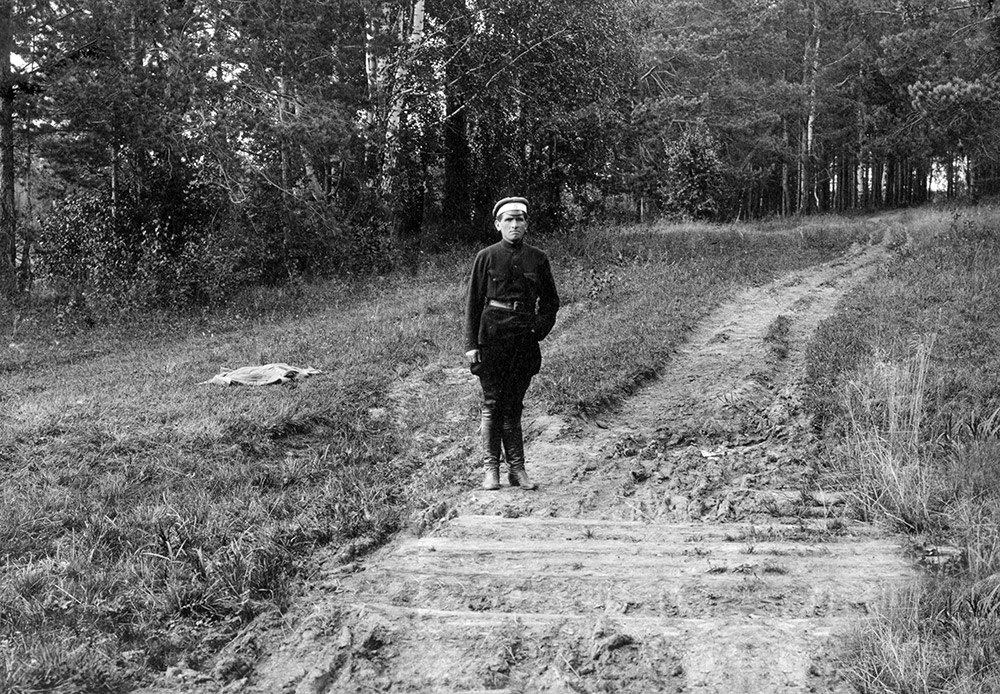
PHOTO: in the 1920s, the murderer Pyotr Yermakov returned to Porosenkov Log.
On the reverse of this photo, he wrote: “I am standing on the grave of the Tsar”.

“SHAME ON THE REGICIDE!”

It was also during Zhukov’s years as Commander of the Ural Military District, that he would come face to face with one of the regicides: Pyotr Zakharovich Yermakov (1884-1952).

Zhukov had heard about Yermakov from the newspapers, and he looked at all these honours with disgust. He did not understand how a murderer could be so exalted. But at that time, Yermakov seemed to many to be a hero, a liberator. He regularly met with groups of workers and bragged about how he had taken part in the murders, and how he pulled the trigger of the gun, which killed the Tsar.

According to Zhukov’s daughter, Margarita Georgievna Zhukova (1929-2010), the meeting took place on 1st May 1951, when the May Day parade was being held in Sverdlovsk [Ekaterinburg].

“What was really going on in my father’s soul can be understood from an episode that occurred later. I was told about it during my trip to the Urals by old-timers. It was at a solemn reception, where the entire local party elite had gathered. Yermakov, as before, spoke about his “heroic feats”, and decided to approach my father to shake hands as equals. Introducing himself, he announced that he was the same Yermakov who participated in the execution of the Imperial Family, and stretched out his hand. He expected surprise, questions, delight, but Yermakov was surprised by my father’s response, who disgusted and gritting his teeth, said firmly: “I do not shake the hands with the murderers!”.

Source: M. G. Zhukova, “Маршал Жуков – мой отец / Marshal Zhukov – My Father“, Sretensky Monastery, 1999

Yermakov shrugged his shoulders and walked away. That was the end of the conversation. Zhukov was sure that he had said everything he wanted. Moreover, he wanted to believe that Yermakov had at least learned something from this meeting.

Yermakov died in Sverdlovsk on 22nd May 1952 from cancer at the age of 67, he was buried in Ivanovo Cemetery in Ekaterinburg. In the 1960s, a street was named after Yermakov in Sverdlovsk [Ekaterinburg], however, during the 1990s, the street was renamed Ulitsa Klyuchevskaya.

Every year, since the 1990s, Yermakov’s grave has been vandalized by local monarchists, who douse his gravestone with red paint, symbolizing the blood which this evil man spilled, and his involvement in the murder of the Holy Tsar Nicholas II and his family in 1918.

FURTHER READING:

The fate of the regicides who murdered Nicholas II and his family

NEW BOOK – Regicide in Ekaterinburg by Paul Gilbert

Russian sculptor proposes removal of monuments to Bolsheviks in Ekaterinburg

© Paul Gilbert. 13 May 2025