Divine liturgy celebrated in memory of Nicholas II’s abdication

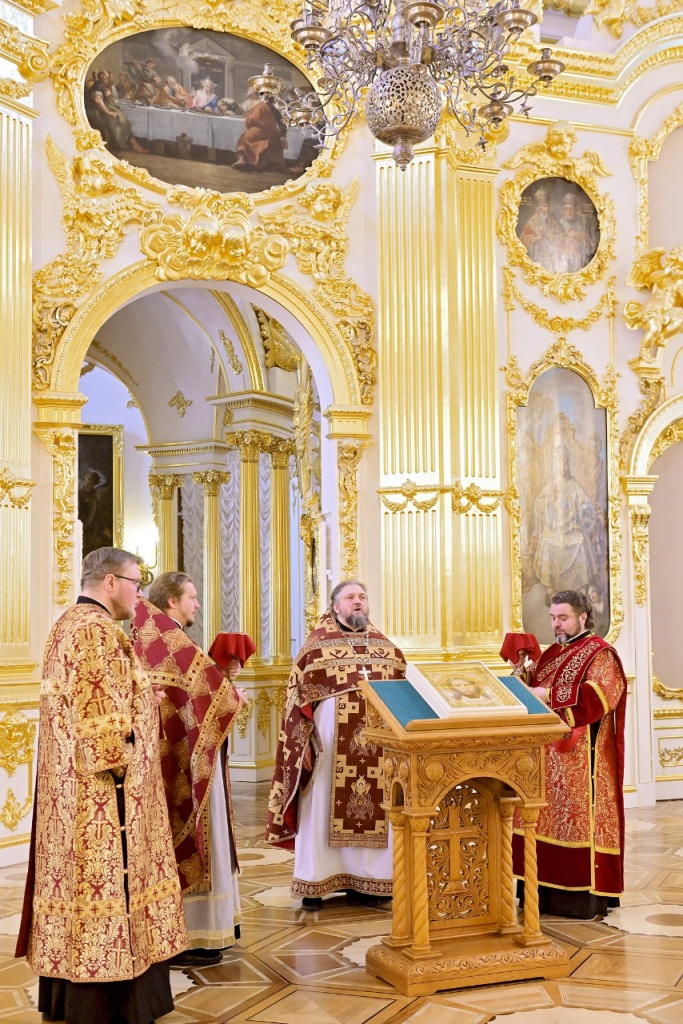
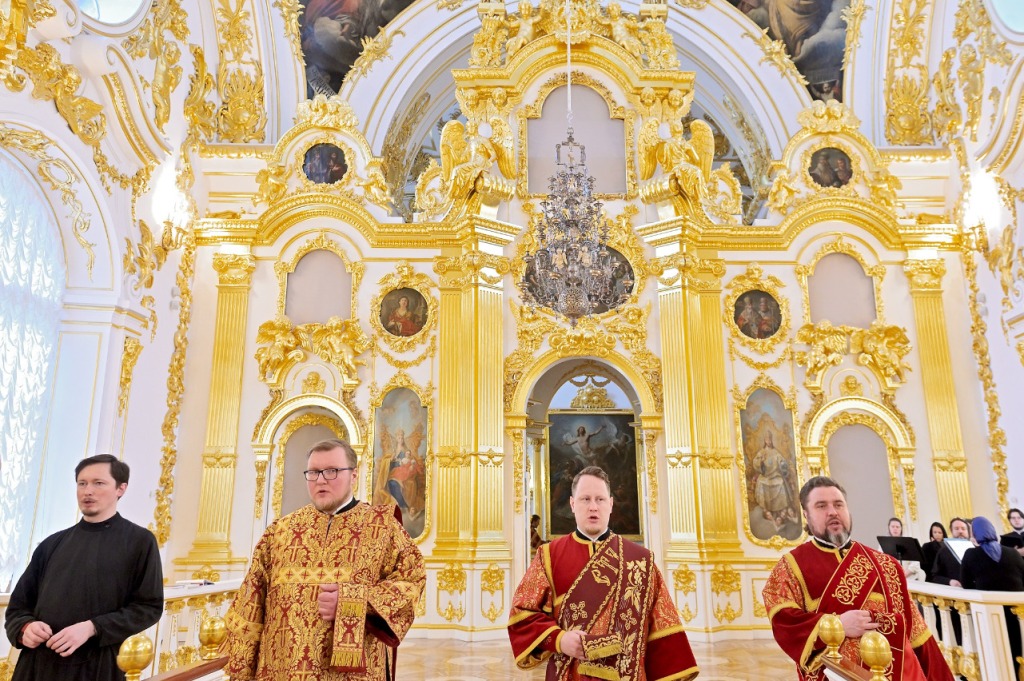
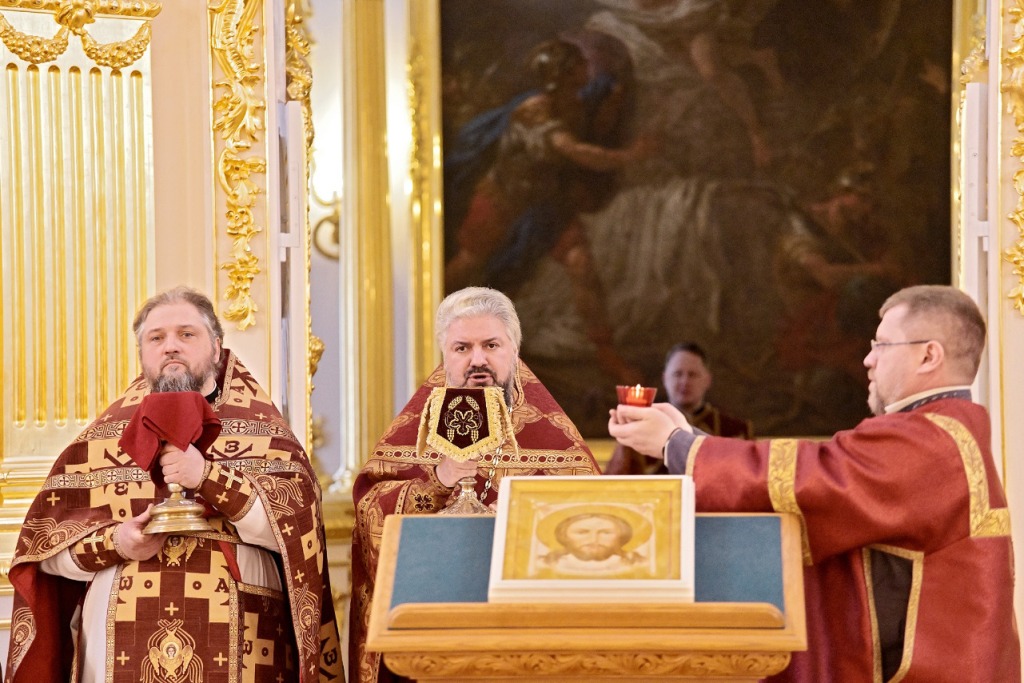
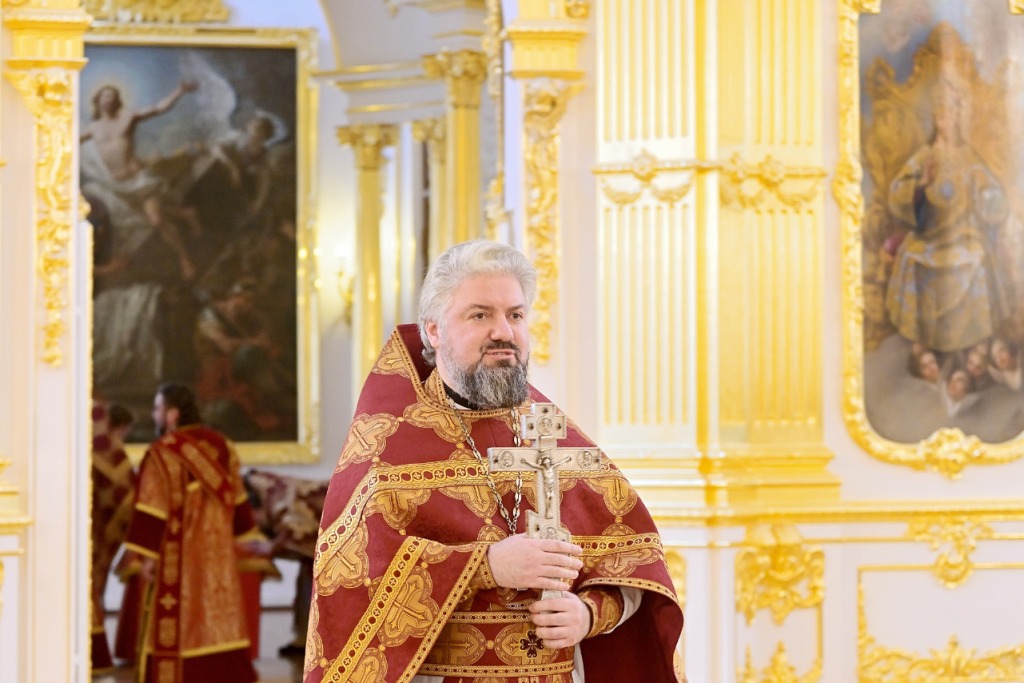
PHOTO: Hieromonk Mark (Svyatogorov) performing the Divine Liturgy

On 16th March 2026, a Divine Liturgy in memory of the abdication of the Emperor-Passion-Bearer Nicholas II and the miraculous appearance of the Reigning Icon of the Mother of God was celebrated in the Church of the Saviour Not Made by Hands [aka the Grand Church] in the Winter Palace in St. Petersburg.

The service was performed by the rector, Hieromonk Mark (Svyatogorov), co-served by the brethren of the Alexander Nevsky Lavra, which is situated in St. Petersburg, and the clergy of the Diocese of St. Petersburg.

PHOTOS: Hieromonk Mark (Svyatogorov) performing the Divine Liturgy

PHOTOS: Hieromonk Mark (Svyatogorov) performing the Divine Liturgy

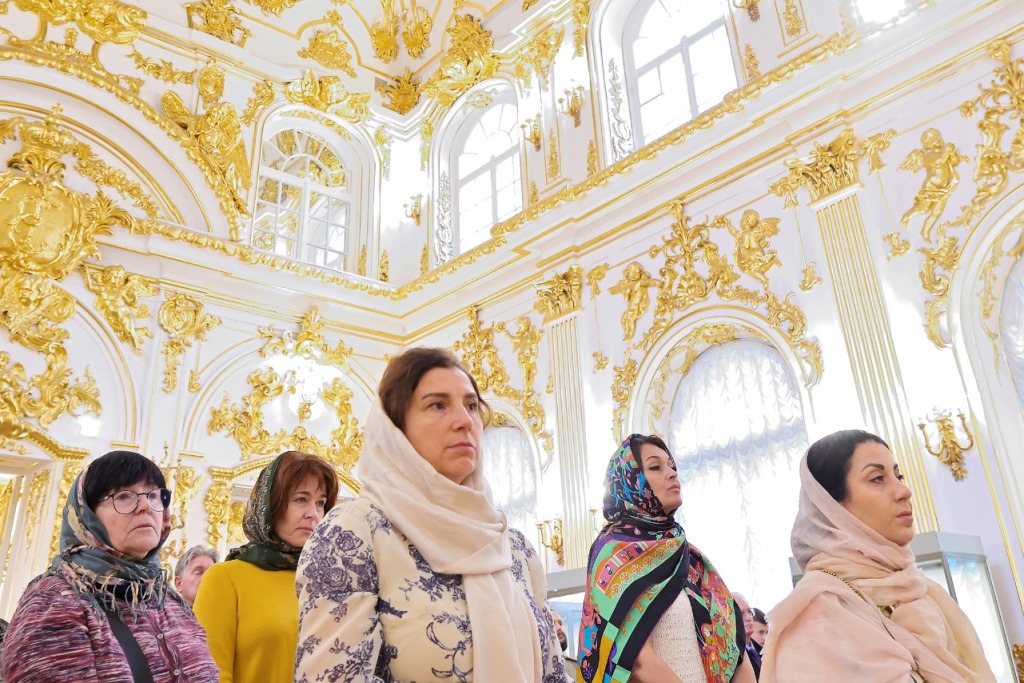
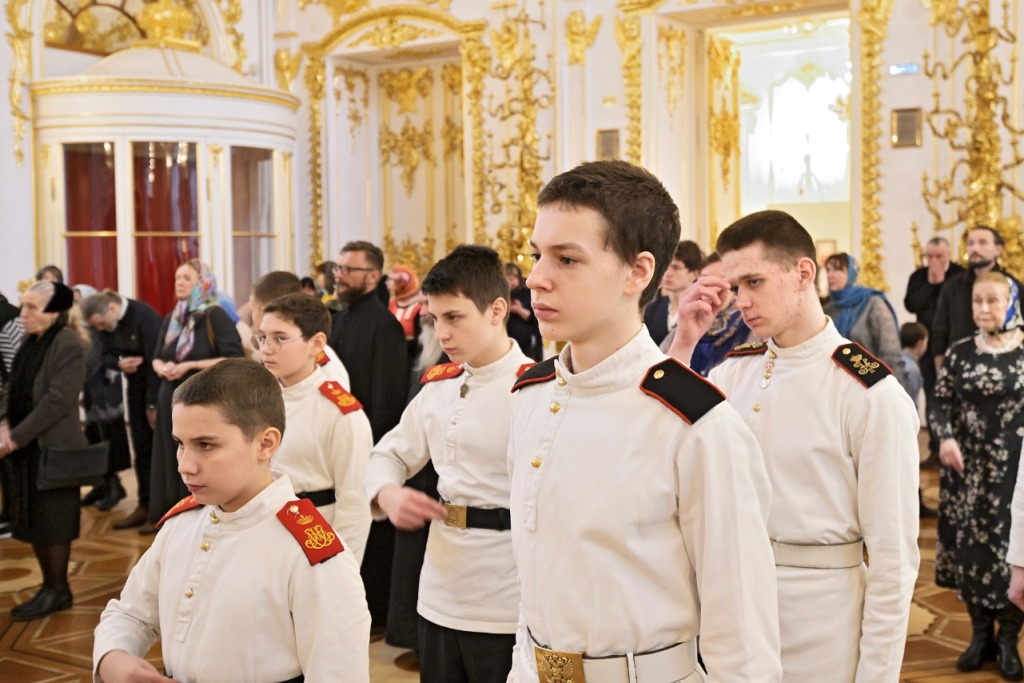
Praying at the service were the Director of the State Hermitage Museum Mikhail Piotrovsky, museum staff and parishioners of the Annunciation Metochion of the Alexander Nevsky Lavra.

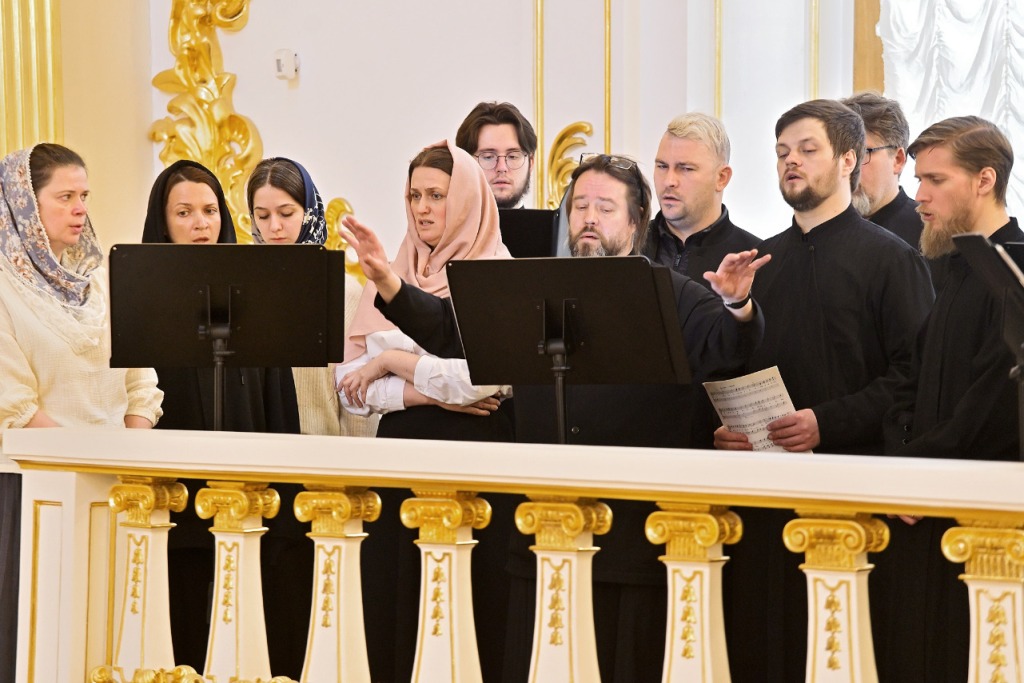
Hymns of the Byzantine tradition were performed by a combined choir of singers under the direction of Alexei Zhukov.

PHOTO: parishioners of the Annunciation Metochion of the Alexander Nevsky Lavra.attend the Divine Liturgy in the Winter Palace church

PHOTO: the choir performs Byzantine hymns for the Diving Liturgy held in the Winter Palace church

“This church remembers various events in our history,” Father Mark said in his sermon. – “Acts of peace were announced here, unfortunately, war was also declared. In this church, in difficult and joyful, difficult and solemn times, the tsar’s thoughts, prayers, and tears were lifted up to God. Here the heirs to the throne were baptized and members of the imperial family were married. Every time we gather here for a divine service, we are all overwhelmed by an extraordinary uplift. We feel a part of the great events of history. We will be grateful that we have the opportunity to serve in this beautiful church, lift up prayers and approach the Holy Mysteries.”

During the kissing of the cross, the choir sang an ancient Christian hymn written in the 4th century by St. Ambrose of Milan, to the music of the court composer Dmitry Bortnyansky, who composed it especially for the Great Church of the Winter Palace.

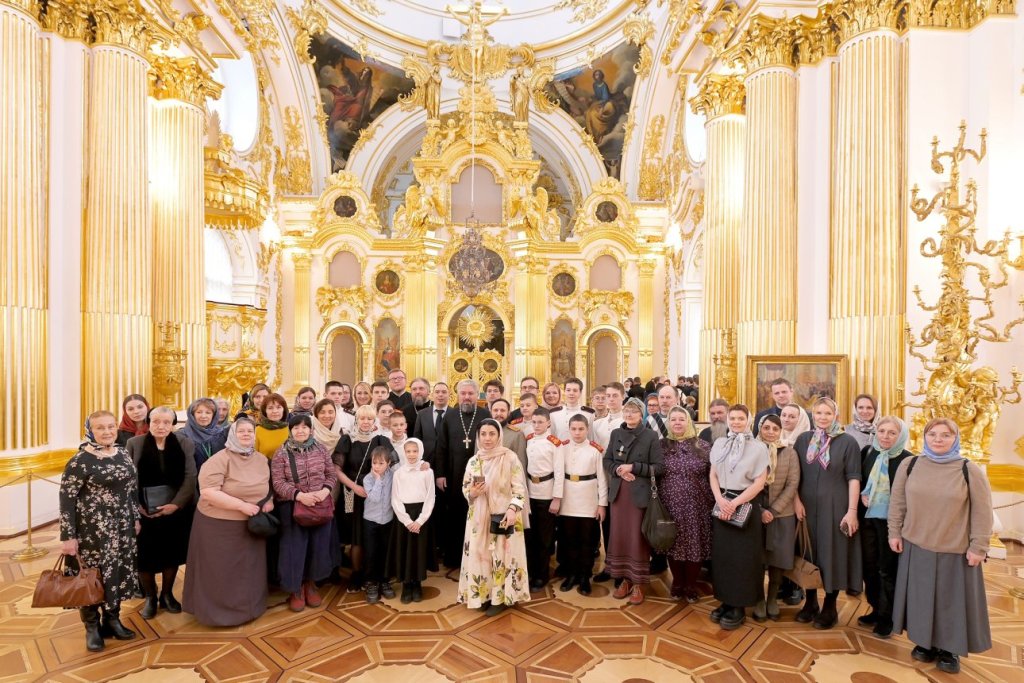
PHOTO: parishoners gather for a group photo following the Divine Liturgy

The Church of the Saviour Not Made by Hands [aka the Grand Church] in the Winter Palace was consecrated on 25th July 1763 by Archbishop Gabriel in the name of the image of the Savioir (painted by Theodot Ukhtomsky, 1693), which was located in the prayer room at the altar. After the renovation, it was consecrated again in 1839 by Metropolitan Philaret. The Maltese shrines presented to Emperor Paul I were kept here, and every year they were transferred to the Pavlovsk Cathedral in Gatchina for a month. In October 1917, the church was damaged during the storming of the Winter Palace by the Bolsheviks and was closed in 1918. On 9th December 2014, the Grand Church was opened to visitors after restoration, and on 25th December of the same year, the first Divine Liturgy in 96 years was served. The Church of the Saviour Not Made by Hands was consecrated by the priestly rite.

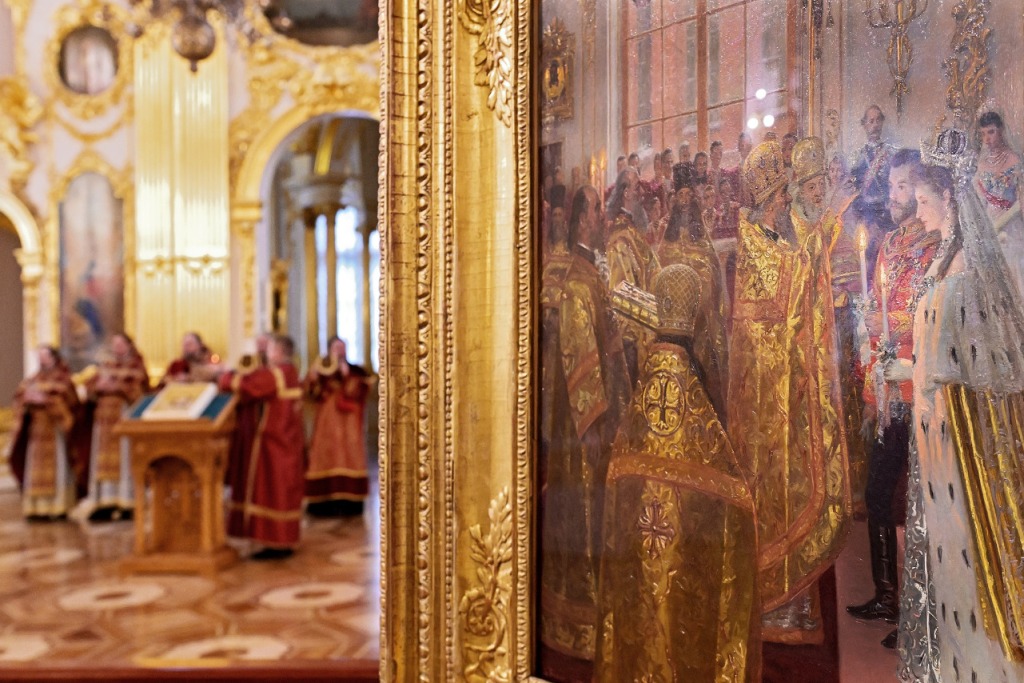
PHOTO: view of the the Church of the Savior Not Made by Hands in the Winter Palace. On the right hangs a painting depicting the wedding of Emperor Nicholas II and Alexandra Feodorovna, painted by Laurits Tuxen.

Recall that on 27th (O.S. 14th) November 1894, the wedding of Emperor Nicholas II and Grand Duchess Alexandra Feodorovna [future Empress Alexandra Feodorovna took place in the Church of the Saviour Not Made by Hands – the home church of the Imperial family – in the Winter Palace

The modest wedding ceremony took place in an atmosphere of deep mourning for the deceased Emperor Alexander III. Due to court mourning, there was no reception, nor honeymoon, with Nicholas and Alexandra going to reside with his mother and brother at the Anichkov Palace in St. Petersburg.

FURTHER READING

130th anniversary of the Wedding of Nicholas II and Alexandra Feodorovna, 1894 + PHOTOS

© Paul Gilbert. 17 March 2026

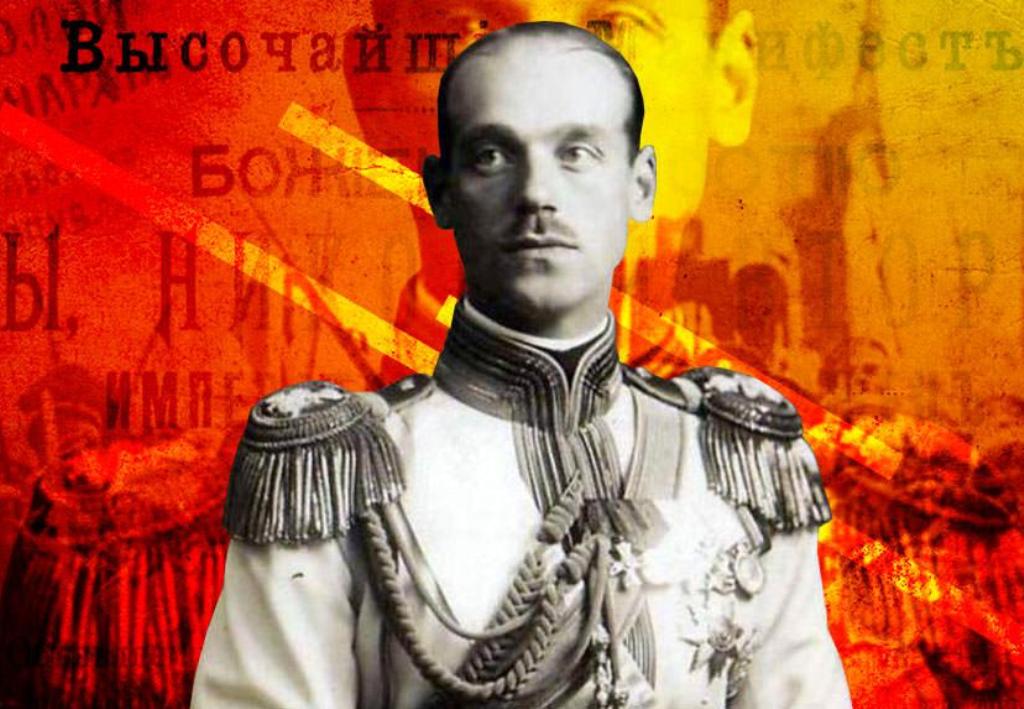
The myth that Grand Duke Mikhail Alexandrovich was Russia’s last Tsar

NOTE: this article was originally published on 6th November 2020, it has been revised and updated with additional facts and information on 16th March 2026 – PG

The question of whether Grand Duke Mikhail Alexandrovich (1878-1918) was the last Emperor of Russia, remains a subject of debate among many historians and monarchists to this day.

A heartbeat from the throne

Mikhail Alexandrovich was the youngest son and fifth child of Emperor Alexander III and Empress Maria Feodorovna, and youngest brother of Emperor Nicholas II.

At the time of his birth, his paternal grandfather Alexander II was still the reigning Emperor. Mikhail was fourth-in-line to the throne after his father and elder brothers Nicholas and George. After the assassination of his grandfather in 1881, he became third-in-line and, in 1894, after the death of his father, second-in-line. His brother George died in 1899, leaving Mikhail as heir presumptive. The birth of Nicholas’s son Alexei in 1904 moved Mikhail back to second-in-line.

In 1912, Mikhail shocked Nicholas II by marrying Natalia Sergeyevna Wulfert, a commoner and divorcee. In a series of decrees in December 1912 and January 1913, Nicholas relieved Mikhail of his command, banished him from Russia, froze all his assets in Russia, seized control of his estates and removed him from the Regency.

After the outbreak of World War I, Mikhail returned to Russia, assuming command of a cavalry regiment. When Nicholas abdicated on 15 March [O.S. 2 March] 1917, Mikhail was named as his successor instead of Alexei. Mikhail, however, deferred acceptance of the throne until ratification by an elected assembly. Nicholas was appalled that his brother had “kowtowed to the Constituent Assembly” and called the manifesto “rubbish”.

Mikhail was never confirmed as Emperor and, following the Russian Revolution of 1917, he was imprisoned and subsequently murdered by the Bolsheviks near Perm on 13 June 1918 (aged 39).

Would Mikhail have made a good Tsar?

While many of Nicholas II’s detractors insist that Russia’s last Tsar was unprepared for the throne, his brother Mikhail was even less prepared. Mikhail had no aspirations for the throne, instead he preferred the life a playboy, and his gentle disposition would have made him an easy target for manipulative ministers and generals in helping nurture their own selfish interests.

His letters to his brother the Emperor reveal a rather devious and conniving side of Mikhail. In one such letter dated 7th November 1912, Nicholas writes to his mother:

“What revolts me more than anything else is his [Mikhail] reference to poor Alexei’s [the Tsesarevich] illness which, he [Mikhail] says, made him speed things up. [Mikhail is referring to his marriage. In the event of Alexei’s death, Mikhail would have become heir to the throne]. And then the disappointment and sorrow it brings to you and all of us and the scandal of it all over Russia mean absolutely nothing to him! At a time, too, when everyone is expecting war, and when the tercentenary of the Romanovs is due in a few months! I am ashamed and deeply grieved.”

Many believe that Mikhail’s ascension to the throne would have ushered in a constitutional monarchy and that this in itself would have preserved the dynasty and saved Russia. Russia, however, was not prepared for a constitutional monarchy, nor would it have preserved the dynasty nor would it have saved Russia. A constitutional monarchy would not have appeased the socialists and revolutionaries, and most certainly driven the radical elements such as the Bolsheviks to extreme measures. It has been argued that Russia should have adopted a European style monarchy. There is little similarity. Holy Russia did not need to adopt a Western style monarchy. For centuries Russia had been led by mystic forces. Monarchy was the social system that fit Russia best.

Opposition to Grand Duke Mikhail Alexandrovich

Just after midnight on 3rd March 1917, Grand Duke Sergei Mikhailovich (1869-1918) and several officers were assembled in the room of the officer on duty, next to the telegraph office, at the Headquarters of the Supreme Commander-in-Chief. Mogilev. They smoked incessantly as they awaited news. At 1:30 in the morning, the nervous atmosphere of the room was punctured by the arrival of a fateful telegram, which read “The Sovereign Emperor then signed the act of abdication from the throne to be transferred to Grand Duke Mikhail Alexandrovich

The officers reeled. Grand Duke Serge shouted: “Why on earth, Mikhail? This is such a joke!” He collapsed on the sofa, exclaiming: “This is the end!” Frantic questions swirled among those present. Wast the succession even legal? Could Mikhail, who preferred to remain in the shadows, even secure the people’s respect?

The legality of Nicholas II’s act of abdication 

Some historians further argue that Nicholas II’s act of abdication on 15 March 1917 (O.S. 2 March) 1917 was invalid for two reasons: one, because it was signed in pencil, violating all the necessary legal and procedural methods and format, and thus had no legal force; and two, because the instrument of abdication was never officially published by the Imperial Senate.

In his scholarly book ‘Russia 1917. The February Revolution,’ historian George Katkov, throws yet another interesting coal into the fire:

“ . . . when the Tsar abdicated, and later on behalf of his son, he was accused of having done so in contravention of the law of succession and with the aim of introducing a legal flaw into the instrument of abdication that would later allow him to declare it invalid.”

If this is true, it was a very clever move on the part of Nicholas II, not realizing the terrible fate which awaited him and his family 15 months later in Ekaterinburg.

Grand Duke Mikhail was not “Tsar for a day”

One thing, however, is certain—Grand Duke Mikhail Alexandrovich was NOT Russia’s last tsar! Nicholas II remained Emperor and Tsar of Russia until the day of his death and martyrdom on 17th July 1918.

As God’s Anointed, Nicholas II could not be displaced during his lifetime. Since the will of God was nowhere manifest, neither in the naming of his brother Grand Duke Mikhail to the throne, nor in the Tsar’s signing of the instrument of abdication, his status as Tsar remained inviolate and unassailable.

© Paul Gilbert. 6 November 2020 – revised and updated on 16 March 2026

 * * *

486f

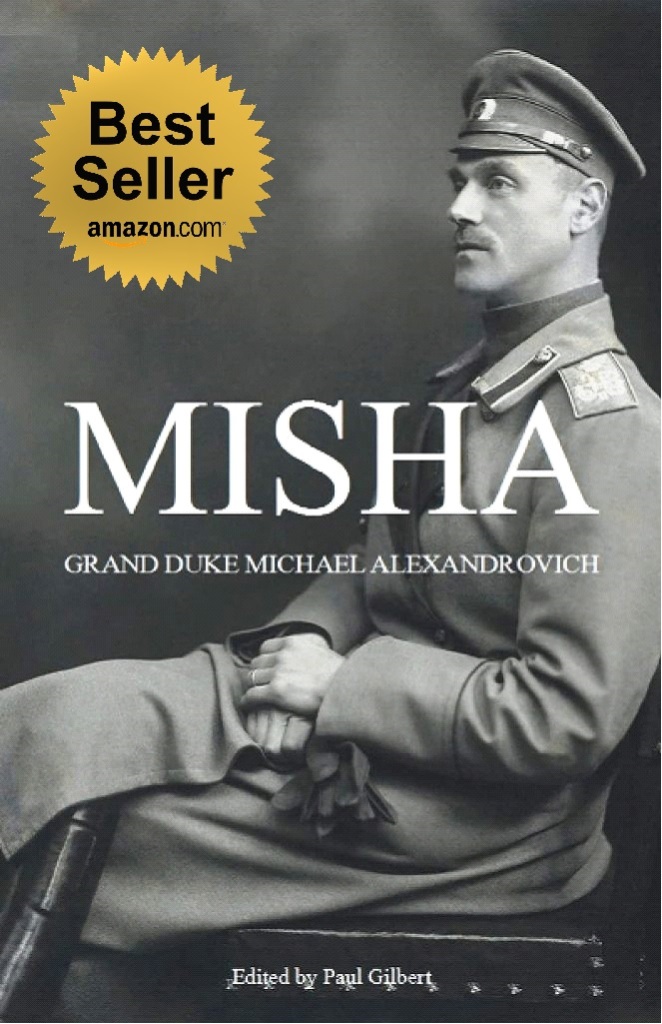
MISHA: GRAND DUKE MICHAEL ALEXANDROVICH
Compiled and Edited by Paul Gilbert

CLICK ON THE LINK BELOW TO ORDER FROM AMAZON

PAPERBACK EDITION – PRICE $12.99

BOOK DESCRIPTION

This book explores the milestones in the life of Grand Duke Michael in a series of essays by four distinct authors, and complemented with 50 black and white photographs.

Paperback edition. 136 pages + 50 black & white photographs

The Abdication of Emperor Nicholas II, March 1917

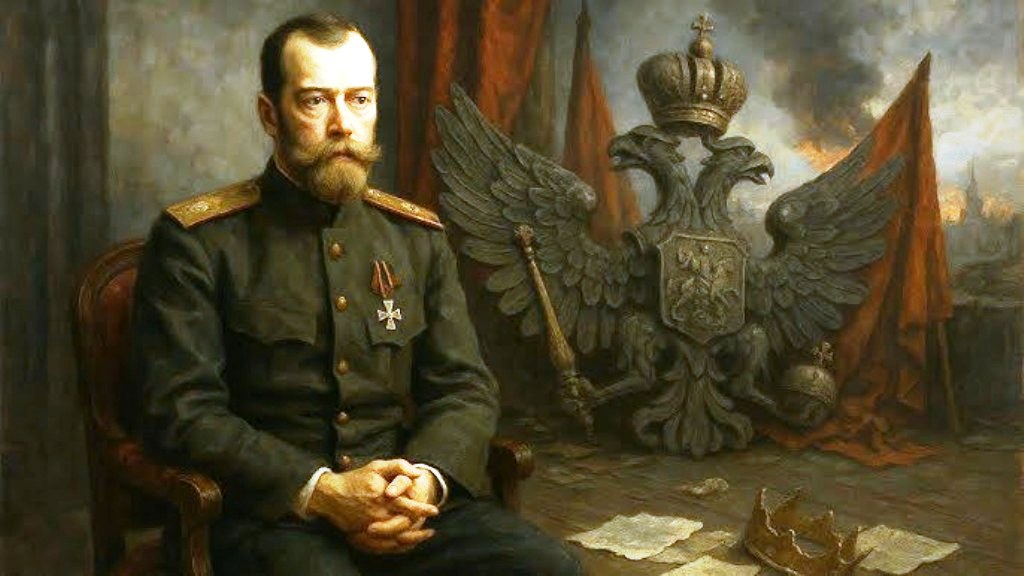
On this day – 15th (O.S. 2nd) March 1917 – an illegal coup forced Russia’s last Emperor and Tsar to abdicate, bringing an end to more than 300 years of the Romanov dynasty, the monarchy and the Russian Empire. Upon Nicholas II’s abdication, power in Russia then passed to the Russian Provisional Government, signaling victory for the February Revolution.

It was also on this day in 1917, that the Reigning Icon of the Mother of God was revealed to a peasant woman in Kolomenskoye (near Moscow). Many believe the reappearance of the icon was an indication that the Virgin Mary was displeased with Russia for dethroning the Tsar during the February 1917 Revolution.

Emperor Nicholas II abdicated in the heartfelt belief that his abdication would save the honour of the army, prevent civil war and keep Russia in the war against Germany. Sadly, it did not. In his diary, Nicholas wrote: “I am surrounded by betrayal, cowardice, and deceit.

The Emperor came under heavy fire of criticism, some of it coming from close relatives.But,Nicholas II’s younger sister Grand Duchess Olga Alexandrovna (1882-1960), was staunch in her defence of her brother’s difficult decision. “Not only did he want to prevent further disorders when he gave up his crown but he had no other choice.”

The French tutor to Nicholas II’s children, Pierre Gilliard, who followed the Tsar and his family into exile, recalls in his memoirs Thirteen Years at the Russian Court: “I then for the first time heard the Tsar regret his abdication.”

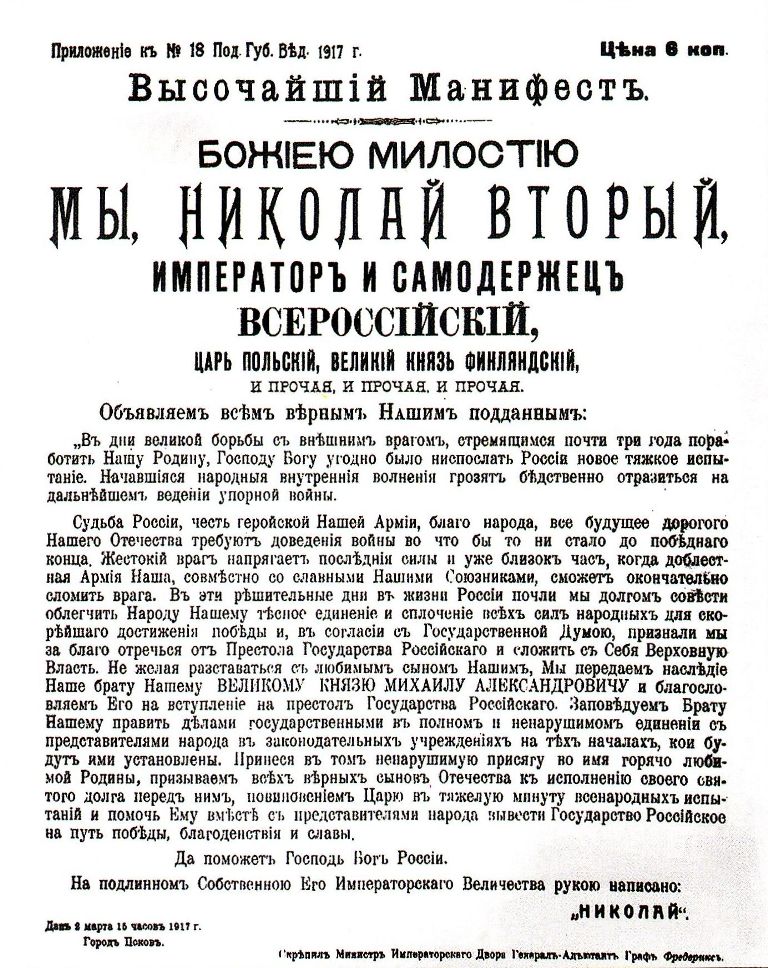
PHOTO: the Manifesto of the Abdication of Nicholas II – English translation, below

English translation of the Act of Abdication

In the days of the great struggle against the foreign enemies, who for nearly three years have tried to enslave our fatherland, the Lord God has been pleased to send down on Russia a new heavy trial. Internal popular disturbances threaten to have a disastrous effect on the future conduct of this persistent war. The destiny of Russia, the honour of our heroic army, the welfare of the people and the whole future of our dear fatherland demand that the war should be brought to a victorious conclusion whatever the cost. The cruel enemy is making his last efforts, and already the hour approaches when our glorious army together with our gallant allies will crush him. In these decisive days in the life of Russia,

We thought it Our duty of conscience to facilitate for Our people the closest union possible and a consolidation of all national forces for the speedy attainment of victory. In agreement with the Imperial Duma We have thought it well to renounce the Throne of the Russian Empire and to lay down the supreme power. As We do not wish to part from Our beloved son, We transmit the succession to Our brother, the Grand Duke Mikhail Alexandrovich, and give Him Our blessing to mount the Throne of the Russian Empire. We direct Our brother to conduct the affairs of the nation with the representatives of the people in the legislative bodies on those principles which will be established by them, and on which He will take an inviolable oath. In the name of Our dearly beloved homeland, We call on Our faithful sons of the fatherland to fulfill their sacred duty to the fatherland, to obey the Tsar in the heavy moment of national trials, and to help Him, together with the representatives of the people, to guide the Russian Empire on the road to victory, welfare, and glory. May the Lord God help Russia!” Nikolai

VIDEO: ‘The Conspiracy Against Nicholas II’, written and narrated by Paul Gilbert.
Duration: 7 minutes, 36 seconds. CLICK on the image above to watch this video

Shrouded in controversy, myths and lies

More than a century after this tragic event, the abdication of Emperor Nicholas II continues to be the subject of debate among many historians.

Some historians argue that the act of abdication was invalid for two reasons: one, because it was signed in pencil, violating all the necessary legal and procedural methods and format, and thus had no legal force; and two, because the instrument of abdication was never officially published by the Imperial Senate.

Another Russian historian further adds that “the Tsar’s signing of the instrument of abdication, his status as Tsar remained inviolate and unassailable”.

Further, in his scholarly book ‘Russia 1917. The February Revolution,’ the Russian-born historian George Mikhailovich Katkov (1903-1985), throws yet another coal into the fire:

“ . . . when the Tsar abdicated, and later on behalf of his son, he was accused of having done so in contravention of the Law of Succession and with the aim of introducing a legal flaw into the instrument of abdication that would later allow him to declare it invalid.”

If this is true, it was a very clever move on the part of Nicholas II, not realizing the terrible fate which awaited him and his family 15 months later in Ekaterinburg.

Faithful to the end: three generals who remained loyal to Nicholas II

In addition, historians have also led us to believe that Nicholas II was betrayed by all of his generals in the days leading up to his abdication.

This is incorrect.

Few people realize that when Nicholas II abdicated in March 1917, three generals remained faithful to their oath to the Emperor: Nikolai Iudovich Ivanov (1851-1919), Fyodor Arturovich Keller (1857-1918), and Huseyn Khan Nakhchivanski (1863-1919).

The generals sent telegrams to the Tsar at Mogliev expressing their loyalty to Nicholas II, offering their troops to defend the monarchy. The telegrams never reached the Sovereign, having been intercepted by traitors and supporters of the Provisional Government.

Source: “They did not betray their oath” – the fate of the generals who remained loyal to Nicholas II + PHOTOS

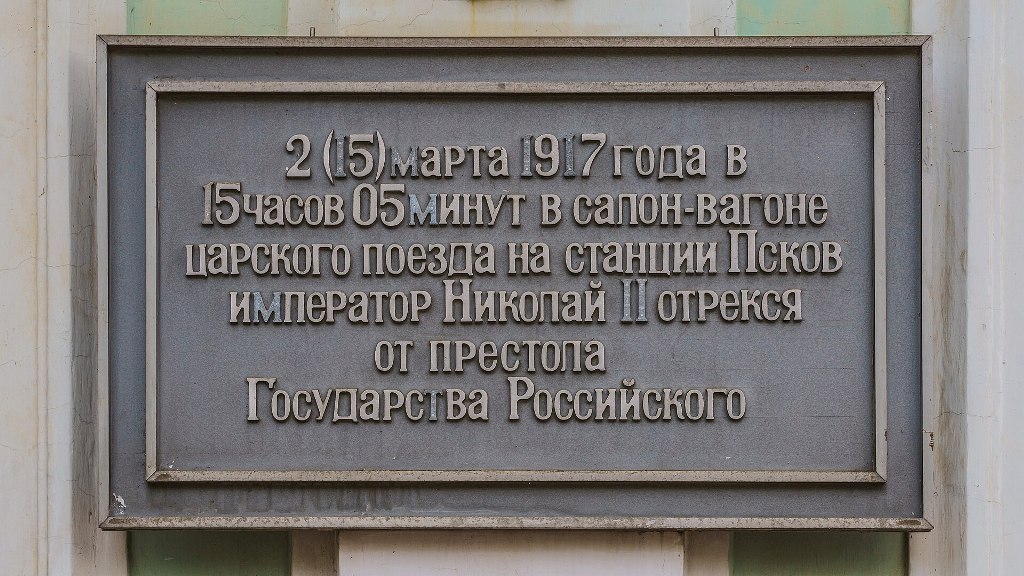
in 1997, a memorial plaque pictured above) was installed at the entranve of the railway station in Pskov. The translation of the text reads: “On March 2 (15), 1917, at 3:05 p.m., in the saloon car of the Tsar’s train at the Pskov station, Emperor Nicholas II abdicated the throne of the Russian State”.

FURTHER READING:

The Tsar’s Chapel in Pskov, in memory of the Tsar’s abdication + PHOTOS

Nicholas II’s stop at Dno, one day before his abdication in 1917

Last church where Nicholas II prayed before his abdication will be restored

© Paul Gilbert. 15 March 2026

15th March: Reigning Icon of the Mother of God Revealed

034a

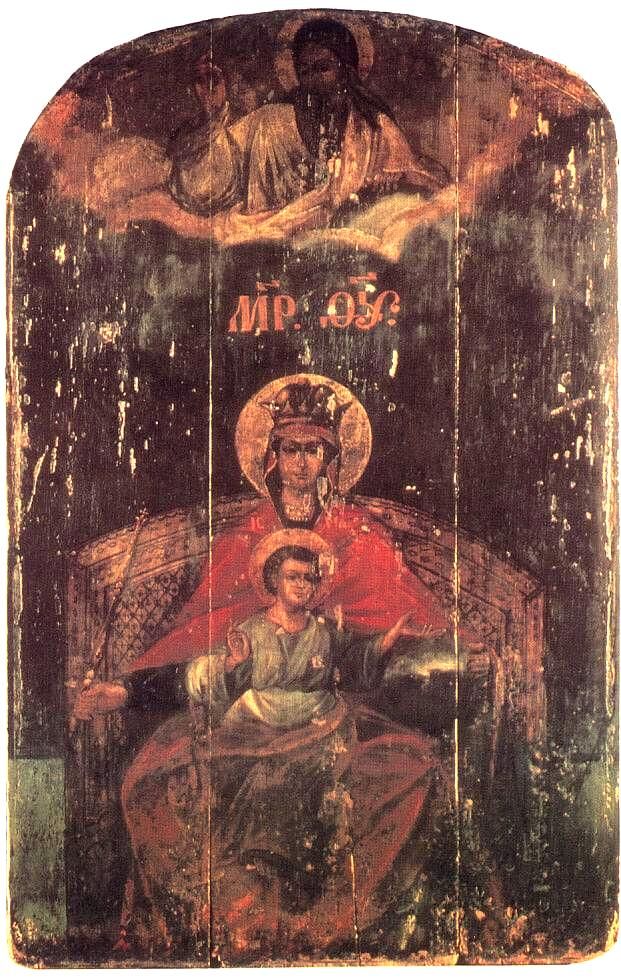
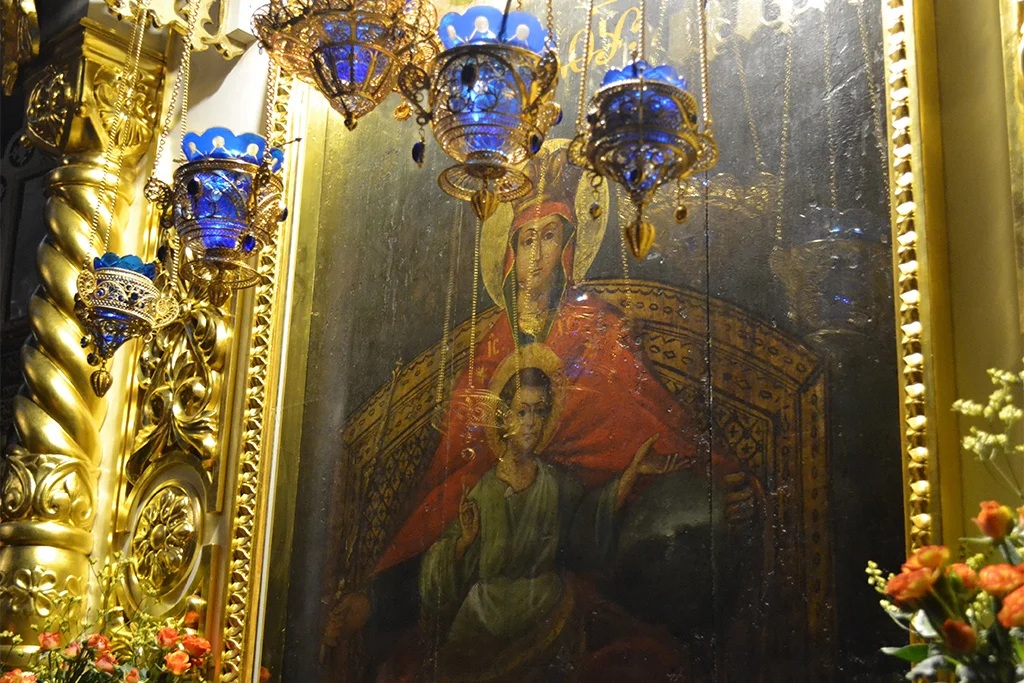
PHOTO: the original Reigning Icon of the Mother of God in
the Church of Our Lady of Kazan, Kolomenskoye (near Moscow)

NOTE: this article was originally posted on 15th March 2019. It was updated
with additional information and photos on 15th March 2026
– PG

***

On 15th (O. S. 2nd) March 1917, Emperor Nicholas II abdicated from the throne. That same day, the Reigning Icon of the Mother of God was revealed to a peasant woman in Kolomenskoye. Many believe the reappearance of the icon was an indication that the Virgin Mary was displeased with Russia for dethroning Nicholas II during the February 1917 Revolution.

The Reigning Icon of the Mother of God is believed to date from the 18th century. It is considered one of the most revered icons both inside Russia and in Russian emigre circles. 

The icon was originally venerated in the Ascension Convent, in the Chertolye neighborhood near the Moscow Kremlin. In 1812, as Napoleon Bonaparte’s Grande Armée approached Moscow during the French invasion of Russia, the icon was taken to the village church in Kolomenskoye for safekeeping and subsequently forgotten until 1917.

At the end of the February Revolution of 1917, on 15 March (O.S. 2 March) 1917, Tsar Nicholas II of Russia abdicated the throne. That same day, Evdokia Adrianova, a peasant woman in the village of Pererva in Moscow Province, dreamed that the Blessed Virgin appeared and spoke to her. She was instructed to travel to the village of Kolomenskoye, where she would find an old icon which, “will change colour from black to red.”

SONY DSC

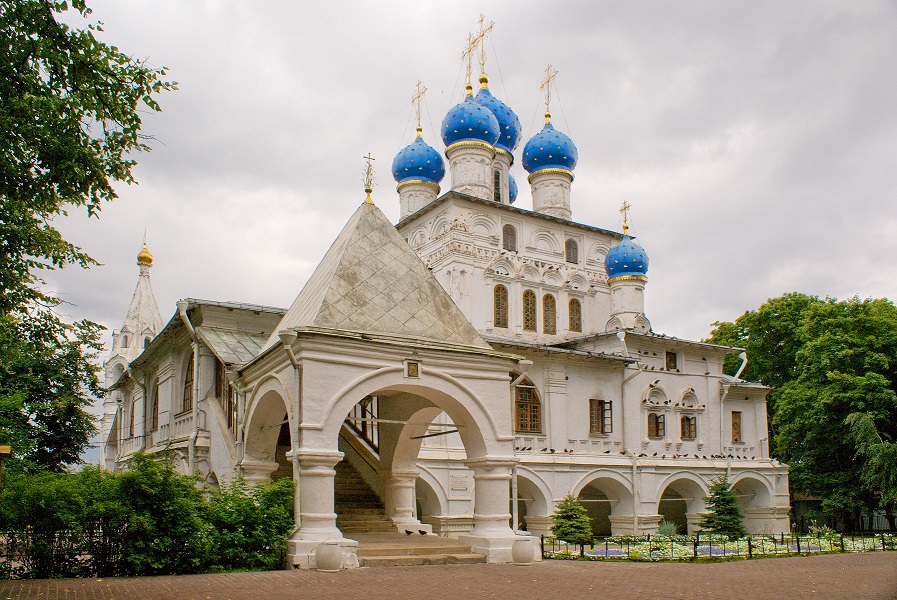
PHOTO: the Church of Our Lady of Kazan in Kolomenskoye (nearMoscow)

Upon her arrival, the parish priest Father Nikolai Likhachev (1865-1893) took Evdokia at her word and together they searched until they found, in an old storage room located in the basement, an icon covered with candle soot. When they took the icon outdoors, the sunlight revealed that the Mother of God was wearing the scarlet robes of a monarch. She also wore the Imperial crown and held a sceptre and orb — the symbols of Imperial power.

Since all this took place on the same day as the Tsar’s abdication from the throne, the appearance of the icon was immediately thought to be connected with that event. What is more, the priest was given to understand that the Crown that had fallen from the head of the Tsar had been taken up by the Theotokos, the Mother of God: henceforth, She would be the reigning Tsarina of the Russian State. Thus the icon was named the ‘Reigning’ icon and became widely revered among the Russian people.

The discovery of the miraculous appearance of the Reigning Icon spread instantly, and crowds of pilgrims began to flock to the Church of Our Lady of Kazan, Kolomenskoye (near Moscow) to venerate it.

PHOTO: The original Reigning Icon of the Mother of God in
the Church of Our Lady of Kazan, Kolomenskoye (near Moscow)

Russian monarchists believe the reappearance of the icon was an indication that the Virgin Mary was displeased with Russia for dethroning Tsar Nicholas II during the February 1917 Revolution. They believe that She will hold the Imperial Crown for safekeeping until the House of Romanov is restored.

After the revolution, efforts were made to protect and preserve the icon. It was transported from one place to another. She visited the Marfo-Mariinsky [Martha and Mary] Convent – founded by the Grand Duchess Elizabeth Feodorovna (1864-1918) – in Moscow, where she was greeted with great honours. Later, in Soviet times, the icon was kept in the vaults of the State Historical Museum in Moscow.

On 27th July 1990, the Reigning Icon of the Mother of God  was returned to the Church of Our Lady of Kazan in Kolomenskoye. Today, anyone can come to Moscow, to the Kolomenskoye Museum-Reserve, and pray before the miraculous image.

034c

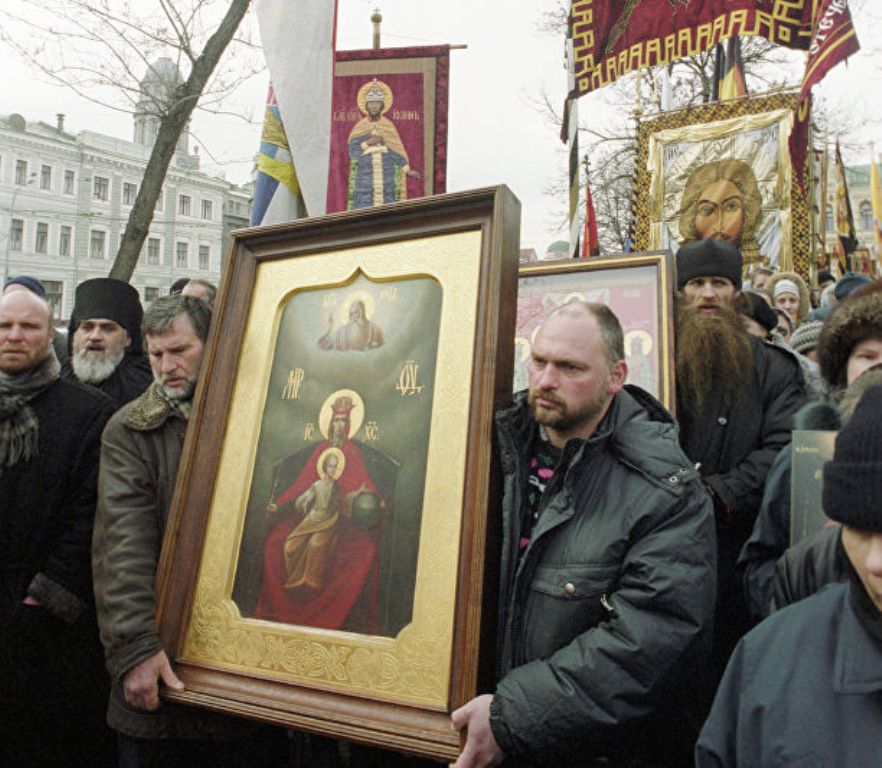
PHOTO: A copy of the Reigning Icon of the Mother of God
is carried in a cross procession held in Moscow

After the reunification of the Moscow Patrichate of the Russian Orthodox Church and the Russian Orthodox Church Outside Russia (ROCOR) in August 2007, the icon was taken to Russian parishes in Europe, the United States and Australia.

In modern times, Orthodox believers celebrate the day of the Reigning Icon of the Mother of God on 15th March. The significance of the Reigning Icon for the Russian people is enormous: it reminds them that even when earthly power collapses, heavenly protection remains with them. The icon has become a symbol of the inflexibility of the Russian spirit and protected Russia for more than a century.

The Reigning Icon does not require a special complex prayer. You can turn to the Mother of God in your own words, the main thing is to do it from the bottom of your heart. Traditionally, an akathist to the Reigning Icon or a troparion to the feast is read before the icon. Many Orthodox Christians come to church on 15th March or 2nd March (according to the Old Style Julian Calendar). On this day that worshippers light a candle and ask for intercession. During the Great Lent (from 23rd February to 11th April 2026), prayer before the Reigning Icon acquires a special meaning. Lent is a time of purification and repentance, and turning to the Mother of God helps to strengthen the spirit and walk this path with dignity.

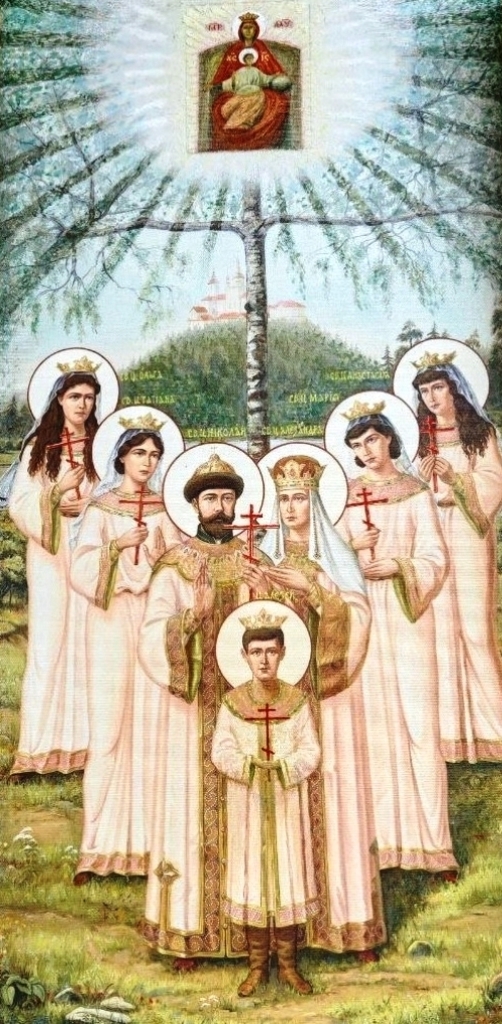
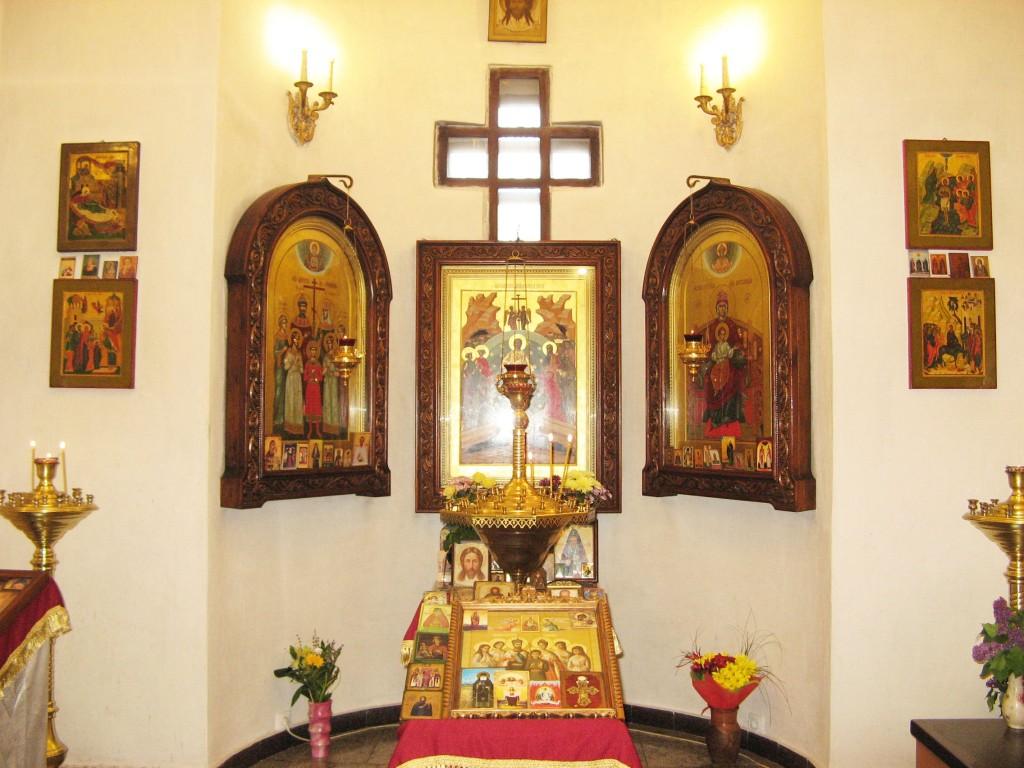
PHOTO: a contemporary Russian icon depicting the Holy Royal
Passion-Bearers standing under the image of the Mother of God

During the service held on the eve on the day of the discovery of the Reigning Icon of the Mother of God, Metropolitan Evgeny of Yekaterinburg and Verkhoturye diocese noted that the mystery of what happened that night at the Dno station is completely hidden from us, as well as what happened in the heart of the Tsar on the day of his abdication.

“We must warm our hearts with the Mother of God. To tell Her that Her appearance in Kolomenskoye was not in vain. It was not in vain that all those labours and prayers that She lifted up for Russia, so that Russia would be called Holy Russia and the home of the Most Holy Theotokos,” – His Eminence noted. 

FURTHER READING

The Abdication of Emperor Nicholas II, March 1917 + PHOTOS and VIDEO

© Paul Gilbert. 15 March 2019 – Updated on 15th March 2026

Prince Rostislav Romanov: “Nicholas II was loyal to Russia”

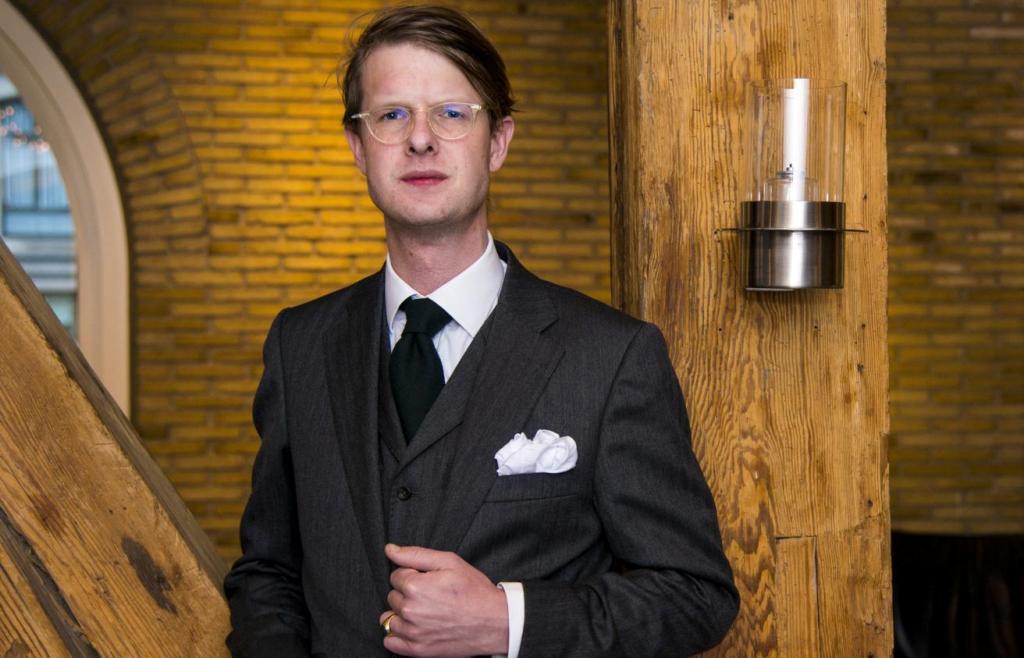
PHOTO: Prince Rostislav Romanov [b. 1985] © Dominique Boutin / ТАСС

On 14th March 2017, Dmitri Gorokhov of the Russian media news agency TASS, interviewed Prince Rostislav Romanov [b. 1985], great-grandson of Nicholas II’s sister, Grand Duchess Xenia Alexandrovna. His Highness answered questions on the 100th anniversary of the abdication of Russia’s last emperor.

Although this interview was recorded more than a decade ago, it remains an interesting read nonetheless. Below is the first English language translation.

– How do you, Your Highness, a descendant of the Romanovs, look at the events that took place on 15th (O.S. 2nd) March 1917?

“On this day a hundred years ago, with the abdication of Emperor Nicholas II from the throne on his own behalf and on behalf of his son, the history of the Romanov dynasty in Russia ended. And even with the passing of time, it is difficult for me to think about this dramatic event without feeling sadness.

“If we turn to the past, we see that history has always consisted of stages. Previously, they were much longer than in the new era. Events in certain countries often served as indicators of general development in the regions. If we look at the events of the early 20th century, we will see the abolition of many monarchies long before 1917.

“For many decades, there were currents that aimed at such changes. In many countries, the end of dynasties took place in different forms. But in Russia it was extraordinarily tragic, and not only for our family. The upheavals caused by it made the whole of Russia suffer.”

“The Emperor could have saved his family by moving to England. But the Romanovs did not receive such an invitation from London…

” I believe that Nicholas II would never have left Russia. He loved her, was faithful to her. Russia was also a family to him, and he could never leave it.

“Let us now return to the trends of the early twentieth century, when many monarchies faced problems. Perhaps this explains London’s instruction to the British ambassador to Russia, George Buchanan: “His Majesty’s Government will not insist on the Emperor and his family coming to England . . . ” At that moment in England, neither the royal family nor the British government could have foreseen the consequences.

“Part of the Romanov family managed to avoid reprisals and gradually started a new life in other countries. But they were never able to return to their homeland and were forced to end their lives in exile, scattered around the world.”

– What image of Nicholas II did your relatives preserve?

“The older generations of our branch of the Romanovs were very close to the Tsar. My great-grandmother, Grand Duchess Xenia Alexandrovna, was the Tsar’s sister. My great-grandfather, the creator of the Russian Air Force, Grand Duke Alexander Mikhailovich, was his brother-in-law.

“My father, Prince of the Imperial Blood Rostislav Rostislavovich (Senior), tried to raise my brother and me and our sister in the traditions of the dynasty, following its values. Nothing was more important to him than family, and in this he was very much like the late sovereign.

“One of the traits of the Tsar’s character was attention to other people. He never lost his composure, always remained steady, calm. This was a great gift.”

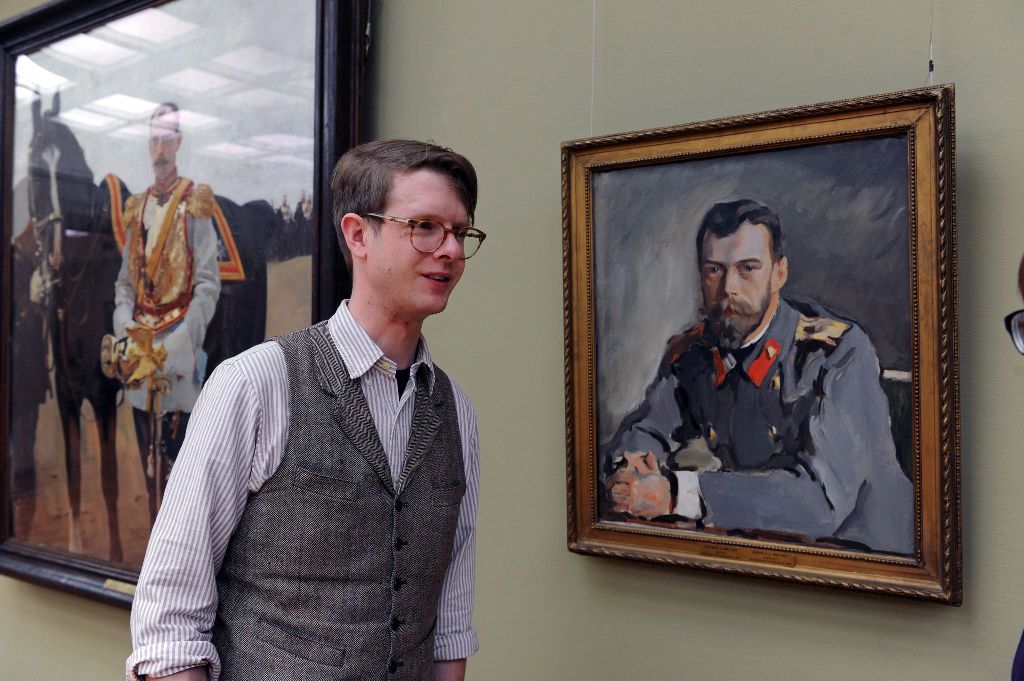
PHOTO: Prince Rostislav Romanov admires a portrait of Nicholas II, painted in 1900
by Valentin Alexandrovich Serov (1865-1911), in the State Tretyakov Gallery, Moscow

The eldest among the descendants of the Romanovs, Prince Dimitri Romanovich (1926-2016), did a lot to bring closer the dignified burial of Tsesarevich Alexei Nikolaevich and his sister Grand Duchess Maria. How does the family feel about these plans today?

“In January, together with other relatives, I participated in the farewell ceremony for Prince Dimitri Romanovich in Copenhagen. At the same time, we decided to continue the work to which the head of the Russian Imperial House gave so much of his strength.

“The eldest in our family, Prince of the Imperial Blood Dimitri Romanovich, believed that the Emperor’s children [Alexei and Maria] should be buried with their parents and sisters. And then the Tsar’s family will finally be able to rest in peace after so many difficult years.

“Christian duty is one of the reasons why the family calls for the burial of the Tsar’s children with their parents. Dimitri Romanovich hoped that this sad page of Russian history would be turned during his lifetime. Unfortunately, he did not live to see this moment. But we believe that he will see it from heaven.”

– You are a representative of the younger generation of the Romanovs. What does it mean to you to belong to this family?

“I often think about it, I have discussed it many times with my family. I think it is very important to preserve the legacy of the family, represented by the Romanov Family Association and the charitable Romanov Fund for Russia.

“We, the Romanovs, are proud of the contribution of our dynasty, which it left to the legacy of eternal Russia. The role of the dynasty has not been consigned to oblivion.

“That is why our association is so dear to us. It helps to maintain family ties, serves as a guide in our attitude to the roots and values of the family, which should never be forgotten. It defines our main goal at this moment, our commitment to the cause that was sacred for the late head of our family, Dimitri Romanovich: the burial in the cathedral of the Peter and Paul Fortress of Tsesarevich Alexei Nikolaevich and his sister Grand Duchess Maria Nikolaevna.

“We must always remember what trials Russia has gone through. It is also very important to help those who need it. I will always be grateful to the late Dimitri Romanovich for creating the Romanov Fund for Russia to come to the aid of those who need such support.

“At a January meeting in Copenhagen with Princess Feodora Alexeevna, who had been with Dimitri Romanovich all these years and shared his concerns, the relatives decided to continue the activities of the Romanov Family Association and the work of the Romanov Fund for Russia.”

You first visited Russia when you were twelve years old. How do you feel today in Moscow and St. Petersburg?

“Coming to both Russian capitals, I feel at home. Russia went through great trials, but retained its soul. And no matter what I do, the Russian soul leads me everywhere,” concluded His Highness.

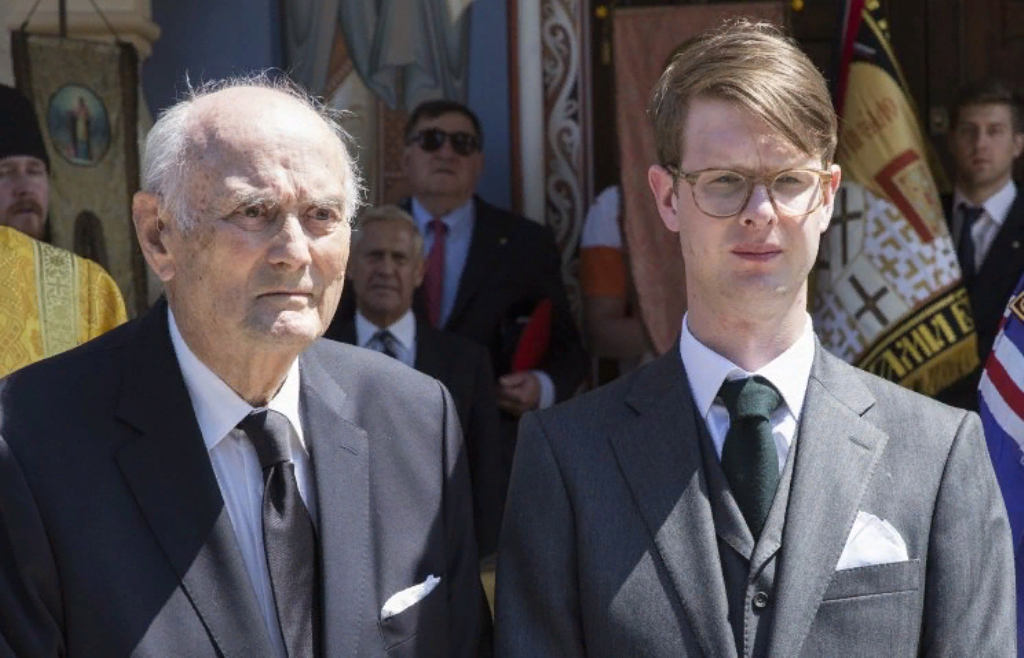
PHOTO: Prince Dimitri Romanovich (left) and Prince Rostislav Rostislavovich.
April 2015. Cannes, France

***

Prince Rostislav Rostislavovich Romanov was born on 21st May 1985 in in Lake Forest, Illinois (USA). He is the second child and eldest son of Prince Rostislav Rostislavovich Romanov (1938–1999) and his wife, Christia Ipsen(b. 1949).

Prince Rostislav belongs to the Mihailovichi branch of the Romanov family as a male line descendant of Grand Duke Michael Nikolaevich of Russia, the youngest son of Emperor Nicholas I. He is also a descendant of Emperors Alexander II and Alexander III, being the great-grandson of Grand Duchess Xenia Alexandrovna of Russia (sister of the last Emperor Nicholas II) and her husband Grand Duke Alexander Mikhailovich of Russia. Rostislav has been a member of the Romanov Family Association since 1985 and was a committee member between 2007 and 2013.

In September 2021, Prince Rostislav married Foteini Georganta, married in the Alexander Nevsky Orthodox Cathedral in Paris.[17] The wedding reception took place in the Cercle de l’Union Interalliée, a building that briefly housed the Russian Embassy in Paris after the Napoleonic Wars. The couple have one son, Prince Rostislav (born 2013).

In 2009, Prince Rostislav became the first Romanov to move back to Russia, where he lived for two years and studied Russian. He currently splits his time between the United Kingdom and Russia.

 In March, 2023, Rostislav was elected president of the Romanov Family Association

© Paul Gilbert. 23 December 2025

The Tsar’s Chapel in Pskov, in memory of the Tsar’s abdication

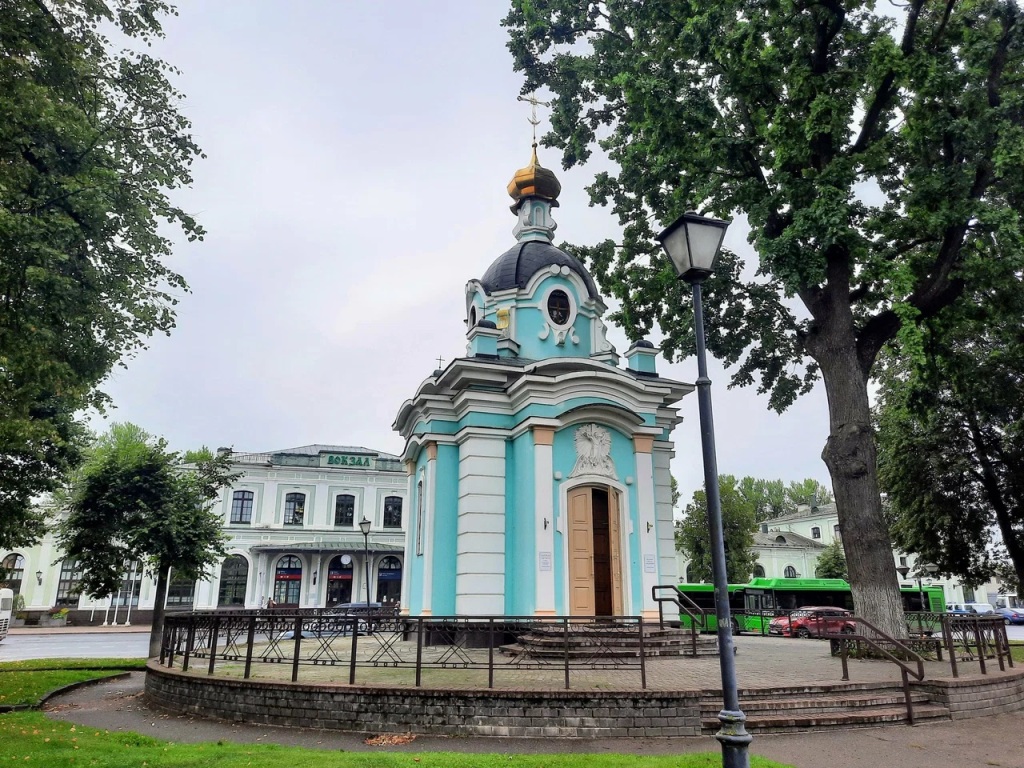
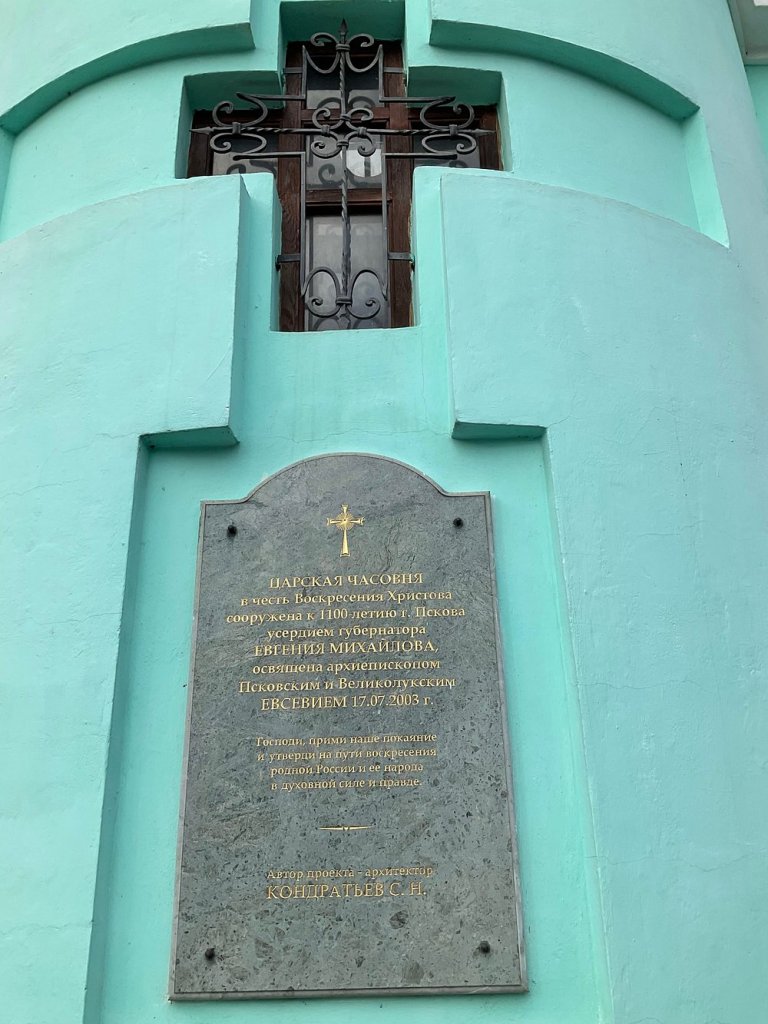
In 2003, a memorial chapel in memory of the abdication of Emperor Nicholas II was constructed on the square in front of the modern-day railway station in Pskov. The Chapel of the Resurrection of Christ was officially opened and consecrated on 17th July 2003.

Recall that on the night of 14/15 (O.S 2/3) March 1917, in a carriage of the Imperial Train, which was detained at the Varshavsky Railway Station in Pskov, the last Russian autocrat signed the act of abdication from the throne. The monarchy and the Russian Empire ceased to exist.

The Varshavsky Railway Station was built 140 years ago (on 9th September 1863) in connection with the opening of the St. Petersburg – Warsaw Railway. The two-storey station building, was restored anew for the 1100th anniversary of the city in 2003.

The chapel’s architect Sergei Nikolaevich Kondratiev, wanted to construct the chapel to correspond with the station building. He chose the architectural style of Imperial Russia, based on the famous examples of St. Petersburg, Oranienbaum and Peterhof.

The tiny chapel stands 17 meters [56 ft.] in height, it is crowned with a dome and a small cupola on which a gilded cross is installed. The dome is covered with sheet copper, the dome and the cross are made of a special alloy made at one of the defense plants in Chelyabinsk. The single colour scheme of the chapel’s facade is a combination of golden-brown, green and white.

A marble plaque was installed on the side of the chapel, on which the inscription is engraved: “The Tsar’s Chapel was built in the year of the 1100th anniversary of Pskov as a repentance and deep sorrow of the people of Pskov over the tragic death of the last Russian Emperor Nikolai Alexandrovich Romanov.”

© Paul Gilbert. 23 January 2025

Nicholas II’s stop at Dno, one day before his abdication in 1917

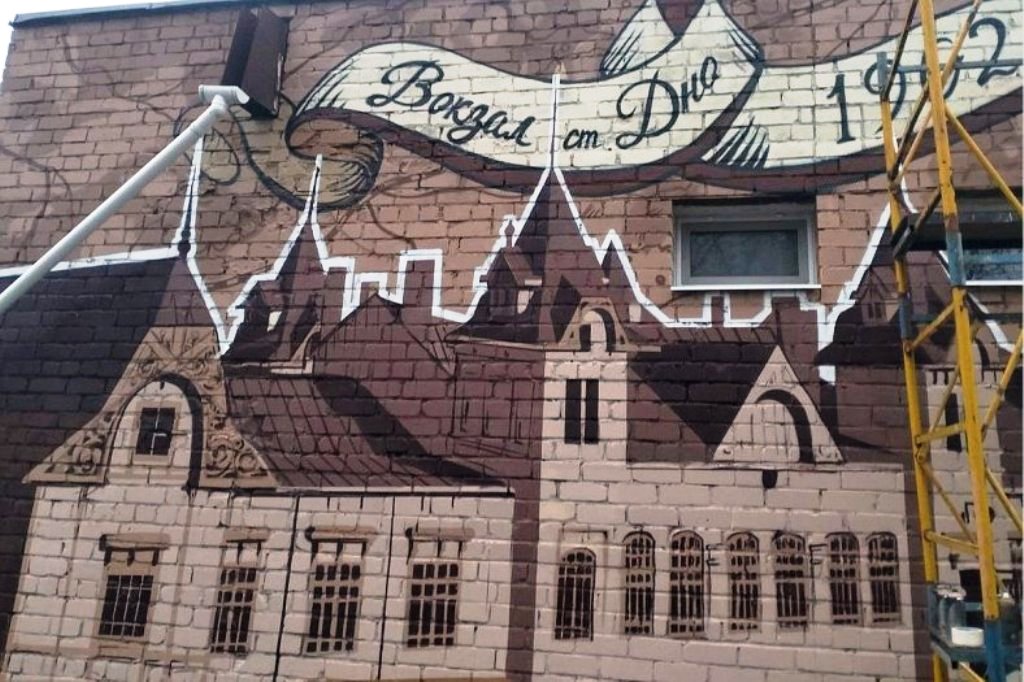
PHOTO: modern-day murual depicting the train stain in Dno

On 14th (O.S. 1st) March 1917, at 15:00, Emperor Nicholas II arrived at Dno on the Imperial Train, where an urgent telegram from State Duma Chairman Mikhail Rodzianko[1] awaited him:

Dno station. To His Imperial Majesty. I am now leaving for Dno Station by emergency train to report to you, Sire, on the state of affairs and the necessary measures to save Russia. I earnestly ask you to wait for my arrival, for every minute counts.

Without waiting for Rodzianko, the Tsar ordered the Imperial Train[2] to proceed on to Pskov, where he would meet up with Rodzianko, however, the chairman never arrived. On the night of 1st/2nd March, during a conversation with General Ruzsky[3] Rodzianko explained his “non-arrival” by the impossibility of leaving Petrograd in a situation where the revolutionary events in the capital threatened to develop into anarchy.

Emperor Nicholas II abdicated the following day, on 15th March (O.S. 2nd) March 1917, bringing an end to more than 300 years of the Romanov dynasty and the monarchy in Russia.

The Sovereign abdicated in the heartfelt belief that his abdication would save the honour of the army, prevent civil war and keep Russia in the war against Germany.

Sadly, it did not. In his diary, Nicholas wrote: “I am surrounded by betrayal, cowardice, and deceit.”

In memory of Emperor Nicholas II’s historic stop at Dno in March 1917, a mural of the pre-war railway station has been recreated, on the building of the museum and exhibition center in Dno. The artists of the mural are Ivan and Nikita Trakhov, both of whom are residents of Pskov.

“The mural will remind everyone of our history, the station, which Nicholas II saw from the window of his train,” said Mikhail Shaurkin, who serves as the head of the Dnovsky district .

The idea for the mural was conceived by the head of the museum Sergey Egorov. He wanted to recreate the historic look of the station as it looked more than a century ago. According to him, “many tourists, as well as residents of the city, are surprised to learn that there was a railway station in Dno before the Great Patriotic War.”

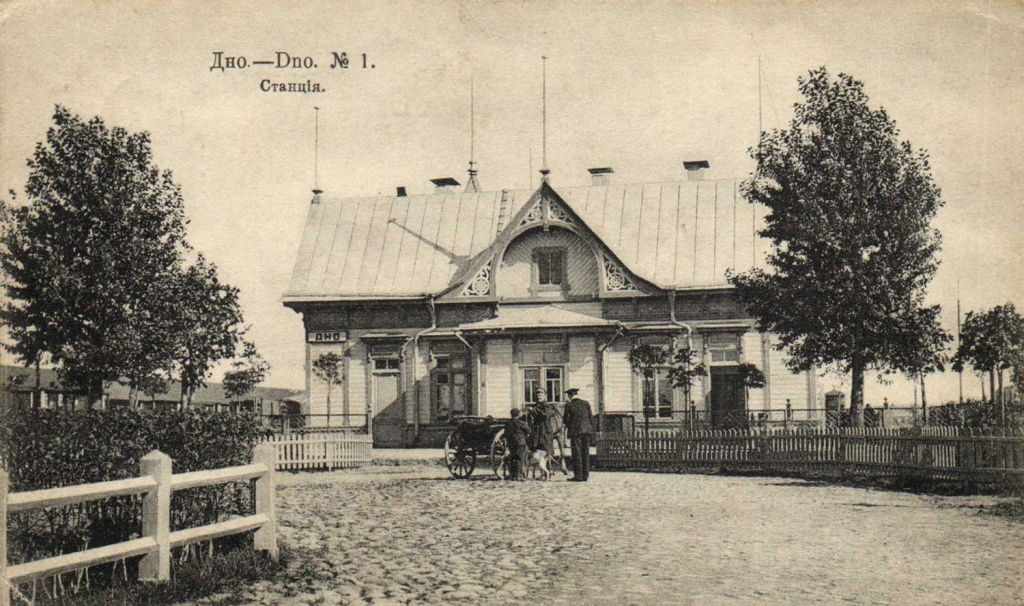
PHOTO: early 20th century postcard depicting the old wooden station at Dno

The original train station at Dno was constructed of wood in the Art Nouveau style. During the Great Patriotic War (1941-45) the building was destroyed by fire. After the war, a new station was built, which stands to this day.

NOTES:

[1] In an open act of treason against the Emperor, Grand Duke Kirill Vladimirovich wearing a red ribbon on his shoulders, under which the Marine of the Guard followed their commander, marched to Petrograd, where he presented himself at the State Duma, where he reported to Duma Chairman Mikhail Rodzianko. “I have the honour of appearing before Your Excellency,” said the Grand Duke . . . “I am at your disposal, as is the entire nation. I wish Russia only good.”

[2] With the outbreak of World War I, the Imperial Train became both a travelling residence for the Emperor, as well as a military field office, equipped with telephone and telegraph communications. A telephone network was installed for communication between all cars, each carriage having it’s own telephone.

[3] Nikolai Vladimirovich Ruzsky (1854-1918) was a Russian general, member of the state and military councils, best known for his role in World War I and the abdication of Tsar Nicholas II. He was shot by the Bolsheviks on 18th October 1918.

© Paul Gilbert. 10 December 2024

The Last Tsar: The Abdication of Nicholas II and the Fall of the Romanovs

Below, is the publisher’s summary of the forthcoming title The Last Tsar: The Abdication of Nicholas II and the Fall of the Romanovs by Tsuyoshi Hasegawa, to be published in December 2024. Please take a moment to read my personal comments which follow – PG

***

When Tsar Nicholas II fell from power in 1917, Imperial Russia faced a series of overlapping crises, from war to social unrest. Though Nicholas’s life is often described as tragic, it was not fate that doomed the Romanovs—it was poor leadership and a blinkered faith in autocracy.   
 
Based on a trove of new archival discoveries, The Last Tsar narrates how Nicholas’s resistance to reform doomed the monarchy. Encompassing the captivating personalities of the era—the bumbling Nicholas, his spiteful wife Alexandra, the family’s faith healer Rasputin—it untangles the dramatic struggle by Russia’s aristocratic, military, and legislative elite to reform the monarchy. By rejecting compromise, Nicholas undermined his supporters at crucial moments. His blunders cleared the way for all-out civil war and the eventual rise of the Soviet Union.  
 
Definitive and engrossing, The Last Tsar uncovers how Nicholas II stumbled into revolution, taking his family, the Romanov dynasty, and the whole Russian Empire down with him.

About the Author

Tsuyoshi Hasegawa is professor emeritus in history at the University of California at Santa Barbara. The award-winning author of many books on Russian history, World War II, and the Cold War, he lives in Santa Barbara, California.

A few comments on the publisher’s summary

Based on the above summary, one can only presume that this new book will be yet another negative assessment of the Holy Tsar Nicholas II.

Hasadawa makes radical claims, but nothing we haven’t heard or read before. For instance, he states that it was “poor leadership and a blinkered faith in autocracy” which “doomed the Romanovs” . . . and that “by rejecting compromise, Nicholas undermined his supporters at crucial moments” . . . and that, “his blunders cleared the way for all-out civil war and the eventual rise of the Soviet Union”.  

Such broad accusations, putting the blame at the feet of one man during some of the most difficult times of his reign, are simply not a fair assessment. One man cannot be held responsible for civil unrest, revolutionary activity, war, revolution, etc. There were so many different elements at play which led to the end of the monarchy and Tsarist Russia.

Nicholas II was surrounded by enemies, including self-serving ministers, generals and even members of his own family. Worst of all, were the various revolutionary groups, who did not want a “constitutional monarchy”, but a new world order. Just look at what replaced the monarchy in Russia in early 1917: the Provisional Government, led by Alexander Kerensky. The enemies of the Tsar blindly followed Kerensky and his cronies towards the abyss, until October 1917, when the Bolsheviks seized power, ushering in decades of totalitarianism, terror, and destruction of the old order.

Hasadawa then goes on to claim that Nicholas’s resistance to reform “doomed the monarchy”. What utter nonsense! More than a century after the fact, it is so easy to criticize or cast judgement on why “did” the Tsar do this, or why “didn’t” he do that? Hindsight is always 20/20. Nicholas II carried out many reforms during his 22+year reign, however, these are often ignored or overlooked by academically lazy historians. In addition, any reforms of a 1000 year old autocratic system would have to come slowly and with great care.

The author then resorts to insults. He refers to Nicholas as “bumbling” , so it will be interesting to read how Hasadawa explains just how the Tsar was “bumbling”. Then he insults Empress Alexandra Feodorovna as “spiteful”. Alix spiteful? Really? He then goes on to refer to Rasputin as “the family faither healer”, which is incorrect. Rasputin was a strannik, meaning a holy wanderer, or pilgrim.

The publisher claims that this new book is based on “on a trove of new archival discoveries”. I for one am intrigued, and looking forward to reading these “discoveries” Did the author actually travel to Russia and carry out research in the Russian archives? Did he meet with and interview his Russian peers for perhaps, a more balanced understanding of history from a Russian perspective? We shall have to wait and see.

I will be anxious to see if Hasadawa will touch on the many reforms and accomplishments made by Nicholas, and while discussing the Tsar’s abdication, will he even dare touch on the fact that the abdication was in fact an illegal coup?

Back in 2018, I remember prematurely balking at reading The Last of the Tsars: Nicholas II and the Russian Revolution by British historian and author Robert Service. I did this simply because the author was a Sovietologist, anticipating that the entire book would be an all out attack on Nicholas II. I was wrong. There is no question, that Service is not a fan of the last Tsar, but as it turned out, the book was one of the most interesting I had read in many years. Service writes about the last 18 months of the life of the Tsar, presenting many new facts and much new information, primarily from Russian archival sources. Therefore, I feel it necessary to afford Hasadawa the same courtesy. I have already pre-ordered a copy from Amazon, and look forward to reading it in due course.

© Paul Gilbert. 6 April 2024

New museum dedicated to Imperial Family to open next year in Pskov region

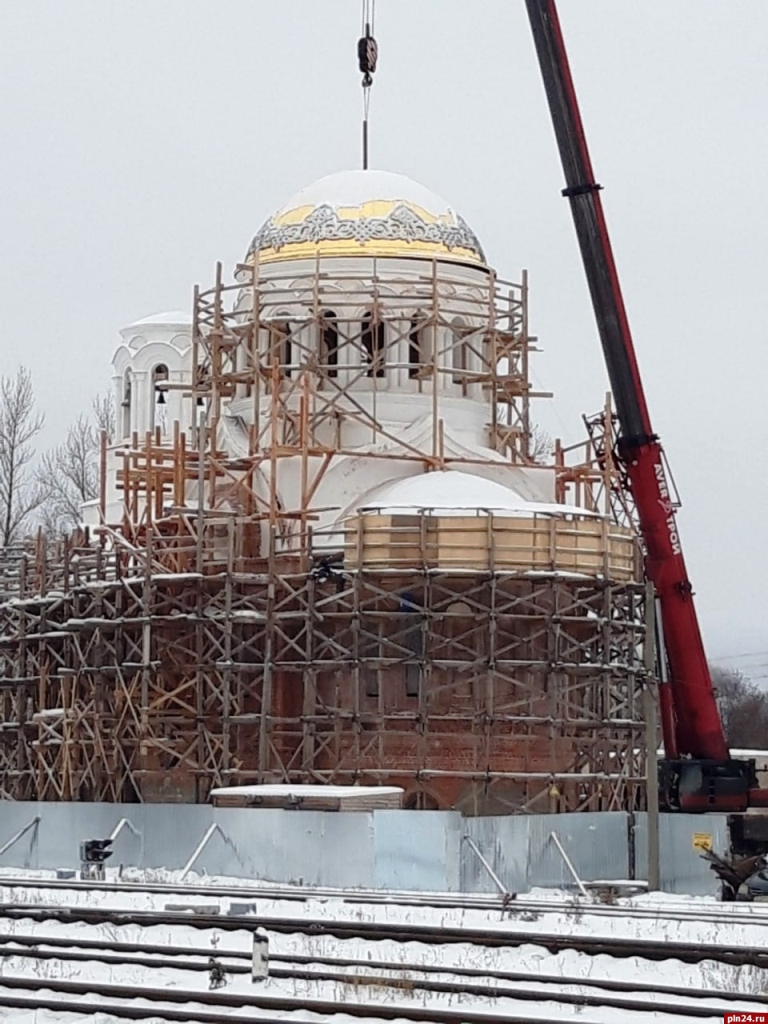
In 2024, a memorial museum dedicated to the Russian Imperial Family will open in the Church of the Holy Royal Passion-Bearers, located in the city of Dno, in the Pskov region.

Pskov has a very close connection to Russia’s last Tsar. It was in Pskov, on 15th March 1917 (O.S. 2nd March) 1917, that Emperor Nicholas II was forced to sign his abdication during an illegal coup.

The Tsar noted in his diary that the Imperial Train was forced to stop at Dno, before proceeding to Pskov. It is near this station, that the Church of the Holy Royal Passion-Bearers is being constructed. The laying of the foundation stone of the Church took place in March 2017, on the day marking the 100th anniversary when the Tsar’s train was stopped here in March 1917.

The construction of the Church of the Holy Royal Passion-Bearers began six years ago. The Imperial Family memorial museum will will be on the ground floor of the building. Glass showcases are already being decorated with exhibits.

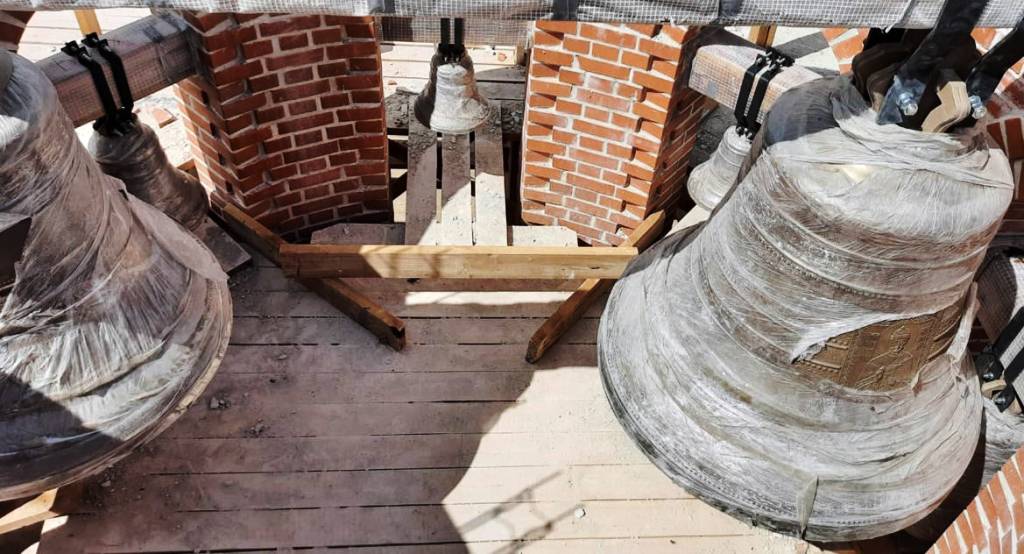
PHOTO: 10 bells were cast for the Church of the Holy Royal Passion-Bearers

On 14th July 2022, bells were raised to the bell tower of the church. They are dedicated to Emperor Nicholas II, his family and their four faithful retainers, all of whom were brutally murdered by the Ural Soviet (Bolsheviks) on the night of 16/17 July 1918.

A total of 10 bells for the Church were cast in the Urals. The largest of them weighs 1,140 kg and is dedicated to Tsar Nicholas II. On this bell there are iconographic images of the Sovereign and the Savior Almighty.

A second bell weighing 660 kg, is dedicated to Empress Alexandra Feodorovna. In addition to the image of the Empress herself, there is an image of the Reigning Icon of the Mother of God.

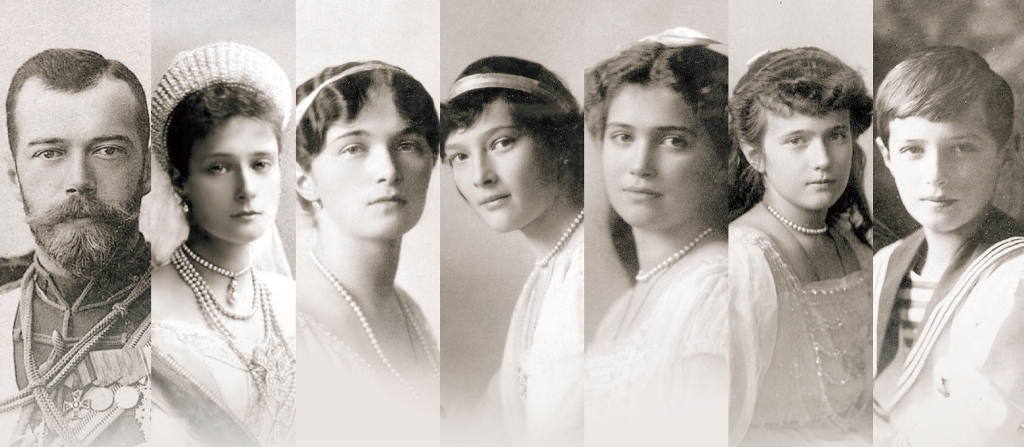
A third bell weighing 326 kg is dedicated to Tsesarevich Alexei Nikolaevich and his four sisters: Grand . Duchesses Olga, Tatiana, Maria and Anastasia Nikolaevna. This bell is decorated with icons depicting the Tsesarevich and the Imperial Family.

The fourth bell weighing 156 kg, dedicated to the four faithful retainers of Imperial Family: the valet Aloysius Trupp (1856-1918); the maid Anna Demidova (1878-1918); the cook Ivan Kharitonov (1872-1918); and Dr. Eugene Botkin (1865-1918).The bell includes an icon of the Righteous Passion-Bearer, Dr. Eugene Botkin.

PHOTO: Work continues on the Church of the Holy Royal Passion-Bearers

On 23rd November 2022, the consecration and installation of domes and crosses took place. With the blessing of Metropolitan Tikhon of Porkhov and Pskov, the rite of consecration was performed by Archpriest Serge Andreev, rector of the Church of the Archangel Michael in Dno. Work on the interiors of the Church continue.

The construction of the white-stone church in the city of Dno began in 2017 with the blessing of the Pskov Metropolitanate. It was timed to coincide with the 100th anniversary of the death and martyrdom of the Imperial Family.

© Paul Gilbert. 17 November 2023

1917 Bible belonging to Nicholas II preserved in Pskov church museum

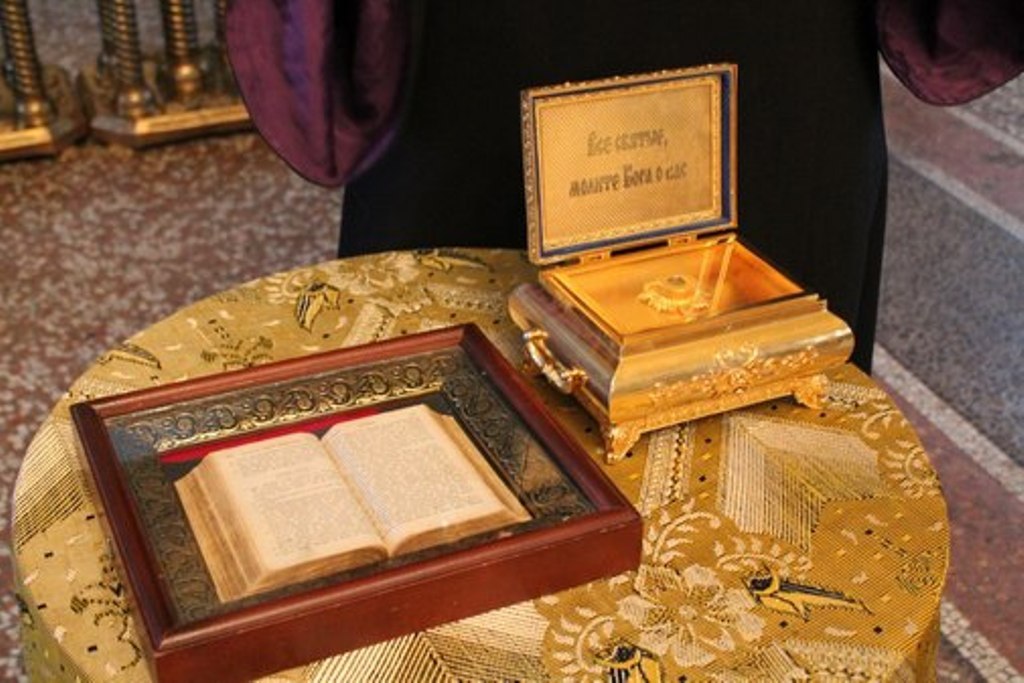
PHOTO: copy of the Old Testament with personal notes made by Emperor Nicholas II. On the right, is a small casket containing a milk tooth of Tsesarevich Alexei Nikolaevich

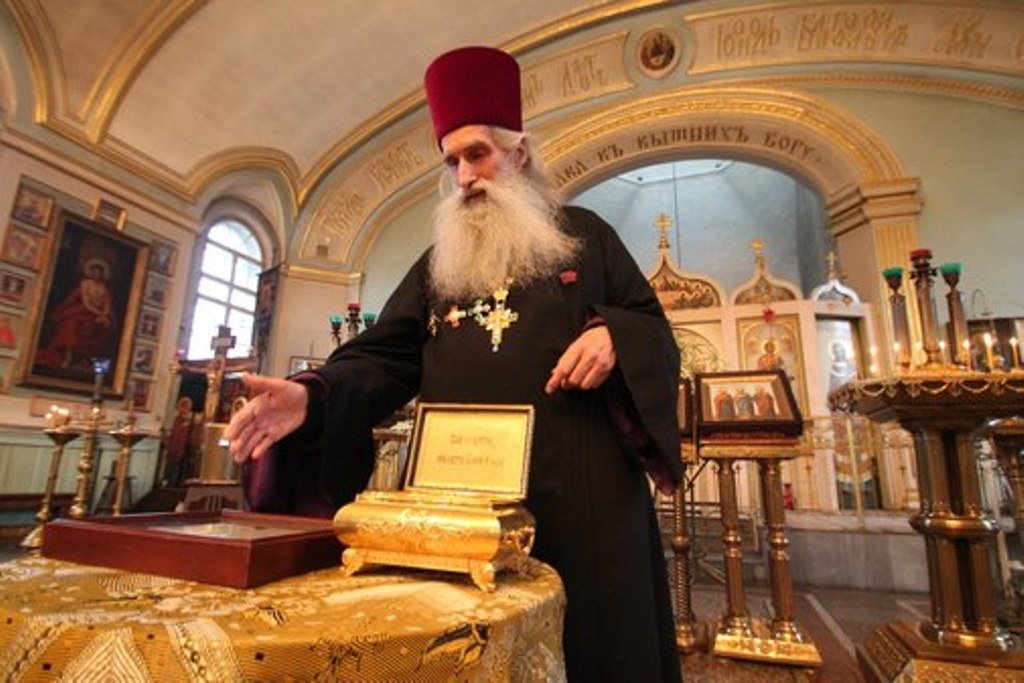
Tucked away in the Church of St. Alexander Nevsky in Zavelichye (Pskov), is a tiny little known museum. The museum was created by Archpriest Oleg Teor (born 1944), who over the years has collected and preserved numerous items and documents of historic value and significance of the diocese.

The museum’s most interesting item is a copy of the Old Testament belonging to Emperor Nicholas II, found on the Imperial Train in March 1917, which includes notes made in the margins, written in pencil. The sacred text lies in a special wooden box under glass. Sitting next to it, is a small casket containing a milk tooth of Tsesarevich Alexei Nikolaevich.

Recall that it was on on the night of 15th (O.S. 2nd March 1917, in a wagon of the Imperial train, stationed in the ancient Russian city of Pskov, Nicholas II, Emperor and Autocrat of All the Russias, in the forty eighth year of his life and the twenty third of his reign, surrendered the crown that his forebears had held since 1613.

PHOTO: Church of St. Alexander Nevsky in Zavelichye (Pskov)

How did the sacred text end up in Pskov?

The Church of St. Alexander Nevsky was built in 1907-1908, for the 96th Omsk Regiment. The church was closed by the Bolsheviks in 1918. In 1992, it was returned to the Russian Orthodox Church. Following an extensive restoration, the church was reconsecrated on 12th June 1995, new bells were consecrated on 2nd December 2008, marking the 100th anniversary of the church.

There are several theories among the parishioners, as to how the copy of the Old Testament ended up in Church of St. Alexander Nevsky. Some say that the Old Testament was donated to the church by an elderly woman from Pskov, while others claim that the donor was a man who wished to remain anonymous. Allegedly, he went into the church, placed the Bible on the table and, saying that it belonged to the Tsar, disappeared in an unknown direction. The most intriguing theory, however, the book was miraculously found in a looted imperial train car and passed to the woman for safekeeping from relatives.

According to Archpriest Oleg Teor, however, the Old Testament was given to him by the nephew of a veteran of the Great Patriotic War, who later took the clergy. “I know this man very well, and while still a boy, he came to visit his uncle and asked about the book. His uncle replied that it belonged to Tsar Nicholas II. Either the Emperor himself, who prior to his abdication was on the Imperial Train, or one of his aides handed the book to a relative of his uncle with the words “take it and safeguard it.” The uncle then gave the sacred text to his nephew, who some years later gave me the copy of the Old Testament repeating the words of his uncle “take it and safeguard it“. . .

The Old Testament contains two notes in the margins inscribed in a “sharp-edged graphite pencil” on pages 220 and 237. In addition, it contains many underlined passages. Perhaps the Tsar looked for answers to many of his questions in the Holy Scriptures? Perhaps the Old Testament, helped the Tsar put his thoughts and feelings in order and make the difficult decision to abdicate?

PHOTO: Archpriest Oleg Teor shows the sacred text, which lies in a special wooden box under glass

Forensic examination

In February 1997, Archpriest Oleg Teor met with Alexander Bogdanov, a forensic expert of the Internal Affairs Directorate of the Pskov Region, who was instructed to conduct an examination of the Old Testament, and establish whether the notes were indeed made by Nicholas II just before that fateful night in Pskov.

Bogdanov went to the State archives in Moscow, where he sorted through and examined Nicholas II’s documents, including the emperor’s notes, a notebook for playing dominoes and cards, as well as letters and diaries. Many of the documents contained brief alphabetic and digital notes made with a graphite pencil… the same type of pencil used in the margins of the Old Testament.

Bogdanov examined each document meticulously, then made copies with the use of a digital camera. He then took these documents back to the forensic center for further examination. But this was only the beginning of a great work that lasted several months. At the second stage, Valery Ivanov, a leading specialist in the field of handwriting, joined Bogdanov.

“Now the criminalists had to examine and compate the handwriting of the pencil notes found in the margins of the Bible with the handwriting of Emperor Nicholas II,” recalls Yuri Yashin, a colleague of Bogdanov and Ivanov, who oversaw the examination. To do this, it was necessary to identify a certain set of general and particular features of handwriting. As a result of the handwriting examination, a set of matching general and particular features was established.

Researchers of the Pskov State Historical and Architectural Museum-Reserve, who examined the book dated it to the 1870s 1890s. The sacred text shows signs of repairs of the book, probably made in the 20th century by an amateur bookbinder. Putting all the pieces of the puzzle into a single picture, Alexander Bogdanov and Valery Ivanov and their team of forensic experts came to a categorically positive conclusion. “The two handwritten texts found on pages 220 and 237, of the Old Testament were executed by the All-Russian Autocrat Emperor Nicholas II”.

PHOTO: the Old Testament which belonged to Emperor Nicholas II, is today preserved in a special wooden box under glass in the Church of St. Alexander Nevsky in Zavelichye (Pskov)

NOTE: There remains some speculation that it is highly unlikely that the Emperor himself, of his own free will, parted with his personal Bible. Based on the inventory of icons, shrines and spiritual books left after the regicide, it is clear that the Imperial Family treasured such books and carried them everywhere with them.

Known, for example, is a Bible belonging to Nicholas II, which was presented to him by his mother – Empress Maria Feodorovna, when he was Tsesarevich. It was this Bible that accompanied the Tsar, first to Tobolsk, and then to Ekaterinburg. Following the regicide, it was discovered by the Whites in the deserted Ipatiev House, and then, among with other personal items which belonged to the Imperial family, the Bible was given to the Emperor’s sister, Grand Duchess Xenia Alexandrovna, who later donated it to the Russian Orthodox Church of Saint Job in Uccle, Brussels.

The milk tooth of Tsesarevich Alexei Nikolaevich

The milk tooth of Tsesarevich Alexei Nikolaevich was first kept in the Winter Palace in St. Petersburg, where Nicholas II and his family lived until they moved to Tsarskoye Selo in 1905, then a small apartment in France and, finally, Orthodox Church of St. Nicholas in Saint-Louis, France [just one kilometer from the Swiss border].

The milk tooth of the innocently murdered Tsesarevich was carefully kept by his nurse-nanny Alexandra Alexandrovna Tegleva [wife of the Imperial children’s tutor Pierre Gilliard]. Both Tegleva and Gilliard accompanied the Imperial family into exile to Tobolsk in August 1917.

When the Empress was transferred to Ekaterinburg in April 1918, she passed her jewellery to the nanny and Alexei’s three milk teeth.

Having miraculously escaped execution, Alexandra Teglina fled Bolshevik Russia, eventually settling in Switzerland. Until her death on 21st March 1955, she carefully kept the precious box with the gifts of the Empress. After her death, her nephew gave the casket containing the Tsesarevich’s milk teeth to the Church of St. Nicholas in Saint-Louis.

The rector of the French parish of St. Nicholas ordered three icons of the Holy Royal Martyrs with three absolutely identical reliquaries for each tooth. A request was made by a member of the Russian clergy, who asked that one of these icons be sent to Russia, so that as many Orthodox as possible could see it.

One of these icons was given to the Church on the Blood in Ekaterinburg, built on the site of the Ipatiev House, where Nicholas II and his family met their death and martyrdom on 17th July 1918.

Another of these icons was given to Archpriest Oleg Teor by his friend the rector of the Orthodox church in Saint-Louis Vladimir Shibaev. According to Father Oleg, Father Vladimir requested that the milk tooth of the murdered Tsesarevich should be “returned home to Russia“.

To learn more about this sacred text and the Tsar’s alleged abdication, please refer to pages 62-83 of my book Nicholas II: Russia’s Last Orthodox Christian Monarch (2022), available from AMAZON in paperback and eBook editions.

© Paul Gilbert. 10 August 2022