New museum dedicated to Nicholas II and his family opens in Pskov region

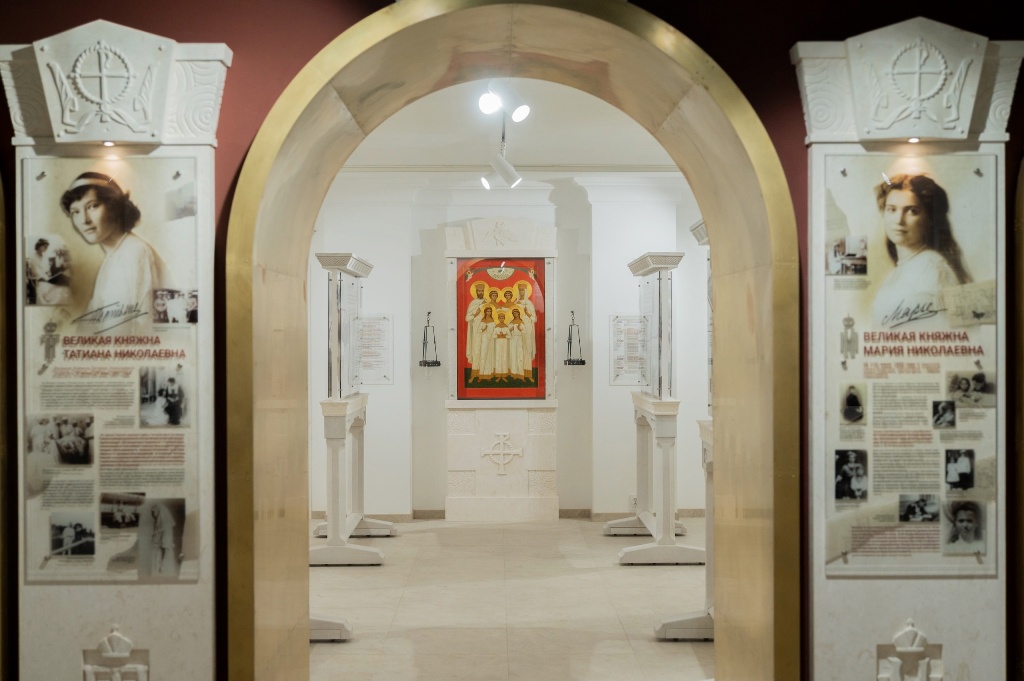
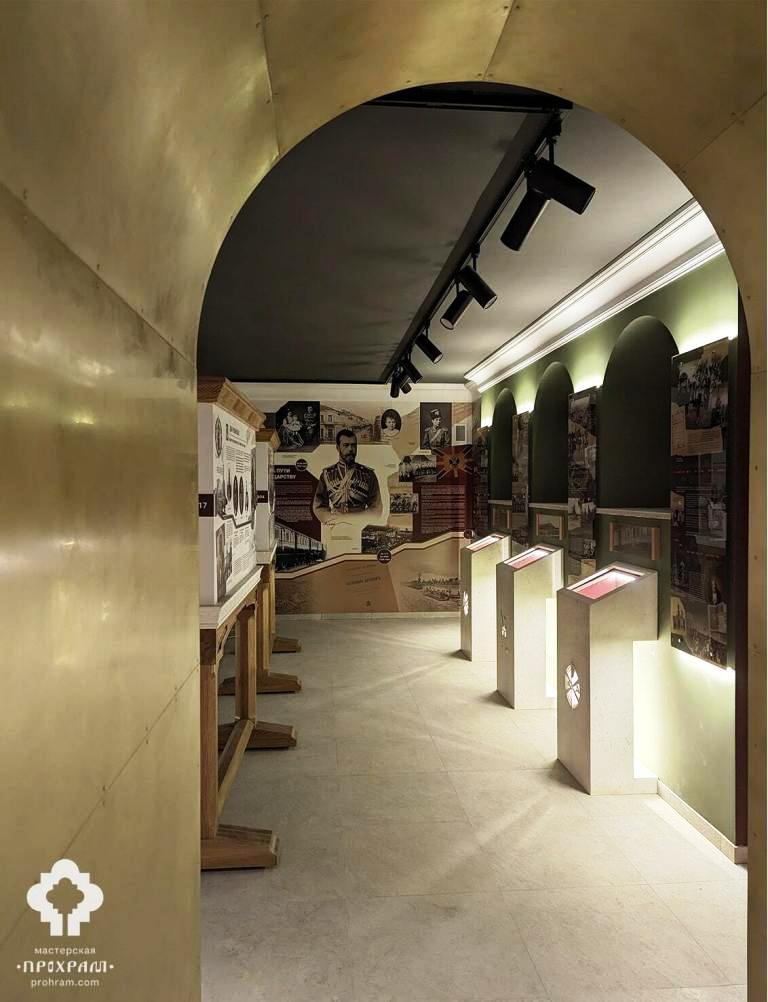
PHOTO: entrance to the exhibition which takes up the entire ground floor of the
recently constructed Church of the Holy Royal Passion-Bearers in Dno

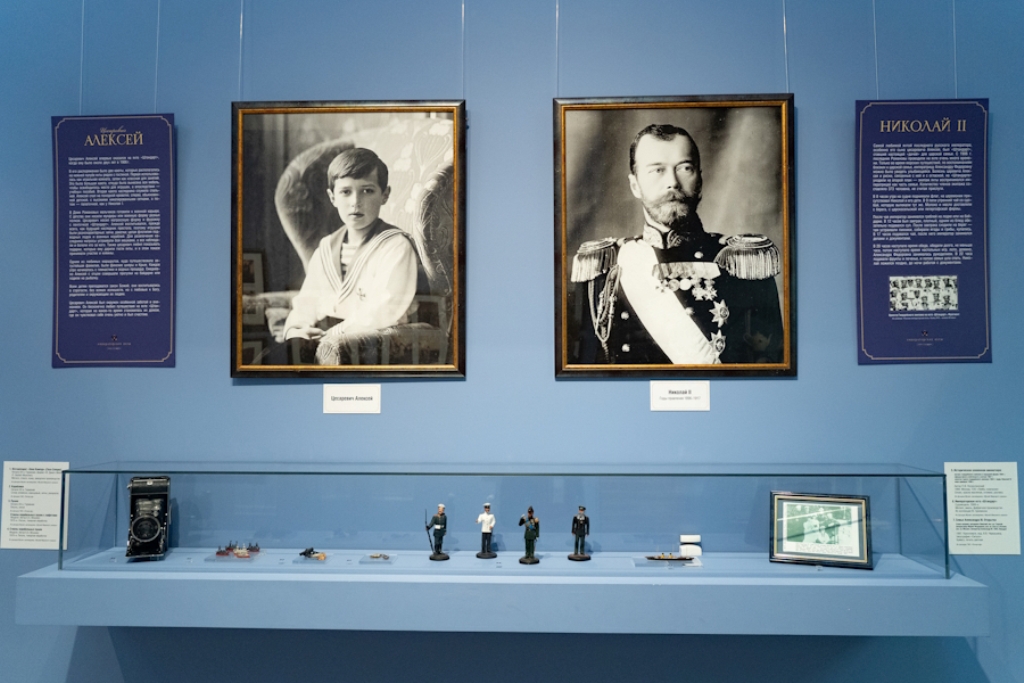
On 26th December 2024, a new museum dedicated to Emperor Nicholas II and his family was officially opened and consecrated in the Church of the Holy Royal Passion-Bearers in the Russian city of Dno, situated 114 km from Pskov.

Recall that on the same day, a new monument to the Holy Royal Passion-Bearers was unveiled and consecrated on the grounds of the church.

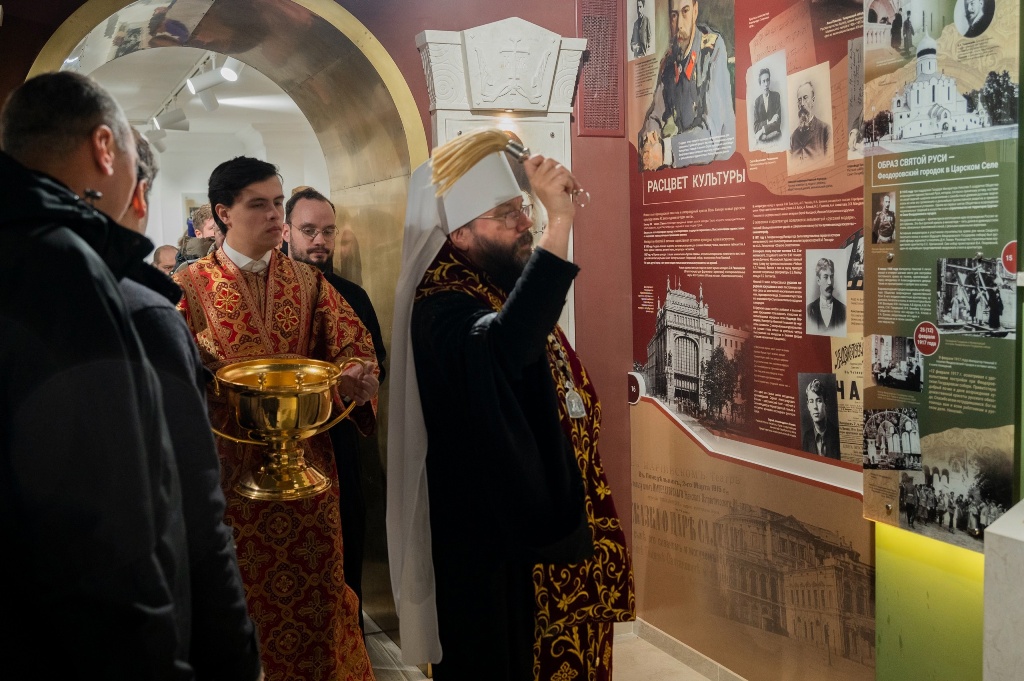
Metropolitan Matthew of Pskov and Porkhov performed the rite of consecration of the museum to the Royal Passion-Bearers. The museum takes up the entire ground floor of the church. Admission to the museum is FREE to all!

PHOTO: His Eminance performs the rite of consecration of the museum to the Royal Passion-Bearers

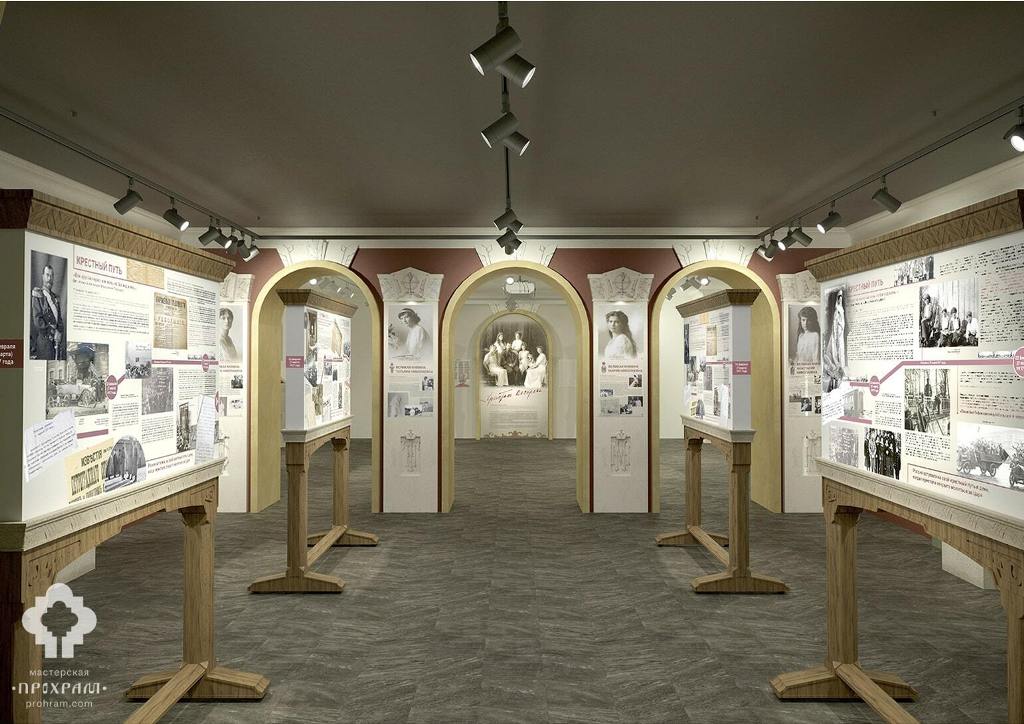
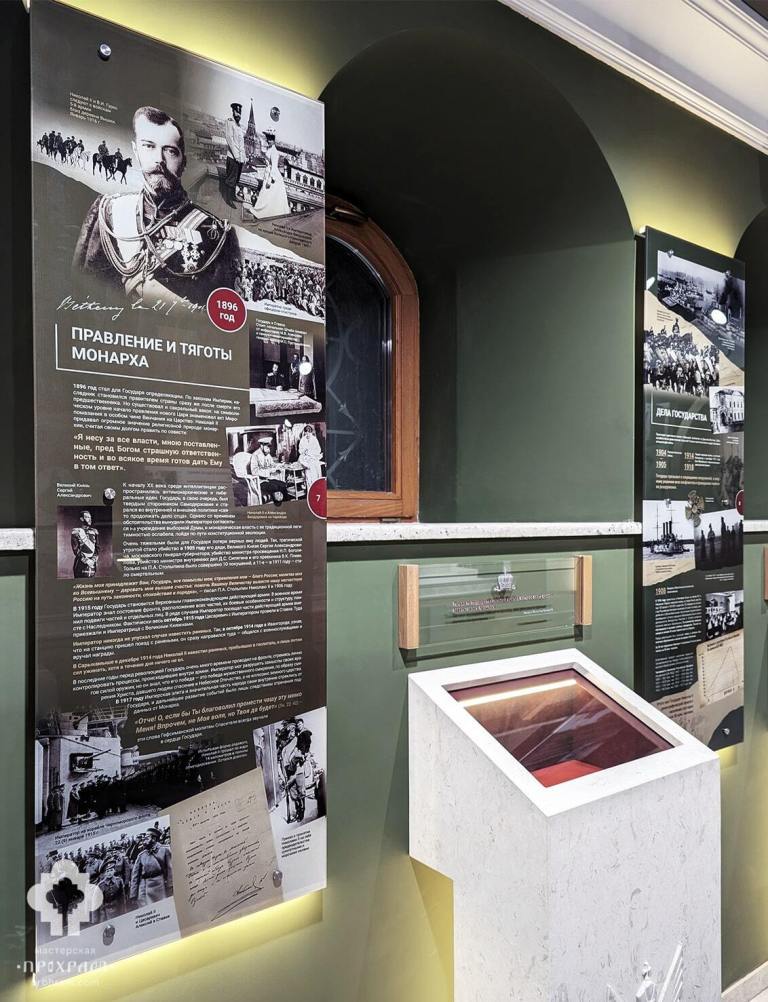
The interiors of the museum are a wonderful example of modern exhibition spaces, designed in the Neo-Russian Style [aka the Russian Revival Style], characteristic of the early twentieth century and beloved by Russia’s last Tsar.

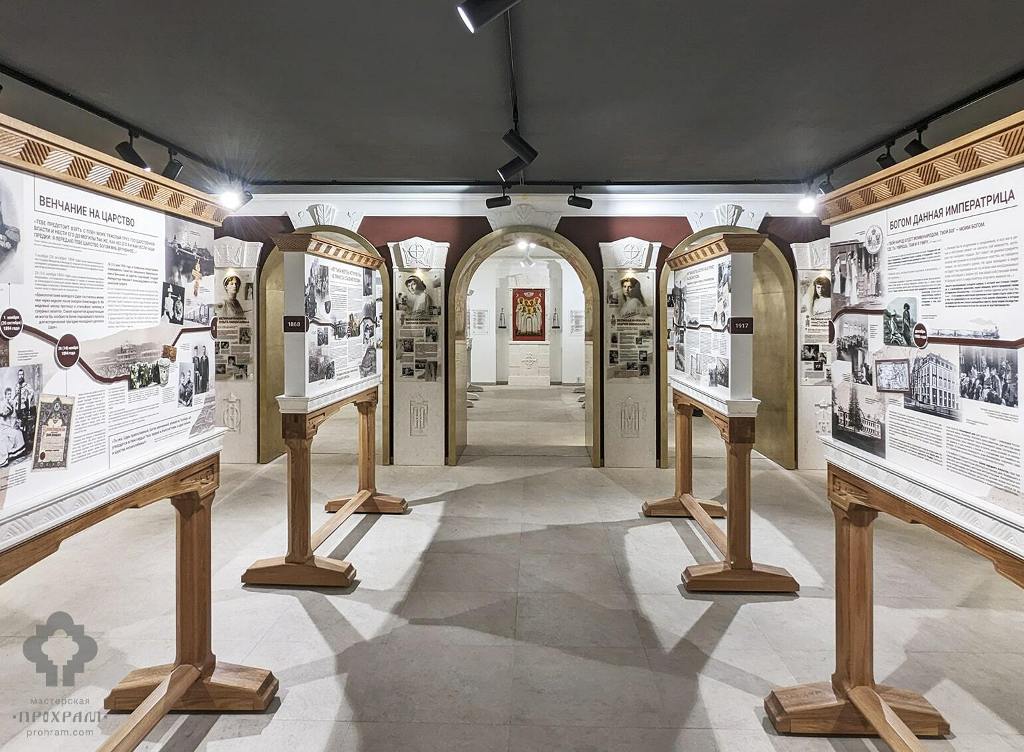
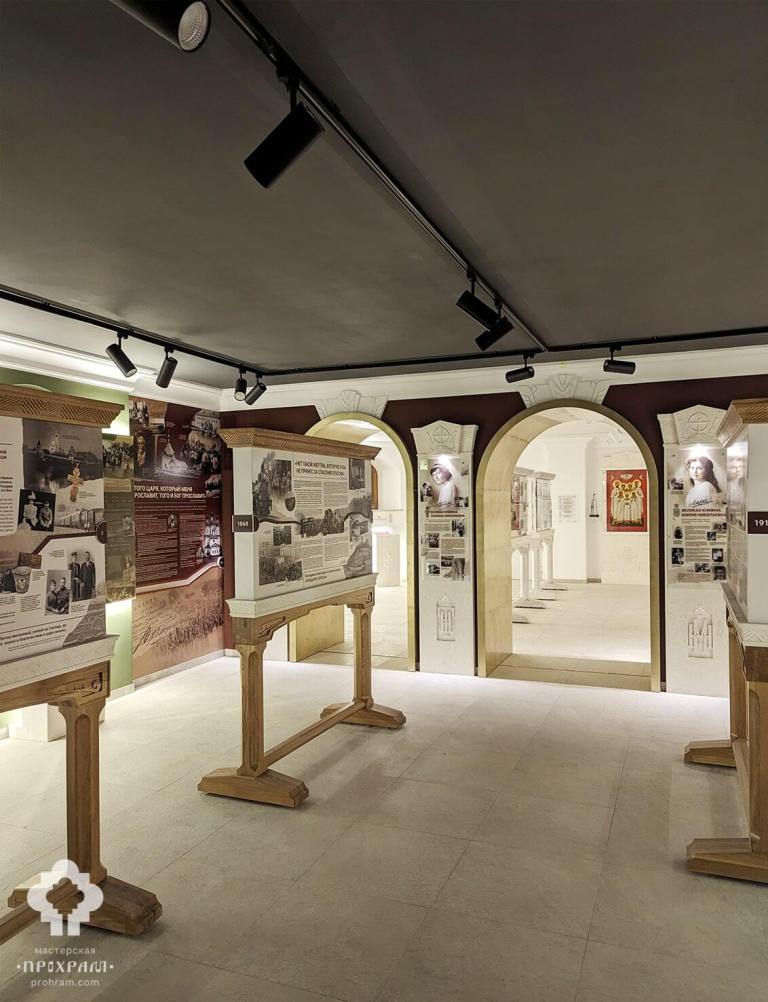
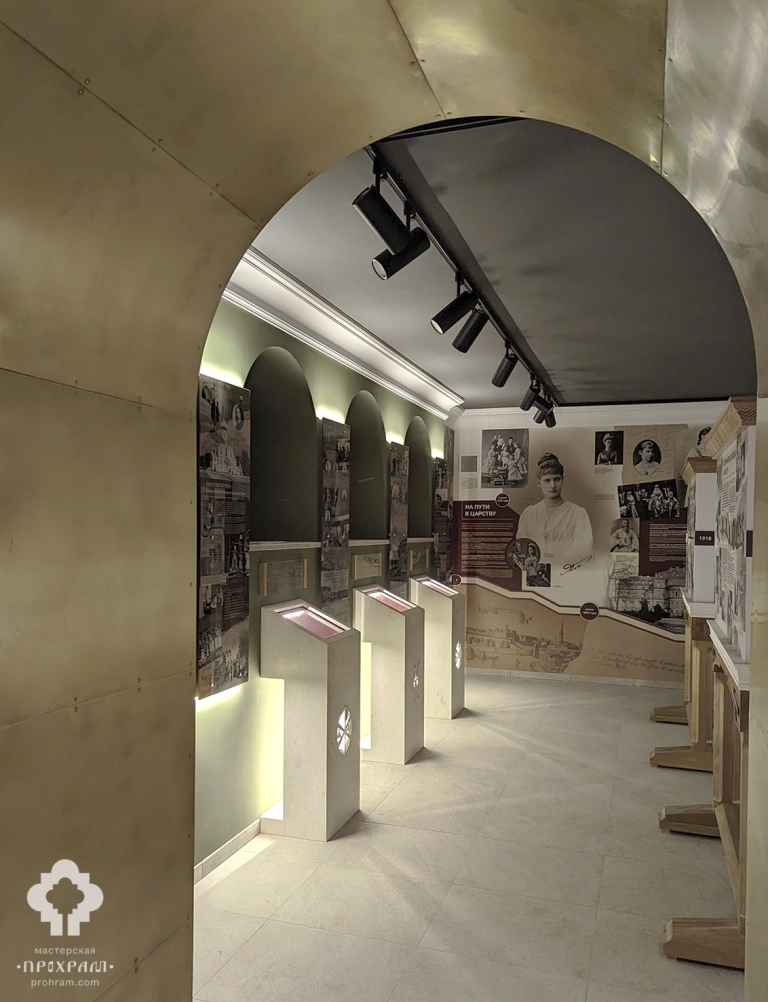
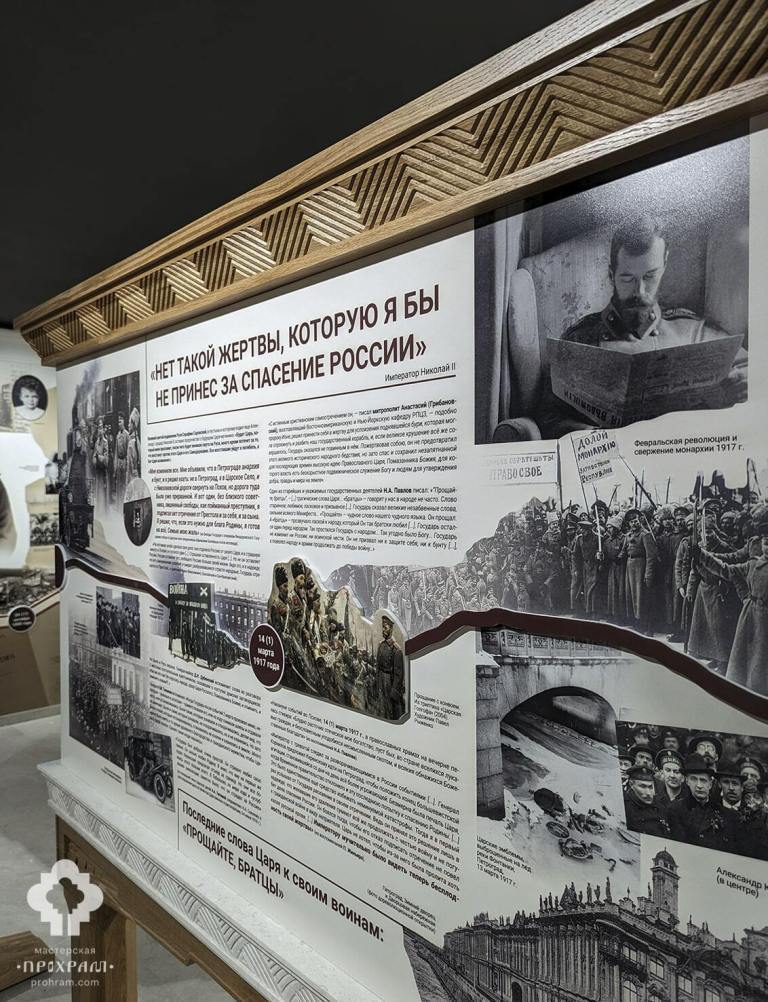
The museum is divided into two halls. The first hall, which is painted burgundy-green, combined with dim lighting. Burgundy is the colour of the Imperial Porphyry, green is the colour of the monk. In this hall, the exposition explores the life of the Imperial Family from Emperor Nicholas II’s and Empress Alexandra Feodorovna’s childhood to the tragic vents of 1917. Two stands describe the history of the House of Romanov – from the calling to the throne of Mikhail Feodorovich in 1613 and to the death and martyrdom of Nicholas II 305 years later.

Archival photographs and documentary materials, diary entries, testimonies of contemporaries, statements by prominent public and church figures reveal in detail the life of the Imperial Family. They tell about their service to Russia, their close family relations, and the historical context of the events of the late 19th and early 20th centuries. In addition, the exposition explores the cultural, scientific, and political life of the Russian Empire during the era of Nicholas II.

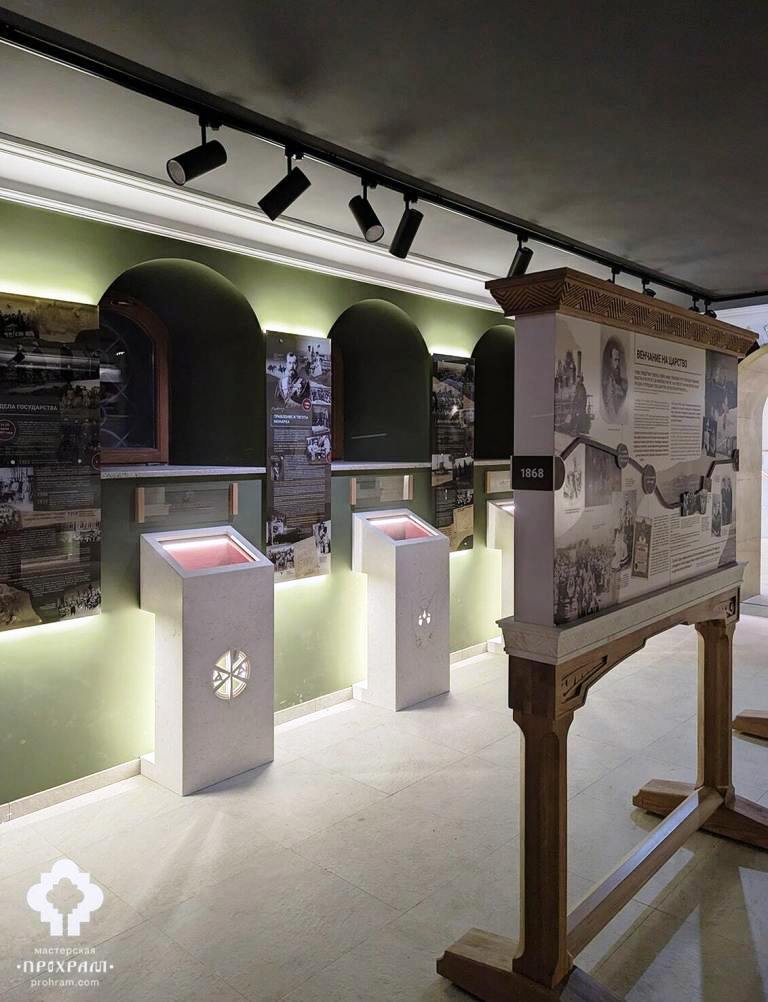
PHOTOS: four double-sided mobile stands display documents and
photos which explore the life of Emperor Nicholas II and his family

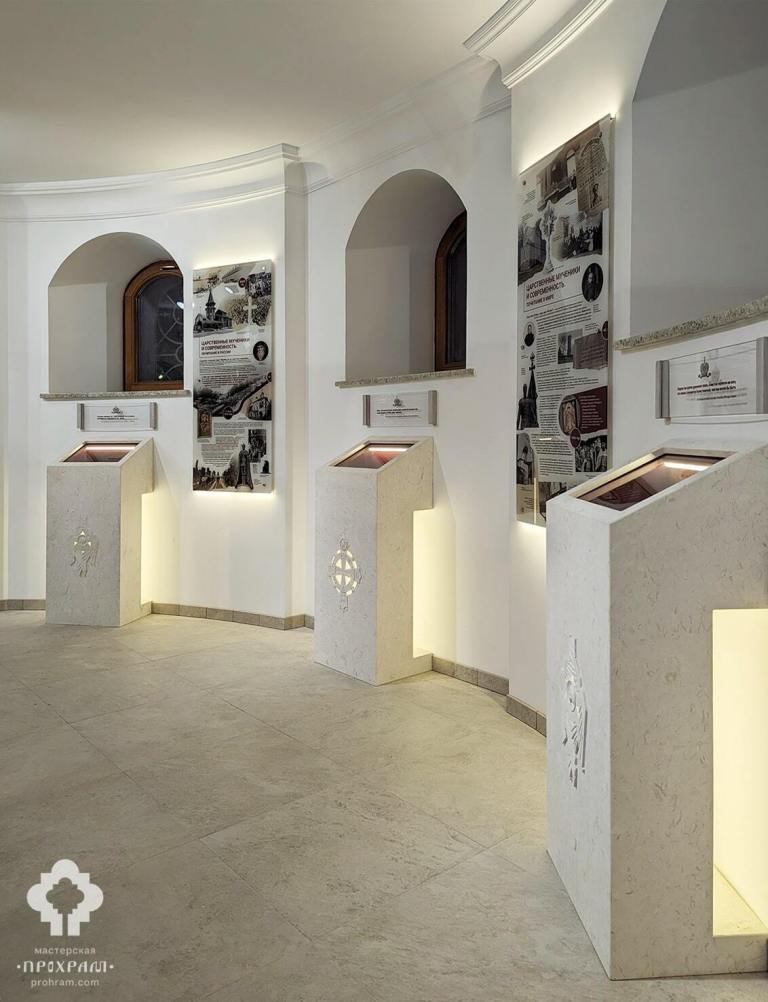
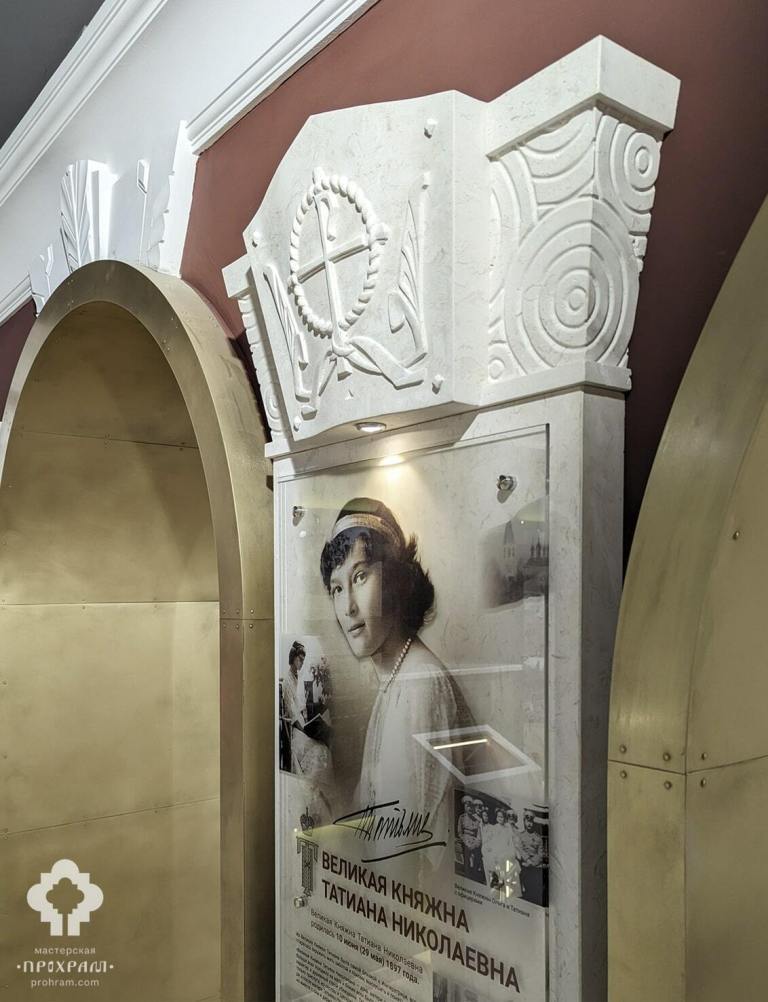
The photographs and documents are displayed on four double-sided mobile stands on small wheels with stoppers. At the northern and southern walls there are carved white-stone lecterns with carvings, under which relics of the era of Emperor Nicholas II are placed. In the eastern part of the hall there is a passage through three brass decorative arches which leads to the White Hall. Between the arches, there are four kiot stands made of white stone with carvings (initials), glass, lighting and a carved finial, dedicated to the Grand Duchesses Olga, Tatiana, Maria and Anastasia Nikolaevna. The ceiling is dark, with diffused and directional track lighting.

In the White Hall there is information about the Way of the Cross of the Imperial Family – the period from the events at the Dno station, the Tsar’s abdicated in March 1917, to the murder of Nicholas II and his entire family on 17th July 1918 in Ekaterinburg and the subsequent history of the veneration and glorification of the Imperial Family as saints. Extensive textual and illustrative material makes it possible to speculatively walk this path together with the Royal Passion-Bearers, to come into spiritual contact with the last year of their lives, to see the light of the Paschal victory in the darkness of the Ipatiev House.

CLICK on the photos below to enlarge and see in greater detail . . .

Also in the White Hall there are stands dedicated to the faithful retainers, who voluntarily followed the Imperial Family into exile and shared their sufferings, showing an example of loyalty to duty; stands dedicated to the Grand Duke Sergei Alexandrovich, the Venerable Martyr Grand Duchess Elizabeth Feodorovna, the Alapaevsk Martyrs, who were murdered by the Bolsheviks the day after the Imperial Family; two kiot stands dedicated to Tsesarevich Alexei Nikolaevich; and stands dedicated to the memory, glorification and modern veneration of the Holy Royal Martyrs.

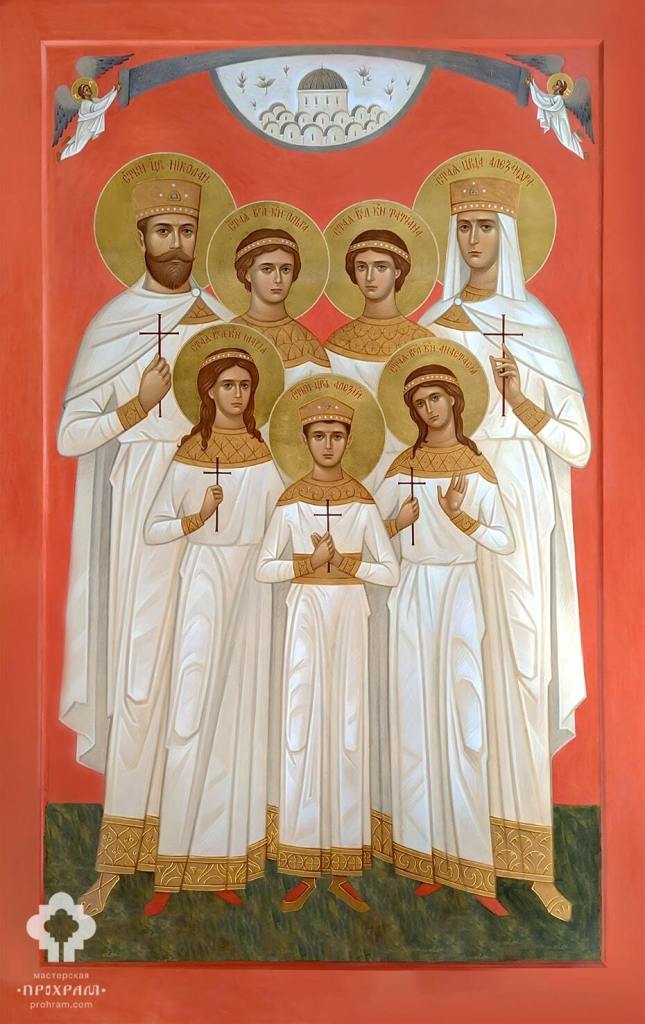
The hall is crowned by a large carved icon case with an icon of the Royal Martyrs, visible from the very entrance to the burgundy-green hall. The saints are depicted in white robes with a reference to the apocalyptic image of martyrs overcoming earthly sufferings and faithful to Christ (Revelations 6:9-12).

The White Hall is also used as a venue for small gatherings. The 4 white stands can be rrolled to the sides, thereby freeing up the central space of the hall. Attached to the ceiling in this room is a screen that can be opened in the eastern part of the hall, with a projector at the entrance to the burgundy-green hall. Folding chairs which are stored in the adjoining utility room, provide for guests attending lectures, films and other events.

CLICK on the photos below to enlarge and see in greater detail . . .

The museum is a project of love and deepest respect to the Holy Royal Martyrs and their feat on the Cross, which formed the basis of the feat of faith of all the New Martyrs and Confessors of the Russian Church and the preservation of the Holy Russian spirit in the 20th and early 21st centuries.

The opening of the new museum in Dno is the fourth such museum in Russia dedicated to Emperor Nicholas II and his family, the other three are the Museum of the Holy Royal Family in the Tsarsky Cultural and Educational Center, situated in the Patriarchal Compound of the Church on the Blood (Ekaterinburg); the Museum of the Family of Emperor Nicholas II (Tobolsk); and the Museum in Memory of Emperor Nicholas II and His Family (Kotelniki-Moscow).

PHOTO: icon of the Royal Martyrs in the White Hall

© Paul Gilbert. 9 January 2025
Exhibition dedicated to the charitable activities of the Imperial Family opens in Kaluga

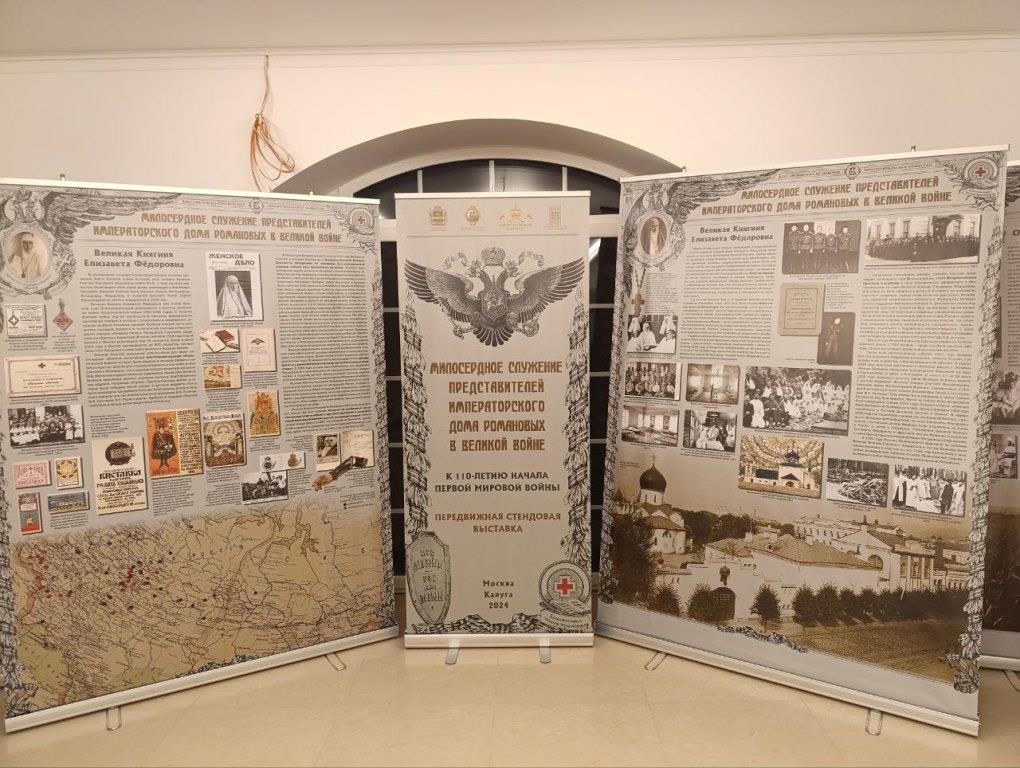
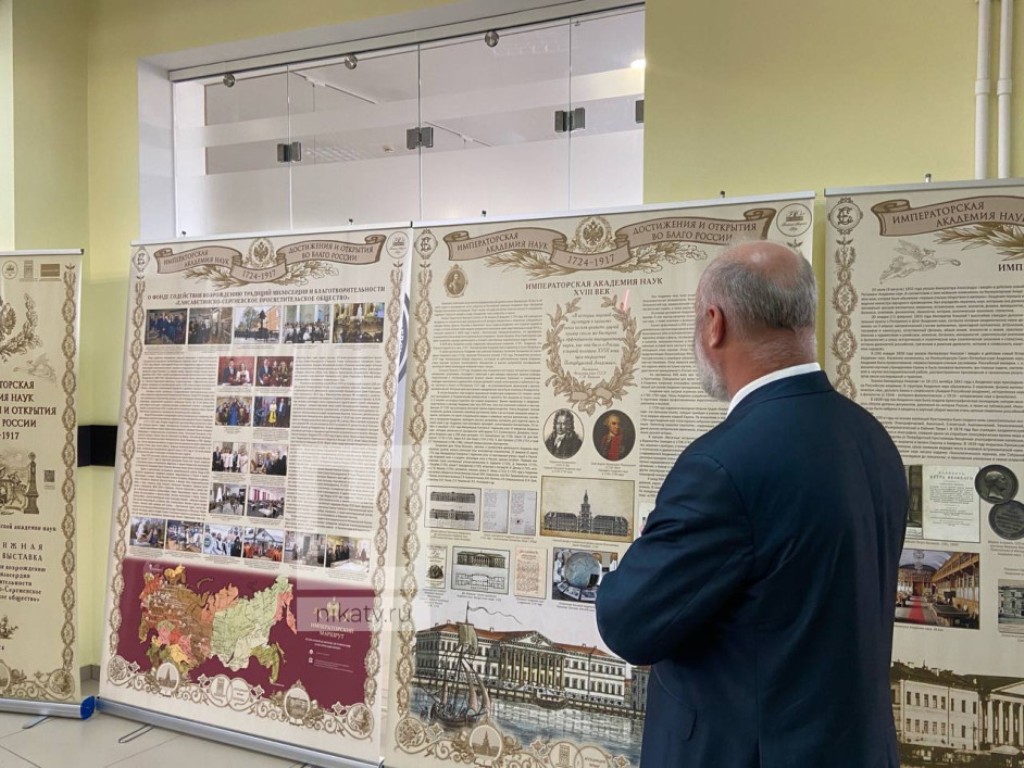
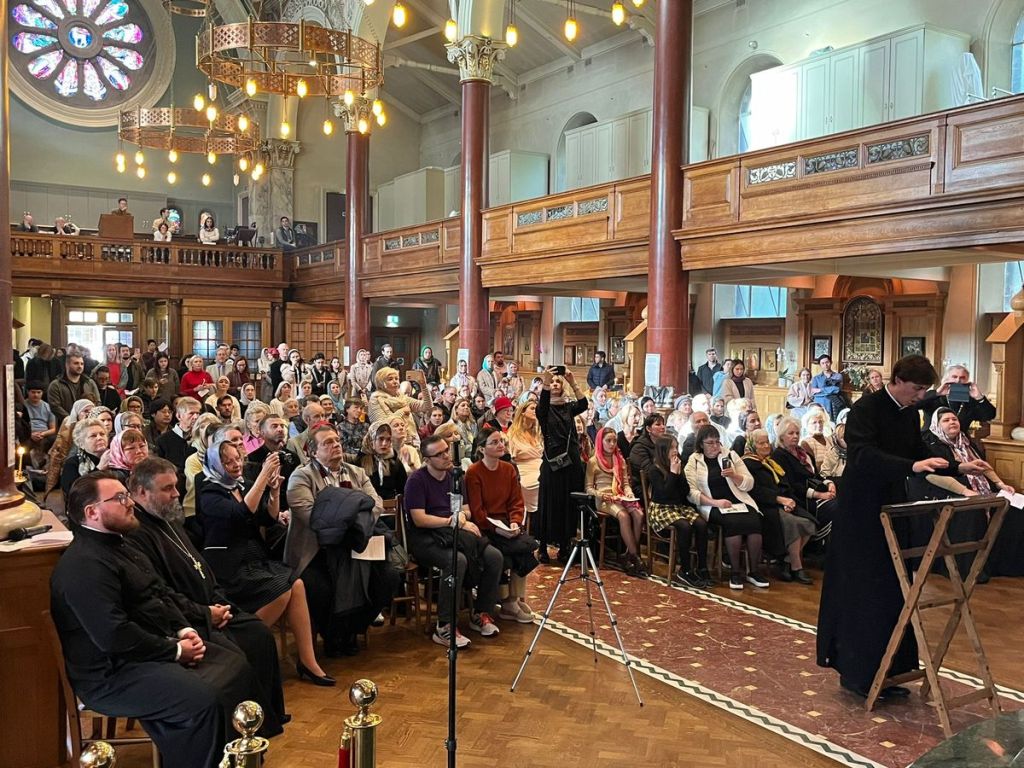
On 23 December 2024, a new exhibition dedicated to the merciful service of members of the Russian Imperial Family during the Great War (1914-1918), opened at the Kazan Monastery in Kaluga. 

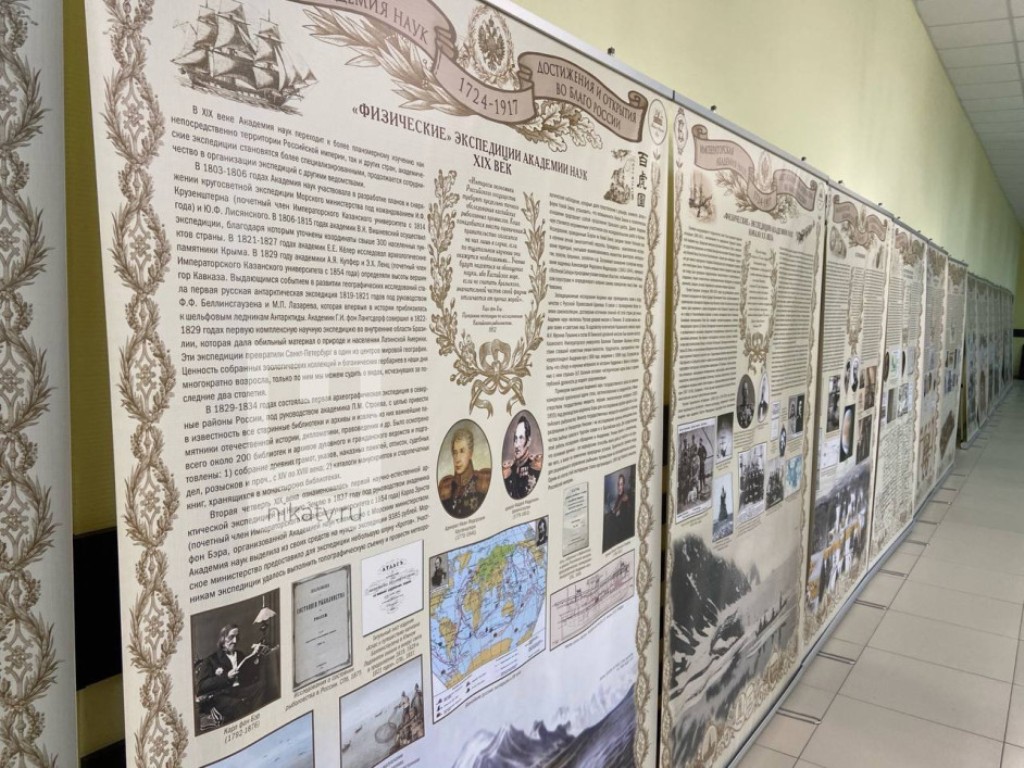
The mobile exhibition features 24 poster-stands which present unique photographs and interesting facts which acquaint visitors with the story of the great love, compassion and self-sacrifice of the family and relatives of Emperor Nicholas II, for the Russian people during the First World War.

During the First World War, Empress Alexandra Feodorovna, her daughters, the Emperor’s sister Grand Duchess Olga Alexandrovna, Grand Duchess Elizabeth Feodorovna and many others became ordinary nurses. Some went to hospitals at the front line, while others attended to wounded Russian soldiers at Tsarskoye Selo and Petrograd, together they worked on an equal basis with other nurses.

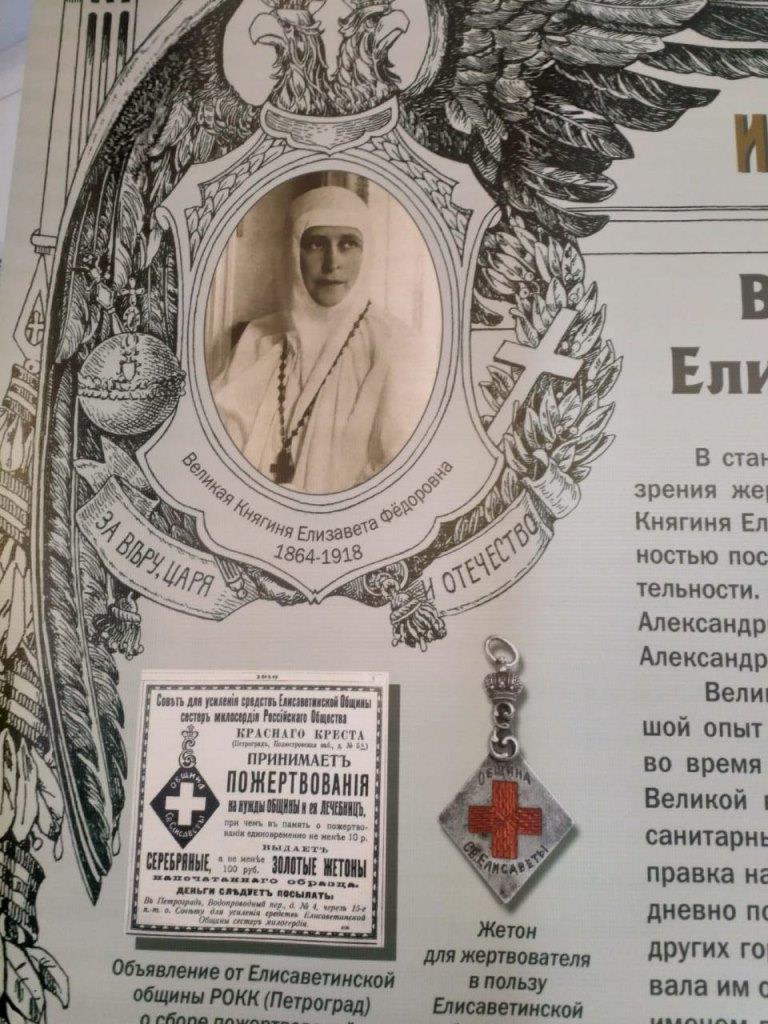
Visitors to the exhibition can learn about the work of the Russian Red Cross, the Imperial Orthodox Palestine Society (IOPS), and the “Olginsky”[1] and Tatianinsky”[1] Committees. The central part of the exhibition is dedicated to Grand Duchess Elizabeth Feodorovna, whose 160th birthday was celebrated in 2024.

The exhibition was organized by the Elizabeth-Sergius Educational Society Foundation (ESPO) in Moscow. Preserving historical memory of the Russian Imperial Family is the most important task of the Foundation and especially with the younger generation. Schoolchildren and students of the Kaluga region will be invited to the exhibition, “because it is important to teach them from childhood and adolescence about the history of Russia and the life of the last Tsar, his family and relatives”.

The travelling exhibition was created in 2022, the year marking the 150th anniversary of the birth of Empress Alexandra Feodorovna. For the past two years, the exhibition has been presented in cities and towns across Russia.

*As I have noted in previous posts, I support any initiative – big or small – to help keep the memory of Nicholas II and his family alive in 21st century Russia – PG

NOTES:

[1] To help the civilian population affected during the First World War, Emperor Nicholas II established the Supreme Council chaired by Empress Alexandra Feodorovna. The Empress created committees to help refugees and families whose breadwinners are called to war. She assigned responsibility for the work in these committees to her two eldest daughters: Grand Duchesses Olga and Tatiana Nikolaevna. The “Tatianinsky” and “Olginsky” committees had branches in many cities throughout the Russian Empire and were very popular.

© Paul Gilbert. 28 December 2024

Grand Duchess Olga Nikolaevna’s photo album on display in St. Petersburg

CLICK HERE TO BROWSE THE 1907-1908 PHOTO ALBUM
OF GRAND DUCHESS OLGA NIKOLAEVNA

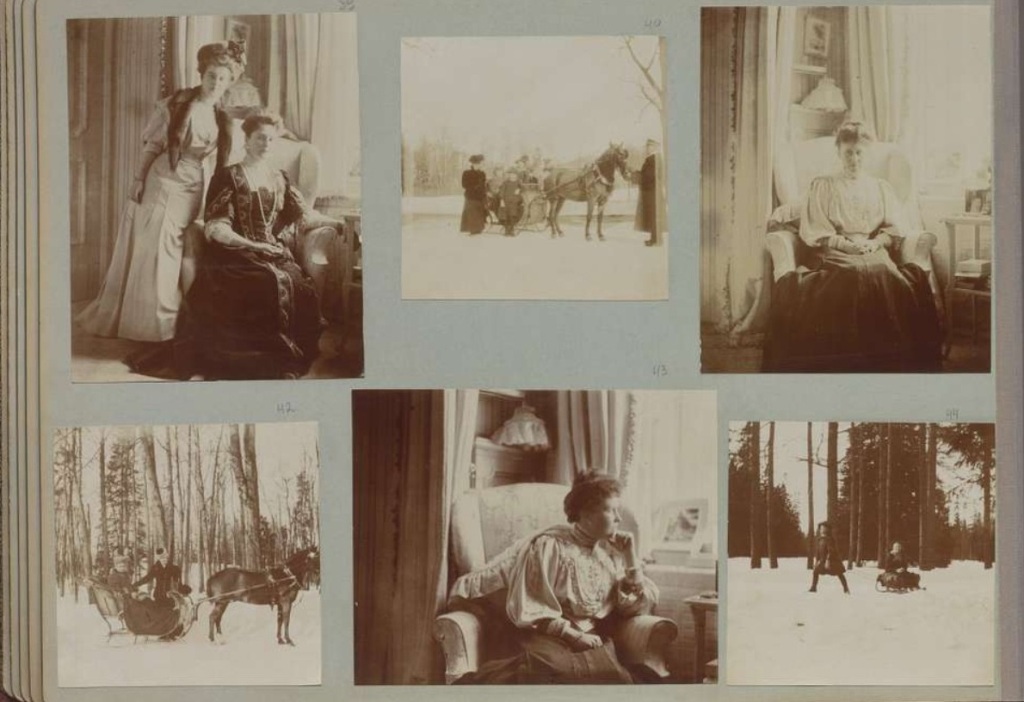
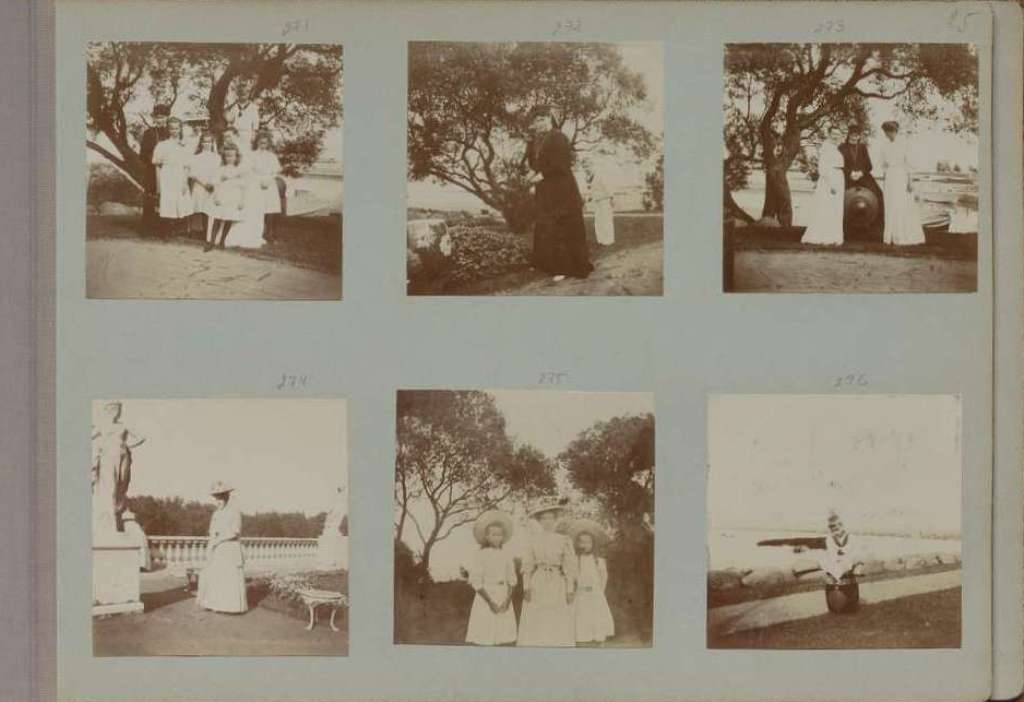
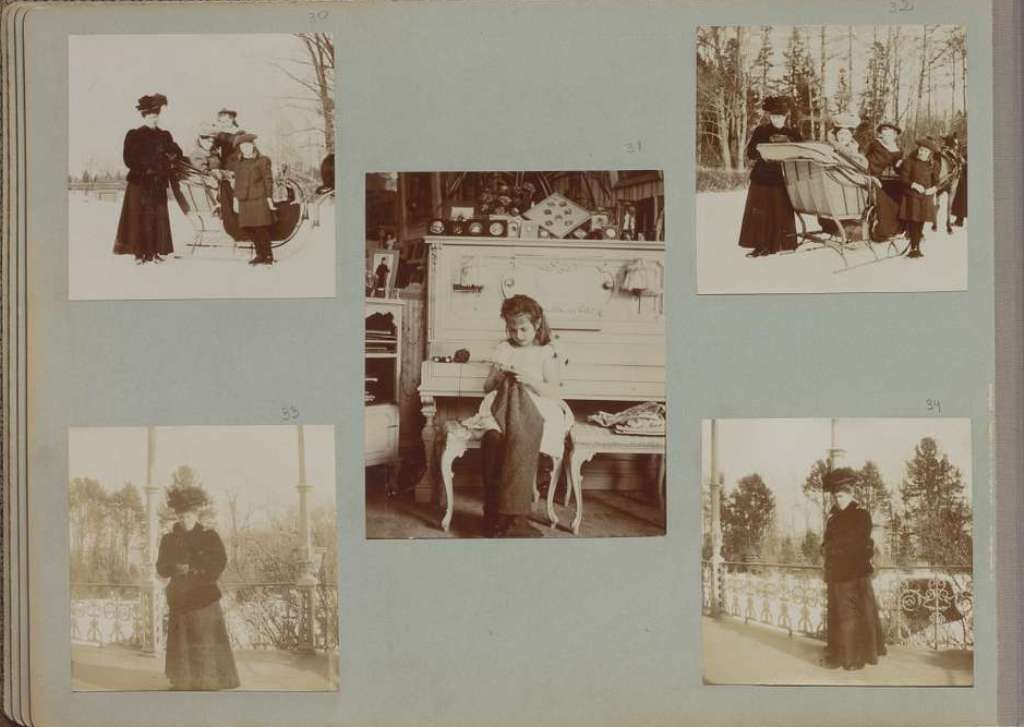
A photograph album belonging to the Grand Duchess Olga Nikolaevna (1895-1918) from the collection of the State Archives of the Russian Federation (Moscow) is currently on display at the Boris Yeltsin Presidential Library in St. Petersburg.

The photographs are dated 1907-1908. The cover of the album is decorated with the Imperial Crown, and in the upper right corner is Olga’s monogram O. N.

In total, the album contains 294 photographs, of the Romanov family during the early 20th century. The pictures depict the day to day life of the Imperial Family: Olga and her siblings playing games, picnics, snowball fights and walks in the Alexander Park at Tsarskoye Selo, sailing on the Imperial Yacht Shtandart, New Year’s celebrations, and the Romanov family at home.

It also depicts photos of the Imperial Family: Empress Alexandra Feodorovna at Tsarskoye Selo with her children, with maids of honour, Emperor Nicholas II with his family and entourage.

Olga was the eldest daughter of Emperor Nicholas II and Empress Alexandra Feodorovna. She was the favorite of her father, and was considered the most gifted of the August children. Olga had a philosophical mind, loved to read and wrote poetry. According to Anna Vyrubova, Olga was ‘extremely pretty, with brilliant blue eyes and a lovely complexion, and resembled her father in the fineness of her features, especially in her delicate, slightly tipped nose’.

All the photos in the album are cheerful and serene. During the First World War, Grand Duchesses Olga and her sister Tatiana, together with their mother, completed Red Cross training, passed an exam, and swapped their Imperial dress for nurses uniforms and began to help wounded soldiers in a special hospital set up not far from the Alexander Palace at Tsarskoye Selo.

Next year, will mark the 130th anniversary of the birth of the Grand Duchess, on 16th (O.S. 3rd) November 2025.

© Paul Gilbert. 26 December 2024

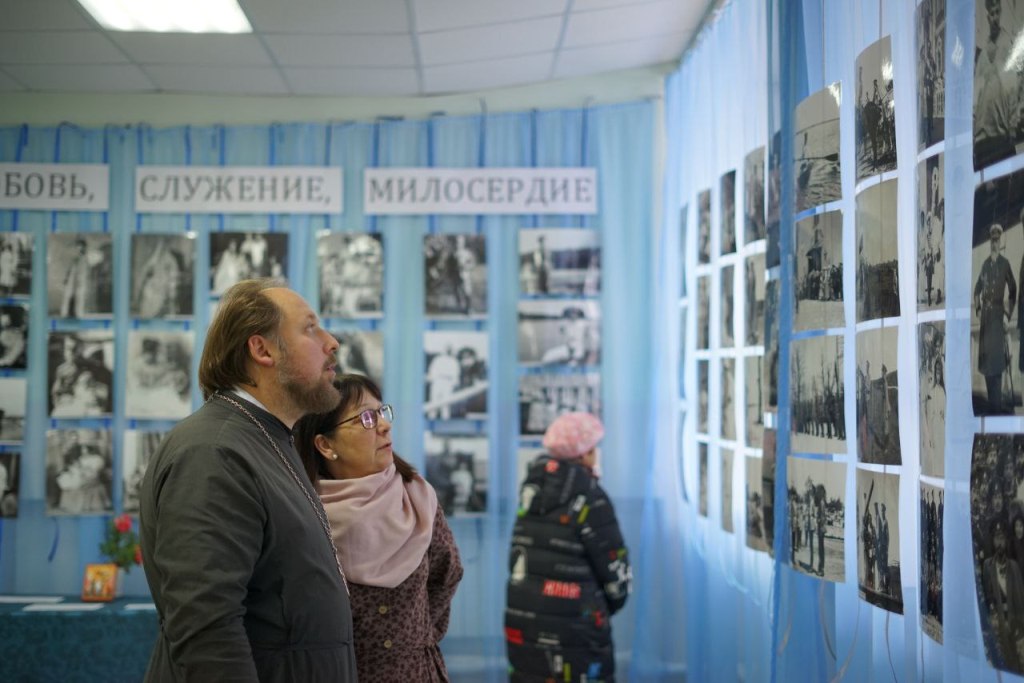
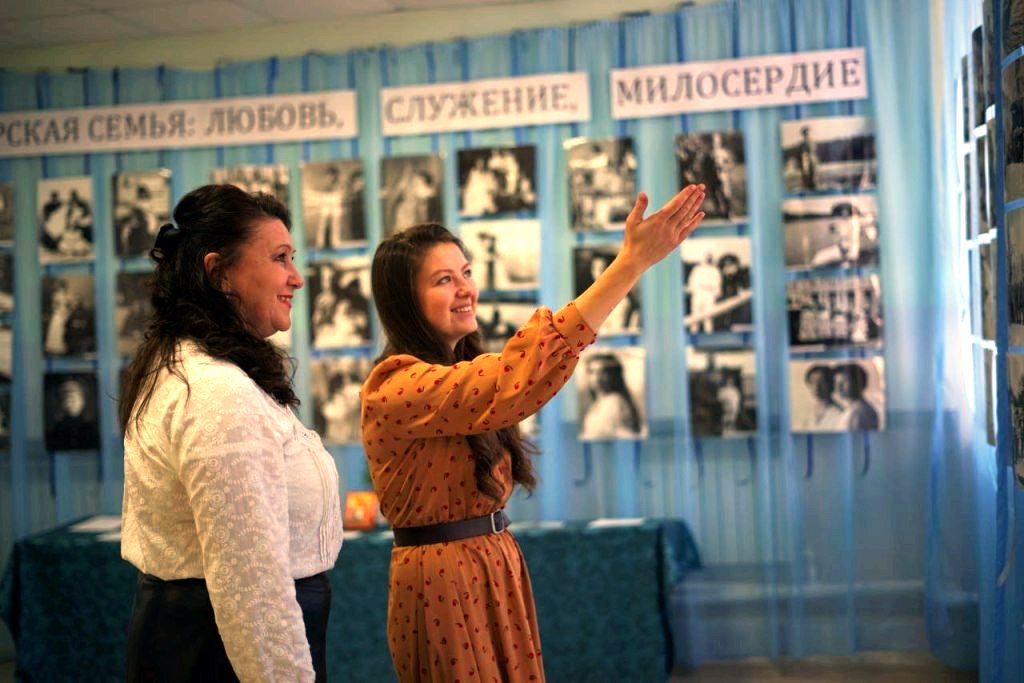
‘The Tsar’s Family: Service, Love, Mercy’ photo exhibition opens in Kostroma

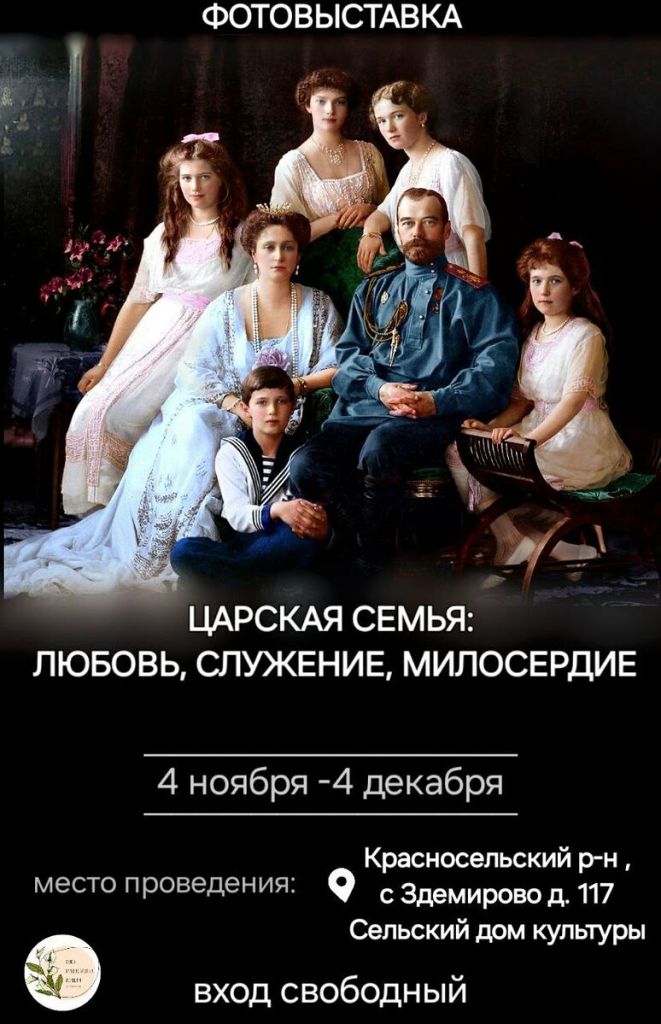
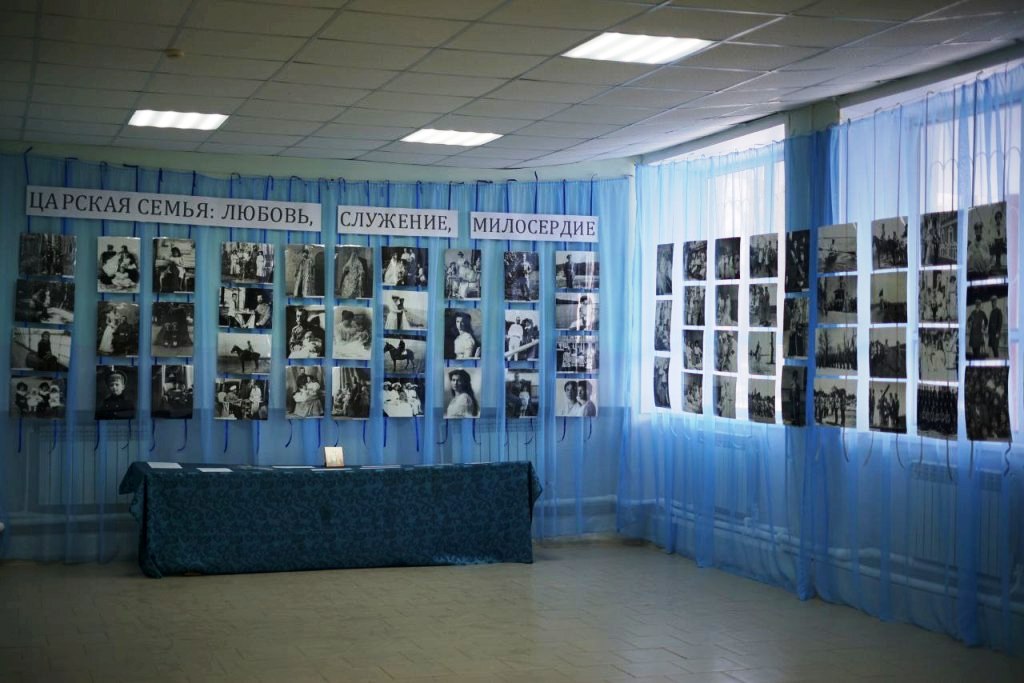
On 1st November 2024, the photo-exhibition The Tsar’s Family: Service, Love, Mercy opened in the Zdemirov Rural House of Culture, situated in the village Zdemirovo of the Kostroma region. The exhibition was organized by the Union of Orthodox Women of the Kostroma Region, with the assistance of the clergy and parishioners of the local Church of the Prophet Elijah.

Photographs for the exhibition were provided by the brethren of Sretensky Stauropegial Monastery in Moscow. The photographs reflect the warmth and love the Imperial Family shared with one another.

What is a true Christian family? In the eyes of the Russian Orthodox Church, that example was set by the family of Emperor Nicholas II.

How selflessly they helped people, their fellow citizens of the Russian Empire. Despite their August positions in life, they worked on an equal basis with others, they worked as nurses, bandaged the wounded and participated in operations. In spite of of everything, they remained a strong family, always supporting each other. They were aN example of true service to God, the Motherland and people.

The photo-exhibition is timed to the 130th anniversary of the ascension of Russia’s last Emperor and Tsar to the throne, on 2nd November (O.S. 20th October) 1894.

Tsesarevich and Grand Duke Nicholas Alexandrovich was 26 years old at that time. He was to stand at the head of the Russian Empire for more than 22 years, he marrued his fiancée, the Princess Alix of Hesse-Darmstadt, the future Empress Alexandra Feodorovna.

On 27th (O.S. 14th) November 1894, on the birthday of Dowager Empress Maria Feodorovna, the wedding of Emperor Nicholas Alexandrovich with Grand Duchess Alexandra Feodorovna took place in the Grand Church of the Winter Palace. The couple were blessed with 5 beautiful children: four daughters and a son.

The The Tsar’s Family: Service, Love, Mercy photo-exhibition runs until 4th December 2024. Admission is FREE!

***

As I have noted in similiar posts, I support any initiative – big or small – to help keep the memory of Nicholas II and his family alive in post-Soviet Russia – PG

© Paul Gilbert. 6 November 2024

Tsar Nicholas II Men’s Choir perform in the UK

Photo © Diocese of Sourozh

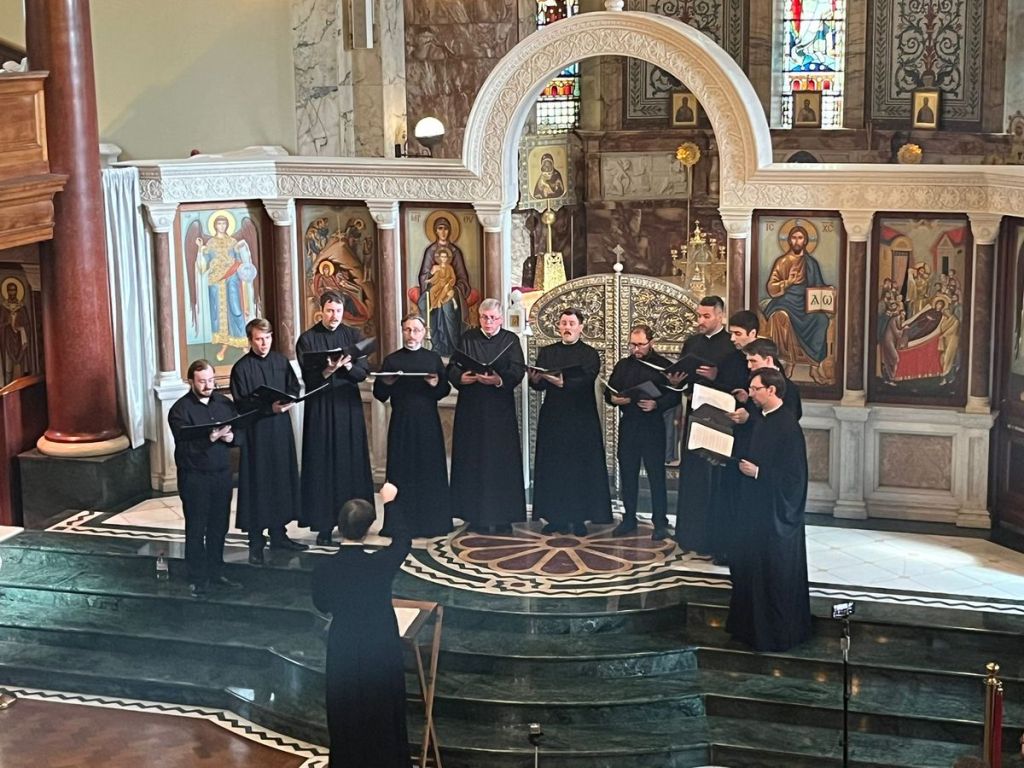
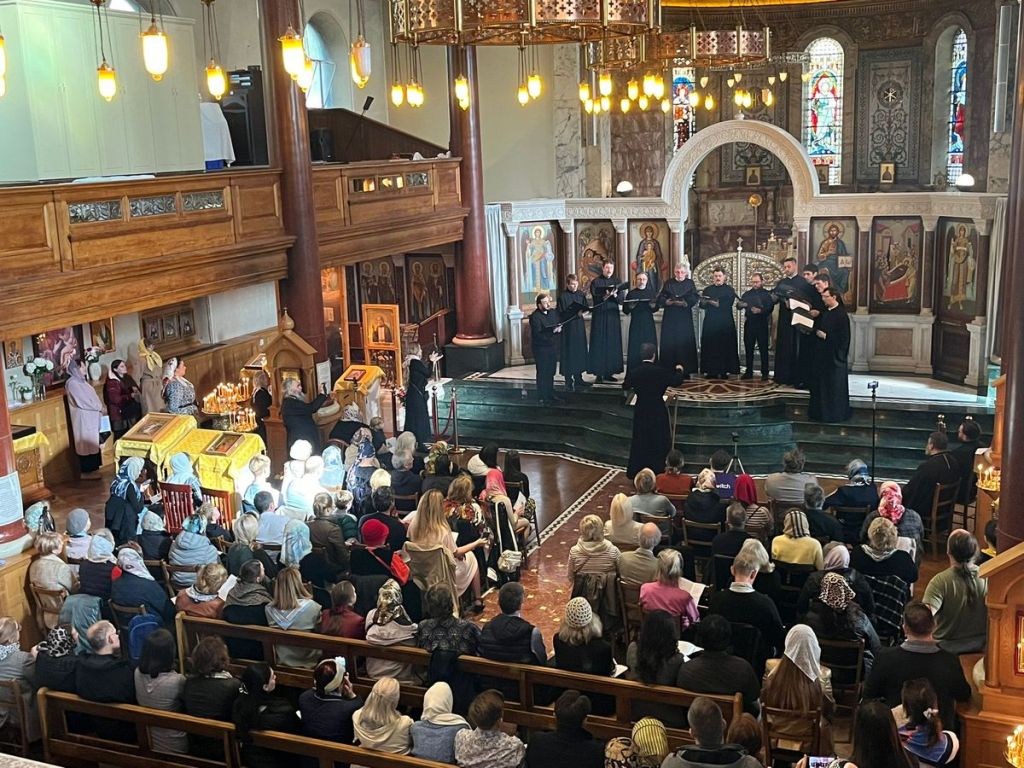
On 24th October 2024, with the blessing of Bishop Matthew of Sourozh, the Tsar Nicholas II Men’s Choir performed a concert of sacred music at the Cathedral of the Dormition in London, England.

The creative team under the direction of Adrian Fekula unites choir directors and singers from the USA, France and Great Britain. The choral ensemble aims to preserve the heritage and traditions of Russian Orthodox music abroad, focusing on the works of Russian church composers of the 20th century.

During the Divine Liturgy, which was celebrated by the Secretary of the Diocese of Sourozh, Archpriest Dimitry Nedostupenko, assisted by Priest Vasily Gandzyuk, Protodeacon Vadim Santsevitch, Protodeacon Ioan Sîlnic and Deacon Alexander Kapustin, a mixed group of singers sang, which included the choir of the Dormition Cathedral and the singers of the Tsar Nicholas II choir. The choirmaster was Dmitry Tugarinov.

Photo © Diocese of Sourozh

After the divine service, a concert was held in the church. Archpriest Dimitry Nedostupenko, addressing the participants of the performance, warmly greeted the guests on behalf of the Rector of the Dormition Cathedral, His Grace Bishop Matthew of Sourozh, and thanked them for the opportunity to hear the masterpieces of the Russian church singing, reports the diocesan website.

The choir’s program included works by famous Russian church composers B. Ledkovsky, S. Taneyev, M. Ippolitov-Ivanov, A. Nikolsky, N. Cherepnin, N. Golovanov, P. Chesnokov, N. Kedrov, S. Trubachev, N. Rimsky-Korsakov, and A. Kastalsky.

The concert was attended by parishioners of the London Cathedral and parishes of the Diocese of Sourozh, who came from various cities of Great Britain. Among those gathered were a large number of British people interested in Russian sacred music.

Photo © Diocese of Sourozh

Click HERE to read more about the Tsar Nicholas II Men’s Choir

© Diocese of Sourozh. 29 October 2024

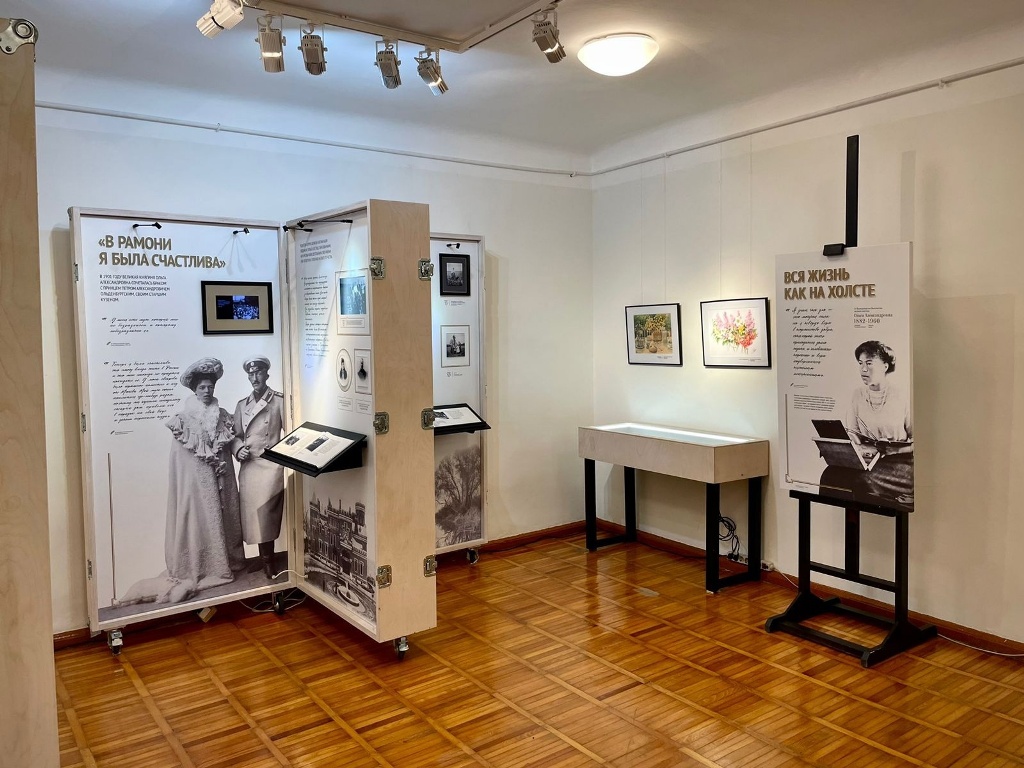
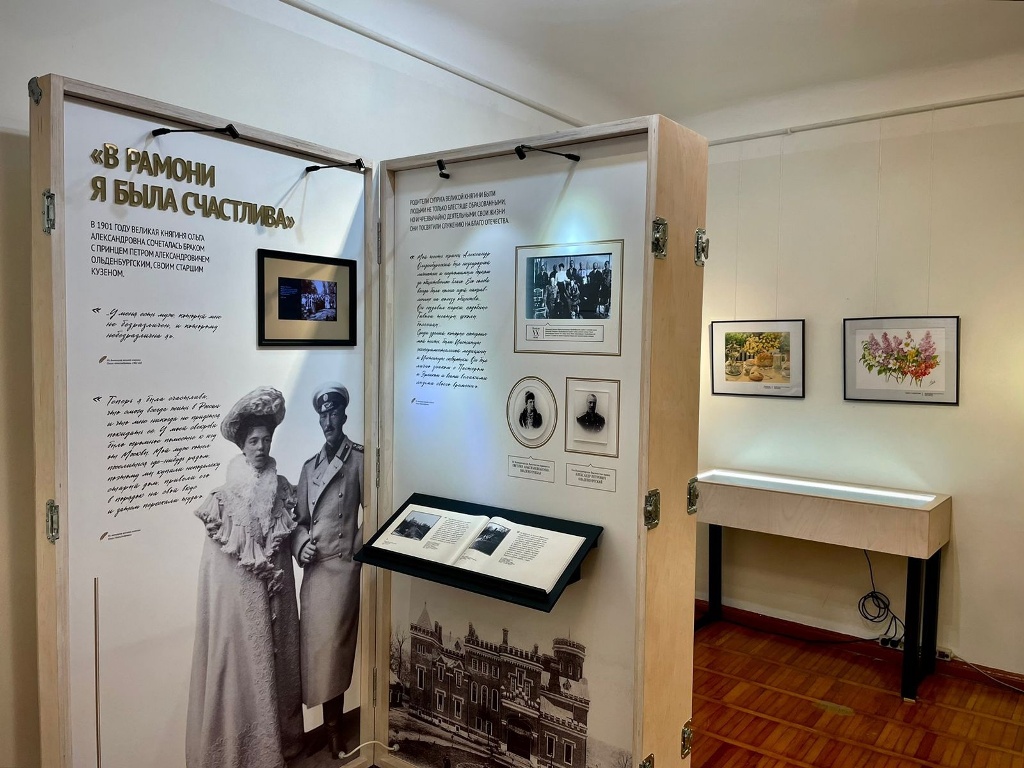
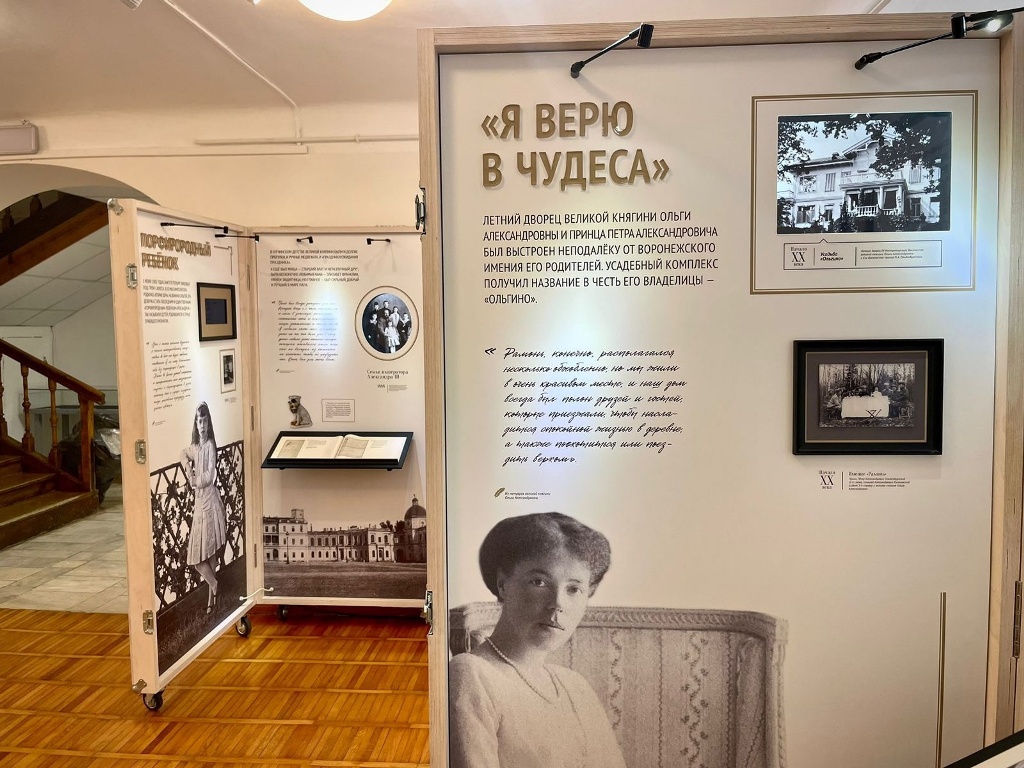
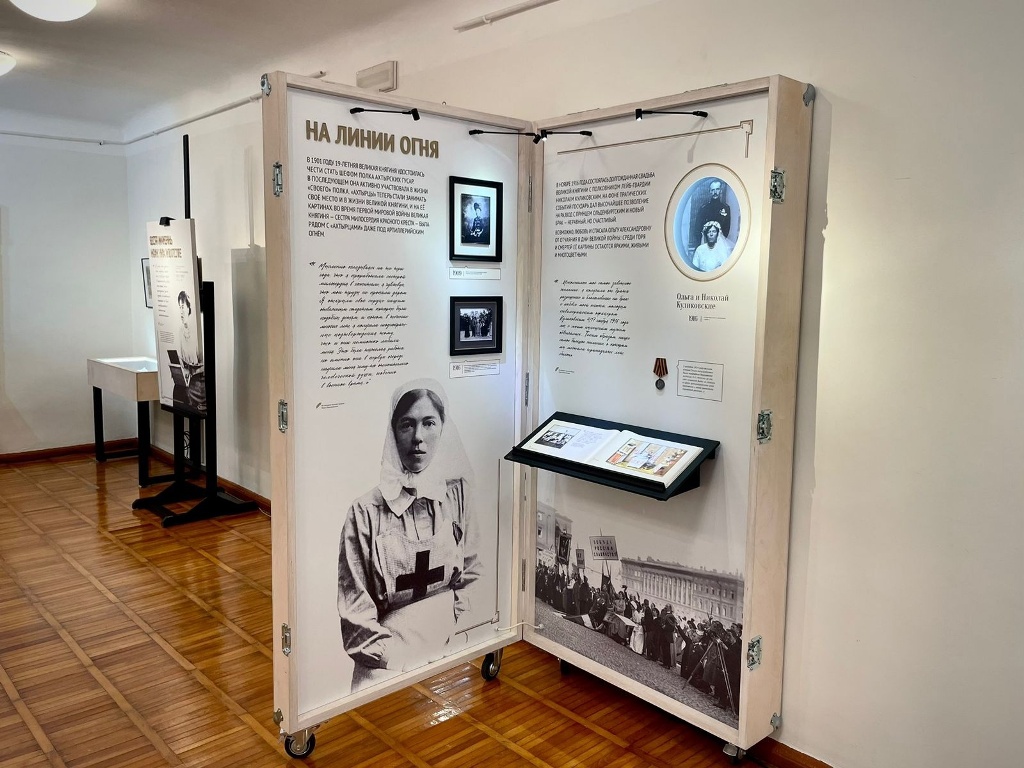
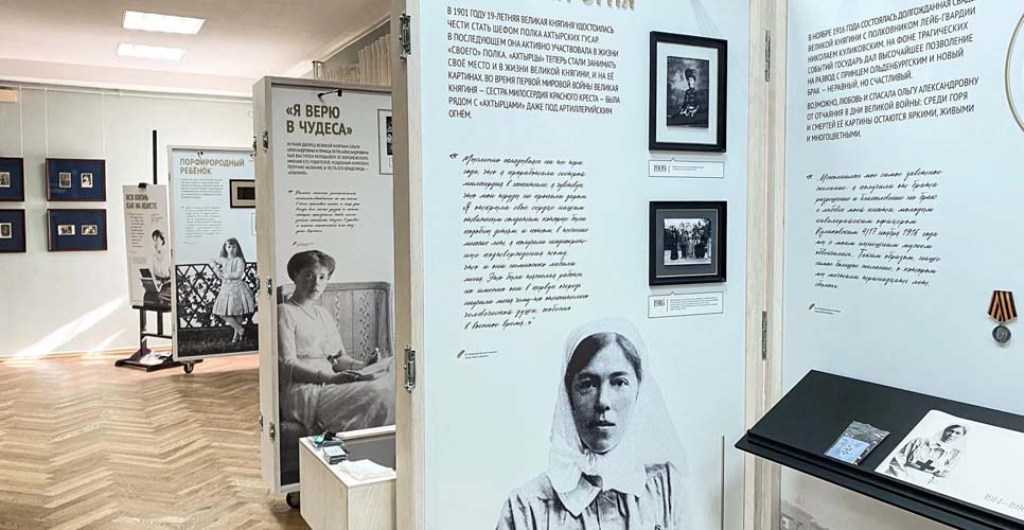
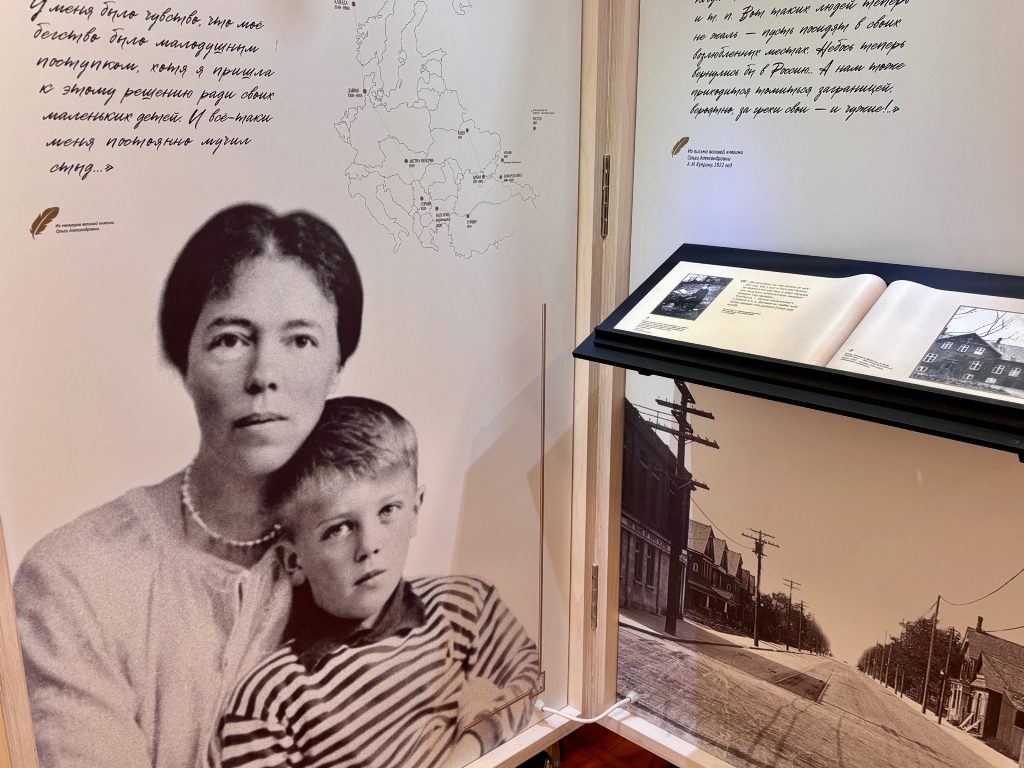
Grand Duchess Olga Alexandrovna exhibition opens in Ryazan

On 24th October 2024, a travelling exhibition dedicated to Grand Duchess Olga Alexandrovna, opened at the Pozhalostin Art Museum in Ryazan[1]. The exhibition is timed to the 140th anniversary of the birth of the last grand duchess of Russia, who was born on 13th June (O.S. 1st June) 1882, in the Cottage Palace, situated in the Alexandria Park at Peterhof.

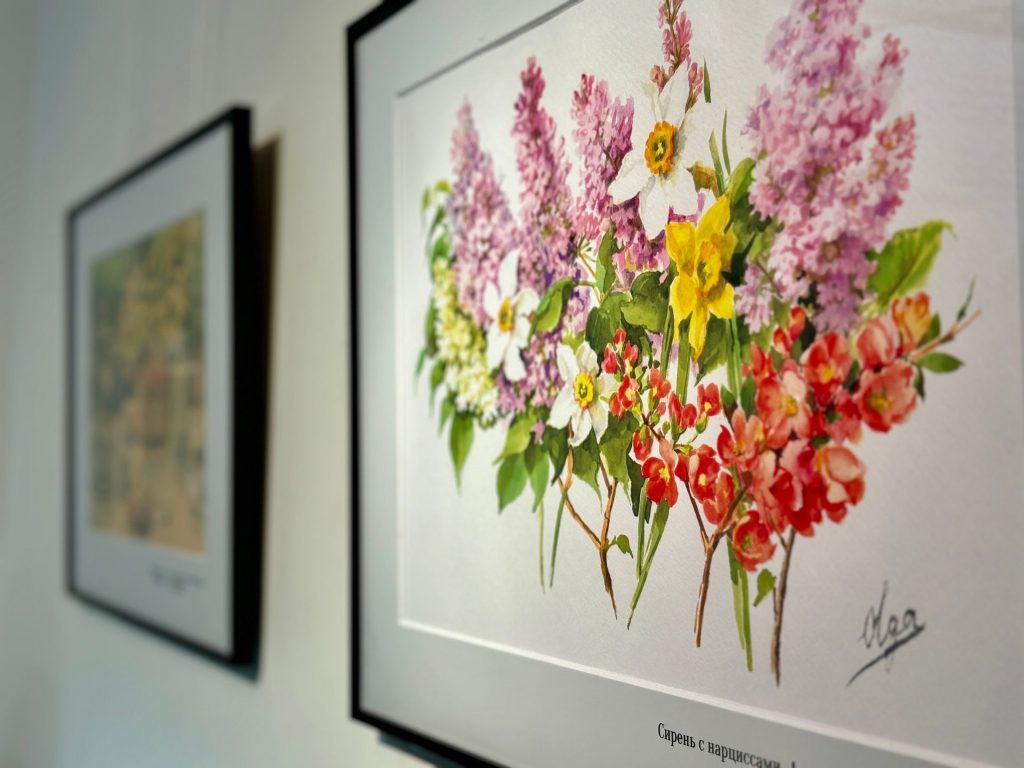
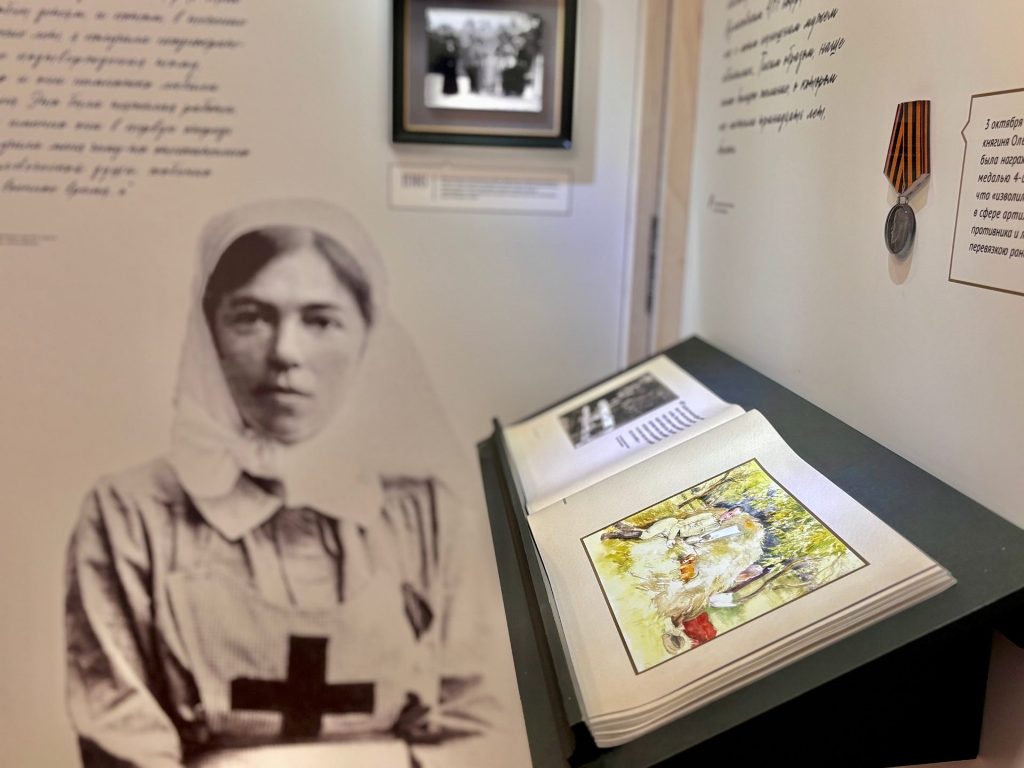
The youngest daughter of Emperor Alexander III and Empress Maria Feodorovna, Grand Duchess Olga Alexandrovna was a philanthropist of numerous schools and hospitals, during the First World War she went to the front as a nurse. In addition, she was a gifted artist. Throughout her life, she painted more than 2000 watercolours.

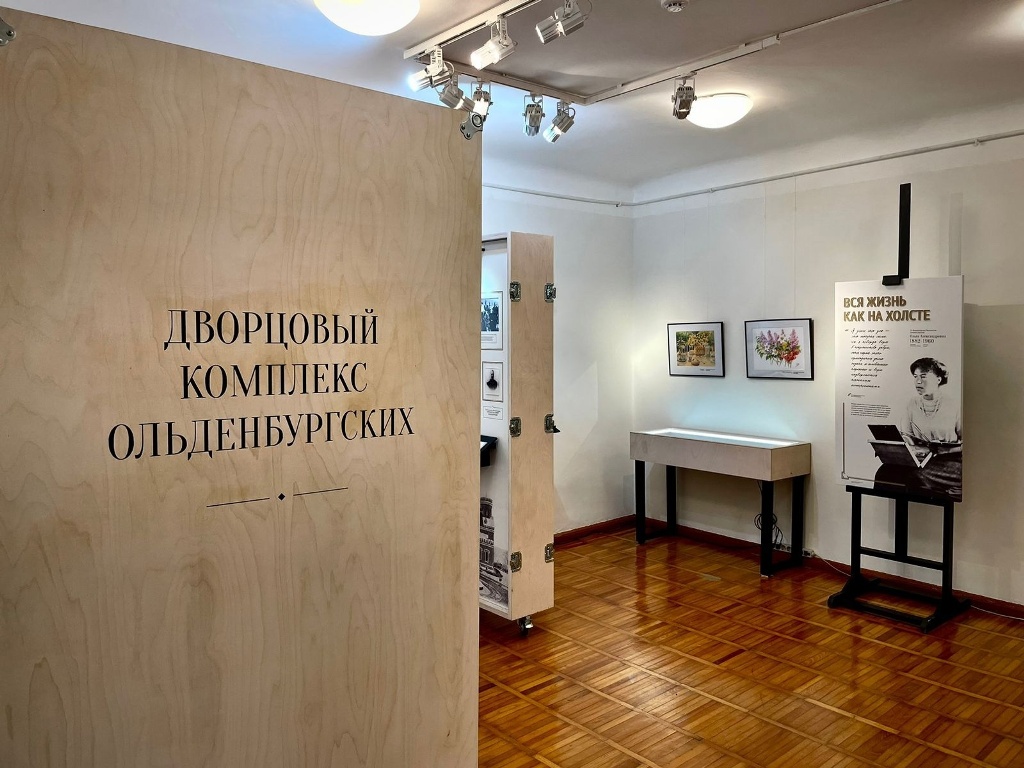
Some of the grand duchess’s watercolours are on display at the exhibition, painted in different years of her life. These are complemented by photographs, letters, diary entries and memoirs from the family’s personal archive. Among her letters on display, are those written to her brothers: Grand Duke Mikhail Alexandrovich and Emperor Nicholas II. The exhibits are from the funds of the Historical and Cultural Center of the Oldenburg Palace Complex, located in the village of Ramon[1], Voronezh Region.

The traveling exhibition has already visited the cities that were dear to the heart of the grand duchess. Among them are Gatchina (where Olga spent her childhood), Borovichi (a place close to the estate of her first husband Peter Alexandrovich[2]), Livadia in the Crimea (where Olga lived with her mother after the February 1917 Revolution), as well as the Mirsky Castle in Belarus (the Imperial Family was in close contact with the family of princes Svyatopolk-Mirsky).

The exhibition runs at the Pozhalostin Art Museum in Ryazan until 1st December 2024.

NOTES:

[1] Grand Duchess Olga Alexandrovna has a close connection with Ryazan and Ramon. It was here, near the Oldenburg Estate, “Ramon” (in the Voronezh region), that she had her own villa, called “Olgino” after the local town. She subsidised the village school out of her own pocket, and established a hospital. Sadly, the villa has not survived to the present day.

[2] On 27th July 1901, Grand Duchess Olga Alexandrovna (1882-1960) married her first husband Duke Peter Alexandrovich of Oldenburg (1868-1924), in the family church in Gatchina Palace. In 1915, the couple separated; Olga had no children from this marriage. On 27th August 1916, Emperor Nicholas II approved the definition of the Holy Synod, which recognized her marriage to Prince of Oldenburg dissolved.

© Paul Gilbert. 28 October 2024

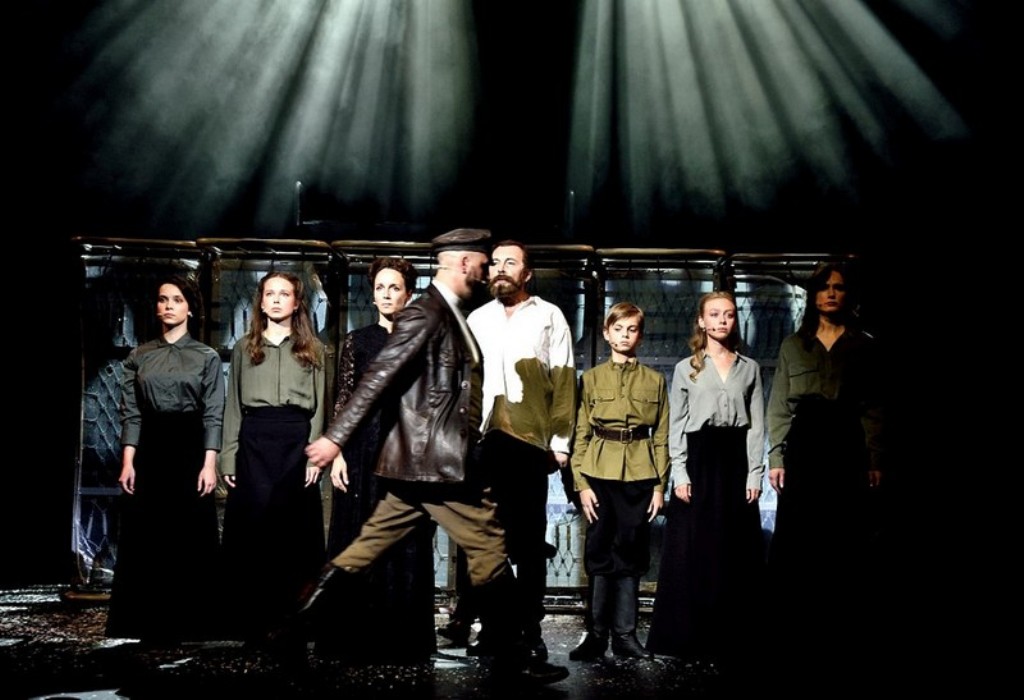
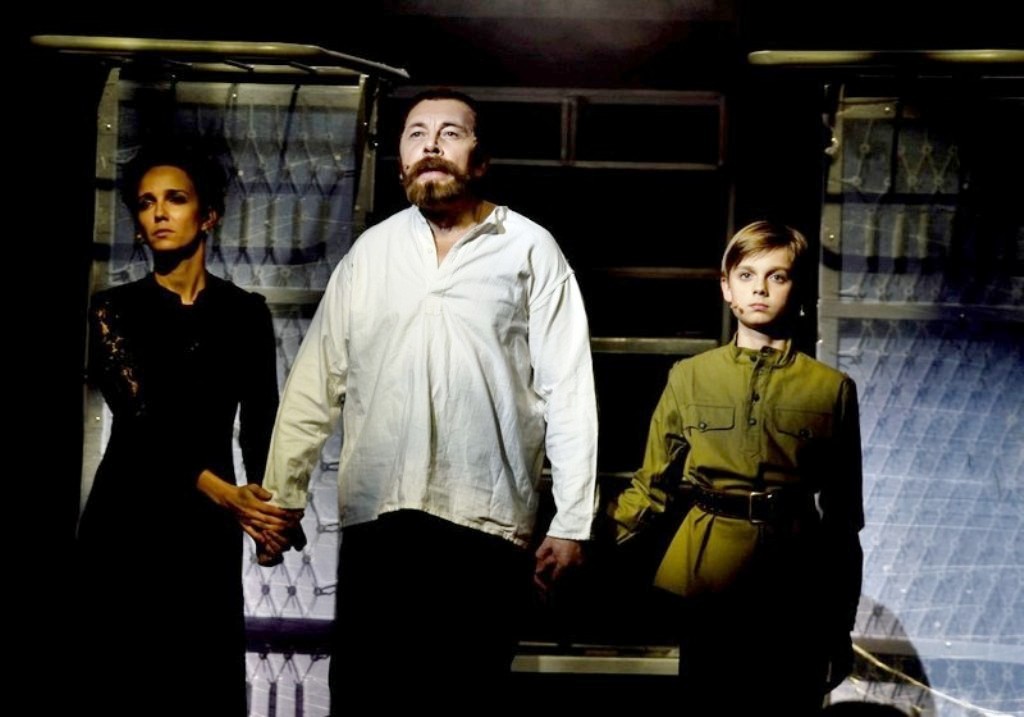
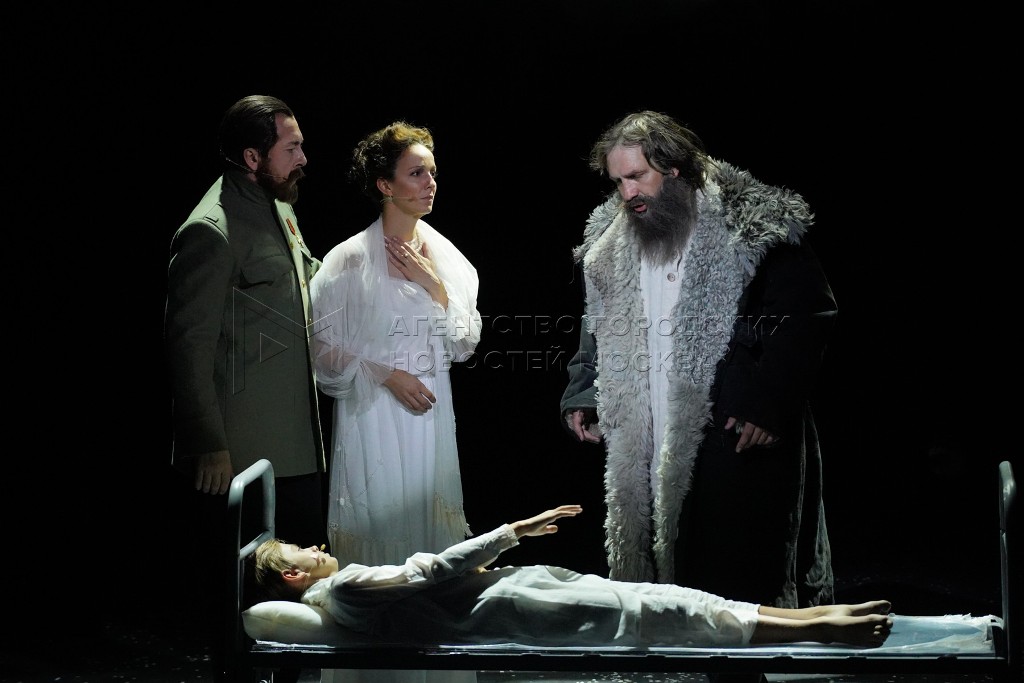
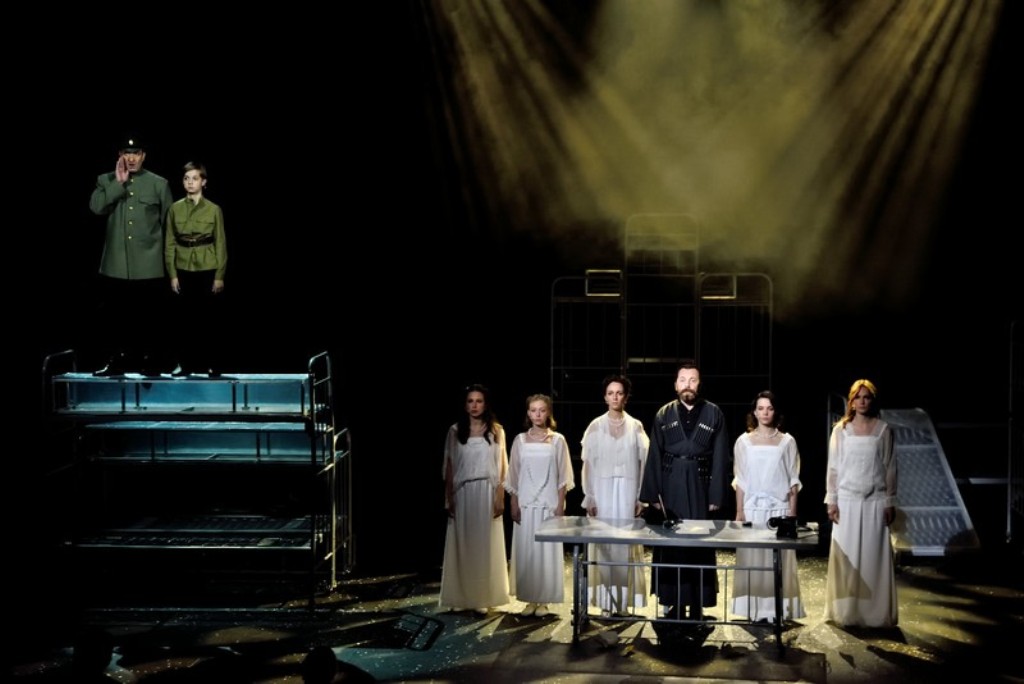
“The Last Romanoff” musical drama opens in Moscow

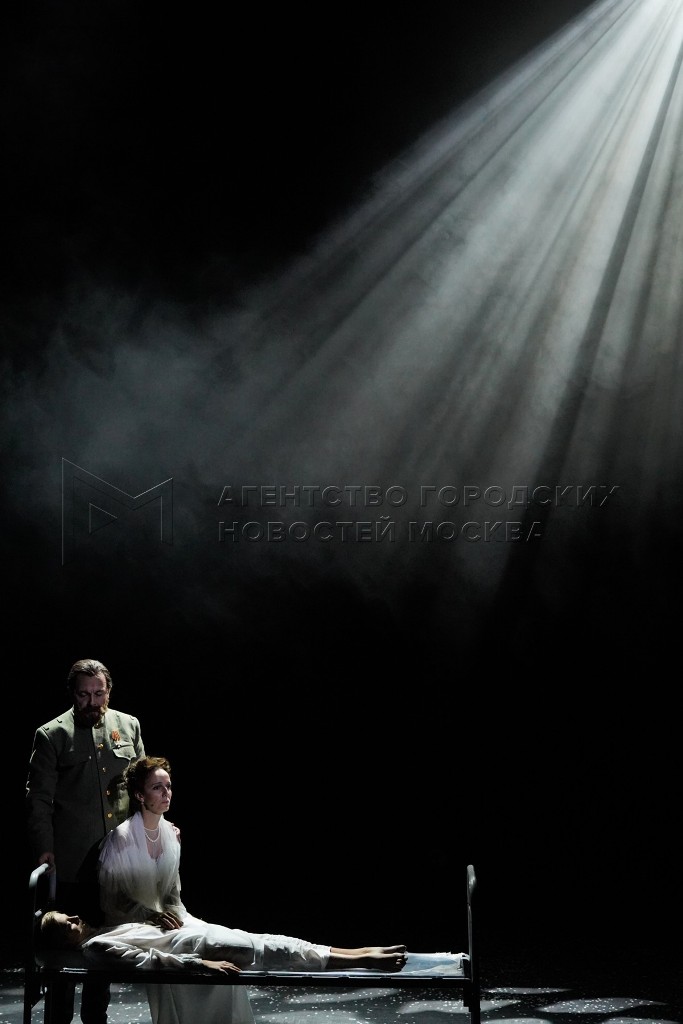
On 2nd October 2024, a new musical drama The Last Romanoff premiered at the International House of Music in Moscow. The intriguing plot of the production is based on real events of Russia’s last Tsar, the causes of the revolution and its consequences.

The creator of the libretto, composer and director is Alexander Ragulin. The main roles in the production are performed by popular stars of Russian musicals, as well as theater and film actors.

The Last Romanoff is not for those who love rock music, contemporary, impressive scenery, or musical comedy shows. Instead, this musical-drama takes an historical turn, one which focuses on the horrific events that took place in Russia in 1918, events which plunged the Russian Empire, the monarchy and the Imperial Family into an abyss.

The musical tells, and most importantly, shows the story of the tragic fate of the last Russian emperor, Nicholas II, who was shot along with his family and faithful retainers in the Ipatiev House in Ekaterinburg on 17th July 1918. As it should be in this genre, music dominates, the vocals reveal the character of the Tsar and his family, and other characters, which “transmit” to the audience the story that turned the world upside down.

Without colourful background scenery and special effects, it is music which present the plot of this drama. The acting, the dynamics of the performance, the mood of the characters, all set against the backdrop of a dark, gloomy, dimly lit stage, help in telling the story.

Actor, composer, vocalist, producer and director Alexander Ragulin (who plays the role of Rasputin) has assembled an amazing cast: Igor Balalaev, Valeria Lanskaya, Alexander Marakulin, Yaroslav Bayarunas and others – a total of 12 artists.

The Imperial Family: Nicholas II, his wife, four daughters, the sick Tsesarevich Alexei – and further down the list all the famous historical figures: Rasputin, Kerensky, Yusupov… The emperor’s daughters work in the hospitals and wonderful singing are all featured in this production.

The musical drama The Last Romanoff runs until 24th December 2024 at the International House of Music in Moscow.

© Paul Gilbert. 5 October 2024

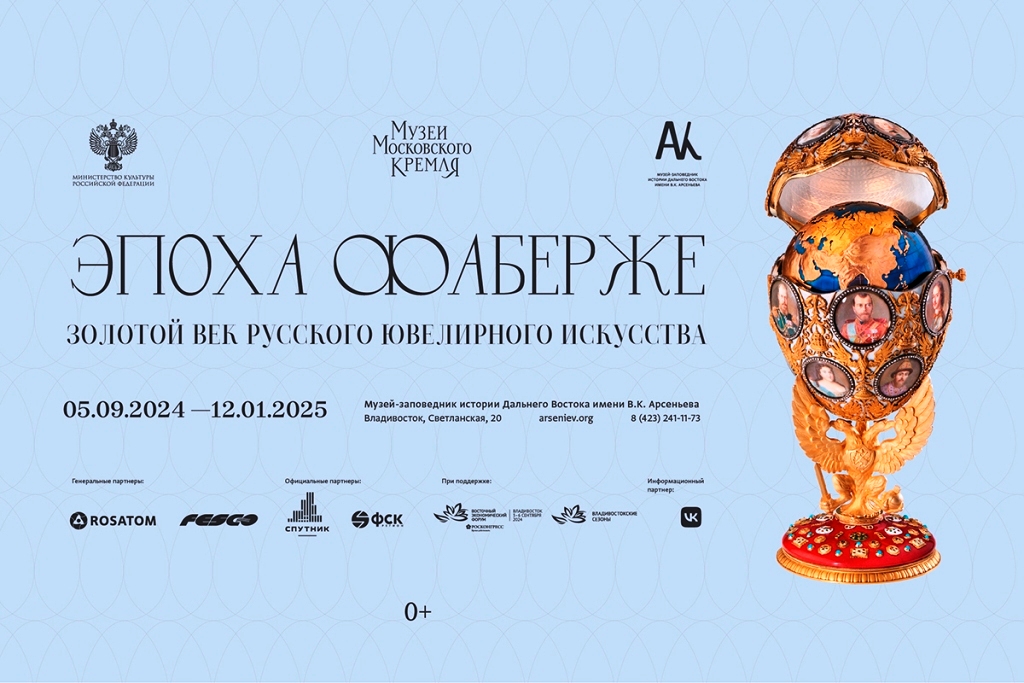
New Fabergé exhibition opens in Vladivostock

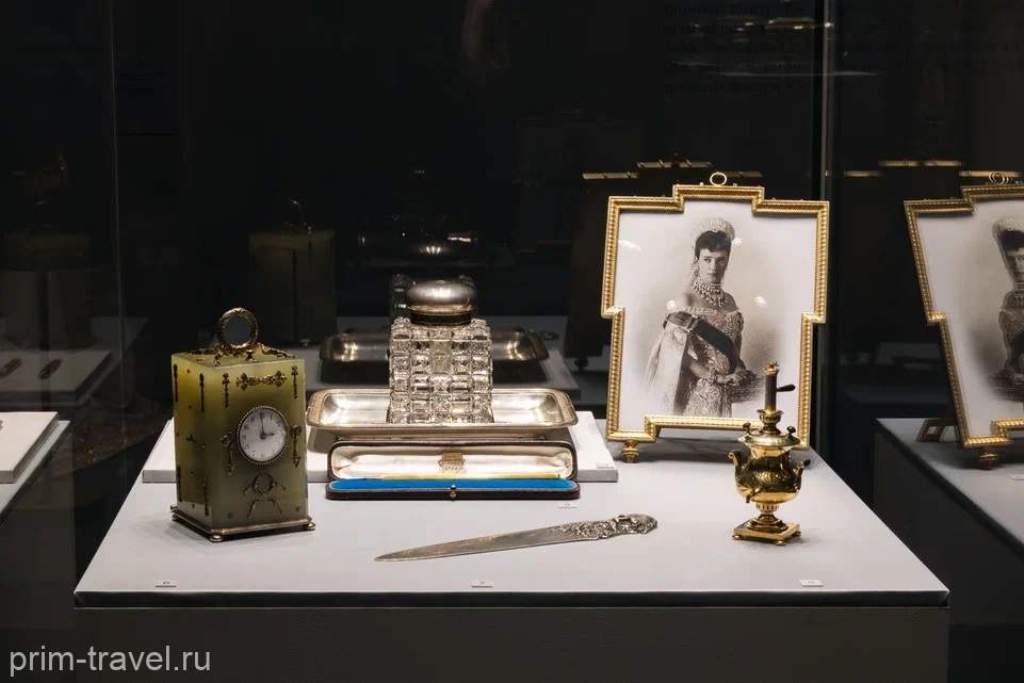
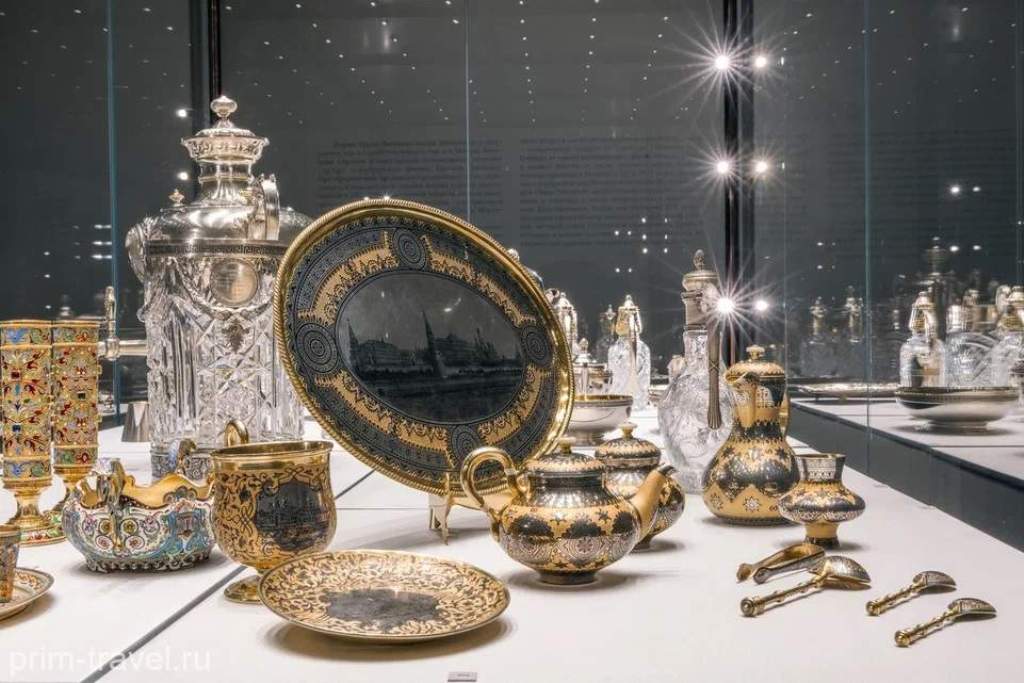
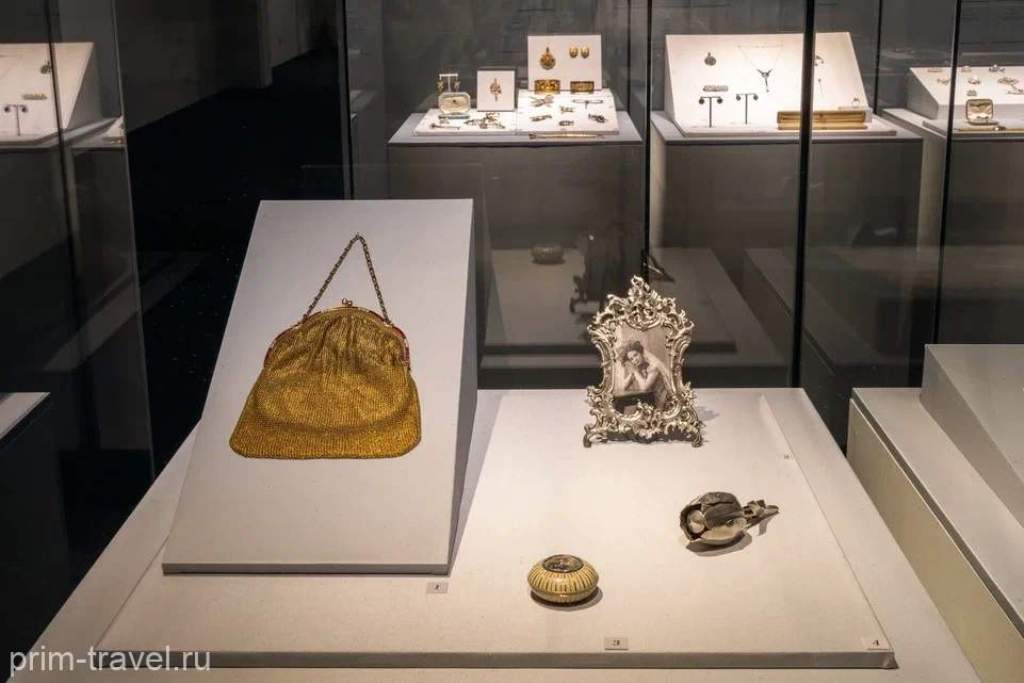
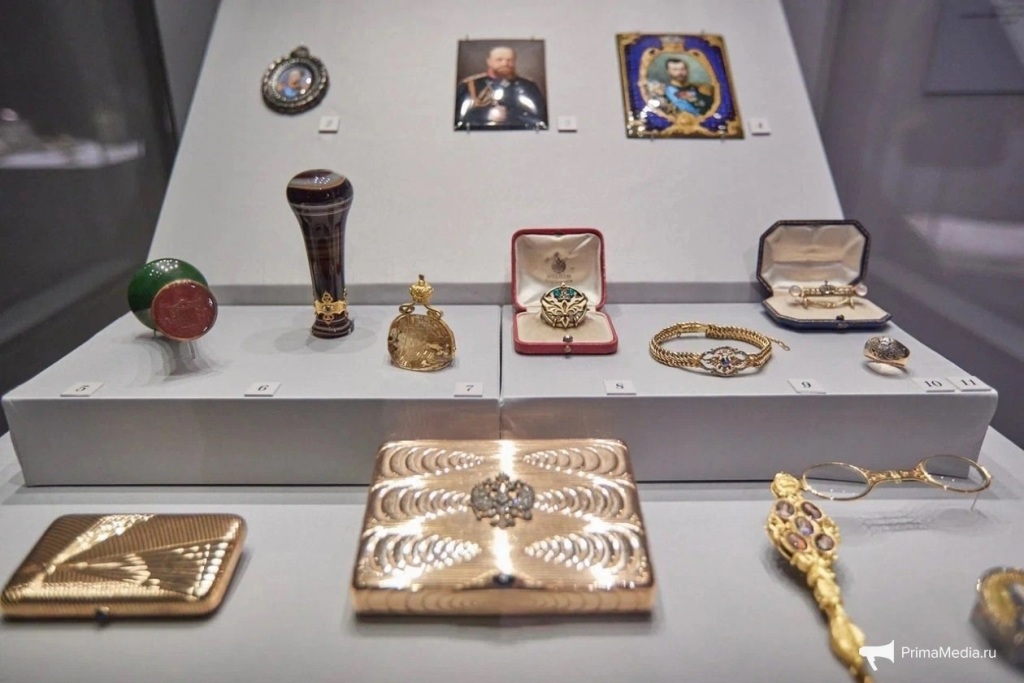
On 5th September 2024, a new exhibition The Age of Fabergé. The Golden Age of Russian Jewelry Art opened at the Arseniev Museum-Reserve of the History of the Far East, situated in Vladivostock. The exhibition is a joint project with the State Armoury Chamber Museum of the Moscow Kremlin.

Grandiose in terms of the number of valuable exhibits from the funds of the Moscow Kremlin Museums, the exhibition showcases about 300 items, including three Fabergé Imperial Easter Eggs commissioned by Emperor Nicholas II for his wife Empress Alexandra Feodorovna, for Easter in 1908, 1913 and 1916 respectively.

The Imperial Easter Eggs held in the Moscow Kremlin Museums are only ten Imperial Fabergé eggs that were not sold by the Bolsheviks in the 1920s, and are now held in the funds of the State Armoury Chamber Museum of the Moscow Kremlin. The Armoury Museum will be moving to a massive new museum complex, located on Red Square in 2024.

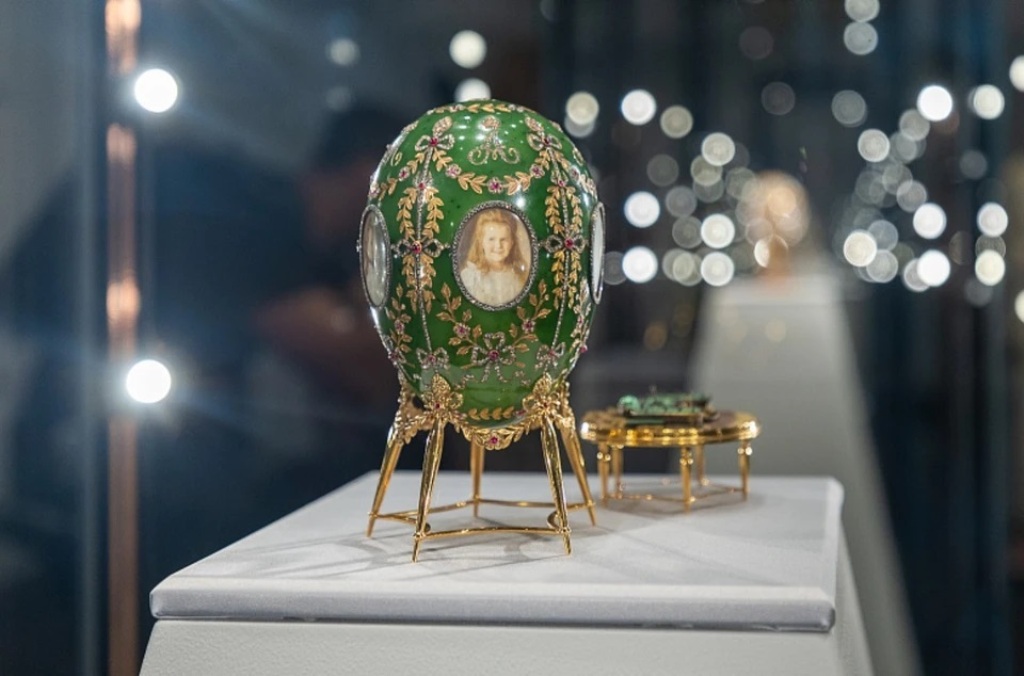
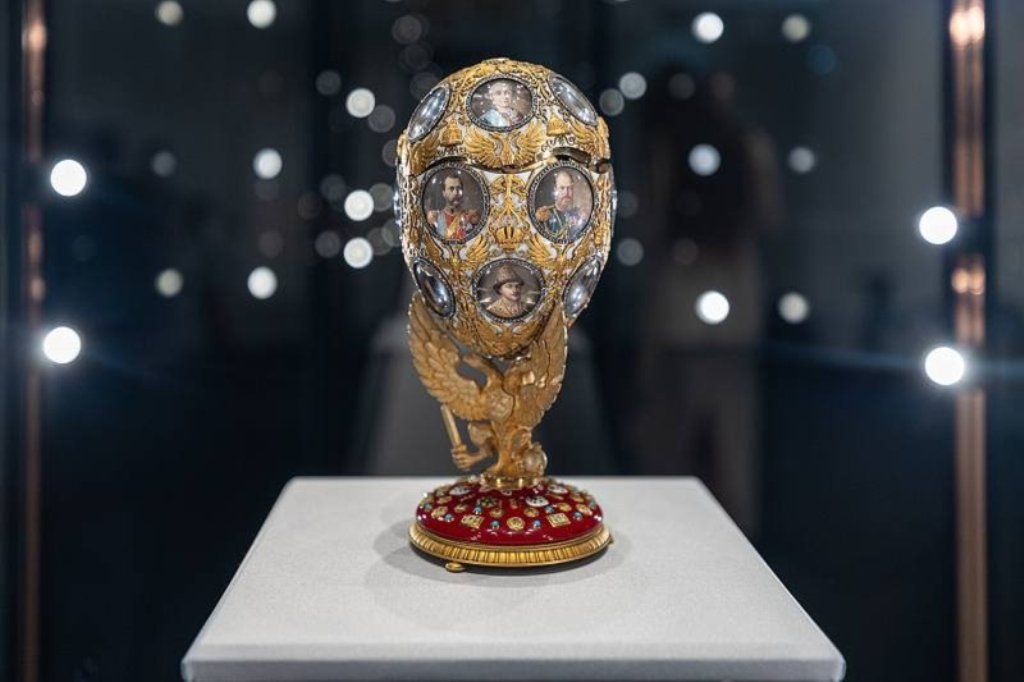
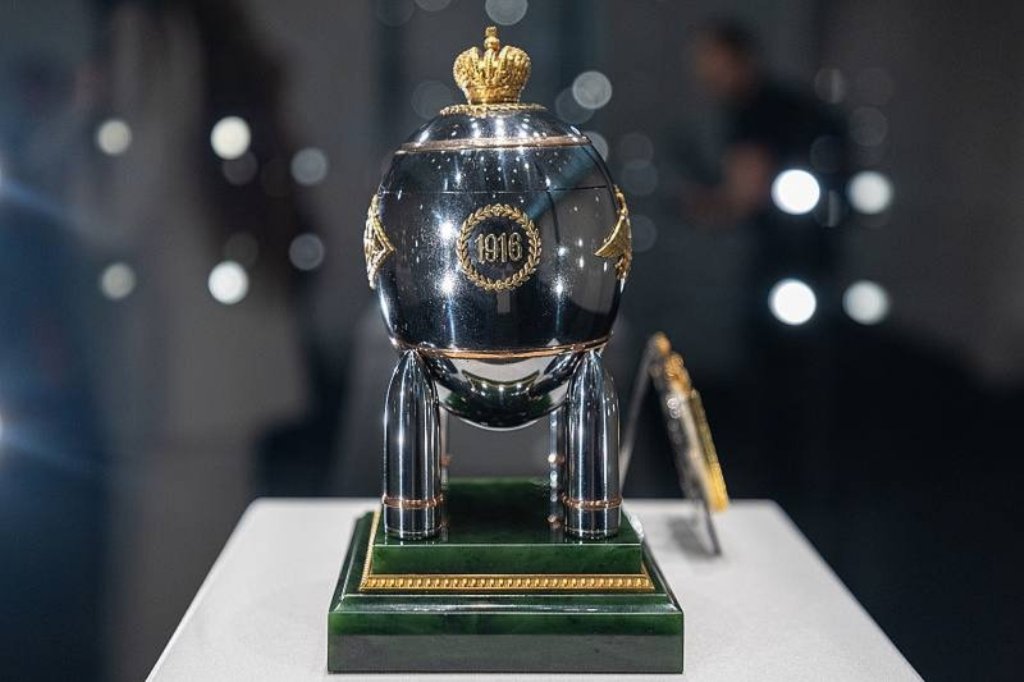
The famous Imperial Easter Eggs with intricate surprises, commissioned by Emperor Nicholas II, occupy a central place at the exhibition: the Alexander Palace Egg, gifted to Empress Alexandra Feodorovna (Easter 1908) ; the Romanov Tercentenary Egg, gifted to Empress Alexandra Feodorovna (Easter 1913); and the Steel Military Egg, gifted to Empress Alexandra Feodorovna (Easter 1916).

PHOTO: the Alexander Palace Egg (1908). Moscow Kremlin Museums

PHOTO: the Romanov Tercentenary egg (1913). Moscow Kremlin Museums

PHOTO: the Steel Military Egg (1916). Moscow Kremlin Museums

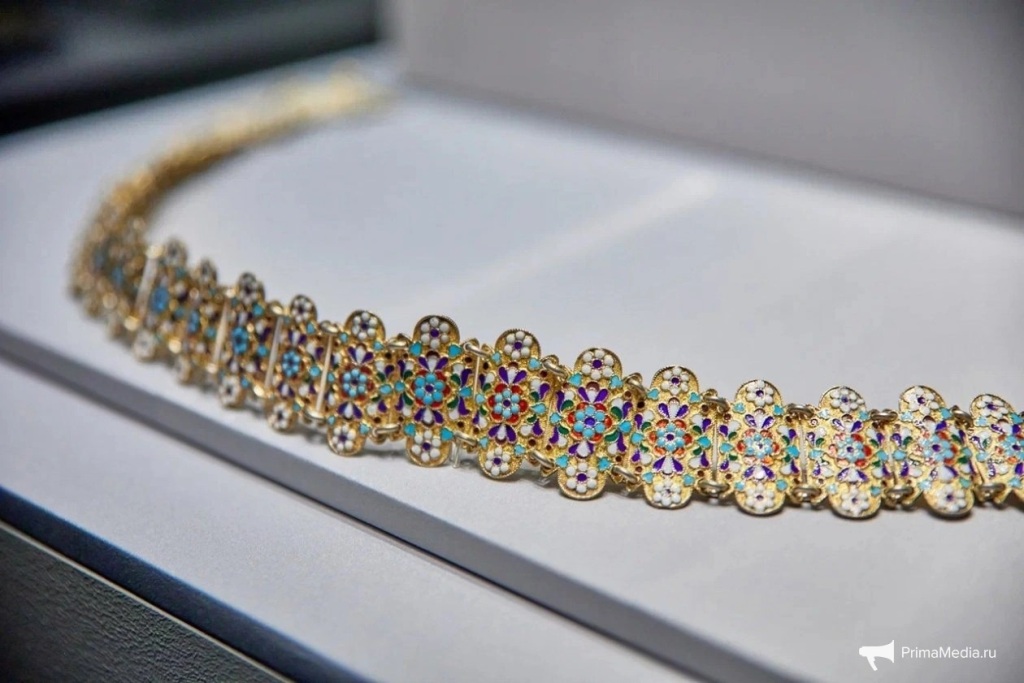
The exhibition showcases about 300 items, including masterpieces of the famous Russian firm of Carl Fabergé (1846-1920) as well as works of his contemporaries, including Suppliers of the Imperial Court I. Khlebnikov, P. Ovchinnikov, the Grachev brothers, F. Kechli, as well as other firms, factories, workshops and artels. The three Imperial Easter Eggs on display, were created by the chief jeweler of the Fabergé firm, Henrik Wigström (1862-1923).

In addition to exclusive and commissioned works, are gifts from the Guards to their august chiefs, seals with the coats of arms of members of the Romanov family, stone-cutting products of the Ekaterinburg Imperial Lapidary Factory bearing Imperial monograms, and precious church utensils for the Marfo-Mariinsky (Martha and Mary) Convent in Moscow, the abbess of which was Grand Duchess Elizabeth Feodorovna (1864-1918).

The Age of Fabergé. The Golden Age of Russian Jewelry Art exhibition runs until 12th January 2025 at the Arseniev Museum-Reserve of the History of the Far East in Vladivostock.
***

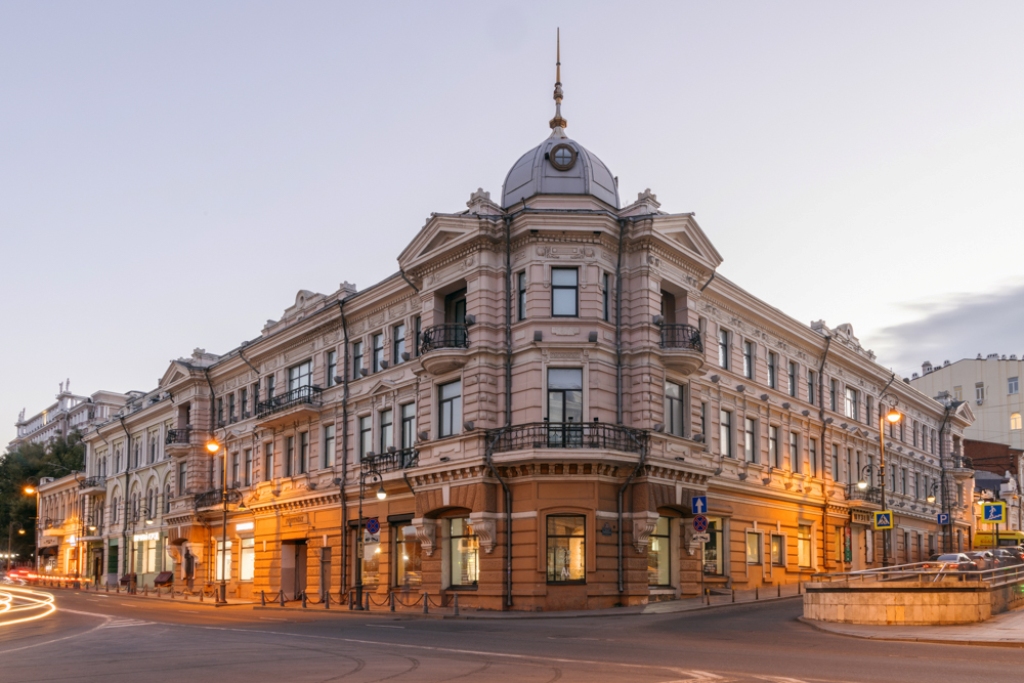
PHOTO: the Arseniev Museum-Reserve of the History of the Far East, situated in Vladivostock

The memorial house was built at the beginning of the 20th century. Vladimir Klavdievich Arsenyev (1872-1930) moved into apartment number 4 on the second floor in June 1929. He was a famous Russian traveler, geographer, ethnographer, local historian, writer, and explorer who made a significant contribution to the development of the Far East.

© Paul Gilbert. 5 September 2024
Imperial Yachts exhibition opens in Kaliningrad

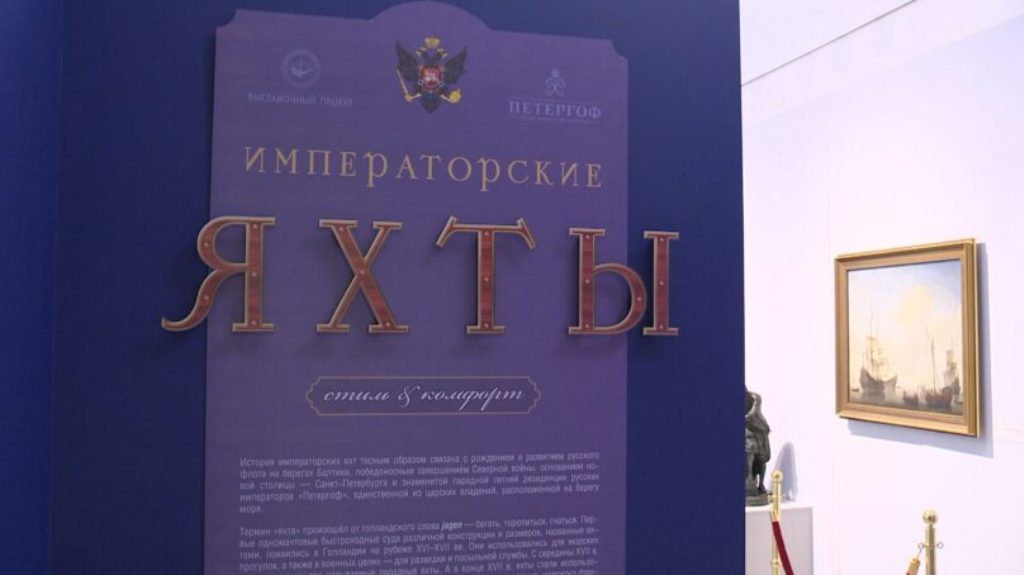
On 31st August 2024, a new exhibition The Imperial Yachts opened at the Museum of the World Ocean in Kaliningrad. The exhibit is joint project with the Peterhof State Museum. The exhibition explores the history of the Imperial Yachts, and their role in the life of the Russian Imperial Court, from Peter the Great to Nicholas II.

The Russian Imperial Yachts fell under the administration of the Naval Guards, founded in 1710, during the reign of Peter the Great. The Naval Guards conducted their service on the Imperial Yachts, and carried out regularl inspections of the vessels. In 1912, the Naval Guards also included Emperor Nicholas II, Dowager Empress Maria Feodorovna, Tsesatevich Alexei Nikolaevich, Grand Dukes Alexander and Nikolai Mikhailovich, Kirill Vladimirovich, Konstantin and Dmitri Konstantinovich.

During the 18th century, the Baltic Fleet already had more than 30 court and admiralty yachts. Some of them, for example, the yacht Happiness, impressed with their rich exterior décor and luxurious interior decoration. Over time, the design and appearance of Imperial Yachts change significantly. In the middle of the 19th century, during the reign of Emperors Nicholas I and Alexander II, elegant high-speed ships appeared, designed for better seaworthiness and increased comfort. Their interior decoration close ly resembled that of “floating palaces”.

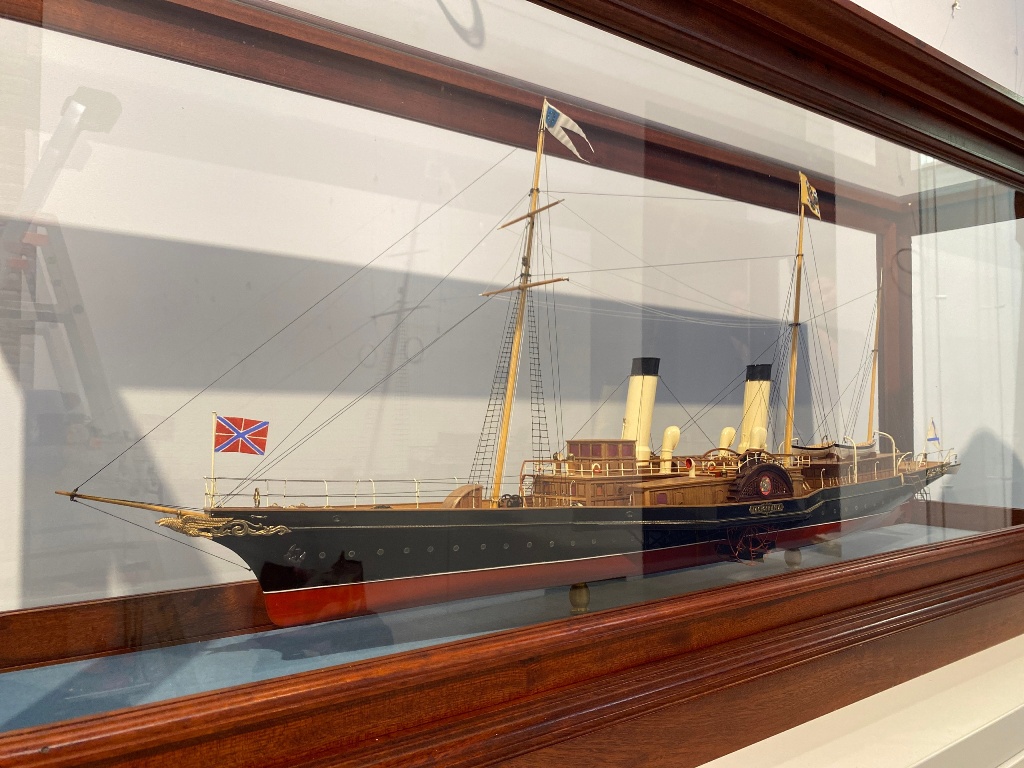
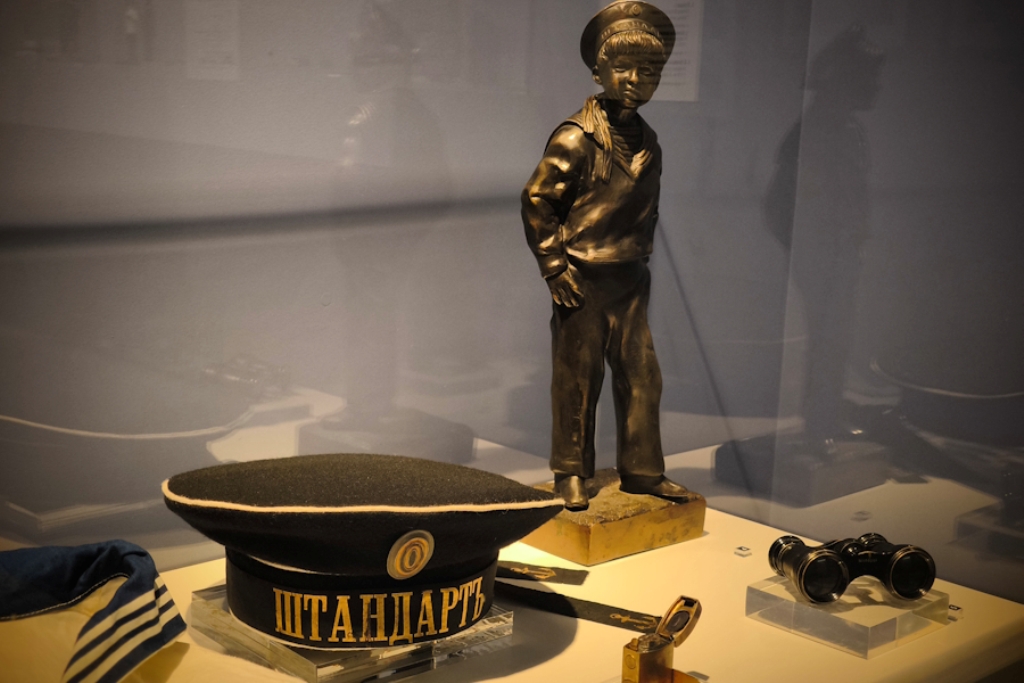
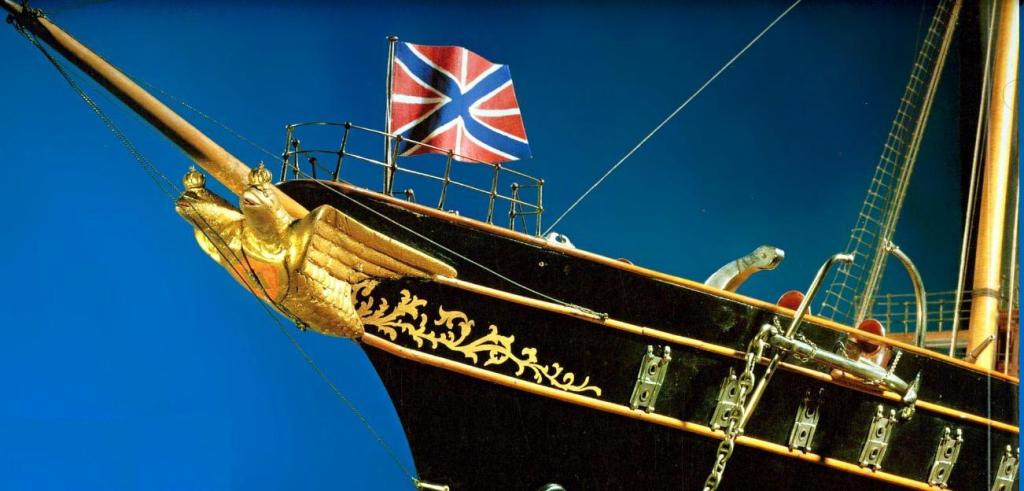
The exhibition introduces visitors to the construction and operation of the Shtandart / Standart, the favourite Imperial Yacht of Emperor Nicholas II. The Shtandart / Standart, was the largest ocean-going yacht in the world, with the most advanced engineering and naval technology of it’s time. Other Imperial Yachts included the Livadia, Tsarevna, Alexandria, Derzhava and Polar Star – the personal yacht of the Dowager Empress Maria Feodorovna. Both the Shtandart / Standart and the Polar Star had their own on-board chapels, in which members of the Imperial Family could attend services and pray while at sea.

The exhibition features more than 100 items, including maritime paintings and graphic works, a unique collection of services – porcelain and glassware – made for the Imperial Yachts, as well as navigation and other maritime items used on board. The exhibition is further complemented by scale models of the Imperial Yachts, uniforms, clothing and personal items of members of the Imperial Family, books and photographs which reflect life on board these luxurious vessels and their respective sea voyages.

The Imperial Yachts exhibition runs until 25th November 2024 at the Museum of the World Ocean in Kaliningrad.

© Paul Gilbert. 31 August 2024

Nicholas II’s uniforms on display in Tula

On 21st August 2024, a new exhibition The Forgotten War opened in Tula. The exhibition is dedicated to the 110th anniversary of the beginning of the First World War. The venue for the exhibit is the Tula branch of the State Historical Museum,

The exhibition is a joint project of the Tsarskoye Selo State Museum in Pushkin and the State Historical Museum in Moscow, showcasing about 200 items from the collections of the two museums.

Of particular interest to visitors will be uniforms and portraits of Emperor Nicholas II and his son Tsesarevich Alexei Nikolaevich, on loan from the Sovereign’s Military [aka Military] Chamber in Tsarskoye Selo. Among the uniforms of Nicholas II is the Tsar’s cherkeska and beshmet of His Imperial Majesty’s Own Escort and pelisse of His Majestey’s Life-Guards Hussar Regiment. Other items on display include WWI vintage news reels, weapons, documents, photographs, awards and a tactile model of the Military Chamber.

The exhibition is divided into four sections: The War Image, The History of the Sovereign’s Military Chamber, The Imperial Family during WWI, and The St George’s Chevaliers Portraits.

The exhibition is designed to draw attention to the preservation of the historical memory of the military conflict, which for Russia has long been the “Forgotten War”. Recall that during the Soviet years, Russia’s contribution and sacrifices made during the First World War were neither discussed or commemorated. In destroying the tsars, the Bolshevik revolutionaries denounced the Great War as “imperialist”, thus robbing it of its potential for a popular legacy. It was not until 1st August 2013 that Russia marked Russian Soldiers’ World War I Remembrance Day for the first time.

The collections of the Sovereign’s Military Chamber – which includes the State Historical Museum on the First World War – are both part of the Tsarskoye Selo State Museum. The Sovereign’s Military Chamber was founded in May 1913.

Following the outbreak of hostilities in August 1914, it was decided to create a war museum, which included a gallery of portraits of the Knights of St. George among other exhibits. Some of the museum’s employees were sent to the Front. Subsequently, they returned with “trophies” which were added to the museum’s funds. Additional items were transferred from other museums and private collections, as well as items donated by the families of those who particpated in the Great War.

The dedicated employees of the Sovereign’s Military Chamber and the Historical Museum carefully preserved their collections even during the Soviet years. It is thanks to their efforts that this priceless collection of Russian World War One artifacts has been preserved to the present day.

The exhibition The Forgotten War. The Military Chamber and the Historical Museum: Keepers of Memory runs until 21st October 2024, at the Historical Museum, which is housed in the the former mansion (above photo) of the merchant Belolipetsky family in Tula, located 193 kilometers (120 mi) south of Moscow.

***

PHOTO: the Sovereign’s Military Chamber – which includes the State Historical Museum on the First World War – are both part of the Tsarskoye Selo Museum

PHOTO: Emperor Nicholas II’s uniforms on display in the Sovereign’s Military [aka Military] Chamber in Tsarskoye Selo. The uniforms were previously on display in the Alexander Palace, before the private apartments of Emperor Nicholas II and Empress Alexandra Feodorovna were recreated in the eastern wing of the palace between 2015 and 2021.

© Paul Gilbert. 21 August 2024