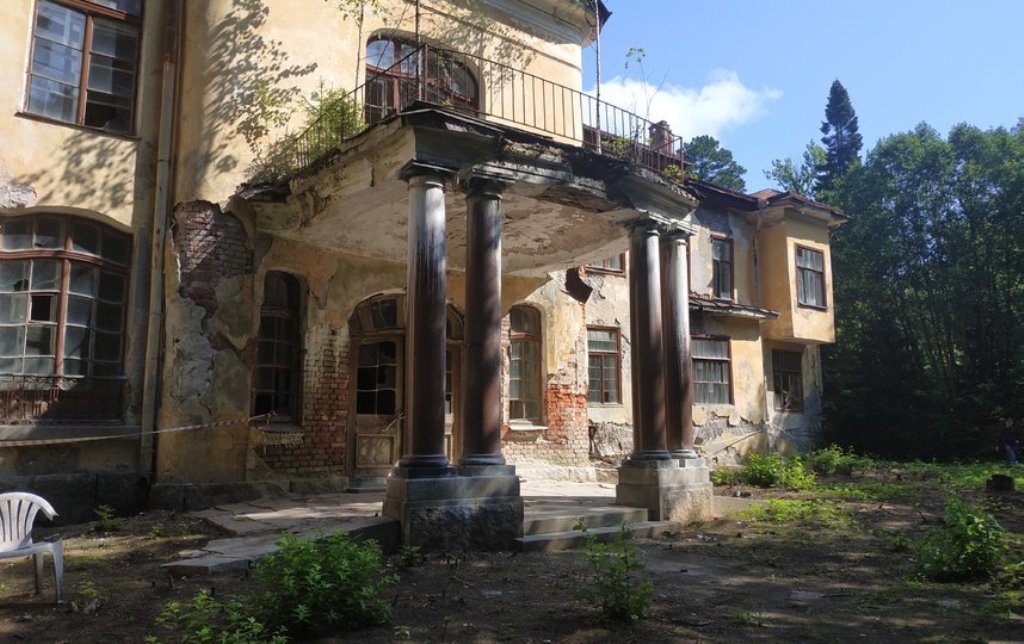
PHOTOS: the former dacha of Agathon Karlovich Fabergé in the
suburbs of St. Petersburg is currently in a terrible state of disrepair
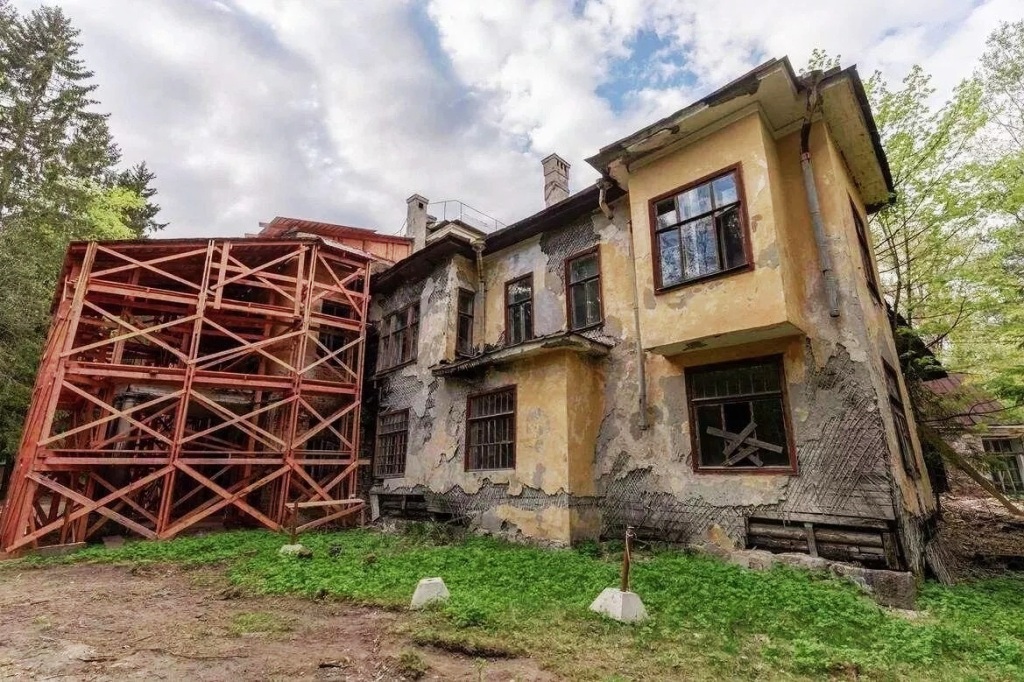
A former dacha of one of the members of the Fabergé family is the latest architectural monument from the era of Russia’s last Tsar, to go under the hammer next month, the starting bid is ₽46.9 million rubles [$625,600 USD].
Recall that on 20th March 2026, the former multi-level studio-apartment of Ernst Karlovich Liphart (1847-1932) – the famous court artist of Nicholas II, sold at an auction in St. Petersburg for 80 million rubles [$1,058,400 US dollars].
The Fabergé dacha, which is located in the village of Pargolovo in the Vyborg district of St. Petersburg, was once the summer home of Agathon Karlovich Fabergé (1876-1951) is the second son of Peter Carl Fabergé (1846-1920).
The Fabergé dacha is today designated a cultural heritage site. The lot consists of a manor house [the dacha],outbuildings and the plot of land it sits on. The total size of the dacha including outbuildings is 3,000 square meters [33,000 square ft.], and a plot of almost 8 hectares is 19.8 acres].
The new owner must agree to restore the building as well as comply with the requirements for the preservation, maintenance and use of the building, the Institute of Housing Development reported. The auction will be held on 19th June 2026.
The deadline for fulfilling the conditions of the competition is seven years, and the work on the preservation of the OCH should be completed by February 2029. The property is proposed to be used for commercial purposes, such as a spa-hotel.
NOTE: the photos below, depict the current states of the interiors of the Fabergé dacha
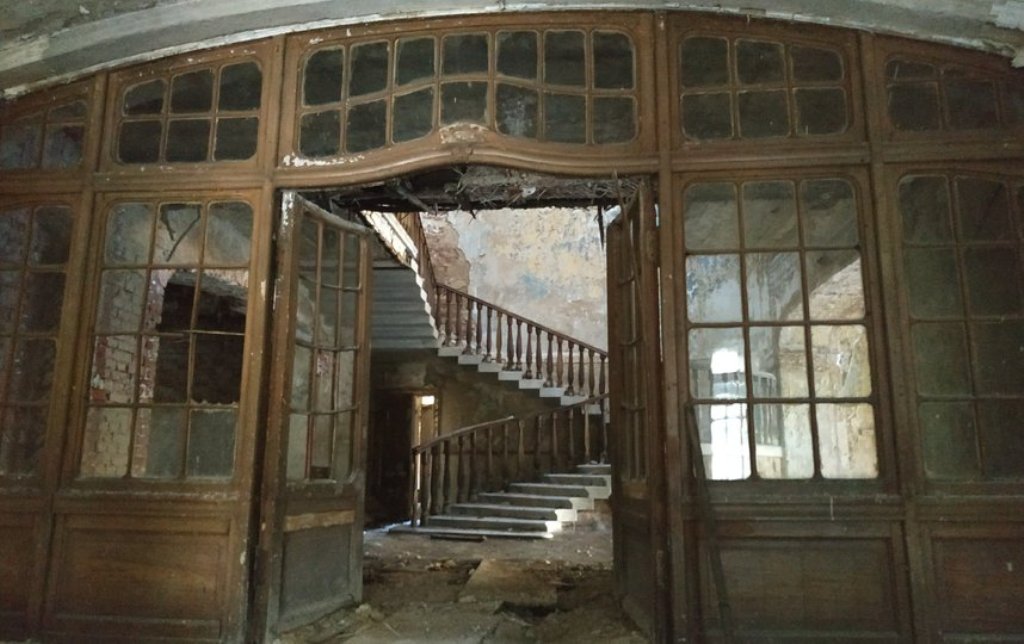
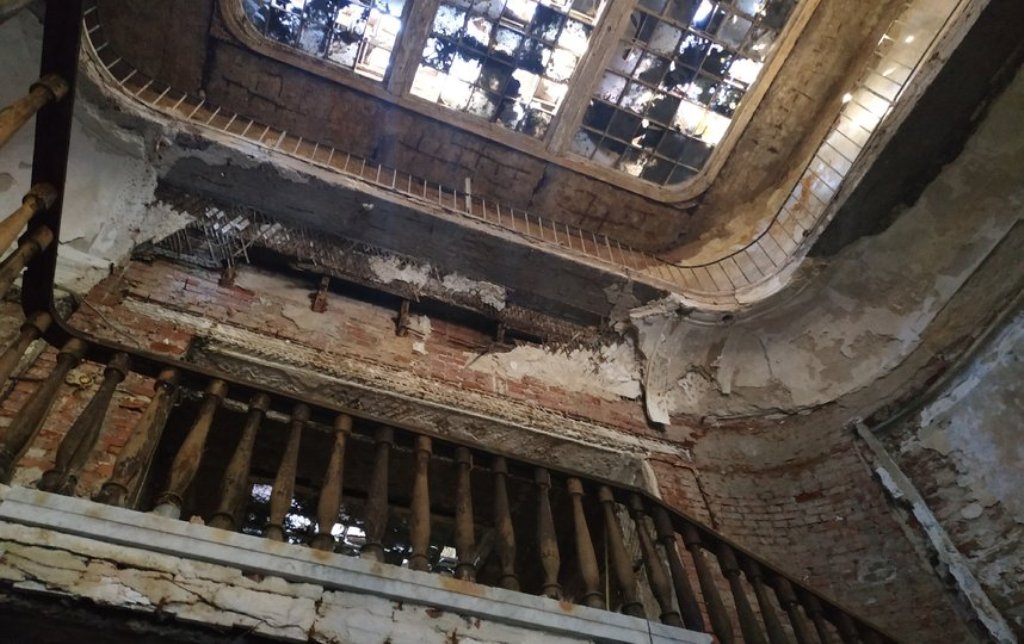
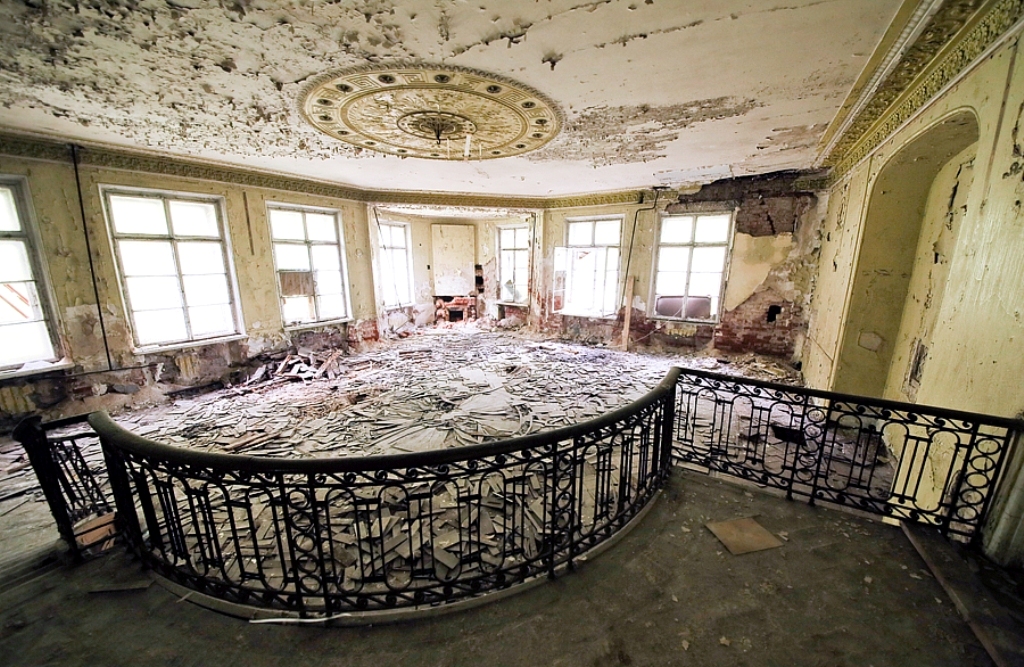
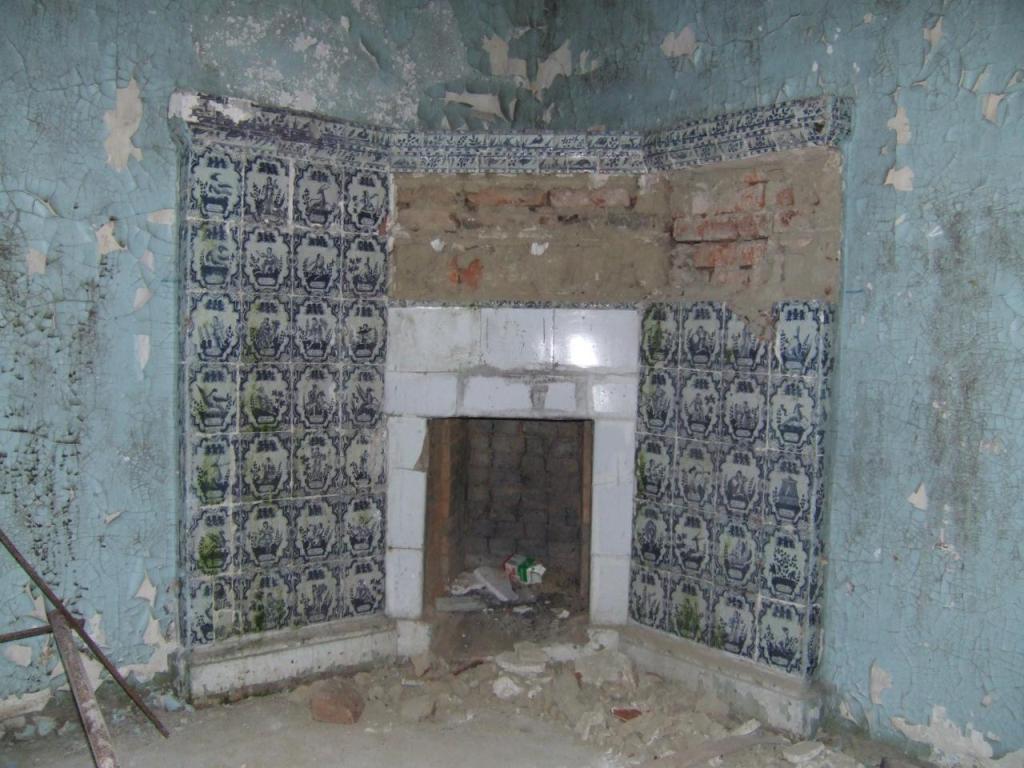
For the restoration of the object, the new owner will be eligible to receive preferential financing at a rate of 9% per annum or6% – for restoration, if the building is used as a hotel, with a minimum of a “three stars” rating. The loan will be provided by the DOM Russian Federation Bank.
The Fabergé Dacha was constructed in 1901-02, by the Russian architect Karl Emil Michael Schmidt (1866-1945). Initially, the manor house looked like an English cottage.
As Agathon’s family grew – by 1907 he already had four children. – he ordered an extension built on the house, which was carried out in 1908-10. The job was entrusted to the architect Ivan Andreevich Galnbek (1855-1934), who introducted elements of Art Nouveau to the dacha.
On the ground floor there were ceremonial rooms: living rooms, a ballroom, a large dining room, a greenhouse and a utility block with a kitchen, and storerooms. On the second floor there were living quarters – bedrooms, toilets, and baths.
Agathon Fabergé was a great collector or art objects, of which his country dacha earned the nickname the “Small Hermitage”. His vast collection consisted of antique statues, tapestries, paintings, Chinese and Japanese porcelain, a collection of 300 Buddha figurines, and a collection of Japanese combat swords and netsuke [small carved ornaments].
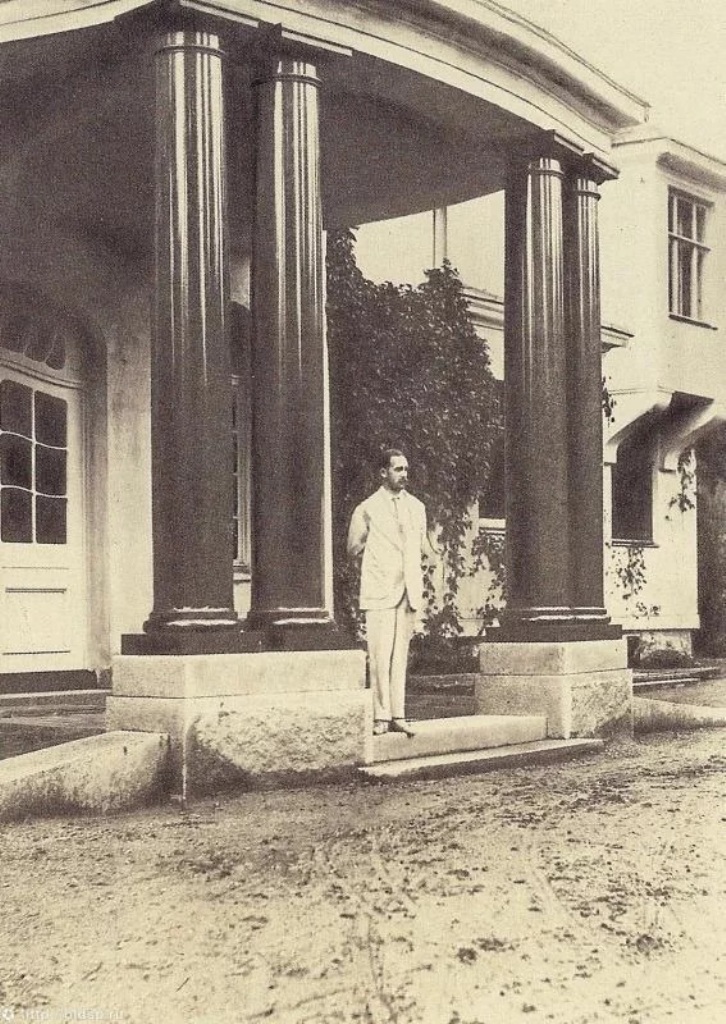
PHOTO: Agathon Karlovich Fabergé standing at the entrance of his dacha in the village of Pargolovo in the Vyborg district of St. Petersburg. 1914
After the 1917 revolution, the dacha was nationalized. The building was plundered and looted by revolutionary thugs. What was not stolen, was transferred to various museums in Petrograd.
During the First World War, like many patriotic Russians, Agathon set up a “sanatorium” for wounded Russian soldiers in the dacha under the patronage of the hostess [Agathon’s wife], Lydia Alexandrovna Fabergé (1874-1944).
During the Soviet years, the Fabergé dacha served as a sanatorium, a rest house for workers and a children’s camp. The building’s new Soviet caretakers made a number of changes to the building, which resulted in significant damage to the original interiors.
Since 1920, the dacha has been under the jurisdiction of various, mainly medical and health-improving organizations. In the 1980s, a fire broke out in the dacha, which caused damage mainly to the roof of the main house.
.Since the beginning of the 2000s, city officials and conservationists have made several attempts to address the dire condition of the dacha. In 2007, the dacha was given to Gorny University, the new owner undertook to restore the dacha, with the intent to open a museum. Sadly, no work was carried out, due to a lack of funding.
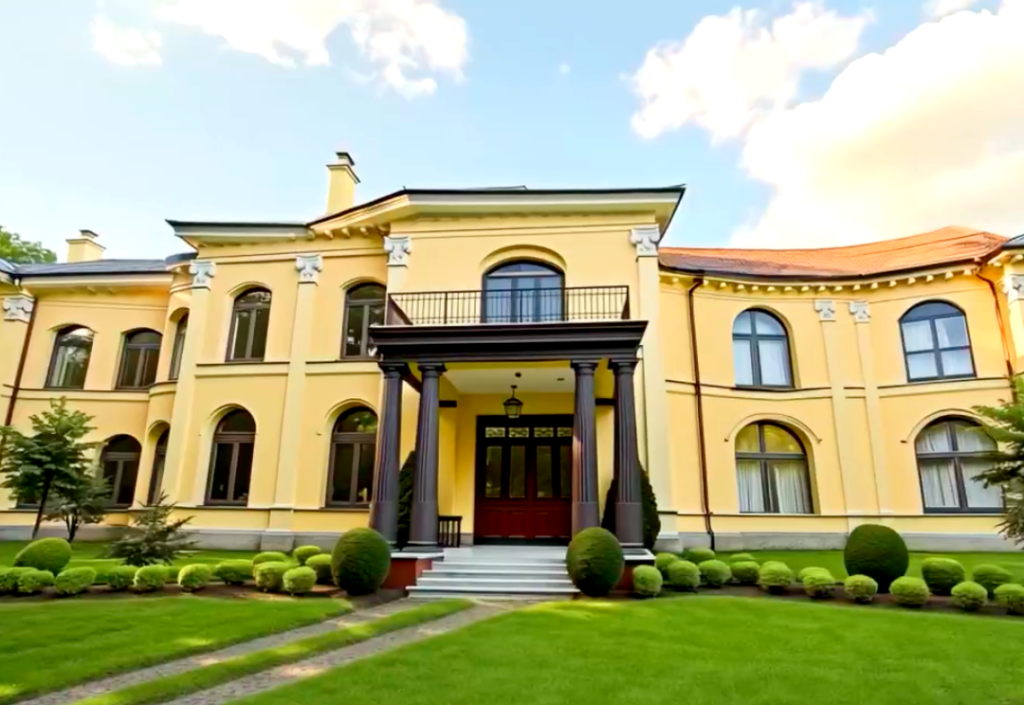
PHOTO: artist concept of what the Fabergé dacha in
Pargolovo, would look like after restoration
For more than a decade, the former dacha of Agathon Fabergé has fallen into a terrible state of neglect and disrepair. Let us hope that a buyer comes forward and gives new life to this architectural monument of the era of Nicholas II – a symbol of both the Fabergé family and the former Russian Empire.
POSTSCRIPT
On 19th June 2026, the Fabergé dacha was sold to the the Moscow-based company FormaInvest for ₽102.7 million rubles [$1.4 million USD] – the starting bid was ₽46.9 million rubles [$625,600 USD].
The investor is obliged to completely restore the architectural monument by February 2029. The new owner plans to adapt the building for both commercial and tourism – perhaps a hotel, museum or art gallery will appear here. Details are to be announced at a later date.
© Paul Gilbert. 3 May 2026
 Nicholas II
You must be logged in to post a comment.