30th anniversary of the exhumation of the remains of Nicholas II and his family

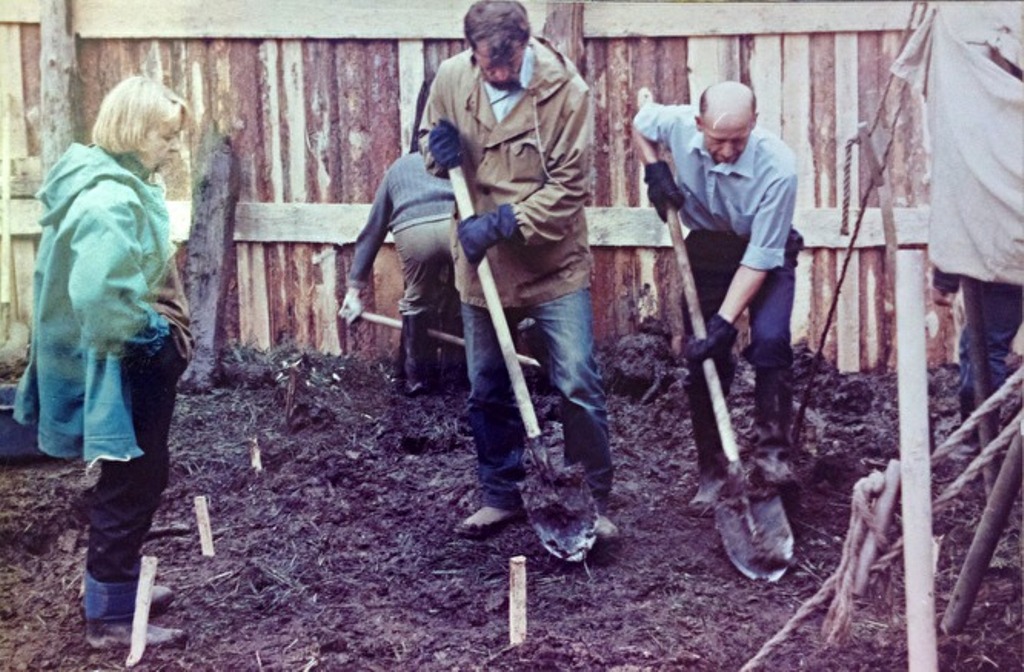
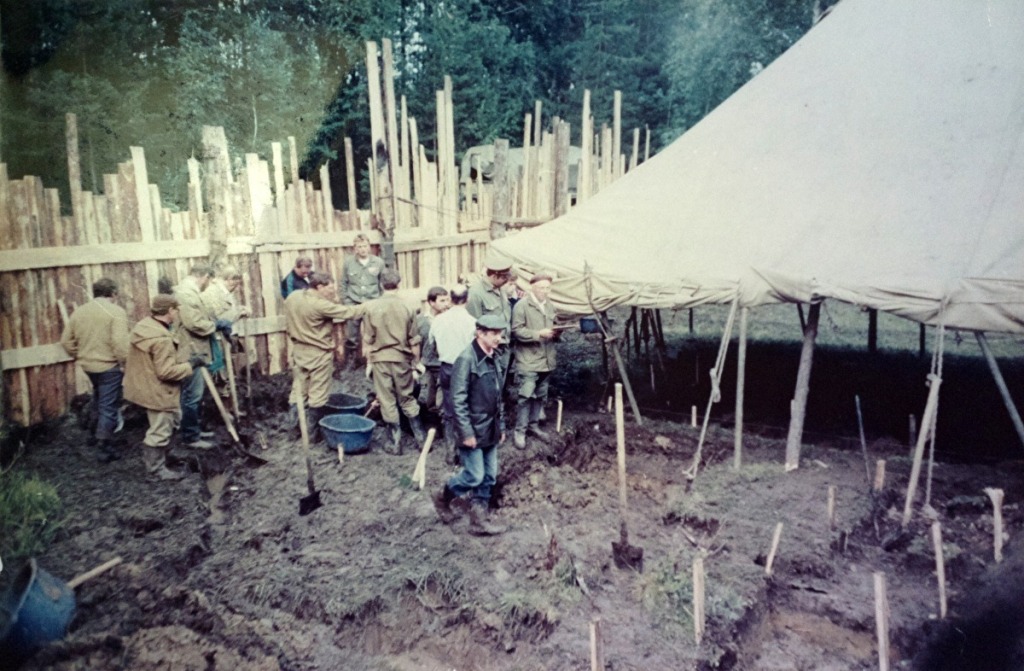
PHOTO: Avdonin and his team excavate the burial site at Porosenkov Log in 1991

WARNING: please be aware that this post includes graphic images which some readers may find disturbing.

This month marks the 30th anniversary of the exhumation of the remains of Emperor Nicholas II and members of his family, discovered at Porosenkov Log in 1979. The Sverdlovsk Regional Museum of Local Lore in Ekaterinburg have published archival photos of the excavations, which were not carried out until 1991.

The photos show the excavations, which were initiated in the Porosenkov Log area on the Old Koptyaki Road on 11th July 1991. Geologist Alexander Nikolaevich Avdonin and curator from the Institute of History and Archaeology of the Ural Branch of the Russian Academy of Sciences, Lyudmila Koryakova and their team experts, all participated in the exhumation of the skeletons, which, were later established as the remains of Emperor Nicholas II, Empress Alexandra Feodorovna, their three daughters Grand Duchesses Olga, Tatiana, Anastasia and their four faithful retainers.

PHOTO: Avdonin and his team excavate the burial site at Porosenkov Log in 1991

According to the museum “1991 was a turning point for Russia” and “the country’s political future was uncertain.” On 12th June 1991, the presidential elections of the Russian Soviet Federative Socialist Republic (RSFSR) were held, which was won by Boris Yeltsin – Russia’s first president. It was at this point that “more than 70 years of the Communist Party of the Soviet Union was coming to an end.” This is what prompted Avdonin to initiate excavations.

It was in 1979, that Avdonin and Gely Trofimovich Ryabov (1932-2015) discovered the unmarked grave containing the skeletons of the Romanovs in the north-western outskirts of Sverdlovsk. At first Avdonin believed that the time was not yet right to announce their discovery, however, Yeltsin’s victory convinced him that it was high time. On 10th July 1991, he turned to Governor Eduard Rossel and said that he knew where the remains of the Imperial Family were buried.

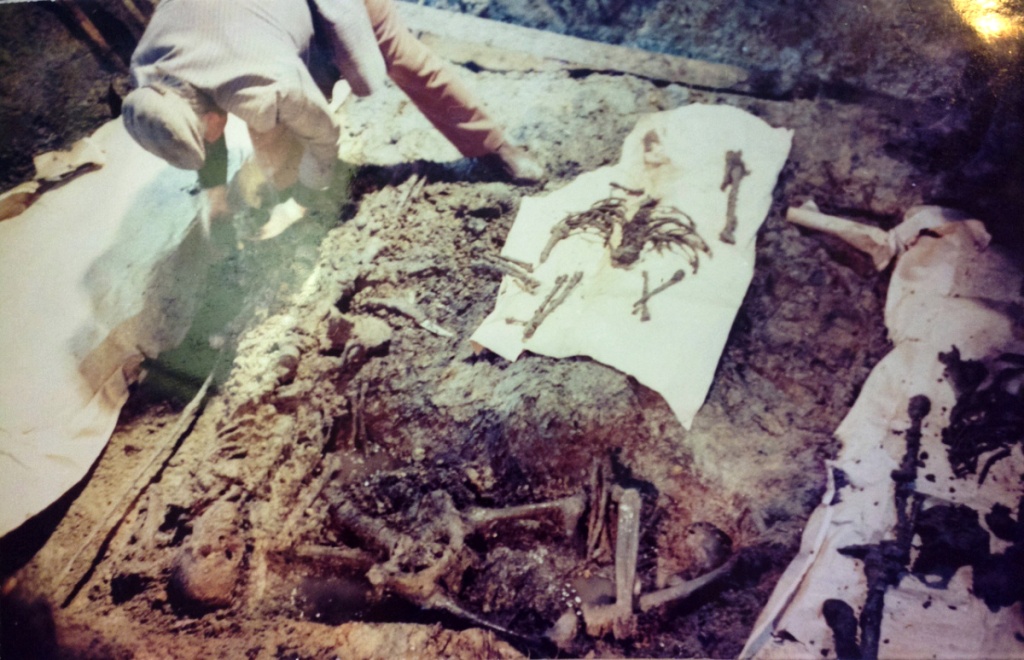
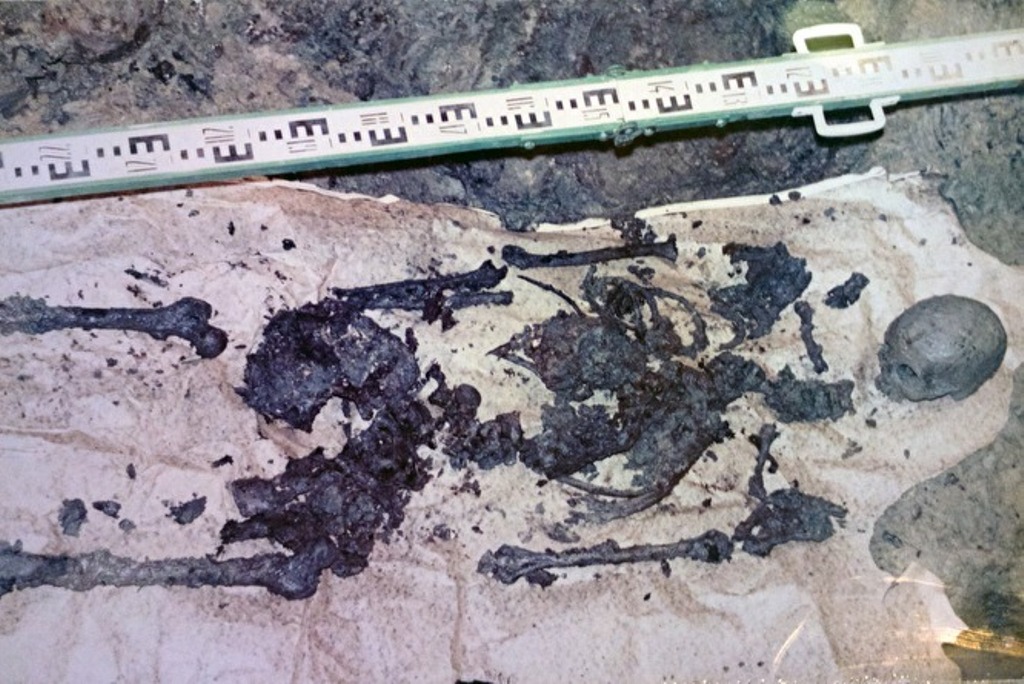
PHOTO: remains of the Imperial Family exhumed from the burial site at Porosenkov Log in 1991

Despite the fact that the political situation in Russia seemed extremely unstable, Rossel decided to exhume the remains. On 11th July 1991, Avdonin and Rossel assembled a team of local archaeologists, who began the excavation of the grave at Porosenkov Log. Upon the discovery of the remains, the Prosecutor General’s Office of the Russian Federation opened a criminal case. The outcome of the investigation divided many Russian Orthodox Christians – some of whom recognized the authenticity of the remains, while many others did not. The investigations and examinations are still ongoing, however a final decision on the authenticity of the Ekaterinburg remains will be made by the Bishops’ Council of the Russian Orthodox Church (ROC), which will take place in November of this year.

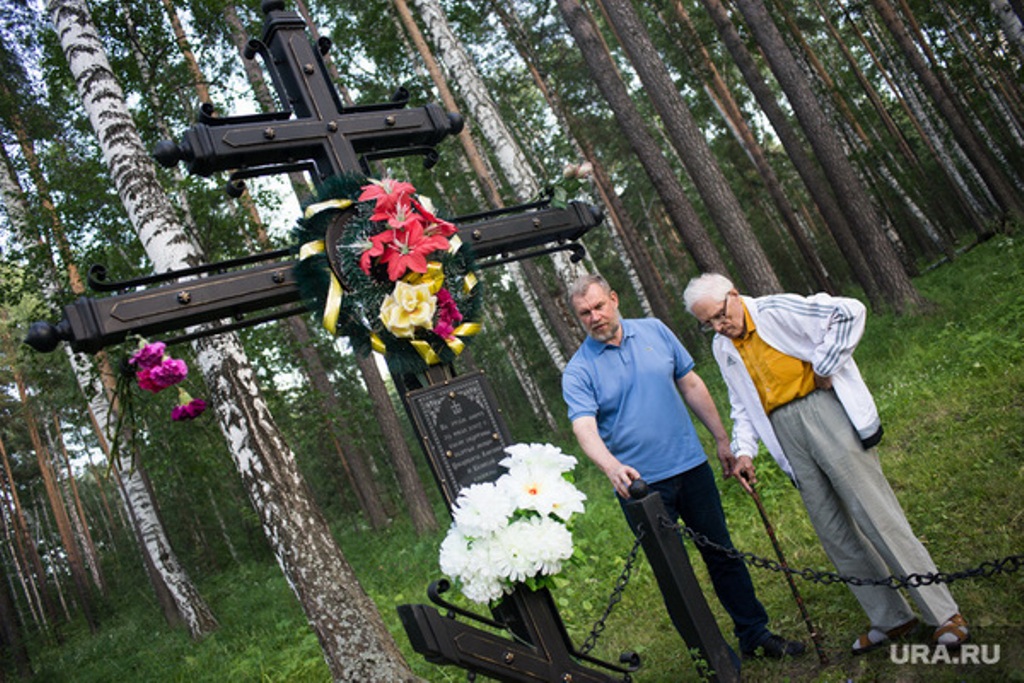
PHOTO: Alexander Avdonin (right) with Nikolai Borisovich Neuymin, director of the Romanov Memorial Hall in Ekaterinburg, standing at the burial site at Porosenkov Log

Emperor Nicholas II and his family were all shot in the Ipatiev House in Ekaterinburg on the night of 16/17 July 1918. The bodies were taken out of the city, where their murderers attempted to destroy the remains with fire and acid in the area of ​​old mines in the Ganina Yama tract. Their horrific mission failed, after which the remains were transported 3.8 km and buried near the Old Koptyaki Road [Porosenkov Log]. The grave remained a secret until 1979, when the remains were found by a team of enthusiasts led by the Ural geologist Alexander Avdonin, who worked under the patronage of Geliy Ryabov, at that time assistant to the head of the USSR Ministry of Internal Affairs.

It was not possible to extract and study the remains at that time. Avdonin’s team, together with archaeologists, did this in 1991, only to discover that two skeletons were missing. It was not until 2007, that the remains of Tsesarevich Alexei and Grand Duchess Maria, were discovered in a second grave just meters from the main burial site.

© Paul Gilbert. 7 July 2021

Nicholas II’s grave was an “open secret” in Soviet Russia during the 1920s

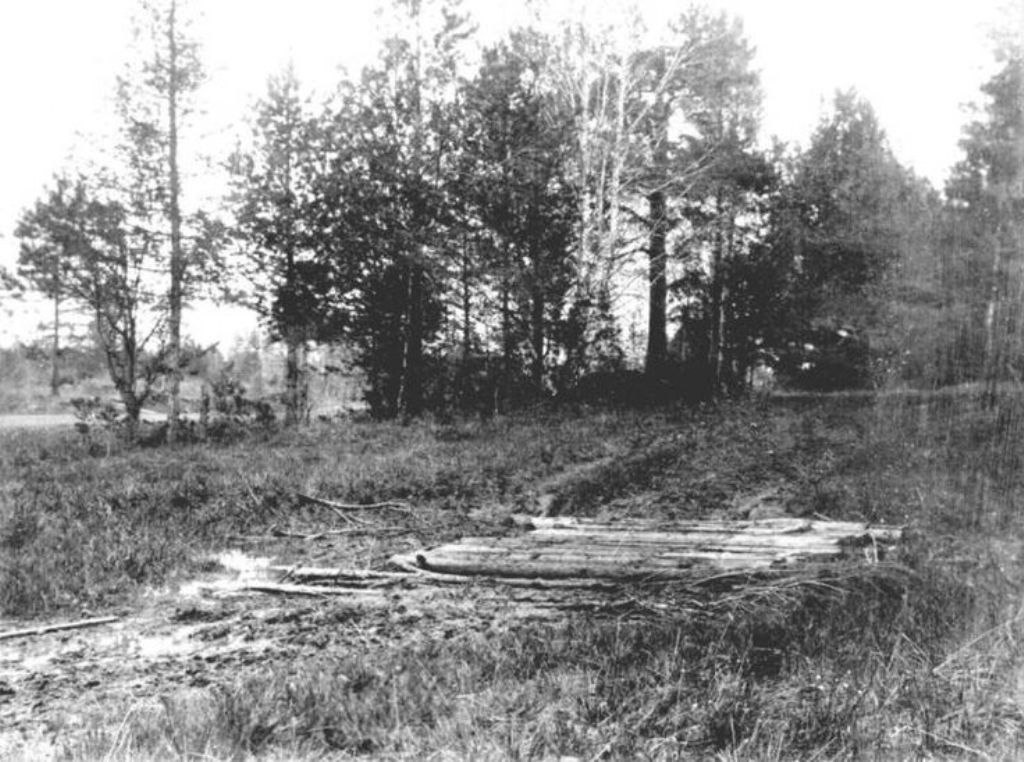
PHOTO: the remains of Nicholas II, his wife, three of their children and their four faithful retainers were buried under the “sleepers bridge” at Porosenkov Log by their murderers in 1918

We hid them so well that the world will never find them,” boasted Commissar for Supply in the Ural Region Soviet Pyotr Lazarevich Voykov (1888-1927), on the location of the murdered remains of Emperor Nicholas II and his family.

While the burial site of the Imperial Family at Porosenkov Log remained a secret to the world for more than 60 years, it was in fact an “open secret”[1] to a select few in the Soviet Union in the 1920s.

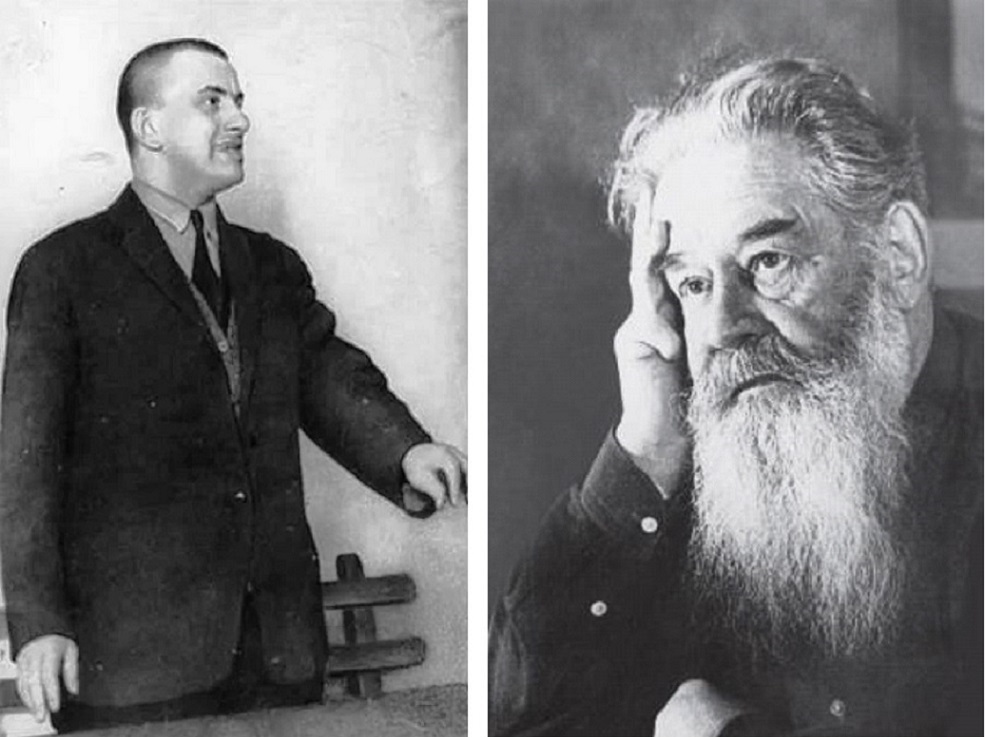
In January 1928 – ten years after the murders of Emperor Nicholas II, his family and four faithful retainers – the famous Soviet poet Vladimir Vladimirovich Mayakovsky (1893-1930) visited Sverdlovsk. It was at the city’s Business Club that he met the Chairman of the Ekaterinburg City Executive Committee Anatoly Ivanovich Paramonov (1891-1970), making enquiries about the city and the last days of the Imperial Family.

Paramonov took Mayakovsky to the Ipatiev House, and then in minus 30-degree frost, along the Old Koptyaki Road to the place where the remains of the Imperial Family had been buried by their murderers – members of the Ural Soviet on 17th July 1918.

“Of course, it was nothing special – to see the grave of the tsar. In fact, nothing is visible there. It is very difficult to find as there are no signs or marks, this secret place is familiar only to a certain group of people,” Mayakovsky wrote in his diary.

PHOTO: Vladimir Mayakovsky and Anatoly Paramonov

Three months after his trip to the Urals, Mayakovsky wrote the mockingly pathetic poem The Emperor, which indicated the place of burial with absolute toponymic accuracy. In his poem, Mayakovsky reveals clues: “Beyond the Iset [river], where the wind howled, the executive committee coachman fell silent and stood at the ninth verst.”[2] “Beyond Iset at the ninth verst” is a key clue that indicated where to look for the tsar’s grave on the Old Koptyaki Road. The poem further notes: “Here the cedar was torn with an ax, notches under the root of the bark, at the root, under the cedar, there is a road, and in it the emperor is buried.”

The Emperor was published in the Soviet literary magazine Krasnaya Nov on 4th April 1928. Mayakovsky’s poem made a terrible impression on the Russian/Soviet poet Marina Ivanovna Tsvetaeva (1892-1941). She deplored Mayakovsky’s justification of the terrible massacre, as a kind of verdict of history. She insisted that the poet should be on the side of the victims, not the executioners, and if the story is cruel and unfair, he must speak against it. In 1929, in response, she began working on a poem about the Tsar’s Family entitled Heart and Stone.

Mayakovsky’s poem, as well as other evidence such as the “Yurovsky note”, helped Soviet and Russian geologist Alexander Nikolayevich Avdonin and Soviet writer and filmmaker Geliy Trofimovich Ryabov (1932-2015) locate the remains of the Imperial Family in 1979[3].

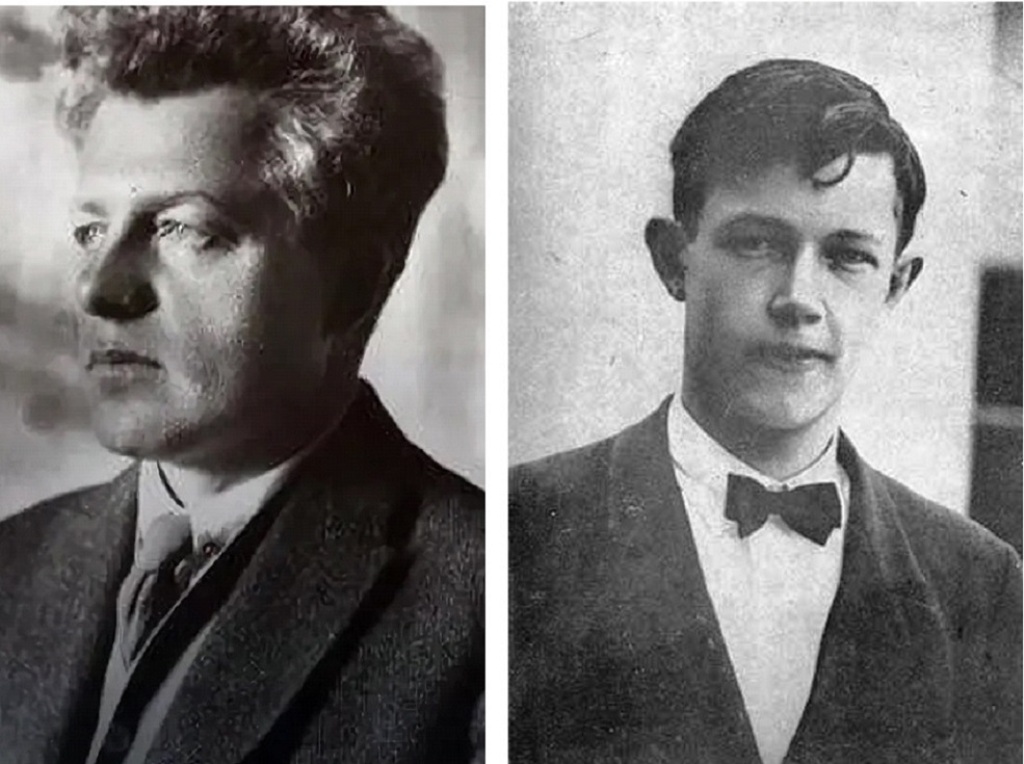
PHOTO: Pyotr Voykov and Boris Kowerda

In 1926, Mayakovsky visited Voykov in Warsaw, where the latter served as Soviet Ambassador to Poland. It was during this visit that Voykov told Mayakovsky about the regicide which took place in Ekaterinburg. Voykov was assassinated in Warsaw on 7th June 1927, by Boris Sofronovich Kowerda (1907-1987) a White émigré and monarchist. Kowerda planned to kill Voykov in order to “Avenge Russia, and the deaths of millions of people”, as well for Voykov’s participation in the decision to execute Nicholas II and his family.

Declassified photographs taken by members of the firing squad, as well as those who did not participate in the regicide, but who knew of the location of burial site, aided Paramonov and Mayakovsky to locate the “sleepers bridge” (see photo below).

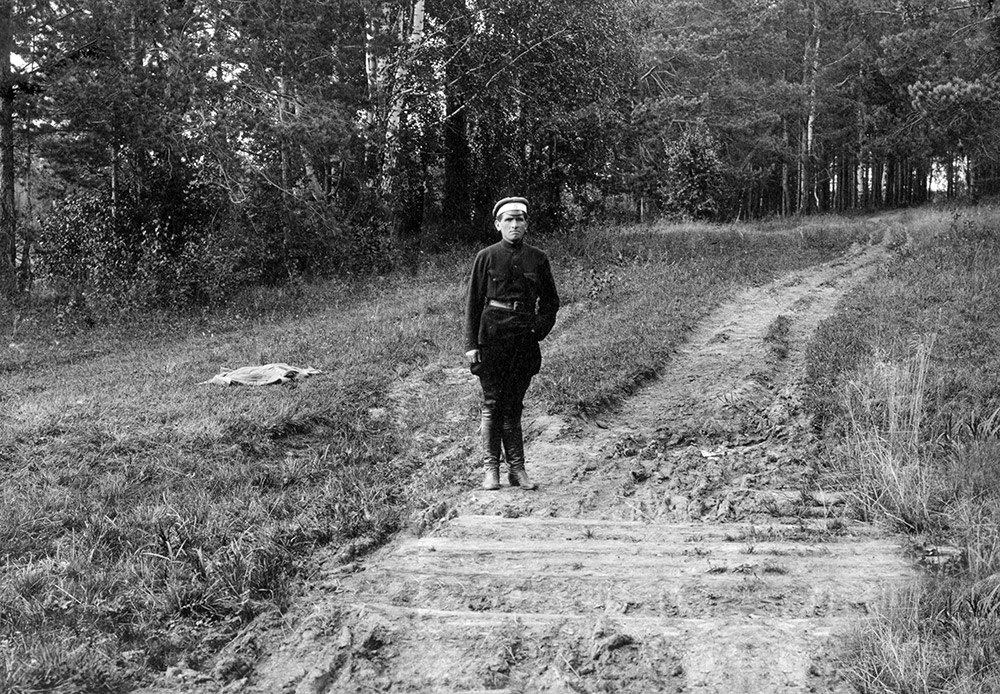
The murderer Pyotr Zakharovich Ermakov (1884-1952) used a Mauser pistol[4], during the liquidation of the Imperial Family in the basement of the Ipatiev House. He brought it with him to the place where the bodies lay so that he could be photographed (see photo below).

“In the first half of the 1960s, one of the sons of the murderers applied to the Central Committee of the Communist Party with a letter addressed to the First Secretary of the Communist Party of the Soviet Union Nikita Sergeevich Khrushchev (1894-1971), boasting that his father had participated in the murder of the Imperial Family. He presented Khrushchev with two pistols that he had preserved: one for the Soviet leader, the other – to be handed over to Cuban revolutionary Fidel Castro (1926-2016) as the leader of the world revolution. At that time, documents in all the archives were still sealed, yet two of the executioners were still alive. And for history, the Radio Committee recorded their memories, which had been preserved and “coincided with those of Yakov Mikhailovich Yurovsky” (1878-1938), said Sergei Mironenko, Director of the State Archives of the Russian Federation [GARF} in Moscow.

Yurovsky served as commandant of the “House of Special Purpose” [Ipatiev House], and the chief executioner of the Tsar and his family. But his memories raised a lot of questions – some historians believe that the typewritten text may have been specially falsified by the GPU-NKVD-KGB, in order to send future search efforts on the wrong track, or a story written by a third party, such as the Soviet historian Mikhail Nikolayevich Pokrovsky[5].

PHOTO: in the 1920s, the murderer Pyotr Zakharovich Yermakov returned to Porosenkov Log. On the reverse of this photo, he wrote: “I am standing on the grave of the Tsar”.

According to Vladimir Nikolaevich Solovyov, senior investigator and forensic expert at the Main Department of Criminalistics (Forensic Center) of the Investigative Committee of the Russian Federation, who from 1991 to 2015 led the investigation into the death of the imperial family, “the real breakthrough was made quite recently”.

Shortly after the completion of the work of the government commission, a safe was discovered in another archive, not in the State Archive, but in the former Central Party Archive, which had not been opened for many decades. It contained a manuscript of the famous Soviet historian Mikhail Nikolayevich Pokrovsky (1868-1932), a typewritten copy of which is kept in the State Archive. The discovery immediately confirmed that this is Yurovsky’s recollection, recorded by Pokrovsky. According to Sergei Mironenko, the bottom of the last page of the manuscript had been torn off. Apparently, it contained the name of the place where the bodies were hidden. So there is no evidence? There is! As shown by the graphological examination, handwritten by Pokrovsky and Yurovsky, the name was entered into the typewritten version, the authenticity of which is considered beyond any doubt.

“Interestingly, at the end of the classic text of Yurovsky’s note, there is an addition, made in pencil, which precisely indicates the place where the bodies were found,” said Solovyov.

PHOTO: Pyotr Zakharovich Yermakov (far right) posing with a group of prominent Ural Bolsheviks on the Tsar’s grave[6], his Mauser pistol can be seen in the foreground in front of P.M. Bykov, author of The Last Days of Tsardom (1934)

There has always been a mystique behind this story. A 1991 diagram clearly shows the location of the bodies. Their remains were not laid, but simply dumped by their murderers. For example, Olga’s skull is under the skeleton of her father. But even in the photo of the burial site, opened in 1991, a telephone cable is clearly visible. When laying it, the cutter even cut off the arm of one of the skeletons. But how could the Soviet telephone technicians know where they were laying the cable, because even if they had read Mayakovsky’s poem, the instructions were too obscure for them to link it to the burial site.

One more detail – small but important. According to Mayakovsky’s poem, he wrote about “the cedar was torn with an axe”. During a comprehensive survey of the area, a fallen stump, clearly cut long ago with an axe was found.

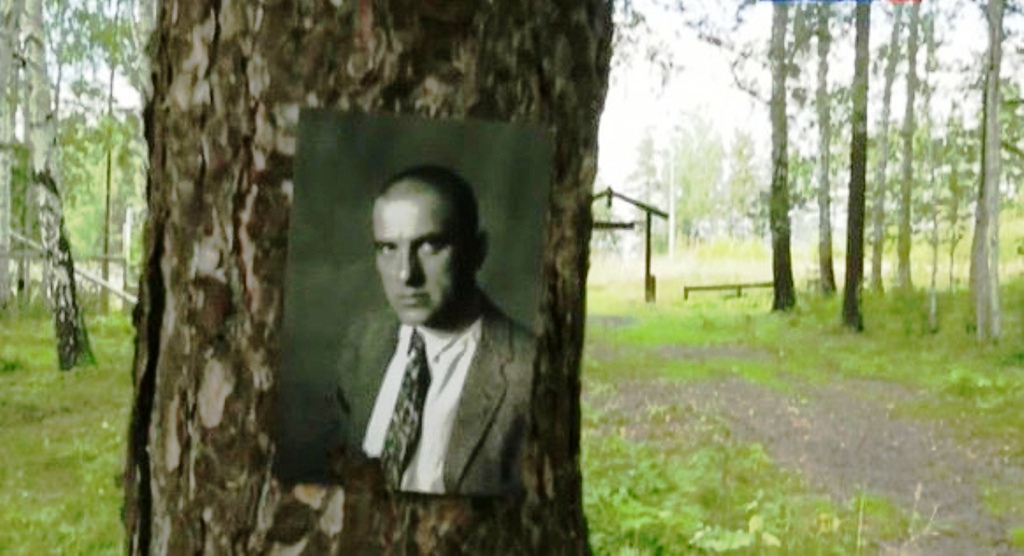
PHOTO: Mayakovsky’s photo pinned to a tree at Porosenkov Log

NOTES

[1] An “open secret” is a concept or idea that is “officially” secret or restricted in knowledge, but in practice (de facto) may be widely known; or it refers to something that is widely known to be true but which none of the people most intimately concerned are willing to categorically acknowledge in public.

[2] A verst is a Russian measure of length, about 0.66 mile (1.1 km).

[3] The remains of the Imperial Family were first discarded at the Four Brothers Mine, which is today the site of the Monastery of the Holy Royal Martyrs at Ganina Yama. Avdonin and Ryabov discovered the second grave 3.8 km down the highway at Porosenkov Log.

[4] Yermakov’s revolver can be seen on display in the Romanov Memorial Hall, located on the top floor of the Museum of History and Archaeology of the Urals, in Ekaterinburg

[5] Pokrovsky was a Russian Marxist historian, Bolshevik revolutionary and a public and political figure. One of the earliest professionally trained historians to join the Russian revolutionary movement, Pokrovsky is regarded as the most influential Soviet historian of the 1920s.

His attitude to the tsar, the nobility, generals, statesmen and church leaders and diplomats of the Tsarist period appear in the Pokrovsky’s works in a completely different light – as selfish, cruel, limited, ignorant individuals. To achieve greater impact on the reader, representatives of the ruling classes and leaders were denounced with the help of satire, irony and grotesque. Thus, Pokrovsky’s negative assessment of the reign of Nicholas II was accepted as the standard in the Soviet Union, where he was vilified.

[6] Group of prominent Ural Bolsheviks, photographed at the “grave of the Romanovs”, 1924. This photo is on display in the Romanov Memorial Hall, located on the top floor of the Museum of History and Archaeology of the Urals, in Ekaterinburg

(from left to right): back row – A.I. Paramonov (chairman of the board of Uralselkhozbank and editor of Krestyanskaya Gazeta, *NN, M.M. Kharitonov (first secretary of the Ural regional committee of the RCP (b)), B.V. Didkovsky (deputy chairman of Uralplan), I.P. Rumyantsev (head of propaganda department), *NN, A.L. Borchaninov (chairman of the Tyumen regional executive committee); front row – D.E.Sulimov (chairman of the Ural regional executive committee), G.S. Moroz (head of the Yekaterinburg department of the GPU), M.V. Vasiliev (employee of Uralselkhozbank), P.M.Bykov (editor of the newspaper “Uralskaya Nov”), A.G. Kabanov, P.Z.Ermakov (employee of the Cheka)

*NN denotes “unknown identity”

© Paul Gilbert. 6 July 2021
Church on the Blood in Ekaterinburg celebrates its Patronal Feast Day

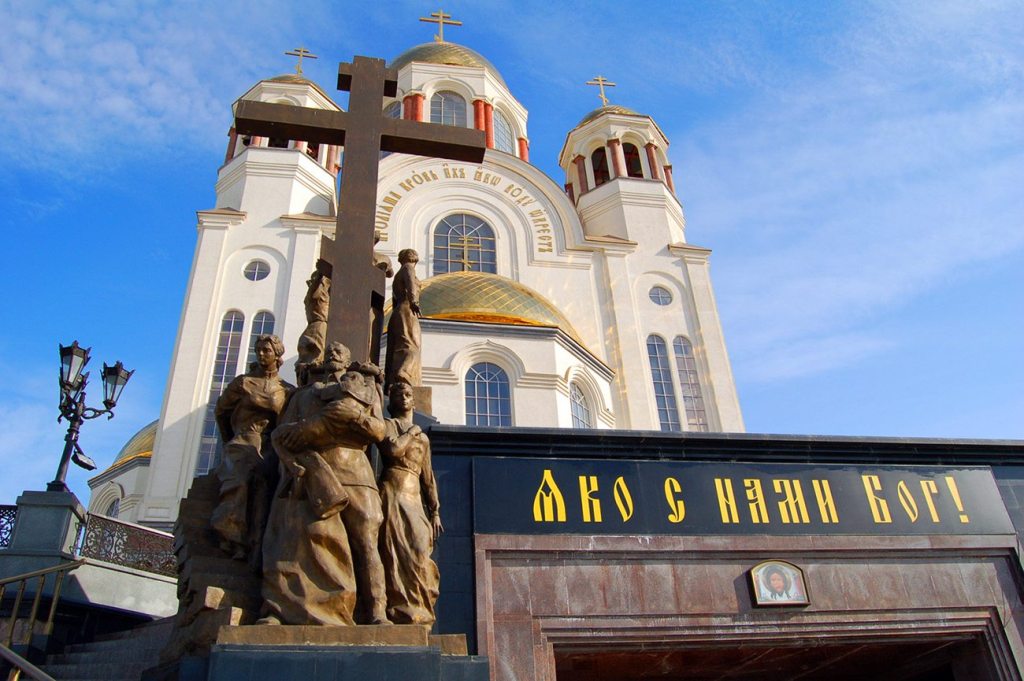
PHOTO: monument to the Holy Royal Martyrs, set against the Church on the Blood in Ekaterinburg

On 4th July 2021, the Church on the Blood in Honour of All Saints Resplendent in the Russian Land, celebrates its patronal holiday.

The Church-Monument on the Blood was erected on the site of the martyrdom of Emperor Nicholas II, his August family and their four faithful retainers.

At the end of 1878, a mining official, State Councillor Ivan Ivanovich Redikortsev, built a two-story stone mansion on a hill near the Church of the Ascension of the Lord. In 1908, the house was bought by a military civil engineer Nikolai Nikolayevich Ipatiev (1869-1938).

On the night of 16/17 July 1918, Emperor Nicholas II, his family and four faithful retainers were brutally murdered in the basement of the Ipatiev House. Following the regicide the house was returned to Ipatiev, who then sold the mansion to representatives of the White Army.

On 4th August 1975, a secret resolution of the Central Committee of the CPSU No.P185 / 34 “On the demolition of the Ipatiev mansion in the city of Sverdlovsk” was adopted.

The Ipatiev House was demolished on 22-23 September 1977 by Russia’s future president Boris Yeltsin (1931-2007), who was at the time First Secretary of the Sverdlovsk Regional Committee of the CPSU.

On 20th September 1990, the Sverdlovsk Soviet decided to transfer the land on the western slope of the Voznesenskaya Gorka to the Ekaterinburg diocese.

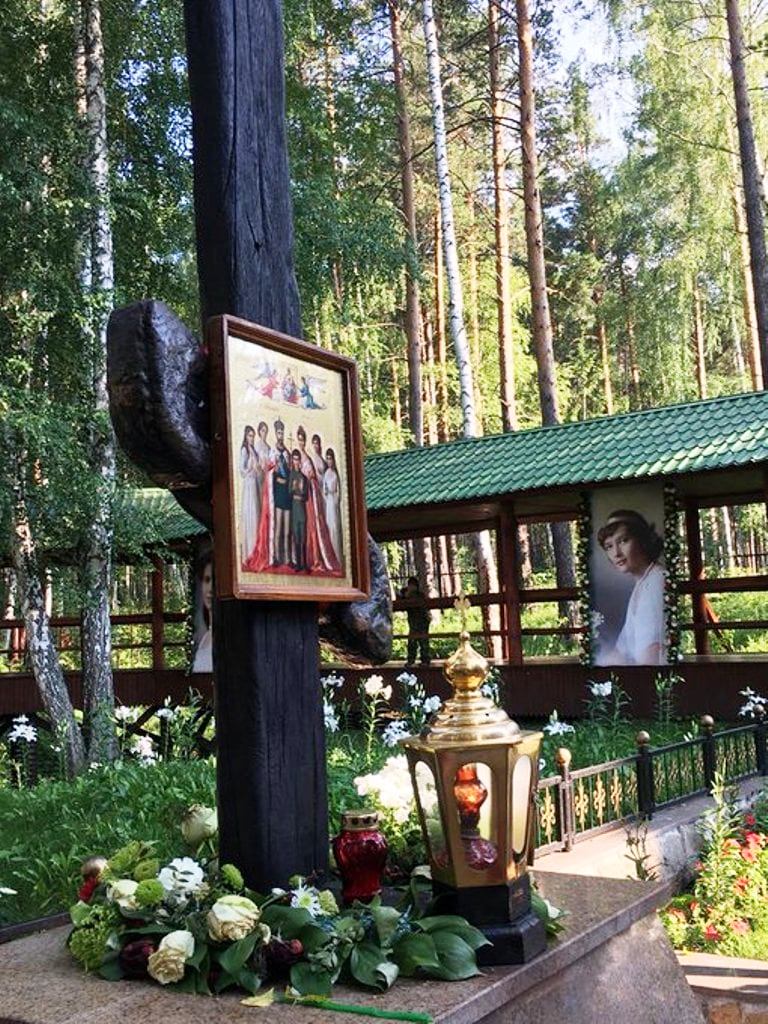
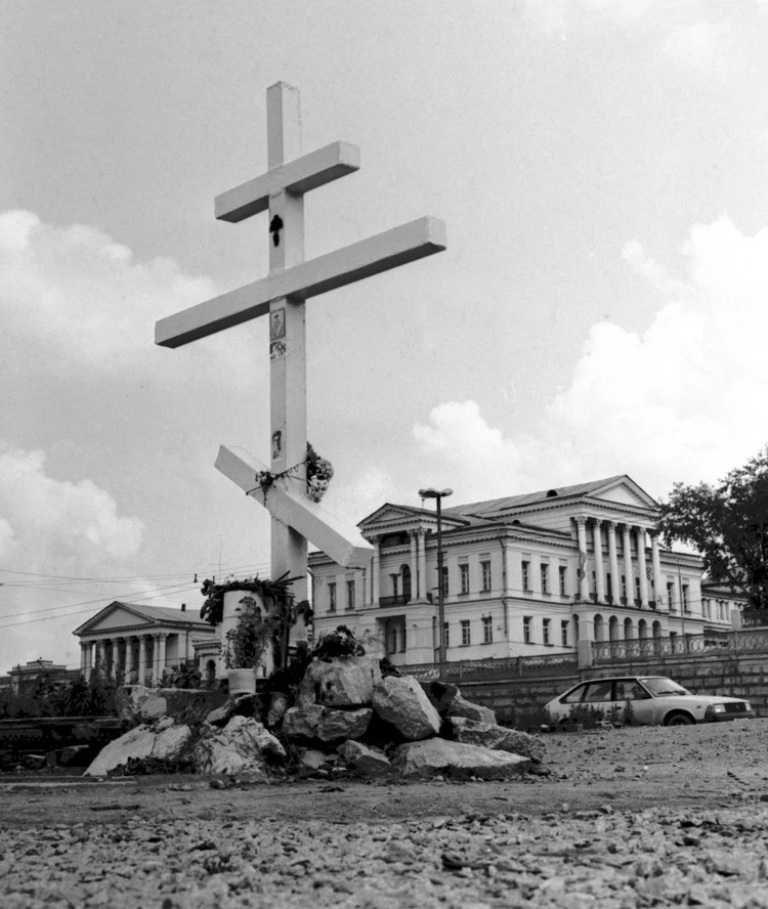
On 10th October 1990, the City Executive Committee made a decision to install “a memorial symbol at the site of the murder of the Tsar’s family.” In the same month, Archbishop Melchizedek of Sverdlovsk and Verkhoturye consecrated an Orthodox Cross on the site.

On 28th December 1993, a blessing was received for the construction of the church. A state commission was gathered and architectural as well as funding plans were developed.

On 19th May 1994, with the blessing of Nikon, Bishop of Yekaterinburg and Verkhoturye, a chapel canopy was erected over the cross, crowned with a dome and cross.

On 4th April 2000, Archbishop Vikentiy of Yekaterinburg and Verkhotursky performed a requiem for the Tsar’s family and a Divine Liturgy at the construction site of the church. In August 2000, at the jubilee Bishops’ Council of the Russian Orthodox Church in Moscow, the Tsar’s family was glorified as a passion-bearers.

Click HERE to read my article Excavations at the site of the Ipatiev House in Ekaterinburg in the early 2000s, published on 24th October 2020

On 23rd September of the same year, His Holiness Patriarch Alexei II of Moscow and All Russia (1929-2008) laid a memorial capsule in the eastern wall of the foundation of the future church. The construction of the Church on the Blood was completed in 2003.

The completed complex comprises two churches, a belfry, a patriarchal annex, and a museum dedicated to the former imperial family; the altar of the main five-domed church, made in the Russian-Byzantine style, is directly over the site of the Romanovs’ murder. The complex covers a total of 29,700 square feet (2,760 m2).

On 16th July 2003, the upper church was consecrated in honour of All the saints who shone in the Russian land. On 18th April 2010, His Holiness Patriarch Kirill of Moscow and All Russia consecrated the Lower Church in honour of the Holy Royal Passion-Bearers.

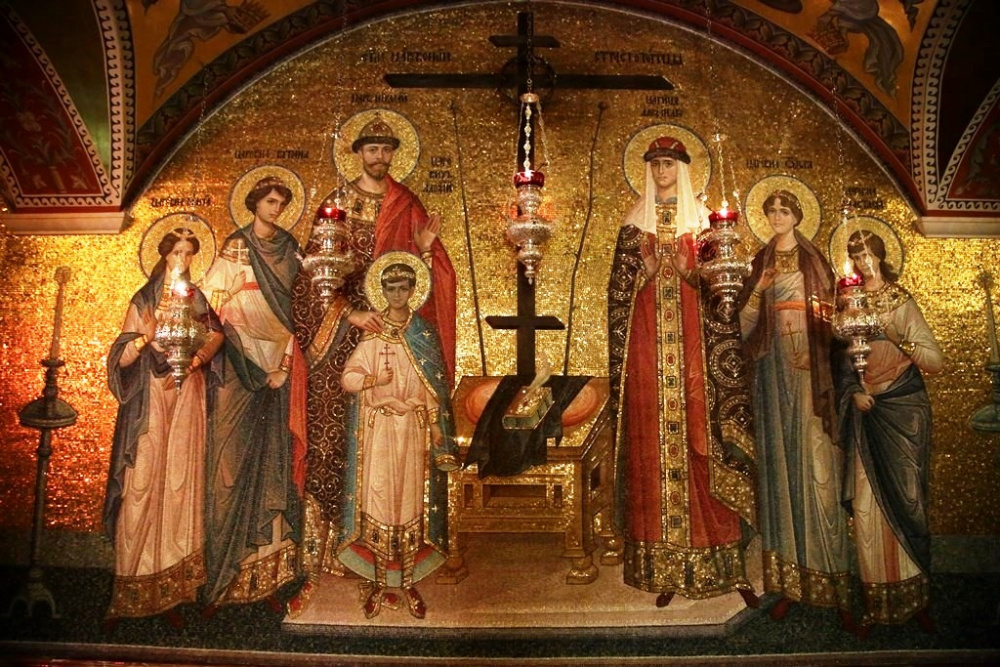
PHOTO: beautiful mosaic panel depicting the Holy Royal Martyrs on the wall of the Imperial Room, located in the Lower Church of the Church on the Blood

The central altar of the Lower Church is consecrated in honour of the Holy New Martyrs and Confessors of Russia. In the south-eastern part of the Lower Church is the Imperial Room, which contains an altar in honour of the Holy Royal Passion-Bearers and their faithful servants who were martyred on this spot.

© Paul Gilbert. 4 July 2021
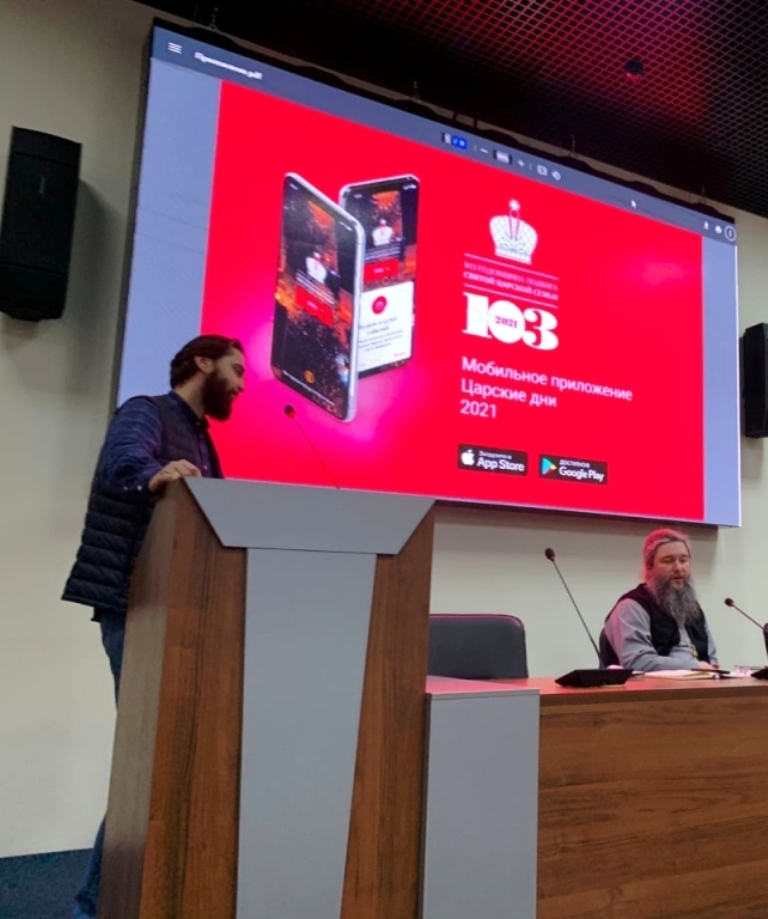
Ekaterinburg preparing a mobile application for Tsar’s Days 2021

The Ekaterinburg Diocese is currently preparing a mobile application for the Tsar’s Days events, held annually in July in the Ural capital. July 17th marks the 103rd anniversary of the death and martyrdom of Emperor Nicholas II and his family.

The free Russian language mobile application for participants and guests taking part in this years’ Tsar’s Days, presents a program of traditional cultural, educational and liturgical events, in memory of Holy Royal Martyrs.

The mobile app will allow Tsar’s Days participants access to basic information about ongoing events and a program with the ability to select events by date and location; a detailed schedule of the liturgies and Cross Processions; contact information required to attend Tsar’s Days events; cross procession card; hotline telephones, and a guide to the Church on the Blood.

The application will also provide a live online broadcast of the Divine Liturgy at the Church on the Spilled Blood, held on the night of 16/17 July.

In addition, pilgrims will have access to articles and news about the Imperial Family, and special routes dedicated to the memory of the Holy Royal Martyrs: “The Holy (Blue) Line”, “Ekaterinburg Tsar’s Route” and the “Ekaterinburg’s Path of Sorrow”.

For more information about Tsar’s Days, please refer to my article What is Tsar’s Days?, published on 15th May 2021

© Paul Gilbert. 22 June 2021

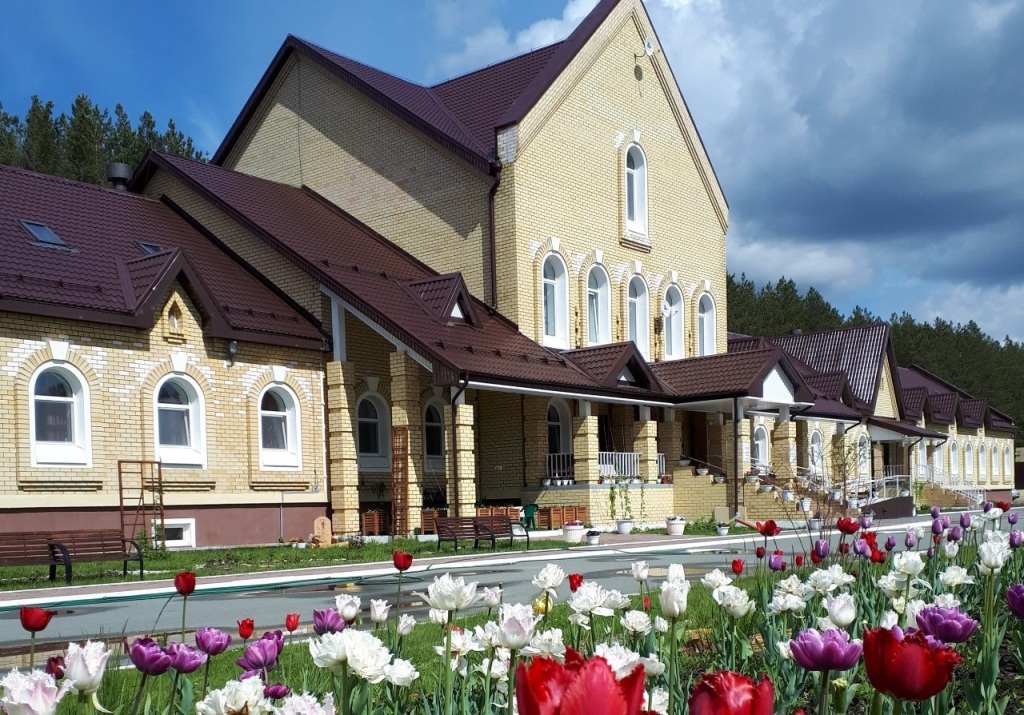
Pilgrimage Center at Ganina Yama

PHOTO: Pilgrimage Center at Ganina Yama

If you are planning a visit to Ekaterinburg, you may want to consider avoiding the hustle and bustle of the city, and spend a few days at the Diocesan Pilgrimage Center at Ganina Yama, which is located in a lush pine forest 25 km from Ekaterinburg.

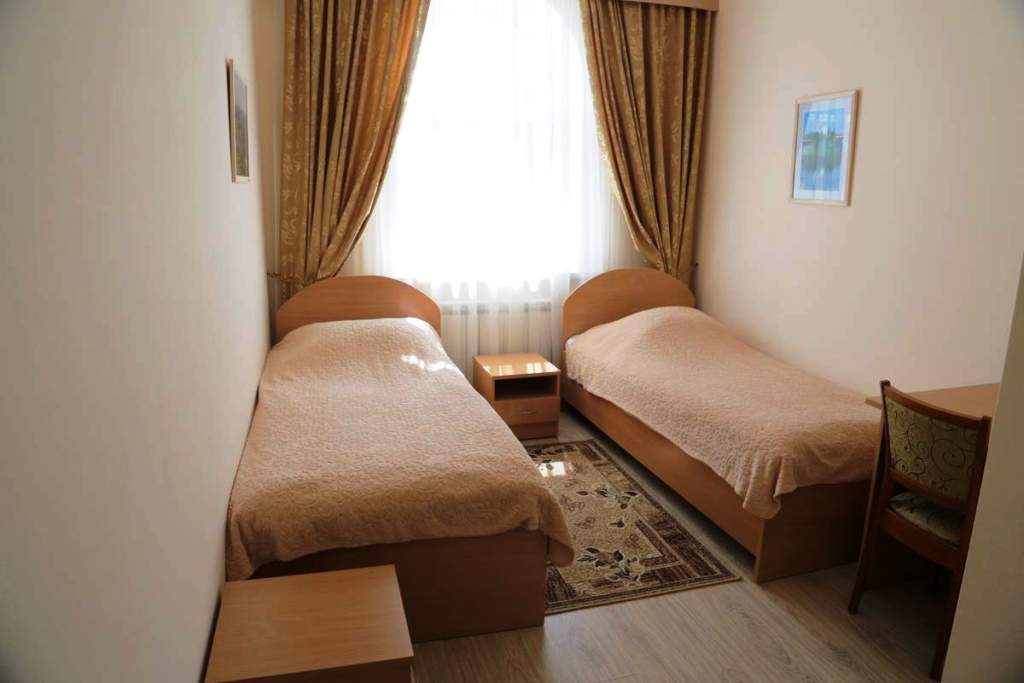
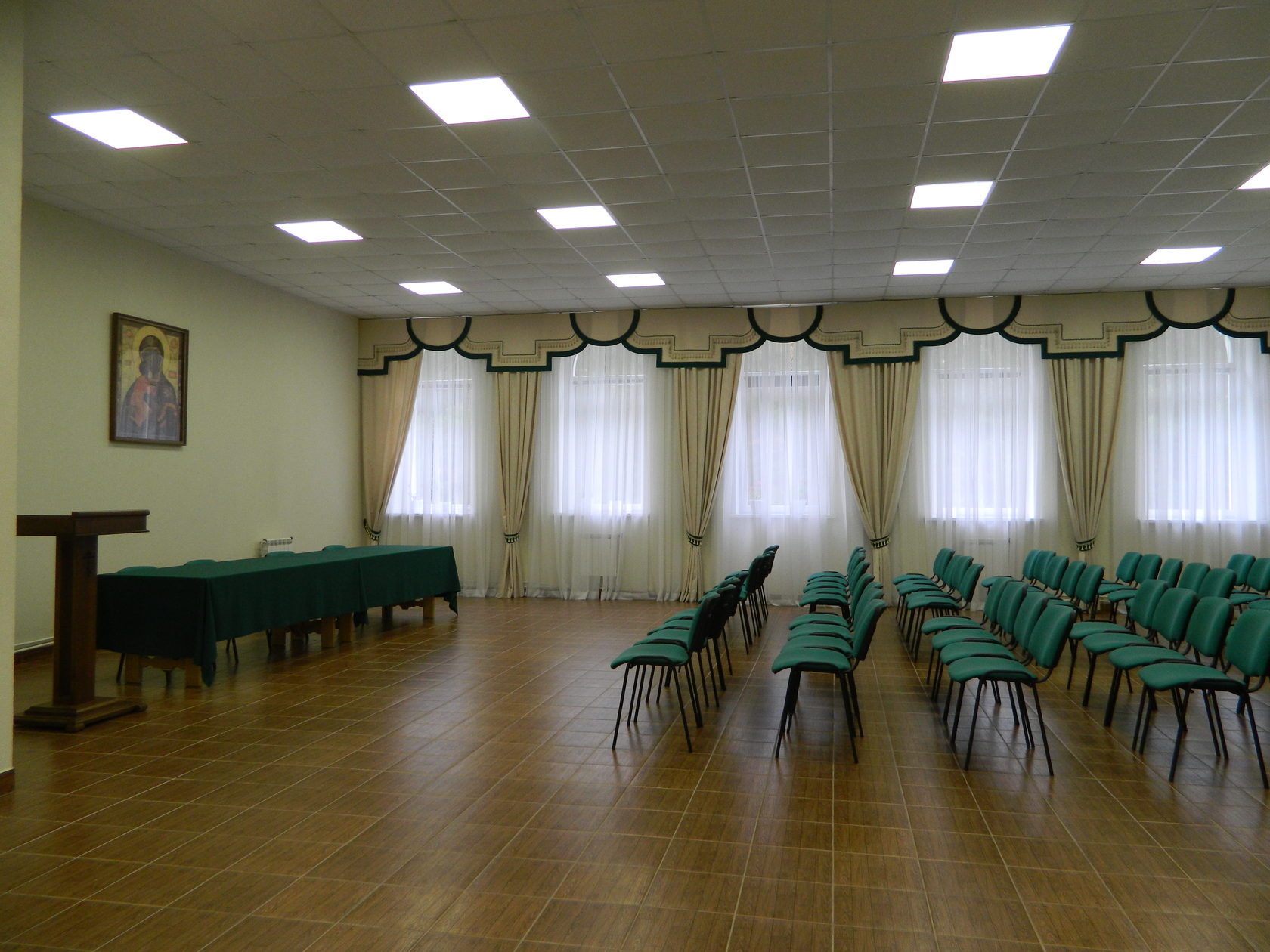
Opened in November 2013, near the Monastery of the Holy Royal Martyrs, the Pilgrimage Center provides accommodation for 180 people and meals in the refectory [dining hall] for 80 people with a varied menu. It is an ideal place to stay for pilgrims who wish to visit the places associated with the last days of Emperor Nicholas II and his family. In addition, the center provides a conference hall for 200 people – perhaps, an ideal venue for a future Nicholas II Conference? – among other amenities.

PHOTO: accommodation for 180 people in comfortable and affordable rooms

PHOTO: the refectory seats 80 people with a varied menu and three meals a day

Ekaterinburg resident Lydia Rostova, reflects on her stay at the pilgrimage center: “the rooms were both comfortable and affordable – starting at 500 rubles [$7 USD] per night. Three meals a day are organized in the center – breakfast 80 rubles [$1 USD], lunch 150 rubles [$2 USD], dinner 100 rubles [$1.40 USD]. At first I thought that I would not have to have supper, because the refectory is open until 20:00, and the evening service at the monastery ends later. But the question was easily resolved: if necessary, supper is left and warmed up. The food is tasty and varied.”

PHOTO: the center provides a conference hall seating 200 people

It is convenient place to stay for its proximity to the Monastery of the Holy Royal Martyrs or Porosenkov Log, to attend divine services, and to honour the memory of the Imperial Family. In addition, pilgrims can arrange visits to Ekaterinburg and Alapaevsk, or a pilgrimage to the Sredneuralsky Women’s Monastery in honour of the icon of the Mother of God, which is situated 7 km away from the center. You can also book a transfer to/from Koltsovo Airport for 700 rubles [$10 USD].

The Diocesan Pilgrimage Center at Ganina Yama prides itself in the tradition of Abrahamic hospitality to all pilgrims and visitors. Click HERE to visit their web site [Russian only].

© Paul Gilbert. 3 June 2021

The Ural Mining Institute of Emperor Nicholas II in Ekaterinburg

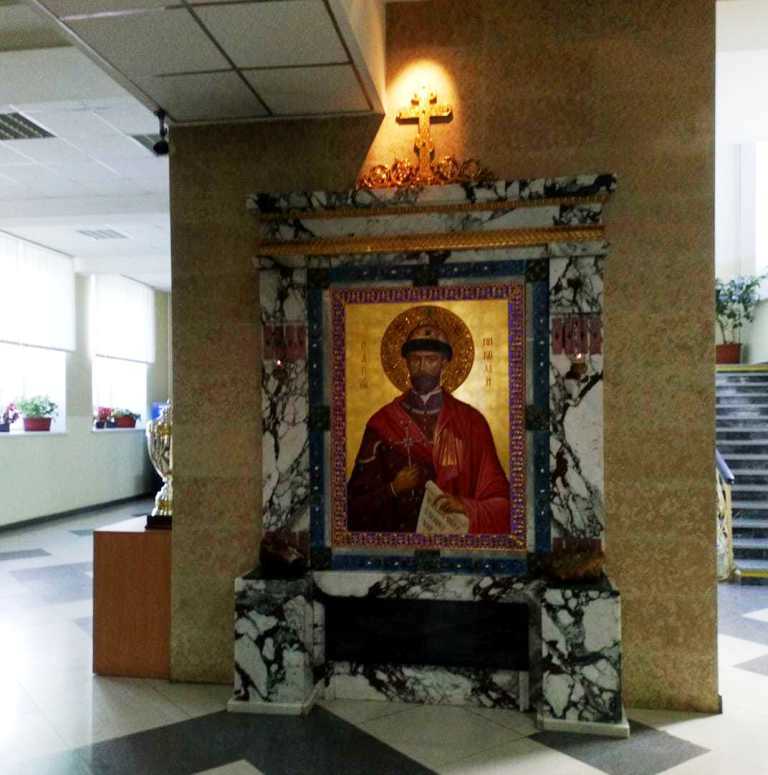
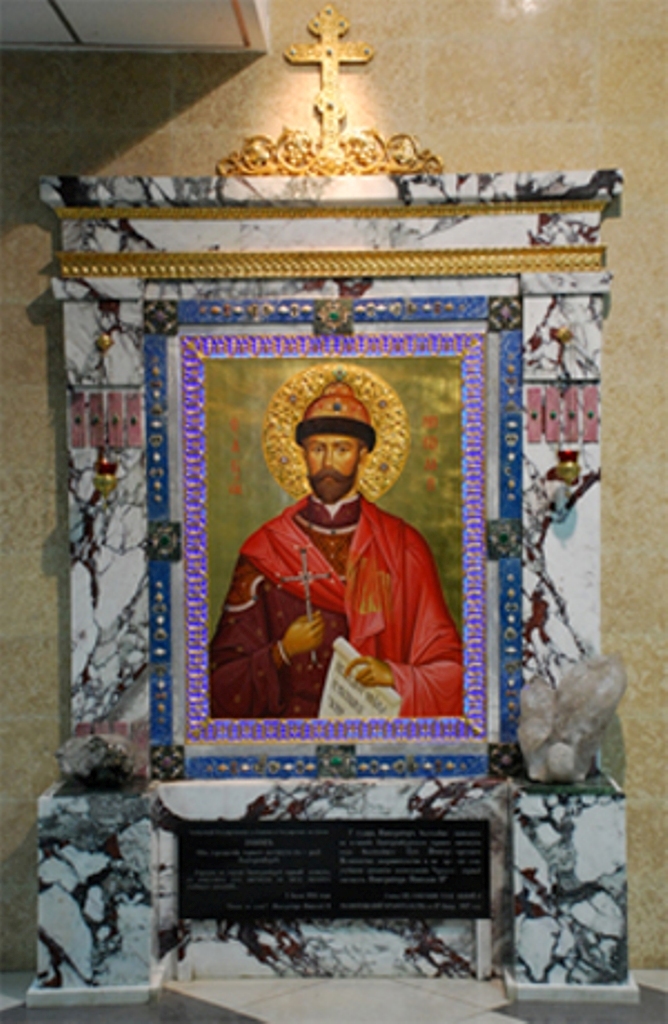
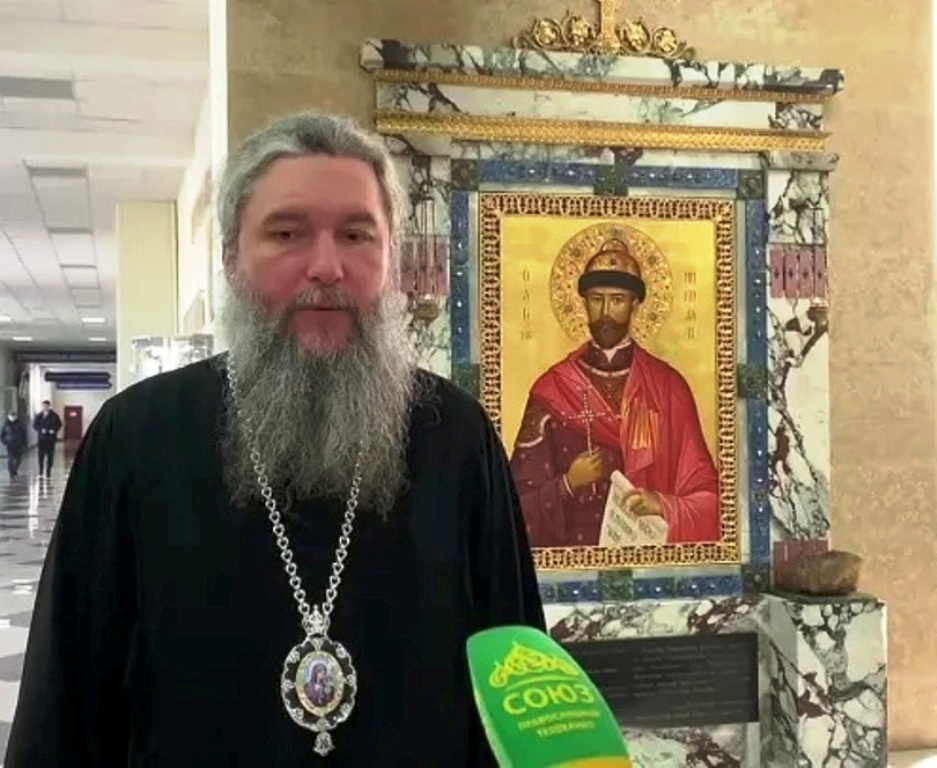
PHOTO: This magnificent icon of Tsar-Martyr Nicholas II, greets both students and visitors as they enter the main building of the Ural State Mining University in Ekaterinburg

Founded on 16 [O.S. 3] July 1914, the Mining Institute in the Ural city of Ekaterinburg was the last educational institution in Russia, to be created by the decree of Emperor Nicholas II.

The solemn act which took place on board the Imperial Yacht Standart, where Nicholas II signed the law on the establishment of the Mining Institute. It was considered an event of great historical significance in the cultural life of not only the Urals, but also the Russian Empire.

PHOTO: A close-up view of the Icon of Tsar-Martyr Nicholas II reveals its rich detail, made of Ural precious stones: rubies, garnets, sapphires, emeralds, amethysts and other precious gems

Following the consecration held on 30 [O.S. 17] July 1916, the foundation stone was laid. A special copper plate was made on which the date was engraved. On the same day, a telegram was sent to Nicholas II, who was at that time at the Stavka in Mogilev, the headquarters of the Russian Imperial Army, where he was serving as Commander-in-Chief of the Russian Armed Forces:

“To His Imperial Majesty. Gathered for the solemn laying of the building of the Ekaterinburg Mining Institute, after the liturgy performed by His Grace Seraphim, ardent prayers to the Lord God for the precious health of Your Imperial Majesty and the granting of complete victory over the enemy were given. We lay at your feet, All-Merciful Sovereign, loyal for the monarch’s mercy granted to the Urals by the fulfillment of the long-standing aspirations of the Ekaterinburg city public administration and the Perm zemstvo. The Mining School, approved by Your Imperial Majesty at the time of the nationwide struggle against German oppression, gives new strength to the flourishing of the young Russian industry for the glory of Yours, Beloved Sovereign, and our dear Motherland.”

The following day the Tsar sent his reply: “I instruct you to convey to His Grace Seraphim and all those who gathered for the ceremony of laying the foundation stone of the building of the Ekaterinburg Mining Institute my heartfelt gratitude for the prayers and the feelings that brought them to life. I hope that this new institute for the study of mining will provide the Motherland with useful workers in this important branch of industry.” Nicholas II.

PHOTO: Metropolitan Yevgeny of Yekaterinburg and Verkhoturye

It was difficult for the institute to take its first steps; it needed reliable help and support. The first director of the institute Pyotr Petrovich von Weymarn (1879-1935), believed that it was best to enlist support from the first person in the state, the Tsar himself. Weymarn believed that it was quite enough if the institute should bear the name of the Sovereign. And so they did. On 6th November 1916, the Construction Commission wrote to Nicholas II with a request to accept the institute under “His Imperial Majesty’s Patronage and to grant it the name “Ural Mining Institute of Emperor Nicholas II”.

The document read: “Your Imperial Majesty! For many years, the vast Urals lacked an institute of higher learning for the study of mining. Only during the reign of Your Imperial Majesty … The Urals are now enriched by two higher leaning schools: the University in Perm and, which is especially important for the mining progress of the Urals, and the Mining Institute in the city of Ekaterinburg. Thus, the higher learning education in the Ural region is now forever historically associated with your Sovereign name. With deep conviction, the Construction Commission … took the courage to loyally ask you, Sovereign, to accept the Mining Institute, which is being built in the city of Ekaterinburg, under its highest patronage and most mercifully command to deign to name it henceforth the Ural Mining Institute of Emperor Nicholas II.”

The Tsar replied on 5th January 1917, granting the institute the right to be named after him.

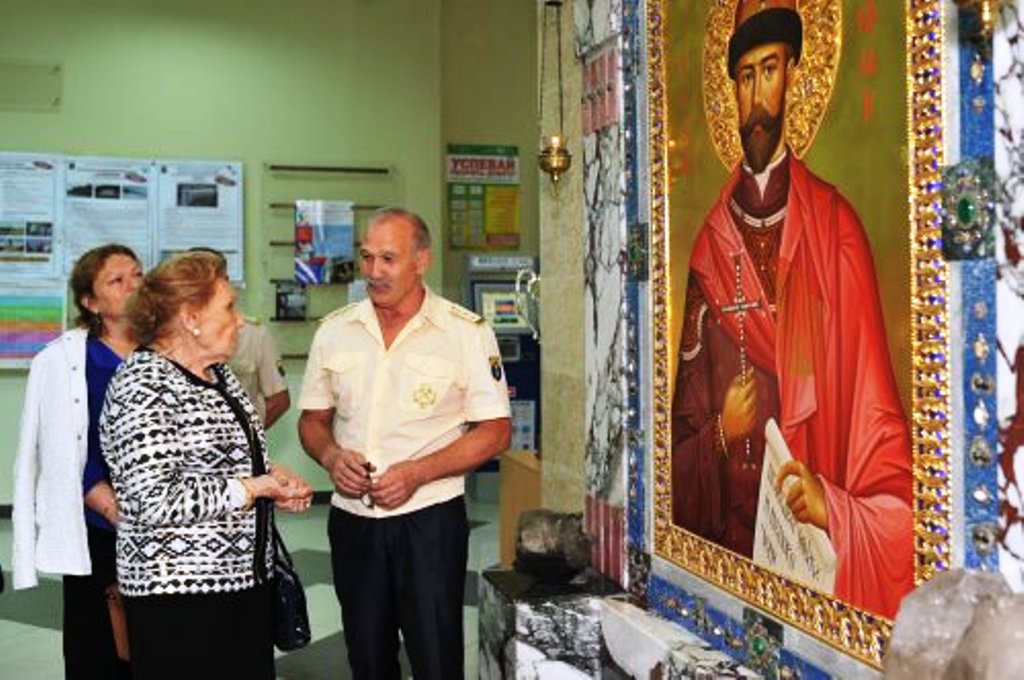
PHOTO: Olga Nikolaevna Kulikovsky-Romanov (1926-2020) admires the icon of the Tsar-Martyr Nicholas II, situated in the lobby of the main building of the Ural State Mining University. Her proximity to the icon provides us with an idea of just how large this magnificent icon actually is.

Sadly, events in the country forced the Urals from taking advantage of the monarch’s favour. As a result of the February 1917 Revolution, Nicholas II, abdicated on 15 [O.S. 2] March. But the story did not end there. Fate wanted Nicholas II to visit the city, the institute of which he bestowed his name on. On that “warm, wonderful day” of 17th April 1918, the Emperor was brought from Tobolsk to Ekaterinburg where he was held under house arrest. It was here that he and his family spent the last three months of their life until the tragic end.

Following the death of Nicholas II, the institute underwent a number of name changes: Ural Mining Institute (1918); Sverdlovsk Mining Institute (1934); Sverdlovsk Mining Institute named after V.V. Vakhrushev (1947); Ural State Mining and Geological Academy (1993); and the Ural State Mining University (2004) today, a leading university in the Urals, with about 9000 students.

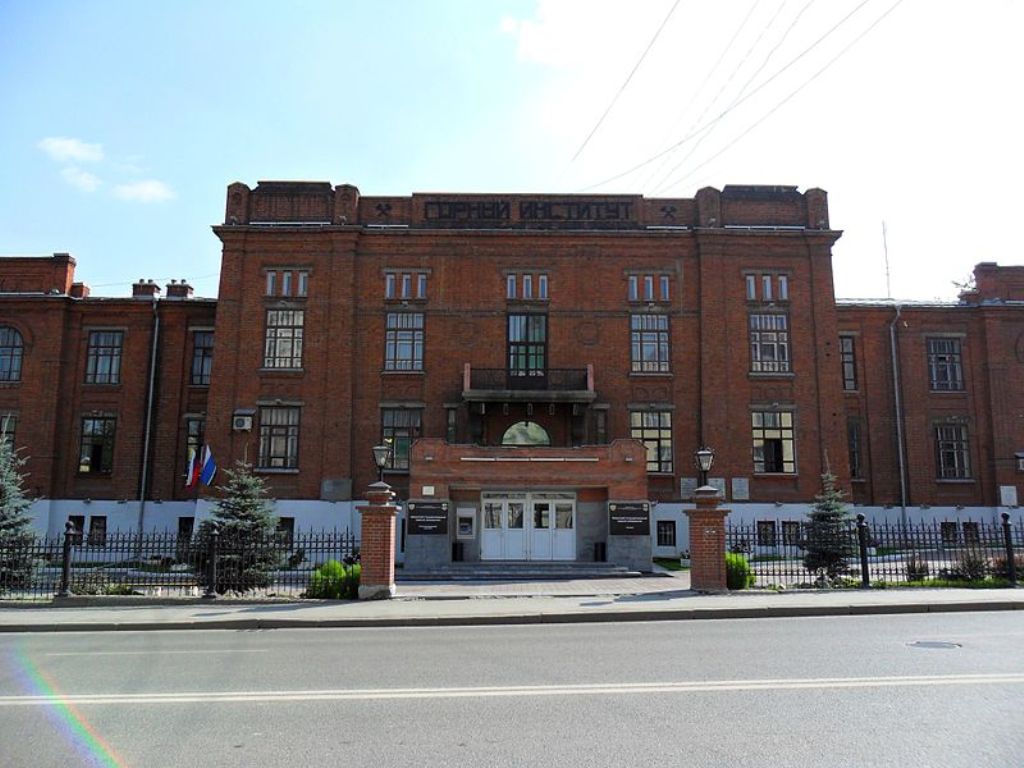
The original building of the Ural State Mining University has survived to the present day, and its administration has not forgotten the historic connection between it and Russia’s last emperor and tsar.

PHOTO: The main building of the Ural State Mining University

Celebrations were held at the Ural State Mining University on 19th May 2008, the day marking the 140th anniversary of the birth of Emperor Nicholas II. A magnificent memorial icon dedicated to Tsar-Martyr Nicholas II was opened in the lobby of the main building of the Ural Mining University.

The Holy Royal Icon was painted by the sisters of the Novo-Tikhvin Monastery in Ekaterinburg. According to the new project, all the plastic elements of the decoration of the original icon were replaced with a mosaic of Ural precious stones: rubies, garnets, sapphires, emeralds, amethysts and other precious gems. Local miners timed its reconstruction to coincide with the date marking Nicholas II’s birth.

The royal crown is made of chased patterned silver with gilding, figured silver lace adorns the icon frame. For the icon case, white and red Pashtun marble was used, the design of which looks as if blood is oozing from the stone, recalling the martyrdom of the Imperial Family.

© Paul Gilbert. 9 May 2021

Commission created to preserve memory of Imperial Family in Sverdlovsk region

Earlier this week, a new commission to preserve the historical memory of members of the Russian Imperial Family, who were murdered in the Urals was initiated in Ekaterinburg.

The decree was signed by the Governor of the Sverdlovsk Region Yevgeny Kuyvashev. The 22-member commission headed by the vice-governor of the Sverdlovsk region Sergey Bidonko, includes the heads of regional ministries and municipalities, representatives of universities, museums and the Russian Orthodox Church.

The commission will be engaged in preserving the memory of those members of the Russian Imperial Family, who were murdered in the Urals, through excursions, lectures, exhibitions and other events, as well as the promotion of the “Imperial Route” project, which is being implemented by the Elisabeth-Sergius Educational Society Foundation. The route includes Tyumen, Tobolsk, Ekaterinburg and Alapaevsk, among numerous other cities in Russia – see below.

Let us hope and pray that the commission will make changing the name of regional name “Sverdlovsk” their first order of business!

***

In 2019, plans were announced for the “Imperial Route” project in 20 regions of Russia. The aim of the route is to unite the historic places related to the life of Emperor Nicholas II and his family.

The route includes St. Petersburg, Moscow, Omsk, Tyumen, Tobolsk, Sverdlovsk / Ekaterinburg, Tomsk, Kostroma, Kaluga, Novgorod, Pskov, Kirov, Bryansk, Orel, Voronezh regions, Perm, Novosibirsk, Stavropol territories, Tatarstan and Crimea.

The project includes palaces, museums, churches, and other places, is a wonderful opportunity for both Russians and foreigners to learn the truth about the private world of Russia’s Imperial family.

© Paul Gilbert. 13 February 2021

Monastery of the Holy Royal Martyrs at Ganina Yama marks 20th anniversary

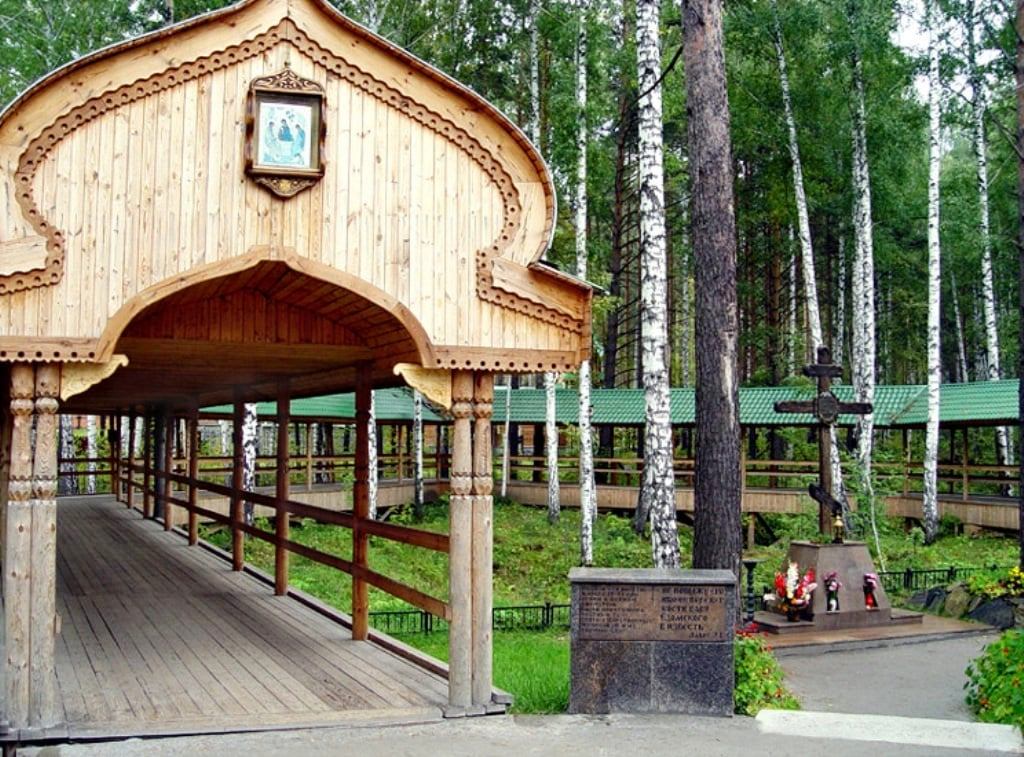
PHOTO: A wooden causeway has been built around the edge of the mine shaft, a tall cross marks the edge of the mine shaft where the remains of Nicholas II, his family and four faithful retainers were their killers first discarded after their brutal murder.

On Wednesday, 23rd September, a solemn Divine Liturgy was held at Ganina Yama on the occasion marking the 20th anniversary of the founding of the Monastery of the Holy Royal Martyrs.

With the financial assistance from the Ural Mining and Metallurgical Company, the Russian Orthodox Church constructed the Monastery at the site in 2001. Seven chapels were later constructed at the site, one for each member of the Imperial family. Each chapel is dedicated to a particular saint or relic.

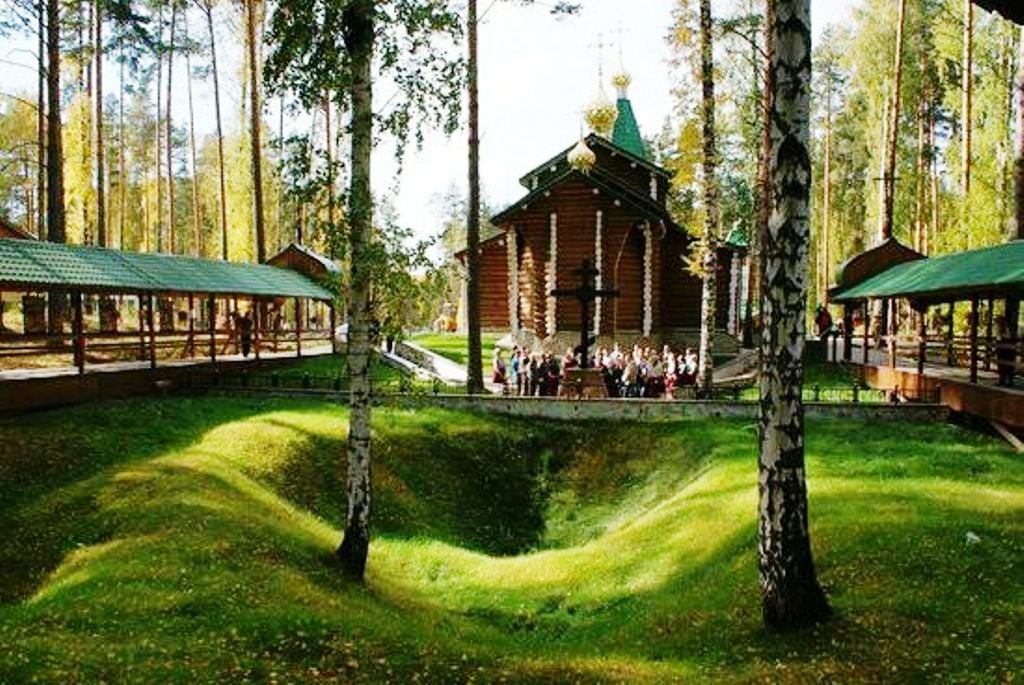
PHOTO: The Four Brothers mine (collapsed) is now visible as a depression in the ground. In July of each year, the former mine pit is covered with fragrant lily plants for the ceremony marking the regicide.

A tall cross marks the edge of the mine shaft – visible as a depression in the ground – where the remains of Nicholas II, his family and four faithful retainers were first discarded after their brutal murder in the basement of the Ipatiev House in Ekaterinburg.

The horrific crime that took place here at the Four Brothers mine near the village of Koptyaki – 15 km north from Ekaterinburg – was carried out in the early morning hours of 17th July 1918, when the men who took part in the regicide, threw the bodies of the Imperial family and their four retainers into the mine.

The murderers returned the following night, retrieved the remains, and reburied them in two separate graves at Porosenkov Log, situated about 3.8 km away.

Holy Royal Martyrs, pray to God for us!
Святы Царственные мученики, молите Бога о нас!

***

In honour of the 20th anniversary of the founding of the Monastery of the Holy Royal Martyrs, a video history of the monastery has been prepared. It consists of three parts and describes a chronology of events from the life of the monastery at Ganina Yama, between 1990 to 2020.

Part I: the period from 1990 to 2000 (Duration: 2 minutes, 25 seconds)

Part II: the period from 2000 to 2003 (Duration: 3 minutes)

Part III: the period from 2004 to 2020 (Duration: 4 minutes, 20 seconds)

© Paul Gilbert. 13 November 2020

Excavations at the site of the Ipatiev House in Ekaterinburg in the early 2000s

PHOTO: A simple wooden cross was installed on the site of the Ipatiev House in the 1990s

Prior to the construction of the Church on the Blood in Ekaterinburg, local archaeologists took a particular interest in the site where the 18th century mansion once stood.

An excavation of the site was organized by archaeologist Sergey Nikolaevich Pogorelov in 2000. At that time, he headed the Department for the Study of Historical Monuments in the Regional Research and Production Center.

The area where the Ipatiev House was located stood on land once owned by the Ural-Siberian Factory. In 1766-1808 the wooden Old Ascension Church stood on the site of the house, which included a small cemetery. Later, residential quarters were constructed, including the Ipatiev House in the 1880s. 

According to Pogorelov, in 2000, when the question arose about the construction of the Church on the Blood, city and regional authorities were notified that a decree issued in 1990 stipulated that no construction could take place on historic sites without historical and archaeological research being carried out first.

Excavations began in early June through September of 2000, and then continued in the summer of 2001. During that time, nearly 600 people took part in them. They made some interesting discoveries. For instance, during the excavations it turned out that the Soviet authorities had removed the remains of the basement walls of the Ipatiev House many years prior.

When archaeologists found the place where the basement execution room was located, they discovered that in its place, a concrete bunker had been built. They then referred to the city plans which were given them by the administration. As it turned out a government communication line had been laid along Klara Zetkin Street (former Voznesensky Prospekt and Voznesensky Lane, respectively), . When the cables were laid near where the Ipatiev House stood, they turned sharply 90 degrees, passing through where the execution room was located, and into the bunker, and then back to Klara Zetkin towards Voznesenskaya Gorka. Archaeologists learned that in the early 1970s, the local Soviet had set up the bunker with the intent of destroying the place where the Imperial family had been murdered.

However, an even greater discovery for archaeologists was what they found under the bunker when they began to dig deeper. Under the concrete structure was a grave, partially carved into the rock. Inside, in a coffin with forged nails, lay the remains of a woman and a baby.

Archaeologists had discovered the 18th century Orthodox cemetery, proving that the Ipatiev House was partly built on the site of the Church of the Ascension, and partly on the churchyard. The police were called in and the remains of the woman and her child were taken away.

Pogorelov noted that many graves must have been lost in the 1980s when part of the slope of the Voznesenskaya Gorka, was cut back during the reconstruction of Karl Liebknecht Street.

During their excavations, archaeologists uncovered an area of ​​more than 500 square meters at a depth of about 2 meters.

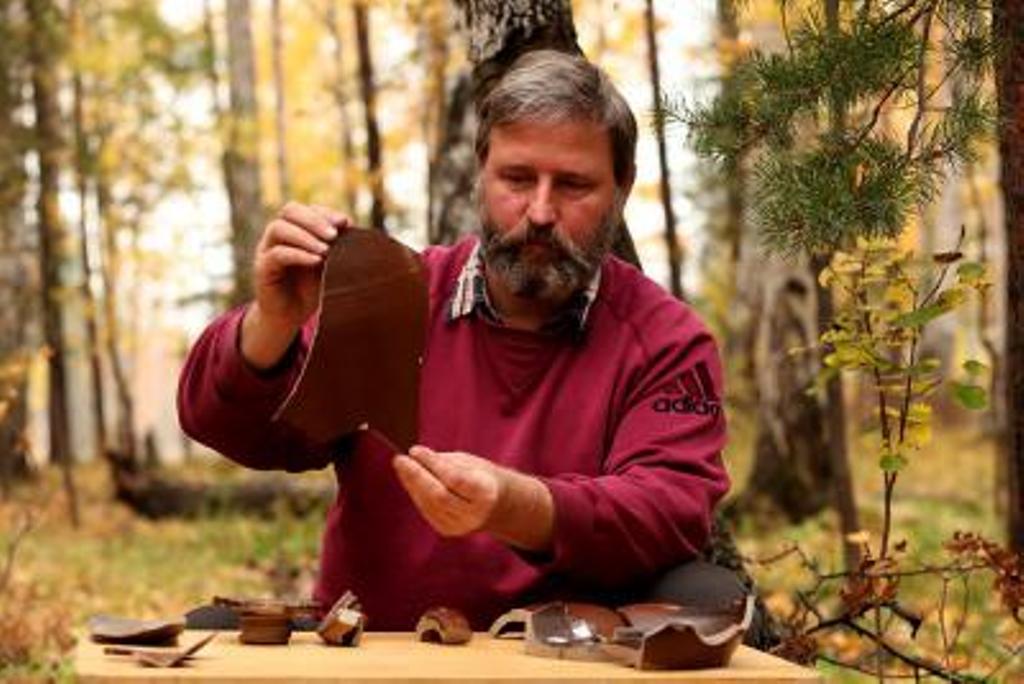
PHOTO: Archaeologist Sergey Nikolaevich Pogorelov shows fragments
of ceramic vessels found at Porosenkov Log in 2010

They found an underground stone structure with an area of ​​5 by 5 meters with granite walls in the foundation and stone granite slabs of the floor. Inside were the remains of the shelves of the party archives. It was here that the trunks belonging to the Imperial family were stored after their transfer from Tobolsk in April 1918.

On the western side of the estate grounds stood several poplars. There was some speculation that the trees had been planted during the Soviet years. Experts from the Institute of Plant and Animal Ecology conducted a dendrochronological analysis and found that they are more than 100 years old. Thus, it was determined that the trees were there when the Imperial family were living there under house arrest.

Among the trees a hole was discovered. They thought it was a cellar, but it turned out to be a well. It had been pierced into the monolithic rock of the Voznesenskaya hill using mining tools.

Archaeologists found a mention of this well in the notes of Yakov Yurovsky, who led the execution of the Imperial family. He wrote that he was repairing it at the moment when Nicholas II approached him. The well itself was filled with many artefacts, among them items belonging to the Imperial family.

The following year, when construction on the Church on the Blood was already underway, and two underground floors were planned on the site, the well suddenly filled with water. The builders wanted to fill it with concrete, however, a decision was made to preserve it. Today, the former well named “Tsarskoe” of the Ipatiev House is now located in the lower underground floors of the Church on the Blood.

As a result of the excavation of the estate, archaeologists managed to collect about 64 thousand artefacts. There were no precious items among them – only those that are of interest from a historical point of view. Fragments of dishes, buttons, metal objects … Everything that fell to the ground or tossed into the well since the 18th century. 

Pogorelov found pieces of china with the emblems of the Imperial Porcelain Factory bearing the initials of Nicholas II, from the coronation porcelain service of 1896. He later discovered that part of the service had been stolen by the Bolsheviks after the murder of the Imperial family. Their whereabouts remain unknown to this day.

It took 300 crates to pack the 64,000 artefacts, and stored in different places until 2013. According to Pogorelov “nobody provided help, nor were the legislation requirements fulfilled”. The crates were subsequently transferred to the Museum of the History of Ekaterinburg. Today, the famous Russian archaeologies does not know what happened to the collection.

The Museum of the History of Ekaterinburg would not comment on what happened to the collection further nor whether the artefacts from the excavations at the site of the Ipatiev House are still in their funds.

© Paul Gilbert. 23 October 2020

***

Dear Reader: It is always a pleasure for me to present new articles based on my own research from Russian archival sources, offering first English translations of new works from Russian media sources on my Nicholas II blog and Facebook pages. Many of these articles and topics seldom (if ever) attract the attention of the Western media. Please note that I personally translate the articles, and complement them further with additional materials, photographs, videos and links.

If you found this article interesting, then please help support my research by making a donation in US or Canadian dollars to my project The Truth About Nicholas II – please note that donations can be made by GoFundMe, PayPal, credit card, personal check or money order. Thank you for your consideration – PG

Ekaterinburg residents asked to help in glorifying General Tatishchev

0297

General Ilya Leonidovich Tatishchev (1859-1918) was glorified by the Russian Church Abroad in 1981 as the holy warrior martyr Elijah. The sisters of the Novo-Tikhvin Convent in Ekaterinburg now hope that he will canonized by the Moscow Patriarchate.

Residents of Ekaterinburg are invited to pray for General Ilya Leonidovich Tatishchev. Requiems will be performed every Tuesday after Vespers in the Novo-Tikhvin Convent.

Remembered as “a man of touching kindness,” Tatishchev was a noble and deeply pious man – he knew the entire Gospel by heart! For many years he selflessly served Emperor Nicholas II, and in 1917 voluntarily followed him into exile to Tobolsk and Ekaterinburg.

It was in Ekaterinburg that he was separated from the Tsar and his family and placed under house arrest. On 10th June 1918, he accepted a martyr’s death at the hands of the Bolsheviks together with Prince Vasily Dolgorukov. He was buried in the cemetery of the Novo-Tikhvin Convent. His grave has not survived, since during the Soviet years the convent’s cemetery was razed to the ground. And now, when we pray for the repose of the soldier Elijah, he prays for us before the throne of the Lord.

In an appeal to the citizens of Ekaterinburg, the sisters of the Novo-Tikhvin Convent said:

“Dear ones, now a lot depends on you and me! If we turn with prayer to the soldier Elijah, receive help and testify about this, then we can find in the saints another intercessor for our loved ones, our city, for the entire Ural region! Therefore, we ask you very much: report cases of miraculous help through the prayers of the soldier Elijah! Any information can serve to glorify him!”

Memory Eternal! Вечная Память!

Click HERE to read Divine Liturgy for Tatishchev and Dolgorukov Performed in Ekaterinburg, published on 10th June 2020

© Paul Gilbert. 10 August 2020