Monastery of the Holy Royal Martyrs at Ganina Yama marks 20th anniversary

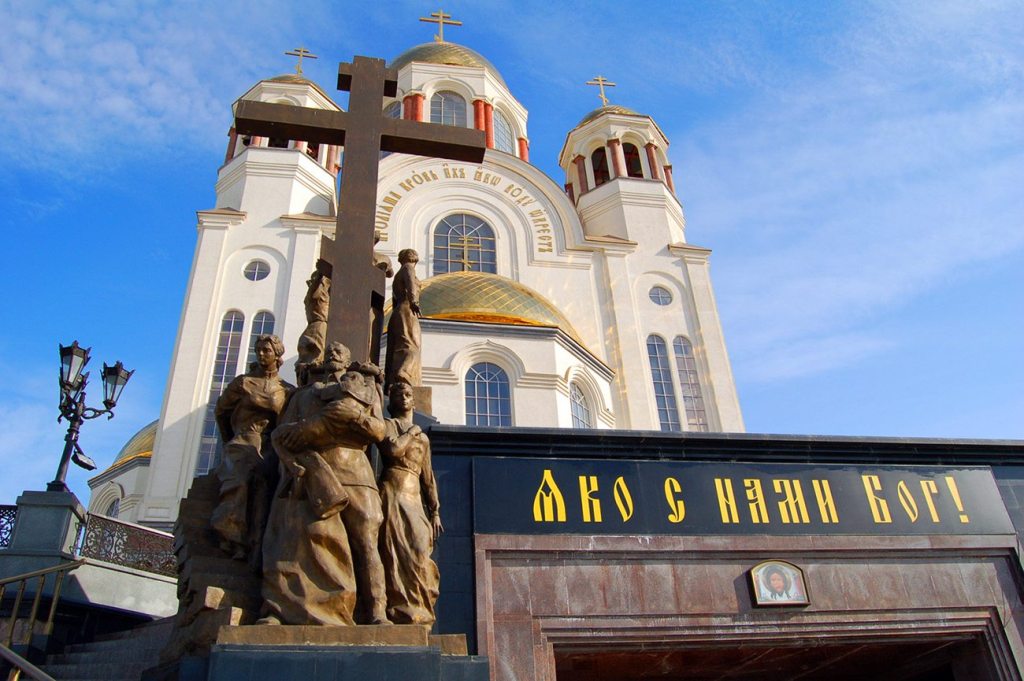
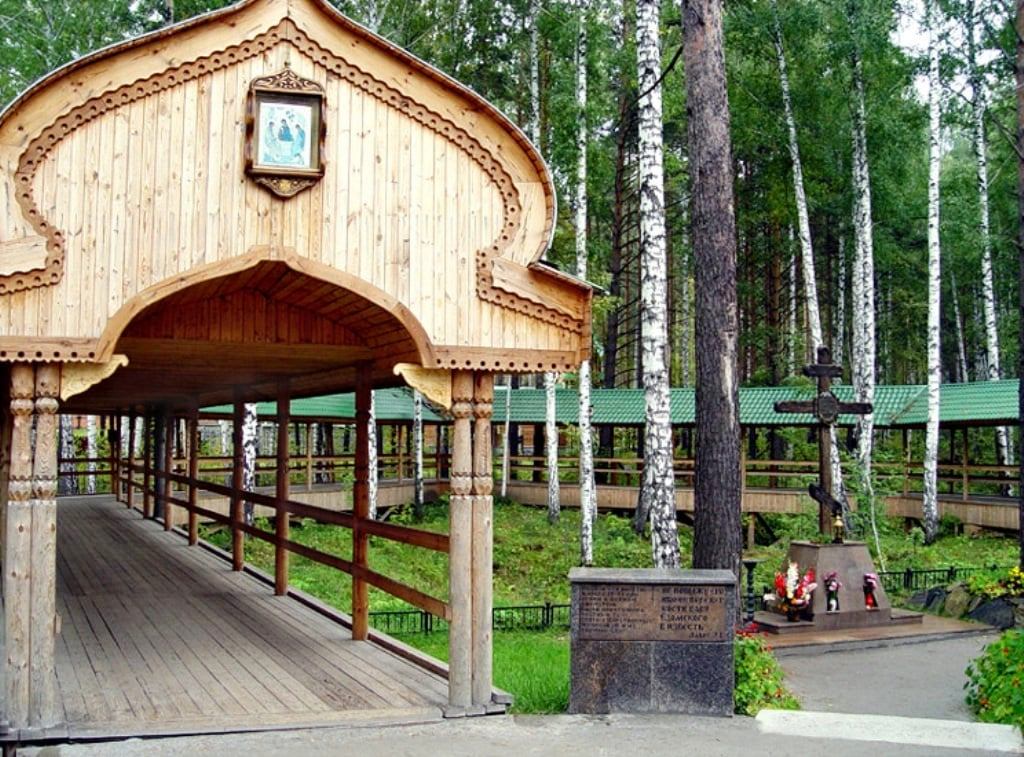
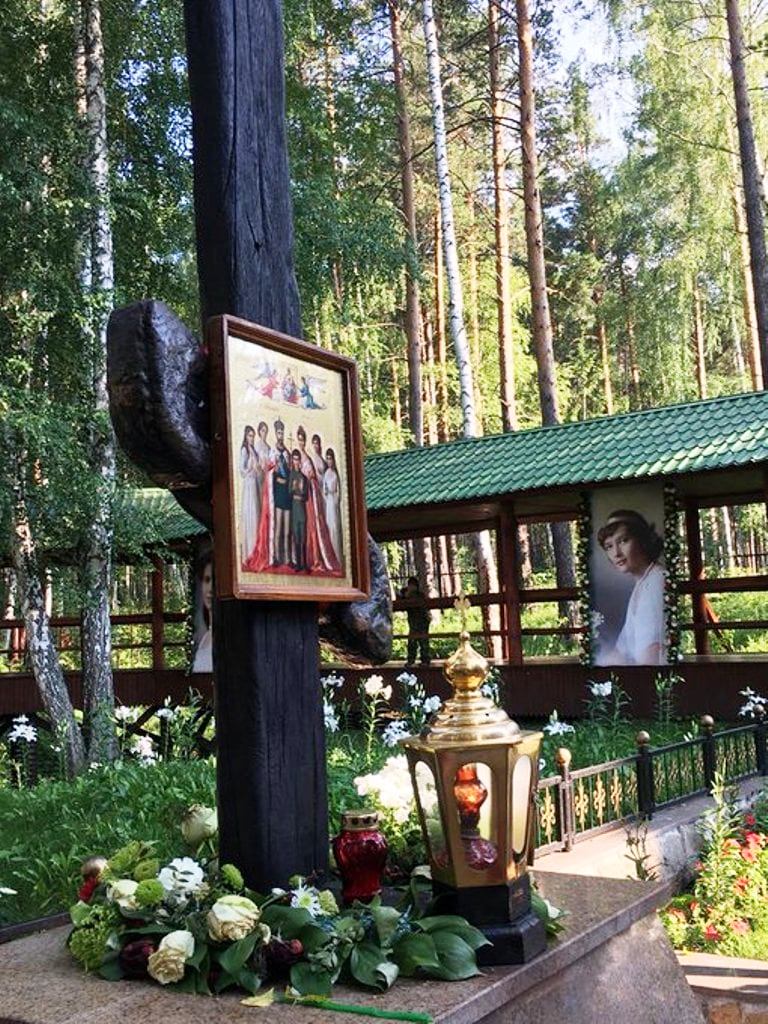
PHOTO: A wooden causeway has been built around the edge of the mine shaft, a tall cross marks the edge of the mine shaft where the remains of Nicholas II, his family and four faithful retainers were their killers first discarded after their brutal murder.

On Wednesday, 23rd September, a solemn Divine Liturgy was held at Ganina Yama on the occasion marking the 20th anniversary of the founding of the Monastery of the Holy Royal Martyrs.

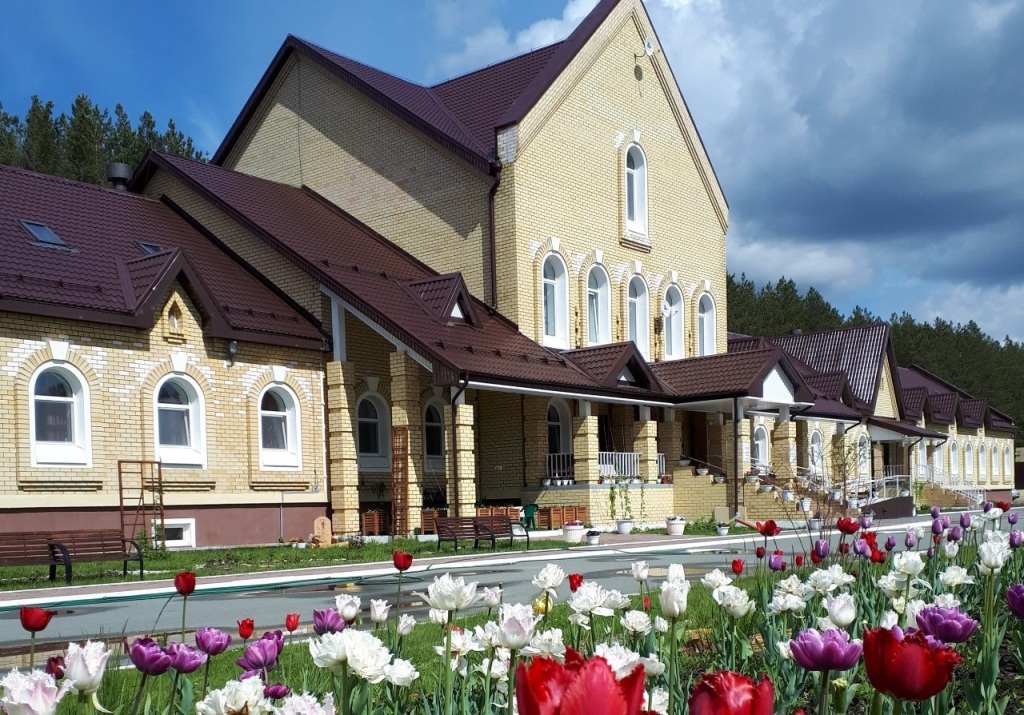
With the financial assistance from the Ural Mining and Metallurgical Company, the Russian Orthodox Church constructed the Monastery at the site in 2001. Seven chapels were later constructed at the site, one for each member of the Imperial family. Each chapel is dedicated to a particular saint or relic.

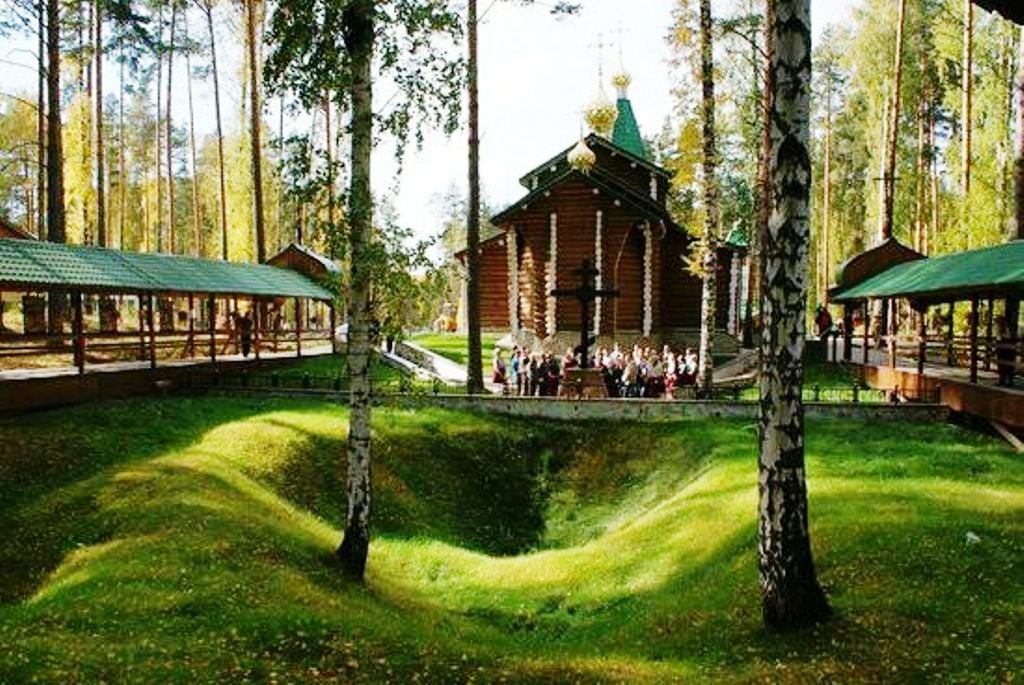
PHOTO: The Four Brothers mine (collapsed) is now visible as a depression in the ground. In July of each year, the former mine pit is covered with fragrant lily plants for the ceremony marking the regicide.

A tall cross marks the edge of the mine shaft – visible as a depression in the ground – where the remains of Nicholas II, his family and four faithful retainers were first discarded after their brutal murder in the basement of the Ipatiev House in Ekaterinburg.

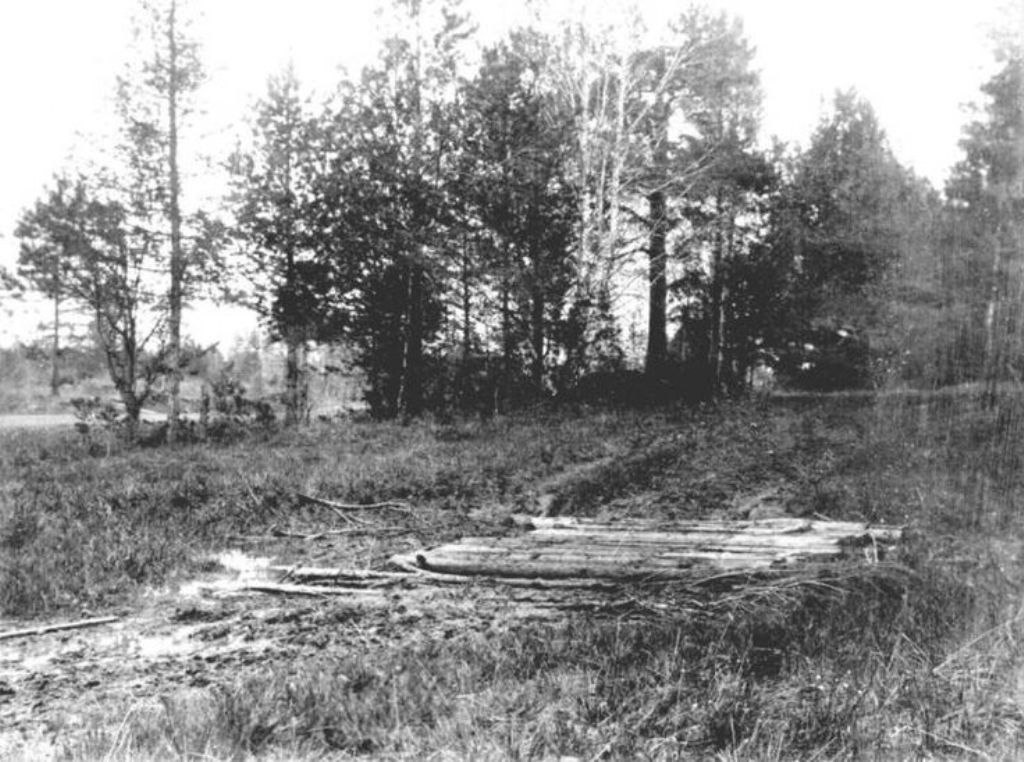
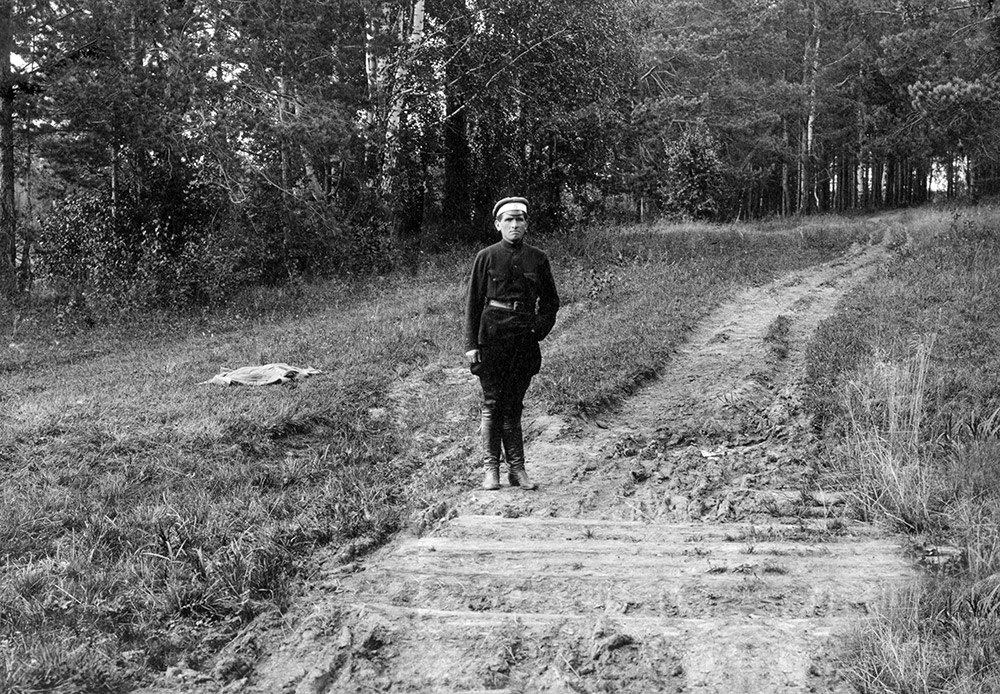
The horrific crime that took place here at the Four Brothers mine near the village of Koptyaki – 15 km north from Ekaterinburg – was carried out in the early morning hours of 17th July 1918, when the men who took part in the regicide, threw the bodies of the Imperial family and their four retainers into the mine.

The murderers returned the following night, retrieved the remains, and reburied them in two separate graves at Porosenkov Log, situated about 3.8 km away.

Holy Royal Martyrs, pray to God for us!
Святы Царственные мученики, молите Бога о нас!

***

In honour of the 20th anniversary of the founding of the Monastery of the Holy Royal Martyrs, a video history of the monastery has been prepared. It consists of three parts and describes a chronology of events from the life of the monastery at Ganina Yama, between 1990 to 2020.

Part I: the period from 1990 to 2000 (Duration: 2 minutes, 25 seconds)

Part II: the period from 2000 to 2003 (Duration: 3 minutes)

Part III: the period from 2004 to 2020 (Duration: 4 minutes, 20 seconds)

© Paul Gilbert. 13 November 2020

Excavations at the site of the Ipatiev House in Ekaterinburg in the early 2000s

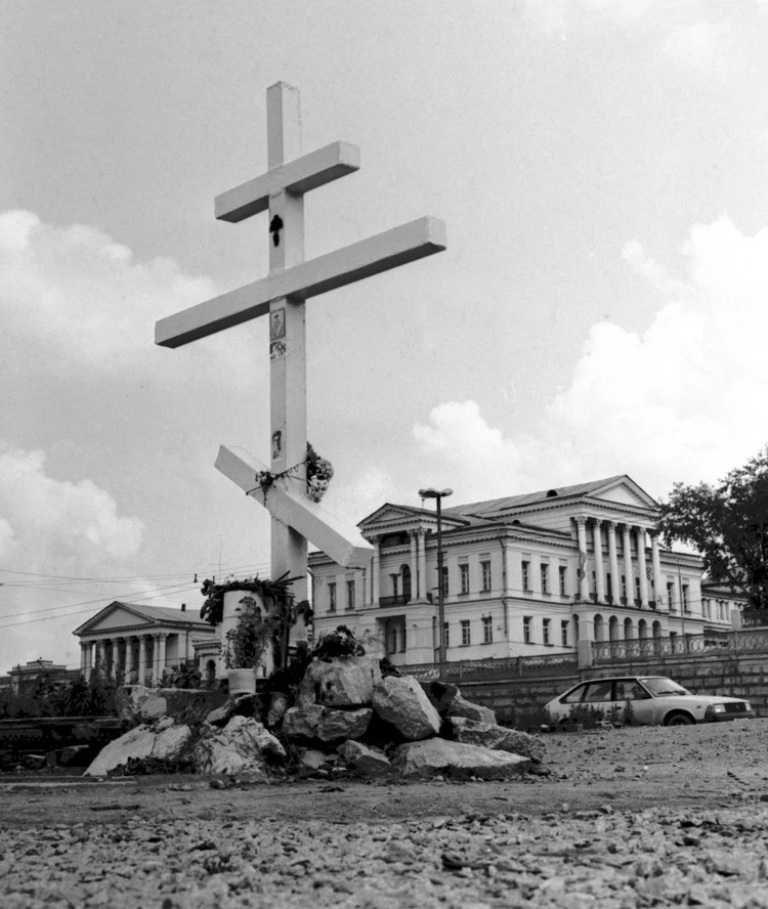
PHOTO: A simple wooden cross was installed on the site of the Ipatiev House in the 1990s

Prior to the construction of the Church on the Blood in Ekaterinburg, local archaeologists took a particular interest in the site where the 18th century mansion once stood.

An excavation of the site was organized by archaeologist Sergey Nikolaevich Pogorelov in 2000. At that time, he headed the Department for the Study of Historical Monuments in the Regional Research and Production Center.

The area where the Ipatiev House was located stood on land once owned by the Ural-Siberian Factory. In 1766-1808 the wooden Old Ascension Church stood on the site of the house, which included a small cemetery. Later, residential quarters were constructed, including the Ipatiev House in the 1880s. 

According to Pogorelov, in 2000, when the question arose about the construction of the Church on the Blood, city and regional authorities were notified that a decree issued in 1990 stipulated that no construction could take place on historic sites without historical and archaeological research being carried out first.

Excavations began in early June through September of 2000, and then continued in the summer of 2001. During that time, nearly 600 people took part in them. They made some interesting discoveries. For instance, during the excavations it turned out that the Soviet authorities had removed the remains of the basement walls of the Ipatiev House many years prior.

When archaeologists found the place where the basement execution room was located, they discovered that in its place, a concrete bunker had been built. They then referred to the city plans which were given them by the administration. As it turned out a government communication line had been laid along Klara Zetkin Street (former Voznesensky Prospekt and Voznesensky Lane, respectively), . When the cables were laid near where the Ipatiev House stood, they turned sharply 90 degrees, passing through where the execution room was located, and into the bunker, and then back to Klara Zetkin towards Voznesenskaya Gorka. Archaeologists learned that in the early 1970s, the local Soviet had set up the bunker with the intent of destroying the place where the Imperial family had been murdered.

However, an even greater discovery for archaeologists was what they found under the bunker when they began to dig deeper. Under the concrete structure was a grave, partially carved into the rock. Inside, in a coffin with forged nails, lay the remains of a woman and a baby.

Archaeologists had discovered the 18th century Orthodox cemetery, proving that the Ipatiev House was partly built on the site of the Church of the Ascension, and partly on the churchyard. The police were called in and the remains of the woman and her child were taken away.

Pogorelov noted that many graves must have been lost in the 1980s when part of the slope of the Voznesenskaya Gorka, was cut back during the reconstruction of Karl Liebknecht Street.

During their excavations, archaeologists uncovered an area of ​​more than 500 square meters at a depth of about 2 meters.

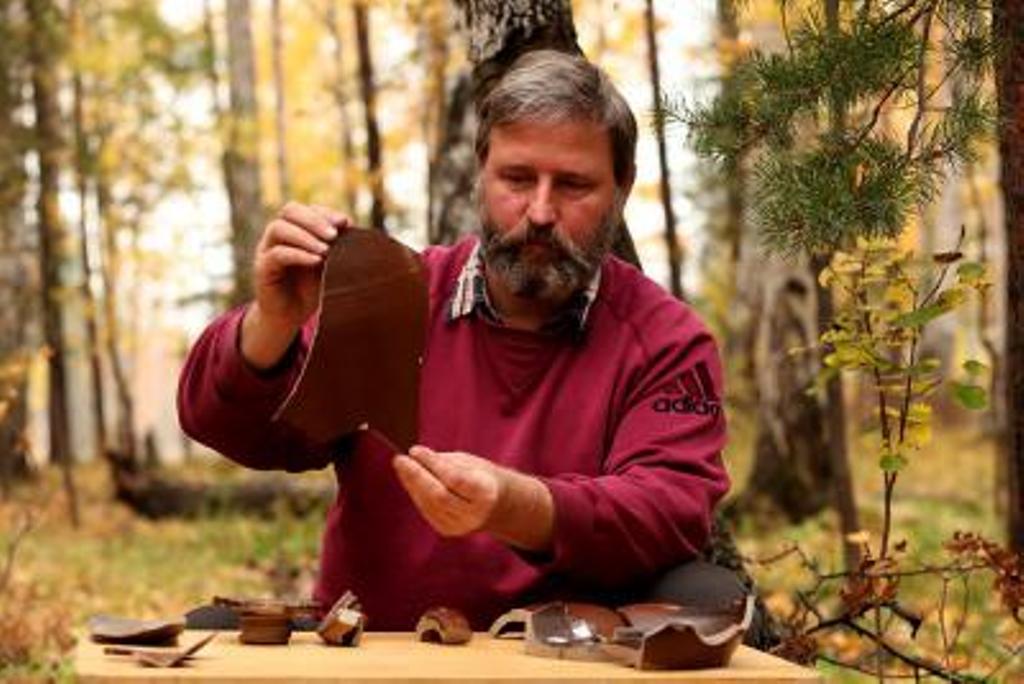
PHOTO: Archaeologist Sergey Nikolaevich Pogorelov shows fragments
of ceramic vessels found at Porosenkov Log in 2010

They found an underground stone structure with an area of ​​5 by 5 meters with granite walls in the foundation and stone granite slabs of the floor. Inside were the remains of the shelves of the party archives. It was here that the trunks belonging to the Imperial family were stored after their transfer from Tobolsk in April 1918.

On the western side of the estate grounds stood several poplars. There was some speculation that the trees had been planted during the Soviet years. Experts from the Institute of Plant and Animal Ecology conducted a dendrochronological analysis and found that they are more than 100 years old. Thus, it was determined that the trees were there when the Imperial family were living there under house arrest.

Among the trees a hole was discovered. They thought it was a cellar, but it turned out to be a well. It had been pierced into the monolithic rock of the Voznesenskaya hill using mining tools.

Archaeologists found a mention of this well in the notes of Yakov Yurovsky, who led the execution of the Imperial family. He wrote that he was repairing it at the moment when Nicholas II approached him. The well itself was filled with many artefacts, among them items belonging to the Imperial family.

The following year, when construction on the Church on the Blood was already underway, and two underground floors were planned on the site, the well suddenly filled with water. The builders wanted to fill it with concrete, however, a decision was made to preserve it. Today, the former well named “Tsarskoe” of the Ipatiev House is now located in the lower underground floors of the Church on the Blood.

As a result of the excavation of the estate, archaeologists managed to collect about 64 thousand artefacts. There were no precious items among them – only those that are of interest from a historical point of view. Fragments of dishes, buttons, metal objects … Everything that fell to the ground or tossed into the well since the 18th century. 

Pogorelov found pieces of china with the emblems of the Imperial Porcelain Factory bearing the initials of Nicholas II, from the coronation porcelain service of 1896. He later discovered that part of the service had been stolen by the Bolsheviks after the murder of the Imperial family. Their whereabouts remain unknown to this day.

It took 300 crates to pack the 64,000 artefacts, and stored in different places until 2013. According to Pogorelov “nobody provided help, nor were the legislation requirements fulfilled”. The crates were subsequently transferred to the Museum of the History of Ekaterinburg. Today, the famous Russian archaeologies does not know what happened to the collection.

The Museum of the History of Ekaterinburg would not comment on what happened to the collection further nor whether the artefacts from the excavations at the site of the Ipatiev House are still in their funds.

© Paul Gilbert. 23 October 2020

***

Dear Reader: It is always a pleasure for me to present new articles based on my own research from Russian archival sources, offering first English translations of new works from Russian media sources on my Nicholas II blog and Facebook pages. Many of these articles and topics seldom (if ever) attract the attention of the Western media. Please note that I personally translate the articles, and complement them further with additional materials, photographs, videos and links.

If you found this article interesting, then please help support my research by making a donation in US or Canadian dollars to my project The Truth About Nicholas II – please note that donations can be made by GoFundMe, PayPal, credit card, personal check or money order. Thank you for your consideration – PG

Ekaterinburg residents asked to help in glorifying General Tatishchev

0297

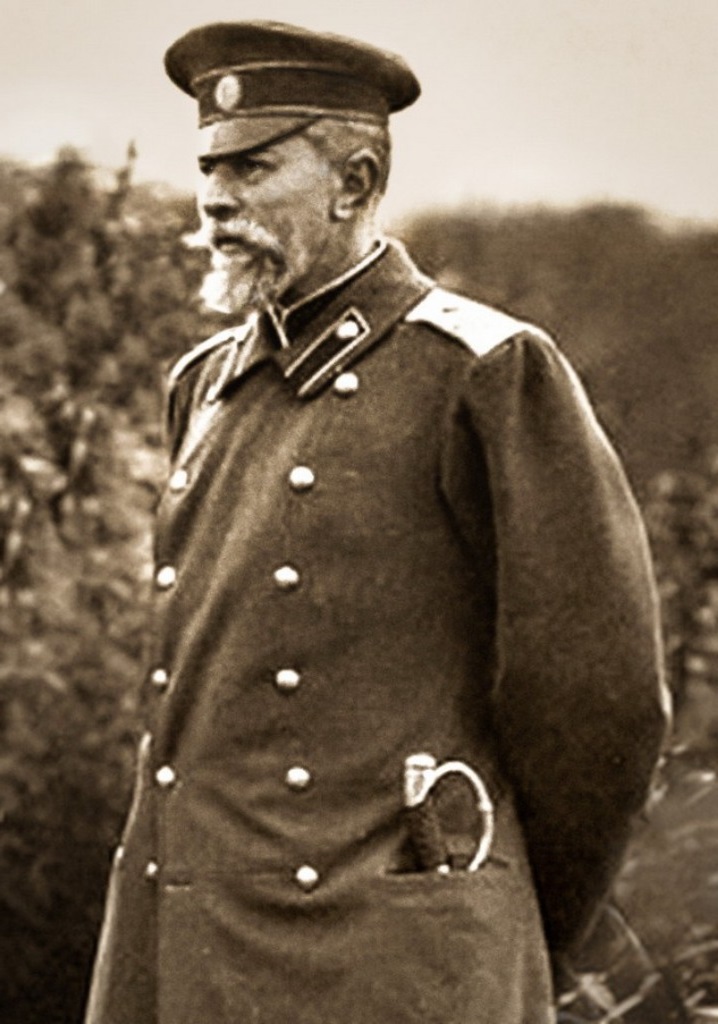
General Ilya Leonidovich Tatishchev (1859-1918) was glorified by the Russian Church Abroad in 1981 as the holy warrior martyr Elijah. The sisters of the Novo-Tikhvin Convent in Ekaterinburg now hope that he will canonized by the Moscow Patriarchate.

Residents of Ekaterinburg are invited to pray for General Ilya Leonidovich Tatishchev. Requiems will be performed every Tuesday after Vespers in the Novo-Tikhvin Convent.

Remembered as “a man of touching kindness,” Tatishchev was a noble and deeply pious man – he knew the entire Gospel by heart! For many years he selflessly served Emperor Nicholas II, and in 1917 voluntarily followed him into exile to Tobolsk and Ekaterinburg.

It was in Ekaterinburg that he was separated from the Tsar and his family and placed under house arrest. On 10th June 1918, he accepted a martyr’s death at the hands of the Bolsheviks together with Prince Vasily Dolgorukov. He was buried in the cemetery of the Novo-Tikhvin Convent. His grave has not survived, since during the Soviet years the convent’s cemetery was razed to the ground. And now, when we pray for the repose of the soldier Elijah, he prays for us before the throne of the Lord.

In an appeal to the citizens of Ekaterinburg, the sisters of the Novo-Tikhvin Convent said:

“Dear ones, now a lot depends on you and me! If we turn with prayer to the soldier Elijah, receive help and testify about this, then we can find in the saints another intercessor for our loved ones, our city, for the entire Ural region! Therefore, we ask you very much: report cases of miraculous help through the prayers of the soldier Elijah! Any information can serve to glorify him!”

Memory Eternal! Вечная Память!

Click HERE to read Divine Liturgy for Tatishchev and Dolgorukov Performed in Ekaterinburg, published on 10th June 2020

© Paul Gilbert. 10 August 2020

10,000 march in Royal Martyrs procession in Ekaterinburg

The Ekaterinburg Diocese of the Russian Orthodox Church hosted its annual Divine Liturgy and Cross Procession in honour of the Holy Royal Martyrs last night from the Church on the Blood in Ekaterinburg to the Monastery of the Holy Royal Passion-Bearers in Ganina Yama.

Some 10,000 Orthodox faithful joined in the Cross Procession this year, from the Church on the Blood to the Monastery of the Holy Royal Martyrs, built on the site where the remains of Nicholas II, his family and four retainers were first callously discarded, before they were later reburied at Porosenkov Log some 1.3 km away.

The size of the procession was significantly reduced this year due to the COVID-19 Pandemic. The local authorities had urged the faithful not to participate. In 2018, 100,000 participated in the Divine Liturgy and Cross Procession on the 100th anniversary of the Holy Royal Martyrs, and 60,000 in 2019.

svx9

svx5

svx7

svx10

svx1

svx4

svx6

svx8

The evening began with the Divine Liturgy celebrated on the square in front of the Church on the Blood by Metropolitan Kirill of Yekaterinburg and Verkhotursky , His Grace Bishop Methody of Kamensk, His Grace Bishop Evgeny of Nizhny Tagil, His Grace Bishop Alexei of Serov, and His Grace Bishop Leonid of Argentina and South America.

After the Divine Liturgy, the faithful began a 21-km Cross Procession, along the same route used to transport the murderers used to transport the bodies of the murdered Tsar Nicholas II and his family in 1918.

cross1

cross2

cross3

cross4

cross5

cross6

The procession was accompanied throughout by mobile groups from the Orthodox Mercy service, Tsar’s Days volunteers, representatives from the Nika charitable foundation, and Cossacks of the Orenburg Military Cossack Society, all of whom provided various means of assistance to the pilgrims.

Around 6:00 AM, the procession headed by Metropolitan Kirill of Yekaterinburg and Verkhotursky and the hierarchs and clergy reached the Monastery of the Holy Royal Martyrs, where the monks greeted the pilgrims with the ringing of the monastery bells.

cross7

Upon arrival, a moleben was served to the Holy Royal Martyrs and Metropolitan Kirill addressed the faithful:

“We pray and believe that the Lord, through the prayers of the Holy Royal Martyrs and Confessors of our Church, still preserves our land and covers it with His Heavenly covering. We hope that with God’s help we will lead an Orthodox Christian way of life and will take an example from righteous people, such as the Holy Royal Family and their faithful retainers, and all those who laid down their lives for our homeland and our Holy Church. Through their prayers, the Lord will forgive and have mercy on all of us by the prayers of the Most Holy Theotokos, the Holy Royal Martyrs, and all the saints who have pleased God from time immemorial.”

cross8

The Tsar’s Days celebrations continue tonight in Alapaevsk where the Grand Duchess Elizabeth Feodoron, the Nun Barbara, and Grand Duke Sergei Mikhailovich, the Princes of the Imperial Blood Ioann (John) Konstantinovich, Konstantin Konstantinovich, Igor Konstantinovich, and Prince Vladimir Pavlovich Paley, and Grand Duke Sergei’s secretary Fyodor Remez were martyred on July 18, 1918.

287

Святой Царь Мученик Николай, Моли Бога о Нас!
Holy Royal Martyr Nicholas II, Pray to God for Us!

© Paul Gilbert. 17 July 2020

Program for Royal Days 2020 in Ekaterinburg

0279e

The Church on the Blood, built on the site of the Ipatiev House in Ekaterinburg

The Moscow Patriarchate and the Ekaterinburg Diocese have confirmed that the Royal Days [aka Tsar’s or Imperial Days] will be held from July 12 to 20, 2020.

A series of memorable ceremonial events symbolizing the unity of the Russian people in their understanding of the history of the Fatherland, the ongoing rehabilitation of the good names of the emperor and his family, and the unification of the Church of Christ and traditional values. In light of the COVID-19 pandemic, all events will be held in compliance with all necessary safety and sanitary measures.

The main event will be held on the night of 16/17 July, when a Divine Liturgy will be performed at the Church on the Blood, where the lives of Emperor Nicholas II along with his family and four faithful servants tragically ended. The Divine Liturgy will be followed by a 21-km Cross procession to the Monastery of the Royal Martyrs at Ganina Yama.

On July 12th, the day marking the Feast of the Apostles Peter and Paul, the XIX Royal Days Festival of Orthodox Culture will begin.

0279g

Pilgrims gather outside the Church on the Blood on 16th July 2018

XIX Royal Days Festival of Orthodox Culture

The XIX Royal Days Festival of Orthodox Culture in the Ural capital, will feature several dozen religious and secular events of various formats honouring the memory of the Holy Royal Martyrs.

A cultural program has been planned, which includes cultural, historical, musical and educational events, museum and library exhibitions, concerts, lectures and meetings with Russian historians and writers.

The festival will be held in the conference hall and the Tsarsky Spiritual and Educational Center, located in of the Patriarchal Compound on the grounds of the Church on the Blood.

0279d

Pilgrim holds a portrait of Tsar-Martyr Nicholas II

The bell ringing festival “Evangelize, the Land of the Urals!” also opens on July 12th. A bell ringing concert will he held in the square in front of the Great Zlatoust Church, which features a magnificent bell tower. The concert will be attended by the ringer of the Ekaterinburg Metropolis, the choir of the Great Zlatoust Church; and poetry readings by priest Victor Yavich.

On the same day, July 12, an Open Gymnastics Championship will be held on the embankment of the city pond facing the Church on the Blood. The event is dedicated to Emperor Nicholas II – the founder of the Olympic movement in Russia.

0279a

Thousands gather outside the Church on the Blood on the night of 16/17 July

0279b

Thousands gather outside the Church on the Blood on the night of 16/17 July

0279c

Thousands gather outside the Church on the Blood on the night of 16/17 July

The main events of the Royal Days

The main events of the Royal Days will begin on July 15 when a Divine Liturgy will be performed in the Monastery of the Holy Royal Martyrs at Ganina Yama.

Then culminating events will be held on July 16 and 17.

On July 16, at 13:00, a small daytime procession will be held along the Ekaterinburg Way of Sorrow to mark the arrival of the Royal Martyrs in Ekaterinburg from Shartash Station (149 Kuybyshev St.) to the Church on the Blood (built on the site of the Ipatiev House) on 30th April 1918 [Nicholas II, Alexandra and their daughter Maria arrived, Olga, Tatiana, Anastasia and Alexei arrived several weeks later].

Then, at 15:00, Vespers will be held with the Akathist to the Holy Royal Martyrs in the Lower Church of the Church on the Blood,

At 16:30, an all-night vigil will begin on Ulitsa Tsarskaya, in front of the Church on the Blood.

At 17:00 there will be an all-night vigil in the Monastery of the Holy Royal Martyrs at Ganina Yama.

At 23:30 the main service of the Tsarist days – the night Divine Liturgy will commence in front of the Church on the Blood on  Ulitsa Tsarskaya. The service will end in the early hours of July 17, after which at 02:30 Metropolitan Kirill of Yekaterinburg and Verkhoturye will lead the Cross Procession from the Church on the Blood to the Monastery of the Holy Royal Martyrs – a journey of 21 km. This year’s procession is expected to attract tens of thousands of pilgrims from across Russia [As Russia’s borders are currently closed to foreigners, this year’s Tsar’s Days events will only be attended by Russian citizens]. Upon the arrival of the procession at Ganina Yama, a prayer service will be held for the Holy Royal Martyrs. 

The first Tsar’s Days was held in Ekaterinburg in 2001. In 2018, the year marking the 100th anniversary of the regicide in the Ural capital, attracted more than 100,000 Orthodox pilgrims, monarchists, among others from across Russia and around the world. In 2019, some 60,000 pilgrims took part.

0279f

Святы Царственные мученики, молите Бога о нас!

Royal days in Alapaevsk

The Royal Days will continue with the Remembrance Days of the Martyr Grand Duchess Elizabeth Feodorovna Romanova and the *Alapaevsk Martyrs, which will be held in Alapaevsk – 148 km northeast of Ekaterinburg.

On July 17 at 17:00 an all-night vigil will begin in the Monastery of the Holy New Martyrs and Confessors of the Russian Church in the city of Alapaevsk.

On July 18, at 00:00, the Divine Liturgy will be celebrated in the Holy Trinity Bishop’s Metochion of Alapaevsk, and at 02:30 a prayer service will be held with the singing of an Akathist to the Holy Martyrs Grand Duchess Elizabeth and Nun Varvara.

At 03:30 at the end of the Liturgy, a procession will begin from the Holy Trinity Bishop’s Compound in Alapaevsk to the School and further to the Monastery of the Holy New Martyrs and Confessors of the Russian Church, built on the site where the bodies of the *Alapaevsk Martyrs were dumped into the mine alive on the night of July 18, 1918.  At 05:30 and 09:00, two Divine Liturgies will be performed there.

*The Alapaevsk victims included: Grand Duchess Elizabeth Feodorovna, Grand Duke Sergei Mikhailovich, Princes of the Imperial Blood Ioann, Konstantine and Igor Konstantinovich, Prince Vladimir Paley (son of Grand Duke Paul Alexandrovich), and two faithful servants:sister of the Marfo-Mariinsky Convent Varvara (Yakovleva), and Fyodor Semyonovich (Mikhailovich) Remez, secretary of the Grand Duke Sergei Mikhailovich.

SOURCE: Ekaterinburg Diocese Press Release

© Paul Gilbert. 3 July 2020

Tsar’s Days in Ekaterinburg 2020

0265b

A Divine Liturgy is held on the night of 16/17 July at the Church on the Blood

Despite the threat of the COVID-19 pandemic, the annual Tsar’s Days events will go ahead as planned in the Ural city of Ekaterinburg. Russia has been hard hit by the coronavirus, reported more than 371,000 cases to date.

A press release from the Ekaterinburg City Hall has confirmed that in 2020, Tsar’s Days will be held from 12 to 21 July. Tsar’s Days is the annual festival of Orthodox culture in Ekaterinburg and the Sverdlovsk Region, marking the deaths and martyrdom of Emperor Nicholas II and his family, who were murdered by the Bolsheviks in the Ipatiev House on 17th July 1918. The festival includes divine services, religious processions, exhibitions, concerts and other events.

The main event, for which thousands of Orthodox pilgrims come to Ekaterinburg, is the solemn liturgy, which takes place on the night of the murder of the Holy Royal Martyrs – 16/17 July, in the Church on the Blood. At the end of the Liturgy, tens of thousands of pilgrims take part in the 21 km Cross procession from the Church on the Blood in Ekaterinburg to the Monastery of the Holy Royal Martyrs in Ganina Yama.

0265

Pilgrims take part in the 21 km Cross procession from the Church on the Blood in Ekaterinburg
to the Monastery of the Holy Royal Martyrs in Ganina Yama

In addition, several exhibitions will be held in Ekaterinburg, including From Repentance to the Resurrection of Russia, which will be held from 12-19 July. Representatives of the largest Orthodox churches from across Russia, Ukraine, Greece and other countries will take part.

The first Tsar’s Days was held in Ekaterinburg in 2001. In 2018, the year marking the 100th anniversary of the regicide in the Ural capital, attracted more than 100,000 Orthodox pilgrims, monarchists, among others from across Russia and around the world.

© Paul Gilbert. 27 May 2020

“It is important for our society to reconsider Nicholas II” – Metropolitan Kirill

0262

Metropolitan Kirill of Yekaterinburg and Verkhoturye

On 19th May 2020, the day marking the 152nd anniversary of the birth of Emperor Nicholas II, Metropolitan Kirill of Yekaterinburg and Verkhoturye, gave a sermon at the Church on the Blood, urging Russian society to make a fresh assessment of Russia’s much slandered Tsar.

Emperor Nicholas II was born on the day of the Righteous Job the Long-suffering, and his memory is celebrated by the Church on 6th May in the old calendar or on 19th May according to a new style.

* * *

The birthday of Saint Tsar Nicholas Alexandrovich on 19th May almost always falls during the days of Pascha, the feast of the Resurrection of our Lord Jesus Christ. In the Church on Blood in the Ural city of Ekaterinburg, on the Russian Golgotha, the memory of the Holy Tsar Martyr, born 152 years ago, on the day of memory of the Righteous Job the Long-suffering, and who was martyred 102 years ago in Ekaterinburg, who suffered for Christ, is especially celebrated. for the Orthodox faith and for Holy Russia.

In Ekaterinburg, the earthly life of a great, very kind and decent man, the anointed of God, whom we revere with love today, has ended. Today, the veneration of the Tsar-Martyr is strong among believers, however, Bolshevik myths and lies about the “weak-willed ruler Nicholas the Bloody” remain embedded in our modern-day secular society.

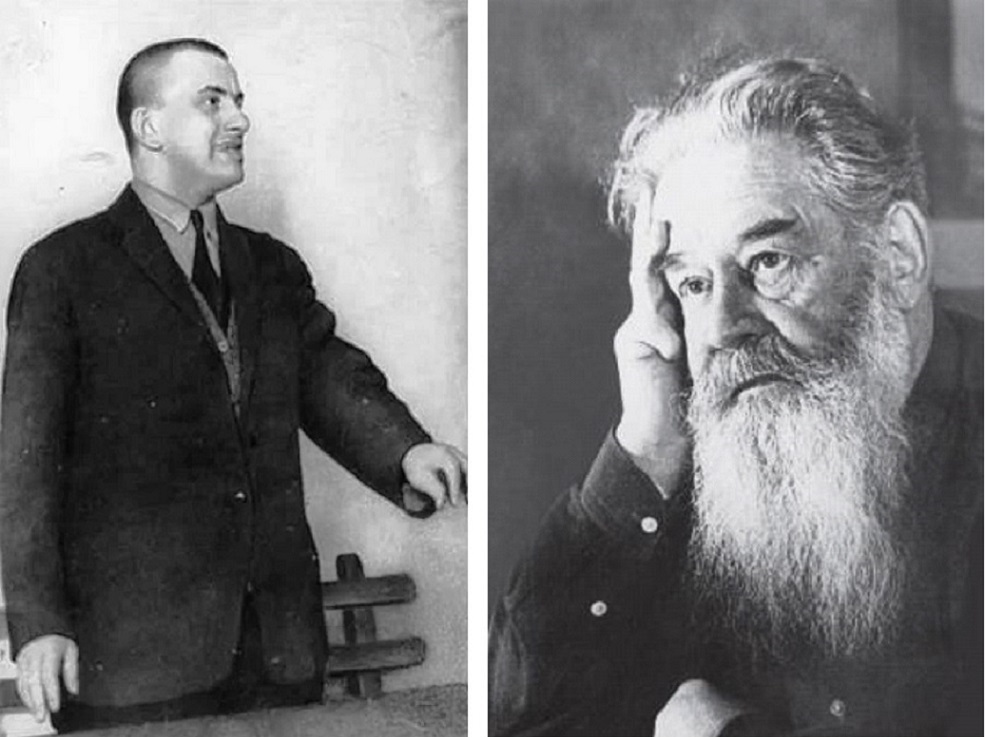
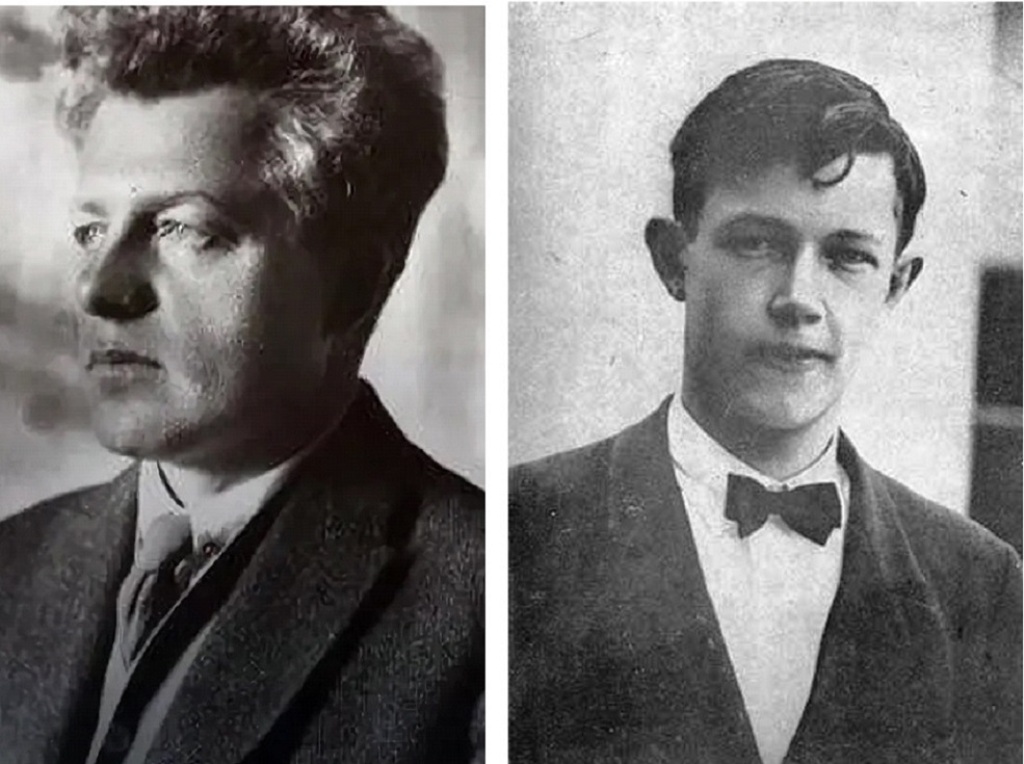
If we use the language of images that is inherent in modern society, whom are less and less inclined to read and think for themselves, one can weigh the enormity of the atrocity without words, it is enough to compare the photographs of the victims and the executioners. On the one hand is a photograph of the Holy Family: Tsar Nicholas, Tsarina Alexandra and their five children, and on the other is a photograph of their killers. Two very different worlds are clearly reflected In this “mirror”: light, mercy and kindness, almost heavenly beauty, on the one side, anger and black-hearted hatred, on the other.

We must understand that the people who committed the massacre of the Imperial Family and their followers for decades ruled the Russia in which we live today. The ideologists of Bolshevism needed to justify the murder of the Tsar’s family and their loyal subjects, to justify their brutal reprisals and repressions, which were committed during their reign of terror. Having launched their campaign of murder and oppression, the Bolsheviks and later the Soviets completely erased from the textbooks of history and public consciousness the large-scale achievements and great achievements of Nicholas II’s reign.

This glaring contradiction in many respects affects our contemporaries today who cannot understand and accept a Christian life and the Orthodox worldview of the Holy Tsar Nicholas. And he was truly a Christian – sincere, kind, decent, warm-hearted, pious and honourable. Therefore, for us, this date is the day of our constant and pure repentance for the atrocity committed by our ancestors …

Repentance is a change of consciousness. In relation to the Tsar’s family, this is a rethinking of the role of the Tsar Martyr in Russia’s history, a change in our attitude towards him. Yes, this activity is ongoing, but its scope is extremely modest in the absence of state ideology.

But in a world where the image of the Holy Tsar still remains slandered and distorted, and the streets, squares, and even entire regions bear the names of murderers, to this day there is no repentance. Is spiritual healing of our society possible without such a change? Is it any wonder today when among us there are those who draw the swastika, raise their hands in a Nazi salute, try to include Nazi photographs in the Immortal Regiment, putting the murderers and those killed in the memorial march? These are people brought up on the very contradictions of our public and state life.

Therefore, until sincere repentance occurs, we are doomed to suffer from the lack of spirituality of modern society, having Victory Day as the only national holiday, forgetting the Kulikovo Field, the Battle of Borodino and many other glorious victories of the Russian soldier, Russian people, sanctified by Orthodox prayer and faith. Until then, people will continue to desecrate the churches of the Fatherland, for whom there is nothing sacred in this life, because it was destroyed a century ago, when Russian history was swept into an abyss, the Russian state, including here in Ekaterinburg, where a memorial church stands today on the sight of the Ipatiev House, where on the night of 16/17 July 1918, the blood of the Holy Royal Martyrs was spilled. This seal of regicide lies today in the city where the atrocious crime took place. It’s regrettable, but much less attention is paid to preserving the memory of the Holy Tsar than the memory of their monster killers,

Therefore, today, living here, on the site of Russian Calvary, we have a great and special responsibility before God, before the Holy Church, before our Russian Motherland and before the memory of the Holy Royal Martyrs. If others around us do not repent, we must do this all the time. The memory of the Holy Tsar and the fact that the last days of his holy life passed here in Ekaterinburg, that it was here that he accepted his martyrdom – this is our personal responsibility to the Holy Church and to all those future generations of people who, hopefully, have something they can change within their own environment and our region will not bear the name of any of the men who participated in regicide.

And while we are serving the Divine Liturgy at the Tsar’s Altar, while we honour the memory of the Holy Martyr Tsar Nicholas and all the new martyrs who were killed for the Orthodox faith and for our Holy Fatherland, until then we can still hope for God’s mercy. We will pray to God and meekly, humbly – like the Holy Tsar himself – to wish salvation to everyone who lives among us, who is our compatriot, and who today does not know or does not want to know the feat of the Holy Tsar and all the new martyrs and confessors of the Russian Church – who to this day they stand for Holy Russia, they protect us and do not let everything that has been gathered in our Fatherland for centuries and that today is held by some special Divine power, preserving our people, our country on this earth in peace and prosperity .

Since the fall of the Soviet Union in 1991, great efforts by historians and the Russian Orthodox Church to research and establish a fresh and honest reassessment of the last Russian Tsar, but in the absence of a state ideology and a clear position on this issue, all this is but a small fraction.

It was in Ekaterinburg in May 2018, on the eve of the 150th anniversary of the birth of the last Russian Emperor, on the initiative of the World Russian People’s Cathedral and the Double-Headed Eagle Society, that a public forum was held to preserve the heritage of Tsar Nicholas II. Scientists and members of the public raised the issue of preserving the historical memory of the Sovereign, gathered to recognize the merits of Nicholas II on the development of the Russian state and public assessment of the murder of the Tsar’s family, committed a century ago. Today, the results of this forum require further development.


© Paul Gilbert. 26 May 2020

78 nightly Divine Liturgies in the Church on the Blood for the Holy Royal Martyrs

257

An icon of the Holy Royal Martyrs set against the backdrop of the entrance to the so-called
Royal (aka Imperial) Room, in the lower church of the Church on the Blood in Ekaterinburg

On 30th April, an evening Divine Liturgy was served in memory of the Holy Royal Martyrs in the Church on the Blood in Ekaterinburg. A Divine Liturgy will be held every night from 30th April to 17th July – marking the 78 days in which Emperor Nicholas II along with his family and faithful retainers were held under arrest in the Ipatiev House.

Night liturgies are traditionally held in the so-called Royal (aka Imperial) Room, situated in the lower church of the Church on the Blood. An altar was erected on the site of the murder of the Imperial family in the early morning hours of 17th July 1918. In 2018 the room and the altar were decorated with the blessing of the Metropolitan of Ekaterinburg and Verkhotursky Cyril to the 100th anniversary of the death and martyrdom of the Imperial family.

The tradition of holding 78 nightly Divine Liturgies in the Church on the Blood from 30th April to 17th July was established with the blessing of the ruling bishop in 2018.

Святы Царственные мученики, молите Бога о нас!
Holy Royal Martyrs, pray to God for us!

Click HERE to read my article The Imperial Room in the Church on the Blood, Ekaterinburg + 17 PHOTOS and 2 VIDEOS

© Paul Gilbert. 5 May 2020

US Ambassador to Russia Visits Ekaterinburg

241a

PHOTO: From left to right: Archpriest Daniil Andreiuk, Representative of the Orthodox Church in America under the Patriarch of Moscow and All Russia, US Ambassador to the Russian Federation John J. Sullivan, US Consul in Ekaterinburg Amy Storrow, and Metropolitan of Ekaterinburg and Verkhotursky Kirill in the Patriarchal Compound in Ekaterinburg on 16th March 2020. Photo © Ekaterinburg Diocese

On 16th March 2020, Metropolitan of Ekaterinburg and Verkhotursky Kirill met with US Ambassador to the Russian Federation John J. Sullivan, US Consul in Ekaterinburg Amy Storrow, and Archpriest Daniil Andreiuk, Representative of the Orthodox Church in America under the Patriarch of Moscow and All Russia.

The visit to the Ural city by Ambassador Sullivan and his entourage took place in the Synodal Hall of the Tsarsky Cultural and Educational Center, located in the Patriarchal Compound, across from the Church on the Blood.

The US ambassador thanked Metropolitan Kirill for the meeting and noted that he plans to come again.

– “Indeed, we need to pray to God and, at the same time, we will continue to work together. This is my first visit to Ekaterinburg, and I plan to return,” the ambassador said.

Mr. Sullivan also congratulated Metropolitan Kirill on the 22nd anniversary of his Episcopal ordination. Then the archpastor presented his guest with souvenirs of his visit to Ekaterinburg.

After the meeting, Archpriest Maxim Minyailo, senior priest of the Church on the Blood conducted an excursion for their American guests around the Museum of the Holy Royal Family in the Tsarsky Center and the Church on the Blood, during which Ural shrines were presented that preserve the memory of the feat of the holy Royal Martyrs.

241b

PHOTO: Metropolitan of Ekaterinburg and Verkhotursky Kirill and US Ambassador to the Russian Federation John J. Sullivan admiring a sculpture of the Holy Royal Martyrs Saints Olga, Tatiana, Maria, Anastasia and Alexei in the Patriarchal Compound in Ekaterinburg on 16th March 2020. Photo © Ekaterinburg Diocese

241c

PHOTO: Archpriest Maxim Minyailo, senior priest of the Church on the Blood conducts an excursion for his American guests around the Museum of the Holy Royal Family in the Tsarsky Center, situated in the Patriarchal Compound in Ekaterinburg on 16th March 2020. Photo © Ekaterinburg Diocese

241d

PHOTO: Archpriest Maxim Minyailo, senior priest of the Church on the Blood conducts an excursion for his American guests around the Upper Church of the Church on the Blood in Ekaterinburg on 16th March 2020. Photo © Ekaterinburg Diocese

241e

PHOTO: Archpriest Maxim Minyailo, senior priest of the Church on the Blood conducts an excursion for his American guests to the Imperial Room (see note below) located in the Lower Church of the Church on the Blood in Ekaterinburg on 16th March 2020. Photo © Ekaterinburg Diocese

NOTE: The altar of the Imperial Room is situated in the lower church, sanctified in honor of the Holy Royal Martyrs. It was established on the site of the room located in the basement of the Ipatiev House, where Emperor Nicholas II, his family, and four retainers were all brutally murdered on the night of 16/17 July 1918.

In the summer of 2018, with the blessing of Metropolitan Kirill of Ekaterinburg and Verkhoturye, the altar of the Imperial Chapel of the Holy Royal Passion-Bearers – the so-called Royal Room – was redesigned and decorated for the Tsar’s Days held in Ekaterinburg. The interior of the room has completely changed: like the Cuvuclia in the Church of the Holy Sepulcher in Jerusalem.

Click HERE to read to read my article The Imperial Room in the Church on the Blood, Ekaterinburg, featuring 17 photos and 2 videos

© Paul Gilbert. 17 March 2020

Russia, here I come . . . again!

235a

The Church on the Blood, Ekaterinburg

I am very pleased to announce that I will be returning to Russia in September, where I will spend 10 days in Ekaterinburg and Tobolsk.

I have booked my flights on Aeroflot from Toronto-New York (JFK)-Moscow-Ekaterinburg, 19th – 29th September. This journey marks my 30th visit to Russia since 1986, my 4th visit to Ekaterinburg since 2012, and my 1st visit to Tobolsk!

The purpose of this journey is to complete research on my forthcoming book My Russia. Ekaterinburg. I began researching and writing this book in 2018, with plans to publish it prior to the centenary of the deaths of Nicholas II and his family. Instead, I delayed the publication, due to the fact that I attended the Tsars Days events held in Ekaterinburg in July 2018. In hindsight, I am happy that I made the decision to delay the books publication, as I was able to collect a lot of additional material for the book, as well as hundreds of photographs, many of which will be featured in my book.

I will spend 5 days in Ekaterinburg, revisiting the many places associated with the last days of the Imperial Family, including the Church on the Blood, the Novo-Tikhvin Convent, Ganina Yama, Porosenkov Log, as well as three museums dedicated to the Holy Royal Martyrs: Museum of the Holy Royal Family (Patriarchal Compound), Romanov Memorial Hall (Museum of History and Archaeology in the Urals); and Museum and Exhibition Center (Ganina Yama).

Once a bastion of Bolshevism, Ekaterinburg has slowly shed its status as the “capital of atheism”. Since the fall of the Soviet Union in 1991, the Urals has experienced a revival of faith, with Ekaterinburg at the into the center of Orthodox Russia in the Urals. Ekaterinburg has done more to honour Nicholas II and his family than any other city in Russia.

Thanks to my previous visits to Ekaterinburg in 2012, 2016 and 2018, it is a city which I have grown to admire and love.

235b

The Museum of the Family of Emperor Nicholas II, Tobolsk

From there, I will travel by train to Tobolsk – a 10-hour journey – and spend 3 days exploring this beautiful historic city and former capital of Siberia. The city is known for its 18th-century snow-white coloured Kremlin, Orthodox churches and many buildings dating from the Tsarist period, which have thankfully been preserved to this day.

My primary interest will, of course, be the former Governors Mansion, where the Imperial Family lived under house arrest from August 1917 to April 1918. Following the October Revolution, it was renamed the ‘House of Freedom’.

Today, the former Governors Mansion houses the Museum of the Family of Emperor Nicholas II. The museum was opened in 2018, the year marking the 100th anniversary of the deaths of the Imperial family. 

Thirteen rooms have been recreated in the building, many of which have preserved many historic elements and details from the time of the Imperial Family’s stay here. The museum features more than 900 artefacts, including memorial and personal items related to Nicholas II and his family.

Not only am I looking forward to meeting up with old friends and making new acquaintances in my favourite Russian city Ekaterinburg, I am also very much looking forward to exploring Tobolsk for the very first time. An added bonus to this journey, will be the opportunity to see the Urals decked out in the beautiful colours of autumn.

Upon my return from Russia, I will publish a summary of my visit in an issue of Sovereign, and put the finishing touches on my book My Russia. Ekaterinburg, adding additional text and photographs.

235c

My Russia. Ekaterinburg – front and back covers

The present draft of My Russia. Ekaterinburg, already contains an Introduction, plus illustrated chapters on the Churches of Ekaterinburg; a History of the Ipatiev House; the Church on the Blood; the Patriarchal Compound and the Museum of the Holy Royal Family; the Novo-Tikhvin Convent; the Romanov Memorial Hall in the Museum of History and Archaeology in the Urals; Tsar’s Days; Ganina Yama, the Monastery of the Holy Royal Martyrs and the Museum and Exhibition Center; Porosenkov Log; Alapaevsk; Tyumen; Tobolsk and the Museum of the Family of Emperor Nicholas II; helpful Visitor Information and much more.

With 250 pages, and richly illustrated with 300 black and white photos – many taken by me during my visits to the Urals – My Russia. Ekaterinburg  will be my largest publishing project to date. God willing, my book will be available before Christmas.

© Paul Gilbert. 26 February 2020