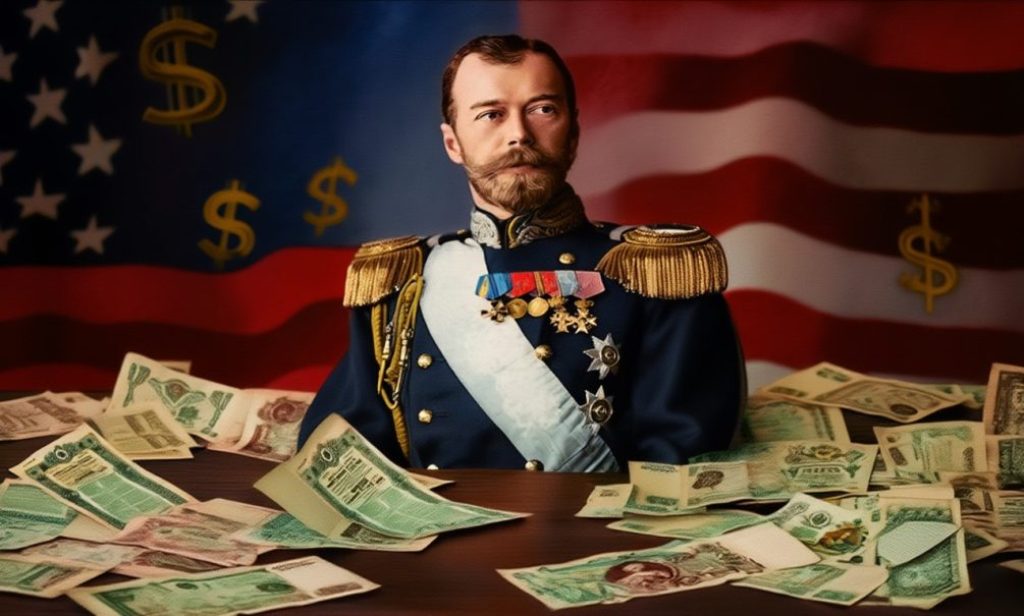
United States demands billions from Russia for Romanov-era bonds

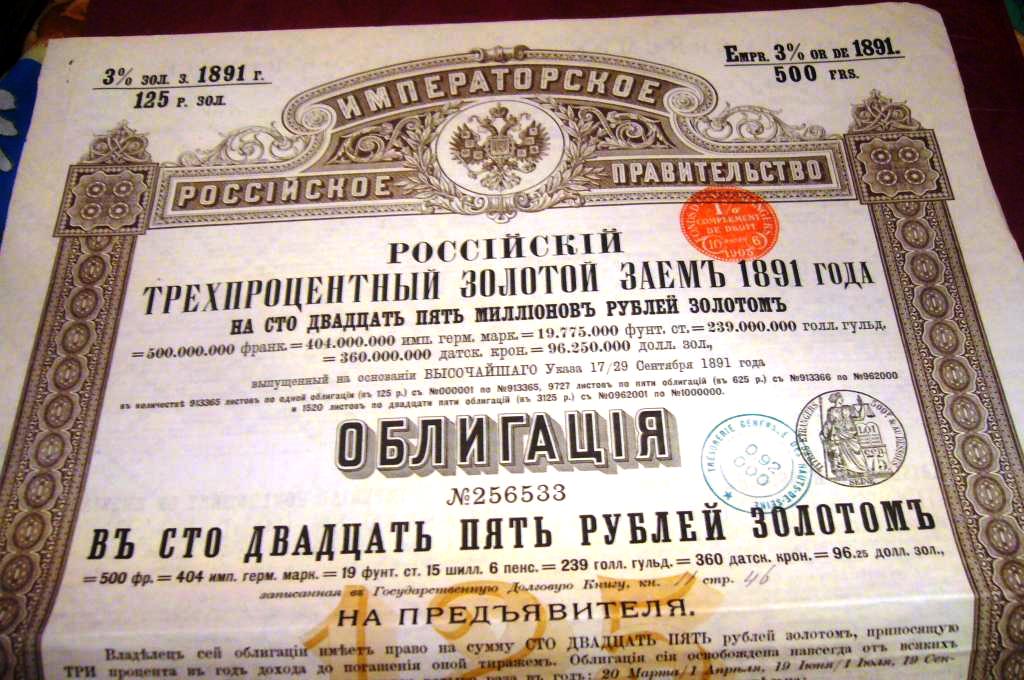
The American investment fund Noble Capital has filed a lawsuit against Russia, demanding payment of $225.8 billion of debts on bonds from the time of the Russian Empire. The corresponding application was sent to the US Federal District Court for the District of Columbia.

The fund claims that Russia, as the successor state of the Russian Empire, allegedly refused to fulfill sovereign debt obligations issued more than a hundred years ago to American investors. Noble Capital claims to be the legal successor and owner of these bonds and demands debt repayment on this basis.

Recall that in the 19th century, the Russian Empire turned to the public capital markets and, especially, foreign markets and foreign intermediaries, to regulate and stimulate the growth of its economy, financing its ambition and its development.

In October 1918, shortly after the Bolsheviks seized power, their Council of People’s Commissars repudiated the sovereign debt and other financial obligations of the Russian Empire. This position shocked international finance and triggered unanimous worldwide condemnation. Bolshevik Russia completely fell out of the world economy as a result of this development and sealed itself up in isolation,

In addition to the Russian Federation itself, there are several government agencies among the defendants, including the Ministry of Finance of the Russian Federation, the Central Bank of the Russian Federation and the National Welfare Fund of Russia (NWF). The court made the last procedural decision in November – the Russian side was ordered to submit a response to the claim no later than 29th January 2026.

Particular attention in the lawsuit is paid to the source of possible payments. Noble Capital is seeking permission to make settlements on the required amount at the expense of frozen Russian assets. After the start of the Russia-Ukraine War in February 2022, the EU and G7 countries blocked about half of Russia’s gold and foreign exchange reserves. More than 200 billion euros, according to open data, are in the EU, mainly in the accounts of the Belgian depository Euroclear.

PHOTO: Bond of the Russian Empire

In response, Moscow introduced restrictive measures: the assets of foreign investors from “unfriendly countries” and income on them are accumulated in special type “C” accounts. Access to these accounts is possible only by decision of a government commission.

The Bank of Russia, in turn, has also filed a lawsuit against Euroclear in the amount of more than 18 trillion rubles  ($228.4 billion USD). The regulator points out that the actions of the European depository caused direct damage due to the inability to dispose of funds belonging to Russia.

Earlier, Russian President Vladimir Putin publicly stated that the ideas of seizing Russian assets are actually robbery. According to him, such steps undermine the foundations of the global financial system and can lead to serious losses for its participants.

Experts note that Noble Capital’s lawsuit fits into the general line of pressure on Russia through legal and financial mechanisms. The appeal to the debts of the pre-revolutionary era looks not so much a legal as a political attempt to legalize the seizure of frozen assets.

In fact, we are talking about creating a precedent in which Western structures are trying to gain access to Russian reserves through US courts, hiding behind historical obligations of a hundred years ago.

It is interesting to note, that this is not the first time this issue has been raised. Numerous attempts to recoup bonds issued during the Russian Empire failed, given the current state of Russian-US relations, so will this one.

CLICK on the LINK below to read a follow up of this story, published on 1st February 2026:

Russia does not intend to pay the debts of Nicholas II

© Рaul Gilbert. 16 January 2026

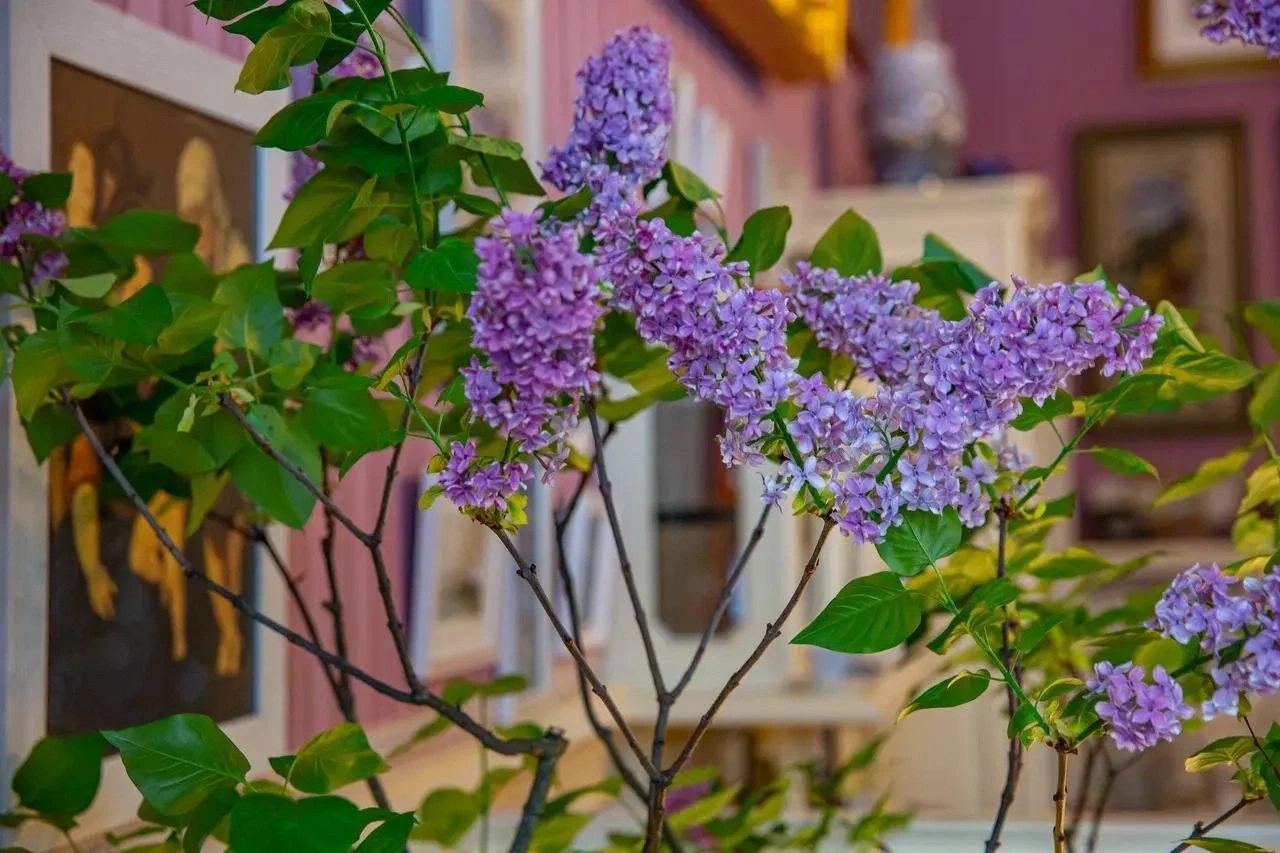
Lilacs bloom . . . again, in the Alexander Palace

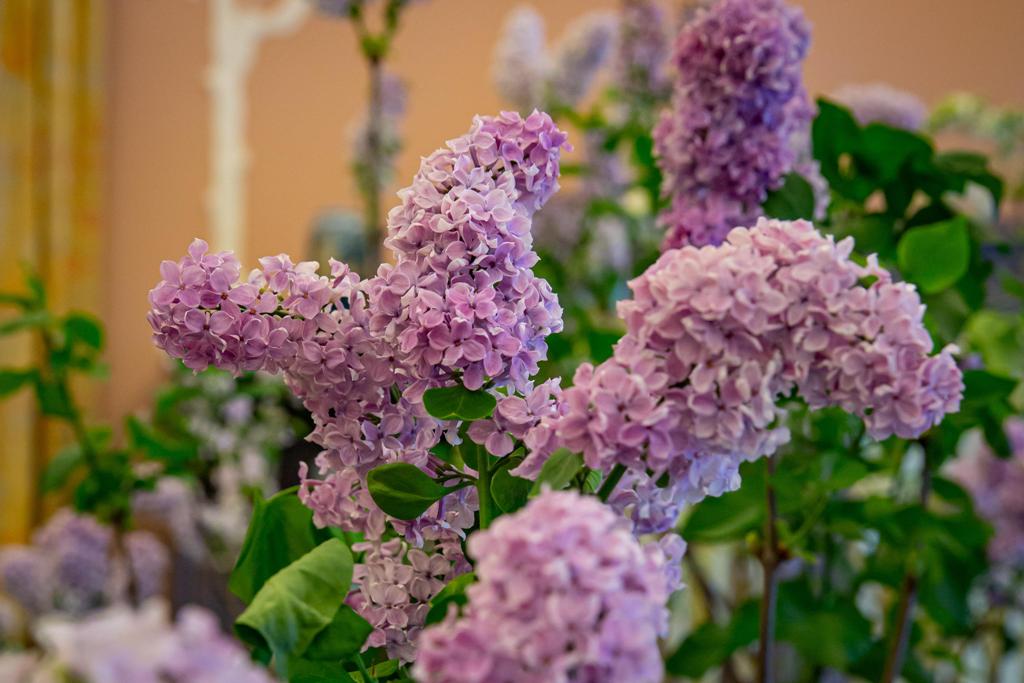
Lilacs in bloom in the Alexander Palace
Photo © Tsarskoye Selo State Museum

Despite the January frosts, lilacs and almond bushes have bloomed again in the Tsarskoye Selo greenhouses, and have now been transferred to the private apartments of Empress Alexandra Feodorovna in the Alexander Palace. This unique tradition, which was adopted by the family of Nicholas II, was revived by the museum in the winter of 2022.

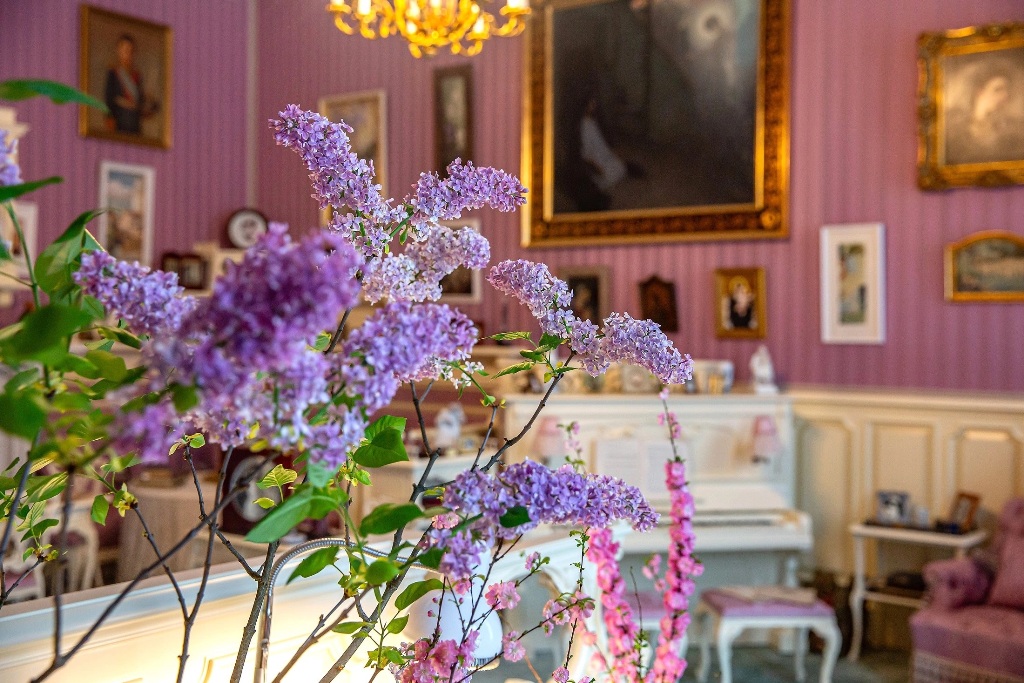
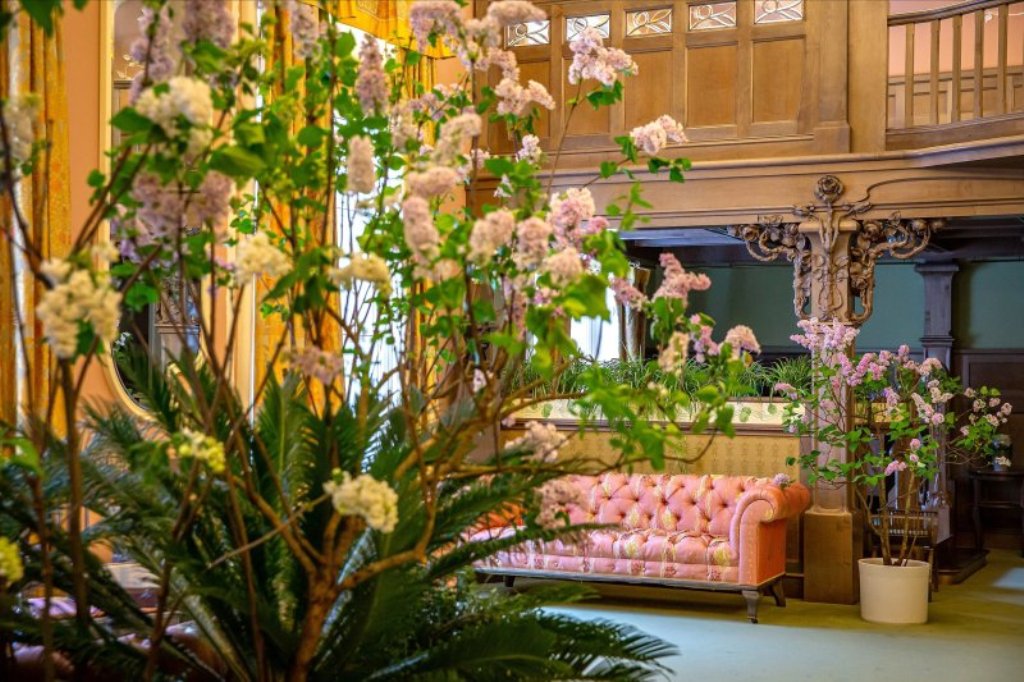
On 14th January 2025, the first six lilac bushes of historical varieties, including “Memory of Ludwig Speth” and “Madame Lemoine”, were placed in special tubs and brought into the Mauve (Lilac) and Maple Drawing Rooms. Their aroma filled the interiors of Empress Alexandra Feodorovna recreated rooms, which are situated in the Eastern Wing of the palace.

Lilacs in the Mauve Boudoir of the Alexander Palace
Photo © Tsarskoye Selo State Museum

Lilacs in the Maple Drawing Room of the Alexander Palace
Photo © Tsarskoye Selo State Museum

This year, for the first time, an almond bush of the “Tanyusha” variety with delicate pink double flowers was delivered to the Mauve (Lilac) Drawing Room. 

According to the chief curator of the museum’s parks Olga Filippova, the flower exposition is created on the basis of historical materials using the old traditional methods of the 19th century. The process takes place in three stages in the museum greenhouse complex.

This year a total of 18 lilac bushes will decorate the Mauve (Lilac) and Maple Drawing Rooms. The bushes will replace each other as they bloom, ensuring continuous flowering until April. Soon, lilies of the valley, azaleas, tulips and other plants grown in Tsarskoye Selo greenhouses will be added to the flower decoration in the Alexander Palace.

Lilacs in bloom in the Alexander Palace
Photo © Tsarskoye Selo State Museum

FURTHER READING

Lilacs return to the Alexander Palace + PHOTOS

For the first time in more than a hundred years, the fragrant scent of lilacs once again fill the interiors of the Alexander Palace during the cold winter months. The Tsarskoye Selo State Museum have revived the tradition, by placing lilacs in the Mauve (Lilac) Boudoir and the Maple Drawing Room of the Alexander Palace.

© Рaul Gilbert. 14 January 2025

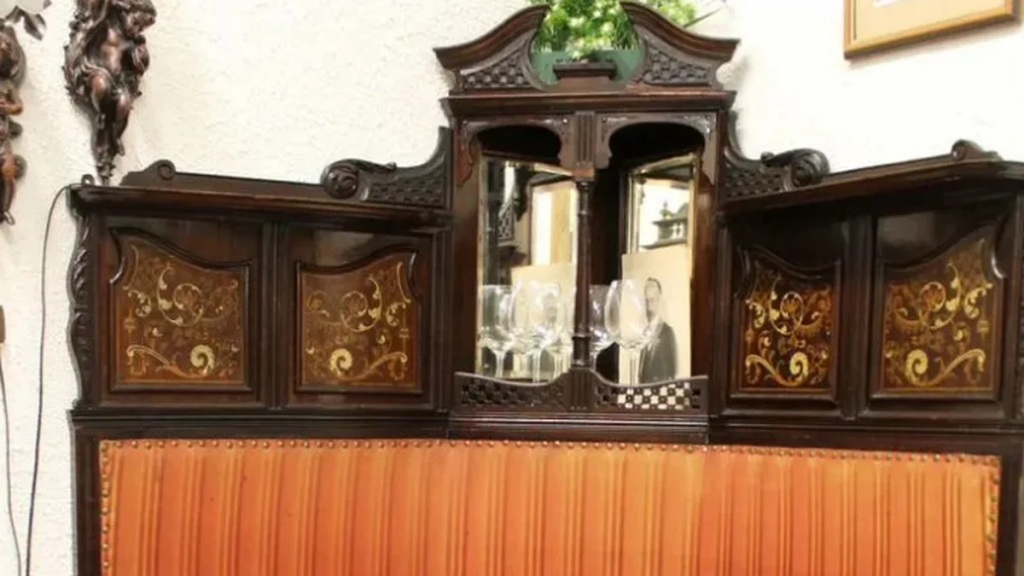
Sofa from the Lower Dacha to be auctioned in St. Petersburg

The Russian news agency Kommersant, has reported that a corner divan from the Lower Dacha at Peterhof, which belonged to Emperor Nicholas II and his family, is to be auctioned in St. Petersburg. The Imperial Family were photographed sitting on the divan in 1901.

The walnut Orekhov corner divan was made by the firm of Friedrich Meltzer (1831-1923), it measures 177 cm high, 110 cm wide, and can be disassembled into three tiers. The opening bid is set at 5 million rubles [$63,500 USD].

The Lower Dacha situated in the Alexandria Park, overlooking the Gulf of Finland, served as a summer residence of Emperor Nicholas II and his family during their stays at Peterhof. It was here, that the Tsar’s only son and heir, Alexei, was born on 12th August (O.S. 30th July) 1904. It was also at the Lower Dacha that Nicholas II signed a manifesto on Russia’s entry into the First World War.

During the Great Patriotic War (1941-45), the Nazis used the former Imperial residence as a base for its coastal defence. It was during this time that the former Imperial residence was looted by the invaders, who stole countless personal items (including pieces of furniture) of the former Tsar and his family. The building survived the war, and stood until 1961 when it was blown up by the Soviets – the Lower Dacha was left in ruins.

Please note that the Russian source failed to identify either the auction house or the date for the sale, however, I will endeavour to find out more details and update this post as they become available.

It is the opinion of this author, that this item should be returned to the Peterhof State Museum from where it was originally stolen. Perhaps the acquisition of this corner divan by the museum will give them an opportunity to rethink a reconstruction of the Lower Dacha to what it looked like in 1917?

© Рaul Gilbert. 13 January 2025

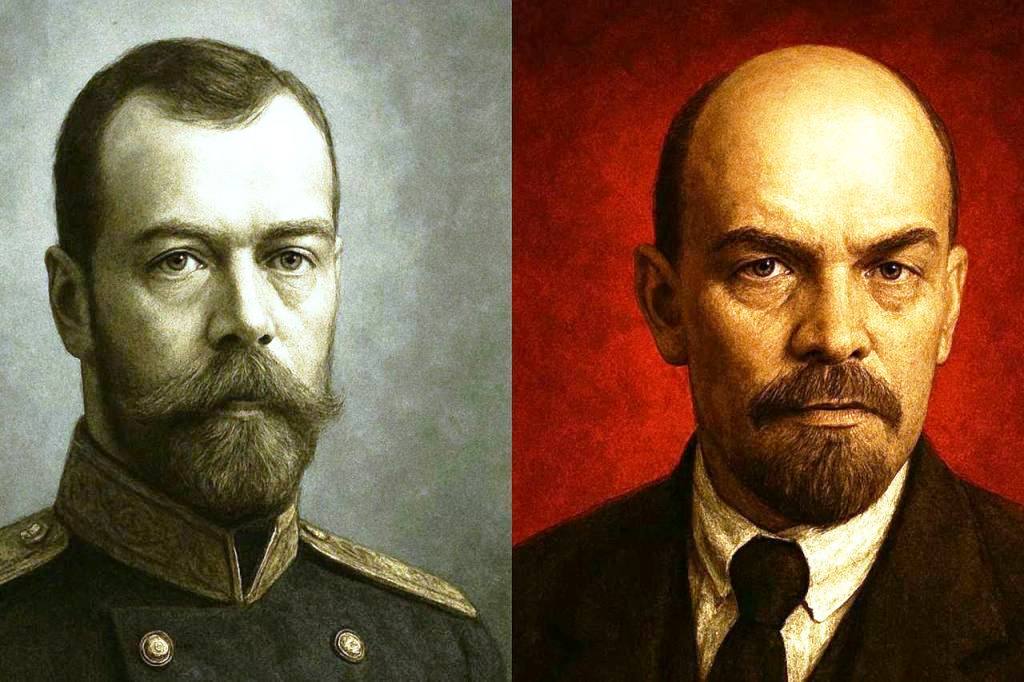
Nicholas II on Vladimir Lenin and the Bolsheviks

Nicholas II and Vladimir Lenin are two people whose paths crossed only in absentia, through newspapers, police reports and the historical whirlwind of 1917. They never met or even saw each other in person, nor did they exchange letters. The Tsar knew Lenin as a radical emigrant, then as a “German agent”, and in the end as the man who destroyed the Russian Empire.

Recall that while Lenin and the Bolsheviks had little if anything to do with the overthrow of the monarchy in February 1917, he is certainly responsible for the coup d’etat which overthrew the Provisional Government in October 1917, and is widely believed to have given the order to murder not only the Tsar, but his entire family as well.

Early years: just another “seditious” revolutionary

Until 1917, Lenin for Nicholas II was just a surname in police reports. The Okhrana reported on the Social Democrats, on their split into Bolsheviks and Mensheviks, and on Ulyanov [Lenin] himself, who was imprisoned in Siberia, after which he went abroad. But in the Tsar’s diaries for 1900-1916, Lenin is hardly mentioned, either by name or as a threat. Nicholas worried about the Socialist Revolutionary terrorists, about strikes, about the Duma, but an extremist [Lenin] in Switzerland seemed of little interest or concern to the monarch. Historian and scientific director of the Civil Archive of the Russian Federation Sergey Mironenko [b. 1951] notes in the preface to Nicholas II’s diaries: “the Tsar saw a “gang” in the revolutionaries, but did not single out the leaders. Lenin was nothing more than a shadow.”

April 1917: “sealed train” and the German connection

It was during Nicholas II’s house arrest in Tsarskoye Selo, that he learned about Lenin’s return from Germany. For the Tsar, this was proof that Lenin was an agent of Kaiser Wilhelm II. Empress Alexandra Feodorovna in letters and conversations (according to Pierre Gilliard) called Lenin a “German spy”. Nicholas shared few direct words on the matter in his diary, but in the entries of April-May there is contempt for the “traitors” who collaborated with the enemy during the war. The archives confirm that the family discussed the “April Theses”[1] as madness paid for with German gold.

July 1917: Riots of the “Leninists” The summer of 1917

During the summer of 1917, the Imperial Family were being held under house arrest in the Alexander Palace at Tsarskoye Selo. On 3-5 (O.S.) July, riots broke out in Petrograd [St. Petersburg] – the Bolsheviks led sailors and soldiers against the Provisional Government. On 5th (O.S.) July 1917, Nicholas wrote in his diary : “We received news of serious unrest in Petrograd [St. Petersburg] caused by the actions of the Leninists.” This is one of the first direct mentions of Lenin by name. The Tsar saw Lenin as an instigator who sowed chaos in the army and the rear. When the authorities suppressed freedom of speech, Nicholas was somewhat relieved – but he already understood that this man [Lenin] was dangerous.

Escape to Finland: “disappeared like a coward”

After the failure of the July putsch [a violent attempt to overthrow a government], Lenin fled to Razliv, then to Finland. On 8th (O.S.) July 1917, Nicholas recorded in his in his diary: “Lenin and company disappeared.” The tone is contemptuous: not a hero of the revolution, but a fugitive. Pierre Gilliard claims that the Tsar commented on this, saying “it is typical for these “seditious” people to incite others, and then hide themselves.” For Nicholas, as Emperor, as an officer and as a man of honour, such behavior was contemptable.

October coup: “seizure of power by bandits”

On 7th November (O.S. 25th October) 1917, the Bolsheviks stormed the Winter Palace in the capital. Nicholas II and his family were already in Tobolsk. They learned about the uprising through newspapers and rumours. On 26th (O.S.) October 1917, the Tsar wrote in his diary: “In the morning we received news of the coup d’état in Petrograd [St. Petersburg] carried out by the Bolsheviks under the leadership of Lenin and Trotsky.” The Tsar called it “the seizure of power by a gang of bandits.” In the following entries there is pain: “Russia is dying,” he wrote. For him, Lenin became a symbol of the end of the Russian Empire, a man who destroyed everything for which they fought and lived for.

The Brest-Litovsk Peace: “Scoundrels Lenin and Trotsky”

The final blow came in March 1918, when the Bolsheviks signed and then ratified the Brest-Litovsk Peace Treaty. Nicholas II, a patriot and former commander-in-chief of the Russian Imperial Army, declared it a national disgrace. On 3rd (O.S.) March 1918, he wrote in his diary: “Peace has been signed on incredibly difficult terms.” Then, on 9-13 (O.S.) March, the entries in his diary are full of grief – “a shameful peace”, “how hard it is for Russia”. And in one of the March entries, bluntly: “These scoundrels Lenin and Trotsky brought the country to such dishonour.” This was the harshest quote from Nicholas II’s diary – Lenin was a traitor to the Motherland for the Tsar, worse than any enemy at the front.

PHOTO: in April 2021, a bust-monument of Vladimir Lenin was vandalized in the Russian city of Murmansk. Vandals poured red paint over the monument, the colour red symbolizing the blood the Bolshevik leader spilled during his reign of terror.

NOTES:

[1] The “April Theses” were a series of directives issued by Vladimir Lenin in April 1917, upon his return to Russia from exile. They called for the immediate withdrawal of Russia from World War I, the transfer of power to the Soviets, and the implementation of radical socialist reforms. The Theses emphasized the need for revolutionaries to break decisively with the Provisional Government and demanded “all power to the Soviets”. These proposals significantly influenced the course of the Russian Revolution and contributed to the Bolshevik coup d’état in October 1917.

© Рaul Gilbert. 12 January 2025

In memory of Princess Vera Konstantinovna (1906-2001)

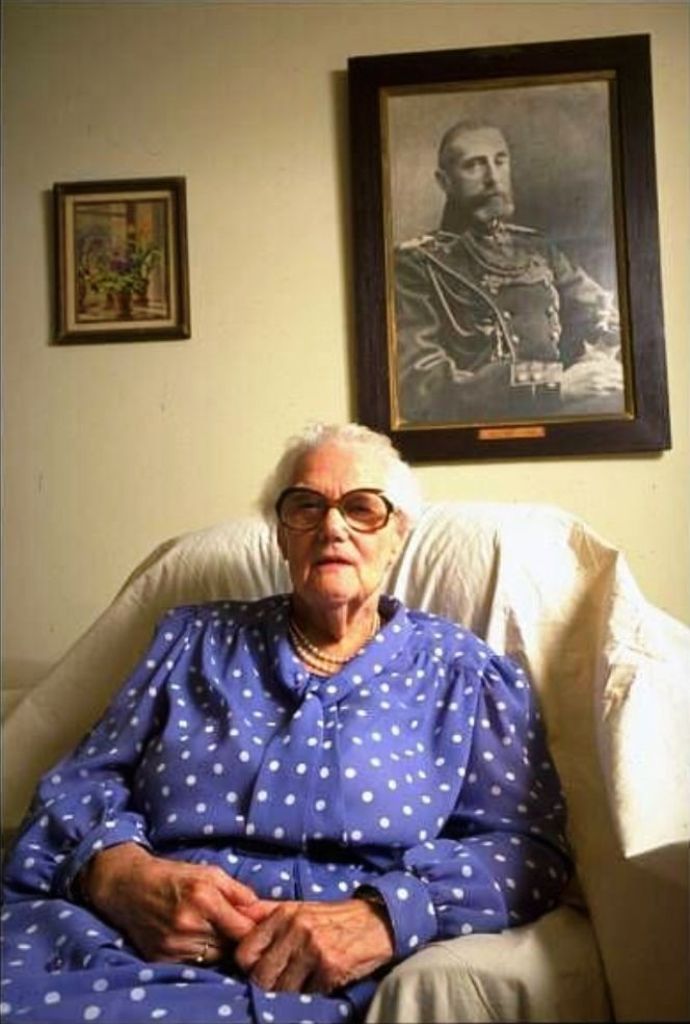
PHOTO: Princess Vera Konstantinovna seated in front of a framed portrait of her beloved father Grand Duke Konstantin Konstantinoivich (1858–1915). This photo was aken at the Tolstoy Foundation’s elderly care home in Valley Cottage, New York. 1988.

Today – 11th January 2026 – marks the 25th anniversary of the repose of Princess of the Imperial Blood Vera Konstantinovna, at the age of 94 ☦️

It was on this day – 11th January 2001 – that Princess Vera Konstantinovna died at the Tolstoy Foundation’s elderly care home in Valley Cottage, New York in the United States.

Princess Vera was born at Pavlovsk on 24th April (O.S. 11th April) 1906, the youngest of nine children born to Grand Duke Konstantin Konstantinovich (1858-1915) and his wife, Grand Duchess Elizabeth Mavrikievna (1865-1927).

In exile, Princess Vera served as honorary chairman of the Association of the Members of the House of Romanov. In addition, she was an honorary member of the Russian Imperial Union-Order, and an honorary member of the Supreme Monarchical Council.

photo: In happier times . . . Princess Vera surrounded by her dolls and toys in her playroom in Pavlovsk Palace. 1910

Vera Konstantinovna was the only surviving Romanov who remembered pre-revolutionary life and her legendary relatives. For Vera, the children of the last Tsar remained her childhood playmates, not distant figures for adoration. She was a living embodiment of the best traditions of the House of Romanov, earning great respect in the circles of the Russian emigration.

Princess Vera recalls the February 1917 Revolution in Petrograd – she was 11 years old at the time:

“In the spring of 1917, I came home from a walk and saw a red bow on the livery of my personal lackey: “Shame on you, this is against the Tsar!” I was indignant. Then the footman replied: “The Tsar is no more!” So I learned that he had abdicated”…

“On another day, I walked with my teacher across the Field of Mars. We went to the church in the Engineers Castle. A sailor was walking towards us, he had a look of horror on his face. And on his chest he wore the St. George’s Cross. He was, of course, brave. But this image of a revolutionary wearing the St. George’s cross, made such an impression on me that I remembered it all my life …” 

Princess Vera died at the Tolstoy Foundation’s elderly care home in Valley Cottage, New York, on 11th January 2001, at the age of 94.

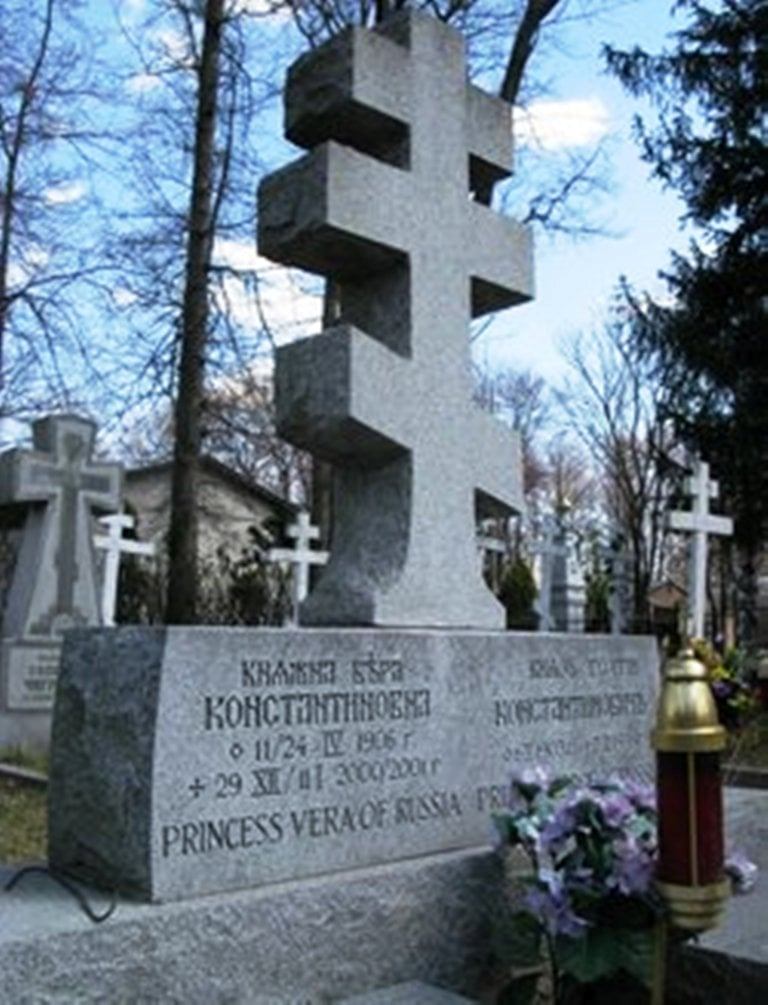
PHOTO: rincess Vera was buried next to her brother Prince Georgy Konstantinovich (1903-1938) at the cemetery of the Russian Orthodox Monastery of Novo-Diveevo in Nanuet, New York.

Her funeral was held on 15th January 2001. She was buried next to her brother Prince Georgy Konstantinovich (1903-1938) at the cemetery of the Russian Orthodox Monastery of Novo-Diveevo in Nanuet, New York.

Memory Eternal! Вечная Память! ☦️

FURTHER READING

Princess Vera Konstantinovna of Russia: Princess, Patron, Presence + PHOTOS

The Russian History Museum has prepared this brief yet interesting tribute to a woman who was a pillar to the Russian emigration in the United States, and a founding patron of the Russian History Museum in Jordanville, NY.

© Рaul Gilbert. 11 January 2025

***

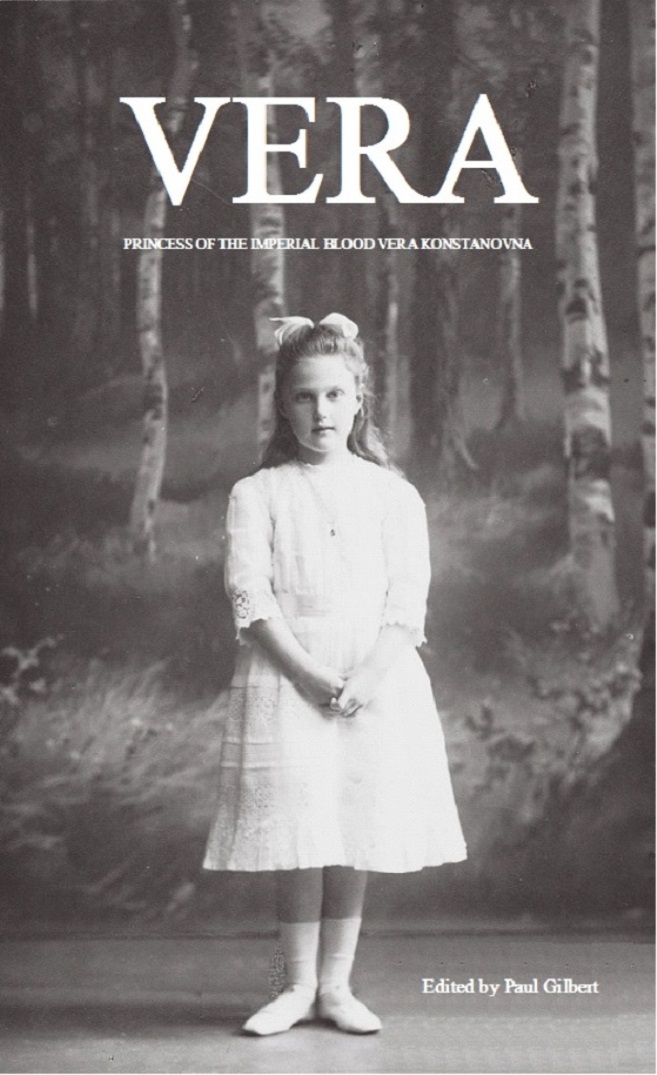
VERA: Princess of the Imperial Blood Vera Konstantinovna
Compiled and Edited by Paul Gilbert

CLICK ON THE LINK BELOW TO ORDER FROM AMAZON

PAPERBACK EDITION – PRICE $12.99

BOOK DESCRIPTION

Princess Vera (1906- 2001), was the youngest child of Grand Duke Konstantin Konstantinovich. By the time she fled Bolshevik Russia in October 1918, she had already lost half of her family. Vera was the only Romanov who remembered pre-revolutionary life and her legendary relatives, including Nicholas II and Alexandra Feodorovna [her god-mother], and was a playmate to their younger children. Princess Vera died on 11 January 2001, at the age of 95.

Paperback edition. 148 pages + 75 black & white photographs

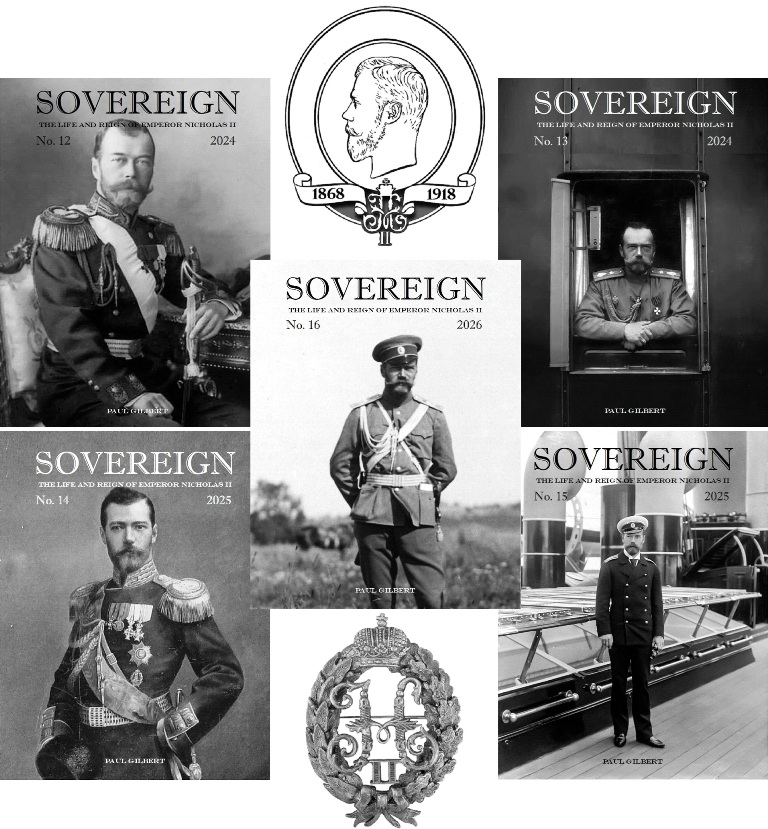
Sovereign: The Life and Reign of Emperor Nicholas II

BACK ISSUES OF SOVEREIGN

CLICK on the LINK below for more details, including a full list of the articles found
in each issue + links to ORDER copies of the issues which interest you most:

No. 16 Winter 2026

No. 15 Summer 2025

No. 14 Winter 2025

No. 13 Summer 2024

No. 12 Winter 2024

*You can order SOVEREIGN from most AMAZON outlets, including the United States, United Kingdom, Ireland, Canada, Australia, France, Germany, Spain, Italy, Netherlands, Belgium, Poland, Sweden, Brazil, Mexico and Japan – *Note: prices are quoted in local currencies

SOVEREIGN was launched in 2015, by Paul Gilbert, a British-born historian and writer, who has dedicated more than 35 years to researching and writing about Emperor Nicholas II, his family, the Romanov Dynasty and Imperial Russia. Now retired, he focuses his work on clearing the name of Russia’s much slandered Tsar.

He is able to achieve this through his blog, social media, conferences and SOVEREIGN. It is through these venues that he challenges the negative myths and lies about Nicholas II, which have existed for more than a century. He is the author of more than a dozen books, which explore the life and reign of Nicholas II, based on research from Russian archival and media sources.

From 1986 to 2018, he travelled to Russia 29 times, visiting St. Petersburg, Moscow, Ekaterinburg and Crimea. In the 1990s, shortly after the fall of the Soviet Union, Gilbert organized annual Romanov Tours, which offered visits to the Imperial Palaces, palaces of the grand dukes and grand duchesses in and around St. Petersburg, museums, among others.

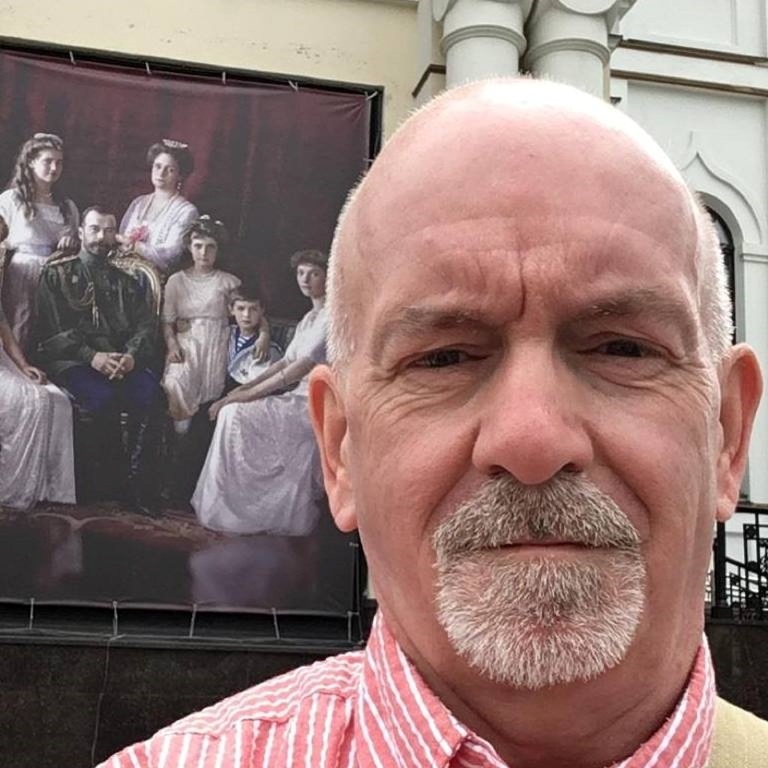
PHOTO: SOVEREIGN publisher and editor Paul Gilbert. Ekaterinburg. July 2018

These tours featured lectures by leading authors and Romanov historians and museum curators. Several tours included visits to the State Archives of the Russian Federation (GARF) in Moscow, to view photo albums, letters, diaries and personal items of Nicholas II and his family.

Some of the highlights of these tours included the Alexander Palace in 1996 – one of the first groups from the West to explore the interiors of Nicholas and Alexandra’s private apartments; the Grand Kremlin Museum in Moscow; Livadia Palace in Crimea, among others.

One of the highlights of his career, was organizing and hosting the 1st International Nicholas II Conference, held on 27th October 2018, in Colchester, England. It was a memorable event, which brought together more than 100 people from almost a dozen countries. A second conference is in the works.

About SOVEREIGN

There are few monarchs in history about whom opinion has been more divided than the last Emperor and Tsar of Russia, Nicholas II (1868-1918).

Myths and lies about the “weak-willed”, “incompetent”, “bloody” tsar, were created on the basis of gossip, slanderous fabrications and Bolshevik propaganda in the early 20th century. For more than 70 years, the Bolsheviks and the Soviets were perfectly content to allow these myths and lies to stand. Sadly, they remain deeply rooted in the minds of both Westerners and the Russian people to this day.

Since the fall of the Soviet Union in 1991, Nicholas II has undergone nothing short of a renaissance in modern-day Russia. Much of this is thanks to the efforts of the Russian Orthodox Church and monarchist groups. He has been the subject of hundreds of new biographies and historical studies, documentaries, exhibitions, discussion forums, etc. In 2002, Tsar’s Days was revived in Ekaterinburg, an annual event which draws tens of thousands from across Russia and abroad to honour the memory of Nicholas II and his family.

Sadly, many of today’s academically lazy, British and American historians and biographers, prefer to rehash the popular negative myths and lies of Nicholas II’s early 20th century detractors. Few – if any of these “experts” – have traveled to Russia to utilize the vast archival sources now available to researchers. Instead they focus on Nicholas II’s failures, and seldom reflect on the many accomplishments he made during his 22+ year reign.

It was these very myths and lies, which compelled Gilbert to launch SOVEREIGN in 2015.

In 2024, SOVEREIGN was relaunched with a new format, which now features articles researched and written by Paul Gilbert and published on this blog. Gilbert has researched these works from Russian archival and media sources. Beginning with the No. 12 Winter 2024 issue of SOVEREIGN, these articles are now available in a printed format for the first time!

In addition, are a number of First English language works by Russian historians and experts, based on new archival documents discovered since the fall of the Soviet Union in 1991. Thanks to this new generation of post-Soviet historian, we can now review the life and reign of Russia’s last Emperor and Tsar through Russian eyes, instead of Soviet ones! They challenge and put to rest many of the lies and myths presented over the past century by their Western counterparts. Their works are based on facts and information from reliable Russian sources.

***

SOVEREIGN was launched in 2015, and has published a total of 15 issues. Please note, that issues No. 1 through 11 are now out of print, although used and second-hand copies are available on eBay and Amazon.

Issues No. 12 to 16 are available exclusively from Amazon – please refer to the links below. The No. 17 Sunner 2026 issue will be published in June 2026.

Current issues of SOVEREIGN

– CLICK on the LINK below for more details, including a full list of the articles found in each issue + links to ORDER copies of the issues which interest you most:

No. 16 Winter 2026

No. 15 Summer 2025

No. 14 Winter 2025

No. 13 Summer 2024

No. 12 Winter 2024

© Paul Gilbert. 7 January 2026

Could the Ipatiev House in Ekaterinburg have been saved?

Further to my article How Yeltsin justified the demolition of the Ipatiev House (published on 20th February 2020), I present the following article, researched from Russian media sources. This new article presents some interesting details about the demolition of the infamous house where Russia’s last Tsar, along with his family and four faithful retainers were all brutally murdered by members of the Ural Soviet [Bolsheviks] in the early morning hours of 17th July 1918.

The fate of the Ipatiev House in Ekaterinburg is a story about how the Soviets first tried to turn the site of the regicide into a museum of the revolution, and then, frightened by its symbolic power among a growing number of Orthodox faithful, decided to wipe it off the face of the earth. The murders of the Imperial Family in 1918 and the demolition of the Ipatiev House in 1977 became two acts of the same drama, separated by almost six decades, but connected by one goal – the management of historical memory.

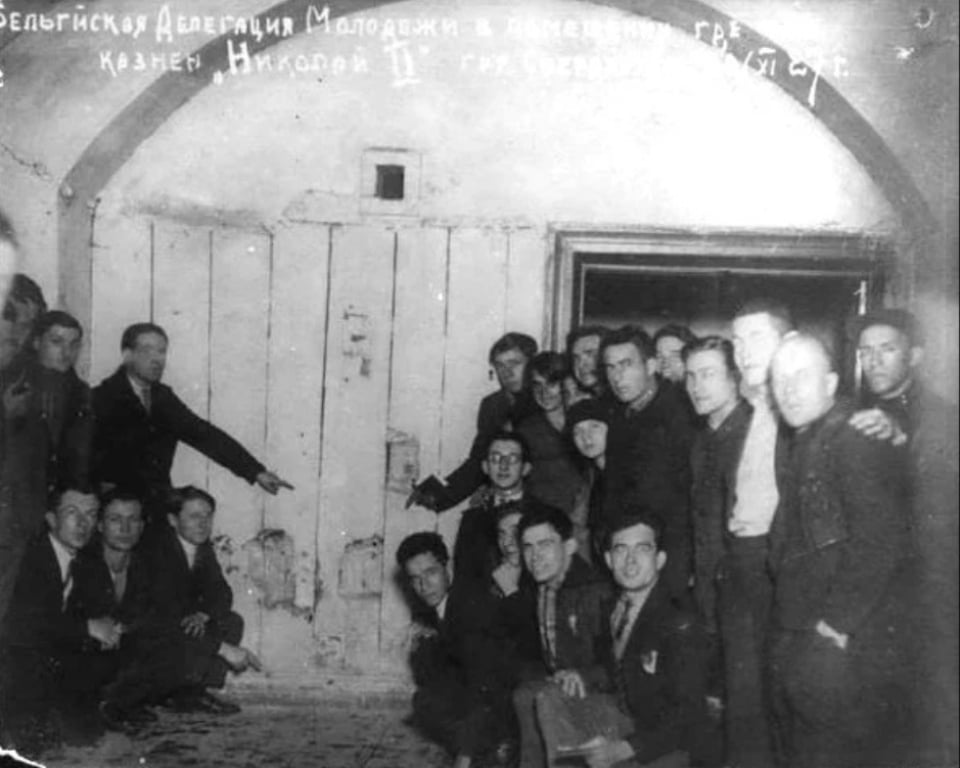
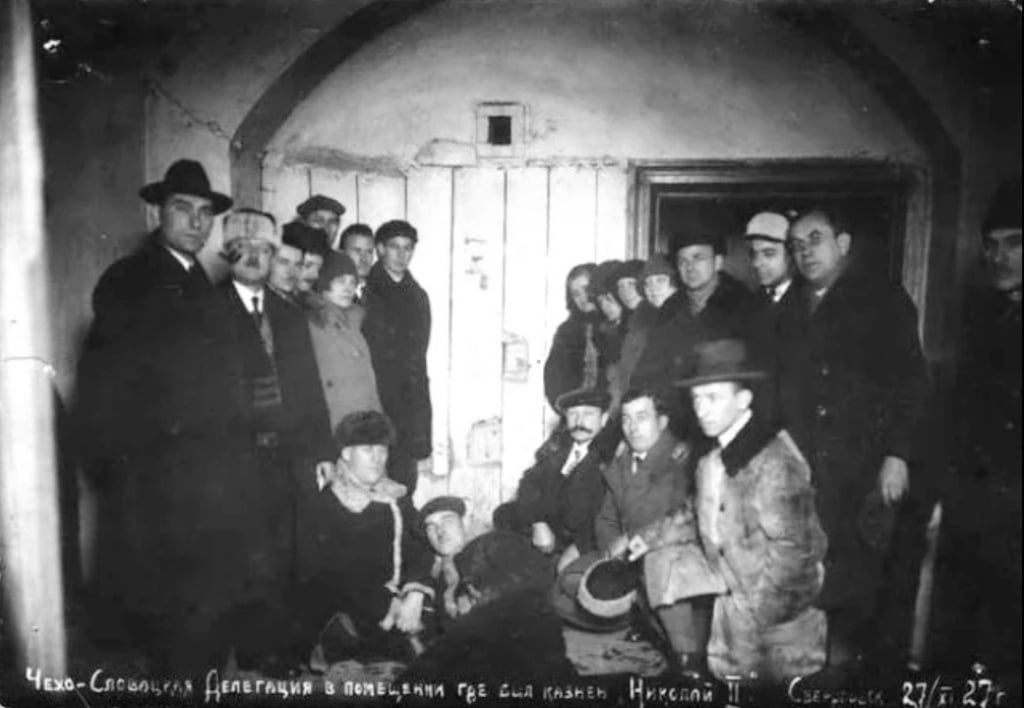
PHOTOS: during the late 1920s and 1930s, it was customary for Communist Party apparatchiks to arrive at the Ipatiev House in Sverdlovsk [Ekaterinburg] in large tour groups, where they would pose – many of them smiling – in front of the bullet-damaged wall of the cellar room in which the Imperial Familu had been brutally murdered by a Bolshevik firing squad in the early morning hours of 17th July 1918.

The fate of the Ipatiev House during Soviet times

The Ipatiev House was a stone mansion built in the 1880s in the pseudo-Russian style. It was situated on the corner of Karl Liebknecht and Clara Zetkin Streets (formerly called Voznesensky Prospekt and Voznesensky Lane). It was initially bought by the engineer Nikolai Ipatiev (1869-1938), and then requisitioned by the Bolsheviks in 1918, as a prison for the Nicholas II, his wife, their five children and four faithful retainers, from April to July 1918.

In Soviet times, it’s fate was paradoxical. At first, the Museum of the Revolution was set up here, and in the “murder room” situated in the basement, tourists posed to have their photos taken. Later, in the 1930s, the museum closed, and the Anti-Religious Museum was established. In subsequent years, it housed educational institutions, then an archive, and during the Great Patriotic War (1941-44) served as a warehouse for the art treasures evacuated from the Hermitage in Leningrad [St. Petersburg].

By the 1970s, a growing interest in the fate of Russia’s last Tsar in the West, that a quiet, unofficial pilgrimage to him began to manifest itself around the former Ipatiev House,. On the days marking the anniversary of the regicide, candles appeared at the walls of the Ipatiev House, people made the sign of cross and prayed. For the authorities, this set off alarm bells.

PHOTO: the demolition of the Ipatiev House did not deter Orthodox Christians from coming to the site to light candles and offer prayers for Russia’s repentance. Sverdlovsk [Ekaterinburg] 1990

Andropov’s secret note

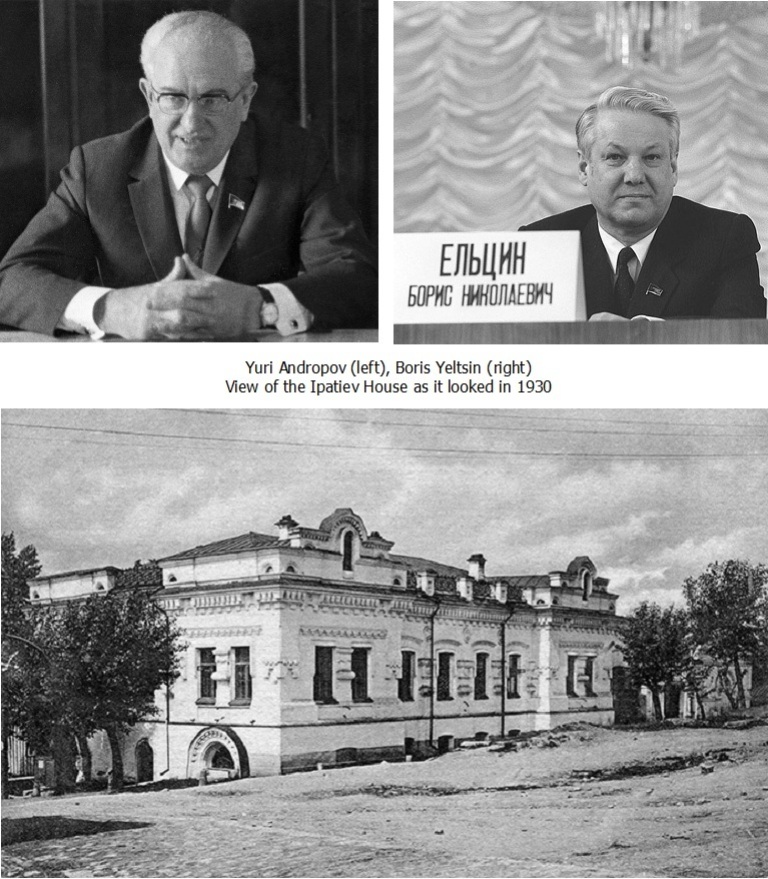
In the summer of 1975, after learning of the pilgraimages to the Ipatiev House, KGB Chairman Yuri Andropov (1914-1984) appealed to the Politburo with a note marked “SECRET”. It said:

“Anti-Soviet circles in the West periodically inspire various kinds of propaganda campaigns around the last Tsar and his family, and in their connection to the former mansion of the merchant Ipatiev in the city of Sverdlovsk [Ekaterinburg].

“The Ipatiev House continues to stand in the center of the city… The mansion is not of any architectural or other value, only a small part of the townspeople and a few tourists are interested in it.

“Recently, foreign specialists have begun visiting Sverdlovsk. In the future, the number of foreigners may increase significantly and the Ipatiev house will become an object of interest for them.

“In this regard, it seems expedient to instruct the Sverdlovsk Regional Committee of the CPSU [Communist Party of the Soviet Union] to resolve the issue of demolishing the mansion as part of the planned reconstruction of the city.”

Andropov was wrong about the lack of “architectural and other value”: the stone mansion was a fine example of pseudo-Russian Art Nouveau style, it was perfectly inscribed in the city’s landscape – one-story on one side and two-story on the other, and inside it was decorated with stucco molding and casting, which by the 1970s were still well preserved.

Nevertheless, the house was indeed the object of growing interest for both locals and foreigners. On the day marking the anniversary of the murders of the Tsar and his family, candles were placed at the threshold of the house, while believers crossed themselves and bowed at the walls. Their numbers grew each year, acting as a precursor to Tsar’s Days.

Rumors spread around the city that UNESCO was going to make the Ipatiev House a “monument to human barbarism”[1] along with Auschwitz. And yet the then leadership of the city – the secretary of the regional committee Yakov Petrovich Ryabov (1928-2018) and the chairman of the city executive committee Vasily Vasilyevich Gudkov (1926-2018) – was in no hurry to carry out the order. Opponents of the demolition of the building included not only local historians, but even the communists – “how can you destroy the monument to the revolution, where the bloody tyrant suffered a well-deserved punishment?,” they cried.

This story ended two years later, when the new secretary of the regional committee, Boris Yeltsin (1931-2007), was instructed to carry out the order of the Politburo, of Which he complied in September 1977.

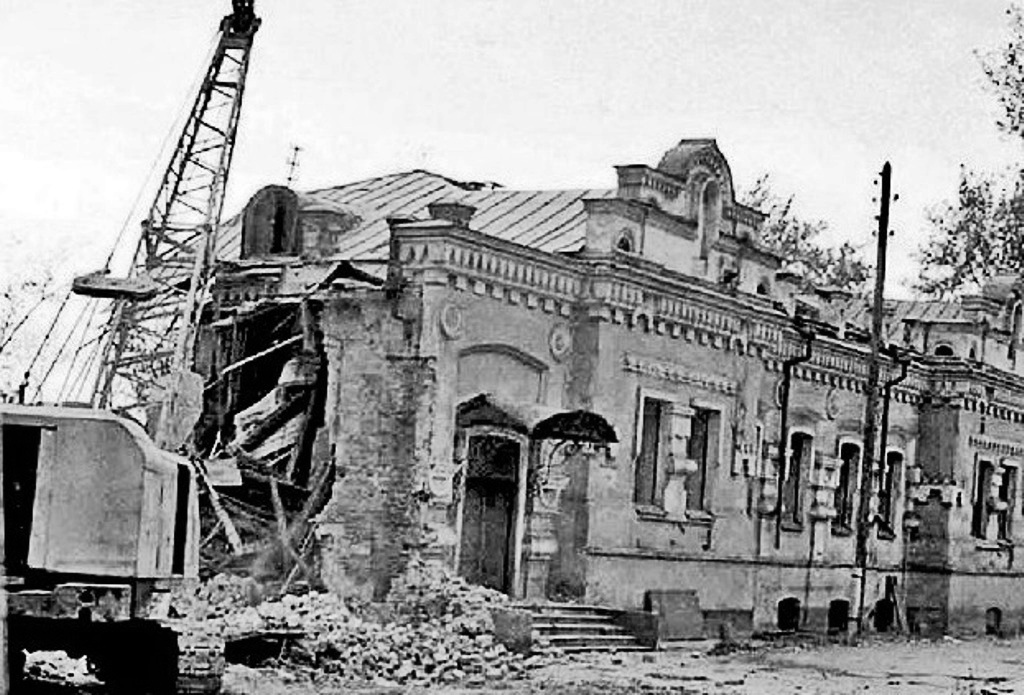
PHOTO: the demolition of the Ipatiev House was carried out on 22-23 September 1977

Could the Ipatiev House have been saved?

In his Russian-language memoir Исповедь на заданную тему / Confession on a Given Topic (1990), the first president of Russia wrote that the building was demolished in one night, immediately after he received a secret package from the Politburo: “It was impossible to resist … In addition, I could not prevent this — the decision of the highest authority of the country, official, signed and formalized accordingly. Not to comply with the Politburo Resolution? I… I could not even imagine the consequences. But even if I had disobeyed, I would have been left without a job… And the new first secretary of the regional committee, who would have replaced me, would still have carried out the order nevertheless.”

Yeltsin was sometimes accused of being overzealous, they say, Ryabov was in no hurry to carry out the order from Moscow. One source claims that there was no “secret package” addressed personally to Yeltsin (this document was indeed never found in the archives), but simply Yeltsin on his own initiative rushed to fulfill an order made two years prior.

It is now impossible to say whether this is true or not. But it is possible that there was an order from Moscow. The year 1978 was approaching – the year which marked the 110th anniversary of the birth of Nicholas II and the 60th anniversary of the execution of the Imperial Family. The “unhealthy interest” in the Ipatiev House would certainly have manifested itself.

In addition, UNESCO could have assigned the Ipatiev House the status of a World Heritage Site, and then it would have been impossible to demolish this building. In a word, whether in writing or orally, but, to all appearances, Boris Yeltsin received an order not to delay any longer.

Before the demolition, local museum workers had the opportunity to take out castings and other fragments of décor from the house. They are now on display in the permanent exhibition The Romanovs in the Urals in the Poklevsky-Kozell House Museum of the Sverdlovsk Regional Museum of Local Lore in Ekaterinburg.

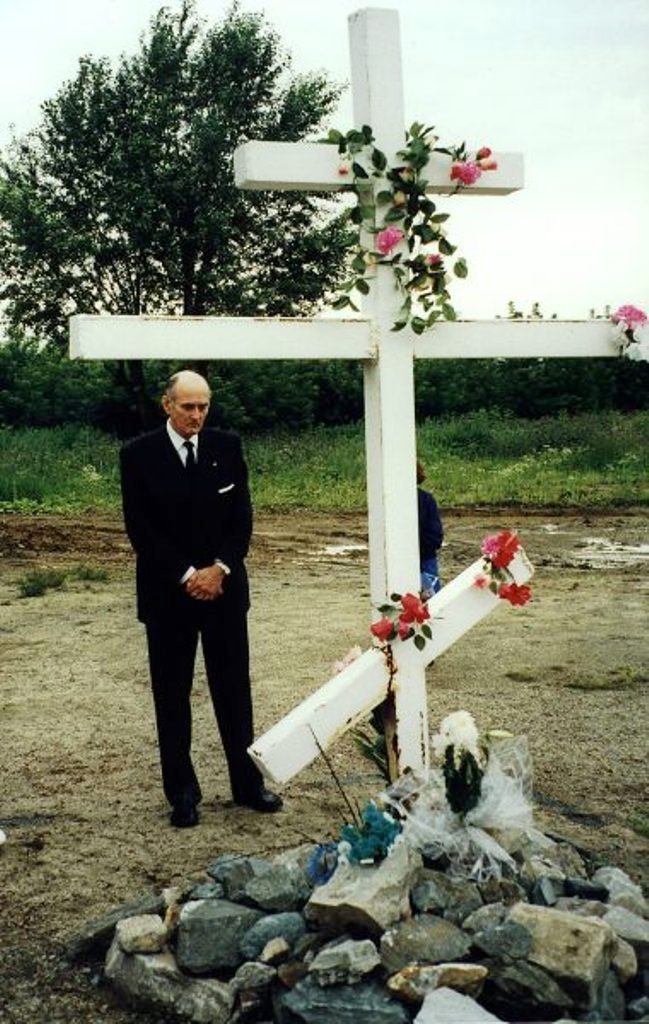
PHOTO: Prince Dimitri Romanovich (1926-2016) near the cross, where the Ipatiev House stood until 1977, demolished after a secret order of the Politburo. 1992

NOTES:

[1] There isn’t a single, officially designated “UNESCO monument to human barbarism”; rather, the term refers to sites where UNESCO and others condemn acts of cultural destruction, looting, or desecration, often by extremist groups or occupying forces, seen as barbarism against shared human heritage.

FURTHER READING

How Yeltsin justified the demolition of the Ipatiev House + PHOTOS

Doomed to Resurrection: Is it Possible to Reconstruct the Ipatiev House? + PHOTOS

What if” the Ipatiev House was reconstructed? + PHOTOS

Captured on Film by U.S. Cameramen – The Romanov Murder Scene (1918) + VIDEO

Blood reappeared in the Ipatiev House for years after the regicide, claimed eyewitnesses

Excavations at the site of the Ipatiev House in Ekaterinburg in the early 2000s

© Paul Gilbert. 6 January 2026

***

The following NEW title was compiled and edited by independent researchers and Romanov historian Paul Gilbert was published in August 2024. 

This fascinating new study features 14 chapters on this tragic event, which include the memoirs of a British intelligence officer and journalist, and two First-English translations. In addition, 11 chapters were written by Paul Gilbert, based on new documents sourced from Russian archival and media sources over the past decade.

Please refer to the link provided for further details about the content of this new title . . .

CLICK HERE TO READ MORE ABOUT THIS TITLE
Nicholas II Bibliography – FREE 22-page booklet

Click HERE to download, print and/or save booklet
Please note that this file is only available in a PDF file

Russia’s last emperor and tsar remains one of the most documented persons in history. He has been the subject of countless books, and articles for scholarly periodicals, magazines and newspapers.

I have UPDATED the 2024 edition of this booklet with 4 additional pages. My 2026 edition features a NEW article about Nicholas II’s libraries and his vast book collection; 8 black and white photos; and I have added even more titles to the bibliography. The highlight of my NEW 2026 edition is a list of more than 125 English-language books on the life and reign of Nicholas II.

My UPDATED 22-page booklet, is now available to download, print and/or save. It’s FREE!

The bibliography provides a comprehensive list of both scholarly and popular works. Many are generally of limited value and even mislead readers, however, they have been included because they played a significant role in shaping Western opinion of the last Tsar. In some instances, these works have been responsible for the creation and perpetuation of widely subscribed to generalizations, stereotypical images, and myths. In a sense, then, the fact that many of these sources contain inaccuracies, exaggerations, and oversimplifications, and are sometimes guilty of tendentiousness, does not lessen but rather constitutes their historical value.

I trust that this booklet will be a useful research tool for scholars, historians, teachers, writers and the general reader. It includes titles which are current, out of print, as well as a number of titles which have yet to be published.

As new books are published, this booklet will be updated accordingly. If you know of any other titles which are not listed in this bibliography, please feel free to bring them to my attention. You can e-mail me at royalrussia@yahoo.com

PAUL GILBERT

***

I am committed to clearing the name of Russia’s much slandered Tsar. In exchange for this NEW UPDATED 22-page booklet, please consider making a small $5 or $10 donation in aid of my research. These donations are of great assistance in helping me offset the cost of obtaining and translating documents from Russian archival and media sources, which are often paid for out of my own pocket. It is these documents which help present new facts and information on the life and reign of Nicholas II. In addition, my research continues to debunking many of the myths and lies which exist more than a century after his death and martyrdom.

Please note, that there is NO obligation, the booklet is FREE to every one! ENJOY!

CLICK HERE TO MAKE A DONATION

© Paul Gilbert. 2 January 2026

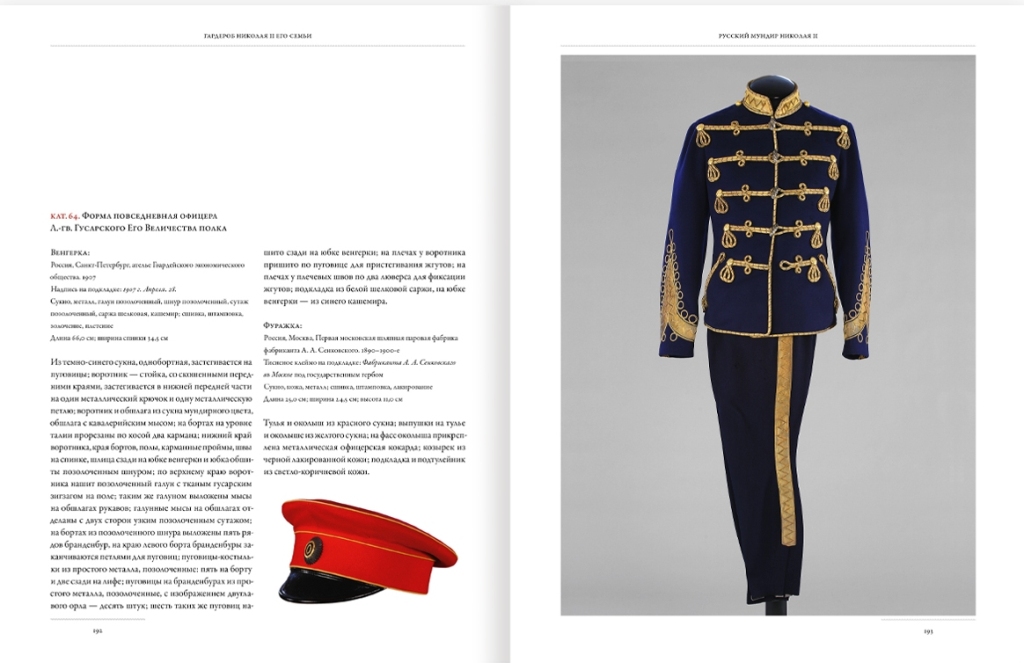
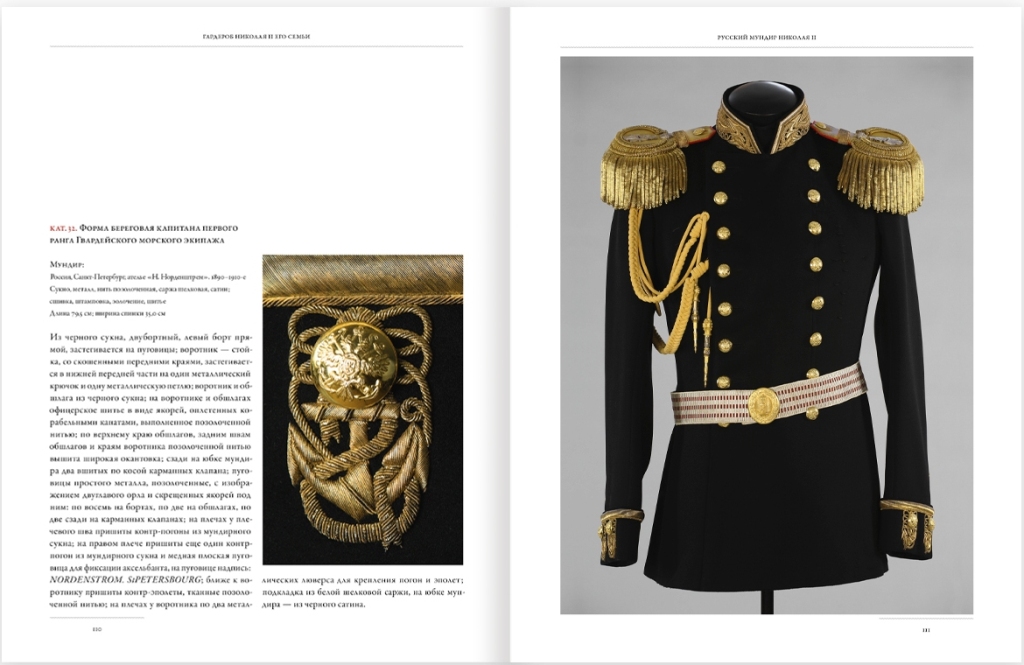
 Unique catalog of Nicholas II’s uniforms has been published

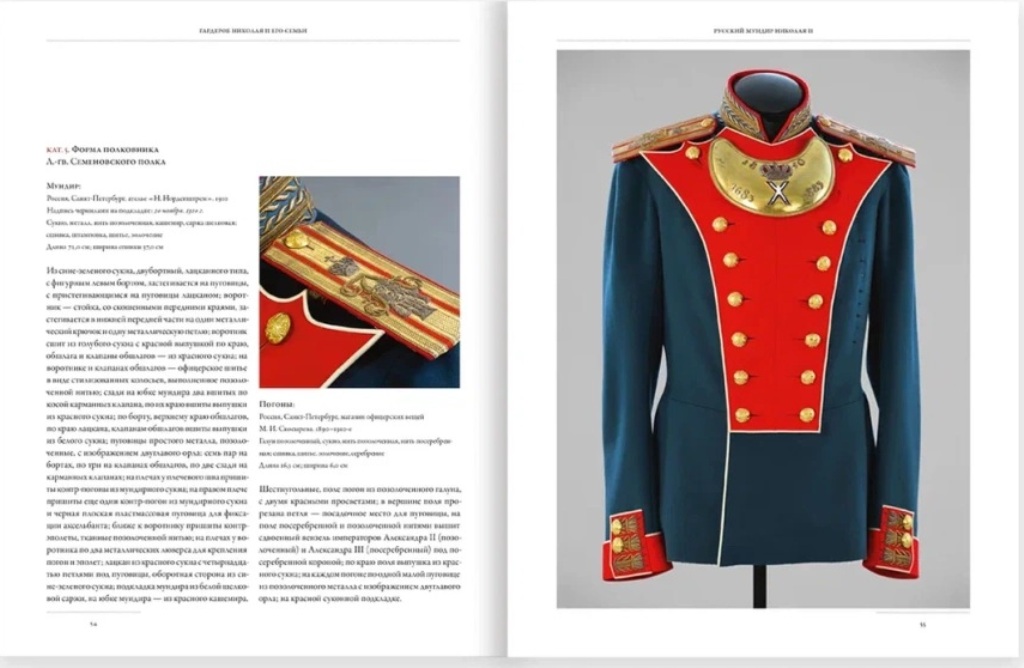
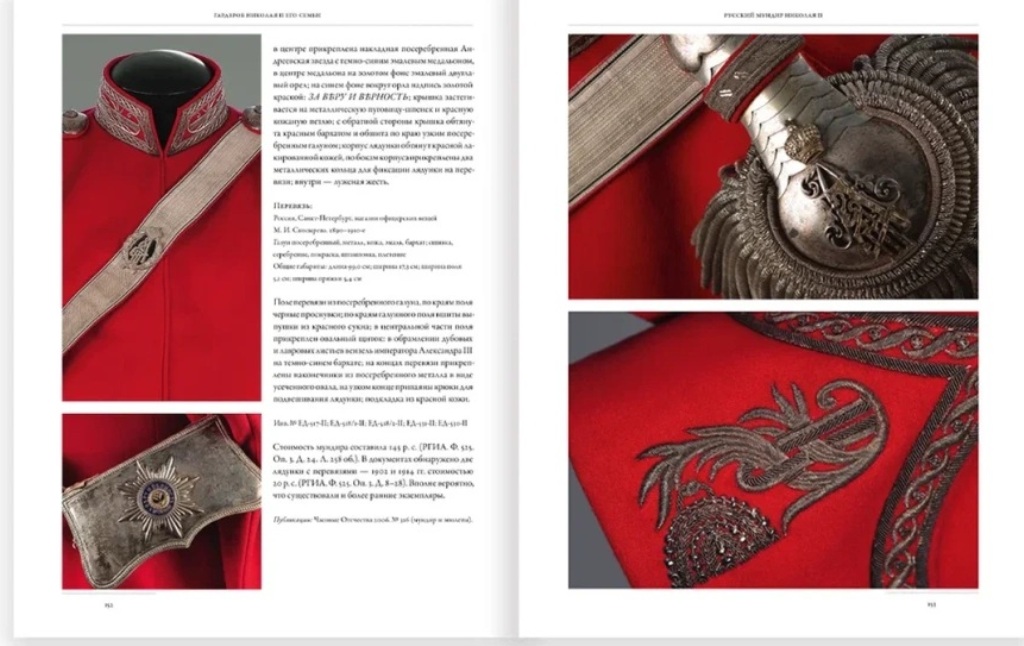
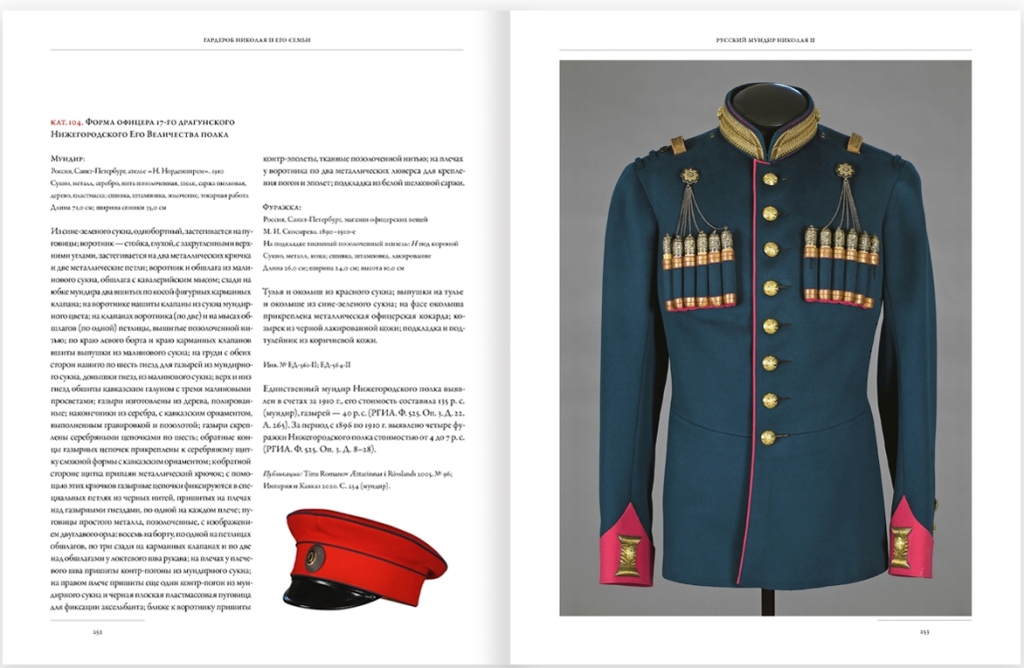
The Tsarskoye Selo State Museum has published the first volume of a unique catalog of the wardrobe of Emperor Nicholas II and his family. The first volume is dedicated to the uniforms of Nicholas II.

The Tsarskoye Selo State museum houses the world’s largest collection of uniforms of the last Russian Tsar and clothes of members of his family – more than 800 items. The collection comes from the Alexander Palace, the last and favorite residence of Nicholas II.

The catalog contains photographs and descriptions of more than 350 items. The author of the catalog is the curator of the Men’s Costume Collection, senior researcher at the Tsarskoye Selo State Museum-Reserve, Alexei Rogatnev. [Note: the link features a 10-minute video of Rognatnev talking about the Alecander Palace’s collection of Nicholas II’s uniforms]

“During the reign of Nicholas I, there was a rule without exceptions: the Emperor was an officer of the Russian Empire. Therefore, he was obliged to wear a military uniform, and only on trips abroad could he wear civilian dress. Even when he was not engaged in affairs related to the management of a huge empire, Nicholas II wore a uniform: in photographs from the Romanov family albums, we see him playing tennis in the summer jacket of a naval officer and shoveling snow near the Alexander Palace in the uniform of a colonel of the 4th Imperial Family Life Guards Rifle Regiment,” he notes.

“In the last few decades of the 19th century, thanks to the passion of Alexander III and Nicholas II for hunting, the rule was somewhat relaxed – when hunting, members of the Imperial Family wore comfortable, specially tailored suits. Thus, most of the wardrobe of both the emperor and the grand dukes was a collection of uniforms of the various units of the regiments of the Russian Empire and European countries,” Rogatnev added.

PHOTOS: pages from the 296-page catalog of Nicholas II’s uniforms
© Tsarskoye Selo State Museum

PHOTOS: pages from the 296-page catalog of Nicholas II’s uniforms
© Tsarskoye Selo State Museum

PHOTOS: pages from the 296-page catalog of Nicholas II’s uniforms
© Tsarskoye Selo State Museum

PHOTOS: pages from the 296-page catalog of Nicholas II’s uniforms
© Tsarskoye Selo State Museum

The catalog is based on documents from the museum collection, the most valuable are from the inventory lists of the Alexander Palace Museum, which were compiled in 1938-1939. They contain a complete list of the wardrobe of the Imperial Family as of 22nd June 1941, and make it possible to recreate the composition of the pre-war collection, the method and place of evacuation, and to identify lost items.

Among the numerous sources that were used in researching for the catalog, the wardrobe records of Nicholas II, in particular, which uniform he wore. Entries in these books were made only on the days the Emperor participated at official events held in St. Petersburg and mirrored those of the Chamber Fourier journal. They do not contain records of the Emperor’s foreign travels, while traveling on the Imperial Train, and under other similar circumstances. These records also contain factual inaccuracies that can be identified by cross-referencing several sources.

Thanks to the study of the annual reports, which are stored in the Russian State Historical Archive, we can see the expenditures for the manufacture of most of the uniforms of Nicholas II, Alexandra Feodorovna, Tsesarevich Alexei and the Grand Duchesses. These accounts make it possible to determine the amount spent on uniforms by year, to systematize the internal structure of the wardrobe by military units, to determine the main and secondary suppliers of uniforms, military accessories, and shoes.

Emperor Nicholas II and his family made the Alexander Palace their permanent residence rom 1905. Personal items, including their respective wardrobes, were not tied to a certain place, but accompanied them, wherever they stayed, be it the Winter Palace, Peterhof, Livadia, Spala, Moscow or abroad. But most of the Emperor’s wardrobe invariably remained in the Alexander Palace at Tsarskoye Selo.

The catalog of Nicholas II’s uniforms will be of interest to historians, specialists in Russian military costume, art historians, museum employees and everyone who is interested in the reign of Russia’s last Tsar.

The catalog is currently only available in the Tsarskoye Selo museum shops in the Catherine and Alexander Palaces, in the Russia in the Great War Museum (located in the Sovereign Military Chamber), as well as book kiosks found in the Catherine Park.

NOTE: this catalog is ONLY available in Russian, there is NO English language edition available, nor does the museum have any plans on issuing such. 296 pages, richly illustrated throughout.

FURTHER READING

Nicholas II’ s uniforms on display in Tula from the Collection of the Tsarskoye Selo State Museum + 21 COLOUR PHOTOS

Wardrobe of Emperor Nicholas II in the Alexander Palace + PHOTOS and VIDEO

1896 Coronation uniform of Emperor Nicholas II + PHOTOS

© Paul Gilbert. 1 January 2026

Nicholas II in the NEWS – Summer / Autumn 2025

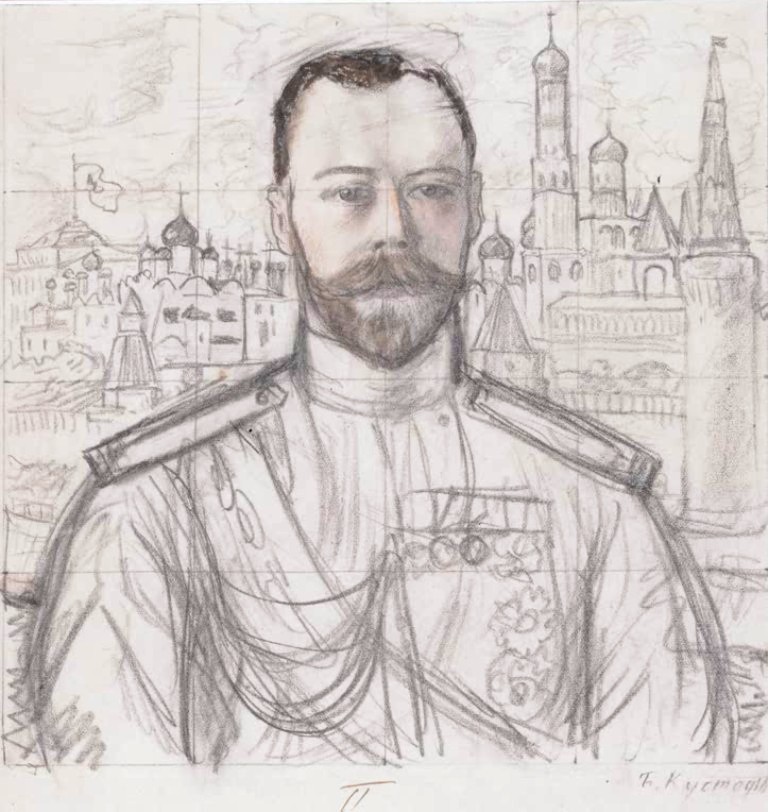
Drawing of Emperor Nicholas II (1914)
Artisit: Boris Mikhailovich Kustodiev (1878-1927)

Please note that the articles provided (by links) are for information purposes
only, they do not reflect the opinion of the administrator of this blog – PG

Russia’s last Emperor and Tsar Nicholas II, his family, the Romanov dynasty and the history of Imperial Russia, continue to be the subject of books, exhibitions and documentaries. In addition, they continue to generate headlines in the media.

The following articles were published by American and British media services, in the Summer: July, August, and Autumn: September, October, November and December 2025. Click on the title [highlighted in red] below and follow the link to read each respective article:

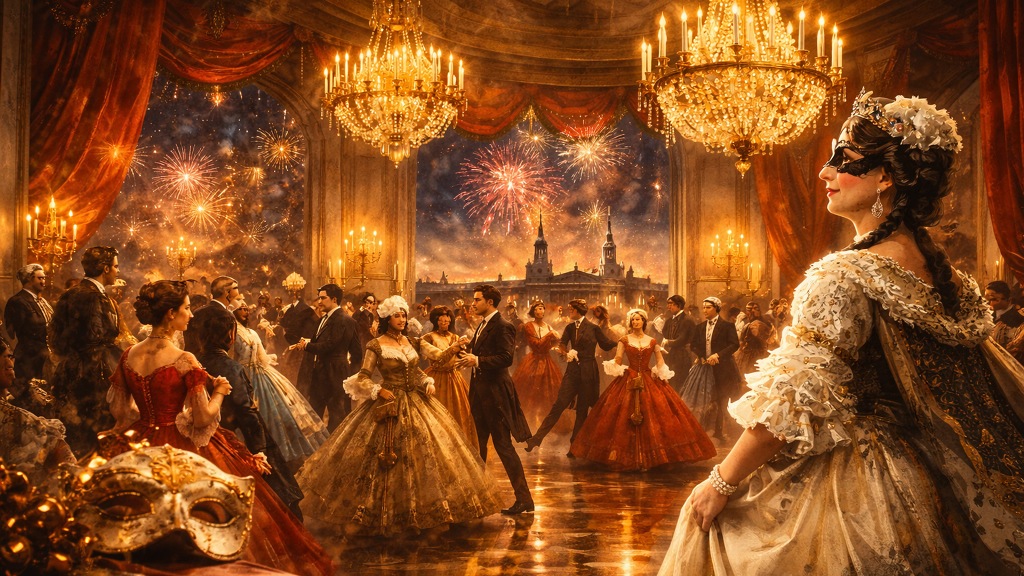
How was New Year’s Eve celebrated under the Russian empresses? + PHOTOS

What kind of holiday would it be without cannons? Without masquerades and music?! Here’s how the holidays were celebrated in Tsarist Russia, by the Empresses Anna Ioannovna, Elizabeth Petrovna and Catherine II.

Source: Gateway to Russia. 31 December 2025

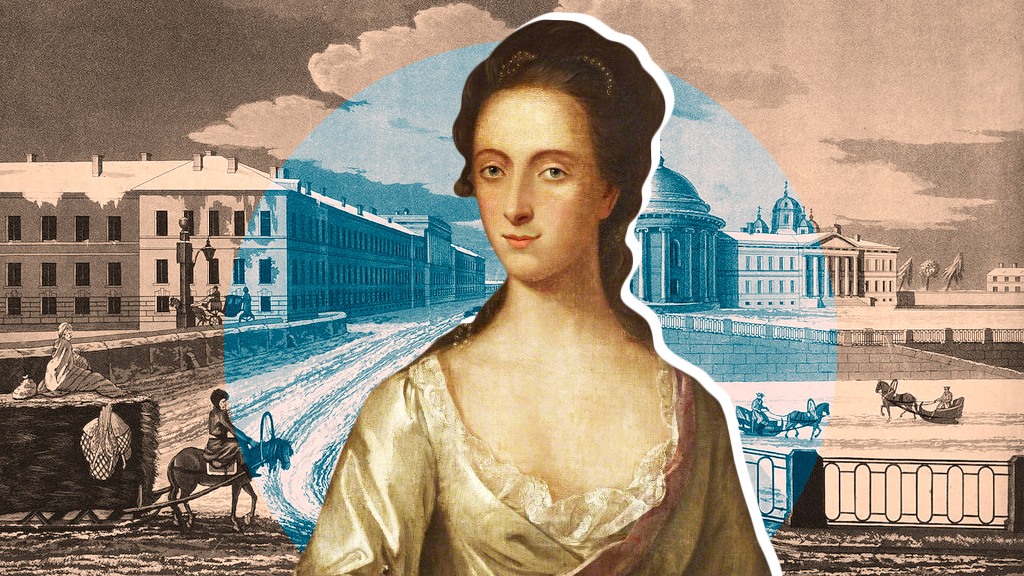
How Catherine the Great learned the Russian language + PHOTOS

The German-born empress ended up knowing Russian better than her husband, Emperor Peter III.

Source: Gateway to Russia. 23 December 2025

How an English adventurer duchess ended up at the court of Catherine the Great + PHOTOS

Historians, describing the life of Duchess Elizabeth Pierrepoint Kingston, call it “rich in adventure”. This euphemism conceals a real adventure, complete with bigamy, an escape to Russia and a ship full of treasure.

Source: Gateway to Russia. 22 December 2025

10 culinary tips from the most popular book of Tsarist Russia + PHOTOS

Elena Molokhovets’s book ‘Gift to Young Housewives’ went through 29 editions from 1861 until the 1917 Bolshevik Revolution. The “culinary bible” of the Russian Empire taught women left without servants the art of managing a household. We’ve selected some tips from it that are still relevant today.

Source: Gateway to Russia. 21 December 2025

Why did every Russian girl dream of working as a ‘lady-in-waiting’?

Behind the outward splendor lay the Spartan daily routine and hard work of women born into noble families.

Source: Gateway to Russia. 12 December 2025

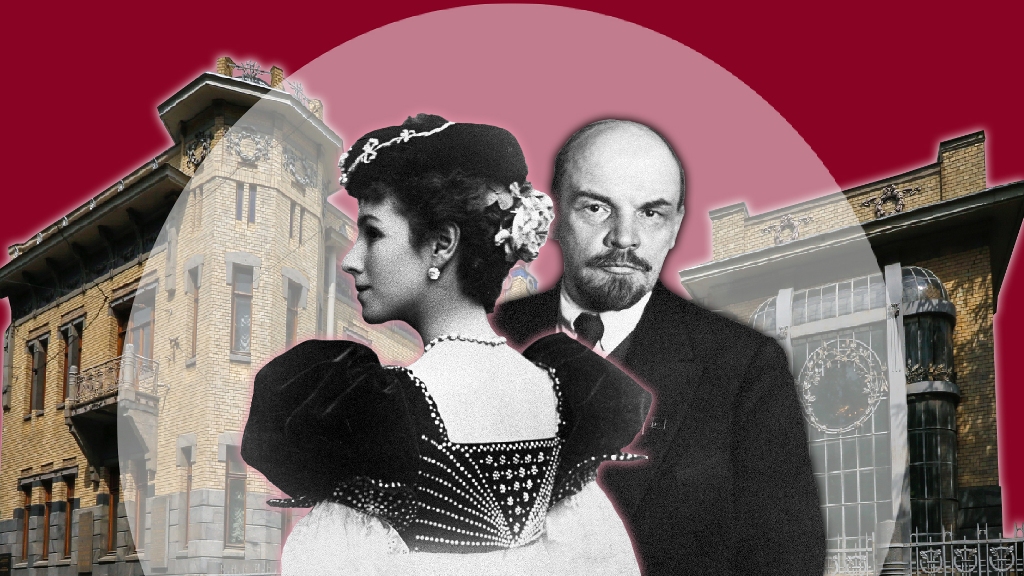
How Nicholas II’s mistress once sued Lenin… & won

Ballerina Mathilde Kschessinska was not only the prima ballerina of the Mariinsky Theater, but also a socialite, known for her affairs with several Romanov grand dukes.

Source: Gateway to Russia. 30 November 2025

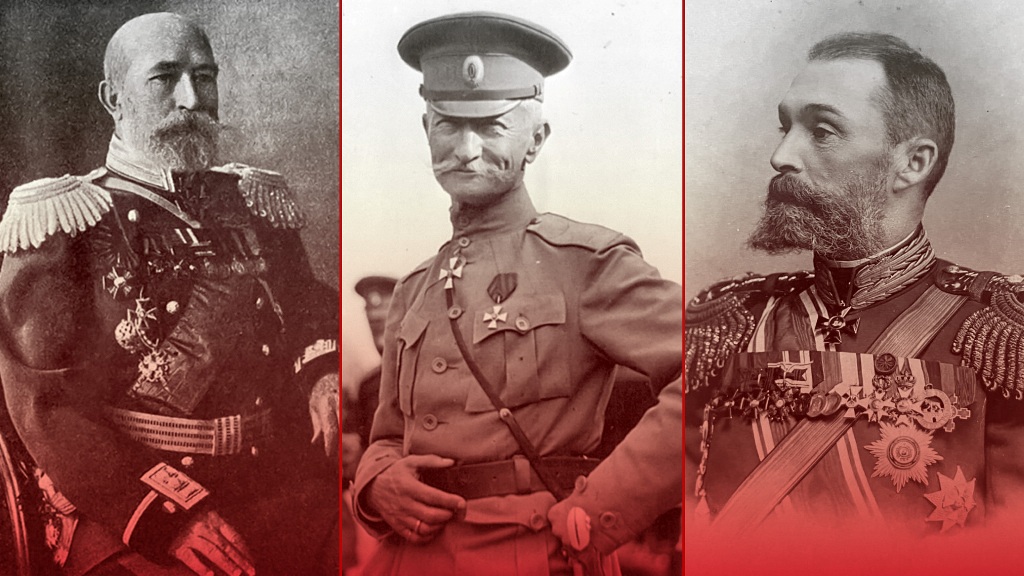
3 tsarist generals who joined the Bolsheviks

The Soviet government was deeply suspicious of any high-ranking commanders of the Imperial Army and considered them ideological opponents. This meant they had to work extra hard to earn its trust.

Source: Gateway to Russia. 17 November 2025

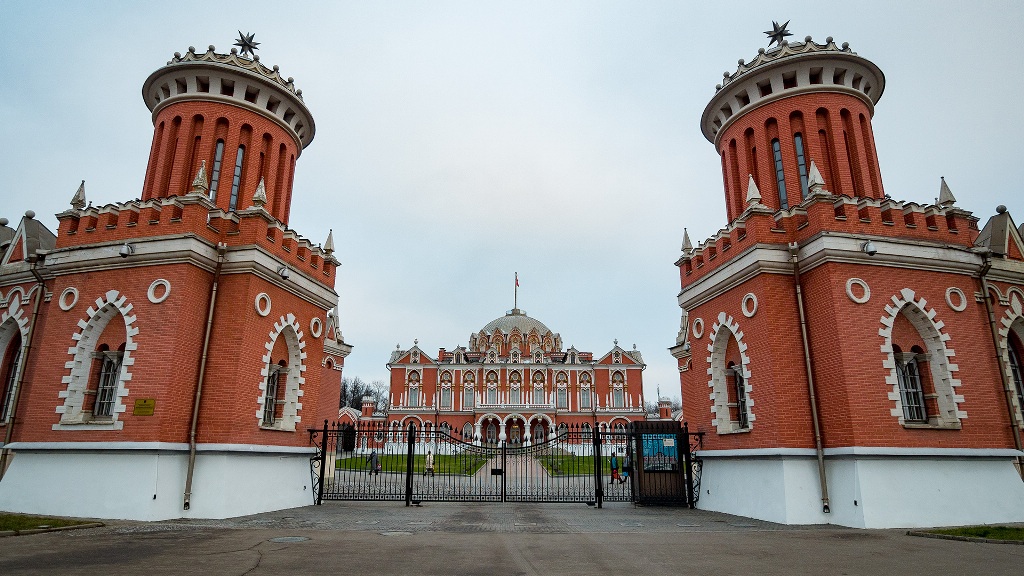
How & why Russian tsars built ‘travel’ palaces for their journeys + PHOTOS

In tsarist times, a trip from point ‘A’ to point ‘B’ was a real adventure that could stretch on for weeks or even months. Of course, there were already roadside inns for travelers, but these were not up to the standard required for emperors and their entourage. Therefore, “travel” palaces had to be specially built – luxurious mansions where one could rest, spend the night and continue the journey with renewed energy. Anna Sorokina takes a look at 8 of these “Travelling Palaces”.

Source: Gateway to Russia. 28th October 2025

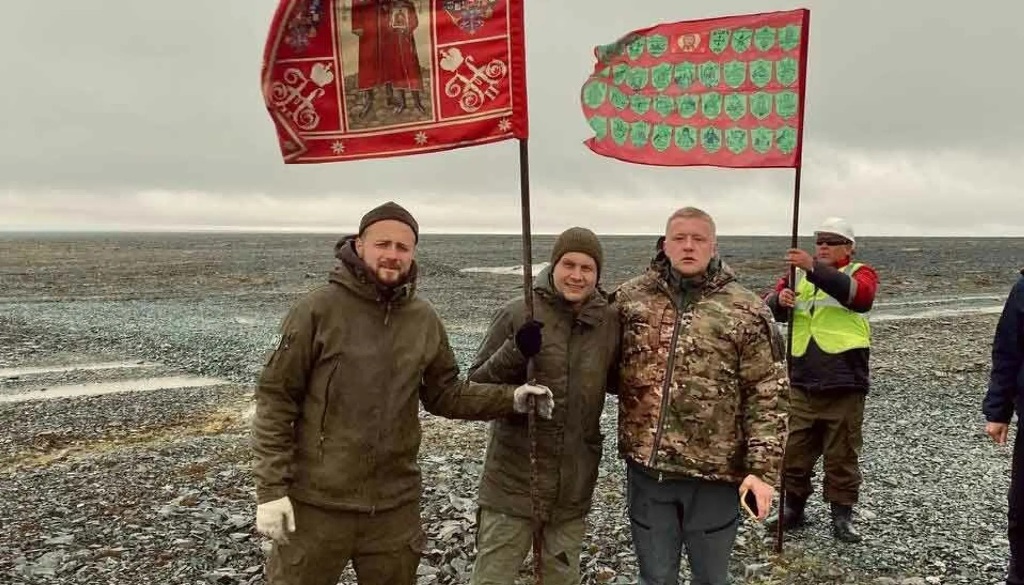
War propagandists bring imperial flag from occupied Ukraine to remotest Arctic archipelago + PHOTOS

Two representatives of the ultra-conservative TV channel Spas brought a flag depicting emperor Nicholas II from the occupied Ukrainian city of Vuhledar to the archipelago of Severnaya Zemlya.

Source: The Barents Observer. 2nd September 2025

Putting the Romanovs to rest + PHOTOS

Why the Russian Orthodox Church refuses to recognize the remains of Nicholas II and his family.

Source: Meduza. 21st October 2025

A Palace Rediscovered: Solving the Mystery of a Romanov Album + PHOTOS

Every now and then, a quiet object in the museum’s collection reveals an extraordinary story. For decades, a heavy leather-bound album, its cover elegantly embossed in gold with the words “Views of His Own Palace and Rooms, St. Petersburg” lay, largely unnoticed, in the Russian History Museum’s archives. According to old museum records, it showed the interiors of the Anichkov Palace, home of Emperor Alexander III.

Source: Russian History Museum. 21st July 2025

© Paul Gilbert. 31 December 2025

***

Paul Gilbert’s Romanov Bookshop on AMAZON

Please CLICK on the BANNER or LINK above to review my current selection of titles in hardcover, paperback and ebook editions. Listings provide a full description for each title, pricing and a Look inside feature.