Alexander Palace reopens for first time since 2015

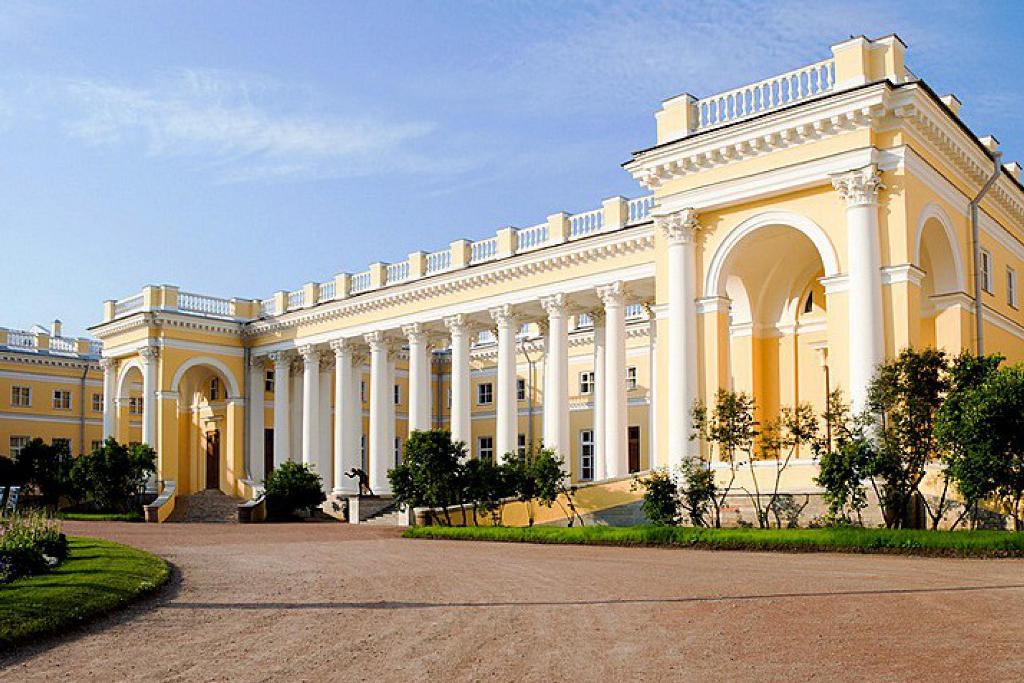
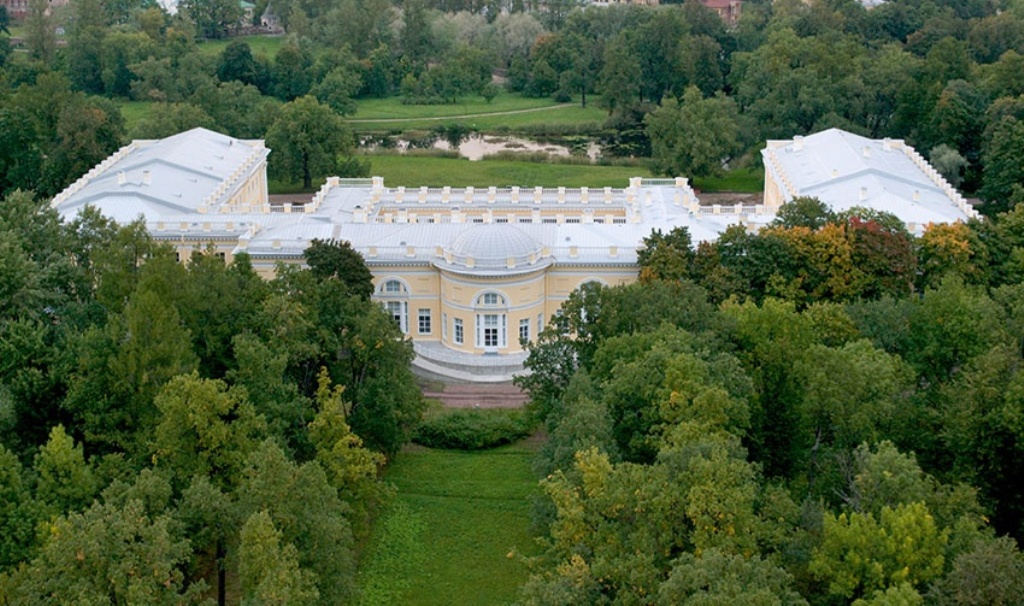
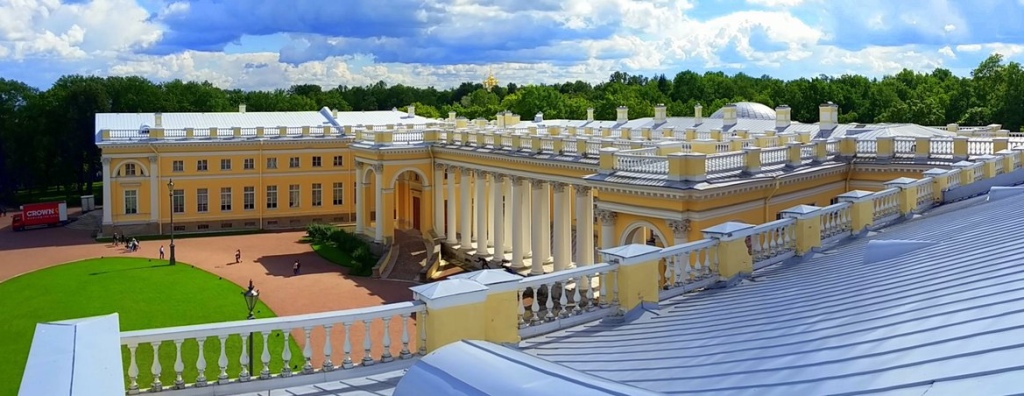
PHOTO: The eastern wing of the Alexander Palace, Tsarskoye Selo

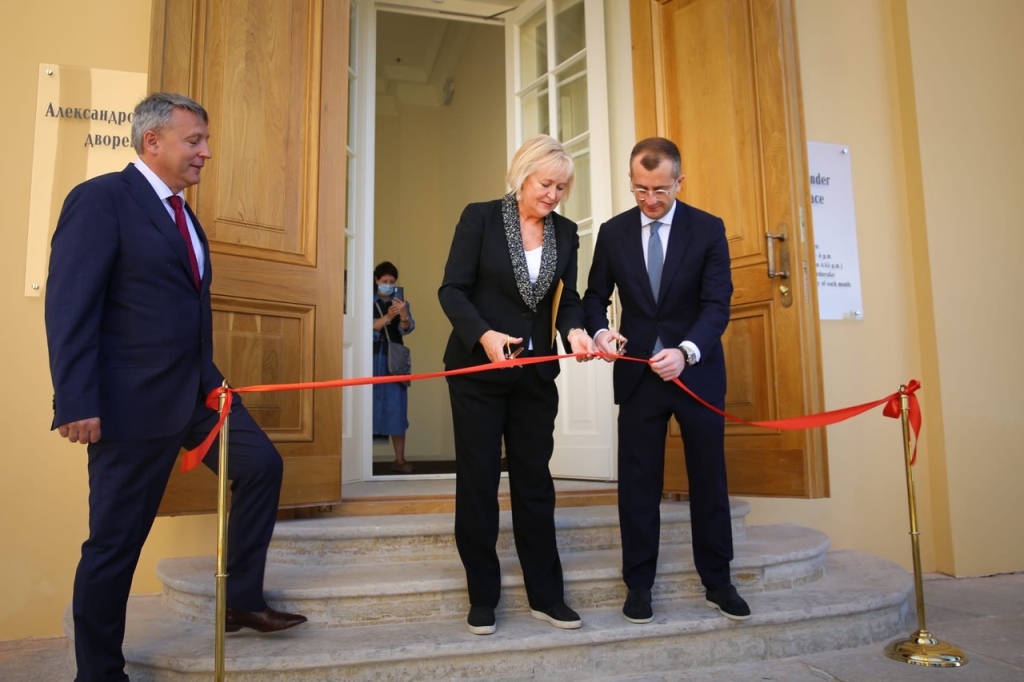
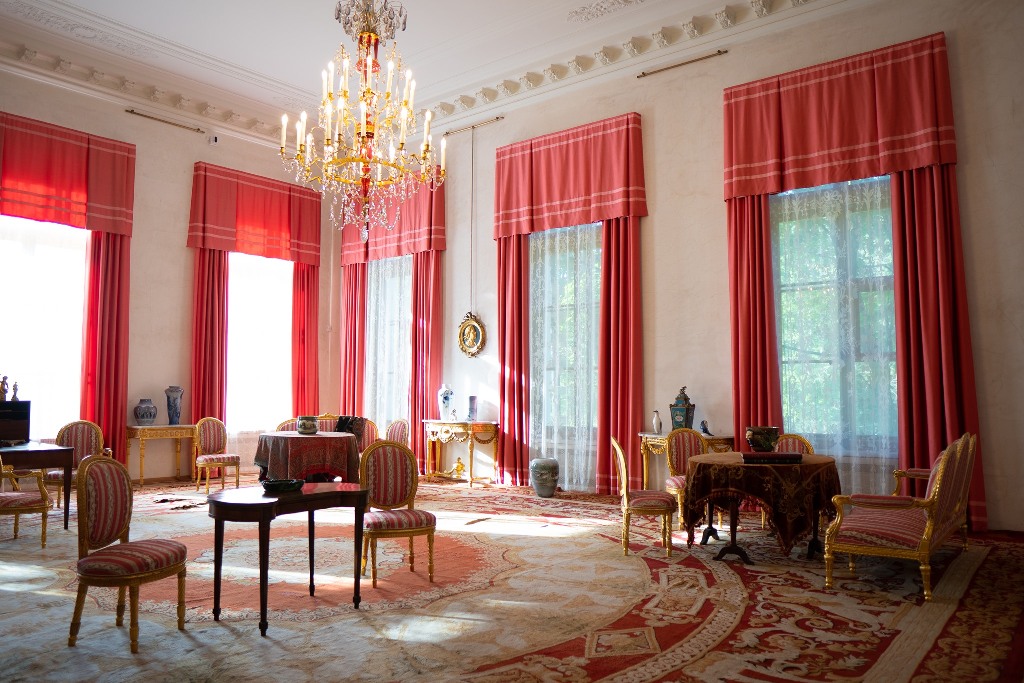
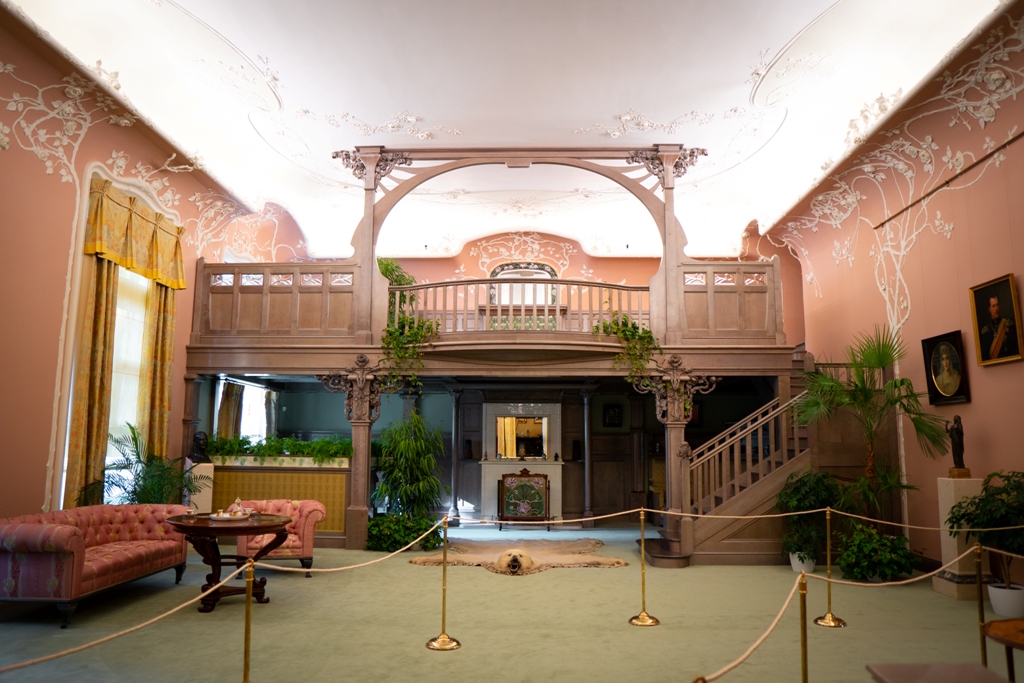
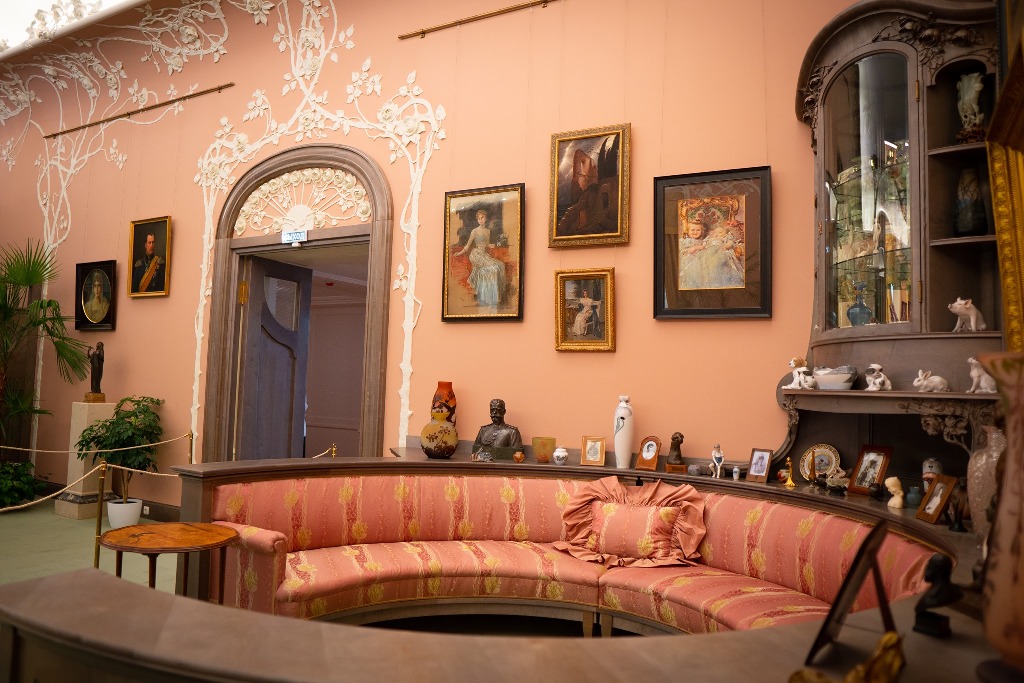
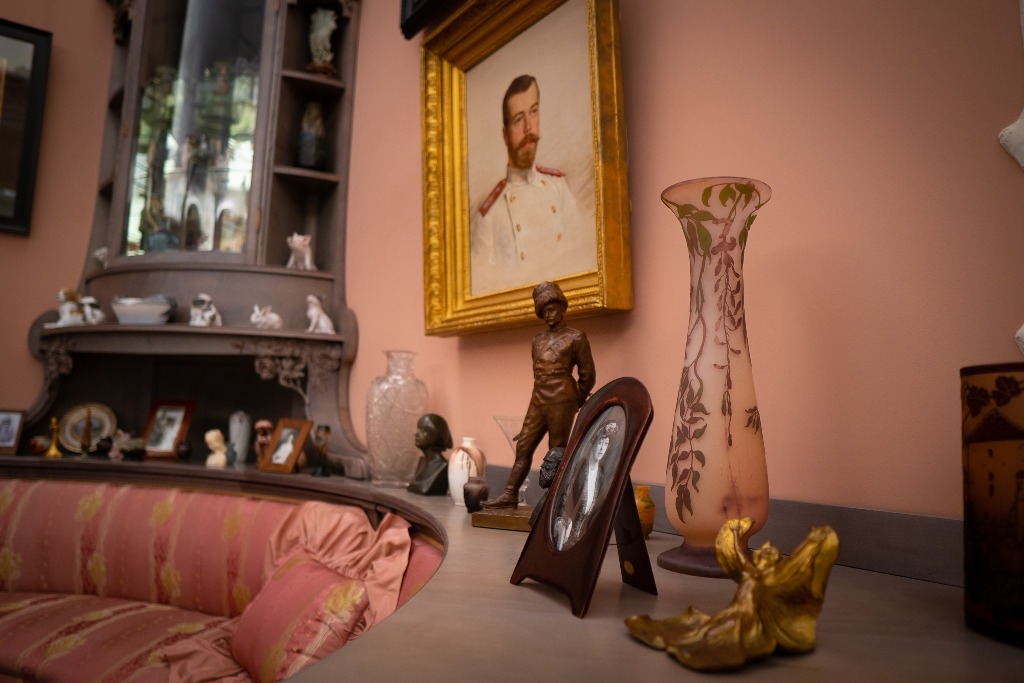
After an extensive restoration project which began in the autumn of 2015, the private apartments of Emperor Nicholas II and Empress Alexandra Feodorovna opened today in the Alexander Palace at Tsarskoye Selo.

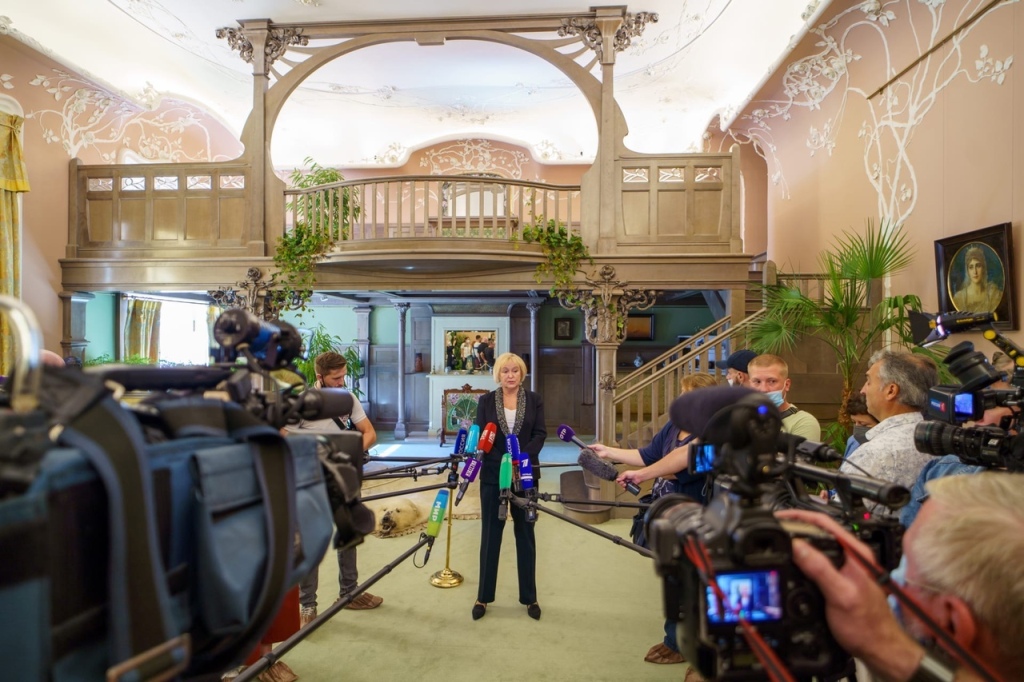
The Russian media were invited for a press tour of thirteen reconstructed interiors located in the eastern wing of the palace. The Alexander Palace will welcome its first visitors tomorrow – 14th August.

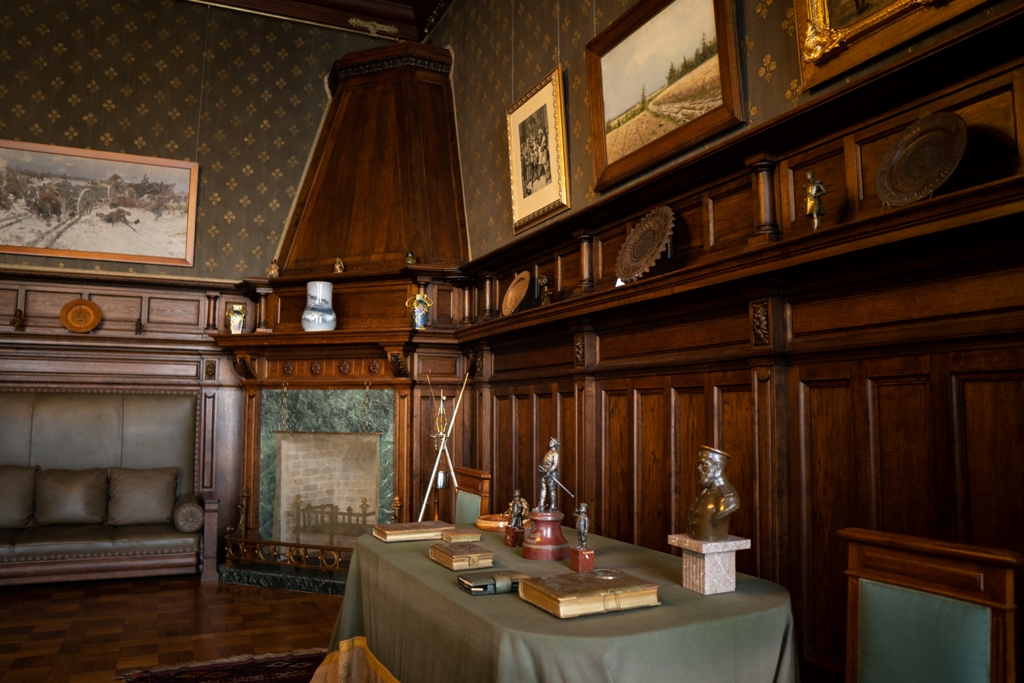
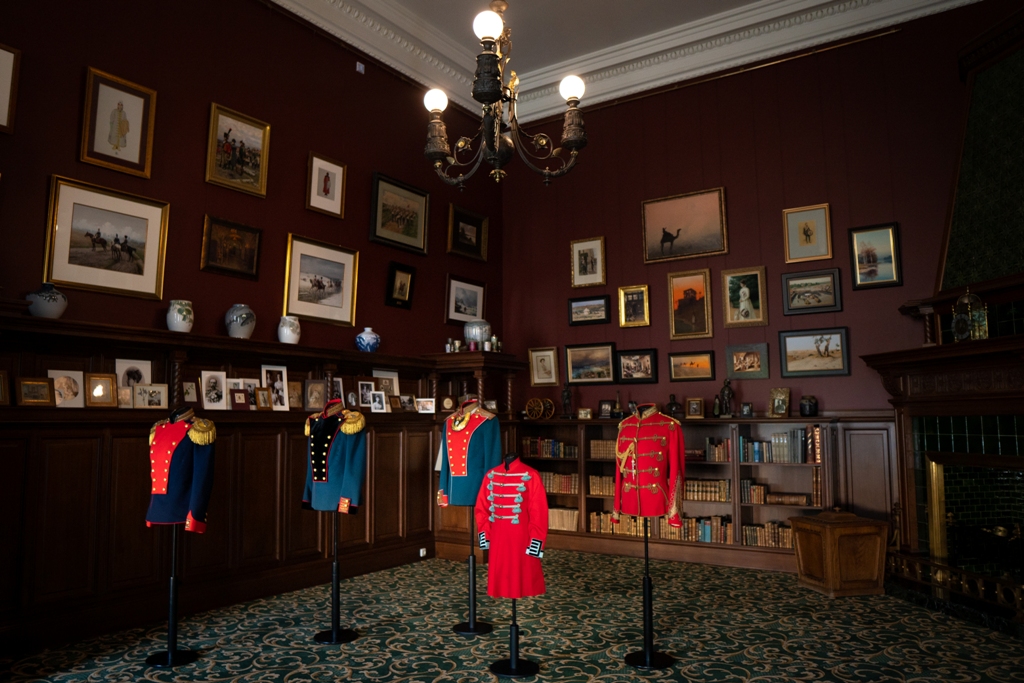
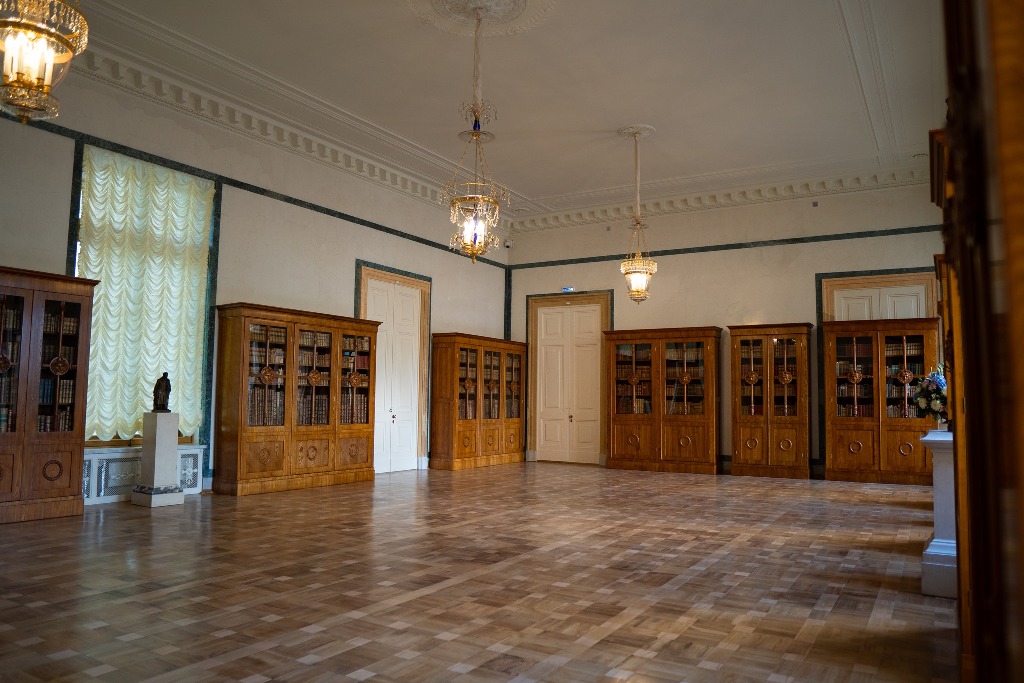
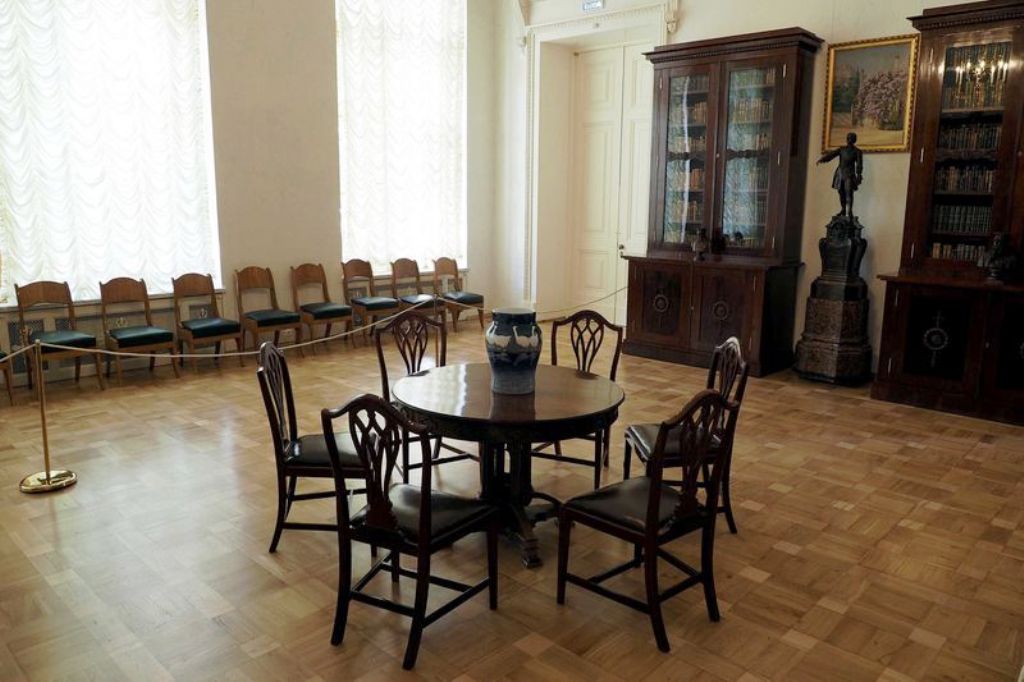
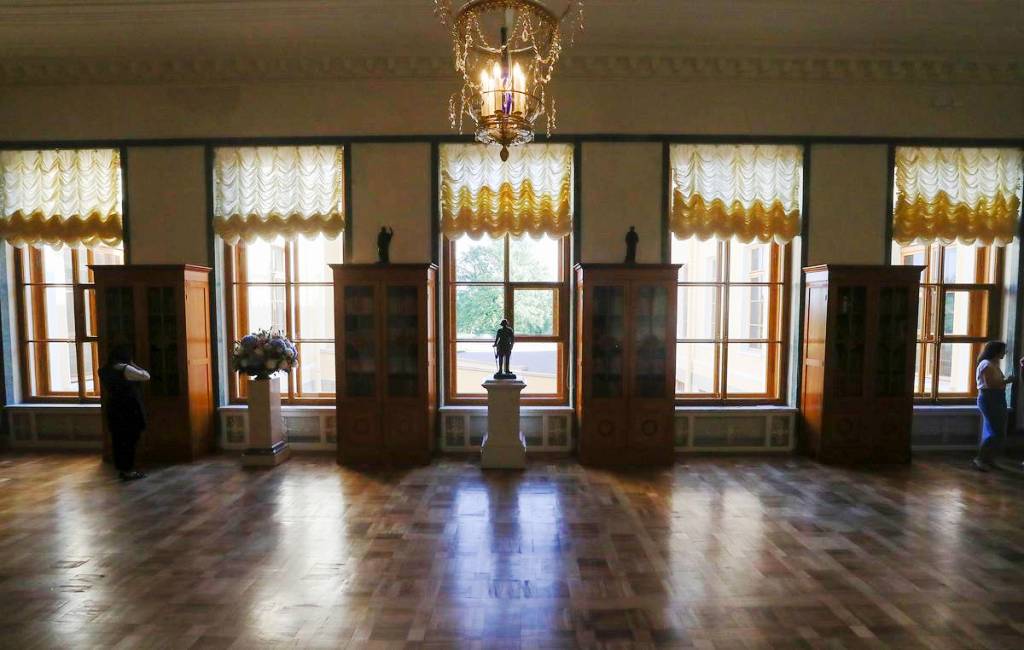
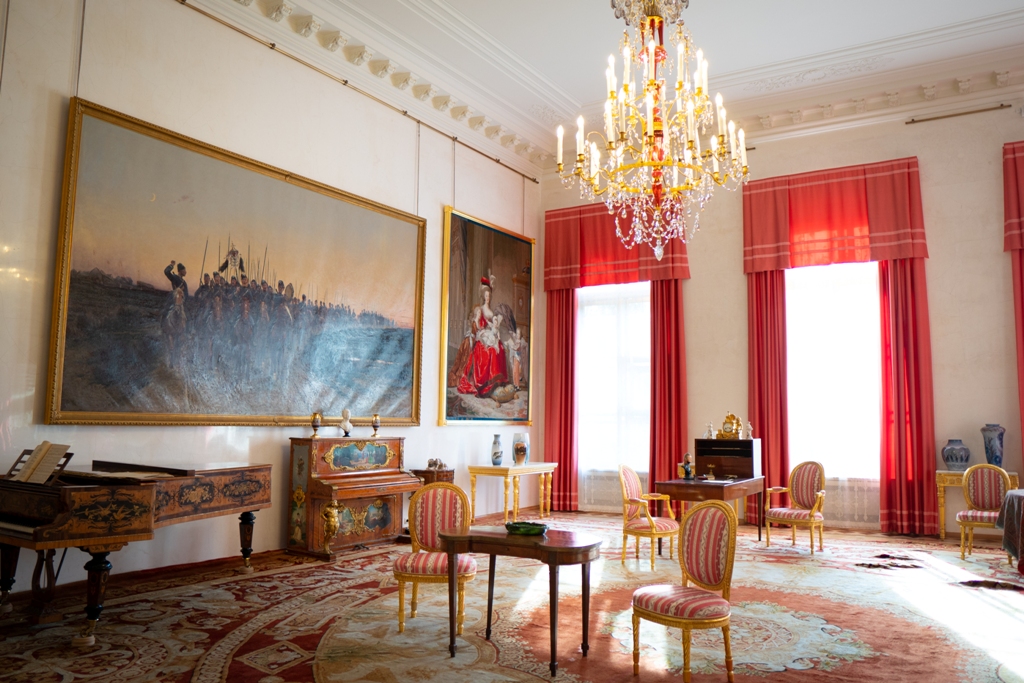
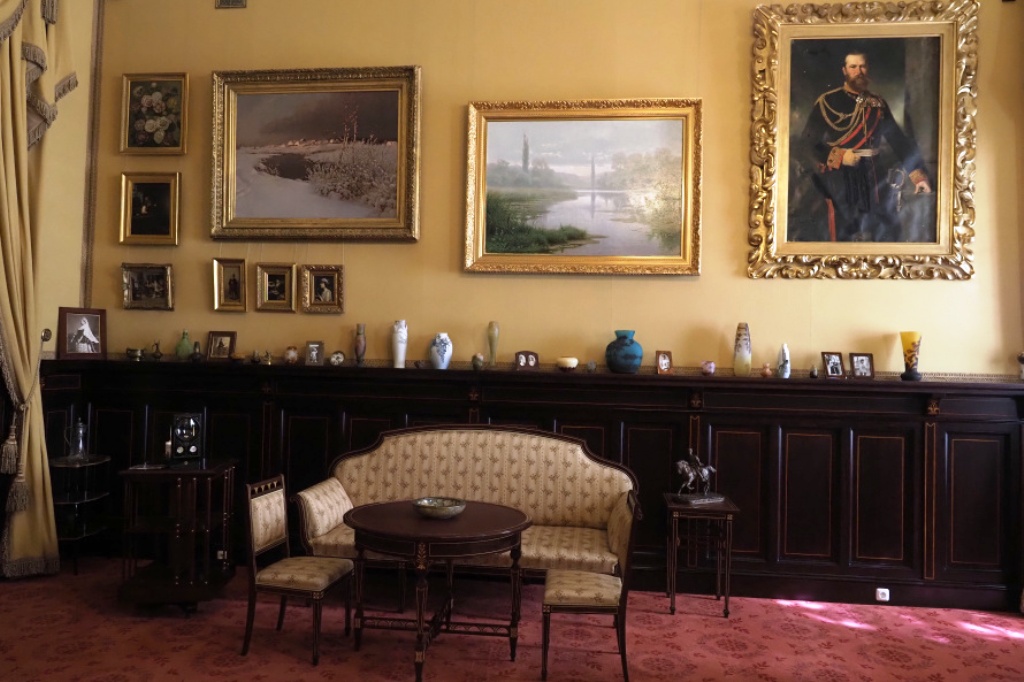
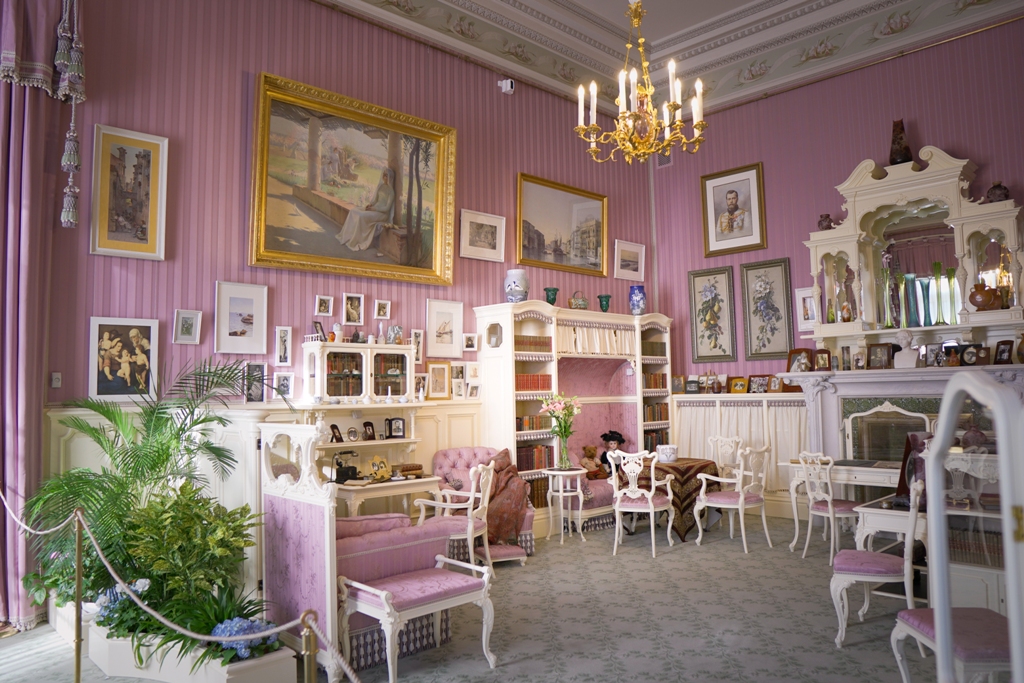
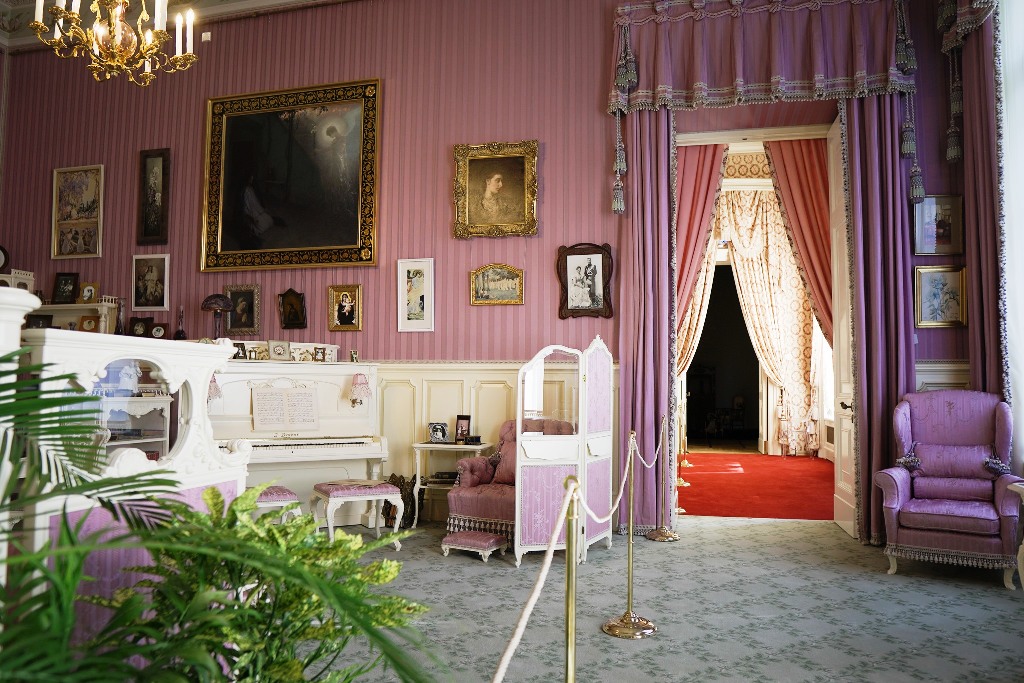
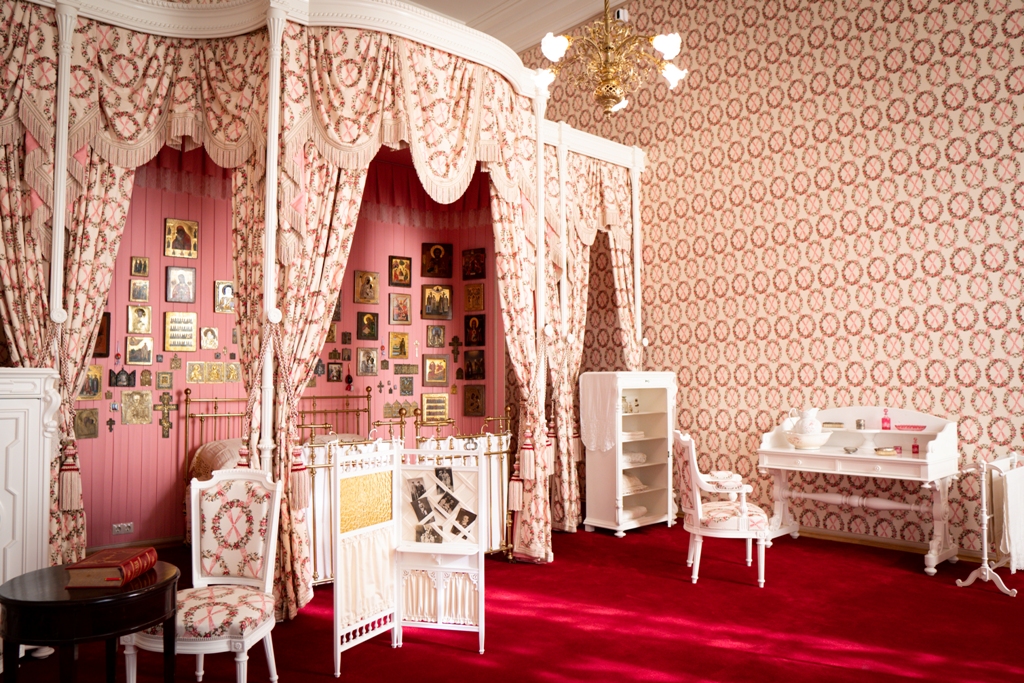
Visitors will now have an opportunity to see the New Study of Nicholas II, Moorish Bathroom of Nicholas II, Working Study of Nicholas II, Reception Room of Nicholas II, the Valet’s Room, PLUS the Maple Drawing Room, Pallisander (Rosewood) Living Room, Mauve (Lilac) Boudoir, Alexandra’s Corner Reception Room, the Imperial Bedroom, the Small and Large Libraries and the Marble/Mountain Hall.

The Western wing is scheduled for completion no earlier than 2024. After the completion of the work, the Alexander Palace will become a multifunctional museum complex, which will include exhibition halls, halls for temporary exhibitions, halls for research work and conferences, as well as a library and a children’s center. The basement floor will house a ticket booth, a museum shop, a café, a cloakroom, a tour desk, as well as technical and ancillary facilities.

PHOTO: Director of the Tsarskoye Selo State Museum-Reserve Olga Taratynova cuts the ribbon

PHOTO: Director of the Tsarskoye Selo State Museum-Reserve Olga Taratynova, holds a press conference in the Maple Drawing Room

***

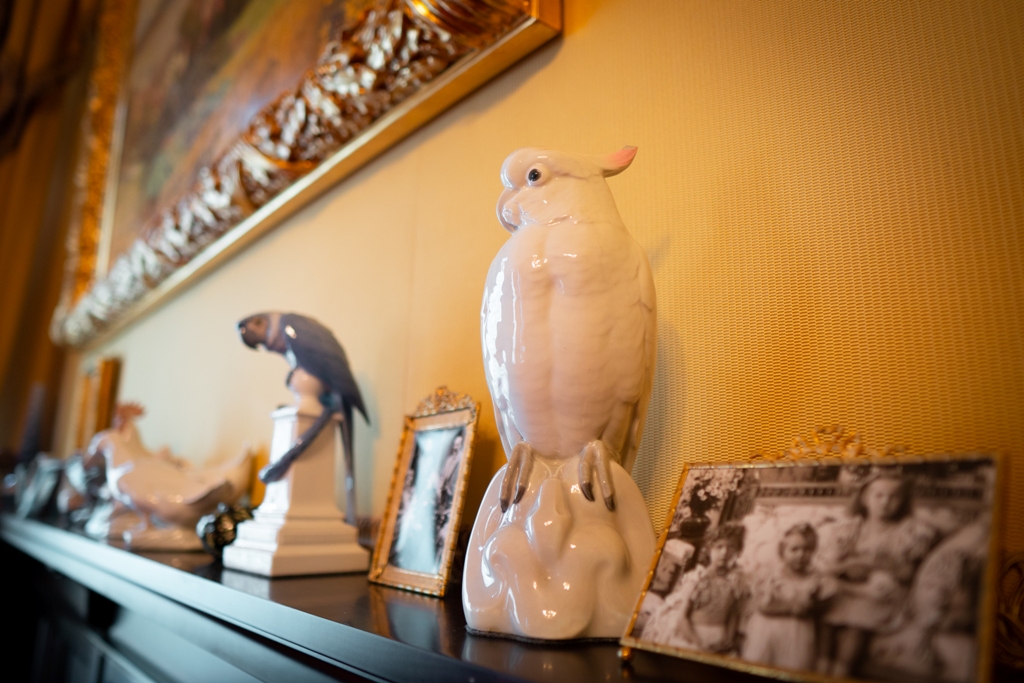
While reviewing the photos of the recreated interiors of Nicholas II and Alexandra Feodorovna, one cannot help but notice that some interiors are decorated more than others. It is important to remember that thousands of items from the Alexander Palace were destroyed or stolen in the decades that followed the 1917 Revolution. Thousands more were moved to other locations, where they remain to this day. This article examines the fate of the Alexander Palace collection, researched from Russian archival sources.

Click HERE to read my article The fate of the contents of the Alexander Palace in the 20th century, published on 17th January 2021

NOTE: the photos below are courtesy of various Russian media sources and the Tsarskoye Selo State Museum Reserve

PHOTO: Working Study of Nicholas II

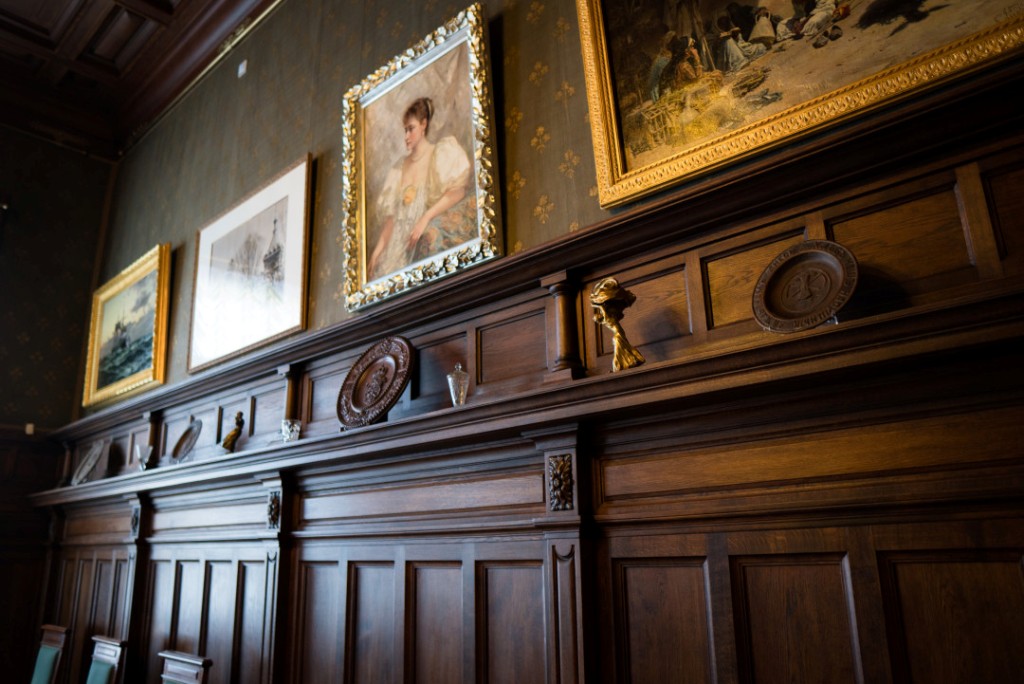
PHOTO: Working Study of Nicholas II

PHOTO: Reception Room of Nicholas II

PHOTO: New Study of Nicholas II

PHOTO: New Study of Nicholas II

PHOTO: New Study of Nicholas II

PHOTO: New Study of Nicholas II

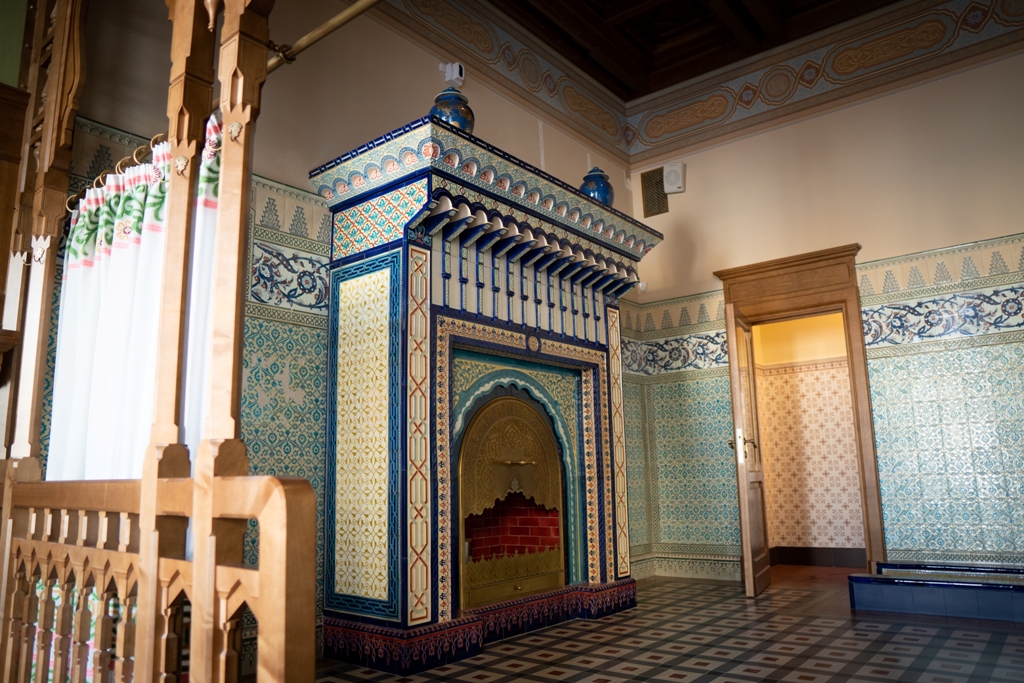
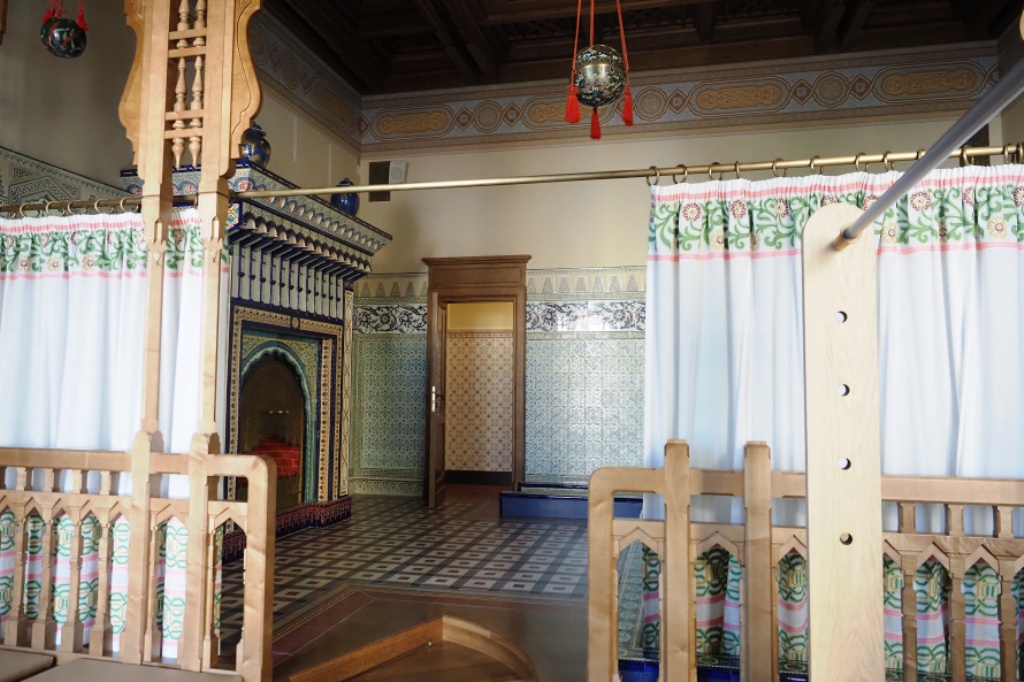
PHOTO: Moorish Bathroom of Nicholas II

PHOTO: Moorish Bathroom of Nicholas II

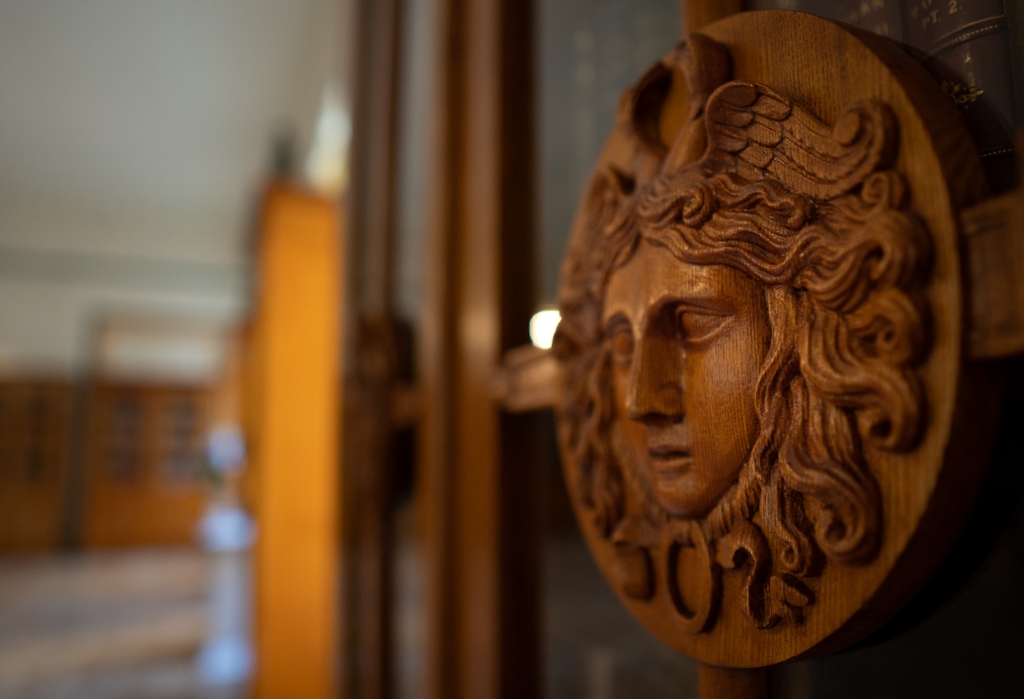
PHOTO: elaborate carved detail of the door leading into the Large Library

PHOTO: the Large Library

PHOTO: the Large Library

PHOTO: the Large Library

PHOTO: Empress Alexandra’s Corner Reception Room

PHOTO: Empress Alexandra’s Corner Reception Room

PHOTO: Maple Drawing Room

PHOTO: Maple Drawing Room

PHOTO: Maple Drawing Room

PHOTO: Pallisander (Rosewood) Living Room

PHOTO: Pallisander (Rosewood) Living Room

PHOTO: Pallisander (Rosewood) Living Room

PHOTO: Mauve (Lilac) Boudoir

PHOTO: Mauve (Lilac) Boudoir

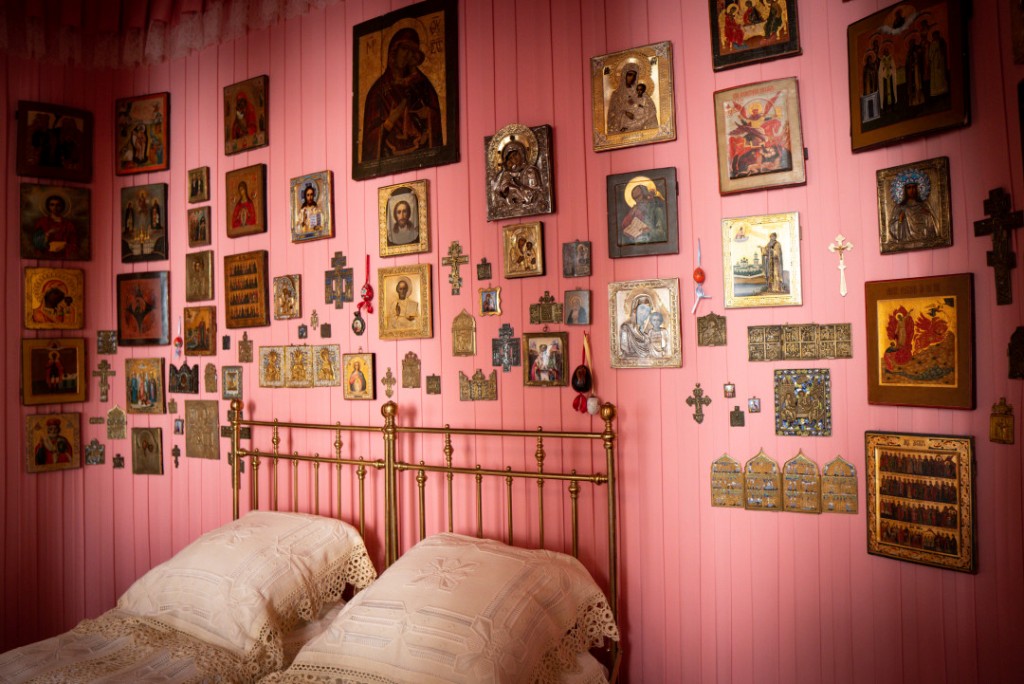
PHOTO: The Imperial Bedroom

PHOTO: The Imperial Bedroom

***

RESTORATION OF THE CENTRAL and WESTERN WING

PHOTOS: the central and western wing of the Alexander Palace remain closed due to the next stage of restoration. The western wing is expected to open to visitors no earlier than 2024

The Western wing is scheduled for completion sometime in 2025. After the completion of the work, the Alexander Palace will become a multifunctional museum complex, which will include exhibition halls, halls for temporary exhibitions, halls for research work and conferences, as well as a library and a children’s center. The basement floor will house a ticket booth, a museum shop, a café, a cloakroom, a tour desk, as well as technical and ancillary facilities.

© Paul Gilbert. 13 August 2021

Prince George Mikhailovich: Gravedigger of Legitimism

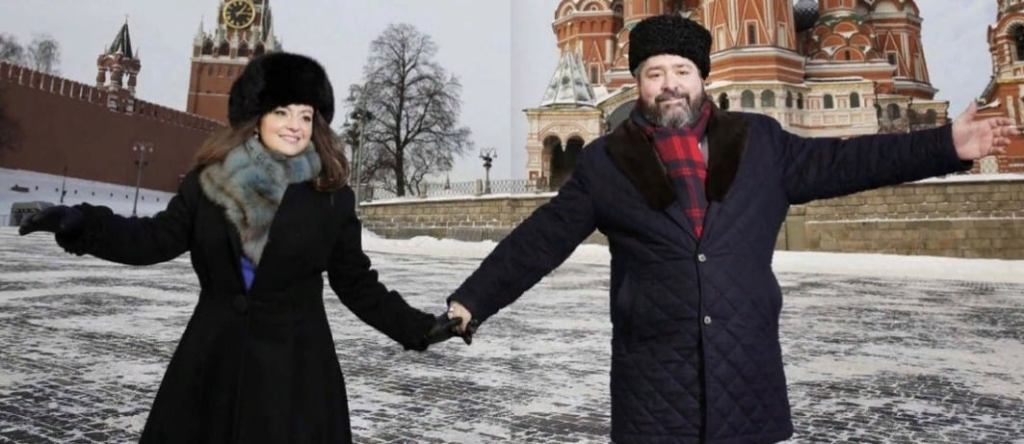
PHOTO: George Mikhailovich with his fiancé Rebecca Bettarini

I am publishing the following English translation of an article by Anatoly Dmitrievich Stepanov, editor-in-chief of Русская Народная Линия [Russian People’s Line], chairman of the Russian Assembly, and supplemented it with my own additional comments.

For the record, I do not support the claim of Maria Vladimirovna as “Head of the Russian Imperial House”, nor do I support the claim of her son George Mikhailovich as “Tsesarevich”.

As I have clearly stated in previous articles, that upon the death of Emperor Nicholas II on 17th July 1918, the Russian Imperial House ceased to exist. Due to the treacherous act of Grand Duke Kirill Vladimirovich in February 1917, this branch of the dynasty should not even be considered for the throne – one, which no longer exists!

For those of us, who honour the memory of Emperor Nicholas II, under no pretext can we admit to the throne those whose ancestors belonged to parties involved in the 1917 revolution in one way or another. Nor can we admit those whose ancestors betrayed Nicholas II. Nor can we ignore those whose ancestors openly supported the Nazis. Thus, without any reservations, the right to the succession to the throne of the Kirillovich branch should be excluded.

In addition, if the monarchy is ever to be restored in 21st century Russia, it is up to the citizens of Russia to make that decision, no one else.[1]

I do not support the Legitimists and their support of these usurpers. I truly regret the day I ever supported any of them and their agenda – PG

***

On 6th August, Hieromonk Nikon (Belavenets) announced on his Facebook page: “Yesterday afternoon I had the great honour of accompanying Grand Duke George Mikhailovich[2] and his bride Victoria Romanovna to the registry office to apply for a marriage licence.”

A wedding is scheduled for 1st October in St. Isaac’s Cathedral in St. Petersburg. The lavish, no expenses spared wedding will no doubt be a media frenzy for the very unpopular descendants of Grand Duke Kirill Vladimirovich, and nothing short of a three ring circus!

It recently came to my attention that following the couples announcement of their nuptials back in January of this year, Maria Vladimirovna[3] and her son George Mikhailovich hired the services of a public relations firm in Moscow to not only help promote the event but also to make them more “appealing” to the Russian public”. As a result, George and his fiancé are in the Russian media almost daily, from televised interviews to glossy magazine photo shoots.

The upcoming wedding was presented to the whole world, as the “event of the century”, of which “Russia has not seen the likes of for more than a hundred years”. The wedding was even cynically compared with the marriage of Emperor Nicholas Alexandrovich and Princess Alix of Hesse [Empress Alexandra Feodorovna], which took place on 27th (O.S. 14th) November 1894.

The bride to be Rebecca Bettarini, who, after joining the Orthodox Church, received the name Victoria Romanovna. Rebecca is the daughter of an Italian diplomat, whom the mother of George Mikhailovich, Princess Maria Vladimirovna, awarded an order giving his daughter the right to call herself a noblewoman.

The false “nobility” of Bettarini was created by Maria Vladimirovna herself, who has no right to do so. Maria actively, and completely illegally distributes orders[4], medals and even titles of the Russian Empire. While many orders and awards of the Russian Empire have been officially restored in the modern Russian Federation, an ordinary civilian, and not a representative of the state, distributes the same order in appearance and name to her supporters on behalf of the “Imperial House”!

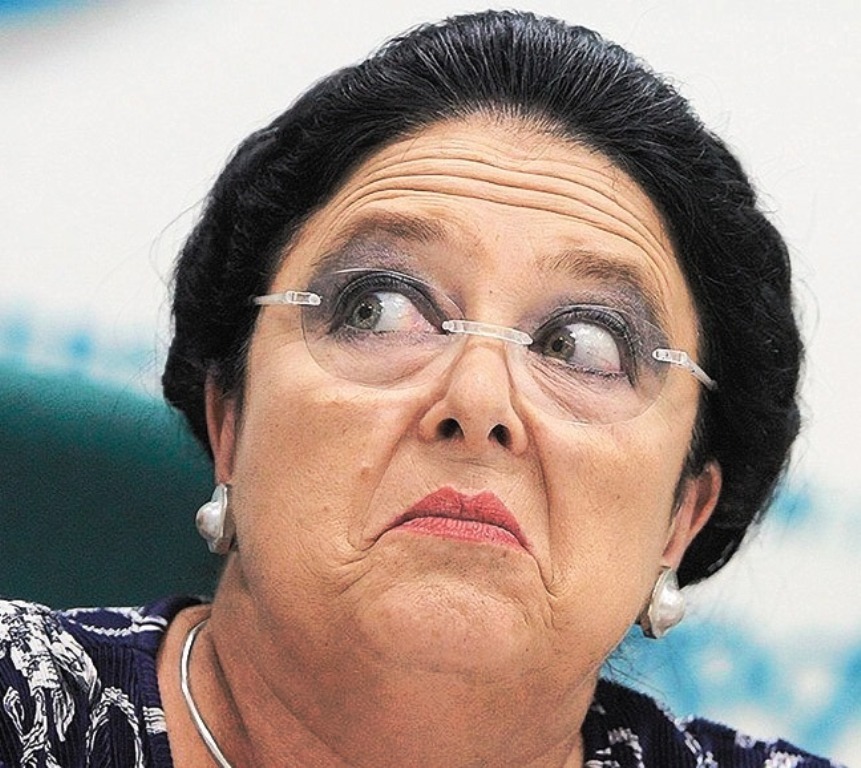
PHOTO: Princess Maria Vladimirovna

According to Anatoly Dmitrievich Stepanov[5], the marriage of Prince George Mikhailovich, who turned 40 this year (his bride is 39), is a significant event, which is not restricted to high society gossip. For the Russian monarchist movement, it has, one might say, epochal significance, an event which means the end of Legitimism.

Even if Rebecca Bettarini became a Russian noblewoman through Maria Vladimirovna’s simple manipulations, this wedding means only one thing – Prince George Mikhailovich Romanov is entering into a morganatic marriage![6]

In any other case, it would not really matter. The act of Emperor Paul I, according to which the order of succession to the throne was carried out in Russia, and one of the points of which was the requirement for a potential heir to the throne to marry an equal wife, was adopted at the end of the 18th century (in 1797) and was clearly outdated already in the 20th century, when monarchies in Europe began to crumble, and Europe itself turned its back on Christianity.

However, for the descendants of Grand Duke Kirill Vladimirovich, who declared himself emperor in exile in 1924, adherence to this principle was one of the main conditions justifying their right to inherit the Russian throne. Kirill Vladimirovich’s supporters called themselves Legitimists, i.e. fulfilling the norm of Paul Petrovich’s act of succession to the throne.

Prince Vladimir Kirillovich[7] married Leonida Georgievna,[7] although she was divorced (her first husband was the American banker Sumner Kirby, for whom this was his third marriage), but also representative of the Royal House of Bagration-Mukhransky. Princess Maria Vladimirovna married Prince Franz Wilhelm of Prussia[8], who converted to Orthodoxy and became Mikhail Pavlovich. Although there is a lot of gossip around this short-term marriage, it was considered by Legitimists as equal. But now, George Mikhailovich is about to enter into a morganatic marriage.

It is interesting to note, that for decades, members of the Romanov family who entered into morganatic marriages in exile, were shunned by Grand Duke Kirill, his son Vladimir and to this day Maria Vladimirovna. This family statute, however, was amended by Maria herself, so that her own son could enter into a morganatic marriage.

“This is a blow to the very foundations of Legitimism”, says Stepanov. “I remember hearing from one of the respected clergymen that the Kirillovichs should be respected for the fact that they voluntarily assumed a kind of penance not to enter into morganatic marriages, and this is a serious restriction in modern times. This is true. The restriction is serious not only in modern times. Already at the beginning of the twentieth century, morganatic marriages of the sovereign’s brother, Grand Duke Mikhail Alexandrovich, and his uncle, Grand Duke Paul Alexandrovich, became a problem for the autocracy, which dealt a serious blow to the prestige of the monarchy.

Thus, Prince George Mikhailovich’s morganatic marriage thus buries Legitimism. And along with it and the special status and special rights of the so-called “Russian Imperial House”, which can now be headed, in theory, by any of the living descendants of the Romanovs, and not just representatives of the Kirillovich branch.

In discussions between Legitimist-Monarchists and Conciliarist-Monarchists, the first ones appealed precisely to the Act of Emperor Paul Petrovich, as an authoritative document on the issue of succession to the throne, and refused to listen to arguments that this act ceased to operate together with the disappearance of the Russian Empire. Now their leader, Prince George Mikhailovich, deprives them of this argument.

Legitimism is dying. Will this lead to changes in the monarchist movement in Russia? Regardless, the Legitimist movement will no doubt do what they have always done since 1917, and that is to rewrite the laws of succession in a way that will both solidify and justify Maria and George’s agenda.

NOTES:

[1] In the summer of 2019, a poll conducted by REGNUM of some 35,000 Russian citizens showed that only 28% supported the idea of restoring the monarchy, more than half (52%) of which would NOT support placing a Romanov on the throne!

[2] George Mikhailovich is a Prince, not a Grand Duke. Many self-proclaimed monarchists recognize George as a Hohenzollern, NOT a Romanov! The last grand duke of Russia was Andrei Vladimirovich, who died in 1956. Nor is George Mikhailovich Tsesarevich. The last Tsesarevich of Russia was Nicholas II’s son Alexei Nikolaevich, who was murdered on 17th July 1917, in Ekaterinburg.

[3] Maria Vladimirovna is a Princess, not a Grand Duchess. The last grand duchess of Russia was Nicholas II’s younger sister Olga Alexandrovna, who died on 24th November 1960, in Toronto, Canada

[4] When a person is nominated for an Order, he or she is presented with a Gramota – the actual document signed by Maria Vladimirovna investing you into the respective Order. The actual Orders, however, are not handed out freely, one must pay for them, the more prestigious the Order, the more one pays. In addition, recipients are also offered lapel pins, even coat-of-arms – all at an additional cost!

[5] Anatoly Dmitrievich Stepanov, editor-in-chief of Russian Narodnaya Liniya, chairman of the Russian Assembly

[6] Morganatic marriage, legally valid marriage between a male member of a sovereign, princely, or noble house and a woman of lesser birth or rank

[7] Princess Maria Vladimirovna’s parents

[8] Prince George Mikhailovich’s father

© Paul Gilbert. 10 August 2021

Healthcare reform under Nicholas II

PHOTO: Nicholas II with wounded soldiers at a military hospital near the front in World War I. Artist: Pavel Viktorovich Ryzhenko (1970-2014)

During the 1920s, the Bolsheviks boasted of how they had improved healthcare in Russia after the overthrow of Nicholas II, however, this is just one more lie which the new order utilized in their campaign to discredit the reforms of Russia’s last Tsar. And to this day, Nicholas II’s detractors continue to claim that the Russian people “suffered” and that the Tsar did “nothing” to help them.

During the reign of Nicholas II, the population of the Russian Empire increased from 122 million in 1894 to 182 million in 1914 – an increase of 62 million! Given such a staggering increase in the country’s population, Nicholas II’s health care reforms were nothing short of impressive.

After Nicholas II ascended the throne in 1894, healthcare reform in the Russian Empire became the subject of special concern for the new Emperor. It was during his reign that the development of medicine and healthcare accelerated throughout the Russian Empire.

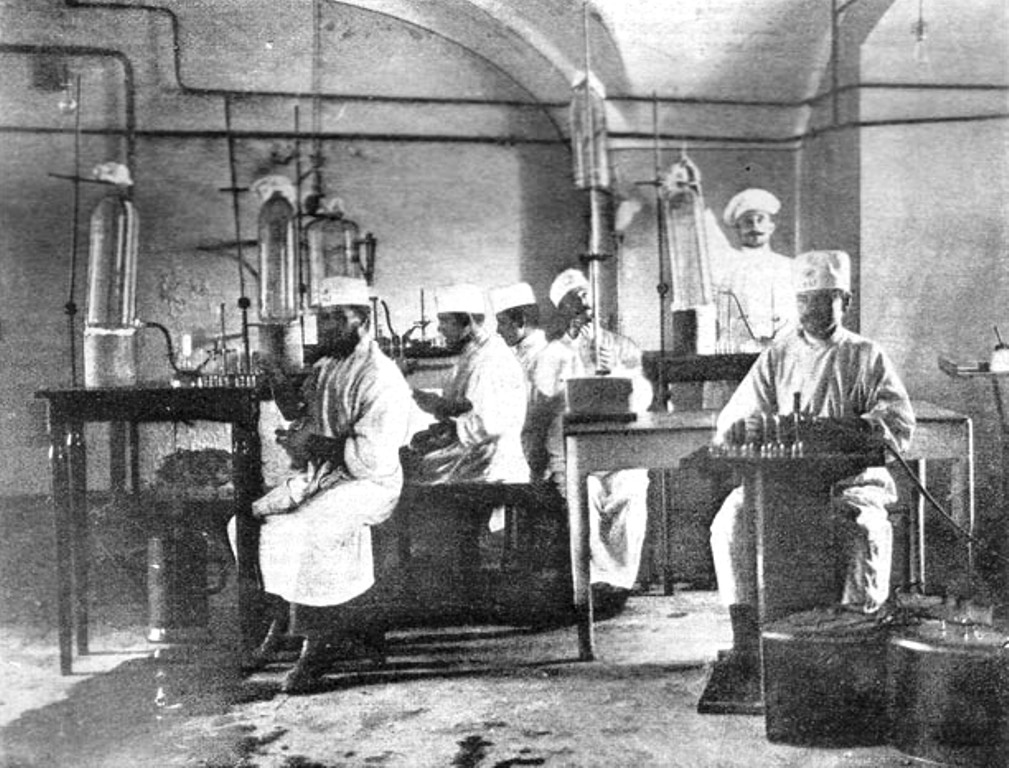
On 11th January 1897, Nicholas II approved a Special Commission on measures to prevent and combat plague, chaired by Duke Alexander Frederick Constantin of Oldenburg [1] whom the Tsar allowed to use the premises of the Emperor Alexander I Fort at Kronstadt for experimental anti-plague purposes. In October 1897, Oldenburg traveled to Turkestan to take emergency measures to prevent the plague from entering the Empire, for which he received “His Imperial Majesty’s deepest gratitude for the labours incurred” for his efforts to spare European Russia and the rest of Europe from plague penetrating their borders.

PHOTO: preparation of anti-bacterial plague drugs in the Plague Control Laboratory of the Emperor Alexander I Fort at Kronstadt

One of the main reasons for the spread of disease, was of course poor sanitation. As a result, in August 1908, Nicholas II advised the Minister of Internal Affairs to pay “serious attention to the dismal state of sanitation in Russia. It is necessary at all costs to achieve its improvement”. The Emperor emphasized the need to be able to “prevent epidemics, not just fight them”. He demanded that the case of streamlining the sanitary-medical organization in Russia be urgently developed and submitted for legislative consideration.

Various commissions were established during Nicholas II’s reign to prevent the occurrence of highly infectious diseases. In March 1912, the Emperor approved the Interdepartmental Commission for the revision of medical and sanitary legislation, writing in the margins of the Journal of the Council of Ministers: “This is to be done at an accelerated pace.” The head of the commission was appointed the chairman of the Medical Council of the Ministry of Internal Affairs, honorary life surgeon academician Georgy Ermolaevich Rein (1854-1942). In the spring of 1912, the commission presented its project for the transformation of the central and local authorities of medical and sanitary affairs. After reviewing it, Nicholas II noted: “Submit to the Council of Ministers. Continue to conduct business at an accelerated rate. “

Nicholas II supported the introduction of a territorial system of medical districts within the Russian Empire, a system not found anywhere else in the world at the time. This system was later adopted by the Bolsheviks, who appropriated its authorship. In the course of the health care reform in the Russian Empire, a three-tier structure of medical assistance to the population was formed: a medical department, a county hospital, and a provincial hospital. Treatment in these health facilities was free of charge.

The opening of new hospitals and medical institutions developed at a rapid pace. The number of hospitals increased from 2,100 in 1890 to 8,110 in 1912 and 8,461 in 1916 +170 psychiatric hospitals. The number of hospital beds increased from 70,614 in 1890 to 227,868 in 1916. The number of doctors also increased from 13,000 in 1890 to 22,772 doctors in 1914 and 29,000 in 1916.

In addition, there were 5,306 medical districts and paramedic points. By 1914 there were 28,500 medical assistants, 14,194 midwives, 4,113 dentists, 13,357 pharmacies. In 1913, 8,600 students studied at 17 medical universities.

In 1901, 49 million people received medical care in Russia, three years later, in 1904 – 57 million, in 1907 – 69 million, in 1910 – 86 million and in 1913 – 98 million. These efforts led to a significant decrease in overall mortality. In the period 1906-1911 there were 29.4 deaths per thousand inhabitants, 26 deaths per thousand in 1911, and 25 per thousand in 1912.

Mortality from smallpox decreased 2.5 times, from typhus decreased 2 times, from acute childhood diseases decreased 1.4 times. In the period from 1891 to 1895 – 587 thousand people died on average from acute infectious diseases, and steadily decreased during the period from 1911 to 1914 to 372 thousand people.

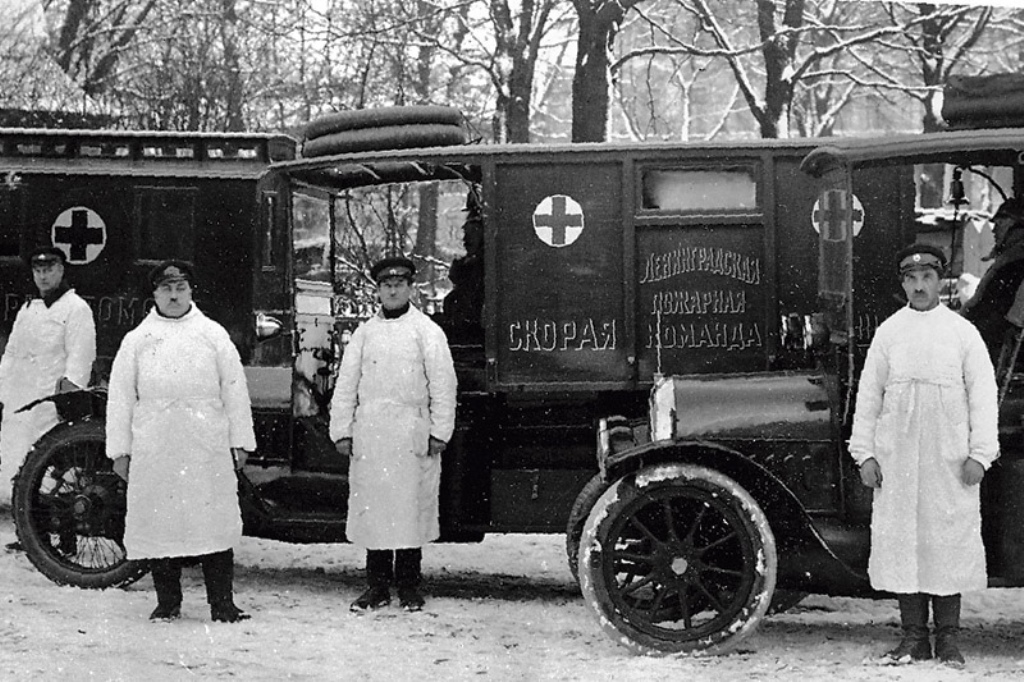
On 19th March 1899, Russia’s first ambulance station was opened in St. Petersburg.

PHOTO: the first ambulance station was opened in St. Petersburg on March 19, 1899

Under Nicholas II, Russian scientific medicine received world recognition, which could not have developed without state support. For the first time, Russian medical scientists were awarded the Nobel Prize: physiologist Ivan Petrovich Pavlov (1904) and microbiologist Ilya Ilyich Mechnikov (1908). Russian medical science carried out pioneering studies of the structure of the brain, and the origins of such fields of medicine as forensic psychiatry, gynecology and hygiene. At the beginning of the 20th century. more than 150 general and specialized scientific medical journals were published in Russia.

Despite the advancements in health care in the Russian Empire, serious health problems remained. For instance, at the beginning of the 20th century Russia experienced a high mortality rate from common widespread infections: plague, smallpox, cholera, typhoid. It was not until the 1940s and the invention of antibiotics did things improve.

Infant mortality under Nicholas II steadily declined. The downward trend in mortality (both children and adults) began before the revolution. According to statistics, the death rate during the reign of Nicholas II per 1000 people had been steadily decreasing.

PHOTO: Medical examination of children in a children’s clinic, St. Petersburg. 1903

Emperor Nicholas II also made efforts to fight against drunkenness. Both the Tsar and Russian society, considered the situation with drunkenness in Russia depressing. Russian historian and journalist Sergei Sergeiivich Oldenburg (1888-1940) wrote that in 1913, “The Tsar, during his trip to the Russian provinces, saw bright manifestations of gifted creativity and labour; but next to this, with deep sorrow, one saw sad pictures of national weakness, family poverty and abandoned households – the inevitable consequences of a drunken life.”

In 1913, the year marking the 300th anniversary of the House of Romanov, Emperor Nicholas II stated that he “came to the firm conviction that the welfare of the treasury should not be made dependent on the ruin of my loyal subjects.”

From 1914, schools of the Ministry of Public Education have been instructed to teach high school students a course in hygiene with the obligatory reporting of information about the dangers of alcohol. In March 1914, the Holy Synod of the Russian Orthodox Church decided to establish a national day of sobriety on 29th August[2], the day of the Beheading of John the Baptist. This holiday was held annually and collected donations for the fight against drunkenness.

By 1913, there were about 1,800 temperance societies in Russia with a total number of members of more than half a million.

As a result of this important decision of Nicholas II, serious changes took place in the country, affecting both the private life of people and their health, and the economy of Russia. The Emperor noted: “Sobriety is the basis of the well-being of the people.”

On 11th August 1908, Emperor Nicholas II initiated the creation of a unified state health care system. In July 1914, a few days before the outbreak of World War I, a bill to create the Ministry of Health was introduced to the Council of Ministers. On 1st September 1916, the Chairman of the Medical Council of the Russian Empire, Honorary Life Surgeon, Academician Georgy Ermolaevich Rein (1854-1942), who held these duties until 27th February 1917. Thus, Georgy Ermolaevich became the first and last Minister of Health of the Russian Empire.

PHOTO: in 1897, the Women’s Medical Institute (the first medical institute of this kind in Russia) opened in St. Petersburg

NOTES:

[1] Father-in-law of Nicholas II’s younger sister Grand Duchess Olga Alexandrovna (1882-1960), who was married to his only son Duke Peter Alexandrovich (1868-1924), from August 1901 to October 1916.

[2] A national Day of Sobriety was revived in 21st century Russia, today an unofficial Russian holiday instituted by the Russian Orthodox Church. The date of 11th September (O.S. 29th August) was chosen because on this day Orthodox Christians celebrate the Beheading of the Holy and Glorious Prophet, Forerunner and Baptist John. On this day, the faithful are expected to observe a strict fast, which includes abstinence from alcohol.

© Paul Gilbert. 7 August 2021
It’s Official! The Alexander Palace reopens on 14th August

The Tsarskoye Selo State Museum have at long last announced that after a large-scale restoration, the personal apartments of Emperor Nicholas II and Empress Alexandra Fyodorovna in the Alexander Palace will open to visitors on Saturday 14th August 2021.

The opening day on 14th (O.S. 1st) August, marks the 104th anniversary since the Imperial Family left the palace for the last time and sent into exile to Tobolsk and later Ekaterinburg.

Restoration work in the Alexander Palace actually began in 2012, however, it was not until August 2015 that it has been closed to visitors, for additional restoration and the reconstruction of the historic interiors of the private apartments of the Imperial Family.

As of 14th August, visitors can see the New Study of Nicholas II, Moorish Bathroom of Nicholas II, Working Study of Nicholas II, Reception Room of Nicholas II, the Valet’s Room, PLUS the Maple Drawing Room, Pallisander (Rosewood) Living Room, Mauve (Lilac) Boudoir, Alexandra’s Corner Reception Room, the Imperial Bedroom, the Small and Large Libraries and the Marble/Mountain Hall.

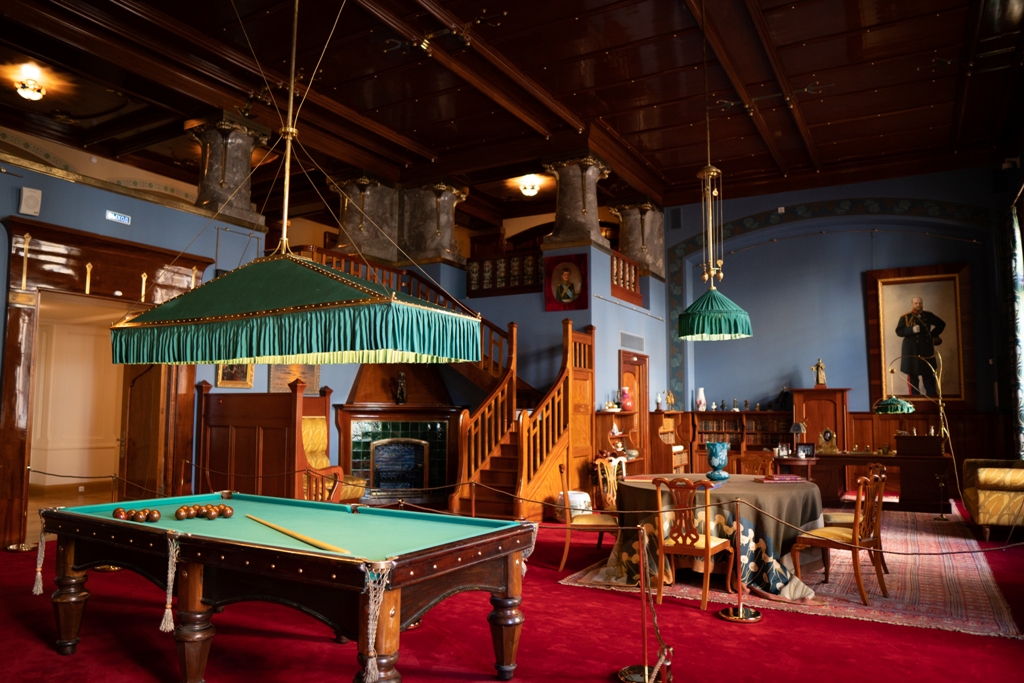
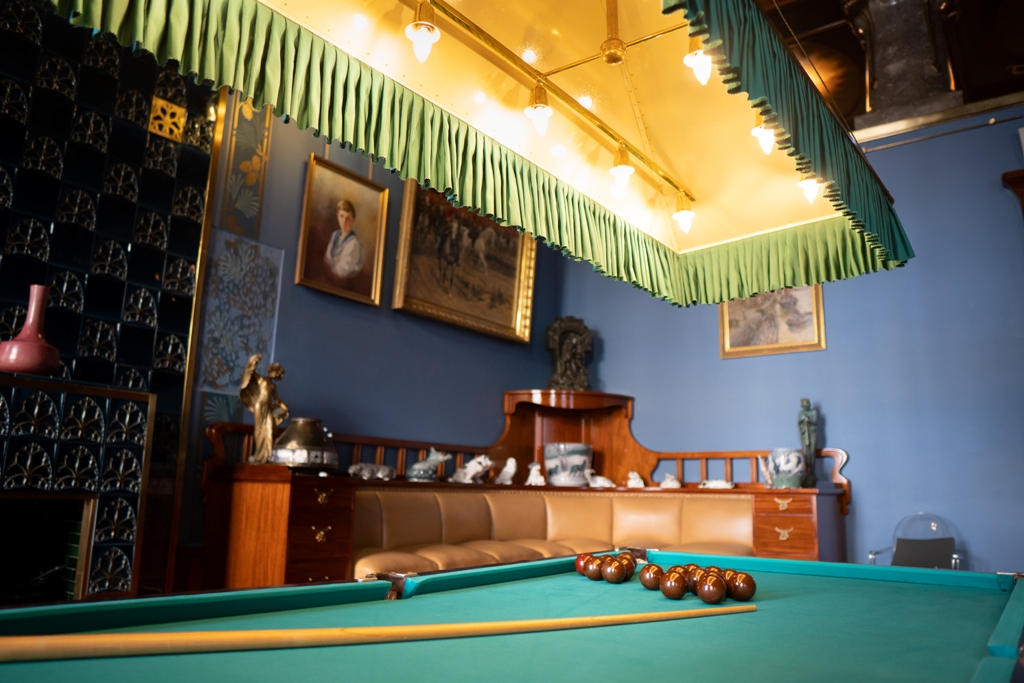
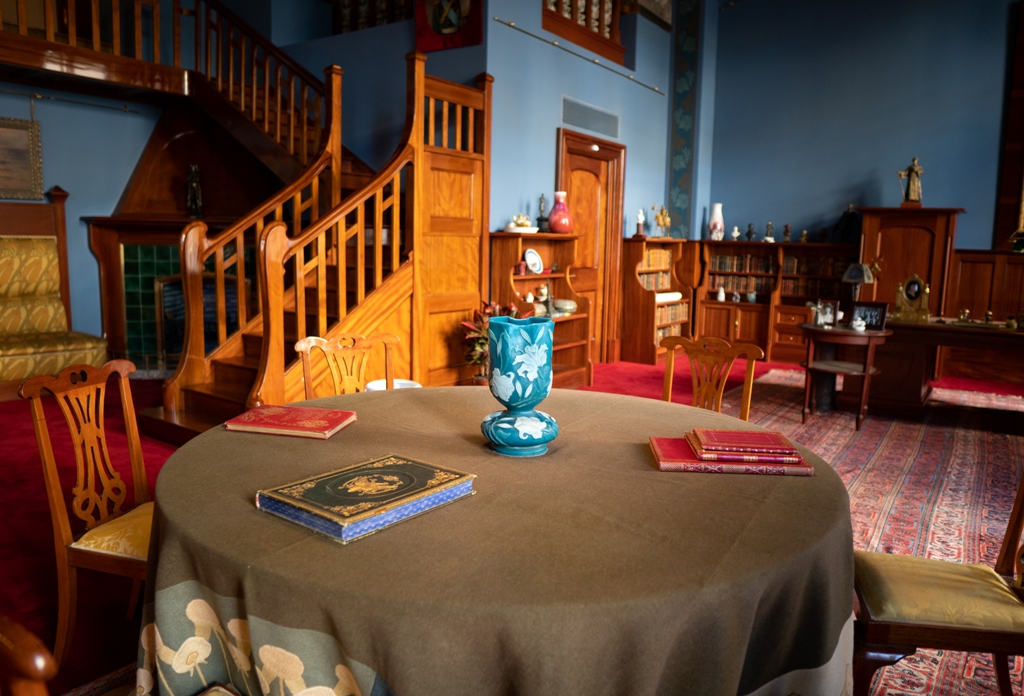
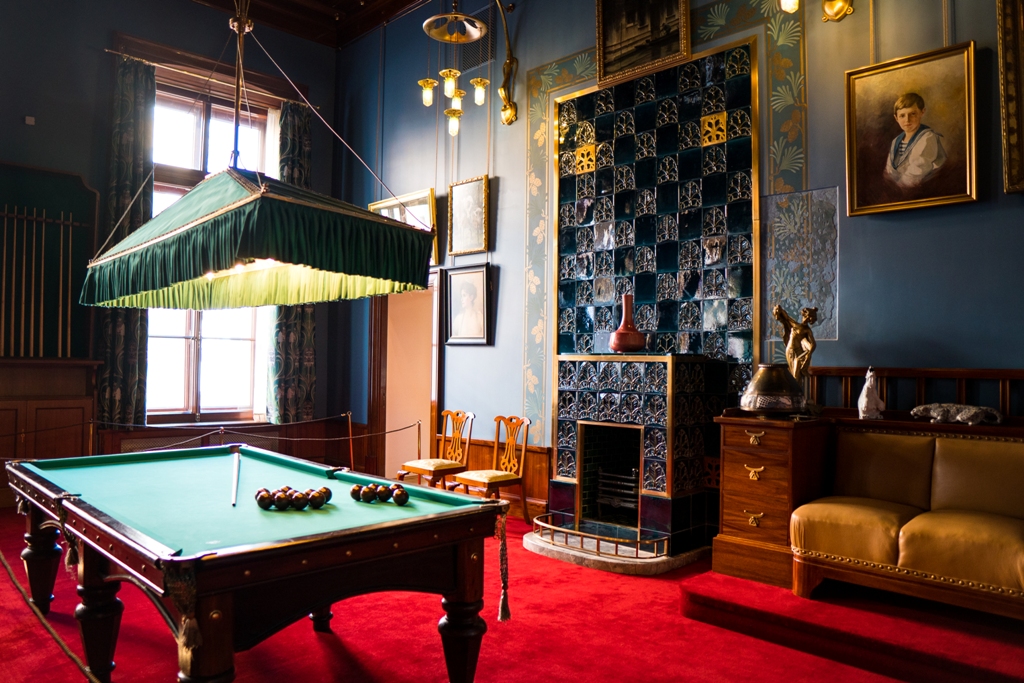
In addition, the State Halls located in the central part of the Alexander Palace will also be available to visit: the Portrait Hall, the Semi-Circular Hall and the Marlbe/Billiard Hall.

The Western wing is scheduled for completion no earlier than 2024. After the completion of the work, the Alexander Palace will become a multifunctional museum complex, which will include exhibition halls, halls for temporary exhibitions, halls for research work and conferences, as well as a library and a children’s center. The basement floor will house a ticket booth, a museum shop, a café, a cloakroom, a tour desk, as well as technical and ancillary facilities.

© Paul Gilbert. 6 August 2021
***

Dear Reader: If you enjoy my articles and updated on the history and restoration of the Alexander Palace, then please help support my research by making a donation in US or Canadian dollars to my project The Truth About Nicholas II – please note that donations can be made by GoFundMePayPal, credit cardpersonal check or money order

Your donation helps support my work in a number of ways, including research, the cost of translations from Russian media and archival sources, the maintenance of my news blog: Nicholas II. Emperor. Tsar. Saint., the organization of conferences and other events. Thank you for your consideration – PG

Nicholas II’s passion for ice hockey

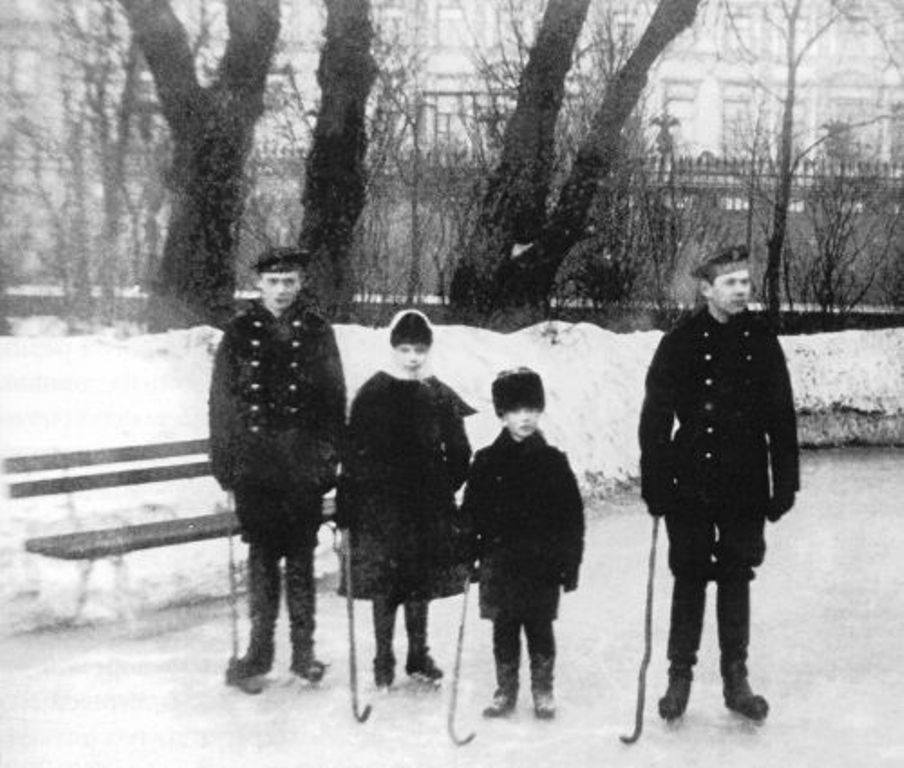
PHOTO: Grand Duke George, Grand Duchess Xenia, Grand Duke Mikhail and Grand Duke Nicholas Alexandrovich [future Emperor Nicholas II] playing ice hockey on the skating rink of the Anichkov Palace, St. Petersburg. 1880s.

Emperor Nicholas II, was perhaps the most avid sportsman of all Russian tsars. He took up cycling at an early age, and, and from the 1890s developed a great passion for lawn tennis. In addition, he enjoyed hiking, swimming, shooting, and all kinds of physical activity, from long walks in the park with his dogs, chopping wood and shovelling snow.

In his youth, Nicholas also enjoyed ice skating and hockey. He learned how to skate during his family’s residency at Gatchina, where the garden would be flooded during the winter months, whereby the children of Emperor Alexander III would ice skate.

When the garden of the Anichkov Palace – the residence of Alexander III in St. Petersburg – was expanded, ice mountains and a skating rink were arranged in the garden. The August children: Nicholas, George, Xenia, Mikhail and later Olga, gathered here with invited friends, the Emperor often taking part in their games on the frozen ice.

Nicholas knew how to skate, but he was not a big fan, he preferred ice hockey. He even played hockey without skates, but in boots, with bent sticks [see photos], chasing a rubber ball.

During his first years as Emperor, Nicholas Alexandrovich managed to find time to visit the skating rink at the Anichkov Palace, where his mother Dowager Empress Maria Feodorovna was living at the time. During the winter of 1894–1895, when the 26-year-old Tsar was overwhelmed with his duties as Emperor and Autocrat. In addition, his young wife Empress Alexandra Feodorovna demanded attention. Nevertheless, during the winter of 1895, Nicholas managed to enjoy the skating rink at the Anichkov Palace on three separate occasions: 13th and 20th January and 8th February respectively.

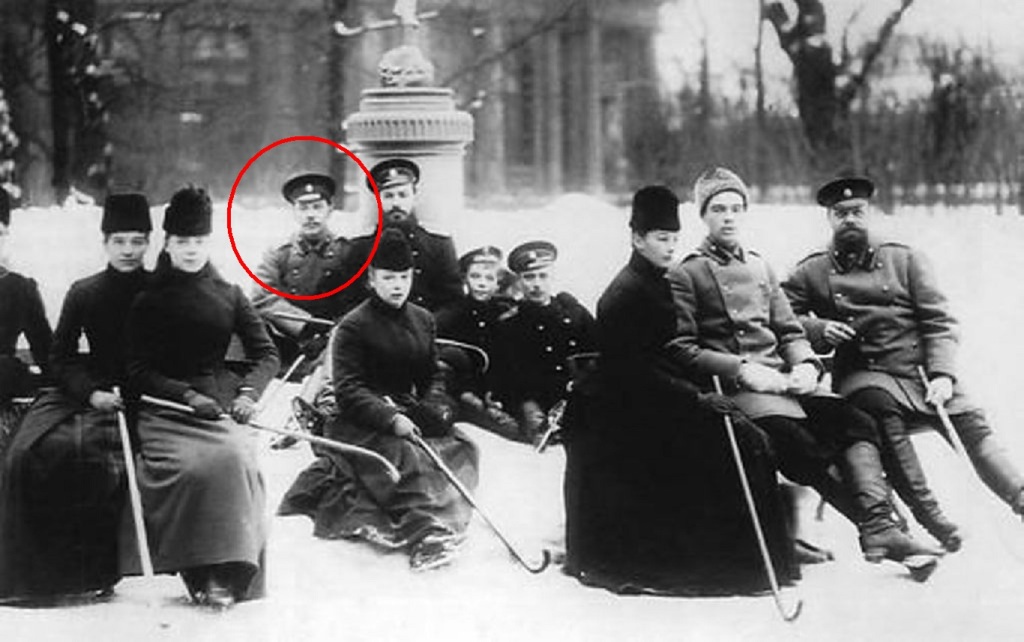
PHOTO: Grand Duke Nicholas Alexandrovich [future Emperor Nicholas II] with members of his family playing ice hockey on the skating rink of the Anichkov Palace, St. Petersburg; his father Emperor Alexander III is seated on the far right. Late 1880s-early 1890s.

Nicholas II was delighted when he discovered that his beloved Alix also knew how to skate, especially since his 23-year-old wife constantly complained of pain in her legs. The tsar wrote: “We skated, Alix is very good on them.” Due to health issues, Alexandra Feodorovna was forced to hang up her ice skates.

In January 1896, Nicholas II and Alexandra Feodrovna settled down in the new apartments prepared for them in the Winter Palace. As a loving son, the Emperor and his wife went daily to tea at the Anichkov Palace to see his mother, where he often took the opportunity to skate for a couple of hours on the rink with old friends.

On 4th January 1896, Nicholas II wrote in his diary: “Went to breakfast in Anichkov. We walked in the garden and played as before on the rink; Xenia and Sandro were skating.” Nicholas II often visited the skating rink that winter. In January 1896 he visited the rink 13 times. Even in bad weather Nicholas skated regardless: “There was a blizzard on the rink, so you could hardly see the balls”; “A strong wind was blowing, preventing the balls from flying”; “The fog was very thick, so it was difficult to play on the rink because the balls were not visible.”

However, life took its toll. The Emperor matured, his family grew rapidly. Political problems grew, and by the early 1900s, his winter skating rinks, which he enjoyed so much moved into the realm of dreams past.

© Paul Gilbert. 2 August 2021
Did Saint Seraphim of Sarov predict the death and martyrdom of Russia’s last tsar?

PHOTO: Emperor Nicholas II, Empress Alexandra Feodorovna and Grand Duchess Elizabeth Feodorovna were present at the canonization of Seraphim of Sarov (1754-1833) on 1 August (O.S. 19 July) 1903

On 1st August, Russian Orthodox Christians celebrate the canonization of Seraphim of Sarov (1754-1833), one of the most revered saints in the Russian Orthodox Church.

During his reign, the pious Emperor Nicholas II sanctioned the canonization of more saints than any previous sovereign. Among those glorified during his reign were: St. Theodosius of Chernigov (glorified in 1896), St. Isidore of Yuriev (1897), St. Euphrosyne of Polotsk (1909), St. Anna of Kashin (1910), St. Joasaph of Belgorod (1911), St. Hermogenes of Moscow (1913), St. Pitirim of Tambov (1914), St. John (Maximovich) of Tobolsk (1916) and St. Paul of Tobolsk (1917).

At the end of January (O.S.) 1903, the Most Holy Synod, having received approval from Emperor Nicholas II, announced Seraphim’s forthcoming glorification. In early July 1903, his relics were transferred from their original burial place to the Church of Saints Zosimus and Sabbatius in Sarov.

A beautiful marble shrine was arranged by Nicholas II and Alexandra Feodorovna – “a luxurious work of art in the Russian style of Moscow,” said Metropolitan Veniamin (Fedchenkov). In addition, the August couple provided a new cypress coffin to receive the relics. The rug which covered the tomb was embroidered by the Empress’s own hands.

The solemn canonization festivities took place in Sarov on 1st August (O.S. 19th July) 1903 and were attended by Emperor Nicholas II, his wife Empress Alexandra Feodorovna, his mother Empress Maria Feodorovna, and numerous grand dukes and grand duchesses of the Imperial Family. More than 100,000 faithful from across the Russian Empire arrived in Sarov to take part in the Cross Procession.

The events at Sarov marked a momentous occasion in the life of Nicholas II. It was during this visit that the Emperor received a letter written by the saint some 70 years earlier. Shortly before his death in 1833, the saint had written this letter, sealed it with five wax seals and addressed it “to the fourth sovereign who will arrive in Sarov, and as yet is not known”.

PHOTO: wall painting depicting Emperor Nicholas II and Empress Alexandra Feodorovna with Blessed Parasceva Fool-for-Christ, in the Church of Our Lady of Kazan of the Diveyevo Monastery

He then gave it to Elena Motovilova, whose husband is now well-known for recording his conversation with the saint about the acquisition of the Holy Spirit. She kept that letter for seventy years and gave it to the Tsar at the glorification ceremony.

Although the Sovereign never revealed the letter’s contents, it is believed that it was a prophecy of the bloodshed that would engulf Russia in less than fifteen years. According to the recollections of eyewitnesses, after reading the letter the Emperor wept bitterly.

Seraphim of Sarov correctly predicted the inevitable death of the Emperor and his family. He said that after him there will be no more tsars in Russia. But he noted that Nicholas II would be elevated higher than all the tsars, apparently anticipating the canonization of the Imperial family.[1] The saint also predicted future trials for Russia: the plundering of monasteries and church property, the tragic death of a large number of people, troubled times and rebirth after.

Furthermore, on the return trip from Sarov, the Imperial Family visited St. Seraphim’s Diveyevo Convent where Blessed Parasceva Fool-for-Christ [2] spoke to them for several hours; it is said that she foretold to them their own martyrdom as well as that of Holy Russia.

Following the Bolshevik Revolution, as part of their persecution of the Russian Orthodox Church, the Bolsheviks confiscated many relics of saints, including St. Seraphim. The fate of the letter remains unknown.

In 1991, St. Seraphim’s relics were rediscovered after being hidden in a Soviet anti-religious museum for seventy years. This caused a sensation in post-Soviet Russia and throughout the Orthodox world. A crucession (religious procession) escorted the relics, to her final resting place, near the altar of the Trinity Cathedral of the Seraphim-Diveevsky Monastery. [3]

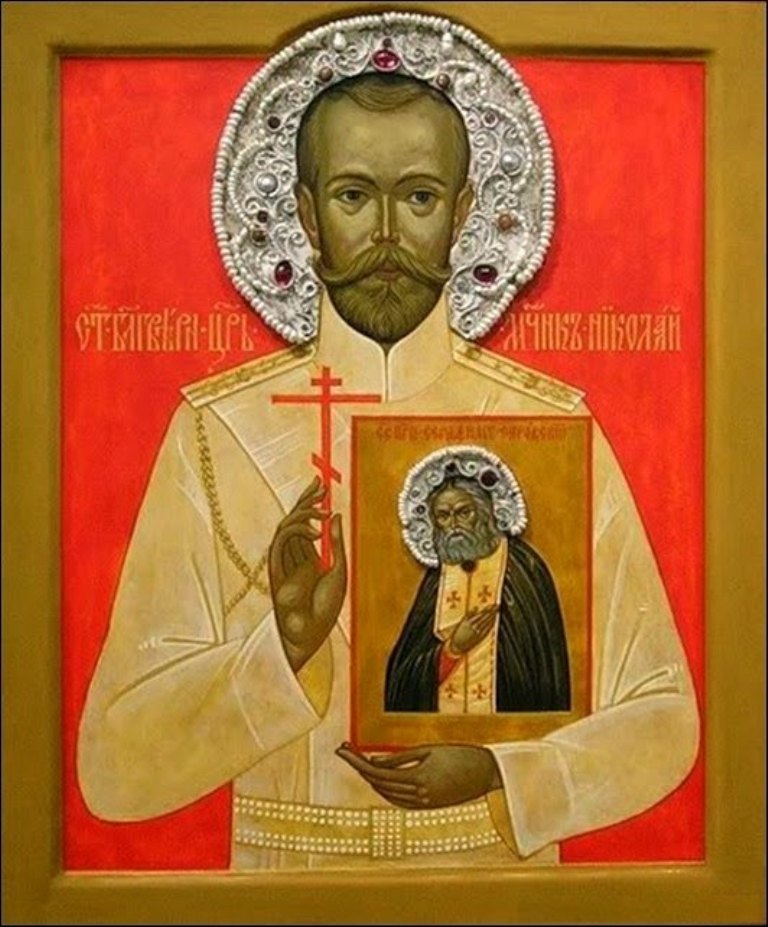
PHOTO: Icon of Saint Tsar-Martyr Nicholas II holding an icon of Saint Seraphim of Sarov

NOTES:

[1] On 1st November 1981, Emperor Nicholas II and his family were canonized as new martyrs by the Russian Orthodox Church Abroad (ROCOR), however, it was not until 20th August 2000, that they were canonized as passion bearers by the Moscow Patriarchate of the Russian Orthodox Church.

[2] Praskovya Semyonovna Dybina was born in 1795. The famous nun confessor died on 5th October (O.S. 22nd September) 1915, at the age of 120.

On 31st July 2004, Blessed Paraskeva was numbered among the locally revered saints of the Nizhny Novgorod diocese, and on 6th October of the same year, the Council of Bishops of the Russian Orthodox Church established her church-wide veneration. The holy relics were uncovered on 20th September 2004 and now rest in the Church of Our Lady of Kazan of the Seraphim-Diveevsky Monastery. Her memory is celebrated on 5th October (O.S. 22nd) September.

[3] The Seraphim-Diveevsky Monastery is situated 12 km from Sarov, and 185 km from the city of Nizhny Novgorod.

© Paul Gilbert. 1 August 2021
Summer Views of the Alexander Palace and Park

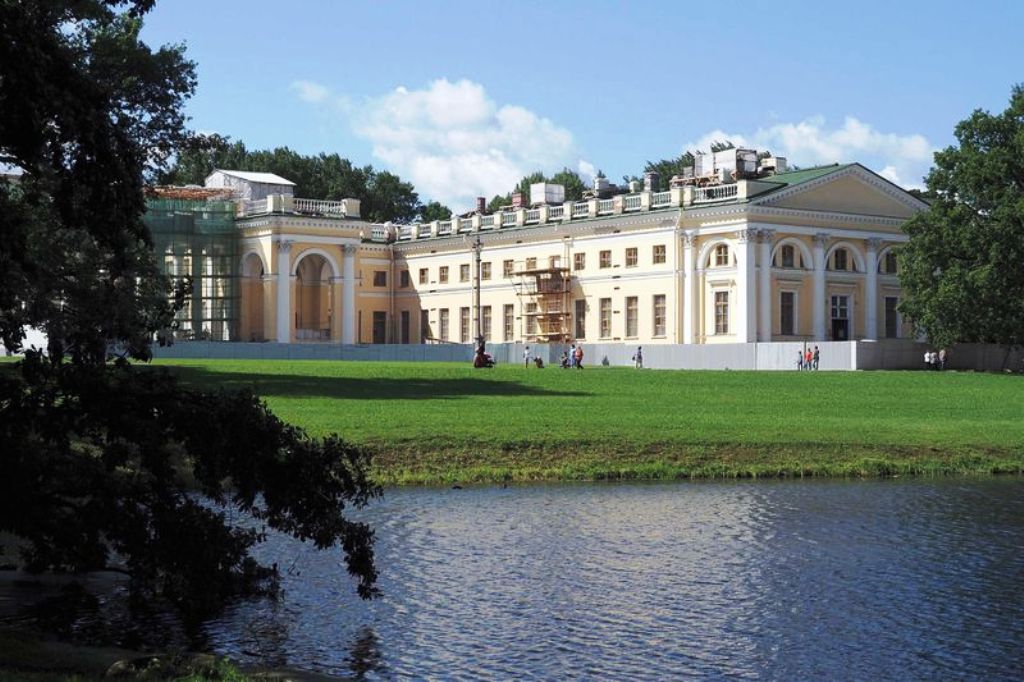
PHOTO: aerial view of the front of the Alexander Palace. The eastern wing (left) contains the private apartments of Emperor Nicholas II and his family. It was here in the Alexander Palace, that Russia’s last Emperor and Tsar was born on 19th (O.S. 6th) May 1868.

UPDATE! this article was originally published on 29th July 2021. Several weeks later, the Alexander Palace officially reopened to visitors on 14th August 2021 – PG
The Alexander Palace at Tsarskoye Selo has been closed to visitors since autumn 2015. Since that time, it has been undergoing a much needed restoration, one which will include the historical recreation of the interiors of the private apartments of Nicholas II and Alexandra Feodorovna, located in the eastern wing of the palace.

In recent months, the efforts of designers, craftsmen, artists and other experts have breathed new life into the interiors of Russia’s last Imperial Family. Photographs and media tours have offered us just a peek inside, generating excitement among anxious visitors within Russia and abroad.

Sadly, the highly anticipated reopening has been delayed on numerous occasions over the past year: the palace was due to open on 20th August 2020, it was then postponed until December 2020, then delayed until late May or early June of 2021.

For some reason, the Tsarskoye Selo State Museum-Reserve cannot provide the public with a firm date. They were hopeful that the Alexander Palace would reopen in time for the summer tourist season. The reopening is surrounded in secrecy and rumours. One rumour is that the palace will reopen its doors to visitors on 14th August, the date marking the 104th anniversary when the Imperial Family left the palace for the last time and sent into exile.

Further delays caused by the COVID situation in Russia – which in recent weeks has spiralled out of control – has caused further delays on the restoration of the palace and its reopening. The situation is compounded even further, by the fact that Russia’s borders are closed to most foreigners. There is no indication just when these restrictions will be lifted.

Setting aside any rumours and travel restriction, only time will tell if and when the Alexander Palace will reopen by the end of this summer, or will it be delayed . . . yet again?

In the meantime, I have assembled the following collection of photos of the Alexander Palace and Park, all of which evoke the beauty and tranquillity of this place. After viewing these images, I am sure that you will agree that it is quite understandable why the Imperial Family enjoyed the time they spent here together – PG

PHOTO: aerial view of the rear of the Alexander Palace. Situated facing the Alexander Park are the windows of the Semi-Circular Hall [seen in the photo]. It was through these doors on 14th (O.S. 1st) August 1917, that the Imperial Family and their retinue departed the Alexander Palace for the last time.

PHOTO: The main gate leading into the Alexander Palace at Tsarskoye Selo. The gate was installed in 1898, based on the design of the Russian architect (of Italian origin) Silvio Amvrosievich Danini (1867-1942). The view from the street has remained virtually unchanged since the early 20th century.

Following Nicholas II’s abdication on 15 March (O.S. 2 March) 1917,”Colonel Romanov” passed through these gates to be reunited with his family. Together, they lived here under house arrest, until their exile to Tobolsk on 14th (O.S. 1st) August of the same year.

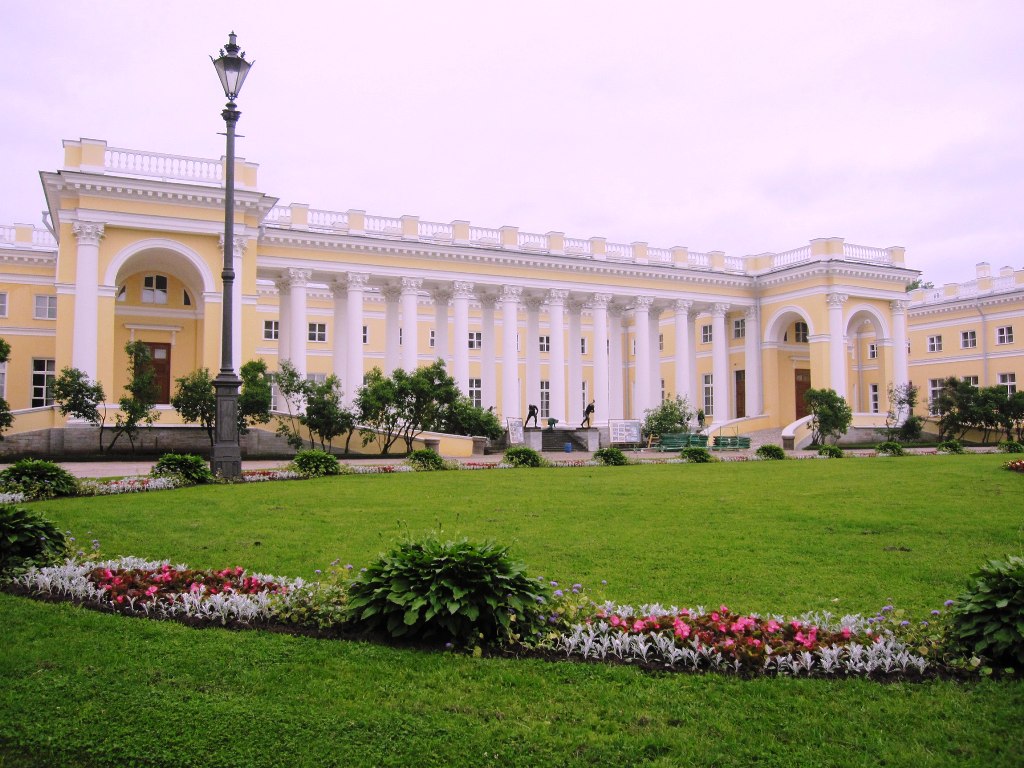
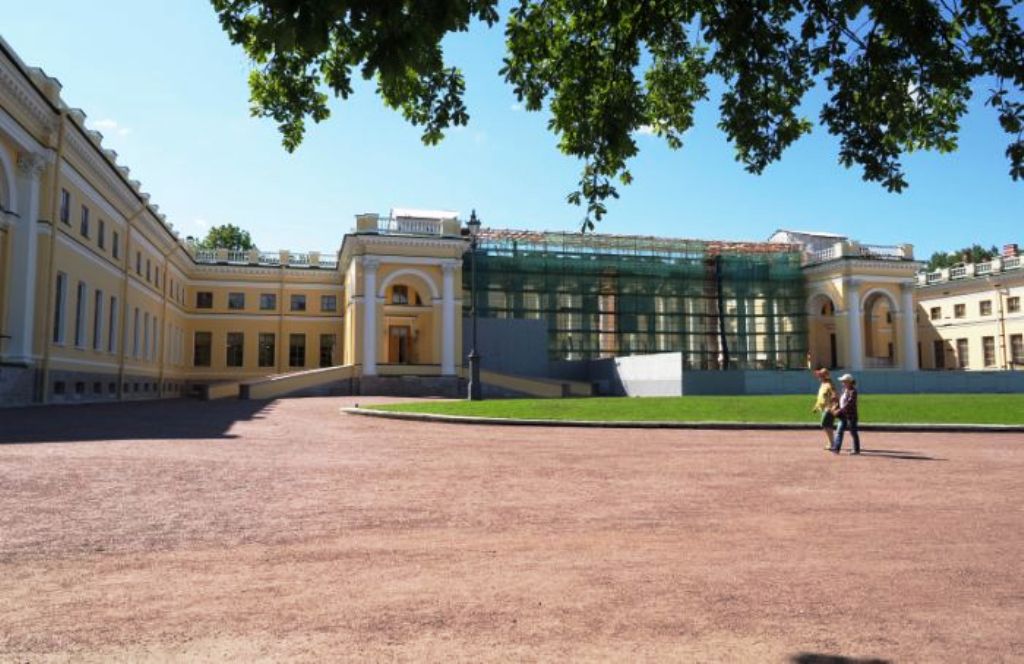
PHOTO: view of the eastern wing of the Alexander Palace. Fifteen interiors situated in the eastern wing of the palace, are now scheduled to open to visitors in the summer of 2021. Among the recreated interiors are the New Study of Nicholas II, Moorish Bathroom of Nicholas II, Working Study of Nicholas II, Reception Room of Nicholas II, Pallisander (Rosewood) Living Room, Mauve (Lilac) Boudoir, Alexandra’s Corner Reception Room, the Imperial Bedroom, among others. This wing of the palace will become known as the ‘Museum of the Russian Imperial Family’.

PHOTO: it is hard to imagine that during the Nazi occupation of Pushkin [Tsarskoye Selo] during the Great Patriotic War [1941-45], that this beautifully landscaped garden in front of the Alexander Palace, was a cemetery for 85 SS officers. The markers were removed after the war, however, it would be many years before the remains were exhumed and sent to Germany for burial.

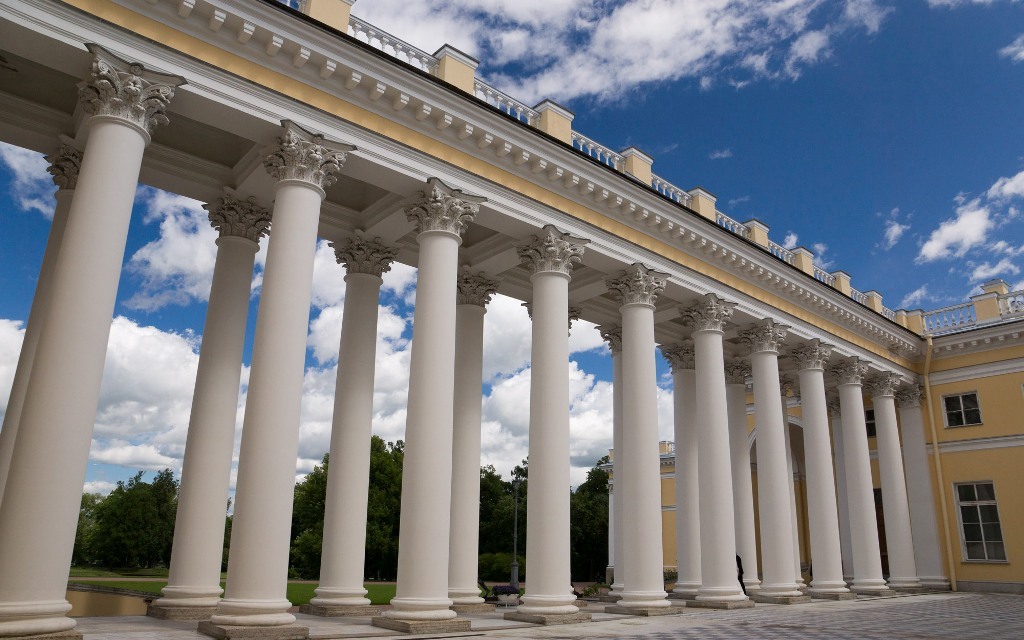
PHOTO: two rows of Corinthian columns cut across the central colonnade of the Alexander Palace, connecting the eastern and western wings. The columns compliment the Neoclassical edifice. Built between 1792 and 1796 by the famous architect Giacomo Quarenghi (1744-1817), upon completion, it was agreed that the architect had excelled himself in creating a masterpiece.

The Western wing is scheduled for completion no earlier than 2024. After the completion of the work, the Alexander Palace will become a multifunctional museum complex, which will include exhibition halls, halls for temporary exhibitions, halls for research work and conferences, as well as a library and a children’s center. The basement floor will house a ticket booth, a museum shop, a café, a cloakroom, a tour desk, as well as technical and ancillary facilities.

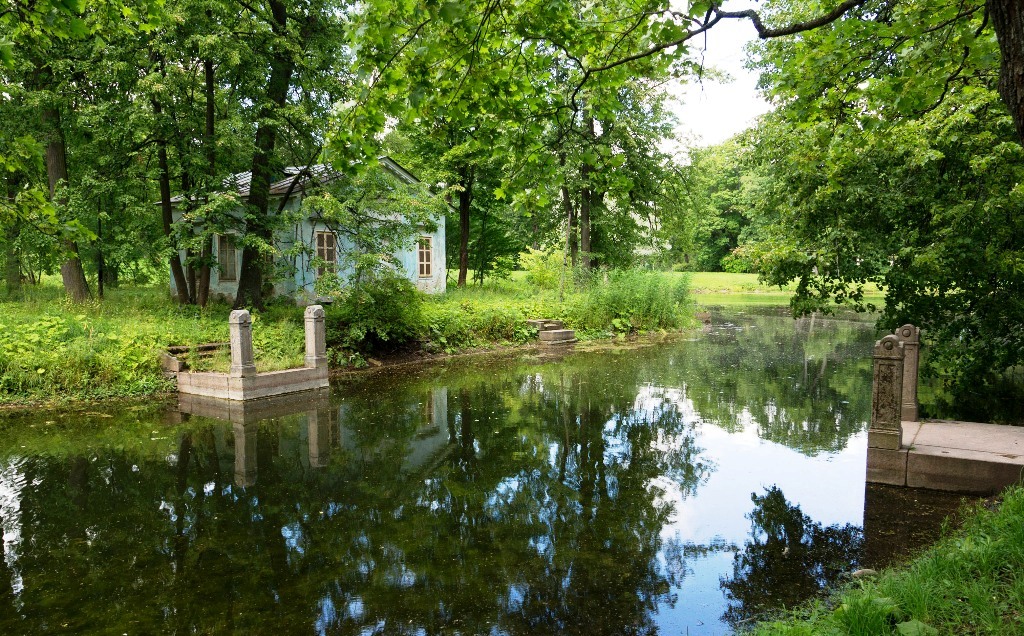
PHOTO: situated just steps past the western wing of the Alexander Palace is the Children’s Island and House.

The island features a tiny house built for the children of Emperor Nicholas I, and later enjoyed by the children of three successive monarchs: Alexander II, Alexander III and Nicholas II. To the left of the house is a small cemetery, where the Tsar buried his favourite dogs. The cemetery has survived to this day.

The island was reached by a pull-ferry, whereby sailors would pull ropes sending the ferry over to the island and back from the park’s shore.

According to the Tsarskoye Selo State Museum, there are plans to eventually restore the Children’s Island and Pavilion, once funding has been secured.

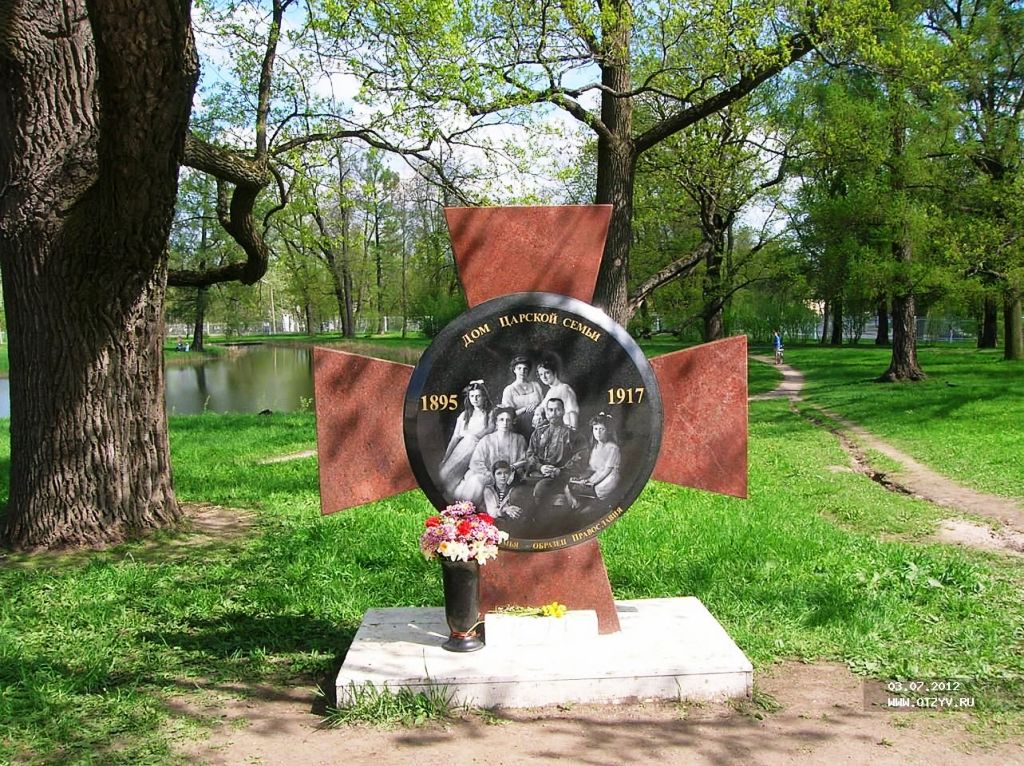
PHOTO: in 2007, this memorial was erected in the park near the palace. The memorial consists of a granite cross and the image of the Imperial Family. The Russian inscription reads Дом царской семьи 1895-1917Home of the Tsar’s family 1895-1917. Sadly, the memorial was removed in May 2010, its whereabouts remains unknown.

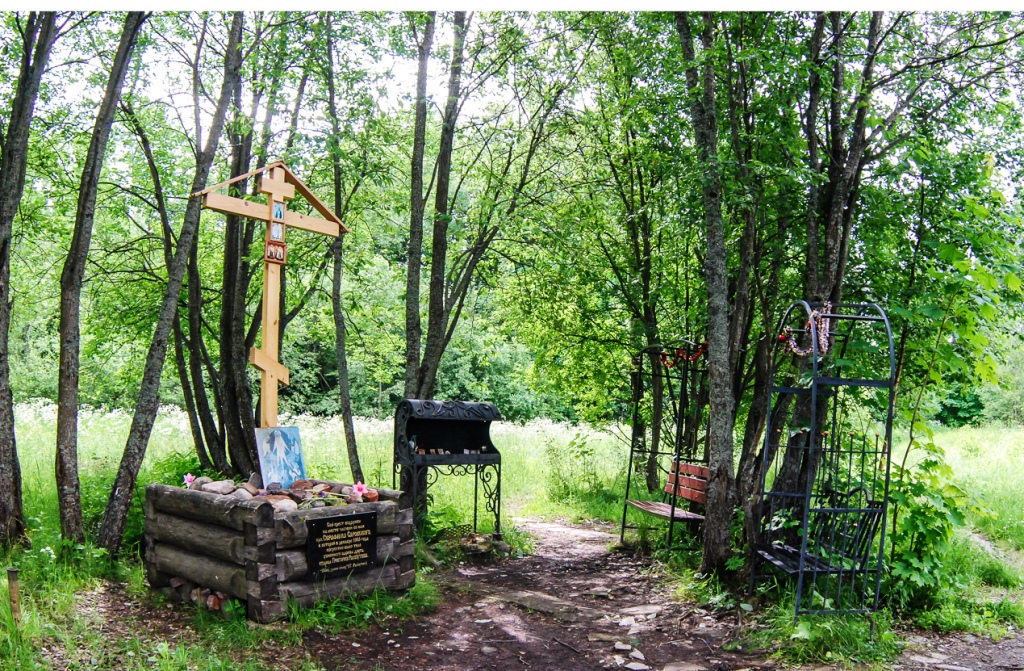
PHOTO: also situated in the Alexander Park, is the alleged first grave of Grigorii Rasputin (1869-1916). Every year on the anniversary of his death, Orthodox Christians come here to honour his memory [there is a growing movement to canonize Rasputin]. The grave is repeatedly vandalized.

Rasputin was buried on 2nd January (O.S. 21st December) at a small church that Anna Vyrubova had been building in the Alexander Park. The funeral was attended only by the Imperial Family and a few of their intimates. Shortly after the Tsar abdicated the throne in March 1917, a detachment of soldiers exhumed Rasputin’s corpse and burned by on the night of 11th March in the furnace of a steam boiler at the Polytechnic Institute in Petrograd.

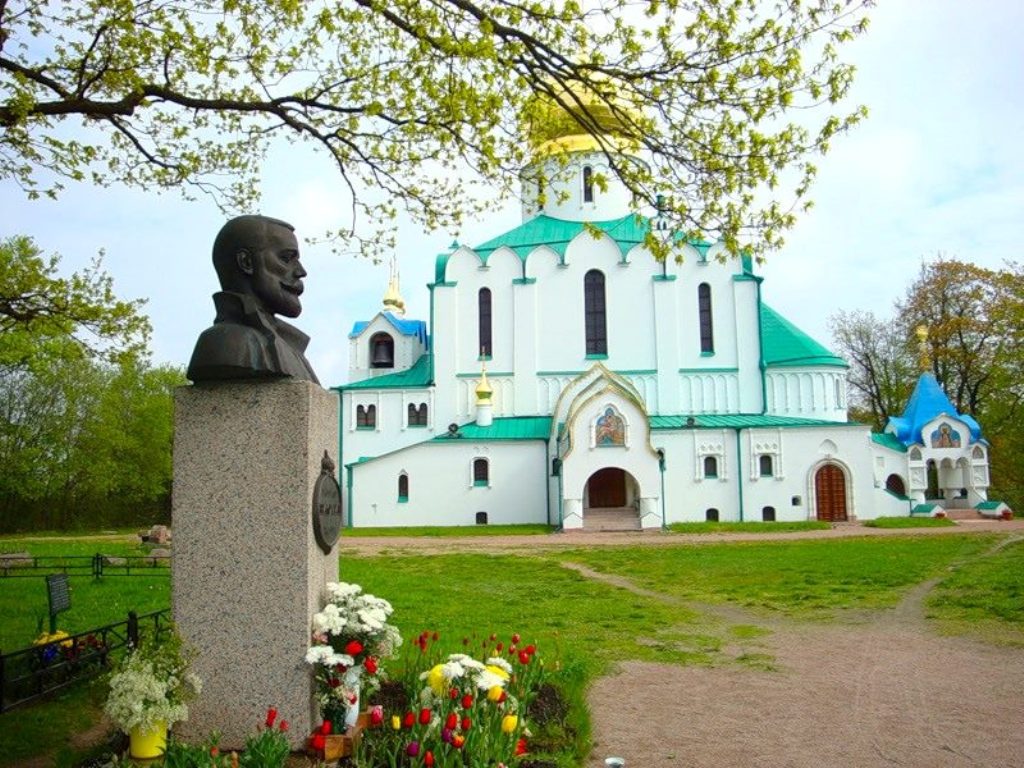
PHOTO: Situated in the garden behind the Feodorovsky Sovereign Cathedral [the household church of Nicholas II and his family] at Tsarskoye Selo, is a bust-monument to Tsar-Martyr Nicholas II, the work of St. Petersburg sculptor Victor Vladimirovich Zaiko (born 1944).

The monument was consecrated on 17th July 1993, the day marking the 75th anniversary of the murder of Nicholas II. Hundreds of Orthodox Christians and monarchists gathered for the official opening and consecration of the first monument to Emperor Nicholas II to be established in post-Soviet Russia.

The monument stands in front of a small group of oak trees, seen in the background, which were planted by Nicholas II and his family on 4 May (O.S. 21 April) 1913. Of the seven trees planted, only four have survived to the present day.

Click HERE to view Winter Views of the Alexander Palace and Park, published on 1st February 2021
© Paul Gilbert. 29 July 2021

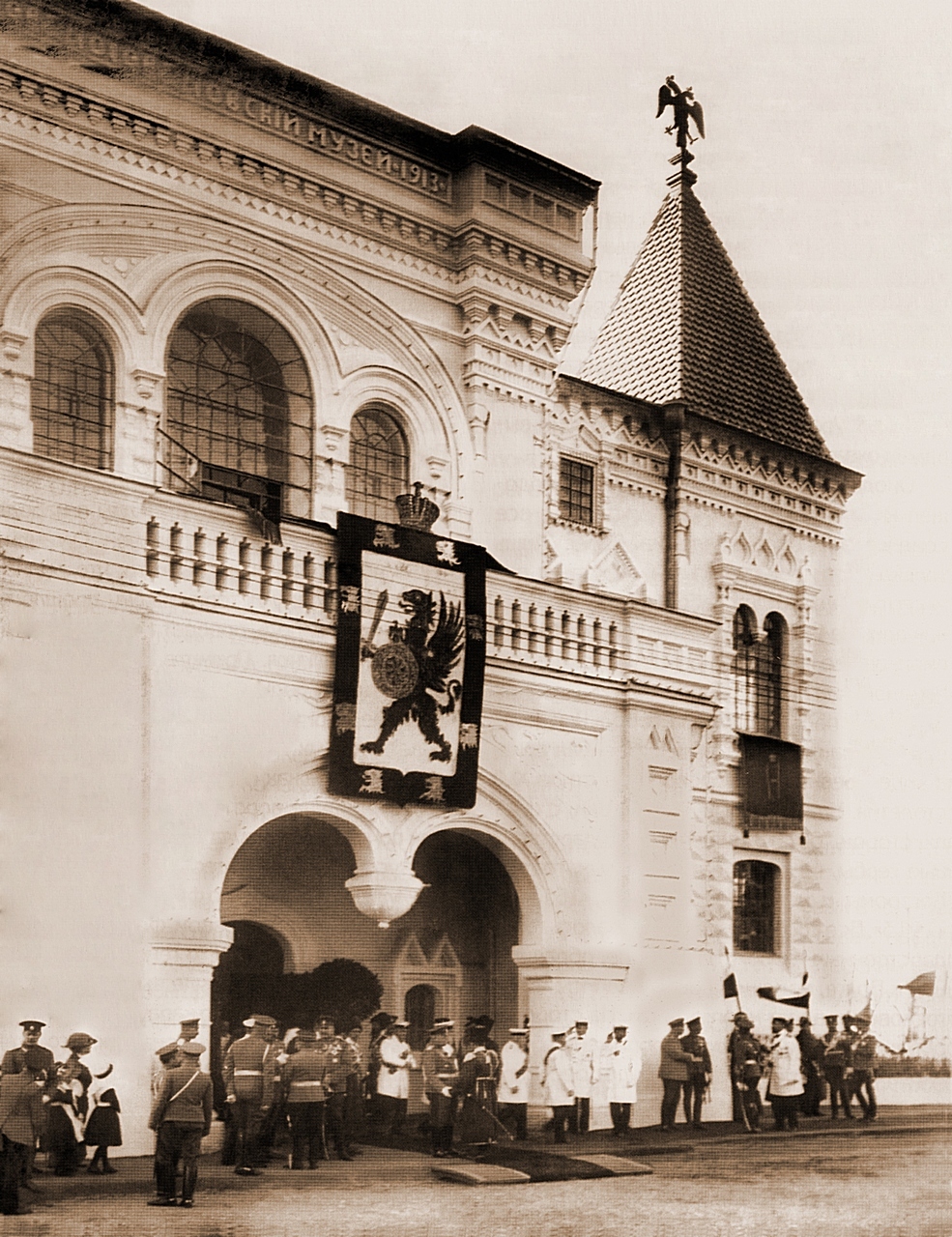
Nicholas II and the opening of the Romanov Museum in Kostroma, 1913

PHOTO: Nicholas II opens the Romanov Museum in Kostroma, 19th May 1913

The idea of ​​creating the Romanov Museum belonged to the chairman of the Kostroma Provincial Scientific Archive Commission, who proposed opening a special Romanovsky department “for collecting and storing information and data about the ancestors of the ancestor of the reigning house of Tsar Mikhail Fedorovich.” His proposal was supported by Emperor Nicholas II, who approved the official use of the name “Romanovsky department”.

As the number of exhibits multiplied each year, the Romanovsky department ran out of space, and the question of creating a separate museum building arose. In 1907 the governor of Kostroma Alexei Porfirievich Veretennikov (1860-1927), reported to Moscow about the funding for the construction of the museum (donated by the Kostroma City Duma, industrialists, nobles and local residents) and a plot of land for the future museum. The permission to use the name “Romanov Museum” and the promise of co-financing came from Moscow.

In 1908, the project of the building was developed by the architect Nikolai Ivanovich Gorlitsyn (1870-1933), the construction began in 1909. In 1912, Nicholas II issued an order of 35 thousand rubles for the completion of the internal arrangement and interior decoration of the Romanov Museum, as well as the external decoration necessary for the opening of the museum.

In May 1913, Nicholas II and his family arrived in Kostroma as part of the celebrations marking the 300th anniversary of the Romanov dynasty and attended the official opening of the Romanov Museum. The Emperor and his family became the first visitors to the museum and left their names in the memorial book, which has survived to this day.

Currently, the Romanov Museum has several expositions, but one remains unchanged – about the role of Kostroma in the history of the Romanov dynasty.

***

Bust of Nicholas II unveiled in Kostroma

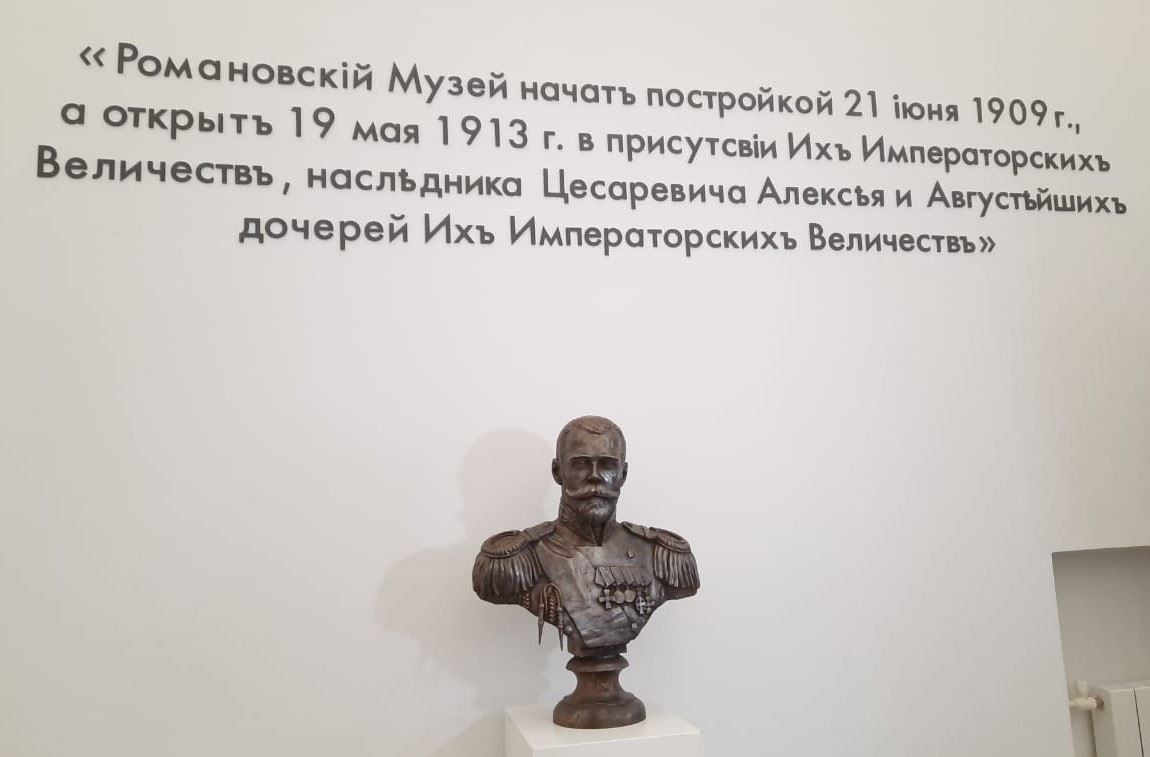
Earlier this week, a new bronze bust of Emperor Nicholas II was presented to the Romanov Museum in Kostroma, where it now stands in the foyer of the museum [photo above]. The Emperor is depicted wearing the uniform of the Guards crew, complete with orders and medals.

The inscription on the wall reads: “The Romanov Museum began construction on 21 June 1909, and opened on 19 May, 1913 in the presence of their Imperial Majesties, the Tsesarevich Alexei and the August daughters of their Imperial Majesties”

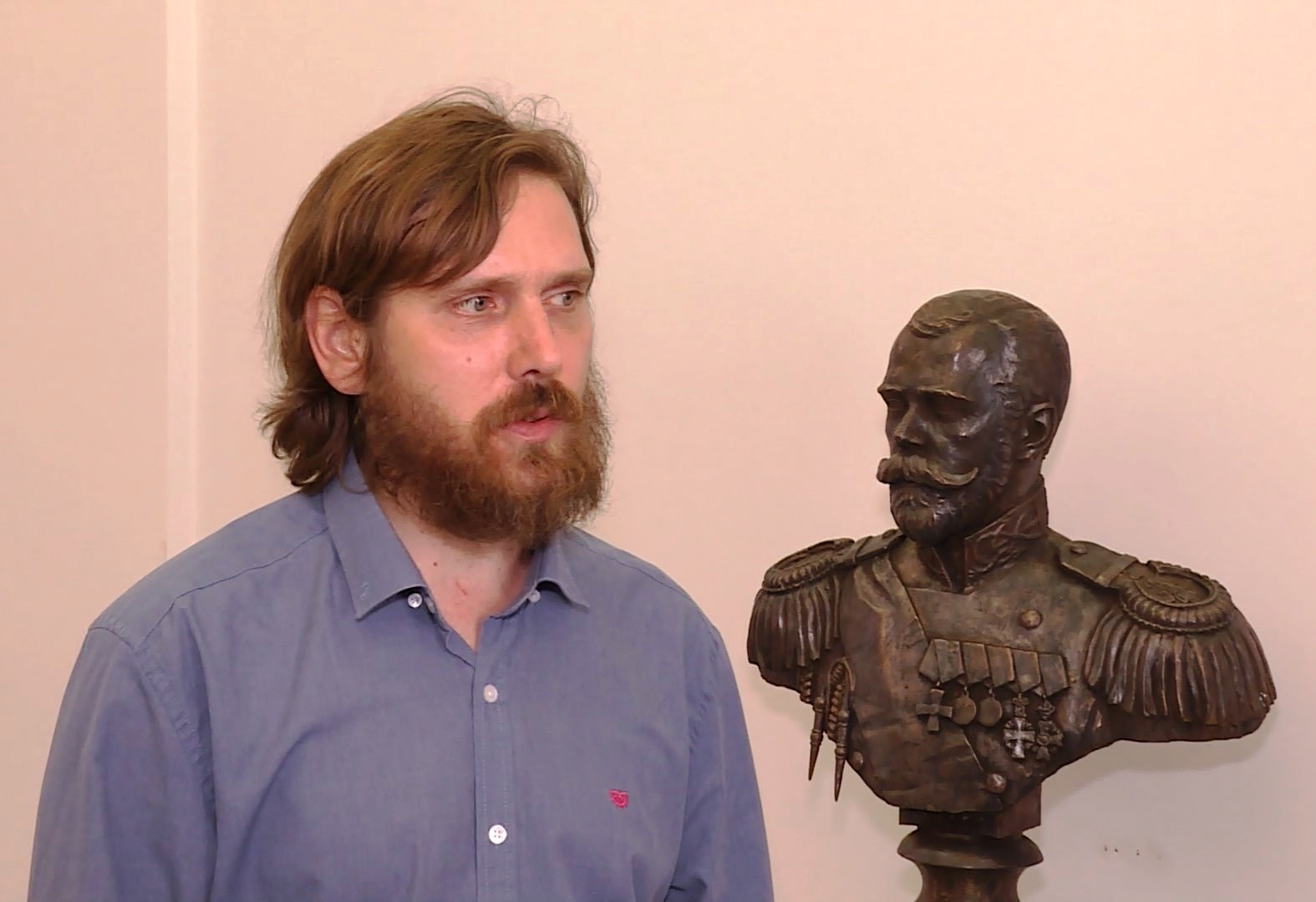
The bronze bust was created by the contemporary Moscow sculptor Vasily Moskvitin [photo below]. The sculptor who is passionate about Russian history, has created sculptures and busts dedicated to Russian princes and saints, including Patriarch Tikhon (1865-1925).

The theme of the last emperor is the latest in the work of Moskvitin. For the Romanov Museum in Kostroma, however, the master decided to create a different sculptural portrait.

“Yes, he was also made to wear a crown of thorns, however, I did not want to present Nicholas II in the tragic image he is so often depicted. Instead, he is presented as the living soul of a person, to reveal his true character. Nicholas II was a very intelligent person, cheerful, with radiant eyes, which emitted kindness. I tried to capture all these features in my bust,” said Moskvitin.

© Paul Gilbert. 23 July 2021

Britain’s first memorial to the Russian Imperial Family

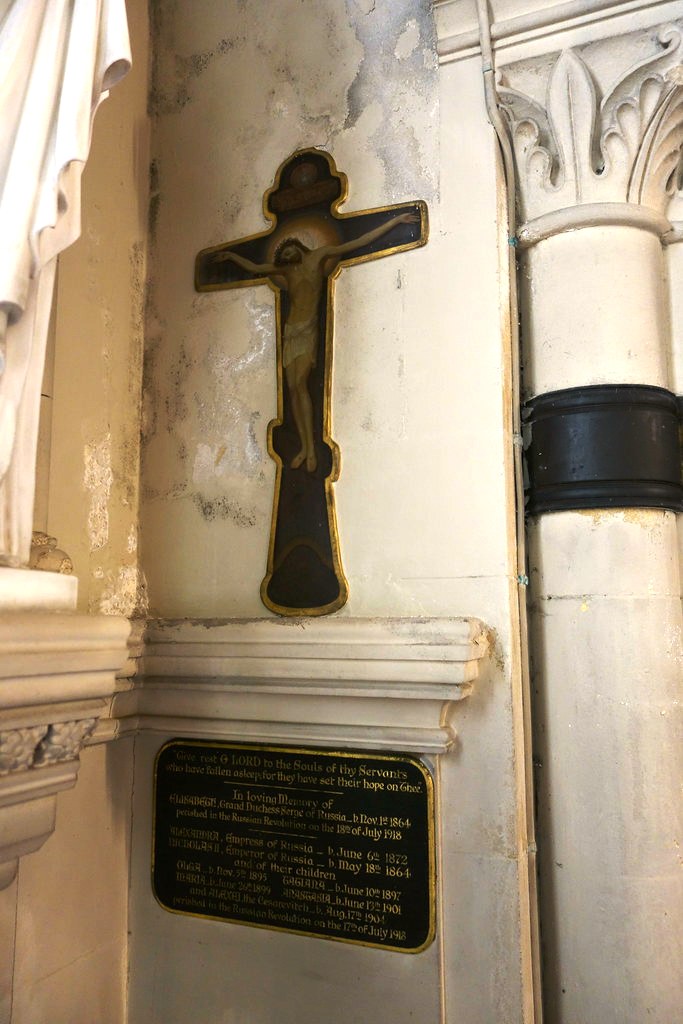
Up until a few years ago, Britain’s first and only memorial to Emperor Nicholas II and his family was located in the Battenberg Chapel in St Mildred’s Church, Whippingham, Cowes, on the Isle of Wight.

It was here that Princess Victoria Mountbatten (1863-1950), the elder sister of Empress Alexandra Feodorovna and Grand Duchess Elizabeth Feodorovna, created a memorial plaque for the members of her family who were brutally murdered in the Urals by the Bolsheviks in July 1918.

The memorial is tucked away in a corner of the Battenberg Chapel.

“Give rest O LORD to the Souls of thy Servants
who have fallen asleep, for they have set their hope on Thee”.

In loving memory of
ELISABETH, Grand Duchess Serge of Russia – b. Nov. 1st 1864
perished in the Russian Revolution on the 18th of July 1918

ALEXANDRA, Empress of Russia – b. June 6th 1872
NICHOLAS II, Emperor of Russia – b. May 18th 1864*
and of their children
OLGA – b. Nov. 5th 1895 TATIANA – b. June 10th 1897
MARIA – b. June 26th 1899 ANASTASIA – June 13th 1901
and ALEXEI, the Caesarevich – b. Aug. 17th 1904
perished in the Russian Revolution on the 17th July 1918

* Nicholas II was born in 1868, not 1864, as shown on the plaque

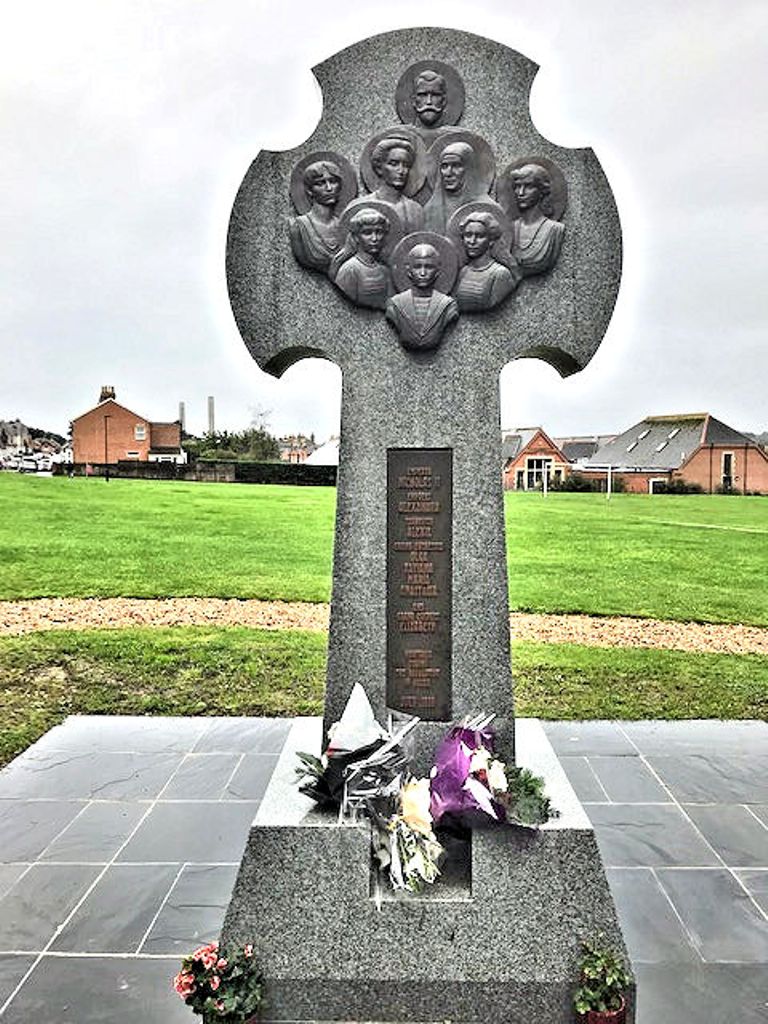
On 7th July 2018, a granite memorial [above photo] with bronze relief portraits of the Russian Imperial Family, was unveiled at East Cowes on the Isle of Wight. The monument marking the 100th anniversary of the death and martyrdom of Nicholas II and his family was created by the Moscow sculptor Elena Bezborodova.

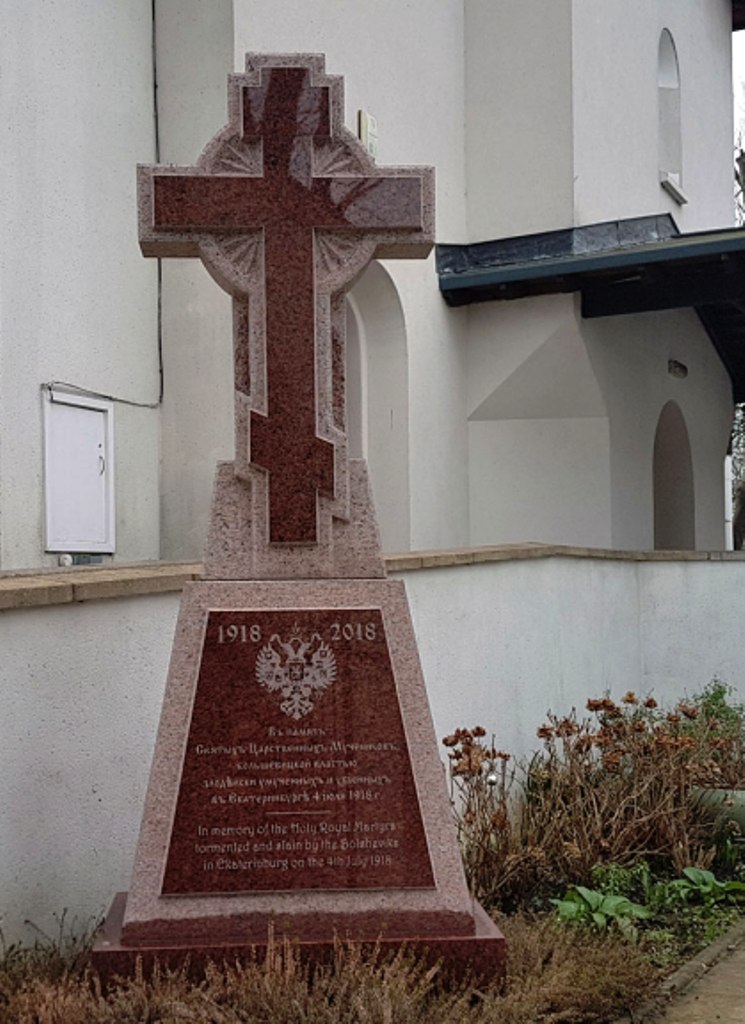
On 13th July 2018, a monument [above photo] was also erected in memory of the Holy Royal Martyrs, on the grounds of the Cathedral of the Nativity Of the Most Holy Mother of God and the Royal Martyrs in the London Borough of Hounslow.

© Paul Gilbert. 20 July 2021