VIDEO: French President Raymond Poincare’s State Visit to Russia

I am delighted to share this vintage newsreel depicting French President Raymond Poincare’s State Visit to Russia. Pomcare visited Tsar Nicholas II in St. Petersburg on two occasions in 1912 and 1914.

Pomcare visited Tsar Nicholas II in August 1912, to bolster France’s military alliance with the Tsarist state.

In his book July 1914: Countdown to War (published in 2014) Russian historian Sean McMeekin claims that Poincaré won election as President of the Republic in 1913, his electoral victory aided by some two million francs in Russian bribes to the French press.

In 1913, it had been announced that Poincaré would visit St. Petersburg in July 1914 to meet Tsar Nicholas II. Accompanied by Premier René Viviani, Poincaré returned to Russia for the second time (but for the first time as president) to reinforce the Franco-Russian Alliance and giving France’s support for Russian military mobilization during the July Crisis of 1914.

In this newsreel we see Emperor Nicholas II with President Raymond Poincare of France at Krasnoye Selo, the summer military capital of the Russian Empire. We see Empress Alexandra Feodorovna and her daughters getting into some of the fine automobiles which the Emperor was so fond of.

This is followed by a parade of grand dukes and generals on horseback. Empress Alexandra Feodorovna is then seen riding in an open carriage with President Raymond Poincare, the Emperor on horseback riding along side.

Members of the Imperial Family join Poincare in a tent, positioned on a slight hill, where they can witness manoeuvres in honour of the French president’s state visit. Towards the end of the footage, the Empress is seen nodding as soldiers file past the tent and its guests.

Duration 4 mins., 19 sec. Very impressive!

© Paul Gilbert. 17 April 2020

VIDEO: Visit of Emperor Nicholas II to Riga, July 1910

This vintage newsreel captures events of the historic visit to Riga in the summer of 1910 by Emperor Nicholas II.

At the beginning of the newsreel we see the Imperial Yacht Standart sailing into the harbour. It is one thing to admire the Standart in photographs, however, it is only when one views it in a moving image, that one can put into perspective the sheer size of this magnificent “floating palace” – 128 m (420 feet) in length and 5557 tons standard in weight. It was the envy of all the royal houses of Europe and Great Britain.

Nicholas II’s visited Riga with his family for three days – from 3 to 5 July 1910. The Imperial Family arrived for the celebration marking the 200th anniversary of the capture of Riga from Sweden by Russian troops, making it part of the Russian Empire.

The highlight of the visit was the grand opening and consecration of the monument to Emperor Peter I on the Alexander Boulevard in Riga, which is also featured in this video.

Alexandre Spiridovitch writes about the tsar’s 1910 visit to Riga in his memoirs Last Years of the Court at Tsarskoe Selo Volume II (1910-1914) – first English language edition published in 2017 [now out of print].

© Paul Gilbert. 8 April 2020

UPDATE: Monument to Nicholas and Alexandra in Crimea

248c

Grand Duke Sergei Alexandrovich (left), Tsesarevich Nicholas Alexandrovich,
Princess Alix of Hesse and by Rhine, and Grand Duchess Elizabeth Feodorovna (right)

On 20th February 2020, I published an article Monument to Nicholas and Alexandra to be established in Crimea, a new monument marking a unique day, to be installed in the Russian city of Alushta, (situated 36 km from Yalta in Crimea) in the autumn of this year.

The photographs depicted in this update, show the progress on the monument, which features Tsesarevich Nicholas Alexandrovich (future Emperor Nicholas II, Princess Alix of Hesse and by Rhine (future Empress Alexandra Feodorovna), Grand Duke Sergei Alexandrovich and his wife Grand Duchess Elizabeth Feodorovna.

It was in the autumn of 1894, that Tsar Alexander III’s health began to further deteriorate. Nicholas obtained the permission of his dying father to summon Alix to the Imperial family’s Crimean palace of Livadia.

248b

Tsesarevich Nicholas Alexandrovich and Princess Alix of Hesse and by Rhine

The monument will be established in the Crimean town of Alushta on 10th October 2020, the same date in which the meeting of Tsesarevich Nicholas Alexandrovich and his future wife Princess Alix of Hesse and by Rhine took place in 1894. The cost of the monument will be 18,500,000 rubles ($242,000 USD).

248a

Meeting of the Tsesarevich and his bride in Alushta. 10 October 1894

Tsesarevich Nicholas Alexandrovich wrote in his diary that day:

At 9.30 I set out with Uncle Sergei to Alushta, where we arrived at one o’clock in the afternoon. Ten minutes later my beloved Alix arrived from Simferopol with Ella. After luncheon I got into the carriage with Alix and we drove together to Livadia.

My God! What a joy to meet her here at home and to have her near to me—half my cares and worries have been lifted from my shoulders. I was overcome with emotion when we went in to the dear Parents. Papa was weaker today, and Alix’s arrival, together with his talk with Father Ioann [John of Kronstadt], have worn him out!

248d

Memorial plaque marking the spot where the monument will be installed in Alushta

On 20th October 2019. a memorial plaque was solemnly opened in Alushta, at the site of the historical meeting between Tsesarevich Nikolai Alexandrovich and his future wife, Princess Alice of Hesse-Darmstadt, on 10th October 1894.

© Paul Gilbert. 5 April 2020

UPDATE: Nicholas II Equestrian Monument in Kulebaki

247c

Photo © Irina Makarova

On 13th December 2019, I published an article Nicholas II Equestrian Monument Planned for the Russian city of Kulebaki (with photos) of a truly splended equestrian monument of Nicholas II by the sculptor Irina Makarova, which is to be installed in the Russian city of Kulebaki in July of this year.

I am pleased to share the following three videos by Max Bataev, which depict the process of creating this impressive equestrian of Russia’s last emperor and tsar:

***

247a

Equestrian of Nicholas II dominates the Monument to the Heroes of World War One in Moscow

Note: the Russian media refer to this monument as the first equestrian monument of Nicholas II to be established in Russia. The Kulebaki monument will be the second equestrian monument to Nicholas II in Russia, the first was established in Moscow.

247b

Ministry of Defense on the Frunze Embankment in Moscow

On 16 December 2014, Russia’s Defense Minister Sergei Shoigu opened a sculptural composition dedicated to the heroes of World Wars I and II on the grounds of the Ministry of Defense on the Frunze Embankment in Moscow. The WWI monument features Nicholas II on horseback, recognizing and honouring his efforts during the Great War.

© Paul Gilbert. 4 April 2020

Feodorovsky Gorodok (Town) in Tsarskoye Selo

244a

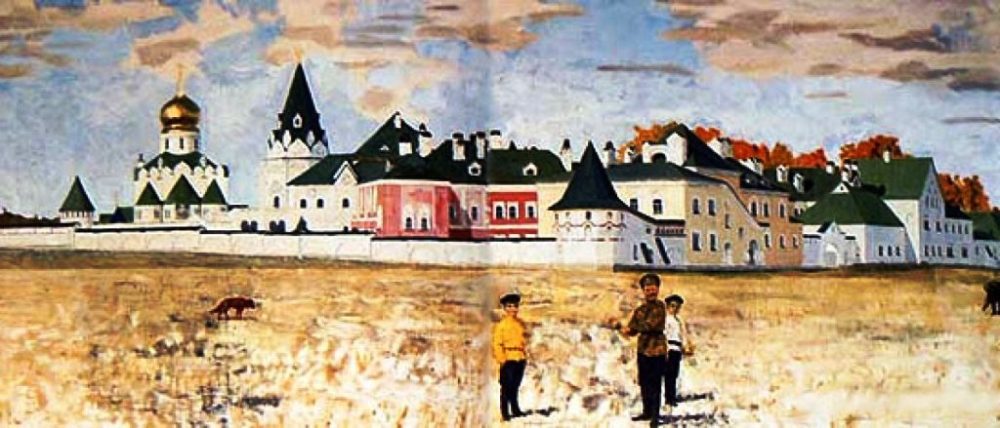
Pre-revolutionary view of the Feodorovsky Sovereign Cathedral in Tsarskoye Selo

For most visitors to Russia, a visit to Tsarskoye Selo (today known as Pushkin), includes the Catherine Palace and the nearby Alexander Palace. Sadly, they overlook some of the other buildings which reflect the era of Tsar Nicholas II. Among these are the Feodorovsky Gorodok (Town), which also includes the magnificent Feodorovsky Sovereign Cathedral, the Martial Chamber, the former barracks of His Imperial Majesty’s Own Convoy, and the ruins of the Tsar’s Railway Pavilion.  

In the course of two centuries every Russian monarch, beginning with Peter I, strove to make his or her contribution to the improvement of the royal summer residence in Tsarskoye Selo (Tsar’s Village) near St. Petersburg. The last Russian emperor Nicholas II, who chose the Alexander Palace for his permanent residence in 1905, decided to embellish the town with buildings reflecting the Russian national style. The Feodorovsky Sovereign Cathedral and the adjacent residential area called Feodorovsky Gorodok (Town), complete with tent roofs and towers were built between 1909-1917, with Nicholas II, his wife and their children directly involved in the project. The construction was nearing completion when the First World War began, followed by the revolutionary cataclysms which engulfed the Russian Empire. Following the October 1917 Revolution the Cathedral was closed down in 1933, while the adjacent gorodok was turned into an educational branch of the Agrarian Institute.
244a

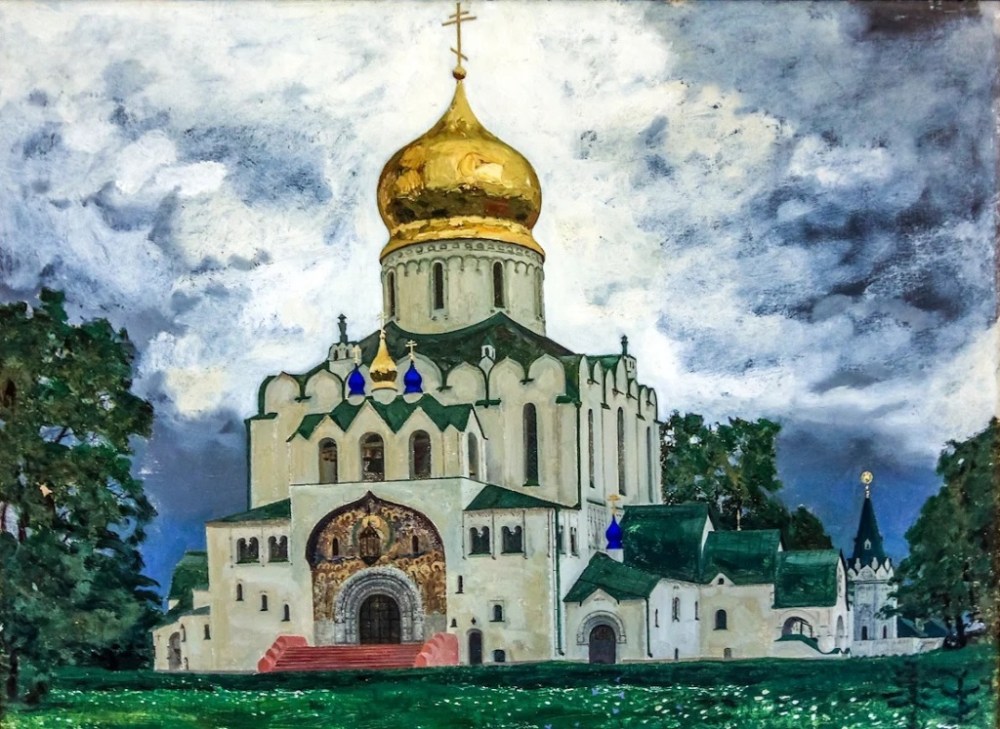
Feodorovsky Sovereign Cathedral. Artist: Gavriil Nikitich Gorelov (1880-1966)

244m

Feodorovsky Gorodok

The history of these buildings, which resemble the fairytale Kitezh-town, is closely associated with the last tsar, whose tragic death, along with his wife and children in Ekaterinburg, continues to stir the interest and curiosity of people in Russia and around the world to this day. This short essay tells the story of a “little spot of the Russian land” created in Tsarskoye Selo. It is illustrated with vintage photographs and reproductions of paintings by artists who worked on them at the time of the construction of the complex.

244d

Feodorovsky Gosudorov Sobor, published in 1915

During the 1910s the artists G. Gorelov, L. Syrnev and M. Kirsanov painted a series of colour pictures depicting views of the Feodorovsky Sovereign Cathedral and the Feodorovsky Gorodok. They reproduced the entire architectural ensemble the way it was perceived by the last Russian emperor. Some of the paintings were published in the book Feodorovsky Gosudorov Sobor, published in 1915. The views of the Feodorovsky Gorodok reflect events of the First World War, when an infirmary for the wounded soldiers was opened in the gorodok. Pictures on canvas are wounded soldiers with bandaged legs and arms who were undergoing medical treatment in the infirmary and the nurses who cared for them. The artists strove to render the image of Old Russia, too. The artists captured the beauty of the Feodorovsky Sovereign Cathedral, particularly the interiors, each of which evoke a deep religious feeling. [These paintings are today part of the collection of the Tsarskoye Selo State Museum – PG]
244e

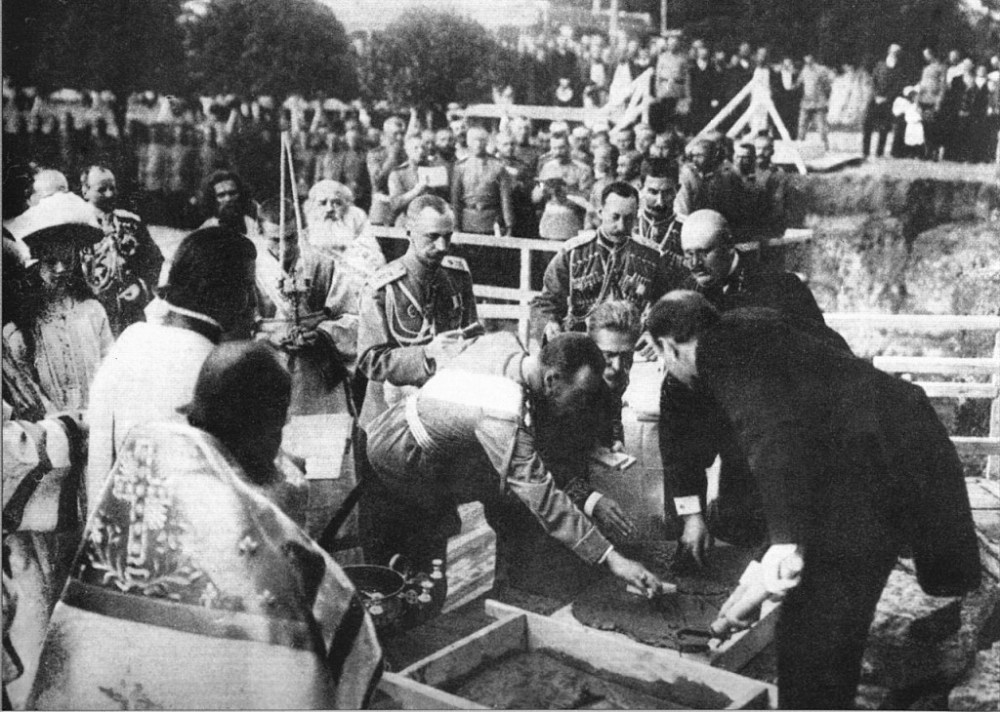
Nicholas II laying the foundation stone for the Feodorovsky Sovereign Cathedral
244h

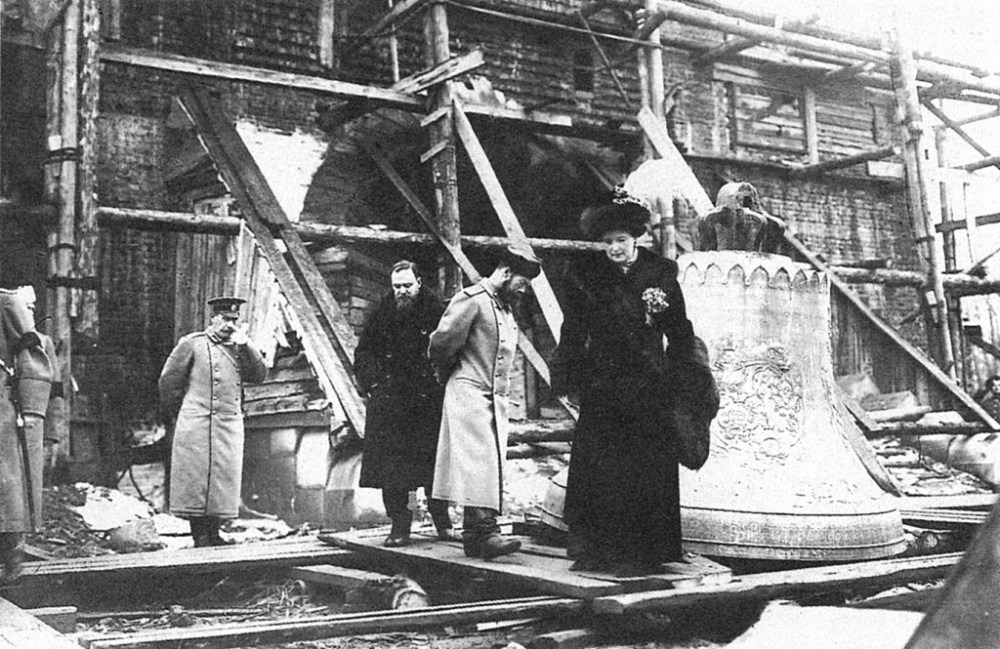
Nicholas II and Alexandra Feodorovna inspect the progress of the Feodorovsky Cathedral

The foundation of the Cathedral was laid on 20 August 1909, in the presence of Emperor Nicholas II and his family. The design was commissioned by V.A. Pokrovsky, a great connoisseur of the Russian national tradition. The construction was financed by the tsar’s family. 

244h

The Feodorovskaya icon of Our Lady, patroness of the Romanov dynasty
244j

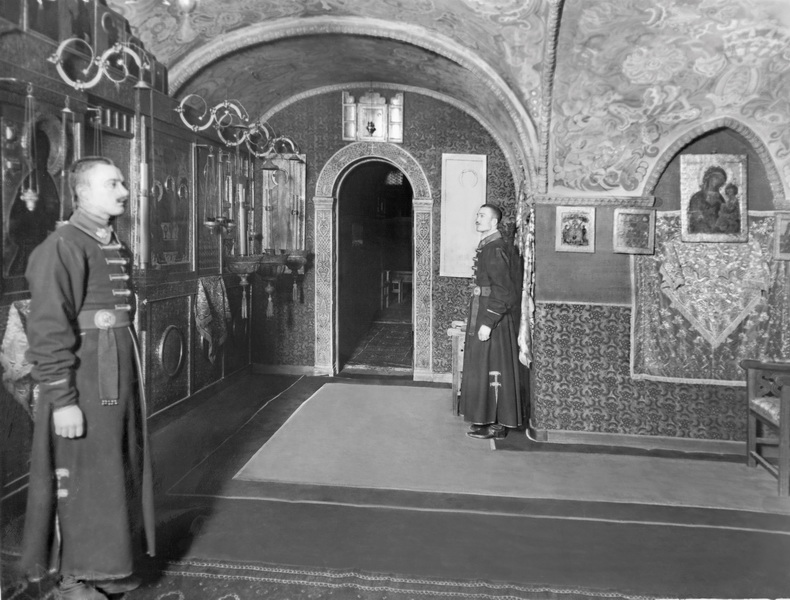
The Cave Church, situated in the Lower Church

The Feodorovsky Sovereign Cathedral became the house church for Emperor Nicholas II and his family.  The Cathedral consisted of two churches, the upper which included the main altar dedicated to the Feodorovsky Icon of Our Lady and a side-chapel consecrated in honour of the Moscow Metropolitan Alexis, the all-Russia Miracle-Worker. The lower part of the Cathedral housed a Cave Church with the altar consecrated in the name of Saint Serafim of Sarov the Miracle-Worker, and the private chapel of Emperor Nicholas II and Empress Alexandra Feodorovna. The Feodorovskaya icon of Our Lady, the main icon of the Cathedral, is the patroness of the Romanov dynasty. The icon was kept in the upper church. The Cathedral interiors impressed everyone with their decor executed in the style of 17th century church architecture – the favourite style of Nicholas II. The Cave Church decoration was supervised by the architect V. N. Maksimov.

The Cathedral walls are decorated on the outside with large mosaic panels made in St. Petersburg in the studio of the well known mosaic artist V.A. Frlov.

244l

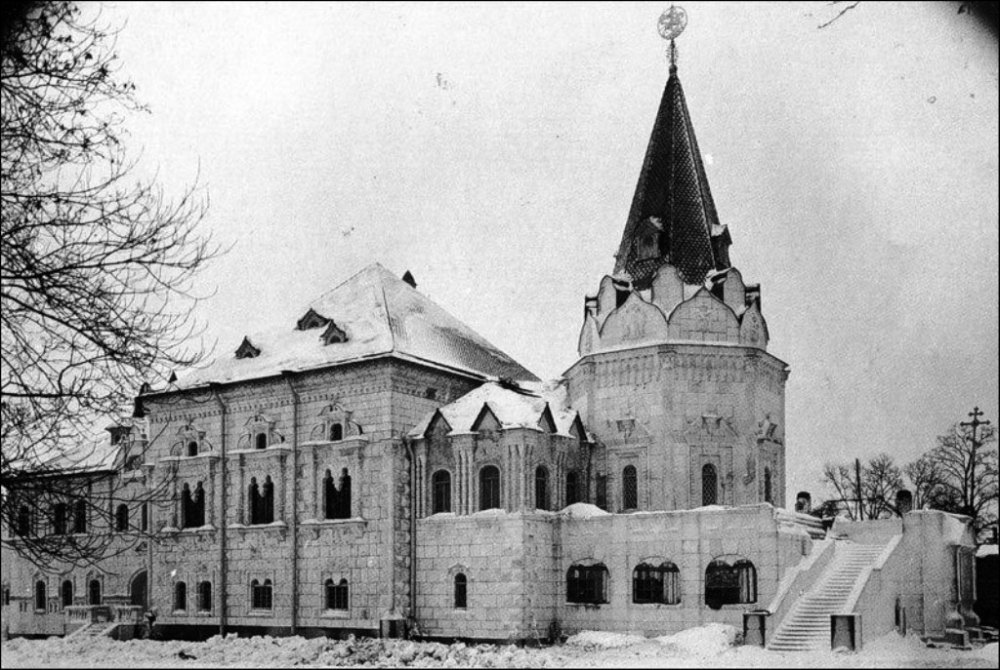
View of the Feodorovsky Gorodok. 1917
244k

View of the Refectory Chamber, Feodorovsky Gorodok. 1917

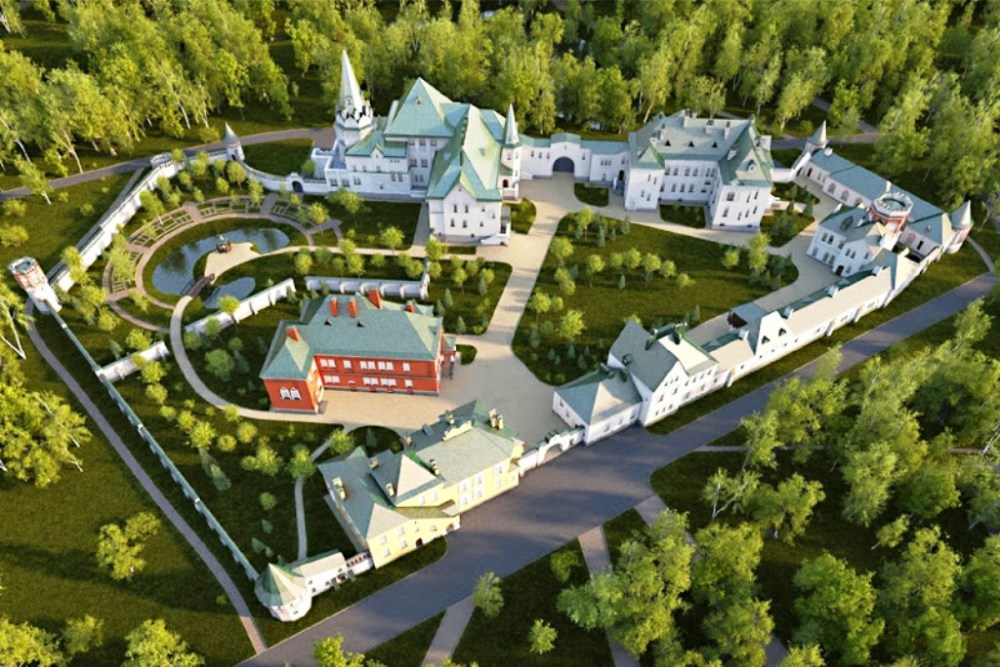
The Feodorovsky Gorodok – a group of buildings erected for the servants of the church – was built during 1913-1917 to the design of S.S. Krichinsky, approved personally by Nicholas II. It is situated on the shore of a small island and surrounded by a fortress wall. One of the towers is decorated by a gilt figure of St. George. The buildings, varying in height and shape and joined by covered passages, occupy an area of 1.7 hectares (4.2 acres). Participating in the design of the gorodok were the architects A. Pomerantsev, V. Maksimov, and L. Shchusev.
244i

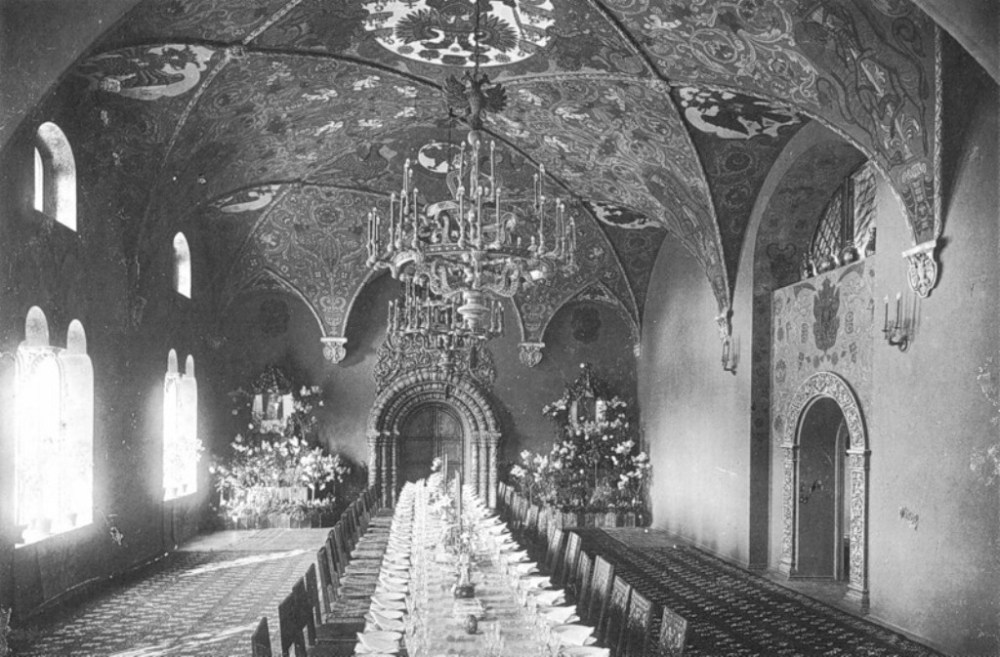
Interior of the Refectory, Feodorovsky Gorodok

The entire complex consisted of several buildings, the most notable among them being the White Chamber (the priests’ house), the Pink Chamber (the deacons’ house), the Yellow Chamber (the junior deacons’ house), and the Refectory building, which housed the churchwarden’s flat and office.
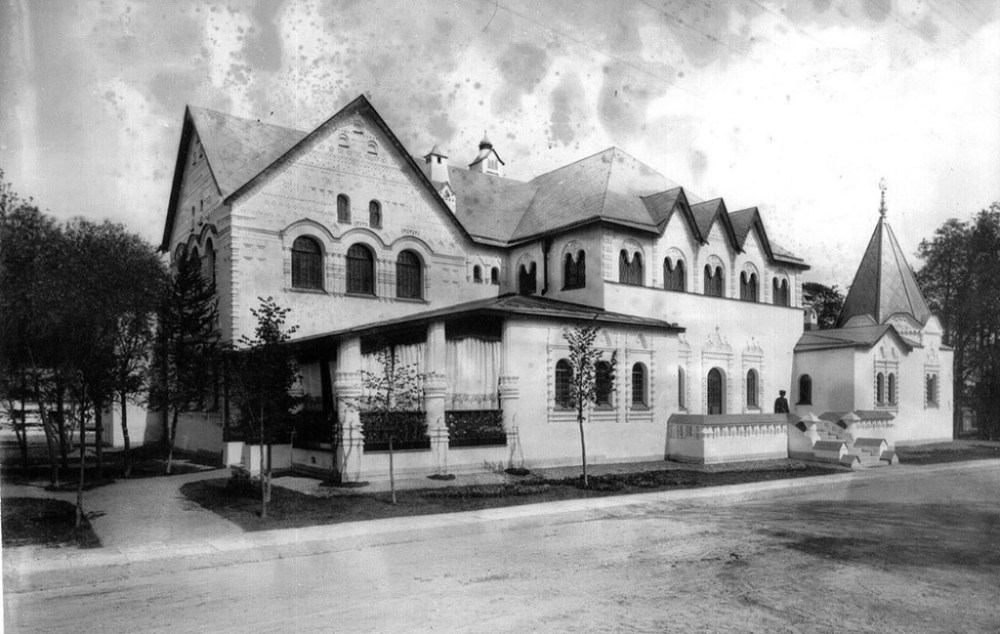
244o

The Officer’s Assembly dated 1911 (demolished after the war)
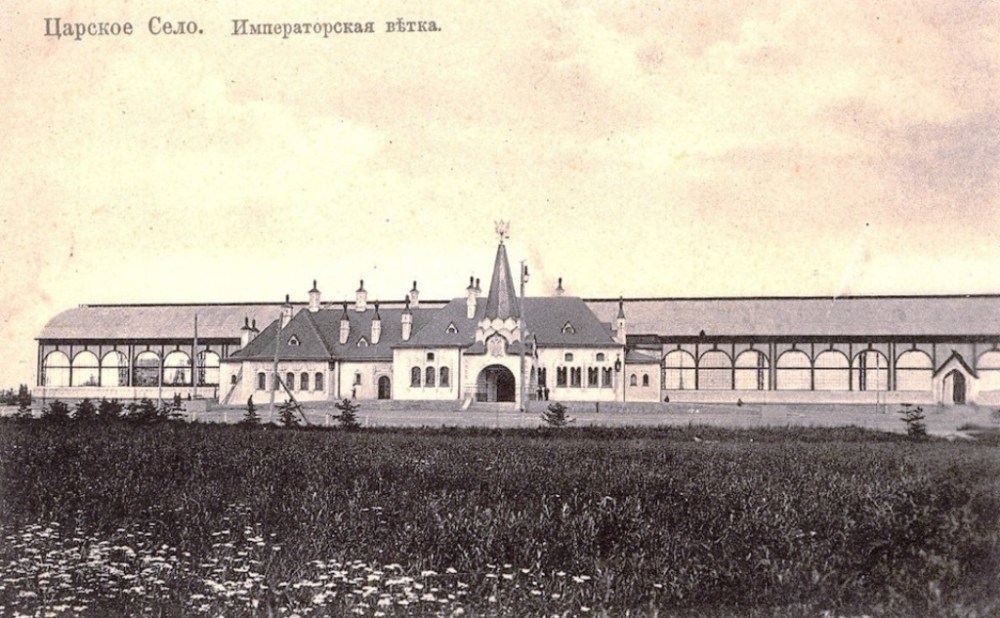
244l

Tsar’s Railway Pavilion, Tsarskoye Selo

Nearby in Kuzminskaya Street were the barracks of His Imperial Majesty’s Own Convoy (designed by V.N. Maksimov, 1906) and the brick building of the Officer’s Assembly dated 1911 (demolished after the war). There were a number of military barracks and stables designed and built in the Russian Style. The year 1915 marked the construction of wooden barracks for the Special Aviation Detachment. In December the same year, barracks were built for His Majesty’s Own Railway Regiment. Designed by the architect V.N. Maksimov, these barracks were situated close to the Tsar’s Railway Pavilion which was built to the design of design of V.A. Pokrovsky in 1912 in the Neo-Russian Style. The station building completed the new architectural ensemble.
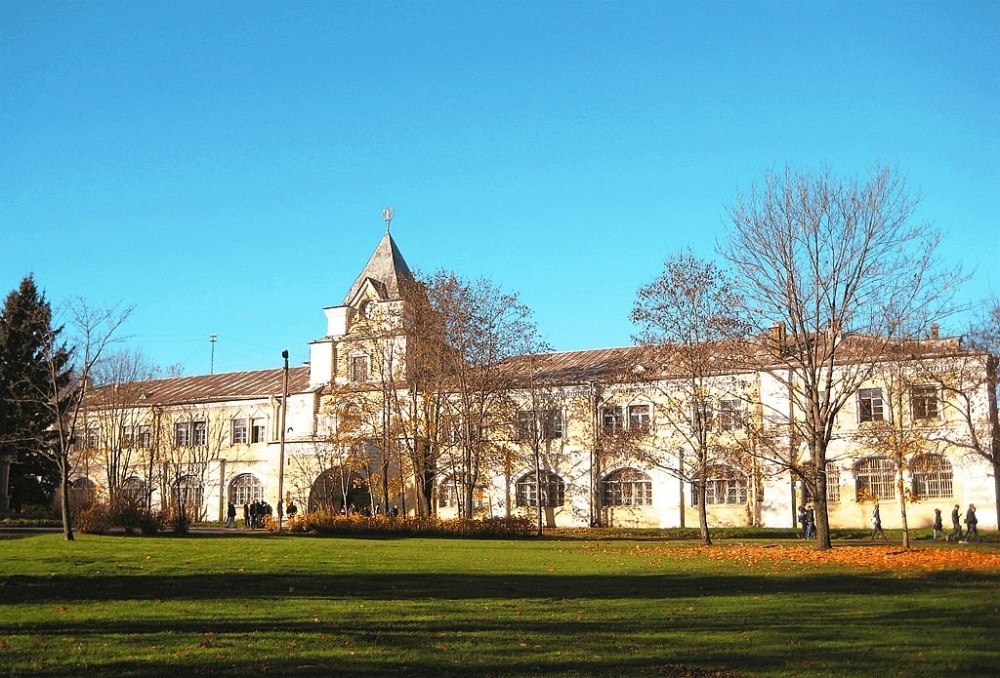
244q

Former barracks of His Imperial Majesty’s Own Convoy

The Tsar was insistent that the newly erected buildings should resemble Old Russia by their appearance. Had all the projects conceived been realized and all the buildings survived intact, they would have formed a unique single ensemble in Tsarskoye Selo which would fill the environment of the Alexander Palace with a historic atmosphere Nicholas II desired following the whims of his fantasy.

Of all the numerous buildings in traditional Russian style erected in Tsarskoye Selo at the will of Nicholas II those surviving unchanged are the Feodorovsky Gorodok (currently under restoration) and the Martial Chamber (now the Museum of the History of the First World War).
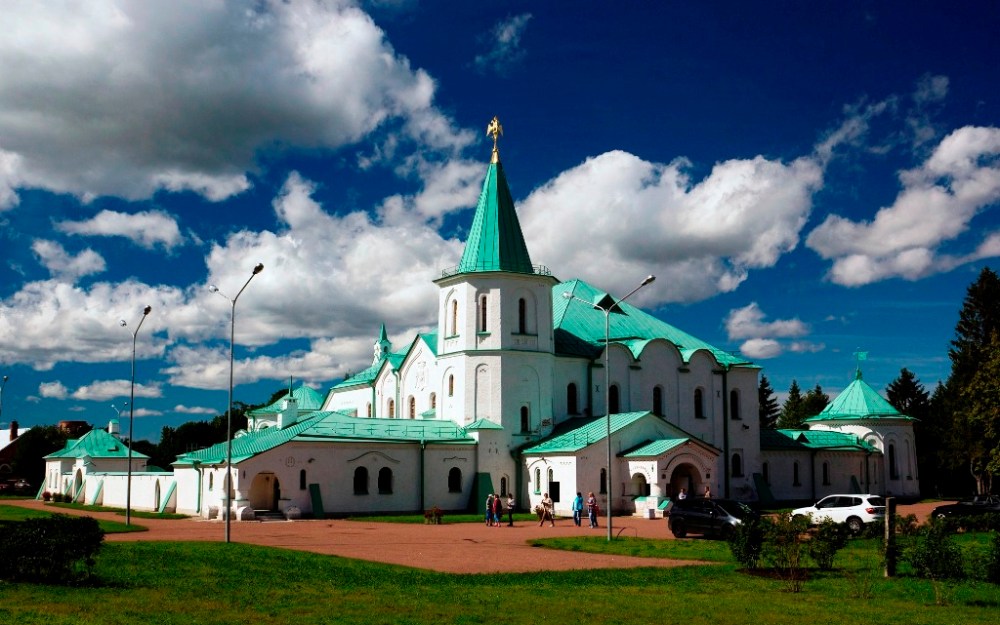
244p

The Martial Chamber, restored between 2011-2014

The architectural complex of buildings near the Feodorovsky Cathedral, which came into being as a result of the Sovereign’s artistic fantasies, reflected both the artistic search of Russian architects in the early 20th century and search for spiritual ideals of the time.
244j

Artist concept of the Feodorovsky Gorodok after restoration

In 1913-1917 the Martial Chamber complex was built to the design of the architect S. Yu. Sidorchuk. At the start of the war against Germany in 1914 it was decided to open a portrait gallery of the holders of the St. George Cross in the Chamber building. In 1918 the Martial Chamber and the Feodorovsky Gorodok fell under the jurisdiction of the Agronomical (later Petersburg Agrarian) University. The art collections were divided among various museums in Leningrad. The buildings, damaged during World War II, are now under restoration (with the exception of the Tsar’s Railway Pavilion, which is currently in a terrible state of neglect and disrepair). Although this will work will take some years, several newly restored buildings of the Feodorovsky Gorodok have already become part of the Patriarchal residence of the Russian Orthodox Church.

244m

Feodorovsky Sovereign Cathedral as it looks today. Russia’s first monument to
Nicholas II by the sculptor V.V. Zaiko, was established in the garden in 1993
244n

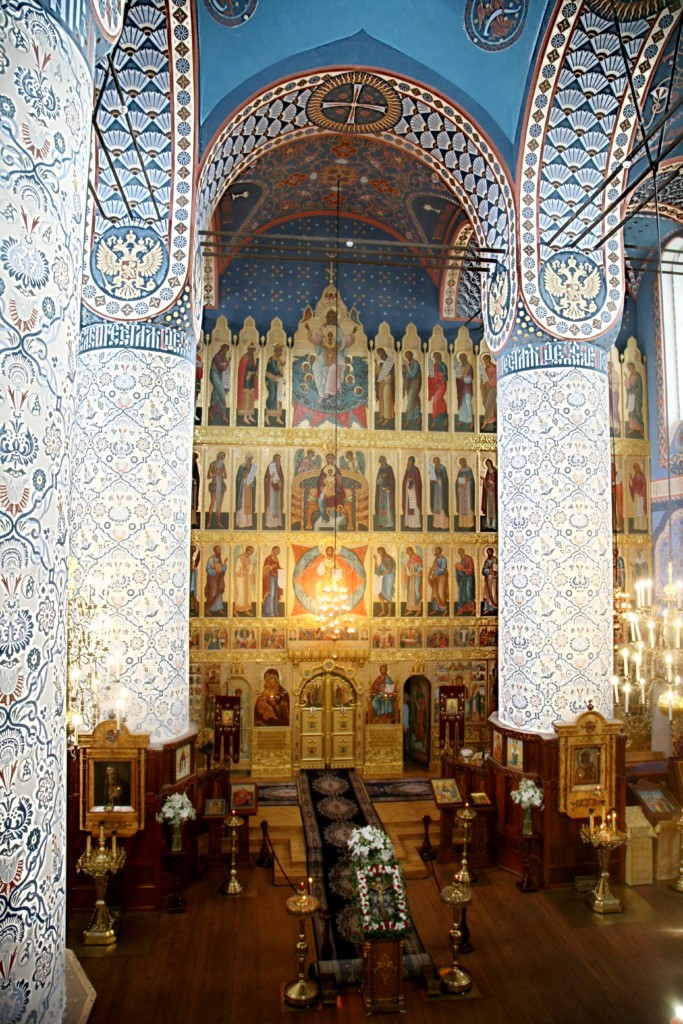
The reconstructed iconostasis in the Upper Church of the Feodorovsky Sovereign Cathedral

In 1991 the Feodorovsky Sovereign Cathedral opened its doors to believers again. The entire complex of buildings closely connected with the Russian Orthodox Church and with the life of the last Russian Emperor has been taken in tutelage by the Moscow Patriarchate. It allocates funds for the restoration work. The Feodorovsky Sovereign Cathedral was reconsecrated on 29 February 1992. Regular liturgies are carried out in the Cave Church. Divine Liturgies are conducted in memory of the murdered Emperor Nicholas II, Empress Alexandra Feodorovna, Grand Duchesses Olga, Tatiana, Maria, Anastasia Nikolaevna, and Tsesarevich Alexei Nikolaevich. The last tsar is commemorated with a bronze bust established on the grounds of the Cathedral in 1993, by the Russian scukptor V.V. Zaiko. 

© Paul Gilbert. 4 April 2020

NEW Romanov Books to be Published in 2020

246b

Independent researcher and publisher Paul Gilbert

March 25th marked the 1st anniversary of the publication of my book Nicholas II. Portraits. Aside from the Nicholas II 2020 Calendar, I have been unable to publish any additional books since.

Shortly after I returned from England last May, I began to develop complications of diabetes (which I have lived with for more than 30 years). These included neuropathy in my legs and feet, making if very difficult for me to walk, however, the worst of the complications affected my vision. As a result of the latter, it became increasingly difficult for me to read and write. While I was still able to create posts for my Nicholas II blog and my Facebook page, I was unable to work on any new publications without the aid of both computer glasses and a magnifying glass.

While I am happy to say that medication has helped relive the neuropathy in my legs and feet somewhat, the restoration of my vision has only slightly improved. I pray that over time, that this can be fully restored under the care of an ophthalmologist.

As a result of my personal health issues, all of my publishing projects have been delayed or put on hold by a year. It has also made it very difficult for me to stay on top of all the emails and messages I receive on a daily basis.

This year, I plan to only publish 5 new titles, while many others will be put on the back burner. I will continue to publish both Royal Russia and Sovereign, however, there will no longer be any set schedule to their publication. 

246

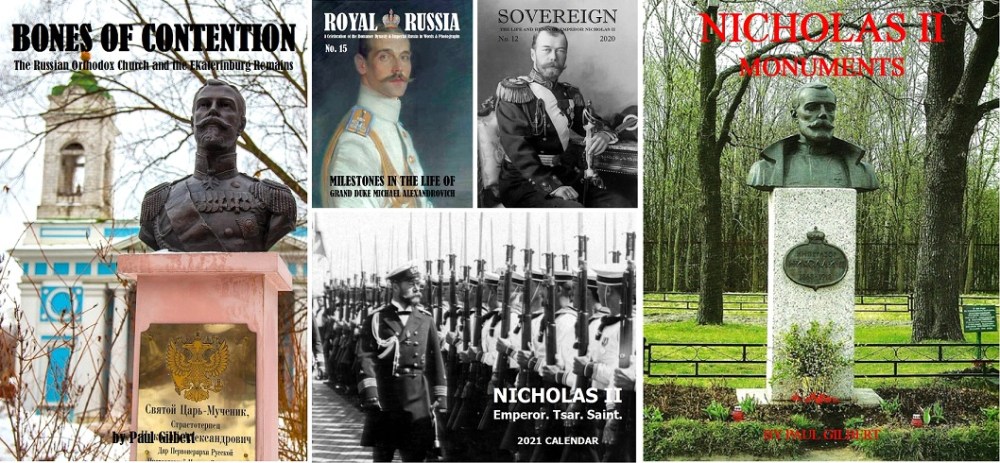
Here is a list of the 5 titles planned for publication in 2020 – see my Note below for availability:

[1] Bones of Contention: The Russian Orthodox Church and the Ekaterinburg Remains by Paul Gilbert

[2] Royal Russia No. 15

[3] Sovereign No. 12

[4] Nicholas II. Emperor. Tsar. Saint. 2021 Calendar

[5] Nicholas II. Monuments by Paul Gilbert

PLEASE NOTE that I cannot provide any publication dates for any of the titles listed above or that of any future book titles, nor any future issues of Royal Russia and Sovereign. If the title is NOT listed in my online bookshop, then it is not yet available. A listing will be added to my online shop + an email sent out, when each new title becomes available. I kindly ask that you refrain from phoning or emailing me with publication updates, because there will be delays. Under the present circumstances, I am doing the best I can. 

Thank you for your patience and understanding, and thank you for supported my research – PG

© Paul Gilbert. 30 March 2020


Holy Royal Martyrs, pray to God for us!

245

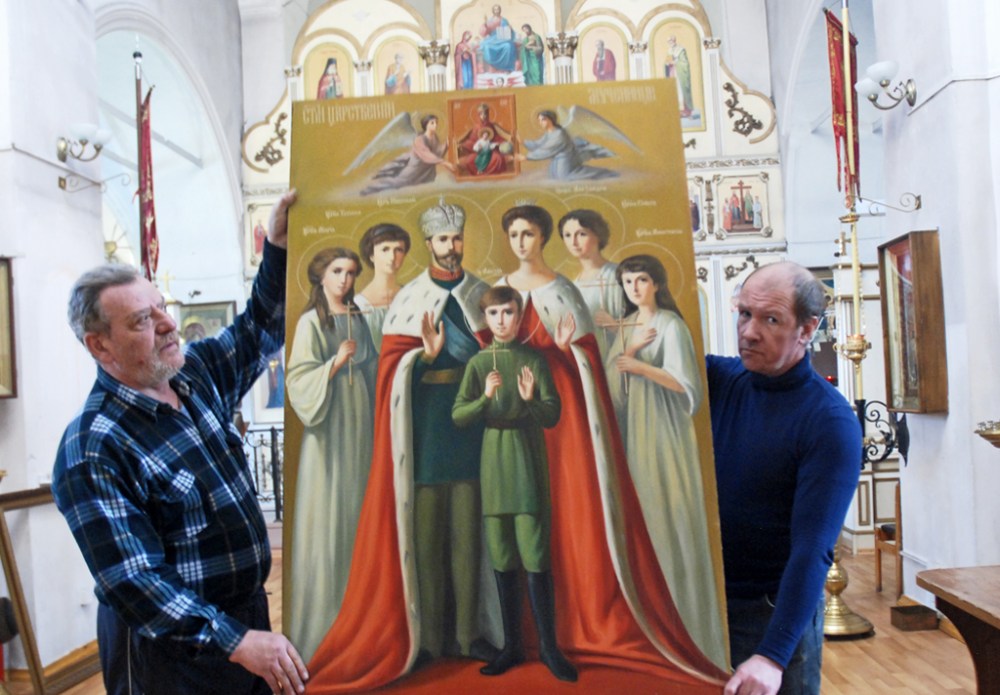
Icon of the Holy Royal Martyrs, Church of the Holy Blessed Prince Alexander Nevsky in Tula.

Earlier this year, a unique icon of the Holy Royal Martyrs was presented to the Church of the Holy Blessed Prince Alexander Nevsky in Tula. The top layer of the icon was gifted by local needlewomen, who spent many months sewing it together.

According to Irina Alekseevna Vishnevskaya, the head of the needle circle, more than thirty women worked on the image of the Royal Family from the beginning of last summer. Another participant of the circle, Irina Sergeyevna Romanova, noted that pebbles from the basement of the Ipatiev house in Ekaterinburg, and from the mining pit at Ganina Yama were sewn into the icon.

icon3

icon2

Depicted in their royal robes, the women took great care to ensure accuracy, right down to the smallest detail in the colourful vestments. As you can see in the video (below), the top layer of the icon was laid on top of the wooden icon depicting the images of the Holy Royal Martyrs. The two layers of the icon were joined together by ribbons, mounted in a wooden frame and hung on the side of a pillar within the church.

On Sunday 23rd February, the icon was consecrated by the rector of the church, Archpriest Victor Ryabovol, followed by a prayer to the Holy Royal Martyrs.

CLICK on the VIDEO below to watch the consecration of the icon performed in the Church of the Holy Blessed Prince Alexander Nevsky in Tula:

© Paul Gilbert. 29 March 2020

St. Petersburg Hosts One Day Exhibit of Pierre Gilliard’s Photographs of the Tsar’s family

242

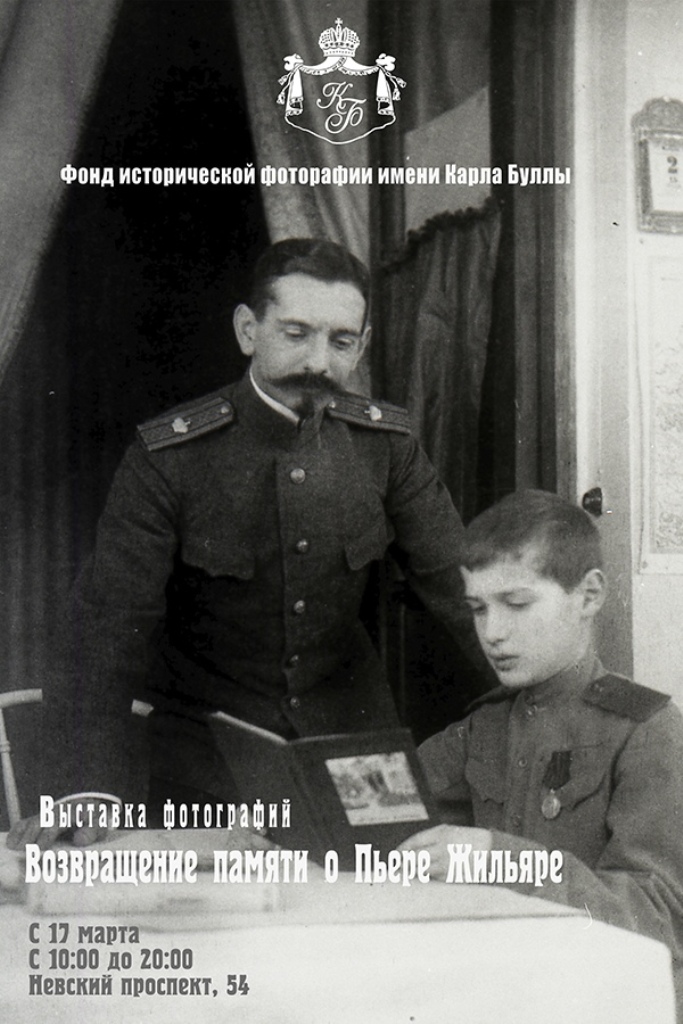
An exhibition of photographs depicting the life of Emperor Nicholas II and his family, from the collection of Pierre Gilliard, opened 17th March at the Karl Bulla Fund for Historical Photography, situated at No. 54 Nevsky Prospekt in St. Petersburg.

The one day exposition was timed to coincide with the release of the Russian translation of Gilliard’s book Трагическая судьба Николая II и его семьи (The Tragic Fate of Nicholas II and His Family), published in 1929 in Paris by Payot.

From 1905 Swiss citizen Pierre Gilliard (1879-1962) taught the French language to the children of Nicholas II. From 1913 he was appointed tutor to the Heir Tsesarevich Alexei Nikolaevich. Gilliard accompanied the Imperial Family into exile to Tobolsk, but upon arrival in Ekaterinburg he was separated from the family. Gilliard was a keen photographer, and returned to Switzerland with a large number of photographs. In exile he wrote his memoirs of his life in Russia and his impressions of the daily life of Nicholas II and his family.

Today, Gilliard’s archives are stored in the Lausanne Museum of Photography, including 384 black and white photos. More than 70 photos from Pierre Gilliard’s archive, most of which never been exhibited in Russia are presented in the exhibition.

“In essence, this is the return of the memory of Pierre Gilliard, who, by the will of fate, witnessed one of the most tragic events in the history of Russia,” said the President of the Karla Bulla Foundation for Historical Photography Valentine Elbek.

He added that the photo exhibition will open at Livadia Palace in Yalta in May 2020, to coincide with the international scientific conference Russia. The Romanovs. More than a dozen photographs brought from Gilliard’s collection depict the Imperial Family during their visits to Livadia.

It is interesting to note that the idea of ​​publishing a photo album based on Pierre Gilliard’s collection is being worked out. “Our partners in Lausanne expressed a desire to host our exhibition, which will probably be shown in various European capitals,” added Valentin Elbek.

The St. Petersburg exhibition was implemented in partnership with the Ludwig Nobel Foundation. The Tsarskoye Selo Museum Reserve has shown interest in this initiative, where Gilliard’s working room is being restored in the Alexander Palace, and his heirs donated part of his belongings to the museum as a gift.

© Paul Gilbert. 20 March 2020

US Ambassador to Russia Visits Ekaterinburg

241a

PHOTO: From left to right: Archpriest Daniil Andreiuk, Representative of the Orthodox Church in America under the Patriarch of Moscow and All Russia, US Ambassador to the Russian Federation John J. Sullivan, US Consul in Ekaterinburg Amy Storrow, and Metropolitan of Ekaterinburg and Verkhotursky Kirill in the Patriarchal Compound in Ekaterinburg on 16th March 2020. Photo © Ekaterinburg Diocese

On 16th March 2020, Metropolitan of Ekaterinburg and Verkhotursky Kirill met with US Ambassador to the Russian Federation John J. Sullivan, US Consul in Ekaterinburg Amy Storrow, and Archpriest Daniil Andreiuk, Representative of the Orthodox Church in America under the Patriarch of Moscow and All Russia.

The visit to the Ural city by Ambassador Sullivan and his entourage took place in the Synodal Hall of the Tsarsky Cultural and Educational Center, located in the Patriarchal Compound, across from the Church on the Blood.

The US ambassador thanked Metropolitan Kirill for the meeting and noted that he plans to come again.

– “Indeed, we need to pray to God and, at the same time, we will continue to work together. This is my first visit to Ekaterinburg, and I plan to return,” the ambassador said.

Mr. Sullivan also congratulated Metropolitan Kirill on the 22nd anniversary of his Episcopal ordination. Then the archpastor presented his guest with souvenirs of his visit to Ekaterinburg.

After the meeting, Archpriest Maxim Minyailo, senior priest of the Church on the Blood conducted an excursion for their American guests around the Museum of the Holy Royal Family in the Tsarsky Center and the Church on the Blood, during which Ural shrines were presented that preserve the memory of the feat of the holy Royal Martyrs.

241b

PHOTO: Metropolitan of Ekaterinburg and Verkhotursky Kirill and US Ambassador to the Russian Federation John J. Sullivan admiring a sculpture of the Holy Royal Martyrs Saints Olga, Tatiana, Maria, Anastasia and Alexei in the Patriarchal Compound in Ekaterinburg on 16th March 2020. Photo © Ekaterinburg Diocese

241c

PHOTO: Archpriest Maxim Minyailo, senior priest of the Church on the Blood conducts an excursion for his American guests around the Museum of the Holy Royal Family in the Tsarsky Center, situated in the Patriarchal Compound in Ekaterinburg on 16th March 2020. Photo © Ekaterinburg Diocese

241d

PHOTO: Archpriest Maxim Minyailo, senior priest of the Church on the Blood conducts an excursion for his American guests around the Upper Church of the Church on the Blood in Ekaterinburg on 16th March 2020. Photo © Ekaterinburg Diocese

241e

PHOTO: Archpriest Maxim Minyailo, senior priest of the Church on the Blood conducts an excursion for his American guests to the Imperial Room (see note below) located in the Lower Church of the Church on the Blood in Ekaterinburg on 16th March 2020. Photo © Ekaterinburg Diocese

NOTE: The altar of the Imperial Room is situated in the lower church, sanctified in honor of the Holy Royal Martyrs. It was established on the site of the room located in the basement of the Ipatiev House, where Emperor Nicholas II, his family, and four retainers were all brutally murdered on the night of 16/17 July 1918.

In the summer of 2018, with the blessing of Metropolitan Kirill of Ekaterinburg and Verkhoturye, the altar of the Imperial Chapel of the Holy Royal Passion-Bearers – the so-called Royal Room – was redesigned and decorated for the Tsar’s Days held in Ekaterinburg. The interior of the room has completely changed: like the Cuvuclia in the Church of the Holy Sepulcher in Jerusalem.

Click HERE to read to read my article The Imperial Room in the Church on the Blood, Ekaterinburg, featuring 17 photos and 2 videos

© Paul Gilbert. 17 March 2020

‘The Last Tsar’ – a tale of two books

069

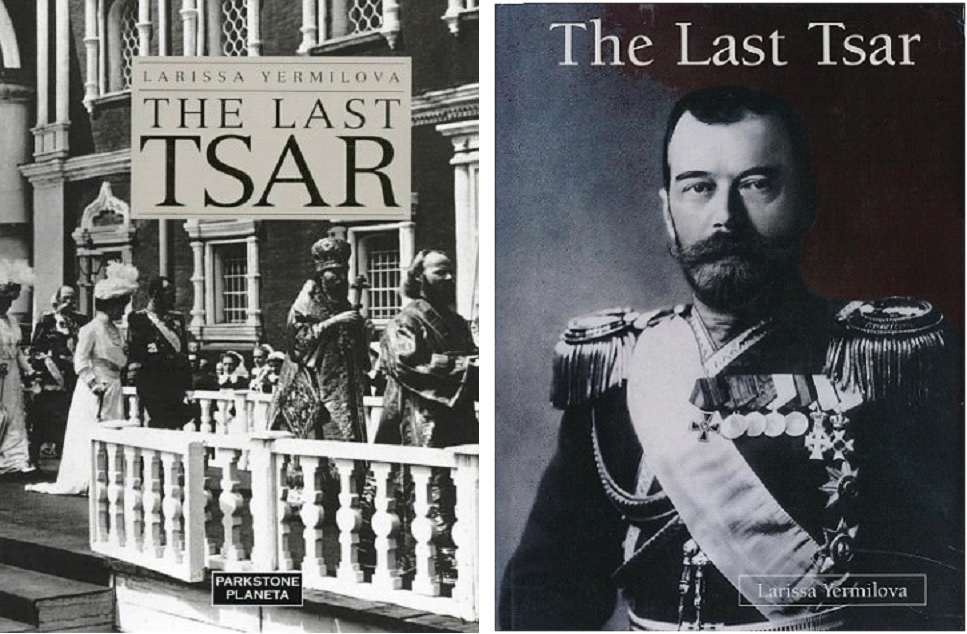
The Last Tsar by Larissa Yermilova, 1996 edition (left) and 1997 edition (right)

Back in 1996, The Last Tsar by Larissa Yermilova was published, a joint effort by Planeta (Russia) and the Parkstone (UK) publishers. The book was one of numerous pictorials published in the 1990s, after historians were permitted access to the Romanov archives, which housed thousands of never before seen photographs from the private albums on Russia’s last emperor and his family. A second edition was published the following year (1997) in a larger format.

The Last Tsar is a major photographic record of the three last Emperors of Russia: Alexander II (pg. 41-68), Alexander III (pg. 69-122), and Nicholas II (pg.123-255).

Up until its publication in 1996, the great majority of the photographs used in this book had never been published before, and have rarely been seen even by researchers from the West, having remained hidden in the archives for 70 years, since the 1917 Russian Revolution. The many contemporary photographs depict Russian royalty in ceremonial dress and at leisure in informal surroundings.

The Last Tsar is a large format hardcover, with 255 pages, text in English. The highlight of this book is the illustrations: nearly 300 colour and black and white photographs! 

Copies of both the 1996 and 1997 editions can be found on eBay and Amazon. The original 1996 edition is the better of the two – PG

© Paul Gilbert. 16 March 2020