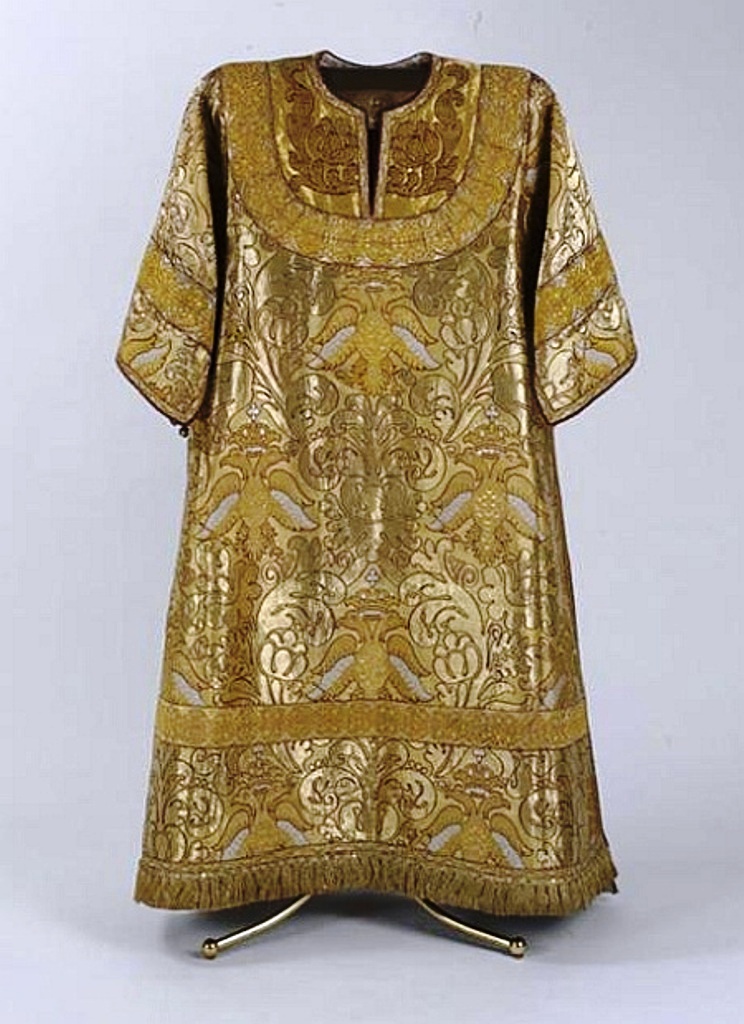
The sakkos from the coronation of Nicholas II on display in Russia for the first time

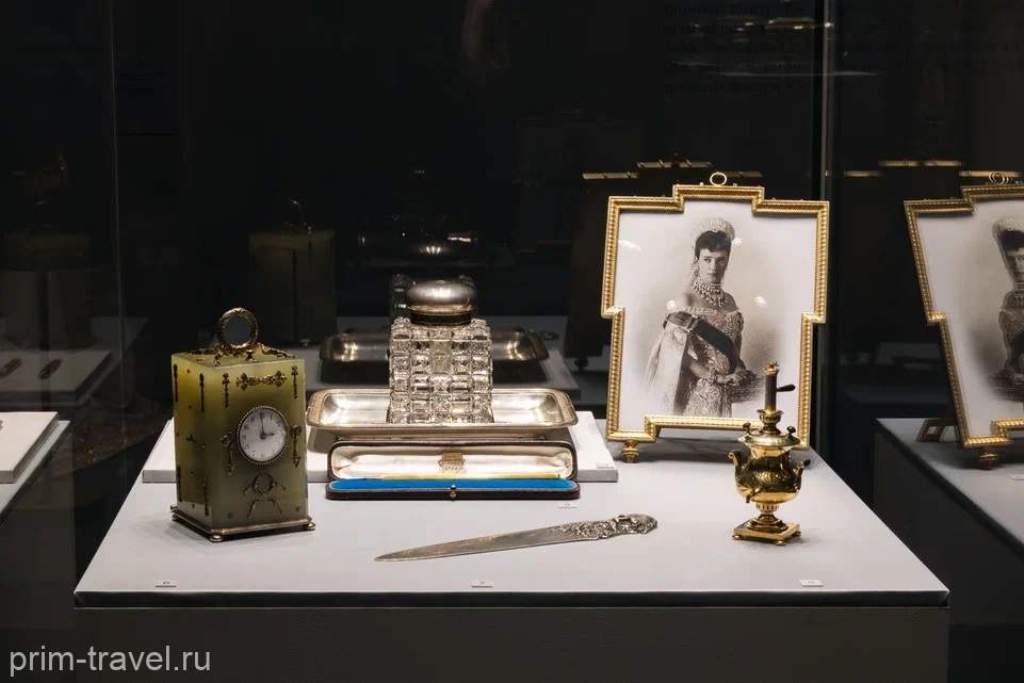
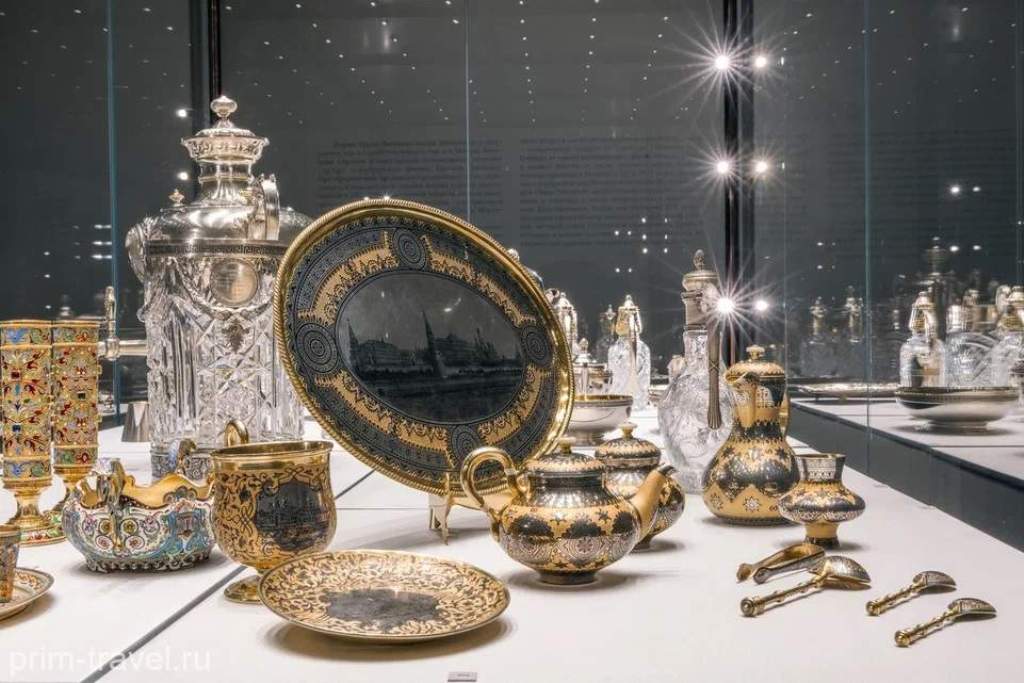
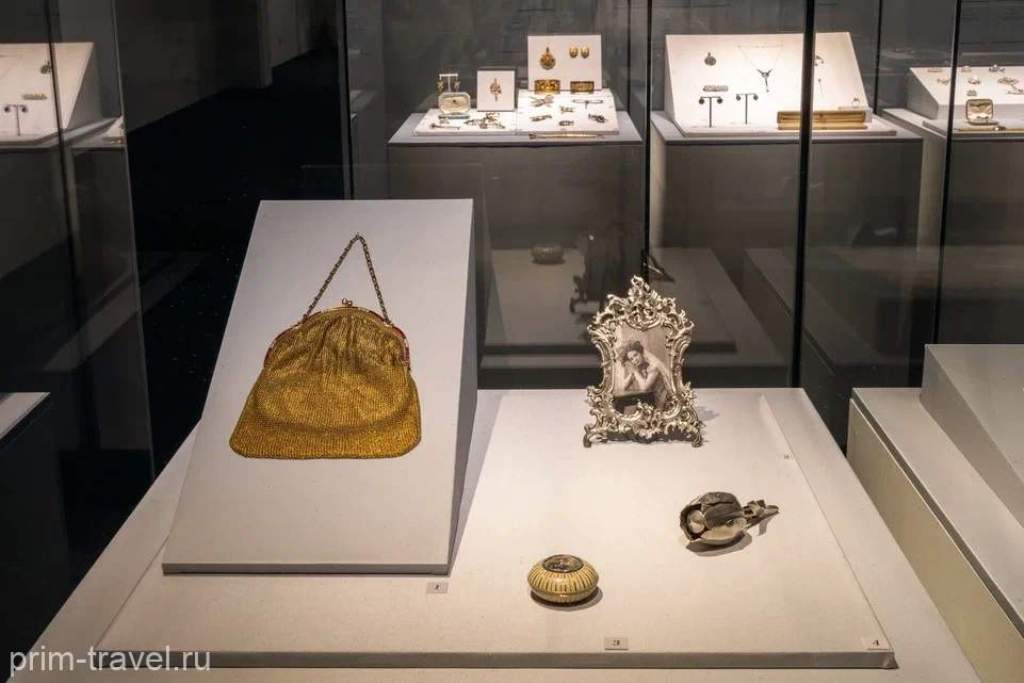
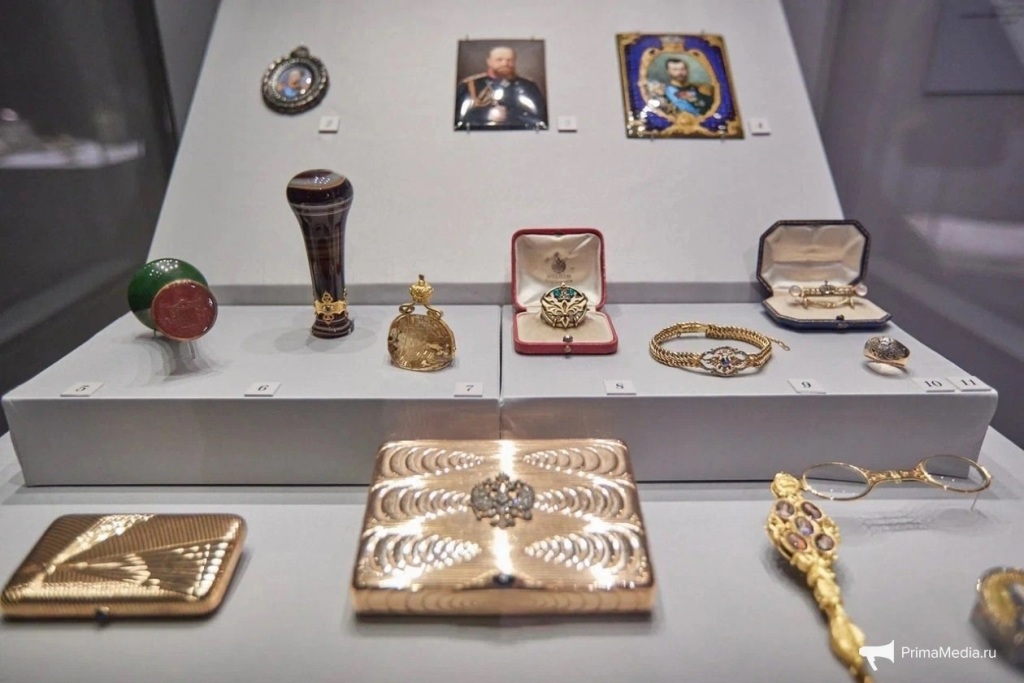
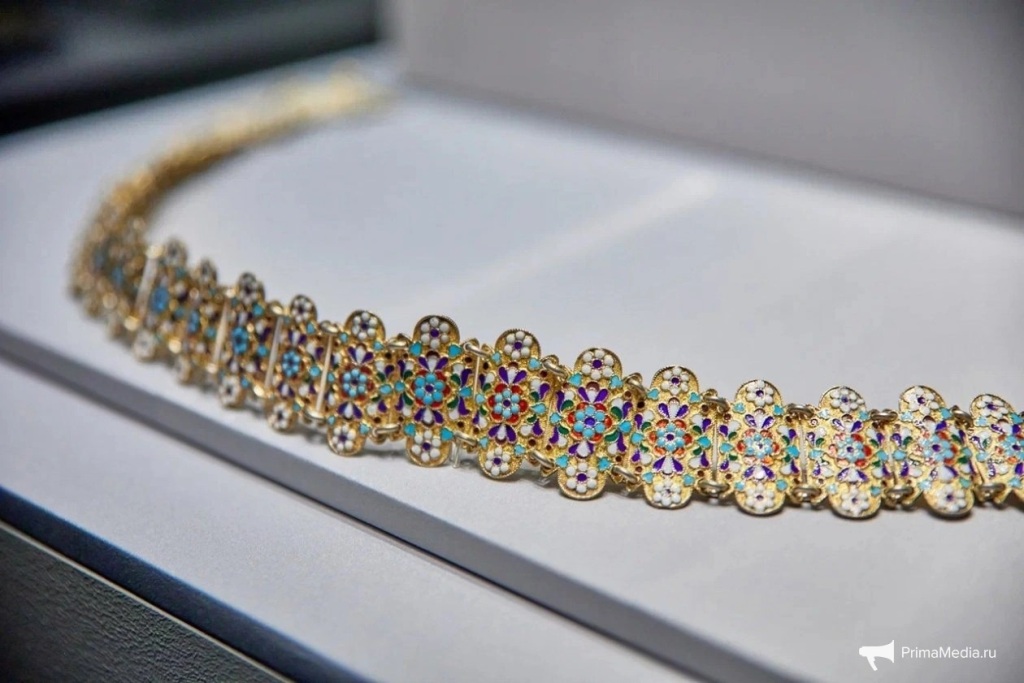
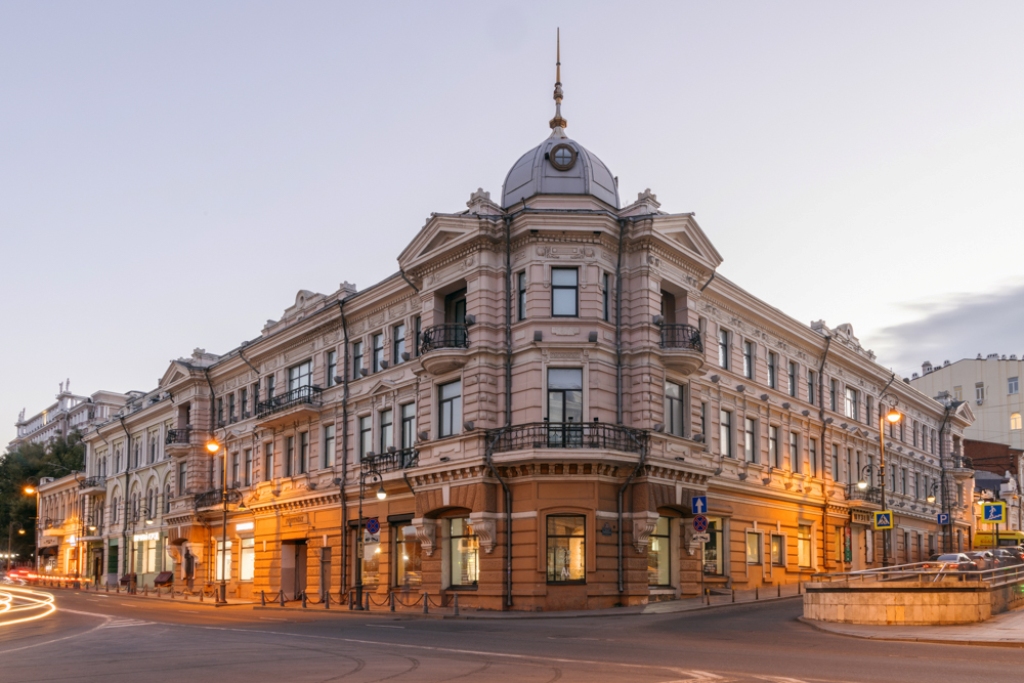
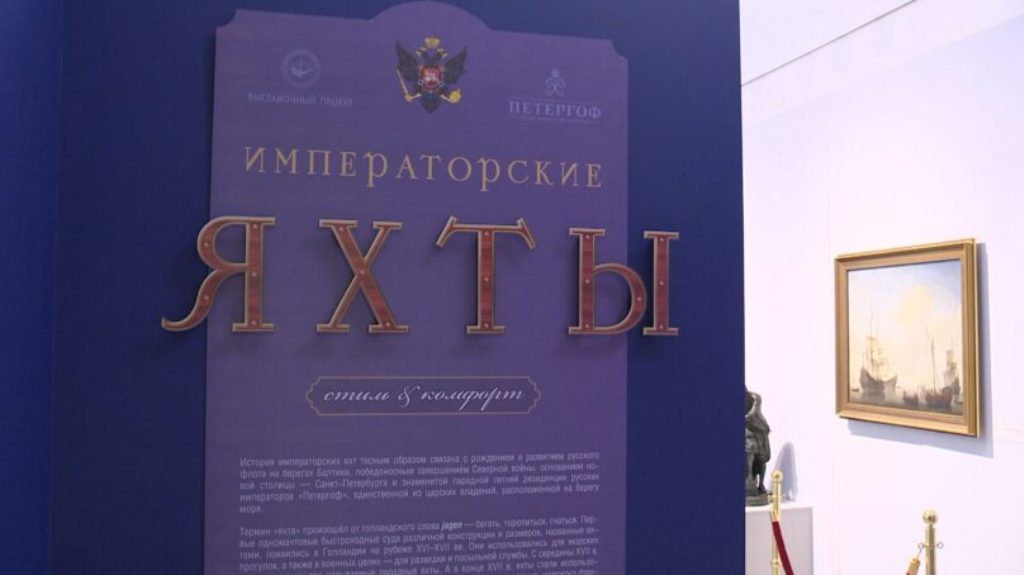
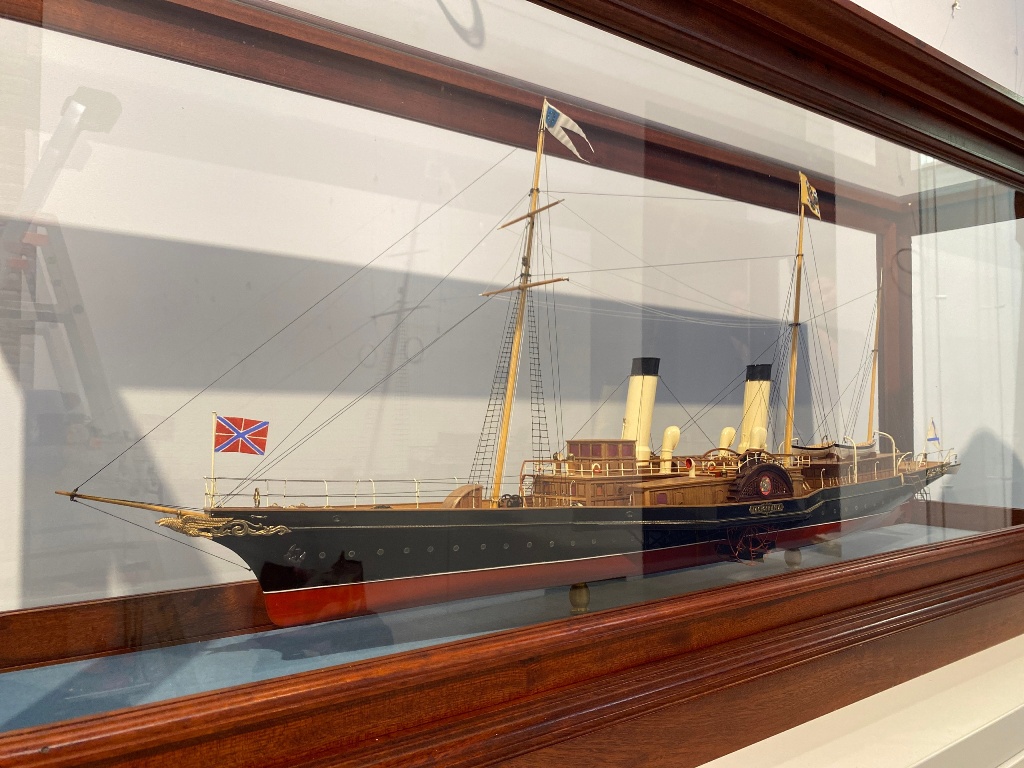
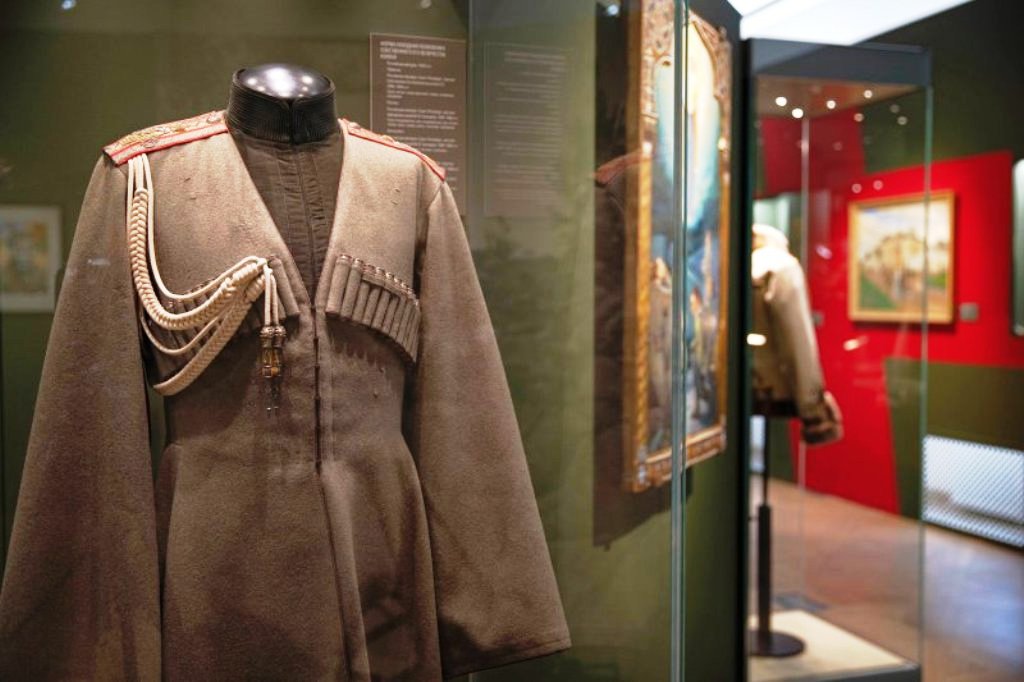
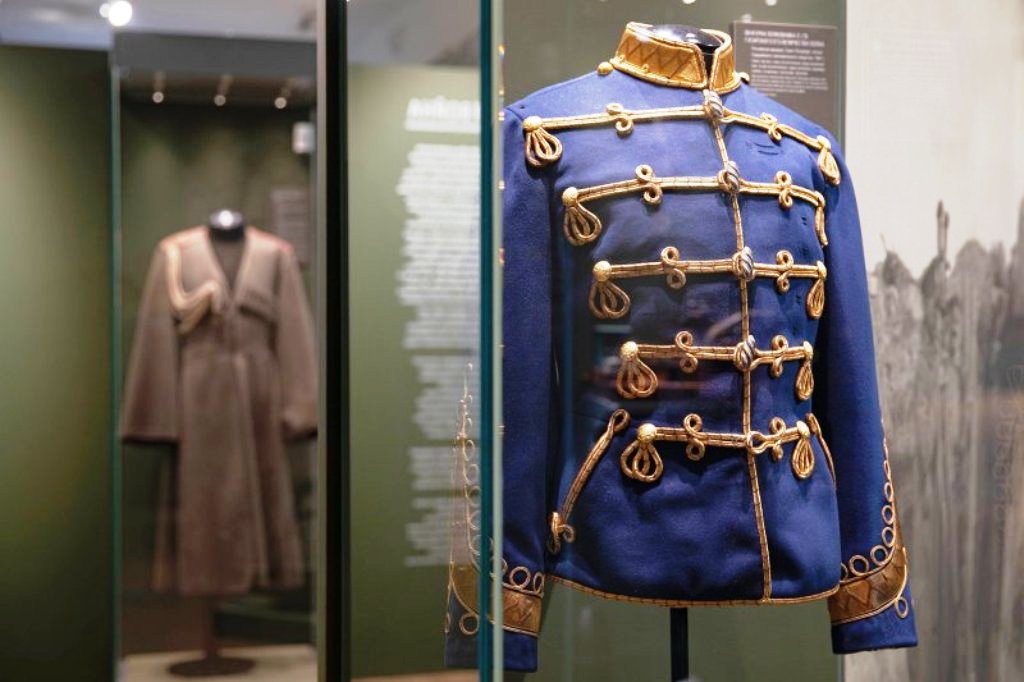
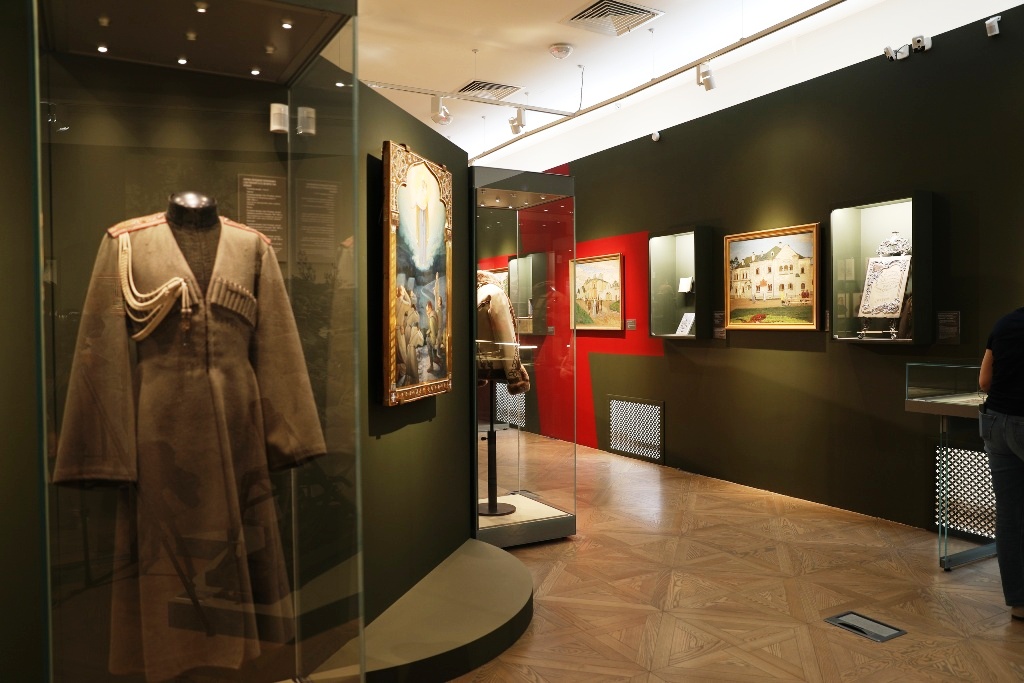
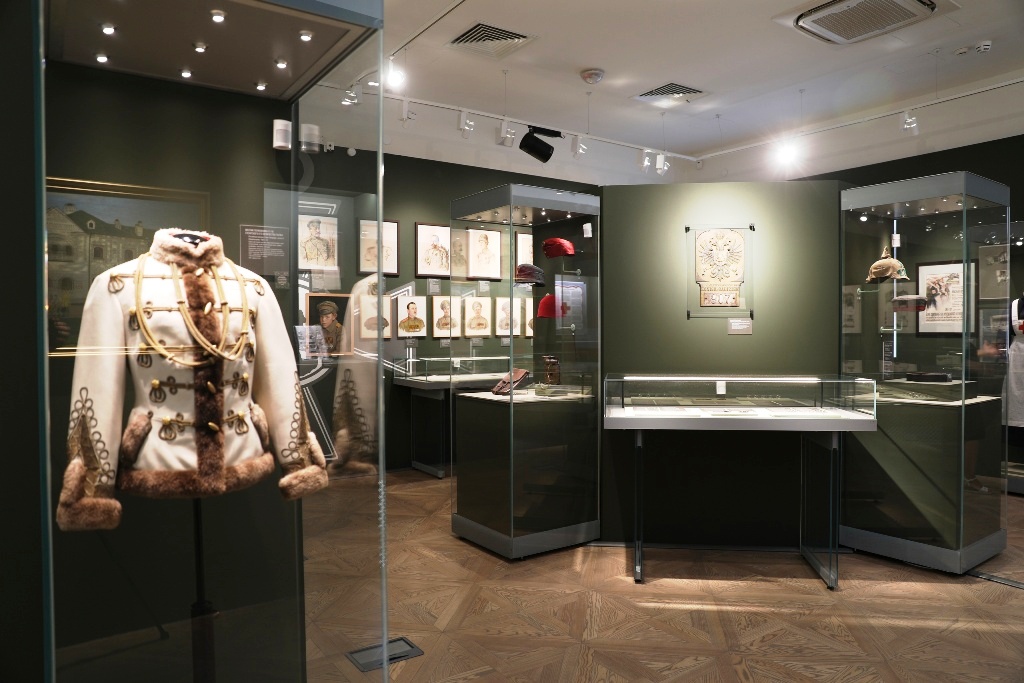
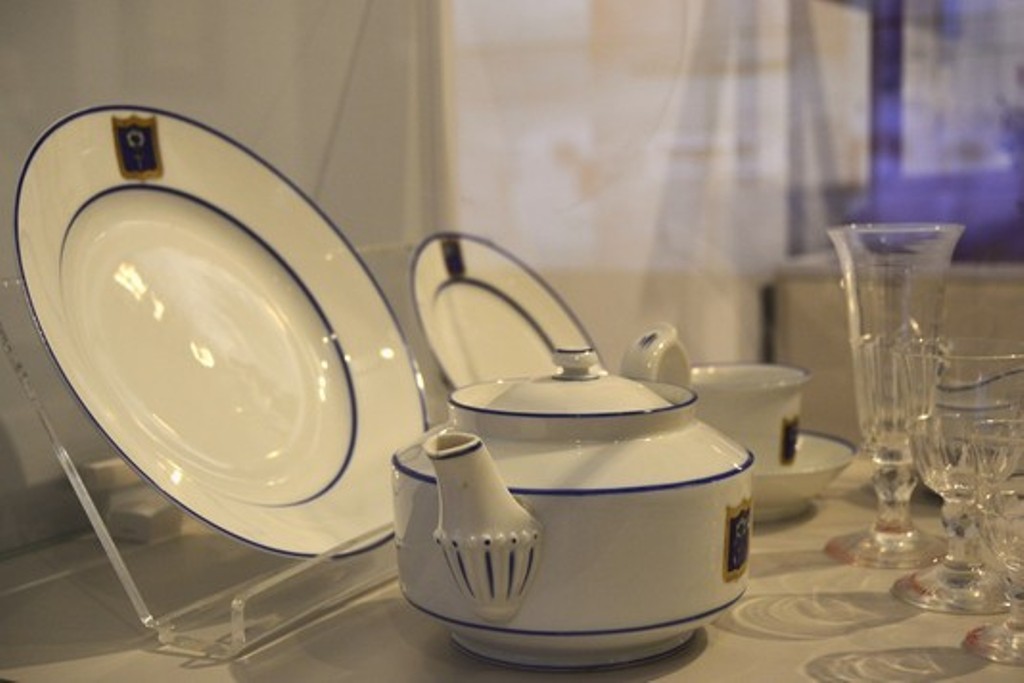
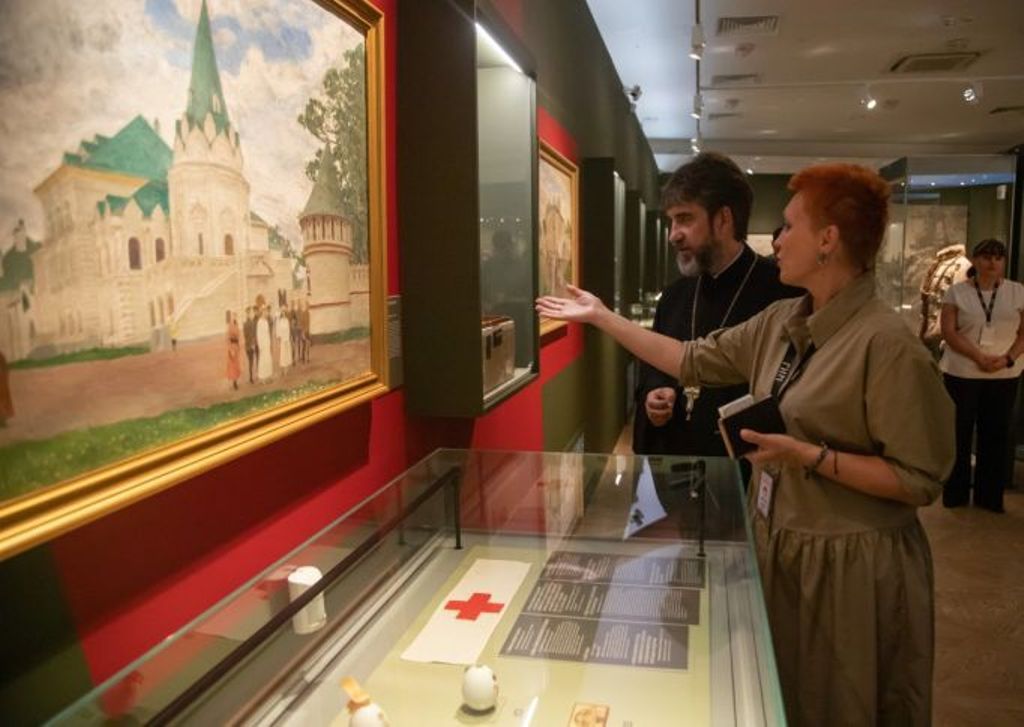
A new exhibition Russian Masters. Artistic Traditions and Ideals has opened at the State Museum of the History of Religion in St. Petersburg. The exhibition presents objects of the Orthodox liturgy and reveals their symbolic meaning, including vestments, censers, lampadas, crosses, icons in luxurious casings, and items of Russian silversmithing of the 19th-early 20th centuries.

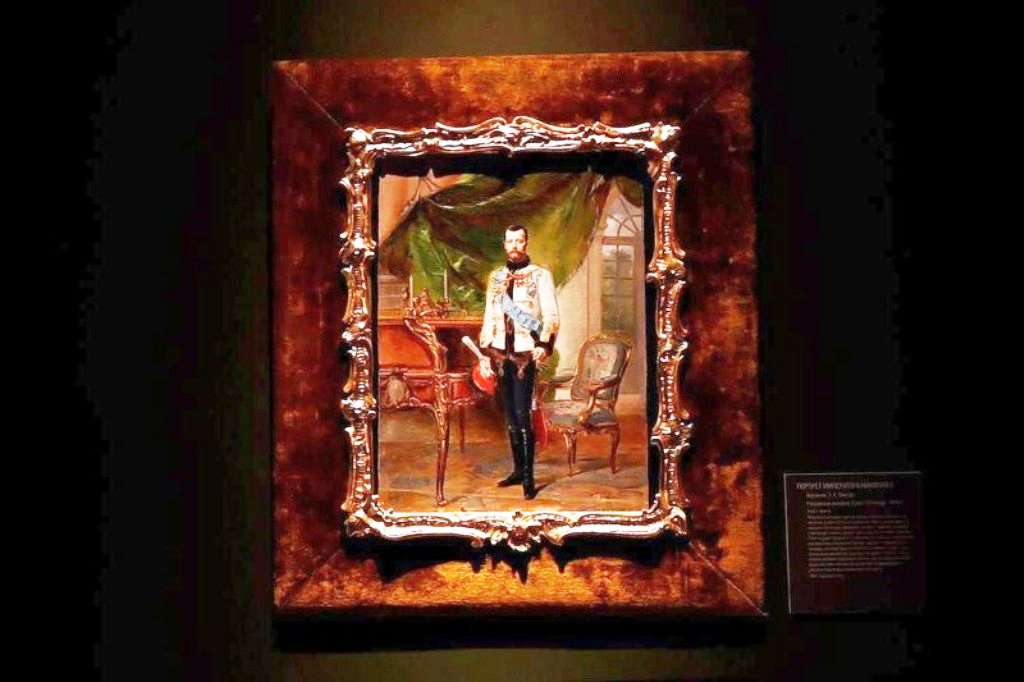
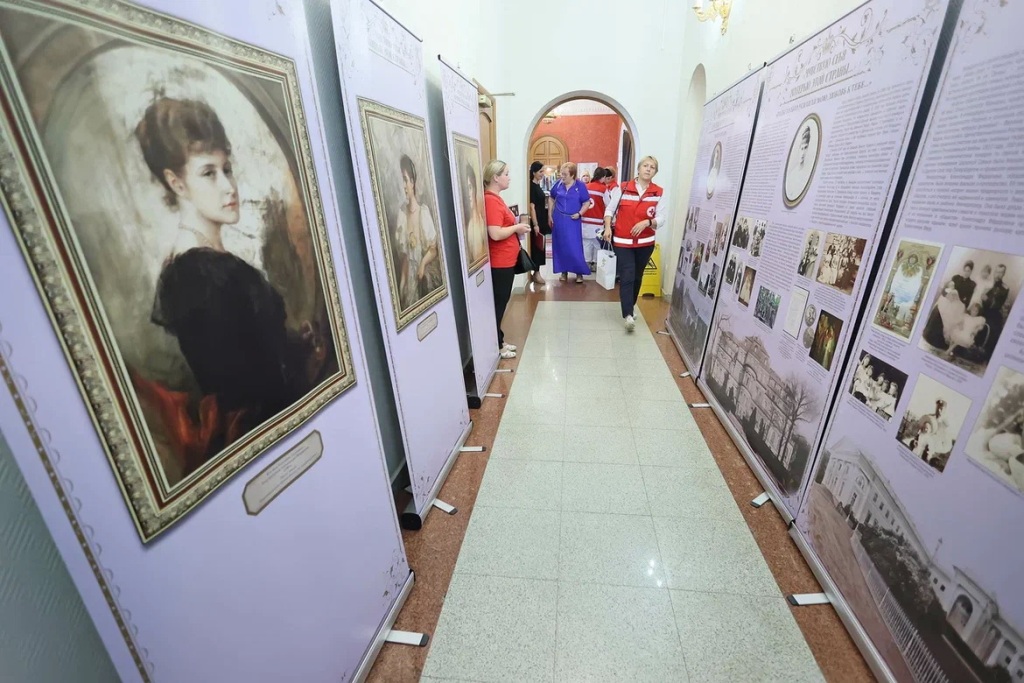
Among the 100 items on display is an episcopal liturgical vestment – sakkos – which was made for the Orthodox clergy who participated in the Holy Coronation of Emperor Nicholas II, held in Moscow on 27th May (O.S. 14th) May 1896. It is made of a rich brocade fabric and intricately decorated with traditional Russian eagles. The sakkos is being exhibited for the very first time.

The exhibition Russian Masters. Artistic Traditions and Ideals runs until 25th January 2025.

***

The sakkos is a vestment worn by Orthodox bishops instead of the priest’s phelonion. The bishop wears the sakkos when he celebrates the Divine Liturgy and other services when called out by the rubrics.

© Paul Gilbert. 10 July 2024
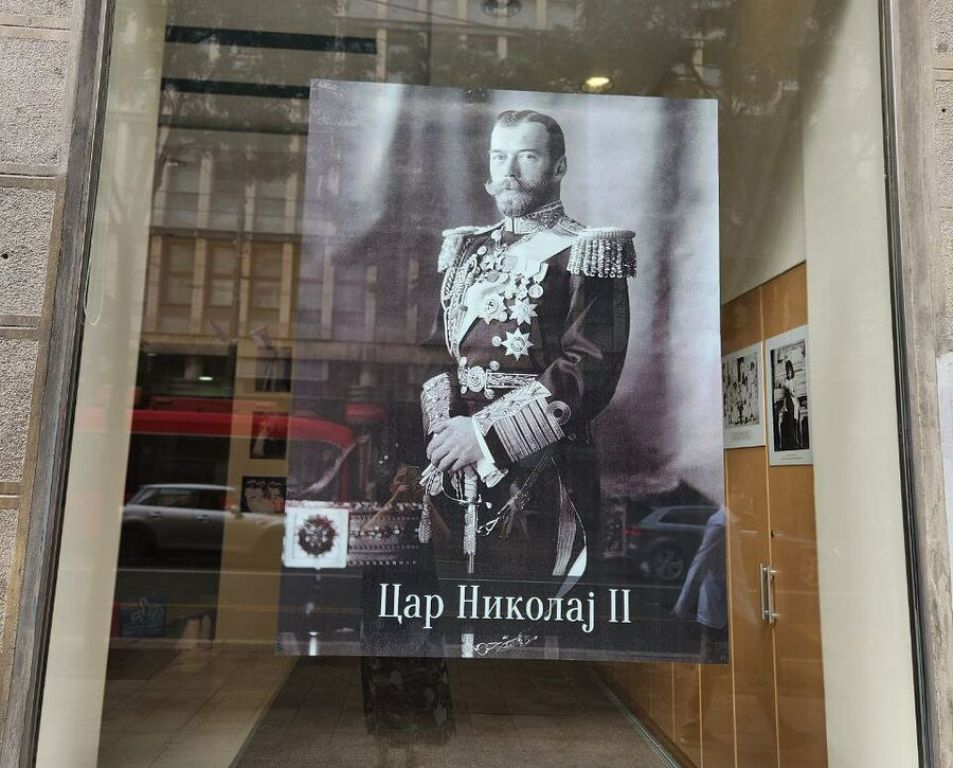
Photo exhibit dedicated to the Imperial Family opens in Belgrade

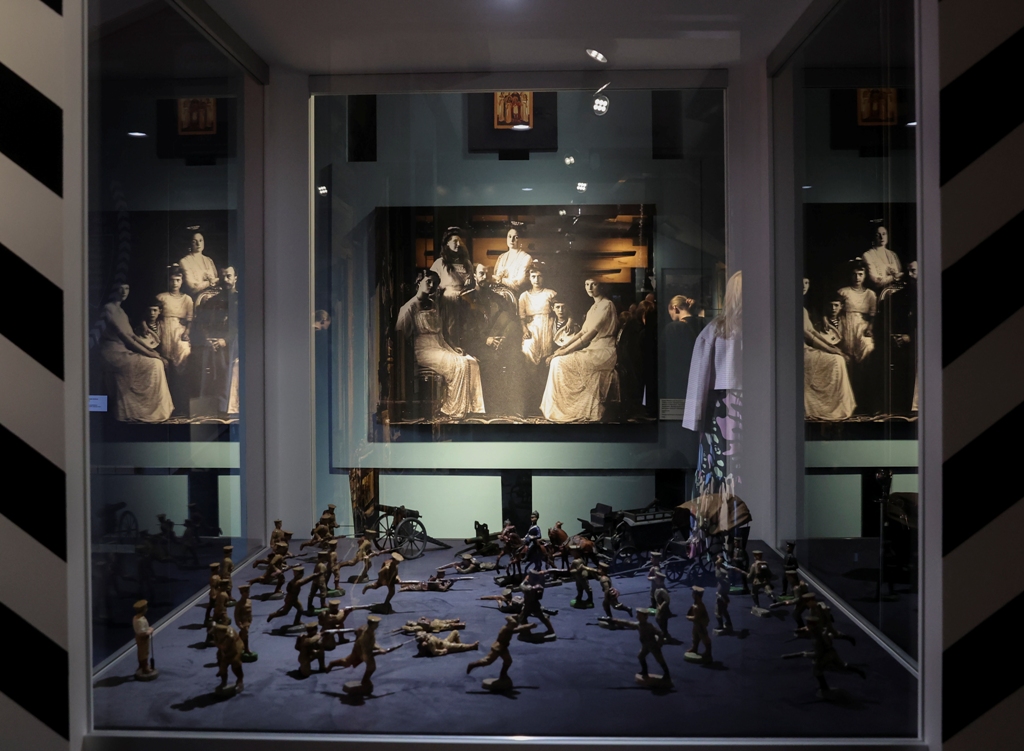
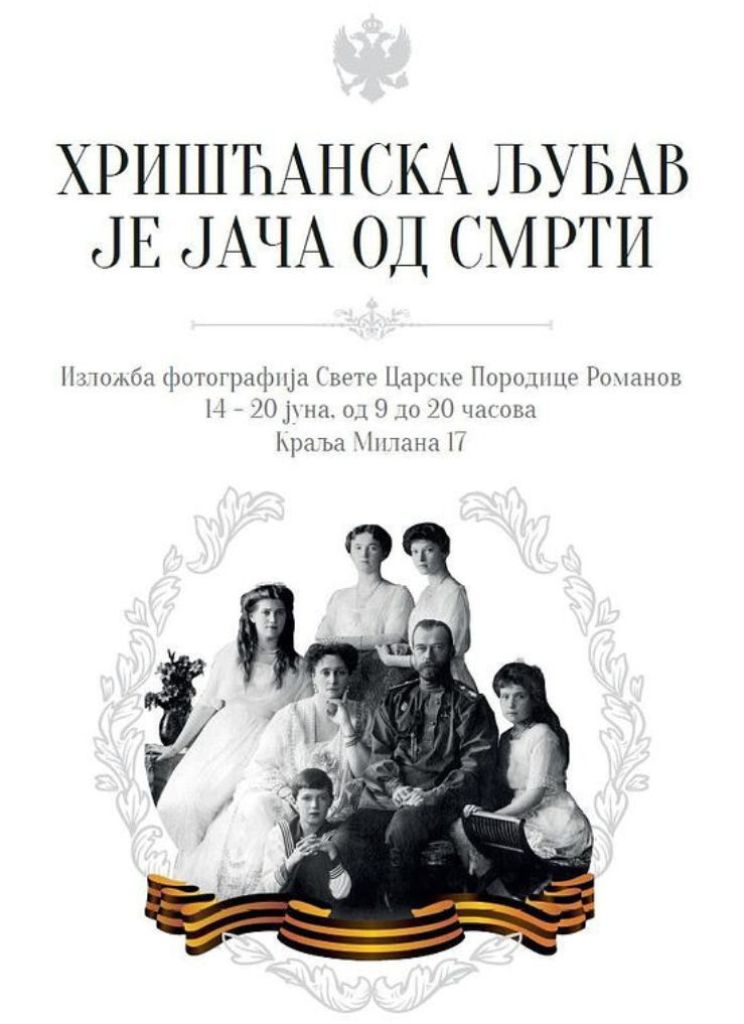
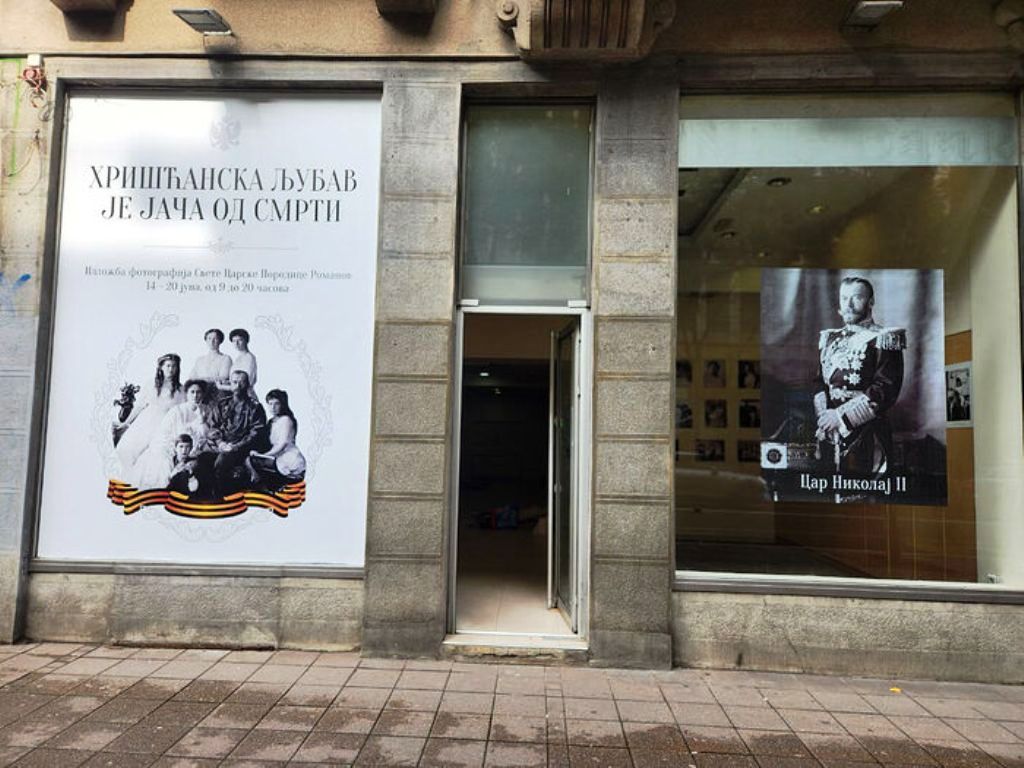
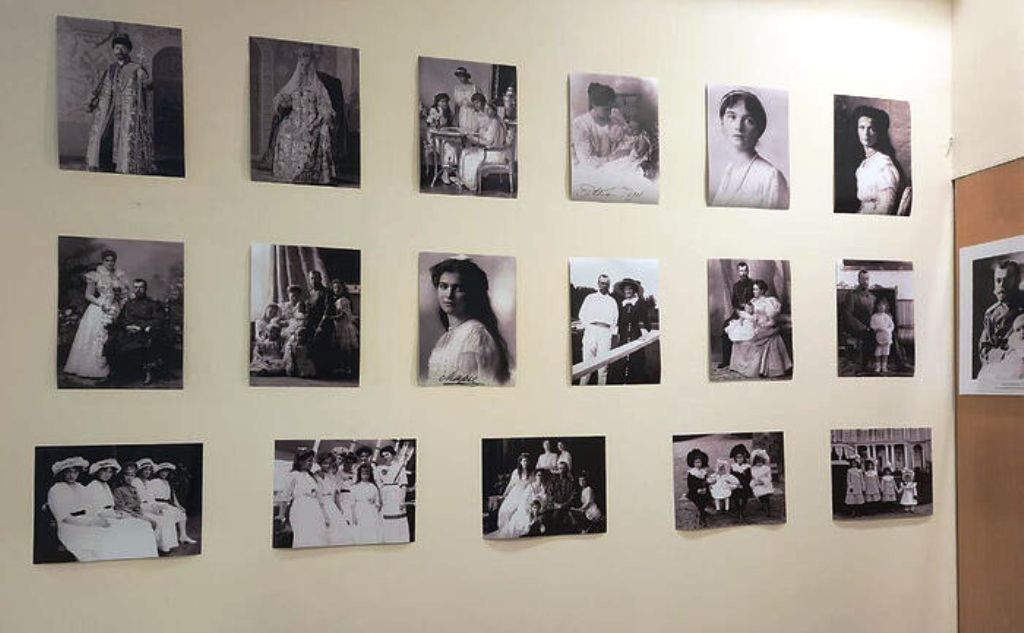
On 14th June 2024, a small photo exhibition dedicated to Emperor Nicholas II and his family opened in Belgrade, the capital of Serbia. The exhibition Christian Love Is Stronger Than Death features 100 vintage black and white photographs.

The exhibition project was created with the desire and goal of introducing the personalities and deeds of the last Russian Tsar and his family to the Serbian people. The exhibition’s organizers hope to awaken the memory of the Imperial Family, get to know more closely about the life and sacrificial service of the last Russian Tsar, his wife and their five children. In doing so, the organizers made an effort in selecting photos which reflect the beauty of the Imperial Family, their everyday life and service for the benefit of the Fatherland and its people.

The exhibition consists of black-and-white photographs from historical archives and personal albums of the Imperial Family. The exhibition is thematically divided into three sections. The first section features photos of Nicholas II and his family, taking part in events, such as parades and processions, etc. This section of photos reflect all the beauty of the Slavic character, and also provides insight into the fashion and style of clothing from the late 19th and early 20th centuries.

The second second section features photographs from the personal albums of the Imperial Family, all of whom were avid amateur photographers. It is well known that Nicholas II was especially fond of photography. Many of these images are informal and taken spontaneous, often capturing their subject in natural settings, carefree, laughing and enjoying their close knit family time. In these photographs, visitors will see members of the Imperial Family walking and resting in the Alexander Park at Tsarskoye Selo or Livadia, the August children playing games, taking part in their favourite outdoor activities, etc. These photos are considered rare, only because they were taken by family members and never intended for public display.

The third and last section of the exhibition features photos of military themes. They depict the Emperor blessing his troops before going to war, trying out new weapons used by his army, presenting orders and medals, and introducing his son and heir to the secrets of warfare.

This section also includes photos of the Empress and her four daughters engaged in humanitarian work. They visited the wounded, helped sick soldiers with deeds and kind words. From their diaries, it is known that they assisted even in the most difficult operations. Their acts of mercy are documented while nursing soldiers.

The collection of photographs of the Imperial Family was provided by Hieromonk Ignatius (Shestakov), a brother of the Sreten Monastery in Moscow, who is also one of the exhibitions organizers.

The Christian Love Is Stronger Than Death exhibition runs from 14th to 20th June 2024 at at 17 Kralja Milana Street (across from Belgradeanka) in the Serbian capital.
***

*As I have noted in similiar posts, I support any initiative – big or small – to help keep the memory of Nicholas II and his family alive in post-Soviet Russia – PG

© Paul Gilbert. 18 June 2024
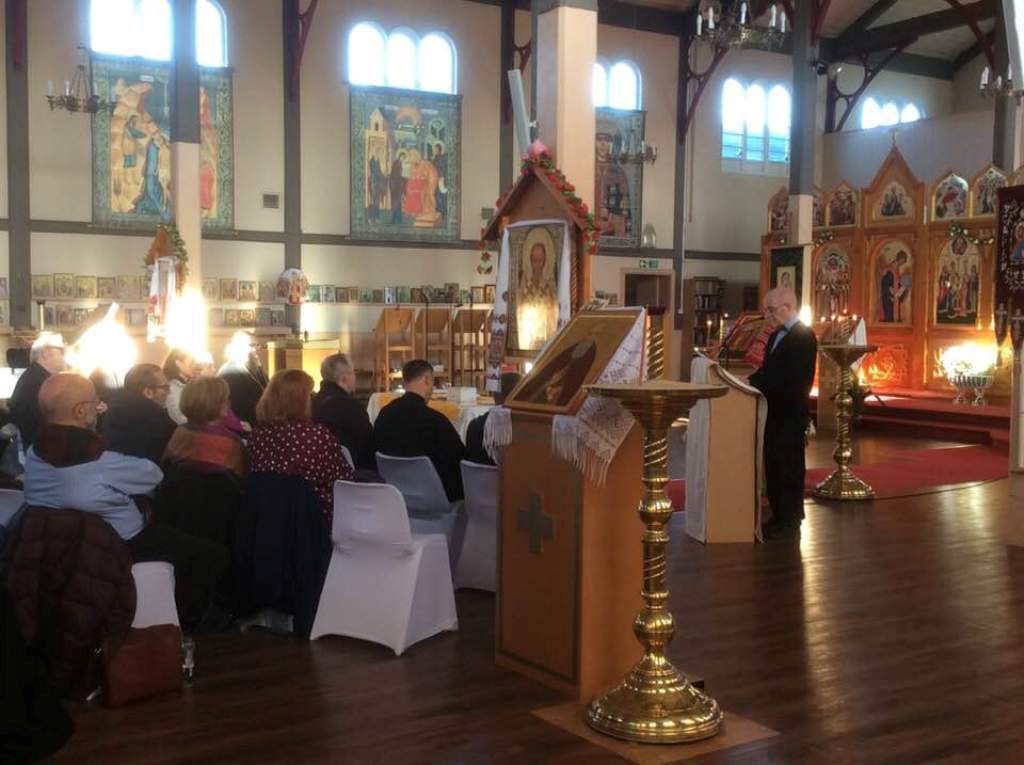
‘The Romanov Family Album’ exhibition opens in the Moscow District

On 19th May 2024 – the day marking the 156th anniversary of the birth of Emperor Nicholas II – a new exhibition The Romanov Family Album, opened in the House of Scientists in Pushchino, a town in the Moscow region.
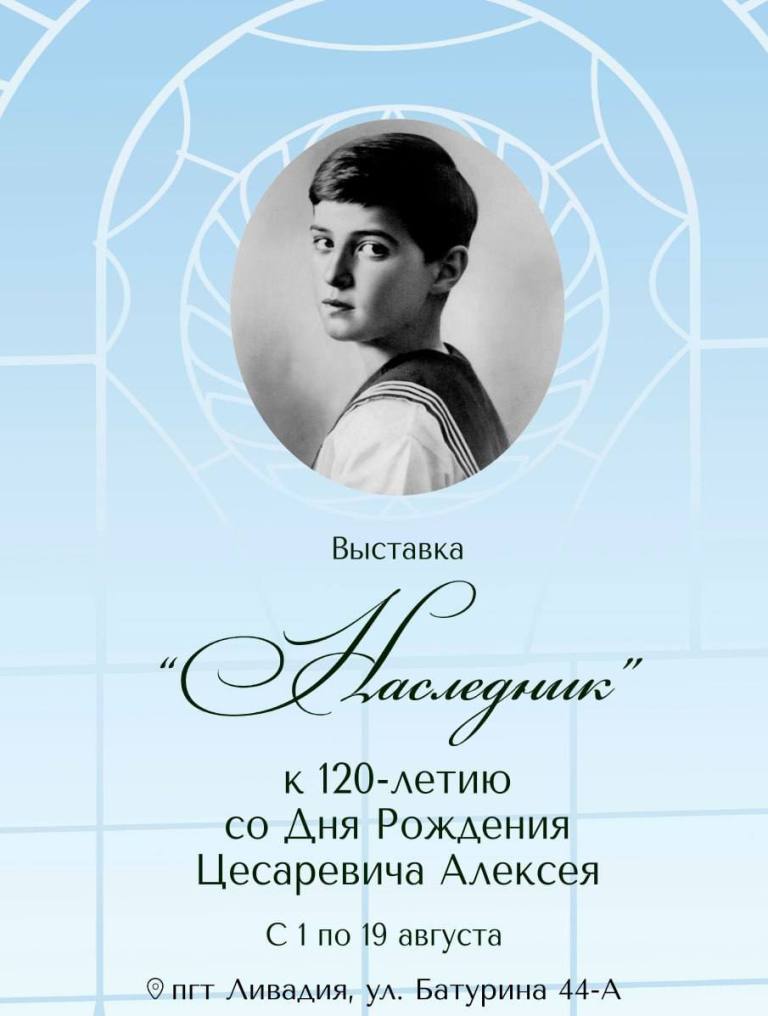
The highlight of the exhibition is a group of seven portraits of the Imperial Family, by the contemporary Russian artist and Honorary Academician of the Russian Academy of Arts Evgeny Schaeffer [b. 1954], who now lives in Germany.

According to Schaefer, “The Romanovs. Family Album exhibition, is not just a collection of paintings and photographs, it is an attempt to comprehend the tragic story of the murder of the the Tsar and his family in Ekaterinburg in 1918. The exhibition, is also an opportunity to rethink history through the prism of modern research and aesthetics”.

PHOTOS: Evgeny Schaeffer’s portraits of the Imperial Family are on display in the exhibition (above); detail of his portrait of Emperor Nicholas II (below)

Evgeny Schaeffer recreates history, transfers it to a modern context, inviting those attending the exhibition to think about the eternal questions of justice, power and fate.

Of particulate importance, is that the artist not only depicts the tragic events, but also immerses the viewer in deep reflection on the role of history in our lives, on how the past affects the present and the future.

The opening of the exhibition was attended by the director of the Department of Culture of the Russian Nobility Assembly Alexander Schaeffer, members of the clergy, parishioners of the Pushchino Church, among others. A cleric of the Church of St. Michael the Archangel in Pushchino, Sergiy Girilovich, served a moleben [supplication prayer service] to the Holy Royal Passion-Bearers.

The Romanov Family Album exhibition runs until 31st May 2024, at the House of Scientists in Pushchino. Admission is FREE.

***

*As I have noted in similiar posts, I support any initiative – big or small – to help keep the memory of Nicholas II and his family alive in post-Soviet Russia – PG

© Paul Gilbert. 28 May 2024
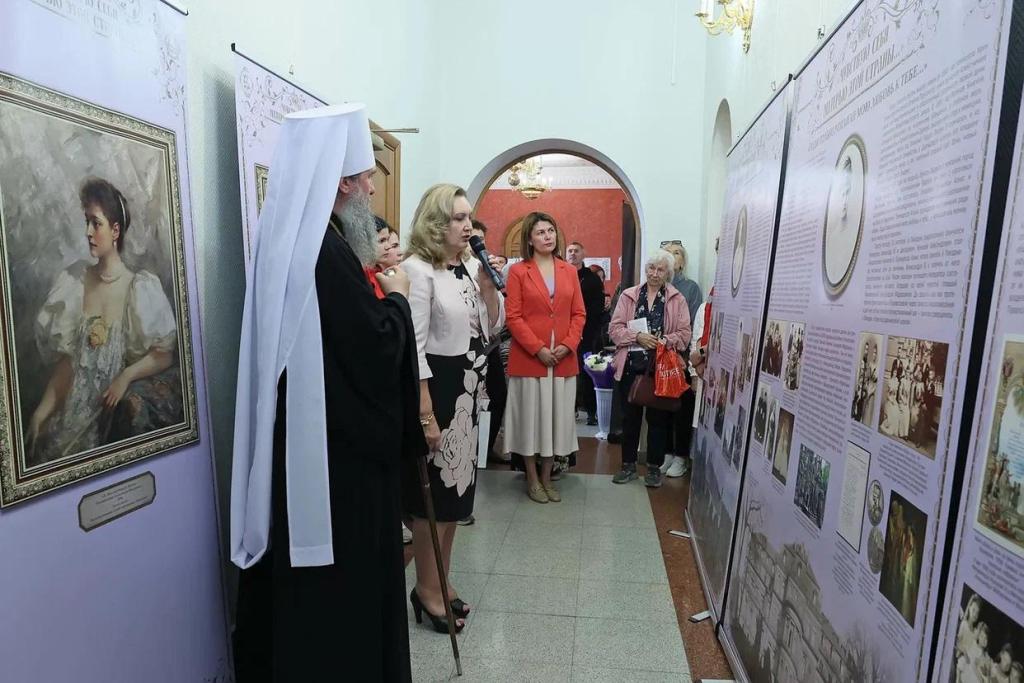
Nicholas II exhibition opens in Kazan

On 22nd May 2024 – the Feast Day of the transfer of the relics of St. Nicholas the Wonderworker [Nicholas II’s patron saint] from Myra to Bari, the Royal Holiness: Russian Emperor Nicholas II and His Family exhibition, opened at the Museum of the Kazan Diocese in the city of Kazan. Tatarstan.

The exhibition was organized by the Museum of the Kazan Diocese with the participation of the Museum of the Holy Royal Family in Ekaterinburg, the Museum of Emperor Nicholas II in Moscow, the Scientific Library of the Lobachevsky Kazan Federal University, the National Museum of the Republic of Tatarstan, the State Museum of Fine Arts of the Republic of Tatarstan, and the Heritage of the Empire Foundation in Moscow.

The exhibition features many photographs depicting the private and public life of Russia’s last Tsar and his family, video materials, unique historical documents, including a copy of the Coronation Albums, as well as invitations to the ceremonies, menus, souvenirs and posters of the Coronation celebrations, held in Moscow in May 1896.

The exhibition also covers the topics of the unity of the Imperial Family, the Christian upbringing of the August children, Nicholas and Alexandra’s devotion to one other and to their children, as well as the influence of faith on the Tsar’s political decision-making.

The exhibition was opened by Metropolitan Kirill of Kazan and Tatarstan. Honoured guests included Chairman of the Heritage of the Empire Foundation Lieutenant General L.P. Reshetnikov, politicians and cultural figures from Moscow, Kazan and Ekaterinburg, and members of the clergy of the Kazan Diocese.

After the opening ceremony, a concert of choirs of the Kazan Diocese took place – a male choir under the direction of the Honored Artist of the Republic of Tatarstan Denis Rogov, a mixed choir under the direction of Marina Litvinenko, and the choir of the Kazan Theological Seminary.

The Royal Holiness: Russian Emperor Nicholas II and His Family exhibition will run from 23rd May to 31st July 2024, at the Museum of the Kazan Diocese, which is located at the Kazan Monastery of the Mother of God of the Kazan Diocese of the Russian Orthodox Church.

***

*As I have noted in similiar posts, I support any initiative – big or small – to help keep the memory of Nicholas II and his family alive in post-Soviet Russia – PG

© Paul Gilbert. 23 May 2024

Romanov exhibit opens in Djulber Palace, Crimea

On 8th May 2024, a permanent exhibit opened in Djulber (aka Dulber) Palace, the former Crimean residence of Grand Duke Peter Nikolaevich. The exhibit is dedicated to the history of the palace and the events of the Russian Civil War, when members of the Imperial Family were being held there under house arrest.

In preparation of the exhibit, materials were studied, in order to preserve the history of Djulber, which includes unique historic documents and photographs, as well as artifacts from private collections.

The exhibit is a joint project of the State Archive of the Russian Federation (GARF), the Russian State Naval Archive, the Ministry of Culture of the Republic of Crimea, as well as the Vorontsov and Livadia Palaces, the Anton Chekhov House-Museum in Yalta and the Yalta Historical and Literary Museum.

The exhibit also presents copies of watercolors by Nikolai Krasnov, rare archival photographs of Grand Duchess Xenia Alexandrovna taken at Ai-Todor, letters, telegrams, pre-revolutionary newspapers, architectural plans and sketches of the palace by Grand Duke Peter Nikolaevich.

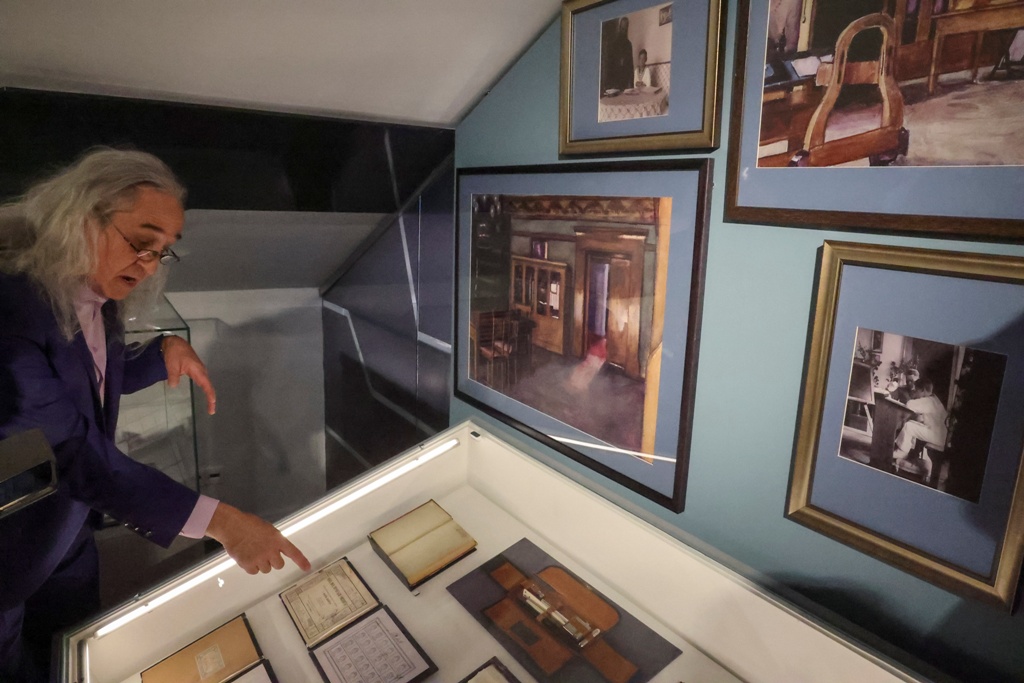
Rare documents on the imprisonment of members of the Imperial Family are exhibited in glass showcases. For example, the protocols of searches in the grand ducal estates, with the personal signatures of the Romanovs and arrest orders, which were sealed and stamp “CONFIDENTIAL”.

The opening of the exhibit is timed to the 10th anniversary of the reunification of Crimea with the Russian Federation in 2014. The exhibit was implemented, thanks to the assistance of the Ministry of Culture of the Republic of Crimea

The exhibition curators are already searching for new artifacts to add to the museum. They also have plans to expand the current exhibit, which will explore the activities and merits of the Grand Dukes Peter Nikolaevich and Alexander Mikhailovich

Today, Djulber is a popular sanitorium and health resort, however, the museum is open from Tuesday to Sunday.

***

The Djulber or Dulber Palace was built between 1895 to 1897, in the village of Koreiz, located on the southern coast of Crimea, by order of Grand Duke Peter Nikolaevich (1864-1931), the younger brither of Grand Duke Nikolai “Nikolasha” Nikolaevich (1856-1929), and cousin of Emperor Nicholas II. The palace was built in the Moorish Revival Style by the famous Yalta architect Nikolai Krasnov, who also designed and built Livadia Palace.

Djulber or dülber is Crimean Tatar for “beautiful”, originally from Persian, del-bar “heart-stealing”, “beloved or beautiful”. It is an “asymmetrical architectural extravaganza” with crenellated walls, silver domes, and more than 100 rooms, inspired by the Mameluk architecture of 15th-century Cairo.

The Moorish style elements of the palace, include domed towers, decorated with Eastern ornaments. Above the entrance is a saying from the Koran written in Arabic script, “blessing all those who enter”. Despite this, the palace was consecrated according to Orthodox canons.

The palace had strong high walls that could withstand a military assault. Little did Peter know, that these walls would protect both him, his family and relatives in 1919, when Djulber provided a temporary safe haven the Romanovs.

Following the February 1917 Revolution, the Provisional Government allowed close relatives of Emperor Nicholas II to go to the Crimea, where many of them maintained beautiful estates doted along the Black Sea coast. Among them were the Dowager Empress Maria Feodorovna, Grand Dukes Peter Nikolaevich, Alexander Mikhailovich, Nikolai Nikolaevich and their respective families. Following the October 1917 Revolution, which ushered in Lenin the Bolsheviks, anti-Romanov sentiment on the peninsula grew at an alarming pace, their lives were now in grave danger.

In 1919, the Romanovs were transferred to Djulber Palace under the protection of the Commissar of the Sevastopol Council Philip Zadorozhny and a detachment of sailors of the Black Sea Fleet. They were preparing for an assault, by the Yalta Bolsheviks, who were thirsty for the blood of the Imperial Family. Machine guns were installed on the roof of the palace. The Romanovs were imprisoned, which eventually saved their lives. In April 1919, members of the Imperial Family left Russia for good, after being rescued by the British battleship HMS Marlborough.

During the years of Soviet power, Djulber, like the other Romanov palaces in Crimea, were used for recreation and health purposes, Djuler was turned into a health resort for high-ranking government officials only, and off limits to workers and peasants. Djulber remains a remains a popular sanitorium to this day,

© Paul Gilbert. 22 May 2024

‘The Tsar’s Family: Love and Mercy’ exhibit opens at Faculty of Humanities, Moscow

s

On 11th April 2024, the exhibition ‘The Tsar’s Family: Love and Mercy’ opened at the Higher School of Economics, Faculty of Humanities in Moscow.

The participants of the opening of the exhibit enjoyed a performance by the choir of the Sretensky Theological Academy, followed by a guided tour of the exhibition, by one of the curators of the project, Mikhail Googe.

The exhibition presents more than 200 historical photographs depicting the life and service of Emperor Nicholas II and his family. The exhibition is divided into three themes:

• Love and family: the love shared by Emperor Nicholas II and Empress Alexandra Feodorovna, which was extended to their five children.

• State service of Nicholas II: the patriotic duties of the last Russian emperor, his economic reforms and the welfare of his subjects.

• Works of mercy: charitable and patronage activities of the Imperial Family.

***

The photo project The Tsar’s Family: Love and Mercy was created in 2016 by the Sretensky Monastery in Moscow. The travelling exhibition has already been presented in Serbia, Germany, Italy, Canada, Argentina, New Zealand, South Africa, Romania, Croatia, Montenegro, Bosnia and Herzegovina, Macedonia, and the Czech Republic. The exhibition has also been presented in many cities of Russia: Moscow, Voronezh, Kursk, Ryazan, Penza, Krasnodar, Belgorod, Velikiye Luki, etc.

*As I have noted in similiar posts, I support any initiative – big or small – to help keep the memory of Nicholas II and his family alive in post-Soviet Russia – PG

© Paul Gilbert. 12 April 2024

State Russian Musuem receives collection of 180 watercolours by Grand Duchess Olga Alexandrovna

PHOTO: Grand Duchess Olga Alexandrovna, self portrait. 1920
from the Collection of the State Russian Museum, St. Petersburg

On 2nd April 2024, the State Russian Museum[1] in St. Petersburg, added 180 watercolours, painted by Grand Duchess Olga Alexandrovna (1882-1960) to their funds. The collection was handed over to the museum, by the Ministry of Culture of the Russian Federation, during a press conference, held at the Mikhailovsky Palace[1].

The paintings were donated to the museum in November of last year. The generous donation included an additional 46 items from the family of Emperor Alexander III, including drawings, icons, photographs, personal items and jewelry, all of which will be carefully studied by professional art historians of the State Russian Museum.

The collection was in the possession of Olga Nikolaevna Kulikovsky-Romanov (1926-2020), the third wife of Grand Duchess Olga’s eldest son, Tikhon Nicholaevich Kulikovsky (1917-1993). The donation to the museum was made possible thanks to the St. Catherine’s Charitable Foundation and the Ministry of Culture of the Russian Federation.

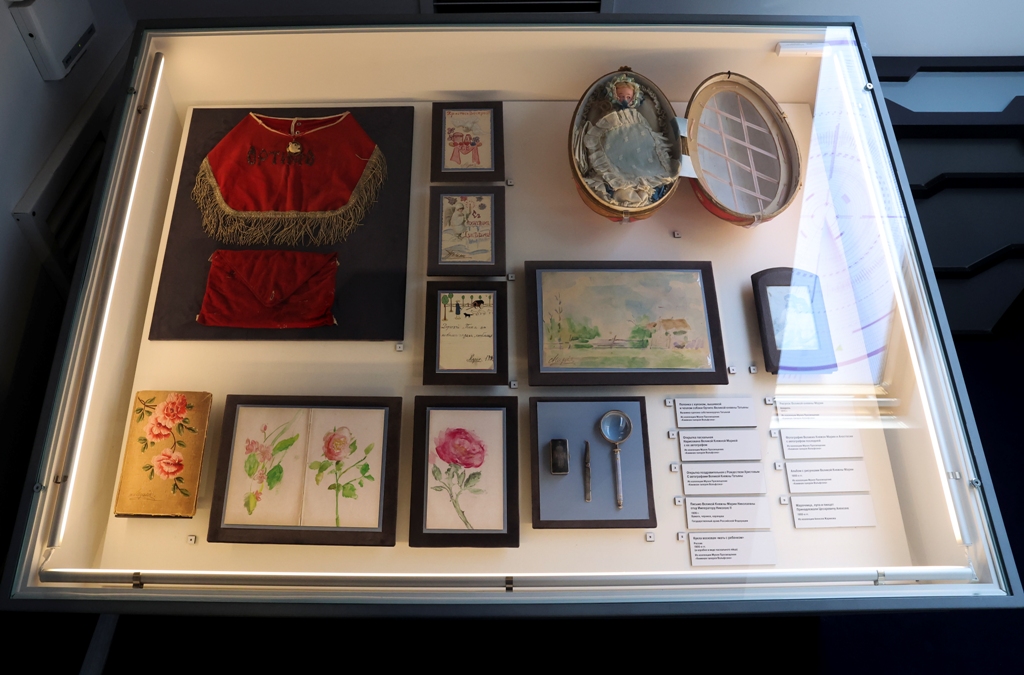
The priceless collection by the youngest daughter of Emperor Alexander III and Empress Maria Feodorovna, and the younger sister of Emperor Nicholas II, included watercolours created in different years of the Grand Duchess’s life: Russian landscapes, family sketches, everyday scenes, bright still lifes and views of the places in which Olga Alexandrovna lived. Her works are represented on both canvas, as well as watercolour sketches in albums.

During her years in Russia, the Grand Duchess patronized the Imperial Society of Russian Watercolorists. Her watercolours were represented in exhibitions organized by the Kuindzhi Society of Artists, who helped to organize exhibitions of the works of young Russian artists.

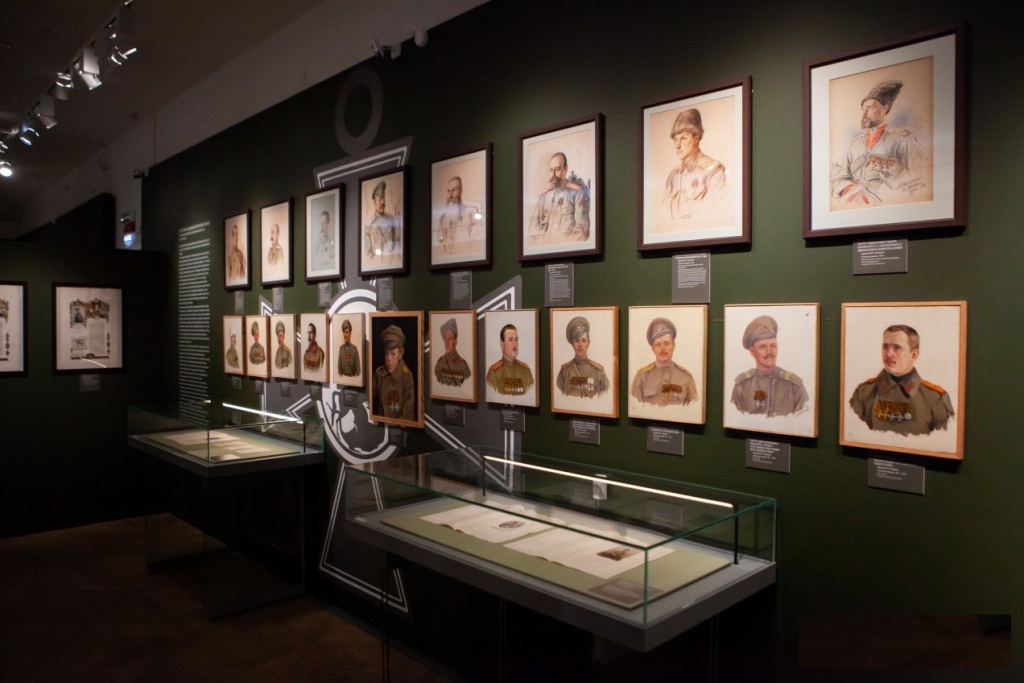
During the First World War, Olga Alexandrovna opened the First Evgenievsky Hospital at her own expense, which was under the auspices of the Russian Red Cross. It was here, where she worked as a nurse, bandaging wounds, and cared for the wounded soldiers. Even at the front, the Grand Duchess devoted her free time to painting – her watercolors depict scenes in the hospital and portraits of officers. Selected sketches from this period are also included in the collection.

The art collection also includes photo albums of the Romanov family, personal objects and icons. Two of the icons were painted by the Grand Duchess for her son Tikhon, who later created the Foundation of Her Imperial Highness Grand Duchess Olga Alexandrovna, which provided humanitarian aid to Russia. His portrait by the Grand Duchess is also included in the collection.

For the first time in the history of the museum, the collection will be kept entirely in the custody of one specialist, rather than divided into specialized departments. The indivisibility of the collection is necessary for the study of the objects and their connection to in the Russian Imperial Family.

The State Russian Museum are already making plans to host an exhibition showcasing the collection of 180 watercolour by Grand Duchess Olga Alexandrovna, plus the additional 46 items from the family of Emperor Alexander III. A date for the exhibition has yet to be announced.

NOTES”

[1] The State Russian Museum was officially opened on 19th [O.S. 7th] March 1898, as the Russian Museum of His Imperial Majesty Alexander III, who was a connoisseur of Russian art. The museum was established in the Mikhailovsky Palace, a splendid Neoclassical residence of Grand Duke Michael Pavlovich (1798-1849).

The museum was established on 13th April 1895, by order of Emperor Nicholas II to commemorate his father, Alexander III. Its original collection was composed of artworks taken from the Hermitage Museum, the Alexander Palace, and the Imperial Academy of Arts.

After the Russian Revolution of 1917, the museum and its collection were nationalized and renamed the State Russian Museum. Today, the museum is the world’s largest depository of Russian art with more than 400,000 items.

© Paul Gilbert. 9 April 2024

Photo-exhibition teaches Russian schoolchildren about Nicholas II and his family

On the day of the Reigning Icon of the Mother of God, 15th March, the monks of the Nikandrova Hermitage opened the photo-exhibition The Tsar’s Family. Love and Mercy, in the secondary school of the village of Dubrovno, Porkhov District, Pskov Region.

The exhibition presents more than 100 vintage photographs that tell about the close relationship within the family of the last Russian emperor Nicholas II. The photographs reflect many aspects of the life of the Tsar’s family during the late 19th and early 20th centuries, including the upbringing of the children, and the warm and loving relationship, which they shared with both their parents and each other.

The brethren of the Nikandrova Hermitage made stands for the exhibition, on which the photographs were displayed. The photographs were provided by the Sretensky Monastery in Moscow.

Hierodeacon Spyridon (Drygailo), a resident of the Nikandrova Hermitage, conducted a special lesson with the schoolchildren and teachers dedicated to the Imperial Family.

The exhibition was open to all residents of the village of Dubrovno, admission was free.

The photo project The Tsar’s Family: Love and Mercy was created in 2016 by the Sretensky Monastery in Moscow. The travelling exhibition has already been presented in Serbia, Germany, Italy, Canada, Argentina, New Zealand, South Africa, Romania, Croatia, Montenegro, Bosnia and Herzegovina, Macedonia, and the Czech Republic. The exhibition has also been presented in many cities of Russia: Moscow, Voronezh, Kursk, Ryazan, Penza, Krasnodar, Belgorod, Velikiye Luki, etc.

*As I have noted in similiar posts, I support any initiative – big or small – to help keep the memory of Nicholas II and his family alive in post-Soviet Russia – PG

© Paul Gilbert. 5 April 2024

Grand Duchess Olga Alexandrovna exhibit opens in Belarus

On 21st March 2024, the Grand Duchess Olga Alexandrovna. Life on a Canvas exhibition, opened in Mir Castle, situated in the village of Ramon[1], near Voronezh, Belarus.

According to the Oldenburg Palace Museum, the venue for the exhibition was chosen due to the close family ties between members of the Imperial Family and the Svyatopolk-Mirsky family, the last owners of Mir Castle. For example, the great-niece of Prince Nikolai Svyatopolk-Mirsky, was Princess Sofia Ivanovna Orbeliani (1874-1915), who served as a lady-in-waiting and close friend of Empress Alexandra Feodorovna.

The exhibit presents the Russian years of Grand Duchess Olga Alexandrovna through letters to her brother Emperor Nicholas II, and her nieces: Grand Duchesses Olga, Tatiana, Maria and Anastasia Nikolaevna.

The exhibition is supplemented with items from the funds of the the personal archive of Her Imperial Highness, stored in the Oldenburg Palace: photographs from Olga’s albums, drawings and paintings created in subsequent years, entries from her private diaries, and watercolours.

These exhibits which reflect the heritage of the Grand Duchess before the 1917 Revolution, afford visitors with an opportunity to acquaint themselves with the events of her long and often difficult life.

The life of Olga Alexandrovna, the last Russian Grand Duchess, was filled with trials that rarely fall to the lot of man. But with her kindness, modesty, and courage, she managed to overcome the horrors prepared for her by the 20th century. She was a benefactor of numerous schools, hospitals, almshouses, societies, and during the First World War she became a simple Red Cross nurse.

Interested in painting from her early childhood, Olga Alexandrovna never stopped painting throughout her life. Her works are real and lively, reflecting the happy moments of happy times with family, and the beauty of landscapes, nature, and the elegance of floral compositions.

Never discouraged, Olga was able to see beauty in everything, she was grateful for every new day, simple, humble and bright – this is how she is reflected in her works. In emigration, Olga Alexandrovna’s house became a center for all those who shared the bitter fate of exile. The Grand Duchess continued her charitable activities: her watercolours were exhibited in several European capitals, and the proceeds from the sale went to help Russian emigrants who found themselves in difficult financial situations.

The more one learns about Grand Duchess Olga Alexandrovna, her kindness, her charitably work, her piety, etc., one can truly understand why she remains one of the most beloved and respected members of the Russian Imperial Family and the Romanov Dynasty.

The Grand Duchess Olga Alexandrovna. Life on a Canvas exhibition runs at the Mir Castle until 2nd May 2024.

NOTES:

[1] On 27th July 1901, Grand Duchess Olga married Duke Peter Alexandrovich of Oldenburg (1868-1924). In 1906, the couple settled into ‘Olgino’, their home situated on the Oldenburg estate, in the village of Ramon, near, Voronezh.

In 1915, the couple separated; Olga had no children from her first marriage. On 27th August 1916, Emperor Nicholas II approved the definition of the Holy Synod, which recognized her marriage to Prince of Oldenburg dissolved

© Paul Gilbert. 3 April 2024

‘The Tsar’s Family. Ascent’ exhibition opens in Novocherkassk

On 10th March 2024, The Tsar’s Family. Ascent exhibition, opened in the Ascension Military All-Cossack Patriarchal Cathedral in Novocherkassk, situated in the Rostov district. The cathedral serves as the main church of the Don Cossacks.

The exhibition explores the life, service and spiritual path of Emperor Nicholas II and his family.

On display, are more than 100 photographs, 23 reproductions of famous paintings and portraits, archival documents, military banners from various regiments of the Russian Imperial Army and more.

The project was organized by the press secretary of the Mogilev diocese, Ilya Sidorovich. Exhibits were collected from the funds of the State Archives of the Russian Federation (GARF), the Russian State of Film and Photo Archive (RGAKFD), museums and private collections in Moscow, Tsarskoye Selo, and Mogilev. exhibition

PHOTOS: the exhibition was attended by the Governor of the Rostov Region

The rector of the Ascension Cathedral, Archpriest Georgy Smorkalov, noted that it was no coincidence that Novocherkassk was selected to host the exhibition. Emperor Nicholas II visited Novocherkassk on several occasions and visited the Cathedral Church of the Don Army. It is interesting to note, that one of the few lifetime portraits of Emperor Nicholas II – not held in any museum fund – today, hangs in the “Royal Chambers” of the cathedral.

The travelling exhibition is currently touring Russia and Belarus, and has been held in a number of cities, including Mogilev, where from 1915 to 1917, served as the Headquarters of the Supreme Commander-in-Chief, under Emperor Nicholas II.

The grand opening of the exhibition was attended by the Governor of the Rostov Region, Vasily Golubev, the Minister of Culture of the region Anna Dmitrieva, and local government other officials.

The Tsar’s Family. Ascent exhibition runs until 5th May 2024.

© Paul Gilbert. 13 March 2024