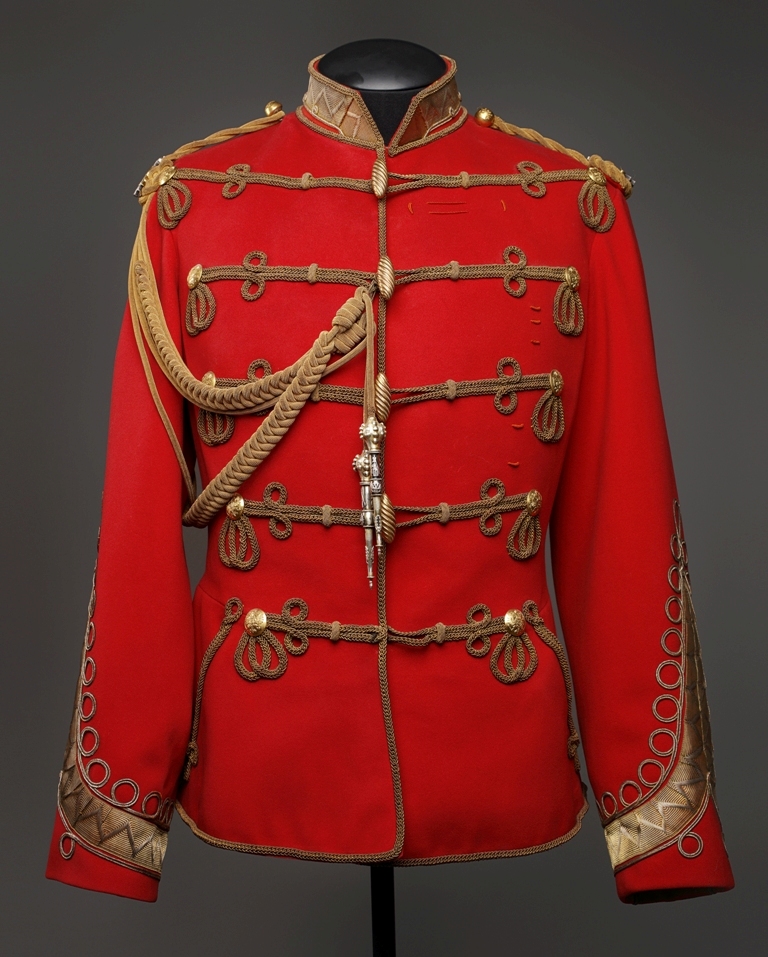
New exhibition to showcase Nicholas II’s wedding uniform

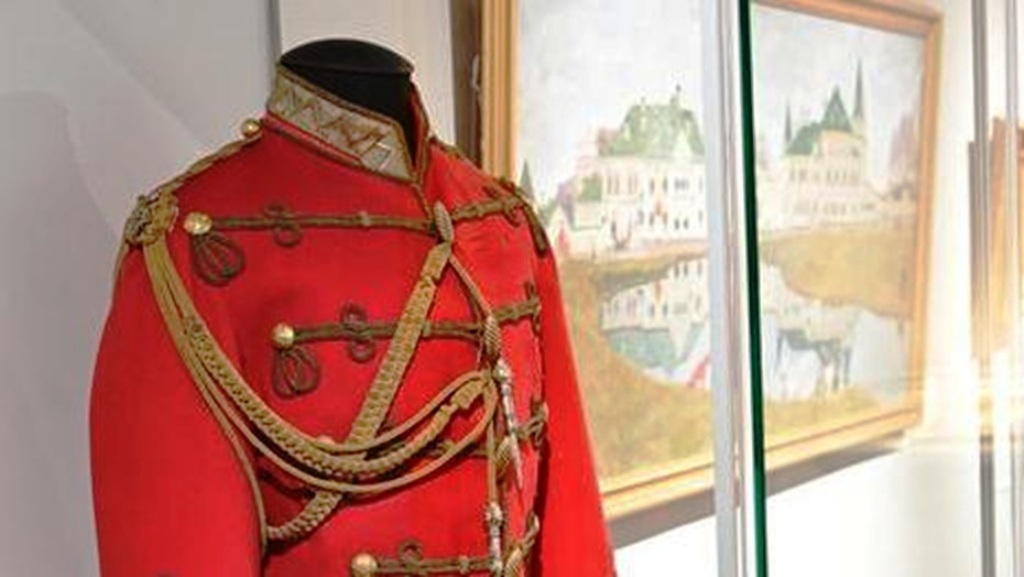
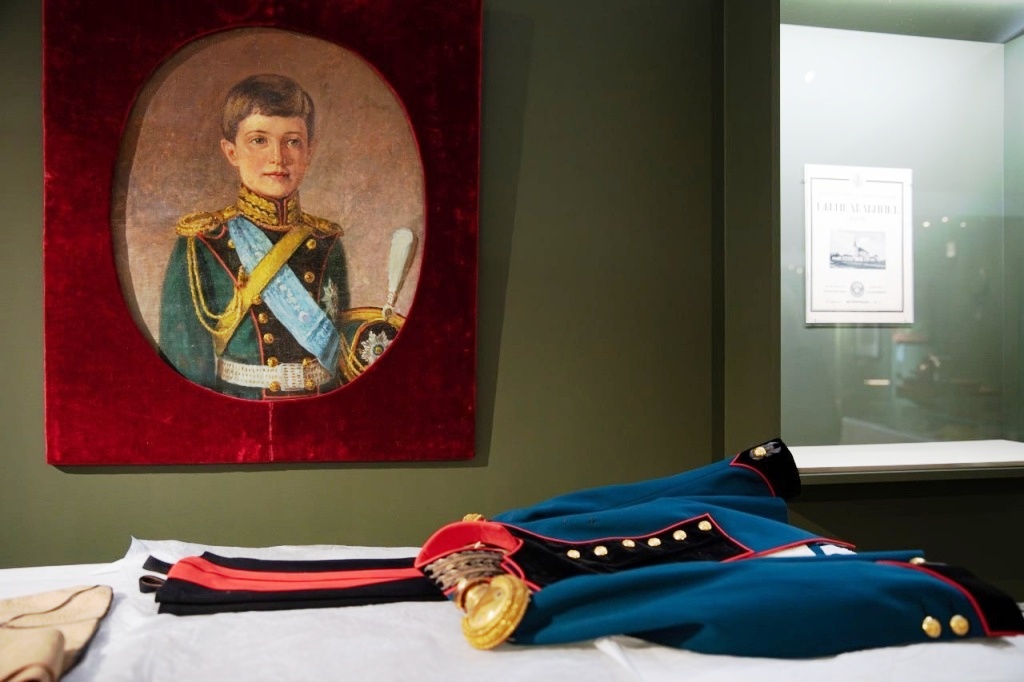
PHOTO: the red uniform of the Colonel of His Majesty’s Hussar Life Guards
Regiment, worn by Emperor Nicholas II at his wedding in November 1894
© Tsarskoye Selo State Museum

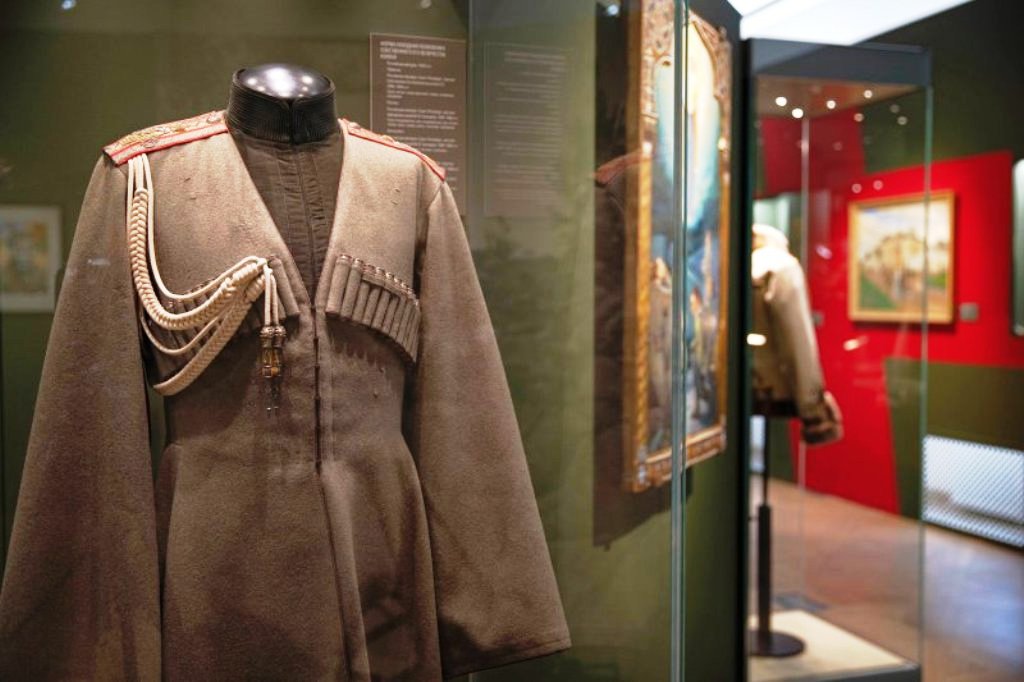
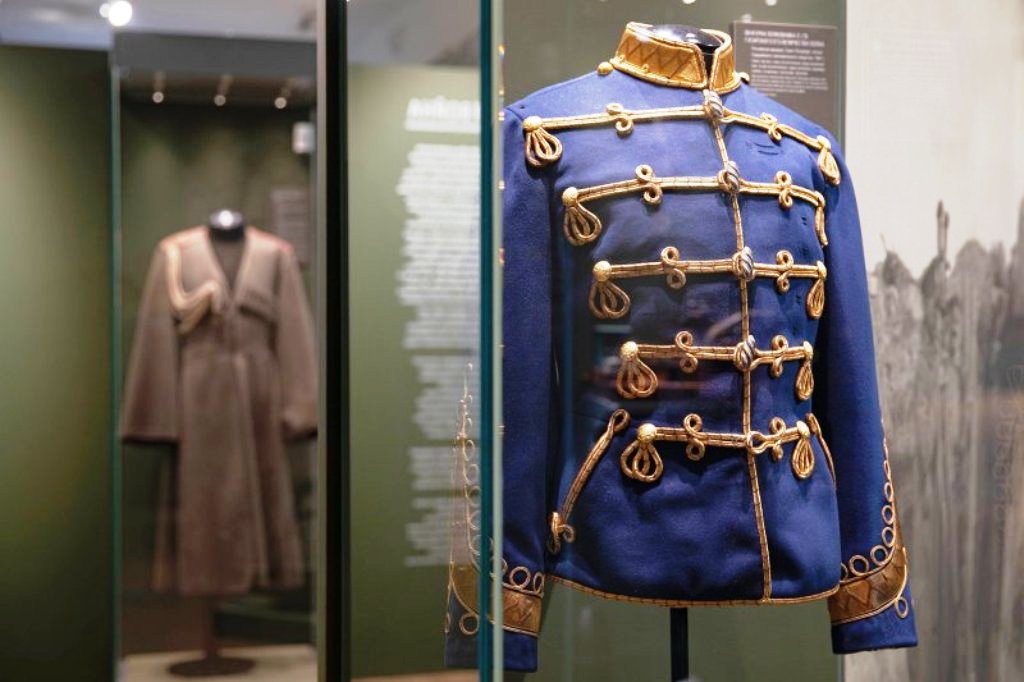
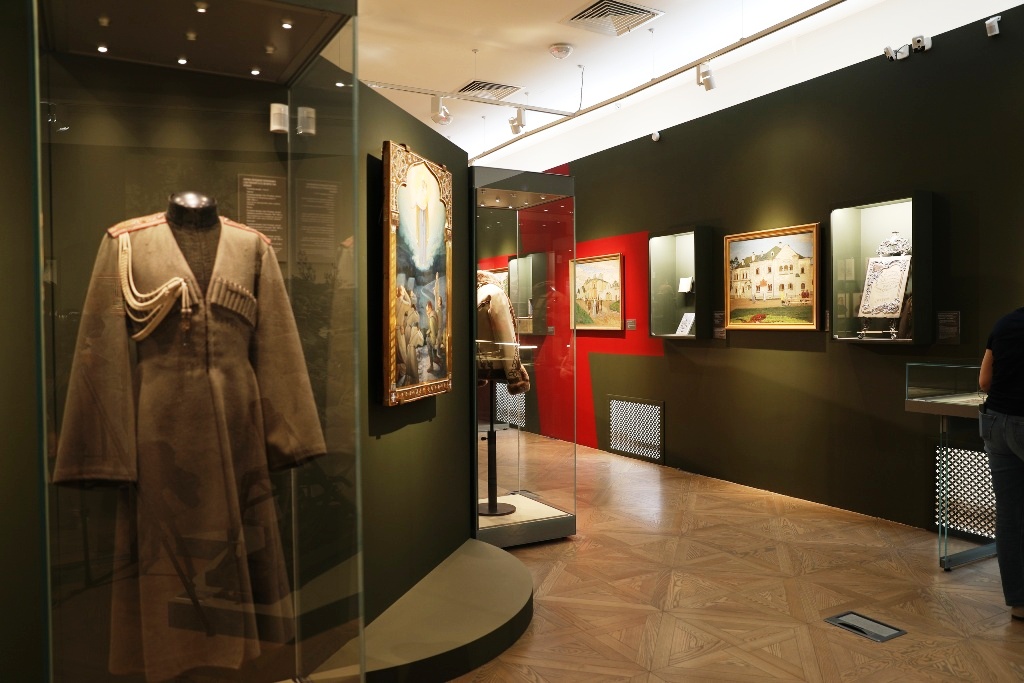
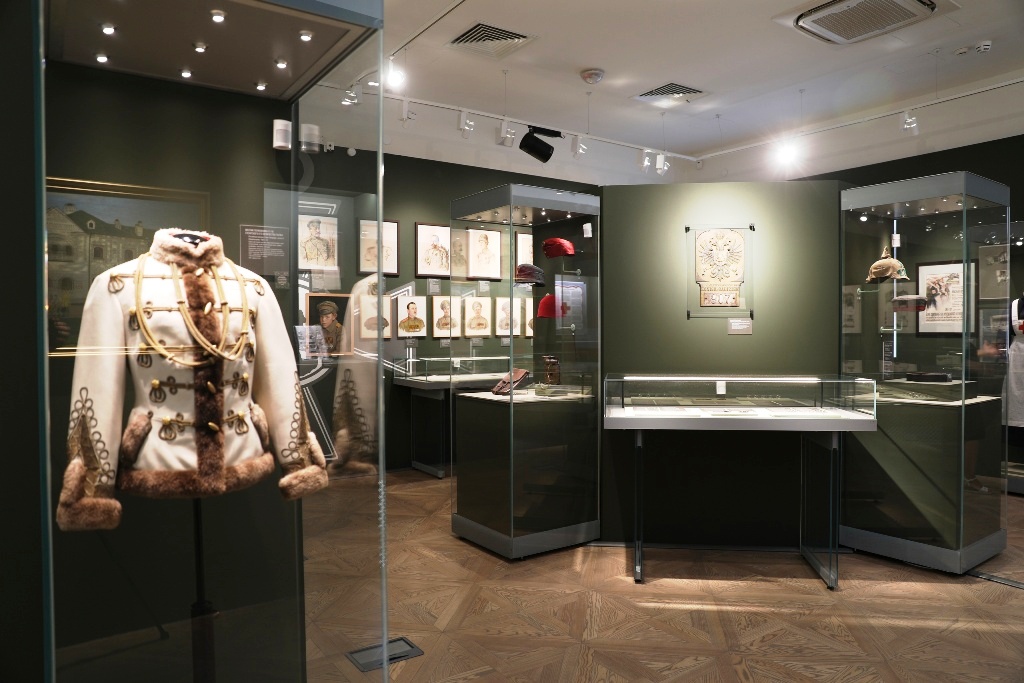
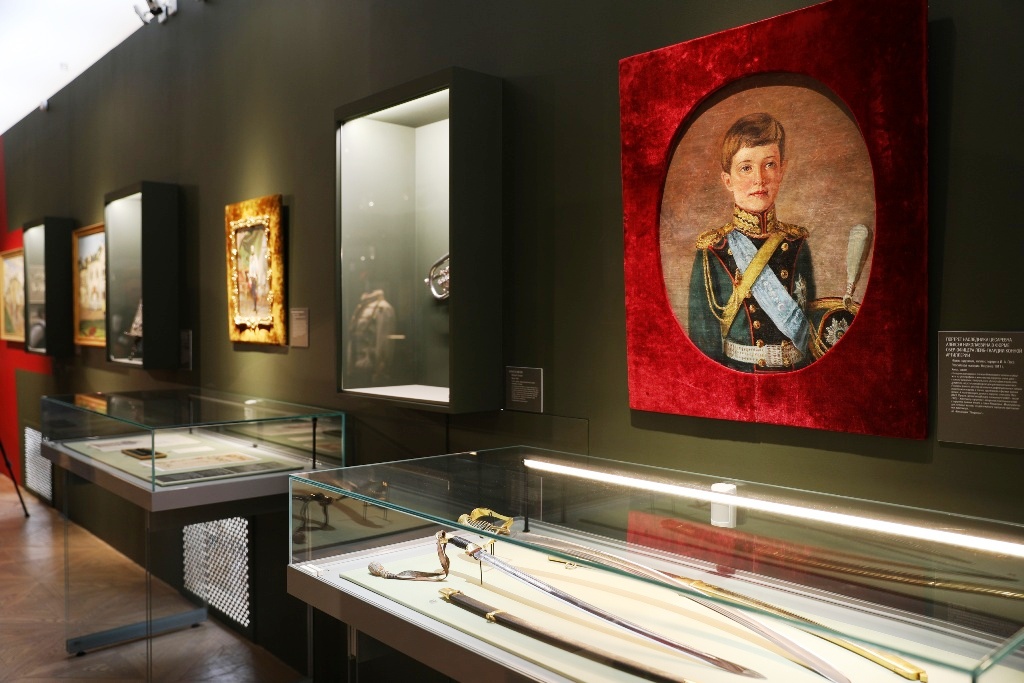
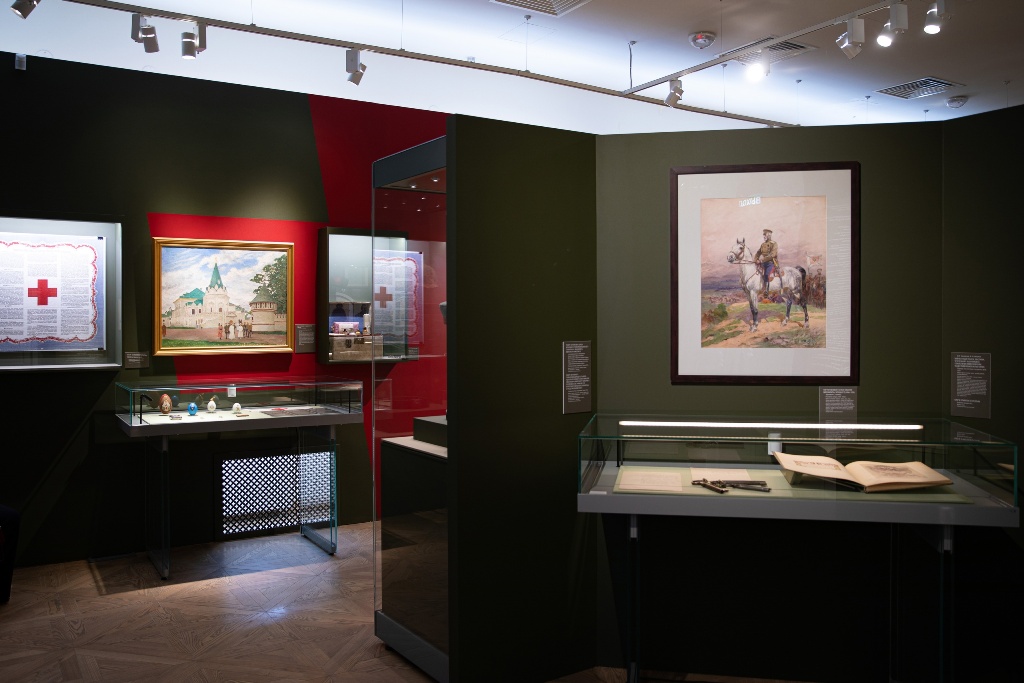
On 10th June 2026, a new exhibition Tsarskoye Selo. Masterpieces of the Imperial Residence, will open at the Museum of Fine Arts in Ekaterinburg. The exhibition will showcase some 360 items from the Collection of the Tsarskoye Selo State Museum.

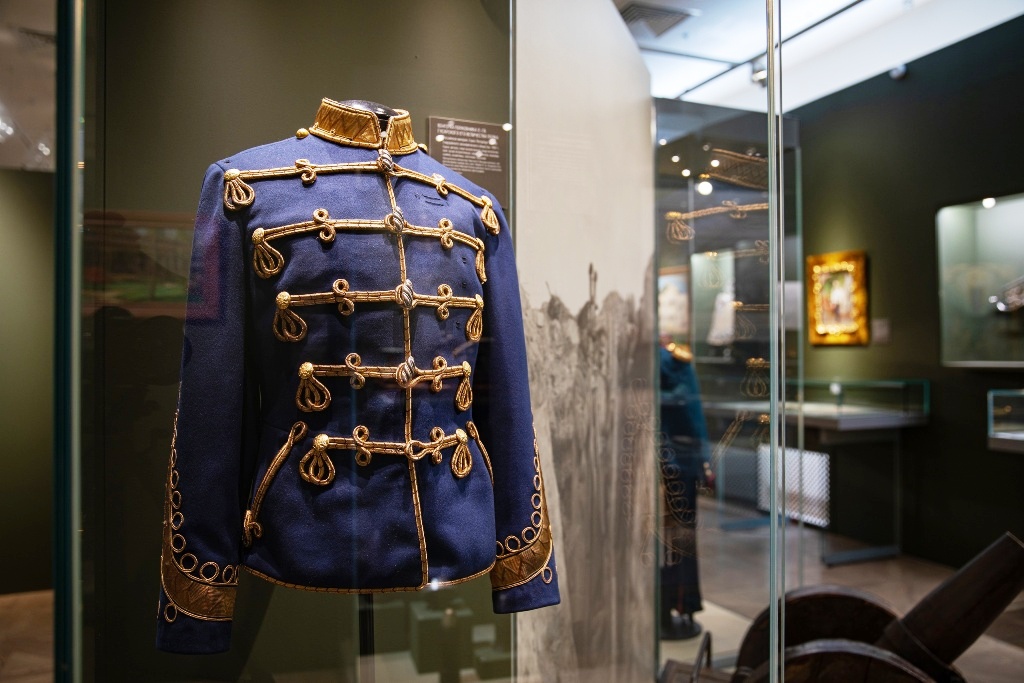
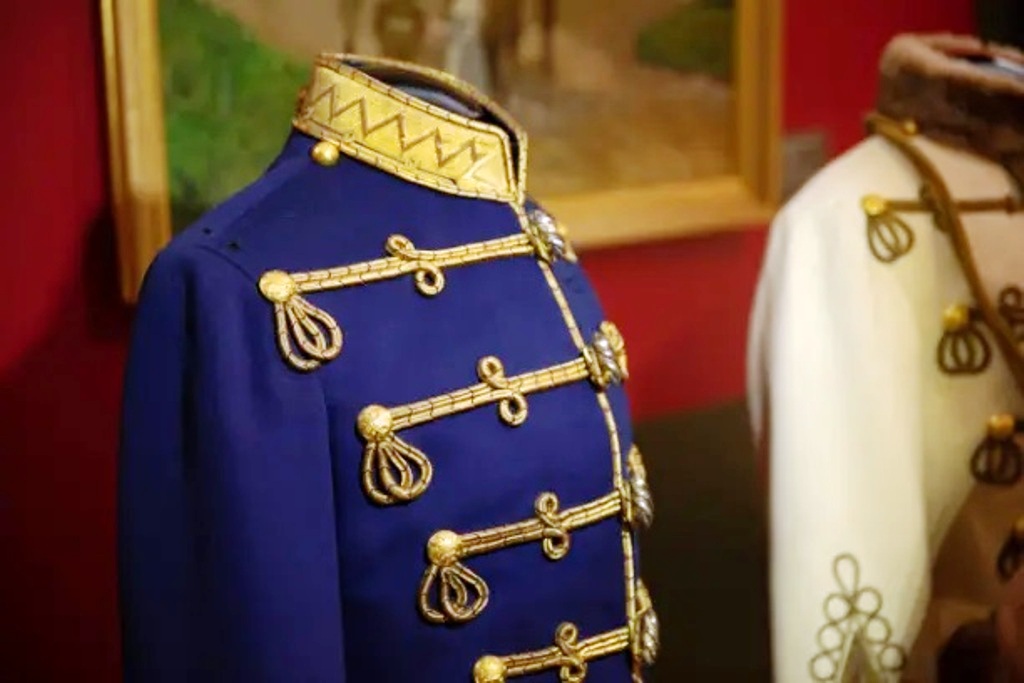
One section of the exhibition will be devoted to Russia’s last Tsar and the Alexander Palace. Among the many historic items is the uniform worn by Emperor Nicholas II at his wedding in November 1894.

His Majesty wore the red dress uniform with medals of the Colonel of His Majesty’s Hussar Life Guards Regiment and an orange sash of the Order of Hesse and by Rhine. Nicholas II served as Regiment colonels-in-chief of the regiment (established in 1775), from the day of his ascension to the throne in November 1894 to his abdication in March 1917.

On the lining of the collar, there is a silk label with the text: “His Majesty was married in this uniform. Save forever.”

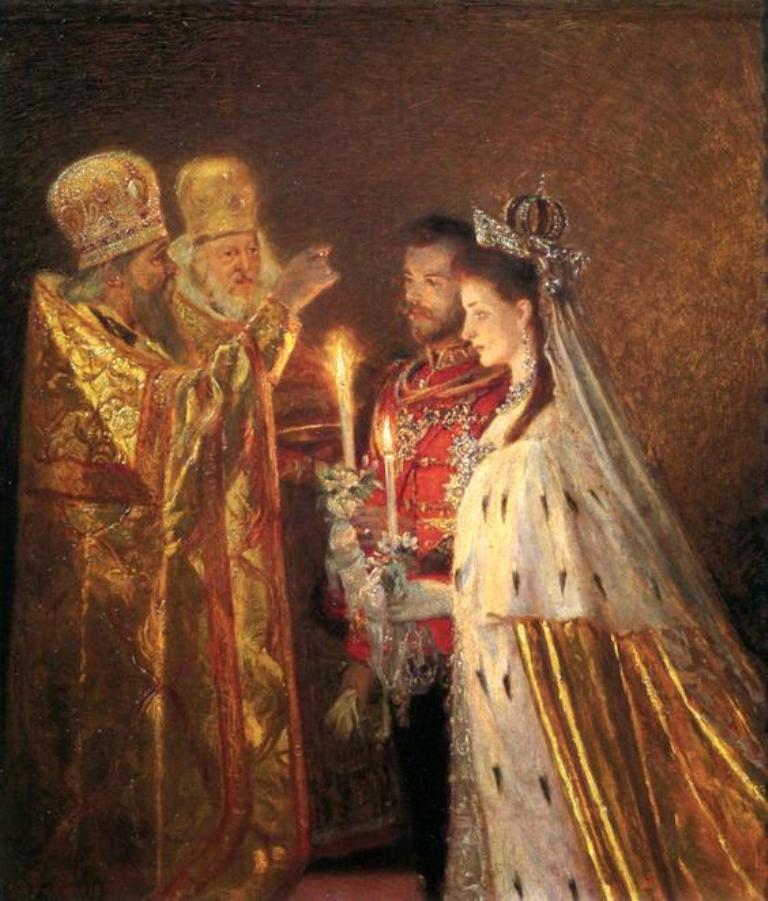
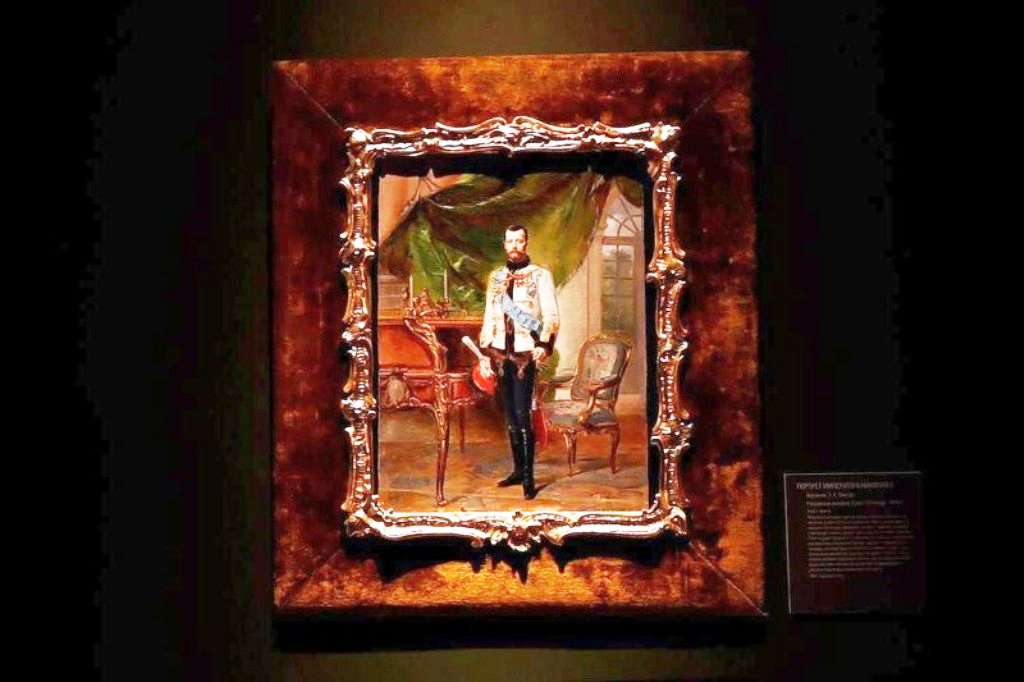
PHOTO: Emperor Nicholas II depicted wearing the red
uniform Colonel of the Life Guards Hussar Regiment, 1894

Recall that the wedding of Emperor Nicholas II and Grand Duchess [future Empress] Alexandra Feodorovna, took place on 27th (O.S. 14th) November 1894. The ceremony took place in the Church of the Saviour Not Made by Hands (the home church of the Imperial Family) of the Winter Palace in St. Petersburg.

The Museum of Fine Arts celebrates it’s 90th anniversary this year – the author of this article visited the museum in July 2018.

The exhibition Tsarskoye Selo. Masterpieces of the Imperial Residence runs until 16th August 2026 at the Museum of Fine Arts in Ekaterinburg.

© Paul Gilbert. 4 June 2026

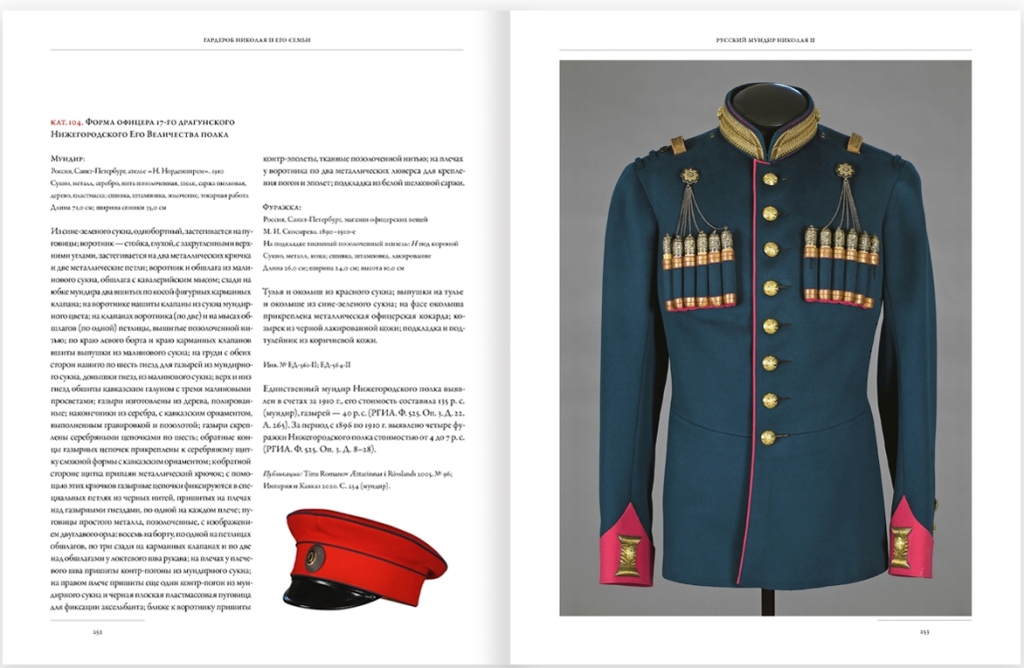
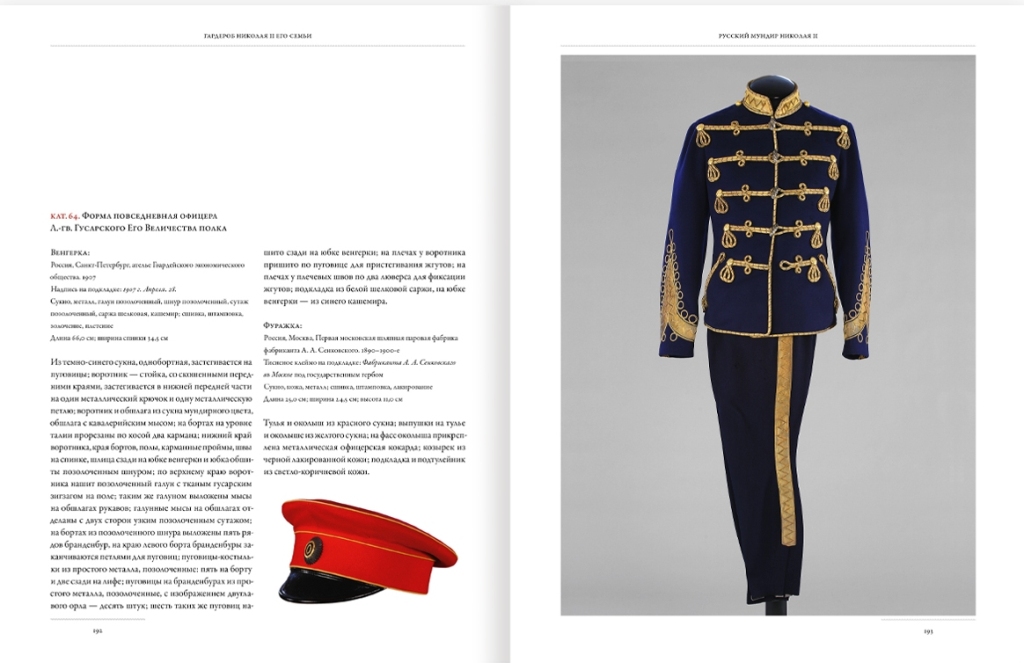
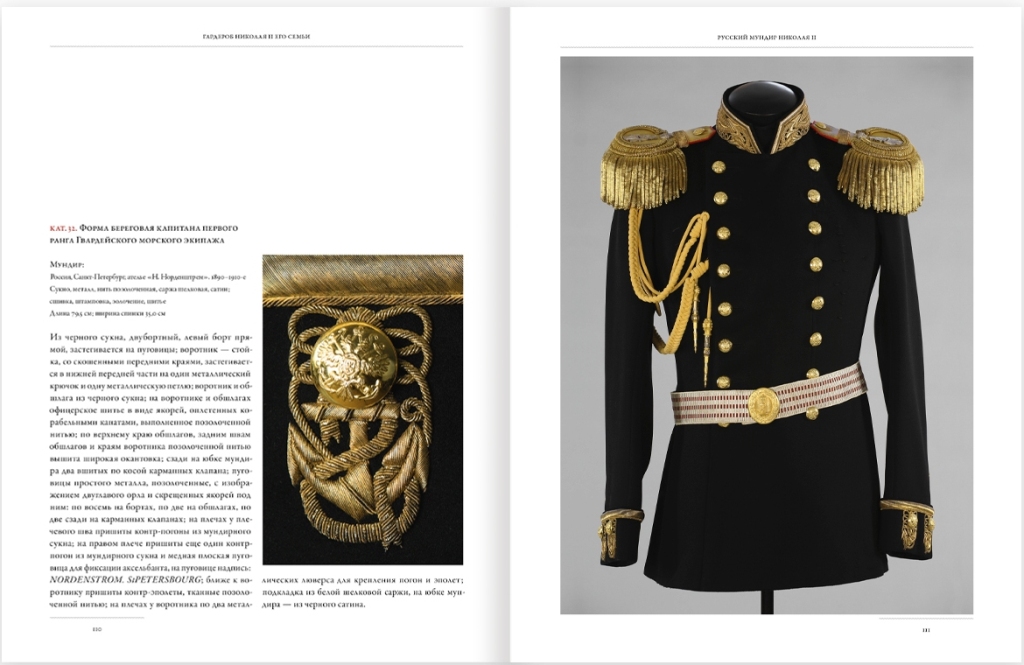
 Unique catalog of Nicholas II’s uniforms has been published

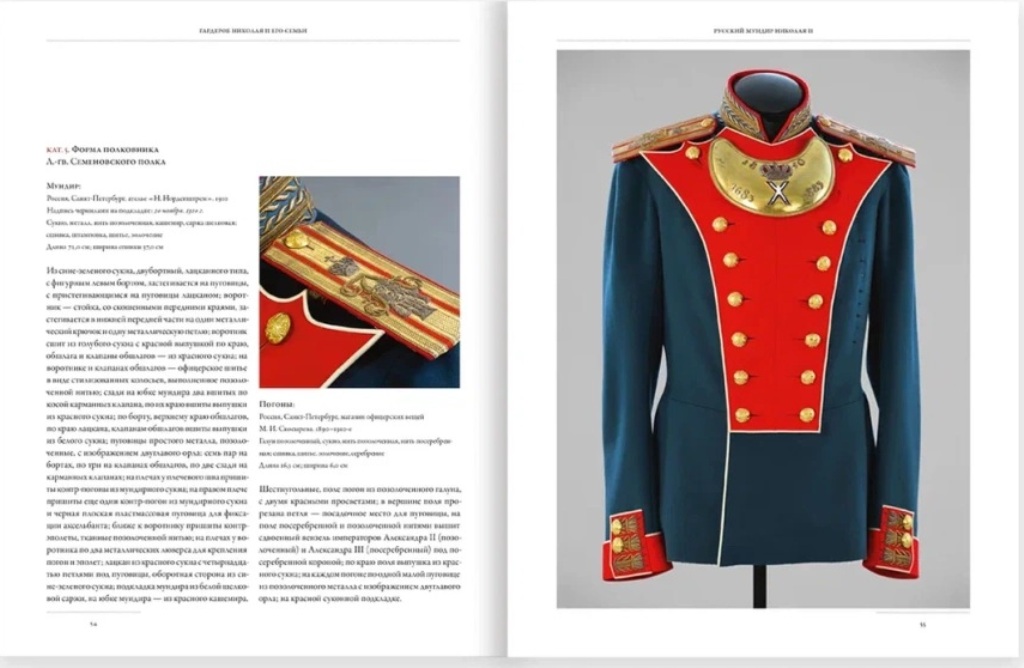
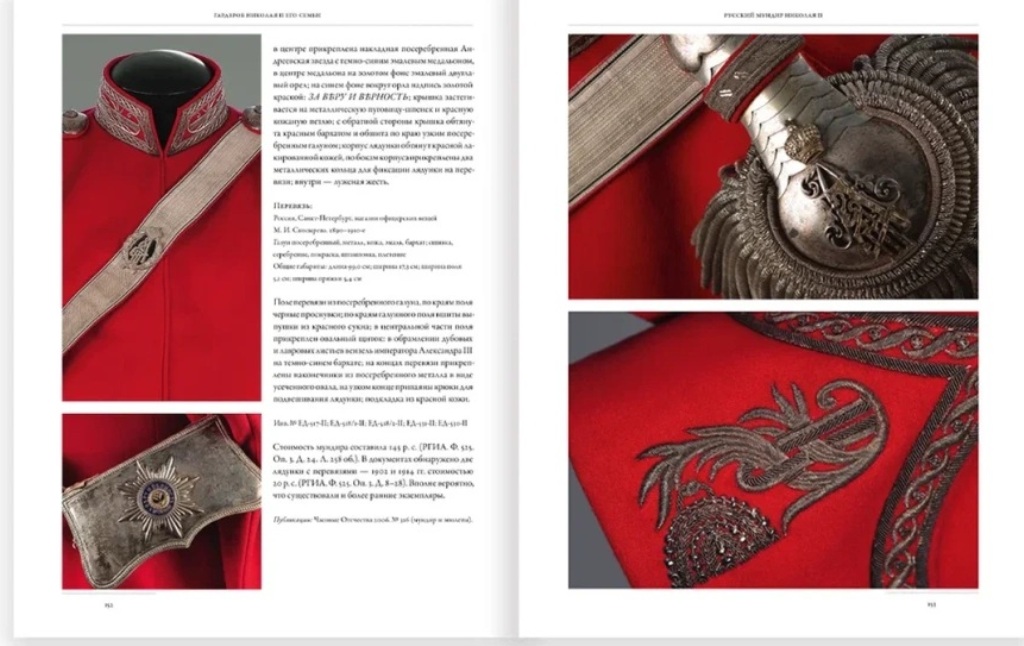
The Tsarskoye Selo State Museum has published the first volume of a unique catalog of the wardrobe of Emperor Nicholas II and his family. The first volume is dedicated to the uniforms of Nicholas II.

The Tsarskoye Selo State museum houses the world’s largest collection of uniforms of the last Russian Tsar and clothes of members of his family – more than 800 items. The collection comes from the Alexander Palace, the last and favorite residence of Nicholas II.

The catalog contains photographs and descriptions of more than 350 items. The author of the catalog is the curator of the Men’s Costume Collection, senior researcher at the Tsarskoye Selo State Museum-Reserve, Alexei Rogatnev. [Note: the link features a 10-minute video of Rognatnev talking about the Alecander Palace’s collection of Nicholas II’s uniforms]

“During the reign of Nicholas I, there was a rule without exceptions: the Emperor was an officer of the Russian Empire. Therefore, he was obliged to wear a military uniform, and only on trips abroad could he wear civilian dress. Even when he was not engaged in affairs related to the management of a huge empire, Nicholas II wore a uniform: in photographs from the Romanov family albums, we see him playing tennis in the summer jacket of a naval officer and shoveling snow near the Alexander Palace in the uniform of a colonel of the 4th Imperial Family Life Guards Rifle Regiment,” he notes.

“In the last few decades of the 19th century, thanks to the passion of Alexander III and Nicholas II for hunting, the rule was somewhat relaxed – when hunting, members of the Imperial Family wore comfortable, specially tailored suits. Thus, most of the wardrobe of both the emperor and the grand dukes was a collection of uniforms of the various units of the regiments of the Russian Empire and European countries,” Rogatnev added.

PHOTOS: pages from the 296-page catalog of Nicholas II’s uniforms
© Tsarskoye Selo State Museum

PHOTOS: pages from the 296-page catalog of Nicholas II’s uniforms
© Tsarskoye Selo State Museum

PHOTOS: pages from the 296-page catalog of Nicholas II’s uniforms
© Tsarskoye Selo State Museum

PHOTOS: pages from the 296-page catalog of Nicholas II’s uniforms
© Tsarskoye Selo State Museum

The catalog is based on documents from the museum collection, the most valuable are from the inventory lists of the Alexander Palace Museum, which were compiled in 1938-1939. They contain a complete list of the wardrobe of the Imperial Family as of 22nd June 1941, and make it possible to recreate the composition of the pre-war collection, the method and place of evacuation, and to identify lost items.

Among the numerous sources that were used in researching for the catalog, the wardrobe records of Nicholas II, in particular, which uniform he wore. Entries in these books were made only on the days the Emperor participated at official events held in St. Petersburg and mirrored those of the Chamber Fourier journal. They do not contain records of the Emperor’s foreign travels, while traveling on the Imperial Train, and under other similar circumstances. These records also contain factual inaccuracies that can be identified by cross-referencing several sources.

Thanks to the study of the annual reports, which are stored in the Russian State Historical Archive, we can see the expenditures for the manufacture of most of the uniforms of Nicholas II, Alexandra Feodorovna, Tsesarevich Alexei and the Grand Duchesses. These accounts make it possible to determine the amount spent on uniforms by year, to systematize the internal structure of the wardrobe by military units, to determine the main and secondary suppliers of uniforms, military accessories, and shoes.

Emperor Nicholas II and his family made the Alexander Palace their permanent residence rom 1905. Personal items, including their respective wardrobes, were not tied to a certain place, but accompanied them, wherever they stayed, be it the Winter Palace, Peterhof, Livadia, Spala, Moscow or abroad. But most of the Emperor’s wardrobe invariably remained in the Alexander Palace at Tsarskoye Selo.

The catalog of Nicholas II’s uniforms will be of interest to historians, specialists in Russian military costume, art historians, museum employees and everyone who is interested in the reign of Russia’s last Tsar.

The catalog is currently only available in the Tsarskoye Selo museum shops in the Catherine and Alexander Palaces, in the Russia in the Great War Museum (located in the Sovereign Military Chamber), as well as book kiosks found in the Catherine Park.

NOTE: this catalog is ONLY available in Russian, there is NO English language edition available, nor does the museum have any plans on issuing such. 296 pages, richly illustrated throughout.

FURTHER READING

Nicholas II’ s uniforms on display in Tula from the Collection of the Tsarskoye Selo State Museum + 21 COLOUR PHOTOS

Wardrobe of Emperor Nicholas II in the Alexander Palace + PHOTOS and VIDEO

1896 Coronation uniform of Emperor Nicholas II + PHOTOS

© Paul Gilbert. 1 January 2026
Nicholas II’s uniforms on display in Tula

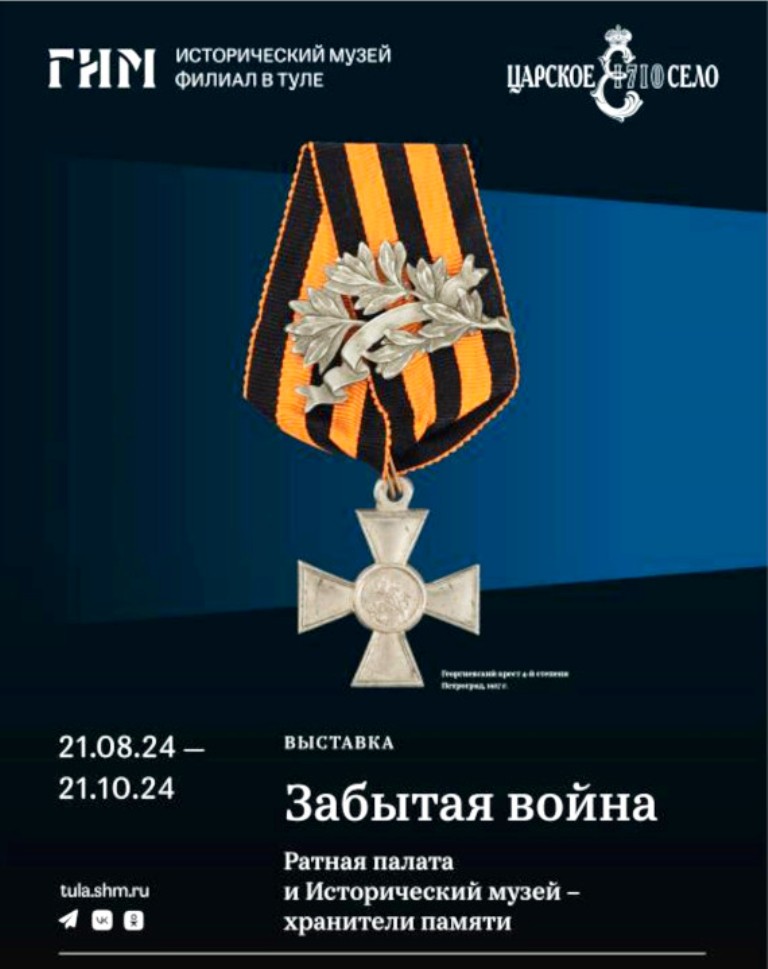
On 21st August 2024, a new exhibition The Forgotten War opened in Tula. The exhibition is dedicated to the 110th anniversary of the beginning of the First World War. The venue for the exhibit is the Tula branch of the State Historical Museum,

The exhibition is a joint project of the Tsarskoye Selo State Museum in Pushkin and the State Historical Museum in Moscow, showcasing about 200 items from the collections of the two museums.

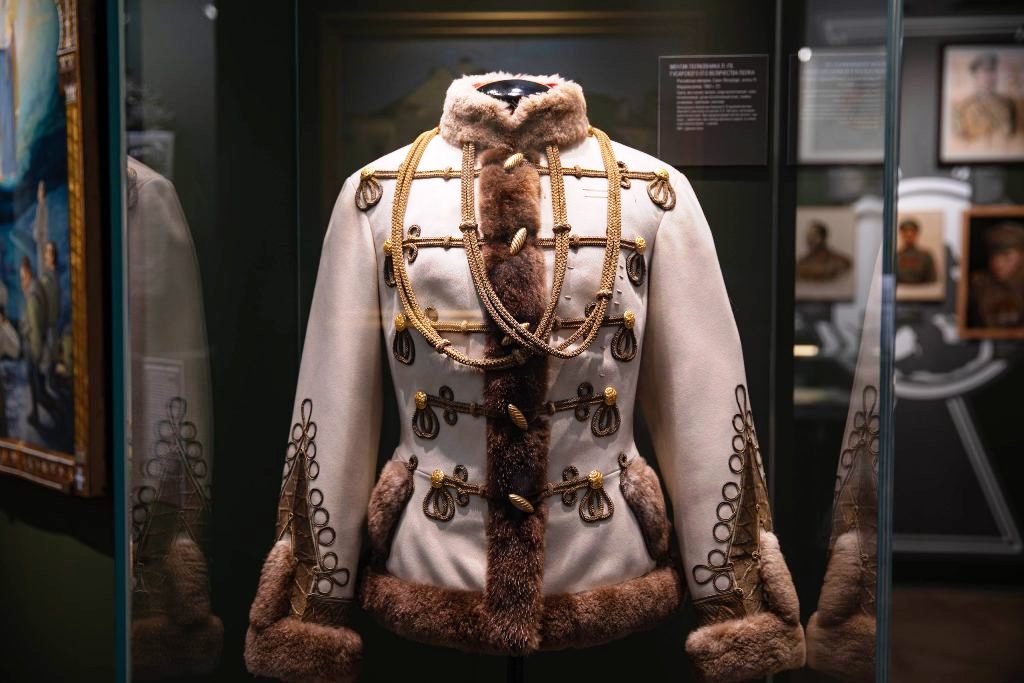
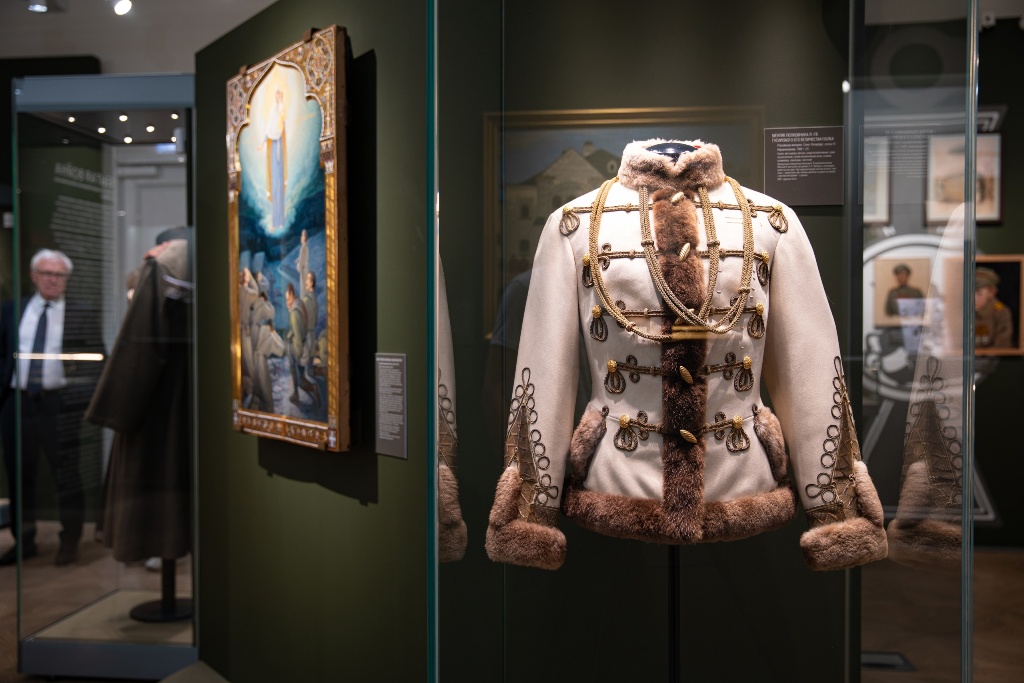
Of particular interest to visitors will be uniforms and portraits of Emperor Nicholas II and his son Tsesarevich Alexei Nikolaevich, on loan from the Sovereign’s Military [aka Military] Chamber in Tsarskoye Selo. Among the uniforms of Nicholas II is the Tsar’s cherkeska and beshmet of His Imperial Majesty’s Own Escort and pelisse of His Majestey’s Life-Guards Hussar Regiment. Other items on display include WWI vintage news reels, weapons, documents, photographs, awards and a tactile model of the Military Chamber.

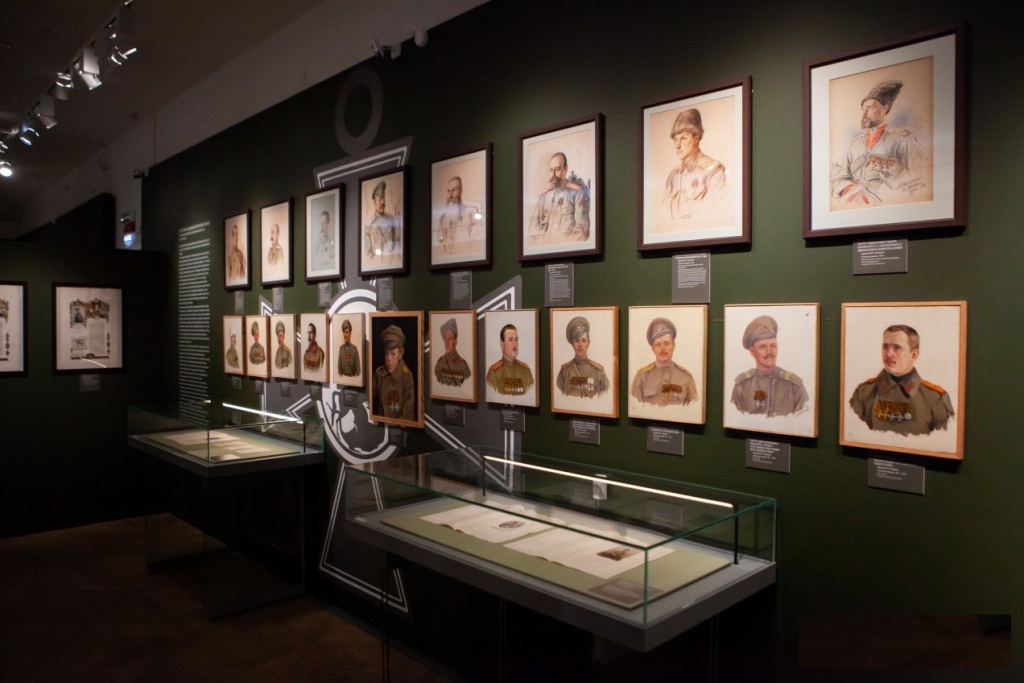
The exhibition is divided into four sections: The War Image, The History of the Sovereign’s Military Chamber, The Imperial Family during WWI, and The St George’s Chevaliers Portraits.

The exhibition is designed to draw attention to the preservation of the historical memory of the military conflict, which for Russia has long been the “Forgotten War”. Recall that during the Soviet years, Russia’s contribution and sacrifices made during the First World War were neither discussed or commemorated. In destroying the tsars, the Bolshevik revolutionaries denounced the Great War as “imperialist”, thus robbing it of its potential for a popular legacy. It was not until 1st August 2013 that Russia marked Russian Soldiers’ World War I Remembrance Day for the first time.

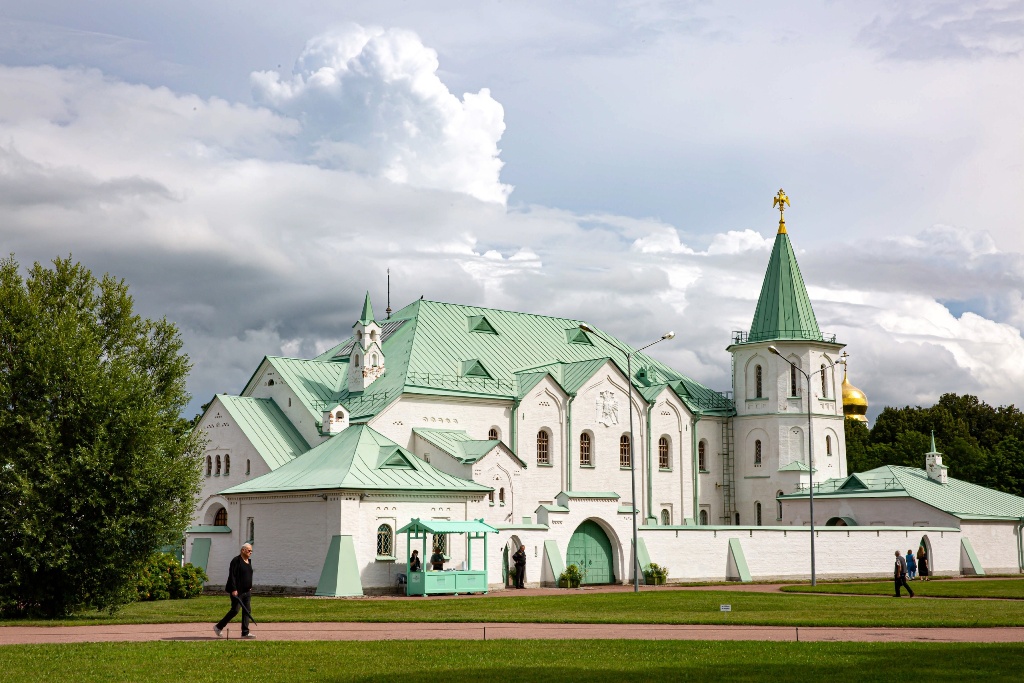
The collections of the Sovereign’s Military Chamber – which includes the State Historical Museum on the First World War – are both part of the Tsarskoye Selo State Museum. The Sovereign’s Military Chamber was founded in May 1913.

Following the outbreak of hostilities in August 1914, it was decided to create a war museum, which included a gallery of portraits of the Knights of St. George among other exhibits. Some of the museum’s employees were sent to the Front. Subsequently, they returned with “trophies” which were added to the museum’s funds. Additional items were transferred from other museums and private collections, as well as items donated by the families of those who particpated in the Great War.

The dedicated employees of the Sovereign’s Military Chamber and the Historical Museum carefully preserved their collections even during the Soviet years. It is thanks to their efforts that this priceless collection of Russian World War One artifacts has been preserved to the present day.

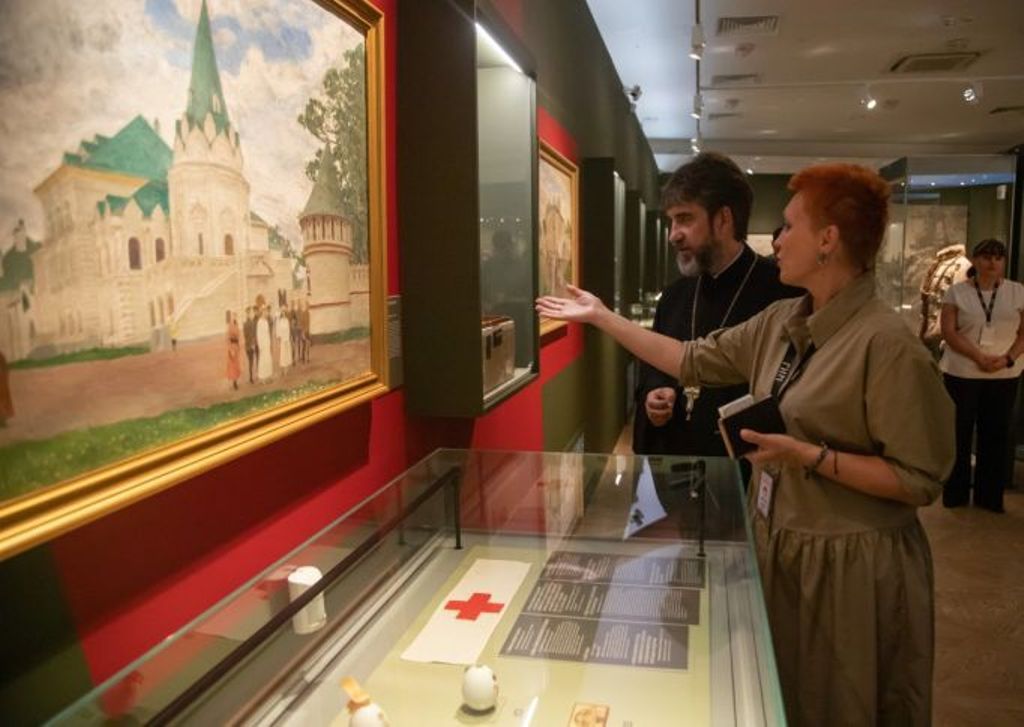
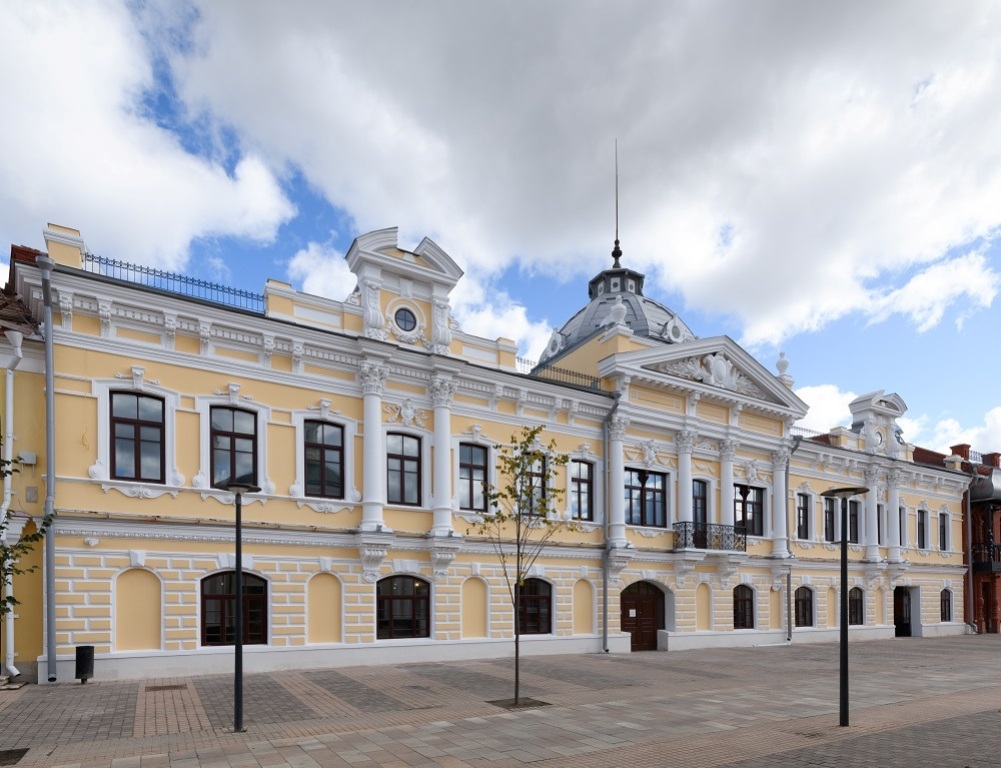
The exhibition The Forgotten War. The Military Chamber and the Historical Museum: Keepers of Memory runs until 21st October 2024, at the Historical Museum, which is housed in the the former mansion (above photo) of the merchant Belolipetsky family in Tula, located 193 kilometers (120 mi) south of Moscow.

***

PHOTO: the Sovereign’s Military Chamber – which includes the State Historical Museum on the First World War – are both part of the Tsarskoye Selo Museum

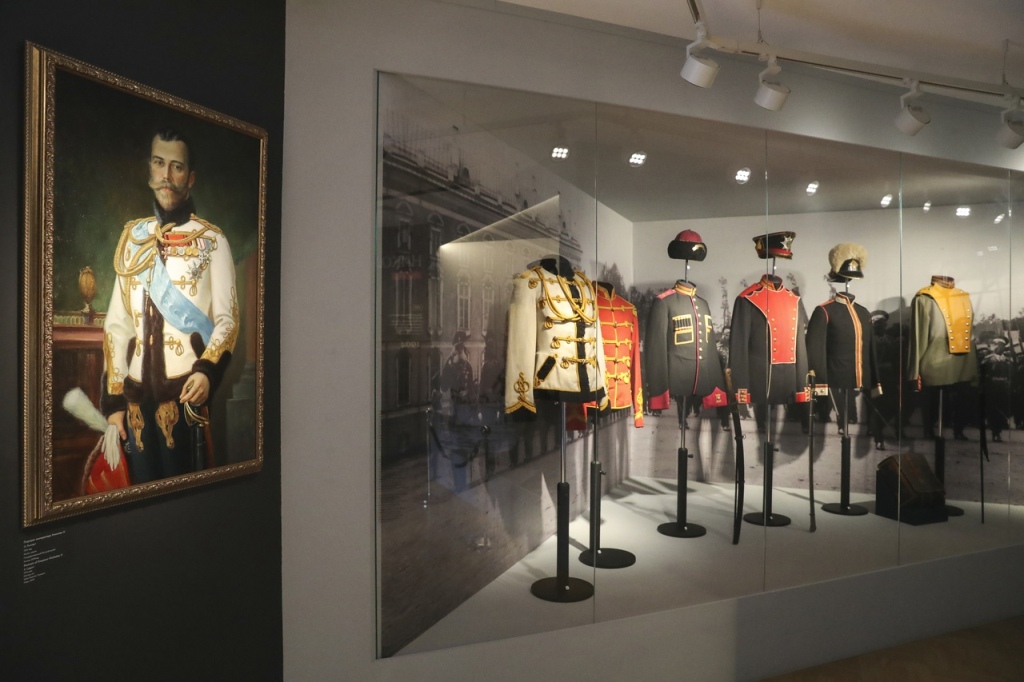
PHOTO: Emperor Nicholas II’s uniforms on display in the Sovereign’s Military [aka Military] Chamber in Tsarskoye Selo. The uniforms were previously on display in the Alexander Palace, before the private apartments of Emperor Nicholas II and Empress Alexandra Feodorovna were recreated in the eastern wing of the palace between 2015 and 2021.

© Paul Gilbert. 21 August 2024

1896 Coronation uniform of Emperor Nicholas II


PHOTO: The 1896 Coronation uniform of Emperor Nicholas II 

During his coronation, which took place on 27th May (O.S. 14th) May, 1896, the last Russian emperor Nicholas II appeared before his subjects in the uniform of a colonel of the Preobrazhensky Life Guards Regiment – the first of the two oldest regiments of the Russian Imperial Guard, founded by Tsar Peter I in 1691.

Like his grandfather Alexander II (1818-1881) and great-grandfather Nicholas I (1796-1855), Nicholas II preferred the uniform of this regiment – in which he served in military service – to all others.

By the time of his accession to the throne, he served in the rank of colonel of the Preobrazhensky Regiment, and when he became emperor, he felt a special sense of pride from the fact that “he remained a simple colonel”.

His coronation uniform was made of dark green cashmere; with silk trimming, red collar with white piping and cuffs; embroidered with gilded threads with a pattern that is complex in composition and virtuoso in technique of execution, distinguishing the shape of the Preobrazhensky Regiment. The uniform is adorned with epaulettes bearing the monogram of his father Emperor Alexander III (1845-1894) and gilded aiguillettes, a flap on the chest, which the emperor himself unfastened during the coronation ceremony to perform the sacrament of Chrismation. Nordenstrem ordered the buttons for the uniform from a well-known supplier in the capital.

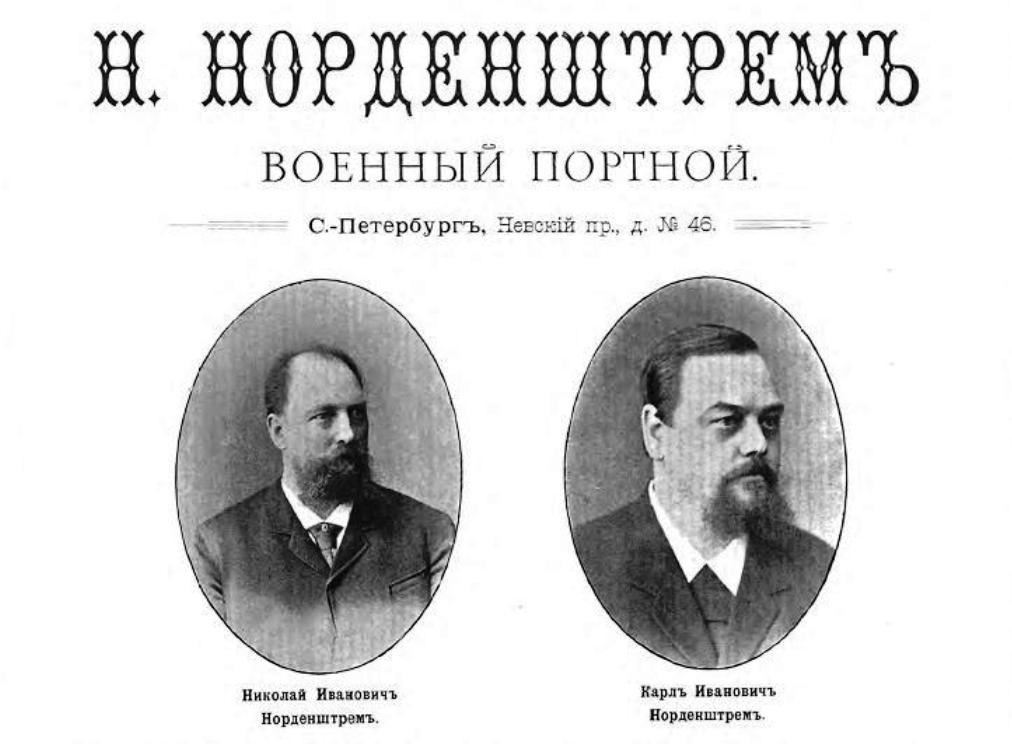
PHOTO: brothers Nikolai and Karl Nordenshtrem

It is known that the entire uniform for Nicholas II’s coronation was ordered from the workshop of N.I. Nordenstrem – the famous “king of Russian military tailors,” who specialized in military dress. Nikolai Ivanovich Nordenshtrem (1838-1903) was “a true artist in his field,” and the uniforms cut by him “bore the imprint of strict grace and good taste.” Nordenstrem was appointed Supplier to the Imperial Court, and for eighty years, he served four Russian emperors – Nicholas I, Alexander II, Alexander III and Nicholas II.

Nicholas II placed orders for all his military uniforms from Nordenstrem, whose shop was located at 46 Nevsky Prospect in St. Petersburg. The famous atelier also received orders from Their Imperial Highnesses the Grand Dukes Alexei, Sergei and Pavel Alexandrovich; Konstantin and Dmitry Konstavtinovich; Nikolai and Peter Nikolaevich; George and Alexander Mikhailovich; Kirill, Boris and Andrey Vladimirovich; Alexander and Konstantin Petrovich Oldenburgsky; Prince Peter Alexandrovich of Oldenburg; Duke Eugene Maximilianovich Leuchtenberg; as well as many Russian and foreign dignitaries.

PHOTO: Coronation uniform of Emperor Nicholas II and Coronation dress of Empress Alexandra, on display in the Armoury Chamber of the Moscow Kremlin

The Coronation regalia – the textiles, religious vestments and court livery – were preserved in the Moscow Armoury, they survived the upheaval of the Bolshevik Revolution in 1917. The Coronation uniform of Emperor Nicholas II is on permanent display in the Armoury Chamber of the Moscow Kremlin – Hall 6, Showcase 45.

FURTHER READING:


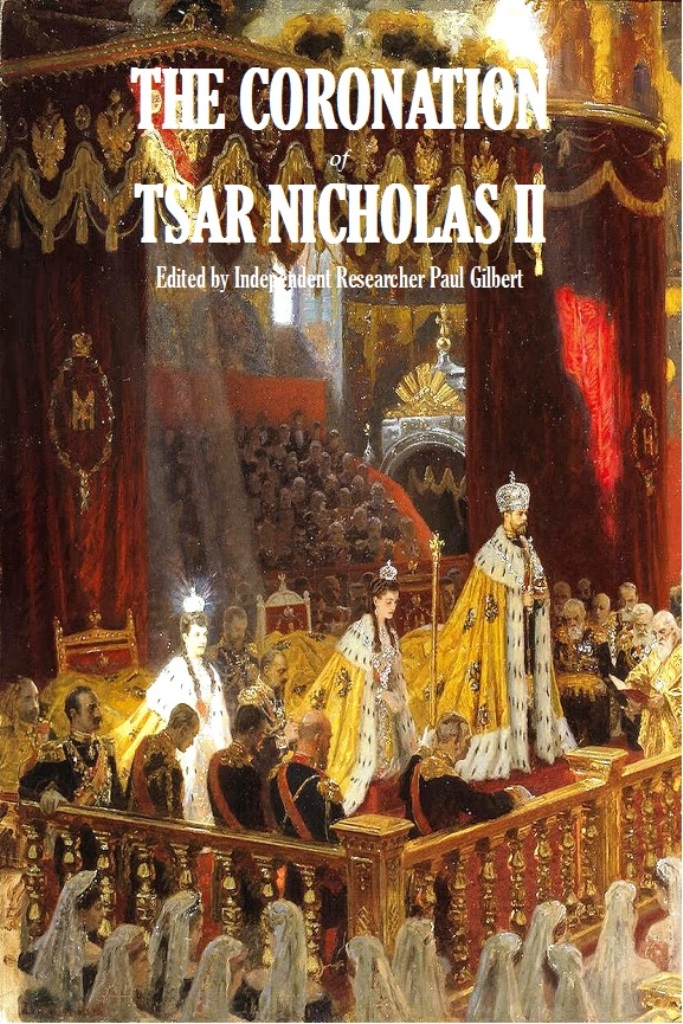
THE CORONATION OF TSAR NICHOLAS II
Compiled and Edited by Paul Gilbert

CLICK ON THE LINK BELOW TO ORDER FROM AMAZON

HARD COVER EDITION – PRICE $29.99

PAPERBACK EDITION – PRICE $18.99

BOOK DESCRIPTION

Six eyewitness accounts of the crowning of Russia’s last tsar with more than 200 rare vintage photographs & illustrations

The pomp and pageantry surrounding the Coronation of Nicholas II is told through the eye-witness accounts of six people who attended this historic event at Moscow, held over a three week period from 6th (O.S.) to 26th (O.S.) May 1896.

Hard cover and paperback editions, with 456 pages + more than 200 black & white photographs

© Paul Gilbert. 8 February 2021