Putin’s negative assessment of Nicholas II

Putin’s attitude to Nicholas II

During his presidency, Vladimir Putin has spoken negatively about Nicholas II on more than one occasion, describing his role as a ruler “erroneous” and “absurd”. Putin believes that Nicholas II ruled the country incorrectly, made many mistakes, which is why Russia lost the Russo-Japanese War (1904-05) and later lead Russia unprepared into the First World War. Putin further believes that during the war, Nicholas II personally made a number of errors of judgment and policy, which forced his highest ranking military officers to seek his removal from the throne by forcing the Tsar to abdicate. The main conspirators were mainly military leaders and self-serving politicians of the Duma.

Vladimir Putin has also publicly referred to Russia’s last tsar as “Bloody Nicholas” on more than one occasion. His negative attitude towards Nicholas II, however, does not reflect his assessment of other Russian monarchs, including the Emperors Peter I, Nicholas I, Alexander II, and Alexander III.

“Nicholas the Bloody”

A video has been circulating on YouTube for some years now, in which Putin is caught on camera making an insult towards Nicholas II. Entering his Kremlin office (probably on the day of his first inauguration on 7th May 2000), Putin responds to these words spoken by one of his aides: “From this roof [Grand Kremlin Palace], Nicholas II looked out over Moscow.”

“Well, he had nothing to do, so he ran across the roofs,” Russia’s new President remarked contemptuously.

During a meeting with members of construction teams in Sochi in the summer of 2011, Putin referred to the Tsar as “Nicholas the Bloody”. This epithet runs counter to both the position of the Russian Orthodox Church, which canonized Nicholas II on 20th August 2000, and with the ideology of the Russian authorities during the past 20 years.

Then, on 4th March 2014, during a press conference in Novo-Ogaryov on the events in Ukraine and the annexation of Crimea, Vladimir Putin once again, used the Soviet propaganda epithet “Nicholas the Bloody”. He was responding to a question by a journalist of the Interfax news agency, Putin said the following: “A simple Ukrainian citizen, a Ukrainian man suffered both under Nicholas the Bloody and under [Leonid] Kravchuk …”.

Then again, on 15th March 2014, the day marking the anniversary of the bloody February coup of 1917, in which Emperor Nicholas II  was forcibly removed from the throne, and who accepted a martyr’s crown on 17th July 1918, Putin during a press conference boorishly insulted the popularly revered Tsar-Martyr, referring to him as “Nicholas the Bloody”.

PHOTO: The inauguration of Russian President Vladimir Putin is held in the Andreevsky Hall of the Grand Kremlin Palace in Moscow. The thrones of Emperor Nicholas II, Empresses Alexandra Feodorovna and Maria Feodorovna, can be seen in the background.

Why is Putin negative about Nicholas II?

Vladimir Putin probably has a negative attitude towards Nicholas II, because he grew up in Soviet times, where, in principle, Nicholas II was presented as an unambiguously negative character, who refused to progress and generally failed any undertakings. It was during the Soviet years, that Russia’s last tsar was more often than not, referred to as “Bloody Nicholas” – old habits die hard.

During the Stalin era, documents and photographs which depicted the last tsar were seized and destroyed, as they were deemed as “ideologically harmful”. It was Joseph Stalin who ordered the Romanov archives closed and sealed. They were even off limits to historians, unless for propaganda purposes. Up until the fall of the Soviet Union in 1991, these private documents and photographs effectively lay untouched.

Russian historian Pyotr Multatuli notes: “Stalin forbade any mentioning of the hideous crime in Ekaterinburg, because he was well aware that it was working against his regime.

“Stalin, too, was building his empire, but it was an empire that did not have anything in common with the Russian Empire. Stalin’s empire did not pursue the interests of the Russian people. What was the nature of the Russian monarchy? There was God, the Tsar as the father of the people, and the people were his children, whom he loved, but whom he could also punish.”

Perhaps the key to unravelling Putin’s negative attitude towards Nicholas II lies in his words, spoken during a press conference on 22nd December 2010, when Putin served as Prime Minister of Russia under President Dmitry Medvedev:

“And, frankly speaking, he was not an important politician. Otherwise, the empire would have survived. Although this is not only his fault.”

Putin believes, that Nicholas II, as an autocrat, bears the main responsibility for what happened during his 22+ year reign, which resulted in the collapse of both the monarchy and the Russian Empire.

Putin is the only top Russian official who speaks out negatively against Nicholas II. The rest of the top officials, for example Prime Minister Dmitry Medvedev, and Russia’s former Minister of Culture Vladimir Medinsky, have both only spoken positively about the last Tsar.
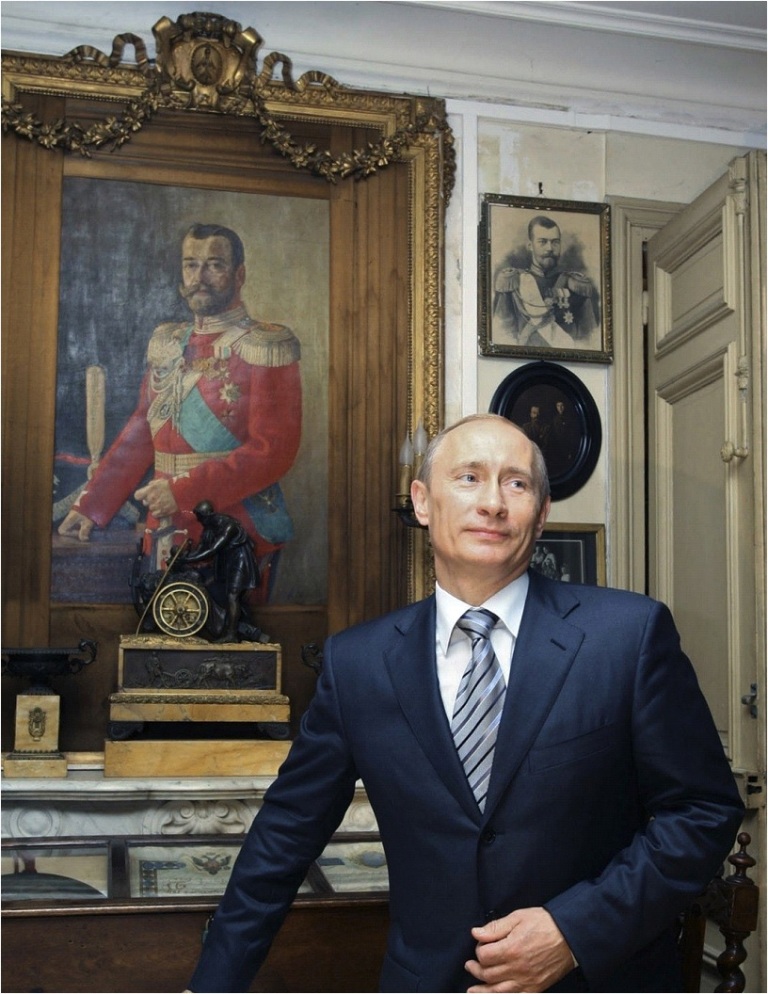
PHOTO: President Vladimir Putin posing in front of a portrait of Nicholas II, in the Museum of His Majesty’s Lifeguards Cossack Regiment in Courbevoie, France in 2008.

The Russian clergy evaluate Putin’s epithet

Putin’s criticisms of Nicholas II have offended both Orthodox Christians and monarchists over the years, however, Archpriest Valery Rozhnov of the Russian Orthodox Church Outside Russia (ROCOR), issued the following statement dated 7th March 2014:

“Since the words of the president in Russian political culture are often perceived as political truth, the phrase about the “Nicholas the Bloody” can have far-reaching consequences.

“As you know, the epithet was part of Soviet propaganda, which was based on many human lives during the reign of the last Russian emperor. However, after the collapse of the USSR, the rhetoric changed, and Nicholas II began to be presented as a victim of circumstances and a tragic figure. It was only when the Russian Orthodox Church canonized the tsar as a saint, that the authorities began to reassess Nicholas II. President Boris Yeltsin, for example, even participated in the burial of the tsar’s remains in the Peter and Paul Cathedral [17th July 1998].

“Through Putin’s words, Soviet rhetoric once again returned to official discourse. This can have serious consequences both for the Russian Orthodox Church and for Ekaterinburg, where Nicholas II became a figure of meaning. Ekaterinburg as a place of the execution of the royal family and a place of repentance for this crime has become a center of pilgrimage and tourism. There is a monument to the imperial family in the city; a church and a monastery were built in their honour. If Nicholas II is again declared “Bloody” and not saint, then this entire industry may be called into question.

“Whether the phrase dropped by Putin is yet another sign of the return of Soviet propaganda clichés, or is this just his personal opinion, which does not claim any ideological status, the position will become clear in the future. In particular, the rhetoric of Russian officials in relation to Nicholas II and tsarist Russia in general will be of particular interest, especially given the century since the beginning of the First World War.”
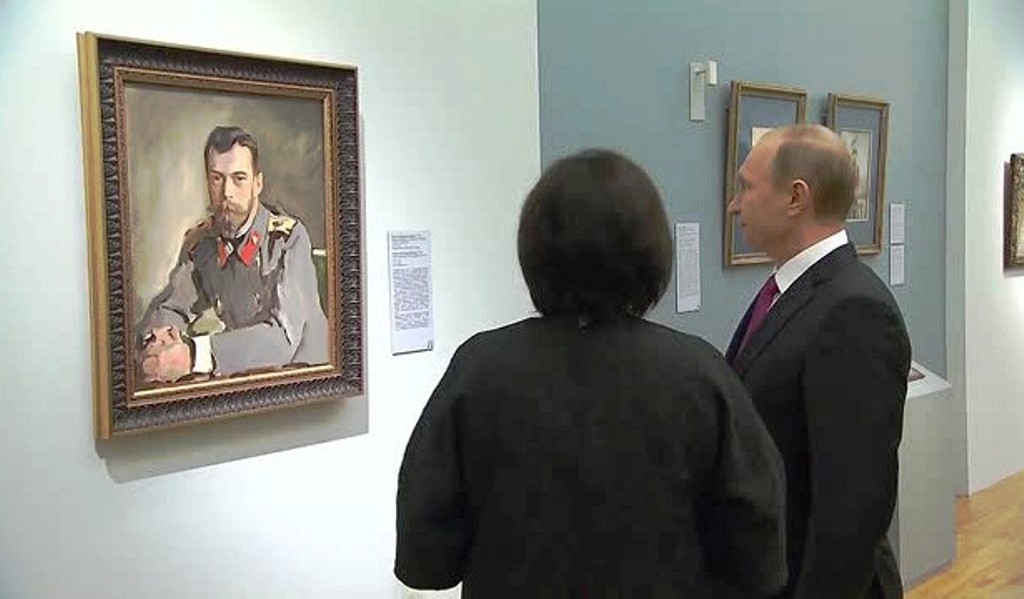
PHOTO: In 2016, Putin visited an exhibition dedicated to the 150th anniversary of the artist Valentin Serov, held at the State Tretyakov Gallery in Moscow. He was photographed admiring Serov’s iconic portrait of Emperor Nicholas II (1900).

Putin denounces Lenin for murder of Nicholas II

Since Putin’s rise to power, the head of the Russian Orthodox Church has proclaimed the last tsar, his wife and children, as saints, which was viewed with fear in a country where the Imperial family are still victims of a century of myths and lies, much of which are based on Bolshevik propaganda. In addition to canonization, the Church also decided to build a grand church on the site where the family was murdered in Ekaterinburg on 17th July 1918. In 2003, during a visit to the Urals, President Putin visited the Church on the Blood in Ekaterinburg.

Despite the negative comments made by Putin, he has also made a number of positive gestures regarding Nicholas II, which left many people surprised. During a state visit to France in 2008, Putin visited the Museum of His Majesty’s Lifeguards Cossack Regiment in Courbevoie, where he posed in front of a portrait of the tsar.

On 25th January 2016, while speaking at an inter-regional forum of the All-Russia People’s Front, Vladimir Putin denounced Bolshevik leader Vladimir Lenin, for “brutally executing Russia’s last Tsar along with all his family and servants”. Putin further criticized Lenin, accusing him of placing a “time bomb” under the state, and sharply denouncing brutal repressions by the Bolshevik government, murdering thousands of priests and innocent civilians.

In the weeks leasing up to the 100th anniversary of the death and martyrdom of Nicholas II, rumours in the Russian media speculated that Putin would attend the Patriarchal Liturgy, to be performed by His Holiness Patriarch Kirill on the night of 16/17 July 2018. Sadly, this was not to be, instead, he flew to Helsinki, where he met with US president Donald Trump. More than 100,000 people from across Russia and around the world descended on the Ural capital to honour the memory of the Holy Royal Martyrs.

Putin’s presence on the eve of the centenary, would have indeed been an historic event, one which perhaps would further seal post-Soviet Russia’s condemnation of the Bolsheviks for committing regicide, but also shedding the century of myths and lies, which perpetuated during the Soviet years.

Sadly, the 100th anniversary of the Romanovs’ deaths passed with little notice in Russia. The Russian government ignored the anniversary, as it surprisingly did the year before, when Russia marked the 100th anniversary of the 1917 October Revolution. No prominent state museums or venues hosted events to mark the anniversary. The few exhibitions and other events organized were tellingly modest.
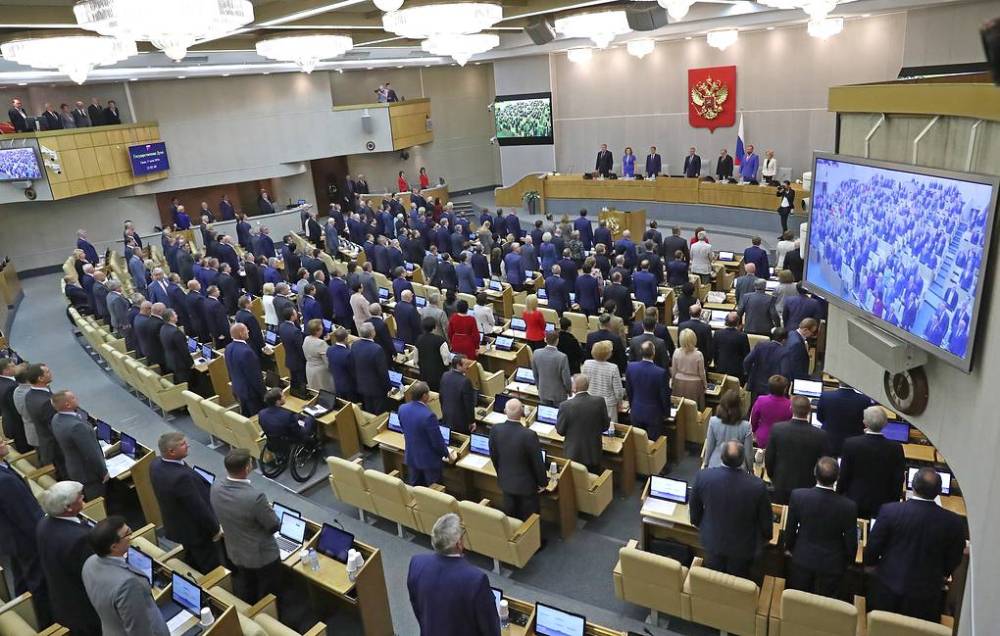
PHOTO: On 17th July 2019, members of the State Duma for the first time observed a minute of silence in memory of the last Russian emperor Nicholas II, and all those killed in the Civil War (1917-1922)

On a more positive note, on 17th July 2019 – Russia’s State Duma for the first time observed a minute of silence in memory of the last Russian emperor Nicholas II and all those killed in the Civil War. (1917-1922)

According to Duma Speaker Vyacheslav Volodin, “reconciliation begins when we all understand that this cannot be repeated and this is unacceptable.”

“Today we are making a proposal to honour the memory of the last Russian tsar, to honour the memory of the innocent victims – all those who died in the crucible of the Civil War,” the speaker addressed his colleagues, who after these words, rose from their seats.

It should come as no surprise that members of the Communist Party of the Russian Federation, did not comply with the moment of silence.

The fact that this is the first time in the history of Russia’s State Duma, that they honoured the memory of Nicholas II is truly unprecedented! The minute of silence was repeated in 2020 and will be repeated each year from hereon.

Also, in 2019, in an unprecedented move, the Russian media reported that President Putin had urged the Russian Orthodox Church to “reach a verdict soon” on the Ekaterinburg Remains.  
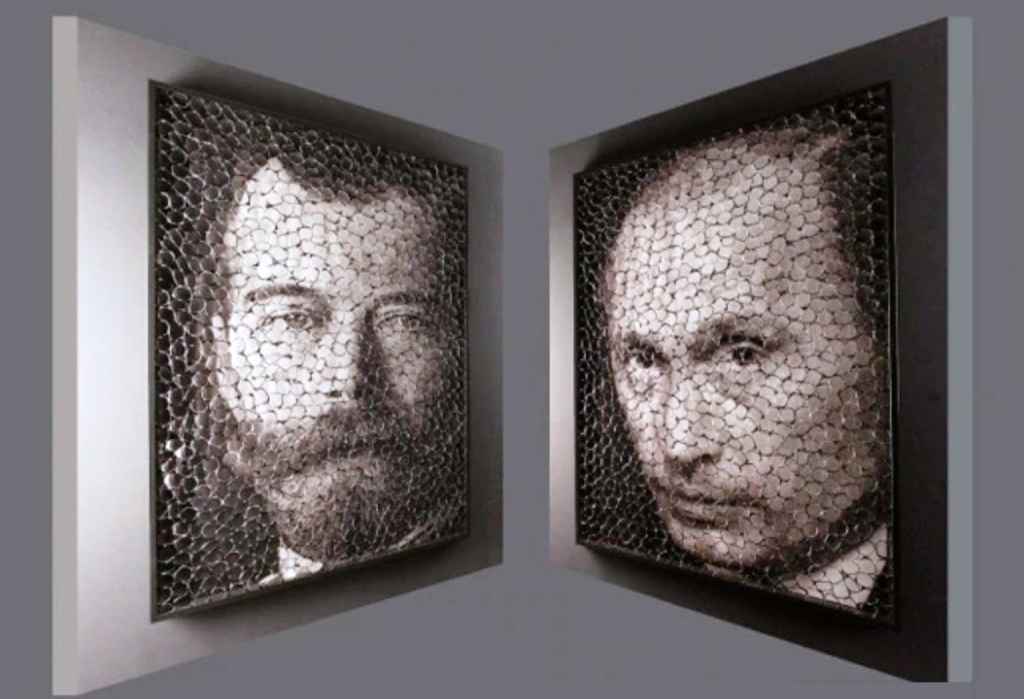
PHOTO: portraits of Nicholas II and Vladimir Putin, by the contemporary Georgian artist David Datuna

© Paul Gilbert. 15 March 2021
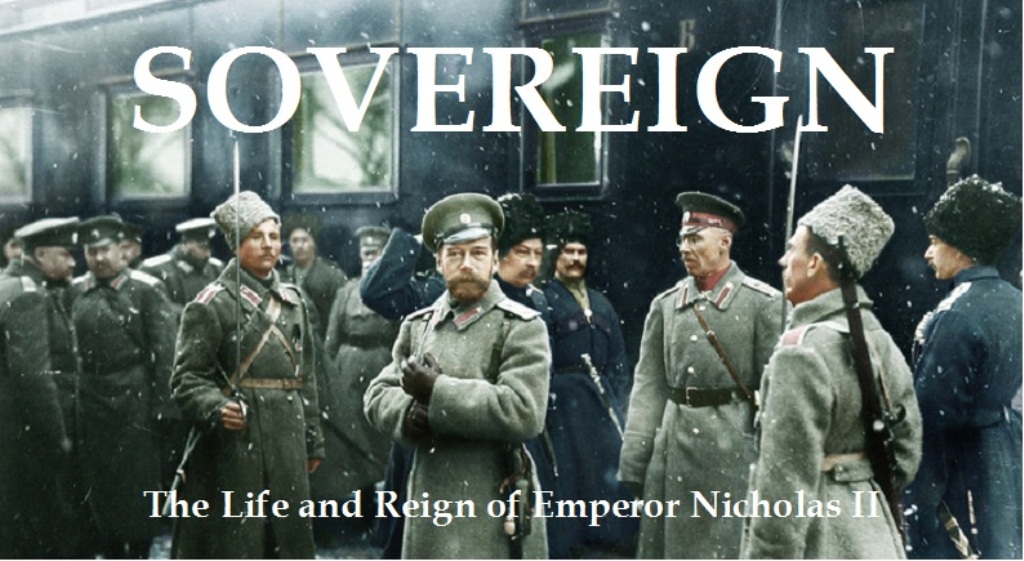
SOVEREIGN: The Life and Reign of Emperor Nicholas II

There are few monarchs in history about whom opinion has been more divided than the last emperor and tsar of Russia Nicholas II.

Myths about the “weak-willed”, “stupid”, “bloody” tsar, created on the basis of gossip, slanderous fabrications and Bolshevik propaganda in the early twentieth century, remain deeply rooted in the minds of both Westerners and the Russian people even to this day. Modern-day historians and biographers prefer to focus on Nicholas II’s failures, and seldom reflect on the many accomplishments he made during his reign. It was these very myths and lies, which compelled me to launch SOVEREIGN in 2015.

The articles featured in SOVEREIGN are not a rehash of everything which has been written about his life and reign over the past century. There are no conspiracy theories, nor does SOVEREIGN attempt to sweep history under the rug, or whitewash Russia’s last emperor and tsar.

Instead, SOVEREIGN features many first English language works by Russian historians and experts, based on new archival documents discovered since the fall of the Soviet Union in 1991.

Thanks to this new generation of post-Soviet historians, we can now review the life and reign of Russia’s last emperor and tsar through the research of Russian historians – their time has come! In their works, they successfully challenge and put to rest many of the lies and myths presented over the past century by their Western counterparts.

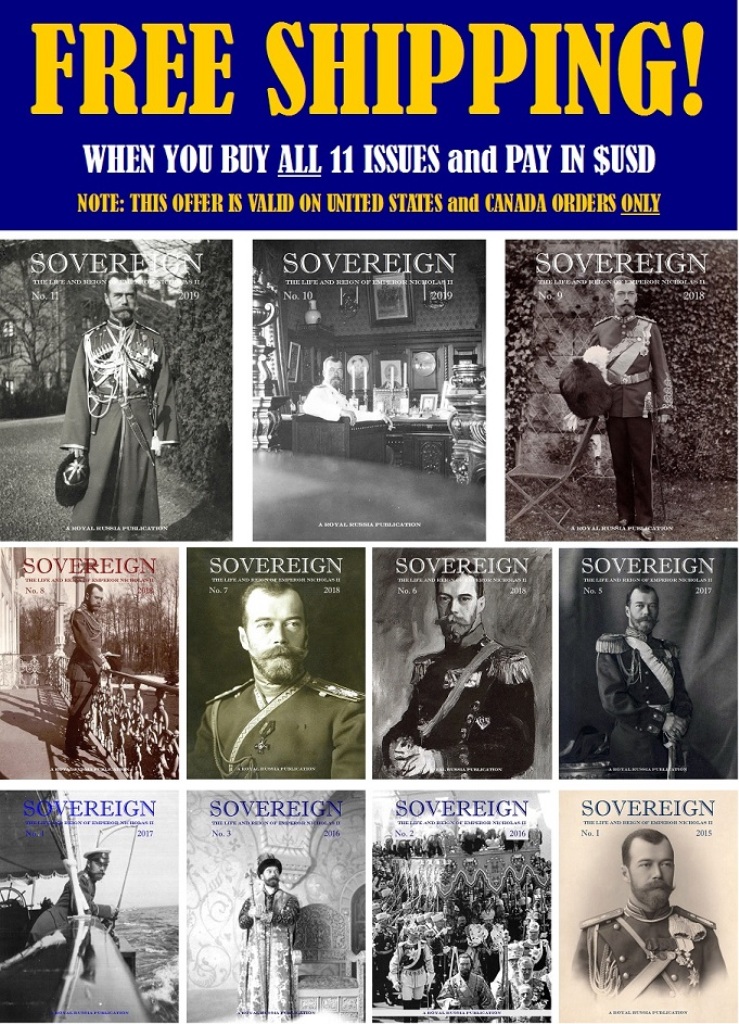
SOVEREIGN was launched in 2015, and has published a total of eleven issues. 

FREE SHIPPING when you buy ALL eleven issues
NOTE: This offer is valid on CANADA and US orders ONLY!
PRICE: $275.00 USD. PAY by CREDIT CARD or PAYPAL
*Payment can also be made by personal check or money order

Earlier this year, I announced that after 26 years, I would be retiring from publishing. I am now pleased to present the following SPECIAL OFFER on a complete set – 11 issues – of this unique publication.

Each issue features first English translations of articles, researched by Russian historians and experts, based on NEW documents from archival sources. The price of each issue is $25 + postage, so the savings on postage are substantial.

NOTE: I have a limited number of copies of issues No. 1, 7 and 9 left in stock, therefore, if you want to add a complete set of this publication to your personal library, this may be your last chance!

© Paul Gilbert. 14 March 2021

Recreation of the interiors of the Maple Drawing Room in the Alexander Palace

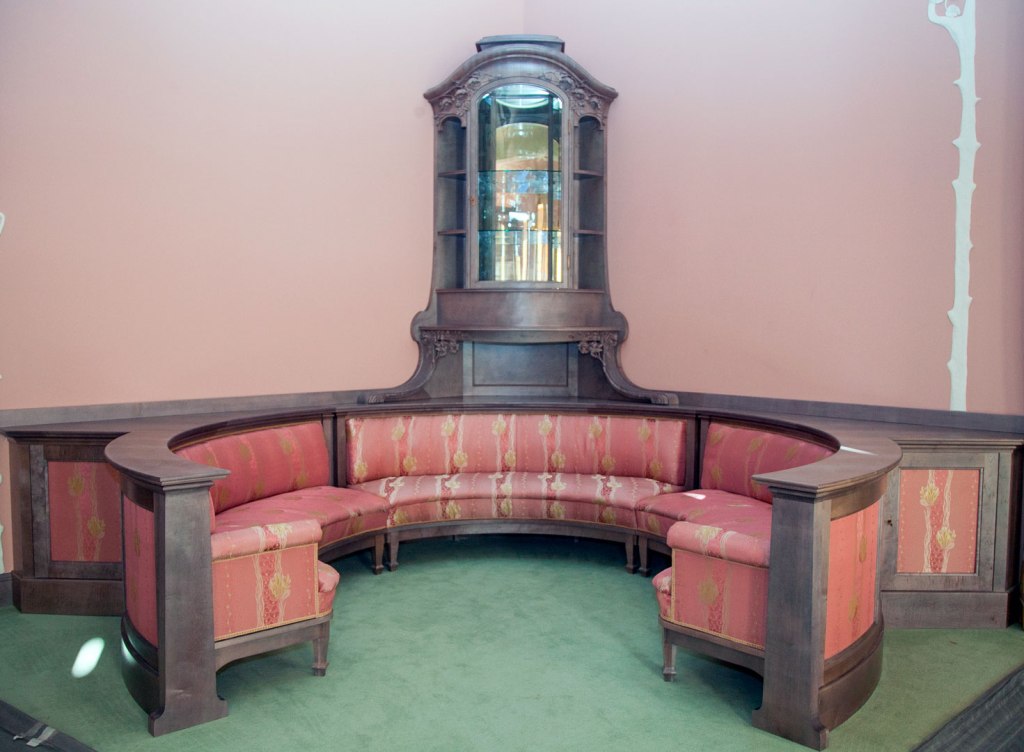
PHOTO: view of the sofa, recreated for the Maple Drawing Room
© Tsarskoye Selo State Museum-Reserve

This is the second of two articles on the recreation of the Maple Drawing Room, one of the personal rooms of Empress Alexandra Feodorovna situated in the eastern wing of the Alexander Palace. The first article The History and Restoration of the Maple Drawing Room in the Alexander Palace, was published on 25th November 2020.

***

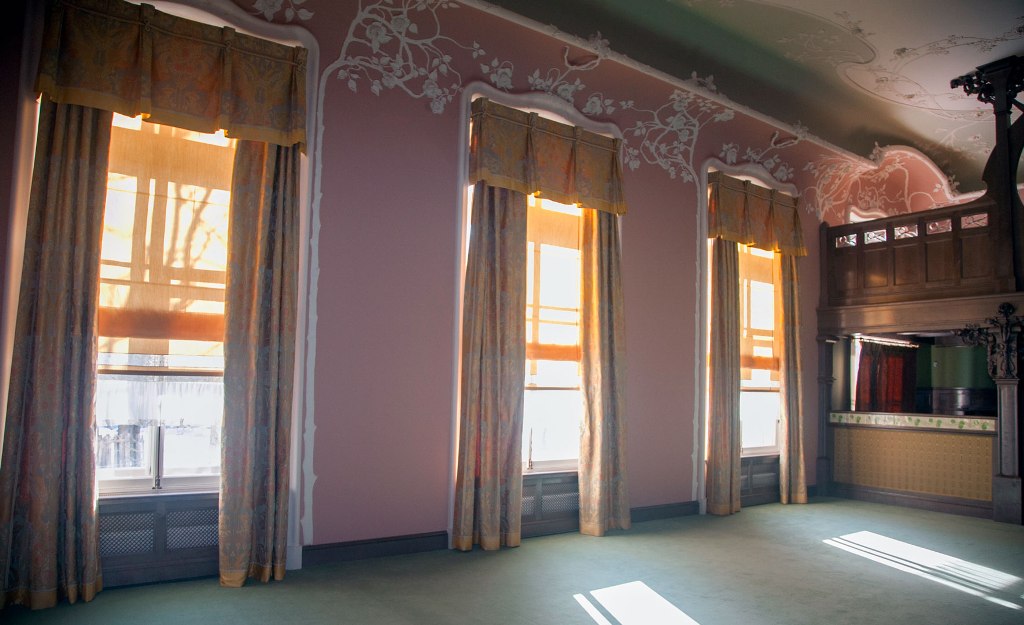
PHOTO: view of the recreated Maple Drawing Room
© Tsarskoye Selo State Museum-Reserve

The recreation of the textile decoration for the Maple Drawing Room in the Alexander Palace is nearing completion, The craftsmen relied on small fragments of fabrics and historical photographs which had been preserved in the storerooms of the Tsarskoye Selo State Museum.

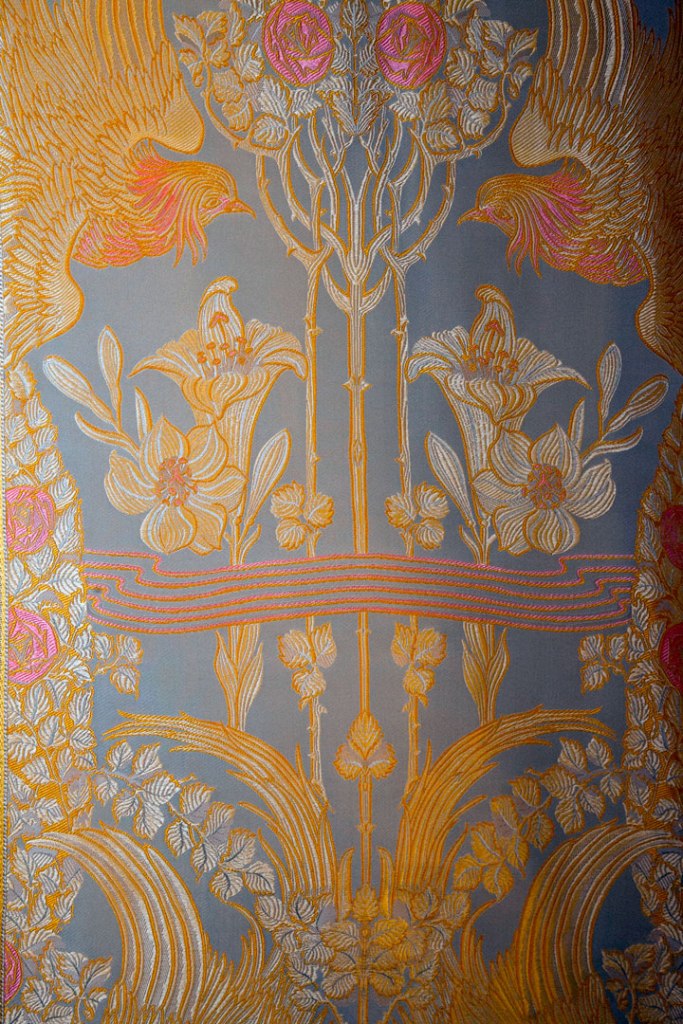
The interior decoration of the Maple Living Room is a classic example of Art Nouveau. The room features: moulding, carving, stained glass framed by a fireplace mirror and artistic textiles, which are best described as a “vividly manifested synthesis of the arts”.

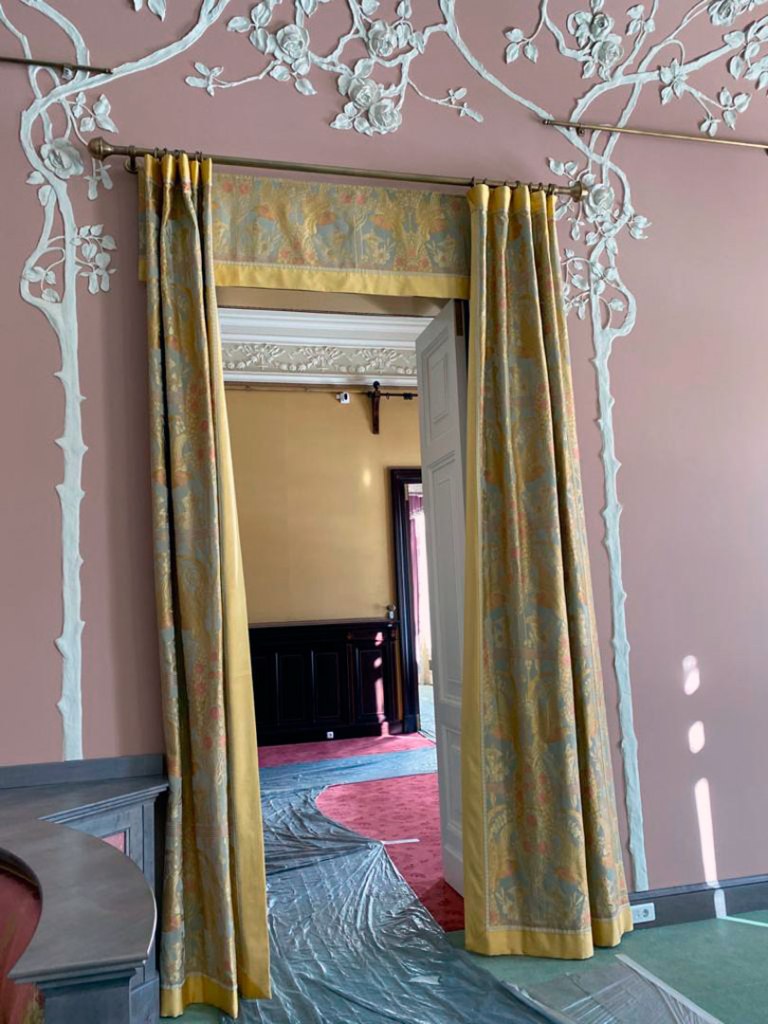
The Art Nouveau style is also reflected in the design of the fabric textiles: curtains on the windows and the doorway to the adjacent Pallisander (Rosewood) Drawing Room, furniture upholstery, in particular, on the corner sofa under the mezzanine and the bracket-shaped sofa – elements which add elegance to this room.. 

PHOTO: view of the recreated Maple Drawing Room
© Tsarskoye Selo State Museum-Reserve

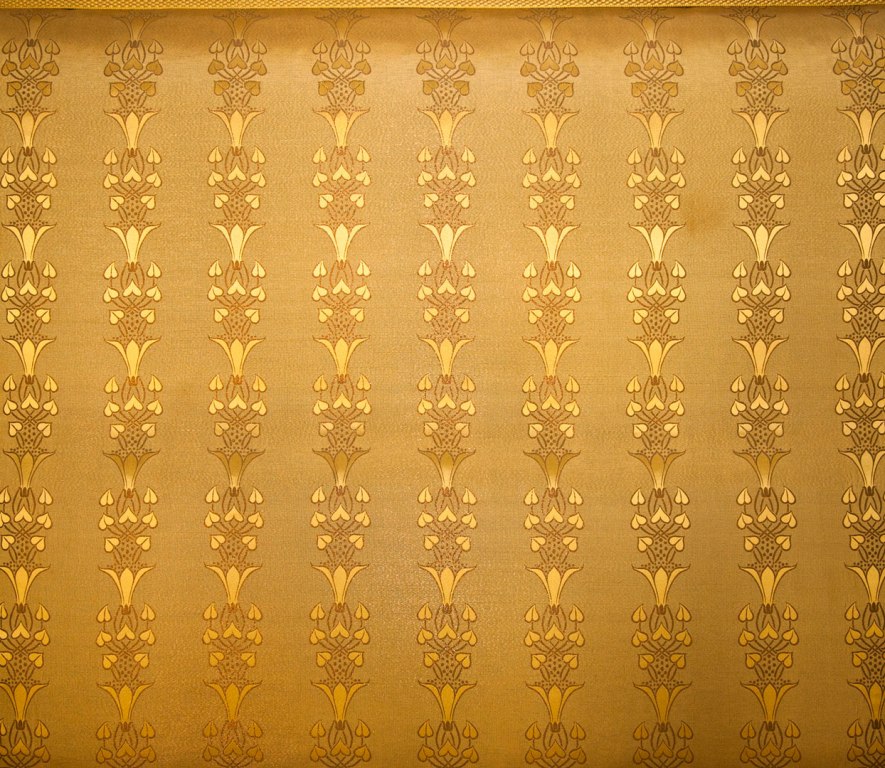
The corner sofa under the mezzanine is covered with greenish-olive moire silk with a pattern of stylized lilies and leaves in the form of hearts. The same fabric upholstered the panel of the wall under the mezzanine with a jardiniere [flower box].

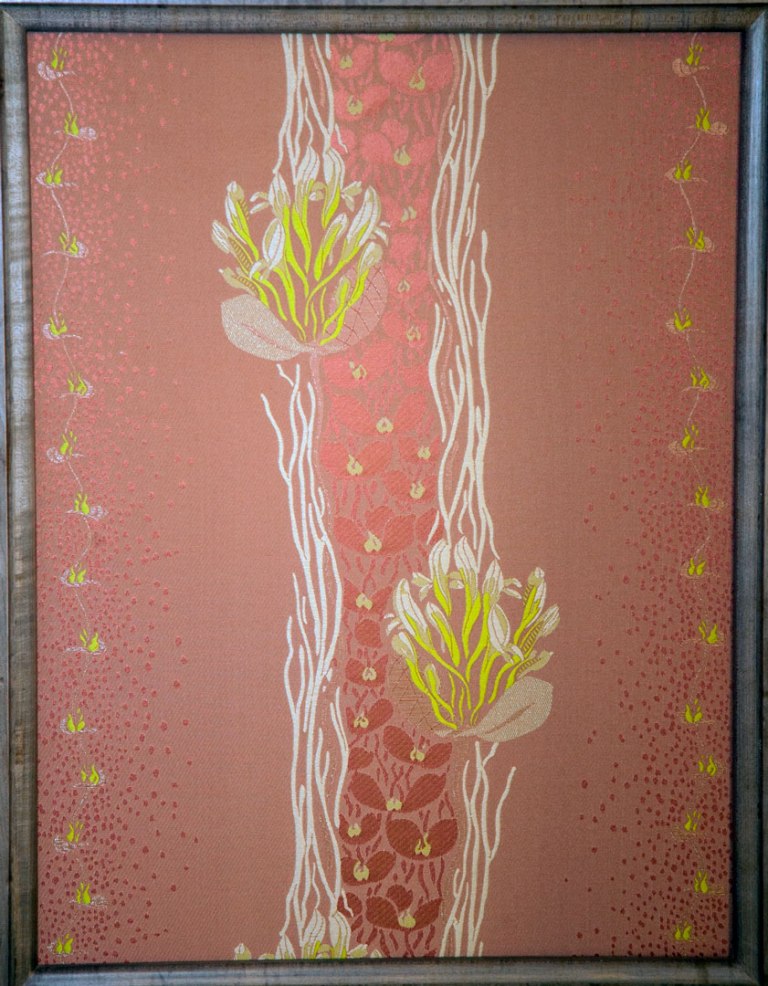
The brace-shaped sofa, situated in the center of the room is covered with a pink silk lampas fabric decorated with a fawn pattern of plant shoots and roses.

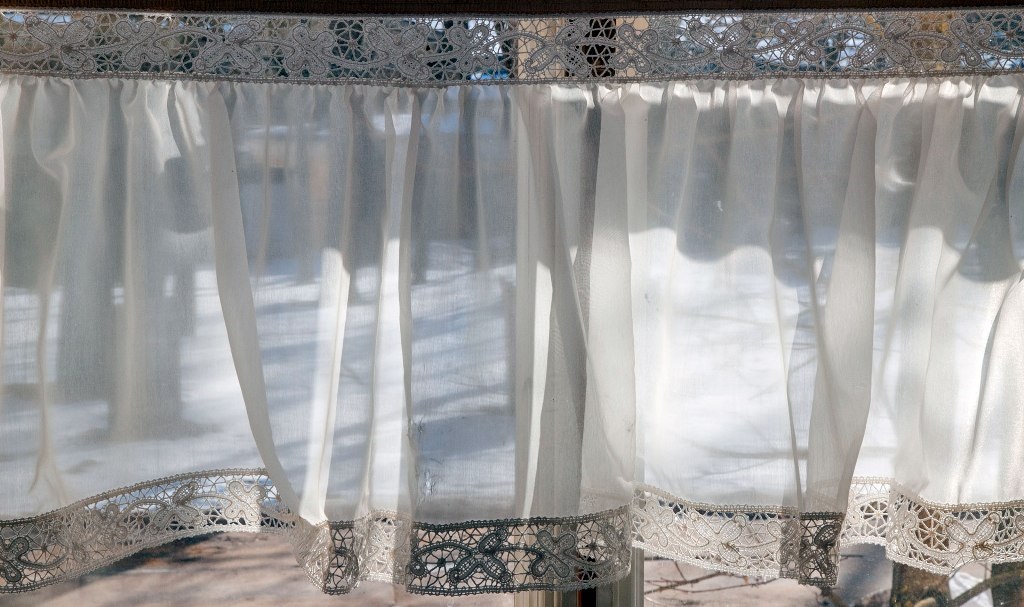
PHOTO: recreated knurled white silk curtains with lace ornaments
© Tsarskoye Selo State Museum-Reserve

On the windows are knurled white silk curtains with lace ornaments and pink silk curtains with gold ornaments, made at the Sapozhnikov brothers factory in Moscow. Fabulous motifs in fabric ornamentation are highlighted with lily branches, rose bushes, and sirin-birds.

The floor in Empress Alexandra Feodorovna’s Maple Drawing Room was covered with a stitched gray-green beaver carpet. This design made it possible to replace individual elements of the carpet, which over time wore thin. The recreated stitched carpet of New Zealand wool covers an area of ​​182 m2 and weighs 400 kg. A fragment of the reseda-green carpet from the early 20th century, which had been preserved in the palace storerooms, allowed experts to recreate the carpet.

PHOTO: recreated fabric for the Maple Drawing Room
© Tsarskoye Selo State Museum-Reserve

PHOTO: recreated fabric for the Maple Drawing Room
© Tsarskoye Selo State Museum-Reserve

PHOTO: recreated fabric for the Maple Drawing Room
© Tsarskoye Selo State Museum-Reserve

The fabrics for curtains and upholstery were made by RUBELLI in Italy. Models were made from the recreated fabrics and the curtains were sewn at the “Le Lux” factory in St. Petersburg. The carpet, metallic braid and lace inserts were made at the “RE KON ART” factory in Poland.

Various pillows for the sofas and armchairs complemented the upholstered furniture for this room. The brocade pillows were made by the Sapozhnikov brothers’ manufactory, and velvet pillows decorated with peacock feather ornaments, are the works of students of the Stroganov School, as well as a purple pillow made of a veil-type shawl. 

In the future, various pieces of furniture will be recreated for the Maple Drawing Room, with fabrics made according to historical patterns.

NOTE: all photos © Tsarskoye Selo State Museum-Reserve

© Paul Gilbert. 11 March 2021

***

Fifteen interiors situated in the eastern wing of the palace, are now scheduled to open to visitors in 2021. Among the recreated interiors are the New Study of Nicholas II, Moorish Bathroom of Nicholas II, Working Study of Nicholas II, Reception Room of Nicholas II, Pallisander (Rosewood) Living Room, Mauve (Lilac) Boudoir, Maple Drawing Room, Alexandra’s Corner Reception Room, the Imperial Bedroom, among others.

In the future, the Alexander Palace will become a memorial museum of the Romanov family – from Catherine the Great to Nicholas II, showcasing the private, domestic life of the Russian monarchs who used the palace as an official residence. The eastern wing of the palace will be known as the Museum of the Russian Imperial Family. The multi-museum complex, which includes the Western wing is scheduled for completion no earlier than 2024.

***

Dear Reader: If you enjoy my articles on the history and restoration of the Alexander Palace, then please help support my research by making a donation in US or Canadian dollars to my project The Truth About Nicholas II – please note that donations can be made by GoFundMePayPal, credit cardpersonal check or money order. The net proceeds help fund my work, including research, translations, etc. Thank you for your consideration – PG


Repin’s portraits of Alexander Kerensky

PHOTO: Repin’s first portrait of Alexander Kerensky, 1917. From the Collection
of the State Central Museum of Contemporary History of Russia in Moscow

The famous Russian realist painter Ilya Yefimovich Repin (1844-1930), was the most renowned Russian artist of the 19th century, when his position in the world of art was comparable to that of Leo Tolstoy in literature. He played a major role in bringing Russian art into the mainstream of European culture.

Repin was the first Russian artist to achieve European fame using specifically Russian themes. His paintings, made him the leader of a new movement of critical realism in Russian art. His contemporaries praised his paintings, for showing his feeling of personal responsibility for the hard life of the common people and the destiny of Russia. In the 1880s he produced many of his most famous works, and joined the Itinerants’ Society.

Among his vast works, are two little known portraits of Alexander Kerensky, both painted in the summer of 1917.

Alexander Kerensky (1881-1970), was a revolutionary and a key political figure in the Russian Revolution of 1917. In August 1917, it was Kerensky, who made the decision to move the Imperial Family from Tsarskoye Selo to a “safer” location – the town of Tobolsk in Western Siberia. Following the October 1917 Revolution, the Provisional Government was overthrown by the Bolsheviks, forcing Kerensky to flee Russia. He spent the remainder of his life in exile, in Paris and New York City, and worked for the Hoover Institution.

Repin, who was an anti-monarchist, warmly welcomed the February 1917 Revolution, which overthrew the autocratic monarchy and proclaimed a republic, an event for which he was very happy.

It is a well known fact that Kerensky loved to be in the spotlight, and while working on his portraits, Repin fell under the charm of Russia’s new ruler, he was, according to one art critic, “simply obsessed with Kerensky, admired his human and political qualities”.

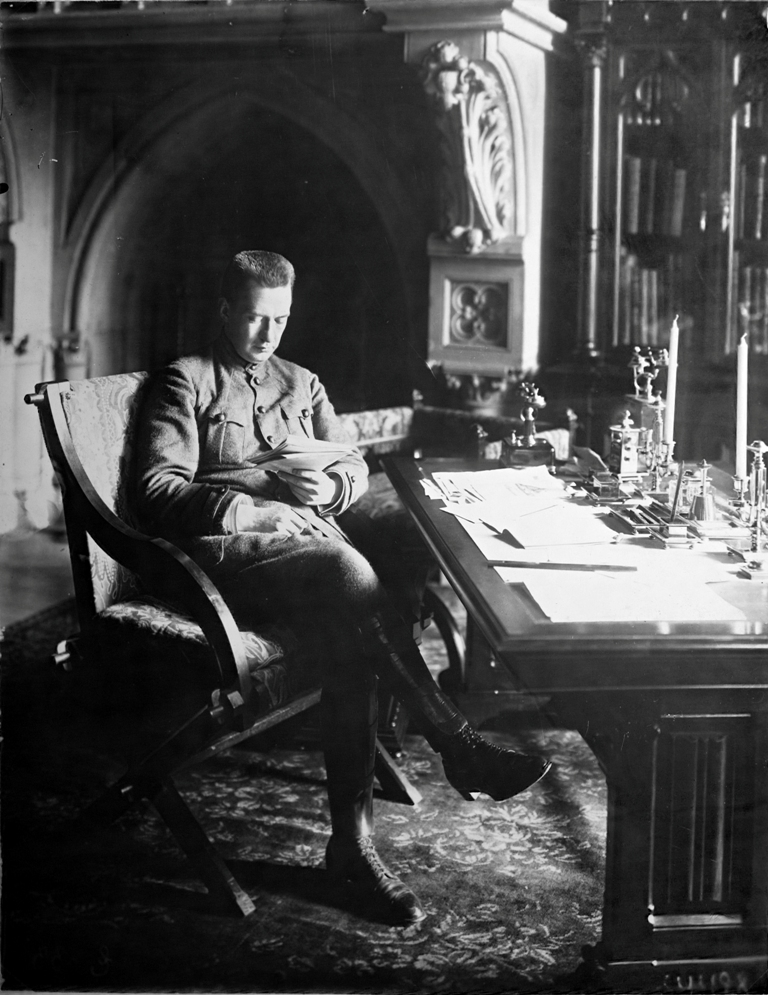
After the July 1917 suppression of the Bolshevik uprising, Kerensky got a taste of power. He moved into the Winter Palace in St. Petersburg, settling himself in the private apartments of Emperor Alexander III, rode in the former Imperial Train, drove about Petrograd in one of Nicholas II’s motorcars, and worked at the writing desk of Nicholas II in the Gothic Library of Nicholas II in the Winter Palace. It was here, that Repin sketched his first image of Kerensky in his album with watercolours and pastels.

PHOTO: Repin’s second portrait of Alexander Kerensky, 1917
Private collection

Between the months of July and October 1917, Repin made repeated visits to the offices of the Provisional Government in Petrograd, to complete his sketches. He bragged to Soviet artists who visited him at this home in Penates (now Repino in Finland) that “Kerensky’s portrait was painted from a sketch from life in the library of Nicholas II”.

Repin’s portrait of Kerensky, in which he is depicted posing in the library of Nicholas II in the Winter Palace had obvious political overtones; sitting in the chair of the deposed emperor, the new ruler of Russia thereby confirming his high status. In this regard, Repin noted that Kerensky “had the glory of almost an emperor, but in reality was a nonentity”.

Repin finished work on his portraits in 1918, shortly after Kerensky was overthrown as a result of the October Revolution. The first (114 × 84 cm) and the second (116 × 85 cm) portraits of Kerensky were painted in oil on linoleum.

Repin’s portraits are by no means flattering, especially when compared with his other works, particularly those of Emperor Nicholas II – of whom he painted on at least six occasions – including his famous painting depicting the wedding of Nicholas II to Grand Duchess Alexandra Feodorovna in the Grand Church of the Winter Palace in1894.

Both portraits of Kerensky are distinguished by a free and spontaneous manner of style, according to critics, bordering on impressionism or even expressionism. Repin painted Kerensky as a flabby, bilious, gray, devastated person, neurasthenic. Being a master of revealing the psychological state of the person being portrayed, his very being, the specifics of poses, gestures and facial expressions, Repin leads the viewer to the idea that Kerensky was in fact such.

PHOTO: Kerensky seated in Nicholas II’s Gothic Library in the Winter Palace, 1917

In the first portrait, Kerensky is depicted seated knee-deep in a chair, from which he looks as if he is ready to jump up. Kerensky slightly tilted his head in a sly half-smile and looks at the viewer with a piercing, sharp gaze. At the same time, peace and fatigue emanate at the same time, as if lacking sleep, and meanwhile he is relaxed – this still does not fit in with his real life, the life of the head of the government of revolutionary Russia, who took upon himself all the hardships of governing the young republic and cannot cope with this burden.

The second portrait seems to be more elaborate compositionally and artistically completed. The light now falls not on the face, but on his nervous, dry hands, one of which is wearing a black glove, which subtly focuses on Kerensky’s mysterious personality. It is noteworthy that politically Kerensky’s opponents mentioned the “greenish tint” of his appearance, hinting at a possible alcohol, morphine or cocaine addiction.

Shortly after the October Revolution of 1917, Repin would regret his support of the new order. After Lenin and the Bolsheviks launched the Red Terror, Repin abruptly changed the bias of his work from anti-monarchist to anti-Soviet.

After the establishment of Soviet power and the proclamation of Finland ‘s independence at the end of 1917, Repin remained stateless. His estate at Penates and his personal fortune were nationalized, and his most famous works remained in the Soviet Union, where they began to be used for propaganda purposes, often interpreted as ideal examples of socialist realism.

In 1926, Repin’s first portrait of Kerensky was presented to the Museum of the Revolution [the former aristocratic English Club] in Moscow – which is today known as the State Central Museum of Contemporary History of Russia. For many years, Repin’s second portrait of Kerensky was held in the Kerensky Archive at the Center for Humanitarian Research of the University of Texas. It was later sold at auction, and is now in a private collection in Russia.

© Paul Gilbert. 11 March 2021

Museum of Emperor Nicholas II re-opens in Moscow

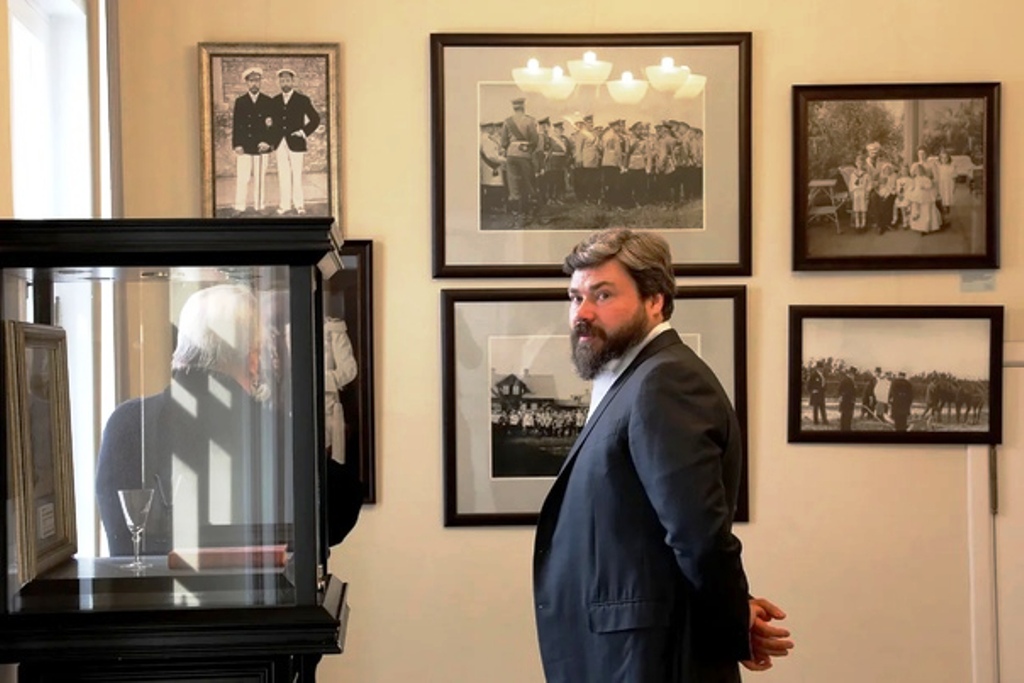
PHOTO: Konstantin Malofeev views the exhibits in the Museum of Emperor Nicholas II

On 16th February, I reported on my Facebook page, that the Museum of Emperor Nicholas II, situated in the center of Moscow, was closing. The little known was forced to close due to the COVID-19 pandemic, and almost 9 million rubles (more than $13,000 USD) in arrears of rent.

The museum – which was established in April 2018 – showcases the private collection of Alexander Vasilyevich Renzhin, who has amassed more than 3,000 authentic and memorial exhibits over the past 35 years, all of which belonged to Emperor Nicholas II and his family. It is indeed a unique and rate collection!

The Museum of Emperor Nicholas II was forced to close its doors permanently at the end of February.

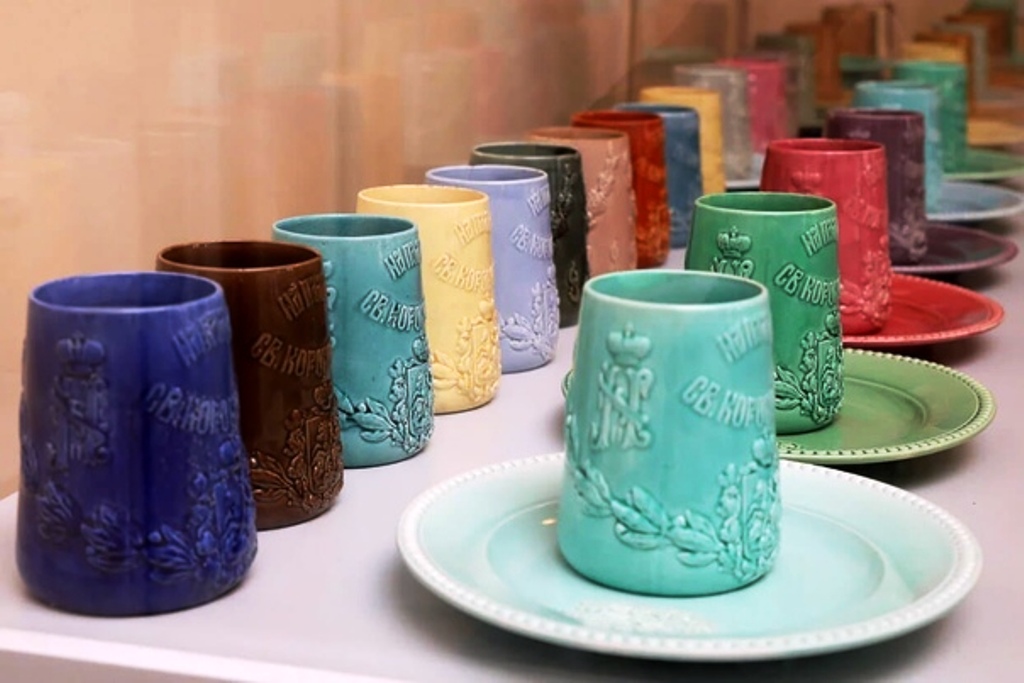
PHOTO: multi-collared saucers and cups presented during the Coronation of Nicholas II

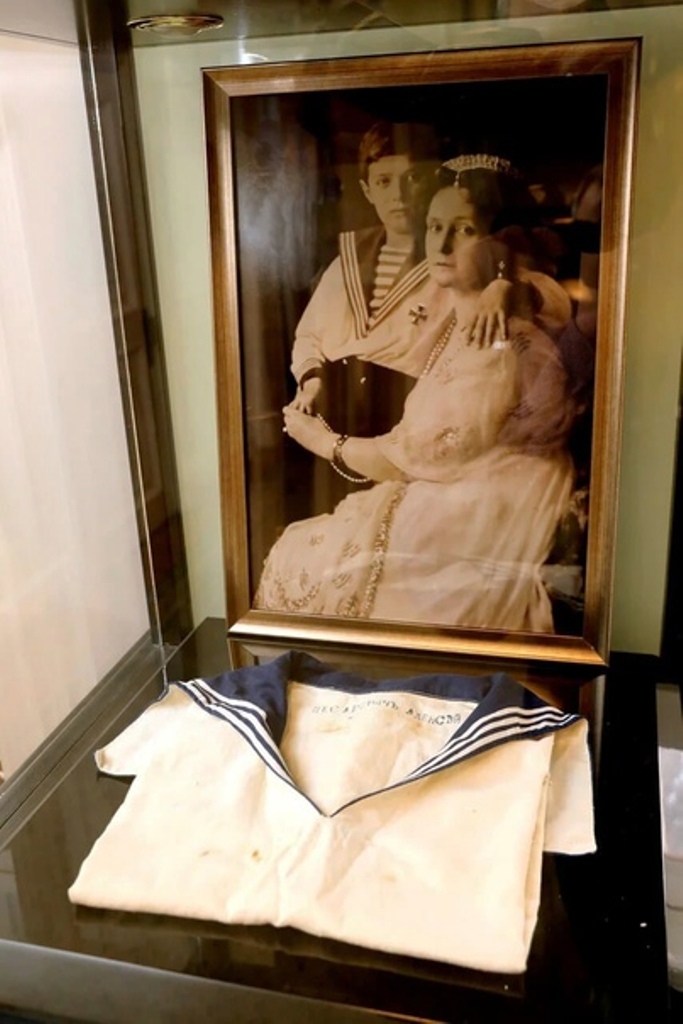
PHOTO: sailor’s suit worn by Tsesarevich Alexei Nikolaevich

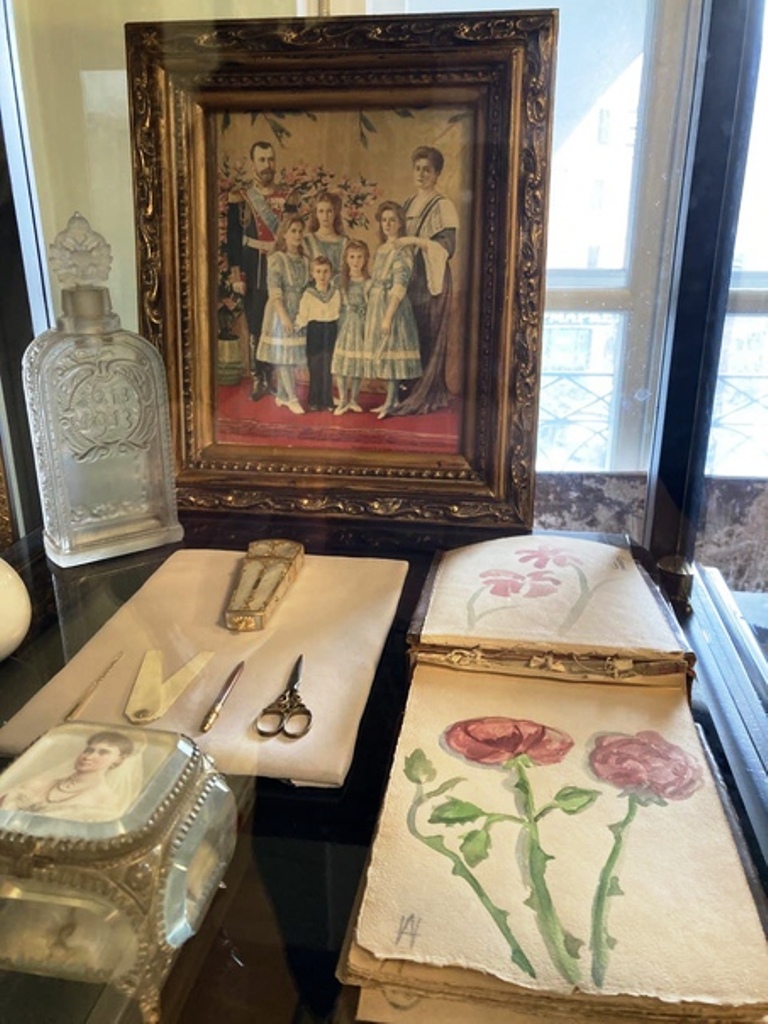
PHOTO: album with watercolours painted by Grand Duchess Anastasia Nikolaevna

Konstantin Malofeev, the founder of the Tsargrad TV channel, came to the rescue by providing Renzhin’s rare collection with a new venue in which to display his collection. The Museum of Emperor Nicholas II re-opened in the Museum of Russian Art, the former manor house of Nikolai Eremeevich Struisky (1749-1796) – situated in Moscow’s historical district – on 10th February 2021.

The museum showcases more than 3,000 rare exhibits, including a pearl tablecloth from the table of Nicholas II, multi-collared saucers and cups that were presented on the Khodynkha Field during the Coronation of Emperor Nicholas II in May 1896, a sailor’s suit worn by Tsesarevich Alexei Nikolaevich, an album with watercolour drawings, painted by Grand Duchess Anastasia Nikolaevna. Other items include a scarf embroidered by the Empress Alexandra Feodorovna herself, desk writing instruments belonging to Tsesarevich Alexei , and numerous personal belongings of Emperor Nicholas II – to name just a few!

“All items belonging to the Tsar’s family were carefully preserved by people” – said Konstantin Malofeev – “this shows the true popular reverence and love for the Tsar, even when he was under the absolute prohibition of godless power.”

FURTHER READING

Emperor Nicholas II Foundation marks 4th anniversary + PHOTOS

Video tour of the Museum of Emperor Nicholas II in Moscow + VIDEO and PHOTOS

© Paul Gilbert. 10 March 2021

Monument to Rasputin proposed for St. Petersburg

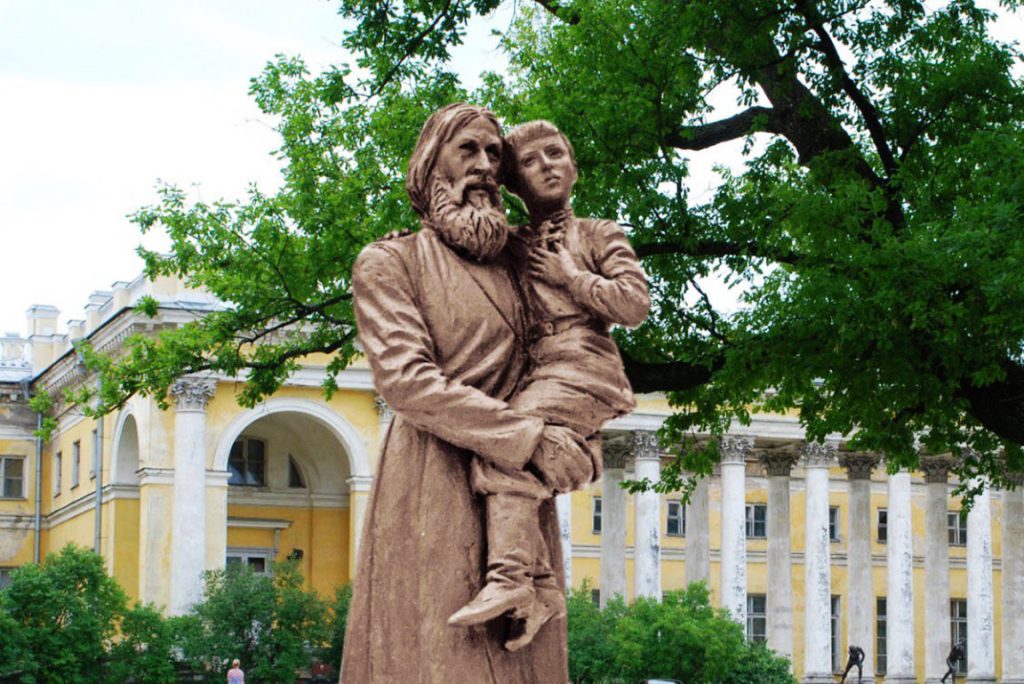
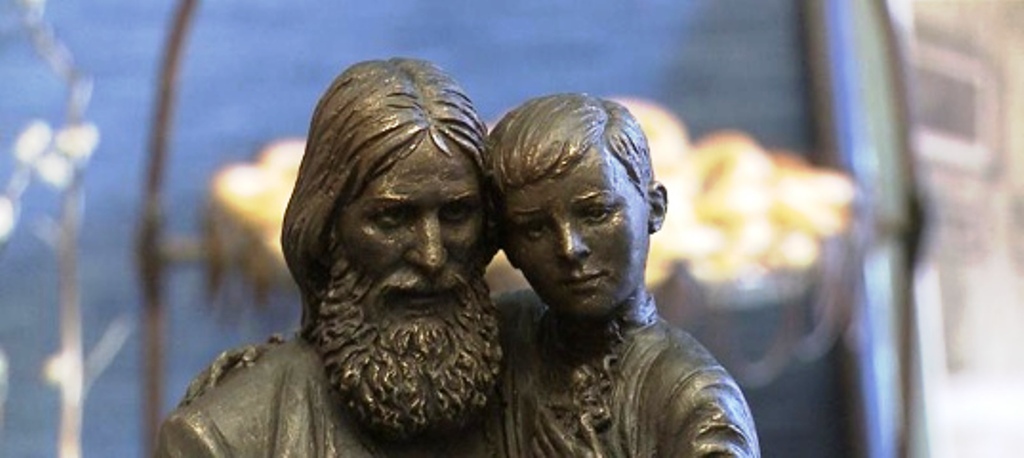
PHOTO: artist concept of the monument to Rasputin near the Alexander Palace

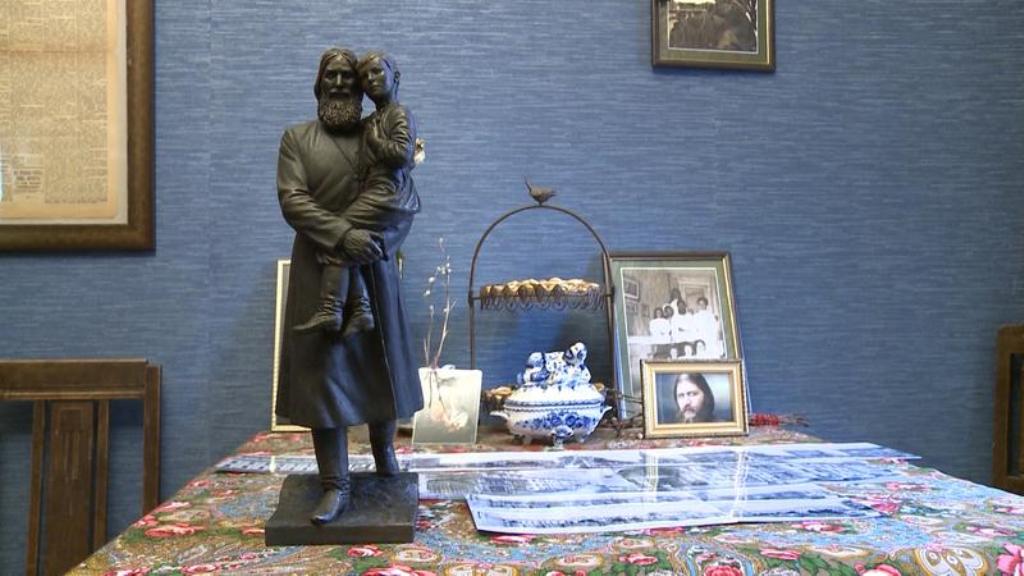
Earlier this week, a model of a proposed monument to Grigori Rasputin was shown to journalists, during a press conference held in St. Petersburg. The model – the fruit of five years of creative work by the artist – was displayed in Rasputin’s apartment on Gorokhovaya Street.

The monument is a project by the Artproekt sculptural workshop in Moscow, famous for its Orthodox patriotic sculptures. The studio’s most notable works include, Dmitry Donskoy, Alexander Nevsky, John of Kronstadt, Sergius of Radonezh, and Nicholas the Wonderworker.

Grigori Yefimovich Rasputin (1869-1916) remains one of the most controversial figures during the reign of Emperor Nicholas II. The head of the Artproekt workshop, Yevgeny Korolev, believes it is important to rethink the image of Rasputin: “All the claims against Rasputin are not confirmed by real documents, so what are the accusations against this man based on? One of the historians I spoke with wrote eight volumes in which he debunks these myths.”

The project is surrounded by a veil of secrecy, even the sculptor remains unknown at this time. The 2.5 m [8.2 ft.] monument depicts Rasputin [who stood 1.93 m / 6.3 ft.] carrying the Tsesarevich Alexei Nikolaevich (1904-1918) in his arms.

PHOTO: model of the proposed monument on display in Rasputin’s apartment

The monument is almost ready – it only has to be cast in bronze, and the place for it’s installation has yet to be determined. The sculptor and his supporters believe that it should be installed in one of three places in or near St. Petersburg. For example, at Tsarskoye Selo, where Rasputin was originally buried in the Alexander Park; or next to the Petrovsky bridge, where his body was discovered in the Malaya Nevka; or in the garden of the Yusupov Palace, where he was murdered.

According to the the head of the restoration department Viktor Voronin, “It will be next to impossible to erect a monument in the garden of the palace. The Yusupov Palace is a cultural heritage site, where the installation, in principle, of new sculptural objects is prohibited by law.”

In late 1906, Rasputin began acting as a healer for Nicholas II’s only son and heir, Alexei, who suffered from haemophilia. He was a divisive figure at court, seen by some Russians as a mystic, visionary, and prophet, and by others as a religious charlatan. In the early morning of 30th December [O.S. 17th December] 1916, Rasputin was murdered by a group of conservative noblemen who opposed his alleged influence over Empress Alexandra Feodorovna and Emperor Nicholas II.

PHOTO: detail of the proposed monument depicting Rasputin carrying Alexei

Historians often suggest that Rasputin’s scandalous and sinister reputation helped discredit the tsarist government and thus helped precipitate the overthrow of the Romanov dynasty a few weeks after he was murdered. Accounts of his life and influence were often based on hearsay and rumour.

In recent years, the Russian Orthodox Church has expressed some concern over the growing movement by some Orthodox Christians, who are calling for the canonization of the controversial and enigmatic figure of Grigori Efimovich Rasputin. Meanwhile, many other Orthodox Christians consider such a move as blasphemy.

This will be the second monument to Rasputin installed in Russia, the first was installed in Tyumen in 2014.

© Paul Gilbert. 8 March 2021

Nicholas II orders uniforms for Victory Parade 1917

There is a common myth that during World War One, Russia’s only breakthrough was the Brusilov Offensive in September 1916. There were allegedly no other successful campaigns. This myth is absolutely incorrect. Shortly after Nicholas II assumed command of the armed forces in 1915, the Russian Imperial Army carried out at least 15 major victorious operations, not counting the Brusilov Breakthrough.

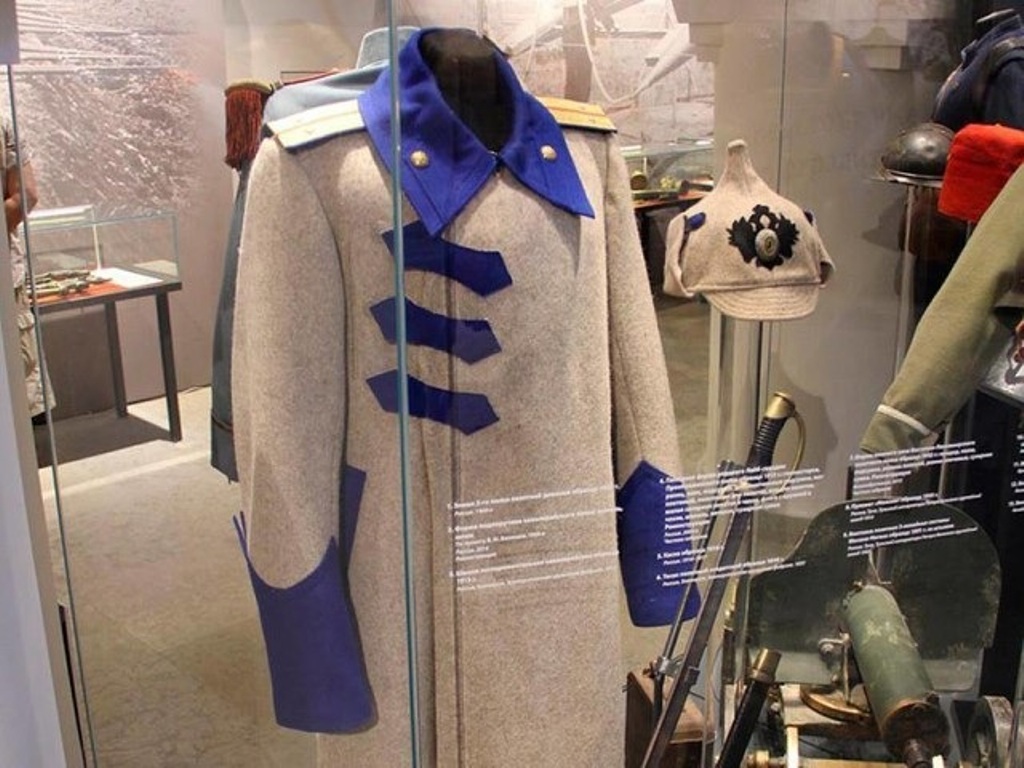
PHOTO: Victory Parade uniform on display in the Russia in the Great War Museum,
Sovereign Marshall Chamber, Tsarskoye Selo

Nicholas II was so confident of Russia’s victory against Germany and Austria during the First World War, that in 1916, he ordered a new uniform be designed for the Victory Parade he planned to hold in Berlin, and then in Constantinople in 1917.

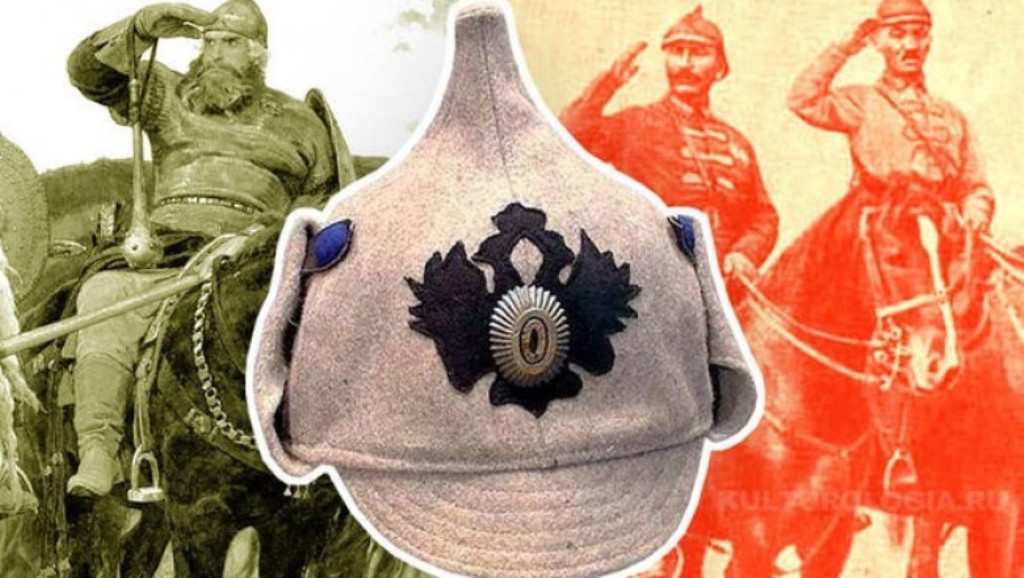
The new uniform was designed by Viktor Mikhaylovich Vasnetsov (1848-1926), a Russian artist who specialized in mythological and historical subjects. The uniforms were sewn in Siberian factories and stored in army warehouses in Petrograd.

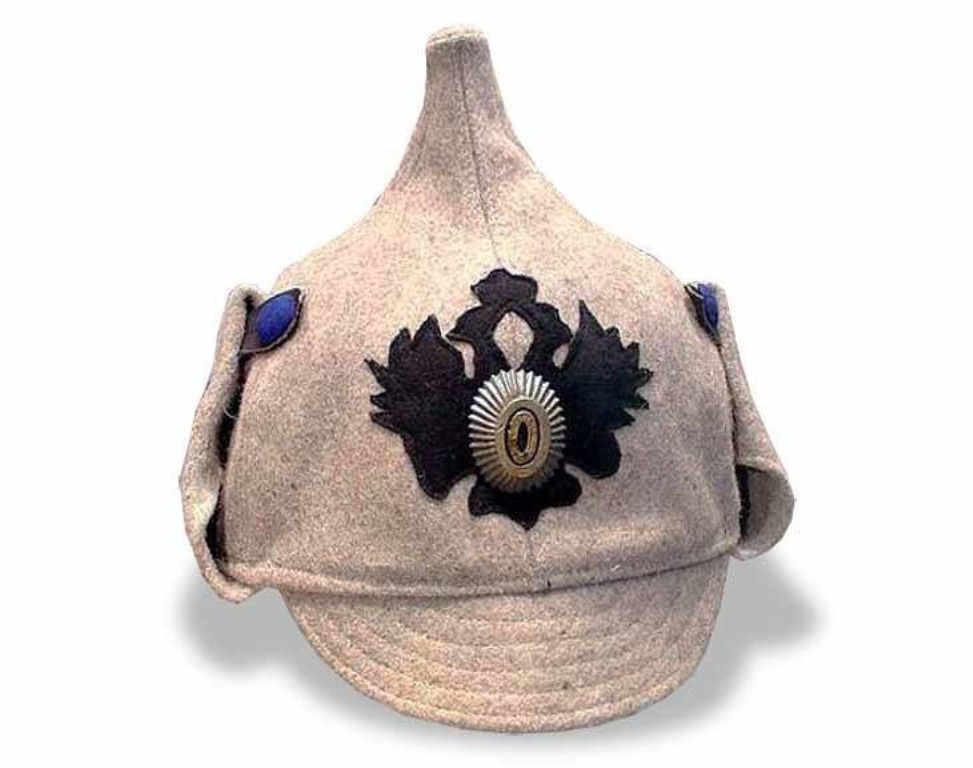
PHOTO: The khaki cloth  “bogatyrka” cap

The uniform consisted of a long-brimmed overcoat, with a leather jacket and trousers, leggings and and a cap designed for troops of the army and air force, as well as the crews of armoured car, armoured trains and scooters. The khaki cloth cap was called a “bogatyrka” – because of the similarity with the ancient helmets of Russian heroes.

Following the 1917 Revolution, this uniform was redesigned for use by the Cheka – the Bolshevik secret police.

© Paul Gilbert. 5 March 2021
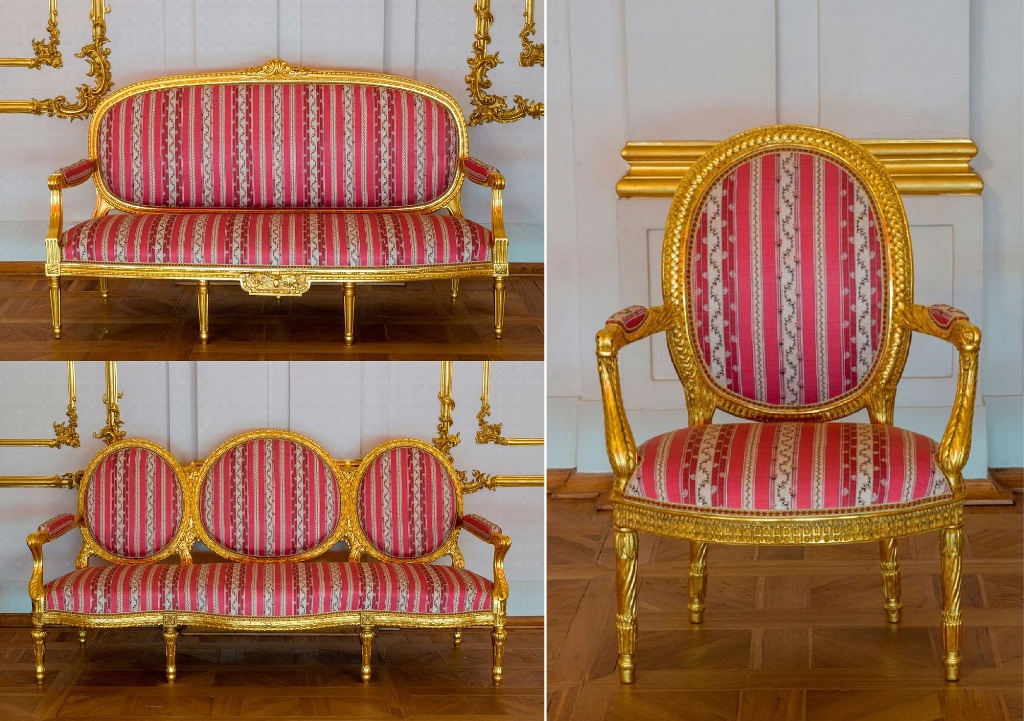
Furniture recreated for the Corner Reception Room in the Alexander Palace

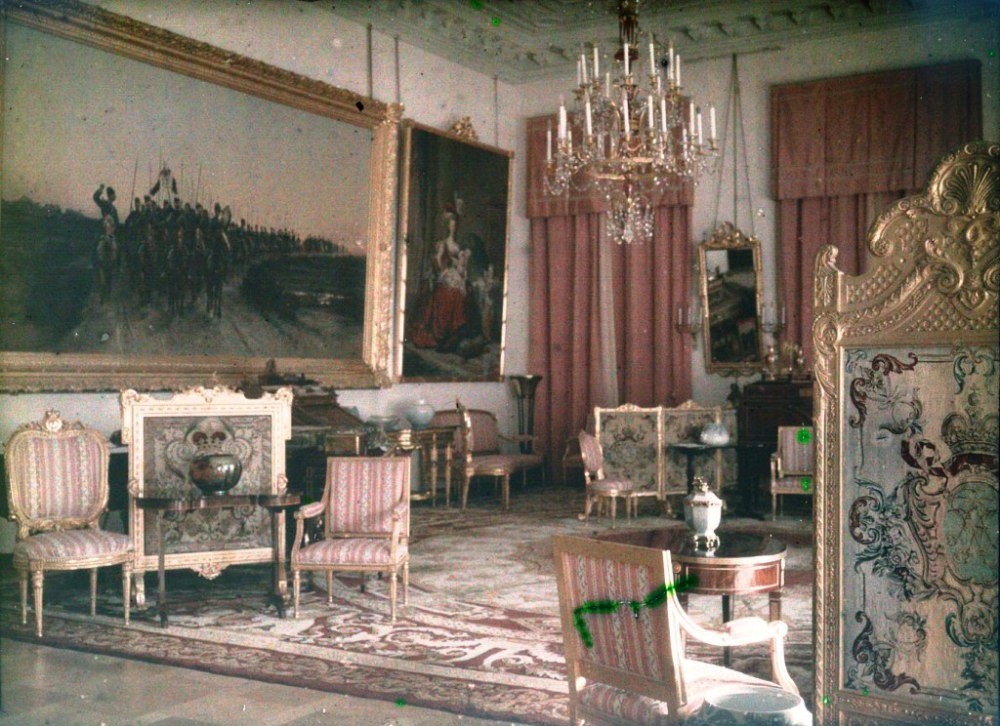
PHOTO: Colour autochrome of the Corner Reception Room, taken in 1917

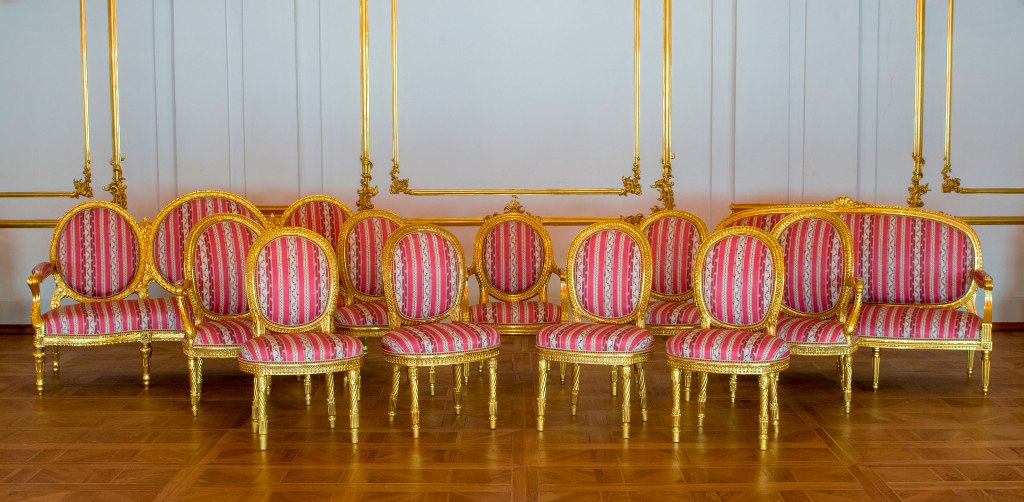
The restoration of the gilded furniture set (armchairs, chairs and sofas), which will decorate the Corner Reception Room of Empress Alexandra Feodorovna in the Alexander Palace has been completed.

The Corner Reception Room was originally connected to the Concert Hall by a door located along its central wall. In 1895, a fundamental restructuring of the eastern wing of the palace began, whereby the private apartments for Nicholas II and his family would be created. In 1902–1904, when the Maple Drawing Room and the New Study of Nicholas II were created on the site, the Corner Reception Room was connected to the corridor, becoming part of the personal imperial apartments, but at the same time retained its ceremonial function.

PHOTO: recreated chairs, armchairs and sofas for the Corner Reception Room

The furniture of the Corner Reception Room was almost completely lost during the Great Patriotic War (1941-45). For the new recreated interior set, the selected items were made in the classic style, since most of the gilded furniture that adorned this interior at the beginning of the 20th century – until 1941 – was executed in this style.

The set was restored by specialists from the Tsarskoye Selo Amber Workshop. The restored gilded chairs and armchairs with oval backs and seats were made in the 1770s. Before World War II, these items decorated interiors of the Catherine Palace, in the foyer of the Chinese Theater (in the Alexander Park) and in the White Hall of Gatchina Palace. Two sofas from the second half of the 19th century, also included in the furniture set, were transferred to the Tsarskoye Selo State Museum from the State Hermitage in 1959.

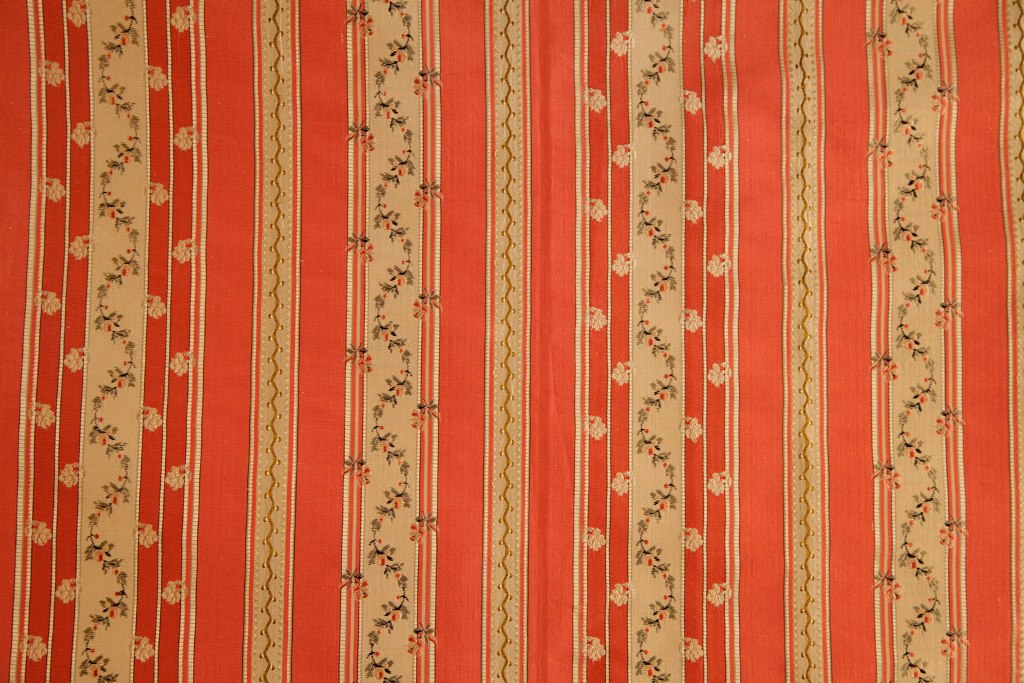
PHOTO: original upholstery sample for the furniture in the Corner Reception Room

In the process of restoration, the craftsmen removed all types of dirt, restored the gesso and gilding, recreated the lost carved details with the subsequent summing up of gesso, diverging and gilding, and upholstery works. In the seat cushion of one of the sofas, the craftsmen found fragments of the original  horsehair, used to fill it. Due to the fact that one of the fragments clearly reads the date – 1865, as well as the fact that the sofa was upholstered once, the object can be dated to that year.

The chairs, armchairs and sofas share the same stylistic unity, as well as the upholstery fabric. In the an old 1917 brochure which describes the Alexander Palace, the furniture of the Corner Reception Room is described: “Furniture of the Louis XVI style of the Russian slave. late 18th century, re-gilded and upholstered in silk. the work of the Sapozhnikov factory in Moscow. / In the style of striped fabrics of the era of Louis XVI.” A fragment of the original upholstery fabric for the furniture of the Corner Reception Room, made in 1903, which had been preserved in the collection of the Tsarskoye Selo State Museum, served as a model for recreating the upholstery fabric of the restored items. A pattern of alternating light stripes and stripes of various shades of pink with small ornaments of roses, flower garlands and wavy lines is clearly visible on the silk fabric.

PHOTO: recreated chairs, armchairs and sofas for the Corner Reception Room

NOTE: all photos © Tsarskoye Selo State Museum-Reserve

© Paul Gilbert. 3 March 2021
***

Fifteen interiors situated in the eastern wing of the palace, are now scheduled to open to visitors in 2021. Among the recreated interiors are the New Study of Nicholas II, Moorish Bathroom of Nicholas II, Working Study of Nicholas II, Reception Room of Nicholas II, Pallisander (Rosewood) Living Room, Mauve (Lilac) Boudoir, Maple Drawing Room, Alexandra’s Corner Reception Room, the Imperial Bedroom, among others.

In the future, the Alexander Palace will become a memorial museum of the Romanov family – from Catherine the Great to Nicholas II, showcasing the private, domestic life of the Russian monarchs who used the palace as an official residence. The eastern wing of the palace will be known as the Museum of the Russian Imperial Family. The multi-museum complex, which includes the Western wing is scheduled for completion no earlier than 2024.

***

Dear Reader: If you enjoy my articles on the history and restoration of the Alexander Palace, then please help support my research by making a donation in US or Canadian dollars to my project The Truth About Nicholas II – please note that donations can be made by GoFundMePayPal, credit cardpersonal check or money order. The net proceeds help fund my work, including research, translations, etc. Thank you for your consideration – PG

Elena Tretyakova’s gift to Nicholas II in 1911

PHOTO: Elena Andreevna Tretyakova. Paris, 1875. 

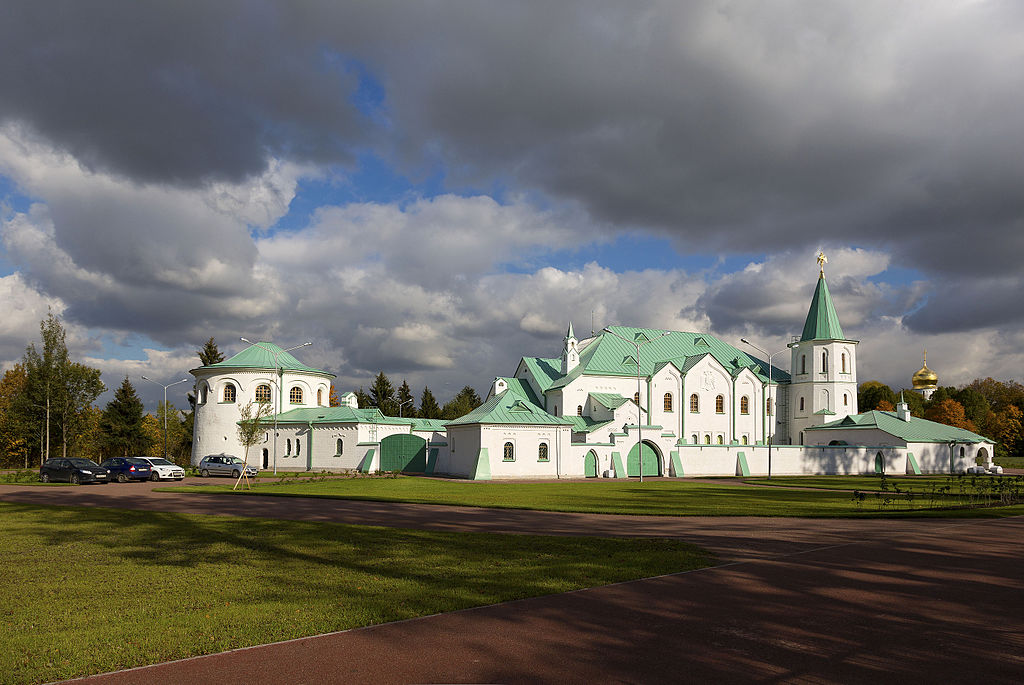
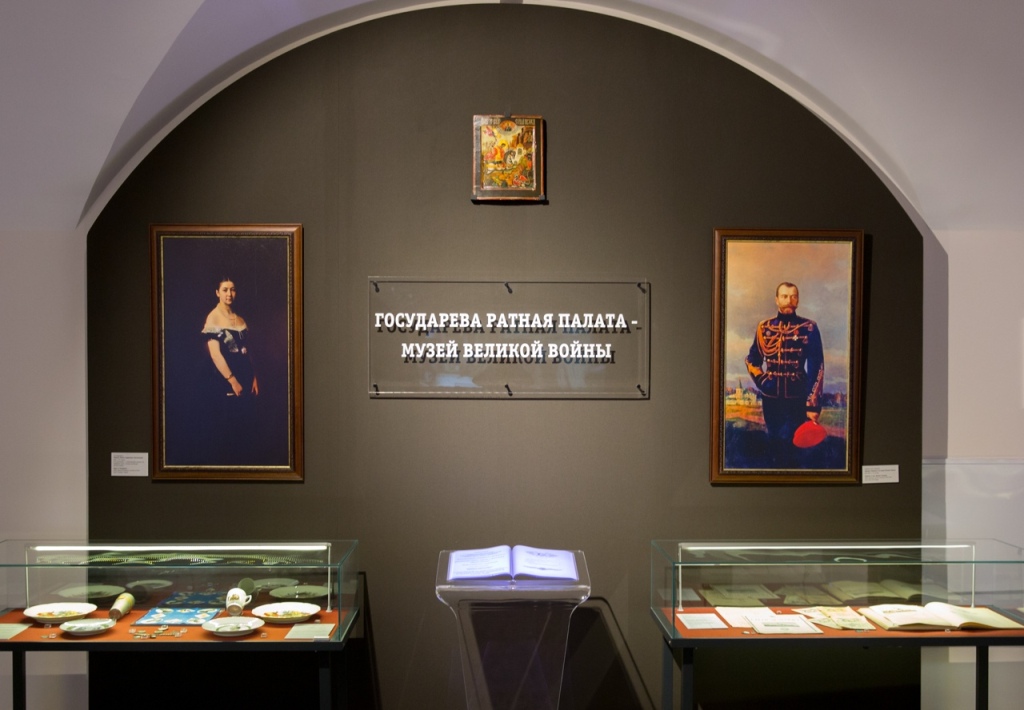
In 1911, the famous Russian collector and philanthropist Elena Andreevna Tretyakova (1846-after 1917) presented as a gift to Emperor Nicholas II: her vast collection of paintings, icons, weapons and historical documents which documented Russia’s military history from ancient times. In addition, she donated a significant amount for the construction of the Госуда́рева Ра́тная пала́та [Sovereign Military Chamber] at Tsarskoye Selo. Due to the outbreak of World War I in August 1914, the construction of the war museum was not completed. At the height of the First World War, and in anticipation of impending hard times, Elena Tretyakova wrote: “Probably, if not during my lifetime, then afterwards others will appreciate my idea and work.”

It would be another century before the Sovereign Military [aka Martial] Chamber would become a museum. The building was transferred to the Tsarskoye Selo State Museum-Preserve in 2010. Between 2011-2014. the building underwent restoration, at a cost of 292,000,000 rubles ($8 million USD). The building is now home to the ‘Russia in the Great War’ Museum, which was inaugurated on 4th August 2014 , marking the 100th anniversary of the beginning of World War One. The museum has been visited by more than 120 thousand people.

The Sovereign Military Chamber at Tsarskoye Selo is the first museum in Russia dedicated entirely to Russia’s participation in the First World War. The history of the museum has its roots in the era of Nicholas II. Today, the museum is a rich repository of military uniforms, weapons, and items used in military life, as well as photographs and documents.

PHOTO: portraits of Elena Tretyakova and Nicholas II in the Sovereign Military Chamber

This year marks the 175th anniversary of the birth of Elena Andreevna Tretyakova (1846-after 1917). 

She was born on 26th February (O.S. 14th) February 1846 in Moscow in the family of the hereditary honorary merchant Andrei Matveyev. In 1868 she married Sergei Mikhailovich Tretyakov (1834-1892), brother of the founder of the Tretyakov Gallery in Moscow, Pavel Mikhailovich Tretyakov (1832-1898).

According to her contemporaries, Elena was “educated, and distinguished by her natural beauty, with beautiful curved shoulders, a pale, slightly puffy face, a heavy plait of hair on the back of her head and tiny hands, which she was very proud”. She dressed very luxuriously, ordered dresses from Paris and rented a large summer dacha in Peterhof for the summer. Her neighbour at Peterhof was the Russian pianist, conductor, and composer. Nikolai Grigoryevich Rubinstein (1835-1881), with whom she was in love (he died in her arms in 1881 in Paris). Every day she received guests at her home, where an exquisite choir of gypsies sang, which was then in great fashion. The Tretyakovs’ marriage was childless. After the death of her husband she lived in St. Petersburg. Elena Andreevna Tretyakova died after 1917, the exact date is unknown.

Elena Tretyakova’s idea came true more than a hundred years later. Today, her portrait hangs in the Sovereign Military Chamber at Tsarskoye Selo.

PHOTO: the restored Sovereign Martial Chamber at Tsarskoye Selo

© Paul Gilbert. 2 March 2021
The birth of the future Emperor Nicholas II in the Alexander Palace

PHOTO: the Blue Boudoir in the Alexander Palace, where Nicholas II was born

At 4 o’clock in the morning of 19th May (O.S. 6th May) 1868, Tsarevna Maria Feodorovna began having contractions. The future Empress Maria Feodorovna was about to give birth to her first child. Immediately, the midwife Mikhailova was summoned and instructed to rush to the nearby Catherine Palace, to inform Maria’s father-in-law Emperor Alexander II, that his grandchild’s entry into the world was imminent. The Emperor rushed to the Alexander Palace from his apartments located in the Zubov Wing of the palace, followed shortly thereafter by his wife, Empress Maria Alexandrovna.

At 12:50 p.m., Maria Feodorovna was taken into the bedroom [the Blue Boudoir, situated in the west wing of the palace – the interior has not survived], which had been specially prepared for the pending birth. Lying down on the sofa, she was surrounded by her father-in-law, Emperor Alexander II, her mother-in-law, Empress Maria Alexandrovna, and her husband, the Heir-Tsesarevich Alexander Alexandrovich [future Emperor Alexander III]. Her father-in-law and her husband kneeled on either side of the sofa, holding Maria Feodorovna’s hands when she gave birth – at 2.30 p.m. to her first child, a son – His Imperial Highness Grand Duke Nicholas Alexandrovich – the future Emperor Nicholas II.

PHOTO: Maria Feodorovna with her first son Nicholas Alexandrovich. 1868

The happy young father wrote in his diary that day: “At long last, the final minute arrived and all suffering ceased at once. God has sent us a son whom we named Nicholas. What a joy it is, it is impossible to imagine, I rushed to hug my darling wife, who at once cheered up and was terribly happy. I cried like a child, it was so pleasant and easy on my soul. I hugged dear Papa and Mama heartily.”

The happy parents decided to name their son in memory of Alexander’s brother Tsesarevich Nicholas Alexandrovich, who died from cerebro-spinal meningitis in 1865. Had he lived, he would have ascended the throne as Emperor Nicholas II.

Emperor Nicholas II was born on 19th May (O.S. 6th May) 1868, the day of St. Job of the Long Suffering.

FURTHER READING

19th December marks the name day of Nicholas II

© Paul Gilbert. 26 February 2021