Please note that the articles provided (by links) are for information purposes
only, they do not reflect the opinion of the administrator of this blog – PG
Russia’s last Emperor and Tsar Nicholas II, his family, the Romanov dynasty and the history of Imperial Russia, continue to be the subject of books, exhibitions and documentaries. In addition, the continue to generate headlines in the media.
The following articles were published by English-language media services, in April, May and June 2026. Click on the title [highlighted in red] below and follow the link to read each respective article:
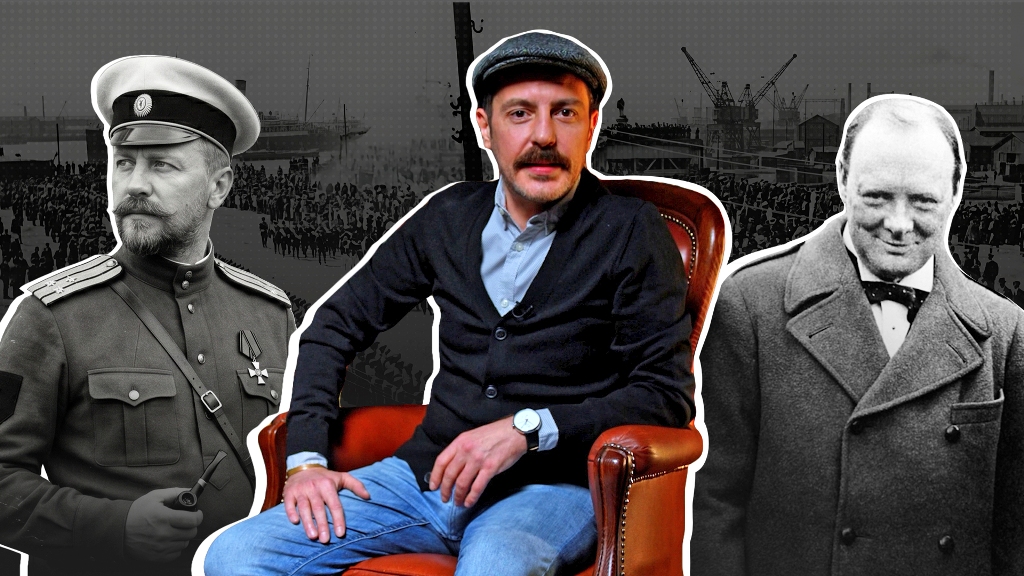
Why did the British intervene in the Russian Civil War? (VIDEO)
The Bolsheviks wanted out of World War I, but Great Britain supported their monarchist opponent. So, in 1918, they sent troops to Russia on multiple fronts…
Source: Gateway to Russia. 30 June 2026
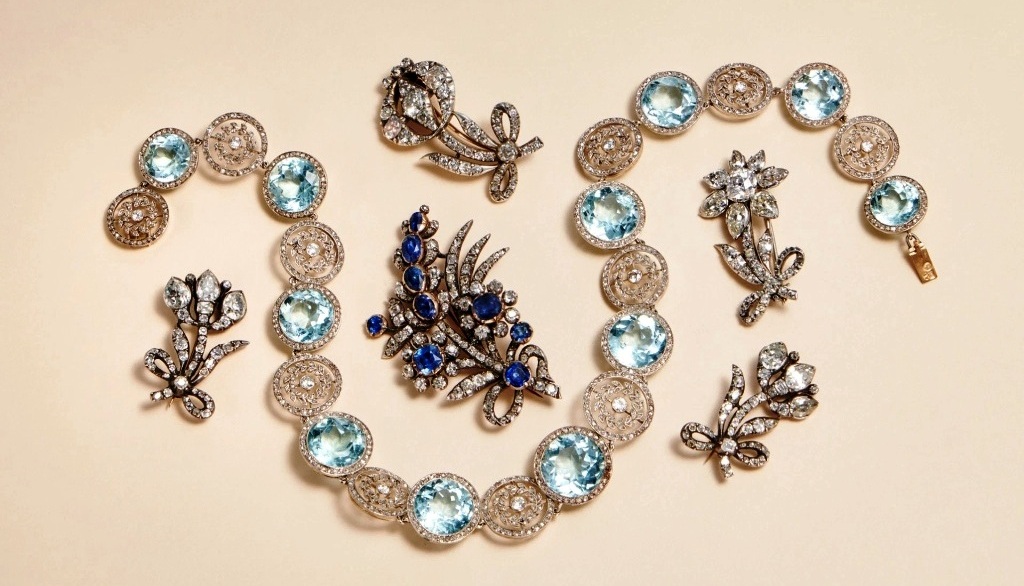
Imperial Jewels of Catherine II and Nicholas II Head to Auction + PHOTOS
An astounding selection of precious jewelry that once belonged to the Romanovs will hit the block at Sotheby’s on June 17.
Source: Galerie. 2 June 2026
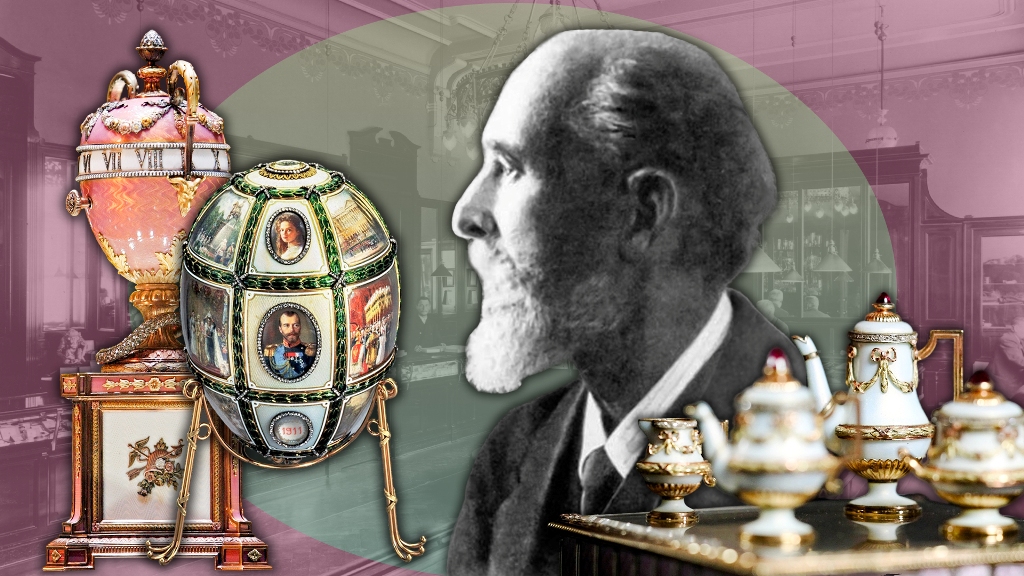
10 facts about famous jeweler Carl Fabergé + PHOTOS
This genius of luxury jewelry captivated the Russian imperial court with his precious Easter eggs and made the family name famous throughout the world.
Source: Gateway to Russia. 30 May 2026
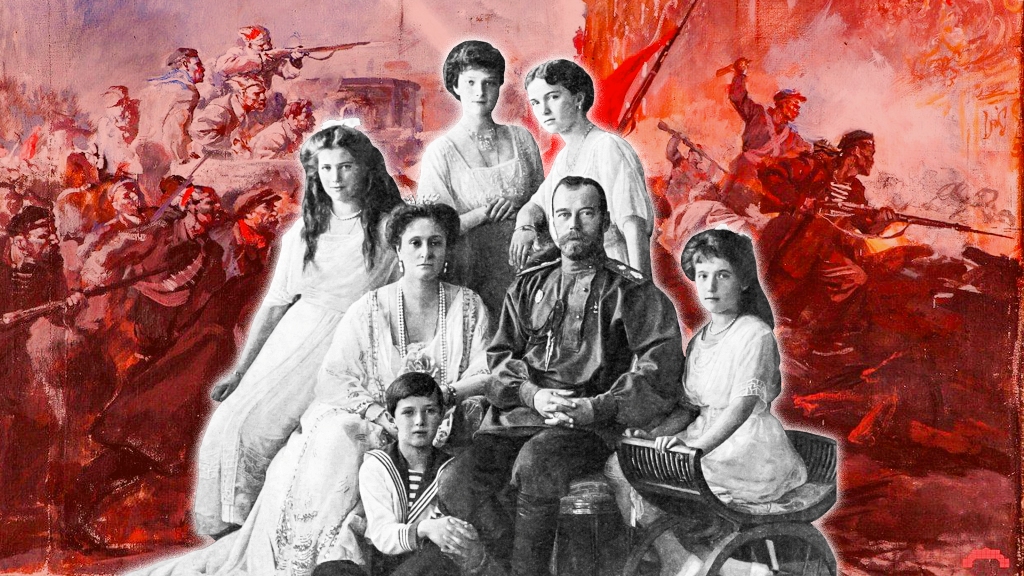
What happened to the Romanovs after the 1917 Revolution? + PHOTOS
The Bolsheviks brutally dealt with the tsar and his family, as well as about a dozen of their relatives. However, some did manage to escape and some even remained in Soviet Russia.
Source: Gateway to Russia. 25 May 2026
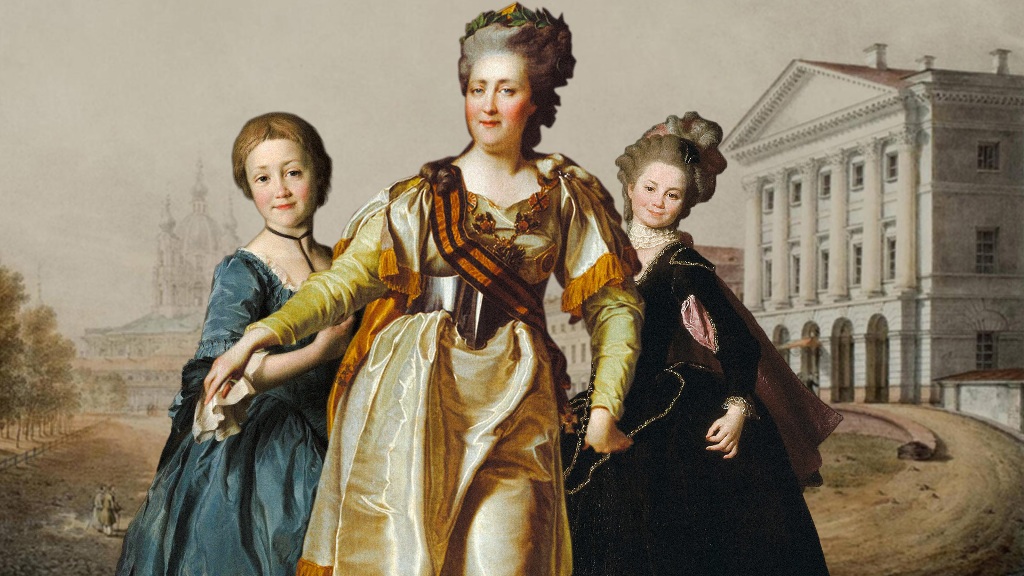
Why did Catherine the Great decide to… educate women? + PHOTOS
The Smolny Institute, founded by the empress on May 16, 1764, became not only the first educational institution for women in Russia, but also an important milestone in the history of society.
Source: Gateway to Russia. 16 May 2026
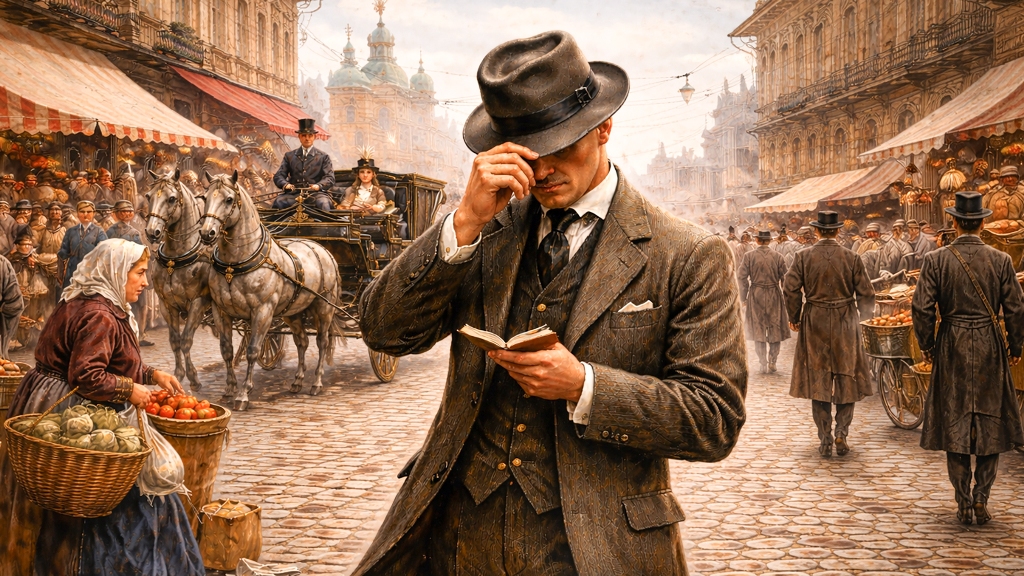
What did a FILER do in Tsarist Russia?
Being a filer (from the French word ‘filer’ – ‘to track’) in Tsarist Russia was no easy task. They were the “eyes and ears” of the political and criminal police, acting as surveillance field agents. Their job was to monitor individuals of interest to the state: revolutionaries, members of opposition organizations and dangerous criminals.
Source: Gateway to Russia. 18 April 2026
© Paul Gilbert. 30 June 2026
 Nicholas II
You must be logged in to post a comment.