New monument to Nicholas II and his family unveiled in the Surgut district

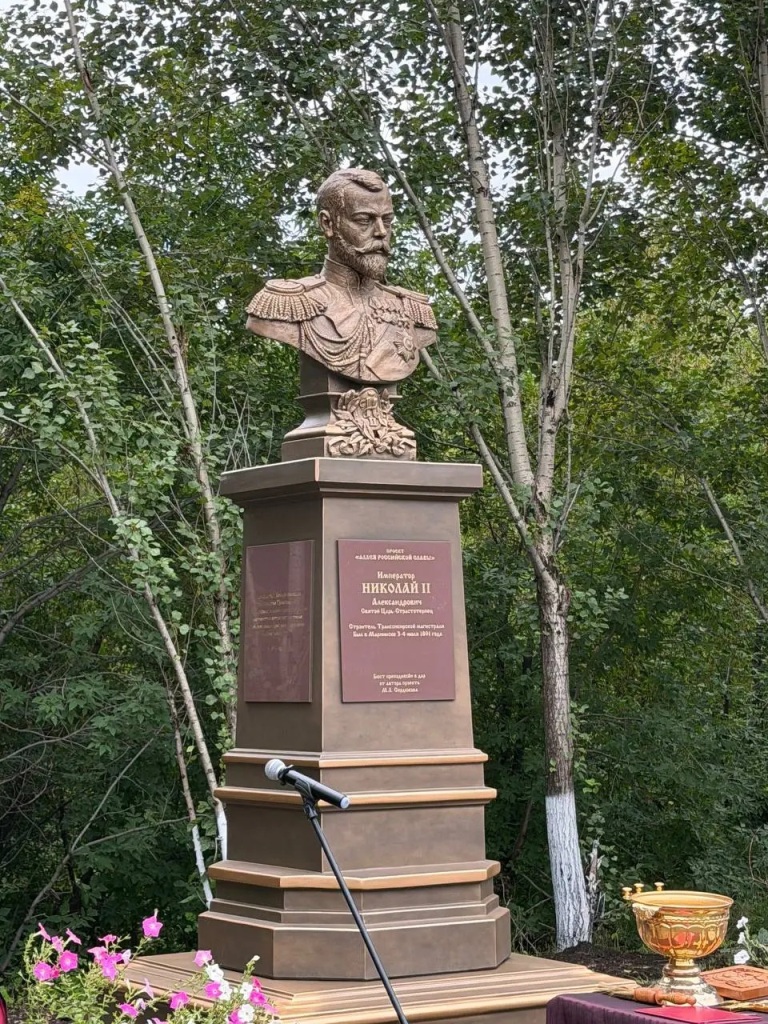
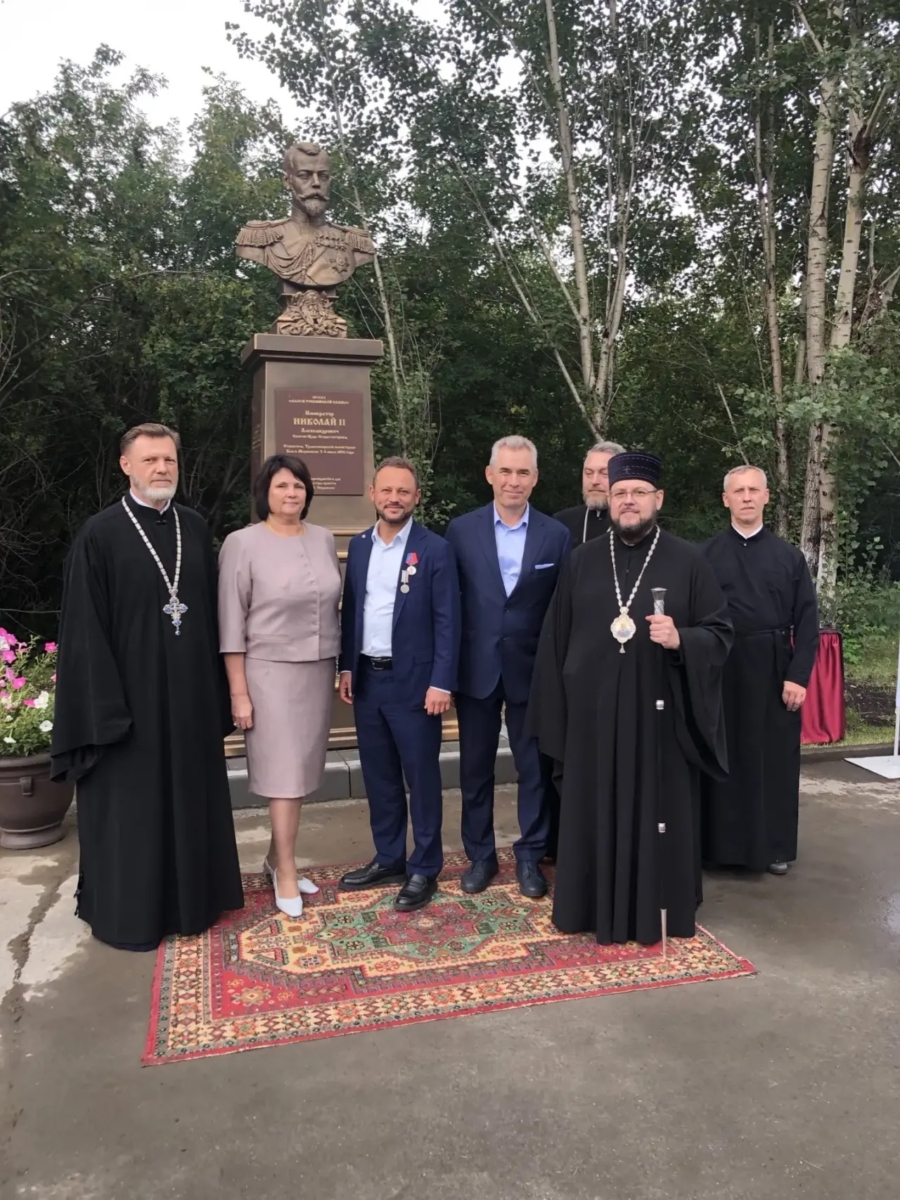
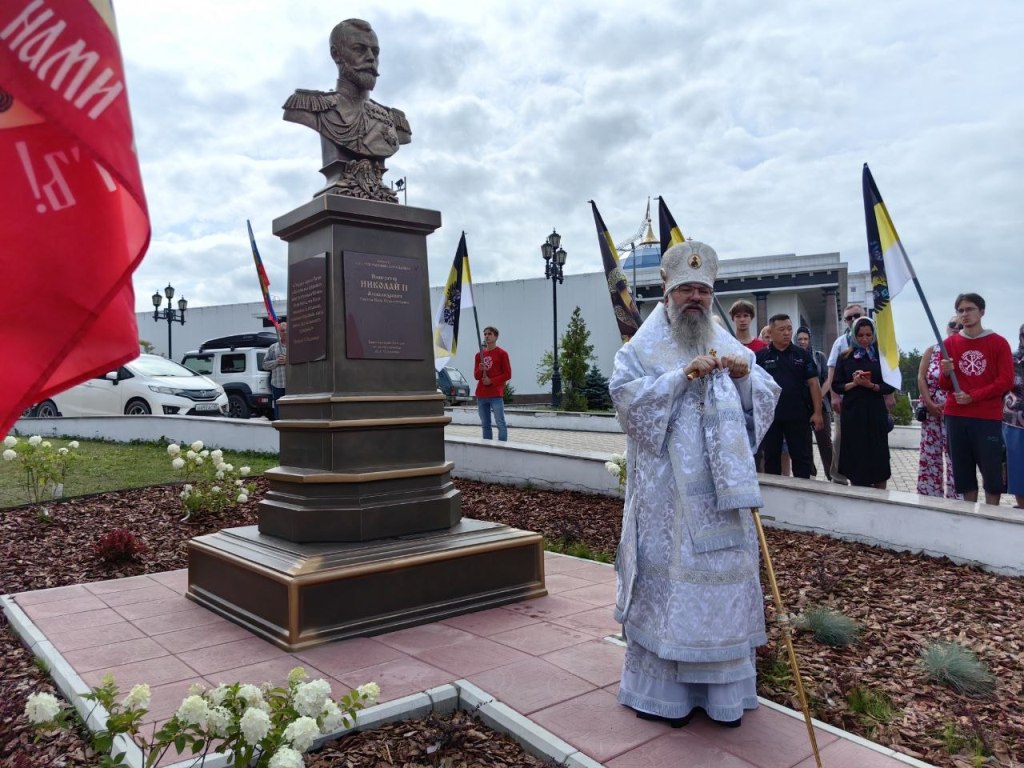
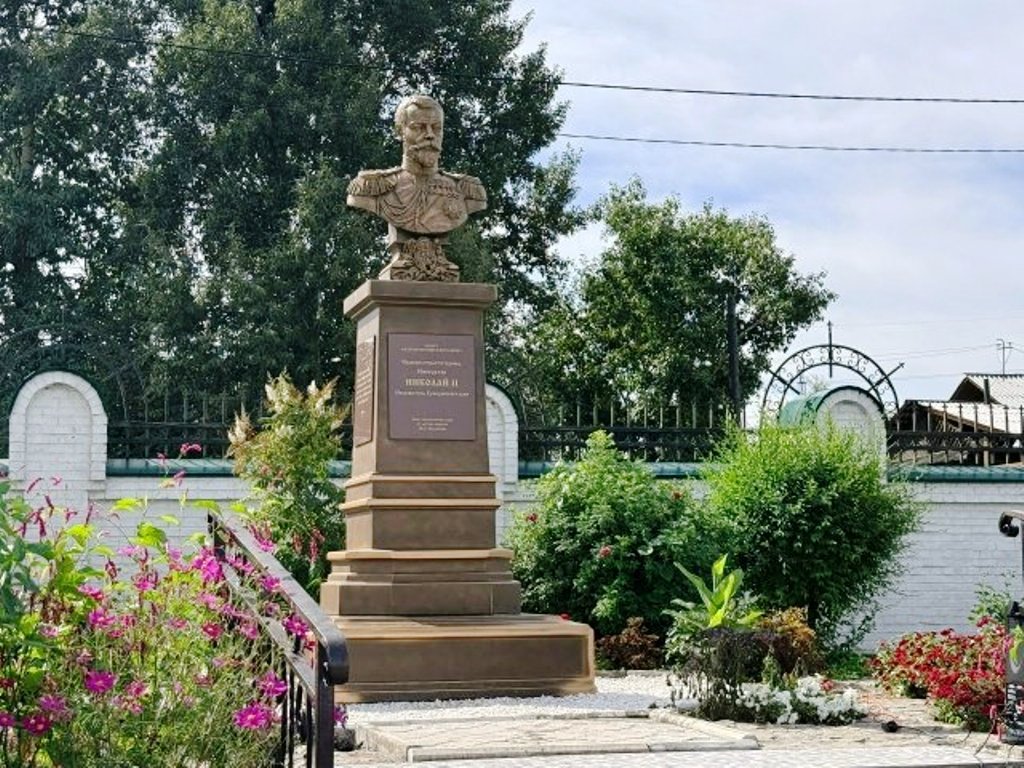
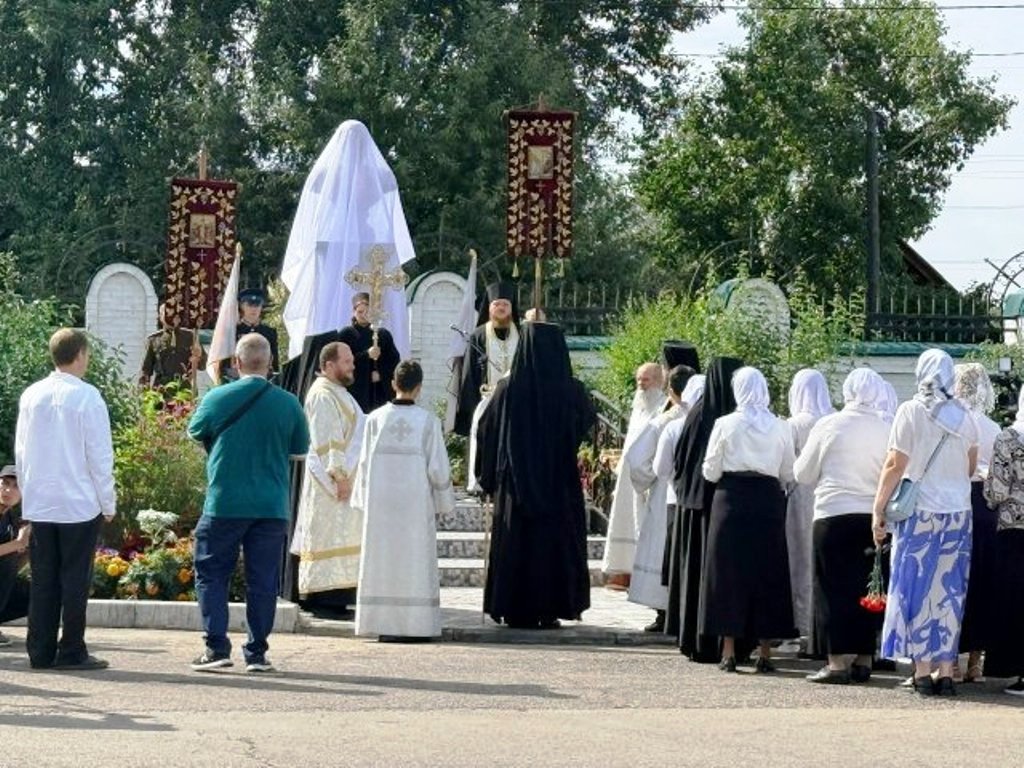
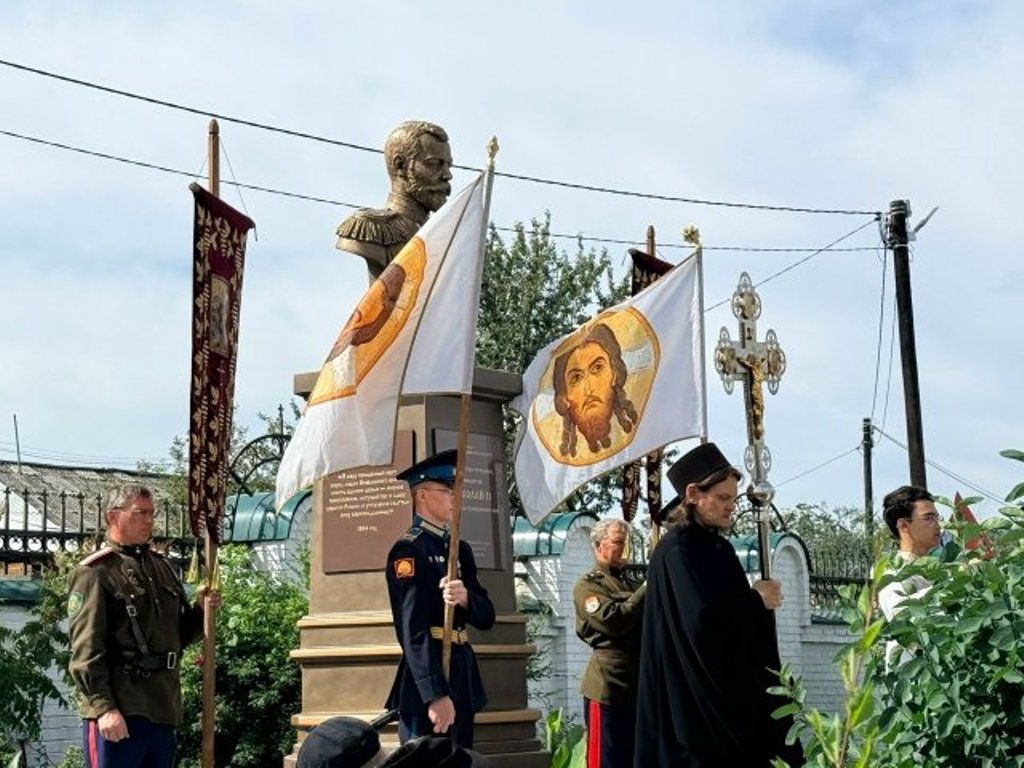
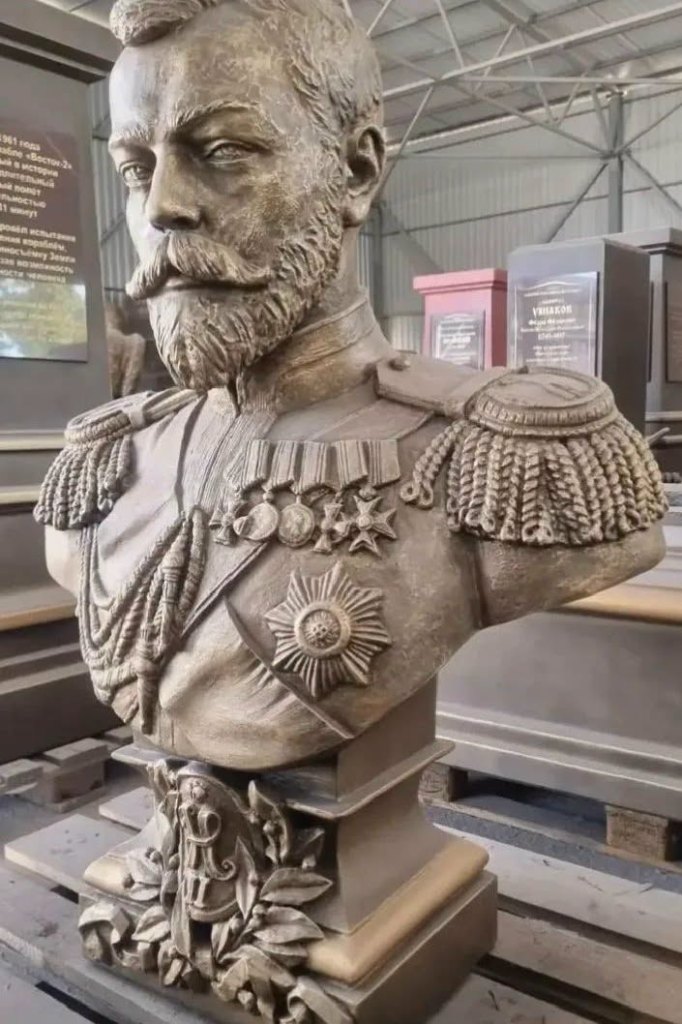
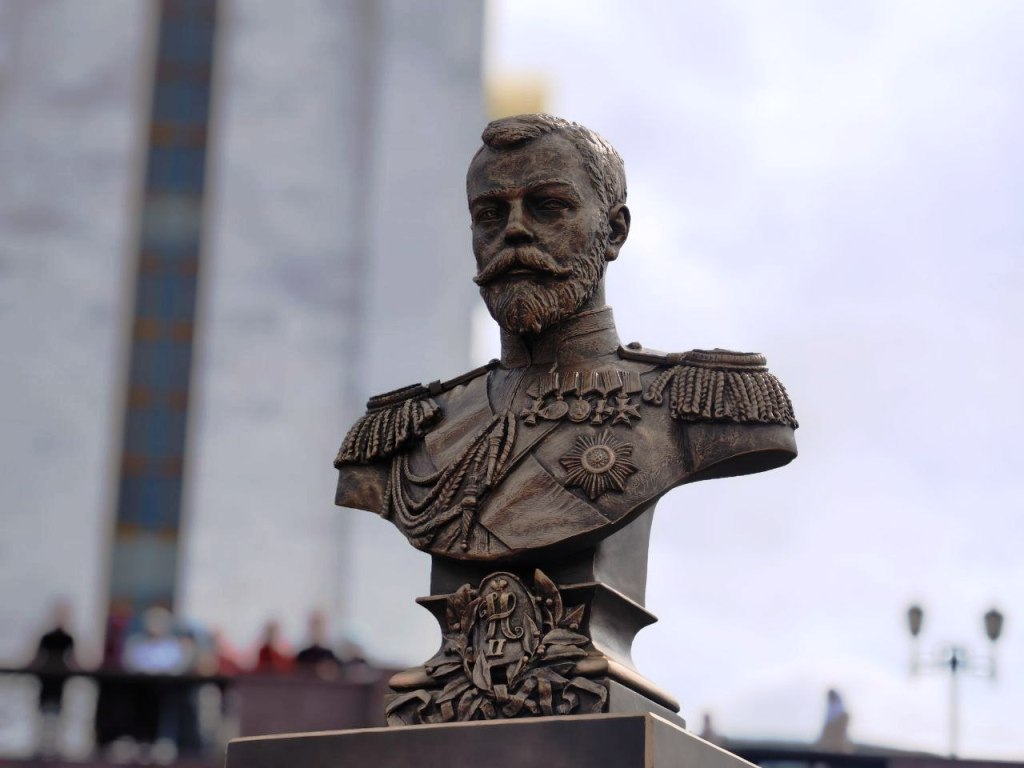
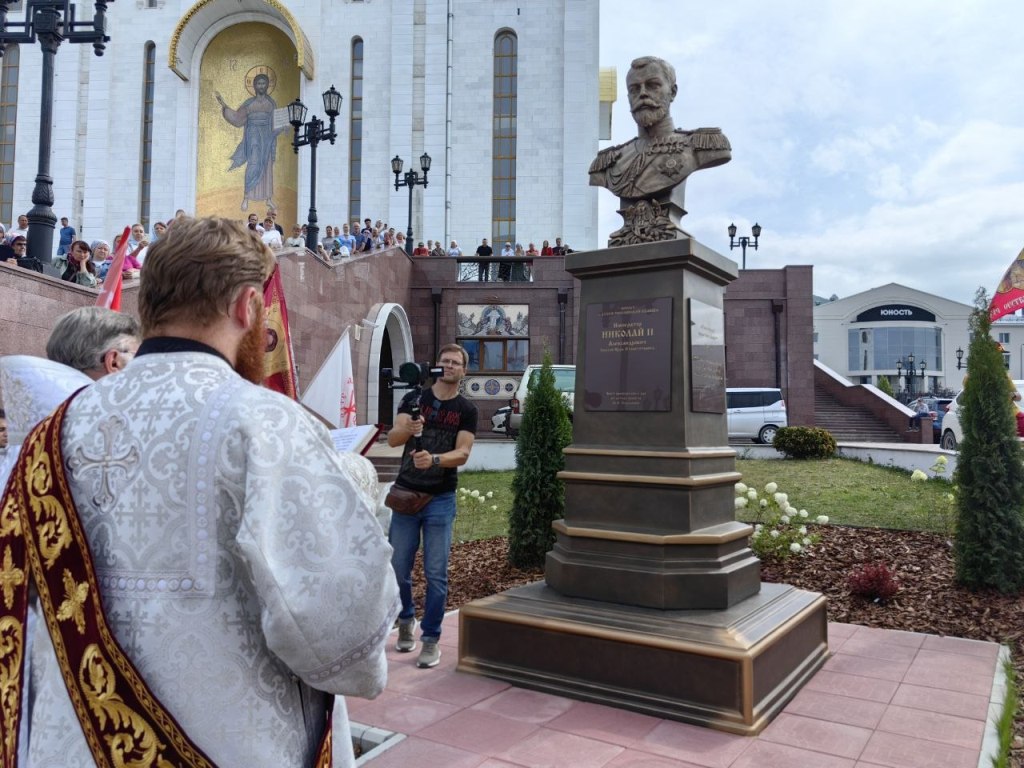
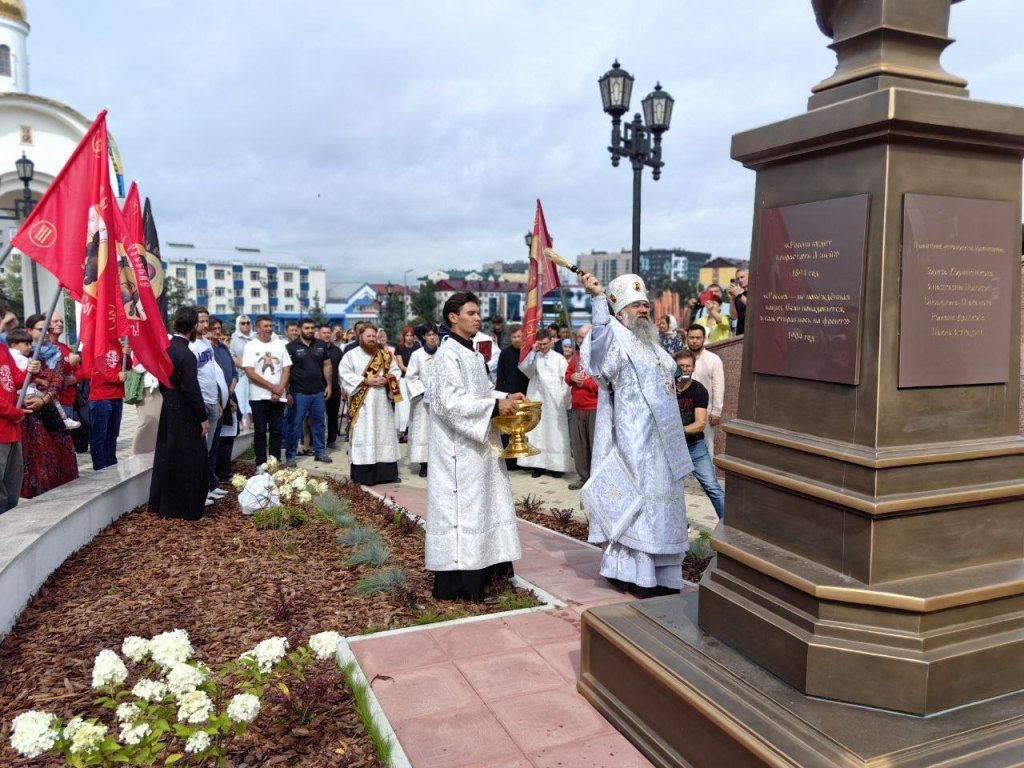
On 19th August 2026, a new monument to Emperor Nicholas II and his family was unveiled and consecrated on the grounds of the Church of of the Kazan Icon of the Mother of God, situated in the village of Bely Yar, Surgut district.

The opening of the monument is timed to the 135 years ago, the heir to the throne visited Ugra.during a trip across the Russian Empire following his Eastern Journey (1890-91).

Historical documents in the district archives note: “On 21st (O.S. 8th) July, 1891, at 5 o’clock in the evening, the heir to the throne, Tsesarevich and Grand Duke Nicholas Alexandrovich [future Emperor Nicholas II], arrived at the Beloyarsk wharf, which is seven versts from Surgut, on the steamer “Nikolai“.

The consecration of the bronze sculpture of the Holy Royal Passion-Bearers was performed by Metropolitan Pavel of Khanty-Mansiysk and Surgut.

The opening and consecration ceremony was attended by the Governor of Ugra Ruslan Kukharuk, co-founder of the Sibpromstroy group of companies Nikolai Storozhuk, as well as local politicians of the Surgut district.

“The opening and consecration of the monument is one of the most important moments in the construction of the temple complex,” the Holy Trinity Cathedral of Surgut reported. “The monument is designed to remind us of love for the Motherland and the desire for a pious life. The Royal Passion-Bearers – Nicholas II, Alexandra Feodorovna and their children – became a symbol of family fidelity and spiritual fortitude. Their canonization [on 20th August 2000] tells us about the importance of mercy, humility and trust in God even in the most difficult trials.”

Construction of the Church of of the Kazan Icon of the Mother of God began in the 2010s. The domes and crosses on the building were installed at the end of 2018, work on the interiors and landscaping are currently near completion.

© Paul Gilbert. 19 August 2026

A monument to the famous Fabergé jeweller Mikhail Perkhin unveiled in Karelia

Photo © Respublika / Oksana Kudryashova

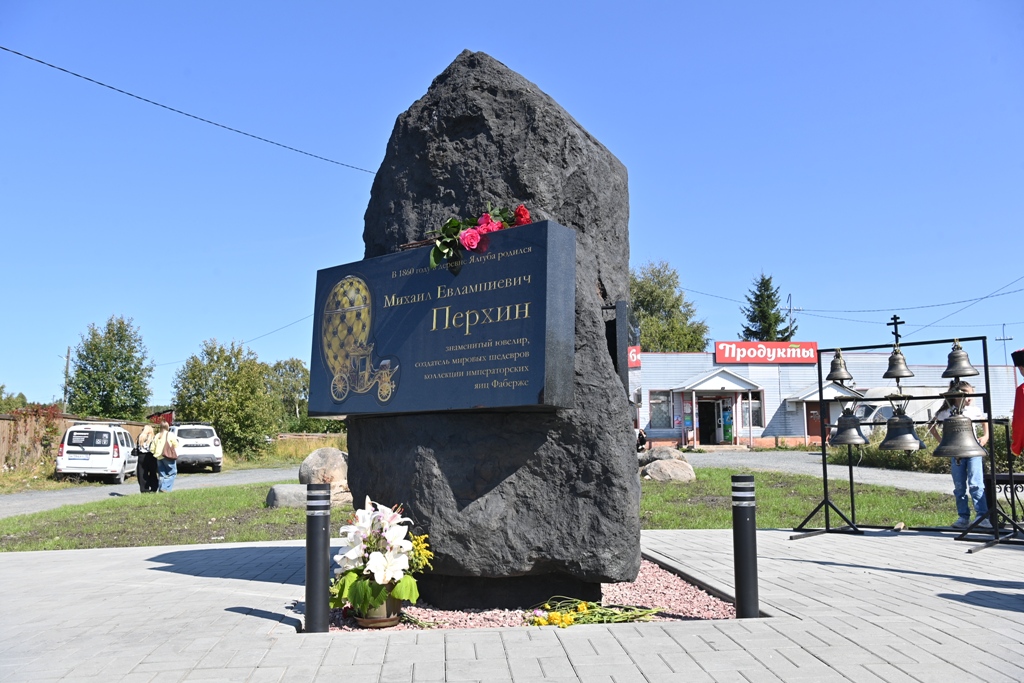
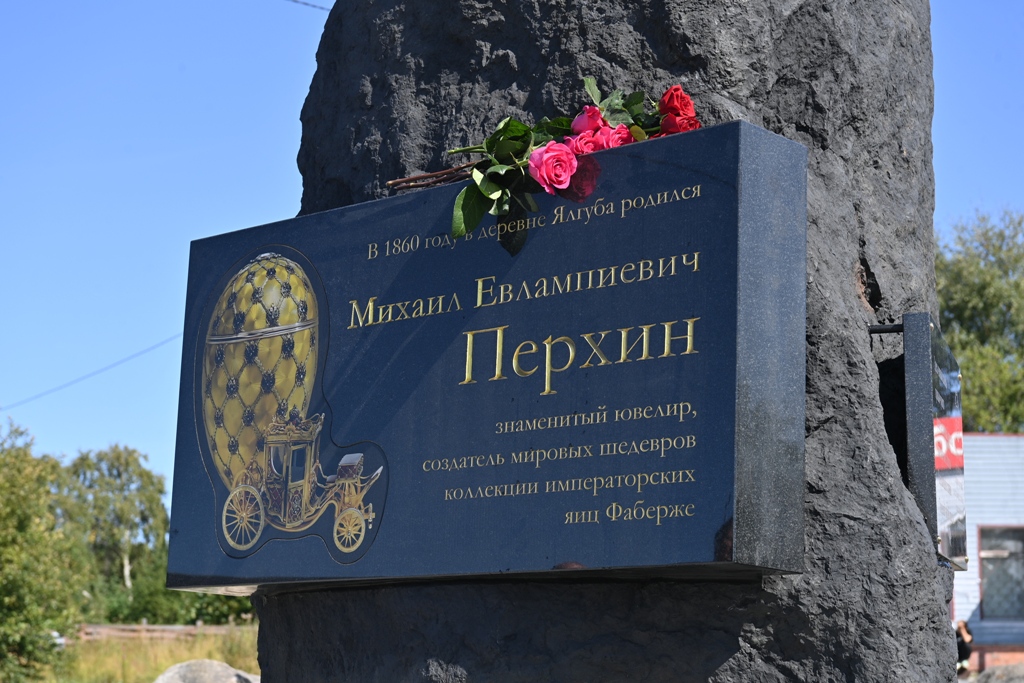
On 15th August 2026, a monument to Mikhail Evlampievich Perkhin (1860-1903), the outstanding master who created more than half of the famous Fabergé Imperial Easter Eggs was unveiled in the village of Yalguba.

The monument was installed on the village embankment, in front of No117 Tsentralnaya Street in the village of Yalguba, Prionezhsky District.

“Today we are opening a memorial to our famous countryman Mikhail Perkhin, a man who, as a jeweller of the House of Fabergé, glorified this world-famous jewelry house with his work. We also remember Mikhail Perkhin as a philanthropist and trustee who supported education here in Yalguba and invested a lot of time and money in supporting the local church,” said Olga Shmaenik, Vice-Speaker of the Parliament of Karelia.

“I am happy that today the successors of his work, patrons and philanthropists helped us create such an amazing art object. I thank the initiative group, historians, architects and designers. I am sure that this place will become a point of attraction not only for residents of the Karelian republic, but also for visitors to Yalguba,” she added.

The new monument was based on the famous Coronation Egg, created by Perkhin in 1897. Hidden inside the egg is a miniature gilded carriage, a tiny replica of the original from the Holy Coronation of Emperor Nicholas II in Moscow in May 1896. The plaque on the face of the monument is made of gold, depicted on a gabbro-diabase slab and attached to a shungite stone.

The project was brought to life by sculptor Alexander Laliashvili and landscape designer Evdokia Dembo. The financing of the manufacture and installation of the monument, as well as the surrounding landscaping, was undertaken by EFER LLC and the chairman of the board of directors of the Yuri Gorban firm.

Photo © Respublika / Oksana Kudryashova

Mikhail Evlampievich Perkhin was born on 3rd June (O. S. 22nd May) 1860, in the village of Okulovskaya [renamed Yalguba] into a peasant family with Russian and Karelian roots. Mikhail was the fifth of seven children born to Evlampy Arsenyevich (1825-1877) and Anna Trefilovna (1821-1899).

In his youth, Mikhail went to St. Petersburg, where he worked his way up from an ordinary student to the owner of his own workshop under the auspices of the House of Fabergé with the right to put his personal hallmark on the items he produced. Mikhail Perkhin made 28 of the 50 Imperial Easter Eggs for Emperors Alexander III and Nicholas II. The eggs he was responsible for were marked with his initials.

About 20 thousand pieces of jewellry were made in Perkhin’s workshop. The workshop produced chased and engraving works on gold and silver, stone frames, exquisite pieces of jewellry and gifts: rings, earrings, snuffboxes, hairpins, caskets, cigarette cases and much more.

From 1896-1903, Perkhin served as a trustee of the Yalguba Zemstvo School. In 1899-1900, he donated expensive gilded silver liturgical vessels and a gold plaque with chased patterns with the names of his parents and relatives to the local church in the name of St. Nicholas the Wonderworker. The church was built in 1809, and demolished by the local Soviet in November 1930.

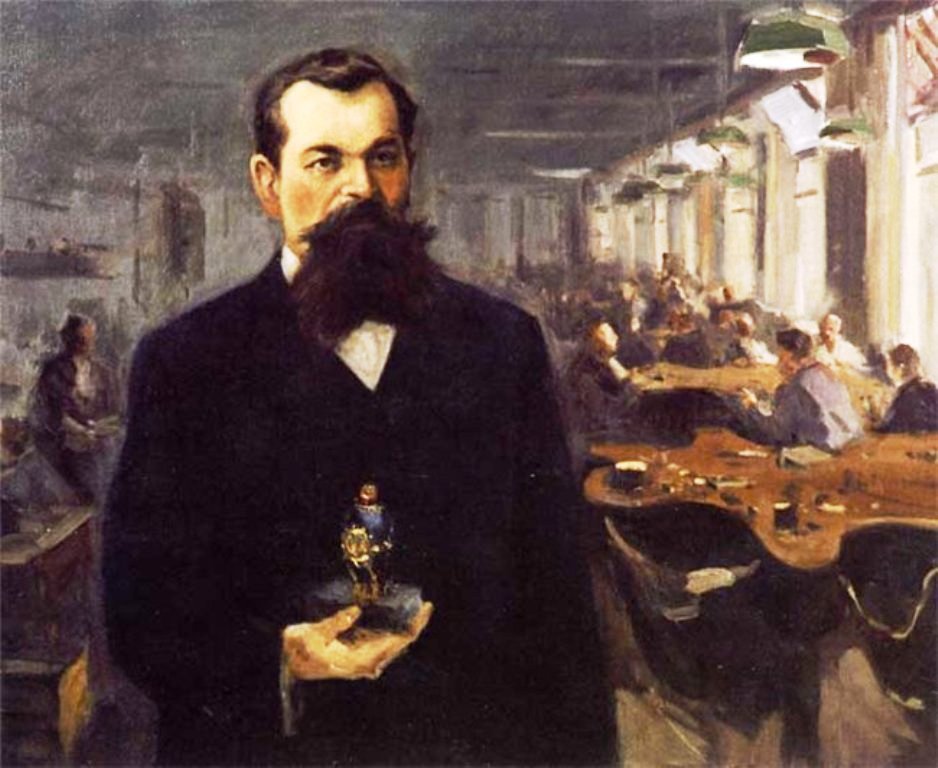
Portrait of Mikhail Evlampievich Perkhin (2011).
Artist: Anatoly Perevyshko (b. 1952).

 In 1884, he married 16-year-old Tatyana Vladimirovna Finnikova, the daughter of his teacher. The couple had five children: four daughters and one son.

In 1886, Mikhail received the title of master, the right to a personal brand “M. P.” (Mikhail Perkhin) and was invited by Carl Fabergé to work in the jewellry workshop of the Fabergé firm

In 1895, Perkhin was awarded the title of personal honorary citizen as a reward for the execution of imperial orders. In the same year, the family moved to Tsarskoye Selo, where Mikhail bought a wooden house for permanent residence.

Mikhail Evlampievich Perkhin died on 10th September (O. S. 28th August) 1903 – aged 43 – from “spinal cord dryness” [aka Disc desiccation] in a hospital for the mentally ill. He was buried at the Novodevichy Cemetery in St. Petersburg. His wife died in 1907 in Tsarskoye Selo and was buried at the Novodevichy Cemetery in St. Petersburg near her husband’s grave.

Mikhail Evlampievich bequeathed his workshop and all the tools to his first assistant Henrik Immanuel Wigström (1862-1923). He left 25 thousand rubles to his wife and five children, and 500 rubles to his sister Maria. He left 100 rubles to each of his Godchildren, apprentices, and employees.

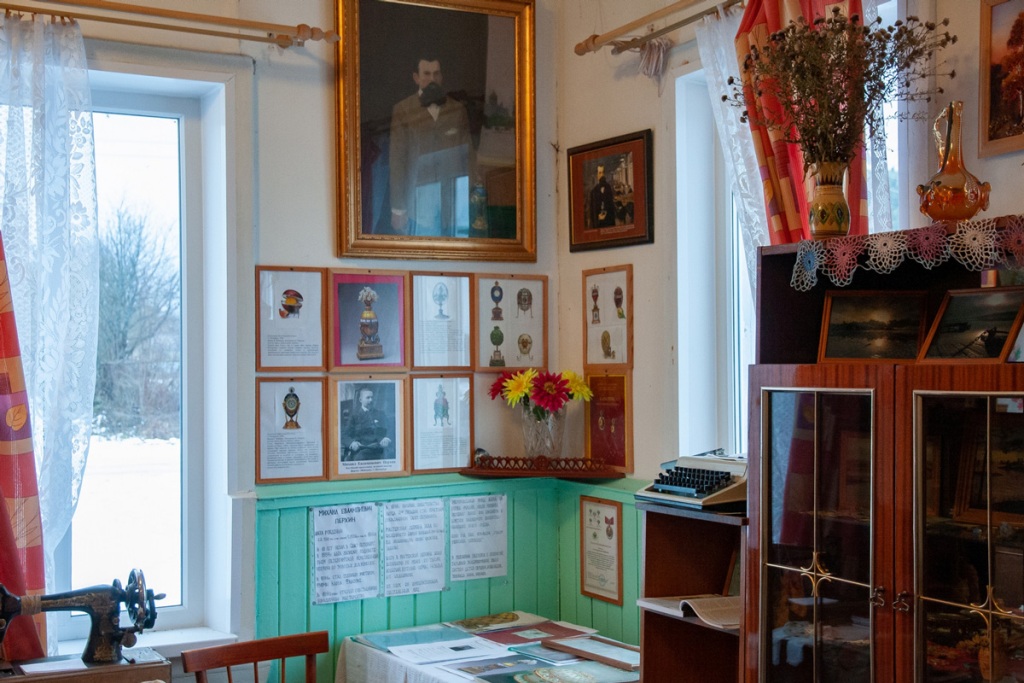
A corner of the local history museum in Yalguba is dedicated to Mikhail Perkhin

At the end of the 20th century, the grave of Mikhail Perkhin was first discovered and the lost tombstone was restored by the scientific secretary of the Carl Fabergé Memorial Foundation, andjewellry historian Valentin Vasilyevich Skurlov [b. 1947] and the chairman of the Union of Jewelers of the North-West Alexander Sergeevich Gorynya.

In the local history museum, in his native Yalguba, there is a small permanent exhibition dedicated to Mikhail Perkhin. Among the exhibits are a portrait of the jeweller made by the artist Anatoly Perevyshko (seen above) and donated to the museum, several coloir photocopies of his works, a photocopy of his birth record from the local parish book, a photo album, a book about the master, and the genealogy of Mikhail Evlampievich.

© Paul Gilbert. 15 August 2026

Monument to Russian Glory in Belgrade was the world’s first monument to Nicholas II

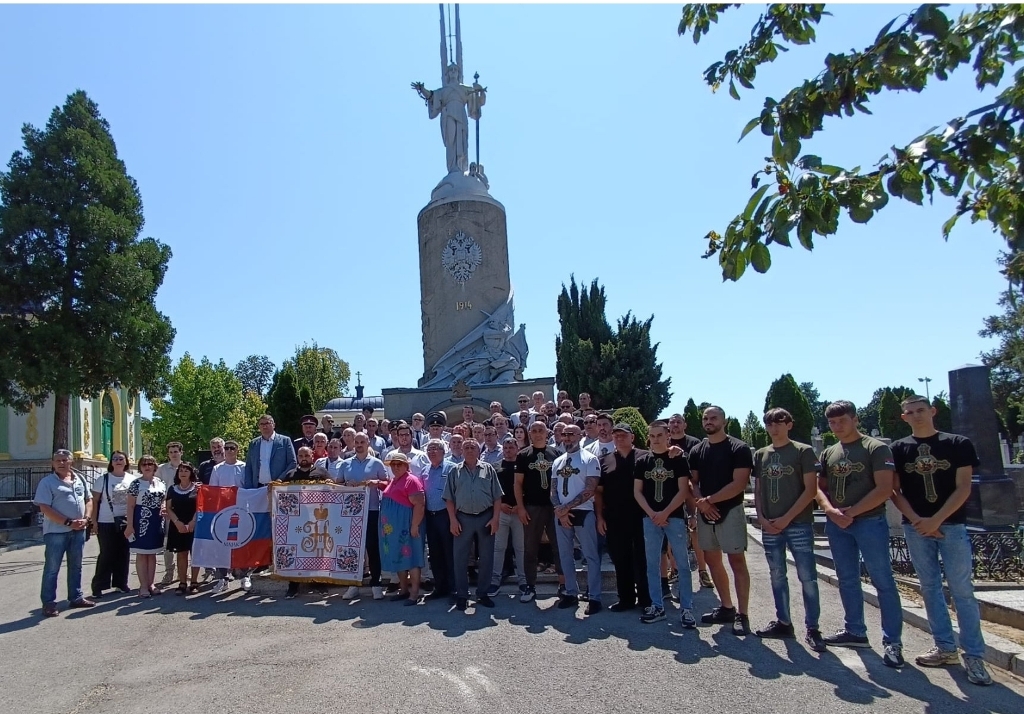
PHOTO: on 3rd August, members of the National Council of the Russian National Minority gather at the Monument to Russian Glory to honour Tsar Nicholas II and soldiers of the Russian Imperial Army, who died during the Great War (1914-18)

Many readers may be surprised to learn that the world’s first monument to honour Emperor Nicholas II was NOT installed in Russia, but in Serbia. The Monument to Russian Glory was completed and consecrated in January 1936, in the Russian Necropolis of the New Cemetery in Belgrade. The monument also honours soldiers of the Russian Imperial Army who died during the First World War.

It is interesting to note, that Russia’s last Tsarwas canonized as a saint by the Serbian Orthodox Church in 1938 – 43 years BEFORE the Russian Orthodox Church Outside Russia (ROCOR) in 1981 and 62 years BEFORE the Moscow Patriarchate of the Russian Orthodox Church in 2000.

Russia’s first monument to Nicholas II was installed on 17th July 1993, on the grounds of the Feodorovsky Sovereign Cathedral at Tsarskoye Selo. Since the fall of the Soviet Union in 1991, more than 125 monuments, busts and memorial plaques have been installed in 46 regions of the Russian Federatuon. The Serbian capital Belgrade, features no less than 3 monuments to Nicholas II.

PHOTO: the Monument to Russian Glory in Belgrade, Serbia.
The Iverskaya [Iberian] Chapel can be seen on the left.

The Monument to Russian Glory, was created on the initiative of the Association of the Former Imperial Officers and other Military Conscripts, with the support of members of the White Russian émigré community in the Kingdom of Yugoslavia (now Serbia) in the interwar period.

The monument is located at the edge of the Russian Necropolis of the New Cemetery. Situated near the monument is the Iverskaya [Iberian] Chapel, designed by Valery Vladimirovich Stashevsky. The design for the chapel is a replica of the original chapel in Moscow which the Bolsheviks demolished that same year, and reconstructed in 1994-95.

The monument itself, was built according to the project of the prominent Russian architect Roman Nikolaevich Verkhovskoy (1881-1968). The foundation stone was laid on 19th July 1934.

King Aleksandar I Karadjordjevic (1888-1934) donated 5,000 dinars for the monument’s construction. The completed monument above the Ossuary with the statue of the Archangel Michel, as well as the Iverskaya [Iberian] was officially unveiled on 24th May 1935. It was consecrated on 12th January 1936.

VIDEO: on 3rd August 2026, members of the National Council of the Russian National Minority gather at the Monument to Russian Glory to honour Tsar Nicholas II and soldiers of the Russian Imperial Army, who died during the Great War (1914-18). Duration: 17 minutes, 23 seconds

On 3rd August 2026, on the the day marking the 112th anniversary of the Russian Empire’s entry into the First World War to defend Serbia and the 110th anniversary of the formation of the First Serbian Volunteer Division, a memorial service and tribute to Tsar Nicholas II and the Russian soldiers who died for the Serbs.

The event was organized by members of the National Council of the Russian National Minority. May this important date of 1st August and the magnificent gathering in Belgrade in 2026 be remembered.

***

FURTHER READING

Nicholas II through Serbian Eyes + PHOTOS

1st August 1914 – the beginning of the end of the great European monarchical Empires

© Paul Gilbert. 8 August 2026

NEW BOOK -The Real Tsaritsa’ by Lili Dehn

*You can order this title from most AMAZON outlets, including
the United States, United Kingdom, Ireland, Canada, Australia,
France, Germany, Spain, Italy, Netherlands, Belgium, Poland, Sweden,
Brazil, Mexico and Japan
*Note: prices are quoted in local currencies

CLICK HERE TO ORDER THE HARD COVER EDITION @ $25.00 USD

CLICK HERE TO ORDER THE PAPERBACK EDITION @ $20.00 USD

CLICK HERE TO ORDER THE EBOOK (KINDLE) EDITION @ $9.99 USD

English. Size: 8-1/2″ x 5-1/2″. 231 pages.

***

NOTE: this book was originally published in 2021. This NEW 2026 edition features a beautiful sepia-colour cover and is available in a hard cover edition for the first time.

***

Rumour was busy in her lifetime with amazing tales about the late Empress of Russia; how much or little truth lay behind such rumours was known only to her few closest friends, and one of the few was Lili Dehn (1888-1963).

Great-granddaughter of Prince Koutousoff, the famous defender of Moscow against Napoleon I, Lili Dehn was admitted, after her presentation at Court, into the home circle of the Tsaritsa, and a great friendship grew up between them. Her study of the Empress’s personality, habits, views, life as she led it, is intimate and illuminating.

Here is the truth about Rasputin, with new light on the legend of his alleged “power over” the Imperial Household, the inner reason for the scandalous reports circulated concerning him and the Empress, and a grim, enthralling account of his death and burial. Lili Dehn was the first person to whom the Empress came with the news of the Tsar’s abdication, and she witnessed his return after that supreme humiliation.

There are dramatic elements in the narrative of the early days of the 1917 Revolution; life at Tsarskoye Selo while the Tsar and his family were under house arrest in the Alexander Palace; and in the record of the writer’s own imprisonment and adventurous escape. The interest of the book is intensified by the letters written to Lili Dehn by the Tsaritsa from captivity in Tobolsk and Ekaterinburg. This revelation at first hand of the whole tragedy of the Empress, as a wife and a mother, and of all that led to the downfall of a great dynasty, makes a profoundly human appeal.

PHOTO: Lili Dehn with Empress Alexandra Feodorovna. Crimea. 1913

Lili Dehn reflects on Russia’s much slandered Empress

“The first idea of writing this book occurred to me some time after my arrival in England. I had always known that the Empress had been grossly misrepresented in Russia, but I had not attached much importance to the fact, as I had seen the Revolutionary propaganda, and I fully realized the methods of the Revolutionaries in relation to the Imperial Family. I was, however, astonished and horrified to discover that the same ideas were current in the broad-minded and enlightened country which has afforded me and so many other fugitives such kindly sanctuary.

“If possible, I think the Empress has been more universally condemned in England than in Russia. I have scarcely heard her name mentioned without its being coupled with the degrading attributes of treachery, sensualism, hysteria, and religious mania. To one who knew her intimately and who loved her devotedly, such a state of things is unspeakably painful. I accidentally saw a film which was the grossest libel on her character and her personality, the mind of the producer having been apparently bent upon presenting the Empress as a combination of the chief forms of lurid wickedness which appeal to patrons of the cinema. I have also read novels about her which, whilst enraging me as mendacious chronicles, have considerably enlightened me as to the capacity for invention of which the human imagination is capable. More serious works have condemned the Empress in a courteous manner, but they have been none the less scathing in their judgment. Some writers, after the story of Ekaterinburg was authentically given to the world, have been more tolerant and more pitying in their censure, but it has been always censure. Therefore, in the face of such hatred and contempt for one at whose hands I have received nothing but kindness and love, I determined to write my impressions of the Empress as I knew her, both in the happy days and afterwards in those of war and unrest during the first dark weeks of the Revolution.

I reasoned, I trust with justice, that although the majority of people are always ready to believe the worst of anyone, there must be others who, in the spirit of fair play, would be willing to look on the reverse side of the picture. There must surely be friends and relations in England who would welcome facts which proved that the Empress had been true to her English upbringing and to the traditional right living of the descendants of Queen Victoria. English people seem to have forgotten, when the Empress was vilified on the screen and in cold type, that she was the daughter of Princess Alice, a name which is associated with all that is noblest and best in woman, a name which alone, one might have thought, would have pleaded for that of her daughter. But nothing protected her, not even the facts that her first cousin was King of England and that one of her sisters was married and living in this country. I knew the almost impossible task of rehabilitation which lay before me, but, as the task daily assumed greater proportions, love and pity for my beloved friend urged me to attempt.”

The Real Tsaritsa by Lili Dehn was first published in English in April 1922 in London by Thornton Butterworth Ltd., followed by a US edition later that year from Little, Brown and Company.

PHOTO: Lili Dehn (left), Anna Vyrubova (center) and Grand Duchess Tatiana Nikolaevna (right), having tea at Vyrobova’s house in Tsarskoye Selo .1907

Who was Lili Dehn?

Lili Dehn (born Yulia Alexandrovna Smolskaia; 1888–1963) was a Russian aristocrat, memoirist, and close personal friend of Empress Alexandra Feodorovna during the final years of the Russian Empire.

Lili was born on 9th August (O.S. 27th July) 1888, at the family estate in southern Russia, Revovka, the home of her ancestor General Mikhail Kutuzov, victor over Napoleon in the invasion of Russia in 1812. Her parents were Ismail Selim Bek Smolsky and Catherine Horvat. Both sides of her family had a long history in Russia. Her parents divorced when she was eleven and her mother later remarried. Her maternal grandmother then helped raise Lili.

Lili was educated by tutors at home and understood very little Russian as a child because her family spoke French. When she was a young girl, she loved listening to the popular stories of old Russia told by her maternal grandmother and her childhood nanny. Later she had an English governess. She loved her childhood estate, and every time she went to visit her uncle in Livadia, she took with her a bit of Revovka soil to remind him of home.

Lili married in 1907 in Yalta Carl Alexander “Joachimovitch” Akimovich von Dehn, a Russian naval officer whose family was from Tallinn, Estonia, Finland and Sweden. Dehn was an officer on the imperial yacht Standart and was a favourite of the imperial children. The Tsarina took an interest in Dehn’s new wife and became friends with her after the marriage.

The Tsarina was the godmother of the Dehns’ son, Alexander Léonid, born 9th August 1908 and nicknamed him “Titi”. Alexander was baptized according to the Lutheran rite, which was required by her husband’s family to maintain an inheritance. Alexandra remained troubled by the fact that her godson had a Lutheran baptism and insisted seven years later that the child be rebaptized in the Russian Orthodox Church. The Dehns granted her request.

Lili trained as a Red Cross nurse during World War I and treated wounded soldiers in a military hospital.

PHOTO: Lili Dehn in exile – year unknown

She was with the Imperial family at the outbreak of the Russian Revolution of 1917 and helped care for the Imperial children and the Tsarina’s friend, Anna Vyrubova, who was also Dehn’s distant cousin, during a measles epidemic. She witnessed the abdication of the Tsar and the imprisonment of the family by the new provisional government. Dehn left the palace and tried to persuade the provisional government to place the imperial family under house arrest in their own home because her son Alexander was dangerously ill.

Lili fled Russia aboard the ship SS Kherson with her mother and son via Turkey and Greece. They eventually reached England. The family first settled in England, where the von Dehns had two more children, Catherine, in December 1919, and Maria, in April 1923.

They later moved to her father’s estate, Hołowiesk near Bielsk Podlaski, in eastern Poland. Her husband died in 1932. After World War II broke out, Lili was forced to emigrate again and ended in Caracas, Venezuela, with her son Alexander and her daughter Maria. In 1958 she moved with Maria and her husband Kurt Happe to the United States and then to Rome

Lili Dehn died in Rome on 8th October 1963 at the age of 78. She was buried in the Testaccio Cemetery (grave No 820).

© Paul Gilbert. 4 August 2026

1st August 1914 – the beginning of the end of the great European monarchical Empires

On 1st August [O.S. 20 July] 1914, the Russian Empire entered the First World War, the Great War, which became one of the largest and most tragic events of the 20th century. It not only changed the political map of the world, but also marked the end of the centuries-old era of the great European monarchical Empires.

The reason for the outbreak of war was the murder in Sarajevo of the heir to the Austro-Hungarian throne, Archduke Franz Ferdinand, and his wife Duchess Sofia, on 28th (15th O.S.) June 1914 by members of the Mlada Bosna organization led by Gavrilo Princip. It is noteworthy that the assassination took place on Vidov Day, a sorrowful date for the Serbian people associated with the defeat on Kosovo Polje in 1389.

On 23rd (O.S. 10th) July, Austria-Hungary presented Serbia with an ultimatum, and a few days later declared war on the Balkan kingdom. Russia, fulfilling its allied duty and speaking out in defense of Orthodox Serbia, began a general mobilization. In response, on 1st (O.S. August (O.S. 19th July), the German Empire declared war on the Russian Empire. Following this, the largest powers of Europe, and then dozens of other nations, were involved in the armed confrontation.

The war engulfed 38 countries. About 74 million people were mobilized into the ranks of the armed forces, more than 10 million of whom died or died of wounds. In the Russian Empire, contemporaries called this conflict the Great War, the Second Patriotic War or the Great Patriotic War, emphasizing its national character and significance for the fate of the Fatherland.

The Russian Imperial Army performed its duty with honor, showing courage and dedication on the battlefields. However, the revolutionary events of February and October 1917 led to the collapse of the monarchy and historical Russian statehood. After the seizure of power by the Bolsheviks, the Brest-Litovsk Peace Treaty was concluded with Germany and its allies, which meant Russia’s withdrawal from the war on the most difficult terms. This decision entailed huge territorial losses, became one of the reasons for the Civil War and marked the end of the Russian Empire.

On 11th November 1918, the First World War ended. The Entente states celebrated the victory, but Russia, which suffered colossal human sacrifices and made a huge contribution to the fight against the Central Powers, was no longer among the victorious powers.

One of the most tragic results of the Great War was the disappearance of four great Empires at once – Russian, German, Austro-Hungarian and Ottoman. Their fall meant not just a change of state borders, but the end of an entire historical epoch that for centuries determined the political, cultural and spiritual image of Europe. Instead of the long-awaited lasting peace, the continent received new contradictions, revolutions and upheavals, which two decades later led humanity to an even more terrible catastrophe – World War II.

© Paul Gilbert. 1 August 2026