Rare portrait of Nicholas II on display at Bavaria exhibit

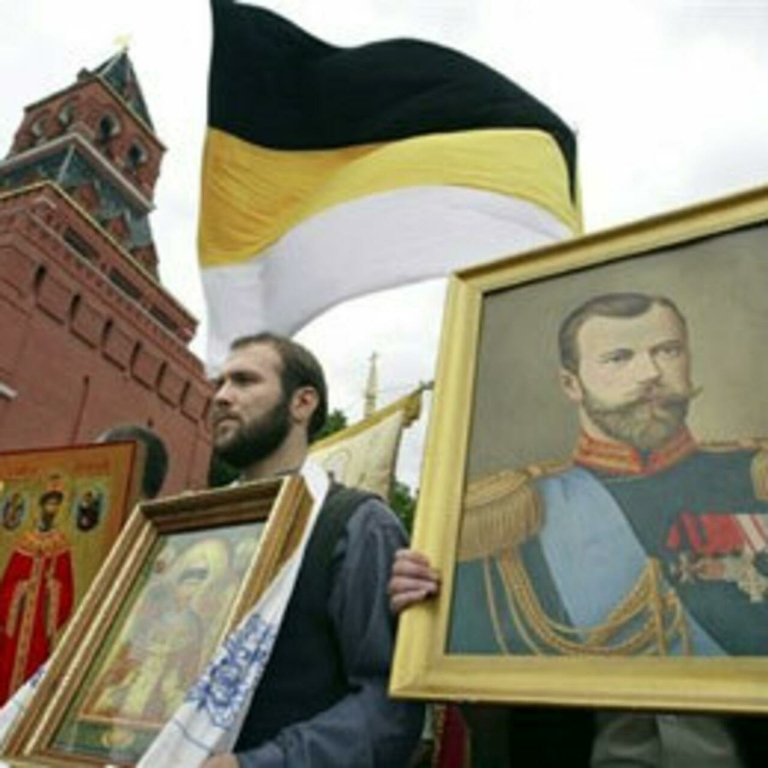
Portrait of Tsarevich and Grand Duke Nicholas Alexandrovich (1889), the future Emperor Nicholas II, by the artist Baron Ernst Friedrich von Liphart (1847-1932), Russified as Ernst Karlovich Lipgart. Lipgart painted at least six portraits of Russia’s last monarch, including several ceremonial portraits.

This magnificent portrait is currently on display in the Twilight of the Gods II – Last Monarchs in the House of History of Bavaria exhibition, at the Museum of the House of Bavarian History in Regensburg, Bavaria until 16th January 2022.

The Emperor is depicted in the uniform of the Prussian 8th Hussar Regiment, of which he was appointed an Honourary Chief in 1889, his cape is decorated with the Royal Prussian Order of the Black Eagle.

The painting hung from 1890 to 1995 in the former dining room of Neuhaus Castle, directly opposite the portrait of Elector Clemens August of Bavaria. The officers of the 8th Hussar Regiment established a club for their meetings here and in the adjacent premises. The Prussian regiment was stationed at Neuhaus and Paderborn castle from 1851 to 1919. Following the end of World War I, the regiment was disbanded.

After the exhibition ends in January of next year, the portrait will be returned to the Residenz Museum in Neuhaus Castle.
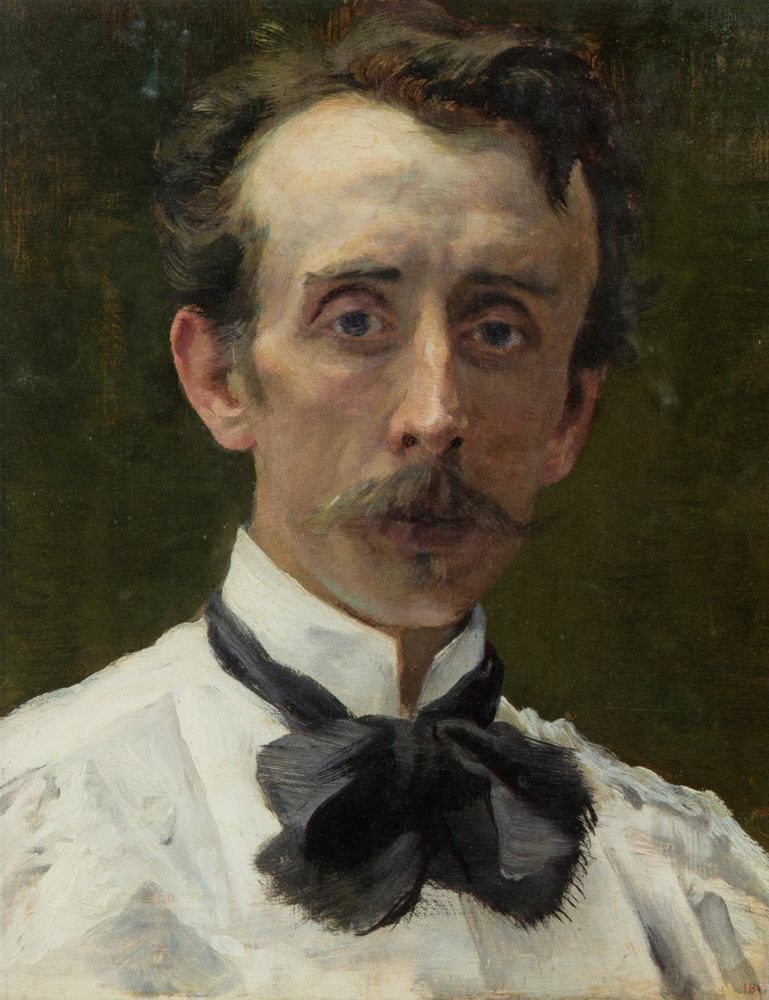
PHOTO: Ernst Karlovich Lipgart (1847-1932). Self-portrait, 1881.
From the Collection of the State Russian Museum, St. Petersburg

Ernst Karlovich Lipgart (1847-1932) was a Russian portraitist and decorator. He was born in Tartu, and after living for a time in Florence, where he studied at the Academy of Arts, he moved to France and then to Russia.

He arrived in St. Petersburg in 1886, where he painted portraits of members of the Imperial family, including a whole gallery of portraits of Nicholas II. He also decorated palaces and theatres in the capital, including the curtain in the Hermitage Theatre.

Lipgart also took on more unusual requests, including the menu for the Tsar’s coronation in 1896 and then painting 100 figures on a piano, telling the story of Orpheus. The piano was a present from the Tsar to Empress Alexandra Feodorovna.

Between 1906-1929 he served as the Main Curator of the Hermitage Art Gallery. His role in the acquisition of the Madonna with a Flower by Leonardo da Vinci, which belonged to the Benois family, became a sensation in 1914.

In 1921 he was evicted from his house and his daughter was executed for harbouring a White Army officer.

© Paul Gilbert. 24 October 2021

***

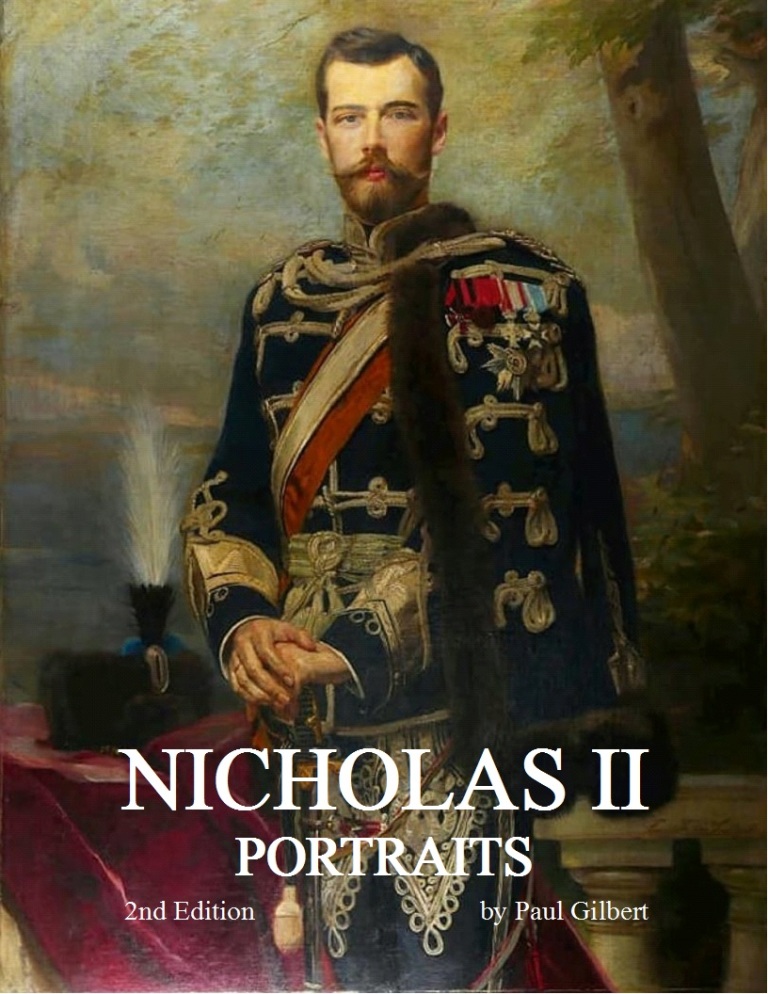
COLOUR Hard cover edition of ‘Nicholas II. Portraits’ now available!
This image has an empty alt attribute; its file name is 519-1.jpg

CLICK ON THE LINK BELOW TO ORDER FROM AMAZON

*HARD COVER EDITION @ $50 USD

PAPERBACK EDITION @ $40 USD

BOOK DESCRIPTION

Large format 8-1/2″ x 11″ hard cover and paperback editions, with 178 pages + 200 Colour and black & white photographs

SECOND EDITION, FEATURING 185 FULL COLOUR PHOTOS!

I am pleased to announce the publication of my latest book Nicholas II. Portraits, in both hard cover and paperback editions. This is my first hard cover book and my first book featuring full colour photographs.

Originally published in 2019, with 140 pages with 175 black and white photos, this new expanded edition features more pages and more photographs: 180 pages + more than 200 photos, including 185 FULL COLOUR and 30 black & white!

Nicholas II. Portraits explores a century of portraits of Russia’s last emperor and tsar, through the eyes of pre-revolutionary and contemporary Russian, and foreign artists.

This unique title – the first book of its kind ever published on the subject – features an introduction, as well as a series of short articles, and richly illustrated, including many full-page, with detailed and informative captions.

The cover features a portrait of Tsesarevich and Grand Duke Nicholas Alexandrovich (1889), the future Emperor Nicholas II, by the artist Baron Ernst Friedrich von *Lipgart (1847-1932).

* Lipgart painted a whole gallery of portraits of Nicholas II, my book features 10 of them – all in COLOUR!

The Emperor is depicted in the uniform of the Prussian 8th Hussar Regiment, of which he was appointed an Honourary Chief in 1889, his cape is decorated with the Royal Prussian Order of the Black Eagle.

The painting hung from 1890 to 1995 in the former dining room of Neuhaus Castle, directly opposite the portrait of Elector Clemens August of Bavaria. The officers of the 8th Hussar Regiment established a club for their meetings here and in the adjacent premises. The Prussian regiment was stationed at Neuhaus and Paderborn castle from 1851 to 1919. Following the end of World War I, the regiment was disbanded.

From the Collection of the Museum of the House of Bavarian History in Regensburg, Bavaria.

The articles include: Serov’s Unfinished 1900 Portrait of Nicholas II; A Nun’s Gift to Russia’s New Tsar. The Fate of a Portrait; Galkin’s Ceremonial Portrait of Nicholas II Discovered; among others!

Famous portraits and their respective artists are all represented, including Serov, Repin, Lipgart, Tuxen, Bakmanson, Becker, Bogdanov-Belsky, Kustodiev, and many others.

The last section of the book is dedicated to the works of contemporary Russian artists, who have painted outstanding portraits of Nicholas II since the fall of the Soviet Union in 1991.

AVAILABLE EXCLUSIVELY FROM AMAZON WORLDWIDE!

© Paul Gilbert. 10 December 2021
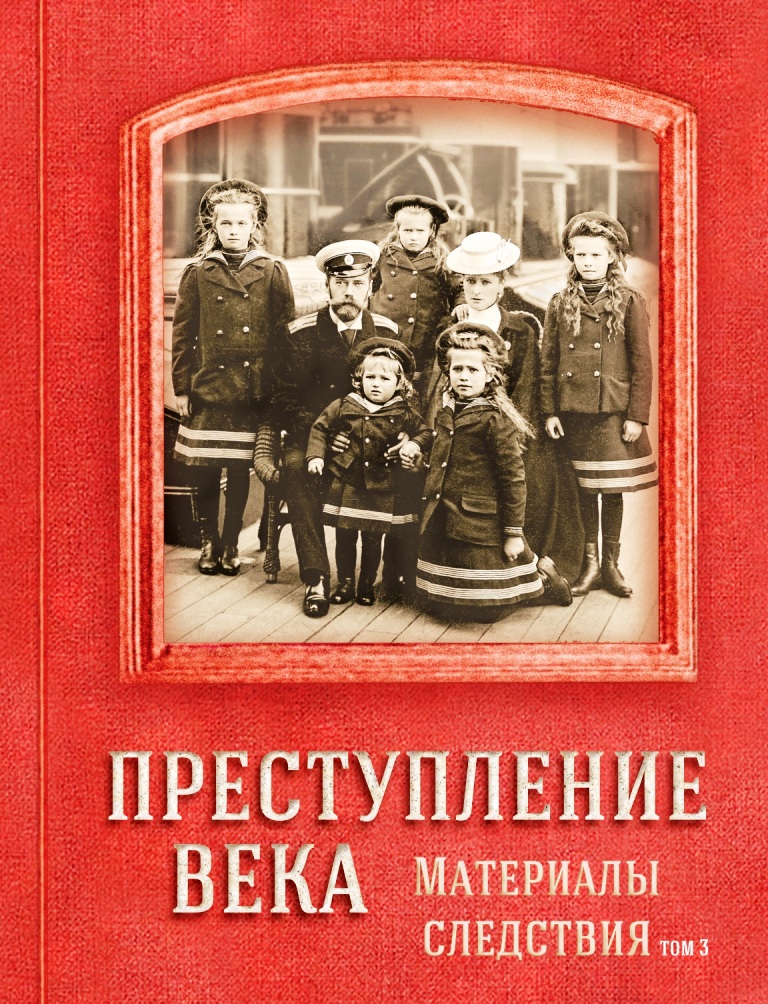
Third volume of the ‘Crime of the Century. Investigation Materials’, published in Russia

Click HERE to read the third volume [in Russian only]

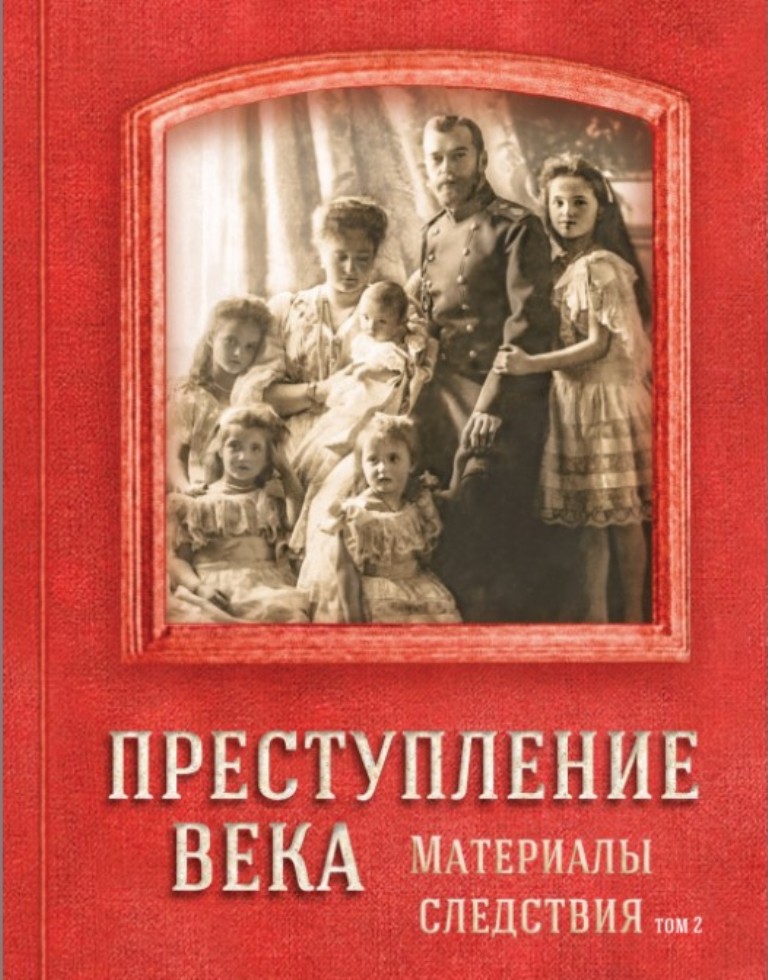
On 18th October, the third volume of the book Преступление века. Материалы следствия [Crime of the Century. Investigation Materials], about the investigation into the murder of Emperor Nicholas II and his family was published [in Russian] on the website of the Investigative Committee of the Russian Federation.

The first volume was published in September of this year, the second volume was published earlier this month.

The third and final volume of the three-volume edition is a complete collection of materials from the investigation and historical documents related to the death of Emperor Nicholas II, his family and their four faithful retainers.

The book is based on documentary evidence, photographs, diaries, memoirs, audio recordings and reliable archival sources, including new, previously unpublished documents. The second and third volumes are devoted to investigative work almost a century ago (1918-1924), the beginning of the 1990s, when this fact was re-examined, as well as investigation at the present stage.

The book is the joint work of investigators, forensic scientists, archivists, historians, representatives of civil society, among others. It is the most accurate and complete source of information that has been published to date, based on the ROC investigation, which began in the autumn of 2015.

This book will be of great help to all those interested in establishing the truth on what many people consider the “crime of the century” and one of the darkest pages in 20th century Russian history. As with the previous two volumes, copies of the third volume will be sent to various government agencies and representatives of the Russian Orthodox Church.

It is important to note, that it is the contents of the this three-volume edition, which the Bishops’ Council of the Russian Orthodox Church, will review when they meet in Moscow from 26th to 29th May 2022 [postponed from 15th to 18th November 2021], during which they will review the findings of the Investigative Commission and deliver their verdict on the authenticity of the Ekaterinburg Remains.

© Paul Gilbert. 18 October 2021

ROC postpones Bishops Council to May 2022

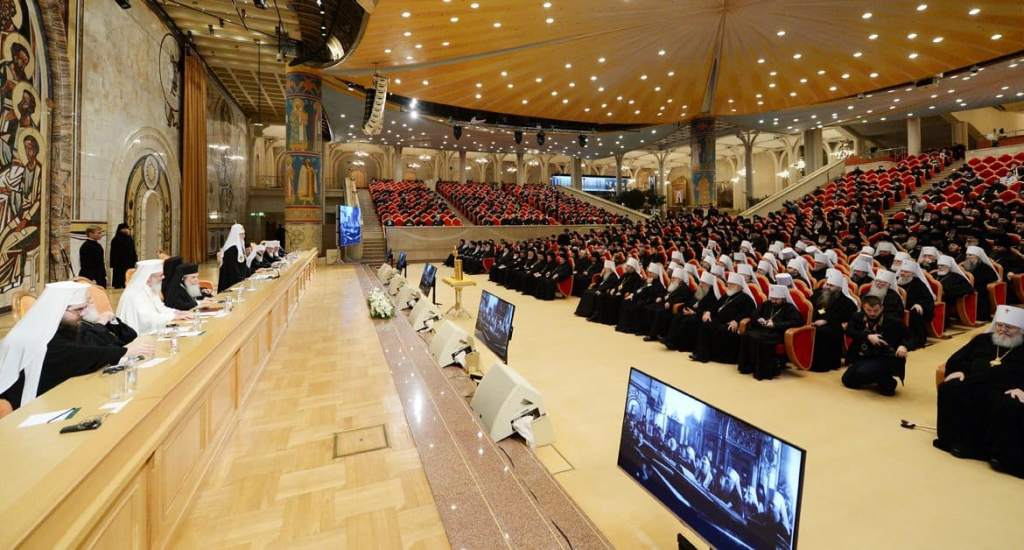
PHOTO: Meeting of Bishops’ Council of the Russian Orthodox Church in 2017

The Holy Synod of the Russian Orthodox Church (ROC) have announced that the Bishops’ Council, which was scheduled to meet in Moscow next month, has been postponed until the Spring of 2022.

According to the Press Service of the Patriarch of Moscow and All Russia, the Bishops; Council will now meet 26th to 29th May, “due to the difficult COVID-19 situation.” The Bishops’ Council was scheduled to meet in Moscow 15th to 18th November.

The Press Service further added, that “the festive events on the occasion of the 75th anniversary of the birth of Patriarch Kirill of Moscow and All Russia will also be postponed”.

In September, the chairman of the Moscow Patriarchate’s Department for External Church Relations (DECR), Metropolitan Hilarion of Volokolamsk, announced that when the Bishops’ Council meet, they will review the findings of the Investigative Commission and deliver their verdict on the authenticity of the Ekaterinburg Remains.

The Bishops’ Council is the supreme governing body of the ROC. Only bishops can take part in it. According to the charter of the Russian Orthodox Church, the council is convened at least once every four years, as well as in “exceptional cases.” The previous Council of Bishops took place on 29th November – 2nd December 2017.

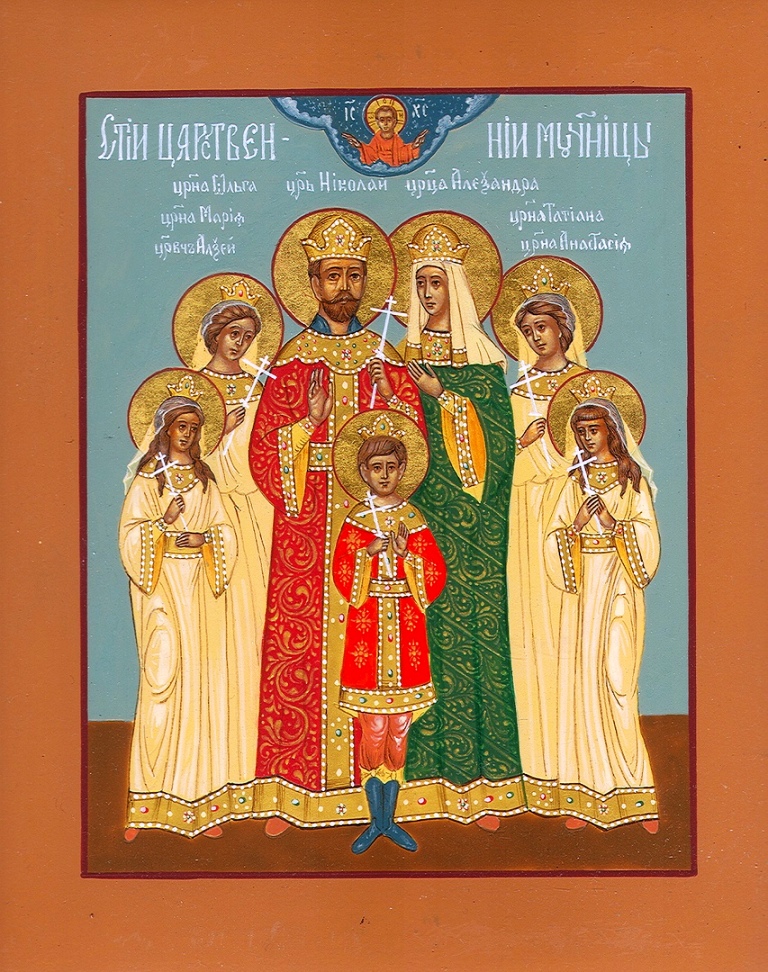
Holy Royal Martyrs, pray to God for us!
Святы Царственные мученики, молите Бога о нас!

© Paul Gilbert. 15 October 2021

Prince Michael of Kent visits the Alexander Palace

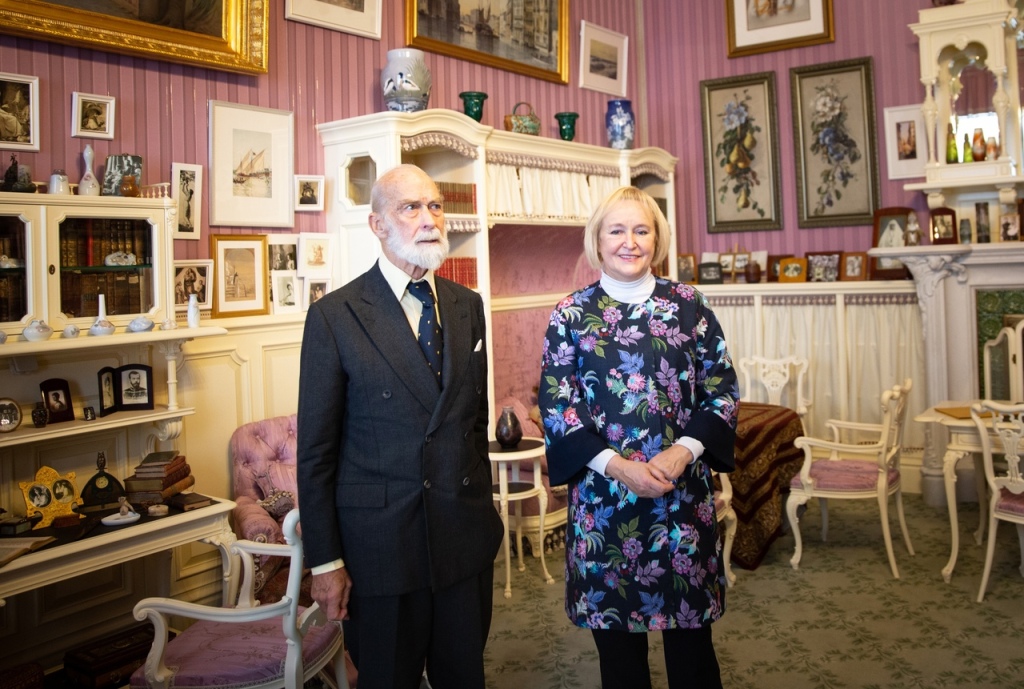
PHOTO: Prince Michael of Kent and Olga Taratynova in the Mauve Boudoir
© Tsarskoye Selo State Museum-Reserve

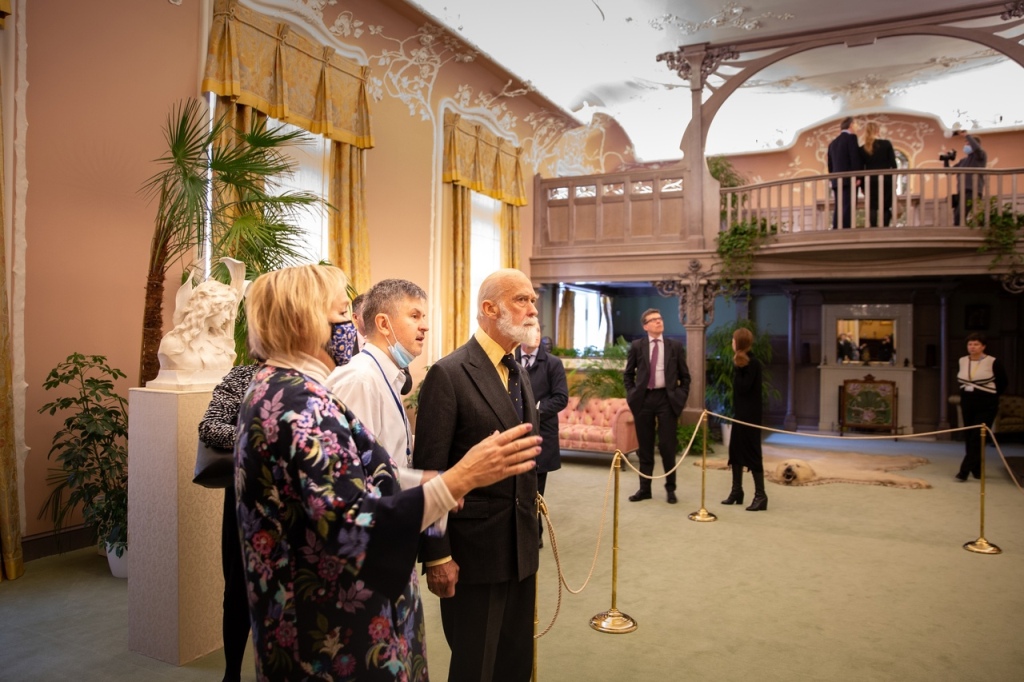
On 14th October, His Royal Highness Prince Michael of Kent, together with a delegation from Great Britain, visited Tsarskoye Selo, where they toured the interiors of the Alexander Palace.

The director of the museum Olga Taratynova guided the delegation through the personal apartments of Emperor Nicholas II and his wife Alexandra Feodorovna, situated in the eastern wing of the palace, which included: the New Study of Nicholas II, Moorish Bathroom of Nicholas II, Working Study of Nicholas II, Reception Room of Nicholas II, the Valet’s Room, plus the Maple Drawing Room, Pallisander (Rosewood) Living Room, Mauve (Lilac) Boudoir, Alexandra’s Corner Reception Room, the Imperial Bedroom, the Small and Large Libraries.

In addition, the delegation visited the Marble/Mountain Hall with a slide, where the craftsmen are currently working. Prince Michael was greatly impressed by the results of the restoration and reconstruction work by Russian specialists.

PHOTO: Prince Michael of Kent and Olga Taratynova in the Maple Drawing Room
© Tsarskoye Selo State Museum-Reserve

Prince Michael of Kent is the son of Princess Marina, a daughter of Prince Nicholas of Greece and Denmark and Grand Duchess Elena Vladimirovna of Russia.

Tsar Nicholas II was a first cousin of three of his grandparents: King George V, Prince Nicholas of Greece and Denmark, and Grand Duchess Elena Vladimirovna of Russia.

Prince Michael speaks fluent Russian and has a strong interest in Russia, where he is a well-known figure.

When the bodies of the Tsar and some of his family were recovered in 1991, the remains were later identified by DNA using, among others, a sample from Prince Michael for recognition. He attended the 1998 burial of the Tsar and his family in St Petersburg.

He is an Honorary Member of the Romanov Family Association. He is also the second cousin of Princess Maria Vladimirovna. They share the same great-grandfather, Grand Duke Vladimir Alexandrovich.

© Paul Gilbert. 14 October 2021

Second volume of the ‘Crime of the Century. Investigation Materials’, published in Russia

Click HERE to read the second volume [in Russian only]

On 12th October, the second volume of the book Преступление века. Материалы следствия [Crime of the Century. Investigation Materials], about the investigation into the murder of Emperor Nicholas II and his family was published [in Russian] on the website of the Investigative Committee of the Russian Federation.

The second volume describes the various stages of the investigation into the murder of the Imperial Family, which is based on scientific facts, historical and archival documents, reflecting on modern research, including recreated 3D models of the Ipatiev House.

The book consists of three volumes and is based on photographs, diaries, memoirs, audio recordings and archival sources, including previously unpublished material.

The first volume was published in September this year. The book discusses the decision to liquidate Emperor Nicholas II and his family, as well as the preparation of the murder.

Thanks to the painstaking work carried out using modern technologies, the Investigative Committee added that results of the investigation leave no doubts about the version of the death and the identity of the Ekaterinburg Remains. “The results of the investigation of this crime are recognized at the international level,” a spokesperson added.

This publishing project is the result of a joint effort of investigators of the Investigative Committee of the Russian Federation, which includes scientists, researchers, and other experts. It remains the most complete and up-to-date study into the investigation of a century-old crime, which remains one of the darkest pages in the history of 20th century Russia.

This book will be of great help to all those interested in establishing the truth in this matter. Copies of the second volume will be sent to various government agencies and representatives of the Russian Orthodox Church.

It is important to note, that it is the contents of the this book, which the Bishops’ Council of the Russian Orthodox Church (ROC), will review when they meet in Moscow from 15th to 18th November 2021, during which they will review the findings of the Investigative Commission and deliver their verdict on the authenticity of the Ekaterinburg Remains.

© Paul Gilbert. 13 October 2021

Russia’s Honour Guard ‘Punished’ for Servicing Romanov Wedding

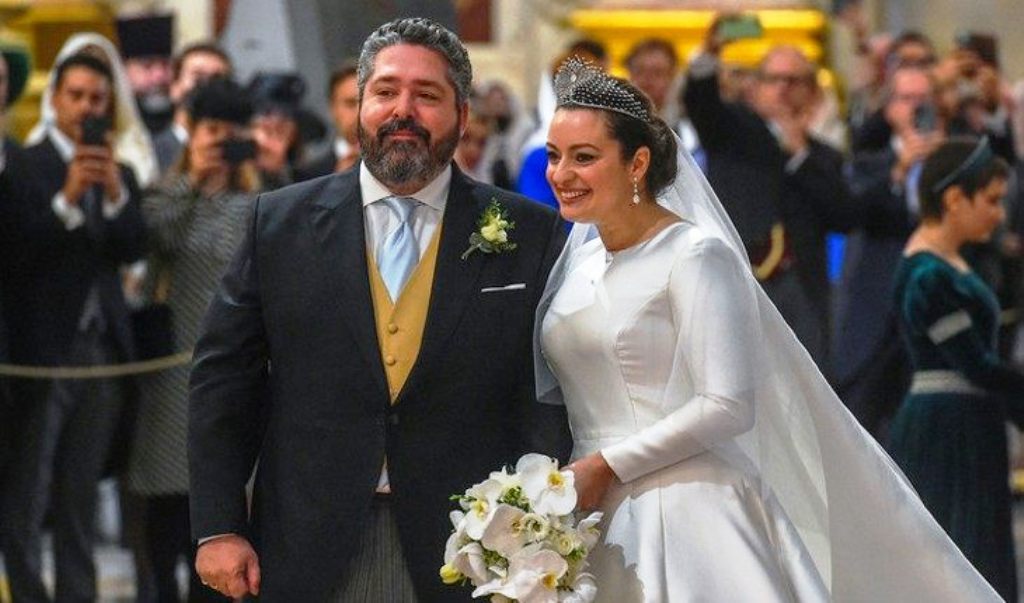
PHOTO: Prince George Mikhailovich Romanov-Hohenzollern and his Italian fiancée Rebecca Virginia Bettarini were greeted on the steps of St. Isaac’s Cathedral in St. Petersburg, by a Russian military honour guard in full dress and sabres drawn

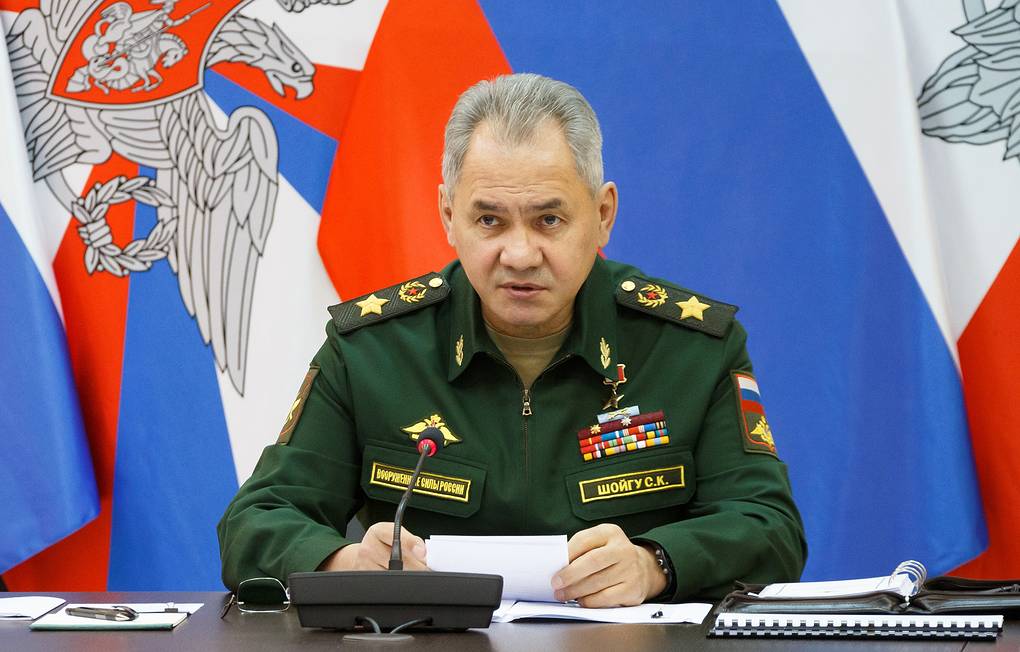
On 6th October, Russian Defence Minister Sergei Shoigu took disciplinary action against his subordinates in St. Petersburg for sending an honour guard to what was falsely reported as the country’s “first Romanov wedding in over a century”.

On 1st October, Prince George Mikhailovich Romanov-Hohenzollern and his Italian fiancée Rebecca Virginia Bettarini were greeted on the steps of St. Isaac’s Cathedral in St. Petersburg, by a Russian military honour guard in full dress and sabres drawn. Upon leaving the cathedral, the honour guard formed a sabre arch for the newly married couple.

Following the media publication of the wedding, journalists and social media users began to ask why military personnel were present at a private event.

According to the press service of the Western Military District, a separate rifle company “provides the guard of honour for important events, such as the greeting and departure ceremonies of official state, government and military delegations, garrison and other events with the participation of troops in St. Petersburg and the North-West region of the country.”

Other events, which the Guard of Honour are used: laying wreaths at the graves of soldiers who died in battle; rituals for paying military honours at the opening of monuments, memorials and funerals, and also participates in the military-patriotic education of young people and other socially significant events.

Citing unnamed Defence Ministry sources, the state-run TASS and RIA Novosti news agencies reported that the ministry’s Western Military District had violated regulations by sending honour guard personnel to the Romanov’s wedding.

“An official investigation established violations of governing documents by individual officials,” one of the sources was quoted as saying.

PHOTO: Russian Defence Minister Sergei Shoigu

The reports did not indicate what type of disciplinary action was brought against the Western Military District or who exactly was targeted. The district itself did not comment on the reprimand.

The so-called “Russian Imperial House” wasted little time in damage control, stressing that the honour guard’s participation was legally sanctioned.

“The wedding organizers agreed with every authority — state, church, military — in accordance with the procedure established by law,” said Maria Vladimirovna’s senior mouthpiece Alexander Zakatov, who serves as director of Maria’s “chancellery” in Moscow. This, however, is not true:

“On behalf of the Russian Defence Minister, disciplinary action has been taken against responsible persons, for violation of regulations and statutory documents governing the appointment of the guard of honour,” another source added.

“I have no doubt that those responsible will be held accountable. The commandant subdivision of the Russian Armed Forces is not a firm or a company catering to wedding banquets or other functions for individuals.

“Thank God that Russia’s Minister of Defence, Hero of Russia Sergei Shoigu is a man of honour and duty, one who teaches his subordinates to protect the honour of a serviceman and the honour of his uniform, and not to participate in a funny show of these impostors!”

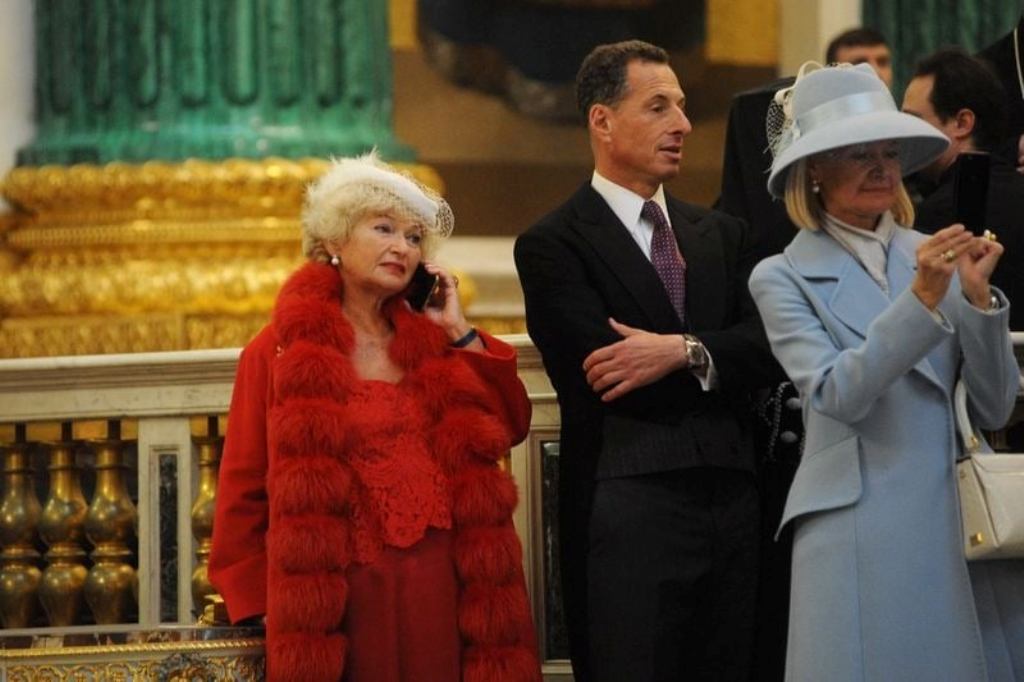
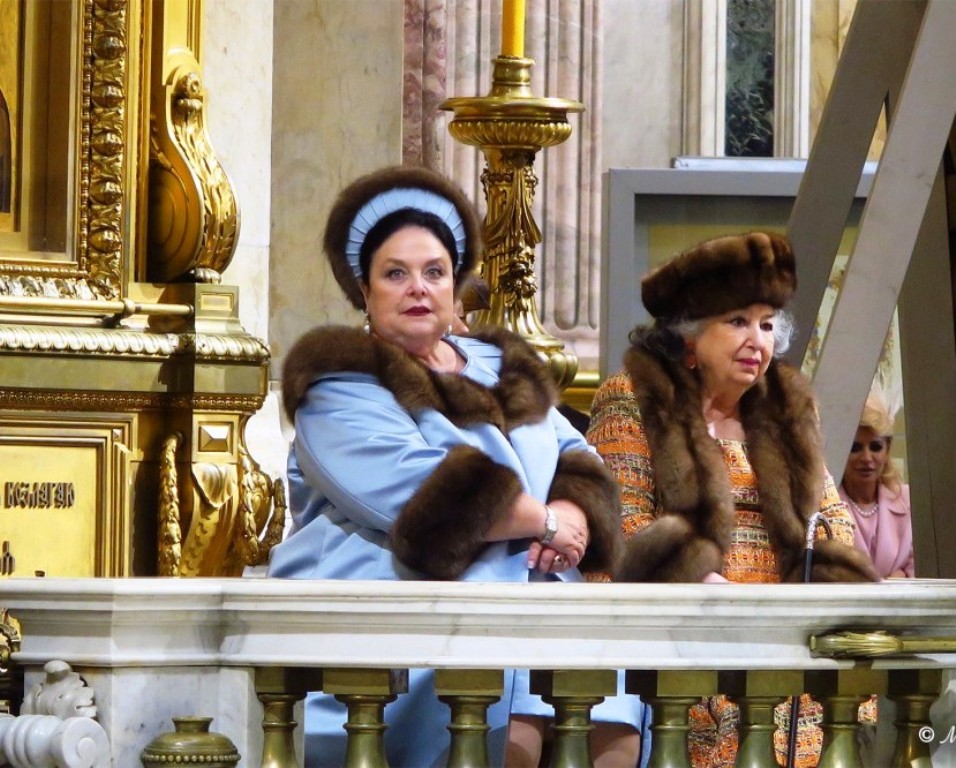
PHOTO: Lyudmila Narusova (left), chatting on her mobile in St. Isaac’s Cathedral

The Kremlin played down the significance of the Romanov wedding. No Russian government officials were reported among the 1,500 guests at the St. Isaac’s Cathedral ceremony, with the exception of Foreign Ministry spokeswoman Maria Zakharova and senator Lyudmila Narusova, the widow of St. Petersburg’s ex-Mayor Anatoly Sobchak – who was photographed showing the utmost disrespect by talking on her mobile during the wedding ceremony in St. Isaac’s Cathedral.

11 October 2021

Miniatures of Nicholas II returned to Russia

PHOTO: Miniatures of Emperor Nicholas II 
Artist: Alexander Wegner

NOTE: this article was originally published on 19th August 2019, it has been updated with additional detail and photos – PG

In August 2019, the Tsarskoye Selo State Museum Reserve acquired a collection of five miniatures that once adorned the brooches and pendants of the Empress Maria Feodorovna, wife of Emperor Alexander III, and mother of Emperor Nicholas II.

These unique items, had been kept in a private London collection shortly after the 1917 Revolution. The acquisition of these items was made possible thanks to financial support from the TransSoyuz Charitable Foundation.

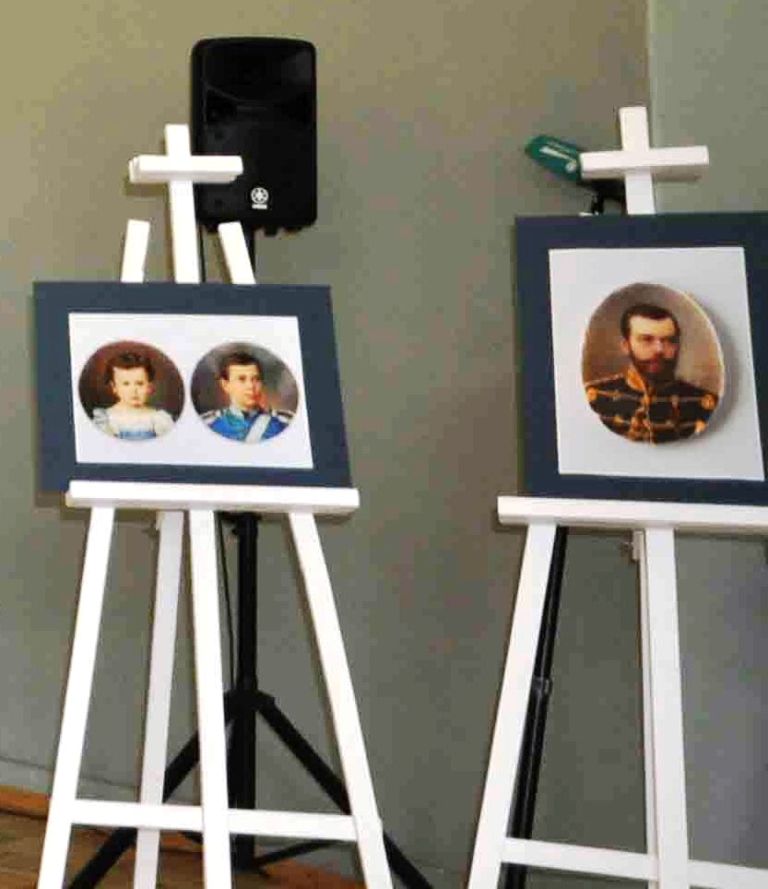
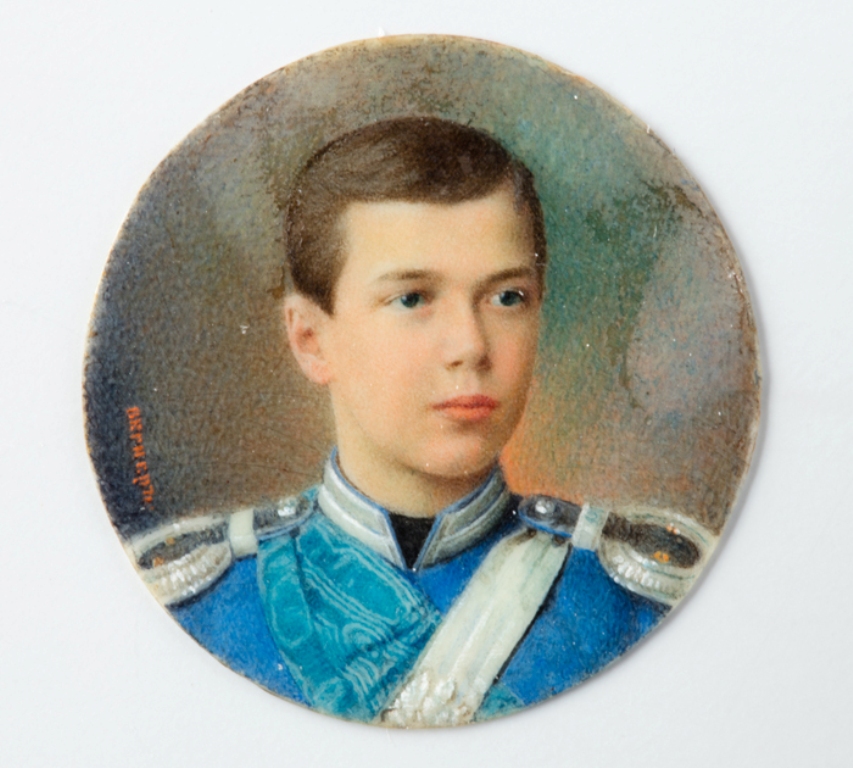
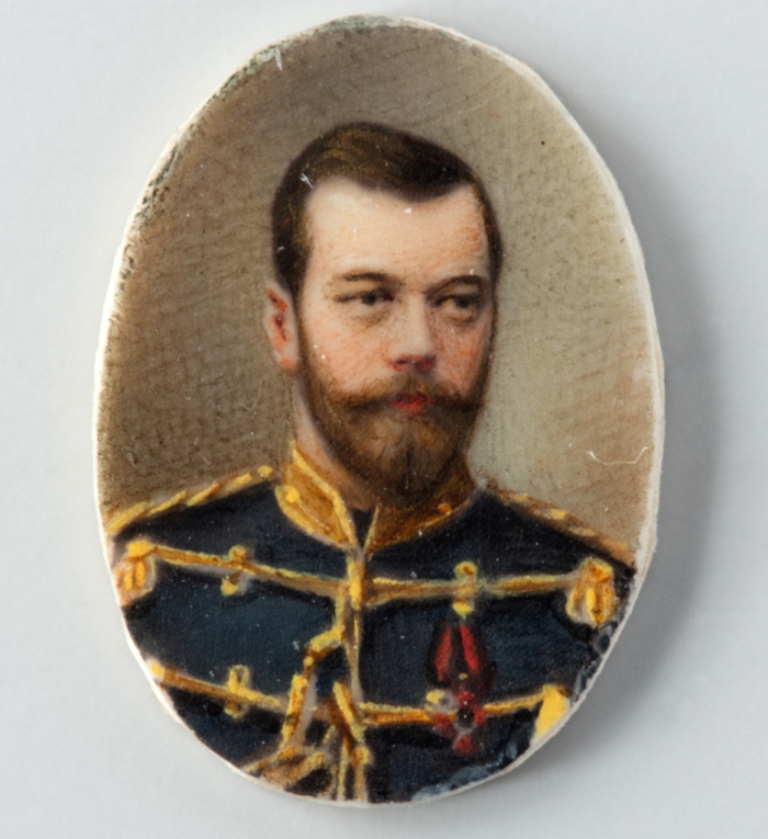
In addition to miniatures depicting Emperor Alexander III [Nicholas II’s father] and Empress Alexandra Feodorovna [Nicholas II’s wife], are three miniatures of Emperor Nicholas II (in childhood, adolescence and adulthood), seen below:

PHOTO: Miniature of Tsesarevich Alexandrovich in childhood
Artist: Alexander Wegner

PHOTO: Miniature of Tsesarevich Alexandrovich in adolescence
Artist: Alexander Wegner

PHOTO: Miniature of Emperor Nicholas II in adulthood
Artist: Alexander Wegner

After the revolution, in 1919, Maria Feodorovna managed to take some of her jewellery, including these miniatures, with her when she left Russia and went into exile.

Following the death of the Dowager Empress in 1928, her daughter, Grand Duchess Xenia Alexandrovna, inherited her mother’s jewellery. She sold part of them to the English company RG Hennel & Sons, as evidenced by an inventory dated 29th May 1929.

The miniatures were made by the Academician of the Imperial Academy of Arts Alexander Wegner. The smallest of them has a size of only 8 × 6 mm.

The miniatures are part of the Romanov family archive, most of which (over 200 items) the Museum purchased with sponsored funds in 2017. The miniatures are currently on display in the Alexander Palace, and are now part of the Collection of the Tsarskoye Selo State Museum.

© Paul Gilbert. 9 October 2021

Paul Gilbert to close online bookshop

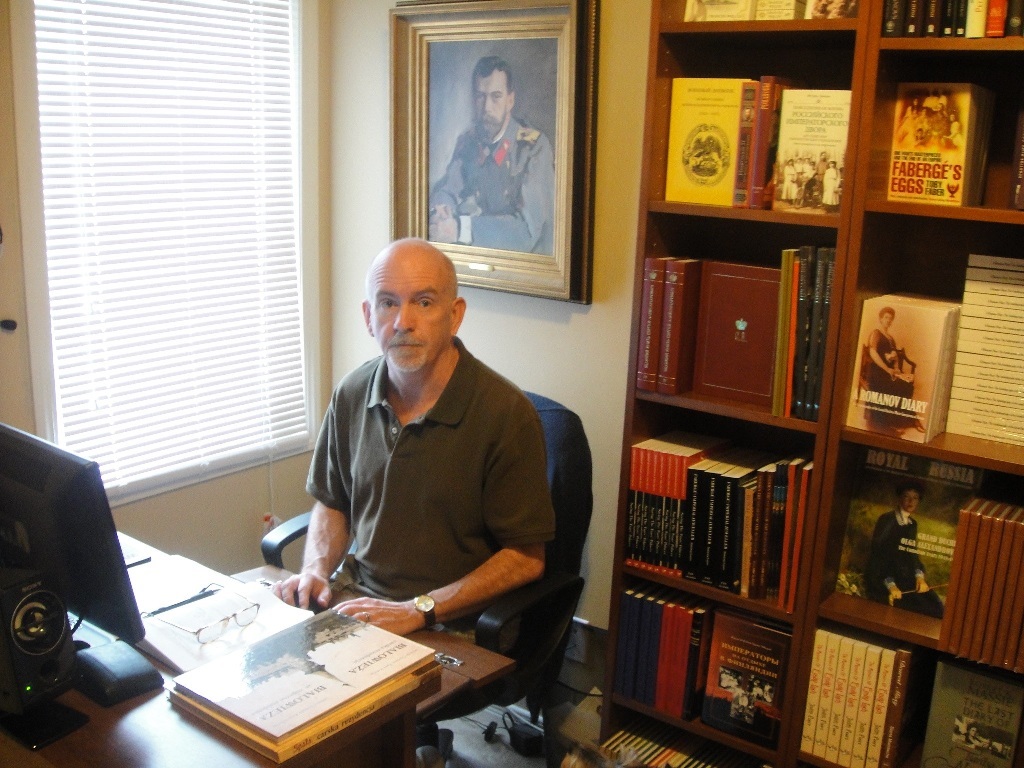
PHOTO: Paul Gilbert in the old ‘Royal Russia Bookshop’. Please note that the books depicted in this photo are no longer available from my online bookshop – PG

At the end of 2020, after 26 years, I closed my publishing business. Aside from my Nicholas II. Emperor. Tsar. Saint. 2022 Calendar, I have not published any new titles and ceased publication of my periodicals Royal Russia and Sovereign, during the past year.

This may be your last chance to additional titles to your personal Romanov collections!

On 27th October of this year, I will mark my 65th birthday, at which time I will permanently retire from bookselling. It is with mixed feelings, that after more than a quarter century of publishing and selling books on the Romanovs, my main online bookshop Paul Gilbert Publisher [for many years known as the Royal Russia Bookshop] will permanently close on 31st December 2021.

I will, however, continue to offer books on my other online bookshop Paul Gilbert Bookseller, which offers new, rare and second-hand titles, in addition to other topics.

At some point within the next few years, I will be moving back to England, where I will take up permanent residence in Northumberland.

As a result, I am forced to sell off the bulk of my personal library, which consists of several thousand titles on Imperial Russian history, the Romanovs, European and British royalty. In addition are richly illustrated pictorials, books on history, art, architecture, biographies among many other topics.

Given the sheer number of books that I still own, it will take me two to three years to scan and list each book. It is a very time consuming task, however, I am now committed to adding up to 50 additional titles to my online catalogue each month.

If you would like to receive updates when my online shop has been updated, please send me an email – royalrussia@yahoo.com – with a request to be added to my mailing list.

New publishing venture on AMAZON

I am pleased to announce that I will continue to research and write books on the life and reign of Emperor Nicholas II [among others], all of which will be published in both paperback and eBook editions, and sold worldwide from AMAZON.

Click HERE to review 4 NEW publishing projects, which I am currently working on

In August of this year, I started to reissue reprints of other books on the Romanovs, which have been out of print for many years, and unavailable to a new generation of Romanovphiles! Below, are links to titles, currently available on AMAZON – with many others planned.

Click HERE to review 4 NEW Romanov Titles added on 31st August 2021

Click HERE to review 5 NEW Romanov Titles added on 16th September 2021

© Paul Gilbert. 7 October 2021

Romanov “wedding of the century”? Not quite!

George Mikhailovich Romanov with his bride Rebecca Bettarini

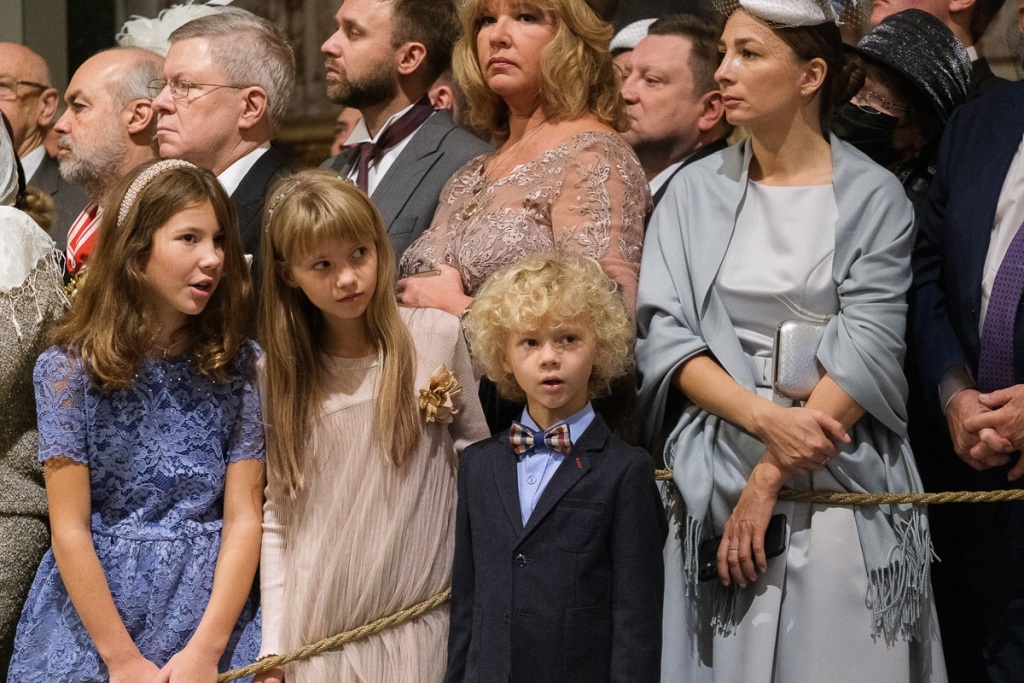
On 1st October, the wedding of George Mikhailovich Romanov [a Spanish citizen] to his fiancé Rebecca Bettarini [a citizen of Italy] was held in St. Isaac’s Cathedral in St. Petersburg.

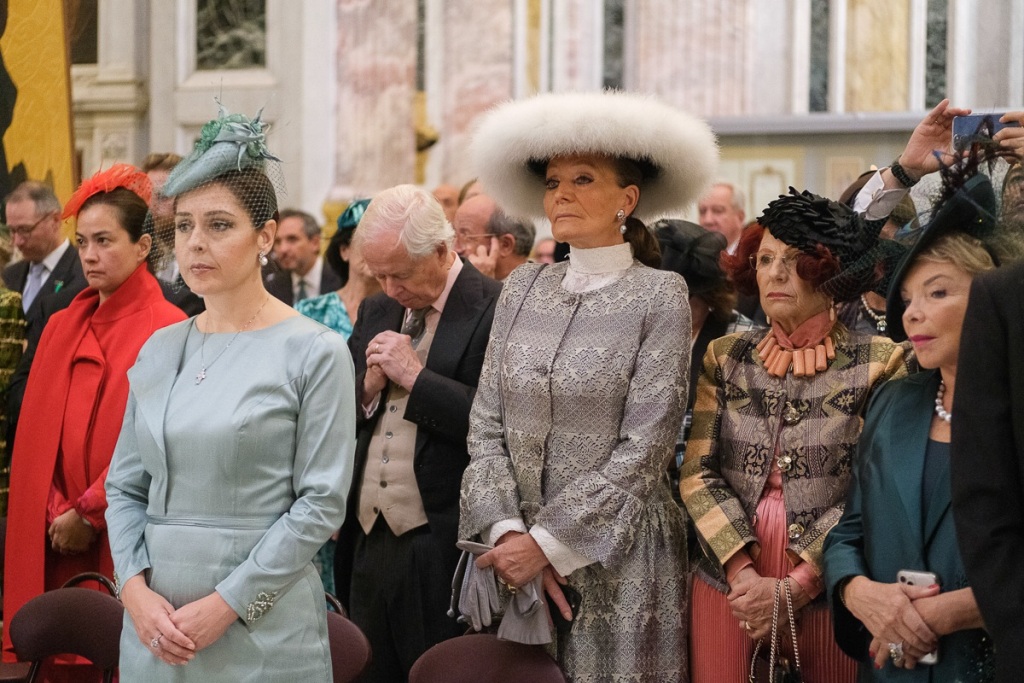
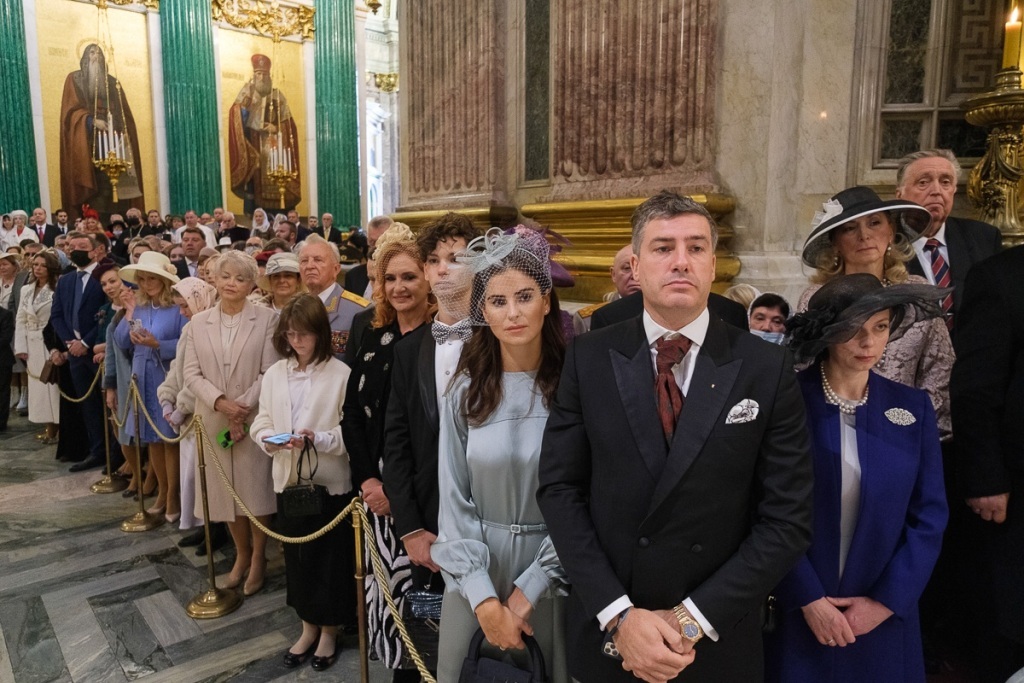
More than 1,500 guests crammed the historic cathedral. Guests refused to wear protective masks or practice social distancing, despite the record number of daily COVID-19 cases and deaths in Russia[1].

The Russian and some Western media outlets hailed the event as both the Romanov “wedding of the century” and the “first Romanov to marry in Russia”, since the fall of the Romanov dynasty in 1917. Neither are correct.

PHOTOS: guests crammed the historic cathedral, defying protection from COVID

PHOTOS: guests crammed the historic cathedral, defying protection from COVID

For the record . . .

George Mikhailovich is “NOT” the first Romanov to marry in Russia since 1917, despite what the misinformed media are reporting! In fact, a total of six Romanov weddings have been held in Russia since 1917. It is interesting to note that the so-called “Russian Imperial House” headed by George’s mother Princess Maria Vladimirovna, has made no effort to correct this faux pas!

Between 1917 and 1920, five marriages among the members of the Russian Imperial House were concluded in Russia:

On 22nd April 1917, Prince Gabriel Konstantinovich (1887-1955) married Antonina Rafailovna Nesterovskaya (1890-1950) in Petrograd.

On the same day Prince Alexander Georgievich Romanovsky, Duke of Leichtenberg (1881-1942) married Nadezhda Nikolaevna Karelli (1883-1964) in Petrograd.

On 25th April 1917, Princess Nadezhda Petrovna (1898-1988) married Prince Nikolai Orlov (1891-1961).

On 18th July 1917, Princess Elena Georgievna Romanovskaya, Duchess of Leichtenberg (1892-1971) married Count Stefan Tyshkevich (1894-1976) in Yalta, Crimea.

On 25th November 1918, Prince Andrey Alexandrovich (1897-1981) married Duchess Elizabeth Sasso-Ruffo (1887-1940), in Ai-Todor, Crimea.

After being widowed in 1989, Prince Dimitri Romanovich (1926-2016) married Dorrit Reventlow (born 1942) in Kostroma on 28 July 1993. His second marriage was the “FIRST” time a Romanov had been married in Russia in more than a century.

Through his paternal lineage, Prince Dimitri was a great-great grandson of Emperor Nicholas I (1796–1855), who founded the Nikolaevich branch of the Russian Imperial Family. At his death on 31 December 2016, the male line of the Nicholaevich branch of the Romanov family died out.

Maria Vladimirovna and her half sister Helen Louise Kirby

An unimpressive guest list

In the weeks leading up to the wedding, Maria Vladimirovna’s public relations team issued press releases, detailing an impressive list of royals and dignitaries who would attend her son’s nuptials, in reality, however, none of them attended.

Prominent on the guest list was Queen Sofia of Spain, who was present at George’s christening, but she failed to attend. None of the many Romanov descendants scattered around the world were even invited, as Maria and her son, both look down their noses at them.

The guest list was unimpressive to say the very least, which included a few petty Russian politicians, although the Chairman of the Communist Party Gennady Zyuganov sent the couple a congratulation!

There were no reigning kings or queens of the European royal houses or ambassadors to represent them. The only “royals” in attendance, were a few princes and princesses and members of numerous, now defunct European royal houses.

In addition, the groom’s father Prince Franz Wilhelm of Prussia was notably “absent”. The wedding was also attended by Maria Vladimirovna’s half sister Helen Louise Kirby [born 1935], whose attendance, according to the Russian media, marked Helen Kirby’s first public appearance in 10 years.

Kirby is the daughter of Leonida Georgievna Bagration (1914-2010) and her first husband Sumner Moore Kirby (1895–1945), a wealthy American businessman, and one of the heirs to the F.W. Woolworth fortune.

Maria Vladimirovna is the daughter of Leonida Georgievna Bagration (1914-2010) and her second husband Vladimir Kirillovich Romanov (1917-1992). It is through her mother’s marriage to Kirby, that Maria enjoys a lavish lifestyle to this day, with homes in Madrid and Paris.

Despite the hoopla, those who gathered outside the cathedral were few and far between, many were there, simply out of curiosity.

It should also be noted, that no live broadcast of the wedding was conducted on any federal or regional TV channel in Russia. So much for the “Romanov wedding of the century!”

Russian President Vladimir Putin

Kudos to Russian president Vladimir Putin

The Interfax News Agency reported that while Russian President Vladimir Putin, who had been invited to the wedding of George Mikhailovich to Victoria Bettarini in St. Petersburg, would not be attending.

Putin also stated that he would not be congratulating the newlyweds either, Kremlin spokesman Dmitry Peskov told reporters in response to the relevant question on Friday.

“No, the president is not planning to congratulate the newlyweds in any way. Once again, this wedding has absolutely nothing to do with our agenda,” Peskov said.

This is a clear indication that Putin does NOT recognize the current descendants – Maria Vladimirovna and her son George Mikhailovich, as anything more than Russian citizens.

In addition, the Interfax News Agency does not identify Maria and George by their self-adopted and false titles, “Grand Duchess” or “Grand Duke”.

The truth about Nicholas II

Why is this article relevant?

I am dedicated to clearing the name of Russia’s much slandered Tsar. This includes identifying those who broke their personal oath to Nicholas II, including George Mikhailovich’s great-grandfather Grand Duke Kirill Vladimirovich (1876-1938), a member of the Russian Imperial Family, who not only lacked a moral compass, but openly defied his Sovereign, culminating in committing treason against Him in 1917.

Under no pretext can we admit to the throne those whose ancestors belonged to parties involved in the 1917 revolution in one way or another. Nor can we admit those whose ancestors betrayed Tsar Nicholas II. Nor can we ignore those who ancestors openly supported the Nazis. Thus, without any reservations, the right to the succession to the throne of the Kirillovich branch should be excluded.

Any one who supports this branch of the family, dishonours the memory of the Holy Tsar-Martyr Nicholas II.

NOTES:

[1] Russia has confirmed 7,612,317 cases of coronavirus and 210,801 deaths, according to the national coronavirus information center. On 1st October Russia recorded its highest coronavirus death toll for a fourth day running of 887 deaths. On 4th October, 25,781 new coronavirus cases and 883 deaths were recorded.

© Paul Gilbert. 4 October 2021

Tsar Nicholas II: Myths and Reality

Click on the image above to watch this 14 minute video [in English]

This is one of the finest videos produced to date by the Mesa Potamos Publications. Thanks to the research of Father Andrew Phillips, it provides viewers with many new facts, which are often overlooked or ignored by Western historians. This video is a “MUST” watch for any one interested in the truth about Russia’s much slandered Tsar.

***

Introduction

‘A weak, stupid, incompetent reactionary, who blocked progress towards a Western-style constitutional monarchy or republic. Such is the primitive Western stereotype of the much-slandered and later martyred Tsar Nicholas II, whose only real fault was probably that he was too kind. In actual fact, the above widely- repeated stereotype says very little about him, but far more about the hateful xenophobia and arrogant, hypocritical and self-justifying prejudices of those who hold it.

What they are saying in reality is that the innocent Tsar, who opposed their Western materialist ‘progress’, had to be destroyed, however embarrassing to them the barbaric manner of his and his family’s deaths. The remarkable thing is that this anti-Russian Western historiography coincides perfectly with both Soviet and pre-Revolutionary anti-Orthodox historiography. Why? Simply because its writers have the same sources – in the same anti-Christian, materialist ideology which developed in the West and which the West has spread worldwide. What are some of these myths?

Serfdom

Serfdom was not Russian – it was introduced from the West together with absolutism, i.e. tyrannical monarchism. Serfdom was gradually introduced into Russia by Western rulers or rulers with a Western mentality, notably the Emperor Peter I and the German Empress Catherine II. It lasted only some 200 years and was abolished peacefully before the USA abolished its system of slavery – only in the USA it took a dreadful war and half a million dead before slavery there could be abolished. As regards Western Europe, it should be added in the nineteenth century the condition of its agricultural workers and toiling industrial masses was little better than slavery.

Tsar Nicholas’ Personality

Tsar Nicholas spoke five languages fluently, had travelled the world and was very well-acquainted with European history. To call him stupid or intellectually limited is absurd. True, he was not an ‘intellectual’ – but then has any intellectual ever made a great ruler? If he had been weak, he would have fallen to the stress of being Tsar long before the First World War. If he had been weak, he would never have taken over the command of his Armed Forces from the incompetent in August 1915. He was not incompetent – though many of the generals, ministers, aristocrats and bureaucrats around him, including his Romanov cousins, certainly were incompetent – as well as being futile idlers.

One of the Tsar’s greatest problems here was finding disinterested, trustworthy and competent administrators. It was precisely the treachery of untrustworthy and incompetent careerists that brought about the Tsar’s abdication. To call the Tsar reactionary is also absurd. For instance, it was he who, against all the advice, appointed the brilliant liberal Petr Stolypin as his Prime Minister. He taxed the rich and gave to the poor, turning peasants into landowners – much to the irritation of certain Romanov family members and other over-wealthy aristocrats, who then plotted against the Tsar. The tragedy was that Stolypin was assassinated by a terrorist after only five years at the helm and before his reforms had obtained all the results required.

Tsarina Alexandra’s Personality

The Tsarina was not hysterical, immoral or pro-German. She identified fully with Orthodox Russia; her alienation from decadent St Petersburg society was precisely because she was moral. And having seen her kingdom of Hesse destroyed by Prussianism, she only had dislike for the German militarism that lay behind the Kaiser’s War. She certainly suffered greatly with anguish at her son’s condition, but as for hysterical, how could she have been, when she chose to wash and dress the wounds of soldiers day in, day out for two years?

Khodynka

The quite unforeseen stampede of people at Khodynka Field after the Tsar’s coronation in 1896, in which many hundreds died can hardly be blamed on the Tsar. Like recent stampedes in Western countries, it was a dreadful accident, causing the death of hundreds in a then unprecedented crowd of 500,000. The compassionate Tsar gave the families of those who had suffered large sums of his own money in compensation.

Pogroms

By far the worst anti-Jewish riots (‘pogroms’) at the turn of the century took place not in the Russian Empire, but in Berlin, Vienna and elsewhere in Western Europe. (Who has forgotten Dreyfus?). In Russia these riots were strongly discouraged and involved small numbers in Poland, Bessarabia and the western Ukraine. The Tsar’s government did its utmost to defend the Jews of his Empire, who had moved there, seeking protection from persecution in Western Europe. Thus, the Jews were kept away from large areas of Russia for their own protection from peasants, who felt exploited and aggrieved by the successful commercial genius of the Jews. As we all know, it was not Russians who killed millions of Jews in the 1940s, but Western Europeans – and, it should be said, not only Germans.

The Russo-Japanese War

A belligerent, impatient and imperialistic Japan attacked Russia without warning at Port Arthur in 1905, just as it attacked the USA without warning at Pearl Harbour in 1941. Russian unpreparedness came in part because it had spent so little on its armed forces – unlike the aggressive Western nations and their imitator – Japan. It was Tsar Nicholas who had proposed international disarmament at the Hague. To accuse this peacemaker of starting the war to create national unity is simply a myth of those who know no history. With only about a quarter of Western European and Japanese military spending, a peace-directed Russia was ill-equipped to fight a war thousands of miles from its capital. To blame the Tsar for Japanese aggression or the disastrous inefficiency of individuals in his administration before and during that war is hardly just.

Bloody Sunday

In the absence of the Tsar from St Petersburg (because of the almost successful assassination attempt on him and his family three weeks before), a violent mob (and not ‘peaceful and unarmed’, as the Western propaganda goes), burning and looting vehicles and other property revolted on Bloody Sunday in 1905. It was led by a renegade, twice-married priest, Fr George Gapon, who hanged himself the next year, when it was discovered that he was in fact a secret agent. In order to defend the fearful citizens of St Petersburg, troops opened fire and tragically killed about 100 of the mob, not ‘thousands’, as the Western propaganda goes. The soldiers had to open fire in defence of the people of St Petersburg, who had barricaded themselves inside their homes from terror. The tragedy was that people died.

Russia’s Alleged Backwardness

Russia was not as backward as the Western media make out. In many respects much of Western Europe and the USA were far more backward. In 20 years under Tsar Nicholas II the population of his realm increased from 123 million to 175 million. By 1913 the speed of industrial development in Russia had outstripped that of the USA. By 1913 its grain production had outstripped that of the USA, Canada and Argentina combined by one third. The Russian Empire had become the granary of Europe; its grain production increased by 70% between 1894 and 1914. Between 1894 and 1913 its industrial production quadrupled. In 1914 the French economist Edmond Théry predicted that by 1950 Russia would dominate Europe politically, economically and financially.

Social Insurance was introduced in 1912, and there was a factory inspectorate, but laws banning certain forms of exploitation had been passed for the first time in the world as early as the eighteenth century, including introducing a maximum ten-hour day. 80% of the arable land was in the hands of the peasants by 1914, the Tsar himself freely giving up 40 million hectares of land in Siberia. So many tens of thousands of schools were opened that by 1917 the level of literacy stood at 85% – comparable to that in the USA today. The Tsar’s Russia was not destroyed because it was ‘backward’, but because it was the last bulwark of Christianity and the materialist enemies of the Gospel, Capitalist or Communist, could not tolerate that.

World War I

The aim of the Western Allies was not only to defeat Germany. It was also to weaken and divide Russia. The West knew that with thirty more years of peace, Russia would become the most prosperous nation in the world. The West would not allow this. Thus, as soon as the Western-organised Revolution had taken place in early 1917, the USA entered the War and the American century began. By 1945 all of Western Europe had become the USA’s puppets. This was no coincidence. The Tsar’s loyalty to the Allies forbade him from making any separate peace; sadly, his loyalty and sacrifices for the Allied cause was met by the Allies’ disloyalty to him and his realm. What was remarkable about the outcome of the War was the treachery of the West. At the Tsar’s abdication, Lloyd George actually said in Parliament that through it ‘Britain has achieved one of its major war aims’!

After the coup d’état of the Bolsheviks, who seized power from the incompetent aristocrats and bourgeoisie who had carried out the Revolution, the British landed in the far north and at Baku in the far south of the Russian Empire, giving independence to Azerbaijan, as they were greedy for its oil. The Italians marched into Georgia and created an independent state there, as they were greedy for its manganese. The French occupied Odessa and intrigued for the independence of the Ukraine. Instead of equipping the Whites, the West gave its arms to the Poles, who then invaded and occupied Kiev and Smolensk. Then the Americans and the Japanese landed in Vladivostok. The renegade General Brusilov who had passed from White to Red, remarked that, ‘The Poles are besieging Russian fortresses with the help of the nations whom we rescued from certain defeat at the beginning of the War’. Even though he was a traitor to the Tsar, here he spoke the truth.

***

This video is produced as part of the project for the book The Romanov Royal Martyrs, which is an impressive 512-page book, featuring nearly 200 black & white photographs, and a 56-page photo insert of more than 80 high-quality images, colorized by the acclaimed Russian artist Olga Shirnina (Klimbim) and appearing here in print for the first time. EXPLORE the book / ORDER the book.

© Father Andrew Phillips. 4 October 2021