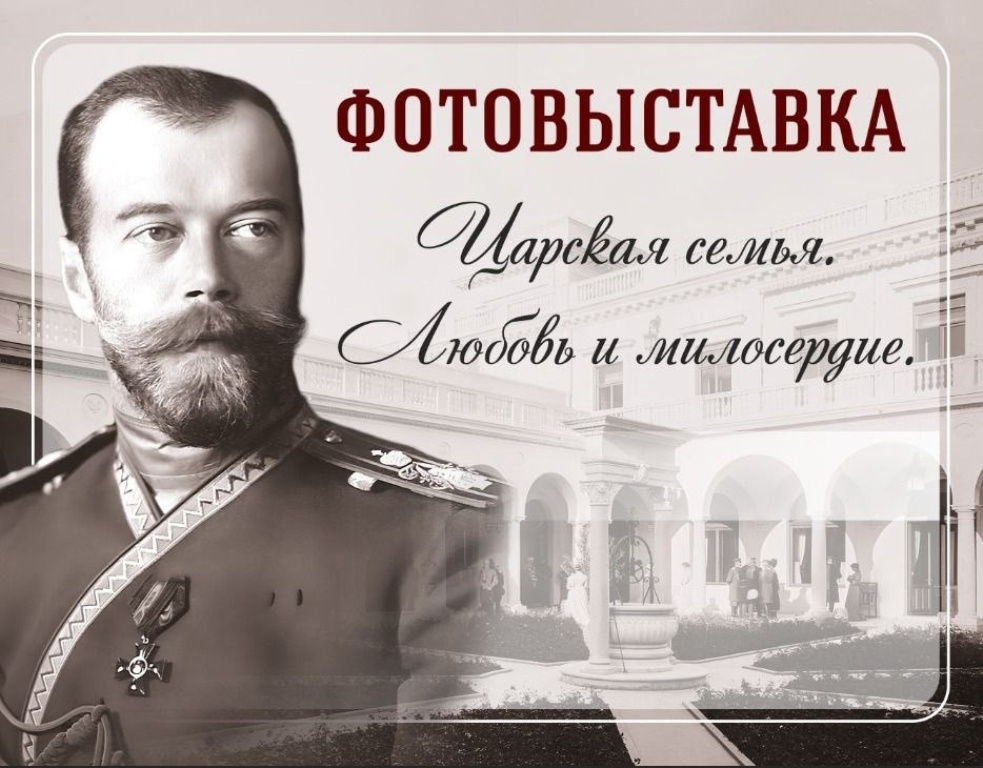
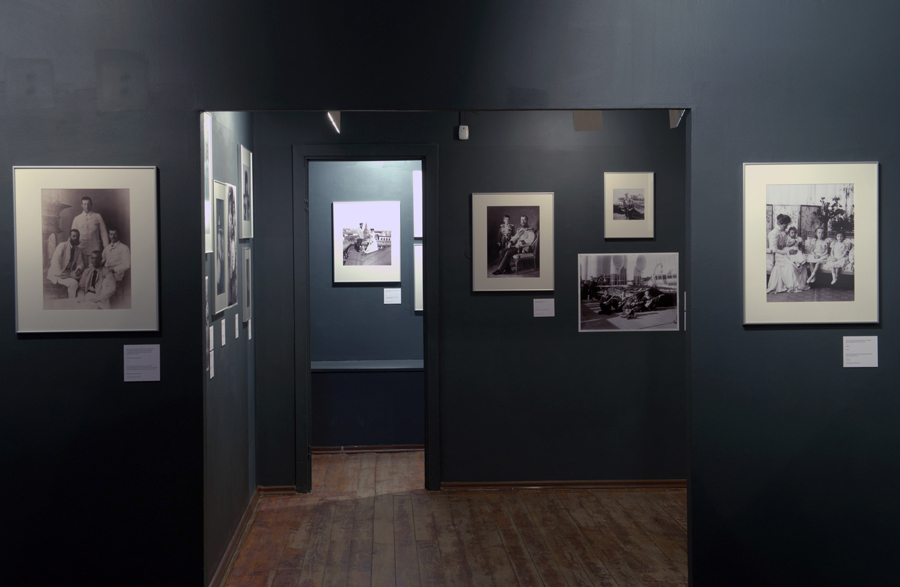
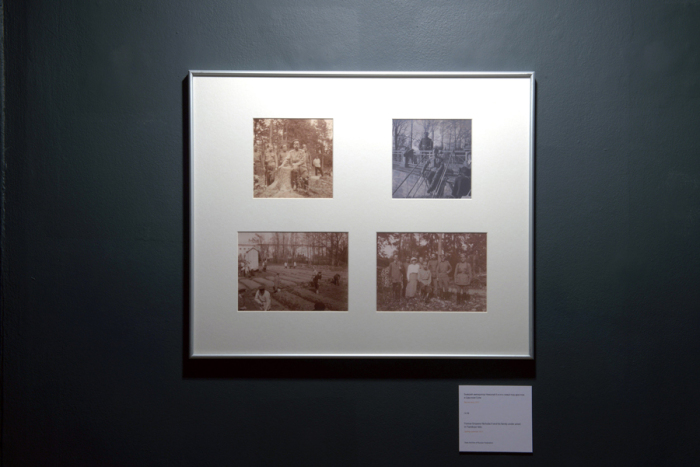
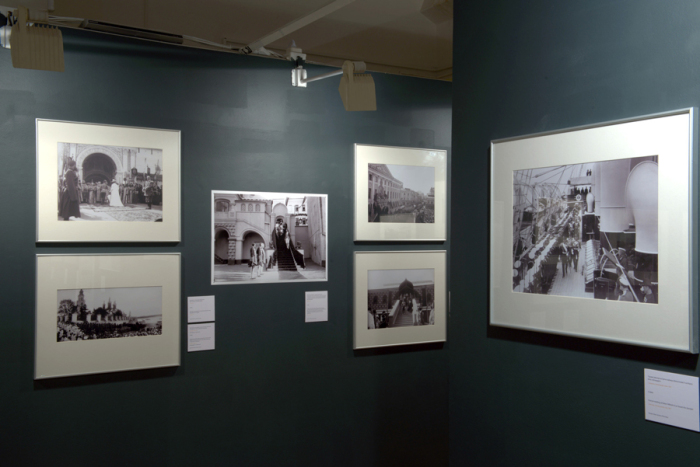
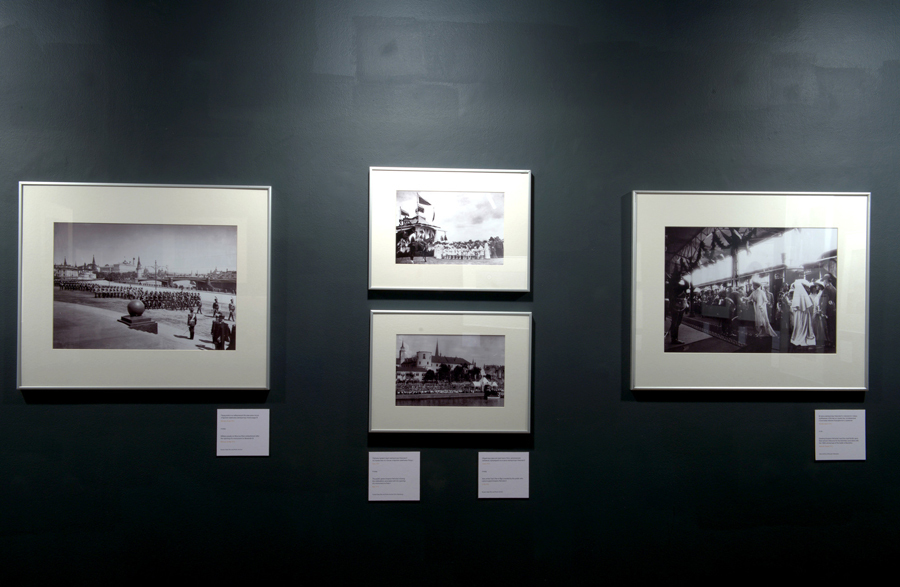
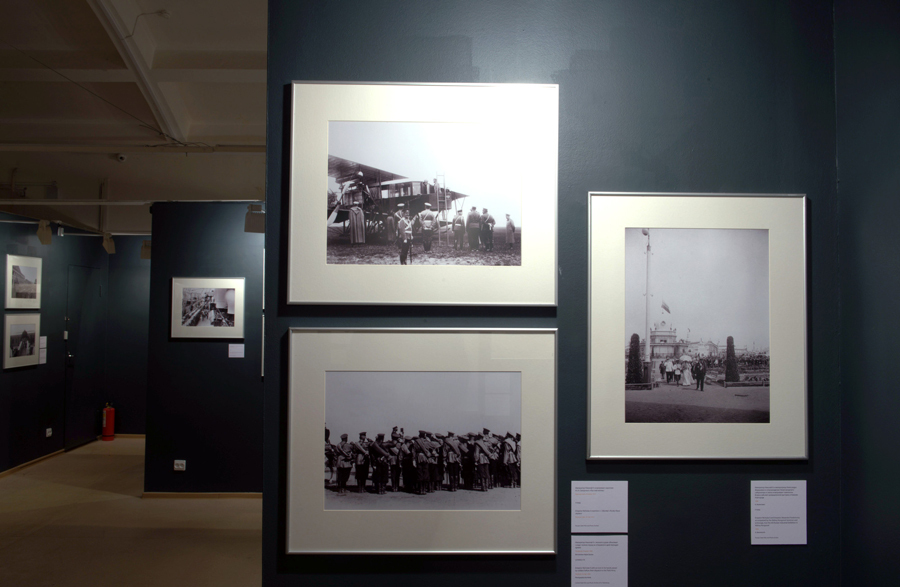
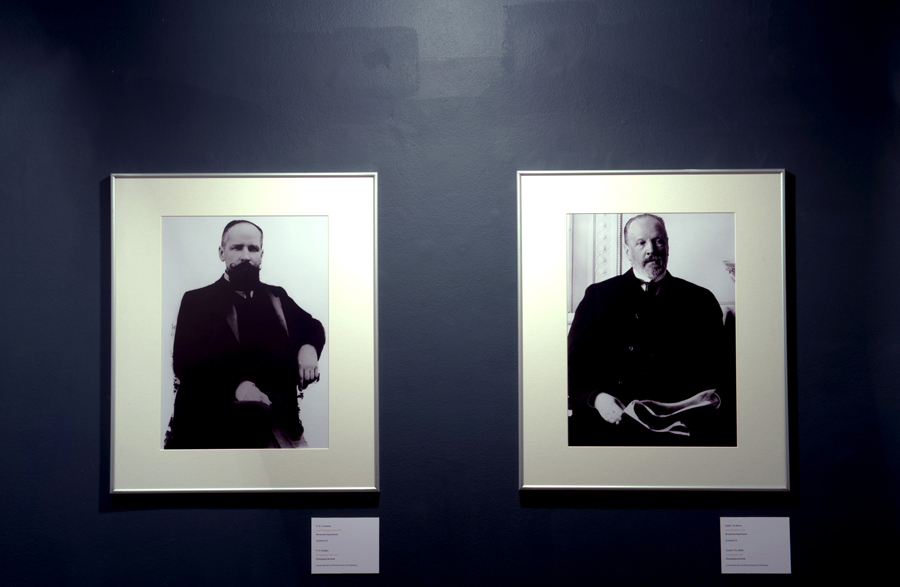
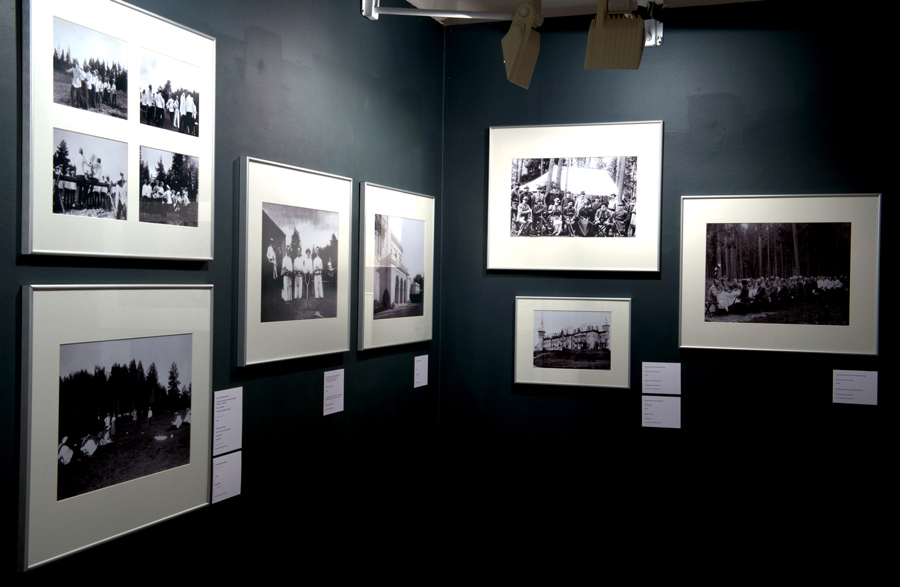
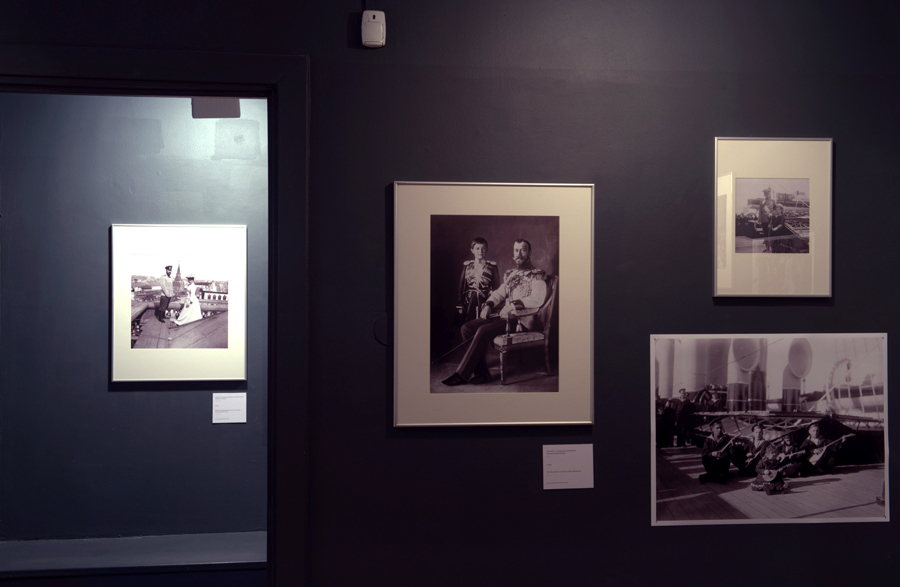
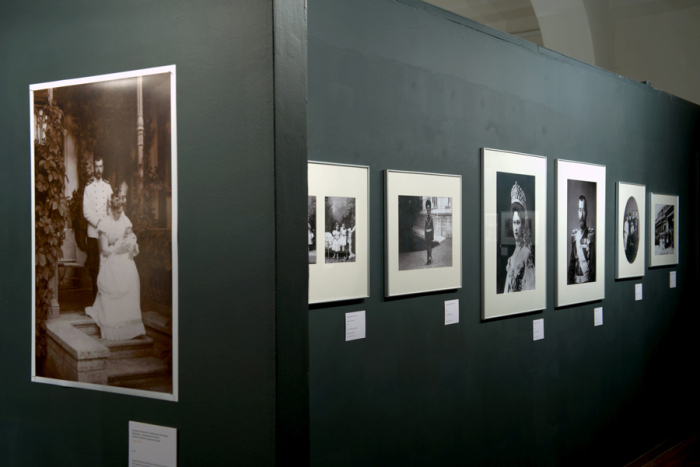
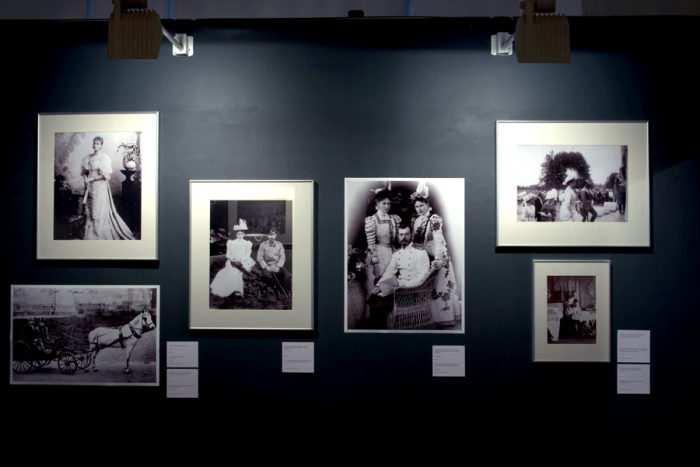
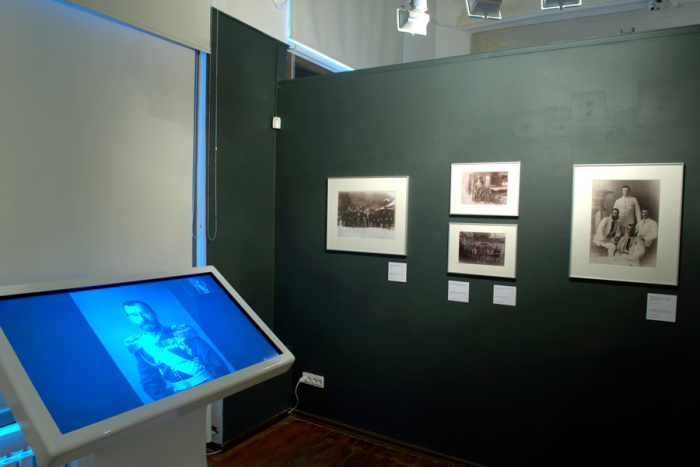
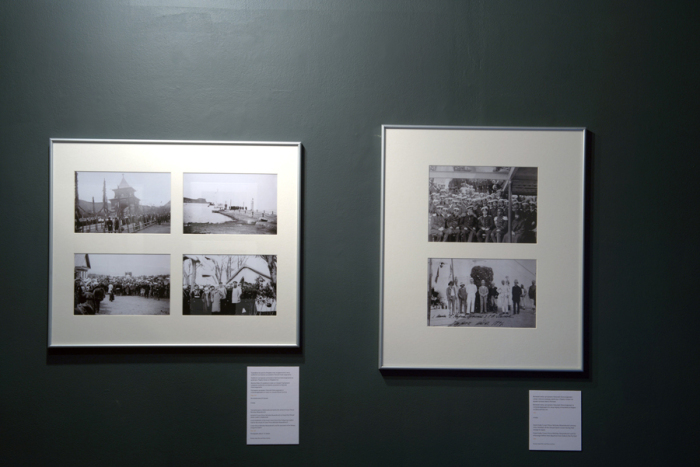
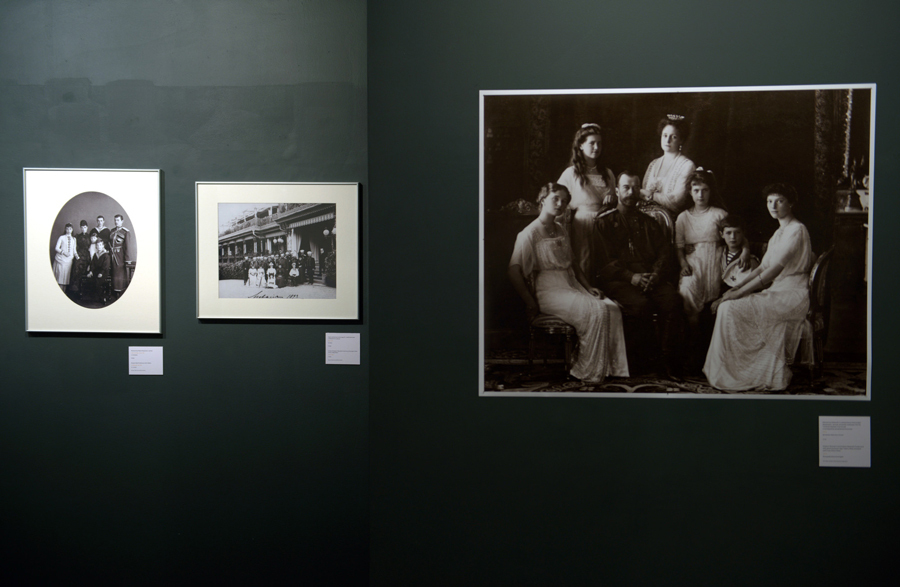
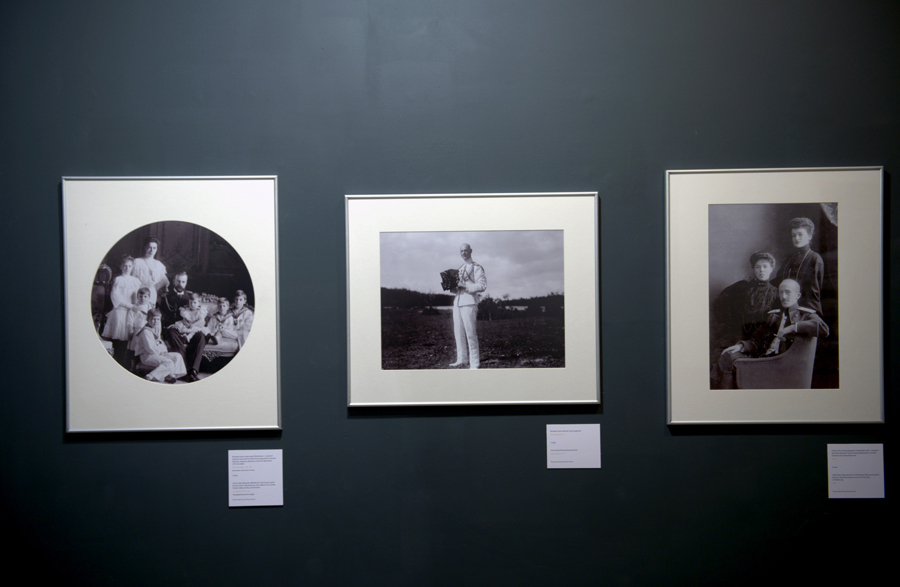
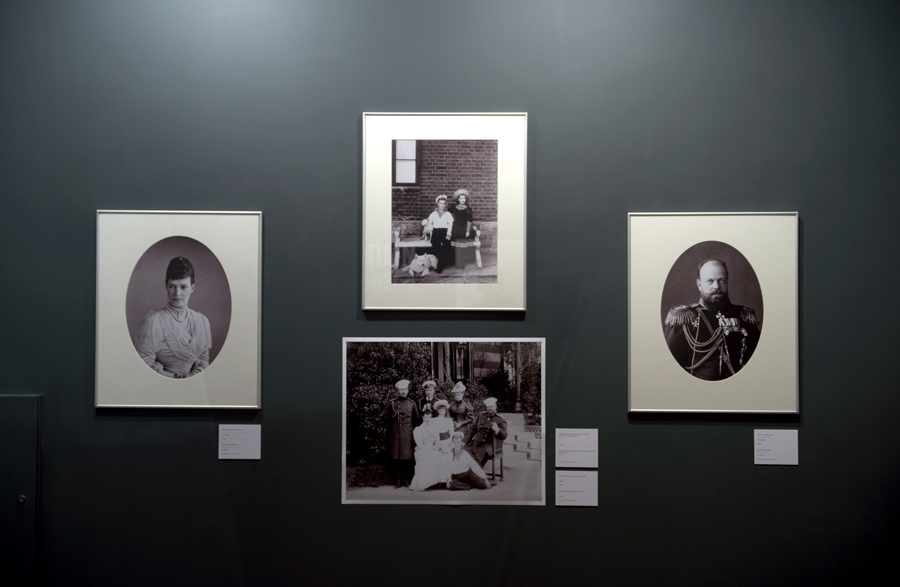
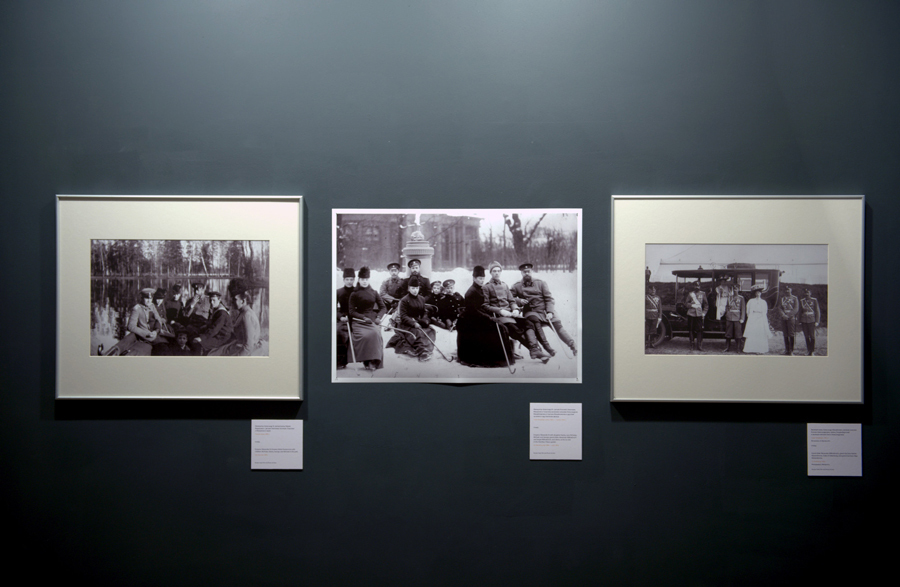
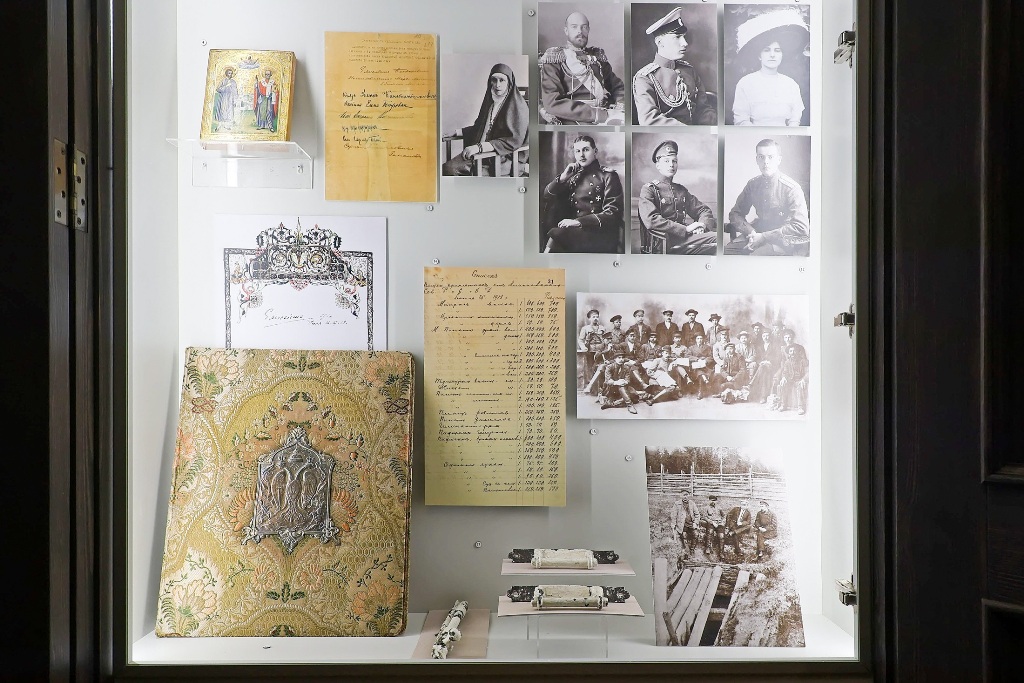
On 26th January 2024, a photo-exhibition The Tsar’s Family. Love and Mercy. opened in the Siberian city of Sayansk. The exhibition features photographs reflecting the life and work of the last Russian Emperor and his family. The photos are provided by the Sretensky Monastery in Moscow and are part of a nationwide project that has been successfully implemented in many cities across Russia and abroad.
Father Volodymyr Danilko, head of the diocesan department of religious education, delivered an opening speech at the opening of the exhibit. Art historian Svetlana Panina spoke about Christian virtues and relationships within the family of Nicholas II.
The exhibition runs until 2nd March 2024, at the Art Gallery in Sayansk.
The importance of these photo-exhibitions
On 30th January 2024, I read a particularly disturbing article in one of the online Russian media outlets, which told about two schoolchildren fighting over Nicholas II. One boy spoke negatively about the Tsar, referring to him as “a weak ruler” and “Nicholas the Bloody”, while the second boy defended the Tsar. An argyment ensued, followed by a physical altercation, leaving one boy with a broken nose. The fight took place in the school yard of the Petrovskaya School, one of the top 30 private educational institutions in Moscow.
It is very sad that school children are still being taught the same negative Bolshevik myths and lies, which have endured for more than a century, by either their parents or educators, who still embrace the Bolshevik assessment of Russia’s much slandered Tsar. This is one reason WHY, these photo-exhibitions are so important in 21st century Russia. They provide children with a more honest and truthful assessment of the life and reign of Nicholas II.
*As I have noted in previous posts, I support any initiative – big or small – to help keep the memory of Nicholas II and his family alive in 21st century Russia – PG
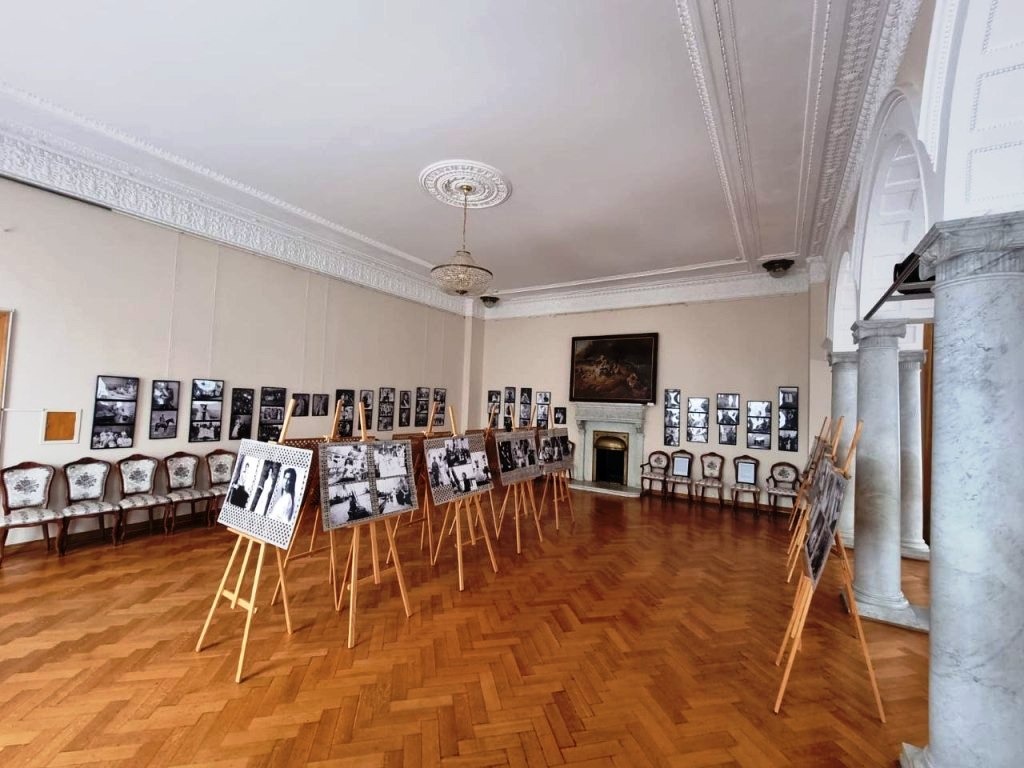
On 14th January 2024, with the blessing of His Eminence Tikhon, Metropolitan of Simferopol and Crimea, the photo exhibition The Tsar’s Family. Love and Mercy, opened at the Livadia Palace in Crimea.
The exhibition presents more than 100 vintage photographs that tell about the close relationship within the family of the last Russian emperor Nicholas II. The photographs reflect many aspects of the life of the Tsar’s family during the late 19th and early 20th centuries, including the upbringing of the children, and the warm and loving relationship, which they shared with both their parents and each other.
In addition, the photo exhibition also shows the Tsar’s Family’s dedication to acts of charity and their service to the Fatherland, and a wonderful example of Russian family traditions and unshakable spiritual values.
The rector of the Church of the Exaltation of the Cross, Archpriest Dimitry Gotskalyuk, in his welcoming speech noted the special symbolic and cultural significance of the photo project for Crimea. For many decades, the inhabitants of the blessed land of Taurida have revered the Holy Royal Martyrs as the patron saints of the family. The life of the Imperial Family is not only an example of service to people and the Fatherland, but also an example of Russian family traditions and unshakable spiritual values.
The photo exhibition is a joint project of the Church of the Exaltation of the Cross [the Imperial family’s church adjacent to the Livadia Palace], and the Livadia Palace State Museum, with the support of the Sretensky Monastery in Moscow.
The photo project The Tsar’s Family: Love and Mercy was created in 2016 by the Sretensky Monastery in Moscow. The travelling exhibition has already been presented in Serbia, Germany, Italy, Canada, Argentina, New Zealand, South Africa, Romania, Croatia, Montenegro, Bosnia and Herzegovina, Macedonia, and the Czech Republic. The exhibition has also been presented in many cities of Russia: Moscow, Voronezh, Kursk, Ryazan, Penza, Krasnodar, Belgorod, Velikiye Luki, etc.
The exhibition runs until 19th May 2024, in the Music Salon of the Livadia Palace
*As I have noted in previous posts, I support any initiative – big or small – to help keep the memory of Nicholas II and his family alive in 21st century Russia – PG
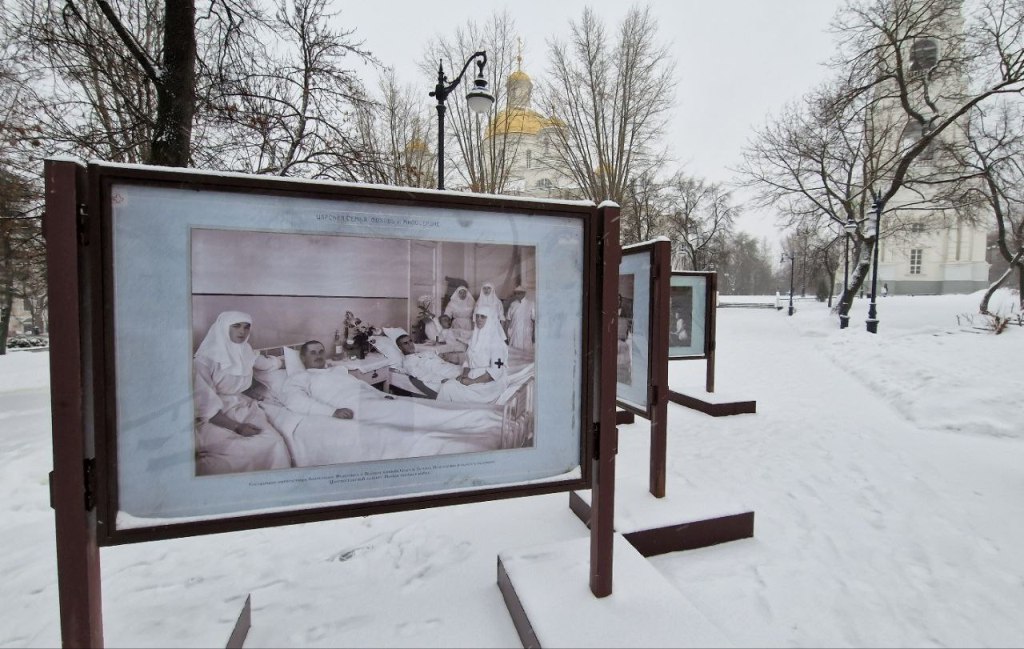
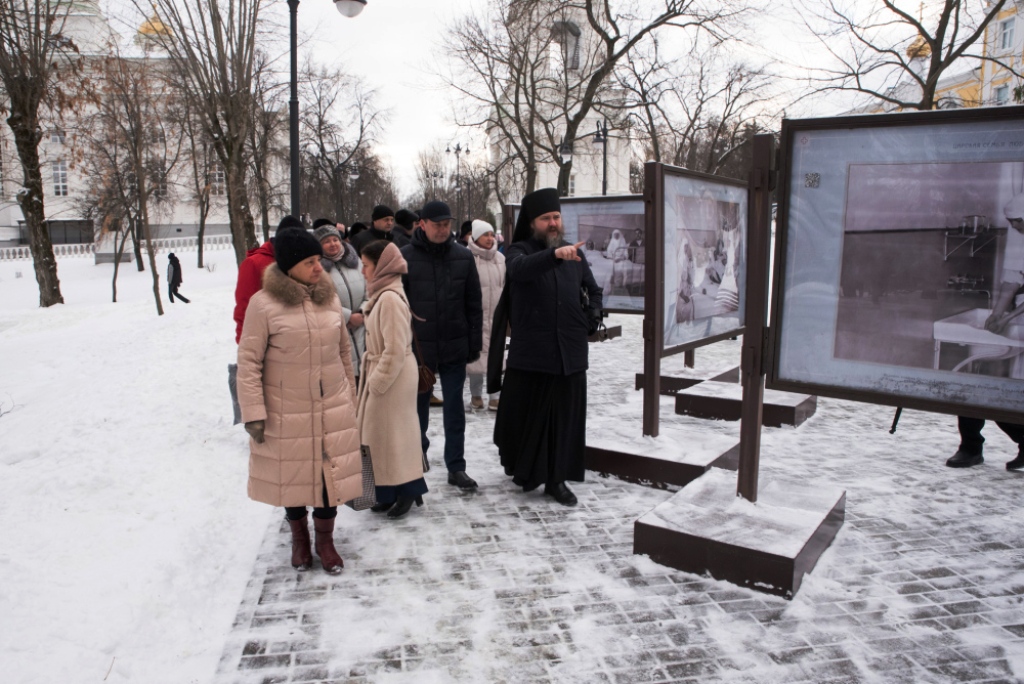
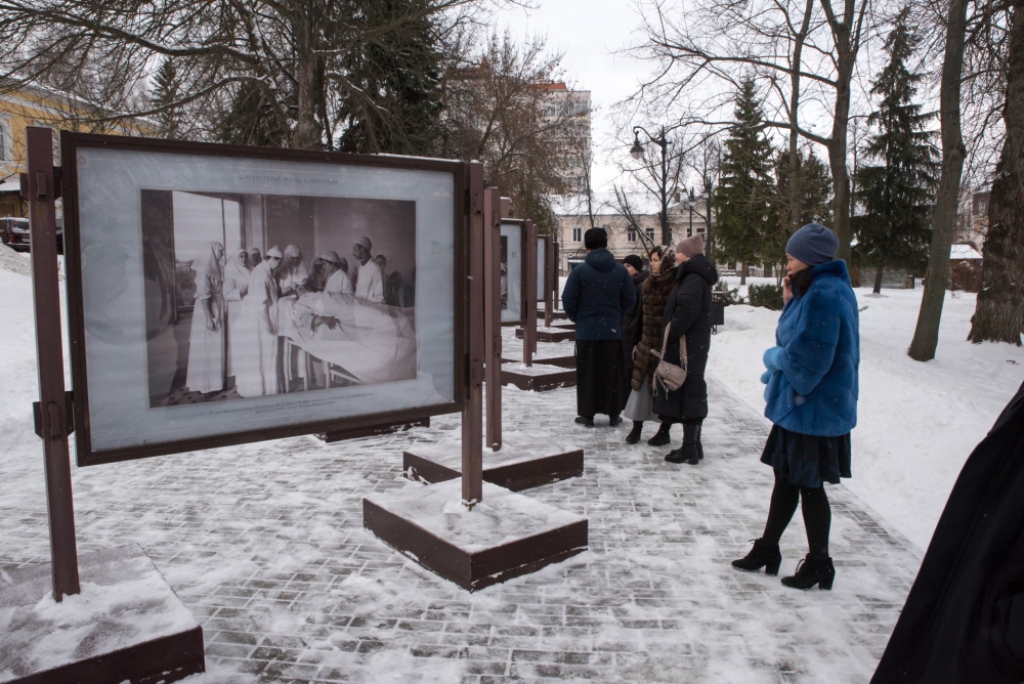
On 20th December 2023, an outdoor photo-exhibition dedicated to Emperor Nicholas II and his family opened near the Spassky Cathedral in Penza. Penza is the second Russian city after Moscow, where these unique photographs are presented to the general public in an outdoor setting.
The travelling exhibition The Tsar’s Family: Love and Mercy was previously held near the Sretensky Monastery in central Moscow from 16th October 2023 to 16th November 2023.
The Penza exhibit opened in a tree-lined alley located between the Spassky Cathedral and the Penza Diocesan Administration Building. Most of the photographs presented at the exhibition are dedicated to the participation of the Imperial Family II in matters of charity and service to others and the Fatherland.
Of particular note are selected photographs dedicated to the service of Empress Alexandra Feodorovna and the Grand Duchesses as nurses in infirmaries and hospitals during the First World War.
The Tsar’s Family: Love and Mercy photo project was created in 2016 by the Sretensky Monastery in Moscow. The creator of the project, a resident of the Sretensky Monastery, Hieromonk Ignaty (Shestakov), gave lectures on the Tsar and his family at two universities: Penza State University and the Penza Artillery Engineering Institute.
***
“The old buildings and streets of Penza remember the visit of Emperor Nicholas II to the city on 28th June 1904. During his visit, the Tsar attended a review of the troops going to the Russo-Japanese War, after which he attended a Divine Liturgy in the Spassky Cathedral.
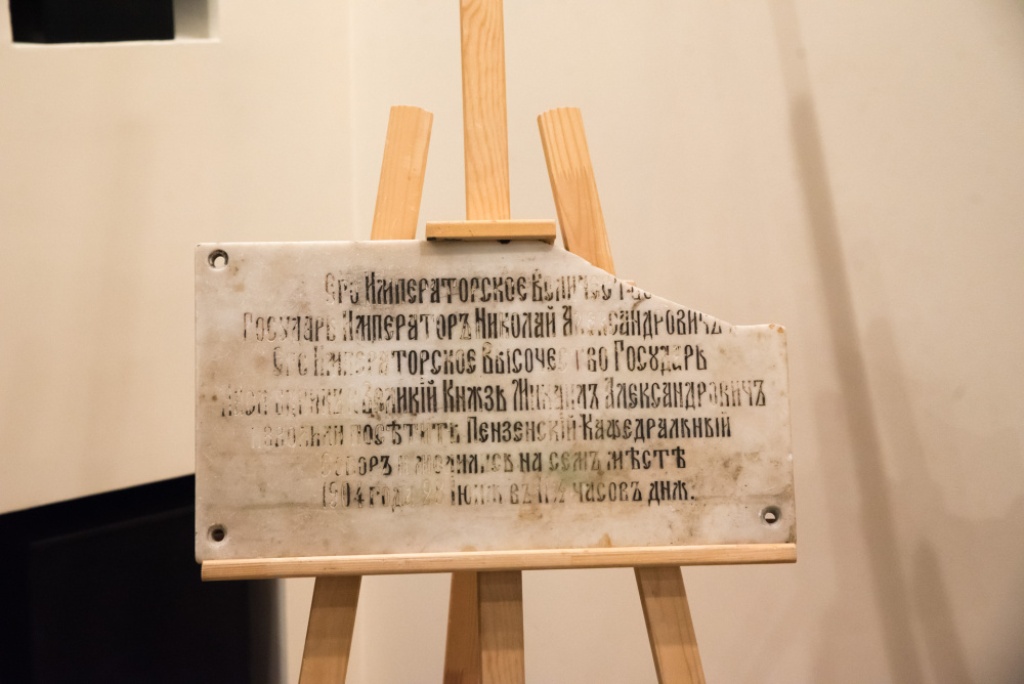
In memory of Emperor Nicholas II’s visit to Penza, a memorial plaque was installed on one of the columns of the Spassky Cathedral, which was considered lost after the destruction of the cathedral by the Soviets in 1934.
In the late 1990s, this artifact was found by the famous Penza collector Igor Sergeevich Shishkin, who kept it all these years until June 2022, on the day of the consecration of the revived Spassky Cathedral by Patriarch Kirill. On this day, Igor Sergeevich handed over a memorial plaque to the Penza diocese.
There are plans to have the memorial plaque reinstalled to its original place in the Spassky Cathedral, next to the new icon of Nicholas II, for which a case is now being made.
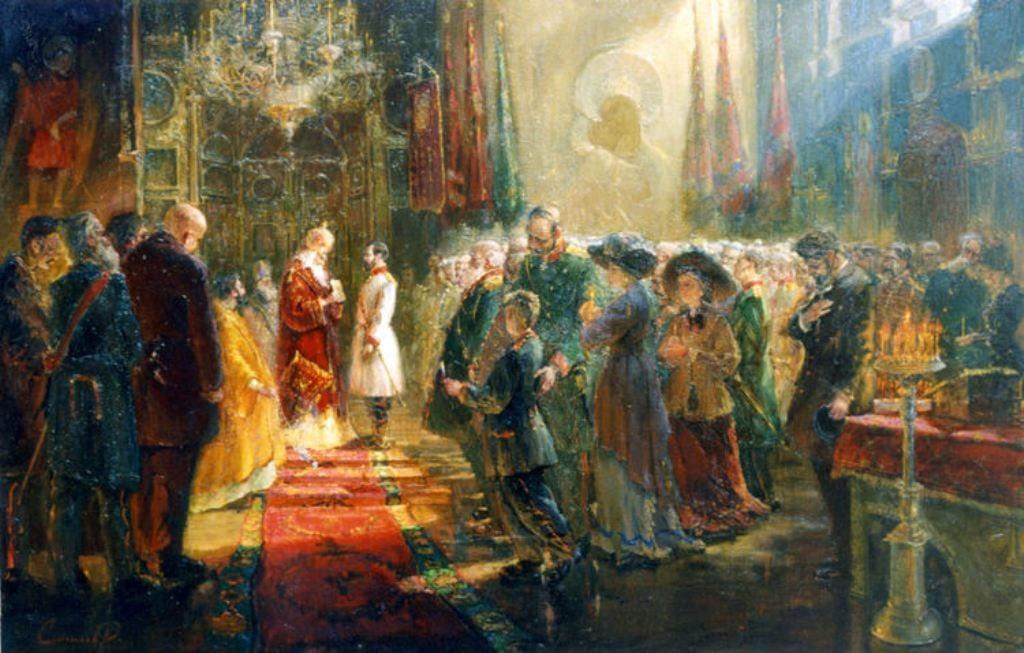
A painting dedicated to this event was painted in the 1990s by Penza artist Denis Santalov. The painting depicts Nicholas II standing before the priest, who offers the Tsar an icon, which he in turn would kiss and make the sign of the cross.
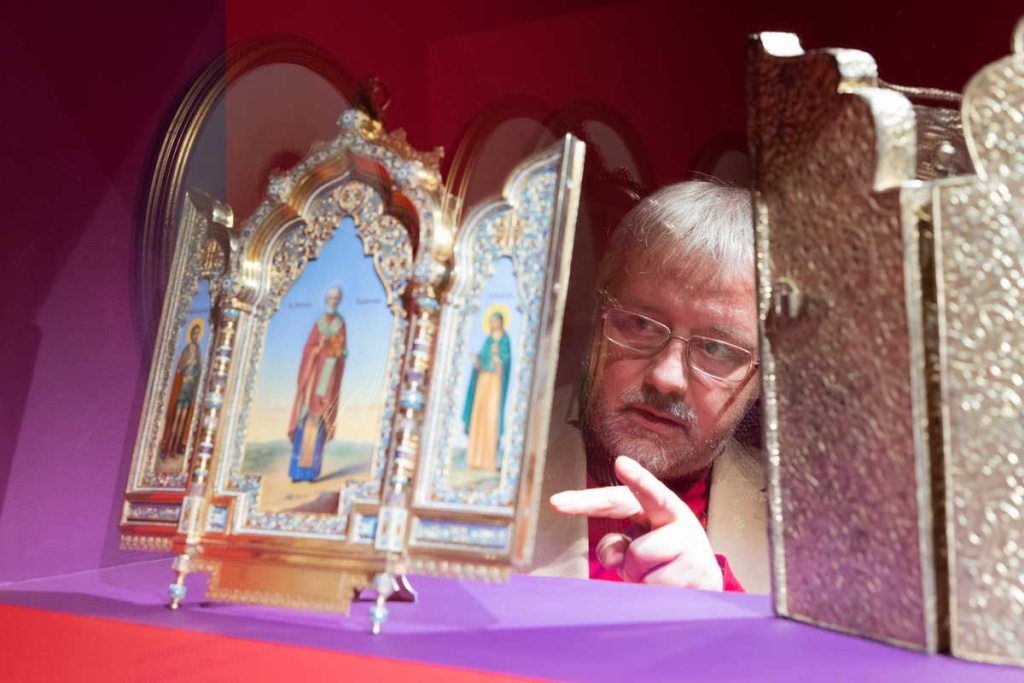
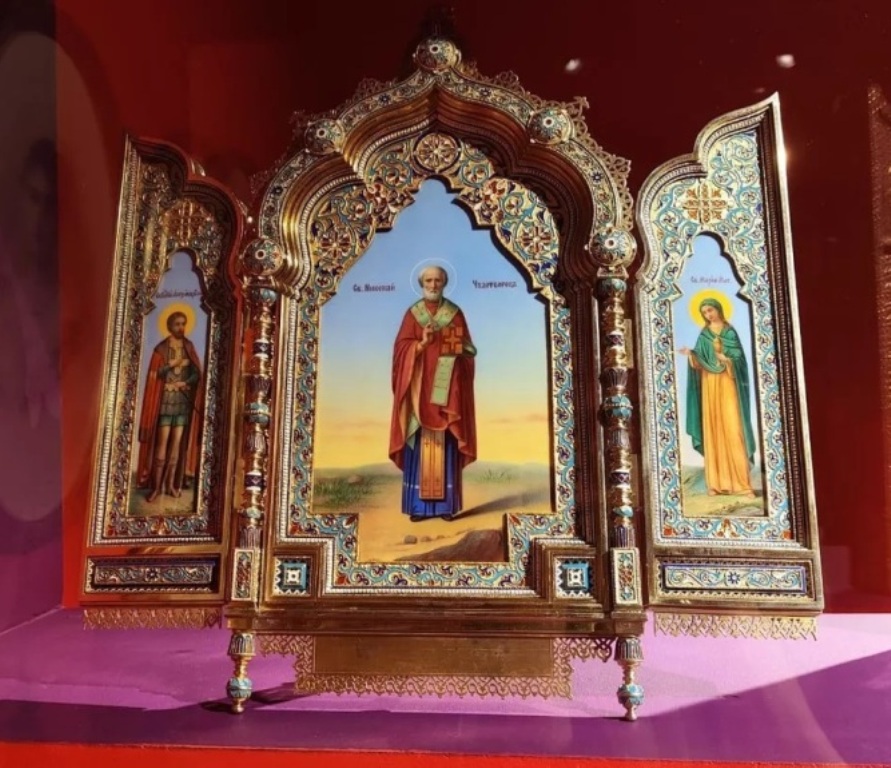
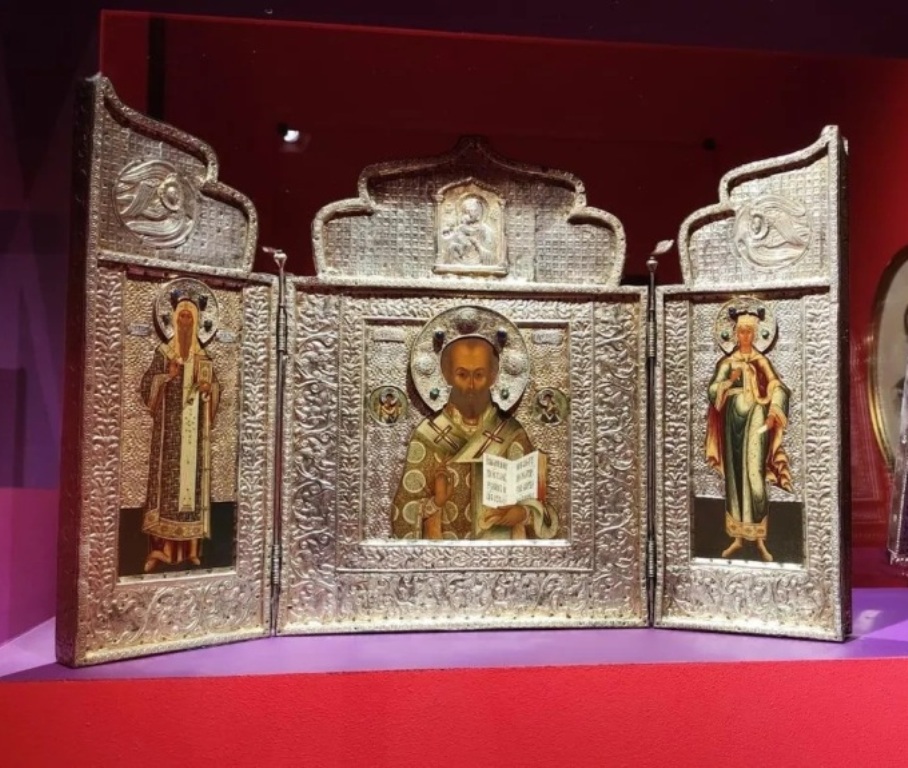
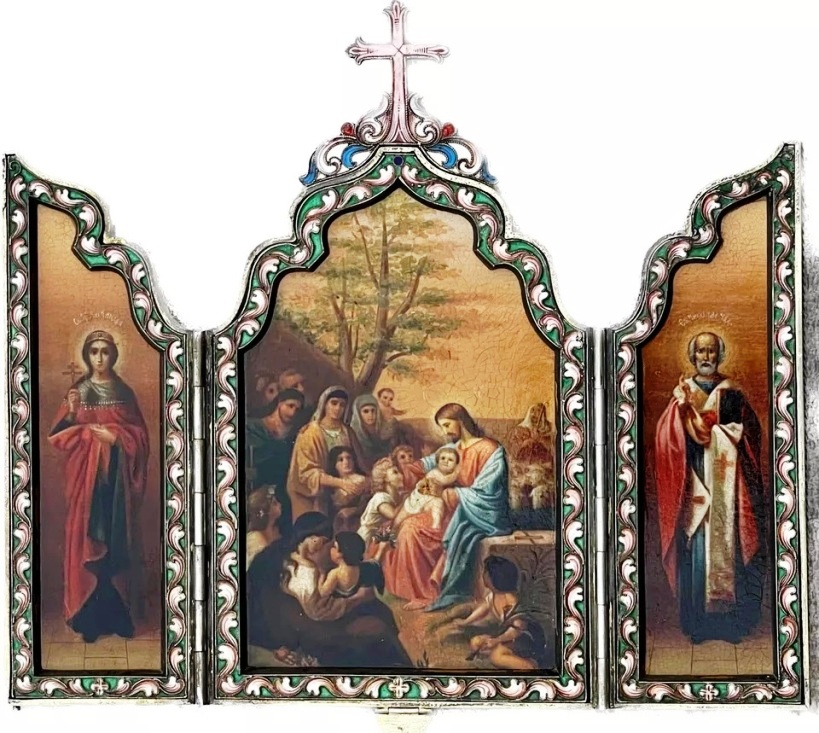
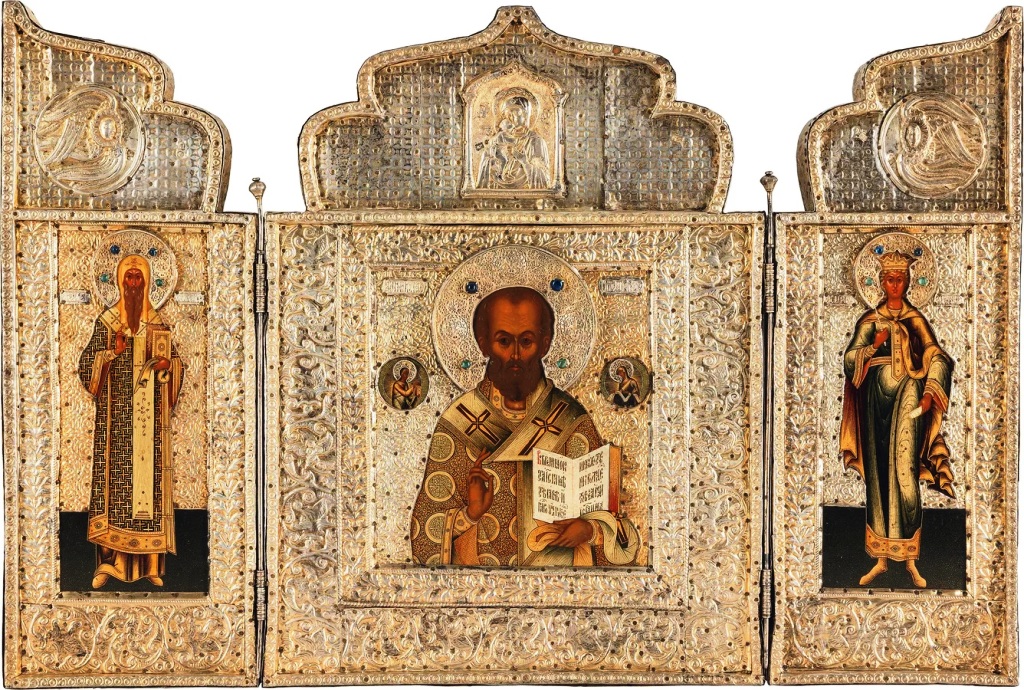
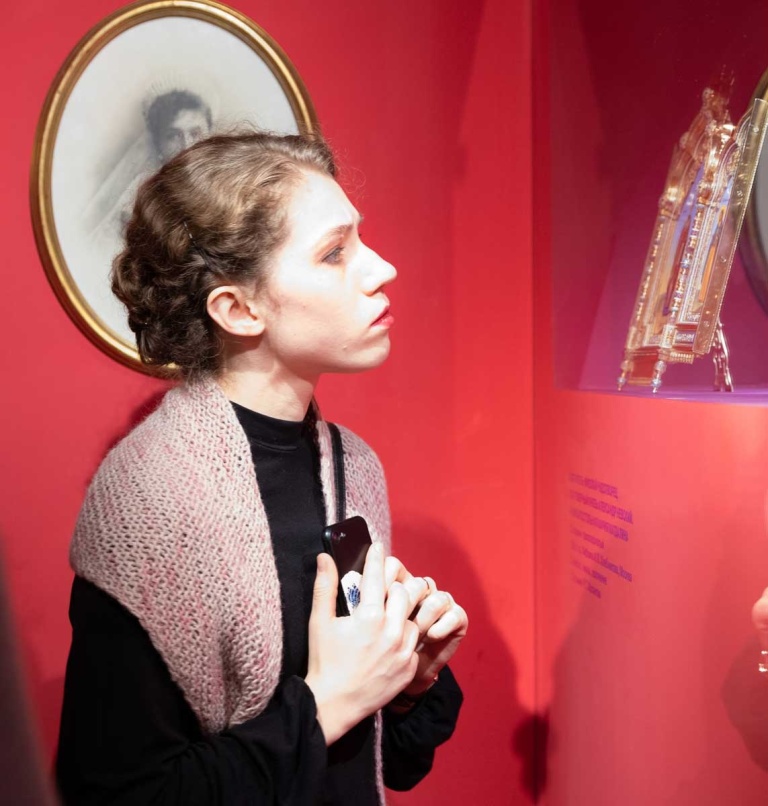
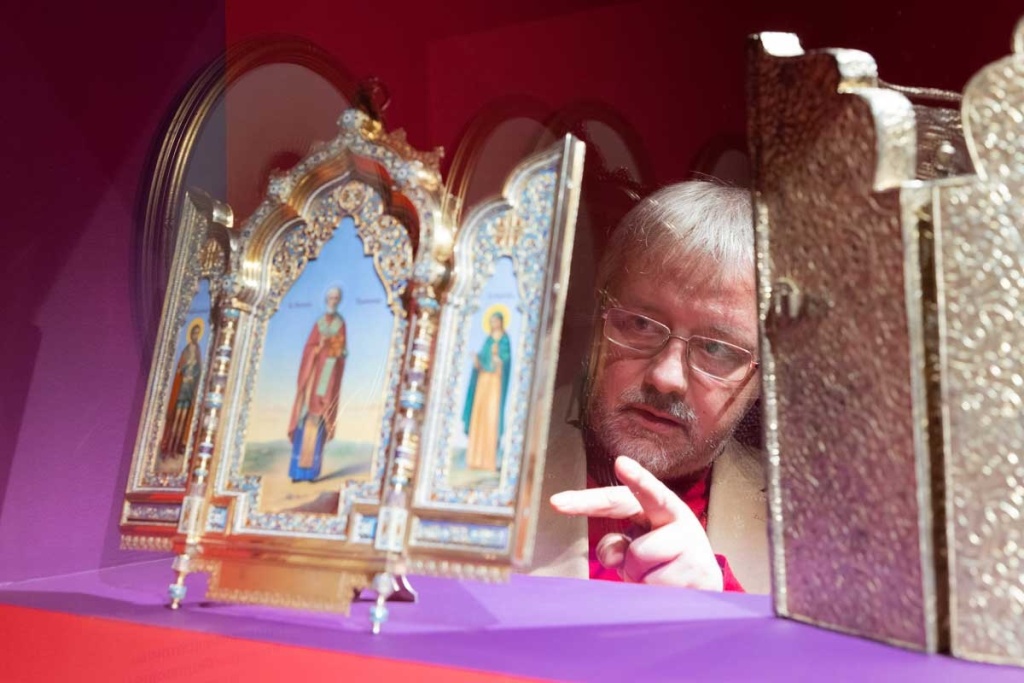
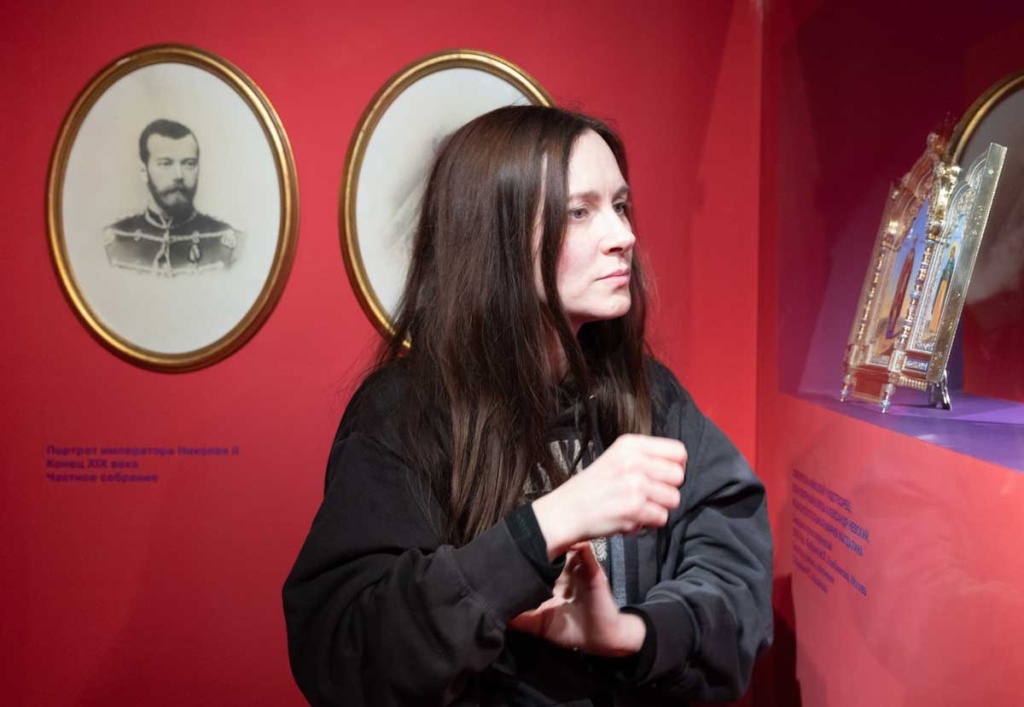
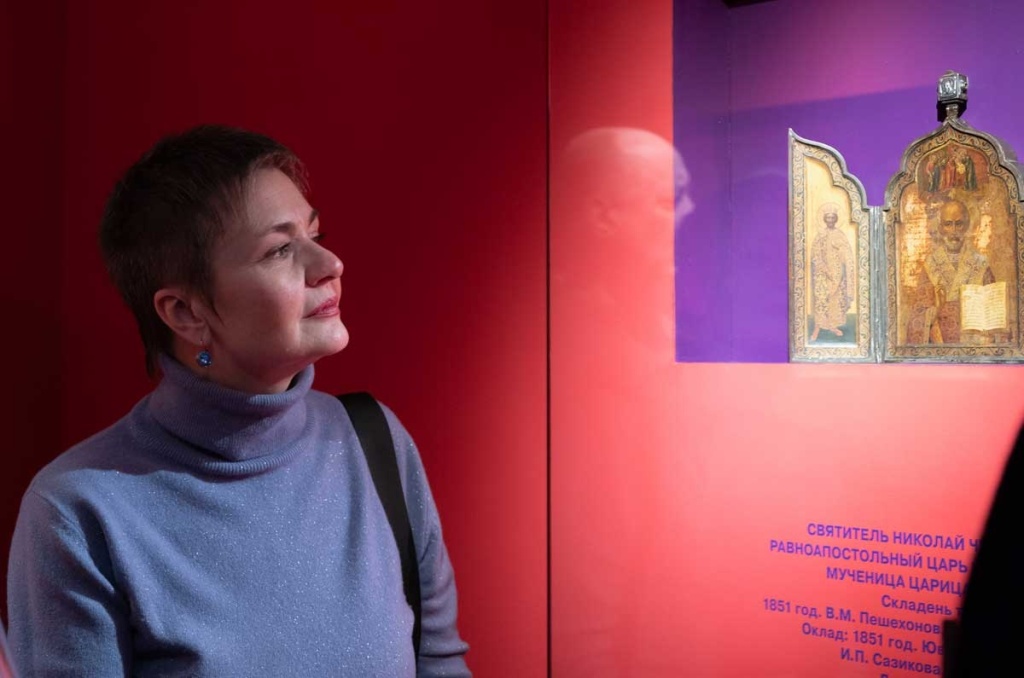
On 21st December 2023, a unique exhibit featuring four folding icons presented to members of the Family of Emperor Nicholas II, went on display at the Andrei Rublev Museum in Moscow.
According to Zhanna Belik, curator of the exhibition, “the icons, all of which are now in private collections, are being shown for the first time at the exhibition”.
“Each of the four folding icons is unique in its own way. They were personal gifts to members of the Imperial Family from organizations and donors from different walks of life. Gifts were given to the Imperial Family on special occasions throughout the year. For instance, on the occasion of the birth of children, their coming of age, the 300th anniversary of the House of Romanov, birthdays and namedays, etc.. To do this, it was necessary to submit a petition in advance, which was considered personally by the person to whom the gift was addressed,” Belik said.
CLICK on each IMAGE below to enlarge
According to Belik, the birth of Tsesarevich Alexei Nikolaevich in 1904 is associated with the folding icon gifted to Emperor Nicholas II and his wife Alexandra Fedorovna, by the abbot and brethren of the Trinity-Sergius Lavra [in the town of Sergiyev Posad, near Moscow]. The artists and jewelers who created it were outstanding craftsmen of their time.
“The exhibition also presents a folding icon with images of saints St. Nicholas the Wonderworker, Prince Alexander Nevsky and Mary Magdalene. The icon was presented to Tsesarevich Nicholas Alexandrovich [future Emperor Nicholas II] on his 18th birthday, by the guard of the Moscow Philistine Society. The folding icon was made in the workshop of Ivan Khlebnikov, a Supplier to the Imperial Court,” the curator said.
CLICK on each IMAGE below to enlarge
The curator noted that each of the four folding icons have the icon writer’s name on the back of each icon, the frames were made by jewelers – Suppliers of the Imperial Court. “At this time, jewelry art reached its apogee in Russian art, the work of jewelers of the second half of the 19th century and the beginning of the 20th century are world-class works,” Belik said.
The exhibition also features a sewn icon from the collection of the Andrei Rublev Museum, also created on the occasion of the birth of the long-awaited heir, and presented to Nicholas and Alexandra.
The exhibition runs from 21st December 2023 to 11th February 2024.
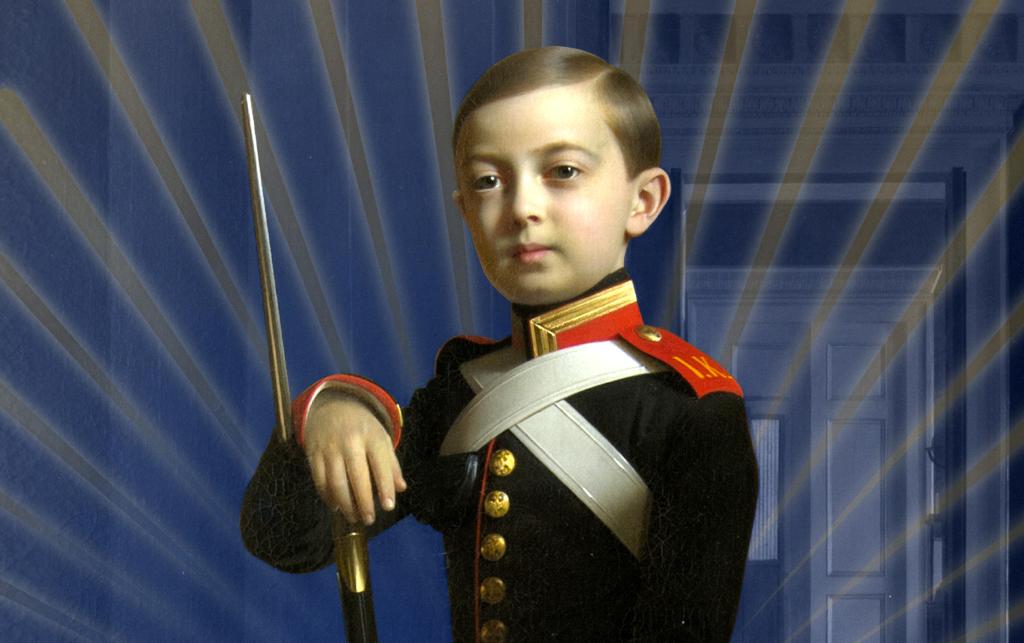
On 9th December 2023, a new exhibition “Becoming a Romanov” opened in the Grand Palace at Tsaritsyno State Museum, near Moscow. The exhibit explores the upbringing and education of grand dukes and grand duchesses of the Russian Imperial Family.
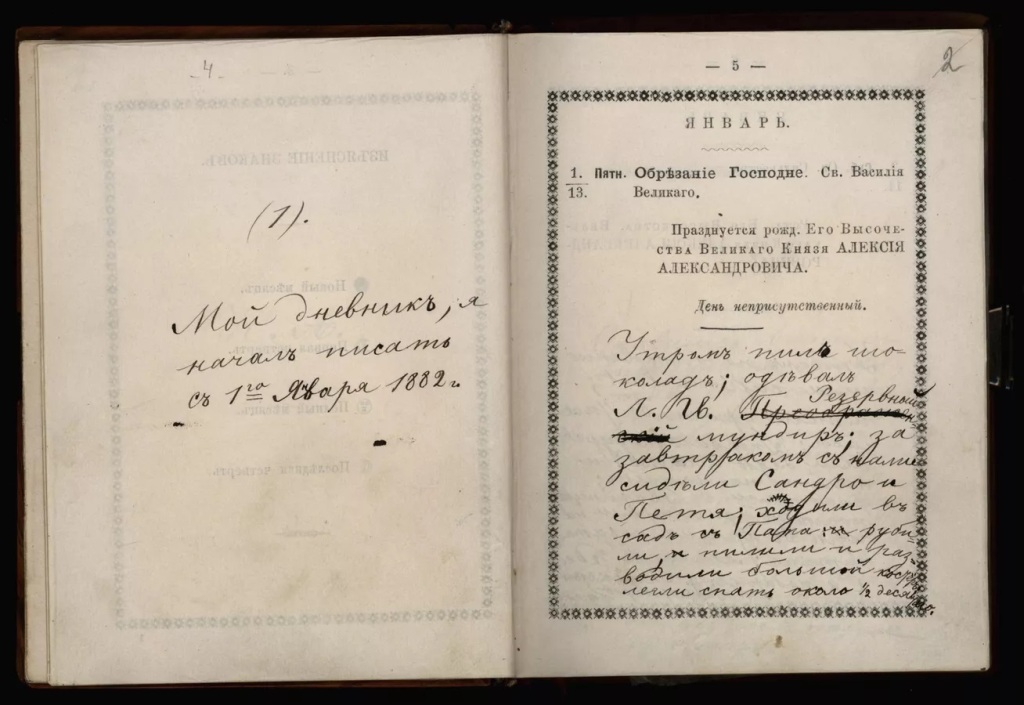
The exposition includes more than 500 exhibits, including a globe owned by Emperor Paul I, notebooks of Alexander I, a report card of Alexander III, as well as diaries, letters, contour maps, sketchbooks, board games, tin soldiers, toy cannons and a 17th century silver rattle, which belonged to Peter the Great.
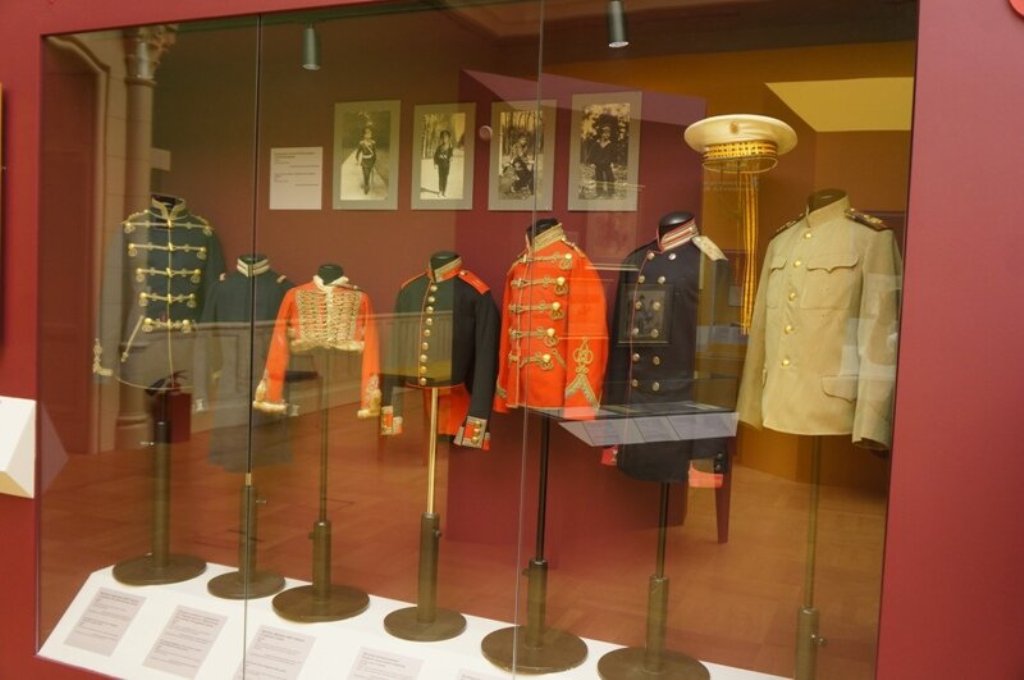
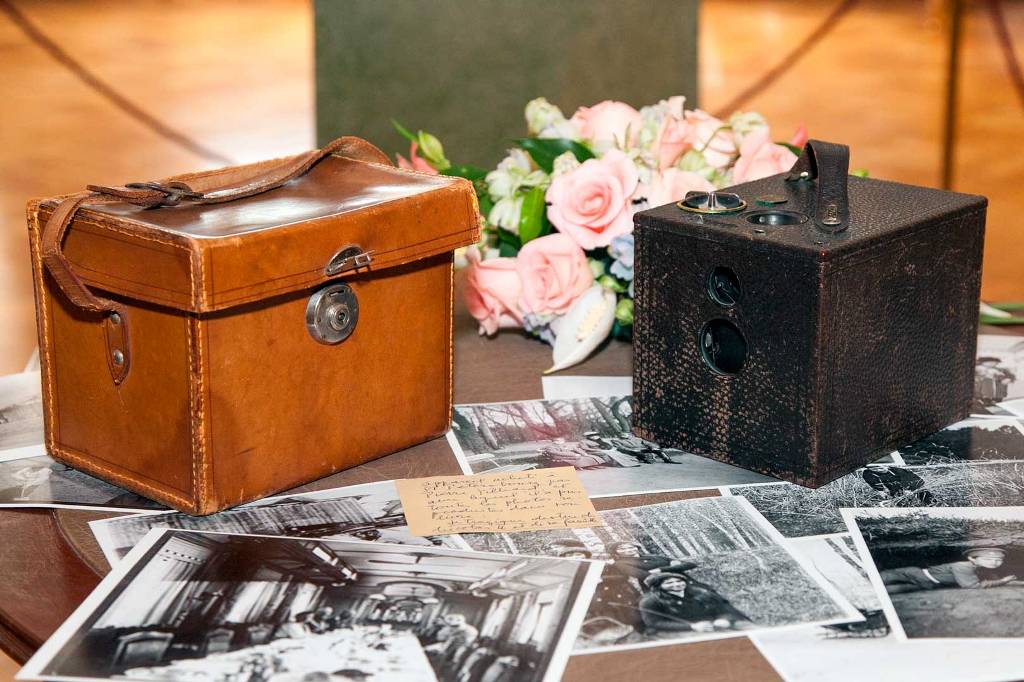
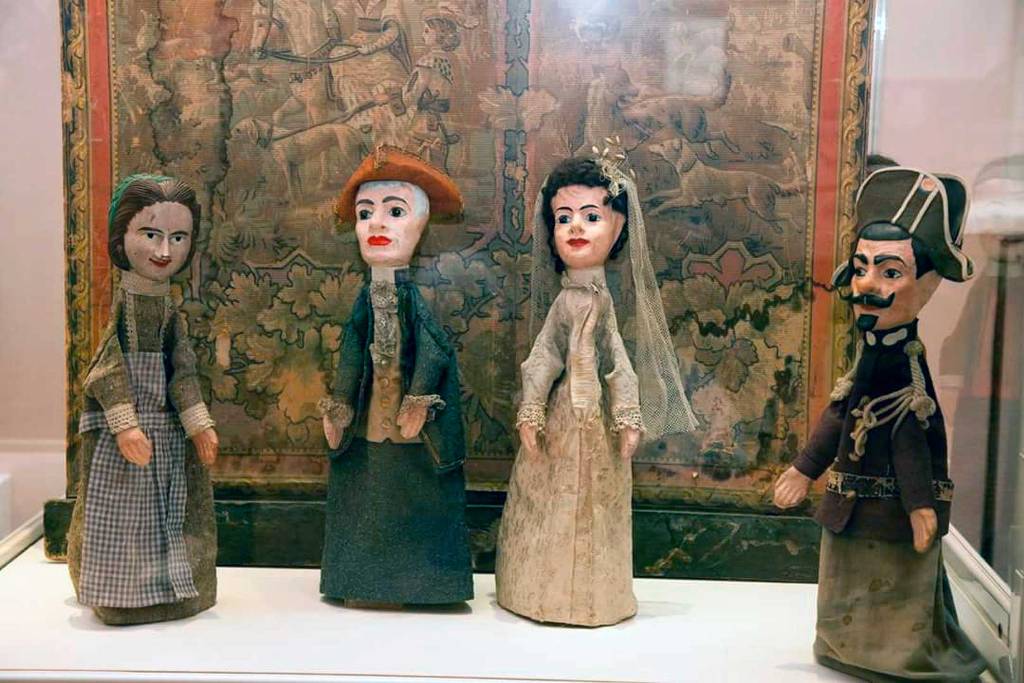
The Tsarskoye Selo State Museum presented more than 50 items for the exhibition, including children’s single-seater sleighs, the Guignol Theater, which was presented by Dowager Empress Maria Feodorovna to her grandson Tsesarevich Alexei Nikolaevich, a Kodak camera that belonged to the tutor of Emperor Nicholas II’s children, Pierre Gilliard, a baptismal set of Tsesarevich Alexei, portraits and uniforms of Grand Dukes, pieces of furniture, clocks, books and toys.
PHOTO: diary (1882) of Tsesarevich Nikolai Alexandrovich – future Tsar Nicholas II
PHOTO: regiment uniforms belonging to Tsesarevich Alexei Nikolaevich
PHOTO: Pierre Gilliard’s Eastman Kodak Bulls Eye camera
PHOTO: the Guignol Theater, presented by Dowager Empress Maria Feodorovna to her grandson Tsesarevich Alexei Nikolaevich
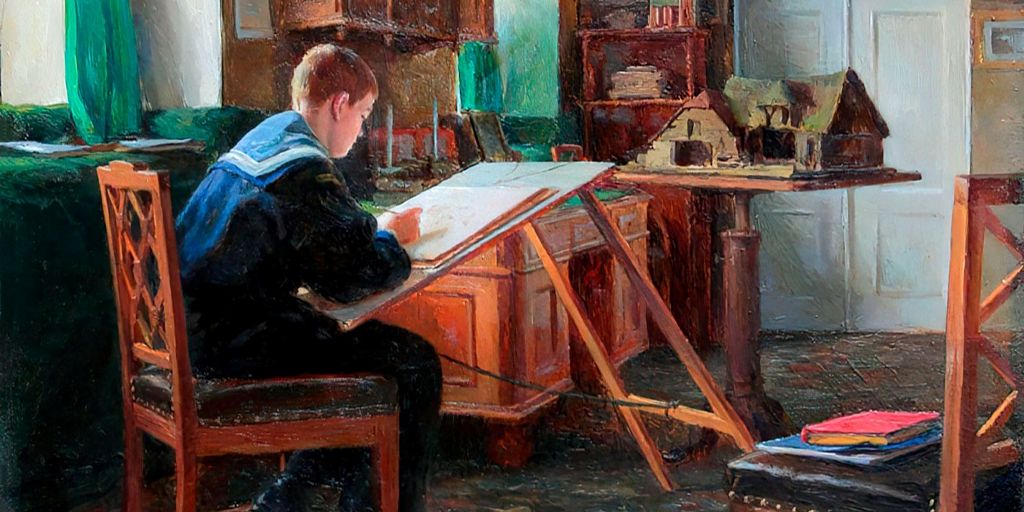
Portrait of Grand Duke Mikhail Alexandrovich in the Classroom at Gatchina. Artist Kirill Vikentievich Lemokh (1841-1910). 1890s
The exhibition is a joint project of the Tsaritsyno State Museum, the State Archives of Russian Documents and materials from the collections of the State Historical Museum (Moscow), the Moscow Kremlin Museums, the State Hermitage Museum (St. Petersburg), the State Museum of Russian History, the Russian State Library (St. Petersburg), the A.S. Pushkin State Museum (Moscow), the Scientific Research Museum at the Russian Academy of Arts, the A.E. Fersman Mineralogical Museum, the Russian Academy of Sciences, Ostankino Museum-Reserve, Kuskovo, Tsarskoye Selo State Museum, Pavlovsk State Museum and the Gatchina State Museum.The exhibition runs until 7th April 2024.
NOTE: this article was originally posted on 6th July 2018, it has Been updated with the video below on 6th December 2023 – PG
CLICK on the IMAGE above to watch the grand opening of the photo-exhibition. Language: Russian. Duration: 2 minutes, 27 seconds
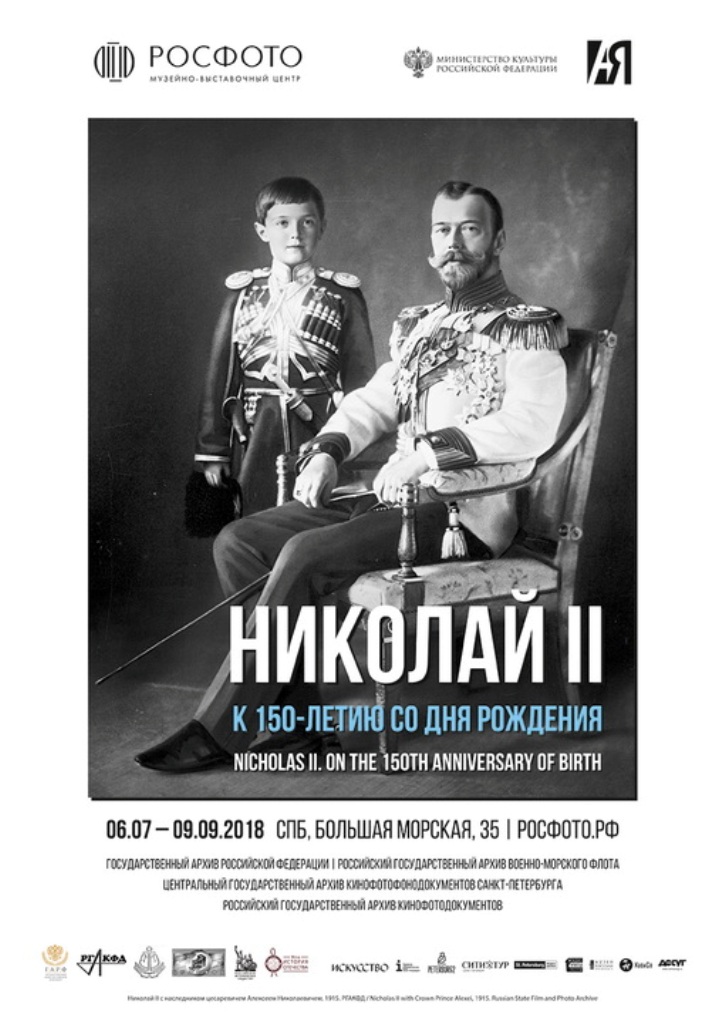
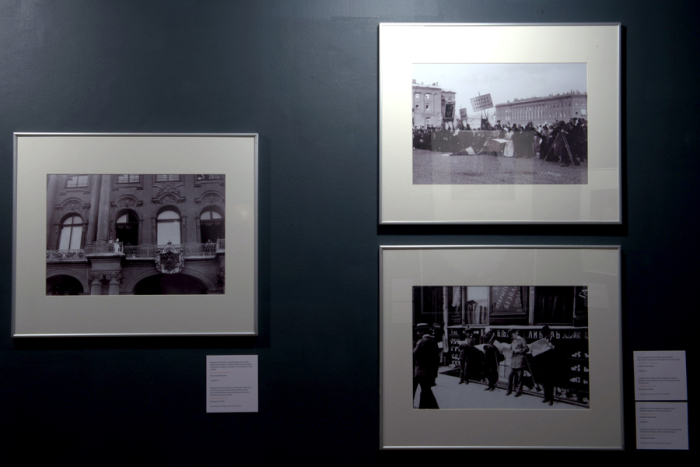
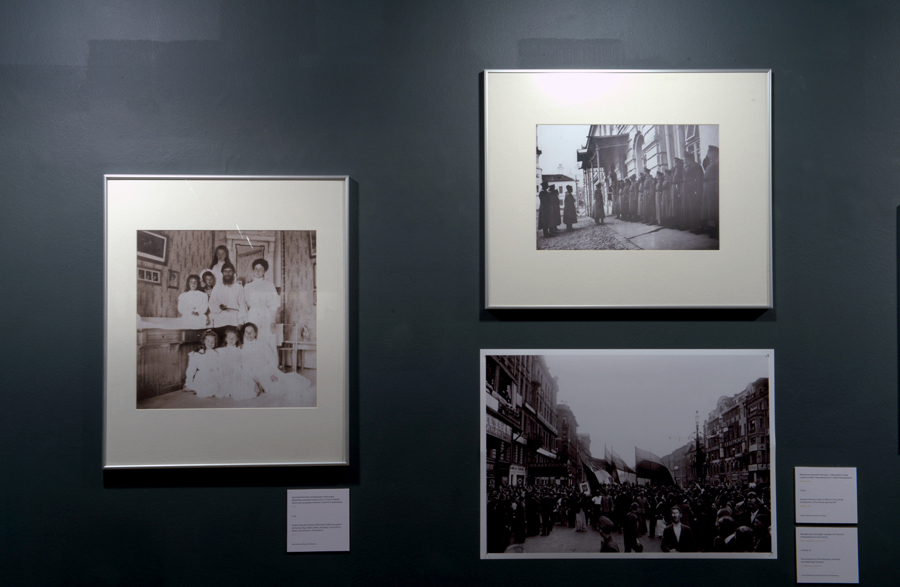
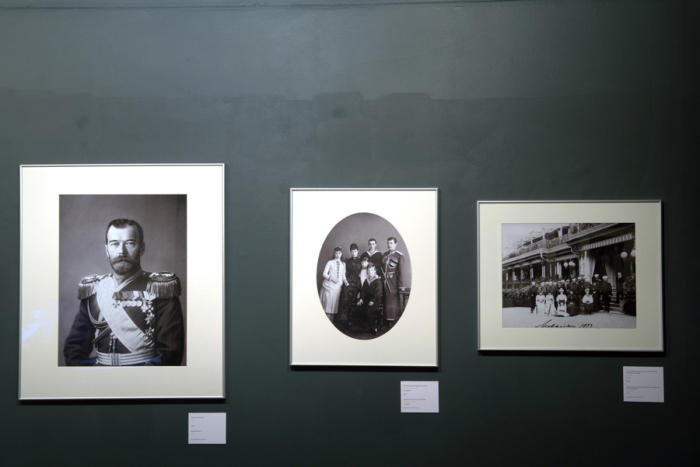
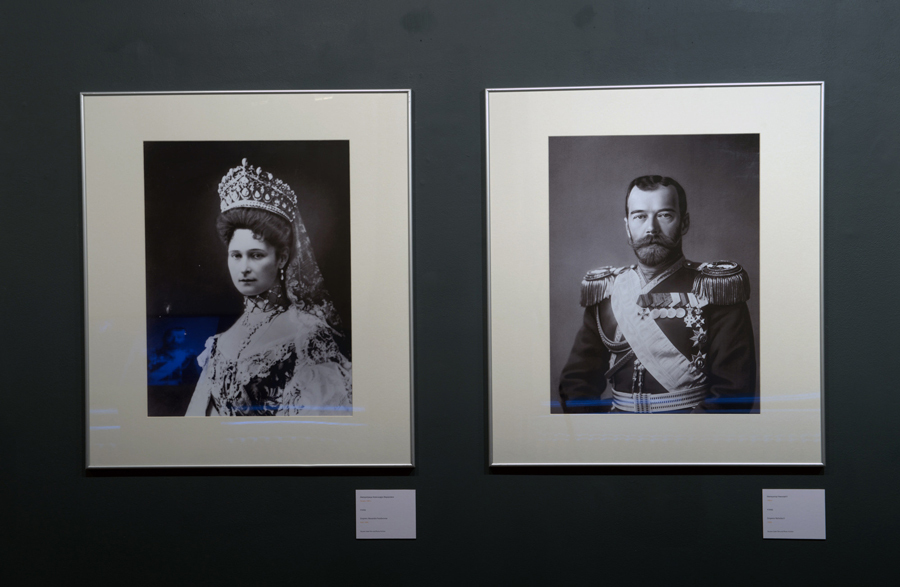
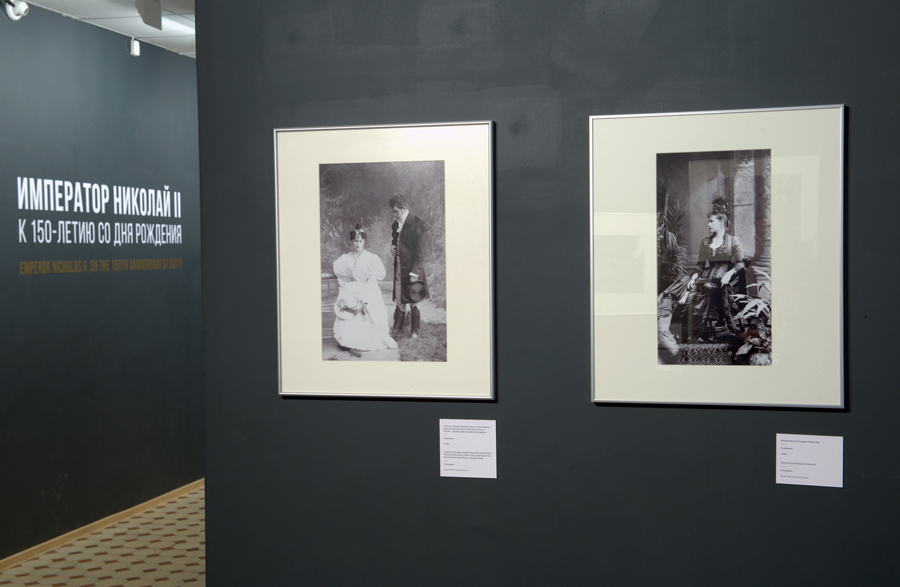
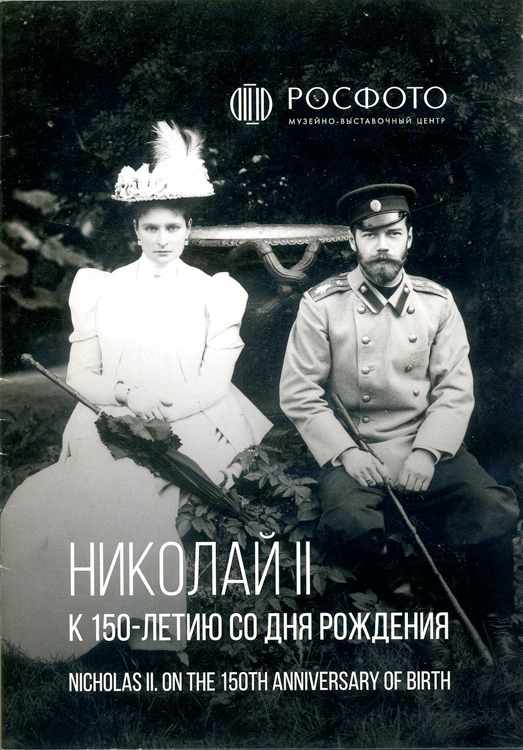
On 6th July 2018 a new exhibition Emperor Nicholas II. To the 150th Anniversary of his Birth, opened in the ROSPHOTO Museum and Exhibition Center in St. Petersburg.
The photo-exhibition is a joint project between the Russian State Archive of Cinema and Photo Documents, the State Archive of the Russian Federation (Moscow), the Russian State Archive of the Navy (St. Petersburg), and the Central State Archive of Film and Photo Documents (St. Petersburg).
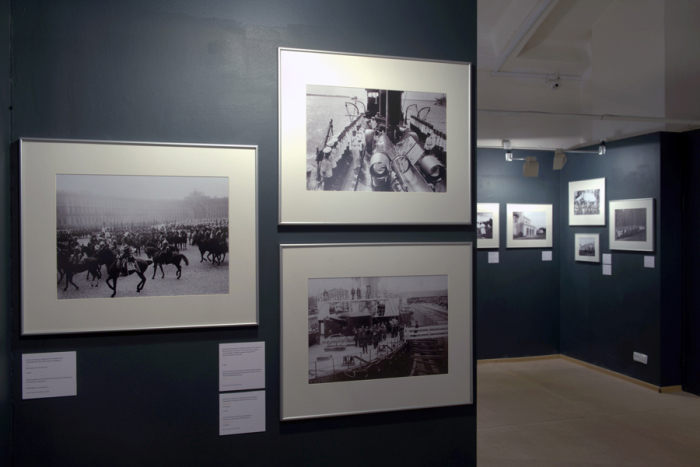
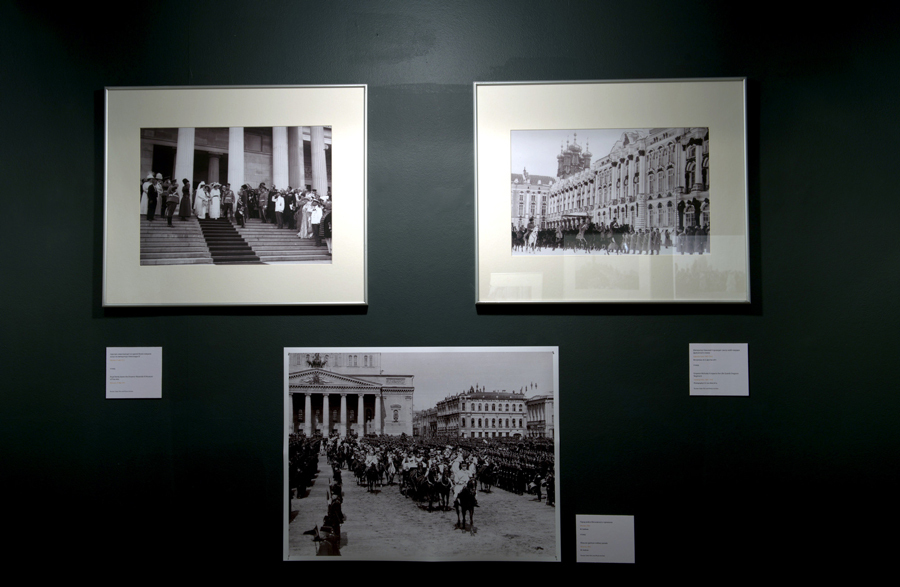
The exposition presents 150 photographs and 30 minutes of vintage newsreels related to the life and public activities of Nicholas II. The exhibition ran from 6 July to 9 September 2018
The Imperial Family were photographed by the best photographers of the Russian Empire. In addition, the Romanovs were photographed by the best foreign photographed when they travelled abroad. The exhibition presents family photos of the emperors Alexander III and Nicholas II, taken by outstanding Russian and foreign photographers of the day.
The greatest number of photographs which have been preserved to this day were taken by the co-owner of the photographic studio “K.E. von Gan and Co., the famous Russian photographer AK. Yagelsky, who was appointed “photographer of His Imperial Majesty.” He photographed Nicholas II not only at court, but also in his day-to-day life, on trips around the country, and during diplomatic visits. The exhibition features numerous other photographs of the K.E. Von Gan and Co. Studio marking the state activities and private life of the last Russian emperor.
The project further presents photographic images taken by the famous photographer K.K. Bulla. In 1904, he received permission to photograph views of the capital and important celebrations. Bulla received certificate of permission from the General Staff of the War Department, “to make photographic surveys on maneuvers and exercises of the Guard troops and the St. Petersburg Military District”, as well as a special certificate from the Main Naval Staff permitting photography “during maneuvers, reviews, exercises, and all events relating to naval life.” The exhibition includes K.K. Bullas photos from various jubilee celebrations, military reviews, launching of the ships of the Russian Navy, all of which were attended by Nicholas II.
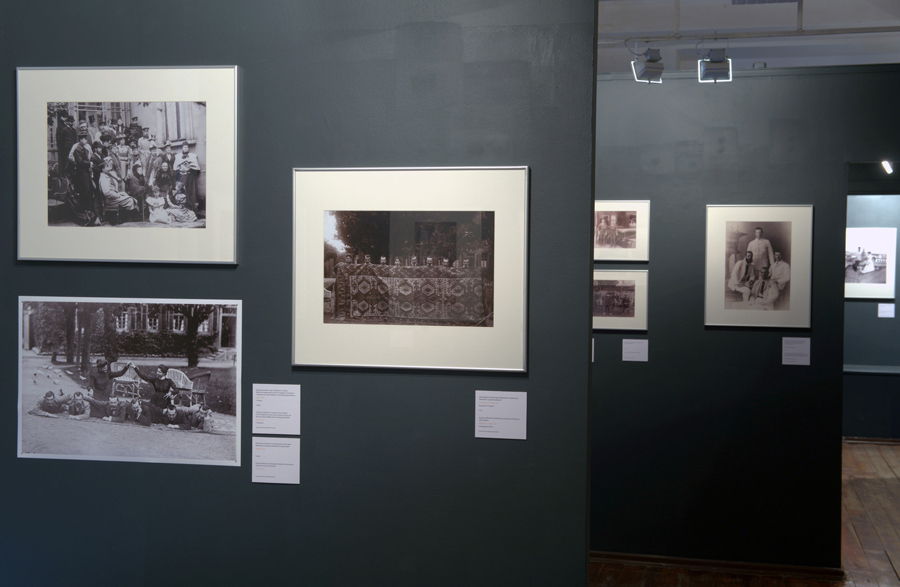
A separate part of the exhibition features photographs taken by Nicholas II himself and his family members. The Emperor, along with Empress Alexandra Feodorovna, Dowager Empress Maria Feodorovna, their five children, were all passionate amateur photographers. From 1896, when Nicholas II had his first camera, he hardly ever parted with it. Every year the emperor personally prepared family photo albums, placing and identifying each of them. The photos taken by the emperor and his family are sincere and warm; they were not intended for the general public, and therefore imbued with warm human feelings and true love that reigned in the family of the last Russian emperor.
Exhibition catalogue
The exhibition Emperor Nicholas II. To the 150th Anniversary of his Birth, ran from 6th July until 9th September 2018, at the ROSPHOTO Museum and Exhibition Center, which is situated at Bolshaya Morskaya Ulitsa 35, near St. Issac’s Cathedral.
On 8th October 2022, the Russian premiere of the ballet “Rasputin” took place at the Oktyabrsky Concert Hall in St. Petersburg. During the past year, it has been staged in numerous cities across Russia, including Moscow, Yaroslavl, Penza, Nizhny Novgorod, Volgograd, Ekaterinburg, Perm, Rostov-on-Don, Kazan, Ufa, Chelyabinsk, Tyumen, Tomsk, Novosibirsk, among other cities.
The ballet was created by free-lance choreographer Yuka Oishi. The dance drama explores the dark psychological depths of one of the most controversial figures in Russian history – Grigori Yefimovich Rasputin (1869-1916).
The world premiere of the ballet took place at the Palladium Theater in London, England in October 2019.
The role of Rasputin is performed by Sergei Vladimirovich Polunin (b. 1989). In addition, Xenia Ryzhova (Empress Alexandra), Alexei Lyubimov (Nicholas II), John Cook (Prince Felix Yusupov), and Platon Alekhine (Tsesarevich Alexei) among others. All costumes for the show were designed by the famous and scandalous fashion designer Ulyana Sergeenko.
CLICK on the IMAGE above to watch a short VIDEO clip of Sergei Polunin perform in the London premiere of “Rasputin” at The London Palladium on 15th October 2019. Duration: 6 minutes, 15 seconds
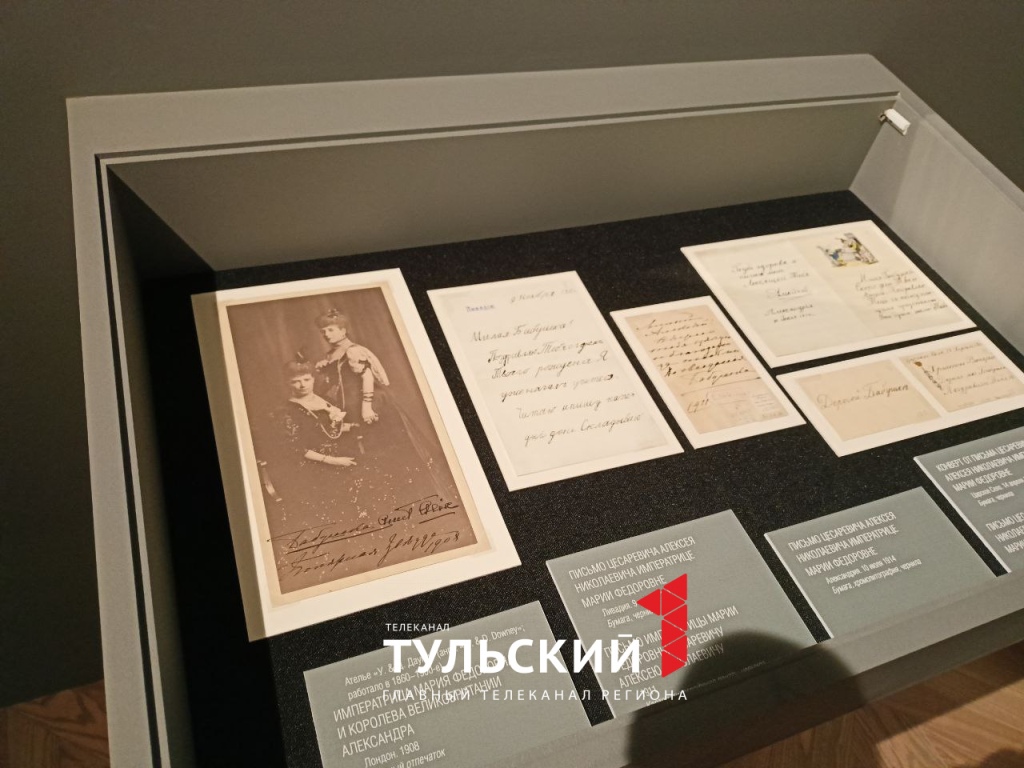
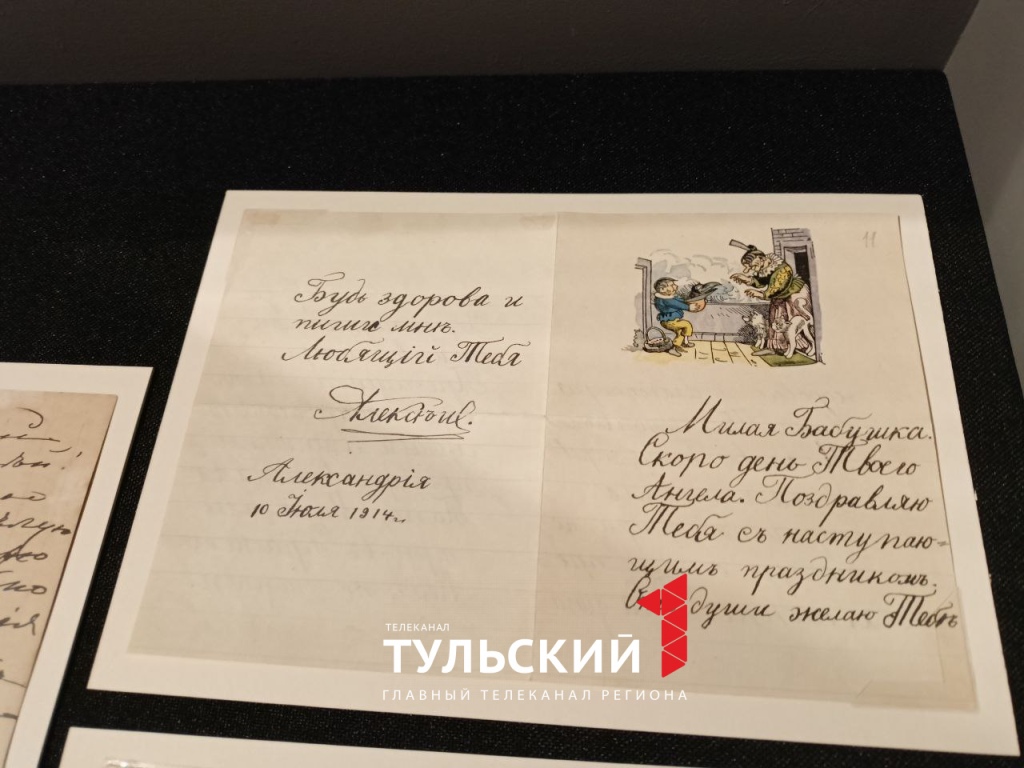
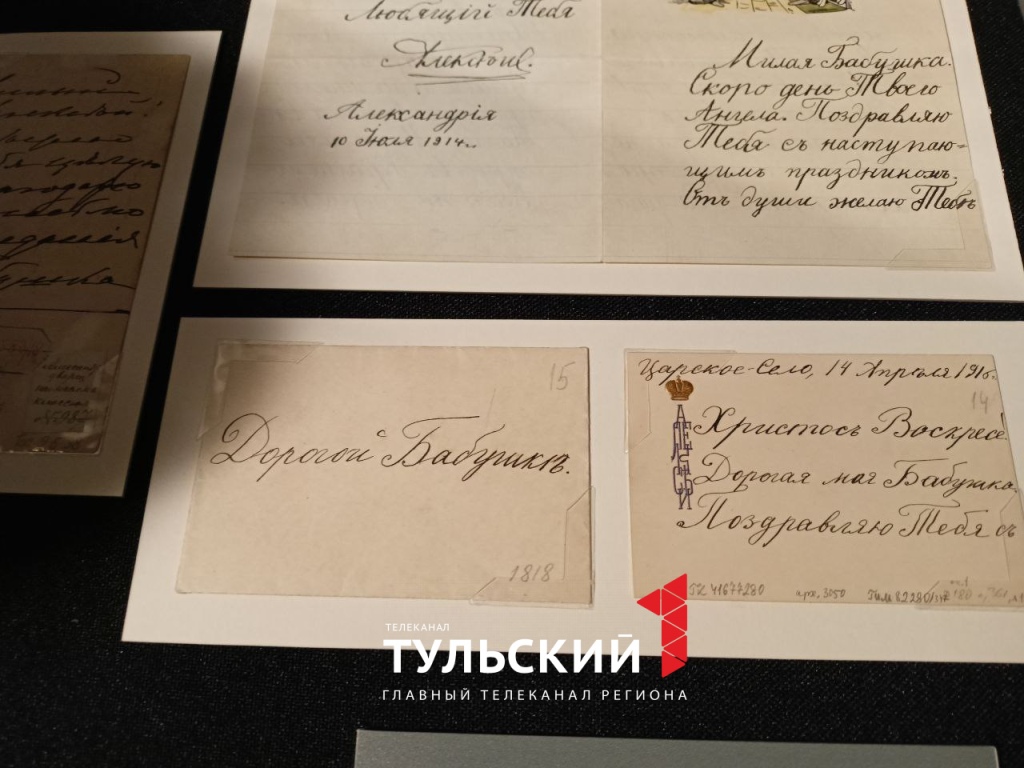
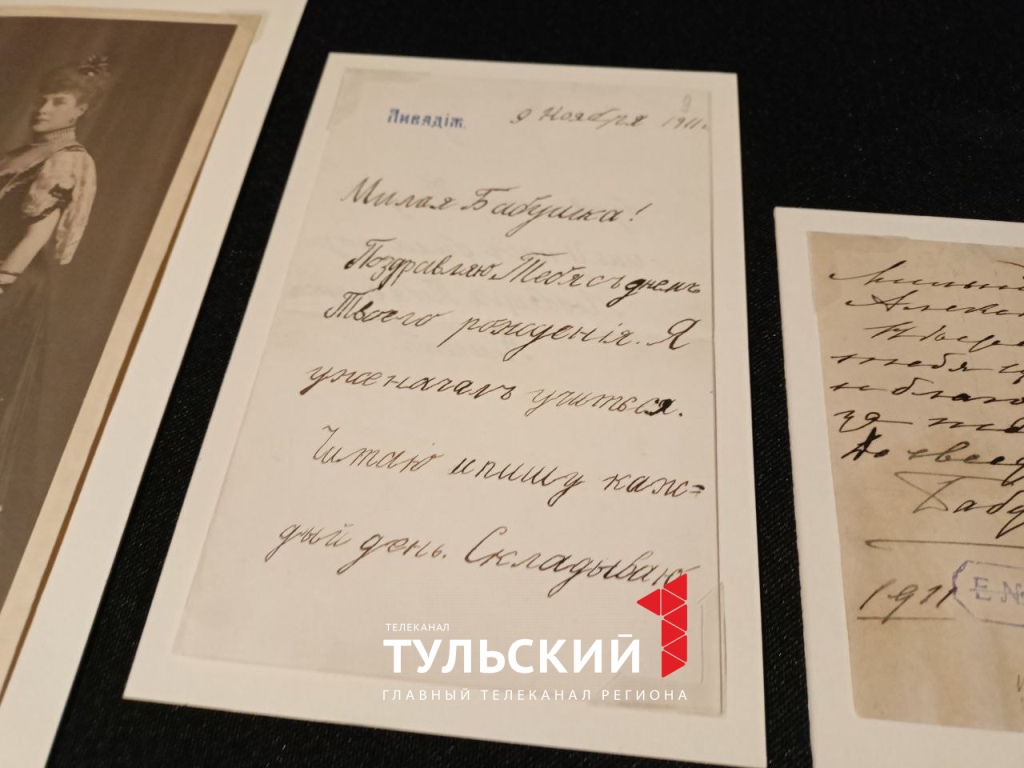
On 26th July 2023, three letters written by Tsesarevich Alexei Nikolaevich to his grandmother Dowager Empress Maria Feodorovna were presented at the Nicholas II. Family and Throne exhibition, which opened on 21st April 2023 at the Tula branch of the State Historical Museum. The letters will be on display until 15th August 2023.
Empress Maria Feodorovna, wife of Emperor Alexander III, mother of Emperor Nicholas II, had 15 grandchildren – many of whom grew up before her eyes. Many of her grandchildren’s letters to her have been preserved, including three letters dated 1911, 1914 and 1916 respectively from Tsesarevich Alexei Nikolaevich (1904-1918).
In these charming letters, the heir to the throne congratulates his grandmother on Easter and Birthday, while briefly updating her on his health and plans. Each letter is written a few weeks before the holiday. Dowager Empress Maria Feodorovna often visited her family in Denmark and her sister Queen Alexandra in England, so the letters often took weeks to reach her. Her grandson’s letters are quite short and affectingly signed “loving you Alexei”.
On 9th November 1911, 7-year-old Tsesarevich Alexei wrote to Maria Feodorovna from Livadia (above): “Dear Grandmother! I congratulate you on your birthday. I’ve already started learning. I read and write every day . . . “.
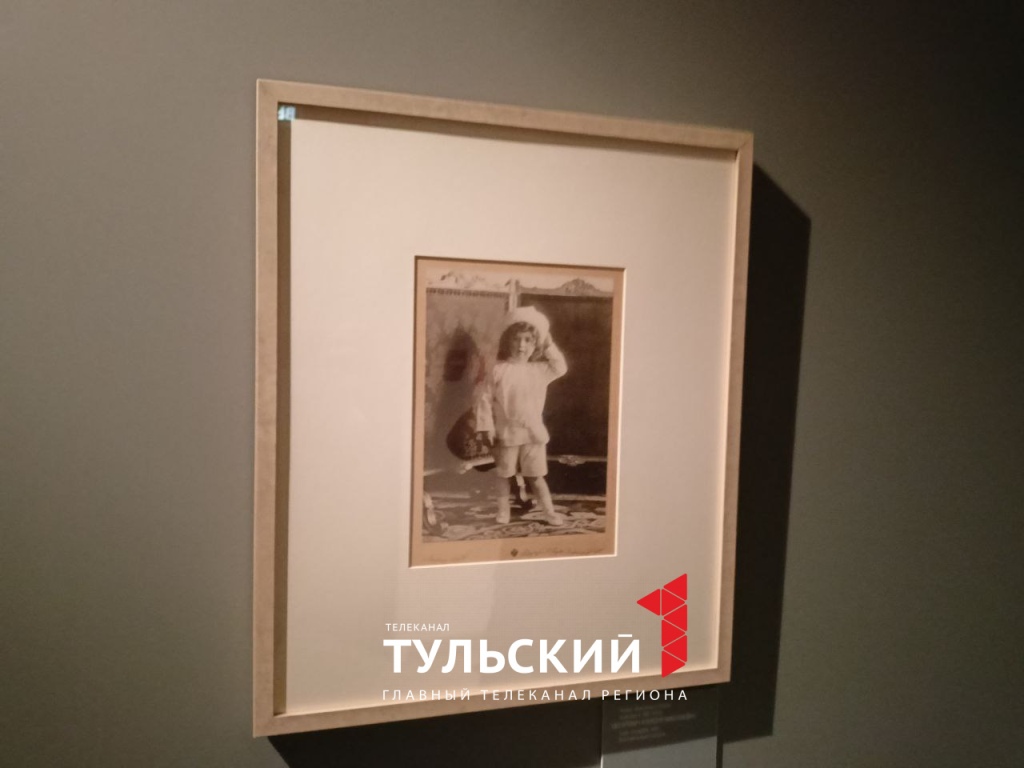
Also on display is a photograph of Alexei (above), taken in the Boassonnas and Eggler Studio in St. Petersburg in 1907, and a photograph of Empress Maria Feodorovna and her sister, Queen Alexandra of Great Britain, taken in 1908.
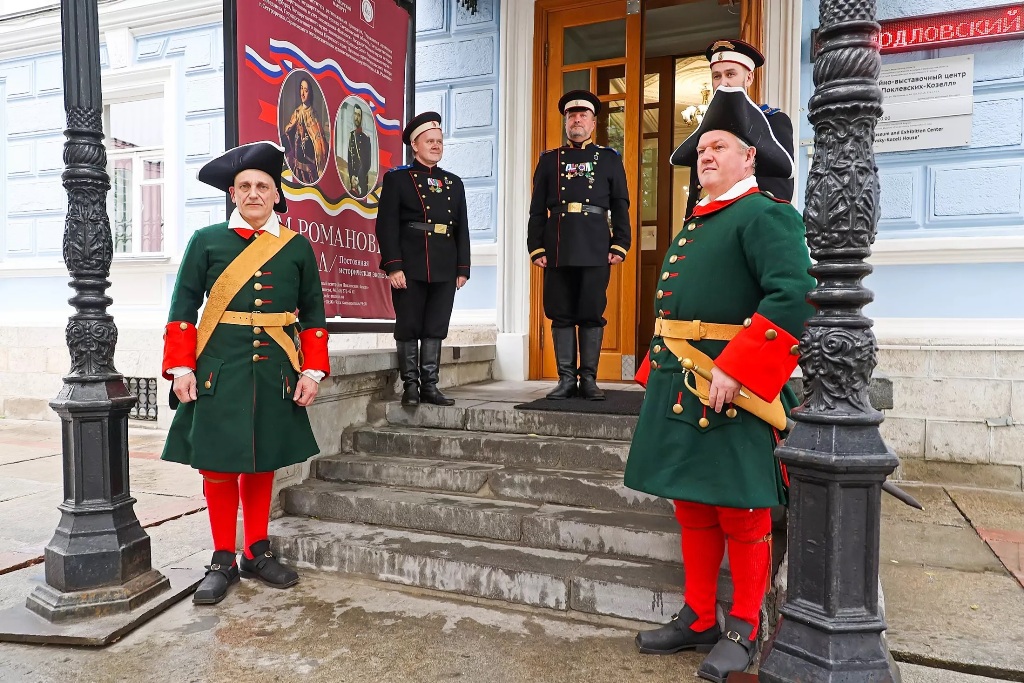
PHOTO: museum staff dressed in period costume were on hand to greet visitors to the grand opening of ‘The Romanovs in the Urals’ at the Poklevsky-Kozell House Museum
On 14th July 2023 a new permanent exhibition The Romanovs in the Urals opened at the Poklevsky-Kozell House Museum of the Sverdlovsk Regional Museum of Local Lore in Ekaterinburg.
The exhibition is timed to the 105th anniversary of the death and martyrdom of Emperor Nicholas II and his family in the Ural city on 17th July 1918, and the events marking the 300th anniversary of the founding of Ekaterinburg in 1723.
The exhibit was recently transferred from the Romanov Memorial Hallof the Museum of History and Archaeology of the Urals, and now occupies five newly renovated halls of the Poklevsky-Kozell House Museum, which is situated at Ulitsa Malysheva, 46. The museum previously hosted the exhibition The Tragedy of the Family … The Tragedy of the Motherland, which ran from 5th June to 23rd September 2018.
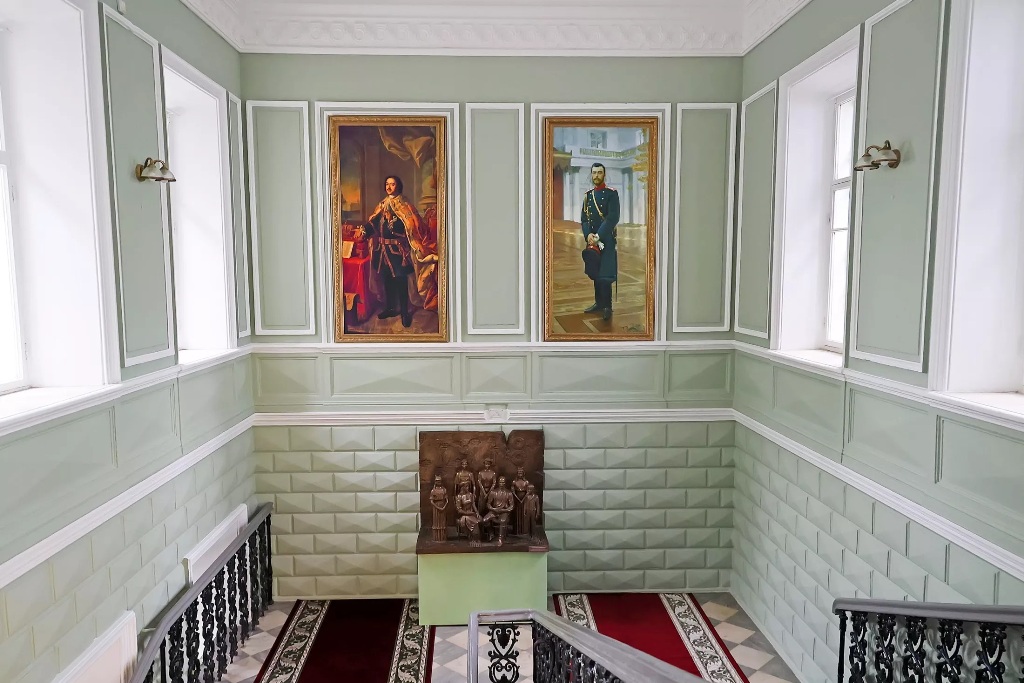
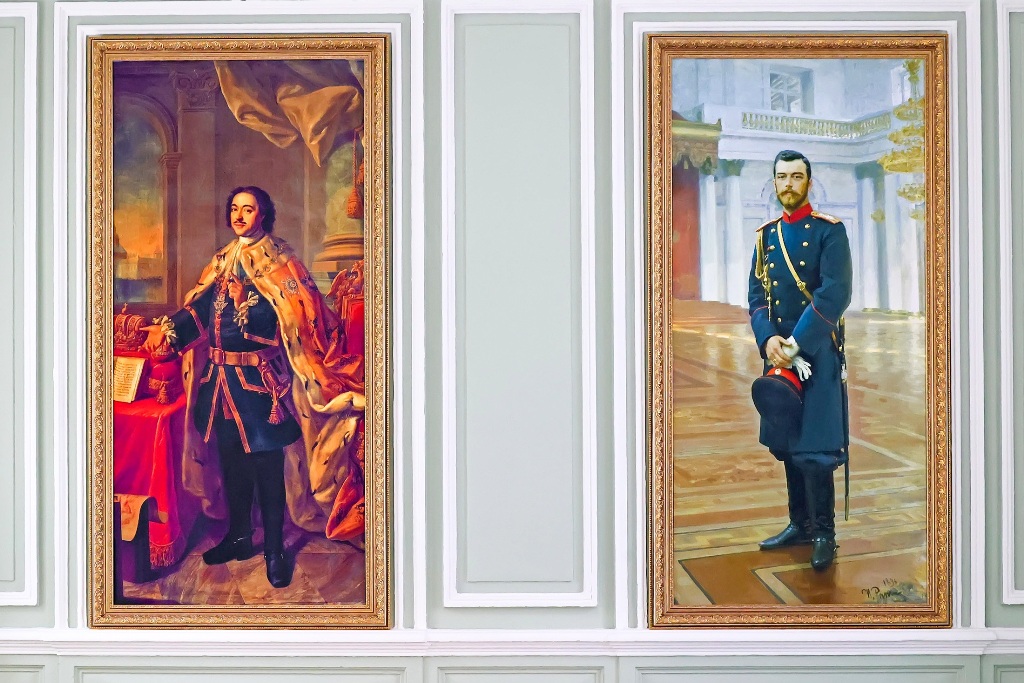
PHOTO: portraits of Peter the Great and Nicholas II are the centerpiece of the staircase leading to the exhibition
Finishing touches on the new exhibition space were carried out right up until the day before the grand opening. The newly renovated halls smelled of fresh paint, specialists fine tuned the multimedia equipment, caretakers brought shine to the display cases and windows, while researchers installed the last of the exhibits. Their activity aroused the curiosity of both museum workers and visitors, who peeked through the partially open door with the hope of get a glimpse of the Ural city’s latest exhibit.
Scientists, researchers, museum workers from across Russia, including Moscow, St. Petersburg, Perm, Tyumen, Tobolsk, Vologda, Voronezh, Ekaterinburg, and Alapaevsk gathered to discuss and help set up the exhibit which features hundreds of items.
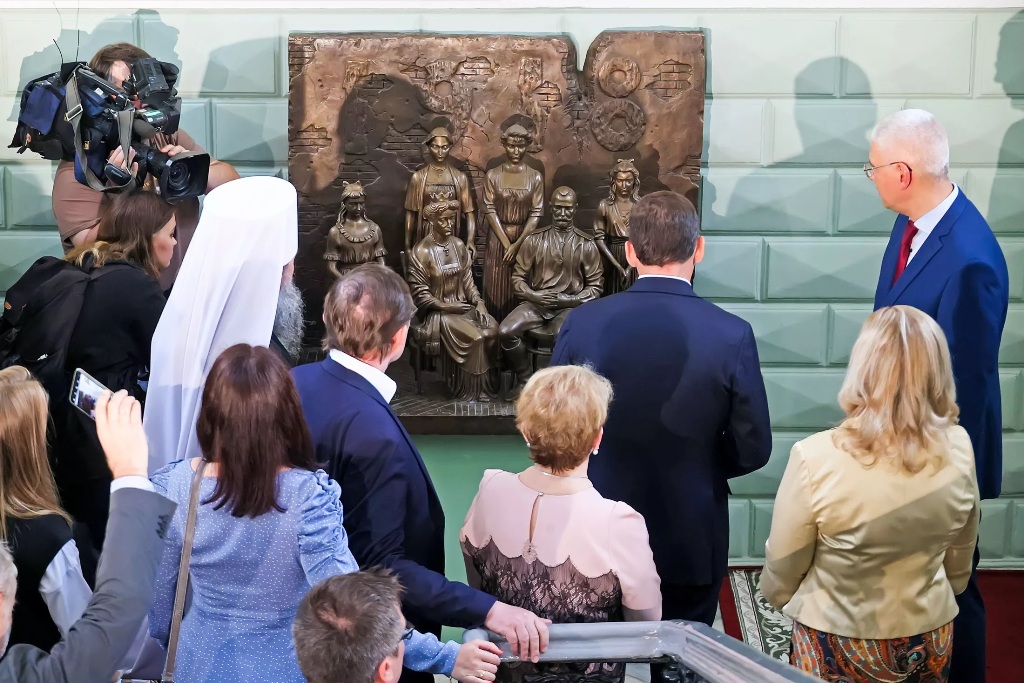
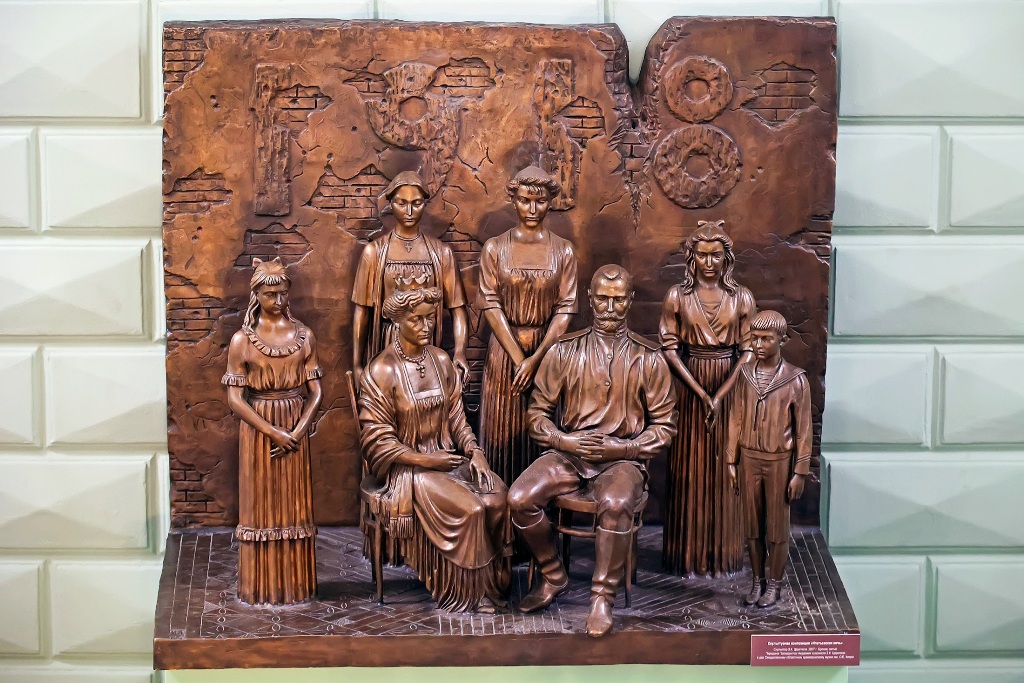
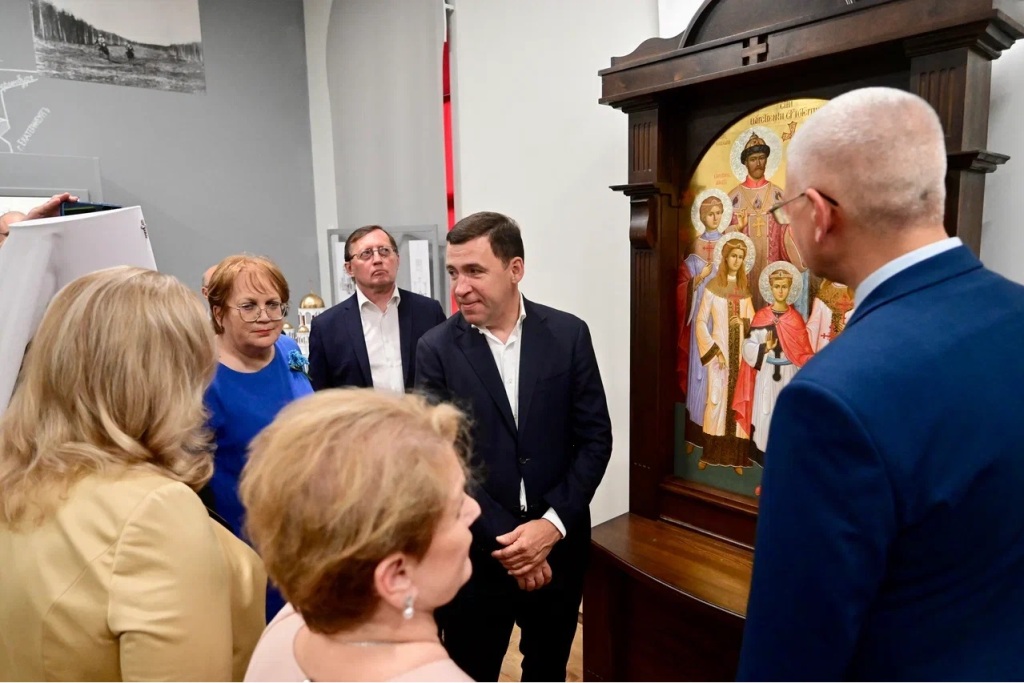
PHOTO: VIP guests stop to admire a miniature copy of Zurab Tsereteli’s sculpture, “Night at the Ipatiev House”, located in the staircase leading to the exhibit
The idea to move the Romanov Memorial Hall was proposed by the Chairman of the Elisabeth-Sergius Educational Society Foundation (ESPO) Anna Vitalievna Gromova, who is a Candidate of Historical Sciences, and Senior Researcher at the Institute of World History of the Russian Academy of Sciences.
Anna Gromova is recognized as one of the Russia’s most prominent adherents to keeping the memories of Emperor Nicholas II, his family, Grand Duchess Elizabeth Feodorovna, and other members of the Russian Imperial Family who were murdered by the Bolsheviks in 1918 and 1919. She is responsible for the founding and development of museums, exhibitions and conferences and is the mastermind behind the The Imperial Route.
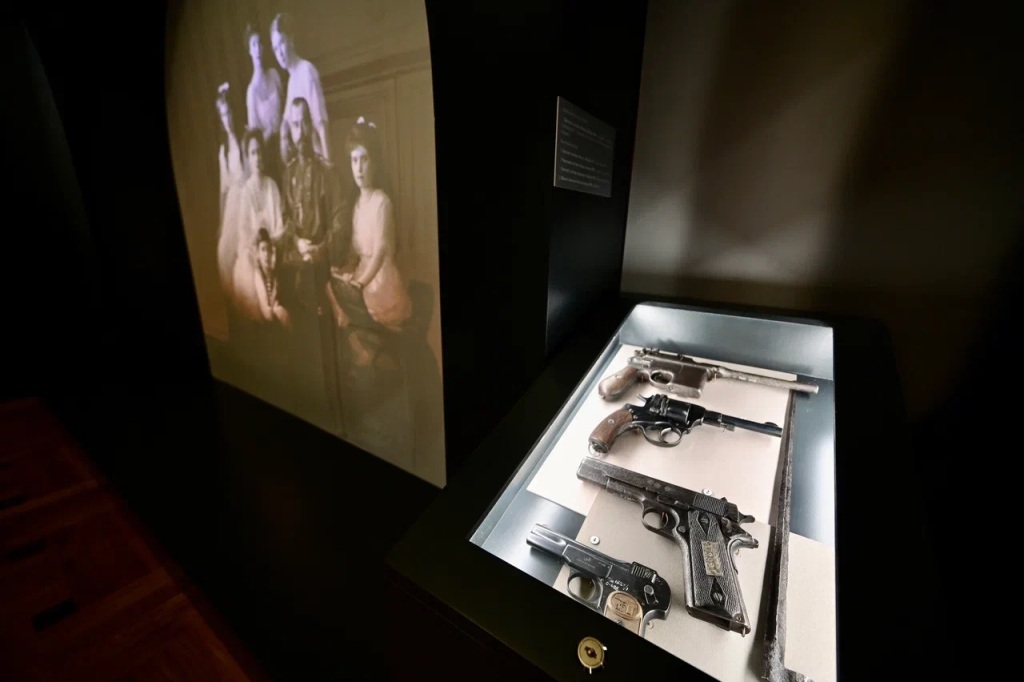
PHOTO: revolvers used by the regicides – including Peter Ermakov’s – to murder the Imperial Family in the Ipatiev House on 17th July 1918
Upon entering the Poklevsky-Kozell House Museum, visitors ascend a newly renovated grand staircase, where they are greeted at the top by portraits of Peter the Great and Emperor Nicholas II. Recall that Ekaterinburg was founded on 18th November 1723 and named after Peter the Great’s wife, who after his death became Empress Catherine I, Yekaterina being the Russian form of her name. Underneath the portraits is a miniature copy of Zurab Tsereteli’s sculpture, “Night at the Ipatiev House” – the original is on display at the Zurab Tsereteli Museum in Moscow.
The five halls are decorated in the colours of the flag of the Imperial House of Romanov – black, gold, white. Each hall is decorated with unique exhibits and multimedia technologies, which together help to tell the story of the history of the dynasty in the Urals.
In the Golden Hall, are portraits from the era of the chairman of the State Council of the Russian Empire Grand Duke Mikhail Nikolaevich (1832-1909). The highly respected grand duke also served as the Honourary President of the Siberian-Ural Scientific and Industrial Exhibition in 1887, organized on the initiative of the Ural Society of Natural History Lovers (UOLE). When the members of the UOLE created a museum (from which the regional local history traces its history), his son Grand Duke Nikolai Mikhailovich (1859-1909), a famous Russian historian, became its patron. At the turn of the 20th century, six additional members of Russian Imperial House were made honourary members of the UOLE.
PHOTO: VIP guests stop to admire an icon of the Holy Royal Martyrs, painted by the nuns of the Novo-Tikhvin Convent in Ekaterinburg
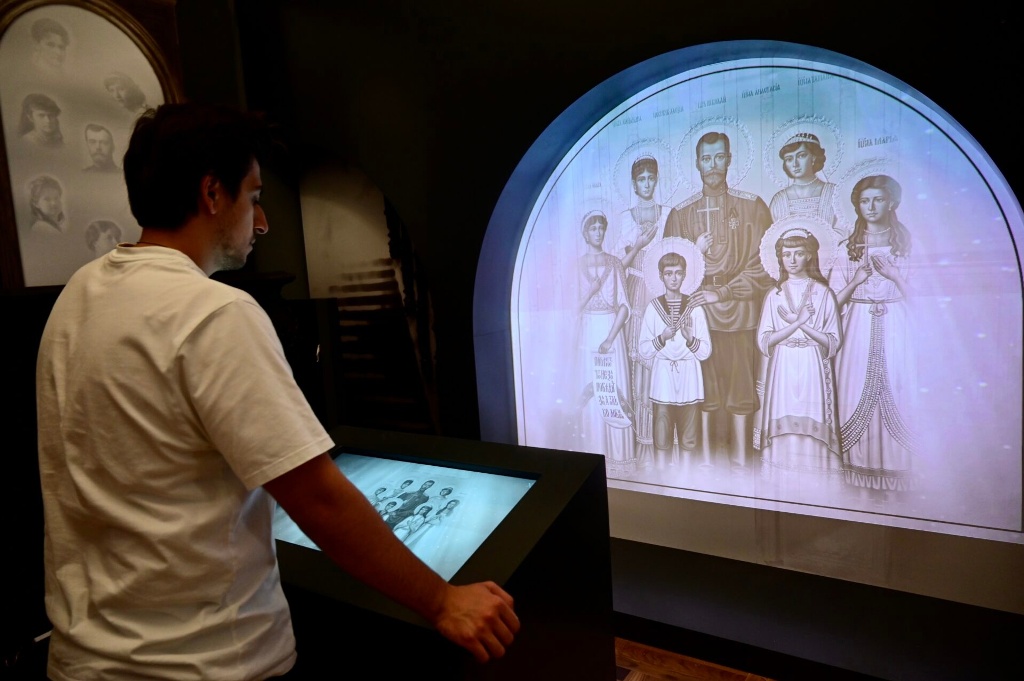
PHOTO: multimedia display which depicts the Holy Royal Martyrs, in whch they are depicted as saints, Nicholas II is holding a cross
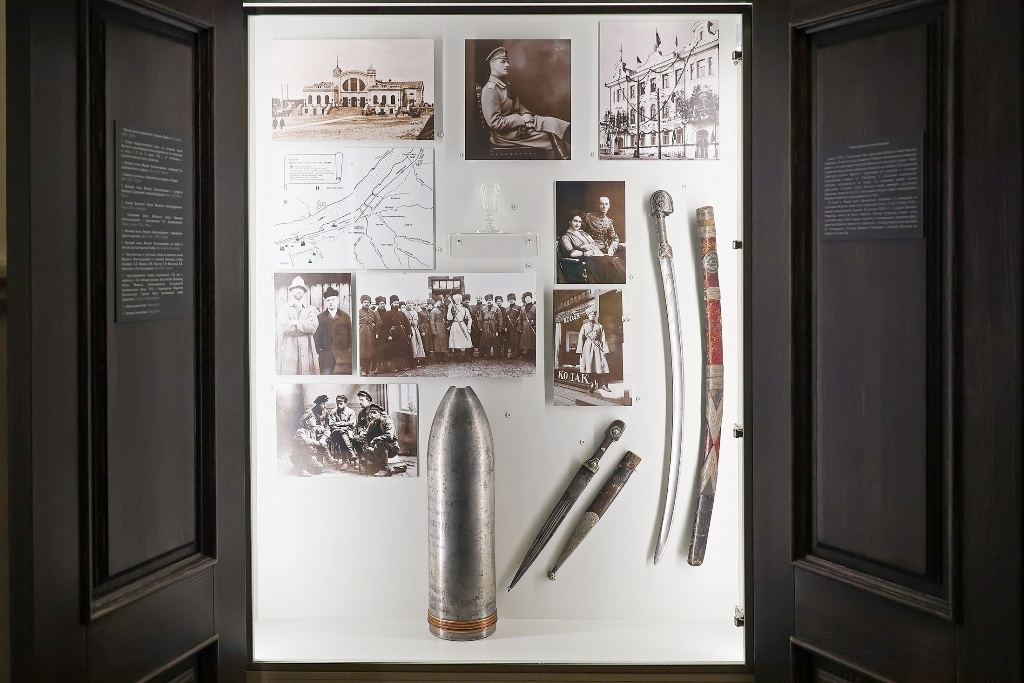
The “black” halls of the exhibit take on a more sombre ambiance, with displays telling visitors about the house arrest and subsequent murders of Grand Duke Mikhail Alexandrovich and Nicholas Johnson at Perm on 13th June 1918; Emperor Nicholas II, his family and four faithful retainers at Ekaterinburg on 17th July 1918; and Grand Duchess Elizabeth Feodorovna along with and other members of the Russian Imperial Family and their faithful retainers at Alapaevsk on 18th July 1918.
Some of the more interesting items on display include the ribbon of the Order of St. Andrew the First-Called, which belonged to Tsesarevich Alexei Nikolaevich and left behind in the Governor’s Mansion in Tobolsk, when the four children joined their parents and sister in Ekaterinburg in May 1918.
A number of pistols and revolvers are also on display, including the Mauser of the regicide Pyotr [Peter] Ermakov, who, according to him, shot and killed Nicholas II.
The sombre ambiance of this hall is offset by the bright and soothing icon of the Holy Royal Martyrs, painted by the nuns of the Novo-Tikhvin Convent in Ekaterinburg.
PHOTO: display about the murders of Grand Duke Mikhail Alexandrovich and Nicholas Johnson at Perm on 13th June 1918
PHOTO: display about the members of the Imperial Family – including Grand Duchess Elizabeth Feodorovna – at Alapaevsk on 18th July 1918
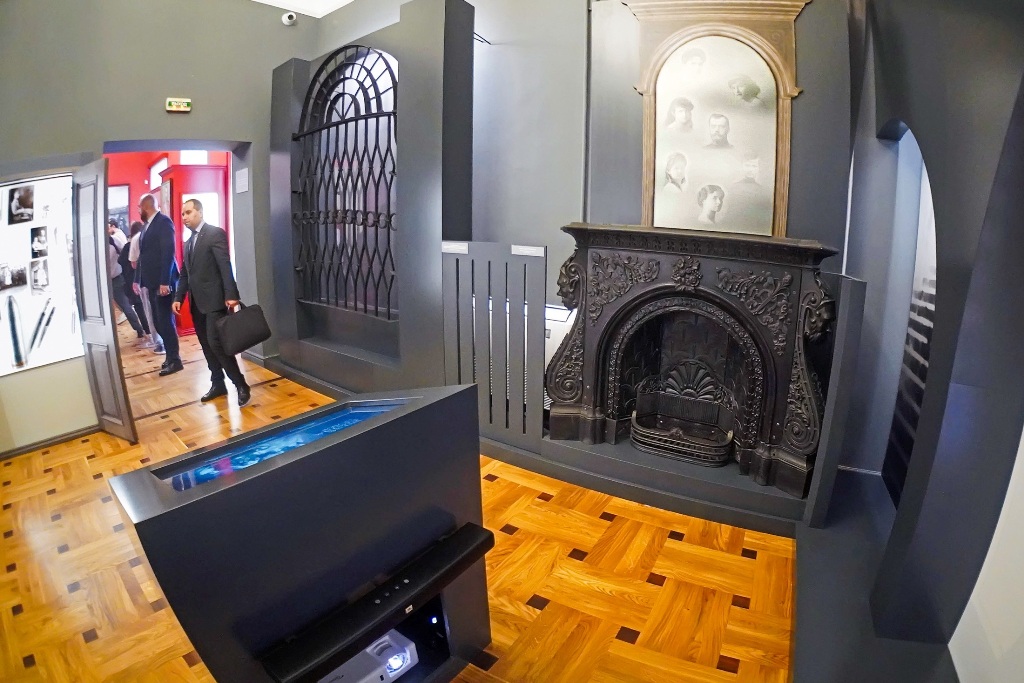
The Romanovs in the Urals also contains many elements of décor, decoration and fittings salvaged from the Ipatiev House before its demolition in September 1977, notably the cast iron fireplace from the dining room, and the iron grille from the window of the murder room.
Aside from the items from the Ipatiev House, are many additional exhibits of interest, including a scale model of the Ipatiev House; the reconstructed model of Nicholas II’s head by Russian forensic expert Dr. Sergei Nikitin.
The exposition further explores the history of the investigation of the murder case of the last of the Romanovs in the Urals, which lasted more than 100 years.






You must be logged in to post a comment.