What is Nicholas II’s correct date of birth?

0294

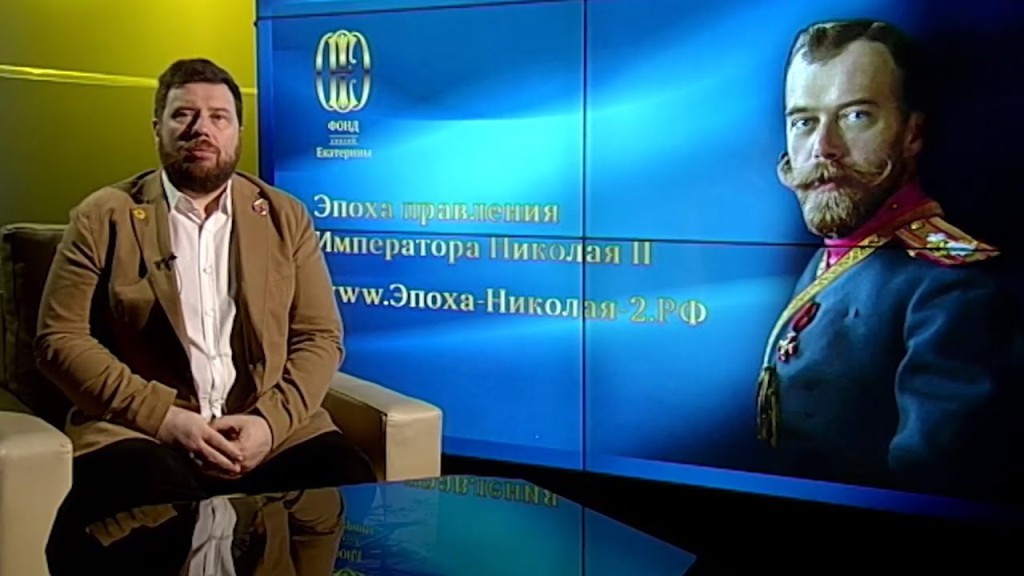
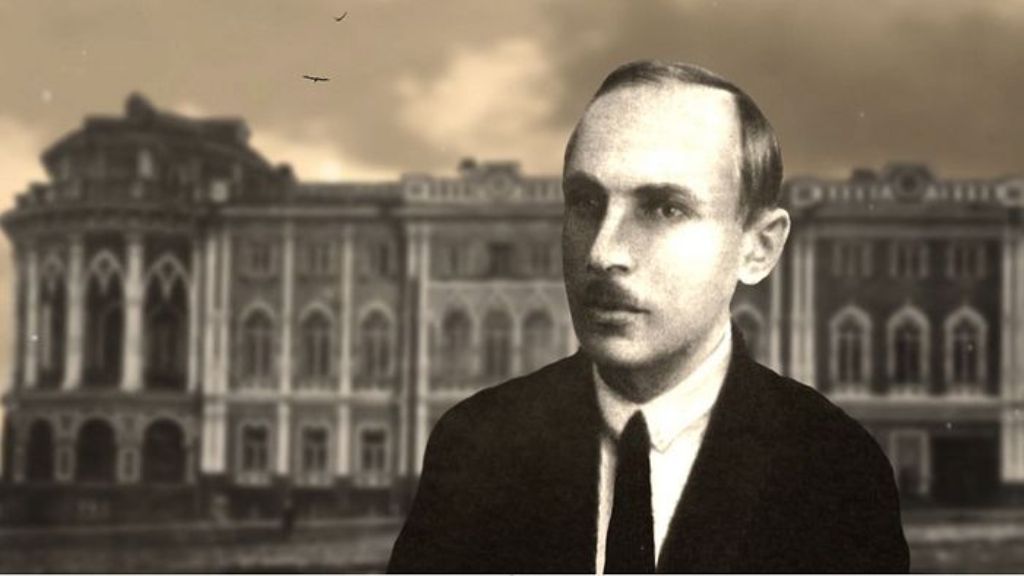
PHOTO: Russian historian Peter Valentinovich Multatuli

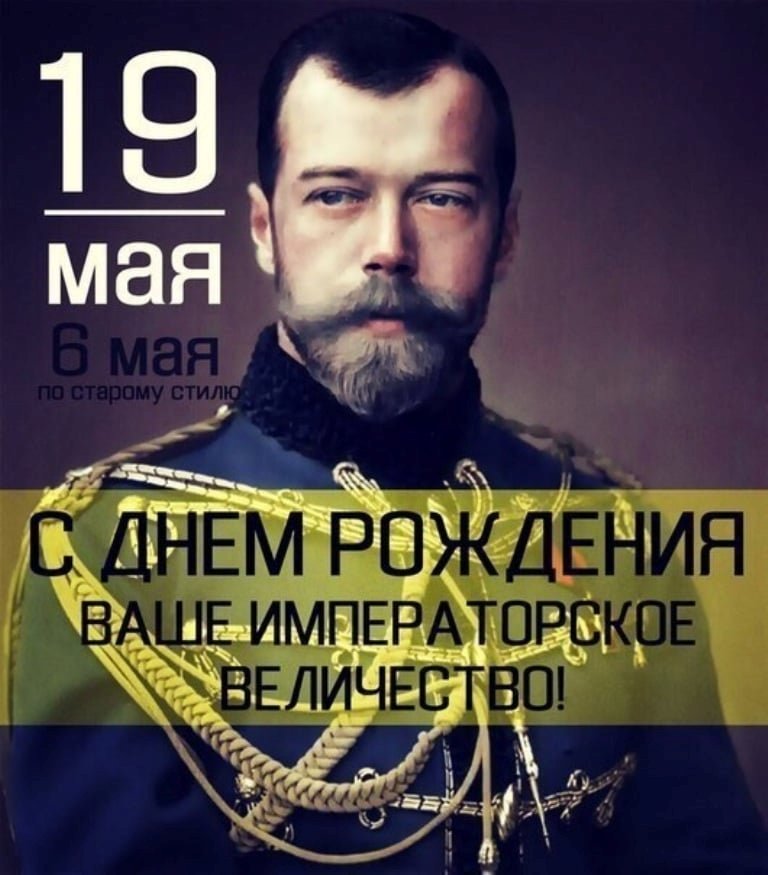
In recent years there has been much confusion by non-Orthodox Christians and Westerners with regard to the correct dates of important events (births, deaths, marriages, etc.) among members of the Russian Imperial Family, according to the New Style calendar.

For instance, the anniversary of the birth of Nicholas II has been widely marked on the 18th of May in the Gregorian (New Style) calendar. This, however, is incorrect, it is in fact the 19th of May, an error which many historians (myself included) are guilty.

With the passage of every leap day that is on the Julian (Old Style) Calendar but not on the Gregorian Calendar, the difference between the two calendars grows another day. Currently, the Gregorian Calendar is 13 days ahead of the Julian Calendar. Beginning on 14th March 2100 (29th February 2100 Julian), the difference will be 14 days.

The Gregorian calendar was implemented in Russia on the 14th of February 1918 pursuant to a decree signed on 24th January 1918 (Julian) by Bolshevik leader Vladimir Lenin. Despite this, the Russian Orthodox Church continues to use the Julian Calendar.

Russia’s highly respected and prominent authority on the life and reign of Russia’s last emperor and tsar, Peter Valentinovich Multatuli reminds us of the true dates of the history of Russia and its Tsars!

n2bd

“The birthday of Sovereign Emperor Nicholas Alexandrovich should be celebrated on 19th May,” says Multatuli, “not the 18th as many English language books and websites note.” Further, he adds: “and the day of Nicholas II’s accession to the throne is on 2nd November. If the correct dates in the New Style are not followed, then these and other historical events are distorted.”

“Everyone knows that Emperor Nicholas II was born on St. Job of the Long Suffering. The church celebrates this day on 6th May, according to the Julian calendar. In the Gregorian calendar in the 19th century. this number corresponded to 18th May, but in the 20th and 21st centuries. this date falls on 19th May. Celebrating the birthday of the Emperor on 18th May, is not the day we celebrate the birth of St. Job! This is a sin!”

“The same is true with the death of Alexander III and accession to the throne of Nicholas II. This happened on the day of Saint Artemius the Great Martyr and the righteous youth Artemiy, on 20th October (2nd November). And if this day is celebrated on 1st November or 3rd, then we are not commemorating the memory of these saints. Do not rely on any dates on Wikipedia which often provide the incorrect dates of the Gregorian calendar for the 19th century.”

0294b

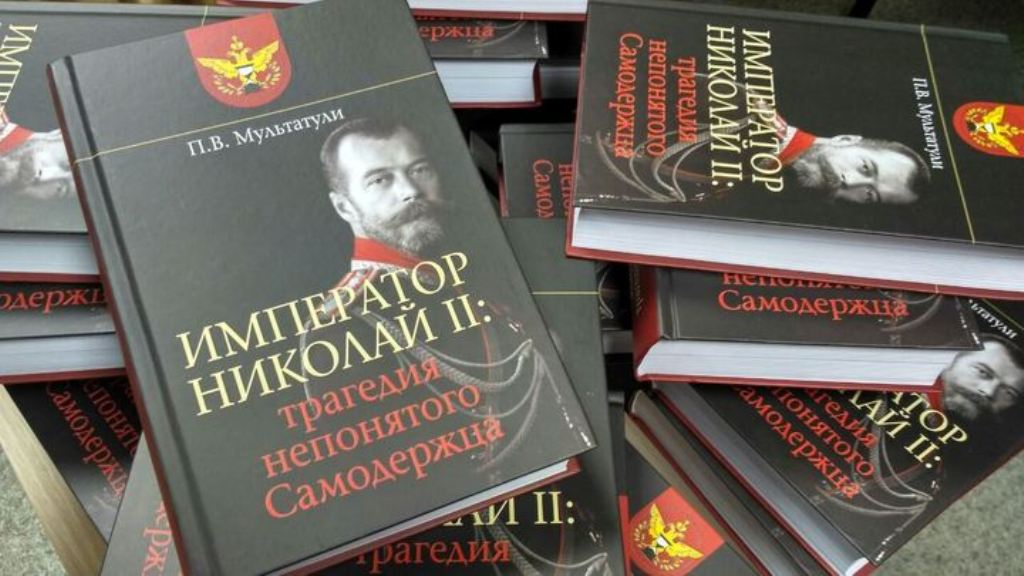
Peter Valentinovich Multatuli was born in Leningrad on 17 November 1969. He is a Russian journalist, historian and biographer. Multatuli is the author of numerous books and articles about the reign of Emperor Nicholas II.

He is the great-grandson of Ivan Kharitonov (1872-1918), who served as the Head Cook of the Imperial family. He followed the tsar and his family into exile, and was murdered along with them in the Ipatiev House on 17th July 1918.

© Paul Gilbert. 7 August, 2020

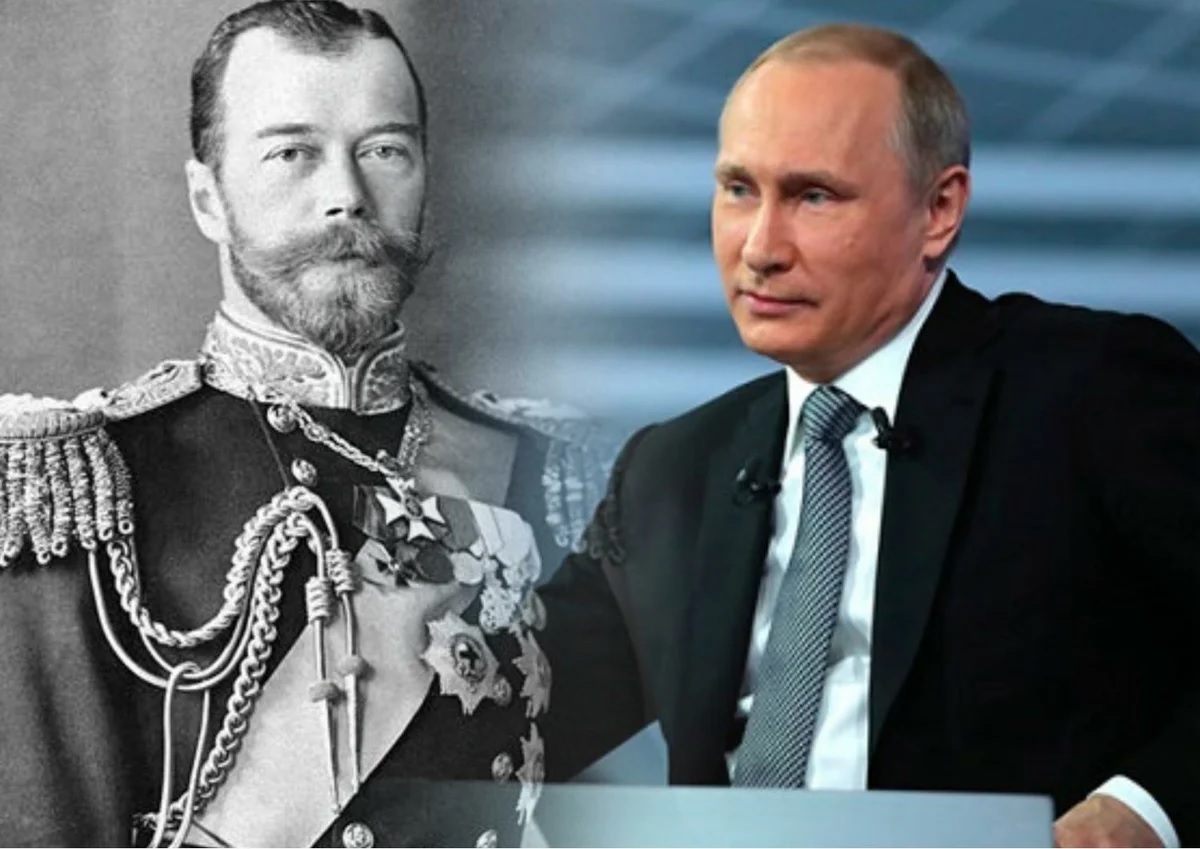
Putin’s plan to restore the Romanovs

0293

This 3-part series by Matthew Dal Santo was published in The Interpreter, which features in-depth analysis & expert commentary on the latest international events, published daily by the Lowry Institute.

Although dated – originally published in July 2016 – it is still an interesting and thought provoking read.

He is the author of the forthcoming book, A Tsar’s Life for the People: The Romanovs and the Redemption of Putin’s Russia, to be published by Princeton University Press.

Putin’s plan to restore the Romanovs (Part 1) published 16th July 2016

Official treatment of Stalin reflects the result of this impasse, neither to suppress nor promote popular support for his legacy.

Putin’s plan to restore the Romanovs (Part 2) published 17th July 2016

If there’s a Russian leader whose reputation has been unequivocally rehabilitated during the Putin era, it’s Nicholas II.

Putin’s plan to restore the Romanovs (Part 3) published 18th July 2016

Russian monarchists are remarkably fond of observing that nobody says Russia’s next tsar must be a Romanov.

***

Dr. Matthew Dal Santo has been a Danish Council Post-Doctoral Research Fellow at the Saxo Institute, University of Copenhagen since 2014. He writes on conservatism as an ideological programme in modern Russia, with a special interest in Russian foreign policy. He has written analysis and commentary on Russian and European affairs for The Australian Broadcasting Casting Corporation (ABC) and has appeared on Radio National’s Counterpoint programme.

His work has been published by The Australian Strategic Policy Institute (Canberra, Australia), The Lowy Institute (Sydney, Australia), The Center for the National Interest (Washington, D.C.) , The Nation (New York), and The Spectator Australia. He travels frequently to Russia and is currently writing a book (provisionally entitled The Romanovs, 1917 and the Redemption of Putin’s Russia) on the cult of Russia’s last tsar, Nicholas II, and on how ordinary Russians see their country’s place in the world in the approach of the 2017 centenary of the Russian Revolution.

He studied history and European languages (BA first-class honours and University Medal) at the University of Sydney (1999-2004) and graduate-level history (MPhil, PhD) at the University of Cambridge (2004-9). In 2007, he was elected a Fellow of Trinity College, Cambridge and taught as an Associate Lecturer in Cambridge’s Faculty of History. In 2011, he entered the Australian Department of Foreign Affairs and Trade. Matthew speaks Russian, French, Italian, and Danish. He lives in Copenhagen, Denmark, with his wife and daughter.

© Paul Gilbert. 3 August 2020

Nicholas II in the NEWS – July 2020

0292b

At the end of each month I will post links to noteworthy articles about Nicholas II from English language media sources, complemented with photos and videos.

Please click on the titles (highlighted) below to read each respective article:

Inherited Love: On the families of the parents of holy Royal Martyrs Nicholas II and Tsarina Alexandra by Xenia Grinkova. Published in Russian Orthodoxy on 31st July 2020

When we look at the life of the holy Royal Passion-Bearers, their podvig as a family strikes us most. Truly, they succeeded in embodying the Christian family ideals on the earth and bringing up their daughters and son in it like nobody else. And, of course, it was from their wise parents that the saints, like “most honorable branches of the pious root” (from the service to Right-Believing Prince Alexander Nevsky), received the rudiments of what later blossomed forth and led them to heavenly abodes.

banner3

The Khodynka tragedy: A coronation ruined by a stampede by Yulia Afanasyenko Published in Russia Beyond on 23rd July 2020

A huge public celebration of the coronation of Nicholas II was planned at the Khodynskoe field in Moscow, but poor organizing caused a disaster.

This terrible tragedy is one in which contemporary historians like to flog like a dead horse, some of whom blame the newly crowned emperor for the incident. Sadly, it is one which haunted him to the final days of his reign.

indifference

A Life Blessed by the Tsaritsa by Vladimir Soloviev. Published in Russian Orthodoxy on 17th July 2020

Not long ago was the fortieth day after the repose of Archbishop Agapit (Gorachek) of Stuttgart (ROCOR). More and more reminiscences about this remarkable man have been sent to the Russian website Pravoslavie.ru and continue to come; that is what an indelible impression this bright personality has left in the hearts of those who knew him.

This is a story of Archbishop Agapit, but through him of the “Ekaterinburg remains”—bone fragments discovered in a gully outside Ekaterinburg, which recent investigations have shown with near certainty to be those of the Royal Family. These investigations were conducted for over ten years on the highest level. They encompassed all aspects of forensic science, including genetic testing in a number of laboratories. It is told by one of the main investigators, who through his work gained a personal understanding of Archbishop Agapit’s close connection with the Holy Royal Martyrs and his service to them in this important matter.

*** 

VIDEO OF THE MONTH: Nicholas II. The Early Years

Rare photographs from the childhood and teenage years of Tsar Nicholas II, whose exceptional virtues from his earliest years of age were politeness, affability, and affection. His characteristic shy, tender, and somewhat sad smile always made an impression on all. He tried to see only the good side of people and was ready to show love to all.

All the quotes used in the captions of this video are from the book “The Romanov Royal Martyrs: What Silence Could Not Conceal”.

Duration: 8 minutes, 47 seconds

***

0292a

THANK YOU to every one who responded to my annual summer appeal for donations. Your contributions will help me greatly with my research to clear the name of Russia’s much slandered tsar during the coming year ahead.

There are many web sites, blogs and Facebook pages dedicated to the Romanovs. Therefore, I am especially grateful to those of you who follow my work faithfully on a daily basis.

I work very hard searching Russian archival and media sources to bring something new to the table every day. This includes articles researched by a new generation of Russian historians; news on the Romanovs, their palaces, exhibitions, etc; photos, videos and more.

Click HERE to make a donation with GoFundMe

Click HERE to make a donation by credit card or PayPal

Click HERE to make a donation by personal check or money order

THANK YOU for your consideration, and for your continued interest and support of my work.

PAUL GILBERT
Independent Researcher and Publisher

© Paul Gilbert. 31 July 2020

ROC Investigation Committee confirms (again) the authenticity of Ekaterinburg remains

0289a

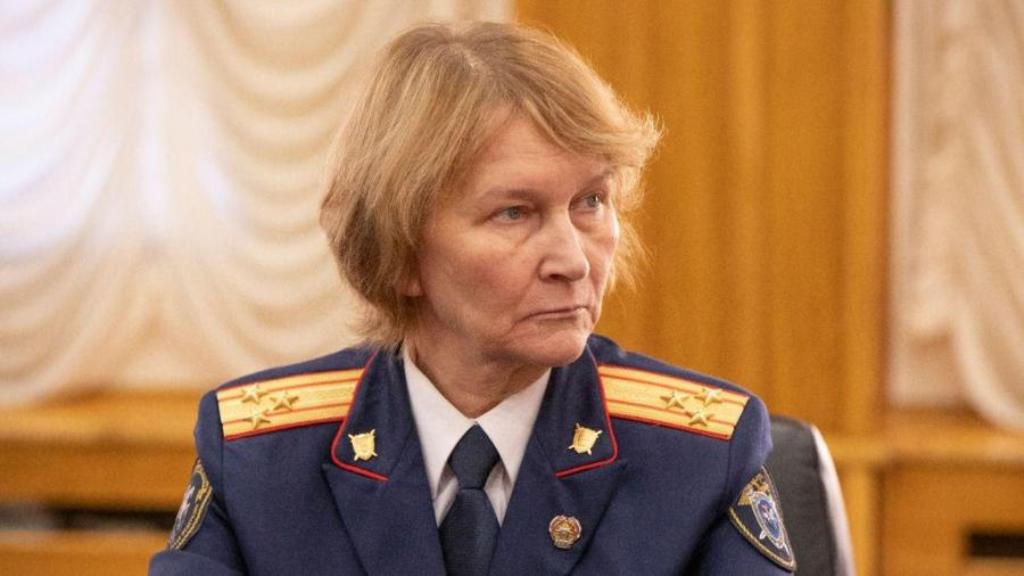
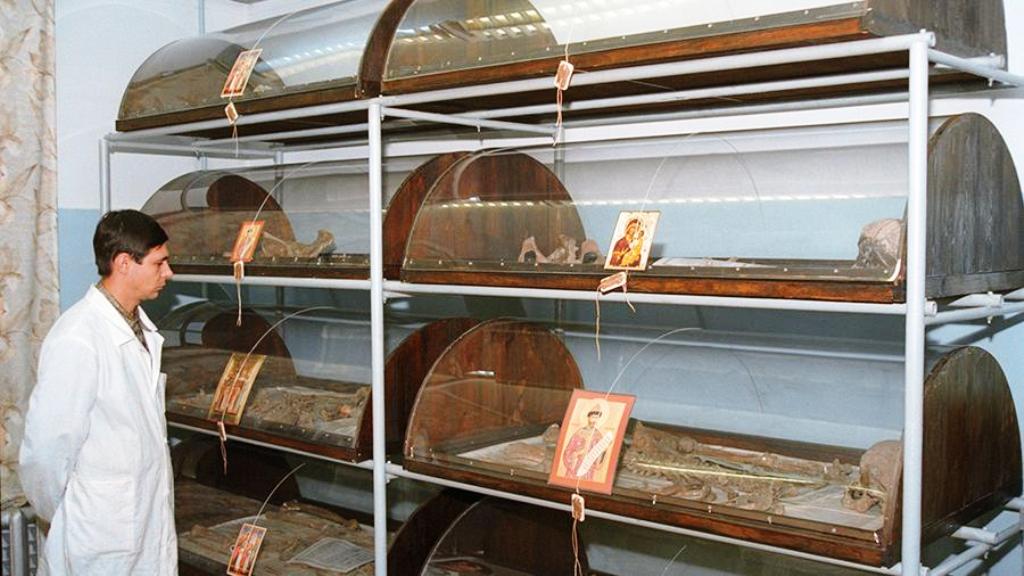
On the eve of the 102nd anniversary of the death and martyrdom of Emperor Nicholas II and his family at Ekaterinburg on 17th July 1918, the senior investigator of the Investigative Committee of the Russian Federation, Marina Molodtsova provided an update on the criminal investigation initiated in 2015 by the Russian Orthodox Church.

During an interview with the Izvestia News Agency, Molodtsova was asked, “you have been investigating the circumstances of the death and burial of the Tsar and his family for more than three years. What new information did the investigation manage to find out during this time?”

“Since the resumption of the case in 2015, 37 new forensic examinations have been carried out, including forensic (anthropological), molecular genetic, trasological, and handwriting analysis among others,” she stated. “In addition, various kinds of investigative experiments were conducted as part of the investigation. In some cases, their results allowed us to reconstruct a more complete picture of events.”

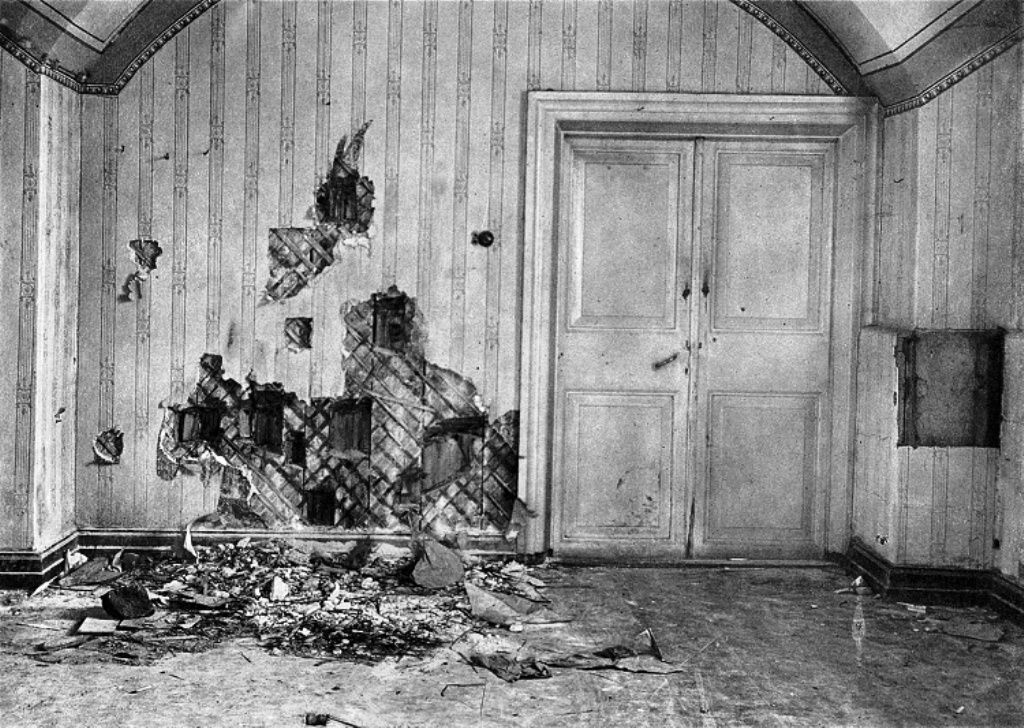
“For example, in the murder room located in the basement of the Ipatiev House, the dimensions of the room were reproduced. This recreation refuted the arguments by some researchers that 11 victims and the participants in the murders could not fit into such a small room.”

0289c

The basement room in the Ipatiev House in Ekaterinburg, where the Imperial Family were murdered

“Another investigative experiment refuted the popular held version that the bodies of the dead were destroyed using sulphuric acid and fire.” But many people consider this a fact, asked Izvestia.

“Yes, this theory has been rehashed for many years in popular science and historical publications. However, it was found that applying concentrated sulphuric acid to the surface of biological tissue slows down the process of their subsequent burning,” added Molotsova.

When asked what else was learned from the forensic examinations, Molodtsova replied:

“As part of the investigation, handwriting examinations were carried out on the notes of Commandant of the House of Special Purpose Yakov Yurovsky. His notes set out the events which occurred, including those on the night of 16/17 July 1918. The experts determined that on the now famous “Yurovsky Note” stored in the State Archives of the Russian Federation (GARF) in Moscow, corrections made to the note were made by Yurovsky himself, while another person added marginal notes and the addition at the end of the text.”

“Also, handwritten corrections in the transcript of Yurovsky’s speech at the meeting of the old Bolsheviks on 1st February 1934 (where he boasted about the regicide in Ekaterinburg) were made by Yurovsky himself.”

0289b

Senior investigator of the Investigative Committee of the Russian Federation, Marina Molodtsova

Molodtsova also noted, “in order to solve the questions posed as part of the judicial, historical and archival examination of the fate of the Imperial Family, a systematization of some 2,000 historical sources, including those located abroad, was carried out. Some of these sources are multi-volume. A lot of books and scientific papers have been written about the events surrounding the murder of the Imperial Family. The media regularly report a variety of versions and assumptions. We have checked all these contemporary versions as well. However, in this case, we have only taken into account the data from archival documents, primary sources and the results of both the previous and recent examinations.”

Not everyone recognizes that the remains found in 1979 near Ekaterinburg belong to members of the Imperial Family, so what is the situation with their identification now?

“Based on numerous examinations, the investigation has concluded that the remains belong to Nicholas II, his family and their faithful retainers,” added Molodtsova. “Nevertheless, we continue to collect materials and conduct further forensic examinations which we deem necessary in order to eliminate the slightest doubt. At the end of all examinations, their results will be evaluated.”

0289f

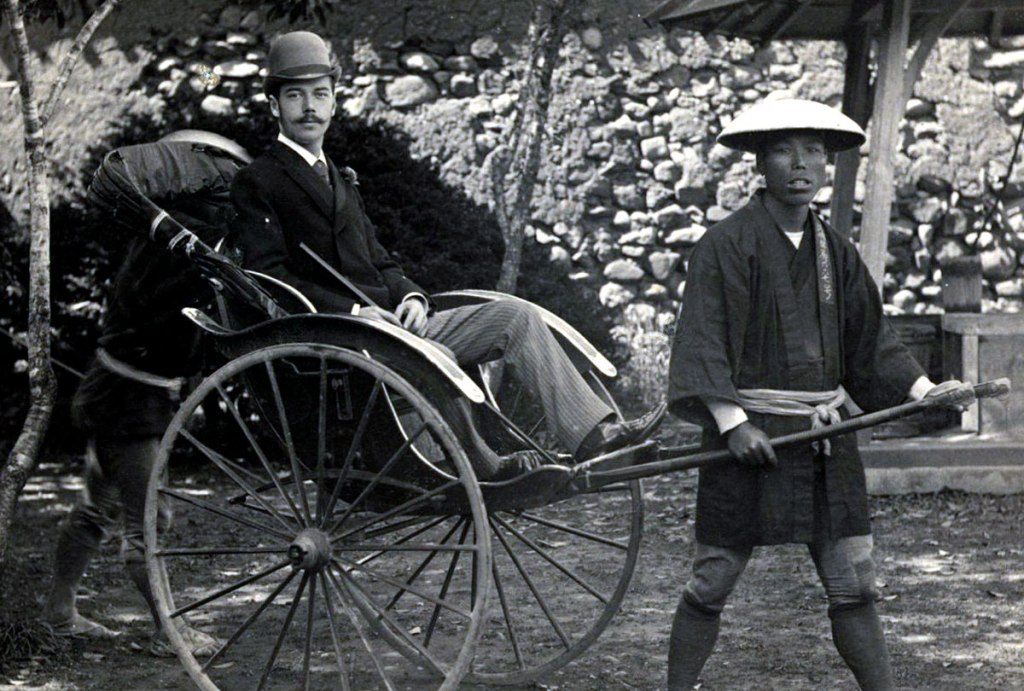
Tsesarevich Nicholas Alexandrovich in Nagasaki, Japan. 1891

“For example, now experts are proposing to make a 3D-model of a hat, which was on the head of Tsesarevich Nicholas Alexandrovich at the time of the assassination attempt on his life in Japan. It is now kept in the Collection of the State Hermitage Museum in St. Petersburg. Three-dimensional copies of the hat and skull, identified as “N.A. Romanov,” can be compared and assessed if the marks found on the hat and the wound found on the skull match. The healed wounds were found on the right side of the cranial vault during an anthropological examination.”

“According to the mechanism of occurrence, localization, relative position, shape and dimensional characteristics, they are similar to the description of the injuries on the head of Nicholas Alexandrovich inflicted on him in 1891.”

Molodtsova was also asked which experts the investigation team turned to work with on the criminal case:

“Honoured scientists, doctors and candidates of science – honoured doctors of the Russian Federation, highly qualified forensic experts, prominent historians and archivists; geneticists were involved in conducting historical-archival, forensic (anthropological) and molecular genetic forensic examinations. Among them are the President of the History Department of Moscow State University Sergey Pavlovich Karpov; Rector of the Russian State Humanitarian University Alexander Bezborodov; Olga Yuryevna Vasilieva (Minister of Education of the Russian Federation from 2016 to 2020); associate professor of the Historical Archive Institute of the Russian State Humanitarian University Evgeny Vladimirovich Pchelov; chief specialist of the State Archives of the Russian Federation Zinaida Ivanovna Peregudova; and chief specialist of the Russian State Archive of Socio-Political Sciences Lyudmila Anatolyevna Lykova,”

0289d

Search for the remains of Tsesarevich Alexei and Grand Duchess Maria in 1999

“I want to emphasize that all the specialists we have recruited are not exempt from their official activities and conduct research on a gratuitous basis,” Molotsova added.

The senior investigator was also asked about the study of the remains of Tsesarevich Alexei and Grand Duchess Maria found in 2007, and where their remains are stored today:

“According to the conclusion of molecular genetic examinations, the remains of two persons discovered in the summer of 2007 near the first burial place of nine other victims belong to the daughter and son of Nicholas II and Alexandra Feodorovna. Biological kinship for both parents was established with the maximum probability for both Alexei and Maria.”

“Due to the small number of bone fragments found, it can be assumed that one or more additional burial sites may be located near the place of discovery of the remains of two persons in 2007, that of Alexei and Maria. Their remains are in storage at the Novo-Spassky Monastery in Moscow, since all the necessary expert studies have not yet been completed.”

0289g

Investigator Nikolai Sokolov

But what about the documents of the investigator Nikolai Sokolov:

“Copies of these materials are attached to our criminal case and are considered part of the evidence. As part of a historical and archival examination, data from official inspection reports compiled by Nikolai Sokolov and those cited in his book The Murder of the Tsar’s Family were initially compared with other materials. Significant discrepancies were revealed in the details and circumstances of the discovery of Sokolov’s investigation. This is of great importance: public opinion on this case was mainly based on the facts set forth in Sokolov’s book, since the primary sources on this issue were not available.”

“We are in regular communication with the Church Commission to study all the results of the remains found near Ekaterinburg. The investigation, in the manner prescribed by law, answers all questions that come to us from representatives of the Russian Orthodox Church. It is important to note that locating materials on this criminal case has been a very complicated and laborious process. No single register of all the documents in the case of the murder of the Imperial Family exists.’

“We have researched sources from around the world. These include public and private archives, museums and libraries in various cities in both Russia and abroad.”

“Finally, this important investigation has been the quintessence of many years of work by investigators, experts, scientists and researchers. The purpose of the investigation is to recreate and examine all the events and their participants as thoroughly as possible, objectively, using all the achievements of modern science. This is the task that the Chairman of the Investigative Committee set when he decided to transfer the criminal case to the Main Directorate for the Investigation of Highly Important Cases. We try to do our job professionally, efficiently and in strict accordance with the law. And the solution of questions of this kind does not apply to our work – rather, it needs to be asked to the public.”

0289e

The remains of the Imperial Family in Ekaterinburg, 1997

On a final and personal note, as the investigation seems to be coming to a close, can we at last see a light at the end of the tunnel? Will the Russian Orthodox Church, at long last bring closure to this highly emotional and contentious issue? For the time being, we will have to wait until October when the bishops of the Holy Synod meet. Let us all hope and pray that they will at last accept the truth.

© Paul Gilbert. 19 July 2020

The face of the Tsar-Martyr Nicholas II seen July 1919

0286

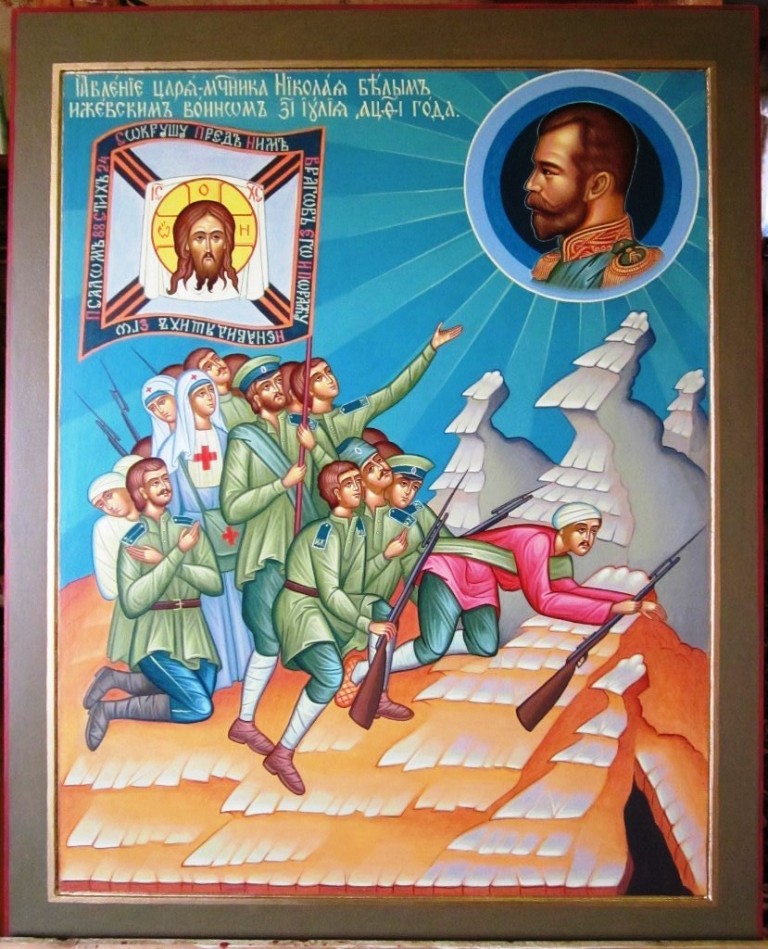
Did White Russian soldiers see a vision of Tsar-Martyr Nicholas II in July 1919?

According to the memoirs of the wife of the commander of the 1st Izhevsk Rifle Regiment – Vera Mikhailovna Mikhailova, who, along with her husband, were fleeing across Russia during the Civil War to the safety of the Far East, they did!

“It was a day impossible to forget,” wrote Vera Mikhailovna Mikhailova in her diary:

“During the month of July 1919 the heat was incredible, the humidity unbearable. Our 1st Izhevsk Regiment, made up of volunteers, mostly workers of the Izhevsk arms factory, were tormented by raids of partisan gangs and Bolshevik sympathizers. All the time it was necessary to fight back, to drive them back to drive them out of the area they occupied. This lasted for several days.

“Finally, after many days of fierce, bloody battles, our regiment was given a reprieve. The situation was terrible: it was no longer a brave military regiment, but a group of tortured, tired men, who were barely alive. Their tunic collars were unfastened, their belts loose and dangling, their legs weak. Many, shuffled their feet as they walked, raising dust along the way. Some held on to each other so as not to fall, others fell from sheer exhaustion. The heat was pestering, terrible, we were thirsty, our mouths dry, and not a drop of water to be had – all the reserves had run out.

“The sky is clear, blue, not a cloud to be seen. The sun burns mercilessly. Suddenly a loud piercing cry is heard:

“Look at the sky!” Everyone instantly woke up, stopped, raised their heavy heads, and the following vision appeared before them: a large white disk appeared in the sky, and on it appears the profile of the Sovereign Emperor Nicholas II, very clear and precise.

“Everyone froze at the sight of this wonderful phenomenon. Then, raising their hands to the sky, they began to desperately shout: “Tsar! Sovereign, Father Tsar!” … And then they knelt down and began to pray earnestly and ask: “Tsar … Sovereign … Father Tsar, help us, pray for us …” It is hard to say how long this vision lasted, but it seemed for a long time. Then gradually the vision began to turn pale and completely disappeared. It became the same blue sky, without a single cloud to be seen.

“Suddenly a command was heard: “Get up! Be strong! Attention! March!” Everyone immediately came to life and walked with a brisk military step. Faces were cheerful, joyful. Everything was forgotten: thirst, hunger, heat, fatigue. All the while their eyes were fixed on the sky and in a whisper they said: “He is here! … With us … He prays for us!”.

“When the excitement subsided, the men began asking questions: “What year is it?”. . . “Year? It is the nineteenth …” . . . “And what is the month and day?” . . . “July” . . . After continuous heavy battles the men had lost track of time. The rebirth of these men, tormented by heat, fatigue, thirst, barely alive – into a group of healthy, strong and vigorous combat soldiers, how can this be explained? How is this not fiction, a dream, or an hallucination! I myself was a witness to everything seen and heard.

“Maybe, and probably, there is still someone alive who saw and was present at this miracle, I ask them to respond and confirm. And to add, if that I forgot, missed. Please remind!

“Many decades have since passed. But every year in the month of July, I am nervous and terribly worried, as if all this happened yesterday. The whole vision of what happened clearly stands before my eyes, which have long been senile. And back then, in 1919 I was 23 years old …

“I personally am sure that this miraculous phenomenon and occurred precisely on July 17, when the Tsar seemed to say goodbye forever to his beloved troops.”

© Paul Gilbert. 12 July 2020

The Tsar’s Oak Grove in Riga

riga1

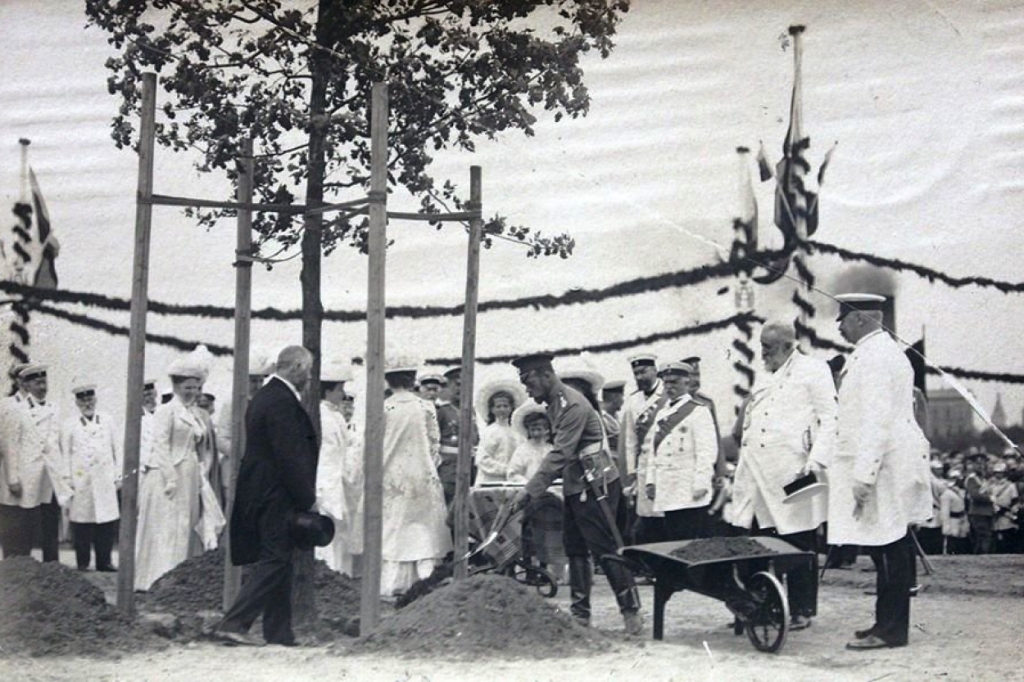
Nicholas II and his family planting oak trees in Riga on 5th July 1910

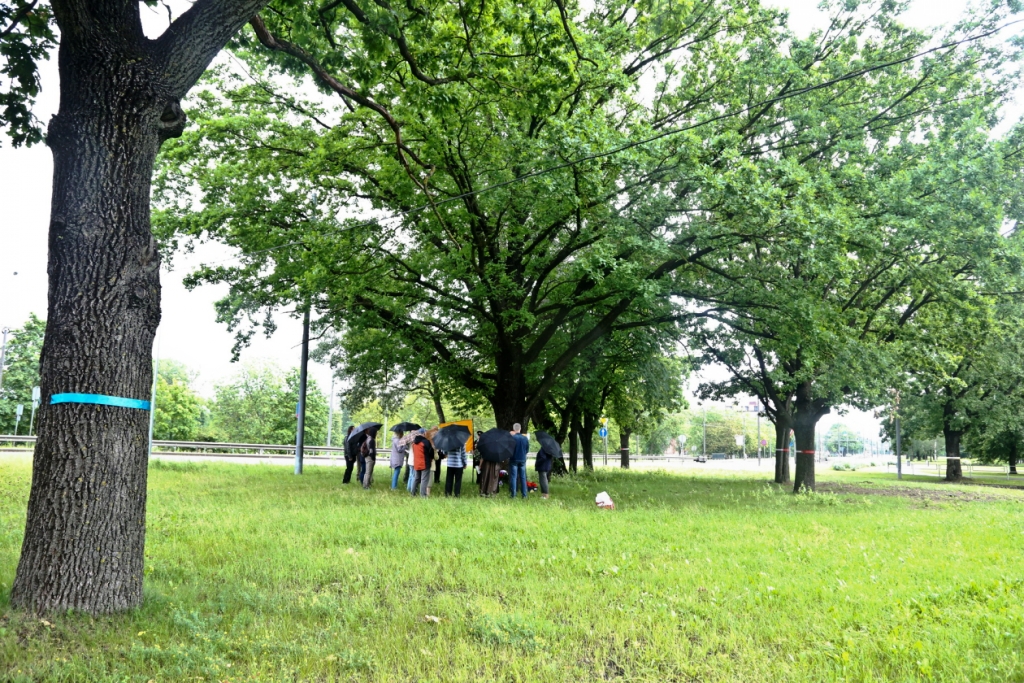
On 5th July 1910, Emperor Nicholas II and his family arrived in Riga for the celebrations marking the 200th anniversary of Livonia’s entry into the Russian Empire.

It was on this day that the Imperial Family planted a small grove of 7 oak trees (one for each member of the family) on the grounds of the Holy Trinity-Zadvinsky Church.

The oak trees were planted in order of the seniority of the family. Olga being the eldest, her oak was planted closest to her father’s oak. Then – Tatiana’s oak, followed by Maria (which was later cut down), and then Anastasia. The daughters’ trees stand in an arc. Behind them is a large oak tree planted by Empress Alexandra Feodorovna. Given his position as heir to the throne, Alexei’s oak was planted in front.

This information is confirmed in the book, “The 200th Anniversary of the Accession of Livonia to Russia, the Stay of Their Imperial Majesties in Riga on July 3-5–5, 1910,” published in Riga the same year. The book provides a plan indicating where the trees were planted, and who planted them and in which spot.

riga2

Six of the seven oak trees planted by the Imperial Family in 1910 have survived

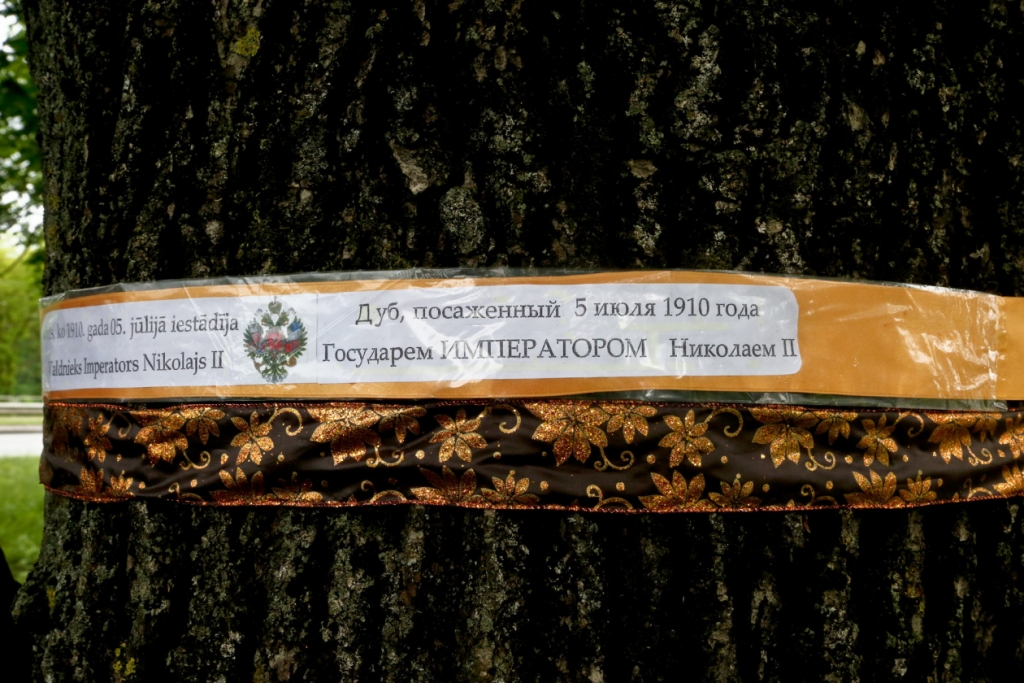
More than a century has passed, but the Tsar’s Oak Grove has endured both war and revolution. Six of the seven trees which survived are tied with colourful ribbons with inscriptions in Russian and Latvian in honour of the memorial date.

riga3

An orange ribbon marks the oak tree planted in Riga by Nicholas II on 5th July 1910 

The trees of the Tsar’s daughters are marked with three red ribbons, the oak of the heir, Tsesarevich Alexei, with a blue ribbon and the trees of Alexandra Feodorovna and Nicholas II, with two orange ribbons.

© Paul Gilbert. 11 July 2020

Nicholas II and Alexandra Feodorovna. Words of Love

na6

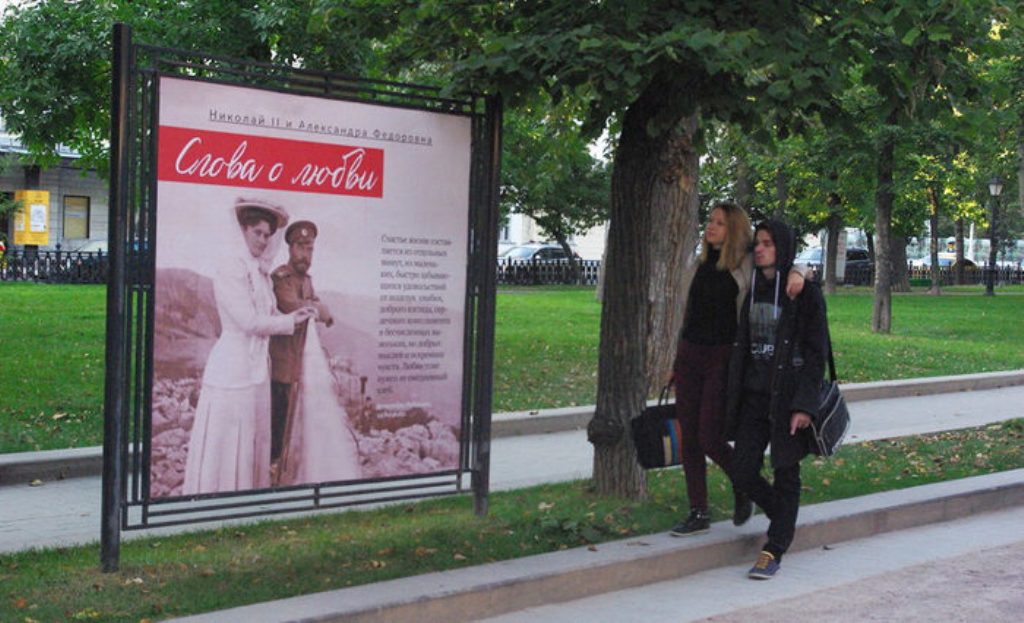
One of the project’s billboards in Moscow

In the days leading up to the 102nd anniversary (17th July) marking the death and martyrdom of the Imperial Family, the Orthodox magazine “Фома” has once again launched their “Nicholas II and Alexandra Fedorovna. Words of Love” project. It uses quotes (in Russian) from Nicholas II and his wife Alexandra Feodorovna from their letters to each other and personal diaries on love, marriage and family happiness.

The project is aimed at confirming family values, as well as conveying truthful information about the life of the Holy Royal Martyr family to a new generation of post-Soviet Russians.

Initially launched in Moscow in 2017 in a series of billboards placed around the city, the project has expanded to other Russian cities. Last year the images were made available in a series of postcards, the proceeds of which help raise funds for the project.

© Paul Gilbert. 9 July 2020

Russia’s national educational project of Emperor Nicholas II

062

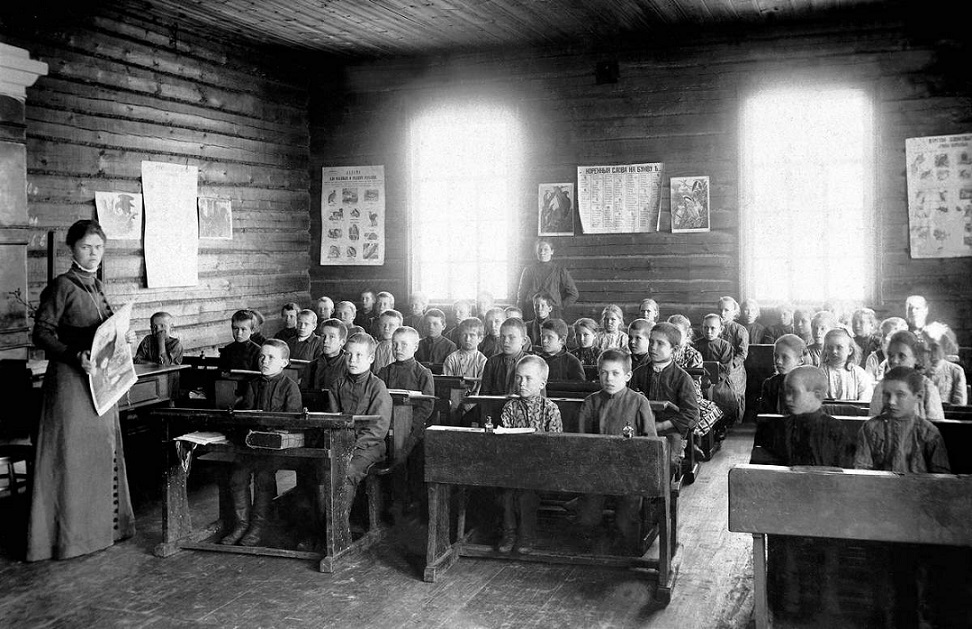
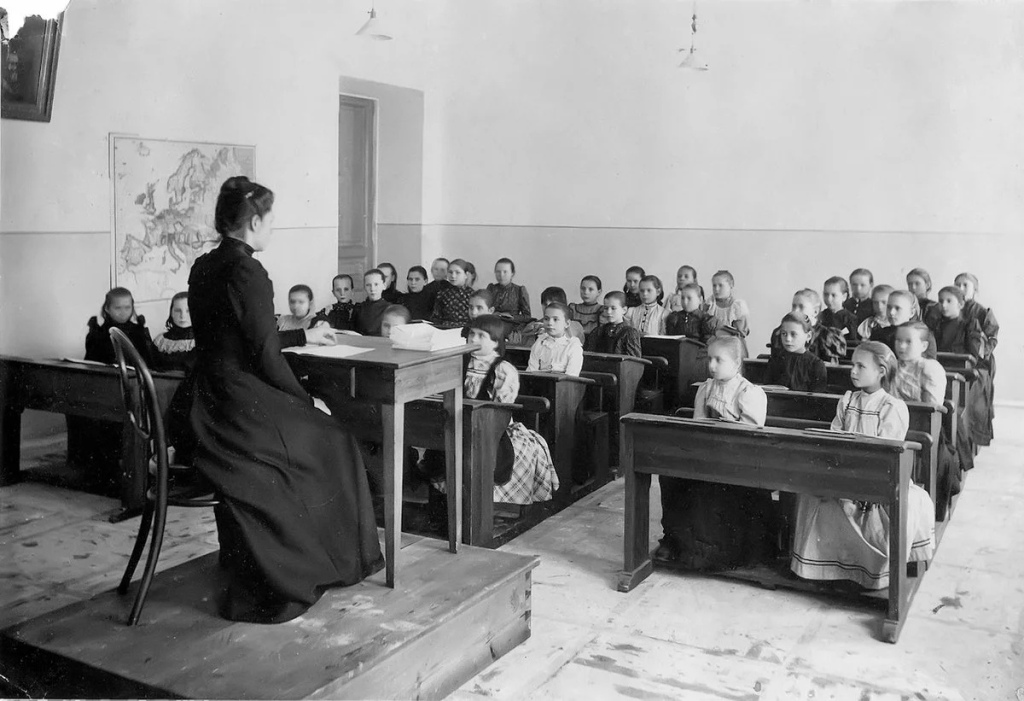
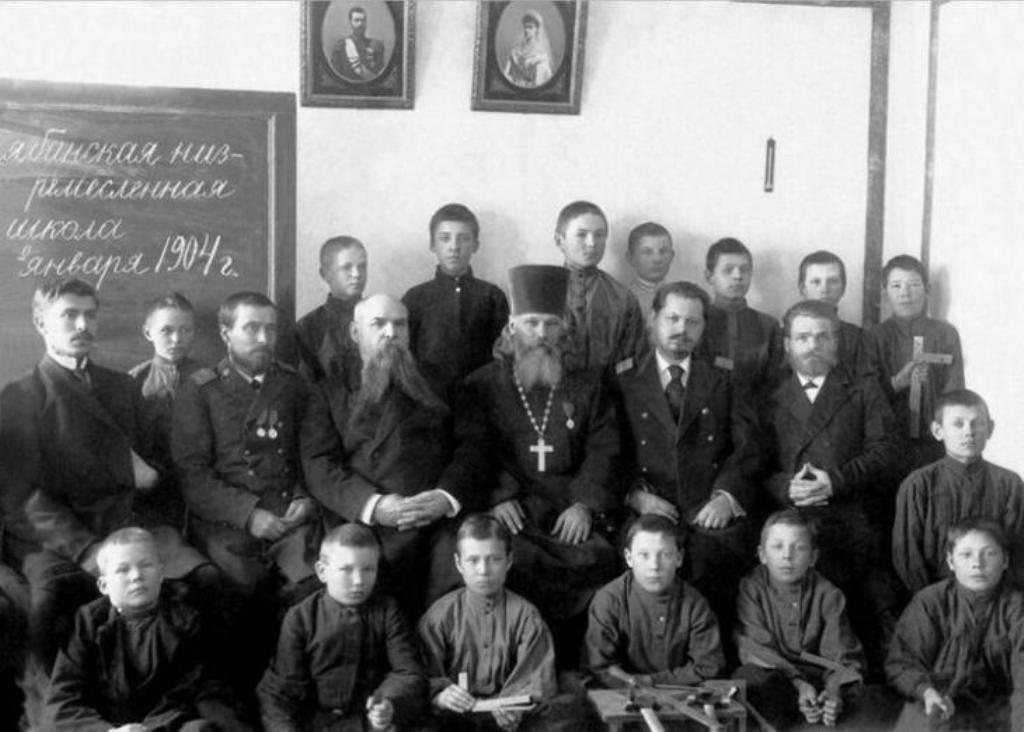
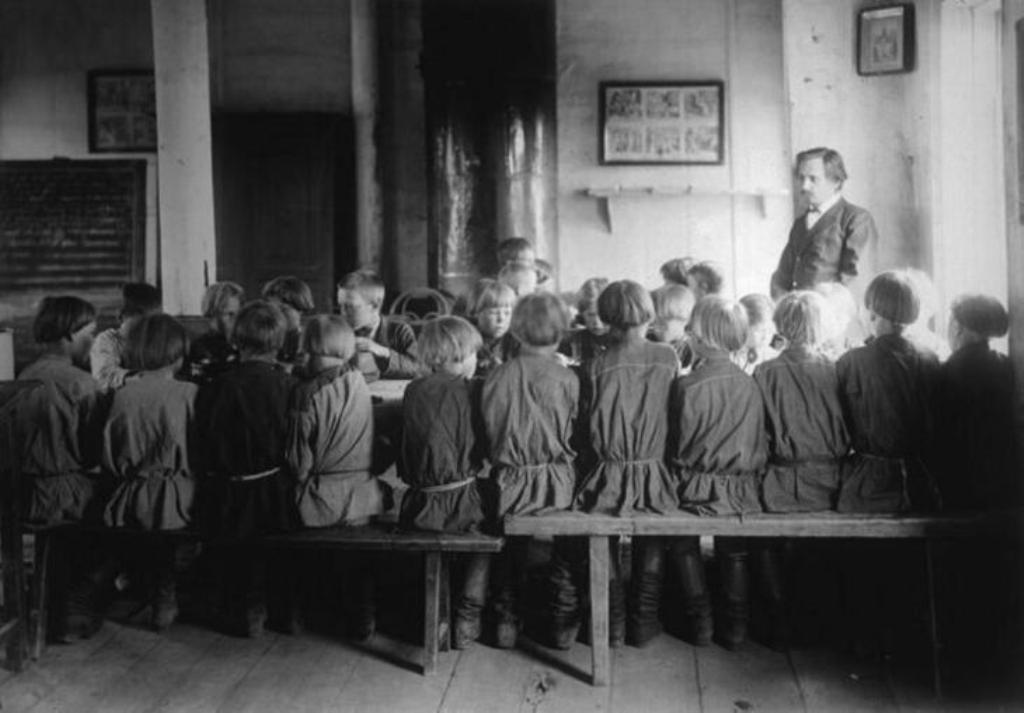
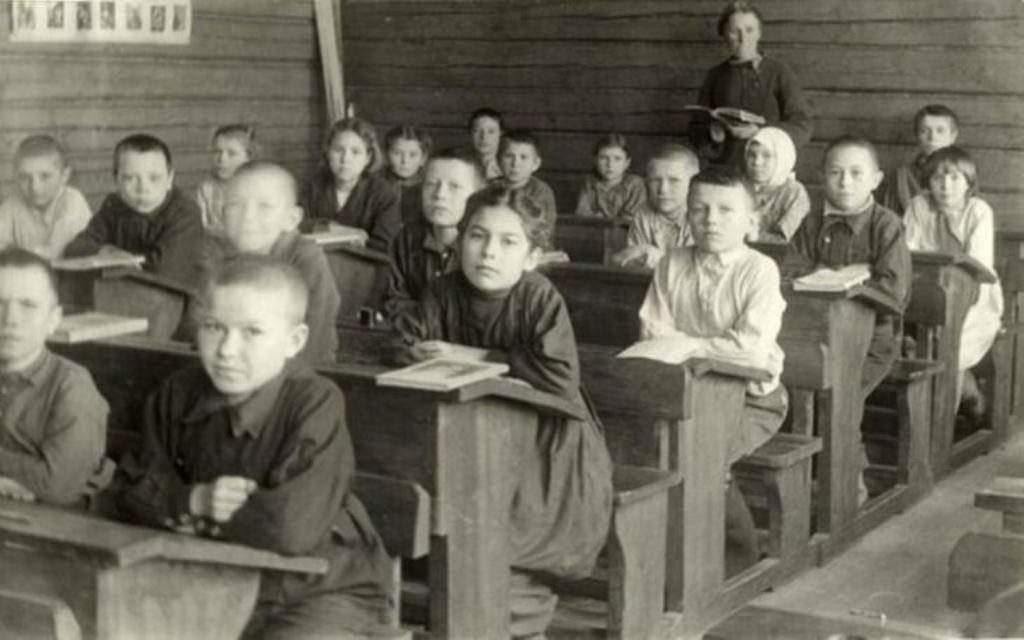
The educational accomplishments during the reign of Russia’s last tsar were nothing short of impressive. It was during the years 1894-1917, that illiteracy rapidly declined. In 1914, 40 per cent of the population was literate. The institutions of higher learning were turning out considerable numbers of loyal bureaucrats, skilled professionals and eminent scholars. To this extent, educational reform had been highly effective under Nicholas II.

NOTE: this 2-part article has been researched exclusively from Russian sources, translated, and presented in English for the first time – PG

The reign of Nicholas II was a period of unprecedented growth for Russia in all areas from economy to culture. It is foolish to deny this growth, especially since in the USSR this growth was recognized and even in 1913 was considered the standard of development with which the Soviets compared their own achievements. This unprecedented growth in Tsarist Russia was obvious to both contemporaries and people of the Soviet period.

The Romanov emperors – from Alexander I to Alexander III – wasted much of the 19th century, missing opportunities for the evolutionary modernization of Russian society. As a result, Russia’s last emperor Nicholas II inherited a rotten feudal medieval state with an illiterate peasant indigenous population, degenerate nobility, frontier townspeople and even more backward rural and remote areas, where the population lived well even in feudal order.

062f

Nicholas II identified his personal desires and dreams with those of the Russian people. The era demanded drastic reforms and the destruction of the rotten past of the empire and its modernization.

Let’s look at the problem of education, which under Nicholas II achieved unprecedented success. His detractors claim that everything during the reign of Russia’s last emperor was bad, particularly education. Let’s see what the statistics say . . .

According to statistics published in the popular «Справочник патриота (Руксперт)» [Handbook of the Patriot (Rukspert)], the number of literate and educated people grew significantly under Nicholas II:

– There were 78 thousand elementary schools in 1896, and 119.4 thousand in 1914
– The number of elementary school students in 1896 was 3.8 million, in 1914 – 9.7 million.
– The number of gymnasiums (secondary schools), was 239 in 1892, and 2300 in 1914.
– The number of secondary school students in 1890 was 12.5 thousand, in 1914 – 127 thousand.
– The number of teachers in 1896 was 114 thousand, in 1914 – 280 thousand.
– Thanks to these measures adopted by the tsarist government, the number of literate people in the country steadily increased. In 1894 there were 37.8% of literate conscripts [enlist (someone) compulsorily, typically into the armed services], in 1901 – 50%, in 1913 – 67.8%. 

062b

Regardless of the denial by the Bolsheviks and later the Soviets, the Russian Empire experienced a quantitative increase in literate people under Nicholas II. This in itself is also confirmed by the increase in the number of books published in Russia:

According to В. Кожинов «Россия, век ХХ. 1901-1939». [V. Kozhinov Russia, XX Century. 1901-1939], in 1893, 7783 titles were published in Russia (with a circulation of 27.2 million copies), and in 1913 – 34,006 titles were published (with a circulation of 133 million copies).

In order to correctly compare these numbers with those of other nations: in 1913 almost as many titles were published in Russia in the same year as England (12,379), USA (12,230) and France (10,758). Germany alone competed with Russia in this respect (35,078 titles in 1913), but, having the most developed printing base, German publishers executed numerous orders from other countries and, in particular, Russia itself, although these titles (more than 10,000) were taken into account as a German product.

According to the “Patriot Handbook”: “In 1893, a total of 43 million rubles were allocated for education, which amounted to 4.1% from the State budget, and in 1914 – approximately 270 million rubles, which amounted to 8% of all budget expenditures.”

In 1914 there were 91 universities with 112 thousand students in the Empire, and 295 technical schools, where 36 thousand students studied.

In 1913 the Empire had 13.9 thousand libraries, with a total of 9.4 million books.

The situation in education under the reign of Nicholas II can be best described as successful. Historians can now only speculate what further advances Russia could have made had the First World War, and revolutionary activity in 1917 forced Nicholas II from the throne and the Russian Empire to collapse. 

***

062c

On 16 May 1908, the Russian Empire passed a law on compulsory primary education to be phased in over a period of 10 years.

The beginning of the twentieth century was one of the most dramatic and turbulent periods in Russia’s history. The revitalization of the revolutionary movement, driven underground, together with a heavy war in the Far East, undermined internal stability in the country. The Revolution of 1905-1907 determined its own path of development for the country – the path to the collapse of the established centuries-old state system, which would plunge the country into an abyss of general chaos. The supreme power, having suppressed revolutionary speeches, proposed an alternative – the path of the quiet development of the empire through progressive reforms. 

It was for this purpose that Emperor Nicholas II put at the head of the government Pyotr Stolypin (1862-1911), discerning in him a talented, energetic reformer. The joint work of the emperor and the prime minister over five years made it possible to work out a series of government reforms. It is interesting to note that despite Liberal opposition, which, during the years of the revolution, repeatedly called for the need for reform, however, could not offer any concrete ideas to such. Moreover, even in the Duma, they were pushed into a corner, believing that they had no choice but to publish angry attacks in the press against the supreme power. The period from 1907 to 1914 was marked by stormy legislative activity. The State Duma, at last, became an efficient body, and not a hotbed of frantic revolutionaries. Unfortunately, many initiatives made by the authorities were not brought to fruition, due to the outbreak of the First World War.

One of the most important changes was the reform in primary education. Western society still held a long-standing stereotype that the population in the Russian Empire was practically illiterate, and the government spent insignificant amounts on education. Universal primary education is generally presented as the achievement of the Soviet government, however, this is incorrect.

In order for the empire to develop evenly in all regions, skilled personnel were required. With the direct participation of Emperor Nicholas II, a number of new laws on the development of public education were introduced. One of them was the law of 3 (16) May 1908 on the introduction of universal primary education in Russia.

062d

The Law of 3rd May 1908, signed by Nicholas II, also provided for additional financing (credit) of 6.9 million rubles for the needs of primary education, which contributed greatly to its accelerated development. At the same time, according to the decree of 3rd May 1908, education in all schools, to which additional state funding was extended (including in rural schools), was free. Nearly 10,000 schools were opened annually, and by 1913 their total number exceeded 130,000 [including parish schools]. Although the discussion of the bill in the Duma was delayed for three years, and amended several times, universal primary education in the Russian Empire became a fait accompli.

Throughout the reign of Emperor Nicholas II, the supreme power contributed to the planned development of primary education. Of course, the results were not long in coming. We give the most popular indicator – the literacy rate, which critics of the imperial power so willingly operate on. Yes, in 1897 the literacy rate was quite low – 21.1%. However, by 1917, this figure is estimated at around 40-43%. By simple calculations we come to the conclusion that the growth of the literacy level in the empire was slightly more than 2% per year.

Thus, a fairly fair conclusion can be made: universal primary education, the creation of which in Russia is still considered by the overwhelming majority of citizens to be an achievement of Soviet power, dates back to the 1890s. In the last ten years of the reign of Emperor Nicholas II, a “national project” was carried out – an extensive network of schools was created, access to which was provided to all children of the empire. Such measures were quite consistent with the global trends in the development of primary education.

© Paul Gilbert. 8 July 2020

Recommended Reading

Education and the State in Tsarist Russia, by Patrick L. Appleton. Stanford, Stanford University Press, 1969.

Please help support my research by making a donation to my project The Truth About Nicholas II

A tale of three portraits of Russia’s last tsar

0280

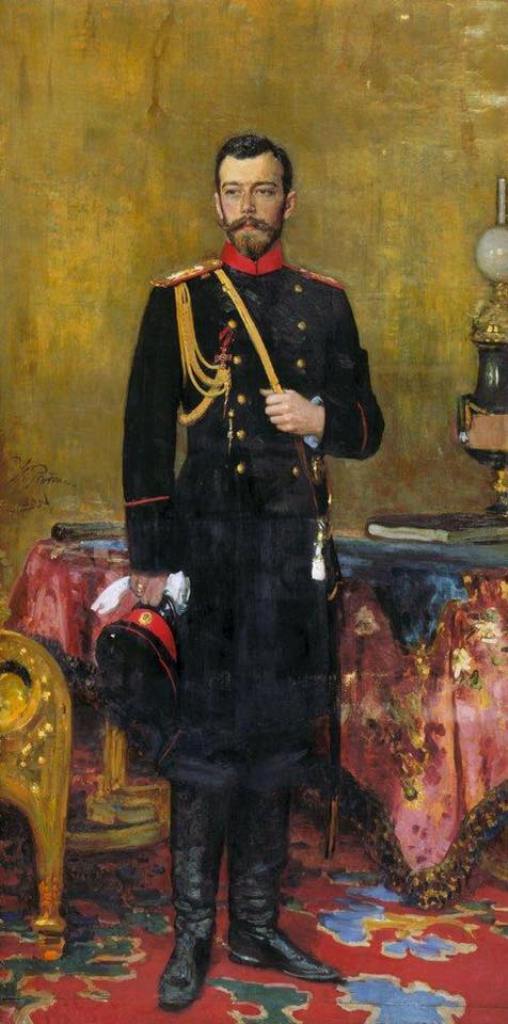
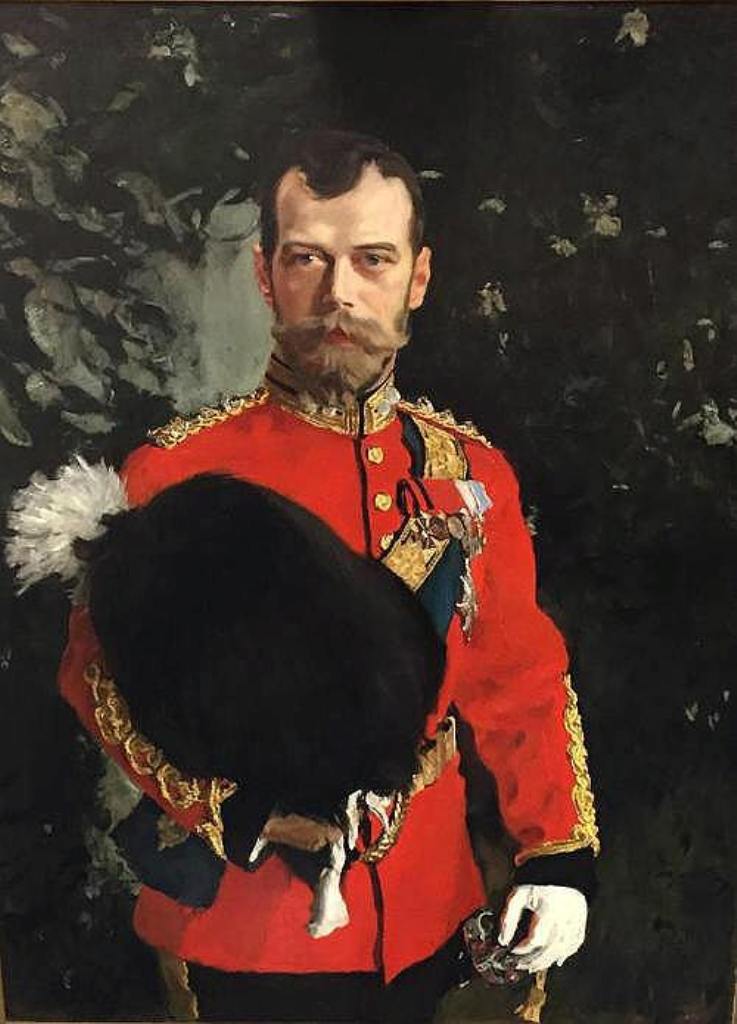
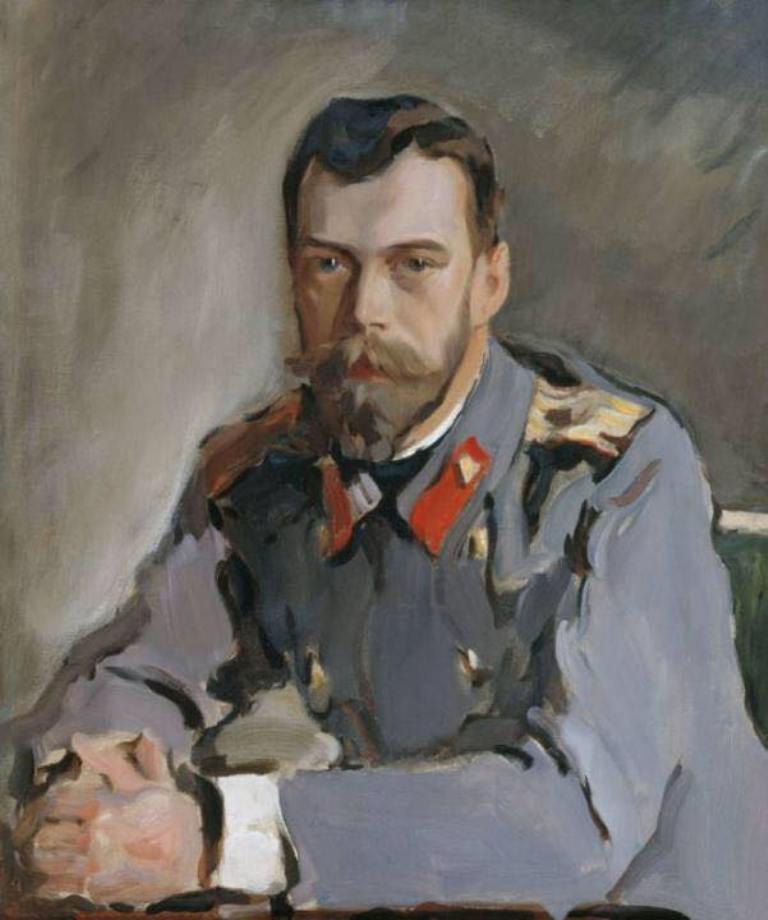
History has preserved thousands of photographs and dozens of portraits of Nicholas II. The most titled artists of their time were honoured to paint the tsar’s portrait. Among them were both Russian and foreign artists, such as Ilya Repin, Valentin Serov, Boris Kustodiev, Lauritz Tuxen – and many others. Each master captured his own vision of the emperor on canvas. This article explores three of the most famous portraits of Russia’s last emperor and tsar by two of Russia’s most famous portrait artists: Ilya Repin and Valentin Serov.

Portrait of Emperor Nicholas II by Ilya Repin (1895)

0280a

The above portrait of His Majesty the Sovereign Emperor Nicholas II was painted in 1895 by Ilya Yefimovich Repin (1844-1930) by order of the Dowager Empress Maria Feodorovna, mother of Nicholas. Up until 1917, the portrait hung in the Mariinsky Palace in St. Petersburg, in the very hall where meetings of the State Duma took place.

After the revolution, the painting was considered lost. It “surfaced” in the early 1980s in the collection of the famous St. Petersburg collector Nikolai Kozhevnikov. He claimed that he had found it during the Great Patriotic War (1941-45) in a garbage dump.

It is believed that many other works of art from the Tsarist period believed to be “lost” have in fact been squirreled away by private Russian collectors, all of whom are well aware of their historic value. This offers a ray of hope that other Romanov treasures may have survived the ravages of revolution and war, including the missing Faberge Imperial Eggs. 

In his letters, Repin recalled: “Last week, three sessions took place, that is, on Monday, the 28th, – the first session, one and a half hours; Tuesday, – an hour and half; and an hour yesterday. I arrived at the palace an hour earlier. The emperor comes at two o’clock, the empress accompanies him every time and stays here all the time during work.” Later he added: “I finished the Sovereign’s portrait; there were a total of seven sessions. The sovereign posed poorly, however, everyone likes my portrait and do not criticize.” This portrait was painted shortly after Nicholas II ascended the Russian throne following the death of his father Alexander III.

This portrait of Nicholas II is now in the Collection of the State Russian Museum in St. Petersburg.

Portrait of Emperor Nicholas II by Valentin Serov (1902)

0280b

This portrait by Valentin Alexandrovich Serov (1865-1911), depicts the Emperor in the full uniform of Colonel-in-Chief (honourary head of the regiment) of the Royal Scots Greys. In 1902, Nicholas II ordered the artist Valentin Serov to paint the portrait as a gift to the regiment – one of the most famous in the United Kingdom.

Nicholas II was awarded this honour by Queen Victoria on the occasion of the wedding of her granddaughter Princess Alix of Hesse and by Rhine to the future Emperor of Russia. The portrait hangs in the Royal Scots Guards Regiment Museum in Edinburgh, Scotland. The ceremonial uniform is now in the Collection of the Tsarskoye Selo State Museum-Reserve.

Portrait of Emperor Nicholas II by Valentin Serov (1900)

0280c

The artist Valentin Alexandrovich Serov (1865-1911) created the home portrait of Nicholas II, as a gift to Empress Alexandra Fedorovna in just two sittings with the emperor.

The original version of this portrait did not survive: the revolutionaries who stormed the Winter Palace destroyed the canvas with bayonets.

Thankfully, Serov, having just barely finished the portrait in 1900, immediately made a copy of it. He was worried about the fate of the painting, because the Empress did not like it very much. During his sessions with the Emperor, Alexandra Feodorovna closely watched the artist and generously distributed advice on how to “correct” the face of Nicholas II in the portrait. In the end, Valentin Serov could not stand it, handed the empress the palette with brushes and invited her to finish the work herself!

Some art historians believe that this portrait of Nicholas II looks incomplete: noting that it was painted with wide free strokes without subtle light transitions, the details of the canvas were not worked out. But the execution of the portrait itself reflects Serov’s vision, who (again) according to art historians wanted to depict a man who was tired in his service to Russia – although this remains highly unlikely. The canvas does not have the usual attributes of other royal portraits, which often include solemn interiors, ceremonial clothing, etc. Nicholas II is depicted in the jacket of the Preobrazhensky Life Guards Regiment, which he proudly wore every day.

The copy of the portrait is now part of the Collection of the State Tretyakov Gallery in Moscow.

* * *

Nicholas II. Portraits by Paul Gilbert

0280d

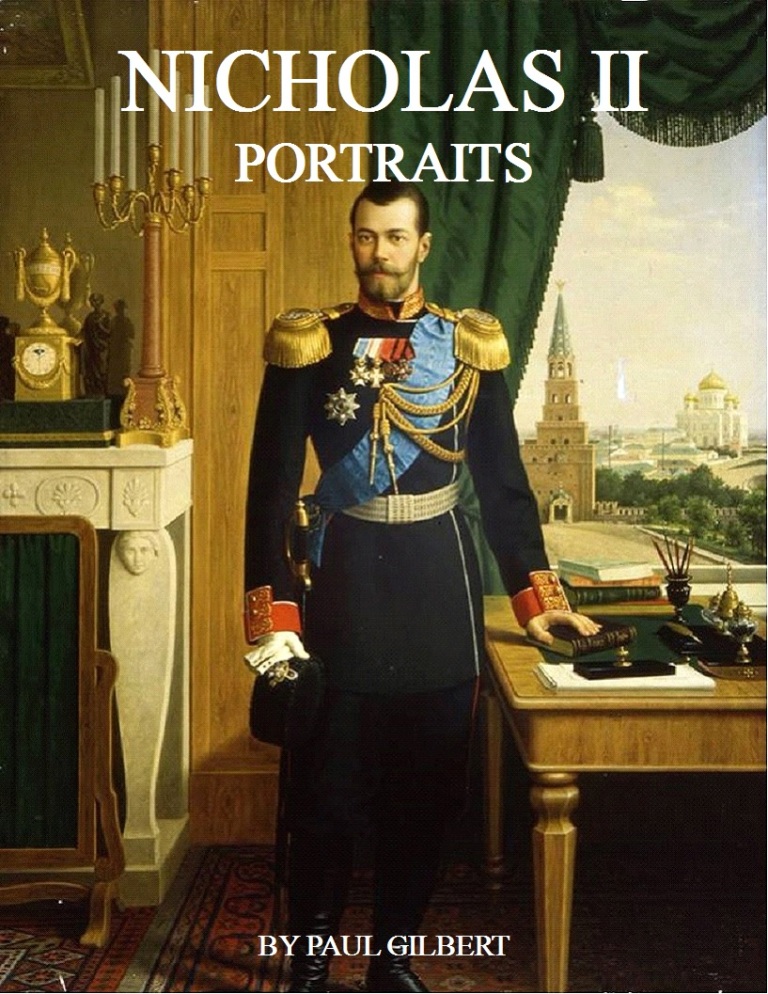
Published in 2019, this is the first book of its kind ever published! Nicholas II. Portraits by independent researcher Paul Gilbert explores a century of portraits of Russia’s last emperor and tsar.

It features beautiful colour covers, 140 pages, and richly illustrated with 175 black and white photographs, (many full-page), with detailed and informative captions.

This unique title features an introduction, as well as numerous short articles, including: Serov’s Unfinished 1900 Portrait of Nicholas II; A Nun’s Gift to Russia’s New Tsar. The Fate of a Portrait; Galkin’s Ceremonial Portrait of Nicholas II Discovered; and more!

Famous portraits and their respective artists are all represented, including Serov, Repin, Lipgart, Tuxen, Bakmanson, Becker, Bogdanov-Belsky, Kustodiev, among others.

The last section (28 pages) of the book is dedicated to the works of contemporary Russian artists, who have painted outstanding portraits of Nicholas II since the fall of the Soviet Union.

It is interesting to note that my research for this book was primarily from Russian sources, and I discovered portraits which were new, even to me!

Price: $25 + postage. Click HERE to order your copy of Nicholas II. Portraits

© Paul Gilbert. 5 July 2020

Unknown writer defends Nicholas II against Western myths and lies

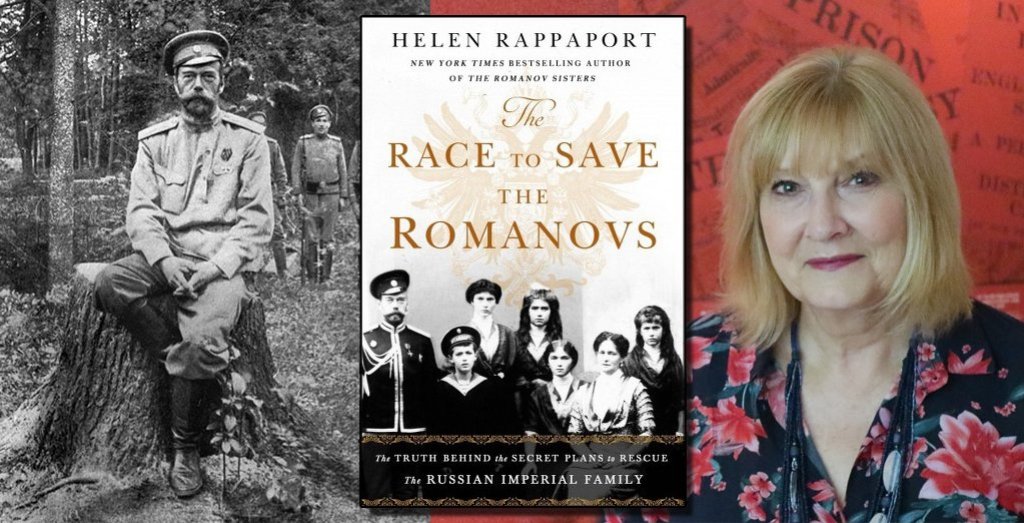
On 1st July 2020, I received a very interesting eleven-page letter from H.I.H. Baron Alexander Alexis von Braun – a person who up until yesterday I had never heard of. His open letter is addressed to Romanov historian and author Helen Rappaport and copied to the St. Martin’s Press, New York; Paul Gilbert, Editor Of The Journal Sovereign & Nicholas II Blog; Russian Historian, Dr. Peter Valentinovich Multatuli, Ph.D., who is considered as the country’s Leading Authority on the Life and Reign of Nicholas II; the Curator of the Multi-Media Museum “Russia My History” in Ekaterinburg; the Club Of Historians; and Tatyana Balanchuk, Project Manager of the St. Catherine Foundation among others.

I have known Helen Rappaport for many years, together we have shared a vast correspondence on all things “Romanov,” a subject of which we have seldom seen eye to eye on, particularly the reign of Nicholas II. Over the years I have sat back quietly as Dr. Rappaport has published books and articles, or appeared as a guest on televised interviews and documentaries in which she fervently clings to the popular held negative assessment of Russia’s last Tsar. I remain critical of much of her research, citing it as “stuck in the 1970s,” and one of the reasons why she was not invited as a speaker to the Nicholas II Conference which I organized and hosted in England in 2018. 

It is very important for me to emphasize that just because I disagree with Dr. Rappaport’s research does not mean that I hate her, not in the least! Having said that, however, I must also emphasize that as an independent researcher on the life, reign and era of Nicholas II, I have every right to challenge and dispute her research. As Dr. Rappaport recently noted on her Facebook page, she refers to any one who disagrees with her negative assessment of Nicholas II, as someone who views him with “rose coloured glasses” or “hagiographic“.

It is so refreshing to know that persons such as H.I.H. Baron Alexander Alexis von Braun support me in my mission, and not afraid to voice their own critical assessment of Western historians such as Helen Rappaport. I am sorry if reprinting this letter offends or hurts her in any way, but I cannot emphasize strongly enough that Dr. Rappaport is not being targeted, but she, like all of her Western contemporaries who continue to promote their anti-Nicholas propaganda are ON NOTICE! 

During my closing words at the 1st International Nicholas II Conference held in Clochester, England on 27th October 2018, I noted that I would be dedicating my time and resources to clearing the name of Russia’s much slandered tsar Nicholas II.

I am today leading an IMPERIAL MOVEMENT, a voice for the truth about Russia’s last Tsar, one which also acknowledges his reforms and many achievements. My supporters include Orthodox Christians, monarchists, historians, and other adherents of His Imperial Majesty Sovereign Emperor Nicholas II and Tsar-Martyr – PG 
0278b

Here is the text of H.I.H. Baron Alexander Alexis von Braun’s eleven-page letter, with several minor edits. Some of his text is repeated, however, I have left it unedited:

Helen Rappaport
Historian/Russianist
Key Contributor – Historical Consultant
Specialist Interviewee On Things Russian
Romanov Expert

Attention: Ms. Helen Rappaport

Subject: Tsar Nicolas II And Family

Greetings Ms. Rappaport,

Judging from your Contact Information, you are calling yourself a Historian/Russianist, Key Contributor, Historical Consultant, Specialist Interviewee On Things Russian and Romanov Expert. You also welcome hearing from readers with their queries about your work. My Colleagues and I seriously question your alleged wide ranging experience in public speaking, seminars and literary festivals and as a Historian/Russianist can offer talks on a variety of subjects. We are also questioning your alleged credentials as a Historian/Russianist, Key Contributor, Historical Consultant, Specialist Interviewee On Things Russian and Romanov Expert. We have more than sufficient cogent evidence that will prove otherwise. I have been very preoccupied in the past and it’s only now that I am able to address this matter.

On July 17, 2018, your article appeared in TIME Magazine entitled, “The Romanov Family Died A Century Ago – It’s Time To Lay The Myths About Them To Rest”, By Helen Rappaport. You state in your article, for a century the Romanov story has exercised a seductive power that has never ceased to fascinate. Now, with 100 years passed, the centenary offers an opportunity for that fascination to be refocused on the facts of what really happened to the last Tsar and his Family. We understand that you are the author of four (4) back-to-back books written about the Romanovs, the latest being “The Race To Save The Romanovs”, Published In The U.S.A. by St. Martin’s Press.

Before I continue, I will bring to table another matter involving your alleged knowledge about Tsar Nicolas II and Family. In an article written by Paul Gilbert on February 25, 2020, (see his credentials enclosed), he writes, “The era of the Reign of Emperor Nicholas II (1894-1917) remains one of the most prominent in the history and development of Russia. Rapid economic development, the strengthening of the state’s defense, peace loving external initiatives, outstanding scientific discoveries, the successes of public education, advanced social policy for this period were all achieved in a short historical period. Thanks to the policies and reforms of Tsar Nicholas II, sophisticated state administration and the talents of statesmen, helped shape the necessary union which produced such brilliant results. Topics found in the new Russian Web Site include: Monetary, Agrarian, Military Reforms, Industrialization, Energy, Public Health, Scientific Breakthroughs, Russian Geographical Society, Constitutional State, Foreign And Domestic Trade, Religious And Church Life, Mail, Telegraph And Postal Services, Charity And Patronage, The Birth Of Russian Aviation, Foreign Policy and much more. Please note that this Russian/English Language Web Site is still under development and once complete, will also feature articles, news and videos.” On a personal note, I would like to add that this new Russian Web Site is of great importance. It allows us to reexamine what we have been led to believe is the truth on the era of Tsar Nicholas II. This can be achieved from the many books and documentaries produced over the past fifty years.

Many have been written by people who have failed to examine all the facts, especially those from Russian Sources. As an example, during a BBC Radio Program “Beyond Belief”, held on 20th August 2018, the programs’ host Ernie Rea was joined by four guests to discuss Russia’s last Emperor and Tsar. Among them was Andrew Phillips, Arch Priest of the Russian Orthodox Church (ROCOR) and Rector of St. John of Shanghai Orthodox Church in Colchester, England, who stated during the program that “Nicholas II was a Reforming Tsar”. Fellow Panelist and Romanov Historian, Helen Rappaport did not comment on Father Andrew’s statement, however, she wasted little time in taking to Social Media to rebuke him. “The assertion by Father Andrew that he [Nicholas II] was a Reforming Tsar, took it too far”, she argued during a discussion on Facebook with her “Romanov Circuit”. I also believe that Nicholas II was a Reforming Tsar, the information presented in this new Russian Web Site providing the facts. Therefore, I respectfully disagree with Dr. Rappaport’s comments and her rebuke of Father Andrew’s comment alone raises a red flag. I have argued for years that researchers need access to new documents discovered in post Soviet archives in Russia. Perhaps this would help put an end to the obsessive rehashing by Western Historians of the tragedies which befell Nicholas II during his reign. It is time to begin focusing on his reforms and achievements.

Ms. Rappaport, Paul Gilbert is being much too kind in respectfully disagreeing with your comments when you state that, “The assertion by Father Andrew that he [Nicholas II] was a Reforming Tsar, took it too far”. Paul Gilbert further states that your rebuke of Father Andrew’s comment alone raises a red flag. That’s it, that’s all the criticism you get, for “Big Time Foul-Ups”? Further to your July 17, 2018 article in TIME Magazine entitled, “The Romanov Family Died A Century Ago – It’s Time To Lay The Myths About Them To Rest”. This vindictive statement is very damaging. You state in your article, for a century the Romanov story has exercised a seductive power that has never ceased to fascinate. Now, with 100 years passed, the centenary offers an opportunity for that fascination to be refocused on the facts of what really happened to the last Tsar and his Family. As an alleged Expert on the Romanov Dynasty, you must have known what has been said about Tsar Nicolas II through the media and related publications. They depict Tsar Nicolas II as a weak incompetent ruler, making him out to be an unimaginative and limited man, he was suited neither by his abilities, nor temperament to rule during such turbulent times. He was chronically indecisive and not a progressive overlord, he firmly believed in his divine right to rule. As a Leader, Tsar Nicholas II knew few successes. When World War I came in 1914, Nicholas allegedly led his people into a conflict that would strain the nation’s resources and unfortunately cost many lives.

As a result of his reign, he was responsible for a series of events which led to the downfall of the Monarchy and Russian Empire. Imperial Splendor Nicholas was, however, a family man, he loved his wife, Alexandra and she loved him. His brutal execution, nor to that of his family members were unwarranted. Soon after his and his family’s deaths, all Personal Belongings, Palaces and Lands belonging to Tsar Nicolas II and Family were seized by Vladimir Lenin and Associates. The Decree on Land ratified the actions of the peasants who throughout Russia seized private land and redistributed it among themselves. The Bolsheviks viewed themselves as representing an alliance of workers and peasants and memorialized that understanding with the hammer and sickle on the flag and coat of arms of the Soviet Union. Other decrees:

– All private property was seized by the state
– All Russian Banks were nationalized
– Private Bank Accounts were confiscated
– The Church’s Properties (including Bank Accounts) were seized
– All Foreign Debts were unacknowledged
– Control of the factories was given to the Soviets

So what you are saying now Ms. Rappaport, is that the myths being that Tsar Nicolas II as a weak incompetent ruler, make him out to be an unimaginative and limited man, he was suited neither by his abilities, nor temperament to rule during such turbulent times. He was chronically indecisive and not a progressive overlord, he firmly believed in his divine right to rule. As a Leader, Tsar Nicholas II knew few successes. When World War I came in 1914, Nicholas allegedly led his people into a conflict that would strain the nation’s resources and unfortunately cost many lives. So just let “Sleeping Dogs Lie” and “Close The Book On Tsar Nicolas II” Ms. Rappaport, is that not correct? The following are some excerpts of new documents, letters and diaries discovered in Russian Archives since the fall of the Soviet Union in 1991.
0278e

Russia’s Last Emperor And Tsar Nicolas II Is One Of The Most Documented Monarchs In Modern History Who Have Endured To This Very Day

Russia’s last Emperor and Tsar Nicolas II is one of the most documented Monarchs in modern history who have endured to this very day. Contemporary Western Historians have been content to carry these negative myths and lies turning them into books, magazine articles and documentaries. They depict him as a weak incompetent ruler, who was responsible for a series of events which led to the downfall of the Monarchy and Russian Empire. New documents, letters and diaries discovered in Russian Archives since the fall of the Soviet Union in 1991 have aided a new generation of Russian Historians to address many of the myths and lies about Nicolas which challenge and dismiss those held by their Western counterparts. I am committed to clearing the name of Russia’s most slandered Emperor and Tsar. I am able to achieve this through much research and work. My research and work is followed by many people around the world, from all walks of life including Orthodox Christians, Monarchists and those who hold the Tsar-Martyr and his family close to their hearts. These are people who seek the truth. For nearly a century, the last Emperor of Russia, Tsar Nicholas II, has been maligned and slandered by Western Historians and Biographers. I often wonder, how have these historians and authors been mistaken about Tsar Nicholas II. Come to think of it, no one can prevent historical figures from being criticized, but one must distinguish objective criticism from slander and defamation. Both positive and negative assessments must be supported by evidence that emerges from the careful study and analysis of historical sources. We are all judged by the fruits of our actions.

Russia in the Reign of Emperor Nicholas II grew in population by 150% and its rate of economic growth was the highest in the entire world. Labour Laws in Russia were among the most progressive anywhere, which was acknowledged even by President Taft of the United States. The Great Russian Academic Dmitrii Mendeleev, the French Economist Edmond Teri and other researchers have written about the strength and development of Russia in these years and have shown that Nicholas II actually achieved a lot for his country during his reign. Some might say that because the reign of Nicholas II ended in Revolution, any accomplishments he may have had lose their value and meaning. But that’s not the right way to look at it. Emperor Nicholas II, like any human being or statesman, was not without sin and certainly did make mistakes. But he was a man of deep faith, a great patriot, an honourable, genuine and humane man, who with courage and integrity bore all the hardships that fate had delivered to him, both during his reign and afterward. In canonizing him as a Passion Bearer, the Holy Church affirmed that Emperor Nicholas II was one of the principal moral guides of our people. And I believe that this decision by the Hierarchy of the Church resonates in the hearts of my countrymen. Thus, while I certainly do not deny the right of historians to debate the correctness or mistakes on this or that decision made by Emperor Nicholas II, I cannot condone those who try to blacken his memory, or depict him as a dull and shallow minded man who cared only about his family. There is simply no substantiation in the historical sources for that view of him.
0278f

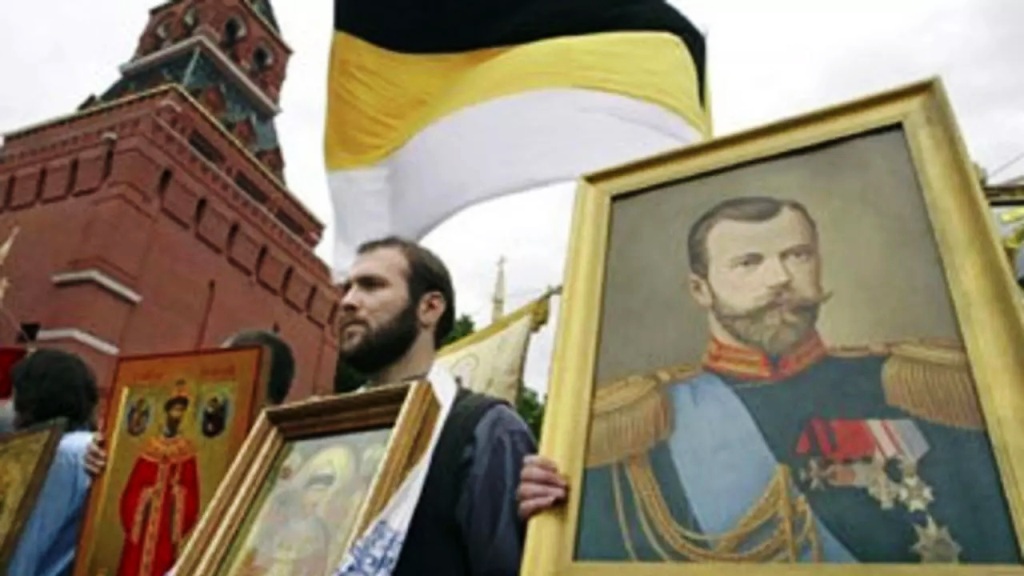
The Rehabilitation Of The Tsar-Martyr Emperor Nicholas II By The Supreme Court Of The Russian Federation Is So Important For A Proper Understanding Of Russian History

Some misunderstand the meaning of the word “rehabilitation”, thinking that it connotes a kind of “amnesty”. In point of fact, however, the rehabilitation of the victims of political repression is a recognition that such people were the targets of illegal action perpetrated in the name of the government and that these actions be deemed formally by the government today as illegal and the victims be recognized as having being entirely innocent and have their honour, integrity and good name fully and legally restored to them. For the Russian Government today, the rehabilitation of the Holy Royal Passion-Bearer Emperor Nicholas II, His Family, other murdered members of our House and their faithful physician and attendants, has an enormous legal and moral significance. The Russian Federation is the legal successor of the Russian Soviet Federated Socialist Republic, the RSFSR and of the Union of Soviet Socialist Republics the USSR. A local governmental organ, which exercised full political authority at that time the Ural Soviet of Workers’ and Soldiers’ Deputies passed a death sentence on the Emperor, His Family and their servants. The Supreme Governmental Organs of Soviet Russia, the All Russian Central Executive Committee and the Soviet of People’s Commissars recognized this decision as correct and approved it.

Until 2008, the Presidium of the Supreme Court of the Russian Federation had not ruled on my family’s petition for the rehabilitation of the Royal Martyrs and so from a legal point of view the executions continued to be considered lawful and justified. Neither the canonization of the Royal Family by the Church nor the statements from various leaders of the country condemning the murders carried any legal weight. So we had a situation where the Church and the faithful considered Nicholas II and His Family Saints, many others of our countrymen considered them, if not Saints, at least as innocent victims of terror and the government. It saw them as criminals deserving of death. Of course, that was an absurd and unsustainable situation and a bloody burden from which the government needed to free itself. Thank God, the highest Court in the land concurred with the arguments my family presented and finally made the correct and legal ruling on the matter. I would especially like to acknowledge and thank the Chief Justice of the Supreme Court, Vyacheslav Lebedev, for his part in reaching this ruling. He delved deeply into the matter and put an end to this on going violation of the law. Before the ruling came down on October 1, 2008, rehabilitating the murdered members of the Imperial Family, we did not know him at all or what he thought about our legal arguments, or about us in general.

But he researched the question on his own and agreed with our petition on its merits, issuing his ruling “On The Rehabilitation Of The Victims Of Political Repression” entirely on the basis of the historical facts alone. This ruling on the rehabilitation of the Imperial Family, their relatives and faithful servants, all murdered by the atheistic and totalitarian Communist Regime, is perhaps one of the best pieces of evidence that Russia has undergone a colossal positive change in its understanding of the country’s past and has made important strides forward in the defense of human rights today. Since the fall of the Soviet Union in 1991, there has been a growing interest in the Romanov Dynasty and their legacy in modern day Russia. Since that time, we have worked tirelessly to restore the name and the image of the Romanov Dynasty. It is so important for new generations of Russians to understand the contributions that the House of Romanov made to Russia’s History and Culture.

It is important not only to remember the contributions that our Dynasty has made, but also to know the history of our country, to glean lessons from its past, to offer an accurate moral evaluation both of the good that happened and the bad, to try to avoid the mistakes of the past and to use that past to chart a course for the nation moving forward. So, when I talk about my ancestors, it is not only to praise them. I do not idealize this history of the rule of our House. To the contrary, I always say that while there is much to be proud of in our past, there is also much to regret and so I do ask for forgiveness of the Creator and of my people on my own behalf and on behalf of previous generations of the Dynasty. None of my countrymen are my enemies. Whether it be those who vehemently disagree with me, or those who are on the other side of an ideological divide, or acid critics of everything I hold most dear all are my brothers and sisters. I stand ready at all times to meet and discuss the past, present and future with people of all views in order to find a way to work together to serve Russia.
0278c

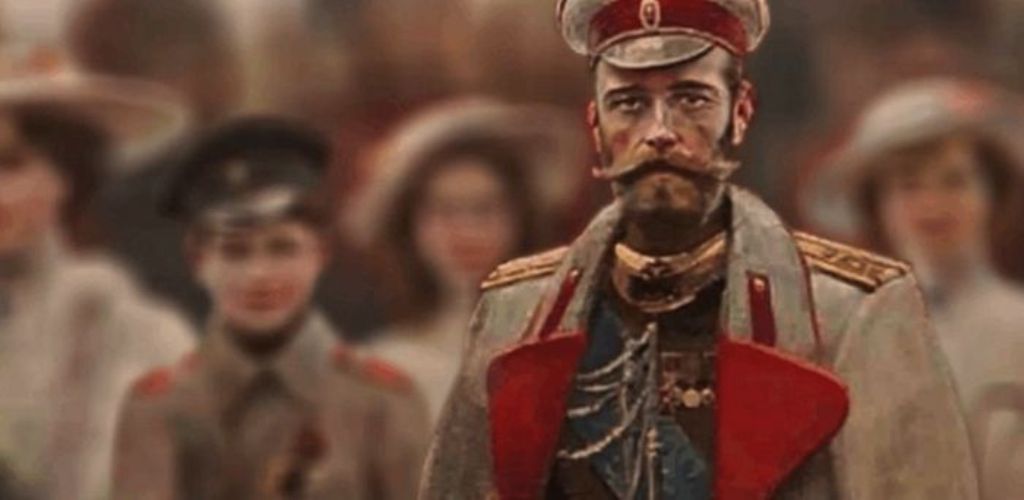
All Around Me I See Treason Cowardice And Deceit

“All Around Me I See Treason, Cowardice And Deceit”, are not only the words Emperor Nicholas II used to reproach his contemporaries for forsaking him, they express the agony he felt for them, “for they know not what they do”. Had he not felt this agony, the Sovereign’s daughter would not have written, “He forgave everyone”, which was the message of reconciliation he asked her to give everyone who had remained faithful to him. He also forgave us, only do we really “not know what we do”? After the toxic gas of the revolutionary propaganda evaporated, after the whole of Soviet historiography had insulted and spit in the face of the Royal Family, after the archives were opened for public perusal, after the letters, diaries, memoirs and eye witness accounts were published and after we became free to take sober account of the tragedy of the Royal Family’s murder, we suddenly hear from the television screens and from the incompetent historian, “The Empress was a idiot”. While another philosophizing TV anchorman, primping and preening, would say sneeringly, “I am not one of those who believes Nicholas II was a man of strong will”.

These people cannot “not to know”, they simply do not want to know. The world is quicker to defend its villains than its Saints. A few stalwartly souls would try to break their way into Tsarskoe Selo to defend the family to whom they had given their oath of allegiance. And these were not the high ranking Generals who unanimously advised the Emperor to abdicate from the Throne, who saw, like no one else in Russia, how much effort, mind and soul the Sovereign had invested in rectifying the situation in the Army. “Holding victory in his hands, he fell to the earth alive”, Winston Churchill wrote in his book ”World Crisis”, 1916-1918, London, 1927 Volume 1 – Page 476, about Emperor Nicholas II. This is how people fall when struck perfidiously from behind. One young Cornet was lucky enough to find his way into the palace. The abdication had been announced, but the Emperor was not at court. Fear for his life and the future of his children were growing with each passing hour. “With a single gesture, the Empress bade me to stand.

Her magnificent eyes were even more sunken from sleepless nights and anxiety and expressed the unbearable torment of her long suffering heart. What unearthly beauty and stateliness emanated from this eminent Imperial figure”! But Alexandra Feodorovna did not feel sorry for or try to comfort herself. “I am very grateful that you have come to see me and not abandoned me on this difficult and dreadful day! I would really like you to stay with me, but that, to my immense regret, is impossible. I know and understand how hard this is for you. I ask you to please take off my insignia, because I could not bear it if some drunken soldier tore them away from you in the street! I believe that you will continue to wear them in your heart”, she said to the Cornet, comforting him. Her Majesty, was simply a woman in the true meaning of this word, was being called an “idiot” throughout the country. Why? Well, you see, Count Witte had once been summoned to Her Majesty, whereby she compassionately expressed her surprise that there were so many poor and impoverished people in Russia and almost demanded that he stop this disgrace. “Oh! What naivety”? Yes, what treasured naivety! While filming a movie about Grand Duchess Elizabeth Feodorovna, the film crew worked in Darmstadt, the home town of the two Imperial Sisters. Everyone was amazed at the attention Alix and Elizabeth’s Family gave to the impoverished, orphans.

Especially to all the needy citizens in this modest duchy of their father, the size of which could, naturally, in no way compete with Russia’s expanses. Of course, the Grand Duchy of Hesse was a European Province. At first, the Empress could not and I think, was unable her entire life to reconcile herself to that fact that what could be done in her former homeland was impossible in her new, boundless homeland, which she came to love with all her heart. Who can reproach her for this? “I love those who yearn for the impossible”, said the great Goethe. Incidentally, Alexandra Feodorovna received the Cornet wearing a white nurse’s gown. From the very beginning of the war, she and her daughters had been caring for the wounded and the entire family had donated large sums of their own money to set up hospitals, equip hospital trains and purchase medication, equipment and clothing for the front line soldiers. On the eve of the war, no other European Government did more to defend peace than the Government in St. Petersburg. In November 1921, at the Washington Naval Conference, the U.S. President would say that the proposal to limit arms by reaching an agreement among the nations was nothing new. It was enough to recall the noble strivings expressed 23 years ago in an Imperial Rescript from His Majesty the Emperor and Autocrat of all the Russia’s. This was followed by an extensive quote from Nicholas IPs note, in which he appeals to the whole world to convene an International Conference in order to curb the arms race and develop mechanisms for preventing wars in the future.

The world was surprised that this proposal did not come from a weak, defenseless state, but from a vast and omnipotent Empire. All the great powers ignored this proposal. Kaiser Wilhelm II said that in practice he would continue to rely only on God and his sharp sword. England, which had the strongest navy in the world, refused to go for any reductions. Japan, which was hatching its own plans in the Far East, ignored the Russian note. Russian Foreign Minister Count Muraviev figuratively noted that the people reacted enthusiastically and the governments distrustfully. Anyone else would have given up, but Nicholas II continued his efforts. A repeat note followed and the Hague Peace Conference was indeed convened in 1899 under the chairmanship of the Russian Ambassador to London. A whole series of extremely important decisions was made, including on the non use of poison gases and explosive bullets. Conditions were drawn up regarding the upkeep of prisoners of war, as well as principles for peacefully settling conflicts and the International Court that functions to this day in The Hague was founded. Were these not rather too many achievements for a “weak willed” and “weak minded” Czar, before the perseverance and foresight of whom stubborn Europe was bowing? The main ideas of the Russian initiative were more fully realized in the creation of the League of Nations, which later passed the baton on to the United Nations. It is no accident that the original document calling on the states to take part in The Hague Peace Conference of 1899 signed by Nicholas II is exhibited in the UN building in New York.

Alexandra Feodorovna, as we know, was the granddaughter of British Queen Victoria. In his letters, the heir to the Russian Throne wholeheartedly called her “my dearest grandmother”, since she played an important role in their marriage. After breaking the resistance of his father, about the “staunch will” of whom the entire world had no doubt and who was not in favor of the heir marrying a Darmstadt Princess, the enamored Crown Prince came up against another obstacle. The protocol demanded that the future Empress convert to Russian Orthodoxy. This created a serious bone of contention for the young couple and it was Queen Victoria who managed to persuade her granddaughter to agree to this step. Nicky’s letters were full of genuine warmth and gratitude toward his “dearest grand mother” for her inestimable service. However, in one letter she scolded the young Czar with respect to the anti-British articles that appeared in Russian Newspapers. To which she received the following reply, “I must say that I cannot prohibit people from openly expressing their opinions in the press.

Don’t you think I have not been upset myself by the rather frequent unfair judgments about my country in the English newspapers? Even the books I am constantly being sent from London give a false account of our actions in Asia, our domestic policy and so on”. Several months later, the young couple expressed their joy over Queen Victoria’s consent to be godmother to their first child, Grand Princess Olga. Being accustomed to the European sound of the Royal Family’s names, Queen Victoria was evidently rather puzzled over the Russian Emperor’s choice of name for his daughter. “We chose the name Olga, because it has already been used several times in our family and it is an age old Russian name”, Nicky wrote in November 1895. But in the very next letter sent from Darmstadt, Queen Victoria, his “dearest grandmother”, was in for a rude awakening when she tried to put pressure on Nicky in the interests of British policy in the East. “As for Egypt, dear Grandmother, this is a very serious issue that affects not only France, but also all of Europe.

Russia is very interested in its shortest routes to Eastern Siberia being free and open. Britain’s occupation of Egypt is a constant threat to our sea routes to the Far East. It is clear that whoever controls the Nile valley also controls the Suez Canal. This is why Russia and France do not agree with Britain’s presence in this part of the world and both countries wish for real integrity of the canal”. March, which saw the murder of Alexander II and the abdication of Nicholas II, was a fateful month for the Romanov Dynasty. “Perhaps when we throw them the Romanov Crown, the people will have mercy on us; General Headquarters, Commander in Chief Alexeev and the Generals have long been in favor of the idea of a state coup”, mumbled Alexander Guchkov, Duma’s Chairman, “deathly pale with a trembling chin”, in those days to a handful of frightened State Duma Deputies. So, whose side are we on? On their side, or on the side of he who, after removing his Crown, said, “If Russia needs a sacrifice for its salvation, I will be that sacrifice”!
0278d

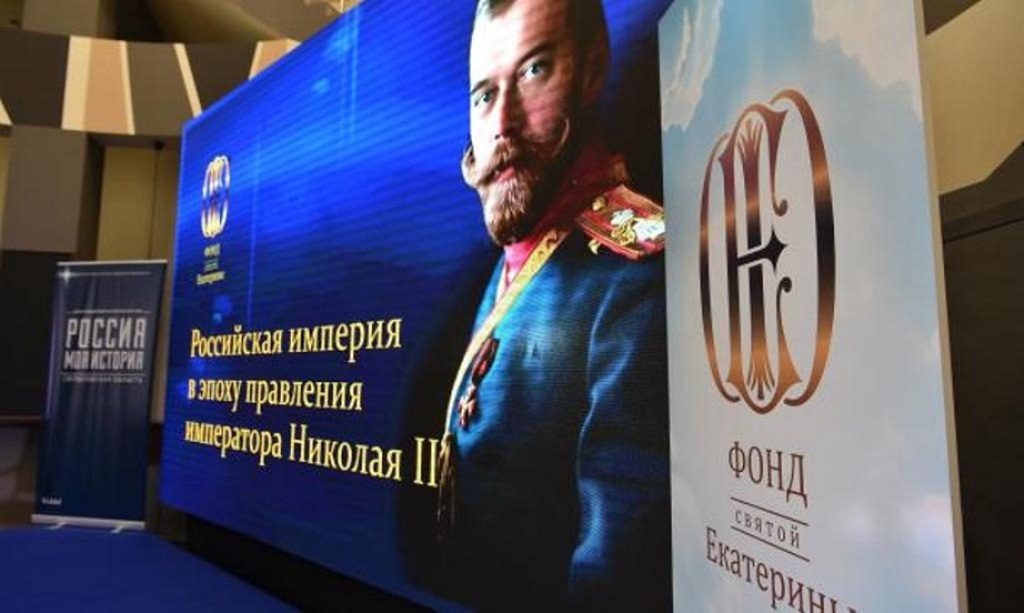
The Presentation Of The New Web Site -The Russian Empire In The Era Of The Reign Of Emperor Nicholas II Took Place In The Multi-Media Museum Russia My History

The Multi-Media Museum “Russia My History” in Ekaterinburg was the venue for the event on 16th February 2019, Historian Peter Multatuli, Ph.D., arrived in the Urals to present a unique project. Multatuli, who is considered the country’s Leading Authority on the Life and Reign of Nicholas II, talked with local historians about the myths surrounding Russia’s last Tsar. He taked especially about his achievements and reforms in particular. The presentation of the new Web Site “The Russian Empire In The Era Of The Reign Of Emperor Nicholas II” («Российская империя в эпоху правления императора Николая Второго») took place in the Multi-Media Museum “Russia My History” in Ekaterinburg. The event was hosted by the Club Of Historians, a joint project of the St. Catherine Foundation and the History Park. The St. Catherine Foundation took part in the Tsar’s Days events held in Ekaterinburg in July 2018 and the presentation of this new Web Site is the completion of the Imperial Year. 

“This Web Site is not about the Tsar’s Family, it is about the many achievements of the Russian Empire during the reign of the last Russian Sovereign”, noted Tatyana Balanchuk, Project Manager of the St. Catherine Foundation. “It was one of the greatest epochs of reforming the country” added Peter Multatuli, “the country that the Emperor accepted in 1894 and the country which he was forced to give up in 1917, were very different countries. Everything was not perfect, however, more reforms were carried out in Russia under Emperor Nicholas II, than that undertaken by either Peter the Great and Alexander II”. The new Web Site is based on the calendar, “Russia In The Era Of The Reign Of Emperor Nicholas II”, released last year. It has fact filled sections detailing the essence of reforms under Nicholas II, as well as debunking the many myths which exist to this day about his reign. “We realized that we needed a more complete source of information and launched a Web Site which details the achievements and reforms during the reign Nicholas II”, added Balanchuk. The Web Site became part of a large project organized by the St. Catherine Foundation, in conjunction with the Multi-Media Museum Russia My History, outdoor events, as well as work shops and lectures on late 19th and early 20th Century Russian History. The Web Site was launched in September 2018 and aroused great interest among a wide audience of more than six hundred (600) thousand people. Peter Multatuli, Candidate of Historical Sciences, gave a presentation lecture at the Saturday event.

He noted, that “myths are designed to ignore facts and to defame the last Russian Tsar”. For example, the events of 9th January 1905 (Bloody Sunday) were not a planned punishment of the “insidious ruler over the unhappy workers”. Multatuli went on to state that “although the city at the time of the execution of the Romanovs bore the name of St. Catherine, in fact it already belonged to Yakov Sverdlov”. “Yekaterinburg was the patrimony of Sverdlov and his devoted killer henchmen, including Yakov Yurovsky and Filipp Goloshchekin. These were Sveredlov’s devotees during 1905-1906, when he organized a revolutionary gang that engaged in looting, murder and expropriation”, said Multatuli. Speakers also talked about the importance of preserving the historical names of cities. According to Tatyana Balanchuk, Project Manager of the St. Catherine Foundation, “the topic of preserving names and toponymy is very relevant now”. “Russian cities were often named in relation to what was produced in a city, such as in honor of the heavenly patron or in honor of a river, which flows nearby and et-cetera”, said Multatuli. “Many names which reflected the Tsarist era were changed after the 1917 Revolution. Many streets named after prominent figures of Russian History are forgotten, instead they reflect those from the Soviet period”. The historian noted that the original names, which were assigned to the streets at the time of their creation at one or another period of history, could tell a lot about the history of this place.

History needs to be studied in order to educate a citizen in a person who will be responsible for his country. The era of the Reign of Emperor Nicholas II (1894-1917) remains one of the most prominent in the history and development of Russia. Rapid economic development, the strengthening of the state’s defense, peace loving external initiatives, outstanding scientific discoveries, the successes of public education, advanced social policy for this period were all achieved in a short historical period. Thanks to the policies and reforms of Nicholas II, sophisticated state administration and the talents of statesmen, helped shape the necessary union which produced such brilliant results. Topics found in the new Russian Web Site include: Monetary, Agrarian, Military Reforms, Industrialization, Energy, Public Health, Scientific Breakthroughs, Russian Geographical Society, Constitutional State, Foreign And Domestic Trade. Also, Religious And Church Life, Mail, Telegraph And Postal Services, Charity And Patronage, The Birth Of Russian Aviation, Foreign Policy and much more. Please note that this Russian/English Language Web Site is still under development and once complete will also feature articles, news and videos. On a personal note, I would like to add that this new Russian Web Site is of great importance. It allows us to reexamine what we have been led to believe is the truth on the era of Nicholas II, from the many books and documentaries produced over the past fifty years. Many have been written by people who have failed to examine all the facts, especially those from Russian Sources.

As an example, during a BBC Radio Program Beyond Belief held on 20th August 2018, the programs’ host Ernie Rea was joined by four guests to discuss Russia’s last Emperor and Tsar. Among them was Andrew Phillips, Arch Priest of the Russian Orthodox Church (ROCOR) and Rector of St. John of Shanghai Orthodox Church in Colchester, England. They stated during the program that “Nicholas II was a Reforming Tsar”. Fellow Panelist and Romanov Historian, Helen Rappaport did not comment on Father Andrew’s statement, however, she wasted little time in taking to Social Media to rebuke him. “The assertion by Father Andrew that he [Nicholas II] was a Reforming Tsar, took it too far”, she argued during a discussion on Facebook with her “Romanov Circuit”. I also believe that Nicholas II was a Reforming Tsar, the information presented in this new Russian Web Site providing the facts.

We all totally disagree with Dr. Rappaport’s comments and her rebuke of Father Andrew’s comments.
0278g

© H.I.H. Baron Alexander Alexis von Braun. 2 July 2020