TSAR’S DAYS. EKATERINBURG 2019

038e

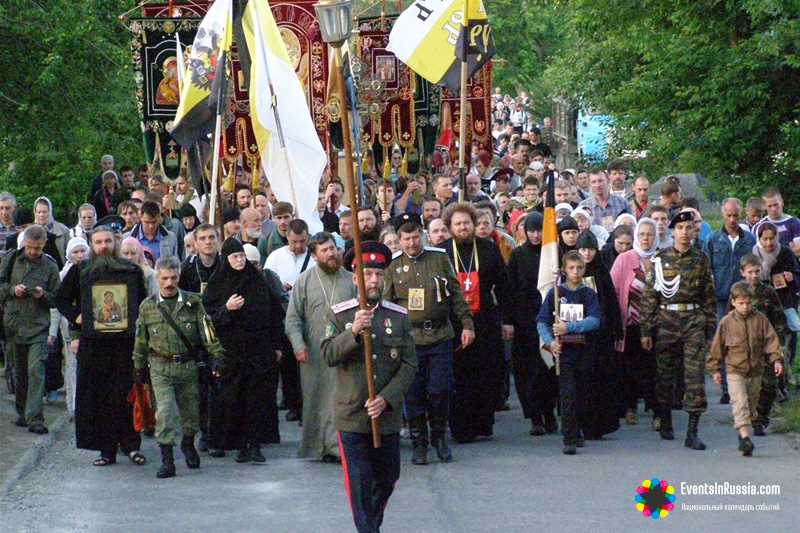
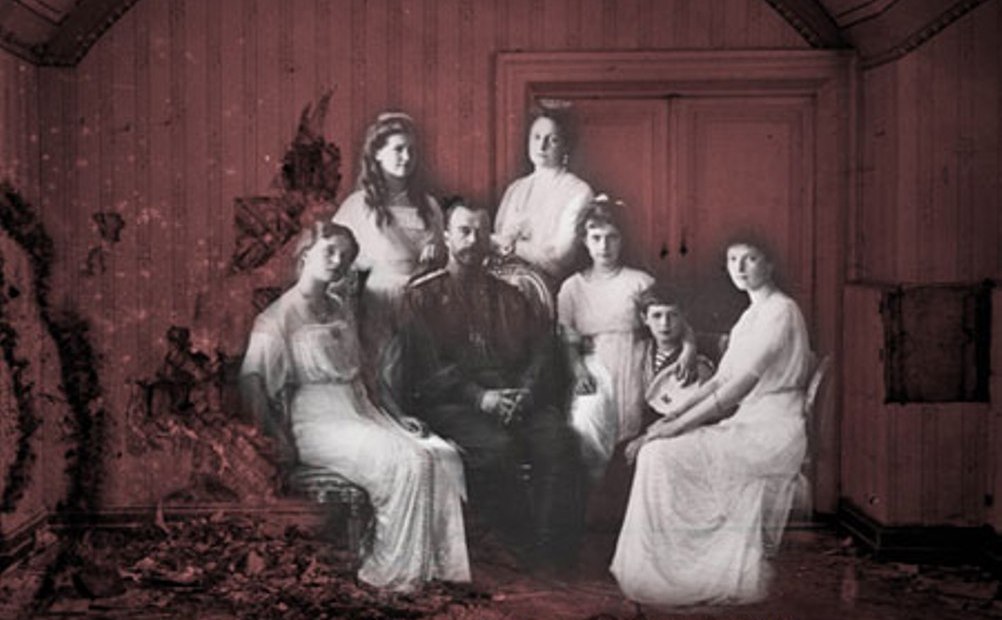
This year’s Tsar’s Days in Ekaterinburg will be held from 16-19 July 2019. The events mark the 101st anniversary of the the deaths and martyrdom of Emperor Nicholas II and his family, all of whom were brutally murdered on the night of 16/17 July 1918 in the Ipatiev House in the Ural city of Ekaterinburg. 

Memorial events will include liturgies and prayers, historical conferences, sacred music concerts and exhibitions. Tens of thousands of people from across Russia, and abroad, will once again gather in Ekaterinburg for this annual event.

The main event of the Tsar’s Days is the Divine Liturgy held at the Church on the Blood (built on the site of the Ipatiev House) on the night of 16th July, followed by a religious procession in the early morning hours of 17th July, from the Church on the Blood in Ekaterinburg to the Monastery of the Holy Royal Martyrs at Ganina Yama (21 km). 

The first procession in memory of the Royal Passion-bearers, headed by the ruling bishop, took place in 2002, in which more than 2 thousand pilgrims and about 100 clerics participated. In 2012, for the first time since the construction of the Church on the Blood in Ekaterinburg, an all-night vigil and night Divine Liturgy were performed in the open air. In 2018, more than 100,000 pilgrims from across Russia and around the world took part in the Patriarchal Liturgy and procession of the cross from the Church on the Blood to the Ganina Yama.

Please note that updates on the 2019 Tsar’s Days events in Ekaterinburg will be posted as further details become available.

Click HERE for information on the 2018 Tsar’s Days marking the 100th anniversary of the deaths and martyrdom of Emperor Nicholas II and his family, and HERE for information on the 2017 Tsar’s Days in Ekaterinburg + colour photos and video.

038f

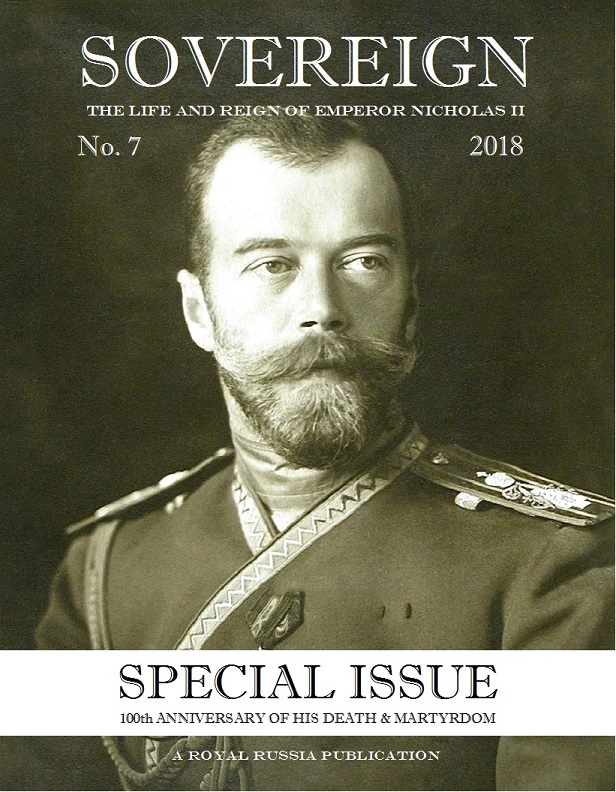
I was fortunate to attend the 2018 Tsar’s Days in Ekaterinburg, and have dedicated a special issue of SOVEREIGN dedicated to the centenary – featuring 144 pages, 7 full-length articles, and richly illustrated with 150 black and white photos. Click HERE to order your copy!

© Paul Gilbert. 20 March 2019

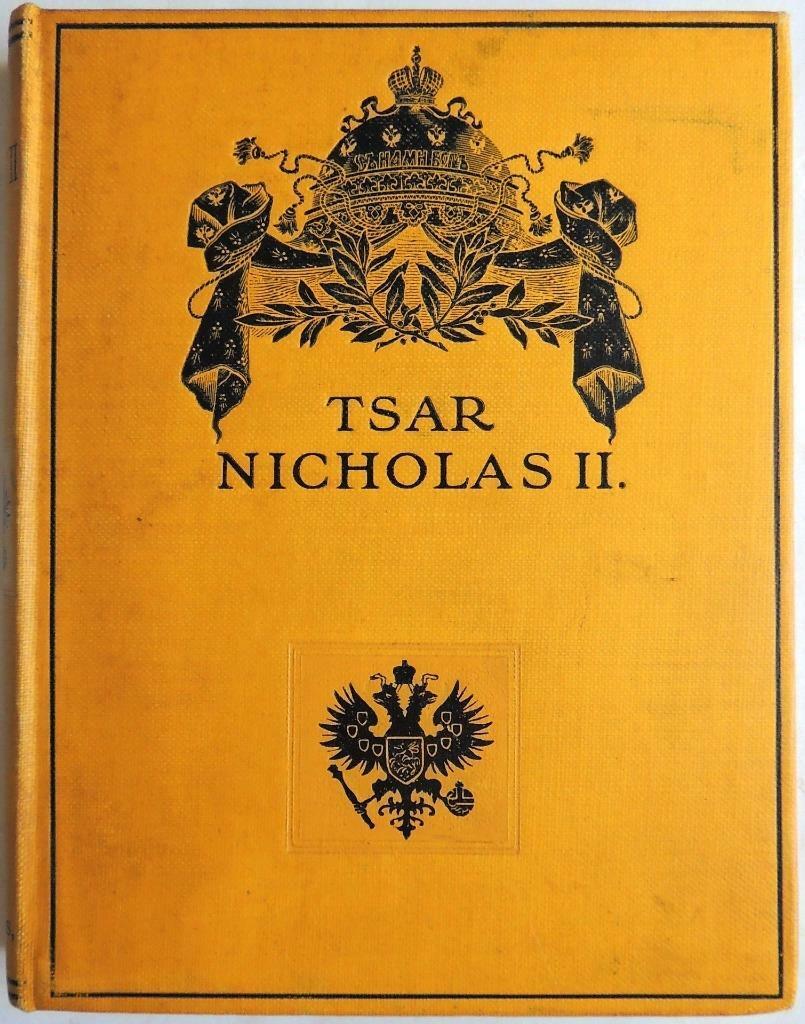
Tsar Nicholas II by Major-General A. Elchaninov (1913)

039

Back in the 1990s, I was fortunate to track down a copy of this rare book. I then issued a new edition, and after several reprints is now out of print. This title was reprinted in 2026 in both paperback and hard cover editions from Amazon.

This unprecedented authorized account of Emperor Nicholas II, by Major-General Andrei Georgievich Elchaninov (1868-1918) was released in early 1913, to coincide with the celebration of the 300th anniversary of the Romanov dynasty. It was originally published in excerpts or installments in many major newspapers during and after the tercentenary events.

The Russian edition was issued in 1913, followed by English (titled The Tsar and His People) and French (titled Le rèine de S.M. l’Empereur Nicolas II) editions in 1914. The latter was translated by Princess Paley (nee Olga Pistolkors), the wife of the Grand Duke Paul Alexandrovich, “so that foreigners, and especially the French, had a correct idea of Russia and her tsar, a country that is a friend and ally.”[1]

While many contemporary biographers claim that Nicholas II was not fit to rule Russia, the author of this work claims otherwise, writing from first-hand experience. The first few chapters show Nicholas to be a caring, devoted and loving father and husband while the remaining chapters focus on his relationship with his government, the church, the army, the Russian people and on the policies which he pursued in his first eighteen years as tsar which he firmly believed were steering Russia towards a better future.

According to Richard S. Wortman, “Elchaninov organized his text to permit the broadest possible dissemination in newspapers.”[2] He notes that the book presents “a unique statement of how Nicholas himself understood his office and wished himself to be perceived.”[3]

Elchaninov gathered considerable material for the twelve brief chapters about Nicholas’s personal life based on observations and impressions of “all those, who standing in close proximity to the throne, have honoured me with their confidence . . .”.[4]

Written before the First World War and the Russian Revolution, Elchaninov writes in glowing patriotic language, portraying Nicholas II as an indefatigable “imperial worker” in the service of Russia’s best interests and the “sovereign father” beloved by the Russian people.

Nicholas reviewed and corrected the proofs himself in January 1913. He made changes to the text, and requested the removal of sentences describing the Tsesarevich Alexei’s illness.

The author, was a member of the emperor’s suite, and a professor of military art in the General Staff Academy in St. Petersburg.

Now, more than a century after its’ publication, rare copies of the English and French translation of his book on Nicholas II are highly sought after by collectors, selling for large sums in antiquarian book fairs in the United States, Great Britain and Europe.

NOTES:

1. Wortman, Richard S., Scenarios of Power: Myth and Ceremony in Russian Monarchy, Vol. II. Princeton, NJ. Princeton University Press, 2000. pg. 489
2. Ibid, pg. 489
3. Ibid, pg. 490
4. Ibid, pg. 490

© Paul Gilbert. 19 March 2019

Photos 37 – 40 of Nicholas II

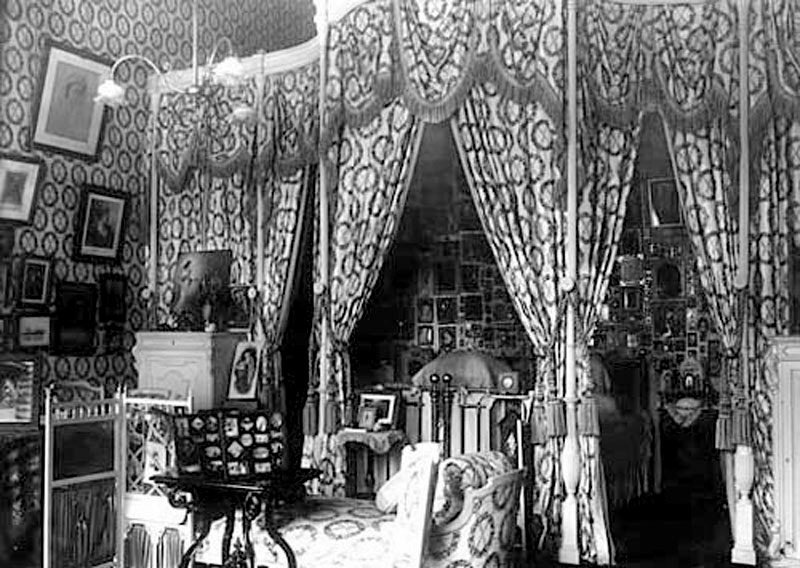
PHOTOS: Four views of Nicholas II seated in the Mauve (Lilac) Boudoir

Situated in a corner of the Mauve (Lilac) Boudoir of the Alexander Palace, was a large, plush arm-chair with a high backing, and covered with the Moscow-made silk. This chair is among the most photographed spots in the Alexander Palace. There are countless photos of the Empress Alexandra Feodorovna, and her five children posing in the now infamous arm-chair.

Other family members who have been photographed in this spot include the Empress’s sister Grand Duchess Elizabeth Feodorovna, Grand Duchess Xenia Alexandrovna with her husband Grand Duke Alexander “Sandro” Mikhailovich, and Grand Duchess Olga Alexandrovna.

chair05

Copy of the now famous chair in the Mauve (Lilac) Boudoir of the Alexander Palace

The original chair did not survive, however, a copy of the chair was made in 2000, and used by Russian director Gleb Panfilov to shoot a scene for Романовы. Венценосная семья (The Romanovs: An Imperial Family), a film on the last days of Tsar Nicholas II and his family. The copy of the chair remains part of the collection of furniture in the Alexander Palace to this day.

I must apologize for the quality of some of the photographs, however, this is something which I have no control over. Where possible, photographs have been chosen for their visual impact, but historical accuracy has made it vital to include a number of photographs whose quality is poor, but whose value as historical documents is considerable. Sadly, during the Soviet years, many photographs of the Imperial family were stored under poor conditions and their standard is low – PG

© Paul Gilbert. 18 March 2019

Nicholas II and the Boy Scout Movement in Russia

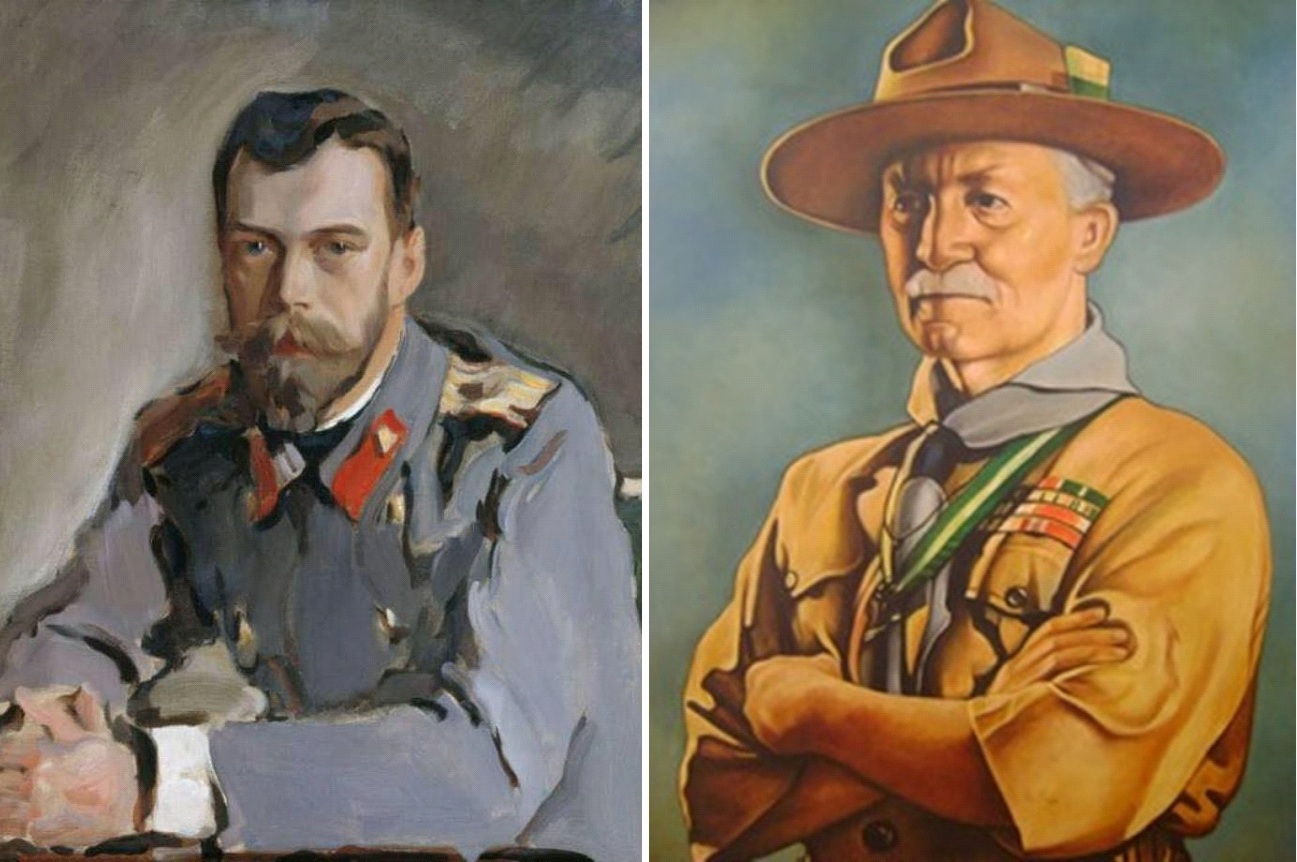
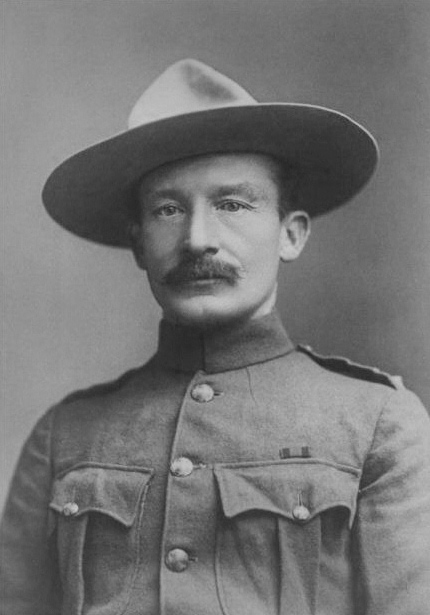
PHOTO: Emperor Nicholas II and Robert Baden-Powell

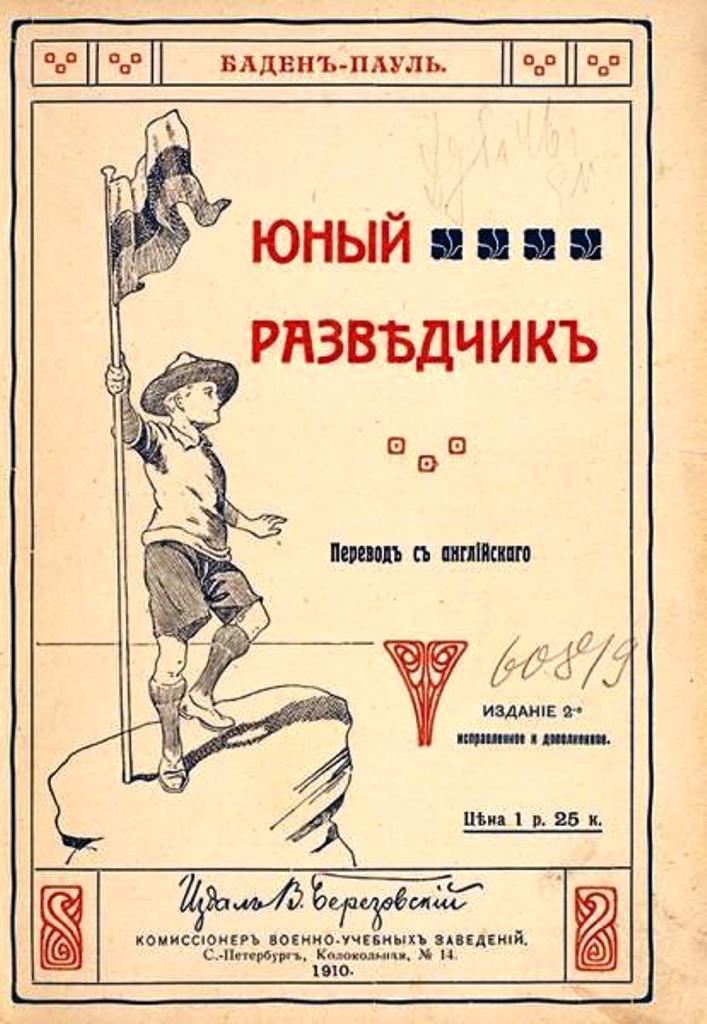
After reading the English language edition of Robert Baden-Powell’s book Scouting for Boys, Tsar Nicholas II immediately issued an order for its translation and publication of a Russian-language edition. An initial printing of 25,000 copies of the Russian edition of  ‘Юный Разведчик’ (Young Scout) were issued in 1908.

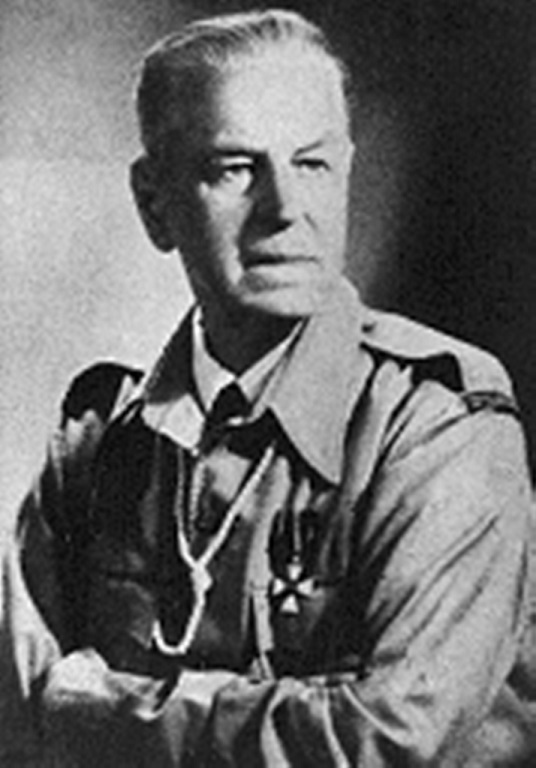
The book inspired a young Russian officer, Colonel Oleg Ivanovich Pantyukhov (1882-1973),  to set up the first Russian Scout patrol the following year.

Colonel Oleg Ivanovich Pantyukhov was born in Kiev on 25 March 1882, to a family of a military physician and an anthropologist. From 1892 to 1899 he studied at Tifflis cadet school. During his studies he became a member of the group named Pushkin club. The group was somehow similar to the modern Boy Scouts. Every weekend they went on hiking trips with camping in the nearby mountains.

From 1899 to 1901, Pantyukhov studied at the Pavlovsk Military School. After graduation he became an officer of the Leib Guard (Russian Imperial Guard) 1st infantry battalion stationed in Tsarskoye Selo. In 1908 he married Nina Mikhaylovna Dobrovolskaya, who later became one of the pioneers of the Girl Guide movement in Russia. 

In 1908–09 Pantyukhov became acquainted with the works of Robert Baden-Powell and decided to try these ideas on Russian soil. He organized the first Russian Scout troop Бобр (Beaver) in Pavlovsk, on 30 April [O.S. 17 April] 1909. By late 1910 scout organizations existed in Tsarskoye Selo, St. Petersburg and Moscow.

PHOTOS: Robert Baden-Powell (1857-1941) and
Colonel Oleg Ivanovich Pantyukhov (1882-1973)

Nicholas II extended a personal invitation to Baden-Powell to visit St. Petersburg and Moscow in December 1910 – January 1911. The Tsar personally received the Boy Scout leader in his study in the Alexander Palace on 2 January 1911.

“There was no ceremony about him,” Baden-Powell recorded in his diary. “He shook hands and, speaking in very good English, asked me about my visit and then went on to talk about the Boy Scouts.” They then had “a very cheery talk (no one else present) of over half an hour,” after which they parted. 

The Tsar had explained to Baden-Powell how he had ordered the translation and publication of the Boy Scout handbook and reviewed the first Russian Scout detachment, and went on to outline his hopes for the movement. According to Baden-Powell, Nicholas II was “much impressed by the possibilities which lie in the Movement for developing discipline, patriotism and character,” and approved “teaching the boys by methods which really appealed to their imagination and keenness.”

PHOTO: A copy of the second edition of Young Scout (Юный
Разведчик, published in 1910. Priced at 1 ruble, 25 kopecks

Baden-Powell departed fully convinced that the Tsar was absolutely sincere, and that he had “grasped the idea” of scouting. There is no question of Nicholas II’s interest in scouting was clearly genuine. Apart from ordering the Russian publication of Scouting for Boys, he seems personally to have arranged to meets its author. With Baden-Powell installed in the Imperial capital’s grand Hotel de France, the Tsar could have left any official interview to one of his ministers. Instead, he issued a private invitation through the British Embassy, a request that apparently took his visitor by complete surprise. This encounter was also quite unlike those with his Ministers and Duma politicians, meetings that the Tsar could not avoid, however much he disliked the advice they forced upon him. Put differently, with Baden-Powell it was Nicholas and Nicholas alone who both took the initiative and the agenda, and had no need to disguise his opinions or dissemble behind a mask of good manners.

On 19 December 1910, Pantyukhov met in St. Petersburg with Baden-Powell, the pair becoming good friends. The latter invited Pantyukhov to visit Scout organizations in England, the Netherlands, Sweden and Denmark. On his return he wrote the first Russian Scouting books “Памятка Юного Разведчика” (Handbook for the Young Scout) and “В гостях у Бой-скаутов” (Visiting the Boy Scouts) (both 1912). In 1913 he wrote a book named “Спутник Бойскаута” (The Boy Scout Companion). Pantyukhov met Nicholas II and gifted a Scouting badge for Tsesarevich Alexei, who formally became a Scout.

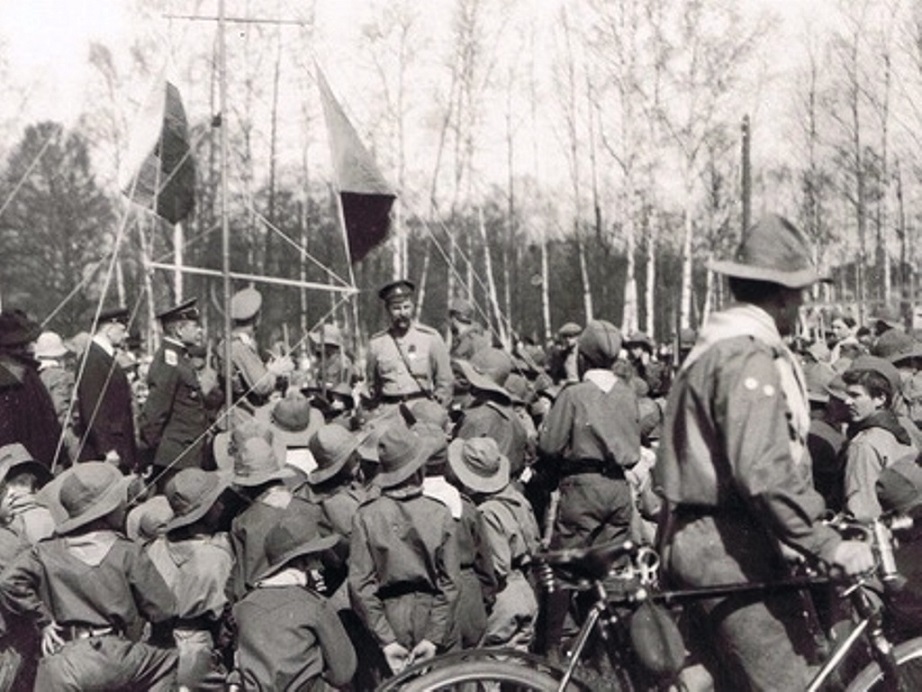
In 1914, Pantyukhov established a society called Русский Скаут (Russian Scout ). The first Russian Scout patrol consisting of seven boys campfire was lit in the woods of Pavlovsk Park. A Russian Scout song exists to remember this event. Scouting spread rapidly across Russia and into Siberia, and by 1916 there were about 50,000 Scouts in Russia.

037c

PHOTO: Pantyukhov with scouts in 1915

During World War I Pantyukhov received the Cross of St. George, for bravery. During the October Revolution of 1917, he was the leader of the cadets who unsuccessfully defended the Kremlin from the Bolsheviks. In 1919 in Novocherkassk (controlled at the time by the White Army), Pantyukhov was unanimously elected the Chief Scout of Russia

With the advent of communism after the October Revolution of 1917, and during the Russian Civil War from 1917 to 1922, most of the Scoutmasters and many Scouts fought in the ranks of the White Army and interventionists against the Red Army. In 1918, a purge of the Scout leaders took place, in which many of whom perished under the Bolsheviks. Those Scouts who did not wish to accept the new Soviet system either left Russia for good, like Pantyukhov and others, or went underground.

However, clandestine Scouting did not last long. On 19 May 1922, all of those newly created organizations were united into the Young Pioneer organization of the Soviet Union (it existed until 1990). Since that year, Scouting in the Soviet Union was banned.

In closing, it is interesting to note that the quiet support of Nicholas II played a crucial role in the survival of the scouting movement in pre-revolutionary Russia. This fact is notable, since it is indicative of preferences and insights not usually associated with the last tsar. If Baden-Powell is only partially correct in his depiction of Nicholas’s motives, intentions, and a vision of a future Russia, the picture presented still suggests a man somewhat different from the shallow autocrat of legend. 

© Paul Gilbert. 18 March 2019

Documentary: The Return of Pierre Gilliard

035

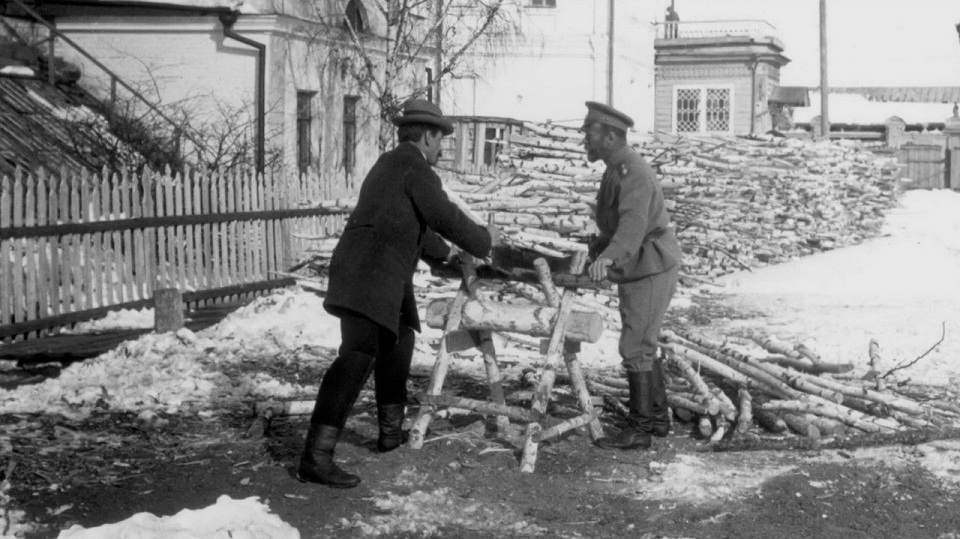
Pierre Gilliard and Nicholas II sawing wood during their house arrest in Tobolsk

«Возвращение Пьера Жильяра» (The Return of Pierre Gilliard) is the name of a new Russian language documentary film dedicated to the the French language tutor to the five children of Emperor Nicholas II of Russia from 1905 to 1918.

Work on on the documentary began in 2018, and was recently completed at the “NATAKAM” film studio; the script was written and directed by Lyudmila Shakht and Konstantin Kozlov. The premiere was held earlier this month in the House of Cinema, with additional viewings scheduled on 20th March at the Knowledge of Russia Society, and on 24th April at the Boris Yeltsin Presidential Library in St. Petersburg. Gilliards’ grand-nephews – writer Pierre-Frederic Gilliard and doctor Jacques Moser talk about the life and fate of Pierre Gilliard (1879-1962). The film is based on family memories, diaries, letters and photographs, on their famous uncle, a true friend of the Imperial family.

After returning from Russia to Switzerland, he wrote and published the book Le tragique destin de Nicolas II et de sa famille (1921). An English language edition Thirteen Years in the Russian Court was published in 1927. 

The Swiss-born Pierre Gilliard first gave French lessons to Grand Duchesses Olga and Tatiana, then to Maria and Anastasia. He first began to teach French to the Tsesarevich and Heir Alexei in 1913. Gilliard grew fond of the family and following the Russian Revolution of 1917, he followed them into internal exile to Tobolsk, Siberia. The Bolsheviks prevented Gilliard from joining his pupils when they were moved to the Ipatiev House in Ekaterinburg in May 1918.

Gilliard remained in Siberia after the murders of the Imperial family, assisting White Russian investigator Nicholas Sokolov. In 1919, he married Alexandra Tegleva (1894-1955), who had been a nurse to Grand Duchess Anastasia. In 1920, he returned to Switzerland through Vladivostok, along with wife. He managed to save his archive – diaries, letters, memorabilia, photographs. In 1958, Gilliard was severely injured in a car accident in Lausanne, Switzerland. He never fully recovered and died four years later on 30 May 1962

035b

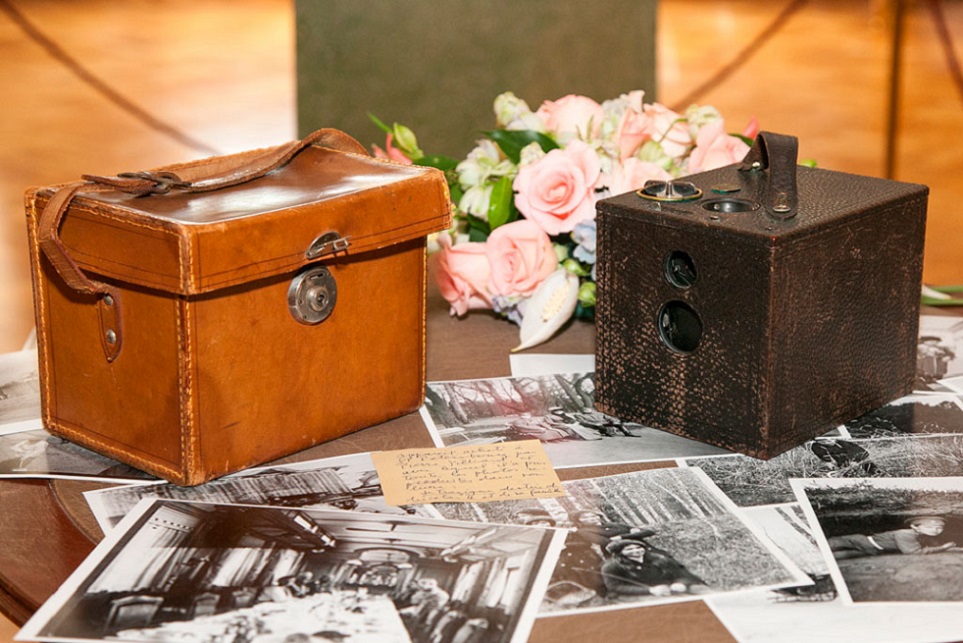
Pierre Gilliard’s  Eastman Kodak Bulls Eye camera

It is important to note that in recent years Pierre Gilliard descendants have donated several memorial items to the Tsarskoye Selo State Museum. Among these are the *Eastman Kodak Bulls Eye camera (above)  from which he photographed the Imperial family in Tsarskoye Selo and later in exile in Tobolsk. According to Mr. Moser, his mother, the goddaughter of Gilliard, inherited this camera and explained that “Uncle Pierre” took all the photos at the Russian Court, and that “the emperor himself actually held the camera in his hands.” She showed pictures – in particular the one in which Gilliard and the Tsar sawed wood in Tobolsk (above). The photos which are featured in the documentary film illustrate the dramatic fate of the last Russian emperor and his family. The museum also received a tea set and a set of tableware, a gift to Gilliard from Grand Duchess Anastasia Nikolaevna, as well as a Faberge brooch and a Paul Bure golden pocket watch gifted by Empress Alexandra to Gilliard’s wife Alexandra Tegleva.

*Pierre Gilliard’s Eastman Kodak Bulls Eye camera was recently displayed in The Last Tsar: Blood and Revolution Exhibition, at the Science Museum in London, England

035c

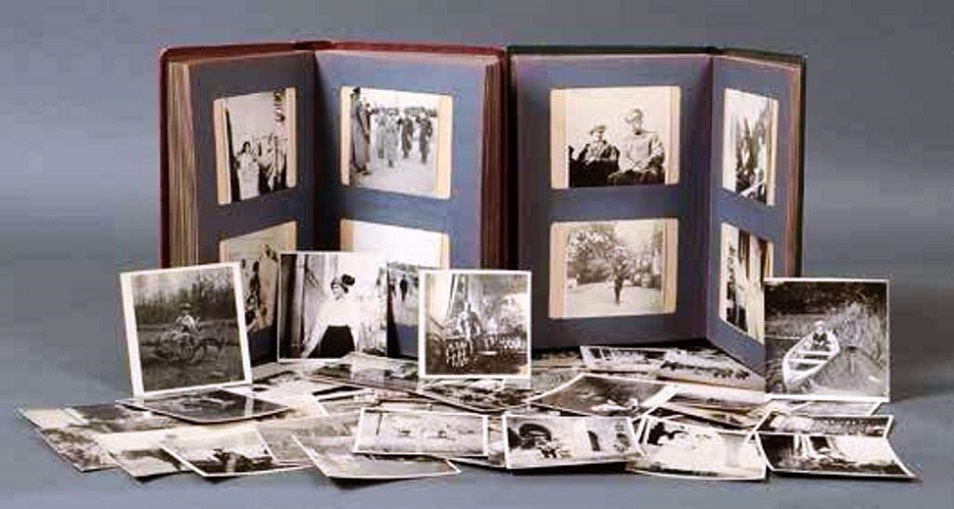
In recent years photos taken by Gilliard of the Imperial family were sold at auction

© Paul Gilbert. 17 March 2019

Nicholas II: the Tsar with the dragon tattoo

031

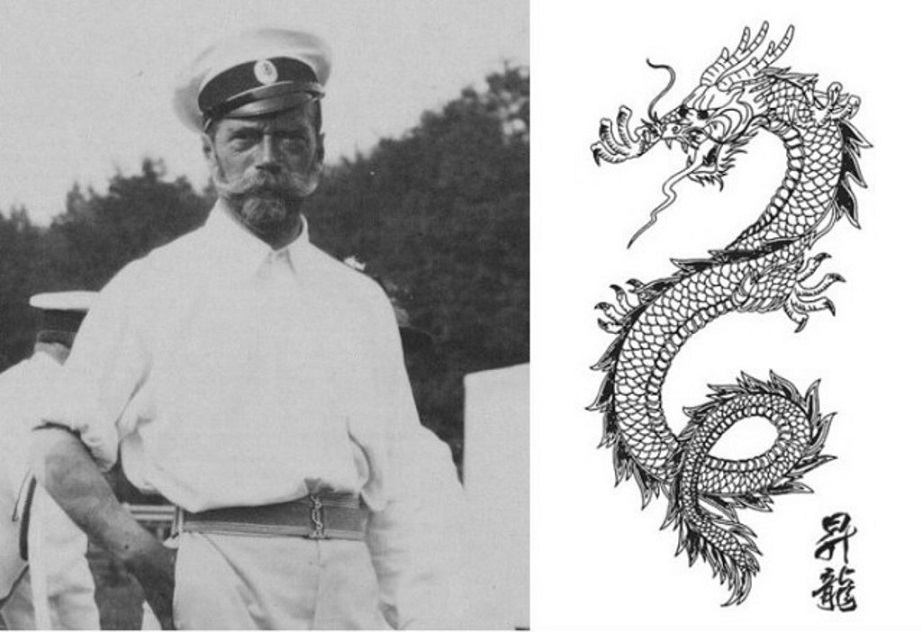
PHOTO: A dragon tattoo can be seen on Nicholas II’s right forearm

In 1890, the Tsesarevich and Grand Duke Nicholas Alexandrovich (future Tsar Nicholas II), embarked on a 9-month journey on-board the Imperial Russian cruiser Pamyat Azova (Memory of Azov) to the Far East. He travelled through Austria-Hungary, Greece, Egypt, India, Ceylon, Singapore, Siam, China and Japan – the total length of the journey exceeded 51,000 kilometres, including 15,000 km of railway and 22,000 km of sea routes. 

It was during his visit to Otsu, Japan, that by Tsuda Sanzō (1855–1891), one of his escorting policemen, who swung at the Tsesarevich’s face with a sabre. Nicholas was left with a 9 centimeter long scar on the right side of his forehead, but his wound was not life-threatening.

Tsesarevich Nicholas showed great interest in Japanese traditional crafts, and in Nagasaki he decided to get himself a tattoo on his right forearm. Local residents were surprised by this, because tattoos were only associated to criminals, or members of the lower classes.

It should be noted, that from the mid-19th century, tattoos had became fashionable among young European and British aristocrats. The first British monarch to be tattooed was Prince Edward, the future king Edward VII, “the Uncle of Europe”. While still an heir, he had a Jerusalem cross tattooed on his chest. His sons followed their father’s example – George (future King George V) and Albert Victor – both of whom had their tattoos in Japan, renown for having the best tattoo artists at the time.

PHOTO: Emperor Nicholas II and his dragon tattoo

In April 1891, during an official event held in Kyoto headed by Prince Arisugawa Taruhito (1835-1895), that Nicholas made a request to his Japanese host to introduce him to local tattoo artists. The following day, two masters from Nagasaki were brought aboard the flagship of the Russian squadron. One of them tattooed the image of a black dragon with yellow horns, green paws and a red belly, on the Tsesarevich’s right forearm. The painful process lasted seven hours.

A number of photographs exist which clearly show that Nicholas II had indeed had a dragon tattoo on his right forearm. Other photographs indicate that he had a similar tattoo on his left forearm as well. These photos were taken at Livadia, where the tsar loved to play tennis with his daughters and officers of the Imperial yacht Standart.  The above image, however, depicts Nicholas relaxing with his shirt sleeves rolled up revealing a dragon tattoo on each forearm. 

© Paul Gilbert. 16 March 2019

Archival documents regarding the murder of the Imperial family in Ekaterinburg

033

The State Archive of the Russian Federation have disclosed documents on the history of the murder of the Imperial family, from its funds, as well as the funds of the Russian State Archive of Socio-Political History (RGASP), the Russian State Archive of Modern History (RGANI), the Archive of the President of the Russian Federation, and the State Archive of the Sverdlovsk Region. 

A total of 281 documents were published on their web site [по-русски / in Russian only], revealing the circumstances of the Tsar’s arrest, his transfer to Tobolsk and Ekaterinburg, the deaths of the Imperial family, including the materials of the investigation by Nikolai Alekseevich Sokolov (1882-1924).

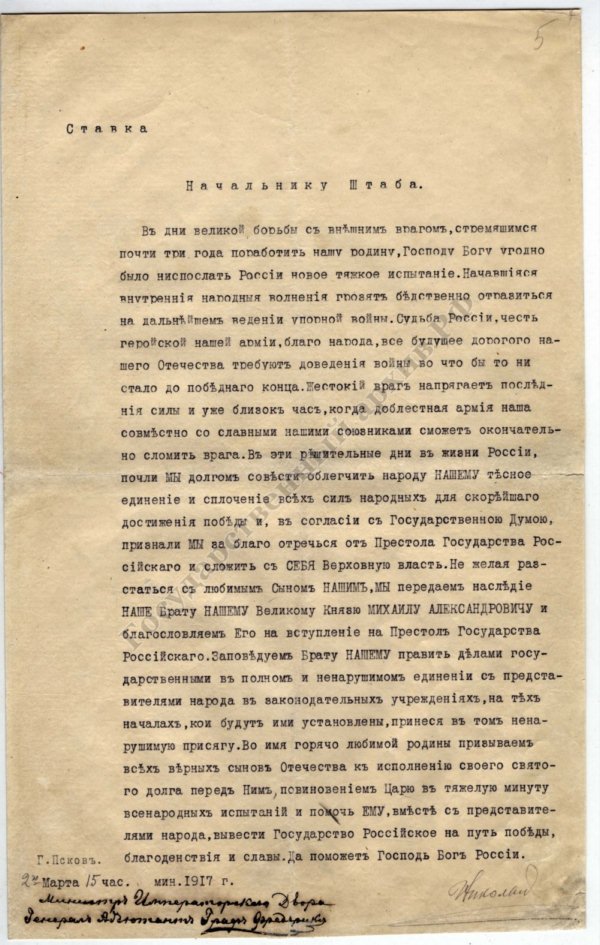
Among the documents is the Act of the Abdication of Emperor Nicholas II, signed by the tsar with a simple pencil. Telegrams on the movements of Nicholas II and his family; as well as telegrams with a request to report the accuracy of the rumors spread in Moscow about the murder of Nicholas II; a telegram to Lenin and the chairman of the All-Russian Central Executive Committee Yakov Sverdlov, that the former tsar had been shot on the night of 16th July 1918, and the family evacuated; and the Ural Regional Commissar of Supply Pyotr Voikov orders three jugs and five pounds of sulfuric acid from the
warehouse. According to investigator Sokolov, the acid was delivered to the mine on 17th and 18th of July, to help the murderers destroy the bodies of the Imperial family.

033a

(1) Photo: State Archive of the Russian Federation

(1) The Act of Abdication of the Emperor Nicholas II. Script. Typescript. Nicholas II has signed the document with a pencil, and countersigned by the Minister of the Imperial Court, Count Vladimir B. Fredericks (1838-1927).

033b

(2) Photo: State Archive of the Russian Federation

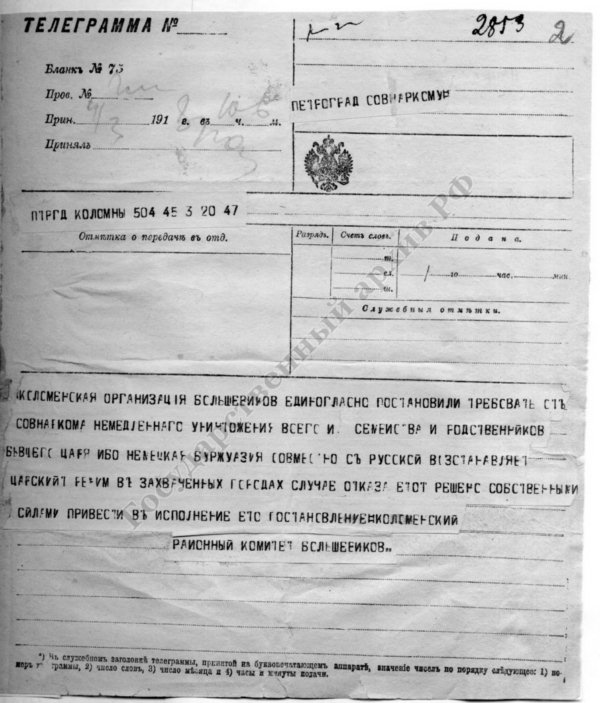
(2) Telegram of the Kolomna district organization of Bolsheviks to the Council of People’s Commissars (Sovnarkom) demanding the immediate execution of “the entire family and relatives of the former tsar.”

033c

(3) Photo: State Archive of the Russian Federation

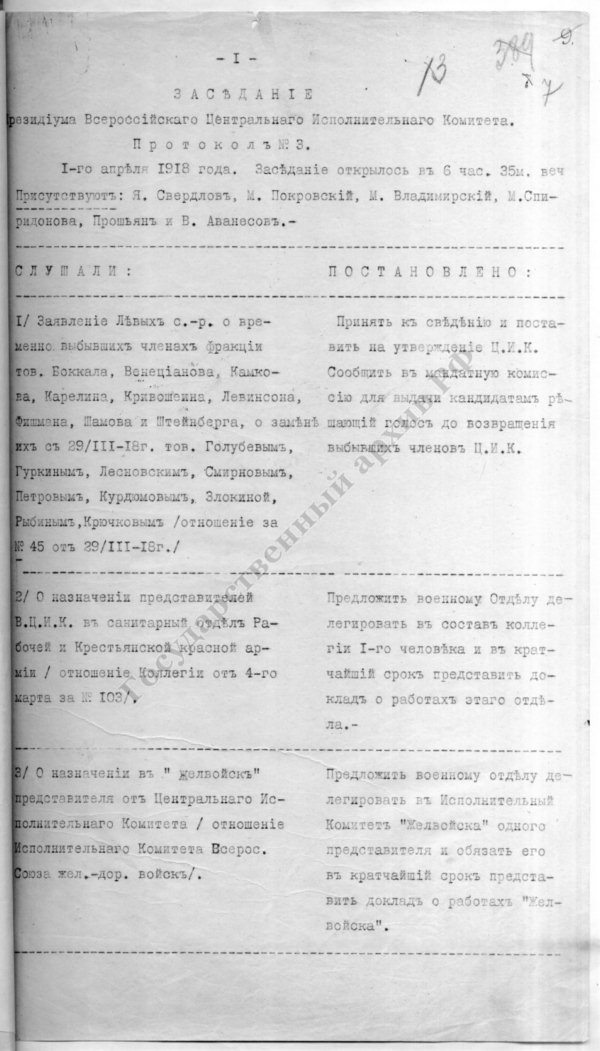
(3) From the protocol number 3 of the meeting of the Presidium of the Central Executive Committee, paragraph 11 – “Message on the protection of the former tsar.” Decided: to ask the special purpose detachment to remain at their post until reinforcements arrive, to strengthen the supervision of those under arrest, to supply the detachment with money, machine guns and grenades.

033d

(4) Photo: State Archive of the Russian Federation

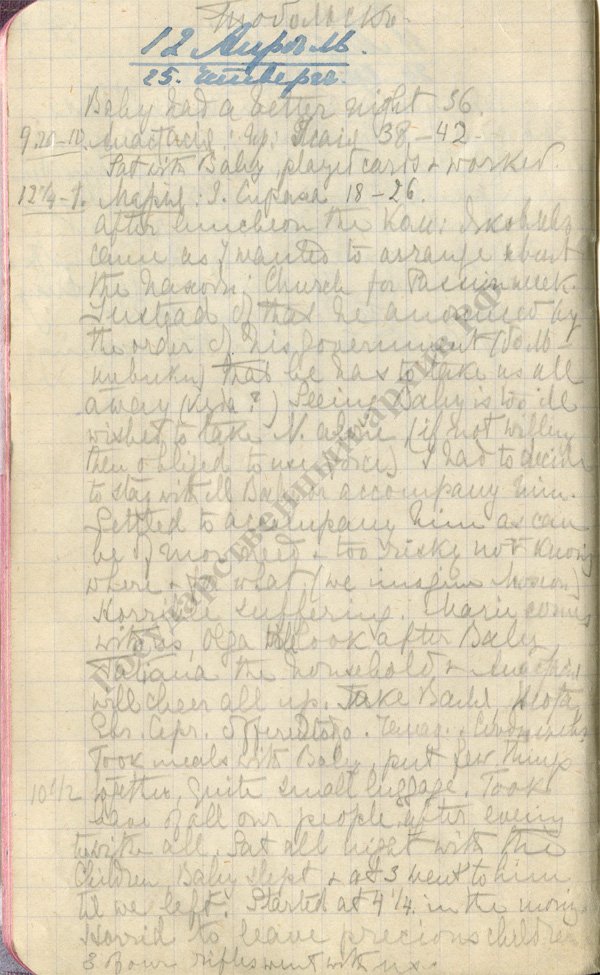
(4) An excerpt from the diary of Empress Alexandra Feodorovna: “April 12 (25). Thursday. Tobolsk. Baby had a better night, 36 °. […] After lunch, Commissioner Yakovlev came, because I wanted to organize a visit to the church during Holy Week. Instead, he announced the order of his government (the Bolsheviks) that he should take us away (where?). Seeing that Baby was very sick, he wanted to take Nicky alone (if not willing, then obliged to use force).

I had to decide whether to stay with  ill Baby or accompany him [Nicky]. Settled to accompany him, as can be of more need and too risky not to know where and for what (we imagined Moscow). Horrible suffering. Maria comes with us. Olga will look after Baby, Tatiana – the household, and Anastasia will cheer all up. We take Valya [Dolgorukova], Nyut [Demidov], and Evgeny Sergeyevich Botkin offered to go with us […]

Took meals with Baby, put few things together, quite small luggage. Took leave of all our people after evening with all. Sat all night with the children. Baby slept, and at 3 o’clock I went to him before our departure. We went at 4 o’clock in the morning. Horrid to leave precious children. […] “

(5) Telegram No. 6707 (above) from Ekaterinburg, Chairman of the Ural Regional Council A.G. Beloborodov to Moscow, Chairman of the Council of People’s Commissars Vladimir Lenin and the chairman of the All-Russian Central Executive Committee Yakov Sverdlov, about the acceptance from Commissioner Yakovlev of the “former tsar” Nicholas II, the “former tsarina” Alexandra Feodorovna and their daughter Maria Nikolaevna, and about moving everyone into the mansion [Ipatiev House] under guard.

033g

(6) Photo: State Archive of the Russian Federation

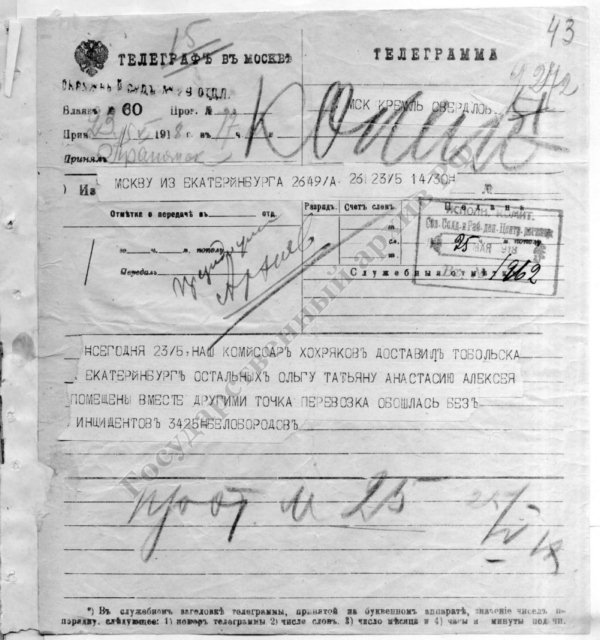
(6) Telegram of A. G. Beloborodov, Chairman of the Ural Regional Council, from Ekaterinburg to Moscow, to the Chairman of the All-Russian Central Executive Committee Yakov Sverdlov on the delivery of Olga, Tatiana, Anastasia and Alexey by Commissioner Khokhryakov from Tobolsk to Ekaterinburg.

(7) Telegram No. 2729 (above) of Vladimir Bonch-Bruyevich, who managed the affairs of the Council of People’s Commissars in Ekaterinburg, to the chairman of the Ural Regional Council with a request to report on the accuracy of the rumors spread in Moscow about the murder of Nicholas II; on the back is the answer, recorded by Secretary Korobovkin, that the rumors “are another provocative lie.”

033j

(8) Photo: State Archive of the Russian Federation

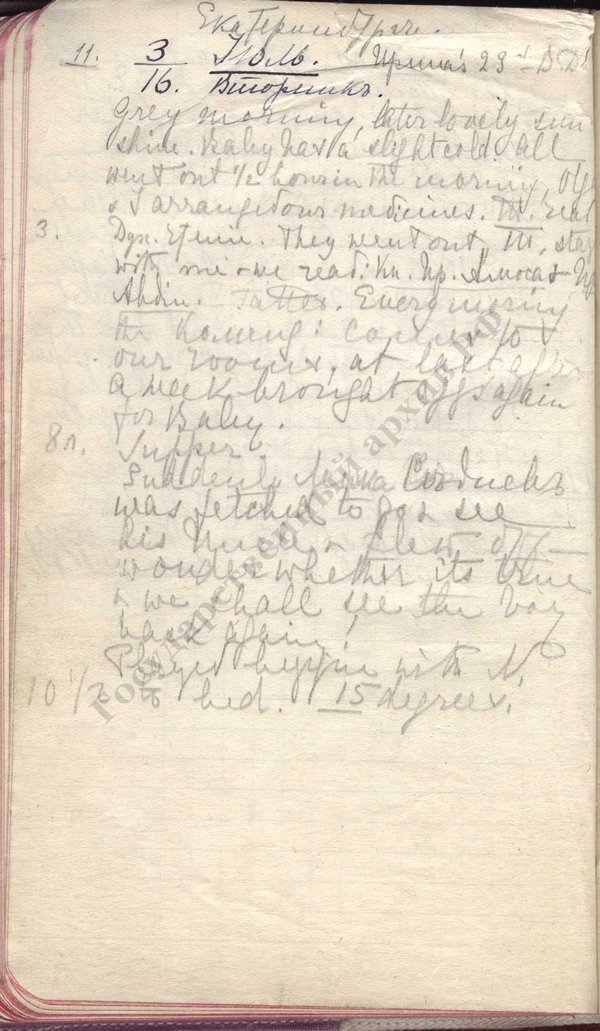
(8) From the diary of Empress Alexandra Feodorovna: “Ekaterinburg. 3 (16). July. Grey morning, later lovely sunshine. Baby has a slight cold. All went out for a walk in the morning for ½ hour. Olga and I arranged our medicines. Tatiana read Spiritual reading. They went out. Tatiana stayed with me, and we read Book of prophet Amos and prophet Audios. Tatted. Every morning the Kommandent comes to our rooms, at last after a week brought eggs for Baby again.

Suddenly, Lenka Sednev was fetched to visit her uncle, and he flew off – wonder whether it is true and we shall see the boy back again! […] “

(9) Telegram (above) of the Presidium of the Ekaterinburg Council to the Chairman of the Council of People’s Commissars V. I. Lenin and the Chairman of the All-Russian Central Executive Committee Yakov Sverdlov about the shooting of the former tsar on the night of 16 July and the evacuation of the family.

033m

(10) Photo: State Archive of the Russian Federation

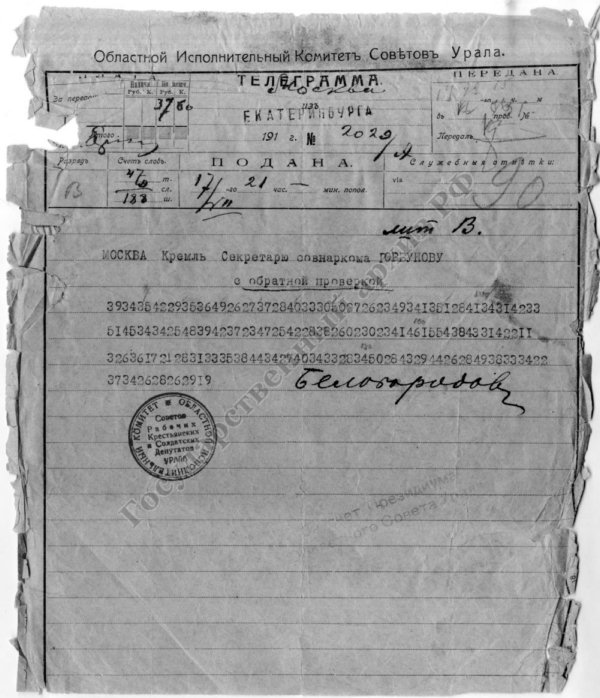
(10) Encrypted telegram of A. G. Beloborodov, Chairman of the Ural Regional Council, to Secretary of the Council of People’s Commissars N. P. Gorbunov with the message: “Tell Sverdlov that the whole family has suffered the same fate as the head. Officially, the family will die during the evacuation.”

(11) The orders (above) of the Ural Regional Commissar of Supply Pyotr Voikov and a note on the issuance of three jugs and five pounds of sulfuric acid from the warehouse.

The declassification of the Russian archives was carried out between 1992-1998. It was during this period that thousands of documents of Chekists, participants in the murder of the Imperial family, including the leader of the firing squad, Yakov Yurovsky, surfaced for the first time. 

Click HERE to review all the archival documents on the history of the murder of the Imperial family [по-русски / in Russian only]

© Paul Gilbert. 15 March 2019

Photos 33 – 36 of Nicholas II


Emperor Nicholas II with his only son and heir Tsesarevich Alexei

I must apologize for the quality of some of the photographs, however, this is something which I have no control over. Where possible, photographs have been chosen for their visual impact, but historical accuracy has made it vital to include a number of photographs whose quality is poor, but whose value as historical documents is considerable. Sadly, during the Soviet years, many photographs of the Imperial family were stored under poor conditions and their standard is low – PG

© Paul Gilbert. 15 March 2019

Furniture for interiors of the Alexander Palace to be recreated

030a

PHOTO: The corner fireplace is being recreated (right) for the Pallisander (Rosewood) Drawing Room (left) in the Alexander Palace. © Stavros

The following update on the restoration of the Alexander Palace is sure to be of great interest to those of you who are following this important project in Tsarskoye Selo

The Imperial Bedroom, the Mauve (Lilac) Boudoir, and the Pallisander (Rosewood) Drawing Rooms of the Alexander Palace in Tsarskoye Selo will soon be furnished with exact replicas of their lost furniture. The work is being carried out by Stavros (St. Petersburg), a firm who manufactures fine wood furniture and interiors. 

This project is part of the recreation of the Private Apartments of Emperor Nicholas II and Empress Alexandra Feodorovna, situated in the eastern wing of the Alexander Palace. The total amount for the recreation of furniture for these rooms is currently estimated at 16 million rubles ($240,000 USD).

Not long after the Imperial family were exiled to Siberia in August 1917, a museum was established within the Alexander Palace. It operated until the beginning of the Second World War. At the beginning of the war, the most valuable furnishings were evacuated to the interior of the country. The remaining parts of the collection were hidden in the basement. During the Nazi occupation, the palace was used as headquarters for the German military command, the basement was used as a prison. The area in front of the palace was turned into a cemetery for SS soldiers. Artistically and historically unique collections were partially destroyed. As the Nazi German forces were leaving the Soviet Union, many of the former imperial palaces were set ablaze. The Alexander Palace was spared, however, according to the testimony of the Soviet military leader Anatoly Kuchumov, many interiors were destroyed, and many pieces of their remaining collections stolen by Nazi soldiers.

During the years after the war, as interest in Nicholas II and his family was discouraged by the Soviet regime, so too was interest in the palace that had been their residence.

030a

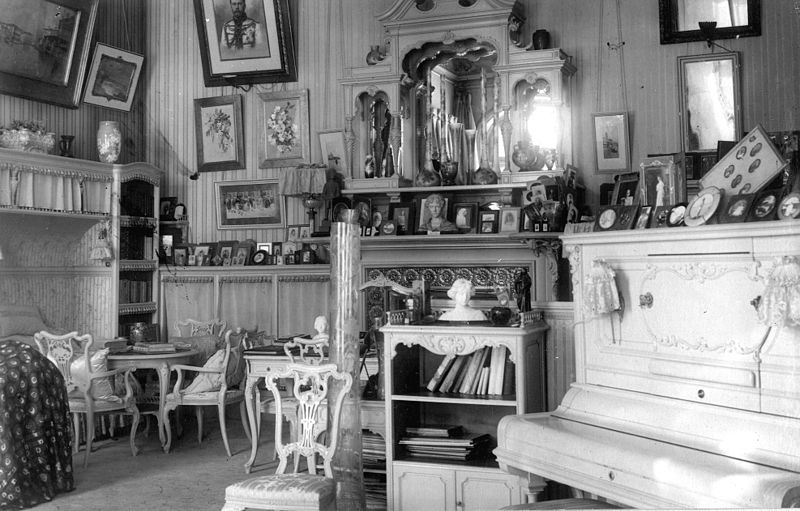
The Imperial Bedroom (above) was situated between the Dressing Room of Alexandra Feodorovna and the Mauve (Lilac) Boudoir. The walls and furniture were lined with pink English Chintz print. Two vitrines contained jewellery, including the famous Fabergé Imperial Easter eggs. Set in an alcove was the Imperial bed made up of two gilt-bronze twin beds. Behind it were hundreds of icons and religious items hung on cords. To the right of the bed was an icon-stand. Most of the icons and other items, totaling 700, were gifts to the Imperial family from important monasteries, churches, religious organizations, military units and private persons. The room and its furnishings have did not survive the war.

030b

The Mauve (Lilac) Boudoir (above) suffered greatly during the Second World War. It was located in the suite of rooms, between the Imperial Bedroom and the Pallisander (Rosewood) Drawing Room, and did not have a separate exit to the corridor. At one time, the walls were covered with high-quality gorgon lilac silk fabric, with vertical narrow paired stripes, and the lower part was decorated with wooden panels. During the war years, the room was completely burned out, only a few photographs remind us of it’s former luxury. 

030c

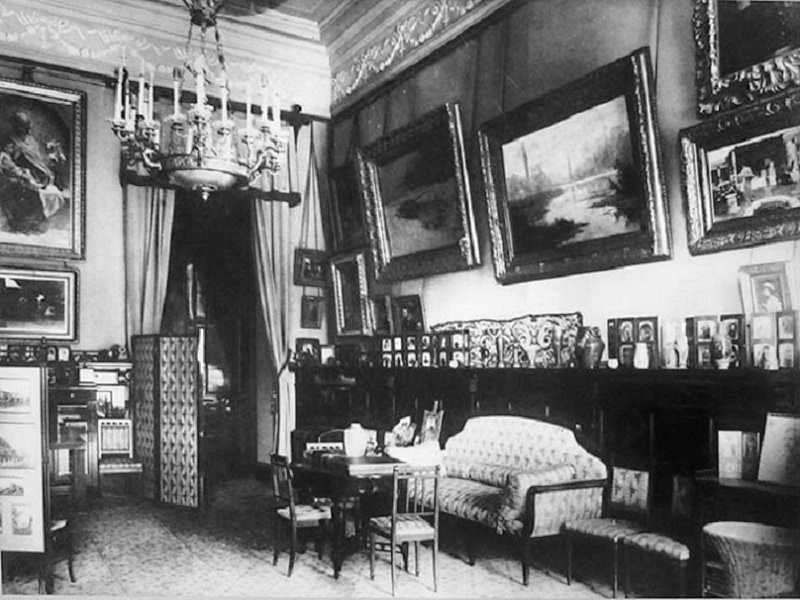
The Pallisander (Rosewood) Drawing Room (above), was located between the Mauve (Lilac) Boudoir and Maple Drawing Room. Nicholas II called it the “Chippendale Room” because of several furniture pieces made in the Chippendale style, including the fireplace. At the same time, the Pallisander (Rosewood) Drawing Room also served as a dining room, where the Imperial family gathered for afternoon tea. After the occupation, only the doors and the upper part of the fireplace survived, the upholstery of the walls and wall panels disappeared, and the beautiful stucco cover partially collapsed. 

The restoration of the Alexander Palace will be carried out in three stages over the next year and a half. Other historic interiors to be recreated include the Library, the Maple Drawing-Room and the Corner Drawing-Room of Alexandra Feodorovna.

030d

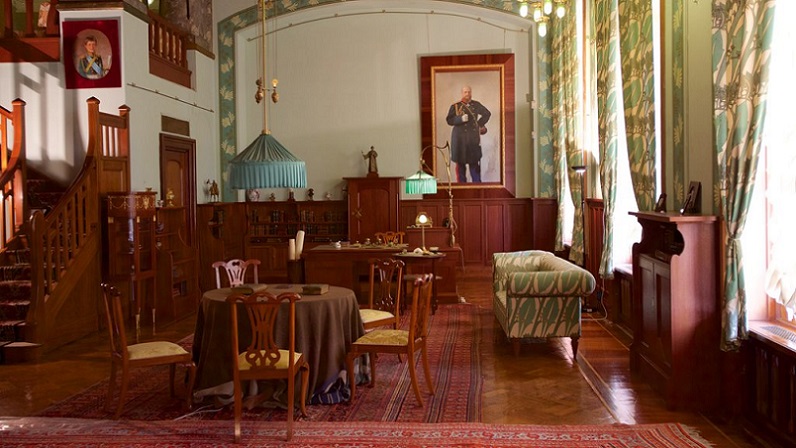
In 2000, the New (State) Study of Nicholas II (above) was used by Russian director Gleb Panfilov to shoot a scene for Романовы. Венценосная семья (The Romanovs: An Imperial Family), a film on the last days of Tsar Nicholas II and his family. Reproductions of furniture were made for the film and remain on display in the room to this day.

© Paul Gilbert. 9 March 2019

Why State Duma Chairman Mikhail Rodzianko Was Cursed by All

026a

Mikhail Vladimirovich Rodzianko 1859-1924

On 21 [O.S. 9 February] February 1859, one of the leaders of the February Revolution, and a key figure in the events which led to the abdication of Emperor Nicholas II in 1917, the chairman of the State Duma, Mikhail Vladimirovich Rodzianko was born.

In January 1924 attention was focused on the death of Vladimir Lenin in the Soviet Union and in circles of Russian émigrés abroad. While workers and peasants plunged themselves into grief, White Russians in emigration happily rubbed their hands together and wondered how soon the Bolsheviks would fall from power.

Meanwhile, the funeral of another man, one who was among the most recognizable figures of the State Duma for a decade, and in February 1917 became the central figure of the Russian revolution, passed away on 24th January 1924, almost unnoticed in Belgrade. 

Younger son

Mikhail Rodzianko lived during an era of great change in Russia. He came from an old and rich noble family of Ukrainian origin. Mikhail’s father Vladimir Mikhailovich Rodzyanko (1820-1893) was promoted to the position of assistant chief of staff of the Gendarme Corps and retired with the rank of general. 

Vladimir’s first wife (from 1852) Maria Pavlovna Vitovtova (1827 – 1859), served as Maid of Honour to Grand Duchess Maria Mikhailovna (1825-1846), and from 1846, Maid of Honour to the Empress Alexandra Feodorovna (wife of the Emperor Nicholas I). She died in 1859, shortly after giving birth to her fourth child and third son Mikhail.

Mikhail was educated at the Corps des Pages in St. Petersburg. From 1877 until 1882 he served in Her Majesty’s Regiment of the Cavalry of the Guard. In 1884 Rodzianko married Anna Nikolaevna Galitzine (1859-1929); the couple had three children. In 1885 he retired and lived on his estate in the Novgorod Oblast. He was appointed as Marshall of the Gentry. Rozianko served as Kammerherr in 1899. In 1900 he was elected in Yekaterinoslav Governorate. From 1903 until 1905 he was editor of a newspaper, called “Herald Katerynoslav zemstvos.” In 1906 he was elected for the Zemstvo as Provincial Zemstvo Executive.

026b

Meeting of the Union of the 17th October Party in the State Duma. 1913.

Godfather of the “Octobrists”

Settling in his native Yekaterinoslav province, Rodzianko was first elected magistrate, and then became the leader of the nobility of Novomoskovsky district.

From 1901, he became chairman of the Yekaterinoslav provincial district council, and in 1906 a state councilor. In the civil service, this rank was identical to a general in the army, so Mikhail Vladimirovich did not lag behind his brothers Nikolai (1852-1918) and Pavel (1854-1932), author of Tattered Banners: An Autobiography (published in English in 1939).

No one in the Rodzianko family was a supporter of the revolution, but for Mikhail the events of 1905 opened the way to a great political career.

The manifesto of 17 October 1905, which provided political freedoms for the citizens of the Russian Empire, led to the creation of legal political parties, some of which were hostile to both Nicholas II and the monarchy. Rodzianko became one of the founders of the Union of October 17 Party (aka the Octobrists), a moderately liberal party, whose members were firmly committed to a system of constitutional monarchy. 

Mr Chairman

In 1911, Rodzianko replaced party member Alexander Guchkov (1862-1936) as chairman of the Third State Duma. After the elections to the Fourth State Duma in 1912, Rodzianko remained chairman, noting: “I have always been and will remain a staunch supporter of the representative system on constitutional basis, which was granted to Russia by the great Manifesto of 17 October 1905, the strengthening of the foundations of which should constitute the first and most urgent care of the representation of the Russian people”.

Contemporaries noted that Rodzianko quickly adapted to his position as chairman of the State Duma, sometimes referring to himself as “the second most important person in the empire.”

His loud commanding voice and a heavy figure, earned Rodzianko the nickname “Drum” from deputies.
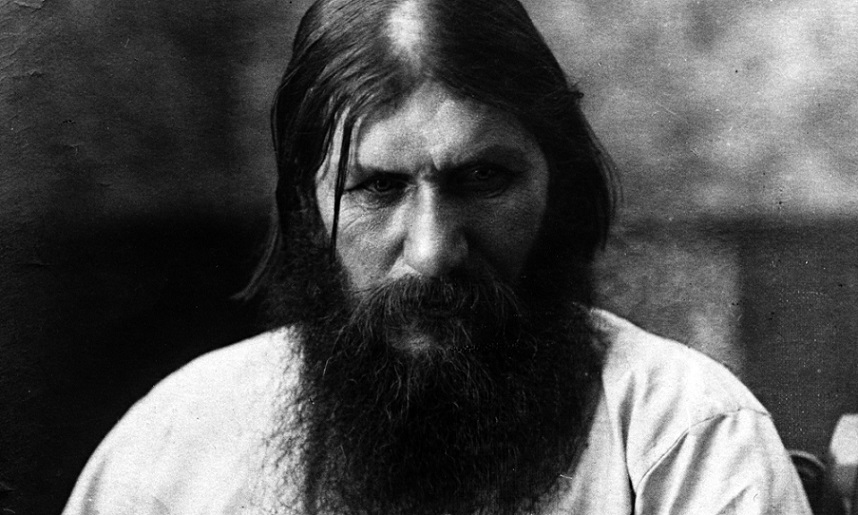
Rasputin

The Strannik [religious wanderer] Grigory Rasputin 1869-1916

Rasputin 

Within the Imperial family, the Duma, to put it mildly, was disliked. During every conflict, the Empress Alexandra Feodorovna urged her husband to dissolve parliament. However, Rodzianko, who had developed good relations with the Imperial couple, argued that such a move would only aggravate the situation and strengthen the position of revolutionaries.

But soon Rodzianko’s relations with the Emperor, and especially the Empress, began to deteriorate.

The reason for this was Grigory Rasputin. While the Imperial couple befriended the “Strannik,” Rodzianko was convinced that he was a conman who undermined the authority of the monarchy.

Supporting Russia’s entry into the war with Germany, the chairman of the State Duma then began to criticize the methods of governing the country during this difficult period.

Rodzianko considered it necessary to create an office of people who could carry out reforms to prevent an impending disaster.

The last straw for Nicholas II was Rodzianko’s objections against the emperor’s intention to take command of the Russian army. He obtained a personal audience, at which he assured Nicholas II that this step was erroneous and would have dire consequences. The Emperor did not heed the emotional words of Rodzianko,who was in fact, among the oppositionists.

023c

Early 20th century caricature of the State Duma Chairman Mikhail Rodzianko

Ideologue of renunciation

By the end of 1916, the Chairman of the State Duma was among those who believed that saving the country not only meant eliminating Rasputin immediately, but also by changing the monarch, who, he believed was incapable of governing the state during such a difficult period.

At the beginning of February 1917, Rodzianko, at a reception with Nicholas II, said to the monarch: without giving the country a “ministry of trust”, revolutionary upheavals are possible in the very near future.

The Emperor did not listen, but the chairman of the State Duma himself had no idea that his prediction would take place within a few days time.

During the days of the February Revolution, Rodzianko became a key figure: he informed the monarch about the situation in Petrograd and also maintained contact with the commanders of the fronts.

Rodzianko was convinced that a constitutional monarchy could help preserve the country. During the uprising in Petrograd, he headed the Provisional Committee of the State Duma, which, in fact, assumed the functions of government.

In this capacity, Rodzianko, with the support of the generals, convinced Nicholas II that the only way to save Russia was for the Sovereign to abdicate.

The Chairman of the State Duma hoped that his dreams of a full-fledged constitutional monarchy would come true. But Nicholas II abdicated both himself and that of his only son and heir Tsesarevich Alexei, in favour of his brother Mikhail.

The brother of Nicholas II, Grand Duke Mikhail Alexandrovich, sought from Rodzianko guarantees that such a decision would be supported by the people. The Chairman of the State Duma could not give such guarantees, and then Mikhail signed the Act of Refusal to Take the Throne.

026f

Members of the Provisional Committee of the State Duma (Russian Empire) in 1917 – Rodzianko is seated to the far right, Alexander Kerensky is standing behind him

Blame Rodzianko

Rodzianko did not join the Provisional Government, remaining the head of the Provisional Committee of the State Duma. This structure was rapidly losing its influence, and Rodzianko himself gradually found himself on the sidelines of the political process, although he refused to admit it.

Rodzianko did not embrace the Bolshevik revolution, and even tried to organize resistance to it in Petrograd, but without success. Then he went to the Don, joining the Volunteer Army.

He failed to gain the trust of his contemporaries. Many officers believed that Mikhail Rodzianko was one of the main culprits of the chaos and upheaval which overthrew the monarchy.

For the right, he was too revolutionary-minded, for the left, he was an ultraconservative reactionary.

After the defeat of Wrangel in 1920, Rodzianko went to Yugoslavia, where he lived in political isolation, spending time writing his memoirs.

According to Russian historian S.A. Alekseev, “in emigration, Rodzianko was ostracized by emigrant circles and subjected to harassment as a “seditious person” and a “revolutionary.” The White Guards were so hostile to him that shortly before his death, while traveling to Belgrade, he was beaten by former Wrangel officers.” [Source: Революция и гражданская война в описаниях белогвардейцев: Февральская революция / Revolution and civil war in the descriptions of the White Guards: February Revolution. 1926]

The lack of connections with other expatriates deprived him of the opportunity to receive money for his survival. For the last four years of his life, the former chairman of the State Duma had suffered not only from harassment from monarchists, but also from a banal lack of money. According to Bernard Pares, the English historian and academic known for his work on Imperial Russia, Rodzianko died in great poverty.

The death of Rodzianko on 24th January 1924, took place in the shadow of Lenin’s death. Even fate laughed at the former Chairman of the State Duma, who once considered himself “the second most important person in the empire.”

026e

Rodzianko’s grave in the New Cemetery Belgrade, Serbia 

Click on the links below to read more articles about Mikhail Rodzianko:

 The Man Who Maybe Sparked a Revolution published in the March 15th 2017 edition of The Moscow Times 

Mikhail Rodzianko: A monarchist turned revolutionary published in the March 21st edition of Russia Beyond

© Paul Gilbert. 5 March 2019