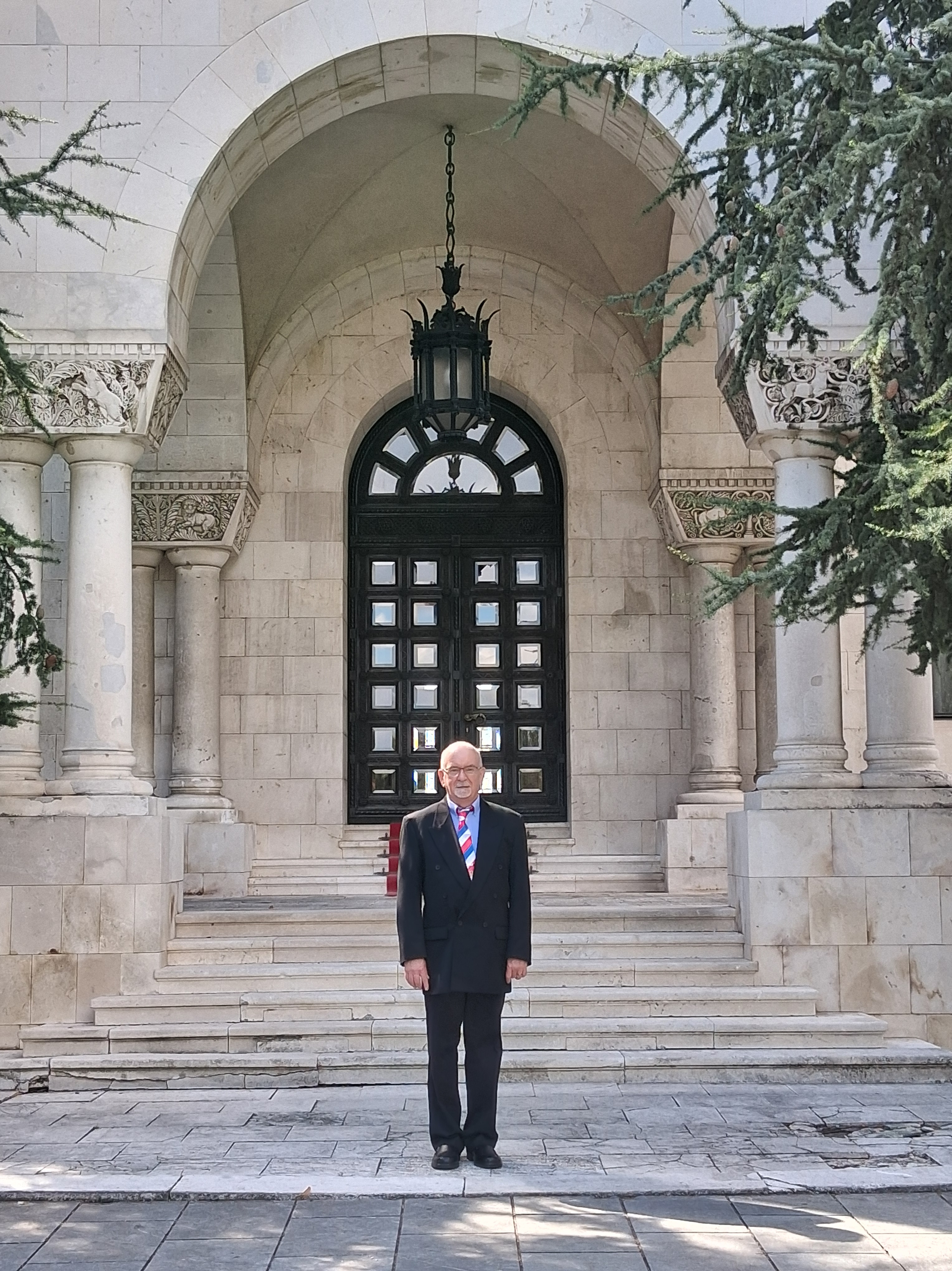
PHOTO: at the entrance to the the Royal Palace (Kraljevski Dvor) in Belgrade
Paul Gilbert © 2026
On 20th September 2026, I arrived in Belgrade, for what would be my first visit to Serbia. I would like to emphasize that this was not a holiday/vacation, but a working visit – my first in 8 years!! The purpose of my visit was to obtain information and photographs for my forthcoming book: Nicholas II and Serbia: A Nation Honours Russia’s Last Tsar.
I am a firm believer that one cannot effectively write about a place, which one has never been, so I took advantage of Air Serbia’s new new seasonal non-stop service from Toronto to Belgrade. I am pleased to say, that I accomplished every thing I set out to do on my itinerary, and then some! I took more than 300 photographs, some of which will be in my new book.
Click on any photo to enlarge and see in greater detail – ENJOY!
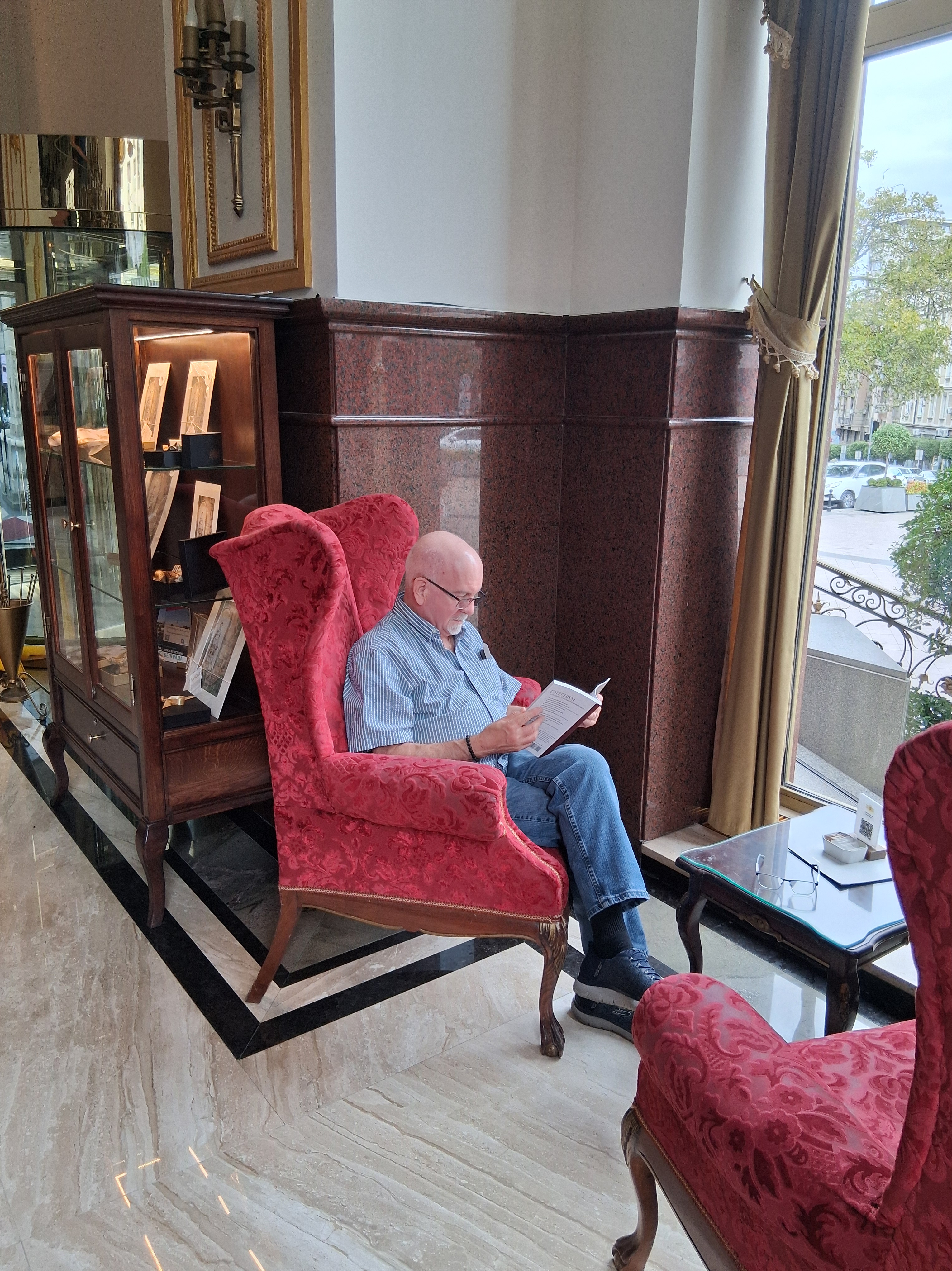
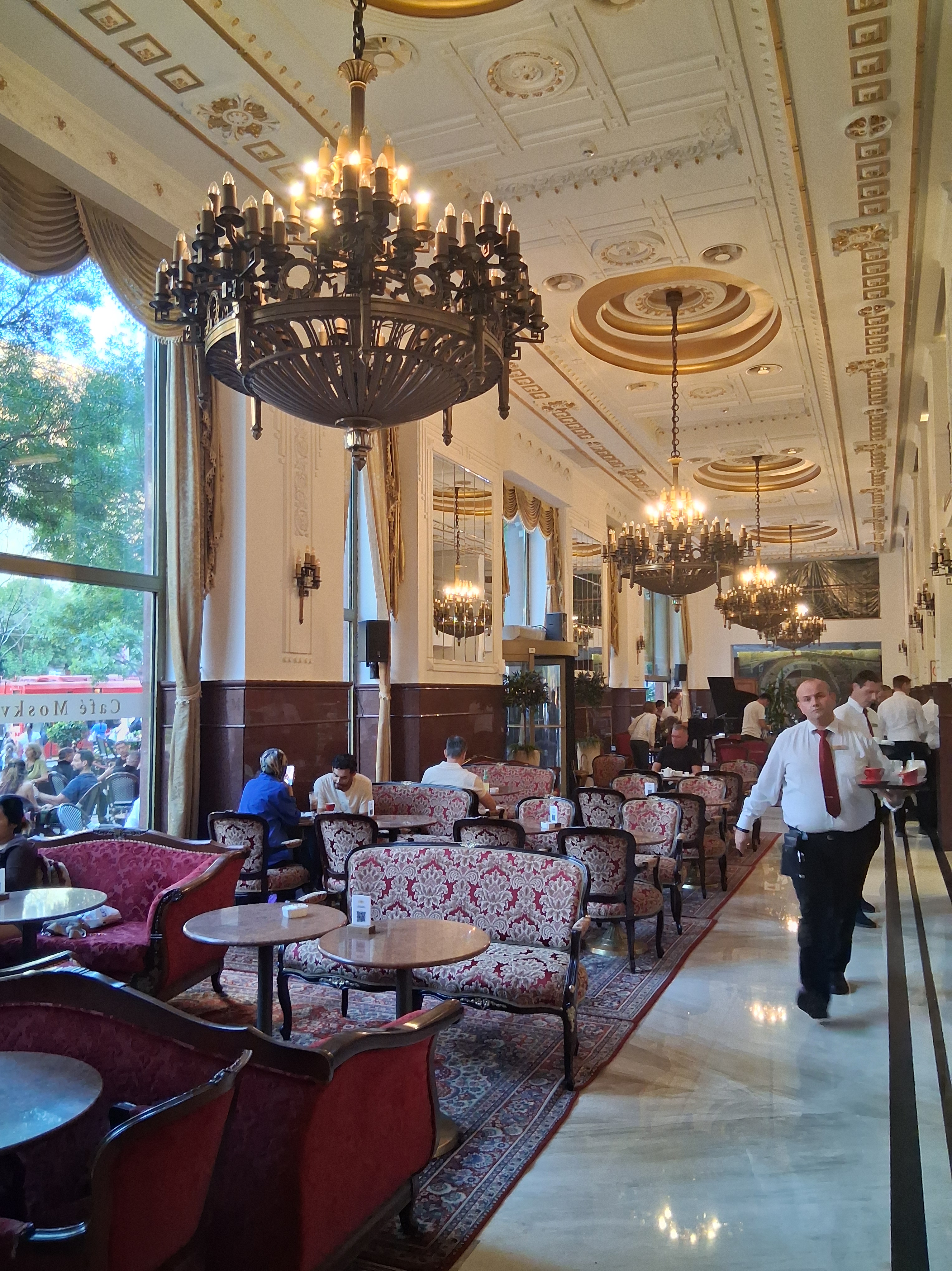
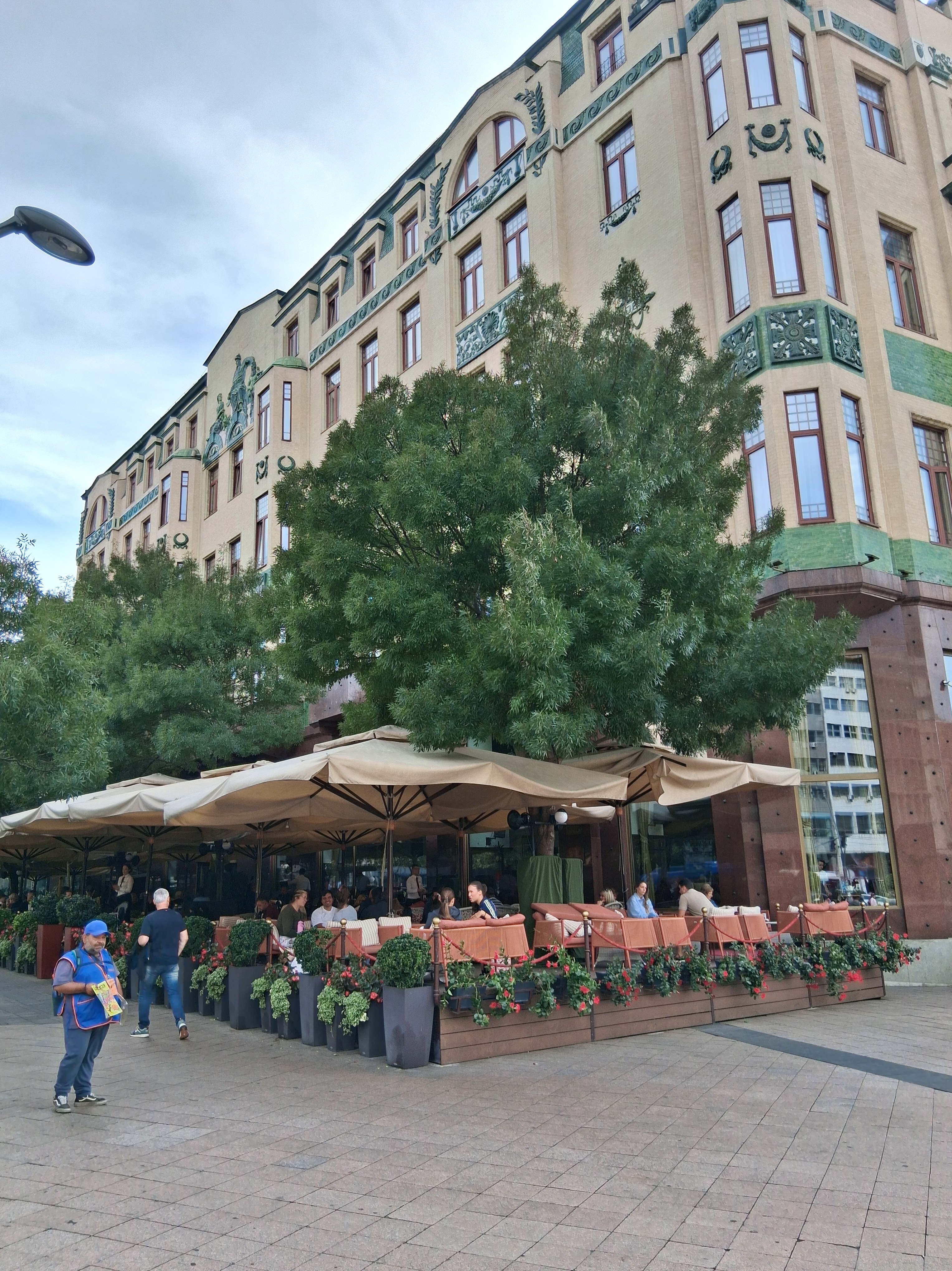
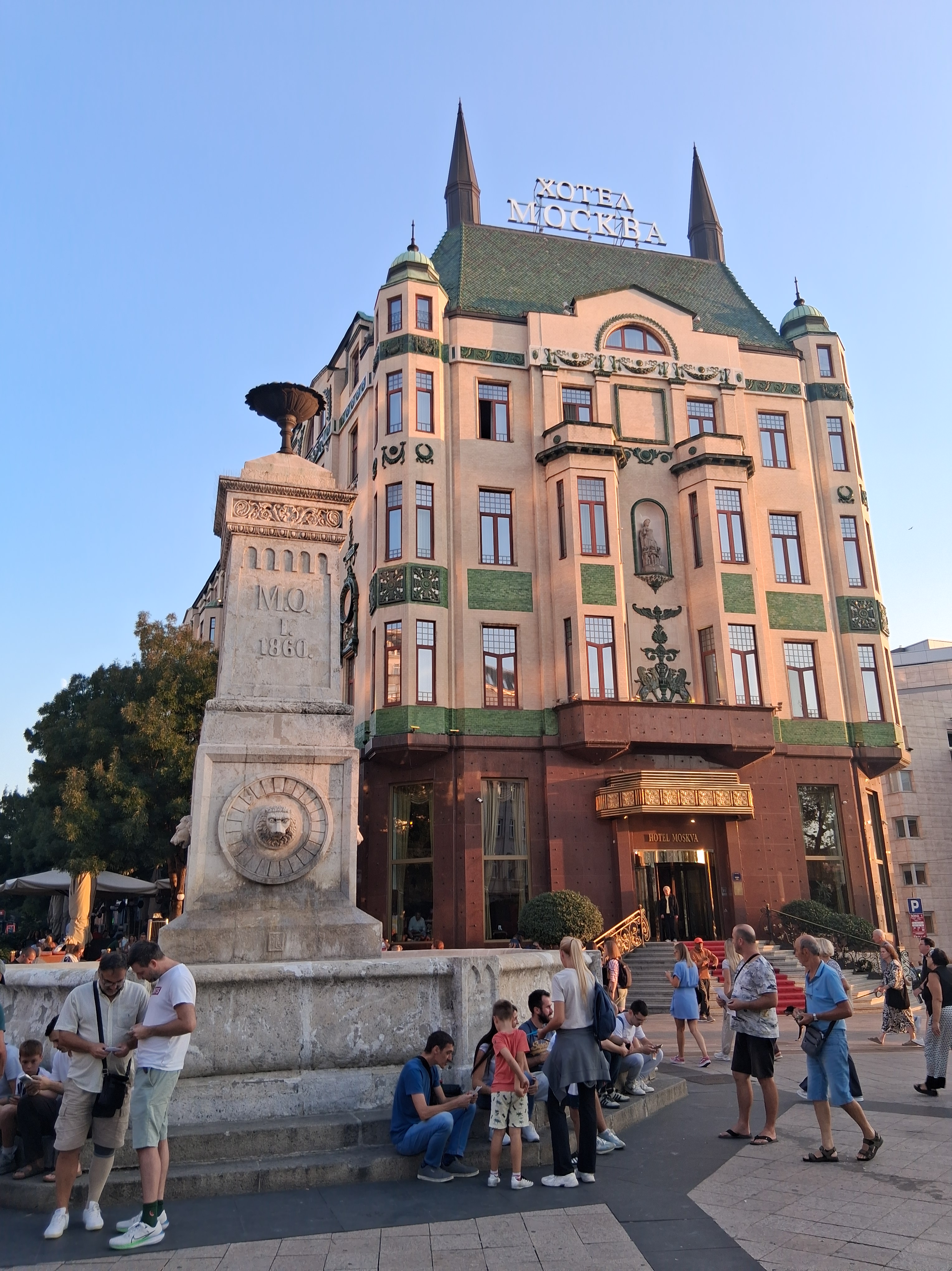
PHOTOS: 4 views of the historic Hotel Moskva in central Belgrade
(Click on each photo to enlarge and view in greater detail)
Paul Gilbert © 2026
Hotel Moskva
I stayed at the historic Hotel Moskva, a 4-star hotel in the city center, and within walking distance of many of the sights on my itinerary. I got a great rate by taking advantage of the hotel’s ‘bed and breakfast’ rate by booking more than 30 days in advance, saving 20% off my total bill!
The Hotel Moskvna was built in the early 20th century by a group of Russian businessmen. It has welcomed many high ranking politicians, celebrities and even royals. In 1920, Nicholas II’s younger sister Grand Duchess Olga Alexandrovna and her family stayed here – as guests of King Alexander Karadjordjevic – before travelling on to Denmark.
It is interesting to note that Grand Duchess Olga returned to Belgrade in 1930, where she took part in the ‘Great Exhibition of Russian Art’, displaying some of her paintings. You can read more about Olga’s stays in Belgrade in my forthcoming book.
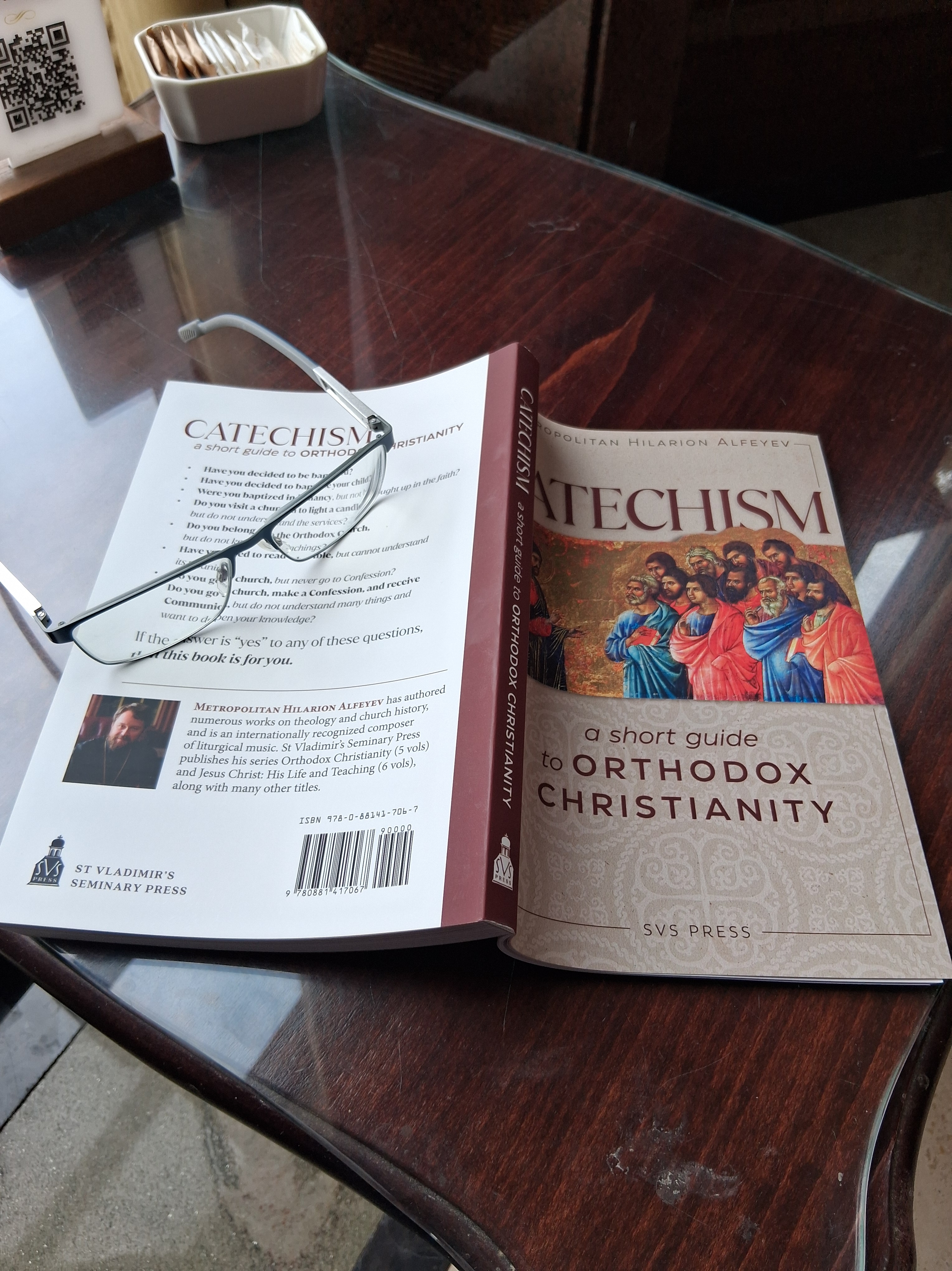
I set aside a couple of hours each day to study for my catechism, which included the book Catechism: A Short Guide of Orthodox Christianity, written in by the late Metropolitan Hilarion Aleeyev (1948-2022), First Hierarch of the Russian Orthodox Church Outside Russia (ROCOR).
I must say that the hotel put on a magnificent buffet breakfast. Tables laden with every hot and cold breakfast dish were offered. I tried a number of Serbian dishes, The hotel is famous for it’s Moskva Šnit (Moscow Cake) – which was recommended to me by several people.
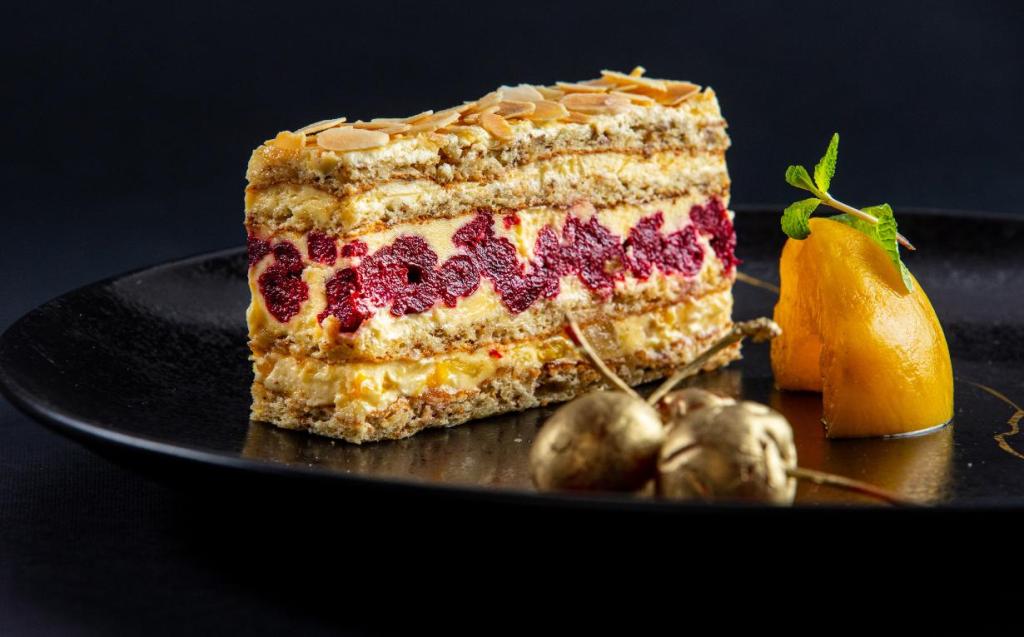
PHOTO: Moskva Šnit (Moscow Cake)
Moskva Šnit
Moskva Šnit (Moscow Cake) is a protected Serbian brand featuring sponge layers, made of egg whites, sugar, ground almonds, hazelnuts (or walnuts), and a small amount of flour. The cream filling consists of a cooked egg yolk, starch, and milk custard blended with whipped butter (custard-buttercream/crème diplomat). The center is a fruit filling, consisting of sour cherries (morello cherries), pineapple pieces, and sometimes peaches. The toppings and Garnish: Sweet cream / Chantilly whipped cream, toasted sliced almonds, and chopped toasted hazelnuts.
Being diabetic, however, did not stop me from a small sample with coffee. I have never tasted anything so sinfully delicious, so decadent in my life!
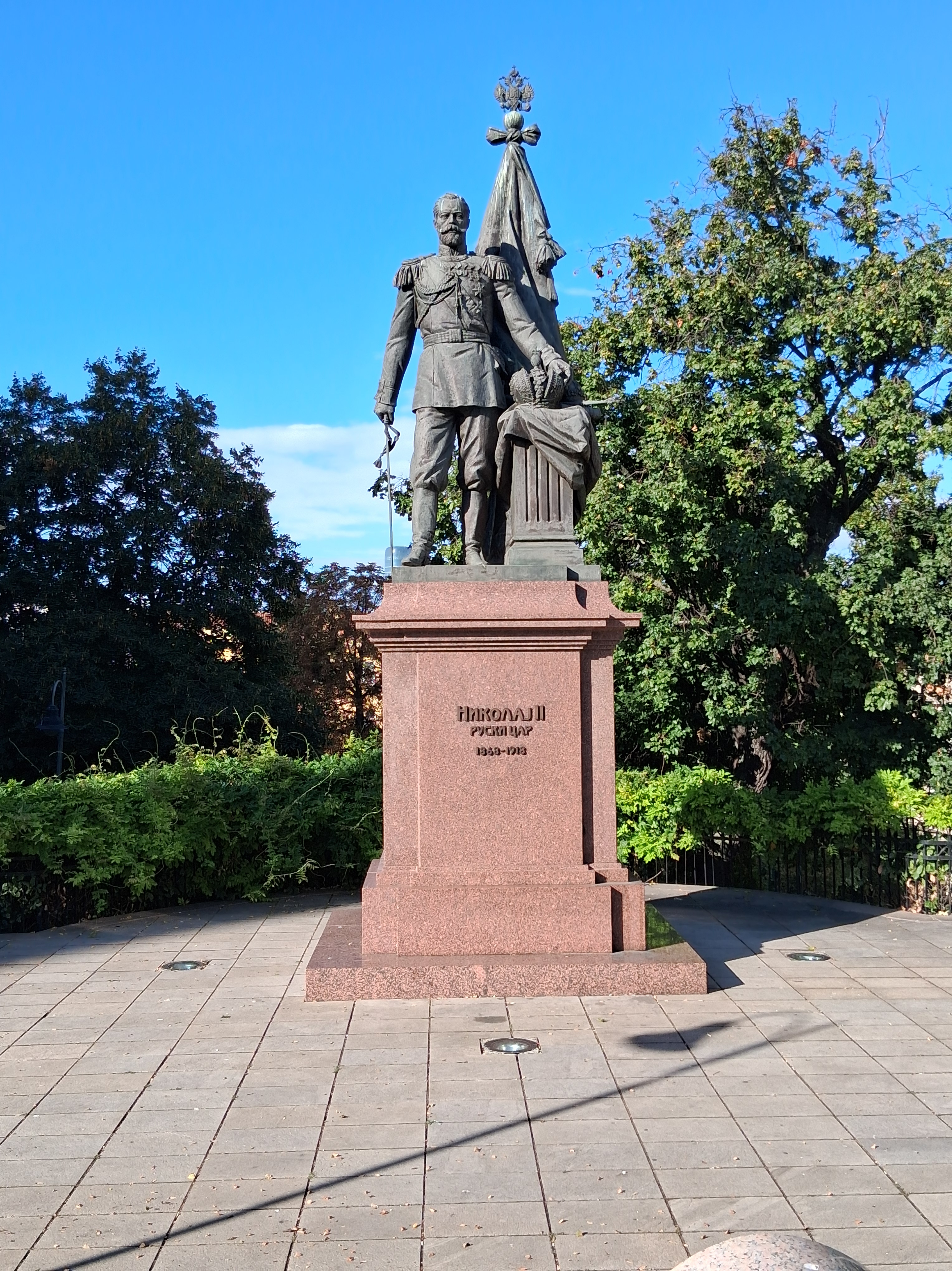
PHOTOl Monument to Emperor Nicholas II, Alexandrov Park, Belgrade
Paul Gilbert © 2026
Monument to Emperor Nicholas II (Alexandrov Park)
Many people may be surprised to learn that the Serbian capital has not one BUT three monuments to Emperor Nicholas II. One of the most impressive monuments to Nicholas II, installed outside of Russia is this monument in Park Alexandrov, situated in the Serbian capital of Belgrade.
The monument was donated by the Russian Historical Society, and consecrated on 16th November 2014, by His Holiness Patriarch Kirill of Moscow and All Russia and Patriarch Irinej of Serbia (1930-2020).
The bronze monument with a granite base was made by Andrey Kovalchuk and Gennady Pravotorov, weighs 40 tons and stands 7.5 m (25 ft) in height, of which 3.5 m (11 ft) is the monument itself.
It bears an inscription on the pedestal which reads the words of Emperor Nicholas II: “All my efforts will be directed to preserving the dignity of Serbia and in any case, Russia will not be indifferent to the fate of Serbia”.
It is interesting to note that the monument was installed on the site of the former Embassy of the Russian Empire, which was destroyed in the 1940s.
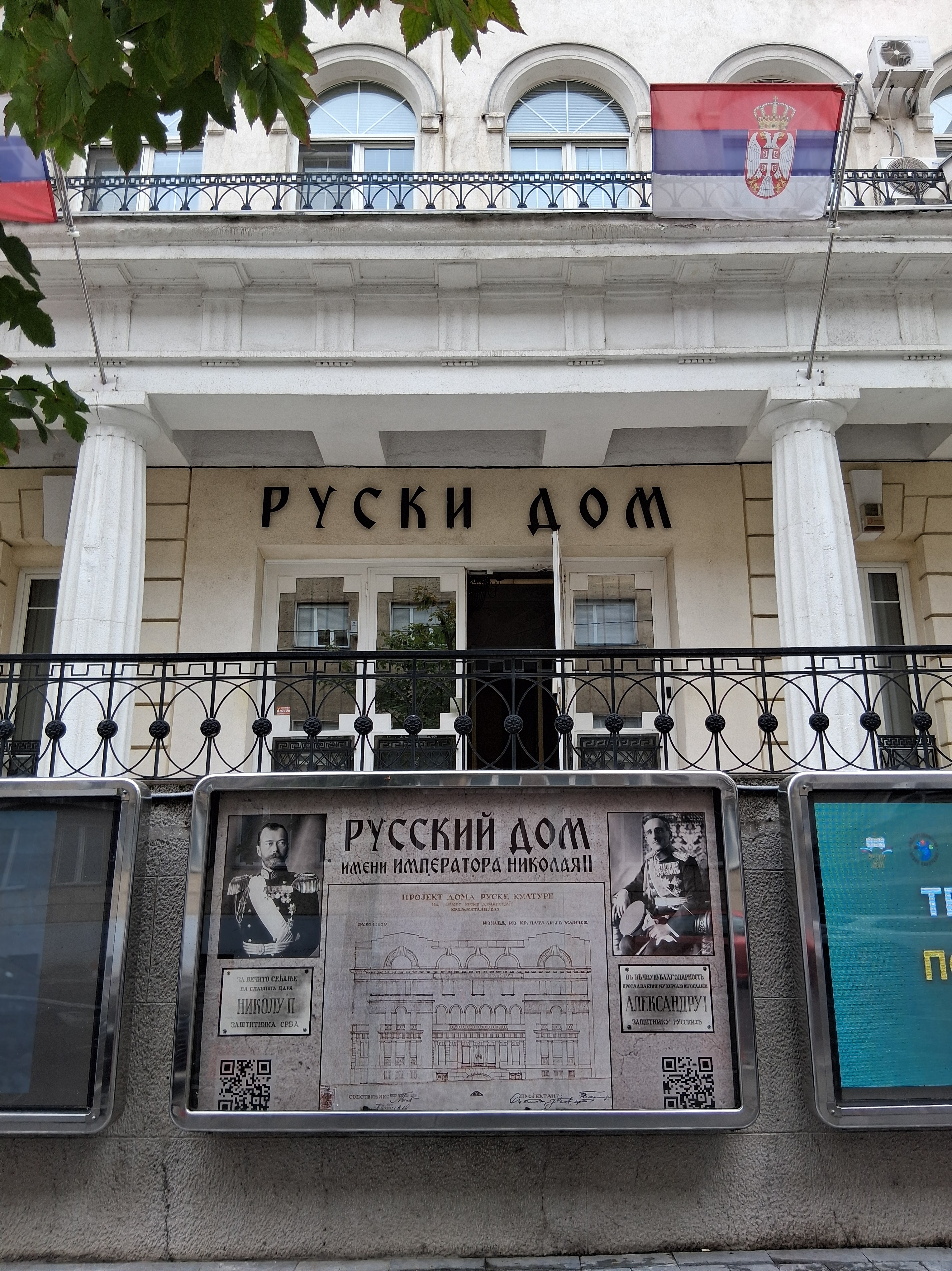
PHOTO: Entrance to Russky Dom / Russian House
Paul Gilbert © 2026
Russian House in Memory of Emperor Nicholas II
My next stop was the Russian House — Russian Centre of Science and Culture, which from 1933-45 was named Emperor Nicholas II’s Russian House.
Establishment of the Russian Center is strongly connected to Russian emigrants in the Kingdom of Yugoslavia, after the October 1917 Bolshevik Revolution. The Rusian House opened in 1933, as a center aimed at promoting Russian language and culture. It is just one of 44 Russian Cultural Centers worldwide.
At the entrance to the building, are photos depicting Emperor Nicholas II and King Alexander Karadjordjevic. As you enter the main entrance, a small hall to the left is dominated by two bust-monuments Emperor Nicholas II and King Alexander Karadjordjevic.
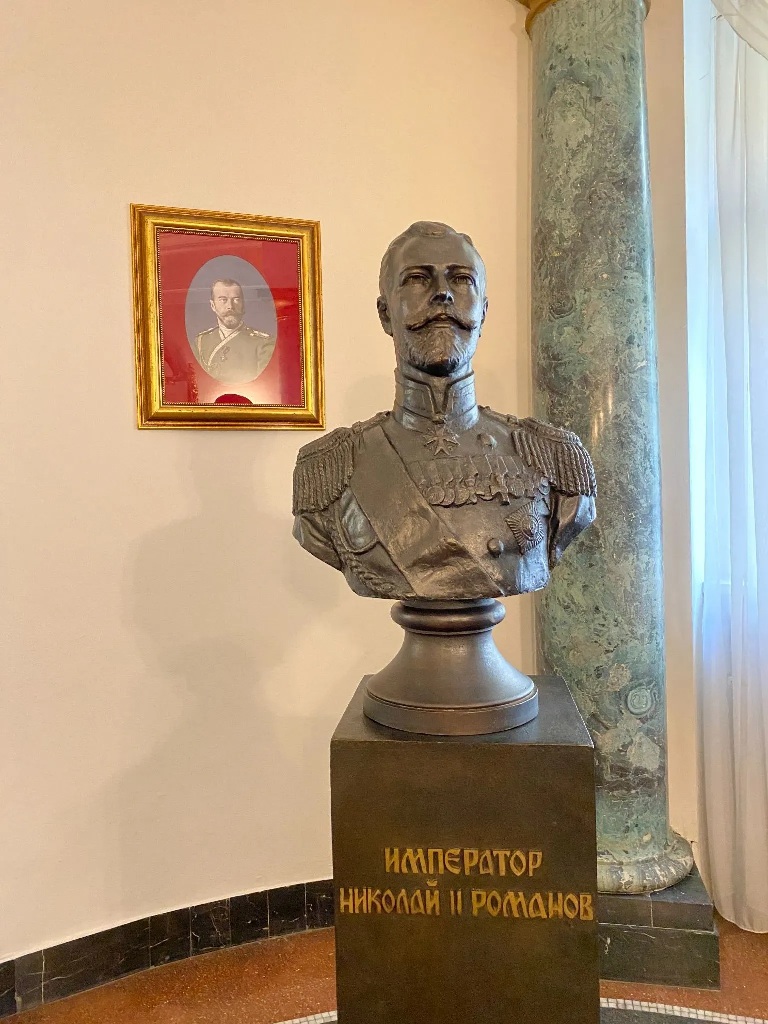
PHOTO: Bust-monument to Nicholas II on display at the Russian House
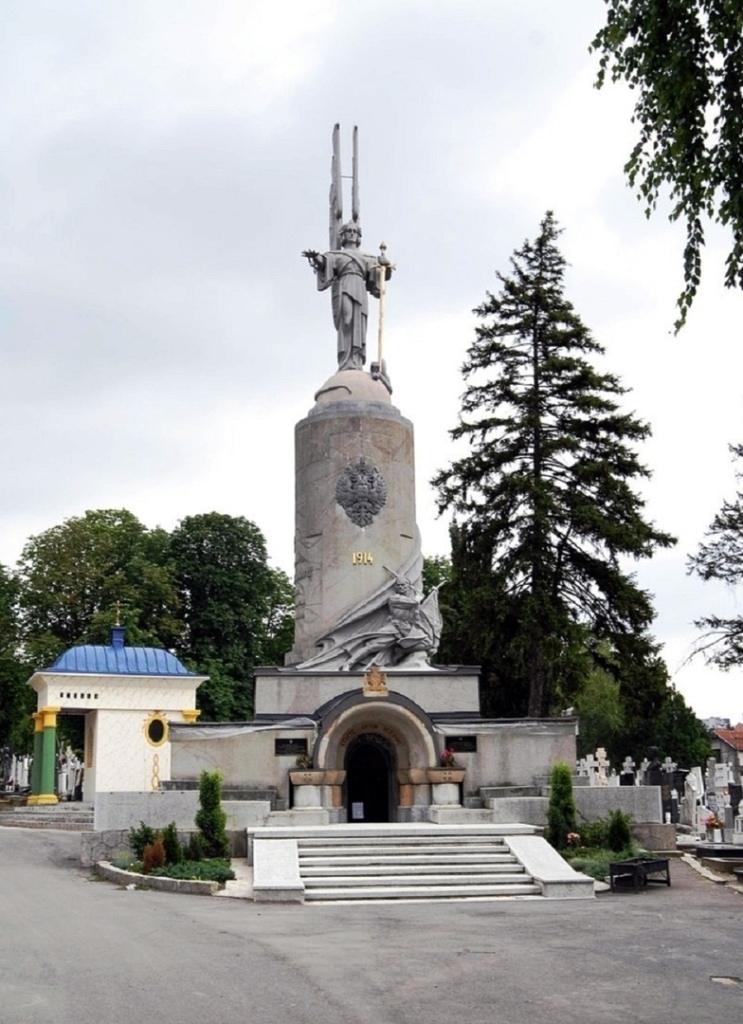
PHOTO: The Monument to Russian Glory, the world’s
first monument to honour Emperor Nicholas II
Monument to Russian Glory
The Monument to Russian Glory was completed and consecrated in January 1936, in the Russian Necropolis of the New Cemetery in Belgrade. The monument honours both Emperor Nicholas II and soldiers of the Russian Imperial Army who died during the First World War.
It is interesting to note, that Russia’s last Tsarwas canonized as a saint by the Serbian Orthodox Church in 1938 – 43 years BEFORE the Russian Orthodox Church Outside Russia (ROCOR) in 1981 and 62 years BEFORE the Moscow Patriarchate of the Russian Orthodox Church in 2000. The image of the Holy St. Tsar Nicholas II is depicted on the wall of the Church of St. Sava in Belgrade, which is the fourth largest Eastern Orthodox church in the world.
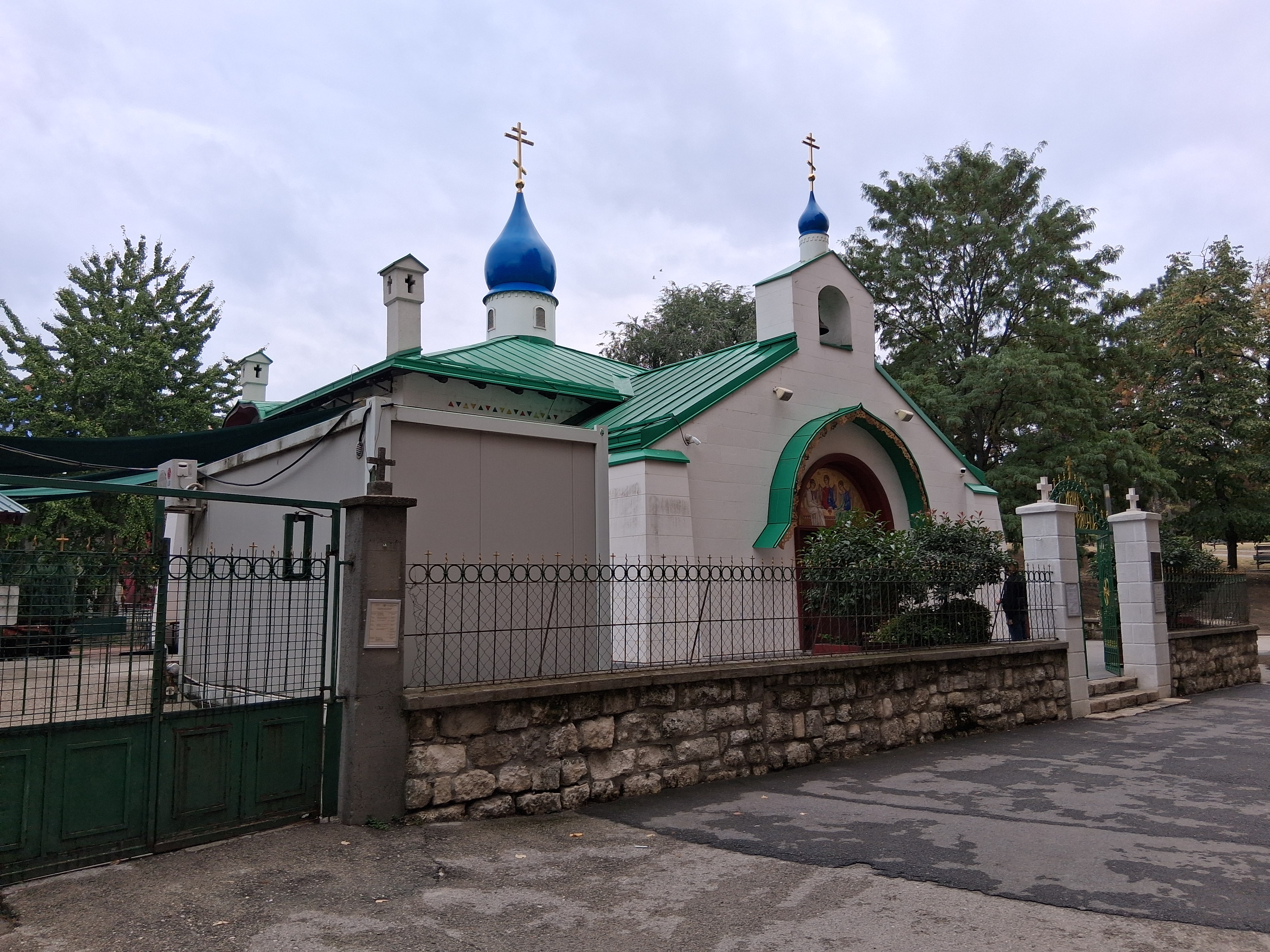
PHOTO:View of the Church of the Holy Trinity, Belgrade
Paul Gilbert © 2026
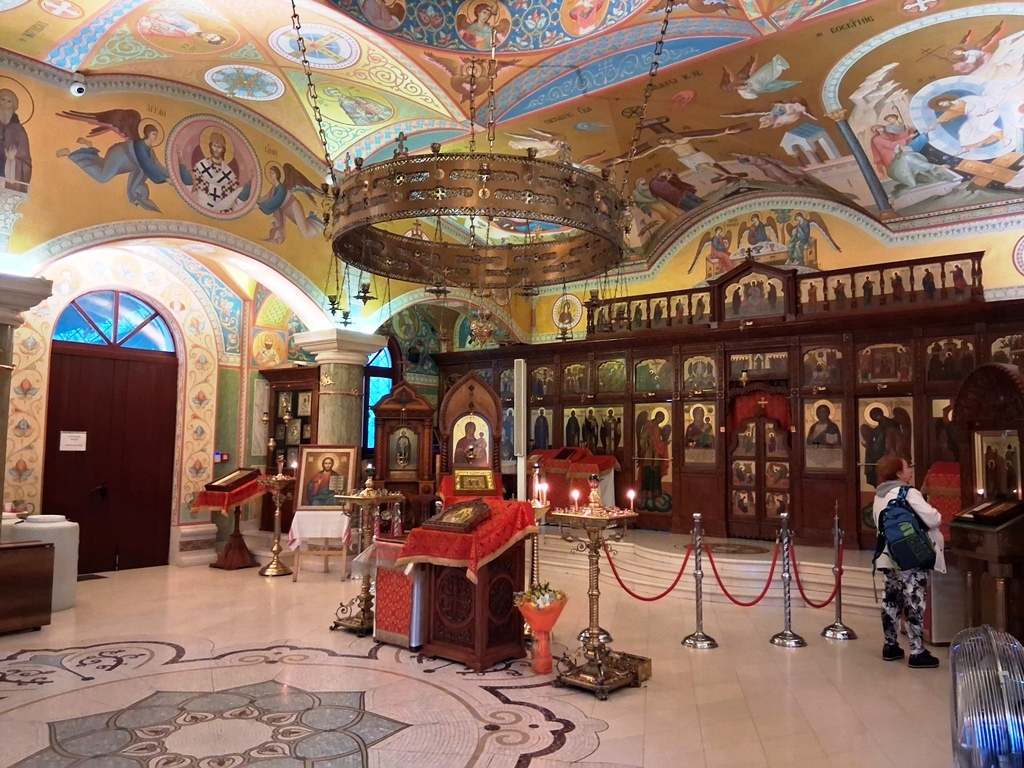
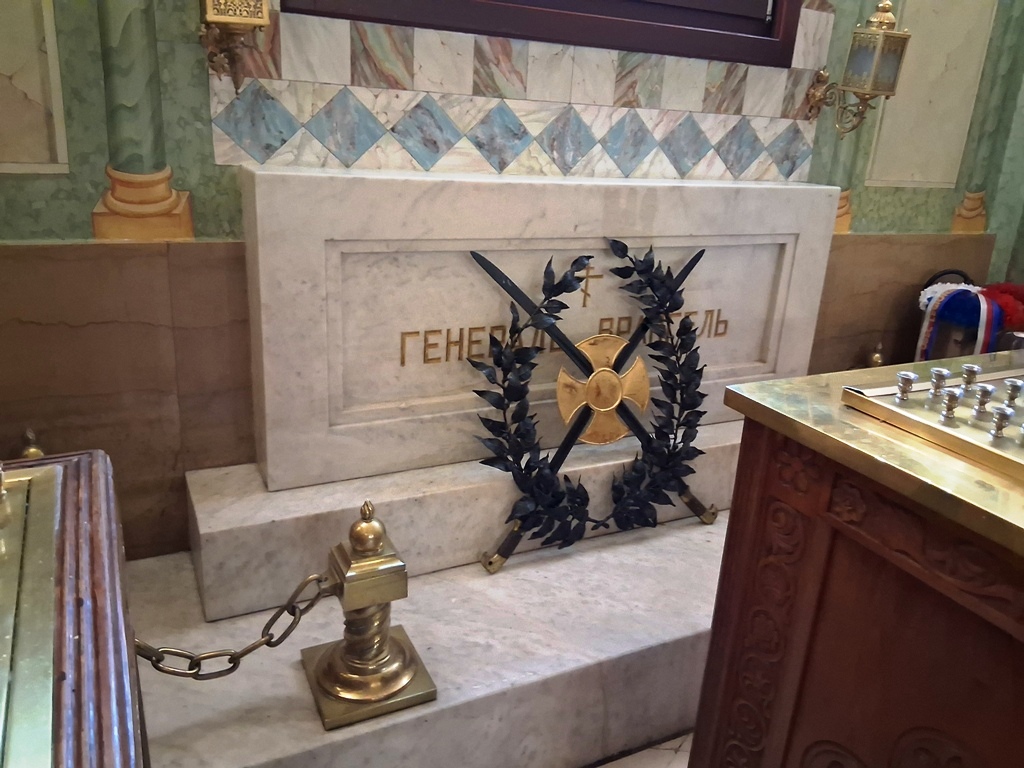
View of the iconostasis (left), and the tomb of General Pytur Wrangel (right)
Paul Gilbert © 2026
The Church of the Holy Trinity
I was delighted to find the Russian church (ROCOR), situated in the Tašmajdan Park, which was just a short walk from my hotel.
It was erected in 1924 according to the plans of Russian émigré architect Valery Stashevsky and was meant mainly for refugees from Soviet Russia who arrived in Serbia in thousands from 1920, after the defeat of the White Army in Russia during the Russian Civil War.
The interior reflects the Orthodox churches in Russia. The iconostasis is magnificent. There is also an icon depicting the Holy St. Tsesarevich Alexei Nikolaevich – son of Nicholas II.
Russian general Pyotr Wrangel (1878-1928), the last commander of the Russian Army in South Russia, was re-buried in the church in October 1929.
I was so happy that I was afforded an opportunity to pray in this particular church, because I knew that when I returned to Canada, I would at long last be received and baptized into the Russian Orthodox Church.
In April 1999, the church building was severely damaged during the NATO bombing of Yugoslavia, by an air missile attack. The church was re-consecrated in March 2007.
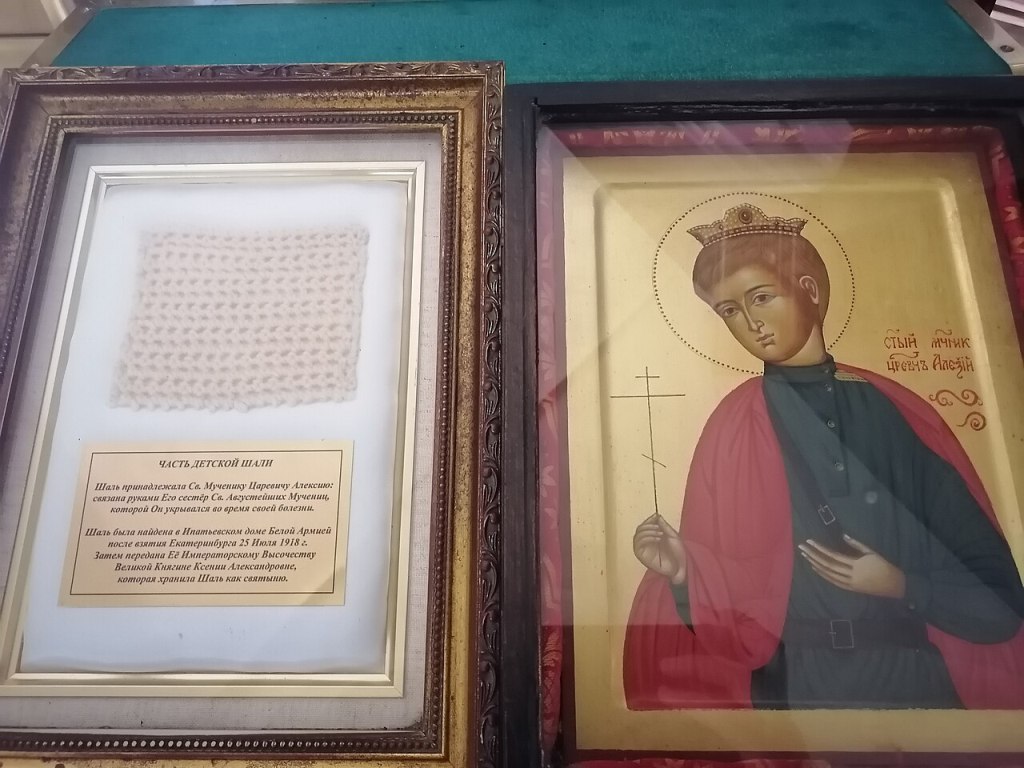
PHOTO: Icon depicting the Holy St. Tsesarevich Alexei Nikolaevich
Church of the Holy Trinity, Belgrade
Paul Gilbert © 2026
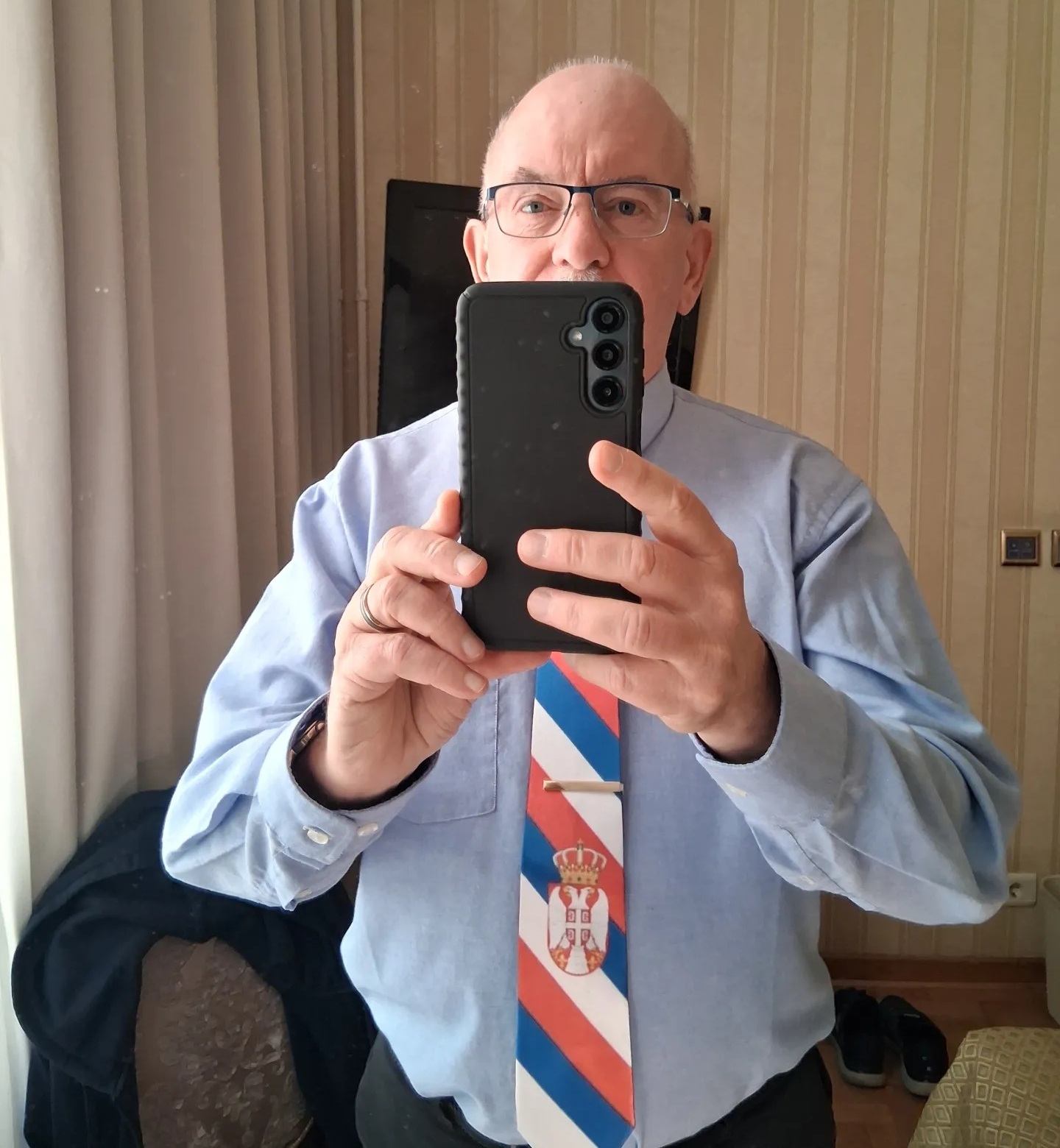
PHOTO: I ordered a special tie from AMAZON for my meeting with HRH Crown Prince Alexander Karadjordjevic. The tie reflects the colours of the Serbian flag with the coat of arms which still features a royal crown. Paul Gilbert © 2026
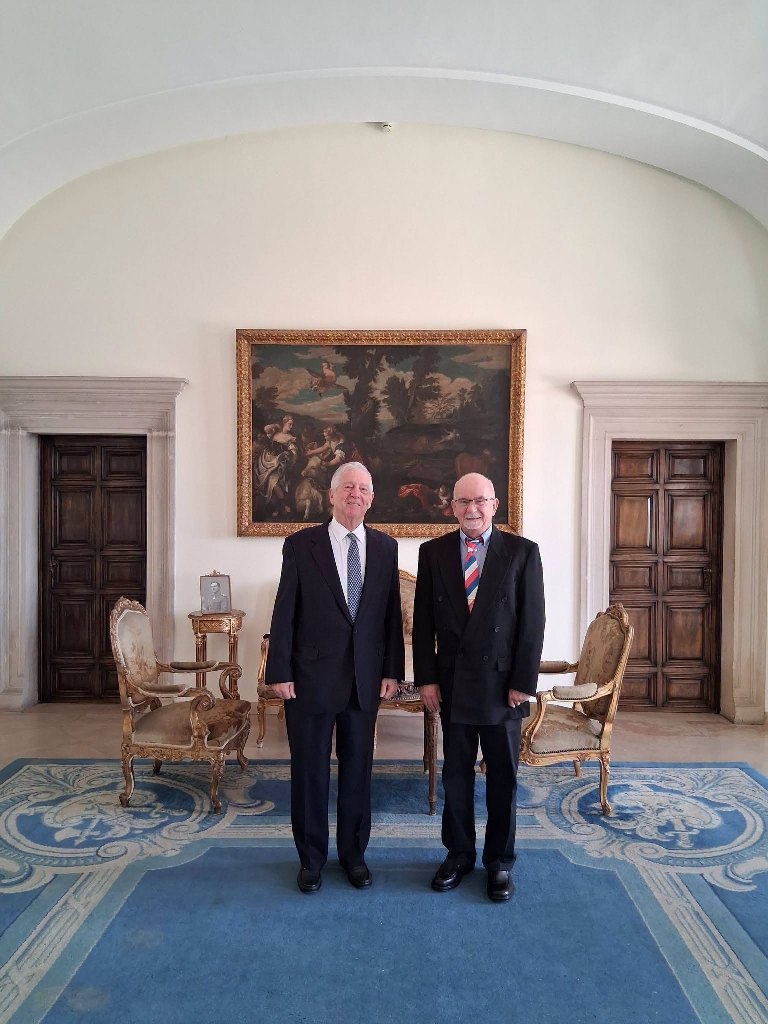
PHOTO: HRH Crown Prince Alexander Karadjordjevic and Paul Gilbert in the Blue
Drawing Room of the the Royal Palace (Kraljevski Dvor) in Belgrade
Paul Gilbert © 2026
The Royal Palace and HRH Crown Prince Alexander Karađorđević
The highlight of my visit to Serbia was an invitation to the Royal Palace in Belgrade, where I received an audience with HRH Crown Prince Alexander, head of the House of Karađorđević.
Alexander is the only child of King Peter II (1923-1970) and Princess Alexandra of Greece and Denmark (1921-1993).He is a godson of HM Queen Elizabeth II (1926-2022).
The palace compound consists of the Royal Palace and the White Palace. I visited the Royal Palace, which was constructed between 1924 and 1929. It was designed in the Serbian-Byzantine style by Živojin Nikolić and the famous Serbian-Russian architect Nikolai Krasnov (1864-1939) – the same architect who built the beautiful white Livadia Palace for Emperor Nicholas II and his family, which overlooks the Black Sea on the southern Crimean coast. It is interesting to note that Krasnov is buried in the Russian section of the New Cemetery in Belgrade.
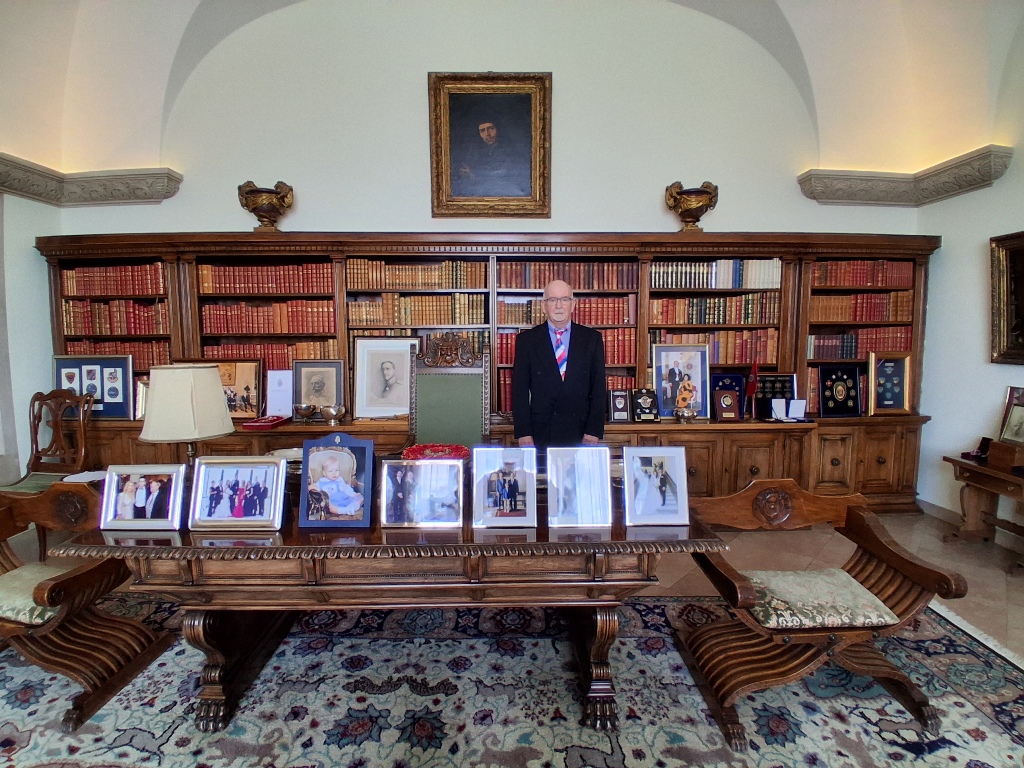
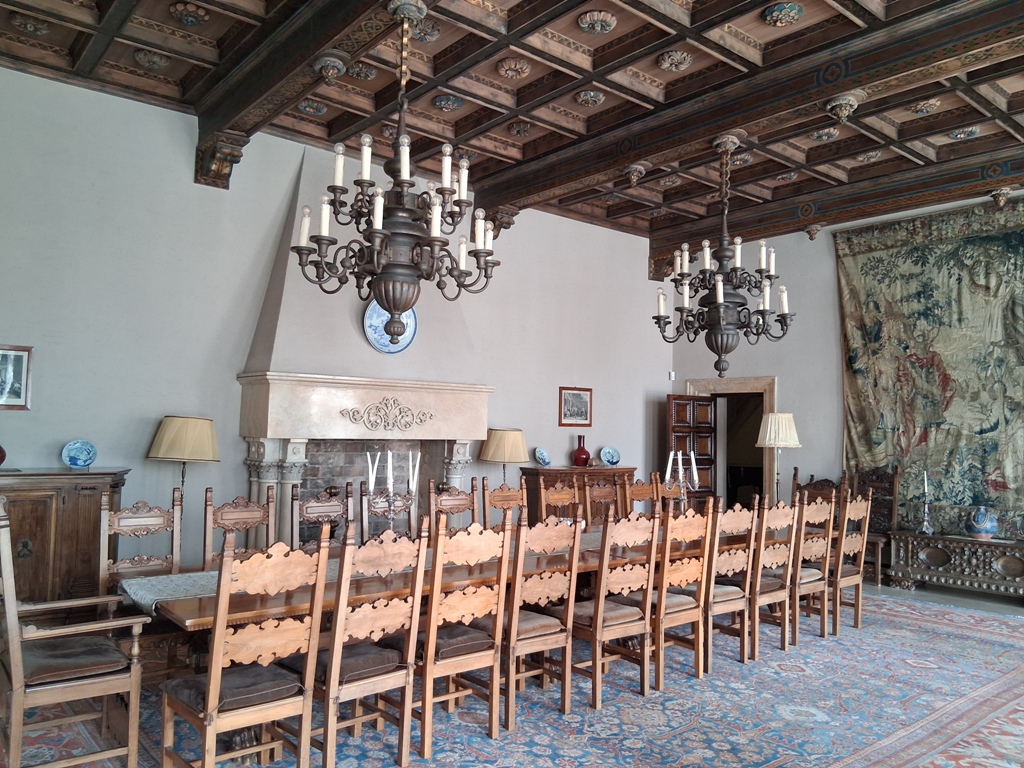
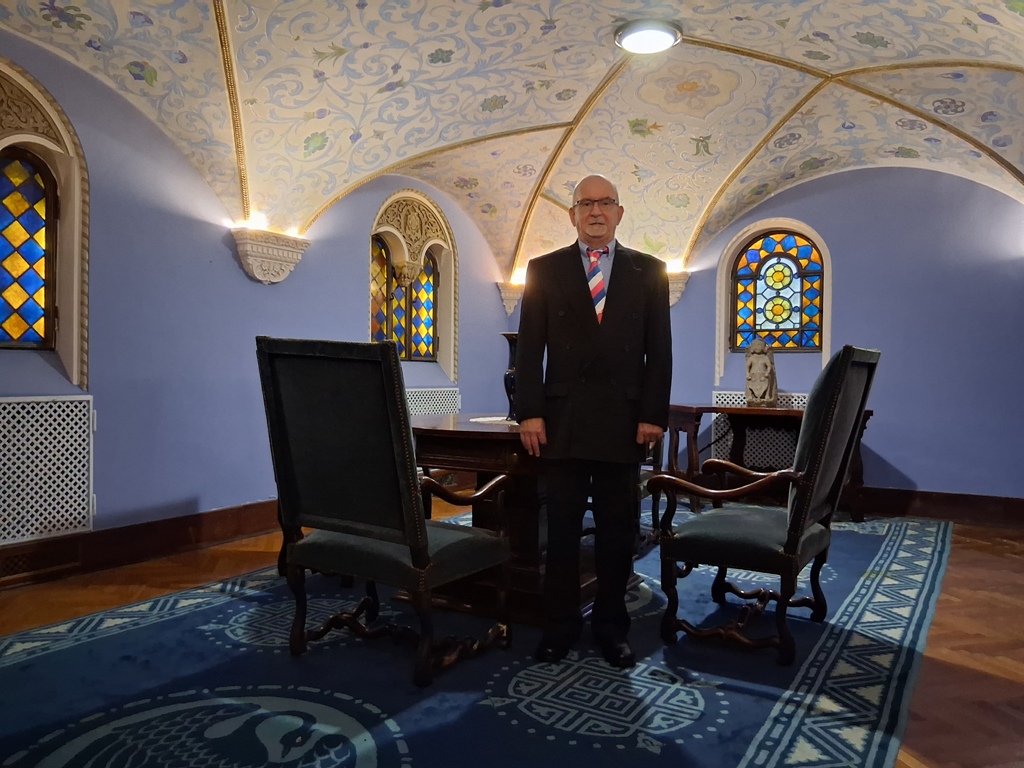
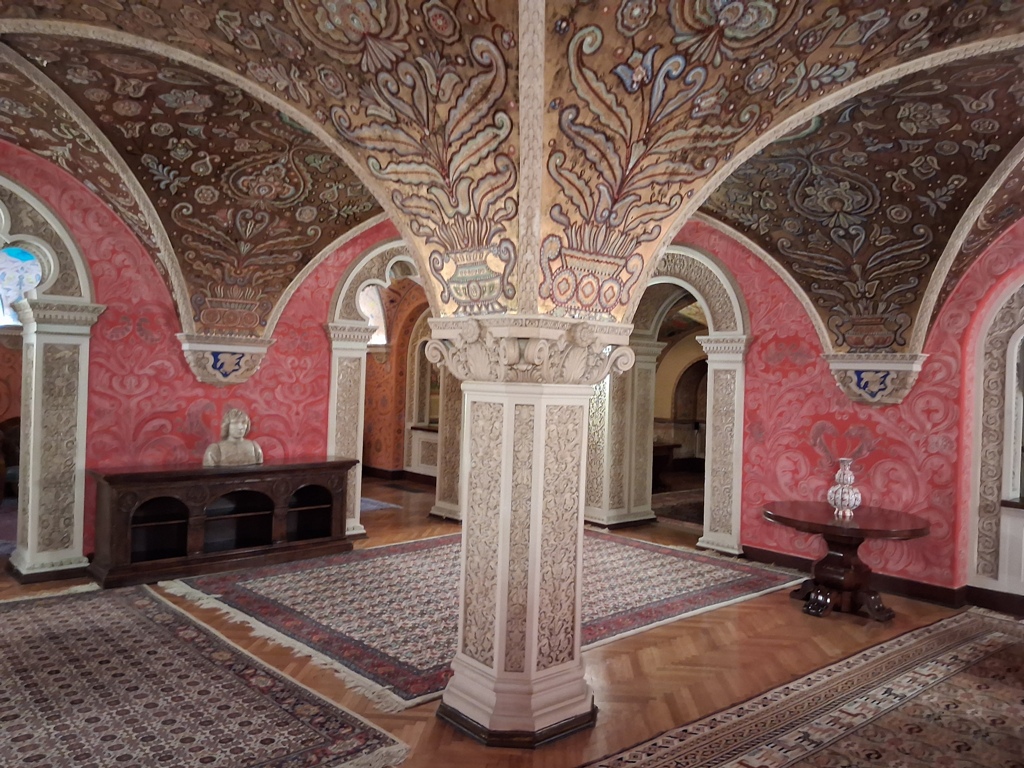
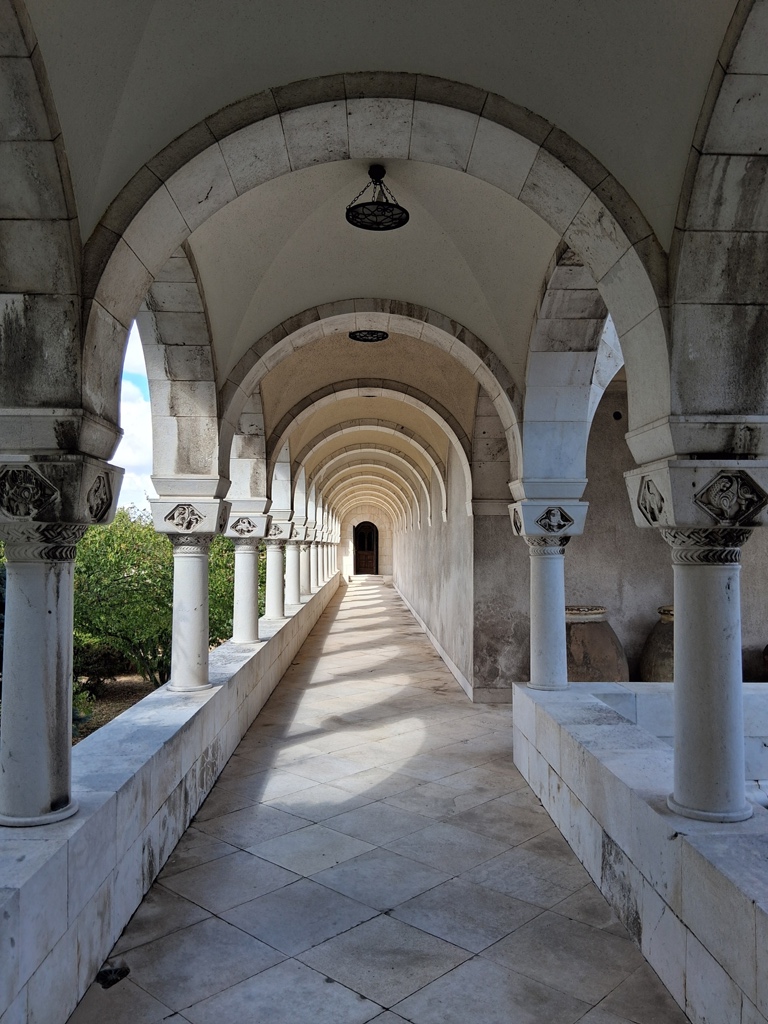
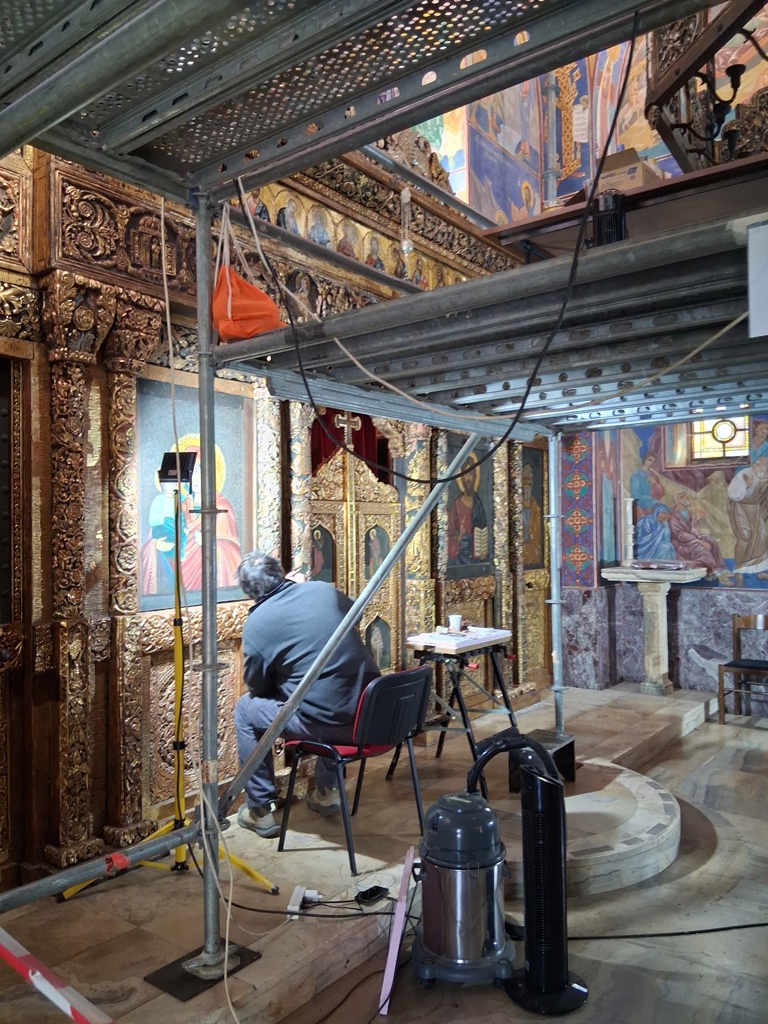
PHOTO: 6 views of the Royal Palace
(Click on each photo to enlarge and view in greater detail)
Paul Gilbert © 2026
Upon arrival at the palace, I was greeted by Uroš Parezanović, who serves as Head of Public Relations and Protocol. He invited me into the King’s Cabinetm which served as the personal workspace and study for King Alexander I and later King Peter II of Yugoslavia. Today, it is the favourite workspace of Crown Prince Alexander.
At precisely 11:00 am, His Royal Highness entered the room with a cheerful smile and a hearty greeting. He crossed the room towards me and warmly shook my hand – my tie gave him a chuckle. I must say that for an 81-year-old man, HRH looks remarkably well and youthful for his age!
His Royal Highness made me most welcome. My audience lasted about 35 minutes. It was a cordial visit, and we discussed a number of topics. I was excited to tell HRH about my forthcoming book Nicholas II and Serbia: A Nation Honours Russia’s Last Tsar, however, I was not expecting the reception I received.
I was both shocked and disappointed by HRH’s negative remarks about Nicholas II, the Russian Tsar, who sacrificed his throne and Empire to save Serbia during the First World War.
In my forthcoming book, I have devoted an entire chapter to the relations between the Russian Empire and Serbia and the Kingdom of Yugoslavia. In addition is a chapter devoted to the Karađorđević dynasty during the reign of Nicholas II and the years during Russian emigration in the 1920s. The full text of my conversation with HRH, regarding Nicholas II, will be published in my book.
Following the meeting, His Royal Highness was kind enough to pose for a few photos with me in the Blue Drawing Room is decorated in the Baroque style. We said a few parting words and HRH left the room.
It was at this point, that I was taken under the wing of his secretary Vidak Orlović, who took me on a tour of the palace and royal chapel, the latter of which is currently under restoration. Vidak was a fascinating man, he was well versed in the history of the palace and the dynasty.
Truly a great honour and memorable day for me! Special thanks to Nik Manojlovich for initiating the introduction to HRH back in March of this year. I continue to pray, that one day the monarchy will be restored in Serbia.
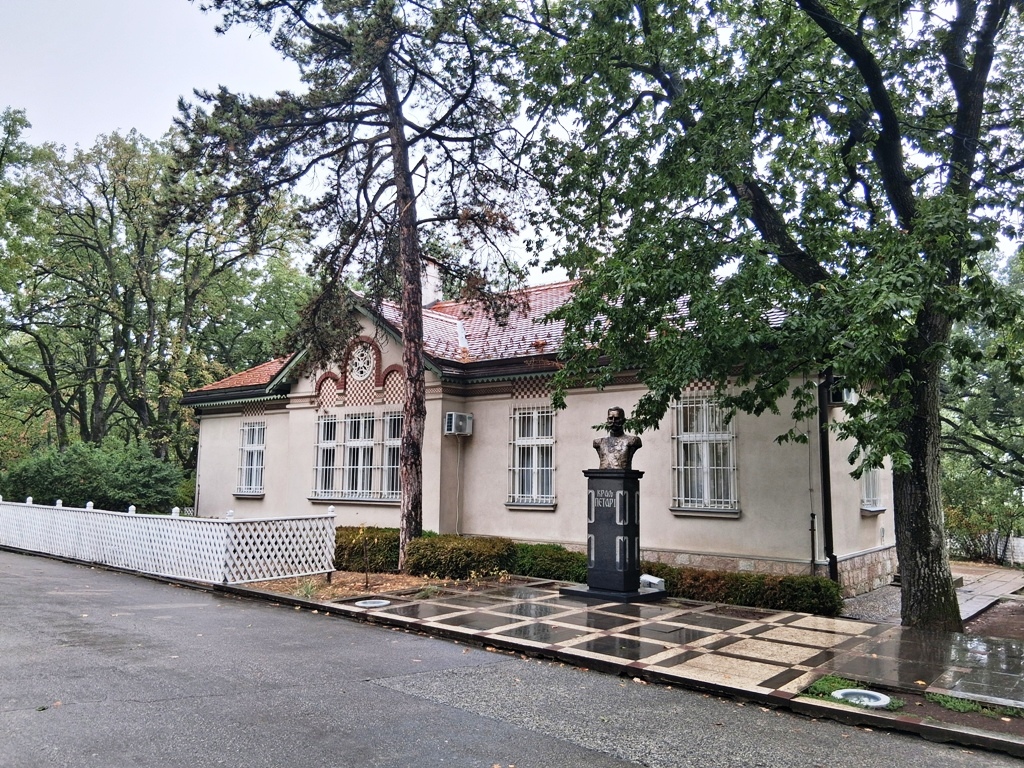
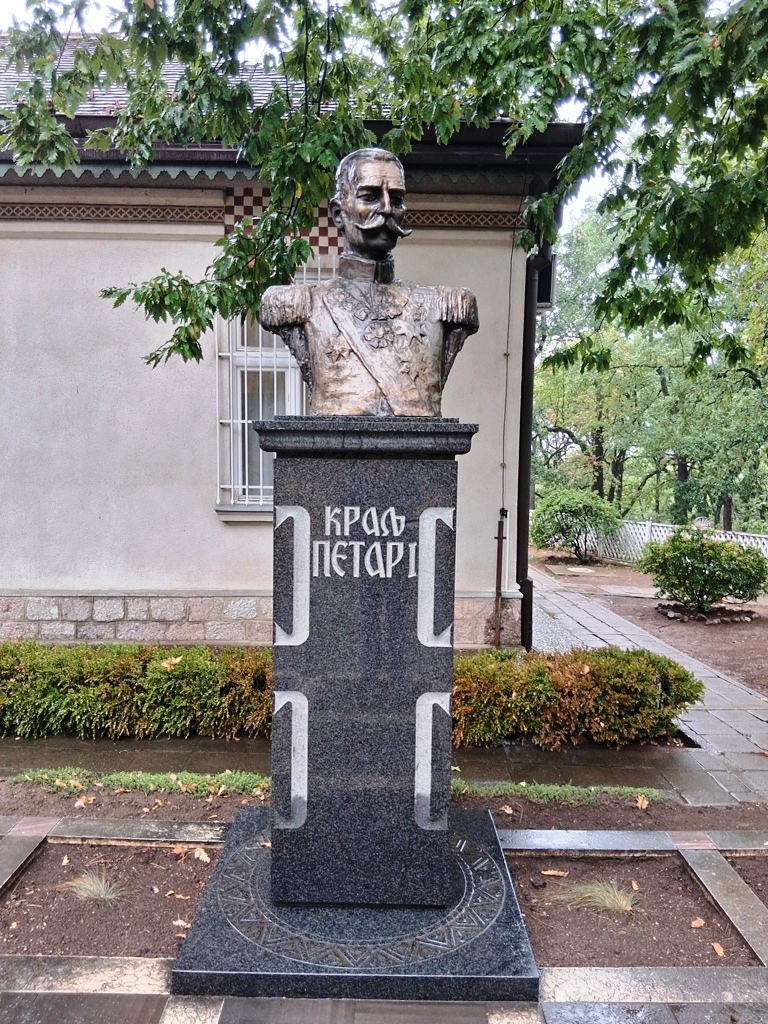
PHOTOS: museum and bust of King Peter I Karadjordjevic
Paul Gilbert © 2026
Oplenac and St. George’s Church – Mausoleum
My last day in Serbia, I visited Oplenac and St. George’s Church, which houses the Karadjordjevic Mausoleum. Prior to visiting the church, I toured the small, but very intersting museum dedicated to King Peter I Karadjordjevic.
St. George’s Church was unbelievable! The entire interior walls are decorated entirely with tiny mosaic tiles. On the ground floor is the tomb of Peter I. In the crypt are the tombs of 26 other members of the dynasty whose eternal place of rest is in this magnigicent mausoleum. Six generations of the Karađorđević family have been buried in this church.
St. George’s Church remains one of the most beautiful churches I have ever had the honour of stepping foot in and praying.
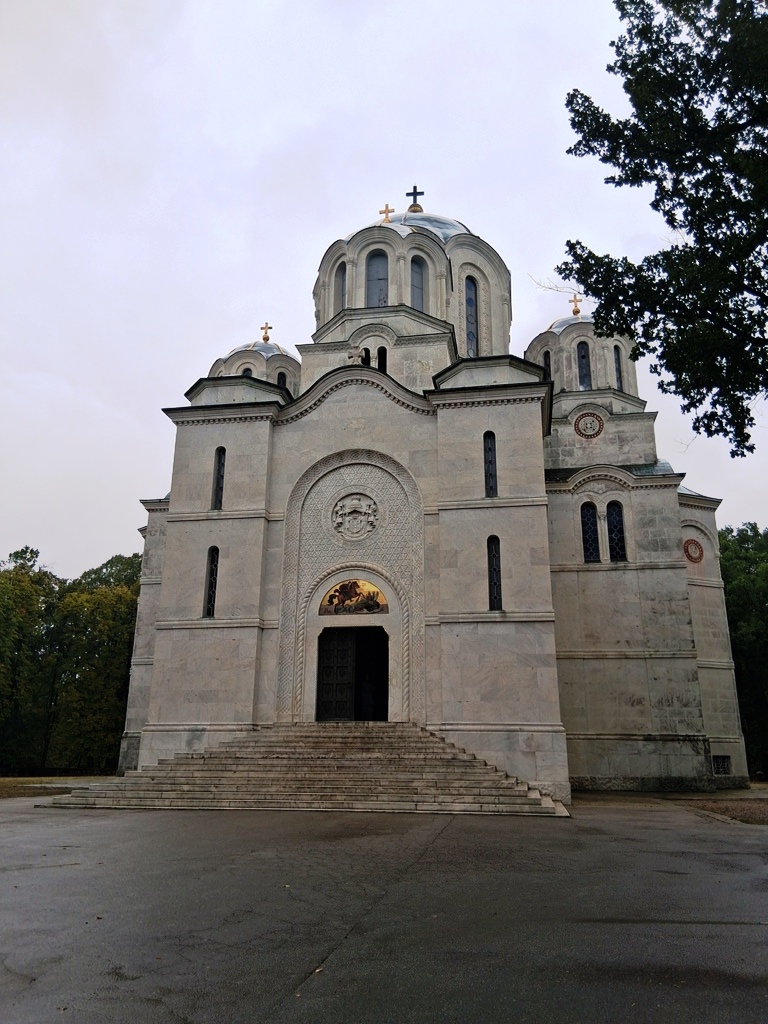
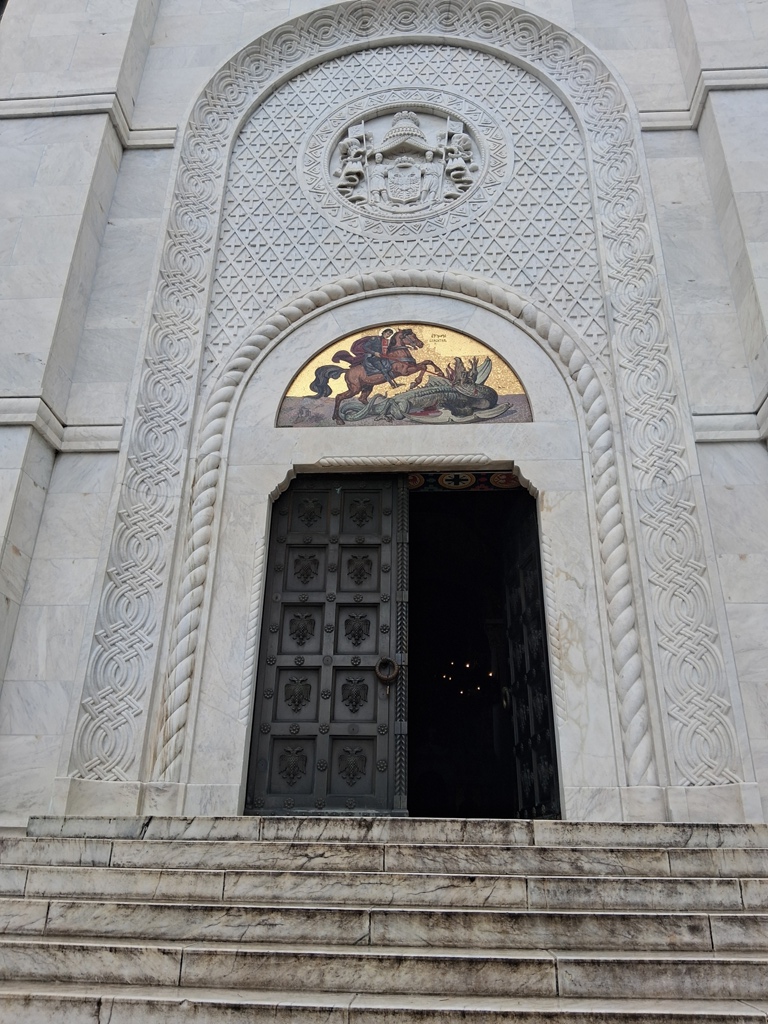
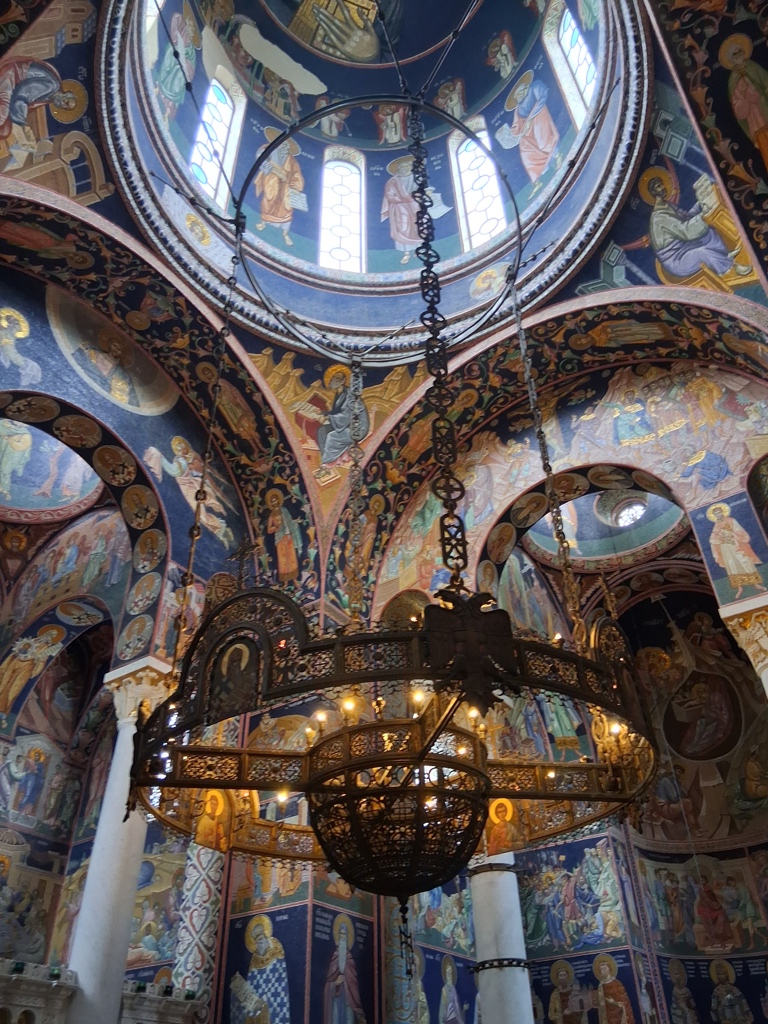
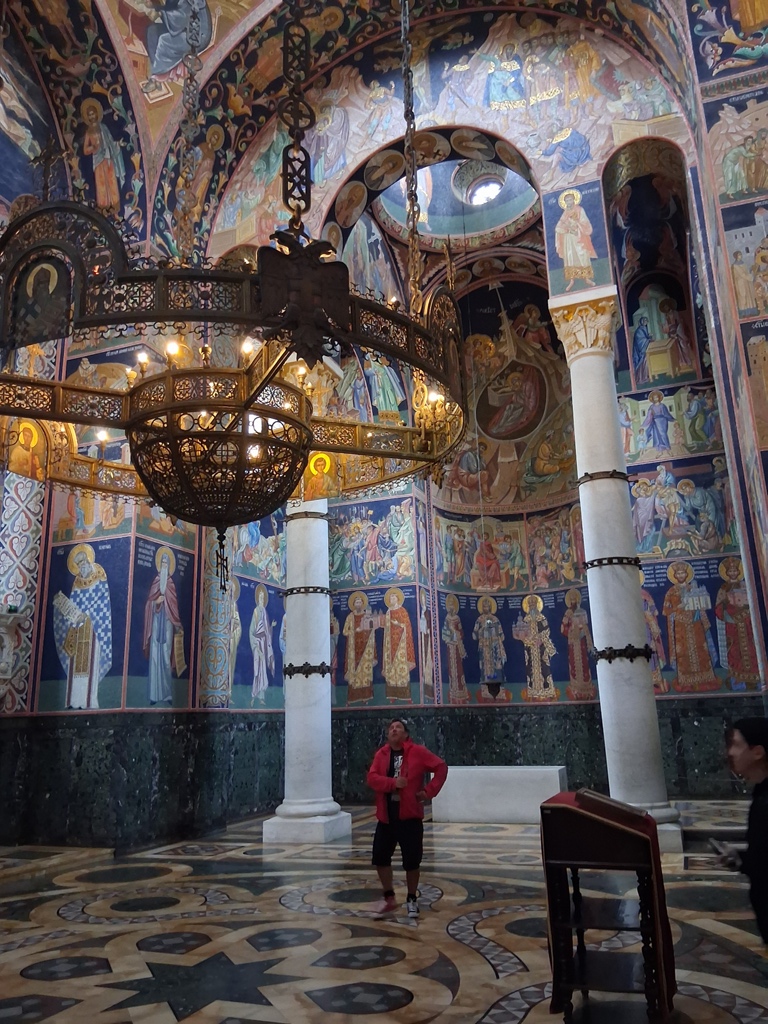
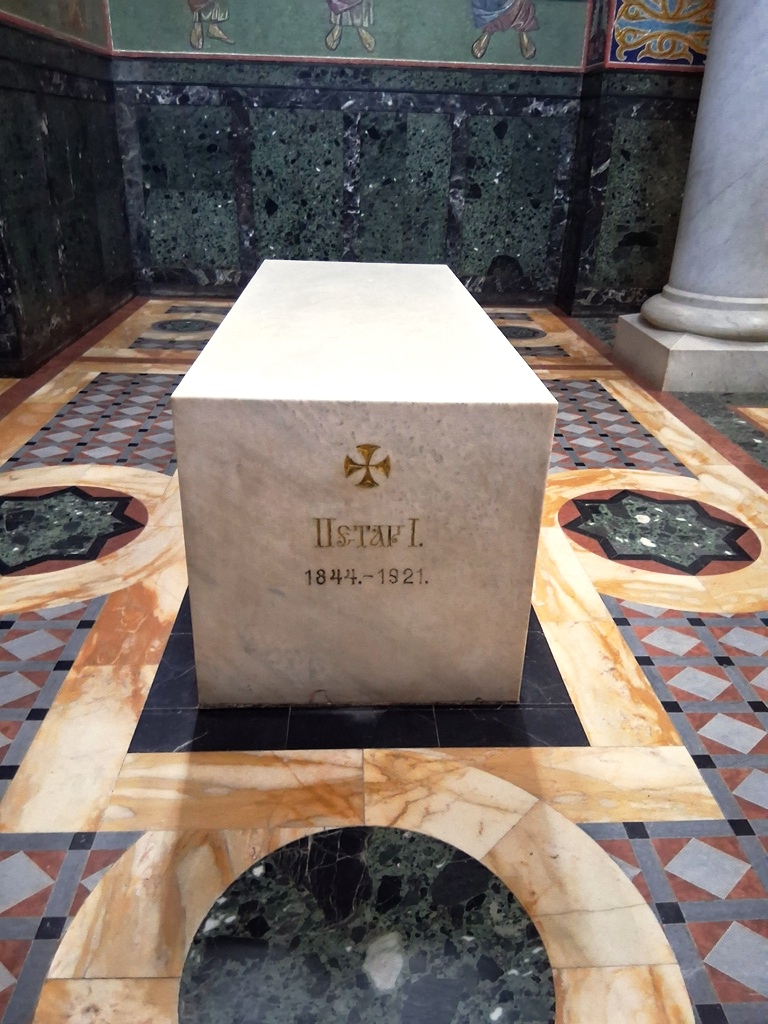
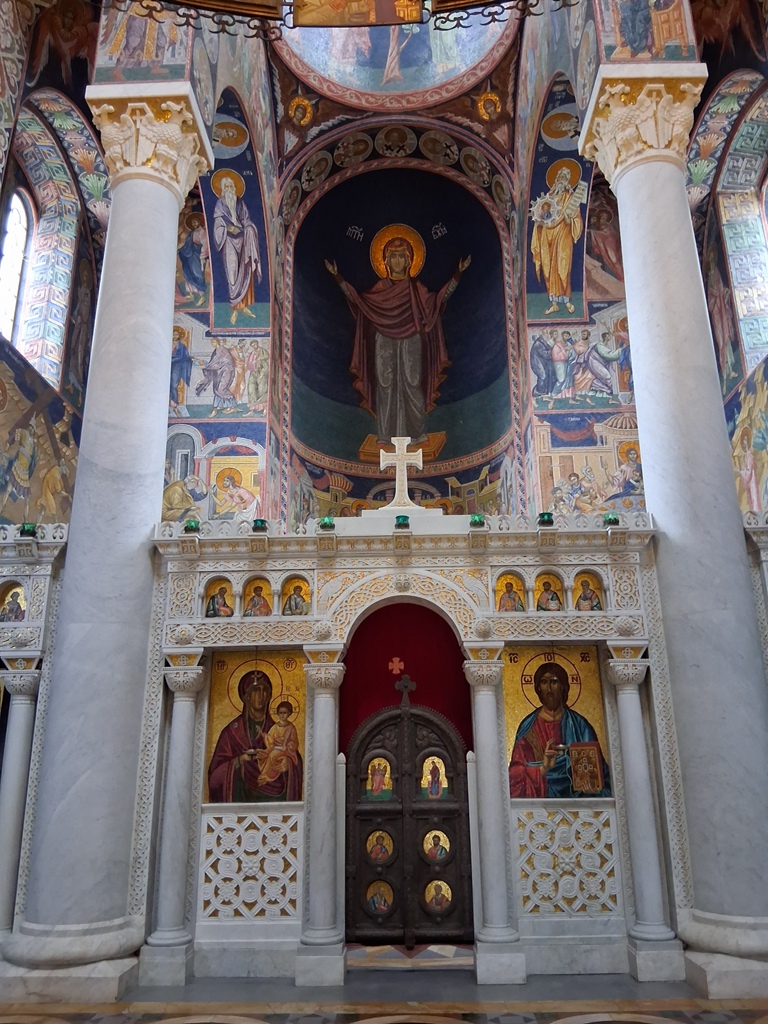
PHOTOS: St. George’s Church and Karadjordjevic Mausoleum
Paul Gilbert © 2026
Finally, I visited the Royal Vineyards, where I was given a tour and wine tasting afterwards. I sampled both white and red wines produced in the vineyards. I even bought a bottle of the red wine to take home with me. I have yet to open it, and when I do, I shall think of Serbia and the impression it has left on me: the history, the beauty of the country, the warmth and friendliness of the people, my visit to the Royal Palace and audience with HRH and much more. It was truly an amazing visit!
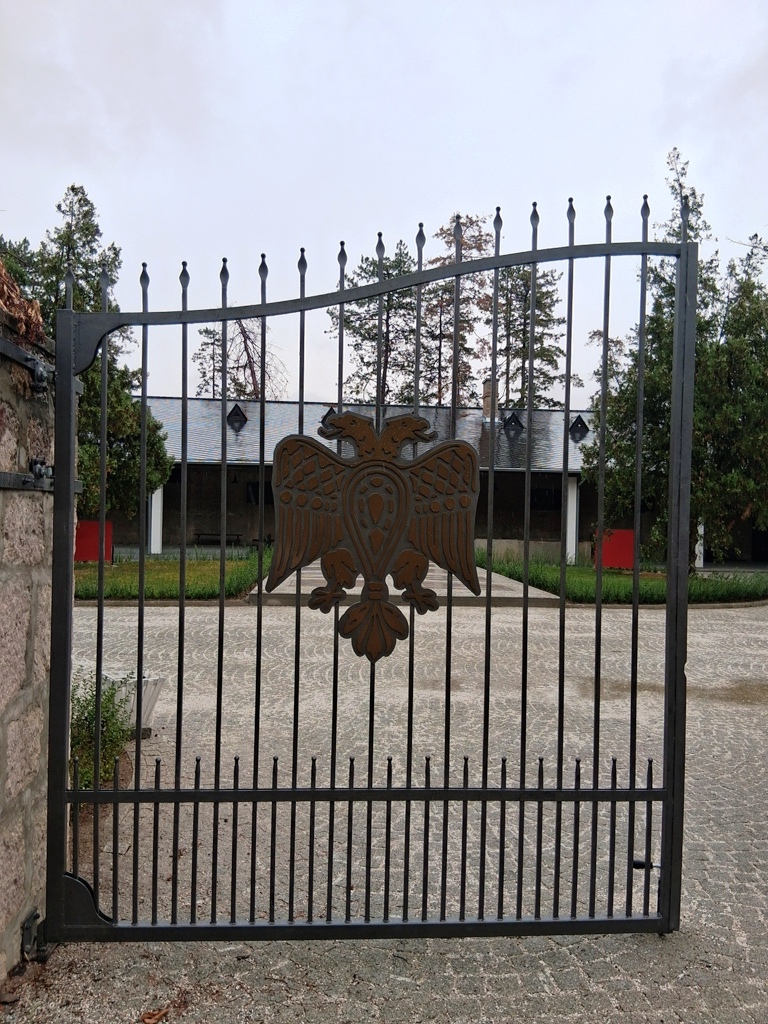
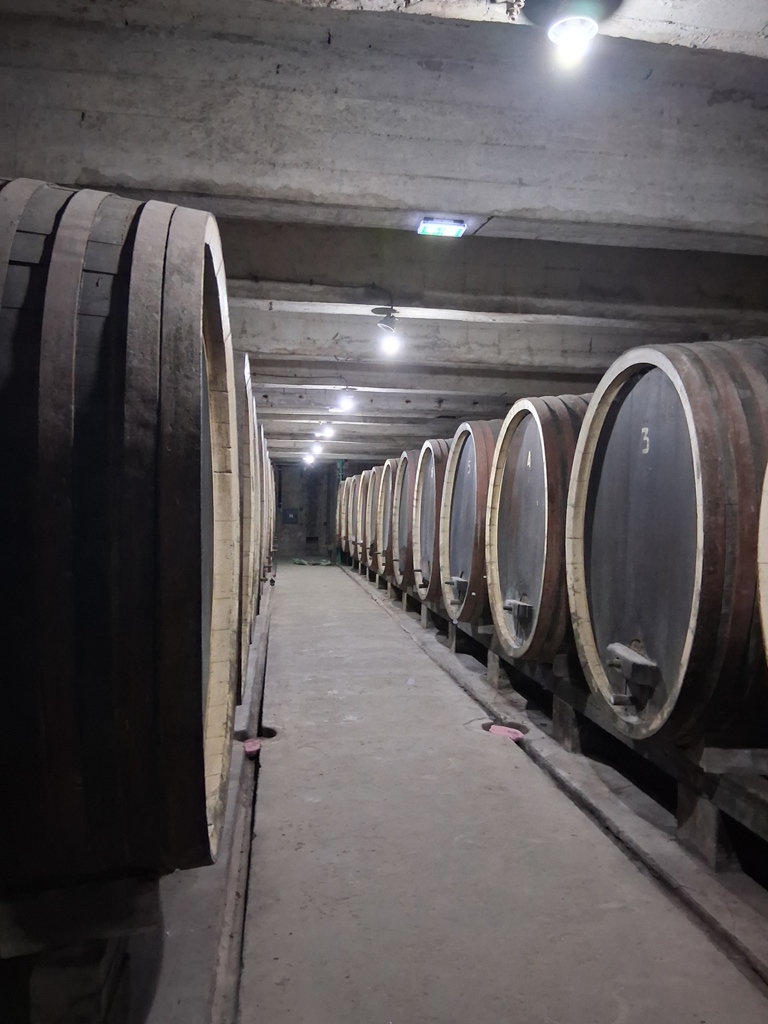
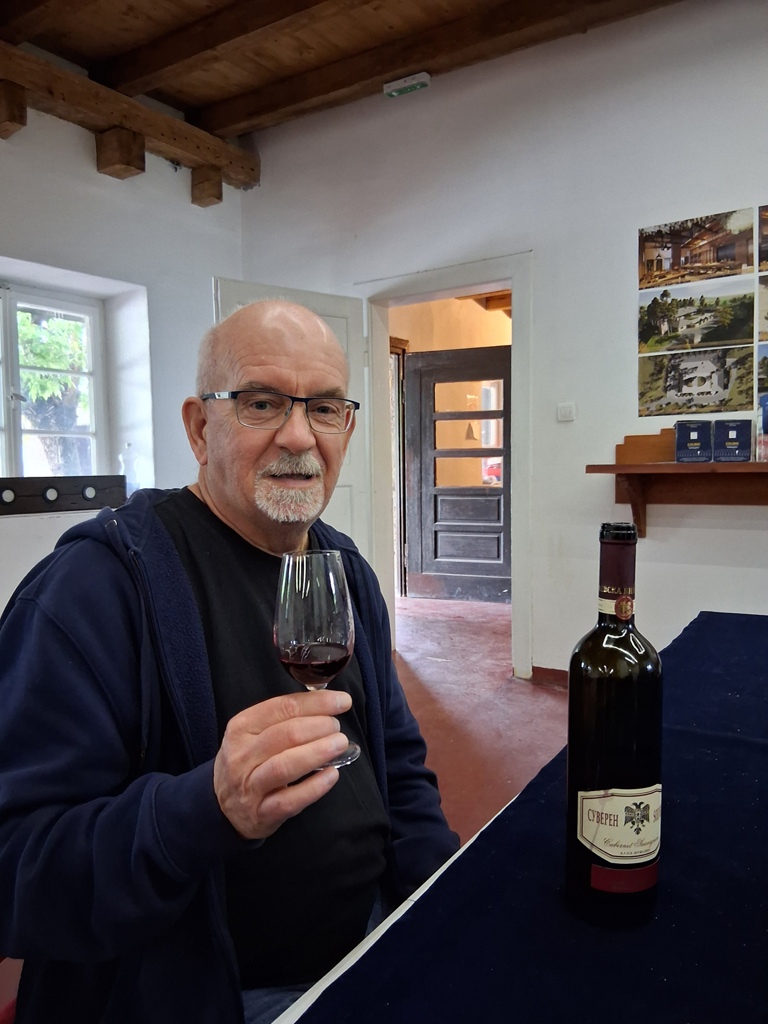
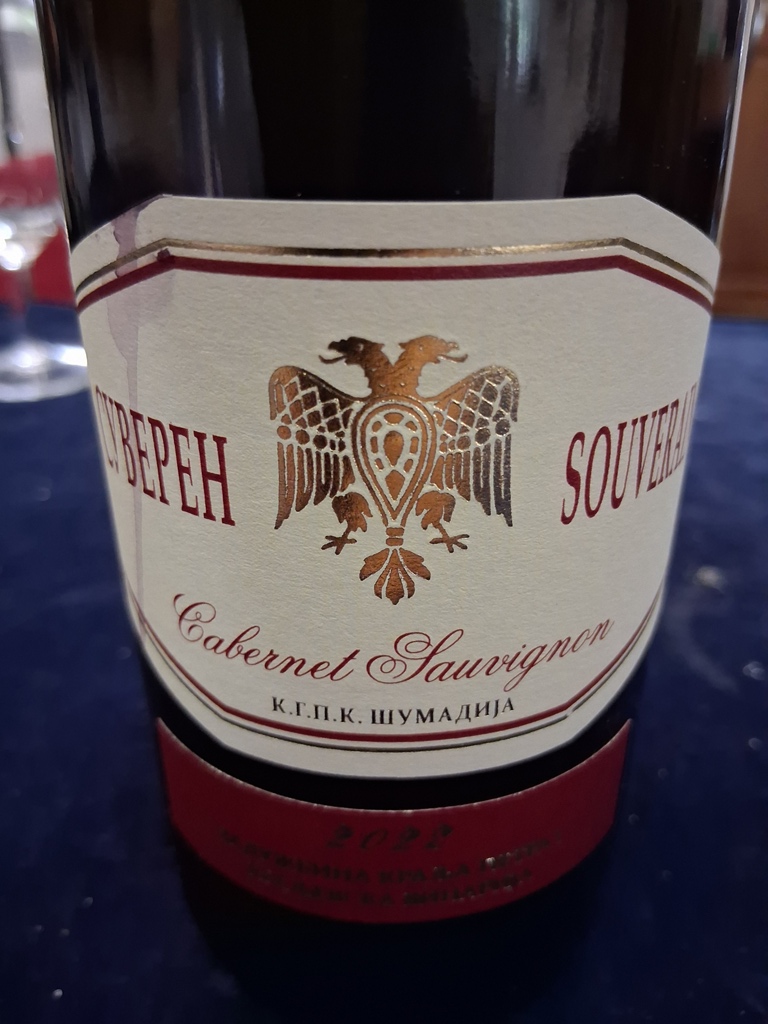
PHOTOS: Touring the Royal Vineyards
Paul Gilbert © 2026
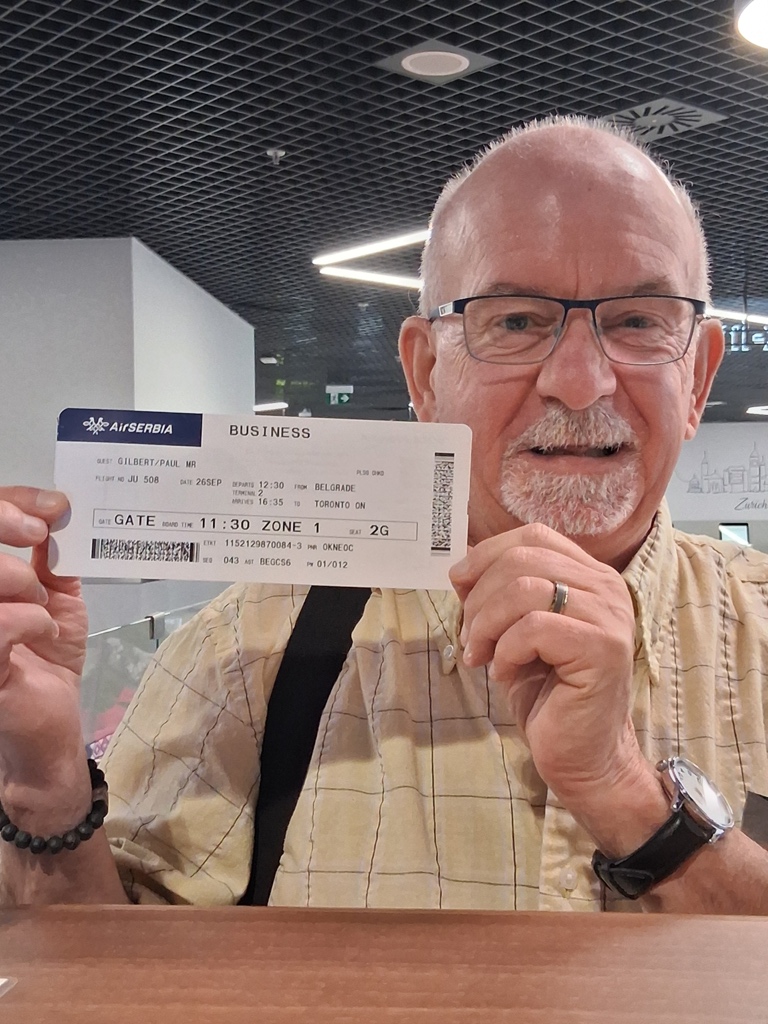
Guess who got upgraded to Business Class on the 10-hour flight back
to Toronto? It was a fitting end to an absolutely perfect visit to Serbia!
Paul Gilbert © 2026
***
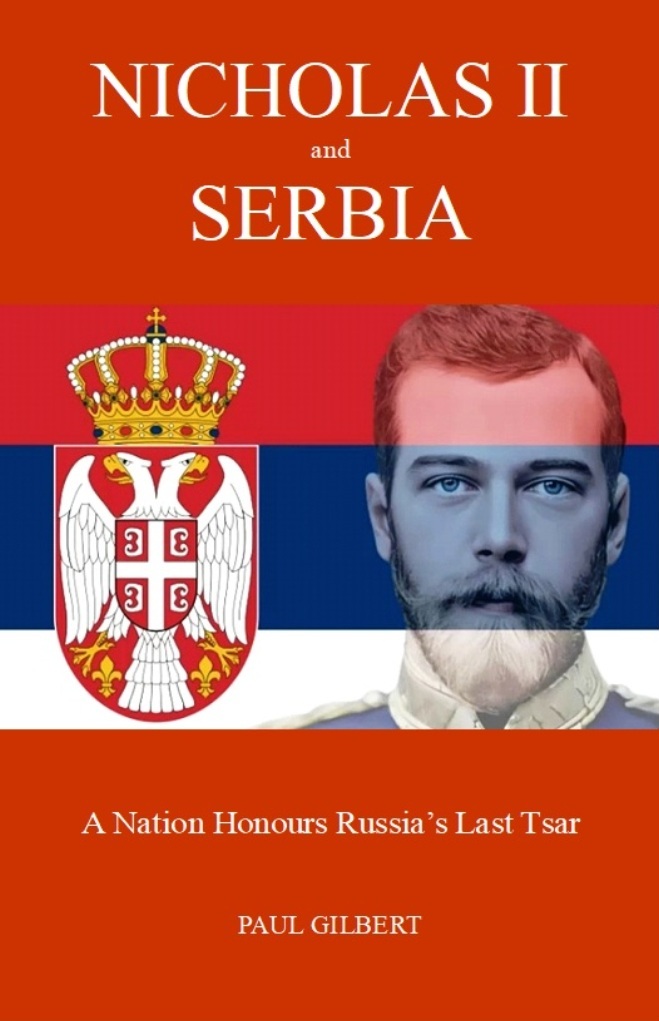
My forthcoming book ‘Nicholas II and Serbia: A Nation Honours Russia’s Last Tsar’ will be available in both hard cover and paperback editions from AMAZON in February 2027! Follow me on Facebook for updates.
© Paul Gilbert. 31 October 2026


You must be logged in to post a comment.