The fate of the regicides who murdered Nicholas II and his family

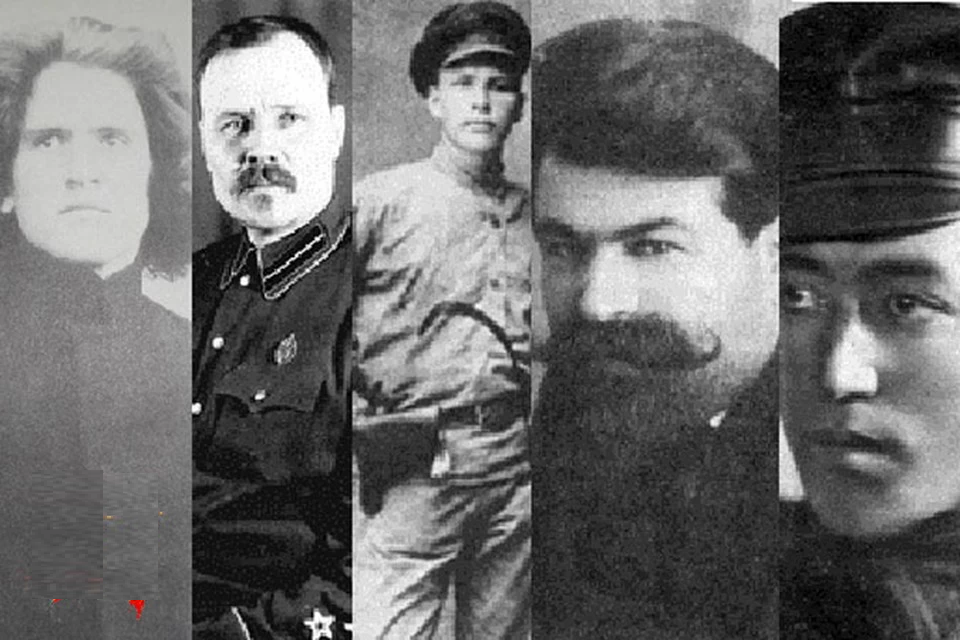
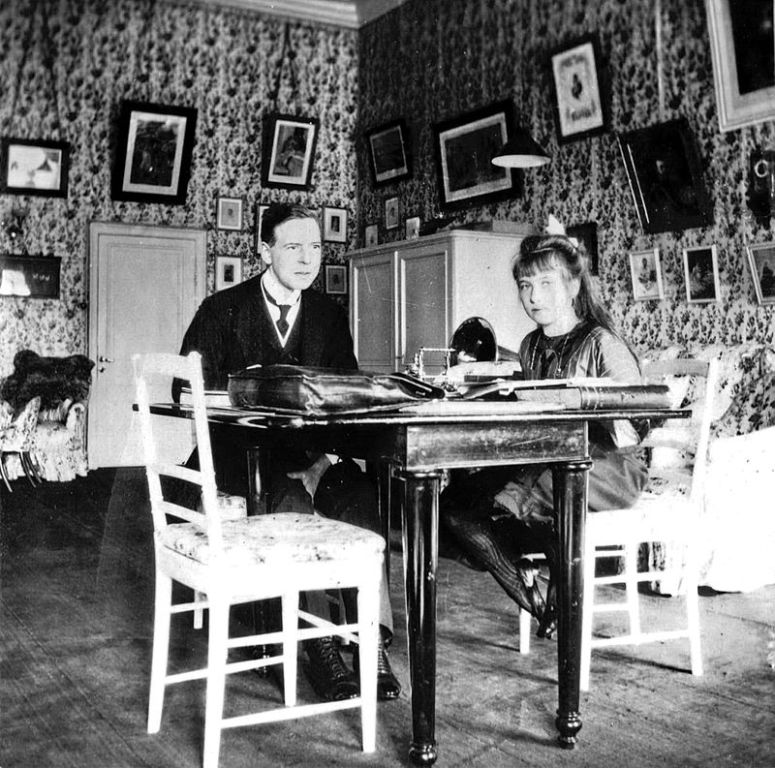
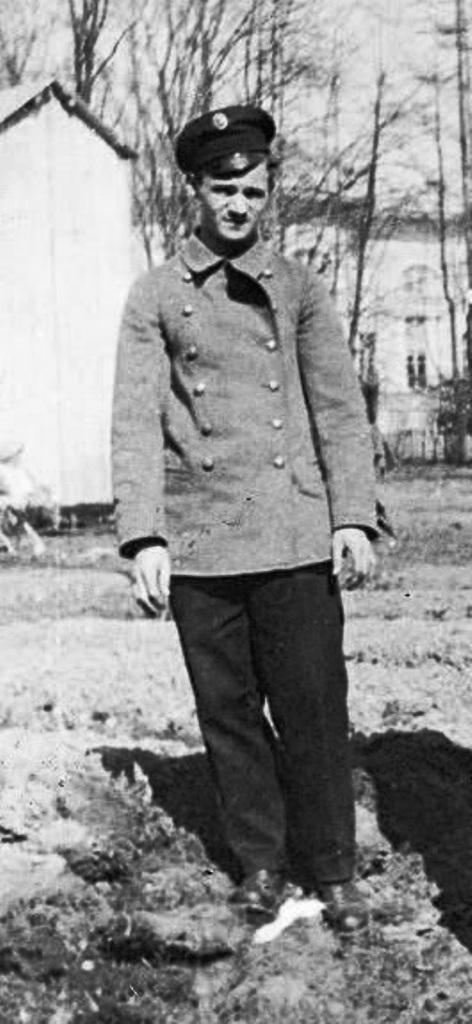
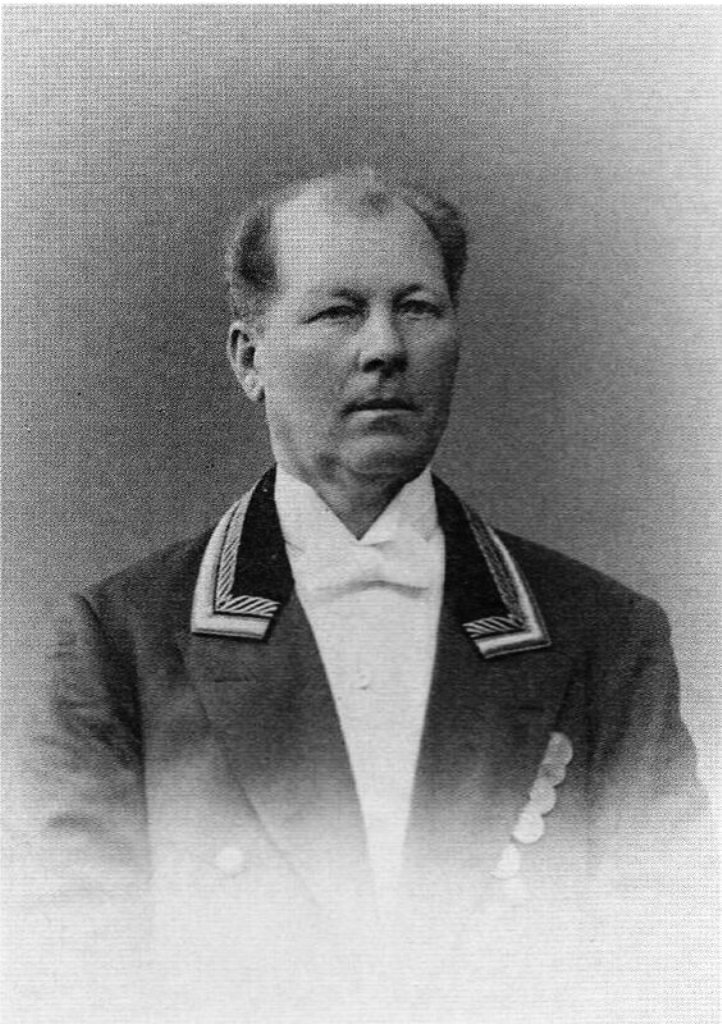
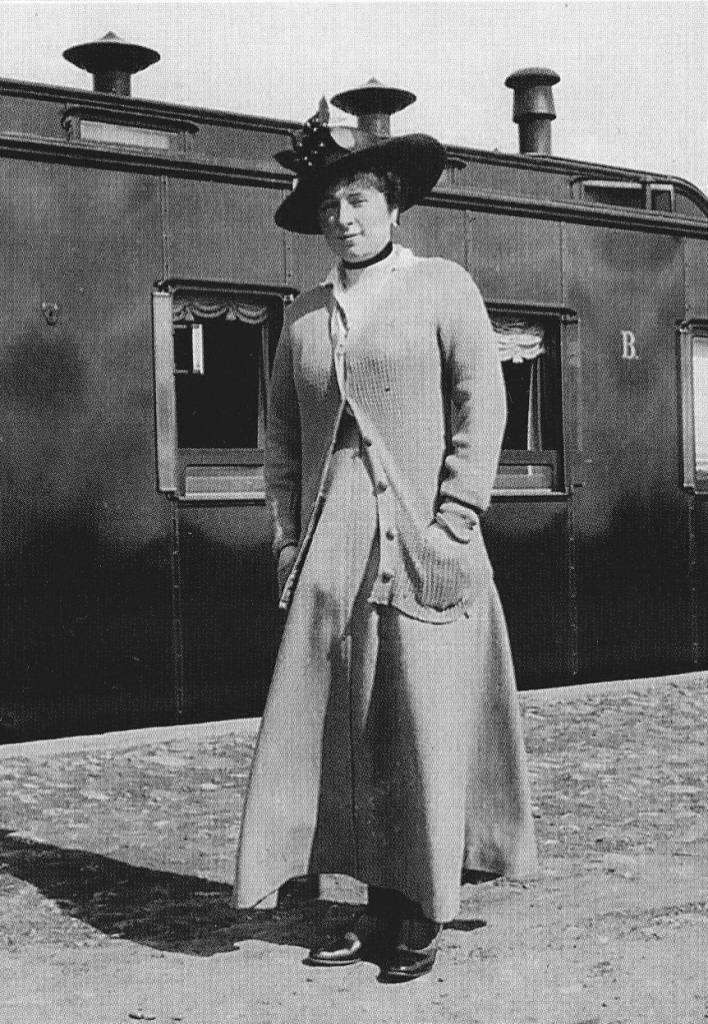
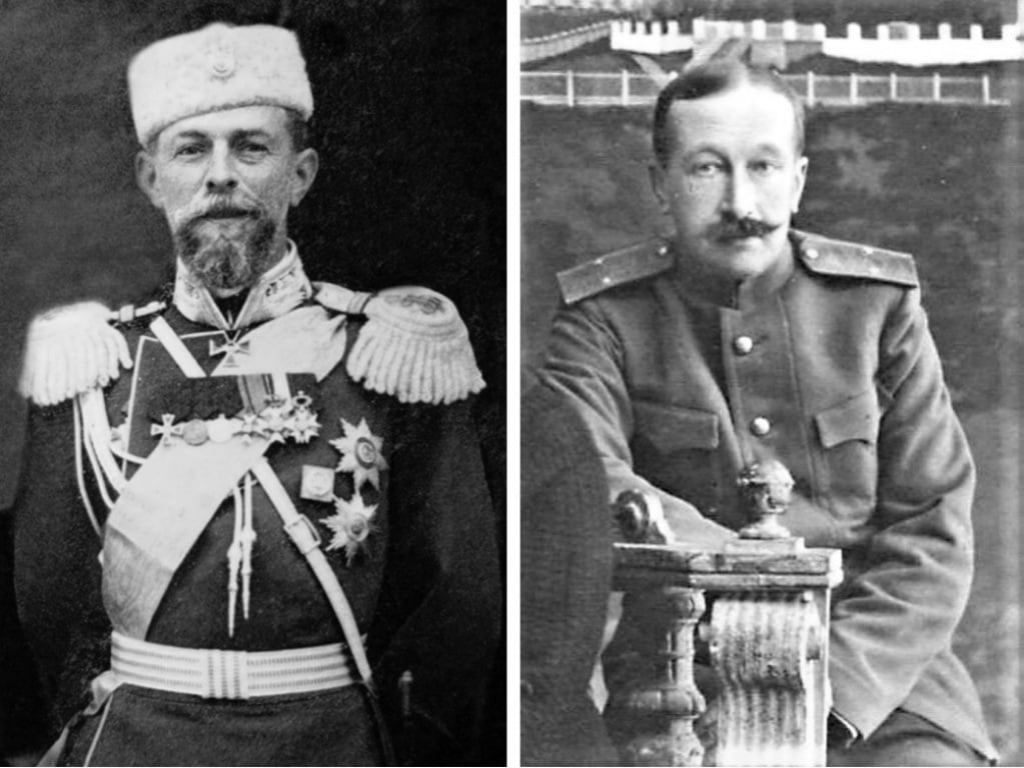
PHOTO: Pyotr Ermakov, Mikhail Medvedev-Kudrin,
Pavel Medvedev, Yakov Yurovsky and Grigory Nikulin

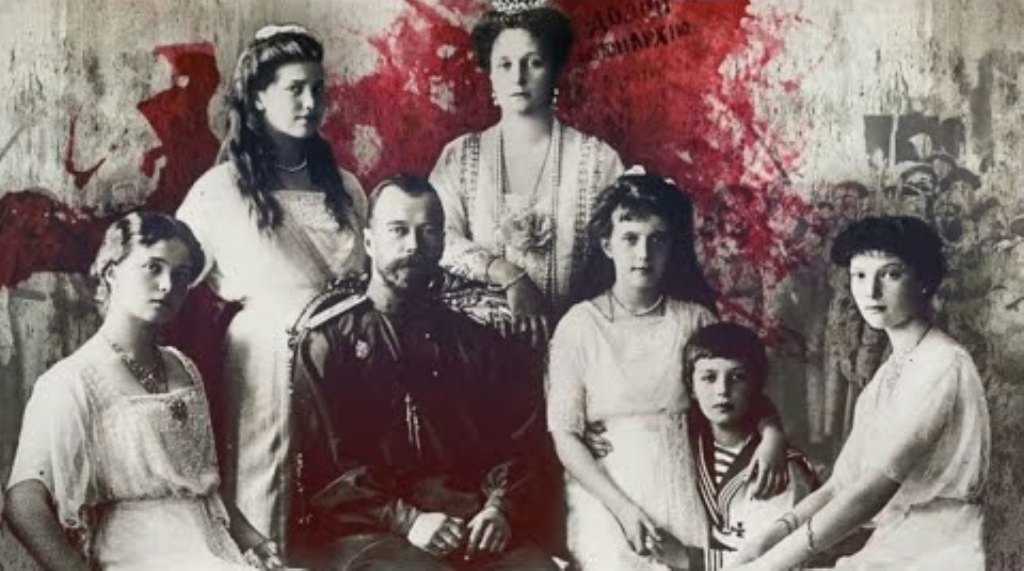
The murders of Emperor Nicholas II, his family and four faithful retainers in Ekaterinburg on 17th July 1918, remains one of the darkest pages in 20th century Russian history. To this day, historians and investigators are not entirely sure of all those who participated in the regicide, only the names of some of them are known – those who admitted that they were a participant in the regicide, or those of whom were identified by witnesses. The fate of many of these regicides also ended tragically, their lives being overtaken by disease or an equally violent death.

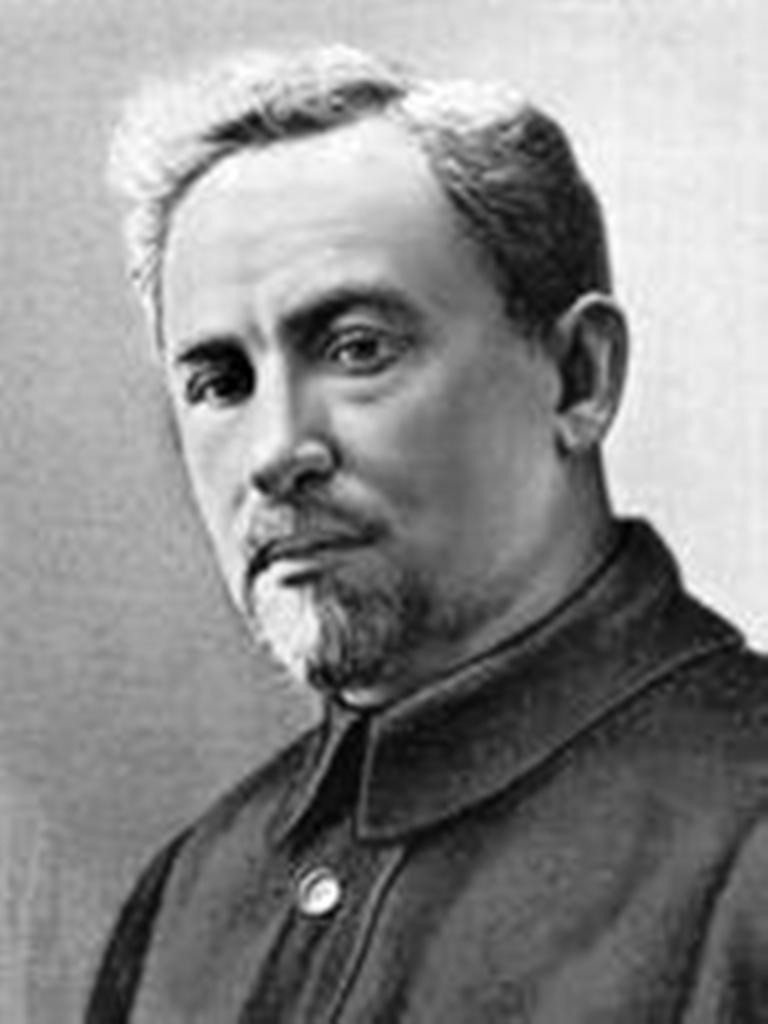
It is known that the direct leader of the liquidation of the Imperial family was Yankel Khaimovich, better known as Yakov Yurovsky. He lived until 1938 and died of a duodenal ulcer. In Soviet times, they said that his son was not responsible for his father’s crime, but the apple didn’t fall far from the tree in the Yurovsky family. The eldest son Alexander, ended up in the Butyrka prison in 1952, but was released a year later. The daughter Rimma was also arrested in March 1938. She served a sentence in the Karaganda forced labour camp until 1946. Yurovsky’s grandchildren were not spared either, dying under mysterious circumstances. Two died after falling from a roof, while the other two were burned to death in a fire. It is worth recalling that the blood of Tsar Nicholas II was spilled by Yurovsky. He himself recalled: “I fired the first shot and killed Nikolai on the spot.”

The leading Russian playwright and historian Edvard Radzinsky was most intrigued by the idea that there was photographic evidence of the murdered remains of the Imperial family.

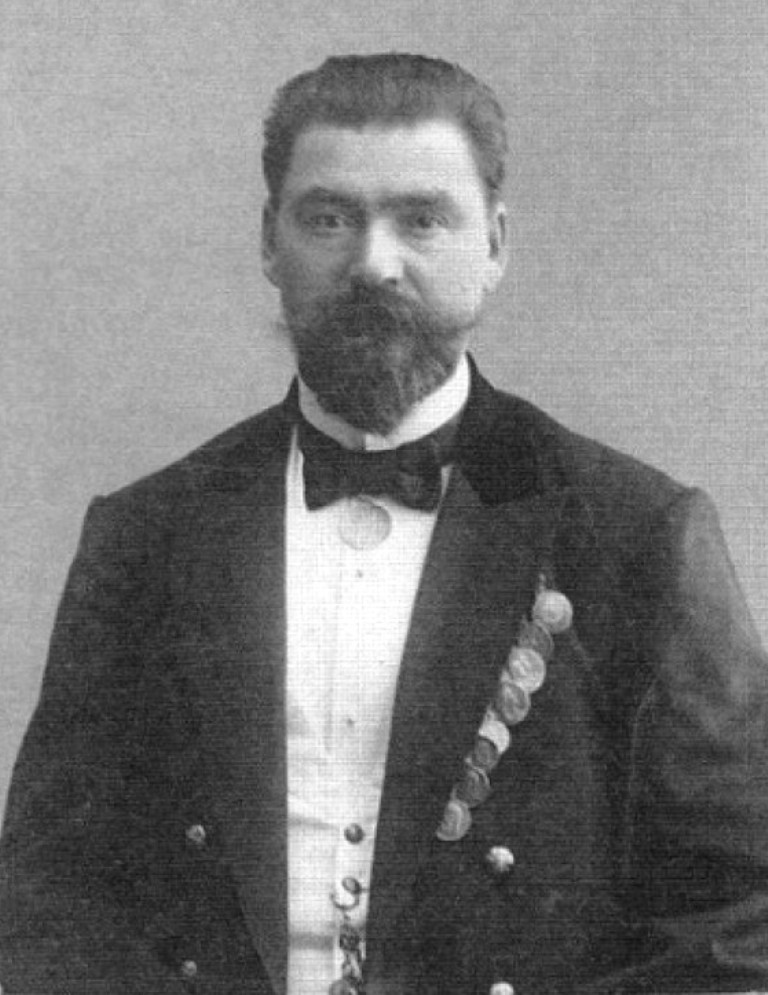
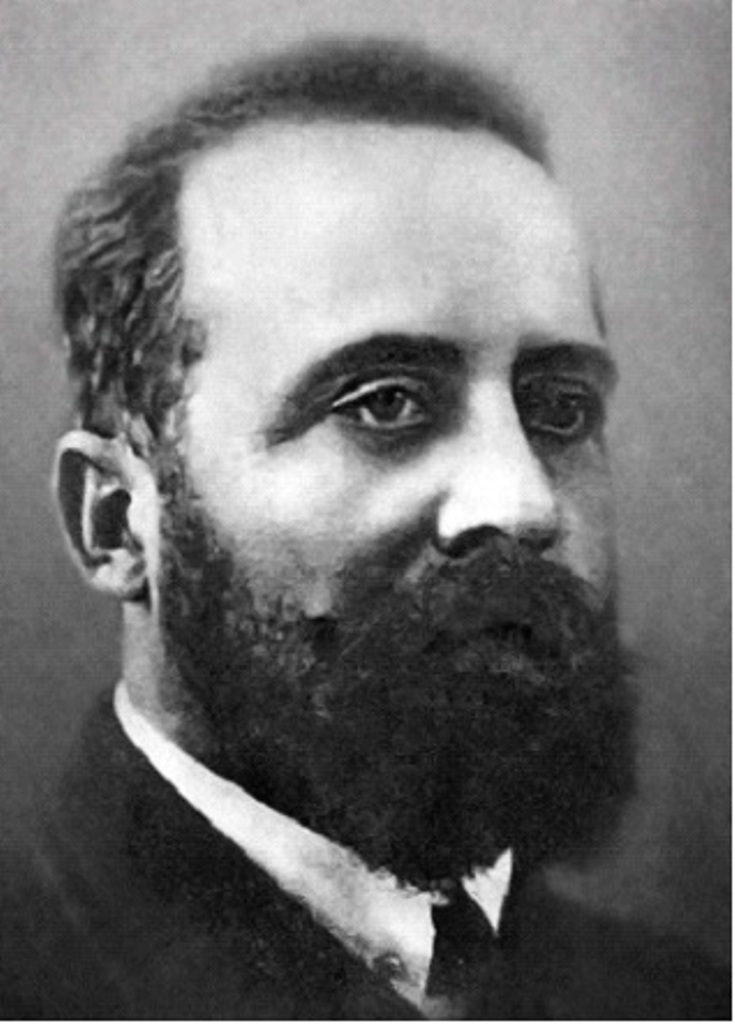
PHOTO: Yakov Yurovsky

“Yurovsky was a professional photographer,” he says. “He confiscated a camera from the Tsarina. It was impossible for him to take pictures immediately after the execution — he was a little bit crazy, they continued to be alive, they continued to kill them. But afterwards, he had three days. He had an opportunity to take a camera to the grave. It is impossible for a man who likes pictures not to take such pictures.”

Could there be any truth to his idea, or did Radzinsky give birth to yet another Romanov conspiracy theory? Radzinsky is a playwright, and perhaps his creative imagination got the better of him, but who knows? Yurovsky had already proven what he was capable of, so anything was possible! There is also the possibility that Yurovsky took such photos to take with him when he left for Moscow after the murders, as evidence to Lenin and Sverdlov that the regicide had been carried out?

“IF” such photographs ever existed, we can surely assume that they would have been destroyed. Lenin was both crafty and careful not to leave a paper trail that would implicate him in dubious affairs – murder being one of them.

Click HERE to read my article Yakov Yurovskys’ ashes remain hidden from vandals in Moscow, published on 23rd November 2019

The personality of Pyotr Ermakov was no less significant in the murders of the Imperial family. According to his own recollections, it was he who killed the Empress Alexandra Feodorovna, the cook Ivan Kharitonov and the doctor Evgeny Botkin. He often boasted of his crime, without feeling any sense of remorse: “I shot the Tsarina who was seated only six feet away, I could not miss. My bullet hit her right in the mouth, two seconds later she was dead. Then I shot Dr. Botkin. He threw up his hands and half turned away. The bullet hit him in the neck. He fell backwards. Yurovsky’s shot knocked the Tsesarevich to the floor, where he lay and groaned. The cook Kharitonov was huddled over in the corner. I shot him first in the torso and then in the head. The footman Troupe also fell, I don’t know who shot him … ” Ermakov died of cancer on 22nd May 1952.

Since the 1990s, Ermakov’s grave in the Ivanovo Cemetery in Ekaterinburg. has been repeatedly vandalized by local monarchists, who regularly douse his gravestone with red paint.

The red paint symbolizes the blood which this evil man spilled, and his involvement in the brutal murder of Nicholas II and his family on 17th July 1918.

In 1951, at a reception, which gathered all the local Party elite in Sverdlovsk, Peter Ermakov approached Soviet Red Army General Georgy Zhukov and held out his hand. Frowning in disgust Zhukov looked Ermakov in the eye, and muttered, “I do not shake the hands of murderers.”

Every year on 17th July – the day marking the anniversary of the murder of Emperor Nicholas II and his family – the grave of the Bolshevik revolutionary Peter Ermakov, has been vandalized by local monarchists, who douse his gravestone with red paint.

Click HERE to read my article ‘You reap what you sow’ – Monarchists take revenge on the regicide Peter Ermakov, published on 17th January 2023.

He left a testimony regarding another regicide: “Stepan Vaganov dealt with the grand duchesses: they lay dying in a heap on the floor and groaned … Vaganov continued to shoot at Olga and Tatiana … I don’t think any of us shot the maid Demidova. She sank to the floor, shielding herself with pillows. Vaganov, later pierced her throat with his bayonet … ” Death found Vaganov in the same ill-fated year of 1918. When Kolchak’s army took Ekaterinburg, Vaganov did not escape, instead he hid in a basement, where he was found by relatives of those killed during the raids. They did not stand on ceremony for long – they killed him on the spot. Perhaps in vain, because he could have given interesting testimony, having fallen into the hands of the investigators who were engaged in clarifying the fate of the Imperial family. But the fact remains: Vaganov did not die of natural causes.

Pavel Medvedev turned out to be not just a murderer, but also a thief. He recalled: “Walking around the rooms, I found six 10-ruble credit tickets under the book Закон Божий (God’s Law), in one of them, and appropriated this money for myself. I also took some silver rings and some other knickknacks.” Medvedev, unlike Ermakov, fell into the hands of Kolchak’s troops. He fled from Ekaterinburg, but, was captured, and he was charged with “murder by prior conspiracy with other persons and the seizure of the property of the former Emperor Nicholas II, his wife Alexandra Feodorovna, the heir to Alexei Nikolaevich and Grand Duchesses Olga, Maria , Tatyana, Anastasia, as well as the physician Dr. Botkin, the maid Anna Demidova, the cook Kharitonov and the footman Troupe. “In 1919, Medvedev died in prison from typhus, however, his widow claimed that he was killed by White Guards.

PHOTO: Philip Goloshchekin

It was no coincidence that Sergei Broido ended up in the Ipatiev House, but he also took part in the murder of the Imperial family by order. Mikhail Medvedev-Kudrin, who also took part in the murders, recalled: “It is known that Broido, along with Ermakov and Goloschekin, arrived in a car at the Ipatiev House on the eve of the murder. It is believed that due to a lack of men to carry out the execution, he was recruited at the last minute by order of Yurovsky.” On 8th March 1937, Broido was first convicted under Article 58 of the RSFSR Criminal Code, for being a Trotskyist, and subsequently shot.

The youngest regicide was Viktor Netrebin. At the time of the crime, he was only 17 years old. Netrebin disappeared in 1935. The Latvian Jan Cemles also disappeared.

But there were also those who organized the murders of the Imperial family and their retainers. Among them was Shaya Itsikovich, known as Philip Goloshchekin, who is known to be one of the organizers. It was he who came up with the idea of ​​execution, even travelling to Moscow to discuss his plans with Lenin and Sverdlov. Goloshchekin was not present himself during the murders, but he took part in the removal and destruction of the remains. On 15th October 1939, Goloshchekin was arrested for sympathizing with the Trotskyists. Another fact from his biography is particularly noteworthy. After his arrest, and during interrogation the People’s Commissar of Internal Affairs Nikolai Yezhov, claimed that he had a homosexual relationship with Goloshchekin. On 28th October 1941, Goloshchekin was shot near Samara. A colleague and another organizer of the execution of the Imperial family, Yakov Sverdlov, described Goloshchekin as follows: “I stayed with Goloshchekin for several days, things are bad with him. He has become neurasthenic and becomes a misanthrope.” An interesting fact is that Sverdlov did not die of natural causes. According to the official version, he died of the Spanish flu, which raged after the First World War, but there is a second version, according to which the workers beat Sverdlov in Oryol and he died from the injuries he sustained.

Pyotr Voikov was also an organizer and participant in the murder of Nicholas II and his family. Diplomat-defector Grigory Besedovsky, who knew Voikov personally, recalled: “As commandant of the Ipatiev House, the execution of the decree was entrusted to Yurovsky. During the execution, Voikov was supposed to be present, as a delegate to the regional party committee. He, as a scientist and chemist, was instructed to develop a plan for the complete destruction of the bodies. Voikov was also instructed to read the decree on the execution to the Imperial family, with a motivation that consisted of several lines, and learned this decree by heart in order to read it out as solemnly as possible, believing that thereby he would go down in history as one of the main participants in this tragedy”. Voikov was killed in Warsaw in June 1927 by the Russian émigré Boris Koverda. During interrogation, Koverda stated about the motives of his act: “I avenged Russia, for millions of people.” Boris Koverda spent 10 years in Polish prisons and was granted amnesty. After his release in 1937, he lived another 50 years and died in Washington at the age of 79.

Not only did these men committed regicide, they also helped to drown Russia in blood. Today, streets, squares and even metro stations of Russia’s cities are named after some of them. Is this right? No! These men will forever, have their names inscribed in the history of Russia, not as scientists or engineers, but as murderers.

Holy Royal Martyrs, pray to God for us!
Святы Царственные мученики, молите Бога о нас!

***

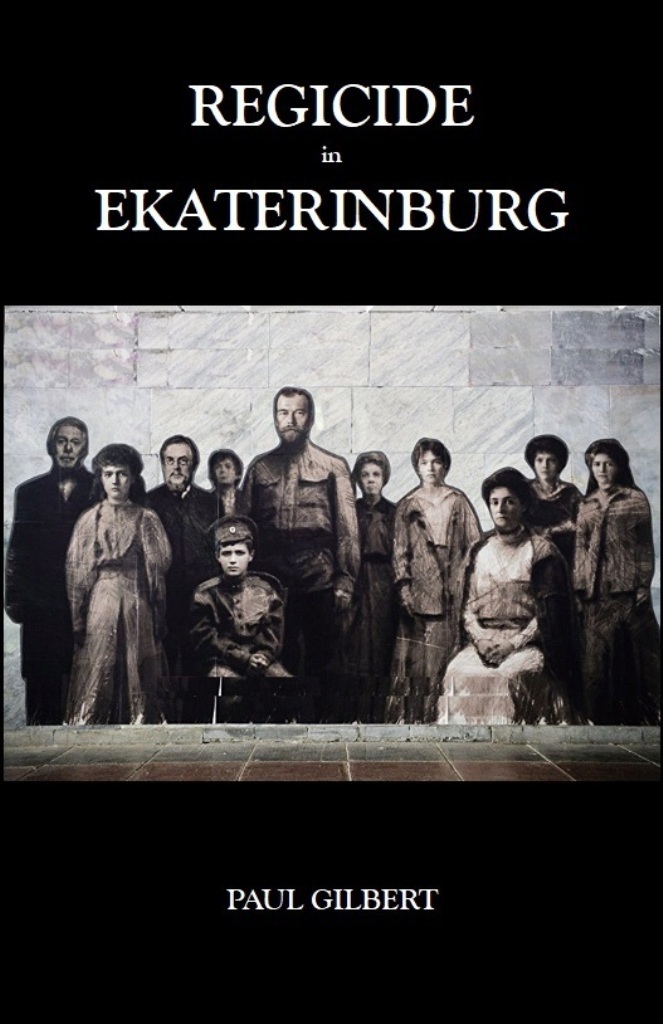
The following NEW title was compiled and edited by independent researchers and Romanov historian Paul Gilbert was published in August 2024. 

This fascinating new study features 14 chapters on this tragic event, which include the memoirs of a British intelligence officer and journalist, and two First-English translations. In addition, 11 chapters were written by Paul Gilbert, based on new documents sourced from Russian archival and media sources over the past decade.

Please refer to the link provided for further details about the content of this new title . . .

CLICK HERE TO READ MORE ABOUT THIS TITLE
© Paul Gilbert. Originally published on 28 October 2020, updated on 18 July 2023

The Romanovs in the Urals exhibit opens in Ekaterinburg

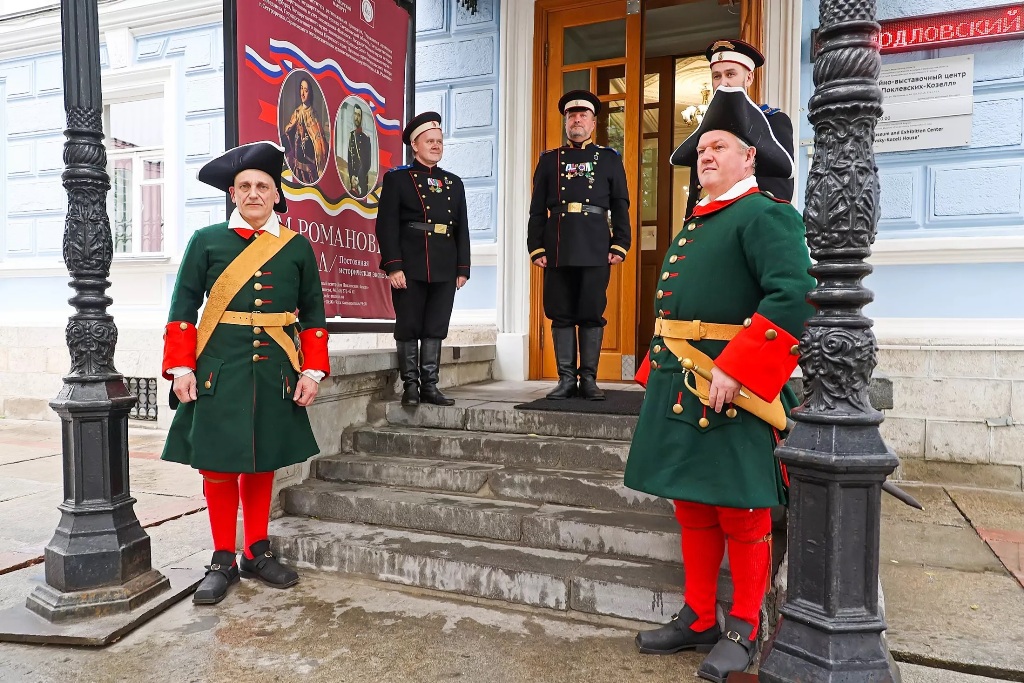
PHOTO: museum staff dressed in period costume were on hand to greet visitors to the grand opening of ‘The Romanovs in the Urals’ at the Poklevsky-Kozell House Museum

On 14th July 2023 a new permanent exhibition The Romanovs in the Urals opened at the Poklevsky-Kozell House Museum of the Sverdlovsk Regional Museum of Local Lore in Ekaterinburg.

The exhibition is timed to the 105th anniversary of the death and martyrdom of Emperor Nicholas II and his family in the Ural city on 17th July 1918, and the events marking the 300th anniversary of the founding of Ekaterinburg in 1723.

The exhibit was recently transferred from the Romanov Memorial Hall of the Museum of History and Archaeology of the Urals, and now occupies five newly renovated halls of the Poklevsky-Kozell House Museum, which is situated at Ulitsa Malysheva, 46. The museum previously hosted the exhibition The Tragedy of the Family … The Tragedy of the Motherland, which ran from 5th June to 23rd September 2018.

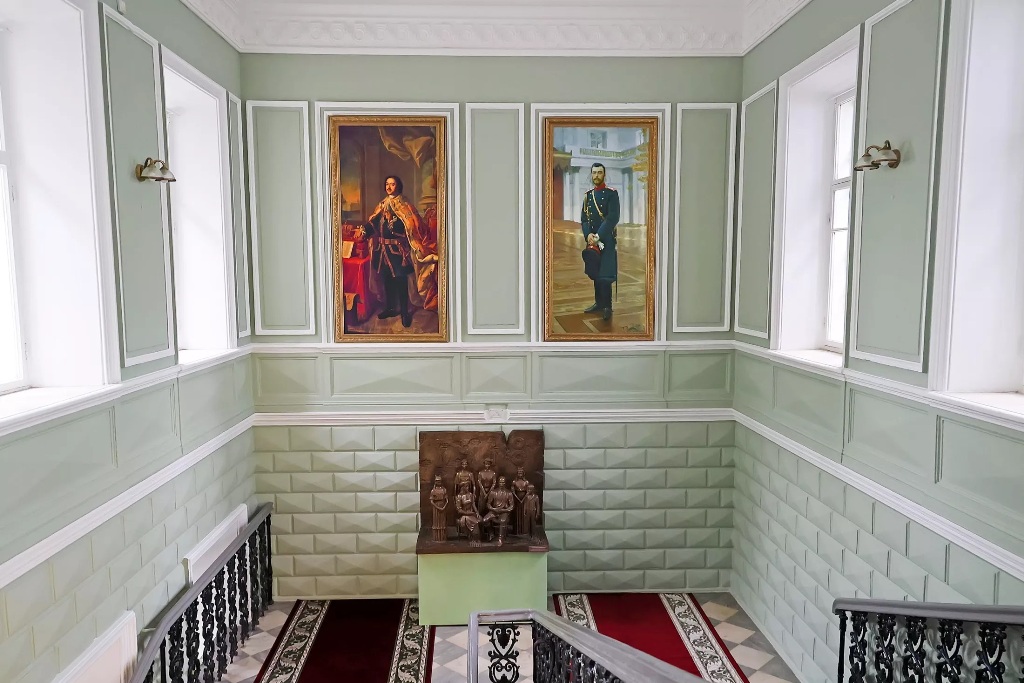
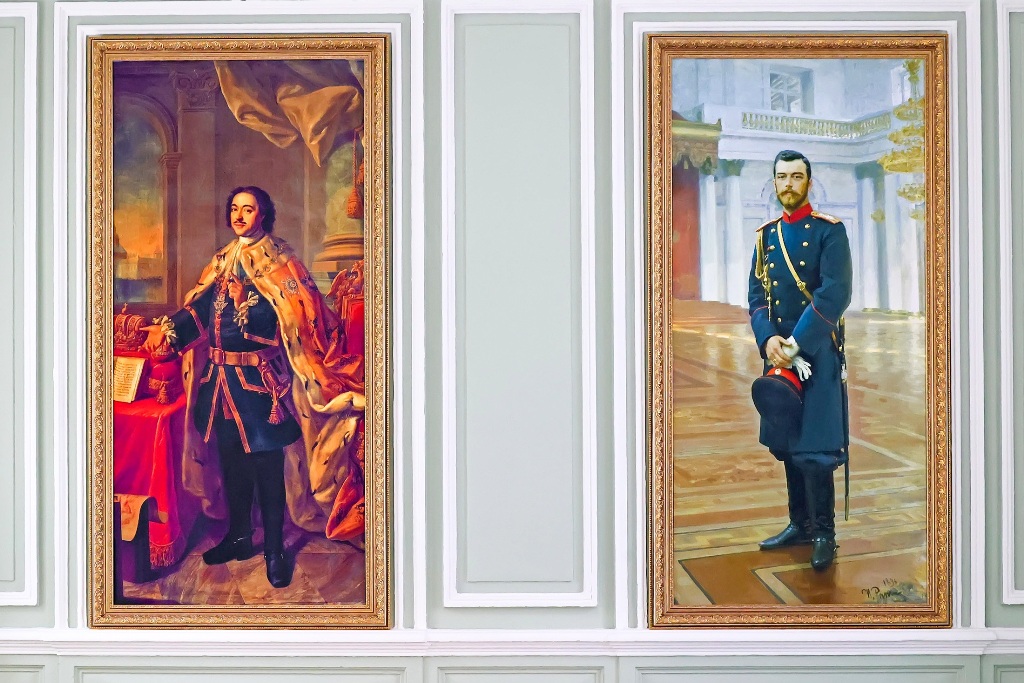
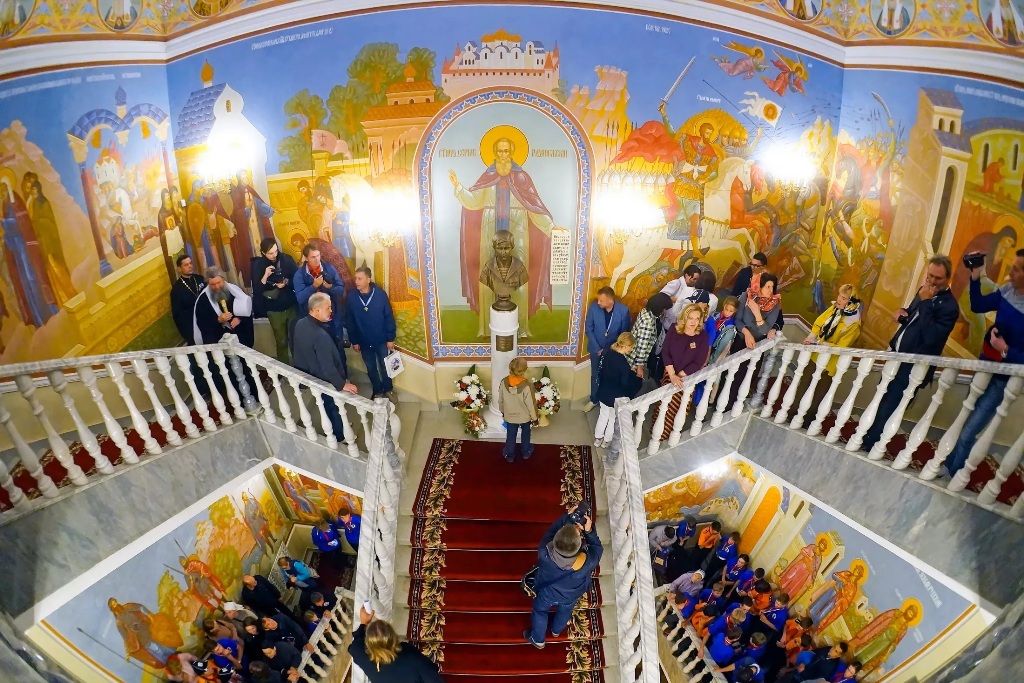
PHOTO: portraits of Peter the Great and Nicholas II are the centerpiece of the staircase leading to the exhibition

Finishing touches on the new exhibition space were carried out right up until the day before the grand opening. The newly renovated halls smelled of fresh paint, specialists fine tuned the multimedia equipment, caretakers brought shine to the display cases and windows, while researchers installed the last of the exhibits. Their activity aroused the curiosity of both museum workers and visitors, who peeked through the partially open door with the hope of get a glimpse of the Ural city’s latest exhibit.

Scientists, researchers, museum workers from across Russia, including Moscow, St. Petersburg, Perm, Tyumen, Tobolsk, Vologda, Voronezh, Ekaterinburg, and Alapaevsk gathered to discuss and help set up the exhibit which features hundreds of items.

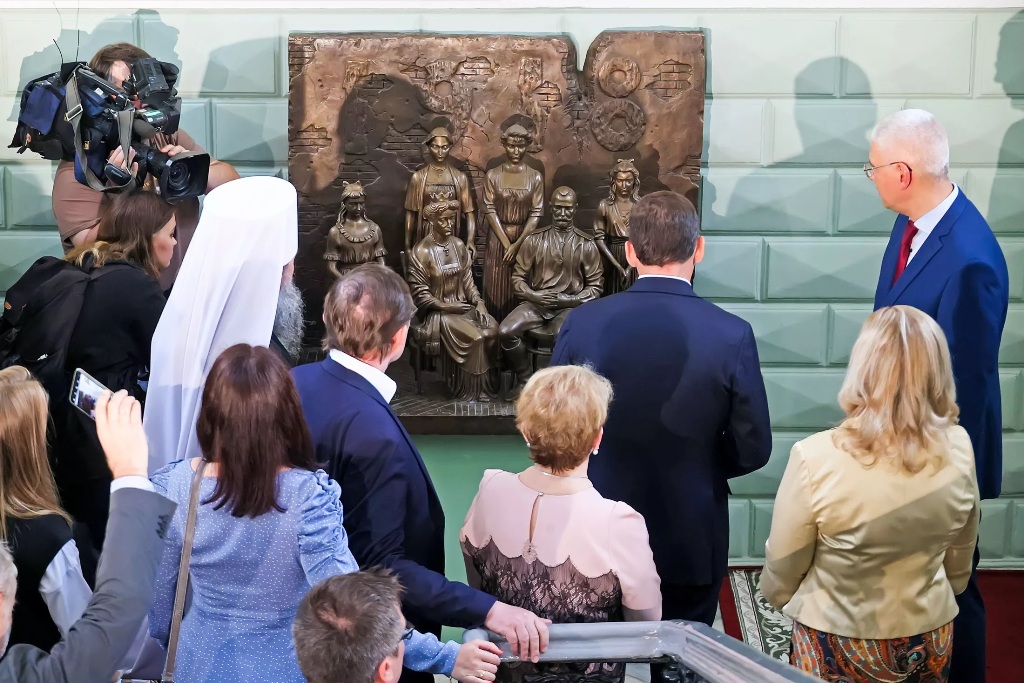
PHOTO: VIP guests stop to admire a miniature copy of Zurab Tsereteli’s sculpture, “Night at the Ipatiev House”, located in the staircase leading to the exhibit

The idea to move the Romanov Memorial Hall was proposed by the Chairman of the Elisabeth-Sergius Educational Society Foundation (ESPO) Anna Vitalievna Gromova, who is a Candidate of Historical Sciences, and Senior Researcher at the Institute of World History of the Russian Academy of Sciences.

Anna Gromova is recognized as one of the Russia’s most prominent adherents to keeping the memories of Emperor Nicholas II, his family, Grand Duchess Elizabeth Feodorovna, and other members of the Russian Imperial Family who were murdered by the Bolsheviks in 1918 and 1919. She is responsible for the founding and development of museums, exhibitions and conferences and is the mastermind behind the The Imperial Route.

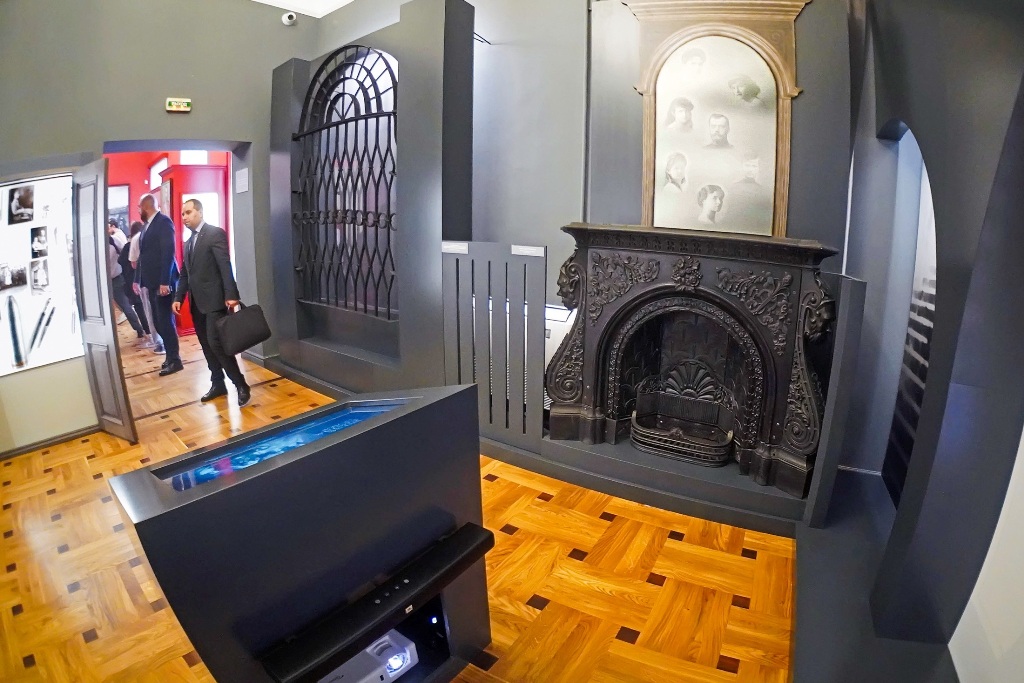
PHOTO: the original cast iron fireplace, salvaged from the dining room of the Ipatiev House before its demolition in September 1977

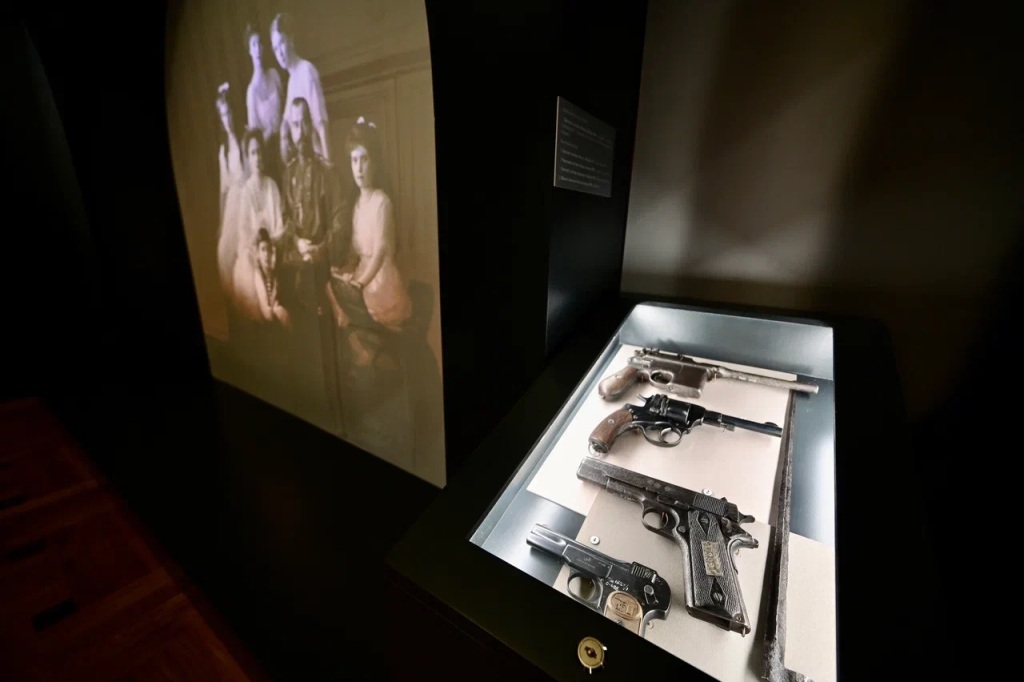
PHOTO: revolvers used by the regicides – including Peter Ermakov’s – to murder the Imperial Family in the Ipatiev House on 17th July 1918

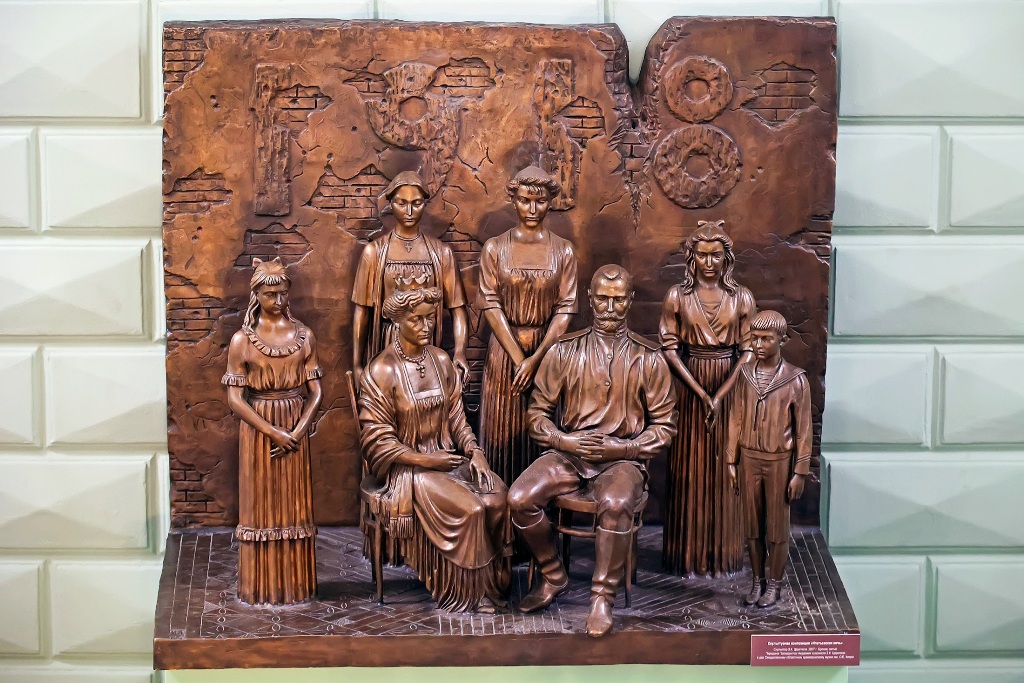
Upon entering the Poklevsky-Kozell House Museum, visitors ascend a newly renovated grand staircase, where they are greeted at the top by portraits of Peter the Great and Emperor Nicholas II. Recall that Ekaterinburg was founded on 18th November 1723 and named after Peter the Great’s wife, who after his death became Empress Catherine I, Yekaterina being the Russian form of her name. Underneath the portraits is a miniature copy of Zurab Tsereteli’s sculpture, “Night at the Ipatiev House” – the original is on display at the Zurab Tsereteli Museum in Moscow.

The five halls are decorated in the colours of the flag of the Imperial House of Romanov – black, gold, white. Each hall is decorated with unique exhibits and multimedia technologies, which together help to tell the story of the history of the dynasty in the Urals.

In the Golden Hall, are portraits from the era of the chairman of the State Council of the Russian Empire Grand Duke Mikhail Nikolaevich (1832-1909). The highly respected grand duke also served as the Honourary President of the Siberian-Ural Scientific and Industrial Exhibition in 1887, organized on the initiative of the Ural Society of Natural History Lovers (UOLE). When the members of the UOLE created a museum (from which the regional local history traces its history), his son Grand Duke Nikolai Mikhailovich (1859-1909), a famous Russian historian, became its patron. At the turn of the 20th century, six additional members of Russian Imperial House were made honourary members of the UOLE.

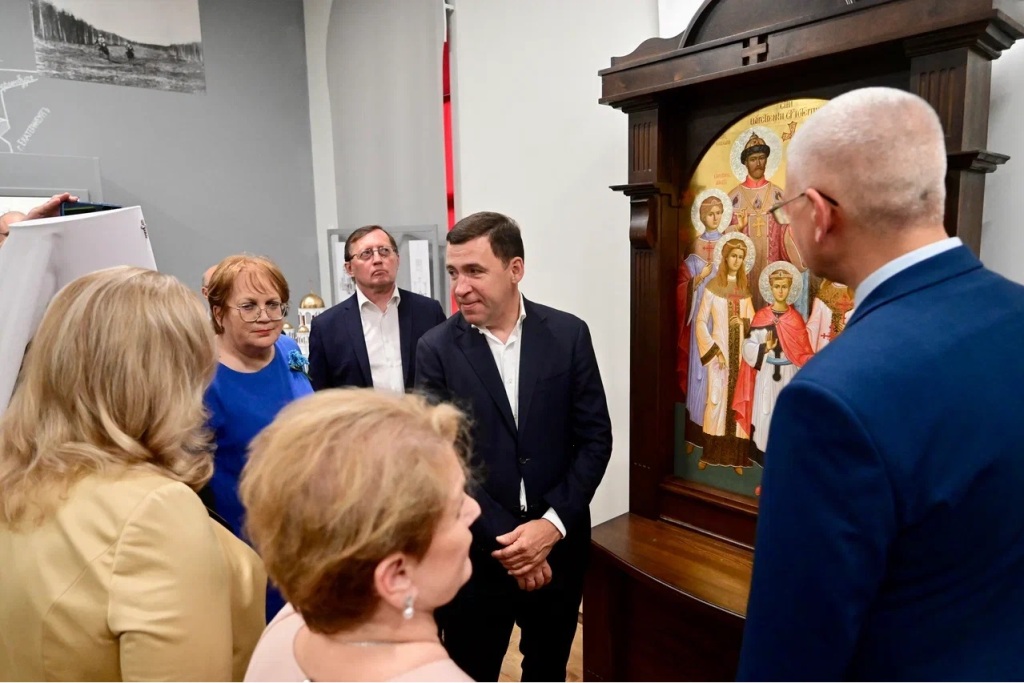
PHOTO: VIP guests stop to admire an icon of the Holy Royal Martyrs, painted by the nuns of the Novo-Tikhvin Convent in Ekaterinburg

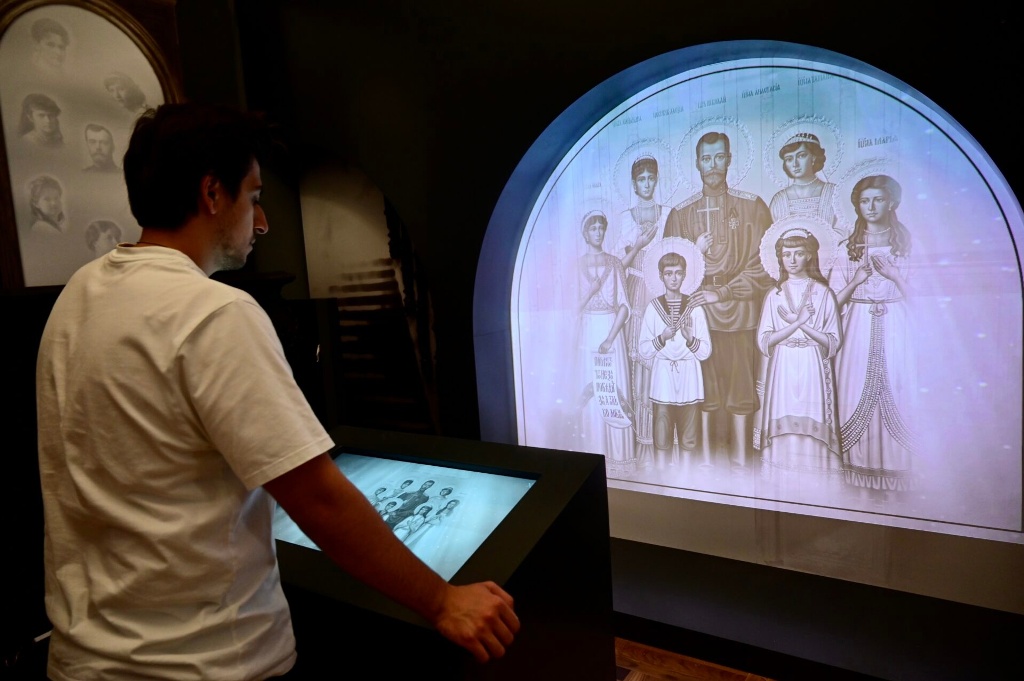
PHOTO: multimedia display which depicts the Holy Royal Martyrs, in whch they are depicted as saints, Nicholas II is holding a cross

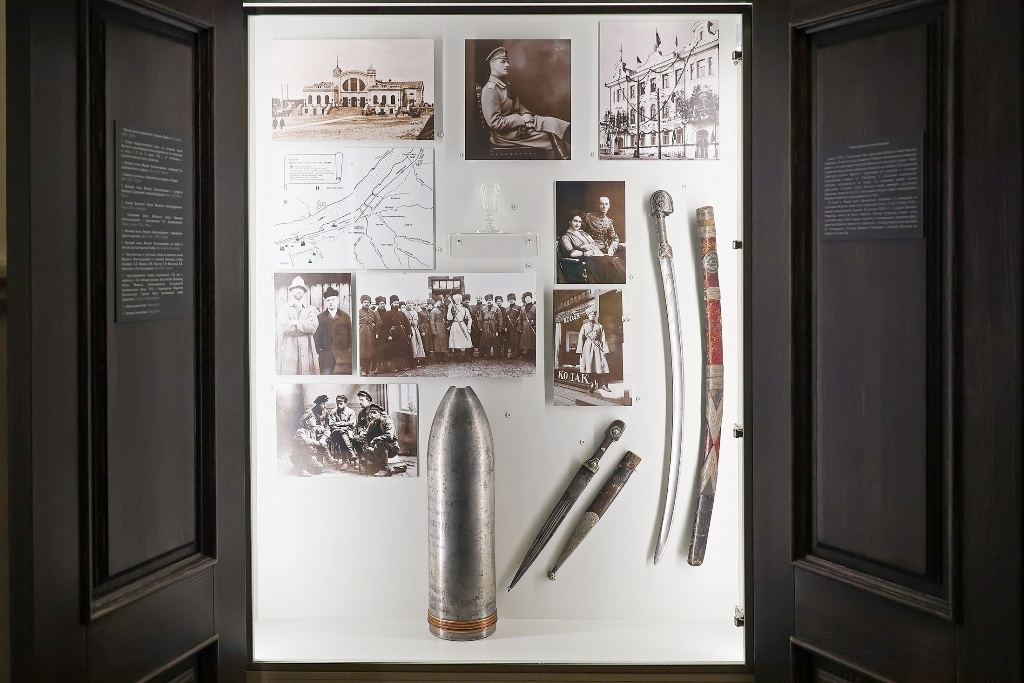
The “black” halls of the exhibit take on a more sombre ambiance, with displays telling visitors about the house arrest and subsequent murders of Grand Duke Mikhail Alexandrovich and Nicholas Johnson at Perm on 13th June 1918; Emperor Nicholas II, his family and four faithful retainers at Ekaterinburg on 17th July 1918; and Grand Duchess Elizabeth Feodorovna along with and other members of the Russian Imperial Family and their faithful retainers at Alapaevsk on 18th July 1918.

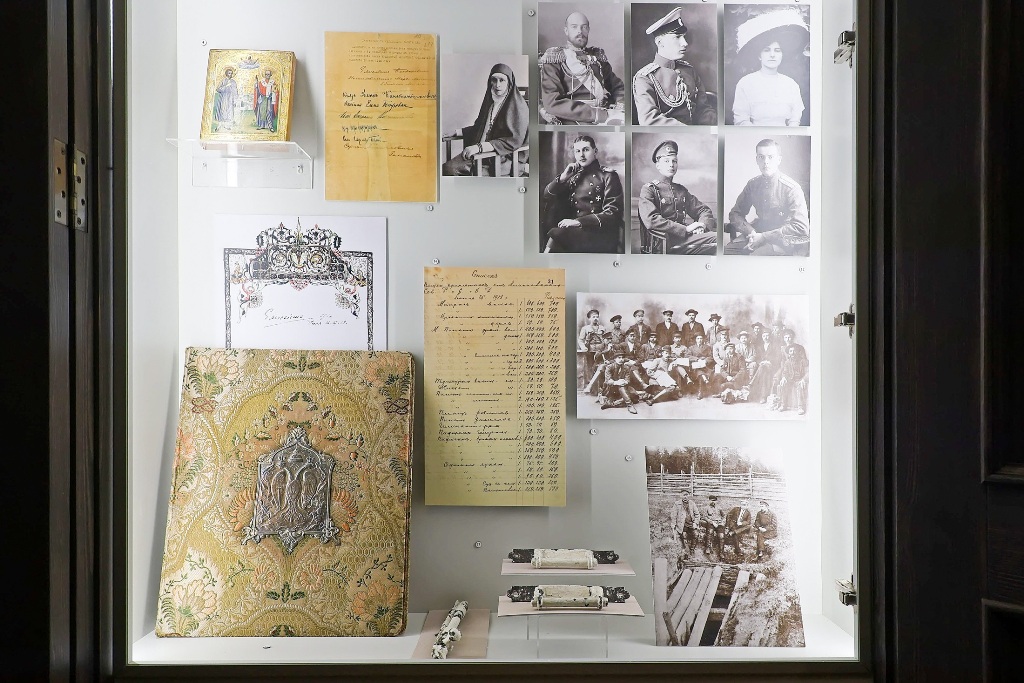
Some of the more interesting items on display include the ribbon of the Order of St. Andrew the First-Called, which belonged to Tsesarevich Alexei Nikolaevich and left behind in the Governor’s Mansion in Tobolsk, when the four children joined their parents and sister in Ekaterinburg in May 1918.

A number of pistols and revolvers are also on display, including the Mauser of the regicide Pyotr [Peter] Ermakov, who, according to him, shot and killed Nicholas II.

The sombre ambiance of this hall is offset by the bright and soothing icon of the Holy Royal Martyrs, painted by the nuns of the Novo-Tikhvin Convent in Ekaterinburg.

PHOTO: display about the murders of Grand Duke Mikhail Alexandrovich and Nicholas Johnson at Perm on 13th June 1918

PHOTO: display about the members of the Imperial Family – including Grand Duchess Elizabeth Feodorovna – at Alapaevsk on 18th July 1918

The Romanovs in the Urals also contains many elements of décor, decoration and fittings salvaged from the Ipatiev House before its demolition in September 1977, notably the cast iron fireplace from the dining room, and the iron grille from the window of the murder room.

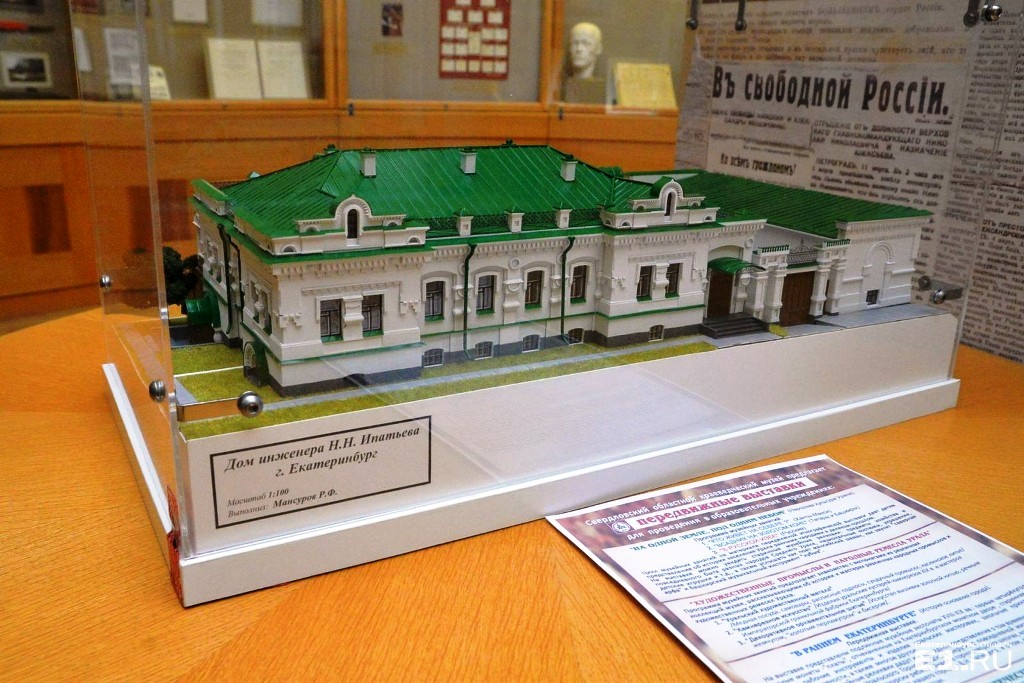
Aside from the items from the Ipatiev House, are many additional exhibits of interest, including a scale model of the Ipatiev House; the reconstructed model of Nicholas II’s head by Russian forensic expert Dr. Sergei Nikitin.

The exposition further explores the history of the investigation of the murder case of the last of the Romanovs in the Urals, which lasted more than 100 years.

© Paul Gilbert. 16 July 2023

Bust of Tsesarevich Alexei installed in Ekaterinburg

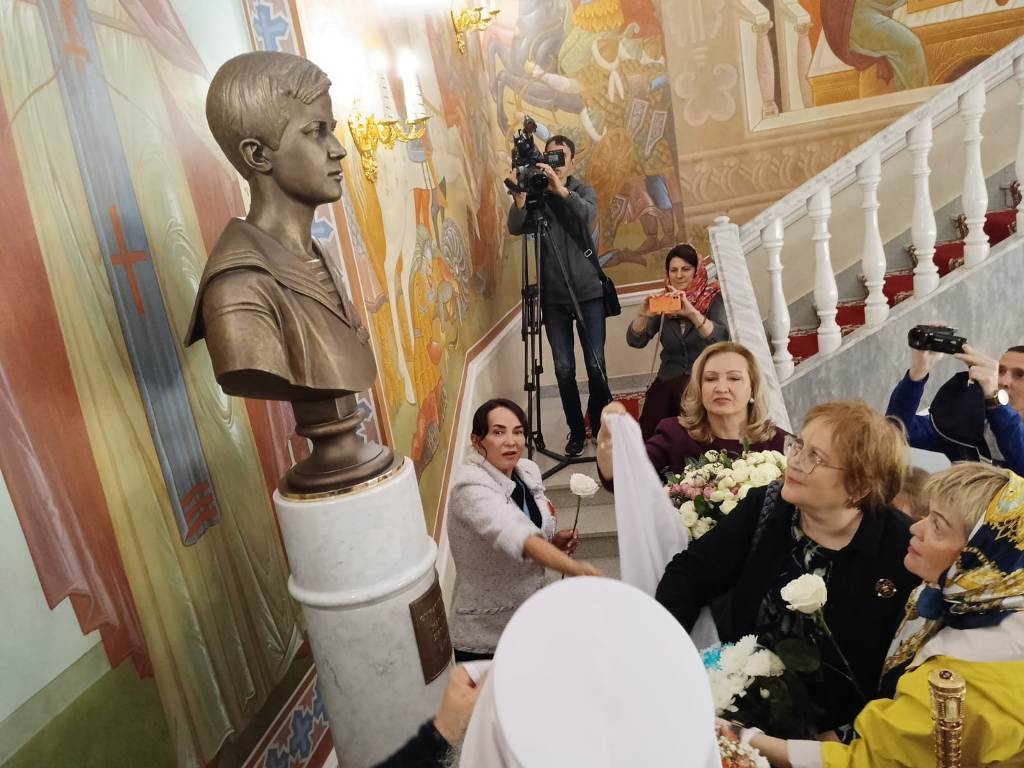
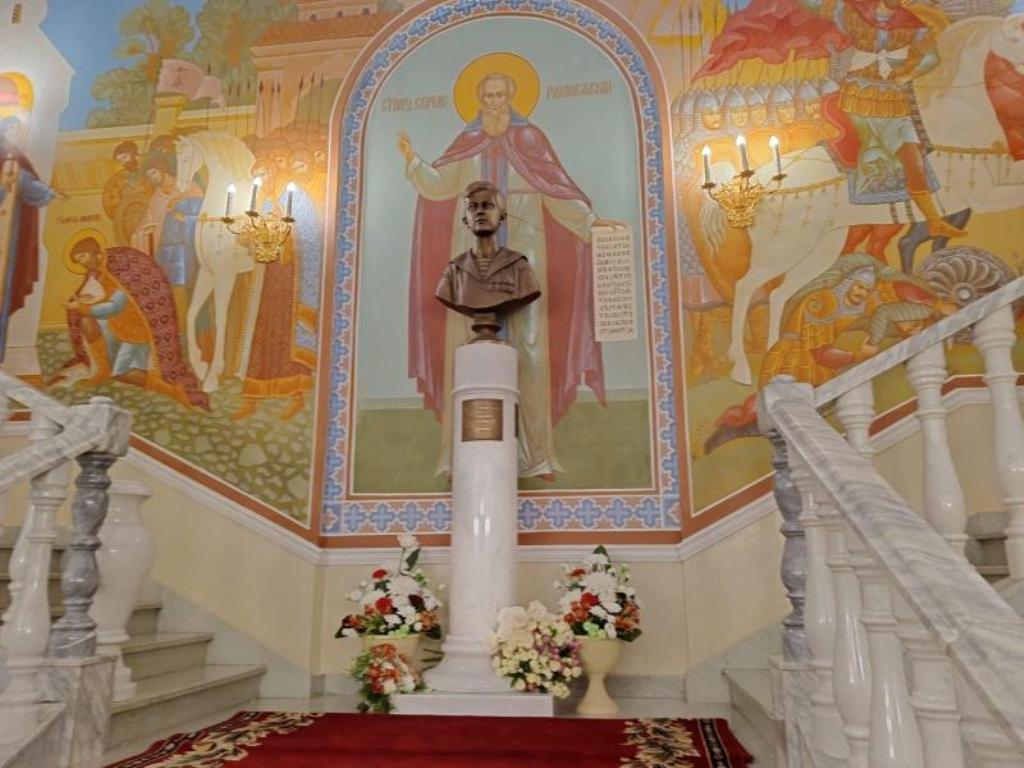
On 15th July 2023 a bust of Tsesarevich Alexei Nikolaevich was installed and consecrated in the Tsarsky Center, located in the Patriarchal Compound, across from the Church on the Blood in Ekaterinburg.

The bust was installed on a pedestal at the top of the main staircase in the Patriarchal Compound. It is one of numerous events being held in the Ural city this week, marking the 105th anniversary of the death and martyrdom of the Imperial Family on 17th July.

The unveiling ceremony was attended by Metropolitan Evgeny of Yekaterinburg and Verkhoturye and Chairman of the Elisabeth-Sergius Educational Society Foundation (ESPO) Anna Vitalievna Gromova.

For many years, this spot was occupied by a bust of Emperor Nicholas II, which has now been moved to the the Museum of the Holy Royal Family, located on the second floor of the Patriarchal Compound.

© Paul Gilbert. 15 July 2023

Romanov Memorial Hall to be moved to new location in Ekaterinburg

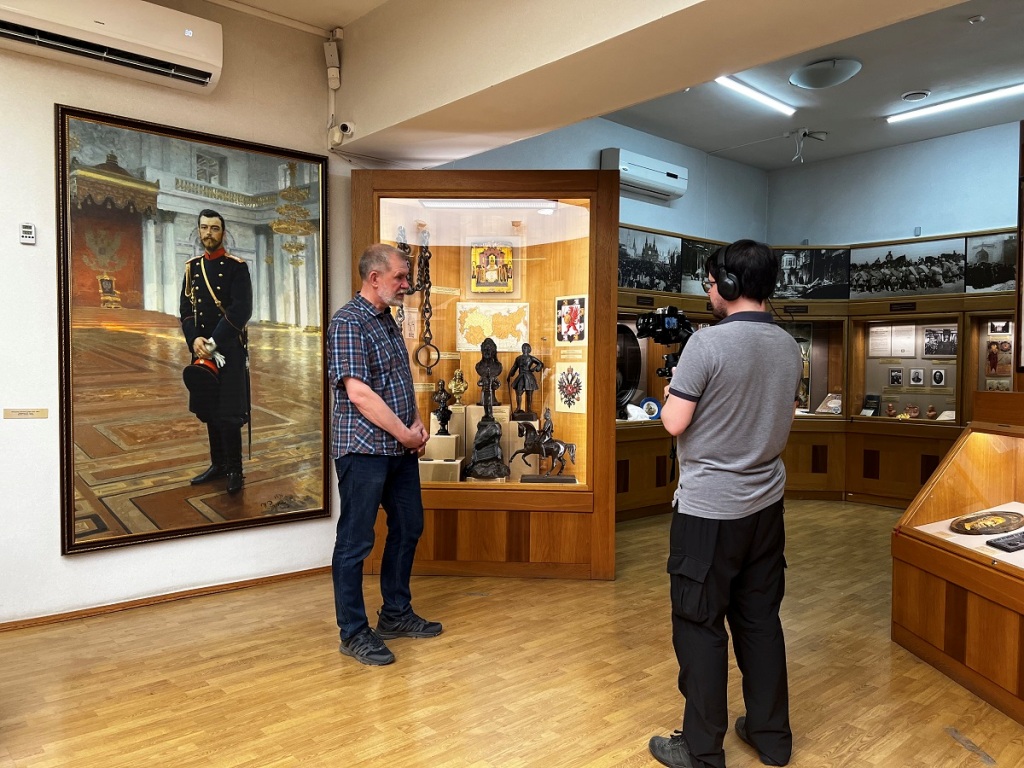
PHOTO: view of the Romanov Memorial Hall in the Museum of History and Archaeology of the Urals, a branch of the Sverdlovsk Regional Museum of Local Lore in Ekaterinburg

In the days leading up to this years Tsar’s Days events the Romanov Memorial Hall – which is currently located in the Museum of History and Archaeology of the Urals – will be moved to the Sverdlovsk Regional Museum of Local Lore in Ekaterinburg.

On 14th July 2023, the museum will present a new permanent exhibition “The Romanovs in the Urals” dedicated to the stay of Emperor Nicholas II and his family during their house arrest in the Ural city from April to July 1918.

According to the head of the public relations department of the museum Tatyana Mosunova, items from the museum’s funds, one way or another connected with the Imperial Family, will be exhibited. Among them is a unique sculpture of Alexander III by Kasli Foundries, the last time this figure was exhibited was more than a hundred years ago.

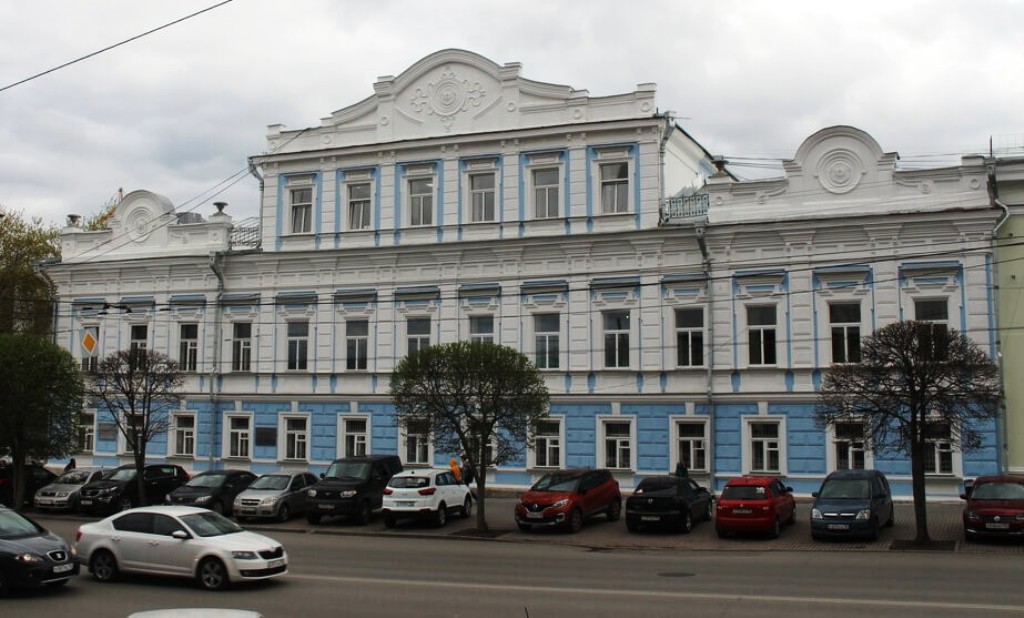
PHOTO: the former Poklevsky-Kozell mansion will be the new venue for the Romanov Memorial Hall in Ekaterinburg

According to Mosunova, the exhibition will be transferred to the 19th century Poklevsky-Kozell mansion on Malyshev Street. Local historians will help in creating an exhibition space, an agreement with the Ural State University based on the consultations of experts from the Museum of History and Archaeology of the Urals.

The General Director of the museum Alexander Emelyanov explained that the new exhibition will be extensive and will occupy five halls. The museum believes that the organization of the permanent exhibition will help both locals and visitors to the city to have a better understanding of the final days of Russia’s last Imperial Family in the Ural capital.

***

My Visit to the Romanov Memorial Hall in June 2016

PHOTO: a miniature copy of Zurab Tsereteli’s sculpture, “Night at the Ipatiev House” greets visitors to the Romanov Memorial Hall

Situated at Ulitsa Lenina 69/10 is the Museum of History and Archaeology of the Urals, a branch of the Sverdlovsk Regional Museum. From the street, the museum resembles one of the hideous buildings from the Soviet era – but if you blink, you may miss it! Admission is 200 rubles, an additional fee is charged if you want to take photographs. One must climb a steep circular staircase to reach the Romanov Memorial Hall on the 4th floor. The ascent is definitely worth it!

A miniature copy of Zurab Tsereteli’s sculpture, “Night at the Ipatiev House” greets visitors at the entrance to the hall.

The Romanov Memorial Hall was opened in 2006. The exposition tells of the Romanov dynasty during the reign of Emperor Nicholas II (1894-1917), the tragic events of 17 July 1918 and secret burial of the remains of the royal family.

This is a very interesting museum, as it contains personal items of Nicholas II, his family and their retainers, discovered in the Ipatiev House by the White Army. It also contains many elements of decor, decoration and fittings salvaged from the Ipatiev House before its demolition in September 1977, notably the cast iron fireplace from the dining room, and the iron grille from the window of the murder room.

PHOTO: scale model of the Ipatiev House -renamed House of Special Purpose by the Bolsheviks – on permanent display in the ‘Romanov Memorial Hall’

Aside from the items from the Ipatiev House, are many additional exhibits of interest, including a scale model of the Ipatiev House; the reconstructed model of Nicholas II’s head by Russian forensic expert Dr. Sergei Nikitin; the Mauser pistol which belonged to the murderer Pyotr Ermakov; a portrait of Princess Louise of Hesse-Kassel (the future Queen of Denmark), maternal grandmother of Nicholas II, which formerly hung in the study of Emperor Alexander III in the Anichkov Palace in St. Petersburg.

The exposition further explores the history of the investigation of the murder case of the last of the Romanovs in the Urals, which lasted more than 100 years.

It is interesting to note that the hundreds of exhibits on display in the glass display cases in the Romanov Memorial Hall include descriptions in both Russian and English – a rarity in Russian museums.

A small adjacent room contains a photo exhibit dedicated to Grand Duke Mikhail Alexandrovich and his secretary Brian Johnston. Efforts to locate their remains near Perm are ongoing by the S.E.A.R.C.H. Foundation.

© Paul Gilbert. 11 July 2023

Faithful to the End: Klimenty Nagorny and Ivan Sednev 

170a

PHOTO: Klimenty Grigorievich Nagorny (left). and Ivan Dmitriyevich Sednev (right)

On this day – 28th June 1918 – two faithful servants to Emperor Nicholas II and his family – Klimenty Grigorievich Nagorny and Ivan Dmitriyevich Sednev – were murdered by the Bolsheviks in Ekaterinburg. 

Klimenty Nagorny and Ivan Sednev selflessly served the Tsar’s children. Nagorny in particular, lay the great responsibility of protecting the Tsesarevich, even the slightest injury could put the heir to the Russian throne in danger, due to his hemophilia. Alexei was very fond of Nagorny, who in turn showed complete devotion to the Tsesarevich, faithfully sharing with him all the joys and sorrows.

170b

PHOTO: Nagorny and Tsesarevich Alexei in Tsarskoe Selo, 1907

Klimenty Nagorny and Ivan Sednev voluntarily stayed with the Tsar’s family during their house arrest in Tsarskoe Selo, and then followed them to Tobolsk, where Nagorny shared a room with the Tsesarevich, serving him day and night. Together with the Imperial family, Nagorny also attended all the divine services, and the only member of the family’s retinue who was a member of the choir organized by the Empress: he sang and read for the Imperial family during services held in the house church.

In the spring of 1918 Nagorny and Sednev once again, voluntarily followed the Imperial family to Ekaterinburg. They spent only a few days in the Ipatiev House, and then were separated from the Imperial prisoners. They were arrested and imprisoned, their sole crime had been their inability to hide their indignation on seeing the Bolshevik commissaries seize the little gold chain from which the holy images hung over the sick bed of the Tsesarevich.

On 28th June 1918, they were shot in the back by the Bolsheviks, in a small wooded area behind the Yekaterinburg-2 railway station (modern name – Shartash). Nagorny and Sednev were “killed for betraying the cause of the revolution” – as indicated in the resolution on their execution. The murderers left their bodies unburied.

When Ekaterinburg was occupied by the Whites, the the half-decayed bodies of Nagorny and Sednev, were found and solemnly buried near the Church of All the Afflicted (demolished). Witnesses at the funeral recall that the graves of the former sailors of the Imperial Yacht Standart were strewn with white flowers. Their graves were not preserved – they were destroyed when the Soviet authorities built a city park on the site of the cemetery.

Both Nagorny and Sednev were canonized by the Russian Orthodox Church Outside Russia (ROCOR) on 14 November 1981, and both rehabilitated by the Prosecutor General’s Office of the Russian Federation on 16 October 2009. They have yet to be canonized by the Moscow Patriarchate. 

Memory Eternal! Вечная Память!

170c

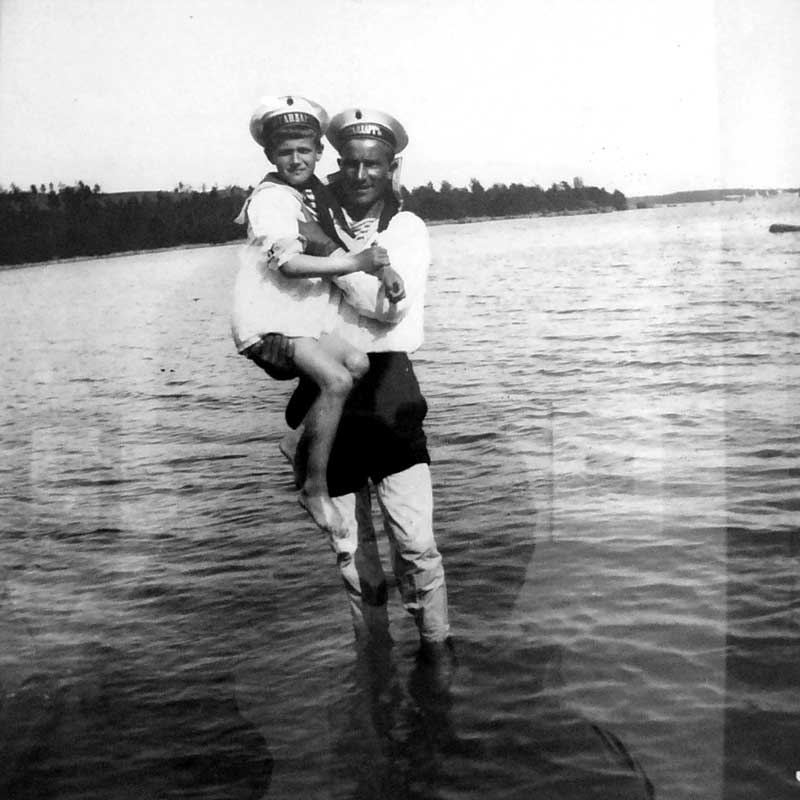
PHOTO: Sednev and Alexei Nikolaevich, in the Finnish skerries, 1914 

Nagorny, Klementy Grigorovich (1887—1918) – from 1909, he served on the Imperial yacht Standart and appointed as a footman to the imperial children. He received the Court title Garderobshik (wardrobe keeper) in 1909 and accompanied the Imperial family on every tour. In November 1913, he was appointed assistant dyadka to guard the Imperial children. He travelled with the Tsesarevich Alexei to Mogilev during 1914-16. After the Tsar’s abdication, he lived under detention with the Imperial family in Tsarskoe Selo, Tobolsk and Ekaterinburg.

Sednev, Ivan Dmitrievich (1881—1918) – was recruited into the Russian Imperial Navy in 1911, where he began as a machinist on the Imperial Yacht Polyarnaya Zvezda (Polar Star) then transferred onto the Imperial yacht Standart. By invitation he became a Lakei (liveried footman) to the Grand Duchesses, and subsequently to the Tsesarevich. Ivan lived under detention with the Imperial family in Tsarskoe Selo, Tobolsk and Ekaterinburg.

579-4

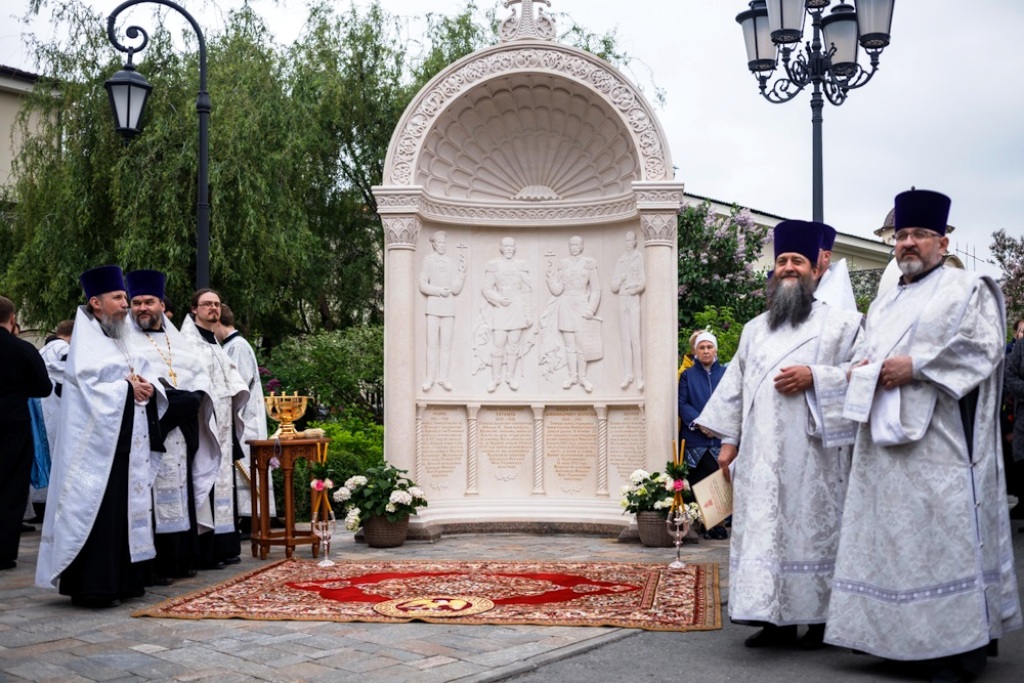
On 13th June 2022, a new monument (seen in above photo) to four faithful servants – including Nagorny and Sednev – of Emperor Nicholas II, was installed and consecrated on the grounds of Novo-Tikhvin Convent in Ekaterinburg.

FURTHER EADING

Monument to 4 faithful servants to Nicholas II installed in Ekaterinburg + 7 COLOUR PHOTOS

© Paul Gilbert. 28 June 2023

Ekaterinburg celebrates White Flower Day in honour of the Imperial Family

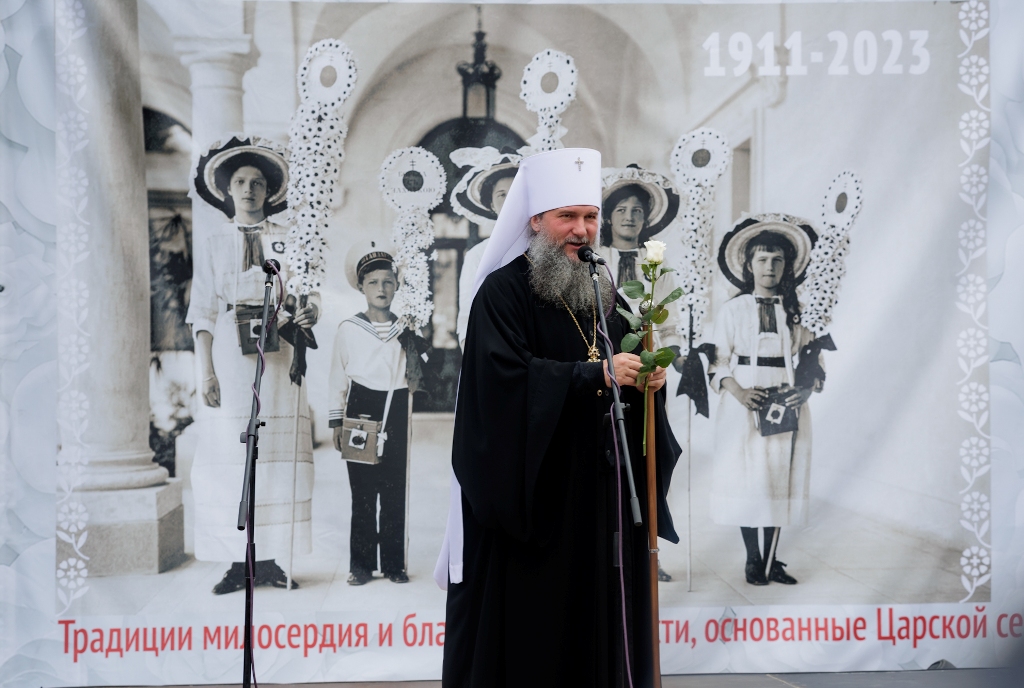
PHOTO: Metropolitan Yevgeny of Yekaterinburg and Verkhotury opens the White Flower Festival on the square in front of the Church on the Blood

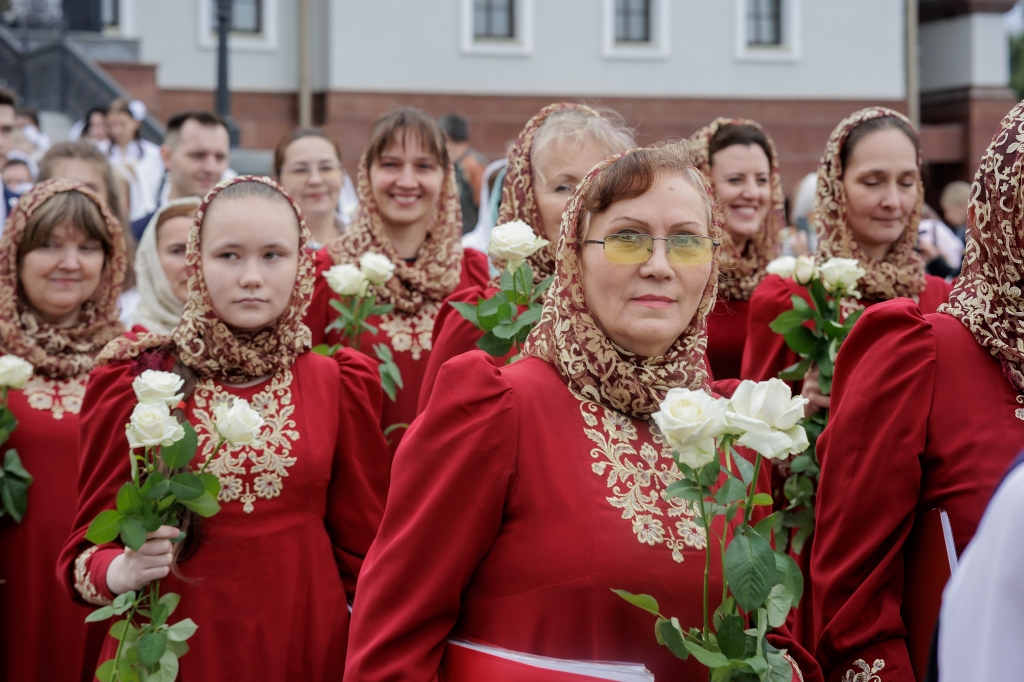
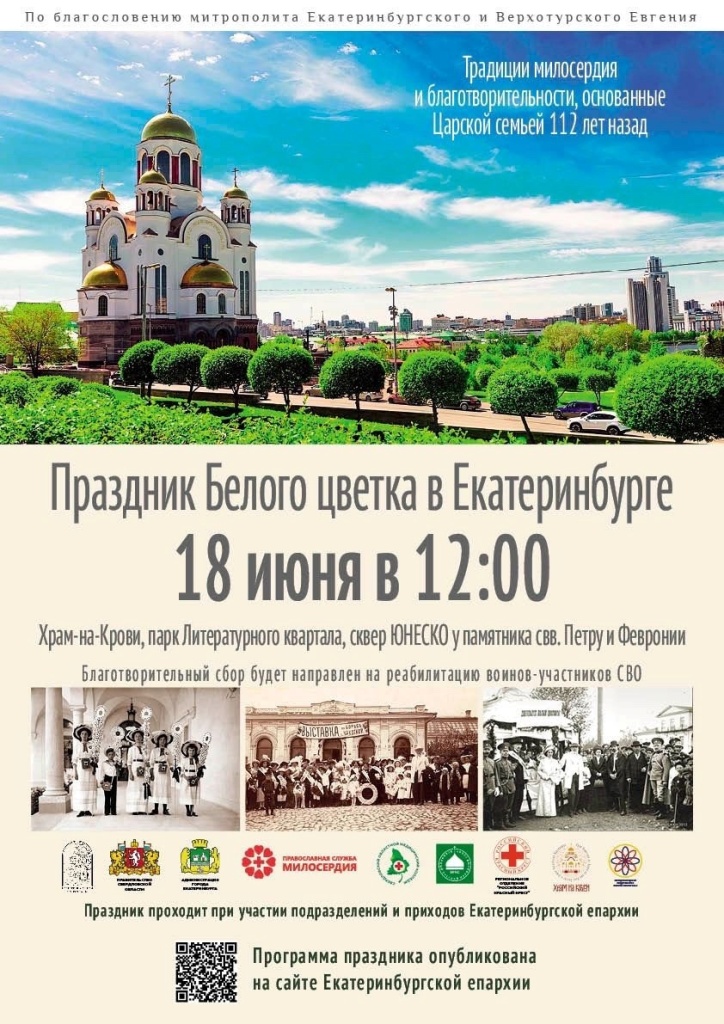
On 18th June 2023, with the blessing of Metropolitan Yevgeny of Yekaterinburg and Verkhoturye, the 10th annual White Flower Day Festival, founded 112 years ago by the Imperial Family, was held in Ekaterinburg. The festival was celebrated annually until the 1917 Revolution, but was revived in the Ural capitial in 2013.

This year marks the 300th anniversary of Ekaterinburg. In honour of this historic date, this year’s festival took on a special meaning, receiving the support of the regional government and the city administration. Festival organizers include the Ekaterinburg Diocese, the regional branch of the World Russian People’s Council, the Sverdlovsk Regional Medical College, the Orthodox Mercy Service, the Ekaterinburg branch of the Russian Red Cross, the Tsarsky Cultural and Educational Center, the St. Catherine’s Ring Community and the regional branch of the Imperial Orthodox Palestinian Society (IOPS).

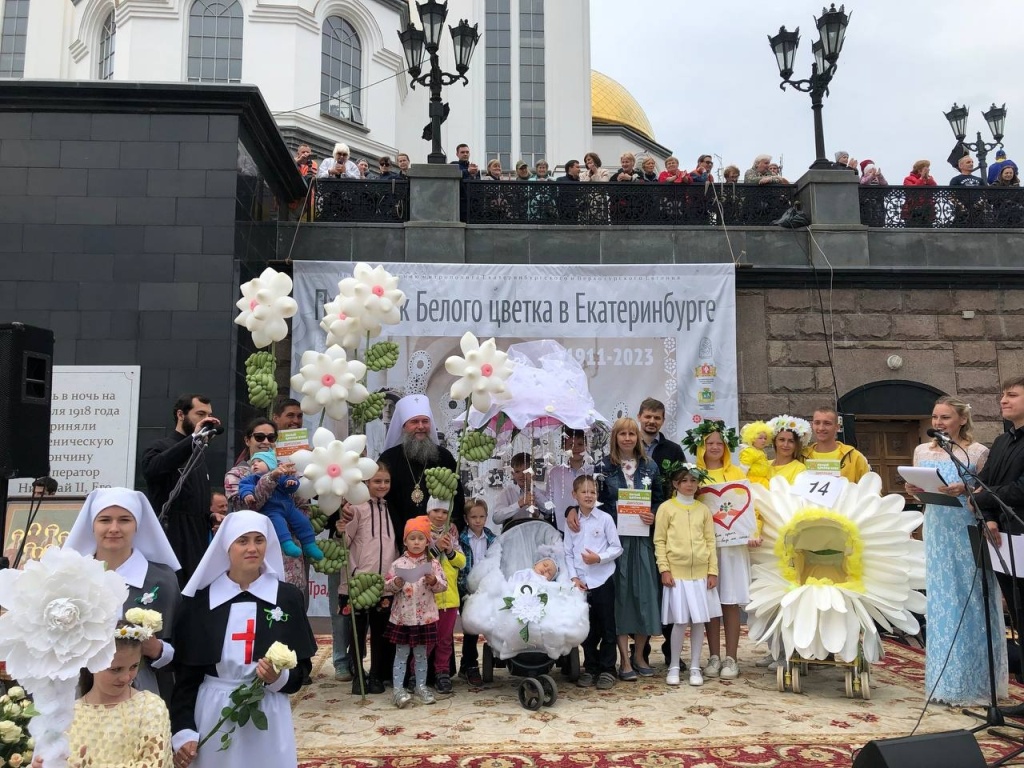
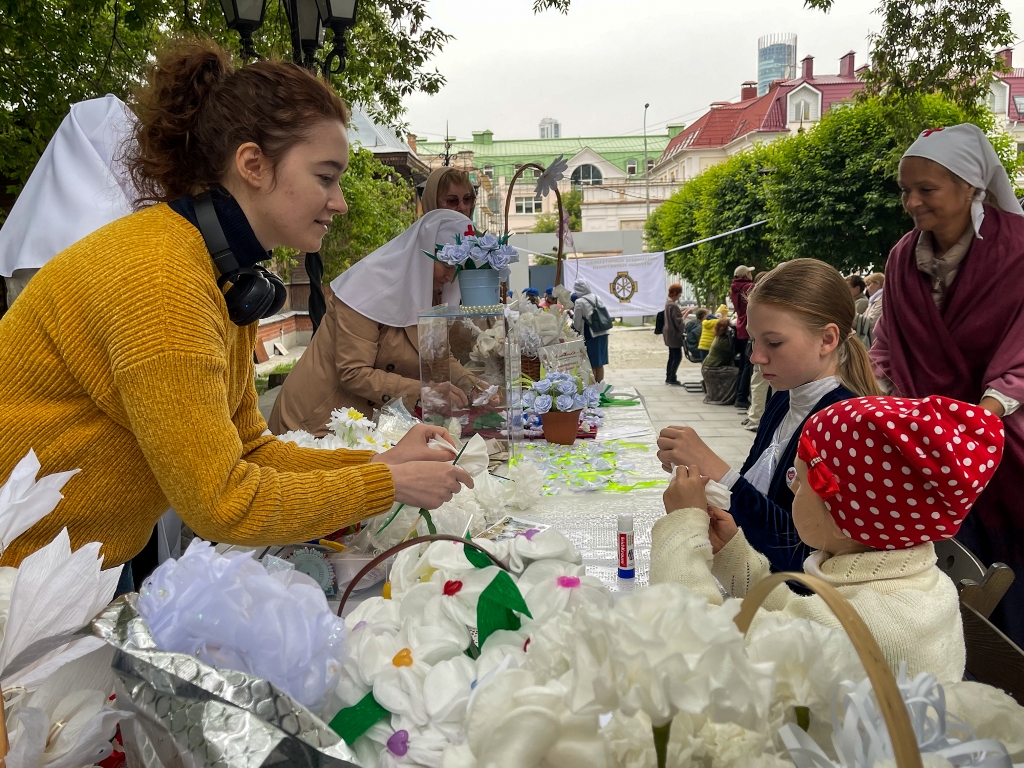
PHOTO: the 10th annual White Flower Day Festival was held in Ekaterinburg on 18th June 2023

The organizers emphasized that the festival honours the Holy Royal Martyr Family. “It is our mission to restore the historical memory of the Imperial Family in Ekaterinburg, and to follow the traditions of mercy and charity which they shared,” said one of the organizers.

This year’s program included the opening ceremony featuring the Alexander Pavlov Orchestra and the regional Children’s Philharmonic, a musical procession, a parade of baby carriages decorated with white flowers, a choral festival of sacred music, the “Waltz of Flowers” dance marathon, concerts, charity fairs and master classes. At the end of the festival, the combined choirs sang “God Save the Tsar“.

PHOTO: more than 150 volunteers helped organize this year’s White Flower Day in Ekaterinburg

In this jubilee year for the Ural capital, festive events were held at three venues in the city – on the square in front of the Church on the Blood, on the square near the Monument to the Holy Blessed Princes Peter and Fevronia, as well as in the Park of the Literary Quarter. Policing at the sites was provided by members of the Orenburg Cossack Military Society.

It is on this day that city residents and visitors can make a donation by purchasing white flowers made in advance by parishioners, volunteers and sisters of mercy, as well as handicrafts from the “From Heart to Heart” project. All proceeds from the sale of the white flowers are distributed to help in the fight against cancer, tuberculosis and other diseases.

PHOTO: a volunteer demonstrates to children how the white flowers are made out of paper and satin ribbons

Addressing the guests of the holiday with a welcoming speech, Metropolitan Yevgeny (Eugene) told how the residents of the city appreciated this good tradition 112 years ago:

“I was told that when the first White Flower Festival was held in 1911, the population of Ekaterinburg was only 70 thousand people. Some 50,000 white flowers were made and distributed. Not only does the white flower symbolize mercy – it is also a reminder of the of acts of charity which the Holy Royal Martyrs held so dear to their hearts.

“I would like there to be love in our city of Ekaterinburg, so that children are brought up in good traditions. And so that the bearers of the white flower and the goodness that this flower symbolizes become greater with each passing year,” he added.

***

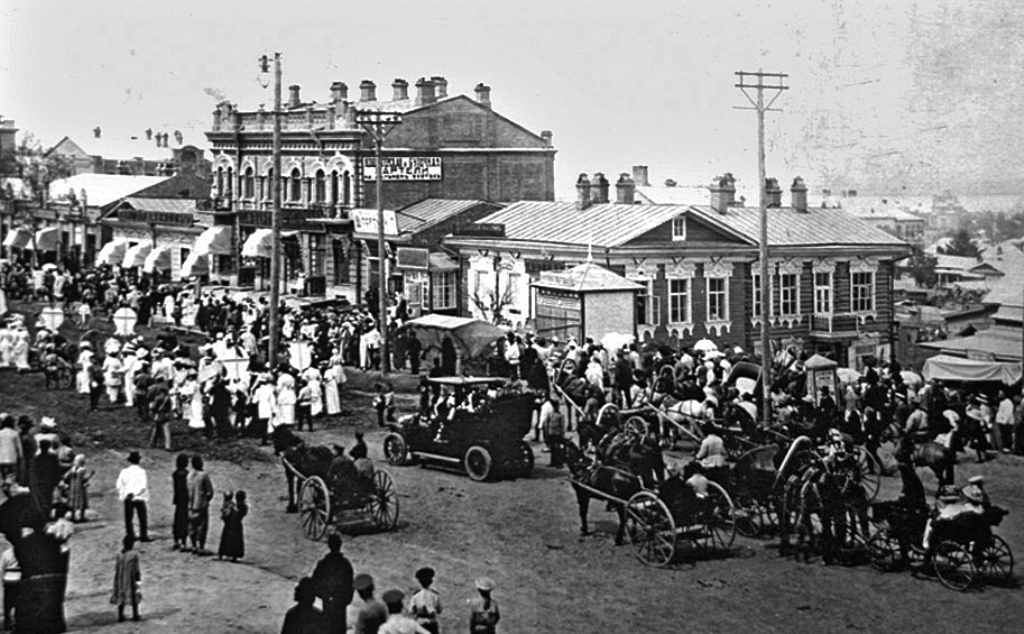
PHOTO: a procession of motorcars and carriages adorned with white flowers pass through Ekaterinburg in 1911

In 1910, on the initiative of Emperor Nicholas II, a branch of the European League for the Fight Against Consumption was created by the Red Cross in Russia. As a result, the first White Flower Day was held in St. Petersburg on 20th April (O.S.) 1911. Following the example of the capital, residents of the Ural city wished to take an active part in the fight against tuberculosis. The first White Flower Festival was held in Ekaterinburg on 21-22 May (O.S.) 1911.

 A description of the event in the Ural capital has been preserved in the archives: “The holiday began with a Divine Liturgy on the square in front of St. Catherine’s Cathedral [demolished in 1930], which was served by His Grace Mitrofan, Bishop of Yekaterinburg and Irbit. After the liturgy, Dr. A.M. Spassky spoke about the significance of the holiday. Then the ladies began selling the flowers. The sale was brisk. By evening, it was impossible to meet a single person who did not have at least one flower pinned. The net collection of the holiday amounted to 7,443 rubles 13 kopecks.”

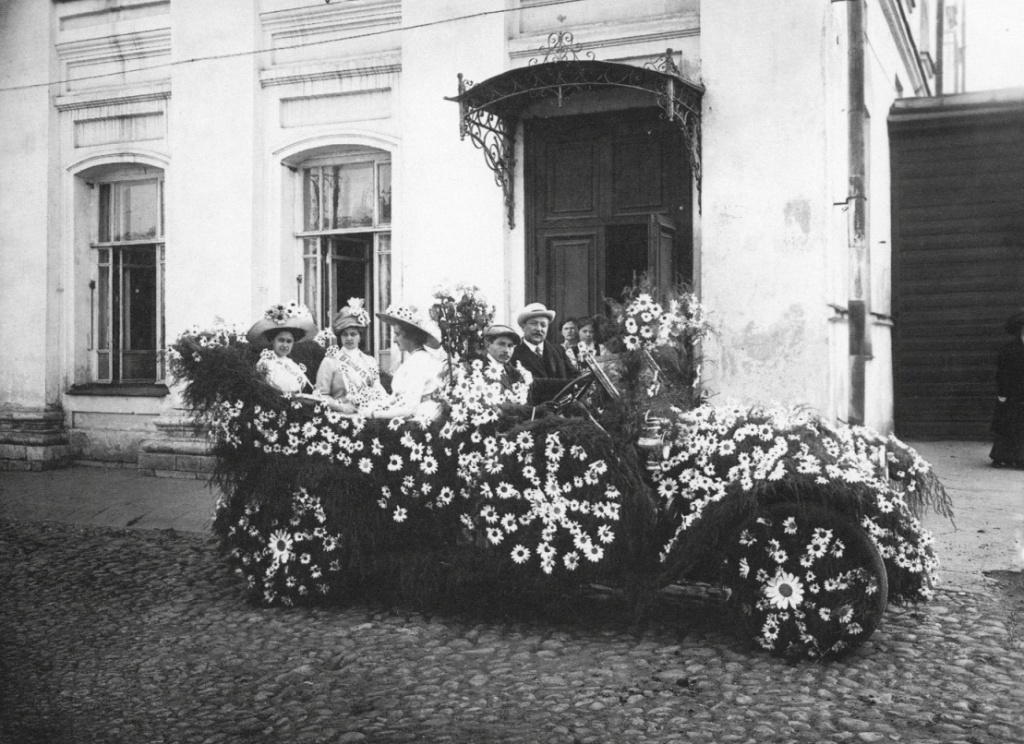
PHOTO: a motorcar adorned with white flowers, Ekaterinburg 1911

It was also in 1911, at Livadia in Crimea, members of the Imperial Family made white flowers with their own hands. The Romanov children eagerly participated in the event, walking through Yalta receiving donations and handing out flowers in return. The proceeds of which were used to build hospitals for tuberculosis patients.

Within the first few years, the festival was celebrated in 104 cities across the Russian Empire, including Ekaterinburg. In the first year, some 50,000 white flowers were made and distributed in the Ural capital, however, according to the Yekaterinburg Vedomosti newspaper, “it was not enough – many people wanted to contribute to this great and worthwhile charitable effort”.

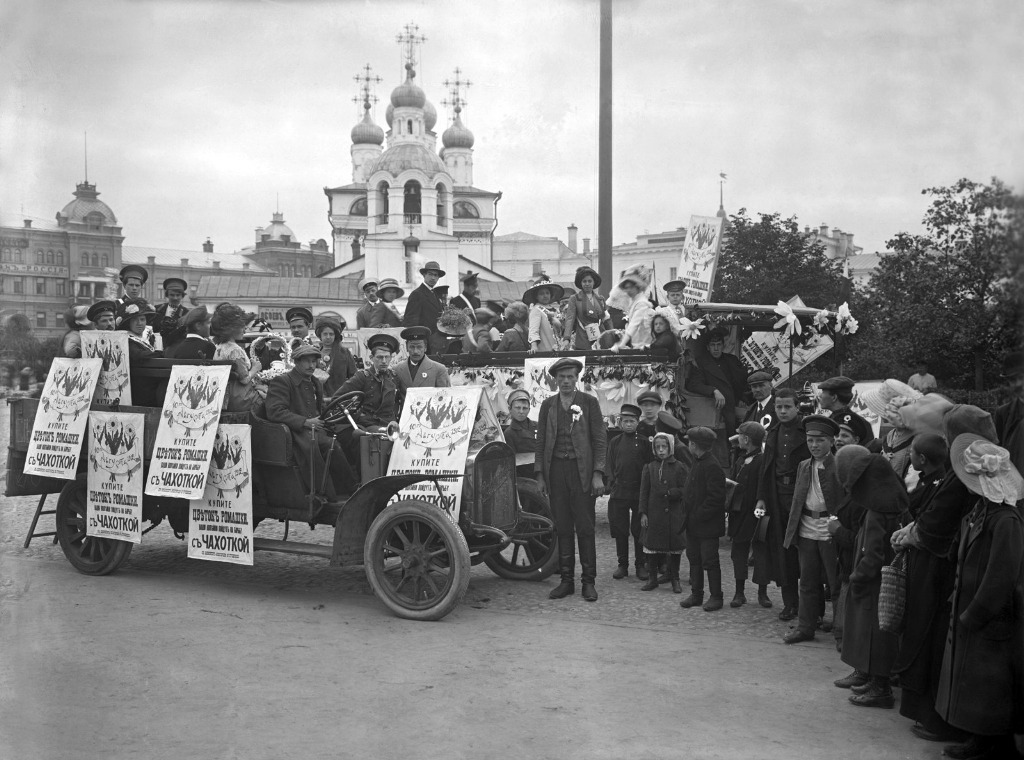
PHOTO: up until 1917, White Flower Day became a favorite holiday of the townspeople in Ekaterinburg

During the first White Flower Day in Ekaterinburg in 1911, a procession was held on the city’s streets, in which motorcars and carriages were adorned with white flowers. In addition the townspeople pinned them to their clothes. The proceeds were used to fight tuberculosis and help the poor in the city. The charity holiday became one of the favorite of the townspeople and was celebrated in Ekaterinburg until the revolution of 1917.

Following the dissolution of the Soviet Union in 1991, the White Flower Festival was revived. In recent years, the festival has made a comeback, and today the White Flower Day is held in many cities across Russia, including Ekaterinburg, which revived the festival in 2013.

© Paul Gilbert. 19 June 2023

Ekaterinburg: the Survivors

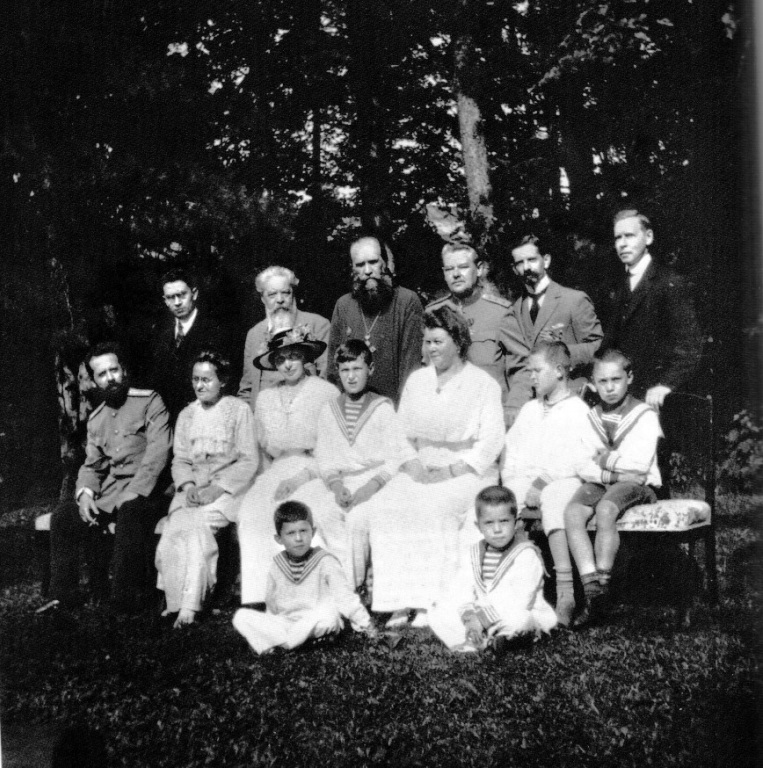
PHOTO: a number of those who survived the Ekaterinburg massacre are depicted in this photo taken at Tsarskoye Selo in 1916, including Terentiy Chemodurov (2nd from left, back row); Pierre Gilliard (2nd from right, back row: Charles Sydney Gibbes (far right, back row); and Alexandra Tegleva (3rd from left, front row and seated next to Tsesarevich Alexei Nikolaevich)

Following the transfer of the Imperial Family to Ekaterinburg in the Spring of 1918, the remaining servants and retainers living in the Kornilov House in Tobolsk were free to leave. A number of them, however, wanted to make the journey to Ekaterinburg with the hope of reuniting with the Tsar and his family. Their captives warned them that any one who went with the former Tsar and his family to Ekaterinburg would remain at liberty, at worse, they would not even be permitted to live in the same house with the Imperial Family but tossed in the local jail.

Despite the warning, a number of faithful retainers made the journey to the Ural capital, and, sure enough were imprisoned and later murdered by the Bolsheviks. Among them were Prince Vasily Dolgorukov, Ilya Tatishchev, Ekaterina Schneider, Anastasia Hendrikova, Klimenty Nagorny and Ivan Sednev

In addition, let us not forget the four faithful retainers, who remained with the Imperial family who followed the Imperial Family to their deaths in the Ipatiev House, on 17th July 1918: Dr. Eugene Botkin (1865-1918), the maid Anna Demidova (1878-1918), the cook Ivan Kharitonov (1872-1918), and the valet Aloysius Trupp (1856-1918).

As foreign nationals, the Swiss tutor Pierre Gilliard, along with his Russian born wife and nursemaid to the Tsar’s children Alexandra Tegleva and the English language tutor Sydney Gibbes were set free. So were a number of others with no explanation and amid rumours that they had abandoned the Imperial Family, sold a few secrets and begged for their lives.

The Empress’s Lady-in-Waiting Baroness Sophie Buxhoeveden attributed her unexpected release by the Bolsheviks to her “foreign” surname – it was Danish by origin – however, the even more foreign name of “Catherine Schneider” did not prevent the poor woman from being shot.

It was nothing short of a miracle that Nicholas II’s valet Terentiy Ivanovich Chemodurov; Assistant cook Leonid Ivanovich Sednev – not to be confused with his uncle with his uncle Ivan Dmitrievich Sednev – and the valet Alexei Andreyevich Volkov managed to escape from being shot by the Bolsheviks.

These men and women must never be forgotten for remaining faithful to Emperor Nicholas II and his family. Below, is a brief summary of each of them, and their respective fates following the regicide in Ekaterinburg:

Pierre Gilliard (1879-1962)

Pierre Gilliard was a Swiss academic who initially came to Russia in 1904 as a French tutor to the family of Duke George of Leuchtenberg, a cousin of the Romanov family. From 1905 to 1918 he served as the French language tutor to the children of Emperor Nicholas II.

He grew fond of the Tsar and family and followed them into exile to Tobolsk, Siberia, following the October 1917 Revolution. The Bolsheviks prevented Gilliard from joining his pupils when they were moved to the Ipatiev House in Ekaterinburg in May 1918.

Gilliard remained in Siberia after the murders of the family, for a time assisting White Movement investigator Nicholas Sokolov. In 1919, he married Alexandra Alexandrovna Tegleva, who had served as a nursemaid to the Tsar’s children.

Gilliard and Tegleva fled Bolshevik Russia in early November 1919, arriving in Vladivostok in early April 1920. They then travelled on an American ship to San Francisco, and from there travelled by ship along the Pacific coast, through the Panama Canal, across the Atlantic Ocean and the Mediterranean Sea to Trieste. From here, they travelled through Italy to Switzerland, and in August 1920 they reached his parents’ home in Fiez, which Gilliard had left 16 years before.

He became a French professor at the University of Lausanne and was awarded the French Legion of Honour. In 1921, he published a book entitled Thirteen Years at the Russian Court, which described the last days of the Tsar and his family, and the subsequent investigation into their deaths.

In 1958, Gilliard was severely injured in a car accident in Lausanne. He never fully recovered and died four years later on 30 May 1962.

Alexandra Alexandrovna Tegleva (1884-1955)

Alexandra Alexandrovna Tegleva was a Russian noblewoman who was educated at the Smolny Institute of Noble Maidens in St Petersburg. Tegleva served as a nursemaid and governess to Grand Duchesses Olga, Tatiana, Maria and Anastasia Nikolaevna, and Tsesarevich Alexei Nikolaevich. While many of the attendants in the service of the Empress spoke English, Tegleva was instructed to speak Russian with the children.

Following the Imperial Family’s house arrest in 1917, she lived with the family in the Alexander Palace at Tsarskoye Selo. In August of that year, she followed them into exile in Tobolsk, but was ultimately prevented from staying with them during their house arrest in Ekaterinburg. Tegleva was detained with Pierre Gilliard, Charles Sydney Gibbes, and Baroness Sophie Buxhoeveden in a separate residence from the imperial family in Yekaterinburg. She was almost killed by the Bolsheviks in Tyumen but was freed by the White Army.

In exile in Switzerland, Tegleva worked with her husband to investigate and debunk the claims made by Anna Anderson, a Romanov impostor who pretended to be Grand Duchess Anastasia Nikolaevna. Following two personal meetings with Anderson, Tegleva and her husband believed Anderson to be a fraud.

Alexandra Alexandrovna Tegleva died in Switzerland on 21 March 1955.

Charles Sydney Gibbes (1876-1963)

In 1901 Charles Sydney Gibbes travelled from England to St Petersburg, as tutor to the Shidlovsky family and then the Soukanoff family. By 1907 he was qualified as vice-president and committee member of the St Petersburg Guild of English Teachers. He came to the attention of Empress Alexandra Feodorovna and in 1908 was invited as a tutor to improve the English accents of the Grand Duchesses Olga and Tatiana; and subsequently Maria and Anastasia. In 1913 he became tutor to Tsesarevich Alexei.

Gibbes voluntarily followed the Imperial Family into exle, arriving in Tobolsk in October 1917, shortly before the Provisional Government fell to the Bolsheviks. In May 1918 the Imperial family was moved to the Ipatiev House in Ekaterinburg, and neither Gibbes, nor most other servants were allowed to enter. A number of servants stayed in the railway carriage which had brought them to the city.

After the fall of Ekaterinburg to the White Army on 25th July. Gibbes and Gilliard were early visitors to the scene of the regicide at the Ipatiev House and were both involved in the subsequent enquiries carried out by Ivan Alexandrovich Sergeiev and later by Nicholas Alexievich Sokolov.

In January 1919, he retreated eastwards as Siberia was captured by the Red Army. In Harbin, China on 25th April 1934 he was received into the Orthodox church by Archbishop Nestor (Anisimov) of Kamchatka and Petropavlovsk who was there in exile. Gibbes took the baptismal name of Alexei in honour of the former Tsesarevich. He was tonsured a monk on 15th December, ordained deacon on 19th December and priest on 23rd December, taking the name Nicholas in honour of the former Tsar. In March 1935 he became an Abbot. He again returned to England in 1937 and was established in a parish in London.

At the time of the Blitz he moved to Oxford where in 1941 he established an Orthodox chapel in Bartlemas. In 1949 he bought a house at 4 Marston Street, subsequently known as the Saint Nicholas House.

Gibbes died at St Pancras Hospital, London, on 24 March 1963. His open coffin was displayed in the cellar (or crypt) of Saint Nicholas House before his funeral. He is buried in Headington cemetery, Oxford, Oxfordshire, England.

Terenty Ivanovich Chemodurov (1849-1919)

From 1891 to 1908, Terenty Ivanovich Chemodurov served in the Guards Crew. On 14th (O.S. 1st) December 1908, he was appointed personal valet to Emperor Nicholas II. He resided in the Alexander Palace at Tsarskoye Selo, where he received an annual salary of 360 rubles, as well as room and board.

In August 1917 he voluntarily followed the Imperial Family into exile, first to Tobolsk and then to Ekaterinburg. He lived in the Ipatiev House until 24th May (O.S. 11th) 1918, from where he was removed due to illness and transferred to a prison hospital in Ekaterinburg. He was replaced by the footman Alexei Troupe. Nicholas II wrote in his diary that day: “I decided to let my old man Chemadurov go for a rest and take on Troupe during his absence.”

Despite the fact that the Tsar released Chemodurov from service, the local Soviet authorities arrested him. As it turned out, the person in the next cell turned out to be another servant – Alexei Andreevich Volkov – the valet of Empress Alexandra Feodorovna.

It is believed while that in prison he was forgotten by the Chekists and on 25th July 1918, he was released by the Czechoslovaks who occupied Ekaterinburg. In 1919, he was involved as a witness in the case of the murder of the Imperial Family.

Chemodurov himself explained his salvation from execution by a miracle – according to him, a list of persons to be shot was sent to the prison. The list was large and did not fit on one page, which is why Chemodurov’s surname was written on the back of the sheet. Due to the negligence of the prison authorities, who failed to check the additional inscriptions on the back of the page, Chemodurov was not summoned from his cell to be shot. He was subsequently rescued from prison by the Czechs, who liberated Ekaterinburg from the Red Army.

In exile, Chemodurov spoke of the Emperor in the following way: “During my almost 10-year service under the Sovereign, I had opportunity to study his habits and inclinations in his private life, and in good conscience I can say that the Tsar was an excellent family man.” With regard to the last days of the Imperial Family, Chemodurov said: “He [the Tsar] seemed to be petrified but did not betray his fears, the Empress, however, suffered and prayed fervently”.

Leonid Ivanovich Sednev (1903-1941)

Leonid Ivanovich Sednev was a chef’s assistant who, together with his uncle Ivan Dmitriyevich Sednev, served Emperor Nicholas II and his family during their exile in Tobolsk and Ekaterinburg from 1917 to 1918.

Six hours before the Imperial family and their four retainers were murdered in the cellar of the Ipatiev House on the night of 16/17 July 1918, Sednev was taken to a neighboring house, where he was held until 20th July. Officials from the Ural Regional Soviet then shipped him off to live with relatives in Kaluga.

In her final diary entry on 16th July 1918, Empress Alexandra Fedorovna noted: “… Suddenly Lenka [Leonid’s nackname] Sednev was fetched to go and see his uncle and flew off – wonder whether it’s true and we shall see the boy back again! …”

There are conflicting accounts of his ultimate fate; according to one report, he was shot in 1929 in Yaroslavl on charges of participating in a counter-revolutionary conspiracy, while other evidence suggests that he was killed during the Battle of Moscow in 1941; however, according to the obd-memorial.ru (CAMO) web site, he was executed on the verdict of the tribunal of the Bryansk Front for an unspecified crime on 17 July 1942, exactly 24 years to the day the Tsar and his family were murdered.

In 2004, author Robert Alexander wrote The Kitchen Boy, an historical novel which recreates the final days of the Tsar and his family as seen through the eyes of Leonid Sednev.

Alexei Andreyevich Volkov (1859-1929)

As a young man, Alexei Andreyevich Volkov entered the Russian Imperial Army and rose through the ranks. He was on guard and witnessed the assassination of Emperor Alexander II in 1881. Later he served as a military instructor to the future emperor Nicholas II. From 1886, he was in service to Grand Duke Paul Alexandrovich. In 1910 he was appointed valet at the court of Nicholas II. In addition, he was Empress Alexandra Feodorovna’s personal servant and often pushed her wheelchair.

In August 1917, Volkov followed the Tsar and his family into exile to Tobolsk, but was later separated from them at Ekaterinburg and imprisoned at Perm. There, he heard that the Emperor had been murdered by the Bolsheviks, though he was unaware that the Empress and their children had also been shot.

On 4th September 1918, he was taken from his prison cell in the middle of the night and led to the prison office, where he saw lady-in-waiting Anastasia Hendrikova and the elderly tutor Catherine Schneider. They were joined by eight other prisoners, and an escort of twenty-two guards.

Volkov asked a guard where they were being taken and was told they were being taken “to the house of arrest.” Hendrikova, who had been in the washroom, asked a guard the same question when she came out. She was told they were being taken “to the central prison.” Hendrikova asked him, “and from there?” The guard replied, “Well! to Moscow.” Hendrikova repeated this conversation to her fellow prisoners and made the sign of the cross with her fingers. Volkov took her gesture to mean “they will not shoot us.”

The prisoners were lined up in the street in rows of two, the men in front and the women in back. The group walked all the way to the edge of town and onto the Simbirsk road. Volkov asked another prisoner where the central prison was and was told they had long passed it. Volkov realized they were being taken into the woods to be shot. He broke from the group and ran for his life at the first opportunity. A bullet whizzed past his ear. Behind him he heard gunshots as the other prisoners in the group were shot and killed.

Volkov eventually joined other refugees at the White Army headquarters in Omsk and made his escape from Russia through Vladivostok and the Far East. In 1922, he settled in Estonia. He later lived in Denmark, where he was highly respected in the émigré community because of his lifelong loyalty to the Tsar and his family.

During his years in exile, he wrote his memoirs about his time at the Court of Nicholas II and his escape. These include his experience of events such as the Khodynka Tragedy.

Alexei Andreevich Volkov died on 27th February 1929, in Yuryev (Tartu), Estonia.

Baroness Sophie Buxhoeveden (1883-1956)

Sophie Freiin von Buxhoeveden, also known as Baroness Sophie Buxdoeveden, was the daughter of Baron Karlos Matthias Konstantin Ludwig Otto von Buxhoeveden (1856-1935), the Russian minister in Copenhagen, Denmark during World War I.

In her youth, Sophie was a part of the social life of St. Petersburg. In 1904, she was chosen as an honorary Lady in Waiting to Empress Alexandra Feodorovna, and became an official Lady in Waiting in 1913. She often accompanied the Empress and her four daughters to official duties.

She followed the Imperial Family into exile to Tobolsk. After being refused permission to join the Imperial family in the Ipatiev house, Sophie, along with the foreign tutors, tried to find a way to help the family.

Sophie spent many months on the run across Siberia, with other members of the Imperial household. She was only allowed safe passage out of Russia when she made it to Omsk, with the help of the British military, namely General Alfred Knox, who got her safe passage on a military train.

In exile, Buxhoeveden lived first in Copenhagen with her father, then at Hemmelmark in northern Germany, before finally settling in England, where she faithfully served as lady-in-waiting to Empress Alexandra Feodorovna’s older sister Victoria, Marchioness of Milford Haven.

During her years in exile, the Baroness wrote three books that are considered to give one of the best accounts of the Romanov family’s life and final days. They were Life and Tragedy of Alexandra Feodorovna (1928); Left Behind: Fourteen Months in Siberia During the Revolution (1929); and Before the Storm (1938).

Baroness Sophie Buxhoeveden died in England on 26 November 1956, in grace and favor rooms granted to her by th the Queen.

Dr. Vladimir Nikolaevich Derevenko (1879-1936)

Vladimir Derevenko was born on 28th (O.S. 15th) July 1879, into the family of the Russian nobleman Nikolai Dmitrievich Derevenko and his wife Varvara Ivanovna Badimo. After graduating from the 1st Chisinau Gymnasium in 1899, he entered the Imperial Military Medical Academy. In 1904, he completed his studies, earning a doctor’s diploma with honours.

In 1904-05 he was called up for active military service during the Russo-Japanese War, of which he served as junior doctor of the Kerch Fortress Artillery and head of the eye and venereological departments of the Kerch Infirmary. He also participated in hostilities at the Front, providing assistance to the wounded.

In October 1912, Derevenko was summoned to Spala to assist with Tsesarevich Alexei’s near fatal injury, as a result of his haemophilia. It was following the heir’s recovery that Dr. Derevenko was appointed Alexei’s personal physician. His son Kolya, became Alexei’s playmate.

During the First World War, Derevenko participated in the daily work of the infirmaries which had been founded by the Empress Alexandra Feodorovna in Tsarskoye Selo.

After the February 1917 Revolution, and the Tsar’s abdication, the Imperial Family were held under house arrest in the Alexander Palace at Tsarskoye Selo. The Provisional Government issued an order to the family’s servants and retinue to choose between staying with the prisoners or leaving them. Both physicians, V. N. Derevenko and E. S. Botkin, opted to stay with the Imperial Family.

Derevenko and his family followed the Imperial Family into exile to Tobolsk, where they settled in the Kornilov House, situated opposite the Governor’ House, where the Tsar and his family were held under house arrest. Derevenko was permitted access to the latter to administer any necessary medical treatment.

When the Bolsheviks came to power in October 1917, the situation for the captives changed. In April 1918, the Bolshevik commissar Yakovlev arrived in Tobolsk, and took charge. The Imperial Family and their faithful retainers were transported to Ekaterinburg in two groups. Dr. Derevenko remained with the second group in Tobolsk to attend to Alexei who was ill. Following the heir’s recovery in May 1918, they were sent Ekaterinburg to be reunited with the rest of the family.

During the Ekaterinburg period of Derevenko’s life, he was admitted to the Ipatiev House, but only to provide medical treatment to Alexei, whose health was deteriorating. During such visits, the doctor was forbidden to speak with any member of the Imperial Family.

Derevenko was fortunate to have survived the massacre in the Ipatiev House. In December 1918, the doctor and his family moved to Perm, which was occupied at the time by the Whites. It was here that he began to work in the surgical clinic of Perm University. When the Red Army units approached Perm in July 1919, together with some of the teachers, staff and students of Perm University, Derevenko was evacuated to Tomsk, where he worked as a surgeon in the Tomsk military hospital, where he continued working after the establishment of Soviet power in the region in December 1919.

In 1920, he returned to Perm and headed the Department of the Surgical Clinic of Perm University. In 1923, he was elected professor and head of the General Surgery Clinic of the Ekaterinoslav University.

Derevenko later moved to Dnepropetrovsk, where in January 1931, he was arrested on charges of attempting to overthrow the Soviet government by armed force and participating in the secret counter-revolutionary organization Union for the Liberation of Russia. He pleaded guilty, for which he was sentenced to 5 years of “restriction of liberty”, but was not subjected to imprisonment. After serving his sentence, he was exiled to Lugansk, where he worked as a doctor.

In 2003, shortly before his death, in his only interview, Derevenko’s son Nikolai said that his father died in the spring of 1936 in Dnepropetrovsk (now Ukraine) and was buried at the Sevastopol Cemetery.

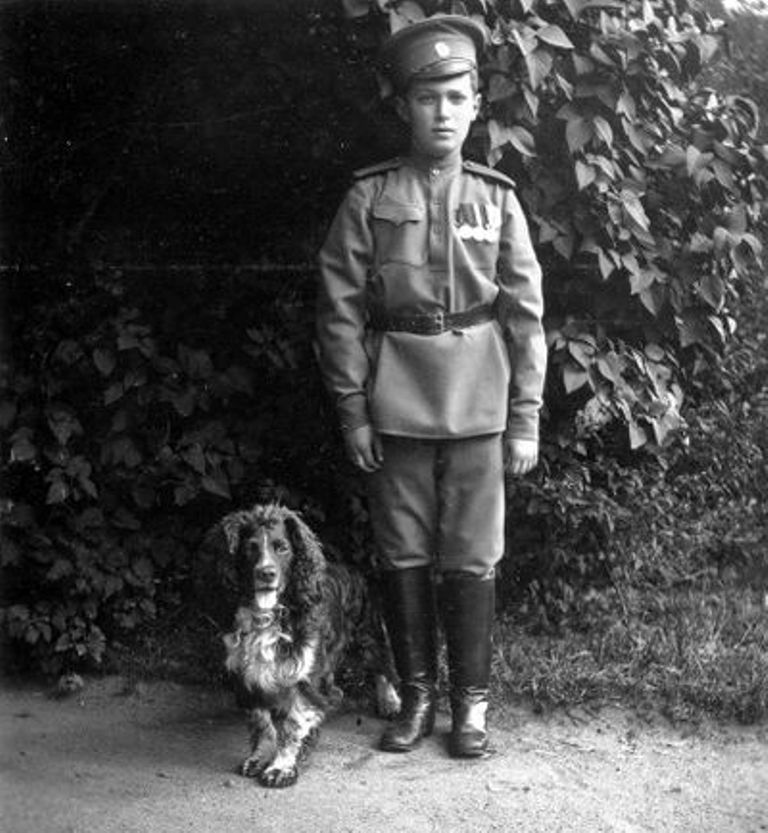
JoyTsesarevich Alexei’s spaniel

The faithful canine companion to Tsesarevich Alexei Nikolaevich was the only member of the Imperial Family who survived the massacre which took place in the Ipatiev House on the night of 16/17 July 1918.

“The Czechs [Czechoslovak Corps in the Russian Army], seizing Ekaterinburg, found a poor little animal, half-starved, running around the yard of the Ipatiev House. The dog seemed to be looking for his master all the time and his absence made him so sad and depressed that he barely touched his food, even when he was affectionately cared for,” wrote Baroness Sophie Buxhoeveden in her memoirs.

Alexei’s beloved King Charles spaniel Joy was taken by General Mikhail Dieterikhs, head of the White Army investigation into the death of the Tsar and his family. Joy was eventually homed with Colonel Pavel (Paul) Rodzianko, who was serving with the British Expeditionary Force in Siberia.

The British were expelled from Russia by the Bolsheviks and Rodzianko had grown so fond of Joy that he took him back to England.

Joy died at Windsor, however not at the royal court, but at Colonel Rodzianko’s small estate of Sefton Lawn, whose park adjoined the royal park.

“Every time I walk past my garden at Windsor, I think of the little dog’s grave in the bushes with the ironic inscription ‘Here rests Joy’. For me, this little stone marks the end of the empire and way of life,” Pavel Rodzianko wrote in Tattered Banners.

Sadly, both the garden and Joy’s modest grave is now believed to have been concreted over as a car park. 

© Paul Gilbert. 14 June 2023

***

The following NEW title was compiled and edited by independent researchers and Romanov historian Paul Gilbert was published in August 2024. 

This fascinating new study features 14 chapters on this tragic event, which include the memoirs of a British intelligence officer and journalist, and two First-English translations. In addition, 11 chapters were written by Paul Gilbert, based on new documents sourced from Russian archival and media sources over the past decade.

Please refer to the link provided for further details about the content of this new title . . .

CLICK HERE TO READ MORE ABOUT THIS TITLE
Loyal to the Tsar: General Tatishchev and Prince Dolgorukov

PHOTO: From left to right: Catherine Schneider, Ilya Tatishchev, Pierre Gilliard, Anastasia Hendrikova and Vasily Dolgorukov

On this day – 10th June 1918 – two faithful servants to Emperor Nicholas II – General Ilya Leonidovich Tatishchev and Prince Vasili Alexandrovich Dolgorukov – were murdered by the Bolsheviks.

General Tatishchev and Prince Dolgorukov, faithfully and selflessly served Emperor Nicholas II, for many years. With Christian courage and nobility, they remained faithful to the sovereign, voluntarily followed the Emperor and his family to Tobolsk, and then to Ekaterinburg.

It was on 10th June 1918, that they together took a martyr’s death at the hands of the Bolsheviks and were buried in the cemetery of the Novo-Tikhvin Convent.

Memory Eternal! Вечная Память!

PHOTO: General Ilya Leonidovich Tatishchev and Prince Vasili Alexandrovich Dolgorukov

Ilya Leonidovich Tatishchev (1859 – 1918) – Adjutant-General of Emperor Nicholas II. The son of General Leonid Aleksandrovich Tatishchev (1827-1881) and Catherine Ilinishna (1835-1915), Ilya Tatishchev is one of the descendants of the founder of Ekaterinburg. He graduated from the Corps des Pages in St Petersburg, and later entered the service of the His Majesty’s Life Guard Hussar Regiment. He later served as adjutant to the Grand Duke Vladimir Alexandrovich (1847-1909). On 6th December 1895, he was promoted to colonel. From 1905 he served as Major-General of the Retinue of His Imperial Majesty. In 1910 he was promoted to Adjutant General. He was a member of the Holy Prince Vladimir Brotherhood. He faithfully followed Emperor Nicholas II and his family into exile. He was murdered by the Bolsheviks on 10th June1918. Ilya Tatishchev is buried in the cemetery (*lost during the Soviet years) of the Novo Tikhvinsky Convent in Ekaterinburg.

Prince Vasily Alexandrovich Dolgorukov ( 1868 – 1918) – Major-General, marshal of the Ministry of the Imperial Court and lands. The son of Prince Alexander Vasilyevich Dolgorukov (1839-1876) and Princess Mary Sergeyevna (1846-1936). He graduated from the Corps des Pages in St Petersburg, and then entered the service of the Life-Guards Horse-Grenadier Regiment. In 1907, he was promoted adjutant to His Imperial Majesty Emperor Nicholas II. From 1912-1914, he served as Regimental Commander of the Life-Guards Horse-Grenadier Regiment. During the First World War, he served at General Headquaters in Mogilev. Dolgorukov faithfully and selflessly served Emperor Nicholas II for 22 years. In March 1917, he voluntarily stayed with the Emperor during his house arrest in the Alexander Palace at Tsarskoye Selo. In August 1917, he then followed the Emperor and his family into exile to Tobolsk.

After his arrival in Ekaterinburg on 30th April 1918, Prince Dolgorukov was arrested “in order to protect public safety.” He was placed in the political department of the Ekaterinburg prison. The Chekists tried to accuse him of planning the escape of the Imperial family. Historians call these accusations groundless. On 10th June 1918, he was shot in a wooded area near the city’s Ivanovskoe Cemetery,. His body was later discovered by a unit of the White Army, and buried in the autumn of 1918 in the cemetery (*lost during the Soviet years) of the Novo-Tikhvinsky Convent in Ekaterinburg.

Tatishchev and Dolgorukov were canonized by the Russian Orthodox Church Outside Russia (ROCOR) in October 1981.

FURTHER READING

Obituary: Maria Dmitrievna Ivanova-Tatishcheva (1930-2025)

LOST IMPERIAL RUSSIA – Novo-Tikhvin Convent Cemetery, Ekaterinburg

Monument to 4 faithful servants to Nicholas II installed in Ekaterinburg

Faithful to the End: Prince Vasily Alexandrovich Dolgorukov (1868-1918)

© Paul Gilbert. 10 June 2022

Ekaterinburg Diocese celebrates the 155th anniversary of the birth of Emperor Nicholas II

The anniversary of the birth of Russia’s last Tsar has been celebrated in the Ural capital of Ekaterinburg for many years.

On 19th May 2023, with the blessing of Metropolitan Evgeny of Yekaterinburg and Verkhoturye, a series of events will be held dedicated to the memory of the last Russian emperor, the Holy Tsar-Martyr Nicholas II.

On the morning of 19th May, a Divine Liturgy will be celebrated at 8:00 a.m., in the Church on the Blood, built on the site of the Ipatiev House, where the Imperial Family and their four faithful retainers met their deaths and martyrdom.

A liturgy will also be celebrated at the Monastery of the Holy Royal Martyrs in Ganina Yama, followed by a Cross Procession  celebrating the patronal feast day in the name of the Righteous Job the Long-Suffering [on whose feast day Nicholas was born].

In addition, Divine services in memory of the last Russian emperor will be held in many churches of the Ekaterinburg diocese, including the Cathedral of St. Alexander Nevsky at the Novo-Tikhvin Convent, whose history is closely connected with the last Tsar and his family.

At 12:00 p.m., the Tsarsky Cultural and Educational Center [situated across the square from the Church on the Blood] will host the opening of Emperor Nicholas II During the First World War, an exhibition timed to coincide with the 155th anniversary of the birth of Nicholas II and the 105th anniversary of the end of the First World War. The exhibition runs until 31st August 2023.

At 1:30 p.m., a Liturgy will be performed in the Church of St. Nicholas the Wonderworker at the Ural State Mining University of Emperor Nicholas II, followed by a festive concert at 14:00 in the Tsar’s Hall of the USMU.

In addition, the Blue Line of Ekaterinburg will be launched. The route connects a dozen sights of the city, each of them, in one way or another are associated with the final days Nicholas II and his family during their house arrest in the Ural city, from April to July 1918.

© Paul Gilbert. 19 May 2023

Blue Line route marks places associated with Imperial Family in Ekaterinburg

The city of Ekaterinburg is already making preparations for ‘Tsar’s Days‘, the annual event held in July, marking the deaths and martyrdom of Emperor Nicholas II and his family.

Over the past few years, a blue line has been painted on the streets in Ekaterinburg. The blue line is a 6.3 km pedestrian route for pilgrims and tourists, which connects a dozen places associated with the final days Nicholas II and his family in the Ural city.

This year participants can make use of a printed guidebook or download a special app to their mobile phone, both of which provide details about the Holy Royal Martyrs, and the places highlighted along the Holy Route.

Five of the places on the route are churches and cathedrals – such as the Church on the Blood (built on the site of the Ipatiev House) seen in the photo above.

The idea was implemented jointly with the Ekaterinburg diocese and the city administration in 2018. It is a wonderful idea, and I found it very helpful during my visit to the city in July 2018.

This year (2023) marks the 300th anniversary of the founding of Ekaterinburg in 1723; the 155th anniversary of the birth of Emperor Nicholas II in 1868; and and the 105th anniversary of the death and martyrdom of the Imperial Family in 1918.

Organizers have issued a small but handy guidebook “The Tsar’s Line of Ekaterinburg”. Copies will be distributed FREE at the Tsarsky Center – located in the Patriarchal Compound – and the Church on the Blood.
© Paul Gilbert. 27 April 2023